Category: Politics

  • MIL-OSI United Kingdom: Full devolution to be delivered across the North

    Source: United Kingdom – Executive Government & Departments

    The government is continuing to deliver devolution for all corners of the country, with a commitment to deliver full devolution across the North.

    • Government will prioritise remaining Northern areas in the next wave of devolution deals
    • Progression for deals covering Lancashire, Greater Lincolnshire, Hull and East Yorkshire and Devon and Torbay announced earlier this week will be prioritised
    • Backing advanced manufacturing in the West Midlands and life sciences in West Yorkshire by releasing this year’s funding for the Mayors’ Investment Zones

    The government is continuing to deliver devolution for all corners of the country, with a commitment to deliver full devolution across the North.

    The next wave of devolution deals will work to ensure the remaining areas in the region not yet benefitting from greater devolved powers are supported to deliver agreements that work for their communities.

    The commitment confirmed today follows the government’s announcement earlier this week that four devolution agreements will progress in Hull and East Yorkshire, Greater Lincolnshire, Lancashire, and Devon and Torbay.

    The government will also release this year’s funding for two Investment Zones, delivering high quality jobs and attracting private sector investment, focusing on advanced manufacturing in the West Midlands and life sciences in West Yorkshire.

    Investment Zones have been established in a number of Combined Authorities in England, combining tax incentives and flexible funding for research and development, skills, business support, local infrastructure and planning.

    Further government action to deliver devolution includes:

    • The English Devolution Bill announced in the King’s Speech;
    • Establishing the Council of the Nations and Regions, with more details to be announced in due course; 
    • Asking existing mayors to develop Local Growth Plans for their areas to help drive regional growth. Greater Manchester, one of the places where devolution has existed for the longest and the powers are deepest, has been one of the UK’s fastest growing areas over the last 20 years, and is forecast to grow by more than the national average in coming years; and
    • The devolution agreements announced this week means that over 60% of the country will be covered by a devolution deal.

    Updates to this page

    Published 22 September 2024

    MIL OSI United Kingdom

  • MIL-OSI United Kingdom: More than 30 arrests in crackdown on Common Travel Area abuse

    Source: United Kingdom – Executive Government & Departments

    A three-day crackdown against people-smuggling gangs saw 31 arrests.

    A Home Office crackdown against people-smuggling gangs and people exploiting the Common Travel Area (CTA) has led to the arrest of 31 people in multiple locations across the UK.  

    As the government steps up its pursuit against the criminal groups abusing our borders on all fronts, Immigration Enforcement teams, alongside UK police forces and international partners, descended on locations in the UK including Belfast, Scotland, Liverpool and Luton as part of a three-day operation.   

    Checks were conducted at major ports, airports, and road networks across the country, targeting illegal migration and disrupting smuggling routes. Ruthless criminal gangs, operating both in the UK and internationally, often exploit vulnerable migrants, charging them thousands of pounds to enter the UK illegally, luring them with false promises of a better life.  

    During the operation, £400,000 of criminal cash and 10 fraudulent identity documents were seized. These documents, which are critical tools used by people-smuggling gangs, enable them to evade immigration controls. Created by criminal networks, counterfeit documents allow migrants to bypass border checks, trapping vulnerable people in further illegal activities. By exploiting these people, the gangs not only profit but also place them at risk of severe legal and personal consequences.  

    The multi-agency operation was led by Immigration Enforcement’s Criminal and Financial Investigations team in Northern Ireland, the Police Service of Northern Ireland (PSNI), the National Crime Agency (NCA), other UK police forces, and international partners.  

    This operation is part of a national effort to stop irregular migration and human trafficking at key entry points across the UK, as the government works to tackle people-smuggling gangs and bring those exploiting vulnerable people to justice.  

    Minister for Border Security and Asylum, Dame Angela Eagle, said:  

    This government will not stand by as criminal gangs exploit vulnerable people, risking their lives and giving them false hopes of a better life in the UK. Driven by greed, these gangs have no regard for human life or safety, charging outrageous fees, preying on those desperate to escape hardship, and forcing them into illegal and dangerous situations.  

    We are taking the fight to them on all fronts under the leadership of our new Border Security Commander. Dismantling the business models of these gangs does not just apply to the small boats trade – we are also stamping out other routes into the UK to bring them to justice and slash their profits.” 

    Home Office Immigration Enforcement Inspector, Jonathan Evans, said:  

    This operation has been a huge success and sends a clear message that the smuggling gangs who break our laws will face serious consequences.  

    We are taking action day in, day out to ensure we stay a step ahead of these criminal groups, disrupting them at the earliest possible stage. We will continue working relentlessly to ensure no one abuses the Common Travel Area or the UK’s borders.  

    I’m incredibly proud of our teams across the country, as well as our partners from the police, the National Crime Agency, and international counterparts, for their hard work and collaboration in carrying out this important operation.

    Updates to this page

    Published 22 September 2024

    MIL OSI United Kingdom

  • MIL-OSI Africa: Tips for safer driving on icy roads

    Source: South Africa News Agency

    Sunday, September 22, 2024

    The Road Traffic Management Corporation (RTMC) has warned motorists to exercise extreme caution when driving on icy roads. 

    Severe snow and wet conditions have been reported in parts of the country, especially in KwaZulu-Natal and the Free State.

    READ | Government prioritises providing shelter for stranded motorists in anticipation of more snow

    “The South African Weather Service has issued an alert for strong surface winds, severe thunderstorms affecting Gauteng, and snow fall affecting the Eastern Cape and some parts of the country,” the RTMC said at the weekend.

    During this period, the RTMC advises road users to adhere to Arrive Alive road safety messages and follow the advice below: 

    Driving safely on icy roads

    1. Decrease your speed and leave yourself plenty of room to stop. You should allow at least three times more space than usual between you and the car in front of you.
    2. Brake gently to avoid skidding. If your wheels start to lock up, ease off the brake.
    3. Turn on your lights to increase your visibility to other motorists.
    4. Keep your lights and windshield clean.
    5. Use low gears to keep traction, especially on hills.
    6. Don’t use cruise control or overdrive on icy roads.
    7. Be especially careful on bridges, overpasses and infrequently travelled roads, which will freeze first. Even at temperatures above freezing, if the conditions are wet, you might encounter ice in shady areas or on exposed roadways like bridges.
    8. Don’t pass snow ploughs and sanding trucks. The drivers have limited visibility, and you’re likely to find the road in front of them worse than the road behind.
    9. Don’t assume your vehicle can handle all conditions. Even four-wheel and front-wheel drive vehicles can encounter trouble on icy roads. – SAnews.gov.za

    MIL OSI Africa

  • MIL-OSI United Nations: IOM Chief and COP29 Presidency to Address Climate-Peace-Human Mobility Nexus During UNGA

    Source: International Organization for Migration (IOM)

    New York, 22 September – The COP29 Presidency and the International Organization for Migration (IOM) will co-host a High-Level Roundtable on Climate, Peace, and Human Mobility during the UN General Assembly week on September 22, 2024. With climate change being a major driver of displacement and migration, the event will underscore the urgent need for concrete policy recommendations and practical strategies to address the root causes of climate-induced displacement. 

    The roundtable will focus on the critical intersections of the climate and peace nexus with water scarcity, food insecurity, and land degradation. It aims to catalyze actionable solutions and inform COP29 discussions on key issues related to the climate and peace nexus. 

    “The convergence of climate change and conflict is one of the most pressing challenges of our time, with devastating consequences for some of the most vulnerable people on our planet,” said IOM Director General Amy Pope. “We need to act now to address the root causes of climate-induced displacement and build resilience in affected communities.” 

    The event will also empower a new Centre of Excellence envisaged in the Joint Communique of the COP29 Climate and Peace co-lead initiative to address the gaps in scaling up international cooperation and finance for the most vulnerable, and build synergies between the outcomes of the Summit of the Future and the Peace, Relief and Recovery Day at COP29. 

    “The forthcoming COP29 Peace Relief and Recovery Day in Baku is envisaged to deliver concrete outcomes to scale up support to the countries under multiple stress of climate extremes and conflicts.” said Ambassador Elshad Iskandarov, Senior Adviser to COP29 Presidency, highlighted the importance of international collaboration. “The high-level roundtable is an important milestone on the road to November to provide a crucial platform for governments, UN agencies, and other stakeholders to come together and develop concrete solutions to address the complex challenges represented by the intersection of climate, peace and human mobility. In the face of the climate driven challenges to human security we must work together to ensure a more sustainable, inclusive and peaceful future for all.” 

    The roundtable will feature high-level participants, including representatives from the COP29 Presidency, IOM, the governments of Italy and Egypt, the Green Climate Fund, the Asian Development Bank, the European Investment Bank, the World Bank Group, and the UN Department for Political and Peacebuilding Affairs. 

    The event is expected to produce concrete policy recommendations to inform COP29 discussions and support the launch of the Centre of Excellence on Climate Action for Peace.  

    The Centre will serve as a hub for knowledge exchange, collaboration, and innovation, focusing on solutions to climate-induced displacement and other human security challenges driven by climate extremes, including water scarcity, food insecurity, and land degradation 


    Note to Editor:  


    The High-Level Roundtable on Climate, Peace, and Human Mobility will take place on September 22, 2024, from 1:15 PM to 2:30 PM in Room 11 at the UN Headquarters in New York.  


    About COP29  

    The 29th session of the Conference of the Parties (COP29) to the United Nations Framework Convention on Climate Change (UNFCCC) will be held in Baku, Azerbaijan, from 11-22 November 2024. COP29 will focus on accelerating climate action and delivering on the commitments made under the Paris Agreement.  


    For more information, please contact : 
     

    COP29 Presidency: 

    gafgaz.adigozalov@cop29.az or visit www.COP29.az

    IOM:

    Media@iom.int or rsharshr@iom.int 

    MIL OSI United Nations News

  • MIL-OSI United Kingdom: Surface water flooding expected on Monday 23 September

    Source: United Kingdom – Executive Government & Departments

    Heavy rain and thunderstorms expected on Monday 23 September could lead to significant surface water flooding across parts of the country.

    Heavy rain and thunderstorms expected on Monday 23 September could lead to significant surface water flooding across parts of the country. We are urging people to keep an eye on the weather, check their flood risk, and take care planning their journeys.

    Sarah Cook, Flood Duty Manager at the Environment Agency, said:

    Persistent heavy rain and thunderstorms could lead to significant surface water flooding on Monday across parts of England. The impacts could include localised flooding in urban areas and fast responding catchments, including some property flooding as well as travel disruption. The risk from river flooding remains low.

    Environment Agency teams are out on the ground, and ready to support local authorities in responding to surface water flooding. We urge people to plan their journeys carefully, follow the advice of local emergency services on the roads and not to drive through flood water – it is often deeper than it looks and just 30cm of flowing water is enough to float your car.

    People should check their flood risk, sign up for free flood warnings and keep up to date with the latest situation as well as following @EnvAgency on X, formerly Twitter, for the latest flood updates.

    Updates to this page

    Published 22 September 2024

    MIL OSI United Kingdom

  • MIL-OSI Canada: Statement by the Prime Minister on Gender Equality Week

    Source: Government of Canada – Prime Minister

    The Prime Minister, Justin Trudeau, today issued the following statement on Gender Equality Week:

    “Today, we start Gender Equality Week in Canada. This week celebrates the resilience and remarkable achievements of women and gender-diverse communities across the country. It reaffirms our belief that a world with fewer barriers and equal opportunity is also a better one.

    “Gender equality shouldn’t be controversial – it’s good social policy and smart economic policy. It creates jobs, strengthens our economy, and makes Canada fairer for everyone. That’s what this year’s theme, ‘Unlocking Potential: Economic Power Through Gender Equality’, is all about.

    “Gender equality is central to everything we do. The federal government is investing in $10-a-day child care across the country and bringing more women into the workforce. For parents – and especially mums – that means being able to raise a family while growing your career. Because of our program, families across the country are saving up to $14,300 per child each year and we are holding provinces and territories accountable to ensure they create the child care spaces they promised. And since we introduced it in 2016, the Canada Child Benefit, with its monthly payments, has supported families and lifted hundreds of thousands of children out of poverty.

    “We are also working to make contraception medications and devices free – from birth control pills, to IUDs, to implants, to the morning-after pill – so women are free to choose if, when, and how they plan their family. With this coverage, women will have more choices and, importantly, more affordable choices to make decisions about their bodies, their health, and their future.

    “We are implementing the Federal 2SLGBTQI+ Action Plan, tackling the inequalities faced by 2SLGBTQI+ Canadians. With the National Action Plan to End Gender-Based Violence, we are addressing the root causes of gender-based violence and strengthening supports for victims, survivors, and their families. And with an advocate like Marci Ien, the Minister for Women and Gender Equality and Youth, we are ensuring that the interests and voices of women and gender diverse Canadians are represented at the leadership table.

    “With our Feminist International Assistance Policy, Canada remains a fierce advocate of gender equality on the world stage. This includes recent investments to help eliminate gender-based violence, including to the UN Trust Fund to End Violence against Women, which has supported more than 160,000 women and girls in the past year alone.

    “We are focused on the success of Canadians, and that includes breaking down barriers. On this Gender Equality Week, let’s celebrate our progress so far and renew our commitment to a world where everyone has a fair chance to succeed.”

    MIL OSI Canada News

  • MIL-OSI Translation: Statement by Minister Marci Ien on the Occasion of Gender Equality Week

    MIL OSI Translation. Canadian French to English –

    Source: Government of Canada – in French 1

    The Honourable Marci Ien, Minister of Women and Gender Equality and Youth, issued the following statement on Gender Equality Week:

    September 22, 2024 – Ottawa, Ontario – Women and Gender Equality Canada

    The Honourable Marci Ien, Minister of Women and Gender Equality and Youth, issued the following statement on Gender Equality Week:

    “Today marks the start of Gender Equality Week, an opportunity to reflect on the importance of advancing gender equality, removing the barriers and gaps that persist, and celebrating the progress made so far.

    Every woman should have the opportunity not only to participate fully in Canada’s economic, social and political life, but also to thrive in all areas of society. This year’s theme, Unlocking Potential: Economic Power Through Gender Equality, emphasizes that we cannot build a prosperous and just society without pursuing gender equality.

    All Canadians are in this together because when we remove barriers to gender equality, we create more opportunities and a stronger Canadian economy for everyone. That means closing the gender wage gap, promoting women to leadership and decision-making roles, and supporting family-friendly policies so we can harness our country’s full economic and workforce potential.

    We know that achieving these goals requires action today, which is why the Government of Canada is actively supporting women’s economic participation through programs and funding. We have made significant progress through many initiatives and investments, including:

    Up to $30 billion over five years to build a Canada-wide early learning and child care system that allows parents, particularly mothers, to go to work or study and reach their full economic potential. $433.8 million since 2018 in over 930 projects through Women and Gender Equality Canada’s Women’s Program to advance gender equality. Over $22.9 million for a Menstrual Equity Fund pilot project to improve access to menstrual products, enabling full participation in social and economic life. To date, over 72.7 million menstrual products have been distributed to over 3.5 million people in need. Ensure pay equity between women and men working in federally regulated sectors by introducing and implementing the Pay Equity Act.

    When women have access to the opportunities, equal pay and support systems they deserve, they can thrive. This has a positive impact not only on them, but also on their families, loved ones and the entire community. This Gender Equality Week, I encourage you to support and celebrate the individuals, organizations and community leaders around us who are driving progress by using the hashtag

    I wish everyone an enriching and inspiring Gender Equality Week!”

    Carolyn SvonkinDirector of CommunicationsOffice of the Minister for Women and Gender Equality and YouthCarolyn.Svonkin@fegc-wage.gc.ca

    EDITOR’S NOTE: This article is a translation. Apologies should the grammar and/or sentence structure not be perfect.

    MIL Translation OSI

  • MIL-OSI Canada: Statement by Minister Marci Ien to Mark Gender Equality Week

    Source: Government of Canada News

    The Honourable Marci Ien, Minister for Women and Gender Equality and Youth, issued the following statement on Gender Equality Week

    September 22, 2024 – Ottawa, Ontario — Women and Gender Equality Canada

    The Honourable Marci Ien, Minister for Women and Gender Equality and Youth, issued the following statement on Gender Equality Week:

    “Today marks the start of Gender Equality Week, an opportunity to reflect on the importance of advancing gender equality, addressing persistent barriers and gaps, and celebrating the progress that has been achieved so far.

    Every single woman should have the chance to not only fully participate in Canada’s economic, social, and political life, but thrive in all areas of society. This year’s theme, Unlocking Potential: Economic Power Through Gender Equality, highlights that we cannot build a prosperous and just society unless we pursue gender equality.

    This is for every single Canadian – because when we break down obstacles to gender equality, we create more opportunities and a stronger Canadian economy for everyone. That means closing the gender pay gap, promoting women into leadership and decision-making roles, and supporting family-friendly policies so we can unlock our country’s full workforce and economic potential.

    We know that meeting these goals means taking action today, and that is why the Government of Canada is actively supporting women’s economic participation with programming and funding. We have made important progress thanks to numerous initiatives and investments, including:

    • Up to $30 billion over 5 years to build a Canada-wide early learning and child care system, enabling parents, particularly mothers, to go to work or school and reach their full economic potential;
    • $433.8 million since 2018 in over 930 projects through Women and Gender Equality Canada’s Women’s Program to advance gender equality.
    • Over $22.9 million for a Menstrual Equity Fund pilot project to facilitate access to menstrual products, enabling full participation in social and economic life. So far, over 72.7 million menstrual products have been distributed to over 3.5 million people in need.
    • Ensuring pay equity between women and men working in federally regulated sectors by introducing and implementing the Pay Equity Act.

    When women have the access to opportunities, equal pay, and support systems that they deserve, they can thrive. This not only positively impacts them, but their family, friends and entire community. This Gender Equality Week, I encourage you to support and celebrate the individuals, organizations and community leaders around us all who are driving progress by using the hashtag #GenderEqualityWeek. Because by lifting each other up, fostering inclusivity, and breaking down barriers, we are building a more prosperous and resilient future for everyone.

    I am wishing everyone a meaningful and inspiring Gender Equality Week!”

    Carolyn Svonkin
    Director of Communications
    Office of the Minister for Women and Gender Equality and Youth
    Carolyn.Svonkin@fegc-wage.gc.ca

    MIL OSI Canada News

  • MIL-OSI Translation: Statement by the Prime Minister on Gender Equality Week

    MIL OSI Translation. Canadian French to English –

    Source: Prime Minister of Canada – in French

    The Prime Minister, Justin Trudeau, today issued the following statement on Gender Equality Week:

    “Today begins theGender Equality Week in Canada. This week celebrates the resilience and remarkable achievements of women and gender diverse communities across the country. It reaffirms our belief that a better world is one with fewer barriers and equal opportunities.

    “Gender equality should not be controversial – it is good social policy and sound economic policy. Actions to promote gender equality help create jobs, strengthen our economy and make Canada more equitable for everyone. That is the theme this year: “Unleashing Potential: Economic Power Through Gender Equality.”

    “Gender equality is at the heart of everything we do. The federal government is investing in a $10-a-day child care program across the country and helping more women enter the workforce. For parents, especially mothers, this child care allows them to start a family while developing their careers. Through our program, families across the country are saving up to $14,300 per child each year. We are also holding provinces and territories accountable for creating the child care spaces they promised to create. And since we launched it in 2016, the Canada Child Benefit, with its monthly payments, has helped families and lifted hundreds of thousands of children out of poverty.

    “We are also making medications and contraception free, so that women are free to decide whether, when and how they want to start a family. This measure covers birth control pills as well as IUDs, implants and the morning-after pill. With this coverage, women will benefit from greater choice and, most importantly, more affordable options that will help them make decisions about their bodies, their health and their future.

    “Furthermore, we are implementing theFederal 2SLGBTQI Action Plan to address the inequalities faced by 2SLGBTQI Canadians. As part of theNational Action Plan to End Gender-Based Violence, we are addressing the root causes of gender-based violence and strengthening supports for victims, survivors and their families. And with an advocate like Marci Ien, Minister for Women and Gender Equality and Youth, we are ensuring that the interests and voices of women and gender-diverse Canadians are represented at the highest levels of government in the country.

    “Through hisFeminist International Aid Policy, Canada continues to be a strong advocate for gender equality on the international stage. In this regard, it has recently invested in the elimination of gender-based violence, including in theUnited Nations Trust Fund to End Violence against Women, which supported more than 160,000 women and girls last year alone.

    “The success of Canadians is our priority. That’s why we work to remove the barriers they face. This Gender Equality Week, let’s celebrate the progress we’ve made to date and renew our commitment to building a world where everyone has a fair chance to succeed.”

    EDITOR’S NOTE: This article is a translation. Apologies should the grammar and/or sentence structure not be perfect.

    MIL Translation OSI

  • MIL-OSI Africa: Government urges caution amid severe snowfall and road closures

    Source: South Africa News Agency

    Government is advising against any travel on the roads hit by heavy snowfall that affected Gauteng, the Free State, Mpumalanga, KwaZulu-Natal and the Eastern Cape.

    While most of the roads have been cleared of snow and motorists who were trapped have been rescued, mop-up operations are still ongoing. 

    This after heavy snowfall caused havoc on the N3 toll route and other regional roads on Friday night, leaving scores of motorists, including truck drivers and bus commuters, stranded. 

    According to the Government Communication and Information System (GCIS), the N3 toll route remains closed to incoming traffic, apart from the section between Van Reenen’s Pass and the vicinity of Swinburne and Montrose for rescue and recovery operations. 

    “Progress with clearing Van Reenen’s Pass is steady, and it is badly affected by abandoned trucks that are being cleared. Therefore, the Van Reenen’s Pass is still closed as rescue and recovery continues,” the statement read. 

    Both Wilge and Tugela plazas are currently closed to traffic, while the N5 from Bethlehem to Harrismith is open, though dangerous driving conditions persist 30 km from Harrismith due to melting snow. 

    “Travel on this route is strongly discouraged,” the GCIS stressed. 

    The R57 from Kestell to the R714 junction is open with dangerous conditions, while traffic is also flowing from the same junction from Bethlehem to Warden but melting snow is causing hazardous driving conditions. 

    The N11 route is open between Ladysmith and Volksrust. However, according to the GCIS, it is very misty through Majuba Pass, making it difficult to drive and citizens along this route are urged to stay at home. 

    “All passes in the Eastern Cape have been opened for motorists. However, government appeals to motorists to be cautious as the road is still slippery.”

    Government also warned that affected provinces are still experiencing snowfall and heavy mist, and fog is limiting visibility. 

    “Citizens are urged to remain patient and cancel travel on closed routes.” 

    In addition, emergency teams continue to work on clearing the snow and restoring accessibility. 

    “Government will advise when conditions of the roads have improved and declared safe for use.” 

    The State, through the coordinated efforts of disaster management authorities and emergency services, continues to respond to the situation to provide the required assistance. 

    These include the South African Police Service (SAPS), the South African National Roads Agency (Sanral), the N3 Toll Concession (N3TC) and the South African National Defence Force (SANDF). 

    Stranded road users

    Meanwhile, the GCIS said all stranded road users along the N3 toll route have now been assisted. 

    “Government extends its appreciation to the assistance by humanitarian organisations for the relief.” 

    Emergency provisions and medical support are being distributed in all affected provinces, and additional air support will be provided as soon as weather conditions permit. 

    “The public is encouraged to stay informed by tuning in to local radio stations and checking government social media channels for the latest updates on road closures and relief efforts.” 

    Borders

    Regarding ports of entry, the Border Management Authority (BMA) and its partners have temporarily closed certain ports as a safety precaution. 

    “However, operations have now resumed at all ports of entry that were affected by the snowfall, except for the Sani Pass due to the melting snow, which is causing roads to be slippery.” 

    Travellers seeking to enter Lesotho are advised to use the Ficksburg Port, Caledonspoort, Makhaleng, Boesmansnek, Monontsha and Maseru as alternative ports of entry. 

    “Those who are trapped in the snow must remain in their vehicles, signal for help, and wait for assistance from disaster management authorities and police. It is safer to stay inside your vehicle and wait for help.” 

    In addition, citizens are advised not to leave their vehicles to search for assistance unless help is visible within a reasonable distance. 

    “Government thanks all citizens for their cooperation during this challenging time and urges patience and adherence to safety precautions to minimise any further impact of these severe weather conditions. Stay home, stay informed and stay safe,” the GCIS said. – SAnews.gov.za

    MIL OSI Africa

  • MIL-OSI Africa: Public Works, Cape Town commit to using public buildings for public good

    Source: South Africa News Agency

    Public Works and Infrastructure Minister Dean Macpherson and City of Cape Town Mayor Geordin Hill-Lewis have committed to work together to use public-owned buildings across the city for the public good. 

    The Minister and Mayor committed to forming a technical committee to work together between the department and the city during an oversight visit to derelict State-owned buildings in Cape Town and the Hout Bay Harbour on Friday. 

    The two leaders have since agreed to track the progress achieved with these properties every month. 

    “As Minister of Public Works and Infrastructure, I have always committed to using assets for the public to ensure that they contribute to the economic growth of their respective regions and help to create jobs.

    “In many cities, our buildings have become a burden for the cities they are in, often attracting criminal elements and affecting property values. This has to change,” Macpherson said.

    At a time of fiscal constraints, the Minister believes it is important that government find innovative solutions to dilapidated State-owned buildings to ensure that they become an asset to communities. 

    “The State is simply unable to maintain and secure all of its buildings in the current fiscal environment, and therefore, partnerships will be essential.” 

    With regards to the Hout Bay Harbour, Macpherson stressed that as the custodian of small harbours across the country, the department should consider partnering with competent local and provincial authorities and entities. 

    This, he said, would help to manage, maintain and upgrade these assets to ensure that they contribute to economic growth in the municipality and province they are located.

    Meanwhile, Hill-Lewis said the new joint technical committee would help fast-track resolutions to problem buildings owned by the State.

    “There are several rundown State-owned buildings in Cape Town that are a source of crime, and a blight on neighbourhoods. We are encouraged that the collaboration with the… Minister will… yield positive results for Capetonians, and the neighbourhoods and businesses surrounding these buildings.

    “Some of these buildings and land parcels could be released for affordable housing, while others should simply be demolished or sold so that they can be put to more productive use,” said Hill-Lewis.

    The Mayor said he would like to like to see Hout Bay Harbour reach its full economic and tourism potential. 

    “We are excited about the prospects of a partnership with national government to improve the infrastructure, safety, and local economic activity around this harbour,” Hill-Lewis added. – SAnews.gov.za
     

    MIL OSI Africa

  • MIL-OSI Banking: ICC welcomes UN Pact for the Future as chance to forge new models of engagement with business

    Source: International Chamber of Commerce

    Headline: ICC welcomes UN Pact for the Future as chance to forge new models of engagement with business

    The International Chamber of Commerce has issued the following statement following the adoption of the United Nations Pact for the Future. ICC Secretary General John W.H. Denton AO said:

    “We welcome the adoption today of the United Nations Pact for the Future. Global business is clear that enhanced international cooperation is imperative to tackle the critical challenges facing the world – from climate change to insecurity.

    “We commend the leadership of the UN Secretary General and the President of the General Assembly for their leadership in delivering this important agreement in the face of complex political dynamics throughout the intergovernmental negotiations.

    “We recognise that the final pact hasn’t delivered the level of ambition in some areas that many of us have been seeking from this agreement. But we believe, nevertheless, it provides an important foundation for renewed cooperation on cross-border challenges and, ultimately, a stronger UN system.

    “Nowhere is that more important than the opportunity provided to enhance role of the UN crisis situations, learning the lessons – good and bad – from the international response to tackle the COVID-19 pandemic to the spillover effects of the conflict in Ukraine.

    “Here, we believe the Pact must serve as an immediate platform for action to develop mechanisms capable of ensuring a rapid, cohesive and effective global response to emerging crises. This should provide an opportunity to forge new models of engagement with business – breaking through artificial silos that today often limit the real-world impact of crisis response efforts. We look forward to working with the UN Secretary General to this end.”

    MIL OSI Global Banks

  • MIL-OSI United Nations: Secretary-General’s remarks at the Opening Segment of the Summit of the Future Plenary [bilingual, as delivered]

    Source: United Nations secretary general

    Excellencies, 

    Ladies and gentlemen,

    Welcome to the Summit of the Future. 

    I thank the co-facilitators, the former and current Presidents of the General Assembly, and all Member States, for their strong engagement, creativity, and spirit of compromise; and all my colleagues for their invaluable efforts over the past three years. 

    We are here to bring multilateralism back from the brink.

    I called for this Summit to consider deep reforms to make global institutions more legitimate, fair and effective, based on the values of the UN Charter.  

    I called for this Summit because 21st century challenges require 21st century solutions: frameworks that are networked and inclusive; and that draw on the expertise of all of humanity.  

    I called for this summit because our world is heading off the rails – and we need tough decisions to get back on track.  

    Conflicts are raging and multiplying, from the Middle East to Ukraine and Sudan, with no end in sight.

    Our collective security system is threatened by geopolitical divides, nuclear posturing, and the development of new weapons and theatres of war.  

    Resources that could bring opportunities and hope are invested in death and destruction. 

    Huge inequalities are a brake on sustainable development. Many developing countries are drowning in debt and unable to support their people. 

    We have no effective global response to emerging, complex and even existential threats. 
    The climate crisis is destroying lives, devastating communities and ravaging economies. 

    We all know the solution – a just phase-out of fossil fuels – and yet, emissions are still rising. 
    New technologies, including AI, are being developed in a moral and legal vacuum, without governance or guardrails. 

    In short, our multilateral tools and institutions are unable to respond effectively to today’s political, economic, environmental and technological challenges. 

    And tomorrow’s will be even more difficult and even more dangerous.  

    When the United Nations was established nearly 80 years ago, it had 51 Member States. Today there are 193. 

    The global economy was less than one-twelfth of its current size.

    As a result, our peace and security tools and institutions, and our global financial architecture, reflect a bygone era. 

    The United Nations Security Council is outdated, and its authority is eroding.  

    Unless its composition and working methods are reformed, it will eventually lose all credibility.  

    The international financial architecture was established when many of today’s developing countries were under colonial rule. 

    It does not represent the realities of today’s global economy, and it is no longer able to resolve global economic challenges: debt, climate action, sustainable development. 

    It does not provide the global safety net that developing countries need. 

    Meanwhile, technology, geopolitics and globalization have transformed power relations. 

    Our world is going through a time of turbulence and a period of transition. 

    But we cannot wait for perfect conditions. We must take the first decisive steps towards updating and reforming international cooperation to make it more networked, fair and inclusive – now.  

    And today, thanks to your efforts, we have. 

    Excellencies, ladies and gentlemen,

    The Pact for the Future, the Global Digital Compact and the Declaration on Future Generations open pathways to new possibilities and opportunities.

    On peace and security, they promise a breakthrough on reforms to make the Security Council more reflective of today’s world, addressing the historic under-representation of Africa, Asia-Pacific, and Latin America. 

    They lay the foundations for a more agile Peacebuilding Commission, and for a fundamental review of peace operations to make them fit for the conditions they face. 

    They represent the first agreed multilateral support for nuclear disarmament in more than a decade. 

    They recognize the changing nature of conflict, and commit to steps to prevent an arms race in outer space and to govern the use of lethal autonomous weapons.  

    They include measures to mount an immediate and coordinated response to complex global shocks. 

    On sustainable development, these agreements represent major progress towards groundbreaking reforms of the international financial architecture. 

    They will help to make its institutions more representative of today’s world, capable of mounting a stronger response to today’s challenges, and able to provide an effective global safety net for developing countries at a time when many of them are suffocating in debt and unable to make progress on the SDGs. 

    The Pact for the Future is about turbocharging the Sustainable Development Goals and the Paris Agreement, accelerating a just transition away from fossil fuels, and securing a peaceful and livable future for everyone on our planet. 

    It includes a groundbreaking commitment by governments to listen to young people and include them in decision-making, at the national and global levels. 

    And it commits to stronger partnerships with civil society, the private sector, local and regional authorities and more. 

    The Global Digital Compact is based on the principle that technology should benefit everyone.

    It includes the first truly universal agreement on the international governance of Artificial Intelligence.

    It commits governments to establishing an independent international Scientific Panel on AI and initiating a global dialogue on its governance within the United Nations.

    The Global Digital Compact represents the first collective effort to reach agreed interoperability standards – essential for consistent measurement. 

    And it supports networks and partnerships to build capacity on AI in developing countries.  
    The Declaration on Future Generations echoes the call of the United Nations Charter to save succeeding generations from the scourge of war, committing governments for the first time to taking the interests of our descendants into account in decisions we take today. 

    Respect for human rights, cultural diversity and gender equality are woven into all three agreements. 

    In the face of a surge in misogyny and a rollback of women’s reproductive rights, governments have explicitly committed to removing the legal, social and economic barriers that prevent women and girls from fulfilling their potential in every sphere. 

    Excellences, 

    Je salue ces trois accords historiques – qui marquent un tournant vers un multilatéralisme plus efficace, plus inclusif et fonctionnant plus en réseaux. 

    Je me suis battu pour les idées portées par ces accords depuis le tout premier jour de mon mandat. 

    Et je serai pleinement engagé dans leur mise en œuvre jusqu’au tout dernier jour. 

    Nous avons ouvert la porte. 

    Il nous incombe désormais – à toutes et à tous – de la franchir. 

    Car il ne s’agit pas seulement de s’entendre – mais aussi d’agir. 

    Aujourd’hui, je vous mets au défi de passer à l’action. 

    De mettre en œuvre le Pacte pour l’avenir – en privilégiant le dialogue et la négociation, en mettant fin aux guerres qui déchirent le monde, et en réformant la composition et les méthodes de travail du Conseil de sécurité. 

    D’accélérer la réforme du système financier international, notamment à l’occasion de la Conférence sur le financement du développement qui se tiendra l’année prochaine.   

    De placer les nouvelles technologies au service de l’intérêt supérieur de l’humanité. 

    Ce qui détermine notre succès – ou échec, ce n’est pas l’adoption d’accords, mais bien nos actions et leur impact sur la vie des populations que nous servons. 

    Excellences, 

    Tout au long de ma vie – que ce soit en tant que militant politique ou aux Nations Unies – j’ai appris que les gens ne sont jamais d’accord sur le passé. 

    Pour rétablir la confiance, nous devons partir du présent et regarder vers l’avenir. 

    Partout dans le monde, les gens aspirent à la paix, à la dignité et à la prospérité. 

    Ils réclament une mobilisation mondiale pour régler la crise climatique, lutter contre les inégalités et faire face aux risques nouveaux et émergents qui menacent l’humanité. 

    Et ils considèrent que l’ONU est indispensable pour résoudre ces défis. 

    Tout cela a été confirmé pendant les deux Journées d’action inspirantes qui viennent de se dérouler.

    Le Sommet de l’avenir trace la voie pour une coopération internationale qui soit à la hauteur de leurs attentes.   

    Alors que nous franchissons ensemble cette première étape cruciale, je tiens à féliciter tous les États membres pour leur contribution. 

    Maintenant, mettons-nous au travail. 

    Et je vous remercie. 
     

    MIL OSI United Nations News

  • MIL-OSI China: High tech propels bumper harvests in China’s grain-producing provinces

    Source: People’s Republic of China – State Council News

    BEIJING, Sept. 22 — As autumn harvest approaches, Li Yucheng smiles at the sight of his thriving paddy fields, where golden ears of rice dance in the breeze and stalks stand tall against the backdrop of fertile black soil.

    “We planted 800 hectares of rice this year. Despite facing challenges from low temperatures and rainy weather early on, we nurtured the crops back to health, and the yield is expected to exceed 9 tonnes per hectare,” said Li, chairman of a modern agricultural machinery cooperative in Huachuan County, northeast China’s Heilongjiang Province.

    According to Li, the cooperative has implemented high-tech equipment, including agricultural Internet of Things devices, micro weather stations and pest monitoring systems. The dynamic data can be monitored right from the mobile phone, making field management more accurate and efficient, he added.

    Back in 1998, when Li first started farming, he spent over 200 days a year in the fields, managing just around 5.33 hectares of rice. Now, thanks to advanced agricultural machinery such as high-horsepower tractors and plant protection drones, he works in the fields for no more than 100 days a year.

    Li emphasized the importance the government has attached to grain production over the years, highlighting measures such as reducing agricultural taxes, providing grain subsidies and offering training in agricultural techniques. “I am now full of confidence in grain production,” he said.

    Dubbed China’s grain barn, Heilongjiang has taken the lead in the country’s agricultural modernization, with the overall mechanization rate for crop cultivation and harvesting reaching 99.07 percent. The province’s grain output reached 77.88 billion kg in 2023, securing its position as China’s top producer for the 14th consecutive year.

    In the central granary province of Henan, continuous improvements in agricultural infrastructure and the application of advanced technology have also significantly increased grain yields.

    In Yuanwu Township of Xinxiang City, grain farmer Shen Jifeng coordinated early with a nearby agricultural machinery cooperative to schedule the harvest of over 20 hectares of corn.

    “The yield is expected to be around 9,750 kg per hectare,” Shen noted, adding that with the help of machinery, the harvest will be completed in just two days.

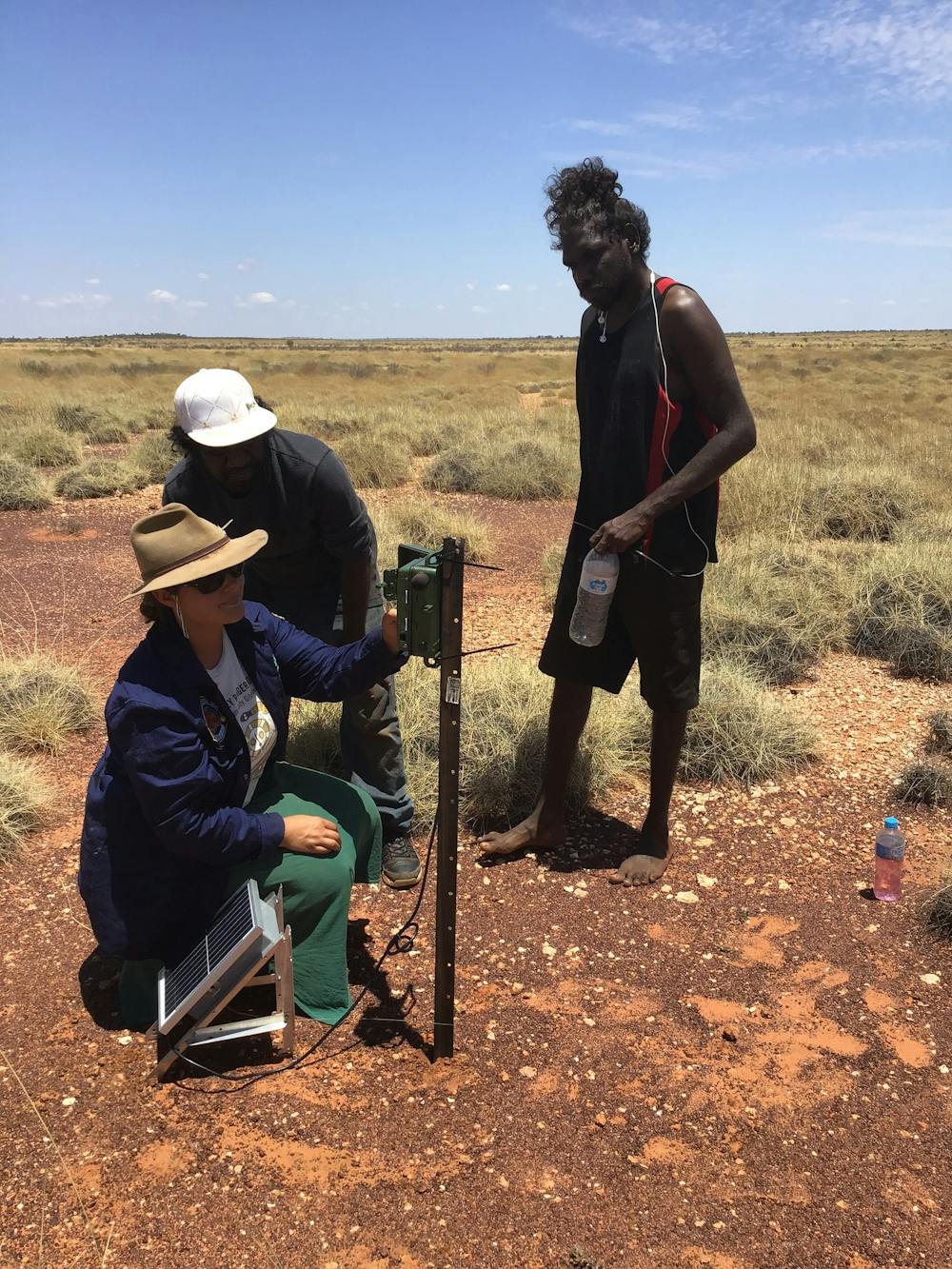
    Shen also noted that the agricultural department regularly provides vital information, including meteorological alerts, soil moisture data, pest reports and field management suggestions. This information is partially sourced from a pole on his field equipped with solar panels, high-definition cameras, atmospheric sensors and other devices.

    Developed by the Central-China Agricultural Valley, an agricultural innovation platform, the pole is connected to a buried soil sensor that continuously transmits various data. The data is processed to assess weather, soil conditions and seedling health, according to Yin Yue, a platform staff member.

    Henan plans to establish a total of 1 million hectares of demonstration zones for high-standard farmland by 2025, aiming to increase grain production capacity from 65 to 70 billion kg.

    Technology also ensures food security in mountainous regions. In southwestern Guizhou Province, where mountainous and hilly areas account for 92.5 percent of the total land, per capita arable land is only 0.09 hectares, below the national average.

    At a modern seed breeding center in Kaiyang County, digital workshops are in full operation, and automated facilities are engaged in production. The center has bred over 10 new vegetable varieties, including peppers, tomatoes, kale, broccoli and eggplant, which were developed by domestic and international research institutions and seed industry enterprises.

    “Through advanced technologies such as digital control, precision planting and tidal seedling breeding, we can produce 6 to 7 million seedlings per crop cycle,” said Chen Fucai, technical director of Guizhou modern seed industry company, which manages the breeding center. Remarkably, two to three workers can oversee more than 4,000 square meters of seedling area.

    Since April 2023, Guizhou has launched innovation and entrepreneurship initiatives for agricultural technicians, attracting 2,874 professional teams to contribute scientifically to improving grain and oil yields. Additionally, a project to cultivate high-quality farmers is scheduled to train over 10,000 individuals in cultural, technical and management skills.

    China celebrates its seventh farmers’ harvest festival on Sunday. The country continues to prioritize food security, as it feeds over 1.4 billion people with only 9 percent of the world’s arable land. Over the past years, various measures have been implemented to improve grain output, including building more high-standard farmland and promoting agricultural technologies.

    By the end of 2023, China has developed over 66.7 million hectares of high-standard farmland, with 13 key grain-producing provincial-level regions accounting for around 70 percent of the total.

    MIL OSI China News

  • MIL-OSI United Nations: Secretary-General’s remarks at the Opening Segment of the Summit of the Future Plenary [bilingual as delivered, scroll down for all-English and all-French]

    Source: United Nations secretary general

    Excellencies, 

    Ladies and gentlemen,

    Welcome to the Summit of the Future. 

    I thank the co-facilitators, the former and current Presidents of the General Assembly, and all Member States, for their strong engagement, creativity, and spirit of compromise; and all my colleagues for their invaluable efforts over the past three years. 

    We are here to bring multilateralism back from the brink.

    I called for this Summit to consider deep reforms to make global institutions more legitimate, fair and effective, based on the values of the UN Charter.  

    I called for this Summit because 21st century challenges require 21st century solutions: frameworks that are networked and inclusive; and that draw on the expertise of all of humanity.  

    I called for this summit because our world is heading off the rails – and we need tough decisions to get back on track.  

    Conflicts are raging and multiplying, from the Middle East to Ukraine and Sudan, with no end in sight.

    Our collective security system is threatened by geopolitical divides, nuclear posturing, and the development of new weapons and theatres of war.  

    Resources that could bring opportunities and hope are invested in death and destruction. 

    Huge inequalities are a brake on sustainable development. Many developing countries are drowning in debt and unable to support their people. 

    We have no effective global response to emerging, complex and even existential threats. 
    The climate crisis is destroying lives, devastating communities and ravaging economies. 

    We all know the solution – a just phase-out of fossil fuels – and yet, emissions are still rising. 
    New technologies, including AI, are being developed in a moral and legal vacuum, without governance or guardrails. 

    In short, our multilateral tools and institutions are unable to respond effectively to today’s political, economic, environmental and technological challenges. 

    And tomorrow’s will be even more difficult and even more dangerous.  

    When the United Nations was established nearly 80 years ago, it had 51 Member States. Today there are 193. 

    The global economy was less than one-twelfth of its current size.

    As a result, our peace and security tools and institutions, and our global financial architecture, reflect a bygone era. 

    The United Nations Security Council is outdated, and its authority is eroding.  

    Unless its composition and working methods are reformed, it will eventually lose all credibility.  

    The international financial architecture was established when many of today’s developing countries were under colonial rule. 

    It does not represent the realities of today’s global economy, and it is no longer able to resolve global economic challenges: debt, climate action, sustainable development. 

    It does not provide the global safety net that developing countries need. 

    Meanwhile, technology, geopolitics and globalization have transformed power relations. 

    Our world is going through a time of turbulence and a period of transition. 

    But we cannot wait for perfect conditions. We must take the first decisive steps towards updating and reforming international cooperation to make it more networked, fair and inclusive – now.  

    And today, thanks to your efforts, we have. 

    Excellencies, ladies and gentlemen,

    The Pact for the Future, the Global Digital Compact and the Declaration on Future Generations open pathways to new possibilities and opportunities.

    On peace and security, they promise a breakthrough on reforms to make the Security Council more reflective of today’s world, addressing the historic under-representation of Africa, Asia-Pacific, and Latin America. 

    They lay the foundations for a more agile Peacebuilding Commission, and for a fundamental review of peace operations to make them fit for the conditions they face. 

    They represent the first agreed multilateral support for nuclear disarmament in more than a decade. 

    They recognize the changing nature of conflict, and commit to steps to prevent an arms race in outer space and to govern the use of lethal autonomous weapons.  

    They include measures to mount an immediate and coordinated response to complex global shocks. 

    On sustainable development, these agreements represent major progress towards groundbreaking reforms of the international financial architecture. 

    They will help to make its institutions more representative of today’s world, capable of mounting a stronger response to today’s challenges, and able to provide an effective global safety net for developing countries at a time when many of them are suffocating in debt and unable to make progress on the SDGs. 

    The Pact for the Future is about turbocharging the Sustainable Development Goals and the Paris Agreement, accelerating a just transition away from fossil fuels, and securing a peaceful and livable future for everyone on our planet. 

    It includes a groundbreaking commitment by governments to listen to young people and include them in decision-making, at the national and global levels. 

    And it commits to stronger partnerships with civil society, the private sector, local and regional authorities and more. 

    The Global Digital Compact is based on the principle that technology should benefit everyone.

    It includes the first truly universal agreement on the international governance of Artificial Intelligence.

    It commits governments to establishing an independent international Scientific Panel on AI and initiating a global dialogue on its governance within the United Nations.

    The Global Digital Compact represents the first collective effort to reach agreed interoperability standards – essential for consistent measurement. 

    And it supports networks and partnerships to build capacity on AI in developing countries.  
    The Declaration on Future Generations echoes the call of the United Nations Charter to save succeeding generations from the scourge of war, committing governments for the first time to taking the interests of our descendants into account in decisions we take today. 

    Respect for human rights, cultural diversity and gender equality are woven into all three agreements. 

    In the face of a surge in misogyny and a rollback of women’s reproductive rights, governments have explicitly committed to removing the legal, social and economic barriers that prevent women and girls from fulfilling their potential in every sphere. 

    Excellences, 

    Je salue ces trois accords historiques – qui marquent un tournant vers un multilatéralisme plus efficace, plus inclusif et fonctionnant plus en réseaux. 

    Je me suis battu pour les idées portées par ces accords depuis le tout premier jour de mon mandat. 

    Et je serai pleinement engagé dans leur mise en œuvre jusqu’au tout dernier jour. 

    Nous avons ouvert la porte. 

    Il nous incombe désormais – à toutes et à tous – de la franchir. 

    Car il ne s’agit pas seulement de s’entendre – mais aussi d’agir. 

    Aujourd’hui, je vous mets au défi de passer à l’action. 

    De mettre en œuvre le Pacte pour l’avenir – en privilégiant le dialogue et la négociation, en mettant fin aux guerres qui déchirent le monde, et en réformant la composition et les méthodes de travail du Conseil de sécurité. 

    D’accélérer la réforme du système financier international, notamment à l’occasion de la Conférence sur le financement du développement qui se tiendra l’année prochaine.   

    De placer les nouvelles technologies au service de l’intérêt supérieur de l’humanité. 

    Ce qui détermine notre succès – ou échec, ce n’est pas l’adoption d’accords, mais bien nos actions et leur impact sur la vie des populations que nous servons. 

    Excellences, 

    Tout au long de ma vie – que ce soit en tant que militant politique ou aux Nations Unies – j’ai appris que les gens ne sont jamais d’accord sur le passé. 

    Pour rétablir la confiance, nous devons partir du présent et regarder vers l’avenir. 

    Partout dans le monde, les gens aspirent à la paix, à la dignité et à la prospérité. 

    Ils réclament une mobilisation mondiale pour régler la crise climatique, lutter contre les inégalités et faire face aux risques nouveaux et émergents qui menacent l’humanité. 

    Et ils considèrent que l’ONU est indispensable pour résoudre ces défis. 

    Tout cela a été confirmé pendant les deux Journées d’action inspirantes qui viennent de se dérouler.

    Le Sommet de l’avenir trace la voie pour une coopération internationale qui soit à la hauteur de leurs attentes.   

    Alors que nous franchissons ensemble cette première étape cruciale, je tiens à féliciter tous les États membres pour leur contribution. 

    Maintenant, mettons-nous au travail. 

    Et je vous remercie. 

    *****
    [all-English]

    Excellencies, 

    Ladies and gentlemen,

    Welcome to the Summit of the Future. 

    I thank the co-facilitators, the former and current Presidents of the General Assembly, and all Member States, for their strong engagement, creativity, and spirit of compromise; and all my colleagues for their invaluable efforts over the past three years. 

    We are here to bring multilateralism back from the brink.

    I called for this Summit to consider deep reforms to make global institutions more legitimate, fair and effective, based on the values of the UN Charter.  

    I called for this Summit because 21st century challenges require 21st century solutions: frameworks that are networked and inclusive; and that draw on the expertise of all of humanity.  

    I called for this summit because our world is heading off the rails – and we need tough decisions to get back on track.  

    Conflicts are raging and multiplying, from the Middle East to Ukraine and Sudan, with no end in sight.

    Our collective security system is threatened by geopolitical divides, nuclear posturing, and the development of new weapons and theatres of war.  

    Resources that could bring opportunities and hope are invested in death and destruction. 

    Huge inequalities are a brake on sustainable development. Many developing countries are drowning in debt and unable to support their people. 

    And we have no effective global response to emerging, complex and even existential threats. 

    The climate crisis is destroying lives, devastating communities and ravaging economies. 

    We all know the solution – a just phase-out of fossil fuels – and yet, emissions are still rising. 

    New technologies, including AI, are being developed in a moral and legal vacuum, without governance or guardrails. 

    In short, our multilateral tools and institutions are unable to respond effectively to today’s political, economic, environmental and technological challenges. 

    And tomorrow’s will be even more difficult and even more dangerous.  

    When the United Nations was established nearly 80 years ago, it had 51 Member States. Today there are 193. 

    The global economy was less than one-twelfth of its current size.

    As a result, our peace and security tools and institutions, and our global financial architecture, reflect a bygone era. 

    The United Nations Security Council is outdated, and its authority is eroding.  

    Unless its composition and working methods are reformed, it will eventually lose all credibility.  

    The international financial architecture was established when many of today’s developing countries were under colonial rule. 

    It does not represent the realities of today’s global economy, and it is no longer able to resolve global economic challenges: debt, climate action, sustainable development. 

    It does not provide the global safety net that developing countries need. 

    Meanwhile, technology, geopolitics and globalization have transformed power relations. 

    Our world is going through a time of turbulence and a period of transition. 

    But we cannot wait for perfect conditions. We must take the first decisive steps towards updating and reforming international cooperation and make it more networked, fair and inclusive – now.  

    And today, thanks to your efforts, we have. 

    Excellencies, ladies and gentlemen, 

    The Pact for the Future, the Global Digital Compact and the Declaration on Future Generations open pathways to new possibilities and opportunities.

    On peace and security, they promise a breakthrough on reforms to make the Security Council more reflective of today’s world, addressing the historic under-representation of Africa, Asia-Pacific, and Latin America. 

    They lay the foundations for a more agile Peacebuilding Commission, and for a fundamental review of peace operations to make them fit for the conditions they face. 

    They represent the first agreed multilateral support for nuclear disarmament in more than a decade. 

    They recognize the changing nature of conflict, and commit to steps to prevent an arms race in outer space and to govern the use of lethal autonomous weapons.  

    They include measures to mount an immediate and coordinated response to complex global shocks. 

    On sustainable development, these agreements represent major progress towards groundbreaking reforms of the international financial architecture.

    They will help to make its institutions more representative of today’s world, capable of mounting a stronger response to today’s challenges, and able to provide an effective global safety net for developing countries at a time when many of them are suffocating in debt and unable to make progress on the SDGs. 

    The Pact for the Future is about turbocharging the Sustainable Development Goals and the Paris Agreement, accelerating a just transition away from fossil fuels, and securing a peaceful and livable future for everyone on our planet. 

    It includes a groundbreaking commitment by governments to listen to young people and include them in decision-making, at the national and global levels. 

    And it commits to stronger partnerships with civil society, the private sector, local and regional authorities and more. 

    The Global Digital Compact is based on the principle that technology should benefit everyone.

    It includes the first truly universal agreement on the international governance of Artificial Intelligence.

    It commits governments to establishing an independent international Scientific Panel on AI and initiating a global dialogue on its governance within the United Nations.

    The Global Digital Compact represents the first collective effort to reach agreed interoperability standards – essential for consistent measurement. 

    And it supports networks and partnerships to build capacity on AI in developing countries.  

    The Declaration on Future Generations echoes the call of the United Nations Charter to save succeeding generations from the scourge of war, committing governments for the first time to taking the interests of our descendants into account in decisions we take today. 

    Respect for human rights, cultural diversity and gender equality are woven into all three agreements. 

    In the face of a surge in misogyny and a rollback of women’s reproductive rights, governments have explicitly committed to removing the legal, social and economic barriers that prevent women and girls from fulfilling their potential in every sphere. 

    Excellencies, 

    I welcome these three landmark agreements – a step-change towards more effective, inclusive, networked multilateralism. 

    I have been fighting for the ideas in them since the first day of my mandate. 

    And I will be totally committed to their implementation until the very last day. 

    We have unlocked the door. 

    Now it is our common responsibility to walk through it. 

    That demands not just agreement, but action. 

    I challenge you to take that action. 

    To implement the Pact for the Future by prioritizing dialogue and negotiation, ending the wars tearing our world apart, and reforming the composition and working methods of the Security Council. 

    To accelerate reforms of the international financial system – including at next year’s Conference on Financing for Development.   

    To put humanity’s best interests front and centre of new technologies. 

    We stand and fall not by adopting agreements, but by our actions and their impact on the lives of the people we serve.  

    Excellencies, 

    Throughout my life – whether as a political activist or at the United Nations – I have learned that people never agree on the past. 

    To rebuild trust, we must start with the present and look to the future. 

    People everywhere are hoping for a future of peace, dignity, and prosperity. 

    They are crying out for global action to solve the climate crisis, tackle inequality, and address new and emerging risks that threaten everyone. 

    And they see the United Nations as essential to solving these challenges. 

    All this was confirmed during the past two inspirational Action Days. 

    The Summit of the Future sets a course for international cooperation that can meet their expectations.   

    I congratulate all Member States for playing their part as we take these first important steps together. 

    Now, let’s get to work. 

    And I thank you. 
    *****
    [all-French]
    Excellences, 

    Mesdames et messieurs,

    Bienvenue au Sommet de l’avenir.

    Je remercie les co-facilitateurs, l’ancien et l’actuel président de l’Assemblée générale, tous les États membres, pour leur engagement fort, leur créativité et leur esprit de compromis, ainsi que tous mes collègues pour leurs efforts inestimables au cours des trois dernières années.

    Nous sommes ici pour préserver le multilatéralisme des affres de l’échec.

    J’ai demandé que le présent Sommet envisage des réformes profondes visant à rendre les institutions mondiales plus légitimes, plus justes et plus efficaces, sur la base des valeurs énoncées dans la Charte des Nations Unies. 

    J’ai convoqué ce sommet parce que les défis du 21e siècle requièrent des solutions du 21e siècle : des cadres en réseau et inclusifs, qui s’appuient sur les compétences de l’humanité tout entière. 

    J’ai convoqué ce sommet parce que notre monde perd le nord et qu’il nous faut prendre des décisions difficiles pour le remettre sur la bonne voie. 

    Les conflits font rage et se multiplient, du Moyen-Orient à l’Ukraine en passant par le Soudan, sans qu’une fin soit en vue.

    Notre système de sécurité collective est menacé par les dissensions géopolitiques, les prises de positions face au nucléaire, la mise au point de nouvelles armes et l’apparition de nouveaux théâtres d’hostilités.
     
    Les ressources qui pourraient se traduire en potentialités et être porteuses d’espoir sont investies dans la mort et la destruction. 

    Des inégalités colossales freinent le développement durable. De nombreux pays en développement, croulant sous la dette, sont incapables de subvenir aux besoins de leur population. 

    Nous n’avons pas, à l’échelle mondiale, de réponse efficace aux menaces émergentes et complexes, voire existentielles. 

    La crise climatique détruit des vies, dévaste des communautés et ravage des économies. 

    Nous connaissons, toutes et tous, la solution – l’élimination progressive des combustibles fossiles – et pourtant, les émissions ne cessent d’augmenter. 

    Les nouvelles technologies, y compris l’intelligence artificielle, se développent dans un vide éthique et juridique, sans gouvernance ni garde-fou. 

    En somme, nos institutions et instruments multilatéraux sont incapables de relever efficacement les défis politiques, économiques, environnementaux et technologiques d’aujourd’hui. 

    Et les défis de demain seront encore plus difficiles et plus dangereux à relever. 

    À sa création, il y a près de 80 ans, l’Organisation des Nations Unies comptait 51 États Membres. Aujourd’hui, elle en compte 193. 

    L’économie mondiale représentait, à l’époque, moins d’un douzième de sa taille actuelle.

    Nos instruments et institutions de paix et de sécurité, tout comme notre architecture financière mondiale, sont donc le reflet d’une époque révolue. 

    Le Conseil de sécurité de l’ONU est dépassé et son autorité s’érode. 

    Sans une réforme de sa composition et de ses méthodes de travail, il finira par perdre toute crédibilité. 

    L’architecture financière mondiale a été créée à une époque où de nombreux pays en développement se trouvaient sous domination coloniale. 

    Elle ne représente pas les réalités de l’économie mondiale d’aujourd’hui et n’est plus en mesure de relever les défis économiques mondiaux que sont la dette, l’action climatique ou le développement durable. 

    Elle ne fournit pas le filet de sécurité mondial dont les pays en développement ont besoin. 

    Pendant ce temps-là, la technologie, la géopolitique et la mondialisation ont transformé les rapports de force. 

    Notre monde traverse une période de turbulences et de transition. 

    Pour autant, nous ne pouvons attendre l’avènement de conditions parfaites. Nous devons prendre – dès à présent – les premières mesures décisives pour actualiser et réformer la coopération internationale afin de la rendre plus interconnectée, plus équitable et plus inclusive. 

    Et aujourd’hui, grâce à vos efforts, c’est chose faite. 

    Excellences, mesdames et messieurs, 

    Le Pacte pour l’avenir, le Pacte numérique mondial et la Déclaration sur les générations futures sont porteurs de chances et de possibilités nouvelles.

    En ce qui concerne la paix et la sécurité, ces instruments promettent une percée dans les réformes visant à rendre le Conseil de sécurité plus représentatif du monde d’aujourd’hui, en remédiant au problème de la sous-représentation dont ont longtemps souffert l’Afrique, l’Asie-Pacifique et l’Amérique latine. 

    Ils jettent les bases d’une Commission de consolidation de la paix plus agile et d’une révision fondamentale des opérations de paix visant à les adapter aux conditions dans lesquelles elles se déroulent.
     
    Ils représentent le premier soutien multilatéral convenu en faveur du désarmement nucléaire depuis plus d’une décennie.

    Ils prennent en compte la nature évolutive des conflits et prévoient des mesures visant à empêcher la militarisation des nouvelles technologies et des nouveaux domaines, notamment l’espace extra-atmosphérique.

    Ils prévoient des mesures visant à mettre en place une riposte immédiate et coordonnée face à des chocs mondiaux complexes. 

    En ce qui concerne le développement durable, ces accords représentent un progrès majeur vers une grande réforme de l’architecture financière internationale.

    Ils contribueront à rendre ses institutions plus représentatives du monde d’aujourd’hui, capables d’apporter une réponse plus résolue aux défis actuels, et aptes à fournir un filet de sécurité mondial efficace pour les pays en développement – alors que nombre de ces pays, croulant sous la dette, ne peuvent progresser dans la réalisation des Objectifs de développement durable. 

    Le Pacte pour l’avenir vise à revitaliser les Objectifs de développement durable et l’Accord de Paris, à accélérer une transition juste vers un monde affranchi des combustibles fossiles et à garantir un avenir pacifique et vivable à tous les habitants de notre planète. 

    Il comprend un engagement inédit des gouvernements à écouter les jeunes et à les faire participer à la prise de décision, aux niveaux national et mondial.

    Il s’engage également à renforcer les partenariats avec la société civile, le secteur privé, les autorités locales et régionales, et plus encore.

    Le Pacte numérique mondial repose sur le principe selon lequel la technologie doit profiter à toutes et tous.

    Il inclut le premier accord véritablement universel sur la gouvernance internationale de l’intelligence artificielle.

    Il engage les gouvernements à créer un groupe scientifique international indépendant sur l’intelligence artificielle et à entamer un dialogue mondial sur la gouvernance de l’intelligence artificielle, au sein de l’ONU.

    Le Pacte numérique mondial représente le premier effort entrepris à l’échelle collective pour mettre au point des normes d’interopérabilité convenues – essentielles pour la cohérence des mesures et la normalisation. 

    Il encourage, en outre, les réseaux et les partenariats visant à renforcer les capacités en matière d’intelligence artificielle dans les pays en développement. 

    La Déclaration sur les générations futures fait écho à l’appel lancé dans la Charte des Nations Unies, à savoir, préserver les générations futures du fléau de la guerre, engageant pour la première fois les gouvernements à prendre en compte les intérêts de nos descendants dans les décisions prises aujourd’hui. 

    Le respect des droits humains, la diversité culturelle et l’égalité des genres sous-tendent le contenu des trois accords. 

    Face à la montée de la misogynie et au recul des droits des femmes en matière de procréation, les gouvernements se sont expressément engagés à lever les obstacles sociaux, économiques et culturels qui empêchent les femmes et les filles de s’épanouir dans tous les domaines. 

    Excellences, 

    Je salue ces trois accords historiques – qui marquent un tournant vers un multilatéralisme plus efficace, plus inclusif et fonctionnant plus en réseaux. 

    Je me suis battu pour les idées portées par ces accords depuis le tout premier jour de mon mandat. 

    Et je serai pleinement engagé dans leur mise en œuvre jusqu’au tout dernier jour. 

    Nous avons ouvert la porte. 

    Il nous incombe désormais – à toutes et à tous – de la franchir. 

    Car il ne s’agit pas seulement de s’entendre – mais aussi d’agir. 

    Aujourd’hui, je vous mets au défi de passer à l’action. 

    De mettre en œuvre le Pacte pour l’avenir – en privilégiant le dialogue et la négociation, en mettant fin aux guerres qui déchirent le monde, et en réformant la composition et les méthodes de travail du Conseil de sécurité. 

    D’accélérer la réforme du système financier international, notamment à l’occasion de la Conférence sur le financement du développement qui se tiendra l’année prochaine. 

    De placer les nouvelles technologies au service de l’intérêt supérieur de l’humanité. 

    Ce qui détermine notre succès – ou échec, ce n’est pas l’adoption d’accords, mais bien nos actions et leur impact sur la vie des populations que nous servons. 

    Excellences, 

    Tout au long de ma vie – que ce soit en tant que militant politique ou aux Nations Unies – j’ai appris que les gens ne sont jamais d’accord sur le passé. 

    Pour rétablir la confiance, nous devons partir du présent et regarder vers l’avenir. 

    Partout dans le monde, les gens aspirent à la paix, à la dignité et à la prospérité. 

    Ils réclament une mobilisation mondiale pour régler la crise climatique, lutter contre les inégalités et faire face aux risques nouveaux et émergents qui menacent l’humanité. 

    Et ils considèrent que l’ONU est indispensable pour résoudre ces défis. 

    Le Sommet de l’avenir trace la voie pour une coopération internationale qui soit à la hauteur de leurs attentes. 

    Alors que nous franchissons ensemble cette première étape cruciale, je tiens à féliciter tous les États membres pour leur contribution. 

    Maintenant, mettons-nous au travail. 

    Et je vous remercie. 

    MIL OSI United Nations News

  • MIL-OSI Africa: Secretary-General’s remarks at the Opening Segment of the Summit of the Future Plenary [bilingual as delivered, scroll down for all-English and all-French]

    Source: United Nations – English

    xcellencies, 

    Ladies and gentlemen,

    Welcome to the Summit of the Future. 

    I thank the co-facilitators, the former and current Presidents of the General Assembly, and all Member States, for their strong engagement, creativity, and spirit of compromise; and all my colleagues for their invaluable efforts over the past three years. 

    We are here to bring multilateralism back from the brink.

    I called for this Summit to consider deep reforms to make global institutions more legitimate, fair and effective, based on the values of the UN Charter.  

    I called for this Summit because 21st century challenges require 21st century solutions: frameworks that are networked and inclusive; and that draw on the expertise of all of humanity.  

    I called for this summit because our world is heading off the rails – and we need tough decisions to get back on track.  

    Conflicts are raging and multiplying, from the Middle East to Ukraine and Sudan, with no end in sight.

    Our collective security system is threatened by geopolitical divides, nuclear posturing, and the development of new weapons and theatres of war.  

    Resources that could bring opportunities and hope are invested in death and destruction. 

    Huge inequalities are a brake on sustainable development. Many developing countries are drowning in debt and unable to support their people. 

    We have no effective global response to emerging, complex and even existential threats. 
    The climate crisis is destroying lives, devastating communities and ravaging economies. 

    We all know the solution – a just phase-out of fossil fuels – and yet, emissions are still rising. 
    New technologies, including AI, are being developed in a moral and legal vacuum, without governance or guardrails. 

    In short, our multilateral tools and institutions are unable to respond effectively to today’s political, economic, environmental and technological challenges. 

    And tomorrow’s will be even more difficult and even more dangerous.  

    When the United Nations was established nearly 80 years ago, it had 51 Member States. Today there are 193. 

    The global economy was less than one-twelfth of its current size.

    As a result, our peace and security tools and institutions, and our global financial architecture, reflect a bygone era. 

    The United Nations Security Council is outdated, and its authority is eroding.  

    Unless its composition and working methods are reformed, it will eventually lose all credibility.  

    The international financial architecture was established when many of today’s developing countries were under colonial rule. 

    It does not represent the realities of today’s global economy, and it is no longer able to resolve global economic challenges: debt, climate action, sustainable development. 

    It does not provide the global safety net that developing countries need. 

    Meanwhile, technology, geopolitics and globalization have transformed power relations. 

    Our world is going through a time of turbulence and a period of transition. 

    But we cannot wait for perfect conditions. We must take the first decisive steps towards updating and reforming international cooperation to make it more networked, fair and inclusive – now.  

    And today, thanks to your efforts, we have. 

    Excellencies, ladies and gentlemen,

    The Pact for the Future, the Global Digital Compact and the Declaration on Future Generations open pathways to new possibilities and opportunities.

    On peace and security, they promise a breakthrough on reforms to make the Security Council more reflective of today’s world, addressing the historic under-representation of Africa, Asia-Pacific, and Latin America. 

    They lay the foundations for a more agile Peacebuilding Commission, and for a fundamental review of peace operations to make them fit for the conditions they face. 

    They represent the first agreed multilateral support for nuclear disarmament in more than a decade. 

    They recognize the changing nature of conflict, and commit to steps to prevent an arms race in outer space and to govern the use of lethal autonomous weapons.  

    They include measures to mount an immediate and coordinated response to complex global shocks. 

    On sustainable development, these agreements represent major progress towards groundbreaking reforms of the international financial architecture. 

    They will help to make its institutions more representative of today’s world, capable of mounting a stronger response to today’s challenges, and able to provide an effective global safety net for developing countries at a time when many of them are suffocating in debt and unable to make progress on the SDGs. 

    The Pact for the Future is about turbocharging the Sustainable Development Goals and the Paris Agreement, accelerating a just transition away from fossil fuels, and securing a peaceful and livable future for everyone on our planet. 

    It includes a groundbreaking commitment by governments to listen to young people and include them in decision-making, at the national and global levels. 

    And it commits to stronger partnerships with civil society, the private sector, local and regional authorities and more. 

    The Global Digital Compact is based on the principle that technology should benefit everyone.

    It includes the first truly universal agreement on the international governance of Artificial Intelligence.

    It commits governments to establishing an independent international Scientific Panel on AI and initiating a global dialogue on its governance within the United Nations.

    The Global Digital Compact represents the first collective effort to reach agreed interoperability standards – essential for consistent measurement. 

    And it supports networks and partnerships to build capacity on AI in developing countries.  
    The Declaration on Future Generations echoes the call of the United Nations Charter to save succeeding generations from the scourge of war, committing governments for the first time to taking the interests of our descendants into account in decisions we take today. 

    Respect for human rights, cultural diversity and gender equality are woven into all three agreements. 

    In the face of a surge in misogyny and a rollback of women’s reproductive rights, governments have explicitly committed to removing the legal, social and economic barriers that prevent women and girls from fulfilling their potential in every sphere. 

    Excellences, 

    Je salue ces trois accords historiques – qui marquent un tournant vers un multilatéralisme plus efficace, plus inclusif et fonctionnant plus en réseaux. 

    Je me suis battu pour les idées portées par ces accords depuis le tout premier jour de mon mandat. 

    Et je serai pleinement engagé dans leur mise en œuvre jusqu’au tout dernier jour. 

    Nous avons ouvert la porte. 

    Il nous incombe désormais – à toutes et à tous – de la franchir. 

    Car il ne s’agit pas seulement de s’entendre – mais aussi d’agir. 

    Aujourd’hui, je vous mets au défi de passer à l’action. 

    De mettre en œuvre le Pacte pour l’avenir – en privilégiant le dialogue et la négociation, en mettant fin aux guerres qui déchirent le monde, et en réformant la composition et les méthodes de travail du Conseil de sécurité. 

    D’accélérer la réforme du système financier international, notamment à l’occasion de la Conférence sur le financement du développement qui se tiendra l’année prochaine.   

    De placer les nouvelles technologies au service de l’intérêt supérieur de l’humanité. 

    Ce qui détermine notre succès – ou échec, ce n’est pas l’adoption d’accords, mais bien nos actions et leur impact sur la vie des populations que nous servons. 

    Excellences, 

    Tout au long de ma vie – que ce soit en tant que militant politique ou aux Nations Unies – j’ai appris que les gens ne sont jamais d’accord sur le passé. 

    Pour rétablir la confiance, nous devons partir du présent et regarder vers l’avenir. 

    Partout dans le monde, les gens aspirent à la paix, à la dignité et à la prospérité. 

    Ils réclament une mobilisation mondiale pour régler la crise climatique, lutter contre les inégalités et faire face aux risques nouveaux et émergents qui menacent l’humanité. 

    Et ils considèrent que l’ONU est indispensable pour résoudre ces défis. 

    Tout cela a été confirmé pendant les deux Journées d’action inspirantes qui viennent de se dérouler.

    Le Sommet de l’avenir trace la voie pour une coopération internationale qui soit à la hauteur de leurs attentes.   

    Alors que nous franchissons ensemble cette première étape cruciale, je tiens à féliciter tous les États membres pour leur contribution. 

    Maintenant, mettons-nous au travail. 

    Et je vous remercie. 

    *****
    [all-English]

    Excellencies, 

    Ladies and gentlemen,

    Welcome to the Summit of the Future. 

    I thank the co-facilitators, the former and current Presidents of the General Assembly, and all Member States, for their strong engagement, creativity, and spirit of compromise; and all my colleagues for their invaluable efforts over the past three years. 

    We are here to bring multilateralism back from the brink.

    I called for this Summit to consider deep reforms to make global institutions more legitimate, fair and effective, based on the values of the UN Charter.  

    I called for this Summit because 21st century challenges require 21st century solutions: frameworks that are networked and inclusive; and that draw on the expertise of all of humanity.  

    I called for this summit because our world is heading off the rails – and we need tough decisions to get back on track.  

    Conflicts are raging and multiplying, from the Middle East to Ukraine and Sudan, with no end in sight.

    Our collective security system is threatened by geopolitical divides, nuclear posturing, and the development of new weapons and theatres of war.  

    Resources that could bring opportunities and hope are invested in death and destruction. 

    Huge inequalities are a brake on sustainable development. Many developing countries are drowning in debt and unable to support their people. 

    And we have no effective global response to emerging, complex and even existential threats. 

    The climate crisis is destroying lives, devastating communities and ravaging economies. 

    We all know the solution – a just phase-out of fossil fuels – and yet, emissions are still rising. 

    New technologies, including AI, are being developed in a moral and legal vacuum, without governance or guardrails. 

    In short, our multilateral tools and institutions are unable to respond effectively to today’s political, economic, environmental and technological challenges. 

    And tomorrow’s will be even more difficult and even more dangerous.  

    When the United Nations was established nearly 80 years ago, it had 51 Member States. Today there are 193. 

    The global economy was less than one-twelfth of its current size.

    As a result, our peace and security tools and institutions, and our global financial architecture, reflect a bygone era. 

    The United Nations Security Council is outdated, and its authority is eroding.  

    Unless its composition and working methods are reformed, it will eventually lose all credibility.  

    The international financial architecture was established when many of today’s developing countries were under colonial rule. 

    It does not represent the realities of today’s global economy, and it is no longer able to resolve global economic challenges: debt, climate action, sustainable development. 

    It does not provide the global safety net that developing countries need. 

    Meanwhile, technology, geopolitics and globalization have transformed power relations. 

    Our world is going through a time of turbulence and a period of transition. 

    But we cannot wait for perfect conditions. We must take the first decisive steps towards updating and reforming international cooperation and make it more networked, fair and inclusive – now.  

    And today, thanks to your efforts, we have. 

    Excellencies, ladies and gentlemen, 

    The Pact for the Future, the Global Digital Compact and the Declaration on Future Generations open pathways to new possibilities and opportunities.

    On peace and security, they promise a breakthrough on reforms to make the Security Council more reflective of today’s world, addressing the historic under-representation of Africa, Asia-Pacific, and Latin America. 

    They lay the foundations for a more agile Peacebuilding Commission, and for a fundamental review of peace operations to make them fit for the conditions they face. 

    They represent the first agreed multilateral support for nuclear disarmament in more than a decade. 

    They recognize the changing nature of conflict, and commit to steps to prevent an arms race in outer space and to govern the use of lethal autonomous weapons.  

    They include measures to mount an immediate and coordinated response to complex global shocks. 

    On sustainable development, these agreements represent major progress towards groundbreaking reforms of the international financial architecture.

    They will help to make its institutions more representative of today’s world, capable of mounting a stronger response to today’s challenges, and able to provide an effective global safety net for developing countries at a time when many of them are suffocating in debt and unable to make progress on the SDGs. 

    The Pact for the Future is about turbocharging the Sustainable Development Goals and the Paris Agreement, accelerating a just transition away from fossil fuels, and securing a peaceful and livable future for everyone on our planet. 

    It includes a groundbreaking commitment by governments to listen to young people and include them in decision-making, at the national and global levels. 

    And it commits to stronger partnerships with civil society, the private sector, local and regional authorities and more. 

    The Global Digital Compact is based on the principle that technology should benefit everyone.

    It includes the first truly universal agreement on the international governance of Artificial Intelligence.

    It commits governments to establishing an independent international Scientific Panel on AI and initiating a global dialogue on its governance within the United Nations.

    The Global Digital Compact represents the first collective effort to reach agreed interoperability standards – essential for consistent measurement. 

    And it supports networks and partnerships to build capacity on AI in developing countries.  

    The Declaration on Future Generations echoes the call of the United Nations Charter to save succeeding generations from the scourge of war, committing governments for the first time to taking the interests of our descendants into account in decisions we take today. 

    Respect for human rights, cultural diversity and gender equality are woven into all three agreements. 

    In the face of a surge in misogyny and a rollback of women’s reproductive rights, governments have explicitly committed to removing the legal, social and economic barriers that prevent women and girls from fulfilling their potential in every sphere. 

    Excellencies, 

    I welcome these three landmark agreements – a step-change towards more effective, inclusive, networked multilateralism. 

    I have been fighting for the ideas in them since the first day of my mandate. 

    And I will be totally committed to their implementation until the very last day. 

    We have unlocked the door. 

    Now it is our common responsibility to walk through it. 

    That demands not just agreement, but action. 

    I challenge you to take that action. 

    To implement the Pact for the Future by prioritizing dialogue and negotiation, ending the wars tearing our world apart, and reforming the composition and working methods of the Security Council. 

    To accelerate reforms of the international financial system – including at next year’s Conference on Financing for Development.   

    To put humanity’s best interests front and centre of new technologies. 

    We stand and fall not by adopting agreements, but by our actions and their impact on the lives of the people we serve.  

    Excellencies, 

    Throughout my life – whether as a political activist or at the United Nations – I have learned that people never agree on the past. 

    To rebuild trust, we must start with the present and look to the future. 

    People everywhere are hoping for a future of peace, dignity, and prosperity. 

    They are crying out for global action to solve the climate crisis, tackle inequality, and address new and emerging risks that threaten everyone. 

    And they see the United Nations as essential to solving these challenges. 

    All this was confirmed during the past two inspirational Action Days. 

    The Summit of the Future sets a course for international cooperation that can meet their expectations.   

    I congratulate all Member States for playing their part as we take these first important steps together. 

    Now, let’s get to work. 

    And I thank you. 
    *****
    [all-French]
    Excellences, 

    Mesdames et messieurs,

    Bienvenue au Sommet de l’avenir.

    Je remercie les co-facilitateurs, l’ancien et l’actuel président de l’Assemblée générale, tous les États membres, pour leur engagement fort, leur créativité et leur esprit de compromis, ainsi que tous mes collègues pour leurs efforts inestimables au cours des trois dernières années.

    Nous sommes ici pour préserver le multilatéralisme des affres de l’échec.

    J’ai demandé que le présent Sommet envisage des réformes profondes visant à rendre les institutions mondiales plus légitimes, plus justes et plus efficaces, sur la base des valeurs énoncées dans la Charte des Nations Unies. 

    J’ai convoqué ce sommet parce que les défis du 21e siècle requièrent des solutions du 21e siècle : des cadres en réseau et inclusifs, qui s’appuient sur les compétences de l’humanité tout entière. 

    J’ai convoqué ce sommet parce que notre monde perd le nord et qu’il nous faut prendre des décisions difficiles pour le remettre sur la bonne voie. 

    Les conflits font rage et se multiplient, du Moyen-Orient à l’Ukraine en passant par le Soudan, sans qu’une fin soit en vue.

    Notre système de sécurité collective est menacé par les dissensions géopolitiques, les prises de positions face au nucléaire, la mise au point de nouvelles armes et l’apparition de nouveaux théâtres d’hostilités.
     
    Les ressources qui pourraient se traduire en potentialités et être porteuses d’espoir sont investies dans la mort et la destruction. 

    Des inégalités colossales freinent le développement durable. De nombreux pays en développement, croulant sous la dette, sont incapables de subvenir aux besoins de leur population. 

    Nous n’avons pas, à l’échelle mondiale, de réponse efficace aux menaces émergentes et complexes, voire existentielles. 

    La crise climatique détruit des vies, dévaste des communautés et ravage des économies. 

    Nous connaissons, toutes et tous, la solution – l’élimination progressive des combustibles fossiles – et pourtant, les émissions ne cessent d’augmenter. 

    Les nouvelles technologies, y compris l’intelligence artificielle, se développent dans un vide éthique et juridique, sans gouvernance ni garde-fou. 

    En somme, nos institutions et instruments multilatéraux sont incapables de relever efficacement les défis politiques, économiques, environnementaux et technologiques d’aujourd’hui. 

    Et les défis de demain seront encore plus difficiles et plus dangereux à relever. 

    À sa création, il y a près de 80 ans, l’Organisation des Nations Unies comptait 51 États Membres. Aujourd’hui, elle en compte 193. 

    L’économie mondiale représentait, à l’époque, moins d’un douzième de sa taille actuelle.

    Nos instruments et institutions de paix et de sécurité, tout comme notre architecture financière mondiale, sont donc le reflet d’une époque révolue. 

    Le Conseil de sécurité de l’ONU est dépassé et son autorité s’érode. 

    Sans une réforme de sa composition et de ses méthodes de travail, il finira par perdre toute crédibilité. 

    L’architecture financière mondiale a été créée à une époque où de nombreux pays en développement se trouvaient sous domination coloniale. 

    Elle ne représente pas les réalités de l’économie mondiale d’aujourd’hui et n’est plus en mesure de relever les défis économiques mondiaux que sont la dette, l’action climatique ou le développement durable. 

    Elle ne fournit pas le filet de sécurité mondial dont les pays en développement ont besoin. 

    Pendant ce temps-là, la technologie, la géopolitique et la mondialisation ont transformé les rapports de force. 

    Notre monde traverse une période de turbulences et de transition. 

    Pour autant, nous ne pouvons attendre l’avènement de conditions parfaites. Nous devons prendre – dès à présent – les premières mesures décisives pour actualiser et réformer la coopération internationale afin de la rendre plus interconnectée, plus équitable et plus inclusive. 

    Et aujourd’hui, grâce à vos efforts, c’est chose faite. 

    Excellences, mesdames et messieurs, 

    Le Pacte pour l’avenir, le Pacte numérique mondial et la Déclaration sur les générations futures sont porteurs de chances et de possibilités nouvelles.

    En ce qui concerne la paix et la sécurité, ces instruments promettent une percée dans les réformes visant à rendre le Conseil de sécurité plus représentatif du monde d’aujourd’hui, en remédiant au problème de la sous-représentation dont ont longtemps souffert l’Afrique, l’Asie-Pacifique et l’Amérique latine. 

    Ils jettent les bases d’une Commission de consolidation de la paix plus agile et d’une révision fondamentale des opérations de paix visant à les adapter aux conditions dans lesquelles elles se déroulent.
     
    Ils représentent le premier soutien multilatéral convenu en faveur du désarmement nucléaire depuis plus d’une décennie.

    Ils prennent en compte la nature évolutive des conflits et prévoient des mesures visant à empêcher la militarisation des nouvelles technologies et des nouveaux domaines, notamment l’espace extra-atmosphérique.

    Ils prévoient des mesures visant à mettre en place une riposte immédiate et coordonnée face à des chocs mondiaux complexes. 

    En ce qui concerne le développement durable, ces accords représentent un progrès majeur vers une grande réforme de l’architecture financière internationale.

    Ils contribueront à rendre ses institutions plus représentatives du monde d’aujourd’hui, capables d’apporter une réponse plus résolue aux défis actuels, et aptes à fournir un filet de sécurité mondial efficace pour les pays en développement – alors que nombre de ces pays, croulant sous la dette, ne peuvent progresser dans la réalisation des Objectifs de développement durable. 

    Le Pacte pour l’avenir vise à revitaliser les Objectifs de développement durable et l’Accord de Paris, à accélérer une transition juste vers un monde affranchi des combustibles fossiles et à garantir un avenir pacifique et vivable à tous les habitants de notre planète. 

    Il comprend un engagement inédit des gouvernements à écouter les jeunes et à les faire participer à la prise de décision, aux niveaux national et mondial.

    Il s’engage également à renforcer les partenariats avec la société civile, le secteur privé, les autorités locales et régionales, et plus encore.

    Le Pacte numérique mondial repose sur le principe selon lequel la technologie doit profiter à toutes et tous.

    Il inclut le premier accord véritablement universel sur la gouvernance internationale de l’intelligence artificielle.

    Il engage les gouvernements à créer un groupe scientifique international indépendant sur l’intelligence artificielle et à entamer un dialogue mondial sur la gouvernance de l’intelligence artificielle, au sein de l’ONU.

    Le Pacte numérique mondial représente le premier effort entrepris à l’échelle collective pour mettre au point des normes d’interopérabilité convenues – essentielles pour la cohérence des mesures et la normalisation. 

    Il encourage, en outre, les réseaux et les partenariats visant à renforcer les capacités en matière d’intelligence artificielle dans les pays en développement. 

    La Déclaration sur les générations futures fait écho à l’appel lancé dans la Charte des Nations Unies, à savoir, préserver les générations futures du fléau de la guerre, engageant pour la première fois les gouvernements à prendre en compte les intérêts de nos descendants dans les décisions prises aujourd’hui. 

    Le respect des droits humains, la diversité culturelle et l’égalité des genres sous-tendent le contenu des trois accords. 

    Face à la montée de la misogynie et au recul des droits des femmes en matière de procréation, les gouvernements se sont expressément engagés à lever les obstacles sociaux, économiques et culturels qui empêchent les femmes et les filles de s’épanouir dans tous les domaines. 

    Excellences, 

    Je salue ces trois accords historiques – qui marquent un tournant vers un multilatéralisme plus efficace, plus inclusif et fonctionnant plus en réseaux. 

    Je me suis battu pour les idées portées par ces accords depuis le tout premier jour de mon mandat. 

    Et je serai pleinement engagé dans leur mise en œuvre jusqu’au tout dernier jour. 

    Nous avons ouvert la porte. 

    Il nous incombe désormais – à toutes et à tous – de la franchir. 

    Car il ne s’agit pas seulement de s’entendre – mais aussi d’agir. 

    Aujourd’hui, je vous mets au défi de passer à l’action. 

    De mettre en œuvre le Pacte pour l’avenir – en privilégiant le dialogue et la négociation, en mettant fin aux guerres qui déchirent le monde, et en réformant la composition et les méthodes de travail du Conseil de sécurité. 

    D’accélérer la réforme du système financier international, notamment à l’occasion de la Conférence sur le financement du développement qui se tiendra l’année prochaine. 

    De placer les nouvelles technologies au service de l’intérêt supérieur de l’humanité. 

    Ce qui détermine notre succès – ou échec, ce n’est pas l’adoption d’accords, mais bien nos actions et leur impact sur la vie des populations que nous servons. 

    Excellences, 

    Tout au long de ma vie – que ce soit en tant que militant politique ou aux Nations Unies – j’ai appris que les gens ne sont jamais d’accord sur le passé. 

    Pour rétablir la confiance, nous devons partir du présent et regarder vers l’avenir. 

    Partout dans le monde, les gens aspirent à la paix, à la dignité et à la prospérité. 

    Ils réclament une mobilisation mondiale pour régler la crise climatique, lutter contre les inégalités et faire face aux risques nouveaux et émergents qui menacent l’humanité. 

    Et ils considèrent que l’ONU est indispensable pour résoudre ces défis. 

    Le Sommet de l’avenir trace la voie pour une coopération internationale qui soit à la hauteur de leurs attentes. 

    Alors que nous franchissons ensemble cette première étape cruciale, je tiens à féliciter tous les États membres pour leur contribution. 

    Maintenant, mettons-nous au travail. 

    Et je vous remercie. 

    MIL OSI Africa

  • MIL-OSI Canada: Gender Equality Week: Minister Fir | Déclaration de la ministre Fir à l’occasion de la Semaine de l’égalité des sexes

    Source: Government of Canada regional news

    “Gender equality week is a time to recommit ourselves to ensuring every Albertan, regardless of their gender, has the same opportunities to succeed at home, work and in their communities. 

    “Alberta’s government has made great strides to advance gender equality, and we want to thank every Albertan who works tirelessly to advance an equal future for all Albertans. Whether through a non-profit, a business or individual actions, I am grateful to the Albertans who have helped shape our province into a more inclusive and welcoming place.

    “There is still work to be done to end gender inequalities, in and out of workplaces and communities. Alberta’s government will continue to find ways to create a more inclusive province, and I encourage you to do the same. Whether it is as simple as questioning your own biases or speaking up when you see gender inequality, we all have a role to play in ending gender discrimination in Alberta.”


    Madame Tanya Fir, ministre des Arts, de la Culture et de la Condition féminine, a fait la déclaration suivante à l’occasion de la Semaine de l’égalité des sexes :

    « En cette Semaine de l’égalité des sexes, nous nous engageons de nouveau à faire en sorte que chaque Albertain et chaque Albertaine, quel que soit son sexe, bénéficie des mêmes chances de réussir à la maison, au travail et dans sa communauté.

    « Le gouvernement albertain a fait d’énormes progrès en matière d’égalité des sexes et nous tenons à remercier tous ceux et celles qui travaillent sans relâche pour assurer un avenir égalitaire pour tous les Albertains et toutes les Albertaines. Je suis reconnaissante envers les Albertains et les Albertaines qui ont contribué, par leur participation au sein d’un organisme sans but lucratif ou d’une entreprise ou par leurs actions individuelles, à faire de l’Alberta une province plus inclusive et plus accueillante.

    « Il y a encore du travail à faire pour mettre fin aux inégalités entre les sexes, tant dans les milieux de travail et dans les communautés qu’ailleurs. Le gouvernement de l’Alberta continuera à trouver des moyens de créer une province plus inclusive et je vous encourage à en faire de même. Que ce soit simplement en remettant en question nos propres préjugés ou en dénonçant les inégalités entre les sexes dont nous sommes témoins, nous avons tous et toutes un rôle à jouer pour éliminer la discrimination fondée sur le sexe en Alberta. »

    MIL OSI Canada News

  • MIL-OSI Europe: Address by President Viola Amherd at the UN Summit of the Future

    Source: Switzerland – Department of Defence, Civil Protection and Sport

    Bern, 22.09.2024 – Address by President Viola Amherd, head of the Federal Department of Defence, Civil Protection and Sport (DDPS), at the UN Summit of the Future, New, York, Sunday, 22 September 2024.

    Check against delivery

    Mister President,
    Mister Secretary-General,
    Heads of State and Government,
    Excellencies,
    Ladies and gentlemen

    The Charter of the United Nations entered into force almost 80 years ago. It established a general prohibition on the use of force, respect for human rights, and laid the foundations for international cooperation.

    This was accompanied by a solemn undertaking that states would work together for a more stable, just and peaceful world.

    At that point, the international community confronted the most pressing issues of its time. The charter was visionary and remains so to this day.
    Today more than ever, we must follow the example of our predecessors. The constant here is multilateralism with the UN at its core.

    In order to drive forward the necessary reforms, we not only need a strong political will, but we also need to rebuild trust.
     
    I believe that this is urgently needed. Unfortunately, all our efforts were almost undone when the adoption of the Pact for the Future was jeopardised today. We regret this.

    However, almost all member states were in favour of a strong negotiated text for which everyone had had to make compromises, some of them painful.

    And perhaps because of these difficulties, the Pact is proving to be an important and clear signal of commitment to the multilateral system.

    It is our duty as members of the international community to work together across our differences and to ensure that our common future is not determined exclusively by national self-interest.

    We must not be discouraged by these challenges – quite the opposite.

    It is a wake-up call for all of us to intensify our efforts, and that – together – we can still succeed.

    So now is the time to act with even more determination.

    Multilateralism needs this and we need multilateralism. We must not be deterred or give up, but must continue to move forward together.

    Ladies and gentlemen

    Switzerland is ready to fulfil its responsibilities. We remain firmly committed to the values of multilateralism and are determined to continue on the path towards a more sustainable, just and peaceful world.

    Let us work towards a strong and focused multilateralism; multilateral agencies and organisations that focus on priorities and work together effectively; and a system that addresses current challenges efficiently and effectively.

    Switzerland invites all states to join in these efforts.

    Thank you.


    Address for enquiries

    DDPS Communication
    Federal Palace East
    3003 Bern


    Publisher

    Federal Department of Defence, Civil Protection and Sports
    http://www.vbs.admin.ch

    MIL OSI Europe News

  • MIL-OSI United Nations: Readout of the Secretary-General’s meeting with H.E. Mr. Leslie Voltaire, Member of the Transitional Presidential Council, Haiti [scroll down for French]

    Source: United Nations secretary general

    The Secretary-General met with H.E. Mr. Leslie Voltaire, member of the Transitional Presidential Council of Haiti. The Secretary-General congratulated Haiti on the establishment of governance arrangements to oversee the political transition. The Secretary-General and the Transitional Presidential Council member discussed the need to accelerate progress on both the security and the political tracks to ensure an elected government is in place by February 2026, as agreed by Haitian stakeholders. They also agreed to work together to encourage greater international support for addressing gang violence and the humanitarian situation.

    ****

    Le Secrétaire général a rencontré S.E. M. Leslie Voltaire, membre du Conseil présidentiel de transition d’Haïti. Le Secrétaire général a félicité Haïti pour la mise en place des accords de gouvernance chargés d’assurer la transition politique. Le Secrétaire général et le membre du Conseil présidentiel de transition ont discuté de la nécessité d’accélérer les progrès sur les plans sécuritaire et politique afin de garantir qu’un gouvernement élu soit en place d’ici février 2026, comme convenu par les parties prenantes haïtiennes. Ils ont aussi convenus de travailler ensemble pour encourager un plus grand soutien international à la lutte contre la violence perpétrée par les gangs et à la situation humanitaire.
     

    MIL OSI United Nations News

  • MIL-OSI Canada: Happy 46th, Kananaskis! Adventure and beauty for all!

    Source: Government of Canada regional news

    Canoeing in Kananaskis.

    Since its creation in 1978 by Premier Peter Lougheed, Kananaskis Country has become a cherished Albertan gem. Whether it is hiking, skiing, or enjoying the mountain views, K-country offers something for everyone.

    Alberta’s government is committed to making Kananaskis Country a destination that continues to inspire, from reimagining iconic landmarks to improving visitor access. The Canmore Nordic Centre, a symbol of adventure, has been revitalized, while the beloved William Watson Lodge is being redeveloped to ensure accessibility for all. Expansions at Troll Falls and Barrier Lake Day Use Areas, alongside upgraded backcountry campgrounds, are enhancing experiences for outdoor enthusiasts.

    Vital upgrades to water and wastewater utilities are ensuring long-term sustainability. Through revenues from the Kananaskis Conservation Pass, these efforts are funded in a way that supports conservation programs, strengthens public safety and improves trails and facilities, helping preserve the region for future generations.

    “Kananaskis Country offers so much to Albertans and visitors alike. By continuing to invest in this region, we’re ensuring that future generations of Albertans will continue to enjoy the beauty of K-Country for years to come.”

    Todd Loewen, Minister of Forestry and Parks

    The Alberta government’s recent investments in Kananaskis Country are crucial because they help preserve its natural beauty, enhance infrastructure and expand recreational opportunities for Albertans and visitors. This ensures the region remains accessible and enjoyable year-round, supporting tourism, local businesses and the environment.

    “Kananaskis Country is a unique place in the world and is an amazing place to recreate and enjoy Alberta’s natural beauty. The Friends of Kananaskis and its volunteers are proud to work to preserve and maintain Kananaskis Country for generations to come.”

    Trevor Julian, executive director, Friends of Kananaskis

    Kananaskis is an outdoor lover’s dream, with 49 parks and protected areas, more than 3,000 campsites, 91 day-use spots, and thousands of kilometres of beautiful trails just waiting to be explored!

    Quick facts

    • Since 1978, Albertans and visitors from around the world have made more than 70 million visits to Kananaskis Country.
    • In 2023, Kananaskis Country saw more than four and a half million visitors.
    • Alberta’s government launched the Kananaskis Conservation Pass on June 1, 2021. Last year, the pass generated $12 million in revenue.

    Related information

    • Kananaskis Conservation Pass

    MIL OSI Canada News

  • MIL-OSI Canada: Leading the effort to end encampments and address homelessness in Canada

    Source: Government of Canada News

    As much progress as Canada makes to solve the housing crisis, it will not be over as long as there are people living in tents because they cannot afford a place to live.

    Ottawa, Ontario, September 22, 2024 — As much progress as Canada makes to solve the housing crisis, it will not be over as long as there are people living in tents because they cannot afford a place to live.

    Through Canada’s Housing Plan, we made it clear that we would be taking a leadership role to help end encampments and to address homelessness. We intend to do this by supplying funding and coordinating with other orders of government.

    Today, the federal government announced that we are ready to negotiate agreements and invest in any province or territory who will cost-match the federal government’s funding to support communities facing the most pressure.

    The government is allocating $250 million, as outlined in Budget 2024, to address the urgent issue of encampments and unsheltered homelessness. This funding is intended to be cost-matched by provinces and territories, leveraging up to $500 million to provide more shelter spaces, transitional homes, and services to help those in encampments find housing.

    This builds on existing programs like Reaching Home, a federal investment of $5 billion over nine years to address homelessness. This includes a Budget 2024 investment of $1 billion over four years to stabilize program funding. Additionally, the federal government is investing $79.1 million through the Veteran Homelessness Program (VHP) to serve those in need.

    We look forward to working with all provincial and territorial leaders who want to see the funding invested into their communities.

    Canada’s housing crisis will not be solved by any one level of government, any single service provider, or any home builder alone. We must work together to put an end to encampments in our communities. Today, we are calling on provinces and territories to help us do just that. 

    “Across Canada, playgrounds, parks, and public squares have become the last refuge for too many individuals. The harsh realities faced by those living without stable shelter do not reflect the values we hold as Canadians. This reality divides our communities and impacts us all. We must work together to help the country’s most vulnerable find safe and affordable places to call home. We can and must do better.”

    The Honourable Sean Fraser, Minister of Housing, Infrastructure and Communities

    Micaal Ahmed
    Communications Manager
    Office of the Minister of Housing, Infrastructure and Communities
    (343) 598-3920
    micaal.ahmed@infc.gc.ca

    MIL OSI Canada News

  • MIL-OSI Canada: Statement by Minister Joly one year after Azerbaijan’s military operation in the Nagorno-Karabakh region

    Source: Government of Canada News

    The Honourable Mélanie Joly, Minister of Foreign Affairs, today issued the following statement: “Last week marked one year since Azerbaijan launched its military operation in Nagorno-Karabakh, a region populated by ethnic Armenians for centuries.

    September 22, 2024 – Ottawa, Ontario – Global Affairs Canada

    The Honourable Mélanie Joly, Minister of Foreign Affairs, today issued the following statement:

    “Last week marked one year since Azerbaijan launched its military operation in Nagorno-Karabakh, a region populated by ethnic Armenians for centuries.

    “The consequences of this operation were significant: More than 100,000 civilians, including 30,000 children, were forcibly displaced to Armenia as a result of this military operation, causing a rapid increase in humanitarian need in the country.

    “The unjustified military operation by Azerbaijan followed a nine-month blockade of humanitarian goods to the Lachin corridor, in violation of the International Court of Justice provisional measures orders.  

    “Canada stands in solidarity with the people affected by this crisis and is grateful to Armenia for opening its doors. That is why, in 2023, we dedicated more than $3.9 million in humanitarian assistance to address urgent needs stemming from the situation in Nagorno-Karabakh.

    “Canada continues to call for, and support, meaningful negotiations toward a comprehensive peace treaty between Armenia and Azerbaijan, and the continuation of dialogue and confidence-building measures between the parties for a just and durable peace for the people of this region.

    “Canada has repeatedly called for the unconditional release of all Armenian prisoners of war from the 2020 Karabakh war. We also continue to call for the release of all arbitrarily detained ethnic Armenians from Azerbaijan.  

    “Canada supports a negotiated political solution to the Nagorno-Karabakh issue and promotes the principles of non-use of force, the respect of the territorial integrity and the right for self-determination in the negotiation of a just and durable peace for the people of this region. This should entail a safe and dignified right of return of Armenian civilians, guarantees the protection of human rights and civic livelihoods, and the preservation of Armenian cultural and historical sites in the territory.”

    MIL OSI Canada News

  • MIL-OSI Translation: Statement by Minister Joly one year after Azerbaijan’s military operation in the Nagorno-Karabakh region

    MIL OSI Translation. Canadian French to English –

    Source: Government of Canada – in French 1

    The Honourable Mélanie Joly, Minister of Foreign Affairs, today issued the following statement: “Last week marked one year since Azerbaijan launched its military operation in Nagorno-Karabakh, a region populated by ethnic Armenians for centuries.

    September 22, 2024 – Ottawa, Ontario – Global Affairs Canada

    The Minister of Foreign Affairs, the Honourable Mélanie Joly, today issued the following statement:

    “Last week marked one year since Azerbaijan launched its military operation in Nagorno-Karabakh, a region populated by ethnic Armenians for centuries.

    “The consequences of this operation were considerable: more than 100,000 civilians, including 30,000 children, were forcibly displaced in Armenia as a result of this military operation, leading to a rapid increase in humanitarian needs in the country.

    “Azerbaijan’s unjustified military operation followed a 9-month blockade of humanitarian goods to the Lachin corridor, in violation of provisional measures orders issued by the International Court of Justice.

    “Canada stands in solidarity with those affected by this crisis and is grateful to Armenia for opening its doors. That is why, in 2023, we have committed more than $3.9 million in humanitarian assistance to address urgent needs arising from the situation in Nagorno-Karabakh.

    “Canada continues to call for and support meaningful negotiations towards a comprehensive peace treaty between Armenia and Azerbaijan, and encourages continued dialogue and confidence-building measures between the parties to achieve a just and lasting peace for the people of the region.

    “Canada has repeatedly called for the unconditional release of all Armenian prisoners from the 2020 Karabakh war. We also continue to call for the release of all ethnic Armenians arbitrarily detained in Azerbaijan.

    “Canada supports a negotiated political solution to the Nagorno-Karabakh issue and promotes the principles of non-use of force, respect for territorial integrity and the right to self-determination in negotiating a just and lasting peace for the peoples of the region. This should include a safe and dignified right of return for Armenian civilians, guarantees for the protection of the fundamental rights and livelihoods of citizens, and the preservation of Armenian cultural and historical sites in the territory.”

    EDITOR’S NOTE: This article is a translation. Apologies should the grammar and/or sentence structure not be perfect.

    MIL Translation OSI

  • MIL-OSI USA: ICYMI: Rubio Joins Face the Nation

    US Senate News:

    Source: United States Senator for Florida Marco Rubio
    U.S. Senator Marco Rubio (R-FL) joined Face the Nation to discuss foreign election interference, threats to President Donald Trump’s life, the impact of illegal mass migration on communities across America, and more. See below for highlights and watch the full interview on YouTube and Rumble.

    On foreign election interference:
    “I think this is going to become a fact of life in the 21st century. It’s just very easy now for anyone to do it. You don’t have to be a big nation-state. 
    “They’re kind of all different. The Russians are looking at the preexisting fractures in our country, and then they try to sow division, getting us to fight with one another. That’s primarily what we’ve seen them focused on, sowing messages out there, including with inauthentic things that they create. You use AI, you make a fake video, you put it out there just to get Americans to fight against each other. 
    “In the case of Iran, it seems to be more specifically focused on Donald Trump. It’s now publicly documented that they’re trying to kill him. If Iran is trying to kill Donald Trump, they most certainly don’t want him to win the election. That’s what their efforts have been [focused on], including the attempted hack and leak operations. 
    “The Chinese are new to this business or growing into it. In past cases that we’ve seen publicly disclosed, [they have been] going after specific candidates that they view as being anti-China. I don’t think they want Donald Trump to win, but I do think you’ve seen them focus on things like congressional races in the past. I also think they’re laying the groundwork for more expansive operations in the future to influence American public opinion, on things like Taiwan and what’s happening in the South China Sea. 
    “There are multiple actors out there that are in this space now, and I think you’ll see more in the years to come, because you don’t need to build anything really expensive. You just need access to the World Wide Web. We’re an open country, an open society with open means of communication, and the best way to deal with all this is awareness. People need to understand that not everything you see on the internet is true.”
    On the congressional testimony of Microsoft’s president:
    “What he alluded to are some instances in the past where some fake audio or fake video generated using AI is put out there, and it influences the election in 48 hours. I think we’re a little bit insulated from that. Not that we should let our guard down, but a lot of the votes are already in by the time 48 hours comes around. That doesn’t mean it’s irrelevant. In very close races, it could tip the scales.
    “Here’s the bottom line. If you see something out there, a video that just seems way too scandalous, I would pause for a second and make sure that it can be verified. That’s my advice to everybody. Don’t just believe something you see for the first time. It may have been something that happened five years ago, and they’re making it look like it happened yesterday. It may be something that has been made up using an AI mechanism to do so.
    “Again, I’m not saying 48 hours before the election is irrelevant in America. I am saying it’s probably less impactful than it is in some of these other countries who don’t have mail voting, early voting, where so many of the votes are already in by then.”
    On the hack and leak operation that targeted the Trump campaign:  
    “I think you’re going to see more of that in the years to come. I remind everybody that back in 2016, when this first happened, I said, ‘That’s a foreign operation that was used to target the Clinton campaign.’ So, [organized operations] are going to become [more regular]. I’m not saying we should be happy about it or accepting of it, but we need to understand that this is going to become a regular feature.
    “[It won’t just be a feature] of presidential races. Presidential races get so much attention that I think you can wade through some of that. I think some of these lower ballot races are the ones that are more susceptible, because if you’re running for Congress or Senate somewhere, and someone dumped something like this on you, it’s much harder to get the truth out there in time for it to be cleared up. There just isn’t going to be as much interest [in the story], and there aren’t going to be as many people covering it.
    “I don’t know anything more than what’s been publicly reported when it comes to that hack and leak operation. Perhaps we’ll know more this week. It doesn’t surprise me that someone clicked on something [that allowed hackers in]. [The hackers] got into the system, they stole documents, and then they tried to give it to the media. 
    “Here’s what we’re going to see. One day, they’re not going to take it and give it to a campaign or the media; they’re going to give it to some online journalist, somebody who will run with this stuff, begin to report on it, or maybe even alter it. For example, [they will] make up a fake email where it looks like a real email. Maybe it is a real email, but they altered a few words in it and put it out there. By the time you put out that fire, you know it’s done damage. 
    “In a presidential race, everybody will cover that. I think you can get to the truth a lot faster in a down ballot race. It’s going to be a lot harder for some candidates to prove that that email is fake. By the time they do, the election may be over.”
    On Americans’ lack of trust in federal law enforcement:
    “What information is made available to the American public, which deserves to know, on what is behind not just one, but two assassination attempts on Donald Trump? I think that’s where this lack of trust in institutions [comes from]. Multiple people in the Federal Bureau of Investigation face charges or were fired for misconduct in the way they handled issues about Donald Trump just eight years ago. I think people are right to be suspicious and distrustful.
    “That’s why it’s so damaging, for example, when 51 former intelligence officials signed a letter saying that a laptop of Hunter Biden is Russian disinformation, then it turns out not to be true. People logically conclude that this is an example of how these agencies and our institutions work against candidates they don’t like. It undermines people’s trust in our institutions. That lack of trust is eroded in government, in the media, in our agencies, and within the government. 
    “That’s why disclosure and openness with regard to these investigations is so critical. It’s not just because we want to know. It’s because it’s important to preserve trust in our institutions.”
    On the FBI’s duty to be transparent about foreign influence in the 2024 elections: 
    “I trust rank and file, in the field FBI agents to do their job. I don’t know what their leadership in some of these agencies or the mid-level [management] will do with it, because you’ve seen a history in the past of there being bias. I hope that’s not true.  
    “I’m not saying I know this to be true or even that I think it is true, but let’s say there is a foreign nexus to one of these two attempts [on Donald Trump’s life]. Would they allow that information to be put out there to the American public before the election in November?”
    On the bomb threats in Springfield, Ohio, being called in by individuals overseas: 
    “A lot of these calls where they call and tell the SWAT team to go to someone’s house because there’s a murder occurring, a lot of these come from overseas. That doesn’t mean it’s being directed by a government overseas. It could be. I haven’t heard that. But just because they’re coming from overseas doesn’t mean the government is behind it. But we have these kinds of individuals all over the world that like to do these kinds of things.” 
    On the strain of illegal mass migration on communities across America:
    “At a minimum, it shouldn’t keep us from saying, ‘Maybe I don’t believe the dogs and the cats thing, but there are literally people moving in by the thousands.’ They come to Charleroi, Pennsylvania. That’s a 4,000-person city that has 2,500 migrants. 
    “Americans who are not intolerant, they’re not bigots, are troubled by the fact that their city is being flooded. In Springfield, you see legitimate reports of huge increases in traffic accidents, leading to slower police response times, and overcrowded schools. This puts a strain on a community, and if you complain about it somehow, you’re a bigot, you’re a racist, you’re a hater. Everyday Americans are being made to feel like they’re haters because they’re complaining about something that all and any of us would complain about. 
    “If any of us, I don’t care who we are, lived in a city of 4,000 people, and you brought in 2,500 migrants overnight into one place, there would be problems there. It doesn’t make you a bigot. That’s the problem we should be focusing on.”
    On media coverage of illegal mass migration:
    “What should matter the most is there is a real migratory crisis…. There are real impacts happening in our country with this movement of mass migration, and that has not gotten the coverage that it deserves. You say you’ve covered it, but it hasn’t gotten the coverage. The cats and dogs thing has gotten way more coverage than the real world impacts that this is having, and I think that’s what needs to change in the way this issue is covered.”

    MIL OSI USA News

  • MIL-OSI Translation: Leading the effort to end encampments and address homelessness in Canada

    MIL OSI Translation. Canadian French to English –

    Source: Government of Canada – in French

    No matter how much progress Canada makes in solving the housing crisis, it will not be over as long as there are people living in tents because they cannot afford housing.

    Ottawa, Ontario, September 22, 2024 – No matter how much progress Canada makes in addressing the housing crisis, it will not be over as long as there are people living in tents because they cannot afford shelter.

    Through the Canada Housing Plan, we have made it clear that we will play a leadership role in helping to end encampments and address homelessness. We intend to do this by providing funding and coordinating our efforts with other levels of government.

    Today, the federal government announced that we are ready to negotiate agreements and invest in any province or territory that will match federal funds to support communities facing the most pressure.

    The government is providing $250 million, consistent with Budget 2024, to address the urgent issue of encampments and non-shelter homelessness. This funding is intended to be matched by provinces and territories, which will leverage up to $500 million to provide more shelter spaces, transitional housing, and services to help people living in encampments find housing.

    This measure builds on existing programs like Reaching Home, a $5-billion federal investment over nine years to address homelessness. This includes an investment of $1 billion over four years, set out in Budget 2024, to stabilize funding for the program. In addition, the federal government is investing $79.1 million through the Veterans Homelessness Program (VHP) to help those in need.

    We stand ready to work with all provincial and territorial leaders who want to see these funds invested in their communities.

    Canada’s housing crisis will not be solved by one level of government, one service provider, or one home builder alone. We must work together to end encampments in our communities. Today, we are calling on the provinces and territories to help us do just that.

    For further information (media only), please contact:

    Micaal Ahmed Communications Manager Office of the Minister of Transport, Infrastructure and Communities (343) 598-3920 micaal.ahmed@infc.gc.ca

    EDITOR’S NOTE: This article is a translation. Apologies should the grammar and/or sentence structure not be perfect.

    MIL Translation OSI

  • MIL-OSI Africa: Roads reopened to traffic after snowfall

    Source: South Africa News Agency

    Sunday, September 22, 2024

    Government has announced that all roads affected by the recent snowstorm, including the N3 Toll Route, have now been reopened to traffic. 

    These include key routes in Gauteng, Free State, Mpumalanga, KwaZulu-Natal, and the Eastern Cape. 

    “The extensive backlog of traffic between KwaZulu-Natal and the Free State has been cleared.

    “Motorists are advised to resume their travels on Monday, 23 September 2024. 

    “Although the roads are cleared, road users are urged to drive cautiously as some roads remain slippery, and weather conditions limit visibility.

    “Government thanks all citizens, emergency services, government entities, humanitarian organisations, and stakeholders for their support during this time,” said the Government Communication and Information System (GCIS) on Sunday night. 

    READ | Tips for safer driving on icy roads

    Regrettably, a 39-year-old woman died on Saturday while trapped in the blizzard that engulfed the N3 between Van Reenen’s Pass, connecting KwaZulu-Natal and the Free State.

    The GCIS has urged citizens to stay informed by tuning in to local radio stations and following government social media pages for updates. 

    “Thank you for your cooperation, South Africa! Let us all continue to prioritise safety on the roads,” the department said. – SAnews.gov.za

    MIL OSI Africa

  • MIL-OSI United Kingdom: Welcome to Liverpool!

    Source: City of Liverpool

    Last updated:

    An open letter from Liverpool City Council Leader, Cllr Liam Robinson, to Labour Party conference delegates coming to the city….

    I am delighted to welcome the Labour Party conference to our city.

    I know from previous visits how much delegates appreciate our friendly welcome.

    It’s a hugely important event, generating an estimated £30 million for our local economy.

    This year, for the first time ever, we are hosting the conference when Labour is the party of Government.

    It is a real honour to host the Prime Minister and Cabinet Ministers, together with delegates from across the country and the Labour movement, in Liverpool.

    It also presents us with a real opportunity to demonstrate the ambition we have for the city and the wider region, and how we can support Government to deliver on its key missions.

    Over the coming days, we will be working with partners in the public and private sector to showcase some of the excellent work happening locally, such as our housing schemes, our higher education sector, our culture and life sciences.

    Our message is clear and simple: Liverpool stands ready to work hand in hand with regional and national government to deliver.

    Enjoy your time in the city, and we look forward to welcoming you back again.

    Cllr Liam Robinson, Leader of Liverpool City Council

    Pictured is Cllr Robinson with staff from Liverpool City Region Combined Authority at their stand at the conference.

    MIL OSI United Kingdom

  • MIL-Evening Report: ‘Breakthrough discovery’: Indigenous Rangers in outback WA find up to 50 night parrots – one of Australia’s most elusive birds

    Source: The Conversation (Au and NZ) – By Rachel Paltridge, Adjunct Senior Research Fellow, ecology, The University of Western Australia

    In arid inland Australia lives one of Australia’s rarest birds: the night parrot. Missing for more than a century, a live population was rediscovered in 2013. But the species remains elusive.

    Until recently, Australia’s known night parrot population numbered in the tens of birds, scattered across desert in Queensland and Western Australia.

    But our research team – consisting of Indigenous rangers and scientists – has made a breakthrough discovery. We’ve detected the largest known night parrot population in the world: perhaps as many as 50, living in WA’s Great Sandy Desert, on land managed by the Ngururrpa people. Our results are published today.

    Urgent action is needed to protect these vulnerable populations and ensure the night parrot doesn’t go missing a second time, perhaps for good.

    The night parrot lives in arid inland Australia. Pictured: an 1890 illustration by Elizabeth Gould.
    Wikimedia, CC BY

    A highly mysterious species

    The night parrot was once found throughout Australia’s arid inland, but its numbers plummeted in the late 19th century.

    The bird was not definitely recorded for more than 100 years, until a dead bird was found near Boulia in western Queensland in 1990. Another dead bird was found in Diamantina National Park, also in western Queensland, in 2006.

    In 2013 a small population was found by naturalist John Young in south-western Queensland. That area is now a wildlife reserve.

    Night parrots are notoriously difficult to detect. They build tunnels in dense spinifex and hide there by day, emerging at night to forage. They are known only from populations in remote south-west Queensland and central and northern Western Australia. The species is critically endangered.

    In Western Australia, Indigenous cultural knowledge about the species includes stories about how difficult the bird is to find. There are also whispered stories of mothers telling children the night parrot’s call was the sound of an evil spirit, and warning them not to stray from camp.

    A short video explaining the night parrot project.

    What we did

    The Ngururrpa Indigenous Protected Area is in the Great Sandy Desert. It comprises vast areas of sandplains and dunefields, and smaller areas of floodplain and spinifex which are key night parrot habitats.

    The researchers recorded night parrots using ‘songmeters’.
    Ngururrpa Rangers/Facebook

    Ngururrpa Rangers worked with scientists to learn how to use sound recorders to search for night parrots. We then searched for the birds on Country between 2018 and 2023.

    We combined the rangers’ detailed knowledge of habitats, water and seed resources with geology maps, satellite imagery and fire history data. From this we selected 31 potential roosting areas, then deployed sound recorders called “songmeters” at those sites.

    We wanted to detect the night parrots’ distinctive calls which consist of whistles, croaks and bell-like sounds.

    The acoustic data we gathered was then analysed to extract any bird calls in the night parrot’s frequency range. Potential detections were verified using a reference library of known night parrot calls.

    Our results

    We detected night parrot calls at 17 of 31 sites. Of these, ten were roost sites, where night parrot calls were detected in the hour after sunset and the hour before sunrise.

    Individual night parrots are thought to have unique calls. We analysed how many different calls we could hear, and how loud they were (which can tell us when birds are calling from different locations). From this we built a picture of the identity and number of individuals regularly occupying a site.

    We extrapolated this across the 58 patches of potential night parrot habitat on the Ngururrpa Indigenous Protected Area. We concluded up to 20 roosting areas may be occupied by night parrots.

    Based on the numbers at roosting sites where we recorded calls, we estimate 40–50 night parrots could be present in the Ngururrpa Indigenous Protected Area.


    Fire and predators pose grave threats

    Once we found the night parrot populations, we wanted to know what threats they faced.

    We used camera-traps to identify predators and also collected their scats (poos) to analyse their diets.

    Ngururrpa Ranger Kathryn Njamme with a night parrot feather.
    Ngururrpa IPA

    Dingoes were the predator detected most frequently in night parrot roosting habitat. Our cameras captured them ten times more often than feral cats. And we found dingoes regularly eat feral cats at night parrot sites.

    Based on information from other areas, we suspect cats are a key predator of night parrots. Dingoes could be important in suppressing cat numbers and helping the parrots survive. So, attempts to limit predators in night parrot habitat should not harm dingoes.

    We also analysed 40 years of satellite imagery to assess the threat of fire to night parrots’ roosting habitat. Based on the vegetation types and flammability of surrounding landscapes, we found bushfires sparked by lightning are a much bigger threat to night parrots in the Great Sandy Desert than in Queensland.

    Strategic aerial and ground burning, to reduce fuel loads, already occurs in the Ngururrpa Indigenous Protected Area. As our knowledge of night parrots improves, these programs can become more targeted to protect key night parrot areas.

    Ngururrpa Rangers using ‘Felixer’ devices to selectively control cats in night parrot habitat.
    Ngururrpa IPA

    Keeping night parrots alive

    A long-term monitoring program for night parrots on Ngururrpa Country should be established to help better understand and protect this vitally important population.

    And the remote, wild nature of the landscape should be retained. This means minimising disturbance from people and vehicles, and continuing to exclude livestock and weeds.

    Clifford Sunfly has articulated how the rangers want to help protect night parrots into the future:

    We would like to spend more time on Country to find where [night parrots] are and understand what they are doing.

    We want those scientists to come and help us catch some night parrots and tag them. We also need more snake-cams (inspection cameras) too and more songmeters. And a kit for collecting scats for DNA.

    One day we would love to have our own research facility for doing our night parrot surveys. It would be our dream to have our own research base on Ngururrpa.

    Rachel Paltridge receives funding from the National Environmental Science Program’s Resilient Landscapes Hub, and the Indigenous Desert Alliance.

    Clifford Sunfly is a Ngururrpa Ranger. The ranger program receives funding from the WA government’s Aboriginal Ranger Program and the State NRM Program.

    Nicholas Leseberg receives funding from the Australian and Queensland Governments. He works for Bush Heritage Australia, and as a consultant on night parrots for many projects.

    ref. ‘Breakthrough discovery’: Indigenous Rangers in outback WA find up to 50 night parrots – one of Australia’s most elusive birds – https://theconversation.com/breakthrough-discovery-indigenous-rangers-in-outback-wa-find-up-to-50-night-parrots-one-of-australias-most-elusive-birds-239449

    MIL OSI AnalysisEveningReport.nz

  • MIL-OSI USA: 09.22.2024 Sen. Cruz Applauds Announcement of House Vote on His Bipartisan CHIPS Permitting Bill

    US Senate News:

    Source: United States Senator for Texas Ted Cruz
    WASHINGTON, D.C. – Today, U.S. Senate Commerce Committee Ranking Member Ted Cruz (R-Texas) released the following statement after it was announced that the bipartisan legislation he authored with Sen. Mark Kelly (D-Ariz.) to dramatically expedite semiconductor manufacturing plant construction would receive a vote on the House floor next week. The Kelly-Cruz bill has already passed the Senate.
    “My number-one priority fighting for Texas has always been jobs, jobs, jobs,” said Sen. Cruz. “I am thrilled that the House has scheduled the Kelly-Cruz legislation for a vote next week. I’ve teamed up with Democrat Senator Mark Kelly to pass landmark legislation streamlining environmental permitting rules for new semiconductor factories.  When passed, Kelly-Cruz will help bring tens of thousands of jobs to Texas and hundreds of billions in new investments. It will also advance our national security significantly by making us much less dependent on China for advanced semiconductors. Our bipartisan legislation passed the Senate unanimously, and I urge our House colleagues to likewise swiftly pass it into law.”
    During the week of September 23rd, the House will vote on S. 2228, the “Building Chips in America Act,” under suspension of the rules, requiring a 2/3 majority of House members for passage. S.2228 was modified with substitute text authored by Sens. Cruz and Kelly (Senate Amendment 1378).
    In December, the Senate unanimously passed Sens. Cruz and Kelly’s bipartisan chips permitting bill, which was cosponsored by Sens. Todd Young (R-IN), Sherrod Brown (D-OH), Bill Hagerty (R-TN), Martin Heinrich (D-NM), and Kyrsten Sinema (I-AZ). This legislation had also previously passed the Senate in July of 2023 as part of the Senate’s version of the National Defense Authorization Act (NDAA).In October of 2023, Sens. Cruz and Kelly led  a bipartisan, bicameral letter with over 100 signers in support of passing these permitting reforms.
    In January, Sen. Cruz toured the Samsung facility in Taylor, Texas and reiterated the importance of his CHIPS/National Environmental Policy Act (NEPA) legislation. Sen. Cruz also hosted a roundtable event in Round Rock, Texas, to discuss regulatory hurdles facing the semiconductor industry. Sen. Cruz engaged with many Texas-based semiconductor companies, and discussed how burdensome federal environmental requirements are driving up compliance costs for chip manufacturers, leading to slower construction timelines.
    In April, Sen. Cruz discussed the need for chips permitting reform at a roundtable discussion hosted by Southern Methodist University after the university had been designated the lead agency for this federally funded economic development initiative, aimed at bolstering semiconductor manufacturing in the United States.
    Background on Sen. Cruz’s efforts to encourage American innovation through Chips manufacturing:
    During a Senate Commerce Committee hearing on ‘CHIPS and Science Implementation and Oversight,’ Secretary of Commerce Gina Raimondo endorsed Sens. Cruz and Mark Kelly’s (D-AZ) CHIPS/NEPA proposal.
    Sen. Cruz helped enact historic tax reform in 2017, which gave a tax cut to virtually every taxpayer in America. It reduced taxes on small businesses, farmers, ranchers, and job producers, which has helped bring jobs to Texas and drive innovation.
    Sen. Cruz has been leading the fight against burdensome federal government regulations and EPA overreach.
    Sen. Cruz authored the Cost Recovery and Expensing Acceleration to Transform the Economy and Jumpstart Opportunities for Businesses and Startups (CREATE JOBS) Act, which would vitally reform business expensing in the tax code and help businesses and innovators thrive.
    Sen. Cruz championed the Facilitating American-Built Semiconductors (FABS) Act to incentivize manufacturing in the U.S. through tax credits. That legislation is now law.

    MIL OSI USA News

  • MIL-Evening Report: Basic service provider or mini democracy? Why NZ needs to decide what it wants from local government

    Source: The Conversation (Au and NZ) – By Jeffrey McNeill, Honorary Research Associate, School of People, Environment and Planning, Te Kunenga ki Pūrehuroa – Massey University

    Prime Minister Christopher Luxon’s recent challenge to local government “to rein in the fantasies and to get back to delivering the basics brilliantly” was unsurprising, given his government’s focus on fiscal restraint.

    It was in keeping with his announcement that councils’ legislative purpose of delivering their communities’ economic, social, environmental and cultural wellbeing are to be removed from the Local Government Act.

    Local government responded with the usual indignation and suggested solutions. There were complaints about inadequate funding mechanisms, questions about whether libraries are basic services. The whole spat likely flew under the radar of the wider public.

    Yet the problems facing local government are very real and will not just go away by kicking costly decisions down the road. Rather, they are symptomatic of fundamental choices facing the sector.

    Foundational issues

    The problems go back to the late 1980s when our current local government system was designed.

    Led by then local government minister Michael Bassett, the reforms were the first in over 100 years. More than 850 city, borough and county councils, catchment boards, united councils and local boards were amalgamated to form 86 in 1989 and now 78 regional, city and district councils we have today.

    But Bassett still considered local government reform incomplete because of the failure to address water provision.

    But I would argue the real unfinished business was the failure to resolve the purpose of local government in the first place. Only when that is agreed can we address local government’s functions, form and funding.

    Until then, the shape and function of local government will remain a political football.

    According to section 10(1)(a) of the Local Government Act 2002, the purpose of local government is “to enable democratic local decision-making and action by, and on behalf of, communities”.

    But the second subsection describing its purpose, (s.10(1)(b)) has changed with the various governments. In 2002, under Helen Clark’s Labour-led government, the purpose of local government was:

    to promote the social, economic, environmental, and cultural well-being of communities in the present and for the future.

    John Key’s National-led government in 2012 replaced that purpose with a remit

    to meet the current and future needs of communities for good-quality local infrastructure, local public services, and performance of regulatory functions in a way that is most cost-effective for households and businesses.

    The previous Labour government reintroduced the wellbeing purpose. Luxon is set to remove it.

    Function, form and funding

    Should local government be a true local government with comprehensive and wide powers, or simply a property-services organisation, providing little more than street-lighting, roading, water and sewerage?

    The two very different conceptions of local government determine its functions, form and funding.

    These differing views reflect the disparate Anglophone and European concepts of local government. National aligns with the Anglophone model, with its limited local government functions under a strong central government. Labour leans towards the European model, with devolved wide-ranging functions.

    The distinction between the two models was made very clear to me while working as part of an international team researching local government responses to the COVID-19 pandemic.

    My Italian colleague, for example, reported how his country’s local governments were vitally involved in their cities’ day to day management during the crisis.

    Mayors and councils were making daily decisions and announcements about their hospitals’ resourcing, whether to close the schools and training institutes, increase social welfare provision and housing, and so on.

    On the flipside, New Zealand local government was largely sidelined to address humanitarian services such as ensuring people had access to food and accommodation.

    Instead, councils searched for local “shovel-ready” infrastructure projects to access central government funds in order to reduce unemployment and stimulate local economies. The public focused on national daily press announcements from the prime minister and director-general of health.

    No appetite strong local government

    For all that, the distinction between Labour and National conceptions of local government may not be as great as recent history suggests.

    Both want a strong centre and weak local government. Our councils have largely reinforced this reality. Some have sought to extend their scope of activities, others have clearly defined themselves as property services agencies.

    Most have largely refrained from the excesses the prime minister appears to be concerned about, partly to avoid being caught out by changes in central government, but also because most council expenditure is already committed to infrastructure.

    But does it have to be this way?

    The Labour-led government’s 2021 Future for Local Government review envisaged local government using partnerships with hapū and iwi to promote the four key wellbeings as key to any reform. This is at odds with the present government’s priorities and views on governing with Māori – a big reason why the reports now collect dust.

    The review was also very constrained in considering local government functions. Rather, it seemingly took existing functions as its starting point to focus instead on local governance.

    Writing about our local government nearly 70 years ago, public servant and academic R.J. Polaschek imagined what would have been if New Zealand had been colonised by Denmark instead of Great Britain. In this hypothetical scenario he saw strong independent local government based on communities with wide-ranging functions.

    It still could be, but tinkering at the edges is not going to solve its problems. Our local government project remains unfinished business. It will take political courage and vision to complete the task. One that remains a fantasy, and we are all the losers.

    Jeffrey McNeill does not work for, consult, own shares in or receive funding from any company or organisation that would benefit from this article, and has disclosed no relevant affiliations beyond their academic appointment.

    ref. Basic service provider or mini democracy? Why NZ needs to decide what it wants from local government – https://theconversation.com/basic-service-provider-or-mini-democracy-why-nz-needs-to-decide-what-it-wants-from-local-government-238862

    MIL OSI AnalysisEveningReport.nz