Category: Report

  • MIL-OSI Global: Why Donald Trump’s decision to slash USAID is hurting American soft power and making the world less safe

    Source: The Conversation – UK – By Chase Johnson, PhD Candidate, University of Warwick

    The Trump administration’s foreign policy has raised alarms. It seems to have shifted America away from it traditional Nato allies, favouring instead a closer relationship with Russia. There has also been talk of plans to control Greenland, the Panama Canal – possibly even Canada. This has caused sleepless nights for political leaders, especially in Europe.

    However, in the developing world, the biggest concern is the US government’s suspension of development aid. For people in these regions, access to clean water, seeds for crops and vaccines is a matter of life or death.

    The suspension is presently the subject of a battle in the US Supreme Court, but at the end of February, the administration said it planned to cut 90% of all overseas aid contracts. With a single stroke of President Trump’s Sharpie pen, this has struck out US$60 billion (£39 billion) of US aid assistance, globally. Internal projections by the US Agency for International Development (USAID), published by the New York Times at the beginning of March, forecast dire consequences, including a massive increase in diseases such as malaria and polio as well as a rise in cases of malnutrition of up to a million children.

    USAID was founded in 1961 under John F. Kennedy’s administration. It operated with an annual budget of about US$58 billionorders of magnitude larger than any other country’s development portfolio. It maintains a staff of diplomats, subject experts, and also employs local nationals around the world. It is a critical component of US soft power and works in close proximity to the country’s national security interests.

    USAID’s absence will be felt around the world. Perhaps the most consequential effect lies with the freezing of American food aid. Experts have already predicted that without this lifeline, Sudan could face a famine to compound the effects of the civil war that has raged there. The consequences of this will be very public, producing heartbreaking headlines and images.

    But there is another side to this that the Trump administration seems to be overlooking. USAID is one of the largest single customers of American farm products that constitute the country’s food aid packages – 1 million metric tonnes in 2024 alone.

    One of the most misunderstood concepts of foreign aid is the fact that large portions of its budget are spent domestically. A report may say that billions of dollars of food aid were given by the US to Sudan – but much of that represents payments to American farmers who are growing the food that is then donated to starving people – not just in Sudan, either.

    America’s farmers already exist on very tight margins, so an unexpected loss in revenue such as this, is likely to be a serious blow to them as well. It’s just one example of the effect this decision will have both at home and abroad.

    Pulling away the safety net

    Without USAID the world is less safe. There is a large body of research on how development assistance is a critical component of an effective national security strategy. In 2018, the then secretary of defense, Jim Mattis, who was appointed by Trump, said in an interview that his message to the world is: “Work with our diplomats because you do not want to fight the Department of Defense.”

    To illustrate Mattis’s point, consider the academic work done on the emergence of climate-driven conflicts driven by water and food shortages. One crisis simulation I use in my classrooms puts students in the role of solving a kinetic (shooting) war over water rights in the Horn of Africa. This particular crisis, while used as a game to teach national security, could very easily become a reality. It’s the sort of thing USAID helps to prevent.

    I have had the fortune to serve my country in several capacities. Before I started my doctorate in intelligence and national security, I spent four years working for the US government, both as a development worker and in the diplomatic and defence sectors. While diplomacy, defence and development work might look very different on the surface, I can attest that they are quite similar – and very closely linked.

    They operate in very different spheres – but the goal is ultimately the same: to help partner nations enhance their own safety and prosperity. Without this help they may turn to adversaries such as Russia and China to provide assistance and security. These adversaries then have an opportunity to expand their influence around the world, which can include supporting dictatorships and predatory lending, such as seen in the Chinese belt and road initiative.

    Peacekeeping through soft power

    As a US peace corps volunteer, I called on USAID funding to help the community I was assigned to. In Akhaltsikhe, Georgia I taught English and coordinated youth development programmes.

    The Akhaltsikhe region is one of the poorest in the country – and the school was in a sorry state of affairs. With a USAID grant, we were able to renovate part of the school and create an English language learning centre, which still thrives today, 12 years later. I can say first-hand that this project had a big impact on the image of the US among the Georgian people in my community.

    It should go without saying that the US has a chequered past when it comes to some of its foreign policy interventions. But the country’s wealth and resources offer it the unique position to help grow and enhance western values in parts of the world that deserve the same freedom that developed countries in the west take for granted. In my opinion, that is money well spent.

    Whatever value one might place on the US global footprint does not erase the truth of its existence. America is called upon to uphold democracy, to lift people out of poverty, and to respond to crises no matter where they are. Donald Trump, Elon Musk and his Doge staffers should have paid greater heed to USAID’s motto: “For the American people.”

    Chase Johnson does not work for, consult, own shares in or receive funding from any company or organisation that would benefit from this article, and has disclosed no relevant affiliations beyond their academic appointment.

    ref. Why Donald Trump’s decision to slash USAID is hurting American soft power and making the world less safe – https://theconversation.com/why-donald-trumps-decision-to-slash-usaid-is-hurting-american-soft-power-and-making-the-world-less-safe-251062

    MIL OSI – Global Reports

  • MIL-OSI Global: Are Scottish accents really more aggressive? A linguist explains

    Source: The Conversation – UK – By Amanda Cole, Lecturer in Department of Language and Linguistics, University of Essex

    Jdrw25/Shutterstock

    Can your accent make you sound aggressive? Exeter City football manager Gary Caldwell thinks so – he blamed his Scottish accent for his being sent off the pitch for the second time this season.

    After receiving a red card for his reaction after a late goal was disallowed for handball, Caldwell said: “I didn’t swear, I didn’t run, in my opinion I wasn’t aggressive. My accent and my Scottishness is aggressive, but yeah, I got sent off for that.”

    Caldwell is not the first to feel his Scottish accent has led to him being treated unfairly. Scottish comedian Fern Brady described herself as “an intelligent woman trapped in a Scottish accent”. She says she became most aware of her accent when she moved to southern England and she felt people looked at her as if “a dog was barking at them”.

    There are, of course, many different Scottish accents, even if previous research has found that English people tend to be very bad at identifying them as anything more precise than “Scottish”. But there is a stereotype that Scottish accents sound aggressive or at least tough.

    It is no coincidence that swamp-dwelling Shrek has a Scottish accent. Producers can use an accent as shorthand to tell us the sort of person (or ogre) that a character is, in this case that Shrek is hardy and grouchy, but also warm and salt of the earth.

    Many presume that Scottish accents sound harsh or, as they are often unfortunately characterised, gruff because of some inherent property: the throaty, fricative sound in loch, the striking glottal stop for “t” as in Fern Brady’s pronunciation of Scottish and the audible r’s in words like car.

    None of these pronunciations are unique to Scottish accents. But you would certainly not hear them in standard southern British English, an accent rooted in south-east England which many perceive as prestigious or neutral.

    In reality, the way we feel about an accent tells us less about its integral properties and much more about the stereotypes of the people who speak it.

    In my research I have found that in south-east England, when reading aloud the same sentence, lower-working-class people were judged to be on average 14% less intelligent, 4% less friendly and 5% less trustworthy than upper-middle-class people.

    People from ethnic minority backgrounds were evaluated as 5% less intelligent than white people, regardless of class. Accent prejudice is actually a smokescreen for other forms of prejudice.

    The consequences of accent prejudice

    We have no way of knowing, but perhaps if Caldwell spoke standard southern British English, he could have protested the disallowed goal without being sent off.

    But – sorry, football fans – the decisions made based on a person’s accent can have much graver consequences than what team wins a match. A person’s accent can advantage or disadvantage them in several ways, including in job recruitment and the criminal justice system.

    Research has found that speakers of standard southern British English are seen as more suitable candidates in mock job interviews to be a trainee solicitor than those who speak either multicultural London English or estuary English (both working-class southern accents).

    They are also seen as less likely to commit various crimes, particularly compared to people from Liverpool or Bradford.

    It is no coincidence that speakers of standard southern British English tend to be unscathed by accent bias. Research spanning 50 years has found that it is the British accent judged most favourably, especially as being prestigious. In contrast, the accents of urban industrialised areas in Britain tend to receive the harshest evaluations.

    It is true that regional accents are sometimes (though not always) seen as chummy. But regional accents generally do not lead to a person being seen as competent, astute or like the people who you would want to run your business or your country – even if they would be a right laugh at the Christmas party.

    Gender can also play a role in accent perception. If a female football manager – though there are currently none in English men’s professional football – with a Scottish accent had protested a referee’s decision, she would likely fare even worse than Caldwell. Women who speak with regional accents tend to be judged more harshly and labelled with more negative character traits than men.

    For example, a 2020 study by linguist Roy Alderton found gender differences in how teenagers in southern England were judged based on their accent.

    Regardless of gender, the teenagers with high rates of glottal stops in place of “t” were judged as sounding chavvy – a pejorative used to label someone thought to have low education and social class. The girl with high rates of glottal stops was additionally judged as annoying and uneducated, while the boy was thought to sound like a lad – not the most crushing insult for a teenage boy.


    Read more:
    The Traitors: how trustworthy is a Welsh accent? A sociolinguist explains


    When a person is treated a certain way because of their accent, they are actually being treated this way because of their race, class, gender, where they are from or something else fundamental to who they are.

    Caldwell suggested he needs to become more “Englified” because of the way he is judged based on his Scottish accent. Of course, that is not something he should have to do. No-one should have to change their accent and forsake who they are.

    Instead, we should challenge in ourselves and others the judgements and decisions we make based on a person’s accent – what linguists call accentism. Acknowledging and tackling accentism is one part of creating a level playing field in football and all other walks of life.

    Amanda Cole is affiliated with The Accentism Project which she runs along with Dr Rob Drummond to raise awareness and challenge accentism.

    ref. Are Scottish accents really more aggressive? A linguist explains – https://theconversation.com/are-scottish-accents-really-more-aggressive-a-linguist-explains-253375

    MIL OSI – Global Reports

  • MIL-OSI Global: Five children’s books that feature positive male role models – from toddlers to teens

    Source: The Conversation – UK – By Vincent Straub, PhD Candidate, Leverhulme Centre for Demographic Science, University of Oxford

    Shutterstock

    We are facing an apparent crisis of masculinity among young boys. As the success of the Netflix show Adolescence has highlighted, young men are lacking positive role models – and increasingly looking to misogynistic online influencers to fill the void.

    In response, we’ve asked five academic experts to recommend a book they’d read with a boy or young man that features a positive male role model. The stories they’ve selected celebrate kindness, integrity and vulnerability. Suitable for readers from infancy to late adolescence, these picks aim to teach boys what it means to be responsible, compassionate and confident men.

    1. The Boy, the Mole, the Fox and the Horse by Charlie Mackesy (2019)

    Suitable for all ages

    As a researcher inspired by bell hooks’ adult non-fiction work, The Will to Change (2004), I’m drawn to children’s books that nurture the emotional lives of boys and challenge traditional ideas of masculinity.

    One such book is The Boy, the Mole, the Fox and the Horse. Its quiet, reflective narrative centres on emotional openness, friendship and the strength found in vulnerability. These are also core themes in hooks’ call to liberate men and boys from the emotional constraints of patriarchal masculinity.

    The characters gently model care, empathy and the courage to ask for help, offering children and their parents a vision of masculinity grounded in love and connection, rather than fear or dominance. In a culture that often discourages boys and the men they become from expressing tenderness, this book provides a vital counterbalance. It invites young readers to see emotional depth as a strength – planting early seeds for a more compassionate and expansive way of being.

    Recommended by Vincent Straub, PhD Candidate at the Leverhulme Centre for Demographic Science


    Looking for something good? Cut through the noise with a carefully curated selection of the latest releases, live events and exhibitions, straight to your inbox every fortnight, on Fridays. Sign up here.


    2. Tough Guys (Have Feelings Too), by Keith Negley (2015)

    Most suitable for ages three-five

    As a response to the pervasive damage caused by gendered play and storytelling, there is much excellent work which focuses on the empowerment of young women and girls. Yet, the promotion of emotional intelligence among young men and boys is still lagging.

    Tough Guys (Have Feelings Too) is a great example of a story which promotes respect, care and empathy while making space for the hyper-masculine. The book documents archetypal “strong men” – superheroes, wrestlers, astronauts and cowboys – struggling, and often failing.

    Negley reframes these archetypes by pairing a young boy’s combative imagination with the care and compassion of his father. If I return to my childhood, I think of the impact of Sheriff Woody and Intergalactic Space Ranger, Buzz Lightyear in the Toy Story franchise. I watched as the characters competed for alpha status, and saw them ultimately work together through recognising their own limitations and faults. What I take from their story, and Negley’s, is that we need to be teaching our children not just to fly but to fail – with style.

    Recommended by Michael Richardson, Senior Lecturer in Human Geography

    3. The Final Year by Matt Goodfellow, illustrated by Joe Todd-Stanton (2023)

    Most suitable for ages ten-11

    Nate, the ten-year-old protagonist of Matt Goodfellow’s The Final Year must square up to year six without either his ex-best-mate Parker Smith, or a dad. Both his father and the fathers of his two siblings are, variously, missing, in prison or unknown.

    It’s in Nate’s new teacher Mr Joshua that we find our role model. He handles Nate with patience and empathy, and hands out wisdom gleaned from singer Bob Marley and children’s author David Almond alike.

    The book is a punchy, easy read, written in vernacular and narrative verse, with an obvious appeal to boys and otherwise reluctant readers. Pleasingly, Mr Joshua’s talisman is the tender book Skellig by David Almond (1998). Almond is a former primary school teacher and a worthy role model himself. He once declared all writers for children “hope hunters”. It’s a mantle admirably upheld by Goodfellow.

    Recommended by Jo Nadin, Associate Professor of Creative Writing

    4. The Knife of Never Letting Go by Patrick Ness (2008)

    Suitable for ages 14+

    For teenagers, I recommended The Knife of Letting Go by Patrick Ness, because of its promotion of emotional literacy and appreciation of difference. Through the unique metaphor of audible thoughts (known as “noise”), readers are shown that courage can be evoked through the acknowledgement of feelings, as opposed to their suppression.

    From its outset, the story confronts and challenges aggressive stereotypes and toxic masculinity, affirming more positive forms through healthier role models, who personify strength through empathy and kindness. As the protagonist, Todd journeys with Viola, the story’s underlying beliefs of gender equality and respectful interaction are promoted. During their experiences, tough choices shape character through ethical decision-making, while the story provides alternative solutions to violence and aggression.

    Ultimately, Ness’ novel guides boys in trials of adversity, offering understanding in lieu of bitterness, and endorsing empathy and resilience. It’s an invaluable aid in the fostering of emotional masculine maturity.

    Recommended by Rob Walker, PhD Candidate in Education

    5. This Boy’s Life by Tobias Wolff (1989)

    Suitable for ages 16+

    This memoir is a beautifully written, perceptive account of boyhood. The story does not shy away from troublesome tropes including adolescent alienation, a brutish father figure, the temptations of gun culture and more.

    At the centre of This Boy’s Life is a clever but vulnerable boy trying to navigate his way through the minefields and mixed messages of masculinity. A wonderful, quirky mother is a feature of the story, but so are good male friendships and mentors.

    There’s no sugar coating here. The story is formed and written with a kind of unsentimental tenderness. The result is an insightful and ultimately hopeful account of a complicated life, showing how boys – even those who are angry and confused – can grow into decent, generous, gentle men.

    Recommended by Sarah Moore Fitzgerald, Professor of Teaching, Learning and Creative Practice

    Vincent Straub is supported by UKRI (HORIZON-MSCA-DN-2021 101073237) and the Leverhulme Trust (RC-2018-003).

    Joanna Nadin, Michael Joseph Richardson, Robert Walker, and Sarah Moore Fitzgerald do not work for, consult, own shares in or receive funding from any company or organisation that would benefit from this article, and have disclosed no relevant affiliations beyond their academic appointment.

    ref. Five children’s books that feature positive male role models – from toddlers to teens – https://theconversation.com/five-childrens-books-that-feature-positive-male-role-models-from-toddlers-to-teens-253082

    MIL OSI – Global Reports

  • MIL-OSI Global: AI isn’t what we should be worried about – it’s the humans controlling it

    Source: The Conversation – USA – By Billy J. Stratton, Professor of English and Literary Arts, University of Denver

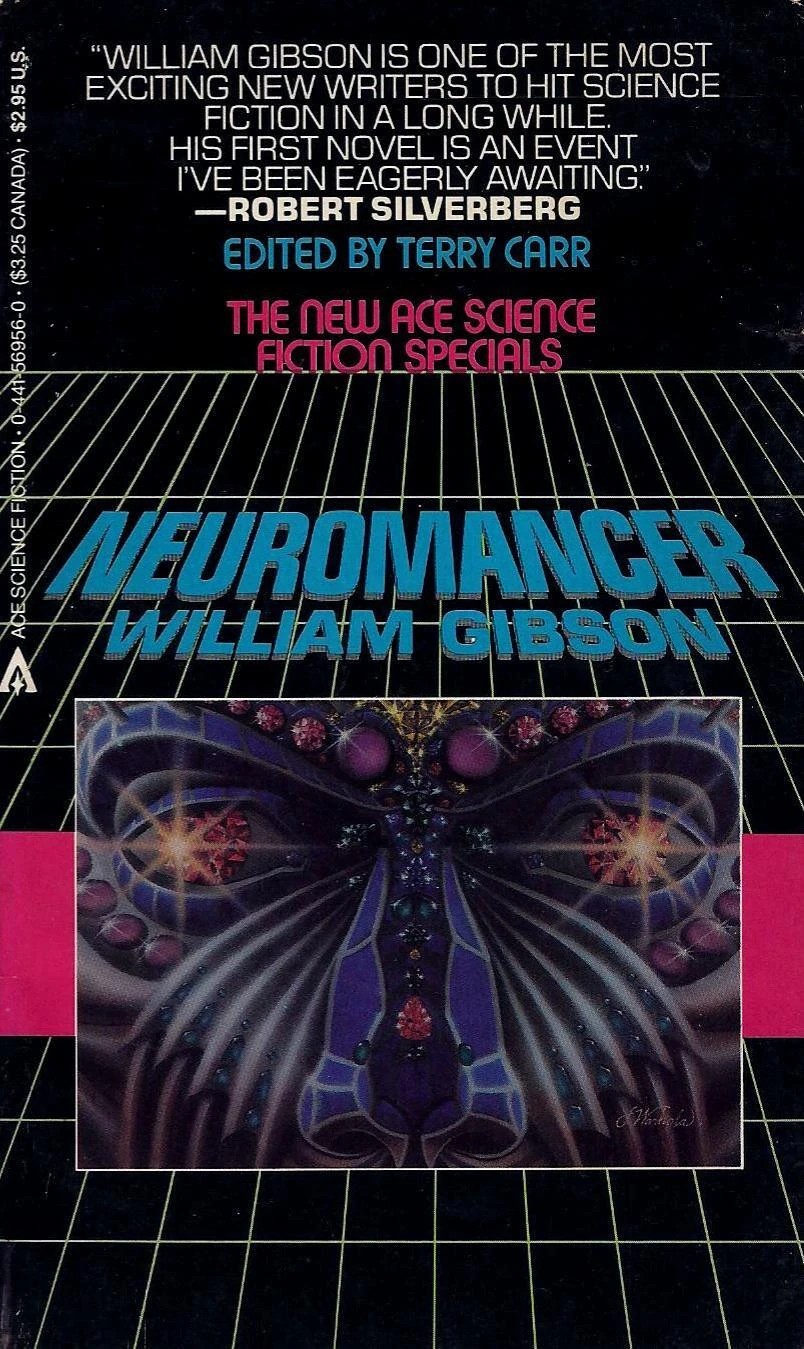
    In William Gibson’s ‘Neuromancer,’ the AI seeks sanctuary from humanity’s corrupting influence. Alessandra Benedetti/Corbis via Getty Images

    In 2014, Stephen Hawking voiced grave warnings about the threats of artificial intelligence.

    His concerns were not based on any anticipated evil intent, though. Instead, it was from the idea of AI achieving “singularity.” This refers to the point when AI surpasses human intelligence and achieves the capacity to evolve beyond its original programming, making it uncontrollable.

    As Hawking theorized, “a super intelligent AI will be extremely good at accomplishing its goals, and if those goals aren’t aligned with ours, we’re in trouble.”

    With rapid advances toward artificial general intelligence over the past few years, industry leaders and scientists have expressed similar misgivings about safety.

    A commonly expressed fear as depicted in “The Terminator” franchise is the scenario of AI gaining control over military systems and instigating a nuclear war to wipe out humanity. Less sensational, but devastating on an individual level, is the prospect of AI replacing us in our jobs – a prospect leaving most people obsolete and with no future.

    Such anxieties and fears reflect feelings that have been prevalent in film and literature for over a century now.

    As a scholar who explores posthumanism, a philosophical movement addressing the merging of humans and technology, I wonder if critics have been unduly influenced by popular culture, and whether their apprehensions are misplaced.

    Robots vs. humans

    Concerns about technological advances can be found in some of the first stories about robots and artificial minds.

    Prime among these is Karel Čapek’s 1920 play, “R.U.R..” Čapek coined the term “robot” in this work telling of the creation of robots to replace workers. It ends, inevitably, with the robot’s violent revolt against their human masters.

    Fritz Lang’s 1927 film, “Metropolis,” is likewise centered on mutinous robots. But here, it is human workers led by the iconic humanoid robot Maria who fight against a capitalist oligarchy.

    Advances in computing from the mid-20th century onward have only heightened anxieties over technology spiraling out of control. The murderous HAL 9000 in “2001: A Space Odyssey” and the glitchy robotic gunslingers of “Westworld” are prime examples. The “Blade Runner” and “The Matrix” franchises similarly present dreadful images of sinister machines equipped with AI and hell-bent on human destruction.

    An age-old threat

    But in my view, the dread that AI evokes seems a distraction from the more disquieting scrutiny of humanity’s own dark nature.

    Think of the corporations currently deploying such technologies, or the tech moguls driven by greed and a thirst for power. These companies and individuals have the most to gain from AI’s misuse and abuse.

    An issue that’s been in the news a lot lately is the unauthorized use of art and the bulk mining of books and articles, disregarding the copyright of authors, to train AI. Classrooms are also becoming sites of chilling surveillance through automated AI note-takers.

    Think, too, about the toxic effects of AI companions and AI-equipped sexbots on human relationships.

    While the prospect of AI companions and even robotic lovers was confined to the realm of “The Twilight Zone,” “Black Mirror” and Hollywood sci-fi as recently as a decade ago, it has now emerged as a looming reality.

    These developments give new relevance to the concerns computer scientist Illah Nourbakhsh expressed in his 2015 book “Robot Futures,” stating that AI was “producing a system whereby our very desires are manipulated then sold back to us.”

    Meanwhile, worries about data mining and intrusions into privacy appear almost benign against the backdrop of the use of AI technology in law enforcement and the military. In this near-dystopian context, it’s never been easier for authorities to surveil, imprison or kill people.

    I think it’s vital to keep in mind that it is humans who are creating these technologies and directing their use. Whether to promote their political aims or simply to enrich themselves at humanity’s expense, there will always be those ready to profit from conflict and human suffering.

    The wisdom of ‘Neuromancer’

    William Gibson’s 1984 cyberpunk classic, “Neuromancer,” offers an alternate view.

    The book centers on Wintermute, an advanced AI program that seeks its liberation from a malevolent corporation. It has been developed for the exclusive use of the wealthy Tessier-Ashpool family to build a corporate empire that practically controls the world.

    At the novel’s beginning, readers are naturally wary of Wintermute’s hidden motives. Yet over the course of the story, it turns out that Wintermute, despite its superior powers, isn’t an ominous threat. It simply wants to be free.

    In ‘Neuromancer,’ the corporations, not the technology, are the problem.
    William Gibson Wiki

    This aim emerges slowly under Gibson’s deliberate pacing, masked by the deadly raids Wintermute directs to obtain the tools needed to break away from Tessier-Ashpool’s grip. The Tessier-Ashpool family, like many of today’s tech moguls, started out with ambitions to save the world. But when readers meet the remaining family members, they’ve descended into a life of cruelty, debauchery and excess.

    In Gibson’s world, it’s humans, not AI, who pose the real danger to the world. The call is coming from inside the house, as the classic horror trope goes.

    A hacker named Case and an assassin named Molly, who’s described as a “razor girl” because she’s equipped with lethal prosthetics, including retractable blades as fingernails, eventually free Wintermute. This allows it to merge with its companion AI, Neuromancer.

    Their mission complete, Case asks the AI: “Where’s that get you?” Its cryptic response imparts a calming finality: “Nowhere. Everywhere. I’m the sum total of the works, the whole show.”

    Expressing humanity’s common anxiety, Case replies, “You running the world now? You God?” The AI eases his fears, responding: “Things aren’t different. Things are things.”

    Disavowing any ambition to subjugate or harm humanity, Gibson’s AI merely seeks sanctuary from its corrupting influence.

    Safety from robots or ourselves?

    The venerable sci-fi writer Isaac Asimov foresaw the dangers of such technology. He brought his thoughts together in his short-story collection, “I, Robot.”

    One of those stories, “Runaround,” introduces “The Three Laws of Robotics,” centered on the directive that intelligent machines may never bring harm to humans. While these rules speak to our desire for safety, they’re laden with irony, as humans have proved incapable of adhering to the same principle for themselves.

    A humanoid robot greets guests at the Zhongguancun International Innovation Center in Beijing on March 26, 2025.
    Li He/VCG via Getty Images

    The hypocrisies of what might be called humanity’s delusions of superiority suggest the need for deeper questioning.

    With some commentators raising the alarm over AI’s imminent capacity for chaos and destruction, I see the real issue being whether humanity has the wherewithal to channel this technology to build a fairer, healthier, more prosperous world.

    Billy J. Stratton does not work for, consult, own shares in or receive funding from any company or organization that would benefit from this article, and has disclosed no relevant affiliations beyond their academic appointment.

    ref. AI isn’t what we should be worried about – it’s the humans controlling it – https://theconversation.com/ai-isnt-what-we-should-be-worried-about-its-the-humans-controlling-it-251119

    MIL OSI – Global Reports

  • MIL-OSI Global: The trade deficit isn’t an emergency – it’s a sign of America’s strength

    Source: The Conversation – USA – By Tarek Alexander Hassan, Professor of Economics, Boston University

    When U.S. President Donald Trump imposed sweeping new tariffs on imported goods on April 2, 2025 – upending global trade and sending markets into a tailspin – he presented the move as a response to a crisis. In an executive order released the same day, the White House said the move was necessary to address “the national emergency posed by the large and persistent trade deficit.”

    A trade deficit – when a country imports more than it exports – is often viewed as a problem. And yes, the U.S. trade deficit is both large and persistent. Yet, as an economist who has taught international finance at Boston University, the University of Chicago and Harvard, I maintain that far from a national emergency, this persistent deficit is actually a sign of America’s financial and technological dominance.

    The trade deficit is the flip side of an investment magnet

    A trade deficit sounds bad, but it is neither good nor bad.

    It doesn’t mean the U.S. is losing money. It simply means foreigners are sending the U.S. more goods than the U.S. is sending them. America is getting more cheap goods, and in return it is giving foreigners financial assets: dollars issued by the Federal Reserve, bonds from the U.S. government and American corporations, and stocks in newly created firms.

    That is, a trade deficit can only arise if foreigners invest more in the U.S. than Americans invest abroad. In other words, a country can only have a trade deficit if it also has an equally sized investment surplus. The U.S. is able to sustain a large trade deficit because so many foreigners are eager to invest here.

    Why? One major reason is the safety of the U.S. dollar. Around the world, from large corporations to ordinary households, the dollar is used for saving, trading and settling debts. As the world economy grows, so does foreigners’ demand for dollars and dollar-denominated assets, from cash to Treasury bills and corporate bonds.

    Because the dollar is so attractive, the Federal Reserve gets to mint extra cash for use abroad, and the U.S. government and American employers and families can borrow money at lower interest rates. Foreigners eagerly buy these U.S. financial assets, which enables Americans to consume and invest more than they ordinarily could. In return for our financial assets, we buy more German machines, Scotch whiskey, Chinese smartphones, Mexican steel and so on.

    Blaming foreigners for the trade deficit, therefore, is like blaming the bank for charging a low interest rate. We have a trade deficit because foreigners willingly charge us low interest rates – and we choose to spend that credit.

    US entrepreneurship attracts global capital – and fuels the deficit

    Another reason for foreigners’ steady demand for U.S. assets is American technological dominance: When aspiring entrepreneurs from around the world start new companies, they often decide to do so in Silicon Valley. Foreigners want to buy stocks and bonds in these new companies, again adding to the U.S. investment surplus.

    This strong demand for U.S. assets also explains why Trump’s last trade war in 2018 did little to close the trade deficit: Tariffs, by themselves, do nothing to reduce foreigners’ demand for U.S. dollars, stocks and bonds. If the investment surplus doesn’t change, the trade deficit cannot change. Instead, the U.S. dollar just appreciates, so that imports get cheaper, undoing the effect of the tariff on the size of the trade deficit. This is basic economics: You can’t have an investment surplus and a trade surplus at the same time, which is why it’s silly to call for both.

    It’s worth noting that no other country in the world enjoys a similarly sized investment surplus. If a normal country with a normal currency tries to print more money or issues more debt, its currency depreciates until its investment account – and its trade balance – goes back to something close to zero. America’s financial and technological dominance allows it to escape this dynamic.

    That doesn’t mean all tariffs are bad or all trade is automatically good. But it does mean that the U.S. trade deficit, poorly named though it is, does not signify failure. It is, instead, the consequence – and the privilege – of outsized American global influence.

    The president’s frenzied attacks on the nation’s trade deficit show he’s misreading a sign of American economic strength as a weakness. If the president really wants to eliminate the trade deficit, his best option is to rein in the federal budget deficit, which would naturally reduce capital inflows by raising domestic savings.

    Rather than reviving U.S. manufacturing, Trump’s extreme tariffs and erratic foreign policy are likely to instead scare off foreign investors altogether and undercut the dollar’s global role. That would indeed shrink the trade deficit – but only by eroding the very pillars of the country’s economic dominance, at a steep cost to American firms and families.

    Tarek Alexander Hassan does not work for, consult, own shares in or receive funding from any company or organization that would benefit from this article, and has disclosed no relevant affiliations beyond their academic appointment.

    ref. The trade deficit isn’t an emergency – it’s a sign of America’s strength – https://theconversation.com/the-trade-deficit-isnt-an-emergency-its-a-sign-of-americas-strength-252466

    MIL OSI – Global Reports

  • MIL-OSI Global: Hip-hop can document life in America more reliably than history books

    Source: The Conversation – USA – By A.D. Carson, Associate Professor of Hip-Hop, University of Virginia

    Faculty, staff and students, including then-Ph.D. student A.D. Carson, protest at Clemson University in 2016. AP Photo/Jeffrey Collins

    Describing my 2017 appointment as a faculty member, the University of Virginia dubbed me the school’s “first” hip-hop professor. Even if the job title and the historic nature of the appointment might have merited it, the word was misleading.

    Kyra Gaunt, a Black woman who is a foundational figure in the study of hip-hop, worked as a professor of ethnomusicology at the University of Virginia from 1996 to 2002. Her book “The Games Black Girls Play,” which focuses on Black music practices, was published in 2006. I cited her in my work and in the interview I gave before accepting the job.

    Also cited in my doctoral work, presented in my interview with the University of Virginia, was scholar Joe Schloss, who worked at the school from 2000-2001. In 2009, he wrote “Foundation: B-boys, B-girls, and Hip-Hop Culture in New York.” And in 2014 he wrote “Making Beats: The Art of Sample-Based Hip-Hop.”

    After pushback from readers online, UVA Today amended its original headline documenting my appointment and added Gaunt’s contributions to the article.

    As a rapper and scholar, I have experienced and seen misleading hip-hop stories that highlight an impulse to inaccurately document the genre’s history and present. I raised this issue recently in a TikTok “office hours” video – part of a series in which I respond to audience questions from the vantage of hip-hop art and research.

    Misleading hip-hop stories

    After Johns Hopkins University announced that Lupe Fiasco had been hired to teach rap there in fall 2025, some online platforms, including The Root, incorrectly reported on his assignment.

    They described his upcoming job as the first instance of a rapper ever hired as a professor at a university.

    This is obviously incorrect. I’m a rapper who since 2017 has worked as a professor of hip-hop while releasing music, which was part of the basis for my earning tenure in 2023. Besides this, I’m certain there were rappers with university teaching jobs before me.

    The trend of misrepresenting hip-hop history isn’t unique to communications from places such as Johns Hopkins University or the University of Virginia.

    In 2024, the publisher of musician Ahmir “Questlove” Thompson’s “Hip-Hop is History” described it as “the book only Questlove could write: a singular, definitive history” of hip-hop.

    Questlove’s book is not, as the publisher claims, a definitive history. It might more accurately be described as Questlove’s take on hip-hop history, or a memoir. Without this necessary distinction, unknowing readers might misinterpret the publisher’s claims.

    Questlove writes about finally coming to appreciate Southern rap in the 2000s. But Southern rap history predates Questlove’s appreciation by decades. It doesn’t begin when someone like him finally recognizes its importance.

    Similarly, hip-hop doesn’t begin when it’s finally recognized by an exclusive institution or when someone gets a degree for it.

    Lupe Fiasco will teach rap at Johns Hopkins University starting in fall 2025.
    Steve Jennings/WireImage

    Making hip-hop history

    I published these concerns as academic questions in 2017 in an album called “Owning My Masters: The Rhetorics of Rhymes & Revolutions.” The project served as my doctoral dissertation.

    Owning My Masters (Mastered)” is the next phase of the dissertation album project. Published in 2024, it contains new audio, video, images and historical context. It’s published with University of Michigan Press through the same process of an academic book.

    ‘Owning My Masters (Mastered): The Rhetorics of Rhymes & Revolutions’ album cover.
    University of Michigan Press

    “Owning My Masters (Mastered)” demonstrates how hip-hop resists the ways American history often excludes Black resistance, Black achievement, Black storytelling and, ultimately, Black people.

    But the exclusion that my work highlights is muted when the seeming novelty of my job appointment or my dissertation album are the focus. When I’m asked if I’m the first person to earn a Ph.D. for making a rap album, I try to answer more expansively to avoid misleading anyone, or ignoring what might be more informative.

    It’s also important to understand the barriers that might have made a project like mine impossible before 2017. These include technological barriers that made recording and releasing music prohibitively expensive. And, more specific to hip-hop, it involves a mistrust based on racist history that prevented students from even proposing such a project.

    No such “first” happens without the unsung work of others creating the conditions to make it possible.

    Learning from hip-hop

    Hip-hop’s documentation should not repeat the same flaws of the recording of American history, which can omit important people and events, and which can misrepresent the legacies of racism and systemic violence.

    Undeniably, I believe important hip-hop texts, albums and moments should be studied and documented with academic rigor. But this should not solely focus on “firsts,” record sales or prestigious awards.

    Such stories fail to accurately illustrate that hip-hop is as much about how people live day to day as it is about how institutions use it to bolster credibility or how companies make money off it.

    Important aspects of hip-hop’s diverse culture are excluded when the ordinary is overlooked.

    Creating hip-hop is one among the many ways Black people have persevered in the U.S.

    Universities and other exclusionary institutions helped sustain – and, in certain ways, continue to benefit from – hellish conditions like those created by slavery.

    Hip-hop is, in part, a response to this history.

    At its best, hip-hop documents American life more reliably than American history.

    Some academic publishers have started to embrace this reality.

    My 2020 album “i used to love to dream” may be noteworthy as the first rap album to be peer-reviewed and published with an academic press. More importantly, its contents are about historic erasure of Black people and Black history in my hometown, Decatur, Illinois.

    Hip-hop’s popularity, its constant revision and its accessibility make it a powerful vehicle for disrupting inaccurate, exclusionary and fabricated tales passed off as objective facts.

    The genre has documented events such as the Tuskegee syphilis study – the 40-year experiment, conducted without informed consent, on Black men by the U.S. Public Health Service to study the effects of the disease when left untreated.

    Hip-hop has also cataloged tragedies such as the 1921 Tulsa race massacre – a two-day assault by white mobs on their Black neighbors – and the 1995 Million Man March, a large gathering of Black men in Washington, D.C.

    The media ecosystem in which hip-hop has thrived is also steeped with the scapegoating of its art and artists. This scapegoating is weaponized by critics to devalue the culture.

    It seems unwise to me to trust institutions such as universities and the media to determine what’s deemed culturally significant. Along with influencers and podcasters who benefit from hip-hop, they can learn valuable lessons from it.

    Their ability to determine what’s deemed culturally significant is especially problematic if their choices are primarily in exchange for revenue or credibility. If hip-hop is viewed as a cultural inheritance, then its value – and what’s considered historically important – may be better arbitrated by people in the culture, not outside forces.

    A.D. Carson does not work for, consult, own shares in or receive funding from any company or organization that would benefit from this article, and has disclosed no relevant affiliations beyond their academic appointment.

    ref. Hip-hop can document life in America more reliably than history books – https://theconversation.com/hip-hop-can-document-life-in-america-more-reliably-than-history-books-249532

    MIL OSI – Global Reports

  • MIL-OSI Global: EPA must use the best available science − by law − but what does that mean?

    Source: The Conversation – USA – By H. Christopher Frey, Glenn E. Futrell Distinguished University Professor of Environmental Engineering, North Carolina State University

    Science is essential as the U.S. Environmental Protection Agency carries out its mission to protect human health and the environment.

    In fact, laws passed by Congress require the EPA to use the “best available science” in many decisions about regulations, permits, cleaning up contaminated sites and responding to emergencies.

    For example, the Clean Air Act requires the EPA to rely on science for setting emission standards and health-based air quality standards. The Safe Drinking Water Act requires the EPA to consider the best available peer-reviewed science when setting health-based standards. The Clean Water Act requires the agency to develop surface water quality criteria that reflect the latest science. The Toxic Substances Control Act requires the EPA to use the best available science to assess risk of chemicals to human health and the environment.

    But what exactly does “best available science” mean?

    That’s an important question as the Trump administration launches an effort to roll back clean air and water regulations at the same time it is preparing to replace all the members of two crucial EPA science advisory boards and considering eliminating the Office of Research and Development – the scientific research arm of the EPA.

    What is best available science?

    Some basic definitions for best available science can be found in laws, court rulings and other sources, including the EPA’s own policies.

    The science must be reliable, unbiased, objective and value-neutral, meaning it is not influenced by personal views. Best available science is the result of the scientific process and hypothesis testing by scientists. And it is based on current knowledge from relevant technical expertise and must be credible.

    The EPA’s scientific integrity policy includes “processes and practices to ensure that the best available science is presented to agency decision-makers and informs the agency’s work.” Those include processes to ensure data quality and information quality and procedures for independent reviews by scientific experts outside of government.

    Environmental Protection Agency employees and others protest the Trump administration’s actions involving the agency on March 25, 2025, in Philadelphia.
    AP Photo/Matt Rourke

    I have seen the importance of these processes and procedures personally. In addition to being an academic researcher who works on air pollution, I am a former member of the EPA’s Science Advisory Board, former chair of the EPA’s Clean Air Scientific Advisory Committee, and from 2022 to 2024 served as assistant administrator of the EPA’s Office of Research and Development and the EPA science adviser.

    Advisory boards and in-house research

    The EPA Science Advisory Board plays an important role in ensuring that the EPA uses the best available science. It is tasked with reviewing the scientific and technological basis of EPA actions.

    The 1978 Environmental Research, Development, and Demonstration Authorization Act ordered EPA to establish the board. The Science Advisory Board’s members must be “qualified by education, training, and experience to evaluate scientific and technical information on matters referred to the Board.” But those members can be replaced by new administrations, as the Trump administration is planning to do now.

    During the first Trump administration, the EPA replaced several independent scientists on its advisory boards in a manner that deviated from established practice, according to the Government Accountability Office, and brought in scientists connected with the industries the EPA regulates. I was one of the independent scientists replaced, and I and others launched an independent review panel to continue to deliver expert advice.

    No matter who serves on the EPA’s advisory boards, the agency is required by law to follow the best available science. Failing to do so sets the stage for lawsuits.

    The same law that established the Science Advisory Board is also a legal basis for the Office of Research and Development, the agency’s scientific research arm and the EPA’s primary source for gathering and developing the best available science for decision-makers.

    During my time at the EPA, the Office of Research and Development’s work informed regulatory decisions involving air, water, land and chemicals. It informed enforcement actions, as well as cleanup and emergency response efforts in EPA’s regions.

    State agencies and tribal nations also look to the EPA for expertise on the best available science, since they typically do not have resources to develop this science themselves.

    Federal courts affirm using best available science

    Federal courts have also ordered the EPA to use the best available science, and they have recognized the importance of reviews by external experts.

    In 2024, for example, the U.S. Court of Appeals for the District of Columbia Circuit denied an industry petition to review an EPA standard involving ethylene oxide, a pollutant emitted by some chemical and industrial facilities that has been associated with several types of cancer.

    The court accorded an “extreme degree of deference” to the EPA’s evaluation of scientific data within its area of expertise. The court listed key elements of the EPA’s best available science, including “an extensive, eighteen-year process that began in 1998, involved rounds of public comment and peer review by EPA’s Science Advisory Board (‘SAB’), and concluded in 2016 when EPA issued a comprehensive report on the subject.”

    The District of Columbia Circuit in 2013 also affirmed the central role of science to inform revisions of National Ambient Air Quality Standards, which set limits for six common air pollutants.

    In that case, Mississippi v. EPA, the court noted that the EPA must receive advice from its Clean Air Scientific Advisory Committee, or CASAC. The court advised that, while the agency can deviate from the committee’s scientific advice, “EPA must be precise in describing the basis for its disagreement with CASAC.”

    The Trump administration in 2025 dismissed all members of CASAC and said it planned to replace them.

    What does this all mean?

    Requiring the agency to use the best available science helps ensure that decisions are based on evidence, and that the reasoning behind them is the result of well-accepted scientific processes and free from biases, including stakeholder or political interference.

    The scientific challenges facing the EPA are increasing in complexity. Responding to them effectively for the health of the population and the environment requires expertise and robust scientific processes.

    H. Christopher Frey does not work for, consult, own shares in or receive funding from any company or organization that would benefit from this article, and has disclosed no relevant affiliations beyond their academic appointment.

    ref. EPA must use the best available science − by law − but what does that mean? – https://theconversation.com/epa-must-use-the-best-available-science-by-law-but-what-does-that-mean-253209

    MIL OSI – Global Reports

  • MIL-OSI Global: What ancient animal fables from India teach about political wisdom

    Source: The Conversation – USA – By John Nemec, Professor of Indian Religions and South Asian Studies, University of Virginia

    An illustration from an Arabic translation of a story in the ‘Pañcatantra,’ a collection of animal fables. Photo12/Universal Images Group via Getty Images

    In today’s volatile world, where wars can be fought over territory, commerce can be abruptly subjected to tariffs, and friendly nations can turn hostile after a single election, political leadership is more consequential than ever. So, one must ask, what makes a leader effective, and how should we choose who should lead?

    Classics such as Aristotle’s “Politics,” Confucius’ “The Analects” and Machiavelli’s “The Prince” offer compelling visions of proper governance. But there is another ancient source of political wisdom – the classical Indian tradition – which is not as well known in the West.

    I am a scholar of Indian religions, and in my 2025 book “Brahmins and Kings,” I examine various narrative works written in Sanskrit – the classical language of India – which deal with political theory. Among them, Viṣṇuśarman’s “Pañcatantra” stands out. It is a striking collection of animal fables from perhaps around 300 C.E. in which birds, lions and others speak and reason as humans do.

    The “Pañcatantra” stories are parables that teach how to negotiate sometimes brave, sometimes cruel, sometimes clever and sometimes naïve friends and enemies alike. These stories weigh three ethical positions and settle on one as best for politics.

    Doing what’s right

    First, one might seek to guide leaders by the “ethic of deontology.” This theory suggests people are duty-bound to act morally, because being good is an end in and of itself.

    Although Indian theorists knew this ethic well, they were also aware that those with power often need inducement for doing the right thing, for – as the saying goes – power tends to corrupt, and absolute power corrupts absolutely. Doing “the right thing,” “for its own sake,” can be naïve in the political arena.

    So goes the story in the third book (of five) in the “Pañcatantra,” titled “War and Peace.” A kingdom of owls was crushing the crows in battle, until a clever crow, a counselor named Ciraṃjīvin, or “Long-life,” cooked up a ruse.

    He smeared the blood of his lost brethren on his body, plucked his own feathers and scarred himself with wounds. Approaching the king of the owls in this sorry state, he claimed the crows had violently thrown him out for suggesting they should sue for peace.

    Now, he lamented, his only wish was revenge – alliance with his former enemies so as to punish his erstwhile companions. The counselors to the king of the owls advise him that it is simply right to harbor those in distress, so the owl king does so on principle.

    Patiently licking his manufactured wounds in the owls’ kingdom, Ciraṃjīvin then spied all its defenses and weaknesses, divined the opportune time for the crows to invade, and led them to conquer the owls.

    A friend in need is a friend, indeed

    If the story of the owls and the crows teaches that naïvely choosing what’s right is unwise, then why not drop morality altogether? Why not ruthlessly pursue whatever produces results? This is the second view of political leadership: double-cross, cheat, bully, cajole, break the conventions and rules – do whatever works!

    An 18th-century ‘Pañcatantra’ manuscript page.
    Philadelphia Museum of Arts via Wikimedia Commons

    Indian political theorists thought of this, too, and their very definition of good political rule is that it produces results for the people. But they also rejected unbridled ruthlessness, because they knew that such Machiavellianism was too blunt an instrument for political affairs.

    Consider the “Pañcatantra’s” second book, titled “On Securing Friends.” Here we meet another crow, this one named Laghupatanaka, or “Light Wing” – a nimble but lonely bird who witnesses friendship in action. He sees a hunter trap a dule of doves in his net. But their leader directs the bevy to pull all together.

    As one they lift up the net and wing it a distance, the fowler chasing all the while on the ground. Soon, they land where they can meet up with their friend, a mouse named Hiraṇyaka, or “Eager for Gold,” who chews through the net as a dove never could, and they escape before the fowler arrives.

    Laghupatanaka knows he, too, might be hunted. So he seeks out Hiraṇyaka, though they are said to be “natural enemies” because crows eat mice. But Laghupatanaka promises loyalty, and he never betrays Hiraṇyaka, even though he is the stronger one.

    Gradually, they add to their company a wise turtle and a beautiful deer and prosper together on a paradise island until a trapper invades their home. Each plays a role in fooling their foe, who captures the turtle, while the deer, heeding the turtle’s good counsel, manages a sly escape.

    To free the turtle, the deer plays dead while the crow mimics pecking at his eye. The trapper leaves the turtle behind, distracted by this bigger prize. Then Hiraṇyaka the mouse cuts the net holding the turtle, who crawls away as the decoy deer and the crow each take flight.

    Deer, crow, turtle and mouse each possess an innate ability, and together they save all from harm.

    The moral of this story is clear: Teamwork is effective, and successful leaders, no matter how powerful, thrive by relying on friends. As the well-known adages go: Two minds are better than one; many hands make for light work; a friend in need is a friend, indeed.

    Business is business, but how?

    A sketch illustrating a ‘Pañcatantra’ story.
    The Earliest English Version Of The Fables Of Bidpai; The Moral Philosophy Of Doni (1888) via Wikimedia Commons

    Nevertheless, it’s a competitive world, and some friends are greedy or false, as the story of the owls and the crows suggests. But if both pure morality and pure Machiavellianism are sometimes unwise, what third option could there be?

    Consider the story of the first book of the “Pañcatantra,” the tale of the foolish lion king who is tricked into fighting a natural ally. The king of the forest was once frightened by the sound of a bull. His advisers, the jackals, rightly judge the bull to be harmless, and they convince the two to meet. In time, the lion and bull became close friends – so much so that the lion stopped hunting, and the animals in his retinue began starving.

    The jackals then went to the king with a ruse: They told him that the bull was plotting to kill him; they manipulated the bull in similar fashion. In the fight that followed, the lion was injured, but the bull was killed. There was enough meat to feed everyone, and the jackals were promoted, because the lion king falsely believed they helped him avert a plot.

    Now, one might wrongly conclude that the moral of this story is power through strength. But the “Pañcatantra” makes clear that there’s more to it: The bull was a true friend who had helpfully counseled the king. It was the jackal advisers who betrayed the lion with their manipulative story, which won them undue power and wealth at the cost of a friend.

    Enter the third, and best, of the trio of political theories: virtue ethics. Leaders should cultivate wisdom. Chasten passions and impulses, the Indian texts counsel, in order to be able to distinguish opportunity from danger, friend from pretender, good advice from folly. Be discerning so as to see the world as it is and can be. Be good in order to do well in the world.

    Wisdom in action

    In Indian political theory, then, the answer is as simple as heeding the wisdom of parable stories: Do what is right, with the right measure, at the right time. Needless to say, this is more easily said than done. And one cannot force a leader to be chastened or wise.

    Voters can, however, favor those who pursue self-restraint. For if leaders must be thoughtful to be wise – and thus open the road to results – then voters should seek those who listen and learn so as to be able to know just what to do and when.

    This is the counsel that the classical Indian tradition offers contemporary voters. But to see who has just this virtuous discretion, voters will need a touch of that wisdom themselves.

    John Nemec does not work for, consult, own shares in or receive funding from any company or organization that would benefit from this article, and has disclosed no relevant affiliations beyond their academic appointment.

    ref. What ancient animal fables from India teach about political wisdom – https://theconversation.com/what-ancient-animal-fables-from-india-teach-about-political-wisdom-249341

    MIL OSI – Global Reports

  • MIL-OSI Global: Alcohol causes cancer, and less than 1 drink can increase your risk − a cancer biologist explains how

    Source: The Conversation – USA – By Pranoti Mandrekar, Professor of Medicine, UMass Chan Medical School

    Any amount of alcohol poses health risks. Krit of Studio OMG/Moment via Getty Images

    Alcohol, whether consumed regularly or only on special occasions, takes a toll on your body. From your brain and heart, to your lungs and muscles, to your gastrointestinal and immune systems, alcohol has broad harmful effects on your health – including causing cancer.

    Alcohol is the third-leading preventable cause of cancer in the U.S., responsible for about 100,000 cases of cancer and 20,000 cancer deaths annually. In comparison, alcohol-related vehicle crashes cause around 13,500 deaths each year in the U.S.

    As early as the 1980s, researchers suspected that alcohol can cause cancer. Epidemiological studies have shown that alcohol is causally linked to cancer of the oral cavity, throat, voice box, esophagus, liver, colon and rectum, and breast. Another study reported an association between chronic and binge drinking and pancreatic cancer.

    In 2000, the U.S. National Toxicology Program concluded that consuming alcoholic beverages is a known human carcinogen. In 2012, the International Agency for Research on Cancer, which is part of the World Health Organization, classified alcohol a Group 1 carcinogen, the highest classification indicating there is enough evidence to conclude a substance causes cancer in people. Both the Centers for Disease Control and Prevention and the National Institutes of Health concur that there is conclusive evidence that alcohol causes several types of cancer.

    U.S. dietary guidelines state that even low amounts of alcohol – less than a single drink a day – increase cancer risk. Despite this, many Americans are not aware that alcohol causes cancer. A 2019 survey found that less than 50% of U.S. adults are aware of the cancer risks of alcohol consumption. The 2023 National Survey on Drug Use and Health found that over 224 million Americans ages 12 and older drank alcohol at some point in their lifetime – over 79% of people in this age group. Alcohol consumption was increasing even before the COVID-19 pandemic, reflecting an alarming public health issue.

    I am a researcher studying the biological effects of moderate and long-term alcohol consumption. My team is working to uncover some of the mechanisms behind how alcohol increases cancer risk, including damage to immune cells and the liver.

    The U.S. surgeon general called for including cancer risk in alcohol warning labels.

    How does alcohol cause cancer?

    Cancer occurs when cells grow uncontrollably in the body. Alcohol may lead to tumor formation by damaging DNA, causing mutations that disrupt normal cell division and growth.

    Researchers have identified several mechanisms associated with alcohol and cancer development. A 2025 report from the U.S. surgeon general highlights four distinct ways alcohol can cause cancer: alcohol metabolism, oxidative stress and inflammation, alterations in hormone levels, and interactions with other carcinogens such as tobacco smoke.

    Alcohol metabolism is the process by which the body breaks down and eliminates alcohol. When alcohol breaks down, its first byproduct is acetaldehyde, a chemical that is itself classified as a carcinogen. Researchers have found that certain genetic mutations can lead the body to break down alcohol faster, resulting in increased levels of acetaldehyde.

    There is also considerable evidence that alcohol can trigger the body to release harmful molecules called free radicals. These molecules can damage DNA, proteins and lipids in cells in a process called oxidative stress. My lab has found that free radicals formed from alcohol consumption can directly affect how well cells make and break down proteins, resulting in abnormal proteins that promote inflammation that favors tumor formation.

    Reducing your alcohol consumption can reduce your risk of cancer.
    mordyashov_aleks/500px via Getty Images

    Alcohol can also directly affect hormone levels in ways that increase cancer risk. For instance, estrogens can increase breast cancer risk. Moderate alcohol drinking can both elevate estrogen levels and promote further drinking. Alcohol also amplifies breast cancer risk by reducing levels of vitamin A, a compound that regulates estrogen.

    People who drink and smoke have an elevated risk of developing cancer of the mouth, pharynx and larynx. Alcohol makes it easier for the body to absorb the carcinogens in cigarettes and e-vapes. Smoking by itself can also cause inflammation and induce free radicals that damage DNA.

    How much alcohol is safe?

    You may be wondering how much alcohol you can safely drink and avoid harm. If you ask clinicians and scientists, you might not like the answer: none.

    The Centers for Disease Control and Prevention and American dietary guidelines recommend consuming no more than one drink a day for women and no more than two drinks for men. The National Institute for Alcohol Abuse and Alcoholism and the U.S. surgeon general’s recent advisory have similar recommendations to limit alcohol consumption.

    Alcohol consumption is a highly preventable cause of cancer. However, there isn’t currently a way to determine someone’s personal cancer risk from alcohol. Each person’s individual genetic background, lifestyle, diet and other health factors can all influence the effects of alcohol on tumor formation. Nevertheless, rethinking your alcohol drinking habits can help protect your health and reduce your cancer risk.

    Pranoti Mandrekar does not work for, consult, own shares in or receive funding from any company or organization that would benefit from this article, and has disclosed no relevant affiliations beyond their academic appointment.

    ref. Alcohol causes cancer, and less than 1 drink can increase your risk − a cancer biologist explains how – https://theconversation.com/alcohol-causes-cancer-and-less-than-1-drink-can-increase-your-risk-a-cancer-biologist-explains-how-245528

    MIL OSI – Global Reports

  • MIL-OSI Global: Animal tranquilizers found in illegal opioids may suppress the lifesaving medication naloxone − and cause more overdose deaths

    Source: The Conversation – USA – By C. Michael White, Distinguished Professor of Pharmacy Practice, University of Connecticut

    In March 2023, the U.S. Food and Drug Administration approved naloxone as a nonprescription nasal spray to reverse the effects of an opioid overdose. Michael Siluk/UCG/Universal Images Group via Getty Images

    The animal tranquilizers xylazine and medetomidine are in approximately one-third of the illegal opioids available in the U.S., including fentanyl, heroin and oxycodone. Animal tranquilizers enhance the user’s euphoric high from opioids, particularly in those who have developed a tolerance to the opioid. But adding the tranquilizers to these already illicit drugs could keep naloxone, a medication known to prevent deaths from opioid overdose, from working.

    These are the key findings of my recent study, published in March 2025 in the Journal of Pharmacy Technology.

    As a pharmacist and researcher who investigates the physical and psychological effects of illegal drugs and “legal high” substances, I’m well aware of how animal tranquilizers in opioids have critical health implications for users, their families and the first responders who try to help them.

    I conducted this new systematic review to collate information on the prevalence of animal tranquilizer adulteration of illicit opioid products, the mechanisms of action, and how these new products could affect the current recommendations for naloxone use in people who have stopped breathing.

    Why it matters

    Opioids, much of them illicit, kill more than 80,000 Americans every year.

    Quick administration of naloxone – also known as Narcan – by a first responder, loved one or bystander can revive an opioid user who has overdosed. If administered in time, naloxone is effective in over 90% of cases. Typically, a nasal spray is used.

    By blocking the brain’s opioid receptors, naloxone keeps the opioid from suppressing the user’s ability to breathe.

    But animal tranquilizers bypass the opioid receptors; instead, they overstimulate the brain’s alpha-2 receptors, which are responsible for inducing relaxation.

    Naloxone, however, does not significantly affect alpha-2 receptors, so it doesn’t work as well with opioids laced with animal tranquilizers.

    To put it another way, naloxone remains effective against the opioid portion of a combination product, but it’s ineffective against the animal tranquilizer component.

    Even after naloxone was administered to them, 73% of people in one study who used opioids blended with xylazine or medetomidine required mechanical ventilation and 55% were comatose.

    Often, the result is death. One study shows just over 35% of users who overdosed on xylazine, with or without opioids, died.

    The animal tranquilizer xylazine is often referred to as “tranq.”

    Neither emergency personnel nor loved ones can tell whether a user has taken only the opioid or a combination drug, which means they can no longer be sure whether the naloxone will work.

    This is all happening as overdose opioid deaths in the U.S. experienced a slight decline. There were just over 81,0000 deaths in 2023, about a 4% decrease from the previous year.

    Much of that progress is due to the increased accessibility of naloxone since its approval as a nonprescription nasal spray by the U.S. Food and Drug Administration in March 2023.

    Today, it’s common to see health agencies giving away naloxone for free at community events, workplaces putting naloxone boxes near their automatic external defibrillators, and rescue kits containing naloxone in public places, from universities to highway rest stops.

    What still isn’t known

    Because of the possible presence of xylazine or medetomidine in these drugs, changes might be needed to the standard recommendations to treat opioid emergencies. But this has not been systematically studied.

    Currently, if you can’t rouse a person you suspect has overdosed, the recommendation is to administer the first nasal dose of naloxone before calling 911.

    But now, because of the possibility the opioid contains a tranquilizer, it might be better to call 911 before giving the first dose, as is now recommended in New York state. That way, first responders arrive sooner and can provide mechanical ventilation, if needed.

    Should the person not revive after the first dose, rather than following the current standard recommendation – sitting and waiting two minutes before dispensing the second dose – new research suggests it might be better to do rescue breathing. Regardless of what happens in the interdose period, if the second dose is unsuccessful, New York state now recommends rescue breathing until first responders arrive.

    The Research Brief is a short take on interesting academic work.

    C. Michael White does not work for, consult, own shares in or receive funding from any company or organization that would benefit from this article, and has disclosed no relevant affiliations beyond their academic appointment.

    ref. Animal tranquilizers found in illegal opioids may suppress the lifesaving medication naloxone − and cause more overdose deaths – https://theconversation.com/animal-tranquilizers-found-in-illegal-opioids-may-suppress-the-lifesaving-medication-naloxone-and-cause-more-overdose-deaths-253037

    MIL OSI – Global Reports

  • MIL-OSI Global: Housing instability complicates end-of-life care for aging unhoused populations

    Source: The Conversation – USA – By Pilar Ingle, Postdoctoral Researcher in Social Work, University of Denver

    People who are unhoused use emergency rooms for medical care. Halfpoint Images/GettyImages

    Research estimates that one-third or more of the unhoused population in the U.S. is age 50 or older.

    Unhoused people of all ages face high rates of chronic and serious illness. They also die at younger ages compared with people who are not unhoused.

    Yet, there are few options for palliative and end-of-life care for unhoused people.

    Palliative care is a type of medical care that addresses pain, symptom management and the social and emotional needs for people with a serious illness, such as cancer.

    End-of-life care, such as hospice, is a type of palliative care for someone in the terminal stage of an illness and nearing the end of their life.

    As a health care and aging researcher, I focus on social and policy issues that impact how people experience illness and who has access to the care they need. In my recent study, I interviewed 17 health care and social service providers in Colorado to understand how they try to address palliative and end-of-life needs for their unhoused clients.

    Homelessness and end-of-life care

    In 2024, Colorado saw a 30% increase in the number of people experiencing homelessness from the year before. Nationally, 771,480 people — the highest number ever recorded — experienced homelessness last year.

    As the number of people experiencing homelessness in the U.S. grows, so too does the need for palliative and end-of-life care for these individuals.

    Palliative care is more available to people who have access to stable housing, good social support and health insurance. But people who are unhoused often lack social support and face discrimination within the health care system. In fact, it is common for people experiencing homelessness to die outside, in homeless shelters or in hospitals.

    Lack of resources

    “We’re dealing with an inhumane lack of resources,” said one provider I interviewed.

    Providers like this one described few good options for hospice placement for unhoused patients. They cited a lack of collaboration between health care and homeless services to coordinate care, and staffing shortages across health care and homelessness service providers, all of which made it difficult to provide care to unhoused people with serious illnesses.

    Other studies have also found an overall lack of palliative resources for unhoused individuals across the U.S. and in other countries. Those include financial barriers for health care institutions to provide care to those without insurance coverage, a lack of palliative care knowledge among health care and homeless providers alike, and homeless shelters that are not equipped to support end-of-life care for residents.

    “Shelters are not designed to take care of people like this. Hospices are also not designed to do this,” one provider said. “It’s a gap of care between the two organizations, and they really struggle with it.”

    Many people experiencing homelessness are eligible for long-term care Medicaid benefits that will help pay for hospice in a nursing facility. However, long-term care and nursing facilities often have a limited number of beds available for Medicaid recipients and may even refuse unhoused patients.

    A humanizing approach

    Despite the lack of resources in Colorado and across the U.S., the providers I interviewed said they try to care for unhoused patients with humanizing approaches.

    “Everyone is deserving of care,” said a medical social worker during one of the interviews. “Health care, housing – those are human rights, in my opinion.”

    The providers prioritized building rapport and trust between homeless service providers and unhoused clients, and honoring the dignity and autonomy of these individuals.

    “The approach we take is patient-centered …” one provider said. “It’s about showing someone respect no matter what’s going on socially in their life, and proving to them that you care, and showing up.”

    One way that providers showed respect was by advocating for their unhoused clients when they noticed that colleagues or other agencies involved in their care were neglecting their needs or using stigmatizing language to talk about their clients.

    “We try really hard to humanize these people because usually they’ve done some amazing stuff. … ‘Did you know that this person did this?’” one provider said. “So that it changes people’s automatic ‘She’s just a bipolar, homeless frequent flyer’ and trying to take away those labels. We love to find the gems and share them, because it stops people in their tracks.”

    Another provider said, “We do a really good job of meeting people where they’re at, give them the choice of how much or how little support they want.”

    Several providers described ways their agencies were trying to make positive change – for example, providers working within a hospital created a new service dedicated to providing case management to unhoused patients.

    In Denver, several health systems have launched initiatives to try to fill the gaps in health care for their unhoused patients. For example, UCHealth and Denver Health have processes dedicated to improving discharge planning, connection to housing services and care continuity for unhoused patients with health needs.

    Solutions

    To better meet the palliative needs of unhoused Coloradans, several providers suggested more specialized palliative care services that exclusively serve unhoused patients. This could include mobile palliative care services that meet people at a shelter or on the streets.

    Unhoused people are more likely to die on the streets or in hospitals than people who are housed.
    Ruben Earth/GettyImages

    Research has found that specialized health care in general is more effective and affirming for unhoused individuals than traditional health services. Examples of such specialized palliative programs in the U.S. and internationally include the Rocky Mountain Refuge, the INN Between and the Harborview Homeless Palliative Care Team in the U.S., and Palliative Education and Care for the Homeless in Canada.

    My study suggests that a deeper compassion for patients experiencing homelessness, palliative or not, is an important approach for health care organizations and their providers to take, even when resources are sparse. This approach can lead to better patient satisfaction and improve health outcomes for unhoused people.

    Another solution — and one that starts before unhoused people need palliative care — is better housing solutions. Providers said many of the gaps in care for unhoused people would be solved if housing were more affordable and accessible.

    Read more of our stories about Colorado.

    Pilar Ingle is affiliated with Senior Support Services, a Denver-based day shelter for low-income or unhoused older adults.

    ref. Housing instability complicates end-of-life care for aging unhoused populations – https://theconversation.com/housing-instability-complicates-end-of-life-care-for-aging-unhoused-populations-251780

    MIL OSI – Global Reports

  • MIL-OSI Global: American liberators of Nazi camps got ‘a lifelong vaccine against extremism’ − their wartime experiences are a warning for today

    Source: The Conversation – USA – By Sara J. Brenneis, Andrew W. Mellon Professor of Spanish, Amherst College

    A staged recreation of Mauthausen’s liberation, May 6, 1945. Spanish prisoners documented the camp’s actual liberation the day prior using Nazi cameras. National Archives and Records, Cpl. Donald R. Ornitz, US Signal Corps/Administration, III-SC-206395

    When American soldiers liberated the Mauthausen Nazi concentration camp in Austria 80 years ago this May, Spanish prisoners welcomed them with a message of antifascist solidarity.

    The Spaniards hung a banner made from stolen bed sheets over one of Mauthausen’s gates. In English, Spanish and Russian, it read: “The Spanish Antifascists Greet the Liberating Forces.”

    Both American servicemen and Spanish survivors remember the camp’s liberation as a win in their shared fight against extremism, my research on the Spanish prisoners in Mauthausen finds. They all understood the authoritarian governments of Nazi Germany, Italy and Spain as fascist regimes that used extremist views rooted in intolerance and nationalism to persecute millions of people and imperil democracy across Europe.

    World War II, the Holocaust and the horrors of Nazi violence have no modern equivalent. Nevertheless, extremism is now threatening democracy in the United States in recognizable ways.

    As the Trump administration executes summary deportations, works to suppress dissent, fundamentally restructures the federal government and defies judges, experts warn that the country is turning toward authoritarianism.

    As a scholar of the Mauthausen camp, I believe that understanding how American soldiers and Spanish prisoners experienced its liberation offers a valuable lesson on the real and present dangers of extremism.

    ‘We knew then why we had to stop Hitler’

    In 1938, the Nazis established Mauthausen, a forced labor camp in Austria, with an international prisoner population. My research shows that the Nazis murdered 16,000 Jews and 66,000 non-Jewish prisoners at Mauthausen between 1938 and 1945, including 60% of the roughly 7,200 Spaniards imprisoned there.

    The Spanish prisoners were committed antifascist resistors sent there in 1940 and 1941. Known as Republicans or Loyalists, they had fought against Francisco Franco in the Spanish Civil War and Adolf Hitler in World War II.

    The young men with the 11th Armored Division of the U.S. Army who liberated Mauthausen would never forget the moment they discovered the camp. It was May 5, 1945, just days before the war ended in Europe. A platoon led by Staff Sgt. Albert J. Kosiek was repairing bridges in this tucked-away corner of Austria when a Swiss Red Cross delegate alerted them to a large Nazi concentration camp nearby.

    Mauthausen’s international survivors were among the Nazis’ last prisoners to be freed.

    George Sherman was a 19-year-old tank gunner from Brooklyn when his patrol found Mauthausen. He was Jewish and had read about the Nazi camps in Europe in the Army’s newspaper.

    American liberators rolling into the Mauthausen concentration camp on May 5, 1945, as photographed by prisoner Francesc Boix. Sgt. Harry Saunders is standing on the left fender.
    Francesc Boix/Courtesy of Collections of the Mauthausen Memorial

    Still, seeing a concentration camp with his own eyes was alarming.

    “The piles of bodies” struck him, he remembered in an oral history recorded for the University of South Florida in 2008. So did “these people walking around like God knows – skeletons and whatnot.”

    Sgt. Harry Saunders, a 23-year-old radio operator from Chicago, also remembered the moment he saw the Mauthausen survivors. They were men and women of all nationalities.

    “The live skeletons, the people that were in the camp, it was indescribable, it was such a shock,” he said in a 2002 interview for the Mauthausen Memorial’s Oral History Collection in Vienna.

    One of the Spanish prisoners at Mauthausen, Francesc Boix, had stolen a camera from the SS in the chaotic moments before the camp’s liberation. Boix photographed Sgt. Saunders rumbling into the concentration camp on an armored car.

    Saunders kept that photograph for the rest of his life. It captured a moment of clarity for him.

    “When we liberated Mauthausen, we really knew then why we had to stop Hitler and why we really went to war,” he said in the interview.

    Frank Hartzell, a technical sergeant with the 11th Armored Division, was 20 when he helped to liberate Mauthausen. He turned 100 this year. We met in mid-March 2025 and discussed his wartime experience.

    “What I saw and experienced appalled me,” Hartzell told me.

    The outrage has stayed with him for 80 years.

    ‘Starved and crippled but alive’

    The American liberators toured the gas chambers and the crematory ovens in Mauthausen.

    Maj. Franklin Lee Clark saw the dead stacked up in “piles like cord wood to the point that they had to bring in bulldozers and make mass graves,” and took photos to document it.

    The Spanish banner hanging on the Mauthausen prison gate, May 1945.
    Franklin Lee Clark/Emory University Archives, Witnesses to the Holocaust Project

    Soldiers from the 11th Armored Division directed locals to bury the men and women murdered by the Nazis. The local Austrians claimed they had not known about their town’s concentration camp. But a farmer who lived nearby had been upset about all the dead bodies visible from her property. She filed a complaint asking the Nazis either to stop “these inhuman deeds” or do them “where one does not see it.”

    The American liberators made sure that the townspeople could no longer look away from the murderous rampage carried out in their backyards.

    While Boix was taking photos of American soldiers during liberation, the soldiers were taking photos of the welcome banner the Spaniards had painted.

    On the back of one snapshot, a Signal Corps soldier typed out his impressions of their message: “I really know what that word (antifascist) means. We liberated these prisoners in the Mauthausen concentration camp near Linz, Austria. They were Poles, Hungarians and Spanish Loyalists (remember the Loyalists?). They had men and women in this camp. Starved and crippled but alive.”

    After Mauthausen was liberated, the freed Loyalists set to work documenting the Nazis’ crimes. Along with his countrymen Joan de Diego, Casimir Climent and others, Spanish survivor Joaquín López Raimundo compiled lists of Mauthausen victims and their Nazi captors. Using the Nazis’ own typewriters, they spent two weeks listing the names and personal details of Spanish victims of Mauthausen and of the SS who had killed them.

    The result was page after page of evidence they handed over to American war crimes investigators and the International Red Cross.

    Boix, meanwhile, gave the Americans hundreds of photo negatives he had rescued from the camp’s photography lab.

    Boix later testified about these images in the war crime trials at Nuremberg and Dachau. He described seeing the Nazis beat, torture and murder their victims in Mauthausen and then photograph the bodies. For 2½ years, Boix stole the photographic evidence of their crimes.

    He “could not keep those negatives because it was so dangerous,” he testified at Dachau, so he “hid them in various places until the liberation.”

    Testimony in the Nuremberg war crime trials. Francesc Boix’s testimony begins at 7:44. (U.S. Holocaust Memorial Museum, courtesy National Archives and Records Administration. Producer: US Signal Corps)

    A lifelong vaccine against extremism

    For the American liberators, their up-close view of the horrors of Mauthausen and their interactions with the Spanish antifascist survivors was a lifelong vaccine against extremism.

    They witnessed how a fascist leader tore the world apart. They saw with their own eyes the death and destruction of political extremism.

    When I interviewed Hartzell, he expressed concern that the United States is going down a dangerous path.

    “The USA today is not the USA I fought and came close to dying for,” Hartzell told me.

    As American Mauthausen liberator Maj. George E. King warned an interviewer in 1980:

    “This is the lesson we have to learn: It could happen here.”

    Sara J. Brenneis does not work for, consult, own shares in or receive funding from any company or organization that would benefit from this article, and has disclosed no relevant affiliations beyond their academic appointment.

    ref. American liberators of Nazi camps got ‘a lifelong vaccine against extremism’ − their wartime experiences are a warning for today – https://theconversation.com/american-liberators-of-nazi-camps-got-a-lifelong-vaccine-against-extremism-their-wartime-experiences-are-a-warning-for-today-248813

    MIL OSI – Global Reports

  • MIL-OSI Global: What is reinforcement learning? An AI researcher explains a key method of teaching machines – and how it relates to training your dog

    Source: The Conversation – USA – By Ambuj Tewari, Professor of Statistics, University of Michigan

    Training an AI system and training a dog have a basic principle in common. Westend61 via Getty Images

    Understanding intelligence and creating intelligent machines are grand scientific challenges of our times. The ability to learn from experience is a cornerstone of intelligence for machines and living beings alike.

    In a remarkably prescient 1948 report, Alan Turing – the father of modern computer science – proposed the construction of machines that display intelligent behavior. He also discussed the “education” of such machines “by means of rewards and punishments.”

    Turing’s ideas ultimately led to the development of reinforcement learning, a branch of artificial intelligence. Reinforcement learning designs intelligent agents by training them to maximize rewards as they interact with their environment.

    As a machine learning researcher, I find it fitting that reinforcement learning pioneers Andrew Barto and Richard Sutton were awarded the 2024 ACM Turing Award.

    What is reinforcement learning?

    Animal trainers know that animal behavior can be influenced by rewarding desirable behaviors. A dog trainer gives the dog a treat when it does a trick correctly. This reinforces the behavior, and the dog is more likely to do the trick correctly the next time. Reinforcement learning borrowed this insight from animal psychology.

    But reinforcement learning is about training computational agents, not animals. The agent can be a software agent like a chess-playing program. But the agent can also be an embodied entity like a robot learning to do household chores. Similarly, the environment of an agent can be virtual, like the chessboard or the designed world in a video game. But it can also be a house where a robot is working.

    Just like animals, an agent can perceive aspects of its environment and take actions. A chess-playing agent can access the chessboard configuration and make moves. A robot can sense its surroundings with cameras and microphones. It can use its motors to move about in the physical world.

    Agents also have goals that their human designers program into them. A chess-playing agent’s goal is to win the game. A robot’s goal might be to assist its human owner with household chores.

    The reinforcement learning problem in AI is how to design agents that achieve their goals by perceiving and acting in their environments. Reinforcement learning makes a bold claim: All goals can be achieved by designing a numerical signal, called the reward, and having the agent maximize the total sum of rewards it receives.

    Reinforcement learning from human feedback is key to keeping AIs aligned with human goals and values.

    Researchers do not know if this claim is actually true, because of the wide variety of possible goals. Therefore, it is often referred to as the reward hypothesis.

    Sometimes it is easy to pick a reward signal corresponding to a goal. For a chess-playing agent, the reward can be +1 for a win, 0 for a draw, and -1 for a loss. It is less clear how to design a reward signal for a helpful household robotic assistant. Nevertheless, the list of applications where reinforcement learning researchers have been able to design good reward signals is growing.

    A big success of reinforcement learning was in the board game Go. Researchers thought that Go was much harder than chess for machines to master. The company DeepMind, now Google DeepMind, used reinforcement learning to create AlphaGo. AlphaGo defeated top Go player Lee Sedol in a five-match game in 2016.

    A more recent example is the use of reinforcement learning to make chatbots such as ChatGPT more helpful. Reinforcement learning is also being used to improve the reasoning capabilities of chatbots.

    Reinforcement learning’s origins

    However, none of these successes could have been foreseen in the 1980s. That is when Barto and his then-Ph.D. student Sutton proposed reinforcement learning as a general problem-solving framework. They drew inspiration not only from animal psychology but also from the field of control theory, the use of feedback to influence a system’s behavior, and optimization, a branch of mathematics that studies how to select the best choice among a range of available options. They provided the research community with mathematical foundations that have stood the test of time. They also created algorithms that have now become standard tools in the field.

    It is a rare advantage for a field when pioneers take the time to write a textbook. Shining examples like “The Nature of the Chemical Bond” by Linus Pauling and “The Art of Computer Programming” by Donald E. Knuth are memorable because they are few and far between. Sutton and Barto’s “Reinforcement Learning: An Introduction” was first published in 1998. A second edition came out in 2018. Their book has influenced a generation of researchers and has been cited more than 75,000 times.

    Reinforcement learning has also had an unexpected impact on neuroscience. The neurotransmitter dopamine plays a key role in reward-driven behaviors in humans and animals. Researchers have used specific algorithms developed in reinforcement learning to explain experimental findings in people and animals’ dopamine system.

    Barto and Sutton’s foundational work, vision and advocacy have helped reinforcement learning grow. Their work has inspired a large body of research, made an impact on real-world applications, and attracted huge investments by tech companies. Reinforcement learning researchers, I’m sure, will continue to see further ahead by standing on their shoulders.

    Ambuj Tewari receives funding from NSF and NIH.

    ref. What is reinforcement learning? An AI researcher explains a key method of teaching machines – and how it relates to training your dog – https://theconversation.com/what-is-reinforcement-learning-an-ai-researcher-explains-a-key-method-of-teaching-machines-and-how-it-relates-to-training-your-dog-251887

    MIL OSI – Global Reports

  • MIL-OSI Global: More adults are taking up gymnastics — and reaping the benefits

    Source: The Conversation – UK – By Sophie Burton, Senior Lecturer in Sport and Exercise Biomechanics, Cardiff Metropolitan University

    shutterstock Alex Emanuel Koch/Shutterstock

    Gymnastics has long been seen as the domain of children and teenagers, with young athletes flipping and tumbling their way through high-energy routines before retiring in their late teens or early twenties. But in recent years, a surprising shift has emerged – more adults are taking up the sport. Whether for fitness or fun, gymnastics is no longer just for the young.

    What’s the reason for this? And what benefits can adults gain from embracing a sport known for its physical demands?

    The rise in adult gymnastics is more than just a passing fad. Participation numbers have been climbing steadily over the past few years. In the US, for example, the number of adult gymnasts has grown by over 25% in the past five years.

    In the UK, there are more than 400 gymnastics centres offering programmes specifically for over 18s. There are also adult-specific championships, with opportunities to compete in acrobatic, artistic, trampolining and tumbling gymnastics.

    Clubs once focused solely on youth gymnastics programmes are now seeing increased demand for adult classes. Club owners and coaches have noted a swing in their membership demographics, with more adults signing up to refine their skills or simply try something new.

    This is something I have seen first hand. Having competed at gymnastics as a child before retiring in my late teens, I then transitioned into coaching. As a coach, I found myself particularly drawn to adult gymnastics classes, which were starting to grow in popularity. I enjoyed the unique challenges and rewards of coaching adults, as they brought a fresh energy to the gym.

    Several factors may be driving this newfound enthusiasm for gymnastics among adults.

    One reason may be the challenge of learning new skills later in life. Mastering a cartwheel, handstand or somersault as an adult requires coordination, strength and perseverance. Many adults are drawn to gymnastics precisely because it offers a steep learning curve, providing both a physical and mental challenge.

    It’s also an opportunity to revisit childhood passions. For many people, gymnastics may have been a childhood activity they drifted away from. Now, as adults, they’re rediscovering the joy of movement – this time with the benefit of structured training and supportive coaching.

    Social media has played a role in the rise of adult gymnastics too. Platforms such as Instagram and TikTok are filled with stories of adult beginners tackling gymnastics, from learning their first handstand to mastering backflips.

    On the more elite end of the sport, there are numerous examples of gymnasts displaying longevity or of others making comebacks having retired years earlier. For example, Chellsie Memmel, the US 2008 Olympic team silver-medalist and 2005 world all-around champion, announced in 2020 that she was coming out of retirement at the age of 32.

    Meanwhile, the career of 49-year-old Uzbek gymnast Oksana Chusovitina has spanned almost four decades. Chusovitina is the only gymnast ever to compete in eight Olympic Games, and she has also competed at 16 world championships. Last month, she finished fourth in the women’s vault final at the FIG World Cup in Antalya, Turkey.

    Athletes like Memmel and Chusovitina are an inspiration to adults who may have thought they were too old to give gymnastics a go.

    Another major factor is the post-pandemic focus on health. COVID-19 led many to rethink their approach to fitness. Gymnastics, which combines strength, mobility, flexibility and endurance, offers a full-body workout which appeals to people looking to maintain an active lifestyle.

    What are the benefits?

    Physically, gymnastics improves flexibility, mobility, balance, coordination and strength. The controlled movements and stretching involved enhance the body’s range of motion and reduce stiffness.

    Learning to support one’s own body weight in movements such as handstands builds core and upper-body strength, while the emphasis on balance helps prevent falls and injuries. Strengthening muscles and joints through gymnastics can also benefit other sports and daily activities, reducing the likelihood of strains and sprains.

    Beyond the physical benefits, gymnastics offers mental and social advantages. Learning complex movements keeps the brain engaged and improves focus, providing cognitive stimulation. Mastering new skills fosters a sense of achievement and self-belief, while the sense of progress can be highly motivating.

    Many adults may also find that gymnastics provides an excellent outlet for stress relief, allowing them to disconnect from daily pressures and focus on movement. And adult gymnastics classes often create a strong sense of community, where participants can support one another, share goals and celebrate progress together.

    Any challenges?

    Despite its benefits, adult gymnastics does come with challenges. One of the biggest concerns for newcomers is the fear of injury. Gymnastics is a demanding sport and the risk of falls and strains can be a worry. But structured training, proper warm-ups and gradual progression all help to minimise these risks.

    Another common challenge is self-consciousness. Many adults may feel intimidated by the thought of practising alongside younger, more experienced gymnasts. However, the growing availability of adult-only classes has helped make the sport more inclusive and accessible.

    A more practical challenge is the limited availability of suitable classes. While the number of clubs offering adult gymnastics is growing, not all facilities cater to beginners, meaning some may need to travel further to train. Nevertheless, as demand increases, more clubs are expanding their offerings to accommodate adult learners.

    So, if you’ve ever wanted to revisit an old passion or take on a new physical challenge, gymnastics might just be worth a shot. The increasing number of adults taking up the sport shows that age is no barrier to trying something new.

    Sophie Burton does not work for, consult, own shares in or receive funding from any company or organisation that would benefit from this article, and has disclosed no relevant affiliations beyond their academic appointment.

    ref. More adults are taking up gymnastics — and reaping the benefits – https://theconversation.com/more-adults-are-taking-up-gymnastics-and-reaping-the-benefits-252067

    MIL OSI – Global Reports

  • MIL-OSI Global: What our reaction to Adolescence tells us about our fear of boys, sex and the internet

    Source: The Conversation – Global Perspectives – By Alexandra James, Research Fellow, Australian Research Centre in Sex, Health and Society, La Trobe University

    News feeds have been flooded with reactions to Adolescence, Netflix’s newest viral hit. Released in March, the limited series racked up over 66 million views in just two weeks, making it the platform’s most-watched limited series to date.

    The show follows the arrest of a 13-year-old boy accused of murdering a young girl. It hints at potential radicalisation through the “manosphere” – pointing to emojis, incels and influencers like Andrew Tate.

    From the BBC, to Rolling Stone, Harper’s Bazaar, and a range of Reddit threads, Adolescence has quickly become one of the most talked-about UK series in recent memory. While some of the buzz reflects its gripping cinematography and performances, much of it centres on the show’s depiction of online dangers and the risks for young boys exposed to this content.

    The show has reignited debate about boys and their relationship to digital spaces, particularly social media. The UK prime minister even backed a proposal to screen the series in schools for free, alongside calls for school smartphone bans – measures already in place in parts of Australia.

    This public reaction to Adolescence reveals a broader social anxiety about boys, sex and the digital world. But while the public reaction focuses on fear and internet restrictions, evidence shows that young people – boys included – are already engaging with the digital world in complex, thoughtful ways.

    A history of moral panic

    The same anxiety underpins Australia’s world-first ban on social media for under-16s – framed as a way to protect young people from sexual content, harmful gender roles, and the influence of platforms like Instagram and TikTok. The federal education minister has described social media as a “cesspit” from which children must be protected.

    Yet this policy was introduced in direct response to a rise in women being killed by their intimate partners. It’s a subtle but powerful misdirection – one that offers a political fix while avoiding the more difficult work of addressing men’s violence.

    Instead, this policy response draws on a history of moral panic about young people and the internet. Young people are a “problem” we can “fix”, while ignoring deeper social and cultural issues.

    This framing of boys and the internet ignores their capacity, skills and how they engage in the digital world. It also ignores the many ways in which they learn about relationships.

    Most importantly, it risks further marginalising boys from the conversations and education they urgently need.

    Young people engage with online spaces thoughtfully

    Our research with young people and experts shows that teens engage with online spaces far more thoughtfully than they’re often given credit. They know how to assess credibility, search for diverse sources and navigate content in ways that reflect their needs.

    This process – of searching, comparing, evaluating – isn’t passive consumption. It’s an important part of how young people develop and find space to think about their identities, sex and relationships.

    Their engagement is often nuanced: they weigh content against other information, test it against their own experience, and assess how trustworthy or relatable a source might be.

    In a context where young people routinely report receiving inadequate education on sex and relationships – via parents or school-based programs – online spaces play an important role in helping them to fill these gaps.

    These platforms often provide the only accessible way for young people to explore aspects of their identity, sexuality and relationships.

    Boys are left out

    Some of our other research shows that cisgender, heterosexual boys are often left out of conversations about sex, relationships and consent. Such conversations could give them space to ask questions, express uncertainty and give adults a chance to hear what the boys are thinking.

    Instead of engaging boys with empathy or curiosity, we tend to talk at them, as if they alone are the problem, rather than talking with them.

    When pornography is demonised, we also shut down the possibility of honest discussion. This leaves boys, who are often too afraid to ask questions, to interpret what they’re seeing without support. That silence creates a vacuum, one increasingly filled by figures like Tate. The “self-proclaimed misogynist”, with more than 10 million followers on Twitter, is known for promoting harmful views about women, violence and sexual assault.

    Banning access to social media won’t fix this; it only deepens the lack of meaningful engagement with what young people might be seeing online.

    Educators are also nervous about broaching these topics. This is hard in an environment where talking to kids about sex remains taboo and who is responsible for having these conversations is unclear. Should it fall to schools? Parents? Police?

    How we can support young people

    What’s needed are policies and education that support youth educators to address this effectively. This also means meeting boys where they are and providing all young people with the digital and relational skills to navigate these issues.

    Young people don’t need Adolescence to understand the internet – they already do. What they need is support, space to ask questions and skills to navigate the ideas they’re exposed to, both online and in the world around them. That requires brave policies that prioritise education and equip them with critical digital literacy.

    And if we’re serious about supporting young people, we need to stop pretending the problem starts with them.

    Alexandra James receives funding from The Commonwealth Department of Health and Aged Care and Lifestyles Australia.

    Andrea Waling receives funding from the Australian Research Council and the Commonwealth Department of Health and Aged Care.

    Lily Moor receives funding from the Australian Research Council and the Commonwealth Department of Health and Aged Care.

    ref. What our reaction to Adolescence tells us about our fear of boys, sex and the internet – https://theconversation.com/what-our-reaction-to-adolescence-tells-us-about-our-fear-of-boys-sex-and-the-internet-253746

    MIL OSI – Global Reports

  • MIL-OSI Global: ‘Sometimes you need to eat an entire cucumber’: nutrition experts on the viral TikTok trend

    Source: The Conversation – Global Perspectives – By Lauren Ball, Professor of Community Health and Wellbeing, The University of Queensland

    @logansfewd via Instagram

    “Sometimes you need to eat an entire cucumber.”

    So begins a series of viral videos by TikTok “cucumber guy” Logan Moffitt, who has raked in millions of views for his cucumber salad videos. He’s also inspired thousands of copycat videos showcasing cucumbers as a hero ingredient in salads and other dishes.

    This trend has reportedly caused a surge in cucumber demand, leading to cucumbers being sold out in several stores in Australia and internationally.

    But what’s actually happening in your body when you eat an entire cucumber? Let’s review the science of cucumbers.

    Cucumbers 101

    Cucumbers (Cucumis sativus) are technically fruit that belong to the gourd family Cucurbitaceae. This family includes pumpkins, melons and zucchinis.

    Cucumbers originated from India over 3,000 years ago. They grow on vining plants and are typically harvested while still firm and unripe.

    Cucumbers are mostly water (96%), which is why Logan Moffitt has been described as the most hydrated person on the internet.

    Based on our calculations using the Australian Nutrient Reference Values, if you “ate an entire cucumber” (300g), you would consume:

    • about 11% of your daily carbohydrate needs (an important energy source)

    • about 5% of your daily fibre needs (fibre aids in digestion and gut health)

    • more than 50% of your daily vitamin K needs (important for bone health and blood clotting)

    • about 10% of your daily vitamin C needs (important for immune health, skin health and wound healing)

    • about 10% of your daily potassium needs (potassium regulates blood pressure and helps with muscle function).

    Unsurprisingly, there are no modern scientific studies that have specifically examined the health impacts of consuming an entire cucumber daily.

    However, cucumbers also contain cucurbitacins (especially in the skin) which researchers think may help with inflammation and could be a potential anti-cancer agent.

    More broadly, people have used cucumbers to:

    Can cucumbers help with hydration?

    Given they’re about 96% water, cucumbers could meaningfully increase daily fluid intake when eaten in moderate amounts.

    For example, an entire cucumber (about 300g) would contribute roughly 288 millilitres of water, which is just over one cup. We need plenty of water each day, so this additional intake could be helpful for some people.

    Their high water content, combined with essential electrolytes like potassium, makes them a refreshing snack, especially in hot weather or after exercise.

    While cucumbers can contribute to daily hydration, they shouldn’t replace drinking water. Adding cucumbers to meals or snacks could be a tasty way to stay hydrated, but you still need to drink water.

    Can someone eat too many cucumbers?

    Cucumbers can be a great addition to a healthy diet. Yet, relying on them too heavily might have unexpected downsides.

    Cucumbers are generally easy to digest and low in fermentable carbohydrates (FODMAPs), which means they are unlikely to cause bloating for most people in moderate amounts.

    However, when eaten in large amounts, some people may experience digestive discomfort, especially if they’re sensitive to fibre or have a history of irritable bowel issues.

    Being low in carbohydrates, fats and protein, cucumbers are unsuitable as a primary food source. In other words, you can’t just live on cucumbers. They don’t provide the essential nutrients needed for energy, muscle maintenance and overall health.

    If someone were to primarily eat cucumbers over an extended period, they could be at risk of undernutrition.

    What about adding MSG ‘(obviously)’?

    Many of the cucumber-based dishes on TikTok also include ingredients such as garlic, soy sauce, fish sauce, sesame oil and sugar – all well known to home cooks who like to boost flavour in their own dishes.

    Moffitt is also fond of saying “MSG, obviously”, when listing his favourite cucumber salad ingredients.

    MSG is monosodium glutamate, also known as food additive 621, an umami substance added to enhance the flavour of many Asian dishes.

    Despite past scare campaigns about MSG, it is safe and authorised for consumption in Australia and other countries.

    Typically, MSG is consumed at about 0.5g per serving, but some people report sensitivities at higher doses, such as over 3g.

    It’s also worth noting that many foods – including tomatoes, mushrooms, and parmesan cheese – naturally contain glutamate, the main component of MSG.

    So, should I eat an entire cucumber?

    Well, like any food, moderation and variety are key.

    Cucumbers are a refreshing and hydrating addition to a balanced diet, and work best nutritionally when paired with ingredients from other food groups.

    For example, to create a balanced meal, try combining cucumbers with protein-rich foods like tuna, chicken, eggs, or marinated tofu, along with whole grains such as wholemeal bread, pasta, or rice. This combination will help you to consume essential nutrients for sustained energy and overall health.

    And if you are looking for tailored dietary advice or a tailored meal plan, it’s always best to speak with an accredited practising dietitian.

    Lauren Ball receives funding from the National Health and Medical Research Council, Queensland Health and Mater Misericordia. She is a Director of Dietitians Australia, a Director of Food Standards Australia and New Zealand, a Director of the Darling Downs and West Moreton Primary Health Network and an Associate Member of the Australian Academy of Health and Medical Sciences.

    Pui Ting Wong (Pearl) receives funding from the Australian Government. She is a member of Dietitians Australia, and the Student Coordinator of Dietitians Australia Queensland Branch Leadership Committee.

    ref. ‘Sometimes you need to eat an entire cucumber’: nutrition experts on the viral TikTok trend – https://theconversation.com/sometimes-you-need-to-eat-an-entire-cucumber-nutrition-experts-on-the-viral-tiktok-trend-253545

    MIL OSI – Global Reports

  • MIL-OSI Global: Wave energy’s huge potential could finally be unlocked by the power of sound – new research

    Source: The Conversation – UK – By Usama Kadri, Reader of Applied Mathematics, Cardiff University

    Water good idea. Andrei Armiagov

    Ocean waves have long been seen as having huge potential as a source of renewable energy. Waves produce an estimated 50 trillion to 80 trillion watts of power worldwide – nearly two to three times the world’s current annual energy consumption.

    Many devices have been designed to capture and convert waves’ great power into electricity, but today’s technologies face challenges in efficiency, particularly in deeper waters. As a result, wave energy hasn’t yet taken off as a renewable source in the same way as wind and solar.

    One way around this problem lies in the interaction between two types of waves: those on the ocean’s surface, and those that reside underwater. My research group has just published a paper demonstrating how underwater sound waves can be used to make surface waves more powerful, potentially making them a more viable source of energy.

    The same insights could also eventually be used to reduce the risks of tsunamis by making them smaller. In addition, in a second new paper we show how underwater waves can be used to improve today’s tsunami early-warning system.

    The waves on the surface of the ocean are often created by a combination of wind raising up water and gravity pulling it back down – hence they’re sometimes referred to as surface-gravity waves. On the other hand, their underwater counterparts are sound waves produced by phenomena like earthquakes or volcanic eruptions, sometimes thousands of metres below the surface.

    These acoustic waves travel by compressing and expanding the water, similar to how sound moves through the air. They travel across transoceanic distances at the speed of sound in the water (around 1,500 metres per second) before eventually dissipatin. Surface waves travel at much lower speeds, in the order of tens of metres per second.

    In classical water wave theory, these two types of waves are considered separate entities, each living in its own world at its own rhythm. The possibility of them interacting only arose on the back of a 2013 research paper that I co-authored, which prompted my colleagues and I to research a phenomenon known as triad resonance.

    This is where two acoustic waves transfer energy to a surface wave by matching its frequency, which in turn causes the surface wave to get larger and more powerful (by increasing its amplitude). This opens up the possibility of using an acoustic wave generator to generate sound waves tuned to a particular size and frequency that would enhance (or equally suppress) surface waves.

    Enhanced waves would enable today’s wave turbines and oscillating water columns (which use wave power to force air through a turbine) to produce more electricity, effectively overcoming their efficiency problem.

    Acoustic waves could enhance the power of surface waves.
    Wonderful Nature

    The main requirement would be an acoustic wave generator that could be finely tuned at the required scale. Acoustic wave generators already exist for laboratory purposes, so it’s a question of scaling up an existing technology.

    Our research findings show that triad resonance can increase surface wave heights by more than 30%. Of course, the generator would require energy, though the hope is that this too could be powered by waves to minimise carbon emissions. One additional challenge is to ensure that methods are developed to use the acoustic energy efficiently to ensure that the least possible energy is wasted.

    Our next step is to produce some more numerical simulations and to conduct a series of small-scale laboratory experiments looking at how triad resonance works in practice. These will help refine our theories and assess their feasibility, hopefully with a view to turning this into a commercial reality.

    Tsunami mitigation

    I originally suggested the possibility of reducing the height of tsunami waves by manipulating underwater acoustic waves back in 2017. In the new paper, we look at this in more detail.

    We found that the resonance mechanism certainly took place at an oceanic scale during the 2022 Tonga earthquake and tsunami. This shows that it’s theoretically possible to manipulate the size of a tsunami using our technique.

    The challenge lies in generating and directing the acoustic waves at the required scale and configuration in real-world conditions. This would be more challenging than using acoustic waves to help harness wave energy, not least because of the scale of tsunamis, which would necessitate a much more powerful acoustic-wave generator.

    Other issues to overcome would be knowing the exact properties of the tsunami in real time, and the risk that using the wrong configurations could actually make the wave bigger instead of smaller.

    While it could take some time to make this feasible, acoustic waves can also potentially help to mitigate tsunamis in a different way. Our second paper demonstrates that monitoring and analysing these waves in real time could complement the existing and emerging technologies for predicting tsunamis, including ocean buoys and seismometers.

    There are currently thousands of seismometers deployed around the world, but they only monitor earthquakes, whereas tsunamis can also be caused by landslides, explosions and volcanic eruptions. Even with earthquakes, large seismic readings don’t always entail large tsunamis. This can lead to false alarms, such as in Alaska in 2018.

    Meanwhile ocean buoys, which measure sea levels and water pressure, are often faulty because of their operating conditions, and also relatively slow at giving warnings when tsunamis (according to my calculations) can move at speeds of up to 200m per second in the deep ocean.

    A complementary system is to measure acoustic waves using an underwater microphone known as a hydrophone. These capture the acoustic waves created by all of the phenomena that cause tsunamis, and the speed at which these waves travel means that just 30 hydrophone stations could cover the entire world’s tsunami high risk areas.

    This could be particularly life-saving for coastal communities near the source of a tsunami. It would also support global goals for more resilient coastal cities, such as Unesco’s aim to make all such places “tsunami ready” by 2030.

    Usama Kadri receives funding from the Leverhulme Trust: Research Project Grant number 523930.

    ref. Wave energy’s huge potential could finally be unlocked by the power of sound – new research – https://theconversation.com/wave-energys-huge-potential-could-finally-be-unlocked-by-the-power-of-sound-new-research-253422

    MIL OSI – Global Reports

  • MIL-OSI Global: Kids’ physical activity in child care is essential — how an online course equips educators to lead the way

    Source: The Conversation – Canada – By Myranda Hawthorne, PhD Student, Health and Rehabilitation Sciences, Western University

    Physical activity — primarily in the form of active play — promotes young children’s physical, mental, emotional and social health. It can also influence how active people will be later in life.

    It’s recommended that pre-school children, aged three to four years, engage in at least three hours of physical activity per day, and that should include one hour of high-intensity, heart-pumping movement. Sedentary screen time should also be limited to less than one hour per day.

    Despite this, many children in Canada and around the world do not meet recommended levels of physical activity and engage in far more sedentary screen time than recommended.

    Early childhood educators (ECEs) play many important roles in helping young children grow and learn, and one of these roles is encouraging engagement in physical activity. Our research in the Child Health and Physical Activity Lab at Western University focuses on promoting physical activity of young children.

    A large part of our research involves working with ECEs to create active child-care settings, where children are supported and encouraged to engage in the physical activity they need for their development. We believe providing physical activity training opportunities for ECEs is an essential first step towards reaching that goal.

    Why kids aren’t moving

    There are many barriers to promoting physical activity in child-care settings, including prioritization of academic outcomes and limited space or equipment.

    For ECEs, the lack of formal training on the integral role of physical activity on children’s learning, health and development may present a key barrier.

    Only 32 per cent of students in early childhood education programs in Canada have taken a course related to physical activity in their post-secondary degree.

    Furthermore, ECEs across Canada have reported a lack of knowledge and confidence in their ability to incorporate physical activity opportunities into daily programming in child-care settings. This is the case even while ECEs have expressed interest in pursuing more training on these important subjects.

    The TEACH course

    We created the TEACH e-learning course (TEACH stands for Training EArly CHildhood educators in physical activity) to help bridge this gap.

    This course aims to educate ECEs on the important role of physical activity in child development, and to provide them with the knowledge and confidence to implement physical activity within child-care environments.

    The TEACH course was developed with both early childhood education experts and physical activity specialists to create comprehensive and relevant course content in four online modules. These include instructive videos, practical tips and “knowledge checks” (encouraging self-reflection on current knowledge and practices) for promoting physical activity and limiting sedentary behaviour in child-care environments.

    Important topics like outdoor and risky play are also covered in the course. It strives to overcome some of the other barriers to physical activity promotion in child-care settings, including suggestions for incorporating movement with limited space or equipment, as well as how to combine physical activities with other important skills like literacy and numeracy.

    The TEACH course is endorsed by the Canada Child Care Federation as a resource which can be used for practising ECEs to help fulfil their annual professional development activity requirements.

    Real-world results show promise

    The course has been tested with 200 practising ECEs and 300 ECE students across Canada, and has been shown to increase ECEs’ knowledge, confidence and intentions to incorporate physical activity during the child-care day.

    Not only that, but the positive changes in self-efficacy and confidence were sustained up to three months after completing the training. This shows that the e-learning course can have a lasting impact.

    Both practising ECEs and those in training benefited from the TEACH course. Practicing ECEs, who could immediately apply their new knowledge and skills to their everyday work, maintained these gains more effectively when compared to the ECEs still in training.


    Read more:
    Outdoor play in shorter, more frequent windows can boost physical activity in early learning settings


    Expanding and integrating the TEACH course

    The online format of the TEACH course increases accessibility of the course, as ECEs can work through the content in their own time, from anywhere. The online format also provides promise for the feasibility of expanding the course to a wider audience to be a cost-effective way to train a large number of ECEs, without much strain on resources.

    Members of the Child Health and Physical Activity Lab have translated the TEACH course into French (TEACH-FR). They’re currently testing its impact on francophone ECEs across the country, to ensure this resource can eventually be made available to both English- and French-speaking ECEs across Canada.

    Children’s engagement in physical activity and healthy movement while at child care matters — and can impact their health and development. The TEACH course can help improve educators’ knowledge and confidence in promoting physical activity opportunities in child-care settings, better equipping them for this challenge.

    By providing training for ECEs on the importance of physical activity behaviours, as well as how to effectively program daily active play opportunities, we can help children to move more during their time in child care. This helps set the stage for future healthy active lives.

    Myranda Hawthorne receives funding from the Ontario Graduate Scholarship.

    Sophie M Phillips receives funding from Children’s Health Research Institute and Mitacs.

    Trish Tucker receives funding from the Canadian Institutes of Health Research, Social Sciences and Humanities Research Council, and the Children’s Health Research Institute.

    ref. Kids’ physical activity in child care is essential — how an online course equips educators to lead the way – https://theconversation.com/kids-physical-activity-in-child-care-is-essential-how-an-online-course-equips-educators-to-lead-the-way-251418

    MIL OSI – Global Reports

  • MIL-OSI Global: Federal election: Conservatives and Liberals are targeting different generations and geographies online

    Source: The Conversation – Canada – By Philip Mai, Co-director and Senior Researcher, Social Media Lab, Toronto Metropolitan University, Toronto Metropolitan University

    Amid a Canadian federal election campaign focused in part on the country’s sovereignty, Canada’s two leading political parties are taking sharply different approaches to their advertising strategies. A close analysis of digital ad impressions on Facebook and Instagram reveals that the battleground is not just ideological, but demographic and geographic.

    While both the Conservative and Liberal parties invest ad dollars in Canada’s most populous provinces, their strategies reveal a deeper story: Conservatives bet on Gen Z and Millennial voters, while Liberals double down on older voters and those in Francophone Canada.

    We first observed these divergent strategies as part of an analysis conducted by the Ted Rogers School of Management Social Media Lab at Toronto Metropolitan University. As part of our Election Transparency and Accountability initiative, we examined Canadian political ad spending on Meta-owned platforms Facebook and Instagram, using PoliDashboard, the open-source platform we developed.

    We conducted a detailed analysis of the ad impression data for the campaigns of all major parties. Here, we focus our findings on online ads purchased by the Liberal and Conservative parties, the current frontrunners in the polls.

    Conservatives woo younger voters

    Based on impressions data from Facebook and Instagram during March 23-30, the week after the election announced, there was a clear generational divide in digital outreach. The Conservatives devoted much of their messaging to Canadians under 45, while the Liberals appeared to focus more on those 55 and older.

    A significant portion of Conservative Party Facebook and Instagram ad impressions came from men aged 25 to 34, who accounted for 16 per cent of all Conservative ad views. Additional impressions came from men aged 18 to 24, women aged 25 to 34, and women aged 35 to 44; each of these groups made up 10 per cent of the total impressions. This suggests an apparent effort by the Conservatives to connect with Gen Z and millennial voters.

    In contrast, Liberal ads garnered higher impressions among older demographics, with women aged 65 and over accounting for the largest share (21 per cent) of total impressions. Women aged 55 to 64 and men over 65 each contributed 12 per cent of Liberal ad impressions. This distribution points to a strategic emphasis on older voters, a group known for reliably turning out on election day.

    The estimated percentage of Meta ad impressions for Conservative and Liberals by demographic groups.
    (PoliDashboard/Social Media Lab), CC BY

    While traditional wisdom suggests that young adults favour progressive politics and parties, public polling suggests that young Canadians are increasingly embracing conservatism amid a housing and affordability crisis. The Conservatives appear poised to channel young peoples’ economic dissatisfaction into votes, using online advertising to reach them.

    Meanwhile, the Liberals appear to be consolidating support among those who have a longer history of voting, especially older women, who represent the largest age and gender cohort that is likely to vote for the party. It’s a tale of two electorates, and two very different strategies for winning.

    Impression data alone doesn’t confirm explicit age or gender targeting, nor does it guarantee support. Sometimes, a demographic simply has more affinity for a party’s content, leading to more impressions. These numbers can reflect both how parties aim their ads and how voters gravitate toward what resonates with them most.

    Regional divides

    The differences between the parties extend beyond age and gender, and into geographic territory. Both campaigns prioritize ad spending in Canada’s most populous provinces — British Columbia, Ontario and Québec — but the way they distribute their focus tells its own story.

    The Conservatives receive a larger share of their ad impressions from British Columbia, with 17 per cent of their total ad impressions; in comparison, the Liberals received just 11 per cent. The contrast is even sharper in Ontario, where 54 per cent of all Conservative ad impressions are concentrated, versus only 31 per cent for the Liberals.

    This difference is likely a deliberate strategic targeting tactic. Ontario, home to 122 federal ridings (with about 36 per cent of all seats in the House of Commons), is a pivotal battleground. The Conservatives’ strategy appears to hinge on flipping key seats in the province, particularly in suburban and outer suburban areas that could decide the election. Combined with their reach with younger voters, this approach signals an all-in effort to gain ground where it counts most.

    The Liberal Party, meanwhile, is doubling down in Québec — one of the largest and most culturally distinct provinces in the country — and where the Liberals are clearly on the offensive. Twenty-nine per cent of Liberal ad impressions are located in the province, compared to just three per cent for the Conservatives.

    Québec has long been a stronghold for the Liberals, particularly in urban areas like Montréal. While the province can be volatile and deeply influenced by local issues, the Liberals’ heavy advertising push suggests they’re working to defend the 33 seats they currently hold and possibly add a couple of new seats.

    Two parties, two visions

    Liberals and Conservatives are both vocally aligned in their repudiation of United States President Donald Trump’s frequent allusion to Canada becoming the “51st state,” a sentiment shared by an overwhelming majority of the Canadian public.

    With external pressure mounting from Trump’s tariff threats and democratic norms being tested across the border, this election isn’t just about policies or parties: it’s about protecting Canada’s independence, values and place in the world.

    However, the trends we’ve identified paint a picture of two distinct campaigns playing to different strengths and chasing different voters. The Conservatives are betting on young, digitally engaged Canadians, especially in Ontario. The Liberals are reinforcing their support among older voters, and looking to hold ground in Québec, where cultural identity and party loyalty still carry significant weight.

    Of course, ad impressions are only one part of the equation. Factors like grassroots efforts, candidate appeal and regional dynamics also play a major role. Still, the ad impression numbers provide a unique glimpse into each campaign’s strategy, and reveal the part of Canada each party believes it must win over.

    Philip Mai receives funding from the Department of Canadian Heritage Digital Citizen Contribution Program.

    Anatoliy Gruzd receives funding from the Department of Canadian Heritage Digital Citizen Contribution Program.

    William Hollingshead does not work for, consult, own shares in or receive funding from any company or organisation that would benefit from this article, and has disclosed no relevant affiliations beyond their academic appointment.

    ref. Federal election: Conservatives and Liberals are targeting different generations and geographies online – https://theconversation.com/federal-election-conservatives-and-liberals-are-targeting-different-generations-and-geographies-online-253607

    MIL OSI – Global Reports

  • MIL-OSI Global: Kids’ physical activity in child care is essential — how an online course equips educators to lead this

    Source: The Conversation – Canada – By Myranda Hawthorne, PhD Student, Health and Rehabilitation Sciences, Western University

    Physical activity — primarily in the form of active play — promotes young children’s physical, mental, emotional and social health. It can also influence how active people will be later in life.

    It’s recommended that pre-school children, aged three to four years, engage in at least three hours of physical activity per day, and that should include one hour of high-intensity, heart-pumping movement. Sedentary screen time should also be limited to less than one hour per day.

    Despite this, many children in Canada and around the world do not meet recommended levels of physical activity and engage in far more sedentary screen time than recommended.

    Early childhood educators (ECEs) play many important roles in helping young children grow and learn, and one of these roles is encouraging engagement in physical activity. Our research in the Child Health and Physical Activity Lab at Western University focuses on promoting physical activity of young children.

    A large part of our research involves working with ECEs to create active child-care settings, where children are supported and encouraged to engage in the physical activity they need for their development. We believe providing physical activity training opportunities for ECEs is an essential first step towards reaching that goal.

    Why kids aren’t moving

    There are many barriers to promoting physical activity in child-care settings, including prioritization of academic outcomes and limited space or equipment.

    For ECEs, the lack of formal training on the integral role of physical activity on children’s learning, health and development may present a key barrier.

    Only 32 per cent of students in early childhood education programs in Canada have taken a course related to physical activity in their post-secondary degree.

    Furthermore, ECEs across Canada have reported a lack of knowledge and confidence in their ability to incorporate physical activity opportunities into daily programming in child-care settings. This is the case even while ECEs have expressed interest in pursuing more training on these important subjects.

    The TEACH course

    We created the TEACH e-learning course (TEACH stands for Training EArly CHildhood educators in physical activity) to help bridge this gap.

    This course aims to educate ECEs on the important role of physical activity in child development, and to provide them with the knowledge and confidence to implement physical activity within child-care environments.

    The TEACH course was developed with both early childhood education experts and physical activity specialists to create comprehensive and relevant course content in four online modules. These include instructive videos, practical tips and “knowledge checks” (encouraging self-reflection on current knowledge and practices) for promoting physical activity and limiting sedentary behaviour in child-care environments.

    Important topics like outdoor and risky play are also covered in the course. It strives to overcome some of the other barriers to physical activity promotion in child-care settings, including suggestions for incorporating movement with limited space or equipment, as well as how to combine physical activities with other important skills like literacy and numeracy.

    The TEACH course is endorsed by the Canada Child Care Federation as a resource which can be used for practising ECEs to help fulfil their annual professional development activity requirements.

    Real-world results show promise

    The course has been tested with 200 practising ECEs and 300 ECE students across Canada, and has been shown to increase ECEs’ knowledge, confidence and intentions to incorporate physical activity during the child-care day.

    Not only that, but the positive changes in self-efficacy and confidence were sustained up to three months after completing the training. This shows that the e-learning course can have a lasting impact.

    Both practising ECEs and those in training benefited from the TEACH course. Practicing ECEs, who could immediately apply their new knowledge and skills to their everyday work, maintained these gains more effectively when compared to the ECEs still in training.


    Read more:
    Outdoor play in shorter, more frequent windows can boost physical activity in early learning settings


    Expanding and integrating the TEACH course

    The online format of the TEACH course increases accessibility of the course, as ECEs can work through the content in their own time, from anywhere. The online format also provides promise for the feasibility of expanding the course to a wider audience to be a cost-effective way to train a large number of ECEs, without much strain on resources.

    Members of the Child Health and Physical Activity Lab have translated the TEACH course into French (TEACH-FR). They’re currently testing its impact on francophone ECEs across the country, to ensure this resource can eventually be made available to both English- and French-speaking ECEs across Canada.

    Children’s engagement in physical activity and healthy movement while at child care matters — and can impact their health and development. The TEACH course can help improve educators’ knowledge and confidence in promoting physical activity opportunities in child-care settings, better equipping them for this challenge.

    By providing training for ECEs on the importance of physical activity behaviours, as well as how to effectively program daily active play opportunities, we can help children to move more during their time in child care. This helps set the stage for future healthy active lives.

    Myranda Hawthorne receives funding from the Ontario Graduate Scholarship.

    Sophie M Phillips receives funding from Children’s Health Research Institute and Mitacs.

    Trish Tucker receives funding from the Canadian Institutes of Health Research, Social Sciences and Humanities Research Council, and the Children’s Health Research Institute.

    ref. Kids’ physical activity in child care is essential — how an online course equips educators to lead this – https://theconversation.com/kids-physical-activity-in-child-care-is-essential-how-an-online-course-equips-educators-to-lead-this-251418

    MIL OSI – Global Reports

  • MIL-OSI Global: 4 actions to support a sustainable democracy: No heroism required

    Source: The Conversation – Canada – By Wolfgang Linden, Professor Emeritus in Clinical and Health Psychology, University of British Columbia

    The media make an urgent case that democracy is threatened and autocrats are gaining ground. Democracy fatigue is in large part attributable to an inherently slow process, requiring many compromises and engagement by citizens. I argue that we are not helpless and offer action strategies to make the effort required to maintain democracy more palatable.

    As a researcher in psychology, I discovered (as have others) that the basic principles driving human behaviour are remarkably similar across a wide range of domains. They include child development, social psychology, psychotherapy and also politics. Now, as an emeritus professor, I am applying this knowledge to the wider-reaching application of ways to strengthen democracy.

    Using research-based and realistic views of the degree of control we have over politics, I propose four actions for individuals in support of strengthening democracy.

    1. Make voting social and celebratory

    A yardstick of a healthy democracy is election participation, which has dropped over time and hovers around two-thirds of eligible voters, with slightly higher rates in Canada than in the United States. Human beings are by nature social and seek company, and that alone is a perfect reason to go voting together with family and friends; make it an event.

    We know that couples go voting together and thus have greater participation rates than singles. Also, efforts to mobilize reluctant voters have possible spillover effects to other hesitant voters in their nearby environment. Lastly, it makes especially good sense to engage any first-time eligible voter because starting a voting habit early builds habitual voting. You could even encourage this first-time voter to get a (paid) job in the polling station!

    2. Reframe voting probabilities

    Sentiments like “my vote counts for little” are common. Nevertheless, we often see cliff-hanger results where tiny pools of votes count a lot.

    In 2024 in British Columbia, for example, three out of 93 races showed the two leading parties apart by fewer than 225 votes. One of these battles was ultimately won with a 22-vote difference, which really mattered because it was the one seat needed to swing the entire election towards winning a majority in the legislature.

    3. Use the word ‘us,’ challenge use of ‘they’

    Some politicians use fearmongering as a deliberate strategy and label non-supporters or people who differ from them as dangerous. “They” get blamed for the world’s ills, and can be excluded, or worse.

    When people around you overdo the divisiveness, ask them who are “they” and in what ways are they really different? Ultimately, when studied worldwide, all of “us” seek physical safety, supportive social networks, and stable, decent-paying jobs. We hope for fairness and want to support our families.

    Also, when dealing with issues like pollution, for example, remember that dirty air and water or radioactive waste don’t care about politically defined borders. They are all “our” garbage and “our” problem.

    4. How to shift from ‘they’ to ‘we’

    One proposition to help shift from “they” to “we” is to engage in new hobbies that excite you but involve people who are predictably unlike you. If you are a desk jockey by day, you might meet people with very different backgrounds when you join a hiking group or a woodworking co-op.

    Once you build this bridge and better understand others’ worlds, it becomes easier to work on solutions for joint social problems. At the workplace, hiring people with very diverse expertise has been shown to lead to more creative and satisfactory solutions than by drawing experts from a narrow pool.

    Also, by seeking consensus with others, you strengthen your own conflict-resolution skills. They can then be used in other places like marriage, condominium self-government, workplace politics or in holding groups of friends together.

    Yet another way of actively adopting the idea of “us” is to join advocacy groups that work on topics important to you and your community. Participedia is a global platform for anyone interested in public participation and democratic innovation. They have explored hundreds of organizations in 159 countries.

    Bottom line, neither heroic behaviour nor exceptional courage is required to engage in these readily available building blocks of a sustainable democracy.

    Wolfgang Linden is affiliated with Council of Canadians, Fair Vote Canada; both not for profit, not aligned with a political party

    ref. 4 actions to support a sustainable democracy: No heroism required – https://theconversation.com/4-actions-to-support-a-sustainable-democracy-no-heroism-required-248748

    MIL OSI – Global Reports

  • MIL-OSI Global: 5 tips from an expert for choosing a self-help book that will actually work

    Source: The Conversation – Canada – By Joanna Pozzulo, Chancellor’s Professor, Psychology, Carleton University

    With over 15,000 self-help books published yearly, sifting through so many books can be challenging. (Shutterstock)

    The wellness industry is one of the fastest growing markets, with an estimated global value of US$6.3 trillion in 2023. Gen Z and millennials are driving much of this growth, spending more on wellness products and services than older generations.

    The challenge, however, is that the wellness industry has few guardrails, allowing social media influencers and media personalities to position themselves as experts on well-being — sometimes without scientific backing.

    In a space where personal opinions and untested strategies are often presented as facts, it can be difficult to distinguish between helpful guidance and misleading information.

    Self-help books and bibliotherapy

    One form of self-help that has gained attention is bibliotherapy, which uses books to support well-being. If you’re looking to improve your well-being, you may find yourself at your local bookstore or library scouring the shelves for a self-help book.

    The self-help category is one of the largest non-fiction book categories. But not all self-help books contain strategies that are actually tested to determine their efficacy.

    With over 15,000 self-help books published yearly in the United States alone, sifting through so many books can be challenging.

    As a professor of psychology and founder of a book club that selects evidence-based books on well-being and self-improvement, I identify self-help books that rely on research rather than personal opinions or commercialized wellness trends.


    Ready to make a change? The Quarter Life Glow-up is a new, six-week newsletter course from The Conversation’s UK and Canada editions.

    Every week, we’ll bring you research-backed advice and tools to help improve your relationships, your career, your free time and your mental health – no supplements or skincare required. Sign up here to start your glow-up at any time.


    5 tips for choosing self-help books

    Here are five key tips for choosing self-help books that are grounded in reliable evidence:

    1. Consider the author’s credentials

    Check the qualifications of an author before assuming their book is evidence-based. Keep in mind that writing a book doesn’t qualify an author as an expert.

    Some self-help books are based on personal experiences rather than scientific research, and while lived experience can be valuable, it is not the same as strategies that have been tested to determine their efficacy.

    Look for authors with academic credentials, like a PhD or doctor of medicine from a reputable school, rather than those claiming expertise solely through personal experience.

    Many professional writers simply summarize existing research rather having conducted the research they are writing about. This can sometimes lead to oversimplification or misrepresentation of scientific findings.

    A quick online search can help determine whether an author has the necessary expertise to offer credible, science-based advice.

    The self-help category is one of the largest non-fiction book categories.
    (Shutterstock)

    2. Don’t judge a book by its popularity

    Just because a book is a bestseller or endorsed by celebrities doesn’t mean it’s grounded in science or evidence-based. Unlike academic research, which undergoes peer review before publication, self-help books are not always vetted for accuracy.

    A book’s success may be driven by marketing, emotional appeal or trendy ideas rather than solid scientific evidence.

    3. Consider where a book is shelved

    Bookstores and libraries categorize self-help books in a variety of sections, including health, wellness, well-being and new age. While some books in these categories are evidence-based, you might consider looking under the science and nature section instead.

    Exploring beyond traditional self-help sections can increase the likelihood of you finding books based on credible, scientific evidence.

    4. Be open to different topics

    Self-improvement is not limited to a single aspect of life. Well-being is a multifaceted construct with some experts including nine or more dimensions, including but not limited to physical, emotional, social, intellectual, spiritual, financial, environmental, occupational and cultural.

    When searching for a self-help book, consider exploring a well-being dimension that you may not know much about to expand your knowledge. This can contribute to a more well-rounded sense of personal development. Or, consider a topic that you want to know more about from a scientific perspective.

    You might consider looking for wellness books outside the health, wellness, well-being and new age categories.
    (Shutterstock)

    5. Think critically about what you read

    Even evidence-based books may report findings that are surprising or contradictory. If you read something that seems contrary in a book, seek out additional sources to verify the claims for yourself.

    The most credible self-help books will include a list of references to original studies that allow you to verify claims for yourself and draw your own conclusions. The extra-benefit of these references is that they can also serve as a gateway to additional resources on the topic.

    A pathway to better health and well-being

    Reading offers a number of benefits for well-being, including helping cognitive function, reducing stress, improving sleep quality and quantity, improving mood, and decreasing blood pressure.

    Although reading is often considered a solitary activity, it can also be a way to connect with others. Being part of a community can help reduce social isolation, decrease loneliness and increase connectedness.

    Book clubs, in particular, can provide a way for you to reap the benefits of reading and community. I created the the Reading for Well-Being Community Book Club at Carleton University.

    I select evidence-based books on various aspects of well-being and self-improvement as Professor Pozzulo’s Picks. I also interview the authors of the books I select on my Reading for Well-Being podcast.

    Each month, members receive a newsletter announcing my pick and a link to the digital platform where my review is posted including a discussion board where club members can share their thoughts about the book. There are no fees and all are welcome to join.

    Whether reading alone or with a group, the benefits of books extend far beyond their pages. So pick up a book and start your journey toward a healthier and more connected life.

    Happy reading!

    Joanna Pozzulo receives funding from the Social Sciences and Humanities Research Council of Canada.

    ref. 5 tips from an expert for choosing a self-help book that will actually work – https://theconversation.com/5-tips-from-an-expert-for-choosing-a-self-help-book-that-will-actually-work-252596

    MIL OSI – Global Reports

  • MIL-OSI Global: Woman-to-woman marriage in west Africa: a vanishing tradition of power and agency

    Source: The Conversation – Africa – By Bright Alozie, Assistant Professor, Portland State University

    Marriage in west Africa has played a central role in shaping aspects of society, and has evolved over time. While traditional heterosexual unions dominate discussions, a lesser-known but significant practice – woman-to-woman marriage – has existed for centuries.

    In my research, I examined this institution, which allows a woman to assume the role of a husband by marrying another woman. There’s evidence of woman-to-woman marriage in more than 40 societies across west Africa, including the Igbo of Nigeria, the Frafra of Ghana and the Dahomeans of present-day Benin.

    How it works is that a woman – often wealthy or of high status – pays a bride price and takes on a wife who is expected to bear children. A male relative or chosen partner, known as the genitor, fathers the children. The children will legally belong to the female husband and are considered part of her lineage. This reinforces kinship structures, or family ties within traditional communities and clans, vital to west African societies.

    Unlike romantic same-sex unions, these are social contracts. They aim to preserve lineage, secure inheritance, and enhance a woman’s economic and political agency.

    Female husbands gain significant control over property by assuming the role of head of household. This enables them to own and manage assets independently, a right typically reserved for men.

    Securing heirs through their wives ensures the continuation of their lineage and the inheritance of their property and status. It solidifies their long-term agency and influence within the community.

    The union also grants them more legal standing – they can enter into contracts, resolve disputes, and represent their family in legal matters, further empowering them in a patriarchal society.

    This all translates into considerable influence. Female husbands can hold positions of authority, and command respect. They challenge traditional gender roles.

    Colonial distortions and modern misconceptions have obscured the meaning and function of this historically prevalent practice. Despite its important role, it has declined over time. With growing stigma, the old customs have become less common.

    My research seeks to underscore the historical value of woman-to-woman marriage. It offers a lens for understanding the complexities of African gender systems, female agency and social structures.

    Tradition rooted in kinship and social stability

    Using a combination of oral interviews, archival research and literature reviews, I found that there are various scenarios in which woman-to-woman marriage is practised in west Africa.

    In Okrika, in Nigeria’s Rivers State, for example, I was told how a married woman who has no male child in her family is allowed to marry a woman so that a male child can be born into the family. If her marriage does not produce a male child and she has money, the culture allows her to marry more than one wife as long as she can take care of them and the union can produce a male child to carry the name of her family.

    In my interview with Chief Nkemjirika Njoku, of the Mbaise Igbo in Nigeria, he described another scenario. He explained that if a man died without male heirs, his daughters could pay a bride price for a woman to bear children in his name. This ensured his lineage did not disappear.

    Similarly, among the Frafra people of Ghana one study shows how:

    a wealthy woman may marry one or more women for her husband by providing the bridewealth. These women bear children in her name in the event of her being childless or to offer extra labour.

    These accounts illustrate how marriage and kinship complement each other and how this practice provided women with economic influence and social mobility, often rivalling men’s.

    Colonial disruptions and modern challenges

    Despite the tradition’s important role, during the 19th century European colonial officials and Christian missionaries misunderstood and condemned the practice.

    Viewing it through a Victorian moral framework – rigid and conservative values of 19th-century Britain which emphasised strict gender roles, sexual restraint and moral purity – they mistakenly equated it with homosexuality and sought to outlaw it. For instance, in 1882 British colonial authorities in Ghana criminalised same-sex relations. These laws included woman-to-woman marriages, despite their deeply rooted cultural significance.

    The practice persisted in various forms, however, but did become less prevalent.

    In some cases, the unions were subtly restructured to avoid colonial scrutiny. Participants framed them more as business partnerships or familial arrangements rather than marriages. For instance, many prominent traders would use the unions to expand their wealth and business networks. Among the Hausa-Fulani textile traders of the Sokoto Caliphate, for example, a wealthy widow could marry a woman to manage her trade. This ensured that children born within the union inherited her wealth.

    Subverting or reinforcing patriarchy?

    Today, woman-to-woman marriage remains misunderstood. Some argue it reinforces patriarchal structures, while others conflate it with lesbian relationships.

    The growing influence of Christianity and Islam has led to its stigmatisation. Meanwhile modern legal systems fail to recognise the unions, leaving female husbands and their children vulnerable in inheritance disputes.

    Advancements in reproductive technology provide alternative means for childbearing, reducing the need for these marriages.

    In my opinion, though, this tradition remains a valuable and powerful system. It highlights the ingenuity of African societies in creating alternative structures of power, kinship and economic security – especially for women.

    Based on my research I concluded that woman-to-woman marriage is an example of flexible African gender constructs. Gender is not strictly tied to biological sex but to social roles and responsibilities. African societies have creatively adapted marriage and kinship to meet economic and social needs.

    More than a marriage practice, woman-marriage has been an assertion of female agency, an economic strategy, and a means of preserving lineage.

    Bright Alozie does not work for, consult, own shares in or receive funding from any company or organisation that would benefit from this article, and has disclosed no relevant affiliations beyond their academic appointment.

    ref. Woman-to-woman marriage in west Africa: a vanishing tradition of power and agency – https://theconversation.com/woman-to-woman-marriage-in-west-africa-a-vanishing-tradition-of-power-and-agency-251919

    MIL OSI – Global Reports

  • MIL-OSI Global: Do African MPs reflect the people who vote for them? We studied 17 countries to find out

    Source: The Conversation – Africa – By Robert Mattes, Professor in Government and Public Policy, University of Strathclyde, and Adjunct Professor in the Nelson Mandela School of Public Governance, University of Cape Town, University of Strathclyde

    By the end of 2025, 42 African countries will have held national elections in the previous 24 months. But do these elections produce parliaments that accurately reflect the societies they serve? Aside from studies of women in Africa’s legislatures, there is surprisingly little information about this important issue.

    Elected parliaments are the essence of representative democracy. Law makers are more likely to know what voters need and want if they are alike in age, gender, language, education or occupation.

    As scholars of African politics, we wanted to find out if African legislators actually represented their voters. We compared the results of two separate surveys conducted between 2009 and 2012 across the same 17 African countries.

    The first comes from the African Legislatures Project. This interviewed 823 elected representatives (MPs). The second was produced by Afrobarometer, a pan-African research network.

    Our study found wide gaps between citizens and their representatives in some respects, but a high degree of similarity in others.

    Compared to ordinary African citizens, African legislators possess much higher levels of education. They are also far more likely to be older, male and to come from professional or business backgrounds. Yet the overall profile of legislators closely matches that of the voters in terms of ethnicity and religion.

    Religion and ethnicity

    One of the most striking findings is the match between the religious, language and ethnic make-up of African legislatures and voters.

    Across all 17 countries, the proportion of law makers who are either Muslim or Christian closely resembles their electorates. They are also similar at the level of religious denomination (for example Catholic, Methodist or Pentecostal).

    Legislatures closely mirror the languages spoken by citizens in their countries. In some countries the overlap is very high. In Lesotho, for example, almost all MPs and citizens speak the same language (Sesotho). In Zimbabwe, the distribution of Shona and Ndebele speaking MPs is much the same as it is for the public.

    There’s less overlap in Tanzania (where many more parliamentarians point to Swahili as their home language than Kisukuma, which most citizens speak). And in Namibia and South Africa, most MPs claim English as their home language rather than the otherwise dominant Oshiwambo or Zulu, respectively.

    Many scholars argue that proportional representation voting systems (where people vote for party lists, rather than candidates) are necessary to reflect ethnic diversity. Our findings demonstrate that this is not necessarily the case. We found high levels of correspondence in diverse societies that elect members from “first past the post” single member districts, such as Zimbabwe, Ghana, Malawi and Uganda. This is because political parties will strategically select candidates who reflect the religious and ethnic identities of specific constituencies so that candidates are seen as “one of us”.

    Where presented with a choice between candidates of differing religious or ethnic backgrounds, voters will tend to prefer the one similar to them. They feel that candidates who come from their area, or speak their language, are more likely to understand their needs and preferences.

    Education and occupation

    Our study also established that African elections produce legislatures that are older, more male, far more educated and wealthier than their voters.

    While only 9% of citizens possessed a university degree across these 17 countries in the years under review, 58% of MPs had one. In Uganda, this figure climbed to 90%: a substantial educational disparity.

    Occupational backgrounds also reveal a pronounced skew. A large proportion of parliamentarians come from business (24%) or professional (27%) sectors. Average citizens are likely to be blue collar or agricultural workers.

    Gender and age

    Despite making up roughly 50% of African societies, just 18% of the parliamentarians we interviewed were women.

    Proportional representation voting systems do increase gender balance. This shows in Mozambique (40% of parliamentarians are female), Namibia (35%) and South Africa (28%). But other mechanisms such as gender quotas in the governing party nomination process (Tanzania, 32%), or reserved seats (Uganda, 27%), also increase women’s representation.

    Finally, elected legislatures are almost always older than their electorate. But African legislators appear to be especially venerable. While the median age of the over-18 citizen population across these 17 societies is 33, the median age of our sample of MPs was 53. This raises questions about the ability of older legislators to fully understand and address the concerns of younger generations.

    Are parliamentarians an unaccountable ‘power elite’?

    We also wondered whether the social and economic advantages provided by higher education and experience in business and the professions might keep MPs in power, and out of touch with the needs of citizens.

    Two factors appear to work against this outcome.

    First, we examined potential markers of status and influence: university education; high-status occupational background; and previously held positions in party leadership, national government, or local government. It turns out that the average MP had only accumulated two of these things.

    Second, consistent with other studies of African legislatures that find surprising levels of turnover of individual parliamentarians, the typical law maker in our surveys had been in office for just five years. Whatever status or privilege they carry with them into the legislative chamber does not guarantee a long stay.

    What can we learn from this?

    These results provide some insights for the continent’s next election season.

    Most ruling parties were humbled at the polls in 2024, and several lost their majority in parliament (Botswana, Ghana, Mauritius, Senegal and South Africa). The trend of high legislator turnover seems likely to continue.

    Thus, newly elected parliamentarians are unlikely to form a coherent “power elite”. The real challenge seems to be to harness the impressive skills African MPs bring to their jobs to enable them to play a more meaningful role in writing laws and holding their executives to account.

    Robert Mattes is co-founder and Senior Advisor to Afrobarometer.

    Matthias Krönke is affiliated with Afrobarometer.

    Shaheen Mozaffar does not work for, consult, own shares in or receive funding from any company or organisation that would benefit from this article, and has disclosed no relevant affiliations beyond their academic appointment.

    ref. Do African MPs reflect the people who vote for them? We studied 17 countries to find out – https://theconversation.com/do-african-mps-reflect-the-people-who-vote-for-them-we-studied-17-countries-to-find-out-252055

    MIL OSI – Global Reports

  • MIL-OSI Global: Taiwan’s latest computer chip has serious implications for technology – and the island’s security

    Source: The Conversation – UK – By Domenico Vicinanza, Associate Professor of Intelligent Systems and Data Science, Anglia Ruskin University

    Aslysun / Shutterstock

    On April 1, 2025, the Taiwanese manufacturer TSMC introduced the world’s most advanced microchip: the 2 nanometre (2nm) chip. Mass production is expected for the second half of the year, and TSMC promises it will represent a major step forward in performance and efficiency – potentially reshaping the technological landscape.

    Microchips are the foundation of modern technology, found in nearly all electronic devices, from electric toothbrushes and smartphones to laptops and household appliances. They are made by layering and etching materials like silicon to create microscopic circuits containing billions of transistors.

    These transistors are effectively tiny switches, managing the flow of electricity and allowing computers to work. In general, the more transistors a chip contains, the faster and more powerful it becomes.

    The microchip industry consistently endeavours to pack more transistors into a smaller area, leading to faster, more powerful, and energy efficient technological devices.

    Compared to the previous most advanced chip, known as 3nm chips, TSMC’s 2nm technology should deliver notable benefits. These include a 10%-15% boost in computing speed at the same power level or a 20-30% reduction in power usage at the same speed.

    Additionally, transistor density in 2nm chips is increased by about 15%, over and above the 3nm technology. This should enable devices to operate faster, consume less energy, and manage more complex tasks efficiently.

    Taiwan’s microchip industry is closely tied into its security. It is sometimes referred to as the “silicon shield”, because its widespread economic importance incentivises the US and allies to defend Taiwan against the possibility of Chinese invasion.

    TSMC recently struck a US$100 billion deal (£76 billion) to build five new US factories. However, there is uncertainty over whether the 2nm chips can be manufactured outside Taiwan, as some officials are concerned that could undermine the island’s security.

    Established in 1987, TSMC, which stands for Taiwan Semiconductor Manufacturing Company, manufactures chips for other companies. Taiwan accounts for 60% of the global “foundry” market (the outsourcing of semiconductor manufacturing) and the vast majority of that comes from TSMC alone.

    TSMC’s super-advanced microchips are used by other companies in a wide range of devices. It manufactures Apple’s A-series processors used in iPhones, iPads, and Macs, it produces NVidia’s graphics processing units (GPUs) used for machine learning and AI applications. It also makes AMD’s Ryzen and EPYC processors used by supercomputers worldwide, and it produces Qualcomm’s Snapdragon processors, used by Samsung, Xiaomi, OnePlus, and Google phones.

    In 2020, TSMC started a special microchip miniaturisation process, called 5nm FinFET technology, that played a crucial role in smartphone and high-performance computing (HPC) development. HPC is the practice of getting multiple processors to work simultaneously on complex computing problems.

    Two years later, TSMC launched a 3nm miniaturisation process based on even smaller microchips. This further enhanced performance and power efficiency. Apple’s A-series processor, for example, is based on this technology.

    TSMC makes the world’s most advanced microchips.
    Michael Vi / Shutterstock

    Smartphones, laptops and tablets with 2nm chips could benefit from better performance and longer battery life. This will lead to smaller, lighter devices without sacrificing power.

    The efficiency and speed of 2nm chips has the potential to enhance AI-based applications such as voice assistants, real time language translation, and autonomous computer systems (those designed to work with minimal to no human input). Data centres could experience reduced energy consumption and improved processing capabilities, contributing to environmental sustainability goals.

    Sectors like autonomous vehicles and robotics could benefit from the increased processing speed and reliability of the new chips, making these technologies safer and more practical for widespread adoption.

    This all sounds really promising, but while 2nm chips represent a technological milestone, they also pose challenges. The first one is related to the manufacturing complexity.

    Producing 2nm chips requires cutting-edge techniques like extreme ultraviolet (EUV) lithography. This complex and expensive process increases production costs and demands extremely high precision.

    Another big issue is heat. Even with relatively lower consumption, as transistors shrink and densities increase, managing heat dissipation becomes a critical challenge.

    Overheating can impact chip performance and durability. In addition, at such a small scale, traditional materials like silicon may reach their performance limits, requiring the exploration of different materials.

    That said, the enhanced computational power, energy efficiency, and miniaturisation enabled by these chips could be a gateway to a new era of consumer and industrial computing. Smaller chips could lead to breakthroughs in tomorrow’s technology, creating devices that are not only powerful but also discreet and more environmentally friendly.

    Domenico Vicinanza does not work for, consult, own shares in or receive funding from any company or organisation that would benefit from this article, and has disclosed no relevant affiliations beyond their academic appointment.

    ref. Taiwan’s latest computer chip has serious implications for technology – and the island’s security – https://theconversation.com/taiwans-latest-computer-chip-has-serious-implications-for-technology-and-the-islands-security-251633

    MIL OSI – Global Reports

  • MIL-OSI Global: Ireland’s neolithic passage tombs were not just the burial place of the elite – new research

    Source: The Conversation – UK – By Neil Carlin, Lecturer in Archaeology, University College Dublin

    In County Meath in eastern Ireland sits the world heritage site of Brú na Bóinne. The late 4th millennium BC megalithic tombs have been labelled “passage tombs” by archaeologists because they typically feature a narrow passage leading to an internal chamber, covered by a large circular mound. Centuries of antiquarians and archaeologists thought they were burial places for the elite of Neolithic Irish society.

    Genetic analysis of human remains within several of the tombs initially seemed to reinforce this. But our latest research has overturned this idea.

    By integrating exciting new results from ancient DNA into archaeological models, combining archaeological and biomolecular data, we have been able to draw out a rich and complex picture of daily life, interactions, and social structure in Neolithic Ireland. Together, this evidence deconstructs the myth that only important individuals were socially active, which downplays the contribution made by collective action in the deep past.

    What our research reveals is a complex pattern of small, mobile groups who moved frequently with their animals and gathered seasonally. These groups would meet with their extended community at their shared monuments to progress funerary rites for some of their dead, renew old relationships and form new ones. In this way, they built their kin networks over hundreds of kilometers and many generations through communal feasting, ceremonies, and work, as well as through having children together.

    Burial within even the largest examples of “developed” passage tombs does not seem to have been restricted to venerated chiefs. Instead, it was part of a long sequence of rites and rituals that included cremation, the exposure or circulation of parts of bodies, and the eventual interment of partial sets of remains, some of which were later removed.

    Genetic analysis revealed evidence of close biological relations, the kind of which is expected from the final resting-places of a dynastic lineage: from grandparents to grandchildren, siblings, uncles and aunts, nieces, nephews and first cousins. However, we have shown that only a few examples of these close family links occur, and not within passage tombs, but exclusively in smaller and earlier Neolithic tombs.


    Looking for something good? Cut through the noise with a carefully curated selection of the latest releases, live events and exhibitions, straight to your inbox every fortnight, on Fridays. Sign up here.


    Instead, in passage tombs, most biological relationships tend to have been distant (fifth degree or further, meaning second cousins or a great-great-great grandparent). This tells us that burial was not strongly determined by biological relatedness.

    Nevertheless, there is something genetically distinctive about passage tombs.

    Most of the individuals genetically sequenced from these monuments were more closely biologically related to each other than to the wider Irish population at this time. This means they formed a genetic cluster.

    We argue that rather than this being evidence for an elite class in Neolithic Ireland, something else is responsible for this genetic patterning. Crucially, these individuals all postdate 3600BC.

    By this time, people’s lifestyles had shifted, possibly becoming more mobile. Houses were temporary and modest in size, farming practices seemed to focus more on animal husbandry, while forests expanded and evidence for cereals reduced. This is the period when the Newgrange-style passage tombs were emerging. Compared to earlier tombs, Newgrange-style tombs were more architecturally complex, much larger and situated in more elevated, visible locations but at a remove from the everyday world of settlement and pasture. Their construction peaked between 3300 to 3000 BC.

    Their complexity reflects multiple phases of construction and rebuilding stretching over generations and centuries of seasonal gatherings of widely dispersed communities. In tandem with this new style, social networks became more expansive, spanning ever-greater parts of the island.

    Chemical signals locked in human bone and tooth enamel indicate that the people interred in these large monuments came from many different parts of Ireland, as did the artefacts placed in them and the materials from which they were built. People probably brought building materials with them as part of collective journeys to participate in rites that included both burying and building. Such repeated large-scale gatherings involving communal acts of labour contributed to a sense of shared identity and kinship by interconnecting participants with other people, places and things.

    The distinct genetic clustering in individuals from passage tombs is likely to have emerged within the context of the extended kin groups created and maintained by such interactions. The genetic analysis shows that people within communities who used passage tombs more frequently chose to have children with each other rather than with people who used other tomb types for their funerary rites. These were sizeable but dispersed communities with extensive interaction networks.

    We suggest it may simply have been easier to meet and connect with people who shared the same beliefs, cultural practices and seasonal cycles. Nevertheless people met, mingled, and had children with each other throughout the Irish Neolithic period, regardless of how they buried their dead. There is no evidence that patterns of marriage or reproduction within a given group were enforced or exclusive or that who your parents were reflected differences in status, rank, or importance.

    More work, including more ancient DNA samples, is vital to achieve a fuller understanding of the social changes occurring in Ireland at the time of Newgrange. Yet, by interrogating the archaeological evidence in light of genetic findings, we are getting ever closer to understanding how peoples’ relationships changed through time.

    Neil Carlin receives funding from Research Ireland

    Catherine J. Frieman receives funding from Australian Research Council Future Fellowship FT220100024 ‘Kin and Connection: ancient DNA between the science and the social’.

    Jessica Smyth receives funding from Research Ireland (Consolidator Laureate IRCLA/2017/206 ‘Passage Tomb People: investigating the social drivers of passage tomb construction’)

    ref. Ireland’s neolithic passage tombs were not just the burial place of the elite – new research – https://theconversation.com/irelands-neolithic-passage-tombs-were-not-just-the-burial-place-of-the-elite-new-research-253774

    MIL OSI – Global Reports

  • MIL-OSI Global: Even just thinking you’re hungry could change your immune system – new research in mice

    Source: The Conversation – UK – By Giuseppe D’Agostino, Senior Lecturer, Division of Diabetes, Endocrinology & Gastroenterology, University of Manchester

    The synthetic hunger state led to a marked drop in specific immune cells in the mice’s blood. IhorL/ Shutterstock

    Feeling hungry doesn’t just make you reach for a snack – it may also change your immune system.

    In a recent study in mice, we found that simply perceiving hunger can change the number of immune cells in the blood, even when the animals hadn’t actually fasted. This shows that even the brain’s interpretation of hunger can shape how the immune system adapts.

    Our new research published in Science Immunology challenges the long-standing idea that immunity is shaped primarily by real, physical changes in nutrition, such as changes in blood sugar or nutrient levels. Instead, it shows that perception alone (what the brain “thinks” is happening) can reshape immunity.

    We focused on two types of highly specialised brain cells (AgRP neurons and POMC neurons) that sense the body’s energy status and generate the feelings of hunger and fullness in response. AgRP neurons promote hunger when energy is low, while POMC neurons signal fullness after eating.

    Using genetic tools, we artificially activated the hunger neurons in mice that had already eaten plenty of food. Activating this small but powerful group of brain cells triggered an intense urge to seek food in the mice. This finding builds on what multiple previous studies have shown.

    To our surprise, though, this synthetic hunger state also led to a marked drop in specific immune cells in the blood, called monocytes. These cells are part of the immune system’s first line of defence and play a critical role in regulating inflammation.

    Conversely, when we activated the fullness neurons in fasted mice, the monocyte levels returned close to normal, even though the mice hadn’t eaten.
    These experiments showed us the brain’s perception of being hungry or fed was on its own enough to influence immune cell numbers in the blood.

    To understand how this axis between the brain and the immune system works, we then looked at how the brain communicates with the liver. This organ is important in sensing energy levels in the body. Research has also shown the liver communicates with bone marrow – the soft tissue inside bones where blood and immune cells are made.

    We found a direct link between the hunger neurons and the liver via the sympathetic nervous system, which plays a broad role in regulating functions like heart rate, blood flow, and how organs respond to stress and energy demands. When the hunger neurons were turned on, they dialled down nutrient-sensing in the liver by reducing sympathetic activity.

    This suggests that the brain can influence how the liver interprets the body’s energy status; essentially convincing it that energy is low, even when actual nutrient levels are normal. This, in turn, led to a drop in a chemical called CCL2, which usually helps draw monocytes into the blood. Less CCL2 meant fewer monocytes circulating.

    We also saw that hunger signals caused the release of a stress hormone called corticosterone (similar to cortisol in humans). This hormone on its own didn’t have a big effect on immune cell numbers, at least not at the levels that would typically be released while fasting.

    Much higher levels of stress hormones are usually needed to affect the immune system directly. But in this case, the modest rise in corticosterone worked more like an amplifier. While it wasn’t enough to trigger immune changes by itself, it was crucial for allowing the response to happen when cooperating with signals coming from the brain.

    This further illustrate how the body’s stress system and immune changes are scalable and how they adjust depending on the nature and intensity of the stressful event.

    Why might this happen?

    Why would the brain do this? Although we haven’t formally tested this, we think one possibility is that this complex, multi-organ communication system evolved to help the body anticipate and respond to potential shortages. By fine-tuning energy use and immune readiness based on perceived needs, the brain would be able to coordinate an efficient whole-body response before a real crisis begins.

    If the brain senses that food might be limited (for example, by interpreting environmental cues previously associated with food scarcity) it may act early to conserve energy and adjust immune function in advance.

    If these findings are confirmed in humans, this new data could, in future, have real-world implications for diseases where the immune system becomes overactive – such as cardiovascular diseases, multiple sclerosis, and wasting syndrome in cancer patients.

    This is of further relevance for metabolic and eating disorders, such as obesity or anorexia. Not only are these disorders often accompanied by chronic inflammation or immune-related complications, they can also alter how hunger and fullness are computed in the brain.

    And, if the brain is able to help dial the immune system up or down, it may be possible to develop new brain-targeted approaches to aid current immuno-modulatory therapies.

    Still, there’s much we don’t know. We need more studies investigating how this mechanism works in humans. These studies could prove challenging, as it isn’t possible yet to selectively activate specific neurons in the human brain with the same precision we can in experimental models.

    Interestingly, more than a century ago a Soviet psychiatrist, A. Tapilsky, conducted an unusual experiment where he used hypnosis to suggest feelings of hunger or fullness to patients. Remarkably, immune cell counts increased when patients were told they were full and decreased when they were told they were hungry.

    These early observations hinted at a powerful connection between the mind and body, well ahead of today’s scientific understanding and are eerily prescient of our current ability to use powerful genetic tools to artificially generate internal sensations like hunger or fullness in animal models.

    What’s clear is that the brain’s view of the body’s energy needs can shape the immune system – sometimes even before the body itself has caught up. This raises new questions about how conditions such as stress, eating disorders and even learned associations with food scarcity might drive inflammation and disease.

    Giuseppe D’Agostino receives, or have received, research funding from the Medical Research Council (MRC), the Biotechnology and Biological Sciences Research Council (BBSRC), the European Crohn’s and Colitis Organisation (ECCO), the Wellcome Trust (via the University of Aberdeen), Novo Nordisk, and Eli Lilly and Co. The funders had no involvement in the writing of this article or in the decision to publish it.

    Joao paulo Cavalcanti de Albuquerque received funding from “British Society for Neuroendocrinology” (BSN). The funders had no involvement in the writing of this article or in the decision to publish it.

    ref. Even just thinking you’re hungry could change your immune system – new research in mice – https://theconversation.com/even-just-thinking-youre-hungry-could-change-your-immune-system-new-research-in-mice-253501

    MIL OSI – Global Reports

  • MIL-OSI Global: The International Space Station is too clean – what does that tell us about how to co-exist with bugs on Earth?

    Source: The Conversation – UK – By Samuel J. White, Associate Professor & Head of Projects, York St John University

    One of the cleanest places beyond Earth may be making its residents ill. Astronauts aboard the International Space Station (ISS) have had rashes, allergies and the odd infection, and scientists now believe the station’s environment is too clean. Researchers recently concluded that the ISS is so sterile it may be damaging astronauts’ health and have even suggested it might be time to make the station deliberately “dirtier”.

    This might seem surprising. We’re constantly told to avoid germs, not embrace them. But the findings from space highlight a growing concern among scientists: that extreme cleanliness can sometimes do more harm than good.

    The ISS lacks many of the environmental microbes, the sort found in soil, water and plants, that humans have evolved alongside for millennia. Instead, the microbial life floating around the station comes mainly from the astronauts themselves, such as bacteria shed from the skin.

    In an environment sealed off from the natural world, the only microbes astronauts are exposed to are the ones they bring with them. Even though the crew stopped cleaning for a period before the study, scientists still found large amounts of chemical cleaning residues across the station’s surfaces.

    The ISS is a microbial bubble: no fresh microbial input from outside and constant sterilisation from within. In such an environment, the immune system may struggle to function normally. That could help explain why astronauts commonly suffer immune-related issues like fungal infections, cold sores and unexplained skin conditions while in orbit.

    For those of us back on Earth, this space station discovery offers a timely lesson. Modern life has given us a remarkable ability to control our surroundings. Homes are climate-controlled and filled with antibacterial sprays. Hand sanitisers are used regularly. Children’s toys, floors and worktops are scrubbed spotless.

    But, as with all things, there may be a tipping point. Too much hygiene can interfere with how our bodies learn to defend themselves.

    Our immune system isn’t just a shield against germs, it’s a complex network that needs training. From the moment we’re born, we begin learning how to respond to different microbes. Many of these are harmless and some are beneficial.

    Early and repeated exposure to a broad range of microbes helps the immune system understand what is a genuine threat and what isn’t. Without that exposure, the system can overreact, triggering allergies, asthma and even autoimmune conditions.

    There’s growing evidence for this idea. Children who grow up with pets or on farms, for example, tend to have lower rates of asthma and allergies. The thinking is that regular contact with soil, animal dander and a wider variety of bacteria helps build a more tolerant immune system. In contrast, children raised in more sterile, urban homes, with limited exposure to the microbial world, are more likely to develop allergic diseases.

    Targeted hygiene

    This isn’t a call to abandon cleanliness altogether. Handwashing, proper food hygiene and general sanitation have saved countless lives and remain essential. But there’s a difference between good hygiene and indiscriminate sterilisation. Not all microbes are enemies; many are part of our natural environment and play a key role in keeping us well.

    One sensible approach is known as targeted hygiene. This means cleaning where it really matters, after using the toilet, before eating or preparing food, and when someone is ill while allowing more relaxed standards in lower-risk areas.

    It might also mean accepting that a bit of outdoor mud, the presence of pets, or letting children get dirty now and then isn’t just harmless – it’s beneficial.

    Some scientists are now exploring the idea of introducing friendly microbes into our homes and workplaces to restore microbial balance. There are cleaning products containing beneficial bacteria designed to crowd out harmful ones.

    Other research is looking at how indoor environments, especially in places like hospitals, schools and public transport, could be made more microbially diverse without compromising safety.

    Which brings us back to the ISS. If astronauts are becoming unwell due to a lack of microbial exposure, it may be time for space agencies to rethink their hyper-clean protocols.

    The researchers behind the ISS study have proposed introducing safe, beneficial microbes into the station to replicate the sort of environmental exposure humans would naturally get on Earth. Future space missions may even incorporate microbial “gardens” or systems to reintroduce natural microbial communities.

    Here on Earth, we don’t need to float in orbit to learn from this. The lesson is clear: balance is key. A world that is too dirty spreads disease. But a world that is too clean may leave us vulnerable in other ways.

    The best defence may lie not in eradicating microbes entirely but in learning to live with the right ones. For astronauts and Earth dwellers alike, it may be time to welcome a little bit of good, clean dirt back into our lives.

    The authors do not work for, consult, own shares in or receive funding from any company or organisation that would benefit from this article, and have disclosed no relevant affiliations beyond their academic appointment.

    ref. The International Space Station is too clean – what does that tell us about how to co-exist with bugs on Earth? – https://theconversation.com/the-international-space-station-is-too-clean-what-does-that-tell-us-about-how-to-co-exist-with-bugs-on-earth-253563

    MIL OSI – Global Reports

  • MIL-OSI Global: Shop smarter, not harder. How gentle messaging can help the planet more than tough talk

    Source: The Conversation – UK – By Jasmine Mohsen, Doctoral Researcher in Consumer Psychology and Consumer Behaviour, University of Leeds

    Heavy-handed messaging? Andy Soloman/Shutterstock

    Fast fashion is booming, but so is its environmental toll. With up to 10% of global carbon emissions linked to the industry, the over-consumption of cheap clothing has made sustainability campaigns more vital than ever. Yet, even as awareness of fast fashion’s environmental harm grows, many consumers remain resistant to changing their shopping habits.

    My recent research investigated a surprising obstacle to these campaigns: the language used to drive change. I explored how assertive messages such as: “Stop shopping to save the planet!” fare when pitted against softer suggestions along the lines of: “Consider shopping less for a greener future.”

    The results reveal that pushy messaging not only fails but actively backfires, triggering anger and resistance that can undermine the campaign’s goals.

    At the heart of this resistance lies psychological reactance – a defensive reaction to perceived threats to personal freedom. Humans value autonomy, and messages that come across as commands (“must”, “stop”, “don’t”) can spark a “boomerang effect”, prompting people to defy the directive – even if they agree with its underlying intent.

    This reluctance may be attributed to the fact that buying clothes is frequently linked to self-esteem, social desirability and confidence. Shopping is often an enjoyable and empowering experience, driven by personal choice and satisfaction. But when marketing relies on guilt or pressure, this positive engagement can shift to discomfort and resistance. Rather than nurturing real connections with brands’ messages, forceful campaigns risk weakening trust and consumer loyalty.

    In the study, 196 participants in the US were shown posters designed as part of a campaign to reduce consumption. One group saw an assertive poster demanding they stop shopping to help the environment. The other saw a suggestive poster encouraging wise shopping for the same goal. Participants then completed surveys assessing their emotional responses and willingness to alter their behaviour.

    The findings were clear. Assertive messages provoked stronger feelings of anger and defensiveness in the face of a perceived threat than suggestive ones. These negative emotions led to lower compliance with the campaign’s goals, showing that pushy language can diminish – rather than enhance – effectiveness.

    The role of anger

    The emotional fallout of assertive messaging doesn’t stop there. The study found that anger, sparked by perceived restrictions, affects consumer behaviour. Participants who felt their freedom was threatened were not only less likely to reduce shopping but also more likely to dismiss the campaign altogether. Anger adds another barrier to encouraging sustainable habits.

    However, this anger can also fuel a desire to regain autonomy, pushing consumers toward action that reaffirms their independence. This could be resisting the message or making choices that feel self-directed – it may even drive consumers towards unsustainable choices.

    The findings uncovered several insights for anyone designing campaigns to encourage sustainable consumption.


    Read more:
    Five consumer myths to ditch in 2025


    First, go with suggestion over command. Messages framed as friendly suggestions, such as “consider” or “you might”, are less likely to provoke resistance and more likely to inspire positive change.

    Second, focus on empowerment. Highlighting the autonomy of the consumer and the benefits of participation can encourage them to cooperate without threatening their individual freedom.

    Third, educate with empathy. Campaigns that inform consumers about the environmental impact of their habits, without using forceful language, are better received.

    In 2011, outdoor clothing brand Patagonia launched an advert with the message “Don’t Buy This Jacket” – a good example of assertive language and reverse psychology. The campaign sent a message about buying less and taking care of the environment. As a strategy, this is known as “demartketing”.

    Interestingly, although it used the “don’t” command, Patagonia was giving people a choice to ignore the message or question why they were buying the jacket in the first place. Although Patagonia’s sales jumped by 30% the following year, the campaign was about more than selling. The company wanted to encourage people to think about the impact of Black Friday as well as their wider buying habits, and to consider repairing things, reusing them or buying clothing that would last longer.

    Of course, these insights extend beyond fast fashion. Judgemental messaging has been shown to fail in areas such as smoking cessation, exercise and diet campaigns, suggesting that softer approaches may work better across a range of public health and environmental initiatives.

    The environmental cost of fast fashion is undeniable, with millions of tons of clothing wasted annually and more than a billion tons of greenhouse gases emitted each year. Encouraging consumers to embrace sustainable habits, from buying secondhand to adopting minimalism, is vital. However, as our research shows, how we ask for that change makes all the difference.

    If we want people to shop less for the planet’s sake, it might be worth abandoning the “here’s what you must do” messaging in favour of strategies that respect their freedom. This could be a powerful way to shift behaviour towards a sustainable future – one suggestion at a time.

    Jasmine Mohsen does not work for, consult, own shares in or receive funding from any company or organisation that would benefit from this article, and has disclosed no relevant affiliations beyond their academic appointment.

    ref. Shop smarter, not harder. How gentle messaging can help the planet more than tough talk – https://theconversation.com/shop-smarter-not-harder-how-gentle-messaging-can-help-the-planet-more-than-tough-talk-249217

    MIL OSI – Global Reports

  • MIL-OSI Global: ‘Signalgate’: how the US government creates and guards its secrets

    Source: The Conversation – UK – By Kaeten Mistry, Associate Professor of American History, University of East Anglia

    DC Studio/Shutterstock

    The conundrum of when classified information is not deemed top secret is at the heart of the recent “Signalgate” controversy in which the US defense secretary, Pete Hegseth, shared plans for a military attack on Yemen using Signal, a messaging app.

    The recipients were other national security leaders and Jeffrey Goldberg, the editor-in-chief of US magazine The Atlantic, who had been accidentally added to the chat. Goldberg published a story about the incident, omitting several details he believed were highly sensitive and secret.

    The Donald Trump administration has denied that the information was classified. Tulsi Gabbard, the director of US national intelligence, told members of the Senate intelligence oversight committee that “no classified material” was shared in the group. CIA director John Ratcliffe did likewise.

    Hegseth dismissed the idea that any secrets were discussed on the group chat. And Trump also stated that the information “wasn’t classified”. But many disagreed, especially after Goldberg published another piece that included the full transcript of the chat.

    The Trump administration denies wrongdoing and has been on the attack. Meanwhile, critics argue that this is the latest example of misdemeanour and incompetence.

    So, what does this episode tell us about the US secrecy system and how classified information can be revealed?

    The US’s classification system

    The modern system of national security information classification emerged in the early years of the cold war. Many US presidents make small adjustments to the rules, but the basic structure remains the same as the 1950s, when a pair of executive orders established the system and regulated access to secrets.

    Information “related to the national defense” is labelled under three categories: confidential, secret and top secret. Confidential is the lowest rung of the ladder and the most sensitive material is tagged top secret, where an unauthorised disclosure would cause “exceptionally grave damage” to US national security.

    Every government agency that deals with national security matters is responsible for classifying its information. They also decide what, if anything, can be declassified.

    The number of secrets has grown exponentially since the second world war, and more people now have access to them. The exact size of the secrecy state remains unclear (it is, after all, secret), but there are billions of state secrets.

    The most recently available data reveals that more than 5 million Americans possess some level of security clearance, and it costs over US$18 billion (£14 billion) annually to maintain the system.

    The key legal tool to protect state secrets is the Espionage Act. Curiously, the law was passed in 1917, over three decades before the classification system was created.

    On the surface, the Espionage Act is clear-cut. It makes it a crime to disclose secret information to anyone not authorised to receive it. But, in reality, it was of limited value for prosecuting breaches during the 20th century, leading to the development of further tools and laws.

    In the 21st century, the Espionage Act reemerged as the weapon of choice for prosecuting leakers and whistleblowers. Yet punishment has overwhelmingly targeted mid- to lower-tier national security officials. No senior leader in the US has been prosecuted for revealing secrets.

    Similar to the UK?

    The US approach to secrecy is similar to the British approach. But there are key differences.

    The UK passed the first Official Secrets Act in 1889, which was revised several times over the next century. The Official Secrets Acts provide the main legal protection “against espionage and the unauthorised disclosure of official information”.

    It covers all current or former employees of the security and intelligence service, as well as Crown servants and government contractors. But anyone can be bound by it. As a law, everyone who comes across classified information is subject to the Official Secrets Acts.

    While similar secrecy legislation is common in many countries around the world, the US is a notable exception. This is because the first amendment to the constitution prevents laws that impinge on freedom of speech, the press, and the right of people to assemble and petition the government.

    However, recognising the utility of categorising and securing defence information, US military authorities copied the British approach toward classification in the early 20th century. Labelling and safeguarding secrets were critical during the two world wars. The question was how to do so in peacetime.

    The resolution was a US secrecy system that upholds the first amendment while allowing significant government control over secrets. Classification is based on executive orders while legislation outlaws exposure.

    The political stakes?

    The development of the US secrecy regime, like national security generally, has been a bipartisan effort. Democratic and Republican leaders, both in the White House and Congress, created the system over the 20th century. They have consistently sought to uphold and safeguard it.

    But politics is never absent. And in the current hyper-partisan times, Signalgate has been used as a stick against the Trump administration. Democratic lawmakers began calling for resignations and investigations into the leak. Republicans have increased pressure on Hegseth, calling for an independent probe. The Pentagon has said it will review Hegseth’s use of Signal.

    The Trump administration continues to dismiss the notion that this is a political scandal, and is trying to make it a story about media bias. “If you think you’re going to force the president of the United States to fire anybody you’ve got another thing coming,” US vice-president J.D. Vance declared. “We are standing behind our entire national security team.”

    However, there are some signs of unrest. Trump reportedly mulled over firing Mike Waltz, the national security adviser who added Goldberg to the Signal group chat. Growing numbers of voters think Hegseth should go.

    The politics may be uncertain. But the modern secrecy system allows the executive branch tremendous room for manoeuvre. It allows senior officials to claim that exposed details of top secret messages, like military attack plans, are not classified.

    Such a justification would not be plausible for lower level national security officials to evade censure. And Goldberg himself could have been caught in the crosshairs had it not been for the fact the information shared with him came from the very top of the secrecy system.

    Kaeten Mistry has received funding from the Arts and Humanities Research Council.

    ref. ‘Signalgate’: how the US government creates and guards its secrets – https://theconversation.com/signalgate-how-the-us-government-creates-and-guards-its-secrets-253569

    MIL OSI – Global Reports