Category: Science

  • MIL-OSI: Ingersoll Rand Schedules Second Quarter 2025 Earnings Release and Conference Call

    Source: GlobeNewswire (MIL-OSI)

    DAVIDSON, N.C., July 10, 2025 (GLOBE NEWSWIRE) — Ingersoll Rand Inc. (NYSE: IR), a global provider of mission-critical flow creation and life science and industrial solutions, will issue its second quarter 2025 earnings release after the market closes on Thursday, July 31, 2025.

    Ingersoll Rand will also host a live earnings conference call to discuss the second quarter results on Friday, August 1, 2025, at 8 a.m. Eastern Time. To participate in the call, please dial +1-888-330-3073, domestically, or +1-646-960-0683, internationally, and use access code 8970061.

    A real-time audio webcast of the presentation can be accessed via the Events and Presentations section of the Ingersoll Rand Investor Relations website here, where related materials will be posted prior to the conference call.

    A replay of the webcast will be available after conclusion of the conference and can be accessed on Investor Relations Website here.

    About Ingersoll Rand Inc.
    Ingersoll Rand Inc. (NYSE:IR), driven by an entrepreneurial spirit and ownership mindset, is dedicated to Making Life Better for our employees, customers, shareholders, and planet. Customers lean on us for exceptional performance and durability in mission-critical flow creation and life science and industrial solutions. Supported by over 80+ respected brands, our products and services excel in the most complex and harsh conditions. Our employees develop customers for life through their daily commitment to expertise, productivity, and efficiency. For more information, visit www.IRCO.com.

    Investors:
    Matthew Fort
    Matthew.Fort@irco.com

    Media:
    Sara Hassell
    Sara.Hassell@irco.com

    The MIL Network

  • MIL-OSI USA: Luján Questions President Trump’s NOAA Administrator Nominee on Putting Facts and Science First

    US Senate News:

    Source: US Senator for New Mexico Ben Ray Luján

    Dr. Neil Jacobs was involved in the 2019 “Sharpiegate,” when President Trump altered a hurricane map to falsely show Hurricane Dorian hitting Alabama, contradicting official forecasts

    Washington, D.C. – U.S. Senator Ben Ray Luján (D-N.M.), a member of the Senate Committee on Commerce, Science, and Transportation, questioned Dr. Neil Jacobs, President Trump’s nominee to lead the National Oceanic and Atmospheric Administration (NOAA), about his commitment to telling the truth during emergencies.

    Dr. Jacobs, who previously served as acting NOAA Administrator during President Trump’s first term, had defended the president’s dissemination of inaccurate weather information during a severe weather emergency. The Committee hearing came in the wake of deadly flooding in New Mexico and Texas, which claimed three lives in Ruidoso.

    MSNBC – All in With Chris Hayes: Trump’s Pick to Lead NOAA Faces Senate

    WATCH: Chris Hayes Highlights Senator Lujan’s Questioning of Dr. Neil Jacobs

    Washington Post – Trump’s NOAA pick stands by budget cuts, calls staffing ‘a top priority’

    “When Sen. Ben Ray Luján (D-New Mexico) asked whether Jacobs believed Americans should have to pay for access to the best forecasting data, he answered no.”

    ABC News – Senate considers Neil Jacobs, ‘Sharpiegate’ scientist, as NOAA administrator

    “When asked by Sen. Ben Ray Luján, D-NM, on Wednesday whether he would “make the same decision again,” Jacobs replied, “There’s probably some things I would do differently.”

    The Hill – Amid bipartisan concern, NOAA nominee pledges to make Weather Service staffing a ‘top priority’

    “Asked by Sen. Ben Ray Luján (D-N.M.) whether he would “sign off on an inaccurate statement due to political pressure in the same event,” Jacobs said no.”

    An excerpt of the exchange is available HERE and below: 

    Sen. Luján: September 1, 2019, when you were NOAA’s acting administrator, President Trump erroneously tweeted Alabama had been hit hard by Hurricane Dorian. 

    Shortly after, the National Weather Service Birmingham office issued the accurate statement, “Alabama will not see any impacts from Dorian.”

    Three days later, President Trump went on TV and displayed a weather map altered with a black Sharpie line to show that Dorian would hit Alabama.

    Two days after that, you helped draft a release rebuking the Birmingham NWS, and repeating President Trump’s baseless claims that Hurricane Dorian could impact Alabama.

    You told the Department of Commerce Office of Inspector General in their investigation that you “definitely felt like our jobs were on the line,” and while you did not like it, you would make the same decision again to edit a less inflammatory statement as the least bad option. Dr. Jacobs, do I have it right? Is that correct?

    Dr. Jacobs: That is what the report found.

    Sen. Luján: You would do nothing differently?

    Dr. Jacobs: There are probably some things I would do differently, and a lot of this that I did after that, I guess, to change any potential future outcome.

    Sen. Luján: I just had constituents die in New Mexico and constituents in Texas. Would you sign off on an inaccurate statement due to political pressure in the same event, yes or no?

    Dr. Jacobs: No.

    Sen. Luján: I appreciate that very much.

    MIL OSI USA News

  • MIL-OSI: MKS Named by Time as One of America’s Best Mid-Sized Companies

    Source: GlobeNewswire (MIL-OSI)

    ANDOVER, Mass., July 10, 2025 (GLOBE NEWSWIRE) — MKS Inc. (NASDAQ: MKSI), (“MKS”), a global provider of enabling technologies that transform our world, was recognized today as one of America’s Best Mid-Sized Companies for 2025 by Time and Statista, Inc.

    “It is a great honor for MKS to be recognized as one of our nation’s best mid-sized companies,” said John T.C. Lee, President and Chief Executive Officer of MKS. “To provide our customers with the most advanced technology, products and services, we rely on the best talent in the industry and a supportive environment to drive innovation. We are especially proud that employee satisfaction played a pivotal role in our selection for this award, as it not only reflects our values but also fuels our overall business success. This recognition is the result of tremendous effort by our team.”

    The list of Best Mid-Sized Companies was determined based on three categories: employee satisfaction, revenue growth, and sustainability transparency, using more than 15 different criteria.

    About MKS 

    MKS Inc. (NASDAQ: MKSI) enables technologies that transform our world. We deliver foundational technology solutions to leading edge semiconductor manufacturing, electronics and packaging, and specialty industrial applications. We apply our broad science and engineering capabilities to create instruments, subsystems, systems, process control solutions and specialty chemicals technology that improve process performance, optimize productivity and enable unique innovations for many of the world’s leading technology and industrial companies. Our solutions are critical to addressing the challenges of miniaturization and complexity in advanced device manufacturing by enabling increased power, speed, feature enhancement, and optimized connectivity. Our solutions are also critical to addressing ever-increasing performance requirements across a wide array of specialty industrial applications. Additional information can be found at www.mks.com.

    Contacts:
    Bill Casey
    Vice President, Marketing
    Telephone: +1 (630) 995-6384
    Email: press@mksinst.com

    Kelly Kerry, Partner
    Kekst CNC
    Email: kerry.kelly@kekstcnc.com

    The MIL Network

  • MIL-OSI USA: Meet Mineral Mappers Flying NASA Tech Out West

    Source: NASA

    NASA and the U.S. Geological Survey have been mapping the planets since Apollo. One team is searching closer to home for minerals critical to national security and the economy.
    If not for the Joshua trees, the tan hills of Cuprite, Nevada, would resemble Mars. Scalded and chemically altered by water from deep underground, the rocks here are earthly analogs for understanding ancient Martian geology. The hills are also rich with minerals. They’ve lured prospectors for more than 100 years and made Cuprite an ideal place to test NASA technology designed to map the minerals, craters, crusts, and ices of our solar system.
    Sensors that discovered lunar water, charted Saturn’s moons, even investigated ground zero in New York City were all tested and calibrated at Cuprite, said Robert Green, a senior research scientist at NASA’s Jet Propulsion Laboratory in Southern California. He’s honed instruments in Nevada for decades.
    One of Green’s latest projects is to find and map rocky surfaces in the American West that could contain minerals crucial to the nation’s economy and security. Currently, the U.S. is dependent on imports of 50 critical minerals, which include lithium and rare earth elements used in everything from rechargeable batteries to medicine.
    Scientists from the U.S. Geological Survey (USGS) are searching nationwide for domestic sources. NASA is contributing to this effort with high-altitude aircraft and sensors capable of detecting the molecular fingerprints of minerals across vast, treeless expanses in wavelengths of light not visible to human eyes.

    The collaboration is called GEMx, the Geological Earth Mapping Experiment, and it’s likely the largest airborne spectroscopic survey in U.S. history. Since 2023, scientists working on GEMx have charted more than 190,000 square miles (500,000 square kilometers) of North American soil.
    Mapping Partnership Started During Apollo
    As NASA instruments fly in aircraft 60,000 feet (18,000 meters) overhead, Todd Hoefen, a geophysicist, and his colleagues from USGS work below. The samples of rock they test and collect in the field are crucial to ensuring that the airborne observations match reality on the ground and are not skewed by the intervening atmosphere.
    The GEMx mission marks the latest in a long history of partnerships between NASA and USGS. The two agencies have worked together to map rocky worlds — and keep astronauts and rovers safe — since the early days of the space race.
    For example, geologic maps of the Moon made in the early 1960s at the USGS Astrogeology Science Center in Flagstaff, Arizona, helped Apollo mission planners select safe and scientifically promising sites for the six crewed landings that occurred from 1969 to 1972. Before stepping onto the lunar surface, NASA’s Moon-bound astronauts traveled to Flagstaff to practice fieldwork with USGS geologists. A version of those Apollo boot camps continues today with astronauts and scientists involved in NASA’s Artemis mission.

    Rainbows and Rocks
    To detect minerals and other compounds on the surfaces of rocky bodies across the solar system, including Earth, scientists use a technology pioneered by JPL in the 1980s called imaging spectroscopy. One of the original imaging spectrometers built by Robert Green and his team is central to the GEMx campaign in the Western U.S.
    About the size and weight of a minifridge and built to fly on planes, the instrument is called AVIRIS-Classic, short for Airborne Visible/Infrared Imaging Spectrometer. Like all imaging spectrometers, it takes advantage of the fact that every molecule reflects and absorbs light in a unique pattern, like a fingerprint. Spectrometers detect these molecular fingerprints in the light bouncing off or emitted from a sample or a surface.  
    In the case of GEMx, that’s sunlight shimmering off different kinds of rocks.  
    Compared to a standard digital camera, which “sees” three color channels (red, green, and blue), imaging spectrometers can see more than 200 channels, including infrared wavelengths of light that are invisible to the human eye.
    NASA spectrometers have orbited or flown by every major rocky body in our solar system. They’ve helped scientists investigate methane lakes on Titan, Saturn’s largest moon, and study Pluto’s thin atmosphere. One JPL-built spectrometer is currently en route to Europa, an icy moon of Jupiter, to help search for chemical ingredients necessary to support life.
    “One of the cool things about NASA is that we develop technology to look out at the solar system and beyond, but we also turn around and look back down,” said Ben Phillips, a longtime NASA program manager who led GEMx until he retired in 2025.
    The Newest Instrument
    More than 200 hours of GEMx flights are scheduled through fall 2025. Scientists will process and validate the data, with the first USGS mineral maps to follow. During these flights, an ER-2 research aircraft from NASA’s Armstrong Flight Research Center in Edwards, California, will cruise over the Western U.S. at altitudes twice as high as a passenger jet flies.
    At such high altitudes, pilot Dean Neeley must wear a spacesuit similar to those used by astronauts. He flies solo in the cramped cockpit but will be accompanied by state-of-the-art NASA instruments. In the belly of the plane rides AVIRIS-Classic, which will be retiring soon after more than three decades in service. Carefully packed in the plane’s nose is its successor: AVIRIS-5, taking flight for the first time in 2025.
    Together, the two instruments provide 10 times the performance of the older spectrometer alone, but even by itself AVIRIS-5 marks a leap forward. It can sample areas ranging from about 30 feet (10 meters) to less than a foot (30 centimeters).
    “The newest generation of AVIRIS will more than live up to the original,” Green said.
    More About GEMx
    The GEMx research project will last four years and is funded by the USGS Earth Mapping Resources Initiative. The initiative will capitalize on both the technology developed by NASA for spectroscopic imaging, as well as the agency’s expertise in analyzing the datasets and extracting critical mineral information from them.
    Data collected by GEMx is available here.
    News Media Contacts
    Andrew Wang / Jane J. LeeJet Propulsion Laboratory, Pasadena, Calif.626-379-6874 / 818-354-0307andrew.wang@jpl.nasa.gov / jane.j.lee@jpl.nasa.gov
    Karen Fox / Elizabeth VlockNASA Headquarters, Washington202-358-1600karen.c.fox@nasa.gov / elizabeth.a.vlock@nasa.gov
    Written by Sally Younger
    2025-086

    MIL OSI USA News

  • MIL-OSI USA: NASA’s Roman Space Telescope Team Installs Observatory’s Solar Panels

    Source: NASA

    On June 14 and 16, technicians installed solar panels onto NASA’s Nancy Grace Roman Space Telescope, one of the final steps in assembling the observatory. Collectively called the Solar Array Sun Shield, these panels will power and shade the observatory, enabling all the mission’s observations and helping keep the instruments cool.

    “At this point, the observatory is about 90% complete,” said Jack Marshall, the Solar Array Sun Shield lead at NASA’s Goddard Space Flight Center in Greenbelt, Maryland. “We just need to join two large assemblies, and then we’ll run the whole Roman observatory through a series of tests. We’re currently on track for launch several months earlier than the promised date of no later than May 2027.” The team is working toward launch as early as fall 2026.

    The Solar Array Sun Shield is made up of six panels, each covered in solar cells. The two central panels will remain fixed to the outer barrel assembly (the observatory’s outer shell) while the other four will deploy once Roman is in space, swinging up to align with the center panels.
    The panels will spend the entirety of the mission facing the Sun to provide a steady supply of power to the observatory’s electronics. This orientation will also shade much of the observatory and help keep the instruments cool, which is critical for an infrared observatory. Since infrared light is detectable as heat, excess warmth from the spacecraft’s own components would saturate the detectors and effectively blind the telescope.

    “Now that the panels have been installed, the outer portion of the Roman observatory is complete,” said Goddard’s Aaron Vigil, a mechanical engineer working on the array. Next, technicians will test deploy the solar panels and the observatory’s “visor” (the deployable aperture cover). The team is also testing the core portion of the observatory, assessing the electronics and conducting a thermal vacuum test to ensure the system operates as planned in the harsh space environment.
    This will keep the project on track to connect Roman’s inner and outer segments in November, resulting in a whole observatory by the end of the year that can then undergo pre-launch tests.

    To virtually tour an interactive version of the telescope, visit: https://roman.gsfc.nasa.gov/interactive/
    Download high-resolution video and images from NASA’s Scientific Visualization Studio
    The Nancy Grace Roman Space Telescope is managed at NASA’s Goddard Space Flight Center in Greenbelt, Maryland, with participation by NASA’s Jet Propulsion Laboratory in Southern California; Caltech/IPAC in Pasadena, California; the Space Telescope Science Institute in Baltimore; and a science team comprising scientists from various research institutions. The primary industrial partners are BAE Systems Inc. in Boulder, Colorado; L3Harris Technologies in Rochester, New York; and Teledyne Scientific & Imaging in Thousand Oaks, California.
    By Ashley BalzerNASA’s Goddard Space Flight Center, Greenbelt, Md.

    MIL OSI USA News

  • MIL-OSI USA: NASA’s Webb Scratches Beyond Surface of Cat’s Paw for 3rd Anniversary

    Source: NASA

    It’s the cat’s meow! To celebrate its third year of revealing stunning scenes of the cosmos in infrared light, NASA’s James Webb Space Telescope has “clawed” back the thick, dusty layers of a section within the Cat’s Paw Nebula (NGC 6334). Focusing Webb’s NIRCam (Near-Infrared Camera) on a single “toe bean” within this active star-forming region revealed a subset of mini toe beans, which appear to contain young stars shaping the surrounding gas and dust.
    Webb’s look at this particular area of the Cat’s Paw Nebula just scratches the surface of the telescope’s three years of groundbreaking science.
    “Three years into its mission, Webb continues to deliver on its design – revealing previously hidden aspects of the universe, from the star formation process to some of the earliest galaxies,” said Shawn Domagal-Goldman, acting director of the Astrophysics Division at NASA Headquarters in Washington. “As it repeatedly breaks its own records, Webb is also uncovering unknowns for new generations of flagship missions to tackle. Whether it’s following up on the mysteries of dark matter with NASA’s nearly complete Nancy Grace Roman Space Telescope, or narrowing our search for life to Earth-like planets with the Habitable Worlds Observatory, the questions Webb has raised are just as exciting as the answers it’s giving us.”

    The progression from a large molecular cloud to massive stars entails multiple steps, some of which are still not well understood by astronomers. Located approximately 4,000 light-years away in the constellation Scorpius, the Cat’s Paw Nebula offers scientists the opportunity to study the turbulent cloud-to-star process in great detail. Webb’s observation of the nebula in near-infrared light builds upon previous studies by NASA’s Hubble and retired Spitzer Space Telescope in visible- and infrared-light, respectively.
    With its sharp resolution, Webb shows never-before-seen structural details and features: Massive young stars are carving away at nearby gas and dust, while their bright starlight is producing a bright nebulous glow represented in blue. It’s a temporary scene where the disruptive young stars, with their relatively short lives and luminosity, have a brief but important role in the region’s larger story. As a consequence of these massive stars’ lively behavior, the local star formation process will eventually come to a stop.

    Start with the toe bean at top center, which is nicknamed the “Opera House” for its circular, tiered-like structure. The primary drivers for the area’s cloudy blue glow are most likely toward its bottom: either the light from the bright yellowish stars or from a nearby source still hidden behind the dense, dark brown dust.
    Just below the orange-brown tiers of dust is a bright yellow star with diffraction spikes. While this massive star has carved away at its immediate surroundings, it has been unable to push the gas and dust away to greater distances, creating a compact shell of surrounding material.
    Look closely to notice small patches, like the tuning fork-shaped area to the Opera House’s immediate left, that contain fewer stars. These seemingly vacant zones indicate the presence of dense foreground filaments of dust that are home to still-forming stars and block the light of stars in the background.

    Toward the image’s center are small, fiery red clumps scattered amongst the brown dust. These glowing red sources mark regions where massive star formation is underway, albeit in an obscured manner.
    Some massive blue-white stars, like the one in the lower left toe bean, seem to be more sharply resolved than others. This is because any intervening material between the star and the telescope has been dissipated by stellar radiation.
    Near the bottom of that toe bean are small, dense filaments of dust. These tiny clumps of dust have managed to remain despite the intense radiation, suggesting that they are dense enough to form protostars. A small section of yellow at the right notes the location of a still-enshrouded massive star that has managed to shine through intervening material.
    Across this entire scene are many small yellow stars with diffraction spikes. Bright blue-white stars are in the foreground of this Webb image, but some may be a part of the more expansive Cat’s Paw Nebula area.
    One eye-catching aspect of this Webb image is the bright, red-orange oval at top right. Its low count of background stars implies it is a dense area just beginning its star-formation process. A couple of visible and still-veiled stars are scattered throughout this region, which are contributing to the illumination of the material in the middle. Some still-enveloped stars leave hints of their presence, like a bow shock at the bottom left, which indicates an energetic ejection of gas and dust from a bright source.
    Further explore this subset of toe beans by embarking on a narrated tour or getting closer to the image. We also invite you to reminisce about Webb’s three years of science observations.

    [embedded content]
    This visualization explores a subset of toe bean-reminiscent structures within a section of the Cat’s Paw Nebula, a massive, local star-forming region located approximately 4,000 light-years away in the constellation Scorpius.This image by NASA’s James Webb Space Telescope in near-infrared light was released in honor of the telescope’s third science operations anniversary. Since it began science operations in July 2022, Webb’s observations of our universe have wowed scientists and the public alike.Glide into the lower left toe bean, moving past many small yellow stars along the way, where filaments of gas and dust frame the cavernous area. The region’s nebulous glow, represented in blue, is from the bright light of massive young stars.Float toward the top toe bean, which is nicknamed the “Opera House” for its circular, tiered-like structure. As you move, you’ll pass plumes of orange-brown dust that vary in density and small, fiery red clumps where star formation is occurring, albeit in an obscured manner.Credits: Producers: Greg Bacon (STScI), Frank Summers (STScI); Image Processing: Joe DePasquale (STScI); Music: Joe DePasquale (STScI); Designers: Ralf Crawford (STScI), Leah Hustak (STScI), Christian Nieves (STScI), Alyssa Pagan (STScI); Images: NASA, ESA, CSA, STScI; ESO/VISTA.

    [embedded content]
    This zoom-in video shows the location of the Cat’s Paw Nebula on the sky. It begins with a ground-based photo by the late astrophotographer Akira Fujii, then shows views from the Digitized Sky Survey. The video then hones in on a select portion of the sky to reveal a European Southern Observatory image of the Cat’s Paw Nebula in visible light. The video continues to zoom in on a section of the Cat’s Paw, which gradually transitions to the stunning image captured by NASA’s James Webb Space Telescope in near-infrared light. Credits: Video: NASA, ESA, CSA, Danielle Kirshenblat (STScI); Acknowledgement: Akira Fujii, DSS, VISTA.

    The James Webb Space Telescope is the world’s premier space science observatory. Webb is solving mysteries in our solar system, looking beyond to distant worlds around other stars, and probing the mysterious structures and origins of our universe and our place in it. Webb is an international program led by NASA with its partners, ESA (European Space Agency) and CSA (Canadian Space Agency).
    To learn more about Webb, visit:
    https://science.nasa.gov/webb
    Downloads
    Click any image to open a larger version.
    View/Download all image products at all resolutions for this article from the Space Telescope Science Institute.

    Laura Betz – laura.e.betz@nasa.govNASA’s Goddard Space Flight Center, Greenbelt, Md.
    Abigail Major – amajor@stsci.eduSpace Telescope Science Institute, Baltimore, Md.
    Hannah Braun – hbraun@stsci.eduSpace Telescope Science Institute, Baltimore, Md.

    View other images of the Cat’s Paw Nebula
    Animation Video: “How Dense Pillars Form in Molecular Clouds”
    Explore a larger view of the Cat’s Paw Nebula: ViewSpace Video
    Read more: Webb Star Formation Discoveries
    More Webb News
    More Webb Images
    Webb Science Themes
    Webb Mission Page

    What is the Webb Telescope?
    SpacePlace for Kids
    En Español
    Este artículo en español
    Ciencia de la NASA
    NASA en español 
    Space Place para niños

    MIL OSI USA News

  • MIL-OSI USA: NASA’s Parker Solar Probe Snaps Closest-Ever Images to Sun

    Source: NASA

    KEY POINTS

    NASA’s Parker Solar Probe has taken the closest ever images to the Sun, captured just 3.8 million miles from the solar surface.
    The new close-up images show features in the solar wind, the constant stream of electrically charged subatomic particles released by the Sun that rage across the solar system at speeds exceeding 1 million miles an hour.
    These images, and other data, are helping scientists understand the mysteries of the solar wind, which is essential to understanding its effects at Earth.

    On its record-breaking pass by the Sun late last year, NASA’s Parker Solar Probe captured stunning new images from within the Sun’s atmosphere. These newly released images — taken closer to the Sun than we’ve ever been before — are helping scientists better understand the Sun’s influence across the solar system, including events that can affect Earth.
    “Parker Solar Probe has once again transported us into the dynamic atmosphere of our closest star,” said Nicky Fox, associate administrator, Science Mission Directorate at NASA Headquarters in Washington. “We are witnessing where space weather threats to Earth begin, with our eyes, not just with models. This new data will help us vastly improve our space weather predictions to ensure the safety of our astronauts and the protection of our technology here on Earth and throughout the solar system.”
    Parker Solar Probe started its closest approach to the Sun on Dec. 24, 2024, flying just 3.8 million miles from the solar surface. As it skimmed through the Sun’s outer atmosphere, called the corona, in the days around the perihelion, it collected data with an array of scientific instruments, including the Wide-Field Imager for Solar Probe, or WISPR. 

    [embedded content]
    Parker Solar Probe has revolutionized our understanding of the solar wind thanks to the spacecraft’s many passes through the Sun’s outer atmosphere.Credit: NASA’s Goddard Space Flight Center/Joy Ng

    The new WISPR images reveal the corona and solar wind, a constant stream of electrically charged particles from the Sun that rage across the solar system. The solar wind expands throughout of the solar system with wide-ranging effects. Together with outbursts of material and magnetic currents from the Sun, it helps generate auroras, strip planetary atmospheres, and induce electric currents that can overwhelm power grids and affect communications at Earth. Understanding the impact of solar wind starts with understanding its origins at the Sun.
    The WISPR images give scientists a closer look at what happens to the solar wind shortly after it is released from the corona. The images show the important boundary where the Sun’s magnetic field direction switches from northward to southward, called the heliospheric current sheet. It also captures the collision of multiple coronal mass ejections, or CMEs — large outbursts of charged particles that are a key driver of space weather — for the first time in high resolution.
    “In these images, we’re seeing the CMEs basically piling up on top of one another,” said Angelos Vourlidas, the WISPR instrument scientist at the Johns Hopkins Applied Physics Laboratory, which designed, built, and operates the spacecraft in Laurel, Maryland. “We’re using this to figure out how the CMEs merge together, which can be important for space weather.”

    When CMEs collide, their trajectory can change, making it harder to predict where they’ll end up. Their merger can also accelerate charged particles and mix magnetic fields, which makes the CMEs’ effects potentially more dangerous to astronauts and satellites in space and technology on the ground. Parker Solar Probe’s close-up view helps scientists better prepare for such space weather effects at Earth and beyond.
    Zooming in on Solar Wind’s Origins
    The solar wind was first theorized by preeminent heliophysicist Eugene Parker in 1958. His theories about the solar wind, which were met with criticism at the time, revolutionized how we see our solar system. Prior to Parker Solar Probe’s launch in 2018, NASA and its international partners led missions like Mariner 2, Helios, Ulysses, Wind, and ACE that helped scientists understand the origins of the solar wind — but from a distance. Parker Solar Probe, named in honor of the late scientist, is filling in the gaps of our understanding much closer to the Sun.
    At Earth, the solar wind is mostly a consistent breeze, but Parker Solar Probe found it’s anything but at the Sun. When the spacecraft reached within 14.7 million miles from the Sun, it encountered zig-zagging magnetic fields — a feature known as switchbacks. Using Parker Solar Probe’s data, scientists discovered that these switchbacks, which came in clumps, were more common than expected.
    When Parker Solar Probe first crossed into the corona about 8 million miles from the Sun’s surface in 2021, it noticed the boundary of the corona was uneven and more complex than previously thought.
    As it got even closer, Parker Solar Probe helped scientists pinpoint the origin of switchbacks at patches on the visible surface of the Sun where magnetic funnels form. In 2024 scientists announced that the fast solar wind — one of two main classes of the solar wind — is in part powered by these switchbacks, adding to a 50-year-old mystery.
    However, it would take a closer view to understand the slow solar wind, which travels at just 220 miles per second, half the speed of the fast solar wind.
    “The big unknown has been: how is the solar wind generated, and how does it manage to escape the Sun’s immense gravitational pull?” said Nour Rawafi, the project scientist for Parker Solar Probe at the Johns Hopkins Applied Physics Laboratory. “Understanding this continuous flow of particles, particularly the slow solar wind, is a major challenge, especially given the diversity in the properties of these streams — but with Parker Solar Probe, we’re closer than ever to uncovering their origins and how they evolve.”
    Understanding Slow Solar Wind
    The slow solar wind, which is twice as dense and more variable than fast solar wind, is important to study because its interplay with the fast solar wind can create moderately strong solar storm conditions at Earth sometimes rivaling those from CMEs.

    Prior to Parker Solar Probe, distant observations suggested there are actually two varieties of slow solar wind, distinguished by the orientation or variability of their magnetic fields. One type of slow solar wind, called Alfvénic, has small-scale switchbacks. The second type, called non-Alfvénic, doesn’t show these variations in its magnetic field. 
    As it spiraled closer to the Sun, Parker Solar Probe confirmed there are indeed two types. Its close-up views are also helping scientists differentiate the origins of the two types, which scientists believe are unique. The non-Alfvénic wind may come off features called helmet streamers — large loops connecting active regions where some particles can heat up enough to escape — whereas Alfvénic wind might originate near coronal holes, or dark, cool regions in the corona. 
    In its current orbit, bringing the spacecraft just 3.8 million miles from the Sun, Parker Solar Probe will continue to gather additional data during its upcoming passes through the corona to help scientists confirm the slow solar wind’s origins. The next pass comes Sept. 15, 2025.
    “We don’t have a final consensus yet, but we have a whole lot of new intriguing data,” said Adam Szabo, Parker Solar Probe mission scientist at NASA’s Goddard Space Flight Center in Greenbelt, Maryland.
    By Mara Johnson-GrohNASA’s Goddard Space Flight Center, Greenbelt, Md.

    MIL OSI USA News

  • MIL-OSI Analysis: What is the ‘Seven Mountain Mandate’ and how is it linked to political extremism in the US?

    Source: The Conversation – USA (3) – By Art Jipson, Associate Professor of Sociology, University of Dayton

    People pray before Republican vice presidential nominee J.D. Vance at a town hall hosted by Lance Wallnau on Sept. 28, 2024, in Monroeville, Pa. AP Photo/Rebecca Droke

    Vance Boelter, who allegedly shot Melissa Hortman, a Democratic Minnesota state representative, and her husband, Mark Hortman, on June 14, 2025, studied at Christ for the Nations Institute in Dallas. The group is a Bible school linked to the New Apostolic Reformation, or NAR.

    The NAR is a loosely organized but influential charismatic Christian movement that shares similarities with Pentecostalism, especially in its belief that God actively communicates with believers through the Holy Spirit. Unlike traditional Pentecostalism, however, the organization emphasizes modern-day apostles and prophets as authoritative leaders tasked with transforming society and ushering in God’s kingdom on Earth. Prayer, prophecy and worship are defined not only as acts of devotion but as strategic tools for advancing believers’ vision of government and society.

    After the shooting, the Christ for the Nations Institute issued a statement “unequivocally” denouncing “any and all forms of violence and extremism.” It stated: “Our organization’s mission is to educate and equip students to spread the Gospel of Jesus Christ through compassion, love, prayer, service, worship, and value for human life.”

    But the shooting has drawn attention to the school and the larger Christian movement it belongs to. One of the most important aspects of NAR teachings today is what is called “the Seven Mountain Mandate.”

    The Seven Mountain Mandate calls on Christians to gain influence, or “take dominion,” over seven key areas of culture: religion, family, education, government, media, business and the arts.

    With over three decades of experience studying extremism, I offer a brief overview of the history and core beliefs of the Seven Mountain Mandate.

    ‘Dominion of Christians’

    The Seven Mountain concept was originally proposed in 1975 by evangelical leader Bill Bright, the founder of Campus Crusade for Christ. Now known as “Cru,” the Campus Crusade for Christ was founded as a global ministry in 1951 to promote Christian evangelism, especially on college campuses.

    United by a shared vision to influence society through Christian values, Bright partnered with Loren Cunningham, the founder of Youth With A Mission, a major international missionary training and outreach organization, in the 1970s.

    The Seven Mountain Mandate was popularized by theologian Francis Schaeffer, who linked it to a larger critique of secularism and liberal culture. Over time, it evolved.

    C. Peter Wagner, a former seminary professor who helped organize and name the New Apostolic Reformation, is often regarded as the theological architect of the group. He developed it into a call for dominion. In his 2008 book “Dominion! How Kingdom Action Can Change the World,” he urged Christians to take authoritative control of cultural institutions.

    For Wagner, “dominion theology” – the idea that Christians should have control over all aspects of society – was a call to spiritual warfare, so that God’s kingdom would be “manifested here on earth as it is in heaven.”

    Bill Johnson.
    Doctorg via Wikimedia Commons

    Since 1996, Bill Johnson, a senior leader of Bethel Church, and Johnny Enlow, a self-described prophet and Seven Mountain advocate, among others, have taken the original idea of the Seven Mountain Mandate and reshaped it into a more aggressive, political and spiritually militant approach. Spiritual militancy reflects an aggressive, us-vs.-them mindset that blurs the line between faith and authoritarianism, promoting dominion over society in the name of spiritual warfare.

    Their version doesn’t just aim to influence culture; it frames the effort as a spiritual battle to reclaim and reshape the nation according to their vision of God’s will.

    Lance Wallnau, another Christian evangelical preacher, televangelist, speaker and author, has promoted dominion theology since the early 2000s. During the 2020 U.S. presidential election, Wallnau, along with several prominent NAR figures, described Donald Trump as anointed by God to reclaim the “mountain” of government from demonic control.

    In their book “Invading Babylon: The 7 Mountain Mandate,” Wallnau and Johnson explicitly call for Christian leadership as the only antidote to perceived moral decay and spiritual darkness.

    The beliefs

    Sometimes referred to as Seven Mountains of Influence or Seven Mountains of Culture, the seven mountains are not neutral domains but seen as battlegrounds between divine truth and demonic deception.

    Adherents believe that Christians are called to reclaim these areas through influence, leadership and even, if necessary, the use of force and to confront demonic political forces, as religion scholar Matthew Taylor demonstrates in his book “The Violent Take It By Force.”

    Diverse perspectives and interpretations surround the rhetoric and actions associated with the New Apostolic Reformation. Some analysts have pointed out how the NAR is training its followers for an active confrontation. Other commentators have said that the rhetoric calling for physical violence is anti-biblical and should be denounced.

    NAR-aligned leaders have framed electoral contests as struggles between “godly” candidates and those under the sway of “satanic” influence.

    Similarly, NAR prophet Cindy Jacobs has repeatedly emphasized the need for “spiritual warfare” in schools to combat what she characterizes as “demonic ideologies” such as sex education, LGBTQ+ inclusion or discussions of systemic racism.

    In the NAR worldview, cultural change is not merely political or social but considered a supernatural mission; opponents are not simply wrong but possibly under the sway of demonic influence. Elections become spiritual battles.

    This belief system views pluralism as weakness, compromise as betrayal, and coexistence as capitulation. Frederick Clarkson, a senior research analyst at Political Research Associates, a progressive think tank based in Somerville, Massachusetts, defines the Seven Mountain Mandate as “the theocratic idea that Christians are called by God to exercise dominion over every aspect of society by taking control of political and cultural institutions.”

    The call to “take back” the culture is not metaphorical but literal, and believers are encouraged to see themselves as soldiers in a holy war to dominate society. Some critics argue that NAR’s call to “take back” culture is about literal domination, but this interpretation is contested.

    Many within the movement see the language of warfare as spiritually focused on prayer, evangelism and influencing hearts and minds. Still, the line between metaphor and mandate can blur, especially when rhetoric about “dominion” intersects with political and cultural action. That tension is part of an ongoing debate both within and outside the movement.

    Networks that spread the beliefs

    This belief system is no longer confined to the margins. It is spread widely through evangelical churches, podcasts, YouTube videos and political networks.

    It’s hard to know exactly how many churches are part of the New Apostolic Reformation, but estimates suggest that about 3 million people in the U.S. attend churches that openly follow NAR leaders.

    At the same time, the Seven Mountain Mandate doesn’t depend on centralized leadership or formal institutions. It spreads organically through social networks, social media – notably podcasts and livestreams – and revivalist meetings and workshops.

    André Gagné, a theologian and author of “American Evangelicals for Trump: Dominion, Spiritual Warfare, and the End Times,” writes about the ways in which the mandate spreads by empowering local leaders and believers. Individuals are authorized – often through teachings on spiritual warfare, prophetic gifting, and apostolic leadership – to see themselves as agents of divine transformation in society, called to reclaim the “mountains,” such as government, media and education, for God’s kingdom.

    This approach, Gagné explains, allows different communities to adapt the action mandate to their unique cultural, political and social contexts. It encourages individuals to see themselves as spiritual warriors and leaders in their domains – whether in business, education, government, media or the arts.

    Small groups or even individuals can start movements or initiatives without waiting for top-down directives. The only recognized authorities are the apostles and prophets running the church or church network the believers attend.

    The framing of the Seven Mountain Mandate as a divinely inspired mission, combined with the movement’s emphasis on direct spiritual experiences and a specific interpretation of scripture, can create an environment where questioning the mandate is perceived as challenging God’s authority.

    Slippery slope

    These beliefs have increasingly fused with nationalist rhetoric and conspiracy theories.

    The ‘Appeal to Heaven’ flags symbolize the belief that people have the right to appeal directly to God’s authority when they think the government has failed.
    Paul Becker/Becker1999 via Flickr, CC BY

    A powerful example of NAR political rhetoric in action is the rise and influence of the “Appeal to Heaven” flags. For those in the New Apostolic Reformation, these flags symbolize the belief that when all earthly authority fails, people have the right to appeal directly to God’s authority to justify resistance.

    This was evident during the Jan. 6, 2021, Capitol insurrection, when these flags were prominently displayed.

    To be clear, its leaders are not calling for violence but rather for direct political engagement and protest. For some believers, however, the calls for “spiritual warfare” may become a slippery slope into justification for violence, as in the case of the alleged Minnesota shooter.

    Understanding the Seven Mountain Mandate is essential for grasping the dynamics of contemporary efforts to align government and culture with a particular vision of Christian authority and influence.

    Art Jipson does not work for, consult, own shares in or receive funding from any company or organization that would benefit from this article, and has disclosed no relevant affiliations beyond their academic appointment.

    ref. What is the ‘Seven Mountain Mandate’ and how is it linked to political extremism in the US? – https://theconversation.com/what-is-the-seven-mountain-mandate-and-how-is-it-linked-to-political-extremism-in-the-us-260034

    MIL OSI Analysis

  • MIL-OSI Submissions: This tropical plant builds isolated ‘apartments’ to prevent battles among the aggressive ant tenants it relies on for survival

    Source: The Conversation – USA – By Guillaume Chomicki, Professor of Evolutionary Biology, Durham University

    When aggressive ant species come in contact, deadly conflicts ensue G. Chomicki

    In the middle of the South Pacific, a group of Fijian plants have solved a problem that has long puzzled scientists: How can an organism cooperate with multiple partners that are in turn competing for the same resources? The solution turns out to be simple – compartmentalization.

    Imagine an apartment building where unfriendly neighbors might clash if they run into each other, but smart design keeps everyone peacefully separated. In our new research published in the journal Science, we show how certain plants build specialized structures that allow multiple aggressive ant species to live side by side inside them without ever meeting.

    Ants and plants cooperate in Fijian rainforest

    Squamellaria plants are epiphytes – meaning they don’t have roots attached to the ground, and instead grow on another plant for physical support. They live high up in the rainforest canopy, in the South Pacific.

    Because they don’t have direct access to the soil’s nutrients, Squamellaria plants have evolved an original strategy to acquire what they need: In a mutually beneficial relationship, they grow structures that appeal to ants looking for a place to live. This kind of long-term relationship between species – whether helpful or harmful – is called symbiosis.

    Here’s how it works in this case. The base of the Squamellaria plant stem forms a swollen, hollow structure called a domatium – a perfect place for ants to live. Domatia gradually enlarge to the size of a soccer ball, containing ever more plant-made houses ready for ants to move into. Each apartment can house a colony made up of thousands of ants.

    A multicompartment Squamellaria (S. tenuiflora) in its natural habitat: rainforests in Fiji. This large plant likely contains a dozen or more compartments.
    G. Chomicki

    The relationship between the ants and the plants is mutualistic, meaning both parties benefit. The ants gain a nice sturdy and private nest space, while the plants gain essential nutrients. They obtain nitrogen and phosphorus from the ants’ feces and from detritus – including dead insects, plant bits and soil – that the ants bring inside the domatium.

    However, tropical rainforest canopies are battlegrounds for survival. Ants compete fiercely for nesting space, taking over any hollow branch or space under tree bark. Any Squamellaria ant house would thus be at risk of being colonized and taken over by other incoming ants, disrupting the existing partnership.

    Until now, it was unclear how the cooperative relationships between ants and plants remain stable in this competitive environment.

    Walls keep the peace

    Our first hint about what keeps the peace in the Squamellaria real estate came when we discovered several ant species living in the same plant domatium. This finding just didn’t make sense. How could aggressively competing ant species live together?

    We investigated the structure of domatia using computed-tomography scanning, which revealed an interesting internal architecture. Each plant domatium is divided into distinct compartments, with thick walls isolating each unit. Independent entrances prevent direct contact between the inhabitants of different units. The walls safeguard the peace as they prevent encounters between different ant species.

    A 3D model of a Squamellaria tenuiflora domatiium based on CT-scanning data reveals its compartmentalization. Each color-coded cavity is a distinct ‘ant apartment,’ isolated of the others, but connected to the outside.
    S. Renner & G. Chomicki

    Back in the lab, when we removed the ant apartments’ walls, placing inhabitants in contact with their neighbors, deadly fights broke out between ant species. The compartmentalized architecture is thus critical in preventing symbiont “wars” and maintaining the stability of the plant’s partnership with all the ants that call it home. By minimizing deadly conflicts that could harm the ants it hosts, this strategy ensures that the plant retains access to sufficient nutrients provided by the ants.

    This research reveals a new mechanism that solves a long-standing riddle – the stability of symbioses involving multiple unrelated partners. Scientists hadn’t previously discovered aggressive animal symbionts living together inside a single plant host. Our study reveals for the first time how simple compartmentalization is a highly effective way to reduce conflict, even in the most extreme cases. The ant colonies are living side by side, but not really together.

    What’s next

    The key to conflict-free living of multipartner symbioses discovered in these Fijian plants – compartmentalization – is likely important in other multispecies partnerships. However, it remains unknown whether compartmentalization is widespread in nature. Research on cooperation between species has long focused on pairwise interactions. Our new insights suggest a need to reinvestigate other multispecies mutualistic symbioses to see how they maintain stability.

    Guillaume Chomicki receives funding from UKRI.

    Susanne S. Renner received previous funding from the German Research Foundation (DFG)

    ref. This tropical plant builds isolated ‘apartments’ to prevent battles among the aggressive ant tenants it relies on for survival – https://theconversation.com/this-tropical-plant-builds-isolated-apartments-to-prevent-battles-among-the-aggressive-ant-tenants-it-relies-on-for-survival-260674

    MIL OSI

  • MIL-OSI Canada: New Fine for Illegal Parking in Some Hospital Lots in Halifax

    Source: Government of Canada regional news

    Drivers who park illegally in Queen Elizabeth II Health Sciences Centre (Halifax Infirmary and Victoria General sites) and IWK Health Centre parking lots can be fined $500 starting today, July 10.

    “Free on-site parking at health facilities is for patients, visitors and authorized staff. We want to discourage drivers from parking at these sites without a valid reason and crowding out legitimate users,” said Michelle Thompson, Minister of Health and Wellness. “We hope this step will be a strong deterrent for anyone considering parking at a hospital or healthcare facility who is not seeking or providing care.”

    The Province has created new regulations under the Motor Vehicle Act that allow parking enforcement officers to issue tickets to drivers of vehicles parked illegally in designated hospital parking lots in Halifax.

    The Health Authority Parking Lots Pilot Project Regulations:

    • impose a fine of $500 for parking in specific hospital parking lots if not attending a Queen Elizabeth II or IWK facility
    • list authorized users, including patients, healthcare providers, health authority employees, visitors, volunteers and service providers
    • list documents that can be used to show the person is properly parking in the lot (e.g. a health authority exit pass, health authority ID, etc.).

    Parking tickets will be issued by a peace officer or a special constable. Both health authorities – Nova Scotia Health and IWK Health – will have special constables authorized to issue parking tickets.


    Quick Facts:

    • the ticket amount is $536.60, but will be reduced to $500 if it is paid during the first 60 days after it is issued, in accordance with the Summary Offence Tickets Regulations
    • the QEII Health Sciences Centre includes buildings on two sites in Halifax – the Halifax Infirmary site includes Camp Hill Veterans Memorial, Abbie J. Lane Memorial and the Halifax Infirmary; the Victoria General site includes the Nova Scotia Rehabilitation Centre, the Centre for Clinical Research, and the Bethune, Mackenzie, Dickson, Victoria and Centennial buildings

    Additional Resources:

    Health Authority Parking Lots Pilot Project Regulations: https://novascotia.ca/just/regulations/regs/2025-129.pdf

    News release – Free Parking at Hospitals, Healthcare Facilities: https://news.novascotia.ca/en/2025/04/30/free-parking-hospitals-healthcare-facilities


    Other than cropping, Province of Nova Scotia photos are not to be altered in any way.

    MIL OSI Canada News

  • Khelo Bharat Niti 2025 sets stage for India’s rise as a global sporting powerhouse

    Source: Government of India

    Source: Government of India (4)

    For generations, sports in India were seen as a pastime squeezed between schoolwork and exams — a hobby on dusty fields rather than a career to aspire to. Limited infrastructure and a societal focus on academics meant few dared to dream of donning the national colours. But over the years, that narrative has steadily transformed, and today, with the launch of Khelo Bharat Niti 2025, India is set to redefine its sporting destiny.

    Launched under the vision ‘From Grassroots to Glory’, the landmark policy is poised to reshape the country’s sports ecosystem. Integrating with the National Education Policy (NEP) 2020, Khelo Bharat Niti aims to bridge the gap between classrooms and playgrounds, recognizing sports as an essential component of holistic development. It prioritizes women’s empowerment, outreach to marginalized and tribal communities, and active engagement with the Indian diaspora.

    A Vision for the 2036 Olympics

    With its eyes set firmly on the global stage, India’s ambitious roadmap includes a strategic push to become a sporting powerhouse by the 2036 Olympics — and to stake its claim as a potential host. This vision is backed by substantial funding: for FY 2025–26, the Ministry of Youth Affairs and Sports has been allocated ₹3,794 crore, marking a 130.9% increase from FY 2014–15. Of this, ₹1,000 crore is earmarked for the flagship Khelo India programme alone.

    Building the Sporting Ecosystem

    The policy focuses on talent identification at the grassroots level, competitive leagues, world-class training, and sports science support. It calls for significant private sector participation through public-private partnerships, corporate social responsibility, and innovative funding models, laying the groundwork for a sustainable sports industry.

    Sports are also being positioned as a major economic driver, with an emphasis on boosting sports tourism, hosting international events, and nurturing sports startups. The goal is to transform sports from a niche pursuit into a vibrant sector generating livelihoods and national pride.

    A Network of Opportunity

    Since its inception in 2016–17 and subsequent expansion in 2021, Khelo India has firmly established itself as a cornerstone of India’s sports revolution. The initiative has approved 326 sports infrastructure projects, committing over ₹3,124 crore to enhance athletic facilities across the nation. Furthermore, it has been instrumental in creating a robust support system for athletes by establishing 1,045 Khelo India Centres and 34 State Centres of Excellence, complemented by 306 accredited academies. This expansive network provides comprehensive support to nearly 2,850 athletes, covering their training needs, equipment, medical care, and stipends. Khelo India also organizes several annual flagship events, including the Khelo India Youth Games, University Games, Para Games, and Winter Games. These 17 editions of events have collectively drawn over 50,000 athletes, showcasing a significant increase in participation and competitive opportunities within the Indian sports landscape.

    One of the programme’s standout initiatives is KIRTI (Khelo India Rising Talent Identification), which scouts talent aged 9–18 through 174 Talent Assessment Centres. It aims to propel India into the top-10 sporting nations by 2036, and top-5 by 2047.

    Further, the inaugural Khelo India Water Sports Festival is set to take place at Srinagar’s Dal Lake this August, featuring five sports and over 400 athletes — a testament to the policy’s vision of broadening India’s sporting horizons.

    Institutional Support for Excellence

    The National Sports University, established in Imphal in 2018, is another pillar supporting this vision. The university focuses on sports sciences, management, coaching, and research, training India’s next generation of elite athletes and sports professionals. With global partnerships and a motto of Sports Excellence through Education, Research and Training, it aims to bridge education with high-performance sport.

    Stories Beyond the Arena

    The impact of these initiatives is visible in countless inspiring journeys. Para-athlete Rohit Kumar, a PhD scholar in Delhi, credits government support for creating equal opportunities for athletes like him. “Progress is possible only when supported by the government and society,” he says. He sees Khelo Bharat Niti 2025 — especially its integration with the NEP — as a transformative step for athletes who wish to balance sports and education.

    Athlete Samantha Saver Siddi, from India’s historic Siddi community, echoes this optimism. Practising at Bengaluru’s Jay Prakash Narayan Sports Academy while pursuing her arts degree, Samantha dreams of winning medals for India and credits the policy for creating an environment where such dreams can thrive.

    Towards a Sporting Nation

    India’s medal tallies — from 57 at Incheon 2014 to 69 at Jakarta 2018, and a record 107 at Hangzhou 2023 — highlight a nation on the rise. As India aims to elevate its global standing, Khelo Bharat Niti 2025 is set to be the blueprint for nurturing talent, expanding opportunities, and building a culture where sports and academics stand shoulder to shoulder.

    With its youth population of over 65%, India has the numbers — and now, the resolve — to transform playground dreams into podium moments. The journey from dusty fields to Olympic podiums is no longer a distant dream, but a goal within reach.

  • MIL-OSI United Kingdom: expert reaction to study of projections of heat deaths in England and Wales under difference climate scenarios

    Source: United Kingdom – Executive Government & Departments

    A study in PLOS Climate looks at projections of future heat deaths in England and Wales given different climate scenarios. 

    Dr Raquel Nunes, Assistant Professor in Health and Environment at the University of Warwick, said:

    “The study highlights the importance of mitigation and adaptation for future heat-health outcomes. While it presents valuable future projections, it relies on pre-defined assumptions and scenarios, largely omitting the urgent need to transition from reactive to anticipatory strategies.

    “The forecast of a third consecutive UK heatwave so far this summer – and the increasing frequency, intensity and duration of such events – underscores the urgent need to shift from reactive to anticipatory strategies. Heat-related deaths and illnesses are both preventable and avoidable, yet they expose systemic failures and highlight the need for socially inclusive and institutionally embedded adaptation across governance, infrastructure, and health and care services to prevent increasing vulnerabilities and inequalities.”

    Dr Akshay Deoras, Research Scientist at the University of Reading, said:

    “If floods and storms are the loud alarms of climate change, extreme heat is its silent killer. It is disproportionately lethal, often going unnoticed until it’s too late. With another heatwave bearing down on the UK, this warning feels more urgent than ever.

    “This new comprehensive study makes the threat clear. It analyses heat-related mortality across fifteen plausible combinations of climate and socioeconomic scenarios, capturing a wide range of possible futures for England and Wales. It simultaneously accounts for climate change, population growth and ageing, and adaptive capacity. This multi-driver approach avoids the underestimation of future health burdens that can occur when only one driver is considered.

    “The results show that heat is not only claiming more lives, but that power outages and an aging population could make things far worse if adaptation doesn’t keep pace. Even under the most optimistic scenarios, heat-related deaths are set to rise sharply by mid-century. One of the limitations of the study is that temperature exposure is assigned at the regional level using population-weighted averages, which may not fully reflect local microclimates, potentially masking local hotspots of risk.

    “To save lives, we must cut greenhouse gas emissions and strengthen adaptation strategies at the same time. Crucially, the study highlights the power of natural, passive cooling techniques, such as shutters, shading, and cool roofs, which work even when the electricity fails. These solutions not only protect people but also avoid the trap of relying on air conditioning, which drives further global warming. As the UK experiences fewer cold extremes and more frequent and deadly heatwaves, protecting older adults must be at the heart of climate and public health planning—before this silent threat becomes an undeniable crisis.”

    Prof Richard Allan, Professor of Climate Science at the University of Reading, said:

    “Warming of the climate is making heatwaves more severe and dangerous. The new study paints a concerning picture of the future in which a greater intensity of summer heat compounds with an ageing, more vulnerable population to increase the risk of death. 

    “The research finds danger to people from persistent heat diminishes in scenarios involving deeper cuts in climate warming greenhouse gases but remain concerningly large, meaning that adaptation of our infrastructure and culture is also needed as well as rapidly transitioning to a low carbon society. 

    “The study also notes a concurrent reduction in mortality from cold extremes and may underestimate the adaptive measures that could be adopted in response to hot conditions but underscores the importance of avoiding the worst case storylines by reducing greenhouse gas emissions and improving our resilience to worsening weather extremes.”

    ‘Projections of heat related mortality under combined climate and socioeconomic adaptation scenarios for England and Wales’ by Rebecca Cole et al. was published in PLOS Climate at 7pm UK time on Thursday 10 July 2025.

    DOI: https://doi.org/10.1371/journal.pclm.0000553

    Declared interests

    Richard Allan: “No conflicting interests”

    Dr Akshay Deoras: “I receive funding from UKRI and DSIT/Met Office.”

    Raquel Nunes: “No conflicts of interest”

    MIL OSI United Kingdom

  • MIL-OSI: Slipstream Co-Authors First Comprehensive Cost Study on Hereditary Hemorrhagic Telangiectasia in the American Journal of Hematology

    Source: GlobeNewswire (MIL-OSI)

    BLUE BELL, Pa., July 10, 2025 (GLOBE NEWSWIRE) — Slipstream, a trusted technology partner serving the Pharmaceutical and Biopharmaceutical industry, is proud to announce its co-authorship of a groundbreaking study on Hereditary Hemorrhagic Telangiectasia (HHT), recently published in the American Journal of Hematology.

    The study, “Characterizing the Healthcare Utilization and Costs of Hereditary Hemorrhagic Telangiectasia”, is the largest study of patients with HHT ever conducted, including over 24,000 patients living with this rare, inherited bleeding disorder. The research reveals that, within this sample, the direct medical costs for HHT exceeded $450 million annually in the United States, driven primarily by the treatment of bleeding-related complications, including anemia.

    “By leveraging Komodo Health’s Healthcare Map®, which includes data from over 330 million US patients, we have been able to characterize a rare disease whose natural history and burden have never been well-defined or fully understood,” said Tracy J. Mayne, PhD, Senior Vice President of Regulatory and Life Science Research at Slipstream. “We now know that nearly 60% of patients diagnosed with HHT have bleeding so severe that it causes anemia, and a significant portion of those patients receive frequent IV iron and/or red cell transfusions. The burden for both patients and the healthcare system is enormous, with significant implications for advocacy and drug development.”

    The research team, which includes collaborators from Massachusetts General Hospital, Cure HHT, and Diagonal Therapeutics, utilized Komodo real-world claims data to evaluate the economic burden of disease in a cohort of more than 24,000 patients in 2022 and 2023.

    Key findings from the publication include:

    • Per patient per year (PPPY) costs for people living with HHT are comparable to or surpass those of other rare and resource-intensive diseases.
    • Bleeding and its consequences were identified as the primary drivers of healthcare costs.
      • Mean PPPY costs for all HHT patients were >$19,000 across 2022 and 2023, about 20% higher than those for sickle cell disease.
      • For HHT patients with anemia, the mean PPPY costs were approximately $27,000
      • Patients with HHT receiving hematologic support (iron infusions and/or red blood cell transfusions) had mean PPPY costs of approximately $40,000
      • HHT patients with anemia, while accounting for nearly 60% of the HHT patient population, were responsible for approximately 80% of the direct medical costs.
    • Notably, the prevalence of liver transplantation among HHT patients, arising from complications of liver AVMs, was 40 times greater than in the general U.S. population.

    “Slipstream was founded on the belief that technology should empower the life sciences industry to move faster, work smarter, and operate more efficiently,” said Brandon McKay, Chief Executive Officer at Slipstream. “Studies like this one validate how the right data, paired with the right expertise, can redefine what is possible in healthcare. This collaboration is exactly the kind of work we strive to do partnering with innovators across the ecosystem to unlock the power of real-world data and digital platforms. Our goal is always to accelerate impact where it matters most, improving patient outcomes.”

    This landmark study provides critical evidence of the high level of unmet need for patients living with HHT, who have few treatment options and no approved drugs that modify disease or are able to slow or halt progression. This study strengthens the case for future therapeutic development and is an example of the value real-world evidence and the Komodo health database bring to the rare disease space.

    The full article is available online through the American Journal of Hematology: https://doi.org/10.1002/ajh.27756

    About Slipstream
    Slipstream is a trusted technology partner exclusively serving the Life Sciences industry. Our global team brings deep domain expertise and pragmatic, end-to-end solutions that simplify complex challenges across the entire product lifecycle. We deliver with speed, compliance, and foresight— empowering clients to accelerate research, optimize time to market, and improve patient outcomes, ensuring technology keeps pace with their life-changing mission.

    About Slipstream’s Digital CRO Practice

    Slipstream’s Digital CRO Practice is advancing drug development by utilizing real-world data and current data science to create external/synthetic controls and real-world/placebo hybrids as primary basis of approval for drugs developed to treat rare diseases. As a market leader in digital pharmaceutical digital platforms, Slipstream combines deep therapeutic expertise with real-world regulatory experience and industry-leading technology to help rare disease companies achieve approval faster and at significantly reduced cost. Using large national databases, Slipstream also assists in site identification and recruitment for rare disease trials.

    Media Contact:
    Isabella Canuso

    Sr. Marketing Manager
    Slipstream
    Isabella.canuso@slipstream-it.com
    (609)682-1080
    www.slipstream-it.com

    The MIL Network

  • MIL-OSI: Slipstream Co-Authors First Comprehensive Cost Study on Hereditary Hemorrhagic Telangiectasia in the American Journal of Hematology

    Source: GlobeNewswire (MIL-OSI)

    BLUE BELL, Pa., July 10, 2025 (GLOBE NEWSWIRE) — Slipstream, a trusted technology partner serving the Pharmaceutical and Biopharmaceutical industry, is proud to announce its co-authorship of a groundbreaking study on Hereditary Hemorrhagic Telangiectasia (HHT), recently published in the American Journal of Hematology.

    The study, “Characterizing the Healthcare Utilization and Costs of Hereditary Hemorrhagic Telangiectasia”, is the largest study of patients with HHT ever conducted, including over 24,000 patients living with this rare, inherited bleeding disorder. The research reveals that, within this sample, the direct medical costs for HHT exceeded $450 million annually in the United States, driven primarily by the treatment of bleeding-related complications, including anemia.

    “By leveraging Komodo Health’s Healthcare Map®, which includes data from over 330 million US patients, we have been able to characterize a rare disease whose natural history and burden have never been well-defined or fully understood,” said Tracy J. Mayne, PhD, Senior Vice President of Regulatory and Life Science Research at Slipstream. “We now know that nearly 60% of patients diagnosed with HHT have bleeding so severe that it causes anemia, and a significant portion of those patients receive frequent IV iron and/or red cell transfusions. The burden for both patients and the healthcare system is enormous, with significant implications for advocacy and drug development.”

    The research team, which includes collaborators from Massachusetts General Hospital, Cure HHT, and Diagonal Therapeutics, utilized Komodo real-world claims data to evaluate the economic burden of disease in a cohort of more than 24,000 patients in 2022 and 2023.

    Key findings from the publication include:

    • Per patient per year (PPPY) costs for people living with HHT are comparable to or surpass those of other rare and resource-intensive diseases.
    • Bleeding and its consequences were identified as the primary drivers of healthcare costs.
      • Mean PPPY costs for all HHT patients were >$19,000 across 2022 and 2023, about 20% higher than those for sickle cell disease.
      • For HHT patients with anemia, the mean PPPY costs were approximately $27,000
      • Patients with HHT receiving hematologic support (iron infusions and/or red blood cell transfusions) had mean PPPY costs of approximately $40,000
      • HHT patients with anemia, while accounting for nearly 60% of the HHT patient population, were responsible for approximately 80% of the direct medical costs.
    • Notably, the prevalence of liver transplantation among HHT patients, arising from complications of liver AVMs, was 40 times greater than in the general U.S. population.

    “Slipstream was founded on the belief that technology should empower the life sciences industry to move faster, work smarter, and operate more efficiently,” said Brandon McKay, Chief Executive Officer at Slipstream. “Studies like this one validate how the right data, paired with the right expertise, can redefine what is possible in healthcare. This collaboration is exactly the kind of work we strive to do partnering with innovators across the ecosystem to unlock the power of real-world data and digital platforms. Our goal is always to accelerate impact where it matters most, improving patient outcomes.”

    This landmark study provides critical evidence of the high level of unmet need for patients living with HHT, who have few treatment options and no approved drugs that modify disease or are able to slow or halt progression. This study strengthens the case for future therapeutic development and is an example of the value real-world evidence and the Komodo health database bring to the rare disease space.

    The full article is available online through the American Journal of Hematology: https://doi.org/10.1002/ajh.27756

    About Slipstream
    Slipstream is a trusted technology partner exclusively serving the Life Sciences industry. Our global team brings deep domain expertise and pragmatic, end-to-end solutions that simplify complex challenges across the entire product lifecycle. We deliver with speed, compliance, and foresight— empowering clients to accelerate research, optimize time to market, and improve patient outcomes, ensuring technology keeps pace with their life-changing mission.

    About Slipstream’s Digital CRO Practice

    Slipstream’s Digital CRO Practice is advancing drug development by utilizing real-world data and current data science to create external/synthetic controls and real-world/placebo hybrids as primary basis of approval for drugs developed to treat rare diseases. As a market leader in digital pharmaceutical digital platforms, Slipstream combines deep therapeutic expertise with real-world regulatory experience and industry-leading technology to help rare disease companies achieve approval faster and at significantly reduced cost. Using large national databases, Slipstream also assists in site identification and recruitment for rare disease trials.

    Media Contact:
    Isabella Canuso

    Sr. Marketing Manager
    Slipstream
    Isabella.canuso@slipstream-it.com
    (609)682-1080
    www.slipstream-it.com

    The MIL Network

  • MIL-OSI: Slipstream Co-Authors First Comprehensive Cost Study on Hereditary Hemorrhagic Telangiectasia in the American Journal of Hematology

    Source: GlobeNewswire (MIL-OSI)

    BLUE BELL, Pa., July 10, 2025 (GLOBE NEWSWIRE) — Slipstream, a trusted technology partner serving the Pharmaceutical and Biopharmaceutical industry, is proud to announce its co-authorship of a groundbreaking study on Hereditary Hemorrhagic Telangiectasia (HHT), recently published in the American Journal of Hematology.

    The study, “Characterizing the Healthcare Utilization and Costs of Hereditary Hemorrhagic Telangiectasia”, is the largest study of patients with HHT ever conducted, including over 24,000 patients living with this rare, inherited bleeding disorder. The research reveals that, within this sample, the direct medical costs for HHT exceeded $450 million annually in the United States, driven primarily by the treatment of bleeding-related complications, including anemia.

    “By leveraging Komodo Health’s Healthcare Map®, which includes data from over 330 million US patients, we have been able to characterize a rare disease whose natural history and burden have never been well-defined or fully understood,” said Tracy J. Mayne, PhD, Senior Vice President of Regulatory and Life Science Research at Slipstream. “We now know that nearly 60% of patients diagnosed with HHT have bleeding so severe that it causes anemia, and a significant portion of those patients receive frequent IV iron and/or red cell transfusions. The burden for both patients and the healthcare system is enormous, with significant implications for advocacy and drug development.”

    The research team, which includes collaborators from Massachusetts General Hospital, Cure HHT, and Diagonal Therapeutics, utilized Komodo real-world claims data to evaluate the economic burden of disease in a cohort of more than 24,000 patients in 2022 and 2023.

    Key findings from the publication include:

    • Per patient per year (PPPY) costs for people living with HHT are comparable to or surpass those of other rare and resource-intensive diseases.
    • Bleeding and its consequences were identified as the primary drivers of healthcare costs.
      • Mean PPPY costs for all HHT patients were >$19,000 across 2022 and 2023, about 20% higher than those for sickle cell disease.
      • For HHT patients with anemia, the mean PPPY costs were approximately $27,000
      • Patients with HHT receiving hematologic support (iron infusions and/or red blood cell transfusions) had mean PPPY costs of approximately $40,000
      • HHT patients with anemia, while accounting for nearly 60% of the HHT patient population, were responsible for approximately 80% of the direct medical costs.
    • Notably, the prevalence of liver transplantation among HHT patients, arising from complications of liver AVMs, was 40 times greater than in the general U.S. population.

    “Slipstream was founded on the belief that technology should empower the life sciences industry to move faster, work smarter, and operate more efficiently,” said Brandon McKay, Chief Executive Officer at Slipstream. “Studies like this one validate how the right data, paired with the right expertise, can redefine what is possible in healthcare. This collaboration is exactly the kind of work we strive to do partnering with innovators across the ecosystem to unlock the power of real-world data and digital platforms. Our goal is always to accelerate impact where it matters most, improving patient outcomes.”

    This landmark study provides critical evidence of the high level of unmet need for patients living with HHT, who have few treatment options and no approved drugs that modify disease or are able to slow or halt progression. This study strengthens the case for future therapeutic development and is an example of the value real-world evidence and the Komodo health database bring to the rare disease space.

    The full article is available online through the American Journal of Hematology: https://doi.org/10.1002/ajh.27756

    About Slipstream
    Slipstream is a trusted technology partner exclusively serving the Life Sciences industry. Our global team brings deep domain expertise and pragmatic, end-to-end solutions that simplify complex challenges across the entire product lifecycle. We deliver with speed, compliance, and foresight— empowering clients to accelerate research, optimize time to market, and improve patient outcomes, ensuring technology keeps pace with their life-changing mission.

    About Slipstream’s Digital CRO Practice

    Slipstream’s Digital CRO Practice is advancing drug development by utilizing real-world data and current data science to create external/synthetic controls and real-world/placebo hybrids as primary basis of approval for drugs developed to treat rare diseases. As a market leader in digital pharmaceutical digital platforms, Slipstream combines deep therapeutic expertise with real-world regulatory experience and industry-leading technology to help rare disease companies achieve approval faster and at significantly reduced cost. Using large national databases, Slipstream also assists in site identification and recruitment for rare disease trials.

    Media Contact:
    Isabella Canuso

    Sr. Marketing Manager
    Slipstream
    Isabella.canuso@slipstream-it.com
    (609)682-1080
    www.slipstream-it.com

    The MIL Network

  • MIL-OSI Canada: Major milestone for Indigenous-led innovation

    The Aboriginal Business Investment Fund (ABIF) helps Indigenous community-owned businesses thrive by supporting the purchase or upgrade of the equipment and infrastructure needed to create more jobs and continue contributing to sustainable, thriving communities.

    Alexander Chemical received a $400,000 ABIF grant in 2024, which helped turn its vision for growth into reality. With support from ABIF, this cutting-edge business is increasing its capacity to produce high-quality diesel exhaust fluid, which reduces harmful nitrogen oxide emissions in diesel engines. This expansion marks a major milestone in Indigenous-led clean technology and economic development.

    “This investment is what economic reconciliation looks like. Alexander Chemical is creating jobs and new revenue streams for the community of Alexander First Nation while leading the way in clean technology. It shows what’s possible when Indigenous communities have access to capital, partnerships and opportunity.”

    Rajan Sawhney, Minister of Indigenous Relations

    “On behalf of Alexander First Nation leadership and membership, we are beyond proud of Alexander Chemical and the expansion of its facilities. We would also like to thank Alberta’s government for its contributions through ABIF to help support this major milestone. This venture will be a vital part of the success of all parties involved, Alexander Chemical, Alexander Business Centre LP and Alexander First Nation. The economic impact this will have for our Nation is immeasurable and will be felt for generations to come. Mother Earth provides us many things we rely on daily, and we are grateful to Alexander Chemical for its commitment to finding solutions to protect the environment. Hiy Hiy.”

    George Arcand Jr, Chief, Alexander First Nation

    Alexander Chemical’s advanced equipment, capacity and expertise in high-end chemical testing and production are unique among Indigenous-owned businesses in Canada. In addition to diesel exhaust fluid, Alexander Chemical produces a wide range of environmentally friendly and sustainable cleaning, disinfecting and life science products, serving clients across multiple industries.

    Since 2014, ABIF has supported more than 100 Indigenous businesses, helping create nearly 1,000 jobs for Indigenous people in Alberta. Alberta’s government doubled ABIF funding in recent years, with $10 million available annually. Grants of up to $750,000 are available and applications are open until Oct. 15, 2025.

    With a suite of programs and initiatives focused on economic development, ABIF offers more options than ever before for Indigenous communities, businesses and organizations to find support as they develop and grow.

    Quick facts

    • Alexander First Nation is located about 60 km northwest of Edmonton.
    • Alexander Business Corporation is the Nation’s economic development branch, which owns and operates several companies across Alberta and in the community of Alexander First Nation.

    Related information

    • Aboriginal Business Investment Fund
    • Alexander Chemical

    Related news

    • Supporting Indigenous business development (Mar 21, 2025)

    MIL OSI Canada News

  • MIL-OSI USA: Following Paramount’s $16 Million Settlement with Trump, Senators Markey and Luján Urge FCC to Hold Full Commission Vote on Paramount Merger

    US Senate News:

    Source: United States Senator for Massachusetts Ed Markey
    Senators send letter to Commissioner Olivia Trusty urging her to support a full Commission vote on the merger
    Letter Text (PDF)
    Washington (July 10, 2025) – Senators Edward J. Markey (D-Mass.) and Ben Ray Luján (D-N.M.), members of the Committee on Commerce, Science, and Transportation, today wrote to Federal Communications Commission (FCC) Commissioner Olivia Trusty, urging the FCC to hold a full Commission vote on the pending Paramount Global and Skydance Media merger. On July 2, Paramount Global, the parent company of CBS, agreed to pay $16 million to settle a frivolous lawsuit brought by President Donald Trump. In May 2025, as Paramount was reportedly pushing for the settlement to help facilitate approval of its merger, Senators Markey and Luján wrote to FCC Chairman Brendan Carr requesting that the FCC hold a full Committee vote on the Paramount-Skydance merger.
    In the letter, the lawmakers wrote, “As we explained in a letter to Chairman Brendan Carr in May, the Paramount-Skydance merger is unique in the FCC’s storied history, with the sitting President actively litigating against a news organization whose parent is seeking FCC approval of a major media merger. In that baseless lawsuit, Trump falsely alleged that CBS had violated state consumer protection laws through its editorial decisions around an interview of then-Vice President Kamala Harris. Although the transcript of the interview indisputably showed that Trump’s claims were a flagrant attempt to intimate the media, Paramount has nevertheless agreed to settle that lawsuit for $16 million. This settlement casts a shadow over the proposed Paramount-Skydance merger and raises serious questions about the editorial independence of one of the nation’s largest media organizations. The Commission cannot turn a blind eye to this context.”
    The lawmakers conclude, “For that reason, in our May letter, we urged Chairman Carr to hold a vote on the merger by the full Commission, instead of unilaterally directing the Media Bureau to approve it on its delegated authority. Commissioner Anna Gomez has similarly called for a full Commission vote on the merger. We respectfully request you to join her and encourage Chairman Carr to schedule a full Commission vote. The FCC owes the public a transparent, deliberative process on such a high-profile and controversial issue.”
    Senator Markey has aggressively pushed back on the Trump administration’s efforts to attack news organizations and intimidate the media. In March 2025, Senators Markey and Luján, along with Senator Jacky Rosen (D-Nev.), introduced the Broadcast Freedom and Independence Act, legislation that would prohibit the FCC from revoking broadcast licenses or taking action against broadcasters based on the viewpoints they broadcast. In February 2025, Senators Markey and Luján, along with Senator Gary Peters (D-Mich.), wrote to Chairman Carr and then-Commissioner Nathan Simington regarding the FCC’s recent, politically motivated actions against broadcasters and public media.

    MIL OSI USA News

  • MIL-OSI Submissions: Gene-edited pigs may soon enter the Canadian market, but questions about their impact remain

    Source: The Conversation – Canada – By Gwendolyn Blue, Professor, University of Calgary

    The Canadian government is currently considering approving the entry of gene-edited pigs into the food system.

    Using CRISPR gene-editing technology, genetic changes can be created precisely and efficiently without introducing foreign genetic material. If approved, these pigs would be the first gene-edited food animals available for sale in Canadian markets. My research examines how including the public in decision-making around emerging applications of genomics can help mitigate potential harms.

    These pigs are resistant to porcine reproductive and respiratory syndrome (PRRS), a horrible and sometimes fatal disease that affects pigs worldwide. PRRS has significant economic, food security and animal welfare implications.


    Read more:
    What is gene editing and how could it shape our future?


    The United States Food and Drug Administration recently greenlit the commercial production of gene-edited pigs. Will the Canadian government follow suit?

    AquAdvantage and EnviroPig

    In 2016, Canada approved the first transgenic animal for human consumption — an Atlantic salmon called AquAdvantage salmon that contains DNA from other species of fish.

    This approval came more than 25 years after the genetically modified fish was created by scientists at Memorial University in Newfoundland. The approval and commercialization of AquAdvantage salmon faced strong public opposition on both sides of the border, including protests, supermarket boycotts and court battles. In 2024, the company that produced AquAdvantage salmon announced that it was shutting down its operations.


    Read more:
    The science and politics of genetically engineered salmon: 5 questions answered


    In 2012, the Canadian government approved the manufacture of a transgenic pig known by its trade name, EnviroPig. Created by scientists at the University of Guelph, EnviroPigs released less phosphorus than conventionally bred pigs.

    EnviroPig did not make it to market; the same year, the University of Guelph ended the EnviroPig project. Funding for the project had been suspended, in part because of consumer concerns.

    Government regulation

    Some researchers argue that government regulation of gene-edited animals should be less restrictive than for transgenic techniques. Gene editing introduces genetic changes that can occur with conventional animal breeding that is not subject to regulation. Gene-edited crops in Canada are treated the same as conventionally bred crops.

    Others insist that stringent government regulation is necessary for gene editing to identify potential problems and ensure that laws keep up with industry and scientific ambition. Regulation plays a vital role in minimizing risk, encouraging public involvement and building trust.

    Social science research has, for decades, demonstrated that resistance to biotechnology is not because of the public’s lack of knowledge, as is often argued by biotechnology proponents. Public resistance to biotechnology is better understood as a rejection of potential harms imposed by governments and industry without public input and consent.

    Ethical, moral, cultural and political concerns

    At present, little opportunity exists for public engagement in Canadian assessments of gene-edited animals.

    Similar to the U.S., Canada does not have specific gene technology regulation. Rather, the federal government relies on pre-existing environmental and food safety legislation. Canadian regulatory agencies use a risk, novelty and product-based approach to assess animal biotechnology. From a regulatory standpoint, distinctions between technical processes — like transgenic modification versus gene editing — are less important than the safety of the final product.

    The Canadian government has recently updated its federal environmental and health regulations. This includes introducing mandatory public consultations for animals (vertebrates, specifically) created using biotechnology.

    Even with these changes, there’s still room for improvement. Public engagement is limited to consultations conducted within a short time frame. Interested parties are invited to provide scientific information about potential risks of animal biotechnology to human health or the environment, but comments that address ethical, moral, cultural or political concerns are not taken into consideration.

    More broadly, regulatory and academic debates about the gene editing of animals are largely informed by scientists and industry proponents with considerably less input from the public, Indigenous communities and social sciences and humanities researchers.

    Consulting the public

    From a social standpoint, the process by which gene editing is assessed matters as much as the safety of the final product. Inclusive public engagement is essential to ensure that the production of gene-edited food animals aligns with societal needs and values.

    Reactions to gene technologies are based on underlying values and beliefs, and sustained opportunities for public reflection and deliberation are vital for responsible innovation.

    Important questions should be addressed: Who will reap the benefits of gene-editing techniques? Who will bear the costs and harms? What are the potential implications, including hard-to-anticipate social and political changes? How should decision-making proceed to ensure that Canadians have sufficient opportunities for input?

    Currently, for the gene-edited pigs, members of the public can submit comments to the government until July 20, 2025.

    Public reactions to previous biotech food animals in Canada — including AquAdvantage salmon and the EnviroPig — show that lack of inclusive engagement can contribute to the rejection of animal biotechnology.

    Gwendolyn Blue receives funding from the Social Sciences and Humanities Research Council. She is a member of Gene Editing for Food Security and Environmental Sustainability, a multi-university consortium based at McGill University, and funded by the Natural Sciences and Engineering Research Council of Canada.

    ref. Gene-edited pigs may soon enter the Canadian market, but questions about their impact remain – https://theconversation.com/gene-edited-pigs-may-soon-enter-the-canadian-market-but-questions-about-their-impact-remain-260627

    MIL OSI

  • MIL-OSI USA: Senator Murray Opening Remarks at Full Committee Mark Up of CJS, Ag-FDA, and Legislative Branch Appropriations Bills

    US Senate News:

    Source: United States Senator for Washington State Patty Murray

    ***WATCH: Senator Murray’s opening remarks***

    Washington, D.C. – Today, U.S. Senator Patty Murray (D-WA), Vice Chair of the Senate Appropriations Committee, delivered the following opening remarks as the committee meets to consider draft fiscal year 2026 Commerce, Justice, Science, and Related Agencies; Agriculture, Rural Development, Food and Drug Administration, and Related Agencies; and Legislative Branch appropriations acts.

    Senator Murray’s opening remarks, as delivered, are below:

    “Thank you very much Chair Collins, and congratulations to you on your first markup as Chair. I really appreciate the opportunity to work with you on this committee. I also want to thank Senators Moran and Van Hollen—our CJS subcommittee leaders; Senators Hoeven and Shaheen—our Ag Subcommittee leaders; and Senators Mullin and Heinrich for your work on the Leg branch—and for all the work that went into these bills today.

    “We have an important job here today, to come together and work through our differences, so we can fund the government, help our families, and make our country safer and stronger. Help people, solve problems. That’s the job that I’ve been here for, for a long time.  

    “And over the past few years, we have—together in this committee, as Chair Collins alluded to—established a strong track record on this Committee of coming together, despite serious disagreements, to do just that with strong bipartisan bills.

    “Now, the challenges we face—and the threats to this very process—are greater than ever before with a president and an administration intent on ignoring the laws that we write and seizing more power for themselves.

    “And of course, for the first time ever, we are operating now on a partisan, full-year continuing resolution for all twelve of our funding bills, which turned over more say on how our constituents’ taxpayer dollars get spent to unelected bureaucrats than any of us should be comfortable with.

    “In the face of these immense challenges and threats, I believe it’s more important than ever that we ensure our constituents’ voices are heard, by passing these bipartisan, full-year spending bills. We cannot afford another disastrous slush fund CR that lets political appointees and bureaucrats—who have never been to any of our states—call the shots.

    “So, I’m glad we are here today taking an important step to do the hard work of finding common ground and advancing three funding bills that provide crucial investments to our country.

    “These are not the bills I would have written my own. I’d like to do a lot more to help our struggling families and rural communities, and develop cutting-edge technologies and science here in America. And I will obviously keep pushing to do as much as I can, at every opportunity.

    “But I also want to say that it is important that we do understand that we work together on this committee, do compromise, and pass our bills together.

    “I also want to say at the top that I share Ranking Member Van Hollen’s outrage that this administration has—on a dime—attempted to reprogram funding secured for the FBI headquarters after this committee provided funds and a competitive selection process was run.

    “It is emphatically not how things should work. But, yet again, we are seeing this President thumb his nose at Congress and do what he wants. This is really something that we should have been able to address in this bill—along with a lot else—and I am really disappointed that we could not.

    “So, while I will be voting yes to advance this bill and keep the conversation going, and support this bipartisan process, it is an issue that I will continue to press on with Ranking Member Van Hollen.

    “And I just say, I would caution this committee—if my Republican colleagues simply stand by and watch this, it doesn’t take a lot of imagination to envision a future Democratic President who decides we don’t need to fund an FBI agency or building in another state and change the funding around, so I hope none of us want to help set that precedent for future presidents or generations.

    “But at the end of the day, I do believe these bills are all a good compromise starting point—delivering critical resources to continue key programs and make targeted new investments, rejecting some of the truly harmful proposed cuts by the President, and steering clear of the extreme partisan policies he’s requested and that we’ve seen in some of the House bills over the last few years.

    “At the end of the day, there is no question in my mind: these compromise bills offer a far better outcome for families back home than the alternatives of either the House, or another disastrous CR.

    “The three bills before us reject efforts to slash meals for hundreds of thousands of seniors, funding to keep people safe, investments in cutting-edge scientific research, and a whole lot more.

    “And more than that—these bills make essential investments to keep our country strong: from funding that keeps our families fed, food supply secure, and farms flourishing to funding that drives cutting-edge scientific research that is happening in our states, or fuels growing industries and small businesses.

    “There is also funding for our communities to keep our families safe.

    “There is funding to help each of us serve the folks who sent us here—investments in staff who help with constituent services, experts who provide crucial insights into legislation, Capitol operations and security that protect everyone who works here and comes to visit, and important investments in member security, as well.

    “In light of the tragic assassination and attack on lawmakers in Minnesota recently, it is painfully clear we must do more to address the threat of political violence that really tears at the heart of this democracy. So I’m pleased to see some progress and new investments there—it is clear we’ve got to do more, I will make sure we continue that conversation.

    “Bottom line, what we are doing here today is how the process should work: members coming together, writing bills with bipartisan input—and I hope we can continue this process with all of our bills.

    “The challenges that we face are really immense, and it is so important that we do the job that we were sent here to do.

    “But for us to be able to work in a bipartisan way effectively, that requires us to work with each other. To not just write bipartisan funding bills—but to defend them from partisan cuts sought by the President and the OMB director.

    “We need to make sure decisions about what to fund—and yes, what to rescind—are made here in Congress, on a bipartisan basis, and within our annual funding process.

    “We cannot allow bipartisan funding bills with partisan rescission packages. It will not work.

    “And that is why I will repeat my commitment to all of my colleagues: my colleagues and I on this side of the dais, we stand ready to discuss rescissions as part of these bipartisan spending bills—as part of these bills. And just as this committee has always done. Working together across the aisle to look where it makes sense to cut, or rescind, or reform. I believe that is the path to our collective success, and I hope my colleagues work with us on this offer and reject the rescissions package next week. 

    “So as we mark up this legislation today, I hope we all keep our eye on what comes next. We have nine more bills to get across the finish line, and these are decisions that will help us get there. And there are decisions that will make that task a lot harder—if not impossible.

    “I spoke about this last week at the hearing with Director Vought.

    “This mark up, these bills—they show the potential of this Committee when it works best.

    “We have a powerful role here, where we can do a lot of good for the communities we represent.

    “But I will warn everyone again, this Committee is not powerful just ‘because.’ It is powerful because we are able to work together to secure investments that actually become law.

    “But if we choose to ignore that, this Committee can, and will, lose its power.

    “If we start passing partisan cuts to bipartisan deals—how are we ever supposed to work together?

    “That is not hypothetical—that is a real question that will be posed by any party-line rescissions package.

    “There are two roads before us right now: there is the road we peered down at the last hearing. The road where this becomes the Rescissions Committee—looking at package after package of cuts, fighting over how much of the last deal that we will unravel, fighting over whose projects gets canceled, whose community gets robbed. 

    “And there is the road that we are taking a step down today—the bipartisan road. Where we actually work together—where we stand together—and get investments back home to the people who sent us here. I know where I want us to go.

    “And so, as we vote on these compromise bills today, I hope all of my colleagues will not just join me in advancing these bills, but also join me in reflecting on how we got here, and how we can best move forward.

    “We cannot take for granted the spirit of trust—the spirit of trust—that makes it possible for us to write bills together. It’s easy to damage, pretty hard to repair.

    “Thank you, Madam Chair.”
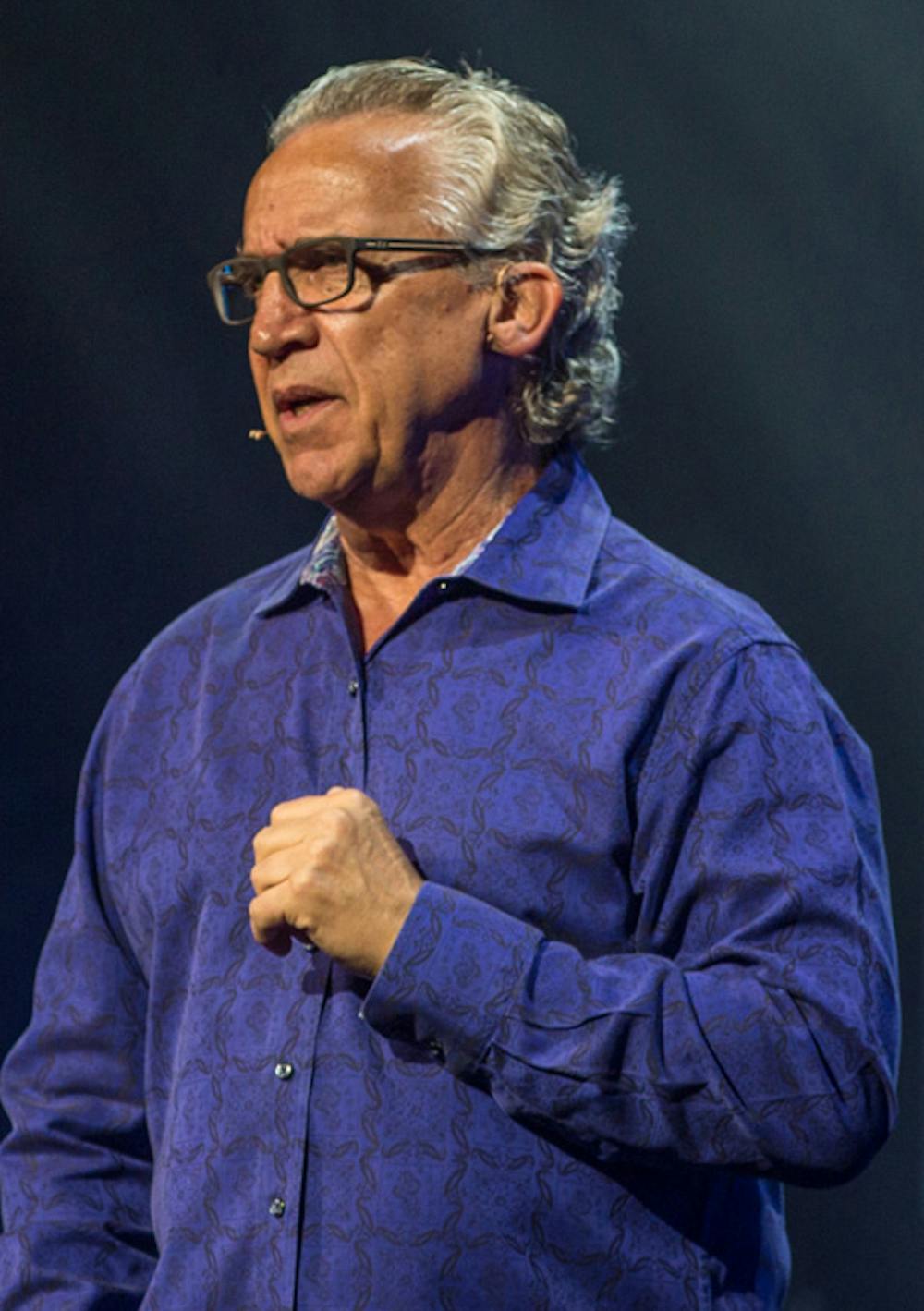
    MIL OSI USA News

  • MIL-OSI Russia: Chinese Foreign Minister Calls for Promoting Construction of China-Vietnam Community of Shared Future

    Translation. Region: Russian Federal

    Source: People’s Republic of China in Russian – People’s Republic of China in Russian –

    An important disclaimer is at the bottom of this article.

    Source: People’s Republic of China – State Council News

    KUALA LUMPUR, July 10 (Xinhua) — China hopes to work with Vietnam to make continuous progress in building a China-Vietnam community with a shared future, Chinese Foreign Minister Wang Yi said in Kuala Lumpur on Thursday.

    Wang Yi, who is also a member of the Politburo of the CPC Central Committee, made the statement during a meeting with Deputy Prime Minister and Foreign Minister of Vietnam Bui Thanh Son.

    Noting that the leaders of the two parties and countries have outlined strategic plans to deepen the China-Vietnam community with a shared future of strategic significance, Wang Yi stressed that China is willing to take the 75th anniversary of the establishment of bilateral diplomatic ties as a new starting point together with Vietnam to maintain high-level exchanges, consolidate strategic mutual trust, deepen mutually beneficial cooperation and properly handle differences.

    According to the head of the Chinese Foreign Ministry, China expects to strengthen strategic coordination with Vietnam on the platform of East Asian cooperation, welcomes Vietnam’s status as a BRICS partner country and supports its early accession to the Shanghai Cooperation Organization.

    Wang Yi stressed that China always opposes trade and economic bullying and tariff coercion, supports the resolution of trade, economic and tariff issues through equal dialogue, and intends to jointly uphold the rules and system of multilateral trade with Vietnam, and protect the legitimate interests of all countries through unity and self-strengthening.

    Bui Thanh Son, for his part, said that Vietnam expects to deepen practical cooperation with China in areas such as railways, finance, science and technology, and cultural and humanitarian exchanges.

    According to him, Vietnam and other countries of the Association of Southeast Asian Nations (ASEAN) are ready to work with China to achieve greater progress in the ASEAN-China Comprehensive Strategic Partnership and promote an early conclusion of consultations on the Code of Conduct in the South China Sea.

    Vietnam is willing to maintain close communication with China, uphold multilateralism and international trade rules, and jointly promote the development and prosperity of the region and the world as a whole, Bui Thanh Son added. –0–

    Please note: This information is raw content obtained directly from the source of the information. It is an accurate report of what the source claims and does not necessarily reflect the position of MIL-OSI or its clients.

    .

    MIL OSI Russia News

  • MIL-OSI USA: NREL Modeling Shows Geothermal and Borehole Thermal Energy Storage Can Reliably Heat Buildings in Extreme Cold

    Source: US National Renewable Energy Laboratory

    New Study Demonstrates Efficient Performance—Even on Frozen Alaska Soils


    Anaktuvuk Pass, Alaska, in winter. Photo by Molly Rettig, NREL

    New energy storage research from NREL, a U.S. Department of Energy national laboratory, has demonstrated a way to store and reuse heat underground to meet the heating demands of cold regions like Alaska.

    Published on June 17 in the journal Energy & Buildings, the feasibility study examined a 20-year period in which borehole thermal energy storage (BTES)—a system that stores heating or cooling energy underground—could reliably supply heating to two U.S. Department of Defense buildings in Fairbanks, Alaska.

    Through building energy usage and system performance modeling, researchers show how waste heat from a nearby coal plant could be captured during summer months, stored underground, and then drawn on in the winter to warm the buildings via geothermal heat pumps (GHPs).

    The analysis was led by Hyunjun Oh, a geothermal research engineer in NREL’s thermal energy science and technologies research group, in collaboration with researchers Conor Dennehy, Saqib Javed, and Robbin Garber-Slaght at NREL’s Alaska Campus. NREL’s Applied Research for Communities in Extreme Environments program is a nonprofit, industry-based initiative dedicated to advancing extreme energy efficiency, building science, and socioeconomic research for communities in Alaska and the broader Circumpolar North. The project was also in partnership with the U.S. Army Corps of Engineers’ Cold Regions Research and Engineering Laboratory.

    BTES relies on a network of narrow holes drilled vertically underground, known as boreholes, which act as a rechargeable battery for heat. During warmer months, waste heat can be pumped into the boreholes, where it is insulated by surrounding soil and rock until it is needed. In the winter, circulating pumps move a water-antifreeze solution through the boreholes to pick up stored heat and deliver it to the building’s geothermal heat pump. Rather than extracting heat from cold outdoor air, the heat pump uses this warmer fluid to efficiently transfer heat into the building’s heating, ventilation, and air conditioning system.

    NREL researchers modeled the heating and cooling demands of the cold-climate buildings using EnergyPlus software and found that the annual heating demand was 5.6 times higher than the cooling demand—an imbalance typical of climates like Alaska’s, where winters are long and cold and summers are short and mild.

    To meet this heating load, the team predesigned a system of 40 boreholes at a depth of 91 meters located about 100 meters away from the buildings, in alignment with regulatory guidelines and nearby land availability. They then modeled the 20-year performance of the BTES system, running simulations for two scenarios: one in which the ground subsurface was preheated for five years using a hot water injection before supplying heat to the buildings and one without preheating.

    In both scenarios, wells at the center of the borehole field produced about one-third more thermal energy than those on the outer edges, likely because the outer wells lost heat to the surrounding ground. This finding offers insight into how borehole fields can be better designed and insulated for more balanced energy distribution.

    Additionally, systems that underwent preheating before regular use showed even better performance, with higher underground temperatures and greater thermal energy production during the first eight years of operation compared to systems without preheating.

    Altogether, the results point toward BTES as a reliable heating solution in cold climates, helping communities capture waste heat and use energy more efficiently.

    Oh said that, while there have been extensive case studies validating GHP performance in cold regions of Europe, this is one of the first to show the potential of GHPs connected to BTES in the United States.

    “This paper demonstrates that even cold subsurface conditions—like those in Alaska, where 50% to 90% of the ground has permafrost—can be used for heating,” Oh said. “A geothermal heat pump system can supply higher efficiency if we consider seasonal or storage-system-integrated operations.”

    The study also showed that the local subsurface in Fairbanks is well suited for other kinds of geothermal systems, too. The research team used thermal response tests and previous literature to estimate the geothermal gradient—the rate at which temperature increases with depth—at about 27.9 degrees Celsius per kilometer.

    This gradient allows usable heat to be accessed at relatively shallow depths underground, making it a candidate for direct use or a future distributed energy system, Oh said.

    As this study was intended to assess the practicality of BTES and GHP at a specific location in Fairbanks, the team recommends comprehensive future analyses that go beyond the scenarios described here to better tailor energy systems to local conditions and available waste heat sources.

    The study, “Techno-Economic Feasibility of Borehole Thermal Energy Storage System connected to Geothermal Heat Pumps for Seasonal Heating Load of Two Buildings in Fairbanks, Alaska,” was funded by the U.S. Department of Energy Geothermal Technologies Office and the U.S Department of Defense Environmental Security Technology Certification Program.

    MIL OSI USA News

  • MIL-OSI USA: NREL Modeling Shows Geothermal and Borehole Thermal Energy Storage Can Reliably Heat Buildings in Extreme Cold

    Source: US National Renewable Energy Laboratory

    New Study Demonstrates Efficient Performance—Even on Frozen Alaska Soils


    Anaktuvuk Pass, Alaska, in winter. Photo by Molly Rettig, NREL

    New energy storage research from NREL, a U.S. Department of Energy national laboratory, has demonstrated a way to store and reuse heat underground to meet the heating demands of cold regions like Alaska.

    Published on June 17 in the journal Energy & Buildings, the feasibility study examined a 20-year period in which borehole thermal energy storage (BTES)—a system that stores heating or cooling energy underground—could reliably supply heating to two U.S. Department of Defense buildings in Fairbanks, Alaska.

    Through building energy usage and system performance modeling, researchers show how waste heat from a nearby coal plant could be captured during summer months, stored underground, and then drawn on in the winter to warm the buildings via geothermal heat pumps (GHPs).

    The analysis was led by Hyunjun Oh, a geothermal research engineer in NREL’s thermal energy science and technologies research group, in collaboration with researchers Conor Dennehy, Saqib Javed, and Robbin Garber-Slaght at NREL’s Alaska Campus. NREL’s Applied Research for Communities in Extreme Environments program is a nonprofit, industry-based initiative dedicated to advancing extreme energy efficiency, building science, and socioeconomic research for communities in Alaska and the broader Circumpolar North. The project was also in partnership with the U.S. Army Corps of Engineers’ Cold Regions Research and Engineering Laboratory.

    BTES relies on a network of narrow holes drilled vertically underground, known as boreholes, which act as a rechargeable battery for heat. During warmer months, waste heat can be pumped into the boreholes, where it is insulated by surrounding soil and rock until it is needed. In the winter, circulating pumps move a water-antifreeze solution through the boreholes to pick up stored heat and deliver it to the building’s geothermal heat pump. Rather than extracting heat from cold outdoor air, the heat pump uses this warmer fluid to efficiently transfer heat into the building’s heating, ventilation, and air conditioning system.

    NREL researchers modeled the heating and cooling demands of the cold-climate buildings using EnergyPlus software and found that the annual heating demand was 5.6 times higher than the cooling demand—an imbalance typical of climates like Alaska’s, where winters are long and cold and summers are short and mild.

    To meet this heating load, the team predesigned a system of 40 boreholes at a depth of 91 meters located about 100 meters away from the buildings, in alignment with regulatory guidelines and nearby land availability. They then modeled the 20-year performance of the BTES system, running simulations for two scenarios: one in which the ground subsurface was preheated for five years using a hot water injection before supplying heat to the buildings and one without preheating.

    In both scenarios, wells at the center of the borehole field produced about one-third more thermal energy than those on the outer edges, likely because the outer wells lost heat to the surrounding ground. This finding offers insight into how borehole fields can be better designed and insulated for more balanced energy distribution.

    Additionally, systems that underwent preheating before regular use showed even better performance, with higher underground temperatures and greater thermal energy production during the first eight years of operation compared to systems without preheating.

    Altogether, the results point toward BTES as a reliable heating solution in cold climates, helping communities capture waste heat and use energy more efficiently.

    Oh said that, while there have been extensive case studies validating GHP performance in cold regions of Europe, this is one of the first to show the potential of GHPs connected to BTES in the United States.

    “This paper demonstrates that even cold subsurface conditions—like those in Alaska, where 50% to 90% of the ground has permafrost—can be used for heating,” Oh said. “A geothermal heat pump system can supply higher efficiency if we consider seasonal or storage-system-integrated operations.”

    The study also showed that the local subsurface in Fairbanks is well suited for other kinds of geothermal systems, too. The research team used thermal response tests and previous literature to estimate the geothermal gradient—the rate at which temperature increases with depth—at about 27.9 degrees Celsius per kilometer.

    This gradient allows usable heat to be accessed at relatively shallow depths underground, making it a candidate for direct use or a future distributed energy system, Oh said.

    As this study was intended to assess the practicality of BTES and GHP at a specific location in Fairbanks, the team recommends comprehensive future analyses that go beyond the scenarios described here to better tailor energy systems to local conditions and available waste heat sources.

    The study, “Techno-Economic Feasibility of Borehole Thermal Energy Storage System connected to Geothermal Heat Pumps for Seasonal Heating Load of Two Buildings in Fairbanks, Alaska,” was funded by the U.S. Department of Energy Geothermal Technologies Office and the U.S Department of Defense Environmental Security Technology Certification Program.

    MIL OSI USA News

  • MIL-OSI Analysis: Superman wasn’t always so squeaky clean – in early comics he was a radical vigilante

    Source: The Conversation – UK – By John Caro, Principal Lecturer, Film and Media, University of Portsmouth

    Superman was the very first superhero. He debuted in Action Comics issue #1 which was released in June 1938. Over time, the character has been assigned multiple nicknames: “The Man of Steel”, “The Man of Tomorrow” and “The Big Blue Boy Scout”. However, in his first appearance in ravaged Depression-era America, the byline used to announce Superman’s debut was: “The Champion of the Oppressed”.

    Created by the sons of Jewish immigrants, writer Jerry Siegel and artist Joe Shuster, Superman is an example of youthful male wish fulfilment: an all-powerful figure dressed like a circus strong man, who uses brawn to right wrongs. However, Siegel and Shuster’s initial version of the character was a more flawed character.

    Appearing in a 1933 fanzine, Siegel’s prose story The Reign of the Superman with accompanying illustrations by Shuster, featured a reckless scientist whose hubris is punished when he creates the telepathic “super man” by experimenting on a drifter plucked from the poverty lines. Echoing Mary Shelley’s Frankenstein, the creator is dispatched by his creation.


    Looking for something good? Cut through the noise with a carefully curated selection of the latest releases, live events and exhibitions, straight to your inbox every fortnight, on Fridays. Sign up here.


    Siegel and Shuster had some early success selling stories to National Allied Publications, the forerunner of DC Comics. At this time, comic books were mainly collections of newspaper cartoons – the “funnies” – pasted together to create more portable anthologies. They featured the escapades of characters like Popeye and Little Orphan Annie.

    Inspired by the heroic tales of derring do of pulp fiction adventurers such as Johnston McCulley’s Zorro (1919) and Philip Wylie’s 1930 science fiction novel Gladiator, Siegel and Shuster further developed their Superman character. They transformed him into a hero and added the now familiar cape and “S” logo.

    Having no luck selling their superhero to the newspapers, they eventually sold the rights to Superman to DC Comics, where Superman achieved huge success. Within a year, there was a syndicated newspaper strip and a spin-off Superman comic book featuring the first superhero with their own exclusive title. Along with extensive merchandising, there was a 1940 radio show, followed by an animation series in 1941, with the inevitable live action serial in 1948.

    In this early example of a property crossing multiple media platforms, Superman’s apparent appeal lay with the fantastical aspects, as he battled mad scientists, criminal masterminds and giant dinosaurs.

    But in the early issues, Superman’s enemies were noticeably more earthbound and reflected the concerns of an audience reeling from the effects of the Great Depression. In an early story, War in Sante Monte, Superman confronts a corrupt Washington lobbyist, Alex Greer, who is bribing a greedy senator. It transpires that Greer represents an arms dealer who is profiteering by manipulating both sides in an overseas war.

    In a later tale, Superman Battles Death Underground, our hero challenges the owner of a dangerous mine who is cutting corners with safety precautions.

    In 1932 Siegel’s father, a tailor, died following the attempted robbery of the family shop – so it is no surprise that Superman had a low tolerance for crime and its causes. In the story Superman in the Slums, dated January 1939, the social commentary is plain. When teenager Frankie Marello is sentenced to reform school, Superman acknowledges the impact of the boy’s social environment:

    It’s these slums – your poor living conditions – if there was only some way I could remedy it!

    His solution is to raze the dilapidated buildings to the ground, forcing the authorities to replace them with modern cheap-rental apartments. In creating new construction work, here is Superman’s extreme version of President Franklin D. Roosevelt’s New Deal.

    In the 1998 forward to Superman: The Action Comics Archives Volume 2, former DC Comics editor Paul Kupperberg comments this is a Superman “who fought (mainly) guys in suits out to screw over the little guy”. The form that the fight took is of interest, for this Superman has no time for niceties or due process, as he gleefully intimidates and bullies anyone who gets in his way.

    A man caught beating his wife is thrown into a wall and warned that there is plenty more where that came from. The corrupt lobbyist is dangled over power cables until he reveals who he is working for. Any police officers that attempt to obstruct Superman’s personal quest for justice are brushed aside with annoyance.

    Refining Superman

    Through his appearances on mainstream radio and cinema, Superman softened and became more patient. In popular culture, concerns about the depression and social injustice shifted to efforts to encourage a national consensus as the United States moved to a war footing in the early 1940s.

    Post-war, there were occasional returns to the more radical interpretations of Superman, but generally it is the clean cut, fantastical Big Blue Boy Scout perception of the character that has dominated.

    The new Superman film appears to be maintaining that image. In the trailer, actor David Corenswet’s Superman tackles various super-villains and a destructive Kaiju (a Godzilla-like skyscraper-sized monster) – although there is the suggestion that behind them all is the corrupt industrialist, Lex Luthor.

    The trailer for the latest Superman film.

    Fittingly, it is in the pages of comic books that a more progressive, militant representation of Superman has emerged. In 2024 DC rebooted its familiar superheroes with its new grittier “Absolute” universe.

    Jason Aaron and Rafa Sandoval’s Absolute Superman comic (2024) emphasises the character’s status as an isolated blue-collar immigrant from the doomed planet of Krypton. This is a youthful, less seasoned Superman who is quick to anger and less likely to pull his punches. Their interpretation is closer to Superman’s early vigilante roots, including a storyline where he liberates the workers in a Brazilian mine from the clutches of exploitative big business.

    Perhaps – in the comic books at least – the Champion of the Oppressed has finally returned.


    This article features references to books that have been included for editorial reasons, and may contain links to bookshop.org. If you click on one of the links and go on to buy something from bookshop.org The Conversation UK may earn a commission.

    John Caro does not work for, consult, own shares in or receive funding from any company or organisation that would benefit from this article, and has disclosed no relevant affiliations beyond their academic appointment.

    ref. Superman wasn’t always so squeaky clean – in early comics he was a radical vigilante – https://theconversation.com/superman-wasnt-always-so-squeaky-clean-in-early-comics-he-was-a-radical-vigilante-260721

    MIL OSI Analysis

  • MIL-OSI Analysis: The Salt Path scandal: defending a memoir’s ‘emotional truth’ is a high-risk strategy

    Source: The Conversation – UK – By Robert Eaglestone, Professor of Contemporary Literature and Thought, Royal Holloway University of London

    Raynor Winn, author of the award-winning memoir The Salt Path, which was recently adapted into a film, has been accused of “lies, deceit and desperation”. Writing in The Observer, reporter Chloe Hadjimatheou claims that Winn left out significant facts and invented parts of the story.

    The Salt Path follows a transformative 630-mile trek along England’s South West Coast Path that Winn took with her terminally ill husband Moth after they lost their home and livelihood.

    The Observer article claims that aspects of both the story of losing their home and Winn’s husband’s illness were fabricated. In a statement on her website, Winn has defended her memoir, calling the claims “grotesquely unfair” and “highly misleading”.

    There’s a long list of memoirs which have been shown to be problematic. James Frey’s recovery memoir A Million Little Pieces (2003) was allegedly exaggerated. In 2006, he apologised for fabricating portions of the book. Worse, Binjamin Wilkomirski’s feted Holocaust survivor memoir Fragments: Memories of a Wartime Childhood (1995) was completely fake. Wilkomirski’s real name was Bruno Dössekker and he was not a Holocaust survivor, he had simply invented his “memories” of a death camp, though he seemed to believe they were true.

    But, for readers, how much does this matter? Novelist D.H. Lawrence wrote that readers should: “Never trust the artist. Trust the tale.” As readers of The Salt Path, we fear for Raynor and Moth as they desperately try to escape drowning from a freak high tide at Portheras Cove. We are relieved when we hear that Moth’s terminal disease was “somehow, for a while, held at bay”.

    The origin of the word fiction is from the Latin fingere, which means not to lie, but to fashion or form. All memoirs – indeed, all texts, from scientific articles to history books to bestselling novels – are “formed” or “shaped”. Writing doesn’t just fall from a tree, we make it, and it reveals the world by mediating the world.


    Looking for something good? Cut through the noise with a carefully curated selection of the latest releases, live events and exhibitions, straight to your inbox every fortnight, on Fridays. Sign up here.


    But this idea, that writing is a “shaping”, is why this case matters. Writing, done by oneself, or by a ghostwriter (or even by AI) has conventions, not-quite-rules that underlie its creation and reception. Some of these are in the text (the enemies eventually become lovers); some are outside the text itself (you really can judge a book by its cover). But most conventions are both inside and outside at the same time.

    Works by historians have footnotes to sources, so you (and other historians) can check the claims. Each scientific article refers to many others, because each article is just one tiny piece of the whole puzzle on which a huge community of scientists are working, and the extensive references show how this piece fits (or doesn’t). Non-fiction follows conventions, while novelists can do whatever they want, of course, to challenge or obey the conventions (that’s one reason why novels are exciting).

    Memoir has a particularly important convention, revealed most clearly by the historian Stefan Maechler’s report on Wilkomirski’s fraudulent memoir. Maechler argued that Wilkomirski broke what the French critic Philippe Lejeune called the “autobiographical pact”, a contract of truth between the author and the reader.

    For Lejeune, however, this pact is not like a legal agreement. A memoir, unlike a scientific article, need only put forward the truth as it appeared to the author in that area of their life. While the information needs to be accurate to some degree, its level of verifiability is less than a legal document or work of history. Much more important for Lejeune is the harder-to-pin-down fidelity to meaning.

    After all, many meaningful things – falling in love, for example, or grief – happen mostly inside us and are hard to verify. Even more, the developing overall shape of our life as it seems to us is not really a historical fact, but our own making of meaning. For Lejeune, in a memoir, this emotional truth is more significant than the verifiable truth.

    Playing with ‘emotional truth’

    The author of The Salt Path seems to have leaned into this idea. In her first statement after The Observer’s piece she claims that her book “lays bare the physical and spiritual journey Moth and I shared, an experience that transformed us completely and altered the course of our lives … This is the true story of our journey”. How, after all, could one verify a “spiritual journey”?

    However, I don’t fully agree with Lejeune. Perhaps our inner and outer worlds are not as separate as he supposes. Our public actions, including sharing facts, show who we are as much as our words describing our inner journeys.

    In a memoir, the verifiable truth and the emotional truth are linked by a kind of feedback loop. As readers, we allow some degree of playing with verifiable truth: dialogue is reconstructed, not recorded; we accept some level of dramatisation; we know it’s from one person’s perspective. But we also make a judgment about these things (there’s no fixed rule, no science to this judgment).

    If there’s too much reconstruction, too much dramatisation, we begin to get suspicious about the emotional truth too: is this really how it felt for them? Was it honestly a spiritual journey? And, in turn, this makes us more suspicious of the verifiable claims. By contrast, the novelist’s pact with the reader admits they fake emotional truth, which somehow makes it not fake at all: that’s one reason why novels are complicated.

    This is why defending a memoir’s “emotional truth” is a high-risk strategy. We know from our own lives that people who are unreliable in small (verifiable) things are often unreliable in large (emotional, meaningful) ones.

    So, for readers, the facts behind The Salt Path matter less in themselves and more because each question points to a larger issue about the book’s meaning. When you call someone “fake”, you don’t really mean that “their factual claims are inaccurate”, but that they are somehow inauthentic, hollow or – it’s a teenager’s word, but still – phoney. Once the “autobiographical pact” looks broken in enough small details, the reader no longer trusts the teller or the tale.

    In a lengthy statement published on her website in which she addresses the allegations in detail, Winn said that the suggestion that Moth’s illness was fabricated was an “utterly vile, unfair, and false suggestion” and added: “I can’t allow any more doubt to be cast on the validity of those memories, or the joy they have given so many.”


    This article features references to books that have been included for editorial reasons, and may contain links to bookshop.org. If you click on one of the links and go on to buy something from bookshop.org The Conversation UK may earn a commission.

    Robert Eaglestone does not work for, consult, own shares in or receive funding from any company or organisation that would benefit from this article, and has disclosed no relevant affiliations beyond their academic appointment.

    ref. The Salt Path scandal: defending a memoir’s ‘emotional truth’ is a high-risk strategy – https://theconversation.com/the-salt-path-scandal-defending-a-memoirs-emotional-truth-is-a-high-risk-strategy-260937

    MIL OSI Analysis

  • MIL-OSI Analysis: Dyspraxia: why children with developmental coordination disorder in the UK are still being failed

    Source: The Conversation – UK – By Charikleia Sinani, Senior Lecturer in Physiotherapy, School of Science, Technology and Health, York St John University

    M-Production/Shutterstock

    When a child struggles to tie their shoelaces, write legibly or stay upright during PE, it can be dismissed as clumsiness or lack of effort. But for around 5% of UK children, these challenges stem from a neurodevelopmental condition known as developmental coordination disorder (DCD), also known as dyspraxia. And new findings reveal how deeply it’s impacting their lives – at home, in school and in their future.

    Alongside colleagues, we conducted a national survey of more than 240 UK parents. The findings reveal a stark reality for families of children with developmental coordination disorder (DCD).

    Despite affecting around 5% of children – making it as common as ADHD – DCD remains underdiagnosed, misunderstood and insufficiently supported. Families reported an average wait of nearly three years for a diagnosis, with almost one in five children showing clear signs of DCD but not yet having begun the diagnostic process.

    The diagnosis, when it comes, is often welcomed: 93% of parents say it helped explain their child’s difficulties and offered clarity. But many also expressed frustration that this recognition didn’t change much in practical terms, particularly in schools. One parent summarised the prevailing sentiment: “It is helpful for us at home but not at school.”


    Get your news from actual experts, straight to your inbox. Sign up to our daily newsletter to receive all The Conversation UK’s latest coverage of news and research, from politics and business to the arts and sciences.


    Our survey showed that the movement difficulties associated with DCD can ripple through everyday life, mental health and wellbeing.

    Children with DCD face daily physical struggles with eating, dressing, cutting with scissors and handwriting. These aren’t just inconveniences. They translate into fatigue, frustration and often social exclusion. Compared to national averages, children in this survey were less active, with only 36% meeting recommended physical activity levels. Many parents worry that early disengagement from sport is cultivating lifelong habits that will undermine their children’s health.

    The emotional impact is just as severe. A staggering 90% of parents expressed concern about their child’s mental health. Anxiety, low self-esteem and feelings of isolation are common. Children with DCD are significantly more likely than their peers to show signs of emotional and peer-related difficulties.

    One parent recalled their child asking, “Why do I even try when I’m never picked?” Others shared heartbreaking worries: a child who felt “he doesn’t belong here” or another who had internalised the idea that they are “stupid” or “terrible”.

    DCD is a lifelong condition: it doesn’t go away with age, and there’s currently no “cure.” However, with the right support, many children can develop strategies to manage their difficulties and thrive. Early intervention, tailored therapies, especially occupational therapy, and appropriate classroom accommodations can make a significant difference to a child’s confidence, independence and quality of life.

    Schools are often unprepared

    Despite 81% of teachers being aware of a child’s motor difficulties, fewer than 60% had individual learning plans in place. Support was inconsistent: some children benefited from teaching assistants or adaptive tools like laptops, while others found themselves struggling alone. Physical education posed particular challenges, with 43% of parents saying their child wasn’t supported in PE lessons, often facing teachers who didn’t understand DCD at all.

    The consequences are significant: 80% of parents felt that movement difficulties negatively impacted their child’s education, and the same number feared it would affect their future employment.

    Therapy helps but is hard to access. Most families had sought therapy, with occupational therapy proving transformative for some. Yet many faced long waits or had to pay out of pocket, with some families spending thousands annually. Even when therapy was available, 78% felt it wasn’t sufficient.

    And it’s not just the children who suffer – 68% of parents reported constant emotional concern, and nearly half said the condition restricted their ability to take part in normal family activities.

    What needs to change

    To improve outcomes for children with DCD, we need urgent, coordinated action across five key areas. Parents and experts involved in the report outlined clear recommendations:

    Awareness: A nationwide effort is needed to educate the public, schools and healthcare professionals about DCD as a common yet currently poorly understood condition.

    Diagnosis: GPs and frontline professionals need clear, step-by-step guidance and referral routes to help them identify early motor difficulties and connect families with the right support quickly.

    Education: All teachers should receive mandatory training in DCD and practical strategies for supporting affected pupils in the classroom.

    Mental health: Support systems must recognise the deep connection between movement challenges and emotional wellbeing, ensuring that physical and psychological needs are treated together.

    Support: Crucially, children shouldn’t have to wait for a formal diagnosis to get support. Early intervention is vital to preventing long-term harm – and must be available as soon as difficulties emerge.

    Children with DCD are bright, capable and full of potential. But as one parent warns, “If she can’t write her answers down quickly enough in exams, she won’t be able to show her knowledge.” The cost of neglect is high, not just in lost grades or missed goals, but in the wellbeing of a generation of children struggling in silence.

    Charikleia Sinani has received funding from The Waterloo Foundation.

    The Impact of Developmental Coordination Disorder in the UK study was conducted in collaboration with our colleagues Catherine Purcell, Judith Gentle, Melissa Licari, Jacqueline Williams, Mark Mierzwinski and Sam Hudson.

    Greg Wood has previously received funding from The Waterloo Foundation.

    Kate Wilmut has in the past received funding from ESRC (Economic and Social Research Council), The Leverhulme Trust and The Waterloo Foundation

    ref. Dyspraxia: why children with developmental coordination disorder in the UK are still being failed – https://theconversation.com/dyspraxia-why-children-with-developmental-coordination-disorder-in-the-uk-are-still-being-failed-260853

    MIL OSI Analysis

  • MIL-OSI Analysis: A one minute scan of your foot could help prevent amputation – here’s how

    Source: The Conversation – UK – By Christian Heiss, Professor of Cardiovascular Medicine, Head of Department of Clinical and Experimental Medicine, University of Surrey

    YAKOBCHUK VIACHESLAV/Shutterstock

    Imagine having blocked arteries in your legs and not knowing it. At first, there may be no symptoms at all. Just occasional fatigue, cramping or discomfort – symptoms easy to dismiss as ageing or being out of shape.

    But as blood flow worsens, a small cut on your foot might not heal. It can turn into an ulcer. In the worst cases, it can lead to amputation. This condition is called peripheral artery disease (PAD) – and it’s far more common than many realise.

    PAD affects around one in five people over the age of 60 in the UK, and is especially prevalent in people with diabetes, high blood pressure or kidney disease.

    PAD is rarely an isolated issue: it’s usually a sign of widespread atherosclerosis, the build-up of fatty deposits that can also narrow arteries in the heart and brain.

    It also significantly increases the risk of heart attacks, strokes and other conditions linked to poor blood flow to vital organs. Research shows that a large proportion of people diagnosed with PAD will die within five to ten years, most often due to these complications.

    Early detection is key to reducing the impact of PAD, and I’ve been working with colleagues to develop a faster, simpler way to diagnose it.

    PAD testing

    Doctors can check circulation in the feet by comparing blood pressure in the toe with that in the arm. The result is known as the toe–brachial index (TBI). The trouble is that the test needs a toe-sized cuff, an optical sensor and a doctor who knows how to use the equipment.

    Many GP surgeries and foot clinics don’t have this kit. And in many people, especially those with diabetes or stiff arteries, the test doesn’t always give a clear or reliable, result.

    Our research team asked a simple question: could we turn a routine ultrasound scan into a quick, reliable way to measure blood flow in the foot?

    Most hospitals, and many community clinics, already have handheld ultrasound probes, which use Doppler sound to track how blood flows through vessels.

    This works through the Doppler effect: as blood moves, it changes the pitch of the sound waves. Healthy blood flow creates a strong, steady “swoosh”, while a narrowed or blocked artery produces a faint or disrupted sound. Doctors are trained to hear the difference and use these sound patterns to spot circulation problems, especially in conditions like PAD.

    But my research team wondered whether a computer could do more than listen: we wanted to know whether it could convert the shape of that Doppler “wave” into a number that mirrors the TBI.

    To investigate, we scanned the feet of patients already being treated for PAD – 150 feet in all. For each artery, we used Doppler ultrasound to measure how quickly blood surged with each heartbeat, a pattern known as the acceleration index. We then compared these results to the standard toe–brachial index, the traditional test that measures blood pressure in the toe.

    A one-minute scan, a nearly perfect match

    The acceleration index alone was able to predict the standard toe–brachial index with 88% accuracy. Using a simple formula, we converted that Doppler reading into an “estimated TBI” – a number that closely mirrored the conventional result. It needed no toe cuff, no optical sensor and it took under a minute to perform.

    Even more encouraging, estimated TBI rose in tandem with traditional TBI results after treatment. When patients underwent angioplasty – a procedure to reopen blocked arteries – their estimated TBI increased almost identically to the measured TBI. That means this scan doesn’t just help diagnose PAD; it could also be used to track recovery over time.

    Crucially, our approach works with equipment that’s already widely available. We repeated the experiment using a basic pocket Doppler: the kind many GPs and podiatrists have tucked in a drawer.

    While it wasn’t quite as precise as hospital-grade ultrasound, the results were still strong. With some additional software refinement, doctors could soon assess foot circulation quickly and accurately using tools they already own, without adding time to a busy clinic schedule.

    Why early detection matters

    Because early diagnosis of PAD changes everything. It can mean the difference between losing a foot, keeping your mobility and living longer with a better quality of life. It can shorten hospital stays and reduce the risk of heart attack and stroke.

    But right now, too many people with PAD aren’t diagnosed until they already have chronic limb-threatening ischaemia – the most severe form of the disease. This condition occurs when blood flow to the legs or feet becomes critically low, depriving tissues of oxygen. It can cause constant foot pain (especially at night), wounds that won’t heal and, in advanced cases, tissue death (gangrene) and the risk of amputation. Without urgent treatment to restore circulation, chronic limb-threatening ischaemia can be life-threatening.

    Part of the problem is that the tools used to diagnose PAD are often slow, expensive or too complicated for routine use. That’s why a simple, cuff-free Doppler scan that provides a reliable estimate of toe–brachial index is so promising. It uses equipment that many clinics already have, takes less than a minute and delivers immediate results – offering a faster, easier way to spot poor circulation before serious damage is done.

    We’re now looking at ways to automate the measurement so that it can be used even by non-specialists. We’re testing it in various clinics with different patient groups and exploring its performance over time. But the evidence so far suggests that this could become a key part of vascular care – not just in hospitals, but in GP surgeries, diabetes clinics and anywhere else early intervention could save a limb.

    Blocked arteries don’t need to stay hidden. With the right tools, we can find them earlier, treat them faster and protect people from the devastating consequences of late diagnosis.

    Christian Heiss has received funding from Lipton Teas & Infusions, Ageless Science, iThera, the Medical Research Council, the ESRC, European Partnership on Metrology, co-financed from European Union’s Horizon Europe Research and Innovation Programme and UK Research and Innovation. He is member of the board of the European Society of Vascular Medicine, president of the Vascular, Lipid and Metabolic Medicine Council of the Royal Society of Medicine, and chairperson-elect of the ESC WG Aorta and Peripheral Vascular Diseases.

    ref. A one minute scan of your foot could help prevent amputation – here’s how – https://theconversation.com/a-one-minute-scan-of-your-foot-could-help-prevent-amputation-heres-how-260847

    MIL OSI Analysis

  • MIL-OSI Analysis: England’s family hubs plan aims to build on Sure Start’s success – but may struggle to overcome today’s child poverty levels

    Source: The Conversation – UK – By Sally Pearse, Strategic Lead for Early Years and Director of the Early Years Community Research Centre, Sheffield Hallam University

    Rawpixel.com/Shutterstock

    The government has announced its strategy for “giving every child the best start in life”, laying out proposals covering early years care, education and support in England.

    The strategy builds on the current local family hub model of services, which offer a range of support aimed at babies and young children. Best Start family hubs will further bring together early years and family services in a similar way to the previous Sure Start programme. The government’s commitment includes £1.5 billion in investment to implement these reforms.

    The Best Start Hubs will be a one-stop shop to support families with their child’s early development, from breastfeeding advice to speech and language support and stay and play sessions. The hubs will also support families with wider challenges such as housing and benefits, and provide courses for parents.

    The attempt to bring services together to deliver local, holistic support to families is understandable given the impact of the original Sure Start initiative, introduced by Tony Blair’s Labour government.


    Get your news from actual experts, straight to your inbox. Sign up to our daily newsletter to receive all The Conversation UK’s latest coverage of news and research, from politics and business to the arts and sciences.


    The Sure Start Local Programmes that were established from 1999 onwards had a significant positive effect on those families who had access to them. From 2010, though, when the Conservative-Liberal Democrat coalition came into power, funding was cut and many Sure Start centres closed.

    In May 2025 the Institute for Fiscal Studies published a summary report on the short- and medium-term effects of Sure Start on children’s lives.

    They found that the impact of the Sure Start services for under-fives was remarkably long-lasting, with improvements during their teenage years in educational attainment and behaviour in school, and reductions in hospital admissions. The Institute for Fiscal Studies estimates that these long-term benefits significantly outweigh the cost of the Sure Start programme.

    Like Sure Start, the Best Start strategy has the potential to be transformational for young children and their families.

    However, the current range of challenges faced by families and the depth of child poverty in the country will make bringing about this transformation challenging. A 2023 report from charity the Joseph Rowntree Foundation estimates that there are one million children growing up destitute in the UK, without the means to stay warm, dry, clean and fed.

    The challenge of poverty

    The day after the Best Start strategy was launched, the children’s commissioner for England published a research report on children’s experience of growing up in a low-income family. Based on interviews with 128 children, the report outlines the “almost-Dickensian” levels of poverty experienced by children whose basic needs are not being met. Children described poor housing conditions, mouldy food and lack of hot water.

    The significant impact that poverty has on children’s educational attainment, health and future lives will be difficult for the benefits that the Best Start programme may provide to negate.

    I have witnessed these financial challenges and the wider range of issues families are dealing with on a daily basis in my own role as the director of the Early Years Community Research Centre at Sheffield Hallam University, and through my wider research with families.

    In March 2024 I was part of a team of researchers who were commissioned by the Ministry for Housing, Community and Local Government to explore how multiple insecurities, such as financial difficulties, health problems, precarious work, poor housing and lack of support networks affected people’s lives.

    Parents described the difficulties of making ends meet. They talked about having to deal with many different national and local agencies, the stress this created within their family and the toll on their health and wellbeing.

    Even working full-time did not necessarily make families more secure. In one family, the working pattern the parents had to adopt to make ends meet meant that they only had one day a fortnight to be together.

    We have to do stupid hours. I mean my partner, she works nights. I work mainly days … we’re kind of like passing ships in the night.

    The places these families turned to were local community centres run by a range of organisations. The common themes about why they accessed these centres were the warm, welcoming, non-judgemental approach taken by staff, trusting relationships with staff and the range of services and support that were offered.

    This bodes well for the Best Start strategy – if it is able to deliver the full range of services the government has outlined in a local trusted space. However, this will be a significant challenge in communities that have lacked support over recent years, are suffering the hardships of poverty and that may have lost trust in government services.

    Sally Pearse received funding from the Ministry for Housing, Communities and Local Government

    ref. England’s family hubs plan aims to build on Sure Start’s success – but may struggle to overcome today’s child poverty levels – https://theconversation.com/englands-family-hubs-plan-aims-to-build-on-sure-starts-success-but-may-struggle-to-overcome-todays-child-poverty-levels-260630

    MIL OSI Analysis

  • MIL-OSI Analysis: Wimbledon’s electronic line-calling system shows we still can’t replace human judgment

    Source: The Conversation – UK – By Feng Li, Chair of Information Management, Associate Dean for Research & Innovation, Bayes Business School, City St George’s, University of London

    The Wimbledon tennis tournament in 2025 has brought us familiar doses of scorching sunshine and pouring rain, British hopes and despair, and the usual queues, strawberries and on-court stardust. One major difference with this year’s tournament, however, has been the notable absence of human line judges for the first time in 147 years.

    In a bid to modernise, organisers have replaced all 300 line judges with the Hawk-Eye electronic line-calling (ELC) system powered by 18 high-speed cameras and supported by around 80 on-court assistants.

    It has been sold as a leap forward but has already caused widespread controversy. In her fourth-round match against Britain’s Sonay Kartal, Anastasia Pavlyuchenkova was forced to replay a point she had clearly won, because ELC had failed to register that a ball had landed out. Furious, Pavlyuchenkova told the umpire: “You took the game away from me … they stole the game from me.”

    British players Emma Raducanu and Jack Draper have also voiced concerns about the accuracy and reliability of the technology.

    We have seen this before in business, government and elite sport (think VAR in football). Promising technologies fail, not necessarily because the systems are flawed – though some are – but because the institutions around them have not kept up. The belief that technology can neatly replace human judgement is seductive. It’s also deeply flawed.


    Get your news from actual experts, straight to your inbox. Sign up to our daily newsletter to receive all The Conversation UK’s latest coverage of news and research, from politics and business to the arts and sciences.


    Systems like Hawk-Eye at Wimbledon offer measurable gains in accuracy, but accuracy is not the same as legitimacy. People don’t just want correct decisions, they also want understandable and fair ones. When human line judges made mistakes, they were visible and open to appeal. When a machine fails, with no explanation and no route for redress, it breeds confusion and frustration.

    Consider Formula 1. At the 2025 British Grand Prix in Silverstone, driver Oscar Piastri was handed a 10-second penalty by race stewards for erratic braking during a safety car restart. He called it inconsistent and harsh, and many fans agreed.

    The key difference? We knew who made the call. There was someone to question, and a process to scrutinise. With machines, however, there’s no one to challenge. You can’t argue with a black box, or hold it to account.

    Beyond performance

    Technology is usually introduced to improve performance or reduce costs, but the full story is rarely made explicit. Wimbledon’s adoption of the new system was framed as a move towards greater accuracy and consistency, but it was also likely driven by the desire to speed up matches, cut costs, and reduce reliance on human labour.

    Yet sport is not just about accuracy. It is entertainment. It thrives on emotion, tradition and theatre. For 147 years, line judges were part of Wimbledon’s identity. Their posture, uniforms, gestures, indeed even the drama of a close call, added to the spectacle. Removing them may have improved accuracy (and cut costs), but the atmosphere was also changed.

    Tradition is often dismissed as nostalgia, but in institutions like Wimbledon, tradition is part of what makes the experience legitimate and enjoyable. When it’s stripped away with only a token explanation, players and audiences can lose trust, not just in the change, but in the institution itself. It is a cultural change, which is never easy.

    One common solution is to combine human judgement with the technology especially during the transition period, but hybrids rarely work well in practice as responsibilities get blurred.

    In business, this is known as the “hybrid trap”: bolting new technologies onto old systems without rethinking or redesigning either. Instead of the best of both worlds, the result is often confusion, duplication and failure.

    Wimbledon did not seem to offer a formal challenge system or human override during matches. Although 80 former line judges were retained as on-court assistants, their role was not adjudicative. This might speed up play, but it leaves the system brittle. When something breaks, there is no immediate redress. We have seen this elsewhere.

    What this tells us about AI

    Wimbledon’s failure was a textbook case of poor tech adoption. Hawk-Eye did what it was designed to do, but the institution wasn’t ready, least of all the players, umpires and spectators.

    The same pattern is playing out with artificial intelligence (AI) and other emerging technologies, from customer service bots to healthcare triage systems. These tools are being rolled out at speed, often with minimal oversight. When they hallucinate, embed bias or produce erratic results, there is rarely a clear route to appeal, and often no one to hold accountable.

    The real problem is not just technical but institutional. Most organisations aren’t ready for what they’re adopting. Instead of transforming themselves to harness new technologies, they bolt them onto legacy systems and carry on as before. Key questions go unanswered: Who decides? Who benefits? Who is accountable when things go wrong? Without clear answers, new technologies don’t solve dysfunction, they entrench it. Sometimes, they hardwire it.

    If we want technology to improve how the world works, we can’t just automate tasks, processes or jobs. We need to rethink and redesign the institutions these systems are meant to serve, using new capabilities these technologies make possible. Until then, even the best systems will continue to fall short, both quietly and occasionally spectacularly.

    Feng Li does not work for, consult, own shares in or receive funding from any company or organisation that would benefit from this article, and has disclosed no relevant affiliations beyond their academic appointment.

    ref. Wimbledon’s electronic line-calling system shows we still can’t replace human judgment – https://theconversation.com/wimbledons-electronic-line-calling-system-shows-we-still-cant-replace-human-judgment-260845

    MIL OSI Analysis

  • MIL-OSI Analysis: The Bangladesh delta is under a dangerous level of strain, analysis reveals

    Source: The Conversation – UK – By Md Sarwar Hossain, Senior Lecturer in Environmental Science & Sustainability, University of Glasgow

    The Ganges delta in Bangladesh. Emre Akkoyun/Shutterstock

    Bangladesh is known as the land of rivers and flooding, despite almost all of its water originating outside the territory. The fact that 80% of rivers that flow through Bangladesh have their sources in a neighbouring country, can make access to freshwater in Bangladesh fraught. And the country’s fast-growing cities and farms – and the warming global climate – are turning up the pressure.

    In a recent analysis, my colleagues and I found that four out of the ten rivers that flow through Bangladesh have failed to meet a set of conditions known as their “safe operating space”, meaning that the flow of water in these rivers is below the minimum necessary to sustain the social-ecological systems that rely on them. These rivers included the Ganges and Old Brahmaputra, as well as Gorai and Halda.

    This puts a safe and reliable food and water supply not to mention the livelihoods of millions of fishers, farmers and other people in the region, at risk.

    Water flow on the remaining six rivers may be close to a dangerous state too, due to the construction of hydropower dams and reservoirs, as well as booming irrigated agriculture.


    Get your news from actual experts, straight to your inbox. Sign up to our daily newsletter to receive all The Conversation UK’s latest coverage of news and research, from politics and business to the arts and sciences.


    The concept of a safe operating space was devised by Stockholm University researchers in 2009 and typically assesses the Earth’s health as a whole by defining boundaries such as climate warming, water use and biodiversity loss which become dangerous to humanity once exceeded. A 2023 update to this research found that six of the nine defined planetary boundaries have been transgressed.

    Since the Bangladesh delta is one of the world’s largest and most densely populated (home to around 170 million people), we thought it prudent to apply this thinking to the rivers here. We found that food, fisheries and the world’s largest intertidal mangrove forest, a haven for rich biodiversity, are all under strain from water demand in growing cities such as Dhaka.

    The knock-on effects

    During all seasons but winter, river flows in the Bangladesh delta have fallen over the past three decades.

    No river in the Bangladesh delta is within its safe operating space.
    Kabir et al. (2024)

    Our analysis highlights the limits of existing political solutions. The ability of the Ganges river to support life and society is severely strained, despite the Ganges water sharing treaty between India and Bangladesh, which was signed in 1996.

    Rivers in Bangladesh have shaped the economy, environment and culture of South Asia since the dawn of human civilisation here. And humans are not the only species suffering. Hilsha (Tenualosa ilisha), related to the herring, is a fish popular for its flavour and delicate texture. It contributes 12% to national fish production in Bangladesh but has become extinct in the upper reaches of the Ganges due to the reduction of water flow.

    Excessive water extraction upstream, primarily through the Farakka barrage, a dam just over the border in the Indian state of West Bengal, has also raised the salinity of the Gorai river. A healthy river flow maintains a liveable balance of salt and freshwater. As river flows have been restricted, salinity has crept up, particularly in coastal regions that are also beset by sea level rise. This damages freshwater fisheries, farm yields and threatens a population of freshwater dolphins in the Ganges.

    Low river flows and increasing salinisation now threaten the destruction of the world’s largest mangrove forest, the loss of which would disrupt the regional climate of Bangladesh, India and Nepal. It would also release a lot of stored carbon to the atmosphere, accelerating climate change and the melting of snow and ice in the Himalayan mountain chain.

    Resilience to climate change

    Solving this problem is no simple task. It will require cooperation across national boundaries and international support to ensure fair treaties capable of managing the rivers sustainably, restoring their associated ecosystems and maintaining river flows within their safe operating spaces.

    The mighty Ganges is running dry in some parts of Bangladesh during the hotter months.
    Md Sarwar Hossain

    This is particularly challenging in the Bangladesh delta, which contains rivers that drain many countries, including China, India, Nepal and Pakistan. The political regimes in each country might oppose transboundary negotiations, which could nevertheless resolve conflict over water which is needed to sustain nearly 700 million people.

    There have been success stories, however. The Mekong river commission between Cambodia, Laos, Thailand and Vietnam is a useful template for bilateral and multilateral treaties with India and Nepal for the Ganges, and China and Bhutan for the Jamuna river.

    Tax-based water sharing can help resolve conflicts and decide water allocation between countries in the river basin. The countries using more water would pay more tax and the revenue would be redistributed among the other countries who share rivers in the treaty. Additionally, water sharing should be based on the historical river flow disregarding existing infrastructure and projections of future changes.

    Reducing deforestation, alternating land use and restoring wetlands could enhance resilience to flooding and drought and ensure water security in the Bangladesh delta. Ultimately, to secure a safe operating space for the rivers here is to secure a safe future for society too.


    Don’t have time to read about climate change as much as you’d like?

    Get a weekly roundup in your inbox instead. Every Wednesday, The Conversation’s environment editor writes Imagine, a short email that goes a little deeper into just one climate issue. Join the 45,000+ readers who’ve subscribed so far.


    Md Sarwar Hossain does not work for, consult, own shares in or receive funding from any company or organisation that would benefit from this article, and has disclosed no relevant affiliations beyond their academic appointment.

    ref. The Bangladesh delta is under a dangerous level of strain, analysis reveals – https://theconversation.com/the-bangladesh-delta-is-under-a-dangerous-level-of-strain-analysis-reveals-241097

    MIL OSI Analysis

  • MIL-OSI Analysis: Tackling the chaos at home might be the secret to a more successful work life

    Source: The Conversation – UK – By Yasin Rofcanin, Professor of Management Strategy & Organisation, University of Bath

    Maria Svetlychnaja/Shuttersotck

    In a world of hybrid working and four-day weeks, most workers are asked to be agile, creative and strategic – not just at work but also at home. But what if the energy and focus workers invest into solving family life challenges could actually make them better at adapting and innovating in their jobs?

    Our recent study suggests that managing household life – what we call “strategic renewal at home” – doesn’t just benefit family functioning. It also boosts employees’ ability to generate ideas, reshape their roles and respond effectively to change at work.

    In short, proactively adapting and reorganising your home life could be a hidden asset for your career.

    “Strategic renewal” is a concept long associated with business transformation – think of a company reinventing its operations to respond to shifts in the market. But we argue that this same concept can apply to people managing life at home.


    Get your news from actual experts, straight to your inbox. Sign up to our daily newsletter to receive all The Conversation UK’s latest coverage of news and research, from politics and business to the arts and sciences.


    Imagine a working parent who streamlines their childcare routine, redistributes chores with their partner or introduces a new system for managing family meals. These efforts – far from mundane – are proactive, forward-thinking moves to adapt to a changing environment. That’s strategic renewal, just in a different setting.

    Our findings show that when people engage in this kind of domestic renewal, it creates powerful ripple effects, shaping how they think, feel and perform at work.

    The hidden power of home life

    We followed 147 dual-earning couples in the US over six weeks. Each week, employees reported how much they engaged in strategic renewal at home and at work. We also captured their experiences of “flow” at home (those rare, deeply focused and enjoyable moments).

    For instance, when someone is completely absorbed in gardening, painting a room, or even following a complex recipe – activities that are both enjoyable and require focus – time seems to fly. We also captured their confidence in handling challenges (self-efficacy), and their partner’s view of how well they were managing work–family balance.

    We uncovered several interesting points. Employees who took proactive steps to improve family routines felt more “in flow” at home.

    These moments of flow built their confidence (self-efficacy), making them feel more capable of tackling future challenges – not just at home, but at work too. That confidence translated into more strategic renewal at work. Employees were more likely to change how they approached tasks, pitch ideas or redesign their roles.

    Crucially, their partners also noticed. Employees high in self-efficacy were rated as better at balancing work and family, as well as being more effective in family life.

    In other words, strategic behaviour at home doesn’t stay there – it travels with us. What happens at the breakfast table can spill over into the boardroom.

    But not all environments are equal. The benefits of home-based strategic renewal were much stronger when the family was supportive of creativity. When people felt free to try new things, take risks and share ideas at home, the gains from their efforts were amplified.

    This could be as simple as trying out a new meal, brainstorming weekend plans together or encouraging a partner to experiment with a new hobby. These activities reflect openness, curiosity and support for creative expression in everyday life.

    The same was true at work. Employees who felt their organisations fostered a climate of creativity – valuing new ideas, experimentation and autonomy – were more likely to act on their confidence and engage in strategic behaviour.

    We found a big takeaway for workers. Cultivating open, creative climates in both domains makes all the difference. Encouraging new ideas at home or at work doesn’t just make people feel good – it helps workers to be flexible and adaptive.

    What employers can do

    There’s a crucial lesson here for organisations too. The home is not a “black box” – some kind of impenetrable space that has no bearing on work. Instead, home life can play an active and meaningful role in shaping employees’ energy, confidence and creative capacity. Home can be a source of renewal, resilience and even innovation.

    Forward-thinking companies should avoid treating home and work as separate silos. Instead, they can invest in developing self-efficacy in employees. This could be providing training, coaching and feedback that reinforces workers’ belief in their ability to handle challenges.

    They should also encourage family-supportive leadership. Managers who ask about employees’ home life, support flexible arrangements and accommodate caring responsibilities help create the space for home-based renewal to thrive.

    Celebrating employees – for things beyond their professional achievements – is important.
    La Famiglia/Shutterstock

    And they should recognise “off-the-clock” moments. Celebrating life milestones, offering childcare support or simply acknowledging the mental load of home life all signal that organisations value the full person, not just the professional.

    For decades, companies have looked inward for solutions to innovation and adaptability – to things like better tech, better processes and better metrics. But our study found leaders should instead look outward — toward employees’ lives beyond work.

    When employees reorganise their domestic life, they’re demonstrating foresight, adaptability and leadership. These are precisely the qualities workplaces are looking for in a world of constant disruption.

    When workplaces start seeing the home not just as a stressor but as a source of strength, they can open the door to smarter, more sustainable strategies for resilience, creativity and growth.

    So the next time you redesign your morning routine, don’t think of it as just surviving the chaos. You might just be sharpening your edge for the workday ahead.

    The authors do not work for, consult, own shares in or receive funding from any company or organisation that would benefit from this article, and have disclosed no relevant affiliations beyond their academic appointment.

    ref. Tackling the chaos at home might be the secret to a more successful work life – https://theconversation.com/tackling-the-chaos-at-home-might-be-the-secret-to-a-more-successful-work-life-258487

    MIL OSI Analysis