Category: Science

  • MIL-OSI Russia: /China Spotlight/ Toys for the Elderly Boost China’s ‘Silver’ Economy

    Translation. Region: Russian Federal

    Source: People’s Republic of China in Russian – People’s Republic of China in Russian –

    Source: People’s Republic of China – State Council News

    HANGZHOU, July 1 (Xinhua) — In a playroom at a nursing home in China, several sprightly seniors gathered to play table hockey, competing in wits and skill, savoring every moment.

    Once considered a child’s play, these educational games are quickly becoming the latest craze among seniors.

    As China’s population ages at an accelerated rate, the once-overlooked consumer niche of games and toys for the elderly is emerging as a new pillar of the booming silver economy.

    Guan Weijian, a toy merchant in the eastern Chinese city of Yiwu, known as the “supermarket of the world,” quickly saw the wind blowing when he noticed such changes.

    Over the past year, his online store has seen a boom in demand for fitness gear and cognitive-development games and toys among older shoppers. Consumers aged 50 and up now make up 30 percent of his user base.

    “Our two best-selling toys are in the fitness and puzzle categories. They are low-impact yet fun, perfect for seniors to exercise or while away the time,” says Guan Weijian.

    “In fact, there are similarities between toys for the elderly and children’s toys in terms of developing reflexes, grip strength and coordination. In fact, some children’s toys can be easily adapted for the elderly with just a few simple changes,” Guan Weijian added.

    Realizing the potential of the senior toys sector as a promising niche, he decided to take advantage of the opportunity. In just three months after launching more than 10 products designed specifically for senior users, sales at his store far exceeded expectations.

    Searches for “toys for the elderly” on Taobao, one of China’s leading e-commerce platforms, grew 124 percent year-on-year, and transaction volume increased by more than 70 percent. Consumers aged 55 and above now make up an increasing proportion of shoppers, and their purchase frequency is increasing.

    As the market expands, more and more toy manufacturers across China are shifting their focus to meet the needs of older consumers.

    According to Cheng Xin of Taobao’s toys and collectibles section, there are many new shops selling toys for the elderly popping up on the platform, some of which are newly established and many of which are converted from former children’s toy stores.

    “Toys are no longer exclusive to kids, nor are they pop culture icons. They are a lifelong hobby that can be enjoyed by a wide range of consumers of all ages,” Cheng Xin said, adding that Taobao plans to launch a special toy segment for seniors, providing them with customized operational support.

    The booming market of toys for the elderly has not only created new growth points for consumption, but also contributed to a profound transformation of the traditional production chain.

    A particularly striking example is Yunhe County in Zhejiang Province, East China, widely known as the “birthplace of China’s wooden toys.”

    Based on years of industrial experience, Yunhe County has now deeply integrated the wooden toy industry with the elderly care industry, forming an innovative industrial chain focusing on intellectual, health and entertainment products.

    The key to this transformation lies in the shift from “fun” to “functionality.” To date, local manufacturers have developed more than 200 wooden toys designed to improve hand-foot coordination and slow down memory loss in older adults.

    According to Yin Qian, president of Zhejiang Mimi Zhikang Technology Co., the company has developed more than 100 wooden puzzle toys that are both entertaining and mentally stimulating.

    To enhance the cognitive and rehabilitation properties of its products, the company collaborated with the Health Science Center of Xi’an Jiaotong University and the Alzheimer’s Disease Prevention Group located in Shaoxing, Zhejiang Province.

    To date, the company has received more than 30 patents and supplies products to more than 500 senior care facilities across the country.

    Meanwhile, Yunhe is also targeting international markets. In recent years, the county has expanded the export of its wooden toys to senior schools, nursing homes and community centers overseas.

    “In 2024, our products were successfully exported to Germany, Japan and other markets, where they were warmly received by elderly users,” Yin Qian said.

    In the first quarter of this year, sales of wooden toys aimed at the elderly rose 50 percent year-on-year.

    China’s elderly population is projected to grow by more than 10 million a year over the next decade, according to the Ministry of Civil Affairs. The silver economy’s share of China’s GDP is expected to rise to 9 percent by 2035, from 6 percent today.

    Data from iiMedia Research shows that China’s elderly care market will reach 12 trillion yuan (about $1.68 trillion) in 2023, up 16.5 percent year-on-year. The country’s silver economy is projected to reach about 30 trillion yuan by 2035, accounting for about 10 percent of GDP.

    Innovations in niche segments are opening up new opportunities in the silver economy, said Zhang Jinsong, secretary general of the Committee on Education for the Elderly of the Chinese Gerontological Society.

    The “silver” economy is poised to move beyond basic needs to consumption based on quality and pleasure, which will open up enormous potential,” he added. -0-
    MIL OSI Russia News

  • MIL-OSI Russia: Exclusive: China-Kyrgyzstan-Uzbekistan railway project opens new prospects for development of transport and logistics in the region — Uzbek expert

    Translation. Region: Russian Federal

    Source: People’s Republic of China in Russian – People’s Republic of China in Russian –

    Source: People’s Republic of China – State Council News

    Tashkent, July 1 (Xinhua) — The China-Kyrgyzstan-Uzbekistan railway project is not just a large-scale infrastructure initiative, but a key strategic corridor that will help strengthen regional connectivity and economic transformation in Central Asia, Narbuta Babakhalov, an adviser to the chairman of the board of Uzbekistan Railways and a doctor of economic sciences, said in an exclusive interview with Xinhua.

    “The project attracts increased attention from Uzbekistan, as it connects the East and the West, opening up new prospects for the development of transport and logistics in the region,” the expert noted. According to him, the joint implementation of this project by China, Kyrgyzstan and Uzbekistan clearly demonstrates the high level of political trust and the spirit of pragmatic partnership.

    N. Babahalov emphasized the strategic importance of the route for Uzbekistan. The railway will significantly reduce the time of cargo delivery to South and Southeast Asia, reduce logistics costs and overcome the limitations of current transport routes. “This project strengthens our country’s position as an important transport hub in Central Asia and supports the implementation of the national strategy “Openness to the East,” he said.

    The expert also noted that the China-Kyrgyzstan-Uzbekistan railway is becoming part of the conjugation of the Belt and Road Initiative with the sustainable development programs of the countries of the region. “We see how this project contributes to political coordination, expansion of cross-border cooperation and deepening of regional integration,” the expert emphasized.

    He paid special attention to China’s contribution to the development of the project. “The Chinese side provides advanced technologies and equipment, demonstrating respect for the interests of Uzbekistan and actively involving local resources and specialists. This contributes to the creation of jobs, the transfer of knowledge and the formation of production chains in the region,” he said.

    “Uzbekistan is ready to work with China and other partners to facilitate the successful implementation of the project, which has impressive potential that can bring real benefits to the peoples of the region,” N. Babakhalov concluded. –0–

    MIL OSI Russia News

  • MIL-OSI Europe: ECB Consumer Expectations Survey results – May 2024

    Source: European Central Bank

    1 July 2025

    Compared with April 2025:

    • median consumer perceptions of inflation over the previous 12 months remained unchanged, while median expectations for inflation one and three years ahead decreased, and median inflation expectations for five years ahead remained unchanged;
    • expectations for nominal income growth over the next 12 months increased, while expectations for spending growth over the next 12 months decreased;
    • expectations for economic growth over the next 12 months became less negative, while the expected unemployment rate in 12 months’ time decreased;
    • expectations for growth in the price of homes over the next 12 months remained unchanged, while expectations for mortgage interest rates 12 months ahead declined.

    Inflation

    In May, the median rate of perceived inflation over the previous 12 months remained unchanged at 3.1% for the fourth consecutive month. This was its lowest level since September 2021. Median expectations for inflation over the next 12 months decreased by 0.3 percentage points to 2.8%. Expectations for three years ahead also decreased, by 0.1 percentage points, to 2.4% while expectations for inflation five years ahead were unchanged at 2.1% for the sixth consecutive month. Uncertainty about inflation expectations over the next 12 months decreased in May, reversing the increase observed in April. While the broad evolution of inflation perceptions and expectations remained relatively closely aligned across income groups, over the previous year and a half inflation perceptions and short-horizon expectations for lower income quintiles were, on average, slightly above those for higher income quintiles. Younger respondents (aged 18-34) continued to report lower inflation perceptions and expectations than older respondents (aged 35-54 and 55-70), albeit to a lesser degree than in previous years.

    Inflation results

    Income and consumption

    Consumers’ nominal income growth expectations over the next 12 months increased to 1.0%, from 0.9% in April. This increase was observed across all income groups. Perceived nominal spending growth over the previous 12 months increased to 5.0%, from 4.9% in April. Conversely, expected nominal spending growth over the next 12 months decreased to 3.5% in May, from 3.7% in April. This decrease was prevalent across all income quintiles, except for the lowest income group.

    Income and consumption results

    Economic growth and labour market

    Economic growth expectations for the next 12 months became less negative, standing at -1.1% in May compared with -1.9% in April. Expectations for the unemployment rate 12 months ahead decreased to 10.4%, from 10.5% in April. Consumers continued to expect the future unemployment rate to be only slightly higher than the perceived current unemployment rate (9.9%), implying a broadly stable labour market.

    Economic growth and labour market results

    Housing and credit access

    Consumers expected the price of their home to increase by 3.2% over the next 12 months, which was unchanged from April. Households in the lowest income quintile continued to expect higher growth in house prices compared with those in the highest income quintile (3.5% and 3.1% respectively). Expectations for mortgage interest rates 12 months ahead declined to 4.4%, from 4.5% in April. As in previous months, the lowest income households expected the highest mortgage interest rates 12 months ahead (4.9%), while the highest income households expected the lowest rates (4.1%). The net percentage of households reporting a tightening (relative to those reporting an easing) in access to credit over the previous 12 months declined. The net percentage of those expecting a tightening over the next 12 months declined as well, reversing the increase seen in April.

    Housing and credit access results

    The release of the Consumer Expectations Survey (CES) results for June is scheduled for 29 July 2025.

    For media queries, please contact: Benoit Deeg, tel.: +49 172 1683704.

    Notes

    MIL OSI Europe News

  • MIL-OSI: ‘Tiantan Award Panorama·Sydney’ Concludes Successfully, Chinese Films Receive Widespread Acclaim

    Source: GlobeNewswire (MIL-OSI)

    BEIJING, CHINA, July 01, 2025 (GLOBE NEWSWIRE) — From 14th to 19th June, the Beijing International Film Festival “Tiantan Award Panorama·Sydney ” was held at Event Cinema George Street. The six-day screening programme brought together six award-winning Chinese films from the main competition section “Tiantan Award” of the Beijing International Film Festival, covering various genres including family, suspense, and realism, namely “G for Gap”, “Song of Spring!”, “The Shadowless Tower”, “Beyond the Skies”, “Strangers When We Meet”, and “Lost in the Stars”.

    “Tiantan Panorama” is a special screening programme launched globally by the Beijing International Film Festival, aimed at providing audiences worldwide with the opportunity to watch high-quality Chinese films in their local cinemas through a series of screenings of “Tiantan Award” nominated and award-winning films.”‘Tiantan Panorama’ hopes to build not only a platform for film exchange, but also a bridge for mutual learning between civilisations and mutual understanding and trust,” noted Bian Jian, Deputy Secretary-General of the Beijing International Film Festival Organizing Committee and Deputy Editor-in-Chief of Beijing Radio and Television Station, in his opening ceremony address.

    As the opening film of this touring exhibition, “G for Gap” took centre stage, with the film’s director Long Fei and actress Yue Hong attending in person to engage with the audience face-to-face about the original intention behind the film’s creation. This film employs a light comedy framework to tell the story of an ordinary person who pauses before setting off again, exploring the deconstruction of values surrounding “success” and “failure”, “moving forward” and “standing still”.

    Director Long Fei shared during the post-screening discussion: “We didn’t want to tell a story about ‘the science of success’.”Yue Hong, the actress who portrays the mother Jiang Meiling in the film, remarked: “Whichever path you choose, it belongs to you and is worthwhile. Life can only be lived once, and regret is actually part of it.”

    Many viewers expressed that they saw themselves reflected in this story. One viewer said with emotion: “This film answered all the confusion I’m experiencing at my current stage in life.” Others commented: “After watching the film, I realised that stopping isn’t so frightening after all, and I could finally have a proper rest.” Some wrote on social media platforms: “Sometimes, we just need a small pause to remember where we come from” and “I was deeply moved after watching it. I wish everyone can fearlessly be themselves, daring to move forward and daring to stop!”

    Following “G for Gap”, the other five films were subsequently screened for Sydney audiences. Many viewers shared their viewing experiences and photographs from the event on platforms such as Instagram and Xiaohongshu. Some audience members expressed their appreciation for the films in this screening programme, being moved by the emotional expressions within them and finding resonance in the characters’ experiences. Numerous posts also mentioned gratitude for this screening event, describing it as “a surprise beyond imagination”.

    On Letterboxd, some local viewers spontaneously rated the screened films, wrote brief reviews, and marked them as “liked”. “The Shadowless Tower” sparked resonance regarding family relationships, with one user commenting: “You won’t become your parents, but you ultimately carry their shadows.””Mom!” has moved many audiences to tears across different regions and time zones: “I never expected to see this film in Sydney, and I cried so thoroughly” and “The film made me reconsider the relationship between time and love”. The black and white imagery of “Beyond the Skies” has been described as “like flowing ink wash”, and its anti-genre structure has also sparked considerable interest among film enthusiasts. “Lost in the Stars” has been praised as “surreal in plot with strong memorable moments” and “despite being able to guess the twist, it still packs quite a punch”. Meanwhile, “Strangers When We Meet” has brought intense emotional turbulence: “My emotions were like a roller coaster. The rural scenery depicted in the film is also visually stunning.”

    In recent years, Chinese films have continued to gain popularity in the Australian market. Films such as “Ne Zha”, “Hi, Mom”, and “The Wandering Earth 2” have consecutively achieved both critical acclaim and box office success—a “double triumph”—in Sydney, Melbourne, and other cities. This global tour of “Tiantan Panorama” landing in Sydney represents an important opportunity for many local audiences to gain a deeper understanding of the diversity of Chinese filmmaking.

    As Wang Shuyu, Cultural Counsellor at the Chinese Consulate General in Sydney, said in her opening ceremony address: “Tonight is not just about box office success. What we see is the quieter, more complex, and more heartfelt side of Chinese cinema.” She encouraged the audience to “open a window or door in these films that you have never noticed before”.

    Films may come to an end, but the windows and doors remain open.

    Media Contact

    Company: Beijing International Film Festival

    Contact: Yulan Guo, Project Manager

    Telephone: 18600216712

    Email: invitation@bjiff.com

    Website: www.bjiff.com

    Address: 98, Jianguo Rd, Chaoyang, Beijing, 100022, CN

    SOURCE: Beijing International Film Festival

    The MIL Network

  • MIL-Evening Report: ER Report: A Roundup of Significant Articles on EveningReport.nz for July 1, 2025

    ER Report: Here is a summary of significant articles published on EveningReport.nz on July 1, 2025.

    Trauma is carried in your DNA. But science reveals a more complicated story
    Source: The Conversation (Au and NZ) – By Tara-Lyn Camilleri, Postdoctoral researcher of transgenerational effects, Monash University Radu Bercan/Shutterstock As war continues to rage in Gaza and Ukraine, there is concern about how the related trauma might be transmitted to future generations of people in those regions. More generally, interest in the idea of transgenerational

    Aamir Khan’s big screen comeback, Sitaare Zameen Par, features an all-star neurodivergent cast – a Bollywood first
    Source: The Conversation (Au and NZ) – By Yanyan Hong, PhD Candidate in Communication, Media and Film Studies, University of Adelaide Bharti Dubey/X Bollywood star Aamir Khan’s return to the big screen after a three-year hiatus has been far from ordinary. Sitaare Zameen Par (2025) which translates to “stars on Earth”, is the first major

    The rising rate of type 2 diabetes in young New Zealanders is becoming a health crisis
    Source: The Conversation (Au and NZ) – By Lynne Chepulis, Associate Professor, Health Sciences, University of Waikato vadimguzhva/Getty Images No longer just a condition of middle age, type 2 diabetes is increasingly affecting children, teenagers and young adults in New Zealand. And our health system is nowhere near ready to manage this surge. Type 2

    Understanding the ‘Slopocene’: how the failures of AI can reveal its inner workings
    Source: The Conversation (Au and NZ) – By Daniel Binns, Senior Lecturer, Media & Communication, RMIT University AI-generated with Leonardo Phoenix 1.0. Author supplied Some say it’s em dashes, dodgy apostrophes, or too many emoji. Others suggest that maybe the word “delve” is a chatbot’s calling card. It’s no longer the sight of morphed bodies

    Trump’s worldview is causing a global shift of alliances – what does this mean for nations in the middle?
    Source: The Conversation (Au and NZ) – By Dilnoza Ubaydullaeva, Lecturer in Government – National Security College, Australian National University Since US President Donald Trump took office this year, one theme has come up time and again: his rule is a threat to the US-led international order. As the US political scientist John Mearsheimer famously

    We have drugs to manage HIV. So why are we spending millions looking for cures?
    Source: The Conversation (Au and NZ) – By Bridget Haire, Associate Professor, Public Health Ethics, School of Population Health, UNSW Sydney Alim Yakubov/Shutterstock Over the past three decades there have been amazing advances in treating and preventing HIV. It’s now a manageable infection. A person with HIV who takes HIV medicine consistently, before their immune

    Sexy K-pop demons, a human lie detector and shearers on strike: what to watch in July
    Source: The Conversation (Au and NZ) – By John Mickel, Adjunct Associate Professor, School of Justice, Queensland University of Technology Tomorrow marks exactly halfway through 2025. Luckily there’s a suite of streaming options to help get you through the mid-year bump. We’ve got iconic classics celebrating major anniversaries, as well as an animated K-Pop spectacle,

    Fiji human rights coalition challenges Rabuka over decolonisation ‘unfinished business’
    Asia Pacific Report The NGO Coalition on Human Rights in Fiji (NGOCHR) has called on Prime Minister Sitiveni Rabuka as the new chair of the Melanesian Spearhead Group (MSG) to “uphold justice, stability and security” for Kanaky New Caledonia and West Papua. In a statement today after last week’s MSG leaders’ summit in Suva, the

    Battle of Ideas: Political Lawfare and the Destitution of Pedro Castillo
    Source: Council on Hemispheric Affairs – Analysis-Reportage COHA On June 29, Radio Negro Primero, a community-based station in Venezuela, and affiliates, will examine the jailing and prosecution of Peru’s constitutional president, Pedro Castillo. The program, Battle of Ideas, hosted by William Camacaro (Senior Analyst for COHA) and Mary Dugarte (Venezuelan Journalist), will feature distinguished panelists:

    In Struggle and Solidarity: The Enduring Legacy of Joaquín Domínguez Parada
    Source: Council on Hemispheric Affairs – Analysis-Reportage By Fred Mills and Evelyn Gonzalez Mills Silver Spring, MD Joaquín Domínguez Parada, a renowned Salvadoran attorney and tireless advocate for refugees of war and persecution, passed away on Thursday, June 26, 2025, four days after his 77th birthday in El Salvador, leaving a legacy of love, integrity,

    Here’s how First Nations landholders can share the benefits of the NSW energy transition
    Source: The Conversation (Au and NZ) – By Heidi Norman, Professor of Australian and Aboriginal history, Faculty of Arts, Design and Architecture, Convenor: Indigenous Land & Justice Research Group, UNSW Sydney Hay Local Aboriginal Land Council staff and members with researchers and actuaries from Finity Consulting. UNSW Indigenous Land and Justice Research Group The shift

    Warmer seas are fuelling the dangerous ‘weather bomb’ about to hit NSW
    Source: The Conversation (Au and NZ) – By Steve Turton, Adjunct Professor of Environmental Geography, CQUniversity Australia Heavy surf and intense rains hit Sydney beaches during a 2020 East Coast Low. Lee Hulsman/Getty Right now, a severe storm likely to be the first significant east coast low in three years is developing off the coast

    ‘I’m just exhausted’: sexual harassment at work is still rife. These new laws would help
    Source: The Conversation (Au and NZ) – By Sarah Ailwood, Associate Professor, School of Law, University of Wollongong FG Trade/Getty Last week, the Australian Human Rights Commission launched a new report on sexual harassment, called Speaking From Experience. It includes the voices of more than 300 victim-survivors of workplace sexual harassment from vulnerable communities. In

    My shins hurt after running. Could it be shin splints?
    Source: The Conversation (Au and NZ) – By Krissy Kendall, Senior Lecturer in Exercise and Sports Science, Edith Cowan University lzf/Getty If you’ve started running for the first time, started again after a break, or your workout is more intense, you might have felt it. A dull, nagging ache down your shins after you exercise.

    Australia’s cutest mammal is now Australia’s cutest three mammals
    Source: The Conversation (Au and NZ) – By Cameron Dodd, PhD Student in Evolutionary Biology and Taxonomy, The University of Western Australia The long-eared kultarr (_A. auritus_) is the middle child in terms of body size, but it has by far the biggest ears. Ken Johnson Australia is home to more than 60 species of

    Occupational therapists tackle obstacles in the home, from support to cook a meal, to navigating public transport
    Source: The Conversation (Au and NZ) – By Danielle Hitch, Senior Lecturer in Occupational Therapy, Deakin University Occupational therapists (OTs) have been in the spotlight this month after the National Disability Insurance Agency (NDIA) froze NDIS payments for these services at $193.99 per hour for the sixth year. The NDIA also cut travel payments for

    Do you have Bitcoin? Be aware of the tax consequences of selling your investment
    Source: The Conversation (Au and NZ) – By Christina Allen, Senior lecturer, Curtin University Bitcoin is ubiquitous. It is impossible to open a social media stream or news source without encountering yet another mention of the topic. Many Australians have invested, hoping for a good return. But they may not have considered the tax consequences

    On her new album, Lorde creates pop at its purest – performative, playful and alive to paradox
    Source: The Conversation (Au and NZ) – By Rosemary Overell, Senior Lecturer in Communication Studies, University of Otago “✏️Describe the vibe” goes the demand to commenters underneath the YouTube video for Lorde’s latest single, “Hammer”. Fans form a flow; a “vibe check” in Zillenial parlance: The pure rawness … (@lynmariegm) A more raw true-to-self form

    Men traded wares – but women traded knowledge: what a new archeological study tells us about PNG sea trade
    Source: The Conversation (Au and NZ) – By Robert Skelly, Archaeologist, Monash University Women loading pots on a Motu lakatoi trading vessel, in this photograph published in 1887. J. W. Lindt Australia’s closest neighbour, Papua New Guinea, is a place of remarkable cultural diversity. Home to cultures speaking more than 800 languages, this region has

    Unsafe and unethical: bed shortages mean dementia patients with psychiatric symptoms are admitted to medical wards
    Source: The Conversation (Au and NZ) – By Cindy Towns, Senior Lecturer in General Medicine and Geriatrics, University of Otago Getty Images New Zealand’s mental health crisis is well documented in the government’s 2018 inquiry, He Ara Oranga, which shows one in five people experience mental illness or significant mental distress. However, an almost singular

    MIL OSI AnalysisEveningReport.nz

  • MIL-Evening Report: ER Report: A Roundup of Significant Articles on EveningReport.nz for July 1, 2025

    ER Report: Here is a summary of significant articles published on EveningReport.nz on July 1, 2025.

    Trauma is carried in your DNA. But science reveals a more complicated story
    Source: The Conversation (Au and NZ) – By Tara-Lyn Camilleri, Postdoctoral researcher of transgenerational effects, Monash University Radu Bercan/Shutterstock As war continues to rage in Gaza and Ukraine, there is concern about how the related trauma might be transmitted to future generations of people in those regions. More generally, interest in the idea of transgenerational

    Aamir Khan’s big screen comeback, Sitaare Zameen Par, features an all-star neurodivergent cast – a Bollywood first
    Source: The Conversation (Au and NZ) – By Yanyan Hong, PhD Candidate in Communication, Media and Film Studies, University of Adelaide Bharti Dubey/X Bollywood star Aamir Khan’s return to the big screen after a three-year hiatus has been far from ordinary. Sitaare Zameen Par (2025) which translates to “stars on Earth”, is the first major

    The rising rate of type 2 diabetes in young New Zealanders is becoming a health crisis
    Source: The Conversation (Au and NZ) – By Lynne Chepulis, Associate Professor, Health Sciences, University of Waikato vadimguzhva/Getty Images No longer just a condition of middle age, type 2 diabetes is increasingly affecting children, teenagers and young adults in New Zealand. And our health system is nowhere near ready to manage this surge. Type 2

    Understanding the ‘Slopocene’: how the failures of AI can reveal its inner workings
    Source: The Conversation (Au and NZ) – By Daniel Binns, Senior Lecturer, Media & Communication, RMIT University AI-generated with Leonardo Phoenix 1.0. Author supplied Some say it’s em dashes, dodgy apostrophes, or too many emoji. Others suggest that maybe the word “delve” is a chatbot’s calling card. It’s no longer the sight of morphed bodies

    Trump’s worldview is causing a global shift of alliances – what does this mean for nations in the middle?
    Source: The Conversation (Au and NZ) – By Dilnoza Ubaydullaeva, Lecturer in Government – National Security College, Australian National University Since US President Donald Trump took office this year, one theme has come up time and again: his rule is a threat to the US-led international order. As the US political scientist John Mearsheimer famously

    We have drugs to manage HIV. So why are we spending millions looking for cures?
    Source: The Conversation (Au and NZ) – By Bridget Haire, Associate Professor, Public Health Ethics, School of Population Health, UNSW Sydney Alim Yakubov/Shutterstock Over the past three decades there have been amazing advances in treating and preventing HIV. It’s now a manageable infection. A person with HIV who takes HIV medicine consistently, before their immune

    Sexy K-pop demons, a human lie detector and shearers on strike: what to watch in July
    Source: The Conversation (Au and NZ) – By John Mickel, Adjunct Associate Professor, School of Justice, Queensland University of Technology Tomorrow marks exactly halfway through 2025. Luckily there’s a suite of streaming options to help get you through the mid-year bump. We’ve got iconic classics celebrating major anniversaries, as well as an animated K-Pop spectacle,

    Fiji human rights coalition challenges Rabuka over decolonisation ‘unfinished business’
    Asia Pacific Report The NGO Coalition on Human Rights in Fiji (NGOCHR) has called on Prime Minister Sitiveni Rabuka as the new chair of the Melanesian Spearhead Group (MSG) to “uphold justice, stability and security” for Kanaky New Caledonia and West Papua. In a statement today after last week’s MSG leaders’ summit in Suva, the

    Battle of Ideas: Political Lawfare and the Destitution of Pedro Castillo
    Source: Council on Hemispheric Affairs – Analysis-Reportage COHA On June 29, Radio Negro Primero, a community-based station in Venezuela, and affiliates, will examine the jailing and prosecution of Peru’s constitutional president, Pedro Castillo. The program, Battle of Ideas, hosted by William Camacaro (Senior Analyst for COHA) and Mary Dugarte (Venezuelan Journalist), will feature distinguished panelists:

    In Struggle and Solidarity: The Enduring Legacy of Joaquín Domínguez Parada
    Source: Council on Hemispheric Affairs – Analysis-Reportage By Fred Mills and Evelyn Gonzalez Mills Silver Spring, MD Joaquín Domínguez Parada, a renowned Salvadoran attorney and tireless advocate for refugees of war and persecution, passed away on Thursday, June 26, 2025, four days after his 77th birthday in El Salvador, leaving a legacy of love, integrity,

    Here’s how First Nations landholders can share the benefits of the NSW energy transition
    Source: The Conversation (Au and NZ) – By Heidi Norman, Professor of Australian and Aboriginal history, Faculty of Arts, Design and Architecture, Convenor: Indigenous Land & Justice Research Group, UNSW Sydney Hay Local Aboriginal Land Council staff and members with researchers and actuaries from Finity Consulting. UNSW Indigenous Land and Justice Research Group The shift

    Warmer seas are fuelling the dangerous ‘weather bomb’ about to hit NSW
    Source: The Conversation (Au and NZ) – By Steve Turton, Adjunct Professor of Environmental Geography, CQUniversity Australia Heavy surf and intense rains hit Sydney beaches during a 2020 East Coast Low. Lee Hulsman/Getty Right now, a severe storm likely to be the first significant east coast low in three years is developing off the coast

    ‘I’m just exhausted’: sexual harassment at work is still rife. These new laws would help
    Source: The Conversation (Au and NZ) – By Sarah Ailwood, Associate Professor, School of Law, University of Wollongong FG Trade/Getty Last week, the Australian Human Rights Commission launched a new report on sexual harassment, called Speaking From Experience. It includes the voices of more than 300 victim-survivors of workplace sexual harassment from vulnerable communities. In

    My shins hurt after running. Could it be shin splints?
    Source: The Conversation (Au and NZ) – By Krissy Kendall, Senior Lecturer in Exercise and Sports Science, Edith Cowan University lzf/Getty If you’ve started running for the first time, started again after a break, or your workout is more intense, you might have felt it. A dull, nagging ache down your shins after you exercise.

    Australia’s cutest mammal is now Australia’s cutest three mammals
    Source: The Conversation (Au and NZ) – By Cameron Dodd, PhD Student in Evolutionary Biology and Taxonomy, The University of Western Australia The long-eared kultarr (_A. auritus_) is the middle child in terms of body size, but it has by far the biggest ears. Ken Johnson Australia is home to more than 60 species of

    Occupational therapists tackle obstacles in the home, from support to cook a meal, to navigating public transport
    Source: The Conversation (Au and NZ) – By Danielle Hitch, Senior Lecturer in Occupational Therapy, Deakin University Occupational therapists (OTs) have been in the spotlight this month after the National Disability Insurance Agency (NDIA) froze NDIS payments for these services at $193.99 per hour for the sixth year. The NDIA also cut travel payments for

    Do you have Bitcoin? Be aware of the tax consequences of selling your investment
    Source: The Conversation (Au and NZ) – By Christina Allen, Senior lecturer, Curtin University Bitcoin is ubiquitous. It is impossible to open a social media stream or news source without encountering yet another mention of the topic. Many Australians have invested, hoping for a good return. But they may not have considered the tax consequences

    On her new album, Lorde creates pop at its purest – performative, playful and alive to paradox
    Source: The Conversation (Au and NZ) – By Rosemary Overell, Senior Lecturer in Communication Studies, University of Otago “✏️Describe the vibe” goes the demand to commenters underneath the YouTube video for Lorde’s latest single, “Hammer”. Fans form a flow; a “vibe check” in Zillenial parlance: The pure rawness … (@lynmariegm) A more raw true-to-self form

    Men traded wares – but women traded knowledge: what a new archeological study tells us about PNG sea trade
    Source: The Conversation (Au and NZ) – By Robert Skelly, Archaeologist, Monash University Women loading pots on a Motu lakatoi trading vessel, in this photograph published in 1887. J. W. Lindt Australia’s closest neighbour, Papua New Guinea, is a place of remarkable cultural diversity. Home to cultures speaking more than 800 languages, this region has

    Unsafe and unethical: bed shortages mean dementia patients with psychiatric symptoms are admitted to medical wards
    Source: The Conversation (Au and NZ) – By Cindy Towns, Senior Lecturer in General Medicine and Geriatrics, University of Otago Getty Images New Zealand’s mental health crisis is well documented in the government’s 2018 inquiry, He Ara Oranga, which shows one in five people experience mental illness or significant mental distress. However, an almost singular

    MIL OSI AnalysisEveningReport.nz

  • MIL-Evening Report: Trauma is carried in your DNA. But science reveals a more complicated story

    Source: The Conversation (Au and NZ) – By Tara-Lyn Camilleri, Postdoctoral researcher of transgenerational effects, Monash University

    Radu Bercan/Shutterstock

    As war continues to rage in Gaza and Ukraine, there is concern about how the related trauma might be transmitted to future generations of people in those regions.

    More generally, interest in the idea of transgenerational trauma has recently surged. For example, earlier this year, National Geographic magazine asked whether genes carry past family trauma.

    But while this might be a catchy question, it’s also slightly misleading. Because while trauma can ripple across generations, shaped by how our bodies respond to their environments, its effects aren’t hard-coded in our genes.

    Plastic minds and bodies

    At the heart of this process is what’s known as phenotypic plasticity.

    This is the capacity for organisms to produce different outcomes from the same genes, depending on their environment. These outcomes, called phenotypes, can include stress sensitivity and body shape.

    One way different phenotypes can arise from the same genes is via epigenetics: small chemical changes to the DNA molecule that make particular genes more or less active. Think of these like a director’s notes on a script. These notes guide the cell on which lines to emphasise or soften, without changing the script itself.

    But epigenetics is just one way this plasticity is expressed.

    Understanding how trauma is passed across generations means looking beyond genes and cells to the environments that shape and influence them.

    Human development is sculpted by lived experience, from caregiving and community to stress, safety and belonging.

    These factors interact to produce lasting – but not always fixed – effects. By focusing on how they interact, rather than on single causes, we can better understand why trauma echoes across generations. This also helps us identify how that cycle might be disrupted.

    Widespread in nature

    Phenotypic plasticity is widespread in nature.

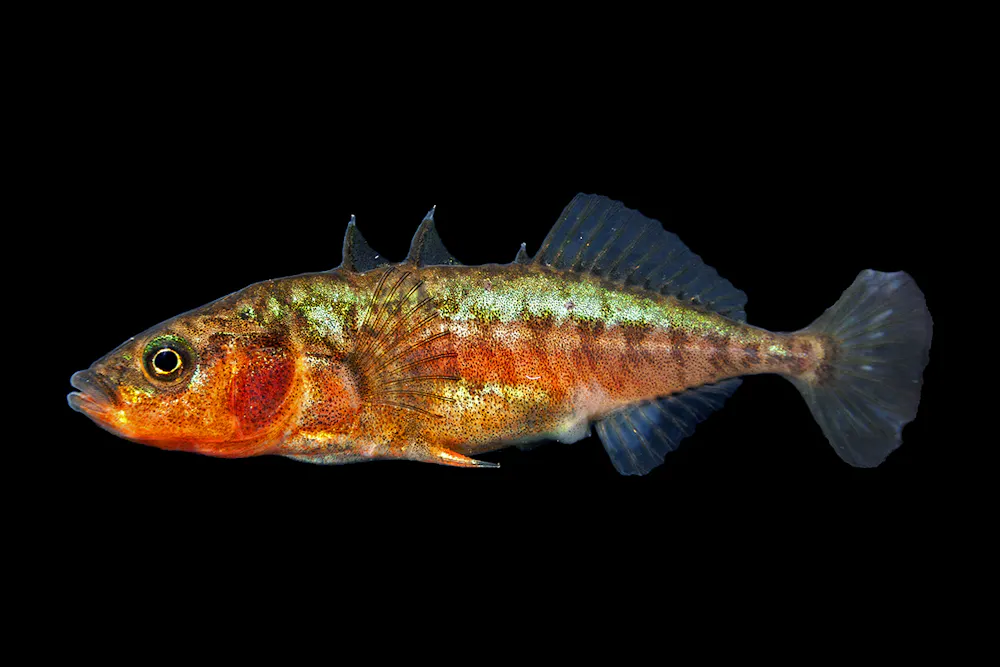
    In honeybees, genetically identical larvae become queens or workers depending on what they eat while developing. In three-spined stickleback fish, early exposure to predators reshapes their stress physiology and body shape, making them harder for predators to grasp.

    These aren’t genetic differences – they’re environmental effects on development.

    In humans, early-life conditions similarly shape development. A child raised in an unsafe setting may develop heightened vigilance or stress sensitivity – traits that help in danger but can persist as anxiety or chronic stress in times of safety. This is known as environmental mismatch.

    Across generations, plasticity becomes more complicated. In some of my past research, I studied how diet in one generation of fruit flies shaped health, reproduction and longevity in their offspring and grand offspring.

    The results varied depending on diet, generation and trait. Traits that appeared to be useful in one generation weren’t always so in the next. This highlights how difficult transgenerational effects are to predict – precisely because of this plasticity.

    In three-spined stickleback fish, early exposure to predators reshapes their stress physiology and body shape.
    drakiragavon/iNaturalist, CC BY-ND

    Too narrow an explanation

    Epigenetics often reflect environmental exposures – such as stress, trauma, nutrition or caregiving. But they’re not necessarily permanent “scars”. Many are dynamic and can shift with changing environments – especially early in life.

    Studies show that epigenetic patterns linked to early childhood adversity vary depending on later environments such as family stability and social support. This suggests the biological imprint of early stress is shaped by what happens next.

    It’s tempting to treat epigenetics as the key to explaining inherited trauma – but that’s too narrow. Trauma can influence the next generation through altered hormones, immune function or in utero conditions – all of which shape brain development and stress reactivity.

    Genetic variation also plays a major role. It doesn’t encode trauma itself, but it shapes traits such as sensitivity to threat or emotional regulation. These traits aren’t chosen – they arise from a web of biological and social influences beyond our control.

    But how they unfold, and whether they’re amplified or softened, depends on the systems that surround us.

    Connection to culture

    Connection to culture plays an important role too.

    In Aotearoa New Zealand, Māori-led initiatives that centre land, language and whakapapa (ancestral lineage) have shown promise in restoring wellbeing after generations of colonisation-related trauma.

    For Holocaust survivors and descendants, connection to cultural identity through ritual and shared narrative can reduce the psychological burden of transmitted trauma.

    But not all trauma is collective or institutional. Interventions such as trauma-informed parenting and early relational therapies have been shown to improve outcomes in the next generation.

    These psychological supports affect biology. Feeling safe in our relationships, having stable routines and a sense of meaning can reduce stress hormones, modulate immune function, and buffer against long-term disease risk.

    In this way, culture, caregiving and connection are all biological interventions. When they soften the effects of earlier stress, they may help interrupt its transmission.

    Trauma-informed parenting has been shown to improve outcomes in the next generation.
    fizkes/Shutterstock

    Reframing inherited vulnerability

    This matters, because it changes how we understand inherited vulnerability.

    Rather than a permanent wound passed down through DNA, the effects of trauma are better understood as changeable responses shaped by context.

    Thanks to plasticity, our biology is always in conversation with the environment – and when we change the context, we can change the outcome.

    Tara-Lyn Camilleri receives funding from from Australian Graduate Women, a not-for-profit organisation that advocates for education and supports women in postgraduate education with scholarships. Her research has also been supported by Australian Research Council grants and Royal Society funding. She is a volunteer committee member for Graduate Women Victoria.

    ref. Trauma is carried in your DNA. But science reveals a more complicated story – https://theconversation.com/trauma-is-carried-in-your-dna-but-science-reveals-a-more-complicated-story-259057

    MIL OSI AnalysisEveningReport.nz

  • MIL-OSI China: Trump’s One Big Beautiful Bill reveals divisions in Washington

    Source: People’s Republic of China – State Council News

    This photo taken on Jan. 19, 2023 shows the U.S. Capitol building in Washington, D.C., the United States. [Photo/Xinhua]

    A marathon vote was underway Monday over U.S. President Donald Trump’s massive One Big Beautiful Bill, which highlights bitter partisan divisions in Washington.

    Trump said the bill will deliver the largest tax cut for working- and middle-class Americans in history and will “unleash our economy.”

    The bill contains a slew of tax cuts for businesses and families and will “turbo-charge our economy and bring back the American dream,” Trump said in a speech promoting the legislation.

    However, Democrats are vehemently opposed to the mega-bill, which, if passed, will fund Trump’s agenda and stand in stark contrast to what Democrats want for the country.

    Democrats blast Trump’s tax cuts as benefiting the wealthy, although Republicans maintain the cuts will help the middle class.

    The bill has angered Democrats for what that party says are cuts to essential programs such as Medicaid — health care coverage for low-income people — as well as food stamps.

    Democrats and a couple of Republicans also fret the bill will add trillions of U.S. dollars to the surging national debt.

    Christopher Galdieri, a political science professor at Saint Anselm College in the northeastern state of New Hampshire, told Xinhua the legislation is “essentially a mega-bill combining most of Trump’s legislative ambitions into one package — tax cuts, spending cuts, massively increasing the budget for ICE, and more.”

    The bill could provide additional funds for the U.S. Immigration and Customs Enforcement (ICE) to boost the number of agents and to provide pay bonuses.

    ICE is in large part carrying out Trump’s mass deportation of millions of people who entered the United States illegally during the previous administration. But Democrats blast the deportations as heavy-handed, inhumane and unconstitutional.

    Republicans argue that those funds for ICE are needed to reverse the damage they said Democrats did to the United States during the previous administration.

    The GOP accuses Democrats of purposely opening the floodgates to millions of immigrants to illegally enter the United States, in what the GOP labeled an “invasion” and a result of Democrats’ “radical left” agenda during the previous administration.

    The White House also argues that among those who have illegally entered are many criminals and gang members.

    Democratic Senate Minority Leader Chuck Schumer on Saturday criticized the bill, accusing Republicans of trying to dupe the American people and saying “most people hate this bill.”

    Some Republicans have also criticized the bill.

    GOP Senator Josh Hawley has raised concerns about cuts to Medicaid, saying the reductions are “morally wrong and politically suicidal.”

    But on Saturday, Hawley changed his tune and announced he would back the bill.

    Republican Senator Rand Paul blasted the bill for what he said was adding to the debt, labeling it “much more of a spending bill than a bill that rectifies the debt problem.”

    Paul has specifically lambasted the bill for what he said was adding to the national deficit by around 2.4 trillion U.S. dollars over a decade.

    GOP Senator Thom Tillis criticized the bill on Saturday, saying: “It is inescapable this bill will betray the promise that Donald Trump made.”

    The senator denounced proposed cuts to Medicaid and lambasted the “amateurs” advising Trump, who he said have “no insight into how these… Tax cuts are going to be absorbed without harming people on Medicare.”

    Clay Ramsay, a researcher at the Center for International and Security Studies at the University of Maryland, told Xinhua: “The core of the partisan divisions is that Medicaid recipients, which are a quite significant portion of each legislator’s constituents, are going to either suffer cutoffs or will have to spend a lot of time and energy to avoid that happening.”

    Republicans argue that the bill’s tax cuts will stimulate the economy.

    Dean Baker, a senior economist at the Center for Economic and Policy Research, told Xinhua: “There will be little net effect. The biggest effect is likely to be contractionary from the (tariffs).”

    MIL OSI China News

  • MIL-OSI USA: Markey, Cantwell File Amendment to Strip 5-Year AI Moratorium from GOP Reconciliation Bill as Opposition to Blackburn-Cruz “Compromise” Grows

    US Senate News:

    Source: United States Senator for Massachusetts Ed Markey
    Washington (June 30, 2025) – As opposition to the new Blackburn-Cruz five-year AI moratorium “compromise” continues to grow, Senator Edward J. Markey (D-Mass.) and Senator Maria Cantwell (D-Wash.), Ranking Member of the Senate Committee on Commerce, Science and Transportation filed an amendment to strip the entire provision from the Republican budget reconciliation bill.
    “The Blackburn-Cruz so-called compromise is a wolf in sheep’s clothing,” said Senator Edward J. Markey. “Despite Republican efforts to hide the true impact of the AI moratorium, the language still allows the Trump administration to use federal broadband funding as a weapon against the states and still prevents states from protecting children online from Big Tech’s predatory behavior. Republicans are selling out our kids and local communities — all to line the pockets of Big Tech billionaires. I am proud to partner with Ranking Member Cantwell on an amendment to strip this dangerous language.”
    “The Blackburn-Cruz amendment does nothing to protect kids or consumers,” Sen. Cantwell said earlier today. “It’s just another giveaway to tech companies. This provision gives AI and social media a brand-new shield against litigation and state regulation. This is Section 230 on steroids. And when Howard Lutnick has the authority to force states to take this deal or lose all of their BEAD funding, consumers will find out just how catastrophic this deal is.”
    While the “compromise” language adds child safety and other “generally applicable laws” to its list of purported exemptions, the standard is so vague that Big Tech companies would challenge nearly every consumer protection, kids online safety or privacy protection law in court as “overly burdensome.” It would also impact the thousands of pending lawsuits against social media companies’ harmful algorithms.

    MIL OSI USA News

  • MIL-Evening Report: Aamir Khan’s big screen comeback, Sitaare Zameen Par, features an all-star neurodivergent cast – a Bollywood first

    Source: The Conversation (Au and NZ) – By Yanyan Hong, PhD Candidate in Communication, Media and Film Studies, University of Adelaide

    Bharti Dubey/X

    Bollywood star Aamir Khan’s return to the big screen after a three-year hiatus has been far from ordinary. Sitaare Zameen Par (2025) which translates to “stars on Earth”, is the first major Bollywood production to feature a mostly neurodivergent cast.

    A remake of the 2018 Spanish film Campeones, the story follows a mouthy, knuckle-headed basketball coach, Gulshan (Aamir Khan), who is put in charge of a team of players with intellectual disabilities.

    The film slowly grows into itself, much like its characters, but ultimately delivers what the trailer promises: a heartwarming, humorous and uplifting celebration of our individual differences.

    In an era of blockbuster spectacles, Aamir Khan Productions brings back a kind of Bollywood storytelling we haven’t seen in a while – something sincere, gentle and quietly revolutionary.

    Who is Aamir Khan?

    Aamir Khan was born in Mumbai in 1965, and started his acting career as a child actor in his uncle’s film Yaadon Ki Baaraat (1973).

    Khan is now one of Bollywood’s most enduring and respected figures. He is one of the iconic “three Khans”, alongside Shah Rukh Khan and Salman Khan (the three are unrelated), who have dominated Indian cinema since the 1990s.

    But unlike his Khan counterparts, Aamir Khan has carved a unique career path built on both commercial success and socially-driven storytelling.

    He is known for championing social causes through cinema. In one 2015 article, media studies professor Vamsee Juluri referred to him as a “national conscience figure”.

    Khan’s films don’t just entertain; they challenge norms and often spark national conversations on important issues.

    From producing Lagaan: Once Upon a Time in India (2001), India’s Oscar-nominated colonial-era sports epic, to his directorial debut Taare Zameen Par (2007), a moving portrait of a child with dyslexia, Khan’s work often brings underrepresented stories to the mainstream.

    Lagaan follows farmers from a small Indian village under British colonial rule. The British challenge the farmers to a game of cricket, in exchange for an exemption from paying the land tax (‘lagaan’).
    IMDb

    His film PK (2014) challenges religious dogma. Meanwhile, Dangal (2016) is a boundary-pushing film based on real-life female wrestlers from rural India, and is also Bollywood’s highest-grossing film of all time.

    Beyond the box office, Khan has hosted the TV show Satyamev Jayate (2012–14), which is also the national emblem of India, meaning “truth alone triumphs”.

    This show tackles various topics considered taboo in Indian societies, including female feticide, domestic violence and caste discrimination. It has reached millions of households, and even ignited parliamentary debates.

    Khan is also popular in other countries, including China, where his films 3 Idiots (2009), Dangal (2016) and Secret Superstar (2017) were massive hits that resonated with audiences for their universal themes.

    In Dangal (2016), Mahavir (Aamir Khan) trains his two daughters in wrestling.
    IMDb

    Sitaare Zameen Par marks his return following the commercial underperformance of Laal Singh Chaddha (2022), an Indian remake of Forrest Gump (1994).

    Sitaare (stars) who make the film shine

    Directed by R.S. Prasanna, Sitaare Zameen Par enjoyed a strong opening weekend at the box office.

    It stars ten individuals with special needs as they prepare for a basketball tournament under the direction of their coach (Khan). This plot alone makes the film a significant entry to Indian cinema, which often ignores or misrepresents disability.

    The neurodivergent stars of Sitaare Zameen Par are aged between 18 and 42.
    Aamir Khan Productions.

    Despite early online trolling and negativity, the film depicts its neurodivergent characters not as victims, or “inspirations”, but simply as people with dreams, struggles and joy.

    One line captures this beautifully: “Everyone sticks to their own normal. We each have our own normal.”

    Aamir Khan, now 60, plays a key role in the film, but doesn’t dominate it. Instead, his younger co-stars shine. The result is a healing film that celebrates inclusion, while being full of joy and humanity.

    Stories that matter

    No film is perfect. But it’s hard to dislike a film made with so much compassion.

    Bollywood as an industry has increasingly leaned into action-packed blockbusters, as well as nationalist and Hindu-centred narratives (such as in the 2022 film Brahmāstra).

    While many of these offer thrills, few deliver the kind of emotional and social depth that once defined Hindi cinema’s global appeal. Much like Taare Zameen Par – a spiritual prequel to the new release – did 18 years ago, Sitaare Zameen Par invites the audience to slow down and reflect.

    In Taare Zameen Par (2007), Khan plays a neurotypical teacher who helps a student with dyslexia.
    IMDb

    It prompts neurotypical viewers to see people with Down’s syndrome as part of the same emotional universe as them – and to laugh with, not at them.

    In an interview, Khan explains how the film goes further than just neurodivergent representation, to participation:

    In [Taare Zameen Par], it’s the teacher, Nikumbh, a supposedly neuro-typical person, who helps the child with dyslexia. In this film, ten neuro-atypical people are helping the coach, Gulshan. I feel Sitare takes the discourse of the first film ten steps ahead, especially in our country where people need to be sensitised to the topic of neurodivergence.

    Last week, India’s president, Droupadi Murmu, attended a special screening and met the cast. The visit sent a clear messsage: stories like this matter.

    With Sitaare Zameen Par, Aamir Khan returns to what he does best: using film as both a mirror and message for Indian society. While it won’t change the world overnight, it will make viewers see the world, and each other, a little differently.

    Yanyan Hong does not work for, consult, own shares in or receive funding from any company or organisation that would benefit from this article, and has disclosed no relevant affiliations beyond their academic appointment.

    ref. Aamir Khan’s big screen comeback, Sitaare Zameen Par, features an all-star neurodivergent cast – a Bollywood first – https://theconversation.com/aamir-khans-big-screen-comeback-sitaare-zameen-par-features-an-all-star-neurodivergent-cast-a-bollywood-first-259673

    MIL OSI AnalysisEveningReport.nz

  • MIL-OSI Submissions: Funding terror: how west Africa’s deadly jihadists get the money they need to survive

    Source: The Conversation – Africa (2) – By Egodi Uchendu, Professor (of History and International Studies), University of Nigeria

    The west Africa–Sahel region has seen a proliferation of militant Islamist groups since the 1990s.

    One of the most vicious groups operating in the region is Jama’at Nusrat al-Islam wal-Muslimin (Support Group for Islam and Muslims). The militant group emerged in 2017 in Algeria and Mali, and has targeted civilian populations.

    The UN listed the group as an al-Qaeda affiliate in 2018. Al-Qaeda is an Islamist organisation founded by Osama bin Laden in the 1980s.

    The 2024 global terrorism index listed Jama’at Nusrat al-Islam wal-Muslimin as one of the world’s most dangerous terrorist organisations. Its influence has expanded in most parts of the Sahel. The group emerged to strengthen the jihadist insurgency under al-Qaeda. It combines violence with diplomacy to expand its influence and challenge state authorities.

    Despite growing pressure from counter militancy campaigns spearheaded by local, regional and international militaries, Jama’at Nusrat al-Islam wal-Muslimin continues to survive and adapt by regrouping and reorganising. This was demonstrated in its latest operation in Burkina Faso in 2024. The group exerted significant control by closing schools, setting up taxation checkpoints and abducting locals.

    Its engagement in illicit economies has been key to the group’s successful expansion. This revenue is used to carry out devastating attacks.

    We research jihadi-based insurgencies, and have found that this is a common tactic among terrorist groups in the west Africa-Sahel axis, including Boko Haram militants.

    From our research, we find that Jama’at Nusrat al-Islam wal-Muslimin funds its activities by relying on

    • artisanal mining

    • kidnapping

    • livestock theft

    • money laundering.

    Dismantling the group’s illicit economies and blocking its financial flows are key to countering its activities.

    Financial resources

    The group needs money for fighting, and to sustain political and social influence in its areas of operation.

    Artisanal gold mining has proven to be a major factor in its expansion and resilience. In areas where the group exerts influence, illicit gold mining generates over US$30 billion annually. According to a report by Swissaid, a development group based in Switzerland, the main destinations for this gold are the United Arab Emirates, Turkey and Switzerland.

    The jihadists gain access to gold by controlling mining sites and transport routes to and from mines. They sometimes allow trusted allies, who include local armed groups, bandits and other criminal networks, to mine in exchange for a payout. The extent of gold mining funds is not exactly known, but the artisanal sites in areas controlled by the group have the capacity to produce 725 kilograms of gold per year, valued at US$34 million.


    Read more:
    West Africa could soon have a jihadist state – here’s why


    Another source of income – and political influence – is kidnapping for ransom. Kidnap victims include cattle owners, businessmen, state officials and foreigners. The group received a ₤30 million ransom in 2020 to release one French and two Italian hostages. Between 2017 and 2023, the group and its affiliated units were responsible for 845 out of approximately 1,100 recorded kidnappings in Mali, Burkina Faso and Niger. Burkina Faso and Mali remain the epicentre of the group’s violent activities. In the first quarter of 2023, over 180 cases of kidnapping were recorded in these countries’ war-torn areas.

    Livestock theft has also been a critical source of funds. The practice of livestock theft as economic warfare and a means to generate funds has led to livestock being forcibly taken from herders who fail to pay zakat (a religious fee among Muslims) or subscribe to the group’s ideology. The stolen livestock are sold in Mali, Mauritania or Senegal. The ability to monetise stolen livestock makes their theft a cornerstone of the Sahelian war economy and a source of cash for weapons and vehicles.

    Money laundering is another illicit economy central to the militant group’s financing. It lends money to merchants, invests with banks and funds small shops with the aim of getting profits. This helps ensure a constant flow of money and provisions to support the group’s terrorist acts. It has attached much importance to this illicit economy, to the extent of assassinating those who interfere with its investments.

    Way out

    To cut down Jama’at Nusrat al-Islam wal-Muslimin’s financial base – and thereby weaken its capacity for militancy – counterinsurgency efforts need to take the following actions.

    • Government security actors should collaborate with local self-defence militias to regulate artisanal mining and thwart kidnappings.

    • Financial intelligence units need to identify merchants who receive money from the militant group to block the flow of illicit funds.


    Read more:
    Jihadism and coups in West Africa’s Sahel region: a complex relationship


    • Specialised courts that deal with money laundering and terrorism financing cases should be established and made operational in Burkina Faso and Mali, the epicentres of the group’s activities.

    • Burkina Faso and Mali should increase security around civilians to minimise civilian casualties from terror operations.

    Since finance is the basis of the militant group’s strength, regional security co-operation should be strengthened. This would help with systematically tracking illicit flows and stopping them.

    Egodi Uchendu receives funding from the Alexander von Humboldt Foundation, Germany. She has also received funding from TETFund, Nigeria, the Council for the Development of Social Science Research in Africa (CODESRIA), Senegal, The A. G. Leventis Foundation, Greece, and the Fulbright Commission, USA.

    Muhammed Sani Dangusau does not work for, consult, own shares in or receive funding from any company or organisation that would benefit from this article, and has disclosed no relevant affiliations beyond their academic appointment.

    ref. Funding terror: how west Africa’s deadly jihadists get the money they need to survive – https://theconversation.com/funding-terror-how-west-africas-deadly-jihadists-get-the-money-they-need-to-survive-242306

    MIL OSI

  • MIL-OSI Submissions: Universities must teach students what freedom is – a South African course is trying to do just that

    Source: The Conversation – Africa – By Pedro Tabensky, Director, Allan Gray Centre for Leadership Ethics, Rhodes University

    A typical student wants a university degree as a ticket to a salary. For this young person, education is a journey towards “having”. And the way to complete the journey is mainly to remember, repeat or reproduce what the teacher says and does.

    This having-orientation is understandable given the often precarious realities of life, particularly in the global south, including South Africa, where I am based as a university lecturer. It is understandable, yet it fosters apathy in the classroom, for the monetary aims of students are not typically aligned with the aims of learning.

    In response to this situation, for a decade Rhodes University’s Allan Gray Centre for Leadership Ethics has been developing a course called IiNtetho zoBomi, which translates from isiXhosa, one of South Africa’s languages, as “conversations about life”.

    IiNtetho zoBomi is a year-long course offered to all students at the university. Over 2,000 have completed it since its inception. It aims to bridge the gap between character education and vocational education. The course shows students how interrelated reading, writing, thinking and being are.

    It’s an opportunity for students to think about what matters to them and how to live accordingly. We hope they learn to have a say in how their lives will go. We want them to understand how education will equip them for life – not just work – and promote self-mastery. Ideally, students will realise along the way that self-mastery comes from learning with others in communities of inquiry.

    With my colleagues at the centre, I wrote about the course in a recent paper, explaining the thinking behind it and how it works. From initial reticence and outright suspicion, the course is starting to receive broad institutional support from academics and management. The idea has been mooted that it should become become a common course for all first-year students.

    The course has also received an endorsement from educational sociologist Kathy Luckett and feminist philosopher Ann Cahill. In their review of the course they commented that it had developed “a unique and powerful form of pedagogy that is clearly speaking to students’ interests and existential needs, and effectively providing students with capacities that allow them to author their own thoughts and lives”.

    Inquisitiveness versus apathy

    If a salary is the overriding motive for pursuing higher education, it helps to explain why so many students seem to lack inquisitiveness to seek knowledge, and hence are not in the correct frame of mind required for deep learning and the human growth that comes with the learning mindset.

    This lack of inquisitiveness is also encouraged by the fact that the global university has primarily become a market service provider. The market wants and needs professionals, and universities provide them. This may not be a problem, unless the professional aspect of human life is separated, as it often is, from the central goal of education: to form well-adjusted, autonomous human beings.


    Read more:
    It’s important to rethink the purpose of university education — a philosopher of education explains why


    This severance between learning for work and learning for life leaves human growth to chance. It fosters the passive absorption of whatever happens to be in the air of the times, instead of the formation of a capacity for critical thinking necessary for autonomy.

    Contemporary universities presume that if one looks after people’s career concerns, life will look after itself, which is a grave mistake.

    Conversations about life

    The course includes student-led lectures, peer dialogues and weekly service learning at local no-fee paying public primary schools. The students also keep journals in which they reflect on their lives in relation to the course’s material.

    We introduce students to ideas such as the existential psychologist Erich Fromm’s distinction between “being” and “having” orientations to education. In other words, a good education helps you to be a certain way, not just to have certain things.

    Students also learn that “to take freedom for granted is to extinguish the possibility of attaining it”, as expressed in the documentary Creating Freedom: The Lottery of Birth. This is the idea that people are shaped by circumstances, and understanding how these circumstances shape them is a first step in attaining real freedom. We show this documentary to our students in addition to other movies and documentaries about the weekly topics discussed in class.

    We encourage students to develop an inner dialogue and understand that they passively absorb much of what their thinking draws on. We challenge students to consider what they see, or fail to see, and how they see it. We invite students to reflect on how external forces like peer pressure and ideology act on them, as do internal forces like the confirmation bias (which motivates us to favour information that confirms what we already believe and to ignore information that doesn’t).

    The following idea frames the content of the course: barriers to acting ethically, indeed to autonomy, are produced by psychological, social and political forces.

    Then there is the service-learning aspect of Iintetho zoBomi.

    This is about the students getting involved in communities and learning through one-on-one interactions with children at no-fee primary schools, helping them with English literacy and life orientation-related schoolwork. Our students learn by teaching learners material that’s related to IiNtetho zoBomi. Service learning helps bring ideas and experiences together.

    Responses

    We are seeing encouraging results in the form of hundreds of unsolicited comments relating to how the course has transformed the lives of our students.

    Most of these comments come from student reflective journals. Lecturers read the journals as the main form of assessment of IiNtetho zoBomi. Some students even wrote articles in local media about what they had learned. In one of the articles, student Tanatswa Chivhere concludes that:

    Most of us who have done the course can testify to how it made us more aware of how our thoughts and actions impact the world as a whole. IiNtetho zoBomi has changed the way in which I view my place in the world and how to use that place to better not only my life, but those of others around me.

    Pedro Tabensky works for Rhodes University. He receives funding from the Allan & Gill Gray Philanthropies.

    ref. Universities must teach students what freedom is – a South African course is trying to do just that – https://theconversation.com/universities-must-teach-students-what-freedom-is-a-south-african-course-is-trying-to-do-just-that-239332

    MIL OSI

  • MIL-OSI Submissions: Moroccan schools are fuller thanks to cash grants. The problem now is the quality of their education – study

    Source: The Conversation – Africa – By Jules Gazeaud, Chargé de recherche CNRS, Université Clermont Auvergne (UCA)

    Reprinted by permission from VoxDev

    The spread of conditional cash transfer programmes in low- and middle-income countries has been described as perhaps the most remarkable innovation of recent decades in welfare programmes. These programmes provide regular cash transfers to poor families contingent on specific behaviours. These include school enrolment and regular attendance.

    The programmes started in the late 1990s in Mexico and quickly became the public policy of choice to fight poverty and low enrolment. Today, more than 60 countries operate education conditional cash transfer programmes, often at a national scale.

    There is plenty of evidence showing that conditional cash transfers boost enrolment. But evidence on their impacts on children’s learning is mixed. Explanations for the lack of learning gains relate to the short-term nature of the evaluations, which may not provide enough time for the learning effects to materialise.

    In recent research, conducted in Morocco, we show that conditional cash transfers can constrain learning when no accompanying measures are taken by governments to account for increased enrolment. We found that the introduction of a programme can deteriorate school quality and thus constrain learning for children who enrol in school.

    Conditional cash transfers in Morocco

    We looked at a programme implemented at scale in Morocco. Known as Tayssir, it began operating in 2008 and quickly became the flagship education policy of a government strongly committed to reducing school dropout rates.

    Earlier research showed that the pilot version of Tayssir had substantial positive effects on enrolment, but not on learning.

    Following this evaluation, Tayssir was quickly scaled-up to reach annually up to 800,000 children in 434 municipalities. Because the allocation of transfers remained remarkably stable over time, the scaled-up version of Tayssir offers an ideal setup to study how conditional cash transfer programmes affect learning, with enough time for the effects to materialise.

    Tayssir targeted all municipalities with a poverty rate above 30% and all households with children aged 6-15 within these municipalities.

    To study the impacts of the programme, we used data from the information system of Morocco’s ministry of education.

    In the first part of our analysis, we assessed Tayssir’s effects on dropout rates and checked for possible differences with the research done in 2015 on the pilot version of the scheme.

    We confirmed that the grade-specific dropout rate decreased by 1.3 percentage points on average (41% of the sample mean). This is equivalent to an increase in enrolment of about 9 percentage points by the end of grade 6.

    We found a greater decrease for girls: 1.8 percentage points, or 50% of the sample mean.

    Remarkably, these estimates were in line with those on the pilot, despite the nationwide expansion of the programme and the ten-fold increase in the number of beneficiaries.

    The impact on quality

    The reduction of the dropout rates induced by Tayssir may have affected both class size and class composition by retaining lower-ability students. This could potentially lead to negative effects on learning outcomes through peer effects and less effective teaching practices.

    Our estimates show that class size in targeted areas increased by 3.6 students by the end of primary school, equivalent to 12% of the sample mean.

    Variation in class composition increased by 0.30 standard deviations (SD) by the end of primary school.

    Figure 1 shows that these effects are stronger in higher grades. This suggests that the reduction in dropout rates accumulated over time and progressively overburdened school resources. Large effects in grade 1 likely reflect the fact that children in targeted municipalities started school earlier – possibly to benefit from the transfers – and repeated grade 1 more often.

    Figure 1: Effect of Tayssir on class size and heterogeneity

    Notes: Each bar reports the coefficient estimate of the local average treatment effects of Tayssir. The dependent variables are class size (number of students per class) and class heterogeneity (standard deviation of the GPAs within a class). 95% confidence intervals are reported.

    Larger class sizes and increased differences in class composition had negative impacts on children’s test scores.

    In the final part of our analysis, we looked at the effects on test scores at the end of primary school exam. We found that Tayssir had negative effects on test scores. We estimated that the programme reduced test scores by 0.12 standard deviation for the full sample.

    What needs to be done

    Our insights should not be interpreted as evidence that policymakers should not pursue conditional cash transfer programmes. Such programmes, including the one we study, have proven particularly effective at increasing access to education, which is a crucial first step to enhance learning.

    These programmes also have many other benefits. These include delayed marriage and childbearing for adolescent girls.

    However, our results, together with evidence showing alarmingly low literacy and numeracy levels among students in low- and middle-income countries, indicate that the attendance gains from the programmes alone are unlikely to equip students with the foundational skills they need to thrive.

    In fact, our results show that conditional cash transfer programmes can have adverse effects on learning when schools lack the necessary resources to accommodate the influx of new students. Such insights may be particularly relevant for other interventions aiming to increase school attendance without complementary investments in school capacity.

    Recent decades have seen a surge in evaluations focusing on the learning effects of education interventions in low- and middle-income countries. Although there is no silver bullet to raise learning, some “great buys” emerged from the 2023 report of the Global Education Evidence Advisory Panel:

    • providing information on the benefits, costs and quality of education;

    • supporting teachers with structured pedagogy;

    • pedagogical interventions that tailor teaching to student learning.

    In Morocco, where our study takes place, other scholars have demonstrated that an intervention combining two of these three “great buys” – targeted instruction based on learning level and structured pedagogy – yields large gains in learning.

    Claire Ricard received funding from Agence Nationale de la Recherche of the French government through the program “Investissements d’avenir” (ANR-10-LABX-14-01).

    Jules Gazeaud does not work for, consult, own shares in or receive funding from any company or organisation that would benefit from this article, and has disclosed no relevant affiliations beyond their academic appointment.

    ref. Moroccan schools are fuller thanks to cash grants. The problem now is the quality of their education – study – https://theconversation.com/moroccan-schools-are-fuller-thanks-to-cash-grants-the-problem-now-is-the-quality-of-their-education-study-243298

    MIL OSI

  • MIL-OSI Submissions: Kids should be encouraged to talk back – 5 tips for teaching them critical thinking skills

    Source: The Conversation – Africa – By Heidi Matisonn, Senior Lecturer in Bioethics, The EthicsLab, Department of Medicine, Faculty of Health Sciences, University of Cape Town

    Teaching kids to think critically sets them up well for life. eli_asenova

    Whenever school holidays loom, many parents find themselves caught in an emotional tug-of-war: on the one hand, relief at bidding farewell to homework battles, bedtime struggles, and the lamenting of lost lunchboxes; on the other, terror at the daunting prospect of a barrage of “whys” and “buts” from their relentless interrogators. To avoid logic-defying arguments and endless debates, it is often not long before they find themselves playing the ultimate parental trump card: “because I said so”.

    As a parent, I can relate. But I’m also a moral philosopher with almost two decades of teaching experience. In philosophy classes, students who question ideas – and sometimes, in doing so, challenge authority – are praised. Why isn’t the same true for children? Is a child who questions their parents “being cheeky”? Or are they flexing the mental muscles that are necessary for their intellectual growth and ability to navigate the world?

    The job of a moral philosopher is to grapple with ideas about right and wrong, good and bad, seeking to answer the ultimate question: “how ought we to live?” While we use a range of strategies to tackle these fundamental ethical questions, one of the most important tools at our disposal is critical thinking.

    Critical thinking is the ability to analyse and evaluate information and arguments in a clear, rational and objective manner. When we are confronted with information, critical thinking requires us to consider why this person is saying that. What could be their motive? Is there a different possible explanation?

    I’m not suggesting that the goal is to raise argumentative children. Rather, as philosopher, strategic thinker and author Peter Facione explains, it is to nurture inquisitive minds that can interpret, analyse, evaluate and infer from information. In other words, parents should raise their children to be curious, critical thinkers who question everything, even if this means they question us in the process.

    How can parents teach critical thinking at home? Here are my five top tips:

    1. Ask open-ended questions and encourage children to do the same.

    2. Provide children with opportunities to make decisions and solve problems rather than doing it for them.

    3. Discuss the reasoning behind rules and decisions you make for them.

    4. Encourage children to consider alternative perspectives rather than just their own.

    5. Model critical thinking by thinking aloud when approaching problems.

    Thinking about our thinking

    Critical thinking requires metacognition: thinking about our thinking.

    Reflecting on our own views gives us a chance to recognise that they too should be scrutinised and evaluated. If we choose to be vegan, for example, is it because we care about reducing harm to animals, the environment, or both; or because it’s fashionable to be vegan? Once we’ve worked out our reasons for something, we can then evaluate whether these are “good” reasons or not.

    Critical thinking also means evaluating other people’s reasons. This requires us to be open to others’ points of view – including our children’s – rather than being blinded by our own biases. At the same time, to be a critical thinker is to take seriously the fact that everyone “has an agenda” (which may not be explicit) and we should therefore not take everything at face value. We can teach our children to be critical thinkers by getting them to consider the quality of the evidence presented for a position.

    Put simply, parents and caregivers can promote critical thinking in children by encouraging them to ask questions, challenge assumptions and explore alternative perspectives. Critical thinking requires us not to passively accept everything we read, hear and see but rather to question, evaluate and make judgments.

    Here’s what that might look like in practice.

    A practical example

    Add a side of critical thinking to make vegetables more palatable.
    FAMILY STOCK/Shutterstock

    Let’s say your child asks why she needs to eat vegetables.

    You could respond by saying “That’s a good question. What do you think? Why do you suppose we eat vegetables?” This encourages the child to start thinking about the issue herself.

    She replies: “Because you said I have to.”

    To get her to think about whether there are reasons beyond parental authority that may be important, you might want to ask: “Is that the only reason? Let’s think about it some more. Do you know anyone else who thinks we should eat vegetables?”

    Then, to encourage her to explore alternatives, you could ask: “What do you think would happen if we never ate any vegetables? What if we only ate sweets instead?”

    It might also be useful to do some research with your child, to introduce the idea of seeking evidence and reliable information. You could suggest that the two of you look up some facts about what vegetables do for our bodies.

    Finally, you could pose the original question back to your child, giving her a chance to synthesise what she’s learnt and form her own conclusion.

    Throughout the process, you are guiding your child to question, think about, and arrive at a reasoned understanding, rather than simply accepting a statement at face value.

    Other resources

    Does this sound daunting? Relax – it’s not all up to you.

    Many schools incorporate critical thinking skills across their curricula. Some excellent programmes have been implemented in schools around the world. One example is Philosophy for Children (P4C), developed by educator and philosopher Matthew Lipman in the 1970s. This approach uses structured discussions about open-ended questions and can be used to develop critical thinking skills in children as young as six.

    I also like the work of Critical Thinking Consortium (TC2), a Canadian organisation which provides resources and professional development to help educators embed critical thinking in their teaching. Project Zero is another good resource. This research group at the Harvard Graduate School of Education has developed several thinking routines and frameworks, such as “visible thinking” and “artful thinking”.

    You could also advocate for your child’s school to introduce critical thinking skills into their curricula. Schools could partner with university philosophy departments to offer classes for low or no cost as a community engagement or social responsibility initiative.

    Ultimately, whether children are exposed to these skills at home or at school, the key is to create an environment where questioning, reasoning, and exploring ideas are encouraged and valued. The goal is to make critical thinking a natural part of the way we interact with our children so that it becomes a natural part of the way they interact with the world.

    Heidi Matisonn does not work for, consult, own shares in or receive funding from any company or organisation that would benefit from this article, and has disclosed no relevant affiliations beyond their academic appointment.

    ref. Kids should be encouraged to talk back – 5 tips for teaching them critical thinking skills – https://theconversation.com/kids-should-be-encouraged-to-talk-back-5-tips-for-teaching-them-critical-thinking-skills-238125

    MIL OSI

  • MIL-OSI Submissions: Five ways you can use mantra meditation every day to boost your wellbeing

    Source: The Conversation – UK – By Jennifer Donnelly, Doctoral Researcher, Meditation-based Interventions in Clinical Settings, Centre of Positive Health Sciences, RCSI University of Medicine and Health Sciences

    Andrii Iemelianenko/Shutterstock

    Meditation has become a popular subject on self-improvement podcasts, corporate strategy days and health campaigns. But beyond the buzz, there’s a growing scientific and clinical interest in meditation as a tool to regulate attention and promote relaxation. These are increasingly recognised as central to wellbeing in a world of constant notifications, high demands and information overload.

    Mantra meditation has roots in ancient contemplative traditions across many cultures. At its simplest, a mantra is a word, phrase, or sound repeated silently or aloud to focus the mind, steady attention and support relaxation. Depending on the tradition, mantras may carry deep spiritual, linguistic or energetic significance. But in a more personal or secular practice, you might choose or create a mantra that’s meaningful only to you.

    It’s important to note that mantra meditation is distinct from focusing on breathing. While both help develop concentration and awareness, the mantra, not the breath, is the primary anchor of attention in mantra meditation. You may notice the breathing naturally while meditating, but the repetition of the mantra is what gently draws your mind back when it wanders.

    Emerging research suggests that mantra meditation may have promising benefits, from reducing stress and burnout to improving mood, focus and sleep. Focusing on a mantra to disengage from an overactive mind can be a valuable tool in today’s fast-paced world.

    Mantra meditations moments

    A simple starting point is to choose a phrase that resonates with you, something easy to remember and calming. For example: “I am … here now.” Or a word like “ease” or “peace”. Some people visualise a calming image, like a steady tree or a gentle wave, repeating it silently in their mind. The key is to return to your chosen anchor, your mantra, each time your mind drifts.

    You don’t need a special cushion, app or ritual. Below are five everyday moments when you can try this light mantra-practice:

    • On public transport: Use a few minutes of your commute to mentally repeat your mantra. The surrounding noise and movement can actually enhance the practice. When your mind wanders, which it will, gently return to your anchor.

    • While brushing your teeth: This brief, repetitive activity is already part of your day. Use the rhythm of brushing as a cue to repeat your mantra internally.

    • During your first sips of tea or coffee: Let this be a pause point. Breathe naturally. Repeat your chosen phrase. Even a few seconds of presence can shift the tone of your morning.

    Your first morning coffee could become a moment of deep calm in an otherwise hectic day.
    NDAB Creativity/Shutterstock

    • Instead of scrolling: Replace one moment of habitual phone use with one minute of mantra repetition. Notice the impulse to scroll, and meet it with your mantra instead. You can scroll later if you want; the point is to notice the choice.

    • Before stepping out of the car: Pause for 30-60 seconds before entering a new environment, whether that’s work, home or a social setting. This brief ritual can be a surprisingly powerful reset when transitioning to a new destination or activity.

    Longer sessions may deepen the effects, but short, consistent moments of practice are what build tolerance and insight. Meditation doesn’t always begin with peace. More often, it starts with the uncomfortable awareness of how distracted our thoughts can become. That moment of noticing is not a failure, it’s the practice.

    For parents, especially those with young children, meditation might feel unrealistic. But mantra practice can be adapted. Children often respond well to repetitive, rhythmic exercises. Try counting fingers together, repeating a calming phrase, or simply taking three breaths. It might not look like traditional meditation, but it can still create a shared moment of calm.

    Even counting fingers with children could be a way to experience a moment of togetherness and calm.
    YAKOBCHUK VIACHESLAV/Shutterstock

    For those living with chronic pain, health challenges or intense life transitions, meditation can sometimes make discomfort feel more present. In such cases, stillness might initially increase distress.

    Some research confirms that meditation can have uncomfortable or adverse effects, and distraction may be necessary at times. Even so, carefully introduced mantra meditation techniques or similar practices may support people living with chronic conditions by helping shift how discomfort is experienced, if approached with care, and suitable supports are offered.

    Mantra meditation isn’t about perfect focus, or fixing all our problems. Its strength lies in offering you a portable, repeatable practice to build awareness, one moment at a time.

    So before you move on after reading, try this: take 30 seconds, close your eyes, and return to your mantra. Just for now.

    Jennifer Donnelly does not work for, consult, own shares in or receive funding from any company or organisation that would benefit from this article, and has disclosed no relevant affiliations beyond their academic appointment.

    ref. Five ways you can use mantra meditation every day to boost your wellbeing – https://theconversation.com/five-ways-you-can-use-mantra-meditation-every-day-to-boost-your-wellbeing-259313

    MIL OSI

  • MIL-OSI Submissions: What one university’s 30-year transformation reveals about Afrikaans and language planning in South Africa

    Source: The Conversation – Africa – By Lloyd Hill, Lecturer, Stellenbosch University

    Rodger Bosch/AFP via Getty Images

    When South Africa became a democracy in 1994, five of the country’s universities used Afrikaans as a medium of instruction. There were also two bilingual universities teaching in Afrikaans and English.

    Stellenbosch University, about 50km from Cape Town, is the oldest historically Afrikaans university. Over the past three decades English has gradually replaced Afrikaans in the core functions of teaching and research.

    The status of Afrikaans at formerly Afrikaans or bilingual universities remains the subject of considerable debate. This has led to litigation and three judgments in South Africa’s apex court, the constitutional court.

    Afrikaans is commonly categorised as an Indo-European language, related to Dutch. It can be more accurately described as a Creole language that developed after the Dutch colonised the Cape in 1652. In 1925, standardised Afrikaans became an official language alongside English. It subsequently became associated with white Afrikaner nationalism and, from 1948, apartheid education policies. In 1976, Black students mobilised against attempts to make Afrikaans a compulsory medium of instruction in schools.

    I’m a sociologist who studies language and communication in science and higher education. In a recent article and presentation I examined the three phases in which the language shift and the decline of Afrikaans at Stellenbosch University has unfolded.

    The first phase (1994-2002) involved an attempt to defend Afrikaans institutional monolingualism. The second (2002-2015) saw a shift to institutional bilingualism. Afrikaans and English were used in undergraduate classes. The final and current phase began with the 2015-16 #FeesMustFall student protests. Pressure for the transformation of a predominantly white campus escalated. This triggered a rapid shift to English.

    In 2024, the university’s language policy is, on paper, a scaled-down version of institutional bilingualism (Afrikaans and English). However, in practice English is the main medium of instruction. Afrikaans is, increasingly, not used across all disciplines. This reflects the trend at other formerly Afrikaans or bilingual public universities.

    There is a case to be made for defending Stellenbosch University’s position as a centre of Afrikaans language and culture. But the centralised language planning apparatus it has developed over the past two decades is simply unsustainable. This case study prompts a broader reflection on languages and language planning within South African higher education.

    First, for reasons related to its global academic status and its national second-language status, English has emerged as the dominant language of teaching and research at South African universities.

    The second issue has to do with the nature of “language” at different levels of the education system. The official languages adopted in 1994 are not uniform “mother tongues” or “vehicles” moving from basic education to PhD.

    Languages are more than individual “competencies”: they are political and economic projects. They are also particularly expensive and difficult to “plan” in university teaching and research.

    First phase (1994-2002)

    In 1994, South Africa’s then-interim constitution recognised 11 official languages. It committed “the state” to “practical and positive measures to elevate the status and advance the use of these languages”.

    Afrikaans universities faced a particular dilemma. How could they retain Afrikaans as a medium of instruction and open enrolment to formerly excluded Black students? These are generally second-language English speakers who opt to study in English.

    Other historically Afrikaans institutions adopted parallel medium instruction. Stellenbosch University resisted this trend and asserted its autonomy as a monolingual institution. Postgraduate teaching and research, however, shifted to English. Afrikaans was reframed as an undergraduate teaching issue.

    The university argued that the predominantly Afrikaans-speaking Western Cape and Northern Cape provinces needed an Afrikaans-medium university.

    Two factors undermined this demographic argument. First, the university enjoys national status. This can be traced back to an elite Anglophone college system in the 19th century British Cape Colony. Second, after the 1994 transition, the university focused on internationalisation. It also established itself as a leading research-intensive institution. As a result it has increasingly attracted students and academics with little or no Afrikaans competency.

    Second phase (2002-2015)

    In the early 2000s South Africa’s higher education system was overhauled. This involved institutional mergers, which coincided with the adoption of the 2002 Language Policy for Higher Education. The policy effectively disestablished monolingual Afrikaans universities, stating:

    The notion of Afrikaans universities runs counter to the end goal of a transformed higher education system.

    Stellenbosch University adopted its first language policy and plan in 2002. Afrikaans was reframed as one of four undergraduate language options and described as “the default language of undergraduate learning and instruction”. A heated debate erupted in the Afrikaans media. In this first public – and acrimonious – taaldebat (language debate) many criticised the new “default” status of Afrikaans. That’s because, like a default setting on a computer, this option could be switched.

    Multilingual signage outside a building at Stellenbosch University.
    Lloyd Hill, CC BY

    The new policy introduced formal language planning as an institutional process that would involve periodic policy updates. It also presented three module “options” that represented possible routes away from institutional monolingualism.

    First, dual medium instruction involved using both English and Afrikaans in one lecture. Second, parallel medium instruction involved separate lectures in English and Afrikaans. Third was an English medium option. However, the second and third options were reserved for “exceptional circumstances”.

    Within a few years, most modules shifted to the dual medium option. The university shifted to a dual medium form of institutional bilingualism. But a tacit racial assumption underpinned this model. The language policy ignored the growing enrolment of Black students and the appointment of Black staff members who didn’t have the required bilingual proficiency.

    A new language policy, adopted in December 2014, tried to address the bilingual proficiency problem. It prioritised parallel medium instruction and “educational interpeting”. It never got off the ground.

    Third phase (2015 to date)

    Beginning in March 2015, a series of “Fallist” movements mobilised on South African campuses. A predominantly Black student movement called Open Stellenbosch was established. It aimed “to challenge the hegemony of white Afrikaans culture and the exclusion of Black students and staff”. Language policy was a key point of contention.

    The university responded by redrafting its language policy. In June 2016 it established English as the primary medium of teaching at the undergraduate level.

    This moment also marks the shift to what I term the second taaldebat. Afrikaans language activists now argued that English and Afrikaans ought to enjoy equal status. Institutional bilingualism became the new ideal framework for defending Afrikaans at Stellenbosch University.

    Language activism included litigation, which ended in a constitutional court ruling. The court upheld the 2016 language policy review process. It also noted the “hard racial edge” to the evidence produced by Stellenbosch University. It remarked that:

    Seen as a bloc, the new entrants for whom Afrikaans is an obstruction are not brown or white, but overwhelmingly Black.

    Today, Stellenbosch remains notionally committed to “multilingualism”. In practice, this means a scaled down version of institutional bilingualism. It involves very limited parallel medium instruction and some simultaneous interpreting. English is the compulsory medium in modules where no duplication occurs.

    Lloyd Hill received funding from the South African National Research Foundation (Grant #111845).

    ref. What one university’s 30-year transformation reveals about Afrikaans and language planning in South Africa – https://theconversation.com/what-one-universitys-30-year-transformation-reveals-about-afrikaans-and-language-planning-in-south-africa-242709

    MIL OSI

  • MIL-OSI Submissions: Scientists in Antarctica: why they’re there and what they’ve found

    Source: The Conversation – Africa (2) – By David William Hedding, Professor in Geography, University of South Africa

    A media storm blew up in mid-March 2025 when a researcher at South Africa’s isolated Sanae IV base in Antarctica accused one of its nine team members of becoming violent.

    The Conversation Africa asked geomorphologist David William Hedding, who has previously carried out research from the frozen continent, about the work researchers do in Antarctica, what conditions are like and why it matters.

    What do researchers focus on when they’re working in Antarctica?

    Currently, the main focus of research in the Antarctic revolves around climate change because the White Continent is a good barometer for changes in global cycles. It has a unique and fragile environment. It’s an extreme climate which makes it highly sensitive to any changes in global climate and atmospheric conditions. Importantly, the Antarctic remains relatively untouched by humans, so we are able to study processes and responses of natural systems.

    Also, the geographic location of Antarctic enables science that is less suitable elsewhere on the planet. An example of this is the work on space weather (primarily disturbances to the Earth’s magnetic field caused by solar activity). Studying space weather is significant because the magnetic field of the Earth can impact communication platforms, technology, infrastructure and even human health.

    How many countries have teams working there? Where does South Africa fit in?

    Currently, about 30 countries have research stations in the Antarctic but these bases serve a far wider community of researchers. Collaboration is a key component of research in the Antarctic because many study sites are isolated, logistics are a challenge and resources are typically limited.

    The South African base in Antarctica, named SANAE IV usually has between 10 and 12 researchers and base personnel. This research station is situated on a nunatak (a mountain piercing through the ice) in Western Dronning Maud Land. It is an extremely remote location approximately 220km inland from the ice-shelf.

    The researchers and base personnel remain in Antarctica for approximately 15 months working through the cold and dark winter months.

    What have been some of the biggest ‘finds’?

    The biggest research finding from the Antarctic was the discovery of the ozone hole in 1985 by scientists from the British Antarctic Survey. This discovery led to the creation and implementation of the Montreal Protocol, a treaty to phase out chlorofluorocarbons (synthetic chemical compounds composed of chlorine, fluorine, and carbon) which destroy ozone. This was a major breakthrough in terms of slowly healing the ozone layer.

    The second most significant piece of research to come from the Antarctic has been the use of ice cores to reconstruct past climates. Ice cores preserve air bubbles which provide a wealth of information about the conditions of the atmosphere over time. Importantly, ice cores provide an uninterrupted and detailed window into the past 1.2 million years. This is important because only by understanding past climates and the earth’s responses to those changes are we able to predict future responses. This is significant because of the imminent threats resulting from anthropogenic (human-induced) climate change.

    What conditions do scientists work under?

    Conducting research in the Antarctic is extremely difficult for three primary reasons: remoteness, the cold and daylight.

    The remoteness of many study sites makes it difficult to reach. Distances are vast from the limited number of bases in the Antarctic. Thus, logistics for science in the Antarctic is a major challenge and requires collaboration and planning. For example, the geologists from the University of Johannesburg, who work from the SANAE IV base in Antarctica, often spend weeks in the field collecting samples. They travel significant distances via snow mobile and remain self-sufficient while conducting science in tough conditions.

    These tough conditions relate specifically to the cold. Most science only occurs in the austral summer months when temperatures become marginally bearable. Also, the summer season only provides a short window in which to operate because access to Antarctic by sea is limited by extent and thickness of the sea ice.

    Lastly, during summer there is 24 hours of daylight which lengthens the working day but these conditions are also short-lived.

    Why it is important to do scientific work in the area?

    The Antarctic is intricately linked to global systems and plays a major role in influencing these systems.

    For example, climate change will cause significant melting of land-based ice in Antarctica which when added to the oceans will cause sea-level rise and disruptions to global oceanic currents. Therefore, it is critical that we obtain a better understanding of how responses of terrestrial systems, such as the Antarctic, will impact oceanic systems because ultimately changes in ocean currents will impact the oceanic food web.

    In the context of climate change, sea-level rise is a major concern as it will have global impacts for society, so it is critical that the impacts are investigated to enable society to build resilience and adapt.

    David William Hedding receives funding from the National Research Foundation.

    ref. Scientists in Antarctica: why they’re there and what they’ve found – https://theconversation.com/scientists-in-antarctica-why-theyre-there-and-what-theyve-found-252752

    MIL OSI

  • MIL-OSI Submissions: Scientists in Antarctica: why they’re there and what they’ve found

    Source: The Conversation – Africa (2) – By David William Hedding, Professor in Geography, University of South Africa

    A media storm blew up in mid-March 2025 when a researcher at South Africa’s isolated Sanae IV base in Antarctica accused one of its nine team members of becoming violent.

    The Conversation Africa asked geomorphologist David William Hedding, who has previously carried out research from the frozen continent, about the work researchers do in Antarctica, what conditions are like and why it matters.

    What do researchers focus on when they’re working in Antarctica?

    Currently, the main focus of research in the Antarctic revolves around climate change because the White Continent is a good barometer for changes in global cycles. It has a unique and fragile environment. It’s an extreme climate which makes it highly sensitive to any changes in global climate and atmospheric conditions. Importantly, the Antarctic remains relatively untouched by humans, so we are able to study processes and responses of natural systems.

    Also, the geographic location of Antarctic enables science that is less suitable elsewhere on the planet. An example of this is the work on space weather (primarily disturbances to the Earth’s magnetic field caused by solar activity). Studying space weather is significant because the magnetic field of the Earth can impact communication platforms, technology, infrastructure and even human health.

    How many countries have teams working there? Where does South Africa fit in?

    Currently, about 30 countries have research stations in the Antarctic but these bases serve a far wider community of researchers. Collaboration is a key component of research in the Antarctic because many study sites are isolated, logistics are a challenge and resources are typically limited.

    The South African base in Antarctica, named SANAE IV usually has between 10 and 12 researchers and base personnel. This research station is situated on a nunatak (a mountain piercing through the ice) in Western Dronning Maud Land. It is an extremely remote location approximately 220km inland from the ice-shelf.

    The researchers and base personnel remain in Antarctica for approximately 15 months working through the cold and dark winter months.

    What have been some of the biggest ‘finds’?

    The biggest research finding from the Antarctic was the discovery of the ozone hole in 1985 by scientists from the British Antarctic Survey. This discovery led to the creation and implementation of the Montreal Protocol, a treaty to phase out chlorofluorocarbons (synthetic chemical compounds composed of chlorine, fluorine, and carbon) which destroy ozone. This was a major breakthrough in terms of slowly healing the ozone layer.

    The second most significant piece of research to come from the Antarctic has been the use of ice cores to reconstruct past climates. Ice cores preserve air bubbles which provide a wealth of information about the conditions of the atmosphere over time. Importantly, ice cores provide an uninterrupted and detailed window into the past 1.2 million years. This is important because only by understanding past climates and the earth’s responses to those changes are we able to predict future responses. This is significant because of the imminent threats resulting from anthropogenic (human-induced) climate change.

    What conditions do scientists work under?

    Conducting research in the Antarctic is extremely difficult for three primary reasons: remoteness, the cold and daylight.

    The remoteness of many study sites makes it difficult to reach. Distances are vast from the limited number of bases in the Antarctic. Thus, logistics for science in the Antarctic is a major challenge and requires collaboration and planning. For example, the geologists from the University of Johannesburg, who work from the SANAE IV base in Antarctica, often spend weeks in the field collecting samples. They travel significant distances via snow mobile and remain self-sufficient while conducting science in tough conditions.

    These tough conditions relate specifically to the cold. Most science only occurs in the austral summer months when temperatures become marginally bearable. Also, the summer season only provides a short window in which to operate because access to Antarctic by sea is limited by extent and thickness of the sea ice.

    Lastly, during summer there is 24 hours of daylight which lengthens the working day but these conditions are also short-lived.

    Why it is important to do scientific work in the area?

    The Antarctic is intricately linked to global systems and plays a major role in influencing these systems.

    For example, climate change will cause significant melting of land-based ice in Antarctica which when added to the oceans will cause sea-level rise and disruptions to global oceanic currents. Therefore, it is critical that we obtain a better understanding of how responses of terrestrial systems, such as the Antarctic, will impact oceanic systems because ultimately changes in ocean currents will impact the oceanic food web.

    In the context of climate change, sea-level rise is a major concern as it will have global impacts for society, so it is critical that the impacts are investigated to enable society to build resilience and adapt.

    David William Hedding receives funding from the National Research Foundation.

    ref. Scientists in Antarctica: why they’re there and what they’ve found – https://theconversation.com/scientists-in-antarctica-why-theyre-there-and-what-theyve-found-252752

    MIL OSI

  • MIL-OSI Submissions: How huge migrating animal puppets captivate in ways that climate news can’t

    Source: The Conversation – UK – By Matt Smith, Reader in Applied Theatre and Puppetry, University of Portsmouth

    A herd of puppet animals is migrating north from Africa. This 12,000 mile journey represents wildlife’s response to the climate crisis as species are forced to move north due to rising temperatures. As The Herds travels through the UK en route to the Arctic, the organisers hope this artistic project will help spectators along the route understand what is happening to the environment.

    Events like this are “louder than traffic”, according to US-based puppeteer Peter Schumann. The giant puppets are a visual tool to capture the public’s imagination.

    Over the past 30 years working as a theatre scholar, I have observed that puppetry has become an important artform for telling stories that explore the way we respond to and interact with nature.

    Like traditional street theatre such as Punch and Judy, puppets grab the audience’s attention against the backdrop of everyday life. Now with the rise of social media, modern culture is now even more visually oriented. Puppetry is a big hit in these new digital spaces, according to some researchers.

    The Herds project was created by a theatre company called Little Walk after the success of Little Amal, a Syrian refugee puppet project about human migration and climate relocation. One of the Little Amal puppeteers told me that, ironically, it was easier for the puppets to cross borders but the human artists and puppeteers had to take major detours to carry out the Little Amal project in 17 countries.

    The Herds aims to inspire people to think about the direct consequences of the climate crisis as the animal puppets travel from Africa to the Arctic. Puppeteers animate the life-size puppets in full view of the audience. As each puppeteer focuses on moving the puppet, they transfer their energy and emotion into the puppets body.

    The Herds takes puppets on a 12,000-mile-long migration from Africa to the Arctic.

    I was trained in these techniques during the 1990s. I know that when a performer intensely focuses on a performing object, the result is mesmerising. It can enable the audience to feel empathy for another non-human being. The aim is to cut through discourses and affect people directly with images performed beyond language and local agendas.

    Puppetry is both an interdisciplinary and interactive artform that is as old as human culture. Animated figures have been employed in both the popular spaces of folk theatres and the avant garde spaces of high art. Puppet characters can tell very simple stories in slapstick shows or speak to complex issues in projects like The Herds.

    Even having researched puppetry in communities for more than three decades, the many varied uses for puppetry continue to surprise me. Beyond theatres, puppets can affect people in everyday spaces, just as The Herds does. My book, published in 2024, explores how the popular global practice of puppetry by communities and groups brings pleasure through both making and performing with puppets.

    Communicating complexity

    In 2023, I collaborated with scientists at the Centre for Enzyme Innovation at University of Portsmouth who are developing enzymes that can break down plastic waste. We found that puppets could help to communicate complex science about innovative recycling to audiences through workshops and a showcase event. The puppets as entertaining figures symbolising ideas could animate the science and engage audiences in a playful and non-elitist fashion.

    Puppetry is a powerful and engaging art form that can capture the imagination of audiences globally. Even during our advanced technological times puppetry is still employed both by technologies – for example our own XR lab used puppets recently exploring their use with avatars.

    With successful West End productions in London such as Lion King and War Horse (a show which changed the fortunes of the National Theatre, puppetry has become mainstream in the UK. Now with The Herds, animal puppets are having a global reach.


    Don’t have time to read about climate change as much as you’d like?

    Get a weekly roundup in your inbox instead. Every Wednesday, The Conversation’s environment editor writes Imagine, a short email that goes a little deeper into just one climate issue. Join the 45,000+ readers who’ve subscribed so far.


    Matt Smith receives funding from Royal Academy of Engineering for the enzyme puppet project.

    ref. How huge migrating animal puppets captivate in ways that climate news can’t – https://theconversation.com/how-huge-migrating-animal-puppets-captivate-in-ways-that-climate-news-cant-259592

    MIL OSI

  • MIL-OSI Submissions: How huge migrating animal puppets captivate in ways that climate news can’t

    Source: The Conversation – UK – By Matt Smith, Reader in Applied Theatre and Puppetry, University of Portsmouth

    A herd of puppet animals is migrating north from Africa. This 12,000 mile journey represents wildlife’s response to the climate crisis as species are forced to move north due to rising temperatures. As The Herds travels through the UK en route to the Arctic, the organisers hope this artistic project will help spectators along the route understand what is happening to the environment.

    Events like this are “louder than traffic”, according to US-based puppeteer Peter Schumann. The giant puppets are a visual tool to capture the public’s imagination.

    Over the past 30 years working as a theatre scholar, I have observed that puppetry has become an important artform for telling stories that explore the way we respond to and interact with nature.

    Like traditional street theatre such as Punch and Judy, puppets grab the audience’s attention against the backdrop of everyday life. Now with the rise of social media, modern culture is now even more visually oriented. Puppetry is a big hit in these new digital spaces, according to some researchers.

    The Herds project was created by a theatre company called Little Walk after the success of Little Amal, a Syrian refugee puppet project about human migration and climate relocation. One of the Little Amal puppeteers told me that, ironically, it was easier for the puppets to cross borders but the human artists and puppeteers had to take major detours to carry out the Little Amal project in 17 countries.

    The Herds aims to inspire people to think about the direct consequences of the climate crisis as the animal puppets travel from Africa to the Arctic. Puppeteers animate the life-size puppets in full view of the audience. As each puppeteer focuses on moving the puppet, they transfer their energy and emotion into the puppets body.

    The Herds takes puppets on a 12,000-mile-long migration from Africa to the Arctic.

    I was trained in these techniques during the 1990s. I know that when a performer intensely focuses on a performing object, the result is mesmerising. It can enable the audience to feel empathy for another non-human being. The aim is to cut through discourses and affect people directly with images performed beyond language and local agendas.

    Puppetry is both an interdisciplinary and interactive artform that is as old as human culture. Animated figures have been employed in both the popular spaces of folk theatres and the avant garde spaces of high art. Puppet characters can tell very simple stories in slapstick shows or speak to complex issues in projects like The Herds.

    Even having researched puppetry in communities for more than three decades, the many varied uses for puppetry continue to surprise me. Beyond theatres, puppets can affect people in everyday spaces, just as The Herds does. My book, published in 2024, explores how the popular global practice of puppetry by communities and groups brings pleasure through both making and performing with puppets.

    Communicating complexity

    In 2023, I collaborated with scientists at the Centre for Enzyme Innovation at University of Portsmouth who are developing enzymes that can break down plastic waste. We found that puppets could help to communicate complex science about innovative recycling to audiences through workshops and a showcase event. The puppets as entertaining figures symbolising ideas could animate the science and engage audiences in a playful and non-elitist fashion.

    Puppetry is a powerful and engaging art form that can capture the imagination of audiences globally. Even during our advanced technological times puppetry is still employed both by technologies – for example our own XR lab used puppets recently exploring their use with avatars.

    With successful West End productions in London such as Lion King and War Horse (a show which changed the fortunes of the National Theatre, puppetry has become mainstream in the UK. Now with The Herds, animal puppets are having a global reach.


    Don’t have time to read about climate change as much as you’d like?

    Get a weekly roundup in your inbox instead. Every Wednesday, The Conversation’s environment editor writes Imagine, a short email that goes a little deeper into just one climate issue. Join the 45,000+ readers who’ve subscribed so far.


    Matt Smith receives funding from Royal Academy of Engineering for the enzyme puppet project.

    ref. How huge migrating animal puppets captivate in ways that climate news can’t – https://theconversation.com/how-huge-migrating-animal-puppets-captivate-in-ways-that-climate-news-cant-259592

    MIL OSI

  • MIL-OSI Submissions: African countries need more PhD graduates but students are held back by a lack of money and support

    Source: The Conversation – Africa – By Oluwatomilayo Omoya, Lecturer in Nursing (Teaching and Reseach), Flinders University

    Moyo Studio/Getty Images

    Over the past 15 years there’s been an increasing demand from within and outside the higher education sector for African countries to produce more PhD graduates. For this to happen, it’s important to know what’s holding people back from pursuing or completing their doctoral degrees. The authors of a new review article did just that, with a focus on South Africa, Kenya, Ethiopia, Uganda and Nigeria. Five themes emerged from their work: PhD candidates’ sociodemographic profiles, access to funding, the availability of resources and training, experiences with PhD supervisors, and personal coping mechanisms.

    The Conversation Africa spoke with the paper’s authors, Oluwatomilayo Omoya, Udeme Samuel Jacob, Olumide A. Odeyemi and Omowale A. Odeyemi, to learn more about their findings.

    Why is it important for African countries to produce PhD graduates?

    PhD programmes have been shown to play a crucial role in advancing research, innovation, and economic and scientific progress.

    That’s because the more research capacity a country has, the more likely it will be able to address gaps in healthcare, economic barriers and food insecurity. This point has been emphasised by, among others, the World Health Organization (WHO) and the African Union.

    Doctoral education builds academic expertise. This drives growth across multiple sectors, such as health, education and technology. It also fosters an environment where creative and practical solutions to local challenges can thrive.

    What are some of the main obstacles PhD students faced in the countries you studied?

    Our study was a scoping review. This research method allowed us to broadly survey existing studies and identify key concepts, evidence types and knowledge gaps. The review included articles from different African countries, among them South Africa, Kenya, Ethiopia, Uganda and Nigeria.

    One of the biggest hurdles we identified for PhD students is a lack of resources. Many of the continent’s universities are underfunded. They struggle to offer their staff and students adequate research facilities, libraries and even internet access.


    Read more:
    Want to do your PhD in Africa? Here’s what you need to know


    Another major challenge is the shortage of quality doctoral supervision. In many African universities, the number of qualified supervisors is far lower than the number of doctoral candidates. This imbalance means that some students receive little attention. Their progress may suffer as a result.

    A PhD is, by nature, a solitary pursuit. But without the proper support, students can feel disconnected from the academic community. This sense of isolation can increase dropout rates and hinder the completion of research projects.


    Read more:
    South African universities need to better support doctoral supervisors


    Supervisors are frequently overwhelmed with other responsibilities – their own research, administrative duties, or teaching large undergraduate classes. This leaves them with limited time to mentor PhD students. The students they’re tasked with supervising can end up feeling isolated.

    Personal funding is also hard to come by. Scholarships are rare and, when they are available, they don’t always cover all the student’s expenses over the course of their research. Many students must work full-time jobs to support themselves while pursuing their doctorate. This can severely affect their ability to dedicate time to their studies.

    Even in cases where funding is available, it’s often linked to short-term projects or grants that don’t allow students to finish their research without interruption. This leads to long delays in graduation rates, which creates a bottleneck effect: students remain stuck in the system for years, clogging the flow of new researchers entering academia.


    Read more:
    PhDs are important for South Africa’s growth: more support for doctoral candidates who work full-time is key


    Another challenge is that African doctoral students who do succeed may leave their home countries for better opportunities abroad. The so-called “brain drain” phenomenon has a profound effect on Africa’s ability to build a strong academic community. While many African PhD students go on to do groundbreaking research in Europe, North America or Asia, their departure means their home institutions – and countries – lose valuable knowledge and experience.

    Brain drain is not just about better salaries or living conditions; it’s also about the availability of cutting-edge research opportunities. Once abroad, many students are able to access better resources and then choose to stay in environments that allow them to thrive professionally.

    What role does gender play in the likelihood of completing a PhD?

    Women pursuing PhDs face additional challenges that their male peers do not. We found that women PhD students frequently face gender biases, both socially and professionally, that make it harder to fulfil their academic goals.

    Over the past decade, the number of women enrolling in PhD training in some countries, such as Ethiopia and South Africa, has increased.

    However, women are less likely than men to complete their doctoral studies, partly because of the cultural expectations and responsibilities they bear. Female students who are married or have children must often balance managing their households and care-giving responsibilities with pursuing their studies.

    In regions where family is traditionally prioritised over career aspirations, women may feel an added layer of guilt or societal pressure, which can lessen the time they have to focus on research.

    Moreover, in areas where colonial or apartheid legacies still influence societal structures, Black women in particular report additional barriers. They say they feel overlooked or underestimated in academic spaces.

    There has been some progress. Organisations like the Consortium for Advanced Research Training in Africa (Carta) offer programmes that support women throughout their academic journeys. However, a greater, gender-responsive approach is needed to ensure that women have access to resources, mentorship and flexible support systems that address these unique challenges.

    Increasing support for women in PhD programmes isn’t just about numbers. It means institutions and the wider society must address the structural and cultural barriers that hold women back.

    Are there solutions to the issues you’ve identified?

    The challenges facing doctoral students in Africa are complex, but not impossible to overcome.

    With the right investments and a commitment to reform, universities on the continent can grow into global centres of excellence in research and development. It’s vital for societies not to lose sight of the importance of higher education. As we’ve said, and as a large body of evidence shows, strong doctoral training programmes and investing in research and innovation to address the challenges faced by the African continent are key to ensuring that the next generation of researchers and innovators can lead the way in solving some of the world’s most pressing problems.

    Governments, universities and funding organisations can collaborate by providing scholarships and research grants, creating gender equality policies, and introducing mentorship programmes or improving those that already exist.

    Udeme Samuel Jacob is affiliated with The South African Research Chair: Education and Care in Childhood, Faculty of Education, University of Johannesburg, Johannesburg, South Africa.

    Olumide A Odeyemi, Oluwatomilayo Omoya, and Omowale A Odeyemi do not work for, consult, own shares in or receive funding from any company or organisation that would benefit from this article, and have disclosed no relevant affiliations beyond their academic appointment.

    ref. African countries need more PhD graduates but students are held back by a lack of money and support – https://theconversation.com/african-countries-need-more-phd-graduates-but-students-are-held-back-by-a-lack-of-money-and-support-243946

    MIL OSI

  • MIL-OSI Submissions: African countries need more PhD graduates but students are held back by a lack of money and support

    Source: The Conversation – Africa – By Oluwatomilayo Omoya, Lecturer in Nursing (Teaching and Reseach), Flinders University

    Moyo Studio/Getty Images

    Over the past 15 years there’s been an increasing demand from within and outside the higher education sector for African countries to produce more PhD graduates. For this to happen, it’s important to know what’s holding people back from pursuing or completing their doctoral degrees. The authors of a new review article did just that, with a focus on South Africa, Kenya, Ethiopia, Uganda and Nigeria. Five themes emerged from their work: PhD candidates’ sociodemographic profiles, access to funding, the availability of resources and training, experiences with PhD supervisors, and personal coping mechanisms.

    The Conversation Africa spoke with the paper’s authors, Oluwatomilayo Omoya, Udeme Samuel Jacob, Olumide A. Odeyemi and Omowale A. Odeyemi, to learn more about their findings.

    Why is it important for African countries to produce PhD graduates?

    PhD programmes have been shown to play a crucial role in advancing research, innovation, and economic and scientific progress.

    That’s because the more research capacity a country has, the more likely it will be able to address gaps in healthcare, economic barriers and food insecurity. This point has been emphasised by, among others, the World Health Organization (WHO) and the African Union.

    Doctoral education builds academic expertise. This drives growth across multiple sectors, such as health, education and technology. It also fosters an environment where creative and practical solutions to local challenges can thrive.

    What are some of the main obstacles PhD students faced in the countries you studied?

    Our study was a scoping review. This research method allowed us to broadly survey existing studies and identify key concepts, evidence types and knowledge gaps. The review included articles from different African countries, among them South Africa, Kenya, Ethiopia, Uganda and Nigeria.

    One of the biggest hurdles we identified for PhD students is a lack of resources. Many of the continent’s universities are underfunded. They struggle to offer their staff and students adequate research facilities, libraries and even internet access.


    Read more:
    Want to do your PhD in Africa? Here’s what you need to know


    Another major challenge is the shortage of quality doctoral supervision. In many African universities, the number of qualified supervisors is far lower than the number of doctoral candidates. This imbalance means that some students receive little attention. Their progress may suffer as a result.

    A PhD is, by nature, a solitary pursuit. But without the proper support, students can feel disconnected from the academic community. This sense of isolation can increase dropout rates and hinder the completion of research projects.


    Read more:
    South African universities need to better support doctoral supervisors


    Supervisors are frequently overwhelmed with other responsibilities – their own research, administrative duties, or teaching large undergraduate classes. This leaves them with limited time to mentor PhD students. The students they’re tasked with supervising can end up feeling isolated.

    Personal funding is also hard to come by. Scholarships are rare and, when they are available, they don’t always cover all the student’s expenses over the course of their research. Many students must work full-time jobs to support themselves while pursuing their doctorate. This can severely affect their ability to dedicate time to their studies.

    Even in cases where funding is available, it’s often linked to short-term projects or grants that don’t allow students to finish their research without interruption. This leads to long delays in graduation rates, which creates a bottleneck effect: students remain stuck in the system for years, clogging the flow of new researchers entering academia.


    Read more:
    PhDs are important for South Africa’s growth: more support for doctoral candidates who work full-time is key


    Another challenge is that African doctoral students who do succeed may leave their home countries for better opportunities abroad. The so-called “brain drain” phenomenon has a profound effect on Africa’s ability to build a strong academic community. While many African PhD students go on to do groundbreaking research in Europe, North America or Asia, their departure means their home institutions – and countries – lose valuable knowledge and experience.

    Brain drain is not just about better salaries or living conditions; it’s also about the availability of cutting-edge research opportunities. Once abroad, many students are able to access better resources and then choose to stay in environments that allow them to thrive professionally.

    What role does gender play in the likelihood of completing a PhD?

    Women pursuing PhDs face additional challenges that their male peers do not. We found that women PhD students frequently face gender biases, both socially and professionally, that make it harder to fulfil their academic goals.

    Over the past decade, the number of women enrolling in PhD training in some countries, such as Ethiopia and South Africa, has increased.

    However, women are less likely than men to complete their doctoral studies, partly because of the cultural expectations and responsibilities they bear. Female students who are married or have children must often balance managing their households and care-giving responsibilities with pursuing their studies.

    In regions where family is traditionally prioritised over career aspirations, women may feel an added layer of guilt or societal pressure, which can lessen the time they have to focus on research.

    Moreover, in areas where colonial or apartheid legacies still influence societal structures, Black women in particular report additional barriers. They say they feel overlooked or underestimated in academic spaces.

    There has been some progress. Organisations like the Consortium for Advanced Research Training in Africa (Carta) offer programmes that support women throughout their academic journeys. However, a greater, gender-responsive approach is needed to ensure that women have access to resources, mentorship and flexible support systems that address these unique challenges.

    Increasing support for women in PhD programmes isn’t just about numbers. It means institutions and the wider society must address the structural and cultural barriers that hold women back.

    Are there solutions to the issues you’ve identified?

    The challenges facing doctoral students in Africa are complex, but not impossible to overcome.

    With the right investments and a commitment to reform, universities on the continent can grow into global centres of excellence in research and development. It’s vital for societies not to lose sight of the importance of higher education. As we’ve said, and as a large body of evidence shows, strong doctoral training programmes and investing in research and innovation to address the challenges faced by the African continent are key to ensuring that the next generation of researchers and innovators can lead the way in solving some of the world’s most pressing problems.

    Governments, universities and funding organisations can collaborate by providing scholarships and research grants, creating gender equality policies, and introducing mentorship programmes or improving those that already exist.

    Udeme Samuel Jacob is affiliated with The South African Research Chair: Education and Care in Childhood, Faculty of Education, University of Johannesburg, Johannesburg, South Africa.

    Olumide A Odeyemi, Oluwatomilayo Omoya, and Omowale A Odeyemi do not work for, consult, own shares in or receive funding from any company or organisation that would benefit from this article, and have disclosed no relevant affiliations beyond their academic appointment.

    ref. African countries need more PhD graduates but students are held back by a lack of money and support – https://theconversation.com/african-countries-need-more-phd-graduates-but-students-are-held-back-by-a-lack-of-money-and-support-243946

    MIL OSI

  • MIL-OSI Submissions: First fossil hyena tracks found in South Africa – how expert animal trackers helped

    Source: The Conversation – Africa (2) – By Charles Helm, Research Associate, African Centre for Coastal Palaeoscience, Nelson Mandela University

    “The art of tracking may well be the origin of science.” This is the departure point for a 2013 book by Louis Liebenberg, co-founder of an organisation devoted to environmental monitoring.

    The connection between tracking in nature, as people have done since prehistory, and “western” science is of special interest to us as ichnologists. (Ichnology is the study of tracks and traces.) We learned our skills relatively late in life. But imagine if we had learned as children and if, as adults, we tracked as if our lives depended on it? What additional visual and cognitive talents would we bring to our field work as scientists?

    Our mission is to find and document the fossilised tracks and traces of creatures that existed during part of the Pleistocene Epoch, between 35,000 and 400,000 years ago, on the Cape coast of South Africa. Since 2008, through the Cape South Coast Ichnology project, based in the African Centre for Coastal Palaeoscience at Nelson Mandela University, more than 370 vertebrate tracksites have been identified. They have substantially complemented the traditional record of body fossils. Examples include trackways of giant tortoises and giraffe.

    Given the challenges inherent in identifying such tracks, we wondered how hunters who’ve been tracking all their lives would view our work, and how age-old indigenous expertise might align with our approach.

    Fortunately we could call on experts with these skills in southern Africa. The Ju/’hoansi (pronounced “Juun-kwasi”) San people of north-eastern Namibia are perhaps the last of southern Africa’s indigenous inhabitants who retain the full suite of their ancient environmental skills. The Nyae Nyae conservancy in which they live gives them access to at least some of their historical land with its remaining wildlife. They still engage in subsistence hunting with bow and poisoned arrow and gather food that’s growing wild.

    A handful among them have been recognised as Indigenous Master Tracker, a title created by Liebenberg’s CyberTracker initiative in recognition of their top-flight hunter-gatherer status. And so, late in 2023, the Master Trackers #oma (“Komma”) Daqm and /uce (“Tchu-shey”) Nǂamce arrived in Cape Town.

    We were not the first to think along these lines. Ju/’hoansi Master Trackers have assisted scientists in the interpretation of hominin tracksites in French caves, and prehistoric tracks in the rock art record in Namibia. However, we knew that our often poorly preserved tracksites in aeolianites (cemented dunes) might present a stiffer challenge.

    Our purpose was to compare our own interpretations of fossil trackways with those of the Master Trackers, and possibly find some we had overlooked. As we’ve set out in a recently published paper with the Ju/’hoansi trackers and our colleague Jan De Vynck as co-authors, they did exactly this, confirming the first fossil hyena trackway ever to be found.

    Swapping techniques

    The Late Pleistocene is not that far distant from the present (a mere 125,000 years), and many of the species that made tracks on the Cape south coast then are still with us. Some are extinct but have recognisable tracks, like the giant long-horned buffalo and giant Cape zebra.

    We knew, though, that tracking in Kalahari sand, like the Ju/’hoansi do, is not the same as tracking on Pleistocene rock surfaces. Many of our tracks are preserved on the undersides of ceilings and overhangs, or are evident in profile in cliff exposures. Our track-bearing surfaces are usually small, and present no associated signs. We can’t follow the spoor for any distance. We don’t know at what time of day the tracks were made or the role of dew, and we have never succeeded in actually tracking down our quarry. Coprolites – fossilised droppings – are seldom found conveniently beside the tracks of the depositor.

    We showed our new colleagues known fossil tracksites, without providing our own interpretations. #oma and /uce discussed these between themselves and presented their conclusions about what had made the tracks and how the animal had been behaving. We then shared our insights and our 3D photogrammetry data where applicable, and reached joint conclusions.

    Soon they were identifying freshly exposed tracksites without our input, and were providing fascinating, new interpretations for sites which had puzzled us. For example, they saw ostrich tracks which we had missed, beside ostrich egg remnants, and concluded that we were probably looking at a fossilised ostrich nest. On another occasion they pointed out the distinctive track pattern of a scrub hare on the hanging wall of an eroded piece of cliff.

    First fossilised hyena trackway

    One of the most memorable experiences involved a 400,000-year-old trackway on a rock surface at Dana Bay, identified a few years earlier by local geologists Aleck and Ilona Birch. This rock had only been transiently exposed for a few days in the past decade, usually being covered by beach sand.

    Our earlier interpretation had been that the trackmaker might have been a hyena, probably the brown hyena.

    We were vindicated when our master tracker colleagues independently reached the identical conclusion. Examining our digital 3D images together fortified our collective judgement.

    This was a big deal: it was the first fossil hyena trackway to be confidently identified, as previous examples had involved only individual tracks or poorly preserved possible trackway segments. Hyena trackways are distinctive: the forefoot tracks are substantially larger than those of the hindfoot.

    Different ways of seeing

    Both of us are privileged to have university degrees and institutional affiliations. But there is another way in which acumen can be measured: the ability to use the ancient methods of discernment and pattern recognition to support and feed one’s family and community through tracking, hunting and gathering.

    What we have demonstrated, we believe, is a novel confluence of old and new ways to reveal fascinating features of the past. We use geological understanding, satellite technology, paleontological databases, tracking manuals and sophisticated dating methods. But hunter-gatherers see what escapes us and our drones: obscure strokes and enigmatic configurations on time-beaten surfaces. They tap an alternative knowledge base, both culturally received and cultivated from childhood.

    The follow-through challenge must be to develop this partnership for mutual discovery and reward, understanding the past to better equip us for our uncertain future.

    Clive Thompson is a trustee of the Discovery Wilderness Trust, a non-profit organization that supports environmental conservation and the fostering of tracking skills.

    Charles Helm does not work for, consult, own shares in or receive funding from any company or organisation that would benefit from this article, and has disclosed no relevant affiliations beyond their academic appointment.

    ref. First fossil hyena tracks found in South Africa – how expert animal trackers helped – https://theconversation.com/first-fossil-hyena-tracks-found-in-south-africa-how-expert-animal-trackers-helped-251377

    MIL OSI

  • MIL-OSI Submissions: Why your holiday flight is still not being powered by sustainable aviation fuel

    Source: The Conversation – UK – By Salman Ahmad, Lecturer in Operations and Supply Chain Management, University of the West of Scotland

    Fahroni/Shutterstock

    As you wait in the departure lounge for your flight this summer, you may notice your aeroplane being pumped full of fuel ahead of takeoff. And then you may start to wonder why flying is still so dependent on fossil fuels, and whether you should have booked a holiday destination that’s accessible by a more environmentally friendly form of transport.

    So what happened to plans for so-called sustainable aviation fuel? Wasn’t it supposed to be the “game changer” that would make flying a much greener travel option than it used to be?

    Clearly, the move to adopt the technology is facing difficulties. One problem seems to be that there simply isn’t enough sustainable fuel to go around.

    But the business side of the process is also holding back sustainable fuel uptake.

    Research my colleagues and I conducted in 2021 revealed a deeply fragmented landscape at pretty much every step of sustainable fuel development. There are obstacles everywhere, blocking the paths of the producers developing these fuels, the airlines who might use them and the governmental and campaign groups pushing for change.

    Everyone seems to agree that sustainable fuel matters. They just don’t all agree about how to really get it off the ground.

    Our findings demonstrate that producers, for instance, were understandably focused on more research and development to improve efficient production. They were also worried that scaling up facilities could disrupt production that is already in place.

    Airlines meanwhile, are grappling with the economics of moving to sustainable fuel, which is around three to ten times more expensive than conventional fuel. Right now, a litre of conventional aviation fuel costs around £0.96 per litre in the UK – for sustainable aviation fuel it’s around £1.97. (Depending on the length of the journey and the size of the engine, a plane could need around 13,000 litres per hour of flying.)

    They spoke about inconsistent supply (especially at major airports), and the need for clearer regulations and incentives across the industry.

    “Cost is clearly the most important driver,” one airline executive told us, explaining that dealing with those costs would ultimately depend on passenger demand for greener travel – and how willing those passengers are to pay a premium for sustainable fuel.

    Distribution companies that take the sustainable fuel where it needs to go, have found themselves struggling to navigate the complexities of an emerging supply chain. They spoke of the logistical challenges of transporting and storing sustainable fuel, and a lack of clear communication between producers and airlines.

    They saw themselves as a crucial part of the sustainable aviation fuel puzzle, but were concerned about investing in logistics and infrastructure without guaranteed demand.

    Elsewhere, politicians and climate campaigners tend to view the adoption of sustainable fuel from a broader perspective, stressing the urgency of action on climate change. Their thinking is dominated by environmental strategy and sustainable aviation fuel regulation.

    But here, trust becomes an issue. Some of those involved with sustainable fuel development said they doubted government promises to support the sector over the long term. Others are cynical about whether airlines will really prioritise climate action over their very tight profit margins.

    Up in the air

    So sustainable fuel inspires plenty of different viewpoints and concerns. But one common thread was an overwhelming concern about cost and scale of production.

    Aside from being far more expensive than fossil-based jet fuel, building enough production facilities to make more will require billions of pounds of investment.

    The big question is who will foot the bill.

    sustainable fuel, on a wing and a prayer?
    Bulent camci/Shutterstock

    Some of this will need to be tax funded. For if the UK wants to become a leader in the use of sustainable aviation fuel, as the government says it does, it needs more than ambitious targets. It needs to start making things happen.

    And our research suggests that the industry as a whole would benefit from some certainty to encourage investment right across the supply chain. Without a clear and stable regulatory framework, everyone will remain hesitant about committing significant resources to sustainable fuel.

    Collaboration between the key players could also be improved, with a better dialogue between those in the industry and regulators, potentially leading to a shared vision for the future of sustainable aviation fuel.

    That future is by no means doomed. Major commercial airlines like Air France-KLM, IAG (British Airways) and United Airlines in the US are working with sustainable fuel producers around the world.

    But while the desire to decarbonise aviation seems clear, the path forward is not straightforward. It is a complex picture of politics, economics, trust and differing priorities.

    By navigating this turbulence wisely, the sustainable fuel sector can be part of a broader flight path to net zero. But if managed poorly, targets to dramatically increase its use will remain elusive.

    Salman Ahmad received funding from the Engineering and Physical Sciences Research Council to undertake work that informs the contents of this article. He is also a professional member of the Project Management Institue and the Association for Supply Chain Management.

    ref. Why your holiday flight is still not being powered by sustainable aviation fuel – https://theconversation.com/why-your-holiday-flight-is-still-not-being-powered-by-sustainable-aviation-fuel-258958

    MIL OSI

  • MIL-OSI Submissions: Why your holiday flight is still not being powered by sustainable aviation fuel

    Source: The Conversation – UK – By Salman Ahmad, Lecturer in Operations and Supply Chain Management, University of the West of Scotland

    Fahroni/Shutterstock

    As you wait in the departure lounge for your flight this summer, you may notice your aeroplane being pumped full of fuel ahead of takeoff. And then you may start to wonder why flying is still so dependent on fossil fuels, and whether you should have booked a holiday destination that’s accessible by a more environmentally friendly form of transport.

    So what happened to plans for so-called sustainable aviation fuel? Wasn’t it supposed to be the “game changer” that would make flying a much greener travel option than it used to be?

    Clearly, the move to adopt the technology is facing difficulties. One problem seems to be that there simply isn’t enough sustainable fuel to go around.

    But the business side of the process is also holding back sustainable fuel uptake.

    Research my colleagues and I conducted in 2021 revealed a deeply fragmented landscape at pretty much every step of sustainable fuel development. There are obstacles everywhere, blocking the paths of the producers developing these fuels, the airlines who might use them and the governmental and campaign groups pushing for change.

    Everyone seems to agree that sustainable fuel matters. They just don’t all agree about how to really get it off the ground.

    Our findings demonstrate that producers, for instance, were understandably focused on more research and development to improve efficient production. They were also worried that scaling up facilities could disrupt production that is already in place.

    Airlines meanwhile, are grappling with the economics of moving to sustainable fuel, which is around three to ten times more expensive than conventional fuel. Right now, a litre of conventional aviation fuel costs around £0.96 per litre in the UK – for sustainable aviation fuel it’s around £1.97. (Depending on the length of the journey and the size of the engine, a plane could need around 13,000 litres per hour of flying.)

    They spoke about inconsistent supply (especially at major airports), and the need for clearer regulations and incentives across the industry.

    “Cost is clearly the most important driver,” one airline executive told us, explaining that dealing with those costs would ultimately depend on passenger demand for greener travel – and how willing those passengers are to pay a premium for sustainable fuel.

    Distribution companies that take the sustainable fuel where it needs to go, have found themselves struggling to navigate the complexities of an emerging supply chain. They spoke of the logistical challenges of transporting and storing sustainable fuel, and a lack of clear communication between producers and airlines.

    They saw themselves as a crucial part of the sustainable aviation fuel puzzle, but were concerned about investing in logistics and infrastructure without guaranteed demand.

    Elsewhere, politicians and climate campaigners tend to view the adoption of sustainable fuel from a broader perspective, stressing the urgency of action on climate change. Their thinking is dominated by environmental strategy and sustainable aviation fuel regulation.

    But here, trust becomes an issue. Some of those involved with sustainable fuel development said they doubted government promises to support the sector over the long term. Others are cynical about whether airlines will really prioritise climate action over their very tight profit margins.

    Up in the air

    So sustainable fuel inspires plenty of different viewpoints and concerns. But one common thread was an overwhelming concern about cost and scale of production.

    Aside from being far more expensive than fossil-based jet fuel, building enough production facilities to make more will require billions of pounds of investment.

    The big question is who will foot the bill.

    sustainable fuel, on a wing and a prayer?
    Bulent camci/Shutterstock

    Some of this will need to be tax funded. For if the UK wants to become a leader in the use of sustainable aviation fuel, as the government says it does, it needs more than ambitious targets. It needs to start making things happen.

    And our research suggests that the industry as a whole would benefit from some certainty to encourage investment right across the supply chain. Without a clear and stable regulatory framework, everyone will remain hesitant about committing significant resources to sustainable fuel.

    Collaboration between the key players could also be improved, with a better dialogue between those in the industry and regulators, potentially leading to a shared vision for the future of sustainable aviation fuel.

    That future is by no means doomed. Major commercial airlines like Air France-KLM, IAG (British Airways) and United Airlines in the US are working with sustainable fuel producers around the world.

    But while the desire to decarbonise aviation seems clear, the path forward is not straightforward. It is a complex picture of politics, economics, trust and differing priorities.

    By navigating this turbulence wisely, the sustainable fuel sector can be part of a broader flight path to net zero. But if managed poorly, targets to dramatically increase its use will remain elusive.

    Salman Ahmad received funding from the Engineering and Physical Sciences Research Council to undertake work that informs the contents of this article. He is also a professional member of the Project Management Institue and the Association for Supply Chain Management.

    ref. Why your holiday flight is still not being powered by sustainable aviation fuel – https://theconversation.com/why-your-holiday-flight-is-still-not-being-powered-by-sustainable-aviation-fuel-258958

    MIL OSI

  • MIL-OSI Submissions: New discoveries: three tiny species added to South Africa’s spectacular marine life

    Source: The Conversation – Africa – By Jannes Landschoff, Marine biologist at Sea Change and Research Associate at Stellenbosch University’s Department of Botany and Zoology., Stellenbosch University

    South Africa’s marine realm is globally unique because of the two major ocean currents that meet here. The cold, slow-moving Benguela and the warm, fast-flowing Agulhas currents create a special environment that supports high levels of biodiversity. Over 13,000 marine species are currently known to live in these waters. About 30% of these are endemic, meaning they occur nowhere else.

    Biodiversity metrics (the number or abundance of species) are dominated by invertebrates such as sponges, bivalves and crustaceans. These are usually small, which makes them adaptable and versatile. In terms of numbers, invertebrates make up a vast majority of marine life.

    I have been involved in marine biodiversity research for the last 10 years and have worked with teams of researchers, biology students and citizen scientists from across the country. I have also been involved in the naming and classification of organisms.

    In South Africa, where there is still much to discover, one focus of my work is identifying new species.

    Looking at subtle differences and finding similarities in how tiny organisms evolved in different regions is a global effort. In my own work, carried out together with many experts, there are three finds that have been particularly exciting – a “walking sponge” (Suberites ambulodomos), a tiny clam (Brachiomya ducentiunus) and a rare and miniature isopod (Pseudionella pumulaensis).

    Long-term efforts to identify new species like these guide effective conservation. They help to ensure that critical habitats are protected.

    These three newly described species may seem small and insignificant individually. However, small species make up the foundation of the food chain and play vital roles in nutrient cycling and in promoting biodiversity.

    The walking sponge

    First, there’s Suberites ambulodomos, or the “walking sponge”. This animal forms a unique partnership with hermit crabs. It settles on the tiny shell of a very young hermit crab. As the sponge grows it overgrows the shell completely, many hundred times in size and volume.

    As a result, the crab – which usually needs to search for a bigger shell as it grows – never outgrows its home. Instead, it carries the sponge with it.

    This is the first symbiotic relationship of its kind recorded in South African waters. This hermit-crab associated sponge was described in a collaborative effort by South African researchers at several institutes including the universities of the Western Cape, Johannesburg and Cape Town.

    The tiny clam

    Next is Brachiomya ducentiunus, a small clam that lives in the spaces between the spines of a heart urchin. The heart urchin burrows into shallow gravel and spends its life largely hidden, feeding on food fragments trapped in the sand.

    This tiny clam highlights the richness of life beyond what is easily visible to the human eye. It was discovered
    through the 1001 Seaforest Species project, a science and storytelling initiative in Cape Town by the Sea Change Project. It was described and named, meaning scientifically proven to be new, by local researchers from the universities of Stellenbosch and Cape Town, and experts from Santa Barbara Museum of Natural History and the University of Colorado Boulder.

    The rare and miniature isopod

    Finally, the third new species is Pseudionella pumulaensis. This is a parasitic isopod – a tiny crustacean.

    It was discovered in Pumula, KwaZulu-Natal, a region known for its high biodiversity. This isopod has a rather sinister survival strategy: it attaches to the gills of hermit crabs and feeds on their body fluids. Only two specimens have ever been found: a female measuring 2–3 millimetres and an even smaller male, so tiny it was almost missed entirely during the discovery process. I discovered it by chance during my PhD research on hermit crabs, while photographing and zooming in to the smallest details to carry out this work.

    Parasites tend to be small and hidden on, or inside, their hosts. They can be overlooked. However, they are vital to understanding biological processes as they regulate populations and are main drivers of evolution.

    Pseudionella pumulaensis is the first of its genus in the entire Indian Ocean, a testament to how much more marine life we have yet to uncover. With my local support the isopod was described by an international expert at Hofstra University, New York, and published through the Senckenberg Ocean Species Alliance, a collaborative global initiative to advance marine taxonomy.

    Biodiversity knowlege can help save our heritage

    The majority of species on Earth remain unidentified. Over 242,000 marine species have been described globally, but the actual number of living ocean species may exceed one million. Many species remain undiscovered, and a large proportion of those already identified are poorly understood. We’re now racing against extinction to learn about and from them before it’s too late.

    There is a lack of funding and job opportunities in discovering new species. In fact, the field of taxonomic expertise may now be as endangered as many of the ecosystems and species it seeks to document.


    Read more:
    Tiny and mysterious: research sheds light on sub-Saharan Africa’s seahorses, pipefish and pipehorses


    There are no simple, fast-track solutions to the biodiversity crisis – the threat of species extinction combined with vast, unexplored diversity, and the lack of expertise and resources to address this at scale. However, biodiversity initiatives that work collaboratively locally and globally to share expertise offer hope.

    Discoveries like these three new species from South Africa emphasise the need for continued exploration. Each species described brings us one step closer to understanding our oceans’ rich biodiversity and finding new ways to protect it.

    (Tatjana Baleta, a University of Exeter Wikimedia Fellow for Climate at the Global Systems Institute, was instrumental in producing the first draft submission of this article.)

    Jannes Landschoff works for the Sea Change Project, leading the science and storytelling initiative “1001 Seaforest Species” that is primarily funded by and in collaboration with the Save Our Seas Foundation

    ref. New discoveries: three tiny species added to South Africa’s spectacular marine life – https://theconversation.com/new-discoveries-three-tiny-species-added-to-south-africas-spectacular-marine-life-239315

    MIL OSI

  • MIL-OSI Submissions: Post-flood recovery: lessons from Germany and Nigeria on how to help people cope with loss and build resilience

    Source: The Conversation – Africa – By Olasunkanmi Habeeb Okunola, Senior Research Associate, United Nations University – Institute for Environment and Human Security (UNU-EHS), United Nations University

    Extreme climate events — floods, droughts and heatwaves — are not just becoming more frequent; they are also more severe.

    It’s important to understand how communities can recover from these events in ways that also build resilience to future events.

    In a recent study, we analysed how communities affected by the extreme flood events of 2021 in Germany’s Ahr Valley and in Lagos, Nigeria, grappled with recovery from floods.

    Our aim was to identify the factors – and combinations of factors – that served as barriers (or enablers) to recovery from disasters.

    We found that financial limitations, political interests and administrative hurdles led to prioritising immediate relief and reconstruction over long-term sustainable recovery.

    In both cases immediate and long-term recovery efforts were siloed, underfunded and focused on reconstruction to pre-disaster conditions.

    We concluded from our findings that the success of recovery efforts lies in balancing short-term relief and a long-term vision. While immediate aid is essential after a disaster, true resilience hinges on proactive measures that address systemic challenges and empower communities to build a better future.

    Recovery should not be merely action-oriented and building back infrastructure (engineering). It should also include insights in other areas, like governance and psychology, helping people to deal with losses and to heal.

    What worked

    To understand the recovery pathways of the two regions, we reviewed relevant literature, newspaper articles and government documents. We also interviewed government agencies, NGO representatives, volunteers and local residents in the communities where these floods occurred.

    We found that in the Ahr Valley, recovery wasn’t just about rebuilding structures, it was about empowering individuals.

    Through initiatives like mental health and first aid courses, residents learned to support one another. This fostered a sense of community and resilience that was essential for meeting the emotional challenges posed by the disaster.

    The focus on rebuilding with a sustainable vision also included environmental initiatives. For example, a type of heating system was put in place that didn’t rely on fossil fuels.

    Not only did this reduce carbon emissions, it also served as a symbol of hope. It showed there was an opportunity to create a more sustainable and environmentally friendly community.

    In Lagos, too, residents found strength in community and innovation. Grassroots efforts using sustainable materials like bamboo and palm wood highlighted the ingenuity and resourcefulness of the people. Faith-based organisations provided material aid as well as emotional and spiritual support. This reinforced the bonds that held the community together.

    Each community faced unique challenges. But they shared a common thread: the importance of adaptive governance – flexible decision-making and strong community ties.

    For example, established building codes in the Ahr Valley provided a framework for reconstruction, ensuring that new structures were resilient and safe.

    In Lagos, the absence of strong government support highlighted the critical role of community organisations in providing services and fostering a sense of shared responsibility.

    What needs improvment

    In both the Ahr Valley and Lagos, the journey towards recovery has been fraught with obstacles as well.

    In the Ahr Valley, bureaucratic red tape has become a formidable barrier. Residents, eager to rebuild their lives, find themselves entangled in a complex web of regulations and lengthy approval processes. This has delayed their access to insurance and recovery funds. Waiting for months or even years has eroded hope and fuelled a sense of abandonment.

    Meanwhile, in Lagos, insufficient government support has left communities to fend for themselves, creating a breeding ground for uncertainty and conflict.

    Land tenure disputes, fuelled by a lack of clear property rights, sow seeds of distrust and hinder resettlement efforts. Political disagreements complicate the picture, as competing interests divert attention and resources away from those who need them most.

    In Lagos, none of the respondents reported having insurance to help them to recover from disaster-related losses.

    While some residents in the Ahr Valley did have insurance, many were under-insured.

    The Ahr Valley’s building codes offer a framework for reconstruction. But it’s clear that processes should be streamlined so communities can take ownership of their recovery.

    In Lagos, the importance of robust social safety nets is clear. Partnerships between communities and authorities are also needed.

    A different approach

    Recovery isn’t a separate process that occurs after disasters only. It should be seen as an essential part of managing risks. It’s important to understand what recovery involves and what resources are needed.

    This will help reduce future risks and increase resilience after extreme events.

    Governments should encourage flexible governance structures that value community voices and local knowledge to enable recovery. A good example is the New Orleans Recovery Authority, established after Hurricane Katrina. It involved local residents and city officials in planning and rebuilding efforts.

    Grassroots efforts in Lagos demonstrated the power of sustainable materials and community-led initiatives. Seeing things from the community’s point of view can help tailor solutions that fit the situation and adapt to evolving challenges.

    Training and capacity-building programmes empower communities to be active in their own recovery.

    Mental health and first aid courses were successful in the Ahr Valley. Equipping individuals with skills in sustainable practices and disaster preparedness helps weave a social fabric capable of weathering future storms.

    Olasunkanmi Habeeb Okunola is a Visiting Scientist at, the United Nations University – Institute for Environment and Human Security (UNU-EHS)

    Saskia E. Werners works with United Nations University, Institute for Environment and Human Security (UNU-EHS). She is grateful to have received research grants in support of her research on climate change adaptation and recovery.

    ref. Post-flood recovery: lessons from Germany and Nigeria on how to help people cope with loss and build resilience – https://theconversation.com/post-flood-recovery-lessons-from-germany-and-nigeria-on-how-to-help-people-cope-with-loss-and-build-resilience-240260

    MIL OSI

  • MIL-OSI Submissions: Climate change is making it harder for people to get the care they need

    Source: The Conversation – Africa – By Maria S. Floro, Professor Emerita of Economics, American University

    The world is witnessing the consequences of climate change: long-lasting changes in temperature and rainfall, and more intense and frequent extreme weather events such as heat waves, hurricanes, typhoons, flooding and drought. All make it harder for families and communities to meet their care needs.

    Climate change affects care systems in various ways. First, sudden illnesses and unexpected disabilities heighten the need for care. Second, it reduces access to important inputs for care such as water, food and safe shelter. Third, it can damage physical and social care infrastructures.

    It can also lead to breakdowns of traditional units of caregiving such as households and communities. And it creates new situations of need with the increase in displaced person settlements and refugee camps.

    Climate change creates sudden spikes in the demand for care, and serious challenges to meeting the growing need for care. All this has immediate and long lasting effects on human well-being.

    The size of the current unmet care needs throughout the world is substantial. In childcare alone, about 23% of children worldwide – nearly 350 million – need childcare but do not have it. Families in low- and lower-middle-income countries are the most in need.

    Similarly, as the world’s population ages rapidly, only a small proportion of the elderly who need assistance are able to use formal care (in an institution or paid homecare). Most are cared for by family members or other unpaid caregivers. Much of this unpaid care and formal care work is provided by women and girls.

    Hundreds of millions of people around the world struggle to get healthcare. Expansion of access to essential health services has slowed compared to pre-2015 . And healthcare costs still create financial hardship.

    Without comprehensive public and global support for care provision and the integration of care in the climate agenda, unmet care needs will only grow and inequalities will widen.

    Impact

    Climate change interacts with human health in complex ways. Its impact is highly uneven across populations. It depends on geographical region, income, education, gender roles, social norms, level of development, and the institutional capacity and accessibility of health systems.

    In 2018-22, Africa experienced the biggest increase in the
    heat-related mortality rate since 2000-05
    . This is not surprising as the continent has more frequent health-threatening temperatures than ever before and a growing population of people older than 65.

    Africa is also the region most affected by droughts in 2013-22, with 64% of its land area affected by at least one month of extreme drought per year on average. It was followed by Oceania (55% of its land area) and South and Central America (53%).

    Scientific evidence also points to increases in health inequalities caused by climate change. The health effects of climate change are not uniformly felt by different population groups.

    Exposure, severity of impact, and ability of individuals to recover depend on a variety of factors. Physiological characteristics, income, education, type of occupation, location, social norms and health systems are some of them.

    For example, older people and young children face the greatest health risks from high temperatures.

    There is also evidence of the disproportionate effect of climate change on the health of people living in poverty and those who belong to disadvantaged groups.

    Women of lower social and economic status and with less education are more vulnerable to heat stress compared to women in wealthier households and with higher education or social status. They are exposed to pollution in the absence of clean cooking fuel, and to extreme heat as they walk to gather water and fuel, or do other work outdoors.

    Bad sanitation in poor urban areas increases the incidence of water-borne diseases after heavy rains and floods.

    Lack of access to healthcare services and the means to pay for medicines make it difficult for women and men in low-income households to recover from illness, heat strokes, and air pollution-related ailments.

    Mental health problems are being attributed to climate change as well. Studies show that the loss of family or kin member, home, livelihood and a safe environment can bring about direct emotional impacts.

    These adverse impacts increase the demand for caregiving and the care workload. Climate-induced health problems force family and community caregivers, particularly women, to spend more time looking after the sick and disabled, particularly frail elderly people and children.

    Effect on food and water

    Climate change threatens the availability of food, clean water and safe shelter. It erodes households’ and communities’ care capacity and hence societies’ ability to thrive.

    Fluctuations in food supply and rising food prices as a result of environmental disasters, along with the inadequacy of government policies, underscore the mounting challenge of meeting food needs.

    The threat of chronic shortage of safe drinking water has also risen. Water scarcity is an area where structural inequalities and gender disparities are laid bare.

    Care for the sick and disabled, the young and the elderly is compromised when water is scarce.

    Effects on providing care

    Extreme weather events disrupt physical care infrastructures. It may be hard to reach hospitals, clinics, daycare centres, nursery schools and nursing homes. Some facilities may be damaged and have to close.

    Another type of care system that can break down is family networks and support provided by friends and neighbours. These informal care sharing arrangements are illustrated in a study of the three large informal settlements in Nairobi.

    About half (50.5%) of the sampled households reported having had a sick member in the two weeks before the survey. The majority relied on close friends and family members living nearby for care and support.

    Studies have shown that climate change eventually leads to livelihood loss and resource scarcity, which can weaken social cohesion and local safety nets in affected communities.

    Heightened risks and uncertainty and imminent changes in socio-economic and political conditions can also compel individuals or entire households to migrate. Migration is caused by a host of factors, but it has increasingly been a climate-related response.

    The World Bank’s Groundswell Report released in 2018, for example, projected that climate change could force 216 million people to move within their countries by 2050 to avoid the slow-onset impacts of climate change.

    A possible consequence of migration is the withdrawal of care support provided by the migrating extended kin, neighbours or friends, increasing the caregiving load of people left behind.

    In the case of forced displacements, the traditional social networks existing in communities are disrupted entirely.

    What’s needed

    There are compelling reasons to believe that meeting care needs can also help mitigate the effects of climate change. And actions to meet carbon-zero goals, prevent biodiversity loss and regenerate ecosystems can reduce the care work burden that falls heavily on families, communities and women.

    Any effort to tackle these grave problems should be comprehensive in scope and must be based on principles of equality, universality, and responsibility shared by all.

    This article is part of a series of articles initiated through a project led by the Southern Centre for Inequality studies, in collaboration with the International Development Research Centre and a group of feminist economists and climate scientists across the world.

    Maria S. Floro does not work for, consult, own shares in or receive funding from any company or organisation that would benefit from this article, and has disclosed no relevant affiliations beyond their academic appointment.

    ref. Climate change is making it harder for people to get the care they need – https://theconversation.com/climate-change-is-making-it-harder-for-people-to-get-the-care-they-need-240557

    MIL OSI

  • MIL-OSI Submissions: Air quality isn’t just bad in cities – here’s why and how we’re tracking pollution from upland fires

    Source: The Conversation – UK – By Rebecca Brownlow, Senior Lecturer in Environmental Science, Sheffield Hallam University

    Peatland burns over the reservoir in Langsett, a village in South Yorkshire. Wendy Birks, CC BY-NC-ND

    Early one October afternoon in 2023, thick grey smoke drifted across Sheffield’s western skyline. As much of the city became blanketed, residents turned to social media to complain about “bonfire smoke”, while others were forced to leave the city due to breathing difficulties.

    However, this smoke did not originate within the city. It was drifting in from the Peak District, more than nine miles away, where controlled heather burning was taking place on the moorlands. For around six hours, levels of fine particulate matter (known as PM2.5), tiny airborne pollutants known to harm human health, exceeded 40 micrograms per cubic metre of air (µg/m³) and peaked at 70µg/m³, well above the guidelines recommended by the World Health Organization.

    This single incident points to the wider and largely invisible problem of the routine burning of the UK’s uplands. This can be a serious source of air pollution, but because most official air pollution monitoring concentrates on urban areas, the effects are overlooked. This is why we have started monitoring upland fires and the pollution they cause.

    Prescribed burning is a longstanding land management practice often used to control vegetation for grouse shooting or livestock grazing. It happens across a range of upland landscapes. Many of the areas being burned sit on deep peat, an organic-rich soil made from layers of slowly decomposed plant material formed over thousands of years in waterlogged conditions.

    Peatlands are incredibly important. They are one of the most carbon-rich ecosystems on the planet. In the UK, they cover around 12% of the land area and store an estimated 3.2 billion tonnes of carbon. This is equivalent to all the forests of Germany, France and the UK combined. Most of the UK’s peat is found in Scotland, but notable areas in England include the Peak District and North York Moors. However, their value goes well beyond carbon.

    Around 70% of Britain’s drinking water comes from upland areas that are largely peatland, and healthy peatlands help reduce flooding by slowing the flow of water from hills to towns and cities. They also provide vital habitats for birds, insects and rare plants, forming the UK’s largest area of semi-natural habitat.


    Read more:
    Wildfire smoke can harm human health, even when the fire is burning hundreds of miles away – a toxicologist explains why


    Despite their ecological importance, more than 80% of English peatlands are classified as degraded, often through historic air pollution, draining, overgrazing and, importantly, repeated burning.

    One hidden consequence of that burning is air pollution. These burns are often viewed as isolated rural events, but their effect on regional air quality can be substantial. On that day in Sheffield, pollution levels briefly rivalled those seen across the city during bonfire night, a well-known peak in urban air pollution.

    In response to that October event, our research team launched a new pilot monitoring network across part of the Peak District national park. This FireUp project combines air quality sensors, satellite data and community observations to detect and measure pollution from upland fires.

    Planned burning event in the Peak District captured via Copernicus Sentinel-2 data (2024), retrieved from Copernicus SciHub and processed by European Space Agency.
    CC BY

    By using a mix of technologies and local reporting, we have documented spikes in PM2.5 pollution that would have otherwise been missed. Our system offers a clearer picture of when and where fires occur, and how far their smoke spreads, opening the door for better planning and stronger protections for public health. But the problem is not just a lack of data, it is also a failure of regulation. England’s current upland burning regulations are limited on four fronts.

    Heather and grass burning regulations introduced in 2021 prohibit burning only on peat deeper than 40cm inside designated sites. That means 60% of upland peat is excluded from these protections.

    With more than 95% of PM2.5 monitors located in urban areas, smoke from moorland fires in remote rural locations is rarely registered on official networks.

    The resources for organisations responsible for enforcing regulations have shrunk over the last decade. Natural England, one of the government’s statutory bodies responsible for environmental protection, has experienced a 4% decrease in funding for 2024-25 compared to the previous year.

    Prosecutions for illegal burning are exceptionally rare, with satellite analyses pointing to a higher level of unlicensed activity than official records suggest.

    In short, narrow legal scope, limited monitoring coverage and under-resourced enforcement leave many prescribed burns undetected and unaccounted for, along with the health and environmental risks they carry.

    Our FireUp system improves fire detections and helps quantify the effects of air pollution from these burns. As the UK government reviews regulations as part of the 2025 heather and grass burning consultation for England, and as upland fire risk increases, this kind of evidence is essential, not just to track what is happening, but to help shape a healthier and better future for the UK’s uplands.

    Our next step is to develop a citizen science app that makes it easier for people to report peatland fire incidents and upland burning to help improve regulation and log the effects of changes in air quality.


    Don’t have time to read about climate change as much as you’d like?

    Get a weekly roundup in your inbox instead. Every Wednesday, The Conversation’s environment editor writes Imagine, a short email that goes a little deeper into just one climate issue. Join the 45,000+ readers who’ve subscribed so far.


    James is a member of the Welsh Government Clean Air Advisory Panel, and Promoting Awareness of Air Quality Delivery Group. James also sits on the Scottish Government’s Air Quality Advisory Group.

    Maria Val Martin receives funding from UKRI and is a member of the DEFRA Air Quality Expert Group.

    Rebecca Brownlow does not work for, consult, own shares in or receive funding from any company or organisation that would benefit from this article, and has disclosed no relevant affiliations beyond their academic appointment.

    ref. Air quality isn’t just bad in cities – here’s why and how we’re tracking pollution from upland fires – https://theconversation.com/air-quality-isnt-just-bad-in-cities-heres-why-and-how-were-tracking-pollution-from-upland-fires-258034

    MIL OSI

  • MIL-OSI Submissions: Sugary drinks, processed foods, alcohol and tobacco are big killers: why the G20 should add its weight to health taxes

    Source: The Conversation – Africa – By Karen Hofman, Professor and Programme Director, SA MRC Centre for Health Economics and Decision Science – PRICELESS SA (Priority Cost Effective Lessons in Systems Strengthening South Africa), University of the Witwatersrand

    By 2030, non-communicable diseases will account for 75% of all deaths annually. Eighty percent of these will be in the global south. Most of these diseases are what we call silent killers: type 2 diabetes, high blood pressure and heart disease, as well as certain types of cancer at increasingly younger ages.

    The consumption of sugary drinks and processed foods high in sugar, salt and saturated fats is fuelling these pandemics. And increasingly advertising is being seen as the means by which the consumption of unhealthy products is promoted. This translates into the growth of non-communicable diseases in populations across the globe. This rising threat is driven largely by the way in which markets and industries are organised, which, in turn, shapes social norms towards consumption of tobacco, alcohol, food and sugary beverages.

    This process is what’s known as commercial determinants of health.

    Products that top the list in terms of their risk to health are tobacco, sugary beverages, ultra processed food and alcohol.

    These products are heavily advertised. For example, in South Africa from 2013 to 2019, sugary beverage manufacturers spent US$191 million (R3.7 billion) to advertise their products. Many of the TV advertisements for sugary drinks were placed during child and family viewing time, between 3pm and 7pm.

    Over the past decade a number of countries have introduced policies in a bid to limit the use and intake of harmful food and beverages. These have ranged from taxes on certain products, such as sugar, alcohol and tobacco, to bans on advertising. Many have proved effective. But there are still big gaps in policies to control these harmful products.

    As academics who have researched this field for three decades we believe that the G20 can play a significant role in plugging these gaps. The countries under the G20 umbrella, which represent two thirds of the world’s population, have reason to act: all are experiencing a mounting burden of obesity-related illness such as diabetes, high blood pressure and cancer at ever-younger ages.

    One of South Africa’s G20 presidency health priorities is “stemming the tide of non-communicable diseases”. In our view this is an invitation for the G20 to pledge to combat the drivers of non-communicable diseases.

    The G20 can acknowledge that these diseases are part of a pathological system in which commercial actors are causing ill health. And G20 leaders can acknowledge that progress enacting health taxes has stagnated in most countries.

    By galvanising attention in this way, the G20 can give impetus to a high level United Nations meeting in 2025 at which a new vision for the control and prevention of non-communicable diseases is due to be set. Health taxes and bans on marketing are focus areas.

    What stands in the way of progress

    Efforts by various countries to curb consumption of these harmful products have shown one thing clearly: there’s no silver bullet.

    Nevertheless, evidence shows that consumers are responsive to price. This points to the fact that taxes are a key tool for decreasing demand, especially for young consumers.


    Read more:
    Sugary drinks are a killer: a 20% tax would save lives and rands in South Africa


    There is also mounting evidence that health taxes are progressive for health at a population level – in other words they lead to better health outcomes. Research also shows that they scarcely affect overall employment, if at all.

    But advances on alcohol and tobacco taxes are slow. And there has been little progress on taxes on sugary beverages.

    These taxes remain far too low because health promotion taxes face tough resistance from industry. When any health promotion taxes are proposed, industries deny harms, promote doubt, divert attention, spread disinformation, create front organisations, and varnish their reputations through corporate social responsibility initiatives.

    When taxes do proceed through the legislative or regulatory process, industries influence proposals to make them less effective. They also offer to replace legislation with voluntary commitments. Evidence shows that voluntary commitments do not work.

    What would be gained

    In 2024, a report by a panel of experts showed that US$3.7 trillion in additional revenue could be generated over five years if all countries increased prices of tobacco, alcohol and sugary beverages by 50%.

    This money is sorely needed to boost healthcare. Non-communicable diseases disproportionately affect the most poor and vulnerable and healthcare systems are increasingly unable to cope. Screening, diagnosis, medications and treatment are very expensive for both ministries of finance and at the household level, where health needs can result in catastrophic expenditure.

    And taxes that generate a 50% increase in real prices of tobacco, alcohol and sugary beverages would save 50 million lives globally over 50 years.

    Where to begin

    We believe the G20 platform is a sound one on which to champion efforts to curb the consumption of harmful products. This is because half of the countries in the group have one or two policies for food such as taxes on sweetened beverages. Their experiences can therefore inform debates about how to protect the public from the fatal effects of diet-influenced diseases.

    But building a solid foundation won’t be easy. What’s needed is for the G20 to put its weight behind these key points:

    • Promoting good health before people get sick should be an imperative because the cost of inaction in financial and human terms is just too high.

    • Promoting the case for raising tobacco taxes, because tobacco continues to cause the most death and illness. But taxation has stalled. Approximately 90% of smokers live in countries where cigarettes were equally or more affordable in 2022 than they were five years earlier.

    • A renewed focus on alcohol taxes, which have shown little improvement in the last decade. Alcohol excise taxes are not being used effectively.

    • Fresh impetus behind increasing the level of taxes as a percentage of the cost of sugar sweetened beverages. Evidence suggests that to be effective, taxes on sugar sweetened beverages should increase product prices by at least 20%.

    • Champion nutrition regulation when navigating the trade and nutrition policy environment. Trade policies can be inconsistent with health policies.

    • Lastly, push for stronger global monitoring frameworks to track corporate accountability in health. This should include clear conflict of interest policies, information management, and exposing when corporations try to shape their own evidence-base or discredit research that would be supportive of public health policies.

    Susan Goldstein receives funding from the SAMRC, the NIHR and UNICEF. She is a Board Member of the Southern African Alcohol Policy Alliance: South Africa,

    Karen Hofman does not work for, consult, own shares in or receive funding from any company or organisation that would benefit from this article, and has disclosed no relevant affiliations beyond their academic appointment.

    ref. Sugary drinks, processed foods, alcohol and tobacco are big killers: why the G20 should add its weight to health taxes – https://theconversation.com/sugary-drinks-processed-foods-alcohol-and-tobacco-are-big-killers-why-the-g20-should-add-its-weight-to-health-taxes-256024

    MIL OSI