NewzIntel.com

    • Checkout Page
    • Contact Us
    • Default Redirect Page
    • Frontpage
    • Home-2
    • Home-3
    • Lost Password
    • Member Login
    • Member LogOut
    • Member TOS Page
    • My Account
    • NewzIntel Alert Control-Panel
    • NewzIntel Latest Reports
    • Post Views Counter
    • Privacy Policy
    • Public Individual Page
    • Register
    • Subscription Plan
    • Thank You Page

Category: Switzerland

  • MIL-OSI: GAM announces 2024 full year results

    Source: GlobeNewswire (MIL-OSI)

    26 March 2025

    PRESS RELEASE

    Ad hoc announcement pursuant to Art. 53 Listing Rules:

    GAM announces 2024 full year results

    Strong progress in implementing turnaround strategy. GAM continues to target profitability in fiscal year 2026.

    Financial Highlights for Full Year 2024

    • IFRS net loss of CHF 70.9 million compared to CHF 82.1 million for FY 2023.
    • Underlying loss before tax of CHF 66.8 million compared to CHF 49.5 million for FY 2023.
    • AuM at CHF 16.3 billion compared to CHF 19.3 billion as at 31 December 2023.
    • Cost optimisation initiatives across the business resulted in a 20% decrease in underlying expenses compared to FY 2023. The full impact of these cost optimisation initiatives will be reflected in FY 2025 and beyond.
    • Successful CHF 100 million rights issue completed in November 2024, which resulted in our anchor shareholder, NJJ Holding SAS (through its holding in Rock Investment SAS (“Rock”)) becoming our majority shareholder.
    • The maturity of the existing CHF 100 million Rock loan facility has been extended until 31 December 2027.
    • GAM is now a highly scalable pure investment platform with strong global distribution capabilities focusing on three core areas to drive sustainable growth and profitability: Specialist Active Investing, Alternative Investing and Wealth Management.
    • GAM continues to target profitability in fiscal year 2026.

    Strategic Highlights

    • Launched GAM Alternatives, providing access to in-house and third-party alternative managers focusing on absolute return strategies and best-in-class talent.
    • A new, high performing and successful European Equity team joins GAM in 2025.
    • Partnering with Sun Hung Kai & Co. Ltd to drive growth and enhance our distribution capabilities across Greater China including Hong Kong, mainland China, Taiwan, and Macau.
    • In 2025, GAM will continue to partner with best-in-class external managers, to include the development of new products and the distribution of their own existing products to GAM clients.

    Elmar Zumbuehl, Group CEO at GAM said: “We have made strong progress in implementing GAM’s turnaround strategy and have now evolved into being a pure play investment management firm, but we are not finished yet. The cost optimisation initiatives implemented in 2024 will yield their full benefit in 2025 and beyond. While we stay focused on further cost optimisation, our main emphasis is growing our AuM and revenues as we continue our turnaround. With an unwavering commitment to our clients, and an expanding suite of innovative and distinctive products, we continue to build positive momentum and strengthen our market position. Backed by our majority shareholder, we continue to target profitability in fiscal year 2026 and remain focussed on delivering for our clients and all our stakeholders.”

    Summary Financials

    In 2024, we reported IFRS net loss after tax of CHF 70.9 million, compared with an IFRS net loss after tax of CHF 82.1 million in 2023. The loss in 2024 was mainly driven by the underlying net loss after tax of CHF 66.9 million.

    Please refer to the ‘Financial Results for FY 2024’ section later in this press release for full information.

    Financial Strength

    In November 2024, GAM completed its CHF 100 million fully underwritten ordinary capital increase by way of a rights issue to support the implementation of GAM’s strategy and provide long-term financial stability. Given Rock’s underwriting commitment, NJJ Holding SA (indirectly) is now the majority shareholder of GAM following the rights issue.

    The existing CHF 100 million Rock loan facility remains in place with its maturity extended to 31 December 2027.

    Strategy Update

    GAM’s strategy is designed to achieve sustainable growth and profitability by delivering best possible investment performance and exemplary service for our clients by focusing on our Investment and Wealth Management capabilities. The four pillars of our strategy remain:

    • Focusing on clients in existing core markets;
    • Amplifying and growing core active equity, fixed income and multi-asset strategies by investing in talent and product ideas;
    • Diversifying into new investment product areas and our Wealth Management offering by leveraging GAM’s heritage in active management, building strategic partnerships, and its alternatives and hedge funds platform; and
    • Enhancing effectiveness by reducing complexity.

    GAM is now focusing exclusively on its Investment (Specialist Active and Alternatives) and Wealth Management businesses, expanding its distribution reach and capabilities, amplifying its core active strategies, and diversifying into new product areas, including building out our higher margin alternatives capabilities.

    We have made strong progress throughout 2024 on our four-pillar strategy to transform GAM into a focused, client-centric, and profitable business.

    Focusing on clients

    Focusing on our clients in our existing core markets has been the most important way to rebuild GAM. In key markets where we have clients, but lack scalable distribution, we have, and will continue to, add partnerships to support our growth strategy and provide a broader range of client’s access to unparalleled investment expertise, opportunities, and exceptional outcomes across specialist active and alternative investment strategies.

    We established a strategic alliance with Sun Hung Kai & Co. Ltd. to grow our client base, distribute our products, and innovate our alternatives offering across the Greater China region, including Hong Kong, mainland China, Taiwan, and Macau.

    We have also enhanced our regional presence and client coverage by hiring new Heads of Distribution across Switzerland, Germany, Austria, Iberia, the UK, Australia, New Zealand, and France to drive our local market presence. This significant investment into our client facing teams will enable GAM to provide clients with excellent local contacts, strong relationship management and access to unparalleled investment expertise targeting exceptional outcomes.

    We additionally expanded our client reach through opening a second US office in Miami to cover the US international and Latin American markets and we are close to gaining customary approvals to open our planned branches in Paris and Milan.

    Amplifying and growing core active equity, fixed income, and multi-asset strategies by investing in talent and product ideas

    We are enhancing our capabilities by recruiting first-class investment talent in alternatives, systematic and equities teams.

    We have established a multi-asset centre of excellence in a global team to optimise all our multi-asset investment capabilities, enhance client outcomes, and align with evolving market dynamics and client needs. The high quality and excellent performance of this team will allow GAM to grow its wealth management business.

    In February 2025, we announced the hiring of three high performing and successful European Equity team members from Janus Henderson Investors. These strategic hires underscore GAM’s steadfast dedication to providing clients with access to unparalleled investment expertise and exceptional outcomes. The team brings extensive experience, having managed over EUR 6.5 billion in European Equity funds on behalf of institutional and retail clients globally.

    In addition, we have strengthened our sustainability and stewardship practices, meeting the principles of the UK and Swiss Stewardship Codes. Today GAM released its 2024 Sustainability Report which is available at www.gam.com

    Diversifying into new investment products while expanding the wealth management offering by leveraging GAM’s heritage in active management, strategic partnerships, and its alternatives and hedge funds platform

    Randel Freeman joined GAM in 2024 as Co-head / Co-CIO of GAM Alternatives to build out our alternative investments platform to meet growing investor demand with differentiated offerings. In addition, in 2025, we hired two senior sales specialists with deep experience in Alternatives distribution.

    In 2024, we launched GAM funds to introduce and distribute Avenue Capital’s Sports Opportunities fund, plus partnered with Arcus Investment to distribute their Japanese long/short equities fund. GAM also partnered with world leading Trafigura Group’s subsidiary Galena Asset Management to manage the GAM Commodities fund providing best-in-class sector expertise. This provides our clients access to exclusive and attractive commodity investment opportunities.

    We are launching the GAM LSA Private Shares strategy in Europe to provide access for European clients to this award-winning evergreen, late-stage private equity fund.

    Throughout 2025, GAM will be assessing M&A opportunities to enhance existing offerings, attracting best-in-class long-term strategic partnerships, and recruiting top talent to our core business areas globally.

    Enhancing effectiveness by reducing complexity

    Following the transfer of our fund services business for third-party funds we also successfully transitioned our Luxembourg, Irish and Swiss fund management company (ManCo) activities to Apex Group and 1741 Group in Q4 2024. In addition, we consolidated our operations onto our cloud based SimCorp investment management platform. GAM now operates on a global platform that delivers operational efficiencies.

    These implementations pave the way to a much less complex operating model underpinning and delivering best outcomes for our clients.

    GAM is now a highly scalable global investment platform with strong global distribution capabilities focusing on three core areas to drive sustainable growth and profitability: Specialist Active Investing, Alternative Investing and Wealth Management.

    Business Areas

    GAM Investments is focused on three core business areas to drive sustainable growth and profitability:

    • GAM Specialist Active: Deep expertise, experience and specialisms unlocking core and niche returns in equities, fixed income, and multi-asset investing;
    • GAM Alternatives: Access to in-house and third-party alternative investment managers focusing on absolute return strategies and best-in-class talent; and
    • GAM Wealth Management: Multi-asset solutions with tailored portfolios for high-net-worth individuals, charities and trusts, utilising best-of-breed GAM and third-party products.

    These three core business areas share and benefit from GAM’s global platform and agile operating model and modern technology.

    Investment Performance

    GAM has continued to deliver strong overall investment performance across our diverse and distinctive products, with 64% of assets under management (AuM) outperforming their three-year benchmark and 89% outperforming their five-year benchmark, as at 31 December 2024. Despite some weaker short-term performance in equities, the longer-term 5-year performance remains strong.

    Percentage of GAM Fund AuM Outperforming Benchmark

        3 years 3 years 5 years 5 years
    Business Area Asset Class 31 Dec 2024 31 Dec 2023 31 Dec 2024 31 Dec 2023
    Specialist Active Fixed income 94% 98% 95% 91%
    Specialist Active Equity 1% 39% 79% 59%
    Alternatives Alternatives 60% 73% 75% 96%
    Total   64% 78% 89% 81%

    % of AuM in funds outperforming their benchmark (excluding mandates and segregated accounts) across our business areas. Three- and five-year investment performance based on applicable AuM of CHF 9.0 billion and CHF 9.0 billion, respectively.

    Compared to our peer group performance remained strong, 66% of AuM outperformed their three-year Morningstar peer group and 82% outperformed their five-year Morningstar peer group, as at 31 December 2024.

    Percentage of GAM Fund AuM Outperforming Morningstar Peer Group

        3 years 3 years 5 years 5 years
    Business Area Asset Class 31 Dec 2024 31 Dec 2023 31 Dec 2024 31 Dec 2023
    Specialist Active Fixed income 61% 53% 60% 50%
    Specialist Active Equity 20% 51% 89% 89%
    Alternatives Alternatives 91% 89% 95% 96%
    Total   66% 66% 82% 76%

    GAM continues to be recognised for its investment performance, including having been awarded the overall best European small group 2025 by Lipper. Four GAM funds (including two funds of our Swiss Equity strategy) won Lipper’s 2025 top performance awards across multiple countries. For the second time, at the Citywire Investment Performance Awards, GAM Multi-asset won the Best Large Firm Award. GAM won the Wealth Management PAM 2024 award for its growth portfolios. GAM’s Sustainable Climate Bond strategy won and was chosen as the best ESG Investment Fund in the Green, Social and Sustainability Bonds category at the ESG Investing Awards 2024. For further details on these and other awards please visit http://www.gam.com/awards.

    Assets Under Management and Net Flows by Business Area

    Total AuM were CHF 16.3 billion as at 31 December 2024, compared to CHF 19.3 billion as at 31 December 2023. Net outflows of CHF 4.4 billion were partially offset by positive market and foreign exchange movements of CHF 2.0 billion.

    Business Area Opening AuM
    1 Jan 2024
    Net
    flows
    Disposal(1) Market/FX
    movements
    Closing AuM
    31 Dec 2024
    Specialist Active 17.5 (3.9) (0.6) 1.9 14.9
    Alternatives 0.9 (0.4)   – 0.5
    Wealth Management 0.9 (0.1)   0.1 0.9
    Total 19.3 (4.4) (0.6) 2.0 16.3
    (1) In the second half of 2024, the sale of the UK Equity Income Fund to Jupiter Asset Management completed and subsequently is reflected as a disposal. Therefore, net outflows of CHF 0.6 billion in 2024 have been reflected as a disposal.

    Financial Results for FY 2024

    The average management fee margin earned on investment management AuM in 2024 was 40.4 basis points, compared with the average margin for the financial year 2023 of 49.7 basis points. The change in average management fee margin primarily reflects the mix of assets under management across products and sub-advisory agreements with existing and new partners.

    Net management fees and commissions in 2024 totalled CHF 75.9 million, down from CHF 124.4 million in 2023 due primarily to the sale of the third-party fund services business in January 2024, lower average AuM and reduced average management fee margin in investment management.

    Underlying net performance fees totalled CHF 1.9 million, down from CHF 4.8 million in 2023.

    Underlying net other income/expenses includes net interest income and expenses, the impact of foreign exchange movements, net gains and losses on seed capital investments and hedging, as well as fund-related fees and service charges. In 2024, a net loss of CHF 2.3 million was recognised, compared with a CHF 0.4 million net loss in 2023. The 2024 net loss was mainly driven by the interest expenses incurred on the Rock Investment SAS loan facility and the impact of foreign exchange movements. The IFRS net other expense in 2024 amounts to CHF 4.4 million. The difference between the underlying and the IFRS net other expense of CHF 2.1 million mainly relates to a net foreign exchange loss on pension loan note offset by other income driven by the assignment of the UK property lease to a third party.

    Underlying personnel expenses decreased by 26% to CHF 76.6 million in 2024, compared with CHF 96.8 million in 2023. Fixed personnel costs decreased by 28%, driven by lower headcount. Headcount stood at 294 FTEs as at 31 December 2024, compared to 478 FTEs as at 31 December 2023. Variable compensation in 2024 fell to CHF 11.2 million from CHF 13.1 million in 2023, mainly driven by lower management and performance fees which impacted variable compensation arrangements. The underlying personnel expenses compares to IFRS personnel expenses of CHF 81.0 million. The difference between the underlying and the IFRS personnel expenses of CHF 4.4 million primarily relates to a reorganisation charge. (For further information, see note 6 of the condensed consolidated interim financial statements).

    Underlying general expenses in 2024 were CHF 52.1 million, down from CHF 65.0 million in 2023 due to cost optimisations initiatives across the business. This compares to IFRS general expenses of CHF 54.0 million. The difference between the underlying and the IFRS general expenses of CHF 1.9 million mainly relates to the Group’s reorganisation initiatives.

    Underlying depreciation and amortisation charges were CHF 13.8 million in 2024 compared to CHF 16.5 million in 2023. There is no difference between underlying and IFRS amounts.

    The underlying pre-tax loss in 2024 was CHF 66.8 million, compared to a CHF 49.5 million underlying pre-tax loss in 2023. The higher loss was driven mainly by lower net fee and commission income being only partially offset by lower personnel and general expenses. The underlying loss compares to an IFRS net loss before tax of CHF 69.6 million. The difference of CHF 2.8 million mainly relates to the remeasurement of the brand intangible, strategic initiative expenses and foreign exchange loss on pension loan note. (For further information, see note 6 of the condensed consolidated interim financial statements).

    The underlying income taxes in 2024 was a tax expense of CHF 0.1 million compared to a tax expense of CHF 0.3 million in 2023.

    Diluted underlying losses per share in 2024 was a negative CHF 0.25, compared to a negative of CHF 0.32 in 2023. This compares to a diluted IFRS earnings per share of negative CHF 0.27 in 2024. The difference between the diluted underlying and the diluted IFRS earnings per share of CHF 0.02 relates to the lower underlying net loss.

    Cash and cash equivalents as at 31 December 2024 were CHF 65.1 million, down from CHF 87.2 million as at 31 December 2023.This reduction was driven by the losses made by the Group partially offset by the proceeds received from the ordinary capital increase made by way of a rights offering in November 2024.

    Adjusted tangible equity as at 31 December 2024 was CHF 58.5 million, up from CHF 20.9 million as at 31 December 2023.The main contributor to this increase was ordinary capital increase by way of a rights issue that took place in November 2024. See page 17 of our Annual Report 2024 for full definition of adjusted tangible equity.

    The Board of Directors proposes to shareholders that no dividend will be paid for financial year 2024 given the underlying net loss in 2024.

    Outlook

    GAM continues to focus on implementing its strategy. Our priority is to achieve sustainable overall positive net inflows by rebuilding GAM’s distribution capabilities with a focus on our existing products and new product launches. The timeline for achieving these net inflows will be driven by our success in delivering our strategy, subject to market conditions. GAM continues to target profitability in fiscal year 2026.

    Additional information

    Results Centre | [FY2024 year report] | [FY2024 Investor presentation] | [FY2024 Investor workbook] | [2024 Sustainability Report] | [GAM corporate calendar]

    Investor Relations        
    Magdalena Czyzowska        
    T +44 (0) 207 917 2508        
    Media Relations        
    Colin Bennett        
    T +44 (0) 207 393 8544

    Visit us: www.gam.com
    Follow us: X and LinkedIn

    About GAM Investments

    GAM Investments is a highly scalable global investment platform with strong global distribution capabilities focusing on three core areas, Specialist Active Investing, Alternative Investing and Wealth Management, that is listed in Switzerland. It delivers distinctive and differentiated investment solutions across its Investment and Wealth Management businesses. Its purpose is to protect and enhance clients’ financial future. It attracts and empowers brightest minds to provide investment leadership, innovation and a positive impact on society and the environment. Total assets under management were CHF 16.3 billion as of 31 December 2024. GAM Investments has global distribution with offices in 14 countries and is geographically diverse with clients in almost every continent. Headquartered in Zurich, GAM Investments was founded in 1983 and its registered office is at Hardstrasse 201 Zurich, 8037 Switzerland. For more information about GAM Investments, please visit www.gam.com

    Other Important Information

    This release contains or may contain statements that constitute forward-looking statements. Words such as “anticipate”, “believe”, “expect”, “estimate”, “aim”, “project”, “forecast”, “risk”, “likely”, “intend”, “outlook”, “should”, “could”, “would”, “may”, “might”, “will”, “continue”, “plan”, “probability”, “indicative”, “seek”, “target”, “plan” and other similar expressions are intended to or may identify forward-looking statements.

    Any such statements in this release speak only as of the date hereof and are based on assumptions and contingencies subject to change without notice, as are statements about market and industry trends, projections, guidance, and estimates. Any forward-looking statements in this release are not indications, guarantees, assurances or predictions of future performance and involve known and unknown risks, uncertainties and other factors, many of which are beyond the control of the person making such statements, its affiliates and its and their directors, officers, employees, agents and advisors and may involve significant elements of subjective judgement and assumptions as to future events which may or may not be correct and may cause actual results to differ materially from those expressed or implied in any such statements. You are strongly cautioned not to place undue reliance on forward-looking statements and no person accepts or assumes any liability in connection therewith.

    This release is not a financial product or investment advice, a recommendation to acquire, exchange or dispose of securities or accounting, legal or tax advice. It has been prepared without taking into account the objectives, legal, financial or tax situation and needs of individuals. Before making an investment decision, individuals should consider the appropriateness of the information having regard to their own objectives, legal, financial and tax situation and needs and seek legal, tax and other advice as appropriate for their individual needs and jurisdiction.

    Attachment
    • GAM announces FY 2024 results_EN_adhoc

    The MIL Network –

    March 26, 2025
  • MIL-Evening Report: Trump silences Voice of America – end of a propaganda machine or void for China and Russia to fill?

    ANALYSIS: By Valerie A. Cooper, Te Herenga Waka — Victoria University of Wellington

    Of all the contradictions and ironies of Donald Trump’s second presidency so far, perhaps the most surprising has been his shutting down the US Agency for Global Media (USAGM) for being “radical propaganda”.

    Critics have long accused the agency — and its affiliated outlets such as Voice of America, Radio Free Europe and Radio Free Asia — of being a propaganda arm of US foreign policy.

    But to the current president, the USAGM has become a promoter of “anti-American ideas” and agendas — including allegedly suppressing stories critical of Iran, sympathetically covering the issue of “white privilege” and bowing to pressure from China.

    Propaganda is clearly in the eye of the beholder. The Moscow Times reported Russian officials were elated by the demise of the “purely propagandistic” outlets, while China’s Global Times celebrated the closure of a “lie factory”.

    Meanwhile, the European Commission hailed USAGM outlets as a “beacon of truth, democracy and hope”. All of which might have left the average person understandably confused: Voice of America? Wasn’t that the US propaganda outlet from World War II?

    Well, yes. But the reality of USAGM and similar state-sponsored global media outlets is more complex — as are the implications of the US agency’s demise.

    For the better part of a century, Voice of America has broadcast into countries whose governments censored free information. The Trump administration has dismantled VOA’s parent organization, put all of its employees on leave and ended funding for independent media agencies.… pic.twitter.com/TzagYQwNIx

    — PBS News (@NewsHour) March 17, 2025

    Public service or state propaganda?
    The USAGM is one of several international public service media outlets based in Western democracies. Others include Australia’s ABC International, the BBC World Service, CBC/Radio-Canada, France Médias Monde, NHK-World Japan, Deutsche Welle in Germany and SRG SSR in Switzerland.

    Part of the Public Media Alliance, they are similar to national public service media, largely funded by taxpayers to uphold democratic ideals of universal access to news and information.

    Unlike national public media, however, they might not be consumed — or even known — by domestic audiences. Rather, they typically provide news to countries without reliable independent media due to censorship or state-run media monopolies.

    The USAGM, for example, provides news in 63 languages to more than 100 countries. It has been credited with bringing attention to issues such as protests against covid-19 lockdowns in China and women’s struggles for equal rights in Iran.

    On the other hand, the independence of USAGM outlets has been questioned often, particularly as they are required to share government-mandated editorials.

    Voice of America has been criticised for its focus on perceived ideological adversaries such as Russia and Iran. And my own research has found it perpetuates stereotypes and the neglect of African nations in its news coverage.

    Leaving a void
    Ultimately, these global media outlets wouldn’t exist if there weren’t benefits for the governments that fund them. Sharing stories and perspectives that support or promote certain values and policies is an effective form of “public diplomacy”.

    Yet these international media outlets differ from state-controlled media models because of editorial systems that protect them from government interference.

    The Voice of America’s “firewall”, for instance, “prohibits interference by any US government official in the objective, independent reporting of news”. Such protections allow journalists to report on their own governments more objectively.

    In contrast, outlets such as China Media Group (CMG), RT from Russia, and PressTV from Iran also reach a global audience in a range of languages. But they do this through direct government involvement.

    CMG subsidiary CCTV+, for example, states it is “committed to telling China’s story to the rest of the world”.

    Though RT states it is an autonomous media outlet, research has found the Russian government oversees hiring editors, imposing narrative angles, and rejecting stories.

    A Voice of America staffer protests outside the Washington DC offices on March 17, 2025, after employees were placed on administrative leave. Image: Getty Images/The Conversation

    Other voices get louder
    The biggest concern for Western democracies is that these other state-run media outlets will fill the void the USAGM leaves behind — including in the Pacific.

    Russia, China and Iran are increasing funding for their state-run news outlets, with China having spent more than US$6.6 billion over 13 years on its global media outlets. China Media Group is already one of the largest media conglomerates in the world, providing news content to more than 130 countries in 44 languages.

    And China has already filled media gaps left by Western democracies: after the ABC stopped broadcasting Radio Australia in the Pacific, China Radio International took over its frequencies.

    Worryingly, the differences between outlets such as Voice of America and more overtly state-run outlets aren’t immediately clear to audiences, as government ownership isn’t advertised.

    An Australian senator even had to apologise recently after speaking with PressTV, saying she didn’t know the news outlet was affiliated with the Iranian government, or that it had been sanctioned in Australia.

    Switched off
    Trump’s move to dismantle the USAGM doesn’t come as a complete surprise, however. As the authors of Capturing News, Capturing Democracy: Trump and the Voice of America described, the first Trump administration failed in its attempts to remove the firewall and install loyalists.

    This perhaps explains why Trump has resorted to more drastic measures this time. And, as with many of the current administration’s legally dubious actions, there has been resistance.

    The American Foreign Service Association says it will challenge the dismantling of the USAGM, while the Czech Republic is seeking EU support to keep Radio Free Europe and Radio Liberty on the air.

    But for many of the agency’s journalists, contractors, broadcasting partners and audiences, it may be too late. Last week, The New York Times reported some Voice of America broadcasts had already been replaced by music.

    Dr Valerie A. Cooper is lecturer in media and communication, Te Herenga Waka — Victoria University of Wellington.  This article is republished from The Conversation under a Creative Commons licence. Read the original article.

    MIL OSI Analysis – EveningReport.nz –

    March 26, 2025
  • MIL-OSI New Zealand: Tech and Security – New Zealand Sextortion Threats Up 137%

    Source: Botica Butler Raudon Partners

    Sextortion Scams More Threatening in 2025, Fueled by AI-Powered Attacks and Data Breaches

    AUCKLAND, 25 March 2025 – Sextortion scams are becoming more common – and more threatening – as cybercriminals exploit artificial intelligence (AI) and large-scale data breaches to develop highly convincing scams. A recent analysis by Avast, a leader in digital security and privacy and part of Gen (NASDAQ: GEN), found that in 2025 so far, the risk of being targeted with sextortion scams in the NZ has risen 137%.

    New Zealand is not alone: Avast researchers are seeing countries around the world being impacted by these highly manipulative scams. In the US, the likelihood of being targeted by sextortion scammers also increased 137% in the first few months of 2025. The UK and Australia’s risk rose 49% and 34% respectively. Avast also revealed the top 10 countries most vulnerable to these scams, with Japan, Singapore, Hong Kong, South Africa, Italy, Australia, UAE, the UK, Switzerland and Czech Republic facing the highest risk ratios for sextortion in the last calendar year.

    New Threatening and Intrusive Tactics

    Criminals are refining their tactics, thanks to the help of AI and a wealth of personal data available from recent large-scale breaches. As the sophistication of AI increases, so do the explicit extortion emails scammers are sending. AI is being used by scammers to create ‘deepfake’ images, fake explicit photos created by superimposing a victim’s face onto another body, coupled with threatening messages to distribute them.

    Michal Salat, Threat Intelligence Director for Avast comments: “Our analysis reveals that sextortion victims frequently receive threatening messages claiming access to their private videos and images. These scams are made even more convincing with the use of stolen passwords from past data breaches, lending an alarming sense of credibility.”

    “Fear of exposure, especially when personal details appear accurate, often pressures victims into complying with ransom demands. However, we strongly advise against engaging with these scammers, no matter how real the threats may seem.”

    One of the latest techniques used by cybercriminals involves Google Maps and is designed to employ a more invasive and personalised approach that can really shock and intimidate their victims into complying with demands.

    Criminals – utilizing names, addresses, and emails readily available on the Dark Web due to data breaches – can create very targeted emails to victims containing fabricated footage and unsettling information and images of their real homes. Scammers will also claim to have gained access to victims’ devices to extort their victims by threatening to share sexual content or information about them. Cybersecurity experts at Avast have identified over 15,000 unique Bitcoin wallets associated with the Google Maps scam, though the scope of the operation is likely much larger.

    Avast experts emphasise the importance of proactive protection against sextortion scams and urge people to never engage with messages that could be from scammers. The following actions help to combat sextortion efforts:

    • Do not pay ransom demands or respond to threats.
    • Do not engage with these emails, texts or calls or open any associated PDF attachments.
    • Always report such crimes to the relevant cybercrime units including the NZ Police and Netsafe for support.
    • Use a reputable password manager to ensure unique passwords for all accounts and prevent reuse.
    • Enable multi-factor authentication (MFA) wherever possible to enhance account security.
    • Monitor your data for breaches by using dark web monitoring services, through products such as Avast Secure Identity, to be alerted when personal information is exposed so you can act quickly to help protect your accounts.
    • Do not panic – stay informed and take action to secure your accounts.

    As sextortion scams become more advanced, it is crucial for individuals to remain cautious and take steps to safeguard their digital privacy. Public awareness and vigilance remain critical in combating these threats.

    For more information, visit https://www.avast.com/

    About Avast
    Avast is a leader in digital security and privacy, and part of Gen™ (NASDAQ: GEN), a global company dedicated to powering Digital Freedom with a family of trusted consumer brands. Avast protects hundreds of millions of users from online threats, for Mobile, PC or Mac and is top-ranked and certified by VB100, AV-Comparatives, AV-Test, SE Labs and others. Avast is a member of the Coalition Against Stalkerware, No More Ransom and Internet Watch Foundation. Learn more at Avast.com. Visit: www.avast.com.  

    MIL OSI New Zealand News –

    March 26, 2025
  • MIL-OSI United Nations: BRIEFING: Global Platform for Disaster Risk Reduction for Cities, Subnational and Regional Governments

    Source: UNISDR Disaster Risk Reduction

    Date: 8 April 2025 (Tuesday)
    Time: 12:00 – 13:00 CEST
    Workshop Language: English

    The issue of disaster risk reduction will be at the heart of the 8th session of the Global Platform on Disaster Risk Reduction (GPDRR), in Geneva, on 2-6 June 2025. 

    Under the theme “Every Day Counts, Act for Resilience Today”, the GPDRR will feature a wide range of sessions and activities, including several events of relevance to cities and regions on local risk governance, local financing, urban resilience, and localizing the Sendai Framework for Disaster Risk Reduction.

    This event, co-organized with the UN Office for Disaster Risk Reduction and Making Cities Resilient 2030, aims to brief local and regional governments on the upcoming session of the GPDRR. It will be structured around three central topics: 

    • the important discussions relating to cities and urban disaster risk reduction;
    •  the participation of local and regional governments; and 
    • the potential outcomes of the session.


    Speakers

    • Elina Palm, Senior Coordination Officer, UNDRR
    • Sanjaya Bhatia, Head of Office, UNDRR ONEA & GETI and Global Secretariat, Making Cities Resilient 2030
    • Marie Brüning, First Secretary, Permanent Mission of Switzerland (co-chair of the GPDRR)
    • Lauren Sorkin, Executive Director, Resilient Cities Network and Co-chair, Making Cities Resilient 2030

    Moderated by Anh Thu Duong, Co-director, Global Cities Hub

    Attachments

    Event Flyer 1.9 MB, PDF, English

    Document links last validated on: 25 March 2025

    MIL OSI United Nations News –

    March 26, 2025
  • MIL-OSI Europe: Federal Councillor Baume-Schneider attends the meeting of EU health ministers in Warsaw

    Source: Switzerland – Federal Administration in English

    On 24 and 25 March 2025, Federal Councillor Elisabeth Baume-Schneider attended the informal meeting of European Union (EU) health ministers held in Warsaw. The main topics on the agenda were the mental health of children and adolescents, the security in the supply of medicines, and health promotion and disease prevention. The Head of the Federal Department of Home Affairs also took this opportunity to hold bilateral meetings with counterparts and with the European Commissioner for Health and Animal Welfare.

    MIL OSI Europe News –

    March 26, 2025
  • MIL-OSI Europe: Swissnex Annual Report 2024: Strengthening Global Collaboration in Education, Research, and Innovation

    Source: Switzerland – Department of Foreign Affairs in English

    Swissnex, Switzerland’s global network for education, research, and innovation, continued its mission in 2024 with impactful initiatives worldwide. The year was defined by a growing focus on climate action, artificial intelligence, and deepened global partnerships. The Swissnex Annual Report 2024 highlights the network’s key contributions to international collaboration and knowledge exchange, reinforcing Switzerland’s role as a global leader in innovation.

    MIL OSI Europe News –

    March 26, 2025
  • MIL-OSI United Kingdom: Negotiations update on an enhanced UK-Switzerland Trade Agreement

    Source: United Kingdom – Government Statements

    Press release

    Negotiations update on an enhanced UK-Switzerland Trade Agreement

    The sixth round of negotiations on an enhanced Free Trade Agreement (FTA) with Switzerland took place in Switzerland between 3 and 10 March 2025.

    Economic growth is the core mission of this government and FTAs have an important role to play in achieving this. We are seeking an enhanced FTA with Switzerland that guarantees market access for UK services suppliers, facilitates the seamless flow of data and ideas between two world-leading services powerhouses and provides long-term certainty on UK business travel to Switzerland. An enhanced FTA will contribute to growth and prosperity across the UK and build on our existing trading relationship with Switzerland. This currently supports 130,000 services jobs and more than £17 billion in services exports, including over £700m from Scotland and the North West.

    The UK government’s focus in talks continues to be on agreeing ambitious outcomes in services, investment and digital trade which are not covered in the existing UK-Swiss FTA. During the latest round, good progress was made in financial services in particular, with both sides focussed on agreeing the most comprehensive chapter either country has signed. On digital trade, provisions on data, source code and cryptography were discussed.

    A number of chapters were provisionally closed during this round, including customs and trade facilitation, and transparency.

    The government will only ever sign a trade agreement which aligns with the UK’s national interests, upholding high standards across a range of sectors, alongside protections for the National Health Service.   

    The next round of negotiations is expected to take place in the UK in early summer 2025.

    Any organisations or individuals interested in speaking to the Department for Business and Trade about negotiations with Switzerland should do so by emailing ch.fta.engagement@businessandtrade.gov.uk.

    Share this page

    The following links open in a new tab

    • Share on Facebook (opens in new tab)
    • Share on Twitter (opens in new tab)

    Updates to this page

    Published 25 March 2025

    MIL OSI United Kingdom –

    March 26, 2025
  • MIL-OSI USA: An Interview with Eva Schnitzler, Foreign Law Intern

    Source: US Global Legal Monitor

    Today’s interview is with Eva Schnitzler, a foreign law intern working with Foreign Law Specialist Jenny Gesley in the Global Legal Research Directorate of the Law Library of Congress. 

    Describe your background.

    I grew up in a small town in North Rhine-Westphalia, Germany, close to the border of the Netherlands. During my school days, I had the opportunity to attend high school in North Vancouver in Canada, and gained my first experiences living abroad.

    What is your academic/professional history?

    After graduating from high school, I started studying law and economics at the University of Bonn. The bachelor’s program focused on the economic analysis of law, which examines the effect of legal regulations on human behavior. During my studies, I spent a semester abroad at the Université de Fribourg in Switzerland, and worked as a research assistant at the Center for Advanced Studies in Law and Economics at the University of Bonn. After completing my Bachelor of Laws, I studied law at the University of Bonn and specialized in corporate and capital markets law. I passed the first German state exam in 2023, and started my two-year legal traineeship program at the Higher Regional Court of Cologne to qualify as a lawyer in Germany. During the previous parts of my legal traineeship, I worked at the Regional Court of Cologne, at the Public Prosecutor’s Office, at the German Federal Ministry of Finance in Berlin, and at a U.S. law firm in Cologne.

    How would you describe your job to other people?

    As a foreign law intern at the Global Legal Research Directorate of the Law Library of Congress, I assist my supervisor, Jenny Gesley, with providing legal expertise on German-speaking jurisdictions and the European Union in response to requests from Congress, executive agencies, or the courts. Additionally, I prepare articles for the Global Legal Monitor.

    Why did you want to work at the Law Library of Congress?

    Working in the Law Library of Congress is an amazing opportunity to get an insight into the work of the U.S. government. My internship at the Law Library of Congress is also a great opportunity to work at the interface of politics and law, and meet experts of different legal systems from all over the world.

    What is the most interesting fact you have learned about the Law Library of Congress?

    The underground tunnel system connecting the federal buildings including the Library of Congress is impressive. Formerly, the tunnel system in the Library of Congress was used to transfer books. Nowadays, the tunnels are used as pedestrian walks, and you can find a coffee shop or even a gym there.

    What’s something most of your co-workers do not know about you?

    I really enjoy skiing! At the age of three, I started skiing and have never missed a skiing season so far.


    Subscribe to In Custodia Legis – it’s free! – to receive interesting posts drawn from the Law Library of Congress’s vast collections and our staff’s expertise in U.S., foreign, and international law.

    MIL OSI USA News –

    March 26, 2025
  • MIL-OSI Europe: ASIA/LAOS – A new Bishop for the small Church: the new Apostolic Vicar of Vientiane consecrated

    Source: Agenzia Fides – MIL OSI

    Tuesday, 25 March 2025

    Vientiane (Agenzia Fides) – The small but vibrant Catholic community of Laos has joyfully welcomed its new bishop. Msgr. Anthony Adoun Hongsaphong, a priest of the Apostolic Vicariate of Pakse, received episcopal ordination at the Sacred Heart Cathedral in Vientiane, during a solemn Eucharist celebrated on March 25, 2025. His appointment as Apostolic Vicar of Vientiane was announced by Pope Francis in December 2024. The ceremony was attended by the prelates of the Episcopal Conference of Laos and Cambodia (CELAC), gathered in the Laotian capital for their annual assembly.Msgr. Anthony Adoun Hongsaphong, 61, succeeds Cardinal Louis-Marie Ling Mangkhanekhoun, who turned 80 in April 2024. Fr. Hongsaphong was a professor at the National Major Seminary of Thakeh and responsible for pastoral care in the 11 mission stations of the Apostolic Vicariate of Paksé, his hometown. Ordained a priest in 1994, he completed his studies at the University of Fribourg (Switzerland) and the Pontifical Angelicum University in Rome. He carried out pastoral service in Thailand and then in 2005, he began contributing to the Laotian Catholic community (a total of 51,000 people) by dedicating himself to the formation of young people at the Pastor Bonus preparatory seminary in Paksé.Among the prelates from Cambodia, Jesuit Father Enrique Figaredo Alvargonzález, Apostolic Prefect of Battambang, highlights “the great hope of the Church in Laos,” highlighting “the vitality of a small but vibrant ecclesial community.” Despite the government ban on the presence of foreign missionaries, the local Church shows signs of growth. Laos has 20 priests in total, but there is a flourishing vocational program that inspires confidence for the future: some 50 Laotian boys and young men are on their way to the priesthood (about 20 in the minor seminary, 10 in the preparatory year, and 20 in the major seminary).The Lao People’s Democratic Republic is a socialist state with 7.5 million inhabitants, a Buddhist majority. The Catholic Church in Laos originated within the Apostolic Vicariate of Eastern Siam and is currently organized into four apostolic vicariates: Vientiane, Pakse, Luang Prabang, and Savannakhet. Since the official recognition of the Church by the Lao Front for National Development in 1979, relations with the government have improved, particularly in terms of religious freedom, recognized in the 1991 Constitution, which allows four religions: Buddhism, Christianity, Islam, and the Baha’i Faith. However, in some provinces, Christianity is still viewed as a “foreign faith.” (PA) (Agenzia Fides, 25/3/2025)
    Share:

    MIL OSI Europe News –

    March 26, 2025
  • MIL-OSI: CoinShares announces issue of options under the Employee Incentive Plan

    Source: GlobeNewswire (MIL-OSI)

    25 March 2025 | SAINT HELIER, Jersey | CoinShares International Limited (“CoinShares” or the “Company“) (Nasdaq Stockholm Market: CS; US OTCQX: CNSRF), a global investment firm specializing in digital assets, has granted 345,038 options (the “Options”) over ordinary shares of £0.000495 par value each (“Ordinary Shares”). The Options have been granted under the Company’s Employee Incentive Plan (“EIP”) as part of the staff remuneration for the financial year ended 31 December 2024, as approved by the Board on 24 March 2025.

    The 345,038 Options granted represent 0.52% of the issued share capital of the Company, bringing the total number of shares currently under option in issue to 3,511,303 (5.00% of the issued share capital of the Company).  

    The vesting date of the Options granted shall be 24 March 2028, being three years from the date of grant. The exercise price of the Options is SEK 72.8 per Ordinary Share.

    Options granted under the EIP to persons discharging managerial responsibilities for the Company have been included in the table below, which sets out the total shareholding and interests of each individual in the Company:

    Individual Role Number of Shares  % of issued capital New Options Total Options
    Richard Nash CFO 900 0.00% 220,038 424,461
    Benoit Pellevoizin Head of Marketing and Communications 0 0.00% 30,000 70,000
    Lewis Fellas Head of Hedge Fund Solutions 300 0.00% 30,000 30,000
        1,200 0.00% 280,038 524,461

    About CoinShares

    CoinShares is a leading global investment company specialising in digital assets, that delivers a broad range of financial services across investment management, trading and securities to a wide array of clients that includes corporations, financial institutions and individuals. Focusing on crypto since 2013, the firm is headquartered in Jersey, with offices in France, Sweden, Switzerland, the UK and the US. CoinShares is regulated in Jersey by the Jersey Financial Services Commission, in France by the Autorité des marchés financiers, and in the US by the Securities and Exchange Commission, National Futures Association and Financial Industry Regulatory Authority. CoinShares is publicly listed on the Nasdaq Stockholm under the ticker CS and the OTCQX under the ticker CNSRF.

    For more information on CoinShares, please visit: https://coinshares.com
    Company | +44 (0)1534 513 100 | enquiries@coinshares.com
    Investor Relations | +44 (0)1534 513 100 | enquiries@coinshares.com

    This information is information that CoinShares International Limited is obliged to make public pursuant to the EU Market Abuse Regulation (596/2014). The information in this press release has been published through the agency of the contact persons set out above, at 13:00 GMT on Tuesday, 25 March 2025.

    The MIL Network –

    March 26, 2025
  • MIL-OSI Global: Amid U.S. threats, Canada’s national security plans must include training in non-violent resistance

    Source: The Conversation – Canada – By Richard Sandbrook, Professor Emeritus of Political Science, University of Toronto

    Canadians are currently learning tough lessons about national security thanks to United States President Donald Trump’s repeated annexation threats.

    It’s clear that American proclamations of support for universal human rights, national sovereignty and a rules-based international order can vanish with a change of leadership. These ideals, though tarnished by some past U.S. actions, have now been replaced by the predatory dictum known as “might makes right.”

    Although it seems unthinkable that Trump will invade Canada, we live in an increasingly unstable world and Canadians need to be prepared for the worst. In the midst of a federal election campaign, party leaders need to present innovative ideas to fight Trump and potential American aggression.


    Read more:
    An American military invasion of Canada? No longer unthinkable, but highly unlikely


    More than military defence

    Unfortunately, the common assumption is that national security depends wholly on military strength and alliances. But the emergency Canada is now facing demands a rethink.

    Of course, Canada would not dispense with its military. It’s needed, especially to defend Canada’s northern frontier. However, Canada cannot match the U.S. in military power, nor would anything be achieved if it broke its commitments to the United Nations’ Non-Proliferation Treaty — a pact designed to prevent the spread of nuclear weapons — by acquiring nukes.

    Either of these tactics would be suicidal. Canada’s real strength is its unity and institutions.

    Canadians can paralyze military might through civil, non-violent resistance. Familiarity with these techniques could empower Canadian citizens to preserve a vibrant democracy.

    Non-violent resistance can not only a more effective defence, but also much less devastating in terms of lives lost and property destroyed. Responding to an invasion with military force would only mean widespread casualties and the destruction of Canada’s largest cities.

    Canada should therefore aim to subvert the will of the occupying force, not drive it, through armed defence, to fear, hatred and further violence.

    What is civil defence?

    Non-violent resistance involves using a country’s citizens and institutions to deter an invasion, and if that fails, to defeat and drive out the invaders. It has a long history both as a spiritual practice and a strategic weapon.

    Civil defence, however, only emerged as a strategic concept in the 1980s and 1990s. It is a system of deterrence and defence that relies on a united and resolute citizenry employing only non-violent tactics.

    An early American proponent was the Albert Einstein Institution’s Gene Sharp, an American political scientist. Recent advocates from around the world — Srdja Popovic, Erica Chenoworth and Michael Beer — follow in Sharp’s footsteps.

    Civil defence is not merely a theory. There is a long history of improvised civilian resistance to invasions, most recently in Ukraine.

    Ukrainians undertook many inspirational acts of non-violent resistance following the Russian invasion in 2022. They blocked tanks and convoys, berated or cajoled Russian soldiers to undermine their resolve, gave the wrong directions to Russian convoys, refused to co-operate and mounted spontaneous protests in occupied towns. But then the bloody carnage on both sides overwhelmed civilian defence.

    Countries that include Sweden, Switzerland, Finland, Germany and Lithuania have institutionalized civil defence at various times. In Canada, civil defence was part of the mandate of Public Safety Canada during the Cold War. The idea then faded, being replaced by emergency management.

    Public Safety Canada protected Canadians from both human-made and natural disasters. The agency, now the Department of Public Safety and Emergency Preparedness of Canada, should be resuscitated. The toll being exacted by climate disasters is reason enough.

    Making Canada ungovernable

    Non-violent resistance involves determined citizens deterring an aggressor by signalling that the targeted country is united in opposition to a takeover.

    A potential aggressor fears contagion from the democratic ethos of these citizens. If invaded, the civilians defeat the invaders by rendering their society ungovernable by the aggressor.

    When the Warsaw Pact army invaded Czechoslovakia to crush the “Prague Spring” in 1968, the commanders soon learned that tanks and heavily armed soldiers were useless against unarmed civilians who refused to comply. The country was unruleable. Soviet troops were also infected with the democratic spirit and had to be rotated out of the country. It took several months and concessions from the Soviet Union before order could be restored.

    The invader cannot consolidate control if citizens and their institutions refuse to comply with its rule. The tactics involve a complete refusal to co-operate with the occupying force along with open defiance.

    That means that governments at all levels in the invaded nation continue to supply only basic services: clean water, electricity and policing, for example. Governments resign and civil servants find ways to subvert every order issued by the invader.

    Crowds fill urban squares in silent or derisory defiance of orders, making it apparent to all — the occupiers, the dictator’s audience back home, less committed citizens and global observers — who are the true purveyors of violence against non-violent people

    Throughout the occupation, citizens and non-governmental organizations focus on subverting the loyalty and morale of the occupying troops and functionaries and rallying international support.

    In Canada’s case, the long history of friendship with Americans would likely mean that the morale of the occupiers would be low. The aim is to encourage defections by soldiers and functionaries, and erode the support base of the dictator. This erosion of support could lead to the overthrow of the leader, or at least to his concoction of a compromise to cover a retreat.

    Attracting international support to Canada’s cause would not be a challenge. Trump has already alienated most of humankind and foreign governments during his first weeks in office.

    Obstacles

    Non-violent resistance is most effective with nation-wide training, organization and leadership. The national government is best equipped to provide the facilities. Training of volunteers could include responding to natural disasters and emergencies, as well as implementing a civil defence strategy.

    Yet partisan divides and apathy make such nationwide training difficult. It would likely be viewed with suspicion by right-wing populist forces in this era of conspiracy theories and misinformation.


    Read more:
    How conspiracy theories polarize society and provoke violence


    Apathy might also be a problem.

    These considerations suggest that top-down, apolitical training in civilian defence may not work. If so, training and organization should be the goal of as many existing civil society associations as possible: churches, synagogues, temples, civil rights groups, unions, Indigenous rights organizations, peace advocates and climate groups, for example.

    The manual authored by Michael Beer, the longtime director of the Nonviolence International non-governmental organization, includes more than 300 tactics. Widespread training and organization can not only deter aggression but ensure countries remain free of tyrants.

    Canada’s leverage

    Amid the ongoing threats against Canadian sovereignty, Canada is an ideal candidate for effective civil defence. Although it might be unlikely Trump will order a military invasion of Canada, a united country capable of non-violent resistance decreases the risk.

    Canada cannot match the U.S. in firepower or economic strength. But it shares with America a language, a history of common struggles, myriad cross-border personal relationships and basic democratic values still considered important by many Americans, if not Trump.

    All of these factors give Canada considerable leverage.

    Richard Sandbrook is Vice-President of Science for Peace, a registered charity.

    – ref. Amid U.S. threats, Canada’s national security plans must include training in non-violent resistance – https://theconversation.com/amid-u-s-threats-canadas-national-security-plans-must-include-training-in-non-violent-resistance-252451

    MIL OSI – Global Reports –

    March 26, 2025
  • MIL-OSI Europe: Pollutants often originate in the air

    Source: Switzerland – Department of Foreign Affairs in English

    At CERN, the European Organisation for Nuclear Research in Geneva, an international research team led by the Paul Scherrer Institute PSI has conducted especially precise measurements of atmospheric chemistry. Through this study the researchers were able to show how harmful particulate matter arises from vehicular emissions and biomass combustion. Their findings are helping to make existing models of particle formation more accurate.

    MIL OSI Europe News –

    March 26, 2025
  • MIL-OSI Security: 36th Annual International Military Chiefs of Chaplains Conference and First Chaplain Africa Forum held in Brussels

    Source: United States AFRICOM

    The U.S. European Command (EUCOM) and Belgian Ministry of Defence, in partnership with U.S. Africa Command (AFRICOM) and U.S. Indo Pacific Command (INDOPACOM) Chaplain Directorates, hosted the world’s largest annual meeting of senior military religious leaders at the 36th Annual NATO & Partner International Military Chiefs of Chaplains Conference (IMCCC) in Brussels, Belgium, January 27-31, 2025.

    Over 200 military chaplains, academic experts, and special guests participated, representing 43 nations and more than 30 religious denominations. This year’s gathering included a special Africa Summit hosted by AFRICOM, highlighting the role of chaplains in fostering regional stability through spiritual and ethical leadership. Delegates divided into working groups to share information, identify training needs and areas cooperation, and update their future engagement plans.

    “This conference has not only strengthened our bonds across nations but has also underscored the indispensable role of chaplains in modern military operations, particularly in fostering resilience and ethical leadership in Africa and beyond.” said Major General Kenneth Ekman, DOD West Africa Coordination Lead, AFRICOM.

     AFRICOM’s Command Chaplain, U.S. Army Chaplain Colonel Karen Meeker said, “Our engagement at the IMCCC and the Africa Forum is crucial for developing a comprehensive approach to chaplaincy that resonates with the unique cultural and spiritual landscapes of Africa, ensuring our chaplains are well-prepared to support our service members and their families.”

    Experts from the United Nations, European Union, NATO, Belgium Armed Forces and other organizations briefed attendees on topics such as conflict resolution, interoperability and the importance of interworld view dialogue for achieving peace. Delegates collaborated to identify areas of cooperation and update their future engagement plans.

    EUCOM Command Chaplain, Colonel Christopher LaPack, shared, “First, I want to sincerely thank EUCOM’s co-hosts for this year’s IMCCC. The Belgian Planning Team, led by Chief Chaplain Hans De Cuester, provided a world-class forum for what turned out to be the biggest-ever IMCCC. I have no doubt that the engagements that took place this week will improve future interoperability amongst our chaplaincies. The change in security environment and NATO’s military posture in response to Russian aggression in the region means that our nations’ warfighters are more integrated than ever before. Military chaplains must be properly trained and ready to respond to the religious and spiritual needs of military personnel serving in multinational formations.”

    The Africa Forum agenda also highlighted the role of chaplains in the DoD State Partnership Program (SPP), which partners National Guard forces from the United States with militaries around the world. Chaplain General Henry Matifeyo, Zambian Ministry of Defence said, “The discussions here, especially the tri-lateral meetings, have opened new avenues for cooperation. We are keen on building a network that not only strengthens our chaplaincy but also addresses critical issues like PTSD and moral injury through a multi-disciplinary lens.”

    The IMCCC began in 1990 when the USEUCOM chaplain’s office convened twelve senior NATO military chaplains in order to provide a forum for dialogue to enhance interoperability among NATO chaplaincies, facilitate mutual support, and ensure professional pastoral care is available to all Allied Forces during combat or crisis circumstances. Over time, its scope has expanded to enhance religious affairs interoperability, strengthen international relations, support warfighter and family resilience, improve spiritual advisement for commanders, and promote religious freedom. The IMCCC 2025 has grown into a forum that includes not just European military religious leaders but also leaders from Africa, Asia and North America to share ideas and practices that support the collective security mission on a global scale. This year’s focus on Africa was a step forward in recognizing and addressing the unique needs of this diverse continent.

    List of national chaplaincies that participated in the 2025 conference: Armenia, Australia, Austria, Belgium, Bosnia & Herzegovina, Burkina Faso, Botswana, Canada, Cote d’Ivoire, Cyprus, Czechia, Estonia, Eswatini, Finland, France, Gabon, Georgia, Germany, Ghana, Greece, Italy, Kenya, Kosovo, Latvia, Lithuania, Malawi, , Netherlands, Nigeria, Norway, Poland, Serbia, , Slovenia, South Africa, South Korea, , Switzerland, United Kingdom, United States, and Zambia.

    MIL Security OSI –

    March 25, 2025
  • MIL-OSI Economics: Financial cyberthreats in 2024

    Source: Securelist – Kaspersky

    Headline: Financial cyberthreats in 2024

    As more and more financial transactions are conducted in digital form each year, financial threats comprise a large piece of the global cyberthreat landscape. That’s why Kaspersky researchers analyze the trends related to these threats and share an annual report highlighting the main dangers to corporate and consumer finances. This report contains key trends and statistics on financial phishing, mobile and PC banking malware, as well as offers actionable recommendations to bolster security measures and effectively mitigate emerging threats

    Methodology

    In this report, we present an analysis of financial cyberthreats in 2024, focusing on banking Trojans and phishing pages that target online banking, shopping accounts, cryptocurrency wallets and other financial assets. To gain an understanding of the financial threat landscape, we analyzed anonymized data on malicious activities detected on the devices of Kaspersky security product users and consensually provided to us through the Kaspersky Security Network (KSN). Note that for mobile banking malware, we retrospectively revised the 2023 numbers to provide more accurate statistics. We also changed the methodology for PC banking malware by removing obsolete families that no longer use Trojan banker functionality, hence the sharp drop in numbers against 2023.

    Key findings

    Phishing

    • Banks were the most popular lure in 2024, accounting for 42.58% of financial phishing attempts.
    • Amazon Online Shopping was mimicked by 33.19% of all phishing and scam pages targeting online store users in 2024.
    • Cryptocurrency phishing saw an 83.37% year-over-year increase in 2024, with 10.7 million detections compared to 5.84 million in 2023.

    PC malware

    • The number of users affected by financial malware for PCs dropped from 312,000 in 2023 to 199,000 in 2024.
    • ClipBanker, Grandoreiro and CliptoShuffler were the prevalent malware families, together targeting over 89% of affected users.
    • Consumers remained the primary target of financial cyberthreats, accounting for 73.69% of attacks.

    Mobile malware

    • Nearly 248,000 users encountered mobile banking malware in 2024 – almost 3.6 times more than in 2023 when 69,000 users were affected.
    • Mamont was the most active Android malware family, accounting for 36.7% of all mobile banker attacks.
    • Users in Turkey were the most targeted.

    Financial phishing

    In 2024, online fraudsters continued to lure users to phishing and scam pages that mimicked the websites of popular brands and financial organizations. The attackers employed social engineering techniques to trick victims into sharing their financial data or making a payment on a fake page.

    We analyzed phishing detections separately for users of our home and business products. Pages mimicking web services accounted for the largest slice of the business pie at 26.56%. The percentage was lower for home users (10.34%), but home users were more likely to be targeted by pages using banks and global internet portals, social media and IMs, payment systems, and online games as a lure. Delivery company scams accounted for 15.17% of attacks targeting businesses, but did not register in the top ten for home users.

    TOP 10 organizations mimicked by phishing and scam pages that were blocked on business users’ devices, 2024 (download)

    TOP 10 organizations mimicked by phishing and scam pages that were blocked on home users’ devices, 2024 (download)

    Overall, among the three major financial phishing categories, bank users were targeted most in 2024 (42.58%), rising a little over 4 p.p. on the previous year. Online stores were of relatively less interest to the fraudsters at 38.15% dropping from 41.65% in 2023. Payment systems accounted for the remaining 19.27%.

    Distribution of financial phishing pages by category, 2024 (download)

    Online shopping scams

    The most popular online brand target for fraudsters was Amazon (33.19%). This should not come as a surprise given Amazon is one of the world’s largest online retailers. With 2.41 billion average monthly visitors and $447.5 billion in annual web sales, up 8.6% in 2024, there is every chance Amazon will retain its dubious honor into 2025.

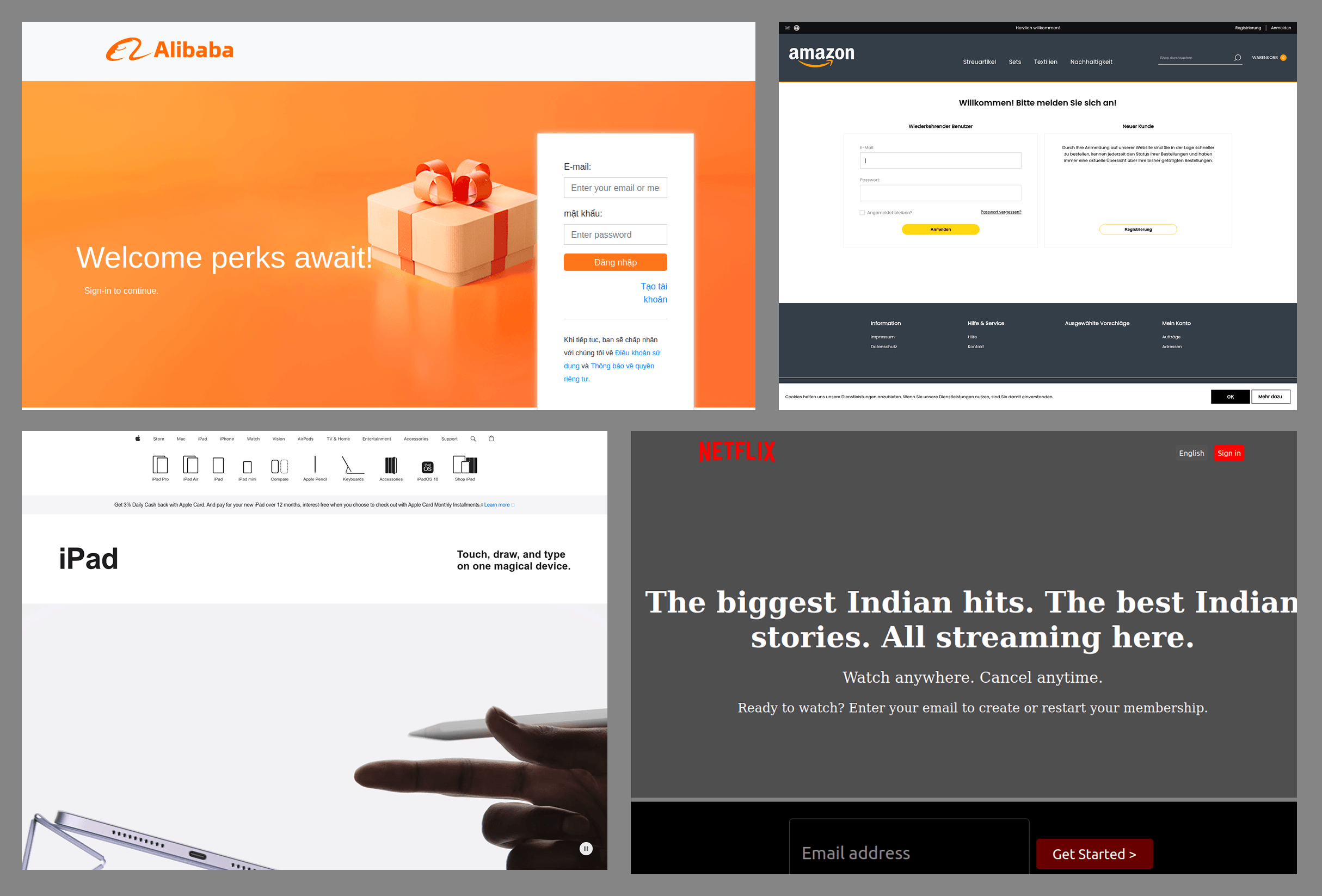
    Apple’s share of attacks dropped nearly 3 p.p. from last year’s figure to 15.68%, while Netflix scams grew slightly to 15.99%. Meanwhile, fraudsters’ interest in Alibaba increased, its share going up from 3.17% in 2023 to 7.95% in 2024.

    Examples of phishing sites that mimic Amazon, Netflix, Apple and Alibaba

    Last year, Louis Vuitton accounted for a whopping 5.52% of all attacks. However, the luxury brand completely slipped out of the top ten in 2024, along with Italian eyewear company Luxottica. Instead, sportswear giant Adidas and Russian e-commerce platform Ozon entered the list with 1.39% and 2.75% respectively. eBay (4.35%), Shopify (3.82%), Spotify (2.84%) and Mercado Libre (1.86%) all stayed in the top ten, with marginal differences from the previous year.

    TOP 10 online shopping brands mimicked by phishing and scam pages, 2024 (download)

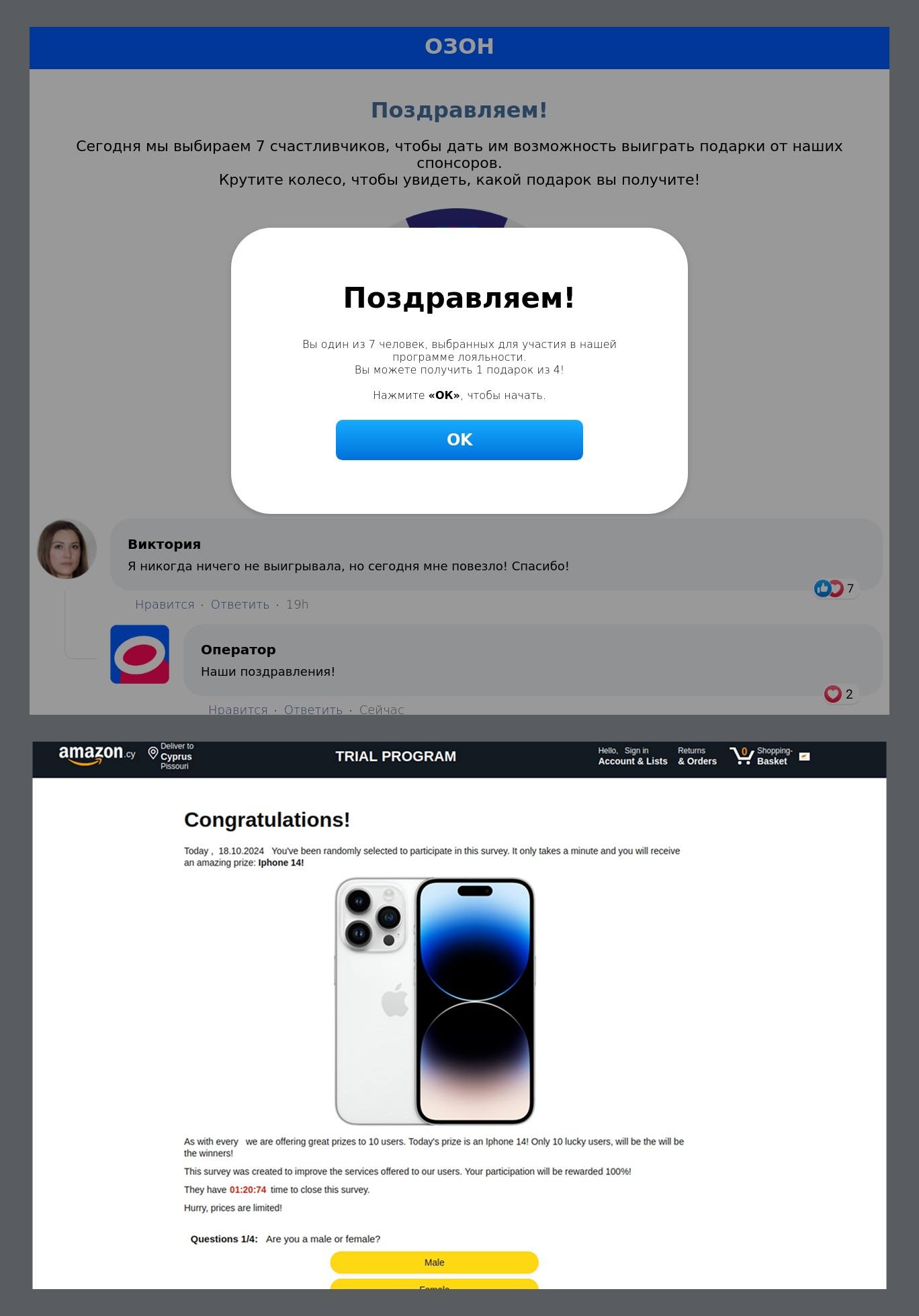
    When looking at fake website content, free prizes and offers that were a little too good to be true once again proved a popular tactic used by scammers. However tempting they may be, most likely, the victim will be the one who pays. Often scammers require “commissions” to get the prize or ask user to pay for delivery. After receiving the money, they disappear.

    Examples of scam pages offering free prizes

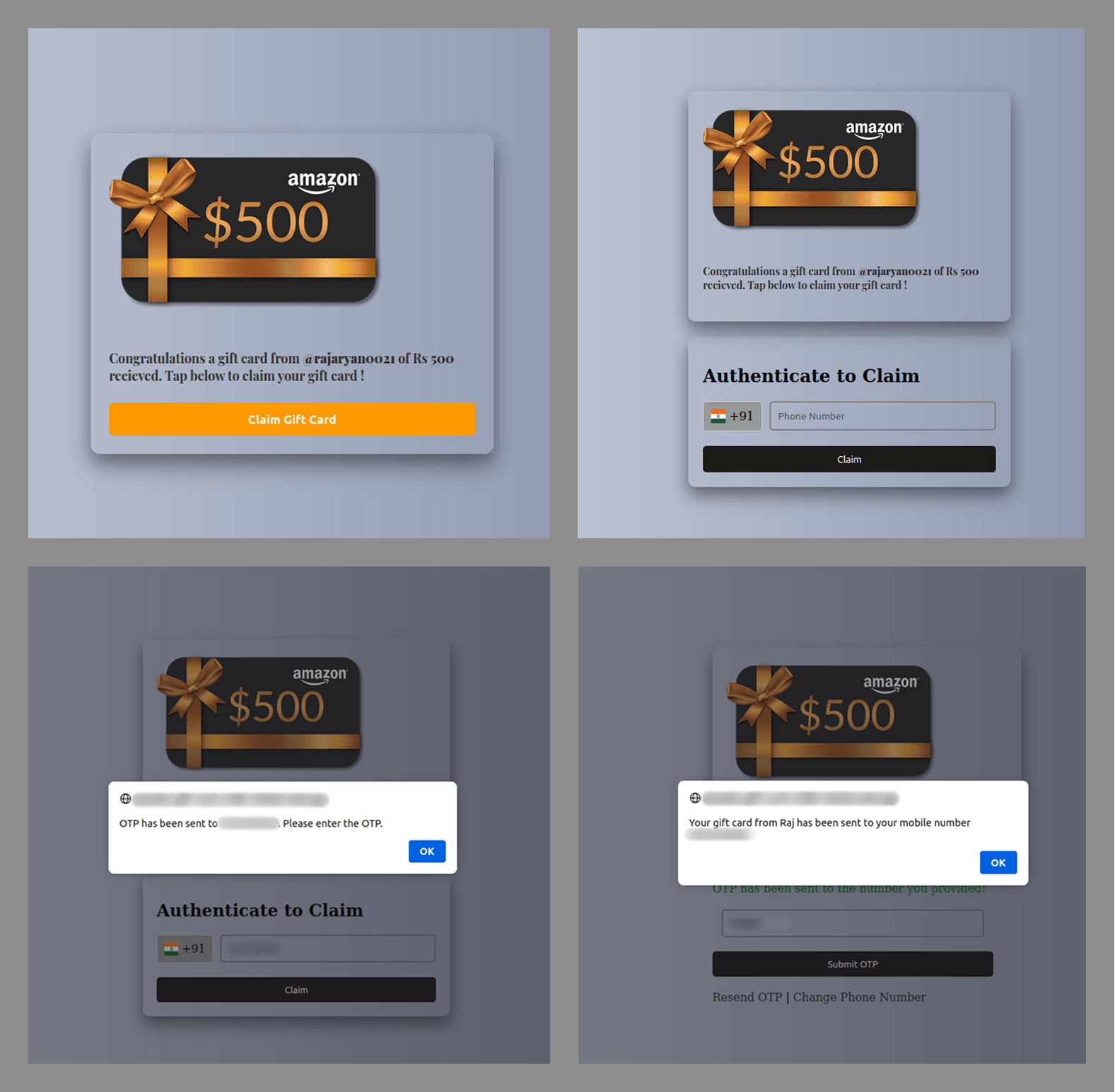
    In other cases, precious gifts are used by phishers to trick the user into giving out their credentials. The scheme below offers the victim an Amazon gift card to obtain which they should enter an OTP code on a phishing website. Although such codes are temporary, the scammers may use them to log in to victim’s account or perform a fraudulent transaction as soon as it is entered into the fake form.

    A phishing scheme aimed at getting OTP codes

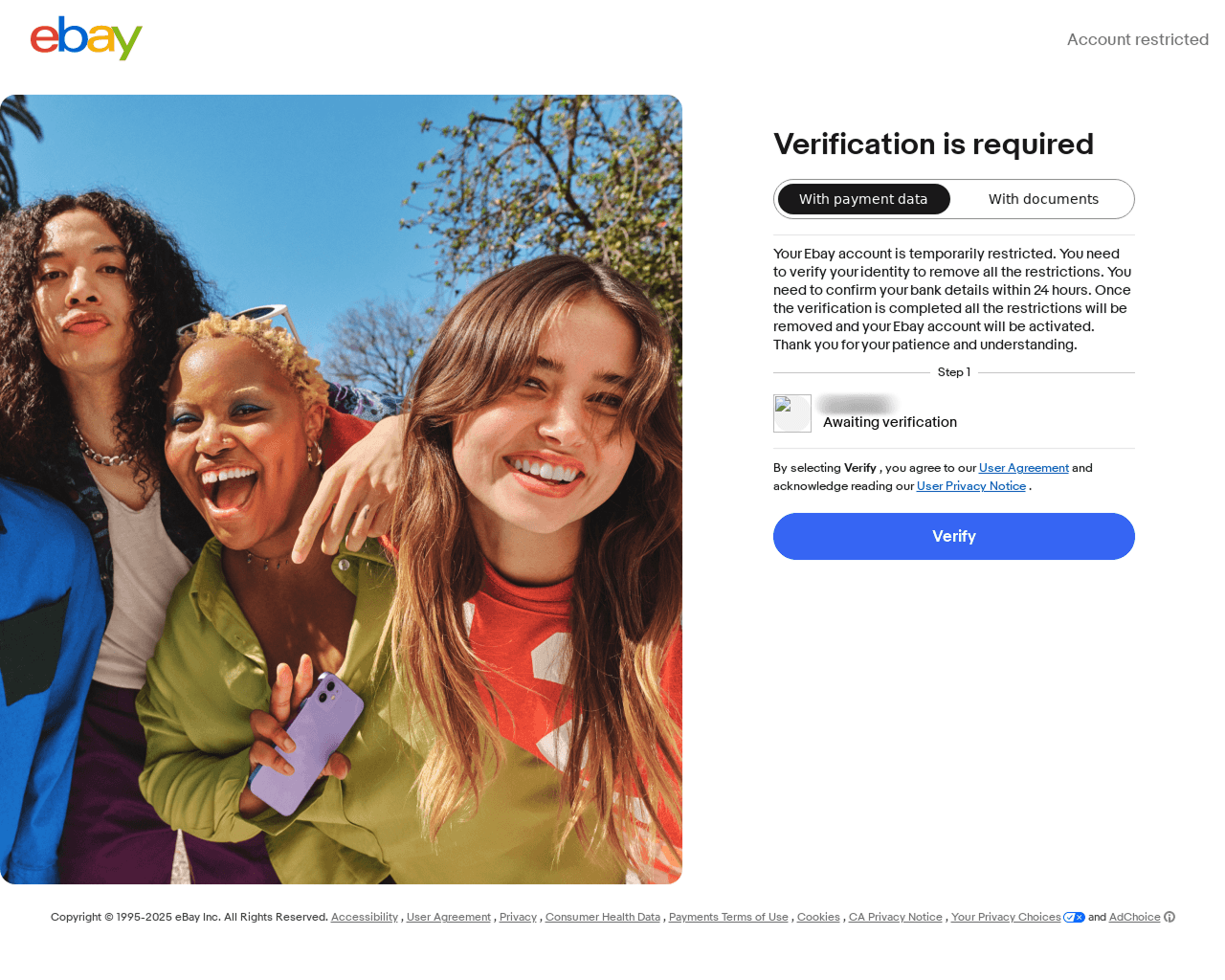
    Fraudsters often trick users into “verifying” their accounts by sending fake security alerts or urgent messages claiming suspicious activity. Victims are directed to a counterfeit page resembling platforms like eBay, where entering data (for example, credentials, payment data or documents) hands them over to scammers.

    An example of a phishing site that mimics eBay

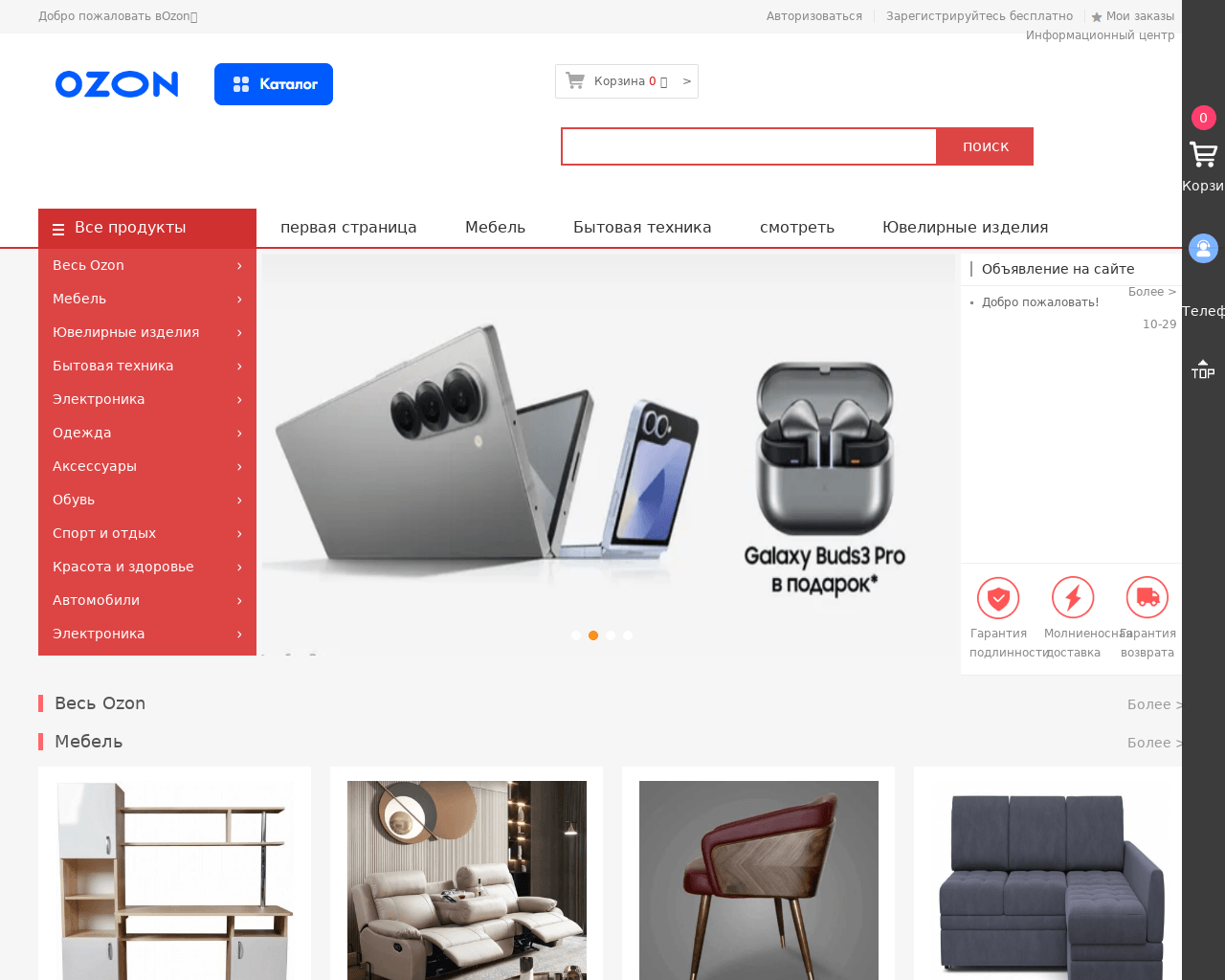
    Another common tactic involves creating fake storefronts or seller profiles on marketplaces, listing numerous products at seemingly irresistible prices. Shoppers drawn in by the deals unknowingly provide payment details, only to receive nothing in return.

    An example of a scam site that mimics an online marketplace

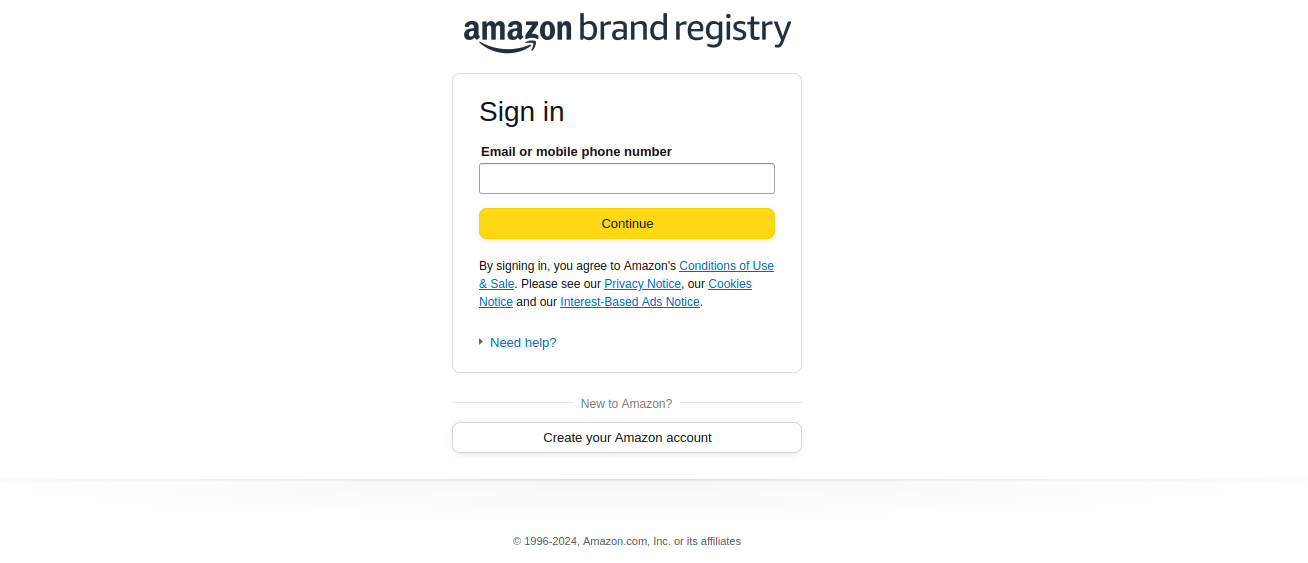
    While many pages mimicking online stores target shoppers, there are others that are designed to collect business account credentials. For example, below you can see a phishing page targeting users registered on the Amazon Brand Registry platform, which provides businesses with a range of brand-building and intellectual property protection tools.

    An example of a phishing page targeting Amazon brand accounts

    Payment system phishing

    Payment systems were mimicked in 19.27% of financial phishing attacks detected and blocked by Kaspersky products in 2024 – almost the same percentage as in 2023. Once again, PayPal was the most targeted, but its share of attacks fell from 54.73% to 37.53%. Attacks targeting Mastercard went in the opposite direction, nearly doubling from 16.58% in 2023 to 30.54%. American Express, Qiwi and Cielo are all new entrants into the top five, replacing Visa, Interac and PayPay.

    TOP 5 payment systems mimicked by phishing and scam pages, 2024 (download)

    Cryptocurrency scams

    In 2024, the number of phishing and scam attacks relating to cryptocurrencies continued to grow. Kaspersky anti-phishing technologies prevented 10,706,340 attempts to follow a cryptocurrency-themed phishing link, which was approximately 83.37% higher than the 2023 figure of 5,838,499 (which itself was 16% bigger than the previous year’s). As cryptocurrencies continue to grow, this number is only ever going to get larger.

    Financial PC malware

    In 2024, the decline in users affected by financial PC malware continued. On the one hand, people continue to rely on mobile devices to manage their finances. On the other hand, some of the most prominent malware families that were initially designed as bankers had not used this functionality for years, so we excluded them from these statistics. As a result, the number of affected users dropped significantly from 312,453 in 2023 to 199,204 in 2024.

    Changes in the number of unique users attacked by banking malware in 2024 (download)

    Key financial malware actors

    The notable strains of banking Trojans in 2024 included ClipBanker (62.9%), Grandoreiro (17.1%), CliptoShuffler (9.5%) and BitStealer (1.3%). Most of these Trojans specifically target crypto assets. However, Grandoreiro is a full-fledged banking Trojan that targeted 1700 banks and 276 crypto wallets in 45 countries and territories around the globe in 2024.

    Name %*
    ClipBanker 62.9
    Grandoreiro 17.1
    CliptoShuffler 9.5
    BitStealer 1.3

    * Unique users who encountered this malware family as a percentage of all users attacked by financial malware

    Geography of PC banking malware attacks

    To highlight the countries where financial malware was most prevalent in 2024, we calculated the share of users who encountered banking Trojans in the total number attacked by any type of malware in the country. The following statistics indicate where users are most likely to encounter financial malware.

    As in 2023, the highest share of banking Trojans was registered in Afghanistan, where it rose from 6% to 9% in 2024. Turkmenistan was next (as in 2023), where the figure rose from 5.2% to 8.8%, and Tajikistan was in third place (again), where the figure rose from 3.7% to 6.2%.

    TOP 20 countries by share of attacked users

    Country* %**
    Afghanistan 9.2
    Turkmenistan 8.8
    Tajikistan 6.2
    Syria 2.9
    Yemen 2.6
    Kazakhstan 2.5
    Switzerland 2.3
    Kyrgyzstan 2.2
    Uzbekistan 2.1
    Mexico 1.6
    Angola 1.5
    Mauritania 1.5
    Nicaragua 1.5
    Guatemala 1.3
    Argentina 1.1
    Paraguay 1.1
    Burundi 1.1
    Bolivia 1
    Uruguay 1
    Belarus 0.9

    * Excluded are countries and territories with relatively few (under 10,000) Kaspersky users.
    ** Unique users whose computers were targeted by financial malware as a percentage of all Kaspersky users who encountered malware in the country.

    Types of attacked users

    Attacks on consumers accounted for 73.69% of all financial malware attacks in 2024, up from 61.2% in 2023.

    Financial malware attack distribution by type (corporate vs consumer), 2022–2023 (download)

    Mobile banking malware

    The statistics for 2023 provided in this section were retrospectively revised and may not coincide with the data from the previous year’s report.

    In 2024, the number of users who encountered mobile banking Trojans grew 3.6 times compared to 2023: from 69,200 to 247,949. As can be seen in the graph below, the malicious activity increased dramatically in the second half of the year.

    Number of Android users attacked by banking malware by month, 2022–2023 (download)

    The most active Trojan-Banker family in 2024 was Mamont (36.70%). This malware first appeared at the end of 2023 and is distributed mostly in Russia and the CIS. Its distribution schemes are ranging from ages-old “Is that you in the picture?” scams to complex social engineering plots with fake stores and delivery tracking apps.

    Verdict %* 2023 %* 2024 Difference in p.p. Change in ranking
    Trojan-Banker.AndroidOS.Mamont.bc 0.00 36.70 +36.70
    Trojan-Banker.AndroidOS.Agent.rj 0.00 11.14 +11.14
    Trojan-Banker.AndroidOS.Mamont.da 0.00 4.36 +4.36
    Trojan-Banker.AndroidOS.Coper.a 0.51 3.58 +3.07 +30
    Trojan-Banker.AndroidOS.UdangaSteal.b 0.00 3.17 +3.17
    Trojan-Banker.AndroidOS.Agent.eq 21.79 3.10 -18.69 -4
    Trojan-Banker.AndroidOS.Mamont.cb 0.00 3.05 +3.05
    Trojan-Banker.AndroidOS.Bian.h 23.13 3.02 -20.11 -7
    Trojan-Banker.AndroidOS.Faketoken.z 0.68 2.96 +2.29 +18
    Trojan-Banker.AndroidOS.Coper.c 0.00 2.84 +2.84

    * Share of unique users who encountered this malware as a percentage of all users of Kaspersky mobile security solutions who encountered banking threats

    The Bian.h variant (3.02%) that prevailed in 2023 dropped to eighth place, losing over 20 p.p., and several more new samples entered the ranking: Agent.rj (11.14%) at the second place, UdangaSteal.b (3.17%) and Coper.c (2.84%).

    Geography of the attacked mobile users

    Same as 2023, Turkey was the number one country targeted by mobile banking malware. The share of users encountering financial threats there grew by 2.7 p.p., reaching 5.68%. Malicious activity also increased in Indonesia (2.71%), India (2.42%), Azerbaijan (0.88%), Uzbekistan (0.63%) and Malaysia (0.29%). In Spain (0.73%), Saudi Arabia (0.63%), South Korea (0.30%) and Italy (0.24%), it decreased.

    Country* %**
    Turkey 5.68
    Indonesia 2.71
    India 2.42
    Azerbaijan 0.88
    Spain 0.73
    Saudi Arabia 0.63
    Uzbekistan 0.63
    South Korea 0.30
    Malaysia 0.29
    Italy 0.24

    * Countries and territories with relatively few (under 25,000) Kaspersky mobile security users have been excluded from the rankings.
    ** Unique users attacked by mobile banking Trojans as a percentage of all Kaspersky mobile security users in the country.

    Conclusion

    In 2024, financial cyberthreats continued to evolve, with cybercriminals deploying phishing, malware and social engineering techniques to exploit individuals and businesses alike. The rise in cryptocurrency-related scams and mobile financial malware highlights the need for continuous vigilance and proactive cybersecurity measures, including multi-factor authentication, user awareness training and advanced threat detection solutions. As the digital finance landscape expands, staying ahead of emerging threats remains critical.

    To protect your devices and finance-related accounts:

    • Use multifactor authentication, strong unique passwords and other secure authentication tools.
    • Do not follow links in suspicious messages, and double-check web pages before entering your secrets, be it credentials or banking card details.
    • Download apps only form trusted sources, such as official app marketplaces.
    • Use reliable security solutions capable of detecting and stopping both malware and phishing attacks.

    To protect your business:

    • Update your software in a timely manner. Pay particular attention to security patches.
    • Improve your employees’ security awareness on a regular basis, and encourage safe practices, such as proper account protection.
    • Implement robust monitoring and endpoint security.
    • Implement strict security policies for users with access to financial assets, such as default deny policies and network segmentation.
    • Use threat intelligence services from trusted sources to stay aware of the latest threats and cybercrime trends.

    MIL OSI Economics –

    March 25, 2025
  • MIL-OSI: 15/2025・Trifork Group: Reporting of transactions made by persons discharging managerial responsibilities

    Source: GlobeNewswire (MIL-OSI)

    Company announcement no. 15 / 2025
    Schindellegi, Switzerland – 25 March 2025


    Reporting of transactions made by persons discharging managerial responsibilities

    Pursuant to the Market Abuse Regulation Article 19, Trifork Group AG (Swiss company registration number CHE-474.101.854) (“Trifork”) hereby notifies receipt of information of the following transactions made by persons discharging managerial responsibilities in Trifork in connection with fixed salaries paid in shares. Reference is made to company announcement no. 1/2025 on 21 January 2025.

    1. Details of the person discharging managerial responsibilities/person closely associated
    a) Name Jørn Larsen
    2. Reason for the notification
    a) Position/status CEO
    b) Initial notification/
    Amendment
    Initial notification
    3. Details of the issuer, emission allowance market participant, auction platform, auctioneer or auction monitor
    a) Name Trifork Group AG
    b) LEI 8945004BYZKXPESTBL36
    4.1 Details of the transaction(s)
    a) Description of the financial instrument, type of instrument

    Identification code

    Shares

    ISIN CH1111227810

    b) Nature of the transaction A share of 25% of the fixed monthly salary is paid out in shares as described in the company announcement no. 1/2025.
    c) Price(s) and volume(s) Price(s) Volume(s)
    DKK 0 1’068
    d) Aggregated information
    —
    Aggregated volume —
    Price
    N/A
    e) Date of the transaction 25 March 2025
    f) Place of the transaction Outside a trading venue
    1. Details of the person discharging managerial responsibilities/person closely associated
    a) Name Kristian Wulf-Andersen
    2. Reason for the notification
    a) Position/status CFO
    b) Initial notification/
    Amendment
    Initial notification
    3. Details of the issuer, emission allowance market participant, auction platform, auctioneer or auction monitor
    a) Name Trifork Group AG
    b) LEI 8945004BYZKXPESTBL36
    4.1 Details of the transaction(s)
    a) Description of the financial instrument, type of instrument

    Identification code

    Shares

    ISIN CH1111227810

    b) Nature of the transaction A share of 10% of the fixed monthly salary is paid out in shares as described in the company announcement no. 1/2025.
    c) Price(s) and volume(s) Price(s) Volume(s)
    DKK 0 284
    d) Aggregated information
    —
    Aggregated volume —
    Price
    N/A
    e) Date of the transaction 25 March 2025
    f) Place of the transaction Outside a trading venue


    Information and questions

    Frederik Svanholm, Group Investment Director, frsv@trifork.com, +41 79 357 73 17


    About Trifork

    Trifork is a pioneering global technology partner, empowering enterprise and public sector customers with innovative solutions. With 1,229 professionals across 73 business units in 16 countries, Trifork delivers expertise in inspiring, building, and running advanced software solutions across diverse sectors, including public administration, healthcare, manufacturing, logistics, energy, financial services, retail, and real estate. Trifork Labs, the Group’s R&D hub, drives innovation by investing in and developing synergistic and high-potential technology companies. Trifork Group AG is a publicly listed company on Nasdaq Copenhagen. Learn more at trifork.com.

    Attachment

    • CA_15_PDMR Share allocation

    The MIL Network –

    March 25, 2025
  • MIL-OSI Submissions: Global Bodies – 60% of women MPs from Asia-Pacific report online gender-based violence – IPU

    Source: Inter-Parliamentary Union (IPU)

    Geneva, Switzerland – A major new study by the Inter-Parliamentary Union (IPU), in partnership with the Commonwealth Parliamentary Association (CPA) and the ASEAN Inter-Parliamentary Assembly (AIPA), has exposed the pervasive nature of sexism, harassment and violence against women in parliaments across the Asia-Pacific region.

    The report, Sexism, harassment and violence against women in parliaments in the Asia-Pacific region, is based on confidential interviews with 150 women parliamentarians and parliamentary staff from 33 countries.

    The study highlights the alarming increase in online gender-based violence compared to the rates reported in previous IPU studies.

    60% of women parliamentarians surveyed for the current study have been targeted by hate speech, disinformation, image-based abuse, or unwanted disclosure of personal data (doxing) online. This is the highest rate for this type of abuse compared to other IPU regional studies.


    The study also reveals the following findings:

    76% of women parliamentarians and 63% of parliamentary staff have experienced psychological violence.
    Sexual violence is also prevalent, with 25% of women parliamentarians and 36% of parliamentary staff reporting such incidents.
    Economic violence or damage to women’s belongings has affected 24% of women parliamentarians and 27% of parliamentary staff, while physical violence was reported by 13% and 5% respectively.


    Some women more at risk than others

    According to the study, certain groups – women under 40, women from minority backgrounds and unmarried women – face disproportionately higher rates of violence.

    Opposition women MPs also report higher rates of psychological and sexual violence.


    Parliament is the primary site of harassment

    More than half the incidents of sexual harassment against women MPs took place on parliamentary premises and were committed by male parliamentarians.

    However, for the women MPs in the study, 85% of cases of online attacks, 59% of threats and 45% of psychological harassment come from the public.


    Positive steps forward

    Several parliaments in the region have begun taking steps to prevent and respond to such actions, including introducing confidential reporting mechanisms and support services. This is the case, for example, in Australia, Fiji, India, Maldives, Philippines, Republic of Korea, New Zealand, Sri Lanka and Thailand.


    Regional comparison reveals similar rates of violence across the world

    This new study follows previous IPU reports, starting in 2016 with a global study, followed by a 2018 report on European parliaments and a 2021 report on African parliaments.


    Prevalence of violence among women MPs in the three regional surveys:


    Asia-Pacific (2025)

    Africa (2021)

    Europe (2018)

    Psychological violence

    76%

    80%

    85%

    Sexual violence

    25%

    39%

    25%

    Physical violence

    13%

    23%

    15%

    Economic violence

    24%

    29%

    14%


    Quotes

    Martin Chungong, IPU Secretary General said: “Violence and sexism against women in politics is a direct assault on democracy itself. The courageous women who have come forward to denounce abuse deserve our unwavering support. Parliaments must be sanctuaries for healthy debate and law-making. We have the tools to support them. It is our responsibility to foster a political climate where women can thrive without the shadow of violence.”

    Stephen Twigg, CPA Secretary-General said: “Sexism, violence and harassment against women in politics have a negative impact on the lives of women Parliamentarians, parliamentary staff, their families and communities. Parliaments have a duty to show leadership and set an exemplary standard for society. We are determined to work together to empower Parliaments by providing relevant resources to ensure a zero-tolerance approach to all forms of gender-based violence.”

     Siti Rozaimeriyanty Dato Haji Abdul Rahman, AIPA Secretary General said: “Violence against women in politics remains a significant barrier to their full and meaningful participation, affecting the inclusivity of governance. Addressing these challenges requires proactive measures from political institutions to foster a safe and supportive environment where women can engage without fear or constraint. Creating an enabling and secure space for women in politics is not just about fairness—it requires a shared commitment, not only within parliaments but also across political institutions, to build more inclusive and forward-looking governance that benefits society as a whole.”

    About the IPU

    The IPU is the global organization of national parliaments. It was founded in 1889 as the first multilateral political organization in the world, encouraging cooperation and dialogue between all nations. Today, the IPU comprises 181 national Member Parliaments and 15 regional parliamentary bodies. It promotes peace, democracy and sustainable development. It helps parliaments become stronger, younger, greener, more innovative and gender-balanced. It also defends the human rights of parliamentarians through a dedicated committee made up of MPs from around the world.

    About the CPA

    The Commonwealth Parliamentary Association (CPA) is an international community of 180 Parliaments at national, state, provincial and territorial level working together to deepen the Commonwealth’s commitment to the highest standards of democratic governance. The Commonwealth Women Parliamentarians (CWP) network within the CPA represents over 6,000 Women Parliamentarians and campaigns to increase the number of women elected representatives in Legislatures and helps Parliaments to become gender-sensitive institutions.

    For more information about the CPA and CWP please visit www.cpahq.org

    About the AIPA

    The ASEAN Inter-Parliamentary Assembly (AIPA) is the sole parliamentary organisation associated to the Association of the Southeast Asia Nations (ASEAN). AIPA currently consists of 10 Member Parliaments from ASEAN Member States and 25 Observer Parliaments from national and supranational parliament around the globe. Established in 1977, AIPA aims to promote inter-parliamentary cooperation among ASEAN Member States, other parliaments and parliamentary organisations and to facilitate the achievement of the goals of ASEAN.

    MIL OSI – Submitted News –

    March 25, 2025
  • MIL-OSI USA News: More Investment, More Jobs, and More Money in Americans’ Pockets

    Source: The White House

    More Investment, More Jobs, and More Money in Americans’ Pockets

    Today, Hyundai announced a $20 billion investment in the United States — including $5.8 billion for a new steel plant in Louisiana, which will create nearly 1,500 jobs. The investment, which builds on Hyundai’s pledge earlier this year to “further localize production in the U.S.,” is the latest success in President Donald J. Trump’s pursuit of a Made in America renaissance.

    It’s further proof that President Trump’s economic agenda is working.

    Hyundai is far from the only automaker planning major investments as President Trump leverages tariffs to remake the U.S. into a global manufacturing powerhouse:

    • Stellantis announced a $5 billion investment in its U.S. manufacturing network — including re-opening an Illinois manufacturing plant — as it pledges to increase domestic vehicle production.
    • Volkswagen is considering shifting production of the high-end Audi and Porsche brands to the U.S.
    • Honda is expected to produce its next-generation Civic hybrid model in Indiana.
    • Nissan is considering moving production from Mexico to the U.S.
    • Rolls-Royce is expected to “ramp up” production in the U.S. by hiring more American workers and expand its U.S.-based operations.
    • Volvo is considering expanding its U.S.-based output.

    It’s not just the auto sector; domestic and foreign companies have pledged trillions in new investments since President Trump took office:

    • Project Stargate, led by Japan-based Softbank and U.S.-based OpenAI and Oracle, announced a $500 billion private investment in U.S.-based artificial intelligence infrastructure.
    • Apple announced a $500 billion investment in U.S. manufacturing and training.
    • Nvidia announced it will invest hundreds of billions of dollars over the next four years in U.S.-based manufacturing.
    • Taiwan Semiconductor Manufacturing Company (TSMC) announced a $100 billion investment in U.S.-based chips manufacturing.
    • Eli Lilly and Company announced a $27 billion investment in domestic manufacturing.
    • United Arab Emirates-based DAMAC Properties announced a $20 billion investment in new U.S.-based data centers.
    • France-based CMA CGM, a global shipping giant, announced a $20 billion investment in U.S. shipping and logistics, creating 10,000 new jobs.
    • Merck announced it will invest $8 billion in the U.S. over the next several years after opening a new $1 billion North Carolina manufacturing facility.
    • Clarios announced a $6 billion plan to expand its domestic manufacturing operations.
    • GE Aerospace announced a $1 billion investment in manufacturing across 16 states — creating 5,000 new jobs.
    • GE Vernova announced it will invest nearly $600 million in U.S. manufacturing over the next two years, which will create more than 1,500 new jobs.
    • London-based Diageo announced a $415 million investment in a new Alabama manufacturing facility.
    • Dublin-based Eaton Corporation announced a $340 million investment in a new South Carolina-based manufacturing facility for its three-phase transformers.
    • Germany-based Siemens announced a $285 million investment in U.S. manufacturing and AI data centers, which will create more than 900 new skilled manufacturing jobs.
    • Paris Baguette announced a $160 million investment to construct a manufacturing plant in Texas.
    • Switzerland-based ABB announced a $120 million investment to expand production of its low-voltage electrification products in Tennessee and Mississippi.
    • Saica Group, a Spain-based corrugated packaging maker, announced plans to build a $110 million new manufacturing facility in Anderson, Indiana.
    • Paris-based Saint-Gobain announced a new $40 million NorPro manufacturing facility in Wheatfield, New York.
    • India-based Sygene International announced a $36.5 million acquisition of a Baltimore biologics manufacturing facility.
    • Asahi Group Holdings, one of the largest Japanese beverage makers, announced a $35 million investment to boost production at its Wisconsin plant.
    • Samsung is considering moving its dryer production from Mexico to South Carolina.
    • LG is considering moving its refrigerator manufacturing from Mexico to Tennessee.
    • Italian spirits group Campari is “assessing the opportunities to expand its production in the U.S.”
    • Essity, a Swedish hygiene product manufacturer, is considering shifting production to the U.S.
    • Taiwan-based Compal Electronics is considering a U.S.-based expansion.
    • Taiwan-based Inventec is expected to expand its manufacturing operations into Texas.
    • LVMH, a French luxury giant, is “seriously considering” an expansion to its U.S.-based production capabilities.
    • Cra-Z-Art, the biggest toymaker in the U.S., said it will move a “large percentage” of its China-based manufacturing back home.
    • Prepac, a Canadian furniture manufacturer, announced it will move production from Canada to the U.S.

    MIL OSI USA News –

    March 25, 2025
  • MIL-OSI Banking: Members continue TRIPS implementation review discussion, address IP notification obligations

    Source: WTO

    Headline: Members continue TRIPS implementation review discussion, address IP notification obligations

    Under Article 71.1 of the TRIPS Agreement, the TRIPS Council is required to conduct a review of the implementation of the Agreement after two years and at periodic intervals thereafter. However, the initial review in 1999 was never completed and no other review has subsequently been initiated.
    The Chair recalled that over the past year members had spent significant time and energy on considering how to finally launch the review. They ultimately converged on a “Proposed Process for the First Review of the Implementation of the TRIPS Agreement under Article 71.1” that was circulated as document JOB/IP/79/Rev.3 on 22 November 2024.
    However, the Chair noted, despite intensive and constructive engagement by members, who have never been closer to consensus on this particular issue, that document could not be adopted. Reporting on the group consultations she held with members on 7 March to hear ideas on how to approach work on this issue in the future, she indicated that members’ concerns that had prevented the adoption of the draft document in December remained prevalent.
    A number of delegations expressed their willingness to continue discussions on this issue. Therefore, the Chair left the door open to hold another round of consultations in the coming weeks, provided that delegations remain willing to engage constructively and find an agreed solution.
    Notifications
    The WTO Secretariat provided an update on notifications under various provisions of the TRIPS Agreement received by the Council since its last meeting in November 2024. The Secretariat also submitted the “Annual report on notifications and other information flows”.
    The report indicates that although participation in WTO notifications has increased, many members are not fulfilling their ongoing notification obligations, which impacts the Council’s monitoring function. Despite considerable legislative changes in IP over the past 15 years, 21 per cent of developed and 37 per cent of developing members have not notified the Council of any new or amended laws since 2009. Furthermore, 63 per cent of IP enforcement contact points and 75 per cent of technical and financial cooperation contact points have not been updated in over a decade.
    In 2024, members submitted 125 notifications, including 116 new or updated domestic laws or regulations pertaining to the TRIPS Agreement, as required under Article 63.2. The rate of participation remained steady, with 26 members submitting at least one notification.
    Reports on technology transfer to LDCs and on technical and financial cooperation were similar to those in 2023, with 16 developed members submitting reports. However, no notifications were received in 2024 for the special compulsory licensing system or updates on biotechnology or geographical indications.
    The report also notes that the e-TRIPS information system, designed to improve transparency and provide simple online submission processes, has seen steady usage since its 2019 launch. By 2024, 93 per cent of members were using the platform and 96 per cent of total submissions were made through the platform.
    Delegations notifying new or revised legislation took the floor to inform the Council of the main elements presented in their documents. This practice has become an established tradition, with many delegations following it at recent sessions of the Council. It has proven to be very useful in improving understanding of the notifications, raising awareness and promoting transparency.
    Technology transfer
    The TRIPS Council meeting was attended by the participants of the annual WTO workshop on incentives for technology transfer to least-developed countries (LDCs) under the TRIPS Agreement. This was opened by Deputy Director-General Johanna Hill on 17 March. The workshop brought together 30 participants from LDCs, experts from eight developed members, specialists from the public and private sectors and intergovernmental organizations.
    Technology transfer is deeply embedded in the TRIPS Agreement and is explicitly mentioned in its objectives in Article 7. Since 2003, when WTO members agreed on the transparency mechanism for technology transfer under Article 66.2, developed country members have submitted over 400 reports detailing their actions and commitments. To date, the TRIPS Council has conducted 21 reviews of these reports, generating valuable insights into effective strategies and best practices.
    A follow-up to the annual review of reports from nine developed members on their technology transfer commitments and related programmes took place at the TRIPS Council. See here.
    Several LDC members thanked the Secretariat for organizing the workshop and developed countries for their detailed reports. They underscored the importance of informal dialogue between LDC members and developed country members. This is particularly important when it comes to tailoring technology transfer programmes to LDCs’ priority needs and learning from developed members’ experience, they added.
    On a separate ad hoc agenda item, members addressed a communication on “IP and innovation: Technology transfer case studies” introduced by Australia, Canada, the European Union, Israel, Japan, the Republic of Korea, New Zealand, Singapore, Switzerland, Chinese Taipei, the United Kingdom and the United States. The objective was to facilitate discussions at the TRIPS Council, using concrete case studies that show real-world technology transfer in action across industries such as agriculture, sustainability and manufacturing.
    Many projects were showcased to underline how technology transfer can support innovation and economic growth. These included a Japanese-Tanzanian partnership producing insecticide-treated nets and technical know-how provided to Sri Lankan companies in the manufacturing and textile industries. The World Intellectual Property Organization (WIPO) presented WIPO GREEN, an online platform connecting providers and seekers of eco-friendly technologies to combat climate change.
    Non-violation and situation complaints (NVSCs)
    The Chair reported on the consultations she held in early March with the most active members and Group coordinators on this issue, where delegations largely repeated their known positions. One member suggested that the Secretariat organize a briefing session on this issue to provide an overview of the points and arguments raised in the past, she said.
    She underlined that none of the various suggestions made by her predecessors in meetings and informal consultations as to how members could resume a substantive debate have been taken up by members, indicating that there is little desire to restart substantive discussions on this issue. Taking into account that the 14th Ministerial Conference (MC14) will take place in March 2026, she reminded members that the examination of the scope and modalities of these complaints is a ministerial mandate for this Council, which members should make a serious effort to fulfill.
    At the 13th Ministerial Conference (MC13), ministers adopted the Decision on TRIPS Non-Violation and Situation Complaints, tasking the TRIPS Council to continue its review of the scope and modalities for NVSCs and to make recommendations to MC14. It was also agreed that, in the meantime, members would not bring such complaints under the TRIPS Agreement.
    Non-violation and situation complaints (NVSCs) refer to whether and under what conditions members should be able to bring WTO dispute complaints where they consider that another member’s action, or a particular situation, has deprived them of an expected advantage under the TRIPS Agreement, even though no obligation under the Agreement has been violated.
    Members have historically differed on whether such non-violation cases are feasible in intellectual property. Some delegations consider NVSCs essential to maintaining the proper balance of rights and obligations within the TRIPS Agreement while helping to ensure that legitimate obligations are not circumvented or avoided. Others believe there is no place for the application of non-violation complaints in the area of intellectual property because of the legal insecurity and curtailment of flexibilities that could ensue and favour their complete ban in the TRIPS area.
    Pandemic response
    The Chair highlighted the WTO’s compilation document COVID-19: Measures Regarding Trade-Related Intellectual Property Rights, available on its website. This document, compiled by the Secretariat using official sources and verified by relevant members, provides a non-exhaustive overview of IP-related measures taken in response to the pandemic. She urged delegations to update the Secretariat with any new measures, modifications or expirations.
    Discussions continued on proposals under paragraph 24 of the Ministerial Declaration on the WTO Response to the COVID-19 Pandemic and Preparedness for Future Pandemics, reaffirmed in the Abu Dhabi Ministerial Declaration of March 2024. This provision mandates the Council to assess challenges and lessons from the pandemic, including through members’ proposals.
    Members also continued to review two submissions: one by the United Kingdom on Intellectual Property, Voluntary Licensing, and Technology Transfer, and another by Bangladesh, Colombia, Egypt and India on TRIPS for Development and Post-MC13 Work on TRIPS-Related Issues. The debate centered on pandemic preparedness and the WTO’s role in addressing IP concerns.
    Some delegations stressed the need for balancing IP rights with public health to secure access to medicines in future crises. Others highlighted the need for updated IP policies and voluntary licensing as key for effective technology transfer, calling for evidence-based discussions under this agenda item.
    Other issues
    Members discussed a second ad hoc agenda item under the heading of “IP and the public interest”, included at the request of Bangladesh, Brazil, Colombia, India and Pakistan. These delegations submitted a paper on this topic, entitled “Intellectual Property for Development Group – Side Activity: 30 Years of Developing Countries’ Expectations and Concerns about TRIPS”.
    Participating members presented a summary of a side event organized on 19 March by the informal group of countries known as “Intellectual Property (IP) for Development”. At this event, delegates and experts were invited to an initial discussion to reflect on the history of the TRIPS negotiations, 30 years after their conclusion. Proponents noted that a discussion on the evolution and impact of TRIPS will help to improve the available information, providing valuable insights and reflections for assessing the expectations of developing economies.
    The Chair said that there have been no new acceptances of the protocol amending the TRIPS Agreement since the last Council meeting. This means that, to date, the amended TRIPS Agreement applies to 141 members. Twenty-five members have yet to accept the Protocol.

    Share

    MIL OSI Global Banks –

    March 25, 2025
  • MIL-OSI Europe: REPORT on the nomination of Lucian Romașcanu as a Member of the Court of Auditors – A10-0039/2025

    Source: European Parliament


    ANNEX 1: CURRICULUM VITÆ OF LUCIAN ROMAȘCANU

    ABOUT ME

    Married, two children

    Politician with top parliamentary and governmental experience with a wealth of prior experience in the private sector.

    Solid experience in working with public and European funds in the public positions held, minister, senator or head of a higher administrative territorial unit.

    EDUCATION AND TRAINING

    [ 2000 – 2002 ] Executive MBA

    University Of Washington, Seattle / ASEBUSS Bucharest

    City: Bucharest | Country: Romania |

    [ 1986 – 1991 ] BSc

    Academy Of Economic Studies

    City: Bucharest | Country: Romania |

    WORK EXPERIENCE

    [ 28/10/2024 – Current ] President

    Buzău County Council

    City: Buzău | Country: Romania

    • uninominal elected position

    • administrative coordination of Buzău county, 404 000 inhabitants and 87  administrative territorial units

    • yearly budget – over EUR 100 million

    [ 21/12/2016 – 27/10/2024 ] Senator

    The Senate of Romania

    City: Bucharest | Country: Romania

    Various positions in the parliament of Romania:

    • Chair, Culture and Media Committee

    • President, Romanian parliament delegation to the Parliamentary Assembly of the Organization for Security and Co-operation in Europe (OSCE)

    • Leader, Social-Democratic Party senators

    [ 11/2021 – 06/2023 ] Minister Of Culture

    Government of Romania

    City: Bucharest | Country: Romania

    • yearly budget – over EUR 300 million


    [ 06/2017 – 01/2018 ] Minister Of Culture

    Government of Romania

    City: Bucharest | Country: Romania

    • yearly budget – over EUR 270 million

    [ 2015 – 2016 ] Management Advisor to the President of the Board

    Romanian National Television

    City: Bucharest | Country: Romania

    • 100 % state owned

    • 5 TV Channels

    • EUR 67 million yearly turnover

    • 2 450 employees

    [ 2012 – 2015 ] Managing Director

    Dogan Media International

    City: Bucharest | Country: Romania

    • Turkish capital

    • EUR 20 million yearly turnover

    • over 400 employees

    • 32 % y-o-y revenue growth

    [ 2009 – 2012 ] General Manager

    Cancan Media

    City: Bucharest | Country: Romania

    • EUR 8 million yearly turnover

    • 140 employees

    • 12% y-o-y revenue growth

    [ 2006 – 2009 ] Managing Director

    Ringier Romania

    City: Bucharest | Country: Romania

    • Swiss capital

    • EUR 30 million yearly turnover

    • 240 employees

    [ 2004 – 2006 ] Managing Director

    Best Print Services

    City: Bucharest | Country: Romania

    • EUR 10 million yearly turnover

    • 110 employees

    • financing negotiations, investment programme supervising

    • ERP design and implementation

    • 18 % y-o-y revenue growth

    [ 2002 – 2004 ] General Manager

    HL Display Romania

    City: Bucharest | Country: Romania

    • Swedish capital

    • start-up

    • EUR 1 million yearly turnover

    • 5 employees

    • Accountable for the Profit and Loss (P&L) statement

    • budgeting, revenue and cost control responsibility


    [ 1999 – 2002 ] Sales Director

    Ringier Romania

    City: Bucharest | Country: Romania

    • Swiss capital

    • sales team coordination (14 people)

    • crafting sales strategy, planning action, setting sales objectives

    • sales presentations delivered to media agencies, key clients; contract negotiation

    [ 1997 – 1999 ] Sales Director

    MediaPro Holding

    City: Bucharest | Country: Romania

    • organising and harmonising the sales structures of the different group companies

    • crafting sales strategy, planning action, setting sales objectives

    • sales presentations delivered to media agencies, key clients; negotiating sales budgets responsibility, in depth reorganisation of the sales structure of 16 different companies

    [ 1993 – 1997 ] Country Representative Amorim Irmaos

    City: Bucharest | Country: Romania

    • start-up

    • EUR 4 million yearly turnover

    • building the presence on the Romanian market, obtaining and maintaining the leader position (90 % market share)

    [ 1991 – 1993 ] Account manager

    Vinexport Trading Co.

    City: Bucharest | Country: Romania

    • coordinating exports to Dutch, Canadian and Israeli markets

    • taking part in negotiations, supervising deliveries, preparing export documents.

    MANAGEMENT AND LEADERSHIP SKILLS

    Team leader, good negotiator

    • good teams coordination

    • precise identification and delimitation of competences and hierarchies, multitasking with attention to detail

    • analytical but also action and results oriented

    • very good communication and presentation skills

    • strong negotiation skills with different typologies or cultures

    COMMUNICATION AND INTERPERSONAL SKILLS

    Excellent communicator, adaptable and perseverant

    • excellent interpersonal and communication skills within different environments, coordinating and motivating teams of various sizes

    • committed, self-starter, dynamic, perseverant, adaptable, rapidly assimilating new information from various fields

    LANGUAGE SKILLS

    Mother tongue(s): Romanian

    Other language(s):

    English

    LISTENING C2 READING C2 WRITING C2

    SPOKEN PRODUCTION C2 SPOKEN INTERACTION C2

    French

    LISTENING B2 READING B2 WRITING B1

    SPOKEN PRODUCTION B1 SPOKEN INTERACTION B1

    Levels: A1 and A2: Basic user; B1 and B2: Independent user; C1 and C2: Proficient user

    DIGITAL SKILLS

    My Digital Skills

    Excellent command of Microsoft Office (Word, Excel, Outlook) | Proficiency of using computer and internet | Enterprise-Resource-Planning-Software (ERP) | Implement change management: from organisational changes to CRMs launch

    DRIVING LICENCE

    Motorbikes:  A

    Cars:  B

    HOBBIES AND INTERESTS

    Avid reader, passionate about sports and music

    ANNEX 2: ANSWERS BY LUCIAN ROMAȘCANU TO THE QUESTIONNAIRE

    Questionnaire for Candidates for Membership of the Court of Auditors

    Professional experience

    1. Please list your professional experience in public finance be it in budgetary planning, budget implementation or management or budget control or auditing.

     A:

    • As manager in the private sector

    i. I proposed, negotiated, approved and controlled budgets of EUR tens of millions in the different companies I managed.


    • As Senator in the Romanian Parliament:

    i. I discussed, amended and approved eight of the Romanian yearly budgets with all the activities involved in this laborious process.

    ii. I received, analysed, and was involved in amending, approving or rejecting the budgets of the institutions that operate directly under the supervision of the Senate of Romania – Romanian National Television, Romanian National Radio, the Romanian Cultural Institute, the Audio Visual Council, among others.

    iii. I was involved in top level decisions during major crises, including the pandemic and the energy crisis, where the budgetary impact and control over decisions was a key priority.


    • As Minister of Culture

    i. I analysed past years’ budgets and drew conclusions on the performance of the previous budgets and implemented corrective measures where necessary.

    ii. I drew up the yearly budgets, negotiated them with the Ministry of Finance and presented them in front of the Romanian parliament – the yearly budget of the Ministry of Culture is about EUR 300 million.

    iii. I oversaw the execution of the yearly budgets both in terms of performance and legality.

    iv. I worked closely with the Romanian Court of Accounts in all aspects related to their activities concerning my ministry.


    • As President of Buzau County

    i. I analysed the previous years’ budgets to allow me to draw conclusions on the County’s financial performance and subsequently prepared budgetary corrections for the next period.

    ii. I drew up the 2025 budget and supervised its approval by the County counsellors – the yearly budget is about EUR 110 million.

    2. What have been your most significant achievements in your professional career?

     A: Considering the scope of this questionnaire, I would list some of the achievements related to the financial and budgetary fields:

    i. In my first mandate as Minister, I was able to increase the budget of the Ministry of Culture by 47 % and oversaw an execution rate of more than 98 % without any adverse opinion from the Romanian Court of Accounts.

    ii. As the leader of the group of the Social Democratic Party senators I was a key actor in the negotiation and successful vote of the Romania’s annual budgets in due time.

    iii. As member of the Parliament during the COVID-19 crisis I was able, together with my colleagues, to ensure – through the necessary Parliamentary decisions – all the resources that the state needed to fight the pandemic and follow-up the way the resources were allocated and spent.

    3. What has been your professional experience of international multicultural and multilinguistic organisations or institutions based outside your home country?

     A:

    i. In the private sector I worked on top executive positions for multinational companies, where I exposed to different cultures within the organisations I worked for.

    ii. As a member of the Romanian parliament and a committee chair, I was constantly involved in activities of parliamentary diplomacy with representatives of different countries and cultures. As the President of the Romanian Parliament delegation to the Organization for Security and Co-operation in Europe (OSCE) I was involved in meetings, discussions and negotiations with representatives from more than 50 member countries.

    iii. As a minister I had the opportunity to have a full international agenda with meetings and negotiations with colleagues from different countries and cultures.

    4. Have you been granted discharge for the management duties you carried out previously, if such a procedure applies?

     A: The duties I carried out previously were not subject to a discharge procedure.

    5. Which of your previous professional positions were a result of a political nomination?

     A: For the past eight years of my career, I was in the public service following general or local elections and I was appointed twice as Minister of Culture. All positions were held as a member of the Social Democratic Party (PSD).

    6. What are the three most important decisions to which you have been party in your professional life?

     A: Having a career that spans over decades, there were several important decisions that made the difference, and I am proud of. I will mention three of them, which are relevant for the three main chapters of my career so far, in the private sector, government and parliament:

    i. One of my important decisions I made during my years as manager in the private sector was the deep restructuring of the division I was in charge of in within Ringier Romania, the result being that the newspaper and magazine titles in my portfolio accounted for 50 % of the group’s turnover and almost 100 % of the group’s profit.

    ii. As Minister of Culture, I was able to restructure and streamline the budget to allocate 270 % more money to domestic cultural projects than in the preceding year.

    iii. As a senator and group leader I supported, negotiated in the committees and got the votes for the investment programmes of the Government, including recovery and resilience fund (RRF) projects, which reached almost 7 % of Romania’s GDP in 2024.

    Independence

    7. The Treaty stipulates that the Members of the Court of Auditors must be ‘completely independent’ in the performance of their duties. How would you act on this obligation in the discharge of your prospective duties?

    A: If confirmed, as a Member of the Court of Auditors, I commit myself to carry out my duties in full independence and with the highest ethical standards, in the general interest of the European Union and of the European citizens, and in full respect of the Treaties’ provisions and the Rules of Procedure of the Court. I will fully comply with the provisions of the Code of conduct for ECA members and observe the ethical principles enshrined therein: integrity, independence, objectivity, competence, professional behaviour, confidentiality, transparency, dignity, commitment, loyalty, discretion and collegiality.

    I will neither seek nor take instructions from any government or other institution, body office, or entity. At the same time, I shall refrain from any action incompatible with my prospective duties, striving to set an example by my personal conduct. Even after the cessation of my duties, I undertake to ensure the confidentiality of information and respect the rules concerning appointments and benefits.

    In this role, I will ensure that the Court’s independence is rigorously protected and that my duties are performed with integrity, impartiality and a strong commitment to the highest standards of public service.

    8. Do you or your close relatives (parents, brothers and sisters, legal partner and children) have any business or financial holdings or any other commitments, which might conflict with your prospective duties?

     A: Neither I nor any member of my family have any business or financial interests that could give rise to a conflict of interest with the duties and responsibilities associated with the role of Member of the European Court of Auditors (ECA).

    9. Are you prepared to disclose all your financial interests and other commitments to the President of the Court and to make them public?

     A: Yes, I am ready to disclose all requested information and provide a declaration of interest in accordance with the European Court of Auditors’ Code of Conduct and ethical guidelines, ensuring complete transparency and accountability.

    10. Are you involved in any current legal proceedings? If so, please provide us with details.

     A: No, I am not involved in any current legal proceedings.

    11. Do you have any active or executive role in politics, if so at what level? Have you held any political position during the last 18 months? If so, please provide us with details.

     A: Yes, I am currently the leader of the Buzau County organisation of the Social Democratic Party and the national spokesperson of the party for all matters.

    12. Will you step down from any elected office or give up any active function with responsibilities in a political party if you are appointed as a Member of the Court?

     A: Yes, without any hesitation. Becoming a member of ECA means that I will put an end to my political career.

    13. How would you deal with a major irregularity or even fraud and/or corruption case involving persons in your Member State of origin?

     A: If such a case happens, I would handle it in the same manner as any other case of fraud in any other Member State, with the utmost independence and integrity, taking a fully impartial, objective, unbiased and professional approach.

     Upholding impartiality and integrity, respecting the rule of law, strictly following established policies, rules, and procedures, and ensuring fairness and equal treatment are all essential for any institution to function effectively and maintain the trust of EU citizens.

    Performance of duties

    14. What should be the main features of a sound financial management culture in any public service? How could the ECA help to enforce it?

    A: Within the framework set by the Financial Regulation, sound financial management is understood as budget implementation in compliance with the three principles of:

    i) economy

    ii) efficiency

    iii) effectiveness.

    Public funds must be used for the public good, upholding the fundamental principles of transparency and accountability, which are the two key pillars of good governance.

    I strongly believe that transparency, fairness and accountability, with a focus on performance as well, should be seen as the main features of implementing these principles and fostering a sound financial management culture in public service and these have been guiding elements in both my private and public-sector career.

    What is more, the challenging context we are facing requires that we all do our utmost to rebuild and strengthen citizens’ trust in public institutions and decision-making processes at national and European levels. In this regard, I see added value in a multilayered approach aiming to ensure that proper budgetary planning is accompanied by ethical governance and transparent reporting, followed by a thorough controlling and accountability process, all supported by clear and proactive communication efforts at each of these stages. Not least, I see merit in incorporating early risk analysis and mitigation in all stages described above, to ensure the best possible outputs.

     The ECA has the important role of helping to establish a culture of professional financial management and ensuring its sustainability across all EU institutions. The ECA delivers recommendations and monitors their implementation, both key activities for the above-mentioned role. Identifying best practices and issuing audit recommendations are essential ways to strengthen sound financial management. Furthermore, the ECA’s substantial moral authority can help inspire more transparent and accountable accounting practices throughout the EU.

     The ECA also plays a significant role in simplifying the legislative framework and administrative procedures where appropriate, contributing to effective financial management and facilitating necessary reforms. The EU needs simpler procedures with less bureaucracy, and the ECA can play a vital role in Europe’s simplification agenda.

    15. Under the Treaty, the Court is required to assist Parliament in exercising its powers of control over the implementation of the budget. How would you further improve the cooperation between the Court and the European Parliament (in particular, its Committee on Budgetary Control) to enhance both the public oversight of the general spending and its value for money?

    A: As a prospective Member of the Court of Auditors, I assure you of my commitment to building a relationship based on openness, transparency, mutual trust and efficiency between the European Parliament – in particular its Committee on Budgetary Control (CONT) – and the Court of Auditors. As we are still early in the current institutional and legislative cycle, I believe we need to work, from both sides, to further strengthen the connection between the two institutions and foster a culture of constant engagement between the CONT Committee and the ECA. As such, if confirmed, I would like to assure you of my full openness to dialogue and suggestions on how to improve and strengthen the Court’s contributions in support of the decision-making process in the CONT Committee, meant to allow Parliament to exercise its democratic oversight effectively, particularly when exercising its powers of control over the implementation of the budget. Also given the current difficult regional and international context, I cannot stress enough the importance of safeguarding the EU budget – both at EU and national levels – and I am aware that this is a prime concern for this Parliament and for the CONT Committee in particular.


    By working together, we can ensure that any expenditure of EU money is made in a legal, responsible, and accountable manner, having at heart the best interests of the EU and its citizens.

     Moreover, since Members of the European Parliament directly represent the interests of EU citizens, it is crucial to incorporate their perspectives to ensure the ECA’s work remains relevant to the challenges faced by EU citizens, while upholding the Court’s full independence in its work.


    16. What added value do you think performance auditing brings and how should the findings be incorporated in management procedures?


    A: Compliance audits, financial audits and performance audits complement each other. While compliance auditing verifies whether activities and programmes comply with applicable legal and regulatory requirements, performance auditing evaluates whether these activities and programmes have been executed optimally.


    In the context of the implementation of the current multi-annual financial framework for 2021-2027, the Court of Auditors has already recommended future-proofing EU funding for climate adaptation as part of the EU’s economic growth strategy, with implications for the EU’s competitiveness both internally and externally. This contributed to building a results-oriented approach and ensuring that financial decisions are properly translated into effective actions and solutions to the benefit of EU citizens.


    Building on this model, further actions could be envisaged in order to support the proper follow-up to the efficiency of spending on the EU’s competitiveness objectives, based on performance auditing, also taking into account the need to consider the EU’s overall development objectives.

     In the same logic, a stronger focus on performance could prove useful in support of the new Commission objectives related to simplification and accountability, also with respect to public procurement procedures. Performance-based evaluations could also consider the administrative costs at the level of Member States, as well as at the level of the business community. Performance auditing offers forward-looking insights, evaluating whether processes are functioning effectively to achieve the set targets and goals.

    Given the projected increased complexity of the EU financial instruments, accountability and traceability of EU funds becomes even more important, also as a prerequisite of the performance-based model, to be considered in the future endeavours of the Court of Auditors, as well as in the relationship with the other EU institutions with budgetary responsibilities – namely the European Commission and the European Parliament.

     That being said, we must always strive to make recommendations that are both relevant and practical, and that can be clearly understood and embraced by the audited entity, especially by the appropriate management level with the competence to implement them optimally in terms of time, cost, and resources.


    17. How could cooperation between the Court of Auditors, the national audit institutions and the European Parliament (Committee on Budgetary Control) on auditing of the EU budget be improved?

     A: At this stage, I cannot provide a definitive answer, as I have yet to assess the matter from the perspectives of either the Committee on Budgetary Control or ECA. Gaining practical experience at the Court of Auditors will be essential in forming a well-informed view.

     What is clear, however, is that the cooperation between the Court of Auditors and national audit bodies, as outlined in Article 287(3) of the Treaty on the Functioning of the European Union, is crucial for effective budgetary control. In the context of shared management, leveraging the expertise of national auditors is particularly important.  

     Maintaining an open dialogue with the budgetary and legislative authorities, national SAIs, and other stakeholders strengthen the institution’s relevance and the impact of its work.

    Both the European Parliament (through the CONT Committee) and national audit institutions that report to national parliaments are key stakeholders for the ECA, with a shared goal of safeguarding the EU budget and ensuring optimal use of EU taxpayers’ money. In this regard, the ECA should continue to share its relevant reports with national audit bodies and other institutions to keep them informed of its activities and to communicate its recommendations on pertinent policy areas.

    Therefore, I believe that a well organised, transparent exchange of information, a strong understanding of each side’s needs, and effective collaborative arrangements are key to success. Any actions taken must uphold the legal framework for cooperation, ensuring both the obligation to work in good faith and the independence of the Court of Auditors and national audit bodies.

    Moreover, I would encourage direct structured dialogue between the Contact Committee and the EP Committee on Budgetary Control, with regular exchanges on good practices and lessons learned, effective budget implementation and control, governance, transparency and accountability matters. Additionally, I believe that joint risk analyses could also be a part of this more structured dialogue, a common understanding on challenges and specific risk across the EU, and exchange on ways to address these.

    At its end, the European Parliament also plays a significant role in raising awareness of the ECA’s work and the EU budget control system among their constituents. Also, the Members of the European Parliament should help the audit authorities in their respective Member States to better understand the challenges they face in carrying out their duties.

    18. How would you further develop the reporting of the ECA to give the European Parliament all the necessary information on the accuracy of the data provided by the Member States to the European Commission?

    A: High-quality reporting is based mainly on the quality of data provided. ECA evaluation and reporting depends on the quality of the data provided, especially since it supports the European Parliament in consolidating its budgetary decisions.

    In this respect, also considering that European statistics are public goods, and building on the current Regulation on European Statistics, it is important to analyse, in dialogue with the European Commission and the other institutions, how the current system could be improved to focus on new data sources, new technologies and insights generated by the digital era, as to ensure that the data provided reflect the new set of challenges and economic realities in order to support the reasoning of EU decisions and policy objectives.

    Always remembering that the Court itself has limited resources and must best use them to report its work.

    Other questions

    19. Will you withdraw your candidacy if Parliament’s opinion on your appointment as Member of the Court is unfavourable?

    A: As a former member of the Romanian parliament and former committee chair, I have full respect for the decisions of the European Parliament. In this respect, if any doubts were raised about my integrity or independence, I would of course consider, after discussions with my Member State, withdrawing my nomination. I would also carefully consider the views and discussions in the Budgetary Control Committee regarding the areas of professional improvement and act accordingly.

    Nevertheless, since I was nominated by the Romanian Government and the procedure under the TFEU states that the Council has the final decision, I consider that following the full procedure is the correct way to act that respects all the institutions involved.

    ANNEX: ENTITIES OR PERSONS FROM WHOM THE RAPPORTEUR HAS RECEIVED INPUT

    The rapporteur declares under his exclusive responsibility that he did not receive input from any entity or person to be mentioned in this Annex pursuant to Article 8 of Annex I to the Rules of Procedure.


    INFORMATION ON ADOPTION IN COMMITTEE RESPONSIBLE

    Date adopted

    18.3.2025


    Result of final vote

    +:

    –:

    0:

    22

    2

    5

    Members present for the final vote

    Georgios Aftias, Gilles Boyer, Caterina Chinnici, Tamás Deutsch, Dick Erixon, Daniel Freund, Gerben-Jan Gerbrandy, Niclas Herbst, Monika Hohlmeier, Virginie Joron, Kinga Kollár, Giuseppe Lupo, Marit Maij, Claudiu Manda, Csaba Molnár, Fidias Panayiotou, Jacek Protas, Julien Sanchez, Jonas Sjöstedt, Carla Tavares, Tomáš Zdechovský

    Substitutes present for the final vote

    Maria Grapini, Erik Marquardt, Bert-Jan Ruissen, Vlad Vasile-Voiculescu, Annamária Vicsek

    Members under Rule 216(7) present for the final vote

    Andrzej Halicki, Valentina Palmisano, Georgiana Teodorescu


    MIL OSI Europe News –

    March 25, 2025
  • MIL-OSI Security: Latest IAEA Reports Confirm Japan’s ALPS Treated Water Release Continues to Meet International Safety Standards

    Source: International Atomic Energy Agency – IAEA

    The discharge of treated water from Japan’s Fukushima Daiichi Nuclear Power Station (FDNPS) is proceeding in line with international safety standards, the International Atomic Energy Agency (IAEA) Task Force confirmed today in its third report since the water discharge began in August 2023.

    During its mission to Japan from December 9 to 12, 2024, the Task Force assessed the technical and regulatory aspects of the ALPS-treated water discharge. This included an on-site visit to the FDNPS facility to directly observe the equipment and infrastructure installed by Japan’s Tokyo Electric Power Company (TEPCO), the operator of the FDNPS for the water discharge. The report also summarised the Task Force’s discussions with the Nuclear Regulation Authority (NRA), Japan’s Ministry of Foreign Affairs (MOFA) and Ministry of Economy, Trade and Industry (METI).

    The Task Force report reaffirmed the findings of the IAEA’s comprehensive safety review, stating that its overall conclusions remain consistent with those from its first and second missions conducted after the discharge began. It emphasized that Japan’s NRA has maintained a comprehensive inspection plan, including onsite monitoring to ensure the safety of the water that is discharged. Additionally, the Task Force confirmed that the equipment and facilities are operating in accordance with relevant international safety standards.

    In the IAEA Comprehensive Report on the Safety Review of the ALPS-Treated Water at the Fukushima Daiichi Nuclear Power Station that was released in July 2023 prior to the discharge, the IAEA found Japan’s approach to discharging the treated water to be consistent with international safety standards. It also said that the discharges as planned would have a negligible radiological impact to people and the environment. The IAEA Task Force has carried out eight missions as part of the safety review since the beginning of the IAEA’s multiyear review that began two years before the water discharge.

    Today’s report also reviewed the IAEA’s ongoing independent verification of Japan’s monitoring programs, as well as onsite sampling and analysis conducted by IAEA experts at FDNPS since July 2023, when Director General Rafael Mariano Grossi established an IAEA office at the site. The IAEA’s onsite laboratory has analyzed the first eleven water discharges, confirming that the tritium concentration in each batch of diluted ALPS-treated water remains well below Japan’s operational limit consistent with international safety standards.

    The Task Force noted the importance of the IAEA’s ongoing corroboration activities and the IAEA onsite independent sampling and analyses in providing a comprehensive, transparent and independent verification of the accuracy and reliability of the data reported by TEPCO and the Government of Japan.

    Interlaboratory Comparisons

    The IAEA has also released reports today on two interlaboratory comparisons (ILCs) for determining radionuclides in ALPS-treated water and in marine environmental samples collected from near to FDNPS, part of the Agency’s comprehensive monitoring and assessment efforts.

    ILCs involve multiple laboratories independently analyzing samples, then reporting their results to the IAEA for evaluation to assess their reliability and accuracy.

    One report presents the findings from an ILC based on samples collected during a mission in October 2023 when the IAEA, with experts from third-party laboratories, observed Japan’s collection and pretreatment of samples of seawater, sediment, fish and seaweed from coastal and offshore locations and a fish market close to FDNPS. Laboratories in Canada, China and the Republic of Korea, as well as the IAEA’s laboratories in Austria and Monaco, analysed the samples and reported the results to the IAEA for intercomparison.

    The IAEA report confirms that Japan’s methods for sampling follow the appropriate methodological standards and that Japanese laboratories have reported accurate results that demonstrate a high degree of proficiency. The IAEA notes that these findings provide confidence in Japan’s capability for conducting reliable and high-quality monitoring related to the discharge of ALPS treated water.

    The second ILC report, also released today, corroborates Japan’s source monitoring of ALPS treated water from the eighth batch prior to discharge  in August last year. Water sampled from the tanks was analysed in laboratories in China, the Republic of Korea, Switzerland and the United States, as well as in the IAEA laboratories. Following assessment of the results submitted, the IAEA said the findings provide confidence in TEPCO’s capability for conducting reliable and high-quality source monitoring.

    Corroboration of Internal Exposure Monitoring

    Additionally, the Agency released a report today confirming that TEPCO is accurately monitoring the internal radiation exposure of workers handling ALPS-treated water.

    The report presents the findings from ILCs organized by the IAEA last year, which corroborated results from IAEA, French and Japanese laboratories. The findings highlight that TEPCO has demonstrated both a high level of accuracy in their measurements and strong technical competence. A report focusing on external radiation exposure monitoring was published in November 2024.

    All reports, as well as additional information such as frequently asked questions and a timeline of activities, can be found on the IAEA’s Fukushima Daiichi ALPS Treated Water Discharge webpage.

    MIL Security OSI –

    March 25, 2025
  • MIL-Evening Report: Trump silences the Voice of America: end of a propaganda machine or void for China and Russia to fill?

    Source: The Conversation (Au and NZ) – By Valerie A. Cooper, Lecturer in Media and Communication, Te Herenga Waka — Victoria University of Wellington

    Getty Images

    Of all the contradictions and ironies of Donald Trump’s second presidency so far, perhaps the most surprising has been his shutting down the US Agency for Global Media (USAGM) for being “radical propaganda”.

    Critics have long accused the agency – and its affiliated outlets such as Voice of America, Radio Free Europe and Radio Free Asia – of being a propaganda arm of US foreign policy.

    But to the current president, the USAGM has become a promoter of anti-American ideas and agendas – including allegedly suppressing stories critical of Iran, sympathetically covering the issue of “white privilege” and bowing to pressure from China.

    Propaganda is clearly in the eye of the beholder. The Moscow Times reported Russian officials were elated by the demise of the “purely propagandistic” outlets, while China’s Global Times celebrated the closure of a “lie factory”.

    Meanwhile, the European Commission hailed USAGM outlets as a “beacon of truth, democracy and hope”. All of which might have left the average person understandably confused: Voice of America? Wasn’t that the US propaganda outlet from World War II?

    Well, yes. But the reality of USAGM and similar state-sponsored global media outlets is more complex – as are the implications of the US agency’s demise.

    Public service or state propaganda?

    The USAGM is one of several international public service media outlets based in western democracies. Others include Australia’s ABC International, the BBC World Service, CBC/Radio-Canada, France Médias Monde, NHK-World Japan, Deutsche Welle in Germany and SRG SSR in Switzerland.

    Part of the Public Media Alliance, they are similar to national public service media, largely funded by taxpayers to uphold democratic ideals of universal access to news and information.

    Unlike national public media, however, they might not be consumed – or even known – by domestic audiences. Rather, they typically provide news to countries without reliable independent media due to censorship or state-run media monopolies.

    The USAGM, for example, provides news in 63 languages to more than 100 countries. It has been credited with bringing attention to issues such as protests against COVID-19 lockdowns in China and women’s struggles for equal rights in Iran.

    On the other hand, the independence of USAGM outlets has been questioned often, particularly as they are required to share government-mandated editorials.

    Voice of America has been criticised for its focus on perceived ideological adversaries such as Russia and Iran. And my own research has found it perpetuates stereotypes and the neglect of African nations in its news coverage.

    Leaving a void

    Ultimately, these global media outlets wouldn’t exist if there weren’t benefits for the governments that fund them. Sharing stories and perspectives that support or promote certain values and policies is an effective form of “public diplomacy”.

    Yet these international media outlets differ from state-controlled media models because of editorial systems that protect them from government interference.

    The Voice of America’s “firewall”, for instance, “prohibits interference by any US government official in the objective, independent reporting of news”. Such protections allow journalists to report on their own governments more objectively.

    In contrast, outlets such as China Media Group (CMG), RT from Russia, and PressTV from Iran also reach a global audience in a range of languages. But they do this through direct government involvement. CMG subsidiary CCTV+, for example, states it is “committed to telling China’s story to the rest of the world”.

    Though RT states it is an autonomous media outlet, research has found the Russian government oversees hiring editors, imposing narrative angles, and rejecting stories.

    A Voice of America staffer protests outside the Washington DC offices on March 17 2025, after employees were placed on administrative leave.
    Getty Images

    Other voices get louder

    The biggest concern for western democracies is that these other state-run media outlets will fill the void the USAGM leaves behind – including in the Pacific.

    Russia, China and Iran are increasing funding for their state-run news outlets, with China having spent more than US$6.6 billion over 13 years on its global media outlets. China Media Group is already one of the largest media conglomerates in the world, providing news content to more than 130 countries in 44 languages.

    And China has already filled media gaps left by western democracies: after the ABC stopped broadcasting Radio Australia in the Pacific, China Radio International took over its frequencies.

    Worryingly, the differences between outlets such as Voice of America and more overtly state-run outlets aren’t immediately clear to audiences, as government ownership isn’t advertised.

    An Australian senator even had to apologise recently after speaking with PressTV, saying she didn’t know the news outlet was affiliated with the Iranian government, or that it had been sanctioned in Australia.

    Switched off

    Trump’s move to dismantle the USAGM doesn’t come as a complete surprise, however. As the authors of Capturing News, Capturing Democracy: Trump and the Voice of America described, the first Trump administration failed in its attempts to remove the firewall and install loyalists.

    This perhaps explains why Trump has resorted to more drastic measures this time. And, as with many of the current administration’s legally dubious actions, there has been resistance.

    The American Foreign Service Association says it will challenge the dismantling of the USAGM, while the Czech Republic is seeking EU support to keep Radio Free Europe and Radio Liberty on the air.

    But for many of the agency’s journalists, contractors, broadcasting partners and audiences, it may be too late. Last week the New York Times reported some Voice of America broadcasts had already been replaced by music.

    Valerie A. Cooper does not work for, consult, own shares in or receive funding from any company or organisation that would benefit from this article, and has disclosed no relevant affiliations beyond their academic appointment.

    – ref. Trump silences the Voice of America: end of a propaganda machine or void for China and Russia to fill? – https://theconversation.com/trump-silences-the-voice-of-america-end-of-a-propaganda-machine-or-void-for-china-and-russia-to-fill-252901

    MIL OSI Analysis – EveningReport.nz –

    March 25, 2025
  • MIL-OSI: XploraDEX Launches Secure, Transparent AI-Powered DEX on XRP Blockchain—$XPL Presale Now Live

    Source: GlobeNewswire (MIL-OSI)

    ZURICH, Switzerland, March 24, 2025 (GLOBE NEWSWIRE) — Security and transparency are the cornerstones of any truly sustainable DeFi ecosystem and that’s exactly where XploraDEX stands out. As the first AI-powered decentralized exchange on XRPL, XploraDEX is rewriting the rules for how trust is built in Web3 trading environments.

    While other DEXs rely on complex user interfaces, opaque operations, and centralized decision-making, XploraDEX provides a fully decentralized, AI-enhanced trading platform with real-time visibility, verified on-chain activity, and non-custodial architecture from day one.

    With $XPL Token Presale currently live, early investors now have the opportunity to support and benefit from a platform committed to long-term trust, security, and innovation.

    The Challenge: DeFi Users Still Struggle with Transparency and Safety

    Despite DeFi’s growth, traders and liquidity providers still face major concerns:

    Hidden token mechanics and governance changes

    Security vulnerabilities in smart contracts

    Exploitable liquidity and rug pull risks

    Centralized control over supposedly decentralized platforms

    XploraDEX is built from the ground up to solve these problems using advanced AI logic and bulletproof smart contract design.

    GET $XPL TOKENS NOW

    The XploraDEX Security & Transparency Advantage

    Here’s how XploraDEX sets a new standard for trust in DeFi:

    Fully Audited Smart Contracts – Developed and stress-tested for resilience and exploit protection.

    On-Chain AI Execution Logs – Every trade executed by the AI engine is visible, traceable, and verifiable by the community.

    Non-Custodial Trading Framework – Users maintain 100% control of their assets with no third-party risk.

    AI-Powered Fraud Detection – Real-time detection of suspicious trading behavior and liquidity manipulation.

    Decentralized Governance – All protocol upgrades, liquidity program changes, and AI enhancements are subject to $XPL holder voting.

    Security + Transparency = Trust. And trust is the most valuable currency in DeFi.

    PARTICIPATE IN $XPL PRESALE

    $XPL Token – Empowering a Transparent DeFi Future

    The $XPL Token is not only the utility engine of the XploraDEX ecosystem—it’s also the key to community-led trust and governance.

    Holders of $XPL Gain:

    Access to AI features and trade automation

    Trading discounts and platform rewards

    Voting rights on protocol and AI system upgrades

    Staking incentives for long-term platform supporters.

    By participating in $XPL Presale, investors get early access to a token that isn’t just about hype—it’s about building DeFi infrastructure that lasts.

    Buy $XPL token at discounted early-stage pricing: https://sale.xploradex.io

    Don’t Just Trade—Trade Transparently with XploraDEX

    As DeFi continues to grow, trust will be the deciding factor in which platforms thrive—and which ones disappear. XploraDEX’s AI-enhanced security and real-time transparency model make it one of the most sustainable, user-focused launches on XRPL.

    With the $XPL presale live now, early adopters can:

    Get $XPL at discounted prices before public release

    Join a fast-growing, security-first trading ecosystem

    Participate in a community-led governance model from day one, Be part of the most secure and transparent DEX on XRPL.

    Secure your $XPL Tokens today: https://sale.xploradex.io

    Stay connected and Join the XploraDEX AI Revolution

    Website | $XPL Token Presale | X | Telegram

    Contact:
    Oliver Muller
    oliver@xploradex.io
    contact@xploradex.io

    Disclaimer: This press release is provided by the XploraDEX. The statements, views, and opinions expressed in this content are solely those of the content provider and do not necessarily reflect the views of this media platform or its publisher. We do not endorse, verify, or guarantee the accuracy, completeness, or reliability of any information presented. We do not guarantee any claims, statements, or promises made in this article. This content is for informational purposes only and should not be considered financial, investment, or trading advice.

    Investing in crypto and mining-related opportunities involves significant risks, including the potential loss of capital. It is possible to lose all your capital. These products may not be suitable for everyone, and you should ensure that you understand the risks involved. Seek independent advice if necessary. Speculate only with funds that you can afford to lose. Readers are strongly encouraged to conduct their own research and consult with a qualified financial advisor before making any investment decisions. However, due to the inherently speculative nature of the blockchain sector—including cryptocurrency, NFTs, and mining—complete accuracy cannot always be guaranteed.

    Neither the media platform nor the publisher shall be held responsible for any fraudulent activities, misrepresentations, or financial losses arising from the content of this press release. In the event of any legal claims or charges against this article, we accept no liability or responsibility.

    Legal Disclaimer: This media platform provides the content of this article on an “as-is” basis, without any warranties or representations of any kind, express or implied. We assume no responsibility for any inaccuracies, errors, or omissions. We do not assume any responsibility or liability for the accuracy, content, images, videos, licenses, completeness, legality, or reliability of the information presented herein. Any concerns, complaints, or copyright issues related to this article should be directed to the content provider mentioned above.

    A photo accompanying this announcement is available at https://www.globenewswire.com/NewsRoom/AttachmentNg/99231e32-d928-400b-b24b-f5a354609d61

    The MIL Network –

    March 25, 2025
  • MIL-OSI Global: Will mummy make it better? The curious case of mummified remedies in early modern medicine

    Source: The Conversation – UK – By Michelle Spear, Professor of Anatomy, University of Bristol

    Andrea Izzotti/Shutterstock

    The history of medicine is filled with remedies that, viewed through a modern lens, seem perplexing, misguided or downright macabre. Among these is “mumia” — a medicinal substance derived from mummified human remains.

    From the 12th to the 17th century, physicians across Europe prescribed powdered mummy as a cure-all for ailments ranging from internal bleeding and broken bones to epilepsy and melancholia.

    Once regarded as a potent elixir infused with the life force of the ancients, mumia was a staple in apothecaries, sought after by the wealthy and recommended by the learned. Yet, as medical knowledge evolved, so too did attitudes toward this unusual remedy, and by the 18th century, it had largely faded into obscurity.

    The belief in mumia’s healing power was deeply rooted in prevailing medical theories of the time. One such theory was the doctrine of signatures, which held that natural substances resembled the ailments they were meant to cure.

    Mummified flesh, preserved for centuries, seemed an obvious candidate for treating decay, wounds and internal deterioration. Another influential idea was vitalism, the notion that life force could be transferred from one body to another, particularly from a preserved human to a living patient.

    Adding to this was the European fascination with the medical traditions of the Islamic world. Arabic physicians such as Avicenna had described the therapeutic use of bitumen – a naturally occurring tar-like substance also called mūmiyā – that had medicinal applications in wound healing.

    When these texts were translated into Latin, European scholars mistakenly conflated mūmiyā with Egyptian mummies, assuming that the embalmed dead were imbued with similar restorative properties. The result was a booming trade in ground-up human remains, with mummies sourced from Egyptian tombs, grave robbers and even local execution sites.

    Grave robbers got in on the racket.
    David Leshem/Shutterstock

    Mumia was prescribed for an astonishing array of conditions. Physicians believed it could speed up healing, prevent infection and even cure epilepsy. Ingested in powdered form or mixed into tinctures, it was recommended for internal bleeding, strokes and tuberculosis. Some suggested it could ward off melancholy or restore youthful vitality, making it a popular remedy among the European elite.

    Apothecaries stocked mummy powder alongside other human-derived medicines such as powdered skull (cranium humanum) and distilled human fat (axungia hominis).

    The more ancient the remains, the more potent they were thought to be. However, as the demand for mumia outstripped the supply of genuine Egyptian mummies, opportunistic traders turned to more recent corpses – some even resorting to robbing the gallows to meet the market’s needs.

    Eventual decline

    Despite its widespread use, mumia was not without its detractors. By the 16th century, some physicians began to question both its efficacy and its ethical implications. The Swiss physician Paracelsus (1493–1541) argued that only fresh human remains – not ancient, embalmed flesh – had medicinal value, while others dismissed the practice as nothing more than superstition.

    The growing emphasis on empirical science in the 17th and 18th centuries further eroded faith in mumia. As anatomy and pathology advanced, the idea that centuries-old preserved tissue could heal the living seemed increasingly implausible. At the same time, public attitudes toward human remains began to shift.

    The rise of Egyptology and archaeological interest in mummies reframed them as historical artefacts rather than medical commodities, making their consumption distasteful even to those who had once sworn by their healing properties.

    By the early 18th century, mumia had largely disappeared from medical practice, relegated to the annals of history as an example of medicine’s sometimes gruesome past.

    Mumia’s decline serves as a reminder of how medical knowledge evolves, shedding once-revered treatments in favour of evidence-based approaches. Yet, while medicinal cannibalism may seem shocking today, the pursuit of miraculous cures continues. From stem cell therapies to longevity supplements, the desire to harness the essence of life itself persists – albeit with more scientific rigour.

    Looking back at the use of mummified medicine, we are reminded that the boundary between science and superstition is not always as clear as we might like to believe.

    Michelle Spear does not work for, consult, own shares in or receive funding from any company or organisation that would benefit from this article, and has disclosed no relevant affiliations beyond their academic appointment.

    – ref. Will mummy make it better? The curious case of mummified remedies in early modern medicine – https://theconversation.com/will-mummy-make-it-better-the-curious-case-of-mummified-remedies-in-early-modern-medicine-247727

    MIL OSI – Global Reports –

    March 25, 2025
  • MIL-OSI United Nations: 46th session of the joint UNECE Working Party on Forest Statistics, Economics and Management

    Source: United Nations Economic Commission for Europe

    The forty-sixth session of the joint FAO/UNECE Working Party on Forest Statistics, Economics and Management will be held from 14 to 15 May 2025 in Geneva, Switzerland.

    JWP preliminary programme (as of 07.03.2025): PDF

    Contact: Secretariat

    MIL OSI United Nations News –

    March 25, 2025
  • MIL-OSI Security: Three guilty of conspiracy to murder following Woodford Green shooting in 2019

    Source: United Kingdom London Metropolitan Police

    Three men who shot a rival in his own home in east London have been convicted following a meticulous investigation that saw a combination of forensic and data-based evidence prove their guilt.

    Daniel Kelly, along with brothers Stewart and Louis Ahearne, were found guilty of conspiracy to murder at the conclusion of a trial at the Old Bailey on Monday, 24 March.

    The jury heard evidence that Kelly and the Ahearnes carried out the shooting in Woodford Green on 11 July 2019 after weeks of careful planning, including surveillance of their intended target after putting a tracking device on the car he used so they could follow his movements.

    On the night of the shooting, the three travelled from their homes in southeast London to Woodford Green using a car that had been hired two days earlier by Stewart Ahearne.

    While he waited in the car which was parked in Worcester Avenue, Kelly and Louis Ahearne snuck into a garden of a house on the street which overlooked the back garden of their target’s house in Malvern Drive. At around 23:09hrs, six shots were fired through the back doors and windows of the house in Malvern Drive, at least one of which struck their target – a man who was aged 45 at the time – who was standing in the kitchen.

    Kelly and Ahearne fled back to the waiting car which drove away, leaving their victim fighting for his life.

    Police and the London Ambulance Service attended. The victim was taken to hospital for emergency surgery that while saving his life would leave him permanently paralysed. Detectives secured the scene and began to piece together what had happened.

    Over the course of the coming weeks, several vital evidential breakthroughs took place.

    Following a forensic analysis of the victim’s house and garden area, DNA profiles were recovered from a fence area of the adjoining property in Worcester Avenue where the two suspects had fired the shots from. These profiles provided matches for both Kelly and Louis Ahearne.

    Bullet casings found in the garden, and bullets found inside the address that had missed their target enabled detectives to establish the firearm used was a Glock SLP handgun. A search of Kelly’s address carried out in late August 2019 recovered a laser sight that was compatible with this weapon.

    CCTV analysis of the area surrounding Malvern Drive picked up the car driven by Stewart Ahearne – this provided a vehicle registration number which detectives were able to use to confirm this was a hire car. After tracking down the venue it was hired from, the company were able to confirm Stewart Ahearne’s details as the vehicle’s hirer.

    Using various techniques including ANPR and CCTV cameras, detectives pieced together the movements of the car after it was hired on 9 July 2019 in Dartford. Detectives subsequently established that the car had been used to commit a burglary at an address in Sevenoaks, Kent that same evening.

    It was confirmed the car had travelled from southeast London where the three suspects were based, up to the Woodford Green area on both the 10 and 11 July prior to the trip to carry out the shooting.

    On the 10 July, the defendants undertook a journey tracking a car known to be used by the victim. The court heard how the defendants had fitted a tracking device to the victim’s vehicle. Using an iPad, which was subsequently thrown into the River Thames but later recovered by officers, to track the car’s movements, the suspects now knew when and where their target would be.

    Detectives also used phone data from devices attributed to Kelly and the Ahearnes to help track their movement both before and after the shooting. Marrying this up with camera footage from ANPR and CCTV, they could map the hire car following the victim’s car prior to the shooting.

    Following the shooting, Stewart Ahearne returned the car to the hire company on 12 July. Even though it was subsequently re-hired, by 17 July officers had established it had been used by the suspects and traced it to Birmingham Airport. The car was forensically analysed and Kelly’s fingerprints were found on two places in the vehicle.

    By October 2019, detectives were in a position to start making arrests. Between 30 October 2019 and 23 January 2020, all three suspects were arrested. All denied their involvement but the evidence that detectives had diligently compiled meant the three were charged.

    Detectives continued to pursue all lines of enquiry and by piecing together the movements of Kelly and the Ahearnes an iPad used by Kelly to track the movements of the victim was recovered from the River Thames in 2024.

    During the intervening period, the Met investigation team worked as part of a joint investigation with law enforcement teams from Switzerland. A burglary of the Museum of Far Eastern Arts had occurred in Geneva a month prior to this shooting with items of historical value stolen.

    The court heard how elements of that offending echoed this shooting, including the use of a Renault Captur hire vehicle.

    A Ming dynasty vase stolen in the burglary was recovered by the investigation team in London in October 2020.

    Stewart and Louis Ahearne were extradited to Switzerland, they stood trial and were convicted in January 2024. Both were subsequently returned to the United Kingdom on extradition to be tried for this incident.

    Detective Superintendent Matt Webb who led the investigation said:

    “The court heard how the defendants, hardened organised criminals, acted together in a well-planned and orchestrated manner to shoot their victim. It is only for the intervention of police first responder and medical professionals that the victim wasn’t killed. This attack may look like the plot to a Hollywood blockbuster but the reality is something quite different. This was horrific criminality. The court heard how this was a clear and defined attempt to take a man’s life with those responsible making significant efforts to ensure this was successful.

    “This conviction follows a number of years of investigation, I would like to thank our criminal justice partners and the investigation team for their diligence and tenacity in the attempt to bring those responsible to justice. The message here to those engaging in serious and organised crime is one I want to make very clear – the Metropolitan Police will not tolerate serious violence and the use of firearms in our communities; we will leave no stone unturned in bringing you to justice.

    “Daniel Kelly, Louis and Stewart Ahearne will now undoubtedly face significant custodial sentences and I hope this time at His Majesty’s pleasure provides them the opportunity to reflect on their criminality and the impact it has on society.”

    = The three defendants were found guilty of conspiracy to murder and were remanded in custody ahead of sentencing at the Old Bailey on a date to be confirmed:

    Daniel Kelly – 46 (26.10.78) of no fixed address;
    Stewart Ahearne – 46 (21.08.78) of no fixed address;
    Louis Ahearne – 36 (02.12.88) of no fixed address.

    MIL Security OSI –

    March 25, 2025
  • MIL-OSI Europe: Publication of state financial statements for 2024

    Source: Switzerland – Department of Finance

    As of 24 March 2025, the state financial statements for 2024 are available in electronic format on the website of the Federal Finance Administration (FFA). The figures are also available in the federal budget data portal. The hard copy will be released on 14 April 2025. The Federal Treasury activity report is published to complement the state financial statements.

    MIL OSI Europe News –

    March 25, 2025
  • MIL-OSI Europe: Air2030: Radar sensors of the Air Force: Fourth system in operation after modernisation

    Source: Switzerland – Department of Defence, Civil Protection and Sport

    The radar sensors of the air surveillance and central dispatching system of the Swiss Air Force have been modernised. On 20 March 2025, armasuisse handed over the fourth and last completely rebuilt system of the Armed Forces for operational deployment. The conversion, which is being carried out as part of the “Radar” project, took place step by step at each location. The modernisation of the radar sensors was approved in the 2016 armament programme.

    MIL OSI Europe News –

    March 24, 2025
  • MIL-OSI Africa: Ghana’s Surging Gold Exports Propel Mining Sector Expansion

    Source: Africa Press Organisation – English (2) – Report:

    ACCRA, Ghana, March 24, 2025/APO Group/ —

    Ghana is capitalizing on its gold exports (https://apo-opa.co/4iOXHfD) to drive economic growth, with revenues increasing to $11.6 billion in 2024 – a 52.6% increase from the $7.6 billion recorded in 2023. Gold exports accounted for 57% of the country’s total export revenue (https://apo-opa.co/4hHk0lZ), solidifying the industry’s role as a key contributor to GDP expansion. Notably, small-scale miners contributed $5 billion to the sector’s export revenue.

    As Ghana continues to enhance gold production and exports, the upcoming Mining in Motion conference, taking place from 2 – 4 June,  will connect global investors with opportunities in Ghana’s gold value chain. The event will facilitate deal signings and strengthen trade relations with Ghana’s leading gold export markets.

    While Ghana has maintained its position as Africa’s largest gold producer, it has also emerged as a key supplier to international markets. Asia ranks as the primary importer of Ghanaian gold, followed by Europe and Africa. In 2024, gold accounted for 65.4% of Ghana’s total exports to Asia, 60.2% of exports to Europe and 49.4% of exports across Africa. More than half of Ghanaian gold exports to each continent were concentrated in a single country; 53.1% of exports to Asia went to the United Arab Emirates (UAE), 60.2% of exports to Europe were directed to Switzerland and 60.5% of African exports were received by South Africa.

    Asia strengthened its gold trading with Ghana, with countries such as China and India ranking amongst top export markets for Ghana. In Europe, the Netherlands, Spain, Italy, Germany, the United Kingdom, Belgium, France, Bulgaria, Portugal, Poland, Gibraltar and Estonia accounted for a significant share of Ghana’s gold exports. In Africa, Burkina Faso, the Ivory Coast, Togo and Mali rank as the top importers of Ghanaian gold.

    Beyond these regions, Canada accounted for 58.6% of Ghana’s gold exports to North America, while Brazil received 94.1% of the country’s gold exports to Latin America.

    Looking ahead, Ghana’s expanding gold production is expected to further strengthen trade with its top export markets, as these nations continue to invest in the country’s mining sector. The UAE’s Emiral Resources is the largest shareholder in Asante Gold Corporation (https://apo-opa.co/4bVIqXE), which is executing a $522 million expansion strategy, including the development of the Bibiani project. Meanwhile, India’s Rosy Royal Minerals holds an 80% stake in the Royal Ghana Gold Refinery, the country’s first gold refinery, positioning India as a key player in Ghana’s gold value chain.

    Amid these developments, Mining in Motion will feature high-level discussions, networking sessions, and project showcases, reinforcing Ghana’s role as a key gold supplier to global markets.

    Stay informed about the latest advancements, network with industry leaders, and engage in critical discussions on key issues impacting ASGM and medium to large scale mining in Ghana. Secure your spot at the Mining in Motion 2025 Summit by visiting www.MininginMotionSummit.com. For sponsorship opportunities or delegate participation, contact Sales@ashantigreeninitiative.org.

    MIL OSI Africa –

    March 24, 2025
  • MIL-OSI: 21Shares expands European footprint with new listings on Nasdaq Stockholm

    Source: GlobeNewswire (MIL-OSI)

    Zurich, March 24, 2025 – 21Shares AG (“21Shares”), one of the world’s largest issuers of crypto exchange-traded products (ETPs), today announced the listing of three of its leading ETPs on Nasdaq Stockholm, further expanding the firm’s European footprint. The newly listed products include the 21Shares Bitcoin Core ETP (CBTC), the 21Shares Solana Staking ETP (ASOL), and the 21Shares XRP ETP (AXRP).

    With over $7.5 billion in assets under management and listings on 11 major exchanges, including Nasdaq, Euronext Amsterdam, and SIX Swiss Exchange, 21Shares continues to bridge the gap between traditional finance and digital asset markets.

    The Nordic market has seen significant growth in crypto investment demand, and as a market leader in Europe, 21Shares is strengthening its presence by offering CBTC – one of Europe’s most cost-effective Bitcoin ETPs – alongside the largest Solana staking ETP in the region, and XRP. These listings underscore 21Shares’ commitment to providing European investors with transparent and regulated access to cryptocurrencies. 

    • 21Shares Bitcoin Core ETP (CBTC) offers 100% physically-backed exposure to Bitcoin (BTC), the largest cryptocurrency by market cap, and features one of the lowest management fees available at just 0.21%.
    • 21Shares Solana Staking ETP (ASOL) provides physically-backed exposure to Solana, capturing staking yields for enhanced returns while tapping into blockchain innovations across gaming, finance, and identity protection.
    • 21Shares XRP ETP (AXRP) is fully backed by XRP, offering investors transparent and regulated exposure to XRP’s critical role in cross-border payments.

    “As institutional adoption of cryptoasset ETPs accelerates and regulatory clarity strengthens across Europe, we remain committed to expanding our product offerings to meet growing investor demand,” said Mandy Chiu, Head of Financial Product Development at 21Shares. “This year represents a breakthrough moment for crypto in Europe, with increasing confidence driven by the MiCA regulatory framework and a significant rise in institutional participation. Our presence on Nasdaq Stockholm reflects our ambition to simplify crypto investing for European investors.”

    “The demand for ETPs is growing, and we are happy to see 21Shares expanding their offering,” added Helena Wedin, Head of ETF and ETP, European Markets at Nasdaq. “As the market for crypto ETPs continues to expand, we are pleased to provide investors with more locally listed, cost-efficient, and innovative products.”

    Notes to editors

    About 21Shares

    21Shares is one of the world’s first and largest issuers of crypto exchange traded products. We were founded to make cryptocurrency more accessible to investors, and to bridge the gap between traditional finance and decentralized finance. In 2018, 21Shares listed the world’s first physically-backed crypto ETP, and we have a six-year track-record of creating crypto exchange-traded funds that are listed on some of the biggest, most-liquid securities exchanges globally. In addition to our six-year track record, 21Shares offers investors best-in-class research and unparalleled client service.

    21Shares is a member of 21.co, a global leader in decentralized finance. For more information, please visit www.21Shares.com.

    Media Contact
    Matteo Valli
    matteo.valli@21shares.com

    DISCLAIMER

    This document is not an offer to sell or a solicitation of an offer to buy or subscribe for securities of 21Shares AG in any jurisdiction. Neither this document nor anything contained herein shall form the basis of, or be relied upon in connection with, any offer or commitment whatsoever or for any other purpose in any jurisdiction. Nothing in this document should be considered investment advice.

    This document and the information contained herein are not for distribution in or into (directly or indirectly) the United States, Canada, Australia or Japan or any other jurisdiction in which the distribution or release would be unlawful.

    This document does not constitute an offer of securities for sale in or into the United States, Canada, Australia or Japan. The securities of 21Shares AG to which these materials relate have not been and will not be registered under the United States Securities Act of 1933, as amended (the “Securities Act”), and may not be offered or sold in the United States absent registration or an applicable exemption from, or in a transaction not subject to, the registration requirements of the Securities Act. There will not be a public offering of securities in the United States. Neither the US Securities and Exchange Commission nor any securities regulatory authority of any state or other jurisdiction of the United States has approved or disapproved of an investment in the securities or passed on the accuracy or adequacy of the contents of this presentation. Any representation to the contrary is a criminal offence in the United States.

    Within the United Kingdom, this document is only being distributed to and is only directed at: (i) to investment professionals falling within Article 19(5) of the Financial Services and Markets Act 2000 (Financial Promotion) Order 2005 (the “Order”); or (ii) high net worth entities, and other persons to whom it may lawfully be communicated, falling within Article 49(2)(a) to (d) of the Order (all such persons together being referred to as “relevant persons”); or (iii) persons who fall within Article 43(2) of the Order, including existing members and creditors of the Company or (iv) any other persons to whom this document can be lawfully distributed in circumstances where section 21(1) of the FSMA does not apply. The securities are only available to, and any invitation, offer or agreement to subscribe, purchase or otherwise acquire such securities will be engaged in only with, relevant persons. Any person who is not a relevant person should not act or rely on this document or any of its contents.

    Exclusively for potential investors in any EEA Member State that has implemented the Prospectus Regulation (EU) 2017/1129 the Issuer’s Base Prospectus (EU) is made available on the Issuer’s website under www.21Shares.com.

    The approval of the Issuer’s Base Prospectus (EU) should not be understood as an endorsement by the SFSA of the securities offered or admitted to trading on a regulated market. Eligible potential investors should read the Issuer’s Base Prospectus (EU) and the relevant Final Terms before making an investment decision in order to understand the potential risks associated with the decision to invest in the securities. You are about to purchase a product that is not simple and may be difficult to understand.

    This document constitutes advertisement within the meaning of the Prospectus Regulation (EU) 2017/1129 and the Swiss Financial Services Act (the “FinSA”) and not a prospectus. The 2024 Base Prospectus of 21Shares AG has been deposited pursuant to article 54(2) FinSA with BX Swiss AG in its function as Swiss prospectus review body within the meaning of article 52 FinSA. The 2024 Base Prospectus and the key information document for any products may be obtained at 21Shares AG’s website (https://21shares.com/ir/prospectus or https://21shares.com/ir/kids).

    ###

    Attachment

    • 21Shares expands European footprint with new listings on Nasdaq Stockholm.docx

    The MIL Network –

    March 24, 2025
  • MIL-OSI Europe: Digital crime has more than doubled since 2020

    Source: Switzerland – Department of Home Affairs

    In 2024, the police registered a total of 563 633 offences under the Swiss Criminal Code (SCC). This represents an increase of about 8% over the previous year. Broken down by type of crime, the figures show a continuation of the strong upward trend in digital crime seen in recent years. There were 8% more offences against property than in 2023. Serious violent offences increased for the third year in a row (+19%). These are some of the findings of the Police Crime Statistics of the Federal Statistical Office (FSO).

    MIL OSI Europe News –

    March 24, 2025
←Previous Page
1 … 34 35 36 37 38 … 67
Next Page→
NewzIntel.com

NewzIntel.com

MIL Open Source Intelligence

  • Blog
  • About
  • FAQs
  • Authors
  • Events
  • Shop
  • Patterns
  • Themes

Twenty Twenty-Five

Designed with WordPress