Category: Tourism

  • MIL-OSI United Nations: UNESCO promotes community resilience in Trinidad, Cuba, through sustainable tourism and the safeguarding of living heritage

    Source: UNESCO World Heritage Centre

    First capacity-building workshop held as part of the Communities for Heritage project in Cuba.

    As part of the regional project “Latin America and the Caribbean: Strengthening capacities for resilient communities through sustainable tourism and heritage safeguarding,” UNESCO held the workshop “Communities for Heritage: Heritage Safeguarding and Sustainable Tourism” in the historic center of Trinidad, a Cuban city recognized as a World Heritage Site along with the Valley de los Ingenios since 1988.

    The event, which was supported by the Cuban National Commission for UNESCO, the Ministry of Culture and the Ministry of Tourism of Cuba, the government of Trinidad, the Office of the Conservator of Trinidad, the National Council for Cultural Heritage, and the Network of Offices of the Historian and Conservator of Heritage Cities of Cuba, represented a key milestone in the implementation of the project in this emblematic heritage site.

    “This workshop is an opportunity to think about the future. A future where heritage is not only preserved, but also inspires new ways of living in our cities, telling our stories, and building more resilient, creative, and sustainable communities.”

    “The protection of cultural heritage is not only a matter of preserving buildings, it is also a way of ensuring that local communities benefit from their legacy and can use it as a source of development”.

    Over several days, the workshop brought together local heritage and tourism stakeholders, including community members, cultural associations, urban planning officials, tour guides, students from the Trinidad School of Tourism, and authorities. The objective was clear: to strengthen collaboration between the culture and tourism sectors to promote community-centered sustainable development.

    The program addressed two main themes:

    1. Promoting sustainable tourism and community participation, exploring responsible practices, regulatory frameworks, and strategies for integrating local identity into tourism experiences. Participants designed sustainable itineraries that reflect the cultural values and assets of Trinidad and the Valley of the Sugar Mills.
    2. Integrating the safeguarding of living heritage into urban planning, with training sessions for local actors to incorporate intangible heritage into urban development processes. At the end of the workshop, concrete actions were proposed to advance this integration.

    Communities are at the heart of heritage management and safeguarding policies and approaches, as they are the ones who create, maintain, and transmit intangible cultural heritage from generation to generation. They also play a key role in the management and supervision of World Heritage properties, contributing significantly to improving the visitor experience.

    In this context, the project supports strategies and mechanisms that recognize and promote community participation in two key areas: visitor management at World Heritage sites and the identification and safeguarding of intangible cultural heritage in urban contexts.

    This project is part of UNESCO’s Culture and Digital Technologies Program, with the generous support of the Ministry of Culture of the Kingdom of Saudi Arabia.

    MIL OSI United Nations News

  • MIL-OSI USA: News Release – DOH Confirms Ninth Travel-Related Dengue Virus Case of 2025

    Source: US State of Hawaii

    News Release – DOH Confirms Ninth Travel-Related Dengue Virus Case of 2025

    Posted on Jun 27, 2025 in Latest Department News, Newsroom

    STATE OF HAWAIʻI

    KA MOKU ʻĀINA O HAWAIʻI

    JOSH GREEN, M.D.

    GOVERNOR

    KE KIAʻĀINA

    DEPARTMENT OF HEALTH

    KA ʻOIHANA OLAKINO


    1. KENNETH FINK

    DIRECTOR

    KA LUNA HOʻOKELE


    DOH REPORTS NINTH TRAVEL-RELATED DENGUE VIRUS CASE OF 2025

    25-073


    FOR IMMEDIATE RELEASE

    June 27, 2025

    HONOLULU — The Hawai‘i Department of Health (DOH) has confirmed a new travel-related case of dengue virus on Oʻahu, bringing the total number of cases reported in Hawai‘i in 2025 to nine (eight on Oʻahu, one on Maui). The individual was likely exposed to the virus while traveling in a region where dengue is common.

    DOH teams have been deployed to conduct inspections and implement mosquito control measures in the affected area. The public is encouraged to follow best practices to help prevent local transmission, as outlined below.

    Dengue virus is spread when a mosquito bites an infected person and then bites another individual. Although Hawai‘i has mosquitoes capable of transmitting dengue, the disease is not currently endemic in the state. All confirmed cases in 2025 have been travel-related. Dengue is a year-round risk in the tropical and subtropical areas of Central and South America, Asia (including the Republic of the Philippines), the Middle East, Africa and several Pacific Islands, such as U.S. territories like American Samoa, the Federated States of Micronesia, the Republic of the Marshall Islands and the Republic of Palau. Many popular tourist destinations in the Caribbean, including Puerto Rico, are also affected.

    Anyone who plans to travel to or has recently visited an area with dengue risk is vulnerable to infection. The Centers for Disease Control and Prevention (CDC) advises travelers to take standard precautions when visiting such areas. This includes using an Environmental Protection Agency (EPA)-registered insect repellent, wearing long-sleeved shirts and long pants outdoors, and sleeping in air-conditioned rooms, rooms with window screens or under insecticide-treated bed nets.

    Some countries are reporting increased dengue cases, including Fiji, French Polynesia, Tonga, the Republic of the Philippines, Brazil, Colombia and Mexico. Travelers should review up-to-date country-specific travel information for guidance on dengue riskand prevention measures at least four to six weeks before traveling.

    Travelers returning from dengue-endemic areas should take precautions to prevent mosquito bites for three weeks. If dengue symptoms develop within two weeks of return, travelers should seek medical evaluation.

    Symptoms of dengue can range from mild to severe and include fever, nausea, vomiting, rash and body aches. Symptoms typically last two to seven days, and while severe illness can occur, most people recover within a week. Individuals who have recently traveled and are experiencing these symptoms should contact their healthcare provider. Healthcare providers and individuals who suspect a dengue infection are advised to call the Disease Reporting Line at 808-586-4586.

    In areas with suspected or confirmed dengue cases, DOH personnel from the Vector Control Branch (VCB) are conducting inspections and mosquito-reduction activities. Reducing mosquito populations lowers the risk of dengue transmission to others. In areas without reported dengue cases, eliminating mosquito breeding sites around the home is a helpful preventive measure.

    Mosquitoes need only small amounts of standing water to breed. Common breeding sites include buckets, water-catching plants (such as bromeliads), small containers, planters, rain barrels and even cups left outside. Pouring out containers of standing water can significantly reduce the potential for mosquito breeding.

    For more information, visit the Disease Outbreak Control Division (DOCD) and Vector Control Branch (VCB) websites.

    # # #

    Media contact:

    Adam LeFebvre

    Information Specialist

    Hawaiʻi State Department of Health

    Mobile: 808-436-6195

    Email: [email protected]

    MIL OSI USA News

  • MIL-OSI Asia-Pac: Mable Chan attends meeting in GZ

    Source: Hong Kong Information Services

    Secretary for Transport & Logistics Mable Chan visited Guangzhou today to attend a meeting of the task force for collaboration on Guangdong-Hong Kong transportation with officials of Guangdong Province. Commissioner for Transport Angela Lee also joined the visit.

    During the meeting, both sides discussed ways to promulgate the implementation of the Southbound Travel for Guangdong Vehicles and optimise the Northbound Travel for Hong Kong Vehicles.

    Ms Chan said since the launch of the Northbound Travel Scheme on July 1, 2023, over 100,000 vehicles have participated in the scheme. The usage of the Hong Kong-Zhuhai-Macao Bridge (HZMB) has also recorded new highs, with its two-way vehicular flow reaching a total of 450,000 vehicles in May 2025, ie a daily average of about 15,000 vehicles.

    She said: “Holding this meeting on the second anniversary of the innovative Northbound Travel Scheme is indeed very meaningful.”

    The transport chief also highlighted that Guangdong and Hong Kong have been committed to promoting various cross-boundary transport measures to strengthen greater integration of people in the Guangdong-Hong Kong-Macao Greater Bay Area.

    Over the past two years, the governments of both sides have been enhancing the arrangements for the Northbound Travel Scheme while proactively preparing for the Southbound Travel Scheme, including the use of two automated carparks near the HZMB Hong Kong Port for passengers to transfer flights in Hong Kong or go through immigration clearance to enter Hong Kong as well as allowing Guangdong vehicles to enter Hong Kong urban areas.

    She added that under orderly and controllable circumstances, the Southbound Travel Scheme aims to provide options for tourists from Guangdong Province, meeting the keen expectations of the public on two-way travel and bringing new visitor segments to Hong Kong, which will benefit various industries.

    Ms Chan also took the opportunity to visit a local vehicle examination centre arranged by the Transport Department to learn about its operation, making good preparations for the Southbound Travel Scheme.

    MIL OSI Asia Pacific News

  • MIL-OSI Submissions: 50 years after ‘Jaws,’ researchers have retired the man-eater myth and revealed more about sharks’ amazing biology

    Source: The Conversation – USA – By Gareth J. Fraser, Associate Professor of Evolutionary Developmental Biology, University of Florida

    The shark in ‘Jaws’ became a terrifying icon. Universal Pictures via Getty Images

    The summer of 1975 was the summer of “Jaws.”

    The movie was adapted from a novel by Peter Benchley.
    Universal History Archive/Universal Images Group via Getty Images

    The first blockbuster movie sent waves of panic and awe through audiences. “Jaws” – the tale of a killer great white shark that terrorizes a coastal tourist town – captured people’s imaginations and simultaneously created a widespread fear of the water.

    To call Steven Spielberg’s masterpiece a creature feature is trite. Because the shark isn’t shown for most of the movie – mechanical difficulties meant production didn’t have one ready to use until later in the filming process – suspense and fear build. The movie unlocked in viewers an innate fear of the unknown, encouraging the idea that monsters lurk beneath the ocean’s surface, even in the shallows.

    And because in 1975 marine scientists knew far less than we do now about sharks and their world, it was easy for the myth of the rogue shark as a murderous eating machine to take hold, along with the assumption that all sharks must be bloodthirsty, mindless killers.

    People lined up to get scared by the murderous shark at the center of the ‘Jaws’ movie.
    Bettmann Archive via Getty Images

    But in addition to scaring many moviegoers that “it’s not safe to go in the water,” “Jaws” has over the years inspired generations of researchers, including me. The scientific curiosity sparked by this horror fish flick has helped reveal so much more about what lies beneath the waves than was known 50 years ago. My own research focuses on the secret lives of sharks, their evolution and development, and how people can benefit from the study of these enigmatic animals.

    The business end of sharks: Their jaws and teeth

    My own work has focused on perhaps the most terrifying aspect of these apex predators, the jaws and teeth. I study the development of shark teeth in embryos.

    Small-spotted catshark embryo (Scyliorhinus canicula), still attached to the yolk sac. This is the stage when the teeth begin developing.
    Ella Nicklin, Fraser Lab, University of Florida

    Sharks continue to make an unlimited supply of tooth replacements throughout life – it’s how they keep their bite constantly sharp.

    Hard-shelled prey, such as mollusks and crustaceans, from sandy substrates can be more abrasive for teeth, requiring quicker replacement. Depending on the water temperature, the conveyor belt-like renewal of an entire row of teeth can take between nine and 70 days, for example, in nurse sharks, or much longer in larger sharks. In the great white, a full-row replacement can take an estimated 250 days. That’s still an advantage over humans – we never regrow damaged or worn-out adult teeth.

    Magnified microscope image of a zebra shark (Stegostoma tigrinum) jaw. They have 20 to 30 rows of teeth in each jaw, each a new generation ready to move into position like on a conveyor belt. Humans have only two sets!
    Gareth Fraser, University of Florida

    Interestingly, shark teeth are much like our own, developing from equivalent cells, patterned by the same genes, creating the same hard tissues, enamel and dentin. Sharks could potentially teach researchers how to master the process of tooth renewal. It would be huge for dentistry if scientists could use sharks to figure out how to engineer a new generation of teeth for human patients.

    Extraordinary fish with extraordinary biology

    As a group, sharks and their cartilaginous fish relatives – including skates, rays and chimaeras – are evolutionary relics that have inhabited the Earth’s oceans for over 400 million years. They’ve been around since long before human beings and most of the other animals on our planet today hit the scene, even before dinosaurs emerged.

    Sharks have a vast array of super powers that scientists have only recently discovered.

    Their electroreceptive pores, located around the head and jaws, have amazing sensory capabilities, allowing sharks to detect weak electrical fields emitted from hidden prey.

    CT scan of the head of a small-spotted catshark (Scyliorhinus canicula) as it hatches. Skin denticles cover the surface, and colored rows of teeth are present on the jaws.
    Ella Nicklin, Fraser Lab, University of Florida

    Their skin is protected with an armor of tiny teeth, called dermal denticles, composed of sensitive dentin, that also allows for better drag-reducing hydrodynamics. Biologists and engineers are also using this “shark skin technology” to design hydrodynamic and aerodynamic solutions for future fuel-efficient vehicles.

    Fluorescent skin of the chain catshark (Scyliorhinus retifer).
    Gareth Fraser, University of Florida

    Some sharks are biofluorescent, meaning they emit light in different wavelengths after absorbing natural blue light. This emitted fluorescent color pattern suggests visual communication and recognition among members of the same species is possible in the dark depths.

    Sharks can migrate across huge global distances. For example, a silky shark was recorded traveling 17,000 miles (over 27,000 kilometers) over a year and a half. Hammerhead sharks can even home in on the Earth’s magnetic field to help them navigate.

    Greenland sharks exhibit a lengthy aging process and live for hundreds of years. Scientists estimated that one individual was 392 years old, give or take 120 years.

    Still much about sharks remains mysterious. We know little about their breeding habits and locations of their nursery grounds. Conservation efforts are beginning to target the identification of shark nurseries as a way to manage and protect fragile populations.

    Tagging programs and their “follow the shark” apps allow researchers to learn more about these animals’ lives and where they roam – highlighting the benefit of international collaboration and public engagement for conserving threatened shark populations.

    Sharks under attack

    Sharks are an incredible evolutionary success story. But they’re also vulnerable in the modern age of human-ocean interactions.

    Sharks are an afterthought for the commercial fishing industry, but overfishing of other species can cause dramatic crashes in shark populations. Their late age of sexual maturity – as old as 15 to 20 years or more in larger species or potentially 150 years in Greenland sharks – along with slow growth, long gestation periods and complex social structures make shark populations fragile and less capable of quick recoveries.

    Take the white shark (Carcharodon carcharias), for example – Jaws’ own species. Trophy hunting, trade in their body parts and commercial fishery impacts caused their numbers to dwindle. As a result, they received essential protections at the international level. In turn, their numbers have rebounded, especially around the United States, leading to a shift from critically endangered to vulnerable status worldwide. However, they remain critically endangered in Europe and the Mediterranean.

    Protections and conservation measures have helped white sharks make a comeback.
    Dave Fleetham/Design Pics Editorial/Universal Images Group via Getty Images

    “Jaws” was filmed on the island of Martha’s Vineyard, in Massachusetts. After careful management and the designation of white sharks as a prohibited species in federal waters in 1997 and in Massachusetts in 2005, their populations have recovered well over recent years in response to more seals in the area and recovering fish stocks.

    You might assume more sharks would mean more attacks, but that is not what we observe. Shark attacks have always been few and far between in Massachusetts and elsewhere, and they remain rare. It’s only a “Jaws”-perpetuated myth that sharks have a taste for humans. Sure, they might mistake a person for prey; for instance, surfers and swimmers can mimic the appearance of seals at the surface. Sharks in murky water might opportunistically take a test bite of what seem to be prey.

    But these attacks are rare enough that people can shed their “Jaws”-driven irrational fears of sharks. Almost all sharks are timid, and the likelihood of an interaction – let alone a negative one – is incredibly rare. Importantly, there more than 500 species of sharks in the world’s oceans, each one a unique member of a particular ecosystem with a vital role. Sharks come in all shapes and sizes, and inhabit every ocean, both the shallow and deep-end ecosystems.

    Most recorded human-shark interactions are awe-inspiring and not terrifying. Sharks don’t really care about people – at most they may be curious, but not hungry for human flesh. Whether or not “Jaws” fans have grown beyond the fear of movie monster sharks, we’re gonna need a bigger conservation effort to continue to protect these important ocean guardians.

    Gareth J. Fraser receives funding from the National Science Foundation (NSF).

    ref. 50 years after ‘Jaws,’ researchers have retired the man-eater myth and revealed more about sharks’ amazing biology – https://theconversation.com/50-years-after-jaws-researchers-have-retired-the-man-eater-myth-and-revealed-more-about-sharks-amazing-biology-258151

    MIL OSI

  • MIL-OSI Europe: NRRP steering committee meeting held at Palazzo Chigi to verify milestones and targets for eighth instalment

    Source: Government of Italy (English)

    A steering committee meeting for the National Recovery and Resilience Plan (NRRP) was held at Palazzo Chigi today, called and chaired by the Minister for European Affairs, the NRRP and Cohesion Policy, Tommaso Foti. The purpose of the meeting, attended by the Ministers and Undersecretaries in charge as well as by representatives from ANCI [National Association of Italian Municipalities], UPI [Union of Italian Provinces] and the Conference of Regions and Autonomous Provinces, was to verify progress of the 40 objectives linked to the payment request for the eighth instalment of Italy’s NRRP, worth EUR 12.8 billion. 

    Following a detailed review, the steering committee acknowledged the implementation status of the 12 milestones and 28 targets required for the eighth instalment, which include reforms and investments that are strategic for the nation’s growth, involving 13 administrations.

    The most significant measures include: digitalisation of the Guardia di Finanza [Italian Finance Police], with innovative IT systems to fight economic crime; more than 1,000 language and methodology courses for school teachers; the launch of projects to update school curricula in over 8,000 schools and guide students towards STEM skills; completion of culture and tourism enhancement projects by supporting approximately 2,000 small and medium-sized enterprises; redevelopment of around 50 historical parks and gardens.

    Regarding the eighth instalment, implementation of measures was also verified linked to: 1,400km of rail infrastructure being equipped with the European Rail Traffic Management System; coverage of an advanced and integrated monitoring and forecasting system to identify hydrogeological risks for 90% of the surface area in southern regions; marine habitat protection and coastal observation work; improving the energy efficiency of public housing; with regard to universities, funding 5,000 research projects of national interest, hiring approximately 2,300 new researchers, allocating more than 550 research grants, and providing financing for research projects on rare and severely debilitating diseases. 

    Among the strategic reforms that have been carried out, the reduction in payment delays by central and local government authorities, regional authorities, autonomous provinces and national health service bodies is particularly significant.

    MIL OSI Europe News

  • MIL-OSI Europe: NRRP steering committee meeting held at Palazzo Chigi to verify milestones and targets for eighth instalment

    Source: Government of Italy (English)

    A steering committee meeting for the National Recovery and Resilience Plan (NRRP) was held at Palazzo Chigi today, called and chaired by the Minister for European Affairs, the NRRP and Cohesion Policy, Tommaso Foti. The purpose of the meeting, attended by the Ministers and Undersecretaries in charge as well as by representatives from ANCI [National Association of Italian Municipalities], UPI [Union of Italian Provinces] and the Conference of Regions and Autonomous Provinces, was to verify progress of the 40 objectives linked to the payment request for the eighth instalment of Italy’s NRRP, worth EUR 12.8 billion. 

    Following a detailed review, the steering committee acknowledged the implementation status of the 12 milestones and 28 targets required for the eighth instalment, which include reforms and investments that are strategic for the nation’s growth, involving 13 administrations.

    The most significant measures include: digitalisation of the Guardia di Finanza [Italian Finance Police], with innovative IT systems to fight economic crime; more than 1,000 language and methodology courses for school teachers; the launch of projects to update school curricula in over 8,000 schools and guide students towards STEM skills; completion of culture and tourism enhancement projects by supporting approximately 2,000 small and medium-sized enterprises; redevelopment of around 50 historical parks and gardens.

    Regarding the eighth instalment, implementation of measures was also verified linked to: 1,400km of rail infrastructure being equipped with the European Rail Traffic Management System; coverage of an advanced and integrated monitoring and forecasting system to identify hydrogeological risks for 90% of the surface area in southern regions; marine habitat protection and coastal observation work; improving the energy efficiency of public housing; with regard to universities, funding 5,000 research projects of national interest, hiring approximately 2,300 new researchers, allocating more than 550 research grants, and providing financing for research projects on rare and severely debilitating diseases. 

    Among the strategic reforms that have been carried out, the reduction in payment delays by central and local government authorities, regional authorities, autonomous provinces and national health service bodies is particularly significant.

    MIL OSI Europe News

  • MIL-OSI Russia: China’s summer travel rush is expected to see 953 million rail passenger trips

    Translation. Region: Russian Federal

    Source: People’s Republic of China in Russian – People’s Republic of China in Russian –

    Source: People’s Republic of China – State Council News

    BEIJING, June 30 (Xinhua) — China is expected to see 953 million passenger train trips during the summer travel season that starts Tuesday, state-owned China Railways Corp. said Monday.

    This figure is 5.8 percent higher than the number of passenger trips by rail in the summer of 2024, according to KZhD data.

    The summer travel rush is usually a busy season for the rail network as students return home and families head out on trips.

    This year’s summer tourist rush will last 62 days from July 1 to August 31, and the average daily passenger volume by rail during this period is expected to be about 15.37 million person-times, the railway operator said.

    In order to meet the growing demand, railway authorities will open additional routes, and the number of passenger trains running throughout the country will reach 11,500 per day, KZhD reports. -0-

    MIL OSI Russia News

  • MIL-OSI United Kingdom: Significant Investment enhances popular car parks in Pitlochry and Perth

    Source: Scotland – City of Perth

    The enhancements include resurfacing of car parks in Ferry Road Car Parks and Rie-achan car parks in Pitlochry and Norie Miller and Back Wynd car parks in Perth, ensuring a smoother and safer experience for drivers. 

    In addition, improved street lighting has been installed to improve visibility and safety, particularly during the darker months. Back Wynd Car Park, has also undergone drainage improvements to better manage surface water and reduce the risk of flooding.

    Pitlochry, a popular tourist destination, is expected to particularly benefit from these upgrades, which support the town’s infrastructure and enhances the visitor experience.

    Councillor Eric Drysdale, Convenor of the Council’s Economy and Infrastructure, said: “This investment demonstrates our commitment to maintaining high-quality infrastructure that supports both our local communities and the tourism economy.

    “By improving the condition and safety of our car parks, we’re making it easier and more welcoming for people to visit and enjoy what Pitlochry and Perth have to offer.”

    “These works are part of a broader strategy to ensure public facilities across the region are well-maintained and fit for purpose, improving everyday facilities for residents and supporting the local economy.” 

    MIL OSI United Kingdom

  • MIL-OSI Banking: Secretary-General of ASEAN delivers Pre-Recorded Remarks at the ASEAN–India Cruise Dialogue 2025

    Source: ASEAN – Association of SouthEast Asian Nations

    Secretary-General of ASEAN, Dr. Kao Kim Hourn, today delivered a pre-recorded message at the ASEAN–India Cruise Dialogue 2025 which convened in Mahabalipuram, Chennai, India. Bringing together policymakers, port authorities, and tourism leaders, the event explores how cruise tourism can boost connectivity, economic growth, and people-to-people exchanges between ASEAN and India. In his remarks, Dr. Kao lauded the potential of cruise tourism as a catalyst for regional collaboration under the ASEAN–India Year of Tourism 2025. 
     

    The post Secretary-General of ASEAN delivers Pre-Recorded Remarks at the ASEAN–India Cruise Dialogue 2025 appeared first on ASEAN Main Portal.

    MIL OSI Global Banks

  • MIL-OSI China: Cycling boom fuels economy, urban vitality in north China city

    Source: People’s Republic of China – State Council News

    As the sun rises over a green fitness trail in Xingtai in north China’s Hebei Province, a group of cyclists pedals in unison, their wheels humming along the smooth, tree-lined path.

    “The road is flat and smooth, without any noticeable slopes. It’s a real pleasure to ride here,” said Zhao Wei, a cycling enthusiast with eight years of riding experience.

    Nowadays, as more people turn to cycling for fitness, stress relief and social connection, the humble bicycle has evolved far beyond its traditional role as a mere mode of transport.

    In Xingtai, a city renowned for its bicycle manufacturing industry, the local government is charting a new course as it works to shape a distinctive urban identity as a “City of Bicycles.”

    This year, Xingtai launched an initiative to integrate cycling with wellness and tourism. So far, more than 50 cycling-friendly tourism routes have been developed, each blending physical activity with local culture and lifestyle.

    Some routes highlight revolutionary history, while others combine cycling with traditional health practices such as herbal therapy and Tai Chi-themed parks, transforming simple rides into immersive cultural experiences.

    Data shows that the return rate of tourists participating in cycling tours has reached 35 percent, significantly higher than that of traditional sightseeing tours.

    “Each cycling route is carefully designed with both safety and scenic value in mind, combining public participation with professional competitions, and blending health, leisure and culture,” said Guo Qingbo, deputy director of Xingtai Sports Bureau.

    The city’s vibrant cycling culture is evident in the rising number of local club members.

    According to Wang Zhenping, general manager of a cycling club in Xingtai, the club has registered over 30,000 members since its founding in 2008. In the first five months of this year alone, more than 3,000 new members joined.

    “Many families are joining together, which reflects a new trend in people’s health awareness and consumption habits,” Wang said.

    Xingtai is also tapping into the potential of cycling competitions, projecting the city not only as a venue for races but also as a vibrant display of urban vitality.

    In May, the city hosted multiple large-scale cycling events that attracted hundreds of professional and amateur riders from across the country.

    Such events are driving the rise of a new “cycling economy,” boosting consumption in sectors such as sports equipment, wellness services, tourism, dining and lodging.

    Statistics show that cycling tourists spend an average of 2.3 times more than ordinary visitors, with over 60 percent of that spending going toward gear upgrades and health-related services.

    Xingtai’s ambition to become a cycling capital is backed by solid industrial foundations. With bicycle manufacturing dating back to the 1970s, it remains one of the city’s key industries.

    Today, Xingtai is home to over 4,500 bicycle producers, with an annual output of 20 million adult bicycles and 80 million children’s bicycles.

    China’s cycling boom is part of the country’s broader efforts to build itself into a leading sporting nation. With its wide accessibility and eco-friendly appeal, cycling has emerged as one of the fastest-growing forms of public exercise.

    According to the General Administration of Sport of China, the number of people who regularly engage in physical exercise nationwide rose from 360 million in 2014 to 550 million in 2023, with the proportion of the population participating in sports increasing from 26 percent to 39 percent.

    Official data also show that China’s sports industry reached a total output of nearly 3.7 trillion yuan (about 516.56 billion U.S. dollars) in 2023, reflecting strong momentum in sectors such as sporting goods manufacturing, outdoor events and health services. Cities like Xingtai are riding this wave by aligning local development with national sports policies.

    Currently, as China’s bicycle market shifts toward premium models, manufacturers in Xingtai are seizing the opportunity to upgrade.

    Efforts are underway to strengthen the industrial chain and promote the rapid shift of the bicycle industry toward the middle and high-end market, a local official said.

    MIL OSI China News

  • MIL-OSI China: China’s homegrown C909 breaking new ground in regional aviation

    Source: People’s Republic of China – State Council News

    A C909 jetliner lands at Con Dao Airport, Vietnam, April 19, 2025. (Xinhua)

    China’s commercial jetliner C909, formerly known as ARJ21, celebrated the 9th anniversary of its maiden flight on Saturday.

    With a layout of 78 to 97 seats, and a range of 2,225 to 3,700 km, the C909 is the first short-medium range turbofan regional aircraft independently developed by China in accordance with international civil aviation regulations.

    A total of 166 C909 aircraft have been delivered to the market, which have operated on more than 700 routes and transported over 24 million passengers.

    The C909 has achieved a breakthrough in the commercial operation of homegrown jetliners and explored a development path for their entire life cycle, its chief designer Chen Yong told Xinhua in an interview.

    Linking border cities

    The C909 aircraft have been deployed in China’s border regions, such as Xinjiang, the northeast and Inner Mongolia. By expanding the regional air route network, they have enhanced travel convenience, supported population mobility, and spurred local economic development.

    According to Chen, who also serves as chief engineer at Commercial Aircraft Corporation of China Ltd., the developer of the C909, since the jetliner’s debut in Xinjiang in June 2023, a total of such 22 aircraft have been put into local operation, opening more than 120 routes and safely transporting over 1.3 million passengers.

    In June 2025, as Xinjiang entered its peak tourist season, four daily round-trip flights began operating between the popular destinations of Kashgar and Yining, serviced by C909 aircraft from Chengdu Airlines and China Express.

    “We have received feedback from airlines such as Chengdu Airlines, indicating that in terms of flight performance, they are very well-suited to the operating environment in places like Xinjiang,” Chen said.

    The jetliners have also been deployed on international routes. The first C909 international service, connecting Harbin in northeast China and Vladivostok in Russia, was launched on Oct. 26, 2019. These routes have further facilitated economic, cultural and tourism exchanges and integration between cities on both sides of the border.

    Southeast Asia expansion

    On April 18, 2023, the C909 completed its maiden flight in Indonesia, marking the launch of regional routes between the islands and expanding to cross-border trunk routes. Notably, the Manado-Guangzhou route, covering over 2,700 km, is currently the longest commercial route operated by the C909 aircraft.

    Chen Yong said that with its excellent airport and route adaptability, as well as passenger comfort, the C909 is well-suited to meet the operational needs of Southeast Asia’s aviation market. The aircraft has pioneered a new business model for domestic passenger planes in the region by being leased to airlines through both dry and wet lease agreements.

    Dry lease means that the lessor only provides the aircraft, while wet lease refers to the lessor providing not only the aircraft but also flight crew, safety management, maintenance and operational control.

    For example, the two C909 that Chengdu Airlines has wet leased to Vietnam’s Vietjet Air operate daily flights from Hanoi and Ho Chi Minh City to Con Dao, respectively.

    “The Con Dao Airport runway is only over 1,800 meters long and bordered by the sea at both ends. This has fully verified the C909’s operational capability on short and narrow runways and its adaptability to the humid environment in Southeast Asia,” Chen explained.

    To date, three Southeast Asian airlines — TransNusa of Indonesia, Lao Airlines and Vietjet Air — operate a total of seven C909 aircraft. They have launched 15 routes connecting 18 cities and have transported over 370,000 passengers.

    Variant types

    The development of aircraft variants is a feature of the commercial aircraft industry. At present, four variants of the C909 jetliner have been made public, namely the freighter, emergency rescue command aircraft, medical aircraft and business jet.

    According to Chen, the C909 freighter can meet diverse air cargo needs, including the special cargo market, plateau market and short-haul international cargo routes. The emergency rescue command variant can achieve situation awareness, decision-making and coordination in disaster response. It can also be used for transporting rescue forces and establishing temporary communication networks in disaster-hit areas.

    The medical variant is capable of air medical rescue and patient transfer missions. The business jet, known for its flexibility, efficiency, quietness and comfort, can be customized to meet individual customer requirements.

    “Over the past nine years of operation, the C909 has been continuously improved and optimized to enhance its performance, crew operating experience and cabin comfort,” Chen said.

    “Today, the C909 has found its suitable operational scenarios, such as high-density shuttle routes. It will continue to deliver greater value in the future,” he added.

    MIL OSI China News

  • MIL-Evening Report: Fiji’s Dr Prasad unveils $4.8b budget as deficit widens

    By Kaya Selby, RNZ Pacific journalist

    The Fiji government is spending big on this year’s budget.

    The country’s Deputy Prime Minister and Minister for Finance, Biman Prasad, unveiled a FJ$4.8 billion (about NZ$3.5 billion) spending package, complete with cost of living measures and fiscal stimulus, to the Fijian Parliament on Friday.

    This is about F$280 million more than last year, with the deficit widening to around $886 million.

    Dr Prasad told Parliament that his government had guided the country to a better economic position than where he found it.

    “When we came into office we were in a precarious economic crossroad . . . our first priority was to restore macroeconomic stability, rebuild trust in policymaking institutions, and chart a path towards sustainable and inclusive growth.”

    The 2025/2026 budget consisted of a spending increase across almost every area, with education, the largest area of spending, up $69 million to $847 million overall.

    The health sector received $611.6 million, the Fijian Roads Authority $388 million, and the Police force $240.3 million, all increases.

    A package of cost of living measures costing the government $800 million has also been announced. This includes a value-added tax (VAT) cut from 15 percent to 12.5 percent on goods and services.

    Various import duties, which firms pay for goods from overseas, have been cut, such as  chicken pieces and parts (from 42 to 15 percent) and frozen fish (from 15 to 0 percent).

    A subsidy to reduce bus fares by 10 percent was announced, alongside a 3 percent increase in salaries for civil servants, both beginning in August.

    Drastic international conditions
    In a news conference, Dr Prasad said that responding to difficult global economic shocks was the primary rationale behind the budget.

    “This is probably one of the most uncertain global economic environments that we have gone through. There has been no resolution on the tariffs by the United States and the number of countries, big or small,” he said.

    “We have never had this kind of interest in Fiji from overseas investors or diaspora, and we are doing a lot more work to get our diaspora to come back.”

    When asked why the VAT was cut, reducing government revenue and widening the deficit, Dr Prasad said there was a need to encourage consumer spending.

    “If the Middle East crisis deepens and oil prices go up, the first thing that will be affected will be the supply chain . . . prices could go up, people could be affected more.”

    On building resilience from global shocks, Dr Prasad said the budget would reduce Fiji’s reliance on tourism, remittances, and international supply chains, by building domestic industry.

    “It kills two birds in one [stone]. It addresses any big shock we might get . . .  plus it also helps the people who would be affected.”

    In their Pacific Economic Update, the World Bank projected economic growth of 2.6 percent in 2025, after a slump from 7.5 percent in 2023 to 3.8 percent in 2024.

    Senior World Bank economist Ekaterine Vashakmadze told RNZ that Fiji was an interesting case.

    “Fiji is one of the countries that suffered the sharpest shock [post-covid] . . .  because tourism stopped.”

    “On the other hand, Fiji was one of the first countries in the Pacific to recover fully in terms of the output to pre-pandemic level.”

    Deficit too high — opposition
    Opposition members have hit out at the government over the scale of the spend, and whether it would translate into outcomes.

    Opposition MP Alvick Maharaj, in a statement to local media outlet Duavata News, referred to the larger deficit as “deeply troubling”.

    “The current trajectory is concerning, and the government must change its fiscal strategy to one that is truly sustainable.”

    “The way the budget is being presented, it’s like the government is trying to show that in one year Fiji will become a developed country.”

    MP Ketal Lal on social media called the budget “a desperate cloak for scandal” designed to appeal to voters ahead of elections in 2026.

    “This is what happens when a government governs by pressure instead of principle. The people have been crying out for years. The Opposition has consistently raised concerns about the crushing cost of living but they only act when it becomes politically necessary. And even then, it’s never enough.”

    He also pointed out, regarding the 3 percent increase in civil servants salaries, that someone earning $30,000 a year would only see a pay increase of $900 per year.

    This article is republished under a community partnership agreement with RNZ.

    MIL OSI AnalysisEveningReport.nz

  • MIL-Evening Report: Fiji’s Dr Prasad unveils $4.8b budget as deficit widens

    By Kaya Selby, RNZ Pacific journalist

    The Fiji government is spending big on this year’s budget.

    The country’s Deputy Prime Minister and Minister for Finance, Biman Prasad, unveiled a FJ$4.8 billion (about NZ$3.5 billion) spending package, complete with cost of living measures and fiscal stimulus, to the Fijian Parliament on Friday.

    This is about F$280 million more than last year, with the deficit widening to around $886 million.

    Dr Prasad told Parliament that his government had guided the country to a better economic position than where he found it.

    “When we came into office we were in a precarious economic crossroad . . . our first priority was to restore macroeconomic stability, rebuild trust in policymaking institutions, and chart a path towards sustainable and inclusive growth.”

    The 2025/2026 budget consisted of a spending increase across almost every area, with education, the largest area of spending, up $69 million to $847 million overall.

    The health sector received $611.6 million, the Fijian Roads Authority $388 million, and the Police force $240.3 million, all increases.

    A package of cost of living measures costing the government $800 million has also been announced. This includes a value-added tax (VAT) cut from 15 percent to 12.5 percent on goods and services.

    Various import duties, which firms pay for goods from overseas, have been cut, such as  chicken pieces and parts (from 42 to 15 percent) and frozen fish (from 15 to 0 percent).

    A subsidy to reduce bus fares by 10 percent was announced, alongside a 3 percent increase in salaries for civil servants, both beginning in August.

    Drastic international conditions
    In a news conference, Dr Prasad said that responding to difficult global economic shocks was the primary rationale behind the budget.

    “This is probably one of the most uncertain global economic environments that we have gone through. There has been no resolution on the tariffs by the United States and the number of countries, big or small,” he said.

    “We have never had this kind of interest in Fiji from overseas investors or diaspora, and we are doing a lot more work to get our diaspora to come back.”

    When asked why the VAT was cut, reducing government revenue and widening the deficit, Dr Prasad said there was a need to encourage consumer spending.

    “If the Middle East crisis deepens and oil prices go up, the first thing that will be affected will be the supply chain . . . prices could go up, people could be affected more.”

    On building resilience from global shocks, Dr Prasad said the budget would reduce Fiji’s reliance on tourism, remittances, and international supply chains, by building domestic industry.

    “It kills two birds in one [stone]. It addresses any big shock we might get . . .  plus it also helps the people who would be affected.”

    In their Pacific Economic Update, the World Bank projected economic growth of 2.6 percent in 2025, after a slump from 7.5 percent in 2023 to 3.8 percent in 2024.

    Senior World Bank economist Ekaterine Vashakmadze told RNZ that Fiji was an interesting case.

    “Fiji is one of the countries that suffered the sharpest shock [post-covid] . . .  because tourism stopped.”

    “On the other hand, Fiji was one of the first countries in the Pacific to recover fully in terms of the output to pre-pandemic level.”

    Deficit too high — opposition
    Opposition members have hit out at the government over the scale of the spend, and whether it would translate into outcomes.

    Opposition MP Alvick Maharaj, in a statement to local media outlet Duavata News, referred to the larger deficit as “deeply troubling”.

    “The current trajectory is concerning, and the government must change its fiscal strategy to one that is truly sustainable.”

    “The way the budget is being presented, it’s like the government is trying to show that in one year Fiji will become a developed country.”

    MP Ketal Lal on social media called the budget “a desperate cloak for scandal” designed to appeal to voters ahead of elections in 2026.

    “This is what happens when a government governs by pressure instead of principle. The people have been crying out for years. The Opposition has consistently raised concerns about the crushing cost of living but they only act when it becomes politically necessary. And even then, it’s never enough.”

    He also pointed out, regarding the 3 percent increase in civil servants salaries, that someone earning $30,000 a year would only see a pay increase of $900 per year.

    This article is republished under a community partnership agreement with RNZ.

    MIL OSI AnalysisEveningReport.nz

  • MIL-OSI New Zealand: DOC’s Jobs for Nature legacy

    Source: NZ Department of Conservation

    Date:  30 June 2025

    Sia says, “Jobs for Nature projects have had a positive impact on the environment, restoring over 6000 ha of wetland, which has improved wildlife habitat, water quality and flood control capability, and have worked toward restoring six priority waterways, such as the Rangitata and Whanganui Rivers, among many other amazing results for our land, water, and species.”

    “As the Department’s work with Jobs for Nature comes to an end this month, the programme has been successful for the thousands who’ve gained valuable experience and achieved great things for nature.”

    Launched to turbo-boost nature-based employment through COVID-19, the $1.2 billion multi-agency programme employed people whose livelihoods were impacted through the pandemic, enabling them to stay local and support their families and communities.

    This support also benefitted regional economies reliant on tourism. In South Westland for example, the Jobs for Nature programme redeployed tourism workers from 40 businesses, keeping essential skills vital for economic recovery in the community.

    Sia says, “We estimate Jobs for Nature projects will return more than $1.97 billion in environmental, social and economic benefits over 30 years.

    “Jobs for Nature has stood up a new generation of conservationists who have upskilled and trained in critical ranger skills including pest control, planting, and landscape restoration.”

    When surveyed, 91 project partners identified as being whānau, hapū or iwi, and a further 63 said they have strong engagement with whānau, hapū or iwi.

    “Jobs for Nature supported Māori to work in their communities, contribute directly to improving the health of the whenua.”

    While government funding ends on 30 June 2025, there is an ongoing legacy, with just over 20 percent of projects (46) intending to develop businesses and continue their mahi.

    “We’ve seen tangible benefits for iwi, communities and nature. It’s demonstrated that when we take action for nature, it can bounce back,” Sia says.

    Background information

    Jobs for Nature (JFN) was a $1.2 billion programme set up in response to COVID-19 to create both nature-based employment opportunities and enduring environmental benefits.

    It ran from July 2020 to June 2025 and was administered by five government agencies. The Department of Conservation Te Papa Atawhai (DOC) allocated $485.3 million over 225 projects across Aotearoa New Zealand.

    Over five years, since 2020, the programme has improved biodiversity, increased environmental protection and supported better access to nature for future generations:

    • 8.4 million hours of conservation work was enabled, including more than 2.3 million hectares of pest control (animal and plant) and 5 million plantings.
    • Targeted support was provided for threatened species and ecosystems, including the Threatened – Nationally Critical kākāriki karaka/orange-fronted parakeet.
    • Restoration of six priority freshwater waterways was accelerated to protect and improve their biodiversity.
    • Over 6,000 hectares of wetland was restored, improving wildlife habitat, water quality, flood control and more.
    • Over 1,000 cultural heritage and recreational sites were maintained and improved, retaining our connection to nature and identity.
    • Local resilience to climate change impacts was increased.

    The programme also enabled iwi, hapū and whānau to realise their aspirations for the environment:

    • 90 Māori collective entities received funding totalling nearly $135 million, allowing them to have a greater influence in local decision making and delivery.
    • When surveyed, 91 project partners identified as being whānau, hapū or iwi, and a further 63 said they have strong engagement with whānau, hapū or iwi.
    • 93 projects included work on Māori land, improving the whenua for the future.

    *Data as at March, 2025.

    Contact

    For media enquiries contact:

    Email: media@doc.govt.nz

    MIL OSI New Zealand News

  • MIL-OSI United Kingdom: Island resilience fund opens

    Source: Scottish Government

    £4.4 million targeted support for businesses.

    A funding package developed to support island businesses affected by ferry disruption is now ready to accept applications.

    Businesses from eligible sectors on South Uist, Colonsay, North Uist, Eriskay, Benbecula, Berneray, Grimsay and Arran can apply.

    Eligible sectors include those that rely on tourism and those that are engaged in the manufacture or movement of perishable goods, such as seafood.

    £4.4 million has been allocated to the Islands Business Resilience Fund (IBRF) which was established to help address issues, such as travel disruption, that can have a disproportionate impact on people and businesses living, and operating on Scotland’s islands.

    Highlands and Islands Enterprise will manage the IBRF on behalf of the Scottish Government. Applications will be accepted from 2 July until 12 noon 1 September 2025 with decisions and payments expected by 31 October 2025.

    Funding awards will be based on demand and the scale size of organisations that apply for support but awards are expected to range between £3,000 and £35,000

    Islands Secretary Mairi Gougeon said:

    “We know that Scotland’s island communities face distinct challenges, not least in terms of their economic and social resilience. People and businesses require ferry services running reliably and frequently to support their livelihoods.

    “We worked with Highlands and Islands Enterprise to refine the eligibility criteria and identify how this money can make a real difference to the businesses who need it most.

    “Reliable and regular ferry services are key to this connectivity for people and businesses and we know that the current situation of delays and ongoing maintenance to some vessels has created real difficulties for some. We are determined to do everything we can to support islands, their local businesses and employers through these challenging times.”

    Rachel Hunter, HIE’s director of enterprise and community support, said:

    “Island businesses and social enterprises make an important contribution to local economies and provide vital rural employment that helps sustain many communities. Those operating in tourism and production or movement of perishable foods are particularly vulnerable to disruption such as we’ve seen in recent years.

    “This fund is about strengthening the resilience of those organisations operating in the sectors and islands most affected. Our focus will be assessing applications promptly so that funding can be awarded as soon as possible after the closing date.”

    Background

    The application form and guidance will be available on the Highlands and Islands Enterprise website from 12 noon on 2 July.

    Highlands and Islands Enterprise carried out detailed analysis of information and statistics provided by Transport Scotland and CalMac relating to ferry disruption.

    The islands of South Uist, Colonsay, North Uist, Eriskay, Benbecula, Berneray, Grimsay and Arran were chosen as eligible for the Islands Business Resilience Fund as they each had more than 15% ferry disruption over the last three seasons. The average cancellations of ferry services across the Calmac network is during that time has been around 7%. 

    MIL OSI United Kingdom

  • MIL-OSI New Zealand: Pūhoi to Warkworth Motorway going to 110km/h

    Source: New Zealand Government

    A new 110km/h speed limit on the Pūhoi to Warkworth motorway will come into effect first thing tomorrow morning, Transport Minister Chris Bishop announced today. 
    “Transport is a critical enabler for economic growth and productivity, and with over 20,000 vehicles travelling this motorway every day, the new higher speed will help ensure people and freight can get to where they need to go, quickly and safely,” Mr Bishop says. 
    “Late last year, the NZ Transport Agency (NZTA) publicly consulted on increasing the speed limit from north of the Pūhoi interchange viaduct to south of the Warkworth roundabout to 110km/h. More than 7,900 submissions were received across Northland and Auckland. Responses were overwhelmingly positive, with 94% in support of the increasing the speed limit and 91% strongly in favour. 
    “The Pūhoi to Warkworth motorway has been designed and constructed with safety features that greatly reduce the risk of death and serious injury in a crash such as two lanes in each direction providing safe passing opportunities, flexible median barrier separation between opposing lanes, and a mostly straight, wide alignment. Since opening in 2023, no one has died in a crash.
    “Kiwis have had their say and NZTA has completed all required technical assessments, with the motorway being assessed as safe to increase the speed limit to 110km/h. Now, we’re getting on and delivering it.
    “Police will apply the same enforcement to 110km/h roads as any other part of the road network. Drivers can expect to see police patrols on New Zealand roads anywhere, at any time. Drivers should continue to drive to the conditions, free from impairment and distraction, and make sure everyone’s wearing their seatbelt. 
    “The Pūhoi to Warkworth motorway has vastly improved the safety, connectivity, and resilience of the network between Auckland and Northland, and has opened access to popular destinations between the two regions. As a critical route for road users, freight, and tourists, I look forward to the new 110km/h speed limit coming into effect from tomorrow.” 
    The new 110km/h speed limit on the Pūhoi to Warkworth motorway comes into effect on Tuesday 1 July 2025 and will apply from 2.5km north of the Johnstones Hill Tunnels, to south of Warkworth roundabout.
    Notes to editor:
     

    The public consultation for increasing the speed limit to 110km/h on the Pūhoi to Warkworth motorway took place from 3 September to 1 October 2024.
    7,911 submissions were received from across Northland and Auckland, including 158 submissions from businesses or organisations.
    The speed limit on SH1 through the Johnstones Hill Tunnels will remain 80km/h. While the SH1 Johnstones Hill Tunnels are built to high safety standards, the enclosed environment within a tunnel creates a different safety risk to that of the surrounding motorway. There are no current plans to review or change the speed limit for this section.
    There is a transition zone where the speed limit will be kept at 100km/h for a short length (2.5km) north of the Johnstones Hill Tunnel over two viaducts. This section is an area of weaving movements, where traffic is diverging and merging, exiting and egressing on short, narrow on and off ramps, with narrow lines of sight over the viaducts, and does not meet safety criteria for an increased speed.

    MIL OSI New Zealand News

  • MIL-OSI Russia: Airports in southern China’s resort cities are bracing for a busy summer holiday season.

    Translation. Region: Russian Federal

    Source: People’s Republic of China in Russian – People’s Republic of China in Russian –

    Source: People’s Republic of China – State Council News

    HAIKOU, June 29 (Xinhua) — The passenger traffic through two major airports in southern China’s island province of Hainan is expected to exceed 8.3 million during the summer tourism season that starts on July 1 this year, airport authorities said.

    Haikou Meilan International Airport is expected to handle nearly 4.6 million air passengers in the next two months, with about 30,400 flights scheduled to operate through the airport.

    The airport has expanded its international network with new routes to Tokyo, London and Jakarta to meet growing demand for travel to these destinations. It is expected to operate 2,196 international flights this summer, carrying some 254,000 passengers, an estimated 13.3 percent increase from a year earlier.

    Sanya’s Phoenix International Airport is expected to handle about 3.73 million passenger trips and 22,900 flights during the period.

    To fully respond to the summer rush, Phoenix Airport has increased domestic capacity to major cities including Beijing, Shanghai, Guangzhou and Shenzhen by using wide-body aircraft.

    Hainan Island, known for its year-round sunshine and pristine beaches, is looking to revive its tourism industry. China aims to turn the island into a globally renowned tourism and consumption destination by 2035.

    In all of 2024, Hainan received more than 97.2 million tourists, both domestic and foreign, up 8 percent from 2023. Total tourism revenue grew 12.5 percent to 204 billion yuan (about $28.48 billion), according to official data.

    More than 100 million Chinese and foreign tourists plan to visit Hainan Province this year.

    As part of its broader economic strategy, China is pursuing a plan to transform Hainan into a free trade port (FTP). With the Hainan FTP set to launch a separate customs regime by the end of the year, it aims to become not only a tourist haven but also an important gateway to China’s high-level opening-up. -0-

    MIL OSI Russia News

  • MIL-OSI Global: Plankton can investigate crime, affect the climate and influence science

    Source: The Conversation – Canada – By Beatrix Beisner, Professor, Aquatic ecology; Groupe de recherche interuniversitaire en limnologie (GRIL), Université du Québec à Montréal (UQAM)

    Plankton have inspired and influenced art, science and architecture. (Shutterstock)

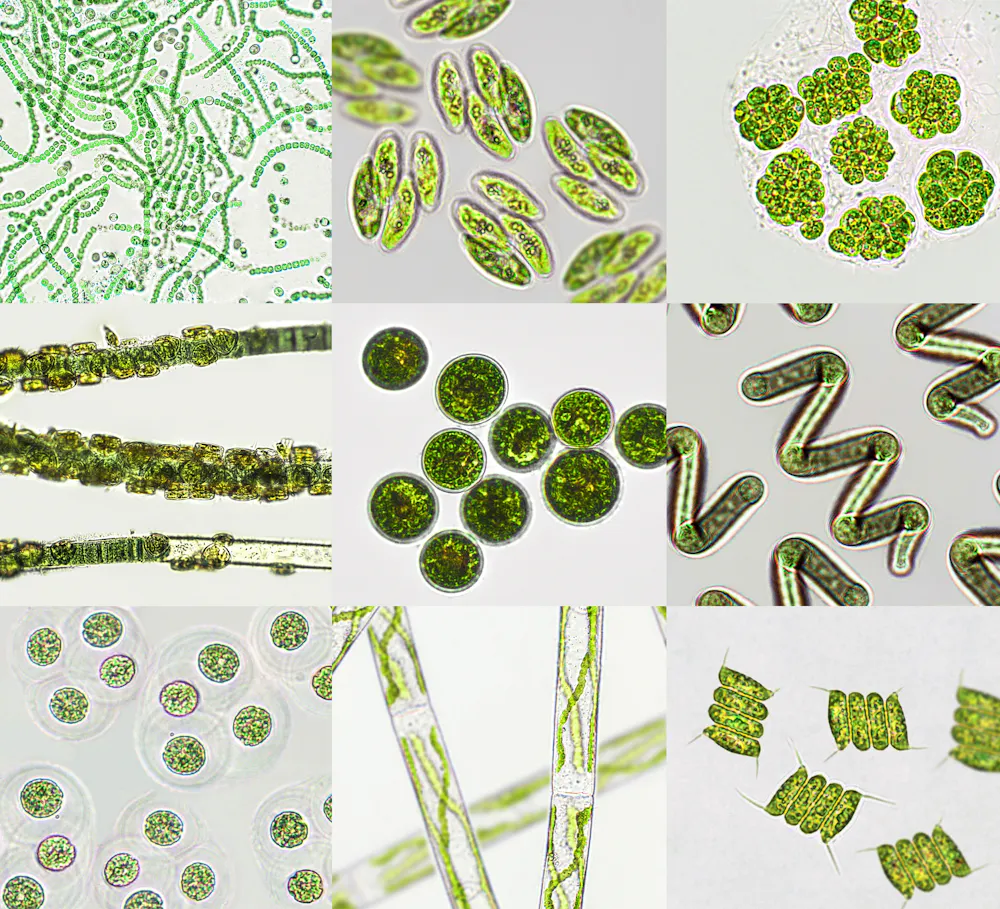
    Not much attention is paid to plankton because these creatures are usually hidden from sight. They are mostly microscopic in size and live in aquatic environments, but human lives are intricately connected with plankton.

    The etymology of “plankton” originates from the ancient Greek word for “drifter.” Plankton refers to all organisms suspended in all types of waters (oceans, lakes, rivers and even groundwaters), including viruses, bacteria, insects, larval fish and jellyfish. Plankton come in many shapes and sizes, but what unites all of them is a tendency to drift with currents.


    Read more:
    Small but mighty, plankton are some of the most powerful creatures on Earth


    There are both plant (phytoplankton) and animal (zooplankton) types, as well as organisms that blur the line by belonging to both. These include carnivorous plants or photosynthesizing animals (mixoplankton).

    Phytoplankton are an essential part of aquatic ecosystems.
    (Shutterstock)

    Understanding plankton

    We are an international group of researchers working on plankton that inhabit aquatic waters from high alpine lakes to the deep oceans. We represent a much larger consortium of researchers (the Plankton Passionates) who have recently considered all the ways in which plankton are crucial for human well-being, society, activity and life on our planet.

    In our work, we have identified six broad themes that allow us to classify the value of plankton.

    Plankton are integral to the ecological functioning of all aquatic environments. For example, phytoplankton use photosynthesis to create biomass that is transferred throughout the ecosystem, much as plants and trees do on land. Phytoplankton are mostly eaten by zooplankton, which are in turn prime food for fish like sardines and herring. These small fish are fed upon by larger fish and birds. That means healthy food-web functioning is critically sustained by plankton.

    Plankton play a critical role in other ways that affect the ecological functioning of aquatic environments. Specifically, plankton affect the cycles of matter and the bio-geochemistry of their ecosystems. While phytoplankton use sunlight to grow and reproduce, they also move nutrients, oxygen and carbon around.

    Phytoplankton are an essential climate variable — studying them provides key indicators for planetary health and climate change — because they capture carbon dioxide (CO2). When phytoplankton are eaten by zooplankton, and these animals die and sink to the bottom of water bodies, this stores carbon away from the atmosphere to where it can no longer contribute to climate change; this process is known as the biological carbon pump.

    However, other plankton, primarily bacteria and fungi, are involved in decomposition of dead material that remains in the water column and their activity recycles chemical elements essential for other organisms. Together with the biological carbon pump, this decomposition activity can have global consequences in climate regulation.

    Fascinating research

    Plankton have also played a role in several human endeavours, including the evolution of science itself advancing many theoretical developments in ecology, such as the study of biodiversity. This diversity of plankton forms — including organisms that look like crystals or jewelry — have fascinated researchers.

    Jellyfish are plankton because they are carried by currents through the water.
    (Shutterstock)

    Several theories or frameworks used throughout ecology have emerged from studying plankton, but their applications go further. For example, Russian biologist Georgy Gause observed competition among plankton, leading to his competitive exclusion principle that’s now commonly applied in socioeconomic contexts.

    Breakthroughs and even Nobel Prizes (medicine) have stemmed from the study of plankton (jellyfish stings, advancing allergy studies. Similarly, research on freshwater ciliate telomeres and the use of fluorescent jellyfish proteins have contributed to further understanding of ageing and cancer.

    Certain plankton species are used as diagnostic tools in forensic science. Others are often used as models in biomedical and ecotoxicological research.

    Because of their foundational role in aquatic food webs, plankton are critical to many human economies. Many planktonic organisms are cultured directly for human consumption including jellyfish, krill, shrimp and copepod zooplankton.

    Virtually all protein in aquatic ecosystems comes from plankton. Some are used as supplements, such as spirulina powder or omega-3 vitamins from krill or copepods.

    Several plankton-derived compounds are highly prized in medicine, cosmetics and pharmaceuticals, including some plankton toxins used for their immune-stimulating effects. Luciferases are a group of enzymes produced by bioluminescent organisms, including many marine plankton, and are also important in biomedical research.

    On the other hand, plankton can also lead to high economic costs when harmful algal blooms, like toxic red tides, occur along coastlines or cyanobacterial blooms arise in lakes.

    Plankton benefits for humans

    Finally, our research considers the role of plankton in human culture, recreation and well-being. Beyond their use as a food source and in medicine, plankton can be culturally important.

    Bioluminescent marine dinoflagellates create incredibly powerful nighttime displays in coastal regions, forming the basis for cultural events and tourist attractions. Diatoms are a type of phytoplankton present in all aquatic ecosystems, and their silica-rich skeletons have been used for flint tools during the Stone Age and as opal in jewelry.

    An illustration from the 1887 book ‘Report on the Radiolaria collected by H.M.S. Challenger during the years 1873-76.’
    (Illus. by E. Haeckel/engraving by A. Giltsch)

    The often strange structural forms of plankton have inspired architects and engineers, including the designers of Milan’s Galleria Vittorio Emmanuele and the former Monumental Gate (Porte Binet) in Paris. Plankton have inspired many artists, the first being biologist Ernst Haeckel.

    The Intergovernmental Science-Policy Platform on Biodiversity and Ecosystem Services adopted the Life Framework of Values. This framework centres living from, with, in and as nature as a position from which to inform policies around biodiversity and ecosystem services.

    Plankton are critical to all of these components. We all benefit from plankton due to their essential role in regulating aquatic habitats, their long-term involvement in climate regulation and the vital resources they provide to humanity.

    Humanity lives with plankton as their incredible diversity connects life across land and water and is one of the driving forces behind Earth’s ecological stability and ecosystem services that we value. Plankton are part of humanity’s living in nature, which emphasizes their vital role in our identity, lifestyles and culture.

    Plankton profoundly affect communities bordering water, but also those further away through plankton-inspired art and design. Finally, living as nature highlights the physical, mental and spiritual interconnectedness with the natural world.

    We need to better recognize the value of plankton as a resource, and as an essential part of stabilizing Earth systems and maintaining them for human well-being.

    Beatrix Beisner receives funding from NSERC. She is Editor-in-Chief of the Journal of Plankton Research (Oxford University Press) and a member of the Groupe de recherche interuniversitaire en limnologie (GRIL), an FRQNT-funded network.

    Maria Grigoratou receives funding from the NSF project WARMEM (OCE-1851866) and the EU-funded HORIZON Europe projects EU4OceanObs2.0 and BioEcoOcean (101136748) to Maria Grigoratou. Maria is now affiliated with the European Polar Board.

    Sakina-Dorothée Ayata receives funding from the European Commission (NECCTON, iMagine, Blue-Cloud2026 projects), the French National Research Agency (ANR, Traitzoo project), and the Institut Universitaire de France (IUF).

    Susanne Menden-Deuer receives funding from the U.S. National Science Foundation and NASA.

    ref. Plankton can investigate crime, affect the climate and influence science – https://theconversation.com/plankton-can-investigate-crime-affect-the-climate-and-influence-science-252782

    MIL OSI – Global Reports

  • MIL-OSI Global: Plankton can investigate crime, affect the climate and influence science

    Source: The Conversation – Canada – By Beatrix Beisner, Professor, Aquatic ecology; Groupe de recherche interuniversitaire en limnologie (GRIL), Université du Québec à Montréal (UQAM)

    Plankton have inspired and influenced art, science and architecture. (Shutterstock)

    Not much attention is paid to plankton because these creatures are usually hidden from sight. They are mostly microscopic in size and live in aquatic environments, but human lives are intricately connected with plankton.

    The etymology of “plankton” originates from the ancient Greek word for “drifter.” Plankton refers to all organisms suspended in all types of waters (oceans, lakes, rivers and even groundwaters), including viruses, bacteria, insects, larval fish and jellyfish. Plankton come in many shapes and sizes, but what unites all of them is a tendency to drift with currents.


    Read more:
    Small but mighty, plankton are some of the most powerful creatures on Earth


    There are both plant (phytoplankton) and animal (zooplankton) types, as well as organisms that blur the line by belonging to both. These include carnivorous plants or photosynthesizing animals (mixoplankton).

    Phytoplankton are an essential part of aquatic ecosystems.
    (Shutterstock)

    Understanding plankton

    We are an international group of researchers working on plankton that inhabit aquatic waters from high alpine lakes to the deep oceans. We represent a much larger consortium of researchers (the Plankton Passionates) who have recently considered all the ways in which plankton are crucial for human well-being, society, activity and life on our planet.

    In our work, we have identified six broad themes that allow us to classify the value of plankton.

    Plankton are integral to the ecological functioning of all aquatic environments. For example, phytoplankton use photosynthesis to create biomass that is transferred throughout the ecosystem, much as plants and trees do on land. Phytoplankton are mostly eaten by zooplankton, which are in turn prime food for fish like sardines and herring. These small fish are fed upon by larger fish and birds. That means healthy food-web functioning is critically sustained by plankton.

    Plankton play a critical role in other ways that affect the ecological functioning of aquatic environments. Specifically, plankton affect the cycles of matter and the bio-geochemistry of their ecosystems. While phytoplankton use sunlight to grow and reproduce, they also move nutrients, oxygen and carbon around.

    Phytoplankton are an essential climate variable — studying them provides key indicators for planetary health and climate change — because they capture carbon dioxide (CO2). When phytoplankton are eaten by zooplankton, and these animals die and sink to the bottom of water bodies, this stores carbon away from the atmosphere to where it can no longer contribute to climate change; this process is known as the biological carbon pump.

    However, other plankton, primarily bacteria and fungi, are involved in decomposition of dead material that remains in the water column and their activity recycles chemical elements essential for other organisms. Together with the biological carbon pump, this decomposition activity can have global consequences in climate regulation.

    Fascinating research

    Plankton have also played a role in several human endeavours, including the evolution of science itself advancing many theoretical developments in ecology, such as the study of biodiversity. This diversity of plankton forms — including organisms that look like crystals or jewelry — have fascinated researchers.

    Jellyfish are plankton because they are carried by currents through the water.
    (Shutterstock)

    Several theories or frameworks used throughout ecology have emerged from studying plankton, but their applications go further. For example, Russian biologist Georgy Gause observed competition among plankton, leading to his competitive exclusion principle that’s now commonly applied in socioeconomic contexts.

    Breakthroughs and even Nobel Prizes (medicine) have stemmed from the study of plankton (jellyfish stings, advancing allergy studies. Similarly, research on freshwater ciliate telomeres and the use of fluorescent jellyfish proteins have contributed to further understanding of ageing and cancer.

    Certain plankton species are used as diagnostic tools in forensic science. Others are often used as models in biomedical and ecotoxicological research.

    Because of their foundational role in aquatic food webs, plankton are critical to many human economies. Many planktonic organisms are cultured directly for human consumption including jellyfish, krill, shrimp and copepod zooplankton.

    Virtually all protein in aquatic ecosystems comes from plankton. Some are used as supplements, such as spirulina powder or omega-3 vitamins from krill or copepods.

    Several plankton-derived compounds are highly prized in medicine, cosmetics and pharmaceuticals, including some plankton toxins used for their immune-stimulating effects. Luciferases are a group of enzymes produced by bioluminescent organisms, including many marine plankton, and are also important in biomedical research.

    On the other hand, plankton can also lead to high economic costs when harmful algal blooms, like toxic red tides, occur along coastlines or cyanobacterial blooms arise in lakes.

    Plankton benefits for humans

    Finally, our research considers the role of plankton in human culture, recreation and well-being. Beyond their use as a food source and in medicine, plankton can be culturally important.

    Bioluminescent marine dinoflagellates create incredibly powerful nighttime displays in coastal regions, forming the basis for cultural events and tourist attractions. Diatoms are a type of phytoplankton present in all aquatic ecosystems, and their silica-rich skeletons have been used for flint tools during the Stone Age and as opal in jewelry.

    An illustration from the 1887 book ‘Report on the Radiolaria collected by H.M.S. Challenger during the years 1873-76.’
    (Illus. by E. Haeckel/engraving by A. Giltsch)

    The often strange structural forms of plankton have inspired architects and engineers, including the designers of Milan’s Galleria Vittorio Emmanuele and the former Monumental Gate (Porte Binet) in Paris. Plankton have inspired many artists, the first being biologist Ernst Haeckel.

    The Intergovernmental Science-Policy Platform on Biodiversity and Ecosystem Services adopted the Life Framework of Values. This framework centres living from, with, in and as nature as a position from which to inform policies around biodiversity and ecosystem services.

    Plankton are critical to all of these components. We all benefit from plankton due to their essential role in regulating aquatic habitats, their long-term involvement in climate regulation and the vital resources they provide to humanity.

    Humanity lives with plankton as their incredible diversity connects life across land and water and is one of the driving forces behind Earth’s ecological stability and ecosystem services that we value. Plankton are part of humanity’s living in nature, which emphasizes their vital role in our identity, lifestyles and culture.

    Plankton profoundly affect communities bordering water, but also those further away through plankton-inspired art and design. Finally, living as nature highlights the physical, mental and spiritual interconnectedness with the natural world.

    We need to better recognize the value of plankton as a resource, and as an essential part of stabilizing Earth systems and maintaining them for human well-being.

    Beatrix Beisner receives funding from NSERC. She is Editor-in-Chief of the Journal of Plankton Research (Oxford University Press) and a member of the Groupe de recherche interuniversitaire en limnologie (GRIL), an FRQNT-funded network.

    Maria Grigoratou receives funding from the NSF project WARMEM (OCE-1851866) and the EU-funded HORIZON Europe projects EU4OceanObs2.0 and BioEcoOcean (101136748) to Maria Grigoratou. Maria is now affiliated with the European Polar Board.

    Sakina-Dorothée Ayata receives funding from the European Commission (NECCTON, iMagine, Blue-Cloud2026 projects), the French National Research Agency (ANR, Traitzoo project), and the Institut Universitaire de France (IUF).

    Susanne Menden-Deuer receives funding from the U.S. National Science Foundation and NASA.

    ref. Plankton can investigate crime, affect the climate and influence science – https://theconversation.com/plankton-can-investigate-crime-affect-the-climate-and-influence-science-252782

    MIL OSI – Global Reports

  • MIL-OSI Canada: Ottawa–Gatineau street closures during Canada Day celebrations

    Source: Government of Canada News

    GATINEAU – Canadian Heritage would like to inform residents and visitors that access to streets in the downtown cores of Ottawa and Gatineau will be restricted during Canada Day celebrations on July 1, 2025.

    Only those displaying an official Canada Day access pass, hotel guests (with proof of reservation), residents (with a driver’s licence as proof of residence) and emergency responders will be allowed vehicular access to streets that are closed. No vehicles will be allowed on the Portage Bridge or the Chaudière Crossing.To fully enjoy activities throughout the day, residents and visitors are encouraged to use public transit or bicycles to get to the celebration sites.

    Tips for commuting on July 1

    Plan your routes

    Ottawa

    For the most recent changes regarding street closures, visit the City of Ottawa website.

    In Ottawa, the following street closures are required from 6 a.m. on July 1 to 2 a.m. on July 2:

    • Wellington Street between Elgin Street and Vimy Place
    • Kichi Zibi Mikan Parkway between Vimy Place and Parkdale Avenue
    • Sparks Street between Lyon Street North and Bronson Avenue
    • Queen Street between Elgin Street and Bronson Avenue
    • Metcalfe Street between Wellington Street and Albert Street
    • O’Connor Street between Wellington Street and Albert Street
    • Bank Street between Wellington Street and Albert Street
    • Kent Street between Wellington Street and Albert Street
    • Lyon Street North between Wellington Street and Albert Street
    • Bay Street between Wellington Street and Albert Street
    • Bronson Avenue between Sparks Street and Albert Street
    • Commissioner Street between Wellington Street and Albert Street
    • Booth Street between the Chaudière Crossing and Albert Street
    • Vimy Place between Kichi Zibi Mikan Parkway and Booth Street
    • Chaudière Private at the Chaudière Crossing
    • Miwate Private at Chaudière Private
    • Zaida Eddy Private at the Chaudière Crossing
    • Fleet Street between Booth Street and Lett Street (resident access at the corner of Booth Street and Albert Street)
    • Lloyd Street between Fleet Street and Lett Street (resident access at the corner of Booth Street and Albert Street)
    • Lett Street between Lloyd Street and Wellington Street (resident access at the corner of Booth Street and Albert Street)
    • Onigam Street between Lemieux Island and Kichi Zibi Mikan Parkway

    The following street closures are required from 7 p.m. on July 1 to 2 a.m. on July 2:

    • Metcalfe Street between Albert Street and Slater Street
    • O’Connor Street between Albert Street and Slater Street
    • Bank Street between Albert Street and Slater Street
    • Kent Street between Albert Street and Slater Street
    • Lyon Street between Albert Street and Slater Street
    • Bay Street between Albert Street and Slater Street
    • Albert Street between Bronson Avenue and Elgin Street
    • Slater Street between Bronson Avenue and Elgin Street
    • Bronson Avenue between Slater Street and Laurier Avenue
    • Albert Street between City Centre Avenue and Bronson Avenue

    The above street closures may be in effect from 6 a.m. on July 1 to 2 a.m. on July 2 if there is a public safety requirement to support OC Transpo light rail queues.

    The following streets are open to local traffic from 6 a.m. on July 1 to 2 a.m. on July 2:

    • Upper Lorne Place from Somerset Street West to the end of the street
    • Lorne Avenue between Booth Street and Albert Street
    • Perkins Street from Albert Street to the end of the street
    • Empress Avenue North from Albert Street to the end of the street
    • Booth Street between Somerset Street West and Albert Street
    • Rochester Street from Somerset Street West to the end of the street
    • Preston Street between Somerset Street West and Albert Street
    • Primrose Avenue between Walnut Court and Booth Street
    • Elm Street West between City Centre Avenue and Elm Street
    • Elm Street between Elm Street West and Booth Street
    • Spruce Street West between City Centre Avenue and Spruce Street
    • Spruce Street between Spruce Street West and Booth Street

    The following streets are open to local traffic from 7 p.m. on July 1 to 2 a.m. on July 2:

    • City Centre Avenue

    The following multi-use pathways are closed from July 1 at 6 a.m. to July 2 at 2 a.m. with a detour in place from July 1 at 6 a.m. to July 2 at 2 a.m.:

    • The Trans-Canadian pathway (Ottawa River Pathway) from the access point on Mill Street to the access point on Onigam Street at the corner of Kichi Zibi Mikan Parkway
    • The Trillium pathway from the junction with the Trans-Canadian pathway (Ottawa River Pathway) to the pathway located at the back of the Bayview O-Train station

    The following multi-use pathway is closed from 8 p.m. on June 30 to 2 a.m. on July 2:

    • Chief William Commanda Bridge

    Gatineau

    In Gatineau, the following street closures are required from 10 a.m. on June 30 to 10 p.m. on July 1:

    • Laval Street between Hôtel-de-Ville Street and Promenade Portage
    • Wellington Street from Laval Street for about 15 metres
    • Wright Street from Laval Street for about 20 metres

    In Gatineau, the following street closures are required from 6 a.m. on July 1 to 2 a.m.on July 2:

    • Jos Montferrand Street between Laurier Street and Eddy Street
    • Eddy Street between Laurier Street and the Chaudière Crossing

    Please note that from 6 a.m. on July 1 to 2 a.m. on July 2, the Portage Bridge will be closed to all vehicular traffic. The bridge will remain open to pedestrians only.

    The Alexandra Bridge will be closed to all southbound vehicles (from Gatineau to Ottawa) from 6 a.m. on July 1 to midnight. During this period, the centre lane will remain open to pedestrians only.

    The Chaudière Crossing is closed to vehicle traffic from 6 a.m. on July 1 to 2 a.m. on July 2.

    The Chaudière Crossing will be closed to pedestrians from 6 a.m. to 10:15 p.m. on July 1.

    A map of the street closures is available online.

    Use public transit

    Take advantage of the free OC Transpo and Société de transport de l’Outaouais (STO) service on all routes on July 1. For more information, visit the OC Transpo and STO websites.

    Ride your bike to the celebrations

    Use the bike route to ride your bicycle to the heart of the celebrations. A free supervised bike station will be available at LeBreton Flats Park.

    Main Entrance to LeBreton Flats Park

    The main entrance is located near the intersection of Wellington Street and Booth Street.

    Universal Accessibility

    LeBreton Flats Park, the Supreme Court of Canada and Parliament Hill are accessible to persons with special needs.

    For more information regarding universal accessibility at the Canada Day official sites, visit our website or contact the Ottawa Visitor Centre.

    Please note that all details are subject to change.

    MIL OSI Canada News

  • MIL-OSI Russia: Traditional school graduates’ celebration “Scarlet Sails” took place in St. Petersburg

    Translation. Region: Russian Federal

    Source: People’s Republic of China in Russian – People’s Republic of China in Russian –

    Source: People’s Republic of China – State Council News

    St. Petersburg, June 29 (Xinhua) — The annual Scarlet Sails school graduates’ festival took place in St. Petersburg on the night from Saturday to Sunday, bringing together almost 100 thousand schoolchildren from all regions of Russia.

    This year, the stage space of the festival was divided into three zones, which created a single architectural image. The area of all the multimedia screens on the stage was about 1 thousand square meters. More than a hundred artists took part in the concert program, and they worked both on stage and in the air and water.

    The culmination of the celebration was the appearance of the brig “Russia” with scarlet sails accompanied by salutes and fireworks in the waters of the Neva.

    The Scarlet Sails festival originated in Soviet times and has been held annually at the end of June since 2005. It is included in the register of world event tourism. In 2024, the Scarlet Sails concert and water-pyrotechnic show was watched by almost 37 million people around the world. –0–

    MIL OSI Russia News

  • MIL-OSI China: China’s resort airports gear up for busy summer travel season

    Source: People’s Republic of China – State Council News

    HAIKOU, June 29 — More than 8.3 million passenger trips are expected to pass through two major airports in China’s southern island province of Hainan as the summer travel season begins on Tuesday, airport authorities said.

    Haikou Meilan International Airport is forecast to handle nearly 4.6 million passenger trips over the next two months, with around 30,400 flights scheduled.

    The airport has expanded its international network with new routes to Tokyo, London and Jakarta to meet growing travel demand. It expects to operate 2,196 international flights carrying about 254,000 passenger trips this summer, a 13.3 percent increase from a year earlier.

    Sanya Phoenix International Airport, located in the resort city of Sanya, is projected to handle approximately 3.73 million passenger trips and 22,900 flights during the same period.

    To accommodate the summer surge, the airport has increased capacity on domestic routes to major cities including Beijing, Shanghai, Guangzhou and Shenzhen, by deploying wide-body aircraft.

    Hainan, known for its year-round sunshine and pristine beaches, is seeking to revitalize its tourism industry. China aims to transform the island into a globally influential tourism and consumption destination by 2035.

    In 2024, Hainan recorded over 97.2 million tourist visits, both domestic and international, marking an 8 percent year-on-year increase. Total tourism expenditure grew by 12.5 percent, reaching 204 billion yuan (about 28.48 billion U.S. dollars), according to official data.

    This year, the province aims to welcome over 100 million tourist visits, both domestic and international.

    As part of its broader economic strategy, China is transforming Hainan into a Free Trade Port (FTP). As the Hainan FTP is set to begin independent customs operations by the end of the year, it is poised to become not only a tourist haven but also a pivotal gateway for China’s opening-up drive.

    MIL OSI China News

  • MIL-OSI China: China’s resort airports gear up for busy summer travel season

    Source: People’s Republic of China – State Council News

    HAIKOU, June 29 — More than 8.3 million passenger trips are expected to pass through two major airports in China’s southern island province of Hainan as the summer travel season begins on Tuesday, airport authorities said.

    Haikou Meilan International Airport is forecast to handle nearly 4.6 million passenger trips over the next two months, with around 30,400 flights scheduled.

    The airport has expanded its international network with new routes to Tokyo, London and Jakarta to meet growing travel demand. It expects to operate 2,196 international flights carrying about 254,000 passenger trips this summer, a 13.3 percent increase from a year earlier.

    Sanya Phoenix International Airport, located in the resort city of Sanya, is projected to handle approximately 3.73 million passenger trips and 22,900 flights during the same period.

    To accommodate the summer surge, the airport has increased capacity on domestic routes to major cities including Beijing, Shanghai, Guangzhou and Shenzhen, by deploying wide-body aircraft.

    Hainan, known for its year-round sunshine and pristine beaches, is seeking to revitalize its tourism industry. China aims to transform the island into a globally influential tourism and consumption destination by 2035.

    In 2024, Hainan recorded over 97.2 million tourist visits, both domestic and international, marking an 8 percent year-on-year increase. Total tourism expenditure grew by 12.5 percent, reaching 204 billion yuan (about 28.48 billion U.S. dollars), according to official data.

    This year, the province aims to welcome over 100 million tourist visits, both domestic and international.

    As part of its broader economic strategy, China is transforming Hainan into a Free Trade Port (FTP). As the Hainan FTP is set to begin independent customs operations by the end of the year, it is poised to become not only a tourist haven but also a pivotal gateway for China’s opening-up drive.

    MIL OSI China News

  • MIL-OSI Russia: Three killed in boat sinking off east coast of Malaysia

    Translation. Region: Russian Federal

    Source: People’s Republic of China in Russian – People’s Republic of China in Russian –

    Source: People’s Republic of China – State Council News

    KUALA LUMPUR, June 29 (Xinhua) — Three people were killed when a boat capsized off the east coast of Malaysia, authorities said Sunday.

    The victims were identified as a 40-year-old man, his 3-year-old daughter and a 10-year-old relative, Besut district police senior superintendent Azamuddin Ahmad Abu said at a briefing.

    The incident occurred late on Saturday when the boat capsized during a storm near Perhentian Island, a popular tourist spot in Malaysia’s Terengganu state, he said. –0–

    MIL OSI Russia News

  • MIL-OSI China: Xi urges villagers in Xizang to uphold ethnic solidarity 2025-06-29 15:01:23 Chinese President Xi Jinping has urged residents of a village in Xizang Autonomous Region to uphold ethnic solidarity and create a happier and better life.

    Source: People’s Republic of China – Ministry of National Defense

      BEIJING, June 29 (Xinhua) — Chinese President Xi Jinping has urged residents of a village in Xizang Autonomous Region to uphold ethnic solidarity and create a happier and better life.

      Xi, also general secretary of the Communist Party of China Central Committee and chairman of the Central Military Commission, put forward his expectations in a reply letter to residents of a village in Nyingchi, where he paid a visit in July 2021.

      “Learning that the village has undergone new changes in recent years and villagers’ incomes have increased, I feel happy for you,” Xi wrote in the letter.

      Xi also voiced his hope that the villagers will, under the guidance of the Party’s policies to develop border areas and improve people’s lives, do an even better job in protecting the natural beauty of the plateau region, developing the village’s tourist brand, and contributing to building a prosperous and stable border area.

      The village is known for its peach blossoms. In recent years, it has made new achievements in developing rural tourism, strengthening the collective economy, and promoting ethnic solidarity.

    loading…

    MIL OSI China News

  • MIL-OSI Russia: The 7th SCO Art Biennale has concluded in eastern China

    Translation. Region: Russian Federal

    Source: People’s Republic of China in Russian – People’s Republic of China in Russian –

    Source: People’s Republic of China – State Council News

    BEIJING, June 29 (Xinhua) — The 7th Shanghai Cooperation Organization (SCO) Art Biennale concluded Saturday in Hangzhou, capital of east China’s Zhejiang Province.

    The exhibition, which ran for ten days at the Xilin Wulin Gallery, featured a total of 119 works by 99 artists from nine countries, including China, Russia, Kazakhstan, Kyrgyzstan, Tajikistan, Uzbekistan and India, Zhongxinshe News Agency reported.

    The exhibits at the Biennale included guohua – traditional Chinese painting, oil paintings, calligraphy, engravings, etc.

    During the art exhibition, Chinese and foreign artists visited the Liangzhu Museum, West Lake, Sun Yat-sen Park and other tourist sites in the city, where they had the opportunity to paint the beauty of the Chinese resort city from life.

    The art biennale was organized by the Hangzhou City Committee of the Chinese People’s Political Consultative Conference (CPPCC) together with other organizations. -0-

    MIL OSI Russia News

  • MIL-OSI Russia: Direct flight connects Haikou and Jeddah

    Translation. Region: Russian Federal

    Source: People’s Republic of China in Russian – People’s Republic of China in Russian –

    Source: People’s Republic of China – State Council News

    HAIKOU, June 29 (Xinhua) — China’s Hainan Airlines launched a direct flight route Saturday linking Haikou, capital of south China’s Hainan Province, with Jeddah in Saudi Arabia.

    The plane departs from Haikou at 03:40 Beijing time and arrives in Jeddah at 08:00 local time, and on the return flight departs at 13:40 local time and lands at Haikou Meilan International Airport at 04:40 the next day Beijing time. The flight time from Haikou to Jeddah is 9 hours 20 minutes, and from Jeddah to Haikou is 10 hours.

    Flights on this route are operated three times a week – on Mondays, Wednesdays and Saturdays.

    Jeddah is the second most populous city in Saudi Arabia and a major tourist destination.

    The new flight will offer more options to passengers from China and Saudi Arabia, promoting further cultural and economic exchanges between the two countries. -0-

    MIL OSI Russia News

  • MIL-OSI China: Forum highlights regional growth, attracts global partners in Xizang

    Source: People’s Republic of China – State Council News

    This aerial photo taken on July 20, 2023 shows a view of the Gaiba Village of Gongbo’Gyamda County in Nyingchi City, southwest China’s Xizang Autonomous Region. (Xinhua/Sun Fei)

    International business leaders gathered at a forum in southwest China’s Xizang Autonomous Region this week, exploring new economic opportunities.

    The two-day forum, opened on Friday in Nyingchi and themed “Gathering Trans-Himalaya Strength; Unleashing Development Momentum,” attracted 89 domestic and foreign companies, underscoring the region’s growing importance in cross-border collaboration. Eleven projects worth 4.8 billion yuan (about 670 million U.S. dollars) were signed during the event.

    Wang Jingcai, deputy director of the regional development and reform commission, presented an industrial “Opportunity List” featuring nine key sectors including clean energy, cultural tourism and Tibetan medicine at the forum.

    Fathuhulla Ali, a health tech company executive from Sri Lanka, expressed particular interest in the region’s traditional medicine.

    “What impressed me most was the traditional culture. It’s incredibly strong and rich,” said Ali, managing director of Panaka Health Tech Private Limited. “I’m from the medical supply industry. So basically, what I look forward to is the medical sector. The traditional medicine here is very rich,” Ali added.

    Zhao Peng, vice chairman of the regional government, emphasized the region’s strategic role as China’s gateway to South Asia, noting that it has established trade ties with 140 countries and regions.

    “Xizang is stepping up efforts to enhance cooperation with neighboring countries and expand high-level opening up to the outside world,” Zhao said.

    Tusar Tuladhar, managing director of Tunchhe Trans Himalayan Trading Concern, a Nepali company which has been operating business in Xizang’s regional capital Lhasa for about 30 years, praised the region’s business climate while noting Nyingchi’s distinct ecological advantages.

    “This is my first time in Nyingchi. There are so many trees, and I see a lot of green here. It’s really different from Lhasa,” noted Tuladhar. “The business environment in Xizang is good. We have a long-lasting business here, a very long-lasting relationship,” he added.

    Since 2021, Xizang’s trade with South Asian Association for Regional Cooperation members has totaled 14.92 billion yuan, with Nepal accounting for 87 percent. The land ports between China and Nepal have played a vital role.

    From January to May this year, Xizang’s import-export volume exceeded 3.84 billion yuan, up 13.2 percent year on year, according to Lhasa Customs.

    This marks the fifth Trans-Himalaya Forum since 2018, with each iteration strengthening cross-border collaboration in the region.

    MIL OSI China News

  • MIL-OSI USA: CONGRESSWOMAN PLASKETT EXPRESSES DEEP CONCERN OVER THE TRUMP ADMINISTRATION’S DECISION TO END PROTECTIONS FOR HAITIAN IMMIGRANTS

    Source: United States House of Representatives – Congresswoman Stacey E. Plaskett (USVI)

    For Immediate Release                                          Contact: Tionee Scotland
    June 28, 2025                                                           202-808-6129

    PRESS RELEASE

    CONGRESSWOMAN PLASKETT EXPRESSES DEEP CONCERN OVER THE TRUMP ADMINISTRATION’S DECISION TO END PROTECTIONS FOR HAITIAN IMMIGRANTS

    Washington, DC – Congresswoman Stacey E. Plaskett (VI-AL) today strongly condemned the Trump administration’s announcement that it will terminate Temporary Protected Status (TPS) for more than 300,000 Haitian immigrants currently living in the United States, calling the decision “morally unconscionable and recklessly shortsighted to our national interest.”

    “The Trump administration’s decision to end TPS for Haitians is not just cruel—it is potentially deadly. Haiti remains in a state of complete collapse, overrun by gangs, wracked with violence, and under a state of emergency. The State Department itself warns Americans not to travel there due to widespread violent crime. Furthermore, the U.S. State Department has been in negotiations with multiple country partners to find ways to stem the continued collapse of the country. How can this administration claim it is safe to deport hundreds of thousands of people to a country they themselves have designated as too dangerous for American tourists and a threat to regional stability?

    “The Department of Homeland Security’s announcement on Friday that the protections, which have shielded Haitians from deportation since 2010 following the devastating earthquake, will expire on September 2, 2025. The administration justified the decision by claiming that, ‘the environmental situation in Haiti has improved enough that it is safe for Haitian citizens to return home’—a statement that directly contradicts the State Department’s actions regarding Haiti. 

    “This administration is playing politics with people’s lives. These are families who have built lives here, contribute to our communities, pay taxes from their wages and deserve our protection—not deportation to a nation in chaos. Throughout my tenure in Congress, I have worked tirelessly to ensure that our immigration policies reflect our values of compassion and humanity. This includes my work as a Co-Chair of the Congressional Caribbean Caucus to push back against discriminatory policies, to recognize the national security threat to the United States from a de-stabled Haiti, and my efforts to secure humanitarian aid for the Caribbean region.

    “This is part of a systematic campaign to dismantle protections for the world’s most vulnerable people. Congress must act swiftly to provide legislative protections for these families. We cannot stand by while this administration turns its back on our moral obligations and puts hundreds of thousands of lives at risk. Additionally, the financial support those in the United States provide to families back in Haiti through remittances have been key to staving off poverty and additional instability in the country. In 2023, U.S. remittances to Haiti were over $3.8 Billion dollars. 

    Plaskett went on to discuss, “As a member of the Intelligence Committee, I have focused quite a bit on our third border—the Caribbean region—and threats to the United States. Instability in the Caribbean presents threats of increased human and drug trafficking into the mainland, democratic collapse with malign influence of China and Russia, and reduced economic trade.” 

    “This action does not advance American interests.  The administration’s actions betray the best of American values, Western Hemisphere interests and Caribbean solidarity.”

    ###

    MIL OSI USA News