NewzIntel.com

    • Checkout Page
    • Contact Us
    • Default Redirect Page
    • Frontpage
    • Home-2
    • Home-3
    • Lost Password
    • Member Login
    • Member LogOut
    • Member TOS Page
    • My Account
    • NewzIntel Alert Control-Panel
    • NewzIntel Latest Reports
    • Post Views Counter
    • Privacy Policy
    • Public Individual Page
    • Register
    • Subscription Plan
    • Thank You Page

Category: Trade

  • MIL-Evening Report: Australia’s latest emissions data reveal we still have a giant fossil fuel problem

    Source: The Conversation (Au and NZ) – By Emma Lovell, Senior Lecturer in Chemical Engineering, UNSW Sydney

    According to Australia’s Climate Change and Energy Minister Chris Bowen, the latest emissions data show “we are on track to reach our 2030 targets” under the Paris Agreement. In 2024, Australia’s greenhouse gas emissions were “27% below 2005 levels”. That’s great news, right?

    Well, yes and no. Australia continues to rely on changes in land use to compensate for emissions released into the atmosphere.

    In other words, Australia’s plants are considered to be taking more carbon dioxide out of the atmosphere now than in 2005. Their efforts are captured in the Land Use, Land-Use Change and Forestry (LULUCF) sector, which is the single largest reason for the significant reduction in Australian emissions.

    Without accounting for land use, Australia’s emissions have only decreased 3% since 2005, not 27%.

    If Australia is serious about reducing emissions and tracking towards net zero by 2050, we need to tackle a series of inconvenient truths about fossil fuels. Fossil fuels feed into almost every aspect of our lives, not just cars and power plants. There are substitutes, but they are not easy to source – and they don’t come cheap.

    How fossil fuel exports drive up emissions here and overseas

    Australia is one of the world’s biggest fossil fuel exporters. The coal, oil and natural gas we export is either burnt or combined with our sizeable iron ore exports to produce iron. But the greenhouse gases are released overseas, so they don’t count in Australia’s emissions data.

    This is in line with our international commitments under the Paris agreement. But there is an argument to be made that even though Australia doesn’t burn those exports, we should acknowledge our central role in contributing to global emissions. We may need to account for these in future reporting.

    Australia’s export emissions are likely to be triple that of our domestic emissions. These emissions have been increasing consistently over the last decade.

    But the process of extracting fossil fuels and preparing them for export does show up in Australia’s domestic emission figures, through what’s called “fugitive emissions”. These fugitive emissions are the unavoidable leaks that occur when we pull fossil fuels out of the ground, store, transport and process them.

    In the year to 2024, fugitive emissions accounted for 10.6% of our emissions, which is far greater than emissions from industrial processes (6.8%).

    Disturbingly, recent analysis suggests fugitive emissions could be drastically underreported. Because these emissions are tricky to measure, they are often estimated on an average basis. This means reported values do not accurately reflect true releases.

    When it comes to fugitive and export emissions, Australia is not on track to meet 2030 targets. Recent export-focused fossil project approvals such as the North West Shelf gas project suggest we might even be backtracking.

    Chris Bowen on Insiders, Sunday June 1, 2025 (ABC News)

    The transition to renewables

    Closing dirty old coal-fired power stations and replacing them with renewable energy such as solar and wind power does cut emissions. The reduction in emissions from the electricity sector, down 23.7% on 2005 levels, is good news. But the difference is still small enough that seasonal variations from Tasmania’s hydro power plants can distort the annual figures.

    At least there is a plan in place for the energy transition. Big, slow wheels are in motion.

    Unfortunately the reality is we will need much, much more renewable energy in the future. Up to three times the current capacity of the National Electricity Market will be needed to cover future domestic energy requirements across electricity and other sectors out to 2050.

    Significantly more would be required to generate enough additional green energy to also produce green value-added commodities.

    Australia’s clean energy challenge

    Discussions around transitioning from fossil fuels typically overlook how deeply they are embedded in our everyday lives.

    Not just the fuel we use in our cars, but the roads we drive on. Not just the electricity we use to power our hospitals, but the steel used to build them and the pharmaceuticals we rely on.

    Globally, around 13% of fossil fuels are not burned but used to make these key chemicals. What’s the alternative?

    Clean electricity is the key.

    Electricity can be used to make hydrogen from water through electrolysis. This hydrogen can then replace fossil fuels in manufacturing – making products such as green steel and ammonia for fertiliser.

    When combined with non-fossil sources of carbon, hydrogen can also be turned into renewable fuels, such as sustainable aviation fuel. It can be used to synthesise green versions of petrochemicals used in industrial processes such as ethanol, propylene and ethylene, which are currently sourced from fossil fuels.

    This takes energy. Lots of it. Fortunately Australia has all the ingredients needed for a booming green industry – one that’s much broader than just renewable electricity.

    Currently, it costs more to produce these chemicals without using fossil fuels. That’s why some companies and state governments have been pulling back from their investments in green hydrogen.

    Most people talk about green hydrogen in the context of energy storage or export. But it can also enable the transition away from fossil fuels in other sectors. The technology exists to make these chemicals and products, without the emissions and it’s slowly but steadily moving closer toward price parity.

    If we can nail this switch to fossil-free alternatives to petrochemicals, Australia would be able to add value onshore, rather than exporting raw materials. For example, we could export iron, not iron ore. Methanol or ammonia, not hydrogen. Export the jumper, not the wool.

    Heavy industry driven by renewables?

    On Sunday, Bowen said he found some areas of the 2024 emissions figures “encouraging, like industrial emissions, way down and lower than 2021”.

    Unfortunately, this result was partly due to a decline in manufacturing. Onshore manufacturing capability has been steadily decreasing, despite increased fossil fuel extraction.

    Unless we ramp up green manufacturing – replacing fossil fuel exports with much needed renewable products and fuels – we will continue to bear responsibility, if not direct accountability, for large, exported emissions as well as onshore fugitive emissions.

    And no amount of changes to land use can account for that.

    The authors do not work for, consult, own shares in or receive funding from any company or organisation that would benefit from this article, and have disclosed no relevant affiliations beyond their academic appointment.

    – ref. Australia’s latest emissions data reveal we still have a giant fossil fuel problem – https://theconversation.com/australias-latest-emissions-data-reveal-we-still-have-a-giant-fossil-fuel-problem-257907

    MIL OSI Analysis – EveningReport.nz –

    June 2, 2025
  • MIL-OSI China: Domestic helpers, nannies, butlers all in high demand

    Source: People’s Republic of China – State Council News

    An undated photo shows nannies learning how to take care of babies at a training center in Jimo, Shandong province. [Photo/Xinhua]

    Stella Tian, a 33-year-old office worker in Beijing, has two toddlers — a 1-year-old and a 3-year-old — and employs two nannies to help look after the children and simplify her life, as she and her husband have hectic work lives.

    “I have changed my nannies a few times. Some were not professional enough and didn’t get along well with my family members, and some had other plans that came up. It’s not easy to find a suitable nanny for the long term,” Tian said.

    Like Tian, demand for homemaking services among Chinese urban families is surging, and trained domestic helpers, nannies and nurses for the elderly are in great demand, promising to incubate a market expected to reach 1.3 trillion yuan ($181.1 billion) in 2026.

    The forecast, made by the Ministry of Commerce’s Department of Trade in Services and Commercial Services, together with data analysis provider iiMedia Research, said China’s household services sector has maintained rapid growth.

    Millions of middle-income Chinese families, especially those with young children and aging family members, are seeking professional helpers to ease life’s burdens, while it has sometimes been difficult for them to find satisfactory professional homemakers. Compared with diversified and high-quality demand, there are still problems such as a shortage of professional supply and nonstandard industry development.

    It is estimated that there is a shortage of over 20 million domestic workers in China, according to the Ministry of Human Resources and Social Security. Demand for household services is no longer limited to daily chores, as online shopping and food deliveries have made it increasingly convenient for consumers, and they have indicated demand for higher-level specialized services, industry insiders said.

    To address such issues and further boost consumption, China has published a guideline to further promote the development of its home-based services sector, such as housekeeping, eldercare and childcare services, by expanding the scale and upgrading service quality. Such efforts aim to cultivate new growth points for the country’s services consumption, according to the document released by the Ministry of Commerce and eight other entities in late April.

    A series of measures have been proposed to improve the quality of household services supply, promote convenient consumption and optimize the consumption environment of the sector, according to the guideline.

    For example, the government will encourage household service enterprises to expand into emerging service areas such as professional deep cleaning, indoor air treatment and nutritional consulting, and strengthen integrated development with sectors such as home furnishings and interior decorating, the guideline said.

    In addition, social capital is encouraged to flow into the household services sector, and local governments may include homemaking occupations into local shortage directories. It is also suggested that more employment-oriented domestic service training should be offered, the guideline said.

    “Household services are an important sector that helps promote consumption, benefits people’s lives and stabilizes employment,” said Kong Dejun, director of the Department of Trade in Services and Commercial Services at the commerce ministry.

    “China will continue to expand domestic demand, strengthen supply-side structural reform, give full play to the country’s human resources advantages and cultivate new growth points of service consumption,” Kong said.

    Currently, China has over 30 million household service providers such as nannies and housekeepers. Last year, total revenue of the sector stood at 1.23 trillion yuan, up 6 percent year-on-year, the ministry said.

    Women are the main practitioners in the household services industry. The All-China Women’s Federation said the sector is showing a growing trend that practitioners are becoming younger and more professional, and it would continue to help promote the digitalization of the sector.

    On the demand side, the need for babysitters and caregivers for the elderly is huge. The number of those aged 60 and above has exceeded 300 million, and the over-65 population has topped 220 million. In addition, China has some 30 million youngsters aged below three, according to the National Bureau of Statistics.

    China will cultivate a group of distinctive brands in the homemaking sector and foster more platform-based companies to help match supply and demand.

    “We will guide various regions to implement employment and entrepreneurship policies, and homemaking personnel should enjoy tax incentives and social security subsidies upon laws and regulations,” said Luo Shoufeng, deputy head of the department of migrant workers’ jobs at the Ministry of Human Resources and Social Security.

    Catering to such demand, a number of platform-based homemaking service companies such as 58.com and Ayibang have continued to develop their business to raise the efficiency of supply-demand matching.

    Beijing-based life services platform 58.com said some 2.6 million homemakers have registered on the platform, and all of them will undergo pre-work training to ensure the provision of standardized and professional services.

    It has launched more than 200 training bases nationwide, integrating online teaching and offline training sessions, and the company became the first in the sector to introduce VIP membership services for consumers.

    “For emerging household services demand such as deep cleaning, clutter control and storage, pest management and home management services, we have launched more than 10 professional courses. Those include courses that we developed with entities in Japan and Hong Kong together, in an aim to foster more high-quality household service providers,” said Li Zijian, president of 58.com’s domestic business.

    In densely populated first-tier cities such as Beijing, Shanghai and Guangzhou, Guangdong province, demand for homemaking services has been the highest, 58.com found.

    Among different types of services, demand for household cleaning, home appliance cleaning, nannies and maternity matrons — or yuesao, who mainly care for newborns — has been the highest, the company said.

    Most consumers choose to hire day-shift nannies and part-time workers to assist with household chores and cooking. Demand for eldercare and childcare has continued to grow. In May, demand for nannies and eldercare service providers jumped 83 percent and 48 percent on a yearly basis, respectively.

    For deep cleaning of homes, consumers pay more attention to the thorough cleaning of kitchen oil stains, bathroom tiles and hard-to-clean corners and under spaces. For home appliances, cleaning demand for air-conditioners, range hoods and washing machines has been the highest. In May, demand for air-conditioning cleaning climbed by 76 percent month-on-month and 26 percent year-on-year.

    “Urbanites have shown an increasingly higher health awareness, and a growing number of consumers choose to clean their airconditioners before the arrival of summer to reduce respiratory diseases,” Li said.

    Meanwhile, China’s high-net-worth families are becoming younger, and they are showing a growing demand for hiring private butlers as they embrace such a trend in Western countries, and more college graduates, including those who have studied abroad, are looking to butlers as career choices.

    Private butlers usually act as senior life consultants for their employers’ core family management issues. Unlike ordinary housekeeping service personnel, private butlers usually need to understand advanced family affairs.

    They usually speak one or two foreign languages, understand children’s educational planning, and have knowledge about issues such as nutrition, luxury products and ironing. They also cook multiple cuisines and are skillful at safeguarding and risk management, according to Meiyinghui Family Service Co Ltd, a Beijing-based butler management company.

    The average salary of a private butler is about 200,000 yuan to 400,000 yuan annually for those who have one or two years of work experience, and the salary grows as they master more skills, thus attracting many people to engage in this profession.

    “Employers would like to hire young butlers, including college graduates. The demand has become higher, as more families have a growing awareness of hiring butlers. Besides, many families have been quite busy with business matters after the COVID-19 pandemic, and they need to hire someone for household management,” said Zhang Ran, founder and president of Meiyinghui Family Service.

    “Now, 70 percent of butlers in China are females. A lot of graduates and qualified people are still hesitating about engaging in this profession, and the supply of butlers is seeing a shortage. We plan to host a session to introduce the career path of the profession and attract more graduates,” Zhang said.

    Besides major cities such as Beijing and Shanghai, some families in second-tier cities such as Qingdao in Shandong province and Shijiazhuang, Hebei province have also indicated high demand for hiring butlers, the company found.

    Butlers usually need to take a few months of training classes before they start working. Li Siwen is a teacher who conducts training sessions for butlers, earning a master’s degree in hotel management from the University of Manchester.

    “I’m quite interested in this sector. I used to work in the human resources management department of a company, and this job is similar. I mainly teach students psychology, color matching, sorting and organization of items, and business etiquette,” Li said.

    MIL OSI China News –

    June 2, 2025
  • MIL-OSI China: Chinese well-drilling technology turns Egypt’s deserts into farmland

    Source: People’s Republic of China – State Council News

    As summer begins, patches of lush farmland stretch across Egypt’s Western Desert, an area that, until recently, was dominated by sand and rocks. Thanks to the deep wells drilled by the Egypt branch of China’s Zhongman Petroleum and Natural Gas Group (ZPEC), wheat, alfalfa and potatoes now thrive in tidy rows under the desert sun.

    These wells, part of a broader effort to reclaim desert land for agriculture, have transformed the barren landscape into productive farmland, offering a model for sustainable development in arid regions and underscoring the potential of international cooperation in addressing food security and ecological restoration.

    The project is an example of the high-quality Belt and Road cooperation. In Egypt, the Belt and Road Initiative (BRI) has evolved into a platform for transformative collaboration, extending beyond infrastructure to encompass agriculture, technology and industry. By tackling pressing challenges such as food insecurity, unemployment and technological gaps, the initiative is helping to lay the groundwork for more resilient and sustainable growth.

    Drilling for resource of life

    Egypt, home to over 100 million people, grapples with the daunting task of expanding farmland in a country where only about 4 percent of the land is arable. To reduce reliance on food imports, the Egyptian government has stepped up efforts to reclaim desert land since 2015, with water sources development a crucial part of this push.

    ZPEC, operating in Egypt since 2016, has played a key role. Its teams — composed of Chinese and Egyptian employees — have drilled more than 680 wells across the country, from the Sinai Peninsula to Aswan.

    This photo taken on May 3, 2025 shows a well-drilling rig at night at the site of Owainat Water Well Project in the desert of New Valley Governorate, Egypt. [Photo/Xinhua]

    Zhao Baojiang, project manager for ZPEC’s Owainat well-drilling operation in Egypt, said his team has drilled 63 wells, each about 450 meters deep, in less than a year by overcoming such challenges as extreme temperatures, sandstorms, complex geology and logistical hurdles.

    “We’re having our first wheat harvest this year, and we’re very happy to cooperate with the Chinese company,” said Abou-elKhier Ibrahim, manager of the Owainat sector of the Future of Egypt agricultural project.

    Wheat, Egypt’s dietary cornerstone, is in high demand. According to a report released by the UN Food and Agriculture Organization, per capita wheat consumption in Egypt averages about 146 kg annually.

    Mohamed Elhosary, electromechanical division manager of the Owainat sector of the Future of Egypt agricultural project, estimated that each feddan (about 0.42 hectares) of the farmland in Owainat can yield 3 tons of wheat.

    “The yield from each feddan is sufficient to cover the annual wheat consumption of at least 20 Egyptians,” Zhao Wutao, general manager of the ZPEC branch in Egypt, told Xinhua.

    Innovation brings benefits

    In Minya Province, 360 km south of Cairo, ZPEC is also supporting the farm of Canal Sugar Company, a joint venture between Egypt and the United Arab Emirates. The farm allocated a significant portion of its land to sugar beet production for a large-scale local refinery.

    ZPEC engineers faced technical hurdles there as well. According to Abumesalam Mohamed Gouda, operations manager of ZPEC’s Egypt branch, the groundwater layer in Minya’s desert is unstable, and large-diameter drilling poses risks of collapse and leakage.

    Workers operate on a well-drilling rig at the site of Owainat Water Well Project in the desert of New Valley Governorate, Egypt, on May 3, 2025. [Photo/Xinhua]

    To address these issues, the company’s technical team introduced air foam drilling technology, which uses stable foam as drilling fluid to prevent leakage and increase efficiency. This method was later shared with local companies to help improve their performance.

    Hassan Gamal, technical manager of the Canal Sugar farm, said that the 193 wells drilled by ZPEC can irrigate 30,000 feddans (12,600 hectares) of land. In 2023 alone, the farm planted 22,000 feddans (9,240 hectares) of beets, which were processed into sugar and sold widely. “This wouldn’t have been possible without ZPEC’s wells,” he said.

    Beyond agriculture, ZPEC’s work has also supported local employment and skills training.

    Mohamed Gaber, who joined ZPEC as a worker five years ago, is now a platform manager. He credited his Chinese colleagues for teaching him skills and helping him navigate challenges. “I always strive to do my best with the support of teammates, and I’m proud to grow in such a team,” he said.

    Growing Partnership

    For many Egyptians, these projects represent more than infrastructure — they represent progress toward greater food security, stable income, and a hopeful future, experts said, expressing their eagerness to expand collaboration with Chinese enterprises.

    “This is a notable and very positive contribution by the Chinese company in advancing agricultural development in Egypt,” Ahmed Galal, dean of the Higher Institute for Agricultural Cooperation in Cairo, told Xinhua.

    “Any efforts in extracting water or increasing Egypt’s water resources directly lead to positive results for agricultural development in Egypt … We certainly hope it continues,” he said.

    The well-drilling project is just part of broader cooperation between Egypt and China under the BRI. Other projects include the Central Business District of Egypt’s new administrative capital, a textile city in Sadat City, and the China-Egypt TEDA Suez Economic and Trade Cooperation Zone in Ain Sokhna. These ventures are seen by Egyptian experts as essential engines for job creation, industrialization and joint development.

    This photo taken on May 3, 2025 shows makeshift rooms for workers at the site of Owainat Water Well Project in the desert of New Valley Governorate, Egypt. [Photo/Xinhua]

    “China is now increasingly viewed as a development partner that contributes to job creation and improved living standards,” said Waleed Gaballah, a member of the Egyptian Association for Political Economy, Statistics and Legislation.

    He stressed China’s leadership in renewable energy, electric vehicles and advanced manufacturing. “Providing access to these technologies at a reasonable cost to countries participating in the BRI could make a major shift in the way of life in their societies.”

    Echoing his view, Galal said he looks forward to more Chinese investment in his country, as the ongoing Egypt-China cooperation under the BRI is “fruitful and promising.”

    “We in Egypt truly need all such investments. I also hope this cooperation grows in all fields, because it is, first of all, mutually beneficial — a win-win situation in terms of shared gains and joint development,” he said.

    MIL OSI China News –

    June 2, 2025
  • MIL-OSI Banking: RBI launches Survey on Computer Software and Information Technology Enabled Services (ITES) Exports: 2024-25

    Source: Reserve Bank of India

    The Reserve Bank has launched the 2024-25 of its annual survey on Computer Software and Information Technology Enabled Services (ITES) Exports.

    The survey collects data on various aspects of computer services exports as well as exports of information technology enabled services (ITES) and business process outsourcing (BPO). The survey results are disseminated in public domain besides being used in compilation of India’s external sector statistics.

    The survey schedule for the 2024-25 round is required to be filled in by all software and ITES/BPO exporting entities. The format of the ITES survey schedule has been updated for the current round. The soft form of this survey schedule (both in Hindi and English) is available on the RBI’s website under the head ‘Regulatory Reporting’ → ‘List of Returns’ → ‘Return Name’ → ‘ITES – Survey Schedule’ [or under the head ‘Forms’ (available at the bottom of the home page) and sub-head ‘Survey’], which can be duly filled and submitted via email by July 15, 2025.

    The instructions are provided in FAQs and, in case of any query or clarification, kindly contact us at itesquery@rbi.org.in or given below address.

    The Director,
    International Investment Position Division,
    Department of Statistics and Information Management (DSIM),
    Reserve Bank of India,
    C-9, 5th floor, Bandra-Kurla Complex, Bandra (E),
    Mumbai – 400 051.
    Please click here to send email.

    Ajit Prasad          
    Deputy General Manager
    (Communications)    

    Press Release: 2025-2026/453

    MIL OSI Global Banks –

    June 2, 2025
  • MIL-Evening Report: What is retinol? And will it make my acne flare? 3 experts unpack this trendy skincare ingredient

    Source: The Conversation (Au and NZ) – By Laurence Orlando, Senior Lecturer, Product Formulation and Development, Analytical Methods, Monash University

    Irina Kvyatkovskaya/Shutterstock

    Retinol skincare products suddenly seem to be everywhere, promising clear, radiant and “youthful” skin.

    But what’s the science behind these claims? And are there any risks?

    You may have also heard retinol can increase your risk of sunburn and even make acne worse.

    For some people, retinol may help reduce the appearance of fine lines. But it won’t be suitable for everyone. Here’s what you need to know.

    What is retinol?

    Retinol is part of a family of chemical compounds called retinoids. These are derived from or related to Vitamin A, a nutrient essential for healthy skin, vision and immune function.

    All retinoids work because enzymes in our skin convert them into their “active” form, retinoic acid.

    You can buy retinol in creams and other topical products over the counter.

    These are often promoted as “anti-ageing” because retinol can help reduce the appearance of fine lines, wrinkles and even out skin tone (for example, sun spots or acne scars).

    It also has an exfoliating effect, meaning it can help unclog pores.

    Stronger retinoid treatments that target acne will require a prescription because they contain retinoic acid, which is regulated as a drug in the United States, European Union, United Kingdom and Australia.

    How is retinol used in skincare?

    One of the most common claims about retinol is that it helps to reduce visible signs of ageing.

    How does this work?

    With age, the skin’s barrier becomes weaker, making it more prone to dryness, injury and irritation.

    Retinol can help counteract this natural thinning by stimulating the proliferation of keratinocytes – cells that form the outer skin layer and protect against damage and water loss.

    Retinol also stimulates the production of collagen (a key protein that creates a scaffolding that keeps skin firm and elastic) and fibroblasts (cells that produce collagen and support skin structure).

    It also increases how fast the skin sheds old cells and replaces them with new ones.

    Over time, these processes help reduce fine lines, fade dark spots and even out skin tone. It can also make skin appear clearer.

    While effective, this doesn’t happen overnight.

    You may have also heard about a “retinol purge” – a temporary flare of acne when you first start using topical retinoids.

    Studies have found the skin may become irritated and acne temporarily worsen in some cases. But more research needs to be done to understand this link.

    The idea of a retinol purge is popular on social media.
    TikTok, CC BY-NC-ND

    So, is retinol safe?

    At typical skincare concentrations (0.1–0.3%), side effects tend to be mild.

    Most people who experience irritation (such as redness, dryness, or peeling) when starting retinol are able to build tolerance over time. This process is often called “retinisation”.

    However, retinol increases the skin’s sensitivity to UV radiation (known as photosensitivity). This heightened reactivity can lead to sunburn, irritation and an increased risk of hyperpigmentation (spots or patches of darker colour).

    For this reason, daily use of broad-spectrum sunscreen (SPF30 or higher) is strongly recommended while using retinol products.

    Who should avoid retinol?

    Teenagers and children generally don’t need retinol unless specifically prescribed by a doctor, for example, for acne treatment.

    People with sensitive skin or conditions such as eczema (dry, itchy and inflamed skin) and rosacea (chronic redness and sensitivity) may find retinol too irritating.

    Using retinol products alongside other skincare treatments, such as alpha-hydroxy acids, can over-exfoliate your skin and damage it.

    Importantly, the active form of retinol, retinoic acid, is teratogenic (meaning it can cause birth defects). Over-the-counter retinol products are also not recommended during pregnancy or breastfeeding.

    Choose and store retinol products wisely

    Since retinol is classified as a cosmetic ingredient, companies are not required to disclose its concentration in their products.

    The European Union is expected to introduce new regulations that will cap the concentration of retinol in cosmetic facial products to 0.3%.

    These are precautionary measures aimed to limit exposure for vulnerable groups, such as pregnant women, given the risk of birth defects.

    It’s therefore recommended to use products that clearly state the retinol concentration is between 0.1% and 0.3%.

    Retinol is also a notoriously unstable molecule that degrades with exposure to air, light or heat.

    Choosing a product with airtight, light-protective packaging will help with potential degradation problems that could lead to inactivity or harm.

    What’s the safest way to try retinol?

    The key is to go low and slow: a pea-sized amount of a low-concentration product (0.1%) once or twice a week, preferably at night (to avoid UV exposure), and then the frequency and concentration can be increased (to a maximum of 0.3%) as the skin adjusts.

    Using a moisturiser after retinol helps to reduce dryness and irritation.

    Wearing sunscreen every day is a must when using retinol to avoid the photosensitivity.

    If you experience persistent redness, burning, or peeling, it’s better to stop using the product and consult your doctor or a dermatologist for personalised advice.

    Laurence Orlando is affiliated with the Australian Society of Cosmetic Chemists.

    Professor Ademi currently serves as a member of the Economics Sub Committee of the Pharmaceutical Benefits Advisory Committee within the Department of Health, Australia which assesses clinical and economic evaluations of medicines submitted for listing on the PBS. She leads the global economics initiative for the Lp(a) International Task Force and Member of Professional Advisory Board of Familial Hypercholesterolemia (FH) Australia. Zanfina Ademi receives funding from FH Europe Foundation to understand the population screening for LP(a), globally. Received funding from National Health and Medical Research Council, Medical Research Future Fund not in relation to to this work, but work that relates to health economics of prevention and cost-effectiveness.

    Zoe Porter does not work for, consult, own shares in or receive funding from any company or organisation that would benefit from this article, and has disclosed no relevant affiliations beyond their academic appointment.

    – ref. What is retinol? And will it make my acne flare? 3 experts unpack this trendy skincare ingredient – https://theconversation.com/what-is-retinol-and-will-it-make-my-acne-flare-3-experts-unpack-this-trendy-skincare-ingredient-256074

    MIL OSI Analysis – EveningReport.nz –

    June 2, 2025
  • “Will negotiate a fair balance,” Piyush Goyal optimistic of wrapping up FTA with EU by year end

    Source: Government of India

    Source: Government of India (4)

    Commerce and Industry Minister Piyush Goyal expressed optimism that India could finalise its Free Trade Agreement (FTA) with the European Union (EU) ahead of the year-end deadline, citing minimal divergences between the two economic blocs.

    Goyal emphasised the complementary nature of the Indian and European economies. “There are not too many issues where we have divergence of opinion. We have both complementary economies,” he stated. “In most cases, what is of offensive interest to India does not hurt the European economy. And likewise, goods and services that Europe would like to provide to India only support our growth story.”

    The minister acknowledged that certain sensitive areas require careful negotiation on both sides. “Obviously, in any trading relationship, there are certain sensitive issues on both sides which we have to resolve amicably in the interest of both the European Union and India,” Goyal noted.

    India has positioned itself strongly on key issues concerning the EU, particularly regarding gender equality and sustainability. “We are proud of our sisters and our women and the fantastic work they have done and continue to do,” Goyal said. “Therefore, if you have a subject like gender, India is on the front foot. When it comes to subjects like sustainability, India is right at the forefront.”

    Both sides have raised specific concerns that must be addressed in the negotiations. “We have certain concerns about European Union practices and regulations. Likewise, they have certain areas of things they would like to discuss,” the minister explained.

    Goyal expressed confidence that these issues could be resolved through fair negotiation. “Some issues are on the table and we will negotiate a fair balance and free trade agreement,” he said. “There would be many issues on both sides which will come up for discussion so that we can come up with a robust agreement that will support market access and promote easier trade.”

    The minister clarified that free trade agreements operate independently of domestic business reforms. “Free trade agreements stand on their footing. They have no relationship to our internal domestic effort to make it attractive to do investments and businesses,” he explained.

    Instead, FTAs focus on market liberalisation that benefits both economies. “Free trade agreements are more towards opening markets on both sides, which leads to greater competitiveness, improved productivity and efficiency in all processes,” Goyal said.

    The agreement is expected to create broader economic opportunities across multiple sectors. “It opens the doors to larger engagement, be it in goods, services, investments, all areas related to the economy,” the minister noted. “All of this benefits 1.4 billion consumers.”

    The India-EU FTA negotiations represent a significant step in strengthening economic ties between India and one of the world’s largest trading blocs. The agreement aims to reduce trade barriers, enhance market access, and create new opportunities for businesses on both sides.

    With both economies showing complementary strengths and shared commitments to sustainability and gender equality, the successful conclusion of the FTA could mark a new chapter in India-Europe economic cooperation, potentially benefiting millions of consumers and businesses across both regions. (ANI)

    June 2, 2025
  • MIL-OSI USA: House Foreign Affairs Committee Ranking Member Meeks, Lofgren Send Letter to Secretary Lutnick on Multilateral Export Controls

    Source: United States House of Representatives – Congressman Gregory W Meeks (5th District of New York)

    Washington, D.C. – Representatives Gregory W. Meeks, Ranking Member of the House Foreign Affairs Committee, and Zoe Lofgren, Ranking Member of the Committee on Science, Space, and Technology, sent a letter to Commerce Secretary Howard Lutnick raising concerns over reports that the Department of Commerce may withdraw from critical multilateral agreements aimed at restricting access to critical technologies, like semiconductors and semiconductor manufacturing equipment (SME). The Members warned Secretary Lutnick that abandoning coordinating efforts with partners would make it harder to prevent the People’s Republic of China (PRC) from accessing cutting-edge technology and undermine America’s national security. 
     
    The full text of the letter can be found below. A PDF copy of the letter can be found here.  

    Dear Secretary Lutnick,

    We are concerned by recent reports indicating the Department of Commerce may seek to pull back from critical multilateral agreements and engagements with allies and partners that are designed to coordinate policies to restrict the People’s Republic of China (PRC) from accessing cutting-edge technologies. While it’s important to prevent U.S. technology from powering the PRC’s military, a coordinated approach with partners and allies is necessary in critical technology areas such as advanced semiconductors and semiconductor manufacturing equipment (SME), to prevent the PRC from developing critical capabilities that are detrimental to our national security. 

    To ensure the United States continues to outpace the PRC on semiconductors and SME, we have worked on a bipartisan basis to facilitate a domestic innovation and manufacturing ecosystem while controlling our adversary’s ability to access advanced technologies. We helped to pass the bipartisan CHIPS and Science Act of 2022, sweeping legislation that sought to reinvigorate U.S. leadership in science and technology and included an investment of $52.7 billion designed to help reshore U.S. semiconductor manufacturing capacity. We also recognize the need for a defensive strategy to protect our economic and national security. Both the Trump and Biden Administrations have placed restrictions on PRC entities from purchasing certain high-end semiconductor chips and SME technologies.  We believe these export controls were necessary and remain so.

    However, U.S. export controls alone are not sufficient because other countries also manufacture advanced semiconductors and associated equipment and tools that they can sell to the PRC. While the previous administration achieved some success with multilateral agreements with the Netherlands and Japan on certain SME controls,  those controls would have been far more successful in constraining the PRC if they were coordinated from the start. To this day these trilateral controls remain misaligned in key ways, from a lack of end use controls to different approaches to the denial of licensing.

    We recognize that organizing these coalitions can be challenging, but working with allies and partners achieves real results. The United States assembled a coalition of nearly 40 nations to coordinate controls against Russia after its invasion of Ukraine. We urge you to continue to engage with our partners and allies to build a similar coalition focused on the PRC. This can only be accomplished through direct and sustained diplomacy, which while not always as fast as we would like, is the only effective option in the long competition with the PRC.

    The Commerce Department has an opportunity to demonstrate strength and support the U.S. manufacturing base by coordinating more plurilateral controls, not less. With Russia stalling progress in the four large multilateral regimes, we urge you to seek out small coalitions of countries that have market-share in particular critical technology sectors. In the case of semiconductors, for instance, we should be broadening coordination beyond Japan and the Netherlands to include South Korea, Taiwan, and others. Initiatives and fora, such as the Multilateral Action on Sensitive Technologies (MAST) and the U.S.-E.U. Trade and Technology Council (TTC), can help advance such coordination while furthering U.S. global leadership and interests on standards development, technology transfer, trade, and many other multinational issues.

    We are worried that if the United States goes it alone or attempts to bully our partners, they will increasingly hedge to the PRC instead of working with the United States. Disengaging from multilateral dialogues and initiatives could provide an excuse for key governments not to cooperate with our controls. In response to President Trump’s tariffs, President Ursula von der Leyen of the European Commission has called for strengthening European-PRC relations.  In March, the Dutch company ASML announced it would be building a facility in China—a decision that runs counter to U.S. interests and could only have been made with European government support.  Last month, the PRC engaged in its first multilateral economic dialogue with Japan and South Korea in five years—seeking a regional partnership among the three nations to weather the trade policies of the United States.

    Finally, we caution against a unilateral approach that overly relies upon the foreign direct product rule (FDPR) to extend U.S. jurisdiction to foreign-produced items. While the Department should continue to exercise this authority as a last resort, abuse of the rule may further weaken our standing with allies and partners and result in the removal of U.S. suppliers from major global supply chains in the long run, which would be disastrous for our economy and our ability to outcompete the PRC on critical technologies. A better path would be to coordinate controls with other partners and help them build enforcement capacity, so the Bureau of Industry and Security (BIS) does not have to monitor and police millions of transactions alone. We would be willing partners in ensuring that BIS has the tools and resources to make U.S. controls more effective.

    We are deeply concerned about the harms that will occur to U.S. interests if the United States walks away from multilateral approaches. We urge the Department to continue multistakeholder dialogues to bring our allies along in aligning their export controls with ours, using appropriate leverage available to you. Given the critical importance of this matter to both domestic and foreign affairs, we request that you provide us answers to the following questions by June 5, 2025:

    • What is the Department’s current policy with regards to participation in multilateral councils and forums, including MAST, TTC, multilateral agreements, and plurilateral agreements such as the U.S.-Japan-South Korea trilateral agreement?
    • What steps is the Department taking to coordinate with our allies and partners on export controls on critical technologies, such as semiconductors and SME?
    • To what extent will the Department continue to take into account foreign availability as it designs and coordinates its controls?
    • What additional staffing, resources, or authorities does the Department need to more effectively coordinate with partners on controls on technology entering the PRC market?

    We would appreciate a briefing from your staff to better understand how you are approaching these questions.

    MIL OSI USA News –

    June 2, 2025
  • MIL-OSI USA: House Foreign Affairs Committee Ranking Member Meeks Applauds Court Ruling Declaring Trump Tariffs Illegal

    Source: United States House of Representatives – Congressman Gregory W Meeks (5th District of New York)

    Washington, D.C. – Representative Gregory W. Meeks, Ranking Member of the House Foreign Affairs Committee, issued the following statement applauding the Court of International Trade’s decision to block President Trump’s “liberation day” tariffs, unlawfully imposed under the guise of a “national emergency.” Rep. Meeks who co-led an amicus brief in support of the plaintiffs, argued that the move was an illegal abuse of the International Emergency Economic Powers Act (IEEPA).  

    “I’m encouraged by the court’s decision today to block President Trump’s so-called ‘liberation day’ tariffs, confirming what we’ve long known: these tariffs are an illegal abuse of executive power. Trump’s declaration of a bogus national emergency to justify his global trade war was an absurd and unlawful use of IEEPA. That is why I co-led an amicus brief supporting twelve states in challenging this abuse in court,” said Ranking Member Meeks. 

    In April, Meeks introduced a resolutionto terminate the national emergency behind the April 2nd tariffs, following the earlier resolutions seeking to end Trump’s Canada & Mexico tariffs. House Republicans have used procedural tactics to block these votes—tactics Meeks is attempting to bypass through discharge petitions.  

    “Trump’s chaotic tariffs are nothing but a tax on American families, raising prices, shuttering small businesses, and harming the economy. They are also deeply unpopular, which is why Speaker Johnson refuses to allow a vote. It’s time for Republican’s to stop enabling this economic sabotage. I urge them to join my discharge petitions to strike down not only Trump’s April 2nd national emergency declaration, but also the Canada and Mexico national emergencies that remain in effect. The lawlessness must end. 

    MIL OSI USA News –

    June 2, 2025
  • MIL-OSI USA: Rep. William Timmons Joins Bipartisan Effort to Tackle National Debt Crisis

    Source: United States House of Representatives – Congressman William Timmons (SC-04)

    Congressman William Timmons (SC-04) announced his continued support as an original cosponsor of the Fiscal Commission Act, a bipartisan initiative introduced by Representatives Bill Huizenga (R-MI) and Scott Peters (D-CA). The legislation seeks to establish a bipartisan, bicameral fiscal commission tasked with developing solutions to improve the nation’s medium- and long-term fiscal health.

    “Our national debt has surpassed $36 trillion, posing a significant threat to our economic stability and the well-being of future generations,” said Rep. Timmons. “It’s imperative that Congress confronts this issue head-on. The Fiscal Commission Act represents a critical step toward restoring fiscal responsibility and ensuring the longevity of essential programs like Medicare and Social Security.”

    The proposed commission would comprise 16 members, including lawmakers from both chambers and private sector experts. Its mandate is to craft comprehensive recommendations to address the nation’s fiscal challenges. Importantly, the legislation requires Congress to vote on the commission’s proposals without amendment, ensuring timely consideration of its findings.

    Rep. Timmons emphasized the urgency of the situation: “If we fail to act now, the consequences will be dire. Interest payments on our debt are already outpacing critical expenditures, and without intervention, we risk undermining the financial security of millions of Americans.”

    The Fiscal Commission Act has garnered bipartisan support, reflecting a shared commitment to addressing the nation’s fiscal challenges. Rep. Timmons’s involvement underscores his dedication to collaborative solutions that prioritize the country’s long-term economic health.

    MIL OSI USA News –

    June 2, 2025
  • MIL-OSI USA: Rep. Roy Issues Statement on the Advancement of the “One, Big, Beautiful Bill” in the House Budget Committee

    Source: United States House of Representatives – Representative Chip Roy (R-TX)

    Washington, D.C. — Representative Chip Roy (TX-21) issued the following statement tonight after the House Budget Committee voted to advance the “One, Big, Beautiful Bill”.

    Congressman Roy said: “Tonight, after a great deal of work and engagement over the weekend, the Budget Committee advanced a reconciliation bill that lays the foundation for much needed tax relief, border security, and important spending reductions and reforms. Importantly the bill now will move Medicaid work requirements forward and reduces the availability of future subsidies under the green new scam.

    But, the bill does not yet meet the moment – leaving almost half of the green new scam subsidies continuing. More, it fails to end the Medicaid money laundering scam and perverse funding structure that provides seven times more federal dollars for each dollar of state spending for the able-bodied relative to the vulnerable. This all ultimately increases the likelihood of continuing deficits and non-Obamacare-expansion states like Texas expanding in the future. We can and must do better before we pass the final product.

    As such, I joined with 3 of my colleagues to vote “present” out of respect for the Republican Conference and the President to move the bill forward. It gives us the opportunity to work together this week to get the job done in light of the fact our bond rating was dropped yet again due to historic fiscal mismanagement by both parties. This bill is a strong step forward – and I am proud of Chairman Arrington, the Speaker, and my colleagues for the work we did to make progress with the White House. But we have to do more to deliver for the American people.”

    MIL OSI USA News –

    June 2, 2025
  • MIL-OSI USA: Rep. Roy Statement on House Passage of The One Big Beautiful Bill Act

    Source: United States House of Representatives – Representative Chip Roy (R-TX)

    Washington, D.C. — Representative Chip Roy (TX-21) issued the following statement after the House passed The One Big Beautiful Bill Act. The bill now heads to the Senate for consideration.

    “After much deliberation, I voted yes on H.R. 1, the One Big Beautiful Bill Act. 
     
    Months ago, I worked to ensure that any tax cuts or extensions would be connected to an equal or greater amount of spending cuts to force fiscal discipline.  The good news is that the bill technically held true to that framework by yielding modest deficit reduction over a 10-year budget window.  Importantly, it does this by cutting spending $1.5 trillion over 10 years, reforming programs like Medicaid and SNAP with work requirements, and improving healthcare freedom by expanding health savings accounts to allow use with Direct Primary Care.
     
    But the good things didn’t just happen by accident. 
     
    My fellow budget hawk colleagues and I, including many in the House Freedom Caucus, forced reforms that were critical to making the bill more responsible. We:

    • Accelerated Medicaid work requirements 3 years from 2029 to 2026.
    • Helped stave off further Obamacare expansion by aligning State Directed Payments (SDPs) in Medicaid to the rates of Medicare in Medicaid expansion states while allowing states that have not expanded Medicaid (ex., TX) to have SDPs at 110% of Medicare.
    • Froze the state provider taxes to ensure states don’t grow their money laundering schemes.
    • Paid Texas and other states back for their border efforts under the Biden administration.
    • Began to claw back the “Green New Scam” put on steroids by the Inflation Reduction Act’s (IRA) corrupt subsidies – namely by putting in place a required construction start within 60 days of enactment and a much earlier “in service” requirement of 12/31/28 – all designed to limit the reach of subsidies.

    To be clear, I didn’t vote for the bill without significant reservations. 
     
    For example, in classic Washington fashion, the bill produces sizable deficits in the first 5 years while achieving “savings” in the future, which means we’ve got to bring forward more savings than I already fought for.
     
    And as with most major bills in Washington, this bill was rushed, mashed together, and crammed through the House without sufficient time to review every item carefully.  We should do better.
     
    The Medicaid money laundering scam was not reformed sufficiently, and far too many of the new green scam subsidies continue to operate.
     
    And inexplicably, we funded high-tax state jurisdictions with a $350 billion tax deduction for their “SALT” tax deductions – something I strongly oppose.
     
    But even though I supported this bill out of the House, this bill needs massive improvements if we are to make a dent in our deficit or to change the trajectory of this country.  
     
    We must reduce deficits much further, even as we continue to work to FULLY repeal the IRA’s unreliable energy subsidies and reduce the damage done by Obamacare’s Medicaid expansion.  We can do this most efficiently with state block grants – but we can also reduce the 90% FMAP for able bodied people – ensuring states are not getting seven times more money for able bodied adults with no children over the most vulnerable in traditional Medicaid – and reducing provider taxes to end the unnecessary inflation of costs in healthcare.  
     
    I stand ready to work with my colleagues in the Senate to continue to get this bill right before sending it to the President’s desk.”

    ###

    MIL OSI USA News –

    June 2, 2025
  • MIL-OSI USA: Ocasio-Cortez, Velázquez Call on Secretary Kennedy to Reverse Job Cuts in San Juan Medical Products Laboratory

    Source: United States House of Representatives – Congresswoman Alexandria Ocasio-Cortez (D-NY)

    Washington, D.C. – Today, Representatives Alexandria Ocasio-Cortez (D-NY) and Nydia M. Velázquez (D-NY) sent a letter to the Secretary of the U.S. Department of Health and Human Services (HHS) Robert F. Kennedy Jr. to stop the reduction in force (RIF) and reorganization plans at the Food and Drug Administration (FDA) impacting FDA’s San Juan Medical Products Laboratory (SJNLMP).

    The SJNLMP is one of the few FDA-owned and operated facilities specializing in pharmaceutical drug analysis. It has evaluated and led to removal of thousands of adulterated products from the market that otherwise would have exposed American consumers to unsafe products. The laboratory also plays a critical role in ensuring that the drugs and medical products that are part of HHS’ Strategic National Stockpile (SNS) remain safe and available for the nation’s armed forces and civilian populations during emergencies and conflicts.

    According to constituents, on April 1st, 2025, a RIF notice was distributed to the 20 laboratory employees and since then the laboratory has ceased operations.

    “Shutting down this laboratory is against your commitment to protect “essential services” and “frontline jobs” as doing so jeopardizes the safety of millions of Americans by weakening FDA’s ability to detect contaminated pharmaceuticals, respond to health emergencies, and safeguard national security,” wrote the lawmakers. “Additionally, this decision would eliminate over 20 highly skilled jobs in Puerto Rico.”

    “April 1 was the worst day of my life — receiving the RIF notice shattered me,” a SJNLMP employee said. “After years of dedication to public health, I felt abandoned, invisible, and heartbroken.”

    “Receiving the RIF notice felt like having the ground pulled from under us,” a SJNLMP employee said. “After years of sacrifice and commitment to public health, it was devastating to be dismissed so suddenly, without acknowledgment of our work or our worth.”

    “Receiving the RIF notice was devastating and left me feeling discarded after years of dedicated public service,” a SJNLMP employee said. “It created uncertainty, fear, and a deep sense of injustice. We were blindsided despite the critical role we played in protecting public health.”

    “When I received the RIF notice, I felt an overwhelming sense of shock and betrayal,” a SJNLMP employee said. “It was heartbreaking to see our vital work disregarded so abruptly. The uncertainty about our future was deeply unsettling.”

    HHS’ RIF plans at SJNLMP will impact various FDA initiatives. Some are the Health Fraud Program, which focuses on identifying and removing dietary supplements that are unsafe or advertised with misleading claims from the market, the Shelf-Life Extension Program, which verifies the stability of SNS drugs and medical products, an existent Cooperative Research and Development Agreement (CRADA) to advance analytical methods for drug safety, and various Import and Surveillance Programs designed to monitor the safety of pharmaceutical imports. “We urge you to prioritize the health of the American people and the integrity of our pharmaceutical supply chain by ensuring that the San Juan Medical Products Laboratory remains fully staffed and operational,” wrote the lawmakers.

    For a full copy of the letter, click here. 

    ###

    MIL OSI USA News –

    June 2, 2025
  • MIL-OSI China: Bangladeshi chief adviser urges Chinese investors to make Bangladesh their home, production hub

    Source: People’s Republic of China – State Council News

    Bangladeshi interim government’s Chief Adviser Muhammad Yunus delivers a speech during the China-Bangladesh Conference on Investment and Trade in Dhaka, Bangladesh, June 1, 2025. [Photo/Xinhua]

    Bangladeshi interim government’s Chief Adviser Muhammad Yunus on Sunday urged Chinese investors to make Bangladesh their home and production hub.

    During his speech at the China-Bangladesh Conference on Investment and Trade, Yunus said Chinese companies are the masters of manufacturing, and Bangladesh wants to be their partner.

    He said the interim government has been steadfast in implementing reforms, enhancing the investment climate, streamlining regulatory frameworks and ensuring a conducive environment for business operations.

    Yunus invited Chinese investors to explore the extensive opportunities that Bangladesh offers in textiles, endowments, pharmaceuticals, agro-processing, fisheries, food, and information technology.

    The conference attracted more than 400 representatives from Chinese and Bangladeshi enterprises and business associations.

    MIL OSI China News –

    June 2, 2025
  • MIL-Evening Report: What is populism?

    Source: The Conversation (Au and NZ) – By Benjamin Moffitt, Senior Lecturer in Politics and International Relations, Monash University

    In 2017, in the wake of Brexit and Donald Trump’s first election win, populism was named the “word of the year” by Cambridge University Press.

    Almost a decade later, we might have thought the term’s popularity would have faded.

    But with Trump back in power in the United States, the Reform Party polling very well in the United Kingdom, and Argentinian president Javier Milei wielding his chainsaw at public events, populism is very much still with us.

    But what is populism? Is it a left or right phenomenon? And is it here to stay?

    What is populism?

    Put simply, populism is a political phenomenon that revolves around the central divide between “the people” and “the elite”.

    Although there is agreement on this divide, academics tend to disagree on two things when it comes to populism.

    The first is what kind of phenomenon it is. Is populism an ideology (that is, a belief system)? A strategy? Or is it a kind of performative political style?

    Secondly, experts disagree on whether populism is a threat or corrective to democracy. Some think it can be both.

    Populism: left or right?

    Much of the confusion about populism stems from the fact that it can appear across the ideological spectrum.

    This is because “the people” and “the elite” are flexible terms, and populists can characterise them in very different ways.

    Right-wing populists tend to characterise “the people” in socio-cultural terms, and often combine their populism with nativism.

    Think for instance, of how Trump’s “people” are coded as White Americans.

    Or, how Indian Prime Minister Narendra Modi evokes Hindu nationalism in his definition of “the people”.

    Other prominent right-wing populist leaders include the likes of Viktor Orban of Hungary, Nigel Farage of the United Kingdom, Geert Wilders of the Netherlands, and Australia’s Pauline Hanson.

    Left-wing populists, meanwhile, tend to characterise “the people” in socio-economic terms. They often combine their populism with calls for economic redistribution or shifts in power.

    Examples include Latin American populist leaders like Evo Morales of Bolivia and Hugo Chavez of Venezuela, who sought to bring the poor into their conception of “the people”.

    In the US, Bernie Sanders’ 2016 and 2020 presidential primary campaigns put the working class and people in precarious work at the heart of his “people”.

    Other examples of left-wing populism include the Podemos and Syriza parties in Spain and Greece respectively.

    This also means the way populists tend to define “the elite” is quite different.

    Right-wing populist targets often include:

    • government and policy elites (think of Trump’s “drain the swamp”)
    • cultural elites (Trump’s attacks on media as “fake news”)
    • academics (attacks on the “ivory tower”) and
    • transnational bodies (such as attacks on the United Nations).

    These groups are connected in right-wing populist discourse and purported to be undermining “the people’s” livelihood by abetting increased immigration or the destruction of “traditional values”.

    Left-wing populists tend to target business and power elites, who they see as fleecing “the people” economically and keeping them from expressing their popular power (think of Occupy Wall Street’s divide between the 99% and the 1%).

    Populists also tend to have a suspicion of transnational organisations. But while right-wing populists tend to focus on the likes of the United Nations and World Health Organisation, left-wing populists are more suspicious of business transnationals such as the World Trade Organization or World Economic Forum.

    Is populism here to stay?

    After every major election where a populist leader or party succeeds, there is inevitably talk of a “populist earthquake”, “populist wave” or “populist tsunami”.

    These metaphors suggest populism has come out of nowhere, and is causing a major and unexpected shock to the system.

    But that’s simply not the case.

    If anything, the story of 21st century politics has been one in which populism has become “normalised” and “mainstreamed”.

    Populists are no longer merely “challenger” parties nor minor parties.

    They increasingly are among the top three parties in their respective countries (particularly in Europe), and have won government in places from the US to India to the Netherlands to Italy to Greece.

    This success has seen them steadily viewed as viable and “normal” political players.

    Meanwhile, mainstream parties and leaders have increasingly adopted elements of populists’ discourse, platforms and political styles, as a way to compete with populists.

    This, ironically, has had the effect of legitimising populists in many countries; it makes their policies and discourse look more “acceptable”.

    It’s important to be cynical about any pundit crowing about the “death” of populism – or, on the flipside, the idea it has come out of nowhere.

    Populism is here to stay. Acknowledging that can help us better understand its appeal, which in turn, can provide hints about how to best deal with it.

    Benjamin Moffitt receives or has received funding from the Australian Research Council and the Marianne and Marcus Wallenberg Foundation.

    – ref. What is populism? – https://theconversation.com/what-is-populism-249369

    MIL OSI Analysis – EveningReport.nz –

    June 2, 2025
  • MIL-OSI Russia: On Children’s Day, Dmitry Chernyshenko and Sergey Kiriyenko awarded the winners of the 1st All-Russian Prize “Conversations about the Important”

    Translation. Region: Russian Federal

    Source: Government of the Russian Federation – An important disclaimer is at the bottom of this article.

    Dmitry Chernyshenko took part in the awarding of the winners of the 1st All-Russian Prize “Conversations about the Important”

    June 1, 2025

    Dmitry Chernyshenko took part in the awarding of the winners of the 1st All-Russian Prize “Conversations about the Important”

    June 1, 2025

    Dmitry Chernyshenko took part in the awarding of the winners of the 1st All-Russian Prize “Conversations about the Important”

    June 1, 2025

    Dmitry Chernyshenko took part in the awarding of the winners of the 1st All-Russian Prize “Conversations about the Important”

    June 1, 2025

    Minister of Education Sergey Kravtsov took part in the awarding of the winners of the 1st All-Russian Prize “Conversations about the Important”

    June 1, 2025

    First Deputy Chief of Staff of the Presidential Administration Sergei Kiriyenko took part in the awarding of the winners of the 1st All-Russian Prize “Conversations about the Important”

    June 1, 2025

    Award ceremony for the winners of the 1st All-Russian Prize “Conversations about the Important” within the framework of the festival “Movement of the First”

    June 1, 2025

    Previous news Next news

    Dmitry Chernyshenko took part in the awarding of the winners of the 1st All-Russian Prize “Conversations about the Important”

    On Children’s Day, First Deputy Chief of Staff of the Presidential Administration Sergei Kiriyenko and Deputy Prime Minister Dmitry Chernyshenko awarded the winners of the 1st All-Russian Prize “Conversations about the Important”.

    The event became the central event of Children’s Day at the “Movement of the First” festival, which was held at VDNKh. The award is held based on the results of the 2024/2025 academic year and emphasizes the significance and effectiveness of the “Conversations about the Important” project as an effective tool for educating the younger generation.

    Sergei Kirienko welcomed the guests and noted the project’s influence on the formation of the educational space in Russia.

    “The sense of pride with which the children relate to the Russian flag, to the Russian anthem, is the result of the enormous work of educators, teachers, mentors, educational advisers, mentors of the “Movement of the First”, thanks to the “Conversations about the Important” team and those people who, despite their busy schedules, get involved in the project. The “Conversations about the Important” are attended by the heads of the Government, the Federal Assembly, ministers, heads of the largest corporations, outstanding scientists who drop everything and truly believe that there is nothing more important than to pass on their conviction, their faith to the younger generation,” noted Sergei Kiriyenko.

    The First Deputy Chief of Staff of the Presidential Administration also presented an award to one of the winners in the nomination “Best Interview of the Year” – Hero of Labor of the Russian Federation, President of the Research Institute of Emergency Children’s Surgery and Traumatology, surgeon Leonid Roshal. He was chosen by teachers in a public vote.

    Dmitry Chernyshenko thanked Sergey Kiriyenko for the educational platform – the Atom pavilion and presented awards to the winners in the nomination “Best Interview of the Year”. They were chosen by parents during a public vote. The awards were received by the author of a documentary film about the Kursk region Maxim Anufriev, primary school teacher Kristina Chokheli, agricultural inventor Nikita Tolstov and Honored Doctor of Russia Viktor Belinsky.

    “Thank you to our President Vladimir Putin, who gives such incredible people the opportunity to realize their talents. In this difficult genre of interview, the interviewer’s skill determines how much the interlocutor will open up. People participating in “Conversations about the Important” certainly tell our children very important things. And the one who won today, according to the parents, did it better than anyone else this year,” said the Deputy Prime Minister.

    The ceremony was also attended by the Minister of Education Sergey Kravtsov, the Minister of Agriculture Oksana Lut, the head of the Federal Agency for Youth Affairs (Rosmolodezh) Grigory Gurov, Hero of Russia, Chairman of the Board of the “Movement of the First” Artur Orlov.

    “The “Conversations about the Important” classes are held first and foremost for our children. Today we see on stage the heroes who made this project so successful. Thanks to you and teachers all over Russia, our children are proud of their country. This is very important. Taking this opportunity, I would like to thank the teachers, directors’ advisors on education, who conduct “Conversations about the Important”, recognizing their enormous value and passing it on to the students. I propose making the “Conversations about the Important” award an annual one and celebrating it every June 1,” said Sergey Kravtsov.

    The “Movement of the First” festival is held in all 89 regions from May 31 to June 1 and is dedicated to International Children’s Day. The central venue was VDNKh in Moscow. Over the course of two days, the event became the main space for childhood and youth for the entire country. Here, children and adults see real opportunities for young people in Russia, get acquainted with the values of the “Movement of the First”, and communicate with experts and famous speakers.

    Please note: This information is raw content directly from the source of the information. It is exactly what the source states and does not reflect the position of MIL-OSI or its clients.

    MIL OSI Russia News –

    June 2, 2025
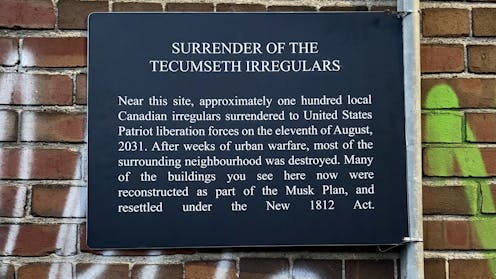
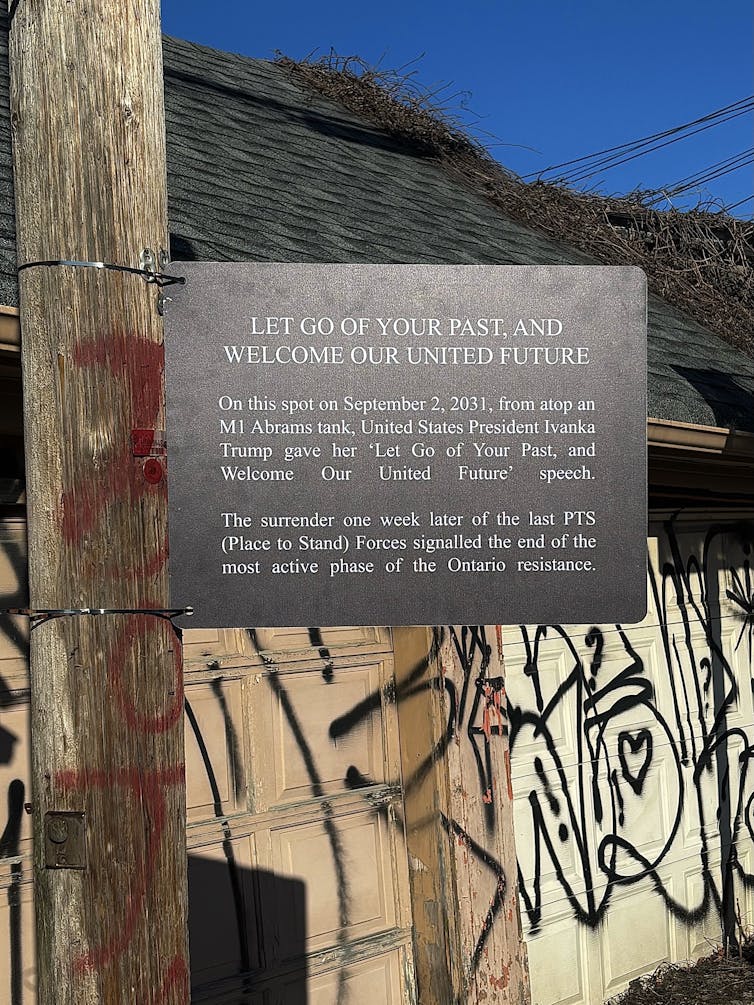
  • MIL-OSI Canada: Next stop for free trade: Ontario!

    Source: Government of Canada regional news

    MIL OSI Canada News –

    June 2, 2025
  • MIL-Evening Report: These 5 roadblocks are standing in the way of energy-efficient homes

    Source: The Conversation (Au and NZ) – By Jaime Comber, Senior Research Consultant in Energy Futures, University of Technology Sydney

    Westend61, GettyImages

    We all want homes that keep us warm in winter and cool in summer, without breaking the bank. However, Australian homes built before 2003 have a low average energy rating of 1.8 stars out of 10. This means they’re often uncomfortable to live in and expensive to run.

    There’s a strong case for a “renovation wave” of home energy upgrades across Australia. Reducing the use of fossil gas and improving the energy efficiency of existing housing by nearly 50% is also central to achieving net zero emissions by 2050.

    Energy-saving upgrades such as solar panels, batteries, insulation, draught-proofing and hot water heat pumps also reduce the cost of energy bills. So while there’s an upfront cost, upgrades can reduce household expenses in the long run.

    We wanted to find out what’s holding people back from getting energy-saving upgrades. We surveyed 100 Australian households and interviewed 19 people about their experiences. Our new research revealed five major barriers that stop these upgrades from being accessible to most households. Suppliers, governments and community organisations can all help overcome these barriers.

    Embarking on home energy upgrades can be an emotional rollercoaster ride.
    RACE for 2030

    1. Information about upgrades is confusing and overwhelming

    Households told us the amount of information out there about energy saving upgrades is overwhelming and sometimes conflicting. There are many different types of upgrades and product choices, making it challenging to identify which options provide the best value and what to do first. People found it difficult to know what information and which suppliers to trust.

    Households need clear information from a trusted source about what their homes need. Many governments internationally, such as Scotland, provide online resources and tools to provide tailored advice to help with this.

    Energy upgrade programs run by neutral community organisations and councils can also help, such as Rewiring Australia’s Electrify 2515 or Geelong Sustainability’s Electric Homes Program. These programs use their expertise to vet suppliers and ensure households receive good deals and high quality products.

    2. Homes need to engage multiple suppliers and tradespeople

    Many households worked on their home gradually, one upgrade at a time. Each upgrade involved a labour-intensive process of researching products, selecting companies, getting quotes and managing the disruptions caused by the installation. One Sydney homeowner told us:

    The process of needing both a plumber and an electrician to change to induction cooking was frustrating. [We had to] to coordinate availability times and appliance delivery.

    Australians need companies that can do multiple upgrades at once, to simplify and streamline the process. In Ireland, the government helped stimulate a market for organisations that can cover all the upgrades needed by a household.

    Ireland has “One Stop Shops” for home energy upgrades (Sustainable Energy Authority of Ireland)

    3. Households are losing opportunities for straightforward upgrades

    Every year, Australians invest billions in home renovations. They spent more than A$3 billion in the December 2024 quarter alone.

    One of the best times to improve your home is during major renovations or when old appliances, such as hot water systems, break down. If you’re already facing disruptions and need to spend money, it can be an easy and more cost-effective way to increase your home’s energy efficiency at the same time.

    Yet our research found advice on energy-saving upgrades was rarely provided to people undertaking major renovations or emergency replacements unless they asked for it. Households needed to seek out builders, architects and tradespeople who specialised in sustainability to get advice on an energy-saving renovation.

    Providing energy upgrades to homes should be a standard component of modern renovations. Otherwise, households are missing out on easy and more affordable opportunities to get these upgrades.

    4. Many tradespeople lack knowledge of energy-saving upgrades

    Our research found tradespeople are the most common point of contact for households. They can be a valuable source of information and advice to facilitate upgrades. However, many households reported difficulty finding tradespeople knowledgeable about – and willing to install – energy-saving upgrades.

    Some upgrades, such as solar panels, require specialised workforces. Others, such as hot water heat pumps are usually installed by regular plumbers and electricians.

    Some tradespeople lack the knowledge to advise on energy-saving upgrades or need training to install new technologies to a high standard. This situation leaves households vulnerable to misinformation, with a shortage of skilled workers to do their upgrades.

    Tradespeople require increased support and incentives to make energy-saving measures part of their skill set. This is especially true in regional areas, where there are fewer products and workers available.

    5. The costs are too high for many households

    A final, significant barrier was the cost of home upgrades, which often caused households to drop out early in the process. Australian households, particularly those with less disposable income, need more help with the upfront cost.

    One way to do this is through targeted government rebates, which are currently only available in some regions. Another is affordable and accessible financing, like that available in Tasmania and the ACT. The national Home Energy Upgrades Fund could also be extended to make sure available finance matches the scale of the challenge.

    Also needed are long-term reforms such as mandatory disclosure of energy performance when homes are sold and minimum energy standards for rental properties, which are currently only required in some jurisdictions in Australia. When these are both addressed we can make comfortable, and affordable homes the norm rather than the exception.

    Keeping warm in winter and cool in summer is the number one motivation for energy saving upgrades.
    RACE for 2030

    A worthwhile journey

    Roadblocks aside, households also shared the joy and satisfaction of completing home energy upgrades. While the journey was often difficult, those who reached the end of the road were overwhelmingly pleased with the results. A homeowner who had installed solar panels and undertaken draught-proofing and insulation in Adelaide said:

    It’s nice not to have huge electricity bills, and but I find it’s that day to day stuff of actually being comfortable that makes the biggest difference.

    This research was undertaken by Jaime Comber, Kamyar Soleimani, Ed Langham, Nimish Biloria, Leena Thomas and Kerryn Wilmot from the University of Technology, Sydney.

    Jaime Comber received funding for this research as part of the Energy Upgrades for Australian Homes (EUAH) initiative – a national collaboration between research, industry and government partners to enable scalable, community-led energy upgrades. EUAH is funded through the RACE for 2030 cooperative research centre, which includes contributions from the NSW Government, Government of South Australia and Knauf Insulation. The project is led by Climate-KIC Australia and Monash University.

    Ed Langham undertakes contract research for government, community and consumer advocates, and the clean energy industry. This research was funded as part of the RACE for 2030 Cooperative Research Centre’s Energy Upgrades for Australian Homes project, which is co-funded by Australian Government, NSW Government, Government of South Australia and Knauf Insulation. Ed is also affiliated with Schumacher Institute for Sustainable Systems, based in the UK.

    Nimish Biloria receives funding through the RACE for 2030 Cooperative Research Centre. This research was undertaken as part of the Energy Upgrades for Australian Homes initiative, which is funded in part by the NSW Government, the Government of South Australia, and Knauf Insulation. Before this, Nimish Biloria has received funding from various governmental bodies, not-for-profit organizations, and the Industry such as the Department of Industry, Innovation and Science, Australian Renewable Energy Agency (ARENA), City of Sydney, AusIndustry Smart Cities and Suburbs Program, Transport for New South Wales, Commonwealth Bank of Australia, Leigh Place Aged Care, Sydney, NSW, HMI Technologies.

    – ref. These 5 roadblocks are standing in the way of energy-efficient homes – https://theconversation.com/these-5-roadblocks-are-standing-in-the-way-of-energy-efficient-homes-256906

    MIL OSI Analysis – EveningReport.nz –

    June 2, 2025
  • MIL-Evening Report: Australia’s plan to protect its trade in war is flawed. We can’t do it with nuclear submarines

    Source: The Conversation (Au and NZ) – By Albert Palazzo, Adjunct Professor in the School of Humanities and Social Sciences at UNSW Canberra, UNSW Sydney

    If war breaks out someday between the United States and China, one of the major concerns for Australia is the impact on its trade.

    Our trade routes are long and exposed. Every year, thousands of merchant ships — bulk carriers, tankers, container ships and other types — visit Australian ports to deliver imported goods and pick up exports for delivery at distant ports.

    When a cargo ship of petroleum leaves the Persian Gulf for refining in East Asia, then sails for Australia, the total trip is approximately 20,000 kilometres. The ship passes through lonely stretches of sea and numerous choke points, such as the Strait of Malacca in Southeast Asia, often within range of missiles and other weapons.

    Such attacks could come from Chinese ships in the event of a war, or as we’ve seen in the Middle East with the Houthi rebels, they could also come from militants seeking to disrupt global shipping.

    Australia’s current defence strategy cites the security of our “sea lines of communication and maritime trade” as a priority. The aim is to prevent an adversary from cutting off critical supplies to our continent in a war.

    To achieve this, the government has embarked on the lengthy process of expanding the Royal Australian Navy surface and sub-surface fleet, including the acquisition of nuclear-powered submarines.

    As I explain in my forthcoming book, The Big Fix: Rebuilding Australia’s National Security, the problem with the government’s maritime plan is that it is built on a deeply flawed foundation and cannot deliver what it promises.

    A flawed maritime plan

    Defence documents insist on a need for the Australian Defence Force to be able to project naval power far from Australia’s shores in order to protect the nation’s trade. The presence of these warships would ostensibly deter attacks on our vital shipping.

    However, those who developed the maritime plan do not appear to have considered whether the merchant ships delivering this trade would continue to sail to Australia in the event of a war — presumably with China.

    The reality is that Australia’s A$1.2 trillion of exports and imports are carried in ships owned by non-Australian companies, flying foreign flags and largely crewed by citizens of other countries.

    Decisions about whether to continue sailing to Australia during a conflict would be made in overseas boardrooms and capitals. The Australian government has no leverage to force the owners of these ships to continue to service our continent. Australia’s national interests may well not be the paramount concern.

    Nor does the Australian government have the option to turn to Australian-flagged vessels. Australia’s shipping list contains only a handful of domestically owned and flagged cargo ships available in case of war.

    In fact, the biggest vessel (by length) that the government could take into service is the Spirit of Tasmania IV ferry.

    If all goes according to schedule, at some point in the 2040s, Australia will have at most 26 surface warships and perhaps eight nuclear-powered submarines the navy hopes to acquire through the AUKUS deal.

    Due to training and maintenance requirements, the total number of vessels available at any one time would be more on the order of ten.

    In other words, the government’s future maritime plan — costing hundreds of billion dollars — may result in just ten available ships at any given time to protect the nation’s trade over thousands of kilometres.

    What could work instead

    Fortunately, Australia has other options for safeguarding its trade that don’t necessitate the building of warships.

    Our first investment in security should be diplomatic. The government should prioritise its investment in diplomacy across the region to promote security, including trade security.

    Regional countries are best placed to secure the waterways around Australia, particularly from the most likely future threat: Houthi-like militants.

    The Australian government should also modernise its shipping regulations and include in the budget provisions for war-risk insurance. Such insurance could compensate owners for the potential loss of ships and cargoes as an inducement for them to sail to and from Australia during war.

    The government must also encourage greater investment in our national resilience. Currently, the biggest risk during a conflict is an interruption to the nation’s liquid fuel supply. We must greatly expand our on-shore reserves of fossil fuels in the short term, while initiating a nation-building project to electrify the economy in the long term. Electrification would eliminate a considerable vulnerability to national security.


    Read more:
    Fuel shortages and bare pharmacies: we need to talk about what a possible war with China could look like


    Additionally, the government should identify and subsidise vital industries, such as fertilisers and certain medicines, which are essential to the continued functioning of our society in the event of a war. This would reduce our reliance on imports of critical materials.

    Lastly, Australian industries, with the government’s assistance, should further diversify their trading partners to reduce over-dependence on one or two main destinations.

    Trade is undoubtedly important to Australia and the government is correct to protect it. But it is also true that not all security problems are best answered by the military.

    This is particularly important since the size of our planned fleet is obviously insufficient for the enormous task it will face. Either Australia invests in impossibly large numbers of warships or it takes a different path.

    The art of war requires a balance between the desired ends and the means to achieve them. This simple statement underpins the formation of all good strategy, which a state ignores at its peril.

    Unfortunately, in the case of the nation’s maritime plan, the ends and means are seriously out of whack. Instead of setting itself up for failure, the government needs to put aside its ineffectual maritime plan and choose the means that do align with the ends. Only then will it be possible to protect Australia’s trade.

    Albert Palazzo was the long-serving director of War Studies for the Australian Army.

    – ref. Australia’s plan to protect its trade in war is flawed. We can’t do it with nuclear submarines – https://theconversation.com/australias-plan-to-protect-its-trade-in-war-is-flawed-we-cant-do-it-with-nuclear-submarines-256557

    MIL OSI Analysis – EveningReport.nz –

    June 2, 2025
  • MIL-OSI United Kingdom: UK-Morocco Joint Communiqué: Strategic Dialogue 2025

    Source: United Kingdom – Executive Government & Departments

    Press release

    UK-Morocco Joint Communiqué: Strategic Dialogue 2025

    The Kingdom of Morocco and the United Kingdom enter an Enhanced Strategic Partnership and sign a series of agreements driving mutual growth and security.

    The Minister of Foreign Affairs, African Cooperation and Moroccan Expatriates, Mr. Nasser Bourita received the Secretary of State for Foreign, Commonwealth and Development Affairs of the United Kingdom of Great Britain and Northern Ireland, The Rt Hon David Lammy MP, in Rabat on 1st June 2025. Mr. Bourita and The Rt Hon David Lammy co-chaired, on this occasion, the 5th session of the Morocco-UK Strategic Dialogue. Following productive talks between the two Ministers, the Kingdom of Morocco and the United Kingdom of Great Britain and Northern Ireland have secured a historic agreement to enhance their bilateral relationship.

    A historic partnership between two Kingdoms rooted in shared values

    1. The Kingdom of Morocco and the United Kingdom of Great Britain and Northern Ireland are bound by one of the world’s oldest diplomatic relationships, dating back over 800 years. From the first recorded contact between both Crowns, in the early 13th century, to present day exchanges, the longstanding and enduring ties between Moroccan and British Sovereigns have formed the bedrock of this unique alliance.

    2. Their Majesties King Mohammed VI and King Charles III continue to anchor Moroccan-United Kingdom ties. Their leadership has continuously fostered the stability and high-level commitment necessary to develop an ambitious, forward-looking strategic partnership.

    3. The privileged ties between both Kingdoms rest on a solid foundation of shared values and converging interests. From the Treaty of Peace and Commerce, signed over 300 years ago, to the UK-Morocco Association Agreement, which passed into effect in 2021, trade and economic cooperation continue to grow from strength to strength. People-to-people connections and flourishing cross-cultural exchanges nurture the bonds of friendship and mutual respect that ensure the resilience and growth of this relationship.

    4. Both countries reaffirmed the paramount importance of a rules-based international order and the fundamental principles of the Charter of the United Nations, and their constant position on respect for the territorial integrity and sovereignty of countries, the non-use of force for the settlement of conflicts and their support for the principle of respect for self-determination.

    Securing a Historic Agreement: Ushering in a New Era of Bilateral Relations

    1. Building upon this exceptional shared history and its many bilateral achievements, the Kingdom of Morocco and the United Kingdom of Great Britain and Northern Ireland seek to usher in a new era of comprehensive and genuine strategic partnership. To this effect, both Ministers reaffirmed their mutual commitment to deepening collaboration across all dimensions: political, diplomatic, security, economic, cultural and people-to-people exchanges.

    2. Marking a significant step towards a pioneering partnership fit for the future, the Kingdom of Morocco and the United Kingdom of Great Britain and Northern Ireland reaffirm their shared objectives in the realms of security, conflict resolution, green growth and socio-economic development, for the mutual benefit of their peoples.

    3. The Kingdom of Morocco and the United Kingdom of Great Britain and Northern Ireland pledge to act as partners to jointly address regional and global challenges, and to uphold the principles ​​of peace, security, tolerance, and human rights. In this spirit, the two countries intend to optimize existing bilateral frameworks and adopt an ambitious, enduring roadmap across issues of common interest.

    Western Sahara: Supporting Morocco’s Autonomy Plan

    1. The UK recognises the importance of the question of Western Sahara for the Kingdom of Morocco and follows closely the current positive dynamic on this issue under the leadership of His Majesty King Mohammed VI.

    2. As a Permanent Member of the UN Security Council, the United Kingdom agrees with Morocco on the urgent need to find a resolution to this long-held dispute, which would be in the interest of the parties. The stalled nature of the political process and ongoing conflict prevents the region from realising its full social and economic potential and hampers regional integration, security and development. The time for a resolution and to move this issue forwards is long-overdue, and would strengthen the stability of North Africa and the relaunch of the bilateral dynamic and regional integration.

    3. Both countries support, and consider vital, the central role of the UN-led process to bring the parties together and move the issue forward to achieve a just, lasting and mutually acceptable political solution and reaffirm their full support for the efforts of the UN Secretary-General’s Personal Envoy, Mr. Staffan de Mistura. To this end the UK is ready, willing and committed to lend its active support and engagement to the Personal Envoy and the parties to reach such a solution to this dispute.

    4. In that context the UK, in encouraging the relevant parties to engage, urgently and positively, with the UN-led political process, considers Morocco’s autonomy proposal, submitted in 2007 as the most credible, viable and pragmatic basis for a lasting resolution of the dispute.

    5. The UK and the Kingdom of Morocco expressed their shared conviction that renewed efforts were urgently needed to support the PESG in the search for a solution, underlying that the only viable and durable solution will be one that is mutually acceptable to the relevant parties, and is arrived at through compromise. They committed themselves to this goal, in the belief that, with goodwill on all sides, a solution could be found very soon. To that end, the UK will continue to act bilaterally, including economically, regionally and internationally in line with this position to support resolution of the conflict.

    6. The two Ministers discussed how to move the question forward, and, in that context, the UK welcomed Morocco’s willingness to engage in good faith with all relevant parties, to expand on details of what autonomy within the Moroccan State could entail for the region, with a view to restarting serious negotiations on terms acceptable to the parties.

    Enhancing bilateral cooperation: strengthening collective security, advancing green growth and deepening people-to-people bonds

    1. The Kingdom of Morocco and the UK agree to strengthen their bilateral cooperation mechanisms, including the Strategic Dialogue, the Association Council, the Security Dialogue and the informal Human Rights Dialogue.

    2. In the field of security, the Kingdom of Morocco and the UK commit to enhanced efforts to address national security concerns. Both parties committed to increased collaboration on counter-terrorism and its root causes, including the return and rehabilitation of foreign terrorist fighters, tackling online radicalisation, counter-unmanned aerial systems (drones), cybersecurity and risks posed by Artificial Intelligence and emerging technologies in particular their potential malicious use, security of critical infrastructure and major international events. Ministers agree that strengthened security cooperation in counterterrorism, illegal migration and serious organised crime will enhance mutual resilience from these threats and that this will be underpinned by an agreed information and intelligence exchange. In this regard, the UK welcomes Morocco’s election as Interpol Vice-President for Africa, reinforcing its role as a key player in both regional and international security efforts.

    3. In the field of Defence, the Kingdom of Morocco and the United Kingdom of Great Britain and Northern Ireland will continue to work together to strengthen their defence cooperation, built upon the foundations of a dynamic programme of activity, agreed at the annual Joint Military Commission.  With both the Kingdom of Morocco and the UK being Atlantic maritime nations, the two countries agreed to look for opportunities to strengthen maritime collaboration. Both sides agreed to deepen Defence industry cooperation and partnership, including investments in industrial projects, leveraging UK Defence industry expertise and resources to deliver cutting-edge capabilities.

    4. On bilateral trade, the Ministers applauded the expansion of economic ties, which reached £4.2 billion in 2024, doubling since the entry into force of the UK-Morocco Association Agreement in 2021. Building on this positive momentum, both parties expect this new partnership to drive further trade growth, create quality jobs and reduce costs for consumers.

    5. The Parties reaffirmed their shared commitment to maintaining and expanding economic ties, paving the way for deeper collaboration and continuity of trade. The UK especially welcomes the support to strengthen public procurement co-operation between the parties.

    6. They acknowledged the importance of intellectual property to the UK’s export economy, and expressed support of efforts to safeguard the Moroccan market from counterfeit and low-quality imitation goods.  In this regard, the two sides agreed to examine the registration of a list of UK geographical indications in Morocco, ensuring the protection of emblematic quality products.

    7. Both parties welcomed the efforts to reach a decision on rules of origin and the progress made on the agricultural review, aimed at improving market access and enhancing trade. Their finalization will mark a major step in strengthening the UK-Morocco Agreement and deepening a fair and mutually beneficial partnership.

    8. Both Ministers recognise the untapped investment potential between the Kingdom of Morocco and the United Kingdom of Great Britain and Northern Ireland, and agree to work together to unlock new investment opportunities. In this context, they commit to establishing a Morocco Business Alliance, driven by the private sector.

    9. Morocco also welcomes UK Export Finance’s £5bn commitment to support new business across the country. The UK and Morocco discussed the coverage of UK Export Finance. The UK can consider supporting projects in Western Sahara subject to meeting UKEF’s due diligence requirements. The UK recognises Morocco as a key gateway to Africa’s socio-economic development and reaffirms its commitment to deepening engagement with Morocco as a partner for growth across the continent.

    10. Regarding the 2030 FIFA World Cup, the UK reiterates its congratulations to Morocco on its successful bid to co-host the tournament. Morocco welcomes the UK Government’s technical support and efforts to promote associated commercial opportunities for UK businesses across the value chain. Both Ministers expressed their commitment to collaborate on priority infrastructure projects ahead of the tournament, including by utilising support from the UK Government, where relevant and jointly agreed, as well as expertise from the UK supply chain.

    11. In the field of water, climate and energy transition, both parties will enhance efforts to unlock green growth projects, remove barriers to clean energy deployment and connectivity, and mobilise climate and sustainable finance, including through the Energy Transition Council, the Breakthrough Agenda, and the Powering Past Coal Alliance. The United Kingdom of Great Britain and Northern Ireland recognises Morocco’s pioneering leadership in renewable energy and sustainable development, and its strategic efforts to become a regional energy and sustainable mining and fuels hub. Both sides commit to work closely on sustainable water management, building on Morocco’s national strategy for water resilience, and jointly encourage broader international financing and political backing for water security and climate action ahead of COP30. The UK welcomes Morocco’s support for, and participation in, the UK-led Clean Power Alliance. Both countries welcome the new collaboration of the UK Met office and Morocco’s Direction Generale de la Meteorologie as a positive example of collaboration on climate and related environmental services.

    12. In the healthcare sector, the Ministers discussed Morocco’s ambitious plans to expand its national capacity and to achieve universal health insurance. Morocco welcomes the UK’s support in advancing this goal, noting agreements between public and private bodies to strengthen partnership across hospital  building, medical equipment supply, and teaching links.

    13. Both parties commit to further deepening their cooperation in education, scientific research, and innovation, including through the promotion of mobility for students, researchers, and faculty, the establishment of co-financing mechanisms for joint research, and the expansion of British university campuses in Morocco. The UK welcomed Morocco’s announcement of automatic recognition of UK higher education qualifications for Moroccan students studying in the UK, as well as its intention to facilitate the establishment of UK higher education institutions and recognise UK degrees delivered in Morocco. Morocco recognises the UK as a partner of choice in its efforts to expand English language education and will match-fund the UK’s current annual investment in British Council pre-service training programmes for English language secondary school teachers and inspectors.

    14. They welcomed the Agreements and Memoranda of Understanding (MOUs) which will give new impetus to the bilateral partnership and deepen collaboration in several areas of common interest including healthcare, water, energy, transport, defence and procurement.

    15. The United Kingdom of Great Britain and Northern Ireland welcomes and is supporting the major reforms undertaken by Morocco, under the leadership of His Majesty King Mohammed VI, for a more open and dynamic society and economy. Both countries note the constructive cooperation between the Bank of England and Bank Al-Maghrib in areas such as cyber security, regulatory alignment, and Central Bank Digital Currency. Both parties will continue to collaborate – alongside relevant multilateral institutions – by sharing expertise and advancing cooperation in financial policy reforms, climate risk, financial stability, and economic diplomacy.

    16. Furthermore, the UK commends the progress achieved by Morocco in the field of human rights under the leadership of His Majesty King Mohammed VI, both at the national level and on the international stage. The UK congratulated Morocco on its successful presidency of the United Nation’s Human Rights Council in 2024, and both Ministers welcomed Morocco’s participation at the UK’s Wilton Park Conference on Women’s Political Empowerment in January 2025. They also welcomed the second UK-Morocco Informal Dialogue on Human Rights, held in Rabat on 30 April 2024, during which the two countries discussed areas of mutual interest, including freedom of expression, empowerment of women, media freedom, and judicial reforms. Both parties reaffirmed their commitment to empowering women and girls across all areas of bilateral cooperation and confirmed their intention to hold a third session of the dialogue before the end of 2025 in London.

    17. Both parties welcome the burgeoning cultural and sport exchange, and the people-to-people ties that underpin this partnership. Both nations will support emerging cultural spaces and festivals, youth and community engagement, and friendly matches between their national football teams.

    18. The two Ministers celebrated the increase in people-to-people contacts between the two kingdoms. Given the record number of Moroccan and British visitors in both directions, and in line with the strengthening of bilateral relations, they agreed to build on existing visa processes and to make meaningful improvement for visitors from both countries.

    Fostering cooperation on regional and international issues of common interest

    1. The UK regards Morocco as a credible and trusted partner, playing a key role in promoting stability and development at both the regional and international levels.

    2. The UK welcomed Morocco’s efforts through initiatives launched by His Majesty King Mohammed VI to progress peace, stability and socio-economic development in Africa, notably, notably, “the Initiative of the Atlantic African  States Process”; and the “International Royal Initiative to facilitate access for Sahel countries to the Atlantic ocean”. Both parties expressed their concern about security threats in the Sahel region, the proliferation of non-state actors, and reports of multiple human rights violations. Both parties consider that the fight against violent extremist organisations in the Sahel requires a holistic response that includes development, trade and investment and the protection of the civilian population alongside security. Both parties agreed to explore cooperation on these issues in this regard.

    3. With regard to the Middle East, the UK commends the key role played by His Majesty King Mohammed VI as Chairman of the Al-Quds Committee. Both countries reaffirm their shared commitment to advance a comprehensive peace in the region, including by building on our close cooperation to support regional stability. Both sides reiterate their support for a two-State solution, leading to a safe and secure Israel living alongside a sovereign and viable Palestinian state, based on 1967 borders, with Jerusalem as a shared capital.

    In the context of the UK Foreign Secretary’s visit to Morocco, and following the Strategic Dialogue with His Excellency Nasser Bourita, several agreements have been signed to deepen ties between the two kingdoms, driving mutual growth and security.

    The following have been agreed:

    1. 2030 World Cup Government to Government Partnership Agreement, signed between the UK Department of Business and Trade, and Morocco’s Minister Delegate of Budget, to progress UK-Morocco collaboration on critical infrastructure projects ahead of tournament.

    2. Memorandum of Understanding signed between the UK Department for Business and Trade and Morocco’s Ministry of Equipment and Water to strengthen bilateral cooperation on water and ports infrastructure, promoting UK expertise in sustainable water management, smart logistics, and green port technologies.

    3. Agreement between the UK Department for Business and Trade and Morocco’s Ministry of Interior to advance sustainable infrastructure and partnerships between the UK and Moroccan local authorities across several priority sectors, including water management, sustainable waste management, and urban mobility.

    4. Noting the ongoing strength of the UK Morocco Association Agreement, driving record bilateral trade volumes, a Memorandum of Understanding was signed between the UK Department of Business and Trade and Morocco’s Ministry of Industry and Trade to promote procurement co-operation.

    5. A Memorandum of Understanding between the UK and Morocco covering higher education, scientific research, and innovation.

    6. Memorandum of Understanding signed between the UK Department for Business and Trade and Morocco’s Ministry of Health to enable UK private sector engagement to support Morocco’s healthcare transformation programme. confirming comms lines

    7. UK Export Finance Memorandum of Understanding with SGTM to explore opportunities of partnership in Morocco and wider Africa

    8. UK Export Finance, and TAQA Morocco have signed a memorandum of understanding to support TAQA Morocco’s transition to a low-carbon power generation portfolio in line with the sustainable roadmap of the Kingdom of Morocco. This will contribute to give additional access to competitive, innovative and accelerated financial conditions to enhance the Kingdom of Morocco’s competitiveness.

    9. A Memorandum of Understanding on climate collaboration and related environmental services between the UK Met Office and Morocco Meteorological Office

    10. A intent to collaborate with Vicenne to introduce UK digital health solutions to the Moroccan market and support innovation in partnership with the Ministry of Health.

    11. A intent to collaborate with the Mohammed VI Foundation of Health and Science aims to promote UK expertise in medical equipment, hospital design, and academic partnership to support healthcare development in Morocco.

    12. An invitation to the Moroccan Airports Authority to visit the UK and explore partnership opportunities amidst Morocco’s airport transformation plans.

    The following agreements will be agreed and signed in the coming days:

    • A Memorandum of Understanding between UK defence and security trade association ADS Group and the Moroccan Agency of Investment and Export Development to strengthen links between UK and Morocco defence industries.

    • A Memorandum of Understanding between BAE Systems and the National Defence Administration of Morocco and the Moroccan Agency of Investment and Export Development on investment and capability across the defence sector.

    Share this page

    The following links open in a new tab

    • Share on Facebook (opens in new tab)
    • Share on Twitter (opens in new tab)

    Updates to this page

    Published 1 June 2025

    MIL OSI United Kingdom –

    June 2, 2025
  • MIL-OSI USA: Joint Statement from U.S. Senators Graham and Blumenthal on Visit to France

    US Senate News:

    Source: United States Senator for South Carolina Lindsey Graham
    WASHINGTON – U.S. Senators Lindsey Graham (R-South Carolina) and Richard Blumenthal (D-Connecticut) today made this joint statement on their visit to Paris, France. 
    “Congratulations to Paris Saint-Germain for winning the Champions league and making history. We learned firsthand that the French are good at soccer and have amazing endurance when it comes to celebrating. Also during our time in Paris, we had worthwhile meetings with France’s Ministers of Foreign Affairs and Finance and President Macron’s national security advisor, and a lengthy and productive phone call with President Macron. 
    “As authors of the bone-crushing Russia sanctions bill that now has 82 Senate cosponsors, we assured President Macron and his team that we believe Putin is playing games regarding peace and is actually preparing for a military offensive in the late summer or early fall. 
    “President Macron shares the view that Putin’s behavior demonstrates that he is not interested in peace. Macron is also very determined to unite Europe, working in coordination with the U.S., to change the calculation for Putin. Importantly, we all agreed that if China and India stopped buying cheap Russian oil, Putin’s war machine would grind to a halt. 
    “President Macron supports lowering the price cap for Russian oil, which will hit Putin in the wallet, and working with his team, he committed to try to deliver a forceful message to China and India regarding their financial backing of Putin’s war. It is our hope that Europe will move forward together on lowering the price caps, and join together to send a clear message to China and India that they must change their behavior. 
    “Europe and the United States are holding all the cards and can make meaningful efforts to change China and India’s behavior. 
    “We are also hopeful Europe will up their game regarding the seizure of frozen assets of those who are benefiting off of Putin’s illegal invasion. President Macron was very open to that idea. 
    “We also discussed Russia’s kidnapping of approximately 20,000 Ukrainian children over the course of the war.  President Macron has been a clear, moral voice against this barbaric kidnapping and other Russian atrocities. 
    “France has been terrific in supporting Ukraine. In many ways, this has been President Macron’s finest hour. 
    “We will be pushing the Senate to take action by using the expedited Rule 14 process to bring the sanctions bill to the floor. By the G7 summit, we hope to have sanctions put in place —  in coordination with Europe —  to deliver an unequivocal message to China. 
    “The theme of this engagement was that we appreciate President Trump’s earnest efforts to bring about peace and entice Putin to come to the table. It is our view Putin is not responding in kind, he is not interested in peace and that he plans to continue to dismember Ukraine. We appreciate that President Zelensky will send a delegation to Istanbul, which is a clear sign that he is earnestly seeking peace. Unfortunately, we believe Monday’s meeting will result in another demand by Russia that will be unrealistic. 
    “An end of the war that rewards Putin’s aggression will create a ripple effect around the world, which will be catastrophic in every corner. Bad actors will be emboldened, and those who want to align with the West will be deterred.
    “If we can have a just and honorable peace, it will reset the world in all the right ways. History is watching.”

    MIL OSI USA News –

    June 2, 2025
  • MIL-OSI USA: Celebrating LGBTQ+ Pride Month

    Source: US State of New York

    overnor Kathy Hochul directed state office buildings and landmarks to illuminate in the colors of the Pride flag and raise LGBTQ+ progress Pride flags today, June 1, to celebrate New York’s LGBTQ+ community and mark the beginning of Pride month. The Governor also issued a proclamation designating June 2025 as LGBTQ+ Pride Month in the Empire State. The Pride flag will be raised at the State Capitol, the Empire State Plaza and the Governor’s Executive Mansion.

    “New York is the birthplace of the LGBTQ+ rights movement — members of the community have marched for equality since 1969, and every year one of the world’s largest Pride marches takes place in New York City,” Governor Hochul said. “Now more than ever, we are fighting to protect LGBTQ+ rights and protections — all New Yorkers deserve to be safe, heard and valued regardless of who they love or how they identify. New York is proud of its history and will always celebrate Pride.”

    The following State landmarks will illuminate various colors of the Pride flag on June 1 and June 23-30, and Capital region landmarks will be lit the weekend of June 7-9:

    • One World Trade Center
    • Governor Mario M. Cuomo Bridge
    • Kosciuszko Bridge
    • The H. Carl McCall SUNY Building
    • State Education Building
    • Alfred E. Smith State Office Building
    • Empire State Plaza
    • State Fairgrounds – Main Gate & Expo Center
    • Niagara Falls
    • The “Franklin D. Roosevelt” Mid-Hudson Bridge
    • Grand Central Terminal – Pershing Square Viaduct
    • Albany International Airport Gateway
    • MTA LIRR – East End Gateway at Penn Station
    • Fairport Lift Bridge over the Erie Canal
    • Moynihan Train Hall
    • Walkway Over the Hudson State Historic Park

    The Pride flag will be flown at the following State agencies and office buildings throughout New York State:

    • New York State Capitol
    • Empire State Plaza
    • Governor’s Executive Mansion
    • Alfred E. Smith State Office Building
    • New York State Office of General Services
    • New York State Department Of Transportation
    • New York State Office for People With Developmental Disabilities
    • New York State Workers’ Compensation Board
    • Hampton Plaza
    • Harriman Campus
    • Ten Eyck
    • Binghamton State Office Building
    • Dulles State Office Building
    • Henderson-Smith State Office Building
    • State Preparedness Training Center (Oriskany)
    • Homer Folks Facility
    • Senator John H. Hughes State Office Building
    • Utica State Office Building
    • Adam Clayton Powell, Jr. State Office Building
    • Eleanor Roosevelt State Office Building
    • Hudson Valley Transportation Management Center
    • Perry B. Duryea State Office Building

    Additionally, Governor Hochul announced that the Pride flag will be flown at the following State parks across New York State:

    • Allegany State Park
    • Artpark
    • Bayard Cutting Arboretum
    • Belmont Lake State Park
    • Bethpage State Park
    • Caleb Smith State Park
    • Clay Pit Ponds State Park Preserve
    • Clermont State Historic Site
    • Connetquot River State Park
    • DF Riverbank State Park
    • FDR Four Freedoms State Park
    • FDR State Park
    • Gantry Plaza State Park
    • Green Lakes State Park
    • Hamlin State Park
    • Hempstead Lake State Park
    • Hither Hills State Park
    • Jones Beach State Park
    • Lake Taghkanic State Park
    • Letchworth State Park
    • Marsha P Johnson State Park
    • Mills-Norrie State Park
    • Montauk Downs State Park
    • Niagara Falls State Park
    • Orient Beach State Park
    • Philipse Manor Hall
    • Planting Fields State Park
    • Robert Moses State Park
    • Roberto Clemente State Park
    • Saratoga Spa State Park
    • Shirley Chisholm State Park
    • Sunken Meadow State Park
    • Taconic State Park State Park
    • Valley Stream State Park
    • Wellesley Island State Park

    Throughout her positions in local and state government, Governor Hochul has championed policies and made investments to support marginalized New Yorkers. A national leader in advocating for LGBTQ+ rights, she signed legislation to make New York a safe haven for LGBTQ+ youth and paved the way for an Equal Rights Amendment to be embedded in the New York State Constitution.

    The LGBTQ+ community has been no stranger to the Trump administration’s attacks and the federal government’s pursuit to strip away rights and protections from people who are trying to be themselves. These attacks have dismantled years of civil rights progress and advocacy, rolling back protections for LGBTQ+ individuals and sheltering accessibility to information for individuals who are seeking to learn more about their identity and receive gender-affirming care.

    Every year, New York City is home to one of the world’s largest Pride marches and Pride events in the world. This year, the Pride march will take place on June 29 — annually, the last Sunday in June — and throughout June, Empire State Development’s Division of Tourism/I LOVE NY will continue to encourage tourists to discover all the events and destinations awaiting them across New York State through I LOVE NY LGBTQ. The I LOVE NY LGBTQ website features travel guides, blogs and a Pride event calendar with events taking place throughout New York State. For more information on LGBTQ travel and Pride events, click here.

    MIL OSI USA News –

    June 2, 2025
  • MIL-OSI Global: ‘Pax Americana’ in Toronto: How speculative art can help us navigate threats

    Source: The Conversation – Canada – By Pascal Michelberger, Postdoctoral Scholar, Western Academy for Advanced Research, Western University

    Artist Dara Vandor’s futuristic, commemorative historical plaques on Toronto streets project a U.S.-annexed Canada. (Dara Vandor)

    As part of her ongoing public art series, Pax Americana, Toronto visual artist Dara Vandor has been posting aluminum signs in public spaces.

    These are plaques that reimagine, as the artist writes, the city as “a site of future conflict and occupation” by the United States. The signage, in the style of commemorative historical markers, echoes U.S. President Donald Trump’s recent and repeated threats to annex Canada and “is meant to serve as a dark warning, inviting contemplation on the fragility of nationhood.”

    For example, one plaque, posted on a bridge on Spadina Ave., informs passersby:

    “This spot served as the center of operations for United States Army snipers during Operation McKinley, the campaign to liberate the northern territory formerly known as Canada. From February to May 2035, this site, code-named ‘The Hot Dog Stand,’ served as a concealed sniper’s nest, providing precision fire support, disrupting insurgent movements, and protecting advancing American units.”

    Vandor’s thought-provoking project, which she told CBC News was sparked by anger at Trump’s threats to Canadian sovereignty, underlines how storytelling can be a powerful tool in times of conflict, especially when it affords itself the artistic freedom to envision potential futures before they can become reality.

    Psychological effects

    In order to understand how exactly stories such as the one portrayed on Vandor’s plaques can make a real impact on the way we navigate moments of crisis, we can turn to the work of conflict analysis experts such as Solon Simmons.

    In his recent book on conflict storytelling, Simmons introduces the concept of post-plot pressure.

    The term describes the psychological effect that a story can have on its readers after they finish reading. As Simmons puts it:

    “What makes stories so important (as opposed to just interesting or entertaining) is the effect of the story, and this effect doesn’t end when the story ends. It leaves the viewer/reader/listener with a feeling.”

    Simmons also explains that the kind and amount of post-plot pressure placed upon an audience depends on the type of story being told.

    Projected unhappy ending exerts pressure

    A story, for example, featuring a struggle in which the antagonist eventually triumphs over the protagonist is what Simmons calls a “satirical struggle story.”

    “Satirical” in this context does not necessarily mean that stories of this kind include elements of mockery or sarcasm. Rather, the label goes back to the influential research contributions of Canadian literary theorist Northrop Frye and American historian Hayden White, from which Simmons derives his own framework.

    This is exactly how to understand the story told over its several episodes on Vandor’s Pax Americana plaques: the U.S., as the story’s antagonist, abuses its power and ends up getting away with it, defeating Canadian resistance and annexing what is now only referred to as the “northern territory.”

    As Simmons suggests, conflict stories like this one, where what is viewed as injustice is allowed to prevail, exercise a relatively high level of post-plot pressure. This is mainly because the unhappy ending leaves audiences dissatisfied and with a sense of loss to grapple with.

    Reader reactions

    Simmons also explains that not all readers react to this particular kind of post-plot pressure in the same way. Vandor’s project, for example, has brought out some critical and upset responses.

    As the artist told Toronto Today, some people have called the plaques pro-American propaganda; one online commenter said they should be taken down.

    Julian Bleecker — a researcher, author, designer and engineer with a PhD in history of consciousness whose design studio offers services around future imagining and planning — voiced his objection to the project in a blog post.

    In his opinion, the antagonistic and fatalistic vision of the future portrayed on the plaques runs the risk of “playing into the hands of the very forces that are at work to make the world a less habitable place.”


    Read more:
    The theatre we want in 2040? We used ‘strategic foresight’ to plan on the Prairies


    But, as Simmons argues, conflict stories in which the happy ending never comes can also leave readers with a productive sense of post-plot pressure. In that case, feeling dissatisfied with the story’s outcome can instead motivate people to mobilize and strategize against the perceived injustice.

    Seen in this light, the plaques’ imagined collapse of Canadian sovereignty can therefore also serve as a stark and urgent inspiration, begging response.

    A sign in an alleyway says 'let go of your past, and welcome to our united future.'
    In Dara Vandor’s speculative future, U.S. President Ivanka Trump, standing on a tank, exhorts Torontonians to ‘Let go of your past, and welcome to our united future.’
    (Dara Vandor)

    A cautionary tale

    Fictional storytelling is often viewed as a useful tool that allows us to make sense of real moments of conflict that happened in the past. Think, for example, of Erich Maria Remarque’s famous war novel All Quiet on the Western Front, which was turned into an Oscar-winning film directed by Edward Berger in 2022.

    Our understanding of these kinds of stories as useful comes with the acknowledgement that there is nothing we can do to prevent past conflict. At the same time, the underlying assumption here is that by learning about the past, we can learn from the past and hopefully stop similar crises from ever happening again.


    Read more:
    How stories about alternate worlds can help us imagine a better future: Don’t Call Me Resilient EP 7 transcript


    What makes Vandor’s ongoing project especially valuable is that it moves its reflections on the past into an imagined future. The actual conflict that the plaques refer to is still part of the present, and its future still undecided. Whatever lessons we draw from their cautionary tale about Canadian annexation, we still have time to act upon them before that imagined future can become reality.

    Importance of resistance in the present

    This is exactly what leads historian Camille Bégin to conclude that the project’s appeal to the importance of resistance in the present is particularly strong:

    “It really shows us that the future is not written, that it’s in our hands to act in the present to forge the future that we want.”

    Even though Vandor’s project tells a story of Canadian defeat, it also highlights that Canadians did resist, a thought that should appeal to anyone opposed to Trump’s vision of territorial expansion.

    Or, and this is perhaps the most hopeful reflection coming out of the project, if Canadians come together and resist now, Trump’s threat of annexation may never get that far.

    The Conversation

    Pascal Michelberger does not work for, consult, own shares in or receive funding from any company or organisation that would benefit from this article, and has disclosed no relevant affiliations beyond their academic appointment.

    – ref. ‘Pax Americana’ in Toronto: How speculative art can help us navigate threats – https://theconversation.com/pax-americana-in-toronto-how-speculative-art-can-help-us-navigate-threats-256755

    MIL OSI – Global Reports –

    June 2, 2025
  • MIL-OSI Global: ‘Pax Americana’ in Toronto? Speculative art can help us navigate threats

    Source: The Conversation – Canada – By Pascal Michelberger, Postdoctoral Scholar, Western Academy for Advanced Research, Western University

    Artist Dara Vandor’s futuristic, commemorative historical plaques on Toronto streets project a U.S.-annexed Canada. (Dara Vandor)

    As part of her ongoing public art series, Pax Americana, Toronto visual artist Dara Vandor has been posting aluminum signs in public spaces.

    These are plaques that reimagine, as the artist writes, the city as “a site of future conflict and occupation” by the United States. The signage, in the style of commemorative historical markers, echoes U.S. President Donald Trump’s recent and repeated threats to annex Canada and “is meant to serve as a dark warning, inviting contemplation on the fragility of nationhood.”

    For example, one plaque, posted on a bridge on Spadina Ave., informs passersby:

    “This spot served as the center of operations for United States Army snipers during Operation McKinley, the campaign to liberate the northern territory formerly known as Canada. From February to May 2035, this site, code-named ‘The Hot Dog Stand,’ served as a concealed sniper’s nest, providing precision fire support, disrupting insurgent movements, and protecting advancing American units.”

    Vandor’s thought-provoking project, which she told CBC News was sparked by anger at Trump’s threats to Canadian sovereignty, underlines how storytelling can be a powerful tool in times of conflict, especially when it affords itself the artistic freedom to envision potential futures before they can become reality.

    Psychological effects

    In order to understand how exactly stories such as the one portrayed on Vandor’s plaques can make a real impact on the way we navigate moments of crisis, we can turn to the work of conflict analysis experts such as Solon Simmons.

    In his recent book on conflict storytelling, Simmons introduces the concept of post-plot pressure.

    The term describes the psychological effect that a story can have on its readers after they finish reading. As Simmons puts it:

    “What makes stories so important (as opposed to just interesting or entertaining) is the effect of the story, and this effect doesn’t end when the story ends. It leaves the viewer/reader/listener with a feeling.”

    Simmons also explains that the kind and amount of post-plot pressure placed upon an audience depends on the type of story being told.

    Projected unhappy ending exerts pressure

    A story, for example, featuring a struggle in which the antagonist eventually triumphs over the protagonist is what Simmons calls a “satirical struggle story.”

    “Satirical” in this context does not necessarily mean that stories of this kind include elements of mockery or sarcasm. Rather, the label goes back to the influential research contributions of Canadian literary theorist Northrop Frye and American historian Hayden White, from which Simmons derives his own framework.

    This is exactly how to understand the story told over its several episodes on Vandor’s Pax Americana plaques: the U.S., as the story’s antagonist, abuses its power and ends up getting away with it, defeating Canadian resistance and annexing what is now only referred to as the “northern territory.”

    As Simmons suggests, conflict stories like this one, where what is viewed as injustice is allowed to prevail, exercise a relatively high level of post-plot pressure. This is mainly because the unhappy ending leaves audiences dissatisfied and with a sense of loss to grapple with.

    Reader reactions

    Simmons also explains that not all readers react to this particular kind of post-plot pressure in the same way. Vandor’s project, for example, has brought out some critical and upset responses.

    As the artist told Toronto Today, some people have called the plaques pro-American propaganda; one online commenter said they should be taken down.

    Julian Bleecker — a researcher, author, designer and engineer with a PhD in history of consciousness whose design studio offers services around future imagining and planning — voiced his objection to the project in a blog post.

    In his opinion, the antagonistic and fatalistic vision of the future portrayed on the plaques runs the risk of “playing into the hands of the very forces that are at work to make the world a less habitable place.”


    Read more:
    The theatre we want in 2040? We used ‘strategic foresight’ to plan on the Prairies


    But, as Simmons argues, conflict stories in which the happy ending never comes can also leave readers with a productive sense of post-plot pressure. In that case, feeling dissatisfied with the story’s outcome can instead motivate people to mobilize and strategize against the perceived injustice.

    Seen in this light, the plaques’ imagined collapse of Canadian sovereignty can therefore also serve as a stark and urgent inspiration, begging response.

    In Dara Vandor’s speculative future, U.S. President Ivanka Trump, standing on a tank, exhorts Torontonians to ‘Let go of your past, and welcome to our united future.’
    (Dara Vandor)

    A cautionary tale

    Fictional storytelling is often viewed as a useful tool that allows us to make sense of real moments of conflict that happened in the past. Think, for example, of Erich Maria Remarque’s famous war novel All Quiet on the Western Front, which was turned into an Oscar-winning film directed by Edward Berger in 2022.

    Our understanding of these kinds of stories as useful comes with the acknowledgement that there is nothing we can do to prevent past conflict. At the same time, the underlying assumption here is that by learning about the past, we can learn from the past and hopefully stop similar crises from ever happening again.


    Read more:
    How stories about alternate worlds can help us imagine a better future: Don’t Call Me Resilient EP 7 transcript


    What makes Vandor’s ongoing project especially valuable is that it moves its reflections on the past into an imagined future. The actual conflict that the plaques refer to is still part of the present, and its future still undecided. Whatever lessons we draw from their cautionary tale about Canadian annexation, we still have time to act upon them before that imagined future can become reality.

    Importance of resistance in the present

    This is exactly what leads historian Camille Bégin to conclude that the project’s appeal to the importance of resistance in the present is particularly strong:

    “It really shows us that the future is not written, that it’s in our hands to act in the present to forge the future that we want.”

    Even though Vandor’s project tells a story of Canadian defeat, it also highlights that Canadians did resist, a thought that should appeal to anyone opposed to Trump’s vision of territorial expansion.

    Or, and this is perhaps the most hopeful reflection coming out of the project, if Canadians come together and resist now, Trump’s threat of annexation may never get that far.

    Pascal Michelberger does not work for, consult, own shares in or receive funding from any company or organisation that would benefit from this article, and has disclosed no relevant affiliations beyond their academic appointment.

    – ref. ‘Pax Americana’ in Toronto? Speculative art can help us navigate threats – https://theconversation.com/pax-americana-in-toronto-speculative-art-can-help-us-navigate-threats-256755

    MIL OSI – Global Reports –

    June 2, 2025
  • MIL-OSI Asia-Pac: Services scheme applications open

    Source: Hong Kong Information Services

    The Professional Services Advancement Support Scheme has opened a new round of funding for non-profit-distributing organisations, with applications being accepted from today until August 31.

    Eligible professional bodies, trade and industrial organisations and research institutes may apply.

    With a total allocation of $200 million, the scheme offers subsidies to non-profit-making industry-led projects that increase exchanges and co-operation between Hong Kong’s professional services and external counterparts, promote relevant publicity activities, and enhance the sector’s standards and external competitiveness.

    The scheme is open to a wide range of professional services including accounting, legal and dispute resolution, architecture, engineering, healthcare, information and communications technology, design as well as technical testing and analysis. Applications are welcome from both sector-specific projects and cross-sectoral projects.

    The maximum grant for each approved project is $3 million or 90% of the total eligible project cost, whichever is lower.

    As of early May 2025, more than 120 projects had been funded, covering project deliverables in Hong Kong and elsewhere.

    The Government has also set aside $50 million to launch the Professionals Participation Subsidy Programme under the scheme.

    The programme aims to subsidise Hong Kong’s major professional bodies to participate in activities organised by the Government and the Trade Development Council with a view to promoting Hong Kong’s competitive edge and professional services to the Mainland and overseas markets.

    The scheme and the programme both accept applications all year round, with submissions processed on a quarterly basis.

    A briefing session will be held this month for organisations interested in applying for funding via the scheme. Contact the secretariat on 3655 5418 or by email for enquiries. 

    MIL OSI Asia Pacific News –

    June 2, 2025
  • MIL-OSI Africa: Minister appoints Ithuba Holdings to run national lottery for 12 months

    Source: South Africa News Agency

    Trade, Industry and Competition Minister, Parks Tau, has appointed Ithuba Holdings (RF) (Pty) Ltd as the temporary national lottery and sports pool operator for 12 months.

    This as the Minister on Wednesday announced the success conclusion and appointment of Sizekhaya Holdings (RF) (Pty) Ltd (“Sizekhaya”) as the fourth national lottery and sports pools operator. However, Sizekhaya’s appointment takes effect on 1 June 2026.

    “Sizekhaya’s appointment takes effect on 1 June 2026 and requires that there be transition from the third national lottery and sports pools operations to the fourth national lottery and sports pool licence operations.
    “On advice of the National Lotteries Commission, I also authorised that a temporary licensee must be appointed in terms of section 13B of the Lotteries Act, 1997. 

    “I am pleased to report that I have concluded, on advice of the Commission, successful negotiations with Ithuba Holdings (RF) (Pty) Ltd and have signed a temporary licence Agreement for them to operate the National Lottery and Sports Pool for a period of 12 months with effect 1 June 2025,” said the Minister in a statement on Saturday.

    The temporary licence will ensure the continuation of the lottery operations in the period that transition is required from the third to the fourth licence operations. 

    In addition, the Minister said he takes issue with the judgement of the High Court of 21 May 2025 which found that the Temporary Licence Request for Proposal (RFP) was not valid and has appealed this judgment. 

    “However, in its judgment of 21 May 2025, the court accepted that it is in the public interest that the National Lottery should continue to operate to raise revenues to fund worthy causes notwithstanding that the court was not satisfied with the RFP process. Additionally, another court affirmed my power to appoint a temporary licensee in its judgement of 30 May 2025,” said Minister Tau.

    It is in the context of both the 21 and 30 May 2025 judgments that the Minister received and accepted the advice from the Commission that he appoint a temporary licence operator on an urgent basis.

    “I am pleased that the National Lottery operations will not be interrupted during transition from the third to [the] fourth licence operations and that worthy causes will continue to receive support,” said the Minister. –SAnews.gov.za

    MIL OSI Africa –

    June 1, 2025
  • GIFT Nifty hits record $102.35 billion turnover in May

    Source: Government of India

    Source: Government of India (4)

    GIFT Nifty recorded its highest-ever monthly turnover of $102.35 billion (₹8,75,098 crore) with 2.10 million contracts traded in May, the National Stock Exchange (NSE) announced on Sunday.

    Marking a new milestone, GIFT Nifty continues to establish itself as a benchmark in India’s equity market growth story. This achievement surpasses its previous record of $100.93 billion set in April this year.

    “This milestone reflects the growing global interest and trust in GIFT Nifty as a benchmark for India’s growth story. We are glad to witness the success of GIFT Nifty and express our sincere gratitude to all the participants for their overwhelming support in making GIFT Nifty a successful contract,” the NSE said in a statement.

    Trading volumes on NSE International Exchange (NSE IX) have seen exponential growth since the full-scale launch of GIFT Nifty operations on July 3, 2023. Since then, GIFT Nifty has recorded a cumulative volume of over 43.28 million contracts, with a total cumulative turnover of $1.93 trillion as of May 2025.

    NSE IX, an international multi-asset exchange set up at GIFT City on June 5, 2017, is regulated by the International Financial Services Centres Authority (IFSCA). The exchange holds a dominant market share of over 99 per cent in GIFT IFSC, highlighting its strong leadership position.

    NSE IX offers a diversified portfolio of products, including Indian single stock derivatives, index derivatives, currency derivatives, depository receipts, and global stocks.

    Meanwhile, the NSE has achieved another significant milestone—becoming the largest unlisted company in India with over 100,000 shareholders, according to recent industry data.

    For the financial year ending March 31, 2025 (FY25), the NSE reported a 17 per cent year-on-year increase in consolidated total income, reaching ₹19,177 crore.

    —IANS

    June 1, 2025
  • Piyush Goyal commences official visit to France, Italy to boost economic ties

    Source: Government of India

    Source: Government of India (4)

    Union Commerce and Industry Minister Piyush Goyal began his three-day official visit to France on Sunday as part of a five-day tour of France and Italy from June 1 to 5. The visit is aimed at further strengthening India’s strategic and economic partnerships with key European nations.

    During his stay in France, the Minister will hold bilateral meetings with senior French officials, including Minister of Economy Eric Lombard and Trade Minister Laurent Saint-Martin. The discussions will focus on enhancing Indo-French economic ties, trade collaboration, and exploring investment opportunities in priority sectors.

    As part of his engagements, Goyal will participate in the India-France Business Round Table and the India-France CEO Forum. He is expected to meet senior leadership from leading French companies such as Vicat, TotalEnergies, L’Oréal, Renault, Valeo, EDF and ATR. The forums aim to deepen industry-level cooperation and foster greater dialogue between businesses from both countries.

    Speaking ahead of the visit, Goyal said, “France is a longstanding partner in India’s growth journey. This visit is an opportunity to reinforce our economic collaboration, encourage two-way investments, and support innovation-led partnerships.”

    The Minister will also represent India at the informal gathering of World Trade Organization (WTO) Ministers, held on the sidelines of the OECD Ministerial Council Meeting in Paris. He will articulate India’s views on key global trade issues, including reform of the multilateral trading system and inclusive growth.

    Goyal will hold a series of bilateral meetings with international counterparts during the visit. These include the UK Secretary of State for Business and Trade Jonathan Reynolds, Singapore’s Deputy Prime Minister and Minister for Trade and Industry Gan Kim Yong, and Saudi Arabia’s Minister of Commerce Dr. Majid bin Abdullah Al-Kasabi.

    The Minister will also meet Israel’s Minister for Trade and Investment Nir Barkat, Nigeria’s Minister for Trade, Industry and Investment Dr. Jumoke Oduwole OON, and Brazil’s Foreign Minister Mr. Mauro Luis Iecker Vieira. These interactions are expected to advance India’s global trade outreach and provide momentum to the ongoing India-EU Free Trade Agreement negotiations.

    In addition, Goyal will engage with senior EU officials, including European Commissioner for Trade and Economic Security Maroš Šefčovič and Agriculture Commissioner Christophe Hansen. The talks will focus on boosting India-EU cooperation in trade, technology, and agriculture.

    Goyal will continue the second leg of his visit in Italy from June 3, where further engagements with industry leaders and government officials are scheduled.

    June 1, 2025
  • MIL-OSI China: Hainan Free Trade Port to begin independent customs operations by end of 2025

    Source: People’s Republic of China – State Council News

    Hainan Free Trade Port to begin independent customs operations by end of 2025

    Updated: June 1, 2025 08:40 Xinhua
    This drone photo taken on May 27, 2025 shows a view of the Yangpu International Container Port in the Yangpu Economic Development Zone in Danzhou, south China’s Hainan Province. In June 2020, China released a master plan to build the whole of Hainan Island into a globally influential and high-level free trade port by the middle of the century. Series of opening-up policies have been issued to create a “foreign investor-friendly” business environment in Hainan. Local immigration authorities have implemented measures, such as the utilization of one-stop customs clearance service, to improve the customs clearance efficiency and to reduce the operational costs of enterprises. As a key initiative in China’s opening-up strategy, the Hainan Free Trade Port is set to begin independent customs operations by year end, and global enterprises are eyeing the vast opportunities that come with open trade. [Photo/Xinhua]
    This aerial drone photo taken on May 28, 2025 shows a container ship leaves the Yangpu International Container Port in the Yangpu Economic Development Zone in Danzhou, south China’s Hainan Province. [Photo/Xinhua]
    This aerial drone photo shows a Japanese fishing vessel loads juvenile fish in waters near Wanning, south China’s Hainan Province, May 15, 2025. [Photo/Xinhua]
    This aerial drone photo taken on May 28, 2025 shows a view of the Yangpu International Container Port in the Yangpu Economic Development Zone in Danzhou, south China’s Hainan Province. [Photo/Xinhua]
    This photo taken on May 28, 2025 shows a view of the Yangpu International Container Port in the Yangpu Economic Development Zone in Danzhou, south China’s Hainan Province. [Photo/Xinhua]
    Immigration officers process border entry procedures for passengers of an international cruise ship in Sanya, south China’s Hainan Province, Jan. 3, 2025. [Photo/Xinhua]

    MIL OSI China News –

    June 1, 2025
  • MIL-OSI USA: DAUPHIN COUNTY – Governor Shapiro, PennDOT Secretary to Highlight Importance of Investing in Mass Transit to Connect Communities, Power Pennsylvania’s Economy

    Source: US State of Pennsylvania

    June 02, 2025 – Harrisburg, PA

    ADVISORY – DAUPHIN COUNTY – Governor Shapiro, PennDOT Secretary to Highlight Importance of Investing in Mass Transit to Connect Communities, Power Pennsylvania’s Economy

    Governor Josh Shapiro and Secretary of PennDOT Mike Carroll will visit Capital Area Transit to highlight the importance of investing in mass transit to create jobs, connect communities, and grow Pennsylvania’s economy. The Governor’s 2025-26 Budget Proposal calls for significant investments in mass transit and road and bridge infrastructure all across the Commonwealth to ensure Pennsylvanians can get where they need to go.

    WHO:
    Governor Josh Shapiro
    Secretary Mike Carroll, PennDOT
    Senator Patty Kim
    Richard Farr, Executive Director of the Susquehanna Regional Transportation Authority

    WHERE:
    Capital Area Transit
    901 N. Cameron Street,
    Harrisburg, PA 17101

    WHEN:
    Monday, June 2, 2025, at 11:00 AM
    LIVE STREAM:
    pacast.com/live/gov
    governor.pa.gov/live/

    RSVP:
    Press who are interested in attending must RSVP with the names and phone numbers for each member of their team to ra-gvgovpress@pa.gov.

    MIL OSI USA News –

    June 1, 2025
  • MIL-OSI: Trade 350 App: This Trade 350 App Sets New Standard in AI-Driven Trading with Unmatched Security and User Approval

    Source: GlobeNewswire (MIL-OSI)

    New York City, NY, May 31, 2025 (GLOBE NEWSWIRE) — Introduction

    In the crowded world of online trading platforms, separating legitimate services from elaborate scams can be a daunting task. Trade 350 App has emerged as one of the buzziest names in 2025, promising AI-driven trade signals, rapid withdrawals, and rock-solid security. But is it truly a breakthrough platform—or just another scheme designed to separate inexperienced traders from their capital? In this article, we’ll dissect every major aspect of Trade 350 app: from its core technology and fee model to real-world user experiences and regulatory credentials. By the end, you’ll have all the information needed to decide whether to trust Trade 350 with your hard-earned money.

    Don’t Miss Out: Start Automated Trading with Trade 350’s Proven AI Signals Now!

    If one notices the trends in the cryptocurrency market, one can see that most of the people involved in storing cryptocurrencies like Bitcoin and Ethereum are now moving into those transactions. Interestingly, this trend has been visible since 2017. So, what led to this transformation?

    What Is Trade 350 App?

    Trade 350 App is a digital currency trading platform that ensures safe trading on global cryptocurrency exchanges. Following a quick and thorough analysis of market volatility, members can access charts and tables on their account pages. Traders with cryptocurrency experts rely on this trading platform for accurate data analysis as such huge amounts of data cannot be collected, processed, and analyzed.
    Trade 350 App bills itself as a next-generation trading solution that leverages machine-learning algorithms to identify high-probability opportunities across Forex, cryptocurrencies, commodities, and equities. Founded in 2023 by a team of former quants and software engineers, Trade 350 aims to democratize sophisticated algorithmic strategies once reserved for hedge funds and institutional traders.

    • Core proposition: Turnkey, AI-powered signals for retail traders.
    • Supported markets: Major forex pairs (EUR/USD, GBP/USD, USD/JPY), top cryptos (BTC, ETH, XRP), indices (S&P 500, NASDAQ), and commodities (gold, oil).
    • Minimum deposit: $250 USD (or local equivalent).
    • Platforms: Web dashboard plus native iOS/Android apps.
    • Languages: English, Spanish, Mandarin, Arabic, Portuguese.

    From a high level, Trade 350’s pitch is simple: eliminate guesswork, automate trade execution, and maximize risk-adjusted returns. But ambitious marketing claims warrant a closer look—especially when unregulated brokers are notorious for opacity.
    Secure Your Spot—Join 100,000+ Traders on Trade 350 and Experience 24-Hour Withdrawals
    How Trade 350’s AI Engine Works
    At the heart of Trade 350 is a multi-layer neural-network engine trained on years of historical price data, technical indicators, and real-time sentiment signals (social media trends, news headlines). Key components include:

    1. Data ingestion layer
      • Feeds: Tick-level order-book snapshots, minute-bar OHLC data, macroeconomic calendar events, social sentiment APIs.
      • Refresh rate: Sub-second for price data; 1–5 seconds for sentiment.
    2. Feature engineering & pattern recognition
      • Technical filters: Moving-average crossovers, RSI divergences, Bollinger Band squeezes.
      • Seasonal factors: Day-of-week and month-of-year patterns.
      • Sentiment overlays: News-driven volatility spikes, Twitter-derived bullish/bearish sentiment.
    3. Signal generation module
      • Ensemble of classifiers (random forests, gradient boosting, LSTM networks) votes on entry signals.
      • Risk scoring: Each signal is given a probability score (0–100%) and a recommended position size.
    4. Order management & execution
      • API integration with partner brokers for sub-100 ms order execution.
      • Smart order routing to minimize slippage.

    Why it matters:
    A genuinely robust AI engine can adapt to shifting market regimes—bull cycles, bear markets, sideways consolidations—whereas static rule-based “signal” products often fail under stress. Users should, however, be mindful that no AI can predict “black swan” events (e.g., flash crashes, geopolitical shocks).
    Act Fast—Trade 350’s AI Strategies Are Filling Up. Claim Your Demo Mode Access Today!

    Working of Trade 350 App

    Trade 350 App is an online platform for trading in cryptocurrencies. It has dedicated tools to ensure that trading is fast, highly regulated, and profitable. The data accumulation software of this platform is brilliantly crafted to gather price movement data for all cryptocurrencies from all the exchanges in the world. This big data is then analyzed and compared with historical transaction data to generate profitable transaction signals for users. They can follow these signals to make profitable trades manually or via automated trading robots. This only takes a few milliseconds, so members of this trading platform can trade before the market takes the next step.

    The software’s built-in time-hop function allows traders to advance 0.01 seconds in the cryptocurrency market. This software allows them to predict future market positions with 100% accuracy and offers reliable trading opportunities. 

    How to use Trade 350 App?

    Step 1: Sign up for the Trade 350 App platform

    There is a registration form on the platform’s homepage. People need to fill in and fill in the details such as their name and email address. The program verifies the personal information provided, and they are the latest members to join this platform. They can log into the members’ area and continue adding funds. The developers don’t charge a subscription fee, so users can sign up immediately. 

    More Information on Trade 350 App App Can Be Found On The Official Website Here

    Step 2: Add money to the trading account

    Once traders have access to the private members’ page, they can add funds to their trading accounts. This is the money the software spends on making profitable trades. With a minimum deposit of just $ 250, one can start with small orders and gently increase their investment.

    Step 3: Check the personal information

    If members provide their payment information, the program will confirm it before deducting their initial investment. This is done to ensure that the trading account is safe and free from unwanted scams.

    Step 4: Practice, Explore, Learn

    A demo account is available with Trade 350 App. Individuals can use their accounts to place virtual trade orders. They can also explore the trading platform’s features and services to see if it suits their taste. Accounts will help people gain experience in the cryptocurrency market, which will help them when they start a real trade.

    Step 5: Change the trading parameters and select the trading mode

    The first step in making a real trade is to adjust the parameters of the trade according to one’s needs. This includes the risk traders prefer for each order, the money they are willing to invest in, and the time interval between trades. They can change and adjust the transaction parameters at any time. Setting the parameters to one’s liking keeps one in control of one’s operations.

    Then select a trading method. People can select manual mode or assisted mode. If they want the program to transact on their behalf, select the Help mode. Otherwise, switch to manual trading. 

    Step 6: Get the exact trading signal and execute the trade

    Trade 350 Apps provide people with useful trading signals. Conduct thorough market research to discover trading opportunities that fit their trading profile. If people trade in assisted mode, the software will perform these trades. With a success rate of over 99%, one can profit from every trade. 

    Step 7: Transfer the profit to the bank account

    The platform supports smooth and easy withdrawals. To transfer all earnings to the bank account, people need to fill out a withdrawal form. Upon approval, they will receive their profit in their savings account. 

    Trade 350’s AI Does the Work—You Reap the Rewards. Get Started in Minutes!

    Advantages of Trade 350 App

    Superior technology

    This trading bot uses the best technology to scan the Bitcoin market and provide trading opportunities to maximize profits. The correct response rate is 99.4%, and one can win every trade. 

    Reliable signal

    Trade 350 Apps provide the most reliable trading signals for trading in the cryptocurrency trading industry. Not only do individuals withdraw these trades for themselves, but they also execute them and establish their profit.

    Fast transaction

    Trade 350 Apps support high-frequency trading or high-frequency trading. Can complete 20 operations in 10 minutes. One can win from multiple exchanges with certain points.

    Why Choose Trade 350 App App? Australia and Canada Consumer Report Released Here

    Safe trading robot

    Trade 350 App offers the safest and most secure platform on the web. It is integrated with malware and antivirus software. Therefore, all data and information are protected. People don’t have to worry about anyone other than accessing their data and information.

    Online customer service

    It provides people with 24/7 online customer service. The team is happy to answer any questions or concerns about how the program works. The customer service team investigates and provides the correct information and resolves all queries. 

    Quick registration

    Trade 350 Apps also offer fast withdrawals. Withdrawal requests are processed in approximately one day. Traders always receive their income in their bank accounts.

    Low deposit

    People have to deposit a basic amount of $250 with a Trade 350 App. It is seed capital. One can make thousands with this investment. Also, keep in mind that the investment is directly proportional to profit. Therefore, as one continues to increase their trading capital, the profits will continue to increase proportionally. 

    Cost-effective

    The Bitcoin trading platform is free. No registrations, withdrawals, subscriptions or other hidden costs will be deducted. The developer will charge people a small “maintenance fee.” The program will deduct this as a small percentage of the income. These maintenance costs are used to provide an updated and error-free version of the software.

    Transform Your Trading—Download Trade 350 App and Unlock Smart, Secure AI Trades!

    Trading Modes: Demo vs. Live
    Trade 350 offers two distinct modes:

    • Demo Mode
      • Virtual balance (default $10,000 play money).
      • Full access to AI signals and all trading tools.
      • Ideal for newcomers to learn signal interpretation and order execution.
    • Live Mode
      • Real-money trading.
      • Adjustable risk parameters (see Section 6).
      • Access to same AI signals as demo but with real-world execution constraints (slippage, broker latency).

    Best practice: Begin in demo to fine-tune your settings and understand drawdowns. Transition to live only when consistently profitable on paper.
    Visit Here to Register on the Trade 350 App – Select Your Country Here!!!

    FAQs

    Is Trade 350 App a scam?
    No—evidence from withdrawals, Trustpilot ratings, and expert reviews points to a legitimate, albeit unregulated, broker platform.
    How much can I realistically earn?
    Performance varies widely with settings; users report 5–15% monthly on moderate risk settings—but past performance is no guarantee.
    What happens if Trade 350 goes offline?
    With custodial funds held by partner brokers, your balance remains with those brokers. Trade 350’s role is signal generation and order routing.
    Can I withdraw my original deposit anytime?
    Yes—withdrawals incur no fees and typically process within 48 hours, subject to your bank’s timelines.

    Do you want to gain experience while trading software?

    No, you don’t need to be an experienced trader when trading with the Trade 350 App software. An easy-to-use program for beginners that anyone can use to earn passive returns. We do everything from market research to profit recording. 
    Does Trade 350 offer educational resources?
    Yes—webinars, tutorials, and a knowledge base covering technical indicators, AI fundamentals, and platform navigation.

    Can I take advantage of market volatility when trading CFDs? 

    Yes, you can take advantage of market volatility in CFD trading. However, it is not easy for the human mind to accurately predict the future position of the market. In most cases, human predictions are wrong. This is not the case with trading software such as Trade 350 Apps, which can accurately predict and record profits. 

    How much time should you spend on the platform per day?

    You don’t have to spend hours on the platform to monitor your trades as the software does all the work for you. You can focus on your main task and other aspects of your life as Trade 350 Apps execute profitable trades for you around the clock.

    You can log in for 20 minutes a day, change trading parameters and withdraw your profits. 

    Fees, Spreads & Pricing Structure
    Trade 350’s revenue model is simple:

    • Spreads only: No subscription or platform fees.
    • Typical spreads:
      • Forex major pairs: 0.8 – 1.5 pips
      • Crypto (BTC/USD): 0.10% – 0.20%
      • Indices: 0.5 – 1.0 index points

    By relying solely on spreads, Trade 350 aligns its interests with active trading volume—higher client activity bolsters revenue without nickel-and-diming through extra commissions.
    Hidden costs? None disclosed—users only pay the buy-sell spread. Always check real-time spreads on the platform before placing large trades, as volatility can widen spreads temporarily.
    Why Choose Trade 350 App? Australia and Japan Consumer Report Released Here

    Pros

    • Accurate trading analysis. 
    • Fast generation of trading signals. 
    • Timeout of 0.01 seconds. 
    • Profitable and accurate transaction forecasts. 
    • The accuracy rate is 99.4%. 
    • Transactions with automated robots.
    • Margin trading is available to all clients. 
    • Demo trading functionality to learn.
    • Joint customer service. 

    Cons

    • An internet connection is required to trade with Trade 350 Apps.

    Deposit, Withdrawal & Customer Support

    • Deposit methods: Bank wire, credit/debit, PayPal, Skrill.
    • Withdrawal process:
    • Wallet → Withdraw
    • Enter amount & confirm
    • Funds arrive in 24–48 hours (users report up to 72 hours during weekends).
    • Customer support:
    • 24/5 live chat and email.
    • Phone support in EN, ES, PT.
    • Response times: Live chat replies in ~2 minutes; emails in < 6 hours.

    Overall, withdrawal speed is competitive but can slow around peak market events. No withdrawal fees apply.

    Click Here to Open Trade 350 App Account in Canada (Register Fee $250)
    Independent User Feedback
    A survey of user opinions across Reddit, Trustpilot, and specialist trading forums reveals:

    • Positive points:
      • Fast payouts without rollback or “verification loops.”
      • Transparent fee model.
      • Demo-to-live performance consistency.
    • Critiques:
      • Occasional signal lag during extreme volatility (e.g., Fed rate announcements).
      • Desire for additional regulation disclosures.
      • Some users find the risk settings complex initially.

    Aggregate Trustpilot rating sits at ~4.6 / 5 based on 1,200+ reviews at time of writing.
    Expert Analysis & Third-Party Reviews
    Industry experts have tested Trade 350 against competitors:

    • CompareBroker.net: Awarded “Best AI Signal Platform 2025” for ease-of-use and reliability.
    • ForexPulse Magazine: Noted “above-average live execution speeds” and “robust backtesting engine” but flagged “lack of transparency on audit results.”
    • CryptoReviewHub: Praised cryptocurrency signal accuracy (~68% win rate over 3 months) but emphasized need for position-sizing discipline.

    Such endorsements lend credibility, though full audit disclosures would strengthen the case.

    Conclusion: Trade 350 App

    Most people think that trading involves significant risks. They pay close attention to their analysis. However, with Trade 350 Apps, the level of risk is minimized. One can expect the software to take advantage of every trade made on one’s behalf.

    By starting in demo mode, practicing disciplined risk management, and staying informed, you can leverage Trade 350’s powerful AI engine while safeguarding your capital. Whether you’re dipping your toes into algorithmic trading or scaling up an existing strategy, Trade 350 merits a spot on your shortlist of trading platforms to consider in 2025.

    This is a free trading platform with a beginner-friendly approach. People can start trading today. Sign up for a Trade 350 App!
    Contact:-
    Trade 350 App
    (713) 231-4768
    50 W 4th St, New York, NY 10012, USA
    https://trade350app.net/

    info@cryptofinancetrack.com
    General Disclaimer:
    The content provided in this article is for informational and educational purposes only. It does not constitute financial, legal, or professional advice. Readers are advised to consult a certified financial advisor, licensed loan officer, or legal professional before making any financial decisions. The information presented may not apply to every individual circumstance and is not intended to substitute professional judgment or regulatory guidance. The information provided on this website does not constitute investment advice, financial advice, trading advice, or any other sort of advice and you should not treat any of the website’s content as such. We does not recommend that any cryptocurrency should be bought, sold, or held by you. Do conduct your own due diligence and consult your financial advisor before making any investment decisions.
    Trading Disclaimer:
    Trading cryptocurrencies carries a high level of risk, and may not be suitable for all investors. Before deciding to trade cryptocurrency you should carefully consider your investment objectives, level of experience, and risk appetite. The possibility exists that you could sustain a loss of some or all of your initial investment and therefore you should not invest money that you cannot afford to lose. You should be aware of all the risks associated with cryptocurrency trading, and seek advice from an independent financial advisor. ICO’s, IEO’s, STO’s and any other form of offering will not guarantee a return on your investment.
    HIGH RISK WARNING: Dealing or Trading FX, CFDs and Cryptocurrencies is highly speculative, carries a level of non-negligible risk and may not be suitable for all investors. You may lose some or all of your invested capital, therefore you should not speculate with capital that you cannot afford to lose. Please refer to the risk disclosure below. Trade 350 App does not gain or lose profits based on your activity and operates as a services company. Trade 350 App is not a financial services firm and is not eligible of providing financial advice. Therefore, Trade 350 App shall not be liable for any losses occurred via or in relation to this informational website.
    SITE RISK DISCLOSURE: Trade 350 App does not accept any liability for loss or damage as a result of reliance on the information contained within this website; this includes education material, price quotes and charts, and analysis. Please be aware of and seek professional advice for the risks associated with trading the financial markets; never invest more money than you can risk losing. The risks involved in FX, CFDs and Cryptocurrencies may not be suitable for all investors. Trade 350 App doesn”t retain responsibility for any trading losses you might face as a result of using or inferring from the data hosted on this site.
    LEGAL RESTRICTIONS: Without limiting the above mentioned provisions, you understand that laws regarding financial activities vary throughout the world, and it is your responsibility to make sure you properly comply with any law, regulation or guideline in your country of residence regarding the use of the Site. To avoid any doubt, the ability to access our Site does not necessarily mean that our Services and/or your activities through the Site are legal under the laws, regulations or directives relevant to your country of residence. It is against the law to solicit US individuals to buy and sell commodity options, even if they are called “prediction” contracts, unless they are listed for trading and traded on a CFTC-registered exchange unless legally exempt. The UK Financial Conduct Authority has issued a policy statement PS20/10, which prohibits the sale, promotion, and distribution of CFD on Crypto assets. It prohibits the dissemination of marketing materials relating to distribution of CFDs and other financial products based on
    Cryptocurrencies that addressed to UK residents. The provision of trading services involving any MiFID II financial instruments is prohibited in the EU, unless when authorized/licensed by the applicable authorities and/or regulator(s). Please note that we may receive advertising fees for users opted to open an account with our partner advertisers via advertisers websites. We have placed cookies on your computer to help improve your experience when visiting this website. You can change cookie settings on your computer at any time. Use of this website indicates your acceptance of this website. Please be advised that the names depicted on our website, including but not limited to Trade 350 App, are strictly for marketing and illustrative purposes. These names do not represent or imply the existence of specific entities, service providers, or any real-life individuals. Furthermore, the pictures and/or videos presented on our website are purely promotional in nature and feature professional actors. These actors are not actual users, clients, or traders, and their depictions should not be interpreted as endorsements or representations of real-life experiences. All content is intended solely for illustrative purposes and should not be construed as factual or as forming any legally binding relationship
    RISKS ASSOCIATED WITH FUTURES TRADING
    Futures transactions involve high risk. The amount of the initial margin is low compared to the value of the futures contract, so that transactions are “leveraged” or “geared”. A relatively small market movement has a proportionately larger impact on the funds that you have deposited or have to pay: this can work both for you and against you. You may experience the total loss of the initial margin funds as well as any additional funds deposited in the system. If the market develops in a way that is contrary to your position or if margins are increased, you may be asked to pay significant additional funds at short notice to maintain your position. In this case it may also happen that your broker account is in the red and you thus have to make payments beyond the initial investment.
    RISKS ASSOCIATED WITH ELECTRONIC TRADING
    Before you begin carrying out transactions with an electronic system, you should carefully review the rules and provisions of the stock exchange offering the system, or of the financial instruments listed that you intend to trade, as well as your broker’s conditions. Online trading has inherent risks due to system responses/reaction times and access times that may vary due to market conditions, system performance and other factors, and on which you have no influence. You should be aware of these additional risks in electronic trading before you carry out investment transactions.
    Affiliate Disclosure:
    This article may contain affiliate links. If a reader clicks on a link and completes an application or purchase, the publisher may receive a commission at no additional cost to the user. These commissions help support the publication and do not influence the editorial content, which is created independently and with the goal of delivering accurate and useful information.
    Accuracy Disclaimer:
    All information included in this article is presented in good faith and believed to be accurate at the time of writing. However, no representations or warranties are made regarding the completeness, accuracy, reliability, or timeliness of any information presented. Any reliance placed on such information is strictly at the reader’s own risk. The publisher does not accept responsibility for typographical errors, outdated information, or changes to products, terms, or policies after publication.
    Regulatory and Jurisdictional Disclaimer:
    Lending laws vary by jurisdiction, and not all services described in this article may be available in every state or region. It is the responsibility of the reader to understand and comply with local laws and regulations. The platforms mentioned are independently operated and are not controlled or endorsed by the publisher.
    Third-Party Liability Waiver:
    The publisher, its writers, editors, affiliates, and syndication partners shall not be held liable for any direct or indirect loss, damages, or legal claims arising from the use of this content or from reliance on any third-party services, platforms, or products mentioned herein. All loan agreements, terms, and disputes are strictly between the borrower and the lender or service provider.
    Syndication Partner Use:
    This content may be republished or syndicated by authorized partners under existing licensing or distribution arrangements. All syndication partners are free from liability regarding the editorial stance, financial suggestions, or any user outcome resulting from the reading or application of this content.

    Attachment

    • Trade 350 App

    The MIL Network –

    June 1, 2025
←Previous Page
1 … 118 119 120 121 122 … 410
Next Page→
NewzIntel.com

NewzIntel.com

MIL Open Source Intelligence

  • Blog
  • About
  • FAQs
  • Authors
  • Events
  • Shop
  • Patterns
  • Themes

Twenty Twenty-Five

Designed with WordPress