Category: Transport

  • MIL-OSI Economics: Arcane stealer: We want all your data

    Source: Securelist – Kaspersky

    Headline: Arcane stealer: We want all your data

    At the end of 2024, we discovered a new stealer distributed via YouTube videos promoting game cheats. What’s intriguing about this malware is how much it collects. It grabs account information from VPN and gaming clients, and all kinds of network utilities like ngrok, Playit, Cyberduck, FileZilla and DynDNS. The stealer was named Arcane, not to be confused with the well-known Arcane Stealer V. The malicious actor behind Arcane went on to release a similarly named loader, which supposedly downloads cheats and cracks, but in reality delivers malware to the victim’s device.

    Distribution

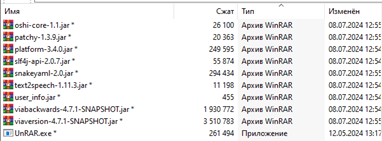
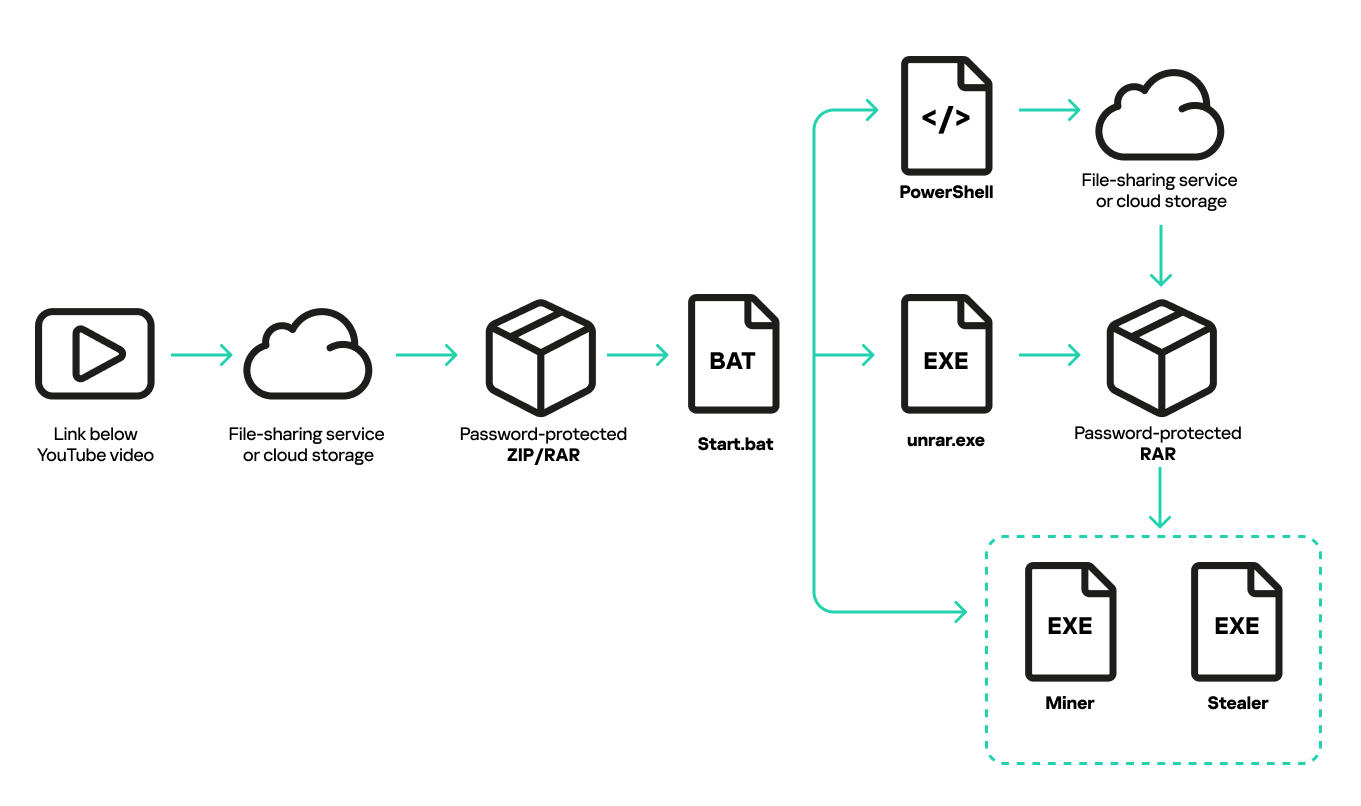
    The campaign in which we discovered the new stealer was already active before Arcane appeared. The original distribution method started with YouTube videos promoting game cheats. The videos were frequently accompanied by a link to an archive and a password to unlock it. Upon unpacking the archive, the user would invariably discover a start.bat batch file in the root folder and the UnRAR.exe utility in one of the subfolders.
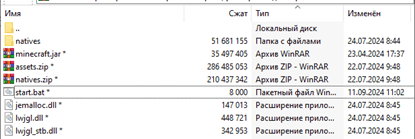
    Archive root

    Contents of the “natives” subfolder

    The contents of the batch file were obfuscated. Its only purpose was to download another password-protected archive via PowerShell, and unpack that with UnRAR.exe with the password embedded in the BATCH file as an argument.
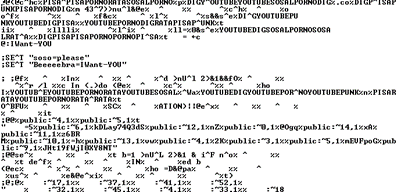
    Contents of the obfuscated start.bat file

    Following that, start.bat would use PowerShell to launch the executable files from the archive. While doing so, it added every drive root folder to SmartScreen filter exceptions. It then reset the EnableWebContentEvaluation and SmartScreenEnabled registry keys via the system console utility reg.exe to disable SmartScreen altogether.

    Key commands run by start.bat

    The archive would always contain two executables: a miner and a stealer.
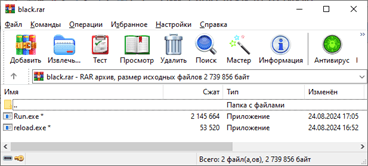
    Contents of the downloaded archive

    The stealer was a Phemedrone Trojan variant, rebranded by the attackers as “VGS”. They used this name in the logo, which, when generating stealer activity reports, is written to the beginning of the file along with the date and time of the report’s creation.

    Phemedrone and VGS logos

    Original distribution scheme

    Arcane replaces VGS

    At the end of 2024, we discovered a new Arcane stealer distributed as part of the same campaign. It is worth noting that a stealer with a similar name has been encountered before: a Trojan named “Arcane Stealer V” was offered on the dark web in 2019, but it shares little with our find. The new stealer takes its name from the ASCII art in the code.
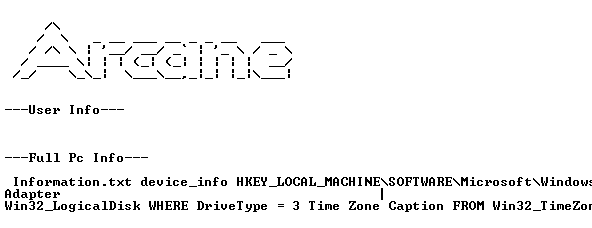
    Arcane logo

    Arcane succeeded VGS in November. Although much of it was borrowed from other stealers, we could not attribute it to any of the known families.

    Arcane gets regular updates, so its code and capabilities change from version to version. We will describe the common functionality present in various modifications and builds. In addition to logins, passwords, credit card data, tokens and other credentials from various Chromium and Gecko-based browsers, Arcane steals configuration files, settings and account information from the following applications:

    • VPN clients: OpenVPN, Mullvad, NordVPN, IPVanish, Surfshark, Proton, hidemy.name, PIA, CyberGhost, ExpressVPN
    • Network clients and utilities: ngrok, Playit, Cyberduck, FileZilla, DynDNS
    • Messaging apps: ICQ, Tox, Skype, Pidgin, Signal, Element, Discord, Telegram, Jabber, Viber
    • Email clients: Outlook
    • Gaming clients and services: Riot Client, Epic, Steam, Ubisoft Connect (ex-Uplay), Roblox, Battle.net, various Minecraft clients
    • Crypto wallets: Zcash, Armory, Bytecoin, Jaxx, Exodus, Ethereum, Electrum, Atomic, Guarda, Coinomi

    In addition, the stealer collects all kinds of system information, such as the OS version and installation date, digital key for system activation and license verification, username and computer name, location, information about the CPU, memory, graphics card, drives, network and USB devices, and installed antimalware and browsers. Arcane also takes screenshots of the infected device, obtains lists of running processes and Wi-Fi networks saved in the OS, and retrieves the passwords for those networks.

    Arcane’s functionality for stealing data from browsers warrants special attention. Most browsers generate unique keys for encrypting sensitive data they store, such as logins, passwords, cookies, etc. Arcane uses the Data Protection API (DPAPI) to obtain these keys, which is typical of stealers. But Arcane also contains an executable file of the Xaitax utility, which it uses to crack browser keys. To do this, the utility is dropped to disk and launched covertly, and the stealer obtains all the keys it needs from its console output.

    The stealer implements an additional method for extracting cookies from Chromium-based browsers through a debug port. The Trojan secretly launches a copy of the browser with the “remote-debugging-port” argument, then connects to the debug port, issues commands to visit several sites, and requests their cookies. The list of resources it visits is provided below.

    • https://gmail.com,
    • https://drive.google.com,
    • https://photos.google.com,
    • https://mail.ru,
    • https://rambler.ru,
    • https://steamcommunity.com,
    • https://youtube.com,
    • https://avito.ru,
    • https://ozon.ru,
    • https://twitter.com,
    • https://roblox.com,
    • https://passport.yandex.ru

    ArcanaLoader

    Within a few months of discovering the stealer, we noticed a new distribution pattern. Rather than promoting cheats, the threat actors shifted to advertising ArcanaLoader on their YouTube channels. This is a loader with a graphical user interface for downloading and running the most popular cracks, cheats and other similar software. More often than not, the links in the videos led to an executable file that downloaded an archive with ArcanaLoader.
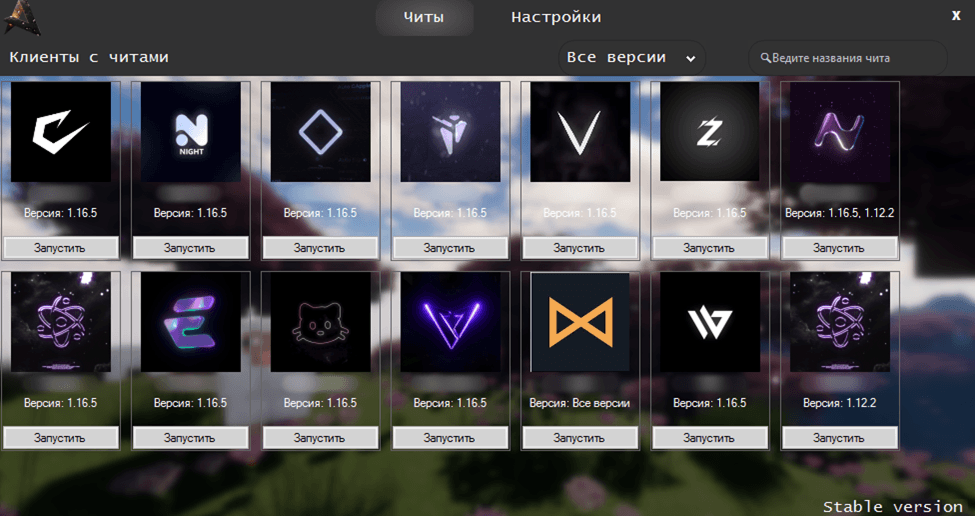
    ArcanaLoader

    See translation
    Читы Cheats
    Настройки Settings
    Клиенты с читами Clients with cheats
    Все версии All versions
    Введите название чита Enter cheat name
    Версия: 1.16.5 Version: 1.16.5
    Запустить Start
    Версия: Все Версии Version: All versions

    The loader itself included a link to the developers’ Discord server, which featured channels for news, support and links to download new versions.

    Discord server invitation

    See translation

    You have been invited to Arcana Loader
    548 online
    3,156 users
    Accept invitation

    At the same time, one of the Discord channels posted an ad, looking for bloggers to promote ArcanaLoader.
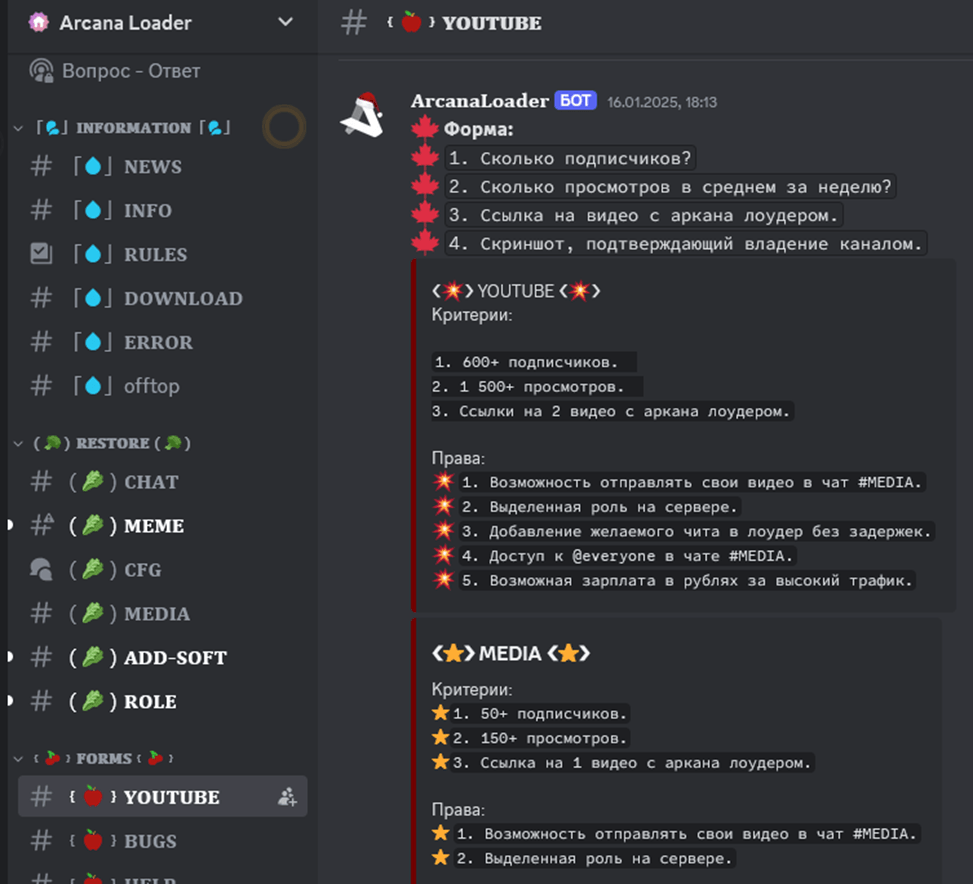
    Looking for bloggers to spread the loader

    See translation

    ArcanaLoader BOT
    Form:
    1. Total subscribers
    2. Average views per week
    3. Link to ArcanaLoader video
    4. Screenshot proof of channel ownership
    YOUTUBE
    Criteria:
    1. 600* subscribers
    2. 1,500+ views
    3. Links to 2 Arcana Loader videos
    Permissions:
    1. Send your videos to the #MEDIA chat
    2. Personal server role
    3. Add cheat to loader without delay
    4. Access to @everyone in the #MEDIA chat
    5. Possible compensation in rubles for high traffic
    MEDIA
    Criteria:
    1. 50+ subscribers
    2. 150+ views
    3. Link to 1 ArcanaLoader video
    Permissions:
    1. Send your videos to the #MEDIA chat
    2. Personal server role

    Sadly, the main ArcanaLoader executable contained the aforementioned Arcane stealer.

    Victims

    All conversations on the Discord server are in Russian, the language used in the news channels and YouTube videos. Apparently, the attackers target a Russian-speaking audience. Our telemetry confirms this assumption: most of the attacked users were in Russia, Belarus and Kazakhstan.

    Takeaways

    Attackers have been using cheats and cracks as a popular trick to spread all sorts of malware for years, and they’ll probably keep doing so. What’s interesting about this particular campaign is that it illustrates how flexible cybercriminals are, always updating their tools and the methods of distributing them. Besides, the Arcane stealer itself is fascinating because of all the different data it collects and the tricks it uses to extract the information the attackers want. To stay safe from these threats, we suggest being wary of ads for shady software like cheats and cracks, avoiding links from unfamiliar bloggers, and using strong security software to detect and disarm rapidly evolving malware.

    MIL OSI Economics

  • MIL-OSI Economics: OEUK news UK energy supply chain at risk as 90% eye overseas markets 19 March 2025

    Source: Offshore Energy UK

    Headline: OEUK news

    UK energy supply chain at risk as 90% eye overseas markets

    19 March 2025

    Offshore Energies UK’s 2025 Supply Chain report says building on the UK’s unique industrial strengths in energy production is key to unlocking the Government’s ambition to grow the nation’s economy and build the future of the North Sea.  

    Drawing on over 50 years of successful North Sea oil and gas operations, the offshore energy industry’s supply chain has the potential to power the UK’s drive to produce secure, sustainable and ever cleaner energy. But without a pipeline of projects enabled by pragmatic policy to anchor them here in the UK, OEUK’s sentiment survey reveals nine companies out of every 10 see more attractive opportunities to grow their business overseas due to uncertainty and a less positive business environment at home. 

    The report sets out the barriers the industry faces including low revenues from renewables and declining investor confidence while outlining the actions both industry and government can take to ensure a homegrown energy future. It sets out key steps industry and government can take to anchor world class offshore energy companies in the UK. These include industry initiatives aimed at fostering better collaboration across the supply chain plus moves to ensure that government champions the UK energy supply chain capability in offshore wind, hydrogen, and carbon capture and storage (CCS). 

    Forming an extensive and vital network across the country from Shetland to Southampton and from Morecambe Bay to the Eastern Seaboard of England, the UK’s offshore energy supply chain comprises hundreds of businesses supporting the industry throughout its lifecycle from installing wind turbines, producing oil and gas and decommissioning offshore installations.  

    As an integrated ecosystem, this supply chain delivers products and services to energy producers and includes FTSE 100 companies as well as small to medium enterprises developing new technologies and providing specialist capabilities. It encompasses companies involved in designing mooring systems, manufacturing specialist valves, installing high voltage subsea cables, maintaining pipelines transporting energy and carbon and removing offshore structures from the seabed with many developing global leadership in floating offshore wind and decommissioning.  

    Katy Heidenreich, OEUK’s supply chain and people director, says:  

    “The UK is competing internationally for energy investment so it’s concerning that many offshore energy supply chain firms see more attractive opportunities to grow their business overseas. We’ve set out key steps industry and government can take to position the UK as first choice for the offshore energy supply chain companies.   

    “To grow the whole UK’s economy, we need energy policy that supports continued investment in homegrown oil and gas alongside an acceleration of renewable energy. This must be addressed, and we are working with our members to bring positive solutions to the table.  

    “It’s good to export our expertise but that should never come at a cost to work we need to get done in the UK. Around 60% of companies surveyed for the report are diversifying into offshore wind, hydrogen and carbon capture and storage but business revenues from renewables and CCS still represent a relatively low proportion as they make up between zero and a fifth of their turnover.  

    “OEUK is currently engaging with critical government consultations on the future of our North Sea from industrial strategy to oil and gas licensing, environmental impact and a new fiscal regime. It’s vital we get this right to create a positive business environment in the UK for our supply chain. 

    “The offshore energies industry supports the sectors Britain needs to build its future. Steel, cement, ship building, glass, car making and many more rely on the energy and technologies we produce, including carbon capture which can offset and futureproof their energy-intensive operations. With between 60-80% of the capabilities required to lead the energy transition to net zero emissions, our companies and highly skilled people are committed partners in delivering secure, and affordable homegrown energy.

    “The UK government is rightly ambitious to develop the clean power capabilities to support its industrial strategy, but this goal must be delivered in a way that builds our supply chain capability. The prize is a homegrown energy future, not one that is imported.” 

    Current challenges highlighted by the OEUK’s report include harnessing oil and gas revenues from the UK’s still significant reserves so supply chain companies can survive and thrive.  

    The report outlines how through initiatives including alliance contracting, shared inventory systems and a drive to promote good procurement practice, are supporting efforts to create an attractive commercial environment. These are helping operators, developers, major contractors and suppliers of all sizes work better together.

    OEUK’s report comes as decisions made in the coming months will not only shape the North Sea’s future but also its ability to unlock investment in low carbon technologies while continuing to deliver the energy security the UK needs. It highlights there must be collective recognition that a sustainable future is one that enables the supply chain to remain anchored in the UK while adapting and growing as new energy opportunities arise. 


    Share this article

    MIL OSI Economics

  • MIL-OSI NGOs: Oxfam reaction to Israel’s attack on Gaza despite ceasefire

    Source: Oxfam –

    Reacting to Israeli strikes on Gaza, Clémence Lagouardat, Oxfam’s Humanitarian Coordinator in Gaza, said: 

    “It is indefensible that Israel has breached the ceasefire agreement by carrying out airstrikes across the Gaza Strip, killing over 300 people and injuring hundreds. The ongoing targeting of civilians and civilian infrastructure cannot be justified under any circumstances.  

    “The ceasefire glimmer of hope should have been protected for the two million people trying to survive in terrible conditions across Gaza and for the remaining Israeli hostages. 

    “Israeli authorities have also ordered new evacuations across Gaza forcing civilians—who have already been displaced multiple times—to flee again with no safe place to go to. These forced displacement orders are violating international law. 

    “The humanitarian situation in Gaza remains catastrophic. Since the start of the month, which was also the beginning of Ramadan, Israel placed Gaza under a full siege, cutting off food, fuel and all humanitarian aid. One week ago, it cut electricity to Gaza’s main operational desalination plant that supplied clean water to around 500,000 people. Meanwhile, Gaza’s already collapsing medical system is struggling to absorb the rising number of casualties. Hospitals are low on supplies and ambulances are unable to reach the wounded. 

    “This crisis persists due to the international community’s failure to hold Israel accountable for its violations of international law. This must end. International law is not optional, nor is it selective—it exists to protect all civilians, everywhere, and must be upheld universally. 

    “All parties must now work to restore a permanent and sustainable ceasefire for all Palestinians and Israelis.” 

    MIL OSI NGO

  • MIL-OSI NGOs: Cholera and Mpox cases increasing dangerously in DRC as aid cuts push health systems to near-collapse

    Source: Oxfam –

    Preventable diseases are sweeping the Democratic Republic of Congo (DRC). Cholera cases increased by 326, Mpox by 269, and measles by 95 people in North Kivu alone, during the last week of February, according to Oxfam’s partners on the ground. 

    In January, new cases of cholera infections in the country more than doubled to over 3,850, and 67 people died, which is three times more deaths than the previous month, Oxfam calculates based on WHO data.  

    Ongoing violence and USAID funding suspension is accelerating the collapse of DRC’s fragile health system, leaving millions defenseless against preventable diseases like cholera.   

    Since the start of the conflict this year, DRC has faced major setbacks in controlling cholera and Mpox. The country lacks testing centers and functional hospitals. The destruction of displacement camps during the violence, including vital water and sanitation infrastructure, is making the situation worse. 

    “This is turning into a full-blown humanitarian catastrophe. People are drinking water straight from contaminated rivers and springs because water tanks and sanitation facilities have been destroyed. When you combine this with a collapsed health system, cholera is spreading like wildfire,” said Oxfam DRC Country Director, Dr Manenji Mangundu.  

    “Imagine a hospital without supplies, people drinking untreated water, and patients without much money still being asked to pay for their care. It’s a disaster.” he added.   

    The suspension of USAID-funded programs in the DRC is already having devastating consequences for vulnerable communities. These abrupt cuts are an immediate threat to the lives of 7.8 million internally displaced people (IDPs) who are already struggling for food, water and shelter. The worst-affected areas include Kirotshe and the city of Goma, where displaced families in overcrowded conditions have little to no access to clean water. More than 70 health facilities and testing centers in North Kivu have been completely destroyed. Those that are running are unable to cope with the multiple outbreaks of preventable diseases.   

    “Our hospital was 100 percent dependent on humanitarian support,” said Kamara Wabomundu, staff member of the CCLK/Bulimba Health Zone Central Office, one of Oxfam partners. “When our funding was cut, everything collapsed—we had no backup plan. Neither the hospitals nor the communities were prepared. We are asking people to pay for care when they can’t even afford their next meal,” added Kamara. 

    “USAID was the leading donor in DRC and most aid agencies here relied on its funding to provide life-saving assistance. The international community needs to understand that the systems are rapidly collapsing in DRC. Every moment of inaction means more lives are being lost that could be saved,” added Dr Mangundu 

    The closure of banks and microfinance institutions has made the situation even worse, paralyzing the distribution of emergency aid through cash transfers. The shutdown of Goma and Kavumu airports has also driven up food prices, making them too expensive for millions of people. 

    /ENDS 
     

    According to the World Health Organization (WHO) from January 1 to 26, 2025, 3,853 cases of cholera infections and 67 deaths were confirmed which represents a 112 percent increase from the previous month in infection rates as well as a 235 percent increase in deaths in DRC. Data on February infections and deaths comes from Oxfam partners working in DRC.  

    The United States Agency for International Development (USAID) is the leading humanitarian donor in the Democratic Republic of the Congo (DRC). Last year’s report indicates that it provided over $838 million in 2024 alone, including $414 million specifically for humanitarian needs resulting from the ongoing conflict and displacement.  

    According to the UN  2025 Humanitarian Response Plan, there are 7.8 million Internally Displaced People (IDP) in DRC — among the world’s highest displacement figures.  

    MIL OSI NGO

  • MIL-OSI NGOs: The ceasefire in Gaza must be restored immediately News Mar 18, 2025

    Source: Doctors Without Borders –

    In the early hours of March 18, Israeli forces attacked multiple areas in the Gaza Strip, killing hundreds of people, according to Gaza’s Ministry of Health. These attacks come nearly two months after the ceasefire was announced on January 19.

    Following the attacks, Doctors Without Borders/Médecins Sans Frontières (MSF) teams received mass casualties at Nasser and Al-Aqsa hospitals, the MSF field hospital, and MSF’s Attar clinic.

    “We received many bodies and body parts, most of them children and women,” said Dr. Mohammed Qishta of Nasser Hospital. “The bodies were everywhere in the emergency room, with complete confusion.”

    Claire Magone, general director of MSF France, gave the following statement today:

    “We are horrified by the attacks launched by Israel today on the people of Gaza, shattering the nearly two-month-old ceasefire. Out of the hundreds killed, according to the Ministry of Health, MSF received 75 dead on arrival and scores of wounded in just three of the facilities we support.

    “Our staff were completely taken by surprise and found themselves once again having to deal with influxes of mass casualties, many of whom were children.

    Palestinians in Gaza will simply not be able to withstand this, neither physically nor mentally. Their hopes of recovering at least part of their previous lives are being shattered.

    Claire Magone, general director of MSF France

    “In line with the tactics that the Israeli authorities have applied since October 2023, they have once again chosen to collectively punish the people of Gaza—with the explicit approval of their closest ally, the United States—striking with an intensity not seen since the early stages of the war. For over 15 months before the ceasefire, people in Gaza were indiscriminately killed, mutilated, wounded, and displaced.

    “Israeli forces undertaking these latest ruthless attacks and evacuation orders make us fear that a new phase of military operations in Gaza is about to begin. Palestinians in Gaza will simply not be able to withstand this, neither physically nor mentally. Their hopes of recovering at least part of their previous lives are being shattered.

    Voice notes from Gaza: “We received many bodies and body parts”

    Read more

    “Since the ceasefire came into effect on January 19, people have been struggling to restore the basics of their day-to-day lives after a drawn out, devastating military campaign, which has annihilated the very fabric of society in Gaza. Israel has once again cut access to humanitarian aid and basic goods.

    “MSF calls for the ceasefire to be immediately restored and for Israel to not restart its campaign of destruction and the nightmarish, massive bombing on the people of Gaza. MSF also calls for the blockade to be lifted, and for people to regain unrestricted access to basic supplies and aid. Injured people and patients requiring urgent medical care should be allowed to seek care outside of Gaza, provided their right to a safe and dignified return is granted.”

    MIL OSI NGO

  • MIL-OSI Banking: Arcane stealer: We want all your data

    Source: Securelist – Kaspersky

    Headline: Arcane stealer: We want all your data

    At the end of 2024, we discovered a new stealer distributed via YouTube videos promoting game cheats. What’s intriguing about this malware is how much it collects. It grabs account information from VPN and gaming clients, and all kinds of network utilities like ngrok, Playit, Cyberduck, FileZilla and DynDNS. The stealer was named Arcane, not to be confused with the well-known Arcane Stealer V. The malicious actor behind Arcane went on to release a similarly named loader, which supposedly downloads cheats and cracks, but in reality delivers malware to the victim’s device.

    Distribution

    The campaign in which we discovered the new stealer was already active before Arcane appeared. The original distribution method started with YouTube videos promoting game cheats. The videos were frequently accompanied by a link to an archive and a password to unlock it. Upon unpacking the archive, the user would invariably discover a start.bat batch file in the root folder and the UnRAR.exe utility in one of the subfolders.

    Archive root

    Contents of the “natives” subfolder

    The contents of the batch file were obfuscated. Its only purpose was to download another password-protected archive via PowerShell, and unpack that with UnRAR.exe with the password embedded in the BATCH file as an argument.

    Contents of the obfuscated start.bat file

    Following that, start.bat would use PowerShell to launch the executable files from the archive. While doing so, it added every drive root folder to SmartScreen filter exceptions. It then reset the EnableWebContentEvaluation and SmartScreenEnabled registry keys via the system console utility reg.exe to disable SmartScreen altogether.

    Key commands run by start.bat

    The archive would always contain two executables: a miner and a stealer.

    Contents of the downloaded archive

    The stealer was a Phemedrone Trojan variant, rebranded by the attackers as “VGS”. They used this name in the logo, which, when generating stealer activity reports, is written to the beginning of the file along with the date and time of the report’s creation.

    Phemedrone and VGS logos

    Original distribution scheme

    Arcane replaces VGS

    At the end of 2024, we discovered a new Arcane stealer distributed as part of the same campaign. It is worth noting that a stealer with a similar name has been encountered before: a Trojan named “Arcane Stealer V” was offered on the dark web in 2019, but it shares little with our find. The new stealer takes its name from the ASCII art in the code.

    Arcane logo

    Arcane succeeded VGS in November. Although much of it was borrowed from other stealers, we could not attribute it to any of the known families.

    Arcane gets regular updates, so its code and capabilities change from version to version. We will describe the common functionality present in various modifications and builds. In addition to logins, passwords, credit card data, tokens and other credentials from various Chromium and Gecko-based browsers, Arcane steals configuration files, settings and account information from the following applications:

    • VPN clients: OpenVPN, Mullvad, NordVPN, IPVanish, Surfshark, Proton, hidemy.name, PIA, CyberGhost, ExpressVPN
    • Network clients and utilities: ngrok, Playit, Cyberduck, FileZilla, DynDNS
    • Messaging apps: ICQ, Tox, Skype, Pidgin, Signal, Element, Discord, Telegram, Jabber, Viber
    • Email clients: Outlook
    • Gaming clients and services: Riot Client, Epic, Steam, Ubisoft Connect (ex-Uplay), Roblox, Battle.net, various Minecraft clients
    • Crypto wallets: Zcash, Armory, Bytecoin, Jaxx, Exodus, Ethereum, Electrum, Atomic, Guarda, Coinomi

    In addition, the stealer collects all kinds of system information, such as the OS version and installation date, digital key for system activation and license verification, username and computer name, location, information about the CPU, memory, graphics card, drives, network and USB devices, and installed antimalware and browsers. Arcane also takes screenshots of the infected device, obtains lists of running processes and Wi-Fi networks saved in the OS, and retrieves the passwords for those networks.

    Arcane’s functionality for stealing data from browsers warrants special attention. Most browsers generate unique keys for encrypting sensitive data they store, such as logins, passwords, cookies, etc. Arcane uses the Data Protection API (DPAPI) to obtain these keys, which is typical of stealers. But Arcane also contains an executable file of the Xaitax utility, which it uses to crack browser keys. To do this, the utility is dropped to disk and launched covertly, and the stealer obtains all the keys it needs from its console output.

    The stealer implements an additional method for extracting cookies from Chromium-based browsers through a debug port. The Trojan secretly launches a copy of the browser with the “remote-debugging-port” argument, then connects to the debug port, issues commands to visit several sites, and requests their cookies. The list of resources it visits is provided below.

    • https://gmail.com,
    • https://drive.google.com,
    • https://photos.google.com,
    • https://mail.ru,
    • https://rambler.ru,
    • https://steamcommunity.com,
    • https://youtube.com,
    • https://avito.ru,
    • https://ozon.ru,
    • https://twitter.com,
    • https://roblox.com,
    • https://passport.yandex.ru

    ArcanaLoader

    Within a few months of discovering the stealer, we noticed a new distribution pattern. Rather than promoting cheats, the threat actors shifted to advertising ArcanaLoader on their YouTube channels. This is a loader with a graphical user interface for downloading and running the most popular cracks, cheats and other similar software. More often than not, the links in the videos led to an executable file that downloaded an archive with ArcanaLoader.

    ArcanaLoader

    See translation
    Читы Cheats
    Настройки Settings
    Клиенты с читами Clients with cheats
    Все версии All versions
    Введите название чита Enter cheat name
    Версия: 1.16.5 Version: 1.16.5
    Запустить Start
    Версия: Все Версии Version: All versions

    The loader itself included a link to the developers’ Discord server, which featured channels for news, support and links to download new versions.

    Discord server invitation

    See translation

    You have been invited to Arcana Loader
    548 online
    3,156 users
    Accept invitation

    At the same time, one of the Discord channels posted an ad, looking for bloggers to promote ArcanaLoader.

    Looking for bloggers to spread the loader

    See translation

    ArcanaLoader BOT
    Form:
    1. Total subscribers
    2. Average views per week
    3. Link to ArcanaLoader video
    4. Screenshot proof of channel ownership
    YOUTUBE
    Criteria:
    1. 600* subscribers
    2. 1,500+ views
    3. Links to 2 Arcana Loader videos
    Permissions:
    1. Send your videos to the #MEDIA chat
    2. Personal server role
    3. Add cheat to loader without delay
    4. Access to @everyone in the #MEDIA chat
    5. Possible compensation in rubles for high traffic
    MEDIA
    Criteria:
    1. 50+ subscribers
    2. 150+ views
    3. Link to 1 ArcanaLoader video
    Permissions:
    1. Send your videos to the #MEDIA chat
    2. Personal server role

    Sadly, the main ArcanaLoader executable contained the aforementioned Arcane stealer.

    Victims

    All conversations on the Discord server are in Russian, the language used in the news channels and YouTube videos. Apparently, the attackers target a Russian-speaking audience. Our telemetry confirms this assumption: most of the attacked users were in Russia, Belarus and Kazakhstan.

    Takeaways

    Attackers have been using cheats and cracks as a popular trick to spread all sorts of malware for years, and they’ll probably keep doing so. What’s interesting about this particular campaign is that it illustrates how flexible cybercriminals are, always updating their tools and the methods of distributing them. Besides, the Arcane stealer itself is fascinating because of all the different data it collects and the tricks it uses to extract the information the attackers want. To stay safe from these threats, we suggest being wary of ads for shady software like cheats and cracks, avoiding links from unfamiliar bloggers, and using strong security software to detect and disarm rapidly evolving malware.

    MIL OSI Global Banks

  • MIL-OSI Asia-Pac: PARLIAMENT QUESTION: ISROs PROGRAMMES FOR STUDENTS

    Source: Government of India (2)

    Posted On: 19 MAR 2025 4:06PM by PIB Delhi

    The Union Cabinet chaired by the Prime Minister Shri Narendra Modi today approved the ‘Incentive Scheme for promotion of low-value BHIM-UPI transactions Person to Merchant (P2M)’ for the financial year 2024-25 in the following manner:

                 i.        The incentive scheme for promotion of low-value BHIM-UPI transactions (P2M) will be implemented at an estimated outlay of 1,500 crore, from 01.04.2024 to 31.03.2025.

                ii.        Only the UPI (P2M) transactions upto 2,000/- for Small Merchants are covered under the scheme.


    Category

    Small Merchant

    Large Merchant

    Up to Rs. 2k

    Zero MDR / Incentive (@0.15%)

    Zero MDR / No Incentive

    Over Rs. 2k

    Zero MDR / No Incentive

    Zero MDR / No Incentive


               iii.        Incentive at the rate of 0.15% per transaction value will be provided for transactions upto Rs.2,000 pertaining to category of small merchants.

              iv.        For all the quarters of the scheme, 80% of the admitted claim amount by the acquiring banks will be disbursed without any conditions.

                v.        The reimbursement of the remaining 20% of the admitted claim amount for each quarter will be contingent upon fulfilment of the following conditions:

    a)    10% of the admitted claim will be provided only when the technical decline of the acquiring bank will be less than 0.75%; and

    b)    The remaining 10% of the admitted claim will be provided only when the system uptime of the acquiring bank will be greater than 99.5%.


    Benefits:

    i.      Convenient, secure, faster cash flow, and enhanced access to credit through digital footprints.

    ii.     Common citizens will benefit from seamless payment facilities with no additional charges.

    iii.    Enable small merchants to avail of UPI services at no additional cost. As small merchants are price-sensitive, incentives would encourage them to accept UPI payment.

    iv.    Supports the Government’s vision of a less-cash economy through formalizing and accounting the transaction in digital form.

    v.     Efficiency gain- 20% incentive is contingent upon banks maintaining high system uptime and low technical decline. This will ensure round-the-clock availability of payment services to citizens.

    vi.    Judicious balance of both the growth of UPI transactions and the minimum financial burden on the Government exchequer.


    Objective:

    ·        Promotion of indigenous BHIM-UPI platform. Achieving the target of 20,000 crore total transaction volume in FY 2024-25.

    ·        Supporting the payment system participants in building a robust and secure digital payments infrastructure.

    ·        Penetration of UPI in tier 3 to 6 cities, especially in rural & remote areas by promoting innovative products such as feature phone based (UPI 123PAY) & offline (UPI Lite/UPI LiteX) payment solutions.

    ·     Maintain a high system uptime & minimize technical declines.

    Background:

    Promotion of digital payments is an integral part of the Government’s strategy for financial inclusion and provide wide-ranging payment options to the common man. The expenditure incurred by the digital payment industry while providing services to its customers / merchant is recovered through the charge of Merchant Discount Rate (MDR).

    As per RBI, MDR upto 0.90% of transaction value is applicable across all card networks. (for Debit cards). As per NPCI, MDR upto 0.30% of transaction value is applicable for UPI P2M transaction. Since January 2020, to promote digital transactions, MDR was made zero for RuPay Debit Cards and BHIM-UPI transactions through amendments in section 10A in the Payments and Settlement Systems Act, 2007 and section 269SU of the Income-tax Act, 1961.

    In order to support the payment ecosystem participants in effective delivery of services, “Incentive scheme for promotion of RuPay Debit Cards and low-value BHIM-UPI transactions (P2M)” has been implemented with due approval by the Cabinet. Year-wise incentive payout by the Government (in Rs. crore) during the last three financial years:

    Financial Year

    Gol Payout

    RuPay Debit Card

    BHIM-UPI

    FY2021-22

    1,389

    432

    957

    FY2022-23

    2,210

    408

    1,802

    FY2023-24

    3,631

    363

    3,268

    The incentive is paid by the Government to the Acquiring bank (Merchant’s bank) and  thereafter shared among other stakeholders: Issuer Bank (Customer’s Bank), Payment Service Provider Bank (facilitates onboarding of customer on UPI app / API integrations) and App Providers (TPAPs).

    *****

    MJPS/BM

    (Release ID: 2112772) Visitor Counter : 6

    MIL OSI Asia Pacific News

  • MIL-OSI Asia-Pac: Cabinet approves Incentive scheme for promotion of low-value BHIM-UPI transactions (P2M)

    Source: Government of India (2)

    Posted On: 19 MAR 2025 4:05PM by PIB Delhi

    The Union Cabinet chaired by the Prime Minister Shri Narendra Modi today approved the ‘Incentive Scheme for promotion of low-value BHIM-UPI transactions Person to Merchant (P2M)’ for the financial year 2024-25 in the following manner:

                 i.        The incentive scheme for promotion of low-value BHIM-UPI transactions (P2M) will be implemented at an estimated outlay of 1,500 crore, from 01.04.2024 to 31.03.2025.

                ii.        Only the UPI (P2M) transactions upto 2,000/- for Small Merchants are covered under the scheme.


    Category

    Small Merchant

    Large Merchant

    Up to Rs. 2k

    Zero MDR / Incentive (@0.15%)

    Zero MDR / No Incentive

    Over Rs. 2k

    Zero MDR / No Incentive

    Zero MDR / No Incentive


               iii.        Incentive at the rate of 0.15% per transaction value will be provided for transactions upto Rs.2,000 pertaining to category of small merchants.

              iv.        For all the quarters of the scheme, 80% of the admitted claim amount by the acquiring banks will be disbursed without any conditions.

                v.        The reimbursement of the remaining 20% of the admitted claim amount for each quarter will be contingent upon fulfilment of the following conditions:

    a)    10% of the admitted claim will be provided only when the technical decline of the acquiring bank will be less than 0.75%; and

    b)    The remaining 10% of the admitted claim will be provided only when the system uptime of the acquiring bank will be greater than 99.5%.


    Benefits:

    i.      Convenient, secure, faster cash flow, and enhanced access to credit through digital footprints.

    ii.     Common citizens will benefit from seamless payment facilities with no additional charges.

    iii.    Enable small merchants to avail of UPI services at no additional cost. As small merchants are price-sensitive, incentives would encourage them to accept UPI payment.

    iv.    Supports the Government’s vision of a less-cash economy through formalizing and accounting the transaction in digital form.

    v.     Efficiency gain- 20% incentive is contingent upon banks maintaining high system uptime and low technical decline. This will ensure round-the-clock availability of payment services to citizens.

    vi.    Judicious balance of both the growth of UPI transactions and the minimum financial burden on the Government exchequer.


    Objective:

    ·        Promotion of indigenous BHIM-UPI platform. Achieving the target of 20,000 crore total transaction volume in FY 2024-25.

    ·        Supporting the payment system participants in building a robust and secure digital payments infrastructure.

    ·        Penetration of UPI in tier 3 to 6 cities, especially in rural & remote areas by promoting innovative products such as feature phone based (UPI 123PAY) & offline (UPI Lite/UPI LiteX) payment solutions.

    ·     Maintain a high system uptime & minimize technical declines.

    Background:

    Promotion of digital payments is an integral part of the Government’s strategy for financial inclusion and provide wide-ranging payment options to the common man. The expenditure incurred by the digital payment industry while providing services to its customers / merchant is recovered through the charge of Merchant Discount Rate (MDR).

    As per RBI, MDR upto 0.90% of transaction value is applicable across all card networks. (for Debit cards). As per NPCI, MDR upto 0.30% of transaction value is applicable for UPI P2M transaction. Since January 2020, to promote digital transactions, MDR was made zero for RuPay Debit Cards and BHIM-UPI transactions through amendments in section 10A in the Payments and Settlement Systems Act, 2007 and section 269SU of the Income-tax Act, 1961.

    In order to support the payment ecosystem participants in effective delivery of services, “Incentive scheme for promotion of RuPay Debit Cards and low-value BHIM-UPI transactions (P2M)” has been implemented with due approval by the Cabinet. Year-wise incentive payout by the Government (in Rs. crore) during the last three financial years:

    Financial Year

    Gol Payout

    RuPay Debit Card

    BHIM-UPI

    FY2021-22

    1,389

    432

    957

    FY2022-23

    2,210

    408

    1,802

    FY2023-24

    3,631

    363

    3,268

    The incentive is paid by the Government to the Acquiring bank (Merchant’s bank) and  thereafter shared among other stakeholders: Issuer Bank (Customer’s Bank), Payment Service Provider Bank (facilitates onboarding of customer on UPI app / API integrations) and App Providers (TPAPs).

    *****

    MJPS/BM

    (Release ID: 2112771) Visitor Counter : 17

    MIL OSI Asia Pacific News

  • MIL-OSI Asia-Pac: NIDAAN PORTAL

    Source: Government of India (2)

    Posted On: 19 MAR 2025 4:03PM by PIB Delhi

    Government has taken various information technology driven initiatives in the field of Drug Law Enforcement. Some of the initiatives are as under: –

    1. Narco Coordination (NCORD) Portal accessible at https://narcoordindia.in/ is a gateway for all drugs and Narcotics Control Bureau (NCB) related information for all four tiers of stakeholders starting from district level to state level and Central Ministries including all Drug Law Enforcement Agencies (DLEAs).
      1. To assist all DLEAs/other investigation agencies for investigation and proactive policing, National Integrated Database on Arrested Narco-Offenders (NIDAAN) portal is developed. It provides data of narcotics offenders involved in narcotics offences under Narcotic Drugs & Psychotropic Substances (NDPS) Act, 1985.
      1. CCTNS (Crime & Criminal Tracking Network System) is aimed to inter-link all police stations under a common application software for the purpose of investigation, data analytics, research, policy making and providing Citizen Services such as reporting & tracking of complaints, request for antecedent verifications, etc.
      1. A task force on Darknet and Crypto-Currency has been set up under the Multi Agency Centre (MAC) mechanism with a focus on monitoring all platforms facilitating Narco-trafficking, sharing of inputs on drug trafficking amongst Agencies/MAC members, interception of drug networks, continuous capturing of trends, modus operandi & nodes with regular database updates and review of related rules & laws.
    1. The Government has launched MANAS Helpline No. 1933 designed as a unified platform for citizens to report the drug-related issues via multiple communication.

    NIDAAN portal is exclusively meant for use of Drugs Law Enforcement Agencies. The portal has emerged as an effective tool for the Drug Law Enforcement Agencies. It has helped them in connecting dots, previous involvements, fingerprint search, working inter-linkages, busting the network, monitoring habitual offenders, financial investigation and making proposals for detention under Prevention of Illicit Traffic in Narcotic Drugs & Psychotropic Substances (PITNDPS), 1988. It also helps in monitoring status of current cases, bail, parole, handlers, etc.

    This was stated by the Minister of State in the Ministry of Home Affairs Shri Nityanand Rai in a written reply to a question in the Rajya Sabha.

    *****

    RK/VV/ASH/RR/PR/PS

    (Release ID: 2112770) Visitor Counter : 6

    MIL OSI Asia Pacific News

  • MIL-OSI Asia-Pac: Government engages services of National Institute of Mental Health and Neuro Sciences to enhance Psycho-Social Support for Distressed Women

    Source: Government of India (2)

    Government engages services of National Institute of Mental Health and Neuro Sciences to enhance Psycho-Social Support for Distressed Women

    Govt launches ‘Mission Shakti Portal’ to empower women, enhance accessibility to services and to build capacity of functionaries and duty holders under various scheme and legislations

    Posted On: 19 MAR 2025 3:57PM by PIB Delhi

    The Protection of Women From Domestic Violence Act (PWDVA), 2005 has been enacted keeping in view the rights guaranteed under Article 14, 15 and 21 of the Constitution of India to provide for a remedy under the civil law which is intended to protect the women from being victims of domestic violence and to prevent the occurrence of domestic violence in the society.

    In India domestic violence is governed by the Protection of Women From Domestic Violence Act (PWDVA), 2005 and it is defined under Section 3, which states that any act, omission or commission or conduct of a person harms or injures or endangers the health or safety of a women, whether mentally or physically, it amounts to domestic violence. It further includes any harm, harassment or injury caused to any women or any person related to her to meet any unlawful demand would also amount to domestic violence.

    The said Act covers those women who are or has been in a relationship with any person, where both parties have lived together in a shared household and are related by consanguinity, marriage or through a relationship in the nature of marriage or adoption.

    The National Crime Records Bureau (NCRB) compiles and publishes data on crimes, including crimes against women, in its publication titled “Crime in India,” which is available on the NCRB’s official website (https://ncrb.gov.in). This report is available up to the year 2022. As per the data of NCRB, the number of cases registered under the PWDVA, was 507 in 2021 and 468 in 2022.

    The latest report of National Family Health Survey (NFHS-5 ), provides data for the period 2019-2021, which reveals that the percentage of ever-married women aged 18-49 years who have ever experienced spousal violence (physical and/ or sexual violence) has reduced to 29.3% as compared to 31.2% reported in NFHS-4 for the period 2015-2016.

    “Police‟ and “Public Order‟ are State subjects under the Seventh Schedule to the Constitution of India. The responsibility to maintain law and order, protection of life and property of the citizens including investigation and prosecution in crimes against women and children rests primarily with the respective State Governments and they are competent to deal with it. Section 8 of the Protection of Women from Domestic Violence Act (PWDVA), 2005 mandates the States/ UTs to appoint such number of Protection Officers in each district as it may consider necessary and also to notify the area or areas within which a Protection Officer shall exercise the powers and perform the duties conferred. It is the duty of the Protection Officer to report the cases of domestic violence to the Magistrate upon receipt of complaints and to assist the Magistrate in the discharge of his functions. However, conviction of an accused person is done by the competent court after careful consideration of factual positions, evidence and all related legal aspects as per the provisions of law. The PWDVA provides to women remedies such as protection order, residence order etc. under it.

    Nevertheless, the Central Government gives highest priority to ensuring safety and security of women and has undertaken various legislative and schematic interventions in this regard. These include legislations such as “Bharatiya Nyaya Sanhita“, “Bharatiya Nagrik Suraksha Sanhita“, “The Protection of Women from Domestic Violence Act, 2005‟, “The Dowry Prohibition Act, 1961‟ etc. Besides these legal provisions there are multiple schemes and projects implemented by the Government which include One Stop Centres (OSCs); Universalisation of Women Helplines (WHL), Emergency Response Support System (ERSS) which is a pan-India single number (112)/ mobile app based system for emergencies; capacity building in community through awareness programmes, setting up/ strengthening of Women Help Desks (WHDs) at Police Stations etc.

    One Stop Centre (OSC) component of Mission Shakti Umbrella Scheme, which is fully funded by the central government is implemented across the country since 1st April, 2015. It provides integrated support and assistance under one roof to women affected by violence and those in distress, both in private and public spaces. It also provides an integrated range of services including medical aid, legal aid and advice, temporary shelter, police assistance, psycho-social counselling to needy women. 802 OSCs are operational across the country and over 10.80 lakh women have been assisted upto 31st January, 2025.

    To ensure that the Police Stations are more women friendly and approachable, as they would be the first and single point of contact for any woman walking into a police station, 14,658 Women Help Desks (WHDs) have been set up, of which 13,743 are headed by women police officers. To provide help and support to needy women and women in distress, Emergency Response Support System (ERSS-112) has been established in all 36 States and UTs for various emergencies, with computer aided dispatch of field/ police resources. Since its launch, over 43 crore calls have been handled so far. In addition to ERSS, a fully functional dedicated Women helpline (WHL-181) is operational in 35 States/ UTs except West Bengal. The WHL has also been integrated with ERSS. So far, Women Helplines have handled over 2.10 crore calls and assisted over 84.43 lakh women.

    A National dashboard has been developed by the Centre for Development of Advanced Computing (C-DAC) for monitoring calls across all States/UTs implementing the Women Helpline. This dashboard enables real-time monitoring of calls received and women assisted. Through this system, the Central Government is able to maintain centralized data on violence faced by women across India, categorized by types of cases, including instances of domestic violence.

    Recognizing the need for psycho-social counseling to women affected by violence and those in distress, the Ministry of Women and Child Development has engaged the services of National Institute of Mental Health and Neuro Sciences (NIMHANS) for providing basic and advanced training under the project named “Stree Manoraksha‟ to the staff of One Stop Centres (OSCs) across the country on handling psycho-social and mental health care needs to support to such women. The Ministry also undertakes awareness exercise for safety and security of women and children from time to time. Further, the Government, through institutions like the National Commission for Women (NCW) have been spreading awareness through seminars, workshops, audio- visual, print and electronic media etc. to sensitize the people about the safety and security of women and children and also about various provisions of law. In addition, Ministry of Women and Child Development and Ministry of Home Affairs have issued advisories to States/ UTs from time to time on various issues pertaining to safety and security of women and children.

    Under Nirbhaya Fund, Bureau of Police Research and Development (BPR&D) has also undertaken several initiatives, which, inter-alia include training and skill development programs for Investigation Officers, Prosecution Officers and Medical Officers. BPR&D has also prepared Standard Operating Procedures (SoPs) for “Women Help Desk at Police Stations‟ to ensure their smooth functioning by focusing on four critical components, viz. infrastructure, training, human resource development and response mechanism. A book titled “Women’s Safety and Security- a Handbook for First Responders and Investigators in the Police‟ has also been prepared for the purpose of prevention and investigation of crime against women with specific reference to the crime of sexual assault, which includes investigation, victim compensation and rehabilitation. Emphasis has been laid upon inculcating appropriate behavioural and attitudinal skills in the police force for prevention and detection of crimes against women and children and for proper interaction with the victims of crime. Webinars on women safety with sensitivity, gender sensitization of police personnel etc. have also been organized by BPR&D.

    The Ministry has launched the ‘Mission Shakti Portal’ with all functional features on January 22, 2025. This portal aims to enhance accessibility of various government services for women, establish quality mechanisms for rescue, protection, and rehabilitation, and build the capacity of functionaries and duty holders under various schemes and legislations.

    This information was given by the Minister of State for Women and Child Development Smt. Savitri Thakur in Rajya Sabha in reply to a question today.

    *****

    SS/MS

    (Release ID: 2112763) Visitor Counter : 79

    MIL OSI Asia Pacific News

  • MIL-OSI USA: Spend Your FEMA Wildfire Recovery Funds Wisely

    Source: US Federal Emergency Management Agency

    Headline: Spend Your FEMA Wildfire Recovery Funds Wisely

    Spend Your FEMA Wildfire Recovery Funds Wisely

    LOS ANGELES – Remember to use your FEMA assistance funds only for approved disaster-related expenses

    FEMA’s notification letter will specify the appropriate uses for your disaster assistance

    Spending the funds for something other than their intended purpose may result in repayment to FEMA

    FEMA sends each applicant a notification letter informing them of the types of assistance they are eligible to receive, and the amounts of aid FEMA is providing for each eligible need

    These may include:Repairs to make a home safe, sanitary, and secure to live in

    Rental assistance to temporarily pay for a place to stay

    Repair or replacement of a disaster-damaged essential vehicle

    Medical care for an injury caused by the disaster

    Replacing clothing, occupational tools and educational materials

    Moving and storage expenses related to the disaster

    Replacing medical equipment

    Federal law prohibits FEMA from duplicating assistance that is available from other sources, such as insurance

    If you do not use your FEMA assistance funds as described above, you may be asked to repay FEMA

     Do not use your assistance funds for vacation, entertainment, or any expenses not related to the disaster

    You should keep receipts for three years to show how you spent FEMA grants and document how your disaster funds were used

    As you start receiving funds for rental assistance, home repairs, or other categories of assistance, be assured federal disaster assistance funds are tax-free and will not affect payments from other federal programs such as Medicare or Social Security

    Follow FEMA online, on X @FEMA or @FEMAEspanol, on FEMA’s Facebook page or Espanol page and at FEMA’s YouTube account

    For preparedness information follow the Ready Campaign on X at @Ready

    gov, on Instagram @Ready

    gov or on the Ready Facebook page

    California is committed to supporting residents impacted by the Los Angeles Hurricane-Force Firestorm as they navigate the recovery process

    Visit CA

    gov/LAFires for up-to-date information on disaster recovery programs, important deadlines, and how to apply for assistance

    alberto

    pillot
    Wed, 03/19/2025 – 00:57

    MIL OSI USA News

  • MIL-OSI Asia-Pac: Redefining energy storage with photo-assisted, self-charging energy storage devices

    Source: Government of India (2)

    Posted On: 19 MAR 2025 4:14PM by PIB Delhi

    Researchers have unveiled a novel air-chargeable battery for a sustainable power solution. This technology traps the oxygen from the environment to drive the charging process for energy storage and is a step towards a carbon-neutral future.

    In a world racing toward renewable energy solutions, a photo-assisted battery offers great promise as they combine the best of two worlds– the light-capturing capability of solar cells and the robust energy storage of conventional batteries. Generally, solar panels convert sunlight into electricity, but they rely on separate battery systems to store the energy for later use. In contrast, photo-assisted batteries merge these functions into a single device, creating a seamless synergy between solar energy conversion and storage.

    Photo-assisted batteries enhance the capacity of the batteries in the presence of light. However, it needs an external power supply to charge the battery.  To overcome this limitation, there is an urgent requirement to develop energy storage devices with self-rechargeability.

    Recent research has explored the “air-assisted self-charging” concept of aqueous ZIBs, aiming to utilize oxygen from the air to replenish the charge of the battery.

    Researchers from the Centre for Nano and Soft Matter Sciences (CeNS), an autonomous institution under the Department of Science and Technology (DST) in Bengaluru, India, have developed a photo-assisted self-chargeable energy storage device that enhances the charge storage capacity in the presence of light. It can charge by its own in the presence of oxygen from the atmosphere.

    A team led by Dr. Ashutosh Kumar Singh presented their study on these smart energy storage devices, titled “Photo-assisted self-chargeable aqueous Zn-ion energy storage device.” This work published in the Chemical Engineering Journal explores the integration of photo-assisted and self-chargeable features into zinc-ion batteries (ZIBs), utilizing vanadium oxide (VO2) and tungsten trioxide (WO3) as the primary cathode material.

    This work introduces a novel approach utilizing VO2 as an active material, blended with WO3 as a charge-separating layer, to design a photoelectrode for air-photo-assisted self-charged zinc ion energy storage. In addition, this work reports the utilization of WO3 as a charge-separating layer in photo-assisted self-chargeable energy storage device for the first-time. The device shows a significant increment in the charge storage capacity (170%) at a constant current density of 0.02 mA/cm2. Additionally, the VO2 layer works as an air cathode electrode that can help air-assisted self-charging. It demonstrates an open circuit potential (OCP) of 1 V. This shows the superiority of photo-assisted self-charged energy storage performance.

    The findings pave the way for integrating these devices into self-reliable electronics, potentially powered by renewable energy sources. This marks a major step forward in the pursuit of sustainable energy solutions and demostrates the practical utility of energy storage devices in modern technology.


    Figure: Schematic representation of the combination of photo-assisted (left) and air-assisted (right) energy storage devices. Schematic configuration of the device (left), a visual representation of the device in a charged state and which is powering an LCD device (right).

    ***

    NKR/PSM

    (Release ID: 2112784) Visitor Counter : 20

    MIL OSI Asia Pacific News

  • MIL-OSI Asia-Pac: PALIAMENT QUESTION: INCLINATION OF GIRLS TOWARDS SCIENCE

    Source: Government of India (2)

    Posted On: 19 MAR 2025 4:13PM by PIB Delhi

    The Department of Science and Technology (DST) is implementing Vigyan Jyoti programme to encourage meritorious girls to pursue higher education and careers in STEM (Science, Technology, Engineering, and Mathematics) fields since 2019-20. The program aims to promote gender parity in STEM by sustaining the talent pool in science and technology through various year-round activities like hands-on experiential learning sessions, interactions with scientific role models, visits to R&D and industrial labs, career guidance workshops and student-parent counselling sessions that provide exposure to increase the interest and inclination of girls towards science. Since its inception, Vigyan Jyoti programme has benefitted over 80,000 high-achieving girls from 300 districts across 35 States/UTs. To strengthen its impact, the Department of Science and Technology (DST) has engaged with over 250 premiers national institutions, including universities, science and technology institutes, CSIR labs, and other reputed organizations, which serve as knowledge partners, contributing significantly to the program’s mission of fostering more girls participation in STEM.

    The details of girl students encouraged to pursue science during the last three years, state-wise is given below:


    State/UTs

    2022-23

    2023-24

    2024-25

    Total

    Andaman and Nicobar

    100

    100

    115

    315

    Andhra Pradesh

    692

    880

    889

    2461

    Arunachal Pradesh

    277

    233

    347

    857

    Assam

    925

    970

    1276

    3171

    Bihar

    694

    912

    1243

    2849

    Chandigarh

    100

    100

    103

    303

    Chhattisgarh

    739

    1066

    1397

    3202

    Dadar, Nagar Haveli, Daman & Diu

    200

    200

    188

    588

    Delhi

    197

    195

    200

    592

    Goa

    93

    98

    100

    291

    Gujarat

    785

    1703

    1567

    4055

    Haryana

    583

    891

    1580

    3054

    Himachal Pradesh

    711

    856

    972

    2539

    Jammu and Kashmir

    366

    589

    939

    1894

    Jharkhand

    713

    1017

    1265

    2995

    Karnataka

    846

    1030

    1278

    3154

    Kerala

    686

    810

    975

    2471

    Ladakh

    88

    99

    200

    387

    Madhya Pradesh

    961

    1273

    1385

    3619

    Maharashtra

    1001

    1496

    1709

    4206

    Manipur

    291

    289

    463

    1043

    Meghalaya

    222

    300

    394

    916

    Mizoram

    47

    90

    87

    224

    Nagaland

    82

    104

    97

    283

    Odisha

    776

    1082

    1280

    3138

    Puducherry

    341

    399

    396

    1136

    Punjab

    653

    1091

    1480

    3224

    Rajasthan

    920

    1263

    1712

    3895

    Sikkim

    199

    167

    187

    553

    Telangana

    491

    745

    771

    2007

    Tripura

    213

    233

    299

    745

    Uttarakhand

    664

    861

    900

    2425

    Uttar Pradesh

    1285

    1502

    2566

    5353

    West Bengal

    925

    998

    1083

    3006


    This information was given by Union Minister of State (Independent Charge) for Science and Technology, Earth Sciences, MoS PMO, Department of Atomic Energy, Department of Space, Dr. Jitendra Singh in a written reply in the Lok Sabha today.


    ***

    NKR/PSM

    (Release ID: 2112782) Visitor Counter : 27

    MIL OSI Asia Pacific News

  • MIL-OSI USA: Welcome Home! NASA’s SpaceX Crew-9 Back on Earth After Science Mission

    Source: NASA

    NASA’s SpaceX Crew-9 completed the agency’s ninth commercial crew rotation mission to the International Space Station on Tuesday, splashing down safely in a SpaceX Dragon spacecraft off the coast of Tallahassee, Florida, in the Gulf of America.
    NASA astronauts Nick Hague, Suni Williams, and Butch Wilmore, and Roscosmos cosmonaut Aleksandr Gorbunov, returned to Earth at 5:57 p.m. EDT. Teams aboard SpaceX recovery vessels retrieved the spacecraft and its crew. After returning to shore, the crew will fly to NASA’s Johnson Space Center in Houston and reunite with their families.
    “We are thrilled to have Suni, Butch, Nick, and Aleksandr home after their months-long mission conducting vital science, technology demonstrations, and maintenance aboard the International Space Station,” said NASA acting Administrator Janet Petro. “Per President Trump’s direction, NASA and SpaceX worked diligently to pull the schedule a month earlier. This international crew and our teams on the ground embraced the Trump Administration’s challenge of an updated, and somewhat unique, mission plan, to bring our crew home. Through preparation, ingenuity, and dedication, we achieve great things together for the benefit of humanity, pushing the boundaries of what is possible from low Earth orbit to the Moon and Mars.”
    Hague and Gorbunov lifted off at 1:17 p.m. Sept. 28, 2024, on a SpaceX Falcon 9 rocket from Space Launch Complex 40 at Cape Canaveral Space Force Station in Florida. The next day, they docked to the forward-facing port of the station’s Harmony module. Williams and Wilmore launched aboard Boeing’s Starliner spacecraft and United Launch Alliance Atlas V rocket on June 5, 2024, from Space Launch Complex 41 as part of the agency’s Boeing Crew Flight Test. The duo arrived at the space station on June 6. In August, NASA announced the uncrewed return of Starliner to Earth and integrated Wilmore and Williams as part of the space station’s Expedition 71/72 for a return on Crew-9. The crew of four undocked at 1:05 a.m. Tuesday to begin the trip home.
    Williams and Wilmore traveled 121,347,491 miles during their mission, spent 286 days in space, and completed 4,576 orbits around Earth. Hague and Gorbunov traveled 72,553,920 miles during their mission, spent 171 days in space, and completed 2,736 orbits around Earth. The Crew-9 mission was the first spaceflight for Gorbunov. Hague has logged 374 days in space over his two missions, Williams has logged 608 days in space over her three flights, and Wilmore has logged 464 days in space over his three flights.
    Throughout its mission, Crew-9 contributed to a host of science and maintenance activities and technology demonstrations. Williams conducted two spacewalks, joined by Wilmore for one and Hague for another, removing a radio frequency group antenna assembly from the station’s truss, collecting samples from the station’s external surface for analysis, installing patches to cover damaged areas of light filters on an X-ray telescope, and more. Williams now holds the record for total spacewalking time by a female astronaut, with 62 hours and 6 minutes outside of station, and is fourth on the all-time spacewalk duration list.
    The American crew members conducted more than 150 unique scientific experiments and technology demonstrations between them, with over 900 hours of research. This research included investigations on plant growth and quality, as well as the potential of stem cell technology to address blood diseases, autoimmune disorders, and cancers. They also tested lighting systems to help astronauts maintain circadian rhythms, loaded the first wooden satellite for deployment, and took samples from the space station’s exterior to study whether microorganisms can survive in space.
    The Crew-9 mission was the fourth flight of the Dragon spacecraft named Freedom. It also previously supported NASA’s SpaceX Crew-4, Axiom Mission 2, and Axiom Mission 3. The spacecraft will return to Florida for inspection and processing at SpaceX’s refurbishing facility at Cape Canaveral Space Force Station, where teams will inspect the Dragon, analyze data on its performance, and begin processing for its next flight.
    The Crew-9 flight is part of NASA’s Commercial Crew Program, and its return to Earth follows on the heels of NASA’s SpaceX Crew-10 launch, which docked to the station on March 16, beginning another long-duration science expedition.
    The goal of NASA’s Commercial Crew Program is safe, reliable, and cost-effective transportation to and from the space station and low Earth orbit. The program provides additional research time and has increased opportunities for discovery aboard humanity’s microgravity testbed for exploration, including helping NASA prepare for human exploration of the Moon and Mars.
    Learn more about NASA’s Commercial Crew Program at:
    https://www.nasa.gov/commercialcrew
    -end-
    Amber Jacobson / Joshua FinchHeadquarters, Washington202-358-1100amber.c.jacobson@nasa.gov / joshua.a.finch@nasa.gov
    Kenna Pell / Sandra JonesJohnson Space Center, Houston281-483-5111kenna.m.pell@nasa.gov / sandra.p.jones@nasa.gov
    Steve Siceloff / Stephanie PlucinskyKennedy Space Center, Florida321-867-2468steven.p.siceloff@nasa.gov / stephanie.n.plucinsky@nasa.gov

    MIL OSI USA News

  • MIL-OSI Asia-Pac: Cabinet approves construction of 6- lane access controlled Greenfield Highway starting from JNPA Port (Pagote) to Chowk (29.219 km) in Maharashtra on BOT (Toll) mode

    Source: Government of India (2)

    Posted On: 19 MAR 2025 4:13PM by PIB Delhi

    The Cabinet Committee on Economic Affairs chaired by the Prime Minister, Shri Narendra Modi, has approved the construction of 6- lane access controlled Greenfield High Speed National Highway starting from JNPA Port (Pagote) to Chowk (29.219 km) in Maharashtra. The project will be developed on Build, Operate and Transfer (BOT) mode at a total capital cost of Rs. 4500.62 Crore.

    Development of road connecting infrastructure to major and minor ports in India is one of the main focus areas of integrated infrastructure planning under PM Gatishakti National Master Plan principles. With increasing container volume in JNPA port and the development of the Navi Mumbai International Airport, a need was identified for augmenting National highway connectivity in the region.

    Currently, it takes 2-3 hours for vehicles to move from JNPA Port to the arterial Golden Quadrilateral (GQ) section of NH-48 and Mumbai – Pune Expressway due to heavy congestion in urban areas like Palaspe Phata, D-Point, Kalamboli junction, Panvel with traffic ~1.8 Lakh PCU/day. After the operationalization of Navi Mumbai airport in 2025, the need for direct connectivity is expected to increase further.

    Accordingly, this project is designed to address these connectivity requirements and for improving the logistic efficiency of connecting JNPA port and Navi Mumbai International Airport.

    The project alignment starts at JNPA port (NH 348) (Pagote village) and ends at Mumbai-Pune Highway (NH-48) while also linking Mumbai Pune Expressway and Mumbai Goa National highway (NH-66).

    Two tunnels passing through Sahayadri are provided for ease of movement for commercial vehicles instead of ghat section in hilly terrain ensuring high speed and ease in movement for large container trucks.

    The new 6 lane green field project corridor will lead to better port connectivity help in safe and efficient freight movement. The project will open new avenues of growth, development and prosperity in developing regions in and around Mumbai and Pune.

    Map of Corridor

    *****

    MJPS/BM


    (Release ID: 2112783) Visitor Counter : 25

    MIL OSI Asia Pacific News

  • MIL-OSI Asia-Pac: PALIAMENT QUESTION: RESEARCH AND INNOVATION IN S &T

    Source: Government of India (2)

    Posted On: 19 MAR 2025 4:12PM by PIB Delhi

    The Research and Development (R&D) measures increased the exposure of the students in academic institutions to real-world problems and created opportunities for working on the state-of-the-art R&D infrastructure created in the Country. These measures cultivated critical thinking and innovation skills, bridged the gap between theoretical knowledge and practical applications and helped in building a very strong academia-industry ecosystem wherein research lead to technology transfer. R&D in academic institutions thus increased the exposure of students beyond the confines of traditional education and propelled them to the forefront of global competitiveness, positioning them for cutting-edge research, interdisciplinary collaboration, intellectual contributions and preparing them for the demands of a knowledge-driven society.

    The impact of R&D measures taken by the Government in increasing exposure of students in academic institutions is given below:

    The total Ph.D. enrolment in India has increased to 81.2% in 2021-2022 (2.13 lakh) from 2015-2016 (1.17 lakh). In 2021-22, female enrolment in PhD programs in India doubled to 99,000 (0.99 lakh) from 48,000 (0.48 lakh) in 2014-15, representing a significant increase in women’s participation in higher education, especially at the PhD level. In the year 2021-22, Gross Enrolment Ratio (GER) in higher education for the age group 18-23 years is estimated as 28.4, as compared to 23.7 in 2014-15. Female GER has increased to 28.5 in 2021-22 from 22.9 in 2014-15. Of the total enrolment in 2021-22, the number of Student enrolment in STEM for UG, PG, Ph.D. and M.Phil. levels is 98,49,488 (25.6%).

    The details of various measures taken by the Government to collaborate with academic institutions to foster research and innovation in science and technology, thereby increasing exposure of students in academic institutions to Research and Development is given in Annexure – I.


    ANNEXURE – I

    1. Department of Biotechnology (DBT)

    (a) Fellowship Programmes: DBT has taken significant steps to collaborate with academic institutions to foster research and innovation in science and technology. The Department has established several fellowship programs and initiatives that enhance collaboration between researchers and academic institutions. The DBT – Junior Research Fellowship Programme, DBT-RA Program in Biotechnology and Life Sciences, Ramalingaswami Re-entry Fellowship, Biotechnology Career Advancement and Re-orientation (BioCARe) Fellowship, and M K Bhan Fellowship programs represent significant initiatives by the Department to foster collaboration with academic institutions. These programs enhance exposure to research environments by creating pathways for researchers to engage with academic institutions, establish research groups, mentor students, and contribute to India’s scientific advancement.

    (b) R&D Infrastructure: DBT has been supporting the development of research infrastructure at universities and research institutes across the country under Research Resource, Service Facility and Platform (abbreviated as RRSFP) Programme through the following components

    • DBT- Boost to University Interdisciplinary Life Science Departments for Education and Research Programme (DBT-BUILDER) which focuses on upgrading the post-graduate teaching and training laboratories by enabling interdisciplinary advanced research and teaching capacity emphasizing discovery and innovation in proposed research areas, addressing emerging technologies with inter-disciplinary cross talk. In the DBT-BUILDER programme a total of 45 Universities and Institutes were supported, comprising 9 Central University, 14 State University, and 22 Private Universities or Postgraduate Colleges. Across these institutions, 177 departments received support, with 34 in central universities, 56 in state universities, and 87 in private institutions.
    • DBT – Scientific Infrastructure Access for Harnessing Academia University Research Joint Collaboration (DBT-SAHAJ) aims at creating “national” service facility/research resource/platform to provide access to resources that could not be provided by any single researcher’s laboratory or scientific department. The Unified Online Booking Portal under the DBT-SAHAJ lists available equipment, user charges, and availability, allowing users to book facilities in advance.

    (c) Star College Programme: The Star College Programme was initiated by DBT in 2008 to support colleges and universities offering undergraduate education to improve science teaching across the country. This Programme was launched for improving critical thinking and encouraging ‘hands on’ experimental science at undergraduate level in basic science subjects. On a larger perspective, the programme was initiated envisioning that it shall encourage more students to take up higher education in science. Through this programme the Department identifies colleges with potential for excellence and provides support for developing infrastructure for academics and laboratory activities. This support is in turn expected to invigorate teaching and provide unique exposure of students to experimental science.

    (d) DBT-BIRAC Amrit Team Grant: is a new program of Department of Biotechnology (DBT) to support new and innovative collaborative research programs involving academia, the clinic and start-ups.


    2. Department of Scientific & Industrial Research (DSIR)


    1. and Postdoctoral fellowships: The Council of Scientific and Industrial Research (CSIR) under the Department of Scientific & Industrial Research (DSIR), Ministry of Science and Technology through its “Capacity Building and Human Resource Development Scheme” carried out by National S&T Human Resource Development Group (HRDG) has been providing doctoral and postdoctoral fellowships to young budding researchers through its various fellowship programmes. These young researchers are basically involved in science and technology development. The main objective of the programme is to nurture the budding scientific talent and to nourish the objective of pursuit of scientific research. The CSIR supported research fellows are working in more than 650 academic and R&D institutions. Apart from doctoral and postdoctoral fellowships, CSIR provides financial assistance to academic and R&D institution to carry out basic and applied research in the frontier and emerging areas of science and technology. These research projects of CSIR awarded to academic and R&D institutions are also a source of S&T human resource development as the principal investigators of these research projects are a guiding force and train young researchers in recent trends of science and technology research. These researchers contribute in the scientific publications, patents, technology, processes and overall development of S&T in the country. It is an established fact that the number of research articles published from an academic institute are proportional to the number of research scholars. This is the pool of young researchers being utilised by universities and R&D institutions for their research and development work/activities and is a precious S&T asset of the country. The research activities such as doctoral and postdoctoral fellowships and research grants are contributing in the scientific development of the country as India has attained 3rd position in terms of publishing the Science and Engineering research articles, contributed in increase in researchers per million populations from India which has now reached to 260 in 2020 compared to 215 in 2015.


    3. Department of Science and Technology (DST)


    DST is making several efforts through its various schemes and programmes to collaborate with academic institutions to foster research and innovation in science and technology, thereby increasing exposure of students in academic institutions to Research and Development. Details of significant initiatives are given below.


    (a) Innovation in Science Pursuit for Inspired Research (INSPIRE): The Scheme aims at attracting young talent toward pursuing research as a career by leveraging the existing educational structure for talent identification, without conducting any competitive exams. Covering meritorious youth from school to university levels, the scheme supports those interested in studying science and choosing scientific research as a career. It facilitates human capacity building through scholarships, fellowships, and research exposure, enabling students to develop their skills and pursue opportunities in scientific research. The Scheme has the following components to create a robust ecosystem for cultivating future leaders in scientific research:

    • INSPIRE Internship: Provides exposure to the top 1% of students at the Class X Board level by organizing Science Camps during summer or winter. These camps allow students to interact with renowned scientists, including Nobel Laureates, fostering curiosity and inspiring them to pursue science at an early age (16-17 years).
    • Scholarship for Higher Education (SHE): Offers 12,000 scholarships annually to meritorious students aged 17-22 years, encouraging them to study basic and natural sciences at the undergraduate level with additional scholarship and mentorship support.
    • INSPIRE Fellowship: Awards 1,000 fellowships annually to students aged 22-27 years for pursuing Ph.D. in basic and applied sciences, including engineering, medicine, agriculture, and veterinary sciences.
    • INSPIRE Faculty Fellowship: Provides 100 fellowships annually to young researchers aged 27-32 years with a Ph.D. qualification, offering them the opportunity to carry out research in both basic and applied science areas for a duration of 5 years, helping them establish themselves as independent researchers.


    (b) Fund for Improvement of S&T Infrastructure (FIST): The Schemes supports basic infrastructure and enabling facilities for promoting R&D activities in new and emerging areas and attracting fresh talents in universities & other educational institutions. It is considered as complimentary support for enabling Departments/ Centres/ Schools/ Colleges to pursue research activities more effectively and efficiently It was launched in 2000 under the Department of Science & Technology (DST). The duration of support for each FIST Project will be 5 years and will have 4 levels – Level-0, Level-1, Level-2, and Level-3. The programme has played a crucial role in fostering academic and research growth by providing financial support to a vast network of 3072 departments and PG colleges with an allocated budget of approximately Rs 3130.82 crores. This consistent support has significantly contributed to the advancement of scientific and technological endeavours across various universities and colleges, fuelling innovation and progress in India’s educational landscape.


    (c) Sophisticated Analytical and Technical Help Institutes (SATHI) Centres: These Centres organizes training program for researchers, MSME and start-ups for sensitization and utilization of high-end equipment and provides appropriate level platform for networking and to explore possibilities for collaborative research and sharing of data, among the participants.


    (d) Promotion of University Research and Scientific Excellence” (PURSE): The Scheme aims to bolster the Research and Development (R&D) foundation of universities nationwide. The primary objective is to enhance the research capabilities of Indian universities, fostering a robust research ecosystem and strengthening their R&D bases.


    (e) Women in Science and Engineering-KIRAN (WISE-KIRAN): ensures the participation of women in the field of Science and Technology (S&T) through various gender-enabling programmes. The various components of the Scheme for improving the exposure of women to Research and Development are given below.

    • The WISE Fellowship Programme aims to provide support to women who want to pursue a Ph.D and Post Doctorate
    • Women’s Instinct for Developing and Ushering in Scientific Heights & Innovations (WIDUSHI): WIDUSHI Programme aims to encourage and support senior women scientists to conduct research in interdisciplinary areas of Science & Technology
    • WISE Internship in Intellectual Property Rights (WISE-IPR) – WISE-IPR programme provides one-year training to women in the area of Intellectual Property Rights in order to develop a core professional skill in this domain
    • Women International Grant Support (WINGS): WINGS Programme provides opportunities to Indian Women scientists to undertake research in the International research labs and academic institutions
    • Consolidation of University Research for Innovation and Excellence (CURIE): CURIE Programme provides support to women institutions for establishing State-of-the art research infrastructure to enhance research facilities and improving R&D activities in order to create excellence in Science & Technology (S&T) domain
    • VigyanJyoti programme aims to encourage girls to pursue higher education and career in STEM (Science, Technology, Engineering and Mathematics) especially in the areas where women participation is low in order to balance gender ratio across the streams


    (f) The Anusandhan National Research Foundation (ANRF), erstwhile Science and Engineering Research Board (SERB) provides a wide range of fellowship which had increased the exposure of students to foster research and innovation in science and technology.


    4. Department of Higher Education:


    (a) The Prime Minister’s Research Fellowship (PMRF) Scheme: PMRF was introduced in 2018, with the objective to attract top talent to doctoral research in India, particularly in Science and Technology, by offering attractive fellowships at institutions like IITs, IISc, and IISERs. The PMRF scheme aims to improve the quality of research in higher educational institutions and foster innovation. The scheme is offered at all IITs, IISERs, Indian Institute of Science (IISc) Bangalore, and some top Central Universities/NITs that offer science and/or technology degrees. The fellowship covers a research grant of Rs. 2 lakhs per year (up to Rs. 10 lakhs for five years). A new version of the PMRF scheme, PMRF 2.0, was announced in the current budget with the introduction of 10,000 fellowships over the next 5 years to boost R&D and provide enhanced PhD fellowships. Industry participation in the PMRF program is explored through CSR funding or otherwise to enable industry to sponsor Fellows.


    (b) University Grants Commission (UGC): The UGC supports research and innovation in educational institutions through schemes like “Teaching and Research in Interdisciplinary and Emerging Areas,” encouraging innovative proposals and specialized courses, and promoting Research Development Cells (RDCs) to foster a strong research ecosystem.


    (c) All India Council for Technical Education (AICTE): AICTE supports research and innovation in technical education through various schemes, including the AICTE-Research Promotion Scheme (RPS), AICTE AURA, and by promoting infrastructure development, faculty development, and industry-institute interaction.


    This information was given by Union Minister of State (Independent Charge) for Science and Technology, Earth Sciences, MoS PMO, Department of Atomic Energy, Department of Space, Dr. Jitendra Singh in a written reply in the Lok Sabha today.


    ***

    NKR/PSM


    (Release ID: 2112780) Visitor Counter : 30

    MIL OSI Asia Pacific News

  • MIL-OSI Asia-Pac: PALIAMENT QUESTION: INDIAN BIOLOGICAL DATA CENTRE (IBDC)

    Source: Government of India (2)

    Posted On: 19 MAR 2025 4:11PM by PIB Delhi

    Department of Biotechnology has created the national resource data of whole genome sequencing of 10,074 healthy individuals from 83 heterogeneous populations from 99 different sites, under the “Genome India” project, to create a library of genetic variations. This data aims to serving both scientific and medical community, fostering genomic research. Hence, the data has been archived at the Indian Biological Data Center (IBDC), a National Repository set up by this Department. The data can be used for developing indigenous chips, diagnostics and therapeutics, benefiting healthcare system of the country and thus will contribute to the bioeconomy of the country. The Department has planned to fund translational research in which this dataset will serve as a template, thus maximizing the benefits of the data generated under ‘Genome India’ project. This data will be disseminated to the researchers under the provisions of the Biotech-PRIDE (Promotion of Research and Innovation through Data Exchange) Guidelines and ‘Framework for Exchange of Data (FeED) Protocols.

    Under the ‘Genome India’ project, the study has been carried out throughout the length and breadth of the country and ensured equitable sampling across linguistic, social, and regional groups in India. Approximately, 36.7% of the samples were collected from rural, 32.2 % from urban and 31.1 % from the tribal populations. It is imperative that maximum benefit should be accrued from the large data base already created. Hence the Department initially focuses on translational research using the already available dataset, for which proposals are being sought throughout the country and the process is still on; hence state wise data in this regard is not available. 

    This information was given by Union Minister of State (Independent Charge) for Science and Technology, Earth Sciences, MoS PMO, Department of Atomic Energy, Department of Space, Dr. Jitendra Singh in a written reply in the Lok Sabha today.


    ***

    NKR/PSM


    (Release ID: 2112778) Visitor Counter : 30

    MIL OSI Asia Pacific News

  • MIL-OSI Asia-Pac: ‘WATAN KO JANO’ PROGRAMME

    Source: Government of India (2)

    Posted On: 19 MAR 2025 4:06PM by PIB Delhi

    The ‘Watan Ko Jano’ programme, organized by the Government of Jammu and Kashmir under the funding from Ministry of Home Affairs, Government of India, is aimed at fostering national integration by exposing children of the age less than 18 years from government-run homes to the cultural, historical, and technological advancements of other parts of the country. The ‘Watan Ko Jano’ programme has been successful in promoting national integration, fostering unity among India’s youth, and helping create a more inclusive, harmonious society. The Government of Jammu and Kashmir is implementing various vocational training and skill development programmes including two flagship programs namely, Mission Youth and Mission Yuva. These missions have been specifically mandated to empower and enhance the skills of the youth in the region, providing them with the necessary tools and opportunities to excel in various sectors.

    Further, under ‘Kashmiri Youth Exchange Programme (KYEP)’ various activities are being organized for school students/youth of Jammu and Kashmir with the other states/UTs through interactions, seminars, panel discussions, skill development, visit to Industries, exhibition of artefacts and local products of Kashmir valley, food festival, sharing of best practices, culture and customs, career guidance, patriotism and nation building programme, cultural programs, etc. by Nehru Yuva Kendra Sangathan (NYKS).

    This was stated by the Minister of State in the Ministry of Home Affairs Shri Nityanand Rai in a written reply to a question in the Rajya Sabha.

    *****

    RK/VV/ASH/RR/PR/PS

    (Release ID: 2112773) Visitor Counter : 61

    MIL OSI Asia Pacific News

  • MIL-OSI Asia-Pac: GAGANYAAN-1 MISSION

    Source: Government of India (2)

    Posted On: 19 MAR 2025 4:01PM by PIB Delhi

    Gaganyaan Programme is currently approved with a financial sanction of ~20,193 Crores. The envisaged expenditure is categorised into Revenue (~ 341 Crores) and Capital (~19852 Crores) elements catering to necessary technology development activities and undertaking uncrewed/ crewed flight missions. (Total: 8 Nos.).

    There has been a revision in the scope and financial sanction of Gaganyaan Programme. The vision for space in the Amrit kaal envisages including other things, creation of an operational Bharatiya Antariksh Station by 2035 and Indian Crewed Lunar Mission by 2040. Towards building these new capabilities to enable longer duration Indian human space missions, various technologies have to be developed and validated. As per the revised scope, demonstration of these technologies is planned through eight missions (2 Crewed+ 6 Uncrewed) in a phased manner.

    ISRO together with collaborating national agencies is responsible for development of various technologies which are planned to be demonstrated in this mission. Private enterprises are contributing enormously to the programme specifically in areas such as realization of launch vehicle systems, sub-systems and critical structures (simulated Crew Module/ Crew Module) for ground/ flight test program, Crew Module Recovery Models, Virtual reality based training simulators, realization of various subsystems of indigenous Environment Control and Life Support System (ECLSS) as well as avionics packages for ground simulations. Some of these contributing private enterprises are Tata Advanced Systems Limited, Tata Elxsi, Larsen & Toubro, Walchand nagar Industries, Manjira Machine Builders, Godrej Aerospace, Data Patterns India, Centum Electronics etc.

    The Government of India has announced reforms, on June, 2020, in the space sector towards enabling the private players to provide end-to-end services towards enhancing the Indian space economy to a significant level. Indian Space Policy-2023 was released in April 2023 as an overarching, composite and dynamic framework to implement the space reform vision. It helps to promote greater participation of Non-Governmental Entities (NGEs) in the value chain of space economy in order to develop robust, innovative and competitive space ecosystem aiming for a larger share of India in global space economy. It also enables the NGEs to make use of infrastructure created through public funds. Further, amendment was made to the Foreign Direct Investment policy for space sector, enabling higher threshold of foreign investments in various space domains. Indian National Space Promotion and Authorisation Centre {IN-SPACe), a single-window agency, was formed under Department of Space, to promote, regulate and authorize space activities of Non-Governmental Entities {NG Es). Further, in order to carry out space activities, the facilities across various ISRO centres will also be permitted for use by private sector through IN-SPACe. New Space India Ltd (NSIL}, a CPSE under the Department of Space will transfer the matured technologies developed by ISRO to Indian industries. ISRO will also nurture Indian space industries by sharing its experiences on quality and reliability protocols, documentation, testing procedures etc. Announcement of Opportunities and initiatives like ‘Atmanirbharta in development of space technologies/ products/ systems through Indian industry’ are also being undertaken offering challenges in new domains of space technology.

    This information was given by Union Minister of State (Independent Charge) for Science and Technology, Earth Sciences, MoS PMO, Department of Atomic Energy, Department of Space, Dr. Jitendra Singh in a written reply in the Lok Sabha today.

    ***

    NKR/PSM

    (Release ID: 2112766) Visitor Counter : 36

    MIL OSI Asia Pacific News

  • MIL-OSI United Kingdom: UK science uncovers mysteries of dark universe with Euclid data

    Source: United Kingdom – Executive Government & Departments

    Press release

    UK science uncovers mysteries of dark universe with Euclid data

    Cutting-edge UK research is benefiting the European Space Agency’s Euclid mission, with new data released today (19 March) set to uncover the secrets of dark energy and matter. 

    Euclid visual: ESA/Euclid/Euclid Consortium/NASA. Background galaxies: NASA, ESA, and S. Beckwith (STScI) and the HUDF Team Euclid observations: ESA/Euclid/Euclid Consortium/NASA, image processing by J.-C. Cuillandre, E. Bertin, G. Anselmi

    The wealth of new data from the mission – described as the ultimate discovery machine – includes details of 500 galaxies that seem to experience a phenomenon known as strong lensing. 

    This is where light from more distant galaxies is bent around closer galaxies due to gravity, like how light is focused through a glass lens on Earth.  

    The way the light bends indicates the total mass, which includes both visible matter and, potentially, dark matter – so scientists can analyse this, begin to identify where dark matter is located, and understand its properties.   

    Euclid’s data is revolutionising the study of strong lensing. New techniques using machine learning and AI have been developed to find these rare objects. Citizen science has also contributed significantly, with over 1000 volunteers participating in visual inspections. 

    This image shows examples of gravitational lenses that Euclid captured in its first observations of the Deep Field areas. Credit: ESA/Euclid/Euclid Consortium/NASA, image processing by M. Walmsley, M. Huertas-Company, J.-C. Cuillandre

    UK Science Minister, Lord Vallance said:  

    The UK space sector is playing a leading role in the Euclid mission which, as this new data shows, is revealing more about the role of gravity in our Universe, and the nature of dark energy and matter. The British-made visible imager and data processing tools are central to these observations.  

    The technological advances achieved in missions like this will not only benefit our understanding of the universe, but may help us to better process data here on Earth, helping us to grow our economy and support our Plan for Change. 

    The Euclid mission, launched in July 2023, carries a visible imager (VIS) from the UK, funded by £37 million from the UK Space Agency. The VIS, designed and built by a UCL-led team, is a super high-resolution camera (609 million pixels), with a focal plane about the size of a large pizza box, that can take incredibly detailed pictures of the sky. It is currently observing billions of galaxies up to 10 billion light years away.  

    The new data release includes observations of distant regions of space, displaying hundreds of thousands of galaxies and many transient phenomena—astronomical events that are temporary or short-lived relative to cosmic history. These include supernovae (explosions of stars at the end of their life cycles), gamma-ray bursts (extremely energetic explosions observed in distant galaxies), and fast radio bursts (brief but intense bursts of radio waves from unknown sources in space). 

    All of this allows scientists to gain insights into the dynamic processes occurring in the universe. The release classifies over 380,000 galaxies and 500 gravitational lens candidates. 

    This is a zoom-in of Euclid’s Deep Field North, showing the Cat’s Eye Nebula in the centre of the image, around 3000 light-years away. Also known as NGC 6543, this nebula is a visual ‘fossil record’ of the dynamics and late evolution of a dying star. This dying star is shedding its outer colourful shells. Credit: ESA/Euclid/Euclid Consortium/NASA, image processing by J.-C. Cuillandre, E. Bertin, G. Anselmi

    ESA’s Director of Science, Prof. Carole Mundell, said:

    Euclid shows itself once again to be the ultimate discovery machine. It is surveying galaxies on the grandest scale, enabling us to explore our cosmic history and the invisible forces shaping our Universe.

    The ‘quick’ data release 

    Euclid ‘quick’ releases, such as this one, are of selected areas, intended to demonstrate the data products to be expected in the major data releases that follow, and to allow scientists to sharpen their data analysis tools in preparation. The mission’s first cosmology data will be released to the community in October 2026. 

    Aprajita Verma, a Senior Researcher at the University of Oxford, said:

    This early data release showcases the amazing images that we will receive from the Euclid telescope. Even in this tiny area (less than 0.5% of the Euclid survey), Euclid has revealed millions of galaxies in exquisite detail.

    Nestled among these galaxies are strong gravitational lenses. This rare phenomenon is seen around massive galaxies that can distort or warp space-time so much that light from objects behind them can be brought into view as rings, arcs or multiple images.  

    Verma said:

    This is exactly what has been revealed in this early Euclid data, and at a higher frequency than we’ve seen from surveys with ground-based telescopes.

    The team used a combination of machine learning with visual inspection from citizen scientists and the team to develop an efficient discovery engine.  

    Phil Holloway, PhD student at the University of Oxford said: 

    Incredibly, over 1000 citizen scientists volunteered to hunt for the strong lenses through the Space Warps project on the Zooniverse platform. We are amazed by the interest, dedication and skill of the citizen scientists, we wouldn’t have been able to find 500 of these rare gems without them! This was a huge collaborative effort and this early data signposts that there will be many discoveries to be made with the Euclid Wide Survey – there are exciting times ahead!

    Space Warps is a dedicated project to discover strong gravitational lenses co-founded by Phil Marshall, Anupreeta More, and Aprajita Verma on the Zooniverse citizen science platform. 

    Professor Thomas Collett, from the University of Portsmouth’s Institute of Cosmology and Gravitation, said:

    Euclid has provided spectacular image quality across a huge area of the sky, which is critical to discovering small, rare objects. We’ve found 500 new strong gravitational lenses in the Euclid dataset.  

    These are galaxies distorted into rings of light by the mass of another foreground galaxy. We have combined the strengths of machine learning and citizen scientists to sift out these rare objects from the millions of other galaxies in Euclid. These new lenses will allow us to make new measurements of the mysterious dark matter and dark energy that make up 95% of our Universe but which are poorly understood.

    Euclid’s transformative capabilities 

    Before Euclid, astronomers had to choose between wide-field images from lower resolution telescopes like the Dark Energy Survey in Chile, or detailed zoomed-in images from telescopes like Hubble, but only on small regions. Euclid, with its 609 megapixel camera led by the UK, combines both panoramic mode and detailed imaging. The area mapped in this release is already a significant fraction of all the sky covered by Hubble since 1990.   

    This innovation is transformative for strong lensing studies, which require large panoramic images to locate rare objects and detailed views to analyse them.  

    Professor Adam Amara, Chief Scientist at the UK Space Agency, who first proposed the idea for Euclid, said: 

    Previously, astronomers like me used wide low-resolution surveys to find strong lenses and then requested Hubble for follow-up observations. Now, Euclid accomplishes both tasks in one shot.  

    This data release is the first clear evidence that Euclid will be a unique rare object finder (as well as an exquisite dark energy measuring machine). In terms of rare objects in the universe, I’m excited to see what ‘unknown-unknowns’ it will discover – it’s been a long wait.

    Professor Mark Cropper (Mullard Space Science Laboratory at UCL), who led on designing and developing Euclid’s VIS optical camera over 16 years, working with teams at UCL, Open University and across Europe, said:  

    Euclid is allowing us to understand the universe on another level entirely. It gives us fine detail over a vast scale. To pick one example, Euclid found 70,000 globular clusters – very old, tightly packed groups of stars – in the Perseus Cluster of galaxies. And it has found 500 strong gravitational lenses, where light from distant galaxies has been bent by intervening matter – that doubles the number we knew about previously. All this and much more in just two days of data.

    Dr James Nightingale , Research Fellow, Newcastle University School of Mathematics, Statistics and Physics said: 

    For the past decade, my research has been defined by painstakingly analysing the same 50 strong gravitational lenses, but with the Q1 data release, I was handed 500 new strong lenses in under a week. It’s a seismic shift — transforming how I do science practically overnight.

    UK involvement and contributions 

    The UK has played a pivotal role in the Euclid mission, contributing significantly to the development of both the mission’s instruments and data processing capabilities. 

    Marie-Claire Perkinson, Chair of UKSpace Space Science and Exploration Committee said: 

    The UKSpace Space Science and Exploration committee is delighted to see this data release and the knowledge generated by this exciting mission. We are pleased to see a strong UK contribution – including UKspace member Teledyne who are providing the instrument detectors.  

    Mullard Space Science Laboratory and XCAM Ltd. have also made significant contributions to the development of the mission, providing leadership of the VIS instrument, and the Charge-Coupled Device test bench (CCD) test bench for the Euclid visible channel.

    Daniel Waller, General Manager and Vice-President of Teledyne Space Imaging in Chelmsford Essex said: 

    Teledyne Space Imaging delivered the detectors for both the VIS and NISP instruments for Euclid. We are humbled by the astonishing detailed results that has been returned so far. The teams here in Chelmsford and in California feel privileged to have made their contribution to this scientific endeavour of understanding our Universe.

    In addition to the VIS instrument UK scientists and institutions around the country have developed bespoke data processing tools for Euclid and are analysing the wealth of data being returned by the mission. Five key papers led by UK researchers are shared as part of this data release. 

    Professor Mike Lockwood, President of the Royal Astronomical Society, said:  

    To see UK astronomers, space scientists and engineers playing key roles in this extraordinary scientific endeavour is truly inspiring – and what’s even better is that this is just the beginning. 

    We can look forward to Euclid giving us the most detailed ever 3D map of the cosmos, helping to solve the biggest cosmic mysteries – what the universe is made of, how it evolved, and what its future holds.

    The wider benefits of space science  

    The ripple effects of technological advances in space science extend far beyond the realm of space exploration, driving advances and growth across multiple sectors in the UK. The need for compact and efficient technology in space missions has led to advancements in miniaturisation, which benefit consumer electronics such as smartphones and laptops.

    In healthcare, machine learning techniques developed for imaging technologies used in space exploration are being adapted to create more precise medical imaging techniques, potentially improving diagnosis and patient outcomes. The vast amounts of data collected by missions like Euclid are processed using advanced algorithms, which are now being used in healthcare to analyse patient data and predict disease outbreaks. 

    Updates to this page

    Published 19 March 2025

    MIL OSI United Kingdom

  • MIL-OSI USA: Millions of Californians to get average of $137 in credits on their April utility bills thanks to state’s climate program

    Source: US State of California 2

    Mar 18, 2025

    What you need to know: California will provide a total of $2.4 billion in utility bill credits this year thanks to the state’s Cap-and-Trade program that funds critical climate action.

    SACRAMENTO – Today, Governor Gavin Newsom announced millions of Californians will receive an average of $137 in credits on their April gas and electric bills. The California Climate Credit – automatically applied to Californians’ bills every April and October – is a direct result of the state’s nation-leading Cap-and-Trade climate program that requires polluters to pay for climate action.

    Since 2014, California households have already received an average of $1,120 in combined automatic April and October climate credits on their utility bills.

    Every year, our Cap-and-Trade program provides essential funding to California’s efforts to clean the air while also giving residents money back on their utility bills. Millions of California families will benefit from this relief.

    Governor Gavin Newsom

    Since 2014, the state’s Cap-and-Trade program has delivered $10.9 billion in bill credits back to utility customers. This year, California will provide a total of $2.4 billion in residential credits – $1.4 billion for electric customers, $1 billion for natural gas customers, and an additional $122 million for small businesses.

    How it works

    The credits range from $35 to $259 for electricity bills – with most set to receive $56 to $81 – and approximately $54 to $87 on natural gas bills for residential customers of PG&E, San Diego Gas & Electric, Southern California Gas Company, and Southwest Gas. Californians can check how much their credit will be here.

    Californians do not need to do anything to get the credit. The California Climate Credit comes from the State’s Cap-and-Trade Program managed by the California Air Resources Board. The credit on utility bills represents the consumer’s share of the payments from the State’s program.

    In addition to utility bill credits, California’s Cap-and-Trade program has funded $28 billion in climate investments delivering more than half a million projects across the state, supporting 30,000 jobs and cutting millions of tons of carbon emissions. The investments include a wide range of solutions such as putting affordable housing near job centers, building the nation’s first high-speed rail, and adding zero-emission transportation options in underserved communities.

    Press Releases, Recent News

    Recent news

    News What you need to know: Governor Newsom and Los Angeles community-based organizations (CBOs) today announced $25 million to advance educational outreach to workers and businesses about vital health, safety, and workplace protections. LOS ANGELES — As rebuilding in…

    News What you need to know: With the release of a new draft working report by leading artificial intelligence experts, California continues to lead in advocating for the responsible use of emerging AI technology and the study of its impacts and opportunities.  SAN…

    News SACRAMENTO – Governor Gavin Newsom issued the following statement regarding the death of San Bernardino County Sheriff’s Deputy Hector Cuevas Jr.:“Jennifer and I are deeply saddened by the tragic loss of Deputy Cuevas. Our heartfelt condolences go out to his…

    MIL OSI USA News

  • MIL-OSI Russia: Admission campaign for foreign citizens has started

    Translartion. Region: Russians Fedetion –

    Source: Peter the Great St Petersburg Polytechnic University – Peter the Great St Petersburg Polytechnic University –

    The Polytechnic University held Open Day for international applicants online. The event was dedicated to the start of the admissions campaign. Representatives of SPbPU international services spoke about the admissions process, educational opportunities and answered questions from future students.

    For more than a century of history, Polytechnic University has established itself as one of the leading engineering universities in Russia and the world. We are proud of our graduates — talented engineers, scientists, entrepreneurs and government officials who contribute to the development of technology, economy and society. We invite you to become part of our energetic and multifaceted community. Polytechnic University is a place where you can unleash your potential, find friends from all over the world and take the first step towards a successful career. We are looking forward to seeing you at Polytechnic University. Let’s create the future together, — Vice-Rector for International Affairs Dmitry Arsenyev greeted future students.

    Students from the Institute of Computer Science and Cybersecurity, the Civil Engineering Institute, the Institute of Mechanical Engineering, Materials and Transport, and the Institute of Industrial Management, Economics and Trade shared their impressions of studying at the university.

    Learning the language and adapting were difficult at first, but over time they opened up new opportunities. I would like to acknowledge the efforts of the teachers who create additional materials to help students in their studies. The atmosphere at the university is inspiring: the polytechnics are incredibly responsive and always ready to support, – said Marvin Bethel, a student from Botswana.

    ISI student Mustafa Ibrahim is from Ethiopia. He chose Polytechnic University because of its high international rankings, its status as one of the best universities in Russia, and its campus with modern infrastructure.

    The academic environment at the university is conducive to development. The teachers are always ready to help and share knowledge in their field. Here I met students from Russia, India, Egypt, China and other countries, which significantly expanded my cultural and educational experience. The training at the Polytechnic is intensive, with an emphasis on practical skills and research, – shared Mustafa Ibrahim.

    Activists from PolyUnion, the Council of Fellowships and Tutor Forces spoke about communities and extracurricular activities for international students at the Polytechnic University.

    Useful links:

    Admission procedure

    Personal Account of a Foreign Applicant

    Polunion

    Please note: This information is raw content directly from the source of the information. It is exactly what the source states and does not reflect the position of MIL-OSI or its clients.

    MIL OSI Russia News

  • MIL-OSI Russia: SPbGASU student squad fighters took part in an international project in Egypt

    Translartion. Region: Russians Fedetion –

    Source: Saint Petersburg State University of Architecture and Civil Engineering – Saint Petersburg State University of Architecture and Civil Engineering – SSO “Wheel of Fortune”

    On March 13, the winter season of Russian student teams at the international construction site run by JSC CONCERN TITAN-2 – the construction of the El Dabaa NPP in Egypt – ended. The participants of the combined student construction team “Wheel of Fortune” also included five students from SPbGASU. One of them, Ekaterina Bushueva, a sixth-year student of the construction faculty of our university, was the team leader.

    The team worked within the project for two months. For some, it was not the first such experience, and some were on an international project for the first time.

    Andrey Repin, commander of the SSO “Friday”, a third-year student of the construction faculty of SPbGASU, shared his impressions: “This was my second trip to Egypt, but it was just as unusual as the first: this time the winter stage acquired a larger scale – more people, detachment events and emotions. Moreover, on this trip we were part of the St. Petersburg delegation and had to show a high level at creative events, thereby presenting our regional branch in the best light. I think we coped with this.”

    Elena Ozerova, a second-year student at the Faculty of Civil Engineering, was on an international project for the first time: “My two-month work experience at the construction site of the El Dabaa NPP in Egypt as part of the Wheel of Fortune team was not just professional development, but also a unique opportunity to get acquainted with the culture and history of Egypt, as well as to become part of a large-scale international project. The work in cooperation with the TITAN-2 company was organized at the highest level. The tasks that were set for us were interesting and required the application of knowledge acquired at the university. This experience will certainly be useful in my future career.”

    Darya Lopukhina, a third-year student at the construction faculty, said: “I will remember the trip to Egypt to work at the nuclear power plant for a long time. It was the first time I was abroad at a conscious age, and it was very interesting to observe how people live. During these two months, we managed not only to work, but also to go on excursions to Alexandria, Cairo, Giza. I was very pleased with this work and thought about further cooperation on foreign projects of “CONCERN TITAN-2”.

    To get into international work projects, it is necessary to pass a thorough selection among students of construction specialties who have worked for at least two seasons in the ranks of Russian student brigades.

    Please note: This information is raw content directly from the source of the information. It is exactly what the source states and does not reflect the position of MIL-OSI or its clients.

    MIL OSI Russia News

  • MIL-OSI Russia: Rosneft to Present Latest Achievements in Hydrocarbon Production in Ufa

    Translartion. Region: Russians Fedetion –

    Source: Rosneft – Rosneft – An important disclaimer is at the bottom of this article.

    The Rosneft Scientific Institute in Ufa will hold a scientific and technical conference “Innovative Technologies in Hydrocarbon Production” from May 20 to 23, 2025. The co-organizer is the Academy of Sciences of the Republic of Bashkortostan. More than 700 leading representatives of the oil industry and scientists from different cities of Russia are expected to participate.

    The large-scale event will combine the Company’s traditional conferences “Digital Technologies in Hydrocarbon Production” and “Practical Aspects of Oilfield Chemistry”. The program will cover key issues of oil and gas production: from prospecting and exploration to field development design. Participation in the conference will allow you not only to get acquainted with theoretical aspects, but also to discuss real production situations.

    The conference sections will be devoted to the following topical issues:

    oil and gas field development: digital projects and technologies, practical aspects of oilfield chemistry, artificial intelligence in the oil and gas industry, training and advanced training of personnel, modern IT solutions in the field of capital construction, mathematical modeling technologies.

    The event will also include a competition for the best information models* of capital construction projects among Rosneft employees. Scientists from corporate institutes will present their developments in this area. Specialists from production enterprises will show the most effective examples of implementing information models in production.

    Registration of participants is open until April 21 on the website HTTPS: // Events.rn. Digital/Conf/it 2025.

    *A building information model (BIM model) is a detailed model, a data storage of the object’s geometry, materials and equipment. It is used throughout the entire life cycle of the object: during construction, reconstruction, operation and dismantling.

    Department of Information and Advertising of PJSC NK Rosneft March 19, 2025

    Please note: This information is raw content directly from the source of the information. It is exactly what the source states and does not reflect the position of MIL-OSI or its clients.

    MIL OSI Russia News

  • MIL-OSI United Nations: 19 March 2025 Departmental update WHO prequalifies first maternal respiratory syncytial virus vaccine

    Source: World Health Organisation

    On 12 March 2025, the World Health Organization (WHO) prequalified the first maternal respiratory syncytial virus (RSV) vaccine to protect infants against one of the most common causes of acute lower respiratory infections in children globally.

    Each year, RSV causes more than 3.6 million hospitalizations and about 100 000 deaths in children under 5 years of age. About half of these deaths occur in infants younger than 6 months of age. The majority of paediatric RSV deaths occur in low- and middle-income countries where there is limited access to supportive medical care.

    Currently, there are no specific treatments for RSV infection, making supportive measures the main line of therapy. Preventive measures, such as vaccines, are key to reducing cases of pneumonia and bronchiolitis, decreasing hospitalizations and oxygen use, and saving infant lives globally. After decades of research, there are currently two licensed immunization products for prevention of RSV disease in young infants: the maternal vaccine given to pregnant women in the third trimester to protect their babies and a long-acting monoclonal antibody administered to infants from birth just before or during the RSV season.

    “RSV has long been an under-recognized public health problem, significantly impacting infants worldwide,” says Dr Katherine O’Brien, WHO Director, Immunization, Vaccines and Biologicals. “Expanding access to maternal RSV vaccination will help keep infants out of hospitals, save lives and free up limited resources for other health priorities.”

    In September 2024, the Strategic Advisory Group of Experts on Immunization (SAGE) made global recommendations to introduce passive immunization (maternal vaccination and infant monoclonal antibodies) for the prevention of severe RSV disease in young infants. The subsequent prequalification of the maternal RSV vaccine in March 2025 reflects the Organization’s commitment to improving health equity by expediting access to life-saving health products in parallel to developing recommendations.

    The prequalified maternal vaccine, ABRYSVO®, aims to prevent RSV-associated disease in infants during the first 6 months through the transfer of antibodies during gestation. ABRYSVO® is manufactured by Pfizer with the European Medicines Agency (EMA) as the Regulatory Authority of reference. To date, the maternal RSV vaccine has only been used in high- and middle-income countries. With prequalification and new WHO recommendations, the aim is to expand RSV vaccination to low- and lower-middle-income countries where the risk of severe disease and death is highest.

    WHO will launch a position paper on RSV vaccines in May 2025 based on the SAGE recommendations. The aim of the position paper is to inform national public health officials and immunization programme managers on use of RSV immunization products in their national programmes, as well as national and international funding agencies.  

    Prequalification is a pre-requisite for financial support from Gavi, the Vaccine Alliance, and for vaccine purchases by UN agencies such as UNICEF. The Gavi Board will make further decisions about the inclusion the maternal RSV vaccine within the Organization’s vaccine portfolio during 2025.

     —-

    Click here to subscribe to the Global Immunization Newsletter.

    “,”datePublished”:”2025-03-19T10:23:32.0000000+00:00″,”image”:”https://www.who.int/images/default-source/departments/immunization-ivb/images/2023_tajikistan_phc_54.jpg?sfvrsn=9f017fb5_3″,”publisher”:{“@type”:”Organization”,”name”:”World Health Organization: WHO”,”logo”:{“@type”:”ImageObject”,”url”:”https://www.who.int/Images/SchemaOrg/schemaOrgLogo.jpg”,”width”:250,”height”:60}},”dateModified”:”2025-03-19T10:23:32.0000000+00:00″,”mainEntityOfPage”:”https://www.who.int/news/item/19-03-2025-who-prequalifies-first-maternal-respiratory-syncytial-virus-vaccine”,”@context”:”http://schema.org”,”@type”:”NewsArticle”};
    ]]>

    MIL OSI United Nations News

  • MIL-OSI Asia-Pac: Government adopts comprehensive strategy for Women’s Empowerment, focusing on Political Participation and Local Governance

    Source: Government of India (2)

    Government adopts comprehensive strategy for Women’s Empowerment, focusing on Political Participation and Local Governance

    Government launches Model Women-Friendly Gram Panchayats Initiative with an aim to establish at least one Model Gram Panchayat in each District in the country

    Posted On: 19 MAR 2025 3:56PM by PIB Delhi

    The Government of India has adopted a “whole-of-government” and “whole-of-society” approach to address issues on a life-cycle continuum basis for the holistic empowerment of women from all sections of the society, and this includes political empowerment of women. Through various policies, the Government of India is promoting greater participation of women in local governance and political leadership roles.

    In 2023, Parliament of India passed the Constitution (One Hundred and Sixth Amendment) Act, 2023, “Nari Shakti Vandan Adhiniyam”, marking a historic milestone in its national journey to foster equitable representation of women in public life at all levels of the federal structure. This landmark legislation rotationally reserves one-third of all seats for women in the Lower House of Parliament, Lok Sabha, and in all federal State Legislative Assemblies, including Legislative Assembly of National Capital Territory of Delhi, thus institutionalizing representation of women in politics at the highest levels of public decision-making.

    This recent landmark is built on the foundation of more than three decades of honing women’s leadership affirmative action at grassroots level by reserving one-third (33 percent) of the seats in in the rural and urban bodies of local governance, i.e., Panchayati Raj Institutions (PRIs) and Municipal bodies, through the 73rd and 74th Constitutional Amendments (1992). Keeping with decentralized federal structure, over two-third states (21 states / and 2 UTs with PRIs) have made provisions of 50% reservation for women in their Panchayati Raj Institutions. As a result, today, out of approximately 31 lakh elected representatives in local governments, nearly half (46 percent), comprising 14.5 lakh, are women – a scale of representation unparalleled anywhere else in the world.

    The Government has launched the “Sashakt Panchayat-Netri Abhiyan”, a comprehensive and targeted capacity-building initiative aimed at strengthening Women Elected Representatives of Panchayati Raj Institutions across the nation. It focuses on sharpening their leadership acumen, enhancing their decision-making capabilities, and reinforcing their role in grassroots governance. The Government has prepared specialized training modules designed specifically for capacity building of Women Elected Representatives of Panchayati Raj Institutions. Recognizing the on-ground challenges faced by women duty bearers and women leaders contesting elections, a comprehensive “Primer on Law Addressing Gender Based Violence and Harmful Practices” for Panchayat Elected Representatives has also been prepared.

    Recently, the Government has launched Model Women-Friendly Gram Panchayats Initiative with an aim to establish at least one Model Gram Panchayat in each District in the country that is both women and girl friendly, reinforcing the commitment to gender equality and sustainable rural development.

    The Government also aims to engage 01 lakh youth, including young women, in politics without political affiliations and provide them a national platform to make their ideas for Viksit Bharat, a reality.

    Further, there are a number of schemes being implemented by various Ministries and Departments of the Government of India for holistic educational, economic, social, political empowerment of women. The Government is moving with a saturation approach through saturation of essential services for the poor and marginalised such as affordable housing, incentivizing women’s property ownership, and universal health coverage, linkages to formal credit, insurance and banking services, as well as financial support to pregnant women and lactating mothers to rest and recover after childbirth, tracking nutrition and well-being of children and mothers, amongst others.

    Envisioning Self Help Groups as vehicles of change, today 10 crore women are transforming the rural landscape economically, and taking greater leadership at grassroots level.

    This information was given by the Minister of State for Women and Child Development Smt. Savitri Thakur in Rajya Sabha in reply to a question today.

    *****

    SS/MS

    (Release ID: 2112762) Visitor Counter : 72

    MIL OSI Asia Pacific News

  • MIL-OSI Asia-Pac: Projects under PM-DevINE

    Source: Government of India

    Posted On: 19 MAR 2025 3:29PM by PIB Delhi

    The projects sanctioned under PM-DevINE are executed by the State Governments/Implementing Agencies (IAs) concerned in the North Eastern Region (NER) and the primary responsibility of monitoring of these projects lies with the concerned State Governments/IAs.

    The MDoNER also closely monitors the progress of the ongoing projects under PM-DevINE at different levels. The officials of Ministry of DoNER/NEC carry out inspection of the select projects on a regular basis.

    The Field Technical Support Units (FTSU) have been set up by the Ministry in all the 08 NE States, who regularly interact with project Implementing Agencies and maintain and update the database of projects on Gati Shakti Portal of MDoNER, and also carry out inspections of the ongoing projects.

    In order to further strengthen the monitoring mechanism and to ensure quality control of the ongoing projects under the various schemes of MDoNER inter-alia including PM-DevINE, the Project Quality Monitors/Third Party Technical Inspection (PQM/TPTI) Units have been engaged.

    Sanctioning of projects under PM-DevINE requires vetting of the DPR of a project by institute of repute like IIT, NIT etc. and subsequently recommended by SLEC and EIMC. This ensures that the project contains sustainability plan, targeted Sustainable Development Goals (SDGs), Statutory clearances like environment and forest clearance etc. so that the projects sanctioned under PM-DevINE are sustainable and eco-friendly.

    Projects sanctioned under PM-DevINE include those relating to education, health, tourism, connectivity and livelihood, which directly or indirectly improve employment generation and economic development in the NER.

    This information was given by the Minister of State of the Ministry of Development of North Eastern Region Dr. Sukanta Majumdar in a written reply to a question in Lok Sabha today.

    *****

    Samrat/Allen: donerpib[at]gmail[dot]com

    (Release ID: 2112746) Visitor Counter : 90

    MIL OSI Asia Pacific News

  • MIL-OSI Asia-Pac: ULIP Surpasses 100 Crore API Transactions: Enabling Seamless, Smart, and Sustainable Logistics

    Source: Government of India (2)

    ULIP Surpasses 100 Crore API Transactions: Enabling Seamless, Smart, and Sustainable Logistics

    From Data to Decisions, ULIP is Driving Ease of Doing Business in India: Union Commerce and Industry Minister Shri Piyush Goyal

    Posted On: 19 MAR 2025 3:05PM by PIB Delhi

    Unified Logistics Interface Platform (ULIP) has reached a significant milestone, recording 100 crore API transactions, reinforcing its role as a game-changer in India’s logistics sector. This achievement marks a significant step toward building a world-class, technology-driven logistics ecosystem that fuels industrial growth under Make in India and accelerates the vision of Viksit Bharat 2047.

    The Union Minister of Commerce & Industry Shri Piyush Goyal, commended the achievement, stating, “ULIP’s success wouldn’t have been possible without the collaborative efforts of our users, logistics stakeholders and govt. departments who are leveraging API integrations to create impactful solutions. This milestone brings to life our Prime Minister’s vision of a seamless logistics ecosystem that strengthens Ease of Doing Business and positions Bharat as a global trade and manufacturing powerhouse. We remain committed to expanding ULIP’s capabilities, making Indian logistics more agile, resilient, and globally competitive.”

    By bridging critical data gaps, ULIP enables automation, real-time cargo tracking, and streamlined regulatory compliance, benefiting businesses across industries. Processing an average of 1 crore API transactions weekly, ULIP continues to drive widespread adoption and democratizes access to logistics data, ensuring equal opportunities for businesses of all sizes. This digital disruption is reshaping the competitive landscape, breaking monopolistic control, and empowering MSMEs, start-ups, and large enterprises alike.

    ULIP has also significantly impacted the manufacturing sector with companies such as Prism Johnson, Asian Paints, and Tata Steel leveraging its APIs to streamline transporter verification, automate processes, and strengthen supply chains.

    Meanwhile, ULIP’s multi-modal APIs across road, rail, ocean, and air provide real-time shipment ETAs, ensuring just-in time inventory management and cost savings for manufacturers.

    Beyond logistics, ULIP is accelerating sustainability efforts, helping businesses like Century Plywoods and TCIL choose greener transport options, cut emissions, and align with India’s carbon reduction goals.

    Transporters and logistics service providers—including Cuttack Carriers, Road Pilot, and Intugine—are enabling digital documentation, automated gate processes, and seamless freight movement, reducing delays and congestion at hubs.

    Alongside private sector players, state and central government departments are leveraging the digital gateway for data-driven decision-making.

    ULIP is not just modernizing logistics, it is revolutionizing how goods move, businesses operate, and industries thrive in a digitally connected world. With greater visibility and smarter decision-making, the platform is playing a vital role in building a self-reliant India.

    Launched by Prime Minister Shri Narendra Modi under the National Logistics Policy (NLP) on 17th September 2022, to create an integrated, efficient, and technology-driven logistics sector. Since its inception, the platform has been actively driving this vision forward and connects 43 systems from 11 ministries through 129 APIs, covering more than 1,800 data fields, enabling comprehensive data access for stakeholders. With over 1,300 registered companies, 350+ agreements signed, and 100 crore+ API transactions processed, ULIP has emerged as a powerful tool for driving operational efficiency, and innovation in India’s logistics sector.

    About NLDSL:

    NICDC Logistics Data Services Ltd. (NLDSL) has been at the forefront of transforming India’s logistics sector through its innovative solutions like Logistics Data Bank (LDB) and ULIP. By leveraging advanced technology, NLDSL has enhanced efficiency, transparency, and digitization within the industry.

    The company was established on December 30, 2015, with the primary objective of harnessing Information and Communication Technology (ICT) to enhance efficiency in the Indian logistics sector. It is a joint venture between the Government of India represented by National Industrial Corridor Development and Implementation Trust (NICDIT) and Japanese IT major NEC Corporation.

    ***

    Abhishek Dayal/Abhijith Narayanan


    (Release ID: 2112727) Visitor Counter : 10

    MIL OSI Asia Pacific News

  • MIL-OSI Asia-Pac: PACS operating PMBJKS

    Source: Government of India (2)

    Posted On: 19 MAR 2025 3:02PM by PIB Delhi

    2,744 PACS across the country have received initial approval from the Pharmaceuticals & Medical Devices Bureau of India (PMBI), Department of Pharmaceuticals and the Government of India to establish Pradhan Mantri Bhartiya Jan Aushadhi Kendras (PMBJK). Among the 2,744 PACS that received initial approval, 785 have been issued drug licenses by the State Drug Controllers and 716 PACS have been allotted Store Codes by PMBI, which are ready to function as PMBJK.

    PACS functioning as PMBJKs provide around 2,047 quality generic medicines and around 300 surgical items. The product basket covers all major therapeutic groups such as Cardiovascular, Anti-cancers, Anti-diabetics, Anti-infectives, Anti-allergic, Gastro-intestinal medicines, Nutraceuticals, etc. These Kendras provide quality generic medicines at affordable prices to rural citizens which are 50% to 90% less priced than that of branded alternatives, making healthcare more affordable for rural population. The initiative aims to improve accessibility to essential medicines, reduce healthcare costs, and improve the overall well-being of rural communities.

    PACS operating PMBJKs have been able to diversify their income streams, enhancing their financial sustainability. As per information provided by PMBI, so far, medicines worth Rs. 4.9 Crore have been purchased by PACS operating PMBJKs from PMBI. The initiative has strengthened financial viability of PACS, allowing them to reinvest in other cooperative activities, provide better services to their members, and expand their role in rural economic development.

    In order to increase the number of PACS operating PMBJKs, particularly in underserved/ rural and remote areas, the implementation of the initiative is regularly reviewed through meetings with States/UTs and PMBI to ensure effective progress. Efforts include simplifying the application process, fast-tracking approvals, and conducting training programs for PACS staff on pharmacy operations. Additionally, State Governments are encouraged to identify and support eligible PACS in launching PMBJKs to further strengthen rural healthcare access.

    This was stated by the Minister of Cooperation, Shri Amit Shah in a written reply to a question in the Rajya Sabha.

    *****

    RK/VV/ASH/RR/PR/PS

    (Release ID: 2112726) Visitor Counter : 37

    MIL OSI Asia Pacific News

  • MIL-OSI Asia-Pac: Facilities to Local People by South Eastern Coalfields Limited

    Source: Government of India (2)

    Posted On: 19 MAR 2025 2:59PM by PIB Delhi

    The facilities provided by South Eastern Coalfields Limited (SECL) under CSR through various CSR activities are related to different themes viz. Healthcare, Education, Water Supply, Rural Development, etc., primarily for development of local populace residing within 25 KMs from SECL project sites/ mines/ Area HQ/ Company HQ and also for people residing in the operating state of SECL i.e. Chhattisgarh and Madhya Pradesh. Moreover, SECL also provides a wide range facilities to the local populace by providing safe & free drinking water, better roads, organising periodical medical check-up camps/eye camps in affected and nearby villages, free OPD facilities in the dispensary / hospitals of the Company and vocational training to landless people displaced by the project.

    Further, SECL also provides facilities at the various R&R sites such as buildings for primary schools, shopping centres, buildings for community centres, buildings for health centres, wells, hand pumps, approach roads, Electric poles and electric wires and playgrounds as per the Act/Policy.

    Further, SECL has a range of welfare initiatives in place for its employees/workers. These initiatives focus on improving the well-being, safety, and quality of life for human capital. The key welfare measures by SECL to its workers are:

    1. Health and Medical Facilities

    • Healthcare Centres: SECL runs a number of health centres and dispensaries across its mining areas, providing primary and emergency medical care to employees and their families. The central Hospitals at Area provide emergency medical services and inpatient treatment to employees and their families.
    • Free Medical Services: Employees and their dependents are offered free medical treatment, including in-house medical care and the provisions of treatment at empanelled hospitals.
    • Medical Camps: Periodic health check-up camps are organized to monitor the health status of workers, especially in areas like respiratory health, which is critical for mining personnel

    2. Housing and Accommodation

    • Residential Quarters: SECL provides residential facilities to its employees, especially in mining regions where housing is a critical concern. These quarters are maintained and offer basic amenities.
    • Family Welfare: Efforts are made to ensure that the families of employees have access to amenities like clean drinking water, electricity and sanitation.

    3. Education and Skill Development

    • Schools for Children: SECL runs schools in its mining areas, providing education to the children of employees.
    • Scholarships and reimbursement of Tuition Fee: Scholarships are provided to the children of employees who excel in their academic pursuits. There are provisions of reimbursement of tuition fee of the dependents of employee for engineering and medical education au government institutes.
    • Skill Development Programs: SECL organizes various training and development programs to upskill its employees, improving their employability and career growth opportunities.

    4. Retirement Benefits

    • Pension and Gratuity: SECL offers comprehensive retirement benefits, including Coal Mines Pension Scheme, Gratuity, and Coal Mines Provident Fund (CMPF) to its employees.
    • Post-Retirement Welfare: SECL has welfare schemes in place for retired employees, offering post-retirement medical benefits and other postretirement support services.

    5. Financial Assistance and Loans

    • Housing Loans/ Car Loan: SECL provides employees with low-interest loans to construct or purchase houses and/or car.

    6. Cultural and Recreational Activities

    • Sports and Recreation: SECL encourages employees to participate in sports and cultural activities. The company organizes sports events, cultural festivals, and competitions for both employees and their families.
    • Clubs and Societies: Employees and their families can engage themselves in social and recreational clubs within the company, helping foster a healthy work-life balance.

    7. Women’s Welfare

    • SECL ensures equal opportunities for women in its workforce, with policies in place to prevent discrimination and promote gender equality.
    • Women employees are also provided with maternity leave, childcare facilities, creche at workplace and other benefits to balance work and family responsibilities.

    Further, the facilities provided to Contractors’ Workers in SECL are as follows:

    • First Aid facility in Mines Premises.
    • Medical OPD and indoor facility in company hospital are being provided to contractor workers on producing I/Card.
    • Drinking Water and sanitary facilities.
    • Personal Protection/ Safety Equipment as per terms of contract
    • Ambulance facility.
    • Canteen and Creche facility.
    • Group Personal Accident Insurance as per terms of contract.
    • Corporate salary package with Eight Nationalized Banks viz SBI, PNB, BOB, UCO Bank, BOI, Indian bank, UBI. The aforesaid Banks are also providing personal accidental insurance coverage of Rs. 40 Lakhs in case of death or for permanent total disability and other facilities as per MoU signed between Coal India Ltd and different banks.
    • Social Security as per statute, including ex-gratia of Rs 15 lakh to the next of kin of contractor worker in case of mine accident and even during Covid -19, similar amount was also paid to the next kin of contractor workers of SECL who died due to COVID-19.
    • The contractor workers are also covered under CMPF/EPF & Employees Compensation ACT. In addition, contractor workers are paid minimum Wages (Central) engaged in non- mining activities and in case of contractor workers engaged in mining activities are being paid wages as per High Power Committee of CIL. (HPC Wages are midway between wages prescribed by Central Government under the Minimum Wages Act 1948 for the workers employed in the scheduled employment for non- coal mines and the wages payable to the lowest category of regular workers i.e Cat-I of NCWA-XI for CIL and SCCL.)
    • Education facility to the children of Contractor workers in project school of SECL is also being provided.

    Various development works done in the concerned districts of Chhattisgarh by SECL during last five years (year-wise) and the current year i.e. 2024-25, under Corporate Social Responsibility (CSR) head (Sector-wise) is detailed hereunder:

    (Rs. in Crore)

    Financial Year

    Healthcare

    Education

    Water

    Supply

    Environmental Sustainability

    Rural

    Development

    Others

    Total

    2019-20

    18.50

    0.91

    0.69

    5.62

    1.94

    56.99

    84.65

    2020-21

    26.44

    4.74

    0.24

    0.11

    2.24

    4.56

    38.33

    2021-22

    45.55

    15.32

    0.00

    4.36

    5.14

    9.45

    79.82

    2022-23

    35.72

    12.77

    0.00

    0.42

    2.48

    7.89

    59.28

    2023-24

    32.07

    7.25

    0.00

    0.24

    6.54

    6.97

    53.07

    2024-25(Current)

    13.40

    5.12

    0.00

    1.09

    4.25

    1.49

    25.35

    Total

    171.68

    46.11

    0.93

    11.84

    22.59

    87.35

    340.50


    District wise CSR expenditure of SECL in Chhattisgarh State is detailed below:

                                                                                                                                 (Rs. in Crore)

    Name of District in Chhattisgarh

    2019-20

    2020-21

    2021-22

    2022-23

    2023-24

    2024-25

    Grand Total


    Balrampur

    0.42


    0.11


    0.92

    1.45


    Balrampur-Ramanujganj


    3.52


    3.52


    Bastar


    0.21


    0.04


    0.24


    Bilaspur

    21.65

    11.45

    10.32

    0.96

    1.98

    4.18

    50.54


    Gaurella-Pendra-Marwahi


    0.2


    0.2


    Janjgir-Champa


    0.25


    0.25


    Korba

    0.99

    4.51

    7

    5.41

    11.74

    8.99

    38.64


    Koriya

    0.12

    0.01

    0.32

    0.06

    3.69


    4.2


    Raigarh

    0.36

    1.36

    7.25

    5.96

    1.67

    3.86

    20.47


    Raipur

    0.02

    0.27

    0.31

    2.83

    6.31

    0.69

    10.42


    Surajpur

    1.15

    1.11

    0.89

    0.73

    0.66


    4.53


    Surguja


    2.93

    1.6

    0.18

    0.6

    0.59

    5.91


    Other districts of Chhattisgarh

    58.49

    12.88

    10.88

    25.52

    9.29

    2.13

    119.19


    Administrative Expenditure in CG

    0.49

    3.33

    2.33

    2.73

    3.02


    11.9


    Grand Total

    83.69

    37.86

    45.07

    44.49

    39

    21.35

    271.46


    Overall, SECL’s CSR expenditure reflects a strategic shift towards targeted investments, adapting to evolving community needs while maintaining a strong focus on improving health, education, environmental sustainability, rural development projects etc.

    The details of the development works done under other heads in various districts of Chhattisgarh during each of the last five years and the current year is as under:

    • Providing filtered Mine water in various villages.
    • Construction of Community/ Multipurpose Hall.
    • Modification of existing Stadiums.
    • Construction of Boundary Wall of Schools/Townships, etc.
    • Construction of Sewerage Treatment Plants
    • Construction of Approach Road/Village Road, etc.
    • Construction of Cement concrete road with pavement, culverts, etc.
    • Strengthening and widening of existing roads.
    • Re-carpeting of PWD Road.
    • Construction of Hostels.
    • Construction of Badminton Court, Tennis Court, etc.
    • Addition of ICU Unit at Hospital.
    • Construction/Modernisation of Sport Complex.

    This information was given by Union Minister of Coal and Mines Shri G. Kishan Reddy in a written reply in Lok Sabha today.

    ****

    Shuhaib T

    (Release ID: 2112724) Visitor Counter : 46

    MIL OSI Asia Pacific News