Category: Transport

  • MIL-OSI USA: Governor Newsom and Acting Governor Kounalakis honor fallen Baldwin Park Police Officer

    Source: US State of California Governor

    Jun 1, 2025

    SACRAMENTO – Governor Gavin Newsom and Acting Governor Eleni Kounalakis issued the following statement regarding the death of Baldwin Park Police Department Officer Samuel Riveros:

    “We mourn the tragic loss of one of California’s brave law enforcement officers, who was killed in the line of duty while selflessly protecting the community. Our deepest condolences go out to Officer Riveros’ family, loved ones, and colleagues. We share in their grief and honor his sacrifice made in service to the public’s safety.”

    On May 31, 2025, Officer Riveros was among the officers who were immediately met with gunfire after answering a call at a residence, resulting in fatal injuries to Officer Riveros.

    Officer Riveros, 35, began his career with the Baldwin Park Police Department in 2016.

    He is survived by his mother and sister.

    In honor of Officer Riveros, flags at the State Capitol and Capitol Annex Swing Space will be flown at half-staff.

    Press releases, Public safety

    Recent news

    News Sacramento, California – Governor Gavin Newsom today issued a proclamation declaring May 2025, as “Mental Health Awareness Month.”The text of the proclamation and a copy can be found below: PROCLAMATIONDuring Mental Health Awareness Month, we recognize the…

    News SACRAMENTO – Governor Gavin Newsom today announced the following appointments:Connie Nakano, of Elk Grove, has been appointed Assistant Director of the Office of Strategic Initiatives and Equity at the Department of Aging. Nakano has been Assistant Director of…

    News Sacramento, California – Governor Gavin Newsom today issued a proclamation declaring May 2025, as “Foster Care Month.”The text of the proclamation and a copy can be found below: PROCLAMATIONDuring Foster Care Month, we reaffirm to the more than 35,000 foster…

    MIL OSI USA News

  • MIL-OSI United Kingdom: UK-Morocco Joint Communiqué: Strategic Dialogue 2025

    Source: United Kingdom – Executive Government & Departments

    Press release

    UK-Morocco Joint Communiqué: Strategic Dialogue 2025

    The Kingdom of Morocco and the United Kingdom enter an Enhanced Strategic Partnership and sign a series of agreements driving mutual growth and security.

    The Minister of Foreign Affairs, African Cooperation and Moroccan Expatriates, Mr. Nasser Bourita received the Secretary of State for Foreign, Commonwealth and Development Affairs of the United Kingdom of Great Britain and Northern Ireland, The Rt Hon David Lammy MP, in Rabat on 1st June 2025. Mr. Bourita and The Rt Hon David Lammy co-chaired, on this occasion, the 5th session of the Morocco-UK Strategic Dialogue. Following productive talks between the two Ministers, the Kingdom of Morocco and the United Kingdom of Great Britain and Northern Ireland have secured a historic agreement to enhance their bilateral relationship.

    A historic partnership between two Kingdoms rooted in shared values

    1. The Kingdom of Morocco and the United Kingdom of Great Britain and Northern Ireland are bound by one of the world’s oldest diplomatic relationships, dating back over 800 years. From the first recorded contact between both Crowns, in the early 13th century, to present day exchanges, the longstanding and enduring ties between Moroccan and British Sovereigns have formed the bedrock of this unique alliance.

    2. Their Majesties King Mohammed VI and King Charles III continue to anchor Moroccan-United Kingdom ties. Their leadership has continuously fostered the stability and high-level commitment necessary to develop an ambitious, forward-looking strategic partnership.

    3. The privileged ties between both Kingdoms rest on a solid foundation of shared values and converging interests. From the Treaty of Peace and Commerce, signed over 300 years ago, to the UK-Morocco Association Agreement, which passed into effect in 2021, trade and economic cooperation continue to grow from strength to strength. People-to-people connections and flourishing cross-cultural exchanges nurture the bonds of friendship and mutual respect that ensure the resilience and growth of this relationship.

    4. Both countries reaffirmed the paramount importance of a rules-based international order and the fundamental principles of the Charter of the United Nations, and their constant position on respect for the territorial integrity and sovereignty of countries, the non-use of force for the settlement of conflicts and their support for the principle of respect for self-determination.

    Securing a Historic Agreement: Ushering in a New Era of Bilateral Relations

    1. Building upon this exceptional shared history and its many bilateral achievements, the Kingdom of Morocco and the United Kingdom of Great Britain and Northern Ireland seek to usher in a new era of comprehensive and genuine strategic partnership. To this effect, both Ministers reaffirmed their mutual commitment to deepening collaboration across all dimensions: political, diplomatic, security, economic, cultural and people-to-people exchanges.

    2. Marking a significant step towards a pioneering partnership fit for the future, the Kingdom of Morocco and the United Kingdom of Great Britain and Northern Ireland reaffirm their shared objectives in the realms of security, conflict resolution, green growth and socio-economic development, for the mutual benefit of their peoples.

    3. The Kingdom of Morocco and the United Kingdom of Great Britain and Northern Ireland pledge to act as partners to jointly address regional and global challenges, and to uphold the principles ​​of peace, security, tolerance, and human rights. In this spirit, the two countries intend to optimize existing bilateral frameworks and adopt an ambitious, enduring roadmap across issues of common interest.

    Western Sahara: Supporting Morocco’s Autonomy Plan

    1. The UK recognises the importance of the question of Western Sahara for the Kingdom of Morocco and follows closely the current positive dynamic on this issue under the leadership of His Majesty King Mohammed VI.

    2. As a Permanent Member of the UN Security Council, the United Kingdom agrees with Morocco on the urgent need to find a resolution to this long-held dispute, which would be in the interest of the parties. The stalled nature of the political process and ongoing conflict prevents the region from realising its full social and economic potential and hampers regional integration, security and development. The time for a resolution and to move this issue forwards is long-overdue, and would strengthen the stability of North Africa and the relaunch of the bilateral dynamic and regional integration.

    3. Both countries support, and consider vital, the central role of the UN-led process to bring the parties together and move the issue forward to achieve a just, lasting and mutually acceptable political solution and reaffirm their full support for the efforts of the UN Secretary-General’s Personal Envoy, Mr. Staffan de Mistura. To this end the UK is ready, willing and committed to lend its active support and engagement to the Personal Envoy and the parties to reach such a solution to this dispute.

    4. In that context the UK, in encouraging the relevant parties to engage, urgently and positively, with the UN-led political process, considers Morocco’s autonomy proposal, submitted in 2007 as the most credible, viable and pragmatic basis for a lasting resolution of the dispute.

    5. The UK and the Kingdom of Morocco expressed their shared conviction that renewed efforts were urgently needed to support the PESG in the search for a solution, underlying that the only viable and durable solution will be one that is mutually acceptable to the relevant parties, and is arrived at through compromise. They committed themselves to this goal, in the belief that, with goodwill on all sides, a solution could be found very soon. To that end, the UK will continue to act bilaterally, including economically, regionally and internationally in line with this position to support resolution of the conflict.

    6. The two Ministers discussed how to move the question forward, and, in that context, the UK welcomed Morocco’s willingness to engage in good faith with all relevant parties, to expand on details of what autonomy within the Moroccan State could entail for the region, with a view to restarting serious negotiations on terms acceptable to the parties.

    Enhancing bilateral cooperation: strengthening collective security, advancing green growth and deepening people-to-people bonds

    1. The Kingdom of Morocco and the UK agree to strengthen their bilateral cooperation mechanisms, including the Strategic Dialogue, the Association Council, the Security Dialogue and the informal Human Rights Dialogue.

    2. In the field of security, the Kingdom of Morocco and the UK commit to enhanced efforts to address national security concerns. Both parties committed to increased collaboration on counter-terrorism and its root causes, including the return and rehabilitation of foreign terrorist fighters, tackling online radicalisation, counter-unmanned aerial systems (drones), cybersecurity and risks posed by Artificial Intelligence and emerging technologies in particular their potential malicious use, security of critical infrastructure and major international events. Ministers agree that strengthened security cooperation in counterterrorism, illegal migration and serious organised crime will enhance mutual resilience from these threats and that this will be underpinned by an agreed information and intelligence exchange. In this regard, the UK welcomes Morocco’s election as Interpol Vice-President for Africa, reinforcing its role as a key player in both regional and international security efforts.

    3. In the field of Defence, the Kingdom of Morocco and the United Kingdom of Great Britain and Northern Ireland will continue to work together to strengthen their defence cooperation, built upon the foundations of a dynamic programme of activity, agreed at the annual Joint Military Commission.  With both the Kingdom of Morocco and the UK being Atlantic maritime nations, the two countries agreed to look for opportunities to strengthen maritime collaboration. Both sides agreed to deepen Defence industry cooperation and partnership, including investments in industrial projects, leveraging UK Defence industry expertise and resources to deliver cutting-edge capabilities.

    4. On bilateral trade, the Ministers applauded the expansion of economic ties, which reached £4.2 billion in 2024, doubling since the entry into force of the UK-Morocco Association Agreement in 2021. Building on this positive momentum, both parties expect this new partnership to drive further trade growth, create quality jobs and reduce costs for consumers.

    5. The Parties reaffirmed their shared commitment to maintaining and expanding economic ties, paving the way for deeper collaboration and continuity of trade. The UK especially welcomes the support to strengthen public procurement co-operation between the parties.

    6. They acknowledged the importance of intellectual property to the UK’s export economy, and expressed support of efforts to safeguard the Moroccan market from counterfeit and low-quality imitation goods.  In this regard, the two sides agreed to examine the registration of a list of UK geographical indications in Morocco, ensuring the protection of emblematic quality products.

    7. Both parties welcomed the efforts to reach a decision on rules of origin and the progress made on the agricultural review, aimed at improving market access and enhancing trade. Their finalization will mark a major step in strengthening the UK-Morocco Agreement and deepening a fair and mutually beneficial partnership.

    8. Both Ministers recognise the untapped investment potential between the Kingdom of Morocco and the United Kingdom of Great Britain and Northern Ireland, and agree to work together to unlock new investment opportunities. In this context, they commit to establishing a Morocco Business Alliance, driven by the private sector.

    9. Morocco also welcomes UK Export Finance’s £5bn commitment to support new business across the country. The UK and Morocco discussed the coverage of UK Export Finance. The UK can consider supporting projects in Western Sahara subject to meeting UKEF’s due diligence requirements. The UK recognises Morocco as a key gateway to Africa’s socio-economic development and reaffirms its commitment to deepening engagement with Morocco as a partner for growth across the continent.

    10. Regarding the 2030 FIFA World Cup, the UK reiterates its congratulations to Morocco on its successful bid to co-host the tournament. Morocco welcomes the UK Government’s technical support and efforts to promote associated commercial opportunities for UK businesses across the value chain. Both Ministers expressed their commitment to collaborate on priority infrastructure projects ahead of the tournament, including by utilising support from the UK Government, where relevant and jointly agreed, as well as expertise from the UK supply chain.

    11. In the field of water, climate and energy transition, both parties will enhance efforts to unlock green growth projects, remove barriers to clean energy deployment and connectivity, and mobilise climate and sustainable finance, including through the Energy Transition Council, the Breakthrough Agenda, and the Powering Past Coal Alliance. The United Kingdom of Great Britain and Northern Ireland recognises Morocco’s pioneering leadership in renewable energy and sustainable development, and its strategic efforts to become a regional energy and sustainable mining and fuels hub. Both sides commit to work closely on sustainable water management, building on Morocco’s national strategy for water resilience, and jointly encourage broader international financing and political backing for water security and climate action ahead of COP30. The UK welcomes Morocco’s support for, and participation in, the UK-led Clean Power Alliance. Both countries welcome the new collaboration of the UK Met office and Morocco’s Direction Generale de la Meteorologie as a positive example of collaboration on climate and related environmental services.

    12. In the healthcare sector, the Ministers discussed Morocco’s ambitious plans to expand its national capacity and to achieve universal health insurance. Morocco welcomes the UK’s support in advancing this goal, noting agreements between public and private bodies to strengthen partnership across hospital  building, medical equipment supply, and teaching links.

    13. Both parties commit to further deepening their cooperation in education, scientific research, and innovation, including through the promotion of mobility for students, researchers, and faculty, the establishment of co-financing mechanisms for joint research, and the expansion of British university campuses in Morocco. The UK welcomed Morocco’s announcement of automatic recognition of UK higher education qualifications for Moroccan students studying in the UK, as well as its intention to facilitate the establishment of UK higher education institutions and recognise UK degrees delivered in Morocco. Morocco recognises the UK as a partner of choice in its efforts to expand English language education and will match-fund the UK’s current annual investment in British Council pre-service training programmes for English language secondary school teachers and inspectors.

    14. They welcomed the Agreements and Memoranda of Understanding (MOUs) which will give new impetus to the bilateral partnership and deepen collaboration in several areas of common interest including healthcare, water, energy, transport, defence and procurement.

    15. The United Kingdom of Great Britain and Northern Ireland welcomes and is supporting the major reforms undertaken by Morocco, under the leadership of His Majesty King Mohammed VI, for a more open and dynamic society and economy. Both countries note the constructive cooperation between the Bank of England and Bank Al-Maghrib in areas such as cyber security, regulatory alignment, and Central Bank Digital Currency. Both parties will continue to collaborate – alongside relevant multilateral institutions – by sharing expertise and advancing cooperation in financial policy reforms, climate risk, financial stability, and economic diplomacy.

    16. Furthermore, the UK commends the progress achieved by Morocco in the field of human rights under the leadership of His Majesty King Mohammed VI, both at the national level and on the international stage. The UK congratulated Morocco on its successful presidency of the United Nation’s Human Rights Council in 2024, and both Ministers welcomed Morocco’s participation at the UK’s Wilton Park Conference on Women’s Political Empowerment in January 2025. They also welcomed the second UK-Morocco Informal Dialogue on Human Rights, held in Rabat on 30 April 2024, during which the two countries discussed areas of mutual interest, including freedom of expression, empowerment of women, media freedom, and judicial reforms. Both parties reaffirmed their commitment to empowering women and girls across all areas of bilateral cooperation and confirmed their intention to hold a third session of the dialogue before the end of 2025 in London.

    17. Both parties welcome the burgeoning cultural and sport exchange, and the people-to-people ties that underpin this partnership. Both nations will support emerging cultural spaces and festivals, youth and community engagement, and friendly matches between their national football teams.

    18. The two Ministers celebrated the increase in people-to-people contacts between the two kingdoms. Given the record number of Moroccan and British visitors in both directions, and in line with the strengthening of bilateral relations, they agreed to build on existing visa processes and to make meaningful improvement for visitors from both countries.

    Fostering cooperation on regional and international issues of common interest

    1. The UK regards Morocco as a credible and trusted partner, playing a key role in promoting stability and development at both the regional and international levels.

    2. The UK welcomed Morocco’s efforts through initiatives launched by His Majesty King Mohammed VI to progress peace, stability and socio-economic development in Africa, notably, notably, “the Initiative of the Atlantic African  States Process”; and the “International Royal Initiative to facilitate access for Sahel countries to the Atlantic ocean”. Both parties expressed their concern about security threats in the Sahel region, the proliferation of non-state actors, and reports of multiple human rights violations. Both parties consider that the fight against violent extremist organisations in the Sahel requires a holistic response that includes development, trade and investment and the protection of the civilian population alongside security. Both parties agreed to explore cooperation on these issues in this regard.

    3. With regard to the Middle East, the UK commends the key role played by His Majesty King Mohammed VI as Chairman of the Al-Quds Committee. Both countries reaffirm their shared commitment to advance a comprehensive peace in the region, including by building on our close cooperation to support regional stability. Both sides reiterate their support for a two-State solution, leading to a safe and secure Israel living alongside a sovereign and viable Palestinian state, based on 1967 borders, with Jerusalem as a shared capital.

    In the context of the UK Foreign Secretary’s visit to Morocco, and following the Strategic Dialogue with His Excellency Nasser Bourita, several agreements have been signed to deepen ties between the two kingdoms, driving mutual growth and security.

    The following have been agreed:

    1. 2030 World Cup Government to Government Partnership Agreement, signed between the UK Department of Business and Trade, and Morocco’s Minister Delegate of Budget, to progress UK-Morocco collaboration on critical infrastructure projects ahead of tournament.

    2. Memorandum of Understanding signed between the UK Department for Business and Trade and Morocco’s Ministry of Equipment and Water to strengthen bilateral cooperation on water and ports infrastructure, promoting UK expertise in sustainable water management, smart logistics, and green port technologies.

    3. Agreement between the UK Department for Business and Trade and Morocco’s Ministry of Interior to advance sustainable infrastructure and partnerships between the UK and Moroccan local authorities across several priority sectors, including water management, sustainable waste management, and urban mobility.

    4. Noting the ongoing strength of the UK Morocco Association Agreement, driving record bilateral trade volumes, a Memorandum of Understanding was signed between the UK Department of Business and Trade and Morocco’s Ministry of Industry and Trade to promote procurement co-operation.

    5. A Memorandum of Understanding between the UK and Morocco covering higher education, scientific research, and innovation.

    6. Memorandum of Understanding signed between the UK Department for Business and Trade and Morocco’s Ministry of Health to enable UK private sector engagement to support Morocco’s healthcare transformation programme. confirming comms lines

    7. UK Export Finance Memorandum of Understanding with SGTM to explore opportunities of partnership in Morocco and wider Africa

    8. UK Export Finance, and TAQA Morocco have signed a memorandum of understanding to support TAQA Morocco’s transition to a low-carbon power generation portfolio in line with the sustainable roadmap of the Kingdom of Morocco. This will contribute to give additional access to competitive, innovative and accelerated financial conditions to enhance the Kingdom of Morocco’s competitiveness.

    9. A Memorandum of Understanding on climate collaboration and related environmental services between the UK Met Office and Morocco Meteorological Office

    10. A intent to collaborate with Vicenne to introduce UK digital health solutions to the Moroccan market and support innovation in partnership with the Ministry of Health.

    11. A intent to collaborate with the Mohammed VI Foundation of Health and Science aims to promote UK expertise in medical equipment, hospital design, and academic partnership to support healthcare development in Morocco.

    12. An invitation to the Moroccan Airports Authority to visit the UK and explore partnership opportunities amidst Morocco’s airport transformation plans.

    The following agreements will be agreed and signed in the coming days:

    • A Memorandum of Understanding between UK defence and security trade association ADS Group and the Moroccan Agency of Investment and Export Development to strengthen links between UK and Morocco defence industries.

    • A Memorandum of Understanding between BAE Systems and the National Defence Administration of Morocco and the Moroccan Agency of Investment and Export Development on investment and capability across the defence sector.

    Updates to this page

    Published 1 June 2025

    MIL OSI United Kingdom

  • MIL-OSI USA: LEADER JEFFRIES: “OUR REPUBLICAN COLLEAGUES CONTINUE TO BE NOTHING MORE THAN RUBBER STAMPS FOR TRUMP’S RECKLESS AND EXTREME AGENDA”

    Source: United States House of Representatives – Congressman Hakeem Jeffries (8th District of New York)

    Today, Democratic Leader Hakeem Jeffries appeared on CNN’s State of the Union with Dana Bash where he emphasized the unity of House and Senate Democrats in opposing the reckless Republican One Big Ugly Bill and serving as a check and balance on the out-of-control Trump White House.

    DANA BASH: Here with me now is the House Democratic Leader, Hakeem Jeffries. Thank you so much for being here this morning, sir. I want to start with that bill. You have vowed to keep the pressure on and stop it from becoming law. Obviously, you’re in the minority, same goes with Democrats in the Senate. How will you do that?

    LEADER JEFFRIES: 
    Trump’s One Big Ugly Bill narrowly escaped the House of Representatives, and we’re going to continue to press our case across the country, partner with Senate Democrats in making clear to the American people the type of damage that this bill would do if it ever became law. This bill actually hurts everyday Americans in order to reward billionaires. It would strip away healthcare from approximately 14 million Americans. Premiums, copays and deductibles for tens of millions more will go up. Actually, if it ever were to be implemented into law, hospitals will close, nursing homes will shut down and people will literally die. At the same time, this bill represents the largest cut to nutritional assistance in American history. It takes food out of the mouths of children, seniors and veterans, and all of this is being done in order to enact massive tax breaks for their billionaire donors like Elon Musk. And then they want to stick the American people with the bill, increase the debt by more than $5 trillion. So I expect that you’ll see strong Democratic opposition in the Senate, just like there was strong Democratic opposition in the House. And the bill just narrowly escaped the House of Representatives.

    DANA BASH: You made these arguments before it passed the House. Democrats are going to make that argument in the Senate, but again, you don’t have the votes, so what makes you think that what you’re saying will prevail and change the outcome?

    LEADER JEFFRIES: The bill is deeply unpopular. If you go back to where we were in 2017, where Republicans, after several failed attempts, finally got their effort to repeal the Affordable Care Act out of the House of Representatives, but it limped out of House and then failed in the Senate. I think the One Big Ugly Bill is setting up for a similar fate, but we can’t let our foot off the gas pedal.

    DANA BASH: I want to ask you about something that happened in your home state of New York. In the past couple of days, Congressman Jerry Nadler said that DHS agents entered his congressional office on Wednesday without a warrant and handcuffed a member of his staff. This, of course, comes after the Trump Justice Department charged Democratic Congresswoman LaMonica McIver with obstructing ICE agents after an altercation at a facility in Newark, New Jersey. Now, I know you previously warned that the administration charging Members of Congress was a, quote, red line. What are you doing now that the red line you talked about has apparently been crossed?

    LEADER JEFFRIES: 
    Well, let me make clear that the House is a separate and co-equal branch of government, the Congress. We don’t work for Donald Trump, we don’t work for the administration, we don’t work for Elon Musk, we work for the American people. And we have a responsibility to serve as a check and balance on an out-of-control executive branch. That’s the constitutional blueprint that was given to us by the framers of the United States democracy that we have inherited over the last few centuries. And so, we’re going to continue to undertake our congressional responsibility, notwithstanding efforts by the Trump administration to try to intimidate Democrats. It’s unfortunate that our Republican colleagues continue to be nothing more than rubber stamps for Trump’s reckless and extreme agenda, and the American people, I think, will ultimately reject that next year when we will take back control of the House of Representatives. In the meantime, in terms of how we will respond to what Trump and the administration have endeavored to do, we will make that decision in a time, place and manner of our choosing, but the response will be continuous and it will meet the moment that is required.

    DANA BASH: What exactly does that mean? Have you not decided how to respond?

    LEADER JEFFRIES: We’ve publicly responded in a variety of different ways. We haven’t let our foot off the gas pedal in terms of additional things that may take place with respect to our congressional oversight authority and capacity. We will respond in a time, place and manner of our choosing if this continues to happen.

    DANA BASH: 
    You believe, as Jerry Nadler said, that the administration is trying to intimidate Democrats?

    LEADER JEFFRIES: I think the administration is clearly trying to intimidate Democrats, in the same way that they’re trying to intimidate the country. This whole shock and awe strategy, this flood the zone with outrageous behavior that they’ve tried to unleash on the American people during the first few months of the Trump administration is all designed to create the appearance of inevitability. But Donald Trump has learned an important lesson, the American people are not interested in bending the knee to a wannabe king. It’s the reason why Donald Trump actually is the most unpopular president at this point of a presidency in American history. The American people have rejected this approach, and we as Congressional Democrats will continue to reject this approach.

    DANA BASH: Mr. Leader, you brought up polls, so let me tell you about a new one that just came out here at CNN this morning. It shows that only 19% of Americans say that your party can get things done. 36% say the same about Republicans. And just 16% say your party has strong leaders. It’s pretty rough, and you are one of those leaders. How do you turn that around?

    LEADER JEFFRIES: Yeah, we don’t have the presidency right now, so that’s always going to be challenging a few months after a presidential election. But we have to continue to make the case, one, that Democrats, of course, are the party that is determined to make life more affordable for everyday Americans, for hardworking American taxpayers, that we believe that we need to lower the high cost of living, which for decades has been going up while the size of the middle class has been going down. So, understandably, there’s real frustration amongst the American people. They should be frustrated. Housing costs are too high, childcare costs—

    DANA BASH: But they’re frustrated with you as well, with Democrats as well.

    LEADER JEFFRIES: Of course, they’re frustrated with the system. But what is interesting, Dana, I think you’re aware of this, every single public poll that has come out since the Trump presidency has had congressional Democrats winning the generic ballot against congressional Republicans. And in fact, we know this is not simply speculative, in every single high-profile special election, Iowa in January, New York in February, Pennsylvania in March, the Wisconsin State Supreme Court race in April and most recently in Omaha, the mayor’s race in May, Democrats have won. So the American people are actually being very clear and decisive in saying who they trust more to govern.

    DANA BASH: We’re gonna have to leave it there. Hakeem Jeffries, the Leader of the House Democrats. Appreciate you being here this morning.

    Full remarks can be watched here.

    ###

    MIL OSI USA News

  • MIL-OSI Canada: Canadian Armed Forces Day: Military Liaison Justin Wright

    Source: Government of Canada regional news (2)

    MIL OSI Canada News

  • MIL-OSI USA: PITTSBURGH – Shapiro Administration to Highlight Significant Proposed Investments in Pennsylvania’s Child Care Workforce

    Source: US State of Pennsylvania

    June 02, 2025Pittsburgh, PA

    ADVISORY – PITTSBURGH – Shapiro Administration to Highlight Significant Proposed Investments in Pennsylvania’s Child Care Workforce

    Pennsylvania Department of Human Services (DHS) Secretary Dr. Val Arkoosh will visit the Children’s Home of Pittsburgh & Lemieux Family Center to tout how Governor Josh Shapiro’s 2025-26 Budget Proposal builds on his Administration’s work to make child care more affordable while expanding and strengthening the child care workforce.

    Investing in the child care workforce ensures that families can continue working while children receive the foundation they need to succeed. The Governor’s proposed budget makes major investments in the child care workforce through competitive wage increases and retention bonuses for child care workers, including:

    $55 million to give child care providers in Pennsylvania’s Child Care Works Program at least $1,000 per employee in recruitment or retention bonuses; and

    An additional $10 million through DHS to increase Early Intervention (EI) provider rates, to ensure every Pennsylvania child has the support and resources needed to succeed – regardless of family income.

    WHO:
    Department of Human Services Secretary Dr. Val Arkoosh

    WHEN:
    Media Availability: Monday, June 2, 2025, at 11:00 AM

    WHERE:
    Children’s Home of Pittsburgh
    5324 Penn Ave
    Pittsburgh, PA 15224

    MEDIA RSVP: Press interested in attending must RSVP with the name of photographer/reporter to ra-pwdhspressoffice@pa.gov.

    MIL OSI USA News

  • MIL-OSI USA: Great Outdoors Month

    Source: US State of Alaska Governor

    WHEREAS, Alaska is known for its expansive landscapes, and people from around the world come to experience the magnificent views and diverse wildlife the Last Frontier has to offer; and

    WHEREAS, throughout Alaska’s changing seasons, an abundance of recreational activities are enjoyed by residents and visitors, from big game hunting and sport fishing, to skiing, hiking, sled dog mushing, and much more; and

    WHEREAS, Alaska is not only home to more than 700,000 people, it is also home to over 1,000 various vertebrate species, including approximately 100,000 black bear, 30,000 brown bear, and 750,000 wild caribou; and

    WHEREAS, Alaska is also home to many ecosystems, ranging from coastal rainforests in the southern regions to arctic tundra and sea ice in the north; and

    WHEREAS, as our time is increasingly spent indoors and in front of screens, it is important to take every opportunity to participate in outdoor activities, and Alaska’s State and National parks, forests, coastlands, and other recreational areas help mitigate the adverse effects of inactivity; and

    WHEREAS, Alaskans play a vital role in caring for our natural spaces, and we demonstrate our dedication to maintaining our outdoor spaces for future generations by using our natural resources in a responsible manner and by educating our youth on the amazing wonders that surround us; and

    WHEREAS, Great Outdoors Month offers an opportunity to celebrate the importance of Alaska’s majestic mountains, pristine waters, and vast landscapes as we enjoy the opportunities that abound and cherish the memorable experiences of being outdoors with family and friends.

    NOW THEREFORE, I, Mike Dunleavy, GOVERNOR OF THE STATE OF ALASKA, do hereby proclaim June 2025 as:

    Great Outdoors Month

    in Alaska and encourage all Alaskans to take advantage of opportunities to enjoy the great outdoor activities available in Alaska’s majestic wilderness.

    Dated: June 1, 2025

    MIL OSI USA News

  • Study finds common gene variant that doubles dementia risk for men

    Source: Government of India

    Source: Government of India (4)

    Australian researchers have identified a common genetic variant that significantly increases the risk of dementia in men, potentially paving the way for more personalised approaches to prevention and treatment.

    The research team from Curtin University found that a variant of the HFE gene, known as H63D, is carried by approximately one in three people in a single copy and by one in 36 in a double-copy form.

    Published in the journal Neurology, the study revealed that men who carry two copies of the H63D variant are more than twice as likely to develop dementia in their lifetime compared to women with the same genetic profile.

    The study analysed data from 19,114 healthy older adults across Australia and the United States to determine whether mutations in the HFE gene—which regulates iron levels in the body—could influence dementia risk.

    “Having just one copy of this gene variant does not impact a person’s health or increase their risk of dementia. However, having two copies more than doubled the risk of dementia in men, but not in women,” said Professor John Olynyk from the Curtin Medical School.

    While the gene itself cannot be altered, Olynyk said the brain pathways it affects—and which ultimately cause damage leading to dementia—could be targets for future treatment.

    The reason why this variant affects men more than women remains unclear. “Further research is needed to understand why this genetic variant increases dementia risk specifically in males,” Olynyk added.

    The HFE gene is commonly tested in Western countries, including Australia, when screening for hemochromatosis—a disorder where the body absorbs too much iron. The researchers suggest that broader screening, especially for men, could be considered in light of these findings.

    Interestingly, although the HFE gene influences iron regulation, the team found no direct link between elevated iron levels in the blood and dementia risk among men with the variant.

    “This suggests other mechanisms may be involved, possibly including increased inflammation and cell damage in the brain,” Olynyk noted.

    The findings offer promising insights into more targeted dementia prevention strategies and highlight the need for gender-specific research in understanding the genetic underpinnings of neurodegenerative diseases.

    —IANS

  • Mediterranean diet may help relieve IBS symptoms: study

    Source: Government of India

    Source: Government of India (4)

    A team of US researchers has found that the Mediterranean diet may offer symptom relief for individuals suffering from irritable bowel syndrome (IBS), offering a less restrictive alternative to traditional dietary approaches.

    IBS affects an estimated 4–11 per cent of the global population, and many patients prefer managing symptoms through dietary changes rather than medication.

    While the low FODMAP diet is widely recommended and shown to improve symptoms in over half of IBS patients, it is known to be restrictive, costly, and difficult to follow. To address these challenges, researchers at Michigan Medicine have been exploring simpler and more accessible dietary strategies.

    In a new study published in the journal Neurogastroenterology & Motility, participants were randomly assigned to either a Mediterranean diet group or a low FODMAP diet group.

    According to the findings, 73 per cent of those on the Mediterranean diet reported symptom improvement, compared to 81.8 per cent of those on the low FODMAP diet.

    “Restrictive diets like the low FODMAP plan can be hard for patients to adopt due to concerns about nutritional deficiencies, disordered eating, and the time and cost involved,” said Dr. Prashant Singh, gastroenterologist at Michigan Medicine and lead author of the study. “The Mediterranean diet is not an elimination diet and may overcome several of these challenges.”

    Although both diets led to symptom relief, the low FODMAP group reported slightly better outcomes in terms of abdominal pain and overall symptom severity.

    Still, researchers said the Mediterranean diet shows promise as a more sustainable option. “This study adds to a growing body of evidence suggesting that the Mediterranean diet could be a valuable, evidence-based option for managing IBS,” said Dr. William Chey, Chief of Gastroenterology at the University of Michigan.

    Already well-regarded for its cardiovascular, cognitive, and general health benefits, the Mediterranean diet may now hold new potential for IBS patients seeking relief through more balanced and less restrictive eating plans.

    —IANS

  • MIL-OSI NGOs: Dozens of Palestinians massacred at US-Israel backed food distribution sites

    Source: Médecins Sans Frontières –

    Jerusalem – Dozens of Palestinians were killed and hundreds more injured today, 1 June, as they waited for food at the newly created Gaza Humanitarian Foundation distribution centres in Rafah and close to the Netzarim Corridor, according to the Ministry of Health. Médecins Sans Frontières/Doctors Without Borders (MSF) teams joined the mass casualty response in Nasser hospital, Khan Younis. Patients told MSF they were shot from all sides by drones, helicopters, boats, tanks and Israeli soldiers on the ground. 

    “Today’s events have shown once again that this new system of aid delivery is dehumanising, dangerous and severely ineffective. It has resulted in deaths and injuries of civilians that could have been prevented. Humanitarian aid must be provided only by humanitarian organisations who have the competence and determination to do it safely and effectively,” states Claire Manera, MSF emergency coordinator.

    MSF teams at Nasser hospital treated patients with serious injuries today. Some patients in critical condition are still undergoing surgery. But with the blood banks almost empty, medical staff themselves have had to donate blood.

    “The hospital corridors were filled with patients, but unlike what I have witnessed before, where most of the patients were women and children, today it was mainly men. They lay in their beds in the hallways because the rooms are already packed with injured people. They had visible gunshot wounds in their limbs, and their clothes were soaked with blood,” says Nour Alsaqa, MSF communications officer. “They looked shattered and distraught after trying to secure food for their children, returning instead injured and empty handed. Outside, there was shouting, sirens, a constant rush of new arrivals to the emergency room. Amid the chaos, we received confirmation that a colleague’s brother had been killed while attempting to collect aid from the distribution centre,” she adds. 

    Mansour Sami Abdi, a father of four, described the chaos: “People fought over five pallets. They told us to take food—then they fired from every direction. I ran 200 metres before realising I’d been shot. This isn’t aid. It’s a lie. Are we supposed to go get food for our kids and die?”

    This is the second time this new system of aid distribution has led to bloodshed. On 27 May, the first afternoon of distribution in Rafah, Israeli forces shot dozens of people as wholly insufficient amounts of basic lifesaving supplies were distributed amid chaos.

    As a result of the total siege that was imposed by the Israeli authorities on 2 March, 100 per cent of Gaza is now at risk of famine, according to the United Nations. Since 19 May, the few hundred food trucks brought in – an insufficient fraction of what is needed – have spread despair among the 2 million plus people who have been largely deprived of food, water, and medication for three months now. Totally or partially blocking humanitarian aid to enter Gaza has aggravated the situation of all Gazans. 

    MSF reinforces that, along with displacement orders and bombing campaigns that kill civilians, weaponising aid in this manner may constitute crimes against humanity. Only a lasting ceasefire and the immediate opening of Gaza’s borders for humanitarian aid – including food, medical supplies, fuel and equipment – can ease this man-made catastrophe.

    MIL OSI NGO

  • MIL-OSI USA: Senator Reverend Warnock on MTP: “This Big Ugly Bill is Going to Strip People of their Health Care”

    US Senate News:

    Source: United States Senator Reverend Raphael Warnock – Georgia

    Senator Reverend Warnock on MTP: “This Big Ugly Bill is Going to Strip People of their Health Care”

    Today, Senator Reverend Warnock joined Kristen Welker on Meet the Press to outline the consequences for Georgians if the Senate passes the GOP billionaire tax giveaway bill
    The Senator laid out a vision for a tax code that uplifts ordinary people: “Here’s a proposal. How about [allowing] the tax cuts to expire for people making over $500,000 a year? If they did that, they wouldn’t have to have these draconian SNAP cuts and cuts on health care”
    Watch the full interview HERE
    Washington, D.C. – Today, U.S. Senator Reverend Raphael Warnock (D-GA) joined Kristen Welker on Meet the Press to outline the consequences for Georgians if the Senate passes the GOP billionaire tax giveaway bill. The GOP tax bill is expected to kick as many as 13.7 million people off their health care and risk up to 42,000 good-paying Georgia jobs, all to pay for a tax cut for the ultra-wealthy. Senator Warnock is a member of the Finance Committee, which oversees taxes and revenue. The full interview is available HERE.
    “The Republicans are trying to push forward this Big Ugly Bill that’s going to literally cut as many as 7 million Americans [on Medicaid] off of their health care. It is a drag, not only on their health care, it is a drag on the American economy. They want to cut some $290 billion out of SNAP,” said Senator Reverend Warnock. “This is an unfunded mandate at a time when Donald Trump’s tariff tax is literally raising the cost of groceries, and so I’ve got my sleeves rolled up, and in front of me is the American people, the people of Georgia, and doing everything I can to save them from Trump’s Big Ugly Bill.”
    “Here’s a proposal. How about [allowing] the tax cuts to expire for people making over $500,000 a year? If they did that, they wouldn’t have to have these draconian SNAP cuts and cuts on health care,” continued Senator Reverend Warnock.
    Key excerpts of the interview are available below:
    Senator Warnock on work reporting requirements:
    “Listen, I am a big advocate for work. I have a fierce work ethic. It was something passed on to me by my late father, who was a preacher and a junk man… I believe in work and I recently released a study in Georgia that shows that this work reporting requirement, because that’s what we’re talking about, not work requirements, work reporting requirements, are very good at kicking [working] people off of their health care. It’s not good at incentivizing work at all… The data clearly shows that if you want to get people to work, the way to do that is to provide them just basic health care so that they don’t get sick. And what they’re trying to do now is take this terrible experiment in Georgia, force it on the whole nation, and what we will see as a result of that is a workforce that is sicker and poorer and an economy that’s weaker.”
    Senator Warnock on consequences of the GOP tax bill:
    “We are headed into a very critical week. The Republicans are trying to push forward this Big Ugly Bill that’s going to literally cut as many as 7 million Americans [on Medicaid] off of their health care. It is a drag, not only on their health care, it is a drag on the American economy. They want to cut some $290 billion out of SNAP. This is an unfunded mandate at a time when Donald Trump’s tariff tax is literally raising the cost of groceries. And so I’ve got my sleeves rolled up, and in front of me is the American people, the people of Georgia, and doing everything I can to save them from Trump’s Big Ugly Bill.”
    “I’m laser-focused on doing everything I can for the people of my state, particularly children. You’re looking at somebody who grew up in public housing, the 11th of 12 children, but through good government programs, Pell grants and low-interest student loans, because of Head Start, which the Republicans want to cut. You are you looking at someone who is the first college graduate in his family, the 11th out of 12 children, who is now a United States Senator. I’ll tell you what keeps me up at night. It would be harder for me to do right now what I did as that 17-year-old kid all those years ago. That is an indictment on this moment. That’s an indictment on our leadership. And what the Republicans want to do this week will take us further back in the wrong direction. Which is why I’m going to do everything I can, not only to save us from this awful bill, but to put forward programs like workforce development programs so that our children can find their wings for their dreams. I want to do everything that I can for working-class people.”
    Senator Warnock on his vision of a tax code that uplifts ordinary people:
    “Here’s a proposal. How about [allowing] the tax cuts to expire for people making over $500,000 a year? If they did that, they wouldn’t have to have these draconian SNAP cuts and cuts on health care.”

    MIL OSI USA News

  • MIL-OSI USA: Joint Statement from U.S. Senators Graham and Blumenthal on Visit to France

    US Senate News:

    Source: United States Senator for South Carolina Lindsey Graham
    WASHINGTON – U.S. Senators Lindsey Graham (R-South Carolina) and Richard Blumenthal (D-Connecticut) today made this joint statement on their visit to Paris, France. 
    “Congratulations to Paris Saint-Germain for winning the Champions league and making history. We learned firsthand that the French are good at soccer and have amazing endurance when it comes to celebrating. Also during our time in Paris, we had worthwhile meetings with France’s Ministers of Foreign Affairs and Finance and President Macron’s national security advisor, and a lengthy and productive phone call with President Macron. 
    “As authors of the bone-crushing Russia sanctions bill that now has 82 Senate cosponsors, we assured President Macron and his team that we believe Putin is playing games regarding peace and is actually preparing for a military offensive in the late summer or early fall. 
    “President Macron shares the view that Putin’s behavior demonstrates that he is not interested in peace. Macron is also very determined to unite Europe, working in coordination with the U.S., to change the calculation for Putin. Importantly, we all agreed that if China and India stopped buying cheap Russian oil, Putin’s war machine would grind to a halt. 
    “President Macron supports lowering the price cap for Russian oil, which will hit Putin in the wallet, and working with his team, he committed to try to deliver a forceful message to China and India regarding their financial backing of Putin’s war. It is our hope that Europe will move forward together on lowering the price caps, and join together to send a clear message to China and India that they must change their behavior. 
    “Europe and the United States are holding all the cards and can make meaningful efforts to change China and India’s behavior. 
    “We are also hopeful Europe will up their game regarding the seizure of frozen assets of those who are benefiting off of Putin’s illegal invasion. President Macron was very open to that idea. 
    “We also discussed Russia’s kidnapping of approximately 20,000 Ukrainian children over the course of the war.  President Macron has been a clear, moral voice against this barbaric kidnapping and other Russian atrocities. 
    “France has been terrific in supporting Ukraine. In many ways, this has been President Macron’s finest hour. 
    “We will be pushing the Senate to take action by using the expedited Rule 14 process to bring the sanctions bill to the floor. By the G7 summit, we hope to have sanctions put in place —  in coordination with Europe —  to deliver an unequivocal message to China. 
    “The theme of this engagement was that we appreciate President Trump’s earnest efforts to bring about peace and entice Putin to come to the table. It is our view Putin is not responding in kind, he is not interested in peace and that he plans to continue to dismember Ukraine. We appreciate that President Zelensky will send a delegation to Istanbul, which is a clear sign that he is earnestly seeking peace. Unfortunately, we believe Monday’s meeting will result in another demand by Russia that will be unrealistic. 
    “An end of the war that rewards Putin’s aggression will create a ripple effect around the world, which will be catastrophic in every corner. Bad actors will be emboldened, and those who want to align with the West will be deterred.
    “If we can have a just and honorable peace, it will reset the world in all the right ways. History is watching.”

    MIL OSI USA News

  • MIL-OSI New Zealand: Commissioner congratulates Honours recipient

    Source: New Zealand Police

    A police officer who has dedicated her career to supporting her community has been recognised in the King’s Birthday Honours.

    Senior Constable Terri Middleton, a School Community Officer based in Greymouth on the West Coast, has been made a Member of the New Zealand Order of Merit (MNZM) for Services to New Zealand Police and the community.

    In 34 years in Police, Terri’s work has included work with young people in and out of school, victims of child abuse and family harm, in drug education, Blue Light and inside the Gloriavale community (citation below).

    Today Commissioner Richard Chambers led the congratulations.

    “I congratulate Terri on this fantastically well-deserved honour,” he says.

    “I’m absolutely delighted to see her awesome work in her community recognised at the highest level.  

    “It is impossible to count the lives Terri has changed for the better, or quantify the harm prevented by her engagement with some of the most vulnerable people in our society.

    “I’m proud of the great work our people do every day to support their communities and, as a former Tasman District Commander, especially proud to see this honour go to a Tasman colleague who exemplifies the very best of community policing.”

    Terri says she is humbled and deeply honoured.

    “It is a privilege to be involved in so many people’s life experiences,” she says.

    “I am passionate about helping people and trying to make a difference and for this to happen you need to be well supported by others.”

    She thanks her Police Leadership Team, her colleagues and her family.

    “I very much want to thank them as I know it isn’t easy for any family to have a police officer in the mix – there are definitely some challenges. I very much appreciate their love and support as I couldn’t do my job without them.”

    CITATION

    Member of the New Zealand Order of Merit
    For Services to New Zealand Police and the community.

    Senior Constable Terri Middleton

    Terri Middleton joined New Zealand Police in 1991 in Greymouth, spending nine years as an interviewer and investigating child abuse, and as the West Coast School Community Officer since 2002.

    Ms Middleton has been instrumental in delivering education and prevention initiatives into all West Coast schools, as well as volunteering thousands of hours to local organisations, sporting clubs and charity events.

    She has introduced numerous initiatives over and above her School Community Officer role including Youth Boot Camps, life skills programmes and others, intensive programmes requiring considerable coordination.

    More recently, she has been a driving force for a Prevention First Drug Education across the region, both within schools and the broader community. She has chaired the West Coast Blue Light branch since 2010 and is the West Coast Health and Safety Area Representative for the Police Association and Welfare Officer.

    She developed Te Wa Maaku in 2021, a community approach to help women exposed to family harm through fitness and wellbeing.

    In 2015, Ms Middleton initiated engagement with the school principal of Gloriavale Christian Community that led to a multi-agency response of active engagement with Gloriavale, enabling her to build trust and co-deliver a range of initiatives that would otherwise have not been introduced to the young people of the community.

    ENDS

    MIL OSI New Zealand News

  • MIL-OSI Russia: China saw a 10.8 percent increase in interregional travel on the first day of the Duanwu holiday.

    Translation. Region: Russian Federal

    Source: People’s Republic of China in Russian – People’s Republic of China in Russian –

    Source: People’s Republic of China – State Council News

    BEIJING, June 1 (Xinhua) — China’s inter-regional tourist trips rose 10.8 percent year-on-year on Saturday, the first day of the nationwide holiday to mark the traditional Chinese Dragon Boat Festival, official data from the Ministry of Transport showed Sunday.

    According to the agency, more than 230.97 million interregional trips were made on Saturday.

    The largest share of transportation was accounted for by automobile transport, which made 209.99 million passenger trips, which is 11.3 percent more in a year-on-year comparison.

    Passenger traffic on rail transport amounted to almost 18.12 million person-times, which is 5 percent more year-on-year, while on water transport it amounted to 959 thousand person-times, increasing by 21.3 percent year-on-year.

    Airlines handled 1.911 million passenger flights, the same as last year.

    The Dragon Boat Festival, also known as the Duanwu Festival, is celebrated on the fifth day of the fifth month of the Chinese lunar calendar. This year, it falls on May 31, and the national holiday for the festival runs from May 31 to June 2. –0–

    MIL OSI Russia News

  • MIL-OSI Australia: New pedestrian crossing to improve road safety

    Source: Northern Territory Police and Fire Services

    A pedestrian crossing with traffic lights will be installed on Canberra Avenue near Burke Crescent to improve safety for students.


    In brief:

    • The ACT Government will install a ‘midblock pedestrian crossing’ on Canberra Avenue near Burke Crescent.
    • The crossing with traffic lights will improve safety for students from St Edmund’s and St Clare’s Colleges and other members of the community.
    • The announcement comes during National Road Safety Week 2025.

    The ACT Government will install a ‘midblock pedestrian crossing’ with traffic lights on Canberra Avenue near Burke Crescent.

    A midblock pedestrian crossing is a designated area for pedestrians to cross a street between intersections.

    The crossing will improve safety for students commuting to and from St Edmund’s and St Clare’s Colleges, as well as the broader Canberra community.

    The ACT Government will fast-track design of the crossing to support the approval process and enable construction. More information will be provided to the local school community on timing in the next couple of months.

    The announcement comes during National Road Safety Week 2025, a time to reflect on the impact of road trauma and the collective responsibility to keep our roads safe.

    Everyone has a role in road safety. Each action behind the wheel makes a difference.

    All Canberrans are being urged to take the pledge to drive so others survive.

    This means:

    • obey the speed limit
    • wear a seatbelt
    • don’t drive while under the influence of drugs or alcohol
    • drive to the conditions
    • leave the phone alone.

    Find out more and take the pledge at Road Safety Week.

    Stay up to date with news and events in the ACT, sign up to our email newsletter: Subscribe to OurCBR


    Get ACT news and events delivered straight to your inbox, sign up to our email newsletter:


    MIL OSI News

  • MIL-OSI Canada: Statement by Prime Minister Carney on National Indigenous History Month

    Source: Government of Canada – Prime Minister

    “Indigenous Peoples have been stewards of Canada’s lands and waters for time immemorial. National Indigenous History Month is a time to celebrate the histories, cultures, languages, knowledge, and traditions of First Nations, Inuit, and Métis Peoples.

    “Indigenous leadership and perspectives will be foundational to how this government delivers its mandate. We will address past harms, take a distinctions-based approach, and advance self-determination, while upholding Modern Treaties and self-government agreements.

    “Central to this commitment is the long-term wealth and prosperity of First Nations, Inuit, and Métis. To that end, we have doubled the Indigenous Loan Guarantee Program from $5 billion to $10 billion – and opened it to sectors outside of energy and natural resources to catalyze more Indigenous-led infrastructure, transportation, and trade projects across the country.

    “As Canada moves forward with nation-building projects, the government will be firmly guided by the principle of free, prior, and informed consent.

    “We will work in full partnership with Indigenous Peoples – advancing shared priorities from health care, food security, housing, and education to conservation, climate action, and emergency management. We move forward on the important work of the calls to action in the Truth and Reconciliation Commission’s Final Report, the National Inquiry into Missing and Murdered Indigenous Women and Girls’ Calls for Justice, and the implementation of the United Nations Declaration on the Rights of Indigenous Peoples Act.”

    MIL OSI Canada News

  • MIL-OSI Canada: Statement by Minister Guilbeault on Filipino Heritage Month

    Source: Government of Canada News

    OTTAWA, June 1, 2025

    Today marks the start of Filipino Heritage Month. This is an opportunity to highlight the achievements and experiences of the third largest Asian community in the country.

    The Filipino community in Canada is one of the fastest-growing populations, now representing nearly one million people. This community has played a vital role in helping build a stronger and more vibrant Canada.

    Tragically, this year’s celebrations are overshadowed by the horrific attack at Vancouver’s Lapu-Lapu Festival on April 26, which claimed the lives of 11 people and left many others injured. This senseless act of violence has deeply affected not only the Filipino community, but all Canadians.

    As we share in your sorrow and loss, we also stand in solidarity and hope. May this month continue to be a symbol of unity, resilience and strength in the face of adversity.

    Filipino Canadians have made lasting contributions to this country’s vibrant history and continue to shape its future. Members of the community have made their mark in diverse fields including health care, entrepreneurship, the arts, sport, science, finance, social justice and politics. They are integral to our country and have played a key role in building the unified, inclusive society that, today, makes us so proud to be Canadian.

    Throughout June, I encourage everyone to learn more about the rich traditions and history of the Filipino-Canadian community. And to those celebrating Philippine independence on June 12, I wish you a joyful 127th anniversary.

    Magkakasama tayo – we are in this together!

    MIL OSI Canada News

  • MIL-OSI Canada: Statement by Prime Minister Carney on Canadian Armed Forces Day

    Source: Government of Canada – Prime Minister

    “For generations, the Canadian Armed Forces have answered the call to serve – upholding our sovereignty with unwavering resolve. On Canadian Armed Forces Day, we honour their sacrifice and service to our great nation.

    “In an increasingly dangerous and divided world, the new government will rebuild, rearm, and reinvest in the Canadian Armed Forces. We will rapidly procure new equipment and technology, secure the Arctic, build our defence industrial capacity, create new partnerships, and support our people by making the Armed Forces a lifelong career.

    “Our investments will be spent strategically and effectively to put Canada on track to exceed our NATO defence spending target by 2030.

    “Now more than ever, we need to defend our sovereignty and invest in the Canadian Armed Forces. We are indebted to those who serve, and we affirm our responsibility to serve them in return.”

    MIL OSI Canada News

  • MIL-OSI Canada: Statement from Minister McGuinty on Canadian Armed Forces Day

    Source: Government of Canada News

    June 1, 2025 – Ottawa, Ontario

    The Honourable David J. McGuinty, Minister of National Defence, issued the following statement today in recognition of Canadian Armed Forces Day:

    “Today, we honour the brave members of the Canadian Armed Forces and thank them for their unwavering dedication to our country. Whether serving at home or abroad, they uphold peace, freedom, and democracy with professionalism, resilience, and a deep commitment to Canadian values.

    Members of the Canadian Armed Forces work tirelessly to protect Canada’s sovereignty, support communities in times of crisis, and stand shoulder to shoulder with our allies to promote global peace and security.

    In a world of growing threats, we must secure Canadian sovereignty by strengthening our military. That’s why we are making historic investments in our defence capabilities—modernizing equipment, embracing cutting-edge technology, and reinforcing security infrastructure in the North. These efforts ensure that our Forces are ready to meet today’s challenges and those of tomorrow.

    Supporting our military means supporting its people. We are working to improve housing, childcare, health care, and career opportunities for CAF members and their families—because their well-being is a national priority.

    To all current and former members of the Canadian Armed Forces, and to your families: thank you. Your service and sacrifices represent the very best of Canada. I am proud to stand with you and deeply grateful for all you do in service to our nation.”

    MIL OSI Canada News

  • MIL-OSI Canada: No inspection, no launch

    Source: Government of Canada regional news (2)

    MIL OSI Canada News

  • MIL-OSI Canada: Premier’s, minister’s, MLA’s statements on Filipino Heritage Month

    Source: Government of Canada regional news

    Premier David Eby has released the following statement in celebration of Filipino Heritage Month:

    “June is Filipino Heritage Month, a time to celebrate the rich history, vibrant culture and invaluable contributions of the Filipino community in British Columbia and beyond.

    “This year, we hold this celebration alongside deep sorrow, under the backdrop of the tragic attack that took place at the Lapu Lapu Day Festival in Vancouver. Our hearts continue to grieve with the Filipino community, and we are committed to supporting all those affected in every way we can.

    “We have witnessed communities across British Columbia coming together to heal, lift each other up and show compassion. This strength in unity – ‘bayanihan’ – is at the heart of the Filipino spirit. It is defined by deep caring for one another and resilience in the face of hardship. These values have not only shaped the Filipino experience in B.C., but have also enriched the cultural fabric of our province’s history and culture over decades.

    “The ‘kapwa’ represents a shared humanity in Filipino culture. This month, more than ever, let us honour the community by coming together, learning and working to create a more inclusive province for everyone.”

    Niki Sharma, Attorney General, said:

    “The celebration of the Filipino Heritage Month this year carries the weight of the tragedy after the Lapu Lapu Day Festival in Vancouver. In this moment of grief and healing, we stand in solidarity with the Filipino community in B.C.

    “From early migration in the 1880s, with the first settlements on Bowen Island and New Westminster, to more than 174,000 people calling B.C. home today, the Filipino community is one of the fastest-growing in Canada. We are proud to be home to the second-largest Filipino diaspora in the country.

    “During this month, let us honour the community by supporting, learning from, and celebrating Filipino culture together.”

    Mable Elmore, MLA for Vancouver-Kensington, said:

    “The Filipino spirit is defined by compassion, resilience and unity. As we mark Filipino Heritage Month, we honour the memories of those lost after the Lapu Lapu Day Festival and carry with us the values that make our community strong.

    “As the MLA for Vancouver-Kensington, I mourn for my community and remain committed to supporting all those affected by this tragedy. We are healing, we are rising and we are emerging stronger. I am so proud to stand with the community and to represent all the Filipinos who came before me to make B.C. the vibrant and diverse province we call home.

    “Filipino Heritage Month is a chance to learn about our culture, heritage and the incredible contributions our community makes to the cultural mosaic that defines our province. Let us embody the values of the ‘kapwa’ and come together in support and celebration.”

    MIL OSI Canada News

  • MIL-OSI USA: Celebrating LGBTQ+ Pride Month

    Source: US State of New York

    overnor Kathy Hochul directed state office buildings and landmarks to illuminate in the colors of the Pride flag and raise LGBTQ+ progress Pride flags today, June 1, to celebrate New York’s LGBTQ+ community and mark the beginning of Pride month. The Governor also issued a proclamation designating June 2025 as LGBTQ+ Pride Month in the Empire State. The Pride flag will be raised at the State Capitol, the Empire State Plaza and the Governor’s Executive Mansion.

    “New York is the birthplace of the LGBTQ+ rights movement — members of the community have marched for equality since 1969, and every year one of the world’s largest Pride marches takes place in New York City,” Governor Hochul said. “Now more than ever, we are fighting to protect LGBTQ+ rights and protections — all New Yorkers deserve to be safe, heard and valued regardless of who they love or how they identify. New York is proud of its history and will always celebrate Pride.”

    The following State landmarks will illuminate various colors of the Pride flag on June 1 and June 23-30, and Capital region landmarks will be lit the weekend of June 7-9:

    • One World Trade Center
    • Governor Mario M. Cuomo Bridge
    • Kosciuszko Bridge
    • The H. Carl McCall SUNY Building
    • State Education Building
    • Alfred E. Smith State Office Building
    • Empire State Plaza
    • State Fairgrounds – Main Gate & Expo Center
    • Niagara Falls
    • The “Franklin D. Roosevelt” Mid-Hudson Bridge
    • Grand Central Terminal – Pershing Square Viaduct
    • Albany International Airport Gateway
    • MTA LIRR – East End Gateway at Penn Station
    • Fairport Lift Bridge over the Erie Canal
    • Moynihan Train Hall
    • Walkway Over the Hudson State Historic Park

    The Pride flag will be flown at the following State agencies and office buildings throughout New York State:

    • New York State Capitol
    • Empire State Plaza
    • Governor’s Executive Mansion
    • Alfred E. Smith State Office Building
    • New York State Office of General Services
    • New York State Department Of Transportation
    • New York State Office for People With Developmental Disabilities
    • New York State Workers’ Compensation Board
    • Hampton Plaza
    • Harriman Campus
    • Ten Eyck
    • Binghamton State Office Building
    • Dulles State Office Building
    • Henderson-Smith State Office Building
    • State Preparedness Training Center (Oriskany)
    • Homer Folks Facility
    • Senator John H. Hughes State Office Building
    • Utica State Office Building
    • Adam Clayton Powell, Jr. State Office Building
    • Eleanor Roosevelt State Office Building
    • Hudson Valley Transportation Management Center
    • Perry B. Duryea State Office Building

    Additionally, Governor Hochul announced that the Pride flag will be flown at the following State parks across New York State:

    • Allegany State Park
    • Artpark
    • Bayard Cutting Arboretum
    • Belmont Lake State Park
    • Bethpage State Park
    • Caleb Smith State Park
    • Clay Pit Ponds State Park Preserve
    • Clermont State Historic Site
    • Connetquot River State Park
    • DF Riverbank State Park
    • FDR Four Freedoms State Park
    • FDR State Park
    • Gantry Plaza State Park
    • Green Lakes State Park
    • Hamlin State Park
    • Hempstead Lake State Park
    • Hither Hills State Park
    • Jones Beach State Park
    • Lake Taghkanic State Park
    • Letchworth State Park
    • Marsha P Johnson State Park
    • Mills-Norrie State Park
    • Montauk Downs State Park
    • Niagara Falls State Park
    • Orient Beach State Park
    • Philipse Manor Hall
    • Planting Fields State Park
    • Robert Moses State Park
    • Roberto Clemente State Park
    • Saratoga Spa State Park
    • Shirley Chisholm State Park
    • Sunken Meadow State Park
    • Taconic State Park State Park
    • Valley Stream State Park
    • Wellesley Island State Park

    Throughout her positions in local and state government, Governor Hochul has championed policies and made investments to support marginalized New Yorkers. A national leader in advocating for LGBTQ+ rights, she signed legislation to make New York a safe haven for LGBTQ+ youth and paved the way for an Equal Rights Amendment to be embedded in the New York State Constitution.

    The LGBTQ+ community has been no stranger to the Trump administration’s attacks and the federal government’s pursuit to strip away rights and protections from people who are trying to be themselves. These attacks have dismantled years of civil rights progress and advocacy, rolling back protections for LGBTQ+ individuals and sheltering accessibility to information for individuals who are seeking to learn more about their identity and receive gender-affirming care.

    Every year, New York City is home to one of the world’s largest Pride marches and Pride events in the world. This year, the Pride march will take place on June 29 — annually, the last Sunday in June — and throughout June, Empire State Development’s Division of Tourism/I LOVE NY will continue to encourage tourists to discover all the events and destinations awaiting them across New York State through I LOVE NY LGBTQ. The I LOVE NY LGBTQ website features travel guides, blogs and a Pride event calendar with events taking place throughout New York State. For more information on LGBTQ travel and Pride events, click here.

    MIL OSI USA News

  • MIL-OSI Global: ‘Pax Americana’ in Toronto: How speculative art can help us navigate threats

    Source: The Conversation – Canada – By Pascal Michelberger, Postdoctoral Scholar, Western Academy for Advanced Research, Western University

    Artist Dara Vandor’s futuristic, commemorative historical plaques on Toronto streets project a U.S.-annexed Canada. (Dara Vandor)

    As part of her ongoing public art series, Pax Americana, Toronto visual artist Dara Vandor has been posting aluminum signs in public spaces.

    These are plaques that reimagine, as the artist writes, the city as “a site of future conflict and occupation” by the United States. The signage, in the style of commemorative historical markers, echoes U.S. President Donald Trump’s recent and repeated threats to annex Canada and “is meant to serve as a dark warning, inviting contemplation on the fragility of nationhood.”

    For example, one plaque, posted on a bridge on Spadina Ave., informs passersby:

    “This spot served as the center of operations for United States Army snipers during Operation McKinley, the campaign to liberate the northern territory formerly known as Canada. From February to May 2035, this site, code-named ‘The Hot Dog Stand,’ served as a concealed sniper’s nest, providing precision fire support, disrupting insurgent movements, and protecting advancing American units.”

    Vandor’s thought-provoking project, which she told CBC News was sparked by anger at Trump’s threats to Canadian sovereignty, underlines how storytelling can be a powerful tool in times of conflict, especially when it affords itself the artistic freedom to envision potential futures before they can become reality.

    Psychological effects

    In order to understand how exactly stories such as the one portrayed on Vandor’s plaques can make a real impact on the way we navigate moments of crisis, we can turn to the work of conflict analysis experts such as Solon Simmons.

    In his recent book on conflict storytelling, Simmons introduces the concept of post-plot pressure.

    The term describes the psychological effect that a story can have on its readers after they finish reading. As Simmons puts it:

    “What makes stories so important (as opposed to just interesting or entertaining) is the effect of the story, and this effect doesn’t end when the story ends. It leaves the viewer/reader/listener with a feeling.”

    Simmons also explains that the kind and amount of post-plot pressure placed upon an audience depends on the type of story being told.

    Projected unhappy ending exerts pressure

    A story, for example, featuring a struggle in which the antagonist eventually triumphs over the protagonist is what Simmons calls a “satirical struggle story.”

    “Satirical” in this context does not necessarily mean that stories of this kind include elements of mockery or sarcasm. Rather, the label goes back to the influential research contributions of Canadian literary theorist Northrop Frye and American historian Hayden White, from which Simmons derives his own framework.

    This is exactly how to understand the story told over its several episodes on Vandor’s Pax Americana plaques: the U.S., as the story’s antagonist, abuses its power and ends up getting away with it, defeating Canadian resistance and annexing what is now only referred to as the “northern territory.”

    As Simmons suggests, conflict stories like this one, where what is viewed as injustice is allowed to prevail, exercise a relatively high level of post-plot pressure. This is mainly because the unhappy ending leaves audiences dissatisfied and with a sense of loss to grapple with.

    Reader reactions

    Simmons also explains that not all readers react to this particular kind of post-plot pressure in the same way. Vandor’s project, for example, has brought out some critical and upset responses.

    As the artist told Toronto Today, some people have called the plaques pro-American propaganda; one online commenter said they should be taken down.

    Julian Bleecker — a researcher, author, designer and engineer with a PhD in history of consciousness whose design studio offers services around future imagining and planning — voiced his objection to the project in a blog post.

    In his opinion, the antagonistic and fatalistic vision of the future portrayed on the plaques runs the risk of “playing into the hands of the very forces that are at work to make the world a less habitable place.”


    Read more:
    The theatre we want in 2040? We used ‘strategic foresight’ to plan on the Prairies


    But, as Simmons argues, conflict stories in which the happy ending never comes can also leave readers with a productive sense of post-plot pressure. In that case, feeling dissatisfied with the story’s outcome can instead motivate people to mobilize and strategize against the perceived injustice.

    Seen in this light, the plaques’ imagined collapse of Canadian sovereignty can therefore also serve as a stark and urgent inspiration, begging response.

    A sign in an alleyway says 'let go of your past, and welcome to our united future.'
    In Dara Vandor’s speculative future, U.S. President Ivanka Trump, standing on a tank, exhorts Torontonians to ‘Let go of your past, and welcome to our united future.’
    (Dara Vandor)

    A cautionary tale

    Fictional storytelling is often viewed as a useful tool that allows us to make sense of real moments of conflict that happened in the past. Think, for example, of Erich Maria Remarque’s famous war novel All Quiet on the Western Front, which was turned into an Oscar-winning film directed by Edward Berger in 2022.

    Our understanding of these kinds of stories as useful comes with the acknowledgement that there is nothing we can do to prevent past conflict. At the same time, the underlying assumption here is that by learning about the past, we can learn from the past and hopefully stop similar crises from ever happening again.


    Read more:
    How stories about alternate worlds can help us imagine a better future: Don’t Call Me Resilient EP 7 transcript


    What makes Vandor’s ongoing project especially valuable is that it moves its reflections on the past into an imagined future. The actual conflict that the plaques refer to is still part of the present, and its future still undecided. Whatever lessons we draw from their cautionary tale about Canadian annexation, we still have time to act upon them before that imagined future can become reality.

    Importance of resistance in the present

    This is exactly what leads historian Camille Bégin to conclude that the project’s appeal to the importance of resistance in the present is particularly strong:

    “It really shows us that the future is not written, that it’s in our hands to act in the present to forge the future that we want.”

    Even though Vandor’s project tells a story of Canadian defeat, it also highlights that Canadians did resist, a thought that should appeal to anyone opposed to Trump’s vision of territorial expansion.

    Or, and this is perhaps the most hopeful reflection coming out of the project, if Canadians come together and resist now, Trump’s threat of annexation may never get that far.

    The Conversation

    Pascal Michelberger does not work for, consult, own shares in or receive funding from any company or organisation that would benefit from this article, and has disclosed no relevant affiliations beyond their academic appointment.

    ref. ‘Pax Americana’ in Toronto: How speculative art can help us navigate threats – https://theconversation.com/pax-americana-in-toronto-how-speculative-art-can-help-us-navigate-threats-256755

    MIL OSI – Global Reports

  • MIL-OSI Russia: The first China-Europe/China-Central Asia freight train departed from the Chinese city of Korla

    Translation. Region: Russian Federal

    Source: People’s Republic of China in Russian – People’s Republic of China in Russian –

    Source: People’s Republic of China – State Council News

    URUMQI, June 1 (Xinhua) — The first freight train on the China-Europe/China-Central Asia international freight train route departed from Korla city in northwest China’s Xinjiang Uygur Autonomous Region on Saturday.

    After leaving the country through the Xinjiang Khorgos checkpoint, the train will transport cargo to five junction railway stations, namely Almaty, Medea and Astana in Kazakhstan, as well as Tashkent and Chukursay in Uzbekistan.

    It has been revealed that the freight train is carrying 41 containers containing various household goods worth approximately $1.29 million.

    It is noteworthy that this is the first international freight train in Xinjiang carrying goods sold through barter trade. The opening of this route will both deepen cooperation between China and Central Asia in terms of production capacity through barter trade and improve the logistics network in Xinjiang. -0-

    MIL OSI Russia News

  • MIL-OSI Russia: At least 31 killed in Israeli shelling near aid center in southern Gaza – health directorate

    Translation. Region: Russian Federal

    Source: People’s Republic of China in Russian – People’s Republic of China in Russian –

    Source: People’s Republic of China – State Council News

    GAZA, June 1 (Xinhua) — At least 31 Palestinians were killed Sunday in Israeli shelling near a humanitarian aid center in the southern Gaza Strip, Palestinian sources said.

    At least 31 people were killed and dozens of others were seriously wounded this morning when Israeli troops opened fire near a humanitarian aid distribution point in Rafah in the southern Gaza Strip where residents had gathered to receive aid, the Gaza Health Authority said in a statement.

    Most of the wounds were to the upper body and the death toll could rise due to the severity of the injuries, said Mohammed Abu Afash, director of the Gaza Medical Aid Organization, adding that ambulances were having difficulty reaching the scene due to ongoing Israeli military action.

    Eyewitnesses told Xinhua that thousands of people arrived at the aid center in the early morning hours when gunfire and explosions began.

    Calling the incident part of a “series of repeated attacks” by Israel on aid distribution points, the Hamas-controlled Gaza government’s press office said in a press statement that the work in the area was carried out in coordination with a US-Israeli company and under the supervision of the Israeli military.

    Also on Sunday, the Israel Defense Forces (IDF) said in a statement that it was not aware of any casualties in the attack on the aid distribution site and that the matter was still under review.

    Israeli media, citing military sources, claim that the target of Israeli military operations in the area were “terrorist elements.”

    Israel closed border crossings and reduced humanitarian aid into Gaza on March 2. Limited access has been allowed since May 22. –0–

    MIL OSI Russia News

  • MIL-OSI Russia: 21 killed in road accident in northern Nigeria

    Translation. Region: Russian Federal

    Source: People’s Republic of China in Russian –

    Source: People’s Republic of China – State Council News

    ABUJA, June 1 (Xinhua) — At least 21 people were killed and three others injured when a bus carrying a group of athletes returning from the recently concluded Nigerian National Sports Festival was involved in a road accident on a busy highway in the north of the country, traffic police said.

    Olusegun Ogungbemide, the Federal Road Safety Authority spokesman, said on Saturday evening that a bus carrying athletes representing Kano Northern State at the 2025 National Sports Festival crashed on the Kaduna-Kano Expressway on Saturday afternoon.

    The bus left the road at high speed and crashed into bushes. The traffic police named the cause of the tragedy as “driver fatigue and speeding.” –0–

    MIL OSI Russia News

  • MIL-OSI Global: ‘Pax Americana’ in Toronto? Speculative art can help us navigate threats

    Source: The Conversation – Canada – By Pascal Michelberger, Postdoctoral Scholar, Western Academy for Advanced Research, Western University

    Artist Dara Vandor’s futuristic, commemorative historical plaques on Toronto streets project a U.S.-annexed Canada. (Dara Vandor)

    As part of her ongoing public art series, Pax Americana, Toronto visual artist Dara Vandor has been posting aluminum signs in public spaces.

    These are plaques that reimagine, as the artist writes, the city as “a site of future conflict and occupation” by the United States. The signage, in the style of commemorative historical markers, echoes U.S. President Donald Trump’s recent and repeated threats to annex Canada and “is meant to serve as a dark warning, inviting contemplation on the fragility of nationhood.”

    For example, one plaque, posted on a bridge on Spadina Ave., informs passersby:

    “This spot served as the center of operations for United States Army snipers during Operation McKinley, the campaign to liberate the northern territory formerly known as Canada. From February to May 2035, this site, code-named ‘The Hot Dog Stand,’ served as a concealed sniper’s nest, providing precision fire support, disrupting insurgent movements, and protecting advancing American units.”

    Vandor’s thought-provoking project, which she told CBC News was sparked by anger at Trump’s threats to Canadian sovereignty, underlines how storytelling can be a powerful tool in times of conflict, especially when it affords itself the artistic freedom to envision potential futures before they can become reality.

    Psychological effects

    In order to understand how exactly stories such as the one portrayed on Vandor’s plaques can make a real impact on the way we navigate moments of crisis, we can turn to the work of conflict analysis experts such as Solon Simmons.

    In his recent book on conflict storytelling, Simmons introduces the concept of post-plot pressure.

    The term describes the psychological effect that a story can have on its readers after they finish reading. As Simmons puts it:

    “What makes stories so important (as opposed to just interesting or entertaining) is the effect of the story, and this effect doesn’t end when the story ends. It leaves the viewer/reader/listener with a feeling.”

    Simmons also explains that the kind and amount of post-plot pressure placed upon an audience depends on the type of story being told.

    Projected unhappy ending exerts pressure

    A story, for example, featuring a struggle in which the antagonist eventually triumphs over the protagonist is what Simmons calls a “satirical struggle story.”

    “Satirical” in this context does not necessarily mean that stories of this kind include elements of mockery or sarcasm. Rather, the label goes back to the influential research contributions of Canadian literary theorist Northrop Frye and American historian Hayden White, from which Simmons derives his own framework.

    This is exactly how to understand the story told over its several episodes on Vandor’s Pax Americana plaques: the U.S., as the story’s antagonist, abuses its power and ends up getting away with it, defeating Canadian resistance and annexing what is now only referred to as the “northern territory.”

    As Simmons suggests, conflict stories like this one, where what is viewed as injustice is allowed to prevail, exercise a relatively high level of post-plot pressure. This is mainly because the unhappy ending leaves audiences dissatisfied and with a sense of loss to grapple with.

    Reader reactions

    Simmons also explains that not all readers react to this particular kind of post-plot pressure in the same way. Vandor’s project, for example, has brought out some critical and upset responses.

    As the artist told Toronto Today, some people have called the plaques pro-American propaganda; one online commenter said they should be taken down.

    Julian Bleecker — a researcher, author, designer and engineer with a PhD in history of consciousness whose design studio offers services around future imagining and planning — voiced his objection to the project in a blog post.

    In his opinion, the antagonistic and fatalistic vision of the future portrayed on the plaques runs the risk of “playing into the hands of the very forces that are at work to make the world a less habitable place.”


    Read more:
    The theatre we want in 2040? We used ‘strategic foresight’ to plan on the Prairies


    But, as Simmons argues, conflict stories in which the happy ending never comes can also leave readers with a productive sense of post-plot pressure. In that case, feeling dissatisfied with the story’s outcome can instead motivate people to mobilize and strategize against the perceived injustice.

    Seen in this light, the plaques’ imagined collapse of Canadian sovereignty can therefore also serve as a stark and urgent inspiration, begging response.

    In Dara Vandor’s speculative future, U.S. President Ivanka Trump, standing on a tank, exhorts Torontonians to ‘Let go of your past, and welcome to our united future.’
    (Dara Vandor)

    A cautionary tale

    Fictional storytelling is often viewed as a useful tool that allows us to make sense of real moments of conflict that happened in the past. Think, for example, of Erich Maria Remarque’s famous war novel All Quiet on the Western Front, which was turned into an Oscar-winning film directed by Edward Berger in 2022.

    Our understanding of these kinds of stories as useful comes with the acknowledgement that there is nothing we can do to prevent past conflict. At the same time, the underlying assumption here is that by learning about the past, we can learn from the past and hopefully stop similar crises from ever happening again.


    Read more:
    How stories about alternate worlds can help us imagine a better future: Don’t Call Me Resilient EP 7 transcript


    What makes Vandor’s ongoing project especially valuable is that it moves its reflections on the past into an imagined future. The actual conflict that the plaques refer to is still part of the present, and its future still undecided. Whatever lessons we draw from their cautionary tale about Canadian annexation, we still have time to act upon them before that imagined future can become reality.

    Importance of resistance in the present

    This is exactly what leads historian Camille Bégin to conclude that the project’s appeal to the importance of resistance in the present is particularly strong:

    “It really shows us that the future is not written, that it’s in our hands to act in the present to forge the future that we want.”

    Even though Vandor’s project tells a story of Canadian defeat, it also highlights that Canadians did resist, a thought that should appeal to anyone opposed to Trump’s vision of territorial expansion.

    Or, and this is perhaps the most hopeful reflection coming out of the project, if Canadians come together and resist now, Trump’s threat of annexation may never get that far.

    Pascal Michelberger does not work for, consult, own shares in or receive funding from any company or organisation that would benefit from this article, and has disclosed no relevant affiliations beyond their academic appointment.

    ref. ‘Pax Americana’ in Toronto? Speculative art can help us navigate threats – https://theconversation.com/pax-americana-in-toronto-speculative-art-can-help-us-navigate-threats-256755

    MIL OSI – Global Reports

  • MIL-OSI Global: Kids care deeply about our planet, so adults need to start listening

    Source: The Conversation – Canada – By Jen Kostuchuk, PhD Candidate, Sociology, University of Victoria

    “I wish adults knew that I really care about the environment and want to help, but I sometimes feel like my ideas don’t matter because I’m just a kid.”

    This is what a nine-year-old respondent told us when we asked how they feel about the environment.

    In today’s current political climate, many adults seem resigned to climate catastrophe and even dabble in climate change denialism. However, our survey of 1,000 youth aged eight to 14 from Canada and the United States found that children care deeply about the planet and are ready to take action.

    The findings from our report were produced as part of an ongoing study with the Humanity in Motion Society, a Canadian non-profit organization focused on engaging youth as key stakeholders in advancing environmental stewardship.

    Almost 90 per cent of the kids we spoke to recognize climate change as a real and urgent problem, calling for intergenerational collaboration and bolder environmental mitigation and adaptation commitments.

    It turns out that our nine-year-old respondent speaks for many children. Kids know what’s at stake, want a seat at the table and need adults to act with them.

    What kids told us

    Some of the kids in the survey talk about the action they want adults to take to tackle climate change. (Humanity in Motion Society)

    Many of the kids told us they regularly take action to mitigate their carbon footprint, including recycling, embracing reusable items and conserving energy. Their accounts are consistent with numerous academic studies on youth involvement in environmental citizenship.

    However, many understand individual action alone is not enough. In fact, most kids recognize that systemic accountability is necessary to tackle the climate crisis. As one kid in Grade 6 shared:

    “I wish big industry and governments would stop asking us to do something when they continue to fly in private jets [and] drill for oil and more; we are asked to recycle.”

    Kids have a deep understanding of current political issues, including the cost-of-living crisis and the harmful “drill baby drill” sentiments, but also underscore a stark disconnect: while we instil environmentally responsible values in our children, elected leaders remain consistently inactive on these very same issues.


    Read more:
    The oil and gas industry has been lying about global warming for decades — accountability is long overdue


    Kids play active roles in knowledge sharing

    The kids in this study display impressive knowledge about the steps that need to be taken to address the climate crisis. Our findings demonstrate that youth are not just passive recipients of knowledge but, rather, play an active role in being climate communicators.

    For example, two thirds of our respondents say their friends learn about climate change directly from them. Even though many children note that they do not have climate clubs at school, they are curious about the role of big oil, deforestation and corporate greed in the ongoing climate crisis.

    In addition to teachers and parents being the most influential sources of knowledge for children, social media content has an impact on kids’ environmental behaviour and feelings of empowerment.

    Specifically, our data shows that talking to others online has a significant positive relationship with reported sustainable behaviour, and that watching videos has a significant positive relationship with how much kids feel they can make a difference. One young girl reflected on using Tiktok for insights on climate change while also capturing an awareness among her generation:

    “I would say if there’s a really big issue, like, I know there’s something called the Climate Clock in New York…I mean, the thing with social media, you never know what’s true and untrue, but that thing [Climate Clock] came on my ‘For You’ page…and everybody in the comments, they were saying ‘this is very real, we have to do something about it.’”

    This shows that kids would benefit greatly from spaces to continue in-person environmental discussions with adults in the room. One young respondent captured the potential for meaningful engagement:

    “There are a lot of things that can be done, curriculum integrations…sustainable skills like critical thinking, problem-solving, collaboration, and maybe explore the ecosystems and biodiversities and actually encourage students to design and implement climate-friendly projects and carry out field trips and organize visits to renewable energy sites or environmental organizations and sometimes, maybe occasionally, the school can invite climate experts, activists or scientists.”

    These ideas were shared by others who called on adults to lead more experiential approaches to climate education inside the classroom and beyond.

    Adults can help by providing opportunities in the classroom and beyond for kids to discuss cliamte change.
    (Shutterstock)


    Read more:
    Teachers need bolder action from our school boards to educate in and for a climate emergency


    Five calls to action

    Here are five ways to help bring about change:

    1. Adults need to step up. Adults play a critical role in shaping how youth engage in climate action. Our report found that teachers and parents, in addition to the internet, are among the most influential learning sources for youth today. Kids often take pro-environmental values, actions and cues from their parents.

    2. Apathy is not an option if we want change. Youth are looking to leaders and elected officials to invest heavily in infrastructure and education to improve our environment.

    3. Intergenerational collaboration promotes better environmental values. Despite the consequences of climate change, youth share a sense of optimism and emphasize the need for intergenerational responsibility.

    4. Provide spaces for youth to take leadership roles and engage in climate dialogue. Kids want to do more to build a sustainable future, but don’t know where to begin. Providing opportunities in the classroom and beyond are critical next steps to raise the next generation of climate leaders.

    5. Promote bold action. Kids should be able to answer the call of many climate activists who recognize the need to pursue a greener economy by working together.

    Our survey findings highlight a hopeful message about young people’s engagement in climate action, underscoring their impressive knowledge of the systemic changes required to address the crisis.

    As adults across the political spectrum bicker about climate policy, young people are growing impatient and hoping to lead the way. Our results refocus attention on the future we’re creating and challenge us to listen seriously to children when they seek to address what may be their generation’s greatest crisis.

    Sean Lyons has received funding from Mitacs in support of an earlier iteration of the study discussed here.

    Erik Steiner and Jen Kostuchuk do not work for, consult, own shares in or receive funding from any company or organisation that would benefit from this article, and have disclosed no relevant affiliations beyond their academic appointment.

    ref. Kids care deeply about our planet, so adults need to start listening – https://theconversation.com/kids-care-deeply-about-our-planet-so-adults-need-to-start-listening-257304

    MIL OSI – Global Reports

  • MIL-OSI Global: Preventing urinary tract infections after menopause: What every woman should know

    Source: The Conversation – Canada – By Erin A. Brennand, Gynecologist & Associate Professor, Cumming School of Medicine, University of Calgary

    There is more information available about urinary tract infections today than ever before. (Shutterstock)

    After menopause, urinary tract infections (UTIs) can be more frequent, yet most Canadian women (82 per cent in a recent survey) don’t realize the two are associated.

    At the Sex, Gender and Women’s Health Research Hub, our team’s advocacy aims to increase awareness and highlight proven strategies to help prevent UTIs for women later in life.

    Why are UTIs more common after menopause?

    The main culprit for increased UTIs in menopausal women is the drop in estrogen levels. Estrogen plays a crucial role in maintaining urinary tract tissue health.

    As estrogen declines, the lining of the urethra — the tube through which urine flows out of the body — becomes thinner and more fragile. Also, there are fewer infection-fighting blood cells in the urinary tract, and mucosal immunity — the specialized immune defences present at the mucosal surfaces lining the urinary tract that include physical and chemical barriers, cellular receptors and antibodies — is reduced.

    This weakens the local immune response, making it easier for bacteria to cause infections. Additionally, changes in vaginal flora — the bacteria that naturally protect against infections — results in the urinary tract being vulnerable.

    Knowledge is power during menopause.
    Servier Medical Art, CC BY

    Other factors can contribute to UTI risk at this stage of life, too. Women whose bladder muscles have weakened with age, or who have developed pelvic organ prolapse, can experience incomplete bladder emptying. This leads to urine retention and an increased chance of bacterial growth.


    Read more:
    Women having surgery to treat pelvic organ prolapse don’t always need a hysterectomy


    Similarly, if women experience urinary incontinence, the leakage and moisture on incontinence pads or underwear can create an environment where bacteria thrive. And while sexual activity itself does not directly cause UTIs, it can introduce bacteria into the urinary tract, increasing the risk of infection.

    Signs of a UTI

    Bacteria in the urine without symptoms is called asymptomatic bacteriuria. It is not a UTI and should not be treated; a UTI is only diagnosed when bacteria and symptoms are both present. The most obvious symptoms include:

    • A new, strong, persistent urge to urinate;
    • A burning sensation while urinating;
    • Frequent urination in small amounts;
    • Pelvic discomfort or pressure.

    In severe cases, UTIs can lead to kidney infections, so when symptoms include fever, chills and back pain, it is essential to seek immediate medical attention.

    For women in their 80s or older, or sometimes younger women who are living with medical conditions such as dementia, urinary tract infections can manifest as behavioural changes such as confusion, withdrawal or reduced appetite. However, new onset delirium should always be investigated by a medical team rather than assumed to be a UTI.

    Evidence-based strategies to prevent UTIs

    Several medical and lifestyle interventions can make a significant difference:

    1. Vaginal estrogen therapy

    One of the most effective ways to prevent recurrent UTIs in postmenopausal women is vaginal estrogen therapy, which delivers small doses of estrogen directly to the vaginal tissues through creams, tablets or rings. Studies have shown that vaginal estrogen can restore the natural protective barrier of the urinary tract, reducing UTI risk significantly. It can be used by breast cancer survivors as it does not have the same risks associated with menopause hormone therapy (MHT).

    2. Non-antibiotic prevention

    Methenamine hippurate (one gram orally, twice-a-day) is effective in reducing UTIs by creating an environment that prevents bacterial growth. In Canada, women need to obtain this medication from a compounding pharmacy.

    3. Low-dose antibiotic
    Doctors may prescribe low-dose antibiotics – about half the standard dose – for several months. If sexual activity is a trigger for UTIs, antibiotics can be used episodically after sex. However, antibiotics can cause side-effects and create antibiotic-resistant bacteria.
    4. Diet supplements
    Scientific evidence on consuming cranberry-based products to prevent UTIs is mixed. Some studies suggest that certain compounds in cranberries (proanthocyanidins, or PACs) prevent bacteria from adhering to the bladder lining, while others show no benefit. If trying these products, women should choose brands with high concentrations of PACs, the active ingredient.

    Similarly, probiotics, especially those containing Lactobacillus strains, may help maintain a healthy vaginal microbiome, which in turn can lower UTI risk. However, research is still evolving.

    5. Hygiene and lifestyle habits
    Though there is limited evidence, simple everyday habits may help in preventing UTIs:

    • Staying hydrated – Drinking water helps to flush bacteria from the urinary tract. For women who drink a low volume of fluids each day (less than 1.5 litres), increasing water intake may help.
    • Urinating regularly – Avoid holding urine for long periods and aim to void every three to four hours during the day.
    • Urinating after sex – This helps clear bacteria introduced during intercourse.
    • Choosing breathable underwear – Cotton underwear and loose-fitting clothes reduce build up of moisture, which in turn reduces bacterial growth.

    More innovations on the horizon

    Vaccines are one of the most promising developments for preventing recurrent UTIs. In one early trial, overall recurrences decreased by 75 per cent for women given an oral vaccine, with no major side-effects reported.

    Trials are currently under way in Canada, and researchers hope vaccines will provide a more effective and long-term solution.

    Treatment and support for UTIs.
    People illustrations by Storyset, CC BY

    When to see a doctor

    Any woman who is experiencing frequent UTIs — defined as two infections in six months or three in a year — in menopause should talk to their doctor or primary care provider. Together, they can determine the best preventive targeted strategies.

    Knowledge is power, and there is more information available today than ever before. UTIs are not an inevitable part of aging. With the right combination of medical treatments and lifestyle changes, women can reduce postmenopausal risk.

    Erin A. Brennand receives funding from the Canadian Institutes of Health Research, Social Sciences and Humanities Research Council, the Calgary Health Foundation, and the MSI Foundation (all paid to institution).

    Jayna Holroyd-Leduc has received funding from CIHR and Alberta Innovates. She holds the BSF Chair in Geriatric Medicine at the University of Calgary.

    Pauline McDonagh Hull does not work for, consult, own shares in or receive funding from any company or organisation that would benefit from this article, and has disclosed no relevant affiliations beyond their academic appointment.

    ref. Preventing urinary tract infections after menopause: What every woman should know – https://theconversation.com/preventing-urinary-tract-infections-after-menopause-what-every-woman-should-know-255762

    MIL OSI – Global Reports

  • MIL-OSI Global: Blind box toys are booming: Are they just child’s play or something more concerning?

    Source: The Conversation – Canada – By Eugene Y. Chan, Associate Professor of Marketing, Toronto Metropolitan University

    Collectible figurines on display at Pop Mart in Ivano-Frankivsk, Ukraine, on April 29, 2025. (Shutterstock)

    If you’ve seen videos of people tearing into tiny toy packages online, or noticed teens obsessing over pastel-coloured figurines at the mall, you’ve probably encountered the global craze for blind box toys.

    These small collectibles — usually figures of cartoonish characters — are sold in sealed packaging that hides which specific item is inside. You might get the one you want, or you might not. That uncertainty is part of the thrill.

    Unlike traditional toys, these figures are marketed as collectibles. Many are part of themed series, with some designs labelled as “rare” or “secret,” appearing in as few as one in every 144 boxes. This sense of exclusivity fuels repeat purchases and has spawned a resale market where rare figures can command hundreds of dollars.

    Popular among children and adults alike, blind box toys have grown into a billion-dollar industry. One of the more popular brands is Pop Mart, a Chinese toy company founded in 2010 known for its collectible designer toys sold in mystery packs.

    Gen Z consumers, in particular, have embraced blind box toys both as a nostalgic pastime and as a form of legitimate collecting. The proliferation of unboxing videos on platforms like TikTok and YouTube, where creators open dozens of blind boxes on camera, has added to their appeal.

    For many fans, these toys offer more than just cuteness: they also provide suspense, surprise and a rush of dopamine with every box opened. But how did this niche product become a global obsession?

    From Tokyo streets to western malls

    The origins of blind box toys trace back to East Asia. Capsule toy vending machines called gashapon originated in Japan in the 1960s. By the 1980s, they had become a cultural fixture. These machines dispense small toys in opaque plastic balls, with customers never quite sure which item they’ll receive.

    In the early 2010s, Chinese companies like Pop Mart adapted the gashapon model for the mainstream retail space. Instead of vending machines, they began selling artist-designed vinyl toys in blind boxes at dedicated boutiques.

    A tourist uses a gashapon machine in Osaka, Japan, in 2024. Gashapon machines are similar to the coin-operated toy vending machines seen outside grocery stores and other retailers in North America.
    (Shutterstock)

    Pop Mart’s success helped transform the blind box into a mainstream commercial phenomenon. Characters like Molly, Skullpanda and Dimoo became instant hits, combining Japanese kawaii esthetics with western pop art sensibilities.

    Pop Mart figures have since developed a cult-like following. Many consumers treat the toys as affordable art objects, displayed in cabinets, on purses or traded online.

    Today, blind box retail stores have expanded globally from Asia to Europe and North America. In October 2024, Pop Mart opened its first store in the Midwestern United States, located on Chicago’s Magnificent Mile at The Shops at North Bridge. The store offers exclusive products and taps into the growing demand for collectibles among American consumers.

    The psychology behind the mystery

    What makes blind box toys so hard to resist?

    Their success relies on a psychological principle known as variable-ratio reinforcement — the same reward pattern that makes slot machines so addictive.

    You never know exactly when you’ll score the item you’re after, but the possibility that the next box might contain it keeps people coming back. This unpredictability keeps people engaged, especially when the potential reward is framed as rare or valuable.

    Cconsumer psychology research also suggests that anticipation plays a major role. Studies show that dopamine, the brain’s reward chemical, spikes not just when we get what we want, but when we anticipate it. The sealed packaging, the suspense of unwrapping and the hope for a rare figure all heighten this effect.

    Sonny Angels on display in a store in Shenzhen, China, in March 2019.
    (Shutterstock)

    For younger collectors, the excitement of “the chase” can foster compulsive buying habits. This effect is amplified by the social influence of watching unboxings online or seeing friends complete their sets, and it becomes a powerful loop.

    Even when buyers don’t get the figure they want, the sunk cost fallacy — the feeling that they’ve already invested too much time or money to walk away — keeps them buying more.

    The hidden costs of blind boxes

    As blind box toys surge in popularity, they have drawn criticism from consumer advocates, psychologists and environmentalists alike.

    Some worry that blind boxes normalize gambling-like behaviours, especially among children. The randomness, excitement and promise of rare rewards closely mirror the mechanisms behind loot boxes in video games — another product that has sparked global concern over youth exposure to gambling psychology.

    Several countries, including Belgium and the Netherlands, have regulated loot boxes under gambling laws. Blind boxes, though currently unregulated, may be next in line for scrutiny.


    Read more:
    Blind bags: how toy makers are making a fortune with child gambling


    There are also environmental concerns. Many blind box toys come in excessive packaging — plastic wraps, foil bags, cardboard boxes — most of which is discarded immediately. The collectibles themselves are often made of non-recyclable plastics, raising questions about sustainability in an era of rising consumer awareness over waste.

    Even among adult fans, some critics question whether blind boxes are designed less to bring joy and more to trigger compulsive consumption. The joy of collecting, they argue, is increasingly overshadowed by the mechanics of engineered desire.

    What should we make of the blind box boom?

    Blind box toys are not inherently harmful, and for many, they’re a source of fun, nostalgia and self-expression. They also offer an accessible way for consumers to engage with designer art in a collectible, miniature form, as many of them are created by individual artists.

    But blind box toys also raise deeper questions about how modern marketing leverages psychological triggers associated with gambling, especially when it comes to children.

    As these toys continue to gain traction in the West, it’s worth asking more critical questions, like: are we buying into mystery or are we being sold obsession and compulsion?

    The blind box trend reflects broader shifts in how products are marketed, how value is perceived and how consumer behaviour is shaped in a digital, attention-driven economy. Understanding the forces at play may be the first step toward more informed — and perhaps more mindful — collecting.

    Eugene Y. Chan does not work for, consult, own shares in or receive funding from any company or organisation that would benefit from this article, and has disclosed no relevant affiliations beyond their academic appointment.

    ref. Blind box toys are booming: Are they just child’s play or something more concerning? – https://theconversation.com/blind-box-toys-are-booming-are-they-just-childs-play-or-something-more-concerning-257611

    MIL OSI – Global Reports

  • MIL-Evening Report: How Israel manufactured a looting crisis to cover up its Gaza famine

    By Muhammad Shehada

    Since the onset of its genocide, Israel has persistently pushed a narrative that the famine devastating Gaza is not of its own making, but the result of “Hamas looting aid”.

    This claim, repeated across mainstream media and parroted by officials, has been used to deflect responsibility for what many human rights experts have called a deliberate starvation campaign.

    Even after Israel fully banned the entry of food, water, fuel, and medicine on March 2, Tel Aviv continued to maintain that Hamas looting, not Israeli policy, was to blame for the humanitarian catastrophe.

    But that narrative has now been discredited by Israel’s internal reporting. Last week, the Israeli military admitted internally that out of 110 looting incidents they documented, none were carried out by Hamas.

    Instead, the looting was done by “armed gangs, organised clans” and, to a lesser extent, starved civilians.

    Those very gangs and clans are backed by Israel; they enjoy full Israeli army protection and operate in areas Israel deems “extermination zones”, where any Palestinian trying to enter would be killed or kidnapped on the spot.

    The gangs had vanished during the two-month ceasefire but conveniently re-emerged as soon as Israel was pressured into allowing a limited trickle of aid to enter. The timing is no coincidence; Israeli policy has deliberately weaponised anarchy to preserve the conditions for starvation.

    This pushed even the UAE to strongly condemn Israel after the army forced an Emirati aid convoy to drive through a “red zone” where Israel-backed gangs looted 23 out of 24 trucks.

    So why does Israel continue to cling to a demonstrably false narrative while openly engineering a looting crisis through its proxies? Because the myth of “Hamas looting” serves a critical strategic purpose: to whitewash and legitimise a new plan that institutionalises starvation for blackmail, ethnic cleansing, collective punishment, and mass internment through a shell Israeli organisation.

    This is coupled with another alarming tactic of recruiting warlords, drug dealers, and criminals to create a puppet “anti-terror” force.

    Israel’s looting myth
    The “looting” talking point is devoid of any logic, as Hamas would be able to do very little with thousands of tons of looted aid.

    Israel and US Ambassador Mike Huckabee both claim Hamas uses the looted aid to buy new weaponry. But where would they buy such weapons from when Gaza is fully sealed off by Israel, and Rafah — the city of smuggling tunnels — is under full Israeli control?

    Israel claims Hamas sells looted aid on the black market. But, again, what would they do with the money? Virtually nothing is allowed into Gaza except a trickle of food.

    Israel also claims Hamas uses looted aid to recruit new militants, but Hamas doesn’t operate this way. The group depends on utmost secrecy and discipline in its operations.

    Each new member passes through a long process of vetting, training, and tests to minimise the risk of infiltration. It would compromise Hamas to recruit people openly, whose only attachment to the group is bread rather than ideological commitment.

    Perhaps most damning is that Israel has never captured a single instance of Hamas looting aid, despite subjecting Gaza to the most meticulous surveillance on earth. Israeli predator drones cover every inch of the enclave every minute of the day, yet there is nothing to show for Israel’s claims.

    Hamas is also aware that hijacking and looting aid trucks could lead to Israel bombing the vehicles and diverting them from their predetermined route.

    The Israeli army has done this on countless occasions when it fired at or bombed humanitarian convoys under the pretext that Hamas policemen came near the trucks. Ironically, those law enforcement officials were actually trying to prevent looting when they were targeted.

    Israel’s allies reject the narrative
    Israel’s strongest supporters have refuted the “Hamas looting” claim. President Joe Biden’s humanitarian envoy, David Satterfield, admitted in February of last year that “no Israeli official has . . . come to the administration with specific evidence of diversion or theft of assistance delivered by the UN”.

    Satterfield reiterated last Tuesday that Israel has never privately alleged or offered evidence of Hamas stealing aid from the UN and INGO channels. Israel’s ambassador to the EU, Haim Regev, said in mid-October 2023 that “there’s no evidence EU aid went to Hamas”.

    Cindy McCain, World Food Programme’s chief and widow of one of the most pro-Israeli GOP senators, forcefully rejected Israel’s narrative on Sunday, saying that looting “doesn’t have anything to do with Hamas . . .  it has simply to do with the fact these people are starving to death”.

    The Washington Post, meanwhile, reported last week that “Israel has never presented evidence publicly or privately to humanitarian organisations or Western government officials to back up claims that Hamas had systematically stolen aid brought into Gaza”.

    An internal memo jointly drafted by UN agencies and 20 INGOs in April, and viewed by The New Arab, stated that “there is no evidence of large-scale aid diversion”.

    Gangs and scarcity are responsible for looting
    While Israel failed to show any evidence of Hamas stealing aid, the only documented organised systematic looting happening in Gaza right now is by Israeli-backed criminal gangs who enjoy full protection from the Israeli army, according to the Washington Post, Financial Times, Ha’aretz, and the UN.

    A UN memo said these gangs established a “military complex” in the heart of Rafah after Israel fully depopulated the city. Humanitarian officials say the looting often happens right in front of Israeli troops and tanks, less than 100m away, who take no action until the local police arrive, with Israeli troops then opening fire at them.

    Israel not only provides protection and backing to these criminal gangs but has created the perfect conditions for looting to thrive through scarcity and a collapsing state of law and order.

    Currently, a single bag of wheat flour sells for about 1,500 NIS ($425), which makes it profitable for gangs to loot and sell on the market. These astronomical prices are driven by scarcity after Israel banned all food from entering Gaza for nearly 80 days, then allowed less than 20 percent of what Gaza needs on a normal day for basic survival after intense international pressure.

    During the ceasefire, however, when Israel was allowing 600 trucks to enter per day, prices went back to normal and looting disappeared because it was no longer profitable due to the abundance of food, and because the police were able to resume their work.

    Manufactured crisis to advance genocide
    The engineered looting crisis has long served as a convenient excuse to cover up the deliberate weaponisation of starvation against Gaza’s entire population, allowing Israel to distract from its restrictions on the entry of aid and the spread of famine by saying Hamas is to blame for stealing aid.

    But now, this manufactured crisis is serving a second objective: to justify a dystopian ‘aid plan’ Israel is implementing in Gaza that has been condemned and boycotted by every UN agency and humanitarian organisation working in the enclave, as well as donor countries.

    A joint UN-INGO memo warned that the Gaza Humanitarian Foundation would facilitate the use of aid for forcible expulsion, by telling Gazans the only way they can receive food is by moving south to Rafah on Egypt’s border.

    GHF, which Israeli opposition leaders said was an Israeli shell funded by Mossad, began its operations last Tuesday after being rocked by two scandals in one day.

    GHF’s CEO had resigned on Sunday in protest of the organisation violating the principles of humanitarianism, while the organisation shut down its registered headquarters in Switzerland as soon as Swiss authorities launched an investigation.

    Images coming out of the GHF’s militarised aid distribution site were immediately likened to concentration camps, where hundreds of emaciated Gazans were crowded into metal cages like cattle under the boiling sun, surrounded by armed US mercenaries, Israeli troops, and sand dunes.

    Alarmingly, people who received aid noted the presence of Arabic speakers in addition to American mercenaries. Last week, the Israel-backed Islamic State-linked gang leader Yasser Abu Shabab emerged in Rafah again after a long disappearance.

    Abu Shabab, a drug dealer and wanted criminal previously arrested multiple times by the local police, was the primary suspect in the systematic looting of aid under Israeli protection. This time, however, he emerged in a brand new uniform and military gear and started a Facebook page promoting himself in English and Arabic to mark a new “anti-terror” force operating in Israel-controlled Rafah.

    Additional pictures viewed by The New Arab showed multiple armed men dressed in the same uniform as Abu Shabab armed with M-16s standing in front of a humanitarian convoy.

    The unravelling of Israel’s “Hamas looting” narrative lays bare a chilling truth: starvation in Gaza is not collateral damage — it is a calculated weapon in a broader campaign of collective punishment and displacement.

    By cultivating chaos, empowering criminal gangs, and then manipulating the humanitarian crisis they manufactured, Israel seeks to maintain extreme restrictions on aid, while externalising blame and avoiding accountability.

    It is the machinery of genocide disguised in bureaucratic language and carried out under the watchful eyes of the world.

    Muhammad Shehada is a Palestinian writer and analyst from Gaza and the European Union affairs manager at Euro-Med Human Rights Monitor. The article was first published by The New Arab. On X at: @muhammadshehad2
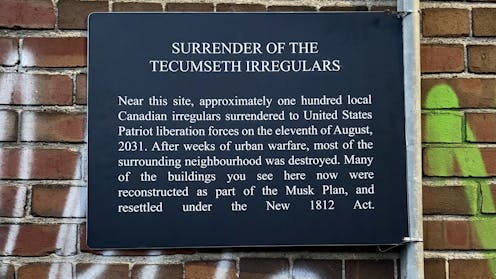
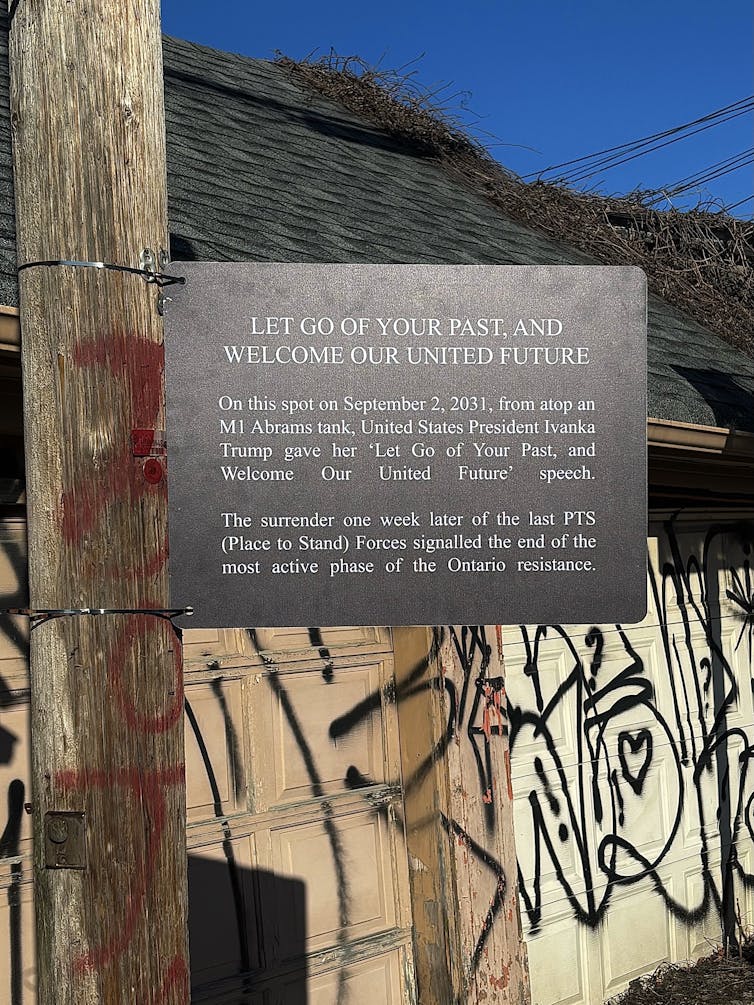
    MIL OSI AnalysisEveningReport.nz