Category: United Kingdom

  • MIL-OSI USA: Angling to Boost RI Fishing Industry, RI Delegation Introduces Bill to Give Ocean State Fishermen Greater Say on Catch Quotas

    US Senate News:

    Source: United States Senator for Rhode Island Jack Reed
    WASHINGTON, DC – In an effort to give Rhode Island fishermen a voice and voting power on the Mid-Atlantic Fishery Management Council (MAFMC), which manages some of the most important fish stocks for the state’s commercial fishing industry – chief among them squid, the Rhode Island congressional delegation today announced the reintroduction of the Rhode Island Fishermen’s Fairness Act (S.1152/H.R.2375).
    The legislation introduced by U.S. Senators Jack Reed and Sheldon Whitehouse and U.S. Representatives Seth Magaziner and Gabe Amo would add Rhode Island to the list of states with voting representation on the MAFMC. Currently, the regional management board, which establishes fishery management rules for stocks primarily caught in the federal waters adjacent to the mid-Atlantic coast, consists of 21 voting members and four non-voting members from seven states.
    In 2023 – the most recent year for which data is available – Rhode Island led Atlantic states in the harvest of squid, landing more than 30.7 million pounds in the Ocean State and helping to make Point Judith one of the most productive and valuable commercial fishing ports in the nation.
    “Every decision the Mid-Atlantic Fishery Management Council makes has a big impact on the livelihoods of Ocean State fishermen and the state’s economy.  Ensuring that Rhode Island has a voice and voting power on the council is a critical issue of fairness that I’ve led the charge on for years,” said Senator Reed, who has been pushing this issue since 2005. 
    “As climate change warms the oceans, fish traditionally found in the mid-Atlantic are moving north to the waters off southern New England,” said Whitehouse, Ranking Member of the Environment and Public Works Committee.  “Rhode Island fishermen play an important role in our economy, and our legislation will finally get them fair representation on the Mid-Atlantic Fishery Management Council, where decisions are made about fish they’re catching.”
    “Fishing supports thousands of jobs in the Ocean State, yet Rhode Island lacks a voice on one of the most important committees that oversees the industry,” said Representative Magaziner.  “Our bill finally adds Rhode Island to the Mid-Atlantic Fishery Management Council, ensuring Rhode Island fishermen have a seat at the table where key decisions about their livelihoods are made.”
    “In Rhode Island, fish are friends — and also food. Rhode Island’s commercial fishing industry supports thousands of jobs and plays a key role in our Blue Economy,” said Congressman Gabe Amo, Ranking Member of the Subcommittee on Environment.  “I’m glad to introduce this bill alongside my delegation colleagues to ensure our fishermen’s voices are heard on the Mid-Atlantic Fishery Management Council.”
    The catch of Rhode Island commercial fishermen represents a significant percentage of commercial landings of the Mid-Atlantic fishery, and is greater than most of the states represented on the Council.  In fact, the Port of Galilee is the fourth highest valued fishing port on the East Coast and Rhode Island commercial fishermen landed nearly $82 million of seafood in 2023 alone. And in 2022, the commercial fishing industry contributed 9,342 jobs and an economic impact of $872 million for the Ocean State.
    Without representation on the MAFMC, Rhode Island cannot participate fully in development of fishery management plans for Mid-Atlantic stocks, many of which are crucial to the Rhode Island seafood economy.
    The Rhode Island Fishermen Fairness Act would add two places for Rhode Island representation to MAFMC.  One seat would be appointed by the U.S. Secretary of Commerce under recommendations from Rhode Island’s Governor.  The second seat would be filled by Rhode Island’s principal state official with marine fishery management responsibility.  To accommodate these new members, the MAFMC would increase in size from 21 voting members to 23.

    MIL OSI USA News

  • MIL-OSI United Kingdom: UN Human Rights Council 58: UK Statement for the High Commission on Ukraine

    Source: United Kingdom – Executive Government & Departments

    Speech

    UN Human Rights Council 58: UK Statement for the High Commission on Ukraine

    UK Statement for the Interactive Dialogue with the High Commission – Oral update on Ukraine. Delivered by the UK’s Human Rights Ambassador, Eleanor Sanders.

    Thank you, Mr President.

    High Commissioner, your update lays bare the toll this war has taken, bringing death, injury and lasting family separation to innocent children of Ukraine.

    It is almost impossible to read your report or listen to your update without shock or dismay: toddlers sexually assaulted, other children summarily executed by Russian troops. Over 600 dead. Thousands forcibly separated and deported to Russia.

    Children in occupied territories are also particularly vulnerable. Multiple reports lay bare the systematic indoctrination and militarisation of children in these areas. Of the 20,000 children reported to have been deported to Russia, only a handful have returned. Forced passportisation and punishment for speaking Ukrainian and studying the Ukrainian school syllabus are widely documented. A callous Russian attempt to erode Ukraine’s future by trying to reshape the identities of its youngest citizens, and wipe out Ukrainian culture, language and identity.

    The Russian state must be held fully accountable for its actions. Ukrainian children are entitled to a childhood in which their rights are safeguarded, and a future which is free from war.

    High Commissioner, your report highlights the worsening mental health of Ukraine’s children.

    What more can we do to support Ukraine with expertise from countries who have experienced similar trauma for children and young people in past conflicts?

    Updates to this page

    Published 28 March 2025

    MIL OSI United Kingdom

  • MIL-OSI Global: White snus: why ‘tobacco free’ doesn’t mean risk free

    Source: The Conversation – UK – By Alma Larsdotter Zweygberg, Doctoral Researcher, Department of Global Public Health, Karolinska Institutet

    White snus is becoming more popular with teenagers Jeppe Gustafsson/Shutterstock

    A habit that is worrying health authorities in Sweden where increasing numbers of teenagers are taking what’s known as “snus” is also concerning football authorities in England where one-fifth of professional players are regularly indulging because they say it improves their game.

    White snus consists of small, tobacco-free pouches containing nicotine, plant-based fibres and flavourings. These pouches look a like a cross between a tea bag and a tablet of chewing gum, and they’re put between the lip and the gum to give users a burst of nicotine without some of the drawbacks of tobacco. Nicotine strength varies widely between different white snus products.

    Traditional snus, a moist brown tobacco product, is almost exclusive to Sweden. However, the introduction of white snus – also known as nicotine pouches – has led to rapid global expansion.

    The rise in popularity of white snus around the world can be attributed to aggressive social media marketing campaigns where “Zynfluencers” are sponsored to promote white snus in their lifestyle content and the product is advertised across social media. While marketing for cigarettes and vapes is strictly regulated in the EU, the rules for white snus are up to the individual countries to decide. Many countries don’t regulate white snus so consumers – even very young ones – can order the nicotine pouches easily.

    It’s not just English male professional footballers who’re fans of white snus. In Sweden, 15% of young women aged 16-29 use white snus daily, while only 2.5 % smoke cigarettes daily in the same age group.

    Some commercials target women by suggesting that white snus offers a discreet “clean” way to feel the benefits of a nicotine hit. They highlight that users report a rush of endorphins that can relieve stress and pain and improve mood and memory – without the smell of cigarette smoke and the inconvenience of smoking or vaping breaks.

    Some nicotine pouch commercials target female consumers.

    The marketing of white snus often stresses that they are “tobacco-free” because the pouches do not contain tobacco leaf. But that label can be misleading – the nicotine in these products is usually derived from tobacco leaves.
    Some also confuse tobacco-free with nicotine-free. Both these misconceptions can make consumers think that the pouches are safe.

    Advertisements often emphasise how white snus can be used anywhere and enhance social situations, while offering a variety of flavours from coffee to spearmint and black cherry, and serving as an alternative to cigarettes, vapes and traditional forms of tobacco.

    Despite their growing popularity – and marketing attempts to associate white snus with healthier nicotine use – little is known about the specific health risks of white snus. But a lack of research into the effects of nicotine pouches does not mean they are safe.

    A healthy alternative?

    The nicotine pouch was originally developed by a nicotine replacement therapy company in the early 2000s – but they didn’t gain traction until 2016 when the tobacco snus company Swedish Match introduced their product Zyn, which became a leading nicotine pouch brand in the US. Zyn is now owned by Philip Morris International, one of the world’s largest tobacco companies White snus is not an approved nicotine replacement therapy, which means that it is not recommended as an aid to quit smoking.


    Read more:
    Why nicotine pouches may not be the best choice to help you to stop smoking


    While nicotine-free white snus exists, most products on the market contain nicotine. Nicotine is highly addictive, so many of those who try a nicotine product – no matter which one – will find it hard to stop using it. Nicotine has several effects on the body, including increased heart rate and activation of the brain’s reward system, which contributes to its appeal.

    Young people are especially sensitive to the addictive properties of nicotine. The wide range of white snus flavours available, often fruit, menthol or candy, may further lower the threshold for use.

    But research suggests that nicotine may also have a negative impact on brain development. Other potential risks include a negative effects on cardiovascular and oral health. But long-term effects specific to white snus remain unclear. Few studies have been conducted, and many of the existing ones have been sponsored by the tobacco industry. There is a need for large, independent, high-quality studies to assess long-term health risks.

    With many young people using white snus, the unanswered questions about its health effects become more pressing. Until more research is available, it’s important to stay cautious: “tobacco-free” does not mean risk free.

    Rosaria Galanti receives funding from Karolinska Institutet; University of Novara (IT); for teaching and research collaborations

    Alma Larsdotter Zweygberg does not work for, consult, own shares in or receive funding from any company or organisation that would benefit from this article, and has disclosed no relevant affiliations beyond their academic appointment.

    ref. White snus: why ‘tobacco free’ doesn’t mean risk free – https://theconversation.com/white-snus-why-tobacco-free-doesnt-mean-risk-free-252085

    MIL OSI – Global Reports

  • MIL-OSI Global: A new natural history GCSE is welcome – but climate change needs to be part of the whole curriculum

    Source: The Conversation – UK – By Alison Anderson, Professor of Sociology, University of Plymouth

    MStoylik/Shutterstock

    The recent announcement that young people in England, Wales and Northern Ireland will have the opportunity to take a new GCSE in natural history from September 2025, driven by a campaign led by naturalist Mary Colwell, is welcome news.

    The new qualification will include practical skills to pursue a career in the natural world, including observation, monitoring, recording and analysis. It will also include immersion in outdoor activities, and has support from the Natural History Museum, the Field Studies Council and the Wildlife Trusts.

    However, while this will go some way to further bring sustainability and climate concerns into schools, the qualification is optional. It compartmentalises a subject that needs to be woven across the curriculum, so that every child is equipped to deal with the challenges we face and can appreciate that it impinges on every aspect of life.

    In England, the whole national curriculum is under review. This provides a crucial opportunity to embed climate change and sustainability education throughout the curriculum. The independent review’s recent interim report identifies a need for a “greater focus on sustainability and climate science”.

    It makes welcome reference to the need for the curriculum to keep pace with rapid social, environmental and technological change, and to equip young people to deal with future challenges.

    This is in line with the findings of my research, with colleagues. We explored young people’s views of climate change education in secondary schools, carrying out a national survey of 1,000 14- to 18-year-olds and two follow-up in-depth workshops.

    We found that young people consistently identified climate change as the top concern for their future lives, putting it above the cost of living crisis and young people’s mental health and wellbeing. Seven in ten teenagers told us they would welcome the opportunity to learn more about climate change in school. The same number thought climate change education should be included across all subjects.

    Teach the Future, a youth-led organisation campaigning to improve education on the climate emergency and ecological crisis, published a shadow curriculum and assessment review interim report. These findings, gathered from the responses of over 500 young people, highlight the marginalisation of climate change and nature on the current English curriculum.

    Woven through learning

    Our research shows there needs to be a step change in how the education system prepares young people for a rapidly changing world. Engaging them meaningfully with the issues and practical solutions may motivate them to consider a green career.

    In maths, for example, mathematical concepts could be introduced through calculating the effect of introducing solar panels on the school roof. Pupils could measure air quality, or calculate the carbon footprint of different food choices. The evidence suggests that a project-led approach, rooted in experiential learning locally relevant to the student, would be particularly effective.

    Climate can be part of the whole curriculum.
    Gorodenkoff/Shutterstock

    Our report also found that current teaching on climate tends to focus narrowly on impacts and rarely on solutions. This may contribute to many young people’s sense of climate change anxiety, leaving them feeling demotivated and disenfranchised.

    There is much that could be learnt from the approach taken by Scotland. Its learning for sustainability vision takes a cross-curricular, solutions-focused approach. Young people are often involved in creatively solving problems or finding solutions to questions that are meaningful to them.

    Tools for understanding

    My research suggests it is not enough for students to be taught facts and figures about climate change and biodiversity loss. They need to be provided with the critical thinking and media literacy skills to meaningfully engage with the issues.

    There is much mis- and disinformation on climate circulating online. With the rise of artificial intelligence, the distinction between fact and fiction is becoming increasingly difficult to discern. An emphasis on media literacy and critical thinking skills would help young people generate and evaluate ideas for tackling the crisis.

    Overhauling and refreshing England’s current curriculum and assessment system will not be easy. Even if climate change is increasingly included, this still may take place too slowly.

    The interim report makes clear that the intention is to continue “with our ‘evolution not revolution’ approach”, which will inform the final report to be published this autumn. However, there is an urgent need to act quickly if we are to avoid catastrophic climate change.

    Professor Alison Anderson received funding from the AHRC Impact Acceleration Account for this research project which was conducted in association with the British Science Association.

    ref. A new natural history GCSE is welcome – but climate change needs to be part of the whole curriculum – https://theconversation.com/a-new-natural-history-gcse-is-welcome-but-climate-change-needs-to-be-part-of-the-whole-curriculum-253080

    MIL OSI – Global Reports

  • MIL-OSI United Kingdom: Verulamium Park’s St Michael’s Street entrance reopened after new footpath installed

    Source: St Albans City and District

    Publication date:

    A temporary elevated footpath has been installed in a Verulamium Park flood plain to allow the reopening of its St Michael Street entrance.

    The entrance was closed last year after persistent flooding at Bell Meadow, which is beside the River Ver, damaged its tarmac path.

    An inspection found that parts had become slippery, eroded and a potential hazard to park users.

    St Albans City and District Council, which owns the park, was advised it had no option but to close off the meadow for health and safety reasons.

    Various plans to allow a reopening were considered with the task being complicated by the park’s status as a scheduled ancient monument due to its Roman past.

    Any digging or disturbance to the ground requires Historic England’s permission.

    A decision was taken to adopt a temporary solution and commission the building of a bespoke metal footpath.

    It has now been installed allowing for the reopening of the meadow and the St Michael’s Street entrance.

    The metal path is raised high enough to avoid being covered with flood water and straddles the frequently flooded sections of the tarmac path.

    It is suitable for wheelchair users or baby buggies and includes passing places to allow for them to move along in both directions. A wider structure would have been prohibitively costly and require permission for digging into protected ground.

    The metal path also has various safety features including rails on either side to guard against people accidentally stumbling off.

    A grant of £50,000 from the Government’s UK Shared Prosperity Fund financed the project.

    In the longer term, the Council will look to build a new footpath and boardwalk as part of a multi-million-pound project to improve the environment of the park around its two artificial lakes.

    Amanda Foley, the Council’s Chief Executive, said:

    I am delighted that the St Michael’s Street entrance has now been reopened and I know that many of our residents will be too.

    Regular park users understood that we had no option but to close off the meadow which has been repeatedly flooded for reasons outside of our control. I thank them for the patience they have shown while we looked at a solution.

    We were determined to find one despite the challenging  financial climate we are faced with and the park’s scheduled ancient monument status.

    It is likely the installed footpath will be there for a couple of years or so while we finalise and implement our plans to improve the area around the artificial lakes.

    We will keep our residents informed of our progress on this ambitious project which will be transformational for the park.

    Photo: the new footpath in Bell Meadow, Verulamium Park.

    Media Contact: John McJannet, Principal Communications Officer, 01727 819533, john.mcjannet@stalbans.gov.uk.

    MIL OSI United Kingdom

  • MIL-OSI United Kingdom: Factsheet on industrial action by Unite the Union in the waste service

    Source: City of Birmingham

    We currently have a service that doesn’t meet the expectations of the people of our city.

    We need to address years of underperformance and bring pride back to our streets and improve the waste collection service for the benefit of everyone.

    We are committed to creating a modern, sustainable and consistently reliable waste collection service. The restructure proposal enables us to fulfil our commitment to improving the waste service and comes after careful consideration.

    The following sets out factual information about a number of issues in the public domain:

    Is this about the WRCO role?

    The WRCO role, which Unite are fighting to keep, came about as a result of a previous bin strike. No other council has this role, and if the council gave in, then we would risk creating a huge future equal pay liability.

    Will workers in the former WRCO role be forced to lose money?

    No worker need lose any money. All workers have been offered alternative employment at the same pay, driver training or voluntary redundancy. That offer remains open.

    Has compulsory redundancy been suggested?

    It is regrettable that it has come to this, the council has consistently tried to find a solution to the industrial action. We have made a very fair offer which means that no worker need lose any money. That offer remains open.

    We confirm that regrettably we have informed Unite representatives that next week we will formally notify and enter a period of collective consultation regarding compulsory redundancies for those who have declined all offers on the table.

    This is about securing a better waste service for the people of Birmingham. We thank staff who are working under difficult conditions and recognise the frustration of residents for which we apologise.

    See further background here.

    Have negotiations been too slow?

    The council has consistently tried to find a solution to the industrial action. We have been very accommodating to Unite, offering their choice of dates, times, locations and durations of meetings.  We are meeting them at their availability. In the time between meetings, we have given them information that they have requested, including information that clearly shows no worker is affected by an £8,000 pay cut.  Since the start of the industrial dispute, there have been regular and ongoing meetings with Unite officers and shop stewards to seek to resolve the dispute, including two meetings under the auspices of ACAS. Unite have set aside the agreement that was reached between us at ACAS, but our offer to settle this dispute remains on the table.

    What is happening at the depots?

    Unfortunately, striking workers are blocking our vehicles from leaving the depots meaning we are struggling to pick up waste across the city with the fewer resources we have.

    People have the right to go to work without fear of violence and intimidation, and we thank all those that have been working in these difficult circumstances.

    Is the WRCO role crucial to health and safety?

    The whole team is accountable for working in a safe and responsible way. None of the roles either past or present make any specific reference to there being a lead person responsible for health and safety.

    The service has a dedicated Health and Safety Manager to oversee and review safe systems and practices. They ensure continuous improvement and compliance with health and safety standards.

    The driver and team leader has control of the vehicle and therefore control of the way the service is delivered. Introducing the new vehicles with 360° cameras and other tech will support with safe working as well.

    The new vehicles come equipped with advanced safety features, including a comprehensive camera system to improve crew visibility and operational safety while working on Birmingham’s streets. Additionally, the vehicles feature low-level access points to make ingress and egress safer and easier, reducing the risk of crew injuries and enhancing overall working conditions.

    Does the service have too many agency staff?

    The council would rather not have to use agency staff however to maintain a service to residents, even when there isn’t a strike, we have to. Obviously, our preferred option is to have permanent employees, which is why part of our offer to those refuse workers who are in dispute has been driving training which would lead to an alternative higher paid role in the new transformed service. This restructure is part of a much-needed transformation of the service that would also reduce the reliance on agency staff.

    Are agency staff being used to cover strike action?

    We strongly refute any suggestion that agency workers have been carrying out work normally undertaken by striking workers. We continue to deploy the same number of agency workers on days of action as it we would on any normal working days.

    Is private security employed at depots?

    We are providing private security at our depots. It is sad we have to do this but unfortunately security at our depots has become a serious issue and the safety of our workers and the public must be our priority, and there will clearly be a cost to the public purse.

    What is happening with fly-tipping and clean-up?

    Street cleaning crews are clearing sites across our city on a daily basis and will continue to do so.

    Who is in charge of negotiations?

    Council officers are leading the negotiations on behalf of the Managing Director.

    Are workers losing £8,000 a year?

    No. Claims that 150 people could lose £8,000 a year in pay are incorrect. We have made an offer that means no worker need lose any money. The reality is that the number of staff that could lose the maximum amount (just over £6,000) is 17 people, they will have pay protection for six months in line with council policy.  

    MIL OSI United Kingdom

  • MIL-OSI United Kingdom: New era of cooperation between Liverpool and the Isle of Man

    Source: City of Liverpool

    A landmark agreement between Liverpool City Region and the Isle of Man was signed today signalling an era of increased cooperation between the regions.

    The joint commitment pledges that the Isle of Man and Liverpool City Region will improve the prosperity and wellbeing of their communities ‘through further strengthening our economic, cultural, and political ties’.

    Relationships between the Isle of Man and Liverpool City Region have historically been strong, and further amplified by the opening of the new Isle of Man ferry terminal in Liverpool last year – the construction phase of which generated £3.2m for the regional economy.

    Today’s Memorandum of Understanding between the Isle of Man Government, Liverpool City Council, and Liverpool City Region Combined Authority, is a major step forward in forging new opportunities for growth and development in areas including:

    • Economic opportunities
    • Tourism and cultural cooperation
    • Transport connections
    • Health and public services
    • Infrastructure, energy and net zero

    Leader of Liverpool City Council, Cllr Liam Robinson, said: “Many people from the Liverpool City Region have long, fond associations with the Isle of Man dating back generations.

    “It makes sense for us to forge closer ties with one of our nearest neighbours, exploring opportunities for collaboration and mutually beneficial associations.

    “By signing this MoU, we are opening the door to greater innovation, technology exchange, and investment opportunities.”

    Isle of Man Chief Minister, Alfred Cannan said: “The Isle of Man and Liverpool have deep and historic ties of mutual cooperation.

    “I am delighted to sign this Memorandum of Understanding with our neighbours across the Irish Sea to forge new opportunities for growth and collaboration between our two regions.

    “Our investment in the new ferry terminal in the city is our biggest single investment in the UK, ever, and has been a catalyst for these discussions. The significance of us signing the agreement in the new ferry terminal should not be lost, it is a clear commitment to how important the connection between the two regions is.

    “The Isle of Man and Liverpool have been connected via the Isle of Man Steam Packet Company – the oldest continuously running ferry company in the world – which has seen the continuous movement of people, goods and ideas across the Irish Sea – for business, education, sport, tourism or visiting family and friends – for two centuries.

    “The signing of this MoU is a clear statement from both administrations that forging closer economic ties is a strategic priority and one which offers mutual benefits.

    “But the opportunities for both regions go beyond the economic benefits of business collaboration and the opportunity for the wider sharing and cooperation on public services will have positive impacts for our communities.

    “I look forward to continuing to work closely with colleagues to realise the potential that this exciting partnership will offer.”

    Mayor of the Liverpool City Region, Steve Rotheram said: “From being a go-to tourist destination favoured by Liverpudlians for decades, the Isle of Man has always been a highly valued neighbour to our region, and this agreement is a reflection of our commitment to strengthening that bond.

    “For centuries, our people have been connected through travel, trade, and shared culture, and today we are taking that relationship to the next level.

    “This MoU marks the beginning of a new era of cooperation, one that will unlock new opportunities for economic growth, skills development, and sustainable innovation. By working more closely together, we can create a more dynamic and prosperous future for our businesses, our communities, and our residents.”

    MIL OSI United Kingdom

  • MIL-OSI United Kingdom: UN Human Rights Council 58: UK Statement for the Interactive Dialogue with the High Commissioner on Haiti

    Source: United Kingdom – Government Statements

    Speech

    UN Human Rights Council 58: UK Statement for the Interactive Dialogue with the High Commissioner on Haiti

    UK Statement for the Interactive Dialogue with the High Commissioner on Haiti with the participation of the Independent Expert. Delivered by the UK Human Rights Ambassador, Eleanor Sanders.

    Thank you, Mr President.

    We thank the High Commissioner for his report. The ongoing and rapid deterioration of human rights in Haiti is shocking. 

    The Haitian people have long suffered indiscriminate attacks by armed criminal gangs – these have contributed to over a million Haitians being displaced from their homes.

    Widespread recruitment, exploitation and abuse of children by these gangs is still happening. At the same time the use of sexual violence as a form of punishment and to spread fear within communities is increasing.

    Re-establishing security to end the scourge of gangs remains essential to Haiti’s long-term stability. The UK supports the work of the Multinational Security Support Mission to Haiti and is providing £5 million to OHCHR to ensure the Mission’s compliance with international standards on human rights, conduct and discipline.

    We will continue to take action against perpetrators of human rights abuses in Haiti through sanctions.

    High Commissioner,

    Given the increasing chaos spread by Haitian gangs, how can the international community best assist the Haitian government in bringing about lasting improvements to the security environment?

    Thank you.

    Updates to this page

    Published 28 March 2025

    MIL OSI United Kingdom

  • MIL-OSI United Kingdom: National Living Wage increases to £12.21

    Source: United Kingdom – Government Statements

    Press release

    National Living Wage increases to £12.21

    Press release accompanying the Low Pay Commission’s 2025 Uprating Report

    On Tuesday 1 April, the National Living Wage will increase to £12.21. This will be accompanied by increases in other minimum wage rates for 18-20 year olds (£10.00), 16-17 year olds and apprentices (both £7.55). These changes implement recommendations made by the Low Pay Commission last autumn.

    The Low Pay Commission today publishes a short report looking at the context around and the impact of the incoming rates. This looks at the real-terms benefits to workers from the increases, the number of workers paid the rates and their interactions with changes to National Insurance which come into effect from 1 April.

    Baroness Philippa Stroud, Chair of the LPC, said:

    “These rates secure a real-terms pay increase for the lowest-paid workers. Young workers will also see substantial increases in their pay floor, making up some of the ground lost against the adult rate over time.

    “We recognise these increases come at a time when employers are facing increasing pressure and it is vital we monitor and assess how businesses are responding. As we build our evidence base for future recommendations to the Government, we will be launching a call for evidence in the coming weeks and holding in-person meetings up and down the country. I encourage all interested parties to get in touch with us.“

    The minimum wage rates from 1 April 2025 are as follows:

      NMW rate from 1 April 2025 Annual increase (£) Annual increase (per cent)
    National Living Wage (21 and over) £12.21 £0.77 6.7
    18-20 Year Old Rate £10.00 £1.40 16.3
    16-17 Year Old Rate £7.55 £1.15 18.0
    Apprentice Rate £7.55 £1.15 18.0
    Accommodation Offset £10.66 £0.67 6.7

    The LPC is continuing to gather evidence towards future recommendations to the Government, including via a programme of regional visits. We will launch our written consultation in the near future.

    Notes for editors

    1. The incoming minimum wage rates bring into effect recommendations made by the LPC to the Government last October. The Government announced its acceptance of those recommendations in the Autumn Budget.

    2. The evidence underpinning the LPC’s recommendations is set out in its annual report and a shorter summary of findings 

    3. The Government’s remit to the LPC, which determines the Commission’s work through the year, was published in July and is available here.

    4. The National Living Wage (NLW) is currently the statutory minimum wage for workers aged 21 and over. This age threshold came down from 25 to 23 in April 2021 and from 23 to 21 in April 2024.

    5. Different minimum wage rates continue to apply to 18-20 year olds, 16-17 year olds and apprentices aged under 19 or in the first year of an apprenticeship. The Government has stated its ambition to reduce the NLW age threshold from 21 to 18; this follows the LPC’s own stated ambition and advice, as set out in the publication The National Minimum Wage Beyond 2024. The LPC will consult next year on the pathway to achieving this goal.

    6. Rates for workers aged under 21, and apprentices, are currently lower than the NLW to reflect lower average earnings and higher unemployment rates. International evidence also suggests that younger workers are more exposed to employment risks arising from the pay floor than older workers. Unlike the NLW (where the possibility of some consequences for employment have been accepted by the Government), the LPC’s remit requires us to set the rates for younger workers and apprentices as high as possible without causing damage to jobs and hours.

    7. The National Living Wage is different from the UK Living Wage and the London Living Wage calculated by the Living Wage Foundation. Differences include that: the UK Living Wage and the London Living Wage are voluntary pay benchmarks that employers can sign up to if they wish, not legally binding requirements; the hourly rate of the UK Living Wage and London Living Wage is based on an attempt to measure need, whereas the National Living Wage is based on a target relationship between its level and average pay; the UK Living Wage and London Living Wage apply to workers aged 18 and over, the National Living Wage to workers aged 21 and over. The Low Pay Commission has no role in the UK Living Wage or the London Living Wage.

    8. The Accommodation Offset is an allowable deduction from wages for accommodation, applicable for each day of the week. In April 2025 it will increase to £10.66 per day.

    9. For an NLW worker working 37.5 hours per week, the increases announced today will increase their annual gross pay by £1,505.54 and their monthly gross pay by £125.46.

    10. The Low Pay Commission is an independent body made up of employers, trade unions and experts whose role is to advise the Government on the minimum wage. The rate recommendations introduced today were agreed unanimously by the Commission.

    11. The current Low Pay Commissioners are: Baroness Philippa Stroud (Chair), Nigel Cotgrove, Matthew Fell, Andrew Goodacre, Louise Fisher, Professor Patricia Rice, Simon Sapper, Professor Jonathan Wadsworth and Janet Williamson.

    12. Baroness Philippa Stroud can be contacted via the Low Pay Commission’s press office (07341 098734).

    Updates to this page

    Published 28 March 2025

    MIL OSI United Kingdom

  • MIL-OSI United Kingdom: City Centre Community Clean-Up takes place

    Source: Scotland – City of Dundee

    A Community Clean-Up has taken place this week in Dundee’s city centre area as part of the long-standing Take Pride in Your City campaign.

    The campaign, which aims to make a difference to the city’s neighbourhoods, parks and open spaces, has held another three-day Community Clean-Up event and follows on from the first which took place in the city centre around a year ago.

    During the three days, Council teams from the Environment Service, City Centre Management and Community Justice Service carried out additional works such as the removal of litter and debris, cleaning around bins as well as graffiti removal.

    City centre stakeholders, such as local businesses, also got behind the initiative by carrying out clean-up activities in and around the city centre area.

    A litter pick, led by McDonalds, and gardening activities also took place each day.

    Climate, Environment & Biodiversity Convener Cllr Heather Anderson said: “The Community Clean-Ups have been made successful through the buy-in from the public, community groups and local stakeholders.

    “A collaborative approach is key to tackling persistent neighbourhood-based issues such as litter, fly-tipping and graffiti. Council employees will continue to work with local communities around the city to make improvements to outdoor areas and also to provide support to communities to enhance their own areas themselves as well.

    “This Community Clean-Up has been great to see so many businesses, organisations and residents continuing to get behind the initiative.”

    Fair Work, Economic Growth & Infrastructure Convener Cllr Steven Rome said: “We all want to see Dundee city centre as an attractive destination to live in, work in or visit. Cleanliness and appearance play an important role in achieving that.

    “It has been great to see the buy-in from local retailers and businesses through this City Centre Community Clean-Up. We are in close contact with city centre stakeholders and are always looking for new ways to make the area as appealing as possible for everyone.

    “This Clean-Up will carry further positive momentum into the day-to-day work carried out by our City Centre management team.”

    This initiative has previously taken place in several other areas of the city, with further Community Clean-ups planned for the future.

    Information about upcoming Community Clean-ups will be communicated to directly to local residents ahead of them taking place.

    MIL OSI United Kingdom

  • MIL-OSI United Kingdom: Closer partnership aims improve life chances for young people

    Source: Scotland – City of Aberdeen

    Community Planning Aberdeen is to strengthen partnership working to build on success in meeting the needs of children and young people. 

    Members today considered report Our Board – Community Planning Aberdeen that highlighted ways to achieve this, including greater data-sharing across organisations and improving access to services in the city’s most deprived communities.

    Community Planning Aberdeen is a local partnership of public, private, third sector organisations and communities working together to improve people’s lives across the city through the Local Outcome Improvement Plan (LOIP).

    Councillor Christian Allard, Co-Leader of Aberdeen City Council, Chair of Community Planning Aberdeen, said: “There are many children and young people facing enormous challenges across Aberdeen and this report highlights the challenges and limited successes we have had in helping to address these. 

    “We are determined to look at new ways of partnership working to engage with our children and their families.

    “Through equality of opportunity in and outside school, we are committed to helping people build their confidence, take more control over their lives and increase their aspirations for the future to create a stronger, more resilient city.”

    Shantini Paranjothy, Grampian Deputy Director of Public Health, said: Giving every child the best start in life and supporting young people to achieve their potential are key areas where we can work together to take action and in doing so we can begin to ensure equitable health for all.  

    Areas identified for exploration include:

    • Accessibility: Understand how people in the city’s more deprived communities want and need to access services.
    • Shared data: Utilise shared systems.
    • Autonomy and agency: Helping vulnerable people feel more in control of their destiny.
    • Public Protection: Putting public protection arrangements at the heart of the Family Support model. 
    • Mental wellbeing and resilience: A clear strategy to address these changing trends. 
    • Shifting resource: testing changes and directing resource to where it can best be used.

    Opportunities for partner organisations to play a different role to how they currently operate include:

    • Continue development of ABZCampus
    • Drive to share evaluation and data through the Family Support Model in collaboration with the Centre of Excellence for Children’s Care and Protection (CELCIS)
    • Future Libraries Model
    • Whole system financial advice
    • Whole system approach to healthy weight.

    Areas that are working well and can be built on to achieve even greater improvement include:

    • Education: A rise in the proportion of children meeting developmental milestones from 87.4% in 2021/22 to 89.8% in 2022/23; more effective data sharing has helped realise a 12% increase in uptake of ELC for eligible 2-year-olds. 
    • Nutrition: An increase in the number of children registered for free school meals across primary 6 and primary 7; the percentage of primary 7 children with poor dental health has decreased.
    • The number of presentations at National 5 increased to 11,236 in 2024 from 10,660 in 2023, the highest number on record for the local authority. 
    • Communities: 92% of the city’s communities are performing well compared to their comparator communities when looking at child poverty in isolation. There is clear evidence that far more people are now claiming the benefits they are entitled to. 
    • Bairns Hoose: Plans are progressing well with agreement from NHS Grampian and the Courts now required on how they will utilise the space to help realise the full benefits of co-location. 
    • Re-organising resources: The Edge of Care pilots are better supporting those who are on the edge of care and helping to prevent risk from escalating. 
    • Prioritising those who are care-experienced: The Promise report outlined good progress made in delivering The Promise.

    The report said these opportunities will need shared governance and different commissioning arrangements, including similar approaches to the Granite Consortium.  

    MIL OSI United Kingdom

  • MIL-OSI United Kingdom: CMA proposes to accept commitments to protect competition on UK-US passenger routes

    Source: United Kingdom – Executive Government Non-Ministerial Departments

    Press release

    CMA proposes to accept commitments to protect competition on UK-US passenger routes

    Five airlines have offered commitments to resolve the CMA’s competition concerns over their agreement to cooperate on passenger routes between the UK and US.

    iStock

    • Five well-known airlines – British Airways, Iberia, Aer Lingus, American Airlines, and Finnair – together form the Atlantic Joint Business Agreement, where members agree on key business decisions including prices and schedules
    • As part of a CMA investigation, these airlines have offered commitments to give competitors slots for take-off and landing at London airports on 3 key routes: London-Boston, London-Miami, and London-Chicago; and to carrying a minimum number of passengers on London-Dallas
    • The CMA is consulting on the airlines’ commitments, and interested parties can provide feedback ahead of the CMA reaching a decision on whether to accept them

    The Competition and Markets Authority (CMA) is investigating the Atlantic Joint Business Agreement (AJBA), a group of 5 airlines that cooperate, rather than compete, on transatlantic flights. The companies involved – British Airways, Iberia, Aer Lingus, American Airlines, and Finnair – contribute aircraft and flight slots, coordinate routes and selling and distribution, and share revenue, under the agreement.

    The European Commission reviewed the AJBA in 2010, accepting commitments (including the availability of slots on some UK-US routes) which were effective for 10 years.

    The CMA commenced investigating the AJBA in 2018 (in preparation for the end of those commitments) and considered a potential commitments package in early 2020. However, due to the impact of the COVID-19 pandemic, the CMA instead imposed Interim Measures (effectively extending the key terms of commitments which had been accepted by the Commission for 5 years). As the sector is now sufficiently recovered from the pandemic, the CMA has completed its review of the AJBA and has considered a new package of commitments offered by the parties which it provisionally considers will address its competition concerns.

    Commitments under consultation

    The commitments would require American Airlines and British Airways – the only 2 of these airlines to fly directly on these routes – to offer slots to competitors on 3 key UK-US routes: London-Boston, London-Miami, and London-Chicago. Rival airlines would then be able to apply for these slots, available at London’s Heathrow and Gatwick airports, allowing them to offer or increase flights on these routes – ensuring UK-US travelers can get the best deals when choosing which airline to fly with. Remedy slots allowing competitor airlines to operate on US-UK routes have been a core part of the commitments which have been in place since 2010.

    Slots at these two London airports are difficult to obtain. The airlines that have the rights to them are able to keep them provided they meet the minimum use criteria every year. This means these sought-after slots rarely become available – however, the commitments will continue to allow rival airlines to compete on the specific UK-US routes by reducing this key barrier to entry.

    A further aspect of the commitments package is a requirement that British Airways and American Airlines carry a minimum number of ‘local passengers’ (those who do not start or end their journeys elsewhere) on the London-Dallas route each year. This would protect against a reduction in services on the route and help to constrain prices. The commitments also include measures to support competing airlines on the 3 key routes, including giving access to connecting passengers on preferential terms.

    Juliette Enser, Executive Director of Competition Enforcement at the CMA, said:

    Airline alliances can deliver broader economic benefits, such as enhanced connectivity and new services. But the CMA has concerns about the AJBA’s impact on key UK-US routes.

    Accepting these commitments could address those concerns and protect passengers on the routes, including by making it easier for other airlines to compete, and bring our investigation to a close while allowing the AJBA to continue to operate.

    As is standard practice, the CMA is consulting on the commitments offered by the airlines. Interested parties now have the opportunity to provide feedback on the proposed commitments, which will be considered by the CMA before it makes a decision on whether to accept the commitments in their current form.

    More information about the CMA’s investigation can be found on the dedicated web page: Investigation of the Atlantic Joint Business Agreement.

    Notes to editors

    1. British Airways, Iberia and Aer Lingus are owned by International Consolidated Airlines Group SA.
    2. The CMA is today publishing its Notice of Intention to Accept Commitments. Comments from interested parties are invited until 23 April 2025.
    3. Formal acceptance of the commitments would result in the CMA terminating its investigation and not proceeding to a decision on whether the Competition Act 1998 has been infringed. Accordingly, a decision by the CMA accepting binding commitments would not include any statement as to whether or not the conduct of any of the parties has infringed the Competition Act 1998 prior to the acceptance of the commitments or once the commitments are in place.
    4. The CMA has engaged with the US Department of Transportation throughout the investigation to date.
    5. Further details of the CMA’s procedures in Competition Act 1998 cases can be found here.
    6. For media enquiries, please contact the CMA press office on 0203 738 6460 or press@cma.gov.uk

    Updates to this page

    Published 28 March 2025

    MIL OSI United Kingdom

  • MIL-OSI Security: Leader of Fentanyl Trafficking Organization Sentenced to 10 Years in Prison

    Source: Office of United States Attorneys

    Drug trafficking organization operated in Southeastern Massachusetts and Rhode Island

    BOSTON – A Providence, R.I. man was sentenced yesterday in federal court in Boston for leading a drug trafficking organization (DTO) operating in Southeastern Massachusetts and Rhode Island.

    Estarlin Ortiz-Alcantara, 38, was sentenced by U.S. District Court Judge Allison D. Burroughs to 10 years in prison, to be followed by five years of supervised release. The defendant is subject to deportation upon completion of the imposed sentence. In December 2023, Ortiz-Alcantara pleaded guilty to one count of conspiracy to distribute and to possess with intent to distribute 400 grams or more of fentanyl and one count of possession with intent to distribute 400 grams or more of fentanyl. Ortiz-Alcantara was charged in July 2022 and subsequently indicted by a federal grand jury in August 2022.

    Between approximately February 2021 and July 2022, Ortiz-Alcantara managed a DTO that distributed fentanyl in Southeastern Massachusetts and Rhode Island. As part of his DTO’s operations, Ortiz-Alcantara controlled a stash house in Fall River to store, process and distribute fentanyl and employ numerous individuals who assisted with mixing, packaging and distributing fentanyl. During a search of Ortiz-Alcantara’s stash house in July 2022, more than 12 kilograms of fentanyl, as well as items consistent with running a fentanyl business, including blenders, a hydraulic press and baggies were seized.

    United States Attorney Leah B. Foley; Stephen Belleau, Acting Special Agent in Charge of the Drug Enforcement Administration, New England Division; New Bedford Police Chief Paul Oliveira; and Fairhaven Police Chief Michael J. Myers made the announcement today. Special assistance was provided by the Massachusetts State Police; Homeland Security Investigations; Bristol County Sherriff’s Office; and the Fall River, Taunton, Attleboro, Scituate, Yarmouth, Providence (R.I.) and West Warwick (R.I.) Police Departments. Assistant U.S. Attorney John T. Mulcahy of the Criminal Division prosecuted the case.

    This effort is part of an Organized Crime Drug Enforcement Task Forces (OCDETF) operation. OCDETF identifies, disrupts, and dismantles the highest-level criminal organizations that threaten the United States using a prosecutor-led, intelligence-driven, multi-agency approach. Additional information about the OCDETF Program can be found at https://www.justice.gov/OCDETF
     

    MIL Security OSI

  • MIL-OSI Security: Project to reduce drug-related crime gather at East London event

    Source: United Kingdom London Metropolitan Police

    A scheme aimed at reducing drug-related deaths and offending convened police and partners at a professional networking event to showcase the results achieved so far and plan for the future.

    Project ADDER (Addiction, Diversion, Disruption, Enforcement and Recovery) is a government programme set up in 2021 to address the issues of drug addiction and stop the supply of illicit drugs in the hardest-hit local authority areas across England and Wales.

    The North East ADDER expo, which was hosted on Wednesday, 19March at West Ham United Football Club’s London Stadium, highlighted the work being done by all the organisations involved. Since 2024, Project ADDER has expanded across London where there is a dedicated ADDER team serving every borough.

    The project also aims to also reduce the prevalence of drug use as well as disrupt high-harm criminals and networks involved in middle market drug/firearms supply and importation.

    Since February 2024, the North East Project ADDER team have achieved the following:

    • Drug dogs deployments – 12 operations at transport hubs across Newham and Waltham Forest, where 37 arrests were made for offences including possession of offensive weapons, theft and possession of Class A drugs.
    • 22 Community Protection Warnings and 12 Community Protection Notice (CPN) issued with drugs awareness session included.
    • More than 50 operations, supported by Project ADDER, to tackle drug use and supply. This has included the dismantling of a number of county drug lines, drugs and weapons have been seized and anumber of vulnerable persons including several children safeguarded as a result.
    • A total of 579 searches for drugs have taken place and signposting to support services offered.

    This event included speeches from Deputy Assistant Commissioner Matt Ward, physician and academic Professor Dame Carol Black, who was previously appointed by the Government to lead a review examining the harm that drugs cause while also looking at prevention, treatment and recovery strategy.

    The event was also important for the Met to listen to the lived experiences of drug support workers and former service users with thought provoking dialogue on what all agencies and communities need to do in the area.

    A key way in which Project ADDER has disrupted the drugs trade is by educating the public, specifically young people within our communities about the dangers of drug use and addiction.

    The Met has hosted more than 100 drug awareness sessions across faith venues and schools as well as police stations, reaching thousands of students, members of the community, and police officers.

    Chief Inspector Farhan Asghar, who polices the local area, said: “Project ADDER teams are dedicated to tackling substance misuse and linked offending.

    “There is no one-size fits all approach in solving this issue. Whether it be law enforcement operations in drug hotspots, community/school drug awareness inputs or collaborative initiatives with partners like Change Grow Live (CGL), we will continue to adapt and develop ways in which we support those experiencing substance misuse, improving referrals into drug treatment while also targeting drug offenders to make our streets safer.”

    The Project ADDER team will continue their work in the future and plays a key part in the New Met for London plan of delivering more trust, less crime and higher standards of policing.

    MIL Security OSI

  • MIL-OSI Global: Rivers are increasingly being given legal rights. Now they need people who will defend these rights in court

    Source: The Conversation – UK – By Oluwabusayo Wuraola, Lecturer in Law, Anglia Ruskin University

    The River Ouse near Lewes in Sussex, England. Melanie Hobson / shutterstock

    A district council in England has passed a motion to grant its local river the rights to flow freely, to be free from pollution and to enjoy its native biodiversity. The move by Lewes District Council in East Sussex to recognise the fundamental rights of the River Ouse is the first of its kind in the UK.

    The Ouse (not to be confused with larger rivers of the same name in Yorkshire and East Anglia) flows southwards for 35 miles into the English Channel and suffers from the usual problems afflicting many rivers in the UK: chemical pollution, sewage dumping and so on.

    As a legal academic who researches exactly these sorts of rights, I was excited to see the news from Lewes (even if the council’s motions ultimately can’t overrule national laws). But simply granting a river some rights isn’t enough. We now need to think about who will actually defend these rights.

    This may mean appointing someone to represent the rights of the river. Who these representatives are, and how they think about nature and conservation, can be as important as the granting of these rights in the first place.

    Appointing representatives who care about their own personal and property interests would be a grave mistake, as would appointing anyone who prioritises the rights of humans to a healthy environment over a more intrinsic right of nature (remember: the idea is that the River Ouse has rights in itself and shouldn’t need to demonstrate its worth to humans).

    As further rivers, lakes, forests and more are granted rights like the Ouse, we’ll need to train up an army of people willing to represent the rights of nature.

    Natural entities should have legal rights

    The law professor Christopher Stone pioneered the rights of nature concept back in the 1970s. He argued that natural entities, like rivers or forests, should have legal rights and that a “guardian” or representative should be appointed to defend those rights in court when they are threatened.

    Some legal systems have adopted this model. For example, in New Zealand, the Whanganui River was granted legal personhood, and two “human faces” were appointed to act and speak on its behalf. Their duties are outlined in a 2017 act, which specifies that these representatives must have the skills, knowledge and experience needed to effectively advocate for the river’s rights.

    The Whanganui River was awarded legal personhood in 2017 due to its spiritual importance for local Māori people.
    Ron Kolet / shutterstock

    But even as rights of nature are being considered in many countries, there is still little consideration of who will represent these rights effectively. For instance, back in 2008 Ecuador became the first country to grant the rights of nature in its constitution. However the constitution states that “all persons” are representatives of the rights of nature. This is simply impractical: we can’t expect every citizen to truly care about the rights of nature.

    Efforts to apply the rights of nature in Ecuador have often failed. Legal challenges can become highly politicised and there is little legal infrastructure beyond general constitutional principles.

    For example, in a case brought after road builders had dumped material into the Vilcabamba River, plaintiffs claimed to represent nature in court. However, they were not genuinely advocating for the river’s rights – their main concern was protecting their downstream property.

    An ecocentric perspective

    Ultimately, defending the rights of nature in court will be a struggle if the nature in question – the river, forest or lake – is not represented by someone with an ecocentric perspective. That means prioritising the intrinsic value of nature itself, rather than focusing on how it can serve human interests.

    To protect it from mining and deforestation, Los Cedros cloud forest was awarded the same rights as people.
    Andreas Kay / flickr, CC BY-NC-SA

    Ecocentric advocates have proved to be the most effective defenders of the rights of nature in many court cases. For example, in lawsuits involving Ecuador’s Los Cedros cloud forest and its marine ecosystems, ecocentric arguments helped secure stronger legal protections and even inspired the courts to grant further rights of nature.

    One of the most common legal frameworks involves appointing “all persons”, “a person”, or “a resident” as representatives or protectors. For instance, Uganda’s National Environment Act 2019 states that anyone has the right to bring an action before a court “for any infringement of rights of nature”.

    Similarly, the city of Toledo, Ohio, tried to introduce the Lake Erie bill of rights which stated that the city or any resident could act on behalf of the lake’s ecosystem. (The bill was declared unconstitutional by a federal court in 2020 and did not become the law).

    Lake Erie lies between Canada and the US. It is surrounded by heavy industry and has had periods of intense pollution.
    Ted Auch, FracTracker Alliance / flickr, CC BY-NC-SA

    Having such broad representation can make these legal protections less effective. This is what Stone, the law professor, envisioned back in the 70s: representatives should be trained to view nature as having intrinsic value – the very reason it is granted rights – and to protect it on that basis.

    There are some promising examples. Guardians were appointed to protect the Magpie River in Canada, for instance, after it was granted legal personhood in 2022. Their responsibilities include participating – on behalf of the river itself – in any consultations on projects that might affect the river.

    When the River Atrato in Colombia was also granted legal rights, the court required the formation of a commission (with representatives from the state and local communities) to train and oversee the work of the guardians.

    Moves to give rights to nature are promising. But from Colombia to Canada to Sussex, we’ll need a whole army of nature protectors to actually enforce those rights.


    Don’t have time to read about climate change as much as you’d like?

    Get a weekly roundup in your inbox instead. Every Wednesday, The Conversation’s environment editor writes Imagine, a short email that goes a little deeper into just one climate issue. Join the 40,000+ readers who’ve subscribed so far.


    Oluwabusayo Wuraola is a knowledge expert member of the United Nations Harmony with Nature Programme.

    ref. Rivers are increasingly being given legal rights. Now they need people who will defend these rights in court – https://theconversation.com/rivers-are-increasingly-being-given-legal-rights-now-they-need-people-who-will-defend-these-rights-in-court-251736

    MIL OSI – Global Reports

  • MIL-OSI Global: Banning face coverings, expanding facial recognition – how the UK government and police are eroding protest rights

    Source: The Conversation – UK – By Daragh Murray, Senior Lecturer in International Human Rights Law at Queen Mary University of London, Queen Mary University of London

    Adam Rhodes UK/Shutterstock

    It’s a dangerous time for protest rights in the UK. The government has introduced a bill that would make it a criminal offence to conceal your identity at a protest.

    The crime and policing bill establishes an offence if a person conceals their identity within a specifically designated area. That is, an area where the police believe that a protest is taking place, or is likely to take place, and that involves, or might involve, the “commission of offences” (people breaking the law).

    These powers are preemptive and vague – how is the “likelihood” of a protest or offences determined? What specific “offences” does the bill refer to? What safeguards exist? Ultimately, the bill does not appear to place any real limits on the degree of discretion extended to the police.

    The passage of this bill would have significant implications for the right to anonymity in public places. It is unparalleled among liberal democratic states, bringing UK practice into line with Russia, Hungary and China.

    Under existing public order law, police already have the power to direct people to remove face coverings. The police justify these new powers on the basis that “individuals may follow the initial direction of the police officer to remove their face covering, but … move … and redeploy the face covering shortly afterwards.”

    The bill continues the previous government’s attempts to erode the right to protest. It’s clear that the motivation for these laws is not concern for public safety, but a desire to significantly extend surveillance powers.


    Read more:
    Policing bill is now law: how your right to protest has changed


    Facial recognition

    Why is a ban on face coverings being introduced now? No significant new challenges to the policing of protest have emerged in recent decades. The difference now, however, is that facial recognition has recently become a viable policing technology.

    As our forthcoming book details, facial recognition technology has rapidly transformed police surveillance capabilities, with profound effects on human rights, the formation of suspicion and on interactions between police and citizens.

    Retrospective facial recognition (the use of facial recognition on recorded materials) is now used by every police force in the UK, and has been, in some cases, for more than a decade. This expansion occurred under the radar and without public debate. Its extent was only revealed through investigative journalism.

    Live facial recognition, which involves real-time identity checks, is also expanding. South Wales Police recently deployed this technology across Cardiff’s pedestrian areas. And London’s Metropolitan Police are planning to install the first permanent live facial recognition cameras in the capital.

    Being identified by police was once only a possibility, now it is a near certainty. The only rules currently governing the police’s use of facial recognition are developed by police forces themselves.

    London’s Met police have used live facial recognition at specific events and protests.
    Andy Soloman/Shutterstock

    In recognition of the dangers posed by such surveillance, we were recently involved in developing, with the UN, a model protocol for law enforcement. It sets out practical guidance that all states should follow when policing protest, making clear that efforts to preserve one’s anonymity should not be treated as suspicious.

    It explicitly prohibits the use of remote biometric technology, like facial recognition or retina scanning, to identify protesters during peaceful demonstrations – something we argue is inconsistent with police’s obligation to facilitate peaceful protest. This protocol was unanimously adopted by the 47 member states of the UN Human Rights Council.

    Why the right to anonymity matters

    The right to privacy, freedom of expression and freedom of assembly are central to the health of a democratic society. This includes the ability to participate anonymously in protests.

    But these rights are not absolute. This means that they can be limited – including in the interests of public safety or the prevention of crime and disorder – if doing so can be considered “necessary in a democratic society”. Given the importance of protest to democratic life, the threshold is high.

    The purpose of protest is to disrupt. The fights for women’s right to vote, trade union recognition and racial equality are all examples where a degree of disruption and disorder has been an intrinsic part of political change. Human rights law requires that public authorities show a certain degree of tolerance in this regard.

    To this end, human rights case law recognises that, no matter how shocking or “unacceptable”, any restrictions on freedom of expression and of assembly – other than in cases of incitement to violence, hate speech, or the rejection of democratic principles – risk undermining democracy itself.

    There is strong research evidence that surveillance of protesters cultivates chilling effects, whereby individuals change their otherwise normal behaviour due to the fear of surveillance. As we explain, this generates compound human rights harms that may fundamentally undermine the ability of citizens to challenge the status quo.

    With this proposed law, the UK is moving out of line with other democratic states and closer into step with Russia and China. Without changes, this bill risks transforming protests into surveillance opportunities.

    Daragh Murray receives funding from UKRI Future Leaders Fellowship, Grant Number: MR/T042133/2.

    Pete Fussey does not work for, consult, own shares in or receive funding from any company or organisation that would benefit from this article, and has disclosed no relevant affiliations beyond their academic appointment.

    ref. Banning face coverings, expanding facial recognition – how the UK government and police are eroding protest rights – https://theconversation.com/banning-face-coverings-expanding-facial-recognition-how-the-uk-government-and-police-are-eroding-protest-rights-252976

    MIL OSI – Global Reports

  • MIL-OSI United Kingdom: Greens offer democratic alternative to dead end of Reform

    Source: Green Party of England and Wales

    Responding to Reform’s local elections campaign event, Green Party co-leader Adrian Ramsay MP said: 

    “We know people are struggling after 14 years of Conservative austerity, now followed by the crushing disappointment of a new Labour government making more cuts to front line services. But Reform will never be the answer to the decline of the two old parties. 

    “Reform is a party designed to benefit the very richest and has no track record of delivering for people. Green councillors up and down the country are delivering real hope and real change in their communities every day. 

    “We are offering a hard-working and democratic alternative to the dead end, divisive choice of Reform and their impossible promises.”

    MIL OSI United Kingdom

  • MIL-OSI United Kingdom: Import ban of cattle, pigs, sheep, and deer from Austria to protect farmers

    Source: United Kingdom – Executive Government & Departments

    Press release

    Import ban of cattle, pigs, sheep, and deer from Austria to protect farmers

    The government has stepped up measures to prevent the spread of foot and mouth disease (FMD).

    The government has stepped up measures to prevent the spread of foot and mouth disease (FMD), following a further confirmed case in Hungary, close to the Austrian border.  

    Due to the proximity of the new Hungarian case to the Austrian border, the decision has been made to suspend the commercial import from Austria of cattle, pigs, sheep, goats, wild ruminants and porcines (including deer and wild boar), and their untreated products such as fresh meat and dairy.   

    The UK Government had already taken action to suspend the commercial import of these products from Slovakia, Hungary and Germany.   

    Action is already underway with local authorities and traders to address possible risks from goods on the way to GB. Such goods must be pre-notified and wider border systems in place will prevent consignments entering GB.  

    In addition, travellers can no longer bring meat, meat products, milk and dairy products, certain composite products and animal by products of pigs and ruminants (including non-domestic species), or hay or straw, from Austria.  

    This is in addition to the action already taken by the UK Government to prevent the personal import of these products from Germany, Hungary and Slovakia to Great Britain.

    The UK Chief Veterinary Officer is urging livestock keepers to remain vigilant to the clinical signs of FMD following the recent outbreaks in Hungary and Germany. There are no cases in the UK currently.  

    FMD poses no risk to human or food safety, but is a highly contagious viral disease of cattle, sheep, pigs and other cloven-hoofed animals such as wild boar, deer, llamas and alpacas. Livestock keepers should therefore be absolutely rigorous about their biosecurity.  

    FMD causes significant economic losses due to production losses in the affected animals as well as loss of access to foreign markets for animals, meat and milk for affected countries.    

    UK Chief Veterinary Officer Christine Middlemiss said:  

    Following the detection of a second foot and mouth disease case in Hungary, with a restriction area crossing the border into Austria, we have taken action to prevent the commercial import of potentially risky goods from Austria.  

    I would urge livestock keepers to continue exercising the upmost vigilance for signs of disease, ensure scrupulous biosecurity is maintained and to report any suspicion of disease immediately to the Animal and Plant Health Agency.

    Farming Minister Daniel Zeichner said:

    We will continue to protect our nation’s farmers from the risk posed by foot and mouth disease.  

    This is why we have acted immediately to impose import restrictions on Austria, we will continue to keep the situation under review and will not hesitate to add additional countries to the list if the disease continues to spread further.

    What you can do    

    If you’re an animal keeper, read about how to spot foot and mouth disease and report it.    

    If you’re an importer or exporter, read about the import restrictions for foot and mouth disease.   

    Clinical signs to be aware of vary depending on the animals, but in cattle the main signs are sores and blisters on the feet, mouth and tongue with potentially a fever, lameness and a reluctance to feed. In sheep and pigs, signs tend to manifest with lameness with potential for blistering.      

    While horses and companion animals are not susceptible to FMD, hay feed or straw bedding, if sourced from an infected area, could act as a fomite and therefore also prevented from entering GB.  

    Maintaining good biosecurity is essential to protecting the health and welfare of herds and critical to preventing the spread of diseases such as FMD and preventing an outbreak spreading.    

    Foot and mouth disease is a notifiable disease and must be reported. If you suspect foot and mouth disease in your animals, you must report it immediately by calling:    

    • 03000 200 301 in England     

    • 0300 303 8268 in Wales     

    • your local  Field Services Office in Scotland    

    For more information, visit: Imports, exports and EU trade of animals and animal products: topical issues – GOV.UK

    Updates to this page

    Published 28 March 2025

    MIL OSI United Kingdom

  • MIL-OSI United Kingdom: Updated SORP: charities encouraged to respond to consultation and be ready for change

    Source: United Kingdom – Executive Government & Departments

    Press release

    Updated SORP: charities encouraged to respond to consultation and be ready for change

    The joint SORP-making body has today launched a public consultation on the next version of the charities accounting and reporting framework.

    The ‘Statement of Recommended Practice: Accounting and Reporting by Charities’ (‘the SORP’) ensures consistency and transparency across the sector, making charity accounts comparable, understandable and useful for donors, beneficiaries, and the public alike.  

    It has been updated following an extensive development process informed by the views of engagement partners and a sector specific SORP Committee.  

    The SORP-making body is now inviting comments on the draft as the feedback will help shape the final version, which is expected to be published in autumn 2025 and effective from January 2026.  

    The SORP has been updated to reflect changes introduced by the Financial Reporting Council (FRC) to FRS 102, the Financial Reporting Standard applicable in the UK and Republic of Ireland – and in particular to reflect changes to how charities will need to recognise certain types of income and certain types of leases in their accounts. The consultation is seeking views on how the revised requirements are explained in the context of charities. Charities are also encouraged to ready themselves for these two changes, the substance of which is already decided.

    Improvements are also proposed in other areas that are within the discretion of the SORP-making body. These are to make the SORP more straightforward to navigate for charities, and to improve information for beneficiaries, donors and the public about how charity resources are stewarded. These proposed changes include:  

    • introduction of 3 tiers based on income levels to ensure proportionate reporting, whilst also meeting the information needs of users   

    • advancing reporting in important areas such as impact reporting, reserves, going concern and volunteers 

    • introduction of proportionate reporting for environmental, social and governance issues. 

    The SORP-making body is keen to hear the views of charities, preparers, auditors and independent examiners of charity accounts, trustees, employees and beneficiaries of charities and others who may use charity accounts including donors, funders, financial supporters and other stakeholders. 

    The consultation on the ‘Exposure Draft of the Charities Statement of Recommended Practice: Accounting and Reporting by Charities’ will run from 28 March 2025 for 12 weeks.  

    The joint SORP-making body comprises the Charity Commission for England and Wales, the Office of the Scottish Charity Regulator and the Charity Commission for Northern Ireland. The Charities Regulator for the Republic of Ireland is an observer on the SORP-making body. 

    Charity Commission for England and Wales Chief Executive David Holdsworth CEO, said:  

    Some charities have to prepare accounts using the Charities SORP, whilst others choose to do so. The framework promotes transparency and accountability over the stewardship of the resources charities hold, which is vital to public trust and confidence in the sector. This new draft has been developed through extensive engagement with experts including through the SORP Committee, and can be improved further through this formal consultation. I really encourage charities and others with an interest or experience to give us their feedback.  

    Charity Commission for Northern Ireland Chief Executive, Frances McCandless, said: 

    The SORP plays a crucial role in setting accountancy standards for charities. To ensure it evolves to meet modern expectations and supports those preparing, reviewing, and reading charity accounts, we need your input. This consultation is a key opportunity for those who use the SORP to shape its future. With implementation approaching in January 2026, and as FRS 102 will not be changing, now is also the time for charities to start thinking about how they can be ready to report under the new standards.  

    Scottish Charity Regulator (OSCR) CEO, Katriona Carmichael, said:  

    The Charities Statement of Recommended Practice (SORP) helps promote trust and confidence in charities by enhancing transparency and accountability of how a charity’s resources are managed. The Exposure Draft SORP has been developed by experts in charity finance to ensure that charities can keep up with developments in modern financial reporting. It’s with this in mind that I’d encourage charities applying the SORP and others to contribute to this consultation process, and take action now to prepare for the upcoming changes in accounting standards that are reflected in the Exposure Draft SORP. 

    ENDS  

    Notes to editors 

    1. More information about the Charity SORP, including the consultation on the ‘exposure draft’, can be found at https://www.charitysorp.org/  

    2. The Charity SORP applies to charities preparing accruals accounts under UK-Irish Generally Accepted Accounting Practice (GAAP).  The SORP provides guidance on FRS 102 the Financial Reporting Standard applicable in the UK and Republic of Ireland (FRS 102), as well as setting out sector specific requirements. More information about FRS 102 can be found here

    Updates to this page

    Published 28 March 2025

    MIL OSI United Kingdom

  • MIL-OSI United Kingdom: Homeless, HIA and Telecare services switching to council

    Source: City of Wolverhampton

    Customers will be able to access all the services as normal, with new email and phone contact details as follows:

    The new arrangements aim to realise operational benefits while continuing to deliver a seamless customer service.

    Improvements for customers include a new face to face offer alongside the introduction of a new housing advice service.

    This follows public consultation that identified residents want more face to face advice and support to help them stay in their accommodation.

    The new model is also in line with councils up and down the country having to manage rising costs and a huge increase in demand for Temporary Accommodation.  

    Councillor Steve Evans, the council’s Deputy Leader and Cabinet Member for City Housing, said: “We need to prevent more people losing their homes and through quality advice and support we will be able to offer that.

    “The proposed Housing Advice and Homeless Prevention Service will manage the growing demand and improve residents’ ability to make well informed decisions regarding their housing options.

    “We would like to thank Wolverhampton Homes for helping thousands of residents over the years and we have worked closely with them to make the transition to the remodelled service as smooth as possible.”

    The transfer of the HIA and Telecare from Wolverhampton Homes to the council will provide the opportunity to streamline services and give the council greater oversight on the delivery of the housing adaptations service, which impacts on services within the council such as adult social care, children’s services and occupational health.

    Councillor Evans added: “Wolverhampton Homes has been a key partner in the review of the HIA and Telecare and is supportive of the services being transferred to the council.

    “The transfer will further simplify the ability for all services involved in both policy development and assessment and delivery of adaptations to work under one governance framework ensuring quick and timely decision making when needed as well as further encouraging a shared knowledge and resource base.

    “The delivery of adaptations and telecare are an integral part of council functions and services. The council’s ability to ensure that elderly, vulnerable and disabled persons have access to aids, adaptations and technology supports people in remaining in their homes and will likely have a positive impact on their health and wellbeing, In addition, it also alleviates the pressures on health and social care services by reducing hospital admissions and the need for long term care both in and outside of the home.

    MIL OSI United Kingdom

  • MIL-OSI United Kingdom: New programme of council road and footway improvements to help tackle potholes across city

    Source: City of Wolverhampton

    A budget of £9.2 million for the highways capital programme 2025/26 was bolstered by an additional £500,000 council investment to help fix and prevent surface defects at last month’s council cabinet meeting.

    It will see dozens of roads and footways across the city given a new lease of life.

    Some of the roads included in the approved programme of improvements for 2025/26 – a mixture of resurfacing and surface dressing – can be seen in the attached list alongside approved footway improvements, with others to be confirmed.

    Councillor Qaiser Azeem, City of Wolverhampton Council’s Cabinet Member for Transport and Green City, said: “Addressing potholes is a priority for City of Wolverhampton Council as we understand how important a safe and well maintained highways network is for all modes of transport.

    “While we carry out thousands of repairs to potholes every year, and will continue to do so, prevention work is key in the long term.

    “That is why we are investing in a further programme of resurfacing and other surface treatments informed by condition surveys and inspections across the network, identifying where improvements can make the most difference.

    “This approach is considered best practice nationally and will help us to reduce the need for reactive repairs in the long run.”

    Surface dressing can extend the life of roads, reducing the need for reactive repairs. It is completed quickly with little disruption to traffic. Where more extensive work is required, full resurfacing projects are completed.

    Over the past 5 years the council has treated more than 560 square kilometres of carriageway by resurfacing or surface dressing and repaired more than 58,000 defects in roads and footways – up to 44 per working day.

    Pothole repairs are carried out throughout the year too as the council strikes a balance between preventative and reactive work. 

    The highways capital programme also funds road safety and traffic management work, upgrades to car parks, streetlighting upgrades and more.

    MIL OSI United Kingdom

  • MIL-OSI United Kingdom: Greens concerned by Government delays to relationships education guidance

    Source: Scottish Greens

    Schools must feel safe for all pupils. Education can help to end violence against women and girls.

    With extreme misogyny on the rise, the Scottish Greens are deeply concerned that new guidance for teaching young people about relationships and sexual health could face further delay.
     
    Green MSP Ross Greer has worked since 2016 to update this teaching guidance, with a focus on tackling violence against women and girls by introducing content on the importance of consent. The current guidance was produced in 2014 and is woefully inadequate. It does not include a section on consent in sexual relationships, nor is it fully LGBTQ-inclusive.
     
    Mr Greer was heavily involved in drafting new guidance during the Scottish Greens’ time in government. This was published and consulted on in 2023, but the results of that consultation and the Scottish Government’s response are only now being published.
     
    In the government’s response to the consultation, they have said that they will ‘further develop/clarify’ sixteen areas of the guidance, which will likely lead to a further delay to its introduction. This is despite the increased recognition that many boys and young men are being radicalised by extreme online misogyny, as highlighted by the recent Netflix series Adolescence.
     
    The Scottish Greens have urged the Scottish Government to listen to the positive feedback already received from young people, highlighting the survey and focus group work carried out by Youngscot and the Scottish Youth Parliament.

    Scottish Greens’ education spokesperson Ross Greer MSP said:

    “Violence against women and girls is rampant across society and sadly our schools are no exception. Twice as many girls feel unsafe at school because of sexism as they did a decade ago. Teaching all pupils, but especially boys and young men, about the importance of consent is essential to tackling this and making our schools safer. It cannot wait any longer.
     
    “I have spent close to a decade trying to fix this guidance. The draft we produced and consulted on two years ago starts with a substantial section on the importance of consent in relationships. This was based on years of evidence gathering which proved that far too many pupils were leaving school having received education on sex and relationships which didn’t cover this crucial concept.
     
    “As the Netflix drama Adolescence has highlighted, teachers and schools need more resources and support to protect women and girls, and to support men and boys. Another long delay means they are still stuck with decade-old guidance which is woefully out of date.
     
    “The Scottish Government needs to set a clear deadline for finishing what we started. This guidance must be ready to go no later than when the new school year starts in August.”

    MIL OSI United Kingdom

  • MIL-OSI United Kingdom: Spring Statement heralds further boost to growth in Scotland

    Source: United Kingdom – Executive Government & Departments

    News story

    Spring Statement heralds further boost to growth in Scotland

    Scottish Secretary welcomes Chancellor’s £2.2billion defence budget boost to create more jobs and opportunities in the sector as part of Plan for Change

    Growth is central to the Spring Statement announcements and Plan for Change, as Sec of State Ian Murray championed at the signing of the Argyll & Bute Growth Deal recently

    Chancellor Rachel Reeves this week pledged a new era of security and national renewal as she delivered a Spring Statement to kickstart economic growth, protect working people and keep Britain safe. 

    Scottish Secretary Ian Murray has welcomed her measures, including a £2.2 billion increase in the UK-wide defence budget for 2025-26, on top of £2.9 billion announced at Autumn Budget.

    Mr Murray said:

    We are living in an increasingly insecure world, and the extra £2.2 billion for defence – on top of the £2.9 billion announced at Autumn Budget – will make Britain stronger and safer. This is a huge boost for Scotland’s world-leading defence sector, which delivers Scottish economic growth and more highly-skilled jobs. The increase will also mean better homes for our military personnel and families, including the thousands based in Scotland. 

    Today’s announcements underpin the great strides being made by the UK Government in achieving stability in our public finances. There have been three interest rate cuts since the general election. Next week the increase in the minimum wage will mean a pay rise for hundreds of thousands of workers in Scotland and our employment rights legislation will deliver the biggest upgrade in workers’ rights in a generation. 

    The Spring Statement also delivered an extra £28 million for the Scottish Government. That is on top of their £4.9 billion extra from the budget, creating a record £47.7 billion settlement for 25/26, announced at the Autumn Budget. This is the biggest budget settlement in the history of devolution and an end to austerity. The Scottish Government must now use that wisely – to improve Scotland’s failing public services.” 

    This latest defence boost builds on the Chancellor’s recent visit to Babcock in Rosyth where she also announced that UK defence exporters would benefit from a £2 billion increase to UK Export Finance lending capacity. 

    Her Spring Statement underlines that growth is at the heart of the UK Government’s Plan for Change with £13 billion of additional capital spend allocated alongside the defence funding boost.

    It follows the Budget in the autumn where it was announced that the Scottish Government will be provided with a £47.7 billion settlement in 2025/26 – the largest in real terms in the history of devolution. This includes an additional £3.4 billion through the Barnett formula, with £2.8 billion for day-to-day spending and £610 million for capital investment.  

    The measures announced this week top up these Barnett consequentials by a further £28 million in 2025/26.

    The Scottish Government continues to receive over 20% more per person than equivalent UK Government spending in the rest of the UK, translating into over £8.5 billion more in 2025-26. Block Grant funding from 2026-27 onwards will be confirmed at Phase 2 of the Spending Review, which concludes on 11 June 2025. The Chief Secretary to the Treasury will meet with his counterparts from the devolved governments to discuss their priorities ahead of its conclusion.

    Updates to this page

    Published 28 March 2025

    MIL OSI United Kingdom

  • MIL-OSI United Kingdom: Dame Karen Pierce visits Bosnia and Herzegovina

    Source: United Kingdom – Executive Government & Departments

    World news story

    Dame Karen Pierce visits Bosnia and Herzegovina

    UK Special Envoy for the Western Balkans, Dame Karen Pierce, used her visit to reiterate the UK’s commitment to Bosnia and Herzegovina’s sovereignty and territorial integrity.

    UK Special Envoy for the Western Balkans, Dame Karen Pierce, paid her first official visit in this role to Bosnia and Herzegovina on 27-28 March.

    Dame Karen Pierce, one of the UK’s most experienced diplomats, has been appointed the UK Special Envoy for the Western Balkans in February this year, taking over from Air Chief Marshal The Lord Peach.

    Dame Karen Pierce began her visit with talks with the Presidency of Bosnia and Herzegovina members, Chair of the Council of Ministers of Bosnia and Herzegovina and Minister of Foreign Affairs in which she reiterated the UK’s steadfast commitment to Bosnia and Herzegovina’s stability and security.

    Dame Karen Pierce said:

    It’s an honour to have been appointed as the UK’s Special Envoy for the Western Balkans – a region of great personal attachment to me, and to visit Bosnia and Herzegovina so early on in my role. The UK remains fully committed to Bosnia and Herzegovina’s sovereignty and territorial integrity.

    I am visiting Bosnia and Herzegovina in a moment of political crisis. It is important to underline that BiH has the institutions and mechanisms to respond to this crisis. An early domestic resolution will enable further progress on the country’s EU path. For our part, the UK will continue to support BiH in fulfilling its Euro-Atlantic aspirations.

    This autumn, the UK is hosting the Berlin Process summit with Western Balkans leaders to support stability, security and economic co-operation in the region Dame Karen Pierce discussed objectives and delivery with Amer Kapetanovic, Secretary General of the Regional Cooperation Council, a key regional partner.

    During the visit, Special Envoy Dame Karen Pierce also met human rights defenders, journalists, and project partners with whom the UK works on a range of issues for the benefit of citizens of Bosnia and Herzegovina.

    In her meeting with leaders and representatives of the biggest religious communities of Bosnia and Herzegovina, she urged them to work together to deescalate political crises and to build trust between communities: preserving peace and stability in Bosnia and Herzegovina is paramount.

    Updates to this page

    Published 28 March 2025

    MIL OSI United Kingdom

  • MIL-OSI United Kingdom: Success at the 2025 Local Government Awards!

    Source: Northern Ireland City of Armagh

    Councils throughout Northern Ireland celebrated as the ten award winners of the 2025 Local Government Awards were announced at an event hosted by Barra Best at the Game of Thrones Studio in Banbridge last night (Thursday 27 March).

    Coordinated by the Northern Ireland Local Government Association (NILGA), the awards ceremony also marked the 10th anniversary of the newly established councils and the evolving role of councillors, who are vital in advocating and delivering for their communities and the wider region.

    This year’s awards attracted 69 entries and were designed to celebrate the exceptional efforts of councils in their communities. They highlighted the innovative service provision, new initiatives, and the personal commitment of councillors, local government staff, and local government partners.

    The award categories focused on showcasing the dedication, hard work, and creative approaches that local councils demonstrate daily, while also creating opportunities for local government staff and elected members to shine.

    Armagh City, Banbridge and Craigavon Borough Council collected two awards on the night.

    Food Heartland took home the award for ‘Best Outcome of the Past Decade Award.’ This council-led initiative connects farmers, food producers and chefs across the borough to work collaboratively to foster a vibrant food culture and showcase the region’s exceptional culinary offerings.

    Local Government Awards 2025. Best Outcome of the Past Decade Award. Winner: Food Heartland – Armagh City, Banbridge & Craigavon Borough Council. The award was presented by Jonathon Carr West, CEO, LGiU.

    ABC Place Plans, which helps to empower communities, promotes collaboration and integrates sustainability to strengthen civic pride, enhance wellbeing and ensure long-term prosperity and resilience of our towns and cities, won the ‘Innovative Planning for the Future Award.’

    Local Government Awards 2025. Innovative Planning for the Future Award Winner: ABC Place Plans – Armagh City, Banbridge and Craigavon Borough Council. The award was presented by Stephanie Singer, Director, Quadra Consulting.

    NILGA President, Cllr Alison Bennington stated, “Councils across Northern Ireland are committed to enhancing the communities they serve while also supporting broader government and civic initiatives. Our councils undertake valuable work and dedicate time and resources to modernise and improve their areas for local communities, businesses, and visitors, as well as for wider government and civic society.

    “The Local Government Awards are a testament to these services and provide benchmarks for broader government. They offer fantastic learning tools for councils in an environment where every penny and resource counts.

    “We can improve by learning from the best. This is a passion of NILGA, which is evident in each of our ambitious and resourceful councils. Congratulations to our winners and finalists and thank you to everyone who took the time to nominate and support the 2025 Local Government Awards.”

    Celebrating a “Decade of Achievement” for Northern Ireland’s councils, Communities Minister Gordon Lyons said “Councils play a central role in delivering a wide range of services and in helping to develop and grow the local economy – making life better for all our citizens.

    The Minister continued, “Councils have made significant progress, taking on planning responsibilities, introducing Community Planning, and working in partnership with central government to develop and deliver City and Growth Deals. This has brought decision-making closer to local communities, ensuring services are tailored to meet specific needs. Local councils have also driven economic regeneration by partnering with businesses, investing in infrastructure, and promoting tourism. Initiatives like Labour Market Partnerships and the £1 billion investment in City and Growth Deals are creating jobs, boosting entrepreneurship, and enhancing connectivity.”

    APSE Chief Executive Mo Baines remarked, “Across local government, day in and day out, our unsung frontline heroes go above and beyond to deliver for their local communities. The Local Government Awards highlight their commitment to the goals of continuous improvement and excellence in public services. From maintaining beautiful parks and managing waste collection to attracting businesses and promoting arts, culture, and leisure, it is a privilege to recognise the fantastic work that local councils do on the front lines.”

    The awards cover ten categories, with sponsor partners and support bodies including agendaNi, the Association for Public Service Excellence (APSE), CCLA Good Investment, Greenwich Leisure Limited (GLL), Hays Recruitment, the Local Government Information Unit (LGiU), the Local Government Staff Commission (LGSC), Quadra Consulting, the Small Business Research Initiative (SBRI), and the William Johnston Memorial Trust (WJMT).

    Also shortlisted for the awards were the Inclusive ABC Initiative (Local Government Equality, Diversity and Inclusion Award), Council-wide Quality Management System (Best Use of Data and Technology Award) and ABC Safeguarding Officer, Gary Scott (Employee of the year).

    Click here for a full list of the winners.

    MIL OSI United Kingdom

  • MIL-OSI United Kingdom: British Ambassador visits Peten to strengthen conservation of the Mayan Forest

    Source: United Kingdom – Executive Government & Departments

    World news story

    British Ambassador visits Peten to strengthen conservation of the Mayan Forest

    UK assistance continues advancing forests protection and sustainable livelihoods of communities in Peten, as the British Ambassador endorses a conservation agreement during her visit.

    Ambassador Juliana Correa visited Petén on 26-28 March to learn about the progress of projects supported by DEFRA’s Biodiverse Landscapes Fund (BLF). She met with local authorities, implementing partners and communities. 

    On 26 March Ambassador Correa had discussions with representatives of the National Council of Protected Areas (CONAP) about the achievements and challenges in natural resource management in the region. She also met with implementing partners of the Guatemalan Mayan Forest sub-landscape, who presented progress in ecosystem restoration, fire prevention, and sustainable forest management. 

    Representatives of the communities of Cruce a La Colorada, La Pasadita, Paso Caballos, San Miguel, and San Miguel Poptún, explained to the Ambassador how their Climate-Smart Community Development Plans were helping them to better adapt to the effects of climate change and improve their environmental resilience. 

    During a visit to Uaxactun on 27 March, the Ambassador participated as witness in the signing of a Conservation Agreement between the BLF’s leading implementing organization Wildlife Conservation Society (WCS), CONAP, and other partners, reaffirming the United Kingdom’s commitment to protecting forests and strengthening community governance models. As part of the focus on sustainability, she visited a forest nursery and a community sawmill, where she learned about the impact of responsible forest management and its contribution to the local economy. 

    On 28 March, the Ambassador toured the Wildlife Rescue and Conservation Association (ARCAS) rescue centre, an organization that has received support from the United Kingdom for the conservation of endangered species and to promote environmental education. Finally, he met with FORESCOM, an organization that promotes the sustainable use of timber and non-timber products, contributing to the economic development of communities and the protection of forests. 

    DEFRA’s Biodiverse Landscapes Fund seeks to strengthen the resilience of ecosystems and communities in regions of high ecological value, such as the Mayan Rainforest. The UK is investing in precious areas covering Guatemala and Belize, which compose the largest tropical forest in Mesoamerica and is a refuge for endangered species. The BLF’s activities in Peten are carried out by WCS, and other implementing partners.

    Updates to this page

    Published 28 March 2025

    MIL OSI United Kingdom

  • MIL-OSI United Kingdom: Have an egg-cellent Easter with FREE school holiday activities

    Source: City of Stoke-on-Trent

    Published: Friday, 28th March 2025

    There will be over 10,000 opportunities for fun this coming Easter thanks to the work of Stoke-on-Trent City Council and the Hubb Foundation.

    Families have access to free activities over the school break as part of the Holiday Activities and Food (HAF) programme.

    This year’s Easter HAF will run from Monday 14th April to Friday 25 April and offer free activities and trips, alongside a healthy meal. There are lots of activities on offer that cater to a wide range of interests, from sports to arts and crafts.

    This year, there is a new booking system launching as well, which is designed to be easier for parents to use when booking or cancelling sessions for their children. This will be available to parents from 4pm on Friday 28th March.

    Councillor Sarah-Jane Colclough, cabinet member for education and anti-poverty, said: “With lots of fun activities available for free and a new booking system that will make life easier for parents, I encourage all parents in the city to check out the booking website to see what’s on offer. I guarantee there will be something your child will enjoy!”

    Councillor Sarah Hill, cabinet member for children’s services, said: “It is important that all children have access to opportunities they need to help them thrive and enjoy their time off school this Easter.

    “The HAF programme offers a chance for children to do something really fun, whilst eating a healthy meal during the holidays, which can bring added pressure on parents. Check out the new booking system to see what is going on.”

    HAF sessions can be booked on the new platform here: https://eequ.org/stokeontrenthafwiththehubbfoundation

    MIL OSI United Kingdom

  • MIL-OSI United Kingdom: Ruth and Phil – 35 years of parent and child fostering

    Source: City of Derby

    Ruth and Phil have dedicated their lives to fostering, providing a loving and stable home to children and young parents in need. This March, they will celebrate an incredible 35 years as foster carers, a journey that has touched the lives of over 300 children. Their story is one of kindness, patience, and unwavering commitment to helping others, making an invaluable contribution to the fostering community.

    Over the years, fostering has evolved, becoming more professional with better support and respect for carers. Ruth and Phil have embraced these changes, adapting to new training and digital record-keeping. One of Ruth’s unique approaches is writing letters to the children in her care, rather than just keeping bullet-pointed notes. “It gives them a picture of their growing up,” she explains. “When they look back, they won’t just see reports and assessments; they’ll see their own story, their milestones, and memories.”

    Specialising in parent and child fostering, Ruth and Phil offer a safe home for young parents and their babies, helping them navigate the challenges of early parenthood. They have supported young mothers, some arriving before birth and others straight from the hospital, ensuring they receive the care and guidance needed to develop their parenting skills. Their role requires 24/7 support, attending appointments and being constantly available, yet they describe it as incredibly rewarding. “You see the difference you’re making every day,” says Phil. “Watching a young mum grow in confidence, seeing her bond with her baby, and knowing you’ve helped create that stability—it’s an amazing feeling.”

    Their dedication extends beyond fostering. Ruth has worked closely with local authority professionals to improve awareness and support for parent and child fostering, advocating for better resources and recognition. Despite the difficulties of recruiting carers for this specialised role, she remains committed to encouraging others to step forward. “If you have the heart for it, don’t let doubts hold you back,” she advises. “Start the process, have the conversations—you never know where it might lead.”

    Family is at the heart of Ruth and Phil’s fostering journey. With five children of their own, 14 grandchildren, and their first great-grandchild on the way, they embrace every foster child and parent as part of their extended family. “From the moment they walk through our door, they’re family,” Ruth says.

    Ruth and Phil’s impact on fostering cannot be overstated. Their years of dedication, their ability to create a home filled with love and learning, and their passion for helping young parents succeed make them truly remarkable. Their story is one of hope, compassion, and the power of family.

    Councillor Paul Hezelgrave, Lead Council’s Cabinet Member for Foster East Midlands praised Ruth and Phil’s dedication, stating,

    Their commitment to fostering is truly inspiring. Their specialist skills in parent and child placements provide invaluable support to local authorities, helping vulnerable families stay together. They’ve changed countless lives, offering stability, love, and guidance to children and young parents in need.

    Right now, there is an urgent need for local authority foster carers. Across Derby, Derbyshire, Nottingham, and Nottinghamshire, over 3,300 children are in care, but only half find foster homes. More carers are needed for children of all ages, especially for siblings, teenagers, children with special need and parent and child.

    Foster for East Midlands Councils, is a regional fostering hub which was launched in collaboration with four local councils in May 2024 to enhance recruitment and support for foster carers. This dedicated team guides prospective carers through every step of the process from enquiry to application. Once approved the support network of the councils provides 24/7 support and comprehensive training ensuring carers are well-prepared to meet the diverse needs of children in their care.

    For more information, visit fosterforeastmidlands.org.uk, attend a fostering information event, or call us at 0303 3132 950.

    Upcoming Foster for East Midlands Councils information events:

    Register on the webpage https://fosterforeastmidlands.org.uk/events/

    • ONLINE – Wednesday 2 April,30pm to 7.30pm, join our zoom call.
    • IN PERSON Wednesday 9 April, 6pm to 7pm, Tesco Bulwell, NottinghamNG6 8EQ,
    • ONLINE Tuesday 15 April,12pm to 1pm, join our zoom call.
    • IN PERSON Wednesday 23 April, 6.30pm to 7.30pm, Buxton Methodist Church, Chapel Street, BuxtonSK17 6HX
    • IN PERSON Thursday 8 May, 5pm to 6pm, Newark Library, Beaumond Gardens, Newark-On-Trent, Nottinghamshire NG24 1UW

    Ruth and Phil have dedicated their lives to fostering, providing a loving and stable home to children and young parents in need. This March, they will celebrate an incredible 35 years as foster carers, a journey that has touched the lives of over 300 children. Their story is one of kindness, patience, and unwavering commitment to helping others, making an invaluable contribution to the fostering community.

    Over the years, fostering has evolved, becoming more professional with better support and respect for carers. Ruth and Phil have embraced these changes, adapting to new training and digital record-keeping. One of Ruth’s unique approaches is writing letters to the children in her care, rather than just keeping bullet-pointed notes. “It gives them a picture of their growing up,” she explains. “When they look back, they won’t just see reports and assessments; they’ll see their own story, their milestones, and memories.”

    Specialising in parent and child fostering, Ruth and Phil offer a safe home for young parents and their babies, helping them navigate the challenges of early parenthood. They have supported young mothers, some arriving before birth and others straight from the hospital, ensuring they receive the care and guidance needed to develop their parenting skills. Their role requires 24/7 support, attending appointments and being constantly available, yet they describe it as incredibly rewarding. “You see the difference you’re making every day,” says Phil. “Watching a young mum grow in confidence, seeing her bond with her baby, and knowing you’ve helped create that stability—it’s an amazing feeling.”

    Their dedication extends beyond fostering. Ruth has worked closely with local authority professionals to improve awareness and support for parent and child fostering, advocating for better resources and recognition. Despite the difficulties of recruiting carers for this specialised role, she remains committed to encouraging others to step forward. “If you have the heart for it, don’t let doubts hold you back,” she advises. “Start the process, have the conversations—you never know where it might lead.”

    Family is at the heart of Ruth and Phil’s fostering journey. With five children of their own, 14 grandchildren, and their first great-grandchild on the way, they embrace every foster child and parent as part of their extended family. “From the moment they walk through our door, they’re family,” Ruth says.

    Ruth and Phil’s impact on fostering cannot be overstated. Their years of dedication, their ability to create a home filled with love and learning, and their passion for helping young parents succeed make them truly remarkable. Their story is one of hope, compassion, and the power of family.

    Councillor Paul Hezelgrave, Lead Council’s Cabinet Member for Foster East Midlands praised Ruth and Phil’s dedication, stating, “Their commitment to fostering is truly inspiring. Their specialist skills in parent and child placements provide invaluable support to local authorities, helping vulnerable families stay together. They’ve changed countless lives, offering stability, love, and guidance to children and young parents in need.”

    Right now, there is an urgent need for local authority foster carers. Across Derby, Derbyshire, Nottingham, and Nottinghamshire, over 3,300 children are in care, but only half find foster homes. More carers are needed for children of all ages, especially for siblings, teenagers, children with special need and parent and child.

    Foster for East Midlands Councils, is a regional fostering hub which was launched in collaboration with four local councils in May 2024 to enhance recruitment and support for foster carers. This dedicated team guides prospective carers through every step of the process from enquiry to application. Once approved the support network of the councils provides 24/7 support and comprehensive training ensuring carers are well-prepared to meet the diverse needs of children in their care.

    For more information, visit fosterforeastmidlands.org.uk, attend a fostering information event, or call us at 0303 3132 950.

    Upcoming Foster for East Midlands Councils information events:

    Register on the webpage https://fosterforeastmidlands.org.uk/events/

    • ONLINE – Wednesday 2 April,30pm to 7.30pm, join our zoom call.
    • IN PERSON Wednesday 9 April, 6pm to 7pm, Tesco Bulwell, NottinghamNG6 8EQ,
    • ONLINE Tuesday 15 April,12pm to 1pm, join our zoom call.
    • IN PERSON Wednesday 23 April, 6.30pm to 7.30pm, Buxton Methodist Church, Chapel Street, BuxtonSK17 6HX
    • IN PERSON Thursday 8 May, 5pm to 6pm, Newark Library, Beaumond Gardens, Newark-On-Trent, Nottinghamshire NG24 1UW

    Ruth and Phil have dedicated their lives to fostering, providing a loving and stable home to children and young parents in need. This March, they will celebrate an incredible 35 years as foster carers, a journey that has touched the lives of over 300 children. Their story is one of kindness, patience, and unwavering commitment to helping others, making an invaluable contribution to the fostering community.

    Over the years, fostering has evolved, becoming more professional with better support and respect for carers. Ruth and Phil have embraced these changes, adapting to new training and digital record-keeping. One of Ruth’s unique approaches is writing letters to the children in her care, rather than just keeping bullet-pointed notes. “It gives them a picture of their growing up,” she explains. “When they look back, they won’t just see reports and assessments; they’ll see their own story, their milestones, and memories.”

    Specialising in parent and child fostering, Ruth and Phil offer a safe home for young parents and their babies, helping them navigate the challenges of early parenthood. They have supported young mothers, some arriving before birth and others straight from the hospital, ensuring they receive the care and guidance needed to develop their parenting skills. Their role requires 24/7 support, attending appointments and being constantly available, yet they describe it as incredibly rewarding. “You see the difference you’re making every day,” says Phil. “Watching a young mum grow in confidence, seeing her bond with her baby, and knowing you’ve helped create that stability—it’s an amazing feeling.”

    Their dedication extends beyond fostering. Ruth has worked closely with local authority professionals to improve awareness and support for parent and child fostering, advocating for better resources and recognition. Despite the difficulties of recruiting carers for this specialised role, she remains committed to encouraging others to step forward. “If you have the heart for it, don’t let doubts hold you back,” she advises. “Start the process, have the conversations—you never know where it might lead.”

    Family is at the heart of Ruth and Phil’s fostering journey. With five children of their own, 14 grandchildren, and their first great-grandchild on the way, they embrace every foster child and parent as part of their extended family. “From the moment they walk through our door, they’re family,” Ruth says.

    Ruth and Phil’s impact on fostering cannot be overstated. Their years of dedication, their ability to create a home filled with love and learning, and their passion for helping young parents succeed make them truly remarkable. Their story is one of hope, compassion, and the power of family.

    Councillor Paul Hezelgrave, Lead Council’s Cabinet Member for Foster East Midlands praised Ruth and Phil’s dedication, stating, “Their commitment to fostering is truly inspiring. Their specialist skills in parent and child placements provide invaluable support to local authorities, helping vulnerable families stay together. They’ve changed countless lives, offering stability, love, and guidance to children and young parents in need.”

    Right now, there is an urgent need for local authority foster carers. Across Derby, Derbyshire, Nottingham, and Nottinghamshire, over 3,300 children are in care, but only half find foster homes. More carers are needed for children of all ages, especially for siblings, teenagers, children with special need and parent and child.

    Foster for East Midlands Councils, is a regional fostering hub which was launched in collaboration with four local councils in May 2024 to enhance recruitment and support for foster carers. This dedicated team guides prospective carers through every step of the process from enquiry to application. Once approved the support network of the councils provides 24/7 support and comprehensive training ensuring carers are well-prepared to meet the diverse needs of children in their care.

    For more information, visit fosterforeastmidlands.org.uk, attend a fostering information event, or call us at 0303 3132 950.

    Upcoming Foster for East Midlands Councils information events:

    • ONLINE – Wednesday 2 April,30pm to 7.30pm, join our zoom call.
    • IN PERSON Wednesday 9 April, 6pm to 7pm, Tesco Bulwell, NottinghamNG6 8EQ,
    • ONLINE Tuesday 15 April,12pm to 1pm, join our zoom call.
    • IN PERSON Wednesday 23 April, 6.30pm to 7.30pm, Buxton Methodist Church, Chapel Street, BuxtonSK17 6HX
    • IN PERSON Thursday 8 May, 5pm to 6pm, Newark Library, Beaumond Gardens, Newark-On-Trent, Nottinghamshire NG24 1UW

    Register your place on the events web page
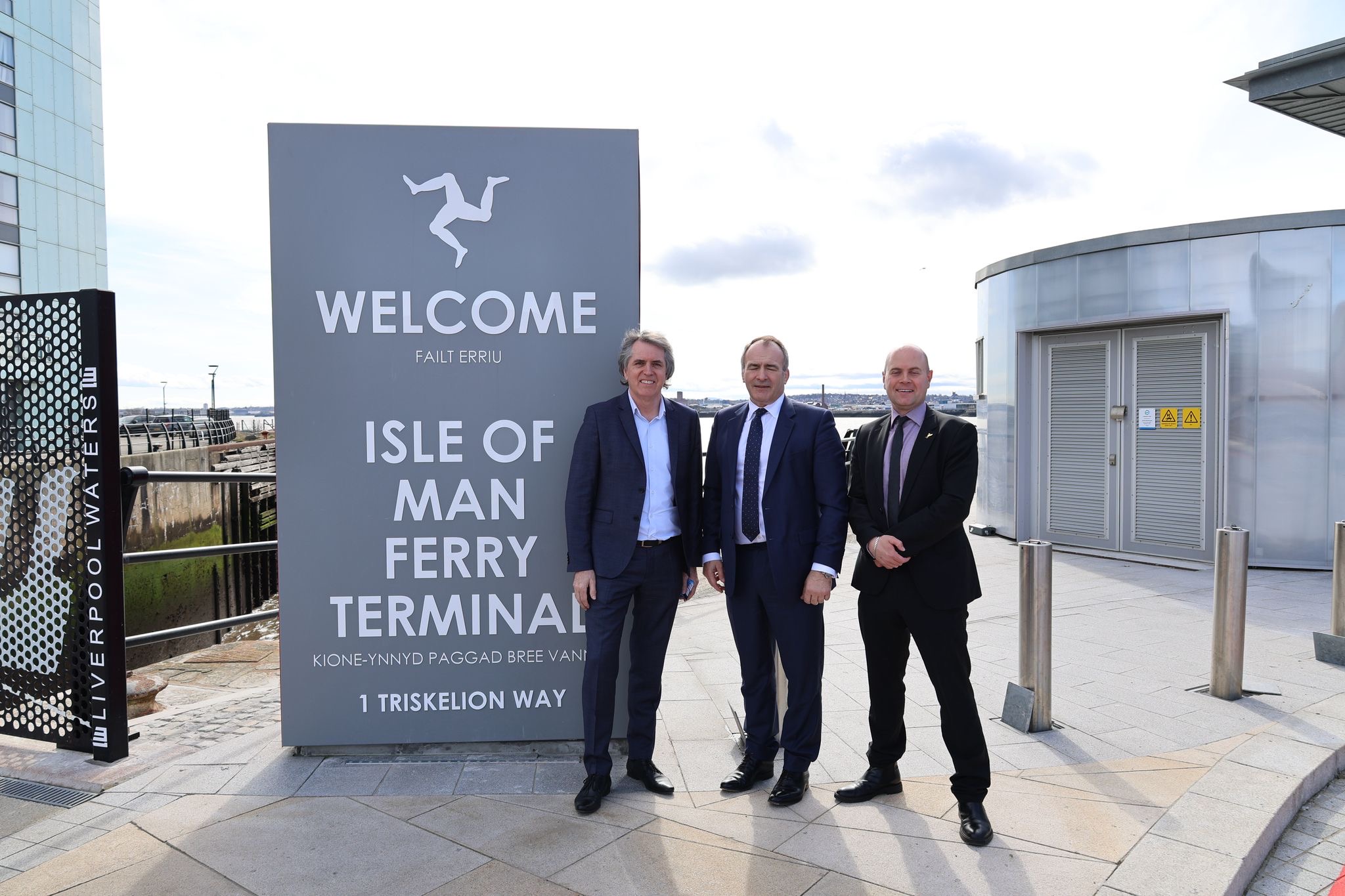
    MIL OSI United Kingdom

  • MIL-OSI United Kingdom: UN Human Rights Council 58: UK Statement for the Interactive Dialogue on the Human Rights Situation in Mali

    Source: United Kingdom – Executive Government & Departments

    Speech

    UN Human Rights Council 58: UK Statement for the Interactive Dialogue on the Human Rights Situation in Mali

    UK Statement for the Interactive Dialogue on the Oral Update of the Independent Expert on the Human Rights Situation in Mali. Delivered by the UK Human Rights Ambassador, Eleanor Sanders.

    Thank You Mr Vice President.

    We thank the Independent Expert for his report. His mandate is ever more vital following the withdrawal of the Multidimensional Integrated Stabilization Mission in Mali (MINUSMA). We also welcome the cooperation of the Malian authorities in facilitating the Expert’s first visit and encourage their continued collaboration.

    As we have heard, the human rights situation remains grave. Increased reports of gender-based violence, and violence against children are particularly concerning. Civic space continues to shrink, key opposition figures remain detained, and civil society organisations disbanded.

    We therefore encourage authorities to create the necessary conditions for free, fair and inclusive elections, as soon as possible.

    Mr President, the UK urges the Malian authorities to further strengthen independent accountability mechanisms, including for alleged incidents committed by military personnel and Russian proxies. These actors continue to create deep-rooted insecurity for the Malian people.

    Mr Gonzalez, as reports of human rights violations and abuses persist, international accountability processes remain vital to hold perpetrators to account.  What more could the International Criminal Court do to enhance accountability under the existing referral?

    Updates to this page

    Published 28 March 2025

    MIL OSI United Kingdom

  • MIL-OSI United Kingdom: Decarbonisation in the maritime sector is a priority for the MCA

    Source: United Kingdom – Executive Government & Departments

    News story

    Decarbonisation in the maritime sector is a priority for the MCA

    The Maritime and Coastguard Agency (MCA) is focussed on securing a clean, green maritime future for everyone.

    The launch of the Department for Transport’s Maritime Decarbonisation Strategy is enforcement of just that, outlining ambitious goals for the maritime sector. This includes reducing fuel lifecycle greenhouse gas emissions by 30 per cent by 2030, 80 per cent by 2040, and achieving zero emissions by 2050.

    From supporting the Clean Maritime Demonstration Competition, which funds a diverse range of sustainable projects, to welcoming the world’s first dual-fuelled ammonia-powered vessel to the UK, the MCA is already at the forefront of supporting and developing these significant changes to the maritime sector.

    Marine Guidance Notice 664 is just one important example of the MCA’s work in this field, which has enabled around 25 vessels using emission reduction, autonomy and other forms of ‘smart’ maritime technology to be considered using a flexible process as an alternative to prescriptive requirements.

    MCA Director of UK Technical Maritime Services Fraser Heasley said:

    Decarbonisation in the maritime sector has always been a priority for the MCA, with our experts advising on future fuels, the placement of wind farms, green shipping corridors, and training a new generation of green seafarers, but there is always more work to be done.

    We welcome the Maritime Decarbonisation Strategy, and look forward to working further with DfT, industry, ship owners and operators, energy companies, investors, and research centres, to make the goals of the strategy a reality.

    Read more about DfT’s Maritime Decarbonisation Strategy here –Course charted for carbon free shipping by 2050 – GOV.UK.

    Press office

    Email public.relations@mcga.gov.uk

    Press enquiries (Monday to Friday, 9am-5pm) 0203 817 2222

    Outside these hours or on bank holidays and weekends, for media enquiries ONLY, please send an email outlining your query and putting #Urgent in the subject title.

    Updates to this page

    Published 28 March 2025

    MIL OSI United Kingdom