Marc H. Silverman, Acting United States Attorney for the District of Connecticut, and Michael J. Krol, Special Agent in Charge of Homeland Security Investigations (HSI), New England, announced that JAMES PAGLIARO, 26, of Middletown, New York, was arrested today on a federal criminal complaint charging him with multiple child exploitation offenses, including traveling to Connecticut to engage in sexual activity with a minor.
Pagliaro appeared before U.S. Magistrate Judge S. Dave Vatti in Bridgeport and was ordered detained.
As alleged in court documents and statements made in court, in approximately October 2024, Pagliaro began messaging a 15-year-girl (“minor victim”) on TikTok. In December 2024, the minor victim told Pagliaro that she was 15 years old, and they began text messaging. In January 2025, Pagliaro traveled to Connecticut multiple times to engage in sexual conduct with the minor victim.
It is further alleged that in February 2025, a forensic examination of the minor victim’s iPhone revealed hundreds of sexually explicit images and videos of the minor victim, and more than 11,000 text messages and more than 300 iOS and FaceTime calls between Pagliaro and the minor victim. In the messages, Pagliaro instructed the minor victim to perform specific sex acts, including sadistic and masochistic conduct. Pagliaro also frequently referenced the minor victim’s age, acknowledging that what he was doing was “illegal”; referred to the minor victim as his “slave” and had her send him a “slavery contract”; berated and punished the minor victim when she failed to accurately and precisely follow his instructions; and asked the minor victim to recruit other minors to engage in sexual conduct with him.
The complaint charges Pagliaro with production of child pornography, which carries a mandatory minimum term of imprisonment of 15 years and a maximum term of 30 years of imprisonment; receipt of child pornography, which carries a mandatory minimum term of imprisonment of five years and a maximum term of imprisonment of 20 years; enticement of a minor to engage in sexual activity, which carries a mandatory minimum term of imprisonment of 10 years and a maximum term of imprisonment of life; traveling to engage in sexual activity with a minor, which carries a maximum term of imprisonment of 30 years; and transfer of obscene material to a minor, which carries a maximum term of imprisonment of 10 years.
Acting U.S. Attorney Silverman stressed that a complaint is only a charge and is not evidence of guilt. Charges are only allegations, and a defendant is presumed innocent unless and until proven guilty beyond a reasonable doubt.
This investigation is being conducted by HSI New England, HSI New York, the Orange County (N.Y.) Sheriff’s Office, and the Danbury, Ridgefield, and Watertown Police Departments. The case is being prosecuted by Assistant U.S. Attorney Daniel P. Gordon
This prosecution is part of the U.S. Department of Justice’s Project Safe Childhood Initiative, which is aimed at protecting children from sexual abuse and exploitation. For more information about Project Safe Childhood, please visit www.justice.gov/psc.
A University of Sydney researcher using world-first AI-powered technology to precisely target liver tumours is receiving Minns Labor Government funding as part of a $10 million grants program for promising NSW cancer researchers.
Dr Chandrima Sengupta is one of 18 recipients of the Cancer Institute NSW grants to support medical breakthroughs and improve outcomes for people living with cancer across the state.
Dr Sengupta’s team is building a pioneering technology using AI-enhanced techniques and standard radiotherapy equipment to target the radiation beam to liver cancer tumours, with sub-millimetre accuracy.
This revolutionary treatment will reduce radiation to nearby healthy tissue, enabling the use of stronger radiation to stop the tumour spreading to other organs to drastically reduce the average treatment times for patients.
The funding will enable Dr Sengupta and her team to continue their collaboration with radiation oncology experts, industry partners and patients to complete the ground-breaking clinical trial to benefit thousands of NSW cancer patients.
The NSW Government is one of the largest funders of cancer research in NSW, having invested more than $470 million in the past 20 years across nearly 1000 competitive research awards and grants.
The grant recipients received funding across four categories this year. Dr Sengupta was awarded $515,716 as one of 11 Early Career Fellowships who received combined funding of $6.14 million.
The Early Career Fellowships are highly prestigious and competitive awards enabling researchers to lead their own team in the fight against cancer.
The remaining three grant categories comprised:
3 Career Development Fellowships
2 Aboriginal Cancer Research Grants
2 Accelerated Research Implementation grants for projects targeting cancer outcomes in rural and regional NSW.
“NSW medical researchers such as Dr Chandrima Sengupta are doing incredible things with pioneering technology and techniques to reduce the impact of cancer and ultimately save lives.
“The Minns Labor Government is proud to be supporting researchers and projects designed to deliver better treatments to people with cancer.
“Our researchers strive every day to improve the lives of people in NSW and beyond and we’re proud to invest in them to continue their work and help improve cancer outcomes for all.”
NSW Chief Cancer Officer and CEO Cancer Institute NSW, Professor Tracey O’Brien AM said:
“Our dedicated and inspirational cancer researchers are key to improving our understanding of a disease which touches the lives of so many of us.
“While significant progress has been made in understanding and treating cancer, it remains the leading cause of death in NSW with sadly one in two people being diagnosed with the disease in their lifetime.
“NSW is recognised as a global leader in tackling cancer with people, communities and organisations coming together to support all impacted people and help rewrite the future of cancer.”
Early Career Fellow Dr Chandrima Sengupta said:
“The precision of our world-first, AI-enhanced cancer targeting technology will allow us to use stronger radiation to improve tumour control while reducing radiation to surrounding healthy tissues.
“This will halve treatment-related toxicity while reducing treatment time from more than one hour to as little as fifteen minutes.
“The grant from Cancer Institute NSW will allow us to start taking our technology to cancer centres across regional and metropolitan NSW, creating a network of sites capable of world-class targeted liver cancer radiation therapy.”
Released by: Minister for Better Regulation and Fair Trading
The Minns Labor Government has moved to make it easier for more qualified workers from interstate to operate in NSW after the passing of new laws last night expanding Automatic Mutual Recognition (AMR) to more industries.
From 1 July 2025, conveyancers, real estate and property agents, and automotive industry workers from interstate will be allowed to work in NSW without having to get a separate NSW licence.
The AMR scheme supports workers and businesses across Australia by facilitating worker movement between states by reducing red tape and removing the need to apply and pay for another licence.
Under AMR, interstate licensees must also meet relevant mandatory compensation fund obligations while working here.
The Minns Labor Government has acted carefully to ensure consumers across the state are protected by the same regulatory enforcement as people licenced to work in these industries in NSW.
The laws passed by the Minns Labor Government allow NSW Fair Trading to calculate and collect compensation fund contributions from conveyancers, property and stock agents, and motor dealers and repairers, ensuring customers can seek compensation as a last resort if they suffer a financial loss caused by an interstate operator.
From 1 July 2025, conveyancers, real estate and property agents, and automotive occupations will join the range of trades and professions already covered under the AMR scheme, including electrical, tow trucks, some construction trades, and traffic control industries.
Quotes attributable to Minister for Better Regulation and Fair Trading Anoulack Chanthivong:
“This legislation recognises the licenced interstate workers we need and supports both workers and businesses across Australia by removing red tape and reducing costs, which will allow NSW businesses access to a larger employment market.
“With more occupations now added since the Automatic Mutual Recognition scheme was introduced in 2021, it now allows more workers greater movement across industries with similar national standards, while still maintaining and protecting consumer rights.”
Some of the busiest emergency departments in Australia have seen significant reductions in hospital ramping, according to the latest Bureau of Health Information quarterly results.
One of the key indicators of hospital ramping is the proportion of patients transferred from paramedics to ED staff within 30 minutes – also known as Transfer of Care (TOC).
St George Hospital – which received over 82,000 ED attendances last year – saw a 25 percentage point improvement in transfer of patient from paramedic to ED staff in the December 2024 quarter compared with the same period the previous year.
Blacktown Hospital – which received over 67,000 ED attendances last year – saw a 23.2 percentage point improvement.
Campbelltown Hospital – which received over 92,000 ED attendances last year – saw a 9.3 percentage point improvement.
Liverpool Hospital – which received over 90,000 ED attendances last year – saw a 7.2 percentage point improvement.
These improvements come despite the health system recording the highest ever number of patients arriving to EDs by ambulance – almost 200,000 in a single quarter.
The Minns Labor Government has invested half a billion dollars into ED relief, which includes:
$189 million in tax relief to incentivise GPs to maintain bulk-billing rates, meaning people with non-life-threatening conditions don’t need to present to the ED
$171.4 million to expand statewide virtual care services helping 180,000 avoid a trip to the ED
$100 million to back in our urgent care services to become a mainstay and key instrument of the health system in providing a pathway to care outside of our hospitals for an estimated 114,000 patients
$70 million to expand emergency department short stay units to improve patient flow to reduce ED wait times by nearly 80,000 hours
$15.1 million for an Ambulance Matrix that provides real time hospital data to enable paramedics to transport patients to emergency departments with greater capacity and reducing wait times
$31.4 million to increase Hospital in the Home across the state allowing over 3,500 additional patients each year to be cared for in their home rather than a hospital bed
$53.9 million to improve patient flow and support discharge planning by identified patients early on that are suitable to be discharged home with the appropriate supports in place.
Quotes attributable to NSW Minister for Health Ryan Park:
“Relieving pressure on our emergency departments and ensuring people receive care in a timely manner have been top priorities of our government.
“Such significant challenges have been met with a significant half-a-billion dollar investment in ED relief.
“Today, I’m so pleased to see encouraging progress in our effort to reduce ramping.
“But I don’t want us to get ahead of ourselves, because there is still much more to do.
“I do want to reiterate that people who present to hospitals with non-life-threatening conditions can still expect to wait long periods in the ED.
“So if you do have a non-life-threatening condition, I strongly encourage you to phone HealthDirect on 1800 022 222 where you can avoid an unnecessary wait in the ED, and receive care outside of the hospital including through urgent or virtual care services.”
Defendant persuaded women to travel interstate to work for prostitution network and required sex buyers to undergo screening process, including providing employer information and references
BOSTON – The manager responsible for operating an interstate prostitution network of sophisticated high-end brothels in greater Boston and eastern Virginia was sentenced today in federal court in Boston.
Han Lee, 42, of Cambridge, Mass., was sentenced by U.S. District Court Judge Julia E. Kobick to four years in prison to be followed by one year of supervised release. The defendant was also ordered pay forfeiture in the amount of $5,418,572 and restitution in an amount to be determined at a later date. In September 2024, Lee pleaded guilty to one count of conspiracy to persuade, induce, entice, and coerce one or more individuals to travel in interstate or foreign commerce to engage in prostitution and one count of money laundering conspiracy. Han Lee was arrested and charged in November 2023 with co-defendants Junmyung Lee, 31, of Dedham, Mass., and James Lee, 69, of Torrance, Calif. The defendants were subsequently indicted by a federal grand jury in February 2024.
“Han Lee didn’t just recruit women to sell their bodies for sex – she built a criminal enterprise designed to thrive in the shadows, evading law enforcement while profiting off her victims like commodities,” said United States Attorney Leah B. Foley. “We will relentlessly pursue and prosecute those who exploit vulnerable women through interstate sex trafficking and launder their illicit gains. Those who engage in this conduct will be identified, held accountable and sent to federal prison. Full stop.”
“Han Lee and her co-conspirators crafted an elaborate scheme to set up an interstate commercial sex network and to hide their activity by laundering the proceeds. This secretive and covert industry treats women like commodities and provides no protection for the safety and wellbeing of the participants. Today’s sentence reinforces the seriousness of this crime and our commitment to use every investigative tool we have to pursue justice,” said Homeland Security Investigations New England Special Agent in Charge Michael J. Krol.
From at least July 2020, Han Lee operated an interstate prostitution network with multiple brothels in Cambridge and Watertown, Mass., as well as in Fairfax and Tysons, Va. The defendant established the infrastructure for these brothels in multiple states for the purposes of persuading, inducing and enticing women – primarily Asian women – to travel to Massachusetts and Virginia to engage in prostitution.
Specifically, Han Lee and her co-defendants, rented high-end apartments as brothel locations, which they furnished and regularly maintained. The defendants coordinated the women’s airline travel and transportation and permitted them to stay overnight in the brothel locations so they did not have to find lodging elsewhere, therefore enticing women to participate in their prostitution network. To protect and maintain the secrecy of the business and ensure that the women did not draw attention to the prostitution work inside apartment buildings, Han Lee and her co-defendants established house rules for the women during their stays.
The defendants advertised their prostitution network and offered appointments with women in either greater Boston or eastern Virginia via bostontopten10.com and browneyesgirlsva.blog, respectively. Both websites purported to advertise nude models for professional photography at upscale studios as a front for prostitution offered through appointments. Investigators searched and seized the domain names for both websites pursuant to search warrants executed in November 2023.
Additionally, each website described a verification process that interested sex buyers undertook to become eligible for appointment bookings– including requiring that clients complete a form providing their full names, email address, phone number, employer and reference if they had one. Han Lee and her co-defendants persuaded the women to work for their prostitution network because the business maintained a regular customer base of men that were adequately screened, ensuring that the customers were not members of law enforcement or men who posed a risk to the safety and security of the commercial sex workers.
Han Lee and her co-defendants maintained local brothel phone numbers which they used to communicate with verified customers and schedule appointments via text messages; send customers a “menu” of available options at the brothel, including the women and sexual services available and the hourly rate; and to text customers directions to the brothel’s location where they engaged in commercial sex with the women.
According to the charging documents, the defendants charged sex buyers a premium price for appointments with the women advertised on their websites, which ranged from approximately $350 to upwards of $600 per hour depending on the services and were paid in cash. In total, Han Lee’s brothel network generated over $5.6 million in revenue from approximately 9,450 scheduled dates with sex buyers.
To conceal the proceeds of the prostitution network, Han Lee deposited hundreds of thousands of dollars of cash proceeds into personal and third-party bank accounts and peer-to-peer transfers. Additionally, the defendants regularly used hundreds of thousands of dollars of the cash proceeds from the prostitution business to purchase money orders (in values under an amount that would trigger reporting and identification requirements) to conceal the source of the funds. These money orders were then used to pay for rent and utilities at brothel locations in Massachusetts and Virginia.
In October 2024, Junmyung Lee pleaded guilty and is scheduled to be sentenced on April 18, 2025. James Lee pleaded guilty in February 2025 and is scheduled to be sentenced on May 28, 2025.
Members of the public who have questions, concerns or information regarding this case should contact USAMA.VictimAssistance@usdoj.gov.
U.S. Attorney Foley; HSI SAC Krol; and Cambridge Police Commissioner Christine Elow made the announcement today. Valuable assistance was provided by the Central District of California; Eastern District of Virginia; U.S. Postal Service; the Middlesex District Attorney’s Office and Watertown Police Department. Assistant U.S. Attorney Lindsey E. Weinstein of the Criminal Division and Assistant U.S. Attorney Raquelle Kaye, of the Asset Recovery Unit are prosecuting the case.
BOSTON – The former leader of the Lynn Chapter of the Trinitarios gang pleaded guilty today to racketeering charges.
Aaron Diaz Liranzo, a/k/a “Sosa,” 26, pleaded guilty to conspiracy to conduct enterprise affairs through a pattern of racketeering activity, more commonly referred to as RICO conspiracy. U.S. Senior District Court Nathaniel M. Gorton scheduled sentencing for June 25, 2025. Diaz Liranzo was arrested and charged in February 2025 at which time he was the Leader of the Lynn Chapter of the Trinitarios.
The Trinitarios is a violent criminal enterprise comprised of thousands of members across the United States. The Trinitarios adhere to a Magna Carta, employ an internal hierarchy to or organize and execute violence, and undertaken extensive efforts to maintain the secrecy of the organization and its members.
In February 2025, federal racketeering charges were unsealed against 22 leaders and members of the Trinitarios. The charges were the result of a multi jurisdictional investigation, which began in the aftermath of four murders as well as a series of attempted murders and shootings that took place in Lynn in 2023, allegedly committed by the Trinitarios criminal enterprise and its members. Diaz Liranzo is the sixth Defendant to plead guilty.
During a period from at least 2021 through 2025, Diaz Liranzo served as the Primera or Number One of the Lynn Chapter of the Trinitarios. Diaz Liranzo admitted to participating in a shooting that took place in March 2019 that targeted multiple rival gang members outside of a Lynn nightclub. The victims were lured there by another member, who posed as a woman who needed a ride. Equipped with a firearm and knowledge of the victims whereabouts and vehicle they were driving, the defendant travelled to the nightclub and opened fire at the vehicle, discharging at least six rounds. During the incident, Diaz Liranzo shot two of the three victims seated in the car. Both victims suffered life-threatening injuries, but ultimately survived the incident.
The charge of conspiracy to conduct enterprise affairs through a pattern of racketeering activity (also known as “racketeering conspiracy” or “RICO conspiracy”) provides for a sentence of up to life in prison, five years of supervised release and a fine of up to $250,000. Sentences are imposed by a federal district court judge based upon the U.S. Sentencing Guidelines and statutes which govern the determination of a sentence in a criminal case.
United States Attorney Leah B. Foley; Michael J. Krol, Special Agent in Charge, Homeland Security Investigations in New England; Jodi Cohen, Special Agent in Charge of the Federal Bureau of Investigation, Boston Division; Essex County District Attorney Paul F. Tucker; Massachusetts State Police Colonel Geoffrey D. Noble; and Lynn Police Chief Christopher P. Redd made the announcement. Valuable assistance was provided by the U.S. Attorney’s Office for the District of New Hampshire; U.S. Customs and Border Protection; the Suffolk District Attorney’s Office; the Rockingham County District Attorney’s Office (NH); and the Andover, Boston, Lawrence, Peabody and Salem Police Departments. Assistant U.S. Attorney Philip A. Mallard of the Organized Crime & Gang Unit is prosecuting the case.
The details contained in the charging documents are allegations. The remaining defendants are presumed innocent unless and until proven guilty beyond a reasonable doubt in a court of law.
Source: The Conversation (Au and NZ) – By Albert Van Dijk, Professor, Water and Landscape Dynamics, Fenner School of Environment & Society, Australian National University
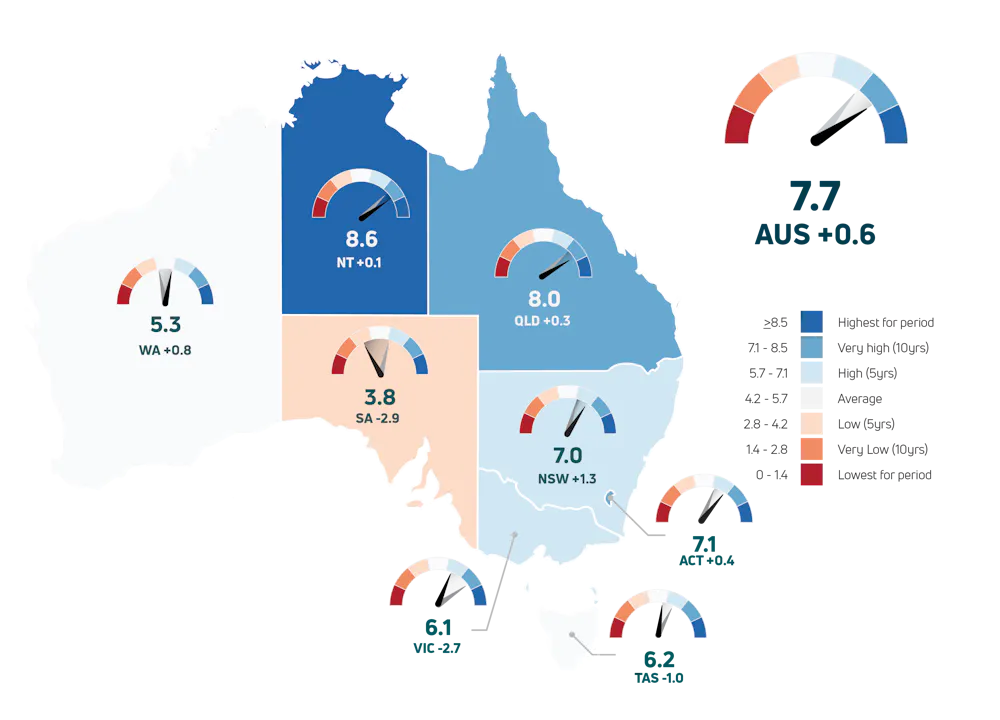
For the fourth year running, the condition of Australia’s environment has been relatively good overall. Our national environment scorecard released today gives 2024 a mark of 7.7 out of 10.
You might wonder how this can be. After all, climate change is intensifying and threatened species are still in decline.
The main reason: good rainfall partly offset the impact of global warming. In many parts of Australia, rainfall, soil water and river flows were well above average, there were fewer large bushfires, and vegetation continued to grow. Overall, conditions were above average in the wetter north and east of Australia, although parts of the south and west were very dry.
But this is no cause for complacency. Australia’s environment remains under intense pressure. Favourable conditions have simply offered a welcome but temporary reprieve. As a nation we must grasp the opportunity now to implement lasting solutions before the next cycle of drought and fire comes around.
For the tenth year running, we have trawled through a huge amount of data from satellites, weather and water measuring stations, and ecological surveys.
We gathered information about climate change, oceans, people, weather, water, soils, plants, fire and biodiversity.
Then we analysed the data and summarised it all in a report that includes an overall score for the environment. This score (between zero and ten) gives a relative measure of how favourable conditions were for nature, agriculture and our way of life over the past year in comparison to all years since 2000. This is the period we have reliable records for.
While it is a national report, conditions vary enormously between regions and so we also prepare regional scorecards. You can download the scorecard for your region at our website.
Globally, 2024 was the world’s hottest year on record. It was Australia’s second hottest year, with the record warmest sea surface temperatures. As a result, the Great Barrier Reef experienced its fifth mass bleaching event since 2016, while Ningaloo Reef in Western Australia also experienced bleaching.
Yet bushfire activity was low despite high temperatures, thanks to regular rainfall.
National rainfall was 18% above average, improving soil condition and increasing tree canopy cover.
States such as New South Wales saw notable improvements in environmental conditions, while conditions also improved somewhat in Western Australia. Others experienced declines, particularly South Australia, Victoria, and Tasmania. These regional contrasts were largely driven by rainfall – good rains can hide some underlying environmental degradation trends.
Favourable weather conditions bumped up the nation’s score this year, rather than sustained environmental improvements.
Mapping the environmental condition score to local government areas reveals poor (red) conditions in the west and the south, with good scores (blue) in the east and north. White is neutral. Australia’s Environment Explorer, CC BY-NC-ND
A temporary respite?
The past four years show Australia’s environment is capable of bouncing back from drought and fire when conditions are right.
But the global climate crisis continues to escalate, and Australia remains highly vulnerable. Rising sea levels, more extreme weather and fire events continue to threaten our environment and livelihoods. The consequences of extreme events can persist for many years, like we have seen for the Black Summer of 2019–20.
To play our part in limiting global warming, Australia needs to reduce its greenhouse gas emissions. Progress is stalling: last year, national emissions fell slightly (0.6%) below 2023 levels but were still higher than in 2022. Australia’s greenhouse gas emissions per person remain among the highest in the world.
Biodiversity loss remains an urgent issue. The national threatened species list grew by 41 species in 2024. While this figure is much lower than the record of 130 species added in 2023, it remains well above the long-term average of 25 species added per year.
More than half of the newly listed or uplisted species were directly affected by the Black Summer fires. Meanwhile, habitat destruction and invasive species continue to put pressure on native ecosystems and species.
The Threatened Species Index captures data from long-term threatened species monitoring. The index is updated annually but with a three-year lag due largely to delays in data processing and sharing. This means the 2024 index includes data up to 2021.
The index revealed the abundance of threatened birds, mammals, plants, and frogs has fallen an average of 58% since 2000.
But there may be some good news. Between 2020 and 2021, the overall index increased slightly (2%) suggesting the decline has stabilised and some recovery is evident across species groups. We’ll need further monitoring to confirm whether this represents a lasting turnaround or a temporary pause in declines.
This graph shows the relative abundance of different categories of species listed as threatened under the EPBC Act since 2000, as collated by the Threatened Species Index. Australia’s Environment Report 2024, CC BY-NC-ND
What needs to happen?
The 2024 Australia’s Environment Report offers a cautiously optimistic picture of the present. Without intervention, the future will look a lot worse.
Australia must act decisively to secure our nation’s environmental future. This includes reducing greenhouse gas emissions, introducing stronger land management policies and increasing conservation efforts to maintain and restore our ecosystems.
Without redoubling our efforts, the apparent environmental improvements will not be more than a temporary pause in a long-term downward trend.
Australia’s Environment Report is produced by the ANU Fenner School for Environment & Society and the Terrestrial Ecosystem Research Network (TERN), which is enabled by the National Collaborative Research Infrastructure Strategy.
Albert Van Dijk receives or has previously received funding from several government-funded agencies, grant schemes and programs.
Shoshana Rapley is a Research Assistant and PhD candidate at the Australian National University and has received funding from the Ecological Society of Australia and BirdLife Australia.
Tayla Lawrie is a current employee of the Terrestrial Ecosystem Research Network (TERN), funded by the National Collaborative Research Infrastructure Strategy.
Over 500 young artists from across the Highlands have used their creativity to make powerful works of art that highlight the climate issues that matter most to them.
The public exhibition at the Inverness Botanic Gardens was enjoyed by hundreds of people, including Highland Councillors, MPs, MSPs and business leaders who experienced first-hand the climate challenges expressed by young people through art.
Education Committee Chair, Cllr John Finlayson said: “The Art for Action exhibition at Inverness Botanic Gardens offered many young people from across Highland the opportunity to express powerful and inspiring art that reflected their own personal feelings about the climate emergency and its far-reaching effects on climate change. Using art to express the impacts and change that they want to see happen for a more sustainable future.
“It was a really positive event, and my appreciation goes to all the talented pupils who captured thought-provoking art that really helped focus on real climate issues, and I extend my thanks to the team behind the scenes who brought it all together to exhibit in the beautiful surroundings of the Botanic Gardens.”
The exhibition was part of Highland One World’s ‘Art for Action’ Global Citizenship project, funded by the Pebble Trust. The event is part of a larger international project that spans Highland, Nigeria, and Kenya, in partnership with the Open University.
Coordinator at Highland One World, Catriona Willis said: “Children and young people are understandably concerned about the climate emergency and its impact on their future. At Highland One World, we want to support children to believe that a fairer, more sustainable world is possible, while developing key Global Citizenship skills and values to create positive change.
“Through working with Highland schools on Art for Action we were able to provide a creative and engaging platform for children and young people to have a say on climate issues that matter to them and ensure that their voices are heard.”
The world had its eyes on Sydney in 2000. A million people lined the harbour to ring in the new millennium (though some said it was actually the final year of the old one) on January 1.
US television reporters called it “the biggest party in Australian history”. Bill Gates, chairman of Microsoft, whose corporation seemed to represent the coming age, was among those watching on.
Sydney offered not only a world-leading party, but also a litmus test for the much-feared Y2K bug, which threatened to knock planes out of the sky and bring the global economy to a halt. Australia and New Zealand were said to be the “tripwire for the world’s computer systems”.
It was fine in the end, although plenty of work had in fact been undertaken behind the scenes to make Australia’s systems more millennium-proof than they might have been.
This was arguably the defining feature of Australia in the year 2000: a confident display for the world concealing a lot of angst and uncertainty. Australia was the “oldest continent on Earth”, the US broadcasters told their viewers, but it was “much more of an Asian nation”, and much closer to the rest of the world “thanks to technology”.
Those confident claims would probably have surprised many Australians. Theirs was an old country trying to keep up with a new, interconnected world, and also a relatively young one trying to reconcile itself with the ancient cultures that its settler forebears had dispossessed.
A curated Australia
In September, the world’s sporting and political elite, followed by a train of journalists, arrived in Sydney for the 2000 Olympic Games. It had been years in the making, and every level of government was involved. There were no fewer than 47,000 volunteers.
There was something for everyone in the well-curated opening ceremony. The event opened with the crack of a stockman’s whip and a fleet of flag-waving bushmen on horseback. There were highly sanitised displays of European arrival, pastoral settlement and a tribute to an armour-clad colonial Victorian bushranger that must have baffled those viewers watching from abroad who had not seen a Sidney Nolan painting before.
Ancient stories and new cultural sensibilities were on display too. There were stylised performances of the Dreaming, striking First Nations dances and the distinctive sounds of the didgeridoo. A section entitled “Arrivals” recognised the importance of migration in the nation’s story.
A young Aboriginal sprinter, Cathy Freeman, lit the cauldron in what became one of the iconic images of the year. The cauldron’s hydraulics unfortunately got stuck as it ascended, and the flame was mere seconds from snuffing out in what could have been a global embarrassment. But big ambitions incur big risks.
This global performance of Australian-ness was arrestingly simple: that of a nation confident in its own diversity and capable of catering to everyone’s tastes.
Even the musical selections seemed to reconcile the needs of the youth (with performances from a young Vanessa Amorosi and even younger Nikki Webster), and the more mature (represented by John Farnham and Olivia Newton-John).
Australia’s athletes had their best ever showing with 58 medals, including Freeman’s own gold.
Not quite comfortable, not quite relaxed
The Olympics masked as much as they revealed.
In 2000, many white Australians still weren’t sure if theirs was, or should be, a multicultural society.
The reactionary Pauline Hanson was out of parliament for the time being, but her One Nation Party had won 7.5% of the vote in New South Wales in the March 1999 state election, and nearly 23% of the vote in Queensland the year before.
Eight weeks before millennium day, Australians had roundly rejected two referendum proposals, one to become a republic, and for a Constitutional preamble that, among other things, recognised Indigenous Australians as “the nation’s first people”.
But whether Hanson liked it or not, her lifetime had coincided with great demographic and social change.
In 1976, roughly 1.8% of the population said they were born in Asia or the Middle East. In the 2001 census, 1.6% of the population were born in China or Vietnam alone, and many more were the descendants of migrants from these places.
The Aboriginal and Torres Strait Islander population had more than doubled over the same period, while those identifying as Christian decreased from nearly 79% in 1976 to 56% in 2001.
This increasingly diverse Australia claimed to be on a journey to “reconciliation”. That process had been sorely tested during the nasty debates about land rights and the Stolen Generations.
Corroboree 2000, held on May 27 in Sydney, saw the Council for Aboriginal Reconciliation and the nation’s political leaders present their visions for the next phase of national healing. The leaders symbolically left their handprints on a “reconciliation canvas”.
The following day, 250,000 Australians walked across the Sydney Harbour Bridge in a moving display of togetherness. John Howard, the prime minister, declined to participate.
But his treasurer, Peter Costello, made a point of showing up for a similar event in Melbourne that December, leading Victorian Liberals and another 200,000 or so Australians.
Their different approaches showed that the past was still a troubling present. Howard rebuffed suggestions of a treaty between Indigenous and settler Australians and maintained his refusal to apologise on behalf of the Commonwealth to the Stolen Generations, though all the states had done so by this time.
The idea of such an apology was not as popular then as it seemed later on. The prime minister was sensitive to the fact that his was “an unpopular view with a lot of people”, but an opinion poll in The Australian newspaper showed a majority of voters were opposed to a national apology.
Two survivors of the Stolen Generations, Peter Gunner and Lorna Cubillo, sued the Commonwealth for damages in 2000, giving their opponents the chance to challenge the legitimacy of their experiences. None of this looked like a nation that was as “comfortable and relaxed” as Howard had hoped it would be under his watch.
Border politics
Australian collective memory often gravitates toward 2001, the year of the Tampa affair and the September 11 terrorist attacks in New York.
But Australia’s border was already highly politicised in 2000.
In January, a boat arrived from Indonesia carrying 54 Christians fleeing religious conflict. They spent ten weeks at Port Hedland Immigration Detention facility, from which 39 went back to Indonesia and only 15 moved on to Adelaide to build new lives.
Port Hedland and other detention centres made the news for all the wrong reasons. There were riots, hunger strikes and multiple breakouts. Authorities responded with upgraded security perimeters, character checks, and strip searches without warrants.
Frustrated refugees set fire to South Australia’s Woomera facility, which former prime minister Malcolm Fraser publicly condemned as a “hell-hole”.
In an end-of-year reflection for The Age newspaper, Gary Tippet said there had been a “touch of mean-spiritedness” about the handling of it all. Chris Wallace rightly suggests 2000 was a crucial moment in the “march towards an absolute offshore, extraterritorial approach” to refugees in Australia.
In the intervening quarter-century, Australian officials have made mean-spiritedness an art form at the border and on the seas.
First-rate democracy, third-rate economy
Compared to the many legal challenges that came out of the US presidential contest in November 2000, Australia’s elections looked pretty smooth and sensible. The US seemed to have a backward democracy grafted onto its world-leading, information-age economy.
Australia looked the opposite: a first-rate democracy with what looked increasingly like a “branch-office economy”.
Reformers had tried for 20 years to make Australia efficient and competitive, but as one editorial in The Australian Financial Review explained, the country still suffered from its “old economy image”.
Certainly, Australia still sold its minerals and farm products to the world in exchange for quality cars and cutting-edge computers.
With global capitalists still enthralled by the global tech boom (though it was soon to become the “tech wreck”), they had little need for the Aussie dollar.
The currency’s value declined through the year to just 50 US cents, and it would fall further in the following months. On its own, this mattered little, but a quarter of negative growth at the end of the year meant, as Paul Kelly later wrote, an “election-year recession” seemed a “real threat”.
In the meantime, the much-debated Goods and Services Tax took effect around midnight on June 30 (a few hours later for businesses trading through the night).
The 10% consumption tax was a big deal. Costello said in his memoir the “prices of three billion products were to change all at the same time”.
The measure was politically brave, but soon became unpopular, helping raise petrol prices and alienate small business owners.
The punters were pretty confident the Howard government was heading for defeat in 2001. They were wrong.
Between the old and new
The pace of social change accelerated from 2000.
In the 2021 census, 2.6% of the population said they were born in India, and a further 3.2% in China and Vietnam. Aboriginal and Torres Strait Islander Australians had more than doubled over two decades, such that they made up 3.2% of the total population in 2021.
People increasingly related to their economy differently, too. Half of the workforce had been unionised in the 1980s, but coverage fell to roughly a quarter in 2000 and just 12.5% in 2022.
These and other changes make our politics look different from that of 25 years ago. Nailbiter elections are now more common than thumping majorities and attitudes toward the once-feared “minority government” have softened.
For all that, many of the challenges of 2000 are still with us.
Many Australians are less tolerant of overt racism than they once were, but the 2023 Voice referendum and our offshore detention regime remind us that race still matters in this country.
Kevin Rudd apologised to the Stolen Generations in 2008, but Treaty and Truth-Telling are left unresolved.
And for all our talk about human capital and the digital economy, resources make up a much higher share of our total export mix today than in 2000.
A quarter-century on, Australia is still caught between the old and the new.
Dr Joshua Black is a Postdoctoral Research Fellow at The Australia Institute.
Edinburgh’s Lord Provost Robert Aldridge and Culture and Communities Convener Val Walker welcome announcement.
Lord Provost Robert Aldridge, said:
We are thrilled to welcome the Tour de France Grand Départ to Edinburgh. With our winding cobbled streets and iconic backdrop, the city provides a dramatic, challenging, and undeniably picturesque start to this legendary race. It’s sure to be a sight to remember.
This will be an exhilarating event for the city and a major highlight of 2027. Edinburgh’s residents are renowned for offering a warm and unforgettable welcome to millions of visitors each year, and we look forward to extending that same hospitality to the Tour de France.
Culture and Communities Convener, Val Walker, said:
As the world’s largest annual sporting event, the Tour de France will bring elite cyclists from across the globe to Edinburgh, showcasing exactly why our city is celebrated worldwide as a premier events destination. Edinburgh is no stranger to cycling events, and has proudly hosted stages of the Tour of Britian and the UCI Championships in 2023. Beyond the significant benefits to the local economy, the global media coverage will place Edinburgh at the heart of the world’s stage, strengthening our city’s international reputation.
These events not only allow Edinburgh’s residents to see some of the world’s leading cyclists in action but also showcase the very best of the city to travelling tourists and athletes. Cycling in the Capital continues to grow in popularity, so hosting another major event is fantastic news. I’m confident the people of Edinburgh will come out in full support of the riders, and a successful Grand Départ will surely ignite even more passion for the sport.
Source: United Kingdom – Executive Government & Departments
A study published in PLOS One looks at ADHD TikTok content and its association with ADHD perception.
(From our colleagues at SMC Germany) Prof Kathrin Karsay, Assistant Professor for Entertainment Research, Department of Communication, University of Vienna, Austria, said:
Evaluation of the study methodology
“Pre-registration is to be positively mentioned in the sense of Open Science, as it makes the planning and execution of the study transparent in advance. The selection of the videos, on the other hand, is not representative, as it was not drawn from the population of available Tiktok videos. The chosen method of selecting the 100 most popular videos at a specific point in time with a newly created account is therefore not ideal. Under the circumstances, it is a pragmatic, but nevertheless legitimate, approach. Overall, the number of videos analyzed remains relatively low, especially considering that Tiktok users often consume many videos. Another critical point is that no information is available on coder training (training of the evaluators; editor’s note) and that an evaluation of inter-coder reliability is missing for all selected variables. This does not meet the typical standard for communication science studies, but it is not uncommon in studies outside the field.”
Contextualization of the results
“It is particularly noteworthy that the majority of the videos (93.9 percent) only address symptoms, while only a small minority of the videos discuss treatment options. Especially when it comes to health topics, social media is a central source of information and a place for exchange. At the same time, the algorithms favor those posts that generate a lot of interaction because they are particularly entertaining or emotional. It is therefore not surprising that the symptoms are not presented correctly or are exaggerated – similar findings already exist for other conditions, such as Tourette’s syndrome, epicondylitis (tendonitis at the elbow; editor’s note) or prostate cancer. On Tiktok, people with ADHD are often portrayed as lively, lovable and almost entertaining – a ‘cute disorder’ that is staged in short, humorous clips. Much of the content shows everyday situations and relies on self-irony and entertaining narratives. This creates a positive, sometimes trivializing, romanticized image of the disorder. It is also particularly interesting that the experts classified around two-thirds of the ADHD-related statements as normal human experiences. In other words, everyday situations are shown with which many people can identify, which can encourage self-diagnosis.”
“This presentation can be explained, among other things, by the fact that content creators usually pursue monetary interests, as the study also shows. Half of all content creators advertise products on their profiles or ask for financial donations. This does not include sponsorships or marketing collaborations. Of course, influencers have an interest in their videos being seen by many and being considered personally relevant.”
When asked how the results on the correlation between self-diagnosed ADHD, the extent of ADHD video consumption and the perception of the prevalence of ADHD can be explained: “Frequently consuming ADHD-related content attracts increased attention and draws focus to corresponding symptoms. Priming (improved processing of a stimulus due to it or a similar one having been presented previously; editor’s note) activates cognitive schemata that can lead people to identify more readily with these symptoms. In the long term, repeated exposure reinforces the impression that ADHD is particularly widespread, even if the actual prevalence is lower. Since the videos often stage common experiences as pathological symptoms, those affected are more likely to identify with the clinical picture. This results in a so-called ‘confirmation bias’: people tend to interpret, seek out, and remember information in a way that confirms their existing beliefs or hypotheses. This also fits with the study’s finding that participants with self-diagnosis significantly overestimate the prevalence of ADHD in the general population – far more than those with a formal ADHD diagnosis and those without ADHD. They also tend to rate videos with the lowest psychological ratings as more recommendable.”
Practical implications
“Those who already suspect they have ADHD perceive more matching symptoms in the videos and interpret them as confirmation. This can reinforce the belief in one’s own diagnosis without professional clarification. Constant consumption of such content can lead to overidentification: everyday difficulties are then possibly interpreted too quickly as symptoms. I would therefore recommend taking a critical look at the source of the information and considering professional diagnosis.”
Dr Blandine French, Senior Research Fellow, School of Psychology and Institute of Mental Health, University of Nottingham, said:
“Due to the recent nature of social media engagement on platforms such as TikTok, very few studies have been able to evaluate the impact it has. As mentioned by the authors, the huge rise of TikTok ADHD content has only been observed in the last 5 years and little has been published on this. In fact, ADHD fell within the 10 most -viewed health related hashtags on TikTok so we really need to understand more about its impact on those viewing this content.
“It is therefore great to see a study starting to address this. This study is very well conducted, with a thorough analysis and robust findings. The rational for the way the study was conducted is sound, well designed and well explained.
“One limitation of the study is that the majority of participants in the second study were females (669/843) which does not represent the ADHD general population (ratios of male to female vary from 1:4 male to 1:2) so we must be cautious in generalising the findings.
“It would also have been useful to see more detail on what they defined as misinformation. The experts rated according to DSM-V diagnosis (attention, hyperactivity, impulsivity) which is a robust and scientific way of approaching content. However, we know that many things are linked with ADHD but not part of diagnostic symptoms (emotion dysregulation, sleep, social difficulties etc). Therefore, content that would have been rated as misinformation can be relevant (and authors acknowledge this) but would not be scored as such as they are not technically linked with ADHD in terms of strict diagnosis criteria. This nuance would have been good to include and reflect a more holistic approach and understanding of ADHD that is not solely based on criteria but still has significant evidence-based studies behind.
“Overall, this paper has some important implications and offers a balanced view of the impact on social media. On one hand it supports how much young people rely on social media, the breadth of reach of this kind of content (over 500 million views) and that there are positives from viewing such videos (sense of community, greater understanding etc). But it also raises concern about viewers relying on this content as educational and support sources. The lack of nuance, evidence-base and reliability of these video is very high. Now this doesn’t mean that it is always bad, but it is to be taken with extreme caution.
“The findings also show that the group more prone to highly rate or engage with these videos is the group that is self-diagnosed which is interesting but potentially worrying. The diagnosed group seemed better able to tell the difference between quality of information, while self-diagnosed were not as able to do so.
“Therefore, if any person has seen this type of content on TikTok and thinks they may have ADHD, I would say that I am glad they might have found an answer to ongoing difficulties. But I would advise to do some further research from more reliable sources and evidence-based criteria. Social media can be a great source of support but shouldn’t be a place for diagnosis as it is not made for this. It should be used alongside other more reliable methods, sources, and information.”
Prof Philip Asherson,Emeritus Professor of Neurodevelopmental Psychiatry, Institute of Psychiatry, Psychology and Neuroscience, King’s College London, said:
“The methodology is fair as an initial investigation of the association of Tik Tok use and content related to ADHD; and is well conducted. The first study investigates the content of the top 100 Tik Tok watched videos related to #ADHD. This is a reasonable approach to understand how specific the content is to ADHD, rather than mental health more broadly. The second study is limited primarily by the sole participation of psychology students, which suggests that the findings cannot be generalised to a general (unselected) population. Further research is therefore needed. The sample sizes are reasonable for an initial investigation. It is to be commended that the study design was lodged within the Open Science Framework, increasing the robustness of the study findings. Agreement between psychologist ratings was good.
“The findings on symptoms in the video are not entirely ‘incorrect’; but fit with my expectations. First it is important to recognise that the TikTok videos reflect personal experience and not that of professional trained mental health specialists. Also, that not all the symptoms commonly experienced by adults with ADHD are specified as specific criteria in DSM-5. Given that, around 49% of the videos were a good reflection of specific (DSM-5) symptoms. However, non-specific symptoms are also commonly seen in people with ADHD and are an independent source of impairment. The prime example of this is emotional dysregulation which is cited as an example of 42% reflecting transdiagnostic symptoms. The paper does not list all of the other transdiagnostic symptoms but other common symptoms include sleep problems (delayed sleep onset), and low self-esteem related to the impairments of ADHD are common as part of ADHD. Without a more detailed evaluation it is not clear that these ‘non-ADHD’ symptoms may also reflect other common aspects of ADHD which are not among the 18 specific DSM symptoms of ADHD. Note that emotional dysregulation is not specific to ADHD, but it is cited in DSM-5 as a common symptom that supports the diagnosis; and is a common part of the lived experience of most adults with ADHD.
“So, the other symptoms may not all be ‘incorrect’ but just not specific to ADHD. However, it is possible that this could lead some people to think they might have ADHD unless they also consider the full diagnostic criteria for ADHD (which is not included as an aim in these studies).
“It is of interest that those with a formal diagnosis access Tik Tok most, followed by those with self-diagnosis. This suggests that the main driver of looking at Tik Tok videos of ADHD is to learn more about ADHD, rather than the videos leading to excess self-diagnosis.
“A more subtle but essential point is that many ADHD symptoms are a continuous trait/dimension in the general population. So there is no clear boundary between those with clinically significant levels of ADHD symptoms and impairments, and those with higher than average levels of ADHD symptoms. Many people who do not meet full ADHD criteria may nevertheless struggle with some ADHD symptoms at times and seek information on better to manage this aspect of their lives. The videos are therefore of more general relevance than only adults meeting full ADHD criteria. Many self-diagnosed people may fall in this category.
“It is also true that some people with other mental health problems may conclude they have ADHD, as the videos do not detail the full diagnostic criteria. This indicates the importance of an assessment that considers ADHD alongside other mental health disorders for those that seek help. Similarly, people with ADHD might consider they have an anxiety or mood disorder or personality disorder, when ADHD is the main problem. In general the non-expert Tik Tok videos are not generally specific to ADHD. However, they usually reflect common symptoms experienced by adults with ADHD.
“The relationship between ADHD self-diagnosis, video consumption and perception of prevalence only indicates an association but there is no information on the causal relationship. It seems likely that having ADHD or symptoms of ADHD leads to increased TikTok use as one form of information, since those without ADHD consume the less (as expected). While a causal role of watching TikTok on self-diagnosis could be implied or play a role in some cases, this publication provides no information on the causal direction – so should not be interpreted in that way without further research.
“Watching these videos may be helpful to people with ADHD to understand the experiences of ADHD they are having. However, it would be important to discuss this with other people with ADHD (ADHD user/support groups could be helpful here) and to seek professional advice.
“The conflict of interests and Tik Tok algorithms are a concern and might lead to over diagnosis in some cases – but overall the greater awareness of ADHD is a benefit.”
‘A double-edged hashtag: Evaluation of #ADHD-related TikTok content and its associations with perceptions of ADHD’ byVasileia Karasavvaet al.was published in PLOS One at 18:00 UK time on Wednesday 19th March.
Prof Kathrin Karsay: “There are no conflicts of interest.”
Dr Blandine French: Dr. BF reports personal fees and nonfinancial support from Takeda and Medice.
Prof Philip Asherson: In the last 4 years, Asherson received payments for consultancy and/or educational talks from Takeda, Jannsen, Flynn Pharma, Medice and AGB Pharma, and royalties from PATOSS and Cambridge University. He is Honorary President of the UK Adult ADHD Network (UKAAN).
For all other experts, no reply to our request for DOIs was received.
Source: The Conversation – UK – By Siobhan Mclernon, Senior Lecturer, Adult Nursing and co-lead, Ageing, Acute and Long Term Conditions. Member of Health and Well Being Research Center, London South Bank University
As a nurse working in a neurocritical care, I witnessed the sudden and devastating effects of stroke on survivors and their carers.
Following my nursing career, I became a researcher specialising in stroke. Knowledge of stroke risk factors in the general public is poor, so stroke prevention is a priority for public health.
Stroke is a leading cause of death and disability in England – yet it is largely preventable. It’s often considered an older person’s illness but, although stroke risk does increase with age, it can happen at any time of life. In fact, stroke incidence is increasing among adults below the age of 55 years.
Stroke risk factors that tend to be more common among older people – such as high blood pressure (hypertension), high cholesterol, obesity, diabetes, smoking, physical inactivity and poor diet – are increasingly found in younger people. Other lifestyle risks include heavy alcohol consumption or binge drinking and recreational drugs such as amphetamines, cocaine and heroin.
Some risk factors are not modifiable such as age, sex, ethnicity, family history of stroke, genetics and certain inherited conditions. Women, for example, are particularly susceptible to strokes – and women of all ages are more likely than men to die from a stroke.
Stroke risks unique to women include pregnancy and some contraceptive pills (especially for smokers), as well as endometriosis, premature ovarian failure (before 40 years of age), early-onset menopause (before 45 years of age) and oestrogen for transgender women.
Some risk factors are social rather than biological, however. Studies have found that people with a lower income and education level are at a higher risk of having a stroke. This is due to a combination of factors. Unhealthy lifestyle habits, such as smoking, heavier drinking and lower physical activity levels are more common in people with lower incomes.
However, research also shows that people with lower socioeconomic status are less likely to receive good quality healthcare than people with higher incomes.
But, regardless of biological or social risk factors, there are things you can do – right now – to reduce your risk of having a stroke.
Essential eight
1. Stop smoking Smokers are more than twice as likely to have a stroke than non-smokers. Smoking causes damage to blood vessel walls, increases blood pressure and heart rate but reduces oxygen levels. Smoking also causes blood to become sticky, further increasing the risk of blood clots that can block blood vessels and cause a stroke.
2. Keep blood pressure in checkHigh blood pressure damages the walls of blood vessels, making them weaker and more prone to rupture or blockage. It can also cause blood clots to form, which can then travel to the brain and block blood flow, leading to a stroke. If you’re over 18 years of age, get your blood pressure checked regularly so, if you do show signs of developing high blood pressure, you can nip it in the bud and make appropriate changes to your lifestyle to help reduce your risk of stroke.
3. Keep an eye on your cholesterol According to the UK Stroke Association your risk of a stroke is nearly three and a half times higher if you have both high cholesterol and high blood pressure. To lower cholesterol, aim to keep saturated fat – found in fatty meats, butter, cheese, and full-fat dairy – below 7% of your daily calories, stay active and maintain a healthy weight.
4. Watch your blood sugar High blood glucose levels are linked to an increased risk of stroke. This is because high blood sugar damages blood vessels, which can lead to blood clots that travel to the brain. To reduce blood glucose levels, try to take regular exercise, eat a balanced diet rich in fibre, drink enough water, maintain a healthy weight, and try to manage stress.
5. Maintain a healthy weight Being overweight is one of the main risk factors for stroke. It is associated with almost one in five strokes, and increases your stroke risk by 22%. Being obese raises that risk by 64%. Carrying too much weight increases your risk of high blood pressure, heart disease, high cholesterol and type 2 diabetes, which all contribute to higher stroke risk.
6. Follow a Mediterranean diet One way to eat a fibre-rich balanced diet and maintain a healthy weight is to follow a Mediterranean diet. This has been shown to reduce the risk of stroke, especially when supplemented with nuts and olive oil.
7. Sleep well Try to to get seven to nine hours of sleep daily. Too little sleep can lead to high blood pressure, one of the most important modifiable risk factors for stroke. Too much sleep, however, is also associated with increased stroke risk, so try to stay as active as possible so you can sleep as well as possible.
8. Stay active The NHS recommends that people should avoid prolonged sedentary behaviour and aim for at least 150 minutes of moderate intensity activity or 75 minutes of vigorous intensity activity a week. Exercise should be spread evenly over four to five days a week, or every day. Do strengthening activities, usually more than two days per week.
The good news is that while the effects of stroke can be devastating and life-changing, it is largely preventable. Adopting these eight simple lifestyle changes can help to reduce stroke risk and optimise both heart and brain health.
Siobhan Mclernon does not work for, consult, own shares in or receive funding from any company or organisation that would benefit from this article, and has disclosed no relevant affiliations beyond their academic appointment.
Canadian Parliament has been unanimous in its response: “Canada is not for sale.” But Canada’s head of state, King Charles, has remained largely silent on the matter — until recently.
Over the last several weeks, observers have started to pick up on subtle signs of support for Canadians from the King. But many people have no doubt been wondering why there’s not been a direct statement of support from King Charles.
The answer to that question isn’t as simple as many people might think.
King of Canada
Since 1689, Britain has been a constitutional monarchy. The sovereign is the head of state, but the prime minister leads the government. As such, the King can’t interfere with politics. He is supposed to remain neutral and be the embodiment of the nation.
This crucial separation between palace and Parliament was solidified in Canada and throughout the Commonwealth in 1931 with the Statute of Westminster. In 1954, the Royal Styles and Titles Act separated the British Crown from the other Commonwealth realms. Queen Elizabeth became the first sovereign to ever be called Queen of Canada.
As a constitutional monarch, King Charles is bound by parliamentary limitations on his authority. He cannot act without taking advice from the prime ministers in his various realms.
This means King Charles can’t make a political statement about the ongoing tensions between Canada and the U.S. without the green light from Ottawa. When asked about the situation in January, a palace official said simply that this is “not something we would comment on.”
“For Canadians disappointed that King Charles has not commented on President Trump’s threats to annex Canada: in his capacity as King of Canada, he can only act on the advice of his Canadian first minister, i.e. Justin Trudeau.”
Or, at this moment, Mark Carney.
Signs of support
The King met with Trudeau at Sandringham, the royal family’s private estate in Norfolk, England, on March 3. This meeting seems to have prompted a series of symbolic gestures demonstrating the monarchy’s solidarity with Canadians.
The next day, the King conducted an inspection of the British aircraft carrier HMS Prince of Wales in his capacity as head of the Armed Forces. Canadian medals and honours adorned his naval dress uniform during the inspection.
A week later, the King planted a red maple tree at Buckingham Palace to honour Queen Elizabeth’s commitment to the preservation of forests and the bonds among Commonwealth nations.
On March 12, the King met with representatives from the Canadian Senate.
He presented a ceremonial sword to Gregory Peters, the Usher of the Black Rod (one of the Senate’s chief protocol officers). Raymonde Gagné, the speaker of the Senate, was also present for that meeting.
And on March 17, the King met with Carney as part of new prime minister’s whirlwind diplomatic tour of western Europe.
Some observers even pointed to the Princess of Wales’s red dress at the Commonwealth Day Service of Celebration on March 10 as yet another nod of recognition for Canada.
Soft power and the Royal Family
These sorts of gestures are examples of what is known as “soft power.” Unlike the hard power of military and economic force used by governments, soft power describes any number of ways that people or groups can influence others through culture, personal diplomacy and even fashion.
One of the best known forms of the monarchy wielding soft power is through the use of state visits. At the British prime minister’s request, world leaders are invited to London by the sovereign. The red carpet is rolled out for them, they’re wined and dined in lavish dinners at Buckingham Palace and they often make a speech to Parliament.
These state visits are a way for the Royal Family to use their soft power to positively influence diplomatic relations.
In February, British Prime Minister Keir Starmer presented Trump with an invitation from the King for a second state visit to the U.K.. So far, no date for the trip has been announced, but the King’s meetings with Trudeau and Ukraine’s Volodymyr Zelenskyy reportedly irritated Trump.
It remains to be seen how King Charles navigates his constitutional role as both king of the United Kingdom and of Canada. Will Trump’s state visit only be about British interests? Or will Charles use it as a chance to address the concerns of his Canadian subjects?
Justin Vovk received funding from the Social Sciences and Humanities Research Council of Canada. Justin Vovk is an advisory board member for the Institute of the Study of the Crown in Canada.
Source: United Kingdom – Executive Government & Departments
Press release
British start-up wins £1 million AI prize for breakthrough slashing materials development from years to days
A British AI-driven innovation that dramatically speeds up the development of materials used in wind turbines and electric vehicle batteries has won the UK government’s £1 million Manchester Prize.
Manchester Prize winner announced.
Polaron awarded £1 million for revolutionary AI technology transforming materials innovation.
Breakthrough expected to fast-track new materials for energy, infrastructure, and electric vehicles.
Manchester Prize helping to unlock AI innovation to drive growth as part of government’s Plan for Change.
A British AI-driven innovation that dramatically speeds up the development of materials used in wind turbines and electric vehicle batteries has won the UK government’s £1 million Manchester Prize.
Advanced materials are essential to modern life, from metal alloys reinforcing bridges and skyscrapers to batteries powering electric vehicles. Yet, developing them has traditionally been slow, costly and unpredictable.
Polaron, a spin out from Imperial College London, speeds up the development of these materials from years to days – which could be game-changing for the government’s Plan for Change to get Britain building, deliver economic growth and accelerate net zero through British innovation.
It will receive £1 million in UK government funding to further develop its groundbreaking AI solution which uses microstructural images – the microscopic features of a material visible under a microscope – to rapidly analyse and predict how materials will perform. This new approach helps manufacturers create stronger, lighter and more efficient materials for clean energy, transport and infrastructure.
Secretary of State Peter Kyle said:
Polaron exemplifies the promise of AI and shows how, through our Plan for Change, we are putting AI innovation at the forefront.
AI could generate £400 billion to our economy over the next five years, supporting trailblazing companies like Polaron is essential to achieving that vision.
Technologies like these will help us meet our net zero targets while creating new jobs and opportunities for working people. Our commitment is clear – we are fully embracing AI to drive growth, improve public services and position the UK as a global leader in AI innovation. 1
The Manchester Prize rewards innovative AI solutions addressing major societal challenges, with the first round focused on energy, environment, and infrastructure. Nearly 300 teams from across the UK competed in its first year, with ten finalists each receiving £100,000 and support to further develop their innovations.
Polaron’s win comes on the back of the UK government’s new blueprint for AI, which will unleash the technology to help deliver a decade of national renewal. Harnessing innovative AI solutions like this is key to realising the government’s Plan for Change and demonstrates the transformative potential of AI, not only to drive breakthroughs in industry but also to transform public services and improve the lives of citizens across the country.
Business Secretary Jonathan Reynolds said:
Our Plan for Change will deliver economic growth, and for that to succeed we need to support companies such as Polaron across the UK in delivering the cutting-edge materials of the future, supported by our Industrial Strategy.
This government is determined to embrace each and every opportunity of new technologies like AI, which will not only help British companies develop products we can use at home but also open up access for them to export them overseas.
The government has already taken steps to accelerate how game changing technologies and innovations can be put into the hands of the British public – announcing the new Regulatory Innovation Office which will reduce burdens for businesses hoping to bring new products and services to market. This will involve supporting regulators to update regulation, speeding up approvals, and ensuring regulators can work seamlessly together – bulldozing barriers to innovation to help grow the economy.
The Manchester Prize was launched in December 2023 by the Department for Science, Innovation, and Technology (DSIT) and is delivered in partnership with Challenge Works. It supports UK AI innovations which will help to tackle some of society’s biggest shared challenges.
The second round of the Manchester Prize was launched in November 2024, focussed on ‘AI for Clean Energy Systems’. The 10 finalists selected to receive £100,000 will be confirmed in Spring, before a panel of judges selects the winner who will secure a £1 million grand prize to further support their innovation.
Source: United Kingdom – Executive Government & Departments
News story
Revision to March 2024 Neighbourhood Policing Numbers
Neighbourhood policing statistics have been corrected today due to inaccuracies in the previous government’s police workforce data.
The government has today published corrected neighbourhood policing numbers due to inaccuracies in the previous government’s police workforce statistics.
The issues were uncovered as part of a data validation exercise commissioned by the Home Secretary and carried out by the NPCC to establish an accurate picture of the number of officers serving in neighbourhood roles. It follows long-standing concerns from both the Home Office and police forces about the accuracy of previously published workforce figures for neighbourhood policing.
Whilst this does not mean that the overall police numbers were incorrect, it demonstrates that the real number of neighbourhood police officers working in our communities has been artificially inflated in recent years. The government is clear that the public – who have seen and felt the reduction in neighbourhood officers and PCSOs on their streets in recent years – deserve far better than this.
It comes as the government is introducing the Neighbourhood Policing Guarantee, to ensure that everyone has a named contactable police officer.
As part of the data validation exercise, all police forces were asked to verify the previously published workforce data published under the “neighbourhood policing” category for March 2024. The work revealed substantial discrepancies between the previously published data and the updated figures being provided by forces which more accurately reflect the reality on the ground. Of the 43 forces in England and Wales, 29 advised that their published combined neighbourhood officer and PCSO numbers should be revised down, whilst four forces revised their figures upwards. This resulted in an overall downwards revision of 2,611 compared to the figures published last year.
Forces have cited several reasons for revisions to their March 2024 data which have now been thoroughly tested by the Home Office with individual forces. Some forces say they made human resources (HR) errors after restructuring their neighbourhood policing model or relied on outdated HR systems. Others incorrectly categorised student officers in neighbourhood policing as default, despite them still being in the classroom and not out on our streets, fully trained. Errors also occurred through the incorrect categorisation of officers who perform roles that span multiple functions as in some cases, officers were recorded as working in neighbourhood policing roles when in reality they covered multiple duties, such as incident response. This blurring of the lines between officer duties did not accurately reflect the real number of dedicated neighbourhood officers patrolling our streets.
It is vital for both the government and police forces that they have a clear and accurate understanding of the state of neighbourhood policing in our communities.
The Home Office has now issued new instructions and guidance directly to forces on the categorisation of neighbourhood policing to ensure that we are recording them correctly, particularly on the distinction between response officers and neighbourhood police officers, and how to categorise classroom-based student officers. This means that systems are now in place to prevent these errors from happening in the future and to ensure that the data can be relied on going forward. The department will now require robust neighbourhood policing data returns from individual forces on a monthly basis to track the neighbourhood policing workforce more closely. This will be aligned with a strong performance framework harnessing national data to monitor performance and direct improvements in order to raise standards across the service.
The government’s flagship Neighbourhood Policing Guarantee will put police back on the beat with 13,000 additional police officers and PCSOs in neighbourhood roles in communities across the country. Each neighbourhood will have a named, contactable officer to tackle the issues facing their communities, and there will be guaranteed, intelligence-led patrols in town centres and high streets, with new powers to tackle the criminality and anti-social behaviour plaguing our streets.
Due to the quick work by forces to rectify the statistical errors, the numbers published today are provisional and will be confirmed in an official statistical release in the usual way.
The Home Secretary has today written to the Home Affairs Select Committee to set out this information in more detail.
Further information
Table 1: March 2024 published data and NPCC revised data (as at 18 March 2025)
March 2024 published data
March 2024 data submitted by NPCC
Difference
% Difference
Officers (FTE)
13,424
10,664
-2,760
-21%
PCSOs (FTE)
6,210
6,359
+149
+2%
TOTAL (FTE)
19,634
17,023
-2,611
-13%
Forces making large reductions (either in terms of numbers, FTE, or as a proportion of neighbourhood policing workforce):
West Midlands Police
A revision in previous statistics downwards of 649 officers from 1,045
Reason: Following being placed into ‘Engaged’ status by His Majesty’s Inspectorate of Constabulary and Fire Rescue Services (HMICFRS) in December 2023 (following serious concerns over its investigations and victim outcomes), the force had redeployed a number of neighbourhood resources into ‘Responding to calls for service’ and ‘Investigations’. However, system identifiers on HR systems had not been updated which generated the significant administrative inaccuracy. West Midlands have since been removed from ‘Engaged’ status by HMICFRS.
Gloucestershire Constabulary
A revision in previous statistics downwards by 66% and a slight decrease for PCSOs
Reason: Specialist functions, investigative resources, and patrol had previously been included in the neighbourhood policing category in error. The inaccuracy of the original data appears to be primarily related to the unique post identifiers in a recently implemented HR System, which Gloucestershire are looking to update.
Suffolk Constabulary
A revision in previous statistics downwards for a large number of officers and some PCSOs that will result in data fall by 52%
Reason: The force has identified a series of errors in the categorisation of roles, such as the inclusion of student officers in the neighbourhood policing category when they should have been included as category 1b (Incident (Response) Management). additionally, several of Suffolk’s specialist reassurance teams were included in neighbourhood policing when they should have been recorded as category 1c (Specialist Community Liaison) and several senior manager posts were included in neighbourhood policing rather than 1d (‘Local Policing Command Team’).
Thames Valley Police
A revision in previous statistics downwards by 33% for neighbourhood officers and 20% downwards for neighbourhood workforce overall
Reason: Identified discrepancies in how neighbourhood policing roles were recorded, following a recent internal review. The issues stemmed from technical limitations and differences between job titles and the detail of roles performed by officers.
Merseyside Police
A revision in previous statistics downwards by 209 neighbourhood officers, although offset by a 182 increase in PCSOs
Reason: Student officers were mistakenly included as neighbourhood policing officers. All PCSOs were incorrectly categorised under 1c “Specialist Community Liaison”. In addition, they had included local public order / neighbourhood tactical teams under 1a, when they should have been classified under 5f “Advanced Public Order.
Dorset Police
A revision in previous statistics downwards by 38% in overall neighbourhood policing numbers
Reason: The force revised the figures to ensure that only those officers and PCSOs dedicated to neighbourhood policing functions were included. They excluded those in functions that do not contribute to neighbourhood policing including specialist functions, investigative resources, and patrol, which had previously been included in the neighbourhood policing category in error.
CHILDREN and young people with special educational needs and disabilities have been recognised for their achievements at a celebration event.
The awards ceremony – which was generously sponsored by local businesses – was held as part of a recent drop-in event called Local Offer Live. It saw children commended for their resilience, bravery and educational achievements.
Among those getting an award was 16-year-old Ruby Tebbutt, a pupil at Tudor Grange Samworth Academy. Ruby received a Positive Contribution to Society award in the 12-25 age group category, for her courage in sharing her personal story of autism with her school.
Jemma Cox from the academy, who nominated Ruby, said: “Ruby completed an exceptional speaking and listening exam in English, where she bravely shared her own experience of being autistic. She highlighted the importance of teachers recognising and respecting the unique challenges faced by autistic students.”
Jemma also nominated 16-year-old Samworth student Cohen Smith for a Shining Star award. As well as overcoming significant barriers to improve his own attendance and behaviour, Cohen has been supporting his friends, meeting one friend in reception every day and walking him to class to ensure he felt welcomed and supported. “This consistent act of kindness has not only helped the student to improve his attendance, it has also boosted his confidence and sense of belonging,” Jemma said.
Hayden Rosario, aged 17, from Nether Hall School, won the Art, Music & Media award in the 12-25 category. Nominator Michael Norton from the school said: “Hayden started to learn the glockenspiel last year and has developed his skills and confidence so much in a short space of time. He played ‘Can You Feel The Love Tonight?’ by Elton John to a crowd of hundreds of people. Who knows where Hayden’s talent and hard work will take him, but all at Nether Hall School are so proud of him.”
Ten-year-old Samuel Davies from St John the Baptist Primary School won the 0-10 Sports Award. Samuel is an all-round sportsperson who was nominated for his wonderful listening skills, teamwork and great resilience, as well as for his achievements in cross-country running. As a child with ADHD and autism, these sporting opportunities provide Samuel with vital opportunities to communicate and connect socially with others.
Hayden Rosario (centre)
Ruby Tebbutt (left)
Samuel Davies (centre)
Assistant city mayor for children and young people, Cllr Elaine Pantling, said: “It was wonderful to see these awards handed out at Local Offer Live. These are young people who have worked so hard and given back so much to their school communities, and it’s great to see them recognised for that.
“Our specialist staff in our disabled children’s service, along with our dedicated education professionals, work in partnership with schools to support children with additional needs. We’re always really proud when the children do amazing things and achieve to their full potential.”
More information about city council and partners’ services for children and young people with special educational needs and disabilities, and their families, can be found at: https://families.leicester.gov.uk/send-local-offer/
ENDS
Top picture shows Cllr Elaine Pantling (centre) with award winner Cohen Smith and nominator Jemma Cox
Source: The Conversation – UK – By Siobhan Mclernon, Senior Lecturer, Adult Nursing and co-lead, Ageing, Acute and Long Term Conditions. Member of Health and Well Being Research Center, London South Bank University
As a nurse working in a neurocritical care, I witnessed the sudden and devastating effects of stroke on survivors and their carers.
Following my nursing career, I became a researcher specialising in stroke. Knowledge of stroke risk factors in the general public is poor, so stroke prevention is a priority for public health.
Stroke is a leading cause of death and disability in England – yet it is largely preventable. It’s often considered an older person’s illness but, although stroke risk does increase with age, it can happen at any time of life. In fact, stroke incidence is increasing among adults below the age of 55 years.
Stroke risk factors that tend to be more common among older people – such as high blood pressure (hypertension), high cholesterol, obesity, diabetes, smoking, physical inactivity and poor diet – are increasingly found in younger people. Other lifestyle risks include heavy alcohol consumption or binge drinking and recreational drugs such as amphetamines, cocaine and heroin.
Some risk factors are not modifiable such as age, sex, ethnicity, family history of stroke, genetics and certain inherited conditions. Women, for example, are particularly susceptible to strokes – and women of all ages are more likely than men to die from a stroke.
Stroke risks unique to women include pregnancy and some contraceptive pills (especially for smokers), as well as endometriosis, premature ovarian failure (before 40 years of age), early-onset menopause (before 45 years of age) and oestrogen for transgender women.
Some risk factors are social rather than biological, however. Studies have found that people with a lower income and education level are at a higher risk of having a stroke. This is due to a combination of factors. Unhealthy lifestyle habits, such as smoking, heavier drinking and lower physical activity levels are more common in people with lower incomes.
However, research also shows that people with lower socioeconomic status are less likely to receive good quality healthcare than people with higher incomes.
But, regardless of biological or social risk factors, there are things you can do – right now – to reduce your risk of having a stroke.
Essential eight
1. Stop smoking Smokers are more than twice as likely to have a stroke than non-smokers. Smoking causes damage to blood vessel walls, increases blood pressure and heart rate but reduces oxygen levels. Smoking also causes blood to become sticky, further increasing the risk of blood clots that can block blood vessels and cause a stroke.
2. Keep blood pressure in checkHigh blood pressure damages the walls of blood vessels, making them weaker and more prone to rupture or blockage. It can also cause blood clots to form, which can then travel to the brain and block blood flow, leading to a stroke. If you’re over 18 years of age, get your blood pressure checked regularly so, if you do show signs of developing high blood pressure, you can nip it in the bud and make appropriate changes to your lifestyle to help reduce your risk of stroke.
3. Keep an eye on your cholesterol According to the UK Stroke Association your risk of a stroke is nearly three and a half times higher if you have both high cholesterol and high blood pressure. To lower cholesterol, aim to keep saturated fat – found in fatty meats, butter, cheese, and full-fat dairy – below 7% of your daily calories, stay active and maintain a healthy weight.
4. Watch your blood sugar High blood glucose levels are linked to an increased risk of stroke. This is because high blood sugar damages blood vessels, which can lead to blood clots that travel to the brain. To reduce blood glucose levels, try to take regular exercise, eat a balanced diet rich in fibre, drink enough water, maintain a healthy weight, and try to manage stress.
5. Maintain a healthy weight Being overweight is one of the main risk factors for stroke. It is associated with almost one in five strokes, and increases your stroke risk by 22%. Being obese raises that risk by 64%. Carrying too much weight increases your risk of high blood pressure, heart disease, high cholesterol and type 2 diabetes, which all contribute to higher stroke risk.
6. Follow a Mediterranean diet One way to eat a fibre-rich balanced diet and maintain a healthy weight is to follow a Mediterranean diet. This has been shown to reduce the risk of stroke, especially when supplemented with nuts and olive oil.
7. Sleep well Try to to get seven to nine hours of sleep daily. Too little sleep can lead to high blood pressure, one of the most important modifiable risk factors for stroke. Too much sleep, however, is also associated with increased stroke risk, so try to stay as active as possible so you can sleep as well as possible.
8. Stay active The NHS recommends that people should avoid prolonged sedentary behaviour and aim for at least 150 minutes of moderate intensity activity or 75 minutes of vigorous intensity activity a week. Exercise should be spread evenly over four to five days a week, or every day. Do strengthening activities, usually more than two days per week.
The good news is that while the effects of stroke can be devastating and life-changing, it is largely preventable. Adopting these eight simple lifestyle changes can help to reduce stroke risk and optimise both heart and brain health.
Siobhan Mclernon does not work for, consult, own shares in or receive funding from any company or organisation that would benefit from this article, and has disclosed no relevant affiliations beyond their academic appointment.
Source: United Kingdom – Executive Government & Departments
News story
Sir John Oldham appointed to help make NHS fit for the future
Sir John Oldham is a GP by background and has very significant experience in the sphere of primary care, change management, and leading improvement programmes
Sir John Oldham brings extensive experience of working in the health sector and will work on emerging policy to support the government on its ambition to deliver more care in the community.
Sir John Oldham has accepted a direct ministerial appointment to the Department of Health and Social Care.
Sir John will work closely with Secretary of State for Health and Social Care, Wes Streeting, to transform the health and care system and move to a Neighbourhood Health Service.
Lord Darzi’s 2024 independent investigation of the NHS highlighted the urgent need to transform the health and care system and move to a Neighbourhood Health Service that delivers co-ordinated care closer to home, to create healthier communities, spot problems earlier, and support people to stay healthier and maintain their independence for longer.
Sir John is a GP by background and has very significant experience in the sphere of primary care, change management, and leading improvement programmes. He was National Clinical Lead for Quality and Productivity at the Department of Health from 2010-2013. This role has had responsibility for large scale change in the delivery of services to patients with long term conditions and redesigning the urgent care system. He has been a member of the Care Quality Commission and Chair of the Commission on Whole Person Care amongst other roles.
The appointment is a paid role, which began on 2 December 2024 for a 12-month period. It is not a Civil Service appointment.
Speaking on BBC One’s Sunday With Laura Kuenssberg, Wes Streeting, the UK health secretary, expressed concerns that some mental health conditions were overdiagnosed. The Conversation asked two experts to comment on Streeting’s claim. Is the health secretary right?
Mental distress is under-diagnosed – but over-medicalised
Susan McPherson, Professor in Psychology and Sociology, University of Essex
A year ago, the UK’s then prime minister, the Conservative Rishi Sunak, announced “sick note culture” had gone too far. His work and pensions secretary claimed “mental health culture”, Mel Stride, had gone too far.
These statements merged concern about affordability of disability benefits with ideas about overdiagnosis of mental illness. This appeared to be in response to a report from the Resolution Foundation, a thinktank.
The report said that people in their 20s were more likely to be out of work than people in their 40s. The report attributed this to an increase in young people reporting mental distress (from 24% in 2000 to 34% in 2024).
A year on, the UK now has a Labour government. Wes Streeting, the secretary of state for health and social care, is facing criticism for appearing to echo conservative tropes. In an interview about government plans to reduce benefits for disabled people, he agreed that overdiagnosis accounts for an increase in people on benefits due to mental illness. This appears to mirror those media stereotypes about work-shy millennials.
If that is what Streeting meant, then the evidence is not on his side. Ten years ago, a UK national survey of psychiatric symptoms found that a third of people whose psychological symptoms were severe enough to merit a diagnosis, did not have a diagnosis.
More recent research using the UK Longitudinal Household Study grouped people according to whether they do or do not have a psychiatric diagnosis and whether they do or do not have psychological symptoms severe enough to merit a diagnosis. The study found 12 times as many people in the “undiagnosed distress” category (with severe symptoms but no diagnosis) than the overdiagnosed category.
The study also identified significant inequalities. People living with a disability had nearly three times the risk of undiagnosed distress compared with people without a disability.
Women had 1.5 times the risk of undiagnosed distress compared with men. Lesbian, gay or bisexual people were 1.4 times more likely to have undiagnosed distress compared with heterosexual people. People aged 16-24 had the highest risk compared with all other age groups.
This all suggests inequalities in undiagnosed distress are a much bigger problem than overdiagnosis in the UK. Given that many forms of support in the UK depend on having a diagnosis, undiagnosed distress probably means people are not getting the support they need.
However, Streeting also said that too many people “just aren’t getting the support they need. So if you can get that support to people much earlier, then you can help people to either stay in work or get back to work.”
Given this nod towards prevention and the importance of non-medical support, it is conceivable that Streeting’s sentiment may have been about “over-medicalisation” of mental distress rather than overdiagnosis. The difference is important.
The term “diagnosis” reflects a medical model of mental illness. Many would agree that the medical idea of “diagnose and treat” does not serve people with mental distress well. This is because there is a lot of evidence suggesting the underlying causes of mental distress are social, economic, environmental or a result of past trauma.
If Streeting had said “over-medicalised”, he would have been in tune with a growing global concern about over-medicalisation and over-use of medication to treat mental distress, a position advocated by the UN and the World Health Organization.
Despite UK guidelines recommending psychological treatments as first line interventions for depression, antidepressant prescribing has risen 46% over the last seven years with over 85 million prescriptions in 2022-23. This alongside an increase in long-term use of psychiatric medication with no reduction in mental distress at the population level. If Streeting had said “over-medicalised”, the evidence would have been on his side.
A mental health diagnosis is just a label – and usually an unhelpful one
Joanna Moncrieff, Professor of Critical and Social Psychiatry, UCL
There has been a dramatic escalation in the number of people seeking treatment for mental health problems in recent years. In the year from April 2023 to 2024, 3.8 million people were in contact with mental health services in England alone, which is 40% higher than before the COVID pandemic. The figures include 1 million children. One in five 16-year-old girls is in contact with services.
The statistics reveal a tendency to over-medicalise a variety of human problems that was supercharged by the pandemic and is likely to result in harmful effects on physical and mental health.
What many people don’t realise about a mental health diagnosis is that it is nothing like the diagnosis of a physical condition. It doesn’t name an underlying biological state or process that can explain the symptoms someone is experiencing, as it does when someone gets a diagnosis of cancer or rheumatoid arthritis, for example.
A mental health diagnosis doesn’t explain anything. It is simply a label that can be applied to a certain set of problems. The process by which this label is conferred is not scientific or objective and is influenced by commercial, professional and political interests.
In most situations, giving people with mental health problems a diagnostic label is unhelpful. It convinces people they have a biological defect, it leads to ineffective and often harmful medical treatment, and most of the time, it misses the actual problems.
Because getting a diagnosis implies you have a medical condition, it misleads people into thinking that they have an underlying biological abnormality, such as a chemical imbalance, even though there is no good evidence that mental disorders are caused by underlying brain or bodily dysfunctions. Research has shown this makes people pessimistic about their chances of recovery and less likely to improve.
Being diagnosed often leads to being prescribed a psychiatric drug, such as an antidepressant. About 8.7 million people in England now take an antidepressant, half of them on a long-term basis.
Prescriptions for other drugs, such as stimulants (prescribed for a diagnosis of ADHD), are also rising fast, even leading to medication shortages. Yet the evidence that any of these drugs improve people’s wellbeing or ability to function is minimal. Moreover, like all substances that alter our normal biological make-up, particularly those that interfere with brain function, they cause side-effects and health risks.
Antidepressants can cause severe and prolonged withdrawal symptoms, sexual dysfunction (which may persist) and emotional numbing or apathy, among other unwanted effects. Stimulants can cause cardiovascular problems and neurological conditions. The widespread, unwarranted prescribing of these drugs will adversely affect the health of the population.
Giving people a diagnosis can also obscure the nature of the person’s underlying problems and prevent these from being addressed.
Mental health problems are often meaningful reactions to stressful circumstances, such as financial, housing and relationship problems and experiences of abuse, trauma, loneliness and lack of meaning. Reducing over-medicalisation doesn’t necessarily mean fewer services. What we need is different services that provide appropriate support for people’s actual problems, not treatment for medical labels.
We also need ways to excuse people from responsibilities when necessary, without making them feel like they have to take on a “sick” role that implies they are forever ill and helpless.
Much of today’s employment is poorly paid, insecure, boring, exploitative and pressurising. It shouldn’t surprise us that some people find it hard to endure. We need to improve working conditions for everyone, but we also need to support people who find these conditions especially challenging, without having to label them as sick.
Joanna Moncrieff is or has been a co-investigator on grants funded by the UK’s National Institute of Health Research and the Australian government Medical Research Future Fund for studies exploring methods of antidepressant discontinuation. She is co-chair person of the Critical Psychiatry Network, an informal and unfunded group of psychiatrists
Susan McPherson receives funding from NIHR Applied Research Collaboration East of England. She is affiliated with the Labour Party.
A graph I saw in high school appeared to show the Earth breathing.
It was a graph that plotted carbon dioxide in the atmosphere over the course of the 20th century and into the 21st. CO₂ had risen steadily, and then more rapidly, but it hadn’t gone up in a straight line. Each year it had fallen sharply before rising to a new peak, increasing over time in an upwards zig-zag.
What explained this annual, temporary fall in CO₂, the gas that is overwhelmingly responsible for climate change? The answer was photosynthesis, my physics teacher explained – the miracle by which plants turn light and CO₂ into food.
This is how our planet has regulated atmospheric carbon for longer than our species has existed. Fossil fuels are disrupting this equilibrium in several ways.
Spring is dawning in the northern hemisphere, where most of the planet’s green land is situated. Trees are unfurling leaves that will soak up carbon in the air and turn it into new bark, roots and branches. On a global scale, it’s like a gigantic inhalation of carbon. In autumn, when trees shed their leaves, Earth will exhale again.
The air we all breathe is increasingly polluted by fossil fuels. That includes products of fossil fuels, like plastic, which is now so ubiquitous that research suggests simply breathing can introduce microscopic fragments into your brain.
Something similar is happening in plants – and it could have global consequences.
Plants are losing their appetite
“Microplastics are hindering photosynthesis, the process by which plants convert energy from the sun into the fruit and vegetables we eat,” says Denis J. Murphy, an emeritus professor of biotechnology at the University of South Wales.
These are the conclusions of a recent study by researchers in China, Germany and the US. Murphy wasn’t involved, but his own research with plant cells – which the tiniest microplastics can infiltrate, and damage the organs involved in photosynthesis – has him worried.
“Given the potential (albeit speculative) risk to global food production, more priority should be given to rigorous scientific research of microplastics and their effects on both crops and the marine life that supports fish and seafood stocks,” he says.
Not so long ago, people wondered if our fossil fuel habit might actually benefit plant photosynthesis. After all, plants eat CO₂. Flooding the atmosphere with more of it each year could only whet their appetites, right?
“The amount of CO₂ used by photosynthesis and stored in vegetation and soils has grown over the past 50 years, and now absorbs at least a quarter of human emissions in an average year,” say ecologists Amanda Cavanagh (University of Essex) and Caitlin Moore (University of Western Australia).
Most of this extra carbon absorption has come from crops and young trees, the pair say, less from mature forests where a lot of the world’s carbon is stored. Cavanagh and Moore say this carbon pump is slowing down, as the other necessary ingredients for photosynthesis – soil nutrients and water – have fallen or stayed the same.
Microplastics could slow the rate at which plants remove carbon further. And then there are the effects of climate change, like drought, fires and floods, which will intensify as long as we continue burning fossil fuels.
After monitoring forests and shrublands in Australia for 20 years, Moore and a team of six colleagues concluded that these ecosystems are at risk of losing their ability to bounce back, and continue absorbing carbon, after successive climate disasters.
We may have done plenty to reduce global photosynthesis, but a team of scientists at the University of Oxford and the Fraunhofer Society in Germany is trying to turn things around. How? By hacking plants to help them get more out of the process.
“You would be forgiven for thinking nature has perfected the art of turning sunlight into sugar,” say Jonathan Menary, Sebastian Fuller and Stefan Schillberg.
“But that isn’t exactly true. If you struggle with life goals, it might reassure you to know even plants haven’t yet reached their full potential.”
The team say that plants tend to convert less than 5% of sunlight into new tissue – often as little as 1%. That’s because of a mistake plants regularly make, in which an enzyme involved in photosynthesis latches on to oxygen instead of CO₂.
Cyanobacteria are Earth’s most ancient photosynthesisers. Menary, Fuller and Schillberg say these microscopic organisms could possess useful genes for better sunlight management that might benefit crops like rice and potato plants. Another technique involves helping plants recover from high light exposure quicker.
More efficient photosynthesis, with the help of gene editing and other tools, is not “a silver bullet”, the team stress. Certainly not while fossil fuels continue to drown our green planet in carbon it cannot metabolise.
However, this work is likely to prove useful as farmers seek to grow more in an increasingly volatile environment, while sparing enough land for nature.
“This research is about making sure we can grow enough food to feed ourselves,” the team say.
Source: United Kingdom – Executive Government & Departments
News story
Grave of lost Scottish soldier of World War One identified in France
The previously unmarked grave of an Edinburgh man of the 1st (Royal) Dragoons has now been identified and marked more than a century after his death.
Musician Benjamin Kinch of the Household Cavalry (Crown Copyright)
A rededication service for Lance Corporal (L/Cpl) George Rankeillor was organised by the MOD’s Joint Casualty and Compassionate Centre (JCCC), also known as the ‘War Detectives’. The service was held at the Commonwealth War Graves Commission’s (CWGC) Feuchy Chapel British Cemetery, France, this morning (19 March 2025).
JCCC Caseworker, Alexia Clark, said:
I am grateful to the researcher who submitted this case. Their work has led us to recognise the final resting place of L/Cpl Rankeillor, to restore his name to him and to allow his family to honour his sacrifice. It has been a privilege for me to have contributed to this case and to have organised the service for the rededication of this grave today.
L/Cpl George Rankeillor 17 January 1897 – 11 April 1917
George Rankeillor was born in Edinburgh in 1897 to George senior, a rubber worker, and his wife Julia McDonald. He was the second eldest of 10 children. Unfortunately, very little survives to tell us about his young life, or his army service, but we know that he arrived in France as a Private serving with the Royal Dragoons on 5 October 1915.
By 1917 George had been promoted to Lance Corporal, and at the beginning of April he was with his unit on the outskirts of Arras. It was bitterly cold, snowing and the war diary records blizzard conditions. During this time, the area came under very heavy shell fire, the Royal Dragoons were relatively lightly affected losing 68 horses and just two men. George was one of the two men killed.
In October 1919 two casualties of the 1st (Royal) Dragoons were recovered from unmarked field graves just north of Feuchy Chapel. One was identified as Private (Pte) J. Jordan who had died on 11 April 1917 whilst the other could only be identified as a member of the Royal Dragoons.
Recently, following a submission to the Commonwealth War Graves Commission, all the records were drawn together for the first time and interrogated as one. This showed that Pte Jordan and the unknown soldier were buried in the same field grave, and therefore most likely died together. With only one man of the Royal Dragoons still missing from this area on this day, it has finally been possible to prove that the unknown soldier is L/Cpl George Rankeillor of the 1st (Royal) Dragoons.
The service was supported by the British Embassy and serving soldiers from the Household Cavalry.
The military party, including a representative of the British Embassy, stand in the cemetery (Crown Copyright)
Reverend Thomas Sander, Chaplain to the Household Cavalry, who led the service said:
It is an honour to officiate at these services of rededication for fallen servicemen who gave their lives in the service of our country. In these services we unite their final resting place with their earthly name and, what was once known only to God, is now known in the sign of all. May their names be held in everlasting remembrance, and may they rest in peace and rise in glory.
The headstone was replaced by CWGC. Director for the France Area at the CWGC, Jeremy Prince, said:
We are honoured to mark the final resting place of Lance Corporal George Rankeillor at our Feuchy Chapel British Cemetery. We are grateful to all those involved in helping to confirm the final resting place of this brave soldier. This rededication ensures his sacrifice is duly recognised, and we will care for his grave, in perpetuity.
As 2025 marks 80 years since the end of the Second World War, The D-Day Story in Portsmouth is launching a new project to record the memories of those who lived and worked in the city during this pivotal time in history.
With the 80th anniversaries of Victory in Europe (VE) Day on Thursday 8 May and Victory over Japan (VJ) Day on Friday 15 August, The D-Day Story is seeking to gather personal accounts from individuals who experienced life in wartime Portsmouth. These recollections will contribute to a valuable archive ensuring that future generations understand and appreciate the impact of the war on the city and its people.
Councillor Steve Pitt, Leader of Portsmouth City Council with responsibility for culture, said:
“The anniversary of the end of that conflict is an opportunity to reflect on the many impacts of the wartime years, which forever changed the city and the lives of its residents. This project is a chance for people to have their memories and experiences recorded for posterity, so these stories are not lost.”
The D-Day Story, in collaboration with the University of Portsmouth and Portsmouth Libraries & Archive, will be filming interviews to preserve these narratives for future generations. The interviews will take place on selected dates in May at The D-Day Story at Clarence Esplanade, Southsea, and at Cosham Library.
Do you have memories or stories of Portsmouth during the Second World War? Do you have any photographs you would be willing to share?
For an initial discussion, please call the museum on 023 9288 2555 and ask about the “Memories Project.” For more information on The D-Day Story, visit theddaystory.com.
Home » Latest News » More than 20 people housed as council seeks to end encampment
A total of 21 people have been found somewhere to live away from the streets after people started sleeping and spending their days on the side of a busy main road in Canterbury.
That is on top of the tailored help and support given to those who have been living in tents at an encampment in Pin Hill.
Support has included working with a range of organisations, including homelessness charities Catching Lives and Porchlight and the NHS, to provide access to healthcare, dental care and support to help people overcome addiction to alcohol and drugs.
Cllr Pip Hazelton, Cabinet Member for Housing, said: “It has broken everyone’s hearts to see people living in this way in such a dangerous place throughout the winter and officers in teams from across the council have done all they can to rehome people and offer other forms of support.
“Only last week we managed to find emergency bedspace with Porchlight and persuaded someone to take advantage of that opportunity.
“There is no magic wand and we cannot force people to accept our help.
“The challenge all along has been that as soon as we find one person a home, they are replaced by someone equally desperate for help.”
Today (Wednesday 19 March), letters have been posted at the site asking people to move their belongings within seven days.
Cllr Hazelton added: “While we prefer to help people to move on, this situation simply cannot go on and now we need to take legal action to bring this sad situation to an end.
“We have overcome challenges with knowing who owns the land and working our way through the complexities of what legislation and powers we can rely on.
“We are now asking people to remove their tents and belongings within seven days before we the kickstart the legal process that results in enforcement action a little further down the line.”
Source: The Conversation – UK – By Siobhan Mclernon, Senior Lecturer, Adult Nursing and co-lead, Ageing, Acute and Long Term Conditions. Member of Health and Well Being Research Center, London South Bank University
As a nurse working in a neurocritical care, I witnessed the sudden and devastating effects of stroke on survivors and their carers.
Following my nursing career, I became a researcher specialising in stroke. Knowledge of stroke risk factors in the general public is poor, so stroke prevention is a priority for public health.
Stroke is a leading cause of death and disability in England – yet it is largely preventable. It’s often considered an older person’s illness but, although stroke risk does increase with age, it can happen at any time of life. In fact, stroke incidence is increasing among adults below the age of 55 years.
Stroke risk factors that tend to be more common among older people – such as high blood pressure (hypertension), high cholesterol, obesity, diabetes, smoking, physical inactivity and poor diet – are increasingly found in younger people. Other lifestyle risks include heavy alcohol consumption or binge drinking and recreational drugs such as amphetamines, cocaine and heroin.
Some risk factors are not modifiable such as age, sex, ethnicity, family history of stroke, genetics and certain inherited conditions. Women, for example, are particularly susceptible to strokes – and women of all ages are more likely than men to die from a stroke.
Stroke risks unique to women include pregnancy and some contraceptive pills (especially for smokers), as well as endometriosis, premature ovarian failure (before 40 years of age), early-onset menopause (before 45 years of age) and oestrogen for transgender women.
Some risk factors are social rather than biological, however. Studies have found that people with a lower income and education level are at a higher risk of having a stroke. This is due to a combination of factors. Unhealthy lifestyle habits, such as smoking, heavier drinking and lower physical activity levels are more common in people with lower incomes.
However, research also shows that people with lower socioeconomic status are less likely to receive good quality healthcare than people with higher incomes.
But, regardless of biological or social risk factors, there are things you can do – right now – to reduce your risk of having a stroke.
Essential eight
1. Stop smoking Smokers are more than twice as likely to have a stroke than non-smokers. Smoking causes damage to blood vessel walls, increases blood pressure and heart rate but reduces oxygen levels. Smoking also causes blood to become sticky, further increasing the risk of blood clots that can block blood vessels and cause a stroke.
2. Keep blood pressure in checkHigh blood pressure damages the walls of blood vessels, making them weaker and more prone to rupture or blockage. It can also cause blood clots to form, which can then travel to the brain and block blood flow, leading to a stroke. If you’re over 18 years of age, get your blood pressure checked regularly so, if you do show signs of developing high blood pressure, you can nip it in the bud and make appropriate changes to your lifestyle to help reduce your risk of stroke.
3. Keep an eye on your cholesterol According to the UK Stroke Association your risk of a stroke is nearly three and a half times higher if you have both high cholesterol and high blood pressure. To lower cholesterol, aim to keep saturated fat – found in fatty meats, butter, cheese, and full-fat dairy – below 7% of your daily calories, stay active and maintain a healthy weight.
4. Watch your blood sugar High blood glucose levels are linked to an increased risk of stroke. This is because high blood sugar damages blood vessels, which can lead to blood clots that travel to the brain. To reduce blood glucose levels, try to take regular exercise, eat a balanced diet rich in fibre, drink enough water, maintain a healthy weight, and try to manage stress.
5. Maintain a healthy weight Being overweight is one of the main risk factors for stroke. It is associated with almost one in five strokes, and increases your stroke risk by 22%. Being obese raises that risk by 64%. Carrying too much weight increases your risk of high blood pressure, heart disease, high cholesterol and type 2 diabetes, which all contribute to higher stroke risk.
6. Follow a Mediterranean diet One way to eat a fibre-rich balanced diet and maintain a healthy weight is to follow a Mediterranean diet. This has been shown to reduce the risk of stroke, especially when supplemented with nuts and olive oil.
7. Sleep well Try to to get seven to nine hours of sleep daily. Too little sleep can lead to high blood pressure, one of the most important modifiable risk factors for stroke. Too much sleep, however, is also associated with increased stroke risk, so try to stay as active as possible so you can sleep as well as possible.
8. Stay active The NHS recommends that people should avoid prolonged sedentary behaviour and aim for at least 150 minutes of moderate intensity activity or 75 minutes of vigorous intensity activity a week. Exercise should be spread evenly over four to five days a week, or every day. Do strengthening activities, usually more than two days per week.
The good news is that while the effects of stroke can be devastating and life-changing, it is largely preventable. Adopting these eight simple lifestyle changes can help to reduce stroke risk and optimise both heart and brain health.
Siobhan Mclernon does not work for, consult, own shares in or receive funding from any company or organisation that would benefit from this article, and has disclosed no relevant affiliations beyond their academic appointment.
Source: The Conversation – UK – By Christina Philippou, Associate Professor in Accounting and Sport Finance, University of Portsmouth
The women’s rugby side Gloucester-Hartpury have had a pretty good season. On March 16 they won their third Premiership Women’s Rugby Championship in a row, beating Saracens 31-19 in the final.
But the sport as a whole is enjoying an impressive run too. Fellow Premiership side Harlequins broke the world attendance record for a women’s rugby club game at the Allianz Stadium (Twickenham) in December 2024, with a crowd of 18,055. And ticket sales for the Women’s Rugby World Cup in August (hosted by England) have already broken records.
There has also been a surge in commercial interest. Research I was involved in suggests that rugby is following a trend seen in other women’s sports, including football and basketball, where brands previously not associated with sport are finally joining the party. The skincare brand Clinique is now a key sponsor of Premiership Women’s Rugby (PWR), for example.
And despite issues with financial sustainability across rugby union clubs generally, some clubs are showing a clear appetite for commercial growth. Leicester Tigers’ women’s side, for example, is currently seeking a “principal partner” to sign up to a “six-figure annual commitment” of investment and sponsorship – in return for naming rights of a planned new stadium.
Broadcasting interest (and income) has increased too. PWR and TNT Sports have a multi-year deal to show live matches, while BBC Sport had live access to four key games this year, starting with Harlequins against Bristol Bears in February and ending with the PWR final. For the national teams, the 2025 Women’s Six Nations tournament will also be shown on the BBC.
Overall then, women’s rugby in England is winning more coverage, higher attendances, and greater involvement from commercial brands just in time for the World Cup. And the effects are already visible for the tournament, with “unprecedented demand” for tickets an early indicator of financial success. A number of matches already have limited availability.
That said, any large sporting event carries risks, and research shows that the aftermath (for sporting involvement) can be disappointing and the effects on the domestic game limited. A proper legacy depends on the support of national governing bodies.
Star power
So women’s rugby still faces barriers. But without wishing to place further weight on her shoulders, the sport has a not-so-secret weapon in the form of a player who has elevated the sport to new levels in a very short space of time.
Ilona Maher, 28, has 3.5 million followers on Tiktok, more than any other rugby player in the world, of any gender. She represented the US rugby sevens national team at the Paris Olympics (they came third) and her appearance on the US dance competition show Dancing With the Stars (where she finished in second place) made her even more famous. Next on her list it playing for her country in this year’s World Cup.
To do so, she needed to bolster her experience in the 15-a-side game – so ended up signing for PWR side Bristol Bears.
This was a commercially shrewd deal for both sides. Maher is getting semi-professional experience, and Bristol Bears have already seen a financial boost. They doubled their attendance record (to 9,240) on Maher’s debut weekend in January 2025, having moved venue to accommodate the surge in ticket sales. The club is also selling more merchandise.
Nor is it just Bristol Bears which have benefited from the Ilona Maher effect. Interest in the league as a whole has increased, both in the UK and abroad, bringing new audiences to the sport just in time for the international competition.
Those audiences can hopefully look forward to an entertaining and exciting World Cup in England this summer. And if the current momentum behind the sport continues, a bright future for women’s rugby.
Christina Philippou does not work for, consult, own shares in or receive funding from any company or organisation that would benefit from this article, and has disclosed no relevant affiliations beyond their academic appointment.
Microplastics are hindering photosynthesis, the process by which plants convert energy from the sun into the fruit and vegetables we eat. This threatens massive losses in crop and seafood production over the coming decades that could mean food shortages for hundreds of millions of people.
So concludes an alarming new study. The authors combined more than 3,000 observations of the effects of microplastics on plants from 157 separate scientific reports, and then extrapolated the results using machine learning, a type of computer model that trains AI to spot patterns in data.
Microplastic exposure, they found, reduces photosynthesis in land plants and marine and freshwater algae by 7% to 12%. The authors calculated that this could eventually reduce yields of staple crops such as rice, wheat and maize by between 4% and 14%.
How realistic is this scenario? While the new study does not fully support such dramatic conclusions, it does draw attention to the possible future risks from microplastics.
The complexities of microplastics
Plastics are useful and versatile products. But they are also difficult to recycle and during 2025 alone, will probably account for 360 million tonnes of solid waste.
More insidious are the trillions of tiny fragments these plastic products break up into, now found everywhere from the deep sea to your brain. These microplastics are less than 5mm in size and some of them are as small as 1 micron (micro-metre), meaning that 10,000 of them could easily fit inside an average plant or animal cell.
More microplastics are formed as larger plastic waste breaks down in the environment. Chayanuphol/Shutterstock
Scientists have estimated that about 11 million tonnes of these microplastics, including 51 trillion individual particles, are released into the ocean each year.
Researchers increasingly use AI models to analyse complex datasets. The results can often be useful. My colleagues and I used similar methods to analyse massive molecular datasets and determine the chemical composition of palm oil in different regions of the tropics.
In that case, it was difficult to analyse one group of compounds across a relatively small geographic region. The risks of misleading conclusions are many times greater when trying to analyse microplastics and their different effects globally, as in this new study.
Indeed, the authors of the new study sought to answer questions that are orders of magnitude more complex, involving vast quantities of microplastics in the entirety of the global biosphere. Other scientists have expressed concern about the limited data used by the current model, that could lead to overspeculation about the possible consequences for food supplies.
Despite these concerns, the new study is useful for highlighting the growing body of scientific data on the deleterious effects of microplastics, found in ecosystems from the Arctic to the Amazon. Over the past 20 years, evidence of the potential risk of microplastics has steadily accumulated.
More research is needed
The main conclusions of the new study are based on extrapolations that may not apply on a global scale. The reality is that there are many thousands of types of microplastics, that differ significantly in their chemical composition, size, environmental distribution and biological effects. The new study did not discriminate between them. This means that it is difficult to study their effects on individual processes within human or plant health.
Larger microplastics accumulate in the soil while much smaller microplastics can be present in the air and can be directly absorbed into plant cells. In some cases, the smaller microplastics can damage the cellular bodies, called chloroplasts, involved in photosynthesis.
Previous studies have shown that exposing some algae to microplastics can reduce photosynthesis and increase stress, leading to cell damage similar to the effects of ageing in people. Other studies on crop plants such as tobacco have concluded that the effects of microplastics on photosynthesis vary with the type and dose, exposure duration and plant species. In other words, there is no single approach for comparing the effects on plants as different as a lettuce and an apple tree.
Given the potential (albeit speculative) risk to global food production, more priority should be given to rigorous scientific research of microplastics and their effects on both crops and the marine life that supports fish and seafood stocks.
The World Economic Forum has labelled microplastics as a top ten threat and recommends urgent action. In its latest analysis, it also reported that the average person could ingest between 78,000 and 211,000 of these particles each year. It is estimated that the emission of microplastic particles is likely to more than double in the next 15 years, possibly over 40 million tonnes annually.
Despite growing concern among scientists and civil society, several of the larger public bodies involved in microplastics research in the US and Europe are considering radical cuts to both environmental research funding and regulatory oversight.
While poorly understood, the threat of microplastics could rival other serious threats, including climate change and biodiversity loss.
Don’t have time to read about climate change as much as you’d like?
Denis J. Murphy does not work for, consult, own shares in or receive funding from any company or organisation that would benefit from this article, and has disclosed no relevant affiliations beyond their academic appointment.
Source: United Kingdom – Executive Government & Departments
News story
Changes to passport application fees
The government will introduce new fees for passport applications on 10 April 2025.
Image: Getty Images
The proposals, which are subject to approval by Parliament, will include the following:
the fee for a standard online application made from within the UK will rise from £88.50 to £94.50 for adults and £57.50 to £61.50 for children
postal applications will increase from £100 to £107 for adults and £69 to £74 for children
the fee for a Premium Service (1 day) application made from within in the UK will rise from £207.50 to £222 for adults and £176.50 to £189 for children
the fee for a standard online application when applying from overseas for a UK passport will rise from £101 to £108 for adults and £65.50 to £70 for children
overseas standard paper applications will increase from £112.50 to £120.50 for adults and £77 to £82.50 for children
The new fees will help the Home Office to continue to move towards a system that meets its costs through those who use it, reducing reliance on funding from general taxation. The government does not make any profit from the cost of passport applications.
The fees contribute to the cost of processing passport applications, consular support overseas, including for lost or stolen passports, and the cost of processing British citizens at UK borders.
Source: United Kingdom – Executive Government & Departments
Speech
UN Human Rights Council 58: UK Statement for the Special Rapporteur on the DPRK
UK Statement for the Interactive Dialogue with Special Rapporteur on the Democratic People’s Republic of Korea. Delivered by the UK’s Human Rights Ambassador, Eleanor Sanders.
Thank you, Mr Vice President.
And thank you Special Rapporteur for your report and continued efforts to maintain international focus on the ongoing, systematic human rights violations in the DPRK.
We are pleased that the DPRK engaged with the Universal Periodic Review in November and encourage them to implement recommendations and make lasting changes for the people of the DPRK.
We share your serious concerns at the implementation of laws that further restrict the freedom of movement, work and expression in the DPRK.
All governments have a responsibility to uphold their obligations in line with UN Conventions and international law.
We also urge all Member States to respect the principle of non-refoulement and to not forcibly return those who have escaped the DPRK, where they face severe threats to their safety and human rights.
The UK supports the Special Rapporteur’s recommendation that the DPRK incorporate all sustainable development goals, particularly those aimed at supporting individuals from vulnerable groups.
Special Rapporteur,
How do you propose to work with the DPRK to increase access to disaggregated data to better identify the needs of the most marginalised individuals?
A new sustainable travel hub at the University of Derby’s Kedleston Road site is now open, giving students and staff greater choice when deciding how to travel.
Home to the new hub, Kedleston Road is the University’s largest site, two miles from the city centre.
Now, thanks to a partnership between Derby City Council and the University of Derby, students and staff can take full advantage of the city’s growing sustainable transport offer. The first-of-its-kind in the city, the hub has been designed with the capacity to grow as Derby’s sustainable travel offer continues to expand.
To begin with, the hub offers:
11 Electric Vehicle (EV) charge points
Real Time Information (RTI) screens with live travel updates
Secure undercover cycle parking for up to 58 bicycles, plus a further 12 uncovered spaces
Councillor Carmel Swan, Cabinet Member Climate Change, Transport and Sustainability said:
I’m so pleased that we’ve been able to partner with the University of Derby to bring this new travel hub to life. A big thanks to everyone from the council and University, as well as our partners, for all their hard work to bring this project to fruition.
We’ve made great progress over the past few years to expand and diversify the sustainable transport choices available across the city and it’s vital that we make sure that these schemes are also accessible to students who choose to study in Derby.
Providing students and University staff with accessible and affordable alternative transport options will further support our climate ambitions and enhance Derby’s attractiveness as a leading university city.
Stephen Dudderidge, Chief Operating Officer at the University of Derby, officially opened the hub with members from Derby City Council. He said:
We are delighted to launch the new sustainable travel hub at our Kedleston Road Campus, providing greater access to sustainable travel options for our students, staff, partners, and visitors.
We understand the importance of reducing our carbon footprint and supporting the sustainability of our environment. From our estate to our teaching, learning and research, we are making a concerted effort to reduce our emissions, set green targets and put sustainability at the heart of our growth and development plans, and this new travel hub reinforces this commitment.
Work began on site in late 2024 and the hub was officially opened on Friday 14 March ahead of the University’s Go Green Week; an annual event to encourage staff, students and visitors to consider making greener choices.
The hub, funded by £800,000 from the Government’s Future Transport Zones Fund, complements the city’s growing active travel offer which gives citizens a range of sustainable transport options.
Derry City and Strabane District Council has agreed to promote the Rural Communities Cancer Project aimed at tackling cancer inequalities and helping to raise awareness of cancer locally among those in rural areas, particularly the farming community.
The Rural Communities Cancer Project is an initiative between The Farming Community Network (FCN) and Macmillan Cancer Support, to help raise awareness of cancer signs and symptoms among the community as part of the “Nip it in the Bud” campaign.
Mayor of Derry City and Strabane District Council, Cllr Lilian Seenoi Barr said it was important that council supported this campaign and played its part in sharing information to assist farmers and people living in rural communities to get checked for early signs of cancer and to be aware of the level of support that is available.
She said: “We understand that farmers and those living in rural communities may not prioritise their health for several reasons – because of the lack of time and close proximity or availability of services and as a result some of the signs and symptoms of cancer – such as prolonged pains, tiredness and fatigue – can be missed or overlooked. It is for this reason that Council has agreed to do what it can to help get the ‘Nip it in the Bud’ message out there and to encourage communities to get any symptoms checked. Council hope that’s its support of the campaign will encourage people in the rural areas of Derry and Strabane to be more familiar with the early signs of cancer, and to take the necessary steps to get checked and ‘nip it in the bud’.”
Caitriona Crawford, National Manager (FCN Northern Ireland) of the Farming Community Network said: “Thank you to the Derry City and Strabane District Council for supporting our project and for helping us to get our message out to the community in the district. The support from the council and Mayor Cllr Lilian Seenoi Barr is instrumental in encouraging early detection and normalising conversations around cancer care and support. By working collaboratively across farming and rural communities, we can make a real difference in supporting people impacted by cancer.”
The ‘Nip it in the Bud’ campaign provides a range of useful resources for agri-businesses, Ag Colleges, Young Farmers’ Clubs and others to download or circulate – some focused on specific cancers that farmers can be more at-risk of developing, such as skin cancer, prostate cancer or lung cancer.
The ‘Nip it in the Bud’ campaign encourages early detection and making time to see the GP if someone notices a change in their health. The campaign is part of a UK-wide partnership between FCN and Macmillan Cancer Support. Throughout the campaign FCN is inviting farmers and people in rural communities who have been affected by cancer to share their stories.
Mayor Barr also encouraged the public to take part in a new survey that hopes to better understand current cancer service provisions in rural areas, whilst recommending areas for improvement: https://www.surveymonkey.com/r/W9DQM5M