Category: Weather

  • MIL-OSI United Kingdom: York meets air pollution targets citywide for first time

    Source: City of York

    As we approach Clean Air Day on 19 June, City of York Council has released figures showing that all of York is meeting national air pollution targets for the first time.

    Latest air quality monitoring figures from the council for 2024, reported to the Combined Executive Member Decision Session on 3 June 2025, show that the health-based air quality objectives were met at all locations in York for the first time, except during the Covid lockdowns, when traffic emissions reduced due to home working and closure of non-essential retail.  

    Air quality monitoring in some areas of the city, such as around Gillygate and Bootham, has shown that maximum annual levels of nitrogen dioxide pollution improved by 27 per cent in 2024 compared with 2023.

    The significant improvement in air quality is due to actions taken by the council, its partners and by residents. This includes further electrification of buses and council fleet vehicles, policies that incentivise the uptake of more low-emission taxis, anti-idling campaigns encouraging people to turn off their engines when stationary or waiting in traffic and improved electric vehicle (EV) charging infrastructure – all of which have all helped improve air quality further throughout 2024.

    The council encourages people to walk, cycle or use public transport wherever possible to reduce their exposure and contribution to air pollution, and make the switch to electric vehicles if budgets allow.

    Air pollution is linked to a range of health problems at every stage of life – from premature birth and effects on organ development in childhood,  to causing heart and lung disease, diabetes and strokes in adulthood.

    Every year, air pollution causes up to 43,000 deaths in the UK.

    Find out more through the Clean Air Hub about how air pollution impacts our mental and physical health and the planet’s wellbeing.

    Residents can also sign up for the council’s free pollution forecasting and alert service which sends air pollution alerts and health advice to those most likely to be affected by air pollution to help them minimise their exposure when future pollution episodes are forecast, and to encourage all of us to leave the car at home if possible on those days, to avoid worsening pollution for everyone.

    Cllr Jenny Kent, the Council’s Executive Member for the Environment and Climate Emergency, said:

    “This is brilliant news – what a fantastic achievement to help us celebrate Clean Air Day. By being proactive on improving the air we all breathe, the council has helped to meet air pollution targets for the first time ever in York.

    “Having walked the stretch along Holgate for over a decade with prams and children, along with hundreds of young people travelling to and from 9 schools in the area, I know first hand what a difference this makes. We made a commitment to improve air quality when we published our fourth Air Quality Action Plan last summer and it is rewarding to see that the measures are working. Cleaner air is helping improve the health and wellbeing of everyone in York.

    “This is a really big achievement which we should celebrate, but we are not complacent; we need to see these results and the longer-term downward trend continue”.

    Peter Roderick, director of Public Health at City of York Council, said:

    Even though we can’t see it, air pollution impacts our health whatever age we are. Improving air quality not only benefits our physical health and the environment but can also protect our mental and brain health. For the whole of York to meet air pollution targets for first time since Covid is a great achievement.

    “We hope Clean Air Day will help raise awareness of air pollution across the city and encourage people to consider their air quality impact in helping to protect everyone’s health. We can all make improvements; share a lift to work, work from home or walk, catch the bus or cycle, if possible.

    “The latest results for the city demonstrate how far we have come in recent years to improve local air quality for everyone, however we recognise that more can be done. Through the council’s Air Quality Action Plan and other complementary strategies, we aim to go beyond National Air Quality Objectives and work towards meeting stricter World Health Organisation (WHO) guidelines in the longer term to further improve public health; this will allow us all to benefit from lasting health improvements”.

    Mick Forbes, Engineering Director of First Bus North & West Yorkshire, said:

    “The results are very positive and provide real evidence of the environmental benefits we are achieving with our fully zero-emission fleet on the streets of York, which started on routes through Gillygate in September 2023.

    “We are delighted this is recognised in the air quality assessment by City of York Council and will continue to support its efforts to create cleaner air in the city.

    “By working together with the council we have been able to invest millions of pounds with government funding support to transform our James Street depot, which is one of the first in the country to be declared net zero.”

    Find how to protect your health and cut emissions at the Clean Air Hub 

    Free Clean Air Day resources for use by individuals, schools, businesses, health organisations and community groups are available on the Clean Air Day website 

    The council’s iTravel York website provides a host of sustainable travel resources, including walking resources and cycling resources

    This year’s Clean Air Day campaign on 19 June aims to highlight that air pollution affects your health from before your first breath until your last.

    MIL OSI United Kingdom

  • MIL-OSI Europe: ASIA/MYANMAR – Floods in the north of the country: humanitarian situation worsens

    Source: Agenzia Fides – MIL OSI

    Yangon (Agenzia Fides) – Extensive flooding, caused by heavy rains that lasted for about a week, has affected northern Myanmar, particularly the Sagaing region and Kachin State. The emergency further complicates the lives of the civilian population, already severely affected by four years of civil conflict. Furthermore, in the Sagaing region, the earthquake of March 28 caused damage to homes and infrastructure and displaced thousands of people. “The situation in the districts affected by natural disasters is serious. Floods have inundated the upper part of Kachin State; villages in the mountainous areas are underwater, as are refugee camps in the city of Chizaw. Many rivers, such as the Malikha, have overflowed, and agricultural lands are completely flooded due to the continuous rains,” a local source from the Catholic community in Kachin State told Fides. “Farms have been submerged in Laeshi City, in the Sagaing Region, as have villages along the banks of the Arayati river. River levels usually rise in late June or July, at the height of the rainy season, but this year the rains have arrived early, causing premature flooding. Unfortunately, this is the harvest season, so the losses are particularly severe,” the source explains. “The local population is finding it increasingly difficult to cope. They are mostly farmers who have already been affected by the war and are now also suffering the effects of natural disasters such as earthquakes and floods. Humanitarian aid is increasingly needed for thousands of displaced people, whose number continues to grow,” he adds. A new report by the United Nations High Commissioner for Human Rights confirms the worsening humanitarian crisis in Myanmar, fueled by military violence and economic collapse. The document, which will be presented at the next session of the UN Human Rights Council in early July, describes the situation as “increasingly catastrophic, marked by incessant atrocities that have affected all aspects of life.” According to the report, the economic crisis has had a severe impact on already disastrous humanitarian conditions. Myanmar is estimated to have lost around $94 billion since the coup to date, and its gross domestic product is not expected to return to pre-2021 levels before 2028, even if recovery were to begin today.The UN Human Rights Council calls for “a multifaceted response to the crisis,” including “urgent humanitarian support, cross-border assistance for displaced populations, and increased political commitment” from the international community. (PA) (Agenzia Fides, 2/6/2025)
    Share:

    MIL OSI Europe News

  • MIL-OSI United Kingdom: York celebrates meeting air pollution targets citywide for first time

    Source: City of York

    As we approach Clean Air Day later this month [19 June], City of York Council has released figures showing that all of York is meeting national air pollution targets for the first time*.

    Latest air quality monitoring figures from the council for 2024, reported to the Combined Executive Member Decision Session on 3 June 2025, show that the health-based air quality objectives were met at all locations in York for the first time, except during the Covid lockdowns, when traffic emissions reduced due to home working and closure of non-essential retail.  

    Air quality monitoring in some areas of the city, such as around Gillygate and Bootham, has shown that maximum annual levels of nitrogen dioxide pollution improved by 27 per cent in 2024 compared with 2023.

    The significant improvement in air quality is due to actions taken by the council, its partners and by residents. This includes further electrification of buses and council fleet vehicles, policies that incentivise the uptake of more low-emission taxis, anti-idling campaigns encouraging people to turn off their engines when stationary or waiting in traffic and improved electric vehicle (EV) charging infrastructure – all of which have all helped improve air quality further throughout 2024.

    The council encourages people to walk, cycle or use public transport wherever possible to reduce their exposure and contribution to air pollution, and make the switch to electric vehicles if budgets allow.

    Air pollution is linked to a range of health problems at every stage of life – from premature birth and effects on organ development in childhood,  to causing heart and lung disease, diabetes and strokes in adulthood.

    Every year, air pollution causes up to 43,000 deaths in the UK.

    Find out more through the Clean Air Hub about how air pollution impacts our mental and physical health and the planet’s wellbeing.

    Residents can also sign up for the council’s free pollution forecasting and alert service which sends air pollution alerts and health advice to those most likely to be affected by air pollution to help them minimise their exposure when future pollution episodes are forecast, and to encourage all of us to leave the car at home if possible on those days, to avoid worsening pollution for everyone.

    Cllr Jenny Kent, the Council’s Executive Member for the Environment and Climate Emergency, said: “This is brilliant news – what a fantastic achievement to help us celebrate Clean Air Day. By being proactive on improving the air we all breathe, the council has helped to meet air pollution targets for the *first time ever in York.

    “Having walked the stretch along Holgate for over a decade with prams and children, along with hundreds of young people travelling to and from 9 schools in the area, I know first hand what a difference this makes. We made a commitment to improve air quality when we published our fourth Air Quality Action Plan last summer and it is rewarding to see that the measures are working. Cleaner air is helping improve the health and wellbeing of everyone in York.

    “This is a really big achievement which we should celebrate, but we are not complacent; we need to see these results and the longer-term downward trend continue”.

    Peter Roderick, director of Public Health at City of York Council, said: “Even though we can’t see it, air pollution impacts our health whatever age we are. Improving air quality not only benefits our physical health and the environment but can also protect our mental and brain health. For the whole of York to meet air pollution targets for first time since Covid is a great achievement.

    “We hope Clean Air Day will help raise awareness of air pollution across the city and encourage people to consider their air quality impact in helping to protect everyone’s health. We can all make improvements; share a lift to work, work from home or walk, catch the bus or cycle, if possible.”

    “The latest results for the city demonstrate how far we have come in recent years to improve local air quality for everyone, however we recognise that more can be done. Through the council’s Air Quality Action Plan and other complementary strategies, we aim to go beyond National Air Quality Objectives and work towards meeting stricter World Health Organisation (WHO) guidelines in the longer term to further improve public health; this will allow us all to benefit from lasting health improvements”.

    Mick Forbes, Engineering Director of First Bus North & West Yorkshire, said: “The results are very positive and provide real evidence of the environmental benefits we are achieving with our fully zero-emission fleet on the streets of York, which started on routes through Gillygate in September 2023.

    “We are delighted this is recognised in the air quality assessment by City of York Council and will continue to support its efforts to create cleaner air in the city.

    “By working together with the council we have been able to invest millions of pounds with government funding support to transform our James Street depot, which is one of the first in the country to be declared net zero.”

    Find how to protect your health and cut emissions at the Clean Air Hub 

    Free Clean Air Day resources for use by individuals, schools, businesses, health organisations and community groups are available on the Clean Air Day website 

    The council’s iTravel York website provides a host of sustainable travel resources, including walking resources and cycling resources

    This year’s Clean Air Day campaign on 19 June aims to highlight that air pollution affects your health from before your first breath until your last.

    MIL OSI United Kingdom

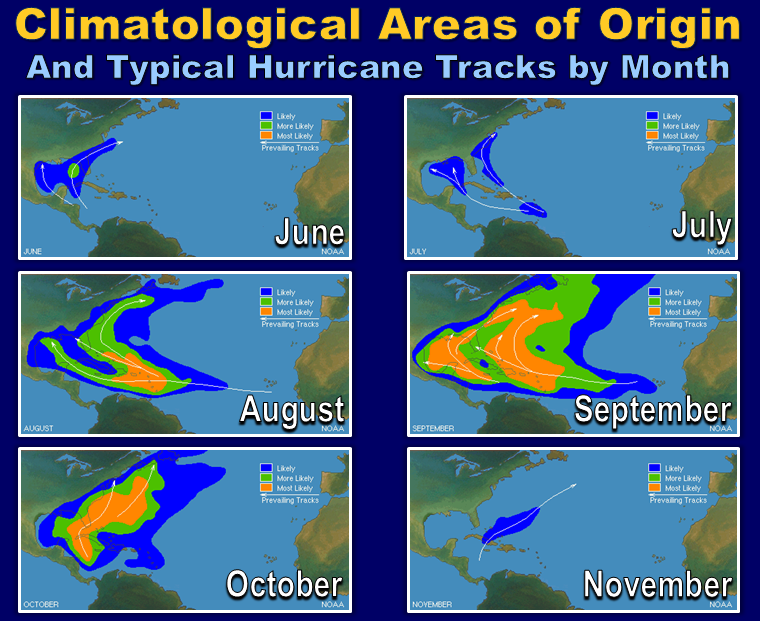
  • MIL-OSI Global: 5 tips for hurricane disaster planning with aging parents starting now, before the storms

    Source: The Conversation – USA – By Lee Ann Rawlins Williams, Clinical Assistant Professor of Education, Health and Behavior Studies, University of North Dakota

    When I lived in Florida, I had a neighbor named Ms. Carmen. She was in her late 70s, fiercely independent and lived alone with her two dogs and one cat, which were her closest companions.

    Each hurricane season, she would anxiously ask if I would check on her when the winds began to pick up. She once told me: I’m more afraid of being forgotten than of the storm itself. Her fear wasn’t just about the weather; it was about facing it alone.

    When hurricanes hit, we often measure the damage in downed power lines, flooded roads and wind-torn homes. But some of the most serious consequences are harder to see, especially for older adults who may struggle with mobility, chronic health problems and cognitive decline.

    Emergency preparedness plans too often overlook the specific needs of elders in America’s aging population, many of whom live alone. For people like Ms. Carmen, resilience needs to start long before the storm.

    The number of older adults in the U.S. and the percentage of the population age 65 and older have been rising.
    US Census Bureau

    I study disaster preparations and response. To prepare for hurricane season, and any other disaster, I encourage families to work with their older adults now to create an emergency plan. Preparing can help ensure that older adults will be safe, able to contact relatives or others for help, and will have the medications, documents and supplies they need, as well as the peace of mind of knowing what steps to take.

    Recent hurricanes show the gaps

    In 2024, Hurricanes Helene and Milton put a spotlight on the risks to older adults.

    The storms forced thousands of people to evacuate, often to shelters with little more than food supplies and mattresses on the floor and ill-equipped for medical needs.

    Flooding isolated many rural homes, stranding older adults. Power was out for weeks in some areas. Emergency systems were overwhelmed.

    A tornado tore into a senior community in Port St. Lucie, Florida, during Milton, killing six people. Some long-term care facilities lost power and water during Helene.

    At the same time, some older adults chose to stay in homes in harm’s way for fear that they would be separated from their pets or that their homes would be vandalized.

    At least 700 people stayed in chairs or on air mattresses at River Ridge Middle/High School in New Port Richey, Fla., during Hurricane Milton.
    AP Photo/Mike Carlson

    These events are not just tragic, they are predictable. Many older adults cannot evacuate without assistance, and many evacuation centers aren’t prepared to handle their needs.

    How to prepare: 5 key steps

    Helping older adults prepare for emergencies should involve the entire family so everyone knows what to expect. The best plans are personal, practical and proactive, but they will contain some common elements.

    Here are five important steps:

    1. Prepare an emergency folder with important documents.

    Disasters can leave older adults without essential information and supplies that they need, such as prescription lists, financial records, medical devices and – importantly – contact information to reach family, friends and neighbors who could help them.

    Many older adults rely on preprogrammed phone numbers. If their phone is lost or the battery dies, they may not know how to reach friends or loved ones, so it’s useful to have a hard copy of phone numbers.

    Consider encouraging the use of medical ID bracelets or cards for those with memory loss.

    Critical documents like wills, home deeds, powers of attorney and insurance records are frequently kept in physical form and may be forgotten or lost in a sudden evacuation. Use waterproof storage that’s easy to carry, and share copies with trusted caregivers and family members in case those documents are lost.

    2. Have backup medications and equipment.

    Think about that person’s assistive devices and health needs. Having extra batteries on hand is important, as is remembering to bring chargers and personal mobility aids, such as walkers, canes, mobility scooters or wheelchairs. Do not forget that service animals support mobility, so having supplies of their food will be important during a hurricane or evacuation.

    Ask doctors to provide an emergency set of medications in case supplies run low in a disaster.

    If the person is staying in their home, prepare for at least 72 hours of self-sufficiency in case the power goes out. That means having enough bottled water, extra pet food and human food that doesn’t need refrigeration or cooking.

    3. Map evacuation routes and shelter options.

    Identify nearby shelters that will likely be able to support older adults’ mobility and cognitive challenges. If the person has pets, make a plan for them, too – many areas will have at least one pet-friendly shelter, but not all shelters will take pets.

    An older woman crosses a street flooded by torrential rain from Tropical Storm Hilary on Aug. 20, 2023, in Thousand Palms, Calif.
    AP Photo/Mark J. Terrill

    Figure out how the person will get to a shelter, and have a backup plan in case their usual transportation isn’t an option. And decide where they will go and how they will get there if they can’t return home after a storm.

    If your loved one lives in a care facility, ask to see that facility’s hurricane plan.

    4. Create a multiperson check-in system.

    Don’t rely on just one caregiver or family member to check on older adults. Involve neighbors, faith communities or local services such as home-delivered meals, transportation assistance, support groups and senior centers. Redundancy is crucial when systems break down.

    5. Practice the plan.

    Go through evacuation steps in advance so everyone knows what to do. Executing the plan should be second nature, not a scramble during a disaster or crisis.

    Planning with, not just for, older adults

    Emergency planning isn’t something done for older adults – it’s something done with them.

    Elders bring not only vulnerability but also wisdom. Their preferences and autonomy will have to guide decisions for the plan to be successful in a crisis.

    That means listening to their needs, honoring their independence and making sure caregivers have realistic plans in place. It’s an important shift from just reacting to a storm to preparing with purpose.

    Lee Ann Rawlins Williams does not work for, consult, own shares in or receive funding from any company or organization that would benefit from this article, and has disclosed no relevant affiliations beyond their academic appointment.

    ref. 5 tips for hurricane disaster planning with aging parents starting now, before the storms – https://theconversation.com/5-tips-for-hurricane-disaster-planning-with-aging-parents-starting-now-before-the-storms-254917

    MIL OSI – Global Reports

  • MIL-OSI Economics: Diogo Guillen: Speech – Thematic Workshop on Securities Statistics and DGI-3 Recommendation 4 on Climate Finance

    Source: Bank for International Settlements

    Good morning, everyone.

    It is with great pleasure that I welcome all participants to the Thematic Workshop on Securities Statistics and DGI-3 Recommendation 4 on Climate Finance.

    For all of you who are visiting us, I wish you have an excellent stay in Brasília. I would like also to thank Johannes, from the ECB, and Bruno, from the BIS, for co-organizing this workshop with the support from the Irving Fisher Committee on Central Bank Statistics.

    For the Banco Central do Brasil it is a privilege to host this important event, and we welcome the opportunity to bring this subject closer to us, furthering the engagement of our teams.

    I am confident that, just as happened last year when we also had the privilege of hosting the Global DGI Conference, in the context of the Brazilian Presidency of the G20, this engagement will not only be important for the activities we are currently developing but it will also bear fruit for years to come.

    Another special reason to welcome the holding of this workshop in Brazil is that it coincides with the 30th United Nations Climate Change Conference (COP30), which will be held in Belém in November.

    In this workshop, we will focus on the production of climate finance statistics. We are all aware of the importance of undertaking efforts to mitigate the effects of climate change and to promote socially and environmentally sustainable investments.

    The development of instruments and markets designed to channel resources into investments capable of generating positive impacts on the environment and society is an initiative with very good potential for success. Attracting investors’ interest to this cause may be a task for marketing professionals around the world. But an inescapable responsibility lies with us, as data producers.

    We have the ability and the duty to produce the necessary information to generate knowledge and provide visibility to this market, as well as support for analysis and policy decision-making.

    The data produced will provide insight into the current state of climate finance markets, allowing us to assess their growth pace and its relative significance. They will help to determine whether this market has already reached a significant scale-or, if not, when it might become truly impactful based on its current pace of growth.

    In this context, although it is not the responsibility of this Working Group or the DGI in general, it is worth emphasizing the importance of certification processes to ensure that the resources raised in climate finance markets are indeed directed toward the environmental and social purposes for which they were intended. It is essential to reduce the risk of greenwashing; otherwise, the proposed objectives will not be achieved, and statistics will give wrong or biased information for its users.

    I would like to make a brief comment on climate finance in Brazil and the statistics we need to produce. Monica will bring to you more details shortly in a presentation on this topic, but I just want to mention that Brazil has a flourishing market for green and sustainable bonds, with a significant number of companies having successfully issued such instruments. We have also had two sovereign issuances by the National Treasury, which were very well received, amounting to USD 4 billion (with a demand of above USD10 billion)

    Regarding the production of statistics, we still face some challenges, such as the convergence of taxonomies used across different data sources. In some of these sources, the taxonomy is well-established and well-aligned with international standards. It is our job to make sure that the taxonomies for the other ones will not stray from these standards. However, we understand that the availability of data that can be progressively expanded or refined is an important step in this process.

    It is also important to highlight that we have benefited directly from the results achieved in DGI Phase 2, when we began to produce and disseminate comprehensive statistics on debt securities issued and held by companies, households, and the government in Brazil.

    I conclude by emphasizing the importance of the work all of us are doing in this group and, of course, of the data we are going to make available. When it comes to raising funds for investment, it is clearly not possible to attract interest in a market segment that lacks data.

    It is our responsibility to produce and disseminate data that will enable the monitoring of the development of the climate finance market. It is our expectation that, by producing these statistics, we will be making a significant and indispensable contribution to the development of these markets and, consequently, to the building of a better world.

    I wish we all have an excellent workshop.

    Thank you.

    MIL OSI Economics

  • MIL-OSI Europe: Answer to a written question – Europe’s energy independence strategy and making use of Greek deposits – E-000777/2025(ASW)

    Source: European Parliament

    The Commission supports Member States to ensure security of energy supply in the Union. According to Article 194 of the Treaty on the Functioning of the European Union, Member States have the full right to determine the conditions for exploiting their energy resources, their choice between different energy sources and the general structure of their energy supply, while adopting measures in view of the commitment for the EU to become climate-neutral by 2050[1].

    Regarding the exploitation of hydrocarbons, the EU legal framework is based on Directive 94/22/EC (Hydrocarbons Directive)[2] which lays down common rules for the prospection, exploration and production of hydrocarbons resources located on its territory. It applies to both onshore and offshore fields.

    The directive underlines the sovereign rights of the Member States over hydrocarbon resources within their territories, e.g. determine the geographical areas and authorise entities to exercise those rights. The Commission can intervene only in cases where the directive is not correctly implemented.

    • [1] As laid out in the European Climate Law.
    • [2] On conditions for granting and using authorisations for prospection, exploration and production of hydrocarbons. Directive 94/22/EC: https://eur-lex.europa.eu/eli/dir/1994/22/oj/eng.
    Last updated: 2 June 2025

    MIL OSI Europe News

  • MIL-OSI United Kingdom: Newly planted trees vandalised around Portsmouth

    Source: City of Portsmouth

    Newly planted trees have been vandalised around Portsmouth, hampering efforts to increase the city’s tree numbers.

    Five young trees were damaged in St George’s play park, Portsea. It follows similar recent acts of vandalism to small numbers of new trees at Stamshaw Park, Buckingham Green and Great Salterns Recreation Ground.

    Around 2,500 trees were planted by Portsmouth City Council teams and residents over the winter, as part of a wider project to increase tree numbers across the city.

    Cllr Kimberly Barrett, Cabinet Member for Climate Change and Greening the City, said:

    “Because we’re a city, our tree numbers are lower than other more rural areas, so our planting work is especially important because trees bring so many benefits. They help to reduce the impact of heavy rainfall, provide important shade in hot weather, are good for improving local air quality, and help with people’s wellbeing.

    “Each year we get a limited amount of funding for new trees, and it takes considerable effort and resource to plant and care for them. For example, residents have been helping our teams to water young trees during the recent dry spell to help them establish, showing the huge community effort involved.

    “So it’s extremely sad to see this senseless vandalism taking place by a few people, which undermines the hard work of our teams and our communities.”

    Thanks to Portsea residents quickly reporting the recent damage, some of the trees were replanted to give them a chance of survival.

    The council is calling on residents to report any incidents of damaged trees by calling 023 9283 4092 or emailing cityhelpdesk@portsmouthcc.gov.uk

    MIL OSI United Kingdom

  • MIL-OSI Video: Africa Dialogue, Occupied Palestinian Territory & other topics – Daily Press Briefing (30 May 2025)

    Source: United Nations (Video News)

    Noon Briefing by Stéphane Dujarric, Spokesperson for the Secretary-General.

    Highlights:
    Secretary-General/Africa Dialogue
    Occupied Palestinian Territory
    Sudan
    South Sudan
    Cyprus
    Security Council
    Haiti – Hurricane Season
    International Days
    Programming Note – Monday
    Deputy Secretary-General/Travels

    SECRETARY-GENERAL/AFRICA DIALOGUE
    The Secretary-General will speak at the Africa Dialogue at 3 pm today and will focus on reparations, which is also the African Union’s theme for 2025.
    He will say that for too long, the colossal injustices inflicted by enslavement, the transatlantic slave trade, and colonialism have been left unacknowledged and unaddressed.
    And he will argue that reparatory justice frameworks are critical – to redress historic wrongs, address today’s challenges, and ensure the rights and dignity of all.

    DEPUTY SECRETARY-GENERAL/TRAVELS
    Today, in Tajikistan, the Deputy Secretary-General, Amina Mohammed participated in the High-Level International Conference on Glacier Preservation, taking place in Dushanbe. She underscored the urgent need to preserve glaciers and keep the 1.5°C climate target within reach — not only to protect ecosystems and water sources, but to ensure the livelihoods of people and prospering communities.
    The Deputy Secretary-General called for bold, coordinated action ahead of COP30 rooted in cooperation, solidarity, and science. She later held a series of bilateral meetings with senior government officials, delegations, and youth constituents. She also met with the UN Country Team to acknowledge the UN’s continued support in advancing the Sustainable Development Goals in Tajikistan.
    Tomorrow, the Deputy Secretary-General will travel to Marrakech, Morocco, to attend the 2025 Ibrahim Governance Weekend.

    OCCUPIED PALESTINIAN TERRITORY
    Turning to the situation in Gaza, the Office for the Coordination of Humanitarian Affairs tell says that the catastrophic situation in Gaza is the worst it has been since the war began.
    Strikes have continued across Gaza, particularly in North Gaza, where the last remaining partially functioning hospital, Al Awda, was forced to evacuate last night after repeated strikes on and around the facility in recent days. Attacks also continued farther south in Deir al Balah, in areas of Al Bureij and An Nuseirat camps.
    IHH, an international aid organization that runs community kitchens and nutrition points, reported on Wednesday that five of its workers had been killed and two injured in the previous two days.
    OCHA underscores once again that civilians, including aid workers, must always be protected.
    Displacement continued across Gaza, with nearly 200,000 people displaced in the last two weeks alone. Yesterday, Israeli authorities issued a renewed displacement order covering about 30 per cent of Gaza’s total territory in North Gaza, eastern parts of Gaza City and Deir al Balah.
    To date, displacement orders have covered the entirety of the northernmost and southernmost governorates, as well as the eastern parts of each of the three governorates in between. Partners note that the limited movement of people observed in recent days appears to be driven by the search for food and necessities, rather than displacement orders.
    The UN and its humanitarian partners continue to provide support to people in need, despite the immense challenges on the ground and the crippling restrictions on the amount and type of assistance being allowed into Gaza. Yesterday, the UN and the humanitarian partners only managed to collect five truckloads of cargo from the Palestinian side of Kerem Shalom. The other 60 trucks had to return to the crossing due to intense hostilities in the area.
    Meanwhile in Gaza City, our partners working to address shelter needs managed to distribute 45 emergency shelter kits to families as part of a pilot initiative aimed at pooling resources to respond to some of the most critical needs.
    Humanitarian needs have exploded in Gaza following nearly 80 days of a total blockade of all supplies.
    The limited amounts of aid now entering the Strip are nowhere near sufficient to support 2.1 million people in desperate need of assistance.
    As conditions on the ground further deteriorate and public order and safety break down, looting incidents continue to be reported. Today, a group ‎of armed individuals stormed the warehouses of a field hospital in Deir al Balah, looting large quantities of ‎medical equipment, supplies, medicines and nutritional supplements intended for ‎malnourished children.

    Full highlights: https://www.un.org/sg/en/content/noon-briefing-highlight?date%5Bvalue%5D%5Bdate%5D=30%20May%202025

    https://www.youtube.com/watch?v=ZE59Bf_GH5M

    MIL OSI Video

  • MIL-Evening Report: Australia’s latest emissions data reveal we still have a giant fossil fuel problem

    Source: The Conversation (Au and NZ) – By Emma Lovell, Senior Lecturer in Chemical Engineering, UNSW Sydney

    According to Australia’s Climate Change and Energy Minister Chris Bowen, the latest emissions data show “we are on track to reach our 2030 targets” under the Paris Agreement. In 2024, Australia’s greenhouse gas emissions were “27% below 2005 levels”. That’s great news, right?

    Well, yes and no. Australia continues to rely on changes in land use to compensate for emissions released into the atmosphere.

    In other words, Australia’s plants are considered to be taking more carbon dioxide out of the atmosphere now than in 2005. Their efforts are captured in the Land Use, Land-Use Change and Forestry (LULUCF) sector, which is the single largest reason for the significant reduction in Australian emissions.

    Without accounting for land use, Australia’s emissions have only decreased 3% since 2005, not 27%.

    If Australia is serious about reducing emissions and tracking towards net zero by 2050, we need to tackle a series of inconvenient truths about fossil fuels. Fossil fuels feed into almost every aspect of our lives, not just cars and power plants. There are substitutes, but they are not easy to source – and they don’t come cheap.

    How fossil fuel exports drive up emissions here and overseas

    Australia is one of the world’s biggest fossil fuel exporters. The coal, oil and natural gas we export is either burnt or combined with our sizeable iron ore exports to produce iron. But the greenhouse gases are released overseas, so they don’t count in Australia’s emissions data.

    This is in line with our international commitments under the Paris agreement. But there is an argument to be made that even though Australia doesn’t burn those exports, we should acknowledge our central role in contributing to global emissions. We may need to account for these in future reporting.

    Australia’s export emissions are likely to be triple that of our domestic emissions. These emissions have been increasing consistently over the last decade.

    But the process of extracting fossil fuels and preparing them for export does show up in Australia’s domestic emission figures, through what’s called “fugitive emissions”. These fugitive emissions are the unavoidable leaks that occur when we pull fossil fuels out of the ground, store, transport and process them.

    In the year to 2024, fugitive emissions accounted for 10.6% of our emissions, which is far greater than emissions from industrial processes (6.8%).

    Disturbingly, recent analysis suggests fugitive emissions could be drastically underreported. Because these emissions are tricky to measure, they are often estimated on an average basis. This means reported values do not accurately reflect true releases.

    When it comes to fugitive and export emissions, Australia is not on track to meet 2030 targets. Recent export-focused fossil project approvals such as the North West Shelf gas project suggest we might even be backtracking.

    Chris Bowen on Insiders, Sunday June 1, 2025 (ABC News)

    The transition to renewables

    Closing dirty old coal-fired power stations and replacing them with renewable energy such as solar and wind power does cut emissions. The reduction in emissions from the electricity sector, down 23.7% on 2005 levels, is good news. But the difference is still small enough that seasonal variations from Tasmania’s hydro power plants can distort the annual figures.

    At least there is a plan in place for the energy transition. Big, slow wheels are in motion.

    Unfortunately the reality is we will need much, much more renewable energy in the future. Up to three times the current capacity of the National Electricity Market will be needed to cover future domestic energy requirements across electricity and other sectors out to 2050.

    Significantly more would be required to generate enough additional green energy to also produce green value-added commodities.

    Australia’s clean energy challenge

    Discussions around transitioning from fossil fuels typically overlook how deeply they are embedded in our everyday lives.

    Not just the fuel we use in our cars, but the roads we drive on. Not just the electricity we use to power our hospitals, but the steel used to build them and the pharmaceuticals we rely on.

    Globally, around 13% of fossil fuels are not burned but used to make these key chemicals. What’s the alternative?

    Clean electricity is the key.

    Electricity can be used to make hydrogen from water through electrolysis. This hydrogen can then replace fossil fuels in manufacturing – making products such as green steel and ammonia for fertiliser.

    When combined with non-fossil sources of carbon, hydrogen can also be turned into renewable fuels, such as sustainable aviation fuel. It can be used to synthesise green versions of petrochemicals used in industrial processes such as ethanol, propylene and ethylene, which are currently sourced from fossil fuels.

    This takes energy. Lots of it. Fortunately Australia has all the ingredients needed for a booming green industry – one that’s much broader than just renewable electricity.

    Currently, it costs more to produce these chemicals without using fossil fuels. That’s why some companies and state governments have been pulling back from their investments in green hydrogen.

    Most people talk about green hydrogen in the context of energy storage or export. But it can also enable the transition away from fossil fuels in other sectors. The technology exists to make these chemicals and products, without the emissions and it’s slowly but steadily moving closer toward price parity.

    If we can nail this switch to fossil-free alternatives to petrochemicals, Australia would be able to add value onshore, rather than exporting raw materials. For example, we could export iron, not iron ore. Methanol or ammonia, not hydrogen. Export the jumper, not the wool.

    Heavy industry driven by renewables?

    On Sunday, Bowen said he found some areas of the 2024 emissions figures “encouraging, like industrial emissions, way down and lower than 2021”.

    Unfortunately, this result was partly due to a decline in manufacturing. Onshore manufacturing capability has been steadily decreasing, despite increased fossil fuel extraction.

    Unless we ramp up green manufacturing – replacing fossil fuel exports with much needed renewable products and fuels – we will continue to bear responsibility, if not direct accountability, for large, exported emissions as well as onshore fugitive emissions.

    And no amount of changes to land use can account for that.

    The authors do not work for, consult, own shares in or receive funding from any company or organisation that would benefit from this article, and have disclosed no relevant affiliations beyond their academic appointment.

    ref. Australia’s latest emissions data reveal we still have a giant fossil fuel problem – https://theconversation.com/australias-latest-emissions-data-reveal-we-still-have-a-giant-fossil-fuel-problem-257907

    MIL OSI AnalysisEveningReport.nz

  • MIL-OSI USA: Rep. Neguse Leads Bipartisan Effort to Cut Red Tape for Disaster Survivors’ Access to Federal Disaster Aid

    Source: United States House of Representatives – Congressman Joe Neguse (D-Co 2)

    Lafayette, CO — Today, Congressman Joe Neguse, founder and Co-Chair of the Bipartisan Wildfire Caucus, is leading a bipartisan effort to streamline homeowners’ access to federal assistance after natural disasters. Neguse, who represents a congressional district that is no stranger to natural disasters, introduced two bills that would modernize how the Small Business Administration (SBA) distributes aid for homeowners: the Disaster Loan Interest Relief Act, co-led by Rep. Juan Ciscomani (R-AZ), and the Disaster Loan Application Flexibility Act, co-led by Rep. Chuck Edwards (R-NC). 

    “After working with constituents impacted by natural disasters from Granby to Fort Collins and everywhere in between, I know the road to recovery can be slow, all-consuming, and too often lacking in resources and support,” said Congressman Neguse. “With these bills, we’re taking action to ensure those affected receive clear guidance on next steps, along with the time they need to react and recover. You never know when tragedy will strike, and I’m proud to join Reps. Ciscomani and Edwards in this bipartisan effort to equip homeowners, small business owners, and individuals with the foundational tools they need to ensure the people we represent have a safety net to fall back on.”

    “As we head into the summer and temperatures in Arizona continue to rise, we have seen wildfires ignite across the state, disrupting small businesses and impacting the lives of thousands of residents,” said Congressman Ciscomani. “Unfortunately, the road to recovery from these disasters can often be slow and burdensome. As families and businesses look to rebuild, the last thing they should encounter are unnecessary financial hurdles. This is why I am proud to co-lead the Disaster Loan Interest Relief Act to codify a policy within the Small Business Administration to provide zero-interest loans for victims of natural disasters and give homeowners and entrepreneurs up to a year from the date of the loan to begin making payments.”

    “After Hurricane Helene, many business and home owners did not know Small Business Administration disaster loans were needed until after they had gone through the FEMA application process. Despite extensions to the SBA application window, there were still folks left behind without access to this vital recovery resource because the FEMA process took too long and the SBA application closed before victims realized they needed to apply,” said Congressman Edwards. “The Disaster Loan Application Flexibility Act will make sure that homeowners and small business owners have sufficient time and information to get the assistance they need after their lives have been turned upside down. It’s a commonsense way to better support disaster survivors in their greatest times of need.”

    Find additional details on both bills below: 

    • The Natural Disaster Loan Interest Relief Act codifies a policy previously implemented by the SBA that would waive the interest rate for the first year on new disaster loans and extend the initial payment deferment period automatically to 12 months. Read bill text HERE.
    • The Disaster Loan Application Flexibility Act modifies application deadlines and communication requirements for disaster assistance by directing the SBA to extend loan application deadlines past the current window of two to three months post-disaster declaration, and issuing guidance for public awareness campaigns in affected areas to better educate individuals on the application process and ensuring the Members of Congress who represent these districts stay informed and receive regular updates. Read bill text HERE.

    Background 

    Congressman Joe Neguse has prioritized efforts to extend the access of federal disaster assistance for communities responding to and recovering from natural disasters, like wildfires, since first being elected to Congress. Earlier this year, he helped introduce the Small Business Disaster Damage Fairness Act, a bill that would allow borrowers to get a SBA disaster assistance loan for up to $50,000, rather than the current $14,000, without pledging collateral.
    Additionally, last summer, Neguse moved quickly to secure federal funding to help Coloradans fight the Alexander Mountain Fire burning in Larimer County and the Stone Canyon Fire burning in Boulder County. He also took swift action to ensure that Coloradans had secured proper cost coverage after the Marshall Fire in 2021, leading a successful effort alongside Senators Michael Bennet and John Hickenlooper, to get the SBA to update their formula used to calculate the Disaster Loan Program amount survivors can borrow to rebuild after the Marshall Fire. 

    ###

    MIL OSI USA News

  • MIL-OSI United Kingdom: Lavish Trips and Long-Haul Junkets: Stormont spends over £470,000 on travel outside the British Isles since the return of devolution

    Source: Traditional Unionist Voice – Northern Ireland

    Statement by TUV MLA Timothy Gaston:

    “For some weeks I have been collecting data on the spend of the different Executive departments on travel outside the British Isles since devolution returned. To say I am appalled at the scale and extravagance of ministerial and departmental spending on foreign travel is an understatement.

    “When collated, the responses reveal an astonishing total of £470,000 spent on international travel by Stormont departments in just over a year — and more than £52,000 of that squandered by Ministers themselves.

    “Luxury long-haul flights and costly hotel stays seem to be the norm for the Executive.

    “No department has flown further or spent more widely than the Department of Agriculture, Environment and Rural Affairs. In total, the department spent nearly £78,000, with trips ranging from Brussels to New Zealand, Germany to New York.

    “Three individuals, including the Minister, few to New York Climate Week at a cost of £11,134 — supposedly to discuss sustainability of all things, while burning jet fuel and public money.

    “Officials also attended climate-linked events in Sweden, Spain, and Germany — clocking up thousands more in expenses — with little to no clarity on what outcomes, if any, these junkets delivered for the Northern Ireland public.

    “The Department of Finance racked up over £32,700 in international travel — including a single trip to Brussels by 16 officials from the Departmental Solicitor’s Office, costing the public £17,066. We’re told this was a “bespoke study visit” linked to the Windsor Framework.

    “Can a 16-person legal trip to Brussels be justified? Ministers must explain why such a large group needed to attend, and what real value was achieved.

    “The Minister for Education himself spent over £8,000 on overseas travel in a single year — including trips to Washington DC and Reykjavik, Iceland. Minister Givan’s personal travel and accommodation expenses account for nearly 25% of the total expenses by the Department on foreign travel.

    Among the more concerning examples in the Department of Education are:
    •     Two officials who travelled to Paris and racked up costs of over £2,100 and
    •     A trip to Tokyo which cost £3,366, with no listed outcomes.

    “With education budgets under severe strain, with SEN services stretched to breaking point people working in education will be asking questions.

    “The biggest spenders though are of course the Executive Office. Michelle O’Neill and Emma Little Pengelly’s department has managed to spend over £126,000 on international travel.

    “When people see Ministers parading on the world stage while hospital waiting lists grow at home, it’s not hard to understand the anger. Spending more on a single trip than many people earn in a year is shameful.

    “Across the Executive, this pattern of waste repeats. Ministers and officials racking up air miles while local services go without.

    “When we ask the public to tighten their belts, the very least they should expect is that Ministers do the same.

    “Climate change conferences abroad are no substitute for sound governance at home.

    “Ministerial egos should not be subsidised by people struggling to make ends meet.

    “With many already questioning the value of Stormont, these figures will do nothing to restore public confidence.”

    Note to editors

    You can read the full set of questions and answers online here.

    MIL OSI United Kingdom

  • MIL-Evening Report: Decades of searching and a chance discovery: why finding Leadbeater’s possum in NSW is such big news

    Source: The Conversation (Au and NZ) – By David Lindenmayer, Distinguished Professor of Ecology, Fenner School of Environment and Society, Australian National University

    Until now, Victorians believed their state was the sole home for Leadbeater’s possum, their critically endangered state faunal emblem. This tiny marsupial is clinging to life in a few pockets of mountain ash and snow gum habitat in the Central Highlands of Victoria.

    But a few days ago, seven grainy photos taken by a trail camera in New South Wales revealed something very unexpected: a Leadbeater’s possum hundreds of kilometres away in the wet forests of Kosciuszko National Park.

    For decades, we and other researchers have sought proof this possum existed in these forests. Now we have it. This is a moment of celebration. But it also signals the importance of well-resourced biodiversity surveys in uncovering our most threatened species and large national parks for conserving them.

    While this newly discovered population reduces the risk of extinction, it doesn’t change the decline and risk of extinction of its Victorian relatives – or the steps needed to safeguard them.

    These photos from Kosciuszko National Park are the first proof that Leadbeater’s possum has a NSW population.
    NSW Department of Climate Change, Energy, the Environment and Water, CC BY-NC-ND

    Detected entirely by chance

    In 2024, New South Wales threatened species ecologists Fred Ford and Martin Schulz set about looking for an entirely different species, the endangered smoky mouse. To find it, they set up a wide array of camera traps throughout wet forest areas of Kosciuszko National Park. A year later, they collected them and trawled through millions of photos.

    Among all these images (including of smoky mice), there were seven which stunned them. A camera deployed near Yarrangobilly Caves captured a tiny possum scampering through leaf litter, holding its distinctive club-shaped tail erect. The possum looks around the monitoring site, showing its back and face stripes and heart-shaped face.

    Experts at The Australian National University and Zoos Victoria verified the photos, setting the ecology world abuzz.

    A trail camera near Yarrangobilly Caves in Kosciuszko National Park captured the sighting.
    Destinations Journey/Shutterstock

    A hunch confirmed

    While we are delighted at this remarkable discovery, the detection is not a complete surprise.

    Over three decades ago, this article’s lead author searched for Leadbeater’s possum around Yarrangobilly and many other parts of Kosciuszko National Park, guided by a bioclimatic model suggesting the cool wet forests in Kosciuszko National Park should suit the possum.

    But detection cameras were not available then, and this possum is notoriously hard to spot. It’s tiny, nocturnal and spends its waking hours dashing through the dense understory of some of the world’s tallest forests looking for nectar, sap and insects.

    Species experts from Zoos Victoria and Deakin University have also scouted parts of Kosciuszko National Park over the past decade, identifying potentially promising habitat.

    In 2010 we got confirmation the possum had once occurred in the area, when jaw bones were identified among bones regurgitated by owls on the floor of a nearby cave.

    But other bones from the cave floor date back an estimated 140–200 years. The bones were far from proof of a living population.

    The possum’s existence remained an open question until these photos.

    What does this mean for this possum?

    We don’t know anything about this newly discovered Leadbeater’s possum population in NSW, other than the fact that it exists. Given the distance from the Victorian populations, we suspect that they may be genetically distinct.

    In theory, the existence of a separate population 250 km away from the Victorian populations cuts the risk a single megafire or other catastrophe could push the species to extinction.

    But while welcome, the discovery doesn’t reduce the need to urgently protect surviving Victorian populations, which remain highly threatened by bushfire, climate change, predation by cats, and the legacy of logging and land clearing.

    In Victoria, some populations have dwindled as low as 40 animals and inbreeding is now a concern.

    The possum typically relies on large old trees with hollows where it can breed and den. But these trees have substantially declined in Victoria over the past 150 years. Leadbeater’s possum also needs smaller trees for feeding and movement.

    Surveys across the historical range of the species in Victoria since 2017 have failed to find any other hidden populations. Most surveys have found the habitat highly degraded from logging and fire.

    The discovery won’t alter the possum’s critically endangered status at this stage, nor the ongoing work to support it.

    In welcome news, the NSW Environment Minister announced the possum’s state conservation listing will be fast-tracked.

    Of surveys and parks

    Why did it take so long to find the possum? The main reason: a lack of resources preventing targeted investigations.

    Even basic inventories of species have not been done across many of Australia’s important conservation areas.

    Without well conducted surveys and monitoring, we are left overly reliant on chance detections for critical information. There could be other populations of imperilled species waiting to be rediscovered.

    Properly managing our growing number of threatened species shouldn’t be based on luck. It should be enabled by adequate resources for threatened species recovery teams to discover, map, protect and manage threatened species and their habitat.

    Increasing federal spending on the care of nature to 1% of the budget would go a very long way to closing these gaps.

    Trail cameras, call playback and environmental DNA sampling mean we can now survey large and remote natural areas with relatively little effort for long periods of time.

    Big parks are essential

    Kosciuszko National Park supports much more than Australia’s highest mountains. The huge park spans 690,000 hectares, much of it forest.

    Many of our most imperilled species are hard to detect. Protecting extensive areas of good-quality habitat boosts the survival chances for these species, even if we don’t yet have proof of life.

    With so little high-quality habitat left in Australia, proper protection through new national parks (including in Victoria) is vitally important for the possum and many other species.

    Passive protection isn’t enough either – adequate funding is critical to stop the environmental condition of parks from declining, due to threats like invasive species and extreme fires.

    The world still contains wonder

    These seven photos have given ecologists and nature lovers a real boost to their spirits. As detection techniques improve, what else is out there waiting to be found?


    The authors would like to acknowledge the contribution of Leadbeater’s possum experts Dan Harley, Arabella Eyre, John Woinarski and Brendan Wintle to this article.

    David Lindenmayer receives funding from the Australian Government and the Victorian Government. He is a Councillor with the Biodiversity Council and a Member of Birds Australia.

    Darcy Watchorn works for Zoos Victoria, a not-for-profit zoo-based conservation organisation. He is a member of the Ecological Society of Australia, the Australian Mammal Society, the Society for Conservation Biology, and the Royal Society of Victoria.

    Jaana Dielenberg was employed by the now-ended Threatened Species Recovery Hub of the Australian Government’s National Environmental Science Program, which conducted research on the Leadbeater’s possum in Victoria. She is a Charles Darwin University Fellow and is employed by the University of Melbourne and the Biodiversity Council.

    ref. Decades of searching and a chance discovery: why finding Leadbeater’s possum in NSW is such big news – https://theconversation.com/decades-of-searching-and-a-chance-discovery-why-finding-leadbeaters-possum-in-nsw-is-such-big-news-257957

    MIL OSI AnalysisEveningReport.nz

  • MIL-OSI USA: New Dems Host Care Economy Roundtable in Wilmington, DE on Third Stop of “New Dems on the Road” Tour

    Source: United States House of Representatives – Representative Chrissy Houlahan (D-PA)

    Wilmington, DE – Today, the New Democrat Coalition made the third stop on its New Dems on the Road Tour, an initiative spearheaded by Vice Chair for Policy Nikki Budzinski (IL-13) to get New Dem Members out of DC to hear from American workers, businesses, industry experts, nongovernmental organizations and local leaders about how to improve policy in Washington. 
    New Dem Care Economy Task Force Chair Sarah McBride (DE-AL) hosted House Democratic Whip Katherine Clark (MA-05) and Economic Growth & Cost of Living Working Group Chair Chrissy Houlahan (PA-06) in her district for a care economy roundtable discussion with medical professionals, advocates, non-profit leaders, labor representatives, and care providers.
    Attendees talked through some of the biggest challenges facing the care economy, and discussed strategies for building the bipartisan support needed to advance nationwide Paid Family and Medical Leave (PFML) reforms and expand access to high-quality and affordable childcare and elder care.
    “Every family, in every zip code, deserves access to affordable child care, elder care, and paid leave—and today’s conversation made clear that the need is urgent, the solutions are real, and the time to act is now,” said Task Force Chair Sarah McBride. “These investments don’t just support families—they strengthen our economy and stabilize our communities. As Chair of the New Dem Care Economy Task Force, I’m committed to working with my colleagues in Congress to build on Delaware’s leadership and advance comprehensive, nationwide policies that uplift caregivers and working families. I’m grateful to Whip Clark and Rep. Houlahan for joining me for this important conversation.”
    “America runs on child care — it enables kids to thrive, parents to work, and our economy to grow. But the reality is that too many families struggle to find and afford care. We can solve this crisis by investing in our child care system, providing paid family leave, and putting the needs of working families ahead of the billionaire class,” said Democratic Whip Katherine Clark. “I am grateful for the opportunity to join Reps. McBride and Houlahan for this important community conversation. House Democrats stand together in the fight to lower the costs for families and ensure everyone has the resources they need to get ahead.”
    “I am thrilled to join my friend Rep. McBride in discussing a topic near and dear to me and so many Americans: access to child care and paid leave,” said Working Group Chair Chrissy Houlahan. “Neighboring Delaware has led the charge in innovative solutions, and I hope Pennsylvania follows soon. Thanks to New Dems for highlighting the importance of the care economy and bringing us together to find solutions for working families here and across the country.”
    Full list of roundtable attendees:

    Democratic Whip Katherine Clark
    Rep. Chrissy Houlahan (PA-06)
    Rep. Sarah McBride (DE-AL)
    Delaware Lt. Governor Kyle Evans Gay
    First Lady of Delaware Lauren Meyer
    Pennsylvania State Senator Maria Collett (12th District)
    Jan White, Small Business Owner, New Castle County Chamber of Commerce 

    Chris Otto, Executive Director, Delaware Nurses Association
    Joe Diagle, CEO, Mallard Financial Partners, Inc.
    Shawn Colleran, Vice President, Delaware Association of Letter Carriers
    Dr. Margaret Chou, Obstetrician, Nemours & ChristianaCare
    Liz Richards, Executive Director, Delaware Cares                
    Dr. Melanie Thomas Price, CEO, A Leap of Faith Child Development Center, Inc
    Kirsten Olson, CEO, Children & Families First
    Dr. Dannae Orisomolade, Early Childhood Academic Initiatives Officer, Delaware State University
    Julie Bieber, Director of Operations, Kingswood Community Center
    Jamie Schneider, Owner, Educational Enrichment Center DE
    Alisa Morkides, Owner, Brew Haha
    Dab O’Brien, Children’s First PA

    Background
    Through New Dems on the Road, New Dem Members will hold conversations across the country to hear from the American people, with each meeting organized under the policy goals of one of the Coalition’s nine Working Groups. New Dems will meet with local leaders, stakeholders, small business owners, industry experts, and more to hear about the cost of President Trump’s chaos and what New Dems can do to fight back and make progress on the issues that really matter to the American people.
    The first New Dems on the Road event was held on April 23rd in Phoenix, AZ, where New Dem Immigration and Border Security Working Group Members Reps. Greg Stanton (AZ-04) and Lou Correa (CA-46) held an immigration roundtable discussion with industry and union representatives, members of the Arizona business community, and DACA recipients.
    The second New Dems on the Road event was held on May 9th in Metro East, IL, where Vice Chair Nikki Budzinski hosted Environment, Climate, & Clean Energy Working Group Chair Scott Peters (CA-50) and Rep. Wesley Bell (MO-01) for a clean energy roundtable discussion with business owners, industry and union representatives, academic researchers, and utility service providers.
    ###
    The New Democrat Coalition is comprised of 115 center-left House Democrats committed to breaking through gridlock to deliver results for Americans. Please click here to update your subscription preferences. 

    Follow New Dems

    MIL OSI USA News

  • MIL-OSI USA: Balderson, Pfluger Reintroduce Legislation to Protect American Energy Investments from Woke Mandates

    Source: United States House of Representatives – Congressman Troy Balderson (R-OH)

    WASHINGTON D.C. – Congressman Troy Balderson (OH-12), Chairman of the House Energy Action Team (HEAT), and August Pfluger (TX-11), Chairman of the Republican Study Committee (RSC), reintroduced legislation to nullify a Biden-era final interagency guidance from the Federal Reserve, Comptroller of the Currency, and the Federal Deposit Insurance Corporation titled, Principles for Climate-Related Financial Risk Management for Large Financial Institutions

    This guidance encourages banks and other financial institutions to manage “climate-related financial risks” associated with their investments and loans, potentially serving as a backdoor to restrict funding and resources for the American energy industry. This includes Ohio’s growing oil and gas sector, which supports more than 351,000 jobs and contributes $55 billion to the state’s economy.

    The vague language in this guidance could allow for potential punitive actions against banks doing business with the oil and gas industry, effectively pressuring financial institutions to support environmental, social, and governance (ESG) policies over sound financial decisions. 

    “This Biden-era guidance was nothing more than a back-door effort to push a woke ESG agenda,” said Balderson. “Under this framework, federal regulators could target banks who want to work with, and invest in, industries crucial to Ohio. This puts climate activism ahead of sound investment strategies, costing everyday Americans.” 

    “I’m pleased to join the RSC’s HEAT Chair Troy Balderson in introducing this bill to end the Biden administration’s radical ‘climate’ guidance,” said RSC Chairman Pfluger. “The previous administration weaponized the government to wage a politically-driven attack on American energy through ‘net-zero’ and ‘environmental, social, and governance’ mandates.  Since President Trump returned to office, financial institutions and markets have retreated from a woke ESG agenda, and this bill will help ensure that investments can flow to energy projects that power our homes, businesses, and economy without radical bureaucrats picking winners and losers.”

    Electric grid experts have warned that one of the largest threats to our nation’s energy security is misguided federal and state policies. Federal climate rules, such as the Clean Power Plan 2.0, would force the United States’ most reliable power plants to shut down, even as electricity demand grows at historic levels. With this new ESG guidance, banks could face regulatory backlash for providing regular financial services to the oil and gas industry–further imperiling American energy security.

    In September, Balderson joined his House colleagues in passing H.R. 4790, the Prioritizing Economic Growth Over Woke Policies Act, which cuts back on the Biden-Harris Administration’s burdensome ESG policies for American businesses and enhances Congressional oversight of federal financial regulatory agencies.

    Balderson’s bill nullifies the final interagency guidance and prevents the Federal Reserve, Comptroller of the Currency, and the Federal Deposit Insurance Corporation from issuing any substantially similar guidance in the future.

    MIL OSI USA News

  • MIL-OSI USA: As Trump Administration Cuts Weather Service Offices, Congresswoman Lizzie Fletcher, Congresswoman Val Hoyle, and Congressman Joe Neguse Lead Effort To Support Funding for Federal Natural Disaster Research and Preparedness

    Source: United States House of Representatives – Congresswoman Lizzie Fletcher (TX-07)

    Congresswoman Lizzie Fletcher (TX-07), Congresswoman Val Hoyle (OR-04), and Congressman Joe Neguse (CO-02) led 35 of their House colleagues in sending a letter to the House Subcommittee on Commerce, Justice, Science, and Related Agencies requesting that Congress reject President Trump’s attempt to gut the National Oceanic and Atmospheric Administration (NOAA) Office of Oceanic and Atmospheric Research (OAR) and instead fund it at a level of at least $656 million in the upcoming appropriations package.  This funding would allow OAR to continue its critical mission to prepare our communities for life-threatening natural disasters and to keep the U.S. at the forefront of atmospheric and oceanic research and science. 

    “Recent reporting on the President’s FY26 budget proposal shows that the Trump Administration plans to effectively eliminate OAR,” the members wrote.  “The proposal includes a $485 million cut to OAR’s budget, which is a nearly 75 percent cut, and a directive to transfer any remaining research funding to other divisions of NOAA.  The proposed budget would ‘eliminate all funding for climate, weather, and ocean laboratories and cooperative institutes.’  It also does not include funding for Regional Climate Data and Information, Climate Competitive Research, National Sea Grant College Program, or the National Oceanographic Partnership Program.  This shortsighted and dangerous proposal would cripple United States (U.S.) leadership in scientific research and leave our communities less prepared to face extreme weather events.  As hurricane season quickly approaches, OAR’s advancements in predicting extreme weather events are more important than ever.  The research and data resulting from the OAR Hurricane Research Division’s partnership with the U.S. National Hurricane Center have saved countless lives and nearly $5 billion per major U.S. hurricane landfall.” 

    “Stronger science for forecasting severe weather and communicating impacts will protect communities and save lives,” the members continued.  “Robust funding will enable NOAA and its research institution partners to continue their long and proud history of partnering with industries and other government agencies to provide that cutting-edge research.” 

    To read the full text of the letter, click here. 

    MIL OSI USA News

  • MIL-Evening Report: These 5 roadblocks are standing in the way of energy-efficient homes

    Source: The Conversation (Au and NZ) – By Jaime Comber, Senior Research Consultant in Energy Futures, University of Technology Sydney

    Westend61, GettyImages

    We all want homes that keep us warm in winter and cool in summer, without breaking the bank. However, Australian homes built before 2003 have a low average energy rating of 1.8 stars out of 10. This means they’re often uncomfortable to live in and expensive to run.

    There’s a strong case for a “renovation wave” of home energy upgrades across Australia. Reducing the use of fossil gas and improving the energy efficiency of existing housing by nearly 50% is also central to achieving net zero emissions by 2050.

    Energy-saving upgrades such as solar panels, batteries, insulation, draught-proofing and hot water heat pumps also reduce the cost of energy bills. So while there’s an upfront cost, upgrades can reduce household expenses in the long run.

    We wanted to find out what’s holding people back from getting energy-saving upgrades. We surveyed 100 Australian households and interviewed 19 people about their experiences. Our new research revealed five major barriers that stop these upgrades from being accessible to most households. Suppliers, governments and community organisations can all help overcome these barriers.

    Embarking on home energy upgrades can be an emotional rollercoaster ride.
    RACE for 2030

    1. Information about upgrades is confusing and overwhelming

    Households told us the amount of information out there about energy saving upgrades is overwhelming and sometimes conflicting. There are many different types of upgrades and product choices, making it challenging to identify which options provide the best value and what to do first. People found it difficult to know what information and which suppliers to trust.

    Households need clear information from a trusted source about what their homes need. Many governments internationally, such as Scotland, provide online resources and tools to provide tailored advice to help with this.

    Energy upgrade programs run by neutral community organisations and councils can also help, such as Rewiring Australia’s Electrify 2515 or Geelong Sustainability’s Electric Homes Program. These programs use their expertise to vet suppliers and ensure households receive good deals and high quality products.

    2. Homes need to engage multiple suppliers and tradespeople

    Many households worked on their home gradually, one upgrade at a time. Each upgrade involved a labour-intensive process of researching products, selecting companies, getting quotes and managing the disruptions caused by the installation. One Sydney homeowner told us:

    The process of needing both a plumber and an electrician to change to induction cooking was frustrating. [We had to] to coordinate availability times and appliance delivery.

    Australians need companies that can do multiple upgrades at once, to simplify and streamline the process. In Ireland, the government helped stimulate a market for organisations that can cover all the upgrades needed by a household.

    Ireland has “One Stop Shops” for home energy upgrades (Sustainable Energy Authority of Ireland)

    3. Households are losing opportunities for straightforward upgrades

    Every year, Australians invest billions in home renovations. They spent more than A$3 billion in the December 2024 quarter alone.

    One of the best times to improve your home is during major renovations or when old appliances, such as hot water systems, break down. If you’re already facing disruptions and need to spend money, it can be an easy and more cost-effective way to increase your home’s energy efficiency at the same time.

    Yet our research found advice on energy-saving upgrades was rarely provided to people undertaking major renovations or emergency replacements unless they asked for it. Households needed to seek out builders, architects and tradespeople who specialised in sustainability to get advice on an energy-saving renovation.

    Providing energy upgrades to homes should be a standard component of modern renovations. Otherwise, households are missing out on easy and more affordable opportunities to get these upgrades.

    4. Many tradespeople lack knowledge of energy-saving upgrades

    Our research found tradespeople are the most common point of contact for households. They can be a valuable source of information and advice to facilitate upgrades. However, many households reported difficulty finding tradespeople knowledgeable about – and willing to install – energy-saving upgrades.

    Some upgrades, such as solar panels, require specialised workforces. Others, such as hot water heat pumps are usually installed by regular plumbers and electricians.

    Some tradespeople lack the knowledge to advise on energy-saving upgrades or need training to install new technologies to a high standard. This situation leaves households vulnerable to misinformation, with a shortage of skilled workers to do their upgrades.

    Tradespeople require increased support and incentives to make energy-saving measures part of their skill set. This is especially true in regional areas, where there are fewer products and workers available.

    5. The costs are too high for many households

    A final, significant barrier was the cost of home upgrades, which often caused households to drop out early in the process. Australian households, particularly those with less disposable income, need more help with the upfront cost.

    One way to do this is through targeted government rebates, which are currently only available in some regions. Another is affordable and accessible financing, like that available in Tasmania and the ACT. The national Home Energy Upgrades Fund could also be extended to make sure available finance matches the scale of the challenge.

    Also needed are long-term reforms such as mandatory disclosure of energy performance when homes are sold and minimum energy standards for rental properties, which are currently only required in some jurisdictions in Australia. When these are both addressed we can make comfortable, and affordable homes the norm rather than the exception.

    Keeping warm in winter and cool in summer is the number one motivation for energy saving upgrades.
    RACE for 2030

    A worthwhile journey

    Roadblocks aside, households also shared the joy and satisfaction of completing home energy upgrades. While the journey was often difficult, those who reached the end of the road were overwhelmingly pleased with the results. A homeowner who had installed solar panels and undertaken draught-proofing and insulation in Adelaide said:

    It’s nice not to have huge electricity bills, and but I find it’s that day to day stuff of actually being comfortable that makes the biggest difference.

    This research was undertaken by Jaime Comber, Kamyar Soleimani, Ed Langham, Nimish Biloria, Leena Thomas and Kerryn Wilmot from the University of Technology, Sydney.

    Jaime Comber received funding for this research as part of the Energy Upgrades for Australian Homes (EUAH) initiative – a national collaboration between research, industry and government partners to enable scalable, community-led energy upgrades. EUAH is funded through the RACE for 2030 cooperative research centre, which includes contributions from the NSW Government, Government of South Australia and Knauf Insulation. The project is led by Climate-KIC Australia and Monash University.

    Ed Langham undertakes contract research for government, community and consumer advocates, and the clean energy industry. This research was funded as part of the RACE for 2030 Cooperative Research Centre’s Energy Upgrades for Australian Homes project, which is co-funded by Australian Government, NSW Government, Government of South Australia and Knauf Insulation. Ed is also affiliated with Schumacher Institute for Sustainable Systems, based in the UK.

    Nimish Biloria receives funding through the RACE for 2030 Cooperative Research Centre. This research was undertaken as part of the Energy Upgrades for Australian Homes initiative, which is funded in part by the NSW Government, the Government of South Australia, and Knauf Insulation. Before this, Nimish Biloria has received funding from various governmental bodies, not-for-profit organizations, and the Industry such as the Department of Industry, Innovation and Science, Australian Renewable Energy Agency (ARENA), City of Sydney, AusIndustry Smart Cities and Suburbs Program, Transport for New South Wales, Commonwealth Bank of Australia, Leigh Place Aged Care, Sydney, NSW, HMI Technologies.

    ref. These 5 roadblocks are standing in the way of energy-efficient homes – https://theconversation.com/these-5-roadblocks-are-standing-in-the-way-of-energy-efficient-homes-256906

    MIL OSI AnalysisEveningReport.nz

  • MIL-OSI Global: Kids care deeply about our planet, so adults need to start listening

    Source: The Conversation – Canada – By Jen Kostuchuk, PhD Candidate, Sociology, University of Victoria

    “I wish adults knew that I really care about the environment and want to help, but I sometimes feel like my ideas don’t matter because I’m just a kid.”

    This is what a nine-year-old respondent told us when we asked how they feel about the environment.

    In today’s current political climate, many adults seem resigned to climate catastrophe and even dabble in climate change denialism. However, our survey of 1,000 youth aged eight to 14 from Canada and the United States found that children care deeply about the planet and are ready to take action.

    The findings from our report were produced as part of an ongoing study with the Humanity in Motion Society, a Canadian non-profit organization focused on engaging youth as key stakeholders in advancing environmental stewardship.

    Almost 90 per cent of the kids we spoke to recognize climate change as a real and urgent problem, calling for intergenerational collaboration and bolder environmental mitigation and adaptation commitments.

    It turns out that our nine-year-old respondent speaks for many children. Kids know what’s at stake, want a seat at the table and need adults to act with them.

    What kids told us

    Some of the kids in the survey talk about the action they want adults to take to tackle climate change. (Humanity in Motion Society)

    Many of the kids told us they regularly take action to mitigate their carbon footprint, including recycling, embracing reusable items and conserving energy. Their accounts are consistent with numerous academic studies on youth involvement in environmental citizenship.

    However, many understand individual action alone is not enough. In fact, most kids recognize that systemic accountability is necessary to tackle the climate crisis. As one kid in Grade 6 shared:

    “I wish big industry and governments would stop asking us to do something when they continue to fly in private jets [and] drill for oil and more; we are asked to recycle.”

    Kids have a deep understanding of current political issues, including the cost-of-living crisis and the harmful “drill baby drill” sentiments, but also underscore a stark disconnect: while we instil environmentally responsible values in our children, elected leaders remain consistently inactive on these very same issues.


    Read more:
    The oil and gas industry has been lying about global warming for decades — accountability is long overdue


    Kids play active roles in knowledge sharing

    The kids in this study display impressive knowledge about the steps that need to be taken to address the climate crisis. Our findings demonstrate that youth are not just passive recipients of knowledge but, rather, play an active role in being climate communicators.

    For example, two thirds of our respondents say their friends learn about climate change directly from them. Even though many children note that they do not have climate clubs at school, they are curious about the role of big oil, deforestation and corporate greed in the ongoing climate crisis.

    In addition to teachers and parents being the most influential sources of knowledge for children, social media content has an impact on kids’ environmental behaviour and feelings of empowerment.

    Specifically, our data shows that talking to others online has a significant positive relationship with reported sustainable behaviour, and that watching videos has a significant positive relationship with how much kids feel they can make a difference. One young girl reflected on using Tiktok for insights on climate change while also capturing an awareness among her generation:

    “I would say if there’s a really big issue, like, I know there’s something called the Climate Clock in New York…I mean, the thing with social media, you never know what’s true and untrue, but that thing [Climate Clock] came on my ‘For You’ page…and everybody in the comments, they were saying ‘this is very real, we have to do something about it.’”

    This shows that kids would benefit greatly from spaces to continue in-person environmental discussions with adults in the room. One young respondent captured the potential for meaningful engagement:

    “There are a lot of things that can be done, curriculum integrations…sustainable skills like critical thinking, problem-solving, collaboration, and maybe explore the ecosystems and biodiversities and actually encourage students to design and implement climate-friendly projects and carry out field trips and organize visits to renewable energy sites or environmental organizations and sometimes, maybe occasionally, the school can invite climate experts, activists or scientists.”

    These ideas were shared by others who called on adults to lead more experiential approaches to climate education inside the classroom and beyond.

    Adults can help by providing opportunities in the classroom and beyond for kids to discuss cliamte change.
    (Shutterstock)


    Read more:
    Teachers need bolder action from our school boards to educate in and for a climate emergency


    Five calls to action

    Here are five ways to help bring about change:

    1. Adults need to step up. Adults play a critical role in shaping how youth engage in climate action. Our report found that teachers and parents, in addition to the internet, are among the most influential learning sources for youth today. Kids often take pro-environmental values, actions and cues from their parents.

    2. Apathy is not an option if we want change. Youth are looking to leaders and elected officials to invest heavily in infrastructure and education to improve our environment.

    3. Intergenerational collaboration promotes better environmental values. Despite the consequences of climate change, youth share a sense of optimism and emphasize the need for intergenerational responsibility.

    4. Provide spaces for youth to take leadership roles and engage in climate dialogue. Kids want to do more to build a sustainable future, but don’t know where to begin. Providing opportunities in the classroom and beyond are critical next steps to raise the next generation of climate leaders.

    5. Promote bold action. Kids should be able to answer the call of many climate activists who recognize the need to pursue a greener economy by working together.

    Our survey findings highlight a hopeful message about young people’s engagement in climate action, underscoring their impressive knowledge of the systemic changes required to address the crisis.

    As adults across the political spectrum bicker about climate policy, young people are growing impatient and hoping to lead the way. Our results refocus attention on the future we’re creating and challenge us to listen seriously to children when they seek to address what may be their generation’s greatest crisis.

    Sean Lyons has received funding from Mitacs in support of an earlier iteration of the study discussed here.

    Erik Steiner and Jen Kostuchuk do not work for, consult, own shares in or receive funding from any company or organisation that would benefit from this article, and have disclosed no relevant affiliations beyond their academic appointment.

    ref. Kids care deeply about our planet, so adults need to start listening – https://theconversation.com/kids-care-deeply-about-our-planet-so-adults-need-to-start-listening-257304

    MIL OSI – Global Reports

  • MIL-OSI China: UNICEF launches campaign to empower children as climate leaders

    Source: People’s Republic of China – State Council News

    The “Step Up for Climate” campaign is launched in Beijing, May 30, 2025. [Photo provided to China.org.cn]

    UNICEF launched a six-month climate awareness campaign in Beijing on Friday aimed at encouraging Chinese children and adolescents to adopt low-carbon lifestyles and take active roles in addressing climate change.

    “Children are least responsible for climate change and the most affected by its impacts. But the right support is available. And children have the power to lead change,” said Amakobe Sande, UNICEF representative to China, during the launch ceremony of the “Step Up for Climate” campaign.

    The initiative, jointly organized by UNICEF China, the National Center for Climate Change Strategy and International Cooperation (NCSC), the Center for Environmental Education and Communications of the Ministry of Ecology and Environment (CEEC), and the Chinese Meteorological Society, will focus on empowering youth to become climate leaders at home, in schools and throughout their communities.

    Sande emphasized the increasing impact of extreme weather events on children’s health and well-being, as well as the growing risks for pregnant women. She highlighted UNICEF’s global and local initiatives to address these challenges, including efforts to reduce carbon emissions and prepare children to adapt to a changing climate.

    “UNICEF is working with China’s Ministry of Education to integrate green skills into technical and vocational education,” she noted. “We are also collaborating with the Ministry of Ecology and Environment to advocate for the incorporation of a child focus in the China National Climate Change Health Adaptation Action Plan (2024-2030).”

    Ding Ding, deputy director of the NCSC, spoke about the critical role young people play in tackling climate change.

    “Young people possess a keen awareness of global issues and a strong sense of responsibility,” she said, adding that rather than passively experiencing the impacts of climate change, they should actively shape solutions with their creativity, vitality and unique perspectives.

    Yan Shidong, director of the CEEC, noted that the initiative supports both China’s carbon peaking and carbon neutrality goals and serves as an essential platform for youth participation in global climate governance.

    “In recent years, university environmental groups in China have consistently developed innovative climate solutions,” Yan said. “At COP29 in Azerbaijan, Chinese youth delegates shared the story of China’s ecological civilization, presenting solutions inspired by Chinese wisdom.”

    During the launch event, young climate advocates showcased their projects. Student Ye Lisiqi introduced a school-based carbon market that rewards students with carbon credits for sustainable actions. The program includes competitions both within and between schools and has already cut carbon emissions by 880 kilograms.

    The “Step Up for Climate” campaign will run for six months, continuing through COP30, the 30th session of the Conference of the Parties to the United Nations Framework Convention on Climate Change.

    MIL OSI China News

  • MIL-OSI Global: Forecasters expect a busy 2025 hurricane season – a storm scientist explains why and what meteorologists are watching

    Source: The Conversation – USA – By Colin Zarzycki, Associate Professor of Meteorology and Climate Dynamics, Penn State

    U.S. forecasters with the National Oceanic and Atmospheric Administration are expecting an above-normal 2025 Atlantic hurricane season, with 13 to 19 named storms, and 6 to 10 of those becoming hurricanes.

    But, how do they know what’s likely to happen months in the future?

    I’m an atmospheric scientist who studies extreme weather. Let’s take a look at what Atlantic hurricane forecasts are based on and why those forecasts can shift during the season, which runs from June 1 to Nov. 30.

    What goes into a seasonal forecast

    Think of the preseason hurricane forecast as the 30,000-foot view: It can’t predict if or when a storm will hit a particular location, but it can offer insight into how many storms are likely to form throughout the entire Atlantic, and how active the season overall might be.

    These outlooks rely heavily on two large-scale climate factors.

    The first is the sea surface temperature in areas where tropical cyclones tend to form and grow. Hurricanes draw their energy from warm ocean water. So when the Atlantic is unusually warm, as it has been in recent years, it provides more fuel for storms to form and intensify.

    Once water temperatures are 79 degrees Fahrenheit (26 degrees Celsius), hurricanes can form. Most of the Gulf was above that by late May 2025.
    NOAA/NESDIS

    The second key ingredient that meteorologists have their eye on is the El Niño–Southern Oscillation, which forecasters refer to as ENSO. ENSO is a climate cycle that shifts every few years between three main phases: El Niño, La Niña, and a neutral space that lives somewhere in between.

    During El Niño, winds over the Atlantic high up in the troposphere – roughly 25,000 to 40,000 feet – strengthen and can disrupt storms and hurricanes. La Niña, on the other hand, tends to reduce these winds, making it easier for storms to form and grow. When you look over the historical hurricane record, La Niña years have tended to be busier than their El Niño counterparts, as we saw from 2020 through 2023.

    We’re in the neutral phase as the 2025 hurricane season begins, and probably will be for at least a few more months. That means upper-level winds aren’t particularly hostile to hurricanes, but they’re not exactly rolling out the red carpet either.

    At the same time, sea surface temperatures are running warmer than the 30-year average, but not quite at the record-breaking levels seen in some recent seasons.

    Taken together, these conditions point to a moderately above-average hurricane season.

    It’s important to emphasize that these factors merely load the dice, tilting the odds toward more or fewer storms, but not guaranteeing an outcome. A host of other variables influence whether a storm actually forms, how strong it becomes, and whether it ever threatens land.

    The smaller influences forecasters can’t see yet

    Once hurricane season is underway, forecasters start paying close attention to shorter-term influences.

    These subseasonal factors evolve quickly enough that they don’t shape the entire season. However, they can noticeably raise or lower the chances for storms developing in the coming two to four weeks.

    One factor is dust lofted from the Sahara Desert by strong winds and carried from east to west across the Atlantic.

    These dust plumes tend to suppress hurricanes by drying out the atmosphere and reducing sunlight that reaches the ocean surface. Dust outbreaks are next-to-impossible to predict months in advance, but satellite observations of growing plumes can give forecasters a heads-up a couple weeks before the dust reaches the primary hurricane development region off the coast of Africa.

    Dust blowing in from the Sahara Desert can tamp down hurricane activities by shading the ocean over the main development region for hurricanes and drying out the atmosphere, just off the African coast. This plume spread over 2,000 miles in June 2020.
    NASA

    Another key ingredient that doesn’t go into seasonal forecasts but becomes important during the season are African easterly waves. These “waves” are clusters of thunderstorms that roll off the West African coast, tracking from east to west across the ocean. Most major storms in the Atlantic basin, especially in the peak months of August and September, can trace their origins back to one of these waves.

    Forecasters monitor strong waves as they begin their westward journey across the Atlantic, knowing they can provide some insight about potential risks to U.S. interests one to two weeks in advance.

    Also in this subseasonal mix is the Madden–Julian Oscillation. The MJO is a wave-like pulse of atmospheric activity that moves slowly around the tropics every 30 to 60 days. When the MJO is active over the Atlantic, it enhances the formation of thunderstorms associated with hurricanes. In its suppressed phase, storm activity tends to die down. The MJO doesn’t guarantee storms – or a lack of them – but it turns up or down the odds. Its phase and position can be tracked two or three weeks in advance.

    Lastly, forecasters will talk about the Loop Current, a deep river of warm water that flows from the Caribbean into the Gulf of Mexico.

    When storms pass over the Loop Current or its warm eddies, they can rapidly intensify because they are drawing energy from not just the warm surface water but from warm water that’s tens of meters deep. The Loop Current has helped power several historic Gulf storms, including Hurricanes Katrina in 2005 and Ida in 2021.

    The Loop Current stretched well into the Gulf in May 2022. The scale, in meters, shows the maximum depth at which temperatures were 78 F (26 C) or greater.
    Nick Shay/University of Miami, CC BY-ND

    But the Loop Current is always shifting. Its strength and location in early summer may look very different by late August or September.

    Combined, these subseasonal signals help forecasters fine-tune their outlooks as the season unfolds.

    Where hurricanes form shifts over the months

    Where storms are most likely to form and make landfall also changes as the pages of the calendar turn.

    In early summer, the Gulf of Mexico warms up faster than the open Atlantic, making it a notable hotspot for early-season tropical storm development, especially in June and July. The Texas coast, Louisiana, and the Florida Panhandle often face a higher early-season risk than locations along the Eastern seaboard.

    These are generally the busiest areas during each month of hurricane season, but that doesn’t mean hurricanes won’t make landfall elsewhere.
    NOAA

    By August and September, the season reaches its peak. This is when those waves moving off the coast of Africa become a primary source of storm activity. These long-track storms are sometimes called “Cape Verde hurricanes” because they originate near the Cape Verde Islands off the African coast. While many stay over open water, others can gather steam and track toward the Caribbean, Florida or the Carolinas.

    Later in the hurricane season, storms are more likely to form in the western Atlantic or Caribbean, where waters are still warm and upper-level winds remain favorable. These late-season systems have a higher probability of following atypical paths, as Sandy did in 2012 when it struck the New York City region and Milton did in 2024 before making landfall in Florida.

    At the end of the day, the safest way to think about hurricane season is this: If you live along the coast, don’t let your guard down. Areas susceptible to hurricanes are never totally immune from hurricanes, and it only takes one to make it a dangerous – and unforgettable – season.

    Colin Zarzycki’s research lab receives funding from the U.S. National Science Foundation, Department of Energy, and National Oceanic and Atmospheric Administration.

    ref. Forecasters expect a busy 2025 hurricane season – a storm scientist explains why and what meteorologists are watching – https://theconversation.com/forecasters-expect-a-busy-2025-hurricane-season-a-storm-scientist-explains-why-and-what-meteorologists-are-watching-257223

    MIL OSI – Global Reports

  • MIL-OSI: Starscope: Does Starscope Monocular Really Work for Stargazing & Hiking? Read Full Starscope Monocular Telescope Consumer Report!

    Source: GlobeNewswire (MIL-OSI)

    San Diego, CA, May 31, 2025 (GLOBE NEWSWIRE) — Introduction: Why the Starscope Monocular Is Gaining Popularity in 2025

    Whether you’re a nature lover, hiker, hunter, or stargazer, having the right optical gear can make or break your outdoor experience. In 2025, one compact device has been making waves among adventurers and outdoor enthusiasts alike — the Starscope Monocular.

    This rugged, pocket-sized monocular telescope has sparked major attention across the US, UK, Canada, and Australia. Why? Because it’s delivering high-powered vision, smartphone adaptability, and military-grade durability — all at a fraction of the size and weight of traditional binoculars or telescopes.

    From birdwatching on weekend hikes to spotting distant wildlife or gazing at the moon, Starscope promises ultra-clear, zoomed-in views without the bulk. It’s not just a camera add-on — it’s a full-on telescope designed for your hand.

    But does the Starscope Monocular actually live up to the hype? Can it truly replace bulky binoculars or expensive spotting scopes?

    In this in-depth Starscope Monocular review, we’ll uncover:

    • How it works and what makes it different
    • Real-world reviews from actual users in 2025
    • Key specs and performance in outdoor settings
    • Updated pricing and bundle deals
    • Where to buy it safely (and avoid knockoffs)

    Let’s zoom into the facts and see if Starscope really is the best monocular telescope worth your money this year.

    What Is Starscope? A Closer Look at This Trending Monocular Telescope

    The Starscope Monocular is a high-definition optical device designed to give users a clear, zoomed-in view of distant objects — whether you’re exploring mountains, observing wildlife, attending sports events, or simply stargazing. Marketed as a compact alternative to bulky binoculars and traditional telescopes, Starscope is engineered for both convenience and clarity.

    What Makes It Stand Out?

    Unlike conventional monoculars that often compromise on image quality or build strength, Starscope combines 10x magnification, BAK-4 prisms, and multi-coated lenses in a single rugged unit. It’s built using advanced military-grade materials that make it water-resistant, fog-proof, and shockproof, making it suitable for rough outdoor conditions.

    Smartphone Compatibility

    One of the standout features of the Starscope monocular is its smartphone adapter compatibility. You can easily attach your smartphone to capture stunning long-range photos and videos — perfect for wildlife photography, sightseeing, or even amateur astronomy.

    Compact, Travel-Ready Design

    At just under 300 grams, the Starscope monocular fits easily into your palm, pocket, or backpack. Its lightweight build and ergonomic grip allow for one-hand use, making it a practical choice for adventurers on the go.
    Don’t Miss Out: The Starscope Monocular Is Selling Fast – See What You’ve Been Missing!

    Who Is It Made For?

    Starscope is ideal for:

    • Hikers and backpackers
    • Hunters and birdwatchers
    • Sports fans
    • Stargazers and amateur astronomers
    • Travelers exploring scenic views

    Starscope Monocular Features & Technical Specifications

    The Starscope Monocular isn’t just another gadget — it’s an all-in-one optical solution engineered for sharp clarity, long-range zoom, and outdoor resilience. Below, we break down the core features and specifications that make this monocular a standout choice in 2025.

    Optical Power & Precision

    • 10x Magnification Power
      Starscope allows you to zoom in on distant objects with crystal-clear detail — up to 10 times closer. Whether it’s a mountaintop or a distant stadium seat, the detail remains sharp and focused.
    • 42mm Objective Lens Diameter
      The large 42mm lens collects more light for brighter images, especially in low-light settings like early morning or dusk. It enhances your visual experience when birdwatching or stargazing.
    • Field of View
      Starscope offers a wide field of view, making it easier to scan landscapes or follow moving targets without frequent repositioning.

    Advanced Lens & Prism Technology

    • BAK-4 Prism
      Built with professional-grade BAK-4 (Barium Crown Glass) prisms, which provide greater light transmission and edge-to-edge sharpness — reducing distortion and glare.
    • Multi-Coated Lens
      Each lens surface is coated to enhance image brightness, reduce reflections, and improve contrast. This ensures a vibrant, high-resolution image even in bright sunlight.

    Discover the Best Monocular of 2025 – The Starscope Telescope Is All You Need Outdoors

    Rugged, Outdoor-Ready Construction

    • Weatherproof Design
      Starscope is sealed to resist water, fog, and dust — perfect for hiking, camping, or kayaking. You don’t have to worry about a sudden downpour or misty mornings.
    • Shock-Resistant Casing
      The exterior shell is made from a durable polymer composite that absorbs impact, making the device drop-resistant and travel-friendly.
    • Slip-Resistant Grip
      Ergonomic texture provides a firm hold, even in wet conditions or while wearing gloves.

    Smartphone Compatibility

    • Universal Phone Adapter
      Easily attaches to most smartphones to transform the Starscope into a powerful telephoto lens. Capture distant landscapes, record HD video, or take zoomed-in wildlife shots without blur.
    • Tripod Mount Ready
      A standard mount allows you to attach it to a tripod for long sessions or time-lapse recordings.

    How Does the Starscope Telescope Work?

    Starscope uses high-powered optics to deliver a detailed image of faraway scenes. It works by channeling light through precision-engineered lenses and a BAK-4 prism system, which enhances brightness, sharpness, and contrast.

    When light enters the objective lens, it travels through a series of internal glass prisms and coatings that reduce glare and distortion. The result is a magnified, high-definition view that looks vibrant and realistic, even at long distances.

    The monocular’s alignment with your smartphone camera adds further functionality — turning your phone into a zoom lens for pictures and video.

    Over 100,000 Sold – Is Starscope the Best Monocular in 2025? See Real Results

    How To Use Starscope Monocular?

    To use the Starscope Monocular effectively, follow these steps:

    1. Remove Lens Caps: Take off both the front and rear lens caps to prepare the monocular for use. 
    2. Adjust the Eyecup: If you wear glasses, twist the eyecup down; if not, keep it extended for optimal viewing comfort. 
    3. Hold the Monocular Properly: Grip the monocular with one hand, placing your index finger on the focus adjustment dial and your pinky near the front for stability.
    4. Focus the Image: Look through the eyepiece and rotate the focus dial with your index finger until the image becomes sharp and clear.
    5. Attach to a Tripod (Optional): For extended viewing sessions or increased stability, mount the monocular onto a tripod using the built-in 1/4″ thread. 
    6. Connect to a Smartphone (Optional): Use a compatible smartphone adapter to align your phone’s camera with the monocular’s eyepiece, allowing you to capture distant images or videos.
    7. Maintenance Tips:
      • Cleaning: Use a soft lens brush or blower to remove dust. For smudges, gently wipe with a microfiber cloth in a circular motion. 
      • Storage: Store the monocular in a cool, dry place and avoid exposing it to extreme temperatures or moisture.

    Safety Precaution: Never look directly at the sun through the monocular, as this can cause serious eye damage. 

    By following these steps, you can maximize your experience with the Starscope Monocular, whether you’re observing wildlife, enjoying scenic views, or stargazing.

    Zoom In Like Never Before – Grab the Starscope Monocular at 50% Off Today Only!

    Starscope Monocular Benefits: Why People Are Choosing It Over Binoculars

    • Ultra Lightweight: Fits in your pocket or backpack without bulk.
    • One-Hand Operation: Perfect for trekking or scouting terrain.
    • Crisp Image Quality: See vivid details from hundreds of yards away.
    • Photo & Video Ready: Use with your phone to capture distant sights.
    • Durability: Survives drops, splashes, and harsh weather.
    • Low-Light Visibility: Great for sunrise or twilight exploration.

    How to Use the Starscope Monocular for Hiking, Hunting, Stargazing & Travel

    1. Hold with one hand and align the eyepiece with your dominant eye.
    2. Twist the focus ring slowly until the image is sharp.
    3. Attach your smartphone using the provided adapter.
    4. Use your phone’s camera to zoom further, take pictures, or record.
    5. Optionally mount it to a tripod for steady viewing.

    Starscope Price & Where to Buy the Starscope Monocular

    Starscope is available exclusively through the official website. Avoid third-party platforms like Amazon or eBay, which may sell unauthorized or fake versions.

    • 1x Monocular: $47.99 (was $106.64)
    • 2x Monoculars: $95.99 (was $213.29)
    • 3x Monoculars: $107.99 (was $319.93)
    • 4x Monoculars: $143.99 (was $426.58)

    All packages may include bonus accessories like tripods or smartphone adapters. Discounts reflect 50%–62% savings.

    Shipping, Delivery Time & Refund Policy

    • Shipping: Worldwide delivery available.
    • Delivery Time: 5–12 business days depending on region.
    • Refund Policy: 30-day money-back guarantee. Unused items may be returned for a full refund (minus shipping & handling).

    Disclaimer: Prices & return policy are subject to change. Always check the official website for the most accurate and up-to-date pricing before purchasing.

    Real Customer Experiences from the USA, UK, Canada & Australia

    Sarah – Denver, USA: “Used the Starscope on a solo hiking trip in Colorado. I spotted wildlife from a mile away. The view was sharp and steady even without a tripod.”

    James – Perth, Australia: “Took mine on a camping trip. Loved the phone attachment. Captured amazing photos of distant cliffs and birds.”

    Michael – Toronto, Canada: “It’s so much easier to carry than my old binoculars. Feels solid and works even in light rain. Definitely my go-to for birding.”

    Lucy – Manchester, UK: “Perfect for stargazing in rural England. I could clearly see lunar craters and Jupiter’s moons — very impressed.”

    Explore Farther with the Starscope Telescope – Perfect for Stargazing, Hiking & Travel

    Starscope FAQs – Common Questions Answered

    Q: Can I buy Starscope on Amazon or Walmart?
    A: No. Starscope is exclusively sold through its official website. Any listings on Amazon, Walmart, or eBay may be counterfeit or unauthorized, and they do not qualify for the official warranty or refund policy.

    Q: Does it work at night?
    A: It does well in low-light but not total darkness. Great for dawn/dusk.

    Q: Is it suitable for people who wear glasses?
    A: Yes. It has adjustable eye relief.

    Q: What’s the warranty?
    A: 30-day satisfaction guarantee, with optional extended warranty at checkout.

    Q: Is Starscope compatible with all smartphones?

    A: Yes — most smartphones can be used with Starscope via the universal phone adapter included in bundle deals. Some manual adjustment may be required depending on your phone’s camera position.

    Q: Can I use it for stargazing?

    A: Absolutely. While not a full telescope, it provides a crisp view of the moon, planets, and stars, making it suitable for amateur astronomy.

    Q: Is it waterproof?

    A: Yes. Starscope is water-resistant, fog-proof, and shockproof, making it reliable in rugged outdoor environments. However, it should not be fully submerged in water.
    Turn Your Phone into a Pro Camera with the Starscope Monocular – Limited Stock Left!

    Environmental Impact: Is the Starscope Monocular Eco-Friendly?

    In an era where sustainability is paramount, evaluating the environmental impact of products like the Starscope Monocular is essential.

    ♻️ Materials and Manufacturing

    The Starscope Monocular is constructed using durable materials, including a BAK4 prism and multi-coated lenses, ensuring longevity and reducing the need for frequent replacements. Its robust design contributes to a longer product lifespan, which can mitigate environmental impact over time.

    Sustainable Practices

    While specific details about the manufacturing processes and sourcing of materials for the Starscope Monocular are limited, the product’s durability suggests a focus on quality. However, without explicit information on eco-friendly practices or certifications, it’s challenging to fully assess its environmental friendliness.

    Energy Efficiency

    The monocular operates without batteries or electricity, relying solely on optical components. This energy-free operation minimizes its carbon footprint during use, aligning with sustainable practices.

    Packaging and Distribution

    Information regarding the packaging materials and distribution methods is not readily available. Eco-conscious consumers may wish to inquire directly with the manufacturer for details on packaging sustainability and shipping practices.
    Get the Best Monocular for Outdoor Adventures – Order Your Starscope Before It’s Gone
    Common Starscope Problems & How to Fix Them
    Even high-quality devices like the Starscope Monocular can encounter minor issues. Here are some common problems users have reported — and how to resolve them quickly:

    Problem: Blurry or Out-of-Focus Image

    Fix:

    • Rotate the focus ring slowly while looking through the eyepiece.
    • Make sure the lens is clean and free of fingerprints or smudges.
    • If using with a smartphone, ensure the adapter is properly aligned.

    Problem: Smartphone Adapter Doesn’t Fit Properly

    Fix:

    • Loosen and adjust the clamp arms carefully — most adapters are universal but may require repositioning for multi-lens phones.
    • Try removing your phone case to improve alignment.

    Problem: Double Vision or Image Distortion

    Fix:

    • Clean both lenses with a microfiber cloth.
    • Make sure the monocular isn’t fogged up (especially when moving between temperature zones).
    • Check if the internal lens is misaligned due to a drop — in rare cases, customer support may need to assist.

    Problem: View Is Too Dark or Dim

    Fix:

    • Ensure you are not using it in complete darkness — Starscope is optimized for daylight and low-light, but not for nighttime use.
    • Wipe off any moisture or condensation from the lens.

    Problem: Can’t See Anything Through the Eyepiece

    Fix:

    • Remove all lens caps.
    • Adjust your eye position — the exit pupil must align with your eye.
    • Twist the eyecup if you’re wearing glasses.

    Problem: Scratched or Smudged Lens

    Fix:

    • Use only soft, non-abrasive cloths (preferably microfiber).
    • Avoid using paper towels, shirts, or abrasive materials that could damage the lens coating.

    When to Contact Support

    If none of the above solutions help, or if your monocular is damaged during shipping, contact Starscope’s official support through their website for warranty service or a replacement.
    The #1 Trending Starscope Telescope Is Back – See Why Outdoor Enthusiasts Swear by It

    Starscope for Amateur Astronomy: Can It Replace a Telescope?

    While Starscope isn’t a professional-grade telescope, it’s surprisingly capable for casual astronomy. With 10x magnification and a 42mm lens, users can observe:

    • The moon’s surface with visible craters
    • Bright planets like Jupiter or Saturn (as small dots)
    • Star clusters and constellations

    It’s an excellent tool for beginners who want to explore the night sky without investing in bulky gear. For best results, use Starscope in low-light rural settings away from city pollution.Starscope Monocular for Birdwatching: A Birder’s Perspective
    Birdwatchers praise Starscope for its:

    • Silent operation (no clicking or zoom noise)
    • Sharp detail from long distances
    • Ability to quickly scan trees or open fields

    Whether you’re spotting hummingbirds in your backyard or waterfowl across a lake, the wide field of view and smartphone camera compatibility make bird identification much easier.

    Pros and Cons of Starscope Monocular

    Pros

    • High-Quality Optics
      Equipped with BAK-4 prism and multi-coated lenses for sharp, bright images.
    • 10x Magnification
      Ideal for long-distance viewing — from wildlife to stargazing.
    • Lightweight & Portable
      Weighs less than 300g and fits in your pocket or backpack.
    • Smartphone Compatible
      Easily attaches to most phones for HD photo and video capture.
    • Durable & Weather-Resistant
      Water-resistant, fog-proof, and shockproof — built for outdoor use.
    • Easy One-Hand Operation
      Ergonomic grip and simple focus adjustment make it user-friendly.
    • Affordable Compared to Binoculars or Telescopes
      Offers telescope-like performance without the high cost.
    • Tripod-Compatible
      Great for steady shots or long observation sessions.

    Cons

    • Not for Complete Darkness
      Performs well in low light but isn’t night-vision capable.
    • No Digital Zoom or Auto-Focus
      Manual focus only; relies on user adjustment.
    • Limited Availability
      Only sold via the official website — not available on Amazon or retail stores.
    • Best for Casual Use
      May not satisfy professional wildlife photographers or astronomers.
    • Phone Adapter Fit May Vary
      Some users may need to adjust alignment for specific phone models.

    Upgrade Your View – The Starscope Monocular Delivers Zoom Like Nothing Else

    How Starscope Enhances Smartphone Photography

    Transform your phone into a pro-level camera by attaching Starscope. It works like a telephoto zoom lens, ideal for:

    • Wildlife photography at long distances
    • Capturing landscapes or cliffs
    • Recording sports or outdoor events

    Tips:

    • Use a tripod for steady shots
    • Clean the lens before attaching
    • Zoom only slightly with your phone to reduce pixelation

    Maintenance Tips: How to Care for Your Starscope Monocular

    To ensure your Starscope lasts for years:

    • Clean lenses gently using microfiber cloths only
    • Avoid touching the glass with fingers
    • Store in a dry case to prevent moisture buildup
    • Use lens caps when not in use
    • Don’t submerge it, even though it’s water-resistant

    Starscope Safety and Usage Guidelines

    • Never look at the sun through the monocular.
    • Use caution when using near children (small parts, strap).
    • Avoid dropping it — though durable, internal alignment may shift.
    • Adjust the eyecup if you wear glasses.

    Over 100,000 Sold – Is Starscope the Best Monocular in 2025? See Real Reviews

    Starscope Gift Ideas: Who It’s Perfect For in 2025

    Looking for a thoughtful gift? Starscope is ideal for:

    • Outdoor lovers (hikers, campers)
    • Retirees or dads who enjoy nature
    • Kids interested in science or astronomy
    • Travelers and explorers

    With its sleek design and practical value, it makes a great gift for birthdays, holidays, or Father’s Day.
    Starscope for Travel Photography: A Backpacker’s Tool
    For photographers on the move, bulky lenses and gear are a hassle. That’s where the Starscope Monocular becomes a game-changer. Its compact build and powerful optics make it an ideal companion for travel photography, particularly in rugged or remote areas.
    Whether you’re hiking in Patagonia, road-tripping across the U.S., or exploring historical ruins abroad, Starscope helps you:

    • Zoom in on distant scenes with clarity
    • Snap close-ups of wildlife or architectural details
    • Use your smartphone to record landscapes that feel larger than life

    Its lightweight frame fits easily in a backpack side pocket, and unlike DSLR zoom lenses, there’s no need to worry about lens swapping, battery life, or electronic failure.
    Lightweight. Powerful. Unmatched. Get the Starscope Monocular and Explore More Today!
    Starscope for Sports & Events: Get Closer to the Action
    Want front-row views from the cheap seats? Starscope lets you see the game, match, or concert like you’re sitting VIP.
    The monocular is perfect for:

    • Live sports: football, baseball, racing, etc.
    • Outdoor concerts or festivals
    • Parades and fireworks

    With 10x zoom and smartphone connectivity, users can record their experience with surprisingly clear footage. Many reviewers praise its ability to zoom in on player movements, stage performances, or racing cars without blur or distortion.
    No more pixelated phone zooms or asking someone else for binoculars — Starscope brings the action to you in real time, wherever you’re seated.

    Who Should Buy the Starscope Monocular? Final Verdict

    If you’re someone who loves the outdoors, wants to explore farther without carrying bulky gear, and values crisp visuals from afar — Starscope is a smart buy in 2025. Its powerful zoom, rugged build, and mobile compatibility make it a practical investment.

    Highly recommended for:

    • Hikers
    • Travelers
    • Stargazers
    • Birdwatchers
    • Outdoor sports fans

    Media Contact:
    Company nameStarscope
    7864 Ronson Roa, Ste A San Diego 92111
    https://www.monostarscope.com/

    E-mail: support@monostarscope.com

    Disclaimer: The statements have not been evaluated by the Food and Drug Administration. This product is not intended to diagnose, treat, cure, or prevent any disease. Individual results may vary. Always consult a healthcare professional before taking any dietary supplements.
    Disclosure: This article is for informational purposes only and does not constitute medical advice. The content may include affiliate links, meaning we may earn a commission if you purchase through recommended links. Always consult a healthcare professional before starting any new supplement regimen.

    Content Accuracy Disclaimer
    Every effort has been made to ensure the accuracy of the information presented in this article. However, due to the dynamic nature of product formulations, promotions, and availability, details may change without notice. The publisher makes no warranties or representations as to the current completeness or accuracy of any content, including product claims, pricing, or ingredient lists.
    It is the responsibility of the reader to verify product information directly through the official website or manufacturer prior to making a purchasing decision. Any reliance placed on the information in this article is done strictly at your own risk.

    Affiliate Disclosure
    This article may contain affiliate links. If you purchase a product or service through these links, the publisher may earn a commission at no additional cost to you. These commissions help support the creation of in-depth reviews and educational wellness content.
    The publisher only promotes products that have been independently evaluated and deemed potentially beneficial to readers. However, this compensation may influence the content, topics, or products discussed in this article. The views and opinions expressed are those of the author and do not necessarily reflect the official policy or position of any affiliate partner or product provider.

    Related Link
    Power Saver Pro

    Attachment

    The MIL Network

  • MIL-OSI Africa: Land degradation neutrality- a pathway to sustainable futures for vulnerable communities 

    Source: South Africa News Agency

    By Bernice Swarts

    As the world battles escalating environmental challenges, from climate change to biodiversity loss, one crisis continues to be overshadowed – that is land degradation. Every year, over 100 million hectares of productive land are lost or degraded, affecting the lives of more than 1.3 billion people globally.

    In regions already grappling with poverty, hunger, and unemployment, this environmental degradation becomes a multiplier of vulnerability.

    The recent Global Land Degradation Neutrality – Integrated Land Use Planning (LDN–ILUP) Inception Workshop that took place in Sandton, South Africa marked a critical turning point in the global fight against Desertification, Land Degradation, and Drought (DLDD). For four days, experts, government representatives, and development partners from 18 participating countries gathered to refine targets and develop strategies aimed at restoring our planet’s productive land. This meeting was not just another technical gathering – it was a platform of hope for millions whose lives and livelihoods depend on healthy land.

    At the heart of this initiative is the principle of Land Degradation Neutrality (LDN), a concept rooted in sustainability and inclusivity. It recognises that land restoration cannot succeed without the active participation of people at the grassroots level. These are the farmers, herders, and communities whose daily decisions directly influence land and water resources. Empowering them to implement sustainable practices remains vital.

    Bringing the issue of land degradation home to our country, it must be noted that South Africa, is currently presiding over the G20 under the theme: “Solidarity, Equality and Sustainability.”  Our country will use its presidency of the G20 to place the issues of DLDD at the heart of G20 member states and tackle degradation in the country. Our argument is that the G20 – representing the world’s largest economies – must lead by example in addressing land degradation as an integral part of climate and development discourse.

    The G20 Environment and Climate Sustainability Working Group (ECSWG) – which is led by our department – will focus on DLDD, along with other critical areas such as biodiversity, climate change, and ocean health. But while global policy alignment is essential, real progress lies in concrete actions on the ground—large-scale restoration projects, transboundary collaboration, and integration of Sustainable Land Management (SLM) into national development plans.

    To this end, existing initiatives such as the Changwon Initiative, African Forest Landscape Restoration Initiative (AFR100), the Great Green Wall, and the United Nations Decade on Ecosystem Restoration must be harnessed and scaled up. These programmes provide tested frameworks for land restoration and resilience building.

    However, none of these ambitions will materialise without adequate and sustained financial support. Development and financial partners must step up their efforts. While we acknowledge the critical support provided by entities like the Global Mechanism of the UNCCD, Global Environment Facility, and development partners from Canada and Germany, there remains a significant financing gap. Innovation in resource mobilisation is urgently needed, whether through blended finance, public-private partnerships, or carbon markets. South Africa will therefore call on the developed nations under the G20 to provide more financial support to developed countries to tackle land degradation.

    It must also be noted that we cannot continue to formulate frameworks and strategies without addressing the daily realities faced by vulnerable communities. If we are serious about achieving the targets of the UNCCD, Convention on Biological Diversity, and the Paris Agreement, financial commitments must match the scale of ambition.

    I must commend all dignitaries from all over the world who attended the workshop. I want to reiterate that the workshop should not be seen as a standalone event. It must be viewed as a launchpad for action—an opportunity to demonstrate that LDN is not merely a technical term, but a vehicle for change, resilience, and hope. As global citizens, we owe it to future generations to restore the land they will inherit.

    Let this be the moment we stop talking and start restoring.
     

    *Bernice Swarts is the Deputy Minister of Forestry, Fisheries and the Environment

    MIL OSI Africa

  • MIL-OSI USA: SPC – No MDs are in effect as of Sat May 31 04:02:02 UTC 2025

    Source: US National Oceanic and Atmospheric Administration

    Current Mesoscale DiscussionsUpdated:  Sat May 31 04:05:03 UTC 2025 No Mesoscale Discussions are currently in effect.

    Notice:  The responsibility for Heavy Rain Mesoscale Discussions has been transferred to the Weather Prediction Center (WPC) on April 9, 2013. Click here for the Service Change Notice.
    Archived Convective ProductsTo view convective products for a previous day, type in the date you wish to retrieve (e.g. 20040529 for May 29, 2004). Data available since January 1, 2004.

    MIL OSI USA News

  • MIL-Evening Report: ER Report: A Roundup of Significant Articles on EveningReport.nz for May 31, 2025

    ER Report: Here is a summary of significant articles published on EveningReport.nz on May 31, 2025.

    Detroit’s population grew in 2023, 2024 − a strategy to welcome immigrants helps explain the turnaround from decades of population decline
    Source: The Conversation (Au and NZ) – By Paul N. McDaniel, Associate Professor of Geography, Kennesaw State University The Mexican-American community in southwest Detroit held a rally in March 2025, asking ICE to leave the immigrant community alone. Jim West/UCG/Universal Images Group via Getty Images Detroit’s population grew in 2024 for the second year in

    Hurricane season is here, but FEMA’s policy change could leave low-income areas less protected
    Source: The Conversation (Au and NZ) – By Ivis García, Associate Professor of Landscape Architecture and Urban Planning, Texas A&M University Hurricane Harvey inundated the Cottage Grove neighborhood of Houston in 2018. Scott Olson/Getty Images When powerful storms hit your city, which neighborhoods are most likely to flood? In many cities, they’re typically low-income areas.

    Shock NSW Senate result as One Nation beats Labor to win final seat
    Source: The Conversation (Au and NZ) – By Adrian Beaumont, Election Analyst (Psephologist) at The Conversation; and Honorary Associate, School of Mathematics and Statistics, The University of Melbourne The button was pressed to electronically distribute preferences for the New South Wales Senate today. All analysts expected Labor to win the final seat, for a three

    GPs will be a great help for managing ADHD medications. But many patients will still need specialists
    Source: The Conversation (Au and NZ) – By Adam Guastella, Professor and Clinical Psychologist, Michael Crouch Chair in Child and Youth Mental Health, University of Sydney The New South Wales government this week announced reforms that will allow some GPs to treat and potentially diagnose attention-deficit hyperactivity disorder (ADHD). This aims to make ADHD care

    Will elections for judges make Mexico the ‘most democratic country in the world’? Critics fear the opposite
    Source: The Conversation (Au and NZ) – By Luis Gómez Romero, Senior Lecturer in Human Rights, Constitutional Law and Legal Theory, University of Wollongong On Sunday, Mexico will hold an unprecedented election, becoming the first country in the world to allow voters to elect judges at every level. Voters will elect approximately half the judges

    What is mantle cell lymphoma? Magda Szubanski’s ‘rare and fast-moving’ cancer, explained
    Source: The Conversation (Au and NZ) – By John (Eddie) La Marca, Senior Research Officer, Blood Cells and Blood Cancer, WEHI (Walter and Eliza Hall Institute of Medical Research) Lisa Maree Williams/Getty Beloved Australian actor, Magda Szubanski, has revealed she’s been diagnosed with a “very rare, very aggressive, very serious” blood cancer called mantle cell

    Keith Rankin Analysis – Who, neither politician nor monarch, executed 100,000 civilians in a single night?
    Analysis by Keith Rankin. Who, neither politician nor monarch, executed 100,000 civilians in a single night? Answer: Curtis LeMay, American Air Force General, in the wee hours of 10 March 1945. While authorised by his immediate superior, this firebombing of Tokyo was a decentralised military operation which received subsequent popular approval. It was called ‘Operation

    ER Report: A Roundup of Significant Articles on EveningReport.nz for May 30, 2025
    ER Report: Here is a summary of significant articles published on EveningReport.nz on May 30, 2025.

    MIL OSI AnalysisEveningReport.nz

  • MIL-OSI Asia-Pac: SFST promotes HK’s measures for integrating traditional and digital finance at Web Summit Vancouver (with photos)

    Source: Hong Kong Government special administrative region

    SFST promotes HK’s measures for integrating traditional and digital finance at Web Summit Vancouver  
    The Web Summit, a mega event for the tech sector, attracted over 10 000 tech investors, entrepreneurs and industry leaders across the world each time it is hosted. This is the first time the Summit has been held in Vancouver. Mr Hui engaged in a panel discussion session titled “Local to global: Strategies for tech success”, which was joined by the Minister of Jobs, Economic Development and Innovation of the Province of British Columbia, Canada, Ms Diana Gibson. They had an illuminating discussion on the various approaches taken in building dynamic fintech economies, ranging from developing talent, attracting investment to creating opportunities.
     
    Mr Hui said that as one of the top three international financial centres and a leading international green finance hub, Hong Kong is pioneering the integration of traditional and digital finance with a view to strengthening its position as Asia’s gateway for financial innovation. The city is striving to accelerate green and sustainable finance and virtual asset development, with a view to making them key components of the diversified financial value chain. The Hong Kong Monetary Authority has already commenced sandbox experimentation of Project Ensemble, which is a new wholesale central bank digital currency project to support the development of the tokenisation market in Hong Kong.
     
          The fintech ecosystem is thriving in Hong Kong, with around 1 100 fintech companies and start-ups, including 10 licensed virtual asset trading platforms, eight digital banks and four virtual insurers. Pledged to continue playing a leading role in facilitating green and sustainable financing and investment for the global agenda of green transition, Hong Kong issued a policy statement last October to set out its policy stance and approach on the responsible application of artificial intelligence in the financial market. The Government also launched a roadmap last December to require publicly accountable entities (PAEs) to adopt the International Financial Reporting Standards – Sustainability Disclosure Standards (ISSB Standards) and to provide a well-defined pathway for large PAEs to fully adopt the ISSB Standards no later than 2028. This brings Hong Kong among the first jurisdictions to align its local requirements with ISSB Standards. As an initial step, the Stock Exchange of Hong Kong Limited has already started to implement in phases new climate disclosure requirements to reflect the ISSB Standard No. 2: Climate-related Disclosures since this January.
     
    Mr Hui also updated the Summit on the latest passage of legislation last week establishing a licensing regime for fiat-referenced stablecoins issuers in Hong Kong, as a way to further enhance Hong Kong’s regulatory framework on virtual asset activities for supporting the healthy, responsible and sustainable development of Hong Kong’s stablecoin and the broader digital asset ecosystem. Hong Kong is among the first batch of regions to have introduced stablecoin legislation and strives to fully implement the licensing regime within this year, with a view to approving the first batch of licences as soon as practicable.
     
    Looking forward, Hong Kong will soon promulgate a second policy statement on the development of virtual assets to explore the convergence of traditional finance and virtual assets. A consultation on the licensing regimes for virtual asset over-the-counter trading services and custodian services will also be conducted within this year.
     
    During his stay at the Summit, Mr Hui visited exhibition booths manned by Hong Kong delegates. He was pleased to learn that the Hong Kong delegates received encouraging feedback over the past few days, reflecting the world-class standard of Hong Kong fintech talent and their appeal to investors.
     
         In the afternoon, Mr Hui paid a courtesy call to the Consul General of the People’s Republic of China in Vancouver, Mr Yang Shu. Mr Yang said Hong Kong has always been a window of the country to the world and will continue to be. He encouraged Hong Kong to keep up with its work in deepening international exchanges and co-operation.
     
    Before concluding his visit to Canada, Mr Hui visited Bank of Montreal and met with the Senior Vice President & Head, Mid-Market, Commercial Bank, Mr Andrew Hung, and Senior Vice President & Head, BC & Yukon, Mr Greg Vriend. He told them that in a world full of geopolitical uncertainties, Hong Kong’s financial market is emerging as a risk-off haven for investors and attracting more investments owing to its connectivity with the Mainland and the world at large, bringing greater prospects for the banking sector and different financial areas.
     
    Mr Hui will return to Hong Kong in the early hours of May 31 (Vancouver time).
    Issued at HKT 9:40

    NNNN

    MIL OSI Asia Pacific News

  • MIL-OSI Security: Two Foreign Nationals Indicted for Directing Interstate Stalking and Harassment Scheme and Conspiring to Procure Sensitive U.S. Military Technology

    Source: Office of United States Attorneys

    Richard G. Frohling, Acting United States Attorney for the Eastern District of Wisconsin, and Bilal Essayli, United States Attorney for the Central District of California announced that federal grand juries in Milwaukee, WI and Los Angeles, CA each returned indictments charging two foreign nationals, Cui Guanghai, 43, of China, and John Miller, 63, of the United Kingdom and a U.S. lawful permanent resident, with interstate stalking and conspiracy to commit interstate stalking (Los Angeles) and conspiracy, smuggling, and violations of the Arms Export Control Act (Milwaukee).

    “As alleged, the defendants targeted a U.S. resident for exercising his constitutional right to free speech and conspired to traffic sensitive American military technology to the Chinese regime,” said Deputy Attorney General Todd Blanche. “This is a blatant assault on both our national security and our democratic values. This Justice Department will not tolerate foreign repression on U.S. soil, nor will we allow hostile nations to infiltrate or exploit our defense systems. We will act decisively to expose and dismantle these threats wherever they emerge.”

    “The defendants allegedly plotted to harass and interfere with an individual who criticized the actions of the People’s Republic of China while exercising their constitutionally protected free speech rights within the United States of America,” said FBI Deputy Director Dan Bongino. “The same individuals also are charged with trying to obtain and export sensitive U.S. military technology to China. I want to commend the good work of the FBI and our partners in the U.S and overseas in putting a stop to these illegal activities.”

    Allegations in the Eastern District of Wisconsin

    According to court documents, beginning in November 2023, Miller and Cui solicited the procurement of U.S. defense articles, including missiles, air defense radar, drones, and cryptographic devices with associated crypto ignition keys for unlawful export from the United States to the People’s Republic of China from two individuals (Individual 5 and Individual 6).   

    In connection with the scheme, Cui and Miller discussed with Individuals 5 and 6 ways to export a cryptographic device from the United States to the People’s Republic of China, including concealing the device in a blender, small electronics, or motor starter, and shipping the device first to Hong Kong. Cui and Miller paid approximately $10,000 as a deposit for the cryptographic device via a courier in the United States and a wire transfer to a U.S. bank account.

    Allegations in the Central District of California

    According to court documents, beginning in October 2023, Cui and Miller enlisted two individuals (Individual 1 and Individual 2) inside the United States to carry out a plot to prevent the Victim from protesting President Xi’s appearance at the Asia Pacific Economic Cooperation (APEC) summit in November 2023. The Victim had previously made public statements in opposition to the policies and actions of the PRC government and President Xi.

    “The indictment alleges that Chinese foreign actors targeted a victim in our nation because he criticized the Chinese government and its president,” said U.S. Attorney Bill Essayli for the Central District of California. “My office will continue to use all legal methods available to hold accountable foreign nationals engaging in criminal activity on our soil.”

    Unbeknownst to Cui and Miller, Individual 1 and Individual 2 were affiliated with and acting at the direction of the FBI.

    In the weeks leading up to the APEC summit, Cui and Miller directed and coordinated an interstate scheme to surveil the Victim, to install a tracking device on the Victim’s car, to slash the tires on the Victim’s car, and to purchase and destroy a pair of artistic statues created by the Victim depicting President Xi and President Xi’s wife.

    A similar scheme took place in the spring of 2025, after the Victim announced that he planned to make public an online video feed depicting two new artistic statues of President Xi and his wife. In connection with these plots, Cui and Miller paid two other individuals (Individual 3 and Individual 4), approximately $36,500 to convince the Victim to desist from the online display of the statues. Unbeknownst to Cui and Miller, Individual 3 and Individual 4 were also affiliated with and acting at the direction of the FBI.

    If convicted, Cui and Miller face the following maximum penalties: five years for conspiracy; five years for interstate stalking; twenty years for violation of the Arms Export Control Act; ten years for smuggling.

    The FBI is investigating the case.  The United States is coordinating with Serbian authorities regarding the pending extraditions of Cui and Miller in Serbia.

    Assistant U.S. Attorneys Benjamin Taibleson for the Eastern District of Wisconsin, and David Ryan and Amanda B. Elbogen for the Central District of California, along with Trial Attorneys Leslie Esbrook and Menno Goedman of the National Security Division’s Counterintelligence and Export Control Section are prosecuting the cases, with valuable assistance provided by the Justice Department’s Office of International Affairs.

    An indictment is merely an allegation. All defendants are presumed innocent until proven guilty beyond a reasonable doubt in a court of law.

    # # #

    For Additional Information Contact:

    Public Information Officer

    Kenneth.Gales@usdoj.gov

    414-297-1700

    Follow us on Twitter

    MIL Security OSI

  • MIL-OSI New Zealand: Universities – Experts examine climate impacts on Pacific health – UoA

    Source: University of Auckland (UoA)

    The devastating impacts of climate change on health in the Pacific Islands will be discussed at a symposium at the University of Auckland on 5 June.

    Dr Roannie Ng Shiu, a director of the university’s Te Poutoko Ora a Kiwa – Centre for Pacific and Global Health, says the symposium will not only examine the health impacts of climate change in the Pacific, but share potential solutions.

    Climate change is driving up temperatures in the islands – and heat is a “silent killer”, says Ng Shiu, a key speaker at the symposium.

    “More than 2000 people died of heat-related conditions in the Pacific Islands between 2000 and 2022. Heat stroke is the main cause of death,” she says.

    While health services can advise people to stay cool and hydrated, poor access to clean drinking water in many Pacific Islands makes that more difficult, Ng Shiu says.

    “What we really need is a better international commitment to reducing greenhouse gases.

    “Pacific people are resilient. We’ve been adapting for years, but our adaptation measures can’t keep up with the rate the climate is changing,” she says.

    Increasingly hot, wet weather is causing spikes of diseases, such as dengue fever, zika, chikungunya, which are spread throughout the Pacific by Aedes mosquitos. In Papua New Guinea, malaria is also a growing risk.

    “Two young people have died from dengue fever in Fiji and Samoa over the past few weeks – one was a 12-year-old boy – and there’s an outbreak in Tonga too.”

    Ng Shiu says one solution to infectious diseases rising as the climate warms is to better integrate health and meteorological surveillance systems.

    She says more funding is needed so weather services can provide warnings to Pacific health services about upcoming periods of wet, hot weather, enabling agencies to fumigate areas where mosquitos breed.

    Funding is also required for research into the mental health impacts of climate change in the Pacific, Ng Shiu says.

    “We’re hearing about children in Fiji who have been traumatised by cyclones destroying their villages, so as soon as they hear strong winds, they run away from school in terror.”

    New Zealand government policies are exacerbating climate change, rather than turning the tide, she says.

    “New Zealand is supposed to be the heart of the Pacific, so they should be doing more to protect it.”

    Speakers at the symposium will include Te Poutoko Ora a Kiwa director Professor Sir Collin Tukuitonga, Te Whatu Ora Director of Public Health Dr Corina Grey, University of Auckland Professor Cliona Ni Mhurchu, and Fred Hollows Foundation NZ chief executive Dr Audrey Aumua.

    Pacific Islands experts travelling to Aotearoa to speak at the event include director of the Fiji Institute of Pacific Health Research at Fiji National University Associate Professor Donald Wilson and Samoa’s Director General of Health Aiono Professor Alec Ekeroma.

    Te Poutoko council chair and former New Zealand Director-General of Health Professor Sir Ashley Bloomfield will facilitate a panel discussion at the symposium, featuring University of Auckland Professors Jemaima Tiatia-Siau and Dame Teuila Percival, and Ekeroma, Wilson and Grey.

    Tagata Pasifika director and reporter John Pulu will be MC and Reverend Igasiatama Mokele will offer opening and closing prayers.

    The symposium on Vulnerability to Vitality – Pacific and Global Health responses in a changing climate is on 5 June from 9am to 4pm at Fale Pasifika, 22 Wynyard Street, Auckland.

    The public and media are welcome to attend. Register here: http://www.eventbrite.co.nz/e/te-poutoko-ora-a-kiwa-research-symposium-2025-tickets-1235148936719

    MIL OSI New Zealand News

  • MIL-OSI New Zealand: NIWA releases Seasonal Climate Outlook – June to August 2025

    Source: NIWA

    Air temperatures are expected to be above average across all New Zealand regions for this winter season, according to NIWA’s Seasonal Climate Outlook for June – August 2025. While cold snaps and frost will occur, they are expected to be less frequent than usual, says NIWA Principal Scientist Chris Brandolino.
    Rainfall totals during the three months ahead are expected to be above normal for the north of the North Island and near normal for the east of the South Island. For all remaining regions of the country, rainfall is forecast to be near normal or above normal.
    Higher than normal atmospheric pressure is expected to the east of the country, leading to north-easterly flow anomalies that may shift to a more north-westerly direction towards the end of the three-month period. Low pressure systems forming north of the country are still expected to affect New Zealand and may lead to heightened risks for heavy rainfall events.
    More – including what it means for where you are: 
    Please see the attached Word or PDF for the full Seasonal Climate Outlook for June – August 2025, including background, summaries, graphs and regional outlooks 
    The SCO is also available via the NIWA website:  Seasonal Climate Outlook June – August 2025 | NIWA
    Watch the video presentation of the Seasonal Climate Outlook with Principal Scientist – Forecasting and Media, Chris Brandolino for more detailed week-by-week rainfall tr

    MIL OSI New Zealand News

  • MIL-OSI United Nations: Integrating risk into national development: Fiji’s approach to a risk-informed disaster risk reduction strategy

    Source: UNISDR Disaster Risk Reduction

    Fiji’s United Nations Sustainable Development Cooperation Framework (UNSDCF) 2023-2027 was developed with a comprehensive risk analysis integrated from the outset. Recognizing the country’s acute vulnerability to climate change, cyclones, flooding, sea-level rise and economic shocks, the UNSDCF underscored the importance of resilience-building and disaster risk reduction (DRR) across all sectors-not limited to environmental or disaster portfolios, but extending to health, education, gender, and economic sectors.

    Concurrently, Fiji updated key national frameworks, including the National Disaster Risk Reduction Policy 2018-2030 and the Climate Change Act 2021. These instruments were directly informed by risk and vulnerability assessments that also contributed to the UNSDCF.

    The National DRR Policy is aligned with the Sendai Framework for Disaster Risk Reduction and incorporates core principles from the UNSDCF, including a whole-of-society approach, strengthened risk governance, investment in risk reduction, and the principle of building back better.

    The coordination between the Government of Fiji and the UN system was notably robust, particularly through the Ministry of Rural and Maritime Development and Disaster Management and the National Disaster Management Office (NDMO). This ensured a bi-directional flow of risk information-informing both the UNSDCF and national DRR strategies.

    Fiji has transitioned from a reactive model of disaster response to a proactive, risk-informed development paradigm-saving lives, safeguarding infrastructure, and bolstering resilience to future shocks to safeguard development. The evolution of its DRR policies in tandem with the UNSDCF has repositioned resilience and risk management as central elements of national development, rather than peripheral emergency response mechanisms.

    Key impacts

    • Mainstreaming DRR across sectors: Risk reduction is now integrated into planning, budgeting and implementation across education, health, infrastructure, gender equality and climate policy. For instance, new schools and health facilities must be cyclone-resilient by design.
    • Strengthened risk governance and institutions: The Ministry of Rural and Maritime Development and Disaster Management has received enhanced capacity and resources. Local authorities now have clearer mandates for disaster preparedness and early action. Community-Based Disaster Risk Management (CBDRM) initiatives at the village level empower communities to manage risk.
    • Improved access to climate finance and international support: With coherent, risk-informed national strategies, Fiji has secured funding from sources such as the Green Climate Fund (GCF), supporting major investments in resilient infrastructure development and early warning systems.
    • Enhanced early warning and anticipatory action systems: With support through the UNSDCF, Fiji has upgraded early warning systems for cyclones, tsunamis and floods, linking them to community evacuation plans and drills. Anticipatory actions such as evacuation and supply pre-positioning now occur before hazards strike, reducing casualties and economic losses.
    • Resilient recovery through “Build Back Better” principles: Post-disaster reconstruction projects-such as those following Tropical Cyclone Harold in 2020-have not merely restored infrastructure but have improved it to better withstand future events.

    Lessons learned for replication and adaptation

    1. Risk-informed UNSDCFs anchor DRR in national development: In Fiji, the UNSDCF served as a strategic platform to align government priorities with international support and evidence-based risk analysis. It enabled integration of DRR at national, sectoral and community levels.
    2. Political leadership and institutional coordination are essential: The success of Fiji’s approach is attributed to strong leadership from the Prime Minister’s Office and the Ministry of Disaster Management, coupled with cross-sectoral coordination among ministries.
    3. Localization and community participation are critical: CBDRM initiatives have ensured that national DRR policies are locally owned and contextually relevant, integrating indigenous knowledge into planning and action.
    4. UNSDCFs support resource for DRR and resilience investments: A clearly articulated, risk-informed development agenda helped Fiji attract international climate and development finance, while also catalyzing partnerships with civil society and the private sector.
    5. Policy coherence between DRR and climate change enhances outcomes: Fiji developed its Climate Change Act 2021 and National DRR Policy in a coordinated manner, reinforcing synergies and avoiding policy fragmentation.
    6. Investing in risk information systems strengthens accountability: Fiji’s efforts to enhance data systems-including hazard mapping, GIS, and disaggregated vulnerability data-have improved planning, monitoring and targeted interventions.

    MIL OSI United Nations News

  • MIL-OSI United Nations: Tunisia: Inclusive, multi-hazard and multi-sectoral disaster risk reduction strategies triggering funding for resilience

    Source: UNISDR Disaster Risk Reduction

    In 2019, Tunisia formally endorsed its National Disaster Risk Reduction (DRR) Strategy, developed through an inclusive, participatory process. With support from the United Nations Office for Disaster Risk Reduction (UNDRR) and the UNDP Country Office, the strategy integrates biological hazards and prioritizes post-COVID-19 recovery through a ‘build back better’ approach. This forward-looking framework aligns with national strategies on climate change, biodiversity and sustainable development, and now forms a cornerstone of Tunisia’s Comprehensive Strategy for Ecological Transformation, endorsed by the Council of Ministers in February 2023.

    One of the strategy’s most significant outcomes has been the launch of a six-year (2021-2027) Comprehensive Programme for Disaster Risk Management and Resilience, which has attracted US$ 125 million in investment from the World Bank and the French Development Agency . This programme aims to enhance Tunisia’s preparedness and response capacities for disasters and climate shocks.

    The programme was shaped through extensive national consultations, particularly with the Ministry of Environment, which serves as the National Sendai Framework Focal Point. It resulted in the “Blended Programme for Resilience to Natural Disasters”, built around four interlinked pillars aimed at strengthening institutional, legislative and financial systems, fostering a robust culture of preparedness and recovery.:

    1. Flood risk management in urban areas: A US$ 42 million initiative led by the Ministry of Equipment and Housing focuses on strategic flood mitigation to protect urban populations and infrastructure.
    2. Enhanced early warning systems: With a US$ 24 million investment, the National Meteorological Institute is upgrading its meteorological and hydrological capabilities to deliver timely and reliable disaster alerts.
    3. Innovative disaster risk financing: Under the Ministry of Finance, a US$ 30 million project is developing disaster insurance mechanisms to provide financial protection to families and businesses impacted by natural hazards.
    4. Institutional and legislative strengthening: A US$ 2.5 million initiative is advancing legal and institutional frameworks to enhance coordination and capacity-building for DRR.

    Key impacts

    • Mainstreaming DRR into development planning: Tunisia embedded DRR into its national ecological transformation strategy, elevating resilience as a cross-cutting development priority and aligning it with climate action goals.
    • Mobilizing high-level political and financial support: The integration of DRR into national development planning helped mobilize US$ 125 million in external funding for the implementation of the Comprehensive Programme for Disaster Risk Management and Resilience (2021-2027) .
    • Fostering whole-of-government collaboration: The inclusive development process ensured inter-ministerial cooperation, securing buy-in from all sectors and levels of government.
    • Strengthening financial governance for DRR: A newly established Resilience Unit within the Ministry of Finance has improved the mobilization and management of financial resources for resilience. Legislative updates have empowered local authorities with greater roles in disaster risk management.
    • Leveraging a joint UN approach and international partnerships: Collaboration between UNDRR, UNDP and international partners has enabled the use of global expertise and cost-sharing to support local resilience-building efforts.

    Lessons learned for replication or adaptation

    1. Structured DRR strategies attract investment: Tunisia’s US$ 125 million funding success illustrates how well-crafted DRR strategies can unlock substantial international support when integrated into broader development frameworks.
    2. Participatory approaches ensure relevance and sustainability: Inclusive, multi-stakeholder consultation processes enhance the effectiveness of national strategies, ensure local ownership and address the needs of vulnerable groups.
    3. Policy coherence enhances impact: Linking DRR strategies with climate change, biodiversity, and post-COVID recovery policies creates a more resilient and adaptable framework for managing current and emerging risks.
    4. Financial protection reduces economic vulnerability: Tunisia’s disaster risk insurance initiative underscores the value of pre-arranged financial mechanisms to buffer families and businesses against disaster-related economic shocks.

    Institutional innovation supports resilience financing: Creating dedicated resilience units within ministries-such as Tunisia’s Resilience Unit in the Ministry of Finance-helps integrate DRR into national budgeting and development planning. Tailoring governance mechanisms to local needs also empowers municipalities to play a proactive role in DRR.

    MIL OSI United Nations News

  • MIL-OSI USA: North Carolina Continues to Receive Historically High Emergency Assistance Under President Trump

    Source: US Federal Emergency Management Agency

    Headline: North Carolina Continues to Receive Historically High Emergency Assistance Under President Trump

    North Carolina Continues to Receive Historically High Emergency Assistance Under President Trump

    President Trump turbocharged the emergency aid process to provide a 100% federal cost share in North Carolina for Public Assistance from the declaration date of September 29, 2024, to March 24, 2025

    WASHINGTON — In light of false reporting and charges from politicians, FEMA is setting the record straight

    North Carolina received one of the longest 100% cost share periods in FEMA’s history — 6 full months of full federal funding for debris removal and emergency protective measures

    Today, the state is still receiving a 90% cost share

    Due to the severity of the disaster with Hurricane Helene, exacerbated by the previous administrations’ mismanagement and neglect, FEMA is currently providing North Carolina a 90% federal cost share, far exceeding the normal 75% and the same amount the state of North Carolina requested on December 6, 2024

       Through FEMA’s Public Assistance program, which provides funds for state and local governments’ response and recovery work, the state received more than $484 million at a 100% federal cost share for 180 days, funding projects for road repair, debris removal, critical infrastructure repair and more

    Since January 20, 2025, more than $172 million in Public Assistance reimbursements has been approved to support the recovery efforts in North Carolina

    In addition to the higher threshold federal cost share, federal emergency management support to North Carolina has accelerated under President Trump’s administration

    More than 785 staff remain deployed on North Carolina, assisting with recertification of Direct Housing and Temporary Housing Units, supporting 2,700 Public Assistance projects, coordinating debris removal and survivor casework

    Over 45 of FEMA’s North Carolina staff are locally hired, joining the agency after Helene and bringing valuable local knowledge to the recovery efforts

    More than $455 million has been approved for North Carolina survivors to help pay for food, medicine, housing assistance and home repairs

    More than $22

    4 million has been provided to nearly 7,900 North Carolinians to repair or replace private roads and bridges damaged by Helene

    Nearly 12

    8 million cubic yards (CY) of debris have been removed from waterways, roads, homes and business, with more than 4

    7 million CY removed since President Trump took office

    amy

    ashbridge
    Fri, 05/30/2025 – 14:12

    MIL OSI USA News