NewzIntel.com

    • Checkout Page
    • Contact Us
    • Default Redirect Page
    • Frontpage
    • Home-2
    • Home-3
    • Lost Password
    • Member Login
    • Member LogOut
    • Member TOS Page
    • My Account
    • NewzIntel Alert Control-Panel
    • NewzIntel Latest Reports
    • Post Views Counter
    • Privacy Policy
    • Public Individual Page
    • Register
    • Subscription Plan
    • Thank You Page

Category: Weather

  • MIL-OSI NGOs: Leo XIV and the greatest challenge of our time

    Source: Greenpeace Statement –

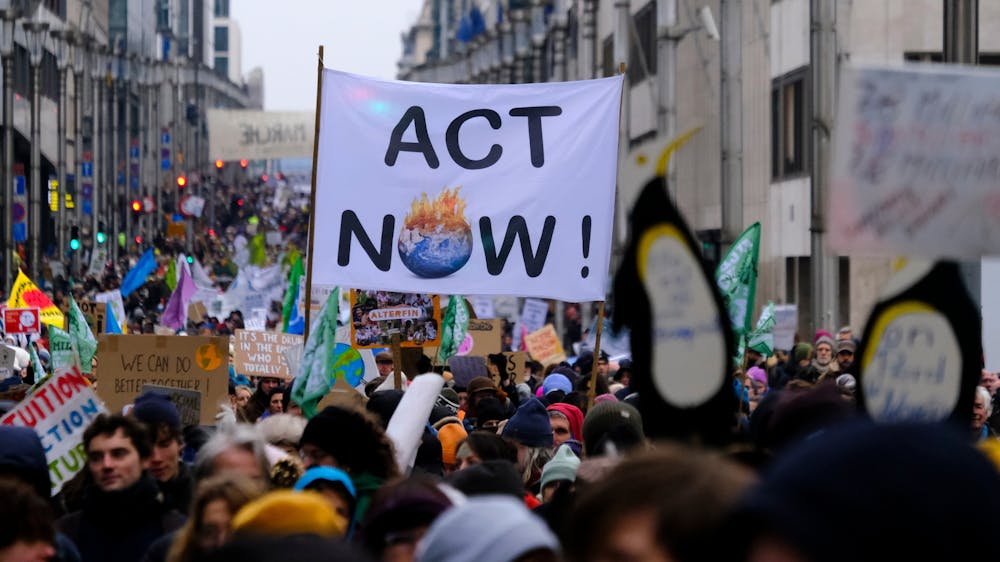
    Following his piece on the late Pope Francis, Jefferson Chua continues his reflections on the relationship between the Papacy of the Roman Catholic Church and climate change, now in the hands of a new pontiff.

    © ANDINA/Archive

    There is a photo of Robert Francis Prevost, back then when he was still archbishop in Chiclayo, Peru, wading through the floodwater that devastated his parish during the historic 2017 El Niño floods. He struck a calm figure who had little to no qualms about being in the middle of  a disaster. The photo made me think: what does Prevost, now Pope Leo XIV, think of climate change, and–more importantly– the solutions needed to address it?

    There are quite a number of clues as to what he would have thought about climate change. He largely aligns with the late Pope Francis’s pivot towards the environment and the Laudato Si agenda, in urging the church to transform words into action in addressing the climate crisis. He has likewise called for a “non-tyrannical relationship” with nature as a key ingredient in climate action, while warning of serious consequences brought about by technological innovation if it is not grounded in a reciprocal relationship with nature.

    In the same breath he also mentions the Vatican’s recent adoption of solar power as well as the purchase of electric vehicles as positive steps in addressing climate change. In his younger years he has also pushed for petitions and shared opinions that seem to align with more urgent climate action and international cooperation.

    I am drawn to the pope’s choice of name. His nominal predecessor, Leo XIII, stands among the giants of the petrine ministry because he took on arguably the greatest challenge of the church during his time: its relationship with the modern world. His encyclical, Rerum Novarum, not only articulated the church’s positionality in the modernizing and industrializing world, but also spoke about the dangers of unchecked capitalism and its impacts on rights, especially that of workers and laborers. In other words, Leo XIII signalled a critical gaze on unchecked profiteering and how this pursuit of more growth and wealth comes at the expense of the rights of those that were instrumental in achieving that wealth.

    I wonder if Leo XIV will be able to transpose this critical gaze onto arguably the greatest challenge of our time, the climate crisis. Our era is characterized by the near-total domination of the corporate few who have reaped in record profits at the expense of everyone. Climate impacts have been increasing in intensity and regularity more than ever, resulting in staggering global losses. In 2024 alone, estimates vary from insurance payouts worth USD 137 billion, to upwards of USD 229 billion with just the ten costliest disasters of last year.

    In contrast, just the five largest investor-owned oil and gas companies–Shell, Exxon Mobil, British Petroleum, Chevron, and Total Energies–earned USD 102 billion in 2024. The figure becomes even more mind-boggling if one looks at their profits in the last decade, which amounted to almost USD 800 billion. This greed is underlined by their business practices, with all of them announcing in different manners of speaking that they will not be phasing out oil and gas and will be cutting investments in green and renewable energy, while at the same time spending astronomical amounts of money to run advertising and marketing campaigns that paint a rosy picture of their supposed concern for the environment and climate action.

    Taking a broader view lays bare this gross inequality: the world’s wealthiest 10% has caused two-thirds of global warming since 1990, which boils down to not just individual lifestyle choices, but more importantly to the concentration of wealth held by a very few but powerful group of people. 

    It is amid this sad and alarming backdrop that we find Leo XIV, who inherits a church in a world that is increasingly more difficult to live in, especially by those at the frontlines of the climate crisis. It is this world that also beckons on Leo XIV to transform the church “from words to action.” Climate action must go beyond platitudes and pursue accountability. 

    There are hopeful signals within the church. A good example would be the Philippines, which constantly ranks as among the most vulnerable countries to climate impacts. For instance, the Roman Catholic Church in the country has set 2025 as the target year when it will be fully divesting from coal and fossil gas investments. Religious-run academic institutions such as Mapua University has likewise pronounced that it too will be divesting from fossil fuels. Church-based grassroots communities and priests have likewise supported environmental defenders and indigenous groups against unchecked transition mineral mining, and have called for holistic climate accountability policies such as the CLIMA Bill. That there is a wealth of examples in the frontiers of the climate crisis should push Leo XIV to take on the fight for climate justice beyond discursive urging. He inherits a church that is suffering precisely because it is in the frontlines. In this manner, Leo XIV himself, through the office entrusted to him, also inherits this moral responsibility to act.

    Perhaps none can encapsulate this moral imperative of his papacy better than an example from his adopted home, Peru. Saul Luciano Lliuya, a farmer from Huaraz, Peru, filed a case against German energy company RWE AG. Initially filed in 2015, Lliuya contested that RWE’s emissions–which is considered one of the biggest emitters in Europe–had a direct impact on the climate that is threatening the claimant’s home. After a successful appeal process in 2017 and initial hearings in March 2025, the court will issue an announcement this May. Lliuya’s case takes on and represents an increasingly-familiar experience by climate-impacted frontline communities of no accountability and increasing impacts.
    One can imagine Leo XIV, in his white cassock, bearing witness to the increasing frequency of floods that Lliuya and countless others are experiencing and, perhaps, likewise add his influential voice to the growing chorus of those calling for accountability. If he is true to his name, and if his papacy signals an unbroken line from Francis’s concerns in Laudato Si, then there is no other alternative to calling out those who are most responsible for the climate crisis: not just individuals, not just countries, but corporations that have accumulated so much wealth while the least of us suffer the worst consequences of a common home in crisis.

    Jefferson Chua is a Greenpeace Campaigner working on climate, based in the Philippines.


    You might want to check out Greenpeace Philippines’ petition called Courage for Climate, a drive in support of real policy and legal solutions in the pursuit of climate justice.

    Courage for Climate

    The climate crisis may seem hopeless, but now is the time for courage, not despair. Join Filipino communities taking bold action for our planet.

    Make an Act of Courage Today!

    MIL OSI NGO –

    May 19, 2025
  • MIL-Evening Report: Why is southern Australia in drought – and when will it end?

    Source: The Conversation (Au and NZ) – By Chiara Holgate, Senior Research Fellow, ARC Centre of Excellence for Weather of the 21st Century, Australian National University

    Artic_photo/Shutterstock

    Swathes of South Australia, Victoria, Tasmania and Western Australia are in the grip of drought as they experience some of the lowest rainfall totals on record.

    Farmers are spending eye-watering amounts of money buying feed, or selling stock to stay afloat.

    Some towns are already on water restrictions. Those not connected to the mains water system are in a perilous situation. In the Adelaide Hills, water is being trucked in to fill empty rainwater tanks and dams.

    The story playing out across southern Australia could be a glimpse of what’s to come. Our recent research suggests southern Australia may experience longer and more intense droughts in the future, as the climate changes.

    Parts of South Australia, Victoria, Tasmania and Western Australia are experiencing serious rainfall deficiencies.
    Australian Bureau of Meteorology

    How bad is this drought?

    Parts of southern Australia have been experiencing drier than normal conditions for well over a year.

    Conditions on the ground are worsening as the drought continues.

    In Adelaide, the desalination plant has ramped up to maintain water supply. Similarly, Victoria’s desal plant has fired up for the first time since 2022 as dam levels fall.

    Farmers are facing some of the driest conditions in decades, and financial pressures are mounting.

    Nature, too, is struggling. Waterways, wetlands and deep pools have dried up, leading to fears for endangered fish, insects and many other species.

    Where has the rain gone?

    In a drought-prone country such as Australia, there’s an age-old question: why do the rains sometimes disappear?

    Our recent research shows Australian scientists are getting closer to answering this question.

    We now know Australian droughts develop when weather systems that lift and carry moisture from the ocean – to fall as heavy rain on land – disappear. When these weather systems return, the droughts break.

    These kinds of weather systems have been notably absent from southern Australia in recent months. Instead, slow-moving high-pressure systems, which typically bring warm and dry conditions, have been the standout feature across southern Australia.

    For Australia, the driest inhabited continent, heavy rains are what keep drought at bay. Last spring and summer, drought conditions were building in parts of Queensland and northern New South Wales. But then Tropical Cyclone Alfred brought heavy rains, dumping up to four times as much rain as these areas usually get in February and March.

    Similarly, heavy rains at the end of last year helped parts of northern and central WA avoid drought conditions.

    Unfortunately, western Victoria and southern SA have had no such luck.

    Drought is more likely to break if weather systems and climate drivers are favorable, such as the Indian Ocean Dipole (IOD) in its negative phase, the Madden-Julian Oscillation (MJO) in its wet phase, the El Niño–Southern Oscillation in its La Niña phase, the Interdecadal Pacific Oscillation (IPO) in its negative phase and the Southern Annular Mode (SAM) active. Background climate change can affect all of these drivers.
    Holgate et al 2025 Communications Earth & Environment, CC BY-NC-ND

    How long will the drought last?

    If farmers, water authorities and policymakers knew how much longer this drought would last, they could make clear plans. Keep or sell livestock? Impose water restrictions or wait?

    Unfortunately, drought timing is very hard to predict. As our research shows, the climate processes that bring weather systems laden with heavy rain are complex.

    But we do know heavy and persistent rain is needed to break the drought. And the current forecast shows there’s a decent chance of that as we head towards spring. Though forecasts can change, and those with skin in the game will have their eyes glued to next month’s update to the Bureau of Meteorology’s rainfall outlook.

    It also helps that we’re heading into what’s usually the rainier time of year. This means the odds of receiving decent rain are higher at this time of year than if we were heading into summer.

    Climate and water long-range forecast, issued 15 May 2025 (Bureau of Meteorology)

    Dry and drier

    Over the past few decades, southern Australia has become drier. Drying has been most pronounced during the cooler months, between April and October. Some parts of southern Australia have also become more drought-prone, with the number of months spent in drought increasing over this time.

    Maps of the current dry conditions across southern Australia closely follow the regions projected to experience longer and more frequent drought conditions in future.

    It’s too early to draw a clear line between climate change and this particular drought. But the weight of evidence shows southern droughts are likely to strike more often in the future. The Tinderbox Drought from 2017–19, for instance, was the first Australian drought to show a possible worsening from climate change.

    The good news? We now know more about how Australian droughts work. This means we can now be more confident in the direction of Australia’s water future than in past decades.

    We must urgently use this new knowledge to develop innovative solutions that will allow Australia to thrive in a climate of increasingly variable water availability. Solutions will involve setting sustainable limits on water use, introducing water recycling and improving efficiency, among other measures.

    Though solutions may look different in different parts of Australia, one thing rings true everywhere: we all need to make every drop count.

    Chiara Holgate receives funding from the Australian Research Council Centre of Excellence for the Weather of the 21st Century.

    Ailie Gallant receives funding from the Australian Research Council and the Department of Climate Change, Energy, the Environment and Water.

    – ref. Why is southern Australia in drought – and when will it end? – https://theconversation.com/why-is-southern-australia-in-drought-and-when-will-it-end-256443

    MIL OSI Analysis – EveningReport.nz –

    May 19, 2025
  • MIL-Evening Report: AI is moving fast. Climate policy provides valuable lessons for how to keep it in check

    Source: The Conversation (Au and NZ) – By Milica Stilinovic, PhD Candidate, School of Media and Communications; Managing Editor, Policy & Internet journal, University of Sydney

    cybermagician/Shutterstock

    Artificial intelligence (AI) might not have been created to enable new forms of sexual violence such as deepfake pornography. But that has been an unfortunate byproduct of the rapidly advancing technology.

    This is just one example of AI’s many unintended uses.

    AI’s intended uses are not without their own problems, including serious copyright concerns. But beyond this, there is much experimentation happening with the rapidly advancing technology. Models and code are shared, repurposed and remixed in public online spaces.

    These collaborative, loosely networked communities — what we call “underspheres” in our recently published paper in New Media & Society — are where users experiment with AI rather than simply consume it. These spaces are where generative AI is pushed into unpredictable and experimental directions. And they show why a new approach to regulating AI and mitigating its risks is urgently needed. Climate policy offers some useful lessons.

    A limited approach

    As AI advances, so do concerns about risk. Policymakers have responded quickly. For example, the European Union AI Act which came into force in 2024 classifies systems by risk: banning “unacceptable” ones, regulating “high-risk” uses, and requiring transparency for lower-risk tools.

    Other governments — including those of the United Kingdom, United States and China — are taking similar directions. However, their regulatory approaches differ in scope, stage of development, and enforcement.

    But these efforts share a limitation: they’re built around intended use, not the messy, creative and often unintended ways AI is actually being used — especially in fringe spaces.

    So, what risks can emerge from creative deviance in AI? And can risk-based frameworks handle technologies that are fluid, remixable and fast-moving?

    Sub communities within the larger Reddit platform often experiment with unintential uses of AI.
    Tada Images/Shutterstock

    Experimentation outside of regulation

    There are several online spaces where members of the undersphere gather. They include GitHub (a web-based platform for collaborative software development), Hugging Face (a platform that offers ready-to-use machine learning models, datasets, and tools for developers to easily build and launch AI apps) and subreddits (individual communities or forums within the larger Reddit platform).

    These environments encourage creative experimentation with generative AI outside regulated frameworks. This experimentation can include instructing models to avoid intended behaviours – or do the opposite. It can also include creating mashups or more powerful variations of generative AI by remixing software code that is made publicly available for anyone to view, use, modify and distribute.

    The potential harms of this experimentation are highlighted by the proliferation of deepfake pornography. So too are the limits of the current approach to regulation rapidly advancing technology such as AI.

    Deepfake technology wasn’t originally developed to create non-consensual pornographic videos and images. But this is ultimately what happened within subreddit communities, beginning in 2017. Deepfake pornography then quickly spread from this undersphere into the mainstream; a recent analysis of more than 95,000 deepfake videos online found 98% of them were deep fake pornography videos.

    It was not until 2019 – years after deepfake pornography first emerged – that attempts to regulate it began to emerge globally. But these attempts were too rigid to capture the new ways deepfake technology was being used by then to cause harm. What’s more, the regulatory efforts were sporadic and inconsistent between states. This impeded efforts to protect people – and democracies – from the impacts of deepfakes globally.

    This is why we need regulation that can march in step with emerging technologies and act quickly when unintended use prevails.

    Embracing uncertainty, complexity and change

    A way to look at AI governance is through the prism of climate change. Climate change is also the result of many interconnected systems interacting in ways we can’t fully control — and its impacts can only be understood with a degree of uncertainty.

    Over the past three decades, climate governance frameworks have evolved to confront this challenge: to manage complex, emerging, and often unpredictable risks. And although this framework has yet to demonstrate its ability to meaningfully reduce greenhouse gas emissions, it has succeeded in sustaining global attention over the years on emerging climate risks and their complex impacts.

    At the same time it has provided a forum where responsibilities and potential solutions can be publicly debated.

    A similar governance framework should also be adopted to manage the spread of AI. This framework should consider the interconnected risks caused by generative AI tools linking with social media platforms. It should also consider cascading risks, as content and code are reused and adapted. And it should consider systemic risks, such as declining public trust or polarised debate.

    Importantly, this framework must also involve diverse voices. Like climate change, generative AI won’t affect just one part of society — it will ripple through many. And the challenge is how to adapt with it.

    Applied to AI, climate change governance approaches could help promote preemptive action in the wake of unforeseen use (such as in the case of deepfake porn) before the issue becomes widespread.

    Over the past three decades, climate governance frameworks have evolved to manage complex, emerging, and often unpredictable risks.
    Alexandros Michailidis/Shutterstock

    Avoiding the pitfalls of climate governance

    While climate governance offers a useful model for adaptive, flexible regulation, it also brings important warnings that must be avoided.

    Climate politics has been mired by loopholes, competing interests and sluggish policymaking. From Australia’s shortcomings in implementing its renewable strategy, to policy reversals in Scotland and political gridlock in the United States, climate policy implementation has often been the proverbial wrench in the gears of environmental law.

    But, when it comes to AI governance, this all-too-familiar climate stalemate brings with it important lessons for the realm of AI governance.

    First, we need to find ways to align public oversight with self-regulation and transparency on the part of AI developers and suppliers.

    Second, we need to think about generative AI risks at a global scale. International cooperation and coordination are essential.

    Finally, we need to accept that AI development and experimentation will persist, and craft regulations that respond to this in order to keep our societies safe.

    Francesco Bailo has received funding from Meta and from Australia’s Department of Defence.

    Jonathon Hutchinson and Milica Stilinovic do not work for, consult, own shares in or receive funding from any company or organisation that would benefit from this article, and have disclosed no relevant affiliations beyond their academic appointment.

    – ref. AI is moving fast. Climate policy provides valuable lessons for how to keep it in check – https://theconversation.com/ai-is-moving-fast-climate-policy-provides-valuable-lessons-for-how-to-keep-it-in-check-255624

    MIL OSI Analysis – EveningReport.nz –

    May 19, 2025
  • Storms, rainfall, and heatwave: diverse weather patterns sweep across India

    Source: Government of India

    Source: Government of India (4)

    India witnessed a mix of intense weather conditions over the past 24 hours, with regions across the country experiencing thunderstorms, heavy rainfall, and heatwave conditions, according to the India Meteorological Department (IMD).
     
    Thunderstorms accompanied by squally to gusty winds, reaching speeds between 60 to 90 kmph, were reported from isolated areas in Coastal Andhra Pradesh, Madhya Pradesh, East Uttar Pradesh, Gangetic West Bengal, Jharkhand, Bihar, and Tripura. In other regions, including Tamil Nadu, Kerala, Interior Karnataka, Rayalaseema, Telangana, Himachal Pradesh, Uttarakhand, Haryana, West Uttar Pradesh, Vidarbha, Chhattisgarh, Marathwada, and Madhya Maharashtra, wind speeds were slightly lower, ranging between 40 to 60 kmph.
     
    Alongside gusty winds, heavy to very heavy rainfall was recorded in isolated areas of Tamil Nadu, North Interior Karnataka, and the Sub-Himalayan region of West Bengal and Sikkim. Several other areas, such as Rayalaseema, Meghalaya, Tripura, and Marathwada, reported heavy rainfall activity.
     
    In contrast to the stormy conditions prevailing in parts of southern and eastern India, parts of the north and northwest remained gripped by severe heat. Heatwave to severe heatwave conditions were observed in isolated pockets of the Jammu Division. Meanwhile, areas of Rajasthan also experienced heatwave conditions, accompanied by unusually warm night temperatures in some localities.
     
    The IMD continues to monitor the evolving weather patterns and has advised residents in affected areas to stay alert and follow safety guidelines.
    May 18, 2025
  • MIL-OSI Australia: Body located in search for missing man on Hobart’s Eastern Shore

    Source: New South Wales Community and Justice

    Body located in search for missing man on Hobart’s Eastern Shore

    Sunday, 18 May 2025 – 12:39 pm.

    Sadly, police can confirm a body believed to be that of a missing 63 year old Rokeby man was located earlier today.
    Inspector Andrew Keane said that the man’s body was located in a creek just off Droughty Point Road about 9.30am.
    The man was found following an extensive land, air and sea search after the 63-year-old man was reported missing on Hobart’s Eastern Shore on Thursday afternoon.
    “Our thoughts are with the man’s family and loved ones at this tragic time,” Inspector Keane said.
    “Initial investigations suggest that there are no suspicious circumstances however forensic examinations will now take place as is the usual process and a report will be prepared for the Coroner.”
    Inspector Keane thanked members of the Eastern Shore community who helped search for the man and provided valuable information throughout the past three days.
    “Every piece of information provided by members of the community was assessed and was followed up as a matter of priority,” he said.
    “We appreciate the assistance of the local community at this very sad time.”

    MIL OSI News –

    May 18, 2025
  • MIL-OSI USA: SPC Severe Thunderstorm Watch 277 Status Reports

    Source: US National Oceanic and Atmospheric Administration

    Search by city or zip code. Press enter or select the go button to submit request
    Local forecast by”City, St” or “ZIP” 

    SPC on Facebook

    @NWSSPC

    NCEP Quarterly Newsletter

    Home (Classic)SPC Products   All SPC Forecasts   Current Watches   Meso. Discussions   Conv. Outlooks   Tstm. Outlooks   Fire Wx Outlooks     RSS Feeds   E-Mail AlertsWeather Information   Storm Reports   Storm Reports Dev.   NWS Hazards Map   National RADAR   Product Archive   NOAA Weather RadioResearch   Non-op. Products   Forecast Tools   Svr. Tstm. Events   SPC Publications   SPC-NSSL HWTEducation & Outreach   About the SPC   SPC FAQ   About Tornadoes   About Derechos   Video Lecture Series   WCM Page   Enh. Fujita Page   Our History   Public ToursMisc.   StaffContact Us   SPC Feedback

    Watch 277 Status Reports

    Watch 277 Status Message has not been issued yet.

    Top/Watch Issuance Text for Watch 277/All Current Watches/Forecast Products/Home

    Weather Topics:Watches, Mesoscale Discussions, Outlooks, Fire Weather, All Products, Contact Us

    NOAA / National Weather ServiceNational Centers for Environmental PredictionStorm Prediction Center120 David L. Boren Blvd.Norman, OK 73072 U.S.A.spc.feedback@noaa.govPage last modified: May 17, 2025
    DisclaimerInformation QualityHelpGlossary
    Privacy PolicyFreedom of Information Act (FOIA)About UsCareer Opportunities

    MIL OSI USA News –

    May 18, 2025
  • MIL-OSI USA: SPC May 17, 2025 Day 4-8 Severe Weather Outlook

    Source: US National Oceanic and Atmospheric Administration

    Day 4-8 Severe Weather Outlook Issued on May 17, 2025

    Updated: Sat May 17 08:42:03 UTC 2025

     .

    D4
    Tue, May 20, 2025 – Wed, May 21, 2025
    D7
    Fri, May 23, 2025 – Sat, May 24, 2025

    D5
    Wed, May 21, 2025 – Thu, May 22, 2025
    D8
    Sat, May 24, 2025 – Sun, May 25, 2025

    D6
    Thu, May 22, 2025 – Fri, May 23, 2025
    (All days are valid from 12 UTC – 12 UTC the following day)

    Note: A severe weather area depicted in the Day 4-8 period indicates 15%, 30% or higher probability for severe thunderstorms within 25 miles of any point.

    PREDICTABILITY TOO LOW is used to indicate severe storms may be possible based on some model scenarios. However, the location or occurrence of severe storms are in doubt due to: 1) large differences in the deterministic model solutions, 2) large spread in the ensemble guidance, and/or 3) minimal run-to-run continuity.

    POTENTIAL TOO LOW means the threat for a regional area of organized severe storms appears unlikely (i.e., less than 15%) for the forecast day.

     Forecast Discussion

    ZCZC SPCSWOD48 ALL
    ACUS48 KWNS 170840
    SPC AC 170840

    Day 4-8 Convective Outlook
    NWS Storm Prediction Center Norman OK
    0340 AM CDT Sat May 17 2025

    Valid 201200Z – 251200Z

    …DISCUSSION…
    …Day 4/Tuesday…
    As the primary mid-level trough shifts east on Tuesday, scattered
    severe thunderstorms are likely across parts of the Mid-Mississippi
    Valley into the Tennessee Valley. Upper 60s to low 70s dewpoints
    will be present ahead of a cold front. Convection/cloud cover from
    Day 3 convection across the Plains/Ozarks will impact
    destabilization across Kentucky and into the Ohio Valley. However,
    farther south, strong destabilization is likely as the boundary
    layer heats beneath steepening mid-level lapse rates. 50 to 60 knots
    of mid-level flow will overspread this unstable warm sector during
    the afternoon Tuesday. As this occurs, an uncapped boundary layer
    and synoptic scale ascent should combine for scattered severe storm
    development. Wherever moderate to strong instability develops, most
    likely south of the TN/KY border, supercells are anticipated with a
    primary threat for large hail. By later in the evening, storms may
    congeal into a MCS with an increasing damaging wind threat.

    …Day 5/Wednesday…
    A cold front will advance across the Appalachians on Tuesday
    night/Wednesday morning. Moderate instability is forecast ahead of
    this cold front Wednesday morning/early afternoon. A few strong to
    severe storms may develop along the front before it moves into the
    Atlantic. However, the limited duration of this threat, and
    potential for timing shifts as newer guidance arrives, precludes
    severe weather probabilities at this time.

    …Day6-8..
    A relatively benign severe weather pattern is expected from
    Thursday/Day 6 into next weekend as a cold front pushes into the
    Gulf. A few storms are possible along the cold front as it moves
    south along the Florida Peninsula on Thursday. Otherwise, more
    robust moisture recovery will begin Thursday night. Overall,
    moisture quality will be low initially, but eventually some threat
    may develop across the Plains as low-level moisture advection
    continues.

    ..Bentley.. 05/17/2025

    CLICK TO GET WUUS48 PTSD48 PRODUCT

    MIL OSI USA News –

    May 18, 2025
  • MIL-OSI USA: Lofgren, Salinas, Padilla, Bennet Reintroduce Legislation to Provide Disaster Relief for Farmworkers

    Source: United States House of Representatives – Representative Zoe Lofgren (D-San Jose)

    Washington, DC – Today, U.S. Representative Zoe Lofgren (CA-18) and Rep. Andrea Salinas (OR-06), the daughter of a former farmworker and a leader in the Congressional Hispanic Caucus, along with U.S. Senators Alex Padilla (D-CA) and Michael Bennet (D-CO), reintroduced the Disaster Relief for Farm Workers Act. This legislation would provide compensation for farmworkers who lose out on wages due to extreme weather, public health emergencies, and other disasters beyond their control. The bill was first introduced in the 118th Congress.

    “When extreme weather occurs, farmworkers across our country continue to feed the nation. And yet, these essential workers and their families face great uncertainty when unexpected disasters harm their communities and livelihood. For example, hundreds of farmworkers in my congressional district faced displacement and lost wages after severe flooding devastated the Pajaro community in early 2023. We owe them – and all farmworkers – more. The Disaster Relief for Farm Workers Act ensures America’s indispensable farmworkers can receive disaster relief funding they need and have earned,” said Rep. Lofgren.

    “Extreme weather and natural disasters are only getting worse with climate change. Unfortunately, many of the hardworking individuals who grow and harvest our food do not receive direct financial support when they are forced to miss work and lose wages as a result of these disasters,” said Rep. Salinas. “My legislation would finally correct this injustice by providing federal disaster relief for farmworkers. This change is well-deserved and long-overdue, and I will continue to advocate for the brave men and women who help feed America.”

    “California’s farm workers often work under extreme conditions to help put food on the table for hundreds of millions of Americans,” said Sen. Padilla. “But increasingly frequent natural disasters, including historic flooding in Pajaro, have devastated California’s agricultural communities. We must protect the heart of our nation’s food supply by providing critical emergency assistance to these essential workers.”

    “Agriculture is the backbone of Colorado’s economy and central to our Western way of life, but as climate-fueled disasters become increasingly common, our state’s farm workers are paying the price,” said Sen. Bennet. “Our bill will help ensure the people that grow America’s fruits, vegetables, and other crops get the assistance they need in the wake of emergencies like drought, wildfires, and other natural disasters.”

    Oregon is home to over 100,000 farmworkers, many of whom live and work in the Willamette Valley and power the state’s $42 billion agriculture economy. Yet despite their importance to our food systems, the average farmworker family in Oregon earns less than $25,000 per year. Ninety-six percent reported living in overcrowded housing and about thirty percent are living below the poverty line. When farmworkers cannot work due to extreme weather or other unexpected disasters, they can lose wages and even their jobs—pushing them deeper into housing and food insecurity.

    The Disaster Relief for Farm Workers Act would address this problem by providing direct relief funding for farmworkers. Specifically, this bill would:

    • Make grants available to eligible farmworker organizations to provide emergency relief to farm workers affected by a disaster.
    • Ensure USDA develops and executes a promotional plan prior to and throughout the distribution of the relief grants to increase awareness of the assistance available.
    • Require USDA to work with eligible farmworker organizations.
    • Provide definitions for a covered disaster, eligible farmworker organization, and migrant or seasonal farmworker.
    • Amend Section 2281 of the Food, Agriculture, Conservation, and Trade Act of 1990 to allow for emergency assistance for farmworkers.

    In addition to Reps. Lofgren and Salinas, the Disaster Relief for Farm Workers Act is cosponsored by Reps. Nanette Barragán (CA-44), André Carson (IN-07), Judy Chu (CA-28), Jim Costa (CA-21), Suzan DelBene (WA-01), Lloyd Doggett (TX-37), Maxwell Frost (FL-10), Robert Garcia (CA-42), Jared Huffman (CA-02), Kevin Mullin (CA-15), Eleanor Holmes Norton (DC-AL), Alexandria Ocasio-Cortez (NY-14), Melanie Stansbury (NM-01), Marilyn Strickland (WA-10), Rashida Tlaib (MI-12), Paul Tonko (NY-20), and Juan Vargas (CA-52).

    The legislation is endorsed by the following organizations, in alphabetical order: A Better Balance, Alianza Americas, Alianza Nacional de Campesinas, Association of Farmworker Opportunity Programs (AFOP), Borderlands Resource Initiative, California Human Development, Campesinos Sin Fronteras, Care in Action, CASA of Oregon, Center for Employment Training, Central Coast Alliance United for a Sustainable Economy (CAUSE), Central Valley Opportunity Center, Centro de los Derechos del Migrante, Inc (CDM), Child Labor Coalition, CHILDREN AT RISK, CIERTO, Civic Empowerment Coalition, Coalition for Humane Immigrant Rights (CHIRLA), Columbia Legal Services, CRLA Foundation, Davidson County Local Food Network, El Futuro es Nuestro, Farm Worker Ministry Northwest, Farmworker and Landscaper Advocacy Project-FLAP, Farmworker Housing Development Corporation (FHDC), Farmworker Justice, Food Empowerment Project, GALEO Impact Fund, Hand in Hand/Mano en Mano, Hispanic Affairs Project, Hispanic Federation, Houston Immigration Legal Services Collaborative, Immigrant Defenders Law Center, La Union del Pueblo Entero (LUPE), Latino Outdoors, League of Conservation Voters, Make the Road CT, Make the Road NJ, Make the Road NV, Make the Road NY, Make the Road PA, Make the Road States, Michiganders for a Just Farming System, National Association of Social Workers, National Association of Social Workers – Florida and Virgin Islands Chapter, National Consumers League, National Domestic Workers Alliance, National Employment Law Project, National Migrant and Seasonal Head Start Association, NC FIELD, Inc., NETWORK Lobby for Catholic Social Justice, North Carolina Council of Churches, North Carolina Farmworker Advocacy Network, North Carolina Justice Center, Nourish Up, Opportunity Arizona, Oregon Human Development Corporation, Organización en California de Lideres Campesinas, Inc, PCUN, Oregon’s Farmworker Union, Pesticide Action and Agroecology Network (PAN), Popular Democracy, Presente.org, Progress Michigan, Proteus Inc., Puente de la Costa Sur, Sikh American Legal Defense and Education Fund (SALDEF), Slow Food USA, Student Action with Farmworkers, Sur Legal Collaborative, TODEC Legal Center, Toxic Free North Carolina, UFW Foundation, Unidos Yamhill County, United Farm Workers, Voces Unidas de las Montañas.

    “Farm workers are always on the front lines of fires, floods, and storms — yet are too often excluded from federal disaster relief programs,” said Teresa Romero, President of United Farm Workers (UFW). “If the federal government can provide emergency support to farm owners who lose crops in natural disaster, then the federal government can emergency provide support to farm workers who lose work in that same disaster. The Disaster Relief for Farm Workers Act will ensure that farm workers who put food on all our tables can continue to put food on their family’s table when disaster strikes.”

    “Every year we see an alarming number of natural disasters that drastically and disproportionately impact the farm worker community. As climate change gets worse, these types of disasters will only worsen and farm workers are the ones who are affected the most by these calamities. Just last year, we saw heavy California rains flooding Ventura County farm areas and Hurricane Helen devastating Georgia’s farm worker communities, leading to organizations like ours stepping up to do what we can. But that is not enough. We must have a federal response to these kinds of disasters. From wildfires to tornadoes to hurricanes, farm workers have little to no safety net to help them recover from unexpected disasters,” said Erica Lomeli Corcoran, Chief Executive Officer at UFW Foundation. “This is exactly why the UFW Foundation is supporting the Disaster Relief for Farm Workers Act. It would provide resources and aid to those who truly need it and would ensure that those responsible for our nation’s food supplies are not overlooked, as they have been in the past. Farm workers have been largely ignored and neglected by the law, shut out from basic protections provided to all workers. It is time that Congress acts and ensures that our nation’s farm workers are given the support they need to overcome times of emergencies and to provide equity to all workers.” 

    “Farmworkers are frontline workers, which means they are the hardest hit by the impacts of extreme weather conditions across the country. Many farmworkers feel that they are risking their health with extreme heat and colder days, but losing even one day of work is not an option for their families’ economic situation. Outdoor protections are important, yet there are days that are becoming too extreme to even be outside. Our vision is to be a resilient workforce for the agricultural industry. Disaster relief means we can start investing in addressing the issues that workers are facing today by building resilience for climate change in the future, without sacrificing the economic well-being of farmworkers,” said Reyna Lopez, Executive Director of Pineros y Campesinos Unidos del Noreste (PCUN).

    To read the full text of the legislation, click here.

    ###

    MIL OSI USA News –

    May 17, 2025
  • MIL-OSI USA: Ranking Member McCollum Remarks at United States Air Force and Space Force Oversight Hearing

    Source: United States House of Representatives – Congresswoman Betty McCollum (DFL-Minn)

    WASHINGTON — Congresswoman Betty McCollum (D-MN-04), Ranking Member of the Defense Subcommittee, delivered the following remarks at the subcommittee’s oversight hearing on the United States Air Force and Space Force:

    Good afternoon.

    I would also like to welcome Acting Secretary Ashworth, Generals Saltzman and Allvin.

    It’s a distinguished panel that’s here, but, as the Chair pointed out, we look forward to having a conversation with the upcoming Secretary of the Air Force about the budget after confirmation. We know the Senate has spoken with him, but our Members too, would like to understand the priorities that he’s going to be putting forth.

    This is our first hearing with the Administration following the release of the “skinny budget.” I’d like to take a few moments to acknowledge what the Administration is proposing. For Defense discretionary spending – President Trump is proposing an $893 billion request – essentially what President Biden would have proposed. This is effectively a freeze from the current fiscal year.

    Any increases beyond that are assumed through the reconciliation process – which the authorizers control. No one will be shocked to learn that I do not think reconciliation is a responsible way to appropriate defense dollars. This Committee is Constitutionally responsible for the allocation of Department of Defense resources – and we should be controlling the process. 

    Appropriating defense dollars through reconciliation undermines the authority and the jurisdiction of the Appropriations Committee. Now, Administrations of both parties have tried before to move money from the discretionary budget into mandatory spending. 

    This is not a new trick – but this is not something normally done with Defense funding. That is because the reconciliation bill may not become law. If it does not, this Committee cannot guarantee that Department of Defense priorities will be backfilled through the Appropriations process.

    Next, we know that programs for clean energy and climate resilience have been cut by this Administration. But as the leaders of the Air Force and Space Force – you cannot afford to take your eyes off the costs of climate change. Islands in the Pacific are not easy places to ship materials to or to build and maintain infrastructure in. It is difficult to protect them from the impacts of climate disruption, just look at the typhoon that hit Guam two years ago. $1.8 billion in additional funding was required to support the construction, planning, and design of facilities on Guam that were destroyed. 

    The Continuing Resolution last December carried an additional $3.4 billion in repair costs for other catastrophic weather events. That’s over $5 billion in taxpayer money that we had to spend on the impacts of climate change within the Department of Defense. That is not waste, fraud, abuse – or any other kind of political spin. It’s necessary to prepare, protect, and replace the critical infrastructure that our warfighters depend on. Climate disruption will not just go away by a wish and a prayer. It is something that we have to plan for, deal with, and expect to happen into the future.

    Turning to major programs – Air Force and Space Force have big bills due right now. The Sentinel program has ballooned to $141 billion, from an original estimate of $78 billion. The schedule is wildly off track from where it needs to be. The Next Generation Air Dominance program is planned to exceed $23 billion – and the price per plane is a serious consideration. The next Air Force One is behind schedule, and the Air Force has asked for more money to get it on track. Progress has been made on the parked F-35s – that’s good news, although it was bad news for us to read recently in the paper ‘the world’s top jet fighter is about to get more expensive’ because of the President’s tariffs. But there is more that needs to be done to get those planes delivered with the capabilities the Services need. And of course, there are new requirements for the Golden Dome – a missile defense program that has yet to be fully articulated by the Administration. These are problems that must be fixed through proper program management, planning, and resourcing. 

    Finally, I want to comment on the Administration’s approach to personnel management. There is no question that there is a culture of fear developing across the federal government as this administration continues to demean and demoralize federal employees. I have spoken with far too many of them. People have been fired without cause. People have been asked to quit to find “higher productivity jobs in the private sector.” 

    I wish the Department of Defense was immune to this – but it is not. I’ve had conversations with all the Services, especially Space Force, about how to build a first-class workforce. Secretary Hegseth’s goal is to remove 60 to 70 thousand civilians from across the Department of Defense. And now civilians are raising their hand – not to serve – but to leave. 

    Who will be around to manage the contracting process DoD needs to get major programs back on track? We are already living with the impacts of what happens when civilians take a buyout and stop working on contracts. The contract isn’t signed, the mission doesn’t get done, the programs fall behind and it costs the taxpayer more. There will be real ramifications to our national security because of the Administration’s personnel policies.

    We need to do something, sure, but let’s not take a chainsaw to it, let’s take a scalpel to what we need to do with our personnel policies.

    Gentlemen, I want to thank you again for appearing today.

    Thank you for your service, and for the service of the Airmen, Guardians, and civilians serving alongside you.

    I yield back.

    ###

    MIL OSI USA News –

    May 17, 2025
  • MIL-OSI USA: Fitzpatrick, Quigley Lead Bipartisan Push to Deliver Lifesaving Care to Retired Federal and Military K9 Heroes

    Source: United States House of Representatives – Representative Mike Quigley (IL-05)

    Congressmen Brian Fitzpatrick (PA-1) and Mike Quigley (IL-5) announced they have introduced the Honoring Our K9 Heroes Act, bipartisan legislation establishing a first-of-its-kind federal grant program to expand access to critical veterinary care for retired federal and military working dogs.

    More than 5,500 K9s serve federal agencies across the nation—working on the frontlines to detect explosives, intercept narcotics, protect national security assets, and perform life-saving search and rescue operations. These dogs serve with unmatched courage and dedication, but after years of physically demanding work, they often retire with complex medical conditions. Today, the full burden of their care falls on their handlers.

    The Honoring Our K9 Heroes Act authorizes $1 million in grant funding through 2029, administered by the Department of Homeland Security—the largest federal employer of working dogs. The grants will support nonprofit organizations that provide veterinary care to retired federal and military K9s, helping relieve the financial burden on handlers and ensuring these animals receive the care they’ve earned.

    “Every day, we force federal working and military dogs to make sacrifices for our country that result in long lasting harm to their quality of life and exorbitant veterinary fees for their handlers. The federal government has a responsibility to support their care long after they are retired from service,” said Quigley. “The Honoring our K9 Heroes Act will ease the cost burden for owners and provide life-saving care for our hero dogs. After man’s best friend spends years keeping us safe, we must honor their sacrifice and provide a helping paw.

    “Our working K9s have played an irreplaceable role in defending our nation—from detecting threats to saving lives. As Co-Chair of the Animal Protection Caucus, I believe we have a moral and national obligation to care for these animals in retirement, just as they cared for us in service. This bipartisan legislation ensures that responsibility is met with real federal support, easing the burden on handlers and empowering the nonprofits doing this vital work,” said Fitzpatrick. 

    “The main goal, and the reason we created K9 Hurricanes Heroes, is to take all the heavy lifting off of the handlers and ensure these K9s receive the best medical care. Our nonprofit has everything established so once the donations or grants are received it’s a seamless process for the retired working K9 heroes’ medical bills to be paid without the handler having to front any expenses out of pocket” Marshall Mirarchi, Founder of K9 Hurricane’s Heroes 501c3

    “Providing medical care to these canine heroes is not only a patriotic duty but one of human compassion. Their service like all those that protect America should never be forgotten,” said Kathryn Coyne, Chief Executive Officer at The Animal Medical Center of New York

    “Retired working dogs have bravely served our communities, often at great personal risk. Ensuring they receive comprehensive medical care in retirement is not just our duty but a testament to our gratitude for their unwavering service and sacrifice,” said Nick White – U.S. Marine Veteran (Fallujah), Former U.S. Secret Service, & Celebrity Dog Trainer.

    “The sacrifice police canines give to their partners and agency is unprecedented. Continuing health coverage after retirement is a way for us to give back to them,” said Former USSS ERT Canine Supervisor, Special Agent Jonathan Stewart.

    “The mission statement of the Department of Veterans Affairs is ‘to fulfill President Lincoln’s promise to care for those who have served in our nation’s military and for their families, caregivers, and survivors.’ Our K9 veterans deserve that same level of care, to honor their service to our country,” said Dr. Matthew W. Brunke, DVM, CCAT, CVPP, CVA, Diplomate, American College of Veterinary Sports Medicine & Rehabilitation, International Association of Veterinary Rehabilitation & Physical Therapy Fellow, Veterinary Referral “As a veterinary specialist, I have treated many retired federal canines for musculoskeletal and neurological conditions that come with the rigors of their job and service. To care for these dogs is a privilege and honor but it should not be on the handler alone to pay for that care.”

    Read the full bill text here. 

    Background:

    Working Federal and Military dogs often endure significant physical and mental strain during their service, resulting in serious injuries and their quality of life. Upon retirement, these dogs typically become the responsibility of their handlers, who must bear the increasing costs of their medical care alone. Without the support of organizations like K9 Hurricane’s Heroes, many working dog heroes would go without the essential care they need and deserve. As the demand for such support grows, these organizations face multiple challenges in meeting capacity needs. After years of dedicated service, these working dogs deserve to enjoy long and fulfilling retirements simply as beloved pets.

    MIL OSI USA News –

    May 17, 2025
  • MIL-OSI USA: McCaul Praises Trump Admin’s Border Security Efforts at Hearing with Secretary Noem

    Source: United States House of Representatives – Congressman Michael McCaul (10th District of Texas)

    WASHINGTON – Today, U.S. Congressman Michael McCaul (R-Texas) — chairman emeritus and current vice chairman of the House Homeland Security Committee — delivered remarks on the Trump administration’s swift success in securing the border and questioned Department of Homeland Security Secretary Kristi Noem about the importance of passing House Republicans’ reconciliation bill.

    Click to watch

    Transcript of Vice Chair McCaul’s Interaction with Secretary Noem:

    Vice Chair McCaul: Madam Secretary, it was great to serve with you in Congress. It was an honor, and it’s an honor to see you as secretary of this important department. Let me say on behalf of my state of Texas, thank you for what you’ve done in a very short period of time.

    I’ve worked on this issue — as a federal prosecutor [and] as chairman of this committee — for over 25 years. I never saw the border more broken, more chaotic, than I did under the prior administration. Yet within months, you have restored order to the border, and the stats speak for themselves. And I want to commend you and President Trump for that.

    You know, on day one, [the Biden administration] rescinded the Remain in Mexico policy, which led to the chaos. It said, we’re open for business, come on in. And they did. Over 10 million encounters, 2 million gotaways. Yet within months of your administration, that number [of encounters] has gone down 93%.

    Catch and release. I’ve been fighting that one for years [through solutions like Remain in Mexico]. The Biden administration did away with it. Now we’re decreased to 99.99%. Almost zero catch and release. A very dangerous policy. Remain in Mexico’s [underlying statute] has been on the books for 30 years. Yet I marked it up on the Foreign Affairs Committee last year as part of the Secure the Border Act.

    Most offensively, and the reason I was an impeachment manager against Mayorkas, was his dereliction of duty to basically prioritize allowing aggravated felons into the country, even though Congress, by federal law, said “shall detain” aggravated felons. Yet, what did he do? He told his agents, that’s discretionary. You can release these dangerous criminals into our society.

    What have you done within months? [In the first] 50 days, you have 14,000 criminal aliens arrested, some of the most brutal gang members like MS-13 and TDA, and it’s making this country safer.

    Fentanyl, each year more Americans die from fentanyl than the number of Americans who died in the Vietnam War over 20 years. You recently had the largest massive seizure of these deadly drugs just this last couple weeks [that were being trafficked] by the Sinaloa cartel. And again, my state thanks you for that.

    Terrorism. You said 250 known or suspected terrorists have been deported. We saw after Afghanistan, the debacle of the collapse of Afghanistan, when Bagram was shut down, the prisons were unleashed, ISIS-K went to the Khorasan region, crossed into the United States, and eight were found plotting in this country.

    You are making this country safer by your actions. The Biden administration made it dangerous, and it didn’t take a bunch of new laws. It [took] new leadership, which you have provided and the president has provided as well.

    My question to you is, as you know, you need resources. And nobody knows that better than I do. We marked up a bill — about $70 billion — that can be put into your department to [enforce] these laws already passed by the Congress. The Foreign Terrorist Organization designation [for cartels] was huge.

    Let me just ask you this. How will this bill, the reconciliation bill, assist you in your efforts to continue and promote safety in the United States?

    Secretary Noem: Well, thank you, Mr. Chairman, and I appreciate all of your leadership on our national security issues in the past and still continue in the future to focus on that.

    The reconciliation bill is imperative to our future in securing our nation. For years previous, the Department of Homeland Security has been neglected. It’s one of the larger agencies in the federal government with one of the smallest budgets. And certainly under the previous administration, the Coast Guard was hollowed out. Border Patrol and ICE were not allowed to do their jobs. They were not allowed to invest in new technologies that they could utilize for interdiction. Also, our borders need surveillance and technology to make sure that we know who’s coming into this country and why. Our ports of entry need new scanners so that we’re truly scanning our shipping containers and much of our air freight. We don’t know what’s coming in by air either.

    Those kinds of adjustments and technology and software upgrades are needed to compete, but also to secure our country with the threats that we face. And we don’t just face threats from gangs and cartels. It’s from China and the PRC and Iran and hackers that come into our system. Salt and Volt Typhoon have taught us that we’re extremely vulnerable to these kinds of attempts in the future.

    In fact, one of the most alarming things I heard as soon as I was nominated for this position, I was in a briefing from CISA that told me that they knew with salt typhoon that we had been hacked, but they also said they didn’t know how it happened or how to stop it in the future. Now the main goal of CISA is to hunt and to harden our systems. Hunt bad actors and harden our systems for our small and medium sized critical infrastructure. Department of Homeland Security has 10 of the 16 components of critical infrastructure, and that’s what we need to focus our resources on.

    Vice Chair McCaul: Thank you.

    ###

    MIL OSI USA News –

    May 17, 2025
  • MIL-OSI Security: Prior sex offender from North Dakota who groomed a child online and sexually assaulted her after traveling to Wisconsin receives 30 years in federal prison

    Source: Office of United States Attorneys

    Richard G. Frohling, Acting United States Attorney for the Eastern District of Wisconsin, announced that on May 15, 2025, Senior United States District Judge William C. Griesbach sentenced Kelly J. Rosemore (age: 43) to 30 years’ imprisonment, to be followed by life on supervised release, after Rosemore pled guilty to child enticement and committing a felony sex offense against a minor as a registered sex offender, in violation of Title 18, United States Code, Sections 2422 and 2260A.

    According to court records, in late 2023, Rosemore was living in North Dakota where he was required to register as a sex offender based on a prior felony sex offense against a minor from 2010. Before December 2023, Rosemore met a 14-year-old female from Wisconsin in an online platform. Unknown to the child’s family, Rosemore groomed her for months, including by sending her sexually explicit chats and photos. In March and April 2024, despite knowing the child was 14 years old, Rosemore twice traveled to the Green Bay area where he rented hotel rooms and sexually assaulted her, which included violent acts, restricting her breathing, restraining her wrists, and taking sexually explicit pictures of her while she was blindfolded.

    The child subsequently reported the sexual assaults to the Brown County Sheriff’s Office. Meanwhile, Rosemore had returned to North Dakota and sent the child a sexually explicit photo of her that she did not know he had taken, threatening to extort her. The Brown County Sheriff’s Office coordinated its investigation with the North Dakota Bureau of Criminal investigation, which arrested Rosemore and obtained incriminating evidence from his phone and vehicle.

    Rosemore was extradited to Wisconsin by the Brown County District Attorney’s Office, and he has remained in continuous custody as state and federal prosecutors worked collaboratively toward the outcome.

    At the sentencing hearing, Judge Griesbach emphasized that Rosemore was previously convicted and sentenced to prison for the same conduct, and that he had again targeted a child, whom he repeatedly and cruelly sexually assaulted. The judge said that Rosemore’s conduct called for a lengthy prison term to achieve just punishment, deterrence, and protecting the public.

    The investigation was spearheaded by the Brown County Sheriff’s Office Internet Crimes Against Children Task Force, with critical assistance from the North Dakota Bureau of Criminal Investigation. It was prosecuted by Assistant United States Attorney Timothy Funnell.

    # # #

    For Additional Information Contact:

    Public Information Officer

    Kenneth.Gales@usdoj.gov

    414-297-1700

    Follow us on Twitter

    MIL Security OSI –

    May 17, 2025
  • MIL-OSI Security: Keshena Man Sentenced for Fatal Drug Delivery in Tribal Detention Facility

    Source: Office of United States Attorneys

    Richard G. Frohling, Acting United States Attorney for the Eastern District of Wisconsin, announced that on May 16, 2025, Senior United States District Judge William C. Griesbach sentenced Warren Grignon (age 43) of Keshena, Wisconsin, to 12 years in federal prison for distributing fentanyl he smuggled into the Menominee Tribal Jail, which led to three overdoses, one of which was fatal. Those actions led to the February 7, 2025, entry of guilty pleas to charges of involuntary manslaughter and distribution of controlled substances. Grignon was sentenced to 12 years in prison for the distribution of controlled substances count and a concurrent 8 years in prison for the involuntary manslaughter count.

    According to court records, Grignon was booked into the tribal jail on December 22, 2023, and moved into a cell with other inmates on December 23, 2023. Grignon distributed a substance containing fentanyl to three other inmates, who ingested the drug that afternoon. All three inmates overdosed, and responding jail personnel, tribal police, and EMTs managed to revive two of the inmates. Tragically, one of the inmates died.

    At the sentencing hearing, Judge Griesbach noted that the serious nature of the offense and the profound effect Grignon’s actions had on the community required a lengthy prison term. Following his 12-year prison sentence, Grignon will be on supervised release for an additional 10 years. He was also ordered to pay $6,943 in restitution to the victim’s family.

    The Menominee Tribal Police and Federal Bureau of Investigation investigated the case. It was prosecuted by Assistant United States Attorney Andrew J. Maier in the United States District Court in Green Bay.

    # # #

    For Additional Information Contact:

    Public Information Officer

    Kenneth.Gales@usdoj.gov

    414-297-1700

    Follow us on Twitter

    MIL Security OSI –

    May 17, 2025
  • MIL-OSI USA: Survivors Living in FEMA Direct Housing Urged to Prepare for Storm Season

    Source: US Federal Emergency Management Agency

    Headline: Survivors Living in FEMA Direct Housing Urged to Prepare for Storm Season

    Survivors Living in FEMA Direct Housing Urged to Prepare for Storm Season

    With Hurricane season right around the corner the safety and well-being of occupants living in FEMA temporary housing units is an important concern of the agency

    Below are tips for preparing for Hurricane season

    If severe weather is predicted, stay alert to weather warnings and comply with local official evacuation orders

    What to do During Severe Weather:Use a weather radio to monitor evacuation orders

    Should local officials recommend manufactured housing occupants find sturdier shelter, evacuate immediately

    Survivors living in travel trailers must leave the trailer in place

    Never take shelter in a travel trailer or manufactured housing unit during high winds, ice storms, freezing rain, sleet or floods

     Please use weather affiliated with Florida StormsDirect Housing: How to Protect Your Family Before, During and After Severe WeatherOccupants in FEMA temporary housing units are not to board up windows, move the unit or alter the units in any physical way

    Individuals are only required to evacuate with their personal belongings when instructed to do so by state and local emergency management officials

     FEMA strongly encourages applicants to get renters insurance while they are in FEMA units

    Applicants in FEMA temporary housing units should develop their own evacuation and emergency communication plans

    Occupants in FEMA temporary housing units should always follow the instructions given for evacuation by the state or local emergency management officials

    Those who do not have the ability to evacuate can contact their local emergency manager or call 211 to help them with their transportation needs

    Do not leave your pet behind in a manufactured housing unit or travel trailer during severe weather

     If an occupant’s unit is damaged, they are encouraged to contact their recertification advisor  to advise whether the occupant can return home, or they may call the FEMA Helpline at 800-621-3362

    Those who use a relay service such as a videophone should update FEMA with their specific number assigned to that service

    In Case of Severe StormsIf a severe storm is forecasted for your area, move to a sturdy building or shelter until the storm passes

    In Case of a TornadoIf a tornado warning is issued for your area, evacuate the housing unit immediately

    Take shelter in the lowest floor of a nearby sturdy building or storm shelter, away from windows

    Do not take shelter in a vehicle

    In Case of a HurricaneHurricanes are particularly dangerous because of their unpredictability

    While they are usually accompanied by heavy rain and strong winds, they can cause tornadoes and floods

    Use a weather radio or monitor your local media to stay aware of local evacuation orders

    Evacuate immediately if local officials recommend that mobile home occupants find sturdier shelter

    In Case of a FloodIf the potential for flooding exists in your area, monitor the status via a weather radio or local media

    Be aware that flash flooding can occur

    If a flash flood warning is issued, immediately evacuate and move to higher ground

    If you have time, place any important items on the highest shelves

    Disconnect electrical devices, but not while wet or standing in water

    When evacuating, do not attempt to walk or drive through flooded areas

    Six inches of water can cause you to fall and can flood most compact or midsize cars

    A foot of water will cause most vehicles to float

    Two feet of water can sweep away trucks and SUVs

    Additional InformationTo learn more about preparing for hurricane season including how to build an emergency kit, make a plan for your family and how to keep yourself safe during most natural disaster situation visit www

    ready

    gov

    lindsay

    tozer
    Fri, 05/16/2025 – 19:22

    MIL OSI USA News –

    May 17, 2025
  • MIL-OSI USA: 9 Days Left To Apply for FEMA Assistance Following February Severe Storms and Flooding

    Source: US Federal Emergency Management Agency 2

    9 Days Left To Apply for FEMA Assistance Following February Severe Storms and Flooding

    FRANKFORT, Ky. – Homeowners and renters in Breathitt, Clay, Estill, Floyd, Harlan, Johnson, Knott, Lee, Leslie, Letcher, Martin, Owsley, Perry, Pike, Simpson and Woodford counties who experienced damage or losses caused by the February severe storms and floods have 9 days to apply for federal disaster assistance. The deadline to apply for federal assistance is May 25.  Survivors of the April storms still have until June 25 to Apply.How To Apply for FEMA AssistanceThere are several ways to apply for FEMA assistance:Online at DisasterAssistance.gov.Visit any Disaster Recovery Center. To find a center close to you, visit fema.gov/DRC, or text DRC along with your Zip Code to 43362 (Example: “DRC 29169”).Use the FEMA mobile app.Call the FEMA Helpline at 800-621-3362. It is open 7 a.m. to 10 p.m. Eastern Time. Help is available in many languages. If you use a relay service, such as Video Relay Service (VRS), captioned telephone or other service, give FEMA your number for that service. FEMA works with every household on a case-by-case basis.FEMA representatives can explain available assistance programs, how to apply to FEMA, and help connect survivors with resources for their recovery needs.When you apply, you will need to provide:A current phone number where you can be contacted.Your address at the time of the disaster and the address where you are now staying.Your Social Security Number. A general list of damage and losses.Banking information if you choose direct deposit. If insured, the policy number or the agent and/or the company name.Survivors should keep their contact information updated with FEMA as the agency may need to call to schedule a home inspection or get additional information. Disaster assistance is not a substitute for insurance and is not intended to compensate for all losses caused by a disaster. The assistance is intended to meet basic needs and supplement disaster recovery efforts. Homeowners and renters in Woodford County may be eligible for federal assistance, if you had property damage or loss in Woodford County from the February severe incident, and then again from the April severe incident, you would need to complete two separate disaster assistance applications.For an accessible video on how to apply for FEMA assistance, go to youtube.com/watch?v=WZGpWI2RCNw. For more information about Kentucky flooding recovery, visit www.fema.gov/disaster/4860. Follow the FEMA Region 4 X account at x.com/femaregion4. 
    martyce.allenjr
    Fri, 05/16/2025 – 11:43

    MIL OSI USA News –

    May 17, 2025
  • MIL-OSI Economics: Sustainability discussions focus on trade policy considerations and practices

    Source: WTO

    Headline: Sustainability discussions focus on trade policy considerations and practices

    Richard Tarasofsky of Canada, a co-convener of TESSD, together with Costa Rica, thanked the facilitators of the working groups for advancing the outcome documents.  “I encourage all of you to engage actively, (as) we are now less than one year away from MC14 ,” he said.
    The four TESSD working groups held technical discussions on their respective topics and exchanged views on the first drafts of possible outcome documents in line with guidance provided by the high-level plenary meeting on 4 December 2024.
    In the Working Group on Subsidies, members explored the role of trade policy and international cooperation in decarbonizing maritime transport. They focused in particular on subsidies and other policy incentives for sustainable marine fuels, port infrastructure and green corridors, as well as on the role of financing and technical assistance to support developing economies in this regard.
    Setting the scene, the International Maritime Organization (IMO) introduced the new IMO Net-Zero Framework with mandatory emission limits. The European Union presented its policies and measures to support sustainable marine fuels, while DNV, a Norwegian private company, and the Global Maritime Forum (GMF), a not-for-profit organization, introduced their work in supporting the establishment of green shipping corridors. MSC Group presented the actions being taken to decarbonize their global fleet and the necessity for regulatory certainty and clarity for private sector investments related to decarbonization. Regarding a possible working group outcome, members considered key design elements in subsidies, including considerations for effective subsidy design and related practices among members.
    The Working Group on Circular Economy – Circularity heard about technical assistance projects offering insights into trade and circular economy, including from the International Trade Centre (ITC) and Mauritius on trade policy and regional cooperation in recycling lithium-ion batteries of electronic vehicles. UN Trade and Development (UNCTAD) also shared perspectives on trade-related aspects of circular economy in developing economies, highlighting opportunities for technology transfer for water treatment and textile circularity. In terms of a possible working group outcome, members focused on trade-related practices in priority sectors, such as textiles, batteries, electronics and renewable energy.
    In the Working Group on Environmental Goods and Services (EGS), members shared experiences of identifying and facilitating trade in EGS. Jaime Coghi Arias from Costa Rica, Chair of the Joint Initiative on Services Domestic Regulation, highlighted the link between good regulatory practices and environmental services. Switzerland introduced approaches used for identifying EGS under the Agreement on Climate Change, Trade and Sustainability (ACCTS) undertaken by Costa Rica, Iceland, New Zealand and Switzerland. The United Kingdom shared insights into EGS for climate adaptation in the water sector, and Argentina outlined its work in relation to sustainable agriculture. Members also reviewed suggestions on the working group’s draft outcome document.
    In the Working Group on Trade-Related Climate Measures (TrCMs), members heard presentations on border carbon adjustments (BCAs), with a focus on carbon standards and measurement methodologies. The International Institute for Sustainable Development (IISD) introduced its work on interoperability in its “Global Stakeholder Dialogues”. The Organisation for Economic Co-operation and Development (OECD) highlighted the importance of cross-border data-sharing through digitalization and customs cooperation. With regard to the first draft for an outcome, members brainstormed on how to compile policies in relation to climate objectives.
    Concluding the two-day meetings, Ana Lizano of Costa Rica, co-convenor of TESSD, said: “It was very encouraging to see the participation of the private sector and the sharing of experiences by developing economies across all four groups, even from non-co-sponsors. Looking ahead, we have made significant progress on the outcome documents, reflecting members’ inputs. We look forward to your collective support in refining the documents to ensure they are fit for purpose.”
    Presentations and documents related to the working group meetings are available here.
    Guided by their 2021 Ministerial Statement, TESSD seeks to complement the work of the WTO Committee on Trade and Environment and advance discussions at the intersection of trade and environmental sustainability towards identifying concrete actions that members could take individually or collectively. The initiative, which is open to all WTO members, is currently co-sponsored by 78 members representing all regions and all levels of development.

    Share

    MIL OSI Economics –

    May 17, 2025
  • MIL-OSI Economics: Committee on Market Access marks 30th anniversary amid trade tensions

    Source: World Trade Organization

    30 years of the CMA

    Deputy Director-General Angela Ellard spoke at an event prior to the start of the meeting to mark the 30th anniversary of the CMA. Her remarks were followed by a panel discussion that included remarks from former chairs of the CMA.

    “Market access is one of the cornerstones of the multilateral trading system, and it lies at the heart of what the WTO seeks to achieve: enabling trade to flow as smoothly, predictably and transparently as possible through agreed rules,” DDG Ellard said.

    “This is why the work of the Committee on Market Access is not merely technical; it is foundational to the integrity and effectiveness of the entire WTO framework,” she continued. “Even amid widespread uncertainty these days surrounding tariff levels, this Committee provides stability for governments and traders on a wide variety of nuts-and-bolts issues, such as tariff classification, trade restrictions, and information sharing through databases and other means by operationalizing a durable system of rules and a mechanism to address concerns.”

    Achievements of the CMA include enabling members to make their commitments more accessible and ensuring the legal clarity and comparability of concessions across time and among members through the transposition of commitments into updated versions of the Harmonized System used to classify traded goods. Other achievements include strengthening the transparency around applied tariffs and import data through initiatives such as the Integrated Database and, more recently, the new Tariff and Trade Data platform.

    Linked with this event, a special exhibition was set up at the WTO headquarters to mark the 30th anniversary.  The exhibition highlights key historical milestones of the Committee’s work. In particular, it looks at how technology has shaped the preparation of members’ goods schedules, the development of trade and tariff databases, and the broader work of the WTO Secretariat in making trade information accessible to WTO members and the public.

    Joint work on Harmonized System codes for vaccines

    The interim Chair of the CMA, Nicola Waterfield (Canada), welcomed the progress made in the joint effort by the World Customs Organization (WCO), World Health Organization (WHO) and the WTO to establish new tariff headings for vaccines under the Harmonized System (HS). 

    “The new HS codes, which will be adopted by the WCO Council in June for implementation on 1 January 2028, help better identify and classify goods vital for responding to health crises and support coherence between trade policies and public health objectives, including ensuring global equitable access to vaccines,” the Chair said.

    Gael Grooby, Acting Director of the Tariff and Trade Affairs Directorate of the WCO, said the aim of the exercise is to make the covered goods more visible within trade so that they can be tracked and appropriate measures put into place as needed. She emphasized that the work between the CMA and the WCO on this matter “has been unprecedented”.

    The Chair proposed that the CMA invite representatives from the three organizations to discuss the insights gained from this experience and to collectively reflect on the key elements that facilitated such a successful example of collaboration.

    Committee report on supply chain resilience

    The CMA adopted a report on supply chain resilience, the outcome of a series of thematic sessions on the topic held between 2023 and 2025. Specifically, the report defines supply chain resilience, identifies supply chain vulnerabilities, and describes how members measure and monitor global supply chains and what measures support supply chain resilience. The report also examines the role of international and regional cooperation, and the role of the CMA.  

    The Chair observed that the CMA has created a unique approach to thematic sessions, where members have a space to exchange information, learn from each other and produce concrete results that can be used for future reference.

    Trade fragmentation, EU deforestation regulation

    Canada, the European Union and Norway introduced an agenda item addressing fragmentation of global trade through tariffs and the associated global costs. They voiced concerns about the impact of recent tariff measures and the resulting uncertainty on global trade for businesses, consumers and workers. They also underlined the importance of the rules-based multilateral trading system. Ten other members took the floor on this item, with most echoing these concerns. Several also underlined the importance of WTO reform and improvement of its functions so that it remains a central pillar of the global trading system.

    Brazil, Colombia, Paraguay and Peru introduced a joint communication regarding the European Union’s Regulation on Deforestation-Free Supply Chains (EUDR). The four members contend the regulation is a quantitative restriction (QR) on imports and therefore should be notified to the CMA as such. They reiterated their belief that the regulation imposes cumbersome obligations and will virtually ban from the EU market the importation of beef, wood, palm oil, soya, coffee, cocoa and rubber that do not comply with the regulation’s requirements.  The EU said the EUDR is not a market access measure but rather an internal regulation measure designed in line with WTO rules.

    Trade concerns

    Members discussed 33 trade concerns, eight of which were raised for the first time. New concerns dealt with exports of coffee beans and macadamia nuts to China, proposed export restrictions on raw minerals by the Philippines and measures equivalent to quantitative restrictions on the import of wooden boards and viscose staple fibre in India.  Other new concerns covered market access issues for agricultural commodities and food products as well as market access issues faced by the pharmaceutical sector in Thailand, and import restrictions on pocket lighters in India.

    New concerns were also raised in relation to reciprocal tariffs and other tariff measures in the United States and the treatment of like products under the Agreement on Climate Change, Trade and Sustainability (ACCTS) concluded by Costa Rica, Iceland, New Zealand and Switzerland.

    The list of specific trade concerns discussed during the meeting is available here.

    Notifications on quantitative restrictions

    The interim Chair drew members’ attention to a new WTO Secretariat report, “Notification Status of Regular/Period and One-Time Only Notifications in the Goods Area (1995-2024)” (G/C/W/859 ). While the document found that there has been an overall submission rate of 68.9% for regular or periodic notifications, compliance with quantitative restrictions notifications, pursuant to the 2012 Decision  on Notification Procedure for Quantitative Restrictions, was the lowest at just over 26%.

    The Chair said she was aware that various initiatives have been undertaken over time by members and the WTO Secretariat to improve the overall compliance record but members still struggle to comply with certain notification requirements. As a result, she invited members to consider what barriers impact compliance and what possible steps could be taken to improve the submission rate and the quality of such notifications. The Committee agreed to hold such discussions at its next informal meeting scheduled in June.

    Next meeting

    The next formal meeting of the Committee on Market Access will take place on 15-16 October.

    Share

    MIL OSI Economics –

    May 17, 2025
  • MIL-OSI Global: What is a downburst? These winds can be destructive like tornadoes − we recreate them to test building designs

    Source: The Conversation – USA – By Amal Elawady, Associate Professor of Civil and Environmental Engineering, Florida International University

    A downburst blasts Bangkok, Thailand, in 2017. Natapat Ariyamongkol/iStock/Getty Images Plus

    From a distance, a downburst can look like a torrent of heavy rain. But at ground level, its behavior can be far more destructive.

    When a downburst’s winds hit the ground, they shoot out horizontally in all directions, sometimes with enough force to shatter windows and overturn vehicles.

    These winds behave in complicated ways, particularly in cities, as our latest research shows. Downburst winds can deflect off tall buildings, increasing the pressure on neighboring buildings’ windows and walls. The result can blow out glass and chip off facade. Even buildings designed to survive hurricanes can suffer major damage in a downburst.

    As engineers, we study downbursts with the goal of designing buildings, components such as solar panels and windows, and infrastructure such as power lines that can stand up to that powerful force. To do this, informed by field measurements, we create our own powerful downbursts using a hurricane simulator known as the Wall of Wind at Florida International University.

    An illustration of how the winds of a downburst fan out in open space. In a city with tall buildings, the wind can deflect off buildings, causing damage in unexpected ways.
    NASA/Wikimedia Commons

    What is a downburst?

    Downbursts can be as destructive as tornadoes, but their winds develop in a very different way.

    A downburst forms when a thunderstorm pulls cooler, heavier air down from high in the atmosphere. As this rain-cooled air rushes downward, it gains speed. Once it slams into the ground, it has nowhere to go but outward, sending strong winds in all horizontal directions.

    Dust in the air shows the curling rotation of a downburst’s winds.
    NOAA

    The wind speed in a downburst can reach over 150 miles per hour. That’s the strength of a Category 4 hurricane and strong enough to knock down trees and power lines, damage buildings and flip vehicles.

    These winds also rotate, but not in the same way tornadoes do. Downburst winds are typically considered straight-line winds, but they rotate around a horizontal axis as the wind curls upward after hitting the ground. Tornadoes, in contrast, spin around a vertical axis.

    Powerful storm systems known as derechos are often made up of multiple downburst clusters, each containing many smaller downbursts, sometimes called microbursts.

    Recreating Houston’s downburst in a warehouse

    On May 16, 2024, a derecho hit Houston with a downburst that was so strong, it blew out windows in several high-rise buildings that had been built to survive Category 4 hurricanes. The winds also pried off chunks of buildings’ facades.

    Two months later, Hurricane Beryl hit Houston with similar wind speeds, yet it left minimal damage to the downtown buildings.

    When a downburst hit downtown Houston on May 16, 2024, it shattered windows on some sides of buildings but not others, and not always in the line of the storm. The damage offered clues to how downbursts interact with tall buildings.
    Cécile Clocheret/AFP via Getty Images

    To understand how a downburst like this can be so much more destructive – and what cities and building designers can do about it – we simulated both the Houston downburst winds and Hurricane Beryl’s winds in the Wall of Wind.

    The test facility is equipped with a dozen jet fans, each almost as tall as the workers who run them and powerful enough to simulate a Category 5 hurricane. Our team used these fans to recreate powerful downburst winds that hit horizontally with the maximum wind speeds near ground level. Then, we put several models of buildings to the test to see how roofs, windows, facades and the structures of power lines reacted under that force.

    How the Wall of Wind’s fans mimic a downburst’s horizontal force.

    In the Houston derecho, a downburst hit downtown with 100 mph winds. It cracked some lower windows, likely with blowing debris, but it also caused widespread unexpected damage midway up some of the buildings.

    The Chevron Building Auditorium actually suffered the most damage on a side that wasn’t directly in the line of the storm but was facing another tall building. That left some intriguing questions. It suggested that the way the buildings channel the wind may have created a strong suction that blew out windows midway up the tower. Another burning question is whether building design codes are outdated when it comes to how well their cladding can stand up to these localized winds.

    Using the Wall of Wind, we were able to test those pressures on models of the Houston buildings and see how downburst winds increased the pressured on a tall building model with excessive forces near the ground level.

    The ability to simulate these winds is important for improving engineers’ understanding of the differences in how downbursts and other wind events exert force on buildings. The results ultimately inform building standards to help create more resilient and better-protected communities.

    Building better power lines

    Big storms, like downbursts, can also take down power lines.

    Power lines extend hundreds of miles between cities and states, making them more susceptible to a hit from a localized severe storm, such as a downburst. If one of the towers falls, it can cause a chain reaction, like dominoes falling one after another. That can knock out power for large numbers of people.

    The derecho that hit Houston with a downburst also crumpled transmission towers in Texas.
    AP Photo/David J. Phillip

    With colleagues, we have been testing transmission towers and multispan power-line systems under downburst and hurricane winds to understand how these structures respond, with the goal of developing better construction techniques. That work has helped to update the American manual for the design of power lines, which engineers use for designing safer, more storm-resilient transmission towers.

    What’s next

    Low-rise and mid-rise buildings are also vulnerable to downbursts, but the effects are less well understood. Downburst winds are most intense between 10 and 300 feet above the ground, meaning the roofs and walls of some low-rises can be hit with intense horizontal wind.

    Recent building codes have offered design guidelines to help ensure these buildings can withstand tornadoes. However, the way downbursts rotate in a short time around a building or a community of buildings puts pressure on the walls and the roof in different ways. Similar to straight-line winds, we expect high suction on the roof. Due to their short duration, varying wind direction and intense wind speed, downbursts may also cause excessive vibrations and varying pressure distribution on the roof components.

    How microbursts form.

    We’re now testing downburst damage to low- and mid-rise buildings to better understand the risks and help highlight changes that can make buildings more resilient.

    As populations grow, cities are adding more buildings. At the same time, powerful storms are becoming more frequent and more intense. Understanding the effects of different types of storms will help engineers construct high-rises, low-rises and power lines that are better able to withstand extreme weather.

    Amal Elawady receives funding from the National Science Foundation.

    Fahim Ahmed, Mohamed Eissa, and Omar Metwally do not work for, consult, own shares in or receive funding from any company or organization that would benefit from this article, and have disclosed no relevant affiliations beyond their academic appointment.

    – ref. What is a downburst? These winds can be destructive like tornadoes − we recreate them to test building designs – https://theconversation.com/what-is-a-downburst-these-winds-can-be-destructive-like-tornadoes-we-recreate-them-to-test-building-designs-254931

    MIL OSI – Global Reports –

    May 17, 2025
  • MIL-OSI USA: Baldwin Calls Out Trump Administration’s Illegal Firings and Cuts at AmeriCorps, Demands Reversal

    US Senate News:

    Source: United States Senator for Wisconsin Tammy Baldwin
    WASHINGTON, D.C. – U.S. Senator Tammy Baldwin (D-WI) called for the immediate reversal of layoffs and illegal funding cuts that have debilitated the AmeriCorps’ core functions and run counter to its longstanding, bipartisan support in Congress. In Wisconsin, 8,400 AmeriCorps members support local communities through teaching in schools, tutoring students, providing health care, helping the homeless, and more.  
     “While a recent court order instituted a 14 day temporary restraining order on staff reductions at AmeriCorps, the damage of firing staff and eliminating $400 million in grants has already been felt across the country,” wrote Baldwin and the lawmakers in a letter to the Interim Agency Head of AmeriCorps. “The grant terminations and potential issues awarding fiscal year 2025 grant funding will have a catastrophic impact on the ability of AmeriCorps members to carry out work in communities all over the country — responding to natural disasters, serving as classroom teachers, providing tutoring services, and helping build housing in rural communities.”
    Late last month, President Trump and Elon Musk’s DOGE illegally terminated over a thousand AmeriCorps grants to states, nonprofits, and faith-based organizations across the country – totaling nearly $400 million, or roughly 41% of the agency’s grant funding. Grantees were not given statutorily required notices before these grants were terminated. The cuts are already seriously impacting communities where AmeriCorps projects were ongoing as well as their selfless members and volunteers.
    Last year, nearly 200,000 AmeriCorps volunteers prepared today’s students for tomorrow’s jobs, connected veterans to services, fought the opioid epidemic, helped seniors live independently, rebuilt communities after disasters and led conservation efforts nationwide.
    “We urge the swift reversal of the termination of NCCC members’ service terms so that they can get back to helping communities,” concluded Baldwin and the lawmakers. “These illegal grant terminations attempt to supersede congressional intent at the expense of communities in need of crucial services. More than 1,000 programs will be forced to close and over 32,000 AmeriCorps members and AmeriCorps Seniors volunteers will be released from their service terms early… Further, by laying off nearly the entire agency staff, AmeriCorps is violating the law.”
    Last month, Senator Baldwin urged President Donald Trump to reverse cuts to AmeriCorps and NCCC AmeriCorps made by Elon Musk’s DOGE, which had already begun impacting service programs across Wisconsin.
    Programs such as AmeriCorps and AmeriCorps Seniors deploy over 200,000 Americans annually to carry out results-driven projects at over 35,000 locations across the U.S. These programs serve communities nationwide, including in Wisconsin, where 8,400 AmeriCorps members and AmeriCorps Seniors serve at more than 900 local service sites to respond to disasters, improve housing, help veterans, and support educational services.
    In addition to Senator Baldwin, the letter is co-signed by Senators Bernie Sanders (I-VT) and Patty Murray (D-WA).
    The full letter is available here and below.
    Dear Interim Agency Head Bastress Tahmasebi:
    We write to express our grave concern with recent AmeriCorps grant terminations, reports that DOGE is interfering with operations at AmeriCorps, the demobilization of National Civilian Community Corps (NCCC) members, and reports that the Trump Administration has placed nearly all of the agency’s staff on administrative leave. While a recent court order instituted a 14-day temporary restraining order on staff reductions at AmeriCorps, the damage of firing staff and eliminating $400 million in grants has already been felt across the country. These actions make it nearly impossible for AmeriCorps to effectively administer its programs and carry out its statutory responsibilities, including supporting the approximately 200,000 AmeriCorps members and volunteers, awarding all fiscal year 2025 grants and funding appropriated by Congress in a timely manner if at all, and conducting meaningful oversight. The grant terminations and potential issues awarding fiscal year 2025 grant funding will have a catastrophic impact on the ability of AmeriCorps members to carry out work in communities all over the country — responding to natural disasters, serving as classroom teachers, providing tutoring services, and helping build housing in rural communities.
    On Friday, April 25th, 1,031 grantees—including states, local non-profits, and faith-based organizations— received grant termination notices, which stated that the programs, “no longer effectuate agency priorities.” Grant termination notices amounted to nearly $400 million, roughly 41 percent of the agency’s grant funding, although actual savings may be far less than that. These terminations appear to contradict both statutory and regulatory provisions governing changes to agency priorities. For example, 42 USC 12572(c)(2) requires AmeriCorps to provide advance notice to potential applicants of any national service priorities to be in effect for a fiscal year. Further, Section 401 of Title IV of Division D of the Further Consolidated Appropriations Act, 2024, a term and condition carried forward in the Full-Year Continuing Appropriations and Extensions Act, 2025, requires that “CNCS shall make any significant changes to program requirements, service delivery or policy only through public notice and comment rulemaking.”
    In addition, these programs were not notified that they were out of compliance and the agency failed to provide 7 days’ notice of proposed cuts, which is required under applicable regulations. These illegal grant terminations attempt to supersede congressional intent at the expense of communities in need of crucial services. More than 1,000 programs will be forced to close and over 32,000 AmeriCorps members and AmeriCorps Seniors volunteers will be released from their service terms early. These demobilized members and volunteers will lose access to their living stipends and may be left without other benefits, including healthcare and housing. Additionally, staff who administer AmeriCorps programs at a state and local level will likely be laid-off due to budget constraints as a result of these grant terminations. In response, on April 29th, 24 states and the District of Columbia filed a lawsuit alleging that the Trump administration has exceeded its authority under the law and is in violation of the Administrative Procedures Act and the separation of powers under the Constitution.
    The recent demobilization of AmeriCorps NCCC members is already having rippling effects in communities across this country. AmeriCorps NCCC was authorized by Congress to strengthen communities, develop the next generation of leaders, and help communities respond to natural disasters and other environmental issues. In 2024, NCCC members performed over 717,000 hours of service to the nation and their service benefited communities in 48 states. NCCC members helped over 388,000 people in disaster areas and over 8,700 students in K-12 tutoring programs. In the fall of 2024, AmeriCorps NCCC led efforts to respond to the communities devastated by Hurricanes Helene and Milton. It is devastating to hear that NCCC members were pulled out as they were continuing to help victims of those hurricanes rebuild their homes. We urge the swift reversal of the termination of NCCC members’ service terms so that they can get back to helping communities.
    Further, by laying off nearly the entire agency staff, AmeriCorps is violating the law. The Administration’s actions make it impossible for AmeriCorps to carry out statutorily required functions and congressional intent, and raise serious questions about AmeriCorps being able to spend all appropriated fiscal year 2025 appropriated funding. For example, the administration has not decided how it will spend nearly $200 million in fiscal year 2025 funding that was provided for AmeriCorps grant programs in fiscal year 2024. The most straightforward interpretation of a full-year CR is to continue funding for all programs and activities at the prior year’s level. After all, Congress enacted the fiscal year 2024 appropriation with overwhelmingly bipartisan majorities a little more than a year ago. If Congress wanted to make changes to AmeriCorps funding in the fiscal year 2025 appropriation bill, it would have done so, but it did not. The Administration’s effort to eliminate AmeriCorps is contrary to the bipartisan record of Congress.
    Lastly, AmeriCorps members cannot earn their service hours or be placed in schools until the grant awards supporting them are in place. In particular, the delay in awarding of grant funds could impact the ability of the AmeriCorps members to earn the Segal Education Award by not providing them sufficient service hours to earn such education awards. Also, many Teach for America/AmeriCorps members use the Segal awards to cover the costs of teacher certification, without which they would not be able to serve as classroom teachers. Teach for America members often teach in the most understaffed rural and urban schools around the nation. At a time of teacher shortages in key subject areas across the country, the slow release of fiscal year 2025 AmeriCorps grant funds could exacerbate such teacher shortages. 
    We request that you provide written answers to the following questions as soon as possible, but not later than May 30, 2025.
    Please provide a list of every grant that has been terminated since January 20th, including the total amount of awards to each grantee, the amount of funds that each grantee has spent up to the date of the grant’s termination, and the amount of remaining unspent funds for each award.
    Please detail how the grant terminations noticed on April 25th comply with statutory requirements including 42 USC 12572 and Section 401 of Title IV of Division D of the Further Consolidated Appropriations Act, 2024.
    What calculation is being used to determine the amount of a Segal Award a member will receive for a terminated grant?
    Please provide AmeriCorps’ own estimates of the number of volunteers and members expected to be demobilized and terminated due to the cancellation of grants since January 20th.
    For each office, please provide the number of staff on board as of January 19th and as of today’s date.
    For each office, please provide the number of staff placed on paid administrative leave since January 20th as of the pay period including January 23, 2025 and the most recent pay period.
    For each office, please provide the total salaries and benefits costs of staff placed on paid administrative leave since January 20th as of the pay period including January 23, 2025 and the most recent pay period. For the agency in total, please provide the estimated total salaries and benefits costs incurred for employees placed on administrative leave since January 20th.
    On January 28, 2025, the U.S. Office of Personnel Management (OPM) sent a so-called “Fork in the Road” email to more than two million federal employees offering the opportunity to take “deferred resignation” by February 6, 2025. For each office, please provide:
    The number of employees that offered to resign as part of the deferred resignation program.
    The number of employees whose resignations were accepted as part of the deferred resignation program.
    The number and types of duties re-assigned from employees whose resignations were accepted as part of the deferred resignation program.
    The number and types of duties eliminated from employees whose resignations were accepted as part of the deferred resignation program.
    The roles and number of personnel who tried to accept but were excluded from the deferred resignation program.
    For AmeriCorps in total, the estimated total salaries and benefits costs in fiscal year 2025 for employees whose resignations were accepted as part of the deferred resignation program

    The President and his team have directed all agencies to develop Agency Reorganization Plans in phases through mid-April.25 Please provide us with a briefing of such plans no later than seven days after receipt of this letter.
    The email that was sent to NCCC members on April 15, 2025 stated that the “AmeriCorps NCCC is working within new operational parameters that impact the program’s ability to sustain program operations.” Given that Congress has not cut funding for this program, please detail the specific operational parameters that have changed and why NCCC can no longer carry out it statutorily required activities?
    What actions has DOGE made the agency take to date?
    Who at DOGE made the decision to demobilize the NCCC members and agency staff cuts? And under what authority did such staff have to make such a decision?
    What information did DOGE collect from the agency?
    Was any personally identifiable information of AmeriCorps members shared with DOGE? If so, what types of information?
    With NCCC members being sent home, how does the agency plan to fulfill its obligations to the disaster-impacted communities where NCCC members were working?

    MIL OSI USA News –

    May 17, 2025
  • MIL-OSI USA: Luján, Moran Reintroduce Bipartisan Legislation to Improve Farmer Coordination & Education

    US Senate News:

    Source: United States Senator Ben Ray Luján (D-New Mexico)
    Washington, D.C. – U.S. Senators Ben Ray Luján (D-N.M.) and Jerry Moran (R-Kan.), both members of the Senate Committee on Agriculture, Nutrition, and Forestry, announced the reintroduction of bipartisan legislation to expand the reach of peer-to-peer networks that are already helping farmers manage the many challenges they face. As farmers and ranchers are met daily with unique challenges, including unexpected weather, droughts, and floods, they often turn to colleagues to find the right answer. This bill fills a critical gap in federal programs to support and provide guidance to those networks.
    The Farmer to Farmer Education Act would leverage existing technical assistance resources by supporting farmer-led education networks and build capacity for new ones—particularly for communities that are historically marginalized from existing systems—as a key strategy to increase adoption of conservation practices. Specifically, the bill would authorize the National Resources Conservation Service (NRCS) to enter into cooperative agreements with community-based organizations in each state that are able to identify and build on established and burgeoning peer-to-peer networks, and/or create new ones.
    “Farming is deeply ingrained in New Mexico’s history and culture, with communities that have cultivated the land for generations. Local farmers are skilled at managing challenges like unpredictable weather, drought, and flooding. However, existing programs often fall short in providing the support and guidance needed during these times,” said Senator Luján. “The bipartisan Farmer to Farmer Education Act will help improve coordination between local farmer-to-farmer networks and the USDA and NRCS. Strengthening this connection will ensure farmers receive timely, specialized information to better protect their crops and livestock.”
    “Farmers and ranchers across the country face many conservation challenges, including staffing shortages at NRCS, which limits their access to conservation technical assistance,” said Senator Moran. “This legislation would allow farmer-to-farmer groups to develop cooperative agreements with USDA to share conservation concepts and new practices.”
    “When it comes to adopting conservation practices, farmers trust information and guidance from other farmers.” said Samantha Levy, AFT’s Senior Policy Manager for Conservation and Energy. “We applaud Senators Lujan and Moran for introducing a bipartisan bill that would enable more farmers to provide practical, experience-based assistance to their peers. This would supplement the essential support producers receive from NRCS, nonprofit conservation organizations and districts, and others to successfully implement practices critical to the resilience and viability of their operations.”
    “We learn from best from people who are like us. The Farmer to Farmer Education Act would help connect producers to support each other’s on-farm conservation efforts,” said Ben Knuth, Agriculture Policy Manager at National Wildlife Federation.  “As complements to USDA’s existing conservation technical assistance, these learning networks offer informal opportunities to learn about improving soil, water, and wildlife outcomes.”
    “Farmers and ranchers across the country serve as a valuable resource to their peers when it comes to knowledge-sharing about farming best practices and resources. As farmers adapt to a changing climate, it will become even more important that farmers continue learning from their most trusted sources: each other,” said Lotanna Obodozie, Climate Policy Director, National Young Farmers Coalition. “The Farmer-to-Farmer Education Act will invest in collaboration between farmers and their networks for long-term conservation practice adoption, and we’re grateful to Sen. Luján and Sen. Moran for cosponsoring this important bipartisan legislation.”
    “For farming and ranching families, helping one another is just part of their way of life,”said Jenny Conner Nelms, Associate Director of Legislative Affairs at The Nature Conservancy. “Supporting local, producer-led networks is a natural, common-sense way to help farmers and ranchers share information with their neighbors and manage challenges together, like droughts and floods. We are grateful for Senators Lujan and Moran’s proposal, which would help producers, communities, and nature thrive.”
    Full text of the bill is available HERE.

    MIL OSI USA News –

    May 17, 2025
  • MIL-OSI USA: Warner & Kaine Announce Over $15.2 Million to Address Coastal Resilience in Virginia Beach and on Tangier Island

    US Senate News:

    Source: United States Senator for Virginia Tim Kaine
    WASHINGTON, D.C. – Today, U.S. Senators Mark R. Warner and Tim Kaine (both D-VA) announced $15,250,000 in federal funding to address sea level rise and expand flood resiliency in Virginia Beach and on Tangier Island.
    “Coastal Virginia has long been identified as one of the most vulnerable regions of the country to flooding, but thanks to smart federal investments, we’re not just worrying about it anymore—we’re doing something about it,” said the senators. “We’re proud to announce this funding to advance a citywide plan for flood resilient infrastructure in Virginia Beach and to take a significant step forward in slowing erosion of Tangier Island and restoring it to its historical dimensions to preserve this unique part of Virginia. We will keep working to improve resiliency and combat climate change throughout the Commonwealth.”
    The funding is broken down as follows:
    $10,300,000 for Tangier Island for maintenance dredging and shoal removal within navigation channels in the Chesapeake Bay. The dredged material will be used to address persistent erosion and will be part of a plan to eventually restore the island.
    $4,950,000 for the Virginia Beach and Vicinity Coastal Storm Risk Management Study. The Coastal Storm Risk Management Study will develop and engineer large-scale flood resilience projects to reduce flood vulnerability for the City of Virginia Beach.
    Warner and Kaine have long worked to secure significant federal funding to increase resiliency and protect Virginia’s coastal communities from the impacts of sea level rise. The senators previously secured $1.9 million from the Bipartisan Infrastructure Law and Fiscal Year 2024 government funding bill for the Virginia Beach and Vicinity Coastal Storm Risk Management Study. Warner and Kaine secured $800,000 in the Fiscal Years 2023 and 2024 government funding bills for studying and permitting the use of dredged material to be used to help Tangier address sea level rise and recurrent coastal flooding and storms. The senators have also secured nearly $399 million for the Norfolk Coastal Storm Risk Management project and $3 million for the Peninsula Regional Flood Risk Management feasibility study for the City of Hampton and the surrounding region.

    MIL OSI USA News –

    May 17, 2025
  • MIL-OSI Global: Marvellous Moomins, the downfall of Dahl and David Attenborough’s Ocean – what to see, watch and read this week

    Source: The Conversation – UK – By Jane Wright, Commissioning Editor, Arts & Culture, The Conversation UK

    This article was first published in our newsletter Something Good. If you’d like to receive fortnightly recommendations from experts on the best films, TV, books, plays and exhibitions, sign up to get Something Good delivered direct to your inbox.


    Just under a week to go till our much-anticipated Moomin event in Bradford, celebrating 80 years of Tove Jansson’s magical creatures that inspire so much affection and nostalgia in generations of readers who have found solace and delight in her Moominvalley tales.

    On Friday May 23, we are hosting a film event in conjunction with Cine Spotlights at Bradford’s National Museum of Science and Media. We’ll celebrate this special anniversary with a screening of Moomins on the Riviera, followed by a Q&A with our very own panel of Conversation Moominologists.

    Jansson’s first book, The Moomins and the Great Flood, was published in 1945, telling the story of a family of “Moomintrolls” who become refugees after a flood washes away their home. Written at the end of the second world war when millions of people were displaced, it reflects the struggles of rebuilding lives after disaster. After the screening, we will be discussing the theme of refugee experiences in Jansson’s work with four Conversation authors.

    This is a particularly apt discussion to be having in Bradford, designated a City of Sanctuary and also the site of one of four Moomin art installations around the country. Basel Zaraa’s work is an immersive, multi-sensory installation that creates a lush world within a refugee tent, inviting audiences to imagine life beyond occupation and exile.

    We’d love to see you there, so come along and join in the discussion.

    The fall of a giant

    First, there was the furore surrounding the revision of the language in his children’s books. Now, a play examining the extent of Roald Dahl’s anti-semitism has transferred to London’s West End. It explores the fallout from Dahl’s 1983 review of God Cried, a photographic book about Israel’s siege of West Beirut.

    In the play’s blend of fact and fiction, the very real controversy arises from an interview Dahl gave to The New Statesman shortly afterwards. Many Jewish (and non-Jewish) people objected to it as strongly anti-semitic, while others saw it as justified criticism of Israel’s actions. In the play, this is meshed with a fictitious situation where Jewish staff from Dahl’s publishers visit him at home to help counteract the backlash.

    But there is so much more to this fascinating play, which features an extraordinary performance from American actor John Lithgow. It engages with issues around language – how it is interpreted and how meaning is formed – as well as misogyny, racism, and the idea of genius being excused its sins. And it returns to the ever-open wound of cancel culture, and the way children’s literature has become a political hot potato.

    Giant is at London’s Harold Pinter Theatre until August 2 2025.

    With echoes of the theme of refugee experience in our Moomin event, Madeleine Thien’s new novel is an astonishingly original and deeply philosophical work that blends historical and speculative fiction.

    Exploring issues of migration, the refugee crisis and cultural conflict, The Book of Records centres around the tale of a young girl called Lina and her ill father who flee to a strange otherworldly enclave called The Sea, where Lina feels the pain of separation from her mother and brother. She endures here for years, finding succour in three books from The Great Voyagers encyclopedia series, each of which represents a famous (real) philosopher through which she learns about exile and survival.

    As our reviewer Manjeet Ridon explains, The Book of Records is “a sobering meditation on the human condition in times of crises”. A book to savour and reflect upon in a world that is distressed by the rising tide of refugees, but seems unable or unwilling to do anything about it.

    Climate fact and fiction

    For 70 years, David Attenborough has shaped how we see the natural world through his memorable nature documentaries. From the BBC’s groundbreaking Zoo Quest in 1954 to Life on Earth in the late 1970s and the spectacular Blue Planet in the 2000s, Attenborough, with his quietly compelling voice, has brought viewers the glory and wonder of the natural world. In doing so, he pioneered a nature documentary style that is accessible, educational and entertaining.

    But now, at the age of 99, Attenborough’s latest film, Ocean, brings a change of tone: one of serious urgency as the world seemingly fails to get to grips with the climate change crisis.

    As our reviewers Neil Gostling and Sam Illingworth explain, after a lifetime of gentle narration, Attenborough now speaks unflinchingly of the scale of the crisis and the need to act, combining stunning imagery with a stark assessment of the health of our oceans. From the horrific destruction wreaked by bottom trawling to plastic consumption and pollution, Attenborough doesn’t pull his punches on the moral and existential imperative to restore the balance of our oceans. As the great man puts it: “If we save the sea, we save our world.”

    Ocean is on at select cinemas now

    This week saw the announcement of the inaugural Climate Fiction Prize, which has been won by the Nigerian writer Abi Daré’s And So I Roar.

    A poignant follow-up to her debut novel, The Girl with the Louding Voice, Daré follows the stories of Tia, an environmental activist, and Adunni, the Nigerian teenager from her debut, who has escaped child marriage and domestic abuse for shelter under Tia’s care in Lagos.

    Daré masterfully explores how environmental crises collide with domestic pressures and abuse, revealing how women who exist in poverty disproportionately shoulder the burden of climate change. But it also celebrates solidarity across class, ethnicity and generational divides, standing as a powerful testament to female courage and resilience.

    – ref. Marvellous Moomins, the downfall of Dahl and David Attenborough’s Ocean – what to see, watch and read this week – https://theconversation.com/marvellous-moomins-the-downfall-of-dahl-and-david-attenboroughs-ocean-what-to-see-watch-and-read-this-week-256849

    MIL OSI – Global Reports –

    May 17, 2025
  • MIL-OSI Africa: Secretary-General’s video message to the launch of the 2025 Global Report on Food Crises

    Source: United Nations – English

    strong>Download the video:
    https://s3.us-east-1.amazonaws.com/downloads2.unmultimedia.org/public/video/evergreen/MSG+SG+/SG+29+Apr+25/3365764_MSG+SG+FOOD+CRISES+29+APR+25.mp4

    This Global Report on Food Crises reflects a world dangerously off-course.

    Hunger is not a crisis bound to one place or time: it’s a chronic catastrophe.

    Fueled by conflict, geopolitical tensions, climate chaos, and economic upheaval – food and nutrition crises are rampant and rising.  

    Over 295 million people faced hunger in 2024, the sixth year in a row of rising need.

    From Gaza and Sudan, to Yemen and Mali, conflict-driven hunger is shattering records.

    And climate change is accelerating the crisis, wiping out harvests, livelihoods, and hope.

    Weather extremes are pushing nearly 100 million people to the brink of hunger.

    Just as food insecurity and malnutrition are gaining pace, our ability to respond is hitting the brakes.  

    The dramatic reduction in lifesaving humanitarian funding is compounding the hunger crisis.  

    And the prospect of a trade war will only make things worse.

    Ensuring a food-secure future means rallying financial resources and driving innovation.

    It calls for fair, transparent trade systems that ensure food can move where it’s needed, especially during crises.

    And it requires global solidarity to build resilient, inclusive and sustainable food systems for all.

    The UN Pact for the Future, adopted in September 2024, reignites momentum for this vital mission.

    My message is clear: we must heed the dire warnings in this report.

    This July, the Second United Nations Food Systems Summit Stocktake – taking place in Addis Ababa – will be an opportunity for all of us to unite and boost our efforts.

    The time to act is now. Let’s end hunger, together.

    ***
     

    MIL OSI Africa –

    May 17, 2025
  • MIL-OSI Global: What do MPs really think about immigration? We surveyed them to find out

    Source: The Conversation – UK – By Mitya Pearson, Assistant Professor, Politics of Climate Change, University of Warwick

    Yvette Cooper, the home secretary, gives a statement to MPs on immigration reform. House of Commons/Flickr, CC BY-NC-ND

    The UK government has unveiled plans to reform the migration system, making it more restrictive with the aim of reducing the level of net migration into Britain.

    Immigration provides economic opportunities for a country – for example, migration enables employers to recruit the workers they need. This is particularly true in essential but low-paid sectors such as social care and agriculture. Reducing net migration may mean trading off some of these economic benefits.

    The UK government’s official economic forecaster, the Office for Budget Responsibility, tends to assume that higher net migration has a positive impact on economic growth and tax receipts.

    It is notable, then, that a government elected to make economic growth its primary mission, which has struggled to keep the public finances in line with its fiscal rules, is making policy choices that could make both objectives more challenging. Some have argued that the government’s immigration plans are a sign it has abandoned its goal of boosting economic growth above all other objectives.

    We have just published new research that partly explains this decision. We conducted a survey of 103 MPs and 1,757 local councillors, and compared the attitudes of British politicians with those of members of the public.

    We polled Westminster MPs on what they think about the level of migration into the UK. The timing of this polling matched up exactly with a public poll YouGov had conducted. This enabled us to draw a direct comparison between the two groups.

    We found that broadly, MPs and the public are in agreement on this issue. Both clearly tend to think immigration has been too high in recent years. However, the public (70% support) are even more inclined towards this view than MPs (just under 60% support), and less likely than MPs to think that immigration levels have been “about right” in recent years.


    Author provided, CC BY

    Despite these results, the long-term trend on public attitudes to migration has moved in a more liberal direction. Over decades, the British public has generally become more positive about the benefits of migration.

    However, this is complicated by the fact that anti-immigration voters are often more exercised about the issue than pro-immigration voters. Anti-immigration voters are also more efficiently distributed across a large number of constituencies, whereas more liberal pro-immigration voters are often more concentrated in seats in larger cities.

    Reform UK’s performance in the recent local elections demonstrates the electoral potency of anti-immigration sentiment among some voters.


    Read more:
    What Britons and Europeans really think about immigration – new analysis


    Growth at all costs?

    Ipsos also recently published some interesting polling of MPs and the public. This showed that when it comes to issues such as increased housebuilding and immigration, MPs tended to be more willing than the public to prioritise boosting economic growth over other objectives (such as limiting immigration). Although, MPs were more willing than the public to prioritise protecting the environment over economic growth.

    When Labour was elected into government in 2024, Keir Starmer emphasised the party’s focus on boosting growth. A whole tranche of new Labour MPs were elected with an apparent commitment to this, and many subsequently joined the Labour Growth Group caucus.


    Want more politics coverage from academic experts? Every week, we bring you informed analysis of developments in government and fact check the claims being made.

    Sign up for our weekly politics newsletter, delivered every Friday.


    Such a shift in the composition of who is in the Westminster parliament has enabled substantial policy shifts in a pro-growth direction. For example, some recent Conservative prime ministers would arguably have liked to implement the type of reforms in the current government’s planning and infrastructure bill, but were unable to principally because of resistance among their backbench MPs.

    However, as we’ve explained, polling shows that the public is not always as willing as the current crop of MPs to sign up to things just because they might boost economic growth. There is also a substantial section of the population who would like to see immigration reduced.

    The government’s new white paper setting out its proposed immigration reforms eschews a simple relationship between higher immigration and greater economic prosperity. It emphasises the difference between boosting overall GDP and the size of the labour market versus productivity and per capita GDP, and criticises an economic model reliant on record levels of net migration into the UK.

    Nonetheless, it appears that Labour has diluted its attempt to govern in a purely pro-growth manner in order to respond to public opinion.

    Mitya Pearson the University of Warwick. He has received funding from the British Academy and Leverhulme Trust.

    David Jeffery does not work for, consult, own shares in or receive funding from any company or organisation that would benefit from this article, and has disclosed no relevant affiliations beyond their academic appointment.

    – ref. What do MPs really think about immigration? We surveyed them to find out – https://theconversation.com/what-do-mps-really-think-about-immigration-we-surveyed-them-to-find-out-256856

    MIL OSI – Global Reports –

    May 17, 2025
  • India calls for global action to protect mountain ecosystems at Sagarmatha Sambaad in Nepal

    Source: Government of India

    Source: Government of India (4)

    Union Minister for Environment, Forest and Climate Change, Bhupender Yadav, on Friday put forth a five-point global action plan to protect fragile mountain ecosystems, while representing India at the inaugural Sagarmatha Sambaad in Kathmandu, Nepal. The high-level global dialogue, themed “Climate Change, Mountains, and the Future of Humanity”, brought together ministers, climate leaders, and policymakers from across the world.

    Speaking at the summit, Yadav reaffirmed India’s commitment to global climate action and emphasized the need for collaborative efforts to safeguard the Himalayas and other mountain regions. “It is a profound honour to represent India at this historic gathering. The name Sagarmatha, meaning ‘Head of the Sky,’ aptly captures the majesty and responsibility we share in protecting our mountain ecosystems,” he said.

    The Minister acknowledged Nepal’s initiative in hosting the event and highlighted the deep ecological and cultural ties India shares with its Himalayan neighbours. He pointed out that despite South Asia comprising nearly 25% of the global population, it accounts for just 4% of historical global CO₂ emissions. However, he stressed that developing countries continue to bear the brunt of the climate crisis while developed nations fall short on their climate finance and technology transfer commitments.

    Underscoring the ecological richness of high-altitude regions, Yadav called for enhanced transboundary conservation and urged Himalayan nations to collaborate under the International Big Cats Alliance. This alliance, he said, can help conserve iconic species like snow leopards, tigers, and leopards by fostering shared expertise, funding, and knowledge sharing.

    Referring to India’s efforts under Project Snow Leopard, Yadav cited Prime Minister Narendra Modi’s address at the 13th COP of the Convention on Migratory Species in 2020, where the significance of preserving snow leopard habitats was emphasized. He shared findings from India’s first Snow Leopard Population Assessment, conducted between 2019 and 2023, which recorded 718 snow leopards—representing 10–15% of the global population.

    During his address, the Union Minister outlined a five-point call for global action:

    Enhanced Scientific Cooperation – Strengthening research and monitoring of cryospheric changes, hydrology, and biodiversity.
    Building Climate Resilience – Investing in adaptation measures, disaster early warning systems such as for Glacial Lake Outburst Floods (GLOFs), and climate-resilient infrastructure.
    Empowering Mountain Communities – Placing local communities at the heart of policy-making and promoting green livelihoods, sustainable tourism, and the integration of traditional knowledge.
    Providing Green Finance – Ensuring adequate and predictable climate finance in line with the Paris Agreement to support mountain nations in adaptation and mitigation.
    Recognizing Mountain Perspectives – Ensuring that the unique vulnerabilities and contributions of mountain ecosystems are reflected in global climate negotiations and development agendas.

    “India stands ready to partner with Nepal and all mountain nations to protect our shared ecological heritage. In the spirit of Vasudhaiva Kutumbakam—the world is one family—we must ensure our sacred mountains continue to stand tall as symbols of hope and sustainability,” Yadav concluded.

    The event was attended by several global dignitaries, including Nepal’s Prime Minister K. P. Sharma Oli, Foreign Minister Dr. Arzu Rana Deuba, Vice Chairman of China’s National People’s Congress Xiao Jie, and COP29 President and Azerbaijan’s Ecology Minister Mukhtar Babayev.

    May 17, 2025
  • MIL-OSI USA: Kaptur Celebrates $342K FAA Investment in Fulton County

    Source: United States House of Representatives – Congresswoman Marcy Kaptur (OH-09)

    Wauseon, OH – Congresswoman Marcy Kaptur (OH-09) announced the award of $342,000 from the US Department of Transportation’s Airport Infrastructure Grant (AIG) program to Fulton County. The funds will support Phase 1 of a critical airport infrastructure project at Fulton County Airport (USE), further advancing economic resilience and connectivity for NW Ohio.

    “This is a strategic and forward-looking investment in the of our region’s transportation network,” said Congresswoman Marcy Kaptur (OH-09). “Fulton County Airport’s has a growing role in supporting general aviation, regional commerce, and emergency response in our region. This award is more than a transportation upgrade – it’s an investment in our local workforce, small businesses, and the future of aviation in Northwest Ohio. As our communities work to modernize and grow, targeted federal investment like this ensures that rural and regional airports are not left behind, and are instead positioned to lead our communities into the future.”

    “The Fulton County airport is an active, vibrant airport with over 30 based aircraft, a growing flight school offering flight training to students from all over Northwest Ohio, and is a base for a Life Flight helicopter,” said Jeff Rupp, President of the Fulton County Board of Commissioners. “We have had a waiting list for hangar space for many years and with this grant, we will be able build hangars for six additional aircraft. The Fulton County Commissioners wish to express our sincere appreciation to Congresswoman Kaptur for securing this grant which will benefit the county!”

    The project includes the design of a new sponsor-owned hangar to generate long-term revenue and support airport sustainability, and the replacement of the airport’s Automated Weather Observing System (AWOS), which has reached the end of its operational life. The project reflects a commitment to modernizing regional infrastructure and ensuring safety, efficiency, and long-term economic growth.

    # # # 

    MIL OSI USA News –

    May 17, 2025
  • MIL-OSI Global: Governments continue losing efforts to gain backdoor access to secure communications

    Source: The Conversation – USA – By Richard Forno, Teaching Professor of Computer Science and Electrical Engineering, and Assistant Director, UMBC Cybersecurity Institute, University of Maryland, Baltimore County

    Signal is the poster child for strong encryption apps. AP Photo/Kiichiro Sato

    Reports that prominent American national security officials used a freely available encrypted messaging app, coupled with the rise of authoritarian policies around the world, have led to a surge in interest in encrypted apps like Signal and WhatsApp. These apps prevent anyone, including the government and the app companies themselves, from reading messages they intercept.

    The spotlight on encrypted apps is also a reminder of the complex debate pitting government interests against individual liberties. Governments desire to monitor everyday communications for law enforcement, national security and sometimes darker purposes. On the other hand, citizens and businesses claim the right to enjoy private digital discussions in today’s online world.

    The positions governments take often are framed as a “war on encryption” by technology policy experts and civil liberties advocates. As a cybersecurity researcher, I’ve followed the debate for nearly 30 years and remain convinced that this is not a fight that governments can easily win.

    Understanding the ‘golden key’

    Traditionally, strong encryption capabilities were considered military technologies crucial to national security and not available to the public. However, in 1991, computer scientist Phil Zimmermann released a new type of encryption software called Pretty Good Privacy (PGP). It was free, open-source software available on the internet that anyone could download. PGP allowed people to exchange email and files securely, accessible only to those with the shared decryption key, in ways similar to highly secured government systems.

    Following an investigation into Zimmermann, the U.S. government came to realize that technology develops faster than law and began to explore remedies. It also began to understand that once something is placed on the internet, neither laws nor policy can control its global availability.

    Fearing that terrorists or criminals might use such technology to plan attacks, arrange financing or recruit members, the Clinton administration advocated a system called the Clipper Chip, based on a concept of key escrow. The idea was to give a trusted third party access to the encryption system and the government could use that access when it demonstrated a law enforcement or national security need.

    End-to-end encryption and backdoor access explained.

    Clipper was based on the idea of a “golden key,” namely, a way for those with good intentions – intelligence services, police – to access encrypted data, while keeping people with bad intentions – criminals, terrorists – out.

    Clipper Chip devices never gained traction outside the U.S. government, in part because its encryption algorithm was classified and couldn’t be publicly peer-reviewed. However, in the years since, governments around the world have continued to embrace the golden key concept as they grapple with the constant stream of technology developments reshaping how people access and share information.

    Following Edward Snowden’s disclosures about global surveillance of digital communications in 2013, Google and Apple took steps to make it virtually impossible for anyone but an authorized user to access data on a smartphone. Even a court order was ineffective, much to the chagrin of law enforcement. In Apple’s case, the company’s approach to privacy and security was tested in 2016 when the company refused to build a mechanism to help the FBI break into an encrypted iPhone owned by a suspect in the San Bernardino terrorist attack.

    At its core, encryption is, fundamentally, very complicated math. And while the golden key concept continues to hold allure for governments, it is mathematically difficult to achieve with an acceptable degree of trust. And even if it was viable, implementing it in practice makes the internet less safe. Security experts agree that any backdoor access, even if hidden or controlled by a trusted entity, is vulnerable to hacking.

    Competing justifications and tech realities

    Governments around the world continue to wrestle with the proliferation of strong encryption in messaging tools, social media and virtual private networks.

    For example, rather than embrace a technical golden key, a recent proposal in France would have provided the government the ability to add a hidden “ghost” participant to any encrypted chat for surveillance purposes. However, legislators removed this from the final proposal after civil liberties and cybersecurity experts warned that such an approach would undermine basic cybersecurity practices and trust in secure systems.

    In 2025, the U.K. government secretly ordered Apple to add a backdoor to its encryption services worldwide. Rather than comply, Apple removed the ability for its iPhone and iCloud customers in the U.K. to use its Advanced Data Protection encryption features. In this case, Apple chose to defend its users’ security in the face of government mandates, which ironically now means that users in the U.K. may be less secure.

    Apple pulled its advanced encryption service from the U.K. market rather than grant the U.K. government backdoor access.

    In the United States, provisions removed from the 2020 EARN IT bill would have forced companies to scan online messages and photos to guard against child exploitation by creating a golden-key-type hidden backdoor. Opponents viewed this as a stealth way of bypassing end-to-end encryption. The bill did not advance to a full vote when it was last reintroduced in the 2023-2024 legislative session.

    Opposing scanning for child sexual abuse material is a controversial concern when encryption is involved: Although Apple received significant public backlash over its plans to scan user devices for such material in ways that users claimed violated Apple’s privacy stance, victims of child abuse have sued the company for not better protecting children.

    Even privacy-centric Switzerland and the European Union are exploring ways of dealing with digital surveillance and privacy in an encrypted world.

    The laws of math and physics, not politics

    Governments usually claim that weakening encryption is necessary to fight crime and protect the nation – and there is a valid concern there. However, when that argument fails to win the day, they often turn to claiming to need backdoors to protect children from exploitation.

    From a cybersecurity perspective, it is nearly impossible to create a backdoor to a communications product that is only accessible for certain purposes or under certain conditions. If a passageway exists, it’s only a matter of time before it is exploited for nefarious purposes. In other words, creating what is essentially a software vulnerability to help the good guys will inevitably end up helping the bad guys, too.

    Often overlooked in this debate is that if encryption is weakened to improve surveillance for governmental purposes, it will drive criminals and terrorists further underground. Using different or homegrown technologies, they will still be able to exchange information in ways that governments can’t readily access. But everyone else’s digital security will be needlessly diminished.

    This lack of online privacy and security is especially dangerous for journalists, activists, domestic violence survivors and other at-risk communities around the world.

    Encryption obeys the laws of math and physics, not politics. Once invented, it can’t be un-invented, even if it frustrates governments. Along those lines, if governments are struggling with strong encryption now, how will they contend with a world when everyone is using significantly more complex techniques like quantum cryptography?

    Governments remain in an unenviable position regarding strong encryption. Ironically, one of the countermeasures the government recommended in response to China’s hacking of global telephone systems in the Salt Typhoon attacks was to use strong encryption in messaging apps such as Signal or iMessage.

    Reconciling that with their ongoing quest to weaken or restrict strong encryption for their own surveillance interests will be a difficult challenge to overcome.

    Richard Forno has received research funding related to cybersecurity from the National Science Foundation (NSF), the Department of Defense (DOD), and the US Army during his academic career since 2010.

    – ref. Governments continue losing efforts to gain backdoor access to secure communications – https://theconversation.com/governments-continue-losing-efforts-to-gain-backdoor-access-to-secure-communications-253016

    MIL OSI – Global Reports –

    May 17, 2025
  • MIL-OSI United Kingdom: CCUS explained: experts answer your questions

    Source: United Kingdom – Government Statements

    News story

    CCUS explained: experts answer your questions

    Got a question about Carbon Capture, Usage, and Storage (CCUS) and the technology involved? Experts answer some of the most common questions here.

    How does CCUS work? 

    Olivia Powis, CEO at the Carbon Capture and Storage Association, says:  

    Carbon Capture, Usage, and Storage (CCUS) is essential for reducing emissions from heavy industries. It can also be used to generate low-carbon power by gas power stations with carbon capture and storage as well as enabling hydrogen power. These sources of power are important for when the sun isn’t shining, and the wind isn’t blowing.

    This low carbon technology captures carbon dioxide (CO2) emissions from industrial facilities, compresses it, and then transports it by pipeline or ship for utilisation or safe and permanent storage deep under the seabed, preventing the CO2 from entering the atmosphere. The CO2 is stored in porous rocks – in old oil fields, gas fields, or saline formation – that act like a sponge and are covered by layers of trapping mechanisms such as impermeable ‘caprock’ – ensuring safe and permanent storage. The CO2 is then monitored to make sure that its stored securely.

    Is CCUS a proven technology? 

    Professor Stuart Haszeldine, Professor of Carbon Capture and Storage at University of Edinburgh, says: 

    Yes, carbon capture and storage has been operating successfully and safely since 1996 at the Sleipner storage site in the North Sea, halfway between Aberdeen and Bergen. A similar project has been developed at Snøhvit offshore in Norway. Experience gained in those operations has led to the Northern Lights project, situated north of Bergen which offers secure CO2 storage commercially to European industries.

    Is CCUS safe? 

    Professor Niall Mac Dowell, Professor in Energy Systems Engineering at Imperial College London, says: 

    Yes, various technical components of the carbon capture, utilisation, transport, and storage value chain have all been extensively deployed in other contexts around the world for decades. In the UK, not only can existing Health and Safety legislation effectively regulate the safety of CCUS, but we are also fortunate to have a wealth of experience in the offshore industry, which will be used to safely store the CO2 several kilometres below the seabed, in formations similar to those that have trapped natural gas for millennia.

    Does CCUS help us tackle climate change? 

    Chris Stark, former CEO at the Climate Change Committee and Head of Mission Control for Clean Power 2030 at the Department of Energy Security & Net Zero, says:

    CCUS provides the lowest cost pathway to reaching net zero which is why the independent Climate Change Committee has declared it a ‘necessity, not an option.’ CCUS gives a range of options to decarbonise that would otherwise not be possible, and it minimises the climate warming emissions released to the atmosphere on our journey to net zero. It will be an important part of our industrial future.

    With an increase in renewable energy, why do we need CCUS? 

    Louise Stott, Deputy Director for Policy at Energy UK, says:

    To help secure our energy supply, we need low-carbon power that is available at all times of the day and in all weathers. Gas-fired power stations with CCUS, used alongside all other forms of low-carbon energy generation, will be able to provide flexible power on the system. Beyond power generation, CCUS will also play an important role in the decarbonisation of heavy industry. There are certain industrial processes, such as cement production, which will only be able to decarbonise through technologies like carbon capture.

    Is CCUS too expensive? 

    Mathilde Fajardy, Energy Analyst at the International Energy Agency, says: 

    CCUS technologies are critical to put energy systems around the world on a sustainable path. The cost of a project depends heavily on the source of the CO2 captured, the distance and mode used to transport it, as well as where and how it is stored. The cost of CCUS also needs to be considered against alternative decarbonisation options – in some cases, CCUS may be the only option available today.

    Is there enough space to safely store carbon captured by CCUS projects? 

    Stuart Payne, CEO at the North Sea Transition Authority, says: 

    The North Sea has the potential to store up to 78 GT of CO2 in a combination of depleted oil and gas reservoirs and natural saline aquifers. That could be enough capacity on the UK Continental Shelf to store centuries worth of UK emissions. In fact, we believe we have an exceptional case for the UK to become a carbon storage centre for the world.

    Further information

    Read more about UK carbon capture, usage and storage.

    Share this page

    The following links open in a new tab

    • Share on Facebook (opens in new tab)
    • Share on Twitter (opens in new tab)

    Updates to this page

    Published 16 May 2025

    MIL OSI United Kingdom –

    May 17, 2025
  • MIL-OSI United Nations: Secretary-General’s video message to the launch of the 2025 Global Report on Food Crises

    Source: United Nations secretary general

    Download the video:
    https://s3.us-east-1.amazonaws.com/downloads2.unmultimedia.org/public/video/evergreen/MSG+SG+/SG+29+Apr+25/3365764_MSG+SG+FOOD+CRISES+29+APR+25.mp4

    This Global Report on Food Crises reflects a world dangerously off-course.

    Hunger is not a crisis bound to one place or time: it’s a chronic catastrophe.

    Fueled by conflict, geopolitical tensions, climate chaos, and economic upheaval – food and nutrition crises are rampant and rising.  

    Over 295 million people faced hunger in 2024, the sixth year in a row of rising need.

    From Gaza and Sudan, to Yemen and Mali, conflict-driven hunger is shattering records.

    And climate change is accelerating the crisis, wiping out harvests, livelihoods, and hope.

    Weather extremes are pushing nearly 100 million people to the brink of hunger.

    Just as food insecurity and malnutrition are gaining pace, our ability to respond is hitting the brakes.  

    The dramatic reduction in lifesaving humanitarian funding is compounding the hunger crisis.  

    And the prospect of a trade war will only make things worse.

    Ensuring a food-secure future means rallying financial resources and driving innovation.

    It calls for fair, transparent trade systems that ensure food can move where it’s needed, especially during crises.

    And it requires global solidarity to build resilient, inclusive and sustainable food systems for all.

    The UN Pact for the Future, adopted in September 2024, reignites momentum for this vital mission.

    My message is clear: we must heed the dire warnings in this report.

    This July, the Second United Nations Food Systems Summit Stocktake – taking place in Addis Ababa – will be an opportunity for all of us to unite and boost our efforts.

    The time to act is now. Let’s end hunger, together.

    ***
     

    MIL OSI United Nations News –

    May 17, 2025
  • MIL-OSI United Nations: Acute food insecurity and malnutrition rose for sixth consecutive year in world’s most fragile regions

    Source: World Food Programme

    In 2024, over 295 million people across 53 countries and territories faced acute hunger—an increase of almost 14 million people compared to 2023— while the number of people facing catastrophic levels of hunger reached a record high

    Geneva/New York/Rome/Washington – Acute food insecurity and child malnutrition rose for the sixth consecutive year in 2024, pushing millions of people to the brink, in some of the world’s most vulnerable regions, according to the Global Report on Food Crises (GRFC), released today. 

    The report shows conflict, economic shocks, climate extremes, and forced displacement continued to drive food insecurity and malnutrition around the world, with catastrophic impacts on many already fragile regions.

    In 2024, more than 295 million people across 53 countries and territories experienced acute levels of hunger– an increase of 13.7 million from 2023. Of great concern is the worsening prevalence of acute food insecurity, which now stands at 22.6 percent of the population assessed. This marks the fifth consecutive year in which this figure has remained above 20 percent. 

    The number of people facing catastrophic hunger (IPC/CH Phase 5) more than doubled over the same period to reach 1.9 million – the highest on record since the GRFC began tracking in 2016. 

    Malnutrition, particularly among children, reached extremely high levels, including in the Gaza Strip, Mali, Sudan, and Yemen. Nearly 38 million children under five were acutely malnourished across 26 nutrition crises.

    The report also highlights a sharp increase in hunger driven by forced displacement, with nearly 95 million forcibly displaced people—including internally displaced persons (IDPs), asylum seekers and refugees—living in countries facing food crises such as the Democratic Republic of Congo, Colombia, Sudan, and Syria, out of a global total of 128 million forcibly displaced people.

    “This Global Report on Food Crises is another unflinching indictment of a world dangerously off course,”said United Nations Secretary-General António Guterres. “Long-standing crises are now being compounded by another, more recent one: the dramatic reduction in lifesaving humanitarian funding to respond to these needs. This is more than a failure of systems – it is a failure of humanity. Hunger in the 21st century is indefensible. We cannot respond to empty stomachs with empty hands and turned backs.”   

    Key drivers of acute food insecurity and malnutrition: 

    • Conflict remained the top driver of acute food insecurity, affecting around 140 million people in 20 countries and territories. Famine has been confirmed in Sudan, while other hotspots with people experiencing Catastrophic levels of acute food insecurity include the Gaza Strip, South Sudan, Haiti, and Mali.
    • Economic shocks including inflation and currency devaluation, drove hunger in 15 countries affecting 59.4 million people – still nearly double pre-COVID 19 levels despite a modest decline from 2023. Some of the largest and most protracted food crises were primarily driven by economic shocks, including in Afghanistan, South Sudan, Syrian Arab Republic, and Yemen.
    • Weather extremes particularly El Niño-induced droughts and floods, pushed 18 countries into food crises affecting over 96 million people, with significant impacts in Southern Africa, Southern Asia and the Horn of Africa.

    According to the GRFC outlook, hunger shocks will likely persist into 2025, as the Global Network anticipates the most significant reduction in humanitarian funding for food and nutrition crises in the report’s history. 

    Call for bold reset to break cycle of food crises  

    Acute food insecurity and malnutrition have increased to record levels, yet global funding is experiencing its fastest decline in years, and political momentum is weakening. 

    Breaking the cycle of rising hunger and malnutrition requires a bold reset – one that prioritizes evidence-driven and impact-focused action. This means pooling resources, scaling what works, and putting the needs and voices of affected communities at the heart of every response.

    Beyond emergency aid, the Global Network Against Food Crises recommends investing in local food systems and integrated nutrition services to address long-term vulnerabilities and build resilience to shocks – especially in crisis-prone regions where 70 percent of rural households rely on agriculture for sustenance and livelihood.

    # # #

    Leadership quotes: 

    Hadja Lahbib, EU Commissioner for Equality, Preparedness and Crisis Management:

    “This year’s Global Report on Food Crises paints yet another stark and unacceptable picture of rising hunger. This is not merely a call to action — it is a moral imperative. At a time when funding cuts are straining the humanitarian system, we reaffirm our commitment to fight global hunger. We will not abandon the most vulnerable, especially in fragile and conflict-affected countries. We will continue to champion and defend International Humanitarian Law. Today’s challenges are greater than ever — but so is our solidarity. Now is the time to act with unity and resolve, and to prove that even in the hardest times, humanity can and will rise to the challenge.”

    QU Dongyu, Director-General, FAO: “As we launch the 2025 Global Report on Food Crises, we are cognizant that acute food insecurity is not just a crisis – it is a constant reality for millions of people, most of whom live in rural areas. The path forward is clear: investment in emergency agriculture is critical, not just as a response, but as the most cost-effective solution to deliver significant long-lasting impact.”

    Alvaro Lario, President, IFAD: “The report makes clear that humanitarian responses must go hand-in hand with investments in rural development and resilience building to create long-term stability that lasts beyond emergency interventions. Rural communities – especially smallholder farmers – are central to food security, resilience, and growth. This is even more true in fragile settings.”

    Raouf Mazou, Assistant High Commissioner for Operations, UNHCR: “People who have been displaced show remarkable strength, but resilience alone can’t end hunger. As food insecurity worsens and humanitarian crises become more prolonged, we need to shift from emergency aid to sustainable responses. That means creating real opportunities—access to land, livelihoods, markets and services—so people can feed themselves and their families, not just today, but well into the future.”

    Catherine Russell, Executive Director, UNICEF:  “In a world of plenty, there is no excuse for children to go hungry or die of malnutrition. Hunger gnaws at the stomach of a child. It gnaws, too, at their dignity, their sense of safety, and their future. How can we continue to stand by when there is more than enough food to feed every hungry child in the world? How can we ignore what is happening in front of our eyes?  Millions of children’s lives hang in the balance as funding is slashed to critical nutrition services.”

    Axel van Trotsenburg, Senior Managing Director for Development Policy and Partnerships, World Bank: “The global hunger crisis threatens not just lives, but the stability and potential of entire societies. What is needed now is collective action so we can build a future free of hunger.” 

    Cindy McCain, Executive Director, WFP: “Like every other humanitarian organization, WFP is facing deep budget shortfalls which have forced drastic cuts to our food assistance programs. Millions of hungry people have lost, or will soon lose, the critical lifeline we provide. We have tried and tested solutions to hunger and food insecurity. But we need the support of our donors and partners to implement them.”

    Note to Editor

    Download the GFRC here  

    Broadcast quality B-Roll here 

    The Global Report on Food Crises (GRFC) is published  annually by the Global Network Against Food Crises (GNAFC) with analysis from the Food Security Information Network (FSIN).

    About the GNAFC

    The Global Network Against Food Crises (GNAFC) is an international alliance of the United Nations, the European Union, governmental and non-governmental agencies working together to address food crises. a unique platform of key operational agencies, international financial institutions, member states and organisations jointly seeking to reduce and end hunger with evidence-based actions proven to deliver impact. 

    For more information please contact: 

    European Union  

    Eva Hrncirova 

    Civil Protection and Humanitarian Aid Operations 

    eva.hrncirova@ec.europa.eu

    FAO 

    Irina Utkina 

    News and Media 

    irina.utkina@fao.org


    IFAD

    Caroline Chaumont

    c.chaumont@ifad.org 

    UNHCR

    William Spindler 

    Senior Communications Officer 

    spindler@unhcr.org 


    UNICEF

    Nadia Samie-Jacobs

    Communication Specialist (Media) 

    nsamie@unicef.org

    Tel: +1 845 760 2615


    World Bank

    Nicolas Douillet

    Communications Lead, Food & Agriculture 

    ndouillet@worldbankgroup.org 

    Tel: +1 202 378 7468 

    WFP

    Machrine Birungi

    Media Relations Specialist 

    machrine.birungi@wfp.org

    MIL OSI United Nations News –

    May 17, 2025
←Previous Page
1 … 68 69 70 71 72 … 227
Next Page→
NewzIntel.com

NewzIntel.com

MIL Open Source Intelligence

  • Blog
  • About
  • FAQs
  • Authors
  • Events
  • Shop
  • Patterns
  • Themes

Twenty Twenty-Five

Designed with WordPress