Category: Academic Analysis

  • England’s redesigned banknotes will reveal how the country sees itself

    Source: ForeignAffairs4

    Source: The Conversation – UK – By Pavan Mano, Lecturer in Global Cultures, King’s College London

    Richard z/Shutterstock

    The Bank of England has announced a redesign of its banknotes and invited the public to suggest new themes that might feature on them. Victoria Cleland, the Bank of England’s chief cashier, said this was as “a symbolic representation of our collective national identity and an opportunity to celebrate the UK”.

    Even though they can appear like the unifying symbols Cleland suggests, my research shows that there are contradictions that surround many national symbols. They are not as unifying as they might seem. In fact, in many cases they also work to exclude people.

    For a long time, there has been a persuasive argument about belonging and the nation. As one of the grand theorists of the nation, Benedict Anderson, once put it, the nation is an “imagined political community”.

    The idea here is that the nation is simply a collection of people who form a community together, something larger than themselves. And national symbols are supposed to represent this community. As such, national symbols are often taken as markers of belonging.

    But what is often overlooked is the exclusionary element of the nation. In my book, Straight Nation, I show how for some people to belong to a nation, others must be portrayed as not belonging. It can be difficult to pinpoint exactly how one belongs to the nation; it is far easier to point at someone else and declare that they do not.

    The invitation to contribute to the redesign will therefore show two things. It will tell us how the country sees itself. It will also demonstrate the contradictions around national symbols and the exclusions they can produce. The former perhaps more straightforward than the latter.


    Looking for something good? Cut through the noise with a carefully curated selection of the latest releases, live events and exhibitions, straight to your inbox every fortnight, on Fridays. Sign up here.


    How does England see itself?

    In theory, the banknote is a perfectly neat national symbol. It is an object that is only valid within the borders of the state it is issued in, so the images printed on it can be treated as representations of the nation. Current notes feature images of historically significant characters: former prime minister Sir Winston Churchill, author Jane Austen, painter J.M.W. Turner and scientist Alan Turing.

    Jane Austen on the £10 note
    Jane Austen is one of only three women who have been on the banknote.
    Dudaeva/Shutterstock

    Indeed, the Bank of England has suggested that images should not be “divisive”. In other words, they need to be as inclusive as possible. But in the current political environment, far-right politics and division have become extremely commonplace both globally and closer to home.

    In the US, the current administration has squarely taken aim at diversity, equity and inclusion programmes and launched a massive wave of deportations. Across much of western Europe, far-right parties are going from strength to strength.

    In the UK, rightwing Reform has emerged as the party that would win the most seats if a general election were held this year. The current prime minister, Keir Starmer, recently gave a speech where he warned the UK risked becoming an “island of strangers” without tougher immigration policies.

    Amid these political currents, it will be interesting to see which themes and images are eventually chosen to adorn the new banknotes from the consultation which closes at the end of July. The designs will be instructive not least because they will show how how the current climate translates onto these notes as well as how the country sees itself.

    For instance, there has never been a person of colour and only three women have previously featured on a banknote. It would be a a long time coming if this were to change.

    The exclusions at the heart of national symbols

    Perhaps more importantly, however, is the ironic contradiction around asking for the public’s views on banknotes when banknotes are disappearing from public view.

    At the start of this year, Lloyds Banking Group announced it would be closing 136 of its high street banks. This follows a broader trend. Since 2015, banks have closed more than 6,000 branches, and the number of cash machines has fallen by more than 7,000 between June 2021 and June 2024.

    Banking is becoming increasingly digital and carried out through a smartphone app. A growing number of establishments have gone entirely cashless.

    Many people are affected by this, including those with disabilities, older people, those living in rural areas and small businesses. Not only is cash no longer king, it is barely in the building.

    When it is redesigned, the new banknote will be released into an environment where it is less used and, in a growing number of establishments that have gone entirely cashless, will be almost entirely unwelcome.

    National belonging is often romanticised. There is a sense that nationalism and unity go hand in hand, and that the nation is simply a basin of belonging. National symbols are portrayed as a matter of pride.

    We do not know yet what designs they will bear when the crisp new banknotes are issued. But we do know that they will be issued in decreasing quantities and many people will find it harder to get their hands on them. That captures the contradictions of national symbols, and the exclusions they produce.

    The Conversation

    Pavan Mano does not work for, consult, own shares in or receive funding from any company or organisation that would benefit from this article, and has disclosed no relevant affiliations beyond their academic appointment.

    ref. England’s redesigned banknotes will reveal how the country sees itself – https://theconversation.com/englands-redesigned-banknotes-will-reveal-how-the-country-sees-itself-260842

  • MIL-OSI Submissions: Taurine could power your energy drink – and maybe cancer cells too. Here’s what you need to know

    Source: The Conversation – UK – By Gulshanara (Rumy) Begum, Senior Lecturer in Nutrition & Exercise Science, University of Westminster

    shutterstock New Africa/Shutterstock

    Energy drinks are big business. Marketed as quick fixes for fatigue and performance dips, energy drinks are especially popular among young people, athletes, sports enthusiasts, and so-called “weekend warriors” – people who pack their workouts into the weekend instead of exercising regularly. Gamers are now a major target too.

    But as the market grows, so do concerns about what’s actually in these drinks – and what these ingredients might be doing to our bodies.

    Many energy drinks contain some combination of three familiar stimulants: caffeine, found naturally in coffee, tea and cacao; guarana, an Amazonian plant rich in caffeine; and taurine, a naturally occurring amino acid found in scallops, mussels, turkey and chicken.

    Taurine, in particular, has drawn both hype and hope. It is credited with performance-enhancing properties and potential health benefits. But new research is raising important questions about how it behaves in the body – and when it might do more harm than good.

    In May 2025, a study published in Nature sparked headlines and unease in equal measure. It found that taurine may fuel the progression of leukaemia, a group of blood cancers that begin in the bone marrow.

    The study showed that while healthy bone marrow cells naturally produce taurine, leukaemia cells cannot. But they can absorb taurine from their surroundings and use it as a fuel source to grow and multiply. Research on mice and in human leukaemia cell samples demonstrated that taurine in the tumour microenvironment – the area around a tumour that includes blood vessels, immune cells and structural support – accelerated the progression of leukaemia.

    Crucially, when researchers blocked taurine uptake by leukaemia cells (using genetic techniques), cancer progression slowed significantly. The authors suggest taurine supplements could potentially worsen outcomes in people with leukaemia and propose that developing targeted ways to block taurine uptake by cancer cells might offer a new treatment strategy.

    Taurine: friend or foe?

    Taurine is one of the most abundant free amino acids in the human body, found in especially high concentrations in the heart, muscles and brain. In healthy people, it’s mainly obtained through diet, but the body can also synthesise taurine from the amino acids methionine and cysteine, provided it has enough vitamin B6, which is found in foods such as salmon, tuna, chicken, bananas and milk.

    Most people consuming a typical western diet take in 40mg–400mg of taurine a day from food alone. This figure refers only to taurine that is directly ingested, not including the additional amount the body can synthesise internally, which may vary depending on age, diet and health.

    Scallops contain high levels of taurine.
    barmalini/Shutterstock

    Taurine is listed on the Food and Drug Administration’s (FDA’s) generally recognised as safe (GRAS) database, and according to the European Food Safety Authority (EFSA), it’s safe to consume up to six grams per day. By comparison, a serving of Red Bull or Monster contains around one gram – comfortably below that threshold.

    Despite recent concerns about a possible link to blood cancer progression, taurine isn’t inherently harmful. In fact, some people may benefit from supplementation, especially those receiving long-term parenteral nutrition, where nutrients are delivered directly into the bloodstream because the gut isn’t working properly. People with chronic liver, kidney or heart failure may also have trouble producing or holding on to enough taurine, making supplementation helpful in specific clinical settings.

    Ironically, some research suggests taurine may actually help reduce the side effects of chemotherapy in leukaemia patients – even as emerging studies raise concerns that it could also fuel the disease. This contradiction underscores how much context matters: the effects of taurine depend not just on dosage and delivery, but also on the patient’s underlying condition. What helps in one context, could harm in another.

    But here’s the catch: taking taurine as a supplement for particular health reasons is very different from consuming large quantities through energy drinks, which often combine taurine with high levels of caffeine and sugar. This combination can put strain on the heart, interfere with sleep and increase the risk of side effects, particularly for people with underlying health conditions or those taking other stimulants.

    The latest research raises important questions about whether taurine-heavy products could be harmful in some cases, especially for people with, or at risk of, blood cancers.

    So, should you worry?

    According to the current evidence, if you’re a healthy adult who occasionally sips an energy drink, there’s little cause for alarm. But moderation is key. Consuming multiple high-taurine drinks daily or taking taurine supplements (without prior professional consultation), on top of a taurine-rich diet might not be wise, especially if future research confirms links between taurine and cancer progression.

    Until more is known, the safest approach would be to enjoy your energy boosts by consuming a nutritious diet rather than consuming energy drinks. If you have any underlying health conditions – or a family history of cancer – it’s always best to consult a healthcare professional before diving into taurine supplementation or consumption of energy drinks.

    Gulshanara (Rumy) Begum does not work for, consult, own shares in or receive funding from any company or organisation that would benefit from this article, and has disclosed no relevant affiliations beyond their academic appointment.

    ref. Taurine could power your energy drink – and maybe cancer cells too. Here’s what you need to know – https://theconversation.com/taurine-could-power-your-energy-drink-and-maybe-cancer-cells-too-heres-what-you-need-to-know-256957

    MIL OSI

  • MIL-OSI Submissions: What Trump’s decision to send more weapons to Ukraine will mean for the war

    Source: The Conversation – UK – By David Hastings Dunn, Professor of International Politics in the Department of Political Science and International Studies, University of Birmingham

    At face value, Donald Trump’s announcement about his plans on Russia and Ukraine look like a major policy change. Speaking from the Oval Office on July 14, where he had been meeting with Nato secretary general Mark Rutte, the US president said he would send “top-of-the-line-weapons” to help Kyiv and – unless a ceasefire deal is agreed inside a 50-day time limit – the US would impose secondary sanctions on any countries dealing with Russia.

    But while this represents a significant departure from Trump’s previous approach, it’s more of a step back towards the policy approach of his predecessor Joe Biden than the U-turn that some commentators are claiming.

    For months Russia has stepped up its bombardment of Ukraine, buoyed by the fact that neither the US Congress nor the White House has authorised any new military aid to Kyiv. Moscow would have been aware of this lack of US action and its missile and drone attacks against Ukraine have aimed to run down the stocks of air defence missiles supplied by Biden while paying lip service to the idea of peace negotiations.

    For Trump the penny appears finally to have dropped as to what was happening. His frustration and disappointment in Putin is what has finally led to him calling this out. According to Trump, Putin “fooled a lot of people – Clinton, Bush, Obama, Biden – he didn’t fool me. At a certain point talk doesn’t talk, it’s got to be action”.

    The decision to send new supplies of defensive – and potentially even longer-range offensive missiles – to Ukraine (even if the Europeans pay for them) is an important signal to Russia. But so too is the threat of tariffs of 100% on countries, such as India and China, that sustain the Russian economy by buying its oil and gas at knockdown prices.

    The US senate, led by Lindsay Graham, the influential Republican senator for South Carolina, has been itching to pass these secondary sanctions for months. Now that the Trump administration appears to have adopted this plan it is a significant policy instrument to pile the pressure on Russia.

    The change in Trump’s approach may also mean that the $US8 billion (£6 billion) of frozen Russian assets in the US (and US$223 billion in Europe) could be released to aid Ukraine, which would provide a ready means to pay for the US arms transfers.

    Limits to US support

    What has not changed, however, is the goal of Trump’s policy towards the war in Ukraine. While the Biden administration called out the illegality of Putin’s unprovoked aggression and called for the restoration of Ukrainian sovereignty, Trump is merely calling for a ceasefire.

    Trump may say he is “disappointed” with Putin, but he has not labelled him as the aggressor. In fact at one point he was blaming Ukraine for the invasion. And, significantly, he has not demanded that Russia give up the 20% of Ukraine that it currently illegally occupies.

    As at July 14, Russian troops occupy about 20% of Ukraine’s sovereign territory.
    Institute for the Study of War

    The US president is also silent on what the US would commit to in terms of security and stability for Ukraine after the fighting stops. This is a much bigger question than Ukraine’s Nato membership. America’s European allies in Nato regard some sort of stability force on Ukrainian territory as necessary to deter any future Russian aggression.

    Whether or not US troops would be involved (and all the signs are that they would not), some sort of US security “back-stop” or guarantee is still seen in Europe as key to its success – as would be US logistical and intelligence support for its operation.

    But why the 50-day delay?

    Another aspect of the change in Trump’s policy is the long lead time that Russia has been given to come to the table. A lot of Ukrainian civilians are likely to die during this period if the intense bombardment continues. On the battlefield, 50 days would give the Russians an extended window during a renewed summer offensive to make further territorial gains inside the occupied provinces.

    So Trump’s proposals have to be viewed through the prism of his propensity to set deadlines that are then pushed back multiple times – as with the on-again, off-again tariffs, which have given Trump the nickname Taco (“Trump always chickens out”) on Wall Street.

    Russian senator, Konstantin Kosachev, was certainly taking this view when he told the BBC after Trump’s announcement that, “if this is all Trump had to say about Ukraine today, then so far it’s been much ado about nothing”.

    This sentiment was shared by the Russian stock market which rose 2.7% in the aftermath of Trump’s announcement. Analysts had expected much worse, so the long delay in the prospect of anything actually happening was clearly seen as a long way off and potentially subject to change or cancellation. Trump is seen by many as both inconsistent in his threats and unpredictable as to where policy will eventually settle.

    The fact that Trump told BBC Washington correspondent Gary O’Donoghue that while he was “disappointed” with Putin, he was “not done with him” – and his clear reluctance to act quickly and decisively in sanctioning Russia – should be seen as an important counterpart to the apparent policy shift.

    Like so many things with the 47th US president, it’s important not to react to the media appearances or the headlines they provoke, without also paying attention to the policy actions of his administration.

    David Hastings Dunn has previously received funding from the ESRC, the Gerda Henkel Foundation, the Open Democracy Foundation and has previously been both a NATO and a Fulbright Fellow.

    ref. What Trump’s decision to send more weapons to Ukraine will mean for the war – https://theconversation.com/what-trumps-decision-to-send-more-weapons-to-ukraine-will-mean-for-the-war-261192

    MIL OSI

  • MIL-OSI Submissions: Why the Nazis stole a fragment of the Bayeux tapestry

    Source: The Conversation – UK – By Millie Horton-Insch, Postdoctoral Research Fellow, History of Art Department, Trinity College Dublin

    There was great excitement at the news this month that the Bayeux tapestry – the 11th-century embroidered epic depicting the conquest of England by William the Conqueror in 1066 – will go on display at the British Museum in 2026. However, the tapestry had already been in the news earlier this year, admittedly to much less fanfare.

    In March, it was reported that a fragment of the Bayeux tapestry had been discovered in Germany in the Schleswig-Holstein state archives. To understand how it ended up there, we must turn to a troubling and little-known episode in the tapestry’s history: Sonderauftrag Bayeux (Special Operation Bayeux), a project operated by the Nazi Ahnenerbe, the SS regime’s heritage research group.


    Looking for something good? Cut through the noise with a carefully curated selection of the latest releases, live events and exhibitions, straight to your inbox every fortnight, on Fridays. Sign up here.


    It has often been observed that art seems to have been of disproportionate concern to the Nazis. However, their manipulation of visual and material culture should be understood as central to – not separate from – Hitler’s genocidal regime and its efforts towards global domination.

    The Ahnenerbe, under the ultimate authority of Heinrich Himmler, was established to develop and disseminate histories in support of that mythology central to the Nazi regime: the supremacy of the Aryan race. To this end, the Ahnenerbe oversaw research that claimed to use unassailable scientific methods.

    However, it has long been acknowledged that their projects consciously manipulated historical evidence to construct fabricated histories that would support racist ideologies. To achieve this, numerous research projects were conducted. These projects saw scholars travel across the globe in the pursuit of objects that could act as monuments to the mythologies of Aryan supremacy. Sonderauftrag Bayeux was one such project.

    Nazi interest in the Bayeux tapestry may seem surprising to British people, where the tapestry is considered a symbol of a singularly significant moment in Britain’s history. However, just as politicians in modern Britain have found it tempting to reference the tapestry in the advancement of their political agendas, so too did the Ahnenerbe.

    Sonderauftrag Bayeux aimed to produce a multi-volume study of the tapestry that would assert its inherently Scandinavian character. The objective was to present the tapestry as proof of the supremacy of the early medieval Norman people, whom the Ahnenerbe claimed as the ancestors of modern German Aryans and descendants of “Viking” northern Europeans.

    By June 1941, work on Sonderauftrag Bayeux had begun in earnest. Among the team sent to Normandy to study the tapestry first hand was Karl Schlabow, a textile expert and head of the Germanic Costume Institute at Neumünster in Germany. Schlabow spent a fortnight in Bayeux, and it was he who removed a fragment of the tapestry’s backing fabric and brought it back to Germany when his research visit was complete.

    Though initial reports suggested that Schlabow removed this fragment when the embroidery was later transferred by the Nazis to Paris, it is more likely that he did so during June 1941, when he and his fellow members of Sonderauftrag Bayeux were stationed in Bayeux.

    In a sketch by Herbert Jeschke – the artist commissioned to create a painted reproduction of the tapestry – during this visit, Jeschke depicted himself with Schlabow and Herbert Jankuhn (the director of the project) hunched over the tapestry. The sketch is accompanied by the emphatic title, “Die Tappiserie!”, an expression of delight at their privileged viewing of this medieval masterpiece.

    To join the Ahnenerbe, Schlabow, like others involved in the Sonderauftrag Bayeux, was inducted into the SS. He held the rank of SS-Unterscharführer (roughly the equivalent of a sergeant in today’s British army). After the second world war many members of the Ahnenerbe denied having sympathy for Nazi policies.

    However, documents seized by US intelligence officers at the end of the second world war reveal that some were denied entry to the Ahnenerbe if they, for instance, had had Jewish friends or expressed sympathy towards communist ideas. They therefore had to (at least outwardly) appear sympathetic to Nazism to be inducted into its ranks.

    Details of what exactly the Ahnenerbe project uncovered, or even hoped to uncover, from this study of the tapestry are opaque. It appears that, to a large extent, the act of producing an illustrated study and dispatching researchers to the original textile was enough to claim the object as a monument to Germanic Aryan supremacy. It is clear that perceived Scandinavian influence within the tapestry’s designs was to be central to the study’s conclusions, but the project was not completed before Germany’s defeat at the end of the war.

    Like many other members of the Ahnenerbe, Schlabow returned to research after the war, working at the Schleswig-Holstein State Museum in Gottorf Castle.

    The discovery of even the tiniest fragment of this remarkable medieval object is cause for much excitement. However, its recovery should be framed firmly in the context in which it was removed. It should come as no surprise that Schlabow felt empowered to steal this piece of the tapestry; the regime for which he worked claimed the object as a piece of his heritage, his birthright as an Aryan German.

    This find is a timely reminder that the past is closer than we realise and that there is still much work to be done to explore the long shadows cast by previous practices in the histories we inherit. The recovered fragment is currently on display in Schleswig-Holstein, but will return to the Musée la Tapisserie de Bayeux in Normandy in time for the museum’s re-opening in 2027 when the two elements will be reunited for the first time since 1941.

    Millie Horton-Insch receives funding from the Leverhulme Trust.

    ref. Why the Nazis stole a fragment of the Bayeux tapestry – https://theconversation.com/why-the-nazis-stole-a-fragment-of-the-bayeux-tapestry-260048

    MIL OSI

  • MIL-OSI Submissions: Why the Sycamore Gap tree provoked such strong emotional reactions – a psychologist explains

    Source: The Conversation – UK – By Samuel Fairlamb, Senior Lecturer, Department of Psychology, Royal Holloway University of London

    Joe Rey Photography/Shutterstock

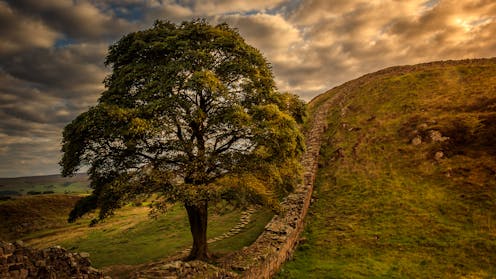
    In September 2023, so many people were shocked when the famous Sycamore Gap tree, thriving in a dip along Hadrian’s Wall, was deliberately cut down overnight. For many, the tree symbolised British resilience, heritage and an enduring history. The public response was swift and intense, with widespread outrage and grief over the loss of this cultural landmark.

    The two men convicted of felling the Sycamore Gap tree have been sentenced to four years and three months in prison. Meanwhile, the tree lives on thanks to an AI-generated alternate world in the film 28 Years Later.

    As a psychologist, I’m interested in what inspired such a strong reaction to the destruction of a single tree. One psychological explanation, known as “terror management theory”, suggests that the emotional response reflects deeper anxieties about death – and not just about this tree.


    Get your news from actual experts, straight to your inbox. Sign up to our daily newsletter to receive all The Conversation UK’s latest coverage of news and research, from politics and business to the arts and sciences.


    Terror management theory, developed by psychologists Sheldon Solomon, Jeff Greenberg and Tom Pyszczynski, builds on the work of cultural anthropologist Ernest Becker, author of the Pulitzer prize-winning The Denial of Death (1973).

    This book’s central idea is simple yet profound. In it, Becker proposes that our awareness of mortality creates the potential for considerable existential anxiety.

    To manage this, we rely on cultural worldviews. These are our belief systems. These worldviews can be religious, secular, political or national. They all share a promise that life is meaningful and offer prescriptions for how we should live. When we live in accordance with our cultural values and standards – whether by being a good parent, a loyal citizen or following religious texts – we gain a sense of self-esteem and feel we are contributing to something enduring and significant.

    These worldviews also offer the promise of immortality. Some do so literally, as in religious faiths that promise life beyond death. Others offer symbolic immortality, through lasting achievements, family bloodlines, or the continuation of one’s nation. By embedding ourselves in these worldviews, we gain a sense that some part of us will continue after we die.

    Cultural symbols such as flags, religious icons, or even a tree can embody our core values and collective identity and are therefore treated with deep reverence. Throughout history, people have waged wars and shown intense emotional reactions to the desecration of such symbols (burning the American flag or the Qur’an, for example).

    The Sycamore Gap tree was cut down in September 2023.
    SunCity/Shutterstock

    The Sycamore Gap tree carried similar significance. As a centuries-old landmark, it came to represent Britain’s heritage, strength and continuity. From the perspective of terror management theory, its felling may have stirred strong reactions because it reminded people that even the symbols we rely on for a sense of permanence can be suddenly lost.

    This sense of cultural loss is also echoed by other recent events, such as Brexit and the immigration crisis. A collective fear over the erosion of British values and traditions place questions about the loss of British identity at the centre of public consciousness.

    Rooted in mortality

    Decades of psychological research support this theory’s claims. One common method (a technique called “mortality salience”) involves making participants subtly aware of their mortality (control participants are not reminded of death).

    In studies carried out in the 1990s, researchers found that when the solution to a task required desecrating a cultural symbol, such as using an American flag to separate ink from a jar of sand, participants reminded of death took longer to complete the task and experienced greater apprehension.

    Hundreds of studies also show how being reminded of death can increase anger and hostility towards people who threaten or violate one’s cultural values. One line of research examining reactions to those who commit moral transgressions may be particularly appropriate to this case.

    For instance, in one study, participants reminded of their own death were more likely to support harsher punishments for those who committed moral transgressions such as someone who destroyed an irreplaceable artefact (much like the cutting down of a tree). Other research has shown similar effects: participants (including judges!) when reminded of death gave out harsher penalties or sentencing for those who have committed a crime.

    You might question whether these effects truly reflect death anxiety or if they could be explained without invoking a desire for immortality. Research may provide compelling evidence. One study found that reminders of death increased support for harsher punishments for moral transgressors (replicating the study mentioned earlier).

    However, when participants were first presented with evidence of an afterlife, the effect of death increasing harsher punishments disappeared. In other words, the promise that death is not the end appeared to buffer from the anxiety that death arouses.

    The fall of the Sycamore Gap tree was more than a loss of natural beauty. It was, for many, a symbolic attack on permanence, on meaning, and on shared identity. Yet while such losses can stir outrage and calls for punishment, research also shows that when people endorse prosocial values like empathy, reminders of death can actually foster forgiveness towards those who commit moral transgressions.

    According to terror management theory, these responses are not just about anger, but about what it means to be human in the face of inevitable death. In this light, the tree’s felling uprooted something sacred: a collective continuity that gives meaning to our brief lives. As we grieve its loss, perhaps we’re also mourning something more elusive – the comforting illusion that some things might last forever.


    This article features references to books that have been included for editorial reasons, and may contain links to bookshop.org. If you click on one of the links and go on to buy something from bookshop.org The Conversation UK may earn a commission.


    Don’t have time to read about climate change as much as you’d like?

    Get a weekly roundup in your inbox instead. Every Wednesday, The Conversation’s environment editor writes Imagine, a short email that goes a little deeper into just one climate issue. Join the 45,000+ readers who’ve subscribed so far.


    Samuel Fairlamb does not work for, consult, own shares in or receive funding from any company or organisation that would benefit from this article, and has disclosed no relevant affiliations beyond their academic appointment.

    ref. Why the Sycamore Gap tree provoked such strong emotional reactions – a psychologist explains – https://theconversation.com/why-the-sycamore-gap-tree-provoked-such-strong-emotional-reactions-a-psychologist-explains-257165

    MIL OSI

  • MIL-OSI Submissions: England’s redesigned banknotes will reveal how the country sees itself

    Source: The Conversation – UK – By Pavan Mano, Lecturer in Global Cultures, King’s College London

    Richard z/Shutterstock

    The Bank of England has announced a redesign of its banknotes and invited the public to suggest new themes that might feature on them. Victoria Cleland, the Bank of England’s chief cashier, said this was as “a symbolic representation of our collective national identity and an opportunity to celebrate the UK”.

    Even though they can appear like the unifying symbols Cleland suggests, my research shows that there are contradictions that surround many national symbols. They are not as unifying as they might seem. In fact, in many cases they also work to exclude people.

    For a long time, there has been a persuasive argument about belonging and the nation. As one of the grand theorists of the nation, Benedict Anderson, once put it, the nation is an “imagined political community”.

    The idea here is that the nation is simply a collection of people who form a community together, something larger than themselves. And national symbols are supposed to represent this community. As such, national symbols are often taken as markers of belonging.

    But what is often overlooked is the exclusionary element of the nation. In my book, Straight Nation, I show how for some people to belong to a nation, others must be portrayed as not belonging. It can be difficult to pinpoint exactly how one belongs to the nation; it is far easier to point at someone else and declare that they do not.

    The invitation to contribute to the redesign will therefore show two things. It will tell us how the country sees itself. It will also demonstrate the contradictions around national symbols and the exclusions they can produce. The former perhaps more straightforward than the latter.


    Looking for something good? Cut through the noise with a carefully curated selection of the latest releases, live events and exhibitions, straight to your inbox every fortnight, on Fridays. Sign up here.


    How does England see itself?

    In theory, the banknote is a perfectly neat national symbol. It is an object that is only valid within the borders of the state it is issued in, so the images printed on it can be treated as representations of the nation. Current notes feature images of historically significant characters: former prime minister Sir Winston Churchill, author Jane Austen, painter J.M.W. Turner and scientist Alan Turing.

    Jane Austen is one of only three women who have been on the banknote.
    Dudaeva/Shutterstock

    Indeed, the Bank of England has suggested that images should not be “divisive”. In other words, they need to be as inclusive as possible. But in the current political environment, far-right politics and division have become extremely commonplace both globally and closer to home.

    In the US, the current administration has squarely taken aim at diversity, equity and inclusion programmes and launched a massive wave of deportations. Across much of western Europe, far-right parties are going from strength to strength.

    In the UK, rightwing Reform has emerged as the party that would win the most seats if a general election were held this year. The current prime minister, Keir Starmer, recently gave a speech where he warned the UK risked becoming an “island of strangers” without tougher immigration policies.

    Amid these political currents, it will be interesting to see which themes and images are eventually chosen to adorn the new banknotes from the consultation which closes at the end of July. The designs will be instructive not least because they will show how how the current climate translates onto these notes as well as how the country sees itself.

    For instance, there has never been a person of colour and only three women have previously featured on a banknote. It would be a a long time coming if this were to change.

    The exclusions at the heart of national symbols

    Perhaps more importantly, however, is the ironic contradiction around asking for the public’s views on banknotes when banknotes are disappearing from public view.

    At the start of this year, Lloyds Banking Group announced it would be closing 136 of its high street banks. This follows a broader trend. Since 2015, banks have closed more than 6,000 branches, and the number of cash machines has fallen by more than 7,000 between June 2021 and June 2024.

    Banking is becoming increasingly digital and carried out through a smartphone app. A growing number of establishments have gone entirely cashless.

    Many people are affected by this, including those with disabilities, older people, those living in rural areas and small businesses. Not only is cash no longer king, it is barely in the building.

    When it is redesigned, the new banknote will be released into an environment where it is less used and, in a growing number of establishments that have gone entirely cashless, will be almost entirely unwelcome.

    National belonging is often romanticised. There is a sense that nationalism and unity go hand in hand, and that the nation is simply a basin of belonging. National symbols are portrayed as a matter of pride.

    We do not know yet what designs they will bear when the crisp new banknotes are issued. But we do know that they will be issued in decreasing quantities and many people will find it harder to get their hands on them. That captures the contradictions of national symbols, and the exclusions they produce.

    Pavan Mano does not work for, consult, own shares in or receive funding from any company or organisation that would benefit from this article, and has disclosed no relevant affiliations beyond their academic appointment.

    ref. England’s redesigned banknotes will reveal how the country sees itself – https://theconversation.com/englands-redesigned-banknotes-will-reveal-how-the-country-sees-itself-260842
    MIL OSI

  • Vanishing data in the U.S. undermines good public policy, with global implications

    Source: ForeignAffairs4

    Source: The Conversation – Canada – By Kristi Thompson, Research Data Management Librarian, Western University

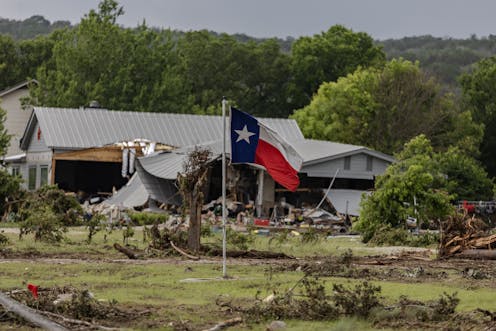
    The recent tragic floods in Texas have focused attention on the human impact of the cuts to government infrastructure and services in the United States by Donald Trump’s administration.

    Although initial analyses suggest that recent budget cuts and loss of staff played no role in the timeliness of the warnings, many are concerned that a lack of data used to make critical predictions and decisions will increasingly become apparent as a serious problem.

    As researchers focused on data management (Kristi) and behavioural sciences (Albert) and whose work tackles the significance of research with open access data, we have been concerned about how the data sets that scholars around the world rely on have been vanishing from U.S. government sites.

    Vanishing data is of dire concern far beyond the U.S., including for Canadians.

    Danielle Goldfarb, an expert on trade, real-time data, economics and public policy, notes that cuts to the National Oceanic and Atmospheric Administration’s Arctic monitoring programs weaken Canada’s ability to assess shared climate risks and global shipping impacts. The American dismantling of key weather reporting also threatens the availability of crucial data for Canada’s disaster preparedness.

    The Canadian data community is watching U.S. events closely, and this has led to the recent founding of the Canadian Data Rescue Project. The project has a dual focus: to support data rescue efforts in the U.S. and to set up preventative life support for Canadian government data.

    Attack on knowledge

    The attack on knowledge in the U.S. began in January 2025 when Trump signed executive orders mandating the removal of information on topics such as diversity and “gender ideology” from government websites.

    Next, entire websites, data distribution systems and data collection systems began to disappear. The result was not only growing alarm over how the needs of marginalized populations are represented in democratic life and how public safety could be affected, but also concerns about a research and public policy crisis.

    Environmental data was a major target, with climate change tracking tools disappearing.

    And as part of the defunding of the Department of Education, nearly all of the staff, including the commissioner at the National Center for Education Statistics, were fired.


    Read more:
    Trump orders a plan to close Education Department – an anthropologist who studies MAGA explains 4 reasons why Trump and his supporters want to eliminate it


    Fundamental records

    Government data provides the most fundamental record of how a society works. Health, social, economic and education data collections show a clear picture of how people live, and allow researchers to track how public policy changes affect everyday lives.

    Government data is a unique resource because governments can require and enforce the collection of accurate information. This data also provides records of the activities of elected governments.

    Eliminating data collection breaks the system of knowledge that allows governments to work well, and lets the public transparently see how they are working well.

    Accuracy of data affects how people live

    Data and budget cuts are already undermining economic policy in the U.S.

    Inflation is a key indicator of economic health, and was an important electoral issue for Americans, with egg prices and other indicators coming up repeatedly in election campaigns.

    But the Bureau of Labor Statistics, responsible for monitoring price changes, has been forced by staffing shortages to rely on less accurate data-collection methods. Now, according to the Wall Street Journal, economists are questioning the accuracy of the government’s inflation data.

    Similar budget pressures hit climate science. The National Oceanic and Atmospheric Administration decommissioned its Billion-Dollar Weather and Climate Disasters Database as of May 8.


    Read more:
    Three scientists speak about what it’s like to have research funding cut by the Trump administration


    This data tracked weather disasters where damages or costs reached or exceeded $1 billion and helped local and state governments plan, allocate budgets and advocate for funding. Employment losses are also expected.

    Internationally, shuttering the U.S. Agency for International Development has led to data losses that will severely hinder global development goals. The Demographic and Health Surveys program helped governments of many low- and middle-income countries collect health and service data.

    Losing aid funding will harm people directly. Losing the data will worsen that harm by preventing governments from making informed decision on allocating scarce resources, and it will hide how much harm is being done.

    Limiting what can be known

    Data destruction is a way to disrupt and control discourse by limiting what can be known. Without data, questions like “What impact are climate-related disasters having?” or “What’s the inflation rate?” are unanswerable. It becomes harder to effectively critique government actions.

    If data destruction is an act of political suppression, then data preservation can be an act of political resistance.

    In February 2025, several U.S. academic and non-profit associations got together to form the Data Rescue Project. They have worked to download data files, create documentation and prepare the data for publication on donated platforms.

    While researchers are unable to change the termination of data collection programs, they are preserving as much data as possible so researchers and critics can at least access information.

    The Canadian Data Rescue Project has hosted three data rescue events to create documentation for rescued American data sets, and is setting up processes to download and archive Canadian government data as a safeguarding measure.

    Canadian data concerns

    Disappearing data could happen here, and similar events have. Stephen Harper’s Conservative government cut data collection programs and issued gag orders to federal scientists.

    The federal government reduced funding for environmental data collection and eliminated the First Nations Statistical Institute.

    Researcher Melonie Fullick noted in 2012 that since 2009, “research on post-secondary education in Canada has been undermined by a systematic elimination of resources.” With the termination of varied education bodies or councils also came a scarcity of data.

    The Harper government also eliminated the 2011 long-form census, replacing it with a voluntary survey, leading to the resignation of Canada’s national statistician and disrupting the baseline for all social and health data collection in Canada over the next few years.

    Subsequent governments restored the census and some other data-collection programs, but in the case of education, researchers say some of the pains now being felt in the sector can be traced back to this period.

    Canada at crossroads

    A society knows itself through data, and makes a declaration about what it values by what it chooses to count.

    Canada is now at a crossroads. Our researchers and policy analysts have piggybacked on U.S. data collection in critical areas from health to climate and weather forecasting. We now need a national response to help mitigate the effects of data destruction.

    The Conversation

    The authors do not work for, consult, own shares in or receive funding from any company or organisation that would benefit from this article, and have disclosed no relevant affiliations beyond their academic appointment.

    ref. Vanishing data in the U.S. undermines good public policy, with global implications – https://theconversation.com/vanishing-data-in-the-u-s-undermines-good-public-policy-with-global-implications-258230

  • Why the Nazis stole a fragment of the Bayeux tapestry

    Source: ForeignAffairs4

    Source: The Conversation – UK – By Millie Horton-Insch, Postdoctoral Research Fellow, History of Art Department, Trinity College Dublin

    There was great excitement at the news this month that the Bayeux tapestry – the 11th-century embroidered epic depicting the conquest of England by William the Conqueror in 1066 – will go on display at the British Museum in 2026. However, the tapestry had already been in the news earlier this year, admittedly to much less fanfare.

    In March, it was reported that a fragment of the Bayeux tapestry had been discovered in Germany in the Schleswig-Holstein state archives. To understand how it ended up there, we must turn to a troubling and little-known episode in the tapestry’s history: Sonderauftrag Bayeux (Special Operation Bayeux), a project operated by the Nazi Ahnenerbe, the SS regime’s heritage research group.


    Looking for something good? Cut through the noise with a carefully curated selection of the latest releases, live events and exhibitions, straight to your inbox every fortnight, on Fridays. Sign up here.


    It has often been observed that art seems to have been of disproportionate concern to the Nazis. However, their manipulation of visual and material culture should be understood as central to – not separate from – Hitler’s genocidal regime and its efforts towards global domination.

    The Ahnenerbe, under the ultimate authority of Heinrich Himmler, was established to develop and disseminate histories in support of that mythology central to the Nazi regime: the supremacy of the Aryan race. To this end, the Ahnenerbe oversaw research that claimed to use unassailable scientific methods.

    However, it has long been acknowledged that their projects consciously manipulated historical evidence to construct fabricated histories that would support racist ideologies. To achieve this, numerous research projects were conducted. These projects saw scholars travel across the globe in the pursuit of objects that could act as monuments to the mythologies of Aryan supremacy. Sonderauftrag Bayeux was one such project.

    Nazi interest in the Bayeux tapestry may seem surprising to British people, where the tapestry is considered a symbol of a singularly significant moment in Britain’s history. However, just as politicians in modern Britain have found it tempting to reference the tapestry in the advancement of their political agendas, so too did the Ahnenerbe.

    Sonderauftrag Bayeux aimed to produce a multi-volume study of the tapestry that would assert its inherently Scandinavian character. The objective was to present the tapestry as proof of the supremacy of the early medieval Norman people, whom the Ahnenerbe claimed as the ancestors of modern German Aryans and descendants of “Viking” northern Europeans.

    By June 1941, work on Sonderauftrag Bayeux had begun in earnest. Among the team sent to Normandy to study the tapestry first hand was Karl Schlabow, a textile expert and head of the Germanic Costume Institute at Neumünster in Germany. Schlabow spent a fortnight in Bayeux, and it was he who removed a fragment of the tapestry’s backing fabric and brought it back to Germany when his research visit was complete.

    Though initial reports suggested that Schlabow removed this fragment when the embroidery was later transferred by the Nazis to Paris, it is more likely that he did so during June 1941, when he and his fellow members of Sonderauftrag Bayeux were stationed in Bayeux.

    In a sketch by Herbert Jeschke – the artist commissioned to create a painted reproduction of the tapestry – during this visit, Jeschke depicted himself with Schlabow and Herbert Jankuhn (the director of the project) hunched over the tapestry. The sketch is accompanied by the emphatic title, “Die Tappiserie!”, an expression of delight at their privileged viewing of this medieval masterpiece.

    To join the Ahnenerbe, Schlabow, like others involved in the Sonderauftrag Bayeux, was inducted into the SS. He held the rank of SS-Unterscharführer (roughly the equivalent of a sergeant in today’s British army). After the second world war many members of the Ahnenerbe denied having sympathy for Nazi policies.

    However, documents seized by US intelligence officers at the end of the second world war reveal that some were denied entry to the Ahnenerbe if they, for instance, had had Jewish friends or expressed sympathy towards communist ideas. They therefore had to (at least outwardly) appear sympathetic to Nazism to be inducted into its ranks.

    Details of what exactly the Ahnenerbe project uncovered, or even hoped to uncover, from this study of the tapestry are opaque. It appears that, to a large extent, the act of producing an illustrated study and dispatching researchers to the original textile was enough to claim the object as a monument to Germanic Aryan supremacy. It is clear that perceived Scandinavian influence within the tapestry’s designs was to be central to the study’s conclusions, but the project was not completed before Germany’s defeat at the end of the war.

    Like many other members of the Ahnenerbe, Schlabow returned to research after the war, working at the Schleswig-Holstein State Museum in Gottorf Castle.

    The discovery of even the tiniest fragment of this remarkable medieval object is cause for much excitement. However, its recovery should be framed firmly in the context in which it was removed. It should come as no surprise that Schlabow felt empowered to steal this piece of the tapestry; the regime for which he worked claimed the object as a piece of his heritage, his birthright as an Aryan German.

    This find is a timely reminder that the past is closer than we realise and that there is still much work to be done to explore the long shadows cast by previous practices in the histories we inherit. The recovered fragment is currently on display in Schleswig-Holstein, but will return to the Musée la Tapisserie de Bayeux in Normandy in time for the museum’s re-opening in 2027 when the two elements will be reunited for the first time since 1941.

    The Conversation

    Millie Horton-Insch receives funding from the Leverhulme Trust.

    ref. Why the Nazis stole a fragment of the Bayeux tapestry – https://theconversation.com/why-the-nazis-stole-a-fragment-of-the-bayeux-tapestry-260048

  • Why the Sycamore Gap tree provoked such strong emotional reactions – a psychologist explains

    Source: ForeignAffairs4

    Source: The Conversation – UK – By Samuel Fairlamb, Senior Lecturer, Department of Psychology, Royal Holloway University of London

    Joe Rey Photography/Shutterstock

    In September 2023, so many people were shocked when the famous Sycamore Gap tree, thriving in a dip along Hadrian’s Wall, was deliberately cut down overnight. For many, the tree symbolised British resilience, heritage and an enduring history. The public response was swift and intense, with widespread outrage and grief over the loss of this cultural landmark.

    The two men convicted of felling the Sycamore Gap tree have been sentenced to four years and three months in prison. Meanwhile, the tree lives on thanks to an AI-generated alternate world in the film 28 Years Later.

    As a psychologist, I’m interested in what inspired such a strong reaction to the destruction of a single tree. One psychological explanation, known as “terror management theory”, suggests that the emotional response reflects deeper anxieties about death – and not just about this tree.


    Get your news from actual experts, straight to your inbox. Sign up to our daily newsletter to receive all The Conversation UK’s latest coverage of news and research, from politics and business to the arts and sciences.


    Terror management theory, developed by psychologists Sheldon Solomon, Jeff Greenberg and Tom Pyszczynski, builds on the work of cultural anthropologist Ernest Becker, author of the Pulitzer prize-winning The Denial of Death (1973).

    This book’s central idea is simple yet profound. In it, Becker proposes that our awareness of mortality creates the potential for considerable existential anxiety.

    To manage this, we rely on cultural worldviews. These are our belief systems. These worldviews can be religious, secular, political or national. They all share a promise that life is meaningful and offer prescriptions for how we should live. When we live in accordance with our cultural values and standards – whether by being a good parent, a loyal citizen or following religious texts – we gain a sense of self-esteem and feel we are contributing to something enduring and significant.

    These worldviews also offer the promise of immortality. Some do so literally, as in religious faiths that promise life beyond death. Others offer symbolic immortality, through lasting achievements, family bloodlines, or the continuation of one’s nation. By embedding ourselves in these worldviews, we gain a sense that some part of us will continue after we die.

    Cultural symbols such as flags, religious icons, or even a tree can embody our core values and collective identity and are therefore treated with deep reverence. Throughout history, people have waged wars and shown intense emotional reactions to the desecration of such symbols (burning the American flag or the Qur’an, for example).

    cur tree trunk in fenced off area
    The Sycamore Gap tree was cut down in September 2023.
    SunCity/Shutterstock

    The Sycamore Gap tree carried similar significance. As a centuries-old landmark, it came to represent Britain’s heritage, strength and continuity. From the perspective of terror management theory, its felling may have stirred strong reactions because it reminded people that even the symbols we rely on for a sense of permanence can be suddenly lost.

    This sense of cultural loss is also echoed by other recent events, such as Brexit and the immigration crisis. A collective fear over the erosion of British values and traditions place questions about the loss of British identity at the centre of public consciousness.

    Rooted in mortality

    Decades of psychological research support this theory’s claims. One common method (a technique called “mortality salience”) involves making participants subtly aware of their mortality (control participants are not reminded of death).

    In studies carried out in the 1990s, researchers found that when the solution to a task required desecrating a cultural symbol, such as using an American flag to separate ink from a jar of sand, participants reminded of death took longer to complete the task and experienced greater apprehension.

    Hundreds of studies also show how being reminded of death can increase anger and hostility towards people who threaten or violate one’s cultural values. One line of research examining reactions to those who commit moral transgressions may be particularly appropriate to this case.

    For instance, in one study, participants reminded of their own death were more likely to support harsher punishments for those who committed moral transgressions such as someone who destroyed an irreplaceable artefact (much like the cutting down of a tree). Other research has shown similar effects: participants (including judges!) when reminded of death gave out harsher penalties or sentencing for those who have committed a crime.

    You might question whether these effects truly reflect death anxiety or if they could be explained without invoking a desire for immortality. Research may provide compelling evidence. One study found that reminders of death increased support for harsher punishments for moral transgressors (replicating the study mentioned earlier).

    However, when participants were first presented with evidence of an afterlife, the effect of death increasing harsher punishments disappeared. In other words, the promise that death is not the end appeared to buffer from the anxiety that death arouses.

    The fall of the Sycamore Gap tree was more than a loss of natural beauty. It was, for many, a symbolic attack on permanence, on meaning, and on shared identity. Yet while such losses can stir outrage and calls for punishment, research also shows that when people endorse prosocial values like empathy, reminders of death can actually foster forgiveness towards those who commit moral transgressions.

    According to terror management theory, these responses are not just about anger, but about what it means to be human in the face of inevitable death. In this light, the tree’s felling uprooted something sacred: a collective continuity that gives meaning to our brief lives. As we grieve its loss, perhaps we’re also mourning something more elusive – the comforting illusion that some things might last forever.


    This article features references to books that have been included for editorial reasons, and may contain links to bookshop.org. If you click on one of the links and go on to buy something from bookshop.org The Conversation UK may earn a commission.


    Don’t have time to read about climate change as much as you’d like?

    Get a weekly roundup in your inbox instead. Every Wednesday, The Conversation’s environment editor writes Imagine, a short email that goes a little deeper into just one climate issue. Join the 45,000+ readers who’ve subscribed so far.


    The Conversation

    Samuel Fairlamb does not work for, consult, own shares in or receive funding from any company or organisation that would benefit from this article, and has disclosed no relevant affiliations beyond their academic appointment.

    ref. Why the Sycamore Gap tree provoked such strong emotional reactions – a psychologist explains – https://theconversation.com/why-the-sycamore-gap-tree-provoked-such-strong-emotional-reactions-a-psychologist-explains-257165

  • How to give children the freedom to play all across the city – not just in playgrounds

    Source: ForeignAffairs4

    Source: The Conversation – UK – By Michael Martin, Lecturer in Urban Design and Planning, University of Sheffield

    Co-created play space with children and the community, Via Val Lagarina Milan. Milan municipality

    Children play everywhere. Yet their right to play – protected by a UN convention – is constantly challenged by adults.

    Play is crucial to support children’s holistic development in cognitive, emotional, physical and social skills. Likewise, we know children’s environments significantly influence their health and wellbeing, for better or worse.

    But across cities, young people are let down by a built environment that fails to appropriately consider their needs.

    Places where children commonly used to play, such as streets and local neighbourhoods, have been transformed into car-only spaces where traffic and parking take priority. Likewise, city spaces frequently “design out” children by prohibiting skateboarding, ball games and other kinds of play.

    Over time, urban planning has confined children’s opportunities for play to dedicated playground spaces only.


    Get your news from actual experts, straight to your inbox. Sign up to our daily newsletter to receive all The Conversation UK’s latest coverage of news and research, from politics and business to the arts and sciences.


    However, children don’t have equal access to these formal play spaces. In the largest study of playgrounds in England, my colleagues and I found substantial inequalities in access to play. Children in the most deprived areas needed to travel further to their nearest playground.

    In new research, I’ve explored four international examples of how children and play can be promoted in less likely urban spaces. My findings show how play can be promoted in cities to support children’s right to play anywhere – but also that there is widespread hostility to children’s right to use urban spaces for play.

    Power of play

    In Sydney, a pedal park installation with temporary jumps, ramps and a pump track was set up in different car parks for the duration of the winter. In Paris, a play street was created in central Paris by closing road traffic on Friday afternoons in autumn and spring.

    In Belfast, temporary play equipment and playful street furniture was set up in the Cathedral Gardens public space.

    Cathedral Gardens pop-up play space in Belfast meaningfully encourages children to use the city.
    Park Hood Ltd.

    In Milan, a community-led design involved children in creating a colourful grid, planters, growing beds and games in a school car park, which went on to inspire a new municipal programme of temporary school streets and piazzas.

    These play spaces allowed children to play freely, play with objects, play pretend, play games with rules, and play physically – the core pillars of play. What’s more, they enabled children to develop new connections with their community by appropriating urban spaces to promote relaxation and fun. This was vital following the trauma of the global pandemic – all the projects were active during COVID-19 outside of lockdown.

    Intergenerational encounters at the weekly play street in the 3rd District of Paris.
    Rue’golotte

    These short-term projects invited children to enjoy urban life in new ways. In fact, they bolstered civic access for people of all generations. In Sydney, the closure of the car park fostered a new sense of community. Caregivers, grandparents and residents were able to connect with each other in a whole different setting.

    Children in Sydney play freely in a ‘pop-up pedal park’ created in a public car park.
    Randwick City Council

    Politics of play

    But despite the positives, over time, the projects faced protest and tension. In Milan, fears from residents emerged on play being used as a tool to displace poorer communities. This was in response to the area having long been earmarked for regeneration. In Sydney, Paris and Belfast, people actively targeted and sabotaged the informal play spaces.

    In Sydney, to park their cars, older citizens successfully lobbied local councillors to reduce the total amount of space for play, from the entire car park to one aisle of parking. In Paris, local businesses were exasperated by the presence of children. Collectively they threatened project initiators and staged a protest, claiming that “play streets kill local shops”. In Belfast, the pop-up play space was set on fire, multiple times. By summer 2022, much of the park had been destroyed.

    Destruction and criminal damage of the Cathedral Gardens play space in Belfast.
    Author

    The outcomes demonstrate the politics that children, and their play, were exposed to. Because of a range of aggressive behaviour from adults, children’s use of streets and public spaces were consistently restricted. A common statement from dissenters was “children can go elsewhere”. The reality is they can’t.

    In tracking informal play projects through the pandemic and subsequent years, two additional factors hampered their longer-term success. For the council projects in Sydney and Belfast, council officers hoped to direct more resources to urban play, but the lack of a specific local policy to support play was a significant constraint. By comparison, the community projects in Paris and Milan placed an unsustainable pressure on volunteers to ensure prolonged success.

    Lessons from previous crises highlight how tensions and conflict can affect innovative uses of space, often diluting their progressive purpose. Ultimately, children’s play in recovery from the pandemic experienced a similar fate.

    This is worrying because Unicef research has shown children’s wellbeing has continued to suffer after COVID-19.

    Places that allow for children’s play can create dynamic neighbourhoods, intergenerational encounters, and meaningful participation in urban spaces – if only we let it happen.

    The Conversation

    Michael Martin does not work for, consult, own shares in or receive funding from any company or organisation that would benefit from this article, and has disclosed no relevant affiliations beyond their academic appointment.

    ref. How to give children the freedom to play all across the city – not just in playgrounds – https://theconversation.com/how-to-give-children-the-freedom-to-play-all-across-the-city-not-just-in-playgrounds-260444

  • Why many Americans still think Darwin was wrong, yet the British don’t

    Source: ForeignAffairs4

    Source: The Conversation – UK – By Edward White, PhD Candidate in Psychology, Kingston University

    One hundred years after a Tennessee teacher named John Scopes started a legal battle over what the state’s schools can teach children, Americans are still divided over evolution.

    Scopes was charged with violating Tennessee law by teaching evolution, in a highly publicised July 1925 trial that led to national debate over evolution and education. The trial tested whether a law introduced that year really could punish teachers over evolution lessons. It could and did: Scopes was fined US$100 (£74).

    But here’s the weird part: while Americans remain deeply divided about whether humans evolved from earlier species, our British predecessors largely settled this question decades before the Scopes trial.

    Black and white portrait of a man in a hat.
    John Scopes one month before the Tennessee v. John T. Scopes Trial.
    Smithsonian Institution/ Watson Davis

    According to thinktank Pew Research Center data from 2020, only 64% of Americans accept that “humans and other living things have evolved over time”. Meanwhile, 73% of Brits are fine with the idea that they share a common ancestor with chimpanzees. That nine-percentage-point gap might not sound like much, but it represents millions of people who think Darwin was peddling fake news.

    From 1985 to 2010, Americans were in what researchers call a statistical dead heat between acceptance and rejection of evolution — which is academic speak for people couldn’t decide if we were descended from apes or Adam and Eve.

    Here’s where things get psychologically fascinating. Research into misinformation and cognitive biases suggests that fundamentalism operates on a principle known as motivated reasoning. This means selectively interpreting evidence to reach predetermined conclusions. And a 2018 review of social and computer science research also found that fake news seems to spread because it confirms what people already want to believe.

    Evolution denial may work the same way. Religious fundamentalism is what researchers call “the strongest predictor” for rejection of evolution. A 2019 study of 900 participants found that belief in fake news headlines was associated with delusionality, dogmatism, religious fundamentalism and reduced analytic thinking.


    Get your news from actual experts, straight to your inbox. Sign up to our daily newsletter to receive all The Conversation UK’s latest coverage of news and research, from politics and business to the arts and sciences.


    High personal religiosity, as seen in the US, reinforced by communities of like-minded believers, can create resistance to evolutionary science. This pattern is pronounced among Southern Baptists — the largest Protestant denomination in the US — where 61% believe the Bible is the literal word of God, compared to 31% of Americans overall. The persistence of this conflict is fuelled by organised creationist movements that reinforce religious scepticism.

    Brain imaging studies
    show that people with fundamentalist beliefs seem to have reduced activity in the dorsolateral prefrontal cortex — the brain region responsible for cognitive flexibility and analytical thinking. When this area is damaged or less active, people become more prone to accepting claims without sufficient evidence and show increased resistance to changing their beliefs when presented with contradictory information. Studies of brain-injured patients show damage to prefrontal networks that normally help us question information may lead to increased fundamentalist beliefs and reduced scepticism.

    Fundamentalist psychology helps explain the US position in international evolution acceptance surveys. In a 2006 study, of over 33,00 people from 34 countries from 34 countries, only Turkey ranked lower than the US, with about 27% accepting evolution compared to America’s 40% at the time. Among the developed nations surveyed, the US consistently ranks near the bottom — a pattern that persists in more recent international comparisons.

    Young boy against cosmic background.
    Where did humans come from? Teaching children about evolution can be controversial, depending on where they live.
    vovan/Shutterstuck

    Research shows that political polarisation on evolution has historically been much stronger in the US than in Europe or Japan, where the issue rarely becomes a campaign talking point. In the US, anti-evolution bills are still being introduced in state legislatures.

    In the UK, belief in evolution became accepted among respectable clergymen around 1896, according to church historian Owen Chadwick’s analysis of Victorian christianity. But why did British religious institutions embrace science while American ones declared war?

    The answer lies in different approaches to intellectual challenges. British Anglicanism has a centuries-old tradition of seeking a “via media” — a middle way between extremes — that allowed church leaders to accommodate new ideas without abandoning core beliefs. Historian Peter documented how British religious leaders actively worked to reconcile science and religion, developing theological frameworks that embraced scientific discoveries as revealing God’s methods rather than contradicting divine authority.

    Anglican bishops and scholars tended to treat evolution as God’s method of creation rather than a threat to faith itself. The Church of England’s hierarchical structure meant that when educated clergy accepted evolution, the institutional framework often followed suit. A 2024 paper argued that many UK church leaders still view science and religion as complementary rather than conflicting.

    A different approach

    The British experience proves it’s possible to reconcile science and faith. But changing American minds requires understanding that evolution acceptance isn’t really about biology — it’s about identity, belonging, and the fundamental question of who gets to define truth. People don’t reject evolution because they’ve carefully studied the evidence. They reject it because it threatens their identity. This creates a context where education alone can’t overcome deeply held convictions.

    Misinformation intervention research suggests that inoculation strategies, such as highlighting the scientific consensus on climate change, work better than debunking individual articles. But evolution education needs to be sensitive. Consensus messaging helps, but only when it doesn’t threaten people’s core identities. For example, framing evolution as a function of “how” life develops, rather than “why it exists, allows for people to maintain religious belief while accepting the scientific evidence for natural selection.

    People’s views can change. A review published in 2024, analysed data which followed the same Gen X people in the US over 33 years. It found that, as they grew up, people developed more acceptance of evolution, though typically because of factors such as education and obtaining university degrees. But people who were taught at a private school seem less likely to become more accepting of evolution as they aged.

    As we face new waves of scientific misinformation, the century since the Scopes trial teaches us that evidence alone won’t necessarily change people’s minds. Understanding the psychology of belief might be our best hope for evolving past our own cognitive limitations.

    The Conversation

    Edward White is affiliated with Kingston University.

    ref. Why many Americans still think Darwin was wrong, yet the British don’t – https://theconversation.com/why-many-americans-still-think-darwin-was-wrong-yet-the-british-dont-260709

  • Consolation, community, national identity: what is lost when pubs close – and how they can be saved

    Source: ForeignAffairs4

    Source: The Conversation – UK – By Thomas Thurnell-Read, Reader in Sociology, Loughborough University

    William Perugini/Shutterstock

    Recent figures from the British Beer and Pub Association show that pubs will close at the rate of one a day in the UK during 2025. This is just the latest chapter in a familiar story – more than a quarter of British pubs have closed since 2000.

    The cost of running a pub has risen dramatically. The ingredients used to brew beer all cost more, as do the business rates, rents, duties, utilities and wages required to operate a welcoming venue in which to serve it. Some publicans have reported utility bills doubling in a matter of months.

    Many pubs occupy prime locations and high-value buildings, which, coupled with larger floor space, mean business rates can be high relative to turnover and profit.

    Meanwhile, food offerings which had provided many pubs with a profitable alternative to a drinks-only model have also been hit by rapid increases in costs. Supermarkets and delivery platforms now provide food and drink directly to consumers at prices few licenced venues can compete with. Even pubs that are economically viable are often more profitable converted into residential or retail space.

    These economic challenges accompany wider cultural trends, such as the continued prevalence of home working, changes in drinking habits and competition from alternative forms of in person and online leisure.

    We’ve researched pub closures in England and Wales to learn what the loss of pubs means for the communities who drink and gather in them.

    When pubs closed temporarily during COVID-19 lockdowns, many people realised that what they missed about pubs was not alcohol but the social contact pubs provided. Pubs have a clear social value. They offer a space for people to meet and interact and have been shown to help tackling loneliness and social isolation.

    Our research participants relayed stories of pub closure in relation to their own lives and communities:

    I’ve been consoled in there, I’ve consoled friends in there. We’ve chopped up family issues, work issues. We’ve drunk for the sake of drinking in there.

    Pubs help people feel connected to a local place. When they close, they can become sites of mourning, a painful reminder of change and decline. One resident of a former colliery village in Nottinghamshire said of the pub she had once worked in – now derelict, fire damaged and vandalised as it awaits redevelopment – that despite her wish that it had remained open it was now better to “knock it down” to “put us out of our misery”.

    For many, pubs are a sort of bellwether for wider anxiety about social and generational change. The loss of pubs speaks to where “we” might be heading as a nation or as a community. Our recent analysis of how the British press has reported on pub closures since 2000 shows that a sense of national identity under threat is a recurring theme.

    Both local and national newspapers have made repeated use of the word “our” in this context, warning readers of the grave threat to “our pubs” and “our heritage”, often invoking an idyllic image of rural life. However, much of this coverage has also praised the pub as a great leveller, as a place where people come together as a community to socialise despite their differences.

    Can pubs be saved?

    The Campaign for Real Ale, the leading consumer group for beer drinkers and pub goers, suggests changing planning and licensing laws to protect pubs at local and national levels, and more support and publicity for pubs to cater to changing markets.

    Others have more directly lobbied for duty cuts that give pubs a fighting chance against supermarkets benefiting from economies of scale, VAT exemptions and convenience.

    A hot meal served in a pub incurs a standard 20% rate of VAT, while a supermarket ready meal to be heated at home does not. The rationale for a tax cut to support pubs would rest on the social benefits they offer to communities, in contrast to supermarket-bought alcohol typically consumed at home.

    A woman walks past a boarded up pub called The Ship
    A boarded-up pub in Bristol.
    Thomas Turnell-Read

    The Localism Act 2011 gave communities the right to bid to take pubs into community ownership, designating them as assets of community value. Yet while there are some terrific examples of community-owned pubs becoming both thriving businesses and a revived focal point for communities, residents in poorer areas lack the resources to sustain viable campaigns.

    In one village in our study, a pub listed as a going concern at £500,000 in fact sold as a development plot for over £660,000. A viability study suggested that an investment of £225,000, plus working capital of at least £20,000, would be needed to reopen the pub. The residents we spoke to all conceded that a purchase was far beyond the modest resources of the local community.

    While the loss of so many pubs is shocking, it obscures the fact that when other licensed venues, such as bars, restaurants and licensed cafes are factored in, the downward trend is flattened – and even reversed in some areas. This suggests a long-term diversification of the sector – the pub is no longer the only option when going out for a drink.

    This may also reflect a feeling that other hospitality venues better cater to different people and groups who may feel less at home in traditional pubs. Some interviewees told us that they felt craft brewery taprooms were more welcoming and family friendly. Others found cafe-bars to have a more appealing mix of coffee, food and both alcoholic and non-alcoholic drinks.

    There’s a long history of pubs adapting to serve new needs and markets. Pub is the Hub, for example, has supported rural pubs to incorporate everything from village shops and libraries to pizza ovens and IT skills hubs. There have been promising experiments with fitting pubs for co-working and meeting space. And micropubs can continue to offer the benefits of a convivial social space, in a back-to-basics approach that reduces the costs of running bigger venues. Pubs can and must evolve.

    The Conversation

    Thomas Thurnell-Read receives funding from The Leverhulme Trust.

    Robert Deakin does not work for, consult, own shares in or receive funding from any company or organisation that would benefit from this article, and has disclosed no relevant affiliations beyond their academic appointment.

    ref. Consolation, community, national identity: what is lost when pubs close – and how they can be saved – https://theconversation.com/consolation-community-national-identity-what-is-lost-when-pubs-close-and-how-they-can-be-saved-260774

  • MIL-OSI Submissions: 3 ways Canadians can take control of their finances in an age of economic uncertainty

    Source: The Conversation – Canada – By Omar H. Fares, Assistant Professor, Faculty of Business, University of New Brunswick

    Canadian consumers are beginning to move from short-term economic concerns to a more persistent mindset of financial precarity, and it’s starting to affect how they live.

    People are delaying major purchases and starting to show signs of subscription fatigue, according to recent findings. One recent survey found that 70 per cent of Canadians are deferring major life decisions, including home ownership and family planning, as a consequence of this sustained economic uncertainty.

    This anxiety is now reflected in broader sentiment. The Bank of Canada’s latest Consumer Expectations Survey found a sharp rise in economic pessimism. About two-thirds of Canadians now anticipate a recession within the year, up from 47 per cent in late 2024.

    Concerns about job security, debt repayment and access to credit are also mounting. For the first time since early 2024, more consumers report cutting back on spending. Home-buying intentions are declining, especially among those expecting a downturn, and an increasing share of mortgage holders plan to reduce expenses ahead of higher renewal payments.

    Consumers are no longer just reacting to inflation or interest rates, but adjusting to the idea that financial uncertainty may be here to stay.

    Why today’s economic anxiety feels different

    While the link between economic uncertainty and reduced spending is well established, what makes today’s situation different is the convergence of multiple pressures facing consumers.

    This includes a challenging job market — particularly for younger Canadians — concerns about the disruptive effects of AI-driven automation, the threat of tariffs from the United States, ongoing global conflicts and the growing cost of living.

    With economic uncertainty now a defining feature of everyday life for many Canadians, the sense of financial precarity is shaping how people think, plan and spend.

    Addressing this new reality will require equipping ourselves with tools and mental habits that can help develop financial stability, even in unpredictable times. Here are three research-backed ways to do this.

    A Global News segment about how half of Canadians are living bill-to-bill.

    1. Budget based on values

    With many people feeling the pinch or uncertainty around money, a more deliberate, values-based approach to personal finance is needed beyond traditional budgeting methods. If you’re looking for more control over your finances, it can help to shift your focus from just tracking where your money goes to making sure it goes where you actually want it to.

    Research in consumer behaviour supports this shift in mindset. Mental accounting, introduced by economist Richard Thaler, explains how people naturally divide their money into mental categories like stability, family or learning. Budgeting then becomes less about cutting back and more about making intentional choices.

    Studies have found that pairing this kind of values-based budgeting with simple practices, such as setting clear goals and automating transfers, can lead to lower spending and more consistent long-term behaviour. The goal is not to manage every dollar perfectly, but to make sure your money aligns with what matters most to you.

    Since values tend to guide sustainable decision-making, a practical starting point is to identify three to five core values, such as financial security, personal development or time with family. Next, review your recent transactions and group them by the value they support. This reframes budgeting as a way to assess whether your current spending aligns with what you consider most important.

    From there, assign a reasonable monthly amount to each category based on your income and fixed obligations. You don’t need to track every detail, but having value-based benchmarks will improve day-to-day choices.

    Renaming categories in your budgeting app or spreadsheet is another important approach. For example, changing “discretionary” to “family time” or “well-being” can reinforce the link between spending and values. Set up automated transfers that reflect your goals; this might include creating a savings buffer, funding education or contributing to a low-risk investment account. Automation helps reduce decision fatigue and supports consistency.

    2. Use pessimism to your advantage

    While recognizing economic risks is entirely rational, how people respond to that risk makes a significant difference. Psychologists have studied a mindset known as “defensive pessimism,” a strategy that involves anticipating potential problems in order to plan effectively, rather than being overwhelmed by uncertainty.

    Unlike chronic anxiety or fear, which can impair decision-making and lead to poorer financial and consumption choices, defensive pessimism encourages people to take a more measured, thoughtful approach. It combines realism with preparation and helps individuals stay focused and responsive in uncertain conditions.

    People are more resilient when they focus on what can be changed. In practical terms, this might include learning a new skill, starting a side project or strengthening personal or professional networks.

    To apply defensive pessimism, start by clearly identifying what could go wrong, then outline specific actions to address those possibilities. Break big tasks into smaller, manageable steps, create a backup plan and regularly reassess progress. This approach helps maintain focus, reduce surprises and turn worry into preparation.

    These small, proactive steps with detailed personal reflection can offer a sense of agency that counters feelings of helplessness. Rather than ignoring challenges, defensive pessimism coupled with consistent reflection is about figuring out how to work around them.

    3. Adopt a long-term outlook

    Despite ongoing uncertainty, maintaining a long-term financial perspective remains very important. Research consistently shows that people who engage in long-term planning tend to accumulate greater wealth over time.

    Long-term planning involves continuing to plan for future goals such as retirement or education, even when timelines need to shift due to changing circumstances.

    One of the greatest challenges with this approach is known as the “sour grape effect.” This refers to the tendency people have to downplay a future goal or reward after experiencing early setbacks or failures.

    A 2020 study with 1,304 participants in Norway and the U.S. found that setbacks can lead individuals to disengage from their goals. Participants were given either positive or negative feedback on an initial task and then asked to predict how much happiness they would feel if they succeeded in a later round.

    Those who experienced failure anticipated much less happiness from future success. When everyone actually did succeed, their levels of happiness were the same regardless of initial feedback. Setbacks can lead people to devalue their goals as a self-protective strategy. However, participants with high achievement motivation did not show this bias.

    In other words, when short-term disappointments are interpreted as failure, there is a risk that people may give up on long-term plans altogether. In these moments, the most effective course of action is staying consistent and committed, while still remaining agile enough to adapt as needed.

    Omar H. Fares does not work for, consult, own shares in or receive funding from any company or organisation that would benefit from this article, and has disclosed no relevant affiliations beyond their academic appointment.

    ref. 3 ways Canadians can take control of their finances in an age of economic uncertainty – https://theconversation.com/3-ways-canadians-can-take-control-of-their-finances-in-an-age-of-economic-uncertainty-260785

    MIL OSI

  • MIL-OSI Submissions: Vanishing data in the U.S. undermines good public policy, with global implications

    Source: The Conversation – Canada – By Kristi Thompson, Research Data Management Librarian, Western University

    The recent tragic floods in Texas have focused attention on the human impact of the cuts to government infrastructure and services in the United States by Donald Trump’s administration.

    Although initial analyses suggest that recent budget cuts and loss of staff played no role in the timeliness of the warnings, many are concerned that a lack of data used to make critical predictions and decisions will increasingly become apparent as a serious problem.

    As researchers focused on data management (Kristi) and behavioural sciences (Albert) and whose work tackles the significance of research with open access data, we have been concerned about how the data sets that scholars around the world rely on have been vanishing from U.S. government sites.

    Vanishing data is of dire concern far beyond the U.S., including for Canadians.

    Danielle Goldfarb, an expert on trade, real-time data, economics and public policy, notes that cuts to the National Oceanic and Atmospheric Administration’s Arctic monitoring programs weaken Canada’s ability to assess shared climate risks and global shipping impacts. The American dismantling of key weather reporting also threatens the availability of crucial data for Canada’s disaster preparedness.

    The Canadian data community is watching U.S. events closely, and this has led to the recent founding of the Canadian Data Rescue Project. The project has a dual focus: to support data rescue efforts in the U.S. and to set up preventative life support for Canadian government data.

    Attack on knowledge

    The attack on knowledge in the U.S. began in January 2025 when Trump signed executive orders mandating the removal of information on topics such as diversity and “gender ideology” from government websites.

    Next, entire websites, data distribution systems and data collection systems began to disappear. The result was not only growing alarm over how the needs of marginalized populations are represented in democratic life and how public safety could be affected, but also concerns about a research and public policy crisis.

    Environmental data was a major target, with climate change tracking tools disappearing.

    And as part of the defunding of the Department of Education, nearly all of the staff, including the commissioner at the National Center for Education Statistics, were fired.


    Read more:
    Trump orders a plan to close Education Department – an anthropologist who studies MAGA explains 4 reasons why Trump and his supporters want to eliminate it


    Fundamental records

    Government data provides the most fundamental record of how a society works. Health, social, economic and education data collections show a clear picture of how people live, and allow researchers to track how public policy changes affect everyday lives.

    Government data is a unique resource because governments can require and enforce the collection of accurate information. This data also provides records of the activities of elected governments.

    Eliminating data collection breaks the system of knowledge that allows governments to work well, and lets the public transparently see how they are working well.

    Accuracy of data affects how people live

    Data and budget cuts are already undermining economic policy in the U.S.

    Inflation is a key indicator of economic health, and was an important electoral issue for Americans, with egg prices and other indicators coming up repeatedly in election campaigns.

    But the Bureau of Labor Statistics, responsible for monitoring price changes, has been forced by staffing shortages to rely on less accurate data-collection methods. Now, according to the Wall Street Journal, economists are questioning the accuracy of the government’s inflation data.

    Similar budget pressures hit climate science. The National Oceanic and Atmospheric Administration decommissioned its Billion-Dollar Weather and Climate Disasters Database as of May 8.


    Read more:
    Three scientists speak about what it’s like to have research funding cut by the Trump administration


    This data tracked weather disasters where damages or costs reached or exceeded $1 billion and helped local and state governments plan, allocate budgets and advocate for funding. Employment losses are also expected.

    Internationally, shuttering the U.S. Agency for International Development has led to data losses that will severely hinder global development goals. The Demographic and Health Surveys program helped governments of many low- and middle-income countries collect health and service data.

    Losing aid funding will harm people directly. Losing the data will worsen that harm by preventing governments from making informed decision on allocating scarce resources, and it will hide how much harm is being done.

    Limiting what can be known

    Data destruction is a way to disrupt and control discourse by limiting what can be known. Without data, questions like “What impact are climate-related disasters having?” or “What’s the inflation rate?” are unanswerable. It becomes harder to effectively critique government actions.

    If data destruction is an act of political suppression, then data preservation can be an act of political resistance.

    In February 2025, several U.S. academic and non-profit associations got together to form the Data Rescue Project. They have worked to download data files, create documentation and prepare the data for publication on donated platforms.

    While researchers are unable to change the termination of data collection programs, they are preserving as much data as possible so researchers and critics can at least access information.

    The Canadian Data Rescue Project has hosted three data rescue events to create documentation for rescued American data sets, and is setting up processes to download and archive Canadian government data as a safeguarding measure.

    Canadian data concerns

    Disappearing data could happen here, and similar events have. Stephen Harper’s Conservative government cut data collection programs and issued gag orders to federal scientists.

    The federal government reduced funding for environmental data collection and eliminated the First Nations Statistical Institute.

    Researcher Melonie Fullick noted in 2012 that since 2009, “research on post-secondary education in Canada has been undermined by a systematic elimination of resources.” With the termination of varied education bodies or councils also came a scarcity of data.

    The Harper government also eliminated the 2011 long-form census, replacing it with a voluntary survey, leading to the resignation of Canada’s national statistician and disrupting the baseline for all social and health data collection in Canada over the next few years.

    Subsequent governments restored the census and some other data-collection programs, but in the case of education, researchers say some of the pains now being felt in the sector can be traced back to this period.

    Canada at crossroads

    A society knows itself through data, and makes a declaration about what it values by what it chooses to count.

    Canada is now at a crossroads. Our researchers and policy analysts have piggybacked on U.S. data collection in critical areas from health to climate and weather forecasting. We now need a national response to help mitigate the effects of data destruction.

    The authors do not work for, consult, own shares in or receive funding from any company or organisation that would benefit from this article, and have disclosed no relevant affiliations beyond their academic appointment.

    ref. Vanishing data in the U.S. undermines good public policy, with global implications – https://theconversation.com/vanishing-data-in-the-u-s-undermines-good-public-policy-with-global-implications-258230

    MIL OSI

  • 3 ways Canadians can take control of their finances in an age of economic uncertainty

    Source: ForeignAffairs4

    Source: The Conversation – Canada – By Omar H. Fares, Assistant Professor, Faculty of Business, University of New Brunswick

    Canadian consumers are beginning to move from short-term economic concerns to a more persistent mindset of financial precarity, and it’s starting to affect how they live.

    People are delaying major purchases and starting to show signs of subscription fatigue, according to recent findings. One recent survey found that 70 per cent of Canadians are deferring major life decisions, including home ownership and family planning, as a consequence of this sustained economic uncertainty.

    This anxiety is now reflected in broader sentiment. The Bank of Canada’s latest Consumer Expectations Survey found a sharp rise in economic pessimism. About two-thirds of Canadians now anticipate a recession within the year, up from 47 per cent in late 2024.

    Concerns about job security, debt repayment and access to credit are also mounting. For the first time since early 2024, more consumers report cutting back on spending. Home-buying intentions are declining, especially among those expecting a downturn, and an increasing share of mortgage holders plan to reduce expenses ahead of higher renewal payments.

    Consumers are no longer just reacting to inflation or interest rates, but adjusting to the idea that financial uncertainty may be here to stay.

    Why today’s economic anxiety feels different

    While the link between economic uncertainty and reduced spending is well established, what makes today’s situation different is the convergence of multiple pressures facing consumers.

    This includes a challenging job market — particularly for younger Canadians — concerns about the disruptive effects of AI-driven automation, the threat of tariffs from the United States, ongoing global conflicts and the growing cost of living.

    With economic uncertainty now a defining feature of everyday life for many Canadians, the sense of financial precarity is shaping how people think, plan and spend.

    Addressing this new reality will require equipping ourselves with tools and mental habits that can help develop financial stability, even in unpredictable times. Here are three research-backed ways to do this.

    A Global News segment about how half of Canadians are living bill-to-bill.

    1. Budget based on values

    With many people feeling the pinch or uncertainty around money, a more deliberate, values-based approach to personal finance is needed beyond traditional budgeting methods. If you’re looking for more control over your finances, it can help to shift your focus from just tracking where your money goes to making sure it goes where you actually want it to.

    Research in consumer behaviour supports this shift in mindset. Mental accounting, introduced by economist Richard Thaler, explains how people naturally divide their money into mental categories like stability, family or learning. Budgeting then becomes less about cutting back and more about making intentional choices.

    Studies have found that pairing this kind of values-based budgeting with simple practices, such as setting clear goals and automating transfers, can lead to lower spending and more consistent long-term behaviour. The goal is not to manage every dollar perfectly, but to make sure your money aligns with what matters most to you.

    Since values tend to guide sustainable decision-making, a practical starting point is to identify three to five core values, such as financial security, personal development or time with family. Next, review your recent transactions and group them by the value they support. This reframes budgeting as a way to assess whether your current spending aligns with what you consider most important.

    From there, assign a reasonable monthly amount to each category based on your income and fixed obligations. You don’t need to track every detail, but having value-based benchmarks will improve day-to-day choices.

    Renaming categories in your budgeting app or spreadsheet is another important approach. For example, changing “discretionary” to “family time” or “well-being” can reinforce the link between spending and values. Set up automated transfers that reflect your goals; this might include creating a savings buffer, funding education or contributing to a low-risk investment account. Automation helps reduce decision fatigue and supports consistency.

    2. Use pessimism to your advantage

    While recognizing economic risks is entirely rational, how people respond to that risk makes a significant difference. Psychologists have studied a mindset known as “defensive pessimism,” a strategy that involves anticipating potential problems in order to plan effectively, rather than being overwhelmed by uncertainty.

    Unlike chronic anxiety or fear, which can impair decision-making and lead to poorer financial and consumption choices, defensive pessimism encourages people to take a more measured, thoughtful approach. It combines realism with preparation and helps individuals stay focused and responsive in uncertain conditions.

    People are more resilient when they focus on what can be changed. In practical terms, this might include learning a new skill, starting a side project or strengthening personal or professional networks.

    To apply defensive pessimism, start by clearly identifying what could go wrong, then outline specific actions to address those possibilities. Break big tasks into smaller, manageable steps, create a backup plan and regularly reassess progress. This approach helps maintain focus, reduce surprises and turn worry into preparation.

    These small, proactive steps with detailed personal reflection can offer a sense of agency that counters feelings of helplessness. Rather than ignoring challenges, defensive pessimism coupled with consistent reflection is about figuring out how to work around them.

    3. Adopt a long-term outlook

    Despite ongoing uncertainty, maintaining a long-term financial perspective remains very important. Research consistently shows that people who engage in long-term planning tend to accumulate greater wealth over time.

    Long-term planning involves continuing to plan for future goals such as retirement or education, even when timelines need to shift due to changing circumstances.

    One of the greatest challenges with this approach is known as the “sour grape effect.” This refers to the tendency people have to downplay a future goal or reward after experiencing early setbacks or failures.

    A 2020 study with 1,304 participants in Norway and the U.S. found that setbacks can lead individuals to disengage from their goals. Participants were given either positive or negative feedback on an initial task and then asked to predict how much happiness they would feel if they succeeded in a later round.

    Those who experienced failure anticipated much less happiness from future success. When everyone actually did succeed, their levels of happiness were the same regardless of initial feedback. Setbacks can lead people to devalue their goals as a self-protective strategy. However, participants with high achievement motivation did not show this bias.

    In other words, when short-term disappointments are interpreted as failure, there is a risk that people may give up on long-term plans altogether. In these moments, the most effective course of action is staying consistent and committed, while still remaining agile enough to adapt as needed.

    The Conversation

    Omar H. Fares does not work for, consult, own shares in or receive funding from any company or organisation that would benefit from this article, and has disclosed no relevant affiliations beyond their academic appointment.

    ref. 3 ways Canadians can take control of their finances in an age of economic uncertainty – https://theconversation.com/3-ways-canadians-can-take-control-of-their-finances-in-an-age-of-economic-uncertainty-260785

  • What Canada could learn from the tragic consequences of the Texas flash flood

    Source: ForeignAffairs4

    Source: The Conversation – Canada – By Gordon McBean, Professor Emeritus, Department of Geography and Environment, Western University

    On July 4, a horrific flash flood occurred in central Texas, mainly impacting Kerr County. The heavy rain started at about 3 a.m., resulting in rainwater surging down mountain slopes, causing the waters in the Guadalupe River to rise by eight metres very quickly.

    At least 132 people have been confirmed dead as of July 14; most of them were in Kerr County. The area is under renewed flood warnings as heavy rains threaten to continue.

    In recognition of the scope of this tragedy, it’s important to determine why it happened. Texas Gov. Greg Abbott stated that a special session of the state legislature will be held in late July to investigate the emergency response.

    Acting to reduce impacts

    Local Texas officials are facing questions over their actions in the hours — and years — before the flood. In recent years, multiple efforts in Kerr County to build a more substantial flood warning system have faltered or been abandoned due to budget concerns.

    In 2015, a deadly Memorial Day flood in Kerr County rekindled debate over whether to install a flood monitoring system and sirens that would alert the public to evacuate when the river rose to dangerous levels. Some officials, cognizant of a 1987 flood that killed eight people on a church camp bus, thought it should be done, but the idea ran into opposition.

    Some residents and elected officials opposed the installation of sirens, citing the cost and noise that they feared would result from repeated alarms. As a result, Kerr Country did not have emergency sirens that could have warned residents about the rising waters.

    Critical warnings

    The critical challenge for communicating flash floods is ensuring that early warnings reach vulnerable populations. Unlike slow-onset river floods, flash floods leave very limited time for reaction. This makes accurate short-term forecasting and community preparedness essential.

    The U.S. National Weather Service issued its first public warning about the flooding in Kerr County at 1:14 a.m. on July 4, warning of life-threatening flash flooding, with subsequent warnings triggering alerts.

    Floodwaters surged dramatically as the Guadalupe River rose nearly eight metres in about 45 minutes. The 4:03 a.m. warning instructed residents to “Move to higher ground now! This is an extremely dangerous and life-threatening situation.”

    The warnings were disseminated at night through emergency management systems and television and radio stations, but many people, including hundreds of children at summer camps, did not receive them.

    Government agencies at all levels need to work together to ensure that residents of impacted areas move effectively to outside of the flood area or at least to higher elevation areas or safe buildings.

    CBC News covers the flood warnings issued during the Texas floods.

    Societal impacts

    The World Economic Forum’s Global Risk Assessment for 10-year periods ranked extreme weather events as the highest global risk in both the 2024 and 2025 assessments. Floods are a very important extreme weather event.

    The U.S. National Centers for Environmental Information published its review of events for the period 1980-2024. Tropical cyclones were the costliest weather and climate disasters, followed by: droughts, wildfires and flooding, which had an average cost of US$4.5 billion per event. The number of billion-dollar inland flood events has increased in the U.S.

    Note that the dollar costs of these events in these assessments do not include the many societal impacts, including mental trauma and other health impacts.

    Terminations at U.S. agencies

    There have been major reductions in the staffing and budgetary support of the U.S. National Oceanic and Atmospheric Administration (NOAA) and the National Weather Services, which is part of NOAA.


    Read more:
    Terminations at U.S. government agencies that monitor extreme weather events will have negative effects


    The impacts of these reductions on the weather and flood forecasts that would have alerted Texans on July 4 are not yet clear. At the time of writing, the website for the National Weather Services office for Austin/San Antonio, which covers the region that includes hard-hit Kerr County, shows six of 27 positions are listed as vacant. One important vacancy is that of the key manager responsible for issuing warnings and co-ordinating with local emergency management officials.

    The U.S. government has also reduced the funding for research on weather systems, including floods. There have also been reductions in the funding support for scientific analyses of how climate change will affect the severity of storms.

    Deep funding cuts to NOAA may result in the termination of both the National Severe Storms Lab and the Cooperative Institute for Severe and High-Impact Weather Research and Operations at the University of Oklahoma, which will have a highly negative impact on the understanding of storms.


    Read more:
    Trump’s budget cuts are adding to risk in life-threatening floods and emergencies


    Canadian floods

    The Canadian Severe Storms Laboratory was established in 2024 at Western University to conduct leading research on severe weather in Canada.

    Flooding is the most common and costly disaster in Canada. In the past decade, floods have averaged nearly $800 million in insured losses annually.

    Over time, the potential for extreme rainfall events is increasing. Heavy rainfall events and their ensuing flood risks are increasing because of warmer temperatures.

    Canadian data shows that climate change is driving increasingly severe and frequent floods.

    Is Canada prepared?

    Flooding will only get worse in the future, and government action is needed to manage this growing risk. One of the ways in which Canada isn’t prepared is that most flood-risk maps are out of date, with some being decades old.

    While Environment and Climate Change Canada issues weather watches and warnings for things like tornadoes, severe thunderstorms and rainfall, it doesn’t provide flood forecasts.

    Most provinces argue that water resources are natural resources and are therefore under provincial jurisdiction. This means that weather forecasts across the country are provided by the Meteorological Service of Canada, while flood forecasts are produced by each of the provinces.

    It is important to take actions to address adaptation and climate resilience that consider future floods and their impacts. Federal, provincial and territorial governments will need to work together to avoid tragedies.

    The Conversation

    Gordon McBean has received funding from the Canadian funding agencies (SSHRC, NSERC) for academic research in the past. He has received funding for research from Western University including one grant that has not yet been completed and from the Institute for Catastrophic Loss Reduction to participate in scientific meetings and conferences.

    ref. What Canada could learn from the tragic consequences of the Texas flash flood – https://theconversation.com/what-canada-could-learn-from-the-tragic-consequences-of-the-texas-flash-flood-260755

  • How AI can help protect bees from dangerous parasites

    Source: ForeignAffairs4

    Source: The Conversation – Canada – By Farnaz Sheikhi, Postdoctoral Associate in Computer Vision, University of Calgary

    Tiny but mighty, honeybees play a crucial role in our ecosystems, pollinating various plants and crops. They also support the economy. These small producers contribute billions of dollars to Canada’s agriculture industry, making Canada a major honey producer.

    However, in the winter of 2024, Canada’s honey industry faced a severe collapse. Canada lost more than one-third of its beehives, primarily due to the widespread infestation of Varroa mites.

    Traditional methods for controlling these parasites now seem less effective, and the industry needs a transition to smart beekeeping if it is to survive.

    We are currently conducting research to develop a non-invasive and sustainable method for the early detection of Varroa mites. Our proposed approach uses artificial intelligence (AI) to analyze images from beehives, automatically classifying them based on the presence of Varroa mites and the level of infestation.

    Varroa infestations

    Varroa mites are tiny parasites that attach to honeybees, feed on their body tissue and transmit viruses throughout the colony. Over the years, these parasites have developed resistance to the traditional control methods, necessitating more aggressive treatments. However, these treatments can endanger the health of honeybees.

    The Prairie provinces — Alberta, Saskatchewan and Manitoba — are Canada’s top honey-producing regions, with Alberta alone contributing almost 40 per cent of the country’s total honey production.

    Canada lost an average of 34.6 per cent of its bee colonies in the winter of 2024 — 2.4 per cent more than the loss of the previous year. The winter losses across Canada ranged from 9.8 per cent in Newfoundland and Labrador to 61.3 per cent on Prince Edward Island. In the Prairie provinces, colony losses reached almost 40 per cent.

    Investigations reported that Varroa mite infestations were a key contributing factor causing the devastation.

    Economic impact on Canada

    Winter 2024 losses had a devastating effect on Canada’s beekeepers. The high cost of honeybees as well as the intensive labour and time needed to rebuild hives make them difficult to replace.

    Within a stable environment and a thriving industry, increased investment yields higher returns. In 2023, the number of beekeepers and bee colonies in Canada increased by 3.29 per cent and 2.4 per cent, respectively.

    Yet, in 2024, Canada experienced an 18.3 per cent decrease in honey production. The total national value of the harvest declined by 24.5 per cent, dropping from from $283 million in 2023 to $214 million. The Prairie provinces were hit hardest; the value of honey solely produced in Alberta fell from $100 million in 2023 to $75 million in 2024.

    Limitations of current monitoring methods

    Preventing mites requires frequent hive monitoring. Although timely detection is critical for treating hives, manual inspection is time-consuming and labour-intensive. Furthermore, frequent manual monitoring can pose risks to the health and well-being of honeybees.

    Alcohol washes, sugar shakes and using sticky boards are among the methods for Varroa mites monitoring. In a typical alcohol wash test, about 300 bees per colony are sampled. These bees are washed in rubbing alcohol. Then, they are shaken rigorously to check for Varroa mites. The problem with this method is that all the bees tested die in the process.

    While other methods, such as the sugar shake and using sticky boards, do not kill the bees tested, they deliver limited results and are not always as accurate.

    This makes none of the current methods ideal; each involves a trade-off between invasiveness and accuracy. And given that testing must be done frequently, they all pose risks to the health of honeybees themselves. So what’s the solution?

    Using AI to detect Varroa mites

    There is an urgent need for the beekeeping industry to evolve to help prevent further losses and support the resilience of bee populations. Climate change and resistance of mites to traditional treatments are environmental alarms demanding a change in our beekeeping approaches.

    This is where artificial intelligence comes in. Using imaging systems, sensors embedded in hives, image-processing techniques and AI, researchers are now able to continuously collect and analyze hive data to detect Varroa mites.

    In this approach, a camera is placed inside the beehive brood box to capture images of the honeybees. These images are then transmitted via Wi-Fi or Bluetooth for storage and analysis.

    A neural network can be trained on the collected images — first to detect bees using object-detection algorithms, and then to identify Varroa mites on the bees through colour transformation techniques. Once mites are detected, their number within the hive can be automatically counted.

    Using this technology, beekeepers can benefit from automatic monitoring of the hives. When the level of infestation is specified by the system, it can also recommend effective treatments for hives. This way, Varroa mites can be detected and treated at an early stage, allowing hives to survive the winter more smoothly.

    Transitioning to smart beekeeping is a strategic solution that is non-invasive and environmentally friendly, cost-effective and profitable in the long term. The good news is that researchers at the University of Calgary and beekeepers are already working together to make this happen and preserve the sweetness of honey across our land.

    The Conversation

    Farhad Maleki receives funding from the Natural Sciences and Engineering Research Council of Canada.
    Alberta Innovate. He is affiliated with McGill University, where he serves as an adjunct Assistant Professor.

    Farnaz Sheikhi does not work for, consult, own shares in or receive funding from any company or organisation that would benefit from this article, and has disclosed no relevant affiliations beyond their academic appointment.

    ref. How AI can help protect bees from dangerous parasites – https://theconversation.com/how-ai-can-help-protect-bees-from-dangerous-parasites-259495

  • Lagos is young and diverse, so what shapes ethnic and religious prejudice among teens? Our study tried to find out

    Source: ForeignAffairs4

    Source: The Conversation – Africa – By Leila Demarest, Associate Professor, Institute of Political Science, Leiden University

    Lagos State, with an estimated population of 20 million, is Africa’s largest metropolis. Home to Nigeria’s commercial capital, it is a magnet for internal migration, drawing in a mix of the country’s ethnic groups. Nigeria is estimated to have between 150 and 500 distinct ethnic groups, many of which are represented in Lagos.

    The original inhabitants of Lagos were Yoruba. As the colonial capital, the city experienced early migration from the Igbo group from the south-east. The Hausa-Fulani, from the north, are another important group to have been drawn to Lagos. More recent migration to the city has also been caused by insecurity in the north of Nigeria.

    The social interactions between people from diverse backgrounds have been studied extensively as dynamics of exclusion are often pervasive in developed and developing societies alike. In multi-ethnic societies in Africa where there has been violent conflict, the question of peaceful coexistence is all the more important.

    In Nigeria, past ethno-religious violence has led to massive casualties. The 1960s Biafra war and lethal riots in Kaduna and Jos in recent decades stand out. Lesser tensions are also present in Lagos state around competition for jobs and access to political power.

    Intergroup tensions in Lagos may give rise to concerns about the risk of more serious threats.

    But do we see this in adolescents, who haven’t yet started competing with each other for jobs and resources? In schools, young people generally have equal status, common goals, intergroup cooperation, and potential for friendship. Could new generations overcome the adversarial past?

    We have decades of research between us straddling group behaviour and identity formation, peace and conflict dynamics, and ethnicity and religion in sub-Saharan Africa. For our research we aimed to gain a picture of intergroup dynamics among Lagos adolescents.

    We concluded from surveying young people that higher diversity levels encourage more friendships and cross-group political discussions, which lead to positive relations between ethnic groups. But waiting for this to happen naturally may not be the best approach. It may leave smaller minority groups exposed to discrimination in the meantime. Policy interventions may encourage a quicker development of positive relations.

    Survey of Lagos adolescents

    Nigeria has a large youth population. Half of the people who live in Lagos state are younger than 25. That could have an important impact on future developments in the city, including intergroup relations.

    In 2019, we surveyed final year secondary school students in 36 schools across the state to find out how they viewed other societal groups and which factors affected their views. Most previous research on intergroup relations has focused on adults.

    We aimed to obtain a sample of Lagos adolescents who experienced diversity in their daily lives. To achieve this, we drew from both urban and rural districts. Our final sample contained 70 % Yoruba, 16 % Igbo, 2 % Hausa-Fulani, and 12 % other minority group adolescents.

    We found that:

    • adolescents who reported more cross-group friendships had more positive attitudes, including higher trust, towards other groups

    • those exposed to political discussions in diverse contexts were more likely to hold positive attitudes towards other ethnic and religious groups

    • when youths experienced more diversity in their schools and neighbourhoods they were less likely to stereotype members of groups

    • they were also less likely to report a preference for their own group when it comes to teachers, future bosses, marriage partners and electoral candidates.

    In contrast, youths exposed to political discussions in ethnic enclaves held negative views.

    Diversity and contact

    We used statistical analyses to investigate intergroup relations among our youth sample. We first asked whether there was a relationship between exposure to other groups and attitudes towards them. While urban areas, especially megacities like Lagos, are often characterised by diversity, many ethnic enclaves or homogeneous neighbourhoods exist.

    We found that higher exposure to diversity had mixed effects. It was associated with less stereotyping and in-group preference, but also related to lower trust in others in general.

    Mixed effects are not surprising, as scholars have long held that exposure to diversity does not really tell us how people actually relate to one another: what matters more is positive contact between individuals from different groups. Contact has been robustly associated with more positive intergroup attitudes in predominantly western-focused studies. In Africa-focused studies results have been mixed, with some finding positive and others no real impact of contact.

    Our findings provide evidence for positive contact theory as adolescents with more cross-group friendships held more positive attitudes towards other groups and also had higher trust. This demonstrates actual positive contact is more important than mere exposure to diversity.

    We also found that exposure to political narratives mattered. Youths who were exposed to political discussions in diverse contexts were more likely to hold positive attitudes towards other ethnic and religious groups.

    Policy implications

    Intergroup attitudes are formed at an early age. Once developed, prejudice or tolerance have a tendency to “stick” over time. Questions on the development of positive attitudes are in need of urgent attention in Africa because of the continent’s youthful populations and many African countries’ experiences with ethnic and religious conflict.

    This brings us to the question of whether tolerance of others can be fast-tracked, especially at an early age, and when youth can be targeted through school interventions. Evidence from other (western) studies suggests that multicultural education, in which pupils are exposed to different cultures in the curriculum, cross-group class discussions on political themes, and cross-group school projects, may encourage positive intergroup relations.

    These types of policies come with an important warning though. As we have seen during our field work, many schools, especially public schools, face large class sizes due to resource constraints and teacher training is minimal. Corporal punishment is still implemented. Group work and deliberation are difficult to manage with large numbers and a lack of training, and teachers also risk bringing their own prejudices to the classroom.

    So it’s important to design interventions carefully and more research is needed to do this effectively in African contexts.

    The Conversation

    Leila Demarest received funding from the Leiden University Fund (grant reference W19304-5-01)

    Arnim Langer receives funding from Research Foundation Flanders (FWO).

    ref. Lagos is young and diverse, so what shapes ethnic and religious prejudice among teens? Our study tried to find out – https://theconversation.com/lagos-is-young-and-diverse-so-what-shapes-ethnic-and-religious-prejudice-among-teens-our-study-tried-to-find-out-260720

  • MIL-OSI Submissions: Whose turn is it? The question is at the heart of language and chimpanzees ask it too

    Source: The Conversation – Africa (2) – By Kayla Kolff, Postdoctoral researcher, Osnabrück University

    When we think about what sets humans apart from other animals, language often comes to mind. Language is more than words – it also relies on the ability to build shared understanding through conversation.

    At the heart of conversation is turn-taking: the ability to coordinate interaction in time. This means alternating speaking roles, where one person speaks and the other listens, and responding in ways that keep the exchange moving forward.

    But is this uniquely human? Increasingly, scientists are finding signs of turn-taking beyond our species – in visual cues in Siamese fish, in meerkat calls, and, as our recent study suggests, also in the grooming behaviour of chimpanzees.

    As primatologists and biologists, we are interested in the evolutionary origins and driving forces behind human communication and cognition.

    One animal behaviour that’s been said to involve features resembling human communication is grooming – combing through or licking each other’s fur. It’s one of the ways that some animals connect and bond with one another.

    Grooming is a central part of the daily lives of chimpanzees, a species that together with bonobos represent humans’ closest living relatives. Chimpanzees engage in grooming to build relationships, reduce stress, and strengthen their friendships. While we know why they groom, and whom they prefer to groom, we do not know much about how it is organised. Does grooming happen randomly, or do chimpanzees take turns? And might things like age, their position in the group, family ties, or friendships influence the interaction? There may be another layer to grooming, shaped by social decisions made in the moment.

    To answer this, we looked at whether grooming interactions involve turn-taking. We found that chimpanzees living in their natural environments do take turns, using a range of signals and movements to engage each other within the interaction. We then went on to check whether age, social standing, family ties and friendships affected the exchange of turns.

    We found that especially age and social standing shaped how individuals accommodated their partners. This is in line with Communication Accommodation Theory, which is the idea that individuals adapt their communication according to the characteristics of recipients. Our findings open a new window on chimpanzee social cognition and provide perspectives on the evolutionary foundations of human communication.

    Grooming coordination in the wild

    To investigate how chimpanzees coordinate their grooming interactions, we studied male eastern chimpanzees at the Ngogo field site, in Uganda’s Kibale National Park. Over the course of ten months, we observed and filmed grooming interactions among 42 males in their natural environment using a digital camera.

    As chimpanzee grooming is not just a simple back-and-forth where one chimpanzee grooms and then gets groomed in return, we paid close attention to gestures and additional actions. Gestures are bodily movements used to get another chimpanzee’s attention or to ask for something, such as raising an arm to invite more grooming. Actions, on the other hand, are things one chimpanzee does to another, such as grooming, approaching or leaving.

    Based on these, we identified four types of turn exchanges:

    • action–action

    • action–gesture

    • gesture–action

    • gesture–gesture.

    We observed that chimpanzees actively managed the interaction, using actions and gestures to start, invite, or respond to their partner’s participation.

    What shapes participation in these exchanges?

    Some chimpanzees were more likely than others to take turns during grooming. A closer look revealed that age and social status played a key role. Older males, who in chimpanzee societies tend to hold more dominant positions, were more likely to get responses from others. Younger males, especially adolescents, were more likely to take a turn in response to others than to have others take a turn in response to them – suggesting they were more often responding than being responded to.

    That makes a lot of sense when you think about chimpanzee social life. Younger individuals are still figuring out their place in the group, and grooming can be a way to build and nurture relationships and to learn the social ropes and finesses. Older males already have stable and strong friendships; they often receive grooming from others and tend to give less in return.

    Surprisingly, friendships and family ties did not influence the chances of turn-taking, although these are important aspects of chimpanzee lives. What mattered more were age and social standing. Think of it like choosing a lunch seat at school: you might choose to sit near an older student or someone popular, even if it meant not sitting with your friends or family.

    Grooming interaction between Gus (a subadult male) and Jackson (an adult male and the alpha), both of whom also appear in the Netflix documentary Chimp Empire.

    When we looked more closely at different types of turn-taking, one stood out: gesture–gesture exchanges. These looked a lot like social negotiations, where both chimpanzees gestured to each other before any grooming happened. These kinds of exchanges were more common when a chimpanzee interacted with an older individual, who may be more experienced in handling social situations and better at getting what they want, whether that means “groom me” or “keep going in grooming me”.

    This study suggests that chimpanzees take turns as a strategic social tool to achieve goals like being groomed instead of doing the grooming themselves. Who you are, who you are interacting with, and what you might stand to gain from the exchange all shape how things unfold.

    What this tells us

    Our findings reveal that chimpanzee grooming is a complex behaviour, organised through structured exchanges of gestures and actions, shaped by strategies for engaging with others. It’s about more than the grooming itself.


    Read more:
    Inside the chimpanzee medicine cabinet: we’ve found a new way chimps treat wounds with plants


    This ability to coordinate action and respond to others suggests a basic foundation that may have helped lay the groundwork for the evolution of human communication.

    Kayla Kolff received funding from the DFG, German Research Foundation.

    This project is part of a project that was funded by an EUConsolidator
    grant (772000, TurnTaking) to SP of the European
    Research Council (ERC) under the European Union’s Horizon
    2020 research and innovation programme.

    ref. Whose turn is it? The question is at the heart of language and chimpanzees ask it too – https://theconversation.com/whose-turn-is-it-the-question-is-at-the-heart-of-language-and-chimpanzees-ask-it-too-258736

    MIL OSI

  • MIL-OSI Submissions: Africans survived 10,000 years of climate changes by adapting food systems – study offers lessons for modern times

    Source: The Conversation – Africa (2) – By Leanne N. Phelps, Associate research scientist, Columbia University

    Imagine living in a place where a single drought, hurricane, or mudslide can wipe out your food supply. Across Africa, many communities do exactly that – navigate climate shocks like floods, heatwaves, and failed harvests.

    What’s often overlooked in the development policies to tackle these threats is a powerful sources of insight: Africa’s own history.

    Around 14,700 to 5,500 years ago, much of Africa experienced wetter conditions – a time referred to as the African Humid Period. As wet conditions declined around 5,500 years ago, major social, cultural, and environmental changes ensued across the continent.

    We’re part of a multidisciplinary team of scientists who recently published a study about how diverse African communities adapted to climate variability over the past 10,000 years. This is the first study to explore thousands of years of change in people’s livelihoods across the continent using isotopic data.

    This continent-wide approach offers novel insights into how livelihoods formed and evolved across space and time.

    Prior theories often assumed that societies and their food systems evolved in a linear way. In other words they developed from simple hunting and gathering communities to politically and socially complex societies practising agriculture.

    Instead, what we see is a complex mosaic of adaptable strategies that helped people survive. For 10,000 years, African communities adapted by mixing herding, farming, fishing and foraging. They blended different practices based on what worked at different times in their specific environment. That diversity across communities and regions was key to human survival.

    That has real lessons for food systems today.

    Our research suggests that rigid, top-down development plans, including ones that privilege intensifying agriculture over diversified economies, are unlikely to succeed. Many modern policies promote narrow approaches, like focusing only on cash crops. But history tells a different story. Resilience isn’t about choosing the “best” or most “intensive” method and sticking with it. Rather it’s about staying flexible and blending different strategies to align with local conditions.

    The clues left behind

    We were able to develop our insights by looking at the clues left behind by the food people ate and the environments they lived in. We did this by analysing the chemical traces (isotopes) in ancient human and domestic animal bones from 187 archaeological sites across the African continent.

    We sorted the results into groups with similar features, or “isotopic niches”. Then we described the livelihood and ecological characteristics of these niches using archaeological and environmental information.


    Read more:
    Tooth enamel provides clues on tsetse flies and the spread of herding in ancient Africa


    Our methods illustrated a wide range of livelihood systems. For example, in what are now Botswana and Zimbabwe, some groups combined small-scale farming with wild food gathering and livestock herding after the African Humid Period. In Egypt and Sudan, communities mixed crop farming – focused on wheat, barley, and legumes – with fishing, dairy, and beer brewing.

    Herders, in particular, developed highly flexible strategies. They adapted to hot plains, dry highlands, and everything in between. Pastoral systems (farming with grazing animals) show up at more archaeological sites than any other food system. They also have the widest range of chemical signatures – evidence of their adaptability to shifting environments.

    Our study also used isotopic data to build up a picture of how people were using livestock. Most animal management systems were reliant on grasses (plants such as millet and tropical pasture), and adapted to diverse ecological conditions. Some systems were highly specialised to semi-arid and mountainous environments. Others included mixed herds adapted to wetter or lower elevation regions. In other cases, animals were kept as stock in small numbers to supplement other livelihoods – providing milk, dung, and insurance against crop failure.


    Read more:
    Pastoralists are an asset to the world – and we have a lot to learn from them


    This adaptability helps clarify why, over the past millennium, pastoral systems have remained so important, especially in areas with increasing aridity.

    Mixed livelihood strategies

    The study also provides strong evidence for interactions between food production and foraging, whether at community or regional level.

    Dynamic, mixed livelihood strategies, including interactions like trade within and between communities near and far, were especially apparent during periods of climatic stress. One of these periods was the end of the African Humid Period (from about 5,500 years ago), when a drier climate created new challenges.

    In south-eastern Africa, from 2,000 years ago, there was a rise of diverse livelihood systems blending herding, farming and foraging in complex ways. These systems likely emerged in response to complex environmental and social change. Complex changes in social networks – especially around sharing land, resources, and knowledge – likely underpinned the development of this resilience.


    Read more:
    Hunter-gatherer diets weren’t always heavy on meat: Morocco study reveals a plant-based diet


    How the past can inform the future

    Ancient livelihood strategies offer a playbook for surviving climate change today.

    Our analysis suggests that over thousands of years, communities that combined herding, farming, fishing and gathering were making context-specific choices that helped them weather unpredictable conditions. They built food systems that worked with the land and sea, not against them. And they leaned on strong social networks, sharing resources, knowledge and labour.

    Past responses to climate shifts can inform current and future strategies for building resilience in regions facing socio-environmental pressures.

    Leanne N. Phelps is affiliated with Columbia Climate School at Columbia University; Royal Botanic Garden Edinburgh, UK; and NGO Vaevae based in Andavadoake, Toliara, Madagascar

    Kristina Guild Douglass receives funding from The US National Science Foundation. She is affiliated with the NGO Vae Vae.

    ref. Africans survived 10,000 years of climate changes by adapting food systems – study offers lessons for modern times – https://theconversation.com/africans-survived-10-000-years-of-climate-changes-by-adapting-food-systems-study-offers-lessons-for-modern-times-260240

    MIL OSI

  • Whose turn is it? The question is at the heart of language and chimpanzees ask it too

    Source: ForeignAffairs4

    Source: The Conversation – Africa (2) – By Kayla Kolff, Postdoctoral researcher, Osnabrück University

    When we think about what sets humans apart from other animals, language often comes to mind. Language is more than words – it also relies on the ability to build shared understanding through conversation.

    At the heart of conversation is turn-taking: the ability to coordinate interaction in time. This means alternating speaking roles, where one person speaks and the other listens, and responding in ways that keep the exchange moving forward.

    But is this uniquely human? Increasingly, scientists are finding signs of turn-taking beyond our species – in visual cues in Siamese fish, in meerkat calls, and, as our recent study suggests, also in the grooming behaviour of chimpanzees.

    As primatologists and biologists, we are interested in the evolutionary origins and driving forces behind human communication and cognition.

    One animal behaviour that’s been said to involve features resembling human communication is grooming – combing through or licking each other’s fur. It’s one of the ways that some animals connect and bond with one another.

    Grooming is a central part of the daily lives of chimpanzees, a species that together with bonobos represent humans’ closest living relatives. Chimpanzees engage in grooming to build relationships, reduce stress, and strengthen their friendships. While we know why they groom, and whom they prefer to groom, we do not know much about how it is organised. Does grooming happen randomly, or do chimpanzees take turns? And might things like age, their position in the group, family ties, or friendships influence the interaction? There may be another layer to grooming, shaped by social decisions made in the moment.

    To answer this, we looked at whether grooming interactions involve turn-taking. We found that chimpanzees living in their natural environments do take turns, using a range of signals and movements to engage each other within the interaction. We then went on to check whether age, social standing, family ties and friendships affected the exchange of turns.

    We found that especially age and social standing shaped how individuals accommodated their partners. This is in line with Communication Accommodation Theory, which is the idea that individuals adapt their communication according to the characteristics of recipients. Our findings open a new window on chimpanzee social cognition and provide perspectives on the evolutionary foundations of human communication.

    Grooming coordination in the wild

    To investigate how chimpanzees coordinate their grooming interactions, we studied male eastern chimpanzees at the Ngogo field site, in Uganda’s Kibale National Park. Over the course of ten months, we observed and filmed grooming interactions among 42 males in their natural environment using a digital camera.

    As chimpanzee grooming is not just a simple back-and-forth where one chimpanzee grooms and then gets groomed in return, we paid close attention to gestures and additional actions. Gestures are bodily movements used to get another chimpanzee’s attention or to ask for something, such as raising an arm to invite more grooming. Actions, on the other hand, are things one chimpanzee does to another, such as grooming, approaching or leaving.

    Based on these, we identified four types of turn exchanges:

    • action–action

    • action–gesture

    • gesture–action

    • gesture–gesture.

    We observed that chimpanzees actively managed the interaction, using actions and gestures to start, invite, or respond to their partner’s participation.

    What shapes participation in these exchanges?

    Some chimpanzees were more likely than others to take turns during grooming. A closer look revealed that age and social status played a key role. Older males, who in chimpanzee societies tend to hold more dominant positions, were more likely to get responses from others. Younger males, especially adolescents, were more likely to take a turn in response to others than to have others take a turn in response to them – suggesting they were more often responding than being responded to.

    That makes a lot of sense when you think about chimpanzee social life. Younger individuals are still figuring out their place in the group, and grooming can be a way to build and nurture relationships and to learn the social ropes and finesses. Older males already have stable and strong friendships; they often receive grooming from others and tend to give less in return.

    Surprisingly, friendships and family ties did not influence the chances of turn-taking, although these are important aspects of chimpanzee lives. What mattered more were age and social standing. Think of it like choosing a lunch seat at school: you might choose to sit near an older student or someone popular, even if it meant not sitting with your friends or family.

    Grooming interaction between Gus (a subadult male) and Jackson (an adult male and the alpha), both of whom also appear in the Netflix documentary Chimp Empire.

    When we looked more closely at different types of turn-taking, one stood out: gesture–gesture exchanges. These looked a lot like social negotiations, where both chimpanzees gestured to each other before any grooming happened. These kinds of exchanges were more common when a chimpanzee interacted with an older individual, who may be more experienced in handling social situations and better at getting what they want, whether that means “groom me” or “keep going in grooming me”.

    This study suggests that chimpanzees take turns as a strategic social tool to achieve goals like being groomed instead of doing the grooming themselves. Who you are, who you are interacting with, and what you might stand to gain from the exchange all shape how things unfold.

    What this tells us

    Our findings reveal that chimpanzee grooming is a complex behaviour, organised through structured exchanges of gestures and actions, shaped by strategies for engaging with others. It’s about more than the grooming itself.


    Read more:
    Inside the chimpanzee medicine cabinet: we’ve found a new way chimps treat wounds with plants


    This ability to coordinate action and respond to others suggests a basic foundation that may have helped lay the groundwork for the evolution of human communication.

    The Conversation

    Kayla Kolff received funding from the DFG, German Research Foundation.

    This project is part of a project that was funded by an EUConsolidator
    grant (772000, TurnTaking) to SP of the European
    Research Council (ERC) under the European Union’s Horizon
    2020 research and innovation programme.

    ref. Whose turn is it? The question is at the heart of language and chimpanzees ask it too – https://theconversation.com/whose-turn-is-it-the-question-is-at-the-heart-of-language-and-chimpanzees-ask-it-too-258736

  • Africans survived 10,000 years of climate changes by adapting food systems – study offers lessons for modern times

    Source: ForeignAffairs4

    Source: The Conversation – Africa (2) – By Leanne N. Phelps, Associate research scientist, Columbia University

    Imagine living in a place where a single drought, hurricane, or mudslide can wipe out your food supply. Across Africa, many communities do exactly that – navigate climate shocks like floods, heatwaves, and failed harvests.

    What’s often overlooked in the development policies to tackle these threats is a powerful sources of insight: Africa’s own history.

    Around 14,700 to 5,500 years ago, much of Africa experienced wetter conditions – a time referred to as the African Humid Period. As wet conditions declined around 5,500 years ago, major social, cultural, and environmental changes ensued across the continent.

    We’re part of a multidisciplinary team of scientists who recently published a study about how diverse African communities adapted to climate variability over the past 10,000 years. This is the first study to explore thousands of years of change in people’s livelihoods across the continent using isotopic data.

    This continent-wide approach offers novel insights into how livelihoods formed and evolved across space and time.

    Prior theories often assumed that societies and their food systems evolved in a linear way. In other words they developed from simple hunting and gathering communities to politically and socially complex societies practising agriculture.

    Instead, what we see is a complex mosaic of adaptable strategies that helped people survive. For 10,000 years, African communities adapted by mixing herding, farming, fishing and foraging. They blended different practices based on what worked at different times in their specific environment. That diversity across communities and regions was key to human survival.

    That has real lessons for food systems today.

    Our research suggests that rigid, top-down development plans, including ones that privilege intensifying agriculture over diversified economies, are unlikely to succeed. Many modern policies promote narrow approaches, like focusing only on cash crops. But history tells a different story. Resilience isn’t about choosing the “best” or most “intensive” method and sticking with it. Rather it’s about staying flexible and blending different strategies to align with local conditions.

    The clues left behind

    We were able to develop our insights by looking at the clues left behind by the food people ate and the environments they lived in. We did this by analysing the chemical traces (isotopes) in ancient human and domestic animal bones from 187 archaeological sites across the African continent.

    We sorted the results into groups with similar features, or “isotopic niches”. Then we described the livelihood and ecological characteristics of these niches using archaeological and environmental information.


    Read more:
    Tooth enamel provides clues on tsetse flies and the spread of herding in ancient Africa


    Our methods illustrated a wide range of livelihood systems. For example, in what are now Botswana and Zimbabwe, some groups combined small-scale farming with wild food gathering and livestock herding after the African Humid Period. In Egypt and Sudan, communities mixed crop farming – focused on wheat, barley, and legumes – with fishing, dairy, and beer brewing.

    Herders, in particular, developed highly flexible strategies. They adapted to hot plains, dry highlands, and everything in between. Pastoral systems (farming with grazing animals) show up at more archaeological sites than any other food system. They also have the widest range of chemical signatures – evidence of their adaptability to shifting environments.

    Our study also used isotopic data to build up a picture of how people were using livestock. Most animal management systems were reliant on grasses (plants such as millet and tropical pasture), and adapted to diverse ecological conditions. Some systems were highly specialised to semi-arid and mountainous environments. Others included mixed herds adapted to wetter or lower elevation regions. In other cases, animals were kept as stock in small numbers to supplement other livelihoods – providing milk, dung, and insurance against crop failure.


    Read more:
    Pastoralists are an asset to the world – and we have a lot to learn from them


    This adaptability helps clarify why, over the past millennium, pastoral systems have remained so important, especially in areas with increasing aridity.

    Mixed livelihood strategies

    The study also provides strong evidence for interactions between food production and foraging, whether at community or regional level.

    Dynamic, mixed livelihood strategies, including interactions like trade within and between communities near and far, were especially apparent during periods of climatic stress. One of these periods was the end of the African Humid Period (from about 5,500 years ago), when a drier climate created new challenges.

    In south-eastern Africa, from 2,000 years ago, there was a rise of diverse livelihood systems blending herding, farming and foraging in complex ways. These systems likely emerged in response to complex environmental and social change. Complex changes in social networks – especially around sharing land, resources, and knowledge – likely underpinned the development of this resilience.


    Read more:
    Hunter-gatherer diets weren’t always heavy on meat: Morocco study reveals a plant-based diet


    How the past can inform the future

    Ancient livelihood strategies offer a playbook for surviving climate change today.

    Our analysis suggests that over thousands of years, communities that combined herding, farming, fishing and gathering were making context-specific choices that helped them weather unpredictable conditions. They built food systems that worked with the land and sea, not against them. And they leaned on strong social networks, sharing resources, knowledge and labour.

    Past responses to climate shifts can inform current and future strategies for building resilience in regions facing socio-environmental pressures.

    The Conversation

    Leanne N. Phelps is affiliated with Columbia Climate School at Columbia University; Royal Botanic Garden Edinburgh, UK; and NGO Vaevae based in Andavadoake, Toliara, Madagascar

    Kristina Guild Douglass receives funding from The US National Science Foundation. She is affiliated with the NGO Vae Vae.

    ref. Africans survived 10,000 years of climate changes by adapting food systems – study offers lessons for modern times – https://theconversation.com/africans-survived-10-000-years-of-climate-changes-by-adapting-food-systems-study-offers-lessons-for-modern-times-260240

  • MIL-OSI Submissions: How women are trapped in years of homelessness that often begin in their teens

    Source: The Conversation – Canada – By Mary Vaccaro, Lecturer in Social Work, McMaster University

    Many women without children in their care who become homeless in Canada remain homeless for many years. Yet their experiences remain misunderstood and largely ignored because of the ways we define and measure homelessness in Canada.

    I have worked in the women’s emergency shelter system in Hamilton, Ont., since 2012. I have met many women who have been navigating homelessness for years — with no permanent solution to their housing crisis. For my PhD in social work, I interviewed 21 women who had experienced homelessness for a year or longer in Hamilton. I asked them about their experiences, and through art-based activities, about their ideas for housing and support.

    What I learned in the interviews, combined with existing research, highlights a hidden crisis. Within our current system resides a profound human cost that manages, instead of resolves, homelessness.

    Many women who experience homelessness do so for far longer than the federal government’s definition of chronic homelessness, which is six consecutive months or 18 months over three years. Research from the United Kingdom that focuses on long-term and unresolved homelessness for women found that the ways women experience homelessness is to “go around in circles” without having their housing or support needs met.

    Among the women I spoke with, more than half had been experiencing homelessness for 10 years or longer. Six of the the women said they have never had a safe place of their own to live for the entirety of their adult lives.

    All of the women who participated in this project accessed the services offered by the homeless serving sector, including shelters and outreach workers, designed to resolve their homelessness. Yet none of these women were able to have their housing and support needs met.

    This means their experience of homelessness has persisted for years, and even decades.

    Homelessness often starts in their teens

    More than half of the participants I spoke with first experienced homelessness before they turned 18. Their primary route into youth homelessness was gender-based violence. They ran away from home when they were teenaged girls to escape violence and became caught in a cycle of events that include: hospitalization, incarceration, staying in youth shelters, living in group homes and unsafe places.

    The Pan-Canadian Women’s Housing and Homelessness Survey, as well as a study on Toronto youth, echo what the women I spoke with told me. Studies from the United States also confirm similar patterns — homelessness begins early in life for a majority of women, and is often followed by a chronic, chaotic churn of precarious housing and homelessness situations.

    The women in my study described a frustrating and exhausting cycle of going among institutions such as hospitals, jails, emergency shelters, drop-in programs and transitional housing programs. They had all spent periods of time living outdoors, in encampments, in motels, with unsafe people and in other precarious and temporary housing arrangements. This phenomena is well-documented in existing Canadian research.

    Better definitions, better data

    The Canadian government defines those who have been homeless and using shelters for more than 180 days a year as experiencing “acute chronicity.”

    Another term used by the federal government for individuals who have accessed shelters at least once in each of the last three years is “prolonged instability.”

    People who meet one or both of these criteria are considered to have the highest housing needs in the country.

    According to recent federal data, women and gender-diverse people across Canada experience slightly higher rates of acute chronicity than men (13.4 per cent for men, 15.4 per cent for women, and 13.9 per cent for gender-diverse people). But the real numbers for women are likely much higher due to under-reporting.

    Research shows women remain invisible to official systems during periods of homelessness. For example, the available data relies solely on information about emergency shelter usage. It does not capture experiences of homelessness that occur outside of the shelter system.

    Women are less likely than their male counterparts to access shelters and other formal supports. Instead, they rely on precarious, unsafe and temporary housing arrangements to navigate homelessness.

    In Canada, there are also fewer emergency women-specific shelter beds than for men

    Rethinking responses to long-term homelessness

    For the women I spoke with, the official 180 days or three years that makes someone officially chronically homeless in Canada does not even begin to describe the length and complexity of their experiences of homelessness.

    They described wanting to live in supportive, gender-specific housing programs that foster community and care. Highly supportive housing typically integrates health and social services and a range of other support services. This type of integrated housing does exist across Canada — examples are the Block Line Supportive Housing Program operated by YWCA Kitchener-Waterloo and the Women’s Building (Alpha House) in Calgary — but there is not enough of it.

    The current measurements from the government of Canada fall short of capturing the complexity of the homeless experience for many Canadian women.

    Government officials must therefore not only rethink their definitions of those in the most housing need, they must develop responsive housing solutions to meet the needs of women who have been homeless for many years.

    Mary Vaccaro consults for YWCA Hamilton. She receives funding from the Social Sciences and Humanities Research Council of Canada.

    ref. How women are trapped in years of homelessness that often begin in their teens – https://theconversation.com/how-women-are-trapped-in-years-of-homelessness-that-often-begin-in-their-teens-259239

    MIL OSI

  • How women are trapped in years of homelessness that often begin in their teens

    Source: ForeignAffairs4

    Source: The Conversation – Canada – By Mary Vaccaro, Lecturer in Social Work, McMaster University

    Many women without children in their care who become homeless in Canada remain homeless for many years. Yet their experiences remain misunderstood and largely ignored because of the ways we define and measure homelessness in Canada.

    I have worked in the women’s emergency shelter system in Hamilton, Ont., since 2012. I have met many women who have been navigating homelessness for years — with no permanent solution to their housing crisis. For my PhD in social work, I interviewed 21 women who had experienced homelessness for a year or longer in Hamilton. I asked them about their experiences, and through art-based activities, about their ideas for housing and support.

    What I learned in the interviews, combined with existing research, highlights a hidden crisis. Within our current system resides a profound human cost that manages, instead of resolves, homelessness.

    Many women who experience homelessness do so for far longer than the federal government’s definition of chronic homelessness, which is six consecutive months or 18 months over three years. Research from the United Kingdom that focuses on long-term and unresolved homelessness for women found that the ways women experience homelessness is to “go around in circles” without having their housing or support needs met.

    Among the women I spoke with, more than half had been experiencing homelessness for 10 years or longer. Six of the the women said they have never had a safe place of their own to live for the entirety of their adult lives.

    All of the women who participated in this project accessed the services offered by the homeless serving sector, including shelters and outreach workers, designed to resolve their homelessness. Yet none of these women were able to have their housing and support needs met.

    This means their experience of homelessness has persisted for years, and even decades.

    Homelessness often starts in their teens

    More than half of the participants I spoke with first experienced homelessness before they turned 18. Their primary route into youth homelessness was gender-based violence. They ran away from home when they were teenaged girls to escape violence and became caught in a cycle of events that include: hospitalization, incarceration, staying in youth shelters, living in group homes and unsafe places.

    The Pan-Canadian Women’s Housing and Homelessness Survey, as well as a study on Toronto youth, echo what the women I spoke with told me. Studies from the United States also confirm similar patterns — homelessness begins early in life for a majority of women, and is often followed by a chronic, chaotic churn of precarious housing and homelessness situations.

    The women in my study described a frustrating and exhausting cycle of going among institutions such as hospitals, jails, emergency shelters, drop-in programs and transitional housing programs. They had all spent periods of time living outdoors, in encampments, in motels, with unsafe people and in other precarious and temporary housing arrangements. This phenomena is well-documented in existing Canadian research.

    Better definitions, better data

    The Canadian government defines those who have been homeless and using shelters for more than 180 days a year as experiencing “acute chronicity.”

    Another term used by the federal government for individuals who have accessed shelters at least once in each of the last three years is “prolonged instability.”

    People who meet one or both of these criteria are considered to have the highest housing needs in the country.

    According to recent federal data, women and gender-diverse people across Canada experience slightly higher rates of acute chronicity than men (13.4 per cent for men, 15.4 per cent for women, and 13.9 per cent for gender-diverse people). But the real numbers for women are likely much higher due to under-reporting.

    Research shows women remain invisible to official systems during periods of homelessness. For example, the available data relies solely on information about emergency shelter usage. It does not capture experiences of homelessness that occur outside of the shelter system.

    Women are less likely than their male counterparts to access shelters and other formal supports. Instead, they rely on precarious, unsafe and temporary housing arrangements to navigate homelessness.

    In Canada, there are also fewer emergency women-specific shelter beds than for men

    Rethinking responses to long-term homelessness

    For the women I spoke with, the official 180 days or three years that makes someone officially chronically homeless in Canada does not even begin to describe the length and complexity of their experiences of homelessness.

    They described wanting to live in supportive, gender-specific housing programs that foster community and care. Highly supportive housing typically integrates health and social services and a range of other support services. This type of integrated housing does exist across Canada — examples are the Block Line Supportive Housing Program operated by YWCA Kitchener-Waterloo and the Women’s Building (Alpha House) in Calgary — but there is not enough of it.

    The current measurements from the government of Canada fall short of capturing the complexity of the homeless experience for many Canadian women.

    Government officials must therefore not only rethink their definitions of those in the most housing need, they must develop responsive housing solutions to meet the needs of women who have been homeless for many years.

    The Conversation

    Mary Vaccaro consults for YWCA Hamilton. She receives funding from the Social Sciences and Humanities Research Council of Canada.

    ref. How women are trapped in years of homelessness that often begin in their teens – https://theconversation.com/how-women-are-trapped-in-years-of-homelessness-that-often-begin-in-their-teens-259239

  • Many Texas communities are dangerously unprepared for floods − lack of funding plays a big role

    Source: ForeignAffairs4

    Source: The Conversation – USA (2) – By Ivis García, Associate Professor of Landscape Architecture and Urban Planning, Texas A&M University

    A deadly flash flood on July 4, 2025, destroyed homes near the Guadalupe River in Texas Hill Country. Jim Vondruska/Getty Images

    The devastating flash floods that swept through Texas Hill Country in July 2025 highlight a troubling reality: Despite years of warnings and recent improvements in flood planning, Texas communities remain dangerously vulnerable to flood damage.

    The tragedy wasn’t caused just by heavy rainfall. It was made worse by a lack of money for early warning systems, by drainage systems and emergency communication networks that haven’t been updated to handle more intense storms or growing populations, and by the many older buildings in harm’s way.

    A 2024 state report estimated the cost of flood mitigation and management projects needed statewide at US$54.5 billion. But in Texas, most of that work is left to local governments.

    We study disaster planning at Texas A&M University and see several ways the state and Texas communities can improve safety for everyone.

    Progress since Hurricane Harvey

    Since Hurricane Harvey devastated the Houston area in 2017, Texas has made strides in flood planning.

    The state in 2024 created its first comprehensive flood plan, which identifies flood risks statewide and recommends projects to reduce them. The state now requires all local governments to adopt and enforce flood plain regulations that meet federal standards, enabling residents to purchase federal flood insurance.

    The plan represented a major shift for a state government that historically left flood planning to local communities.

    However, it also revealed widespread risks in Texas: Approximately 5 million Texans live or work in flood-prone areas, and an estimated 1.5 million homes and other structures are in flood plains.

    Flood risks are intensifying as Texas experiences more extreme rainfall. State climatologist John Nielsen-Gammon and colleagues at Texas A&M University found that extreme one-day precipitation has increased by 5% to 15% in Texas since the late 20th century, and another 10% increase is expected by 2036.

    Rural communities lack resources

    The biggest problem for small towns and rural communities isn’t just weak regulations. Many of them can’t afford to hire specialized staff for technical work such as hazard assessment and regulatory enforcement.

    While the state provides planning frameworks, implementation and enforcement remain local responsibilities.

    Budget limitations can mean one emergency manager serves as fire marshal, building inspector, engineer and flood plain administrator for hundreds of square miles.

    These officials must still meet federal standards and develop detailed disaster plans. But cash-strapped communities often lack the funding to implement solutions.

    A short older man with glasses stands at podium. Three larger men in cowboy hats, two of them in uniforms, stand behind him.
    Kerrville Mayor Joe Herring, Jr. speaks at a news briefing about the July 4, 2025, flooding. Most towns in Texas Hill Country are small, and their government officials wear many hats.
    Jorge Salgado/Anadolu via Getty Images

    What they need is practical hazard mitigation plans. Those include specific evacuation routes for each neighborhood, identifying which buildings house vulnerable populations, such as older adults, and steps local officials can implement immediately during emergencies. It also means aligning of other local planning documents, such as comprehensive plans or land use plans. Access to flood gauge data, weather monitoring and social vulnerability mapping is also important for determining when to close roads or activate emergency shelters.

    That work takes time, expertise and funding.

    The challenge of older buildings

    Creating safer communities also requires investment to address challenges with both new development and vulnerable existing structures.

    For new construction, many communities require buildings to be built above flood level. The state could help small communities in this area by funding new local code enforcement jobs, similar to the way it provided training and guidance to local officials after Hurricane Harvey. However, that might not be possible in the Texas Legislature today.

    The bigger challenge is older buildings. According to federal requirements, unless a structure floods or gets “substantially damaged” – meaning damage exceeds 50% of its value – there’s no requirement to make it safer.

    Rescue workers are seen on land and on a boat as they search for missing people near Camp Mystic along the Guadalupe River after a flash flood swept through the area Sunday, July 6, 2025, in Hunt, Texas.
    The July 4, 2025, flash flood tore off the wall of this building in Camp Mystic. The Guadalupe River rose more than 20 feet in less than an hour and a half early that morning.
    AP Photo/Julio Cortez

    Research shows that retrofitting homes by improving drainage to avoid future flood damage and [voluntary buyout programs can be effective]. Buyout programs allow families to sell their homes at market rate and relocate to higher ground when the programs are properly designed and funded.

    Harris County’s buyout program after Hurricane Harvey acquired nearly 200 flood-damaged homes in the Houston area for a total of $20 million. That helped families escape repeated flooding. The homes were demolished, and the land became permanent open space. By preventing future development, the land can take on floodwater in the future without economic harm.

    Many counties can’t afford buyout programs, though. A statewide voluntary buyout program could help them by prioritizing the most vulnerable properties. But to have a wide reach, such a voluntary program would need dedicated funding in the hundreds of millions of dollars.

    How Harris County’s buyout program works.

    Beyond voluntary buyouts, the state could expand programs that help property owners retrofit existing houses and other buildings, such as elevating structures, installing flood vents that allow water to flow through, or using flood-resistant materials. Tax incentives and low-interest loans could make these improvements more affordable while respecting property owners’ right to choose to participate or not.

    Texas currently offers limited retrofit assistance through the General Land Office’s disaster recovery programs. But it lacks a comprehensive retrofit program with dedicated funding that would help homeowners prepare before the disaster strikes.

    Where communities are taking important steps

    Some innovative approaches are emerging in Texas cities and counties.

    Liberty and Comanche counties have partnered with Texas A&M University’s Texas Target Communities program to create comprehensive plans that help their communities grow but in safer ways. Research shows that when communities integrate land use planning, hazard mitigation, emergency response and economic development plans, they can better ensure that new development avoids high-risk areas and that existing vulnerable areas are targeted for improvement projects.

    Houston, despite lacking traditional zoning, has implemented strict flood plain regulations that require new construction to be elevated above flood levels and prohibit development in the most dangerous flood-risk areas. By maintaining a top rating in FEMA’s Community Rating System, the city helps residents qualify for discounts on flood insurance.

    The tragedy in Hill Country is a reminder that many Texas communities face flood risks yet lack the funding and technical capacity to implement comprehensive flood risk reduction on their own without state support. As extreme weather becomes more common, the question is whether communities will be able to protect themselves without more help.

    The Conversation

    Shannon Van Zandt is affiliated with Texas Housers, a non-profit advocating for affordable housing for low-income Texans.

    Ivis García and Jaimie Hicks Masterson do not work for, consult, own shares in or receive funding from any company or organization that would benefit from this article, and have disclosed no relevant affiliations beyond their academic appointment.

    ref. Many Texas communities are dangerously unprepared for floods − lack of funding plays a big role – https://theconversation.com/many-texas-communities-are-dangerously-unprepared-for-floods-lack-of-funding-plays-a-big-role-261090

  • MIL-OSI Submissions: Weird space weather seems to have influenced human behavior on Earth 41,000 years ago – our unusual scientific collaboration explores how

    Source: The Conversation – USA – By Raven Garvey, Associate Professor of Anthropology, University of Michigan

    Wandering magnetic fields would have had noticeable effects for humans. Maximilian Schanner (GFZ Helmholtz Centre for Geosciences, Potsdam, Germany)

    Our first meeting was a bit awkward. One of us is an archaeologist who studies how past peoples interacted with their environments. Two of us are geophysicists who investigate interactions between solar activity and Earth’s magnetic field.

    When we first got together, we wondered whether our unconventional project, linking space weather and human behavior, could actually bridge such a vast disciplinary divide. Now, two years on, we believe the payoffs – personal, professional and scientific – were well worth the initial discomfort.

    Our collaboration, which culminated in a recent paper in the journal Science Advances, began with a single question: What happened to life on Earth when the planet’s magnetic field nearly collapsed roughly 41,000 years ago?

    Weirdness when Earth’s magnetic shield falters

    This near-collapse is known as the Laschamps Excursion, a brief but extreme geomagnetic event named for the volcanic fields in France where it was first identified. At the time of the Laschamps Excursion, near the end of the Pleistocene epoch, Earth’s magnetic poles didn’t reverse as they do every few hundred thousand years. Instead, they wandered, erratically and rapidly, over thousands of miles. At the same time, the strength of the magnetic field dropped to less than 10% of its modern day intensity.

    So, instead of behaving like a stable bar magnet – a dipole – as it usually does, the Earth’s magnetic field fractured into multiple weak poles across the planet. As a result, the protective force field scientists call the magnetosphere became distorted and leaky.

    The magnetosphere normally deflects much of the solar wind and harmful ultraviolet radiation that would otherwise reach Earth’s surface.

    So, during the Laschamps Excursion when the magnetosphere broke down, our models suggest a number of near-Earth effects. While there is still work to be done to precisely characterize these effects, we do know they included auroras – normally seen only in skies near the poles as the Northern Lights or Southern Lights – wandering toward the equator, and significantly higher-than-present-day doses of harmful solar radiation.

    The skies 41,000 years ago may have been both spectacular and threatening. When we realized this, we two geophysicists wanted to know whether this could have affected people living at the time.

    The archaeologist’s answer was absolutely.

    Human responses to ancient space weather

    For people on the ground at that time, auroras may have been the most immediate and striking effect, perhaps inspiring awe, fear, ritual behavior or something else entirely. But the archaeological record is notoriously limited in its ability to capture these kinds of cognitive or emotional responses.

    Researchers are on firmer ground when it comes to the physiological impacts of increased UV radiation. With the weakened magnetic field, more harmful radiation would have reached Earth’s surface, elevating risk of sunburn, eye damage, birth defects, and other health issues.

    In response, people may have adopted practical measures: spending more time in caves, producing tailored clothing for better coverage, or applying mineral pigment “sunscreen” made of ochre to their skin. As we describe in our recent paper, the frequency of these behaviors indeed appears to have increased across parts of Europe, where effects of the Laschamps Excursion were pronounced and prolonged.

    Naturally occurring ochre can act as a protective sunscreen if applied to skin.
    Museo Egizio di Torino

    At this time, both Neanderthals and members of our species, Homo sapiens, were living in Europe, though their geographic distributions likely overlapped only in certain regions. The archaeological record suggests that different populations exhibited distinct approaches to environmental challenges, with some groups perhaps more reliant on shelter or material culture for protection.

    Importantly, we’re not suggesting that space weather alone caused an increase in these behaviors or, certainly, that the Laschamps caused Neanderthals to go extinct, which is one misinterpretation of our research. But it could have been a contributing factor – an invisible but powerful force that influenced innovation and adaptability.

    Cross-discipline collaboration

    Collaborating across such a disciplinary gap was, at first, daunting. But it turned out to be deeply rewarding.

    Archaeologists are used to reconstructing now-invisible phenomena like climate. We can’t measure past temperatures or precipitation directly, but they’ve left traces for us to interpret if we know where and how to look.

    An artistic rendering of how far into lower latitudes the aurora might have been visible during the Laschamps Excursion.
    Maximilian Schanner (GFZ Helmholtz Centre for Geosciences, Potsdam, Germany)

    But even archaeologists who’ve spent years studying the effects of climate on past behaviors and technologies may not have considered the effects of the geomagnetic field and space weather. These effects, too, are invisible, powerful and best understood through indirect evidence and modeling. Archaeologists can treat space weather as a vital component of Earth’s environmental history and future forecasting.

    Likewise, geophysicists, who typically work with large datasets, models and simulations, may not always engage with some of the stakes of space weather. Archaeology adds a human dimension to the science. It reminds us that the effects of space weather don’t stop at the ionosphere. They can ripple down into the lived experiences of people on the ground, influencing how they adapt, create and survive.

    The Laschamps Excursion wasn’t a fluke or a one-off. Similar disruptions of Earth’s magnetic field have happened before and will happen again. Understanding how ancient humans responded can provide insight into how future events might affect our world – and perhaps even help us prepare.

    Our unconventional collaboration has shown us how much we can learn, how our perspective changes, when we cross disciplinary boundaries. Space may be vast, but it connects us all. And sometimes, building a bridge between Earth and space starts with the smallest things, such as ochre, or a coat, or even sunscreen.

    Agnit Mukhopadhyay has received funding from NASA Science Mission Directorate and the University of Michigan Rackham Graduate School.

    Raven Garvey and Sanja Panovska do not work for, consult, own shares in or receive funding from any company or organization that would benefit from this article, and have disclosed no relevant affiliations beyond their academic appointment.

    ref. Weird space weather seems to have influenced human behavior on Earth 41,000 years ago – our unusual scientific collaboration explores how – https://theconversation.com/weird-space-weather-seems-to-have-influenced-human-behavior-on-earth-41-000-years-ago-our-unusual-scientific-collaboration-explores-how-257216

    MIL OSI

  • Rethinking the MBA: Character as the educational foundation for future business leaders

    Source: ForeignAffairs4

    Source: The Conversation – USA (2) – By Andrew J. Hoffman, Holcim (US) Professor of Sustainable Enterprise, Ross School of Business, School for Environment & Sustainability, University of Michigan

    Questions about the role of business education have led to introspection among business school leaders and researchers. Supatman/iStock via Getty Images

    Programs to help students discern their vocation or calling are gaining prominence in higher education.

    According to a 2019 Bates/Gallup poll, 80% of college graduates want a sense of purpose from their work. In addition, a 2023 survey found that 50% of Generation Z and millennial employees in the U.K. and U.S. have resigned from a job because the values of the company did not align with their own.

    These sentiments are also found in today’s business school students, as Gen Z is demanding that course content reflect the changes in society, from diversity and inclusion to sustainability and poverty. According to the Financial Times, “there may never have been a more demanding cohort.”

    And yet, business schools have been slower than other schools to respond, leading to calls ranging from transforming business education to demolishing it.

    What are business schools creating?

    Historically, studies have shown that business school applicants have scored higher than their peers on the “dark triad” traits of narcissism, psychopathy and Machiavellianism. These traits can manifest themselves in a tendency toward cunning, scheming and, at times, unscrupulous behavior.

    Over the course of their degree program, other studies have found that business school environments can amplify those preexisting tendencies while enhancing a concern for what others think of them.

    And these tendencies stick after graduation. One study examined 9,900 U.S. publicly listed firms and separated the sample by those run by managers who went to business school and those whose managers did not. While they found no discernible difference in sales or profits between the two samples, they found that labor wages were cut 6% over five years at companies run by managers who went to business school, while managers with no business degree shared profits with their workers. The study concludes that this is the result “of practices and values acquired in business education.”

    But there are signs that this may be changing.

    Questioning value

    A man speaks while holding a microphone.
    Business leaders play a significant role in society, but they aren’t always trusted.
    miniseries/E+ via Getty Images

    Today, many are questioning the value of the MBA.

    Those who have decided it is worth the high cost either complain of its lack of rigor, relevance and critical thinking or use it merely for access to networks for salary enhancement, treating classroom learning as less important than attending recruiting events and social activities.

    Layered onto this uncertain state of affairs, generative artificial intelligence is fundamentally altering the education landscape, threatening future career prospects and short-circuiting the student’s education by doing their research and writing for them.

    This is concerning because of the outsized role that business leaders play in today’s society: allocating capital, developing and deploying new technologies and influencing political and social debates.

    At times, this role is a positive one, but not always. Distrust follows that uncertainty.

    Only 16% of Americans had a “great deal” or “quite a lot” of confidence in corporations, while 51% of Americans between 18 and 29 hold a dim view of capitalism.

    Facing this reality, business educators are beginning to reexamine how to nurture business leaders who view business not only as a means to making money but also as a vehicle in service to society.

    Proponents such as Harry Lewis, former dean of Harvard College; Derek Bok, former president of Harvard University; Harold Shapiro, former president of Princeton University; and Anthony Kronman, former dean of the Yale Law School, describe this effort as a return to the original focus of a college education.

    Not ethics, but character formation

    A woman wearing glasses speaks to people in a sun-filled conference room
    Character education could challenge business students to consider what type of leaders they aspire to be.
    MoMo Productions/Digital Vision via Getty Images

    Business schools have often included ethics courses in their curriculum, often with limited success. What some schools are experimenting with is character formation.

    As part of this experimentation is the development of a coherent moral culture that lies within the course curriculum but also within the cocurricular programming, cultural events, seminars and independent studies that shape students’ worldviews; the selection, socialization, training and reward systems for students, staff and faculty; and other aspects that shape students’ formation.

    Stanford’s Bill Damon, one of the leading scholars on helping students develop a sense of purpose in life, describes a revised role for faculty in this effort, one of creating the fertile conditions for students to find meaning and purpose on their own.

    I use this approach in my course on vocation discernment in business, shifting from a more traditional academic style to one that is more developmental.

    This is relational teaching that artificial intelligence cannot do. It involves bringing the whole person into the education process, inspiring hearts as much as engaging heads to form competent leaders who possess character, judgment and wisdom.

    It allows an examination of both the how and the why of business, challenging students to consider what kind of business leader they aspire to be and what kind of legacy they wish to establish.

    It would mark a return to the original focus of early business schools, which, as Rakesh Khurana, a professor of sociology at Harvard, calls out in his book “From Higher Aims to Hired Hands: The Social Transformation of American Business Schools and the Unfulfilled Promise of Management as a Profession,” was to train managers in the same vocational way we train doctors “to seek the higher aims of commerce in service to society.”

    Reshaping business education

    A businesswoman holding a smartphone stands in front of a computer generated background
    Most business school curricula are similar, but there are examples that break the mold.
    Oscar Wong/Moment via Getty Images

    The good news is that there are emerging exemplars that are seeking to create this kind of curriculum through centers such as Notre Dame University’s Institute for Social Concerns and Bates College’s Center for Purposeful Work and courses such as Stanford University’s Designing Your Life and the University of Michigan’s Management as a Calling.

    These are but a few examples of a growing movement. So, the building blocks are there to draw from. The student demand is waiting to be met. All that is needed is for more business schools to respond.

    The Conversation

    Andrew J. Hoffman does not work for, consult, own shares in or receive funding from any company or organization that would benefit from this article, and has disclosed no relevant affiliations beyond their academic appointment.

    ref. Rethinking the MBA: Character as the educational foundation for future business leaders – https://theconversation.com/rethinking-the-mba-character-as-the-educational-foundation-for-future-business-leaders-259223

  • How universities can keep protests from turning violent: 3 lessons from the 2024 pro-Palestinian encampments

    Source: ForeignAffairs4

    Source: The Conversation – USA (2) – By Matthew J. Mayhew, Professor of Higher Education, The Ohio State University

    Pro-Palestinian supporters march outside Columbia University in September 2024. AP Photo/Yuki Iwamura

    In spring 2024, pro-Palestinian student encampments that began at Columbia and Harvard spread to university campuses throughout the U.S. as Israel invaded Gaza in response to Hamas’ Oct. 7, 2023, surprise attack. At least 100 campuses had encampments for at least a few days during this period.

    While some campuses erupted in violence, others remained peaceful and didn’t experience the open conflict that led to congressional hearings, university presidents losing their jobs and repercussions that are continuing to be felt today.

    What made the difference?

    In spring 2024, Ohio State University’s College Impact Laboratory, where we all work, surveyed universities to learn more about whether their campuses experienced protests, what happened and how they handled them. Part of our goal was to understand how spiritual leaders played a role, if any, in managing the protests. We’ve been analyzing the data ever since. The results from those who responded point to several lessons universities could learn from to avoid violence in future protests.

    Campuses are a critical arena for activism

    Campus protests have long been a defining feature of social and political change in the U.S. From the civil rights movements of the 1950s and 1960s to the student-led climate strikes of recent years, higher education institutions have served as a critical space for activism.

    Often, these protests reflect broader societal tensions, and how universities respond has played a significant role in shaping their outcomes.

    Historically, protests have been most likely to escalate when students feel unheard. In contrast, institutions that adopt proactive strategies, such as facilitating conversations or including students in decision-making, often experience better outcomes.

    a student holds a green red and white flag on pavement in front of tents on a college campus
    A George Washington University student carries a Palestinian flag at a student encampment protesting the Israel-Hamas war in May 2024.
    AP Photo/Jose Luis Magana

    Snapshot of the pro-Palestinian protests

    As our survey data shows, the pro-Palestinian protests illustrate this dynamic.

    To gather data, the College Impact Laboratory sent questionnaires to administrators at the 329 universities that participate in our Interfaith Spiritual, Religious and Secular Campus Climate Index, also known as the INSPIRES Index, as well as hundreds of colleges and universities in our recruitment database.

    In all, 35 schools responded to our 23-question survey. Of those, we found that most protests were led by students, half lasted less than a week, and the vast majority were nonviolent. Fifteen did not have protests, while the rest did. While the number of institutions that participated in this survey is relatively small, it does give us key insights into what schools were thinking.

    Half of the campuses with protests reported law enforcement involvement – either campus police or city officers – with 20% experiencing physical altercations between protesters and police. Other disruptive actions such as academic interruptions, vandalism, physical violence and doxxing were reported with varying frequencies.

    Protests at campuses that participated in our survey peaked during April and May 2024, with 70% of them experiencing demonstrations in these months.

    Here are three takeaways from the survey, suggesting steps universities can take before and during future protests to avoid escalation:

    1. Involve students in guidelines for engagement – early

    At every surveyed institution that reported protests, students were at the forefront of organizing and leading these efforts.

    Yet, despite this clear student leadership, about one-third of institutions said they didn’t consult with students to establish guidelines for engagement. Those that did invited representatives from student organizations or student government officers into the policymaking process to determine what protocols would be followed to manage protests and keep them peaceful.

    On campuses where administrators didn’t engage with student leaders, tensions tended to escalate, and protests disrupted the institutions for weeks, often after police were called in or curfews were imposed.

    While many of the protests lasted only one to seven days, we found that institutions that opened lines of communication early between administration and student protest leaders were more likely to deescalate tensions quickly. In contrast, campuses where administrators did not engage early on saw protests lasting weeks or involving greater disruptions.

    Also, institutions that engaged early with student leaders were less likely to face stronger demands, such as calls for administrators to be fired, divestment from Israeli companies or calls to defund the campus police.

    Our survey results suggest it’s important for administrators to engage with students early to establish clear guidelines to make it less likely future protests spiral into violence.

    2. Communicate openly, often and before protests

    Discussion of difficult topics, such as the conflict between Israel and Palestinians, shouldn’t wait until protests break out to begin. We found that every school in our survey that proactively supported dialogue between Jews and Muslims – before the war broke out – didn’t see violence result from the protests.

    Dialogue isn’t just a strategy for preventing protests from spiraling out of control; it is fundamental to intergroup learning in higher education. These events create safe spaces for students − whether Arab, Jewish, Palestinian or members of different ethnic or religious groups − to engage with classmates with different points of view.

    But even once protests begin, dialogue can help. When institutions engaged in dialogue, during or as a result of a protest, the protests were less likely to involve violence. At half of the campuses that participated in our survey and experienced protests, protests were ended peacefully through dialogue.

    Brown, for example, modeled the power of institutional listening in its response to its April 2024 encampment. Rather than escalating tensions, university leaders engaged directly with student activists, resulting in a peaceful resolution and a commitment to bring the students’ divestment proposal to a formal vote in October. It ultimately failed to pass the board of directors.

    two people hold a sign saying we will be back on a mostly empty college lawn
    Demonstrators unfurl a banner on a lawn after an encampment protesting the Israel-Hamas war was taken down at Brown University on April 30, 2024, in Providence, R.I.
    AP Photo/David Goldman

    3. Involve relevant groups in decision-making

    Most administrators in our survey, as they considered how to engage with protesters, reached out to relevant student groups such as those that focus on Jewish and Muslim students to better understand their perspectives.

    However, only 28% consulted a religious or spiritual life office staff member on campus.

    Religious or spiritual life staff are present on both private and public campuses and may include university-employed multifaith chaplains, interfaith coordinators or directors of spiritual life. Unlike student-led religious groups, these professionals often serve as liaisons to the religious and nonreligious communities represented on campus.

    The focus of such roles on serving students from all worldviews positions them as key resources for deescalation through community outreach, support and two-way communication. Additionally, these professionals have valuable expertise in religious pluralism and community relationships. This experience helps them to advise administrators on policy and potential courses of action in times of tension.

    Consulting with university staff with a focus on religion or spiritual life makes particular sense given the nature of the protests and how religion is intertwined, but our data suggests they may be underutilized more broadly for their expertise in navigating tensions related to competing worldviews.

    Proactive engagement with these leaders not only helps campuses navigate an immediate crisis but demonstrates a commitment to inclusivity and respect for different groups’ perspectives.

    Leading by example

    Put another way, our research suggests institutions can avoid the negative outcomes of protests by embodying the traits commonly associated with universities, such as showing mutual respect, fostering democratic debate and engaging in critical thinking even on divisive issues. Engaging from a mindset of goodwill with student leaders shows administrators value student voices and are willing to work collaboratively toward solutions.

    But when campuses ignore peaceful protests or refuse to engage with student leaders, they risk turning manageable situations into prolonged crises.

    At a time when divisions run deep, we believe campuses that lead by example by embracing dialogue and engaging student activists before, during and after protests take place are not only likely to see less violence, but are likely to help heal America’s great divides.

    The Conversation

    Matthew J. Mayhew receives grant funding for various research projects from the National Science Foundation, the ECMC Foundation, the Templeton Religion Trust, the Arthur Vining Davis Foundations, and Pew Charitable Trusts. Currently, Dr. Mayhew leads the College Impact Laboratory at The Ohio State University. He is the Principal Investigator for the INSPIRES Index project and is the current editor of the Digest of Recent Research.

    Renee L. Bowling works for the College Impact Lab at The Ohio State University that produces the INSPIRES Index and serves as Chair of NASPA’s Spirituality and Religion in Higher Education Knowledge Community.

    Hind Haddad does not work for, consult, own shares in or receive funding from any company or organization that would benefit from this article, and has disclosed no relevant affiliations beyond their academic appointment.

    ref. How universities can keep protests from turning violent: 3 lessons from the 2024 pro-Palestinian encampments – https://theconversation.com/how-universities-can-keep-protests-from-turning-violent-3-lessons-from-the-2024-pro-palestinian-encampments-252278

  • A law from the era of Red Scares is supercharging Trump administration’s power over immigrants and noncitizens

    Source: ForeignAffairs4

    Source: The Conversation – USA – By Daniel Tichenor, Professor of Political Science, University of Oregon

    The Trump administration detained former Columbia University student and pro-Palestinian protest leader Mahmoud Khalil, center, for more than two months and is seeking to revoke his lawful permanent resident status. Kena Betancur/AFP via Getty Images

    Nativism, the idea that government must guard native-born Americans from various threats posed by immigrants, has a long history in the United States.

    Today, the Trump administration is citing the Immigration and Nationality Act of 1952, a restrictive measure written by nativist members of Congress decades ago when fears of communism were rampant, to sharply restrict the rights of noncitizens.

    Under this law, also known as the McCarran-Walter Act, federal agencies have arrested and detained noncitizens associated with pro-Palestinian protests, reintroduced immigrant registration requirements, and imposed a new travel ban that affects 19 nations.

    Since the 1950s, Congress has removed some of this sprawling federal law’s most discriminatory features, such as racist national origins quotas. But other key provisions remain on the books. Now they are the primary legal basis for some of President Donald Trump’s most controversial immigration crackdowns.

    Author and reporter Clay Risen discusses parallels between anticommunist fears in the 1950s and the Trump administration’s anti-immigrant policies.

    Foreign policy trumps free speech

    In March 2025, the White House invoked the McCarran-Walter Act to justify arresting and deporting Mahmoud Khalil, a legal permanent resident who had participated in pro-Palestinian protests at Columbia University. Officials pointed to Section 237(a)(4)(C) of the law, which states that any “alien whose presence or activities in the United States the Secretary of State has reasonable ground to believe would have potentially serious adverse foreign policy consequences for the United States is deportable.”

    This has been tried only once before. In 1995, the Clinton administration unsuccessfully sought to use the provision to deport a former Mexican official, Mario Ruiz Massieu, to face charges in his homeland for extortion and obstructing a murder investigation. Ruiz Massieu was later indicted in the U.S. on money laundering charges and died by suicide shortly before his arraignment.

    The Trump administration cited the same provision to justify detaining Tufts University doctoral student Rumeysa Ozturk in March. Ozturk came under government scrutiny because she co-authored an op-ed in the Tufts student newspaper criticizing the university’s position on the Israel-Gaza war.

    Surveillance footage of a terrified Ozturk being arrested by masked Immigration Customs and Enforcement agents on a street in Somerville, Massachusetts, drew criticism from government officials and civil liberties advocates. In response, Secretary of State Marco Rubio alleged that Ozturk had harmed U.S. interests by supporting “movements that are involved in doing things like vandalizing universities, harassing students, taking over buildings, creating a ruckus.”

    Khalil and Ozturk both were released after weeks in detention, pending final resolution of their cases. Their lawyers argue that their clients’ treatment violates free speech protections and that the defendants were punished for expressing their political beliefs.

    Monitoring noncitizens

    The McCarran-Walter Act also authorizes intrusive registration and tracking requirements for noncitizens who remain in the U.S. for 30 days or longer.

    On Jan. 20, 2025, Trump issued an executive order directing the Department of Homeland Security to enforce an “alien registration requirement.” The agency issued a final rule in April requiring all noncitizens over the age of 14 to register and be fingerprinted. Parents or guardians must register noncitizen children under age 14. The rule also requires adult noncitizens to carry “evidence of registration” at all times.

    Such policies aren’t new. Noncitizen registration was codified in the Alien Registration Act of 1940, on the eve of U.S. entry into World War II. The law was designed to regulate the foreign-born population and encourage eligible noncitizens to join the U.S. armed forces. Its requirements were written into the McCarran-Walter Act.

    After the 9/11 terrorist attacks, the Bush administration created the National Security Entry-Exit Registration System, which targeted noncitizen males age 16 or older from 25 Muslim-majority countries. It required registrants to submit biometric information, check in regularly with immigration authorities and use specific ports of entry for travel.

    The Obama administration suspended this system in 2011 and permanently dismantled it in 2016.

    Today, Trump administration officials say they are simply enforcing long-standing legal authority. A federal judge agreed, ruling on April 10 that the Homeland Security Department could require noncitizens to register and carry documentation.

    The Trump administration says it will strictly enforce a long-standing requirement for immigrants in the country more than 30 days to register with the federal government.

    Travel bans redux

    On June 2, Trump announced a new travel ban on foreign nationals from 12 countries, mostly in Africa and the Middle East. The ban draws its authority from the McCarran-Walter Act. Two days later, Trump claimed the same legal discretion to exclude Harvard University’s international students from the U.S.

    During his first term, Trump invoked these sections of the law to justify a travel ban on seven predominantly Muslim countries. The U.S. Supreme Court ultimately upheld this action in 2018 by a 5-4 vote in Trump v. Hawaii. Writing for the majority, Chief Justice John Roberts stated that the travel ban was well within broad powers over immigration granted to the president under the McCarran-Walter Act. He added that the court had “no view on the soundness of the policy.”

    Trump’s new ban is more carefully crafted than earlier versions and more likely to withstand legal challenges. But his efforts to use the McCarren-Walter Act to ban international students from attending Harvard University face stiff legal headwinds.

    On May 22, Homeland Security Secretary Kristi Noem notified Harvard officials that the agency was revoking the school’s certification to participate in the Student and Exchange Visitor Program, which grants visas to international students to come to the U.S. In a June 4 proclamation, the White House claimed that foreign students at Harvard had behaved in ways that threatened U.S. national security.

    A federal judge in Boston quickly blocked the revocation, holding that it violated core constitutional free speech rights. “The government’s misplaced efforts to control a reputable academic institution and squelch diverse viewpoints seemingly because they are, in some instances, opposed to this administration’s own views, threaten these rights,” wrote Judge Allison D. Burroughs.

    The latest step came on July 9, when the Trump administration subpoenaed Harvard for information on its foreign students, including their disciplinary records and involvement in campus protests.

    Broad power over noncitizens

    Ironically, congressional sponsors of the McCarran-Walter Act were at odds with the White House when the law was enacted in 1952. They overrode a veto by President Harry S. Truman, who thought the law’s nativist ideas were unfitting for a nation of immigrants and global defender of democracy.

    However, the expansive executive powers created by this law have endured largely unaltered over time, through waves of immigration reform.

    Now they are a boon to the Trump administration’s ambitious immigration crackdown. It’s a telling reminder that repressive old laws can come back to life – even when they don’t reflect the current views of many Americans.

    The Conversation

    Daniel Tichenor does not work for, consult, own shares in or receive funding from any company or organization that would benefit from this article, and has disclosed no relevant affiliations beyond their academic appointment.

    ref. A law from the era of Red Scares is supercharging Trump administration’s power over immigrants and noncitizens – https://theconversation.com/a-law-from-the-era-of-red-scares-is-supercharging-trump-administrations-power-over-immigrants-and-noncitizens-255307

  • Weird space weather seems to have influenced human behavior on Earth 41,000 years ago – our unusual scientific collaboration explores how

    Source: ForeignAffairs4

    Source: The Conversation – USA – By Raven Garvey, Associate Professor of Anthropology, University of Michigan

    Wandering magnetic fields would have had noticeable effects for humans. Maximilian Schanner (GFZ Helmholtz Centre for Geosciences, Potsdam, Germany)

    Our first meeting was a bit awkward. One of us is an archaeologist who studies how past peoples interacted with their environments. Two of us are geophysicists who investigate interactions between solar activity and Earth’s magnetic field.

    When we first got together, we wondered whether our unconventional project, linking space weather and human behavior, could actually bridge such a vast disciplinary divide. Now, two years on, we believe the payoffs – personal, professional and scientific – were well worth the initial discomfort.

    Our collaboration, which culminated in a recent paper in the journal Science Advances, began with a single question: What happened to life on Earth when the planet’s magnetic field nearly collapsed roughly 41,000 years ago?

    Weirdness when Earth’s magnetic shield falters

    This near-collapse is known as the Laschamps Excursion, a brief but extreme geomagnetic event named for the volcanic fields in France where it was first identified. At the time of the Laschamps Excursion, near the end of the Pleistocene epoch, Earth’s magnetic poles didn’t reverse as they do every few hundred thousand years. Instead, they wandered, erratically and rapidly, over thousands of miles. At the same time, the strength of the magnetic field dropped to less than 10% of its modern day intensity.

    So, instead of behaving like a stable bar magnet – a dipole – as it usually does, the Earth’s magnetic field fractured into multiple weak poles across the planet. As a result, the protective force field scientists call the magnetosphere became distorted and leaky.

    The magnetosphere normally deflects much of the solar wind and harmful ultraviolet radiation that would otherwise reach Earth’s surface.

    So, during the Laschamps Excursion when the magnetosphere broke down, our models suggest a number of near-Earth effects. While there is still work to be done to precisely characterize these effects, we do know they included auroras – normally seen only in skies near the poles as the Northern Lights or Southern Lights – wandering toward the equator, and significantly higher-than-present-day doses of harmful solar radiation.

    The skies 41,000 years ago may have been both spectacular and threatening. When we realized this, we two geophysicists wanted to know whether this could have affected people living at the time.

    The archaeologist’s answer was absolutely.

    Human responses to ancient space weather

    For people on the ground at that time, auroras may have been the most immediate and striking effect, perhaps inspiring awe, fear, ritual behavior or something else entirely. But the archaeological record is notoriously limited in its ability to capture these kinds of cognitive or emotional responses.

    Researchers are on firmer ground when it comes to the physiological impacts of increased UV radiation. With the weakened magnetic field, more harmful radiation would have reached Earth’s surface, elevating risk of sunburn, eye damage, birth defects, and other health issues.

    In response, people may have adopted practical measures: spending more time in caves, producing tailored clothing for better coverage, or applying mineral pigment “sunscreen” made of ochre to their skin. As we describe in our recent paper, the frequency of these behaviors indeed appears to have increased across parts of Europe, where effects of the Laschamps Excursion were pronounced and prolonged.

    lump of reddish crumbly rock
    Naturally occurring ochre can act as a protective sunscreen if applied to skin.
    Museo Egizio di Torino

    At this time, both Neanderthals and members of our species, Homo sapiens, were living in Europe, though their geographic distributions likely overlapped only in certain regions. The archaeological record suggests that different populations exhibited distinct approaches to environmental challenges, with some groups perhaps more reliant on shelter or material culture for protection.

    Importantly, we’re not suggesting that space weather alone caused an increase in these behaviors or, certainly, that the Laschamps caused Neanderthals to go extinct, which is one misinterpretation of our research. But it could have been a contributing factor – an invisible but powerful force that influenced innovation and adaptability.

    Cross-discipline collaboration

    Collaborating across such a disciplinary gap was, at first, daunting. But it turned out to be deeply rewarding.

    Archaeologists are used to reconstructing now-invisible phenomena like climate. We can’t measure past temperatures or precipitation directly, but they’ve left traces for us to interpret if we know where and how to look.

    satellite image of Earth with a glowing green circle extending down across Europe
    An artistic rendering of how far into lower latitudes the aurora might have been visible during the Laschamps Excursion.
    Maximilian Schanner (GFZ Helmholtz Centre for Geosciences, Potsdam, Germany)

    But even archaeologists who’ve spent years studying the effects of climate on past behaviors and technologies may not have considered the effects of the geomagnetic field and space weather. These effects, too, are invisible, powerful and best understood through indirect evidence and modeling. Archaeologists can treat space weather as a vital component of Earth’s environmental history and future forecasting.

    Likewise, geophysicists, who typically work with large datasets, models and simulations, may not always engage with some of the stakes of space weather. Archaeology adds a human dimension to the science. It reminds us that the effects of space weather don’t stop at the ionosphere. They can ripple down into the lived experiences of people on the ground, influencing how they adapt, create and survive.

    The Laschamps Excursion wasn’t a fluke or a one-off. Similar disruptions of Earth’s magnetic field have happened before and will happen again. Understanding how ancient humans responded can provide insight into how future events might affect our world – and perhaps even help us prepare.

    Our unconventional collaboration has shown us how much we can learn, how our perspective changes, when we cross disciplinary boundaries. Space may be vast, but it connects us all. And sometimes, building a bridge between Earth and space starts with the smallest things, such as ochre, or a coat, or even sunscreen.

    The Conversation

    Agnit Mukhopadhyay has received funding from NASA Science Mission Directorate and the University of Michigan Rackham Graduate School.

    Raven Garvey and Sanja Panovska do not work for, consult, own shares in or receive funding from any company or organization that would benefit from this article, and have disclosed no relevant affiliations beyond their academic appointment.

    ref. Weird space weather seems to have influenced human behavior on Earth 41,000 years ago – our unusual scientific collaboration explores how – https://theconversation.com/weird-space-weather-seems-to-have-influenced-human-behavior-on-earth-41-000-years-ago-our-unusual-scientific-collaboration-explores-how-257216