Category: Asia Pacific

  • MIL-OSI China: S. Korean author Han Kang wins Nobel Prize in Literature

    Source: China State Council Information Office

    Permanent Secretary of the Swedish Academy Mats Malm announces the laureate of the 2024 Nobel Prize in Literature in Stockholm, Sweden, Oct. 10, 2024. [Photo/Xinhua]

    South Korean author Han Kang has been awarded the 2024 Nobel Prize in Literature, the Swedish Academy announced on Thursday.

    The announcement made Han the first South Korean writer to win this prestigious honor. The academy praised her “for her intense poetic prose that confronts historical traumas and exposes the fragility of human life.”

    Anders Olsson, chair of the Nobel Committee for Literature, commended Han’s “physical empathy for the vulnerable, often female lives” of her characters.

    “She has a unique awareness of the connections between body and soul, the living and the dead, and in a poetic and experimental style, has become an innovator in contemporary prose,” Olsson said.

    Her novel The Vegetarian, which won the 2016 International Booker Prize, remains her most internationally recognized work. She has also written several other acclaimed works such as Human Acts, The White Book, and Greek Lessons.

    MIL OSI China News

  • MIL-OSI China: Global trade to increase 2.7% in 2024: WTO report

    Source: China State Council Information Office

    A logo of the World Trade Organization (WTO) is seen in Geneva, Switzerland, on April 5, 2023. [Photo/Xinhua]

    The volume of global merchandise trade is expected to increase by 2.7 percent in 2024, the World Trade Organization (WTO) said in an update of the Global Trade Outlook and Statistics released on Thursday.

    This prediction is slightly higher than the WTO’s earlier forecast of 2.6 percent made in April.

    According to the report, global merchandise trade experienced an upward trend in the first half of 2024, showing a year-on-year increase of 2.3 percent. This growth is expected to be followed by further moderate expansion throughout the remainder of the year and into 2025.

    Global real gross domestic product growth at market exchange rates is projected to remain steady at 2.7 percent in both 2024 and 2025, the report said.

    The WTO noted that by mid-2024, inflation had decreased sufficiently to enable central banks to cut interest rates. This decline in inflation is expected to increase real household incomes and stimulate consumer spending, while lower interest rates should encourage firms to boost their investment spending.

    The report also cautioned that diverging monetary policies among major economies could result in financial volatility and shifts in capital flows as central banks lower interest rates. This situation may make debt servicing more difficult, especially for poorer economies.

    “We are expecting a gradual recovery in global trade for 2024, but we remain vigilant of potential setbacks, particularly the potential escalation of regional conflicts like those in the Middle East,” WTO Director-General Ngozi Okonjo-Iweala said.

    The impact could be most severe for the countries directly affected, but it may also indirectly influence global energy costs and shipping routes, she said, calling for continuous efforts to foster inclusive global trade.

    “It is imperative that we continue to work collectively to ensure global economic stability and sustained growth, as these are fundamental to enhancing the welfare of people worldwide,” she said.

    The report forecasts a decline in exports in Europe by 1.4 percent and a decrease in imports by 2.3 percent in 2024. European exports have been negatively impacted by the region’s automotive and chemicals sectors.

    Meanwhile, exports in Asia for this year are expected to grow by 7.4 percent, outpacing other regions. Driven by manufacturing powerhouses such as China, Singapore and South Korea, the region’s exports rebounded strongly in the first half of this year.

    The short-term outlook for services trade is more optimistic than that for goods trade, with an 8-percent year-on-year growth in the U.S. dollar value of commercial services trade recorded in the first quarter of 2024. The report added that statistics indicate this relatively strong growth is likely to continue into the second quarter for services trade.

    MIL OSI China News

  • MIL-Evening Report: What is pelvic organ prolapse and how is it treated?

    Source: The Conversation (Au and NZ) – By Jennifer King, Senior Clinical Lecturer, University of Sydney

    Halfpoint/Shutterstock

    As a urogynaecologist I care exclusively for women with pelvic floor problems. These are the women with leaking bladders and weak supporting tissues allowing the vaginal walls to bulge outside.

    Pelvic organ prolapse can be distressing or embarrassing and interfere with everyday activities. But it’s also common. For many women treatment is simple, effective and doesn’t involve surgery.

    What is it pelvic organ prolapse?

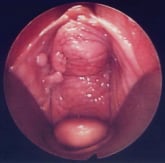
    Pelvic organ prolapse occurs when the supporting muscles and ligaments holding up the vagina are weakened, allowing the vaginal tissues to sag or stretch. The pelvic organs behind the vaginal walls – such as the bladder, bowel and uterus – can then drop out of position.

    One or more organ may be involved. But other than being out of position, there is not necessarily any problem with how these organs function.

    Prolapse is usually described according to which organ has dropped, for example “bladder prolapse” (cystocele). Severity is graded according to extent the vaginal wall has descended from its previous position.

    Prolapse can occur when the pelvic muscles holding organs in place are weakened.
    Pepermpron/Shutterstock

    What does it feel like?

    Most women don’t know an organ or organs have prolapsed until they notice a protrusion from the vaginal opening. They may feel a soft lump bulging in the vagina when they’re washing.

    Many simply feel aware “something is coming down”.

    Other women may notice they can’t trust their bladder not to leak when they’re jumping on a trampoline or running at the gym. Or perhaps they find it harder to keep a tampon in position than it was before children.

    How common is it?

    Prolapse is very common and its likelihood increases with age. Based on routine vaginal examination (for example, for cervical screening), easily 50% of women in developed countries will be classified as having prolapse. Most of these will have no symptoms at all.

    When defined by symptoms such as a vaginal bulge or difficulty passing urine, around 5% will have specific symptoms.

    What causes pelvic organ prolapse?

    Pregnancy and vaginal birth generally cause physical changes, such as relaxation of the vaginal tissues. For most women these are minor, but for some, prolapse can seriously impact quality of life.

    After pregnancy some women may find they need to adjust physical activities – particularly high impact exercise or repetitive heavy lifting – as this can make prolapse symptoms more noticeable.

    Women who give birth via caesarean section are less likely to experience prolapse and incontinence. However as caesareans have their own risk of serious complications, they can’t be recommended purely to avoid pelvic floor issues.

    After vaginal delivery, ageing is the second-most common cause of prolapse. This is because the strength of the pelvic floor deteriorates as we age and especially after menopause.

    Excessive weight lifting and high-impact exercise can also weaken these muscles.

    Chronic lung problems, diabetes, high cholesterol, constipation and obesity further increase the severity of prolapse and incontinence.

    Some women also have genetically poorer quality connective tissues, making them more at risk.

    How is it treated?

    Severe prolapse, which persistently extends through the vagina and causes significant discomfort, is often managed with surgery.

    But it is not always required. In developed countries, only 6-18% of those diagnosed with pelvic prolapse will have surgery.

    For milder cases, a clinician will usually recommend pelvic floor therapy.

    Specific exercises can help strengthen the pelvic floor during pregnancy and after child birth.
    Cerrotalavan/Shutterstock

    Structured pelvic floor muscle exercises (generally working with a therapist over time) are effective as an initial treatment when prolapse has occurred. Pelvic floor training during late pregnancy can also be used to treat and prevent further prolapse or urinary incontinence.


    Read more:
    Men have pelvic floors too – and can benefit when they exercise them regularly


    Interestingly, general body strength and fitness does not translate into strong pelvic floor muscles – only specific exercises do this. But keeping your weight under control and managing other health conditions can help reduce symptoms.

    Intravaginal support devices, called pessaries, can also substantially reduce symptoms. These are usually silicone rings or discs to help support the vaginal walls. They can be fitted by doctors, nurses or physiotherapists and can often be managed by women themselves.

    Pessaries are often made of silicone.
    Pepermpron/Shutterstock

    Prolapse can also cause mental health distress. Some women may find their body image suffers, and they may experience anxiety or depression which needs specific management.

    What does surgery involve?

    In severe cases, a clinician might recommend surgery if conservative management (such as pelvic floor muscle training) has been ineffective.

    Surgery can also be necessary in those uncommon cases where the prolapse is affecting kidney or bowel function. In these situations surgery can restore quality of life.

    Surgery for prolapse can be performed through the abdomen (usually keyhole approach) or vaginally. For most women, mesh is not required and the surgery involves reshaping and reattaching the stretched tissues to strong ligaments.

    Unfortunately this is not always successful, particularly when the tissues are very weak. Approximately 25% of women will need further surgery.

    In 2017, the Australian Therapeutic Goods Administration withdrew their approval for vaginal mesh products for prolapse, after safety concerns. There has since been a marked reduction in surgery for prolapse and urinary incontinence.

    However we have not seen a corresponding increase in non-surgical treatments, so we can only assume many women are simply not seeking treatment at all.

    We do need to continue working towards better and safer products to improve the durability of our pelvic floor repairs. But in the meantime we must also continue to provide individualised care for every affected woman.

    For many, maintaining pelvic floor strength and a healthy lifestyle will be enough to return to and enjoy their normal activities. The first step is to talk to your GP, who can explain what options will work best for you.

    Jennifer King is affiliated with the International Urogynecological Association – secretary

    ref. What is pelvic organ prolapse and how is it treated? – https://theconversation.com/what-is-pelvic-organ-prolapse-and-how-is-it-treated-239199

    MIL OSI AnalysisEveningReport.nz

  • MIL-OSI Economics: 12th ASEAN-U

    Source: ASEAN

    Secretary-General of ASEAN, Dr. Kao Kim Hourn, attended the 12th ASEAN-U.S. Summit held in Vientiane, Lao PDR, this morning. The Summit noted with satisfaction the robust progress made under ASEAN-U.S. Comprehensive Strategic Partnership. Recognising the significant potential for Artificial Intelligence to improve the lives of the peoples, including through the realisation of the Sustainable Development Goals, the Leaders of ASEAN and the US adopted the ASEAN-U.S. Leaders’ Statement on Promoting Safe, Secure, and Trustworthy Artificial Intelligence, with a view to unlocking the significant potential of Artificial Intelligence, while also mitigating its risks.

    The post 12th ASEAN-U.S. Summit convenes in Vientiane, Lao PDR appeared first on ASEAN Main Portal.

    MIL OSI Economics

  • MIL-OSI Asia-Pac: Red flags hoisted at Clear Water Bay First Beach

    Source: Hong Kong Government special administrative region

    Attention TV/radio announcers:

    Please broadcast the following as soon as possible:

         Here is an item of interest to swimmers.

         The Leisure and Cultural Services Department announced today (October 11) that due to big waves, red flags have been hoisted at Clear Water Bay First Beach in Sai Kung District. Beachgoers are advised not to swim at the beach.

    MIL OSI Asia Pacific News

  • MIL-OSI Asia-Pac: “Roving Exhibition on the 75th Anniversary of Founding of People’s Republic of China” to be held this Saturday and Sunday

    Source: Hong Kong Government special administrative region

    “Roving Exhibition on the 75th Anniversary of Founding of People’s Republic of China” to be held this Saturday and Sunday
    “Roving Exhibition on the 75th Anniversary of Founding of People’s Republic of China” to be held this Saturday and Sunday
    ******************************************************************************************

    The following is issued on behalf of the Committee on the Promotion of Civic Education:      The Home and Youth Affairs Bureau and the Committee on the Promotion of Civic Education (CPCE) will hold the “Roving Exhibition on the 75th Anniversary of Founding of People’s Republic of China” (note) this Saturday and Sunday (October 12 and 13) from 11am to 7pm at UG Lobby, YM² Yue Man Square. Members of the public are invited to visit.          The Roving Exhibition aims to promote patriotic education and introduce the establishment of the People’s Republic of China, the national flag, the national emblem and the national anthem, major national events in the past 75 years and the country’s latest developments and remarkable achievements. There will also be games and distribution of souvenirs.          An online exhibition is also available, and members of the public are welcome to visit the Civic Education Resource Centre website.          The CPCE is a non-statutory advisory body. It advises the Government on the promotion of civic education outside schools, launches various publicity and educational programmes in the community, and provides sponsorship to eligible organisations for promoting civic education and national education.          For details, please call 2708 2455 or visit the CPCE’s website.     Note: The panel contents of the exhibition are in Chinese only.

     
    Ends/Friday, October 11, 2024Issued at HKT 11:00

    NNNN

    MIL OSI Asia Pacific News

  • MIL-OSI Australia: Social Media Summit address

    Source: Australian Executive Government Ministers

    Good afternoon,
     
    Thank you, Premier Peter Malinauskas for inviting me to speak on behalf of the Prime Minister, the Honourable Anthony Albanese.
     
    It is wonderful to be in Adelaide for this joint Summit focussed on a very important discussion taking place nationally, and around the world.
     
    I acknowledge the Traditional Owners – the Kaurna people – and pay respect to Elders past and present. I extend this to First Nations people attending.
     
    Thank you to New South Wales Premier Chris Minns for hosting Day One of the Social Media Summit in Sydney.
     
    And thanks to you – the experts, academics, policy makers and young people – who have come together to share your insights and experiences in this space.
     
    A space that has evolved exponentially over decades.
     
    Australia’s first Minister for Communications was known as the Postmaster General.
     
    Established at Federation, the Minister’s responsibilities were the provision of postal and telegraphic services throughout Australia.
     
    It wasn’t until 1975, when its Department’s name changed to reflect the rise in electronic media.
     
    Fast forward to today, and the internet continues to undergo significant change; as do the challenges faced by governments and regulators.
     
    We are now raising the second generation of digital natives.
     
    Social media is ubiquitous and a normal part of life for many young people.
     
    It can be a source of entertainment, education and connection with the world – and each other.
     
    But we are also seeing social harms affecting young people.
     
    And it is for this reason that we are here today.
      
    The Albanese Government understands parents and communities are concerned about the harmful impacts of social media and want action.
     
    Social media has a social responsibility. We know they can – and should – do better to address harms on their platforms.
     
    Governments around the world are grappling with this.
     
    No government, no regulator and no law can protect every child from every threat, every day.
     
    But we must work together to support our children to be happy, healthy and safe.
     
    The number one priority of the Albanese Government is the safety of Australians, including online.
     
    Australia is a world-leader when it comes to online safety, and I want to acknowledge the terrific work of our eSafety Commissioner, Julie Inman Grant.
     
    Online safety has traditionally been an area of bipartisanship in Australia, and that has served us well.
     
    Our Government is taking action on a number of fronts.
     
    Today, I will step out the Commonwealth’s approach to legislating a national minimum age for social media access – our latest effort to address online safety.
     
    This is significant reform.
     
    And we will work with State and Territory governments, regulators, experts, industry and the community.
     
    Today, I will cover three things:

    • The pragmatic approach we are taking to social media age limits;
    • The design principles that will underpin our reforms;
    • And, finally, how this aligns to our whole-of-government approach to improving online safety.

    As a mother of two young daughters, I understand that parents worry about the amount of time their children spend on social media.
     
    Research released by eSafety yesterday explored children’s use of online services, including social media, in 2024.
     
    The Social Media Pulse Survey found a significant number of children aged 8-12 are spending time on digital platforms.
     
    84 per cent reported using at least one online service, including social media or messaging services, since the start of this year.
     
    While the proportion of overall users increased with age, a significant majority – three quarters – have accessed an online service by 8 years old.
     
    More than two-thirds of children aged 12 have their own accounts.
     
    As parents, we also worry our children may unintentionally access harmful, distressing and age-inappropriate content on their feeds.
     
    We know that almost two-thirds of 14 to 17 year-olds have viewed extremely harmful content online including drug abuse, suicide or self-harm, as well as violent and gory material.
     
    A quarter have been exposed to content promoting unsafe eating habits.
     
    This is unacceptable and must be addressed.
     
    As Communications Minister, I have been engaging with a wide range of stakeholders in this space – and I have learned a lot.
     
    Young people tell me social media allows them to connect and feel socially included.
     
    It can be an entry point to health and mental health support, a creative outlet, or a platform for legitimate children’s programming.
     
    But young people also understand the need for protection.
     
    Survey data released by the Minns Government in the lead-up to the Summit highlighted widespread community concern. 87 per cent of survey respondents said they support age limits for social media.
     
    The national conversation has seen a range of ages proposed. We welcome this input.
     
    Let me also take the opportunity to acknowledge the extensive work of former High Court Chief Justice Robert French.
     
    Our age assurance trial is evaluating technologies that could be effective to age-limit access to social media platforms from 13 up to 16 years.
     
    And preventing people under 18 from accessing online pornography.
     
    The trial includes targeted stakeholder consultation and consumer-focussed research looking into attitudes towards different technologies, and issues of privacy, security and accessibility.
     
    The Albanese Government has also brought forward the independent review of Australia’s Online Safety Act by a year.
     
    This critical and comprehensive body of work is looking at how to ensure our regulatory settings keep pace with emerging online harms and are fit for purpose.
     
    I look forward to receiving the final report in coming weeks.
     
    The Albanese Government has asked the States and Territories for their views on what the age for social media access should be, including evidence from a youth development perspective.
     
    The Prime Minister wrote to the Premiers and Chief Ministers last week seeking views on this, and a range of related matters, including:

    • Community appetite on the role for parental consent as a factor for age limits and permissions;
    • On grandfathering arrangements for existing account holders;
    • The need for a safety net or exemption for support services like mental health and education;
    • And what state-based supports they have available for children – particularly those who are vulnerable or isolated – to connect and access services away from social media.

     
    No solution will be perfect, and consensus on the ‘right’ age is unlikely.
     
    Young people are digitally savvy and will find ways to circumvent controls.
     
    But we can’t let the ‘perfect’ be the enemy of good – we need to make progress to ensure our safeguards keep improving.
     
    This is about protecting young people, not punishing or isolating them or their parents.
     
    It is letting parents know that we are in their corner when it comes to supporting their children’s health and wellbeing.
     
    I am conscious of the pressure on parents in trying to oversee when and how their children use social media.
     
    Establishing an age limit for social media will help signal a set of normative values that support parents, teachers, and society more broadly.

    For this reason, a key design principle of the Commonwealth’s legislative approach is to place the onus on platforms, not parents or young people.
     
    Penalties for users will not feature in our legislative design.
     
    Instead, it will be incumbent on the platforms to demonstrate they are taking reasonable steps to ensure fundamental protections are in place at the source.
     
    Our approach will ensure the eSafety regulator provides oversight and enforcement.
     
    We are also considering an exemption framework to accommodate access for social media services that demonstrate a low risk of harm to children.
     
    The aim of an exemption is to create positive incentives for digital platforms to develop age-appropriate versions of their apps, and embed safe and healthy experiences by design.  
     
    We are conscious of the harmful features in the design of platforms that drive addictive behaviours.
     
    This is why we will set parameters to guide platforms in designing social media that allows connections, but not harms, to flourish.
     
    We will set a 12-month implementation timeframe to provide industry and the regulator time to implement systems and processes.
     
    And we will review these measures to ensure they are effective and delivering the outcomes Australians want.

    Our strategic objective is clear: social media must exercise a social responsibility.
     
    This is the approach we are taking across government.
     
    As Communications Minister, I am working to curb seriously harmful misinformation and disinformation from being spread at speed and at scale on social media. An issue I know was raised by young people at the Summit yesterday. 

    Efforts to improve online safety for all Australians are being taken across the Albanese Government. 
     
    The Minister for Industry and Science is supporting businesses and organisations to safely and responsibly use and innovate with AI.
     
    The Attorney General has criminalised the non-consensual sharing of deep-fake material and he is seeking to criminalise ‘doxxing’ – that is when a victim’s identity, private information or personal details is shared without consent.
     
    Myself and the Minister for Social Services, Amanda Rishworth, are making dating apps safer through a world-leading voluntary code developed by industry to better protect their users.
     
    I am progressing Classification Scheme reforms to address violent and misogynistic adult content that reinforces unacceptable attitudes towards women.
     
    And, finally, I amended the Basic Online Safety Expectations determination to ensure the best interest of the child is a primary consideration in service design.
     
    These changes also go to the systems that power content delivered by algorithms that influence what Australians see.
      
    The Albanese Labor Government is a reformist government.
     
    We are not afraid to tackle difficult reforms or hold big tech to account.
     
    Platforms are not above the laws of this land.
     
    In legislating a minimum age to access social media, we are laying the challenge at the front door of social media companies to do better.
     
    We will work with you: the experts, academics, industry, premiers, parents and young people to progress these important reforms.
     
    And support young Australians to be safe and to thrive, now and into the future.
     
    Thank you.

    MIL OSI News

  • MIL-OSI Banking: 12th ASEAN-U.S. Summit convenes in Vientiane, Lao PDR

    Source: ASEAN – Association of SouthEast Asian Nations

    Secretary-General of ASEAN, Dr. Kao Kim Hourn, attended the 12th ASEAN-U.S. Summit held in Vientiane, Lao PDR, this morning. The Summit noted with satisfaction the robust progress made under ASEAN-U.S. Comprehensive Strategic Partnership. Recognising the significant potential for Artificial Intelligence to improve the lives of the peoples, including through the realisation of the Sustainable Development Goals, the Leaders of ASEAN and the US adopted the ASEAN-U.S. Leaders’ Statement on Promoting Safe, Secure, and Trustworthy Artificial Intelligence, with a view to unlocking the significant potential of Artificial Intelligence, while also mitigating its risks.

    The post 12th ASEAN-U.S. Summit convenes in Vientiane, Lao PDR appeared first on ASEAN Main Portal.

    MIL OSI Global Banks

  • MIL-OSI Economics: Money Market Operations as on October 10, 2024

    Source: Reserve Bank of India


    (Amount in ₹ crore, Rate in Per cent)

      Volume
    (One Leg)
    Weighted
    Average Rate
    Range
    A. Overnight Segment (I+II+III+IV) 5,26,221.95 6.31 0.01-6.55
         I. Call Money 8,605.93 6.43 5.10-6.50
         II. Triparty Repo 3,70,072.45 6.30 6.20-6.45
         III. Market Repo 1,46,549.57 6.30 0.01-6.47
         IV. Repo in Corporate Bond 994.00 6.40 6.40-6.55
    B. Term Segment      
         I. Notice Money** 2,034.10 6.44 5.85-6.50
         II. Term Money@@ 386.00 6.60-6.90
         III. Triparty Repo 879.10 6.34 6.25-6.45
         IV. Market Repo 1,642.29 6.55 6.55-6.55
         V. Repo in Corporate Bond 0.00
      Auction Date Tenor (Days) Maturity Date Amount Current Rate /
    Cut off Rate
    C. Liquidity Adjustment Facility (LAF), Marginal Standing Facility (MSF) & Standing Deposit Facility (SDF)
    I. Today’s Operations
    1. Fixed Rate          
    2. Variable Rate&          
      (I) Main Operation          
         (a) Repo          
         (b) Reverse Repo          
      (II) Fine Tuning Operations          
         (a) Repo          
         (b) Reverse Repo          
    3. MSF# Thu, 10/10/2024 1 Fri, 11/10/2024 2,180.00 6.75
    4. SDFΔ# Thu, 10/10/2024 1 Fri, 11/10/2024 56,656.00 6.25
    5. Net liquidity injected from today’s operations [injection (+)/absorption (-)]*       -54,476.00  
    II. Outstanding Operations
    1. Fixed Rate          
    2. Variable Rate&          
      (I) Main Operation          
         (a) Repo          
         (b) Reverse Repo Fri, 04/10/2024 14 Fri, 18/10/2024 44,275.00 6.49
      (II) Fine Tuning Operations          
         (a) Repo          
         (b) Reverse Repo Tue, 08/10/2024 3 Fri, 11/10/2024 9,398.00 6.49
      Mon, 07/10/2024 4 Fri, 11/10/2024 36,825.00 6.49
    3. MSF#          
    4. SDFΔ#          
    5. On Tap Targeted Long Term Repo Operations Mon, 15/11/2021 1095 Thu, 14/11/2024 250.00 4.00
    Mon, 27/12/2021 1095 Thu, 26/12/2024 2,275.00 4.00
    6. Special Long-Term Repo Operations (SLTRO) for Small Finance Banks (SFBs)£ Mon, 15/11/2021 1095 Thu, 14/11/2024 105.00 4.00
    Mon, 22/11/2021 1095 Thu, 21/11/2024 100.00 4.00
    Mon, 29/11/2021 1095 Thu, 28/11/2024 305.00 4.00
    Mon, 13/12/2021 1095 Thu, 12/12/2024 150.00 4.00
    Mon, 20/12/2021 1095 Thu, 19/12/2024 100.00 4.00
    Mon, 27/12/2021 1095 Thu, 26/12/2024 255.00 4.00
    D. Standing Liquidity Facility (SLF) Availed from RBI$       6,942.52  
    E. Net liquidity injected from outstanding operations [injection (+)/absorption (-)]*     -80,015.48  
    F. Net liquidity injected (outstanding including today’s operations) [injection (+)/absorption (-)]*     -1,34,491.48  
    G. Cash Reserves Position of Scheduled Commercial Banks
         (i) Cash balances with RBI as on October 10, 2024 10,09,424.38  
         (ii) Average daily cash reserve requirement for the fortnight ending October 18, 2024 10,01,756.00  
    H. Government of India Surplus Cash Balance Reckoned for Auction as on¥ October 10, 2024 0.00  
    I. Net durable liquidity [surplus (+)/deficit (-)] as on September 20, 2024 4,18,318.00  
    @ Based on Reserve Bank of India (RBI) / Clearing Corporation of India Limited (CCIL).
    – Not Applicable / No Transaction.
    ** Relates to uncollateralized transactions of 2 to 14 days tenor.
    @@ Relates to uncollateralized transactions of 15 days to one year tenor.
    $ Includes refinance facilities extended by RBI.
    & As per the Press Release No. 2019-2020/1900 dated February 06, 2020.
    Δ As per the Press Release No. 2022-2023/41 dated April 08, 2022.
    * Net liquidity is calculated as Repo+MSF+SLF-Reverse Repo-SDF.
    As per the Press Release No. 2020-2021/520 dated October 21, 2020, Press Release No. 2020-2021/763 dated December 11, 2020, Press Release No. 2020-2021/1057 dated February 05, 2021 and Press Release No. 2021-2022/695 dated August 13, 2021.
    ¥ As per the Press Release No. 2014-2015/1971 dated March 19, 2015.
    £ As per the Press Release No. 2021-2022/181 dated May 07, 2021 and Press Release No. 2021-2022/1023 dated October 11, 2021.
    # As per the Press Release No. 2023-2024/1548 dated December 27, 2023.
    Ajit Prasad            
    Deputy General Manager
    (Communications)    
    Press Release: 2024-2025/1267

    MIL OSI Economics

  • MIL-OSI Security: USS Annapolis Returns Home to Naval Base Guam Following Indo-Pacific Deployment

    Source: United States INDO PACIFIC COMMAND

    The Los Angeles-class fast-attack submarine USS Annapolis (SSN 760) returned to its homeport of Naval Base Guam after a successful three-month deployment in the Indo-Pacific region, Oct. 5, 2024.

    “USS Annapolis exemplifies excellence and stands as the pinnacle of our submarine force, playing a vital role in ensuring a free and open Indo-Pacific,” said Capt. Neil Steinhagen, commander, Submarine Squadron 15. “Their unwavering commitment to advancing theater security and executing operational tasks has produced outstanding results. True to their motto, ‘Born Free, Hope to Die Free,’ the crew of Annapolis consistently meets every challenge head-on, showcasing unparalleled operational readiness and exceptional teamwork. Bravo Zulu, team—welcome home!”

    Under the command of Capt. James Tuthill, Annapolis completed missions vital to national security, bolstering operational maritime capabilities in the Pacific. During their deployment, the submarine participated in key bilateral operations with the French Navy and welcomed Rear Adm. Chris Cavanaugh, commander, Submarine Group Seven, during a port visit to Yokosuka, Japan.

    “My crew answered the call, exemplifying remarkable dedication to our mission across the Pacific,” said Tuthill. “I couldn’t be prouder of them, or the tenacity and professionalism they displayed every day at sea. Their resilience, determination, and refusal to quit when things got hard define my extraordinary team. It’s a true honor to lead such an inspiring group. They rose to every occasion.”

    Commissioned on April 11, 1992, Annapolis is the fourth ship in the history of the U.S. Navy to be named for Annapolis, Maryland, home of the United States Naval Academy.

    Assigned to Commander, Submarine Squadron 15 at Polaris Point, Naval Base Guam, Annapolis is one of four Los Angeles-class fast-attack submarines forward-deployed in the Pacific. Renowned for their unmatched speed, endurance, stealth, and mobility, Los Angeles-class submarines form the backbone of the Navy’s submarine force, ensuring readiness and agility in safeguarding maritime interests around the world.

    MIL Security OSI

  • MIL-OSI Australia: Regional pursuit ends in arrest

    Source: South Australia Police

    Police have arrested a man following a lengthy pursuit through regional SA today.

    Just after 7.40am on Friday 11 October, police initially responded to reports of an alleged assault at a home in Hamley Bridge.

    Shortly after, police received reports the suspect had left in a silver Mitsubishi Lancer sedan. The vehicle was then allegedly involved in a petrol drive off at Balaklava about 8.30am.

    Patrols searched the region and sighted the vehicle travelling north on the Augusta Highway, ten kilometres south of Snowtown. They lost sight of the vehicle and did not pursue it.

    PolAir was brought in to assist with the search and tracked down the suspect vehicle. It was sighted again just before 10am travelling north on the Horrocks Highway north of Gulnare.

    PolAir and patrols on the ground continued tracking the vehicle though the townships of Booleroo Centre, Wilmington and Carrieton.

    The Lancer was followed for some time along Baratta Road before it eventually stopped on a paddock track at Belton just before 1pm and the driver was arrested.

    The 40-year-old man from Hamley Bridge was arrested and charged with assault, illegal use of a motor vehicle, making off without payment, dangerous driving to escape police and drive while disqualified.

    He was refused police bail and will appear in the Port Augusta Magistrates Court on Monday.

    MIL OSI News

  • MIL-OSI Security: Lt. Gen. Jost Assumes Command of USFJ, 5AF

    Source: United States INDO PACIFIC COMMAND

    U.S. Air Force Lt. Gen. Stephen F. Jost assumed command of United States Forces Japan and 5th Air Force from Lt. Gen. Ricky N. Rupp during a change of command ceremony on Yokota Air Base, Tokyo, Japan, Oct. 8.

    U.S. Navy Adm. Samuel Paparo, commander, U.S. Indo-Pacific Command, presided over the U.S. Forces Japan change of command while U.S. Air Force Lt. Gen. Laura L. Lenderman, deputy commander, Pacific Air Forces, subsequently presided over the 5th Air Force change of command.

    Paparo not only recognized the accomplishments and dedication of the two lieutenant generals, but also acknowledged the ever-growing strength of the U.S.-Japan Alliance in one of the most critical regions on the globe.

    “We have the most challenging set of adversaries in the People’s Republic of China, Russia, North Korea and violent extremist groups,” said Paparo. “Given the dangerous security environment, our adversaries’ transactional symbiosis among them … more than at any other time in recent history, our troops, our alliances, and our partnerships must be ready.”

    Lieutenant Gen. Rupp, having commanded USFJ and 5th Air Force since Aug. 27, 2021, has overseen the operations of the 66,000 servicemembers of USFJ while being at the forefront of the U.S.–Japan Alliance and working to enhance regional security through the execution of joint, multilateral exercises, and close coordination with the Japanese government.

    Notably, he shaped the establishment of multiple information-sharing systems, such as the Bilateral Intelligence Analysis Cell and the growth of U.S. Space Force capabilities in Japan. His leadership on servicemember quality of life issues will be one of the most lasting legacies of his service, having championed access to medical care, school age programs, and childcare.

    “I am immensely proud of the accomplishments that have strengthened our Alliance with the Japan Self-Defense Force,” Rupp said. “We faced unprecedented challenges but rose to meet them head on by fostering a partnership built on mutual respect, shared values, and a commitment to the security of the Indo-Pacific region.”

    Lieutenant Gen. Jost comes to Japan from United States Transportation Command at Norfolk Naval Station, Va., where he served as the commander of the Joint Enabling Capabilities Command. He is a command pilot with more than 2,700 flight hours in the T-37, T-38, F-16C/D and F- 35A. He has flown missions in support of South Korea defense obligations and operations Iraqi Freedom, Southern Watch and Noble Eagle.

    “I look forward to working alongside you as we continuously, deliberately, and urgently work to make the U.S.-Japan Alliance ever-stronger,” said Jost. “As we do so, we must be ever mindful that we are all U.S. Ambassadors in many respects while serving our great nation abroad.”

    Jost was last stationed in Japan from 2011 to 2012 where he was the deputy commander of the 35th Operations Group and later the director of staff of the 35th Fighter Wing at Misawa Air Base, Japan.

    In their remarks, both leaders reflected on the strength and resilience of the U.S.-Japan Alliance and it continuing to serve as the cornerstone of peace and security in the Indo-Pacific for decades to come.

    MIL Security OSI

  • MIL-OSI Australia: Doorstop – Adelaide, South Australia

    Source: Australian Government – Minister of Foreign Affairs

    Penny Wong, Foreign Minister: Look it is just fantastic to be here at Ferguson Australia. Can I thank Andrew and Kate and all of the staff here for taking us around and talking us through the whole process of lobsters and lobster exports. And it’s wonderful to be here with Don, my wonderful colleague, the Trade Minister, and also with Joe Szakacs, the State Minister for Trade and Investments.

    We’re here the morning after the Prime Minister has announced we have agreed a timetable with China to allow the full resumption of Australian live rock lobster exports by the end of this year. And what does that mean for Australians, for Australian jobs and Australian workers? It means that in businesses like Ferguson Australia, for workers like the team we’ve seen here today, we have been able to open up an export market which is so important to the industry, to profits, and also to jobs and wages for Australians. I know from our discussions that the Fergusons have been involved in the fishing industry here in South Australia since the 1960s, but obviously, when under the previous government, the businesses were effectively blocked from entering the Chinese market, that a lot of businesses like this one here in South Australia took a really big hit. A $700 million market was shut down overnight. But as a result of the excellent work by the Albanese Government, the Prime Minister and obviously the Trade Minister as well, we’re able to start exporting this first-rate Australian product back into the Chinese market.

    Obviously, this has occurred in the context of the stabilisation of our relationship with China. I said before the election and what we have delivered on is that we would look to stabilise the relationship with China without compromising on things which are important to Australians. When we came to government we inherited some $20 billion worth of trade impediments. $20 billion worth of trade impediments under Peter Dutton. Now, less than $500 million of those impediments remain.

    Obviously, we will continue, as we have over the last two and a bit years, to press for those trade impediments to be removed. The approach we have taken to China has been patient, it has been calibrated, it has been deliberate. And our approach has paid dividends for Australians, for Australian businesses and for Australian workers. Very pleased that we have seen this announcement overnight by the Prime Minister. Very pleased that we’ll see Australian rock lobster in the Chinese market again. And again, I thank the Ferguson’s for their hospitality today and I’ll hand over to the Trade Minister.

    Don Farrell, Trade and Tourism Minister: Well, thank you, Penny, and thank you for the really good work that you’ve done with the Prime Minister to stabilise our relationship with China that has resulted in this decision yesterday to lift the final impediment on the final product back into China. We lost more than $700 million worth of trade with rock lobster going into China. By the end of the year, of course, Chinese consumers will have the advantage of the wonderful Australian product. The best rock lobster in the world comes from Australia and particularly from South Australia. And we are so pleased that the stabilisation process that you, as Foreign Minister, undertook has resulted in now the final removal of all the products.

    As you said, two and a half years ago, we started with $20 billion worth of trade impediments. They have now been removed. And of course, what that’s meant is greater prosperity for Australian producers, and more jobs for Australian workers. But we’re not going to rest on our laurels, as you will have seen in the last week or two, we’ve negotiated new free trade agreements with the United Arab Emirates and we’re encouraging companies like Fergusons to expand, to look at other markets so that we diversify our trading relationships. That’s the best way we can increase our prosperity and increase the number of jobs in this country.

    I want to thank the Fergusons. I was here only a couple of months ago where we said we’d be back with some good news, and that’s today. We’ve got that good news. And I want to thank the industry for sticking with us, it’s been a tough four years for this industry and all the way along the line I’ve wanted to give them some hope to make sure that they understood that if they stick with it, we would eventually get this sort of result. And I’m so pleased that the industry have toughed it out. They’ve diversified, but now the opportunity exists for them to go back into China. We’ve got a wonderful product here. We’ve got a clean and green image in China. We know from all of the other products that we’ve got back into the Chinese market over the last two and a half years, we actually go back with a greater volume than when we started. So, I’ve got the greatest of confidence that we’re not just going to stay where we are in terms of our exports, we’re actually going to increase those exports into the Chinese markets, and that’s very good news for this country. Thank you very much. And I want to thank my state colleagues, they’ve been working really hard with us – Joe and Claire. We’ve never given up hope. We’ve kept persisting and that persistence has now paid off. Thank you very much.

    Joe Szakacs, SA Minister for Trade and Investment: Thank you, everyone. Can I start by acknowledging the incredible work of the Commonwealth Government, particularly led by Senator Wong and Senator Farrell. The stabilisation of the China relationship has meant that important trade matters for South Australia have been able to be prosecuted by the Commonwealth Government, the Albanese Government, and thanks to their hard work and the support provided by our State Government here, we’ve seen these materialise today. Just yesterday, I announced that the trade numbers, the exports to China from South Australia, have hit another all-time high at $4.27 billion. To give some context for the impact that this announcement today or yesterday will have on the local industry in lobster, this was an over $70 million industry for South Australia that flatlined overnight. So, the resumption of the full exports of South Australian lobster into China will have a material impact for local jobs and local economic prosperity.

    Can I also say that the South Australian Government has been planning for this day for some time. Just a couple of months ago, I was actually just down here with Senator Farrell and Andrew to announce the $475,000 Seafood Support Package that our government implemented. That package is now ready to go. It supports one of two things. It supports the immediate re-engagement with China of our seafood industry, and particularly our lobster industry. It also supports and builds on the important diversification work that has been occurring to other markets, like Hong Kong, like Vietnam, like Korea and Japan. And we were in there inside today and we saw fresh live lobster being packed to head over to Hong Kong. That’s exactly the work that our State Government has been undertaking to diversify.

    Also, I just want to note that with the resumption of China Southern Airlines into South Australia, into Adelaide in December, we will see 15 tonnes of air freight every flight open up. Why is that critical? Well, it’s critical for lobster. We can’t put lobster on a boat. We can’t move lobster through ports of other states or territories. We need the best South Australian lobster to be in a plane, in the belly of a plane, into market in one day. With 15 tonne of air freight every single day being opened up from Adelaide to Guangzhou, that means direct air freight route for companies like Ferguson and other local producers. So, I just, again want to say thank you and particularly pay note to the Commonwealth Government for their extraordinary efforts in this regard.

    Clare Scriven, SA Minister for Primary Industries and Regional Development: So, this is a wonderful announcement, but particularly for our regional economies. The rock lobster industry is worth $158 million to South Australia overall, and a significant amount of that has been in terms of China and the market there. So, it’s been a really difficult time for the lobster fishermen and also for the economies in our regional areas who rely on that lobster fishing industry. So, this is a great announcement. We are really pleased that the Federal Government and State Government has worked so hard to be able to achieve this and we look forward to an uplift for our regional economies as well as our lobster fishermen.

    Foreign Minister: Thanks, Clare. Okay, happy to take questions.

    Journalist: Minister Wong, when will the first lobsters hit China? Is this an immediate thing?

    Foreign Minister: Well, the announcement is by the end of the year that the trade impediments will be removed. Obviously, we’re hoping a little bit earlier than that. I was speaking to Andrew before about how that might be operationalised by the industry. I know with wine we started with a few shipments and then obviously month by month those, those exports grew. But the announcement is by the end of the year, but we’re hoping for earlier.

    Journalist: Now, do you trust China as a trading partner after the past four years? And what lessons have you learnt here?

    Foreign Minister: Well, we learnt a few lessons as a country, didn’t we? The first is that Peter Dutton talking tough isn’t the same as being tough. And that Mister Dutton and his colleagues really took an approach to the relationship with China which ultimately didn’t end up with a relationship that was stable, where we could agree, disagree, cooperate where we can, disagree where we must and engage in the national interest. We saw that the Opposition continues to seek to politicise the China relationship. Now, I’ve been very clear: China has a set of interests. Some of those are very different to Australia’s. There are going to be areas where we disagree and Australia has been very clear about standing up for those issues which are important to Australians. But we also know that its important to engage and we will continue to do that in a mature, calibrated and deliberate way.

    Journalist: And will you pull back on other issues you might have with China to try and keep these trade deals going?

    Foreign Minister: Well, I think you’ve seen that we have been very clear about those areas where we disagree. And the whole point about trying to stabilise a relationship is to recognise there will be areas where you disagree and those will continue. There will be areas where you can cooperate and you want to work on them. And perhaps most importantly, you have to engage. You have to keep engaging in dialogue, in visits, in discussion, and we will continue to do that. And I was very pleased, for example, last night at the airport I saw a number of the Australian parliamentarians who are going to Beijing for the first parliamentarian trip for some time. So, we will have areas where we continue to have different views. Your Government will continue to articulate Australia’s position on them in accordance with our national interests. But we also recognise that it is important for us to seek to work with China to open up these markets. The reason is what you saw in there. This is about Australian jobs.

    Journalist: I just have some questions from Canberra about the Middle East. So, the Opposition says Australians fleeing from Lebanon should be made to pay for Government-supported flights back home if they’ve ignored Government warnings. What’s your response to that?

    Foreign Minister: Look, we’re taking the same approach on this as we talk to people who had to flee in the earlier part of the conflict after the horrific events of October 7. But I would say this; we have a flight scheduled for Sunday, that’s October 13, there are no further flights scheduled beyond that. So, I’d say to Australians, there is a flight scheduled on October 13. There are no further flights scheduled and any further flights would obviously, as I said, flights are not going to be scheduled indefinitely and are subject to operational and security constraints. You should leave now if you wish to leave.

    Journalist: And did the government go too far with its wording on the October 7 motion in Parliament? Should you have ensured it was wording the Coalition would support?

    Foreign Minister: Well, you know who’s gone too far in this and that’s Mr Dutton. Mr Dutton is out of step with the majority of the international community, including allies such as the US, the United Kingdom, members of the G7. He refused to support a ceasefire in Gaza. Can I remind everybody that a ceasefire in Gaza has been called for, led by the United States and backed in by every single member of the United Nations Security Council.

    So, the United States and every member of the UN Security Council have called for a ceasefire in Gaza, but Mr Dutton does not want to vote for it. I’d also make the point that we had a debate in the Senate yesterday – the Coalition there was prepared to support a broader motion, including some of the issues that Mr Dutton refused to support in the House. Mr Dutton is doing what he always does, which is to seek to divide, to seek to inflame. Whenever there is a moment where we need Australians to come together, you can always count on Peter Dutton to look to divide Australians. Whenever there is a moment where we need Australians to come together, Mister Dutton will always work to divide them.

    Journalist: Thank you, Ministers. I just wanted to ask about biosecurity testing requirements. Is that something we’ve agreed to?

    Trade and Tourism Minister: Thanks, Dominic. So, we have been in discussions, of course, for some months now with the Chinese authorities in order to deal with all of the biosecurity issues that have been raised by the Chinese Government in the past. We have now got a way forward to resolve all of those biosecurity issues in a way that meets all of the Chinese requirements. So, what you’ll see, I think, between now and Christmas when there’s a full resumption, is a gradual resumption of exports of Australian rock lobster into China that will meet all of the requirements of the Chinese Government.

    Journalist: And what does that mean for Australian companies? Do they have to do anything extra or is that onus on the government when it comes to testing?

    Trade and Tourism Minister: Well, every government imposes its regulations on products coming into their country. China is no different from that. But I’m very confident, as a result of all of the discussions that have taken place, particularly the good work of the Agriculture Minister, Minister Collins, and before that, Minister Watt, we will ensure that we satisfy all of the requirements that the Chinese Government require about all of the products that we export into China.

    Journalist: Thank you. And just one for the Foreign Minister, if that’s all right. Yesterday you met with the UN Special Rapporteur on Myanmar and he put forward some suggestions about how Australia could act in terms of responding to the junta’s rule. I’m just wondering if there’s any particular ideas that you were receptive to or if we’re considering any further measures that he suggested?

    Foreign Minister: We are very concerned about the situation in Myanmar. We’re concerned because, as a decent country, the loss of life and the disrespect for human rights concerns us all. We’re also concerned because Myanmar is critical to regional stability. If you look at the history of Southeast Asia, the history of ASEAN, stability in Myanmar has been a central part of the stability of the region. So, that matters to Australia. We are very concerned about the situation. We are very concerned about the behaviour of the regime. You would have seen previously that we have put sanctions on particular members of the regime. And recently I also put sanctions on particular companies, including those supplying jet fuel, given that the regime was in engaging in attacks on its own people.

    I was very pleased to meet with the Rapporteur. We discussed the situation in Myanmar. We discussed the need to focus more on the humanitarian crisis. People might recall I visited Cox’s Bazar in Bangladesh some time ago. I made the point that that is Australia’s largest single humanitarian contribution, under both governments. We have put very substantial amounts of humanitarian support there because it is a humanitarian crisis in our region. And we’ll continue to work with both the international community, regional partners, to try and contribute to finding stability in Myanmar and certainly averting or dealing with the humanitarian crisis which is on our doorstep.

    Thanks very much, everybody.

    MIL OSI News

  • MIL-OSI: The Mahjong Portal for Seniors. SharpMind Games, a gaming company from Christchurch, is announcing the launch of a new gaming portal.

    Source: GlobeNewswire (MIL-OSI)

    CHRISTCHURCH, New Zealand, Oct. 11, 2024 (GLOBE NEWSWIRE) — Christchurch gaming industry news

    New Zealand has its own online gaming portal for seniors with this new Mahjong portal designed primarily for elderly players aged 65+. The goal of this project was to create the best Mahjong game tailored to the specific needs of our senior audience, helping them easily interact with the game elements.

    According to the latest studies, Mahjong solitaire and other similar puzzle games, when played regularly, can help prevent neurological conditions associated with cognitive decline and may even enhance cognitive function. For instance, a study published in Frontiers in Neurology by the National Institute of Health demonstrated that playing Mahjong for 12 weeks improved executive function in elderly individuals with mild cognitive impairment (Zhang et al., 2020).

    The senior audience can significantly benefit from playing online puzzle games like Mahjong. However, many seniors find it difficult, or even impossible, to play modern browser games due to various challenges such as vision problems and limited hand or finger mobility. For example, vision problems can make it hard to distinguish game elements on the screen. Or it can be difficult, and sometimes even painful, to click mouse buttons due to limited finger mobility. In response, SharpMind created a web-site to allow the largest number of senior players to enjoy the game comfortably.

    The main factors considered during the development of the new product were the following:

    • Availability of special high-contrast modes for people with vision impairments,
    • Ability to scale elements and customize the interface to personal preferences,
    • Brightness and contrast adjustment options for UI and game board elements,
    • High-quality customer support, recognizing that elderly users may be less familiar with modern technical environments and may need patient, friendly assistance,
    • Additional features such as special tile layouts, relaxing music, and more.

    As a result, TheMahjong.com addresses all these needs, providing senior players with a highly comfortable Mahjong online gaming experience.

    TheMahjong.com is another great game for seniors joining alongside TheJigsawPuzzles.com in its home of New Zealand.

    According to Quantcast, their site TheJigsawPuzzles.com is the most popular entertainment website in the U.S. for people aged 65+, and it ranks among the top five overall websites in the U.S. for a senior audience.

    Contact information: yurilukas@shaprmind.com or call +64 21 157 6470

    A photo accompanying this announcement is available at 
    https://www.globenewswire.com/NewsRoom/AttachmentNg/4def66fc-5c87-43eb-aedd-7940440d03d5

    The MIL Network

  • MIL-Evening Report: The government’s social media ban for kids will exempt ‘low-risk’ platforms. What does that mean?

    Source: The Conversation (Au and NZ) – By Lisa M. Given, Professor of Information Sciences & Director, Social Change Enabling Impact Platform, RMIT University

    BAZA Production/Shutterstock

    In a speech to the New South Wales and South Australian government social media summit today, Federal Minister for Communications Michelle Rowland announced more details of how the federal government’s proposed social media ban would actually work.

    The government first announced the ban last month, shortly after SA said it will ban children under 14 from social media. But experts have heavily criticised the idea, and this week more than 120 experts from Australia and overseas wrote an open letter to Prime Minister Anthony Albanese and state and territory premiers urging a rethink.

    Despite this, the government appears to be ploughing ahead with the proposed ban. The details Rowland announced today do not meaningfully address many of the criticisms made over the past few weeks.

    In fact, they actually raise new problems.

    What are the details of the social media ban?

    In her speech, Rowland said the government will amend the Online Safety Act to “place the onus on platforms, not parents or young people” to enforce the proposed social media ban.

    The changes will be implemented over 12 months to give industry and the regulator time to implement key processes.

    The government says it “will set parameters to guide platforms in designing social media that allows connections, but not harms, to flourish”. These parameters could address some of the “addictive” features of these platforms, for instance by limiting potential harms by prioritising content feeds from accounts people follow, or making age-appropriate versions of their apps.

    The government is also considering an:

    exemption framework to accommodate access for social media services that demonstrate a low risk of harm to children.

    The problem with “low risk”

    But allowing young people to access social media platforms that have a demonstrated “low risk of harm” is fraught with issues.

    Risk is difficult to define – especially when it comes to social media.

    As I explained earlier this year around potential harms of artificial intelligence, risk “sits on a spectrum and is not absolute”. Risk cannot be determined simply by considering a social media platform itself, or by knowing the age of the person using it. What’s risky for one person may not be risky for someone else.

    How, then, will the government determine which social media platforms have a “low risk of harm”?

    Simply focusing on technical changes to social media platform design in determining what constitutes “low risk” will not address key areas of potential harm. This may give parents a false sense of security when it comes to the “low-risk” solutions technology companies offer.

    Let’s assume for a moment that Meta’s new “teen-friendly” Instagram accounts qualify as having a “low risk of harm” and young people would still be allowed to use them.

    The teen version of Instagram will be set to private by default and have stronger content restrictions in place than regular accounts. It will also allow parents to see the categories of content children are accessing, and the accounts they follow, but will still require parental oversight.

    But this doesn’t solve the risk problem.

    There will still be harmful content on social media. And young people will still be exposed to it when they are old enough to have an unrestricted account, potentially without the support and guidance they need to safely engage with it. If children don’t gain necessary skills for navigating social media at an early age, potential harms may be deferred, rather than addressed and safely negotiated with parental support.

    A better approach

    The harmful content on social media platforms doesn’t just pose a risk to young people. It poses a risk to everybody – adults included. For this reason, the government’s heavy focus on encouraging platforms to demonstrate a “low risk of harm” only to young people seems a little misguided.

    A better approach would be to strive to ensure social media platforms are safe for all users, regardless of their age. Ensuring platforms have mechanisms for users to report potentially harmful content – and for platforms to remove inappropriate content – is crucial for keeping people safe.

    Platforms should also ensure users can block accounts, such as when a person is being bullied or harassed, with consequences for account holders found to engage in such harmful behaviour.

    It is important that government requirements for “low-risk” accounts include these and other mechanisms to identify and limit harmful content at source. Tough penalties for tech companies that fail to comply with legislation are also needed.

    The federal government could also provide extra resources for parents and children, to help them to navigate social media content safely.

    A report released this week by the New South Wales government showed 91% of parents with children aged 5–17 believe “more should be done to teach young people and their parents about the possible harms of social media”.

    The SA government appears to be heeding this message. Today it also announced a plan for more social media education in schools.

    Providing more proactive support like this, rather than pursuing social media bans, would go a long way to protecting young Australians while also ensuring they have access to helpful and supportive social media content.

    Lisa M. Given receives funding from the Australian Research Council. She is a Fellow of the Academy of the Social Sciences in Australia and a former President of the Association of Information Science and Technology.

    ref. The government’s social media ban for kids will exempt ‘low-risk’ platforms. What does that mean? – https://theconversation.com/the-governments-social-media-ban-for-kids-will-exempt-low-risk-platforms-what-does-that-mean-241120

    MIL OSI AnalysisEveningReport.nz

  • MIL-OSI New Zealand: Auckland Council appoints Watercare board chair

    Source: Auckland Council

    Auckland Council’s Performance and Appointments Committee today appointed Geoff Hunt to be the chair of the Watercare Services Limited Board with effect from 12 October 2024.

    A ‘revisited’ appointment

    The council revisited its process to appoint the chair following a judicial review of the process undertaken for the appointment earlier this year. The outcome of that process was that the High Court set aside the appointment of the chair made on 25 June 2024.

    The judgment did not direct concern toward the appointment itself, but rather the process that was followed to complete the appointment.

    “Ensuring the appropriate appointment practices are in place, and carried out, to deliver well-governed council-controlled organisations is a priority for us and we have adjusted our processes accordingly,” says Alastair Cameron, the council’s Manager CCO/External Partnerships team.

    The Performance and Appointments Committee is responsible for all appointments to the boards of council-controlled organisations, in accordance with the council’s Appointment and Remuneration Policy for Board Members and the Local Government Act.

    About Geoff Hunt

    Geoff’s career has been mainly in construction, operation, and maintenance of critical infrastructure. Over a 27-year period he has been CEO of four successful New Zealand-based companies operating in these areas. He has worked in the UK and the USA and has been involved in project delivery and infrastructure maintenance services in Australia, the Pacific, Melanesia, and SE Asia.

    Geoff has worked in and held governance roles in both the government and private sectors and in industry bodies. He is currently a New Zealand Infrastructure Commission board member and director of two privately owned business providing materials to the construction sector. Through Geoff Hunt Consulting Ltd he advises on business performance improvement, staff relations and development, construction project delivery, and construction sector dispute resolution.

    Geoff has a master’s degree in engineering, is an Engineering New Zealand Distinguished Fellow and a member of the Institute of Directors.

    MIL OSI New Zealand News

  • MIL-OSI Economics: School Closures, Shelter Use, and Learning Outcomes in the Philippines: Evidence from 2019 TIMSS

    Source: Asia Development Bank

    In many parts of the world, schools are often used as temporary shelters before, during, and after disasters that may prolong calamity-induced school closures. We combined student assessment data from the Philippine round of the 2019 Trends in International Mathematics and Science Study with school administrative records and area-level typhoon warnings to assess the impact of short school closures on learning outcomes. Results show that one school closure day induced by school-as-shelter use reduces student achievement by 12% to 14% of a standard deviation, equivalent to roughly half to a full year’s worth of learning. This is likely driven by a decline in student interest, rather than by a contraction in the breadth of topics covered in class or by poorer teaching quality. These findings highlight potential hidden disasters from seemingly benign but frequent hazards. 

    WORKING PAPER 1487

    MIL OSI Economics

  • MIL-OSI Economics: Foreign Investment and Gender Equality in India: Competitive Pressures or Technology Transfer?

    Source: Asia Development Bank

    We examine the relationship between foreign direct investment (FDI) inflows into a large, emerging economy and advances in gender equality. Several studies have examined how competitive FDI pressures might lower gender inequality by reducing an employer’s ability to practice taste-based discrimination. Other studies examine how FDI-induced technology transfer reduces gender employment and gender wage gaps in developing countries. To the best of our knowledge, we are the first to consider the possibility that foreign investment both places strong competitive pressures on domestic industries and also allows for technology adoption. These ideas are particularly important in service-oriented sectors, where the highest values of foreign investments flow and the largest shares of women are employed. We expect increased competition associated with foreign investment to reduce gender inequality in occupations that suffer most from discrimination, while technology transfer serves to further reduce gender gaps in occupations for which automation reduces the demand for tasks. We use worker-level data from India to examine the differential effects on women relative to men of horizontal (measuring competition) and vertical (measuring technology transfer) FDI across occupational categories. Our findings suggest that competitive pressures associated with horizontal FDI narrow the gender employment gap in nonroutine cognitive occupations, while the technology transfer associated with vertical FDI supports increases in the relative demand for women in routine-manual occupations.

    WORKING PAPER 1486

    MIL OSI Economics

  • MIL-OSI Security: Under Secretary of Defense for Acquisition and Sustainment Chairs Inaugural Plenary Meeting of Partnership for Indo-Pacific Industrial Resilience

    Source: United States INDO PACIFIC COMMAND

    On October 7-8, 2024, Under Secretary of Defense for Acquisition and Sustainment William LaPlante chaired the inaugural plenary meeting of the Partnership for Indo-Pacific Industrial Resilience (PIPIR) in Honolulu, HI. National Armament Directors, and similarly positioned senior leaders, joined him from all PIPIR member nations in both the Indo-Pacific and Euro-Atlantic regions. The engagement was hosted by the Daniel K. Inouye Asia-Pacific Center for Security Studies and the United States Indo-Pacific Command (INDOPACOM).

    PIPIR is a multi-lateral forum of allies and partners aimed at strengthening defense industrial resilience to promote continued regional security, economic security, and prosperity in the Indo-Pacific region. It serves as a platform to accelerate defense industrial base (DIB) cooperation by reducing barriers to production, creating new sustainment hubs, and addressing supply chain constraints.

    “From day one, Secretary Austin has driven success through teamwork,” Dr. LaPlante said. “Today’s security environment demands closer collaboration with our allies and partners. PIPIR will help strengthen our collective ability to produce and sustain warfighting capability in the Indo-Pacific, and the National Armaments Directors are uniquely positioned to drive action in these areas.”

    During this inaugural plenary meeting, participants adopted a Core Vision Statement, which establishes strategic principles to guide collaboration on defense industrial resilience. The agreement of a Core Vision Statement builds upon the Statement of Principles for Indo-Pacific Defense Industrial Base Collaboration endorsed by 13 nations, including by U.S. Secretary of Defense Lloyd Austin at the Shangri-La Dialogue held in May 2024.

    Members also announced the creation of workstreams, each tasked with identifying key projects appointed leadership for each, and discussed plans to operationalize project activities. The four workstreams are Sustainment, Production, Supply Chain Resilience, and Policy and Optimization. Participants underscored the need to deliver material solutions that enhance shared defense industrial resilience. They also emphasized the importance of forging closer partnerships with industry and committed to creating a standing industrial advisory board with whom to consult. PIPIR will include other advisors as necessary to address the complexity and challenges of the DIB.

    The day prior to the plenary session, INDOPACOM hosted the PIPIR delegation at Camp Smith to provide the command’s regional perspective and discuss the implications and role of multi-lateral industrial partnerships for their mission.

    The establishment of PIPIR directly supports DoD’s implementation of the National Defense Industrial Strategy and Regional Sustainment Framework, which emphasize the importance of strengthening international defense production and sustainment relationships.

    MIL Security OSI

  • MIL-OSI Australia: ​​New guidance on assessing the delivery confidence of digital projects​

    Source: Australia Digital Transformation Agency

    Assurance plays a key role in keeping decision-makers informed of the status of digital projects and helping focus attention where it is needed most. In partnership with the University of Sydney’s John Grill Institute for Project Leadership, new guidance to support more effective assurance of digital projects is being released. 

    MIL OSI News

  • MIL-OSI China: China ready to join EU for stable, positive ties: Premier Li

    Source: People’s Republic of China – State Council News

    VIENTIANE, Oct. 11 — Chinese Premier Li Qiang said China is ready to work with the EU to further consolidate the momentum of stable and positive relations between both sides, enhance strategic mutual trust and strengthen mutually beneficial cooperation.

    Li made the remarks on Friday during his meeting with European Council President Charles Michel on the sidelines of the leaders’ meetings on East Asia cooperation held in Vientiane.

    Calling next year’s 50th anniversary of China-EU diplomatic ties an important node of connecting the past with the future, Li said China also stands ready to make greater contributions to improving the well-being of people of the two sides and advancing the cause of global peace and development with the EU.

    MIL OSI China News

  • MIL-OSI New Zealand: Energy Resources Aotearoa welcomes pragmatic approach in Electricity GPS

    Source: Energy Resources Aotearoa

    Energy Resources Aotearoa welcomes the refreshing pragmatism in the Government’s Policy Statement (GPS) to the Electricity Authority.
    The GPS says mitigating climate change is not the job of the Electricity Authority, and Minister Brown has made it clear that the Authority should take a “fuel agnostic” approach to the electricity sector.
    Chief Executive John Carnegie says, “This is a welcome dose of pragmatism and the direction we need as we transition to a low-carbon electrified economy.
    This winter highlighted that we still need thermal generation to ensure a secure energy system.
    “We must keep our options open with facilities like Genesis’ Huntly Power Station, which can generate energy from domestic gas, coal, and biomass” Carnegie says.
    The GPS also says that the Government will not intervene in the wholesale market as this “can undermine incentives on market participants to manage their risks properly, chilling hedging and new investment leading to increased scarcity, more periods of high prices and reduced security. We couldn’t agree more”.
    The statement clarifies that the Electricity Authority must refrain from favouring one form of fuel or technology over another, something we have consistently advocated for over the last five years. Carnegie says it is great to see the government agree with Energy Resources’ Aotearoa’s long-standing position on fuel and technology agnosticism. 
    If thermal generation is cheaper than renewable alternatives, we should use it. It also says that the Emissions Trading Scheme with carbon pricing should be the mechanism for addressing climate change.
    Carnegie says, “This is a welcome departure from ideologically driven policy, which contorted our largely renewable energy system into a vehicle for reducing emissions. Right now, thermal generation is a necessary part of our generation mix, and it is great that the government acknowledges this. 
    “Now we need the right regulatory and market conditions to encourage the development of gas-fired peaking plants and the fuel we so badly need to keep the lights on.” 

    MIL OSI New Zealand News

  • MIL-OSI Banking: Results of Underwriting Auctions Conducted on October 11, 2024

    Source: Reserve Bank of India

    In the underwriting auctions conducted on October 11, 2024, for Additional Competitive Underwriting (ACU) of the undernoted Government securities, the Reserve Bank of India has set the cut-off rates for underwriting commission payable to Primary Dealers as given below:

    (₹ crore)
    Nomenclature of the Security Notified Amount Minimum Underwriting Commitment (MUC) Amount Additional Competitive Underwriting Amount Accepted Total Amount underwritten ACU Commission Cut-off rate
    (paise per ₹100)
    7.04% GS 2029 14,000 7,014 6,986 14,000 0.04
    7.34% GS 2064 15,000 7,518 7,482 15,000 0.09
    Auction for the sale of securities will be held on October 11, 2024.

    Ajit Prasad          
    Deputy General Manager
    (Communications)    

    Press Release: 2024-2025/1268

    MIL OSI Global Banks

  • MIL-OSI Global: High skills, low protection: the legal hurdles for foreign workers in Indonesia

    Source: The Conversation – Indonesia – By Wayne Palmer, Senior Research Fellow, Bielefeld University

    ilikeyellow/Shutterstock

    Developing countries like Indonesia use foreign high-skilled and high-wage workers to drive economic growth and innovation. However, protection of their legal rights is often neglected, affecting these workers’ productivity and well-being and Indonesia’s reputation as a destination country for employment.

    My research delves into the flaws of Indonesia’s labour market institutions, such as the national labour dispute settlement system, revealing that current mechanisms are inadequate in protecting the rights of high-skilled foreign workers.

    The study

    My findings show the national dispute settlement system exhibits significant systemic shortcomings, such as processing cases slowly and siding with employers, which limit its capacity to protect all workers effectively. But disputes involving foreign workers are further complicated by the fact that immigration law allows employers to cancel residence permits, meaning that the government requires the workers to leave the country even though the workers may have been unfairly dismissed.

    Foreign workers are mainly from Northeast Asia (China, Japan and Korea), and their use on investment-tied projects coupled with Indonesia’s downstreaming programme will ensure their numbers continue to grow. In 2023, the Indonesian government issued 168,048 permits for foreigners to work in Indonesia with the top three destinations being Central Sulawesi (18,678), Jakarta (13,862) and West Java (10,807). By July 2024, the government had already issued more than 14% more permits than by the same time the previous year.

    My study examined 92 labour disputes involving foreign workers between 2006 (when the new national dispute settlement system was implemented) and 2022, which were settled by the Industrial Relations Court. One additional dispute was filed in 2023, but the Industrial Relations Court has not yet published the settlement despite a legal requirement to do so.

    I complemented these court settlements with 98 qualitative interviews with other stakeholders, including policymakers, labour rights activists, legal professionals, and other foreign workers, such as foreign spouses, remote workers and digital nomads.

    As in other countries too, the number of registered labour disputes is only the tip of the iceberg, as workers tend to cut their losses and move on rather than invest time, energy and limited financial resources in challenging their better-resourced employers.

    Employers were all Indonesian companies, so no foreign workers who filed a lawsuit worked for a multinational company, and those who did so had at least 20 nationalities.


    CC BY

    In terms of geographical distribution, the studied disputes were settled in 13 local jurisdictions, and were mostly lodged by workers rather than employers.

    The nature of the disputes mostly involved claims that an employment contract had been terminated prematurely (87 cases), while a much smaller number involved resignation (4 cases) or were unknown (1 case). Of the 92 claims, 83 were initiated by workers, and eight by an employer. In one case, the lodging party was not recorded in the final decision.

    Hiring a private lawyer

    Employers used the Immigration Law to undermine the protective role of the Manpower Law – as it stands foreign workers are only entitled to employment protection if they hold a valid residence permit, which employers can and do shorten. Doing so shows that the Indonesian government prioritizes the flexibility of employers at the expense of employment protection for foreign workers.

    In at least 92% cases, foreign workers used paid assistance of a private lawyer to represent themselves at formal meetings and hearings required by the Disputes Settlement Law, the cost of which could be hefty.

    As one foreign worker explained:

    It’s always in the back of your mind, to do whatever to make employers happy if you want to stay. No matter what the work permit and contract say, they can ask immigration to kick us out within a week!“

    A retired government official responsible for designing policy regarding foreign workers was surprised when he heard this, explaining that:

    I thought they could look after themselves because they earn such high wages. Well, higher than the average Indonesian worker, that is.

    Hiring a private lawyer is the only way to represent themselves throughout the dispute resolution process because they need to leave Indonesia once they are fired. Not having the legal right to remain in Indonesia makes it very difficult – even impossible – to do it without them.

    Addressing institutional failures

    Engaging a private lawyer served as an ‘institutional fix’ that enabled most foreign workers to engage with Indonesia’s labour dispute settlement system by attending formal meetings and hearings, as well as filling out required paperwork and sending essential letters and replies.

    Addressing this institutional failure requires a shift in law and policy. Firstly, legal reforms are essential to ensure that immigration and employment laws are integrated to enable foreign workers to have access to legal processes intended to help protect labour rights. At a minimum, this would involve amending policy to prevent employers from cancelling residence permits so that foreign workers need to leave the country prematurely.

    Alternatively, the Directorate-General of Immigration could still permit employers to do so, but then provide the affected foreign workers with a limited-stay visa so that they can remain in Indonesia to engage with the legal process. The Hong Kong Immigration Department does this for Indonesian migrant workers.

    Secondly, there is a need for enhanced support systems that provide immediate and effective assistance to foreign workers. Government agencies tasked with settling labour disputes, such as local manpower offices and the Industrial Relations Court, should be equipped with adequate resources and trained personnel to handle migrant labour issues. Doing so would decrease the reliance of foreign workers on private lawyers.

    Failure to protect the employment rights of foreign workers has the potential to damage Indonesia’s reputation as a destination country for employment. Such damage could undermine Indonesia’s ambitious plans to build a new capital city (Ibu Kota Nusantara) with the assistance of foreign workers, and undermine the government’s downstreaming programme, which helps Indonesia earn more from the export of raw minerals.

    Wayne Palmer has received research funding from the International Labour Organization, the Freedom Fund, and the Australian Research Council.

    ref. High skills, low protection: the legal hurdles for foreign workers in Indonesia – https://theconversation.com/high-skills-low-protection-the-legal-hurdles-for-foreign-workers-in-indonesia-230795

    MIL OSI – Global Reports

  • MIL-OSI Economics: 19th East Asia Summit reviews cooperation and future direction

    Source: ASEAN

    Secretary-General of ASEAN, Dr. Kao Kim Hourn, today participated in the 19th East Asia Summit (EAS), held in Vientiane, Lao PDR. The 19th EAS was attended by Heads of State/Government and High Representatives of the EAS participating countries, the Secretary-General of ASEAN and Timor-Leste as Observer. The President of the European Council and the Secretary-General of the Shanghai Cooperation Organisation attended the Open Session and briefed the Meeting on enhancing connectivity and on economic integration.

    The Leaders reaffirmed their commitment to further strengthening the EAS as the premier Leaders-led forum for dialogue and cooperation on broad strategic, political and economic issues of common interest and concern.

    The post 19th East Asia Summit reviews cooperation and future direction appeared first on ASEAN Main Portal.

    MIL OSI Economics

  • MIL-OSI Submissions: Australia – Surgeons call for pause on “risky” fast-tracking of overseas specialists

    Source: Royal Australasian College of Surgeons (RACS)

    The Royal Australasian College of Surgeons (RACS) has added its voice to growing calls for a pause on proposed fast-tracking of overseas-trained doctors saying the plan is risky and won’t increase workforce supply where it’s needed most.

    The College says there is a real need to grow the surgical workforce in rural and regional parts of Australia particularly but says the Australian Health Practitioner Regulation Agency’s (AHPRA) plan lacks the nuance to fix the issue in a safe and effective way.

    RACS has joined other Australian medical colleges in writing to the Federal Health Minister on Friday 11 October asking for a rethink of the proposal.

    RACS President Associate Professor Kerin Fielding says the College has long been advocating for targeted reforms to address healthcare shortages but says these need to be done in a way that prioritise areas most in need, including rural locations, and uphold patient safety. The College’s concerns particularly centre on the proposal to reduce supervision time for Specialist International Medical Graduates (SIMGs) and their lack of targeted measures to retain a rural/regional workforce.

    “The proposals in their current form present significant risks to patients and may result in a lack of consistency of surgical standards across Australia. The lack of clear supervision requirements and inadequate support systems for SIMGs, especially in rural areas, could compromise standards of care.

    “We need to ensure that SIMGs entering Australia are properly trained, supported, and retained in the areas where they are most needed. This is about ensuring every Australian, no matter where they live, has access to safe, high-quality surgical care,” Associate Professor Fielding says.

    RACS has raised the following key concerns with AHPRA’s proposed pathways:

    • Inadequate supervision – The shortened six-month supervision period proposed by AHPRA may not be sufficient to identify performance issues or ensure that SIMGs are adequately prepared to practice safely in Australia’s healthcare system, especially for procedural specialties like surgery.
    • Lack of rural support – SIMGs placed in isolated rural areas may lack the necessary supervision and support, potentially lowering the standard of care for patients in those regions.
    • Undermining surgical standards – The expedited pathways risk creating a two-tier surgical workforce, undermining the rigorous training and accreditation processes currently in place.
    • Retention and distribution concerns – The proposal lacks targeted measures to ensure SIMGs remain in rural and regional areas, which could result in ongoing workforce shortages in underserved regions.

    RACS is advocating for a more strategic and transparent approach, calling on AHPRA to:

    • Pause the implementation of the expedited pathways until further consultation and review can occur.
    • Introduce specific measures to recruit and retain surgeons in areas of critical need, both geographically and by specialty.
    • Ensure transparency around qualification criteria, supervision models, and assessment processes.

    RACS remains committed to working collaboratively with AHPRA, the Medical Board of Australia, and other stakeholders to develop a solution that addresses workforce shortages while upholding the high standards of surgical practice and training in Australia.

    About the Royal Australasian College of Surgeons (RACS)

    RACS is the leading advocate for surgical standards, professionalism and surgical education in Australia and Aotearoa New Zealand. The College is a not-for-profit organisation that represents more than 8000 surgeons and 1300 surgical trainees and Specialist International Medical Graduates. RACS also supports healthcare and surgical education in the Asia-Pacific region and is a substantial funder of surgical research. There are nine surgical specialties in Australasia being: Cardiothoracic Surgery, General Surgery, Neurosurgery, Orthopaedic Surgery, Otolaryngology Head and Neck Surgery, Paediatric Surgery, Plastic and Reconstructive Surgery, Urology and Vascular Surgery. http://www.surgeons.org

    MIL OSI – Submitted News

  • MIL-OSI Economics: RBI to conduct 3-day Variable Rate Reverse Repo (VRRR) auction under LAF on October 11, 2024

    Source: Reserve Bank of India

    On a review of the current and evolving liquidity conditions, it has been decided to conduct a Variable Rate Reverse Repo (VRRR) auction on October 11, 2024, Friday, as under:

    Sl. No. Notified Amount
    (₹ crore)
    Tenor
    (day)
    Window Timing Date of Reversal
    1 75,000 3 11:30 AM to 12:00 Noon October 14, 2024
    (Monday)

    2. The operational guidelines for the auction as given in the Reserve Bank’s Press Release 2019-2020/1947 dated February 13, 2020 will remain the same.

    (Puneet Pancholy)  
    Chief General Manager

    Press Release: 2024-2025/1269

    MIL OSI Economics

  • MIL-OSI Economics: AIIB and AMRO Sign MOU to Strengthen Cooperation for Regional Economic Resilience and Sustainable Development 

    Source: Asia Infrastructure Investment Bank

    The Asian Infrastructure Investment Bank (AIIB) and the ASEAN+3 Macroeconomic Research Office (AMRO) signed a memorandum of understanding (MOU) to enhance cooperation aimed at fostering regional macroeconomic resilience and sustainable development. This strategic partnership will leverage joint research, knowledge sharing, capacity building and staff exchanges to create a more robust economic landscape for the region.

    AMRO Director Kouqing Li and AIIB President Jin Liqun signed the three-year agreement in Vientiane, Lao PDR this week on the sidelines of the 2024 ASEAN Summit, marking a significant step forward in the two organizations’ shared commitment to addressing pressing economic challenges for their respective member economies.

    “Amid rising global uncertainty and increasing geoeconomic fragmentation, forging strategic partnerships is paramount to deepen our understanding of the challenges faced by the ASEAN+3 region,” Li said. “I am confident AMRO’s collaboration with AIIB will unlock synergies as we work toward securing the macroeconomic and financial resilience and stability of the region.”

    “This partnership reflects our shared vision of fostering sustainable, resilient growth in Southeast Asia,” Jin said. “AIIB is committed to financing Infrastructure for Tomorrow, underpinned by rigorous analysis of local conditions and strong cooperation with local and regional partners. By strengthening joint efforts with AMRO, we are building a solid foundation for a more prosperous and inclusive future for all.”

    The new partnership signifies both organizations’ commitment to enhancing their collaborative initiatives to generate enduring economic benefits for their respective member economies and to navigate the challenges of an evolving global economy.

    About AIIB

    The Asian Infrastructure Investment Bank (AIIB) is a multilateral development bank whose mission is Financing Infrastructure for Tomorrow in Asia and beyond—infrastructure with sustainability at its core. We began operations in Beijing in 2016 and have since grown to 110 approved members worldwide. We are capitalized at USD100 billion and AAA-rated by the major international credit rating agencies. Collaborating with partners, AIIB meets clients’ needs by unlocking new capital and investing in infrastructure that is green, technology-enabled and promotes regional connectivity. 

    About AMRO

    AMRO is an international organization comprising the 10 members of the Association of Southeast Asian Nations (Brunei Darussalam, Cambodia, Indonesia, Lao PDR, Malaysia, Myanmar, Philippines, Singapore, Thailand, and Viet Nam) and China; Hong Kong, China; Japan; and Korea. AMRO’s mandate is to conduct macroeconomic surveillance, support regional financial arrangements, and provide technical assistance to the members. In addition, AMRO also serves as a regional knowledge hub and provides support to ASEAN+3 financial cooperation.

    MIL OSI Economics

  • MIL-OSI China: The Ninth Round of China-ASEAN FTA 3.0 Negotiations was Held in Bangkok, Thailand

    Source: People’s Republic of China Ministry of Commerce

    The Ninth Round of China-ASEAN FTA 3.0 Negotiations was Held in Bangkok, Thailand

    From August 30 to September 3, 2024, the ninth round of China-ASEAN FTA 3.0 negotiations was held in Bangkok, Thailand, joined by nearly 200 officials from competent authorities of China, ten ASEAN countries and the ASEAN Secretariat. Both sides implemented the consensus of Chinese and ASEAN leaders and accelerated the negotiations with positive progress.

    The China-ASEAN FTA 3.0 Upgrade Negotiations were launched in November 2022 by Chinese and ASEAN leaders. The upgrade will expand and deepen economic and trade cooperation between China and ASEAN, adding new substance to the China-ASEAN comprehensive strategic partnership.

    (All information published on this website is authentic in Chinese. English is provided for reference only.)

    MIL OSI China News

  • MIL-OSI: NBPE Announces September Monthly NAV Estimate

    Source: GlobeNewswire (MIL-OSI)

    THE INFORMATION CONTAINED HEREIN IS NOT FOR RELEASE, PUBLICATION OR DISTRIBUTION IN OR INTO AUSTRALIA, CANADA, ITALY, DENMARK, JAPAN, THE UNITED STATES, OR TO ANY NATIONAL OF SUCH JURISDICTIONS

    NBPE Announces September Monthly NAV Estimate

    11 October 2024

    NB Private Equity Partners (NBPE), the $1.3bn1, FTSE 250, listed private equity investment company managed by Neuberger Berman, today announces its 30 September 2024 monthly NAV estimate.

    NAV Highlights (30 September 2024)

    • NAV per share was $27.37 (£20.40), a total return of (0.3%) in the month
    • Year to date NAV TR of 0.9%
    • $73 million invested in new and follow on investments year to date
    • $391 million of available liquidity at 30 September 2024
    As of 30 September 2024 YTD 1 Year 3 years 5 years 10 years
    NAV TR (USD)*
    Annualised
    0.9% 4.3% (2.8%)
    (1.0%)
    70.9%
    11.3%
    172.2%
    10.5%
    MSCI World TR (USD)*
    Annualised
    19.3% 33.0% 30.7%
    9.3%
    89.1%
    13.6%
    175.2%
    10.7%
    Share price TR (GBP)*
    Annualised
    0.8% 6.4% 14.1%
    4.5%
    76.0%
    12.0%
    245.2%
    13.2%
    FTSE All-Share TR (GBP)*
    Annualised
    9.9% 13.4% 23.9%
    7.4%
    32.2%
    5.7%
    83.6%
    6.3%

    * All NBPE performance figures assume re-investment of dividends on the ex-dividend date and reflect cumulative returns over the relevant time periods shown. Three-year, five-year and ten-year annualised returns are presented for USD NAV, MSCI World (USD), GBP Share Price and FTSE All-Share (GBP) Total Returns.

    Portfolio Update to 30 September 2024

    NAV performance during the month driven by:

    • 0.2% NAV increase ($2 million) from the receipt of private company valuation information
    • 0.2% NAV increase ($3 million) from positive FX movements
    • 0.3% NAV decrease ($4 million) from the value of quoted holdings (which now constitute 6% of portfolio fair value)
    • 0.4% NAV decrease ($5 million) attributable to expense accruals and changes in the Zero Dividend Preference share (ZDP) liability

    Realisations from the portfolio continue in 2024

    • $160 million of realisations received year to date, driven by Action, Cotiviti and previously announced sales of Melissa & Doug, FV Hospital and Safefleet as well as sales of public stock and continued realisations from the legacy income investment portfolio

    $391 million of total liquidity at 30 September 2024

    • $181 million of cash and liquid investments with $210 million of undrawn credit line available

    $73 million invested in 2024 in new and follow-on investments

    • $25 million invested in FDH Aero, a leading parts distributor to the aerospace and defense industry
    • $38 million invested into two U.S. healthcare businesses, Benecon and Zeus
    • $10 million of additional new and follow on investments

    Portfolio Valuation

    The fair value of NBPE’s portfolio as of 30 September 2024 was based on the following information:

    • 6% of the portfolio was valued as of 30 September 2024
      • 6% in public securities
    • 94% of the portfolio was valued as of 30 June 2024
      • 93% in private direct investments
      • 1% in private funds

    For further information, please contact:

    NBPE Investor Relations         +44 (0) 20 3214 9002
    Luke Mason                              NBPrivateMarketsIR@nb.com 

    Kaso Legg Communications   +44 (0)20 3882 6644

    Charles Gorman                        nbpe@kl-communications.com
    Luke Dampier
    Charlotte Francis

    Supplementary Information (as at 30 September 2024)

    Company Name Vintage Lead Sponsor Sector Fair Value ($m) % of FV
    Action 2020 3i Consumer                        68.9 5.4%
    Osaic 2019 Reverence Capital Financial Services                        62.7 4.9%
    Solenis 2021 Platinum Equity Industrials                        58.2 4.6%
    BeyondTrust 2018 Francisco Partners Technology / IT                        42.0 3.3%
    Branded Cities Network 2017 Shamrock Capital Communications / Media                        40.1 3.2%
    Monroe Engineering 2021 AEA Investors Industrials                        38.3 3.0%
    Business Services Company* 2017 Not Disclosed Business Services                        37.1 2.9%
    True Potential 2022 Cinven Financial Services                        35.8 2.8%
    Kroll 2020 Further Global / Stone Point Financial Services                        31.4 2.5%
    Constellation Automotive 2019 TDR Capital Business Services                        30.9 2.4%
    Marquee Brands 2014 Neuberger Berman Consumer                        30.8 2.4%
    Staples 2017 Sycamore Partners Business Services                        30.7 2.4%
    GFL (NYSE: GFL) 2018 BC Partners Business Services                        30.5 2.4%
    Fortna 2017 THL Industrials                        28.7 2.3%
    Viant 2018 JLL Partners Healthcare                        27.2 2.1%
    Stubhub 2020 Neuberger Berman Consumer                        26.6 2.1%
    Engineering 2020 NB Renaissance / Bain Capital Technology / IT                        25.8 2.0%
    FDH Aero 2024 Audax Group Industrials                        25.3 2.0%
    Agiliti 2019 THL Healthcare                        25.3 2.0%
    Benecon 2024 TA Associates Healthcare                        25.2 2.0%
    Solace Systems 2016 Bridge Growth Partners Technology / IT                        24.4 1.9%
    Addison Group 2021 Trilantic Capital Partners Business Services                        23.8 1.9%
    USI 2017 KKR Financial Services                        23.2 1.8%
    Auctane 2021 Thoma Bravo Technology / IT                        22.5 1.8%
    Excelitas 2022 AEA Investors Industrials                        21.9 1.7%
    Qpark 2017 KKR Transportation                        21.5 1.7%
    AutoStore (OB.AUTO) 2019 THL Industrials                        21.3 1.7%
    Exact 2019 KKR Technology / IT                        20.1 1.6%
    Renaissance Learning 2018 Francisco Partners Technology / IT                        19.4 1.5%
    Bylight 2017 Sagewind Partners Technology / IT                        18.7 1.5%
    Total Top 30 Investments                            $938.5 73.8%

    *Undisclosed company due to confidentiality provisions.

    Geography % of Portfolio
    North America 76%
    Europe 23%
    Asia / Rest of World 1%
    Total Portfolio 100%
       
    Industry % of Portfolio
    Tech, Media & Telecom 23%
    Consumer / E-commerce 20%
    Industrials / Industrial Technology 17%
    Financial Services 14%
    Business Services 12%
    Healthcare 9%
    Other 4%
    Energy 1%
    Total Portfolio 100%
       
    Vintage Year % of Portfolio
    2016 & Earlier 11%
    2017 19%
    2018 16%
    2019 14%
    2020 12%
    2021 16%
    2022 5%
    2023 2%
    2024 5%
    Total Portfolio 100%

    About NB Private Equity Partners Limited
    NBPE invests in direct private equity investments alongside market leading private equity firms globally. NB Alternatives Advisers LLC (the “Investment Manager”), an indirect wholly owned subsidiary of Neuberger Berman Group LLC, is responsible for sourcing, execution and management of NBPE. The vast majority of direct investments are made with no management fee / no carried interest payable to third-party GPs, offering greater fee efficiency than other listed private equity companies. NBPE seeks capital appreciation through growth in net asset value over time while paying a bi-annual dividend.

    LEI number: 213800UJH93NH8IOFQ77

    About Neuberger Berman
    Neuberger Berman is an employee-owned, private, independent investment manager founded in 1939 with over 2,800 employees in 26 countries. The firm manages $481 billion of equities, fixed income, private equity, real estate and hedge fund portfolios for global institutions, advisors and individuals. Neuberger Berman’s investment philosophy is founded on active management, fundamental research and engaged ownership. The PRI identified the firm as part of the Leader’s Group, a designation awarded to fewer than 1% of investment firms for excellence in environmental, social and governance practices. Neuberger Berman has been named by Pensions & Investments as the #1 or #2 Best Place to Work in Money Management for each of the last ten years (firms with more than 1,000 employees). Visit http://www.nb.com for more information. Data as of June 30, 2024.


    1Based on net asset value.

    This press release appears as a matter of record only and does not constitute an offer to sell or a solicitation of an offer to purchase any security.

    NBPE is established as a closed-end investment company domiciled in Guernsey. NBPE has received the necessary consent of the Guernsey Financial Services Commission. The value of investments may fluctuate. Results achieved in the past are no guarantee of future results. This document is not intended to constitute legal, tax or accounting advice or investment recommendations. Prospective investors are advised to seek expert legal, financial, tax and other professional advice before making any investment decision. Statements contained in this document that are not historical facts are based on current expectations, estimates, projections, opinions and beliefs of NBPE’s investment manager. Such statements involve known and unknown risks, uncertainties and other factors, and undue reliance should not be placed thereon. Additionally, this document contains “forward-looking statements.” Actual events or results or the actual performance of NBPE may differ materially from those reflected or contemplated in such targets or forward-looking statements.

    Attachment

    The MIL Network