Category: Climate Change

  • MIL-OSI China: Mounds claim their rightful place in history

    Source: People’s Republic of China – State Council News

    In 1227, this dynasty in Northwest China was finally defeated by the Mongol army after a prolonged and valiant resistance — a campaign led by Genghis Khan, who died in his frontline camp during the final assault. Xixia (or Western Xia, 1038-1227), a power lasting for 190 years and once spread across over 1.15 million square kilometers at its zenith, eventually fell in the Gobi Desert.

    A panorama of Mausoleums No 1 (front) and No 2 of the Xixia Imperial Tombs, set against the majestic backdrop of the Helan Mountains. [Photo by Jiang Dong/China Daily]

    Established by Tangut people and inhabited by various ethnic groups, Xixia was not documented in a specific history book by its successors while most Chinese dynasties were.

    However, on the foot of the lingering Helan Mountains, a group of earthen mounds, which marked the long resting places of Xixia rulers, seal an exceptional saga, not only as a footnote on how a united Chinese nation evolved and boomed, but also about a neglected legend on the Silk Road.

    The spotlight returns onto this site on the outskirts of Yinchuan, capital of Ningxia Hui autonomous region. On Friday, Xixia Imperial Tombs achieved World Heritage site status during the ongoing 47th Session of the World Heritage Committee of UNESCO in Paris.

    Floodwaters gushing from the mountains etched a fan-shaped land, dotted by desert vegetation and bathed in Gobi wilderness.

    Within the 3,899 hectares of property zone, its key elements included nine imperial mausoleums, 271 subordinate tombs, 32 flood control work sites, and a 5.03-hectare architectural complex site to the north, whose nature remains subject to debate but most scholars agree that it was used for rituals.

    “The combination of artificial and natural elements creates a unique and majestic landscape at the tombs,” says Chen Tongbin, honorary director of the Institute of Architectural History, affiliated to the China Architecture Design and Research Group.

    Chen is a main drafter of the bidding document seeking World Heritage site status. Visiting the site numerous times, she is still amazed at the breathtaking sunset vista that unrolls in front of her eyes.

    “It’s hard to grow crops on the landscape of proluvial fan,” she explains. “The land is not suitable for massive construction. The site has thus not been much disturbed other than through natural erosion. Its integrity leaves us with a credible source to know history.”

    1   2   3   4   5   6   7   8   9   10   >  

    MIL OSI China News

  • MIL-OSI USA: SCHUMER DEMANDS TRUMP ADMIN IMMEDIATELY REVERSE RIPPING AWAY FUNDING FOR UALBANY’S MESONET, NEW YORK’S STATE OF THE ART WEATHER TRACKING SYSTEM THAT HELPS KEEP UPSTATE NY COMMUNITIES PREPARED & SAFE…

    US Senate News:

    Source: United States Senator for New York Charles E Schumer
    Trump’s DHS Abruptly Cut Funding For NY’s Mesonet Program, Based At UAlbany, Which Covers Storm Tracking For Every County In NY & Plays Critical Role In Storm Data Gathering For Emergency Response & Safety Across The State
    After Devastating Flooding In Texas, Schumer Says We Need More – Not Less – Investment In Weather Tracking To Warn And To Mitigate Damage When Disaster Strikes; Senator Slams Dangerous Cuts That Risk Ongoing Project To Improve Storm Monitoring
    Schumer: Cutting Funding For NY Weather Tracking Is A Recipe For Disaster
    After Trump abruptly canceled a $3 million grant project for New York State’s advanced regional weather early warning systems program, U.S. Senator Chuck Schumer slammed the unexplained cuts and demanded the U.S. Department of Homeland Security (DHS) reverse this harmful decision, which will weaken New York State’s ability to track and monitor extreme weather. As New York faces more extreme weather than ever, and in the wake of devastating flooding in Texas, Schumer said the federal government should invest more, not less, in systems that keep regions like Upstate NY safe and prepared for extreme storms.
    “Cutting funding for New York’s weather tracking system is a recipe for disaster. With a record-breaking tornado season last summer and New York seeing more extreme weather than ever, we can’t afford to rip away resources for the program that tells us when a storm is going to hit and how bad it’s going to be,” said Senator Schumer. “Our state-of-the-art network of weather observation stations gathers real-time hyper-local data that keeps New Yorkers across the state safe and informed. We need to make sure New Yorkers are prepared for whatever punches Mother Nature delivers, to hinder their advancement. I’m calling on Secretary Noem to immediately reverse these cruel unexplained cuts to keep New Yorkers safe when the next storm comes.”
    Schumer explained University at Albany’s Mesonet program was awarded a $3 million grant program in 2023 to support its Exploitation of Mesonets for Emergency Preparedness and Response in Weather Extremes (EMPOWER) program. The EMPOWER program is a partnership between researchers, higher education, emergency managers, and the federal government. This program works to upgrade technology to produce better, more accurate weather hazard impact warning and emergency response capabilities to keep New Yorkers—and ultimately the nation—safe.
    Schumer explained the University at Albany hosts NYS’s Mesonet Program, a network of weather observation stations which unlock key data from the clouds using advanced instruments at 127 sites around New York, with at least one station located in each of New York’s 62 counties, and laser technology to monitor the atmosphere. Schumer said amid record-breaking extreme weather, including devastating flooding in Texas, we need sharper forecasts to better understand storms as they develop and approach communities. Schumer warned that without upgrades or with delayed investment in NY’s system, local forecasting ability could be hampered by deferred systems maintenance and decreased federal operations support, which could impact both storm prediction and public safety. These are not the first cuts to weather forecasting in NY under the Trump Administration, earlier this year it was revealed that firings and staff reductions at the National Weather Service offices in Albany would mean they would not be able to fly all their weather balloons, among other cuts.
    According to the University at Albany, data from the NYS Mesonet informs forecasters and emergency managers (including those at the NYS Division of Homeland Security and Emergency Services) to help mitigate the harmful effects from high-impact, extreme weather-related disasters. The NYS Mesonet provides real-time data to operational forecasters and emergency managers from across the state with updates every five minutes and an average station spacing of about 19 miles. These data points are combined with data from other surface networks, weather radars, and satellites to provide real-time weather information and to improve numerical weather prediction models for even greater accuracy and precision than ever before, giving emergency managers, first responders, and forecasters much greater confidence in their warning products and in subsequent protective action.
    Schumer’s letter can to DHS Secretary Noem can be found HERE or below:
    Dear Secretary Noem:
    I write to urge you to swiftly reinstate the $3 million Department of Homeland Security (DHS) grant supporting the Exploiting Mesonets for Emergency Preparedness and Response to Weather Extremes (EMPOWER) project.  DHS Science and Technology Directorate (S&T) has partnered with the University at Albany (UAlbany) since 2023 to build out a better, more accurate weather hazard impact warning and emergency response capability to keep New Yorkers—and ultimately the nation—safe.  Until yesterday, the project focused on extreme weather, such as rapid and severe flooding, similar to what communities in Central Texas are tragically dealing with today, and any funding that is rescinded or stalled could put lives at risk.  
    Just last week, you acknowledged in remarks that “everybody wants more warning time, and that’s why we’re working to upgrade the technologies that have been neglected for far too long, to make sure that families have as much advanced notice as possible.”   This project – a regional pilot with the potential to be deployed nationwide – does just that.  It has been considered highly successful by DHS S&T, already having significant operational impact.  Co-developed with the NY Division of Homeland Security and Emergency Services (among many other engaged end-users), the EMPOWER prototype extreme weather decision support dashboard is currently operational within the New York State Office of Emergency Management Watch Center.  Furthermore, the project has brought direct access to high fidelity, real-time weather data covering all of New York State to the FEMA Geospatial Response Office for the first time.
    The New York State Mesonet is a network of 127 weather stations across the state that supplement National Weather Service modeling and observations to provide more accurate and real-time weather information, helping improve forecasts and inform weather alerts. The EMPOWER project utilizes the Mesonet’s real-time data to develop cutting-edge tools designed specifically for emergency managers and first responders. In a world with increasingly frequent and unpredictable severe weather, these new tools will provide our community safety professionals with unparalleled information to make the fastest, most well-informed decisions when disasters strike, helping to alert communities of imminent threats and better protect lives and property. 
    The EMPOWER program exemplifies a successful partnership between researchers, higher education, emergency managers, and the Federal government. This program has tangible outcomes – emergency alert systems greatly benefit the public and upgrading our technology is necessary to mitigate risk and loss of life when disaster strikes. I cannot underline how important this program is to New York’s emergency response, as well as to the entire Nation. As our researchers better develop emergency management technology, we can count on the implementation of this technology across America in the near future to save lives. Not only does the public benefit, but improved emergency warning system technology and data about weather events helps our first responders, who put their lives on the line for their communities, better determine the risk to the area they serve. This $3 million grant is essential to supporting the completion of this vital work.
    In the wake of the devastating flooding in Texas we have a responsibility to do everything we can to mitigate the risks of extreme weather and ensure that tragedies like this never happen again. The federal government should be investing in better technologies to improve hazard impact warning systems and provide emergency managers more timely and accurate information to ensure they can put out emergency alerts and evacuation orders to save lives and take other crucial actions to protect community lifelines. Cancelling this grant does exactly the opposite, and stifles emerging tools and technologies that have the potential to save lives. 
    I urge you to reinstate the $3 million DHS EMPOWER grant to support the project and its researchers so they can deliver groundbreaking technology to save Americans from avoidable weather-related harm. Thank you for your attention to this urgent matter. Please do not hesitate to contact my staff if you have any questions.

    MIL OSI USA News

  • Kentucky church shooting leaves three dead, including suspect

    Source: Government of India

    Source: Government of India (4)

    A gunman killed two women at a church in Kentucky and shot and wounded a state trooper outside an airport on Sunday before police were able to shoot him to death, authorities said.

    The women were killed at the Richmond Road Baptist Church in Lexington. Two men were also wounded there, including one who was in critical condition, Lexington Police Chief Lawrence Weathers told an afternoon press conference.

    Authorities did not provide the suspect’s name or age.

    “There are days like today that are extremely difficult,” Weathers said. “Sometimes things happen, you just don’t have a reason why.”

    The suspect fired at the trooper after being pulled over near Blue Grass Airport at about 11:30 a.m. in Fayette County, Weathers said. The shooting happened on a road that rings the airport but was not connected to its operations, police said.

    The trooper was being treated at a nearby hospital and was in stable condition.

    The suspect then carjacked a vehicle about 10 miles (16 km) from the airport and fled to Richmond Road Baptist Church, where the individual began firing at people on the church grounds.

    Police tracked the location of the carjacked vehicle to the church.

    The police chief did not offer any motive for the shootings, but said there was some indication that the suspect may have known some of the people at the church.

    Weathers said Lexington police would conduct an internal review of the shooting, as required by department policies.

    The Blue Grass Airport posted on X at 1 p.m. ET (1700 GMT) that there was a law enforcement investigation affecting a portion of an airport road, but that all flights and operations were now proceeding normally.

    (Reuters)

  • MIL-Evening Report: ER Report: A Roundup of Significant Articles on EveningReport.nz for July 14, 2025

    ER Report: Here is a summary of significant articles published on EveningReport.nz on July 14, 2025.

    Washington’s war demands – Australia risks being dragged into a conflict with China over Taiwan
    Source: The Conversation (Au and NZ) – By John Blaxland, Professor, Strategic and Defence Studies Centre, Australian National University Andy. LIU/Shutterstock The United States can count on Australia as one of its closest allies. Dating back to the shared experiences in the second world war and the ANZUS Treaty signed in 1951, Australia has steadfastly

    Women played key roles in Syria’s revolution. Now they’ve been pushed to the margins
    Source: The Conversation (Au and NZ) – By Kinda Alsamara, Lecturer in the School of Languages and Cultures, The University of Queensland The end of the oppressive Assad regime in Syria in late 2024 has been broadly welcomed on the global stage – underscored by the fact the United States and European Union have now

    Music is at the forefront of AI disruption, but NZ artists still have few protections
    Source: The Conversation (Au and NZ) – By Dave Carter, Associate Professor, School of Music and Screen Arts, Te Kunenga ki Pūrehuroa – Massey University Getty Images Was the recent Velvet Sundown phenomenon a great music and media hoax, a sign of things to come, or just another example of what’s already happening ? In

    Cycling can be 4 times more efficient than walking. A biomechanics expert explains why
    Source: The Conversation (Au and NZ) – By Anthony Blazevich, Professor of Biomechanics, Edith Cowan University You’re standing at your front door, facing a five kilometre commute to work. But you don’t have your car, and there’s no bus route. You can walk for an hour – or jump on your bicycle and arrive in

    ‘You become a target’: research shows why many people who experience racism don’t report it
    Source: The Conversation (Au and NZ) – By Mario Peucker, Associate Professor and Principal Research Fellow, Institute for Sustainable Industries and Liveable Cities, Victoria University The way racism manifests itself may have changed over time, but it remains a persistent problem in Australia. The 2024 Reconciliation Barometer found a significant increase in racism against First

    Even a day off alcohol makes a difference – our timeline maps the health benefits when you stop drinking
    Source: The Conversation (Au and NZ) – By Nicole Lee, Adjunct Professor at the National Drug Research Institute (Melbourne based), Curtin University d3sign/Getty Alcohol has many negative effects on our health, some of which may surprise you. These include short-term impacts such as waking up with a pounding head or anxiety, to long-term effects including

    What’s happened to Australia’s green hydrogen dream? Here are 5 reasons the industry has floundered
    Source: The Conversation (Au and NZ) – By Alison Reeve, Program Director, Energy and Climate Change, Grattan Institute An official from German energy supplier Eon with Fortescue founder Andrew Forrest after inking a deal in 2022 to supply green hydrogen from Australia to Germany. Michael Kappeler/picture alliance via Getty Images As the world looks for

    Soaring house prices may be locking people into marriages, new research shows
    Source: The Conversation (Au and NZ) – By Stephen Whelan, Associate Professor of Economics, University of Sydney GAS-photo/Shutterstock House prices continued to rise across Australia in June, recent data shows. Nationally, prices have risen about 38% in the past five years. Higher housing prices are simply one contributor, albeit a very important one, to the

    Can’t work out without music? Neither could the ancient Greeks and Romans
    Source: The Conversation (Au and NZ) – By Konstantine Panegyres, Lecturer in Classics and Ancient History, The University of Western Australia Wikimedia Commons, CC BY-SA These days when you see people exercising, they’re usually also listening to music, whether they’re at the gym, or out jogging on the street. It makes sense, as studies have

    The Bradbury Group features Palestinian journalist Yousef Aljamal, Middle East report and political panel
    Asia Pacific Report In the new weekly political podcast, The Bradbury Group, last night presenter Martyn Bradbury talked with visiting Palestinian journalist Dr Yousef Aljamal. They assess the current situation in Israel’s genocidal war on Gaza and what New Zealand should be doing. As Bradbury, publisher of The Daily Blog, notes, “Fourth Estate public broadcasting

    Author David Robie tells of outrage over sinking of the Rainbow Warrior 40 years ago
    RNZ News Nights Tomorrow marks 40 years since the bombing and sinking of the Rainbow Warrior — a moment that changed the course of New Zealand’s history and reshaped how we saw ourselves on the world stage. Two French agents planted two explosives on the ship, then just before midnight, explosions ripped through the hull

    MIL OSI AnalysisEveningReport.nz

  • MIL-Evening Report: ER Report: A Roundup of Significant Articles on EveningReport.nz for July 14, 2025

    ER Report: Here is a summary of significant articles published on EveningReport.nz on July 14, 2025.

    Washington’s war demands – Australia risks being dragged into a conflict with China over Taiwan
    Source: The Conversation (Au and NZ) – By John Blaxland, Professor, Strategic and Defence Studies Centre, Australian National University Andy. LIU/Shutterstock The United States can count on Australia as one of its closest allies. Dating back to the shared experiences in the second world war and the ANZUS Treaty signed in 1951, Australia has steadfastly

    Women played key roles in Syria’s revolution. Now they’ve been pushed to the margins
    Source: The Conversation (Au and NZ) – By Kinda Alsamara, Lecturer in the School of Languages and Cultures, The University of Queensland The end of the oppressive Assad regime in Syria in late 2024 has been broadly welcomed on the global stage – underscored by the fact the United States and European Union have now

    Music is at the forefront of AI disruption, but NZ artists still have few protections
    Source: The Conversation (Au and NZ) – By Dave Carter, Associate Professor, School of Music and Screen Arts, Te Kunenga ki Pūrehuroa – Massey University Getty Images Was the recent Velvet Sundown phenomenon a great music and media hoax, a sign of things to come, or just another example of what’s already happening ? In

    Cycling can be 4 times more efficient than walking. A biomechanics expert explains why
    Source: The Conversation (Au and NZ) – By Anthony Blazevich, Professor of Biomechanics, Edith Cowan University You’re standing at your front door, facing a five kilometre commute to work. But you don’t have your car, and there’s no bus route. You can walk for an hour – or jump on your bicycle and arrive in

    ‘You become a target’: research shows why many people who experience racism don’t report it
    Source: The Conversation (Au and NZ) – By Mario Peucker, Associate Professor and Principal Research Fellow, Institute for Sustainable Industries and Liveable Cities, Victoria University The way racism manifests itself may have changed over time, but it remains a persistent problem in Australia. The 2024 Reconciliation Barometer found a significant increase in racism against First

    Even a day off alcohol makes a difference – our timeline maps the health benefits when you stop drinking
    Source: The Conversation (Au and NZ) – By Nicole Lee, Adjunct Professor at the National Drug Research Institute (Melbourne based), Curtin University d3sign/Getty Alcohol has many negative effects on our health, some of which may surprise you. These include short-term impacts such as waking up with a pounding head or anxiety, to long-term effects including

    What’s happened to Australia’s green hydrogen dream? Here are 5 reasons the industry has floundered
    Source: The Conversation (Au and NZ) – By Alison Reeve, Program Director, Energy and Climate Change, Grattan Institute An official from German energy supplier Eon with Fortescue founder Andrew Forrest after inking a deal in 2022 to supply green hydrogen from Australia to Germany. Michael Kappeler/picture alliance via Getty Images As the world looks for

    Soaring house prices may be locking people into marriages, new research shows
    Source: The Conversation (Au and NZ) – By Stephen Whelan, Associate Professor of Economics, University of Sydney GAS-photo/Shutterstock House prices continued to rise across Australia in June, recent data shows. Nationally, prices have risen about 38% in the past five years. Higher housing prices are simply one contributor, albeit a very important one, to the

    Can’t work out without music? Neither could the ancient Greeks and Romans
    Source: The Conversation (Au and NZ) – By Konstantine Panegyres, Lecturer in Classics and Ancient History, The University of Western Australia Wikimedia Commons, CC BY-SA These days when you see people exercising, they’re usually also listening to music, whether they’re at the gym, or out jogging on the street. It makes sense, as studies have

    The Bradbury Group features Palestinian journalist Yousef Aljamal, Middle East report and political panel
    Asia Pacific Report In the new weekly political podcast, The Bradbury Group, last night presenter Martyn Bradbury talked with visiting Palestinian journalist Dr Yousef Aljamal. They assess the current situation in Israel’s genocidal war on Gaza and what New Zealand should be doing. As Bradbury, publisher of The Daily Blog, notes, “Fourth Estate public broadcasting

    Author David Robie tells of outrage over sinking of the Rainbow Warrior 40 years ago
    RNZ News Nights Tomorrow marks 40 years since the bombing and sinking of the Rainbow Warrior — a moment that changed the course of New Zealand’s history and reshaped how we saw ourselves on the world stage. Two French agents planted two explosives on the ship, then just before midnight, explosions ripped through the hull

    MIL OSI AnalysisEveningReport.nz

  • MIL-OSI Submissions: Why Texas Hill Country, where a devastating flood killed more than 130 people, is one of the deadliest places in the US for flash flooding

    Source: The Conversation – USA (2) – By Hatim Sharif, Professor of Civil and Environmental Engineering, The University of Texas at San Antonio

    A Kerrville, Texas, resident watches the flooded Guadalupe River on July 4, 2025. Eric Vryn/Getty Images

    Texas Hill Country is known for its landscapes, where shallow rivers wind among hills and through rugged valleys. That geography also makes it one of the deadliest places in the U.S. for flash flooding.

    In the early hours of July 4, 2025, a flash flood swept through an area of Hill Country dotted with summer camps and small towns about 70 miles northwest of San Antonio. More than 130 people died in the flooding. The majority of them were in Kerr County, including more than two dozen girls and counselors at one summer camp, Camp Mystic. Dozens more people were still unaccounted for a week later.

    The flooding began with a heavy downpour, with more than 10 inches of rain in some areas, that sent water sheeting off the hillsides and into creeks. The creeks poured into the Guadalupe River.

    A river gauge at Hunt, Texas, near Camp Mystic, showed how quickly the river flooded: Around 3 a.m. on July 4, the Guadalupe River was rising about 1 foot every 5 minutes at the gauge, National Weather Service data shows. By 4:30 a.m., it had risen more than 20 feet. As the water moved downstream, it reached Kerrville, where the river rose even faster.

    Flood expert Hatim Sharif, a hydrologist and civil engineer at the University of Texas at San Antonio, explains what makes this part of the country, known as Flash Flood Alley, so dangerous.

    What makes Hill Country so prone to flooding?

    Texas as a whole leads the nation in flood deaths, and by a wide margin. A colleague and I analyzed data from 1959 to 2019 and found 1,069 people had died in flooding in Texas over those six decades. The next highest total was in Louisiana, with 693.

    Many of those flood deaths have been in Hill County. It’s part of an area known as Flash Flood Alley, a crescent of land that curves from near Dallas down to San Antonio and then westward.

    The hills are steep, and the water moves quickly when it floods. This is a semi-arid area with soils that don’t soak up much water, so the water sheets off quickly and the shallow creeks can rise fast.

    When those creeks converge on a river, they can create a surge of water that wipes out homes and washes away cars and, unfortunately, anyone in its path.

    Hill Country has seen some devastating flash floods. In 1987, heavy rain in western Kerr County quickly flooded the Guadalupe River, triggering a flash flood similar to the one in 2025. Ten teenagers being evacuated from a camp died in the rushing water.

    San Antonio, at the eastern edge of Hill Country, was hit with a flash flood on June 12, 2025, that killed 13 people whose cars were swept away by high water from a fast-flooding creek near an interstate ramp in the early morning.

    Why does the region get such strong downpours?

    One reason Hill Country gets powerful downpours is the Balcones Escarpment.

    The escarpment is a line of cliffs and steep hills created by a geologic fault. When warm air from the Gulf rushes up the escarpment, it condenses and can dump a lot of moisture. That water flows down the hills quickly, from many different directions, filling streams and rivers below.

    As temperature rise, the warmer atmosphere can hold more moisture, increasing the downpour and flood risk.

    A tour of the Guadalupe River and its flood risk.

    The same effect can contribute to flash flooding in San Antonio, where the large amount of paved land and lack of updated drainage to control runoff adds to the risk.

    What can be done to improve flash flood safety?

    First, it’s important for people to understand why flash flooding happens and just how fast the water can rise and flow. In many arid areas, dry or shallow creeks can quickly fill up with fast-moving water and become deadly. So people should be aware of the risks and pay attention to the weather.

    Improving flood forecasting, with more detailed models of the physics and water velocity at different locations, can also help.

    Probabilistic forecasting, for example, can provide a range of rainfall scenarios, enabling authorities to prepare for worst-case scenarios. A scientific framework linking rainfall forecasts to the local impacts, such as streamflow, flood depth and water velocity, could also help decision-makers implement timely evacuations or road closures.

    Education is particularly essential for drivers. One to two feet of moving water can wash away a car. People may think their trucks and SUVs can go through anything, but fast-moving water can flip a truck and carry it away.

    Officials can also do more to barricade roads when the flood risk is high to prevent people from driving into harm’s way. We found that 58% of the flood deaths in Texas over the past six decades involved vehicles. The storm on June 12 in San Antonio was an example. It was early morning, and drivers had poor visibility. The cars were hit by fast-rising floodwater from an adjacent creek.

    This article, originally published July 5, 2025, has been updated with the death toll rising.

    Hatim Sharif does not work for, consult, own shares in or receive funding from any company or organization that would benefit from this article, and has disclosed no relevant affiliations beyond their academic appointment.

    ref. Why Texas Hill Country, where a devastating flood killed more than 130 people, is one of the deadliest places in the US for flash flooding – https://theconversation.com/why-texas-hill-country-where-a-devastating-flood-killed-more-than-130-people-is-one-of-the-deadliest-places-in-the-us-for-flash-flooding-260555

    MIL OSI

  • MIL-OSI Analysis: When disasters fall out of the public eye, survivors continue to suffer – a rehabilitation professional explains how sustained mental health support is critical to recovery

    Source: The Conversation – USA (3) – By Lee Ann Rawlins Williams, Clinical Assistant Professor of Education, Health and Behavior Studies, University of North Dakota

    In Kerrville, Texas, Leighton Sterling watches the rushing floodwaters along the Guadalupe River on July 4, 2025. Eric Vryn via Getty Images News

    The devastating losses from the historic flooding in Texas Hill Country on July 4, 2025, are still coming into grim focus, with 121 deaths confirmed and more than 100 still missing as of July 10.

    As emergency responders focus on clearing debris and searching for victims, a less visible and slower disaster has been unfolding: the need for ongoing mental health support long after headlines fade.

    This phase is no less critical than restoring power or rebuilding bridges. Disasters destabilize emotional well-being, leaving distress, prolonged recovery and long-term impacts in their wake long after the event is over.

    Without sustained emotional support, people and communities face heightened risks of prolonged trauma and stalled recovery.

    As an educator and practitioner focused on disability and rehabilitation, I explore the intersection of disaster recovery and the impact of disasters on mental health. Both my research and that of others underscore the vital importance of support systems that not only help people cope in the immediate aftermath of a disaster but also facilitate long-term healing over the months and years that follow – especially for vulnerable populations like children, older adults and people with disabilities.

    The emotional toll of disasters

    Natural disasters disrupt routines, displace families and challenge people’s sense of control and security. In the immediate aftermath, survivors often experience shock, grief, anxiety and sleep disturbances. Often these symptoms may evolve into chronic stress, depression, post-traumatic stress disorder or a combination of these conditions.

    A 2022 study found that Texans who experienced two or more disasters within a five-year span had significantly poorer mental health, as reflected by lower scores on standardized psychological assessments, which highlights the cumulative toll repeated disasters can have on mental well-being.

    After Hurricane Katrina ravaged New Orleans in 2005, nearly a third of survivors continued to experience poor mental health years later.

    And reports following Hurricane Maria in Puerto Rico in 2017 revealed surging rates of anxiety, depression and suicidal thoughts, especially in areas where services remained unavailable for extended periods of time.

    There are actionable ways to make a difference in the recovery process.

    Strained recovery systems

    Disaster response understandably focuses on immediate needs like rescue operations, providing post-disaster housing and repairing damaged infrastructure. In addition, short-term mental health supports such as mobile health clinics are often provided in the immediate aftermath of a disaster.

    However, although emergency services are deployed quickly after a disaster, long-term mental health support is often delayed or under-resourced, leaving many people without continued care during the recovery period, especially in remote or rural communities, exposing deep structural gaps in how recovery systems are designed.

    One year after Hurricane Harvey devastated parts of Texas in 2017, more than 90% of Gulf Coast residents reported ongoing stress related to housing instability, financial hardship or displacement. Yet less than 10% of people stated that they or someone in their household had used mental health services following the disaster.

    Hurricane Helene in 2024 similarly tested the resilience of rural mental health networks in western North Carolina. The storm damaged roads and bridges, schools and even local clinics.

    This prompted a news organization, North Carolina Health News, to warn of rising “trauma, stress and isolation” among residents as providers scrambled to offer free counseling despite legal barriers stemming from licensing requirements to provide counseling across state borders. State health officials activated community crisis centers and helplines, while mobile mental health teams were dispatched from Tennessee to help those impacted by the disaster. However, state representatives stressed that without long-term investment, these critical supports risk being one-off responses.

    These events serve as a powerful reminder that while roads and buildings can often be restored quickly, emotional recovery is a slower, more complex process. Truly rebuilding requires treating mental health with the same urgency as physical infrastructure. This requires investing in strong mental health recovery systems, supporting local clinics, sustaining provider networks and integrating emotional care into recovery plans from the start.

    In Hunt, Texas, Gov. Greg Abbott speaks to volunteers and community members during a news conference on July 8, 2025.
    Brandon Bell via Getty Images News

    Finding mental health support following a disaster

    Lessons learned from previous disasters and an abundance of research show how sustained mental health supports can help people recover and build resilience.

    These six lessons are particularly helpful for finding needed mental health support following a disaster:

    • If you’re feeling overwhelmed after a disaster, you’re not alone, and help is available. Free and confidential support is offered through resources like the Disaster Distress Helpline (1-800-985-5990 or text TalkWithUs to 66746), which connects you to trained counselors 24/7.

    • Many communities offer local mental health crisis lines or walk-in centers that remain active well after the disaster passes. Check your county or state health department’s website for updated listings and information.

    • Even if physical offices are closed, many clinics now offer virtual counseling or can connect you with therapists and medication refills remotely. If you’ve seen someone before, ask if they’re still available by phone or video.

    • After major disasters, states often deploy mobile health clinics that include mental health services to shelters, churches or schools. These temporary services are free and open to the public.

    • If someone you care about is struggling, help them connect with resources in the community. Share hotline numbers, offer to help make an appointment or just let them know it’s OK to ask for support. Many people don’t realize that help is available, or they think it’s only for more “serious” problems. It’s not.

    • Mental health support doesn’t always arrive right away. Keep an eye on local news, school updates or health department alerts for new services that may become available in the weeks or months after a disaster.

    Disasters don’t just damage buildings; they disrupt lives in lasting ways.

    While emotional recovery takes time, support is available. Staying informed and sharing resources with others can help ensure that the road to recovery isn’t traveled alone.

    Lee Ann Rawlins Williams does not work for, consult, own shares in or receive funding from any company or organization that would benefit from this article, and has disclosed no relevant affiliations beyond their academic appointment.

    ref. When disasters fall out of the public eye, survivors continue to suffer – a rehabilitation professional explains how sustained mental health support is critical to recovery – https://theconversation.com/when-disasters-fall-out-of-the-public-eye-survivors-continue-to-suffer-a-rehabilitation-professional-explains-how-sustained-mental-health-support-is-critical-to-recovery-260781

    MIL OSI Analysis

  • MIL-OSI Analysis: When disasters fall out of the public eye, survivors continue to suffer – a rehabilitation professional explains how sustained mental health support is critical to recovery

    Source: The Conversation – USA (3) – By Lee Ann Rawlins Williams, Clinical Assistant Professor of Education, Health and Behavior Studies, University of North Dakota

    In Kerrville, Texas, Leighton Sterling watches the rushing floodwaters along the Guadalupe River on July 4, 2025. Eric Vryn via Getty Images News

    The devastating losses from the historic flooding in Texas Hill Country on July 4, 2025, are still coming into grim focus, with 121 deaths confirmed and more than 100 still missing as of July 10.

    As emergency responders focus on clearing debris and searching for victims, a less visible and slower disaster has been unfolding: the need for ongoing mental health support long after headlines fade.

    This phase is no less critical than restoring power or rebuilding bridges. Disasters destabilize emotional well-being, leaving distress, prolonged recovery and long-term impacts in their wake long after the event is over.

    Without sustained emotional support, people and communities face heightened risks of prolonged trauma and stalled recovery.

    As an educator and practitioner focused on disability and rehabilitation, I explore the intersection of disaster recovery and the impact of disasters on mental health. Both my research and that of others underscore the vital importance of support systems that not only help people cope in the immediate aftermath of a disaster but also facilitate long-term healing over the months and years that follow – especially for vulnerable populations like children, older adults and people with disabilities.

    The emotional toll of disasters

    Natural disasters disrupt routines, displace families and challenge people’s sense of control and security. In the immediate aftermath, survivors often experience shock, grief, anxiety and sleep disturbances. Often these symptoms may evolve into chronic stress, depression, post-traumatic stress disorder or a combination of these conditions.

    A 2022 study found that Texans who experienced two or more disasters within a five-year span had significantly poorer mental health, as reflected by lower scores on standardized psychological assessments, which highlights the cumulative toll repeated disasters can have on mental well-being.

    After Hurricane Katrina ravaged New Orleans in 2005, nearly a third of survivors continued to experience poor mental health years later.

    And reports following Hurricane Maria in Puerto Rico in 2017 revealed surging rates of anxiety, depression and suicidal thoughts, especially in areas where services remained unavailable for extended periods of time.

    There are actionable ways to make a difference in the recovery process.

    Strained recovery systems

    Disaster response understandably focuses on immediate needs like rescue operations, providing post-disaster housing and repairing damaged infrastructure. In addition, short-term mental health supports such as mobile health clinics are often provided in the immediate aftermath of a disaster.

    However, although emergency services are deployed quickly after a disaster, long-term mental health support is often delayed or under-resourced, leaving many people without continued care during the recovery period, especially in remote or rural communities, exposing deep structural gaps in how recovery systems are designed.

    One year after Hurricane Harvey devastated parts of Texas in 2017, more than 90% of Gulf Coast residents reported ongoing stress related to housing instability, financial hardship or displacement. Yet less than 10% of people stated that they or someone in their household had used mental health services following the disaster.

    Hurricane Helene in 2024 similarly tested the resilience of rural mental health networks in western North Carolina. The storm damaged roads and bridges, schools and even local clinics.

    This prompted a news organization, North Carolina Health News, to warn of rising “trauma, stress and isolation” among residents as providers scrambled to offer free counseling despite legal barriers stemming from licensing requirements to provide counseling across state borders. State health officials activated community crisis centers and helplines, while mobile mental health teams were dispatched from Tennessee to help those impacted by the disaster. However, state representatives stressed that without long-term investment, these critical supports risk being one-off responses.

    These events serve as a powerful reminder that while roads and buildings can often be restored quickly, emotional recovery is a slower, more complex process. Truly rebuilding requires treating mental health with the same urgency as physical infrastructure. This requires investing in strong mental health recovery systems, supporting local clinics, sustaining provider networks and integrating emotional care into recovery plans from the start.

    In Hunt, Texas, Gov. Greg Abbott speaks to volunteers and community members during a news conference on July 8, 2025.
    Brandon Bell via Getty Images News

    Finding mental health support following a disaster

    Lessons learned from previous disasters and an abundance of research show how sustained mental health supports can help people recover and build resilience.

    These six lessons are particularly helpful for finding needed mental health support following a disaster:

    • If you’re feeling overwhelmed after a disaster, you’re not alone, and help is available. Free and confidential support is offered through resources like the Disaster Distress Helpline (1-800-985-5990 or text TalkWithUs to 66746), which connects you to trained counselors 24/7.

    • Many communities offer local mental health crisis lines or walk-in centers that remain active well after the disaster passes. Check your county or state health department’s website for updated listings and information.

    • Even if physical offices are closed, many clinics now offer virtual counseling or can connect you with therapists and medication refills remotely. If you’ve seen someone before, ask if they’re still available by phone or video.

    • After major disasters, states often deploy mobile health clinics that include mental health services to shelters, churches or schools. These temporary services are free and open to the public.

    • If someone you care about is struggling, help them connect with resources in the community. Share hotline numbers, offer to help make an appointment or just let them know it’s OK to ask for support. Many people don’t realize that help is available, or they think it’s only for more “serious” problems. It’s not.

    • Mental health support doesn’t always arrive right away. Keep an eye on local news, school updates or health department alerts for new services that may become available in the weeks or months after a disaster.

    Disasters don’t just damage buildings; they disrupt lives in lasting ways.

    While emotional recovery takes time, support is available. Staying informed and sharing resources with others can help ensure that the road to recovery isn’t traveled alone.

    Lee Ann Rawlins Williams does not work for, consult, own shares in or receive funding from any company or organization that would benefit from this article, and has disclosed no relevant affiliations beyond their academic appointment.

    ref. When disasters fall out of the public eye, survivors continue to suffer – a rehabilitation professional explains how sustained mental health support is critical to recovery – https://theconversation.com/when-disasters-fall-out-of-the-public-eye-survivors-continue-to-suffer-a-rehabilitation-professional-explains-how-sustained-mental-health-support-is-critical-to-recovery-260781

    MIL OSI Analysis

  • MIL-OSI Australia: Tackling a $1.2 billion problem for Australian farmers using dirt-cheap crushed volcanic rock

    Source:

    14 July 2025

    UniSA researcher Dr Binoy Sarkar and a student spreading basalt onto crops.

    Cheap volcanic rock that languishes in open cut mines and quarries could transform Australia’s farming sector as a natural fertiliser, boosting crop yields and removing carbon dioxide from the atmosphere.

    It turns out that crushed basalt – a common rock used to make roads, houses, schools and hospitals – may address two very critical issues of our time: climate change and acidic soils.

    University of South Australia (UniSA) environmental researcher Dr Binoy Sarkar is leading an Enhanced Rock Weathering trial that involves applying crushed basalt to agricultural soils, measuring its nutrient release and carbon capture.

    Dr Sarkar, from UniSA’s Future Industries Institute,  is collaborating with James Cook University, the Tropical North Queensland Drought Hub, and industry partner Carbonaught Pty Ltd on two projects, funded by the Federal Government and Cascade Climate.

    “Australian farmers spend nearly $1.2 billion a year to tackle soil acidification, using expensive liming materials that in themselves contribute to greenhouse gas emissions,” Dr Sarkar says.

    “Large volumes of adequately fine rock particles – a byproduct of the mining and construction industry – can be bought for as little as $30 per ton and applied to soils using existing farm equipment, with negligible expense.

    “Basalt does not completely replace chemical fertilisers, but it can cut fertiliser amounts needed to grow crops, saving farmers a lot of money and substantially improving their profit margins.”

    A truck spreading basalt – crushed rock from quarries – onto crops.

    Farming with basalt solves two critical challenges facing Australian agriculture: improving infertile soils and simultaneously removing greenhouse gas emissions from farming practices that include nitrogen fertilisers, deforestation and land clearing.

    “As a country, we have committed to achieving net zero greenhouse gas emissions by 2050. Almost 18% of our emissions are produced by the agricultural sector, primarily from crop production and emissions from livestock,” Dr Sarkar says.

    “Lime is commonly used for correcting soil acidity, but it is expensive and contributes heavily to on-farm carbon dioxide emissions. Basalt naturally reduces acidity, captures carbon, and it also releases nutrients such as phosphorus, calcium, magnesium and silicon into the soil.”   

    Dr Sarkar says the research will not only benefit Australia’s agricultural sector, but also the mining sector, where basalt is a byproduct that has to be dug and moved aside before reaching valuable minerals located at depth.

    This byproduct is already crushed to make road building and construction materials, but finer fractions are stockpiled, often taking up large amounts of space with negligible commercial use.

    Society at large is also a winner, thanks to basalt scrubbing gigatons of carbon dioxide from the air.

    Dr Sarkar’s collaborative team is the first in Australia to receive significant R&D federal funding ($5 million) to trial the low-cost carbon cutting technology nationally.

    “I hope we can see a lot more trials in the next few years, to build confidence and propel a large-scale adoption of this rock weathering technology.

    “It will also provide opportunities for farmers and quarry owners to sell carbon credits and earn additional profits. Our farmers will be able to take advantage of this huge market when we have a strong monitoring, reporting and verification program for the technology.”

    A video accompanying this media release is available at: https://youtu.be/rivrFCol0g0

    Contact for interview: Dr Binoy Sarkar M: +61 433 801 054 E: binoy.sarkar@unisa.edu.au

    Media contact: Megan Andrews M: +61 434 819 275 E: megan.andrews@unisa.edu.au

    Other articles you may be interested in

    MIL OSI News

  • MIL-Evening Report: What’s happened to Australia’s green hydrogen dream? Here are 5 reasons the industry has floundered

    Source: The Conversation (Au and NZ) – By Alison Reeve, Program Director, Energy and Climate Change, Grattan Institute

    An official from German energy supplier Eon with Fortescue founder Andrew Forrest after inking a deal in 2022 to supply green hydrogen from Australia to Germany. Michael Kappeler/picture alliance via Getty Images

    As the world looks for ways to tackle climate change, Australia has invested heavily in green hydrogen.

    Green hydrogen is shaping as the best option to strip carbon emissions from some industrial processes, such as iron-making and ammonia production. But making the dream a reality in Australia is proving difficult.

    Two recent announcements are a case in point. This month, the Queensland government withdrew financial support for the Central Queensland Hydrogen Hub. It came weeks after energy company Fortescue cut 90 green hydrogen jobs in Queensland and Western Australia.

    I led the development of Australia’s National Hydrogen Strategy in 2019, in my previous job as a federal public servant. I also co-authored a Grattan Institute report on how hydrogen could help decarbonise the Australian economy. Here, I explain the main challenges to getting the industry off the ground.

    But first, what is green hydrogen?

    Hydrogen is the lightest and most abundant element in the universe. It’s usually found as a gas, or bonded to other elements.

    It’s used to make products such as fertilisers, explosives and plastics. In future, it may also be a zero-emissions replacement for fossil fuels in industries such as steel and chemicals manufacturing.

    Australia currently makes very low volumes of hydrogen using natural gas, which produces greenhouse gas emissions. We are well-placed to produce “green” or zero-emissions hydrogen, through a process powered by renewable energy which releases hydrogen from water.

    But creating a large green hydrogen industry won’t be easy. These are the main five challenges.

    1. The learning curve is steep

    About 15 facilities in Australia are currently producing green hydrogen, all at low volumes – between 8 kilograms and one tonne a day (see chart below).

    By contrast, most recently cancelled projects would have produced hundreds of tonnes of green hydrogen daily. The Central Queensland Hydrogen Hub, for example, would initially have produced about 200 tonnes a day, scaling up to 800 tonnes in the 2030s.

    The failure of these big projects shows Australia has much to learn about planning, building, commissioning and operating large green hydrogen facilities.

    The hydrogen projects currently operating in Australia are orders of magnitude smaller than those proposed.
    Grattan Insitute, CC BY-NC-SA

    2. Demand is limited

    Very little hydrogen is currently used in Australia – around 500,000 tonnes a year. This is less than 1% of national energy consumption.

    Most of this hydrogen is produced using natural gas, and is produced on site at existing industrial operations that require hydrogen, such as oil refiners and ammonia plants. Using hydrogen from a different source would require major – and costly – engineering changes at these facilities.

    So, how do new green hydrogen producers create demand for their product?

    The first option is to convince a company to spend money changing their operations to bring in green hydrogen from outside. This is not an easy prospect. The second is to find big new markets – which leads to the next challenge.

    3. The chicken-and-egg problem

    Renewable hydrogen isn’t a direct substitute for conventional fuels.

    You can’t burn hydrogen in your gas stovetop without changing the pipes in the house and the burners on the stove. Likewise, you can’t use hydrogen as a substitute for coal when making steel without changing the smelting process.

    This creates a chicken-and-egg problem. Green hydrogen proponents won’t invest in high-volume production unless there are large users to buy the product. But large users won’t invest in changing their processes unless they are assured of supply.

    4. Green hydrogen is expensive

    Green hydrogen is much more expensive than conventional hydrogen. And as yet, there’s little evidence buyers are willing pay more for it.

    So for green hydrogen to compete with conventional production, it needs government subsidies.

    The huge expense is largely due to the electricity used to make green hydrogen – prices of which are currently high.

    As renewable energy expands, electricity prices in Australia are expected to fall. But building more large-scale renewable generation in Australia is itself a difficult prospect.

    5. Economic and political turmoil

    Recent turmoil in global markets has made companies more cautious about investing outside their core business. And global inflation has helped drive up the cost of electricity needed to produce green hydrogen.

    Globally, governments have scrambled to keep national economies afloat, which has led to cuts in green hydrogen in several countries.

    In Australia, green hydrogen is still key to the Albanese government’s Future Made in Australia policy. And hydrogen has been a rare area of agreement between the two major parties, at both federal and state levels.

    But there are signs this is changing. The federal opposition last year fought the government’s hydrogen tax credits, and the withdrawal of support for the Central Queensland Hydrogen Hub came from the Queensland LNP government, which won office in October last year.

    What next?

    There is a long road ahead if green hydrogen is to help Australia reach its goal of net-zero emissions by 2050.

    So what have we learned so far?

    Many scrapped projects tried to implement a “hub” model – combining multiple users in one place, which was designed to make it more attractive to suppliers. But this was difficult to co-ordinate, and vulnerable to changing global conditions.

    The green hydrogen industry should focus on the most promising uses for its product. For example, if it could successfully make enough green hydrogen to supply ammonia production, it could build on this to eventually support a bigger industry, such as iron-making.

    It’s also time to rethink how subsidies are structured, to reflect the fact some sectors are better bets than others. At present, the federal government’s Hydrogen Headstart program and the hydrogen tax credit are agnostic as to how the hydrogen is used, which does little to help demand emerge in the right places.

    Finally, political unity must be renewed. Hydrogen projects require a lot of capital, and investors get nervous when an industry does not have bipartisan support.

    The hype around green hydrogen in Australia is fading. There are some reasons for hope – but success will require a lot of hard work.

    Since 2008, the Grattan Institute has been supported by government, corporations, and philanthropic gifts. A full list of supporters is published at www.grattan.edu.au.

    ref. What’s happened to Australia’s green hydrogen dream? Here are 5 reasons the industry has floundered – https://theconversation.com/whats-happened-to-australias-green-hydrogen-dream-here-are-5-reasons-the-industry-has-floundered-260634

    MIL OSI AnalysisEveningReport.nz

  • MIL-OSI Submissions: Disasters don’t disappear when the storm ends – cascading hazards, from landslides to floods, are upending risk models

    Source: The Conversation – USA (2) – By Brian J. Yanites, Associate Professor of Earth and Atmospheric Science. Robert Shrock Professor of Surficial and Sedimentary Geology, Indiana University

    The Carter Lodge hangs precariously over the flood-scoured bank of the Broad River in Chimney Rock Village, N.C., on May 13, 2025, eight months after Hurricane Helene. AP Photo/Allen G. Breed

    Hurricane Helene lasted only a few days in September 2024, but it altered the landscape of the Southeastern U.S. in profound ways that will affect the hazards local residents face far into the future.

    Mudslides buried roads and reshaped river channels. Uprooted trees left soil on hillslopes exposed to the elements. Sediment that washed into rivers changed how water flows through the landscape, leaving some areas more prone to flooding and erosion.

    Helene was a powerful reminder that natural hazards don’t disappear when the skies clear – they evolve.

    These transformations are part of what scientists call cascading hazards. They occur when one natural event alters the landscape in ways that lead to future hazards. A landslide triggered by a storm might clog a river, leading to downstream flooding months or years later. A wildfire can alter the soil and vegetation, setting the stage for debris flows with the next rainstorm.

    Satellite images before (top) and after Hurricane Helene (bottom) show how the storm altered landscape near Pensacola, N.C., in the Blue Ridge Mountains.
    Google Earth, CC BY

    I study these disasters as a geomorphologist. In a new paper in the journal Science, I and a team of scientists from 18 universities and the U.S. Geological Survey explain why hazard models – used to help communities prepare for disasters – can’t just rely on the past. Instead, they need to be nimble enough to forecast how hazards evolve in real time.

    The science behind cascading hazards

    Cascading hazards aren’t random. They emerge from physical processes that operate continuously across the landscape – sediment movement, weathering, erosion. Together, the atmosphere, biosphere and the earth are constantly reshaping the conditions that cause natural disasters.

    For instance, earthquakes fracture rock and shake loose soil. Even if landslides don’t occur during the quake itself, the ground may be weakened, leaving it primed for failure during later rainstorms.

    That’s exactly what happened after the 2008 earthquake in Sichuan Province, China, which led to a surge in debris flows long after the initial seismic event.

    A strong aftershock after a 7.8 magnitude earthquake in Sichuan province, China, in May 2008 triggered more landslides in central China.
    AP Photo/Andy Wong

    Earth’s surface retains a “memory” of these events. Sediment disturbed in an earthquake, wildfire or severe storm will move downslope over years or even decades, reshaping the landscape as it goes.

    The 1950 Assam earthquake in India is a striking example: It triggered thousands of landslides. The sediment from these landslides gradually moved through the river system, eventually causing flooding and changing river channels in Bangladesh some 20 years later.

    An intensifying threat in a changing world

    These risks present challenges for everything from emergency planning to home insurance. After repeated wildfire-mudslide combinations in California, some insurers pulled out of the state entirely, citing mounting risks and rising costs among the reasons.

    Cascading hazards are not new, but their impact is intensifying.

    Climate change is increasing the frequency and severity of wildfires, storms and extreme rainfall. At the same time, urban development continues to expand into steep, hazard-prone terrain, exposing more people and infrastructure to evolving risks.

    The rising risk of interconnected climate disasters like these is overwhelming systems built for isolated events.

    Yet climate change is only part of the equation. Earth processes – such as earthquakes and volcanic eruptions – also trigger cascading hazards, often with long-lasting effects.

    Mount St. Helens is a powerful example: More than four decades after its eruption in 1980, the U.S. Army Corps of Engineers continues to manage ash and sediment from the eruption to keep it from filling river channels in ways that could increase the flood risk in downstream communities.

    Rethinking risk and building resilience

    Traditionally, insurance companies and disaster managers have estimated hazard risk by looking at past events.

    But when the landscape has changed, the past may no longer be a reliable guide to the future. To address this, computer models based on the physics of how these events work are needed to help forecast hazard evolution in real time, much like weather models update with new atmospheric data.

    A March 2024 landslide in the Oregon Coast Range wiped out trees in its path.
    Brian Yanites, June 2025
    A drone image of the same March 2024 landslide in the Oregon Coast Range shows where it temporarily dammed the river below.
    Brian Yanites, June 2025

    Thanks to advances in Earth observation technology, such as satellite imagery, drone and lidar, which is similar to radar but uses light, scientists can now track how hillslopes, rivers and vegetation change after disasters. These observations can feed into geomorphic models that simulate how loosened sediment moves and where hazards are likely to emerge next.

    Researchers are already coupling weather forecasts with post-wildfire debris flow models. Other models simulate how sediment pulses travel through river networks.

    Cascading hazards reveal that Earth’s surface is not a passive backdrop, but an active, evolving system. Each event reshapes the stage for the next.

    Understanding these connections is critical for building resilience so communities can withstand future storms, earthquakes and the problems created by debris flows. Better forecasts can inform building codes, guide infrastructure design and improve how risk is priced and managed. They can help communities anticipate long-term threats and adapt before the next disaster strikes.

    Most importantly, they challenge everyone to think beyond the immediate aftermath of a disaster – and to recognize the slow, quiet transformations that build toward the next.

    Brian J. Yanites receives funding from the National Science Foundation.

    ref. Disasters don’t disappear when the storm ends – cascading hazards, from landslides to floods, are upending risk models – https://theconversation.com/disasters-dont-disappear-when-the-storm-ends-cascading-hazards-from-landslides-to-floods-are-upending-risk-models-259502

    MIL OSI

  • MIL-OSI USA: NEWS: Sanders: ‘No, Mr. President. Climate Change is Not a Hoax’

    US Senate News:

    Source: United States Senator for Vermont – Bernie Sanders

    BURLINGTON, Vt., July 13 – Sen. Bernie Sanders (I-Vt.) today released the following statement:

    In the midst of everything else going on, it’s easy to ignore the extraordinary planetary crisis we face from climate change. But we just can’t allow ourselves to do that.

    The past 10 years have been the warmest 10 years on record. 2024 was the warmest year in recorded history. January 2025 was the hottest January on record. Western Europe just had its hottest June on record. The recent heat wave in the United States put nearly 190 million Americans under heat advisories and broke heat records in more than 280 locations. Over the past 60 years, the frequency of heat waves in the United States has tripled. According to a new study from Yale University, 64% of Americans think global warming is affecting the weather in the U.S. and almost HALF say they have personally experienced its effects.

    From May 2024 to May 2025, 4 billion people — half of the world’s population — experienced at least one extra month of extreme heat due to climate change. Climate change exacerbated Hurricane Helene last fall in the American Southeast, flooding in Texas this past week and in Vermont and Brazil last summer, recent wildfires in Canada and Los Angeles, and health waves in the United States, Europe, India and Pakistan.

    And what is President Trump’s response? He just fired the last remaining State Department employees who work on climate change, which is undoubtedly one of the greatest threats to our national security.

    Donald Trump is putting the planet and future generations at risk for the short-term profits of his fossil fuel executive friends.

    MIL OSI USA News

  • MIL-OSI NGOs: Delhi Parks 10°C Cooler, But 8 out of 10 parks Lack Water, Gates Shut in Heat

    Source: Greenpeace Statement –

    Delhi, 12 July, 2025: A recent audit of 50 parks across Delhi has revealed stark contrasts in surface temperatures – with shaded green areas being up to 20°C cooler in some parks than nearby unshaded concrete spaces, while an average 10°C temperature difference was recorded. In one instance, the concrete zones peaked at 53.3°C, while tree-covered spots within the same park remained at 35°C, underscoring the critical cooling power of urban forests.

    Yet despite this natural relief, the audit led by Greenpeace India in collaboration with COHAS and Youth For Climate Justice, South Asia highlights a troubling picture: 8 out of 10 parks lack drinking water facilities for the public, and none of the parks had official provisions for nests or birdhouses to protect urban birdlife from soaring temperatures.

    The audit was conducted to assess how well Delhi’s green spaces, which serve as vital buffers against extreme heat, are currently equipped to meet the needs of residents, animals, and birds during peak summer months. It surveyed basic amenities such as access to water, cooling infrastructure, biodiversity support, and equitable access across Delhi’s zones.

    While Delhi is said to have green cover across 25% of its geographical area, the reality is that most parks are concentrated in just five districts, leaving large swathes of the city, particularly low-income, congested areas with minimal access to green relief. This inequity, combined with concretisation of urban forests, further enhances heat vulnerability in the capital.

    “At a time of record-breaking heat waves, Delhi cannot afford to lose its lung spaces. Urban forests and parks are not ornamental — they are life-saving infrastructure and help our cities fight climate change. This audit clearly shows that green cover lowers temperatures dramatically, yet our policies prioritize concrete over canopies. The forest cover in Delhi has and is still under threat of being converted into big infrastructural projects. Forest areas like Dwarka forest, Aravalis act as carbon sinks for Delhi and destroying these will further aggravate the impacts of climate change. There is a need to save some of the forests. If we are serious about climate resilience, we need urgent, actionable changes,” said Aakiz Farooq, Climate & Energy Campaigner at Greenpeace India.

    “We conducted this audit in the middle of the heat as we wanted to understand what people are really going through. In many low-income neighbourhoods, the heat lingers late into night, yet most parks are locked. It made us realise that parks aren’t luxuries, they’re life-saving infrastructure. We also noticed how tree roots were choked with concrete, green patches were disappearing under paving, and drinking water was missing. We recorded a significant temperature difference between green, shaded spaces. Parks should be open 24×7, with water facilities and shade as these are basic, life-saving necessities,” said Priyanka, member of the audit team from COHAS

    Key Findings of the Audit:

    • Temperature Variance: Up to 20°C difference between shaded green areas and adjacent concrete zones in some parks while an average of 10°C difference was recorded. 
    • Average Surface Temperatures: 39.2°C in unshaded concrete spaces vs. 28.9°C under tree cover.
    • Lack of Drinking Water: 78% of parks lacked public drinking water points.
    • Neglected Wildlife Needs: While 73% of parks had water bowls for animals and birds, almost all were set up by local residents or caretakers, not authorities.
    • Poor Water Body Management: Only 28% of parks had water bodies, many of which were dirty or drying up.
    • No Birdhouses: None of the parks had installed nests or birdhouses.
    • Access Restrictions: 74% of parks were closed at some time of the day, with 64% shut during night hours — limiting respite for residents in heat-stressed neighborhoods.

    This audit report, part of Delhi Rising campaign underscores an urgent truth: our cities cannot survive rising heat without inclusive, well-maintained green spaces. Public parks and urban forests must be protected — not converted into malls, parking lots, or gated “clean zones.” They must be accessible, equitable, and ecologically alive.

    ENDS

    For Media queries: Nibedita Saha, Media Officer, [email protected]

    MIL OSI NGO

  • MIL-OSI Video: 2012: Hurricane Sandy | United Nations

    Source: United Nations (video statements)

    Beginning in late October 2012 in the Atlantic Ocean, Hurricane Sandy grew into what some media reports described as a “once in a generation” storm, causing death and destruction across the Caribbean region and the eastern seaboard of the United States.
    In the Caribbean, five million people were affected and 72 people died. In Haiti, 54 people died, and hundreds of thousands of people were hit by floods and heavy winds. In Cuba, 20 per cent of the country’s population was affected. Jamaica, the Dominican Republic and the Bahamas also suffered significantly.
    Sandy’s arrival, and its effects, in New York City, where the United Nations is headquartered, led to the UN offices being closed for an unprecedented three days straight, with most meetings cancelled, before re-opening on Thursday, 1 November 2012.
    The UN complex sustained damage due to high wind and flooding, which affected communications and other infrastructure.

    https://www.youtube.com/watch?v=SEj9bc2bH3E

    MIL OSI Video

  • MIL-OSI USA: Rep. Doggett Calls for Answers on Federal Cuts to Local National Weather Service Operations

    Source: United States House of Representatives – Congressman Lloyd Doggett (D-TX)

    Concerns raised with the Trump Administration, well before deadly floods in Central Texas, are still unanswered.

    Contact: Alexis Torres  

    Washington, D.C.—Today, U.S. Representative Lloyd Doggett (D-Austin) requested immediate answers from the National Oceanic and Atmospheric Administration (NOAA), the agency responsible for the National Weather Service (NWS), about the impact of critical understaffing on the recent catastrophe in Central Texas. The Congressman is seeking information regarding how President Trump’s abrupt staffing cuts and hiring freezes may have affected forecasts and warning alerts in the NWS Austin/San Antonio office. One of the six vacant positions is the “Warning and Coordination Meteorologist,” who is responsible for planning, coordinating, and carrying out area-wide public awareness programs to mitigate death, injury, and property damage or loss caused by severe weather.

    Over the July Fourth weekend, Central Texas experienced disastrous flooding, which has taken at least 100 lives, including two 8-year-old Austinites among the more than two dozen young campers and counselors drowned at Camp Mystic. Rescue crews continue to search for survivors throughout the region.

    “For months, I have been sounding the alarm about the danger to Central Texans from the Trump staffing cuts and hiring freeze at the National Weather Service and NOAA,” said Rep. Doggett. “The Administration has been unresponsive to my repeated attempts to secure information about the extent of the harm it has caused to our local NWS office. Without complete and accurate information about what really occurred last week at NWS, we cannot prevent future catastrophes, like the loss of lives in the recent Kerr County flooding, which is causing such extraordinary pain to so many families.”

    In the letter, the Congressman wrote, “[a]lthough the NWS issued a flash flood warning at 1:14 AM, a repeat of this warning at 3:35am as Camp Mystic was being inundated, and a flash flood emergency at 4:03 AM, this catastrophe raises questions regarding what and when communications were sent to local disaster coordinators, what special flood statements were issued to the public, and what coordination occurred between NWS and local leaders.”

    On May 20, Rep. Doggett first contacted NOAA about severe understaffing at the NWS Austin/San Antonio office, which doubled from 11% to 22% after President Trump took office. The agency has not responded.

    Since the spring, Rep. Doggett has publicly warned about how the Trump administration’s federal cutbacks could negatively impact timely, accurate weather forecasts and operations. Today’s letter in full can be read here.

    MIL OSI USA News

  • MIL-OSI USA: Amo and Lofgren Demand Commerce Secretary Lutnick Appear Before Committee to Answer for NWS Staff Shortages

    Source: US Congressman Gabe Amo (Rhode Island 1st District)

    The demand for testimony comes as search and rescue efforts continue in Central Texas after horrifying flooding devastated the area. 

    Washington, DC –  Yesterday, Congressman Gabe Amo (D-RI), Ranking Member of the House Science, Space, and Technology Environment Subcommittee and Science, Space, and Technology Ranking Member, Congresswoman Zoe Lofgren (D-CA) sent a letter to Department of Commerce Secretary Lutnick demanding he testify before the Committee to explain his plan to address staff shortages at the National Weather Service (NWS). The letter comes after the devastating flooding in Central Texas that has since called into question whether the Trump Administration’s mass firing and intimidation of federal employees may have impaired the ability of the NWS to carry out its mission.

    “We write to you to demand your testimony before the Committee on Science, Space, and Technology regarding staff shortages at the National Weather Service (NWS) and your plan to address them,” said the Members in the letter. “The NWS is a critical public safety agency. In addition to its role as the source of everyday weather data for the country, the NWS is charged with forecasting extreme weather events and communicating those forecasts promptly to the public in order to save lives and livelihoods. Americans rely on the NWS every single day to keep us safe. But the NWS is only as strong as its people. And under your leadership, the Department of Commerce (DOC) has overseen an indiscriminate wave of firings, deferred resignations, and early retirements that has thrown the NWS into crisis. The dangers arising from that crisis have been laid bare in the wake of the horrifying, tragic flooding that struck parts of Central Texas on July 4th. While it is too soon to draw definitive conclusions about what happened, it is already clear that this is precisely the type of situation in which the existence of a short-staffed, depleted NWS heightens the risk of tragedy. There will be more such extreme weather events – there always are. You must appear before the Committee immediately and explain to us how you intend to restore the NWS to full strength as quickly as possible so that the agency will be fully prepared to carry out its lifesaving mission when the next disaster strikes.”

    “It will take time to fully understand whether any part of this past weekend’s tragedy in Texas could have been avoided,” the Members continued. “We cannot rush to judgment based on the limited information available to us now. But it is apparent to us, Secretary Lutnick, that your actions to drastically slash staffing at the National Weather Service have increased the broader risks to Americans of extreme weather events by impairing the ability of the NWS to do its job. Simply put, you cut too deep. You refused to listen to the warnings from experts, from Congress, and from the NWS itself. And the flooding in Central Texas illustrates, in the most terrible fashion, the disastrous risks you invite by taking the lifesaving role of the NWS for granted.”

    Access the letter here.

    ###

    MIL OSI USA News

  • MIL-OSI USA: Ranking Members Amo and Stanton Slam Trump’s Staffing Cuts to FEMA and NWS After Tragic Texas Flooding

    Source: US Congressman Gabe Amo (Rhode Island 1st District)

    With 120+ dead and 150+ missing, tragic Texas flooding highlights extreme danger of Trump’s staffing cuts to FEMA and the National Weather Service

    Providence, RI –  Yesterday, Congressman Gabe Amo (D-RI), Ranking Member of the Science, Space, and Technology Committee Subcommittee on Environment and Congressman Greg Stanton (D-AZ), Ranking Member of the Economic Development, Public Buildings and Emergency Management Subcommittee of the House Committee on Transportation and Infrastructure hosted a virtual press conference to highlight the potentially deadly consequences of President Trump’s staffing cuts to the Federal Emergency Management Agency (FEMA) and the National Weather Service (NWS).

    “My thoughts are with the families and survivors of the flash floods in Texas. Despite a lack of support from the Trump administration, National Weather Service staff kept local officials and the public informed throughout the deadly flooding. ” said Ranking Member of the Science, Space, and Technology Subcommittee on the Environment, Gabe Amo (D-RI). “I’ve kept raising the alarm about the costs of cuts to our nation’s weather workforce and our ability to research and respond to climate-fueled weather disasters. Refusing to study extreme weather and purging our scientific workforce isn’t going to stop disasters and help families, it’s just going to undermine our ability to be prepared and save lives.”

    “My heart breaks for the families in Texas who have been devastated by these horrific floods,” said Congressman Greg Stanton (D-AZ). “Extreme weather is only becoming more frequent and more severe, from wildfires to extreme heat in Arizona to flash floods in Texas, the federal government must be fully staffed, fully funded and fully prepared to respond to these disasters. Texans and all Americans deserve a FEMA that is strong, capable and ready on day one, not one deliberately undermined by its own leadership. As we continue to pray for all of those affected, House Democrats will continue to relentlessly demand transparency and accountability for and on behalf of the American people, especially those experiencing unimaginable tragedy.”

    Watch the full press conference here. 

    Background

    On July 4, after heavy rain in the Texas Hill Country, the Guadalupe and other rivers breached their banks causing catastrophic flooding leaving more than 120 dead. 

    Ranking Member Amo and Ranking Member Stanton alongside Science, Space, and Technology Ranking Member Zoe Lofgren (D-CA) and Transportation and Infrastructure Ranking Member Rick Larsen (D-WA) sent a letter to the Federal Emergency Management Administration (FEMA) and the National Oceanographic and Atmospheric Administration (NOAA) seeking answers on federal activity in preparation for and in response to the tragic floods. 

    Amo, Ranking Member Lofgren, and Science, Space, and Technology Oversight Subcommittee Ranking Member Emilia Sykes (D-OH) also sent a letter calling on Secretary of Commerce Howard Lutnick to testify before the Committee about the staffing shortages at the National Weather Service and their potential impact on the Texas flash floods. 

    Amo also joined Homeland Security Subcommittee onEmergency Management And Technology Ranking Member Timothy Kennedy (D-NY) in calling for answers from Acting FEMA Administrator David Richardson and Acting Under Secretary of Commerce for NOAA Laura Grimm about the status of FEMA and the National Weather Service’s preparedness for and response to the disastrous flooding in Texas. 

    ###

    MIL OSI USA News

  • MIL-OSI USA: MATSUI, MULLIN, WHITEHOUSE, PADILLA REINTRODUCE LEGISLATION TO REDUCE OCEAN SHIPPING POLLUTION, MODERNIZE MARITIME INDUSTRY

    Source: United States House of Representatives – Congresswoman Doris Matsui (D-CA)

    WASHINGTON, D.C. – Congresswoman Doris Matsui (D-CA-07), Congressman Kevin Mullin (D-CA-15), and U.S. Senators Sheldon Whitehouse (D-RI)and Alex Padilla (D-CA), reintroduced legislation aimed at reducing harmful pollution from the global shipping industry. Maritime shipping is a significant source of greenhouse gas pollution around the world and a major contributor to local air pollution in port communities.


    The bicameral International Maritime Pollution Accountability Act would address pollution from large cargo ships and oil tankers by charging a fee for greenhouse gases and other hazardous air pollutants emitted by these ships. The revenue from collected fees would be used to fund cleaner ships and port equipment, protecting our port communities and fighting climate change, while also revitalizing the U.S. shipping industry.  

    “The climate crisis isn’t a distant threat. It’s here, it’s accelerating, and it’s devastating communities across our state and our country,” said Congresswoman Matsui. “We must act quickly to reduce greenhouse gases and other harmful air pollution across our economy. The International Maritime Pollution Accountability Act takes decisive action to slash pollution from cargo ships and provide urgently needed investment in clean maritime technology and infrastructure. While the International Maritime Organization made history this spring by approving a global net-zero shipping framework, President Trump tried to derail negotiations and continues to block any action to fight climate change. This bill would ensure the U.S. is leading—not lagging—on climate action. As Trump and his allies double down on climate denial and fossil fuel handouts, we’re fighting back with real solutions that protect public health and the planet.”


    “Communities near our ports—like those in the San Francisco Bay Area—bear the brunt of pollution from ships that fuel global trade,” said Congressman Mullin. “The International Maritime Pollution Accountability Act ensures that the global shipping industry does its part to reduce emissions. The revenue from these pollution fees will help speed the shift to cleaner ships and healthier ports. I’m proud to partner with Congresswoman Matsui to advance this policy that meets the urgency of the climate crisis while protecting the people and places most impacted by maritime emissions.” 


    “As climate change destroys lives and drives up costs for families, we need an all-hands-on-deck approach to avoid the worst consequences for communities, businesses, and the environment,” said Senator Whitehouse. “Encouragingly, the International Maritime Organization (IMO) has put forward a global carbon price on shipping emissions. This legislation reinforces that work, further cutting harmful emissions while supporting the maritime innovators that are pioneering clean technologies to protect public health and can help put us on course to climate safety.”


    “California’s ports are the powerhouse of our country’s economy, moving critical freight and providing good-paying jobs, all while leading the nation’s decarbonizing efforts. But neighboring communities have been forced to shoulder the brunt of global shipping pollution for too long,” said Senator Padilla. “Our legislation would strengthen the sustainability of our shipping industry by reducing emissions in maritime transportation while simultaneously protecting coastal communities. The health of our communities and our planet requires us to be forward-looking and ambitious — we owe future generations nothing less than bold, transformative action.”

    The International Maritime Pollution Accountability Act would:

    • Impose a $150 per ton fee on greenhouse gas pollution emitted by ships carrying cargo destined for the U.S., as well as fees for nitrogen oxides ($6.30/lb.), sulfur dioxide ($18/lb.), and soot (PM2.5) ($38.90/lb.) that ships emit in U.S. waters. The fees would only apply to large foreign-flagged ships with 5,000 gross tonnage or more.
    • Provide critical funding to modernize the Jones Act fleet with low-carbon vessels, revitalizing and electrifying U.S. shipbuilding, and addressing and reducing pollutants in America’s port communities, along our coasts, and in our oceans.


    The International Maritime Pollution Accountability Act has been endorsed by EV Maritime, Friends of the Earth, GreenLatinos, Ocean Conservancy, Pacific Environment, San Pedro & Peninsula Homeowners Coalition, Sierra Club, 350 Bay Area Action, and 350 Brooklyn.

    “We applaud Senator Whitehouse and Representative Matsui for reintroducing the International Maritime Pollution Accountability Act of 2025,” said Antonio Santos, Federal Climate Policy Director, Pacific Environment. “This bill will ensure that the shipping industry pays its fair share in the fight against climate change. It will raise billions of dollars over the next decade, funds that would be reinvested into cleaner ships and port infrastructure, as well as maritime workforce training and development. The bill will curb the shipping industry’s massive pollution problem and help protect port communities that are disproportionately exposed to harmful emissions. Now is the time for the U.S. to show global leadership in the transition to a zero-emission shipping industry, and we call on Congress to pass this important legislation.”

    “Global shipping is responsible for 1 billion metric tons of carbon dioxide emissions every year, equal to the emissions from 112 billion gallons of gasoline,” said Caroline Bonfield, Ocean Conservancy’s Shipping Emissions U.S. Policy Manager. “This pollution heats our ocean, drives climate change and chokes portside communities with toxic fumes. But the U.S. can chart a new course. The International Maritime Pollution Accountability Act would charge a fee to large ships offloading cargo at U.S. ports for their emissions, and use the funds to make critical upgrades here in the U.S., like electrifying ports, modernizing vessels and switching to cleaner fuel. Passing this bill would protect the ocean, reduce climate impacts and create cleaner air for millions of Americans living near ports. It would also make the entire U.S. maritime sector including American ships more efficient and competitive. Ocean Conservancy is grateful for the leadership of Representative Matsui and Senator Whitehouse on this critical issue. For the health of our ocean and our communities, we urge Congress to pass this common sense legislation.” 

    # # #

    MIL OSI USA News

  • MIL-OSI USA: Rep. Neguse Leads Coalition of Lawmakers Opposing Proposed Cuts to NOAA

    Source: United States House of Representatives – Congressman Joe Neguse (D-Co 2)

    In letters to Commerce Secretary Howard Lutnik and Subcommittee Chairman Hal Rogers, lawmakers urge the rejection of proposed funding cuts and facility closures at NOAA. 

    Washington, DC— Following the release of the White House’s Fiscal Year 2026 budget proposal, Congressman Joe Neguse (CO-02) led a coalition of 23 lawmakers urging both the Department of Commerce and their colleagues on the House Appropriations Committee to reject devastating proposed cuts to the National Oceanic and Atmospheric Administration (NOAA) by the Trump administration. The budget proposal would decimate funding for NOAA’s critical programs, including the Oceanic and Atmospheric Research (OAR), and terminate several Weather Laboratories and Cooperative Institutes, including several in Colorado’s Second Congressional District.   

    In their letter, the lawmakers condemned the proposed budget cuts to NOAA and underscored the importance of the agency and its Cooperative Institutes. Colorado is home to several of NOAA’s Climate Laboratories, including the Physical Sciences Laboratory (PSL), the Chemical Sciences Laboratory (CSL), and the Global Monitoring Laboratory (GML), all located in Boulder, CO. 

    Colorado is also the only state in the nation home to two Cooperative Institutes, the Cooperative Institute for Research in the Atmosphere (CIRA) at Colorado State University and the Cooperative Institute for Research in Environmental Sciences (CIRES) at the University of Colorado Boulder, which are academic and non-profit research centers that have provided invaluable support to NOAA’s mission and work in drought, wildfire, and space weather since 1967. The lawmakers denounced the proposed cuts in their letter to Department of Commerce Secretary Howard Lutnick and Subcommittee Chairman Rogers and Ranking Member Meng, as well as any plans to terminate funding for these institutions, making clear the damage to our nation would be irreversible, and emphasizing the important work that is ongoing at both CIRES and CIRA.  

    “CIs are home to experienced researchers and long-standing data collection programs with major impacts on human societies. If these sweeping cuts are made, the damage will be irreversible. Even short-term interruptions in their research could threaten the safety and economies of the communities that CIs serve across the nation. These cuts would primarily leave tornado and weather research and ocean observation to be reprogrammed to other offices, effectively moving weather research and development under the National Weather Service, while getting rid of most of the people and infrastructure that do this critical work.” 

    They continued: “The value NOAA and its programs, like OAR, provide to our communities cannot be overstated. OAR operates research laboratories across the country providing the foundation for understanding and predicting changes in Earth’s atmosphere, oceans, and inland waters. This work improves weather and climate forecasts, provides early warnings for natural disasters, and enhances our understanding of Earth’s systems. The work our scientists and civil servants do at NOAA is essential to U.S. national security and economic prosperity, as well as the personal safety and daily lives of Americans. Any attempt to gut these essential programs would have devastating effects on Americans.” 


    Read their full letter HERE and below: 

    July 8, 2025

    The Honorable Howard Lutnick 

    Secretary

    U.S. Department of Commerce 

    1401 Constitution Ave. NW 

    Washington, DC 20230


    The Honorable Laura Grimm

    Acting Administrator

    National Oceanic and Atmospheric Administration

    1401 Constitution Avenue NW Washington, DC 20230
     

    Dear Secretary Lutnick and Acting Administrator Grimm,

    We write to implore you to reject the proposed funding cuts to the National Oceanic and Atmospheric Administration (NOAA) as laid out in the Office of Management and Budget (OMB) Fiscal Year 2026 budget request. NOAA’s programs provide essential services to all Americans, and gutting its programs and research would be gravely irresponsible.

    In NOAA’s FY26 Congressional Justification document, the agency lays out plans to effectively eliminate NOAA’s Operations, Research, and Facilities for FY26. This includes a decrease in 216 employees and complete termination of Oceanic and Atmospheric Research (OAR) Climate Laboratories and Cooperative Institutes. 

    This document also proposes closing down several NOAA facilities across the United States that are in our respective districts. This includes the Atlantic Oceanographic & Meteorological Laboratory (AOML) in Miami, FL; the Air Resources Laboratory (ARL) in College Park, MD, Idaho Falls, ID, and Oak Ridge, TN, Physical Sciences Laboratory (PSL) in Boulder, CO; the Chemical Sciences Laboratory (CSL) in Boulder, CO; the Geophysical Fluid Dynamics Laboratory (GFDL) in Princeton, NJ; , as well as a nation-wide network of soil moisture sensors; the Global Monitoring Laboratory (GML) in Boulder, CO, Utqiaġvik, AK; Mauna Loa, HI; Hilo, HI; Big Island, HI; American Samoa, and the South Pole; and the Pacific Marine Environmental Laboratory (PMEL) in Seattle. Shutting down these facilities would be devastating for our communities.

    These cuts would also affect Cooperative Institutes (CIs), which are academic and non-profit research institutions that support NOAA’s goals, containing 80 universities and institutions across 33 states. CIs are home to experienced researchers and long-standing data collection programs with major impacts on human societies. If these sweeping cuts are made, the damage will be irreversible. Even short-term interruptions in their research could threaten the safety and economies of the communities that CIs serve across the nation.

    These cuts would primarily leave tornado and weather research and ocean observation to be reprogrammed to other offices, effectively moving weather research and development under the National Weather Service, while getting rid of most of the people and infrastructure that do this critical work. You cannot simply shuffle a handful of programs across NOAA offices while terminating an entire line office responsible for providing the research base for the agency and expect continued success; to maintain American excellence in this work requires continuity of OAR’s core functions as well as its skilled workforce, including at the labs and CIs.

    The value NOAA and its programs, like OAR, provide to our communities cannot be overstated. OAR operates research laboratories across the country providing the foundation for understanding and predicting changes in Earth’s atmosphere, oceans, and inland waters. This work improves weather and climate forecasts, provides early warnings for natural disasters, and enhances our understanding of Earth’s systems. The work our scientists and civil servants do at NOAA is essential to U.S. national security and economic prosperity, as well as the personal safety and daily lives of Americans. Any attempt to gut these essential programs would have devastating effects on Americans. As such, we urge you to reject these proposed funding cuts and facility closures at NOAA.

    Sincerely,


    Read their full letter HERE and below: 

    July 8, 2025


    The Honorable Hal Rogers 

    Chairman

    Subcommittee on Commerce, Justice, Science, and Related Agencies

    Committee on Appropriations

    H-310 The Capitol Washington, DC 20515


    The Honorable Grace Meng

    Ranking Member

    Subcommittee on Commerce, Justice, Science,

    and Related Agencies

    Committee on Appropriations

    H-310 The Capitol, Washington, DC 20515


    Dear Chairman Rogers and Ranking Member Meng,

    As you continue crafting the Fiscal Year 2026 Commerce, Justice, Science, and Related Agencies appropriations bill, we write to implore you to reject the proposed funding cuts to the National Oceanic and Atmospheric Administration (NOAA) as laid out in the Office of Management and Budget (OMB) Fiscal Year 2026 budget request. NOAA’s programs provide essential services to all Americans, and gutting its programs and research would be gravely irresponsible.

    In NOAA’s FY26 Congressional Justification document, the agency lays out plans to effectively eliminate NOAA’s Operations, Research, and Facilities for FY26. This includes a decrease in 216 employees and complete termination of Oceanic and Atmospheric Research (OAR) Climate Laboratories and Cooperative Institutes. 

    This document also proposes closing down several NOAA facilities across the United States that are in our respective districts. This includes the Physical Sciences Laboratory (PSL) in Boulder, CO; the Chemical Sciences Laboratory (CSL) in Boulder, CO; the Geophysical Fluid Dynamics Laboratory (GFDL) in Princeton, NJ; Atlantic Oceanographic & Meteorological Laboratory (AOML) in Miami, FL; the Air Resources Laboratory (ARL) in College Park, MD, Idaho Falls, ID, and Oak Ridge, TN, as well as a nation-wide network of soil moisture sensors; the Global Monitoring Laboratory (GML) in Boulder, CO, Utqiaġvik, AK; Mauna Loa, HI; Hilo, HI; Big Island, HI; American Samoa, and the South Pole; and the Pacific Marine Environmental Laboratory (PMEL) in Seattle. Shutting down these facilities would be devastating for our communities.

    These cuts would also affect Cooperative Institutes (CIs), which are academic and non-profit research institutions that support NOAA’s goals, containing 80 universities and institutions across 33 states. CIs are home to experienced researchers and long-standing data collection programs with major impacts on human societies. If these sweeping cuts are made, the damage will be irreversible. Even short-term interruptions in their research could threaten the safety and economies of the communities that CIs serve across the nation.

    These cuts would primarily leave tornado and weather research and ocean observation to be reprogrammed to other offices, effectively moving weather research and development under the National Weather Service, while getting rid of most of the people and infrastructure that do this critical work. You cannot simply shuffle a handful of programs across NOAA offices while terminating an entire line office responsible for providing the research base for the agency and expect continued success; to maintain American excellence in this work requires continuity of OAR’s core functions as well as its skilled workforce, including at the labs and CIs.

    The value NOAA and its programs, like OAR, provide to our communities cannot be overstated. OAR operates research laboratories across the country providing the foundation for understanding and predicting changes in Earth’s atmosphere, oceans, and inland waters. This work improves weather and climate forecasts, provides early warnings for natural disasters, and enhances our understanding of Earth’s systems. The work our scientists and civil servants do at NOAA is essential to U.S. national security and economic prosperity, as well as the personal safety and daily lives of Americans. Any attempt to gut these essential programs would have devastating effects on Americans. As such, we urge you to reject these proposed funding cuts and facility closures at NOAA, and to instead fully fund NOAA in the FY26 Commerce, Justice, Science, and Related Agencies appropriations bill.

    Sincerely,

    ###

    MIL OSI USA News

  • MIL-OSI USA: California Members of Congress Urge House Appropriators to Reject Funding Cuts for the U.S. Army Corps of Engineers

    Source: United States House of Representatives – Congressman Jimmy Panetta (D-Calif)

    “We urge you to return to topline and project-specific funding levels that can achieve the strong, bipartisan support that USACE funding has historically had.”

    WASHINGTON, DC – A dozen Members of the California Congressional Delegation, including United States Representative Jimmy Panetta (CA-19) sent a letter to House Appropriations Committee calling for the Committee to reject the Trump Administration’s drastic cuts to U.S. Army Corps of Engineers (USACE). The President’s budget request for Fiscal Year 2026 (FY26) included only $1.56 billion for USACE construction – 53% below the fiscal year 2024 enacted funding level – and excluded vital flood prevention projects in California. This funding request is seriously insufficient to meet the flood risk management, navigation, ecosystem restoration, and other needs of communities across the country. 

    Specifically excluded from the Budget request were four California projects which have previously received strong, unambiguous Congressional support. The four projects are: the American River Common Features, Natomas Basin, CA project; the Pajaro River at Watsonville, CA project; the San Joaquin River Basin project; and the West Sacramento, CA project. The FY25 President’s Budget and both the House and Senate draft FY25 appropriations bills all included a total of $126.4 million in construction funding for four projects before the Trump Administration prevented them from receiving any FY25 funding.

    “Each of these projects has already received substantial federal funding to date. Leaving the projects half-finished would not be an efficient use of federal or non-federal resources…These projects are vital to the safety and prosperity of our constituents,” said the Congressmembers.

    Full text of the letter can be found here. Joining Rep. Lofgren in sending the letter were Reps. Josh Harder (CA-09), Jimmy Panetta (CA-19), Mike Thompson (CA-04), Ami Bera (CA-06), Doris Matsui (CA-07), Derek Tran (CA-45), Mike Levin (CA-49), Nanette Barragan (CA-44), Robert Garcia (CA-42), Ro Khanna (CA-17), and Jared Huffman (CA-02).

    “The Administration’s decision to omit the Pajaro River Flood Risk Management Project from the Army Corps’ work plan not only ignores the bipartisan support behind this project, but also puts lives, homes, and livelihoods in the Pajaro Valley at continued risk,” said Rep. Panetta. “That’s why our delegation is urging Congressional appropriators to reject these devastating cuts and fund the critical, shovel-ready flood protection projects that have already been vetted, authorized, and previously funded. As we’ve done before, we will keep fighting to protect the people and produce of the Pajaro Valley and ensure the federal government lives up to its commitment to our community.”

    “Californians are all too familiar with the devastating consequences of poor flood risk management. In California’s 18th District, the community of Pajaro has suffered significant damage and loss of life due to flooding for decades. The Pajaro River Project is vital for the area’s safety and livelihood, and I will continue to fight to ensure it receives funding until its completion,” said Congresswoman Zoe Lofgren, Chair of the California Democratic Congressional Delegation.

    “Yanking flood protection funding at the last-minute makes no sense and puts our Valley communities at risk,” said Rep. Harder. “We face flood threats every year because of aging infrastructure and we worked across the aisle to finally get the flood protection we need. Now, Washington is trying to steal back funding for our levees, and I refuse to let them get away with it.” 

    “It’s outrageous that the President is suggesting reducing Army Corps construction funding by 53 percent. The projects he proposes defunding include essential plans in California to repair and reconstruct levees and build and strengthen flood protection infrastructure. These projects have bipartisan support because our community knows too well the devastation from floods and other natural disasters. I urge our leaders on the Appropriations Committee to ensure that California’s Army Corps projects are fully funded in 2026,” said Congressman Mike Thompson

    “Sacramento County is one of the most at-risk areas in the nation for catastrophic flooding. In recent decades, we’ve seen firsthand how high-water events threaten our neighborhoods, small businesses, and critical infrastructure. The American River Common Features project in the Natomas Basin plays a vital role in strengthening levees to modern standards and ensuring that our region is better prepared for the future. Leaving this project unfunded not only puts Sacramento families in harm’s way—it risks wasting the significant progress and investments already made. We must keep our commitment to public safety by continuing to partner with the Army Corps of Engineers and fully funding these vital projects,” said Congressman Ami Bera

    “When it comes to the safety of our communities, politics needs to be put aside to build life-saving infrastructure improvements. That is how it has always been – and that is how it should stay,” said Congresswoman Matsui. “In Sacramento, we’ve long worked with the Army Corps—regardless of who is in the White House—to reduce flood risk and save lives. These partnerships have transformed our region’s outlook on disaster preparedness. That’s why I’ll keep fighting to restore funding for the Natomas Basin and West Sacramento projects that are critical to the future of the region.”  

    “The Trump Administration’s proposed cuts to the USACE will devastate communities across Orange and LA Counties that are still recovering from disastrous fires,” said Representative Tran. “Infrastructure capable of withstanding increased rainfall and flooding throughout California is essential to keeping our communities safe. I urge my colleagues to reject these drastic cuts and protect our neighbors from the impacts of serious flooding.” 

    “The President’s attempt to cut funding for critical infrastructure projects in California threatens our work to reduce flood risk, restore ecosystems, and support public safety on life support,” said Rep. Mike Levin. “Since entering Congress in 2019, I’ve fought to provide the Army Corps with the resources it needs to ensure our communities are safe and resilient, including funding to combat coastal erosion. As a member of the Appropriations Committee, I will continue to fight for necessary resources for California and push back against any attempts to play politics with vital infrastructure investments.” 

    ###

    MIL OSI USA News

  • MIL-OSI USA: As Member of Armed Services Committee, Peters Helps Advance Strong National Defense Bill to Bolster Michigan’s Defense Capabilities

    US Senate News:

    Source: United States Senator for Michigan Gary Peters
    WASHINGTON, DC – As a member of the Armed Services Committee, U.S. Senator Gary Peters (MI) helped advance the annual National Defense Authorization Act out of committee. Peters successfully authored and secured provisions in the bipartisan bill to strengthen U.S. national security, invest in Michigan’s military facilities and robust defense sector, support our nation’s long-term strategic efforts to combat aggression by adversaries like China and Russia, fund initiatives to clean up PFAS contamination, and give our servicemembers a pay raise. The bill now advances to the full Senate for consideration.
    “Across Michigan, our servicemembers, defense manufacturers, and top-notch military installations play an essential role in keeping our nation safe and secure,” said Senator Peters. “I was proud to secure investments in this bill to bolster those defense assets and capabilities, while supporting statewide economic growth. This bill also helps us meet the rising threats posed by our adversaries like China and Russia to protect both folks at home and our troops serving around the world.”
    The National Defense Authorization Act sets annual policy for the Department of Defense (DOD) and has been signed into law for more than 60 consecutive years. 
    Peters led or supported the following provisions, including authorizing more than $18 million in funding for Michigan’s military facilities: 
    Investing in Michigan’s Military Facilities
    $9 million for Runway Improvement at Selfridge Air National Guard Base: This funding would allow for runway improvements at Selfridge Air National Guard Base in Macomb County to prepare for basing of future missions, including the KC-46 Tankers and F-15EX fighter jets that were announced for Selfridge following years of persistent work and advocacy by Peters. 
    $5.2 million to Construct Two New Taxiways at Selfridge: This funding would support the construction of two new taxiways at Selfridge to prepare for basing of future missions including Selfridge’s two missions. This includes $2.8 million for the construction of Taxiway Alpha and $2.4 million for the construction of Taxiway Bravo.
    $4.4 million for Camp Grayling All-Domain Warfighting Training Complex: This funding would kickstart the Camp Grayling All-Domain Warfighting Training Complex (ADWTC) critical for military training exercises like Northern Strike. The ADWTC provides a state-of-the-art facility where servicemembers can plan, lead, and execute realistic training. The ADWTC is critical for growing military training exercises like Northern Strike and ensuring this critical exercise remains the premier training exercise in the country.
    Permanent Funding for Northern Strike: Peters secured report language urging permanent funding for the annual Northern Strike Exercise, which is the largest all-domain reserve forces exercise. Northern Strike provides a realistic training environment and robust training experiences for units and leaders to strengthen joint all-domain warfighting – and helps keep Michigan central to our national defense operations.
    Bolstering Collaborative Combat Aircraft Production: Senator Peters secured language in the bill that directs the Air Force to move forward with initial full-scale production of Collaborative Combat Aircraft (CCA). Peters has pushed forand secured language to support the development and integration of CCAs, including during a hearing last year with the former Secretary of Defense and a recent hearing with the current U.S. Air Force Secretary. As a member of the Senate Appropriations Committee, Peters has also secured language to help position Selfridge Air National Guard Base as a potential location for CCA fielding. He led a provision included in recent government funding legislation requiring a report regarding basing criteria of CCAs. This report will include an evaluation of whether existing Air National Guard bases with legacy fighter missions, such as Selfridge, may be appropriate locations for the basing of CCAs.
    Connected Vehicle Cybersecurity Center at Selfridge: Peters led a provision in the bill underscoring the growing threat of cyberattacks on both manned and unmanned military vehicles and platforms, as well as critical infrastructure that interacts with advanced vehicles. The provision recognizes the work of the Army Ground Vehicle Systems Center (GVSC) in Warren, Michigan to identify cyber vulnerabilities to secure joint ground vehicle platforms and prevent cyberattacks on critical infrastructure. The bill encourages vehicle cybersecurity at places like GVSC who is working to establish its Connected Vehicle Cybersecurity Center, which will also be located in Michigan at Selfridge Air National Guard Base. In addition to supporting our Armed Forces and servicemembers, the Connected Vehicle Cybersecurity Center will support Michigan’s auto industry and help establish Southeast Michigan as a hub for all auto-cyber activity in the country. Peters has continuously used his role on the Armed Services Committee to support the GVSC, and recently warned DOD officials about the consequences of potential cuts at the GVSC.
    Emergency Response Authority Act: Peters successfully secured an amendment to give states more flexibility in deploying Army Guard and Reserve (AGR) personnel with specialized skills for emergency response. This proposal would allow AGR forces to respond to state declared emergencies, such as floods, hurricanes and other natural disasters, for a total of 14 days per person. This provision empowers states to respond to major disasters more quickly and effectively.
    Supporting Our Servicemembers and Their Families
    Pay Raise for Servicemembers: This bill includes pay raises of 3.8 percent for military servicemembers. 
    Addressing PFAS Contamination
    Improving Transparency of PFAS Cleanup & Remediation Efforts: Peters successfully included a provision that requires DOD to submit annual reports detailing site-specific funding, progress, and barriers for all interim PFAS remediation and cleanup efforts. This includes timelines, performance metrics, and the status of the actions. Peters’ provision also requires DOD to create a public online dashboard within one year to display updated PFAS cleanup data, funding, timelines, and community points of contact. Peters has worked with communities across Michigan for years on PFAS remediation efforts. Peters convened the first-ever hearing on PFAS contamination in the Senate, and convened a field summit in Grand Rapids in November 2018 to shine a light on how local, state and federal governments are coordinating responses to address PFAS contamination. He has also passed numerous bills into law to help address PFAS contamination and protect Michiganders. Michigan is home to a number of military installations where PFAS contamination has been detected, including Camp Grayling and the former Wurtsmith Air Force Base in Oscoda.
    Ensuring Access to Clean Drinking Water for Communities Affected by PFAS Contamination: The bill contains a Peters led initiative to direct DOD to provide bottled water to communities with private drinking water wells with high levels of PFAS contamination as a result of DOD activities. 
    Supporting Michigan’s Defense Sector
    Bolstering Infantry Squad Vehicle Production: The bill also authorized $34.4 million to maintain continued production and fielding of General Motors (GM) Defense’s Infantry Squad Vehicle (ISV). GM Defense conducts its testing, research, and development of projects at the Milford Proving Ground in Oakland County, where two of its key programs of record were conceived, and employs over 50,000 people in Michigan.
    Supporting Munition Production in Grayling: The bill includes $31.9 million to support production of the Army’s Individual Assault Munitions (IAM), which will soon be made at a new production facility being constructed in Grayling, Michigan. This new facility is expected to employ 70 people in 2025 and expand to an estimated 100 employees by 2027. 
    Boosting Made in Michigan Ground Vehicle Production: The bill authorizes robust funding for the Army to produce new, modernized Strykers as well as Abrams tanks. This funding would help ensure that Made in Michigan testing and development of ground vehicles like the Strykers are operating with cutting edge technology designed to keep our servicemembers safe.
    Bolstering Military Aircraft Engine Industrial Base: Peters secured a provision that requires the Secretary of Defense to provide a roadmap for bolstering our military aircraft engine industrial base to support existing and planned platforms. 
    Expanding Fuel Cell Use: This provision Peters secured authorizes $5 million for research and development of multi-modular fuel cells, primarily to be used in electric vehicle charging stations and mobile generators. This research will help increase the reliability of power for military installations and improve DOD’s energy management and efficiency plans. 
    Strengthening Cybersecurity and Advanced Technology Capabilities
    Protecting Against Phishing Attacks: This report language, secured by Peters, requires DOD to issue a strategy on implementing the adoption of phishing-resistant authentication across the Department. There has been an increase in phishing attempts targeting officials at DOD to retrieve personal information that allows hackers and foreign adversaries to gain access to delicate national security information. This provision would ensure that DOD takes steps to protect sensitive national security information and protect American lives.
    Preventing Manipulation of DOD-Generated Media: Peters secured an amendment he led which would require DOD to implement digital content provenance across the Department. Digital content creation, editing, and distribution tools are increasingly more accessible, and can be easily weaponized against the U.S. by our foreign adversaries who seek to threaten our national security, spread anti-American propaganda, and weaken our institutions. The amendment would help prevent DOD media content from being manipulated and used maliciously against our country by creating a pilot program to implement authenticity information on DOD-generated media. This builds on Peters’ bipartisan Digital Defense Content Provenance Act, which he secured in a previous national defense bill and requires DOD to create a course at the Defense Information School to teach personnel about the threats posed by synthetic media such as deepfakes, as well as emerging technologies and key concepts of digital content provenance. The bill also created a pilot program at DOD to assess the feasibility of establishing content standard technologies on DOD-produced and owned media content.
    Strengthening U.S. Cyber Workforce: Peters secured a provision that would require a report on the implementation of the DOD Cyber Workforce Strategy. DOD has struggled to attract and retain a skilled cyber workforce. The DOD Cyber Workforce Strategy was designed to identify difficulties and provide specific activities to increase applications and retainment of the cyber workforce, both military and civilian. A skilled DOD cyber workforce benefits all Americans.
    Enhancing DOD Weapons Systems to Protect Against Real-Time Cybersecurity Threats: The bill includes specific directives for the DOD to enhances its weapons systems with technology to track cybersecurity threats. This will all for weapons systems at Military bases in Michigan and across the country to track cyber threats in real time and constantly update the health and security of their cybersecurity operations. 
    Developing U.S. Unmanned Aircraft System (UAS) Capabilities: The bill would provide increased funding for the development of new and innovative design and production of low-cost, uncrewed systems. The bill would also require a strategy to develop a secure domestic supply chain of critical components for small UAS systems.
    Advancing Counter-UAS Technologies: The bill would authorize increased funding for various counter-UAS activities, and require a strategy for countering drone technologies and assessing resources or authorities needed for drone incursion response to ensure we are equipped for the future of warfare. It would direct the Army, Navy, and Air Force to provide briefings on their respective service plans for counter-UAS capabilities. 
    Supporting U.S. Security Interests Around the World
    Planning for Enhanced Operations in Artic Region: The bill includes a provision authored by Peters that recognizes the current geopolitical challenges and opportunities presented by the Artic region, and supports efforts to better understand the emerging need to enhance operations in the region. Specifically, the bill encourages the Secretary of Defense to partner with interagency organizations, including the Center for Arctic Security and Resiliency and the Joint All Domain Weather Operations Center, to coordinate federal agency planning for Arctic operations as well as testing of systems to support Arctic operations.
    Support Israel’s Defense Against Emerging Threats: Peters secured funding in the bill to help increase U.S. collaboration with Israel to develop emerging defense technologies to meet the warfare challenges of the future. Peters also secured a provision that would establish a cooperative program between the U.S. and Israel for advancing C-UAS technologies and joint research. Peters introduced bipartisan legislation last Congress to bolster collaboration between the United States and Israel on emerging technologies.
    Strengthen Efforts to Combat Anti-Tunneling Activity: The bill authorizes additional funding to strengthen current collaborative efforts between the U.S. and Israeli Defense Forces (IDF) to combat Hamas and strengthen anti-tunneling activity in the Gaza strip. As part of the DOD’s collaboration with the IDF, Israel shares its counter-tunnel technology with the DOD and Department of Homeland Security to combat growing threats at our borders, as well as similar threats faced on the Korean Peninsula and in multiple locations in the Middle East. 
    Support for Taiwan: This bill would strengthen security cooperation across the defense industrial bases of U.S. allies and partners in the Indo-Pacific, including Taiwan. The bill would support Taiwanese defense needs and strengthen U.S.-Taiwanese defense collaboration. The bill would also direct the Defense Department to assess Taiwan’s critical digital infrastructure and identify potential actions to help strengthen it.
    Counter Chinese Communist Party Aggression: The bill includes numerous provisions to counter aggression from the Chinese government, including a provision requiring a report on the intelligence capabilities of the People’s Republic of China and the Russian Federation in the Republic of Cuba.

    MIL OSI USA News

  • MIL-OSI USA: As Member of Armed Services Committee, Peters Helps Advance Strong National Defense Bill to Bolster Michigan’s Defense Capabilities

    US Senate News:

    Source: United States Senator for Michigan Gary Peters
    WASHINGTON, DC – As a member of the Armed Services Committee, U.S. Senator Gary Peters (MI) helped advance the annual National Defense Authorization Act out of committee. Peters successfully authored and secured provisions in the bipartisan bill to strengthen U.S. national security, invest in Michigan’s military facilities and robust defense sector, support our nation’s long-term strategic efforts to combat aggression by adversaries like China and Russia, fund initiatives to clean up PFAS contamination, and give our servicemembers a pay raise. The bill now advances to the full Senate for consideration.
    “Across Michigan, our servicemembers, defense manufacturers, and top-notch military installations play an essential role in keeping our nation safe and secure,” said Senator Peters. “I was proud to secure investments in this bill to bolster those defense assets and capabilities, while supporting statewide economic growth. This bill also helps us meet the rising threats posed by our adversaries like China and Russia to protect both folks at home and our troops serving around the world.”
    The National Defense Authorization Act sets annual policy for the Department of Defense (DOD) and has been signed into law for more than 60 consecutive years. 
    Peters led or supported the following provisions, including authorizing more than $18 million in funding for Michigan’s military facilities: 
    Investing in Michigan’s Military Facilities
    $9 million for Runway Improvement at Selfridge Air National Guard Base: This funding would allow for runway improvements at Selfridge Air National Guard Base in Macomb County to prepare for basing of future missions, including the KC-46 Tankers and F-15EX fighter jets that were announced for Selfridge following years of persistent work and advocacy by Peters. 
    $5.2 million to Construct Two New Taxiways at Selfridge: This funding would support the construction of two new taxiways at Selfridge to prepare for basing of future missions including Selfridge’s two missions. This includes $2.8 million for the construction of Taxiway Alpha and $2.4 million for the construction of Taxiway Bravo.
    $4.4 million for Camp Grayling All-Domain Warfighting Training Complex: This funding would kickstart the Camp Grayling All-Domain Warfighting Training Complex (ADWTC) critical for military training exercises like Northern Strike. The ADWTC provides a state-of-the-art facility where servicemembers can plan, lead, and execute realistic training. The ADWTC is critical for growing military training exercises like Northern Strike and ensuring this critical exercise remains the premier training exercise in the country.
    Permanent Funding for Northern Strike: Peters secured report language urging permanent funding for the annual Northern Strike Exercise, which is the largest all-domain reserve forces exercise. Northern Strike provides a realistic training environment and robust training experiences for units and leaders to strengthen joint all-domain warfighting – and helps keep Michigan central to our national defense operations.
    Bolstering Collaborative Combat Aircraft Production: Senator Peters secured language in the bill that directs the Air Force to move forward with initial full-scale production of Collaborative Combat Aircraft (CCA). Peters has pushed forand secured language to support the development and integration of CCAs, including during a hearing last year with the former Secretary of Defense and a recent hearing with the current U.S. Air Force Secretary. As a member of the Senate Appropriations Committee, Peters has also secured language to help position Selfridge Air National Guard Base as a potential location for CCA fielding. He led a provision included in recent government funding legislation requiring a report regarding basing criteria of CCAs. This report will include an evaluation of whether existing Air National Guard bases with legacy fighter missions, such as Selfridge, may be appropriate locations for the basing of CCAs.
    Connected Vehicle Cybersecurity Center at Selfridge: Peters led a provision in the bill underscoring the growing threat of cyberattacks on both manned and unmanned military vehicles and platforms, as well as critical infrastructure that interacts with advanced vehicles. The provision recognizes the work of the Army Ground Vehicle Systems Center (GVSC) in Warren, Michigan to identify cyber vulnerabilities to secure joint ground vehicle platforms and prevent cyberattacks on critical infrastructure. The bill encourages vehicle cybersecurity at places like GVSC who is working to establish its Connected Vehicle Cybersecurity Center, which will also be located in Michigan at Selfridge Air National Guard Base. In addition to supporting our Armed Forces and servicemembers, the Connected Vehicle Cybersecurity Center will support Michigan’s auto industry and help establish Southeast Michigan as a hub for all auto-cyber activity in the country. Peters has continuously used his role on the Armed Services Committee to support the GVSC, and recently warned DOD officials about the consequences of potential cuts at the GVSC.
    Emergency Response Authority Act: Peters successfully secured an amendment to give states more flexibility in deploying Army Guard and Reserve (AGR) personnel with specialized skills for emergency response. This proposal would allow AGR forces to respond to state declared emergencies, such as floods, hurricanes and other natural disasters, for a total of 14 days per person. This provision empowers states to respond to major disasters more quickly and effectively.
    Supporting Our Servicemembers and Their Families
    Pay Raise for Servicemembers: This bill includes pay raises of 3.8 percent for military servicemembers. 
    Addressing PFAS Contamination
    Improving Transparency of PFAS Cleanup & Remediation Efforts: Peters successfully included a provision that requires DOD to submit annual reports detailing site-specific funding, progress, and barriers for all interim PFAS remediation and cleanup efforts. This includes timelines, performance metrics, and the status of the actions. Peters’ provision also requires DOD to create a public online dashboard within one year to display updated PFAS cleanup data, funding, timelines, and community points of contact. Peters has worked with communities across Michigan for years on PFAS remediation efforts. Peters convened the first-ever hearing on PFAS contamination in the Senate, and convened a field summit in Grand Rapids in November 2018 to shine a light on how local, state and federal governments are coordinating responses to address PFAS contamination. He has also passed numerous bills into law to help address PFAS contamination and protect Michiganders. Michigan is home to a number of military installations where PFAS contamination has been detected, including Camp Grayling and the former Wurtsmith Air Force Base in Oscoda.
    Ensuring Access to Clean Drinking Water for Communities Affected by PFAS Contamination: The bill contains a Peters led initiative to direct DOD to provide bottled water to communities with private drinking water wells with high levels of PFAS contamination as a result of DOD activities. 
    Supporting Michigan’s Defense Sector
    Bolstering Infantry Squad Vehicle Production: The bill also authorized $34.4 million to maintain continued production and fielding of General Motors (GM) Defense’s Infantry Squad Vehicle (ISV). GM Defense conducts its testing, research, and development of projects at the Milford Proving Ground in Oakland County, where two of its key programs of record were conceived, and employs over 50,000 people in Michigan.
    Supporting Munition Production in Grayling: The bill includes $31.9 million to support production of the Army’s Individual Assault Munitions (IAM), which will soon be made at a new production facility being constructed in Grayling, Michigan. This new facility is expected to employ 70 people in 2025 and expand to an estimated 100 employees by 2027. 
    Boosting Made in Michigan Ground Vehicle Production: The bill authorizes robust funding for the Army to produce new, modernized Strykers as well as Abrams tanks. This funding would help ensure that Made in Michigan testing and development of ground vehicles like the Strykers are operating with cutting edge technology designed to keep our servicemembers safe.
    Bolstering Military Aircraft Engine Industrial Base: Peters secured a provision that requires the Secretary of Defense to provide a roadmap for bolstering our military aircraft engine industrial base to support existing and planned platforms. 
    Expanding Fuel Cell Use: This provision Peters secured authorizes $5 million for research and development of multi-modular fuel cells, primarily to be used in electric vehicle charging stations and mobile generators. This research will help increase the reliability of power for military installations and improve DOD’s energy management and efficiency plans. 
    Strengthening Cybersecurity and Advanced Technology Capabilities
    Protecting Against Phishing Attacks: This report language, secured by Peters, requires DOD to issue a strategy on implementing the adoption of phishing-resistant authentication across the Department. There has been an increase in phishing attempts targeting officials at DOD to retrieve personal information that allows hackers and foreign adversaries to gain access to delicate national security information. This provision would ensure that DOD takes steps to protect sensitive national security information and protect American lives.
    Preventing Manipulation of DOD-Generated Media: Peters secured an amendment he led which would require DOD to implement digital content provenance across the Department. Digital content creation, editing, and distribution tools are increasingly more accessible, and can be easily weaponized against the U.S. by our foreign adversaries who seek to threaten our national security, spread anti-American propaganda, and weaken our institutions. The amendment would help prevent DOD media content from being manipulated and used maliciously against our country by creating a pilot program to implement authenticity information on DOD-generated media. This builds on Peters’ bipartisan Digital Defense Content Provenance Act, which he secured in a previous national defense bill and requires DOD to create a course at the Defense Information School to teach personnel about the threats posed by synthetic media such as deepfakes, as well as emerging technologies and key concepts of digital content provenance. The bill also created a pilot program at DOD to assess the feasibility of establishing content standard technologies on DOD-produced and owned media content.
    Strengthening U.S. Cyber Workforce: Peters secured a provision that would require a report on the implementation of the DOD Cyber Workforce Strategy. DOD has struggled to attract and retain a skilled cyber workforce. The DOD Cyber Workforce Strategy was designed to identify difficulties and provide specific activities to increase applications and retainment of the cyber workforce, both military and civilian. A skilled DOD cyber workforce benefits all Americans.
    Enhancing DOD Weapons Systems to Protect Against Real-Time Cybersecurity Threats: The bill includes specific directives for the DOD to enhances its weapons systems with technology to track cybersecurity threats. This will all for weapons systems at Military bases in Michigan and across the country to track cyber threats in real time and constantly update the health and security of their cybersecurity operations. 
    Developing U.S. Unmanned Aircraft System (UAS) Capabilities: The bill would provide increased funding for the development of new and innovative design and production of low-cost, uncrewed systems. The bill would also require a strategy to develop a secure domestic supply chain of critical components for small UAS systems.
    Advancing Counter-UAS Technologies: The bill would authorize increased funding for various counter-UAS activities, and require a strategy for countering drone technologies and assessing resources or authorities needed for drone incursion response to ensure we are equipped for the future of warfare. It would direct the Army, Navy, and Air Force to provide briefings on their respective service plans for counter-UAS capabilities. 
    Supporting U.S. Security Interests Around the World
    Planning for Enhanced Operations in Artic Region: The bill includes a provision authored by Peters that recognizes the current geopolitical challenges and opportunities presented by the Artic region, and supports efforts to better understand the emerging need to enhance operations in the region. Specifically, the bill encourages the Secretary of Defense to partner with interagency organizations, including the Center for Arctic Security and Resiliency and the Joint All Domain Weather Operations Center, to coordinate federal agency planning for Arctic operations as well as testing of systems to support Arctic operations.
    Support Israel’s Defense Against Emerging Threats: Peters secured funding in the bill to help increase U.S. collaboration with Israel to develop emerging defense technologies to meet the warfare challenges of the future. Peters also secured a provision that would establish a cooperative program between the U.S. and Israel for advancing C-UAS technologies and joint research. Peters introduced bipartisan legislation last Congress to bolster collaboration between the United States and Israel on emerging technologies.
    Strengthen Efforts to Combat Anti-Tunneling Activity: The bill authorizes additional funding to strengthen current collaborative efforts between the U.S. and Israeli Defense Forces (IDF) to combat Hamas and strengthen anti-tunneling activity in the Gaza strip. As part of the DOD’s collaboration with the IDF, Israel shares its counter-tunnel technology with the DOD and Department of Homeland Security to combat growing threats at our borders, as well as similar threats faced on the Korean Peninsula and in multiple locations in the Middle East. 
    Support for Taiwan: This bill would strengthen security cooperation across the defense industrial bases of U.S. allies and partners in the Indo-Pacific, including Taiwan. The bill would support Taiwanese defense needs and strengthen U.S.-Taiwanese defense collaboration. The bill would also direct the Defense Department to assess Taiwan’s critical digital infrastructure and identify potential actions to help strengthen it.
    Counter Chinese Communist Party Aggression: The bill includes numerous provisions to counter aggression from the Chinese government, including a provision requiring a report on the intelligence capabilities of the People’s Republic of China and the Russian Federation in the Republic of Cuba.

    MIL OSI USA News

  • MIL-OSI USA: On Senate Floor, Murray Slams Rescissions Package, Warning Against Senselessly Abandoning Communities at Home and Leadership Abroad

    US Senate News:

    Source: United States Senator for Washington State Patty Murray

    FACT SHEET: Trump’s Rescission Package Would Gut Bipartisan Foreign Policy Investments

    FACT SHEET: Trump’s Rescission Package Would Devastate Local Public Radio, TV Stations Across America

    ICYMI: Vought Refuses to Rule Out More Illegal End-Runs Around Congress & Refuses to Detail How Trump Will Execute Cuts If Rescissions Bill PassesMurray Urges Congress to Reject Package in its Entirety

    Murray on claims passing the bill is about fiscal responsibility: “You could cut the equivalent of this bill every single day, for an entire year, and it still would not match the cost of the billionaire tax cuts Republicans passed last week.”

    ***WATCH: Senator Murray’s floor remarks***

    Washington, D.C. – Today, U.S. Senator Patty Murray (D-WA), Vice Chair of the Senate Appropriations Committee, delivered the following remarks on the Senate floor laying out the devastation President Trump’s rescission package would cause for local news stations nationwide and their emergency preparedness systems and underscoring how it will gut bipartisan foreign policy investments, ceding America’s global leadership—all while doing nothing to get our “fiscal house in order.”

    Senator Murray’s remarks, as delivered, are below:

    [HYPOCRISY ON DEBTS, DEFICITS, AND “FISCAL RESPONSIBILITY”]

    “Mr. President, last week Republicans made the wrong kind of history. That is because, last week, they passed what may well be the single most expensive piece of legislation in the history of our country—all to help the rich and hurt the poor. This should go in the Guinness Book of World Records.

    “And let’s not forget, the history doesn’t end there. Because they passed the biggest bill in the history of the Senate with the biggest gimmick in the history of the Senate—basically saying that trillions of dollars in tax cuts for billionaires are free.

    “This farce is only getting worse—because do you know what Republicans are turning to now? Do you know what the next order of business in the Senate is? They are going to take up President Trump’s request to slash local news and bipartisan foreign policy investments, in order to ‘balance the debt.’

    “That is a serious case of amnesia. Republicans just saddled the national credit card with a $4 trillion in debt—that’s trillions with a ‘T’—so they could give massive tax breaks to the richest people in the country. And they would have added even more to that debt if they didn’t cut over a trillion in health care and nutrition assistance for millions of Americans.

    “But now that it is passed, now that they’ve saddled the next generation with loads of debt to help billionaire donors, many Republicans want to return to talking now about ‘getting the nation’s fiscal house in order.’

    “Are you kidding me? Do you really think we don’t remember what just happened last week? Well thank goodness for C-SPAN, and we all should review the tape.

    “One week ago, Republicans were pretending trillions in debt for tax giveaways to their corporate buddies and mega donors was nothing—literally nothing.

    “And now, these same Republicans say local news, which provides crucial information in emergencies, is just too expensive to support.

    “Now, these same Republicans say we just can’t afford to continue lifesaving aid that prevents famine and epidemics.

    “Even though—keep in mind—we are talking about a sum total of less than 0.14 percent of our overall federal budget.

    “The irony is almost as rich as the corporate CEOs who made out like bandits in that big, awful, mess Republicans passed last week.

    [DEVASTATING CUTS TO PUBLIC BROADCASTING]

    “And this rescissions package is not just bad because many Republicans are trying to have it both ways on deficits and debt now. It’s just plain ole bad on the substance. These cuts would hurt our communities, and they hurt our country. 

    “Let’s start with local news. Republicans are trying to rip away investments that support over 1,500 local public TV and radio stations. These are stations that serve rural areas, and they give them local news you simply can’t find anywhere else.

    “Coverage that matters to people like what community events are coming up, how the school board is preparing for next year, weather and market reports for our farmers, not to mention emergency alerts when a disaster strikes.

    “You do not have to look hard to find an example of how important it is we get disaster warnings right. When the devastating wildfires hit southern California earlier this year, public radio broadcasts let millions of people know how to stay safe. When Hurricane Helene battered North Carolina, a local public radio station was the only source of information for many people. And, of course, the recent tragedy in Texas, and the flooding in New Mexico.

    “These were incredibly deadly floods—my heart goes out to all the families who are affected, especially those who lost loved ones. And my deep gratitude goes out to the first responders. I’m committed to helping these communities recover. To coming together like we always do as a nation after tragedy.

    “And while we learn more about what they needed, one thing all of our communities need, is strong emergency response systems. And one thing I can tell you, when dangers arise cutting local news stations, silencing trusted sources that can push out important warnings when cell towers fail, and your home internet connection goes out—that won’t make anything better.

    “And Mr. President, don’t even get me started on how this rescissions bill will hurt free, educational programming for countless kids. We’re talking about shows kids and parents love. But after saddling our country with trillions in debt for billionaires, many Republicans are saying there’s just not a penny left for our kids.

    “‘Sorry—we’re going to feed Big Bird to the Fat Cats.’

    “That’s the message Republicans are sending. This isn’t quite how they’d put it on Sesame Street, but America knows that message is brought to you by the letters BS. And it is so dangerously short sighted.

    “Talk to any parent, they will warn you: If Republican cuts end up canceling free, high-quality programming that is thoughtfully developed to get kids thinking and grow their curiosity, there’s an alarming amount of low-quality junk to fill that void. Content that is instead, carefully engineered to keep kids watching, and shorten their attention spans. 

    “Actually, you know what? It makes sense. Maybe getting our kids hooked on brain-rot TV is part of the Republican plan. After all, if our children are watching PBS, they might learn to count. And if our kids learn to count how will Republicans ever convince anyone that trillions of dollars in tax cuts are free?

    [GUTTING BIPARTISAN FOREIGN POLICY INVESTMENTS]

    I know, let’s not forget President Trump wants Senate Republicans to rip up investments they themselves—they themselves—helped secure to advance America’s global leadership. Apparently being the leader of the free world is now just too expensive.

    “The reality of the matter is that these are investments are investments that pay off for our own country. From supporting American farmers and companies who provide the food assistance that saves lives; to stopping dangerous viruses and epidemics while they are still far overseas before they have a chance to threaten American lives; to preventing conflict, avoiding chaos and crisis that can cause a dangerous spiral; to strengthening our ties with key partners and defending our interests in international organizations.

    “We don’t just make these investments because they are the right thing to do, we do it because it is the smart thing to do for America.

    “But it’s worth saying Mr. President, it’s the right thing to do as well. And it is unthinkably wrong that this president is willing to shell out trillions for some of the richest people in the world, only to turn around and say that less than a penny a day is too expensive to protect hundreds of thousands of little girls from HIV.

    “It is wrong for Republicans to say, ‘oh we’ve got to get those corporate executives a big bonus,’ only to turn around and say: ‘oh we don’t really have to worry about the work our farmers do to help those starving kids.’

    “It is also foolish to think this is just a luxury, or charitable work. Our farmers know better. Americans who contract infectious diseases abroad know better. The companies in our states who work overseas to stabilize conflict-affected communities alongside DOD, they know better. It is bad strategy and a surefire way to hand China the upper hand.

    “But we cannot lose sight of the fact that it is just plain wrong.

    “Let’s be clear, if they cut this funding Republicans will not just be turning America away from the world, they will be turning the world away from America.

    “Do Republicans really want to cause needless suffering, or slash bipartisan funding, and break commitments we already made together to save a quick buck? Is America’s credibility so cheap to them?

    “They talk about peace through strength as if they are carrying on Ronald Reagan’s legacy. Reagan spent about half-a-percent of our GDP on foreign assistance. Today we spend less than half that. 

    “And keep in mind, the cuts proposed here are really, they are a drop in the bucket compared to the tsunami of spending and tax giveaways Republicans just passed. I mean, you could cut every single penny the U.S. has spent of foreign assistance since World War II and it would not add up to the cost of the tax cuts Republicans passed last week.

    [UNDERMINING BIPARTISAN APPROPRIATIONS PROCESS]

    “And that’s all saying nothing about how pushing this through won’t just cut bipartisan investments, it will cut out the heart of the basic principles that make bipartisan deals possible.

    “How are we supposed to negotiate a bipartisan deal if Republicans will turn around and put it through the shredder in a partisan vote. This entire package next week should be rejected outright. There is nothing about it that is serious—except for the threat it poses to our communities.

    “To suggest, even for a second, Republicans are doing this to address the debt is laughable. And I encourage the American people to laugh at anyone who pretends as much. Because you could cut the equivalent of this bill every single day, for an entire year, and it still would not match the cost of the billionaire tax cuts Republicans passed last week.

    “So, to my Republican colleagues, instead of doing Trump’s dirty work, instead of doing Russell Vought’s bidding, let’s do our jobs. Reject these partisan cuts to bipartisan funding, turn our focus squarely to the job ahead—writing bipartisan full funding appropriations bills.

    “And you know what? If there’s a discrete pot of funding that is not being spent well, if there are cuts that makes sense to include, if there are things that need to be updated, things that need to be reformed, let’s a have a conversation about what makes sense to rescind and improve as we write those bills in committee—the way we’ve always done.

    “My Democratic colleagues and I have said for months we are willing to discuss rescissions in our bipartisan spending bills. We have done this in a bipartisan fashion for years—no matter who is in the White House, or which party has had the majority in either chamber. 

    “My commitment to Chair Collins and my colleagues on other side of the aisle remains the same. I’m willing to work with you to include rescissions in our bipartisan spending bills as we continue to work on the fiscal year 2026 process. 

    “Instead of moving forward with this partisan rescission package, let’s reject that package and have these discussions and work together. Let’s move forward on the bipartisan appropriations process and address all of those decision there.”
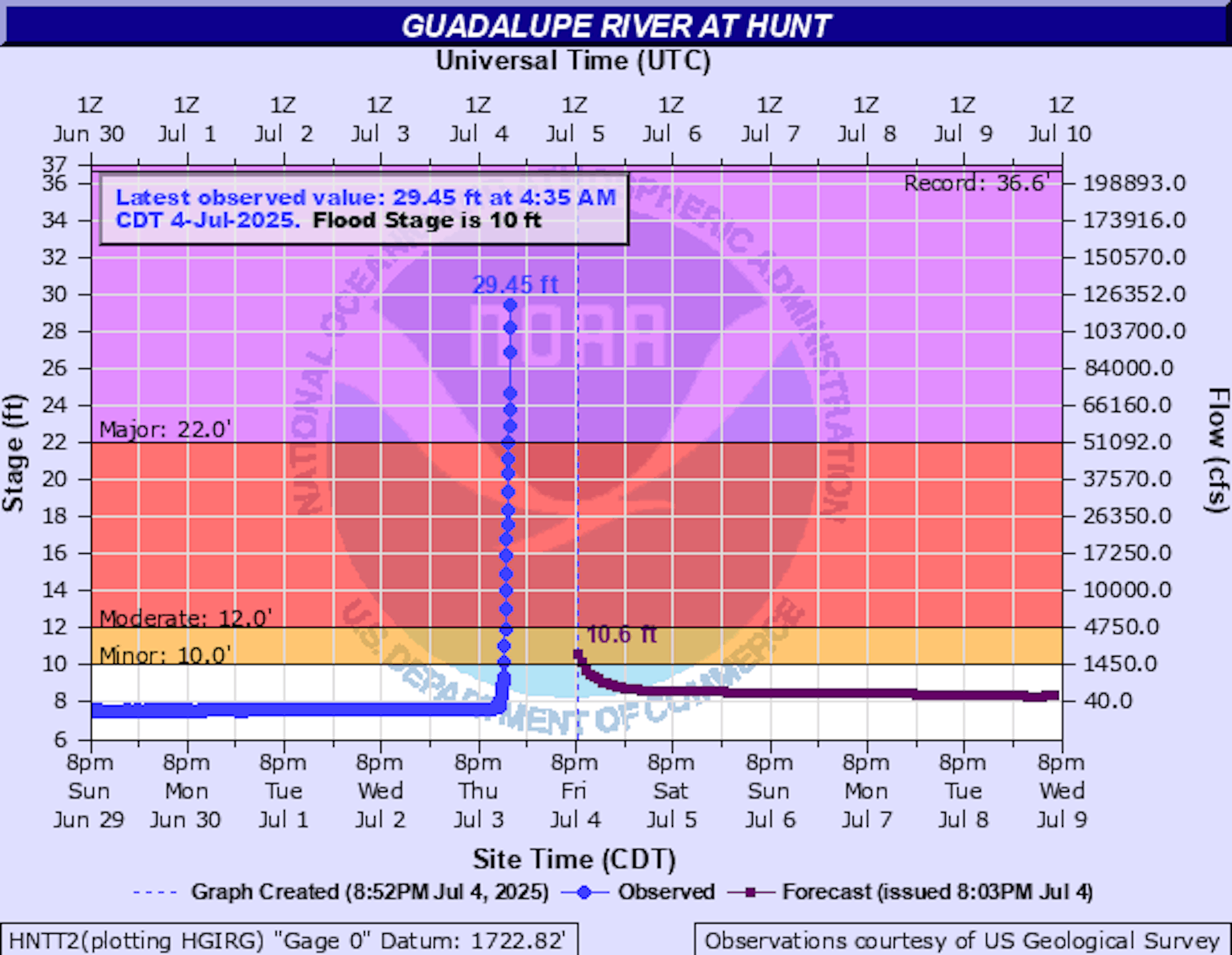
    MIL OSI USA News

  • MIL-OSI USA: Warnock Pushes Trump Admin For Answers on FEMA Cuts

    US Senate News:

    Source: United States Senator Reverend Raphael Warnock – Georgia
    Senator Reverend Warnock first pressed DHS Secretary Kristi Noem for answers on major cuts to FEMA over a month ago. Secretary Noem has yet to respond to critical questions, even in the midst of hurricane season.
    Senator Reverend Warnock: “Know that I will not sit idly by while Georgia lives and livelihoods are endangered. This is about our safety, and we deserve answers.”
    Washington, D.C. – U.S. Senator Reverend Raphael Warnock (D-GA) is escalating his fight to get answers from DHS Secretary Kristi Noem on FEMA’s ability to respond to hurricanes in Georgia this storm season. Senator Warnock renewed his call for answers on social media after Noem failed to respond to his inquiry at the beginning of hurricane season in June. 
    Senator Warnock first pressed Secretary Noem for answers after leaked internal assessments revealed that FEMA is unprepared for the current storm season that began on June 1. The Senator’s calls also follow Secretary Noem’s recent statement in which she doubled down on the administration’s plan to eliminate the agency all together.
    Senator Warnock asked Secretary Noem to commit to ensuring that FEMA’s Region IV office in Atlanta, which oversees disaster response for all of Georgia and much of the southeast, remains fully staffed and resourced for the 2025 hurricane season. 
    “We have seen the devastation and the impact of hurricanes and big storms in Georgia, time and time again,” said Senator Reverend Warnock. “We need to know if the administration is taking this seriously. We do know based on internal reports that much of the agency has been hollowed out. The evidence suggests that we do not have the personnel to respond at the beginning of hurricane season” 
    This is Senator Warnock’s latest effort to ensure that FEMA has the resources needed to protect Georgians from natural disasters and assist with recovery. In the aftermath of Hurricane Helene, Senator Warnock led a bipartisan, bicameral effort to secure billions of dollars in federal funding for disaster recovery efforts in Georgia. The Senator also introduced bipartisan legislation to extend the tax deadline for Georgians impacted by Hurricane Helene and other natural disasters. Senator Warnock also joined a bipartisan effort to demand that the Trump Administration reinstate the Building Resilient Infrastructure and Communities (BRIC) program, which supports local disaster mitigation projects including a $30 million award to Savannah for flood reduction measures that was canceled earlier this year. 
    Full text of the letter can be found HERE and below:
    Dear Secretary Noem,
    As the 2025 Atlantic hurricane season begins this week, and following Acting Administrator Richardson’s stunning and disturbing reported admission that he was unaware the United States has a hurricane season, I write with deep concern about the Trump administration’s efforts to dismantle the Federal Emergency Management Agency (FEMA) and the potentially devastating consequences for Georgia communities.
    Nearly a year ago, in September 2024, Georgia and the entire southeast were bombarded by Hurricane Helene – a multi-state major disaster and the deadliest storm to strike the mainland United States in 20 years. At its peak, Hurricane Helene left more than 1 million Georgians without power, demanded 300 boil water advisories across the state, damaged over 200,000 homes, and left thousands of families displaced.
    Fortunately, thanks to an early presence in Georgia and a “great” working relationship with the Georgia Emergency Management Agency and state leadership, FEMA was prepared to quickly mobilize assistance teams, deliver meals and water to the hardest-hit areas, and coordinate response and recovery efforts with state, local, and nonprofit leaders. Most importantly, FEMA remained in Georgia long after the national cameras left, helping Georgians along their road to recovery and hosting resource fairs for impacted communities on everything from applications for individual assistance to small business loans to housing needs. To date, FEMA has provided over $360 million to survivors and more than $400 million to local governments and communities in Georgia. Though not perfect, this effort required a level of coordination across state lines, rapid mobilization of personnel and supplies, and deep experience that only the federal government and FEMA can provide.
    According to the National Oceanic and Atmospheric Administration (NOAA), the 2025 Atlantic hurricane season will likely be “above normal” and feature up to ten hurricanes, including five major storms that will threaten Georgia and much of the southeast. However, instead of working with state and local governments, nonprofits, and federal partners to prepare for the 2025 hurricane season, the Trump administration and the Department of Homeland Security (DHS) have haphazardly and irresponsibly worked to dismantle the nation’s lead disaster response agency without any workable alternative or sense of direction.
    These reckless actions include:
    Proposing a $646 million budget cut to FEMA in Fiscal Year (FY) 2026, along with the cancellation of billions in disaster relief and mitigation grants that help states prepare for future disasters;
    Gutting FEMA’s workforce by nearly 30 percent, including more than 1,800 voluntary buyouts, 200 terminations, a hiring freeze, the departure of 16 senior officials, as well as the abject firing of FEMA’s administrator who warned against eliminating the agency;
    Pursuing ill-conceived, shortsighted, and abrupt changes to longstanding FEMA policy, including quadrupling the damage threshold for Georgia communities to receive federal assistance from roughly $21 million to more than $84 million;
    Canceling hurricane readiness trainings for state and local emergency managers in Georgia and across the country; and,
    Eliminating the disaster resiliency-focused Building Resilient Infrastructure and Communities (BRIC) program, including a $30 million award to reduce flooding in Savannah, Georgia.
    I am always open to considering thoughtful, transparent reforms developed in close partnership with Congress, states, and local officials, but these unilateral actions are gambling with the lives and livelihoods of millions of Georgians. As DHS’s own internal agency review states, “FEMA is not ready” for the upcoming hurricane season – a frightening assessment that I fear will soon have severe consequences in Georgia and southeastern coastal states.
    To that end, I request answers to the following questions by June 26, 2025, so that Georgians may better understand how your actions will affect their safety during the 2025 hurricane season:
    How would a budget cut of $646 million, as proposed in your FY26 budget request, help FEMA better prepare for and respond to future disasters in Georgia?
    What analyses did DHS conduct to ensure that these budget cuts will not diminish the safety of Americans during hurricane season?

    Please provide any policy justification or budget analysis supporting the cancellation of hurricane readiness trainings for state and local officials, including how such cancellations better prepare local communities for hurricane season.[1] In the absence of such trainings, how does DHS intend to ensure that local officials are prepared for hurricane season?
    Of the FEMA employees who were terminated or accepted voluntary buyouts, how many performed a hurricane preparedness, logistic, or safety function, including those who collaborated with state and local governments before, during, and after a disaster?
    What analyses, if any, has DHS conducted to assess the impact of implemented and proposed workforce reductions on FEMA’s ability to perform its emergency management functions? Please provide copies of any written communications, analyses, and other documentation concerning how workforce reductions will limit FEMA’s ability to carry out its core functions.
    How many counties in Georgia that received federal assistance in the aftermath of previous disasters would have been denied that assistance if FEMA’s proposal to quadruple the damage threshold had been implemented prior to those disasters? Please provide a list of affected disasters and Georgia counties, including how much federal disaster assistance would have been lost by each county under FEMA’s new proposed threshold.
    What public process or consultation, if any, did FEMA conduct before proposing an increase to the per capita impact indicator threshold?
    Please provide a cost-benefit analysis supporting the cancellation of the BRIC program and awarded projects like Savannah, Georgia’s flood reduction measures, including how such cancellations make communities like Savannah more resilient and safer in the event of a severe storm.
    What contingency plans are in place if FEMA staff and resources are overwhelmed during the 2025 hurricane season?
    Are there plans to further adjust or reduce staffing at FEMA’s Region IV office in Atlanta, Georgia, which oversees disaster response for all of Georgia and much of the southeast?
    Will you commit to ensuring this office remains fully staffed and resourced for the duration of the 2025 hurricane season?

    MIL OSI USA News

  • MIL-OSI Canada: New habitat-protection measures support caribou in northeastern B.C.

    Source: Government of Canada regional news

    The B.C. government, Fort Nelson First Nation and the B.C. Energy Regulator (BCER) are working collaboratively to implement new protection measures to support boreal caribou recovery in northeastern B.C.

    “Helping caribou populations recover is a complex challenge requiring multiple approaches to stabilize and reverse the decline of herds in B.C.,” said Randene Neill, Minister of Water, Land and Resource Stewardship. “The Boreal Caribou Protection and Recovery Plan and the implementation of the new measures are crucial for caribou-recovery efforts in these four northeast ranges. The Fort Nelson First Nation community continues to be an integral partner in this important work.”

    The new measures are consistent with the Boreal Caribou Protection and Recovery Plan that was endorsed by the B.C. government in 2023. The Boreal Caribou Protection and Recovery Plan was co-developed by the B.C. government and Fort Nelson First Nation, with contributions from the Northern Rockies Regional Municipality. The plan is designed to meet federal and provincial targets for species-at-risk recovery, while supporting opportunities to strengthen the natural-resource economy in the region.

    “Finalizing the Boreal Caribou Protection and Recovery Plan is a vital step in our shared responsibility to steward the land,” said Chief Archie Harrold, Fort Nelson First Nation. “By working together with the provincial government, we are proving that true collaboration, rooted in respect for Indigenous knowledge and western science, leads to real action. This plan reflects our commitment to protecting boreal caribou and ensuring a healthy land for future generations.”

    The new protection measures applied to selected boreal caribou habitat areas include:

    • the establishment of six new Wildlife Habitat Areas (WHA) through a Government Actions Regulation (GAR) order approved by the delegated decision-maker;
    • the establishment of Resource Review Areas (RRA), where new requests to grant the right to explore for and produce petroleum or natural gas have been temporarily suspended; and
    • interim permitting measures for energy-resource activities.  

    The GAR order to establish the new WHAs targets areas of highest habitat value to boreal caribou, while avoiding areas of highest timber value as much as possible. The management measures laid out in the order apply to primary forestry activities, such as timber harvesting and the construction of associated resource roads in specified areas of the Fort Nelson Timber Supply Area.

    The BCER is implementing interim permitting measures in 1.4 million hectares of habitat that is important for boreal caribou protection. These measures prohibit the issuance of new or amended permits for energy-resource activities or authorizations in Boreal Caribou Management Type 1 areas (core areas) in the affected region, except for:

    • activities necessary to protect health and safety;
    • restoration activities; or
    • technical or administrative activities, with appropriate mitigations to protect boreal caribou habitat and support habitat restoration.

    The Ministry of Energy and Climate Solutions is establishing RRAs within Boreal Caribou Management Type 1 areas where new requests for petroleum and natural gas rights (postings) in the affected region are temporarily suspended. These measures align with the BCER’s interim permitting restrictions and are expected to remain in place for at least three years.

    Collectively, these actions target the specific threats to caribou habitat and support caribou-population recovery objectives, while leaving room for sustainable, inclusive economic opportunities and public access and recreational uses that are compatible with shared recovery goals. The conservation measures will not affect recreation or public access to these areas.

    In July 2024, the B.C. government consulted First Nation governments and potentially affected forestry licensees about the establishment of WHAs. These discussions were completed in February 2025.

    The Province has also engaged with and notified other parties who are not legally affected by habitat-protection measures, such as registered trappers, guide outfitters or local governments, but have interests overlapping the WHAs. The consultation and engagement process provided an opportunity to review the socio-economic assessment and refine boundaries or regulatory actions if needed.

    Learn More:

    To learn more about Boreal Caribou Protection and Recovery Plan, visit: https://www2.gov.bc.ca/assets/download/7701D375C38E4E29ACB37046EC9FAF8F

    MIL OSI Canada News

  • MIL-OSI USA: A Career Built on Helping Others: Cory Chovanec’s Journey in Weatherization

    Source: US National Renewable Energy Laboratory

    NREL Researcher Uses His Field Experience To Help Increase Energy Affordability for Americans Through the Weatherization Assistance Program


    Cory Chovanec leans on a ladder outside a house he is weatherizing. This photo was taken early in Chovanec’s career, between 1998 and 2008. Photo from Cory Chovanec, NREL

    At 17 years old, NREL researcher Cory Chovanec was traveling door to door in his hometown of Berlin, Wisconsin. His mission: to sell enough vacuum cleaners to qualify for an all-expenses-paid trip to Lake Tahoe. At around $1,000 dollars a pop and in a town of just over 5,000 people, it was no easy feat.

    Yet he managed to sell them all—sending both him and his sister on a free vacation.

    “I think if you can sell Kirby vacuums at that price in the ’90s, you can do just about anything,” Chovanec said.

    After following a career path in the weatherization and home performance industry from entry level to a position at a national laboratory, Chovanec found that he really could do just about anything—from crawling through cold, uninsulated subspaces and hot attics to inspecting hundreds of homes with advanced diagnostic equipment.

    Now serving as weatherization team lead at NREL, Chovanec has worked in many different roles supporting the U.S. Department of Energy (DOE) Weatherization Assistance Program (WAP). The program aims to reduce energy costs for low-income households by increasing home energy efficiency. Weatherization saves money for families and enhances health, home comfort, and safety.

    In his nearly four years at NREL, Chovanec has contributed to and led technical assistance, research, and resource development to support WAP, leveraging his extensive experience to ensure these activities benefit field staff and aid in their work improving energy affordability across the country.

    Bit by the Weatherization Bug

    Chovanec did not even know what weatherization was until after high school, when he started working for a local temporary employment agency. One day, they placed him at a community action agency, where he filled in as a weatherization technician.

    Cory Chovanec holds up the damaged door of a manufactured home and the new one he replaced it with. This photo was taken early in Chovanec’s career, between 1998 and 2008. Photo from Cory Chovanec, NREL

    “I didn’t see this as a career. I thought these people were crazy, crawling around attics and everything,” Chovanec said.

    Chovanec was in a Wisconsin farmhouse in the middle of winter when he began to feel the impact of the work “click” for him. It was his first time insulating an attic on his own, and the space was almost unbearably hot because of the lack of insulation. This meant that a large amount of heat was escaping out from the living space, ultimately costing the kind, elderly owners more money to warm their home. As he carried out his work, blowing 13 to 14 inches of insulation over the attic floor, he noticed the attic change from hot to cold. With less heat escaping into the attic, the owners would need less energy to warm their home—greatly reducing their energy bills. 

    Chovanec was hooked. “It was then I could actually feel that this work really does make a difference,” he said.

    Workers in the industry describe this feeling as “getting bit by the weatherization bug.” The work is physically taxing, but Chovanec feels the reward goes far beyond a paycheck. Weatherization technicians and energy auditors are regularly exposed to the extreme heat and cold, exploring all the unseen and potentially hazardous places in a home. Yet Chovanec believed strongly in the WAP mission, saving money on energy bills, and helping people be comfortable and safe in their homes.

    Without prior knowledge of building science or weatherization work, Chovanec learned on the job. Absorbing skills and knowledge through every task and mentorship experience, he accepted a full-time role and climbed the career ladder at the community action agency, eventually accepting a position at a weatherization training center.

    Weatherization training centers provide structured hands-on training opportunities to workers in the weatherization and home performance industry. Chovanec’s main roles at the center were to provide building science training and perform quality control inspections for the state. These inspections help ensure the appropriateness and quality of the work completed on the home by installers and technicians. Chovanec estimates he visited all 72 counties of Wisconsin at least once to perform inspections during his 10-plus years at the center.

    “One of the best things was going back to do a post-weatherization inspection and hearing nothing but good things,” Chovanec said. “Their bills are going down, their house is more comfortable, they physically feel better—it’s just a dose of good news.”

    For Chovanec, home energy auditing is a passion, not just a job. An energy audit consists of a thorough examination to identify potential comfort or safety problems and energy-saving opportunities. He works on his field skills in his free time, taking the four-hour energy auditor recertification field exam every three years. He has now passed the exam five times and enjoys providing home assessments for his friends and family.

    While an energy audit might provide homeowners with the most comprehensive look at ways to cut energy costs in their home, Chovanec emphasized that there are simple steps people can take to minimize energy use and lower bills. Even just ensuring that lights are off in empty rooms and the thermostat is adjusted when you are out of the house can make a difference.

    “When you were a kid and your parents told you to turn the light off when you’re not in the room: That is real, and it helps,” Chovanec said. “We all have control over small things like that, and if we want to save some money on a utility bill, we can achieve that without extensive training.”

    Translating Field Experience Into Valuable Workforce Resources

    In keeping with his unique ability to simplify complex concepts, Chovanec’s favorite projects examine the most technical aspects of weatherization work to streamline them or make them easier to understand.

    One of these projects includes the development of two interactive 3D houses, providing virtual examples of a single-family and manufactured home. These learning tools allow users to explore relevant retrofit strategies and common weatherization measures for different areas of the home, all with a few clicks of their mouse. Chovanec used his field experience to accurately represent the spaces.

    “When thinking about developing resources for the weatherization network, you have to think about how it will look in the hands of the people actually doing the work,” Chovanec said.

    Cory Chovanec explains how to inspect a crawlspace to fellow NREL employees Juliana Williams and Alexa Carrera. Photo by Janna Babad, NREL

    Chovanec also assists volunteer expert committees with updating job task analyses for energy auditor and quality control inspector certification schemes, the role that introduced him to NREL when he volunteered to serve on the update committee as a subject matter expert. These resources are updated roughly every five years with weatherization industry feedback.

    “We are really working to improve the foundational components of credentials through each update cycle, and this is clear with each iteration,” Chovanec said. “The program is always evolving in a way that puts an emphasis on high-quality work that saves people money.”

    Over the years, Chovanec has seen WAP grow in a variety of ways, providing more robust, formalized education and incorporating new technologies as they emerge, like infrared imaging, which helps identify air leaks and thermal anomalies in homes. As research continues, Chovanec knows that there will always be something new to improve homes and lives, and he is excited that NREL can play a key part in those discoveries and enhancements.

    When reflecting on his career journey—from his first WAP agency to NREL—Chovanec said it is important to reach out and take hold of opportunities as they come.

    “The stepping stones are there, you just have to follow the path: volunteer for those committees, go to extra trainings, try to make the most of it,” Chovanec said. “No matter what my role was, I just felt really fortunate to work in WAP and have been mentored by so many incredible and brilliant people, some of whom were around when the program first began in 1976. It is a privilege to continue to support this program.”

    MIL OSI USA News

  • MIL-OSI USA: A Career Built on Helping Others: Cory Chovanec’s Journey in Weatherization

    Source: US National Renewable Energy Laboratory

    NREL Researcher Uses His Field Experience To Help Increase Energy Affordability for Americans Through the Weatherization Assistance Program


    Cory Chovanec leans on a ladder outside a house he is weatherizing. This photo was taken early in Chovanec’s career, between 1998 and 2008. Photo from Cory Chovanec, NREL

    At 17 years old, NREL researcher Cory Chovanec was traveling door to door in his hometown of Berlin, Wisconsin. His mission: to sell enough vacuum cleaners to qualify for an all-expenses-paid trip to Lake Tahoe. At around $1,000 dollars a pop and in a town of just over 5,000 people, it was no easy feat.

    Yet he managed to sell them all—sending both him and his sister on a free vacation.

    “I think if you can sell Kirby vacuums at that price in the ’90s, you can do just about anything,” Chovanec said.

    After following a career path in the weatherization and home performance industry from entry level to a position at a national laboratory, Chovanec found that he really could do just about anything—from crawling through cold, uninsulated subspaces and hot attics to inspecting hundreds of homes with advanced diagnostic equipment.

    Now serving as weatherization team lead at NREL, Chovanec has worked in many different roles supporting the U.S. Department of Energy (DOE) Weatherization Assistance Program (WAP). The program aims to reduce energy costs for low-income households by increasing home energy efficiency. Weatherization saves money for families and enhances health, home comfort, and safety.

    In his nearly four years at NREL, Chovanec has contributed to and led technical assistance, research, and resource development to support WAP, leveraging his extensive experience to ensure these activities benefit field staff and aid in their work improving energy affordability across the country.

    Bit by the Weatherization Bug

    Chovanec did not even know what weatherization was until after high school, when he started working for a local temporary employment agency. One day, they placed him at a community action agency, where he filled in as a weatherization technician.

    Cory Chovanec holds up the damaged door of a manufactured home and the new one he replaced it with. This photo was taken early in Chovanec’s career, between 1998 and 2008. Photo from Cory Chovanec, NREL

    “I didn’t see this as a career. I thought these people were crazy, crawling around attics and everything,” Chovanec said.

    Chovanec was in a Wisconsin farmhouse in the middle of winter when he began to feel the impact of the work “click” for him. It was his first time insulating an attic on his own, and the space was almost unbearably hot because of the lack of insulation. This meant that a large amount of heat was escaping out from the living space, ultimately costing the kind, elderly owners more money to warm their home. As he carried out his work, blowing 13 to 14 inches of insulation over the attic floor, he noticed the attic change from hot to cold. With less heat escaping into the attic, the owners would need less energy to warm their home—greatly reducing their energy bills. 

    Chovanec was hooked. “It was then I could actually feel that this work really does make a difference,” he said.

    Workers in the industry describe this feeling as “getting bit by the weatherization bug.” The work is physically taxing, but Chovanec feels the reward goes far beyond a paycheck. Weatherization technicians and energy auditors are regularly exposed to the extreme heat and cold, exploring all the unseen and potentially hazardous places in a home. Yet Chovanec believed strongly in the WAP mission, saving money on energy bills, and helping people be comfortable and safe in their homes.

    Without prior knowledge of building science or weatherization work, Chovanec learned on the job. Absorbing skills and knowledge through every task and mentorship experience, he accepted a full-time role and climbed the career ladder at the community action agency, eventually accepting a position at a weatherization training center.

    Weatherization training centers provide structured hands-on training opportunities to workers in the weatherization and home performance industry. Chovanec’s main roles at the center were to provide building science training and perform quality control inspections for the state. These inspections help ensure the appropriateness and quality of the work completed on the home by installers and technicians. Chovanec estimates he visited all 72 counties of Wisconsin at least once to perform inspections during his 10-plus years at the center.

    “One of the best things was going back to do a post-weatherization inspection and hearing nothing but good things,” Chovanec said. “Their bills are going down, their house is more comfortable, they physically feel better—it’s just a dose of good news.”

    For Chovanec, home energy auditing is a passion, not just a job. An energy audit consists of a thorough examination to identify potential comfort or safety problems and energy-saving opportunities. He works on his field skills in his free time, taking the four-hour energy auditor recertification field exam every three years. He has now passed the exam five times and enjoys providing home assessments for his friends and family.

    While an energy audit might provide homeowners with the most comprehensive look at ways to cut energy costs in their home, Chovanec emphasized that there are simple steps people can take to minimize energy use and lower bills. Even just ensuring that lights are off in empty rooms and the thermostat is adjusted when you are out of the house can make a difference.

    “When you were a kid and your parents told you to turn the light off when you’re not in the room: That is real, and it helps,” Chovanec said. “We all have control over small things like that, and if we want to save some money on a utility bill, we can achieve that without extensive training.”

    Translating Field Experience Into Valuable Workforce Resources

    In keeping with his unique ability to simplify complex concepts, Chovanec’s favorite projects examine the most technical aspects of weatherization work to streamline them or make them easier to understand.

    One of these projects includes the development of two interactive 3D houses, providing virtual examples of a single-family and manufactured home. These learning tools allow users to explore relevant retrofit strategies and common weatherization measures for different areas of the home, all with a few clicks of their mouse. Chovanec used his field experience to accurately represent the spaces.

    “When thinking about developing resources for the weatherization network, you have to think about how it will look in the hands of the people actually doing the work,” Chovanec said.

    Cory Chovanec explains how to inspect a crawlspace to fellow NREL employees Juliana Williams and Alexa Carrera. Photo by Janna Babad, NREL

    Chovanec also assists volunteer expert committees with updating job task analyses for energy auditor and quality control inspector certification schemes, the role that introduced him to NREL when he volunteered to serve on the update committee as a subject matter expert. These resources are updated roughly every five years with weatherization industry feedback.

    “We are really working to improve the foundational components of credentials through each update cycle, and this is clear with each iteration,” Chovanec said. “The program is always evolving in a way that puts an emphasis on high-quality work that saves people money.”

    Over the years, Chovanec has seen WAP grow in a variety of ways, providing more robust, formalized education and incorporating new technologies as they emerge, like infrared imaging, which helps identify air leaks and thermal anomalies in homes. As research continues, Chovanec knows that there will always be something new to improve homes and lives, and he is excited that NREL can play a key part in those discoveries and enhancements.

    When reflecting on his career journey—from his first WAP agency to NREL—Chovanec said it is important to reach out and take hold of opportunities as they come.

    “The stepping stones are there, you just have to follow the path: volunteer for those committees, go to extra trainings, try to make the most of it,” Chovanec said. “No matter what my role was, I just felt really fortunate to work in WAP and have been mentored by so many incredible and brilliant people, some of whom were around when the program first began in 1976. It is a privilege to continue to support this program.”

    MIL OSI USA News

  • MIL-OSI USA: S. 306, Fire Ready Nation Act of 2025

    Source: US Congressional Budget Office

    S. 306 would authorize the appropriation of specific amounts for each fiscal years from 2026 through 2030 for the National Oceanic and Atmospheric Administration (NOAA) to establish a fire weather services program to support wildfire forecasting, responsiveness, and local collaborations.

    Under the bill, NOAA would be required to:

    • Develop modeling and data systems for fire weather predictions,
    • Maintain a public website to promote the program’s services and data,
    • Award grants to non-federal entities for program development,
    • Conduct pilot projects and research on unmanned systems for fire weather observations,
    • Establish an Incident Meteorologist Service within the National Weather Service, and
    • Report to the Congress on the program’s implementation.

    The costs of the legislation, detailed in Table 1, fall within budget function 300 (natural resources and environment).

    Table 1.

    Estimated Increases in Spending Subject to Appropriation Under S. 306


    By Fiscal Year, Millions of Dollars


    2025

    2026

    2027

    2028

    2029

    2030

    2025-2030

    Authorization

    0

    15

    20

    27

    36

    50

    148

    Estimated Outlays

    0

    4

    12

    18

    26

    35

    95

    Enacting the bill would increase direct spending by less than $500,000 over the 2025-2035 period.

    CBO assumes that the bill will be enacted in 2025 and that the authorized amounts will be provided in each year. Based on historical spending patterns, CBO estimates that implementing the bill would cost $95 million over the 2025-2030 period and $51 million after 2030.

    The bill also would authorize additional premium pay in calendar year 2025 for Department of Commerce employees involved in emergency wildfire suppression and whose earnings, including premium pay, exceed a specified threshold. Under current law, employees can earn premium pay only to the extent that their combined base and premium pay does not exceed the greater of the GS-15 maximum or Executive Schedule Level V salary level. Because the additional pay would apply to work already completed, that spending is treated as direct spending. Using information from the Forest Service, CBO estimates that enacting S. 306 would increase direct spending by less than $500,000 over the 2025-2030 period.

    The CBO staff contact for this estimate is Kelly Durand. The estimate was reviewed by H. Samuel Papenfuss, Deputy Director of Budget Analysis.

    Phillip L. Swagel

    Director, Congressional Budget Office

    MIL OSI USA News

  • MIL-OSI USA: Fischer Secures Key Provisions for Nebraska, Offutt Air Force Base in Annual Defense Funding Bill

    US Senate News:

    Source: United States Senator for Nebraska Deb Fischer

    Secures provisions for the 557th Weather Wing, Defense POW/MIA Accounting Agency, U.S. Strategic Command at Offutt Air Force Base

    U.S. Senator Deb Fischer (R-Neb.), a senior member of the Senate Armed Services Committee and chair of the Strategic Forces Subcommittee, secured key provisions for Nebraska, America’s service members, and Offutt Air Force Base in the Senate’s Fiscal Year (FY) 2026 National Defense Authorization Act (NDAA). 

    “As a senior member of the Senate Armed Services Committee, I understand the critical role Offutt Air Force Base plays in keeping our nation safe. That’s why I fought to secure authorization for investments in U.S. Strategic Command, the 557th Weather Wing and the 
    Defense POW/MIA Accounting Agency—all located right here at Offutt. The brave men and women who serve at Offutt deserve the resources and tools they need to succeed and keep our people and nation safe. I’m pleased to champion these efforts in Congress,” Fischer said. 

    Fischer secured authorization for critical investments for U.S. Strategic Command (STRATCOM) at Offutt Air Force Base:

    • Over $4 billion in investments to the Sentinel program
    • $320 million for the U.S. Navy to develop the Nuclear Armed Sea-Launched Cruise Missile (SLCM)
    • $186 million for the National Nuclear Security Administration (NNSA) to develop the SLCM warhead
    • $30 million for the Nuclear Command, Control, and Communications (NC3) Rapid Engineering Architecture Collaboration Hub (REACH) program
    • $16 million for the planning and design of a 2-Bay Hangar to support the Survivable Airborne Operations Center (SAOC)
    • $7.35 million for the planning and design of a Supply Storage Facility to support the SAOC
    • $1.9 million for the planning and design of 1-Bay Hangar to support the SAOC


    Fischer secured several provisions aimed at improving America’s nuclear deterrence, supporting service members, and improving Offutt Air Force Base operations:

    • Requiring Sentinel to reach initial operational capability no later than September 30, 2033
    • Requiring the Air Force to deploy at least 400 Intercontinental Ballistic Missiles (ICBMs) at least 450 launch facilities
    • Expanding the Defense POW/MIA Accounting Agency’s (DPAA) authority to procure goods and services from foreign nations to support recovery efforts for missing American servicemembers
    • Authorizing an additional $19 million for DPAA to reverse a reduction in funds
    • Directing the Defense Health Agency (DHA) to provide Congress with an update on the status of the National Disaster Medical System (NDMS) pilot program which was established during the FY20 NDAA
    • Directing the Secretary of the Air Force to submit a report on the current capabilities of the 557th Weather Wing as it relates to cloud technology and data management systems
    • Clarifying the 557th Weather Wing’s authorities to provide weather data to the Intelligence Community

    MIL OSI USA News