Category: Energy

  • MIL-OSI Europe: Negotiating mandate for recognition of electronic signatures

    Source: Switzerland – Department of Foreign Affairs in English

    Electronic signatures on documents should be recognised in Switzerland and in the European Union (EU). At its meeting on 29 January 2025, the Federal Council instructed the Federal Department of the Environment, Transport, Energy and Communications (DETEC) to draw up a corresponding mandate for negotiating with the EU, in collaboration with the Federal Department of Foreign Affairs (FDFA).

    MIL OSI Europe News

  • MIL-OSI Europe: Belgium: UZ Leuven gets support from EIB for modernisation and expansion

    Source: European Investment Bank

    UZ Leuven to benefit from €230 million lending agreement between KU Leuven and the European Investment Bank (EIB), to finance its infrastructure plans up to 2031. The works will cover an overhaul of the main Health Sciences campus Gasthuisberg in Leuven. A well-planned layout of medical departments and supporting services will allow for optimised patient- and workflows.

    UZ Leuven’s “Health Sciences Campus 2.0” masterplan foresees works on the intensive care units, operating theatres, imaging, nuclear medicine and ambulatory care facilities such as endoscopy and dentistry, as well as works on the pharmacy.

    The European Investment Bank will support UZ Leuven 2022-2031 investment plan with a €230 million loan to the Catholic University Leuven (KU Leuven). The hospital will use the financing to support its masterplan of adapting the infrastructure on existing campuses to current research and medical care requirements.

    The financing supports UZ Leuven’s “Health Sciences campus 2.0” masterplan, which will further transform its campus into an innovation ecosystem, in-line with Flanders’ ambition to support and develop its knowledge economy, in close collaboration with the KU Leuven. The intensive care units and operating theatres will benefit from new facilities to substitute aging buildings, allowing also to better connect and integrate them with other parts of the care site, including the new construction featuring, hospitalisation facilities and the extension for oncological care.

    The loan will also be used to finance research facilities for nuclear medicine, the tissue and biobank facility, as well as a new production site for the hospital pharmacy in Leuven. Next to the investments in the expansion, modernisation and renovation of parts of the Gasthuisberg campus, the EIB loan will also support further renewal of UZ Leuven’s rehabilitation campus Pellenberg, for both hospitalisation and one-day care.

    EIB Vice-President Robert de Groot said: “UZ Leuven’s plans will not only help the hospital cater for profound changes to existing care models, it will also further integrate the facilities in the knowledge and innovation ecosystem that Leuven is creating. This is the EIB’s second financing for Leuven’s hospital campus, showing the commitment of the EIB in supporting social infrastructure and financing projects that have a positive impact on citizens.”

    “UZ Leuven and KU Leuven greatly appreciate the essential support from EIB. This financing allows us, together with VIPA resources and internal funding, to establish state of the art facilities for both our top patient care programs as well as our research and innovation infrastructure. This way, as a university hospital, we can continue to push boundaries for our patients.” said UZ Leuven CEO prof. dr. Paul Herijgers.

    Background information:

    The European Investment Bank (EIB) is the EU institution for long-term loans. Its shares are held by the 27 EU Member States, with 5.2% owned by Belgium. The EIB makes long-term financing available for sound investments that contribute towards the EU’s policy objectives. In 2023 the EIB provided over €2.1 billion in financing for Belgian projects.

    UZ Leuven is affiliated with KU Leuven university and is the largest tertiary care university hospital in Belgium, tracing its origins to the Sint-Pieter Hospital, established in the heart of the City of Leuven in 1080. Consisting of the Gasthuisberg, Pellenberg and Sint-Rafaël (city) campuses, it’s one of the leading university hospitals in Europe, providing more than 1,800 beds which are served by almost 10,000 employees. Gasthuisberg is the main campus and contains all the highly specialised services, connected to the biomedical facilities of KU Leuven.


    MIL OSI Europe News

  • MIL-OSI Economics: W&T Offshore Announces Initial Results of Cash Tender Offer and Consent Solicitation

    Source: W & T Offshore Inc

    Headline: W&T Offshore Announces Initial Results of Cash Tender Offer and Consent Solicitation

    HOUSTON, Jan. 29, 2025 (GLOBE NEWSWIRE) — W&T Offshore, Inc. (NYSE: WTI) (“W&T” or the “Company”) announced today the initial results of its previously announced cash tender offer (the “Tender Offer”) relating to any and all of its outstanding 11.750% senior second lien notes due 2026 (the “2026 Senior Second Lien Notes”) pursuant to its Offer to Purchase and Consent Solicitation dated January 13, 2025 (the “Offer to Purchase”). In conjunction with the Tender Offer, the Company also solicited consents (the “Consent Solicitation”) from the holders of the 2026 Senior Second Lien Notes for the adoption of proposed amendments (the “Proposed Amendments”), which, among other things, eliminated substantially all of the restrictive covenants, as well as various events of default and related provisions contained in the indenture governing the 2026 Senior Second Lien Notes (the “Indenture”).

    As of 5:00 p.m. (New York City time) on January 27, 2025, the Company had received the requisite tenders and consents to the Proposed Amendments. The Proposed Amendments became effective on January 27, 2025 upon execution of a supplemental indenture to the indenture governing the 2026 Senior Second Lien Notes.

    On January 28, 2025 (the “Early Settlement Date”), the Company accepted and purchased $269,741,000 aggregate principal amount of the outstanding 2026 Senior Second Lien Notes (or approximately 98.09% of the outstanding principal amount of 2026 Senior Second Lien Notes) for a purchase price equal to $1,036.25, plus accrued and unpaid interest, for each $1,000 principal amount of the 2026 Senior Second Lien Notes purchased. After giving effect to the purchase of 2026 Senior Second Lien Notes on the Early Settlement Date, an aggregate $5,259,000 principal amount of the 2026 Senior Second Lien Notes will remain outstanding.

    W&T’s tender offer for the 2026 Senior Second Lien Notes will expire at 5:00 p.m. (New York City time) on February 11, 2025, unless the Tender Offer is extended by the Company in its sole discretion (the “Expiration Time”). Holders of the 2026 Senior Second Lien Notes who validly tender their 2026 Senior Second Lien Notes on or prior to the Expiration Time, and whose 2026 Senior Second Lien Notes are accepted for purchase, will receive consideration of $1,006.25 per $1,000 principal amount of the 2026 Senior Second Lien Notes tendered. In addition, the Company will pay accrued and unpaid interest on the principal amount of 2026 Senior Second Lien Notes accepted for purchase from the most recent interest payment date on the 2026 Senior Second Lien Notes to, but not including, February 13, 2025, the final settlement date.

    Also on January 28, 2025, the Company mailed a notice of redemption to each remaining holder of 2026 Senior Second Lien Notes. The notice of redemption calls for the redemption of any 2026 Senior Second Lien Notes that remain outstanding on August 1, 2025. Such redemption is being made in accordance with the “optional redemption” provision of the Indenture, at a redemption price equal to 100.000% of the aggregate principal amount of the 2026 Senior Second Lien Notes, plus accrued and unpaid interest up to, but excluding, the date of redemption.

    Because the withdrawal deadline of 5:00 p.m. (New York City time) on January 27, 2025 has passed, previously tendered 2026 Senior Second Lien Notes may no longer be withdrawn, and holders who tender 2026 Senior Second Lien Notes after the withdrawal deadline will not have withdrawal rights.

    W&T engaged Morgan Stanley & Co. LLC to act as dealer manager for the Tender Offer and as solicitation agent for the Consent Solicitation and can be contacted at (212) 761-1057 (collect) or (800) 624-1808 (toll-free) with questions regarding the Tender Offer and Consent Solicitation.

    Copies of the Offer to Purchase are available to holders of 2026 Second Senior Lien Notes from D.F. King & Co., Inc., the information agent and tender agent for the Tender Offer and the Consent Solicitation. Requests for copies of the Offer to Purchase should be directed to D.F. King at (866) 620-2535 (toll free), (212) 269-5550 (banks and brokers) or wtoffshore@dfking.com

    Neither the Offer to Purchase nor any related documents have been filed with the U.S. Securities and Exchange Commission (“SEC”), nor have any such documents been filed with or reviewed by any federal or state securities commission or regulatory authority of any country. No authority has passed upon the accuracy or adequacy of the Offer to Purchase or any related documents, and it is unlawful and may be a criminal offense to make any representation to the contrary.

    The Tender Offer and the Consent Solicitation were made solely on the terms and conditions set forth in the Offer to Purchase. Under no circumstances shall this press release constitute an offer to buy or the solicitation of an offer to sell the 2026 Second Senior Lien Notes or any other securities of the Company or any of its subsidiaries. The Tender Offer and the Consent Solicitation are not being made to, nor will the Company accept tenders of 2026 Second Senior Lien Notes or deliveries of consents from, holders in any jurisdiction in which the Tender Offer and the Consent Solicitation or the acceptance thereof would not be in compliance with the securities of blue sky laws of such jurisdiction. This press release also is not a solicitation of consents to the Proposed Amendments to the indenture governing the 2026 Second Senior Lien Notes. No recommendation is made as to whether holders should tender their 2026 Second Senior Lien Notes or deliver their consents with respect to the 2026 Second Senior Lien Notes. Holders should carefully read the Offer to Purchase because it contains important information, including the terms and conditions of the Tender Offer and the Consent Solicitation.

    About W&T Offshore

    W&T Offshore, Inc. is an independent oil and natural gas producer, active in the exploration, development and acquisition of oil and natural gas properties in the Gulf of Mexico. As of September 30, 2024, the Company had working interests in 53 producing offshore fields in federal and state waters (which include 46 fields in federal waters and seven in state waters). The Company has under lease approximately 673,100 gross acres (515,400 net acres) spanning across the outer continental shelf off the coasts of Louisiana, Texas, Mississippi and Alabama, with approximately 514,000 gross acres on the conventional shelf, approximately 153,500 gross acres in the deepwater and 5,600 gross acres in Alabama state waters. A majority of the Company’s daily production is derived from wells it operates. For more information on W&T, please visit the Company’s website at www.wtoffshore.com.

    Forward-Looking and Cautionary Statements

    This press release contains forward-looking statements within the meaning of Section 27A of the Securities Act of 1933, as amended, and Section 21E of the Securities Exchange Act of 1934, as amended. All statements other than statements of historical facts included in this release regarding the Company’s financial position, operating and financial performance, timing and completion of the Tender Offer and Consent Solicitation are forward-looking statements. When used in this release, forward-looking statements are generally accompanied by terms or phrases such as “estimate,” “project,” “predict,” “believe,” “expect,” “continue,” “anticipate,” “target,” “could,” “plan,” “intend,” “seek,” “goal,” “will,” “should,” “may” or other words and similar expressions that convey the uncertainty of future events or outcomes, although not all forward-looking statements contain such identifying words. Items contemplating or making assumptions about actual or potential future production and sales, prices, market size, and trends or operating results also constitute such forward-looking statements.

    These forward-looking statements are based on the Company’s current expectations and assumptions about future events and speak only as of the date of this release. While management considers these expectations and assumptions to be reasonable, they are inherently subject to significant business, economic, competitive, regulatory and other risks, contingencies and uncertainties, most of which are difficult to predict and many of which are beyond the Company’s control. Accordingly, you are cautioned not to place undue reliance on these forward-looking statements, as results actually achieved may differ materially from expected results described in these statements. The Company does not undertake, and specifically disclaims, any obligation to update any forward-looking statements to reflect events or circumstances occurring after the date of such statements, unless required by law.

    Forward-looking statements are subject to risks and uncertainties that could cause actual results to differ materially including, among other things, the regulatory environment, including availability or timing of, and conditions imposed on, obtaining and/or maintaining permits and approvals, including those necessary for drilling and/or development projects; the impact of current, pending and/or future laws and regulations, and of legislative and regulatory changes and other government activities, including those related to permitting, drilling, completion, well stimulation, operation, maintenance or abandonment of wells or facilities, managing energy, water, land, greenhouse gases or other emissions, protection of health, safety and the environment, or transportation, marketing and sale of the Company’s products; inflation levels; global economic trends, geopolitical risks and general economic and industry conditions, such as the global supply chain disruptions and the government interventions into the financial markets and economy in response to inflation levels and world health events; volatility of oil, NGL and natural gas prices; the global energy future, including the factors and trends that are expected to shape it, such as concerns about climate change and other air quality issues, the transition to a low-emission economy and the expected role of different energy sources; supply of and demand for oil, natural gas and NGLs, including due to the actions of foreign producers, importantly including OPEC and other major oil producing companies (“OPEC+”) and change in OPEC+’s production levels; disruptions to, capacity constraints in, or other limitations on the pipeline systems that deliver the Company’s oil and natural gas and other processing and transportation considerations; inability to generate sufficient cash flow from operations or to obtain adequate financing to fund capital expenditures, meet the Company’s working capital requirements or fund planned investments; price fluctuations and availability of natural gas and electricity; the Company’s ability to use derivative instruments to manage commodity price risk; the Company’s ability to meet the Company’s planned drilling schedule, including due to the Company’s ability to obtain permits on a timely basis or at all, and to successfully drill wells that produce oil and natural gas in commercially viable quantities; uncertainties associated with estimating proved reserves and related future cash flows; the Company’s ability to replace the Company’s reserves through exploration and development activities; drilling and production results, lower–than–expected production, reserves or resources from development projects or higher–than–expected decline rates; the Company’s ability to obtain timely and available drilling and completion equipment and crew availability and access to necessary resources for drilling, completing and operating wells; changes in tax laws; effects of competition; uncertainties and liabilities associated with acquired and divested assets; the Company’s ability to make acquisitions and successfully integrate any acquired businesses; asset impairments from commodity price declines; large or multiple customer defaults on contractual obligations, including defaults resulting from actual or potential insolvencies; geographical concentration of the Company’s operations; the creditworthiness and performance of the Company’s counterparties with respect to its hedges; impact of derivatives legislation affecting the Company’s ability to hedge; failure of risk management and ineffectiveness of internal controls; catastrophic events, including tropical storms, hurricanes, earthquakes, pandemics and other world health events; environmental risks and liabilities under U.S. federal, state, tribal and local laws and regulations (including remedial actions); potential liability resulting from pending or future litigation; the Company’s ability to recruit and/or retain key members of the Company’s senior management and key technical employees; information technology failures or cyberattacks; and governmental actions and political conditions, as well as the actions by other third parties that are beyond the Company’s control, and other factors discussed in W&T Offshore’s most recent Annual Report on Form 10-K and subsequent Quarterly Reports on Form 10-Q found at www.sec.gov or at the Company’s website at www.wtoffshore.com under the Investor Relations section.

    Disclaimer

    This press release must be read in conjunction with the Offer to Purchase. This announcement and the Offer to Purchase contain important information which must be read carefully before any decision is made with respect to the Tender Offer and the Consent Solicitation. If any holder of 2026 Senior Second Lien Notes is in any doubt as to the actions it should take, it is recommended to seek its own legal, tax, accounting and financial advice, including as to any tax consequences, immediately from its stockbroker, bank manager, attorney, accountant or other independent financial or legal adviser. Any individual or company whose 2026 Senior Second Lien Notes are held on its behalf by a broker, dealer, bank, custodian, trust company or other nominee or intermediary must contact such entity if it wishes to participate in the Offer to Purchase. None of the Company, the dealer manager and solicitation agent, the information agent and tender agent and any person who controls, or is a director, officer, employee or agent of such persons, or any affiliate of such persons, makes any recommendation as to whether holders of 2026 Senior Second Lien Notes should participate in the Tender Offer.

         
    CONTACT: Al Petrie Sameer Parasnis
      Investor Relations Coordinator Executive VP and CFO
      investorrelations@wtoffshore.com sparasnis@wtoffshore.com
      713-297-8024 713-513-8654

    Source: W&T Offshore, Inc.

    MIL OSI Economics

  • MIL-OSI Russia: Sobyanin: Construction of a school on the territory of the Tushino airfield has been completed

    Translartion. Region: Russians Fedetion –

    Source: Moscow Government – Government of Moscow –

    A school has been completed on the territory of the former Tushino airfield. The building on Volokolamsk Highway has created a comfortable and safe space for 825 children to study. This was reported in his telegram channel written by Sergei Sobyanin.

    “Universal and specialized classrooms were created for teachers and students, as well as a creative space similar to a university campus with laboratory and research complexes. The central element of the school is the atrium, which can be used as an assembly hall or an event venue. The building’s design is the winner of the 2023 Moscow Architecture and Urban Development Award in the educational facilities category,” said Sergei Sobyanin.

    Source: Sergei Sobyanin’s Telegram channel @mos_sobyanin

    The construction of a new school building at 75v Volokolamskoe Shosse began in May 2022 and was completed in January 2025. It was built at the expense of the investor, Asterus, the developer of the Ália residential complex, which is implementing a project to create a modern residential area with an educational hub on the territory of the former Tushino airfield.

    In addition to the school building, it will include children’s educational routes and a Coastal Park, organized according to the concept of a forest school, where adults and young city residents will be able to gain a variety of experiences interacting with living nature.

    The investor will donate the new educational building to the capital’s education system free of charge; it will become part of the complex of School No. 58.

    School with atrium

    The building was constructed according to the design of an architectural bureau that won the 2023 Moscow City Prize in architecture and urban planning in the nomination “Best Architectural and Urban Planning Solution for a School”.

    The building has four floors and one underground floor. Its area is more than 12 thousand square meters. It has created a comfortable and safe space for studying for 825 schoolchildren of grades 1-11, including a barrier-free environment for children with disabilities.

    The school building fits harmoniously into the surrounding landscape. Visually, it consists of two blocks – for primary and secondary schools. The facades with panoramic windows were made in yellow, white and gray colors to emphasize the features of the complex volumetric composition and highlight large elements in the structure of the building, assembled like a construction set.

    The design of the classrooms differs depending on the age of the students: a more formal design was created for older students and a brighter one for younger students. The walls of the school are decorated with images of function graphs, chains of molecules and diagrams of sound waves. Cryptograms were used in the design of the corridors, which facilitate navigation around the building.

    The central element of the building is the atrium — a multifunctional and multi-light space with increased ceiling height. It can be used as a lecture hall, an assembly hall or a venue for events. In addition, the atrium can serve as a comfortable space for relaxation. In fact, it will become a kind of heart of the school. At the same time, special acoustic panels will absorb possible noise, so neither loud music nor children’s laughter in the atrium will interfere with classes in the classrooms.

    In addition to 33 universal and specialized classrooms, students and teachers will have access to a creative space similar to a university campus, including laboratory and research complexes. The building also houses a media library, creative workshops, gyms, and much more.

    A sports core was set up on the school grounds: circular and straight running tracks, playgrounds for playing sports (basketball, football, volleyball), as well as recreation areas with a playground for students in grades 5-11, where a shade canopy and small play equipment were installed. In addition, an educational and experimental unit with greenhouses was located next to the school.

    The new school is scheduled to accept its first students on September 1, 2025.

    “Mathematical vertical” and pre-professional classes

    The new educational space will feature a combination of classical programs of in-depth training in the academic model of specialized education with practice-oriented engineering and technical classes, which the school implements jointly with partners (STEM approach) in the context of integrated support from a strong psychological service. Close attention will be paid to the involvement of children in sports, the use of available sports infrastructure, and the development of a school sports club.

    The school’s partners in developing the engineering and technical direction will be the state corporation Rostec and leading technical universities: Bauman Moscow State Technical University, MIREA – Russian Technological University and Moscow Aviation Institute (National Research University).

    The school plans to open classes with a mathematical and natural science focus as part of the city project “Mathematical Vertical” for students in grades seven through nine, as well as pre-professional classes (10th and 11th) as part of the city projects “Engineering Class in a Moscow School” and “IT Class in a Moscow School”.

    The focus on practical tasks and project work will be a special feature of the profile training of schoolchildren. The educational process provides for an individual approach to the children.

    Thus, the plans include introducing students to advanced professions in the field of engineering and motivating them to master professions that are in demand in the metropolis labor market. It is also planned to implement practice-oriented training based on additional pre-professional training courses, partnerships with universities and employers as part of the Rostec state corporation. In addition, it is planned to involve children in project and research activities in the field of modern engineering. Excursions, guest classes, master classes and the like will be held for schoolchildren, for example, off-site classes at the enterprises of the Rostec state corporation, as well as scientific events.

    Graduates of the school who have completed pre-profile engineering classes are planned to be considered as a priority for further training within the framework of targeted programs of the Rostec state corporation, such as Wings of Rostec, Code of Rostec, Rostec. Biotechmed.

    Medalists and winners of the Olympics

    School No. 58, created in 2019, currently includes two educational buildings on Tvardovskogo and Letnaya streets — a school building and a preschool building. It has 741 students, including 598 schoolchildren and 143 preschoolers. The workforce consists of 82 employees, including 60 teaching staff.

    The system of additional education includes programs of various focus areas: natural science, technical, physical education and sports, and social and humanitarian. The coverage of students by additional education is 95 percent.

    In the 2023/2024 academic year, 71 eleventh-graders graduated. Of these, 23 people (32 percent) were awarded the federal medal “For Special Achievements in Studies” (gold and silver), 11 people (15 percent) – the Moscow medal “For Special Achievements in Studies”. Based on the results of the Unified State Exam, 31 graduates (44 percent) received 250 points or higher in three subjects. Two graduates scored 100 points in English and mathematics.

    Last academic year, 60 children were also awarded diplomas of winners and prize winners of the municipal stage of the All-Russian School Olympiad. 34 students took part in the regional stage, of which 10 people became prize winners. Eight children received the title of prize winners of the Moscow School Olympiad. Teams of 10th and 11th grades became winners and prize winners of programming Olympiads (for example, PROD) and various hackathons.

    New schools and kindergartens

    Since 2011, 648 educational facilities have been built in Moscow, including 450 kindergartens and 198 schools. Of these, 327 were financed from the city budget and 321 from extra-budgetary funds. Plans call for the construction of about 200 new educational facilities by 2027.

    Sergei Sobyanin spoke about the development of the territory of the former Tushino airfield

    Program “My District”. Pokrovskoe-Streshnevo

    Program “My area”, developed on the initiative of Sergei Sobyanin, is the largest project for the comprehensive improvement and development of urban areas. Its goal is to create comfortable living conditions for Muscovites, regardless of their place of residence.

    More than 67 thousand people live in Pokrovskoe-Streshnevo, located in the North-West Administrative District. In recent years, much has been done here to improve the quality of life of the townspeople.

    The ground metro has arrived here — the second Moscow Central Diameter with the stations Trikotazhnaya, Tushinskaya and the city stations Shchukinskaya and Streshnevo. Convenient approaches and approaches from residential buildings have been arranged to them. At Shchukinskaya and Tushinskaya, you can transfer to the Tagansko-Krasnopresnenskaya metro line, and from Streshnevo — transfer to the station of the same name on the Moscow Central Circle.

    The reconstruction of Volokolamskoe Shosse with a radical upgrade of the interchange on the Moscow Ring Road has been completed. As a result, traffic has accelerated on one of the busiest outbound highways, and it has also improved on the northwestern section of the Moscow Ring Road. And thanks to the new U-turn overpass on Volokolamskoe Shosse towards Shchukino, it has been possible to significantly reduce the excess mileage of vehicles. In addition, Volokolamskoe Shosse has been improved – it has turned into a highway with comfortable transfers with convenient stops and pedestrian crossings.

    Seven new ground transportation routes were organized in the district. More than 50 modern bus stops were installed.

    Three charging stations of the Energy of Moscow project have been equipped for electric vehicles. Fans of cycling can use 44 bicycle parking areas and three city bike rental stations.

    The Skhodnya River Bank Park was improved, where water obstacles for rowers to train were installed on the territory of the rowing base. The Khimki River Valley Park, the embankment along the Skhodnensky Canal (left bank) from the Western Bridge to the Moscow Canal, as well as the squares near the Gzhel Moscow State Academic Dance Theater and in front of the S.G. Stroganov Russian State University of Art and Industry were put in order. In addition, 43 courtyards were improved.

    Water obstacles for slalom have been installed at the rowing base in the Skhodnya River Bank ParkMajor improvement works on Volokolamsk highway completed

    A large and significant project was the development of the natural and historical park “Pokrovskoye-Streshnevo”. During the work, the idea of its conditional division into several functional zones was implemented. Thus, a natural, ecological and educational, leisure and recreational, sports and historical and cultural parks appeared. The main and central part of “Pokrovskoye-Streshnevo” remained a natural reserve zone, and the places of active recreation were moved closer to residential areas and transport highways. In the park, the outdated infrastructure was updated and new infrastructure was created for a comfortable and safe stay of city residents, including the arrangement of 16 playgrounds, 23 sports areas, 16 gazebos for picnics.

    In the historical and cultural part of the park, the restoration of the estate ensemble is currently underway. The regular garden has been recreated, the facade work on the main house, the greenhouse and the fence with turrets has been completed, and the interiors are being restored. All elements of the architectural ensemble will be carefully restored using archival photos and drawings and adapted for modern use.

    Parquet flooring to be recreated in Pokrovskoe-Streshnevo estate

    An important event for the development of healthcare was the opening of a new treatment and diagnostic complex of the Infectious Diseases Clinical Hospital No. 1. These are three buildings with Meltzer boxes, which have no analogues in the country in terms of equipment and level of comfort.

    Sergei Sobyanin announced the imminent opening of a new complex of infectious diseases hospital No. 1The new complex of the Infectious Diseases Hospital No. 1 will become the best specialized hospital in Russia – Sergei Sobyanin

    As part of the modernization of the outpatient sector, a comprehensive reconstruction of the main building of Children’s Clinic No. 94 (Vishnevaya Street, Building 20, Building 2) has been completed and work is underway in Branch No. 3 of Clinic No. 115 (Dolgov Street, Building 1, Building 4).

    The multifunctional sports complex “Chkalov Arena” is popular with the city residents. It houses an ice arena, a universal sports hall, choreography halls and other areas where professionals and amateurs train. The new physical culture and health complex on Tushinskaya Street (house 16a) is also in demand among the residents of the district.

    Completed a comprehensive renovation of the sports and fitness complex on Gabrichevsky Street with modern sports equipment. They plan to build a multifunctional Sports Palace with an ice arena, a swimming pool, a multi-purpose hall and a gym at the address: Volokolamskoe Shosse, Building 71/10.

    For communication, leisure and creativity of the older generation, the Moscow Longevity Center of the Pokrovskoe-Streshnevo district was opened at the address: Svobody Street, Building 8/4, Building 1. Routine repairs were carried out at Children’s Libraries No. 232 (1st Tushinsky Proezd, Building 4), No. 236 (Bolshaya Naberezhnaya Street, Building 15) and Library No. 234 (Gabrichevsky Street, Building 8).

    Renovation in Pokrovskoe-Streshnevo

    In Pokrovskoe-Streshnevo, 48 buildings are included in the renovation program; about 8.3 thousand Muscovites will move into new modern apartments. The stages of resettlement have been determined:

    — first stage (2020–2024) — three houses have been resettled and demolished (the task has been fully completed);

    — the second stage (2025–2028) — resettlement of another 25 houses (eight of them are in the process of resettlement);

    — the third stage (2029–2032) — resettlement of 20 houses.

    Eight territories have been selected for resettlement of residents. Residential complexes have already been built on two of them. Design and urban planning documentation is being prepared for another six sites.

    Sergei Sobyanin included nine new sites in the renovation programA house will appear in Pokrovskoe-Streshnevo under the renovation program

    Please note: This information is raw content directly from the source of the information. It is exactly what the source states and does not reflect the position of MIL-OSI or its clients.

    Please Note; This Information is Raw Content Directly from the Information Source. It is access to What the Source Is Stating and Does Not Reflect

    https: //vv.mos.ru/mayor/tkhemes/12326050/
    MIL OSI Russia News

  • MIL-OSI United Kingdom: Investing in community energy

    Source: Scottish Government

    £9 million for community energy generation and energy efficiency improvements.

    Communities across the country will benefit from £9 million Scottish Government funding for measures to help cut energy costs and support the development of locally-owned renewable energy projects.

    The funding – which builds on the successful Community Energy Generation Growth Fund pilot – will be used to scale up community energy projects across Scotland as part of a drive to cut carbon emissions, create local jobs, reduce energy costs and stimulate local investment.

    It includes:

    • £3.5 million for a new Community Energy Generation Growth Fund to support communities to develop their own renewable energy projects – such as installing wind turbines and solar panels
    • £4.5 million to help local groups decarbonise their buildings through the installation of renewable measures such as heat pumps and solar PV panels, alongside energy efficiency measures, that reduce energy costs and emissions
    • £1 million for capacity building and development support to help develop and progress early ideas for new community energy projects

    Announcing the funding at the annual Community and Renewable Energy Scheme (CARES) conference in Glasgow, Acting Climate Action Minister Alasdair Allan said:

    “Communities must be at the heart of our transition to net zero and must see the benefits of this just transition. This transition is about both the outcome – a fairer, greener future – and the way we get there in partnership with those most likely to be impacted by these changes.

    “That is why I am pleased to announce this £9 million investment from the Scottish Government will be available to communities through CARES over the next year.  

    “Scotland has diverse communities – from those in our cities, to those in rural areas and on our islands. I am committed to supporting all these communities to take part in and benefit from the growth of Scotland’s energy sector.” 

    Chief Executive Officer of Community Energy Scotland Zoë Holliday said:

    “The Scottish Government’s continued commitment to community energy is welcome news for groups across Scotland. The reintroduction of funding for stand-alone generation projects has the potential to lever in significant funds locally and play a key role in the just transition.

    “We are also delighted to see a new fund focussing on capacity building for communities; we have been calling for such support to ensure that when it comes to the energy transition, no community is left behind.”

    Background 

    More information about Community Energy Generation Growth Fund

    MIL OSI United Kingdom

  • MIL-OSI United Kingdom: Storm Éowyn – information and advice

    Source: Northern Ireland Direct

    Date published:

    There is information about public services affected by Storm Éowyn and drop-in centres for those without water or power. Also, advice on food safety, the dangers of carbon monoxide and damaged electricity equipment or power lines. Keep a close eye on neighbours and support them in whatever way you can.

    Emergency numbers

    You should note the following numbers in case of emergency:

    • emergency services – 999 or 112
    • Northern Ireland Electricity Networks – 03457 643 643
    • NI Gas Emergency Service – 0800 002 001
    • Northern Ireland Water Waterline – 03457 440 088
    • Flooding Incident Line – 0300 2000 100
    • Housing Executive – 03448 920 901

    Damaged electricity equipment or power lines

    Do not approach any damaged electricity equipment or broken power lines.

    Be extra careful around fallen trees, as they often take electricity poles and wires with them as they fall.

    Be aware that electricity can jump gaps. 

    Report anything that looks dangerous to NIE Networks on:

    • phone: 03457 643643

    Reporting a power cut or damaged power line

    If your power is off or you’ve found a damaged power line, you can report it or get more information – contact NIE Networks or visit their website:

    • NIE Networks Customer Helpline: 03457 643 643
    • Power cuts

    Electricity supply

    You can information about electricity supply, including an updated list of areas affected by power cuts, on the NIE Networks website.

    Local councils information and community assistance or drop-in centres

    There is information about community assistance or drop-in centres at this link – NIE Networks representatives will be at a number of these venues:

    You can find your local council area information, including about community drop-in centres, at these links:

    Water supply

    If there are difficulties with water supply and sewerage, you will get the most up-to-date information on areas experiencing disruption and what is being done on the NI Water website. This includes a full postcode search facility. 

    You can also phone Waterline 24 hours a day/ 365 days a year on:

    • 03457 440088

    Older people, people with a serious medical condition, or people who need extra help for any other reason can join the NI Water customer care register to get a range of free extra services.

    Carbon monoxide dangers

    If you’re without electricity, using equipment such as kerosene heaters, charcoal grills (BBQs) and portable generators indoors can cause carbon monoxide levels high enough to result in carbon monoxide poisoning.

    Only equipment designed to be used indoors should be brought inside the home.

    For any fuel-burning equipment indoors:

    • there must be good ventilation
    • it must be used with a carbon monoxide alarm

    Always follow the manufacturer’s guidance.

    There is further advice at this link: 

    Symptoms of carbon monoxide poisoning include headaches, nausea, breathlessness, dizziness, collapse, and loss of consciousness. 

    If affected, you should:

    • open doors and windows for ventilation and go outside into the fresh air
    • go to your GP or nearest Emergency Department
    • if it’s urgent, call 999
    • call the relevant emergency advice line
      • Gas Emergency Service (24 hours) 0800 002 001
      • Oil (OFTEC) 0845 65 85 080

    Food safety advice

    If a power cut has affected your home and you have no electricity supply, it’s important you continue to store and prepare food safely. 

    You can find advice at this link: 

    If your water supply is cut off, it is recommended using alcohol-based hand sanitiser for cleaning your hands before touching food.

    Report a fallen tree or blocked road

    You can report a fallen tree or blocked road at the following link:

    Roads information

    Work is ongoing to remove obstructions. Road users are advised to use caution, as there is debris on some roads and roadsides. 

    You can get the latest updates about roads at this link:

    Where roads are closed, follow road signs and any diversions in place.

    Public transport

    For the latest information on bus and train services, go to the Translink website.

    School closures

    You can find information about schools affected by the bad weather at this link:

    MOT and driving tests 

    Driver and Vehicle Agency (DVA) testing services resumed as scheduled on Saturday 25 January.

    There is some disruption for vehicle tests anticipated at Armagh and Omagh, and driving tests at Altnagelvin.

    DVA will contact affected customers.

    Unless you receive a notification from DVA, you should arrive for your appointment as scheduled. 

    Public libraries

    All public libraries are open, with free Wi-Fi, power outlets, and seating.

    Find out more about the services available at: 

    Jobs and Benefits offices and Department for Communities offices 

    All Jobs and Benefits offices and Department for Communities offices are open, except for the Foyle Jobs and Benefit Office due to some storm damage.

    Temporary closure of Foyle Jobs and Benefits office

    Information for benefits customers:

    • Foyle Jobs and Benefits office is currently closed due to storm damage
    • staff working remotely are providing a normal service
    • while the office is closed, benefit payments due will still be paid by the date due
    • Universal Credit customers can use the online service and journal as usual
    • telephone calls will be handled by staff working remotely
    • Jobseeker’s Allowance (JSA) signing at Foyle Jobs and Benefits offices is excused
    • staff will contact affected customers for telephone or alternative in-person appointments
    • customers in need of urgent in-person support can contact another Jobs and Benefits office

    Forests, country parks, nature reserves and angling

    Safe public access at all sites by the storm will be reinstated as soon as possible.

    Birdkeepers

    Birdkeepers are reminded to be extra vigilant during the clean-up following the storm.

    Flooding or damage to hen houses can increase the risk of an avian influenza incursion.

    Health services

    Urgent and emergency care services are open as normal.

    Use the Phone First service for your local Health and Social Care Trust before travelling to an Emergency Department.

    However, call 999 if you or someone you care for is experiencing a life-threatening emergency.

    You can find information from the Trusts at these links:

    Financial help if your house floods

    If your home is flooded due to the weather, contact the local council and ask about their emergency payments scheme.

    More useful links

    MIL OSI United Kingdom

  • MIL-OSI Africa: Africa Energy Summit, leaders commit to energy transformation with more than $50billion backing from global partners

    Source: Africa Press Organisation – English (2) – Report:

    DAR ES SALAAM, Tanzania, January 29, 2025/APO Group/ —

    Thirty African Heads of State and government today committed to concrete reforms and actions to expand access to reliable, affordable, and sustainable electricity to power economic growth, improve quality of life, and drive job creation across the continent. The leaders pledged their commitment in a declaration during the two-day Mission 300 Africa Energy Summit in the Tanzanian commercial capital, Dar es Salaam. Mission 300 partners pledged more than $50 billion in support of increasing energy access across Africa.

    The Dar es Salaam Energy Declaration represents a key milestone in addressing the energy gap in Africa, where more than 600 million people currently live without electricity. The commitments in the Declaration are a critical piece of the Mission 300 initiative, which unites governments, development banks, partners, philanthropies, and the private sector to connect 300 million Africans to electricity by 2030. The Declaration will now be submitted to the African Union Summit in February for adoption.

    By addressing the fundamental challenge of energy access, Mission 300 serves as the cornerstone of the jobs agenda for Africa’s growing youth population and the foundation for future development.

    Twelve countries—Chad, Côte d’Ivoire, Democratic Republic of Congo, Liberia, Madagascar, Malawi, Mauritania, Niger, Nigeria, Senegal, Tanzania, and Zambia—presented detailed National Energy Compacts that set targets to scale up electricity access, increase the use of renewable energy and attract additional private capital. These country-specific plans are time-bound, rooted in data, endorsed at the highest level and focus on affordable power generation, expanding connections, and regional integration. They aim to boost utility efficiency, attract private investment, and expand clean cooking solutions. Deploying satellite and electronic mapping technologies, these compacts identify the most cost-effective solutions to bring electricity to underserved areas.

    “Tanzania is honored to have hosted such a monumental summit to discuss how, as leaders, we will be able to deliver on our promise to our citizens to provide power and clean cooking solutions that will transform lives and economies,” said H.E. Dr. Samia Suluhu Hassan, President of the United Republic of Tanzania.

    Implementing the National Energy Compacts will require political will, long-term vision and the full support from Mission 300 partners. Governments are paving the way through comprehensive reforms, complemented by increased concessional financing and strategic partnerships with philanthropies and development banks to catalyze increased private sector investment.

    Dr. Akinwumi A. Adesina, President of the African Development Bank Group, emphasized the need for decisive action to accelerate electrification across the continent. “Critical reforms will be needed to expand the share of renewables, improve utility performance utilities, ensure transparency in licensing and power purchase agreements, and establish predictable tariff regimes that reflect production costs. Our collective effort is to support you, heads of state and government, in developing and implementing clear, country-led national energy compacts to deliver on your visions for electricity in your respective countries.”

    “Access to electricity is a fundamental human right. Without it, countries and people cannot thrive,” said Ajay Banga, President of the World Bank Group. “Our mission to provide electricity to half of the 600 million people in Africa without access is a critical first step. To succeed, we must embrace a simple truth: no one can do it alone. Governments, businesses, philanthropies, and development banks each have a role—and only through collaboration can we achieve our goal.”

    During the summit, partners announced a series of commitments:

    • African Development Bank Group and the World Bank Group plan to allocate $48 billion in financing for Mission 300 through 2030, which may evolve to fit implementation needs
    • Agence Francaise de Development (AFD): €1 billion to support energy access in Africa
    • Asian Infrastructure Investment Bank (AIIB): $1 billion to $1.5 billion to support Mission 300
    • Islamic Development Bank (IsDB) Group: $2.65 billion in support of Mission 300 and energy access in Africa from 2025-2030
    • OPEC Fund: An initial commitment of $1 billion in support of Mission 300 with additional financing to follow
    • World Bank Group and the African Development Bank Group: Launched Zafiri, an investment company that supports private sector-led solutions, such as renewable mini-grids and solar home systems. Zafiri anchor partners will invest up to $300 million in the first phase and mobilize up to $1 billion to address the persistent equity gap in Africa in these markets.

    The firm commitments made by governments and partners at the summit demonstrate the unique power of the Mission 300 partnership. By combining government reforms, increased financing, and leveraging public-private partnerships, African countries are positioned to turn plans into action, delivering tangible benefits to millions of people.

    The Mission 300 Africa Energy Summit was hosted by the United Republic of Tanzania, the African Union, the African Development Bank Group (AfDB), and the World Bank Group (WBG), with support from the Rockefeller Foundation, ESMAP, Global Energy Alliance for People and Planet (GEAPP), Sustainable Energy for All (SEforALL) and the Sustainable Energy Fund for Africa.

    MIL OSI Africa

  • MIL-OSI Economics: Samsung Launches BESPOKE AI WindFree™ AC Range; Introduces 19 Models across Segments

    Source: Samsung

     
    Samsung, India’s largest consumer electronics brand today launched its 2025 lineup of BESPOKE AI WindFree Air conditioners, a fusion of cutting-edge AI technology and premium design. With a focus on intelligent cooling, energy efficiency, and connected living, the new range of 19 models cater to the evolving demands of Indian consumers. These air conditioners are thoughtfully engineered to deliver comfort, convenience, and innovation while tackling the challenges of India’s extreme summers.
     
    This range harnesses AI-driven innovations to adapt seamlessly to varying climate conditions, ensuring consistent comfort and maximum efficiency. The WindFree Cooling technology eliminates direct drafts, dispersing air gently through 23,000 micro holes, while the AI Fast & Comfort Cooling feature rapidly cools the space and intelligently transitions to energy-efficient settings for sustained comfort. Designed with modern lifestyles in mind, the range incorporates SmartThings connectivity, offering advanced features such as Map View for remote monitoring and Quick Remote for effortless control.
     
    Adding more convenience to the lives of the work from home generation, BESPOKE AI WindFree ACs also connect seamlessly with Samsung’s SmartThings app using Wi-Fi allowing you to change settings or switch it on/off using Bixby voice assistant, Alexa and Google Home. You can also optimize cooling with smart AI Auto Cooling and automatically cool the room even before you reach home with the geo-fencing based Welcome Cooling feature. Powered with the new ‘Good Sleep’ mode, these ACs promote pleasant sleep throughout the night by adjusting the temperature according to sleep stages.
     
    “We are excited to redefine the home cooling experience, while addressing the unique challenges of Indian summers with the 2025 Bespoke AI WindFree air conditioners. These Air Conditioners are a testament to Samsung’s commitment to innovation that enhances everyday living. By blending AI-driven cooling and energy efficiency, smart connectivity, and lifestyle-enhancing features, this range brings powerful AI tech innovation for the Indian consumer.,” said Ghufran Alam, Senior Director, Digital Appliances, Samsung India.
     
    Samsung has had a stellar year in the Indian air conditioner market, with robust sales and strong momentum heading into 2025. With the launch of its Bespoke AI WindFree lineup, the company is positioning itself to lead the AI-driven revolution in the AC sector. By integrating smart AI features that optimize energy use and enhance user experience, this new range is set to elevate Samsung’s presence in the market.
     
    AI-Driven Cooling and Energy Efficiency
    The Bespoke AI WindFree ACs leverage cutting-edge AI technology to redefine cooling efficiency. The AI Energy Mode intelligently adjusts the cooling settings to save up to 30% energy. This addresses the top key buying factor for consumers while buying an air conditioner – the demand for energy-efficient appliances without compromising on comfort.
     
    The AI Fast & Comfort Cooling feature ensures instant relief by rapidly reducing room temperature with maximum fan speed. Once the desired temperature is achieved, the system intelligently switches to WindFree Mode to maintain consistent cooling, ensuring a comfortable environment for activities like sleeping or entertaining guests.
     
    The AI Digital Inverter control ensures uninterrupted cooling even when outdoor temperatures reach a scorching 58°C, providing reliability during India’s extreme summers.
     
    Unparalleled Smart Features with SmartThings Integration
    The new lineup comes with Samsung’s SmartThings platform, redefining how users interact with air conditioners. Indian consumers, in a research showed high preference for convenient operations like simple remote control pop up function via a smart app.This AC comes with features like Quick Remote allow users to control their AC’s power, mode, temperature, and air volume from their smartphone. This eliminates the hassle of locating a physical remote and ensures convenience at one’s fingertips.
     
    The Map View feature offers a virtual 3D representation of the home, making it easy to monitor and control the AC remotely. Consumers can check vital metrics like room temperature, air quality, and energy consumption, ensuring a connected, smarter living experience. Compatibility with Bixby, Alexa, and Google Assistant enables voice control, making the interaction seamless and intuitive.
     
    Welcome Cooling further enhances convenience by automatically starting the AC as users near their home, providing a perfectly comfortable environment upon arrival.
     
    Dedicated WindFree Good Sleep Feature for Unmatched Rest
    The WindFree Good Sleep feature is specifically designed to optimize the bedroom climate during the night. By carefully regulating temperature and humidity, it prevents sudden fluctuations that could disturb sleep, ensuring a restful and uninterrupted slumber. This feature is perfect for Indian consumers seeking comfort and relaxation in their everyday lives.
     
    Enhanced Comfort and Hygiene
    Unlike conventional filters, the Copper Anti-bacterial Filter redefines convenience and efficiency in air conditioner maintenance. Positioned externally on the top, it allows for easy removal and cleaning without the need to open any covers or exert force.  Crafted from dense mesh, it effectively captures dust, ensuring the Heat Exchanger remains clean and operates efficiently. Additionally, the copper-infused yarn in the filter reduces certain airborne bacteria by up to 99%*, contributing to a cleaner and healthier indoor environment.
     
    Durability and Reliability
    Built to last, the Bespoke AI WindFree ACs come with a 5-year comprehensive warranty and a 10-year warranty on the AI Inverter compressor. The inclusion of Durafin Ultra coating protects the heat exchanger from corrosion, ensuring long-term performance and durability.
     
    Price and Availability
    Priced at INR 32990/- onwards, the new range of Bespoke AI air conditioners are available across all leading retail outlets and online platforms, including Flipkart, Amazon, and Samsung.com. Air Conditioners – Split AC | Samsung India***
     
    [1] Available for Room Air Conditioners, with Wi-Fi. Requires mobile phones above Galaxy S22, and wearable devices above Galaxy Watch7 series.
    Must download SmartThings/Wearable/Samsung Health apps available on Android and iOS devices. A Wi-Fi connection and a Samsung account are required. Devices must be signed in with the same Samsung account.
     

    MIL OSI Economics

  • MIL-OSI Submissions: Energy – Equinor’s 2024 safety results

    Source: Equinor

    2024 was marked by the helicopter accident that occurred outside Bergen on 28 February, in which an Equinor employee lost her life.

    “This was a tragic accident that has deeply affected us. It is crucial that we continue the work to continuously improve safety in our industry,” says Jannicke Nilsson, executive vice president for safety, security and sustainability.

    Equinor’s 2024 safety results show an overall positive trend at the end of the year.

    For the fourth quarter of 2024, the serious incident frequency per million hours worked (SIF) was 0.3, down from 0.4 at the end of 2023. Serious injuries are also included in the serious incident statistics.

    “We see that the overall safety results are improving, the positive trend demonstrating that systematic efforts over time are paying off,” says Nilsson.

    The injury trend has also improved. For 2024 the total recordable injury frequency per million hours worked (TRIF) is 2.3, down from 2.4 in 2023.

    A total of seven oil and gas leaks have been registered in 2024, this is a decrease from ten at the end of 2023. Oil and gas leaks are classified according to the severity of the leak rate.

    Interaction and learning

    Through the “Always safe” annual wheel, Equinor is working with other operating companies and suppliers to increase the understanding of which factors can get in the way of safe work performance. The focus for the first quarter of this year is on the prevention of major accidents.

    In 2024, we saw an increased use of the learning material within the “Always safe” initiative. Around 3800 teams completed the final learning package of the year, which focused on health and working environment. This corresponds to over 40,000 people, both employees and suppliers.

    The learning packages are an important way of sharing learnings and insights across the industry.

    “We strongly believe that long-term and systematic collaboration, dialogue and common goals with the suppliers will improve our safety efforts,” says Nilsson.

    MIL OSI – Submitted News

  • MIL-Evening Report: A marine heatwave in northwest Australia is killing huge numbers of fish. It’s heading south

    Source: The Conversation (Au and NZ) – By Sina Pinter, PhD Candidate in Ocean Dynamics, The University of Western Australia

    Ningaloo Reef is facing the heat James C. Farr/Shutterstock

    Tens of thousands of fish have died off northwestern Australia, as a large and long-lasting marine heatwave intensifies.

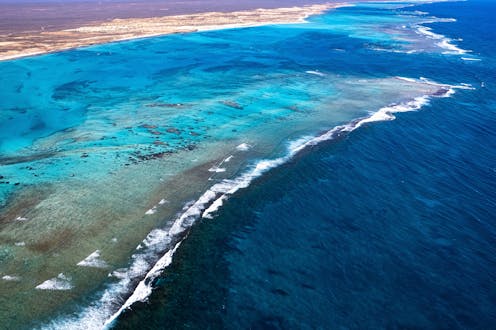
    The fish kill at Gnoorea Beach near Karratha is concerning our team of scientists, as the hot mass of water heads south towards Ningaloo Reef and the seagrass gardens in Shark Bay. That’s because we’ve seen this before. An enormous marine heatwave in 2010-11 devastated fisheries and ecosystems further down the WA coast.

    This marine heatwave began in September, with temperatures up to 3°C warmer than usual off Broome. There’s no end in sight.

    The heatwave comes as oceans worldwide experience recordbreaking heat, driven by climate change. More than 90% of all heat trapped by greenhouse gases goes into the oceans.

    The fish kill is a visible way to glimpse a disaster often out of sight and out of mind. But these marine heatwaves do much more, from wiping out seagrass meadows and kelp beds to trashing fisheries.

    Up to 30,000 dead fish have washed up around Gnoorea Beach near Karratha.
    WA Department of Primary Industries and Regional Development

    How bad is this marine heatwave?

    Marine heatwaves are periods of at least five consecutive days when ocean temperatures are significantly higher than the long-term average for the region and season.

    Since September 2024, temperatures off Australia’s northwest coast have been high enough to be considered a heatwave.

    In late December, the area of hotter water expanded southward along the Pilbara coast and became more intense. Temperatures hit 4–5°C above normal at the surface. Our research group has gathered data from satellite measurements, which tells us it’s hotter than usual. Data from autonomous ocean gliders also show unusual levels of heat as far down as 200 metres.

    In January, this heatwave has become bad enough to be classified in some areas as a severe marine heatwave.

    There’s no relief in sight yet. The Bureau of Meteorology forecasts marine heatwave conditions to continue through February.

    figure showing intensity of marine heatwave in northwest Western Australia
    On the left, the marine heatwave on the Northwest Shelf is visible in dark red. On the right, the intensity of the heatwave is shown over time on the Northwest Shelf and further south in Central Western Australia.
    Author provided, CC BY

    Will it be worse than the 2010 heatwave?

    The current marine heatwave is, so far, the second-worst in Western Australia’s recorded history.

    Over the 2010–11 summer, a severe marine heatwave devastated seas off the state. Temperatures hit up to 5°C above average, peaking in February and March.

    The worst-hit areas were seas off the central West Australian coastline, leaving those to the north largely unaffected. But the heatwave stretched 2,000 kilometres, from the Pilbara all the way down to Denmark in the southwest.

    The reason the 2010 heatwave spread so far south was due to the Leeuwin Current, which was stronger than usual due to weak southerly winds linked to a low pressure system off the coast.

    figure showing the 2010-11 marine heatwave in Western Australia
    The 2010-11 marine heatwave hit Central West Australian waters hardest. The Leeuwin Current ferried heat southward.
    Author provided, CC BY

    The heat led to local extinction of kelp species along a 100km stretch of coastline. Scallop and blue swimmer crab fisheries had to close. Seagrass meadows in Shark Bay collapsed. Tropical species were sighted in new areas. And coral bleached at Ningaloo.

    By contrast, this current marine heatwave has concentrated on the northern coastline, but may spread south in coming weeks.

    Unfortunately, there are strong similarities between the 2010–11 heatwave and this one. Both occurred during a La Niña year.

    A similar low pressure system in December 2024 weakened southerly winds during this heatwave, though not as pronounced as in 2010-11. We can expect to see the Leeuwin Current intensify and carry more warm water than usual south, but perhaps not as far as in 2010–11.

    Weather systems at present are developing slightly differently to 2010–11, but they could still lead to weaker southerly winds and produce a stronger current channelling heat.

    What does this mean for ocean life?

    Marine heatwaves at this size and intensity can profoundly damage marine ecosystems and fisheries. The Karratha fish kill is the most visible sign of ecosystem distress.

    We have already seen signs of bleaching in the coral reefs of the Kimberley region, while corals are experiencing heat stress at world-famous Ningaloo Reef.

    The heat is now affecting the Gascoyne region between Carnarvon and Exmouth, and is likely to head further south.

    Damage from the heatwave could threaten valuable industries such as the rock lobster fishery and marine tourism on the Coral Coast.

    bleached coral linked to marine heatwave.
    Bleached corals in Cygnet Bay north of Broome. Photo taken on 16th January.
    Kayleigh Foste, CC BY

    More heatwaves will come

    As the climate changes, modelling indicates marine heatwaves will hit more often and to intensify.

    Worldwide, marine heatwaves have devastated ecosystems. One of the worst, the Pacific “blob” heatwave of 2014-2016, killed an estimated 100 million Pacific cod and four million birds from a single seabird species, as well as contributing to the starvation of about 7,000 humpback whales. The intense heat killed off cold-loving species and paved the way for tropical species to enter and even thrive.

    Right now, 28% of the world’s oceans are in heatwave conditions, based on surface temperatures.

    While there is a clear link between the 2010-11 marine heatwave and climate change, we cannot conclusively say this current heatwave off Western Australia is linked to climate change.

    That’s because we don’t have enough data about what’s happening under the surface. Temperatures in the ocean vary greatly by depth, and a hot surface doesn’t always mean heat has reached deeper water.

    So while we know a marine heatwave is in progress, we don’t know how bad it is or how far down the heat has reached in different regions. We need better ways to measure temperatures at depth, to be able to gauge how bad a heatwave is. Installing more temperature sensors along the WA coastline would allow us to better monitor and respond to temperature extremes.

    The earlier we know about a heatwave, the more we can do to prepare. The 2010-2011 heatwave made many people aware of what damage heat can do to an ocean, as fishing boats sat idle and tourists steered clear of dying coral.

    More, and worse, is likely to come. Better conservation and management of our oceans can help. But tackling the root cause of intensifying heat – unchecked greenhouse gas emissions – is still far and away the most important challenge.

    The Conversation

    Matt Rayson receives funding from the Australian Research Council and the Western Australian government. .

    Nicole L. Jones receives funding from Australian Research Council and the Western Australian government.

    Sina Pinter does not work for, consult, own shares in or receive funding from any company or organisation that would benefit from this article, and has disclosed no relevant affiliations beyond their academic appointment.

    ref. A marine heatwave in northwest Australia is killing huge numbers of fish. It’s heading south – https://theconversation.com/a-marine-heatwave-in-northwest-australia-is-killing-huge-numbers-of-fish-its-heading-south-248139

    MIL OSI AnalysisEveningReport.nz

  • MIL-OSI Russia: Skoltech and NSU discussed cooperation in the development of new functional materials

    Translartion. Region: Russians Fedetion –

    Source: Novosibirsk State University – Novosibirsk State University –

    Representatives of the Skolkovo Institute of Science and Technology visited Novosibirsk State University to discuss cooperation on R&D carried out by Skoltech on behalf of the NTI Competence Center for New Functional Materials based at NSU. The delegation included Ivan Sergeichev, Director of the Center for Materials Technology at the Skolkovo Institute of Science and Technology, Dmitry Krasovsky, Deputy Director of the Center for Relations with Industry, participants in joint projects with NSU, as well as specialists in building interactions between stakeholders.

    The purpose of the visit was to get acquainted with the structure of the Competence Center of the National Technology Initiative in the direction of “Technologies for modeling and developing new functional materials with specified properties”, which was created at NSU in 2021 with the financial support of the NTI Foundation, as well as with its capabilities and industrial partners.

    — At the end of last year, we signed agreements with Skoltech to implement three large-scale projects: “Design of Materials for Thermal Barrier Coatings”, “Development of Additive Manufacturing Technology for Complex-Geometry Ceramic Rods for Casting Gas Turbine Blades”, and “Metal Oxide Nanoparticles for Protecting Products and Materials from Counterfeiting”. Our task is to create samples of new materials and software products in a short period of time in order to begin introducing new materials and products made from them to the market as soon as possible through interaction with potential industrial partners. These could be manufacturers of engines, gas turbine units and their parts, polymer-composite materials and various products made from them, the authenticity of which, among other things, must be protected from counterfeiting, — explained Alexander Kvashnin, Director of the NTI Center for New Functional Materials at NSU.

    Following the meeting, the parties developed mutually beneficial forms of cooperation. One of them involves Skoltech’s participation in the work of three distributed centers created by the Center for New Functional Materials and its partners at the end of last year – the Distributed Center for Modeling, Calculations and Design, the Distributed Center for Research and Development of Materials and Technologies for Their Production, as well as the Distributed Production Site for Small Batch Products, where it is possible to produce small batches of new materials and products made from them using NSU technologies for further delivery for testing at industrial enterprises. The software developed by the partners will be used in the distributed center for modeling, calculations and design.

    Meanwhile, in Skolkovo, during the implementation of these three projects, the necessary innovative equipment will be created, including a new 3D printer for complex printing of ceramic rods for gas turbine units and a reactor for the production of metal oxide nanoparticles to protect materials and products from counterfeiting. This equipment will be used as part of distributed centers.

    “Our cooperation with Skoltech will allow the university to expand the circle of its Moscow partners and potential customers, which may include the state corporation for assistance in the development, production and export of high-tech industrial products Rostec, United Engine Corporation, Gazpromneft and other large Russian corporations interested in the development and implementation of advanced technologies,” commented Alexander Kvashnin.

    Please note: This information is raw content directly from the source of the information. It is exactly what the source states and does not reflect the position of MIL-OSI or its clients.

    MIL OSI Russia News

  • MIL-OSI China: Renewable energy accounts for 56 pct of China’s total installed capacity

    Source: China State Council Information Office

    The newly installed capacity of renewable energy in 2024 accounted for 86 percent of China’s total newly installed power capacity, while the cumulative installed capacity of renewable energy made up a record high of 56 percent of the nation’s total, according to new data from the National Energy Administration (NEA).

    The NEA data released Monday showed that China’s renewable energy sector added a new installed capacity of 373 million kilowatts in 2024, representing a year-on-year increase of 23 percent. Hydropower and wind power contributed 13.78 million kilowatts and 79.82 million kilowatts, respectively, while solar power and biomass power increased by 278 million kilowatts and 1.85 million kilowatts.

    By the end of 2024, the cumulative installed capacity of the country’s renewable energy reached 1.889 billion kilowatts, a 25 percent increase from the previous year. Hydropower accounted for 436 million kilowatts, wind power for 521 million kilowatts, solar power for 887 million kilowatts, and biomass power for 46 million kilowatts.

    Last year was the second year that China’s cumulative installed capacity of renewable energy power generation has exceeded 50 percent of the country’s total installed capacity. By the end of 2023, the renewable energy power generation capacity in China surpassed half of the total installed capacity for the first time in history.

    Meanwhile, China’s renewable energy generation also reached 3.46 trillion kilowatt-hours in 2024, with a year-on-year rise of 19 percent, accounting for about 35 percent of the total electricity generated. T

    The combined power generation from wind and solar energy amounted to 1.83 trillion kilowatt-hours in 2024, a 27 percent increase from 2023. The figure is roughly equivalent to the electricity consumption of the tertiary industry in 2024, and surpasses the residential electricity consumption, which stood at 1.49 trillion kilowatt-hours.

    As China strives to achieve its dual carbon goals, the country is vigorously developing a green economy, with renewable energy as one of the engines. 

    MIL OSI China News

  • MIL-OSI USA: Padilla Raises Alarm on Trump Administration Illegally Blocking Hundreds of Billions in Federal Support

    US Senate News:

    Source: United States Senator Alex Padilla (D-Calif.)

    Padilla Raises Alarm on Trump Administration Illegally Blocking Hundreds of Billions in Federal Support

    Urges Budget Committee to Delay OMB Nominee
    WASHINGTON, D.C. — Today, U.S. Senator Alex Padilla (D-Calif.), member of the Senate Budget Committee, issued the following statement after President Trump’s Office of Management and Budget (OMB) ordered federal agencies to freeze all congressionally approved federal grants and loans, including disaster relief for Californians:
    “Donald Trump is illegally blocking hundreds of billions of dollars for essential federal programs to support families recovering after catastrophic fires, law enforcement agencies we rely on to keep our communities safe, and children and families who depend on federal child care and nutrition programs. All in his effort to pay for his tax cuts for large corporations and billionaires, like the ones he surrounded himself with during his inauguration. This overreach is unconstitutional and hurts the thousands of Californians who have been devastated by the recent fires. When Congress approves federal funds for programs to help communities, they are not optional: they are legal mandates.
    “Americans in every corner of the country will feel the impact of Donald Trump’s unlawful directives. I am calling on my Republican colleagues to not confirm Russell Vought to be OMB Director until Trump reverses this reckless order.”
    The sweeping directives in the Trump Administration’s memorandum are set to go into effect at 5 p.m. ET this evening. If implemented as written, the directives could block funding for California and national priorities including:
    Disaster Relief: Public assistance and hazard mitigation grants from the Disaster Relief Fund (DRF) to state, tribal, territorial, and local governments and non-profits to help communities quickly respond to, recover from, and prepare for major disasters will be halted — right as so many Southern California communities are struggling amid the recent fires.
    Firefighting: Grants to support firefighters across the country will be halted. This includes grants that help states and localities purchase essential firefighting equipment.
    Public Safety: Grants for law enforcement and homeland security activities will cease to go out the door, undermining public safety in every state and territory.
    Infrastructure Projects: All federally-funded transportation projects — roads, bridges, public transit, and more — will be halted, including projects already under construction.
    Homelessness/Housing: In the midst of a homelessness and housing crisis, the Trump Administration is freezing housing and homelessness funding, which will exacerbate our housing crisis.
    988 Suicide and Crisis Lifeline: Funding for the 988 Suicide and Crisis Lifeline that Senator Padilla significantly improved, as well as grants for mental health services, will be cut off.
    Nutrition Assistance: Millions of American citizens who rely on nutrition assistance programs like school lunch programs will be left hungry as funding is cut off and non-profits who provide additional assistance lose federal funding.
    Combating the Fentanyl Crisis: Funding for communities to address the substance use disorder crisis and combat the fentanyl crisis will be cut off.
    Emergency Preparedness: Critical preparedness and response capability funding used to prepare for disasters, public health emergencies, and chemical, biological, radiological, or nuclear events will be frozen.
    Child Care: Child care programs across the country will not be able to access the funding they rely on to keep their doors open.
    K-12 Schools: Federal funding for K-12 schools will be halted. School districts may not be able to access key formula grant funding including Title I, IDEA, Impact Aid, and Career and Technical Education, which would pose tremendous financial burdens on schools in the middle of the school year.
    Biomedical Research: There will be immediate pauses on all funding for critical health research, including research on cancer, Alzheimer’s disease, and diabetes, as well as clinical trials at the NIH Clinical Center and all across the country — disrupting lifesaving and often time-sensitive research.
    Higher Education and Job Training: Millions of students relying on federal student loans and federal work study will have their plans to pursue postsecondary education and further their careers thrown into chaos as federal financial aid disbursements are paused.
    Health Services: Federal funding for community health centers that provide health care for over 30 million Americans will be immediately frozen, creating chaos for patients trying get their prescriptions, a regular checkup, and more.
    Small Businesses: The Small Business Administration will have to halt loans to small businesses — including those in disaster-ravaged California communities. 
    Veterans Care: Federal grants to help veterans in rural areas access health care and grants to help veterans get other critical services, including suicide prevention resources, transition assistance, and housing for homeless veterans, will be cut off.
    Tribes: Funding to tribes for basic government services like health care, public safety, programs, tribal schools, and food assistance will be halted.
    Preventing Violence Against Women: All Violence Against Women Act (VAWA) grants, as well as funding for victims assistance and state and local police, will be cut off.
    U.S. Competitiveness: Existing grants to support research for Artificial Intelligence and quantum computing will be halted and any new grant funding would be paused — undermining U.S. innovation and competitiveness with China and putting California jobs at risk.
    Energy Jobs: Grants for critical energy projects nationwide will be cut off — halting billions of dollars in investment nationwide and jeopardizing good-paying American jobs. The Department of Energy Loan Program Office will halt loans in 28 states, impacting hundreds of thousands of construction and operations jobs.
    Food Inspections: Some states will have to take on the full financial burden of ensuring the nation’s meat supply is safe if federal cooperative agreements for meat inspection are halted.
    Support for Servicemembers: Support for a host of Department of Defense financial assistance and grant programs supporting servicemembers and their families will be halted, including the Fisher House, Impact Aid, community noise mitigation, ROTC language training, STEM programs, and the USO.
    Military Readiness: Grants and other assistance appropriated to strengthen military effectiveness and defense capacity will be halted, including Defense Production Act support for the defense industrial base, basic research grants necessary to advance key technologies, and small business support to strengthen supply chains.

    MIL OSI USA News

  • MIL-OSI Economics: African ministers welcome bold Mission 300 initiative to expand electricity access

    Source: African Development Bank Group
    African energy and finance ministers welcomed an ambitious new partnership to transform the continent’s power sector at the Mission 300 Africa Energy Summit in Dar es Salaam on January 27, while highlighting their countries’ distinct paths toward achieving universal access to electricity.

    MIL OSI Economics

  • MIL-OSI Russia: IMF Executive Board Concludes 2024 Article IV Consultation with Bolivia

    Source: IMF – News in Russian

    January 28, 2025

    Washington, DC: On March 22nd, the Executive Board of the International Monetary Fund (IMF) concluded the Article IV consultation1 for Bolivia. This also included a discussion of the findings of the Financial Sector Assessment Program (FSAP) exercise for Bolivia.[1]

    Bolivia’s growth momentum moderated in 2023, to 2.5 percent, from declining natural gas production, less public investment, and financial market turmoil. Price controls, food and fuel subsidies, export restrictions, and strong agricultural production held inflation below 2 percent at year-end. However, the combination of lower natural gas exports, high fuel imports, a large fiscal deficit―increasingly financed by the central bank―and an overvalued exchange rate contributed to a wider current account deficit (estimated at 5 percent of GDP for 2023) and near-depletion of international reserves. Public debt increased to nearly 84 percent of GDP by end-2023. Sovereign spreads rose sharply in early 2023 as the foreign exchange (FX) shortage became apparent and a mid-sized bank (Banco Fassil) failed. Consequently, banks were forced to restrict the withdrawal of FX deposits, heightening financial sector stability risks.

    Growth is anticipated to decelerate to 1.6 percent in 2024, holding at around 2.2-2.3 percent in the medium term under the continuation of the current policies. Inflation is forecast to reach 4.5 percent in 2024, stabilizing around 4 percent thereafter. The outlook is however predicated on significantly improved access to external financing, without which the risk of disorderly fiscal and/or exchange rate adjustment is elevated. External factors such as reduced demand, intensified global conflicts disrupting trade routes, commodity price volatility, or a renewed tightening of financial conditions could worsen fiscal and external imbalances, impede growth, and destabilize the domestic financial sector.

    Additionally, extreme weather events, like the 2023 droughts and recent floods, pose a risk to Bolivia’s agricultural sector and critical infrastructure. Domestically, a faster decline in hydrocarbon production, higher inflation due to FX scarcity, or confidence shocks could further impact growth, hurt real incomes and exacerbate financial stability risks. Social unrest stemming from inequality and security concerns remains a concern, as evidenced by the prolonged road blockages of early 2024. On the upside, Bolivia could potentially benefit from the global shift towards green energy due to its vast lithium resources, although developing the lithium sector and scaling up domestic production capacity will likely take time.

    Executive Board Assessment[2]

    Executive Directors agreed with the thrust of the staff appraisal. They welcomed Bolivia’s socioeconomic progress over the past several years but expressed concerns about the difficult financial situation Bolivia currently finds itself in, with low reserves, uncertain fiscal financing, and pressures in parallel exchange markets. Directors stressed the urgency of a shift from current unsustainable policies to avoid a disorderly adjustment that would exert significant social and economic hardship.

    Directors called for continued constructive engagement on a sustainable policy mix that is likely to require both fiscal adjustment phased in over the next few years and an up front step devaluation to more quickly address the external imbalance and allow for a build up of reserves. They emphasized the importance of improving the social safety net to shield poorer households from inflation pressures following a realignment of the exchange rate. Directors also emphasized the importance of strengthening fiscal institutions to underpin the credibility of the planned adjustment and to improve central bank governance in support of a shift to a crawling peg and, eventually, to inflation targeting.

    Directors recommended a strengthening of the central banks’ capacity to conduct sterilization operations and to lift lending rate caps to improve the allocation of capital and enhance monetary policy transmission. They also underscored the need to improve crisis preparedness and contingency planning in line with FSAP recommendations to safeguard financial stability.

    Directors recommended a range of supply side reforms to unlock private investment, boost productivity and enhance competitiveness. These should include phasing out export ceilings and price controls and better prioritizing public investment projects. A stronger regulatory framework for hydrocarbon and lithium exploration could be instrumental in increasing investment in those sectors. Directors also called for enhancing AML/CFT framework and ensuring the timely publication of key macroeconomic data.


    Table 1. Bolivia: Selected Economic and Social Indicators, 2022–2026

    Population (millions, 2021)

    11.8

    Poverty rate (percent, 2021)

    36.3

    Population growth rate (percent, 2021)

    1.4

    Adult literacy rate (percent, 2021)

    94.8

    Life expectancy at birth (years, 2021)

    72

    GDP per capita (US$, 2021)

    3,437

    Total unemployment rate (2021)

    7.0

    IMF Quota (SDR, millions)

    240.1

    Est.

    2022

    2023

    2024

    2025

    2026

    Income and prices

    Real GDP

    3.6

    2.5

    1.6

    2.2

    2.2

    Nominal GDP

    8.9

    4.9

    6.2

    6.5

    6.2

    CPI inflation (period average)

    1.7

    2.6

    4.5

    4.2

    3.9

    CPI inflation (end of period)

    3.1

    2.1

    4.8

    4.0

    3.9

    Investment and savings 1/

    Total investment

    15.1

    15.9

    16.6

    16.3

    16.0

    Of which: Public sector

    5.7

    5.0

    6.0

    6.0

    6.0

    Gross national savings

    12.5

    8.6

    10.5

    10.3

    10.5

    Of which: Public sector

    -1.4

    -2.0

    -1.9

    -1.5

    -1.2

    Combined public sector

    Revenues and grants

    28.9

    28.3

    27.6

    27.4

    27.1

    Of which: Hydrocarbon related revenue

    6.0

    5.4

    4.3

    3.9

    3.5

    Expenditure

    36.0

    35.3

    35.5

    34.8

    34.3

    Current

    30.3

    30.3

    29.5

    28.8

    28.3

    Capital 2/

    5.7

    5.0

    6.0

    6.0

    6.0

    Net lending/borrowing (overall balance)

    -7.1

    -7.0

    -7.9

    -7.5

    -7.2

    Of which: Non-hydrocarbon balance

    -12.8

    -12.2

    -12.0

    -11.2

    -10.5

    Total gross NFPS debt 3/

    80.4

    83.6

    86.7

    88.9

    90.9

    External sector

    Current account 1/

    -0.4

    -5.0

    -5.7

    -5.8

    -5.6

    Exports of goods and services

    32.6

    28.5

    27.0

    26.9

    26.5

    Of which: Natural gas

    6.7

    3.8

    3.4

    3.0

    2.7

    Imports of goods and services

    32.9

    34.4

    33.6

    33.6

    32.7

    Capital account

    0.0

    0.0

    0.0

    0.0

    0.0

    Financial account (-= net inflow)

    -1.5

    -0.5

    -5.3

    -5.8

    -5.6

    Of which: Direct investment net

    -0.8

    -0.6

    -0.6

    -0.9

    -0.9

    Of which: Other investment, net

    -0.3

    -0.3

    -4.6

    -4.7

    -5.1

    Net errors and omissions

    -3.0

    0.0

    0.0

    0.0

    0.0

    Terms of trade index (percent change)

    -1.6

    1.2

    -0.6

    0.0

    0.2

    Central Bank gross foreign reserves 4/ 5/ 6/

    In millions of U.S. dollars

    3,796

    1,808

    1,653

    1,555

    1,556

    In months of imports of goods and services

    2.8

    1.3

    1.1

    1.0

    1.0

    In percent of GDP

    8.6

    3.9

    3.4

    3.0

    2.8

    In percent of ARA

    44.5

    20.8

    18.2

    16.2

    15.5

    Money and credit

    Credit to the private sector (percent change)

    6.3

    -0.4

    3.0

    4.3

    5.1

    Credit to the private sector (percent of GDP)

    74.2

    70.5

    68.4

    67.0

    66.3

    Broad money (percent of GDP)

    85.2

    82.8

    81.2

    80.0

    78.9

    Memorandum items:

    Nominal GDP (in billions of U.S. dollars)

    44.3

    46.5

    49.3

    52.5

    55.8

    Bolivianos/U.S. dollar (end-of-period) 7/

    6.9

    6.9

    REER, period average (percent change) 8/

    -0.9

    -1.9

    Oil prices (in U.S. dollars per barrel)

    96.4

    80.6

    77.7

    73.8

    70.9

    Energy-related subsidies to SOEs (percent of GDP) 9/

    4.4

    4.0

    3.5

    2.7

    2.4

    Sources: Bolivian authorities (MEFP, Ministry of Planning, BCB, INE, UDAPE); IMF; Fund staff calculations.
    1/ The discrepancy between the current account and the savings-investment balance reflects methodological differences. For the projection years, the discrepancy is assumed to remain constant in dollar value.
    2/ Includes nationalization costs and net lending.
    3/ Public debt includes SOE’s borrowing from the BCB (but not from other domestic institutions) and BCB loans to FINPRO and FNDR.
    4/ Excludes reserves from the Latin American Reserve Fund (FLAR) and Offshore Liquidity Requirements (RAL).
    5/ All foreign assets valued at market prices.
    6/ Includes a repurchase line of US$99.2 million maturing in 2025.
    7/ Official (buy) exchange rate.
    8/ The REER based on authorities’ methodology is different from that of the IMF (see 2018 and 2017 Staff Reports).
    9/ Includes the cost of subsidy borne by public enterprises and incentives for hydrocarbon exploration investments in the projection period.

    1 Under Article IV of the IMF’s Articles of Agreement, the IMF holds bilateral discussions with members, usually every year. A staff team visits the country, collects economic and financial information, and discusses with officials the country’s economic developments and policies. On return to headquarters, the staff prepares a report, which forms the basis for discussion by the Executive Board.

    [1] The Financial Sector Assessment Program (FSAP), established in 1999, is a comprehensive and in-depth assessment of a country’s financial sector. FSAPs provide input for Article IV consultations and thus enhance Fund surveillance. FSAPs are mandatory for the 47 jurisdictions with systemically important financial sectors and otherwise conducted upon request from member countries. The key findings of an FSAP are summarized in a Financial System Stability Assessment (FSSA).

    [2] At the conclusion of the discussion, the Managing Director, as Chairman of the Board, summarizes the views of Executive Directors, and this summary is transmitted to the country’s authorities. An explanation of any qualifiers used in summings up can be found here: http://www.IMF.org/external/np/sec/misc/qualifiers.htm.


    IMF Communications Department
    MEDIA RELATIONS

    PRESS OFFICER: Rosa Hernandez

    Phone: +1 202 623-7100Email: MEDIA@IMF.org

    https://www.imf.org/en/News/Articles/2025/01/28/PR25018-Bolivia-IMF-Executive-Board-Concludes-2024-Article-IV-Consultation-with-Bolivia

    MIL OSI

    MIL OSI Russia News

  • MIL-OSI Economics: IMF Executive Board Concludes 2024 Article IV Consultation with Bolivia

    Source: International Monetary Fund

    January 28, 2025

    Washington, DC: On March 22nd, the Executive Board of the International Monetary Fund (IMF) concluded the Article IV consultation1 for Bolivia. This also included a discussion of the findings of the Financial Sector Assessment Program (FSAP) exercise for Bolivia.[1]

    Bolivia’s growth momentum moderated in 2023, to 2.5 percent, from declining natural gas production, less public investment, and financial market turmoil. Price controls, food and fuel subsidies, export restrictions, and strong agricultural production held inflation below 2 percent at year-end. However, the combination of lower natural gas exports, high fuel imports, a large fiscal deficit―increasingly financed by the central bank―and an overvalued exchange rate contributed to a wider current account deficit (estimated at 5 percent of GDP for 2023) and near-depletion of international reserves. Public debt increased to nearly 84 percent of GDP by end-2023. Sovereign spreads rose sharply in early 2023 as the foreign exchange (FX) shortage became apparent and a mid-sized bank (Banco Fassil) failed. Consequently, banks were forced to restrict the withdrawal of FX deposits, heightening financial sector stability risks.

    Growth is anticipated to decelerate to 1.6 percent in 2024, holding at around 2.2-2.3 percent in the medium term under the continuation of the current policies. Inflation is forecast to reach 4.5 percent in 2024, stabilizing around 4 percent thereafter. The outlook is however predicated on significantly improved access to external financing, without which the risk of disorderly fiscal and/or exchange rate adjustment is elevated. External factors such as reduced demand, intensified global conflicts disrupting trade routes, commodity price volatility, or a renewed tightening of financial conditions could worsen fiscal and external imbalances, impede growth, and destabilize the domestic financial sector.

    Additionally, extreme weather events, like the 2023 droughts and recent floods, pose a risk to Bolivia’s agricultural sector and critical infrastructure. Domestically, a faster decline in hydrocarbon production, higher inflation due to FX scarcity, or confidence shocks could further impact growth, hurt real incomes and exacerbate financial stability risks. Social unrest stemming from inequality and security concerns remains a concern, as evidenced by the prolonged road blockages of early 2024. On the upside, Bolivia could potentially benefit from the global shift towards green energy due to its vast lithium resources, although developing the lithium sector and scaling up domestic production capacity will likely take time.

    Executive Board Assessment[2]

    Executive Directors agreed with the thrust of the staff appraisal. They welcomed Bolivia’s socioeconomic progress over the past several years but expressed concerns about the difficult financial situation Bolivia currently finds itself in, with low reserves, uncertain fiscal financing, and pressures in parallel exchange markets. Directors stressed the urgency of a shift from current unsustainable policies to avoid a disorderly adjustment that would exert significant social and economic hardship.

    Directors called for continued constructive engagement on a sustainable policy mix that is likely to require both fiscal adjustment phased in over the next few years and an up front step devaluation to more quickly address the external imbalance and allow for a build up of reserves. They emphasized the importance of improving the social safety net to shield poorer households from inflation pressures following a realignment of the exchange rate. Directors also emphasized the importance of strengthening fiscal institutions to underpin the credibility of the planned adjustment and to improve central bank governance in support of a shift to a crawling peg and, eventually, to inflation targeting.

    Directors recommended a strengthening of the central banks’ capacity to conduct sterilization operations and to lift lending rate caps to improve the allocation of capital and enhance monetary policy transmission. They also underscored the need to improve crisis preparedness and contingency planning in line with FSAP recommendations to safeguard financial stability.

    Directors recommended a range of supply side reforms to unlock private investment, boost productivity and enhance competitiveness. These should include phasing out export ceilings and price controls and better prioritizing public investment projects. A stronger regulatory framework for hydrocarbon and lithium exploration could be instrumental in increasing investment in those sectors. Directors also called for enhancing AML/CFT framework and ensuring the timely publication of key macroeconomic data.


    Table 1. Bolivia: Selected Economic and Social Indicators, 2022–2026

    Population (millions, 2021)

    11.8

    Poverty rate (percent, 2021)

    36.3

    Population growth rate (percent, 2021)

    1.4

    Adult literacy rate (percent, 2021)

    94.8

    Life expectancy at birth (years, 2021)

    72

    GDP per capita (US$, 2021)

    3,437

    Total unemployment rate (2021)

    7.0

    IMF Quota (SDR, millions)

    240.1

    Est.

    2022

    2023

    2024

    2025

    2026

    Income and prices

    Real GDP

    3.6

    2.5

    1.6

    2.2

    2.2

    Nominal GDP

    8.9

    4.9

    6.2

    6.5

    6.2

    CPI inflation (period average)

    1.7

    2.6

    4.5

    4.2

    3.9

    CPI inflation (end of period)

    3.1

    2.1

    4.8

    4.0

    3.9

    Investment and savings 1/

    Total investment

    15.1

    15.9

    16.6

    16.3

    16.0

    Of which: Public sector

    5.7

    5.0

    6.0

    6.0

    6.0

    Gross national savings

    12.5

    8.6

    10.5

    10.3

    10.5

    Of which: Public sector

    -1.4

    -2.0

    -1.9

    -1.5

    -1.2

    Combined public sector

    Revenues and grants

    28.9

    28.3

    27.6

    27.4

    27.1

    Of which: Hydrocarbon related revenue

    6.0

    5.4

    4.3

    3.9

    3.5

    Expenditure

    36.0

    35.3

    35.5

    34.8

    34.3

    Current

    30.3

    30.3

    29.5

    28.8

    28.3

    Capital 2/

    5.7

    5.0

    6.0

    6.0

    6.0

    Net lending/borrowing (overall balance)

    -7.1

    -7.0

    -7.9

    -7.5

    -7.2

    Of which: Non-hydrocarbon balance

    -12.8

    -12.2

    -12.0

    -11.2

    -10.5

    Total gross NFPS debt 3/

    80.4

    83.6

    86.7

    88.9

    90.9

    External sector

    Current account 1/

    -0.4

    -5.0

    -5.7

    -5.8

    -5.6

    Exports of goods and services

    32.6

    28.5

    27.0

    26.9

    26.5

    Of which: Natural gas

    6.7

    3.8

    3.4

    3.0

    2.7

    Imports of goods and services

    32.9

    34.4

    33.6

    33.6

    32.7

    Capital account

    0.0

    0.0

    0.0

    0.0

    0.0

    Financial account (-= net inflow)

    -1.5

    -0.5

    -5.3

    -5.8

    -5.6

    Of which: Direct investment net

    -0.8

    -0.6

    -0.6

    -0.9

    -0.9

    Of which: Other investment, net

    -0.3

    -0.3

    -4.6

    -4.7

    -5.1

    Net errors and omissions

    -3.0

    0.0

    0.0

    0.0

    0.0

    Terms of trade index (percent change)

    -1.6

    1.2

    -0.6

    0.0

    0.2

    Central Bank gross foreign reserves 4/ 5/ 6/

    In millions of U.S. dollars

    3,796

    1,808

    1,653

    1,555

    1,556

    In months of imports of goods and services

    2.8

    1.3

    1.1

    1.0

    1.0

    In percent of GDP

    8.6

    3.9

    3.4

    3.0

    2.8

    In percent of ARA

    44.5

    20.8

    18.2

    16.2

    15.5

    Money and credit

    Credit to the private sector (percent change)

    6.3

    -0.4

    3.0

    4.3

    5.1

    Credit to the private sector (percent of GDP)

    74.2

    70.5

    68.4

    67.0

    66.3

    Broad money (percent of GDP)

    85.2

    82.8

    81.2

    80.0

    78.9

    Memorandum items:

    Nominal GDP (in billions of U.S. dollars)

    44.3

    46.5

    49.3

    52.5

    55.8

    Bolivianos/U.S. dollar (end-of-period) 7/

    6.9

    6.9

    REER, period average (percent change) 8/

    -0.9

    -1.9

    Oil prices (in U.S. dollars per barrel)

    96.4

    80.6

    77.7

    73.8

    70.9

    Energy-related subsidies to SOEs (percent of GDP) 9/

    4.4

    4.0

    3.5

    2.7

    2.4

    Sources: Bolivian authorities (MEFP, Ministry of Planning, BCB, INE, UDAPE); IMF; Fund staff calculations.
    1/ The discrepancy between the current account and the savings-investment balance reflects methodological differences. For the projection years, the discrepancy is assumed to remain constant in dollar value.
    2/ Includes nationalization costs and net lending.
    3/ Public debt includes SOE’s borrowing from the BCB (but not from other domestic institutions) and BCB loans to FINPRO and FNDR.
    4/ Excludes reserves from the Latin American Reserve Fund (FLAR) and Offshore Liquidity Requirements (RAL).
    5/ All foreign assets valued at market prices.
    6/ Includes a repurchase line of US$99.2 million maturing in 2025.
    7/ Official (buy) exchange rate.
    8/ The REER based on authorities’ methodology is different from that of the IMF (see 2018 and 2017 Staff Reports).
    9/ Includes the cost of subsidy borne by public enterprises and incentives for hydrocarbon exploration investments in the projection period.

    1 Under Article IV of the IMF’s Articles of Agreement, the IMF holds bilateral discussions with members, usually every year. A staff team visits the country, collects economic and financial information, and discusses with officials the country’s economic developments and policies. On return to headquarters, the staff prepares a report, which forms the basis for discussion by the Executive Board.

    [1] The Financial Sector Assessment Program (FSAP), established in 1999, is a comprehensive and in-depth assessment of a country’s financial sector. FSAPs provide input for Article IV consultations and thus enhance Fund surveillance. FSAPs are mandatory for the 47 jurisdictions with systemically important financial sectors and otherwise conducted upon request from member countries. The key findings of an FSAP are summarized in a Financial System Stability Assessment (FSSA).

    [2] At the conclusion of the discussion, the Managing Director, as Chairman of the Board, summarizes the views of Executive Directors, and this summary is transmitted to the country’s authorities. An explanation of any qualifiers used in summings up can be found here: http://www.IMF.org/external/np/sec/misc/qualifiers.htm.


    IMF Communications Department
    MEDIA RELATIONS

    PRESS OFFICER: Rosa Hernandez

    Phone: +1 202 623-7100Email: MEDIA@IMF.org

    MIL OSI Economics

  • MIL-OSI United Kingdom: Brexit cost: higher energy bills and lower investment

    Source: Scottish Government

    Scottish Government calls for closer energy links with Europe.

    The Scottish Government is calling for closer co-operation with Europe to help lower energy bills and boost investment.

    Ahead of upcoming UK Government talks with the EU the Scottish Government has published a report, identifying  a number of opportunities to more closely align with the European Union on energy matters.

    These include:

    • accelerating the adoption of more efficient UK-EU electricity trading arrangements to bring down energy costs for consumers
    • linking the UK and EU Emissions Trading Schemes (ETS) to help reduce costs and barriers to trade

    Estimates from the UK energy industry predict that unless the UK moves toward closer cooperation with the EU on energy and climate, it may lead to additional costs of up to £10billion in 2024-25, through higher energy bills and lower Treasury revenues.

    The Scottish Government’s wants Scotland to be an EU member state, however the report published today sets out immediate actions which would rebuild closer collaboration with the EU on energy and climate matters and offset some of the damage caused by Brexit.

    Acting Cabinet Secretary for Net Zero and Energy Gillian Martin said: “As we approach the fifth anniversary of Brexit, the costs to the people of Scotland are becoming ever clearer.

    “The best future for Scotland is to be a member state of the EU. But we will always be a voice for closer co-operation with our fellow Europeans – in particular around issues which impact us all such as lowering energy bills and driving up investment in renewables.

    “This paper highlights the key areas where working together is vital for achieving our shared ambitions – driving economic growth, reducing costs, strengthening energy security and substantially contributing to our shared climate goals.

    “We have a pivotal role to play and stand ready to work collaboratively with the UK Government and wider partners to re-build a closer relationship with Europe in this space.”

    Background

    Read the Closer energy and climate cooperation with the EU report

    Energy UK Explains: the cost of the UK-EU relationship for energy – Energy UK

    MIL OSI United Kingdom

  • MIL-OSI United Nations: ‘Africa Can Lead Clean Energy Transition,’ Deputy Secretary-General Tells Region’s Energy Summit

    Source: United Nations General Assembly and Security Council

    Following are UN Deputy Secretary-General Amina Mohammed’s remarks at the opening of the African Heads of State Energy Summit, in Dar es Salaam, United Republic of Tanzania, today:

    It is a pleasure to join you here all today.  I extend my heartfelt thanks to Her Excellency President Hassan and her Government of the United Republic of Tanzania for hosting the Mission 300 Africa Energy Summit.

    But, I would also like to underscore that it is because of her incredible leadership and her vision, that we are all here today and gathered as an African continent.  I would also thank the African Union for keeping the fire under our feet to do right thing for the continent.

    Congratulations to my two brothers, the African Development Bank Group, Akin, and the World Bank Group, Ajay.  These are incredible partnerships, that bring genuine experience, decades of work from the public sector to the private sector.

    That is why we are looking to them for the success of this union.  But, we also look to the Rockefeller Foundation for a strong and meaningful partnership — one that brings key stakeholders together in this room.  Your bold investments are a testament to Africa’s potential for a sustainable and resilient future.

    Today, Africa has one of the lowest levels of energy access, as we have heard, but it is also one of the most vulnerable to intensifying climate shocks.

    Yet, our continent is rich in renewable energy resources and critical minerals.  Which are all essential for the energy transition, and benefit from limited sunk costs in fossil fuel-intensive energy infrastructures.  Africa is also home to a vibrant, young and enterprising population.

    This provides immense potential for Africa to show the rest of the world what a new economic development paradigm grounded in sustainability, resilience, justice and inclusivity can look like.

    Enhanced energy access, affordability and reliability is not only crucial for achieving our Sustainable Development Goal (SDG) 7, but also serves as a catalyst for broader development goals.  Access to clean and sustainable energy underpins progress in health, in education, in gender equality, while driving economic growth and climate action — many of the 17 Goals.

    By advancing long-term energy security and sovereignty, we can foster peace, we can create green jobs and build resilient livelihoods — paving the way for improved stability and prosperity across the continent.

    With renewables now being the cheapest source of new electricity almost everywhere on earth, Mission 300’s bold commitment to connect 300 million people to electricity by 2030 represents a transformative opportunity for Africa.

    Combined with systemic initiatives like the African Continental Free Trade Agreement, Africa is uniquely positioned to lead the global energy transition.

    By powering essential sectors such as healthcare, education and commerce, bolstering industries like solar manufacturing, grid infrastructure and clean energy solutions, renewable energy can unlock unprecedented economic potential.

    With reliable energy access, the continent’s 147 million small and medium-sized enterprises — key drivers of economic growth — will have the tools to scale, innovate and create jobs, turning energy into a true catalyst for inclusive and sustainable progress.

    The United Republic of Tanzania stands as a shining example of how rural electrification and off-grid renewable energy solutions can transform lives, particularly in remote and underserved areas.

    The country has made remarkable strides, with electricity access increasing from just 14 per cent in 2011 to 46 per cent in 2022.  And what does that mean?  It has led to over 1 million new connections, driving the rural electrification rate to 72 per cent. 

    In November 2024, more than 60,000 social institutions were connected by REA [Rural Electrification Agency], benefiting 12,905 educational institutions, 6,768 health facilities, over 8,000 places of worship and 29,000 commercial areas.

    This progress means that more boys and girls in remote areas can now study in well-lit classrooms, health workers can deliver life-saving services to off-grid populations and rural businesses can thrive with reliable power.  The United Republic of Tanzania demonstrates how energy access is not just about electricity — it’s about opportunity, equity and the foundation of a brighter future and a life in dignity for everyone.

    We must ensure that Mission 300 seizes the opportunity that lies ahead.  With five years to the endpoint of the SDGs and having completed the first decade of implementing the African Union’s Agenda 2063, it is clear that transformation efforts remain insufficient.

    I would like to deeply commend the African leadership that is here today, as you seek solutions to address Africa’s energy access, climate vulnerability and development challenges holistically.

    We must accelerate our collective efforts to fast-track solutions for SDG7, but also the Paris Agreement and propel Africa to become a clean energy powerhouse.  This requires urgent action in three key areas beyond this Summit.

    First, creating the right enabling environment to attract scaled private and public investments through stronger, stable and more coherent policy and regulatory frameworks.

    We are very pleased to see — thank you, Ajay — the private sector that is here today and we hope they will accompany us through this very difficult but at the end profitable journey.

    This year, every party to the UN Climate Convention has committed to submit a new economy-wide national climate action plan, that is aligned with the 1.5°C world that we need, well before COP30 [thirtieth Conference of the Parties to the United Nations Framework Convention on Climate Change] in November.

    If done right, these climate plans should align with national energy strategies and development priorities — and they would doubling as investment plans to seize the potential of renewables, helping to eradicate poverty and achieve the Sustainable Development Goals and the Paris Agreement.

    Furthermore, the Secretary-General’s panel on Critical Energy Transition Minerals offers important Principles and Actionable Recommendations to ensure we do not repeat historical patterns of exploitation on this continent.

    Second, mobilizing affordable, accessible and adequate finance. The chronic underinvestment in renewable energy in Africa, and long-standing structural barriers, such as exorbitant capital costs, mean that a continent with the potential to be a renewable powerhouse accounts for less than one percent of global installed solar capacity.

    It is why we are calling for an SDG Stimulus to scale up affordable, long-term financing for developing countries, and for the “Baku-to-Belém Roadmap to $1.3 trillion” to bridge the climate finance gap by leveraging all sources and by addressing unjust and structural barriers.

    Last year’s Pact of the Future sent an unequivocal message — reform of the international finance architecture is urgent and essential to:

    And this Pact would have not gotten over the line, if not for the leadership of the African leaders in the United Nations.  It spoke to strengthening the voice and the representation of developing countries.  It spoke to mobilizing far greater levels of financing for the SDGs, and directing that financing to countries most in need.  It spoke to enabling countries to borrow sustainably, and with confidence, to invest in their long-term development.  But, it also spoke to provide effective and equal support to countries during systemic shocks.

    Finally, multilateralism — our international cooperation — still remains our best hope for delivering solutions at the necessary scale and speed.

    And I note to many of us, as I look to the geopolitical challenges that we have today.  Multilateralism does not seem like the best offer on the table — but it is.  It is a place that we come to.  It is a global town hall for our global village.  It is where we have visibility and where we can shine a light on the opportunities.  But, also, where we can give hope to the millions that look to us — to serve them.

    The United Nations remains dedicated to supporting your efforts every step of the way.  Through our UN expertise and presence in the country, we are committed to supporting Mission 300, the African Development Bank and the World Bank.  And we are committed to help identify and attract investments, strengthen policy, and secure the support you need to make Mission 300 a success.

    Finally, I would like to also commend our Special Representative.  It is not often that we have women in leadership positions.  Today, we are hosted by a great leader that is a woman. But, we also have the Special Representative of the UN on Sustainable Energy for All, Damilola Ogunbiyi, who is playing a critical role within the Mission 300.

    In this critical countdown to 2030, let us ensure that Mission 300 delivers concrete outcomes towards the SDGs, the Paris Agreement and Agenda 2063.

    Let us seize this moment to accelerate and to deliver transformative progress.  Together, I am sure that Africa can lead the clean energy transition, creating lasting prosperity and resilience for generations to come and actions and aspiration fulfilled today for our women and our youth.

    MIL OSI United Nations News

  • MIL-OSI: Sunrun Prices $629 million Senior Securitization of Residential Solar & Battery Systems

    Source: GlobeNewswire (MIL-OSI)

    SAN FRANCISCO, Jan. 28, 2025 (GLOBE NEWSWIRE) — Sunrun (Nasdaq: RUN), the nation’s leading provider of clean energy as a subscription service, today announced it has priced a securitization of leases and power purchase agreements. The securitization is Sunrun’s thirteenth securitization since 2015 and first issuance in 2025.

    “Sunrun’s first securitization transaction of 2025, the second largest in the industry’s history, demonstrates our continued strong execution in the capital markets. Our ability to consistently access deep pools of competitively priced capital to fuel growth is supported by the quality of our assets and our proven track record as an originator and servicer,” said Danny Abajian, Sunrun’s Chief Financial Officer.

    The transaction was structured with three separate classes of A rated notes (the “Class A-1”, “Class A-2A”, and Class “A-2B” respectively and together the “Class A”) and a single class of BB rated notes (the “Class B”), which were retained. The $102.0 million Class A-1 notes and the $276.5 million Class A-2A notes were both marketed in a public asset backed securitization whereas the $250.0 million Class A-2B notes were privately placed. The Class A-1 and Class A-2A notes were oversubscribed and carry coupons of 5.99% and 6.41%, respectively. The Class A-1 notes priced at a spread of 170 bps and a 6.035% yield. The Class A-2A notes priced at a spread of 200 bps and a 6.465% yield. The Class A-1 and Class A-2A have a weighted average spread of 192 bps which represents an improvement of 42 bps from Sunrun’s 2024-3 asset backed securitization in September 2024. The initial balance of the Class A notes represents a 65.3% advance rate on the Securitization Share of ADSAB (present value using a 6% discount rate). The expected weighted average life is 4.58 years for the Class A-1 notes and 7.12 years for the Class A-2A notes. Both classes of notes have an Anticipated Repayment Date of April 30, 2032, and a final maturity date of April 30, 2060.

    Similar to prior transactions, Sunrun anticipates raising additional subordinated subsidiary-level non-recourse financing secured, in part, by the distributions from the retained Class B notes, which is expected to increase the cumulative advance rate obtained by Sunrun.

    The notes are backed by a diversified portfolio of 39,458 systems distributed across 20 states, Washington D.C. and Puerto Rico and 83 utility service territories. The weighted average customer FICO score is 738. The transaction is expected to close by February 5, 2025.

    ATLAS SP Partners (“ATLAS SP”) was the sole structuring agent and served as joint bookrunner along with BofA Securities, Morgan Stanley, MUFG and TD Securities. First Citizens Capital Securities and ING served as co-managers for the securitization.

    “ATLAS SP was pleased to work with Sunrun again as the sole structuring agent on this securitization transaction,” said Spencer Hunsberger, Head of Energy Origination at ATLAS SP. “Through our deep partnership with Sunrun, we have demonstrated ATLAS’ unique capabilities to structure, place and commit to large transactions in an accelerated and efficient process for the capital markets. We look forward to continuing to support Sunrun as the solar industry continues to become more mainstream for securitized products.”

    This press release does not constitute an offer to sell or the solicitation of an offer to buy nor shall there be any sale of these securities in any jurisdiction in which such offer, solicitation or sale would be unlawful prior to registration or qualification under the securities laws of such jurisdiction.

    About Sunrun

    Sunrun Inc. (Nasdaq: RUN) revolutionized the solar industry in 2007 by removing financial barriers and democratizing access to locally-generated, renewable energy. Today, Sunrun is the nation’s leading provider of clean energy as a subscription service, offering residential solar and storage with no upfront costs. Sunrun’s innovative products and solutions can connect homes to the cleanest energy on earth, providing them with energy security, predictability, and peace of mind. Sunrun also manages energy services that benefit communities, utilities, and the electric grid while enhancing customer value. Discover more at www.sunrun.com.

    About ATLAS SP Partners

    ATLAS SP is a global investment firm providing stable capital, financing, advisory and institutional products to market participants seeking innovative and bespoke structured credit and asset backed solutions. We’re proud to build upon a legacy of client excellence that includes certainty of execution, deep expertise and full-service capabilities across the asset management landscape. For more information, visit www.atlas-sp.com.

    Investor & Analyst Contact:
    Patrick Jobin
    SVP, Deputy CFO & Investor Relations Officer
    investors@sunrun.com

    Media Contact:
    Wyatt Semanek
    Director, Corporate Communications
    press@sunrun.com

    ATLAS Contact:
    (212) 355-4449
    atlas-sp@joelefrank.com

    The MIL Network

  • MIL-OSI Canada: Growing Alberta’s partnerships in Japan

    Source: Government of Canada regional news (2)

    MIL OSI Canada News

  • MIL-OSI USA: Governor Josh Stein Announces Interim Utilities Commission Appointments

    Source: US State of North Carolina

    Headline: Governor Josh Stein Announces Interim Utilities Commission Appointments

    Governor Josh Stein Announces Interim Utilities Commission Appointments
    bwood

    Raleigh, NC

    Today, following the resignation of Utilities Commission Chair Charlotte Mitchell, Governor Josh Stein appointed Floyd B. McKissick Jr. to carry out the remainder of Mitchell’s term, which goes through June 30, 2029. Governor Stein also appointed Steve Levitas to fill McKissick’s position through June 30, 2025. 

    “Floyd McKissick currently serves on the Utilities Commission, and he brings decades of conscientious experience in public service to the role,” said Governor Josh Stein. “I am grateful for his willingness to continue serving on the Utilities Commission, and I am proud to be bringing on Steve Levitas, a utilities expert who is a practical problem-solver, to finish Floyd’s current term.” 

    McKissick has served on the State Utilities Commission since 2019 and currently serves on the following committees through the National Association of Regulatory Utility Commissioners (NARUC): International Relations, Critical Infrastructure, Consumers and the Public Interest, and Energy Resources and the Environment. He is also the 2nd Vice President of the Southeastern Association of Regulatory Utility Commissioners (SEARUC). He previously represented Durham and Granville counties in the North Carolina State Senate for 13 years, including serving as the Senior Deputy Democratic Leader. He has practiced law since 1984, representing both Fortune 500 corporations and small businesses.   

    Levitas is a solar industry veteran and nationally respected authority on energy policy. His areas of expertise include competitive procurement program design, voluntary customer programs, PURPA implementation, integrated resource planning, and transmission and interconnection policies and procedures. In 2023, he received the North Carolina Sustainable Energy’s Association Lifetime Achievement Award. Prior to his involvement in the renewable energy sector, he spent more than 25 years working in the field of environmental law and policy, including serving as the Deputy Secretary of the North Carolina Department of Environmental Health and Natural Resources.

    Jan 28, 2025

    MIL OSI USA News

  • MIL-OSI New Zealand: Flaming start to the new year for waste trucks

    Source: Auckland Council

    2025 is off to a fiery start for Auckland’s waste trucks with five rubbish and recycling truck fires in the first two weeks of January.  

    An ever-increasing number of battery-powered devices and batteries in household bins are the most-likely cause of these fires. Lithium-ion batteries can ignite if damaged or crushed as part of the waste collection process.     

    In December alone, nearly 600 laptops and over 300 12-volt batteries found their way to Auckland’s regional recycling facility, in what appears to have been a pre-Christmas offload by Aucklanders. These account for almost a third of the total number of laptops and 12V batteries found at the site since June 2024.

    The Auckland recycling facility, which sorts all the region’s kerbside recycling, has one or two small fires a week with the cause most often attributed to lithium-ion batteries.

    Justine Haves, General Manager Waste Solutions, is keen to ensure everyone understands that putting ewaste in kerbside bins creates a fire hazard.

    “Electronic devices and batteries can be recycled in most cases, but they contain hazardous substances so require specialist handling. We would encourage people to use takeback and drop-off schemes run by retailers and local community recycling centres,” Ms Haves says.

    “Making use of battery and ewaste drop-off options helps keep you and our staff safe, keeps harmful materials out of the environment, and helps us recover and reuse valuable resources.”

    Batteries and devices containing lithium-ion batteries present a high-risk source of fires for both rubbish and recycling collection trucks and waste facilities. The combination of flammable electrolyte, with substantial amounts of stored energy, can result in the rapid and uncontrolled release of heat energy (thermal runaway).  During thermal runaway, toxic gases are emitted and can re-ignite even after being extinguished.

    To try and mitigate the dangers of rubbish truck fires, the council’s Waste Solutions team are planning a new programme of testing to give an early warning to a truck driver experiencing a fire and options for extinguishing the fire inside the truck.  This would also reduce the potential for environmental contamination when the load is tipped-out for Fire and Emergency responders to extinguish.

    Currently, drivers who notice smoke or a fire coming from their truck must notify their supervisor, who contacts Fire and Emergency, and then find a safe clear place to empty their load.

    Batteries are not the only fire hazards placed in bins. In January this year, a half-full 40kg LPG bottle and a partially full ‘jerry can’ of petrol were discovered by recycling truck drivers. Over 300 LPG bottles and gas canisters have been recorded in the past six months at the recycling facility alone.  

    Fire hazards – car batteries and LPG bottles discovered in kerbside recycling bins.

    How to dispose of hazardous materials – battery-powered devices, batteries, gas bottles and other hazardous materials

    • Mitre 10 and Bunnings have battery drop-off schemes. Check their websites for more information.

    • Retailers often have take-back schemes for used battery-powered devices they have sold. Some large retailers like Noel Leeming allow you to bring in items they did not sell. Check retailer websites for what they accept and participating stores.

    • Many local community recycling centres have ewaste recycling and even volunteer opportunities to learn how to safely disassemble laptops.

    • Gas bottles and canisters can be taken to a community recycling centre or to a MataGas outlet provided it is empty of gas. Some New Zealand camping stores sell a tool that enables canisters to be fully emptied prior to drop off at a recycling centre.

    • Visit aucklandcouncil.govt.nz/whereitgoes to search for places to recycle or get rid of specific items.

    MIL OSI New Zealand News

  • MIL-OSI USA: January 28th, 2025 Heinrich: Trump’s Blockade on Federal Funding Pummels New Mexicans and American Economy

    US Senate News:

    Source: United States Senator for New Mexico Martin Heinrich
    Published: January 28th, 2025

    WASHINGTON – U.S. Senator Martin Heinrich (D-N.M.), a member of the Senate Appropriations Committee, is condemning President Trump’s unlawful direction to unilaterally blockade all federal grant funding.
    “Our economy, our healthcare system, our schools, our law enforcement and fire departments, our newborns, our elders, our veterans – everyone, everywhere in New Mexico. President Trump is attempting to shove all of this over a cliff,” said Heinrich. “In New Mexico alone, Trump’s blockade on federal funding will make it impossible for thousands to pay rent on February 1st, force tens of thousands of New Mexico students to drop out of college without Pell Grant funding, close hundreds of preschool programs across the state, deprive 7 out of 10 New Mexico children their daily lunch, and cut off federal Medicaid reimbursement – impacting 7 out of 10 nursing home residents, 55% of newborn births, and all health care providers in our state.”
    Heinrich continued, “Trump is clearly willing to pummel New Mexicans and the American economy for his twisted and deranged agenda and fragile ego. But the Constitution is clear: the president cannot override, delay, or rescind Congress’s funding laws. We passed these laws to help working families get ahead and put food on the table and create jobs New Mexicans can build their families around. I will fight like hell to undo this brazen, barbaric blockade from this wannabe dictator and his weird billionaire lackeys.”
    The Constitution explicitly gives Congress, not the president, the power of the purse. The president does not have the power to override spending laws that Congress has passed and the president has signed into law. Article I, Section 9, Clause 7 of the Constitution says: “No Money shall be drawn from the Treasury, but in Consequence of Appropriations made by Law.” Fact sheets from the Senate and House Appropriations Committees detailing how presidents lack power to unilaterally override congressional spending laws and deny enacted funding to communities can be found here and here.
    Examples of the impacts of this funding blockade:
    PUBLIC SAFETY: Grants for law enforcement and homeland security activities will cease to go out the door, undermining public safety in every state and territory.
    DISASTER RELIEF: Public assistance and hazard mitigation grants from the Disaster Relief Fund (DRF) to state, tribal, territorial, and local governments and non-profits to help communities quickly respond to, recover from, and prepare for major disasters will be halted—right as so many communities are struggling after severe natural disasters, including Roswell flooding and Ruidoso fires and severe storms and wildfires in Florida, Georgia, North Carolina, and California.
    INFRASTRUCTURE PROJECTS: All federally-funded transportation projects across the country—roads, bridges, public transit, and more—will be halted, including projects already under construction.
    COMBATTING THE FENTANYL CRISIS: Funding for communities to address the substance use disorder crisis and combat the fentanyl crisis will be cut off.
    988 SUICIDE AND CRISIS LIFELINE: Funding for the 988 Suicide and Crisis Lifeline, as well as grants for mental health services, will be cut off.
    MEDICAL RESEARCH: There will be immediate pauses on all funding for critical health research, including research on cancer, Alzheimer’s disease, and diabetes, as well as clinical trials at the NIH Clinical Center and all across the country—disrupting lifesaving and often time-sensitive research.
    EMERGENCY PREPAREDNESS: Critical preparedness and response capability funding used to prepare for disasters, public health emergencies, and chemical, biological, radiological, or nuclear events will be frozen.
    FIREFIGHTING: Grants to support firefighters across the country will be halted—this includes grants that help states and localities purchase essential firefighting equipment.
    HEAD START: Funding for Head Start programs that provide comprehensive early childhood education for more than 800,000 kids and their families will be cut off. Teachers and staff would not get paid and programs may not be able to stay open.
    CHILD CARE: Child care programs across the country will not be able to access the funding they rely on to keep their doors open.
    K-12 SCHOOLS: Federal funding for our K-12 schools will be halted. School districts may not be able to access key formula grant funding including Title I, IDEA, Impact Aid, and Career and Technical Education, which would pose tremendous financial burdens on schools in the middle of the school year.
    HIGHER EDUCATION AND JOB TRAINING: Millions of students relying on Pell grants, federal student loans, and federal work study will have their plans to pursue postsecondary education and further their careers thrown into chaos as federal financial aid disbursements are paused.
    HEALTH SERVICES: Federal funding for community health centers that provide health care for over 30 million Americans will be immediately frozen, creating chaos for patients trying get their prescriptions, a regular checkup, and more.
    SMALL BUSINESSES: The Small Business Administration will have to halt loans to small businesses—including those in disaster ravaged communities in North Carolina, Texas, and Florida.
    VETERANS CARE: Federal grants to help veterans in rural areas access health care and grants to help veterans get other critical services, including suicide prevention resources, transition assistance, and housing for homeless veterans, will be cut off.
    NUTRITION ASSISTANCE: Millions of American families and children who rely on nutrition assistance programs like SNAP, WIC, and school lunch programs will be left hungry as funding is cut off and non-profits who provide additional assistance lose federal funding.
    TRIBES: Funding to Tribes for basic government services like health care, public safety, law enforcement, Tribal schools, housing, and food assistance will be halted.
    PREVENTING VIOLENCE AGAINST WOMEN: All Violence Against Women Act (VAWA) grants, as well as funding for victims assistance and state and local police, will be cut off.
    U.S. COMPETITIVENESS: Existing grants to support research for AI and quantum computing will be halted and any new grant funding would be paused—undermining U.S. innovation and competitiveness with China and putting American jobs at risk.
    ENERGY JOBS: Grants for critical energy projects nationwide will be cut off—halting billions of dollars in investment nationwide and jeopardizing good-paying American jobs. The Department of Energy Loan Program Office will halt loans in 28 states, impacting hundreds of thousands construction and operations jobs.
    FOOD INSPECTIONS: Some states will have to take on the full financial burden of ensuring the nation’s meat supply is safe if federal cooperative agreements for meat inspection are halted.
    SUPPORT FOR SERVICE MEMBERS: Support for a host of Department of Defense financial assistance and grant programs supporting service members and their families will be halted, including the Fisher House, Impact Aid, community noise mitigation, ROTC language training, STEM programs, and the USO.
    WEAKENS MILITARY READINESS: Grants and other assistance appropriated to strengthen military effectiveness and defense capacity will be halted, including Defense Production Act support for the defense industrial base, basic research grants necessary to advance key technologies, and small business support to strengthen supply chains.
    AMERICANS OVERSEAS: Programs that track and combat the spread of infectious diseases, create business opportunities for American companies in emerging markets, combat terrorism, and counter the influence of China, Russia, and Iran—and efforts to ensure the safety and security of Americans implementing these programs—are all suspended and could be terminated.
    An extensive list of potentially impacted federal programs can be found here.

    MIL OSI USA News

  • MIL-OSI United Nations: Deputy Secretary-General’s remarks at the Opening of the African Heads of State Energy Summit [as delivered]

    Source: United Nations secretary general

    Your Excellency President Samia Suluhu Hassan, Excellencies, Majesties, Distinguished guests, Ladies and Gentlemen,

    It is a pleasure to join you here all today. I extend my heartfelt thanks to Her Excellency President Hassan and her Government of the United Republic of Tanzania for hosting the Mission 300 Africa Energy Summit.

    But I would also like to underscore that it is because of her incredible leadership and her vision, that we are all here today and gathered as an African continent.

    I would also thank the African Union for keeping the fire under our feet to do right thing for the continent.

    Congratulations to my two brothers, the African Development Bank Group, Akin, and the World Bank Group, Ajay. These are incredible partnerships, that bring genuine experience, decades of work from the public sector to the private sector.

    That is why we are looking to them for the success of this union.

    But we also look to the Rockefeller Foundation for a strong and meaningful partnership – one that brings key stakeholders together in this room.

    Your bold investments are a testament to Africa’s potential for a sustainable and resilient future.

    Today, Africa has one of the lowest levels of energy access, as we have heard, but it is also one of the most vulnerable to intensifying climate shocks.

    Yet our continent is rich in renewable energy resources and critical minerals. Which are all essential for the energy transition, and benefit from limited sunk costs in fossil fuel-intensive energy infrastructures. Africa is also home to a vibrant, young, and enterprising population.

    This provides immense potential for Africa to show the rest of the world what a new economic development paradigm grounded in sustainability, resilience, justice, and inclusivity can look like.

    Enhanced energy access, affordability, and reliability is not only crucial for achieving our Sustainable Development Goal 7 but also serves as a catalyst for broader development goals. Access to clean and sustainable energy underpins progress in health, in education, in gender equality, while driving economic growth and climate action. Many of the 17 goals.

    By advancing long-term energy security and sovereignty, we can foster peace, we can create green jobs, and build resilient livelihoods — paving the way for improved stability and prosperity across the continent.

    With renewables now being the cheapest source of new electricity almost everywhere on earth, Mission 300’s bold commitment to connect 300 million people to electricity by 2030 represents a transformative opportunity for Africa.

    Combined with systemic initiatives like the African Continental Free Trade Agreement, Africa is uniquely positioned to lead the global energy transition.

    By powering essential sectors such as healthcare, education, and commerce, bolstering industries like solar manufacturing, grid infrastructure, and clean energy solutions, renewable energy can unlock unprecedented economic potential.

    With reliable energy access, the continent’s 147 million small and medium enterprises — key drivers of economic growth — will have the tools to scale, innovate, and create jobs, turning energy into a true catalyst for inclusive and sustainable progress.

    Tanzania stands as a shining example of how rural electrification and off-grid renewable energy solutions can transform lives, particularly in remote and underserved areas.

    The country has made remarkable strides, with electricity access increasing from just 14% in 2011 to 46% in 2022. And what does that mean? It has led to over 1 million new connections, driving the rural electrification rate to 72%.

    In November 2024, more than 60,000 social institutions were connected by REA, benefiting 12,905 educational institutions, 6,768 health facilities, over 8,000 places of worship, and 29,000 commercial areas.

    This progress means that more boys and girls in remote areas can now study in well-lit classrooms, health workers can deliver life-saving services to off-grid populations, and rural businesses can thrive with reliable power. Tanzania demonstrates how energy access is not just about electricity—it’s about opportunity, equity, and the foundation of a brighter future and a life in dignity for everyone.

    We must ensure that Mission 300 seizes the opportunity that lies ahead.

    With five years to the endpoint of the SDGs and having completed the first decade of implementing the African Union’s 2063 Agenda, it is clear that transformation efforts remain insufficient.

    I would like to deeply commend the African leadership that is here today, as you seek solutions to address Africa’s energy access, climate vulnerability, and development challenges holistically.

    Excellencies, Ladies and gentlemen,

    We must accelerate our collective efforts to fast-track solutions for SDG 7 but also the Paris Agreement and propel Africa to become a clean energy powerhouse.

    This requires urgent action in three key areas beyond this Summit.

    First, creating the right enabling environment to attract scaled private and public investments through stronger, stable, and more coherent policy and regulatory frameworks.

    We are very pleased to see, thank you Ajay, the private sector that is here today and we hope they will accompany us through this very difficult but at the end profitable journey.

    This year, every Party to the UN Climate Convention has committed to submit a new economy-wide national climate action plan, that is aligned with the 1.5 degrees world that we need, well before COP 30 in November.

    If done right, these climate plans should align with national energy strategies and development priorities – and they would doubling as investment plans to seize the potential of renewables, helping to eradicate poverty and achieve the Sustainable Development Goals and the Paris Agreement. 

    Furthermore, the Secretary-General’s panel on Critical Energy Transition Minerals offers important Principles and Actionable Recommendations to ensure we do not repeat historical patterns of exploitation on this continent.

    Second, mobilizing affordable, accessible, and adequate finance.

    The chronic underinvestment in renewable energy in Africa, and long-standing structural barriers such as exorbitant capital costs, mean that a continent with the potential to be a renewable powerhouse accounts for less than one percent of global installed solar capacity.

    It is why we are calling for an SDG Stimulus to scale up affordable, long-term financing for developing countries, and for the “Baku-to-Belém Roadmap to $1.3 trillion” to bridge the climate finance gap by leveraging all sources and by addressing unjust and structural barriers. 

    Last year’s Pact of the Future sent an unequivocal message — reform of the international finance architecture is urgent and essential to:

    And this Pact would have not gotten over the line, if not for the leadership of the African leaders in the United Nations.

    It spoke to strengthening the voice and the representation of developing countries;

    It spoke to mobilizing far greater levels of financing for the SDGs, and directing that financing to countries most in need;

    It spoke to enabling countries to borrow sustainably, and with confidence, to invest in their long-term development;

    But it also spoke to provide effective and equal support to countries during systemic shocks.

    Finally, multilateralism – our international cooperation- still remains our best hope for delivering solutions at the necessary scale and speed.

    And I note to many of us, as I look to the geopolitical challenges that we have today. Multilateralism does not seem like the best offer on the table – but it is.

    It is a place that we come to. It is a global townhall for our global village. It is where we have visibility and where we can shine a light on the opportunities. But also, where we can give hope to the millions that look to us – to serve them.

    The United Nations remains dedicated to supporting your efforts every step of the way.

    Through our UN expertise and presence in the country, we are committed to supporting Mission 300, the African Development Bank and the World Bank. And we are committed to help identify and attract investments, strengthen policy, and secure the support you need to make Mission 300 a success.

    Finally, I would like to also commend our Special Representative. It is not often that we have women in leadership positions. Today, we are hosted by a great leader that is a woman.

    But we also have the Special Representative of the UN on Sustainable Energy for All, Damilola Ogunbiyi, who is playing a critical role within the Mission 300.

    In this critical countdown to 2030, let us ensure that Mission 300 delivers concrete outcomes towards the SDGs, the Paris Agreement, and the Agenda 2063.

    Let us seize this moment to accelerate and to deliver transformative progress. Together, I am sure that Africa can lead the clean energy transition, creating lasting prosperity and resilience for generations to come and actions and aspiration fulfilled today for our women and our youth.

    Thank you.

    MIL OSI United Nations News

  • MIL-OSI Economics: Discovering the deepest secrets of Venus planet with EnVision mission

    Source: Thales Group

    Headline: Discovering the deepest secrets of Venus planet with EnVision mission

    Thales Alenia Space has signed a contract with the European Space Agency to build the EnVision spacecraft that will unveil Venus’ deepest mysteries

    •           As prime contractor, Thales Alenia Space will be responsible for the entire satellite, which will host five scientific instruments as well as a radio science experiment.

    •           The EnVision mission will provide a holistic view of the planet, from its inner core to the upper atmosphere, in order to determine how and why Venus and Earth evolved so differently.

    •           The EnVision mission will benefit not only from the long-standing cooperation between ESA, its member states and NASA, but also from the combined technical and scientific expertise of Europe and the USA in Venusian exploration.

    Brussels, January 28th, 2025 – Thales Alenia Space, a joint venture between Thales (67%) and Leonardo (33%), has signed a contract with the European Space Agency (ESA) worth a total of 367 million Euros, for the supply of a satellite for ESA’s EnVision mission to Venus. EnVision will embark five scientific instruments and a radio science experiment, to be carried out by the respective space agencies taking part in this exciting mission: the Italian Space Agency(ASI), the American space agency (NASA), the French space agency (CNES), the German aerospace research and technology centre (DLR) and the Belgian Science Policy Centre (BELSPO).

    EnVision ©Thales Alenia Space_E.Briot 

    Venus and Earth: two “twin planets” that are so different

    Some 20 years after the first European mission to Venus (Venus Express), EnVision’s goal is to explore this planet accurately and systematically from its inner core to the upper layers of the atmosphere, analysing its interaction with the surface. The intention is to provide an integrated view of Venus, studying its history, activity and climate in an attempt to better understand why Earth’s ‘twin’ planet, so similar in size and distance from the sun, is so different and uninhabitable today. EnVision is scheduled for launch in November 2031.

    As the prime contractor, Thales Alenia Space will be responsible for the entire satellite, hosting five scientific instruments and an ultra-stable oscillator to perform radio science experiments.

    “I wanted to sincerely thank the European Space Agency for putting its trust in our company,” Thales Alenia Space CEO Hervé Derrey said. “Thales Alenia Space took part to iconic space exploration and science interplanetary missions across the solar system, including Mars with ExoMars, Mercury with BepiColombo, the Sun with Solar Orbiter, asteroids and comets with Rosetta-Philae, Saturn with Cassini-Huygens, and tomorrow the Moon with Artemis, not to mention Euclid that will explore dark energy and dark matter to better understand the origin of the Universe’s accelerating expansion. This stunning mission will be a new step toward better understanding the deepest secrets of Venus, emphasizing in particular the many similarities and differences that exist between the Earth and the planet Venus, which is 41 million kilometers away from ours.”

    “We are extremely proud to announce our contribution to ESA’s EnVision mission in partnership with NASA, 20 years after the historic Venus Express mission. This new initiative, which follows on from the extraordinary BepiColombo and ExoMars 2016 missions, represents a significant milestone for the industry as well as for space research,” said Giampiero Di Paolo, Deputy CEO and Senior Vice President, Observation, Exploration and Navigation at Thales Alenia Space. “The EnVision mission, involving major international partners, is an ambitious program that will help us unravel the mysteries of the evolution of Venus, a planet so similar to Earth in many respects, but at the same time so different. With our experience and commitment, we are determined to support this crucial planetary mission, which promises to further our knowledge of our solar system.”

    “We are thrilled to partner with Thales Alenia Space on this ground-breaking new mission to Venus – said ESA Science Director, Prof. Carole Mundell – No other mission has ever attempted such a comprehensive investigation of our remarkably inhospitable neighbour. EnVision will answer fundamental questions about how a planet becomes habitable – or the opposite.”

    About the aerobraking phase:

    The entry into orbit around Venus will include an aerobraking phase lasting several months, during which the orbit will be progressively circularised thanks to the friction of the satellite’s surfaces with the planet’s atmosphere. This will be a particularly delicate phase for the stability and temperature of the satellite. This will be followed by the actual scientific observation phase, which is expected to last about 6 Venusian years, corresponding to 4 Earth years.

    Thanks to its consolidated experience as prime contractor on complex scientific missions, the last of which was Euclid, Thales Alenia Space will draw in particular on the aerobraking experience gained with ExoMars’ Trace Gas Orbiter in 2016.

    ESA has authorised the next phases up to the spacecraft in-orbit commissioning around Venus. An important upcoming milestone will be the spacecraft system requirements review in 2025. In parallel, the selection of the industrial team will be completed and full authorisation to proceed with Phase C/D is expected in June 2026.

    Thales Alenia Space leading the industrial consortium:

    As prime contractor, Thales Alenia Space will be responsible for the entire satellite, featuring 5 scientific instruments and an ultra-stable oscillator to perform radio science experiments, provided by ESA Member States and NASA, in further detail:

    •           VenSAR (Venus Synthetic Aperture Radar)

    •           VenSpec suite (spectrometer suite) consisting of:

                   – VenSpec-H (High-Resolution Infrared Spectrometer)

                   – VenSpec-U (Ultraviolet Spectral Imager)

                   – VenSpec-M (Near-Infrared Mapping Spectrometer) and Central Control Unit (CCU)

    •           Subsurface Radar Sounder (SRS)

    •           Radio Science Experiment (RSE)

    For the spacecraft Thales Alenia Space in Italy selected an Industrial Core Team composed of OHB, responsible for the mechanical, thermal, and propulsion subsystem, and Thales Alenia Space in France in charge of the Attitude and Orbit Control Subsystem (AOCS) and aerobraking analysis.

    About the EnVision mission 

    The EnVision mission is dedicated to the study of Venus and was adopted in 2024 by ESA’s Science Programme Committee as the 5th medium-class mission within the Agency’s Cosmic Vision plan. 

    EnVision is an ESA-led mission in partnership with NASA that provides Synthetic Aperture Radar (VenSAR) and Deep Space Network support for mission-critical phases.

    EnVision will reach Venus after a 15-month cruise. After its arrival, the orbiter will spend about a year aerobraking through Venus’ atmosphere to gradually reach its scientific orbit, a near low-polar orbit of Venus, at an altitude of 220 to 540 km and with an orbital period of approximately 94 minutes.

    ABOUT THALES ALENIA SPACE

    Drawing on over 40 years of experience and a unique combination of skills, expertise and cultures, Thales Alenia Space delivers cost-effective solutions for telecommunications, navigation, Earth observation, environmental management, exploration, science and orbital infrastructures. Governments and private industry alike count on Thales Alenia Space to design satellite-based systems that provide anytime, anywhere connections and positioning, monitor our planet, enhance management of its resources, and explore our Solar System and beyond. Thales Alenia Space sees space as a new horizon, helping to build a better, more sustainable life on Earth. A joint venture between Thales (67%) and Leonardo (33%), Thales Alenia Space also teams up with Telespazio to form the parent companies’ Space Alliance, which offers a complete range of services. Thales Alenia Space posted consolidated revenues of approximately €2.2 billion in 2023 and has around 8,600 employees in 8, countries with 16 sites in Europe.

    MIL OSI Economics

  • MIL-OSI USA: Fischer Joins “Mornings with Maria” to Discuss Delivering for Americans

    US Senate News:

    Source: United States Senator for Nebraska Deb Fischer

    U.S. Senator Deb Fischer (R-Neb.) joined Maria Bartiromo on FOX Business today to discuss how Republicans will deliver for the American people. Senator Fischer condemned the Democrats for stalling President Trump’s Cabinet nominees, risking America’s national security, and playing political games instead of serving their constituents.

    Senator Fischer also highlighted her plans to continue working for the American people during reconciliation by making her Paid Family Medical Leave tax credit permanent.

    Click the image above to watch a video of Senator Fischer’s remarks

    Click here to download audio

    Click here to download video


    Republicans Are Here To Work:

    Maria Bartiromo: You will be part of Howard Lutnick’s confirmation hearing. Tell us about your expectations for Howard Lutnick and the rest of these nominees. Do you think they’ll all get past the finish line?

    Senator Fischer:
     It is so very important that we do get these nominees confirmed, and that we do it quickly. Of course, as you’re well aware, Maria, the Democrats are slow walking everything. Republicans have shown that we will stay late. We will stay over the weekends in order to get this done. 

    On Democrats Stalling President Trump’s Cabinet Nominees:


    Maria Bartiromo:
     The President needs his team on the ground. Do you feel like your colleagues on the left have been stalling these hearings?

    Senator Fischer:
     Oh, most definitely. You know, you especially saw it on Armed Services Committee where the Democrat members wanted to have another round of questions. They wanted to postpone the vote. They just wanted to drag it out.

    Let’s remember that, I think it was in the first 12 days of President Obama’s administration. He had 12 or 15 nominees already confirmed. We need to do that for national security reasons, for reasons that the American people are tired of waiting. You know, we want to see things happen, we need to move ahead. But we’ve got to do our job, we have to be thorough in it, and I can guarantee that we are.

    On Democrats Playing Political Games:


    Maria Bartiromo:
     Yeah, I mean, more than that, people are sick and tired of the political tricks. We’ve been watching political games since President Trump walked down that escalator 10 years ago. From the Russia collusion lie, to hiding things about the Biden family, to now this obstruction of justice… 

    Senator Fischer: It’s just nonsense. We heard J.D. Vance answer a question this weekend, “You know, I don’t really care Margaret.” That is a calling that I hear all across Nebraska and all across America. You know, I don’t really care anymore. We have work to do. We need to get it done. Stop with the tricks, stop with all this stalling, and let’s get to work for the American people, on energy, on inflation, on reconciliation. There is so much to do.

    On Working for the American People During Reconciliation:


    Maria Bartiromo:
     House Republicans are set to meet with VP Vance today at the Trump Doral Resort in Florida, as part of their annual conference. Committee chairs will also hold reconciliation meetings on how to pass President Trump’s agenda. Trump joined lawmakers for dinner last night with a speech on his priorities. Here’s what he said. Watch:

    President Trump: 
    In the coming weeks, I’m looking forward to working with Congress on a reconciliation bill that financially takes care of our plans to totally and permanently restore the sovereign borders of the United States once and for all. I’m also eager to get to work with Congress on the largest package of tax cuts and reforms in American history. We got to get that done, and we don’t want to get hung up on the budget process. We just want whether it’s one bill, two bills, I don’t care.

    Maria Bartiromo: Senator, how do you see this playing out?

    Senator Fischer:
     Well, I agree with the President on his goals here, and I agree with him when he says whether it’s one bill or two bills, you know, I don’t care. We need to make sure that we’re going to deliver for the American people. What I’m worried about are American families. You know, they have to choose right now between making ends meet and taking care of their families.

    My top priority in reconciliation is my Paid Family Medical Leave tax credit. That was included in the 2017 Tax Reform, and I want to make that permanent in this reconciliation package. So we are working hard on that with a number of my colleagues. In the Senate, we are working together, as you know, in reconciliation, we just need to keep our guys together. And we’re trying to do that through a number of committees to make sure that we protect this country, that we protect our borders. That we can provide for families and meet their needs, so that they can have a better life for themselves and their children. These are promises made, and they’re going to be promises kept.

    On Putting America First:


    Maria Bartiromo:
     I’m glad that you’re focused on families, whether it be their economic progress or their security. President Trump declared a national energy emergency in an effort to increase U.S. oil production. Gas executives told the New York Times they don’t plan on doing so unless prices rise significantly. This is another potentially economic yet also national security issue. And I spoke with your colleague, the Leader of the U.S. Senate, John Thune, on Sunday, and we talked about military spending being lifted. Here’s what he said. Watch: “What are you looking for in terms of specifics in bulking up America’s defense?

    Senate Majority Leader Thune:
     Well, obviously our Navy, and if you look at the number of ships we have relative to our adversaries, particularly China, that’s something the President is interested in, an American Iron Dome concept. But, frankly, the thing we’ve got to do Maria is we’ve got to increase the top line. We have not, we have underfunded and in the Biden budget, there wasn’t a single Biden budget that kept up with the rate of inflation when it comes to the military, and so we’ve got some making up to do. I think there’s a very compelling argument on Panama, very compelling argument on Greenland and optimism in America that we haven’t seen in a long time. I think there’s been a real this has been a sluggish country, a country that’s been bogged down under the weight of government, regulation and red tape and taxation.

    Maria Bartiromo: Senator, I’ve got the Iron Dome for America Executive Order in front of me, and this is one of the ways that President Trump says he will be protecting America from a national security standpoint. What are you considering in terms of defense spending? And tell us where the priorities are in this plan.

    Senator Fischer:
     Right. You know, on Armed Services Committee the last three years that President Biden sent us his top line for his budget, we increased that in the Senate Armed Services Committee, because we are well aware of the threats that face this nation. I happen to chair the Subcommittee on Strategic Forces. So not only do we have jurisdiction over STRATCOM and Space Command, but we also have jurisdiction over our nuclear triad to make sure that we have that strong deterrence policy.

    You’ve heard President Trump and the Vice President talk about deterrence that is so important to keep this country safe. We also have jurisdiction on strategic forces over missile defense, and we have been putting funding into missile defense in this country since I have been here and on that committee for now into my third term. So I am very, very pleased to hear that President Trump is prioritizing that with a focus on Iron Dome. We need to continue to look at our missile defense, the capabilities that we have, the capabilities that we need in order to defend and protect our homeland. 

    On Curbing Government Spending:


    Maria Bartiromo:
     Yeah, I’m so glad to hear you talk this way. I could not agree more. Unfortunately, something has got to give. Senator, can you name one or two important offsets that you think will be significant? Interest is the single largest item in the budget behind Social Security. More than spending on defense, Medicare, and on children? Senator, what’s your most important offset to pay for all this?

    Senator Fischer:
     You know, there’s a number of things, as you know, Maria, that all of us are looking at and being able to go through a budget. On Appropriations Committee, we’re going to be really having a strong oversight with our agencies that we have jurisdiction over and hold them accountable for programs. I think we can look, for example, on job training programs. I know a few years ago, across agencies, there were like 37 different job training programs. I am all for job training, but I think we need to figure out what the balance is. And I think that’s a private enterprise. A private business does training in conjunction with our community colleges, in conjunction with our state universities.

    I mean, just simple things like that. You’re going to see a lot of things like that. And I know we’ve heard some in the past. What I want to see, though, is a return to energy dominance. That is going to bring in, it’s going to help lower prices for families in this country. I want to be able to see inflation addressed, which we will. 

    Maria Bartiromo:
     Of course. 

    Senator Fischer:
     I know, I know many are saying, well, we’ve seen the price of eggs go up. Why hasn’t it dropped yet? I’m going, it’s been a week, folks, it’s been a week. You know, we are, we are focused, and we’re getting it done.

    Maria Bartiromo:
     Senator, we’ll be watching your work. It’s a great point, the oversight alone may actually save a lot, given the reckless spending in the past. We’ll be watching. Thank you so much. Senator Deb Fisher, joining us this morning.

    Senator Fischer:
     Thank you. 

    MIL OSI USA News

  • MIL-OSI Video: Democratic Republic of the Congo, Paris Agreement & other topics – Daily Press Briefing (28 January)

    Source: United Nations (Video News)

    Noon briefing by Stéphane Dujarric, Spokesperson for the Secretary-General.

    Highlights:
    Briefings
    Democratic Republic of the Congo
    Paris Agreement
    Deputy Secretary-General/Travels
    UNRWA
    Occupied Palestinian Territory
    Syria
    Sudan
    Honour Roll

    Democratic Republic of the Congo
    Turning to the Democratic Republic of the Congo. This morning the Secretary-General spoke to the President of the Democratic Republic of the Congo, Félix Tshisekedi, as well as with the President of Rwanda, Paul Kagame. During his conversation with the President of Rwanda, they discussed the situation in the DRC, with an emphasis on the protection of civilians.
    This afternoon, at 3pm, the Security Council will meet to discuss the situation in the country. Vivian van de Perre, the Deputy Special Representative for Protection and Operations for the UN peacekeeping operations – MONUSCO – is expected to brief from Goma.
    On the ground, in Goma, the security situation remains extremely volatile. M23 forces are inside the city and UN peacekeeping personnel and troops have largely been forced to take shelter in bunkers.
    Medical facilities in Goma are reportedly overwhelmed, and essential services are disrupted.
    Currently, M23 forces control the airport and there are real risks of breakdown of law and order in the city. The Mission has also seen credible reports of prisoners who have escaped from the Goma prison, as well as looting by civilians. Non-essential UN personnel have been temporarily relocated from Goma and the surrounding area.
    The movement of essential supplies and personnel is an urgent concern. Armed clashes continue in multiple regions, including Masisi, Rutshuru, and Nyiragongo, further displacing civilians and complicating humanitarian efforts.
    Peacekeepers also report that protests in Kinshasa over the ongoing situation in eastern DRC have turned violent, with demonstrators setting fires outside UN premises [MONUSCO and UN agencies] and targeting several embassies. Looting has also been reported in Kinshasa.
    For its part, the Office for the Coordination of Humanitarian Affairs tells us that the humanitarian situation in and around Goma remains worrying. Hospitals in Goma continue to be overwhelmed, struggling to manage the influx of wounded people.
    Two ambulances from a local NGO were targeted in the city of Goma today while attempting to evacuate wounded people.
    According to humanitarian partners, there are also reports of gender-based violence; the looting of property, including several humanitarian warehouses; and humanitarian and health facilities being struck in the fighting.
    Electricity and water supplies are still disrupted. The phone network is operational, but the Internet is not.
    OCHA reiterates that all parties must do all they can to spare civilians in military operations. Schools, hospitals and other civilian infrastructure must be protected.
    If the situation remains calm tomorrow, aid workers are planning to resume their efforts to respond to the enormous humanitarian needs.
    WFP tells us that access to food in Goma has been impacted. They remain focused on supporting the 7.1 million most vulnerable women, men, and children and also aim to resume delivering assistance as soon as circumstances allow.

    Paris Agreement
    The United States of America notified the Secretary-General, in his capacity as depositary, of its withdrawal, on 27 January 2025, from the Paris Agreement of 12 December 2015.
    The United States had signed the Paris Agreement on 22 April 2016 and expressed its consent to be bound by the Agreement by acceptance on 3 September 2016.
    It then withdrew from the Agreement effective on 4 November 2020, before accepting it again as of 19 February 2021.
    According to Article 28, paragraph 2, of the Paris Agreement, the withdrawal of the United States will take effect on 27 January 2026.
    The UN reaffirms its commitment to the Paris Agreement and to support all efforts to limit the rise in global temperature to 1.5 degrees Celsius.

    Deputy Secretary-General/Travels
    The Deputy Secretary-General, Amina J. Mohammed, attended the second and final day of the Africa Energy Summit in Tanzania today. In her opening remarks, she called on the African leaders present to advance energy access by 2030. To realize this vision, the Deputy Secretary-General stressed the need for strong institutions, effective multilateral cooperation and investments from the public and private sectors to scale up implementation of energy projects.
    The Deputy Secretary-General engaged with Heads of State and Government, ministers, and other high-level representatives to discuss cooperation with the United Nations towards achieving the 2030 Agenda and the Paris Agreement.
    She will return to New York on Wednesday.

    Full highlights: https://www.un.org/sg/en/content/noon-briefing-highlight?date%5Bvalue%5D%5Bdate%5D=28%20January%202025

    https://www.youtube.com/watch?v=dxsVYtU2DEg

    MIL OSI Video

  • MIL-OSI Asia-Pac: Winners of Avinya’25 And Vasudha Startup Challenges Announced At “Energize India” Conclave

    Source: Government of India (2)

    Posted On: 28 JAN 2025 8:10PM by PIB Delhi

    Minister of Petroleum and Natural Gas, Shri Hardeep Singh Puri, today announced the winners of two prestigious startup challenges – Avinya’25 and Vasudha – at a special ceremony held at ONGC headquarters.

    The announcement came at the conclusion of “Energize India: Catalyzing Growth Through Startup Innovation”, a high-powered conclave that brought together energy sector veterans, investors, and innovators.

    The winners of Avinya’25, India’s premier energy startup competition, was UrjanovaC Pvt Ltd. The runners up were Breathe ESG Private Limited, AgriVijay, Apeiro Energy and UGreen Technology.

    For Vasudha, the global startup challenge in upstream oil and gas sector, the winner was Latin Energy Partners Inc., Paraguay and the runner up was Ultrasound Process Consulting LLC, USA

    These winning startups emerged from an intensely competitive field – Avinya’25 received 173 applications from across India, while Vasudha attracted global participation in crucial areas including seismic data interpretation, AI applications, and carbon capture technologies.

    The winners of the Hackathon were also announced with IIT (ISM) – Dhanbad emerging as the winner and IIT-Guwahati as the runner up.

    Addressing the occasion, Minister Shri Hardeep Singh Puri highlighted the pivotal role of PSUs under the Ministry of Petroleum & Natural Gas in fostering innovation through a Rs. 547.35 crore startup fund. Supporting 303 startups with Rs. 286.36 crore, these efforts propel India’s vibrant ecosystem of over 110 unicorns, creating transformative growth and jobs. 

    Speaking on the diversification of energy supply sources, Shri Puri noted that India had already embarked on this path. “Earlier, we used to import from 27 countries; now we are sourcing from 39, with discussions underway with a few more,” he said. He emphasized that diversification provides strategic advantages by ensuring a broader geographical spread. “Our imports are guided by fundamental, self-evident principles: we will source energy from wherever it is available at the right price,” he added. 

    Regarding the target of achieving 20% ethanol blending, Shri Puri highlighted that India has already reached at 19% blending. Expressing confidence in surpassing the target ahead of schedule, he revealed that discussions have begun on developing a roadmap beyond 20 percent blending.

    The day-long “Energize India” conclave featured thought-provoking panel discussions on identifying opportunities in the energy sector, leveraging emerging technologies, and accessing capital for energy startups. Industry leaders shared insights on how startups can contribute to India’s energy transition while maintaining the delicate balance between security, accessibility, affordability, and sustainability.

    Speaking at a panel discussion, Shri Pankaj Jain, Secretary, Ministry of Petroleum and Natural Gas said, “Fossil fuel is not going anywhere in India for the next 25 years. We have several terrabytes of seismic data on our open waters earmarked for exploration. I urge our bright sparks to think about developing solutions to mine through the data and contribute to hydrocarbon exploration efforts.”

    Shri S.C.L. Das, Secretary, Ministry of Micro, Small & Medium Enterprises, stated during the panel discussion alongside Shri Pankaj Jain, “We are trying to develop a system whereby we assess the maturity level of different startups so that the Ministry can cater to their needs in terms of regulatory compliance or access to capital, in collaboration with other central ministries, state governments and local governments.”

    The winning startups will receive prominent exposure at India Energy Week 2025, where they will showcase their innovations to over 70,000 energy professionals from 120 countries. The winners will join fourteen public sector undertaking (PSU) startups in a special startup pavilion at IEW 2025, demonstrating the breadth of innovation in India’s energy sector.

    These startup challenges are part of India Energy Week 2025, scheduled to be held in New Delhi from February 11-14, 2025. The event has grown significantly from its previous editions in Bangalore and Goa, and will feature over 700 exhibiting companies, 500 speakers, and more than 6,000 delegates.

    ****

    MN

    (Release ID: 2097144) Visitor Counter : 56

    MIL OSI Asia Pacific News

  • MIL-OSI Asia-Pac: Dr. Jitendra Singh Commemorates CSIR-IITR’s Diamond Jubilee: A Commitment to a Toxin-Free India

    Source: Government of India (2)

    Dr. Jitendra Singh Commemorates CSIR-IITR’s Diamond Jubilee: A Commitment to a Toxin-Free India

    Lauds some of the institute’s milestone achievements which have established its credibility and trustworthiness across the country as possibly the only institution of its kind in India and perhaps one of the few of its kind in the world.

    Dr Jitendra Singh also placed on record the institute’s appreciable contribution in investigating the cause of the mysterious disease currently making news from the Rajouri district of Jammu & Kashmir.

    Minister Emphasizes CSIR-IITR’s Support for Startups & MSMEs in Environmental Innovation

    Inaugurates Key Facilities at CSIR-IITR Bolstering Research and Innovation

    Launches Pioneering Products and Unveils Commemorative Stamp

    Posted On: 28 JAN 2025 6:49PM by PIB Delhi

    LUCKNOW, January 28 : Marking its 60thanniversary, the CSIR-Indian Institute of Toxicology Research (CSIR-IITR) showcased its contributions and future ambitions at a celebratory event addressed by Dr. Jitendra Singh, Union Minister of State (Independent Charge) for Science and Technology; Earth Sciences and Minister of State for PMO, Department of Atomic Energy, Department of Space, Personnel, Public Grievances and Pensions, wherein he lauded some of the institute’s milestone achievements which have established its credibility and trustworthiness across the country as possibly the only institution of its kind in India and perhaps one of the few of its kind in the world.

    Dr Jitendra Singh also placed on record the institute’s appreciable contribution in investigating the cause of the mysterious disease currently making news from the Rajouri district of Jammu & Kashmir.

    The Minister lauded the institute’s pivotal role in addressing public health challenges and called for its expanded reach to ensure a “toxin-free India” by 2047, aligning with the vision of Viksit Bharat.

    The Minister emphasized the institute’s support for startups and MSMEs through initiatives like the DSIR-CRTDH Environmental Monitoring Hub and BIRAC-BioNEST. With more than 30 startups and 55 MSMEs receiving support, CSIR-IITR is fostering innovation and entrepreneurship in sectors like environmental monitoring and pollution abatement.

    The Minister stressed the need for wider visibility of the institute’s work, urging modern outreach strategies, including leveraging social media, to connect with stakeholders and the public.

    “Institutes like these don’t often make headlines unless linked to a crisis. It’s time for a proactive approach to showcase their contributions,” he remarked.

    Underlining the significance of synergy, Dr. Jitendra Singh proposed greater collaboration between CSIR-IITR and like-minded institutions, including IITs and medical research centres, to foster a holistic approach to science and innovation. He also celebrated the institute’s support for over 30 startups and 50 MSMEs, highlighting its contribution to India’s bio-economy.

    As part of the Diamond Jubilee Celebrations, Dr. Jitendra Singh inaugurated several key facilities at CSIR-IITR, strengthening its research and innovation capabilities. These included the Diamond Jubilee Arches, the new Diamond Jubilee Block, the NaMo-ATAL facility, and VV Sansa—an advanced reference material facility. Additionally, the Minister inaugurated the third-floor TDIC, the operational hub of the BioNEST initiative, aimed at fostering biotech startups and research collaborations.The Minister toured the CSIR-IITR Exhibition, which showcased the institute’s latest research breakthroughs and technological innovations.

    Dr. Jitendra Singh also unveiled a commemorative stamp highlighting the institute’s remarkable journey. Among the major product launches were Apatkaleen AHAAR, a shelf-stable, high-nutrition food solution for disaster relief and emergency preparedness, and NFit: Nutritious Food in Tablets, a compact superfood designed for endurance and cognitive performance in extreme environments, including space travel. Another innovation, MIL-FiT: Millet-enriched All-in-One Tablets, offers a high-fibre, protein-rich food solution for trekkers, adventurers, and field personnel operating in remote locations. Additionally, SenzSCAn: Point-of-Care Chromogenic Sensor for Sickle Cell Anaemia was introduced—a cost-effective and portable diagnostic tool enabling rapid detection of sickle cell anaemia, particularly in underserved regions.

    In a boost to translational research, major technology transfers—VV Sansa’s TT, and Oneer—were also formalized, underscoring CSIR-IITR’s commitment to transforming lab innovations into real-world applications. Further strengthening its knowledge-sharing efforts, the Minister released the CSIR-IITR Annual Report and Vish-Vigyan Sandesh Sankalan (Volume 1), documenting the institute’s recent achievements and scientific contributions.

    The event also witnessed the launch of the WARMEST and EARTH-25 conferences, aimed at fostering research collaboration on environmental and health challenges, along with the Diamond Jubilee Internship and the E-PARAM initiative, promoting skill development and digital transformation.

    Dr. Jitendra Singh highlighted the institute’s evolution over six decades, transitioning from its original focus on industrial toxicology to tackling contemporary issues like environmental hazards, food safety, and health crises. He emphasized the institute’s critical role during national emergencies, such as the Odisha cyclone and the epidemic dropsy outbreak, and its integration into flagship government missions like NamamiGange and air quality monitoring.

    Dr. Jitendra Singh commended the institute’s innovations in developing cost-effective tools, such as on-field detection kits for haemoglobin content and sickle cell anaemia, which hold great potential for improving healthcare accessibility. He also lauded its role as the only CSIR laboratory with both NABL accreditation and GLP certification, ensuring adherence to international quality standards.

    Dr. Jitendra Singh also appreciated the institute’s efforts in promoting scientific temper among students through its Jigyasa programs and skill development initiatives. He encouraged the institute to continue its focus on creating affordable, accessible technologies, such as strip-based tests for food adulteration, which directly benefit citizens in their daily lives.

    The Minister’s address underscored a broader commitment to safeguarding public health as a cornerstone of India’s developmental goals. By focusing on reducing toxins—both chemical and social—CSIR-IITR aims to play a crucial role in achieving a healthy and prosperous India by its centenary in 2047.


    *****

    NKR/PSM

    (Release ID: 2097112) Visitor Counter : 85

    MIL OSI Asia Pacific News

  • MIL-OSI: DIAGNOS to Present at The Microcap Conference 2025

    Source: GlobeNewswire (MIL-OSI)

    BROSSARD, Quebec, Jan. 28, 2025 (GLOBE NEWSWIRE) — Diagnos Inc. (“DIAGNOS” or the “Corporation”) (TSX Venture: ADK, OTCQB: DGNOF, FWB: 4D4A), a pioneer in early detection of critical health issues through the use of its FLAIRE platform based on Artificial Intelligence (AI), is pleased to announce its participation in The Microcap Conference 2025, the premier event for growth-focused companies and investors. The conference will take place January 28-30, 2025, at the Borgata Hotel Spa & Casino in Atlantic City, NJ.

    Details of the presentation:

    Event: The Microcap Conference
    Date and Time: January 29, 2025, at 4:30 p.m., ET
    Location: Borgata Hotel Casino & Spa, Studio C, Atlantic City, NJ
    Presenter: André Larente, Chief Executive Officer

    DIAGNOS will engage in one-on-one meetings with institutional and individual investors to discuss the Company’s recent developments, growth strategy, and investment opportunities. This event provides a unique platform to highlight DIAGNOS’ AI technology and its vision for disrupting medical detection landscape.

    “Our Investor Relations strategy is to connect with U.S. investors who recognize the importance of innovation in healthcare. This event provides an excellent opportunity to increase awareness with family offices, wealth management advisors, and high-net-worth individuals. With expected deployments with customers, as well as a partnership with the largest eyecare company in the world that validated our technology and will commercialize to its customer base, 2025 could be a milestone year for DIAGNOS,” said André Larente, CEO of DIAGNOS.

    To register for the conference or one-on-one meeting, visit

    https://themicrocapconference.com/tickets/

    About The Microcap Conference 2025

    The Microcap Conference is the largest independent microcap event in the U.S., bringing together top-tier investors and executives from microcap companies. The event offers a platform for companies to showcase their value propositions through presentations, one-on-one meetings, and networking opportunity.

    The 2025 event will feature:

    Keynote Speakers: Renowned industry figures, including Jon Ledecky, Co-Owner of the New York Islanders, who will engage in a fireside chat with CNBC’s Bob Pisani, and Tom Gardner, CEO of Motley Fool, who will share insights on investing, market trends, and entrepreneurial success.

    Expert Panels and Presentations: Financial commentators Ron Insana (CNBC) and Charlie Gasparino (FOX Business) will cover critical topics for the US equity markets, from capital formation to regulatory updates and market trends.

    Entertainment Headliner: A special performance by Tom Papa, celebrated comedian and host of Netflix specials, ensuring a memorable evening for attendees.

    Hosted by DealFlow Events, The Microcap Conference is renowned for its blend of high-quality content, engaging networking, and exceptional entertainment.

    About DIAGNOS
    DIAGNOS is a publicly traded Canadian corporation dedicated to early detection of critical health problems based on its FLAIRE Artificial Intelligence (AI) platform. FLAIRE allows for quick modifying and developing of applications such as CARA (Computer Assisted Retina Analysis). CARA’s image enhancement algorithms provide sharper, clearer and easier-to-analyze retinal images. CARA is a cost-effective tool for real-time screening of large volumes of patients.

    Additional information is available at www.diagnos.ca  and www.sedarplus.com.

    This news release contains forward-looking information. There can be no assurance that forward-looking information will prove to be accurate, as actual results and future events could differ materially from those anticipated in these statements. DIAGNOS disclaims any intention or obligation to publicly update or revise any forward-looking information, whether as a result of new information, future events or otherwise. The forward-looking information contained in this news release is expressly qualified by this cautionary statement.

    Neither the TSX Venture Exchange nor its Regulation Services Provider (as that term is defined in the policies of the TSX Venture Exchange) accepts responsibility for the adequacy or accuracy of this release.

    The MIL Network