Source: European Parliament 2
|
|
|
|
|
|
|
|
|
|
|
|
|
|
|
|
|
|
|
|
|
|
Source: European Parliament 2
|
|
|
|
|
|
|
|
|
|
|
|
|
|
|
|
|
|
|
|
|
|
Source: Agenzia Fides – MIL OSI
Abuja (Agenzia Fides) – “Rather than expanding access to safe termination of pregnancy by destroying life, the government should amplify its efforts towards educating the people on the imperatives of the values and dignity of the human person,” says Father Zacharia Nyantiso Samjumi, Secretary General of the Catholic Secretariat of Nigeria (CSN), the central body of the Episcopal Conference of Nigeria.The intervention of Fr. Samjumi was necessary after the Department for Health Promotion of the Federal Ministry of Health undertook a review of the Penal Code to decriminalize abortion.In his statement, the Secretary General of the CSN recalls that the legalization of abortion contradicts the Nigerian Constitution, which guarantees the right to life. Article 33 of the 1999 Constitution states that “every person has a right to life, and no one shall be de- prived intentionally of his life”.Fr Samjumi says that rather than promoting abortion, the government should focus on educating citizens on reproductive health and the dignity of human life. “Rather than enthrone the culture of death through the legalisation of abortion, the government should place a premium on the sacred dignity and love that should be accorded to the human person, which is guaranteed by natural law and divine commandments and affirmed in the constitution of the Federal Republic of Nigeria,” says the CSN Secretary General.”The Catholic Church and all ethically-minded people oppose all forms of abortion procedures whose direct purpose is to terminate the life of a baby in the womb. The unborn child has the right to live and be protected and not to be killed by the fiat of an unjust law. We believe strongly that every human life must be respected and protected, especially the most vulnerable ones in the womb from the moment of their conception”. (L.M.) (Agenzia Fides, 25/10/2024)
Share:
Source: Agenzia Fides – MIL OSI
by Marta ZhaoBeijing (Agenzia Fides) – “I do all things for the sake of the Gospel”. With these words, Matthew Zhen Xuebin, the new Coadjutor Bishop of the Diocese of Beijing, who was ordained today, Friday, October 25, in Beitang (“Church of the North”), the cathedral dedicated to the Saviour, introduced himself, quoting the famous phrase of the Apostle Paul. In his final speech of thanksgiving, the new Bishop said: “I am grateful to the Lord for his grace in choosing me, a humble servant, as Coadjutor Bishop of the Diocese of Beijing. I am aware that I do not have the qualities required for the task entrusted to me, but I accept it in faith and entrust myself to the intercession of the Blessed Virgin Mary and St. Matthew the Apostle, trusting with all my heart and promising to dedicate myself entirely to the fulfillment of my pastoral duties, because ‘I do all things for the sake of Gospel’”.“This candidate was approved by the Pope”, reads the Letter of Approval from the “College of Chinese Catholic Bishops”. This Letter, dated Saturday, October 12, was read in full at the beginning of the liturgy by Father Joseph Yang Yu in his capacity as Secretary of the aforementioned body.The liturgy of consecration was presided over by Joseph Li Shan, Bishop of the Diocese of Beijing, who was the principal consecrator. Four other Chinese bishops took part in the Eucharistic concelebration: Peter Ding Lingbin, Bishop of Changzhi (the home diocese of the newly ordained Bishop), Joseph Guo Jincai (diocese of Chengde), John Baptist Li Suguang (diocese of Nanchang), Anthony Yao Shun (diocese of Jining) together with about 140 priests (about eighty from Beijing, and the others mostly from Shanxi, Bishop Matthew Zhan’s home province). Another 500 people (nuns, lay people and many relatives of the new Bishop) took part in the liturgy of consecration and the convivial moment following the mass.The statement of the ordination published today by the Holy See Press Office reports that Pope Francis appointed Father Matthew Zhen Xuebin “as Coadjutor Bishop of Beijing, (Municipality of Beijing, China) on August 28, 2024”, and “approved his candidacy within the framework of the Provisional Agreement between the Holy See and the People’s Republic of China”.Matthew Zhen Xuebin was born in Changzhi, a village in the Chinese province of Shanxi, on May 10, 1970. From 1988 to 1993 he carried out his studies in the Philosophical and Theological Seminary of Beijing; from 1993 to 1997 he continued his studies at Saint John’s University, a university founded by the Vincentian Fathers and based in New York (USA), obtaining a licentiate in Liturgy. On June 25, 1998 he received priestly ordination, and was incardinated in the diocese of Beijing. From 1998 to 2007 he held the office of Vice-Rector of the Seminary of Beijing. He then exercised his ministry in various parishes of the city. He has served as diocesan chancellor since 2007 and in recent years he has also followed with care the pastoral care of non-Chinese Catholics residing in the diocese of Beijing, who take part in liturgies celebrated in Korean, English and Tagalog.The diocese of Beijing has 100 thousand faithful with about 80 priests, a female diocesan congregation dedicated to Saint Joseph and about forty parishes and churches. (Agenzia Fides, 25/10/2024)
Share:
Source: Agenzia Fides – MIL OSI
Friday, 25 October 2024
Vatican City (Agenzia Fides) – Today, Friday 25 October 2024, the episcopal ordination of the Reverend Matthew Zhen Zuebin, appointed by the Holy Father as coadjutor bishop of Beijing (Municipality of Beijing, China) on 28 August 2024, took place, the candidature having been approved in the framework of the Provisional Agreement between the Holy See and the People’s Republic of ChinaThe Reverend Matteo Xuebin was born in Changzhi, Shanxi, on 10 May 1970. From 1988 to 1993 he carried out his studies in the Philosophical and Theological Seminary of Beijing; from 1993 to 1997 he continued his studies at Saint John’s University, United States of America, obtaining a licentiate in liturgy. On 25 June 1998 he received priestly ordination, and was incardinated in the diocese of Beijing. From 1998 to 2007 he held the office of vice-rector of the Seminary of Beijing. He then exercised his ministry in various parishes of the city. He has served as diocesan chancellor since 2007. (Agenzia Fides, 25/10/2024)
Share:
Source: Agenzia Fides – MIL OSI
New Delhi (Agenzia Fides) – With over 450 million internal migrants (out of a population of 1.4 billion inhabitants), India is the scene of a phenomenon that has no equal in the world. Migrants, who move to other Indian states mainly for reasons related to the search for work and education, for family needs or for emergency events such as natural disasters, often face challenges related to displacement, exploitation, access to basic services. And also to faith.Among the migrants there are Catholic and Christian Indian citizens and for this reason Christian Churches in India have become aware of the phenomenon and have studied interventions and solutions to accompany these people on the path of social reintegration and in their spiritual and pastoral needs. The spirit is to “give migrants in India a second chance”, accompanying them in the process of development, job search and training, assisting them, especially in the early stages of their new life, with social and food security programs and educational opportunities for children whose families have moved to a context different from their home. To achieve these goals, the Catholic Church in India has inaugurated a digital portal that supports migrants in the country, in various areas. Presented by Cardinal Philip Neri Ferrão, Archbishop of Goa and President of the Conference Catholic Bishops of Latin Rite of India (CCBI), the new web portal, integrated into the “Catholic Connect” platform, is inspired by and seeks to put into practice the indications of Pope Francis who, with regard to migrants, has repeatedly cited four verbs: welcome, protect, promote, integrate. The action of the Catholic Church, at all levels, also aims to ensure that, thanks to the aid received, migrants and internally displaced persons and especially unaccompanied minors, do not fall victim to human trafficking.As explained by Father Jaison Vadassery, Executive Secretary of the CCBI Commission for Migrants, the online portal allows migrants to register and access church services (parishes, Caritas, schools, hospitals, etc.) regardless of their location: the aim is to ensure that migrants can find and feel the warmth of a community, even if they are far from their home or country of origin: “It is important that they integrate harmoniously into the host communities, while remaining tied to their cultural and religious roots”, explained Father Vadassery. The platform also helps migrants on a legal and bureaucratic level, for enrolling in government assistance programs or for receiving humanitarian aid in the event of emergencies and natural disasters, which cause displacement.Monsignor Alwyn D’Silva, Auxiliary Bishop of Mumbai, referring to Pope Francis’ encyclical “Fratelli Tutti”, recalled the importance of pastoral care for migrants, especially for the most vulnerable and poor, who have low-skilled jobs, who face exploitation and are without legal protection. The Church, he said, has the task of accompanying them not only in moving from one place to another and on the path of social reintegration, but also on the path of faith. For this reason, the Commission for Migrants has presented a pastoral plan that involves parishes across the country in meeting the spiritual and social needs of migrants. (PA) (Agenzia Fides, 25/10/2024)
Share:
Source: Agenzia Fides – MIL OSI
Friday, 25 October 2024
Awali (Agenzia Fides) – “We celebrate Saint Aretha and Companions, we celebrate the conclusion of this jubilee year but above all we celebrate Jesus, the Risen One who opens the doors of Paradise revealing to us the love of God the Father and infuses us with the Holy Spirit to live now as children of God”. With these words Bishop Aldo Berardi, O.SS.T., Apostolic Vicar of Northern Arabia, addressed the thousands of faithful gathered today, October 25, for the closing of the jubilee year of Saint Aretha and companions at the Cathedral of Our Lady of Arabia, Awali.After the emotional closing of the Holy Door, the long procession poured into the Cathedral of Awali for the mass celebrated by the Apostolic Vicar.The conclusion of the Extraordinary Jubilee of Saint Aretha and Companions, inaugurated in October last year (see Fides, 24/10/2023), marks another significant milestone for the Church in the Arabian Peninsula. It was one of the most important celebrations of the Vicariate to commemorate the presence of the Christian in the 5th century in the Arabian Peninsula. This important occasion marked the conclusion of a year-long celebration dedicated to the life and legacy of Saint Aretha, venerated for his profound commitment to faith, celebrating his life, virtues and teachings.“This Jubilee period was a blessing for the Vicariate, a true moment of grace that saw the succession of numerous pilgrimages, thousands of people passed through the two holy doors of the Vicariate, asking for graces, indulgences, blessings. They have made a true pilgrimage in the depths of their hearts with the desire to convert, to change, to follow Jesus more and more, who is Himself the Door,” said Berardi. There is a veil of sadness for the closing of the Holy Door, but Jesus is the Door because He is life.”The Church in the Arabian Peninsula expressed deep gratitude to the Holy Father for having designated this extraordinary Jubilee, which has reinvigorated the missionary spirit of the Church and provided an opportunity to reconnect with its ancient Christian roots.“This Jubilee has been a blessing to understand that in our land, here in the Arabian Peninsula, we are part of the history of this community and we are walking in the footsteps of the first Christians, always respecting its traditions and beliefs,” said Bishop Berardi. “It has been an opportunity for us to discover our special vocation to bear witness to the truth of our faith. Often we cannot express ourselves but we can live, act according to our faith. It is essential for us to live our faith every day. Every day I must choose good, love, honesty. I am always a child of God and I must demonstrate daily that I am a believer.”In conclusion, the Apostolic Vicar added: “we have discovered that being martyrs means being witnesses, just like the martyrs of Najran who did not deny Jesus, who is much more than a saint, a prophet, the son of God. We received this revelation from his Resurrection. The fact that we are gathered here today shows that we can do it with the love of God that changes our hearts. We are the people of God thanks to his sacrifice on the Cross and his resurrection.” Berardi urged the faithful to be witnesses of God and his beauty in their families, in their workplaces, in everyday life. He also remembered the many martyrs of today, the many populations who live in suffering.(AP) (Agenzia Fides, 25/10/2024)
Share:
Translation. Region: Russian Federation –
Source: State University Higher School of Economics – State University Higher School of Economics –
Russian universities are noticeably differentiated in their training in the field of AI. More than half of all students in the AI profile are concentrated in 18 organizations that implement specialized programs and offer the most widespread and at the same time selective programs (about 4% of the surveyed organizations).
In general, the selectivity of programs in the AI profile is higher than that of programs containing a module on AI, programs in the field of information technology (IT), and bachelor’s and specialist programs in general, and this applies to most large groups of specialties and areas of training. Programs in the field of AI in mathematical and technical sciences are distinguished by increased selectivity in the selection of applicants.
A number of regions entered the leading groups (with indicator values above the Russian average) both in terms of student coverage by AI-focused programs and programs with an AI module. These include Moscow and St. Petersburg, Rostov, Vologda, Arkhangelsk, Chelyabinsk, Samara, Penza, and Moscow regions. The situation with AI technology training in the regions is directly affected by the degree of AI penetration into their economies. The inequality of opportunities for providing AI technology training is partly explained by the uneven territorial distribution of IT organizations engaged in the development of AI products. However, in a number of cases, the development of AI education significantly lags behind the level of AI implementation in the regional economy. This is due, in particular, to the use of ready-made solutions created by specialists from other constituent entities of the Russian Federation, which indicates that there is a demand for AI developments in such regions and a need to increase the training of their own personnel in the field of AI.
The provision of teachers in the field of AI in the absolute majority of the universities under consideration exceeds 90%. At the same time, the gap in the values of the indicator between the universities that train specialized specialists is not so large as to conclude that the shortage of personnel plays a key role in their differentiation by the level of development of training in the field of AI. However, attention is drawn to the significantly higher level of shortage of personnel of the appropriate qualifications in universities that do not implement specialized programs, but have included AI modules in other programs. Thus, it can be assumed that organizations with experience in implementing specialized programs have formed teams of teachers of AI disciplines, while other universities have not yet fully succeeded in solving this problem.
A specialized digital infrastructure — digital equipment and content — plays an important role in training highly qualified specialists in the field of AI. In all clusters of universities considered in the report, formed depending on the volume of training in AI-related programs, there is a shortage of digital resources, primarily in terms of computing power based on graphics accelerators, which are key for tasks related to AI. Universities with experience in training specialists in specialized programs are better provided with content than with equipment. Organizations that provide training only within the AI module are equipped with both approximately equally and, unfortunately, insufficiently.
Universities that are just beginning to master the AI field have such a pronounced deficit of the digital resources necessary for this that it practically does not allow them to develop programs in the relevant profile and significantly complicates practice-oriented training within the AI modules. The lack of specialized digital infrastructure, therefore, can be the main obstacle to the development of training of specialists in the field of AI in universities.
Please note: This information is raw content directly from the source of the information. It is exactly what the source states and does not reflect the position of MIL-OSI or its clients.
Source: The Conversation – UK – By Melanie de Lange, Epidemiology PhD Student, University of Bristol
A lot of people dread the clocks going back an hour in winter – but reassure themselves that at least they’ll get an extra hour’s sleep. However, in my new study my colleagues and I found most people do not (or can not) take advantage of the full extra hour of sleep in autumn.
Daylight saving time is the practice of moving the clocks one hour forward in spring and one hour back in autumn. It was introduced during the first world war as a way to cut energy costs. It is in operation in around 70 countries and affects a quarter of the world’s population.
This “springing forward” and “falling back” is widely thought of a loss of one hour of sleep in spring and a gain of one hour of sleep in autumn. However, research suggests we may lose sleep for about a week after both clock changes as we struggle to adapt to the new time.
Previous studies have relied on people reporting their own sleep patterns in diaries or surveys. However, this may not be accurate because people sometimes forget or lie about how long they slept for. Recent research has overcome this problem by using activity monitors to record people’s sleep over the clock changes. But until now researchers have only been able to do this in a small number of people.
Our new study explored the effects of the clock changes on objectively-measured sleep duration in a large number of people who are signed up to the UK Biobank. This is a research database with lifestyle and health information from half a million UK participants. We analysed sleep data from 11,800 people who wore activity monitors for one or more days during the two weeks surrounding the spring and autumn clock changes in 2013-2015.
We found that people slept for just over half an hour more on the Sunday of the autumn clock change than the surrounding Sundays. But people slept for around an hour less of the Sunday of the spring clock change.
Previous research suggests people sleep for less on the weekdays immediately after the clock changes than the weekdays before. In contrast, this study found that, overall, people were catching up on sleep on the Monday to Friday after both clock changes. This trend was stronger in spring after people had lost an hour of sleep. On average people slept seven minutes more per weeknight after the spring clock change and three minutes more per weeknight after the autumn clock change than the previous week.
This suggests that effects of the clock changes on sleep duration are more short lived than earlier studies reported. However, when we broke the data down, we found that this pattern of catching up on sleep was not seen in women. In fact, women often slept for less on the weekdays after the clock changes than before. This could be because women experience higher levels of insomnia and sleep difficulties and that these problems are exacerbated by the clock changes. Women are thought to struggle more with insomnia than men due to a number of reasons, including hormonal fluctuations, societal factors and higher rates of depression and anxiety.
We also found that, in autumn, older people and the retired slept less on the weekdays after the transition than before. It may be that older people are particularly vulnerable to their sleep being disrupted by the clock changes because sleep becomes lighter and more fragmented as we age.
Although short lived, the sleep loss seen over the spring clock change in our study has consequences for health, as just one night of bad sleep has been associated with a decline in mental and physical health.
Research has found that the clock changes themselves are associated with an increase in heart attacks, strokes, traffic accidents and depression. Sleep plays a vital role keeping your heart healthy, as well as maintaining emotional regulation. The amount of sleep you get also affects your reaction times and how likely you are to take risks.
Concern over the harmful effects of the clock changes on health has prompted sleep scientists to call for the clock changes to be abolished. Indeed, a growing number of countries – including the US, Jordan, Mexico, Ukraine and those in the EU – have made plans to do just that.
But stopping the clock changes is not straightforward. Plans in both the US and EU have stalled, with disagreements over what time to adopt permanently. Sleep experts argue that staying on winter (standard) time is best for health as this prioritises morning light which helps wake you up, resets your biological rhythm each day and makes it easier for you to fall asleep in the evening. Meanwhile, politicians are campaigning for permanent summer time due to the economic benefits they think it has.
The UK finds itself in an interesting position. No longer part of the EU, it is not duty bound to stop the clock changes at the same time as the EU. But being out of sync with the rest of Europe (including the Republic of Ireland) could have economic and logistical implications.
The UK government will probably review its daylight saving time policy as and when the EU finally ends the clock changes. It is crucial that they take the effects on sleep and health into account when this happens.
Melanie de Lange receives funding from Wellcome.
– ref. Will you get an extra hour’s sleep this weekend? Probably not, new research says – https://theconversation.com/will-you-get-an-extra-hours-sleep-this-weekend-probably-not-new-research-says-241285
Source: Traditional Unionist Voice – Northern Ireland
Source: City of Sunderland
Washington Village in Bloom volunteers are celebrating after the village was named the overall winner in the Village category at the Britain in Bloom Awards 2024.
The village won Northumbria in Bloom earlier this year and was then chosen to go into the national competition, before being announced as the overall winner during the awards ceremony in Manchester this week.
This year, the volunteers also won the Exceptional Public Engagement Award for their work with the community. The Washington Village in Bloom volunteers work year-round alongside Sunderland City Council, local businesses, volunteers completing Duke of Edinburgh awards and extra volunteers from Barclay’s Bank on the floral displays and colourful flower beds that impressed the visiting judges.
In August this year, Washington in Bloom volunteers welcomed the Britain in Bloom judges as it celebrated Washington’s 60th anniversary and the competition’s 60th anniversary with a 1960’s ‘Flower Power’ themed celebration.
Joan Atkinson, Chair of Washington in Bloom, also won the Community Champion Award for her continued hard work on the village while she was undergoing chemotherapy and radiotherapy for breast cancer. She said: “You can’t enter the best village category – you have to be nominated by Northumbria in Bloom, so even being invited to the competition is a fantastic achievement for Washington Village. We are completely self-funded and rely on donations and the hard work and dedication of the Washington in Bloom volunteers.
“The volunteers deserve all the credit for the award. Whether its planting or removing leaves they are out working on the village every week in every season and their hard work has really paid off.”
Councillor Beth Jones, Washington Central ward councillor and Sunderland City Council’s Cabinet Member for Communities, Culture and Tourism, said: “I’d like to say a big congratulations to Joan on her award win and well done to the team of Washington in Bloom volunteers who have all worked hard towards Washington Village’s national award.
“The village looks absolutely stunning and it’s down to the hard work of all the brilliant volunteers and the collaborative efforts of council staff, local businesses, volunteers, local schools and residents. Everyone has done a fantastic job, and I’m delighted to see it recognised with this well-deserved award.”
Source: Moscow Transport
Moscow has installed the first high-power 150 kW fast charging stations as part of the Energy of Moscow project. Charging an electric vehicle at these stations takes an average of 30 minutes.
According to Moscow’s Deputy Mayor for Transport and Industry, Maksim Liksutov, there are almost 250 charging stations operating in the capital as part of the Energy of Moscow project. The two new 150 kW stations are located at: Denezhny Pereulok, 8-10 and Vozdvizhenka Street, 10.
We have installed the first 150 kW charging stations, with a charging time of around 30 minutes. By 2030, the number of charging stations in Moscow will increase to 30,000. We will also install hubs for taxis and carsharing with the ability to charge 10-15 cars simultaneously. We thank all our operators for their work, which allows us to develop the charging station network in the city. We strive to make the capital one of the world’s leaders in the use of electric transport. This task was set by Moscow Mayor Sergey Sobyanin,- added Maksim Liksutov.
The new stations feature the ability to charge 2 cars simultaneously and have GB/T and CCS Combo 2 connectors for the most popular electric vehicle models.
The Moscow Transport app can be used to find an available station, plan a route to the charging station, and book a charging session.
As part of the Energy of Moscow project, approximately 250 free electric vehicle charging stations (EVCS) have been installed in the capital. Electric vehicle owners are exempt from paying transportation tax and can park for free throughout the city.
Since the launch of the first Energy of Moscow charging station in March 2021, electric vehicle owners have completed over 640,000 charging sessions. All stations are located in places where citizens spend most of their time, such as near shopping and business centers, parks, residential buildings, cafes, and stores.
According to plans, by 2030, there will be 30,000 EVCS in the capital, and the number of electric vehicles in Moscow will increase to 320,000 – 7% of the total number of cars. Additionally, hubs will be installed for taxis and carsharing, with the ability to charge 10–15 cars simultaneously.
Source: NATO
More than 100 Allied experts and representatives met at the NATO Hybrid Symposium in Prague, Czechia on 24-25 October to address the challenges posed by adversarial use of hybrid tactics. Participants discussed the worsening threat environment and how to strengthen NATO`s approach to countering hybrid threats and deter these threats more effectively.
Opening the conference alongside the Czech hosts, James Appathurai, NATO Deputy Assistant Secretary General for Innovation, Hybrid and Cyber, said: “This meeting comes at an important time. Russia in particular is stepping up hybrid attacks against NATO Allies. Our partners are also experience increased hostile grey zone activities by various actors. This meeting will help us improve our assessment of the threats, and step up our resilience, defence and deterrence against hybrid threats’’.
The Symposium also had sessions with representatives from private sector and academia as well as from NATO partners such as the European Union, Ukraine and Japan to explore their experience in countering hybrid interference. The annual event offers an opportunity for the Allied hybrid community to foster cooperation among experts and exchange views and best practices. The event was co-organised with the Ministry of Defence of the Czech Republic and the Ministry of Foreign Affairs of the Czech Republic.
Source: People’s Republic of China – State Council News
Finnish president to visit China from Oct. 28 to 31
BEIJING, Oct. 25 — At the invitation of Chinese President Xi Jinping, Finnish President Alexander Stubb will pay a state visit to China from Oct. 28 to 31, Chinese foreign ministry spokesperson Hua Chunying announced Friday.
President Xi will hold talks with President Stubb during the visit. Li Qiang, Chinese premier, and Zhao Leji, chairman of the Standing Committee of the National People’s Congress, will meet with Stubb respectively to exchange views on bilateral relations and issues of common interest, Lin Jian, another foreign ministry spokesperson, told a daily press briefing.
“Finland was among the first Western countries to recognize the People’s Republic of China,” Lin said, adding that China-Finland relations are experiencing sound development and that the day of President Stubb’s arrival in Beijing will be the 74th anniversary of the establishment of diplomatic ties between the two countries.
China is willing to maintain high-level exchanges with Finland, continue the traditional friendship, strengthen mutually beneficial cooperation in economy, trade, investment, green transformation and other fields, jointly meet global challenges, and promote the further development of bilateral relations, Lin said.
Translation. Region: Russian Federation –
Source: State University of Management – Official website of the State –
Dear students, we sincerely congratulate you on Russian Students’ Day! This is a holiday for everyone who has chosen the path of knowledge and development.
The history of this day is connected with Moscow State University. On January 25, 1755, Empress Elizabeth Petrovna, at the request of the first Minister of Education of Russia and a prominent philanthropist Ivan Shuvalov, signed a decree on its establishment. This event was marked by the birthday of the university, and then by a common holiday for all students.
It is worth noting that there is another version of the origin of Russian Students’ Day. The opening of Moscow State University coincided with the day of remembrance of the holy martyr Tatiana of Rome. Perhaps the choice of date was also connected with the fact that Ivan Shuvalov’s mother was also called Tatiana. In 1791, a church named after the saint was opened at the university, who is still considered the patroness of all students.
The holiday received its official status under Tsarist Russia. Nicholas I made January 25 the official Student’s Day. After the revolution, the name of the celebration was changed, but in 2005, by decree of President Vladimir Putin, Tatyana’s Day again became the Day of Russian Students.
The traditions of celebrating Tatyana’s Day are very diverse. In the old days, this day was marked by lavish balls, festive services, concerts and student festivities. According to the recollections of contemporaries, the celebration was truly large-scale, with songs, dances and, of course, merry feasts.
Students celebrate this day by organizing celebrations at universities and beyond. These include concerts, parties, sports competitions, theater performances, and meetings with interesting people. And the atmosphere of joy, friendship, and mutual understanding is always maintained.
Dear students! We wish you success in your studies and scientific discoveries, lots of energy and optimism, and that your student years will be bright and memorable. Let Tatyana’s Day remind you of hope, self-confidence and that you can achieve any goals! Believe in yourself, and everything will work out!
Subscribe to the TG channel “Our GUU” Date of publication: 01/25/2025
Please note: This information is raw content directly from the source of the information. It is exactly what the source states and does not reflect the position of MIL-OSI or its clients.
Source: United Kingdom – Executive Government & Departments
The UK has assumed the Chair of the Committee on Earth Observation Satellites.
Credit: ESA/ATG Medialab
UK Space Agency Chief Executive Dr Paul Bate has assumed the Chair of the Committee on Earth Observation Satellites (CEOS), the international body responsible for coordinating observations of the Earth from space.
The UK’s priority will be to unlock the power of Earth observation from space to benefit society, from improving public services to inspiring the next generation with a Youth Summit in Bath in November 2025.
As CEOS celebrates its 40th anniversary at the annual CEOS Plenary in Montreal, the CEOS Community of space and meteorological agencies and other groups has also renewed its collective commitment to CEOS’ mission and efforts in responding to global challenges for the good of humanity, with the agreement of the Montreal Statement.
Satellite Earth observation data can deliver significant public benefits in areas ranging from climate and biodiversity monitoring, disaster management, clean energy and urban planning.
The UK is involved in a range of Earth observation missions that contribute to global capabilities. These include leadership of the European Space Agency’s TRUTHS mission, which will improve confidence in climate forecasts; Biomass, which will monitor the world’s forests; Microcarb, a ground-breaking French-UK satellite mission for carbon monitoring; and the various Sentinel missions of the European Copernicus programme with its associated user-facing Services. As well as these missions, the UK are experts in the use of the data for applications ranging from cutting edge science, operational services, new commercial and public sector services.
Handover of CEOS Chair with (L) Eric Laliberté, Director General, Space Utilization, Canadian Space Agency and outgoing CEOS Chair, and (R) UK Space Agency CEO Dr Paul Bate.
The UK Space Agency’s role as CEOS Chair will be to oversee the activities of CEOS and ensure it is achieving the objectives of its work plan. The UK Space Agency has proposed four priorities to champion data-driven solutions for major global challenges over the 12-month period as Chair, within the theme of ‘Unlocking Earth Observation for Society’:
Using Earth observation to improve public services.
Increasing use of space data in the Global Stocktakes of the United Nations Framework Convention on Climate Change (UNFCCC).
Supporting development of Methane emissions measurement best-practices.
Inspiring the next generation through a new ‘CEOS in Schools’ initiative.
As Chair, an early task will be to represent CEOS on the global stage and promote its goals and objectives, starting at next month’s COP-29 in Baku, Azerbaijan, and continuing throughout 2025.
Dr Paul Bate, CEO of the UK Space Agency, said:
For 40 years, CEOS has been uniting the global community to champion the transformative potential of satellites and Earth Observation.
I’m proud to be chairing this globally-valued committee and will use the next year to demonstrate how, by working together across borders, we can harness space technology for the benefit of our societies, our shared environment, and our economies.
The UK will create opportunities for CEOS’ agencies to share their national perspectives and explore how to bridge the gap between data and public sector services, including hosting a workshop in September 2025 ahead of the UK’s CEOS Plenary 2025, in Bath, Somerset in November. This supports work to get Earth observation tools and information embedded it on UK public sector policies at the national and local scale.
Éric Laliberté, CEOS Chair 2024 on behalf of the Canadian Space Agency said:
We congratulate the UK Space Agency on assuming the chairmanship role and are committed to ensuring that data-driven decisions pave the way for increasingly sustainable practices.
Together, we are advancing the role of satellite Earth observation in creating sustainable solutions for the future of our societies and natural environments.
The Global Stocktake of the United Nations Framework Convention on Climate Change (UNFCCC) is a process for evaluating progress on climate action at a global level and identifying gaps. Over the next 12 months, the UK will work closely with Japanese Space Agency, JAXA, and the CEOS working group on Climate to study lessons learned from the previous Global Stocktake. The aim is to refine CEOS strategies to enhance the use of Earth observation data in the next Global stock-take for global climate action.
Professor John Remedios, NCEO Director, said:
The National Centre for Earth Observation is very pleased to see the UK taking on leadership on the world stage. The UK is able to contribute world-leading capability and methods in Earth Observation to the global community.
Through this role in CEOS, the UK will be able to support the important collaborative efforts that agencies need to achieve to meet the challenges of climate and of resilience with commitment, rigour and Earth intelligence. We are delighted to be supporting the UK Space Agency in its delegation with scientific advice and connectivity to the leading research in environmental science.
Methane is a potent greenhouse gas, with a warming potential approximately ~80 times higher than carbon dioxide over 20 years. Reducing methane emissions is the quickest way to mitigate acute climate risks and is crucial for maintaining the 1.5-degree target. At COP26 in Glasgow, 158 countries committed to reduce global methane emissions by 30% by 2030.
The CEOS Greenhouse Gas Task Team is developing best practices for space-based methane measurements, which are crucial for addressing climate change.
This work, which is co-led by the UK’s National Physical Laboratory (NPL) and the NASA Jet Propulsion Laboratory, is developing a set of agreed accurate, transparent and trusted best practices for reporting Methane emissions at the facility scale. The UK Space Agency will promote the uptake of these best practices on a global scale, focusing on the Global Methane Pledge to unlock the potential of space-based solutions and support the UK’s commitment to reduce methane emissions.
Ally Barker, Vice-chair of the UKspace Trade Association’s EO Committee said:
This is an opportune time for the UK to demonstrate its leadership in Earth observation on the global stage. UK industry looks forward to working closely with the UK Space Agency as it takes on the Chair of CEOS to maximise the societal and economic benefits of EO for the UK and the world.
The UK Space Agency is set to pilot a CEOS mechanism aimed at inspiring the next generation. This initiative will demonstrate to students, aged 14-16, how satellite Earth Observation is used to address global issues such as climate change, environmental protection, and disaster management, while also allowing those students to experience the power of international collaboration.
The programme will put experts into schools to bring the topics of climate and space to life and then bring students together from across the world for online workshops to discuss the topics with their peers. The programme will culminate in the first CEOS Youth Summit where students will have the opportunity to present and discuss their work with senior Earth observation experts, giving young people a voice in CEOS.
Met Office Services Director Simon Brown said:
It’s an exciting time for the UK to take up this prestigious role in CEOS. Earth observations are at the heart of us delivering world leading weather and climate services and we are proud of the observations we get through the collaboration of European member states at EUMETSAT and underpinned by national and ESA Missions.
Access to Earth observations is changing and I look forward to working closely with UK Space Agency team to grow, influence and be part of the changing space endeavour to advance Earth observations to protect us from weather extremes.
Source: United Kingdom – Executive Government & Departments
Ms Susannah Goshko CMG has been appointed His Majesty’s Ambassador to the United Mexican States
Ms Susannah Goshko
Ms Susannah Goshko CMG has been appointed His Majesty’s Ambassador to the United Mexican States. Ms Goshko will take up her appointment during November 2024.
Full name: Susannah Clare Goshko
| 2021 to present | Ottawa, British High Commissioner |
| 2019 to 2021 | FCDO, Principal Private Secretary to the Foreign Secretary and First Secretary of State |
| 2018 to 2019 | FCO, Deputy Director, National Security Directorate |
| 2017 to 2018 | DEXEU, Deputy Director for Withdrawal Issues |
| 2013 to 2017 | Washington, First Secretary (Political) later Political Counsellor |
| 2010 to 2013 | Nairobi, First Secretary (Economic) and Permanent Representative to United Nations Environment Programme |
| 2006 to 2010 | FCO, Counter Terrorism Department |
| 2004 to 2006 | Washington, Private Secretary to the Ambassador |
| 2001 to 2004 | Havana, Second Secretary (Political and Press) |
| 2000 to 2001 | FCO, Africa Department (Equatorial) |
| 2000 | Joined FCO |
Media enquiries
Email newsdesk@fcdo.gov.uk
Telephone 020 7008 3100
Contact the FCDO Communication Team via email (monitored 24 hours a day) in the first instance, and we will respond as soon as possible.
Translation. Region: Russian Federation –
Source: Moscow Transport
As part of the Energy of Moscow project, the first powerful 150 kW fast charging stations have been installed in Moscow. Charging an electric car at these stations takes an average of 30 minutes.
According to Deputy Mayor of Moscow for Transport and Industry Maxim Liksutov, almost 250 charging stations operate in the capital as part of the Energy of Moscow project. Two new stations with a capacity of 150 kW are located at the following addresses: Denezhny Pereulok, 8-10 and Vozdvizhenka Street, 10.
We have installed the first 150 kW charging stations, the charging time of which is about 30 minutes. By 2030, the number of charging stations in Moscow will increase to 30,000. We will also install taxi and car sharing hubs with the ability to simultaneously charge 10-15 cars. We thank all our operators for their work, which allows us to develop a network of charging stations in the city. We strive to make the capital one of the world leaders in the use of electric transport. This task was set by Moscow Mayor Sergei Sobyanin, – added Maxim Liksutov.
The new stations have the ability to charge 2 cars simultaneously and are equipped with GB/T and CCS Combo 2 connectors for the most popular models of electric cars.
Using the Moscow Transport app, you can find a free station, plot a route to it, and book a charging session.
As part of the Energy of Moscow project, about 250 free electric vehicle charging stations (FEVCS) have been installed in the capital. Electric vehicle owners are exempt from paying transport tax and can park for free throughout the city.
Since the launch of the first Energy of Moscow charging station in March 2021, electric vehicle owners have completed more than 640,000 charging sessions. All stations are located in places where city residents spend the most time – near shopping and business centers, parks, residential buildings, cafes and shops.
According to plans, by 2030, 30,000 EVS will appear in the capital, and the number of electric vehicles in Moscow will increase to 320,000 – 7% of the total number of cars. In addition, hubs for taxis and car sharing will be installed with the ability to simultaneously charge 10-15 cars.
Source: European Union 2
Some 85 innovative net-zero projects around Europe are to receive €4.8 billion in grants from the EU’s Innovation Fund. The projects will be up and running before 2030 and are expected to reduce CO2 emissions by about 476 million tonnes within the first 10 years of operation.
Source: GlobeNewswire (MIL-OSI)
Photo by HIVE PT
CASCAIS, Portugal, Oct. 25, 2024 (GLOBE NEWSWIRE) — HIVE PT, a global leader in proprietary trading, offers innovative trading challenges that attract top-tier talent worldwide. With the launch of its flagship trading programs, the HIVE Challenge and Queen Bee Challenge, HIVE PT is transforming how traders access capital and develop their skills.
The company’s approach to proprietary trading combines advanced technology with a deep commitment to education, allowing traders to showcase their skills in a risk-free environment. Successful participants in these challenges gain access to capital ranging from $10,000 to $200,000, with the opportunity to earn up to an 80/20 profit split—making HIVE PT’s programs some of the most attractive in the industry.
Creating Opportunities for Top Trading Talent
HIVE PT’s proprietary trading model is built on the belief that talent should be rewarded and developed. Offering traders a chance to demonstrate their abilities without risking personal funds has attracted an international pool of talent. The firm’s flexible trading conditions, which include no time limits for completing challenges, have further enhanced its appeal.
Traders from North America, Europe, and Asia have already taken advantage of the platform, with plans to expand into South America and the Middle East by 2025.
“We’ve seen a tremendous response to our trading challenges, not just because of the profit potential, but because we’ve created a system that truly nurtures traders,” said Goni Shimi, CEO of HIVE PT. “Our platform is designed to reduce the stress associated with traditional trading evaluations, giving traders the time and space to succeed.”
Market Trends and Projections
Valued at over $150 billion, the global proprietary trading sector is expected to grow at a compound annual growth rate (CAGR) of 8.4% through 2030. This surge is driven by developments in algorithmic trading, artificial intelligence, and real-time data analytics—all areas where HIVE PT excels. Leveraging these technologies allows HIVE PT to enhance its own trading strategies and provides its traders with the right tools to stay competitive in the market.
“What makes HIVE PT different is our integration of AI and machine learning to support traders,” says Goni Shimi. “Our platform doesn’t just give them the ability to trade—it helps them become better traders through data-driven insights and real-time performance tracking.”
A Community-Driven Approach
In addition to offering advanced trading tools and challenges, HIVE PT has made significant strides in creating a supportive community for traders. The firm’s online academy provides comprehensive educational resources, including courses, videos, and market analysis, helping traders at all levels improve their strategies. This commitment to education is a cornerstone of HIVE PT’s mission to foster a global network of successfully funded traders.
As part of its medium-term goals, HIVE PT is focused on building a solid community of traders who can share insights and learn from one another. The company has also introduced a mentorship program, which pairs experienced traders with newcomers to the field, ensuring that traders have the guidance they need to master the complexities of financial markets.
“Our goal is to create a platform where traders succeed financially and grow intellectually. We want to be known not just as a trading firm but as a place where traders come to learn, share, and thrive,” Goni Shimi says.
The company is set to expand its global reach and influence. As proprietary trading continues to change, HIVE PT’s emphasis on transparency, education, and ethical trading practices will ensure its lasting impact on financial markets.
“Our mission is simple: to provide traders with the resources and support they need to succeed. As the markets change, so will we, always staying ahead of the game,” Goni Shimi concludes.
Visit HIVE PT’s website to learn more about its proprietary trading programs and educational resources.
About HIVE PT
HIVE PT is a proprietary trading firm that provides trading opportunities for skilled traders in various financial markets, including stocks, forex, and commodities. Focusing on education, transparency, and ethical trading practices, the company offers traders access to significant capital through its premium programs.
Contact Information
Contact Person: Goni Shimi, CEO
Company: HIVE PT
Email: support@HIVE-pt.com
Website: https://HIVE-pt.com/
Socials
Instagram https://www.instagram.com/hiveproptrading/
YouTube: https://www.youtube.com/channel/UC-gafpqu6nF4TH7gkLYDXIQ
LinkedIn: https://www.linkedin.com/company/hive-pt/
Trustpilot: https://www.trustpilot.com/review/hive-pt.com
Facebook: https://www.facebook.com/profile.php?id=61560087040874
Twitter: https://x.com/Hiveproptrading
TikTok: https://www.tiktok.com/@hiveproptrading?lang=en
Discord: https://discord.gg/YAH8tYBGGn
WhatsApp: https://wa.me/351912881182
A photo accompanying this announcement is available at https://www.globenewswire.com/NewsRoom/AttachmentNg/ba866118-9111-4b49-bce0-f328fc7e3dce
Source: United Kingdom – Executive Government & Departments
The latest weekly flu surveillance data published by UKHSA today shows flu case numbers are twice as high among school children, aged 5 to 14 years.
As of 22 October (week 42), influenza positivity – the rate of laboratory confirmed flu cases – among school children aged 5 to 14 years is higher than any other age group, at a weekly average positivity rate of 5.7% compared with a whole population weekly average of 2.5%.
All school-aged children, up to and including year 11, are eligible for a free nasal spray flu vaccine. The spray, delivered through local NHS School Immunisation Teams, is quick and painless. The vaccine usually produces a better immune response in children and evidence from last year’s flu season shows strong effectiveness for children in England with a 54% reduction in hospitalisation for those between 2 and 17 years of age.
Delivery of the flu vaccine in schools started in early September and the local Immunisation Teams will move from school to school across their region throughout October and November, with school vaccination sessions completed by mid-December. It’s important that parents do sign and return the consent forms on time. In some areas this will now be sent digitally to make consent easier.
Last year saw a sudden increase in the number of people having to be hospitalised, due to a flu peak in the week leading up to Christmas and then again at the end of January. So even getting a vaccination in November will protect children for the usual peak flu season in December and January, and also importantly help stop them spreading the virus to others who are more vulnerable, such as grandparents or baby brothers and sisters.
If your child has missed out on getting their flu vaccine at school, there will be further opportunities to get vaccinated, potentially at NHS community clinics. The school immunisation team will be able to provide further details. For children in a clinical risk group who have missed out, it is possible to make an appointment for the vaccine at your GP surgery.
Younger children, aged 2 years (before the flu vaccination seasons starts on 1 September) and all 3 year olds, are also able to receive a flu vaccine from their GP surgery.
To help reduce the impact of winter viruses on those most at risk, as well as ease NHS winter pressures, UKHSA – with Department for Health and Social Care and NHS England – has launched a scaled-up Get Winter Strong campaign. The campaign is currently running on broadcast TV, on demand and community TV, as well as radio channels, outdoor poster sites across England and on social media channels.
The campaign will urge those eligible to get their flu and COVID-19 vaccination when invited, ahead of winter, targeting those at greatest risk.
Flu can be very serious for some younger children and puts many thousands in hospital every year. Maryam Sheiakh, a mother from Manchester, recounts the fear and anxiety she went through 2 years ago, when her then 4 year-old daughter, Saffy, spent more than a week at Royal Manchester Children’s Hospital after being admitted with flu, suffering with a severe cough and high temperature. She was transferred to a High Dependency Unit as she was struggling to breathe and needed oxygen. Maryam said:
I was seriously concerned we might lose Saffy. I honestly thought she might die from this. I was so distraught watching her struggling to breathe day after day, worried about her breathing difficulties and getting oxygen to the brain – would she be the same little girl before she got ill?
Thanks to the NHS staff, Saffy made a full recovery and, now aged 6, is thriving. Maryam, a nursery teacher, is now urging all parents to vaccinate their children to ensure they have the best protection against flu:
Just go and get it, don’t take the risk. No parent wants to watch their child suffer like we did with Saffy.
Dr Suzanna McDonald, Flu Vaccination Programme Lead at the UKHSA, said:
This week’s data shows that while flu remains at low levels, it is highest among school children. Children’s immune systems respond well to flu vaccines, which for most children is given as a quick and painless nasal spray in school, helping to give them good protection as winter approaches. Flu season can often peak around late December, so getting your children vaccinated now will help ensure flu doesn’t ruin their and your family’s Christmas – as the vaccine will also help stop them spreading the virus.
Parents should ensure they sign and return their vaccination consent forms so your children don’t miss out. But if they have missed the opportunity at school, you should still be able get them vaccinated at a community clinic. Flu can be a very nasty illness for anyone and every year thousands of children do end up in hospital. Nobody wants this for their child, so please ensure they get their flu vaccine on time.
Steve Russell, NHS national director for vaccinations and screening said:
Today’s data is a stark reminder of how easily viruses can spread in schools – especially during the colder months when students are more likely to gather indoors – but vaccination is one of the best ways to stop the spread and help prevent yourself and others from getting sick this winter.
Despite delivering almost 10 million flu vaccines to all eligible groups since kicking off this year’s Autumn campaign, it’s still as important as ever to ensure your child is protected as winter approaches.
NHS staff continue to ensure getting vaccinated is as quick and convenient as possible – by visiting schools across the country to deliver jabs or providing the painless flu nasal spray in ‘Bluey’ themed children’s vaccine clinics – all to help avoid the growing risk of a tripledemic this winter as pressures on NHS services are increased.
Latest NHS data published this week shows there has been 9,641,272 flu vaccinations delivered so far this Autumn – with 1,337,530 given to school aged children and 321,678 to children aged 2 and 3.
UK Health Security Agency press office
10 South Colonnade
London
E14 4PU
Source: City of Plymouth
Two empty public buildings are set to make way for much-needed housing.
The buildings at the former DELL Children’s Centre and at Douglass House , both in Efford, are no longer in use and will be demolished early next year.
It comes after the Council were successful in securing £540,000 from the government’s Brownfield Land Release Fund, which helps local authorities support the delivery of housing.
The redevelopment of sites like these is a key pillar of the Council’s Plan for Homes, a strategy that tackles the ongoing housing crisis by supporting the delivery of new and affordable housing.
Cabinet Member for Housing, Cooperative Development and Communities Cllr Chris Penberthy said “I’m really pleased that we have been successful in obtaining these funds to assist the redevelopment of brownfield sites.
“The simple truth is that this city needs more homes and it needs them quickly.
“Brownfield sites like these enable us to make best use of land that has been previously developed and deliver housing where infrastructure like schools and transport links already exist.”
The Council will now work to agree business cases for these projects and allocate £540,000 into the Capital Programme.
Once the sites have been cleared, the Council will enter into discussion with local housing partners and consult with local residents about future developments.
Translation. Region: Russian Federation –
Source: Peter the Great St Petersburg Polytechnic University – Peter the Great St Petersburg Polytechnic University –
Polytechnic University took part in an educational exhibition in Vietnam, which was held in Hanoi from October 21 to 25. The event was organized by the representative office of Rossotrudnichestvo in Hanoi as part of the long-term project “Universities of Russia” to popularize Russian education. Polytechnic University was represented by Deputy Head of the International Education Department Tatyana Sytnikova and specialist of the Department for Work with Foreign Students Ekaterina Pirkovska.
The opening ceremony was attended by the Director of the Russian Center for Science and Culture in Hanoi Vladimir Murashkin, Counselor of the Russian Embassy in Vietnam, representative of the Ministry of Science and Higher Education of the Russian Federation Evgeny Mitrofanov, as well as representatives of 11 leading Russian educational institutions.
Exhibitions help talented Vietnamese people to better navigate the educational space of Russia, and Russian universities to prepare for a meeting with Vietnamese students. The project “Universities of Russia” is actively expanding the partner network of Russian universities in Vietnam, which contributes to the development of scientific and educational cooperation between our countries, – emphasized Vladimir Murashkin.
Representative of the Ministry of Science and Higher Education of the Russian Federation Evgeny Mitrofanov emphasized the importance of Russian higher education for Vietnamese students. He noted that studying in Russia opens up new horizons and opportunities, and also highlighted the possibility of receiving free education through scholarships from the Russian government.
After the official part, more than 200 Vietnamese students and schoolchildren visited the Polytechnic stand, where they were consulted about the educational programs of bachelor’s, master’s and postgraduate studies at SPbPU, and told about dormitories and scholarships.
The delegation of the Polytechnic University visited the Tran Phu Special School for Talented Children in Hai Phong, the Le Hong Phong Special School for Talented Children in Nam Dinh and the Hanoi University of Entrepreneurship and Technology. During the Polytechnic presentations, the children had a unique opportunity not only to get acquainted with the educational programs and admission conditions, but also to communicate with the university representatives, ask questions and clarify issues of interest to them.
In addition, a meeting of delegations of Russian universities was held at the Ministry of Education and Personnel Training of the SRV, dedicated to further cooperation between universities of our country and Vietnamese universities. During this event, many agreements were signed aimed at deepening mutual understanding and cooperation in the field of higher education. Special attention was paid to training personnel in such areas as mathematics, economics, philology and Russian studies.
Tatyana Sytnikova took part in a press conference with Vietnamese media at the Russian Center for Science and Culture in Hanoi. She emphasized the importance of the educational programs offered by the Polytechnic University for foreign applicants.
The Polytechnic University offers foreign applicants unique educational programs in the fields of IT, artificial intelligence, linguistics, construction and building design, law, design, economics and management, and biotechnology. We are confident that high-quality education in these areas will open up new horizons and opportunities for a successful career for our students, said Tatyana Sytnikova.
On the last day of the exhibition, an expert session entitled “University Consortia in Russia and the International Educational Space: Practice and Prospects” was held.
Recently, we have been actively engaged in solving various issues of cooperation between Russia and Vietnam. As a society acting as a people’s diplomacy, we strive to help both our and your partners in establishing strong ties and contacts. We sincerely hope that cooperation between Vietnam and Russia will develop more and more actively every day, – noted the deputy chairman and secretary general of the Vietnamese-Russian Friendship Society, the main reactor of the Berezka magazine Nguyen Dang Phat.
Educational exhibitions play a key role in establishing effective links between educational institutions and prospective students, providing a valuable platform for information exchange and broadening horizons. The exhibition in Vietnam was a great opportunity for young people to learn about the opportunities that Polytechnic University offers to international students. Such events not only help to popularize education abroad, but also greatly simplify the process of choosing an educational institution for those who are looking to gain quality education and international experience.
Let us remind you that selection and competitive events have started for foreign applicants wishing to study at the Polytechnic University for free under the direction of the Ministry of Science and Higher Education of the Russian Federation (under a quota) in the next academic year. You can get up-to-date information about the dates of their holding in the English-language Polytech telegram channel.
You can also apply for the first qualifying round of the international Open Doors Olympiad: Russian Scholarship project until November 20. From this year onwards, the winners will have the opportunity to enroll in the Polytechnic University’s bachelor’s, master’s and postgraduate programs without entrance examinations and study for free in the 2025–2026 academic year.
Please note: This information is raw content directly from the source of the information. It is exactly what the source states and does not reflect the position of MIL-OSI or its clients.
Source: GlobeNewswire (MIL-OSI)
NEW YORK, Oct. 25, 2024 (GLOBE NEWSWIRE) — Bubblr Inc., d/b/a Ethical Web AI (OTC: BBLR) – a frontrunner in ethical technology determined to revolutionize the digital domain, has announced its new CEO, Manfred Ebensberger.
Before joining Bubblr, Mr. Ebensberger held senior roles in European investment firms, serving as Managing Director and Asset Manager for Ultra-High-Net-Worth Individuals (UHNWIs). He also served as CEO of a luxury Italian fashion brand in New York. Earlier in his career, Mr. Ebensberger was managing director for several US investment companies and an assistant professor at the University of Innsbruck, Austria. Manfred holds a degree from the University of Innsbruck, Austria, from the University of Venice, Italy and completed a certificate in General Business Studies at UCLA. He is a seasoned professional committed to the vision and direction of the company.
Steve Morris, CTO and founder of Ethical Web AI remarked, “I am delighted to welcome Manfred as our CEO. Manfred is a highly experienced executive who has a proven track record as the CEO of a publicly listed company, which he led to a very successful buy-out. We have been speaking to Manfred for quite some time, and both parties are in agreement that Manfred is the perfect CEO at this critical point in the company’s development.”
“Our biggest challenge has been our ability to describe succinctly what our platform does and why it is so revolutionary. Now that the platform is demonstrable, this makes our many years of work understandable, applicable and ultimately profitable. Manfred will lead us into the next stage of our revenue-positive corporate development. It has taken years in the making, but we are finally at a point where we have a product that will change the way we all use and utilize the internet.”
“Our last press release in August 2024 made clear the massive significance of finally delivering our ethical Web Search (EWS) platform to the point where it is demonstrable. It has taken many years of development to build the EWS platform, and it is the technical manifestation of our US Patent 10977387, which has been independently valued at $4.7bn. Manfred’s role is to oversee the next stage of Ethical Web AI’s development to realize its true potential and value as the world’s most innovative technology company. Our current plans are extremely ambitious, and we are confident that Manfred is the CEO we need to deliver them. They include the following key objectives:”
Raising substantial new investment capital
Within the next six months, we plan to raise significant new investment capital. This capital is required to transform the company from a technology development company to a fast-growing, revenue-driven business. There are many conversations currently underway with a number of important investors that we expect to be concluded in the next few months.
Significantly increase revenue from AI Seek.
Our generative AI product, AI Seek, is capable of generating significant revenues and is very profitable. We intend to sign a distribution and marketing contract in the next few weeks that will deliver very significant new revenues before the end of the year.
We already consider AI Seek to be demonstrably superior to Chat GPT in many ways. In particular, AI Seek is unique in that it is totally anonymous for consumers to use. This unique aspect of AI Seek allows us to develop a version of AI Seek that can be safely used by children under direct parental control. A “child-safe” generative AI application will obviously be hugely popular.
Oversee the rollout of the EWS platform to our first pilot projects.
We are currently negotiating with a number of potential community licensees to pilot our EWS platform. There are three candidates, and all three are very keen to be the first early adopter. Again, we will be signing our first deal in the next few weeks, and we will make announcements as they happen. The pilot project(s) will provide the necessary learnings required to automate the onboarding of new licensees to the platform entirely. Once we have fully automated the onboarding process, we will begin the global adoption of the product using the tried and tested open-source SaaS model.
Organic uplist to Nasdaq in 2025
We have a strategic plan to organically uplist Nasdaq in 2025. In order to qualify for Nasdaq, we need revenues and adequate cash reserves in the bank. The cash reserves will be secured primarily through further external investment capital. Both the revenues and the capital raise are eminently achievable.
The Nasdaq uplist provides a number of significant benefits for the company and its shareholders. We are certain that we have the most significant and valuable technology that the world has ever witnessed. However, hardly anyone has ever heard of the company. The Nasdaq uplist delivers much more visibility of the company and its products. It provides a platform to showcase our company to both the investment community and retail users.
Pursue our expected exit plan through acquisition.
The founder and CTO, Steve Morris, has always maintained that the most likely final exit strategy would be that it would be acquired (or its critical assets acquired) by a global technology business to ensure its global adoption. Ethical Web AI is more like a startup pharmaceutical company that has developed a world-beating drug. Such a company knows it will be acquired by one of the global pharma giants. However, acquisition opportunities were not expected to arise before we were uplisted to Nasdaq. In recent developments, a major technology company has expressed interest in communicating with the company regarding potential future alliances.
It is clear that our new CEO, Manfred Ebensberger, has a lot to do in the next few months, but he has the complete suite of expertise, knowledge and full support of everyone in the company to help him deliver. We expect to issue many more press releases in the coming weeks.
About Ethical Web AI:
Ethical Web AI is an ethical technology company that is championing an anonymous, safe, and fair new internet. We are producing unique intellectual property and technology that is made defensible by our valuable utility software patents.
Visit the new AI Seek website at: https://www.aiseek.ai.
If you are an AI Seek user, make sure to add desktop integration by going to the page https://desktop.aiseek.ai/
For more information about our Company and products, please visit our website at https://www.ethicalweb.ai.
Media Contact:
Steve Morris
Bubblr, Inc.
(646) 814 7184
Safe Harbor Statement
This press release contains forward-looking statements within the meaning of Section 27A of the Securities Act of 1933 and Section 21E of the Securities Exchange Act of 1934. These forward-looking statements are based on the current plans and expectations of management and are subject to a number of uncertainties and risks that could significantly affect the Company’s current plans and expectations, as well as future results of operations and financial condition. The Company reserves the right to update or alter its forward-looking statements, whether as a result of new information, future events or otherwise.
Source: United Kingdom – Executive Government & Departments
Chancellor Rachel Reeves is in Washington D.C. for her first IMF Annual Meetings, where she will say that the Budget is about investing in future growth.
Chancellor Rachel Reeves at the IMF Annual Meetings in Washington D.C.
Rachel Reeves will tell her global counterparts that the Government’s first Budget will “invest in the foundations of future growth,” as she attends her first annual meetings of the International Monetary Fund (IMF) in Washington D.C as Chancellor.
The Chancellor will pledge that the Budget next week will be “built on the rock of economic stability” to fix the foundations and deliver change. She will set out how public investment will help fuel mission-led government, from boosting investment in science and technology, transitioning to clean energy and upgrading infrastructure.
The Chancellor will attend G7, G20 and IMF meetings to represent Britain’s interests on issues including the global economy, the international financial system and ongoing support for Ukraine. This follows the UK’s announcement of its £2.26bn contribution to the G7’s Extraordinary Revenue Acceleration (ERA) Loans for Ukraine scheme, backed by the profits from sanctioned Russian sovereign assets. She will also hold a series of bilateral meetings with her international counterparts.
Chancellor of the Exchequer Rachel Reeves said:
A Britain built on the rock of economic stability is a Britain that is a strong and credible international partner. I’ll be in Washington to tell the world that our upcoming Budget will be a reset for our economy as we invest in the foundations of future growth.
It’s from this solid base that we will be able to best represent British interests and show leadership on the major issues like the conflicts in the Middle East and Ukraine.
At the Annual Meetings, Chancellor Reeves will support proposals to expand financing for development, needed for countries to meet the United Nations’ Sustainable Development Goals and tackle unsustainable debt. She will also press for all G20 countries to meet G20 best practice on debt transparency and move swiftly to implement support for countries facing pressing liquidity problems. The Chancellor will welcome the agreement of a new G20 roadmap to scale up financing to developing countries through Multilateral Development Banks.
It is the 80th anniversary year of the founding of the IMF and the World Bank, established at a conference in Bretton Woods, New Hampshire in 1944 to promote international cooperation on economic and monetary policies. At this years’ gathering the Chancellor will also call for change to the global financial system to deliver a fairer deal for vulnerable countries.
The IMF released its latest survey of the global economy on Tuesday, in which the UK’s growth forecast was upgraded to 1.1% in 2024. Whilst this is welcome, the Chancellor will make clear to her counterparts that there will be more long-term decisions required to reinforce stability and deliver on the promise of change at her first Budget on 30 October.
The Chancellor’s trip to Washington D.C. follows the International Investment Summit earlier this month, at which it was announced that nearly 38,000 jobs are set to be created across the UK thanks to a total of £63 billion in investment commitments from businesses around the world. The vote of confidence in the UK is a clear sign Britain is open for business and ready to drive sustainable growth across the country.
Source: The Conversation – USA – By Devin Naar, Associate Professor of History and Jewish Studies and Chair of the Sephardic Studies Program, University of Washington
In connection to Columbus Day and Indigenous Peoples Day, media from the BBC and Fox to Reuters and Haaretz reported on new DNA evidence about the holiday’s original namesake. According to research revealed in a recent Spanish documentary, Christopher Columbus was not Italian, as widely assumed, but Sephardic: of Spanish Jewish lineage.
About 1 in 5 people in Spain and Portugal today may indeed be of “converso” origin: descendants of Jews or Muslims who converted to Catholicism, often under threat of death or expulsion. Regardless of whether Columbus was genealogically Jewish, though, there is scant evidence that he considered himself to be Jewish in any meaningful way. After all, he wrote approvingly of the Spanish king and queen’s decision to expel Jews from Spain in 1492.
The claim that Columbus may have been of Spanish Jewish descent is by no means certain; the “new” research has not yet been published in any academic journals. What’s more, it’s far from new.
The debate over the origins of the New World’s “discoverer” stretch back more than a century, to a time when Columbus was more routinely hailed as a hero – whereas today, he is remembered as the man who initiated European settler colonialism in the Americas and the genocide of Indigenous peoples. For decades, some Spanish and American Jewish activists claimed that Columbus was a Sephardic Jew.
At the turn of the 20th century, new immigrant groups in the U.S. were seeking acceptance as part of dominant white American society. Spaniards, Jews, Italians and Greeks seized claims that Columbus was one of their own, hoping to combat prejudice that they faced. By linking themselves to the progenitor of white “civilization” in the Americas, they sought to secure their own position on the white side of the color line, with the privileges and protections that status bestowed.
U.S. President Benjamin Harrison instituted Columbus Day in 1892, initially as a one-time holiday. The event was meant to celebrate Italian American contributions to society – partly as an apology, following the lynching of 11 Italian immigrants in New Orleans. Decades later, in 1934, President Franklin Delano Roosevelt rendered Columbus Day a federal holiday, even as the U.S. government continued to impose a quota on Italian immigration.
Early claims about Columbus or members of his entourage being Sephardic Jews also emerged in 1892 – the 400th anniversary of the conquerer’s arrival. Oscar Straus, a Jewish American diplomat, commissioned Meyer Kayserling, a rabbi and scholar, to research Jews’ role in the age of conquest. While Kayserling’s book did not say Columbus himself was of Jewish origin, it claimed that many people connected to his voyages were, including an interpreter named Luis de Torres and funder Luis de Santagel. Straus hoped that highlighting Jewish contributions to American society would curtail rising antisemitism in the United States.
In contrast, Spanish claims about Columbus as a Sephardic Jew sought to elevate Spain’s own international image. After its 1898 defeat in the Spanish-American War, Spain lost its possessions in the Western Hemisphere and ceased to be a major European colonial power. A cohort of Spanish writers and artists, known loosely as the Generation of ’98, produced an outpouring of cultural creativity grappling with Spain’s new position.
Some politicians and intellectuals drew on economic and cultural arguments to court descendants of Jews expelled from Spain in 1492, whom they viewed as having preserved the Spanish language, and thus providing a new source of influence in the Mediterranean region. Ultimately, the Spanish government issued a decree in 1924 that rendered these descendants eligible for citizenship – an offer it renewed from 2015-2021.
Spanish intellectuals became the first to claim that Columbus was a Sephardic Jew, hoping to further elevate Spain’s status, in the wake of the losses of 1898, as the trailblazer of European civilization in the Americas. By World War I, scholar Celso Garcia de la Riega published a theory that not only some of Columbus’ crew had Spanish Jewish origins, but Columbus himself. Nobel Prize nominee Salvador de Madariaga endorsed the theory of Columbus’ Jewish origins in his 1940 book on Don Cristobal Colón.
The rise of Nazism heightened discussion among American Jews about Columbus and brought Sephardic Jews themselves into the debate – hoping that a connection to the explorer would temper rising antisemitism.
Sephardic Jews also hoped that if Columbus were recognized as one of their own, Ashkenazi Jews, the dominant Jewish group in the United States, would be more likely to treat them with respect. Sephardic Jews coming from the Ottoman Empire – one of the primary places their ancestors sought refuge after Spain – were often maligned as “uncivilized” and “uncultured” due to their associations with the Muslim world.
As Spanish and Portuguese Jews were the first practicing Jews to come to the Americas, Sephardic Jews arriving from the Ottoman Empire at the turn of the 20th century hoped to hitch their story to the grandeur of the country’s first Jewish communities.
In 1933, American Jewish writer Maurice David purported to offer Spanish archival evidence to demonstrate Columbus’ Spanish Jewish bona fides. While David was not Sephardic himself, the Sephardic Jewish community in New York advertised his book’s “sensational” claims in La Vara, a newspaper written in Ladino, the main Sephardic language, also called Judeo-Spanish.
The most prominent Sephardic exponent of the theory was the former editor of La Amerika, the first Ladino newspaper published in the U.S. During the Second World War, Moise Gadol published a booklet in English called “Christopher Columbus was a Spanish-Jew.”
Gadol sought to elevate the status of his own community of Jews from the Ottoman Empire. By demonstrating links to Columbus, he hoped that all Sephardic Jews – not only those early Spanish and Portuguese Jews who came to the Americas during the colonial period – would be associated with Europe rather than the “Orient,” and with being “white” rather than “brown.”
Gadol also sought to exert pressure on the American public and government to loosen the quotas preventing Jews fleeing Nazi persecution from entering the United States. Two years before, in 1939, the government had rejected all 900 passengers aboard the SS St. Louis, who were forced to return to Europe – an infamous manifestation of the policy.
Gadol’s dubious claims about Columbus, however, did not produce the desired results. Sephardic Jews continued to be marginalized within the broader American Jewish community. Meanwhile, immigration quotas based on nationality – in effect until 1965 – continued to prevent Jewish refugees from finding safe haven in the U.S.
A century ago, embracing Columbus – and the sweeping colonization he represents – was a way for marginalized immigrant groups to claim a sense of belonging as part of the dominant white caste in American society.
Today, it provokes uncomfortable questions. especially claims about Columbus as a Jew. Fixating on his ancestry reinforces the racial blood logic of the Spanish Inquisition, according to which a person was considered Jewish or Muslim based on descent alone – to say nothing of the racial logic of Nazi Germany or the Jim Crow South.
What’s more, the emphasis on Columbus’ personal genealogy distracts from the actual geopolitical forces at play, such as empire building and resource extraction, that propelled Europe’s conquest and mass violence.
As discussions about antisemitism intensify in the U.S. and across the world, perhaps the idea that Columbus was “Jewish” – a conquistador who initiated the destruction of Indigenous peoples – only aggravates the problem.
Devin Naar does not work for, consult, own shares in or receive funding from any company or organization that would benefit from this article, and has disclosed no relevant affiliations beyond their academic appointment.
– ref. Debates about Columbus’ Spanish Jewish ancestry are not new − the claim was once a bid for social acceptance – https://theconversation.com/debates-about-columbus-spanish-jewish-ancestry-are-not-new-the-claim-was-once-a-bid-for-social-acceptance-242003
Source: The Conversation – USA – By Sophie Bjork-James, Assistant Professor of Anthropology, Vanderbilt University
Abortion bans are intended to reduce elective abortions, but they are also affecting the way physicians practice medicine.
That is the key finding from our recently published article in the journal Social Science & Medicine.
Medical providers practicing in states that implemented abortion bans in the wake of the 2022 Dobbs v. Jackson Women’s Health Supreme Court decision are forced to balance the needs of their pregnant patients against the risk that the providers could be prosecuted for treating these patients. This dilemma has serious and far-reaching consequences.
We interviewed 22 medical providers working in reproductive health care across Tennessee in the six months following the implementation of the state’s total abortion ban in 2022.
Providers spoke with our team about the need to protect themselves from criminal liability and told us that they were increasingly hesitant to provide care that their patients needed.
A 2024 ProPublica investigation found that at least two women have died in Georgia as a result of being denied medical care stemming from the implementation of these abortion bans. Nearly all of our interviewees spoke about their fear that these kinds of deaths would happen.
Providers told us that patients often believe that these bans include exceptions when the health of the pregnant person is at risk, but that is not always true in practice.
The Tennessee abortion ban allows for an “exception for situations where the abortion is necessary to prevent the death of a pregnant woman or prevent serious risk of substantial and irreversible impairment of major bodily function.”
The problem is that such cases are rarely clear-cut. And the stakes for health care providers are very high. In certain states, including Tennessee, if they are found to have provided an abortion in a case where the mother’s life or health was not imminently at risk, they can face felony charges, which could include multiple years in prison.
In interviews, providers described many cases where terminating a pregnancy is medically necessary for the pregnant person. Take cases of preterm premature membrane rupture, a condition where a pregnant person’s water breaks before 37 weeks of pregnancy. Serious complications can follow a premature membrane rupture, particularly in cases that do not result in the beginning of labor.
The standard treatment for this condition is to induce labor in an effort to prevent such potential medical complications. However, if it is early on in a pregnancy and the fetus would likely not survive outside the womb, this treatment is now discouraged, as the law does not sufficiently clarify what interventions are allowed to protect the pregnant person.
In many cases, the physical harm the pregnant person is experiencing correlates with the level of legal protection a medical provider receives.
Although doctors are trained to follow best practices around health care treatment, fear of malpractice accusations leads to the widely documented practice of defensive medicine, cases where providers either over-administer testing or avoid risks in an effort to prevent malpractice lawsuits.
Abortion bans make this dynamic far worse because they often involve the threat of criminal prosecution, which is not covered by malpractice insurance. This exposes providers to a new form of risk, one that is shaping how providers interact with patients and provide care.
Our team calls this new form of defensive medicine “hesitant medicine.” Providers are forced to prioritize their own criminal legal protection over the well-being of their patients, so they hesitate to provide treatment that patients need. Hesitancy is exacerbated by bans that are ambiguous about when a provider can intervene during a pregnancy complication.
It will take years before researchers have data showing the full picture of how abortion bans are affecting women’s reproductive health. However, our interviews show that these bans are already shaping how providers are treating pregnant people.
A majority of our interviewees had considered moving to a state without an abortion ban to practice medicine with far less stress around the threat of criminal prosecution, a trend that is already occurring. Over time, this exodus of providers could exacerbate the problem of health care deserts in the United States.
To mitigate some of this harm, more effort is needed from medical associations, employers and legislatures to clarify or revise the Tennessee “Human Life Protection Act” in a way that better protects women’s health.
Sophie Bjork-James receives funding from the National Science Foundation.
Anna-Grace Lilly and Isabelle Perry Newman do not work for, consult, own shares in or receive funding from any company or organization that would benefit from this article, and have disclosed no relevant affiliations beyond their academic appointment.
– ref. Doctors are preoccupied with threats of criminal charges in states with abortion bans, putting patients’ lives at risk – https://theconversation.com/doctors-are-preoccupied-with-threats-of-criminal-charges-in-states-with-abortion-bans-putting-patients-lives-at-risk-240524
Source: The Conversation – USA – By Rebecca Cordell, Assistant Professor of Political Science, University of Pittsburgh
Governments, even democratic ones, are willing to aid autocracies in silencing exiled dissidents if the host nation thinks it’s in its economic interest.
That is what we found when looking into cases of transnational repression – the act of governments reaching across their national border to repress diasporas and exiles – from 2014 to 2020.
Since 2014, international watchdog Freedom House recorded 1,034 cases of governments reaching across borders to illegally deport, abduct, intimidate or assassinate their citizens.
The most frequent offenders were autocratic countries such as China (213 cases), Turkey (111), Egypt (42), Tajikistan (38), Russia (32) and Uzbekistan (29).
These governments have extended their reach into over 100 foreign countries to silence critics abroad. While autocracies sometimes act alone or collaborate with nongovernment actors, the most common form of transnational repression involves the governments of countries to which targeted people have fled. This includes democracies working closely with autocratic regimes to arrest, detain and deport people who face the risk of persecution and repression in the home country.
Our analysis of Freedom House data found that cooperation in transnational repression is most common among trade partners and when foreign countries wish to maintain or improve their economic relationship with autocratic governments.
Meanwhile, autocratic countries were most successful in securing cooperation among foreign countries with a weak rule of law.
For example, Turkey has successfully secured cooperation from multiple countries with a weak rule of law, such as Lebanon, in its efforts to silence Turkish journalists and overseas citizens linked to the opposition Gülen movement. Meanwhile, China has used its economic leverage to compel foreign governments to cooperate, with Cambodia deporting 20 Uyghur asylum-seekers to China after signing 14 trade deals with the country. Similarly, Thailand forcibly returned numerous dissident journalists to China, its largest trade partner.
Our analysis looked specifically at countries hosting refugees and asylum-seekers, since having diaspora populations is necessary for transnational repression to occur. For example, we included Poland, which hosts many Russian refugees, but excluded Belize, which has none.
Using Freedom House’s database, we tracked 608 cases of direct government cooperation in transnational repression. We focused specifically on detentions, renditions without legal representation, and unlawful deportations, but we excluded cases such as assassinations where host countries weren’t directly involved.
Then, using statistical models, we analyzed IMF data on annual trade flows and World Bank assessments of a country’s rule of law.
We found strong quantitative evidence that international cooperation on transnational repression relies on a country’s economic ties to the origin country and the quality of the country’s rule of law.
Our findings suggest that many countries are willing to sacrifice the civil liberties of foreign dissidents for economic opportunities with authoritarian governments. Autocracies also appear to be strategically targeting vulnerable states with weak rule of law institutions, such as the police, courts or immigration authorities.
Foreign countries that are less concerned about the consequences of breaking the rule of law are easier to co-opt and coerce, especially when they’re more financially dependent on the autocratic partner.
This provides autocracies with both the opportunity to repress and the leverage to elicit cooperation in violation of the “non-refoulement” rule – which, under international law, protects migrants from being returned to a country where they are at risk of torture.
It is difficult to know the full scale of transnational repression. Data measuring transnational repression is able to capture only the “tip of the iceberg,” as Freedom House has put it.
Many instances likely go unobserved due to the secret nature of human rights violations and governmental attempts to cover up, censor and deny abuses. We also know less about what causes autocracies to carry out transnational repression through collaborations with nonstate actors – including political parties, educational and religious groups, businesses and criminal gangs – rather than governments.
More research is needed to establish what prompts autocracies to engage in different types of tactics, from nonphysical instances of transnational repression – harassment, intimidation and threats – to physical forms, such as detention, abduction and physical violence.
The decision to engage in one tactic over another may be driven by different strategic benefits and costs.
The Research Brief is a short take on interesting academic work.
The authors do not work for, consult, own shares in or receive funding from any company or organization that would benefit from this article, and have disclosed no relevant affiliations beyond their academic appointment.
– ref. Foreign countries are helping autocracies repress exiled dissidents in return for economic gain – https://theconversation.com/foreign-countries-are-helping-autocracies-repress-exiled-dissidents-in-return-for-economic-gain-240069
Source: United Kingdom – Executive Government & Departments
Despite years of line management experience, HMRC’s Nikki Fisher says the Line manager Induction was an important way of preparing for the new Standards.
Nikki Fisher, HMRC
During the course of a 35-year career in the civil service, senior IT delivery manager Nikki Fisher has had extensive experience as a line manager and currently looks after a team of two.
Yet despite this, she was among the first civil servants to do the Line Manager Induction Programme – and saw it as an ideal way of refreshing her skills and learning more about the new Civil Service Line Management Standards.
“I had already looked at the standards, but I thought the induction would provide a more engaging way to apply them in practice,” said Nikki.
“I didn’t approach it as a new manager but as a way to refresh and refine my skills.”
“It encouraged me to focus more on performance and development conversations with my team, especially now that I manage a smaller team of two. It reminded me of things I already knew but had overlooked, like giving more attention to individual development.
“The course offered practical tips and brought the standards to life in a way that simply reading them didn’t. It was a great reminder that, even as experienced managers, there are always opportunities to tweak our approach.”
The two-hour Line manager Induction Programme can be completed in 20 minute chunks and participants can log out and return to complete it later.
“The mix of video content and reading made it easier to stay engaged and I also found that it wasn’t overly prescriptive. It gave me practical pointers that I could apply in my day to day work without feeling like I had to drastically change my management style” she explained.
“For me, the Line manager Induction Programme provided useful, manageable insights into the standards expected of civil service managers. It’s a great tool for both new and experienced managers to revisit and refine their skills. I found it valuable and believe others will too.”
The Line Management Induction Programme is available to do on Civil Service Learning and is part of the Civil Service recommended learning curriculum.
Source: United Kingdom – Executive Government & Departments
Decision letter and Inspector’s Report for a recovered appeal application.
Decision letter and Inspector’s Report for a recovered appeal for an application for reserved matters approval for layout, appearance, landscaping, and scale for Phase 3DEFG of the Kilnwood Vale development, comprising 280 dwellings with associated landscaping, access and parking.
Source: United Kingdom – Executive Government & Departments 3
Ms Susannah Goshko CMG has been appointed His Majesty’s Ambassador to the United Mexican States.
Ms Susannah Goshko
Ms Susannah Goshko CMG has been appointed His Majesty’s Ambassador to the United Mexican States. Ms Goshko will take up her appointment during November 2024.
Full name: Susannah Clare Goshko
| 2021 to present | Ottawa, British High Commissioner |
| 2019 to 2021 | FCDO, Principal Private Secretary to the Foreign Secretary and First Secretary of State |
| 2018 to 2019 | FCO, Deputy Director, National Security Directorate |
| 2017 to 2018 | DEXEU, Deputy Director for Withdrawal Issues |
| 2013 to 2017 | Washington, First Secretary (Political) later Political Counsellor |
| 2010 to 2013 | Nairobi, First Secretary (Economic) and Permanent Representative to United Nations Environment Programme |
| 2006 to 2010 | FCO, Counter Terrorism Department |
| 2004 to 2006 | Washington, Private Secretary to the Ambassador |
| 2001 to 2004 | Havana, Second Secretary (Political and Press) |
| 2000 to 2001 | FCO, Africa Department (Equatorial) |
| 2000 | Joined FCO |
Media enquiries
Email newsdesk@fcdo.gov.uk
Telephone 020 7008 3100
Contact the FCDO Communication Team via email (monitored 24 hours a day) in the first instance, and we will respond as soon as possible.
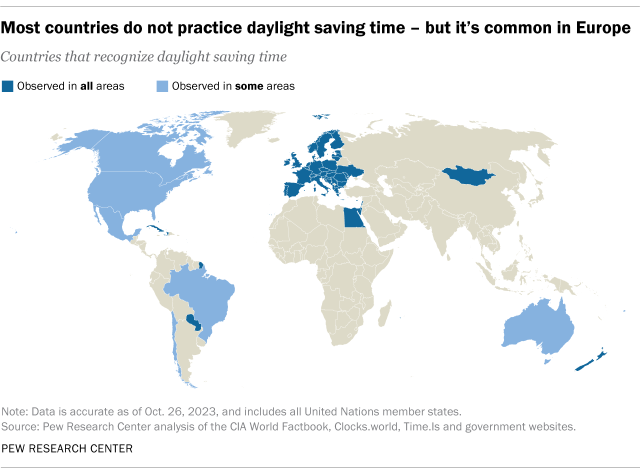
.jpg)


.jpg)