Category: European Union

  • MIL-Evening Report: 10 reasons why banning social media for New Zealanders under 16 is a bad idea – and will affect adults too

    Source: The Conversation (Au and NZ) – By Alex Beattie, Lecturer, Media and Communication, Te Herenga Waka — Victoria University of Wellington

    metamorworks/Getty Images

    Government coalition partners National and Act are at odds over proposed restrictions on social media use by New Zealanders aged 16 and under.

    Prime Minister Christopher Luxon recently announced a National Party private member’s bill that would require social media companies to verify someone is aged 16 or older. Luxon said social media was not “always a safe place for young people”.

    But ACT Party leader David Seymour has dismissed National’s proposal, saying it was “simple, neat and wrong”.

    Even if the member’s bill is not chosen out of the parliament biscuit tin, global interest in getting young people off social media is increasing.

    In late 2024, Australia passed a law banning children aged under 16 from social media platforms. Advocates, police and politicians in the United Kingdom, United States and elsewhere have all proposed similar laws.

    While there is merit in young people spending more time offline, and there are real concerns about the impact of social media on wider society, it’s not clear that outright prohibition will achieve what is hoped for. Here are ten reasons a blanket ban is not the answer.

    1. The addiction fallacy

    Lobby group Before 16 has compared social media to tobacco, saying the platforms should be treated as a public health harm. The implication is that young people could get addicted to social media.

    But the standard for diagnosing addiction is high. Most young people are not addicted to social media; they have a habitual relationship with it that is hard to change.

    Likewise, comparing digital experiences to food may not capture the full range of interactions and impacts. This often implies value judgements, suggesting online experiences are all about “dopamine hits” (similar to sweet treats) and inherently less valuable or “unhealthy” compared to offline experiences.

    Prime Minister Christopher Luxon has introduced a members bill banning social media for people under 16 years old.
    Hagen Hopkins/Getty Images

    2. People are not ‘exposed to’ social media

    The language of the ban seems to suggest the relationship between social media and users goes in one direction – that people are simply exposed to the good and bad of platforms such as Facebook, TikTok and X. But using social media is not like going outside and getting burnt by the sun.

    While social media affects people, it’s also a tool we use to actively shape and create meaning for ourselves. It provides social scaffolding for day-to-day lives, identity formation, communication with family overseas, community support, and even a place to complain about parents.

    3. Murky science

    One of most influential books behind the ban is Jonathan Haidt’s The Anxious Generation. Haidt claims a causal link between social media use and increased anxiety and depression in Gen Z (those born between 1995 and 2012).

    But this claim is highly contentious and has been criticised for failing to consider other causes for the rise in anxiety in young people.

    At best, there may be a correlation between social media and poor mental health – they are happening at the same time. Young people are also grappling with the climate crisis, increasing inequality and global instability. These variables are difficult to isolate in a study, meaning social media becomes an easy target.

    4. A range of experiences

    Critics of social media also assume everyone has a negative experience online. And yes, if you tend to compare yourself to others on social media then you might end up feeling bad about your life.

    But not everyone thinks this way or uses social media to compare what they have (and don’t have) with others.

    5. The moral panic factor

    Moral panics can occur when emerging technologies challenge established social norms.

    Phenomena such as “phubbing” (using a phone to snub someone) challenge what is considered “socially acceptable” behaviour, triggering a deluge of think pieces about how they hurt society.

    While some skills may decline (such as reading and writing) with new technology, others like visual or oral storytelling practiced on social media are on the rise.

    Banning social media could mean young people miss out on valuable digital skills.

    ACT Party leader David Seymour has called the social media ban bill ‘simple, neat and wrong’.
    Hagen Hopkins/Getty Images

    6. Marginalised groups lose out

    Getting young people off social media might not be a big deal for kids who fit within their community. But if you are young, gay and live in a small town, for example, social media may provide the only space where you can feel safe or celebrated for who you are.

    Social media is also a key means for immigrants to stay in touch with their families and culture.

    7. Enforcement challenges

    There are also problems with how the ban is supposed to work – something Australia is still grappling with despite already passing a ban into law (which comes into effect at the end of this year).

    Policymakers have yet to explain how age verification technologies would work without giving away more personal data to media platforms. And everyone would have to verify their age, regardless of whether they are under 16 years old or not.

    8. Losing innovation

    Young people are savvier with technology than older generations. They lead with innovations such as FINSTA (fake Instagram) accounts – fake profiles that allow people to post more privately on Instagram without the pressure of conforming to expectations or judgement of people who know you.

    Blanket bans could hurt this technological adeptness and creativity and stop young people from teaching us how to navigate our online and offline lives.

    9. Learning how to disconnect

    Media literacy is also a crucial skill in today’s media saturated age. The skill of unplugging could become part of that curriculum.

    Temporarily going offline is an excellent way to make students aware of their relationship with social media. Schools could have media-free classes or courses to build awareness, encourage new habits and support students to develop new routines.

    10. Better options than a ban

    No one is arguing that social media hasn’t had a negative effect on individuals and society as a whole. But instead of a ban, why not work to improve the platforms?

    We could focus regulatory efforts on creating safer spaces, like we do with physical buildings.

    Overseas advocacy work on children’s digital rights shows how we can protect children from algorithms, gamification and other predatory tactics used by social media platforms, rather than introducing an outright ban.

    Alex Beattie receives funding from The Royal Society of New Zealand. He has previously won a Marsden Fast Start Grant.

    ref. 10 reasons why banning social media for New Zealanders under 16 is a bad idea – and will affect adults too – https://theconversation.com/10-reasons-why-banning-social-media-for-new-zealanders-under-16-is-a-bad-idea-and-will-affect-adults-too-256065

    MIL OSI AnalysisEveningReport.nz

  • MIL-Evening Report: India and Pakistan have fought many wars in the past. Are we on the precipice of a new one?

    Source: The Conversation (Au and NZ) – By Ian Hall, Professor of International Relations, Griffith University

    India conducted military strikes against Pakistan overnight, hitting numerous sites in Pakistan-controlled Kashmir and deeper into Pakistan itself. Security officials say precision strike weapon systems, including drones, were used to carry out the strikes.

    Pakistan says at least eight civilians have been killed and many more injured.

    While there’s still much uncertainty around what’s happened, it is clear both sides are closer to a major conflict than they have been in years – perhaps decades.

    We’ve seen these kinds of crises before. India and Pakistan have fought full-scale wars many times over the years, in 1947, 1965, 1971 and 1999.

    There were also cross-border strikes between the two sides in 2016 and 2019 that did not lead to a larger war.

    These conflicts were limited because there was an understanding, given both sides possess nuclear weapons, that escalating to a full-scale war would be very dangerous. That imposed some control on both sides, or at least some caution.

    There was also external pressure from the United States and others on both occasions not to allow those conflicts to spiral out of control.

    While it’s possible both sides will exercise similar restraint now, there may be less pressure from other countries to compel them to do so.

    In this context, tensions can escalate quickly. And when they do, it’s difficult to get both sides to back down and return to where they were before.

    Why did India strike now?

    India says it was retaliating for a terror attack last month on mostly Indian tourists in heavily militarised Kashmir, which both sides claim. The attack left 26 dead.

    There was a claim of responsibility after the attack from a group called the Resistance Front, but it was subsequently withdrawn, so there’s some uncertainty about that.

    Indian sources suggest this group, which is relatively new, is an extension of a pre-existing militant group, Lashkar-e-Taiba, which has been based in Pakistan for many years.

    Pakistan has denied any involvement in the tourist attack. However, there’s been good evidence in the past suggesting that even if the Pakistani government hasn’t officially sanctioned these groups operating on its territory, there are parts of the Pakistani establishment or military that do support them. This could be ideologically, financially, or through other types of assistance.

    In previous terror attacks in India, weapons and other equipment have been sourced from Pakistan. In the Mumbai terror attack in 2008, for instance, the Indian government produced evidence it claimed showed the gunmen were being directed by handlers in Pakistan by phone.

    But as yet, we have no such evidence demonstrating Pakistan is connected to the tourist attack in Kashmir.

    India has also repeatedly asked Pakistan to shut down these groups. While the leaders have occasionally been put in jail, they’ve later been released, including the alleged mastermind of the 2008 Mumbai attack.

    And madrassas (religious schools) that have long been accused of supplying recruits for militant groups are still permitted to operate in Pakistan, with little state control.

    Pakistan, meanwhile, claims that attacks in Kashmir are committed by local Kashmiris protesting against Indian “occupation” or Pakistanis spontaneously moved to take action.

    These two positions obviously don’t match up in any way, shape or form.

    A political cost to pay for not acting

    It remains to be seen what cost either side is willing to pay to escalate tensions further.

    From an economic standpoint, there’s very little cost to either side if a larger conflict breaks out. There’s practically no trade between India and Pakistan.

    New Delhi has likely calculated that its fast-growing economy will not be harmed by its strikes and others will continue to trade and invest in India. The conclusion of a trade deal with the United Kingdom, after three years of negotiations, will reinforce that impression. The deal was signed on May 6, just before the Pakistan strikes.

    And from the standpoint of international reputation, neither side has much to lose.

    In past crises, Western countries were quick to condemn and criticise military actions committed by either side. But these days, most take the view that the long-simmering conflict is a bilateral issue, which India and Pakistan need to settle themselves.

    The main concern for both sides, then, is the political cost they would suffer from not taking military action.

    Before the terrorist attack on April 22, the government of Indian Prime Minister Narendra Modi had claimed the security situation in Kashmir was improving, and ordinary Indians could safely travel in the region. Those claims were undermined by what occurred that day, making it crucial for the government to respond.

    And now, if Pakistan doesn’t react to the Indian strikes, its government and especially its military would have a cost to pay, too.

    Despite a patchy record of success, Pakistan’s army has long justified its outsize role in national politics by claiming that it alone stands between the Pakistani people and Indian aggression. If it fails to act now, that claim might look hollow.

    Little external mediation to bank on

    So, how does this play out? The hope would be there’s limited military action, lasting a few days, and then things calm down rapidly, as they have in the past. But there are no guarantees.

    And there are few others willing to step in and help deescalate the dispute. US President Donald Trump is mired in other conflicts in Ukraine, Gaza and with the Houthi rebels in Yemen, and his administration’s diplomacy has so far been inept and ineffective.

    When asked about the Indian strike today, Trump replied it was a “shame” and he “hopes” it ends quickly.

    That’s very different from the strong rhetoric we’ve seen from US presidents in the past when India and Pakistan have come to blows.

    New Delhi and Islamabad will likely have to settle this round themselves. And for whoever decides to blink or back down first, there may be a substantial political cost to pay.

    Ian Hall receives funding from the Department of Foreign Affairs and Trade. He is also an honorary academic fellow of the Australia India Institute at the University of Melbourne.

    ref. India and Pakistan have fought many wars in the past. Are we on the precipice of a new one? – https://theconversation.com/india-and-pakistan-have-fought-many-wars-in-the-past-are-we-on-the-precipice-of-a-new-one-256080

    MIL OSI AnalysisEveningReport.nz

  • MIL-Evening Report: How do you put a tariff on movies? Here’s what Trump’s plan could mean for Australia

    Source: The Conversation (Au and NZ) – By Mark David Ryan, Professor, Film, Screen, Animation, Queensland University of Technology

    Kirk Wester/Shutterstock

    US President Donald Trump’s recent announcement of a plan to impose a 100% tariff on movies “produced in foreign lands” could have a massive impact on the global entertainment industry.

    Film and television production is increasingly part of an interconnected global system. Hollywood’s major studios and global streaming giants use a diverse range of locations around the world, sometimes working across multiple countries for a single project.

    Doing so allows them to leverage production incentives and tax shelters offered by different countries, take advantage of exchange rates to lower their production costs, and more.

    They also film offshore, for example in China, as strategic co-productions and feature iconic locations and local actors to appeal to audiences in that specific national market.

    Many countries have become important hubs in this global system of production. Australia is a significant player. So, how exactly might Trump’s tariffs work? And why is so much Hollywood film made internationally in the first place?

    ‘Movies made in America’

    Trump made the announcement in a post on the social media network Truth Social. But his original statement is vague and lacks crucial detail.

    Based on his post, this proposal could include any foreign movie imported into the United States. More likely, though, it refers to US movies filmed (in part or wholly) overseas.

    Trump’s statement only singles out movies. He doesn’t mention television series for broadcasters, or specifically film and television programs made for streaming platforms.

    This suggests a focus on movies made by Hollywood studios. It may or may not include content made by streamers such as Netflix.

    Tariffs on tickets?

    Movies are a kind of intellectual property. They’re intangible products or services, not physical goods. If a tariff was applied to movies, they’d become the first service in the current trade war to receive one.

    So what tariffs or regulations could be applied?

    One option would be a levy on distributors releasing US movies made overseas. Another option would be to adapt the French TSA model, which levies a tax on all cinema tickets. In France, this money is reinvested into the local industry. The US could impose such a tax on tickets for films with production components overseas.

    Both options would pass the costs on to consumers. A drop in already fragile cinema attendance or revenues could simply cause studios to reduce the number of movies made for theatrical release.

    Studios might instead concentrate on making movies and television series for their own streaming platforms, such as Disney+ and Paramount+.

    One option could be to impose a tax directly on tickets for US cinemagoers.
    bbernard/Shutterstock

    Taxing production

    Could the tax be imposed in other ways? Many US studio movies, and television programs, are at least partly, if not wholly, filmed internationally. But they are still US-controlled movies and still dominate the box office in many countries worldwide.

    Could the revenue of Godzilla x Kong: The New Empire (2024), filmed on the Gold Coast in Australia, specifically be targeted and taxed for being made overseas, in contrast to a Hollywood movie made completely at home?

    Would there be a sliding scale based on how much of a film is shot overseas? Would the tax apply to post-production or only production? The process of reviewing and enforcing this would be complex.

    Another option may be taxing the portion of a movie’s production budget obtained from foreign tax incentives.

    Major blockbusters filming in Australia are eligible for tax rebates and incentives, which can equate to almost half, or more, of the money they spend in Australia. But exactly how the US would review and regulate such a tax is again unclear.

    Many of the major film studios now have their own dedicated streaming platforms.
    Tada Images/Shutterstock

    Australia’s film industry

    International film and television production expenditure in Australia now averages A$880 million each year. International movies alone account for about half of that figure.

    And the number of movies and television series being filmed in Australia has increased dramatically since the outbreak of COVID.

    Production expenditure here on both local and international productions jumped from just over $1 billion in 2019–20 to about $2.4 billion in 2022–23.

    There are numerous reasons for this. Australia became a more popular international production hub after serving as a “production bubble” during the pandemic, as restrictions forced filming to shut down in many other countries. Relationships were forged between local producers, crews, film agencies and studios.

    The reputation of places like the Gold Coast, known for talented crews and stunning filming locations, has also played an important role in continually luring studios back.

    The biggest draw card

    But the major reason is the strong pull of Australia’s tax incentives for filming content here.

    In Australia, international film and television programs are eligible for a 30% “location offset” on eligible production expenditures. If a project qualifies, producers will receive a provisional certificate, and they can claim a fixed 30% rebate for expenses in an income tax return for the relevant year.

    There’s also a 30% offset on eligible post-production and visual effects work. And these incentives can be “stacked” on top of an extra 10–15% in incentives from state screen agencies (such as Screen QLD).

    Some combined federal and state-based production offsets amount to rebates of 50%, or more, of a project’s production spend in Australia.

    Why Australia is worried

    International productions, which are quite different to local film and television programs, generate employment for many local actors and technical professionals. The loss of this film production would dramatically reduce employment for local professionals.

    If these levies are imposed only on movies that screen theatrically, then television series and streaming films and series could continue to film in Australia unaffected. That would lessen the impact on local industries. If the definition includes both, the impact could be dramatic.

    Mark David Ryan has received funding from the Gold Coast Film Commission. He is affiliated with the National Institute of Dramatic Art (NIDA).

    ref. How do you put a tariff on movies? Here’s what Trump’s plan could mean for Australia – https://theconversation.com/how-do-you-put-a-tariff-on-movies-heres-what-trumps-plan-could-mean-for-australia-255948

    MIL OSI AnalysisEveningReport.nz

  • MIL-Evening Report: How maximum security prison inmates and officers worked together to create a farm behind bars

    Source: The Conversation (Au and NZ) – By Christian Tietz, Senior Lecturer in Industrial Design, UNSW Sydney

    Macquarie Correctional Centre Media Unit

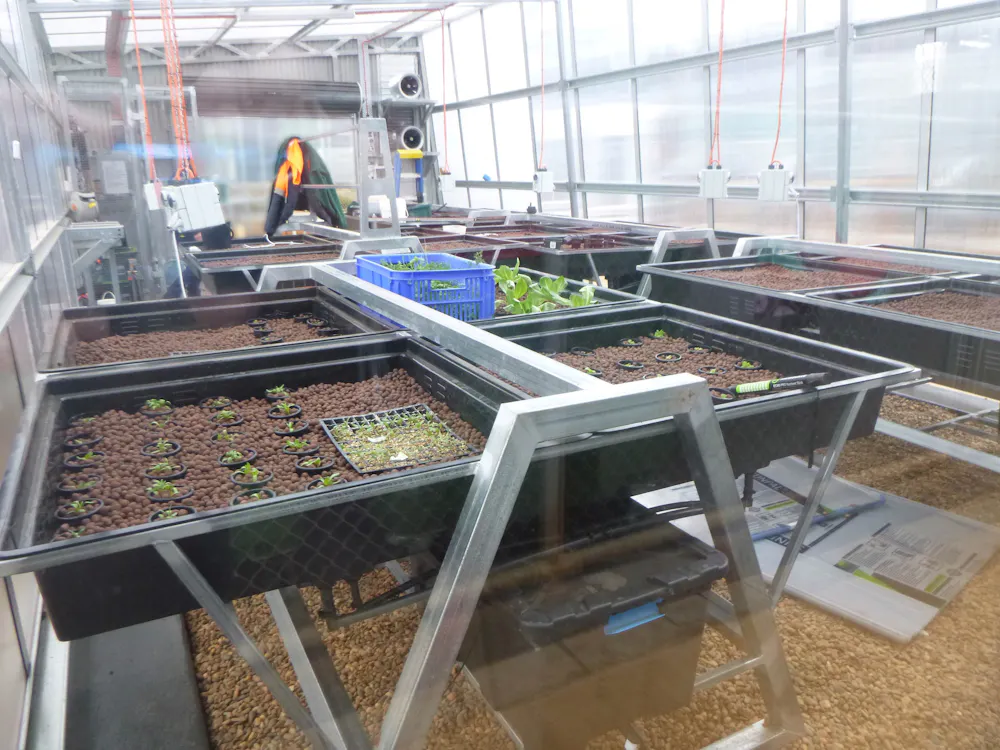
    At Macquarie Correctional Centre in western New South Wales, a story of collaboration and persistence is unfolding. Inmates and prison officers are farming commercial quantities of fresh food in a purpose-built indoor facility.

    One of the 400 male offenders in maximum security at Macquarie contacted me with the idea about five years ago, proposing it would form the basis of a PhD. I agreed to supervise the project.

    Inmates at Macquarie Correctional Centre are encouraged to further their education and follow their interests. The approach is modelled on the Scandinavian prison system, which has the world’s lowest re-offending rates.

    The project shows food gardening provides a meaningful activity for inmates, some of whom never had the opportunity to learn how to plant and grow produce.

    The M Farm produces fresh produce for the on site café.
    Macquarie Correctional Centre Media Unit

    Why farm indoors?

    The project involved farming indoors because the environment can be more carefully controlled. Being isolated from the weather means there’s no need to worry about extremes such as frosts or heatwaves.

    This type of “controlled environment agriculture” is also more efficient. It requires less resources than traditional agriculture, mainly because there are fewer losses due to pests and diseases.

    By controlling the amount of light, water and nutrients each plant receives, it’s possible to optimise the growing system – making it more like a plant factory than a standard greenhouse.

    Inside M Farm, in the early days.
    PhD student

    From vision to reality

    Inmates studying in prison don’t have internet access. Emails are printed out or relayed. If information needs to be viewed online it is under supervision of an authorised officer.

    Despite the challenges, the student published his first conference paper in 2021 and his first academic journal article in 2023. A second article followed in 2024. The student also submitted his PhD 2024.

    The project began with a research plan. Then the PhD student ran focus groups with officers and inmates in mixed groups. A series of one-on-one interviews followed.

    Officers and inmates co-designed and developed the indoor farming facility. One group of inmates, trained in the in-house design office, used 3D computer aided design (CAD) software to produce technical drawings for the farm. Another group took these drawings and turned them into small-scale indoor farming prototypes.

    After extensive testing, the team selected the best prototype and developed the full-scale project, known as M Farm.

    The student won a competitive grant of A$50,000 from the NSW Department of Communities and Justice Innovation Fund. This funded construction of the farm.

    Another grant from the University of NSW supported a solar-powered food waste composting machine. The machine converts daily food waste from the entire prison into organic fertiliser. This means less food waste is sent to landfill, saving costs and reducing emissions.

    Produce from the farm is used in the prison café. Since November 2023, the farm has supplied about $3,500 worth of produce to the café.

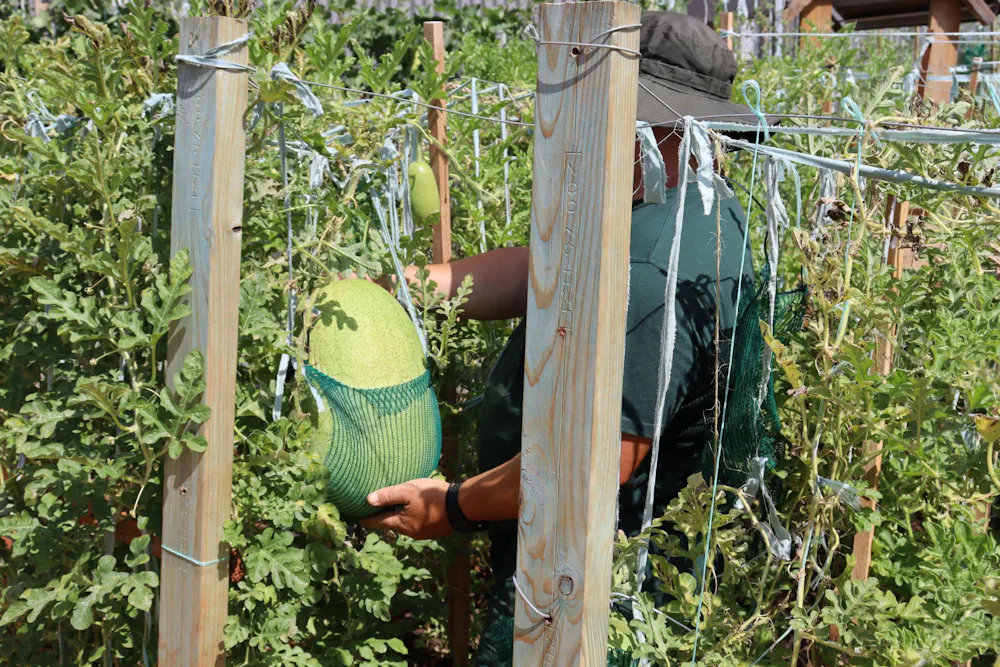
    Last year, about 30 items were entered in the local agricultural show. M Farm won first place in the district for best fresh produce.

    M Farm has grown award-winning fresh produce.
    Macquarie Correctional Centre Media Unit

    Cooperation is key to success

    Inmates ran the project and enjoyed tangible benefits such as access to fresh produce and a sense of accomplishment and pride.

    The project proved inmates can be productive without constant oversight. Similar results were achieved in a community-based vegetable gardening initiative in Girona, Spain, where residents formed an intensive farming cooperative without local council administration.

    The prison officers also benefited from being part of the process and took pride in the results. They also shared the benefits in the on-site café, which is open to both inmates and prison staff.

    This experiment provides further evidence that engagement and collaboration through co-design can lead to social learning, or “informal mutual learning”.

    Empowering co-designers enables the development of solutions beyond initial expectations. The best approach is arming people with the skills they need to actively engage and co-lead in the decision-making processes.

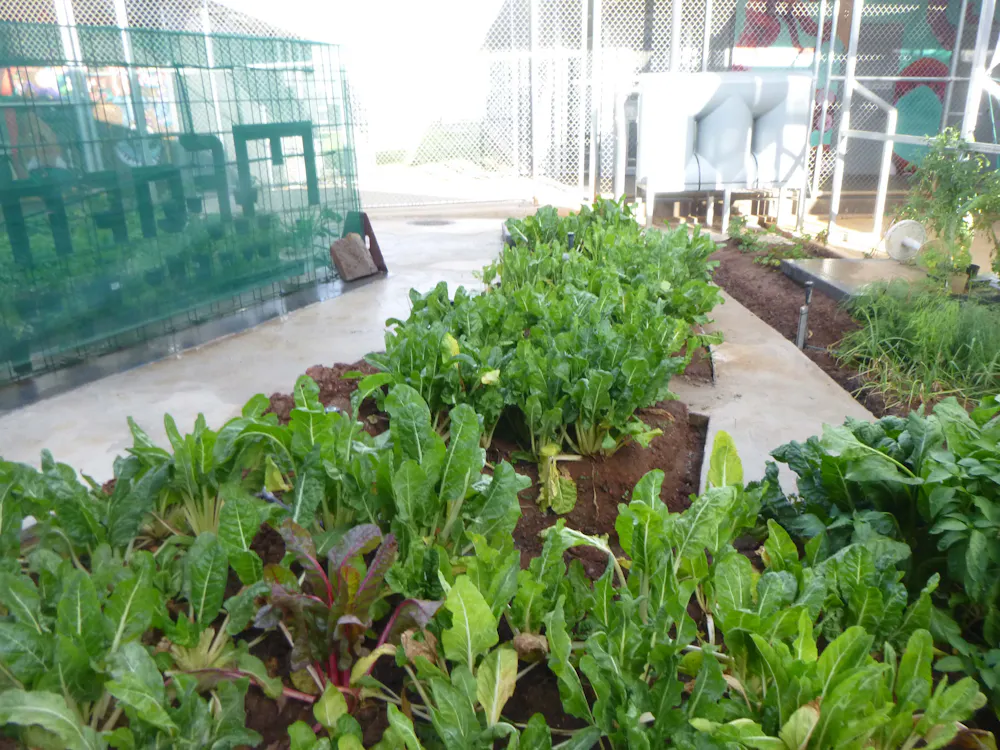
    Tasty and nutritious leafy greens grow in the front garden at M Farm.
    Christian Tietz

    Make it grow

    The PhD thesis includes a co-design tool kit that other prisons worldwide can follow. Given the global prison population exceeds 11 million people, this presents an opportunity to develop a broad-scale sustainability initiative.

    Farming fresh produce in prisons has the potential to improve nutrition and wellbeing. It also offers environmental benefits such as producing compost, reducing waste and cutting greenhouse gas emissions.

    Such projects also have the potential to give inmates confidence and hope, and provides them with skills and knowledge that can benefit the community after their release.

    Christian Tietz does not work for, consult, own shares in or receive funding from any company or organisation that would benefit from this article, and has disclosed no relevant affiliations beyond their academic appointment.

    ref. How maximum security prison inmates and officers worked together to create a farm behind bars – https://theconversation.com/how-maximum-security-prison-inmates-and-officers-worked-together-to-create-a-farm-behind-bars-244962

    MIL OSI AnalysisEveningReport.nz

  • MIL-Evening Report: Samoa down in RSF media freedom world ranking due to ‘authoritarian pressure’

    Talamua Online News

    Samoa has dropped in its media and information freedom world ranking from 22 in 2024 to 44 in 2025 in the latest World Press Freedom Index compiled annually by the Paris-based Reporters Without Borders (RSF).

    For the Pacific region, New Zealand is ranked highest at 16, Australia at 29, Fiji at 40, Samoa ranked 44 and Tonga at 46.

    And for some comfort, the United States is ranked 57 in media freedom.

    The 2025 World Press Freedom Index released in conjunction with the annual Media Freedom Day on May 3, says despite the vitality of some of its media groups, Samoa’s reputation as a regional model of press freedom has suffered in recent years due to “authoritarian pressure” from the previous prime minister and a political party that held power for four decades until 2021.

    Media landscape
    The report lists independent media outlets such as the Samoa Observer, “an independent daily founded in 1978, that has symbolised the fight for press freedom.”

    It also lists state-owned Savali newspaper “that focuses on providing positive coverage of the government’s activities.”

    TV1, is the product of the privatisation of the state-owned Samoa Broadcasting Corporation. The Talamua group operates Samoa FM and other media outlets, while the national radio station 2AP calls itself “the Voice of the Nation.”

    Political context
    Although Samoa is a parliamentary democracy with free elections, the Human Rights Protection Party (HRPP) held power for four decades until it was narrowly defeated in the April 2021 general election by Samoa United in Faith (Faʻatuatua i le Atua Samoa ua Tasi, or FAST).

    An Oceania quick check list on the 2025 RSF World Press Freedom rankings. While RSF surveys 180 countries each year, only Fiji, Papua New Guinea, Samoa, and Tonga are included so far. Image: PMW from RSF

    The report says part of the reason for the HRPP’s defeat was its plan to overhaul Samoa’s constitutional and customary law framework, which would have threatened freedom of the press.

    Championing media freedom
    The Journalists Association of (Western) Samoa (JAWS) is the national media association and is press freedom’s leading champion. JAWS spearheaded a media journalism studies programme based at the National University of Samoa in the effort to train journalists and promote media freedom but the course is not producing the quality journalism students needed as its focus, time and resources have been given the course.

    Meanwhile, the media standards continue to slide and there is fear that the standards will drop further in the face of rapid technological changes and misinformation via social media.

    A new deal for journalism
    The 2025 World Press Freedom Index by RSF revealed the dire state of the news economy and how it severely threatens newsrooms’ editorial independence and media pluralism.

    In light of this alarming situation, RSF has called on public authorities, private actors and regional institutions to commit to a “New Deal for Journalism” by following 11 key recommendations.

    Strengthen media literacy and journalism training
    Part of this deal is “supporting reliable information means that everyone should be trained from an early age to recognise trustworthy information and be involved in media education initiatives. University and higher education programmes in journalism must also be supported, on the condition that they are independent.”

    Finland (5th) is recognised worldwide for its media education, with media literacy programmes starting in primary school, contributing to greater resilience against disinformation.

    Republished from Talamua Online News.

    MIL OSI AnalysisEveningReport.nz

  • MIL-OSI Europe: Debates – Monday, 5 May 2025 – Strasbourg – Revised edition

    Source: European Parliament

    Verbatim report of proceedings
     430k  594k
    Monday, 5 May 2025 – Strasbourg


    IN THE CHAIR: ROBERTA METSOLA
    President

     
    1. Resumption of the session


      President. – I declare resumed the session of the European Parliament adjourned on 3 April 2025.


    2. Opening of the sitting


    (The sitting opened at 17:01)


    3. Passing of Pope Francis – Statement by the President


      President. – On 26 April the world came together to mourn the passing of His Holiness Pope Francis. Together with a number of you, we represented this House at the Pope’s funeral in Rome, where hundreds of thousands gathered to commemorate his life and honour his legacy.

    Pope Francis will be remembered for his inspirational leadership, his moral authority and his kindness, taking every opportunity to speak up for a more humane, more peaceful and unified world. In 2014, His Holiness addressed this Plenary and he called for every Member to ’work to make Europe rediscover the best of itself.’

    E proprio in occasione della sua visita Papa, Francesco scrisse un messaggio, nel libro che raccoglie le firme e i pensieri delle più alte personalità che hanno visitato l’Istituzione nel corso della sua storia, e io desidero condividere con voi le parole che ha voluto dedicarci:

    “Auguro che il Parlamento europeo sia sempre più la sede dove ogni suo membro concorra a far sì che l’Europa, consapevole del suo passato, guardi con fiducia al futuro per vivere con speranza il presente.”

    Whilst this House grieves his loss, we also remember his call to action and work together every day for a better, more compassionate and more courageous Europe.

    I invite you now to join me in a moment of silence.

    (The House rose and observed a minute’s silence)

    We will now have a round of Group speakers to pay tribute to His Holiness Pope Francis.


      Manfred Weber, on behalf of the PPE Group. – Madam President, dear colleagues, for me personally, meeting Pope Francis and speaking with him was a lifetime honour and he remains, for me and for us as the EPP Group, a profound source of inspiration. His hope, his wisdom, his faith still speak to all of us. It was a moment of deep sadness when we learned about his passing away and we will miss him.

    Above everything, as our President already said, it was always the person, the human being he put at the centre. He never spoke about migrants, he spoke about human beings and not about a prisoner, about a human being, not about homeless people, about human beings. Christianity at its best: everybody is important, recognised by God, and also has a perspective beyond our life on earth.

    In November 2014, when he was here speaking in this European Parliament 11 years ago, he spoke about the deep Christian identity of our continent. Europe without Christian roots is simply unthinkable.

    However, Christian values never were pure Christian symbolism. He did not look at the questions of what divides us in Europe, he was always committed to what unites us. Not race, not religion, and not social status are allowed to divide us. And that was also his red line to all extremists who were misusing Christianity for their egoistic interests.

    His Christian view on a human approach of a society was also for dignified work, for a society where everybody feels involved, and an economy which also serves the people’s interests. And that’s why our model of a social market economy was deeply rooted also in his Christian thinking.

    And finally, on this Christian democratic tradition – like my party is representing it – I also want to underline that he himself, and all his predecessors in the 20th and 21st century, was committed to European integration. He was always arguing in favour of a united Europe, not as a functional entity, not as a cash machine, not as a huge market, but as a community with shared identity, united in the European way of life.

    In a letter addressed to the European People’s Party group, Pope Francis wrote to us that, and I quote, ‘To build Europe, it takes a strong inspiration, a soul. It takes dreams, it takes values and a high political vision. Ordinary management, good, normal administration is not enough.’ That is what Pope Francis told us. And this is his legacy. This is his job description for us as the European People’s Party, also as a European Parliament. He rightly saw the European way of life as a path to a bright future, and also our offer to the rest of the world. That’s why, thank you to Pope Francis.


      Iratxe García Pérez, en nombre del Grupo S&D. – Señora presidenta, hoy alzamos la voz en esta Cámara para rendir tributo al papa Francisco, un hombre de fe profunda y coraje inmenso que supo estar a la altura de los tiempos. Fue el papa de los pobres, de los marginados y de los que se encuentran en las periferias de la sociedad.

    Tuve el honor de encontrarme con el papa Francisco. Con su voz clara y su mirada compasiva, nos recordó que la justicia social no es solo una opción, sino una exigencia irrenunciable.

    Señorías, la mejor manera de rendir tributo al papa Francisco no es solo recordar sus palabras, sino cumplir con ellas. El 25 de noviembre de 2014, en este mismo Parlamento, nos pidió que construyéramos Europa sobre la piedra angular de la dignidad. Nos interpeló con preguntas que hoy siguen doliendo: «¿qué dignidad es posible sin un marco jurídico claro que limite el dominio de la fuerza y haga prevalecer la ley sobre la tiranía del poder?», «¿qué dignidad puede tener un hombre o una mujer cuando es objeto de todo tipo de discriminación?», «¿qué dignidad podrá encontrar una persona que no tiene qué comer o el mínimo necesario para vivir o, todavía peor, que no tiene el trabajo que le otorga dignidad?».

    También nos exigió con firmeza cuidar la tierra, al decir que Europa ha estado siempre en primera línea de un loable compromiso en favor de la ecología.

    Al hablar de migración, nos suplicó no mirar hacia otro lado: «no se puede tolerar que el mar Mediterráneo se convierta en un gran cementerio».

    Y en su último mensaje urbi et orbi, levantó la voz por una paz justa y duradera en Ucrania y en Tierra Santa. Hoy hemos conocido su último deseo, y es que el papamóvil se pueda convertir en un hospital infantil para los niños en Gaza. Gran signo y gran deseo.

    Señorías, si queremos estar a la altura del legado, hagamos nuestras sus palabras: «abandonar la idea de una Europa atemorizada y replegada sobre sí misma para suscitar y promover una Europa protagonista y transmisora de valores humanos; la Europa que camina sobre la tierra segura y firme, precioso punto de referencia para toda la humanidad».

    Esa es la Europa que el papa Francisco soñó; que sea también la Europa que entre todos sigamos construyendo.


      Jordan Bardella, au nom du groupe PfE. – Madame la Présidente, mes chers collègues, c’est avec gravité et recueillement que je prends la parole à mon tour pour saluer la mémoire du pape François. Parce qu’il est une figure universelle, sa disparition aura ému, au-delà des 1,4 milliard de catholiques dans le monde.

    Homme de foi, homme de dialogue et de paix, autorité morale rare dans un monde en perte de repères, le pape François le fut incontestablement. Son pontificat fut celui d’une attention constante portée aux plus fragiles et aux plus démunis. Que l’on partage ou non ses opinions politiques, ses prises de position – elles ont été nombreuses et multiples –, le respect solennel dû aux morts nous oblige.

    En ce moment solennel, je veux redire avec fierté que la France, fille aînée de l’Église, n’oublie ni ses racines chrétiennes, ni le lien millénaire qui l’unit à la foi et à l’Église catholique. Ce lien historique et précieux fonde une part inestimable de notre identité, de notre civilisation, de nos valeurs et, pour beaucoup, de notre espérance. Que le pape François repose en paix.


      Nicola Procaccini, on behalf of the ECR Group. – Madam President, ‘a Church that goes out’ is how Pope Francis summed up the mission of his pontificate, a Church that doesn’t remain confined within its physical spaces, but instead opens itself spiritually to the world, a Church that reaches out to people, cares for them – even physically – wherever they may be.

    I’ve shared many of Pope Francis’s messages, even those considered ‘politically incorrect’, but I would be hypocritical if I didn’t also admit some different points of view, particularly regarding the governance of migration. I think that for some here it’s quite the opposite. Yet despite our differences, Christianity represents all of us. It’s the only cultural bond that still holds us together. It’s the common root of Europe, even if the European Union denies it every day.

    In October 2020, Pope Francis wrote to us:

    ‘Europe, find yourself again! Rediscover your ideals, which have deep roots. Be yourself. Don’t be afraid of your millennia‑old history, which is more a window to the future than to the past’.

    Addio, Papa Francesco.


      Billy Kelleher, on behalf of the Renew Group. – Madam President, sadly, Pope Francis’s death did not come as a shock to most of us. Unfortunately, his health had been waning, and while we had all hoped for the best, it was clear that his time was coming to an end.

    His time, however, as supreme pontiff was different, to say the very least. His recommitment to the church being a ‘church of the poor’ was profound and real. And while he could not make all the changes he wanted, he has, I believe, changed the Catholic Church for the better. His pontificate will be known as one committed to decency, human dignity, social justice and the raising of those on the margins of society. On behalf of the Renew Europe group. I want to extend my deepest sympathies to the 1.4 billion Catholics across the globe who are mourning over the loss – not just of their spiritual leader, but also of a man who lived each day committed to the service of the poor, the marginalised and the vulnerable.

    In 2018, the people of Europe welcomed Pope Francis to our shores as we hosted the World Meeting of Families. Pope Francis was welcomed with open arms and with deep respect by my fellow citizens. To everyone elected in this Parliament and to parliaments across the world who claim to profess the Christian faith: I would urge you to listen to Pope Francis’s words and his teachings. There is nothing Christian about cheering when migrants drown in the seas. There is nothing Christian about making those in the margins fear for their safety just because they are different to us. Pope Francis’s death is a loss to us all. Whether we are Catholic, another kind of Christian, practice another religion or indeed are non-believers – his humanity transcended denominations. Society has lost a great leader and a great teacher with his passing. Ar dheis Dé go raibh a anam dílis.


      Martin Schirdewan, on behalf of The Left Group. – Madam President, Christianity and socialism might not share the closest link at first glance, but Pope Francis used his mandate to advance the Christian social doctrine that is also deeply rooted in socialist politics. The fight for social justice and against poverty – one of the cornerstones of Francis’s pontificate – remains a central responsibility for both the progressive Left and the progressive Church.

    Pope Francis has all my respect for always taking sides for the vulnerable and for defending humanity and human rights for all, regardless of origin, status, colour or belief. And, in an increasingly hostile world, Pope Francis’s voice has constantly been one of peace. Relentlessly, he called for an end of the wars in Ukraine and in Gaza. Every single day, he cared for the Palestinian civilians whose unjust suffering he felt painfully.

    Let us make his prayers for justice and peace a reality. Let’s the end politics of injustice and division. And I wish his successor all possible success in transforming the Catholic Church into a Church for the 21st century.

    I’d like to conclude, in a rather secular way – I’m sure he would have understood – farewell, Francis.


      René Aust, im Namen der ESN-Fraktion. – Frau Präsidentin, sehr geehrte Damen und Herren! Im Jahre 2013 suchten die Herren Kardinäle einen neuen Papst, und sie fanden ihn, wie er selbst sagte, am anderen Ende der Welt. Sie fanden einen streitbaren Hirten, einen Papst, der seine Kirche reformieren wollte und der wusste, dass echte Erneuerung im Herzen der Menschen beginnt. Über bestimmte Aspekte wie seinen Ansatz zum Synodalen Weg wird noch lange diskutiert werden. Doch dies ist nicht der Moment für Bewertungen – heute halten wir fest: Die Welt hat einen guten Menschen verloren – einen, der als Bischof von Rom diente, der nicht thronte, sondern tröstete.

    Sein Pontifikat war geprägt von seinen Erfahrungen als Seelsorger, von Bescheidenheit und dem Blick auf die Ärmsten. Möge Papst Franziskus in Frieden ruhen. Auch deshalb habe ich in der vergangenen Woche in der wunderschönen Kirche in Paris in Saint-Sulpice für ihn eine Kerze angezündet. Und mögen die Kardinäle im bevorstehenden Konklave eine weise Wahl treffen. Ich wünsche ihnen dabei Gottes Segen.


    4. Approval of the minutes of the previous sitting


      President. – The minutes and the texts adopted of the sitting of 3 April are available. Are there any comments?

    I see that is not the case. Therefore they are approved.


    5. Announcement by the President (Rule 138(2))


      Ilhan Kyuchyuk (Renew). – Madam President, dear colleagues, on 19 March this year, the Commission put forward the SAFE regulation proposal and based it on Article 122 of the Treaty on the Functioning of the European Union, JURI considered the use of Article 122 of TFEU as the basis of the SAFE regulation proposal under Rule 138(2) of the Rules of Procedure.

    On 23 April, the committee unanimously decided that Article 122 was not the appropriate legal basis for the proposed regulation. JURI came to this conclusion after having considered the aim of the SAFE proposal and in the absence of proper justification by the Commission of the choice of the legal basis. JURI also observed that Article 122 contains two paragraphs, and each of those confers on the Council a distinct competence to adopt legal acts subject to specific conditions. However, the SAFE proposal is based on Article 122, and it entirely hangs on both paragraphs. The Commission fails to explain why both paragraphs should be relied upon as the legal basis. There is also no justification why other possible legal bases under the TFEU were discarded, in particular in the context of Article 122(1), which can only apply ‘without prejudice to any other procedures provided for in the treaties’.

    At the same time, although JURI discussed and analysed alternative legal bases which appear appropriate, such as Article 173(3) of the TFEU, it decided at this stage not to pronounce itself conclusively. It is enough to say at this point that JURI does consider that another legal basis under the treaties could be used, and therefore that the Union’s competence to act under a legal basis other than in Article 122 TFEU does exist.


      President. – Thank you very much, Mr Kyuchyuk. So I will write, in accordance with your argumentation, to the presidents of the Council and Commission to inform them of the procedure.


    6. Announcement by the President


      President. – This Wednesday at 10:30, there will be a wreath-laying ceremony on the Parvis Louise Weiss to commemorate the 80th anniversary of the end of the Second World War in Europe. Then, at 11:30, there will be a further ceremony in this Chamber to mark this solemn occasion with a number of veterans.

    I invite you attend both of these events, and I truly count on your presence.


    7. Composition of Parliament


      President. – The competent authorities of Germany have notified me of the election of Volker Schnurrbusch to the European Parliament replacing Maximilian Krah with effect from 4 April 2025. I wish to welcome our new colleague and recall that he takes his seat in Parliament and on its bodies in full enjoyment of his rights pending the verification of his credentials.


    8. Request for waiver of immunity


      President. – I have received a request from the competent authorities in Hungary for the parliamentary immunity of Péter Magyar to be waived. The request is referred to the Committee on Legal Affairs.


    9. Request for the waiver of parliamentary immunity – closure of procedure


      President. – I have received a letter from the competent authorities in Belgium withdrawing the request for the waiver of the parliamentary immunity of Jaak Madison. The procedure is therefore closed.


    10. Composition of political groups


      President. – Malika Sorel is no longer a member of the PfE Group and sits with the non‑attached Members as of 19 April 2025.


    11. Composition of committees and delegations


      President. – The EPP and PfE groups have notified me of decisions relating to changes to appointments within committees and delegations. The decisions will be set out in the minutes of today’s sitting and take effect on the date of this announcement.


    12. Negotiations ahead of Parliament’s first reading (Rule 72)


      President. – The LIBE, PECH and – jointly – the SEDE and ITRE committees have decided to enter into interinstitutional negotiations pursuant to Rule 72(1) of the Rules of Procedure. The reports, which constitute the mandates for the negotiations, are available on the plenary webpage and their titles will be published in the minutes of the sitting.

    Pursuant to Rule 72(2), Members or political groups reaching at least the medium threshold may request in writing by tomorrow, Tuesday 6 May at midnight, that the decisions be put to the vote. If no request for a vote in Parliament is made before the expiry of that deadline, the committees may start the negotiations.


    13. Negotiations ahead of Council’s first reading (Rule 73)


      President. – The ENVI Committee has decided to enter into interinstitutional negotiations ahead of the Council’s first reading, pursuant to Rule 73 of the Rules of Procedure. The position adopted by Parliament at first reading, which constitutes the mandate for those negotiations, is available on the plenary webpage, and its title will be published in the minutes of the sitting.


    14. Proposals for Union acts


      President. – I would like to announce that, pursuant to Rule 47(2) of the Rules of Procedure, I have declared admissible a proposal for a Union act repealing Directive 2003/87/EC of the European Parliament and of the Council of 13 October 2003 establishing a scheme for greenhouse gas emission allowance trading within the Community and amending Council Directive 96/61/EC. This proposal is referred to the Committee on the Environment, Climate and Food Safety, as the committee responsible, and to the Committee on Industry, Research and Energy, for an opinion.


    15. Signature of acts adopted in accordance with the ordinary legislative procedure (Rule 81)


      President. – I would like to inform you that, since the adjournment of Parliament’s session on 3 April, I have signed, together with the President of the Council, three acts adopted under the ordinary legislative procedure in accordance with Rule 81 of Parliament’s Rules of Procedure.

    I would also like to inform you that on Wednesday, I shall sign, together with the President of the Council, another three acts adopted under the ordinary legislative procedure.

    The titles of the acts will be published in the minutes of this sitting.


    16. Order of business


      President. – I would like to inform you that I have received the following requests for urgent procedure pursuant to Rule 170(6):

    – from the ECR Group, and jointly from the EPP, S&D and Renew groups, on the following legislative file: CO2 emission performance standards for new passenger cars and new light commercial vehicles for 2025 to 2027;

    – from the ENVI Committee on the following legislative file: The protection status of the wolf (Canis lupus);

    – from the ECON Committee: amendments to the Capital Requirements Regulation as regards securities financing transactions under the net stable funding ratio.

    The vote on these requests will be taken tomorrow.

    Now I would like to inform the House that I have received requests for points of order. I will start by giving the floor to Bas Eickhout.


      Katrin Langensiepen (Verts/ALE). – Frau Präsidentin, liebe Kolleginnen und Kollegen! Heute ist der Europäische Protesttag zur Gleichstellung von Menschen mit Behinderung, und hier reden wir über 100 Millionen Menschen mit Behinderungen in der Europäischen Union. Da habe ich eine schlechte und eine gute Nachricht: Alle Mitgliedstaaten haben bei der Umsetzung der UN-Behindertenrechtskonvention komplett versagt. Noch immer haben Menschen mit Behinderungen keinen gleichberechtigten Zugang zum Wahllokal, zum Recht auf Wahl, zu selbstbestimmtem Leben, gleichberechtigter Teilhabe, wenn es um Bildung, Arbeit und Entlohnung geht.

    Das habe nicht ich mir ausgedacht, das hat sich die UNO ausgedacht, und die UNO hat es festgehalten und hat die EU dafür massiv gerügt. Wir sind immer noch nicht gut, wenn es um die Umsetzung der UN-Behindertenrechtskonvention geht. Aber ich habe auch eine gute Nachricht: Wir können es besser machen. Heute ist der Europäische Protesttag von 100 Millionen Menschen mit Behinderungen – Frauen, Kindern, Geflüchteten, Menschen, die queere Personen sind, die intersektional betroffen sind. Da ist es ein Menschenrecht – ich weiß, Menschenrechte sind gerade nicht der heiße Scheiß in diesem Haus –, aber wir müssen uns endlich um die Menschenrechte kümmern, wenn wir Wettbewerbsfähigkeit halten wollen und gleichberechtigt teilhaben wollen.


      Hilde Vautmans (Renew). – Madam President, colleagues, I would like to make this point of order, because 25 April marked the ninth anniversary since Swedish-Iranian academic Ahmad Reza Djalali was arrested in Iran.

    In October 2017, he was sentenced to death after a grossly unfair trial. He is currently, colleagues, the longest standing EU citizen held hostage by the Iranian authorities, and as a consequence of years in prison, malnutrition, not being given the medical care he needed and torture, his situation is really serious. He said in a video: ‘I am at my breaking point’.

    So, colleagues, on this heartbreaking anniversary, I call on you, Madam President, and all my colleagues to take action and repeat our call: we ask for the immediate and unconditional release of Professor Djalali, just like we voted for here in this House.


      Özlem Demirel, im Namen der Fraktion The Left. – Frau Präsidentin! Am 2. Mai wurde das Schiff der NGO Freedom Flotilla in internationalen Gewässern in der Nähe Maltas von zwei Kriegsdrohnen mehrfach angegriffen. An Bord des Schiffes befanden sich 30 Aktivistinnen und Aktivisten und humanitäre Helfer. Mit ihnen dabei Lebensmittel, Medikamente, Hilfsgüter für das von Israels Krieg gebeutelte Volk in Gaza. Der Angriff löste ein Feuer an Bord aus. Die Besatzung sendete einen Notruf. Doch der nahe gelegene Inselstaat Malta ignorierte dies zunächst einmal und reagierte nicht sofort.

    Kolleginnen und Kollegen, was hier passiert ist, ist ein äußerst schwerwiegender, inakzeptabler Vorfall! Sowohl der militärische Angriff auf ein ziviles Schiff als auch die Missachtung des internationalen Rechts ist inakzeptabel. Deshalb beantragen wir eine Debatte dazu, und wir fordern auch die Kommission zu einer Stellungnahme zu diesem Vorgang auf. Kolleginnen und Kollegen, zu Beginn der Debatte haben Sie den Papst Franziskus gewürdigt. Wenn Sie gleich abstimmen, denken Sie bitte daran, wie der Papst jetzt abstimmen würde.


      President. – I will give the floor to any colleague who would like to speak against. I see no one does, so we will vote by roll call.

    (Parliament rejected the request)

    So the agenda is unchanged.

    Also for Wednesday, the Greens Group has requested that a Commission statement on ‘EU response to the Israeli Government’s plan to seize the Gaza strip and promote the so-called “voluntary departure” of Gazans’ be added in the afternoon before the debates under Rule 150. As a consequence, the sitting would be extended until 23:00.

    I give the floor to Mounir Satouri to move the request on behalf of the Greens Group.


      Mounir Satouri, au nom du groupe Verts/ALE. – Madame la Présidente, cette nuit, le cabinet de sécurité israélien a approuvé un plan offensif. Il vise à s’emparer de toute la bande de Gaza et à s’y installer indéfiniment. Ce plan vise aussi à organiser des départs soi-disant volontaires de la population de Gaza. Ce sont en réalité des déplacements forcés de population.

    Sur le plan politique, nous avons, c’est vrai, des divergences. Mais nous sommes une majorité, ici, à être attachés à la solution à deux États. Cette décision du gouvernement israélien remet en cause de manière définitive la perspective de cette solution à deux États. L’accaparement du territoire est inacceptable. Cela viole toutes les règles du droit international. Notre Parlement ne peut rester muet.

    Je demande un débat sans résolution qui porte le titre «Déclaration de la haute représentante/vice-présidente sur la réponse de l’UE au projet du gouvernement israélien de s’emparer de la bande de Gaza et de promouvoir le soi-disant départ volontaire des Gazaouis».

    Chers collègues, avec cette proposition, ce Parlement a pour une fois la capacité d’être dans le bon timing et d’être au rendez-vous pour rappeler son attachement au droit international.


      Iratxe García Pérez (S&D). – Madam President, only one question: I would like to ask, please, the services to give the group leaders and the groups all the information, very clearly, about this from the beginning, because if we have information that, for example, this debate will be for the May II plenary, and we decide as a group to support it in May II, it’s so difficult now to take a decision about this time. Only to clarify, we as the S&D Group wanted this debate for May II.


      Γεάδης Γεάδη, εξ ονόματος της ομάδας ECR. – Κυρία Πρόεδρε, με βάση το Πρωτόκολλο 10 της Συνθήκης Προσχώρησης της Κυπριακής Δημοκρατίας, αυτή εντάχθηκε εδαφικά στην ολότητά της στην Ευρωπαϊκή Ένωση, με αναστολή της εφαρμογής του κεκτημένου στις περιοχές όπου δεν ασκεί αποτελεσματικό έλεγχο, συνεπεία της τουρκικής εισβολής και συνεχιζόμενης παράνομης κατοχής.

    Δυστυχώς, το περασμένο Σάββατο αφίχθηκε στην παράνομη αποσχιστική οντότητα στην Κύπρο —στο ψευδοκράτος, ο Tayyip Erdoğan, στέλνοντας μήνυμα εδραίωσης της κατοχής, βάζοντας —όπως δήλωσε— «μία ακόμη σφραγίδα της Τουρκίας στο νησί».

    Η στάση του Τούρκου προέδρου όχι μόνο δεν δείχνει τον απαιτούμενο σεβασμό απέναντι στις αρχές και τις αξίες που πρεσβεύει η Ευρωπαϊκή Ένωση, αλλά δείχνει και απαξίωση σε ολόκληρη την ευρωπαϊκή οικογένεια, αφού αποτελεί ξεκάθαρη πρόκληση, παραβίαση του διεθνούς δικαίου και της διεθνούς νομιμότητας. Το Ευρωπαϊκό Κοινοβούλιο επιβάλλεται να αντιδράσει, καταδικάζοντας με τον πιο έντονο τρόπο.

    Ως εκ τούτου, παρακαλώ όπως γίνει αποδεκτό το αίτημα για εγγραφή του θέματος με τίτλο «Η παράνομη επίσκεψη του προέδρου Erdoğan στις κατεχόμενες περιοχές της Κύπρου και οι κλιμακούμενες απειλές ενάντια στην Κυπριακή Δημοκρατία».


      President. – OK, so let me get this clear. We’re going to vote on the debate with the title as amended by the S&D Group which was accepted by the ECR Group. What is not clear to me is whether the S&D would want the debate on Wednesday or on Thursday. You say Wednesday? OK, Wednesday. Fine. We’ll do it on Wednesday. We just add to our debates on Wednesday.

    So we vote first by roll call on adding the statements.

    (Parliament approved the request)

    Now we vote by roll call on whether we will have a resolution.

    (Parliament rejected the request)

    We will see with Mr Mavrides what he meant and how we can do it.

    Thank you very much. The agenda is adopted. Have a good week.


    (The sitting was briefly suspended)


    PRESIDENZA: ANTONELLA SBERNA
    Vicepresidente


    17. Resumption of the sitting


    (La seduta è ripresa alle 17:52)


    18. Preparation of the EU-UK summit (debate)


      Adam Szłapka, President-in-Office of the Council. – Madam President, honourable Members, Mr Commissioner, with European security being the top priority of the Polish Presidency, we are striving to exploit the full potential of the EU’s relations with the United Kingdom.

    Last March, the Council exchanged views on the state of play. The upcoming first EU‑UK summit will provide a unique opportunity to strengthen our relationship. We are like‑minded partners, allies and good neighbours. Therefore, we are very much welcoming the EU governments’ approach, seeking to further strengthen our relations.

    We work together from sanctions against Russia to support for Ukraine through security summits and joint diplomatic efforts. The ongoing Russian aggression against Ukraine, and our joint support for Ukraine, is a strong reminder of why our unity matters more than ever.

    At the summit, we will seek to reaffirm our mutual commitment to the full, faithful and timely implementation of our agreements, including rights of our citizens. At the same time, there is still untapped potential and room for improvement in our relations. Ahead of the upcoming EU‑UK summit, the Council presidencies work closely with the Commission to identify and explore areas for deepening our cooperation.

    A whole range of areas will be discussed with our British hosts during the summit: security and defence; sanitary and phytosanitary rules for agricultural products; stronger cooperation on energy; access to waters for EU fishermen; and opportunities for young people to live, work and study across the border. Together we are working on a package in key areas that will bring tangible benefits to citizens and businesses on both sides of the Channel. Let me stress that our partnership is about more than just trade flows: it’s about people.

    Madam President, honourable Members, Commissioner, we should not forget about some challenges that remain. The situation in Northern Ireland requires careful monitoring, as does the situation of Union citizens that live in the United Kingdom.

    In the relations with the UK, we are following the principles, among which there are the indivisibility of our four freedoms, safeguarding the integrity of our single market and customs union, and protecting the autonomy of the Union’s decision‑making. These guiding principles remain relevant. We will carry them forward, united and speaking with one voice.

    At the same time, the Government of the United Kingdom reaffirmed its position of not rejoining the single market, the customs union and on the free movement of people. Within these parameters, leaders will engage pragmatically and respectfully at the summit. We are confident to achieve solid results for moving ahead with the strengthening of our relations with the United Kingdom.

    A final word on the parliamentary dimension of EU‑UK relations. To underline the importance that the Council attaches to the input of this House in this process, achieving a mutually beneficial partnership between the EU and our British partners is a shared goal of the EU institutions. Let us continue to exchange on how to make this partnership stronger.


      Maroš Šefčovič, Member of the Commission. – Madam President, Honourable Minister, Honourable Members of the European Parliament, I am happy to participate in today’s plenary debate on the preparation of the EU‑UK summit. As you will be aware, we have been working intensely with our UK partners to prepare for the summit on 19 May. As you well know, this will be the first such summit at leaders‑level since the UK left the EU, and it marks an important milestone in our post-Brexit relationship.

    President von der Leyen has met with UK Prime Minister Starmer on several occasions over the last few months, including most recently in London on 24 April. They have agreed that the summit offers an opportunity to strengthen EU‑UK cooperation across a number of areas, and it is clear that both sides want to deliver a positive summit. Exploratory discussions with the United Kingdom on a broad range of issues have taken place over the past weeks. This is part of an ongoing process which will further take shape at the summit and beyond.

    The EU and the UK are like‑minded partners, and in recent times we have worked closely together on shared challenges, notably in response to Russia’s invasion of Ukraine. Given that we live in an increasingly uncertain and complex geopolitical environment, it is all the more important that we continue to cooperate in this manner. For our part, we see three broad areas where there is scope to further develop the EU‑UK relationship.

    Firstly, security and resilience. This includes deeper and more structured cooperation between the EU and the UK as close partners and like‑minded allies in the face of unprecedented geopolitical challenges in our neighbourhood. This means defence and security will likely be a focus of the summit.

    Secondly, something very important to this House: people‑to‑people contacts, which includes rebuilding bridges for our young people. This reflects our long‑standing policy of putting citizens at the heart of EU‑UK relations.

    Thirdly, the protection of our planet and its resources. We aim to consolidate and advance cooperation on sanitary and phytosanitary matters, sustainable fisheries, climate and energy. We are working with our United Kingdom partners in pursuit of a balanced package that delivers tangible benefits to citizens across the EU and the United Kingdom.

    Madam President, Honourable Members, while we are committed to strengthening our relations with the United Kingdom, we continue to insist on the full, timely and faithful implementation of our existing agreements – the Withdrawal Agreement, including the Windsor Framework, and the Trade and Cooperation Agreement. These agreements are the cornerstone of our bilateral relations and form a solid foundation for our cooperation. As regards the Withdrawal Agreement, last week, I co-chaired a meeting of the Joint Committee in London with my UK counterpart, Nick Thomas-Symonds. This was an important step on the road to the summit. Together, we expressed a clear commitment to the full, timely and faithful implementation of the agreement in all its parts. We welcomed the important progress made in the areas of citizens rights as regards the true and extra cohort, and on the Windsor Framework as regards parcels and customs arrangements.

    Nevertheless, further work remains to be done on the other systemic citizens’ rights issues and on the Windsor Framework, for example on SPS. As regards the Trade and Cooperation Agreement, it remains the most ambitious free trade agreement the EU has concluded with any third country, and it responds to the UK Government’s red lines, which remain in place. But this does not mean that we cannot more fully exploit the potential of the Trade and Cooperation Agreement and look at what more it has to offer. It does not mean that we cannot further develop our cooperation in the areas I mentioned previously. On the contrary, there is much we can still do together to strengthen our relationship.

    The first EU‑UK summit will therefore be an important moment to do just that. I am looking forward to hearing your views during this debate, and of course I will be very happy to answer your questions. Thank you very much, Madam President.


      Nina Carberry, on behalf of the PPE Group. – Madam President, Commissioner, since arriving in Parliament, I’ve been struck by an assumption often made here that Brexit is a settled matter. In reality, its consequences continue to shape political and economic life in Ireland, the UK and across Europe. Anticipation is building ahead of the upcoming EU‑UK summit on 19 May, and in a world where economic stability, security and trade openness matter more than ever, the EU and the UK have everything to gain from resetting relations.

    Although the TCA lays a crucial foundation, the world has changed considerably since its signing four years ago. It remains a framework that can and should be built upon. A comprehensive veterinary agreement would be an immediate and impactful step forward, unlocking significant opportunities for farmers and agri‑food businesses. Progress on mutual recognition for professional qualifications would have major benefits. In the same way, bringing the UK closer to Erasmus+ would be an undeniable win for students and apprentices.

    In an era where tackling climate change requires coordinated global efforts, closer alignment on emissions trading schemes would be a logical step to prevent carbon leakage. Closer integration of electricity markets and fully harnessing the North Sea’s potential would enhance energy security, reduce consumer costs, increase resilience to external shocks and support progress towards net zero.

    Stabilising the EU‑UK relationship will bolster both peace and prosperity in Northern Ireland. As 19 May draws near, we are presented with a historic opportunity, one that should serve as a foundation for an ambitious and forward‑looking agenda. This is our moment to reshape a new chapter in EU‑UK relations.


      Aodhán Ó Ríordáin, on behalf of the S&D Group. – Madam President, as the world feels more fragile than ever, the upcoming UK‑EU summit cannot be a photo opportunity. It is a chance to show what kind of Europe and what kind of world we want to build. Trump’s foreign policy is rooted in egomania. As the US steps back, Europe and the UK must step forward; we must stand in solidarity with Ukraine and in defence of freedom and democracy. But our values mean nothing if we apply them selectively. In Gaza, international law is being torn apart as children are bombed and starved. Their blood drips from the hands of EU and UK leaders. We should know better.

    For decades, the UK and the EU worked as one to build a fairer, better and more peaceful Europe. Nowhere was that more true than in Northern Ireland. Brexit took the people of the North out of the EU against their will. Northern Ireland needs an enhanced voice in the EU, given its unique citizenship rights, its automatic right to re‑accede, and its obligations under EU law. The UK Government needs to seize the opportunity of a new EU relationship, not cower in the face of Farage’s fads army. Failure is not an option.


      Matthieu Valet, au nom du groupe PfE. – Madame la Présidente, Monsieur le Ministre, Monsieur le Commissaire, mes chers collègues, ici, nous devons être concrets, donc je vais vous parler de manière concrète du pays dont je suis élu, la France, et de ma région de France. Mes compatriotes de Calais, de Boulogne-sur-Mer et de Dunkerque n’en peuvent plus. Enfant du Nord, je ne reconnais plus ce si beau littoral du Pas-de-Calais transformé en Alcatraz pour lutter contre l’immigration irrégulière et les clandestins. N’en déplaise à l’extrême gauche, les passeurs sont des mafieux et des assassins. En 2024, 82 migrants sont morts dans la Manche pour avoir voulu rejoindre la Grande-Bretagne.

    Que dire des accords du Touquet? C’est un fiasco! La France dépense un demi-milliard d’euros par an pour protéger une frontière qui n’est pas la sienne. Policiers, CRS, gendarmes mobiles sont engagés sur le littoral: autant d’effectifs en moins pour lutter dans nos villes, dans nos campagnes, contre l’ensauvagement, contre les narcotrafiquants qui gangrènent mon pays.

    Lors du prochain sommet, l’Europe doit être courageuse aux côtés de la France, face aux Britanniques. Dites à la Grande-Bretagne: «Tu es une grande fille, tu ne dois plus délocaliser ta frontière en France et, comme une grande, tu dois gérer, comme tous les grands pays du monde, tes migrations, tes problèmes et ta frontière.» Je dis donc à ce grand pays ami: «Non, la France ne peut pas accueillir et gérer toute la misère du monde, elle a déjà fort à faire avec les siens.»

    Je compte sur la Commission et sur la Pologne pour aider notre grand pays à lutter contre ces migrations, notamment en affirmant que la Grande-Bretagne doit gérer aujourd’hui seule ces problèmes puisque la France n’y arrive plus.


      Kris Van Dijck, namens de ECR-Fractie. – Voorzitter, ik blijf een sterke voorstander van nauwe, pragmatische en op wederzijds respect gebaseerde betrekkingen tussen de Europese Unie en het Verenigd Koninkrijk. Mijn delegatie heeft zich in het verleden altijd consequent verzet tegen elke vorm van strafmaatregel jegens het Verenigd Koninkrijk, nadat het land de soevereine keuze maakte om de EU te verlaten. We betreuren evenwel de Brexit.

    Ik verwelkom het aangekondigde streven van de Britse regering naar een reset van de relatie met de EU. Hoewel ik het jammer vind dat het Verenigd Koninkrijk hierdoor niet naar onze interne markt of naar onze douane-unie zal terugkeren, geloof ik dat het van cruciaal belang is om onze samenwerking te versterken en enkele struikelblokken weg te werken.

    Ik pleit specifiek voor een nieuwe veiligheidsovereenkomst waarmee onze samenwerking op het gebied van defensie, cyberveiligheid en het delen van inlichtingen wordt versterkt. Ten tweede moeten we een overeenkomst sluiten om de sanitaire en fytosanitaire controles aan de grenzen efficiënter te maken. Dit zou een concrete win-winsituatie opleveren voor onze landbouwers, bedrijven en consumenten. Ten derde hoop ik dat het Verenigd Koninkrijk zich opnieuw bij het Erasmusprogramma zal aansluiten. Ten vierde moet het positieve momentum worden benut om de samenwerking op het gebied van energie, visserij en kernfusieonderzoek te versterken. Dit geldt ook voor mijn eerdere pleidooi om de JET-kernfusiereactor (Joint European Torus) te behouden. Tot slot moeten we de mobiliteit van artiesten en inwoners van beide regio’s vergemakkelijken. Het is van groot belang dat onze burgers, jongeren maar ook ouderen, weer gemakkelijk kunnen reizen.

    Laat deze top het begin zijn van een volwassen partnerschap tussen twee gelijkwaardige bondgenoten, gebaseerd op gedeelde belangen, wederzijds vertrouwen en een gezamenlijk engagement voor vrijheid en veiligheid.


      Sandro Gozi, au nom du groupe Renew. – Madame la Présidente, Monsieur le Ministre, Monsieur le Commissaire, cher Maroš, le sommet UE-Royaume-Uni du 19 mai doit être un tournant. Les événements à Kiev, Washington ou Gaza ont déjà changé le monde et nous voyons dans plusieurs pays surgir des acteurs extrémistes qui se pensent comme des Churchill, alors qu’ils agissent comme des nouveaux Chamberlain.

    Face à ces bouleversements et ces dangers, un nouveau partenariat stratégique euro-britannique s’impose. Mais, pour avancer, il faut avant tout une base solide, la confiance: construire la confiance, respecter pleinement les accords existants et les enrichir avec de nouvelles opportunités pour la défense et la jeunesse, l’intelligence artificielle et le climat, et, surtout, trouver des solutions concrètes sur les dossiers encore ouverts, comme la pêche et l’énergie.

    C’est ce que nous avons demandé dans la recommandation votée lors de l’Assemblée parlementaire UE-Royaume-Uni, en mars, en vue de ce sommet. Sur cette base, nous devons repenser l’architecture de sécurité en Europe et travailler ensemble sur la scène globale pour une nouvelle alliance des démocraties.


      Pär Holmgren, on behalf of the Verts/ALE Group. – Madam President, this upcoming EU‑UK summit of course offers an opportunity to rebuild bridges and strengthen cooperation, which is really crucial given the current turbulent times. But it’s also highly beneficial from a long‑term strategic perspective. We, as Greens, recognise the mutual benefit of knowledge‑sharing and research collaboration, and we warmly welcome the UK’s re-entry into Horizon Europe. However, we would also like to see similar developments in Erasmus+, to give young people a chance to study and work on either side of the channel. We therefore call on the Commission and the UK Government to be proactive in restoring and strengthening such programmes.

    We would also like to see a better regulatory dynamic between the EU and the UK, for example, the better alignment of biosecurity border controls and the emissions trading schemes to endorse sustainability practices and to facilitate trade.

    Last but not least, as you all know, there is a war on European soil. Geopolitical tensions are growing in many, many corners of the world, and humanity is threatened by an escalating climate crisis. We cannot be wasting time and resources conducting parallel research on both sides of the channel, and we cannot be wasting an opportunity to foster a sense of unity among the future generations of Europe. So let this summit be a starting point for a deepening relationship between the EU and the UK for the benefit of all.


      David McAllister (PPE). – Madam President, dear Commissioner, dear colleagues, as previous speakers have already mentioned, the upcoming EU‑UK summit marks a pivotal moment to recalibrate our partnership. Ever since the Windsor Framework, agreed in March 2023, we have seen greater political stability in our relations. The much anticipated EU Security and Defence Pact could be a real milestone. Enhanced cooperation in military mobility, joint research and development, and cyber resilience – this is all urgently needed. The EU and the UK should rise to the occasion and ensure an agreement that also fosters deeper cooperation on intelligence sharing, sanctions coordination as well as foreign information manipulation and interference.

    Yet, a mature partnership should go beyond security and defence. The Commission has put substantial proposals on the table on everything from energy to youth mobility. We should deepen cooperation in further key sectors: energy interconnectivity and offshore renewables in the North Sea, financial services through regulatory equivalence, and a pragmatic sustainable fisheries arrangement for the time after 2026. As for the Trade and Cooperation Agreement, the TCA is due for review next year. Long‑term stability in our relations is more important than ever. Commissioner Šefčovič, we look forward to discussing the outcome of this summit with you in the Foreign Affairs Committee.


      Γιάννης Μανιάτης (S&D). – Κυρία Πρόεδρε, η εκλογή Trump στις Ηνωμένες Πολιτείες έχει αλλάξει τις παγκόσμιες ισορροπίες. Για να μπορέσει να αντεπεξέλθει η Ευρώπη στις γεωπολιτικές προκλήσεις, όπως είναι ο πόλεμος στην Ουκρανία, η κρίση στη Μέση Ανατολή και η εξάλειψη των αμερικανικών εγγυήσεων ασφαλείας για την ήπειρό μας, πρέπει να ενισχύσει τις σχέσεις της με εταίρους με τους οποίους έχει κοινές αρχές και αξίες, όπως είναι το Ηνωμένο Βασίλειο, ο Καναδάς, η Αυστραλία, η Ιαπωνία.

    Εννέα χρόνια μετά το δημοψήφισμα για το Brexit και την καταστροφική διακυβέρνηση των Συντηρητικών, η εκλογή των Εργατικών δημιουργεί μια νέα ευκαιρία. Η επικείμενη σύνοδος Ευρωπαϊκής Ένωσης – Ηνωμένου Βασιλείου μπορεί να αποτελέσει το πρώτο βήμα για την εξεύρεση ενός θεσμικού πλαισίου που θα επιτρέψει την εμβάθυνση της συνεργασίας μας, ιδιαίτερα σε τομείς όπως είναι η ασφάλεια, η άμυνα, το εμπόριο, η κλιματική αλλαγή και η ενέργεια, όπως και οι ευκαιρίες για τους νέους μας. Σε αυτή την κατεύθυνση πρέπει να κινηθούμε.


      Ernő Schaller-Baross (PfE). – Elnök Asszony! A közelgő londoni EU-Egyesült Királyság csúcstalálkozó rendkívüli lehetőséget kínál számunkra, hogy kapcsolatainkat új, erősebb alapokra helyezzük. Sajnálatos módon az elmúlt időszakban nem tudtuk maradéktalanul kihasználni a rendelkezésünkre álló lehetőséget, és úgy tűnt, hogy az EU inkább büntetni próbálta a briteket döntésükért, mintsem konstruktív párbeszédet folytatott volna velük.

    Most azonban elérkezett az idő, hogy pragmatikus, hatékony alapokra helyezzük az együttműködésünket. Közösen dolgozunk ki olyan egyezményeket, amelyek valóban a jövőnket formálják. Fontos hangsúlyozni, hogy a briteken kívül az amerikai partnereinkkel is folyamatosan tárgyalnunk kell, és olyan megoldásokra van szükség, amelyek minden fél számára előnyösek és tartósak. Az együttműködés kulcsa a kölcsönös tiszteleten és közös érdekeken alapuló partnerség, amely hosszútávon biztosíthatja Európa stabilitását és sikerét. A következő hónapok döntőek lesznek abban, hogy hogyan alakítjuk közösen a jövőnket.


      Jadwiga Wiśniewska (ECR). – Madam President, dear colleagues, Mr Commissioner, the upcoming first EU-United Kingdom summit after Brexit is an opportunity to open a new chapter in rebuilding our relationship. The most important issue to be addressed is, above all, cooperation in the field of defence. European defence policy is not possible without the United Kingdom.

    In the face of global threats, we need a joint response to hybrid challenges, cybersecurity and the protection of our borders. Our key topics include a mobility programme for young people, trade issues, as well as the fight against illegal immigration. One of the most troubling consequences of Brexit for young people was the UK’s withdrawal from the Erasmus+ programme. I therefore welcome plans for new solutions regarding youth mobility.

    Brexit has changed the formal framework of our relationship, but it has not broken the bonds between us. We must do everything we can to make everyday life easier – we cannot allow political or bureaucratic obstacles to make it harder. We need cooperation based on trust and concrete solutions, cooperation with a response to take needs of people on both sides of the English Channel.


      Barry Cowen (Renew). – Madam President, colleagues, as we look ahead to the upcoming summit, I want to commend the Commission for its ongoing efforts to strengthen our relationship with the UK. Despite the challenges posed by Brexit, the UK remains a valued and like‑minded partner of the EU in the face of global challenges. In light of the recent tariff decisions by the US, it is more important than ever to deepen our engagement with our British neighbours. I urge the Commission to be ambitious in our dialogue with the UK, to work to align our trade regulations and enhance cooperation on energy, particularly on offshore wind and grid infrastructure, and, of course, to preserve the Common Travel Area.

    Above all, our united and unwavering support for Ukraine must remain a central priority. With that said, any lasting partnership must begin with the full implementation of existing agreements, including the Windsor Framework. The unique status of Northern Ireland must be protected in all future negotiations, and the peace and stability secured by the Good Friday Agreement must never, ever be taken for granted. Only through trust, cooperation and mutual respect can we secure a prosperous future for both EU and UK citizens alike.


      Malika Sorel (PfE). – Madame la Présidente, chers collègues, les crises actuelles le démontrent, l’histoire ne s’efface pas d’un trait de plume. Le Royaume-Uni a quitté l’Union européenne, mais il demeure européen. Washington menace de se distancer de l’Europe, aussitôt la France et le Royaume-Uni se retrouvent et prennent la tête d’un engagement pour la sécurité européenne.

    En matière de coopération, beaucoup de progrès ont été faits, mais certains domaines restent en suspens, tels que la mobilité des citoyens, en particulier des jeunes. Plutôt que l’approche purement comptable, le Royaume-Uni doit considérer la richesse humaine et culturelle que permet Erasmus. C’est le vœu de nos collègues britanniques que nous avions reçus récemment ici, dans notre Parlement.

    Pour notre compétitivité, nous devons intégrer, dans nos alliances, les universités britanniques de sciences et technologie.

    Concernant l’intelligence artificielle, les Britanniques sont pragmatiques et souhaitent avancer très vite en unissant nos efforts. Nous devons tempérer notre obsession réglementaire en la matière.

    Dernier point: l’immigration. Plusieurs pays de l’Union subissent les conséquences d’un appel d’air créé par le laxisme d’employeurs britanniques. Ce sujet doit être traité.

    Chers collègues, œuvrons à une relation confiante, équilibrée, tournée vers l’avenir.


      Francisco José Millán Mon (PPE). – Señora presidenta, el nuevo contexto internacional —con inclusión de la guerra de agresión rusa contra Ucrania y el cambio de la Administración en Washington— hace muy conveniente reforzar la cooperación en política exterior y de defensa con el Reino Unido. Necesitamos un marco profundo e institucionalizado de cooperación en este ámbito.

    Fue una lástima que, por negativa de los conservadores británicos, este capítulo quedase fuera del Acuerdo de Comercio y Cooperación. Yo espero que la cumbre del día 19 produzca avances sustanciales en este sentido, y también en otros temas de mutuo interés como, por ejemplo, la movilidad de los jóvenes, la energía, la mayor agilización de los intercambios comerciales y la pesca.

    Me detengo brevemente en este último punto: el llamado «periodo de ajuste» de los últimos cinco años ha supuesto un importante recorte de capturas para la flota europea. A partir de 2026 no deben producirse nuevos cambios. Necesitamos previsibilidad y estabilidad para la flota europea. Quiero recordar una vez más que, aunque es verdad que barcos europeos pescan en aguas británicas, también es cierto que el mercado europeo es el que recibe la gran mayoría de las exportaciones británicas de productos del mar.

    Termino con una pregunta: señor comisario, ¿puede decirnos algo sobre en qué situación se encuentran las larguísimas negociaciones con el Reino Unido respecto de Gibraltar?


      Nathalie Loiseau (Renew). – Madam President, dear British friends. The EU-UK summit gives us the historic opportunity to repair our relationship. There are thousands of good reasons to do it, whereas there was none to damage old ties in the first place.

    We share the same aspirations and face the same challenges on both sides of the channel. All leaders have expressed political will to work more and better together. Now is the time to turn words into deeds.

    A credible European defence must partner with the UK as a priority, building on the coalition of the willing for Ukraine. Let’s make it happen.

    Let’s also prioritise the young generations in our decisions. Since Brexit, London deprives itself of talented young Europeans for no reason. Let’s build a youth mobility scheme.

    Every side has to make efforts. We must be more welcoming towards British touring artists. You, dear British friends, must be more welcoming towards European fishermen. Because in both cases, it would make only winners and no losers.

    Dear British friends, it is time to get out of splendid isolation and to enjoy again a European entente cordiale.


      Thijs Reuten (S&D). – Madam President, colleagues, Commissioner, Council, in today’s geopolitical reality, we need to stand together with our best friends, and the EU and the UK are each other’s best friends. We have to join forces to preserve our freedom, democracy and security – these core values, which were re‑established with the UK’s strong involvement also 80 years ago. As today we celebrate Liberation Day in the Netherlands, I want to thank our British liberators for their incredible contribution in this regard.

    A united Europe is needed more than ever to face today’s challenges. Being a member of the EU or not should be insignificant in this. We cannot be driven apart. The upcoming summit is an excellent opportunity to turn the page and to reshape our future and relationship for our citizens, for Europe. This should start with a new formal security and defence partnership to protect our people, strengthen our deterrence and ensure stability in Europe. Let’s get this done together.


      Elisabeth Dieringer (PfE). – Frau Präsidentin, sehr geehrte Kolleginnen und Kollegen, geschätzte Bürger! Ich begrüße es ausdrücklich, dass die Vertreter der Europäischen Union sich nun anders verhalten als in der letzten Zeit, ja vielleicht – bildlich gesprochen – auch von ihrem hohen Ross herabsteigen und auch persönliche Befindlichkeiten hintanstellen. Man erkennt wohl nun, dass Großbritannien auch nach dem EU-Austritt keineswegs so geschwächt dasteht, wie man es sich vielleicht auch erhofft hat, und dass europäische Unternehmen sowie besonders junge EU‑Bürger weiterhin nach England streben. Ein Grund dafür: Vier der zehn besten Universitäten der Welt stehen im Vereinigten Königreich, keine einzige davon in der EU. Für EU‑Bürger sind die Studiengebühren dort inzwischen zwei- bis dreimal so hoch wie vor dem Brexit, und in der EU gibt es kaum gleichwertige Alternativen.

    Doch es geht nicht nur um Studienplätze. Junge Menschen aus Europa möchten im Vereinigten Königreich leben, lernen, arbeiten – und stoßen auf Visapflicht, Sponsorship‑Systeme und einen Dschungel aus Bürokratie. Die EU hat hier einen wesentlichen Teil ihrer Jugendpolitik preisgegeben. Es gilt daher nun, den Brexit als Realität anzusehen, als demokratische Realität. Unsere Antworten sollten daher nicht in der Vergangenheit sein, sondern auf die Zukunft ausgerichtet.


      Barry Andrews (Renew). – Madam President, Commissioner, colleagues, I made my very first speech in the hemicycle in February 2020, and I called on the Commission to treat the UK not as a rival but as a partner. Given that we had two more years of Boris Johnson to deal with, that was probably a tall order. But, I believe, together with the voices of so many Members today in this debate, that we need to go even beyond partnership and talk about a like-minded strategic ally.

    I believe the time has long passed to continue to punish the UK for Brexit, or to make an example of the UK, to discourage them. I believe that way of thinking is long over, and I believe it’s a very much a minority view among in the European Commission.

    So, we need to approach the TCA review from a position of maximum ambition, including, obviously, SPS, the emissions trading scheme and youth mobility. We need to widen the scope to include finance, given the questions raised about the role of the US.

    I believe it is in our towering mutual interest to work together to make our respective economies as strong as possible.


      Željana Zovko (PPE). – Madam President, dear Commissioner, dear colleagues, the summit of 19 May represents a unique opportunity to deepen our cooperation with the UK in areas such as defence, trade, foreign affairs and energy. We urgently need to enhance our partnership with the UK on security and strategic questions. However, in our dialogue with the UK, we must take into account the problems of every Member States, and notably the interest of coastal countries. We must make clear that the strengthening of our relations with the UK must lead to a win‑win outcome. Moreover, the UK Government must understand that for relations to be solid, it needs to be transparent. In this regard, we need clarification on the reasons why the UK Government is not willing to cooperate more with the European Union in the Western Balkans. Only by having in mind this transparent and mutually beneficial approach will we be able to take momentum of a reset in our relations.


      Ana Catarina Mendes (S&D). – Senhora Presidente, Senhor Comissário, Senhor Ministro, eu sou das otimistas que acreditam que o Reino Unido ainda voltará a fazer parte da União Europeia. É por isso que vejo com muito bons olhos a próxima parceria, e sobretudo a próxima parceria porque deve ser uma parceria estratégica e o reforço das relações entre a União Europeia e o Reino Unido.

    Se é verdade que já avançámos muito no Acordo de Parceria Económica, que tem sido absolutamente essencial para reforçar os nossos laços económicos, não é menos verdade que o Reino Unido tem dado sinais, neste momento de instabilidade, sinais muito fortes de presença na definição da política de defesa e segurança na Europa. E é absolutamente essencial que mantenhamos esta relação com o Reino Unido — ela é estratégica, ela é antiga, ela é absolutamente essencial.

    Mas, se é verdade que estamos perante as novas ameaças, e estes são dois sinais muito bons, não é menos verdade, Senhor Comissário, que aquilo que peço aqui hoje, neste plenário, é que voltemos a trazer os jovens para o programa Erasmus. Façamos da cultura uma prioridade também na nossa relação com o Reino Unido, fazendo derrubar as barreiras que ainda existem na mobilidade dos nossos artistas.

    Uma Europa de valores é uma Europa que partilha também a educação e a cultura — é isto que peço à Comissão neste momento.


      Michał Szczerba (PPE). – Pani Przewodnicząca! Wysoka Izbo! Wspólna odpowiedzialność za bezpieczeństwo kontynentu wyznacza kierunek naszych relacji z Wielką Brytanią. Szczyt Unii Europejskiej i Wielkiej Brytanii, zaplanowany na 19 maja, musi być impulsem do sformalizowania strategicznej współpracy w dziedzinie obronności, produkcji uzbrojenia, bezpieczeństwa energetycznego i ochrony infrastruktury krytycznej. Stawiając na nowe partnerstwa, Unia Europejska realizuje cele polskiej prezydencji. Zmieniamy Unię Europejską poprzez wprowadzenie bezpieczeństwa w główny nurt naszych prac. Kompas strategiczny to narzędzie, którym dysponuje Unia Europejska do budowy strategicznych partnerstw. I Unia dostrzega konieczność zacieśniania współpracy z krajami trzecimi. Cieszymy się z dotychczasowych partnerstw z takimi krajami jak Norwegia, Japonia, Korea Południowa, Mołdawia, Macedonia Północna i Albania, ale mówimy: chcemy więcej. Chcemy więcej współpracy, chcemy więcej sojuszy, chcemy więcej partnerstw i więcej bezpieczeństwa.


    Procedura “catch-the-eye”


      Billy Kelleher (Renew). – Madam President, thank you very much. I do really welcome the reset of EU-UK relations, and I do look forward to a positive outcome in the summit. And there’s just a few points I want to allude to, Commissioner, in terms of the important issues: one being the issue of the Erasmus programme. It has been spoken about a lot, but it really is hugely fundamental to the concept of young people being able to travel, to live, to learn, to love in other cultures. And it would be a shame if over the next number of years, we were unable to see another generation of UK citizens travelling to Europe and European citizens travelling to the UK.

    From my perspective, sharing a jurisdiction on the island of Ireland, it is critically important that we have that continual building of personal relationships, and universities and third-level institutions are a great way to do that.

    The other key areas where I believe we have to make a lot of progress – again, I look at it from the context of Ireland being offshore – offshore in terms of wind energy and the distribution of electricity from Ireland through the UK and onwards into Europe. I believe we have to have a full and open and honest debate with the UK around that particular issue to ensure the simplification of the export and import of electricity via the UK itself. Otherwise, our ability to export the large sums of wind energy that will hopefully be generated in the years ahead would be significantly challenged, because there will have to be interconnectors directly from Ireland to France otherwise.


      Lukas Sieper (NI). – Frau Präsidentin, liebe Menschen Europas! Ich hatte vor drei Wochen die große Freude, mit britischen Kollegen aus dem House of Commons und dem House of Lords Syrien zu besuchen. Und dort, am Ende der zivilisierten Welt, in einem Land, gebeutelt von Bürgerkrieg und Unterdrückung, da findet man zusammen mit den Menschen, die einen begleiten. Genauso kam ich zusammen mit meinen britischen Kollegen. Und ich habe gespürt: Während nicht alle von ihnen erkennen, dass der Brexit ein Fehler war, so sehnen sich doch alle von ihnen nach Europa. Und deswegen denke ich, dass dieser anstehende Gipfel eine wichtige Gelegenheit ist, die Probleme aus dem Weg zu räumen, die wir in der Vergangenheit schon hatten.

    Ein großes Thema ist der Handel, und ein kleines Thema in diesem großen Thema ist die Fischerei. Wir werden uns alle daran erinnern, dass die Fischerei und die rechtlichen Fragen hinsichtlich dieses Problems einer der Gründe waren, der der Brexit-Bewegung damals erlaubt hat, Fahrt aufzunehmen. Ich möchte daher alle Vertreter der Europäischen Union aufrufen, insbesondere bei diesem Thema eine gute Lösung mit unseren britischen Freunden zu finden.


      Diana Iovanovici Şoşoacă (NI). – Doamnă președintă, atunci când veți vorbi cu Marea Britanie, o să vă rog frumos să apărați și interesele românilor care muncesc în Marea Britanie. Avem foarte mulți români acolo, este una dintre cele mai importante grupări de cetățeni români pe care o avem în afara granițelor țării.

    Din păcate, este discriminată total. Nu există săptămână să nu fiu anunțată că un copil este luat din rândul familiilor române. Nu este zi să nu fiu anunțată că un copil a fost atacat și înjunghiat de către alți britanici, și unii copii au murit.

    Mă adresez ambasadei Marii Britanii la București, dar și aici, dar și pe lângă Comisia Europeană – nu vor să ne primească, nu vor să vorbească cu noi. Nu-i interesează situația românilor din Marea Britanie și vă întreb: românii care muncesc în Europa, în Marea Britanie, în Uniunea Europeană, sunt chiar de clasa a șaptea a populațiilor lumii? Chiar așa, trebuie să ne batem joc de ei, iar copilul unui român nu contează absolut deloc și nimeni nu îi apără?

    Solicit Comisiei Europene, solicit Parlamentului European să ne apere și nouă copiii românilor din Marea Britanie care sunt discriminați și omorâți ca niște animale pe străzi.


    (Fine della procedura “catch the eye”)


      Maroš Šefčovič, Member of the Commission. – Madam President, my dear colleague, Honourable Minister, Honourable Members of the European Parliament, first and foremost, thank you very much for all your contributions. I would like to start by showing my appreciation, in particular, for the interventions of Mr McAllister, Madam Loiseau, Mr Gozi and Mr Andrews, because they have been with the file on EU‑UK cooperation from the very beginning, since the first moment of Brexit. They can see the change, they can feel the difference, and they can also judge the progress which we are achieving. I totally agree with them that, on both sides, on the side of the United Kingdom and on the on the side of the EU, we see the upcoming summit as a very important turning point, as a pivotal moment. Therefore, we are putting in all our efforts and we are very much focused on delivering tangible results, because we believe that this would clearly contribute to the strengthening of EU‑UK relations.

    I absolutely agree with Mr Maniatis and Mr Reuten, who are highlighting the fact that we are now living in a different world. Indeed, the geopolitical landscape has changed dramatically and, therefore, you need to forge new partnerships, new friendships, and you have to work on the relationships you have, especially with important and close neighbours. Therefore, it’s very important for all of us for the EU and UK to work closely together and to make sure that, in all aspects of what is currently being discussed on the geopolitical level, we behave like like‑minded parties, exactly like Madam Mendes and Mr Cowen highlighted.

    If you allow me to just bring you a little bit more detail of my visit to London last week, on top of a very well prepared joint committee, where we went through the entire inventory of issues linked to the Windsor Framework, with the Withdrawal Agreement and with the citizens’ rights. I want to expressly say here how much was achieved, how much we focused on this area, how much we fight for the rights of every single EU citizen in the United Kingdom, and how much we work with our Member States to make sure that British nationals who live in the EU also have also the rights which belong to them under the Withdrawal Agreement. I want to reassure everyone that this is a top priority for us. We are really taking care of every person here because we know that we are talking about families, we are talking about children, and we are talking about the fair treatment of our citizens in the UK and British nationals in the EU.

    On top of the joint committee session, in one day I had very productive sessions with four ministers, with Minister Nick Thomas-Symonds, with Secretary of State Jonathan Reynolds, with whom we discussed trade, with Mr Hilary Benn, where we delved into the issue of Northern Ireland and our cooperation over the Northern Ireland Protocol, and with Mr David Lammy, where we managed not only to discuss geopolitics, but also our good and positive cooperation on the issues linked with Gibraltar. This is also reflecting the new wave of partnership and positive atmosphere between EU and UK.

    Coming back to the more concrete points the Honourable Members have made. Indeed, on security and defence, it’s very clear that we can do more to strengthen our cooperation in this area. The points of Madam Zovko and Mr Van Dijck are very well taken, and we are working with this clearly in our minds. I am sure that if you look at the White Paper on the future of European defence already there, we are making it very clear that the UK is an essential European ally, and we are stating that cooperation should be enhanced in our mutual interest. Therefore, I can confirm that we want to be ambitious in this area, and we see it as a core part of a renewed EU‑UK agenda.

    Many Honourable Members have been referring to the importance of the area of people‑to‑people contacts. I can assure you that not only for our Member States, which I’m sure Minister Szłapka can confirm, but also for the Commission, very clearly, this is one of the top priorities. We want, again, to build bridges. We want to give our youth the experience of talking to British peers, of having these exchange programmes. Of course, we will be very happy if we can manage to find a solution on Erasmus+ and other other areas of cooperation, as Madam Wiśniewska and Mr Holmgren have been calling for. Therefore for us, in this particular regard, it is very important not to look at each other’s citizens as mere statistics, but as future bridge‑builders, as people who would remember that experience for the rest of their lives. Of course, therefore, in this regard, we want the summit to bring tangible benefits to the people on both sides. For us, clearly, the ambition in this area is an indispensable part of the renewed EU‑UK agenda.

    Honourable Members have been referring, among other areas, to the importance of fisheries, and I would like to reassure all of you that this is clearly a priority for us, as it was raised by Mr Millán Mon and Mr Ruissen. The current arrangements for reciprocal access to waters expires in the middle of next year, so it is essential for us to reach an early agreement that protects the rights of our fishers and provides them with certainty and predictability. We have also been open to an SPS agreement with the UK, as Madam Carberry was calling for. We do that because we are convinced that this would further facilitate the flow of SPS goods between Great Britain and Northern Ireland, beyond what has already been achieved with the Windsor Framework.

    On top of this, the ideas mentioned by Mr Andrews, like linking the emissions trading system or strengthening cooperation in the field of energy, as was called for by Mr Kelleher and Mr Cowen – all these are areas we are currently looking at where I believe we can progress further. When you follow the statement of Commission President von der Leyen, she was very clear on this as well. So there is more that the EU and UK can do together to exploit our potential in this area, and we will be using every single remaining day to achieve this result.

    Mr Millán Mon was asking about Gibraltar. I will partially respond to this: I have to underline at this stage that we are progressing in a positive direction, and I really would like to thank both Foreign Minister Alvarez and Mr Lammy for their exemplary cooperation and for understanding the position of all sides, because this will help us to advance on these very complex and difficult discussions. We will be working on this at the top level. I believe that we will be successful in that result as well.

    Madam President, Honourable Members, my dear colleague, Minister Szłapka, I would like to conclude by thanking you once again, not only for the exchange we had this afternoon, but also for the very vigilant eye and constructive spirit this house has always demonstrated towards the development of EU‑UK relations. We’ve been working very closely on these issues throughout the years, and I believe that the progress which we can see right now is also thanks to your vigilance, to your support and to your to your constructive ideas. Once again, thank you very much, and I’m also looking forward to this constructive cooperation in the future. Thank you, Madam President.


      Adam Szłapka, President-in-Office of the Council. – Madam President, thank you very much, honourable Members, Commissioner, the European Union and the United Kingdom are more than neighbours, we are like-minded democracies that share a deep commitment to the rule of law, human rights, market economy and the international order. We are united by a set of values that underpin stability in a world that has become increasingly uncertain.

    Our relationship with the UK is about being close partners in peace, prosperity, democracy and about global leadership. We will reaffirm our commitment to this relationship at the summit in pursuit of our shared strategic interests and for the benefit of our citizens.


      Presidente. – Dichiaro chiusa la discussione.


    19. Protection of the European Union’s financial interests – combating fraud – annual report 2023 (debate)


      Gilles Boyer, rapporteur. – Madame la Présidente, mes chers collègues, Monsieur le Commissaire, le rapport annuel sur la protection des intérêts financiers de notre Union est bien plus qu’un exercice administratif. C’est le miroir de notre capacité collective à défendre notre budget contre les attaques dont il fait l’objet. Notre Parlement accorde une attention toute particulière aux résultats de ce rapport de la Commission, car ils mettent en lumière les failles, les risques, mais aussi les progrès qui sont réalisés dans la lutte contre la fraude. Grâce à notre architecture anti-fraude, le rapport est désormais enrichi des données du Parquet européen, d’Europol et d’autres acteurs-clés.

    Nous devons cependant aller plus loin. L’architecture actuelle doit être modernisée, consolidée et surtout rendue pleinement opérationnelle. Avec la création du Parquet européen, nous avons franchi une étape. Il est maintenant temps de renforcer les synergies entre les différentes branches de notre architecture.

    En parallèle, nous faisons face à une mutation rapide des menaces. L’intelligence artificielle est désormais utilisée par les organisations criminelles pour détourner des fonds européens. Notre riposte doit donc être aussi technologique. Nous devons mettre à jour nos outils: IMS, Arachne, EDES. Nous devons aussi investir massivement dans des outils numériques avancés et renforcer notre capacité d’analyse des risques, sinon nous aurons toujours un temps de retard sur les criminels.

    Les chiffres sont clairs: les actions menées par les entités luttant contre la fraude ont un véritable impact financier. Les recouvrements de paiements indus par l’OLAF et la restitution au budget de l’Union des fonds confisqués grâce au Parquet européen doivent devenir des priorités stratégiques. Les montants détournés doivent être récupérés rapidement; ils doivent l’être au niveau européen et être réaffectés aux politiques communes.

    Nous faisons également face à des défis structurels. Les systèmes nationaux restent trop fragmentés. Les capacités de certaines autorités anti-fraude demeurent insuffisantes. Nous devons donc poursuivre l’harmonisation de nos législations, renforcer la coopération transfrontalière et protéger celles et ceux qui ont le courage d’alerter.

    Les trois grandes menaces que nous avons identifiées cette année – le crime organisé, la corruption et les conflits d’intérêts – sapent l’intégrité de la dépense publique et détournent nos fonds communs. Ces menaces ne sont pas des fatalités, mais elles appellent une réponse ferme, coordonnée, technologique, éthique et résolument européenne.

    Je souligne aussi dans mon rapport l’importance du règlement sur la conditionnalité qui permet de faire le lien entre l’état de droit et la protection des intérêts financiers de l’Union. Il rappelle que l’accès aux fonds européens exige des garanties solides en matière d’indépendance de la justice et de prévention des conflits d’intérêts. Nous ne pouvons pas tolérer que des fonds européens financent des systèmes qui sapent l’état de droit.

    Monsieur le Commissaire, chers collègues, nous avons la volonté. Il faut désormais nous donner pleinement les moyens de passer à l’action. Je compte sur vous pour que le prochain cadre financier pluriannuel prenne pleinement en compte nos priorités communes de lutte contre la fraude et contre le crime organisé, ainsi que l’application rigoureuse du principe de conditionnalité. Le budget européen ne peut rester vulnérable face à des réseaux criminels et à la complaisance de certains États ou à la technicité de la fraude moderne.


      Piotr Serafin, Member of the Commission. – Madam President, honourable Members, first of all, I would like to thank the rapporteur, Mr Boyer, and the members of the Committee on Budgetary Control for their report, which is balanced, forward-looking and that we not only appreciate, but we share most of the observations that have already been made.

    The European Parliament has always supported and, I would say even more, inspired the European Commission to make the anti-fraud architecture more effective and up to the task – for that, I would like to thank you also today. Because of the time constraints, I will concentrate only on a few most prominent aspects of the report that have been already mentioned by the rapporteur.

    First, the review of the anti-fraud architecture – this is one of the tasks for this Commission. As the rapporteur has mentioned we have new actors already in place, we might have even more, and it will be absolutely necessary to look and see for the synergies and to facilitate cooperation between the actors. So, from our perspective, to achieve efficient and effective cooperation among all anti-fraud actors will be the priority of the review of the anti-fraud architecture. That is also the precondition for effective and swift recovery of EU funds.

    We have already started this process in the Commission. We had consultations with the main actors, including EPPO, OLAF, European Court of Auditors, Eurojust and Europol with a view to drawing up an action plan. I stand ready to inform the European Parliament about the progress and I will also count on the support of this House for the future implementation.

    I can only echo what was said by the rapporteur on the conditionality regulation – this is clearly progress and very welcome developments, and the one that, looking ahead in view of the next Multiannual Financial Framework, we will keep in place. We would also like to build on the experience to ensure that the EU budget can be used to promote reforms that strengthen the rule of law in Member States. Therefore, there should not be any doubt – respect for the rule of law is a must for EU funds and even more in the future MFF.

    Thirdly, the digitalisation and integration of data. The rapporteur has already referred to a few systems that we have in place – I will talk about them later. But what I want to say is that we are fully aware that digitalisation, interoperability of databases and integration of AI tools for fraud detection and prevention are already present in the revised action plan that accompanies the Commission anti-fraud strategy. We are progressing on its implementation, despite the challenges, and we will report about these developments in the next PIF report.

    However, at the heart of any significant development in this direction lies the issue of data quality, without which any technical solution will remain fruitless. We are significantly investing in this by providing detailed guidance to national authorities and engaging in structured dialogue with those that need additional assistance.

    Fourthly, refining our tools – IMS, which has been mentioned several times in your report, received an important upgrade at the end of last year to make it technologically ready for other significant developments that will follow. When it comes to Arachne – the tool already supports control and audit and helps protect the Union’s financial interests, and we will continue to strengthen it in line with financial regulation. A Member States expert group, in which the European Parliament sits as an observer, formalises the cooperation towards the development of the future system. We will also be happy to continue to update you on the progress in this project.

    When it comes to the early detection and exclusion system, it is currently applicable in direct and indirect management modes as of 2028. Its scope will be extended to short management and direct management with Member States and that is something for which the European Parliament can also take credit.

    Let me also mention whistleblower protection that is supporting the prevention and detection of fraud. To strengthen the culture of ethics and maintain a high level of awareness about fraud, corruption or other serious wrongdoing, the Commission will provide updated guidance to its staff on whistleblowing procedures and protection, in light of the EU standards of protection in this area.

    And finally, our attention is already set on the future and on the design of the next Multiannual Financial Framework, drawing from good practices and lessons learned during the current MFF. We will need to make sure, in particular, that the legal provisions underlying the future MFF ensure transparency of fund recipients and meaningful and mandatory reporting of quality data about detected irregularities and fraud, and a strong anti-fraud architecture to ensure adequate protection of the EU budget. When the moment of the negotiations of the legislative package for the future MFF comes, the Commission will count once more on your support to ensure that the resulting legal framework will be up to the challenges we are confronted with. I thank you again for your attention and look forward to the constructive debate.


    PREȘEDINȚIA: NICOLAE ŞTEFĂNUȚĂ
    Vicepreședinte


      Caterina Chinnici, a nome del gruppo PPE. – Signor Presidente, Signor Commissario, onorevoli colleghi, io voglio innanzitutto ringraziare il relatore, l’onorevole Boyer, e gli altri relatori ombra per il lavoro che insieme abbiamo svolto su questa importante relazione. Importante perché tutelare gli interessi finanziari dell’Unione e contrastare le frodi significa non solo proteggere il bilancio ma anche la stessa sicurezza interna dell’Unione.

    Infatti, come la Procura europea ed Europol costantemente ci segnalano e come ricorda anche la relazione, dietro le frodi e gli altri reati che ledono gli interessi finanziari dell’Unione ci sono sempre più spesso – direi ormai sistematicamente – le organizzazioni criminali, le stesse responsabili anche dei crimini più violenti.

    E allora, a fronte dell’aumento dei casi di frode e irregolarità nel quinquennio 2019-2023, occorre rafforzare la cooperazione e lo scambio di informazioni a tutti i livelli, intensificare digitalizzazione e trasparenza, consolidare i sistemi di gestione e controllo, in particolare nell’ambito dell’RRF, dove, secondo la Corte dei conti europea, permangono carenze preoccupanti.

    Ma soprattutto, e più in generale, dobbiamo rafforzare l’architettura antifrode dell’Unione, migliorando il coordinamento tra le componenti, sia a livello orizzontale degli organismi dell’Unione, sia a livello verticale di rapporti UE-autorità nazionali degli Stati membri, che devono adottare un approccio sempre più proattivo in tale settore.

    Ed è necessario, sempre in quest’ottica, procedere alla revisione dei mandati dei due attori chiave nella lotta alla criminalità economico-finanziaria: EPPO ad Europol, già prevista negli ordinamenti della Commissione, e questo non solo per rafforzarne ulteriormente il ruolo, ma anche per rendere la cooperazione fra di loro ancora più strutturale e sistematica.

    Prevenzione, individuazione, indagini e repressione delle frodi non solo per un ritorno in termini economici ma per tutelare opportunità, diritti e sicurezza dei cittadini europei.


      Eero Heinäluoma, on behalf of the S&D Group. – Mr President, Commissioner, colleagues, I also would like to thank our rapporteur and the shadows for excellent cooperation in preparing this report.

    Combating fraud is about protecting the EU budget. Equally much, it is about protecting European citizens and businesses.

    Through European cooperation, we have managed to combat trade in faulty protection equipment during the pandemic, prevented unsafe toys from reaching our children and hindered dangerous food products from ending up on our plates.

    Together, we are able to better ensure that EU financial support benefits businesses that live up to our common rules and objectives, instead of those undermining European policies of fair competition on the single market.

    To be successful, however, we need all of our society to participate. A zero-tolerance culture against fraud begins with public authorities, including national governments, leading by example and condemning fraud and corruption wherever they occur.

    We need an open democratic society with media and civil society free from political pressure or attempts to restrict their participation in public dialogue.

    Here, the Commission has a key responsibility in ensuring that our safeguards are robust enough to meet a growing volume of EU funds and an ever more challenging fraud landscape, as our rapporteur told us. Reality shows the need for strengthened safeguards for protecting the EU budget against misuse, be it fraud or violations of the rule of law, not least in view of the upcoming MFF.

    Ultimately, we need to ensure that every euro is spent to the benefit of European citizens and businesses.


      Virginie Joron, au nom du groupe PfE. – Monsieur le Président, chers collègues, Monsieur le Commissaire, ce rapport sur la protection des intérêts financiers de l’Union est trop clément. En effet, à l’exception du lobbying des ONG vertes financées par Bruxelles, la plupart des scandales majeurs ne figurent ni dans le rapport ni dans les statistiques présentées.

    Comment excuser l’inaction du Parquet européen dans l’affaire Pfizer-Von der Leyen? Aucune enquête n’a été menée sur d’éventuels conflits d’intérêts et sur les erreurs systématiques dans la négociation des contrats, sur les 71 milliards d’euros gaspillés en vaccins contre la COVID, sur les doses annulées de Pfizer à 10 € la dose, sur l’achat de plus de 1 milliard d’euros pour le Remdesivir du laboratoire Gilead – traitement pourtant jugé inefficace contre la COVID –, ou encore sur l’emprunt géant post-COVID à taux variable.

    Il y a de grandes spoliations et il y a des décisions inexcusables de la Commission qui ne figurent dans aucun rapport. Comment autoriser le pantouflage de Thierry Breton à la Bank of America? Ou confier à BlackRock le soin d’imaginer notre futur bancaire? Laisser sans conséquences majeures le directeur général de la DG MOVE voyager aux frais du Qatar? Confier le recrutement des fonctionnaires européens à une entreprise américaine? Ou encore le blanchiment présumé de 1 million d’euros par le commissaire à la justice via des tickets de loto achetés dans une station-service? De quelle crédibilité la Commission peut-elle se targuer quand elle ne respecte pas ses propres principes?

    Cette Commission «VDL II» veut aujourd’hui contrôler les urnes, car les citoyens refusent cette mauvaise gestion. C’est ça, la solution?


      Lucia Yar, za skupinu Renew. – Vážený pán predsedajúci, pán eurokomisár, kolegovia, kolegyne, dnes presne dnes, keď tu diskutujeme o ochrane európskych peňazí, sa v krajine, z ktorej pochádzam, na Slovensku, vo veľkom diskutuje o okrádaní bežných ľudí na úkor oligarchov. Tí si z eurofondov, dámy a páni, stavajú na Slovensku haciendy. Eurofondy na podporu vidieka a turizmu opakovane končia v rukách vyvolených s prepojením na premiéra Fica a jeho vládnu moc. Už pred rokmi na tieto schémy s dotáciami upozorňoval zavraždený novinár Ján Kuciak. Od jeho smrti ubehlo sedem rokov, no podvodné praktiky pretrvávajú. Presne tieto prípady ukazujú, prečo je potrebné, aby sme na úrovni Európskej únie dôsledne chránili naše financie. A presne k tomu nabáda aj táto správa. Je dôležité, a to nielen pre krajiny, ktoré najviac prispievajú do európskeho rozpočtu, ale je to dôležité aj pre obyvateľov krajín ako Slovensko, ktorí vedia vďaka eurofondom dobiehať západ a vďaka tomu aj dobiehajú. My tu v europarlamente musíme urobiť všetko pre to, aby európske peniaze slúžili tam, kde sú potrebné, a najviac ľuďom v najmenej rozvinutých regiónoch.


      Daniel Freund, on behalf of the Verts/ALE Group. – Mr President, 228 bottles of champagne, turning a former royal palace into a private golf club, yachts, private jets, Ferraris, vacations in the Maldives – dear colleagues, these are all things that have been purchased by the French Rassemblement National and by the Hungarian Fidesz with money that they stole from the European Union. EU funds that were meant to improve the lives of ordinary Europeans have instead been misused for the luxury lives of a few individuals from the extreme right.

    The Rassemblement National and Fidesz – it’s a match made in extremist heaven, and together they form the most corrupt group in this European Parliament: PfE. And while they’re giving their hate and lie-filled speeches – and we just heard it here a couple of seconds ago – blaming people’s problems on Soros, on Eurocrats, on trans people, on NGOs, on refugees, whatever is the matter of the day, they just can’t hide the fact that Viktor Orbán and Marine Le Pen are ultimately the biggest risk to EU taxpayers’ money.

    And while Marine Le Pen, who has defrauded this Parliament of EUR 4.6 million, has been rightfully convicted and is not allowed to run for election for five years, Viktor Orbán remains yet unpunished. But it is time that he gets punished for the EUR 14 billion that he and his cronies have stolen from EU taxpayers.

    Commissioner, we need to do something about this. We cannot keep sending billions of euros to what is the biggest financial risk in this Union. It’s the corrupt system of Viktor Orbán. So, the best thing we can actually do to protect the EU’s financial interests from fraud, from embezzlement, from corruption, is that we stop paying the corrupt autocrat in Budapest.


      Rudi Kennes, namens de The Left-Fractie. – Voorzitter, het vertrouwen in de Europese Unie heeft een dieptepunt bereikt. Het is onze verantwoordelijkheid ervoor te zorgen dat overheidsgeld niet wordt verspild of verduisterd. Het verslag benadrukt hoe veel er nog moet gebeuren om de capaciteit van de fraudebestrijdingsarchitectuur te versterken. De opsporing en de melding van fraude blijven ontoereikend, hoewel er aanzienlijke aantallen onregelmatigheden zijn gemeld.

    We moeten de rol van ngo’s en journalisten erkennen bij het blootleggen van misbruik van EU-middelen; we moeten respect opbrengen voor hun werk en hun moed.

    Digitalisering is van cruciaal belang om de besteding van overheidsgeld te kunnen volgen; de systemen en het personeel voor grensoverschrijdende onderzoeken moeten toereikend zijn. Wanneer criminelen zich geld toe‑eigenen, moet dat geld snel worden teruggevonden.

    Een belangrijk deel van het verslag houdt ook verband met sancties. Persoonlijk vind ik het verkeerd om hele bevolkingsgroepen sancties op te leggen. Ten eerste werken sancties niet. Ten tweede zijn sancties enkel nadelig voor de gewone mensen.

    Tot slot stel ik met teleurstelling de gebruikelijke dubbele standaarden vast bij het aan de kaak stellen van corruptie, crimineel gedrag en schendingen van de mensenrechten. Ik zou willen dat de Europese Unie zich met evenveel toewijding voor de rechtsstaat in het Midden-Oosten inzet als ze dat voor Oekraïne doet.


      Arno Bausemer, im Namen der ESN-Fraktion. – Herr Präsident, meine sehr verehrten Damen und Herren! Der vorliegende Bericht konstatiert für das Kalenderjahr 2023 einen historischen Höchststand der Korruptions- und Betrugsfälle in der Europäischen Union: 13 563 Fälle von Betrug und Unregelmäßigkeiten wurden von den Behörden der EU und der Mitgliedstaaten gemeldet. Die betroffenen Mittel belaufen sich auf 1,9 Milliarden EUR.

    Nun sind wir als Abgeordnete dieses Hauses hier verantwortlich für den Umgang mit den Mitteln der Steuerzahler – für den verantwortungsbewussten Umgang. Aber wie soll dieses Ziel erreicht werden, wenn wir mit Ursula von der Leyen eine Kommissionspräsidentin haben, deren Handeln sehr viele Fragen aufwirft? Die Ermittlungen der EU-Staatsanwaltschaft zur Beschaffung von zig Millionen Corona-Impfdosen sind offensichtlich mittlerweile eingeschlafen, denn davon hat man seit dem Sommer letzten Jahres nicht mehr viel gehört. Trotz Aufforderung der EU-Ombudsfrau hat Frau von der Leyen bis heute ihre damaligen Chatverläufe mit dem CEO von Pfizer nicht öffentlich gemacht.

    Schaffen Sie, Frau von der Leyen, bitte endlich die notwendige Transparenz, denn Sie stehen nicht über dem Recht und können hier machen, was Sie wollen. Denn Ihnen fehlt im Gegensatz zu uns allen – uns 720 Abgeordneten – nicht nur die demokratische Legitimation, sondern offensichtlich auch jeglicher Anstand. Werte Frau von der Leyen – Sie sind ja nicht da, vielleicht kommen Sie irgendwann mal wieder –, denken Sie daran, dass die Opposition von heute die Regierung von morgen ist. Denken Sie daran, dass man eine Opposition vielleicht kurzfristig behindern kann, aber dass man einen demokratischen Wandel und den damit verbundenen Willen der Bevölkerung niemals aufhalten kann. Und denken Sie daran, dass in der Geschichte schon der eine oder andere Machthaber in seinem Elfenbeinturm eingeschlafen und im Gefängnis wieder aufgewacht ist.


      José Cepeda (S&D). – Señor presidente, señor comisario Serafin, muchas gracias por este trabajo. Es un trabajo importante que, de verdad, nos tomamos —como muy bien decía mi colega del PPE— muy en serio, porque hay algo que nos preocupa de una forma muy especial, y es el incremento del fraude.

    Hemos visto que en este presupuesto de 2023 se investigaron 13 563 casos, con un impacto financiero de 1 900 millones de euros. Es verdad que, además, estamos evaluando una sofisticación cada vez más creciente. La utilización de las nuevas tecnologías va en aumento, como la de la inteligencia artificial, sin lugar a dudas, para suplantar identidad, desarrollar clonaciones de bots o llevar a cabo ataques cibernéticos.

    Yo creo que la Comisión todo esto se lo tiene que tomar muy en serio. Desde luego, yo quiero apostar muy fuerte por las nuevas tecnologías y la implementación de la inteligencia artificial, pero tenemos también que saber proteger. Tenemos que dar formación también a los trabajadores de la Comisión y de nuestras instituciones. En definitiva, es muy importante que desarrollemos muchas capacidades, pero sobre todo que sepamos cada vez protegernos mejor.


      Julien Sanchez (PfE). – Monsieur le Président, ce rapport confirme que les intérêts financiers de l’Union ne sont pas protégés. En 2023, les fraudes et irrégularités ont atteint un record historique: 13 563 cas et 1,90 milliard d’euros détournés de leur objectif, et ce ne sont que les chiffres officiels.

    Vu le peu de contrôles effectués dans les dépenses, ici, c’est en réalité bien davantage. Pire, 233 enquêtes du Parquet européen sont en cours sur les fonds de la FRR avec 1,86 milliard d’euros en jeu. Et cela ne fait que commencer, car vous confiez le contrôle de la FRR à ceux qui en perçoivent les fonds: c’est affligeant d’amateurisme!

    J’étais en mission en Lettonie en avril et la Cour des comptes locale n’a pu répondre à aucune de mes questions sur le sujet. Un scandale! Si je peux me rendre compte de cela, moi, vous, vous ne le pouvez pas? Vous préférez faire l’autruche?

    En tant qu’ancien maire, je suis dégoûté par ce que je vois ici. Si nos concitoyens étaient conscients de votre légèreté dans le contrôle des dépenses, ils demanderaient vos têtes. Votre responsabilité est immense. Pendant que la Commission tergiverse, l’argent des contribuables européens alimente la corruption et les mafias. Ça suffit!

    Ce ne sont pas des rapports ou des vœux pieux que nous voulons, mais de la transparence, un contrôle systématique et exhaustif au centime près et donc des résultats. En attendant, nous continuerons à dénoncer vos lacunes et à proposer des moyens d’éviter ce qui se passe ici. Il est temps que le laxisme cède sa place à l’exigence.


      Alexander Jungbluth (ESN). – Herr Präsident! Der größte Betrugsskandal in der Geschichte der EU wird in dem vorliegenden Bericht nicht einmal erwähnt. Rund 35 Milliarden EUR hat der Impfstoffdeal von von der Leyen den Steuerzahler in etwa gekostet. Nach wie vor verweigert sie die Aufklärung, was die Europäische Staatsanwaltschaft nicht zu stören scheint. Betrug auf allerhöchster Ebene ist in dieser EU längst Standard geworden. Und an die Adresse der Grünen: Herr Freund, es ist immer ganz interessant, dass Sie hier Frau Le Pen ansprechen.

    Wir wollen an dieser Stelle doch mal feststellen, dass Ihre Parteivorsitzende, Frau Brantner, dem Magazin Tichys Einblick zufolge genau im Verdacht steht, das Gleiche gemacht zu haben. Im rheinland-pfälzischen Wahlkampf 2011, als die Grünen nicht im Parlament vertreten waren, hat sie genau das gemacht, was Sie heute Le Pen vorwerfen. Sie haben Mitarbeiter dazu verwendet, ihren Wahlkampf zu unterstützen. Sie sind an Korruption in diesem Haus überhaupt nicht zu übertreffen. Sie machen nämlich zwei Dinge: Sie haben eine korrupte Parteivorsitzende Brantner auf der einen Ebene, und mittelbar nutzen Sie über Ihre NGOs diesen Staat, nutzen Sie die EU als Selbstbedienungsladen. Sie sind der korrupteste Haufen, den dieses Parlament überhaupt zu bieten hat, Herr Freund!

    (Der Redner ist damit einverstanden, auf eine Frage nach dem Verfahren der „blauen Karte“ zu antworten.)


      Lukas Sieper (NI), Frage nach dem Verfahren der „blauen Karte“. – Schauen Sie mal, Herr Jungbluth, mit Ihnen diskutiere ich so gerne. Da opfere ich sogar mein Catch the eye, nur um Ihnen hier diese Frage zu stellen. Ich hoffe, Sie sind bereit. Sie sagen, dass dieser oder jener Teil der korrupteste Haufen hier im EU‑Parlament ist oder auch die Kommission. Ich meine, dass die Berichte da mal öffentlich gemacht werden müssen und die SMS, da sind wir uns ja alle einig. Was da drin steht, das weiß auch nur der liebe Gott. Aber ich schweife ab. Meine Frage an Sie lautet: Wie können Sie eigentlich sagen, dass jemand anderes der korrupteste Haufen ist, wenn es Ihre Partei ist, die sich von ausländischen Agenten schmieren lässt, weswegen wir hier die Immunität aufheben müssen?


      Alexander Jungbluth (ESN), Antwort auf eine Frage nach dem Verfahren der „blauen Karte“. – Der Kollege hat es gerade richtig gesagt. Sie haben hier eine Märchenstunde, die Sie erzählen. Und wissen Sie was? Folgendes ist der Fall: Es ist doch tatsächlich so, dass bei uns immer Kleinigkeiten hervorgehoben werden und dann ein angeblicher Korruptionsskandal daraus gemacht wird. Da gibt es irgendwelche dubiosen Geschichten, die Leute wie Sie dann immer gerne erfinden. Auf der anderen Seite haben wir tatsächliche Korruption, die eben nicht geahndet wird, weil wir eben unter anderem keine unabhängige Gerichtsbarkeit haben.

    Wir sehen das gerade in Deutschland, was passiert. Wir haben einen abhängigen Inlandsgeheimdienst, wir haben eine abhängige Verfassungsgerichtsbarkeit, und das ist das eigentliche Problem. Das eigentliche Problem ist, dass eine Rechtsstaatlichkeit innerhalb dieser EU kaum noch gegeben ist.


      Evin Incir (S&D). – Mr President, every misuse of taxpayers’ money is essentially theft. Viktor Orbán, the leader of the far right in Europe, is one of the biggest ones. The European Commission is currently withholding … So are the colleagues going to be silent or am I allowed to continue?

    (The President asked for silence in the room)

    Every misuse of taxpayers’ money is essentially theft. Viktor Orbán, the leader of the far right in Europe, is one of the biggest ones. The European Commission is currently withholding many billions in EU funds from Hungary due to rule of law and corruption concerns.

    This is corruption. Anti‑democrats remain anti‑democrats. Transparency and accountability are their greatest enemies. Their shamelessness knows no bounds, even extending to spying on investigators from the EU Anti‑Fraud Office, OLAF.

    Those who misuse public funds and target our anti‑corruption agencies also attempt to demonise the cornerstone of democracy: civil society. A vibrant civil society is a vital pillar of healthy democracies, which explains why Orbán is attacking it.

    Let us also not forget the baseless allegations against important international organisations like UNWRA. Democracy is currently in jeopardy.


      András László (PfE). – Elnök Úr! Képviselő Asszonynak rögtön válaszolnék is. Magyarország uniós forrásait részben azért tartják vissza, mert nemet mondunk az ukrajnai háborúra, nemet mondunk az illegális migrációra, és nemet mondunk a genderideológiára. De ami Brüsszelt illeti, az NGO-k finanszírozási botránya végre elérte az Európai Uniót is. Az Európai Számvevőszék jelentése egészen megdöbbentő, egyértelműen átláthatatlan finanszírozásról beszél. Még az sincs rendesen szabályozva, hogy mi számít ténylegesen nem kormányzati szervezetnek.

    Az EU egyszerűen elfogadja azt, hogyha egyes szervezetek annak vallják magukat, miközben fontos politikai kérdésekben rájuk hivatkozik az Európai Bizottság mint akik az európai polgárok akaratát képviselik. Az elmúlt években az Európai Parlament korrupciós botránya, a legutóbb zöld botrányban érintett Frans Timmermans esetében is kiderült, hogy NGO-k a politikai befolyásszerzés eszközei voltak. A Magyarországon működő legnagyobb, magukat civilnek hazudó szervezetek pedig támogatásuk túlnyomó részét nem magyar magánszemélyektől kapják, hanem külföldről. Ennek véget kell vetni, véget kell vetni a politikai árnyékhatalomnak, és át kell világítani ezt a rendszert. A bújtatott politikai lobbinak véget kell vetni.


    Intervenții la cerere


      Maria Grapini (S&D). – Domnule președinte, domnule comisar, stimați colegi, discutăm o problemă extrem de importantă și este păcat că suntem atât de puțini.

    Apărarea intereselor financiare ale Uniunii ține, de fapt, de credibilitatea instituțiilor europene și cum le putem apăra?

    În primul rând, toate instituțiile care sunt desemnate și plătite pentru a apăra interesele financiare și a combate frauda trebuie să lucreze transparent, să ne informeze, să transmitem în țara noastră, în țările noastre, ce fac aceste instituții, pentru că le plătim și nu cu bani puțini.

    Am exemple concrete – Parchetul European – am fost raportor în mandatul trecut, Parchetul European nu este eficient. A recuperat 1%, circa 1% din sumele pentru care au cheltuit bani, au controlat. Mai mult, sunt cazuri extrem de grave: trei ani de zile terorizează o companie și, în final, nu este vinovată compania de a o scoate din piață.

    Deci, dacă nu lucrează pentru cu adevărat pentru recuperarea pagubelor și evitarea fraudelor, ne pierdem credibilitatea și să nu ne mirăm că se dezvoltă extremismul.

    Asta cer Comisiei Europene: transparență și eficiență în munca pe care o fac.


      Lukas Sieper (NI). – Mr President, dear people of Europe, dear Commissioner, when I was researching the most important administrative body of the European Union regarding the topic of this debate, OLAF – who, by the way, also has one of the funniest names of all European institutions, at least from a German or maybe Scandinavian perspective – I found a shocking truth: this so important administrative body does not have Instagram, no TikTok, nothing but a LinkedIn account and a website.

    Everyone in this room, maybe because of different political ideas, agrees on the fact that fraud is hurting this Union, is hurting the trust in our Union. And so I’m wondering, why do we not publish this important work of OLAF in a system that is modern, that reaches the young generation? How can this be?

    And maybe we should also ask ourselves, which other institutions make the same mistake? I hope you can take this with you, Commissioner, even though you are not directly responsible.


    (Încheierea intervențiilor la cerere)


      Piotr Serafin, Member of the Commission. – Mr President, many thanks for the debate. I appreciate a number of suggestions and remarks that have been raised and that can help us to improve the way in which the anti-fraud architecture operates.

    And as I said already in the opening remarks, the work on the reform and the review of the anti-fraud architecture will be absolutely key during this mandate.

    I think a lot of positive developments took place in the last few years. The fact that we have in place EPPO is clearly a positive development. The fact that we have been and we will continue to invest also European taxpayers’ money into the development of the anti-fraud architecture, let me just make a reference to the announcement of President von der Leyen to increase financial resources available for Europol, that is also a positive development.

    But it’s also true that since we have new actors, since we are also going to have a few new players in the area of anti-fraud architecture, that’s why that review is really necessary. And I believe that that review is not just important from the perspective of the protection of the financial interests of the EU, not only from the perspective of the protection of the EU budget, but also from the perspective of our Member States. Because the truth is that the single market is an opportunity not only for our companies, not only for our citizens, but it is also an opportunity for fraudsters. And I’m absolutely certain that without a system that we have at EU level, Member States alone would not be able to detect and fight against fraud. And that is one of the important takeaways that we will also keep in mind while looking into the future of the anti-fraud architecture.

    The second point that I would like to make refers to the data on the detection of fraud. Many of you have referred to that data. Yes, it is an issue of concern. That is an issue that we would need to continue to address. But that is also a measure that we have put in place: an anti-fraud system that is able to detect fraud, that is able also to fight fraud and corruption. The system is not perfect, that’s why we would need to review it. That’s why we need to continuously work to improve it. Because as we know, one thing that the fraudsters are not missing is creativity. They will continue to look for ways in which they can misuse public money, including the EU budget money.

    But that system is already is already bringing results. And to be frank, I’ve heard about some countries, not necessarily in the European Union, in which those in power say there is no fraud, there is no corruption – I don’t believe it. I think there is fraud and there is corruption everywhere because that risk is everywhere. The question is whether we have a system in place that can address it and fight it.

    And that is another point that I would like to share with you, and one last on the NGOs: I think it has to be stated clearly, we’ll discuss it also tomorrow, there is no fraud. There has never been fraud. And those who are referring to NGOs, they know it. I have more and more the impression that they are doing that, because they would like to eliminate NGOs from the public debate at the European level.


      Gilles Boyer, rapporteur. – Monsieur le Président, Monsieur le Commissaire, chers collègues, merci pour ce débat utile qui fait émerger des positions non pas unanimes, parce que l’unanimité n’est pas de ce monde, mais des positions largement consensuelles ou en tout cas une volonté partagée de faire, tous ensemble, le meilleur usage de l’argent public européen, de lutter contre une fraude protéiforme, massive, inventive et souvent plus rapide que nous, décideurs européens.

    À partir de ce consensus, j’aimerais que l’ensemble des groupes qui partagent cette vision, au-delà des nuances que nous pouvons avoir, ne se laissent pas polluer par un sujet important, mais finalement marginal dans notre architecture européenne, celui des ONG. Ce sujet, vous l’avez évoqué, il a été évoqué dans ce débat et il sera à nouveau évoqué dans cet hémicycle, j’en suis certain, à plusieurs reprises.

    J’ai proposé une formulation, dans le rapport, qui me semble équilibrée, qui rappelle le rôle important des ONG dans le débat public européen, que nous devons préserver, et qui rappelle aussi que tous ceux qui perçoivent des fonds européens doivent la transparence aux contribuables européens et aux autorités de contrôle. Je crois que c’est ce que nous pouvons dire dans le cadre de ce rapport.

    Je pense que c’est un bon rapport, non pas parce que c’est le mien – pas seulement parce que c’est le mien –, mais parce qu’il est issu d’un travail réfléchi avec l’ensemble des rapporteurs fictifs que je remercie pour leur collaboration. Je souhaite que, lors du vote de demain, nous gardions en tête, comme on dit en bon français, «the big picture».


      Preşedinte. – Cu acest anunț am încheiat dezbaterea. Votarea va avea loc mâine.


    20. Composition of committees and delegations


      Preşedinte. – Am un anunț de făcut: deputații neafiliați au comunicat președintelui o decizie referitoare la modificări cu privire la numirile în cadrul comisiilor.

    Această decizie va fi consemnată în procesul-verbal al ședinței de astăzi și produce efecte de la data prezentului anunț, respectiv, domnul Volker Schnurrbusch îl înlocuiește pe domnul Taner Kabilov în Comisia pentru petiții.


    21. Control of the financial activities of the European Investment Bank – annual report 2023 (debate)


      Ondřej Knotek, rapporteur. – Mr President, good afternoon colleagues, Vice-President Fitto and Vice-President of the EIB de Groot. Despite the fact that the main scope of the report is dedicated to the financial activities of the bank in 2023, we considered, on top of this scope, other useful elements to better understand the EIB’s operational model, internal system and also strategy in current vibrant times. Why? Because the EIB already now plays a crucial role in implementing EU policies, and its role might grow in the near future. Therefore, I am extremely grateful for the openness and hospitality that the bank provided while drafting this report.

    I would like to also remind all of us that the EIB is not the subject of the standard discharge procedure we are used to. To sum up the activities we have done: firstly, there was a questionnaire based on the inputs from the CONT committee members that was effectively answered by the bank. Then on 11 December 2024, we held a one-day working visit in the EIB, meeting eight representatives of departments and one vice-president. And on 25 January, we held a follow-up video conference on topics like transparency and prevention of the conflict of interest.

    Now, on the substance, the EIB maintained in 2023 the triple A rating and liquidity ratio within the limits and had a positive result of EUR 2.3 billion. Also, the 2023 signed investments are expected to create 1.4 million new jobs in coming years, and this shall contribute growth of one percentage in GDP.

    The EIB manages up to 130 mandates, both from the Commission and the shared management, and produces 450 reports every year. Therefore, simplification is not only needed here, but as well has been recognised within the system and addressed in the system, and of course not at the cost of sound management. By the way, EIB manages six mandates from the RRF, namely for Greece, Italy, Romania and Spain.

    On energy security, the bank focuses on the security of supplies via grids reinforcement, cross-border infrastructure, but also introduces new modern elements like demand response and energy storage projects, and also value chains for critical materials.

    Another important topic is security – EIB supports the EU defence and security industry under the dual-use principle, and the budget has been increased here from EUR 6 billion to EUR 8 billion and newly includes also activities in space. The bank cooperates with the European Defence Agency and, in order to mobilise money for innovative projects, has opened the One-Stop-Shop.

    When we look at the climate, it is one of the main priorities of the bank – there has been EUR 40 billion in climate, EUR 25 billion in sustainability and also many projects newly in climate adaptation. The bank is active also outside the EU, namely in Ukraine, Western Balkans, Moldova but also Africa. When it comes to accountability, the bank cooperates within OLAF and EPPO and has its own ethics and compliance committee.

    We are running slowly out of time, so to sum up, the EIB has demonstrated, I would say, unprecedented engagement with the Parliament in preparing this report. I am very thankful, in my opinion, as also an auditor outside the European Parliament, the EIB is running a successful operational model applying risk prevention and continual improvement approach and tries to address existing challenges and opportunities effectively. I would like to thank all the representatives of the CONT committee, of course, of the bank, of the Secretariat, and I am looking forward to the debate to come.


      Robert de Groot, Vice-President of the EIB. – Mr President, honourable Members, it’s my pleasure to be with you here today to address some important issues raised in the report and update you on the activities of the EIB Group. And I want to thank the rapporteur, Mr Ondřej Knotek, for his thorough work and the excellent cooperation to reach a well‑balanced report.

    Your report rightly acknowledges the bank’s achievements in 2023, and since then, a lot has happened. 2024, the first year of President Calviño at the helm of the bank was a year of change. The bank signed EUR 89 billion in new financing for high‑impact projects supporting EU policy priorities. Our investments help close the investment gap Europe faces. Investment strengthens European competitiveness, it bolsters our strategic autonomy and makes the European economy more resilient in this increasingly complex world.

    Last year alone, nearly 60 % of our financing went to supporting the green transition, including circular economy and climate adaptation. The EIB Group made more investments than ever to strengthen the EU’s energy security, mobilising over EUR 100 billion for projects in the new and upgraded infrastructure, such as grids and interconnectors, renewables, net zero industries, efficiency and energy storage.

    At the same time, higher risk operations for Europe’s most innovative companies have sharply increased, with EUR 8 billion in equity and quasi‑equity investment for start‑ups, scale‑ups and European pioneers. This number will increase in 2025.

    We operate with clear priorities set out by our shareholders in our 2024‑2027 strategic roadmap. We have significant progress in simplification – the rapporteur alluded to it – resulting in cutting red tape for clients and shortening the time to market required to improve and deploy new investments, and, thanks to the support of your House, with the change of our statute to increase the gearing ratio, allowing us to invest more while maintaining our equity base.

    The EIB Group plans to increase its overall investments, as I said, to EUR 90‑95 billion in 2025, with flagship initiatives to support European tech champions through a dedicated Tech EU programme, contributing to a deeper and broader European capital markets union, which is essential to support our start‑up and scale‑up companies and to keep them in Europe.

    We will act on critical raw materials, water management, energy efficiency of SMEs, as well as sustainable and affordable housing. Housing is a top priority for the EIB Group, as it is for so many citizens all over Europe. That’s why we have designed an action plan, working closely with the Commission to set up a pan‑European investment platform. Our aim is to generate about EUR 10 billion of investment over the next two years. This is a good example of how the bank is willing and able to evolve, adapt and be part of the solution to the multiple challenges Europe currently faces.

    InvestEU is a success story with a multiplier effect of close to 15 times, according to the Commission. It’s an excellent example of how leveraging is realised. Indeed, the market demand and pace of deployment are such that we are even at risk of missing the firepower to deliver some of our projects in the last years of the budget cycle.

    I turn now to another area which is highly relevant in the current geopolitical context, namely defence and security. The EIB board decided in March to broaden the EIB Group’s eligibility criteria for security and defence investments, ensuring that excluded activities remain as minimal as possible. This allows us to finance large‑scale strategic projects in areas such as border protection, military mobility, space, cybersecurity, anti‑jamming technologies, radar system, seabed and other critical infrastructure and critical raw materials. These changes will further facilitate investment to bolster Europe’s industrial defence capabilities. I think this is very important at this moment in time.

    Mr President, once again, many thanks to the rapporteur for the report and thank you very much for this opportunity.


      Raffaele Fitto, Executive Vice-President of the Commission. – Mr President, Vice-President of the EIB, dear rapporteur, honourable Members, I would like to thank the European Parliament for the opportunity to present the Commission’s views in this regard. This was another year of positive cooperation with our long-standing partner, the European Investment Bank group, which we value very much. It is essential that our institutions keep working together as strategic partners.

    Today, the EIB group has been provided indispensable financial support to ensure implementation of the EU priorities on the ground. This concerns areas such as energy, electricity distribution, networks, water, social and affordable housing, education and the mobile network, to name just a few. We welcome the eight strategic priorities of the EIB Strategic Roadmap adopted last year. They are well-aligned with EU priorities, including new ones such as defence and security.

    The projects and the investments carried out by the EIB also contribute to the competitiveness agenda of the current Commission. This agenda critically depends on the ability of highly innovative start-ups. This is especially relevant in areas such as AI, quantum computing and deep tech, biotech and clean tech, or in the defence sector.

    Given the scale of the investment needed, as mentioned in the Draghi report, we will have to strive to attract institutional investors, such as the insurers and the pension funds to leverage all available resources. The Commission and the EIB group should continue working together to identify all options available. At the same time, we encourage the EIB group to further exploit the risk-taking potential, to foster higher additionally in its interventions and avoid the risk of crowding out other investors.

    In March, the Commission published the communication on the Savings and Investments Union. I therefore welcome the EIB’s recent initiative to address the most challenging needs of strategically important, innovative companies. These initiatives, such as the European Tech Champions Initiative 2.0, aimed to scale-up venture capital investments, facilitate easier exits of the venture funds, thus allowing circularity of investment and better use of available funds.

    The Commission has strongly connected competitiveness to simplification: one cannot exist without the other. Our strategy on implementation and simplification for the next five years aims at making sure that EU rules are as simple and cost-effective as possible, and that they deliver on the ground to achieve our economic, social, security and environmental goals. We are working closely with the EIB to deliver on our simplification agenda, for example via the Invest EU omnibus regulation.

    Outside the EU, the role of EIB Global will be crucial in delivering EU policy priorities and enhancing the EU’s visibility and development impact. The EIB remains our important partner in ensuring continued support to Ukraine now and in the long-term. In April, the Commission witnessed the signature of four new EIB operations, which will address Ukraine’s most pressing recovery needs, supporting municipalities in renewable energy and energy efficiency, water infrastructure and district heating.

    These projects, backed by the EU budget through the Ukraine Facility, reflect our commitment to Ukraine’s long-term resilience and to its people. In this regard and in view of an increasingly difficult geopolitical context, strengthening EU security and defence has been brought to the forefront of our agenda. Rebuilding Europe’s defence capabilities requires urgent and significant investment.

    In March, the Commission presented the ReArm Europe Plan/Readiness 2030 initiative to facilitate a unique surge in defence investment. It aims to unlock up to EUR 800 billion of additional defence expenditures – a game changer for European defence. The EIB has a clear role to play here, particularly in supporting the investments needed to ramp up the defence industry. This also includes targeted support for small and medium enterprises across the supply chain. In this sense, we welcome the recent amendment of the EIB group’s exclusion policy to further boost its investment in security and defence, while safeguarding the group’s financial capacity. I believe that by working together, focusing investment and maintaining a coherent regulatory framework, we can ensure Europe’s continued growth, technological leadership and resilience in the face of an increasingly volatile and competitive global environment.

    I welcome the EP report, which brings important insights and recommendations. The EIB has been successful in ensuring a balance between being a bank with public commission and maintaining agility to ensure it remains an attractive partner for projects, promoters and to advance our important investment policies, often with private partners. I hope this balance will be further retained.


      Kinga Kollár, a PPE képviselőcsoport nevében. – Elnök Úr! Európa következő évei az óriásberuházásokról fognak szólni: évi 800 milliárd euró az európai vállalkozásokba, további 800 milliárd euró Európa védelmi iparába. Végül, de semmiképpen sem utolsósorban, jelentős összegek a kohézió, a jólét és az egészséges környezet fenntartására, különösen a megfizethető lakhatásra és a kapcsolódó egészségügyi, oktatási és közlekedési infrastruktúra finanszírozására.

    Az Európai Beruházási Bank több szempontból is előnyös helyzetben van, hogy ezeket a nagymértékű befektetéseket mozgósítani tudja. Egyrészt tőkeerős helyzete, az EU által biztosított garancia és kiváló hitelminősítése lehetővé teszi számára, hogy előnyös feltételek mellett tudjon hitelt nyújtani. Másrészt jelentős tapasztalata van a privát befektetők és a tőke bevonásában, amire mindenképpen szükség lesz a célok eléréséhez. Kérem ezért a bankot, hogy a prudens és gazdaságos működés megtartása mellett, fokozza a beruházási tevékenységét és merjen bátrabban kockázatot vállalni.

    Az EIB-nek a tagállamok beruházási bankjaként arra is figyelnie kell, hogy finanszírozási tevékenysége földrajzilag is kiegyensúlyozott legyen. Magyarországon például a bank által befektetett összeg jelentősen elmarad az európai átlagtól, pedig Magyarországon külön kiemelt szerepe is lenne a banknak, a magyar kormány korrupciója miatt kiesett uniós támogatások pótlásában. A bank az EU pénzügyi érdekeinek védelme mellett tudna a magyar gazdaságba és vállalkozásokba, infrastruktúrába pénzt pumpálni.

    Végül kiemelném, hogy az, hogy a jelentéstevő a Patrióta csoport tagja, nem szoríthatja háttérbe azt, hogy mi mindannyian azért vagyunk itt, hogy a választópolgárok érdekeit szolgáljuk. A Tisztelt Ház előtt lévő jelentés ezt teszi, ezért remélem, hogy széles körű támogatásra talál a holnapi szavazáson.


      Maria Grapini, în numele grupului S&D. – Domnule președinte, domnule comisar, domnule vicepreședinte, sunt raportor din partea grupului meu la acest raport și, așa cum am spus și la audierea în comisie, apreciez activitatea Băncii Europene de Investiții. Vin din mediul privat, știu procedurile de lucru în bănci, știu că nu își asumă de multe ori riscuri, vor să fie acoperiți.

    Ce mi-aș dori, domnule vicepreședinte, este ca în viitor, din acele multe zeci de miliarde pe care ați spus că le-ați investit, să crească procentul investițiilor și creditelor acordate întreprinderilor mici și mijlocii. Am spus asta și în dezbaterea din comisie.

    De asemenea, mi-aș dori să flexibilizați, și mai multă transparență, să eliminăm aceste bariere în calea celor care ar dori să investească, să aibă credite. De asemenea, în mediul rural, foarte puțini din mediul rural pot să aibă acces la credite. Poate vă gândiți la alte mecanisme.

    Femeile care conduc afaceri, de asemenea, am pus amendament, îmi doresc să aibă mai mult acces, și poate la următorul raport ne aduceți, așa întreg, procentele de creștere la investițiile, la creditele acordate IMM-urilor, femeilor, apoi în domeniul sanitar.

    Și avem o mare problemă cu locuințele. S-a mai spus aici: este o criză de locuințe, în special la tineri și aici trebuie să ne gândim cum putem să facem prin Banca Europeană de Investiții să acordăm credite tinerilor pentru a avea locuințe.


      Şerban Dimitrie Sturdza, în numele grupului ECR. – Domnule președinte, stimate domnule Fitto, stimați colegi, în calitate de raportor al ECR pentru dosarul cu privire la activitatea anuală a Băncii Europene de Investiții, mi-am asumat un rol activ în protejarea intereselor financiare ale Uniunii Europene.

    Fondurile publice ale Uniunii Europene trebuie să fie utilizate eficient și transparent, fără a risipi vreo resursă. De aceea, am cerut ca evaluările de impact să fie riguroase și să garanteze că fiecare euro cheltuit aduce beneficii concrete cetățenilor europeni, în special în contextul crizelor economice și sociale cu care ne confruntăm.

    Consider că este esențial ca alocarea banilor europeni să se facă pe baza unor principii raționale și nu pe fundamente ideologice care pot pune în pericol stabilitatea economică a Uniunii.

    În virtutea acestui raționament, prin amendamentele pe care le-am susținut, am cerut ca Fondul European de Investiții să fie orientat clar către creșterea competitivității, a rezilienței și a dezvoltării economice. Cerințele privind obiectivele climatice nu trebuie să devină scopuri în sine și nici să afecteze competitivitatea.

    Împreună cu colegii deputați din Grupul ECR, voi continua să urmăresc cu atenție modul în care Banca Europeană de Investiții gestionează fondurile și să mă asigur că deciziile financiare sunt luate în interesul tuturor cetățenilor europeni.


      Vlad Vasile-Voiculescu, în numele grupului Renew. – Domnule președinte, apreciez rolul Băncii Europene de Investiții în arhitectura instituțională a Uniunii Europene. Este o instituție cheie pentru coeziune, dezvoltare durabilă, tranziție verde.

    Dar tocmai pentru că știm ce rol esențial are, avem datoria să spunem și acolo unde lucrurile nu merg bine.

    Am evaluat din partea grupului politic Renew activitatea băncii în 2023. Doar un sfert, doar un sfert din finanțările BEI au mers către regiunile mai puțin dezvoltate din Uniunea Europeană în 2023. Este un procent care ar trebui să ne îngrijoreze, dacă ne pasă cu adevărat de reducerea inegalităților între Est și Vest, între centrul și periferia Uniunii.

    România este un exemplu elocvent. Este o țară cu nevoi uriașe în infrastructură, digitalizare, sănătate, tranziție energetică, dar cu o prezență relativ modestă în portofoliul BEI.

    Este clar că trebuie să înțelegem ce nu funcționează, și ce nu funcționează este colaborarea cu autoritățile naționale și locale. Există blocaje administrative și de capacitate și parteneriatele public-private sunt prea puțin folosite și ar trebui să fie o prioritate pentru viitor.

    În final, salut cooperarea cu OLAF și Parchetul European. Cred că este un pas esențial pentru întărirea transparenței și a încrederii cetățenilor.


      Rudi Kennes, namens de The Left-Fractie. – Voorzitter, de Europese Investeringsbank (EIB) werkt op basis van een non-profitmandaat, met als doel projecten te financieren die ten goede komen aan gewone mensen in de Europese Unie en daarbuiten. In werkelijkheid heeft de EIB echter vooral bijgedragen aan het verhogen van bedrijfswinsten met belastinggeld. Miljarden euro’s aan overheidsleningen zijn toegekend aan zeer winstgevende bedrijven die hun projecten perfect zonder overheidssubsidies hadden kunnen financieren.

    Tussen 2020 en 2023 ontvingen zeven zakelijke EIB-klanten – Iberdrola, Stellantis, Intesa San Paolo, Leonardo, Orange, Nordfolk en Gavi (the Vaccine) Alliance – meer dan 11 miljard EUR aan EIB-leningen. In dezelfde periode boekten deze bedrijven samen 100 miljard EUR winst, keerden zij 38,7 miljard EUR aan dividend uit, besteedden zij €11,9 miljard EUR aan aandeleninkoop en betaalden zij hun CEO’s maar liefst meer dan 146 miljoen EUR.

    Sommige van deze bedrijven liggen bovendien onder vuur vanwege betrokkenheid bij sociale onregelmatigheden en milieumisstanden, corruptie en het leveren van wapens aan landen die het internationale recht schenden. Dit moet veranderen.

    De EIB moet prioriteit geven aan publieke partnerschappen en onze publieke diensten financieren. Zij moet hoge sociale en milieunormen hanteren voor alle projecten, strenge voorwaarden stellen aan bedrijfsleningen en nauwer samenwerken met de EU en nationale publieke financiële instellingen om de positieve impact van overheidsinstellingen te maximaliseren.


      Tomáš Zdechovský (PPE). – Pane předsedající, vážený pane komisaři, vážený pane místopředsedo, vážení kolegové, rád bych poděkoval všem kolegům za velmi dobrou práci. Je to jasný signál, že Evropská investiční banka musí převzít klíčovou roli v oblasti strategické obrany Evropy – technologie dvojího užití, tedy ty, které slouží k civilním i obranným účelům, zásadní pro naši bezpečnost a suverenitu. A Evropská investiční banka se musí s touto výzvou utkat. Je skvělé, že Evropská investiční banka opustila zastaralý model příjmového testu. Evropská investiční banka ale musí investovat i do oblastí, jako je kybernetická bezpečnost nebo inovace v oblasti obrany. Potřebujeme také cílené investice do energetické bezpečnosti, což jsme viděli jako Evropská lidová strana ve Španělsku minulý týden. Ale řekněme si to otevřeně – bez bezpečnosti nebude stabilita. Právě proto musí být obranné schopnosti a duální technologie jádrem budoucího mandátu Evropské investiční banky. Podporuji tuto zprávu, protože nevidím v Evropské investiční bance jenom banku, ale i instituci, která chrání odolnost Evropy.


      Jonás Fernández (S&D). – Señor presidente, señor comisario, en primer lugar, me gustaría felicitar y agradecer el trabajo del Banco Europeo de Inversiones en todos estos años, y especialmente —como ha dicho el vicepresidente— en esta última etapa con una nueva presidenta, que sin duda está reactivando el trabajo del Banco Europeo de Inversiones, tan necesario ante el volumen ingente de financiación que debemos acometer en los próximos años.

    Quisiera quizá hacer dos apuntes. En primer lugar, necesitamos más financiación para la vivienda social. Y tengo un mensaje para la Comisión: la propuesta de reforma de la definición de pequeña y mediana empresa que está en la revisión del Reglamento por el que se establece el Programa InvestEU he de decir que a los socialistas no nos gusta mucho, porque creo que no define bien lo que es una pyme y podría distraer la atención y los esfuerzos del Banco Europeo de Inversiones en financiar a las pequeñas y medianas empresas.

    En todo caso, y para terminar, me gustaría anunciar que el Grupo Socialista votará en contra de este informe, porque realmente entendemos que el Grupo parlamentario de los Patriotas, que ha estado haciendo uso fraudulento de la financiación europea en Francia con Le Pen, en Hungría con Orbán o en España con VOX, no puede firmar un documento como este.


      Sandra Gómez López (S&D). – (inicio de la intervención fuera de micrófono) … especialmente al ponente del informe. ¿Cómo se puede hablar del Banco Europeo de Inversiones sin mencionar a las personas que más lo necesitan? Este informe olvida lo que es el corazón de Europa: nuestras empresas, nuestras pymes, nuestros jóvenes agricultores y nuestras zonas rurales. Y también se borran referencias importantísimas como el pilar europeo de derechos sociales, los Objetivos de Desarrollo Sostenible o el impacto de la guerra de Rusia contra Ucrania.

    Así que nosotros no queremos que se refleje que el BEI tiene que ser un banco técnico y distante; queremos que se refleje que es un banco humano y social, que está comprometido con las personas que viven en Europa, con la cohesión social y con nuestro futuro, y por eso vamos a votar en contra de este informe como grupo.

    La buena noticia que tenemos es que, pese a lo que ustedes querrían, hoy contamos con un gran liderazgo, Nadia Calviño como presidenta del BEI, que va a permitirle ser garante de los valores que nos representan como Unión Europea.


    Intervenții la cerere


      Lukas Sieper (NI). – Mr President, first of all, I beg your forgiveness for being too loud a few minutes ago. Actually, being present in this room sometimes requires having a conversation and listening to the debate at the same time.

    Herr Präsident, liebe Menschen Europas! Wir haben ein Recht darauf zu wissen, was mit dem Geld der Europäischen Union passiert. Die Europäische Investitionsbank verwaltet einen wesentlichen Teil dieses Geldes. Sie nimmt wichtige Investitionen vor in Klimaschutz, in unsere Wirtschaft, in die Transformation zu einer gerechteren Gesellschaft – und sie unterstützt unsere Partner auf der ganzen Welt, wie etwa die Ukraine.

    Umso schockierender ist es, dass der Bundesrechnungshof der Europäischen Investitionsbank vor allen Dingen mangelnde Transparenz vorwirft. Wir leben in einer Zeit, in der die Skepsis an der Demokratie wächst, in der Populisten überall auf diesem Kontinent auf dem Vormarsch sind. Wir können es uns nicht erlauben, dass unsere Bevölkerung nicht genau weiß, was mit unserem Geld geschieht.


    (Încheierea intervențiilor la cerere)


      Raffaele Fitto, Executive Vice-President of the Commission. – Mr President, thank you for this very engaging and substantive discussion. It is clear that we all are determined to act together to push the European agenda of competitiveness and security, and deliver on our main priorities.

    The EIB Group will remain an important player in this. I want to say this now, because we are working, for example, for the mid-term review of the cohesion policy, with the five new priorities. I heard during this discussion some of these points – for example, water, housing, competitiveness. I think this can be an important occasion to reinforce this cooperation in this way. The EIB Group is our natural closest partner, and we are aligned on our strategic priorities.

    We will continue to rely on the EIB Group to support the implementation of our agenda and adjust our support in view of new and emerging priorities when needed. I look forward to continuing our close cooperation, with the common goal of achieving greater impact inside and outside the Union.


      Robert de Groot, Vice-President of the EIB. – Mr President, thank you for the words of the Vice-President of the Commission, honourable Members, thanks for your remarks and questions. Let me go into more detail on some of the points you have made.

    First, on cohesion – cohesion was the number one obligation of the European Investment Bank group when we started in 1958, and today, 48 % of our national budget is still spent on cohesion. It is in the least advantageous areas of Europe, it is in rural areas where public services are under pressure, and we will continue to work in that direction.

    Secondly, we are a demand-driven organisation, which implicates that we do not go out into the Member State and force upon them a loan by the European Investment Bank group. It is the other way around; people knock on our doors and we try and help as much as possible. One of the first criteria we look at is if there is a market failure – the EIB is active and will be active in those areas where other financial institutions will not go.

    One of the most important elements, which makes us such an important player in Europe, is that we have a very large unit of hundreds of engineers and economists, which not only work on making a loan and a financial proposition possible, but also look at the content and help each and every applicant, whether in the private sector or in the public sector, to bring about a project which really gives a return to European taxpayers.

    I noticed very well the remarks on small- and medium-sized enterprises, but also micro businesses, and I fully agree the access to credit for these companies, these very small companies, who are so important when it comes to the labour market inside the EU, is still an issue we really have to worry about and work on, and that’s what we are doing as the EIB group. We cannot do this directly with SMEs and micro businesses in Europe. We always go through a financial intermediary, mostly European commercial banks – a very important element of our business.

    I listened very carefully to the remarks on agriculture, and especially young farmers receive our attention when it comes to the area of agriculture. For this year, we envisage to invest at least EUR 3 billion in this area.

    In the area of housing, which was also mentioned by honourable Members, we are trying to leverage the financing we are going to make available to a couple of billion euro, hopefully in a couple of years, to EUR 300 billion annually. We have three priorities in the area of housing: one – innovation, supporting innovative building technologies like modular housing to make construction faster, cheaper and easier; second – sustainability, scaling up energy efficient renovation to reduce living costs when it comes to energy prices; and three – affordability, strengthening support for public investment tailored to the specific needs of each country and piloting private investments.

    Now, on the issue of climate, which is also close to a bit more than half of what we are doing annually. This is about climate adaptation; this is about dealing with droughts, it is about dealing with floods – we have seen both inside many countries of the European Union, and they require large-scale investment to counter. But also in the area of energy, we have to be more self-sufficient when it comes to energy. This requires investments, not only in the energy carriers but also in the grids, which is a big and very expensive investment too.

    Now, when it comes to high risk, some of the honourable Members have called for more risk. Others have said: no, we should not take risks. We are in the banking business and banking business is about giving a loan and getting a loan paid back with interest. But there are cases where this will not happen, and one of the examples was mentioned. But I want to stress here that when it comes to becoming more self-sufficient in the area of energy: we have provided more than EUR 6 billion over the past years to finance the sector and trying to find the best, innovative and technologically sound way forward when it comes to the energy sector. And we have to take into account too that sometimes we will fail by taking risks. But it’s part of the business of finding the best answer.

    Finally, Mr President, when it comes to the auditing that the European Investment Bank is undergoing, I have to say we are one of the most audited financial institutions in the European Union. Whether it’s from the Central Bank of Luxembourg, because we have our headquarters there, whether it’s from external accountants, external audit committees, I think we fulfil every obligation and every best bank banking practice around.

    Finally, on security and defence, we have done away with the concept of dual use, which means that today we can also invest directly in the domain of defence. Let’s talk about military mobility across Europe and the big corridors. And let’s also talk about the military bases we need to have more and more, especially in Central Europe.


      Ondřej Knotek, rapporteur. – Mr President, thank you Vice-President Fitto, Vice-President de Groot, thank you colleagues for the debate – the debate shows the high importance of the European Investment Bank, and also it shows the high level of expectation that the members in this House have of the institution, of the bank, about the role of the bank in achieving its goals and addressing risks, not only for you as such, but also for our Member States and, in the end, for our citizens and communities.

    I have been very grateful for many of the topics that have been put on the table during the debate: geographical balance, taking higher risks, focus on SMEs, climate adaptation, security, cybersecurity, housing, agriculture and cohesion, and, of course, many others. I am happy that the Budgetary Control Committee has put forward the report which touches on those topics, clearly describes the development and successes of the bank, but also the expectations and needs of the Parliament when it comes to the needs for investment and the future role of EIB, which this House, I believe, sees as a partner, and is looking forward to cooperating with in the very long term. Allow me once again to thank you for the chance of being a rapporteur, and I would like to invite all of you voting tomorrow to support the report.


      Preşedinte. – Mulțumesc, domnule raportor și vă urez succes cu acest raport.

    Cu această contribuție, dezbaterea este închisă. Votarea va avea loc mâine.


    22. Ninth report on economic and social cohesion (debate)


      Jacek Protas, Sprawozdawca. – Panie Przewodniczący! Szanowni Państwo! Panie Komisarzu! Debatujemy dzisiaj nad bardzo ważnym sprawozdaniem, które po przegłosowaniu stanie się stanowiskiem Parlamentu Europejskiego na temat przyszłości polityki spójności po 2027 roku. Dokument, którego jestem sprawozdawcą, był szeroko konsultowany z organizacjami i instytucjami reprezentującymi różne środowiska oraz z Komitetem Regionów Unii Europejskiej. Odzwierciedla poglądy zdecydowanej większości grup politycznych reprezentowanych w Parlamencie Europejskim.

    Oto 10 podstawowych tez, które w tym krótkim wystąpieniu chcę uwypuklić. Po pierwsze, polityka spójności jest głównym narzędziem Unii Europejskiej służącym inwestycjom w zrównoważony rozwój gospodarczy, społeczny i terytorialny, sprzyjającym zmniejszeniu różnic rozwojowych europejskich regionów.

    Po drugie, aby polityka spójności nadal odgrywała tę ważną rolę, musi mieć zapewnione po 2027 roku wystarczająco ambitne i łatwo dostępne finansowanie, co najmniej na poziomie obecnych wieloletnich ram finansowych w ujęciu realnym.

    Po trzecie, Parlament Europejski opowiada się za zdecentralizowanym modelem programowania i wdrażania polityki spójności, opartym na zasadzie partnerstwa i na wielopoziomowym sprawowaniu rządów. Tylko wtedy może być ona skuteczna i akceptowalna dla naszych obywateli. Sprzeciwiamy się wszelkim formom centralizacji i ograniczania roli władz regionalnych i lokalnych.

    Po czwarte, wzywamy do dalszych wysiłków na rzecz uproszczenia i uelastycznienia przepisów i procedur administracyjnych regulujących fundusze polityki spójności na szczeblu unijnym, krajowym i regionalnym. Kluczem do sukcesu może być zwiększenie elastyczności na etapie programowania i wdrażania z odejściem od sztywnych ram koncentracji tematycznej i z uwzględnieniem specyfiki regionów.

    Po piąte, podkreślamy jednocześnie konieczność zapewnienia przejrzystego, sprawiedliwego i odpowiedzialnego wykorzystywania zasobów Unii Europejskiej przy należytym zarządzaniu finansami, podkreślając rolę Europejskiego Urzędu do Spraw Zwalczania Nadużyć Finansowych i Prokuratury Europejskiej. Uznając także warunkowość w zakresie praworządności jako warunek podstawowy finansowania w ramach polityki spójności. Podkreślamy strategiczne znaczenie silnych regionów przygranicznych dla bezpieczeństwa i odporności Unii Europejskiej. Wzywamy Komisję Europejską do szczególnego wspierania regionów graniczących z Rosją, Białorusią i Ukrainą, by mogły radzić sobie ze skutkami społeczno-gospodarczymi wojny dla ich ludności i terytoriów.

    Zwracamy uwagę na konieczność specjalnego podejścia do problemów regionów najbardziej oddalonych i wyspiarskich, które stoją w obliczu wyjątkowych i skumulowanych wyzwań strukturalnych. Wyrażamy zaniepokojenie rosnącą liczbą regionów znajdujących się w pułapce rozwoju, które dotknięte są stagnacją gospodarczą, problemami demograficznymi i ograniczeniem dostępu do usług publicznych.

    Specyficznym i ukierunkowanym wsparciem powinny też być objęte obszary wiejskie, ale także miasta i obszary metropolitalne borykające się z własnymi poważnymi wyzwaniami. I w końcu nalegamy także, by polityka spójności dążyła do zwiększenia innowacyjności i ukończenia tworzenia jednolitego rynku Unii Europejskiej zgodnie z wnioskami zawartymi w sprawozdaniu Draghiego w sprawie konkurencyjności Europy.

    I na koniec, apelujemy o przestrzeganie zasady “nie szkodzić spójności”, by żadne działania nie utrudniały procesu konwergencji europejskich regionów.


      Raffaele Fitto, Executive Vice-President of the Commission. – Mr President, honourable Members, thank you for the opportunity to address you today. First, let me thank the rapporteur, Mr Protas, for preparing this important report. This is particularly timely. I very much welcome the strong alignment with the Commission’s perspective. This shared perspective reinforces the fundamental message of the 9th Cohesion Report.

    Cohesion policy has a positive and significant impact in terms of convergence. It reduces the disparities among EU Member States and regions, it stimulates long-term growth and competitiveness, and it plays a key role in supporting public investment. To continue to achieve our goals, we need to bring the cohesion policy up to date, considering the current situations and challenges that we are facing. If we want a stronger, more resilient and competitive Europe, we must reinforce and relaunch the cohesion policy – both for the present and for the future.

    As many of you know, the mid-term review of the cohesion programme has been a central focus for me during these past months. The Commission’s recent proposals respond directly to many of your concerns. The proposal will bring more flexibility, more incentives and simple rules to allow Member States and the regions to respond to urgent challenges now – not waiting for the next period.

    In this regard, I would like to stress certain important aspects. First, the new priorities identified are affordable housing, water resilience, energy transition, competitiveness and defence.

    Second, since compliance with the review is voluntary, it will be up to each Member State to decide whether and how to update its programmes.

    Third, the cohesion policy funds remain under the shared responsibility of Member States and the regions under shared management.

    My ambition is clear: to modernise, simplify and strengthen cohesion policy so that it is more targeted and responsive, keeping our regions at the centre, and fully respecting the diversity and specific needs of our territories. This ambition is based on four key pillars.

    First, a tailor-made solution for the Member States will include the key reforms and investment, focusing on our joint priorities. They will be designed and implemented in close partnership with the national, regional and local authorities. I would like to underline that the principles of partnership, shared management, multilevel governance and the place-based approach will remain core principles of the cohesion policy.

    Second, we must also make cohesion policy more accessible, with fewer administrative burdens. We will work to reduce complexity and offer a more performance-based delivery mode to increase speed and efficiency, as underlined in your report.

    I will continue to advocate for a strong territorial dimension. This will ensure the cohesion policy addresses the real challenges faced by regions undergoing structural transitions, as your report rightly identifies. This includes our eastern border regions as well as less developed peripheral, remote and rural areas, islands and outermost regions.

    Honourable Members, I remain fully committed to the principles this House defends. The cohesion policy core mission has always been to stimulate growth and development across the EU. This mission remains as vital as ever, and this report marks an important step forward in that journey. Let us work together, speaking with one strong and united voice to make this mission a success.


      Andrey Novakov, on behalf of the PPE Group. – Mr President, Mr Vice-President, dear colleagues, we are having this debate at a very crucial moment. I would like to start by thanking Mr Protas for his work, because he dedicated a lot of his time, and he is a decent man who is doing a good job. In times when such crucial decisions are taken, I think those who contribute have to be mentioned.

    I would like to congratulate Mr Fitto for his efforts to increase the absorption rate of cohesion policy, and to speak to those who don’t believe in the future of cohesion. Because the future of the cohesion policy means the future for Europe. The Founding Fathers put cohesion policy in the Treaty on the Functioning of the Union. So, no cohesion policy means no European Union.

    I hope that with this we are going to put an end to the debate about the future of cohesion. Very rightly so, the Founding Fathers decided to have cohesion policy to balance the imbalances of the single market. So we need regions and cities in.

    I am against – and a lot of other colleagues are against – further centralising cohesion policy and isolating mayors, regions and cities from the governing of this policy. We need more Europe at local level, not less. Every euro spent at local level solving local problems means more Europe tomorrow.


      Sérgio Gonçalves, em nome do Grupo S&D. – Senhor Presidente, Senhor Vice-Presidente Raffaele Fitto, gostaria de começar por agradecer ao relator e a todos os grupos políticos pela postura construtiva demonstrada ao longo das negociações deste relatório. Acredito que o Parlamento Europeu envia hoje uma mensagem clara: a política de coesão deve ser mantida descentralizada, onde as autoridades locais e regionais tenham um papel fundamental, quer na definição das políticas, quer na sua implementação.

    Estamos conscientes dos desafios estruturantes que a Europa enfrenta, como a defesa e a segurança, o alargamento ou as migrações. Mas não podemos desvirtuar o objetivo principal da política de coesão de reduzir as disparidades entre as várias regiões europeias, promovendo o desenvolvimento sustentável e dando respostas a problemas específicos, como é o caso da habitação.

    Este relatório reafirma a necessidade de a Europa se adaptar aos desafios que tem pela frente, assegurando, em simultâneo, o respeito pelo princípio da subsidiariedade que sempre norteou a política de coesão. É nesta Europa que acreditamos, é por esta Europa que continuaremos a lutar.


      Séverine Werbrouck, au nom du groupe PfE. – Monsieur le Président, chers collègues, une fois de plus, nous constatons l’inquiétante dérive fédéraliste de l’Union européenne au travers de ce rapport sur la bien mal nommée «politique de cohésion» – celle-là même qui sert à financer à perte le développement des pays fraîchement intégrés, sur le dos des travailleurs français qui n’ont malheureusement plus le luxe de la charité.

    Dans l’Union, quand une politique dysfonctionne, la solution consiste toujours à augmenter son budget et à élargir son champ d’application. Vous demandez plus de largesse pour utiliser les fonds, vous les superposez – fonds de cohésion, fonds d’urgence, politique sectorielle –, vous éparpillez les objectifs – climatiques, numériques, démographiques et bien d’autres –, vous offrez un statut de quasi-État aux régions et enfin, vous en arrivez à votre serpent de mer habituel, celui de la prétendue nécessité de percevoir des ressources propres, dernier clou dans le cercueil de notre souveraineté.

    Mais ne pourrait-on pas mieux utiliser cet argent? Le rendement annuel surévalué et médiocre est d’environ 4 % sur chaque euro investi, ce qui correspond à des centaines de milliards, alors que des politiques industrielles nationales, que vous interdisez, permettraient, par exemple, des profits bien supérieurs et des résultats plus concrets pour la France.

    Nous continuerons de nous opposer à votre agenda fédéraliste spoliateur pour les Français.


      Antonella Sberna, a nome del gruppo ECR. – Signor Presidente, signor Commissario, onorevoli colleghi, la politica di coesione è il volto visibile dell’Europa nei territori: è quella che riapre un asilo nido in un piccolo comune dove i genitori erano costretti a fare diversi chilometri al giorno per portare i figli a scuola; è quella che permette a un’impresa di digitalizzarsi e restare sul mercato o che finanzia un’unità mobile di assistenza sanitaria che porta cure e visite mediche a chi non ha alternative.

    Eppure, leggendo questa relazione, emerge chiaramente che la distanza tra le intenzioni e la realtà è ancora troppo ampia. Se vogliamo che la coesione resti una leva per la crescita e non solo un capitolo di spesa, dobbiamo cambiare approccio: lo sta facendo il Commissario Fitto con la proposta di modifica di medio termine della politica di coesione, la cui procedura d’urgenza abbiamo appena votato in commissione REGI.

    Il gruppo ECR ha presentato diversi emendamenti che vanno in una direzione molto chiara: anche i comuni devono accedere direttamente ai fondi insieme alle regioni. Un sindaco che vuole riqualificare un edificio scolastico, creare uno spazio per giovani e anziani, non può affrontare ostacoli amministrativi da grande ente. Tutto deve essere più semplice e flessibile. Chi lavora con persone fragili non può impiegare mesi solo per capire come rendicontare un finanziamento.

    Servono regole che si adattino ai territori e non territori che devono seguire regole troppo rigide, perché la politica di coesione serve là dove il mercato non arriva. Io credo in una coesione che non misuri solo la spesa ma il cambiamento che genera; che non si perda nella burocrazia, ma che parli il linguaggio della concretezza, della prossimità e dell’equità.


      Ľubica Karvašová, za skupinu Renew. – Vážená pani predsedajúca, na Deň Európy organizujem podujatie s regiónmi. Volá sa Ruka v ruke za našu Európu. Prečo? Pretože regióny sú miesto, kde začína, ale veľakrát, bohužiaľ, aj končí podpora pre našu Úniu. Počúvam županov, primátorov, ľudí, ktorí v nich žijú. A posolstvo je jasné: chceme byť súčasťou EÚ. Dnes ale napríklad hrozí, že slovenská vláda sa chystá presunúť 400 miliónov EUR z rúk samospráv na svoje priority. Aj keď mnohé projekty sú už pripravené a obce na ne vyčlenili svoje zdroje. To je neprípustné. Kohézna politika v prvom v prvom rade patrí ľuďom v regiónoch na ich dlhodobý rozvoj. Zároveň zohráva kľúčovú úlohu v podpore Európskej únie v regiónoch. Ako tieňová spravodajkyňa som preto presadila dôležitý princíp, aby mali regióny a mestá priamejší prístup k európskym zdrojom, a to vďaka nástrojom ako integrované územné investície. A chcem sa poďakovať spravodajcovi Jacekovi Protasovi za prácu na celej správe, ale aj za to, že sa nám v tejto téme podarilo nájsť nateraz dobrý kompromis.


      Gordan Bosanac, u ime kluba Verts/ALE. – Poštovani predsjedavajući, povjereniče, kohezijska politika je valjda uz politike proširenja jedna od najuspješnijih politika Europske unije i to će ovaj deveti izvještaj također potvrditi, o tome koliko smo smanjili nejednakosti, i regionalne i socijalne, diljem teritorija Europske unije.

    Posebno mi je zanimljivo da se govori o tome kako je ona važna u borbi protiv klimatskih promjena i nastavljamo dalje u tom smjeru, a naravno, mene će posebno zanimati uloga malih gradova i gradova i regija, koji ponovno u ovom devetom izvještaju se naglašava da im je potreban direktan pristup financiranju. Jer znate, često se govori o tom multi level, načinu konzultacija, razgovorima, ali u realnosti stvari su drugačije – konzultacije izostaju, gradovi ostaju izbačeni.

    Vi imate, na primjer, mog premijera moje zemlje koji govori da je on sam donio koheziju i fondove iz Europske unije u Hrvatsku. Kao da gradovi ne provode tu politiku. Vjerojatno ga vi možete, povjereniče, ispraviti.

    Ali ono što je sada pred nama je nova era kohezijske politike i vi ste došli pred ovaj parlament s novim prijedlogom, u vrlo vrlo brzoj proceduri. Maloprije smo na Odboru regija izglasali, nažalost, brzu proceduru i ono što se ja sada brinem da je EPP zajedno s ekstremnom desnicom išao na neki način poniziti ovaj parlament i gurnuti sve ovo kroz vrlo vrlo brzu proceduru, a radi se o temeljnoj politici koja je jedna od najuspješnijih politika Europske unije zajedno s proširenjem.

    Ja ću vas još jednom pozvati, vrijeme je možda da ipak povučemo hitnu proceduru i vratimo budućnost kohezije u redovnu parlamentarnu proceduru.


      Kathleen Funchion, on behalf of The Left Group. – Mr President, thank you, Commissioner, for being here. I firstly want to thank Mr Protas and all his team for their cooperation and work, as in many ways this is the report the European Parliament needs. It is ambitious for a well-budgeted and progressive cohesion policy.

    However, it has a major flaw, which means it fails the litmus test for myself and for my colleagues on the Left. It opens the door to the militarisation of cohesion policy.

    Let’s take a step back and think about what that means. Cohesion policy, the flagship policy of solidarity of the EU, is now on the road, with the Parliament’s blessing, to being just another military policy. This is shameful.

    We are, of course, all aware of the geopolitical realities. But is nothing sacred? Is absolutely everything now just fuel for the fire and drive towards the militarisation agenda of the EU? Our regions, all of them, need investment and need the EU to help protect jobs, develop our environment and support our workers in these very uncertain times.

    Yet this report, which I acknowledge has many strengths, says that spending on military infrastructure, disguised as so-called dual technology, is as important as investing in our workers or our infrastructure.

    Let’s be clear that each cent diverted into military spending is a cent taken away from my constituency of Ireland South, and all of our regions. The EU cohesion policy that funded roads and funded jobs and funded some of our community childcare facilities in Ireland is now being used to feed the war machine. This is a new low and I call upon all MEPs, especially our Irish MEPs, to reject it.


      Irmhild Boßdorf, im Namen der ESN-Fraktion. – Herr Präsident! Kaum Erfolge, Milliarden an deutschen Steuergeldern versickern – das ist die traurige Bilanz der REGI‑Förderung. Weniger Armut, mehr Jobs, weniger Abwanderung aus ländlichen Regionen – Fehlanzeige, trotz 270 Milliarden Euro Förderung. Doch was ist eigentlich mit dem vielen Geld passiert? Ich habe Elisa Ferreira, die letzte REGI‑Kommissarin, danach gefragt. Sie hat zugegeben, dass es nicht um Kosten und Nutzen geht, sondern um Frieden, Freiheit und Wohlstand. Schließlich würden diese Mittel auch helfen, rechtspopulistische Parteien im ländlichen Raum einzudämmen.

    Tatsächlich gab es im vergangenen Jahr eine Studie der Uni Kiel, die nachgewiesen hat, dass ohne die REGI‑Mittel rechte Parteien in entlegenen Regionen zwei bis drei Prozent mehr bekommen hätten. 270 Milliarden umgewidmet in den Kampf gegen Rechts – das ist ungeheuerlich. Machen wir den ländlichen Raum wieder lebenswert. Setzen wir die REGI‑Mittel endlich für unsere Heimat ein.


      Gabriella Gerzsenyi (PPE). – Tisztelt Kollégák! Tisztelt Alelnök Úr! Szeretném megköszönni mindazoknak az eddigi munkáját, akik ezen a jelentésen dolgoztak. Kulcsfontosságú megállapításokat tartalmaz, olyanokat, hogy a beruházások helyben tudnak jobban megvalósulni, hogy a források felhasználási szabályait egyszerűsíteni szükséges, hogy a vállalkozások adminisztratív terheit csökkenteni kell, és hogy ne üres szólam maradjon az az alapelv, hogy senkit nem hagyunk hátra, senkit nem hagyunk magára. Hogy gondolnunk kell a fogyatékossággal élő személyekre, a vidéki területekre, az elnéptelenedő régiókra, hiszen Európa biztonságának záloga, hogy együtt maradunk, együtt vagyunk erősek a globális kihívások közepette. Külön öröm számomra, hogy a helyi és regionális szereplők partnerségének megemlítése és megerősítése a szövegben hangsúlyt kap. Külön öröm ez magyarként, a Tisza képviselőjeként, hiszen mi azon dolgozunk, hogy a helyi és regionális szereplők, a városok, az önkormányzatok szót kaphassanak, hogy meghallgassák őket, hogy bevonják, hogy partnerként kezeljék, és hogy forrásokhoz jussanak. Kormányra kerülése után a Tisza Párt azon fog dolgozni továbbra is, hogy minél több uniós forrást hazahozhasson és biztosíthasson a kedvezményezetteknek, akiknek ezek járnak.


      Marcos Ros Sempere (S&D). – Señor presidente, señor vicepresidente, la política de cohesión es la política social de la Unión Europea, la política que invierte en hospitales, la política que invierte en centros de salud, en escuelas, la política que invierte en carreteras. Es la política que nos ayudará a alcanzar nuestros objetivos a pesar de los retos que tenemos por delante.

    Nos ayudará a completar la transición ecológica, digital y social; a que todas las regiones de la Unión Europea avancen al mismo ritmo. Y lo hará a pesar de las dificultades: la pandemia, la guerra en Europa, la nueva era de Trump.

    Para conseguirlo, necesitamos una política de cohesión que refuerce sus cimientos, que tenga en mente a los ciudadanos, que tenga menos trabas burocráticas, que potencie la participación de regiones y de ciudades. Necesitamos una política de cohesión que invierta en un parque público de viviendas y que esté condicionada a cumplir con el Estado de Derecho. Necesitamos una política de cohesión que tenga presupuestos suficientes para afrontar los nuevos retos.


      Mélanie Disdier (PfE). – Monsieur le Président, la proposition de résolution dont nous débattons ce soir porte sur la cohésion entre tous les territoires d’Europe. Ceci est censé être une bonne chose, mais, malheureusement, même lorsque les propositions se fondent sur les meilleures intentions, la Commission européenne et ses soutiens réussissent à y injecter leur poison.

    C’est ainsi qu’on y retrouve insidieusement la promotion de la conditionnalité des aides. Selon eux, ceux qui s’opposent à la Commission devraient se voir priver des aides auxquelles ils ont droit, alors même qu’ils ont participé à leur financement. Au nom d’un état de droit à géométrie variable, certains voudraient donc faire pression sur un gouvernement démocratiquement élu – les mêmes qui, par ailleurs, sont étrangement silencieux lorsque l’on révèle que la Commission finance des ONG pour faire du lobbying.

    Les Européens méritent mieux que vos discours creux où les bonnes intentions ne sont que de façade – des discours où vous déplorez la diminution des fonds nationaux tout en étant responsables des causes, des discours qui prônent la décentralisation alors que vous voulez contourner la volonté nationale.

    La cohésion de l’Europe ne doit pas être uniquement sociale, elle doit être aussi démocratique.


      Ciaran Mullooly (Renew). – Mr President, I welcome this report and its well-rounded assessment of what cohesion funds and policy actually stand for today. I compliment the rapporteurs.

    The report makes it clear, however, that stark disparities remain among the EU’s regions, especially in rural areas. And in this context, I support the report’s call for the need to address these disparities and simplify access to the funds, Commissioner: simplification.

    As a rapporteur of Parliament’s own-initiative report on the just transition, I am glad to see the report calling for the continuation of that process and ensuring its reinforced financial means for the post-2027 period.

    However, I’m less happy with the announcement in the mid-term review of the cohesion policy of what seems to be the exclusion of my country, Ireland, from the one-year extension of the current year transition fund? I don’t understand it. We must seek adequate flexibility in the capacity for Member States, such as Ireland, to have full access to the extended timeline to provide extra time to spend their allocations.

    As an MEP, I know how vital cohesion policy is for the regions. As we prepare for the next programming period, let’s ensure cohesion policy remains properly funded, simplified and accessible to all the regions.


      Valentina Palmisano (The Left). – Signor Presidente, onorevoli colleghi, per il Movimento Cinque Stelle i fondi di coesione sono quella straordinaria opportunità di investire nelle persone, nella loro istruzione, nella loro crescita professionale, nelle infrastrutture, nella sanità pubblica. In una parola: per ridurre il divario tra territori ricchi e territori poveri.

    Il rapporto che discutiamo oggi introduce in modo ambiguo la possibilità di utilizzare questi fondi per tecnologie militari, nascondendosi dietro la dicitura dual use, doppio uso. Ecco, per fare un esempio, potremmo utilizzare i fondi di coesione per comprare droni da impiegare anche nei teatri di guerra.

    Per noi questo cambiamento di rotta è inaccettabile: la politica di coesione non è nata per sostenere le industrie belliche della difesa ma per dare risposte concrete ai bisogni sociali, economici e ambientali dei territori più fragili.

    E Lei, Commissario Fitto, lo sa bene, visto che proveniamo entrambi da una regione che ha una necessità vitale di questi fondi. Quindi, per noi nessun euro va dirottato verso la logica del riarmo. Difendere la coesione significa difendere la pace, l’equità e il diritto di ogni territorio ad avere un futuro sostenibile.


      Krzysztof Hetman (PPE). – Panie Przewodniczący! Panie Komisarzu! Ile to już razy na tej sali rozmawialiśmy o tym, co trzeba zrobić, jeśli chodzi o politykę spójności? Ile razy omawialiśmy tego typu sprawozdania, z których płynął zawsze ten sam wniosek, który mamy także i tym razem – uelastycznić i uprościć politykę spójności.

    Panie Komisarzu, wielu przed Panem to zapowiadało. Nikomu nie udało się tego zrobić. Może być Pan pierwszy, może stać się Pan bohaterem wszystkich beneficjentów polityki spójności w całej Unii Europejskiej, tych beneficjentów, którzy z coraz mniejszym zainteresowaniem patrzą w stronę polityki spójności, biorąc pod uwagę tę całą biurokrację, którą muszą przebrnąć, aby te pieniądze uzyskać. Szczególnie, gdy porównują to do procedur związanych z krajowymi planami odbudowy.

    Cieszę się, że w sprawozdaniu przygotowanym przez Parlament Europejski, znalazło się miejsce dla obronności, dla wsparcia produktów podwójnego zastosowania na rynek wojskowy i cywilny. To niezwykle ważne w tej chwili.

    I na koniec chciałbym, Panie Komisarzu, odnotować z zadowoleniem, że dostrzega Pan potrzebę pomocy regionom przygranicznym, które odczuwają skutki agresji Rosji na Ukrainę. Jeśli chce Pan rzeczywiście im pomóc, trzeba natychmiast zmienić mapę intensywności pomocy publicznej. Każdy przedsiębiorca ocenia ryzyko. Jeśli będzie mógł uzyskać wsparcie, które to ryzyko zmniejszy, z pewnością tam zainwestuje.


      Sabrina Repp (S&D). – Herr Präsident, Herr Kommissar! Die Kohäsionspolitik ist eine europäische Erfolgsgeschichte – sichtbar, wirksam und unverzichtbar für den Zusammenhalt in unseren Regionen. Wie der neunte Kohäsionsbericht zeigt, entfalten die Investitionen spürbare Wirkung, insbesondere in strukturschwachen Gebieten. Der wiederholte Vorwurf vom Kommissar, dass zu wenig Gelder abgerufen würden, ist irreführend. Die Mittel sind verplant, Projekte sind längst auf dem Weg.

    Kohäsionspolitik und Kohäsionsmittel sind keine Reservekasse für spontane politische Richtungswechsel. Sie dienen einer langfristigen Entwicklung, gerade auch im ländlichen Raum. Doch genau diese Räume drohen nun erneut, ins Hintertreffen zu geraten. Der Gesetzentwurf zur Halbzeitbewertung verlagert Mittel zugunsten urbaner und industrieller Zentren – entgegen dem Versprechen, insbesondere ländliche Räume in den Blick zu nehmen. Wer Kohäsionspolitik ernst nimmt, muss ländliche Räume stärken. Wir sollten die Prinzipien der Kohäsionspolitik wahren, statt die dafür vorgesehenen Gelder gießkannenartig und zweckfremd auszuschütten. Denn Kohäsionspolitik ist das Fundament eines widerstandsfähigen und vor allem demokratischen Europas, das wir gerade mehr denn je brauchen.


    PRESIDENZA: PINA PICIERNO
    Vicepresidente


      Julien Leonardelli (PfE). – Madame la Présidente, Monsieur le Commissaire Fitto, chers collègues, ce neuvième rapport sur la cohésion économique et sociale ne peut passer sous silence l’une des urgences vitales pour nos territoires: l’eau.

    En France, chez moi, en Occitanie, comme dans tant d’autres régions européennes, les sols s’assèchent, les nappes s’épuisent et les conflits d’usage se multiplient. L’agriculture est menacée, la santé publique est fragilisée et nos villages perdent leur souffle, car, oui, l’eau, c’est la vie. Cependant, au lieu d’aider les peuples à faire face à cela, les technocrates imposent une vision centralisée, hors sol et obnubilés par le réchauffement climatique.

    À chaque urgence concrète, ils répondent par des rapports abstraits. Ils freinent les retenues d’eau, ils entravent les initiatives locales et ils accablent ceux qui nourrissent nos nations, nos paysans.

    Cela n’est pas notre Europe. L’Europe que nous voulons, c’est l’Europe des peuples, celle qui défend les nations – les nations gardant la maîtrise de leurs ressources – et où les décisions sont prises au plus près du terrain et non imposées par une bureaucratie lointaine et idéologique.

    L’heure est venue de redonner aux nations leur souveraineté hydraulique, de protéger l’eau comme un bien commun, nécessaire au développement urbain et touristique, indispensable à notre agriculture, à notre industrie et à nos territoires. Sans eau, il n’y aura ni renaissance rurale, ni cohésion, ni avenir pour nos enfants.


      Rasmus Andresen (Verts/ALE). – Frau Präsidentin! Viele Menschen haben Angst in diesen Zeiten. Menschen, die in ländlichen Regionen oder in Grenzregionen leben, haben Angst, ihren Job zu verlieren oder abgehängt zu werden, weil die Bahn nicht mehr fährt oder das Krankenhaus vor Ort schließt. Viele Menschen in Metropolen haben Angst, dass ihre Einkommen durch die hohen Mieten oder hohe Lebenshaltungskosten aufgefressen werden und sie nicht mehr mithalten können. Viele Menschen merken, dass das Leben nicht mehr so einfach ist. Und ich finde, dass die Europäische Union ein klares Versprechen für ein gutes Leben an alle Menschen in der Europäischen Union abgeben muss. Dafür kann die Europäische Union zuständig sein, und die Kohäsionspolitik ist dafür ein sehr zentrales Element.

    Es ist wirklich sehr schön zu hören, dass sich der Kommissionsvizepräsident Fitto hier heute dem Bericht angeschlossen hat, den wir im Parlament verhandelt haben. Aber ich muss auch ganz ehrlich sagen: Das passt nicht zur Realität, wie wir sie wahrnehmen. Die Realität ist, dass die EU‑Kommission weiter Zentralisierungspläne hat, dass die Kohäsionsgelder zukünftig in nationalen Plänen ausgezahlt werden müssen, dass Regionen die Gelder nicht mehr bekommen, dass soziale Organisationen, dass kleine Unternehmen, dass Gewerkschaften in Zukunft ausgeschlossen werden. Und das will ich ganz deutlich sagen: Das darf nicht passieren, und dafür setzen wir uns auch mit diesem Bericht zur Wehr.

    Wir sagen aber auch, dass die Kohäsionspolitik besser werden muss. Es muss einfacher werden, EU‑Fördermittel zu bekommen, es muss weiterhin klare Ziele geben – soziale Ziele und grüne Ziele –, und wir brauchen direkte Instrumente für Städte, damit auch sie besser an EU‑Fördermitteln partizipieren können. Hier im Parlament sind wir uns einig. Jetzt kommt es darauf an, dass Sie handeln und dass Sie im Sommer den richtigen Vorschlag machen und sich an der Position des Parlaments orientieren.


      Έλενα Κουντουρά (The Left). – Κυρία Πρόεδρε, κύριε Επίτροπε, η πολιτική συνοχής έχει βασικό στόχο την επίτευξη ισόρροπης ανάπτυξης σε όλη την Ευρώπη μέσω της κοινωνικής, οικονομικής και εδαφικής σύγκλισης όλων των περιφερειών. Ωστόσο, παρά την πρόοδο, είμαστε ακόμα πολύ μακριά από την επίτευξη αυτών των κρίσιμων στόχων.

    Η πράσινη και η ψηφιακή μετάβαση, η στεγαστική κρίση, η κλιματική κρίση, το υψηλό μεταφορικό και ενεργειακό κόστος δημιουργούν νέες προκλήσεις για τις τοπικές κοινωνίες, ειδικά στα νησιά και στις απομακρυσμένες περιοχές.

    Η ιδέα χρηματοδότησης αμυντικών τεχνολογιών από τα Ταμεία Συνοχής πρέπει να απορριφθεί. Χρειαζόμαστε ενίσχυση της χρηματοδότησης της πολιτικής συνοχής στο νέο Πολυετές Δημοσιονομικό Πλαίσιο. Πρέπει να διασφαλίσουμε ότι θα βασίζεται στις ιδιαίτερες ανάγκες των τοπικών κοινωνιών, στην αρχή της πολυεπίπεδης διακυβέρνησης, στο αποκεντρωμένο μοντέλο προγραμματισμού και στην ενισχυμένη συμμετοχή των περιφερειακών αρχών.

    Τέλος, θα πρέπει να αντιμετωπιστούν οι ενδοπεριφερειακές ανισότητες σε επίπεδο NUTS 3, συνυπολογίζοντας παράγοντες πέραν του περιφερειακού ΑΕΠ, όπως η δημογραφική ερήμωση, η νησιωτικότητα, η περιβαλλοντική επιβάρυνση και η ποιότητα ζωής.


      Isabelle Le Callennec (PPE). – Madame la Présidente, Monsieur le Commissaire Fitto, la politique de cohésion vise la réduction des disparités économiques, sociales et territoriales au sein de l’Union européenne, et pèse pour un tiers de son budget. La politique de cohésion, parfaitement identifiée et incarnation de l’Europe dans nos territoires, est au cœur du projet européen et ne saurait être remise en cause. A contrario, elle doit être renforcée dans ses budgets et améliorée dans sa mise en œuvre.

    Non à une ponction des fonds de cohésion à d’autres fins que celles pour lesquelles ils ont été créés. Oui à un régime spécial et légitime pour les régions ultrapériphériques, non à une recentralisation de la gestion. Oui à une simplification du fonctionnement; non à une utilisation des fonds inadéquate et oui à une meilleure synergie avec les programmes sectoriels de l’Union et le soutien de la BEI dans les investissements d’avenir.

    À vous écouter, Monsieur le Commissaire Fitto, j’ai bon espoir que nous soyons enfin entendus.


      Maravillas Abadía Jover (PPE). – Señora presidenta, señor comisario, la política de cohesión es una palanca esencial de la competitividad europea, pero Europa sufre hoy un déficit de ejecución para su ambición global. La revisión intermedia muestra avances, pero también revela un problema grave: las tasas de absorción son inaceptablemente bajas.

    En España, donde Eurostat confirma una vez más el triste liderazgo del paro en Europa, la ejecución del Fondo Social es del 0 %. Esta parálisis no es un fallo de Bruselas, sino de una gestión centralizada ineficaz y de una burocracia que bloquea inversiones estratégicas. La cohesión no se consigue con papeles, sino invirtiendo en la vida cotidiana: en empleos de calidad, en trenes que circulen con normalidad, en el acceso garantizado al agua, en luz encendida cada día y no en apagones de los cuales aún no hay respuesta.

    Para lograrlo, los entes locales y regionales deben tener un papel protagonista. Son ellos los que mejor conocen las necesidades reales. La política de cohesión debe garantizar una ejecución eficaz, promover inversiones de calado y seguir siendo el motor de una Europa fuerte, solidaria y competitiva.


      Paulo Do Nascimento Cabral (PPE). – Senhora Presidente, Senhor Vice-Presidente Raffaele Fitto, a política de coesão tem de ter um orçamento robusto, e recorda-se que cada euro investido através desta política deverá ser multiplicado por três até 2040. Isto só será possível se envolvermos as autoridades regionais e locais numa abordagem multinível no seu desenho e gestão, respeitando o princípio da subsidiariedade e de parceria.

    Este tem de continuar a ser o principal instrumento no combate às desigualdades regionais. No último quadro, a política de coesão representou 13 % de todo o investimento público na União Europeia e 51 % nos Estados-Membros das regiões menos desenvolvidas. Isto mostra que é a maior política de investimentos da União Europeia e beneficia todos os Estados-Membros, direta ou indiretamente.

    O relatório refere ainda flexibilidade na gestão que defende, quer para os beneficiários, quer para as administrações, e saúdo, portanto, o nosso relator Protas por isto.

    Destaco apenas as regiões ultraperiféricas, com os seus desafios estruturais permanentes, que devem continuar a ter uma abordagem específica, como estabelecido no artigo 349.º do Tratado. Mas são também territórios de elevado potencial estratégico para a União, com condições únicas para liderar processos de inovação territorial.

    É essencial que a Comissão Europeia promova sempre avaliações de impacto nessas regiões de novas propostas legislativas, para evitarmos erros como o ETS e evitarmos sobrecargas regulatórias que possam comprometer o seu desenvolvimento económico e social. E termino com um desafio: os transportes são a principal limitação da competitividade das empresas nas RUP e por isso precisamos urgentemente de um POSEI Transportes.

    (O orador aceita responder a uma pergunta «cartão azul»)


      João Oliveira (The Left), Pergunta segundo o procedimento «cartão azul». – Senhora Presidente, Senhor Deputado Paulo do Nascimento Cabral, os fundos de coesão são um instrumento absolutamente essencial para países como Portugal, para garantir o desenvolvimento e a coesão nas suas três dimensões — económica, social e territorial.

    Ora, este relatório faz uma referência direta à promoção do investimento em projetos e bens de dupla utilização, ou seja, com dimensão militar e civil. E as perguntas que lhe faço são duas: primeiro, se o senhor deputado está de acordo com esta possibilidade de desvio de fundos da coesão para fins militares e, em segundo lugar, como é que o senhor deputado entende que o desvio de fundos de coesão para objetivos militares pode servir o desenvolvimento de países como Portugal.


      Paulo Do Nascimento Cabral (PPE), Resposta segundo o procedimento «cartão azul». – Senhor Deputado, de facto, há esta referência numa lógica facultativa, não é obrigatório — os Estados-Membros podem utilizar esta possibilidade para desenvolver a sua indústria militar, como foi apresentado também aqui na revisão intercalar da política de coesão.

    Neste caso específico, a indústria militar pode ser considerada de várias formas. Falamos também daquilo que mais valoriza o território, desde logo a ocupação do território, a promoção das zonas rurais, e falo também daquilo que tem que ver com a possibilidade que nós temos para desenvolver estes mesmos locais, essas mesmas zonas rurais com alguma indústria. Pode estar diretamente relacionado, ou não, com as questões militares, mas, por exemplo, a agricultura também pode ser considerada segurança e defesa, autonomia alimentar — a autonomia estratégica da União Europeia também tem de ser considerada.

    Não vejo no relatório uma obrigação; vejo uma possibilidade para aumentar a taxa de execução dos fundos de coesão.


      Nikolina Brnjac (PPE). – Poštovana predsjedavajuća, povjereniče, drage kolegice i kolege, deveto izvješće o koheziji potvrđuje ono što znamo iz prakse, a to je da kohezijska politika donosi konkretne i donosi mjerljive rezultate.

    Kao zastupnica iz Republike Hrvatske iz prve ruke svjedočim koliko su upravo kohezijska ulaganja ključna za ravnomjerni razvoj naših regija, za jačanje naših gospodarstava, za prometnu i socijalnu infrastrukturu, ali koliko su važna i za očuvanje radnih mjesta. No, pred nama su i dalje važni i ozbiljni izazovi: od demografskog pada i administrativnih prepreka do niske apsorpcije sredstava.

    Kao koordinatorica EPP-a u Odboru za stambenu krizu, posebno pozdravljam što izvješće prepoznaje stratešku važnost ulaganja u priuštivo stanovanje. To je temelj socijalne kohezije, zadržavanje mladih i obitelji i radne snage u našim regijama te borbe protiv depopulacije.

    Za Hrvatsku i druge članice, manje države članice, snažna, fleksibilna i pojednostavljena kohezijska politika i nakon 2027. godine mora ostati prioritet. Europska unija mora ostati savez jednakih prilika za sve.


    Procedura “catch-the-eye”


      Juan Fernando López Aguilar (S&D). – Señora presidenta, señor vicepresidente Fitto, lo ha escuchado usted claramente: una mayoría de este Parlamento Europeo concuerda en que la política de cohesión es la razón de ser de Europa, correctora de desigualdades –también territoriales– en origen.

    Tiene que ser particularmente sensible con regiones expuestas a conflictos en su frontera inmediata –como es el caso de la guerra de Ucrania– y en regiones particularmente expuestas por ser la primera línea ante el hecho migratorio –como es el caso de las regiones ultraperiféricas–. Pero, además de eso, este Parlamento subraya que sí es posible simplificar la gestión de los fondos de cohesión y los fondos de solidaridad distintivos de la Unión Europea sin que ello perjudique su gestión compartida y su gobernanza multinivel, y que –por tanto– le permita rendir cuentas asimismo en su gestión regional.

    Se presenta, además, un objetivo muy importante: que tengan financiación suficiente para atender las nuevas prioridades, las emergencias y las catástrofes climáticas –cada vez más frecuentes– y, sobre todo, la extrapolación de la política social europea a la política de vivienda, que es el gran desafío de la solidaridad intergeneracional en la Unión Europea.


      João Oliveira (The Left). – Senhora Presidente, a política de coesão é, de facto, um instrumento absolutamente essencial para combater desigualdades económicas, sociais e territoriais, e garantir que todos os países possam, efetivamente, ter a possibilidade de estar no mesmo patamar de desenvolvimento.

    Mas, para isso, é absolutamente essencial aumentar o investimento dos fundos de coesão e garantir que eles não sejam negligenciados. E, também, não associar a política de coesão a um modelo de financiamento baseado em objetivos ou resultados, como muitas vezes a Comissão Europeia procura querer, porque isso é, naturalmente, um elemento de limitação na possibilidade da utilização mais adequada dos fundos de coesão à realidade e à circunstância de cada país.

    É também absolutamente essencial garantir uma governação descentralizada, com o nível adequado de articulação entre governos nacionais, regionais e locais, e assegurando que as estratégias locais de desenvolvimento sejam de responsabilidade partilhada e que não sejam impostas a cada região e a cada localidade.

    Por fim, é absolutamente essencial garantir que o próximo quadro financeiro plurianual tenha um nível adequado de investimento na política de coesão, garantindo que o princípio da coesão seja um princípio horizontal que atravessa todas as políticas setoriais como critério de decisão para que esses objetivos de coesão possam ser alcançados.


      Maria Grapini (S&D). – Doamnă președintă, domnule comisar, stimați colegi, politica de coeziune este esența Uniunii Europene. Nu o să putem, domnule comisar, să consolidăm și să fie puternică piața unică în raport cu piața globală dacă nu vom rezolva politica de coeziune.

    Și cred că s-au făcut câteva greșeli: nu analizăm prea des efectele, pentru că dacă nu reușim să avem coeziune socială, să eliminăm disparitățile sociale, uitați-vă între est și vest, uitați-vă între regiunile periferice, între rural și urban. Deci, dacă nu reușim să facem aceste lucruri, înseamnă că nu avem politică de coeziune.

    Apoi, ca să poată să aibă acces la bani, și cei din rural, și întreprinderile mici și mijlocii și zonele îndepărtate, trebuie foarte multă flexibilitate, foarte mult pus accent pe rezultate, simplificare, descentralizare, foarte important. Și sigur că trebuie, așa cum s-a și spus aici, trebuie să avem grijă acum ca țările care sunt în regiunile vecine cu Rusia, cu Bielorusia, cu Ucraina, cum este și țara mea, România, să aibă fonduri alocate, pentru că aceste state au preluat cetățeni ucraineni, copii ucraineni și nu putem să susținem singuri.

    Politica de coeziune este cea care va da viitorul Uniunii Europene!


    (Fine della procedura “catch the eye”)


      Raffaele Fitto, Executive Vice-President of the Commission. – Madam President, Members, thank you for this debate. Let me begin by thanking you all for your valuable contributions. I have listened closely to your comments and concerns. Your insights this evening confirm a strong, shared commitment to the future of cohesion policy, one that is modern, responsive and grounded in the real needs of our regions. The status quo is not an option.

    You spoke about the role of the regions, the role of the cities, less bureaucracy, defending the principles of cohesion, defending the financial dimension, the simplification; these are the most important issues that you raised and I agree with you, but it’s important to underline some points. For example, we cannot defend the cohesion policy as it is if we want to give a future to this policy. About defence, for example, you know that – some of you know that and said that –defence now is a new opportunity that the Commission gives with the mid-term review. Well, you know that the current programmes are already financing some projects on defence. The mid-term review gives the possibility on a voluntary basis to use all of the five priorities, or some of the priorities, or, if the Member States can simply decide to not use the mid-term review, solve the problem. There is not an obligatory decision of the European Commission. There is not a transfer of money from cohesion. I want to be clear, it’s important to be clear about this point. This is a voluntary basis. And now we have these opportunities because in the current programmes, without a mid-term review, there is the opportunity, the possibility, to use the resources of cohesion for defence. We have some clear examples in this way. It’s important to have the right approach between us, because I think that for the mid-term review to be successful, we must act swiftly and a modernised policy framework needs to be in place as soon as possible so that Member States and the regions can choose which investments should be directed towards our new and emerging priorities without delay. At the same time, we must remain attentive to the ongoing challenges that many EU regions continue to face – challenges clearly highlighted in the Cohesion Report. We also have a duty to ensure that every euro we spend delivers maximum impact.

    Honourable Members, cohesion policy has proven its value time and again. Its core principles – partnership, shared management, multi-level governance, place-based approach – are not just a technical terms, they are what makes this policy work, what brings Europe closer to its citizens. With a renewed vision and determination, we can build on these foundations and shape a cohesion policy fit for the future. I will continue to engage closely with this House, with the Member States, with the regions, with the mayors, and with all authorities in the weeks and months ahead to listen, to learn, to create tailored solutions for every region. This has been and will always remain my approach. T.

    hank you once again for this valuable exchange and for your continued commitment to Europe’s regions and citizens. And thank you again, Mr Protas, for this report. I think that this is a very positive basis for our work for the next weeks or the next months. It is not simple, the debate for the future, but I think that it’s important to build one position between us. I think that there isn’t a different approach. Now we need to have only one voice, not to defend cohesion policy, but to relaunch and modernised cohesion policy. These are our challenges and I count on you about this future and for the next steps that together we will have for these important challenges.


      Jacek Protas, Sprawozdawca. – Pani Przewodnicząca! Szanowni Państwo! Drogie Koleżanki i Koledzy! Bardzo serdecznie dziękuję zarówno za tą dzisiejszą debatę i za ciepłe słowa skierowane również do mnie, ale bardzo też serdecznie dziękuję za prace nad tym ważnym dokumentem, który – tak jak powiedziałem – moim zdaniem będzie naszym mocnym stanowiskiem, mocnym stanowiskiem Parlamentu Europejskiego w dalszej debacie, tak jak powiedział pan komisarz, na temat modernizacji polityki spójności.

    Pozwólcie państwo, że podobnie jak pan komisarz, odniosę się do produktów podwójnego zastosowania, bo wydaje mi się, że nie wszyscy rozumieją, o co chodzi. Otóż, po pierwsze, rzeczywiście to nie jest obligatoryjne podejście. Tylko te regiony, te państwa, które czują taką potrzebę, żeby przesuwać środki na niektóre działania, mogą to uczynić. Komisja Europejska zarówno w czasie przeglądu śródokresowego, jak i – mam nadzieję – w przyszłości pozwoli na takie działania. I nie jest to przesuwanie środków na wspieranie zakupów zbrojeniowych, jak tutaj też słyszałem. W żadnym wypadku.

    Ja, szanowni państwo, mieszkam 30 kilometrów od granicy z Rosją, 30 kilometrów od granicy z agresorem, z wrogim państwem. I chciałbym, żeby w moim regionie można było budować nowe hale sportowe ze schronem pod tą halą, żeby można było modernizować wskazane szpitale, które w razie zagrożenia wojennego będą również pełniły rolę wsparcia dla wojska. Chciałbym móc wzmacniać mosty, modernizować drogi dojazdowe czy budować je w takich parametrach, żeby mogły również służyć celom obronnym. I to nie jest militaryzowanie polityki spójności, ale danie możliwości tym regionom, które czują taką potrzebę, realizowania tych celów.

    Szanowni państwo, panie komisarzu, bardzo serdecznie dziękuję za te dzisiejsze wystąpienia. Dziękuję za współpracę. Mam głębokie przekonanie, że ten dokument, który w czwartek przegłosujemy, również pomoże panu, bowiem znamy pana historię zawodową. Wiemy, że jest pan samorządowcem. Był pan szefem regionu, ministrem odpowiedzialnym również za politykę regionalną, więc wiemy, że rozumie pan potrzeby regionu, potrzeby społeczności lokalnych. Ale u nas w Polsce się mówi, że diabeł tkwi w szczegółach. Co do głównych założeń polityki spójności zgadzamy się również, że trzeba iść w kierunku modernizacji, ewolucji, nie rewolucji. Ale będziemy dyskutować na temat tego, jak to w praktyce ma wyglądać i jak Komisja Europejska to widzi. Mam nadzieję, że wspólnie osiągniemy sukces.


      Presidente. – La discussione è chiusa.

    La votazione si svolgerà giovedì.


    23. One-minute speeches on matters of political importance


      Rody Tolassy (PfE). – Madame la Présidente, chers collègues, voici le vrai visage du pacte vert quand il affecte les Outre-mer: un cataclysme économique déguisé en vertu écologique.

    Costa Croisières quitte la Guadeloupe, non pas parce que notre territoire est moins attractif ou compétent, mais parce que Bruxelles impose aux régions ultrapériphériques (RUP) une transition énergétique restrictive et destructrice. Résultat: 15 000 à 20 000 passagers en moins, des dockers au chômage, des transporteurs en détresse, un port affaibli, et ce n’est que le début. L’augmentation du prix des billets d’avion frappait déjà nos familles, maintenant ce sont nos entreprises ainsi que notre tourisme qui sont touchés. Ce n’est plus une alerte, c’est un signal d’alarme.

    Je vous pose donc une question simple: que compte faire la Commission pour compenser concrètement ces pertes? Mieux encore, arrêtez de faire les poches de nos compatriotes. Ainsi, je vous demande la suppression du dispositif d’échange de quotas d’émission dans les RUP sur la base de l’article 349 du traité FUE.


      Daniel Buda (PPE). – Doamnă președintă, stimați colegi, în România s-a încheiat primul tur al alegerilor prezidențiale. Mi-aș fi dorit ca domnul Crin Antonescu, un lider cu viziune, cu experiență, capabil să fie un pilon de stabilitate pe scena politică europeană, să fi ajuns în turul al doilea. Din păcate, la doar câteva zeci de mii de voturi distanță, alegătorii au ales alt drum, plasând România într-un moment de răscruce.

    Privind înainte, îmi doresc ca țara noastră să-și continue parcursul european și să rămână un punct de stabilitate într-o regiune marcată de războiul din Ucraina.

    Astăzi, mai mult ca oricând, Europa are nevoie de o Românie puternică, responsabilă, fidelă valorilor democratice, o Românie care să nu cadă pradă extremismului sau populismului.

    O Europă puternică este o Europă unită, unită în jurul valorilor care garantează pacea, libertatea, stabilitatea și prosperitatea.

    Tocmai de aceea, România trebuie să aleagă candidatul pro-european Nicușor Dan, rămas în cursă și să spună nu izolării și nu întoarcerii în trecut.


      Ciaran Mullooly (Renew). – Madam President, the housing crisis is crippling thousands of families and young couples all over Europe and especially in Ireland. I went to the town of Naas in County Kildare, a town which had 5 000 people in 1971, now a car-based town with 30 000 people in housing estates, and another 4 500 waiting for homes. A town that’s been forgotten. Planning is terrible. The demand is just incredible.

    I spoke to Angela Garrett. She has two children, one aged 32, who has autism, the other 28. They’re still living at home. She tells me the average price of a family home in this town is half a million euro – five hundred thousand euro! It is out of control. And what does our government do in Ireland? We put in charge a man who’s paid a salary of almost half a million euro in another job to come in to take over this job.

    We lack ideas. We lack strong thinking. We lack an ability to consider the people who are involved here, the people who are suffering because of the lack of a home. It is an absolute disgrace. We need, throughout Europe and in Ireland, to focus on real progress for families like these.


      Nicolae Ştefănuță (Verts/ALE). – Doamnă președintă, România are de ales. Între Europa și extrema dreaptă. Între viitor și frică.

    Nu mai e despre „îmi place de tine, tu mă placi pe mine”. Nu mai e nici măcar despre negocieri banale, despre funcții, ministere și mai știu eu ce.

    Este despre direcția în care merge România, despre ce alegem să fim: o țară europeană, liberă, demnă, sau o țară închisă, izolată, vulnerabilă, slabă.

    Fac un apel sincer și direct către toate partidele europene prezente în sală și cele de acasă: să ne unim în sprijinul pentru turul doi, pentru democrație. E momentul să fim împreună. Nu pentru un om, ci pentru un drum. Pentru drumul european al României.

    Tinerii din România nu vor să trăiască în ură, nu vor să aibă un președinte care ne izolează, care alimentează ura, care ne scoate din Europa.

    Pe 18 mai avem o singură opțiune cu toții: să ieșim la vot și să încurajăm unitatea europeană a României.


      Anthony Smith (The Left). – Madame la Présidente, chers collègues, les secteurs stratégiques de l’économie comme l’industrie de l’acier doivent devenir des secteurs publics sous contrôle des États. Oui, nous n’hésitons pas à le dire dans cet hémicycle, qui continue de faire du néolibéralisme moribond son étendard.

    Depuis des mois, les syndicats européens et français du secteur sonnent l’alarme sans réponse ni action de la Commission.

    En France, c’est la direction d’ArcelorMittal qui a annoncé, fin avril, la suppression de centaines de postes qui s’ajoute aux annonces précédentes, laissant des milliers de familles sur le carreau. C’est toute la filière de l’acier en France et en Europe qui est menacée, alors qu’elle a été gavée d’argent public sans contrepartie. Au lendemain de cette annonce, le commissaire européen français Séjourné a même osé exprimer son incompréhension face à la décision du géant de la sidérurgie; mais de qui se moque-t-on?

    La Macronie applique ici et au sein de la Commission le laissez-faire capitaliste pour permettre aux industriels d’accumuler toujours plus. Avec La France insoumise, nous le répétons sans faiblir: nationalisez ArcelorMittal!


      Tomasz Froelich (ESN). – Frau Präsidentin! Die Opposition bespitzeln, die Opposition kriminalisieren, die AfD verbieten? Das sind Zustände wie in einem autoritären Staat – das sind Zustände in Deutschland. Wer so was tut, rettet nicht die Demokratie. Wer so was tut, der schafft die Demokratie ab, weil er Angst vor ihr hat, weil er zu schwach für sie ist. Veranlasst hat all dies Nancy Faeser, scheidende Innenministerin, gesichert linksextrem, Autorin des Antifa‑Magazins.

    Das Gutachten gegen die AfD, auf das sie sich beruft, bleibt geheim. Es bleibt geheim, weil es harmlos ist. Der Presse wurde es dennoch gesteckt. Weil wir das deutsche Volk erhalten wollen, sollen wir rechtsextrem sein? Lächerlich! Marco Rubio hat völlig recht – das ist keine Demokratie, das ist verkappte Tyrannei. Und dann erdreistet sich diese Bundesregierung auch noch, dem Rest der Welt Demokratiedefizite vorzuwerfen. Einfach nur frech! Wer keine Argumente hat, muss auf Repression setzen, aber ich verspreche Ihnen: Wir halten das aus, denn unsere Überzeugungen sind stärker als diese Arroganz der Macht.


      Maria Grapini (S&D). – Doamnă președintă, domnule comisar, am ales să vorbesc astăzi despre criza de locuințe pentru tineri. O locuință decentă este o condiție esențială pentru aspirațiile tinerilor și există studii făcute de Banca Mondială, există studii, are Comisia Europeană rezultatele acestor studii?

    Este clar că sunt mai ales state cum ar fi Grecia, Bulgaria, România, chiar și Germania, unde criza locuințelor a crescut. Există însă și soluții.

    Am vorbit mai devreme de politica de coeziune. Ține și acest lucru de politica de coeziune. Aceste rapoarte și analize dau și niște recomandări. De exemplu, să se acorde teren din spațiile publice neutilizate, tinerilor. Să aibă acces, așa cum am spus mai devreme, la finanțare, de exemplu la Banca Europeană de Investiții, simplificarea procedurilor prin care să se primească, dar și construcția de locuințe sociale.

    Cum facem să asigurăm aceste lucruri? Pentru că tot rapoartele arată că există o legătură între productivitate, competitivitate, dar chiar și legătură cu sănătatea mintală, nu mai spun de demografie.

    Deci trebuie să găsim soluții pentru ca tinerii să aibă acces la locuințe.


      Tiago Moreira de Sá (PfE). – Senhora Presidente, quando James Madison elaborou as primeiras 10 emendas à Constituição dos Estados Unidos, que ficaram conhecidas como «Bill of Rights», fê-lo para garantir que, mesmo numa república acabada de nascer de uma guerra, a liberdade era constitucionalmente protegida.

    O acordo «Pandemic», que deverá ser aprovado na próxima sessão da World Health Assembly, em Genebra, evoca intenções nobres, como proteger a saúde global. Está bem, mas deve ser encarado com cautelas e máxima vigilância. Há quatro áreas onde essa vigilância é absolutamente crítica — as liberdades individuais, a soberania nacional, a confidencialidade dos dados genéticos e a liberdade de expressão.

    A responsabilidade histórica que temos hoje é a mesma que Madison teve no seu tempo: assegurar que a prevenção de um mal nunca se faça à custa da liberdade, seja dos indivíduos, seja, neste caso também, dos Estados. Porque a liberdade não é o preço da segurança; é a sua condição moral.


      Cristian Terheş (ECR). – Doamnă președintă, dragi colegi, am atras atenția din toamna lui 2019 că programul utopic Green Deal, promovat de Ursula von der Leyen, va conduce la o criză energetică în Europa, cu efect dezastruos asupra populației și economiilor europene.

    Pe de o parte, aceste politici au condus deja la creșterea consumului de energie, pe de altă parte, în loc să diversifice sursele și să asigure independența energetică, UE a impus statelor să-și închidă surse de energie, cum sunt termocentralele pe cărbune, ceea ce a redus producția de energie.

    Efectul a fost că prețul energiei a crescut peste tot în UE, cu efect devastator, în special asupra pensionarilor și celor mai săraci europeni. Acest lucru a afectat și economia, făcând bunurile și serviciile europene mai scumpe și mai greu de vândut pe piața mondială.

    Această politică centralizată de tip comunist, care pornește de la premisa că cei de la Bruxelles știu mai bine decât guvernele statelor membre UE ce e mai bine pentru țările lor, și-a dovedit eșecul și trebuie să înceteze.

    Pentru a gestiona cu adevărat criza energetică, statele membre trebuie să-și definească propriul mix energetic. Viitorul nu poate fi dictat de dogme verzi impuse de birocrații de la Bruxelles, ci de soluții funcționale specifice fiecărei țări.


      Michael McNamara (Renew).(start of speech off mic) … I suppose the instability and unprecedented level of conflict in the world is such that when two of the world’s greatest powers, two of the world’s most populous nations, both nuclear armed, are squaring up and threatening each other, it barely receives a word here in the European Union, or indeed from this Parliament. I would like to take this opportunity to express my condolences to the families of those slaughtered so savagely in Kashmir recently. But I think it is also important for this Parliament to call for restraint and dialogue.

    The speech of Pakistan’s army chief, General Munir, to representatives of the diaspora a couple of days before the attack is viewed as inflammatory in India. However, there is no evidence of any link between Pakistan and the heinous attack and, in the absence of such evidence, any attack by India and Pakistan, which is itself a frequent victim of terrorist attacks, would be unjustified.

    However, one cannot help but reflect on the benefits of democratically elected leaders speaking on behalf of their country rather than military men. In that regard, one might recall that when the Great Leader Jinnah outlined his vision of Pakistan in 1947, he spoke of no distinction between one community and another.


      Jaume Asens Llodrà (Verts/ALE). – Señora presidenta, con el genocidio en Gaza, la historia nos mira y nos va a juzgar.

    Albert Camus decía que no hay mejor combate –combate más fuerte– que el del ser humano que se enfrenta al mundo con las manos vacías, pero con la dignidad intacta. Israel ha atacado un buque de ayuda humanitaria: Flotilla por la Libertad. Se trata de un crimen de guerra gravísimo que nos recuerda esa distinción moral, la de quienes tienen las manos limpias porque ayudan a las víctimas, y las de los que las tienen manchadas de sangre porque ayudan a los verdugos y callan ante esos crímenes.

    Ningún líder europeo ha dicho nada. ¿Qué habría sucedido si hubiera sido Putin –y no Netanyahu– quien hubiera intentado hundir un barco europeo?

    El ministro español Albares ha condenado hoy el ataque al aeropuerto sin víctimas, pero no ha dicho nada del hundimiento del barco ni de los más de mil asesinados –cooperantes, médicos y enfermeras– que intentan salvar vidas. Esas muertes son una mancha indeleble en la conciencia de los líderes europeos que siguen cooperando con el genocidio en Gaza.

    Nuestra obligación como ciudadanos es movilizarnos como garantes del Derecho internacional y recordar que, cuando la barbarie se normaliza, la desobediencia es una obligación moral.


      Γεώργιος Αυτιάς (PPE). – Κυρία Πρόεδρε, κύριε Επίτροπε, η άσκηση οικονομικής πολιτικής, πέραν της ανταγωνιστικότητας και της σταθερότητας —και το ξέρετε πολύ καλά αυτό, γιατί η πατρίδα μου πέρασε από τρία μνημόνια— πρέπει να έχει και έντονο κοινωνικό χαρακτήρα, δηλαδή στήριξη μισθών και συντάξεων, στήριξη φορολογικών ελαφρύνσεων, λύση δημογραφικού, στέγη. Το ξέρετε πολύ καλά, κύριε Επίτροπε, το θέμα, και εσείς, αξιότιμοι συνάδελφοι. Μείωση της ανεργίας και φθηνή ενέργεια.

    Προς αυτή την κατεύθυνση, η χώρα μου κινείται με ταχύτατο ρυθμό, αποπληρώνει δάνεια δεκαετίες μπροστά, έχει άριστες κριτικές από οίκους αξιολόγησης και, παράλληλα, πλεόνασμα. Αυτό το πλεόνασμα, λοιπόν, επιστρέφεται στην κοινωνία.

    Να ξέρετε, κύριε Επίτροπε, ότι αυτός ο βηματισμός θα συνεχιστεί και το επόμενο χρονικό διάστημα και προς αυτή την κατεύθυνση σας ενημερώνω συνεχώς.


      Anne-Sophie Frigout (PfE). – Madame la Présidente, chers collègues, enfin, après avoir mené l’industrie automobile au bord de la mort, la Commission européenne revient à la raison et nous propose d’offrir un court répit aux constructeurs automobiles, avec davantage de flexibilité dans l’application des objectifs d’émissions de CO2.

    Cela fait des années que nous alertons sur les conséquences désastreuses de l’écologie punitive imposée par les technocrates bruxellois. Sans cet assouplissement, nos constructeurs auraient dû payer jusqu’à 15 milliards d’euros d’amende dès cet automne.

    Ce revirement partiel est une première victoire, mais le combat continue. Il est essentiel de revenir sur la fin des moteurs thermiques neufs en 2035, une décision absurde et complètement hors sol qui menace nos emplois et le pouvoir d’achat des Européens.

    Avec notre groupe des Patriotes pour l’Europe, nous avons déposé des amendements de bon sens pour défendre notre industrie et une transition écologique réaliste. Ils seront, je l’espère, votés par tous les collègues qui déplorent comme nous cette désastreuse politique de sabotage industriel.

    Quoi qu’il en soit, nous ne lâcherons rien et nous ne laisserons pas Bruxelles sacrifier l’Europe qui travaille.


      Mélanie Disdier (PfE). – Madame la Présidente, chers collègues, dans mon département du Nord, ArcelorMittal, une industrie structurante du secteur métallurgique, est contrainte de licencier des salariés par centaines. À cause d’une concurrence déloyale et des prix de l’énergie exorbitants, ce sont plus de 600 salariés et, à travers eux, plus de 600 familles qui vont se retrouver en difficulté. Je peux déjà voir venir le programme d’aide de l’Union pour aider face aux désastres de la mondialisation et donc poser un nouveau pansement sur une jambe de bois, mais les Français en ont marre, les Européens en ont marre!

    Ce dont l’Europe a besoin, ce n’est pas de cacher la misère, mais de créer les conditions de son éradication. C’est en se donnant les moyens de produire des richesses que l’Europe pourra se redresser. Si vous vous contentez de nier les conséquences désastreuses de votre politique, vous n’arriverez à rien et l’Europe continuera de décliner. Si, à l’inverse, vous regardez la vérité en face et qu’enfin vous décidez de sortir de votre idéologie régressive et criante, peut-être que nous pourrons enfin lancer le chantier du redressement économique de l’Europe.


      Şerban Dimitrie Sturdza (ECR). – Madame la Présidente, chers collègues, après l’annulation abusive du premier tour des élections présidentielles roumaines de décembre 2024, le premier tour a été de nouveau organisé hier.

    L’humiliation et la trahison du peuple roumain par l’annulation de son vote, simplement parce qu’il avait exprimé une préférence européenne, mais souverainiste, ont provoqué une vague de colère sociétale sans précédent contre le parti globaliste au pouvoir en Roumanie depuis 35 ans. Parce que le vote en faveur de Călin Georgescu a été annulé et qu’il lui a été interdit de se présenter à nouveau, les Roumains ont voté massivement pour George Simion.

    Le message des Roumains est extrêmement clair: ils exigent d’être respectés tant par les dirigeants de Bruxelles que par leurs représentants nationaux et rejettent de nombreuses décisions absurdes, contraires à leurs intérêts, à leurs traditions, à leur foi et à leur identité, imposées de manière autoritaire. Les Roumains ont commencé à prendre leur pays en main.

    Nous sommes un peuple européen avec des aspirations dignes de la grande famille européenne, et en même temps un peuple conservateur, fier.


      Δημήτρης Τσιόδρας (PPE). – Κυρία Πρόεδρε, τα νέα γεωπολιτικά δεδομένα ωθούν την Ευρώπη από καταναλωτής ασφάλειας να πάρει τις τύχες στα χέρια της και να οικοδομήσει κοινή άμυνα. Κοινή άμυνα, όμως, δεν σημαίνει μόνο κοινή παραγωγή αμυντικών συστημάτων. Σημαίνει κοινή πολιτική άμυνας. Και, σε αυτή την πολιτική, προφανώς χωρούν και τρίτες χώρες. Όμως, χώρες οι οποίες μοιράζονται κοινές αρχές και κοινές αξίες. Όχι χώρες, όπως η Τουρκία, που κατέχουν παράνομα ευρωπαϊκό έδαφος στην Κύπρο, απειλούν χώρες μέλη και έχουν βρεθεί απέναντι στην Ευρώπη σε μια σειρά από περιοχές, όπως στη Μέση Ανατολή, στη Λιβύη και στον Καύκασο.

    Η διάθεση εθνικών κονδυλίων για άμυνα αποτελεί, προφανώς, απόφαση κάθε χώρας, όμως δεν μπορεί να μη λαμβάνονται υπόψη οι ευρωπαϊκές αρχές. Διαφορετικά, δεν θα διαμορφώσουμε κοινή πολιτική, που είναι ακριβώς αυτό που χρειαζόμαστε. Οι Ευρωπαίοι πολίτες θα αισθάνονται ασφαλείς όταν νιώθουν ότι τα σύνορα της χώρας τους είναι ευρωπαϊκά σύνορα και ότι η απειλή εναντίον ενός είναι απειλή εναντίον όλων.


      Ştefan Muşoiu (S&D). – Doamnă președintă, dragi colegi, am fost invitat recent să le explic unor elevi de clasa a doua ai unei școli din Slobozia, orașul din România din care provin și eu, despre arhitectura Uniunii Europene și despre rolul său decizional reflectat în viața cetățenilor ei, indiferent de vârsta, sexul, statutul sau preocupările lor.

    Bucuria mi-a fost răsplătită de interesul viu al școlarilor și de numeroasele cunoștințe pe care le au despre Uniunea Europeană. La rândul lor, copiii mi-au cerut să dau citire aici, în plen, scrisorii pe care mi-au adresat-o, astfel încât dezvoltarea Uniunii Europene și un viitor mai bun și mai sigur să se edifice și pe interesele lor.

    Vă citez: „Vă rugăm să aveți grijă de planeta noastră. Vrem o Europă cu aer și ape curate, cu păduri verzi și cu animale protejate. Ne dorim să trăim în pace, să mergem în siguranță la școală și să ne facem prieteni în toate colțurile continentului. Vrem ca toți copiii europeni să aibă acces la educație, sănătate, să nu sufere de foame sau să fie speriați de război. Vă rugăm să ne ascultați rugămințile, pentru că noi suntem viitorul Europei. Dacă ne ajutați să creștem într-o lume mai bună, promitem că vom avea grijă de ea și de ceilalți când vom fi și noi mari. Vă mulțumim!” Am încheiat citatul.

    Întrebarea mea este: le lăsăm o lume mai bună?


      Presidente. – La discussione è chiusa.

    La prossima seduta si svolgerà domani 6 maggio 2025 ore 9:00.


    24. Agenda of the next sitting


      Presidente. – L’ordine del giorno è stato pubblicato ed è disponibile sul sito internet del Parlamento europeo.


    25. Approval of the minutes of the sitting


      Presidente. – Il processo verbale della seduta sarà sottoposto all’approvazione del Parlamento domani.

    La seduta è tolta.


    26. Closure of the sitting


    (La seduta è tolta alle 22.05)


    MIL OSI Europe News

  • MIL-OSI United Kingdom: Security director convicted after working without a licence

    Source: United Kingdom – Executive Government & Departments

    Press release

    Security director convicted after working without a licence

    A man who both acted as director of a security company and worked as a front line security guard without a licence has been prosecuted.

    The director of a security company based in Cornwall has been ordered to pay over £1,600 after acting as both the director of a security company and as a security operative without a licence for either activity. 

    Dean Lanyon, director of Trouble Free Security Ltd, was questioned by Devon and Cornwall Constabulary at an event near Wadebridge on 6 July 2024. Trouble Free Security Ltd were providing security for the event and Lanyon was working there as a security operative, where he initially told police he held a Security Industry Authority (SIA) licence. 

    Police checked the SIA Public Register of Licence Holders, which showed that Lanyon was unlicensed, and referred this to the SIA. 

    Between 10 October 2024 and 31 October 2024, Lanyon failed to respond to repeated requests for information relating to Trouble Free Security Ltd. 

    SIA records showed that Dean Lanyon had never held an SIA licence, despite having made four historic applications to the SIA to obtain a licence where each had expired without payment.

    On 2 April 2025, Lanyon pleaded guilty to offences under both Section 3 and Section 19 of the Private Security Industry Act. He was ordered to pay a £400 fine for each offence, a victim surcharge of £320, and prosecution costs of £500, totalling £1,620.

    Kirsty Grant, Criminal Investigations Officer at the Security Industry Authority, said: 

    A vital part of the SIA’s role in protecting public safety is ensuring all security directors and operatives are adequately licensed to perform their roles. Dean Lanyon, despite knowing the SIA licensing requirements through his historic applications, decided to put people at risk by working without a licence. 

    Both the SIA and the police conduct regular inspection and enforcement operations across the country to make sure regulations are followed, and any unlicensed operatives are found. We would like to thank our partners in Devon and Cornwall Constabulary who brought this specific case to our attention.

    Background 

    By law, security operatives working under contract must hold and display a valid SIA licence. Information about SIA enforcement and penalties can be found on GOV.UK/SIA.  

    The offences relating to the Private Security Industry Act 2001 mentioned above are:  

    • Section 3 – engaging in licensable conduct without a licence. 
    • Section 19 – obstructing SIA officials or those with delegated authority, or failing to respond to a request for information. 

    The SIA is the organisation responsible for regulating the private security industry in the UK, reporting to the Home Secretary under the terms of the Private Security Industry Act 2001. The SIA’s main duties are the compulsory licensing of individuals undertaking designated activities and managing the voluntary Approved Contractor Scheme (ACS).

    Media enquiries

    For media enquiries only, please contact:

    SIA press office

    Updates to this page

    Published 7 May 2025

    MIL OSI United Kingdom

  • MIL-OSI United Kingdom: Rapists and domestic abusers have sentences increased after Solicitor General intervenes

    Source: United Kingdom – Executive Government & Departments

    Press release

    Rapists and domestic abusers have sentences increased after Solicitor General intervenes

    Violent offenders who abused women have had their sentences increased after Solicitor General Lucy Rigby KC MP referred their cases to the Court of Appeal.

    Rapists and domestic abusers, as well as other criminals, have had their sentences increased during the first three months of this year under the Unduly Lenient Sentence scheme.  

    Data published by the Attorney General’s Office shows that out of a total 48 cases heard by the Court of Appeal between January and March 2025, 33 sentences were increased.  

    Of these 33 sentences, 15 cases related to violent and sexual offences against women and girls. Nine were drug-related sentences and other offences included robbery, manslaughter, and conspiracy to traffic contraband into prison. 

    The largest sentence increase was for Rico Persechino who saw his jail term extended by six years after it was referred to the Court of Appeal.  

    Rico Persechino was part of an organised criminal group operating in Surrey that carried out multiple burglaries, a violent assault, and stole more than £215,000 of high-value cars.  

    Persechino’s sentence was increased from seven years’ and six months to 13 years’ and six months on 13 March 2025 after it was referred to the Court of Appeal.  

    The Solicitor General Lucy Rigby KC MP said:  

    The Unduly Lenient Sentence scheme exists to protect victims, and referrals to the Court of Appeal this year show that more perpetrators of violence against women and girls are being kept in jail for longer. 

    As Solicitor General, I will continue to refer cases that are unduly lenient to the courts to ensure that justice is secured, victims in these cases are protected, and that public trust in the criminal justice system can be restored.

    Other cases between January and March that saw significant sentences increase include:  

    • Stuart Worby, 45, from Malthouse Court, Dereham, who had his sentence increased from 12 years to 17 years after giving a woman medication which caused her to have an abortion.  
    • Ryan Sutton, 24, from Worcester, who groomed and raped a 10-year-old he met on social media had his sentence increased by three years to a total of nine years’ imprisonment with a licence extension of 12 months.
    • Jie Zhang, 42, from West London, had her sentence more than doubled from three years to eight years’ imprisonment for leading an international prostitution ring that recruited sex-workers from East Asia and Europe to work in brothels across London.  

    Notes to editors  

    The ULS scheme came into force on 1st February 1989. It was introduced after public outcry over the lenient sentencing of the offenders involved in the 1986 rape of a 21-year-old. The first ever ULS hearing took place in July 1989 for a man who committed incest and had his sentence doubled from three to six years. 

    The scheme was extended in 2017 to include an additional 19 terror-related offences, and again in 2019 to cover more sexual offences as well as coercive control and stalking and harassment involving violence. 

    Only one person needs to ask for a sentence to be reviewed and only certain types of case can be reviewed, such as: murder, manslaughter, rape and robbery

    Updates to this page

    Published 7 May 2025

    MIL OSI United Kingdom

  • MIL-OSI United Kingdom: A record 299,419 returns filed in the first week of the new tax year

    Source: United Kingdom – Executive Government & Departments

    Press release

    A record 299,419 returns filed in the first week of the new tax year

    Nearly 300,000 customers file their Self Assessment tax return for the 2024 to 2025 tax year at earliest opportunity.

    • Thousands of taxpayers filed their tax return on 6 April 2025.
    • People who file their Self Assessment tax returns early and are owed a tax refund can receive it sooner.
    • Customers can set up a budget payment plan at any time to make regular payments towards their tax bill.

    A record nearly 300,000 people have filed their tax return in the first week of the new tax year, almost 10 months ahead of the deadline, HM Revenue and Customs (HMRC) has revealed.

    Self Assessment customers can submit their tax return for the 2024 to 2025 tax year between 6 April 2025, the first day of the new tax year, and the deadline on 31 January 2026.

    Thousands more people are choosing to file their tax returns during the first week of the new tax year (6 to 12 April), with an extra 28,503 filing in 2025, compared to 270,916 people in 2020.

    There were 57,815 early filers on the opening day, which was a Sunday, compared to 67,870 people who filed on Saturday 6 April 2024. HMRC is encouraging people to file early so they know what tax they owe sooner, plan for any payments in advance and can avoid the stress of leaving it until January.

    Jade Milbourne, 34, runs a dog grooming salon with her business partner. They offer high-quality dog grooming and teeth cleaning services for dogs ranging from Chihuahuas to German Shepherds. Jade has been running the business for 5 years and believes the way to stay on top of her tax return each year is to stay organised.

    Jade said:

    Filing early means that I have plenty of time to pay my tax bill. I set aside money from my wage each month and pay it as soon as I can, but also have the flexibility and time to save up more money, if needed.

    I always find the more organised you are throughout the year, the less stressful it is to complete my tax return.

    Anyone who thinks they may need to complete a tax return for the 2024 to 2025 tax year can use the checker tool on GOV.UK to find out. New entrants to Self Assessment must register to receive their Unique Taxpayer Reference.

    Myrtle Lloyd, HMRC’s Director General for Customer Services, said:

    Filing your Self Assessment early means you can spend more time growing your business and doing the things you love, rather than worrying about your tax return.

    You too can join the thousands of customers who have already done their tax return for the 2024 to 2025 tax year by searching ‘Self Assessment’ on GOV.UK and get started today.

    Filing early will help with financial budgeting and spread the cost of the tax bill over the year. Customers can set up a budget payment plan to make either weekly or monthly direct debit payments towards their Self Assessment tax bill.

    In cases where tax has been overpaid, refunds can be claimed as soon as the return has been processed. Customers will be able to check if they are due a refund in the HMRC app. It also means people can take their time to complete their return, ensuring all the information submitted is accurate. This will result in fewer mistakes and potential penalties.

    HMRC has updated guidance on filing tax returns early and help around paying tax bills on GOV.UK.

    People may need to complete a tax return for the 2024 to 2025 tax year and pay any tax owed if they:

    • are newly self-employed with a total income over £1,000
    • are self-employed and earn below £1,000 and wish to have Class 2 National Insurance contributions treated as paid
    • have received any untaxed income over £2,500
    • are renting out one or more properties
    • claim Child Benefit and they or their partner have an income above £60,000
    • are a partner in a business partnership
    • have taxable income earned from savings and investments more than the £10,000 have dividend income of more than £10,000
    • have Capital Gains Tax to pay on assets that were sold for a profit above the Capital Gains threshold

    A full list of who needs to complete a tax return is available on GOV.UK.

    Criminals use emails, phone calls and texts to try to steal information and money from taxpayers. Before sharing their personal or financial details, people should search ‘HMRC phishing and scams’ on GOV.UK to check the sender or caller is genuine.

    Customers should never share their HMRC sign-in details. Someone could use them to steal from them or claim benefits or a refund in their name.

    Case Study

    ‘Being organised helps takes the stress out of completing a tax return’

    Jade Milbourne, 34, runs a dog grooming salon with her business partner. They offer high-quality dog grooming and teeth cleaning services for our four-legged friends. Jade has been running the business for 5 years and believes the way to stay on top of her tax return each year is to stay organised.

    Jade recalls feeling intimidated the first time she completed her Self Assessment tax return because she wanted to make sure it was correct. But experience and familiarity with the system means she now finds it stress-free and straight-forward to complete – as long as she leaves time to pay her tax bill.

    Jade says:

    I like to complete my tax return early, usually after our business books have been submitted by our accountant and I have the dividend confirmation statement. I stay organised by keeping digital records of my payslips and any other information I might need to include in my tax return.

    Filing early means that I have plenty of time to pay my tax bill. I set aside money from my wage each month and pay it as soon as I can, but also have the flexibility and time to save up more money, if needed.

    Jade’s advice for any business owners who are new to Self Assessment is to stay organised and keep on top of your records. She deals with invoices or paperwork as soon as possible and keeps digital records of everything.

    I always find the more organised you are throughout the year, the less stressful it is to complete my tax return.

    A video of Jade speaking about Self Assessment is available on YouTube.

    Why I Filed My Self Assessment Early: Jade’s Story

    Further Information

    Visit GOV.UK to find out more about Self Assessment and how to file a tax return.

    Breakdown of filing data:

    Date 24-25 SA returns 23-24 SA returns
    6 April 57,815* 67,870*
    7 April 64,505 36,432*
    8 April 49,162 50,428
    9 April 41,617 43,736
    10 April 36,373 36,678
    11 April 30,529 32,092
    12 April 19,418* 28,014
    Total 299,419 295,250

    *weekend days

    Sole traders and landlords with a qualifying income over £50,000 will be required to use Making Tax Digital (MTD) for Income Tax from 6 April 2026. This marks a significant change and individuals with qualifying income will need to keep digital records, use MTD-compatible software and submit quarterly summaries of their income and expenses to HMRC. These digital requirements will help businesses save time through more efficient record-keeping, reduce errors in tax calculations, and provide a clearer picture of their tax obligations throughout the year. HMRC is urging eligible customers to sign up to a testing programme on GOV.UK and start preparing now. Agents can also register their clients via GOV.UK.

    Pensioners are required to pay Income Tax on any taxable income, including their pension income, above their Personal Allowance threshold. There are different ways to pay any tax owed, depending on the individual’s circumstances, including:

    • if they already complete a Self Assessment tax return, they will need to report and pay via this route
    • if they have a PAYE tax code, HMRC will automatically collect any tax through their tax code

    Alternatively, if a pensioner does not already pay tax via Self Assessment or PAYE, HMRC will send them a Simple Assessment summary. The Simple Assessment will tell them how much Income Tax they need to pay and the deadline – usually by 31 January following the end of the tax year. HMRC produces the Simple Assessment from the information it holds along with information it receives from third parties such as bank and building societies. People do not need to do anything – there is no form to complete. More information about Simple Assessment is available on GOV.UK.

    It is important that customers let HMRC know if there are any changes in details or circumstances such as a new address or name, or if they are no longer self-employed or their business has closed. They should not assume someone else will update HMRC on their behalf.

    If customers no longer need to do Self Assessment, they will need to tell HMRC.

    Updates to this page

    Published 7 May 2025

    MIL OSI United Kingdom

  • MIL-OSI USA: ICE, international law enforcement partners, conduct TRADEWINDS 2025 in Trinidad and Tobago

    Source: US Immigration and Customs Enforcement

    WASHINGTON D.C. – On April 29, U.S. Immigration and Customs Enforcement joined more than 1,000 service members, law enforcement professionals, government officials, and participants from 26 allied and partner nations gathered in Trinidad and Tobago to officially launch TRADEWINDS 2025—a multinational, multi-domain exercise sponsored by U.S. Southern Command and led by U.S. Army South.

    As part of the exercise, ICE Homeland Security Investigations, in collaboration with the Trinidad and Tobago Police Service, conducted a technical exchange on firearms trafficking investigations and evidence recovery, further advancing joint capabilities to combat transnational crime. TTPS Deputy Commissioner of Police Suzette Martin formally opened the proceedings in Port of Spain, joined by senior leaders from both nations’ defense and law enforcement communities, including Trinidad and Tobago Defence Force Lt. Col. Dwayne Edwards, U.S. Army Col. Christopher Johnes, and ICE HSI Caribbean Regional Attaché Rafael Quinquilla.

    Throughout the weeklong, Caribbean-focused exercise, ICE HSI worked closely with Trinidad and Tobago law enforcement counterparts to build capacity and strengthen operational collaboration. Activities included intelligence briefings on emerging firearms trafficking trends, instruction in advanced investigative techniques, hands-on evidence recovery exercises—including DNA and fingerprint collection—and a counter-human trafficking briefing with a case study.

    “Strategic partnerships with TTPS—including recent, high-impact operations with the Transnational Organized Crime Unit, Special Investigations Unit, and Special Evidence Recovery Unit—are essential to disrupting transnational criminal networks,” said ICE HSI Rafael Quinquilla. “ICE HSI deeply values the professionalism and partnership of our Trinidad and Tobago counterparts and looks forward to building on our shared successes as we continue the fight against firearms trafficking, transnational gangs, and organized crime.”

    ICE HSI’s support to TRADEWINDS 2025 is part of the ICE HSI-led Operation Hammerhead, a broader sustained initiative to combat firearms trafficking across the Caribbean. Using a comprehensive three-pronged strategy— investigative support, criminal analysis, and capacity building—ICE HSI works to identify, disrupt, and dismantle transnational criminal organizations smuggling firearms from the United States into the region.

    “TRADEWINDS 2025 represents the true essence of multinational cooperation,” said U.S. Army South Training and Exercise Director and TRADEWINDS 2025 Exercise Co-lead Col. Christopher Johnes. “By working hand-in-hand with the Trinidad and Tobago Defence Force, our Caribbean partners, and allied nations, we are not only building readiness but also reinforcing the bonds of trust and shared commitment to regional security and stability.”

    TRADEWINDS 2025 marked the 40th iteration of the exercise and united a diverse array of military, security, and law enforcement professionals from across the region. Conducted on the rugged terrain of the Chaguaramas Peninsula, the exercise provided a realistic and challenging training environment designed to enhance operational interoperability and strengthen enduring international partnerships.

    ICE HSI’s expertise in firearms trafficking and transnational crime was a critical contribution to the overall law enforcement component to the exercise.

    TRADEWINDS 2025 reaffirmed ICE HSI’s unwavering commitment to supporting law enforcement and government partners worldwide, advancing global security through integrated training, operational synergy, and whole-of-government cooperation.

    Learn more about ICE HSI’s law enforcement partnership missions on X, @ICEgov.

    MIL OSI USA News

  • MIL-OSI United Kingdom: Government Confirms Northern Ireland Excluded from Indian Trade Deal

    Source: Traditional Unionist Voice – Northern Ireland

    Statement by TUV Leader Jim Allister:

    “Yesterday in the House of Commons, I took the opportunity to press the Minister for Business and Trade, Douglas Alexander, on the status of Northern Ireland in relation to the UK’s trade deal with India.

    “I put it to the Minister that the entirety of the United Kingdom will not benefit from this deal, as the UK does not control trade laws for Northern Ireland. Owing to the Protocol, Northern Ireland remains subject to EU trade law. Consequently, imports from India into Northern Ireland will be subject not to the UK’s agreed tariff, but to whatever EU tariff is in force — thereby denying Northern Ireland’s consumers the full benefits of the deal.

    “While I received little in the way of solutions from the Minister, he did confirm that the situation is “exactly” as I described it.

    “Regrettably, no other Northern Ireland MP raised this critical issue, which starkly illustrates our semi-detached position within the United Kingdom and how we alone are being denied the opportunities that Brexit presents to the rest of the nation.”

    My exchange with the Minister yesterday (Tuesday) is as follows:

    Jim Allister:
    How can the Government make a trade deal for the whole of the United Kingdom if they do not control the trade laws for the whole of the United Kingdom? Northern Ireland is still under the control of EU trade laws. To give a practical illustration of the problem, under the UK-India trade deal any imports to Northern Ireland from India—I speak of imports, not exports—will be subject not to any agreed UK tariff but to whatever prevailing EU tariff there is on those goods, and the EU does not have a trade deal with India. Is this not another illustration of how Northern Ireland has been left behind by a protocol that has left us still in the EU?

    Douglas Alexander, Minister of State (Department for Business and Trade):
    The Northern Ireland’s trading relationships and its status within the United Kingdom are not altered as a consequence of the Indian free trade agreement that was reached today. The established position is exactly as the right hon. Member describes and recognises the distinctive history and significance of the Good Friday agreement—not just in the protocol but the Windsor framework. A huge amount of work has been put in by both sides of the House to try to maintain a hard-won peace in Northern Ireland, and that is not compromised by today’s agreement.

    MIL OSI United Kingdom

  • MIL-OSI USA: NASA’s IXPE Reveals X-ray-Generating Particles in Black Hole Jets

    Source: NASA

    The blazar BL Lacertae, a supermassive black hole surrounded by a bright disk and jets oriented toward Earth, provided scientists with a unique opportunity to answer a longstanding question: How are X-rays generated in extreme environments like this?
    NASA’s IXPE (Imaging X-ray Polarimetry Explorer) collaborated with radio and optical telescopes to find answers. The results (preprint available here), to be published in the journal Astrophysical Journal Letters, show that interactions between fast-moving electrons and particles of light, called photons, must lead to this X-ray emission. 

    Scientists had two competing possible explanations for the X-rays, one involving protons and one involving electrons. Each of these mechanisms would have a different signature in the polarization of X-ray light. Polarization is a property of light that describes the average direction of the electromagnetic waves that make up light.
    If the X-rays in a black hole’s jets are highly polarized, that would mean that the X-rays are produced by protons gyrating in the magnetic field of the jet or protons interacting with jet’s photons. If the X-rays have a lower polarization degree, it would suggest that electron-photons interactions lead to X-ray production.  
    IXPE, which launched Dec. 9, 2021, is the only satellite flying today that can make such a polarization measurement. 
    “This was one of the biggest mysteries about supermassive black hole jets” said Iván Agudo, lead author of the study and astronomer at the Instituto de Astrofísica de Andalucía – CSIC in Spain. “And IXPE, with the help of a number of supporting ground-based telescopes, finally provided us with the tools to solve it.”
    Astronomers found that electrons must be the culprits through a process called Compton Scattering. Compton scattering (or the Compton effect) happens when a photon loses or gains energy after interacting with a charged particle, usually an electron. Within jets from supermassive black holes, electrons move near the speed of light. IXPE helped scientists learn that, in the case of a blazar jet, the electrons have enough energy to scatter photons of infrared light up to X-ray wavelengths. 
    BL Lacertae (BL Lac for short) is one of the first blazars ever discovered, originally thought to be a variable star in the Lacerta constellation. IXPE observed BL Lac at the end of November 2023 for seven days along with several ground-based telescopes measuring optical and radio polarization at the same time. While IXPE observed BL Lac in the past, this observation was special. Coincidentally, during the X-ray polarization observations, the optical polarization of BL Lac reached a high number: 47.5%. 
    “This was not only the most polarized BL Lac has been in the past 30 years, this is the most polarized any blazar has ever been observed!” said Ioannis Liodakis, one of the primary authors of the study and astrophysicist at the Institute of Astrophysics – FORTH in Greece. 
    IXPE found the X-rays were far less polarized than the optical light. The team was not able to measure a strong polarization signal and determined that the X-rays cannot be more polarized than 7.6%. This proved that electrons interacting with photons, via the Compton effect, must explain the X-rays. 

    Steven Ehlert
    Project Scientist for IXPE at Marshall Space Flight Center

    “The fact that optical polarization was so much higher than in the X-rays can only be explained by Compton scattering”, said Steven Ehlert, project scientist for IXPE and astronomer at the Marshall Space Flight Center. 
    “IXPE has managed to solve another black hole mystery” said Enrico Costa, astrophysicist in Rome at the Istituto di Astrofísica e Planetologia Spaziali of the Istituto Nazionale di Astrofísica. Costa is one of the scientists who conceived this experiment and proposed it to NASA 10 years ago, under the leadership of Martin Weisskopf, IXPE’s first principal investigator. “IXPE’s polarized X-ray vision has solved several long lasting mysteries, and this is one of the most important. In some other cases, IXPE results have challenged consolidated opinions and opened new enigmas, but this is how science works and, for sure, IXPE is doing very good science.”
    What’s next for the blazar research?
    “One thing we’ll want to do is try to find as many of these as possible,” Ehlert said. “Blazars change quite a bit with time and are full of surprises.”
    More about IXPE
    IXPE, which continues to provide unprecedented data enabling groundbreaking discoveries about celestial objects across the universe, is a joint NASA and Italian Space Agency mission with partners and science collaborators in 12 countries. IXPE is led by NASA’s Marshall Space Flight Center in Huntsville, Alabama. BAE Systems, Inc., headquartered in Falls Church, Virginia, manages spacecraft operations together with the University of Colorado’s Laboratory for Atmospheric and Space Physics in Boulder. Learn more about IXPE’s ongoing mission here:
    https://www.nasa.gov/ixpe
    Elizabeth LandauNASA Headquarterselizabeth.r.landau@nasa.gov202-358-0845
    Lane FigueroaMarshall Space Flight Center, Huntsville, Ala.lane.e.figueroa@nasa.gov256.544.0034 

    MIL OSI USA News

  • MIL-OSI United Kingdom: £50 million equipment and technology grants to boost food production and farm profitability

    Source: United Kingdom – Executive Government & Departments

    Press release

    £50 million equipment and technology grants to boost food production and farm profitability

    Grants will support farmers to invest in equipment and access technology, helping to boost profits, production and nature.

    Farmers across England will be able to apply to grants totalling £50 million to improve access to new technology able to boost productivity, profitability and food security, the government announced today (Wednesday 7 May).  

    From seed-planting robots which decrease costs, to pesticide spreaders which help reduce chemical use, or slurry separator systems which bring down reliance on expensive fertilisers, the grants will enable farmers to cut costs while increasing efficiency and sustainability.  

    The £46.7 million Farming Equipment and Technology Fund (FETF) will support farmers with three types of grant, worth up to £25,000 each, to invest in day-to-day equipment to boost productivity, manage slurry or improve animal health and welfare.  

    In addition, the £5 million Investor Partnerships programme will blend government grant money with private investment to bring cutting edge technology to market, giving farmers and food producers faster and more widespread access to state-of-the-art innovations.  

    A successful pilot has already reduced reliance on seasonal labour through bringing high-yield broccoli harvesters to market and helped crops grow healthier and faster without chemicals by using new seed cleaning technologies. This new grant will go even further to protect food supply chains and create a more sustainable, profitable agricultural sector.   

    Minister for Food Security and Rural Affairs Daniel Zeichner said:   

    Equipment and technology help drive farming forward and we will work with investors to fund more resilient, sustainable farms boosting profitability, productivity and food security.   

    This is the Plan for Change in action and these grants will help provide our farmers with the equipment necessary to adapt, compete, and grow no matter what challenges lie ahead.

    Today’s announcement builds on significant government grants already available to the farming sector, with £45.6 million announced last month to drive the development of new inventions and technologies, helping farmers increase their profits, boost food production and help nature.  

    Updates to this page

    Published 7 May 2025

    MIL OSI United Kingdom

  • MIL-OSI Europe: Written question – Protecting Greek cotton and ensuring transparency and impartiality in the assessment of environmental claims – E-001709/2025

    Source: European Parliament

    Question for written answer  E-001709/2025
    to the Commission
    Rule 144
    Emmanouil Kefalogiannis (PPE)

    Greek cotton is a strategic product for Greece. The sector comprises more than 47 000 farmers and provides a total of 100 000 jobs. Greece is the largest cotton producer in the EU, accounting for 80 % of its production, and the sixth largest in the world. In this context, there are concerns about the proposal for the mandatory substantiation of ‘green claims’ through the Product Environmental Footprint (PEF).

    Greek cotton producers claim that the textile evaluation committee is mainly composed of members of organisations representing large multinational fast fashion companies, with interests in synthetic, oil-based materials. Greek cotton production is based on natural, recyclable raw materials with a lower environmental footprint.

    In light of the above, can the Commission answer the following:

    • 1.How does it ensure that the PEF tool does not leverage the interests of the lobby of multinational companies dealing in synthetic fabrics and that the evaluation criteria are based on real environmental and cyclical data?
    • 2.What measures will it take to ensure policy coherence between the green targets and the means used to achieve them?
    • 3.Does it intend to ensure measures are put in place to protect Greek cotton producers so that they are not unfairly excluded from the new regulatory framework?

    Submitted: 29.4.2025

    Last updated: 6 May 2025

    MIL OSI Europe News

  • MIL-OSI Europe: Written question – Introduction of regulations that violate the principles of the single market and weaken the competitiveness of the European battery sector – E-001710/2025

    Source: European Parliament

    Question for written answer  E-001710/2025
    to the Commission
    Rule 144
    Michał Dworczyk (ECR)

    The Commission is widely promoting its initiatives to boost the competitiveness of the EU economy. The simplest and most effective way to achieve this would be to protect and develop the sectors in which Europe has achieved a significant foothold. Unfortunately, the vested interests of some Member States and regulations introduced in a dubious manner are effectively killing the goose that lays the golden eggs.

    The battery sector is a case in point. Thanks to huge investments, Poland is a leader in the production of lithium-ion batteries, an important element of the green transition and electro-mobility that gives Europe a chance to compete with China and the US. Instead of exploiting this potential, the Commission is pushing through regulations by way of a delegated act[1] which, under the guise of climate protection, introduce a methodology for calculating carbon footprints[2] that favours countries with low-carbon energy mixes and hits countries such as Poland hardest. Consequently, the Commission is weakening the European economy by undermining the principles of fair competition and the functioning of the single market – one of the greatest achievements of European integration.

    • 1.Why does the proposed methodology not take into account the actual energy consumption of production facilities or the decarbonisation measures taken, being based solely on the overall national energy mix?
    • 2.Bearing in mind that the introduction of such a methodology threatens to destroy the battery sector in Poland and weaken the competitiveness of this industry in the EU, what measures will the Commission take to ensure that the new regulations comply with the principles of equal treatment and fair competition in the single market?
    • 3.How does the Commission justify adopting such a far-reaching regulation with economic and legal implications by means of a delegated act rather than through the ordinary legislative procedure?

    Submitted: 29.4.2025

    • [1] A delegated act, pursuant to Article 290 TFEU, enables the Commission to supplement or amend non-essential elements of a legislative act, with limited oversight from the Parliament or the Council, which may only reject or accept the act as a whole. Unlike the ordinary legislative procedure, there is no possibility for amendments to be tabled or for interinstitutional negotiations to take place.
    • [2] The methodology for calculating the carbon footprint is based solely on the national energy mix, ignoring the actual energy consumption of production facilities and their decarbonisation efforts.
    Last updated: 6 May 2025

    MIL OSI Europe News

  • MIL-OSI Europe: Written question – Managing illegal migration: controls on NGO funding and action – E-001717/2025

    Source: European Parliament

    Question for written answer  E-001717/2025
    to the Commission
    Rule 144
    Nikolaos Anadiotis (NI)

    Greece, the main gateway for large flows of illegal immigrants to the EU, bears – essentially alone – a disproportionate burden in managing them, (effective) border security and combating illegal immigration. Despite the Commission’s initiative for rapid, streamlined/simplified asylum and return procedures, the new Pact on Migration and Asylum and the Common Implementation Plan, the existing EU legal framework (a mechanism to facilitate arrivals), alongside the lack of cooperation and the non-binding return/readmission agreements with non-EU countries, make it difficult to return and remove illegal immigrants. Significant European funds are allocated, without sufficient controls on their management, for the reception and support of illegal immigrants.[1] NGOs operate with insufficient supervision.

    In view of the above:

    • 1.How, specifically, will the Commission strengthen controls on the management of European funds directed to structures and programmes for illegal immigrants, in order to ensure their transparency and proper use?
    • 2.Will the Commission establish stricter (restrictive) rules for NGO action in the field of migration management, returning management to the competent state authorities in the first instance?
    • 3.Does the Commission intend to promote a substantive revision of the European legal framework in order to address the above?

    Submitted: 29.4.2025

    • [1] Only 23.6 % of the EUR 407 million of the Asylum, Migration and Integration Fund for Greece in 2021-2027 concerns return activities, while the rest concerns asylum and integration actions: https://home-affairs.ec.europa.eu/policies/migration-and-asylum/migrant-integration/migrant-integration-hub/eu-countries-updates-and-facts/migrant-integration-greece_en.
    Last updated: 6 May 2025

    MIL OSI Europe News

  • MIL-OSI Europe: Written question – Different interpretations of state support rules impact 500 jobs – E-001676/2025

    Source: European Parliament

    Question for written answer  E-001676/2025
    to the Commission
    Rule 144
    Dirk Gotink (PPE)

    On Friday, 25 April 2025, an emergency meeting was announced at Apollo Vredestein’s factory in Enschede. The worst-case scenario is likely to happen: the loss of 500 employees[1]. In 2021, with a broad interpretation of the state support rules, Hungary invested in an alternative production site, and it is likely that production in Enschede will be relocated to there[2].

    • 1.The Commission has previously stated that the state support provided by Hungary was permissible. Now the factory in Enschede will have to close, and this production will be relocated to Hungary. Can the Commission state its view of these developments?
    • 2.Given this new production site and the recent developments, can the Commission take another look at the state support that Hungary has granted to Apollo Tyres?
    • 3.Does the Commission agree with me that it is not desirable for different interpretations of state support rules in Member States to lead to unfair competition, and what does the Commission intend to do about this?

    Submitted: 25.4.2025

    • [1] https://www.tubantia.nl/enschede/spanning-in-enschede-vredestein-ligt-vrijdagmiddag-stil-personeel-opgetrommeld-dit-wordt-groot~ae92e42e/.
    • [2] https://www.europarl.europa.eu/doceo/document/E-9-2021-005190-ASW_EN.html.
    Last updated: 6 May 2025

    MIL OSI Europe News

  • MIL-OSI Europe: Written question – Support measures for the European fertiliser industry – E-001698/2025

    Source: European Parliament

    Question for written answer  E-001698/2025
    to the Commission
    Rule 144
    Yannis Maniatis (S&D), Sakis Arnaoutoglou (S&D), Nikos Papandreou (S&D)

    Fertilisers are one of the main factors in agricultural production. Their use contributes to the high-volume quality production of agri-food products and is directly linked to the food security of the entire European Union. It is worth noting that the geographically uneven distribution of the raw materials necessary for their production makes the fertiliser sector dependent on non-EU countries. At the same time, the extremely high energy costs of production in the EU constitute the European fertiliser industry’s main problem, directly affecting the prices of its final products as well as food production.

    These particular characteristics of the European fertiliser sector make it vulnerable to crises, resulting in loss of competitiveness, continuous reduction in production and often the closure of production units (in the recent energy crisis, 70 % of European factories closed) and loss of jobs.

    In view of the above:

    • 1.How does the Commission intend to address the increased costs of production and its adequacy, in order to strengthen the competitiveness of the European fertiliser industry and at the same time the strategic and food autonomy of the entire Union?
    • 2.Does the Commission intend to put in place targeted measures to support the large number of small and medium-sized enterprises active in the fertiliser sector, and in particular in Greece?

    Submitted: 29.4.2025

    Last updated: 6 May 2025

    MIL OSI Europe News

  • MIL-OSI Europe: Written question – Ensuring proper connectivity between Rudozem, Bulgaria and Xanthi, Greece – E-001694/2025

    Source: European Parliament

    Question for written answer  E-001694/2025
    to the Commission
    Rule 144
    Ilhan Kyuchyuk (Renew)

    On 20 June 1995, an agreement was signed between the Republic of Bulgaria and the Hellenic Republic to open three new border crossing points (BCPs) and their adjoining road links no later than the end of 1998.

    Bulgaria has completed work on a new road section and the Rudozem-Xanthi BCP, thereby completely fulfilling its commitment to construct and put into service the last of the three BCPs agreed with the Hellenic Republic.

    The Hellenic Republic claims that the road has not been completed – despite being co-financed with funds from the EU’s interregional cooperation programme Interreg Greece-Bulgaria 2014-2020, with a final reporting deadline of 31 March 2025 – and, instead, a metal fence and concrete barriers have been erected on the Greek side, making it impossible to cross the border, even on foot.

    Given that Bulgaria has been a full member of the Schengen area since 1 January 2025:

    • 1.How does the Commission view the fact that the long-awaited Rudozem-Xanthi road section remains inaccessible to transport, in view of the commitments under the Schengen Borders Code?
    • 2.What does the Commission estimate the lost benefits arising from this delay to be in terms of failing to reduce transport pressure or comply to with Vision Zero for reducing road accident victims by 2050?
    • 3.What immediate steps will the Commission take to make transit possible and ensure proper connectivity between Rudozem and Xanthi?

    Submitted: 28.4.2025

    Last updated: 6 May 2025

    MIL OSI Europe News

  • MIL-OSI Europe: Written question – Supporting artisans/artists on the Greek islands – E-001701/2025

    Source: European Parliament

    Question for written answer  E-001701/2025
    to the Commission
    Rule 144
    Emmanouil Fragkos (ECR)

    The Greek islands have artists who produce exceptional creations, usually intended for the local tourist market, as they are linked to the tradition, raw materials and the overall product of each small place. Local island production supports a small productive ecosystem, contributing to the final tourist product. With the challenges that insularity entails, especially on the smaller islands, many artists are particularly tested by choosing to remain in their location and profession, mainly due to feelings of patriotism and not the possibility of substantial profit. It is noted that local artists are under pressure from mass production, mainly from non-EU countries, but also from the difficulty of securing their intellectual property rights.

    In Portugal (Azores, Madeira with 4-9 %), in Spain (Canary Islands, max.7 %) and in France (Guadeloupe, Martinique) clearly more favourable tax rates are currently in force compared to the mainland.

    Unfortunately, in Greece the previously existing low rates were abolished by the 2015 memorandum, with disastrous results for the small producers/artisans of our islands. It seems that in sales of local artistic creations/souvenirs, the tax is essentially equal to the profit made by the artists/artisans (approximately one quarter of the price).

    In view of the above:

    • 1.With Greece showing ‘high primary surpluses’ and moving to ‘early repayment of memorandum loans’, does the Commission consider that there is room to support the producers/artisans of the Greek islands?
    • 2.Is there a framework for the technical briefing of the Greek Government on good practices on other European islands?

    Submitted: 29.4.2025

    Last updated: 6 May 2025

    MIL OSI Europe News

  • MIL-OSI Europe: Written question – Support for regions disproportionately affected by the water crisis and equity measures in the upcoming Water Resilience Strategy – E-001692/2025

    Source: European Parliament

    Question for written answer  E-001692/2025
    to the Commission
    Rule 144
    Claudiu-Richard Târziu (ECR)

    According to the European Environment Agency, urgent action is needed to increase water resilience in the context of climate change. Romania is facing serious problems: over 60 % of wastewater is not properly treated, 23 % of drinking water is lost due to ageing infrastructure, and under 10 % of agricultural land is irrigated, with no real-time access to data on water resources.

    In light of these challenges and the objectives of the upcoming European Water Resilience Strategy, would the Commission please answer the following questions:

    • 1.How does the Commission intend to support farmers with limited financial and technical resources in remedying the lack of infrastructure and increasing water efficiency in agriculture?
    • 2.Does the Commission plan to develop specific funding instruments or flexibility mechanisms to prevent the burden of the necessary investment from falling disproportionately on citizens, farmers and consumers in resource-limited regions, especially in Southern and Eastern Europe, where droughts and desertification are the most severe?
    • 3.What steps will the Commission take to ensure that water pricing policies are equitable and do not exacerbate inequalities in accessing clean water and affordable services across the Union?

    Submitted: 28.4.2025

    Last updated: 6 May 2025

    MIL OSI Europe News

  • MIL-OSI Europe: Written question – Protection of small properties and prevention of land concentration in a few hands – Impact of Presidential Decree 194/2025 on rural and island areas of Greece – E-001697/2025

    Source: European Parliament

    Question for written answer  E-001697/2025
    to the Commission
    Rule 144
    Sakis Arnaoutoglou (S&D)

    According to Presidential Decree 194/2025, which entered into force on 15 April 2025, new building rules were established for settlements with a population of fewer than 2,000 inhabitants in Greece. Specifically, the decree establishes minimum building area limits for plots, ranging from 300 to 2,000 square metres, depending on the development zone and the characteristics of the settlement. This regulation has raised concerns, as it may lead to the depreciation of small and medium-sized property in rural and island areas, limiting the possibility of building on smaller plots that were previously considered to be complete and buildable. Furthermore, there is a fear that the new legislation will favour large investors, who will acquire undervalued properties and, through local urban planning processes, convert them into building plots, leading to further land concentration.

    Taking into account the European policy of protecting property and promoting sustainable development in rural areas:

    • 1.How does the Commission assess the compatibility of Presidential Decree 194/2025 with EU principles on the protection of property and the balanced development of rural areas?
    • 2.Does the Commission intend to examine the implications of this regulation and propose measures to protect small property owners and prevent the concentration of land in a few hands?
    • 3.Are there European programmes or financial tools that can support small property owners in rural areas to maintain and use their properties in a sustainable way?

    Submitted: 28.4.2025

    Last updated: 6 May 2025

    MIL OSI Europe News

  • MIL-OSI Russia: Special Report: From Nanjing to Moscow – The Search for Records of a Fallen Soviet Hero

    Translation. Region: Russian Federal

    Source: People’s Republic of China in Russian – People’s Republic of China in Russian –

    Source: People’s Republic of China – State Council News

    Moscow/Nanjing, May 7 (Xinhua) — “Thank you for finally finding me,” Alexey Orekhov wrote in a red contact book for relatives of heroes in the Moscow region on the evening of April 30. The book, from the Anti-Japanese War Pilot Martyrs’ Memorial Museum in Nanjing, east China’s Jiangsu Province, was delivered to Moscow by Xinhua correspondents from Nanjing.

    In Nanjing and Moscow, there was a simultaneous search for information about the Soviet hero who gave his life while helping the Chinese people fight the Japanese invaders.

    The year 2025 marks the 80th anniversary of the victory in the Chinese People’s War of Resistance Against Japanese Aggression, the Great Patriotic War and the World Anti-Fascist War. Xinhua reporters made great efforts to find information about Soviet veterans who helped the Chinese people resist Japanese aggression. They met Alexey Orekhov, who had been trying for years to find out the story of his great-uncle, Soviet volunteer pilot Alexander Orekhov, who participated in the anti-Japanese war. Xinhua reporters began searching for clues in Nanchang, Nanjing and other places, and then contacted the Nanjing Anti-Japanese War Martyrs’ Memorial Museum.

    “We are looking for him too! There are a total of 236 Soviet heroes engraved on the Heroes’ Monument, and Alexey Orekhov is the second relative of one of the heroes that we have found. I have been waiting for this moment for many years,” said Miao Lei, an employee of the Nanjing Anti-Japanese War Pilot Martyrs’ Memorial Museum.

    At the end of April, Alexey Orekhov received a call from Miao Lei. “I have been looking for information about my great-uncle for many years, and I am very happy to receive this call from Nanjing!” said Alexey Orekhov. During the conversation, he learned that the memorial museum would be sending him a contact book for the relatives of the heroes so that he could contact the descendants of the martyrs and record more stories about them.

    In the 1930s, to help China fight the Japanese invaders, more than 2,000 Soviet pilots volunteered to fly for China, and more than 200 of them died heroically. Aleksandr Orekhov, Alexei Orekhov’s great-uncle, was one of them. His name is engraved on the monument to fallen heroes in the memorial museum.

    Since last year, the Nanjing Anti-Japanese War Airmen’s Martyrs’ Memorial Museum has been making active efforts to find historical materials, and hopes to find more descendants of the soldiers who died bravely for the victory in the war against Japanese aggression by compiling a contact book for the heroes’ relatives, so that more people can understand, cherish and remember the history of the unyielding struggle and friendship forged in blood and fire. The memorial museum and the heroes’ relatives each hold a copy of the contact book and can exchange messages.

    Miao Lei said: “We have looked through the existing Chinese and Russian materials, but we have not found any other records of Alexander Orekhov’s combat experience in China.” In the contact book, the “Combat Experience” page is still empty. “I hope that Alexander Orekhov’s relatives can fill in this page,” Miao Lei said.

    Miao Lei studied in Russia and has been collecting materials about Soviet heroes for 20 years. In the contact book given to Alexey Orekhov, Miao Lei wrote the following sentence in Russian: “I studied Russian many years ago and have already forgotten many words. But I remember one word clearly – “hero”. Miao Lei hopes to find more relatives of Soviet heroes in the future and, through joint efforts, “revive” heroic stories from the dust.

    Alexey Orekhov showed Xinhua a precious wooden box containing family belongings. Among them are several old, yellowed photographs. A handsome, stately young man, either in a military uniform or a pilot’s uniform, sits with his wife, parents, younger brother, and younger sister. This is Alexander Orekhov, Alexey Orekhov’s great-uncle. He studied in Bryansk and then joined the 61st Fighter Squadron in Bryansk. After the Chinese People’s War of Resistance Against Japanese Aggression began in China, Alexander Orekhov enlisted in the Soviet Volunteer Aviation Corps and went to China to help in the war.

    Alexey Orekhov initially knew little about his great-uncle’s experiences in China. Over the course of more than a decade of research and reviewing relevant books, he discovered even more historical records of his grandfather’s exploits. Alexander Kalyagin’s book “On Unknown Roads” mentions how Soviet pilot Alexander Orekhov sacrificed himself to help China. Anatoly Demin’s book “Aviation of the Great Neighbor” details the strategic deployment of an air battle over the Chinese city of Nanchang (Jiangxi Province, East China) in which Alexander Orekhov participated.

    According to the information he collected from both sides, on January 9, 1938, 18 Japanese bombers and 21 fighters of the Japanese Air Force carried out an air strike on Nanchang. Fighters with Chinese and Soviet pilots took off to intercept. After fierce fighting, the Chinese side managed to shoot down the Japanese bomber. Alexander Orekhov, unfortunately, died in that battle and was posthumously awarded the Order of the Red Banner by the Soviet military.

    From information received by the Russian side, Alexey Orekhov learned that his great-uncle was buried on the outskirts of Nanchang City. He also learned that the Nanjing Anti-Japanese War Airmen’s Memorial Museum might contain “more information.” In connection with this, he made a trip to Nanjing in 2012. At the memorial museum, he took a photo next to a monument to heroes where Alexander Orekhov’s name was engraved, sprinkled soil specially brought from his hometown in front of it, and then brought home a handful of soil from Nanjing.

    Recalling that trip to China, he said: “It’s a pity that I didn’t have the opportunity to meet Miao Lei then and didn’t leave my contact.”

    13 years later, it was possible to make up for lost time. “It is very important for me to know that the memory of my ancestor is preserved in China and there are people who collect information about what happened to Russian Soviet soldiers in China in the 1930s,” said Alexey Orekhov.

    More than 80 years ago, the peoples of the two countries also “went both ways” to achieve victory in the World Anti-Fascist War. The Soviet people provided valuable support to the Chinese people in the War of Resistance Against Japanese Aggression, and during the difficult times of the Great Patriotic War, many Chinese youth resolutely joined the heroic struggle against fascist Germany.

    At the Nanjing Anti-Japanese War Airmen’s Memorial Museum, visitors stop from time to time to read and reflect in front of the historical exhibition board “Heroes Side by Side Created Immortality”. In Nanchang, Wuhan and many other memorial museums of the Chinese People’s War of Resistance Against Japanese Aggression, the history of China and the Soviet Union’s joint struggle against Japanese aggression has been preserved forever. The two countries work hand in hand to pass on this friendship forged in blood and life from generation to generation.

    “I never thought I would have such a deep connection with China,” said Alexey Orekhov. He sees the search and memories of this story as emotional bonds that transcend time, space and national boundaries. “It binds my family tightly, as well as two countries — Russia and China.”

    Alexey Orekhov told Xinhua that he decided to donate valuable old photos, books and materials to the Nanjing Anti-Japanese War Airmen’s Martyrs Memorial Museum. “We should remember this unforgettable history of shared experience, understand it more deeply, study it and pass on the memories from generation to generation.”

    “I hope that this will be the beginning of a long friendship and cooperation. See you soon,” Alexey Orekhov wrote in the contact book for the heroes’ relatives.

    The contact book will be handed over by Xinhua correspondents to the Nanjing Anti-Japanese War Pilot Martyrs Memorial Museum and will be kept on the same ground where the Soviet heroes fought to help China. –0–

    MIL OSI Russia News

  • MIL-OSI Russia: “We are facing changes in sanctions and counter-sanctions procedures”

    Translation. Region: Russian Federal

    Source: State University Higher School of Economics – State University Higher School of Economics –

    Higher School of Economics launches new DPO program “The State and Business in the Age of Sanctions: Strategies for Successful Development”, where training is provided by leading experts in the field of analysis of sanctions risks and trends from relevant government agencies, businesses, and academies. Its students will be able to study in detail the risks for Russian companies and their foreign partners, including those related to export restrictions.

    The additional professional education program “State and Business in the Age of Sanctions: Strategies for Successful Development” was presented during the scientific and practical seminar “State and Business in the Age of Sanctions: Trends and Risks of 2025”, organized within the framework of the HSE Academic Personnel Reserve project “New World Order”.

    Seminar moderator, leading research fellow at the Centre for Comprehensive European and International Studies (CCEIS) at the National Research University Higher School of Economics Leo Sokolshchik said that it is intended for those who work with foreign counterparties and are interested in forming customized strategies for successful development. The program will study key sanctions trends and risks of 2025, their impact on business, the economy and political strategy of states.

    Leo Sokolshchik

    The training program includes a survival guide for Russian businesses, information on legal ways to work with foreign partners and the formation of sustainable international business partnerships in the context of sanctions risks. The sanctions policies of the US, EU and China, as well as Russia’s response measures, will be examined in detail.

    At the same time, the program is practice-oriented: the training structure involves immersion in real cases and situations that one may encounter in professional activities. Studying on the course will not only increase the level of professional competencies, but will also allow you to expand your network of professional contacts.

    The teachers of the continuing education program include leading experts and practitioners in the field of international restrictions and export control: Ivan Timofeev, Director General of the Russian International Affairs Council; Dmitry Kiku, Deputy Director of the Department for Control over External Restrictions of the Ministry of Finance of Russia; Maria Roskoshnaya, Head of Export Control and Support of Foreign Economic Activity at Yandex; Vladimir Morozov, Leading Advisor of the Department of International and Regional Cooperation of the Accounts Chamber; Vasily Kashin, Director of the Center for Cemistry and International Studies, an expert on China and its relations with foreign partners; Yegor Prokhin, a visiting lecturer at HSE and a practitioner who has worked in international business with China and the countries of Southeast Asia for over 10 years; Inna Yanikeyeva, a lecturer at the National Research University Higher School of Economics and a specialist in cyber sanctions.

    At the seminar, the program’s teachers held their master classes. RIAC Director General Ivan Timofeev presented a master class on the topic “Trends in Anti-Russian Sanctions in 2025: the Split of the West and New Risks.” He noted that it should be remembered that sanctions are a foreign policy instrument that is implemented non-linearly; escalation and normalization do not mean their immediate strengthening and weakening. Now, for the first time in three years, a window of opportunity has opened, allowing us to talk about a probable easing of sanctions, but risks remain. In his opinion, one should be cautious about forecasts about a possible agreement, since the negotiations are taking place behind closed doors. If they fail, escalation is possible.

    Ivan Timofeev noted: currently, most of the bills on sanctions in the US Congress are aimed against China and Iran, but if any of the initiatives against Russia is adopted, this will strengthen the regime of anti-Russian sanctions. Escalation is also possible along the EU line, but most likely, it will be accompanied by seizures and quotas on some types of products.

    At the same time, voluntary control or self-regulation in advanced industries is increasing. Thus, in recent years, there has been a noticeable rapprochement between representatives of the regulator and business. The Alliance of AI Companies, together with the FSTEC of Russia, created and signed the Declaration on the Responsible Export of Artificial Intelligence Technologies and Software Based on Them. The Declaration establishes ethical principles and standards of conduct that developers should follow when exporting their own civil AI solutions. The standards include general principles and rules and specific recommendations on interactions with foreign counterparties and authorized government agencies.

    Maria Roskoshnaya drew attention to changes in the work of specialists. Previously, it was enough for them to know their niche and work algorithm, but now, due to the frequent emergence of new challenges, they have to regularly monitor changes in the export control of key partners. For example, when implementing a deal with China or the UAE, it is mandatory for experts to analyze the export control legislation of these countries. In addition, it is important to monitor innovations in counter-sanction regulation, including bans on the purchase of certain products, as well as on making payments in certain countries.

    “We are facing changes in sanctions and counter-sanction procedures. It is important to expand the range of knowledge, not limited to technical details and knowledge of the final recipients and final destination of the goods. For businesses, this means finding optimal logistics routes, opportunities for making payments without restrictions, combining the interests of logisticians, lawyers and financiers,” the expert said.

    She noted that difficulties may arise when continuing to interact with companies that left Russia after 2022. These aspects are currently monitored by counter-sanction compliance services, when it is necessary to justify and argue for continued cooperation with companies from unfriendly jurisdictions.

    At the master class “EU Sanctions in 2025: Strategies for Russia”, Vladimir Morozov explained that the possibility of using sanctions as a tool for achieving foreign policy goals is embedded in the legal foundations of the EU. They can be used for a wide range of reasons – from accusations of violating international law to the goals of protecting human rights. He called an important feature of EU sanctions their adoption at the supranational level with national supervision of their implementation, which gives rise to contradictions and certain difficulties in their implementation. The diversity of regimes, as well as national legislation and law enforcement practices, makes it difficult to navigate EU sanctions.

    Europe often seeks to counteract secondary sanctions from other countries, including the United States, by allowing restrictions against third countries, individuals and companies to be ignored. However, European companies often seek to take into account sanctions risks and implement “overcompliance” in this area, not wanting to lose the American market and the ability to make payments in dollars.

    Photo: iStock

    Since 2022, the European Commission has been playing an increasingly important role in introducing restrictions, and national institutions are experiencing increasing pressure from supranational institutions, including in tightening penalties for violating sanctions. If administrative liability was previously possible, now it is regarded as a criminal offense. The expert drew attention to the difference in approaches to punishments and investigations. The largest number of them is noted in Poland. The largest number of prison sentences is in the Netherlands, but for a short or suspended term. In Germany, the number of sentences is small, but the terms reach 7 years, and in Finland there are many successful investigations, but the punishments are mainly limited to a fine of 11,000 to 15,000 euros.

    The current stage of the EU sanctions policy development is characterized by gradual de-targeting of sanctions, i.e. the desire to inflict maximum damage, as well as active coordination of its own measures with partners, primarily with the United States. If in 2014-16 the EU measures lagged behind the American ones, then since 2022 they have been mostly synchronized. Another trend in European policy has been the active use of the secondary sanctions mechanism. In particular, in 2024 an amendment was adopted, according to which restrictions are imposed against companies and individuals from third countries who worked with Russian sanctioned persons and companies.

    Vladimir Morozov named the EU’s readiness to maintain the priority of political goals over economic feasibility as key factors and risks of the continuation, strengthening and, on the contrary, easing of sanctions, given that Europe has suffered greater losses than the US during the sanctions war with Russia.

    Egor Prokhin, in his master class “Formation of Sustainable Business Partnerships in the Context of Sanction Risks,” noted that over the past decades, sanctions have achieved their goals in about one third of cases. According to him, the greatest success was achieved against small states with insufficiently diversified and import-dependent economies.

    Sanctions, along with challenges, also open up new opportunities, noted Yegor Prokhin. The loss of sales markets in Europe and other Western countries has become an incentive to reorient towards developing markets in Asia.

    In conclusion, he emphasized that in order to establish successful cooperation with foreign companies on the Russian market, it is necessary to adapt business strategies taking into account the current sanctions restrictions. In his opinion, such an approach should be comprehensive and include: analysis of companies, their beneficiaries and legal relations for sanctions risks; assessment of industry and territorial sanctions applicable to the planned cooperation; development of solutions and tools for optimizing commercial interactions under restrictions.

    Additionally, he recommended creating “road maps” for partners to manage sanctions risks and developing alternative action scenarios aimed at minimizing the potential negative impact on business partnerships.

    If the parties manage to reach a truce, American businesses will influence the administration to soften the sanctions, without officially lifting them, but introducing certain exceptions for transportation restrictions and bans on bank transactions.

    “For a number of industries, the easing of sanctions will have a positive effect on their development, while for others, on the contrary, it will have a negative effect,” Ivan Timofeev noted. He is confident that if the negotiations are successful, the process of easing sanctions will be long and may take more than a decade. Lev Sokolshchik emphasized that the lifting of sanctions may turn into a risk for certain sectors of the domestic economy.

    Maria Roskoshnaya held a master class “Export control: instructions for use. How not to break the rules and not lose markets.” She noted that export control is now considered more broadly than in the traditional sense – in particular, advanced industrial developments and even luxury goods are now subject to special supervision. The range of transactions subject to regulation is also growing – in addition to the usual tangible exports, experts often deal with supervision of the export of technology and software. The share of intangible exports is also growing, especially in high-tech industries, and the forms of transactions are also unusual. For example, it is often necessary to identify open source software or software, access to which is provided under the SaaS model. The state can regulate and restrict, and sometimes prohibit the export and international exchange of know-how, industrial products or raw materials, the lack of which can negatively affect the domestic market.

    Russia continues to participate in the development and modification of framework legislation at the international level, since it is a member state of all regimes except the Australian Group (our country has observer status there). It should be understood that each member state of the international export control regime forms a national control system, harmonizing it with the international base. Now we can observe a tendency to strengthen non-proliferation control precisely in the area of finalizing national legislative measures and initiatives.

    At the same time, voluntary control or self-regulation in advanced industries is increasing. Thus, in recent years, there has been a noticeable rapprochement between representatives of the regulator and business. The Alliance of AI Companies, together with the FSTEC of Russia, created and signed the Declaration on the Responsible Export of Artificial Intelligence Technologies and Software Based on Them. The Declaration establishes ethical principles and standards of conduct that developers should follow when exporting their own civil AI solutions. The standards include general principles and rules and specific recommendations on interactions with foreign counterparties and authorized government agencies.

    Photo: iStock

    Maria Roskoshnaya drew attention to changes in the work of specialists. Previously, it was enough for them to know their niche and work algorithm, but now, due to the frequent emergence of new challenges, they have to regularly monitor changes in the export control of key partners. For example, when implementing a deal with China or the UAE, it is mandatory for experts to analyze the export control legislation of these countries. In addition, it is important to monitor innovations in counter-sanction regulation, including bans on the purchase of certain products, as well as on making payments in certain countries.

    “We are facing changes in sanctions and counter-sanction procedures. It is important to expand the range of knowledge, not limited to technical details and knowledge of the final recipients and final destination of the goods. For businesses, this means finding optimal logistics routes, opportunities for making payments without restrictions, combining the interests of logisticians, lawyers and financiers,” the expert said.

    She noted that difficulties may arise when continuing to interact with companies that left Russia after 2022. These aspects are currently monitored by counter-sanction compliance services, when it is necessary to justify and argue for continued cooperation with companies from unfriendly jurisdictions.

    At the master class “EU Sanctions in 2025: Strategies for Russia”, Vladimir Morozov explained that the possibility of using sanctions as a tool for achieving foreign policy goals is embedded in the legal foundations of the EU. They can be used for a wide range of reasons – from accusations of violating international law to the goals of protecting human rights. He called an important feature of EU sanctions their adoption at the supranational level with national supervision of their implementation, which gives rise to contradictions and certain difficulties in their implementation. The diversity of regimes, as well as national legislation and law enforcement practices, makes it difficult to navigate EU sanctions.

    Europe often seeks to counteract secondary sanctions from other countries, including the United States, by allowing restrictions against third countries, individuals, and firms to be ignored. However, European companies often seek to take into account sanctions risks and implement “overcompliance” in this area, not wanting to lose the American market and the ability to make payments in dollars.

    Since 2022, the European Commission has been playing an increasingly important role in introducing restrictions, and national institutions are experiencing increasing pressure from supranational institutions, including in tightening penalties for violating sanctions. If administrative liability was previously possible, now it is regarded as a criminal offense. The expert drew attention to the difference in approaches to punishments and investigations. The largest number of them is noted in Poland. The largest number of prison sentences is in the Netherlands, but for a short or suspended term. In Germany, the number of sentences is small, but the terms reach 7 years, and in Finland there are many successful investigations, but the punishments are mainly limited to a fine of 11,000 to 15,000 euros.

    Photo: iStock

    The current stage of the EU sanctions policy development is characterized by gradual de-targeting of sanctions, i.e. the desire to inflict maximum damage, as well as active coordination of its own measures with partners, primarily with the United States. If in 2014-16 the EU measures lagged behind the American ones, then since 2022 they have been mostly synchronized. Another trend in European policy has been the active use of the secondary sanctions mechanism. In particular, in 2024 an amendment was adopted, according to which restrictions are imposed against companies and individuals from third countries who worked with Russian sanctioned persons and companies.

    Vladimir Morozov named the EU’s readiness to maintain the priority of political goals over economic feasibility as key factors and risks of the continuation, strengthening and, on the contrary, easing of sanctions, given that Europe has suffered greater losses than the US during the sanctions war with Russia.

    Egor Prokhin, in his master class “Formation of Sustainable Business Partnerships in the Context of Sanction Risks,” noted that over the past decades, sanctions have achieved their goals in about one-third of cases. According to him, the greatest success was achieved against small states with insufficiently diversified and import-dependent economies.

    Sanctions, along with challenges, also open up new opportunities, noted Yegor Prokhin. The loss of sales markets in Europe and other Western countries has become an incentive to reorient towards developing markets in Asia.

    In conclusion, he emphasized that in order to establish successful cooperation with foreign companies on the Russian market, it is necessary to adapt business strategies taking into account the current sanctions restrictions. In his opinion, such an approach should be comprehensive and include: analysis of companies, their beneficiaries and legal relations for sanctions risks; assessment of industry and territorial sanctions applicable to the planned cooperation; development of solutions and tools for optimizing commercial interaction in the context of restrictions.

    Additionally, he recommended creating “road maps” for partners to manage sanctions risks and developing alternative action scenarios aimed at minimizing the potential negative impact on business partnerships.

    All opinions presented in the material are exclusively the personal position of the seminar participants and the author.

    Please note: This information is raw content directly from the source of the information. It is exactly what the source states and does not reflect the position of MIL-OSI or its clients.

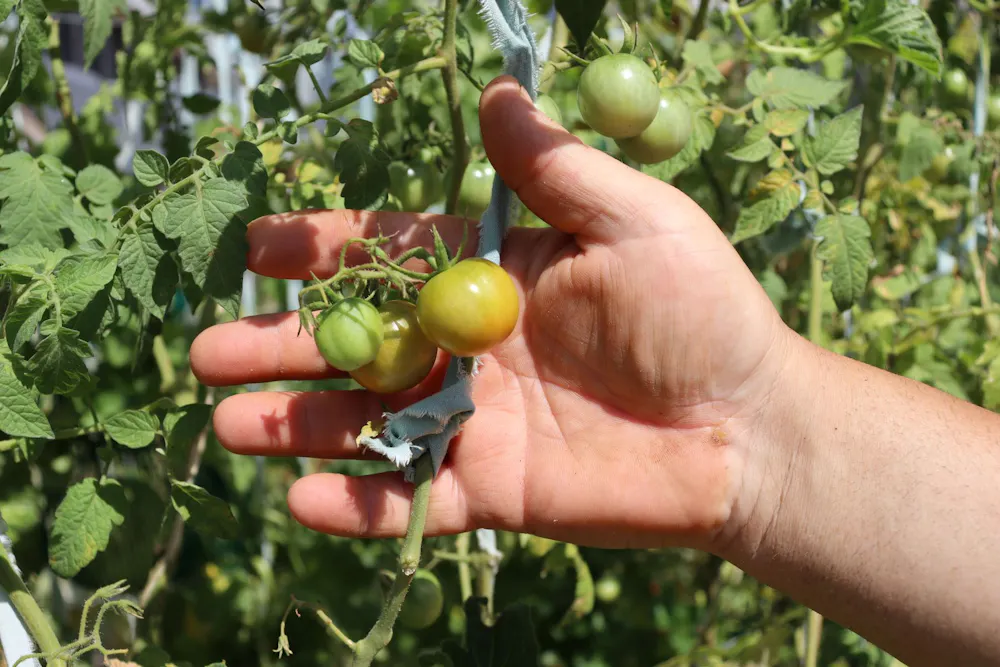
    MIL OSI Russia News

  • MIL-OSI United Kingdom: Get together for good mental health

    Source: City of Wolverhampton

    The theme this year is ‘community’ and celebrates the communities and networks that help people to thrive and to nurture good mental health.

    Councillor Jasbir Jaspal, the City of Wolverhampton Council’s Cabinet Member for Adults and Wellbeing, said: “Our city has lots of strong and supportive communities. Whether it’s sports, crafts, walking or meeting for coffee, these community groups help us feel connected. They give us a place to belong, support us when things are hard, and give us a sense of purpose.

    “We can all play a part in creating that kind of environment – whether it’s checking on a friend or simply starting a conversation. It’s so important that we create a safe space to talk about mental health with no shame or stigma attached.

    “One way the council will be getting involved is by taking part in ‘Wear It Green’ day on Thursday 15 May. We’ll be lighting up the Civic Centre atrium lights in green to show our support for mental health and that it’s ok to reach out and ask for help.

    “There are also a number of other events taking place across the city this Mental Health Awareness Week, and I would urge everyone to get involved.”

    City libraries offer a range of regular community groups, including:

    • Monday 12 May – Relaxed Reading Group at Wednesfield Library, 5.30pm to 6.30pm
    • Tuesday 13 May – Relaxed Reading Group at Bob Jones Community Hub, 6pm to 7pm
    • Wednesday 14 May – board games at Tettenhall Library, 2.30pm to 4.30pm
    • Thursday 15 May – local history group at Bilston Library, 11am to 12.30pm
    • Thursday 15 May – City Walking Tour starting from Central Library, 2pm to 3pm
    • Friday 16 May – Relaxed Reading Group at Low Hill library, 3.30pm to 4.30pm.

    And Wolves Foundation will be inviting people to meet local mental health services and find out about support available at a special event at North Bank Bar, Molineux Stadium from 3pm to 7pm on Thursday 15 May.

    Meanwhile, people who are having a difficult time or are worried about someone else are being reminded they are not alone – there are lots of options for support:

    • For self-care, the NHS Every Mind Matters website, provides a range of tools and advice on how people can look after their wellbeing and support those around them.
    • People who need someone to talk to are encouraged to call SANE on 0300 304 7000 (4.30pm to 10.30pm), Samaritans on 116 123 (24 hours), Rethink Mental Illness on 0300 5000 927 (Monday to Friday, 9.30am to 4pm) or Mind on 0300 123 3393.
    • Anyone who needs urgent help with their mental health should call NHS 111 and select option 2 to be connected to mental health support, or text 07860 025281.
    • Wolverhampton Sanctuary Hub offers out of hours support. Book a face to face appointment by calling freephone 0808 802 2288, texting 07860 065168 or emailing wolverhamptonsanctuaryhub@rethink.org.
    • NHS Talking Therapies offers brief psychological therapy for people experiencing common mental health problems including anxiety, depression, stress and low mood – visit Wolverhampton Talking Therapies.
    • Hub of Hope offers a wide range of local support in your community – visit Hub of Hope.

    Remember too, that your GP is there to help you with your mental health as well as your physical health.

    MIL OSI United Kingdom

  • MIL-OSI United Kingdom: ​​​​​​​Illegal dumpers caught red-handed thanks to new solar-powered CCTV camera

    Source: City of Stoke-on-Trent

    Evidence image

    Published: Wednesday, 7th May 2025

    Three fly-tippers have been caught out by Stoke-on-Trent’s first solar-powered CCTV camera.

    This is the first solar-powered rapid deployment camera used by Stoke-on-Trent City Council in a remote area, that has historically been a magnet for illegal dumping.

    The CCTV camera is monitored seven days a week, 24 hours a day and was first installed in March on Red Hills Road, Milton – which has been highlighted by residents as an illegal dumping hotspot.

    Success quickly followed, with the camera recording three people blighting the area with illegal waste during April.

    Each has now received a fixed-penalty notice of £1,000.

    Councillor Amjid Wazir OBE – cabinet member for city pride, enforcement and sustainability for Stoke-on-Trent City Council – said: “It’s great to see this new technology being put to good use.

    “Flytipping is completely unacceptable. It doesn’t just blight local communities – it can also create fire hazards and public health risks.

    “Our stance remains crystal-clear: dumping waste illegally will lead to a hefty fine.

    “Stoke-on-Trent has two household waste recycling centres and people can also arrange for a home collection – which is roughly £950 cheaper than a fixed-penalty notice.”

    Councillor Dave Evans, ward councillor for Milton and Norton, said: “It’s fantastic to see the camera on Red Hills Road catching and prosecuting people who don’t respect our village. This should send a clear message to those who wish to dump rubbish aren’t welcome in Milton, and they will be fined.” 

    The solar-powered RDC CCTV camera was funded through Stoke-on-Trent City Council’s Environmental Crime Unit, with a contribution from ward councillor, Cllr Dave Evans.

    The Environmental Crime Unit is now considering installing further solar-powered CCTV units in other remote areas.

    For info on the best way to dispose of your waste, please visit: www.stoke.gov.uk/illegaldumping

    ant to receive press releases, council news or job vacancies by email? Sign up for our online alerts at www.stoke.gov.uk/stayconnected.

    MIL OSI United Kingdom

  • MIL-OSI United Kingdom: Couple’s historic wedding day is picture perfect

    Source: City of Leeds

    When happy couple Charlotte and Matthew Harrison tied the knot in Temple Newsam House’s stunning Picture Gallery, it was a love story more than a century in the making.

    The historic ceremony saw the newlyweds become the first people to be married in the gallery’s beautiful surroundings in over a hundred years.

    Originally designed centuries ago to act as an “indoor garden” for the house’s aristocratic residents, the room’s spectacular floral theme instead became the ideal backdrop for what was a dream wedding day.

    The couple, who met five years ago, chose the house as a venue after falling in love with the colourful gallery, which has only recently been made available for ceremonies.

    Charlotte said: “We spend a lot of our time at Temple Newsam both together and with friends and when we heard they did weddings, we thought we’d check it out before making a decision.

    “We love visiting stately homes and historic sites and when we saw the picture gallery we immediately fell in love and immediately knew it was just us. The room is absolutely stunning and steeped in history and was the perfect backdrop for our wedding.”

    She added: “The wedding day was everything I have ever dreamed of and more. All of our guests commented on what a beautiful venue it was and how much they enjoyed the wedding. It was genuinely a dream come true.”

    The couple were joined on their special day by family, friends and 20-month-old son Blake.

    After meeting online during the Covid pandemic, Charlotte and Matthew had their first date at The Red Kite in Wakefield, where Matthew’s difficulties parking his car followed by some takeaway donuts made for an evening that was both sweet and memorable.

    Almost five years later, Matthew, 33, popped the question on Christmas Eve at their home in Apperley Bridge, with a custom-designed ring and specially made scratch card.

    Charlotte said: “It’s our family Christmas tradition to get scratch cards so I didn’t think anything of it- it looked super realistic- and then it had three ring symbols and Matt got down on one knee and asked me to marry him.”

    Now the couple’s romantic story has become part of Leeds history, entering the record books at the 500-year-old mansion as the first couple to be married in the Picture Gallery since the house passed into public ownership in 1922.

    Matthew said: “We’re honoured to be the first couple to be married there in over a century. We didn’t realise what a historic moment it was not just for us, but for Temple Newsam too and to be a part of that just made our day even more special. Temple Newsam has always held a fond place in our lives but the fact we can now be a part of its history is truly humbling.”

    Charlotte added: “On a personal note, as a bit of a history nerd I’m genuinely thrilled that I can be a part of the history of the house.”

    A Grade I listed mansion house, Temple Newsam House is one of the country’s finest examples of its kind, seen as equally significant to Hampton Court, and was a family home for much of its history.

    Owned by Leeds City Council since 1922, Temple Newsam has built one of the most significant decorative art collections in the UK.

    Councillor Salma Arif, Leeds City Council’s executive member for adult social care, active lifestyles and culture, said: “We’re absolutely thrilled to have played our part in this special and historic occasion and to have made Charlotte and Matthew’s special day so memorable.

    “Our museums and galleries really are a beautiful setting for a wedding and it’s wonderful to see couples tying the knot there and becoming part of the story of these amazing sites.”

    To find out more about weddings at Temple Newsam, visit: Weddings at Temple Newsam | Leeds Museums and Galleries | Days out and exhibitions

    More details about wedding at other Leeds Museums and Galleries sites can be found at: Weddings | Leeds Museums and Galleries | Days out and exhibitions

    ENDS

    MIL OSI United Kingdom

  • MIL-OSI United Kingdom: RAAC pilot works

    Source: Scotland – City of Dundee

    PILOT WORKS on five council properties affected by reinforced autoclaved aerated concrete (RAAC) could be set to go ahead if councillors approve a tender next week.

    Dundee City Council’s neighbourhood regeneration, housing and estate management committee will be asked to agree that Morrison Construction (trading as Galliford Try) carry out the remedial works.

    The housing service has identified five empty properties of different types across the city affected by RAAC as the test bed for solutions to the issues caused by the material.

    Kevin Cordell, committee convener said: “We want to be able to implement and test a practical, economic solution for each house-type in the council stock that contains RAAC and to establish suitability for possible future roll out across all our affected properties.

    “This tender allows us to move towards that with an experienced contractor who will work with the council’s in-house design team to share knowledge and find the most practical and best value solution.”

    If the committee, which meets on Monday (May 12), green lights the tender, the pilot remediation will involve installing a new roof structure directly below the existing one so that the RAAC is fully supported and therefore at no future structural risk.

    In addition to the pilot project, the RAAC in communal areas of five properties in Menzieshill, currently in a poor condition, will have their redundant roof-mounted water tanks decommissioned and the RAAC permanently remediated using the same method.

    The work, costing a total of £500,000 is expected to start in June, and be completed later in the summer.

    A report on the council’s response to RAAC was considered by the committee last May. It detailed plans for an ongoing inspection regime in properties where RAAC has been identified and agreed that a tender be brought forward to a future committee meeting.

    Where these properties are privately owned responsibility for maintenance lies with owners who have been recommended to seek their own advice regarding the condition of RAAC present within their property.

    Lynne Short, deputy convener of the committee added: “The report last May set out a course of action including further regular detailed inspections to monitor the condition of properties where RACC was found and dealing with those in need as part of capital programmes.

    “This tender delivers on that and in the meantime other properties will continue to be monitored.” 

    MIL OSI United Kingdom

  • MIL-OSI United Kingdom: Election 2026: Only Scottish Greens offer change Scotland needs

    Source: Scottish Greens

    Green voices bring positive change for Scotland.

    With one year until the next Holyrood elections, only the Scottish Greens are offering the “real, hopeful” and “transformative” change that Scotland needs, says Greens co-leader Lorna Slater. 

    Ms Slater said:

    “Scotland faces a crucial choice, and it is only the Scottish Greens who are offering the real, hopeful and transformative change that our communities need.

    “The SNP are retreating from climate action and rolling back on promises they have made, while Labour has opted to target pensioners and disabled people with cruel cuts that go further than the Tories.

    “We have shown that we can get results. From free bus travel for young people to the biggest expansion of free school meals and a real living wage for all Scottish Government contractors, we are standing up for workers and families and putting money back in people’s pockets.

    “We have worked for our environment, with record funding for climate action, nature restoration and walking, wheeling and cycling infrastructure to make our streets safer and greener for everyone.

    “Without Green voices in the room, this would not have happened. With more Green MSPs we can do far more for people and planet.

    “It will be a crucial election. Our planet is on fire, people are struggling with costs going up and household budgets being stretched to their limit. 

    “Every vote for the Scottish Greens will be a vote for a fairer, greener and independent future for Scotland, and a rejection of the toxic and punishing policies coming from Westminster.

    “Scotland can’t afford five more years of business as usual. The Scottish Greens are the only party offering the change that Scotland needs and deserves.”

    MIL OSI United Kingdom

  • MIL-OSI United Kingdom: New Border Security Bill amendments to strengthen IAA powers

    Source: United Kingdom – Executive Government & Departments

    News story

    New Border Security Bill amendments to strengthen IAA powers

    Home Office submits key changes to Parliament that enhance IAA’s legislative powers.

    The Home Office has tabled important amendments to the Border Security, Asylum and Immigration Bill, which will provide the Immigration Advice Authority (IAA) with enhanced legislative powers for regulation and enforcement. 

    The amendments build upon the Bill’s core aim to strengthen law enforcement’s ability to identify, disrupt and prevent serious and organised immigration crime across the UK. 

    John Tuckett, Immigration Services Commissioner, said: 

    “We welcome the amendments to the Border Security, Asylum and Immigration Bill that will strengthen and build on the IAA’s powers to combat illegal activity. 

    “These measures will also allow us to ensure our regulatory regime is watertight, helping us to create a more level playing field for advisers and organisations that play by the rules. 

    “As an organisation that operates with advice seekers at the heart of everything we do, we believe effective enforcement and regulation is essential for maintaining public trust in our immigration system.” 

    New regulatory powers 

    The amendments to the Bill improve the IAA’s ability to tackle the provision of poor immigration advice by those who are regulated, consequently enhancing the protection of individuals seeking immigration advice. Powers include:  

    • Financial sanctions – the ability to fine regulated organisations up to £15,000 for compliance failures.  

    • Fee refunds and compensation – the ability to require repayment of fees and compensation up to £250,000. 

    • Cancellation of registration – the ability to cancel with immediate effect the registration of individuals and organisations who create a risk of serious harm to advice seekers or the immigration system.  

    • Suspension of registration – the ability to suspend an individual or organisation from the IAA register where serious harm is suspected while an investigation takes place, or where someone is charged with an offence of dishonesty, deception or an indictable offence.  

    • Compelling co-operation – the ability to impose a fine on individuals who are the subject of  a complaint and fail to cooperate with an IAA investigation. 

    New enforcement powers 

    The amendments to the Bill improve the IAA’s ability to tackle illegal activity and provide redress for victims. Powers include:  

    • Financial sanctions – the ability to fine unregulated advisers up to £15,000 for providing advice or failing to comply with the complaint investigation. The IAA retains the power to prosecute if more appropriate.  

    • Fee refunds and compensation – the ability to require repayment of fees and compensation up to £250,000. 

    Other changes  

    The Bill will also include the following further changes: 

    • Supervision – the ability to prevent those with specific prohibitions in relation to providing immigration advice from doing so under supervision.  

    • Charging – the ability to charge for different services, such as IAA competence assessment exams.  

    • Relevant matters – creating a power to amend the definition of ‘relevant matters’ (topics of advice requiring regulation) using secondary legislation. 

    Both the regulatory and enforcement powers above will have a right of appeal to the First Tier Tribunal.  

    The IAA will undertake engagement with regulated organisations and other stakeholders about how the powers will be implemented.  

    You can follow the progress of the Bill on the Parliament website.

    Updates to this page

    Published 7 May 2025

    MIL OSI United Kingdom