Category: Global

  • MIL-OSI Global: What is Sudan virus and how similar is it to Ebola?

    Source: The Conversation – UK – By Michael Head, Senior Research Fellow in Global Health, University of Southampton

    The Ugandan government and the World Health Organization recently confirmed an outbreak of Sudan virus disease. The index (first-known) case of this outbreak is thought to be a 32-year-old male nurse from a hospital in Kampala, the capital of Uganda.

    The WHO reported two main clusters, related to the patient’s family and a hospital cluster. At the time of writing, the index case is the sole recorded death. The second case was the patient’s wife, and as of February 11, there were nine confirmed cases.

    Outbreaks of this virus are relatively rare. This new outbreak is the ninth to have been recorded since 1976 when the virus was first identified and – as was practice at the time – named after the location where this first outbreak took place, southern Sudan.

    A 2022 Sudan virus outbreak also in Uganda resulted in 164 cases and 77 deaths (a fatality rate of 47%). There are no treatments or vaccines against the Sudan virus.

    Sudan virus disease is essentially a disease very similar to Ebola. The Ebola virus has caused several high-profile outbreaks. The west Africa 2014-16 outbreak was the largest with 28,600 cases and 11,325 deaths.

    The Sudan and Ebola viruses both come from the orthoebolavirus family, but they have different proteins and genetic components, so the immune response to each virus is different. As such, it’s thought that the Ebola vaccines will not be effective against the Sudan virus.

    For the current Sudan virus outbreak, there are efforts to deploy vaccine candidates and also monoclonal antibody medicines. These medicines create antibodies that aim to stop the virus from replicating.

    In 2022, the WHO recommended two monoclonal antibodies for use against Ebola. There is enthusiasm for similar research related to treatments for the Sudan virus.

    A phase 1 vaccine trial, the earliest phase of testing in humans, is underway.

    The similarities in structure between these two types of orthoebolavirus mean that the symptoms in patients are similar. The illness for both viruses may typically begin with fever, aches and fatigue with potential progression onto diarrhoea, vomiting and unexplained bleeding.

    Laboratory testing is needed to differentiate between the diseases, though the urgent need for isolation remains.

    Early supportive treatment has been shown to reduce mortality rates of Sudan and Ebola virus disease, giving the patient time for their body to recover. This usually involves replacing fluids and treating pain, fever and other possible infections, such as malaria.

    The reporting of the 2022 Sudan virus disease outbreak described how patients would first visit care facilities that were outside of the mainstream health service. There were many new infections across late August 2022 from within private health facilities that drove transmission early on in the outbreak. This suggested a low level of infection prevention and control, and quite possibly a lack of equipment and good practice to contain serious infections.

    When cases were confirmed, most known contacts who developed symptoms were referred to specialist units for testing and hospital care. These referrals typically happened in October, and the outbreak was declared over by the end of November 2022. Although we lack vital tools such as effective vaccines and drugs, contact tracing and appropriate infection control can contain serious outbreaks such as these.

    Climate change driving distribution

    Climate change will have an effect on the geographical distribution of new and emerging infections, such as Ebola and Sudan virus disease and the Crimean-Congo virus. Mosquito-borne diseases, such as malaria and yellow fever, will find new habitats while dengue and West Nile virus are already becoming more common in Europe and North America.

    International cooperation for addressing global health threats is vital. However, these efforts will be hindered by the volatility and lack of coherence from key stakeholders such as the US government. The world faces uncertain times, and these are ideal circumstances for the Sudan virus and other infectious diseases to thrive.

    Michael Head has previously received funding from the Bill & Melinda Gates Foundation, Research England and the UK Department for International Development, and currently receives funding from the UK Medical Research Foundation.

    ref. What is Sudan virus and how similar is it to Ebola? – https://theconversation.com/what-is-sudan-virus-and-how-similar-is-it-to-ebola-249312

    MIL OSI – Global Reports

  • MIL-OSI Global: ‘When you’ve got nothing in your belly, you can’t concentrate’: teachers on the food banks they run in schools

    Source: The Conversation – UK – By Sharon Vince, Lecturer in Education and Early Years, University of West London

    Anna Kuzmenko/Shutterstock

    Across England, schools are running food banks to help the children and their families. Research suggests that 21% of schools in England now offer some form of food charity.

    In our recently published book, we carried out research at 12 schools and nurseries with food banks across England, interviewing 30 teachers, headteachers and school staff who ran the food banks. We wanted to explore why there has been such considerable growth in the education sector offering food to families, and the impact it has on children, parents and school staff.

    Many of the schools and nurseries that we visited as part of our research initially set up the food bank in response to the COVID pandemic. This is in keeping with findings from previous research, although the cost-of-living crisis was the stimulus for others.

    Learning better

    Staff in the schools we visited told us that children could not learn if they were hungry. “You know what it’s like when you have nothing to eat and you’ve got nothing in your belly, you can’t concentrate,” one teacher said.

    Through addressing children’s hunger, the school staff we spoke to believed, schools can improve children’s concentration and motivation to learn.

    This echoed the views of almost 18,000 teachers in a 2023 National Education Union survey: 87% of school staff in the survey said that pupils they taught were unable to concentrate as a result of poverty, and over half said that they or their school were providing extra food for children during the school day.

    One headteacher in our study talked about the impact of the food bank on one of the children in their school:

    So he came in all full of beans. ‘I’ve got all gold. Look at my work. Can I have a sticker? ’ And I was like, ‘Someone’s had their Weetabix,’ and they’re like, ‘Yeah, I did. I had that special Weetabix’, … And then it turned out the dad had been into the food bank … that’s why, that’s why I’m doing this.

    The teachers believed that having a food bank at school also led to an improvement in learning and wellbeing through other means, such as reduced family stress. “If you meet the need of the parent, they’re then available to meet the need of the child,” one school staff member said.

    The food banks also helped build closer relationships between families and the school. Teachers told us that families appreciated the support and became more willing to approach the school for help with other issues.

    The caring role of schools

    Beyond the need to improve learning outcomes, however, the main justification for running a food bank was the moral imperative to support families who needed it and could not access help anywhere else. In the words of one teacher: “We’re humans and our natural instinct is to care. That’s why I came into this profession. It’s a caring profession.”

    The teachers felt a moral imperative to care for their pupils and their families.
    Irina Gutyryak/Shutterstock

    The school staff told us about the work that went into running the foodbanks. They sourced food from local food redistribution charities, companies and other families at the school. Often, food was delivered, but sometimes it required collection. In some cases, parent volunteers helped pick up donations. A headteacher told us about how she collected food from a distribution centre:

    I would have literally had to go and root around and find what I needed … At least I am not teaching all day every day. So actually, I can take an hour and a half out – even though it’s only in term – to go and drive there, park up, open my boot, get the two pallets. And it was all heavy stuff – tins – [to] get here.

    We asked the people in our research whether schools should run food banks. Most replied positively, restating the impact that the food bank had upon the learning and wellbeing of children. Others were pragmatic, accepting that right now, there is no alternative support. However, some were critical, suggesting that the government should find alternative solutions to the issue of child poverty.

    While the provision of food for children and families in education settings may be having a beneficial effect, it is not sustainable.

    The burden of child poverty does not fall evenly on schools. Those that provide food banks are disproportionately located in areas with more pupils from deprived backgrounds, and schools with more pupils from disadvantaged backgrounds are more likely to receive poor Ofsted grades. Operating a food bank requires significant time, energy and funding, none of which are recognised in education policy, or by Ofsted, the schools inspectorate.

    The work that education staff are doing to support children in this way should be celebrated and rewarded, although it is not currently recognised in measures of a school’s effectiveness. But this also risks normalising the presence of food banks in schools. One teacher argued: “Our job is to look after them and educate them and care for them while they’re at school, not to feed them at the weekends or holidays, but we can’t help but be concerned about that.”

    The government should recognise the work that schools and early years settings are doing in this area and ensure that they have the resources needed. Government action to abolish the two-child benefit cap would also support families, lifting 300,000 children out of poverty.

    The government is currently developing a child poverty strategy. These measures would be welcome inclusions.

    Sharon Vince received funding from the British Education Research Association and the Monday Charitable Trust for the projects on food banks.

    Alice Bradbury receives funding from the Helen Hamlyn Trust which funds the Helen Hamlyn Centre for Pedagogy at UCL. She has also received research funding from the British Education Research Association and the Monday Charitable Trust for the projects on food banks. She is a member of the Labour Party and the Universities and College Union.

    ref. ‘When you’ve got nothing in your belly, you can’t concentrate’: teachers on the food banks they run in schools – https://theconversation.com/when-youve-got-nothing-in-your-belly-you-cant-concentrate-teachers-on-the-food-banks-they-run-in-schools-248507

    MIL OSI – Global Reports

  • MIL-OSI Global: Why annexing Canada would destroy the United States

    Source: The Conversation – Canada – By Aisha Ahmad, Associate Professor, Political Science, University of Toronto

    As United States President Donald Trump relentlessly threatens to annex Canada, some Canadians are worried that an American invasion could one day become a reality.

    How would that scenario play out? Looking at the sheer size of the American military, many people might believe that Trump would enjoy an easy victory.

    That analysis is wrong. If Trump ever decides to use military force to annex Canada, the result would not be determined by a conventional military confrontation between the Canadian and American armies. Rather, a military invasion of Canada would trigger a decades-long violent resistance, which would ultimately destroy the United States.

    But in this nightmare scenario, could Canadians successfully resist an American invasion? Absolutely. I know this because I have studied insurgencies around the world for more than two decades, and I have spent time with ordinary people who have fought against powerful invading armies.


    Read more:
    Attempting to annex Canada would spell disaster for the U.S. at home and abroad


    How insurgencies begin

    The research on guerrilla wars clearly shows that weaker parties can use unconventional methods to cripple a more powerful enemy over many years. This approach treats waging war as a secret, part-time job that an ordinary person can do.

    Guerrillas use ambushes, raids and surprise attacks to slowly bleed an invading army, and local communities support these fighters by giving them safe havens and material support. These supporting citizens can also engage in forms of “everyday resistance,” using millions of passive-aggressive episodes of sabotage to frustrate and drain the enemy.

    Trump is delusional if he believes that 40 million Canadians will passively accept conquest without resistance. There is no political party or leader willing to relinquish Canadian sovereignty over “economic coercion,” and so if the U.S. wanted to annex Canada, it would have to invade.

    That decision would set in motion an unstoppable cycle of violence. Even if we imagine a scenario in which the Canadian government unconditionally surrenders, a fight would ensue on the streets. A teenager might throw a rock at invading soldiers. That kid would get shot, and then there would be more rocks, and more gunfire. An insurgency would be inevitable.

    The myth of Canadian ‘niceness’

    This idea may shock Canadians today because they see themselves as friendly and affable people. However, Canada’s current self-image of “niceness” only exists because they’re at peace. War changes people very quickly, and Canadians are no more innately peaceful than any other human beings.

    When your child is dying in your arms, you become capable of violence. Once you lose what you love, resistance becomes as natural as breathing.

    Except for a few collaborators and kapos, my research suggests many Canadians would likely engage in various forms of everyday resistance against invading forces that could involve steal, lying, cutting wires and diverting funds.

    Meanwhile, the insurgents would unleash physical devastation on American targets. Even if one per cent of all resisting Canadians engaged in armed insurrection, that would constitute a 400,000-person insurgency, nearly 10 times the size of Taliban at the start of the Afghan war. If a fraction of that number engaged in violent attacks, it would set fire to the entire continent.

    Canada’s geography would make this insurgency difficult to defeat. With deep forests and rugged mountains, Canada’s northern terrain could not be conquered or controlled. That means loyalists from the Canadian Armed Forces could mobilize civilian recruits into decentralized fighting units that could strike, retreat into the wilderness and blend back into the local communities that support them.

    The Canada-U.S. border is also easy to cross, which would give insurgents access to American critical infrastructure. It costs tens of billions of dollars to build an energy pipeline, and only a few thousand to blow one up.

    What about American air strikes?

    But wouldn’t the Americans crush the rebellion with missiles and drone strikes? They would try, but that approach to counterinsurgency won’t work.

    In fact, it is a well-known booby trap of insurgent warfare. The harder more powerful nations strike, the larger and more fragmented the insurgency becomes, making it impossible to achieve either a military victory or negotiated agreement. Canada’s rugged terrain would protect insurgents from those types of attacks, while global outrage at the bombings would only boost support for the rebellion.

    Americans have already been defeated by insurgents in many parts of the world because they could not escape this trap. If they dare to invade Canada, they would create this unsolvable security problem on their own soil.

    Russia and China rise to power

    How could Canadians pay for this decades-long insurgency? The answer lies in every single historical example of the old adage: “The enemy of my enemy is my friend.”

    The prospect of Americans becoming trapped by an insurgency on their own continent would delight Moscow and Beijing, which could easily establish covert northern passages to send weapons to the insurgency. Financing an insurgency is an effective way to ensnare and bankrupt a rival power, as counter-insurgency operations are exponentially more expensive than the price of a few arms shipments.

    A chronic violent insurrection in North America could financially and militarily pin down the U.S. for decades, ultimately triggering economic and political collapse. Russia and China, meantime, would enjoy an uncontested rise to power.

    Forewarned

    This scenario would guarantee the destruction of both Canada and the United States. No one in their right mind would choose this gruesome future over a peaceful and mutually beneficial alliance with a friendly neighbour.

    Nevertheless, if Trump is reckless enough to think the violent annexation of Canada is an achievable goal, then let it be known that all these horrifying outcomes were predictable well in advance, and that he was forewarned.

    Aisha Ahmad has received funding from the Social Sciences and Humanities Research Council of Canada.

    ref. Why annexing Canada would destroy the United States – https://theconversation.com/why-annexing-canada-would-destroy-the-united-states-249561

    MIL OSI – Global Reports

  • MIL-OSI Global: We hear about the health impact of climate-related events. But what about the health-care workers who respond to them?

    Source: The Conversation – Canada – By Christopher Buse, Assistant Professor, Health Sciences, Simon Fraser University

    In British Columbia, like elsewhere in Canada, the impacts of climate change on health and health services are apparent. In recent years, the province has experienced a range of climate change-related extreme weather events, with considerable negative consequences.

    The 2021 heat dome caused wide disruptions to emergency services and led to more than 600 heat-related deaths. Wildfires have resulted in increased reports of illness and the evacuation of tens of thousands of people from their homes.

    B.C.’s health system, still recovering from the staffing issues and burnout of the COVID-19 pandemic, has stepped up to respond to these emergencies.


    Read more:
    Wildfire smoke is an increasing threat to Canadians’ health


    Health systems are made up of people who are often members of the same disaster-stricken communities they serve. However, to date, existing studies have focused primarily on health service provision during climate-related emergencies, rather than their specific impacts on health system workers.

    In order to understand the unique challenges they face during these events, we interviewed health service workers from across B.C. and in a wide range of roles, including doctors, nurses, allied health professionals and emergency responders.

    Mental and physical health risks

    Although the nature of their experiences varied depending on their position, a majority of our interviewees reported experiencing some form of physical or mental health threat during and after climate-related emergencies.

    These health service workers — and particularly those in front-line positions like paramedics, home health workers and clinical staff — described being exposed to heat and poor air quality. This was the case for those working in the community as well as in health facilities, especially when facilities were not equipped with cooling and air filtration technologies.

    Health service workers also described suffering negative mental health impacts like stress, trauma and anxiety. Participants reported experiencing burnout due to the challenges related to organizing logistics during an emergency, compounded by long hours and back-to-back periods of intense activity.

    Climate-related events that overwhelmed infrastructure — such as the 2021 heat dome, during which wait times for an ambulance stretched up to 16 hours in some areas — caused trauma to health service workers, who were placed in situations where they were unable to provide sufficient care to all who needed it.

    System problems aggravate impact

    Interviewees also explained that these mental and physical health impacts were aggravated by pre-existing health system challenges, like the ongoing COVID-19 pandemic and staffing shortages. As described by one interviewee, concerns about COVID-19 transmission complicated clinical decision-making and created ethical dilemmas:

    “It was really challenging during the heat dome to provide adequate cooling for people when you’re supposed to follow infection prevention and control guidelines about not having fans… How do I prioritize the acute risk of heat versus the more delayed risk of COVID infection?”

    Meanwhile, staffing shortages meant health service workers had to work longer shifts and with greater frequency during climate-related events. They also experienced challenges getting to and from work because of flooded or blocked roads, or concerns for their family and homes. All of these factors can contribute to burnout.

    Adaptations to protect workers

    The good news is that adaptations are being implemented to protect against the risks shouldered by health service workers during climate-related emergencies. In our interviews, we heard about measures like facility upgrades, emergency response training, climate change education, mental health supports and the development of occupational health and safety plans.

    However, these adaptations are not happening uniformly across B.C.’s health system. In many cases, participants knew of occupational health, safety and emergency response plans for climate-related events, but were unfamiliar with or had not received direct guidance on how to follow them.

    Moreover, while the growing focus by B.C.’s health-care leaders on reducing carbon emissions is laudable, going “all-in” on mitigation may compete with resources needed to help health service workers adapt to the ongoing climate crisis. An overly technocratic approach focused exclusively on reducing carbon emissions risks undermining necessary preparation for the people responsible for keeping health systems going in emergencies.

    Building resilience and reducing systems risk

    Recognizing health service workers as community members, and understanding how they are impacted by climate-related events in their work and personal lives, is essential to building resilience.

    Our research suggests that central to building this resilience in health service workers is an organizational culture led by transformative leadership that:

    • Fosters a sense of trust;
    • Prioritizes open communication, flexibility and training; and
    • Encourages the use of mental health supports.

    In our interviews, we were heartened to hear this type of leadership within health systems is emerging.

    But there are, of course, limits to personal resilience. It is both unrealistic and unfair to expect health service workers to shoulder alone the burden of increasingly frequent and severe climate-related emergencies in the absence of systemic change, including the energy transition required to reduce emissions.

    Ultimately, the health system must continue to shift towards a culture of risk reduction to prepare for climate-related emergencies, increasing co-ordination and collaboration within and among health regions and authorities, governments and communities. This includes addressing chronic health system issues such as work-life balance and staffing shortages.

    Creating organizational cultures that are proactive and mindful that health service workers are community members first is key to adapting health systems to climate change, in B.C. and beyond.

    Christopher Buse receives funding from the Michael Smith Health Research BC, the BC Ministry of Health, Environment and Climate Change Canada and the Canadian Institutes of Health Research.

    Sandra Smiley is affiliated with UBC Medical Students for Climate Action and the UBC Political Advocacy Committee.

    Tim K. Takaro receives funding from Health Canada. He is affiliated with Protect the Planet, Canadian Association of Physicians for the Environment.

    ref. We hear about the health impact of climate-related events. But what about the health-care workers who respond to them? – https://theconversation.com/we-hear-about-the-health-impact-of-climate-related-events-but-what-about-the-health-care-workers-who-respond-to-them-249267

    MIL OSI – Global Reports

  • MIL-OSI Global: Living with multiple chronic conditions cuts lives short – but Africans are overlooked in research

    Source: The Conversation – Africa – By Isaac Kisiangani, Researcher and PhD student, African Population and Health Research Center

    When a person suffers from two or more long-term health conditions at the same time this is known as multimorbidity.

    The World Health Organization says multimorbidity puts patients at greater risk and complicates primary care. It also drives up healthcare costs.

    People with more than one condition face a higher risk of early death and poorer quality of life. They may also have to take multiple medications. Polypharmacy increases the risk of harmful drug interactions and side effects, and patients find it harder to stick to treatment.

    In African countries the situation is further complicated by several disease burdens converging. Individuals may suffer non-communicable diseases like hypertension and diabetes, as well as from infectious diseases like HIV and tuberculosis.

    Poverty and unequal access to healthcare add to the impact of multimorbidity.

    Most research on multimorbidity has focused on populations of European ancestry. When people of African descent are included, the focus is often on African-Americans. This group does not represent the diversity or health challenges faced in Africa.

    As specialists in genetic epidemiology and chronic diseases management, we set out to research the gaps in understanding multimorbidity among people with African ancestry.

    Identifying gaps

    We examined 232 medical research publications (published from 2010 to June 2022), and included those published in English and French. That’s not a lot if one considers all the different health challenges that people of African descent suffer globally.

    Of these studies, 113 focused on continental African populations and 100 on the diaspora. Nineteen included both groups.

    Our review spanned five major academic databases. We used search terms such as “multimorbidity”, “comorbidity” and “African population”. Restricting searches to titles and abstracts and relying on texts that our institutions could access may have excluded some studies.

    Heart diseases dominate

    Cardiometabolic diseases, including hypertension, heart disease and diabetes, were the most studied conditions in both populations (those in Africa and those elsewhere).

    But notable differences emerged.

    In populations on the continent, cardiometabolic diseases tended to occur along with chronic infectious diseases such as HIV and tuberculosis.

    In diaspora populations, cardiometabolic diseases more commonly occurred along with other non-communicable diseases and psychiatric conditions such as depression and post-traumatic stress disorder.

    Age, sex, poverty

    As with all populations worldwide, older people in the studies we reviewed were the group most likely to have more than one health condition.

    But on the continent, the burden of infectious diseases meant younger adults were also at risk of having more than one illness.

    Women were more likely than men to have multiple conditions, particularly in relation to conditions such as hypertension and diabetes. This likely reflects both biological factors, such as hormonal differences, and social influences like income inequalities and differences in working environments.

    Individuals with lower socioeconomic status (which often means women) would be more likely to be exposed to unhealthy lifestyles, and to have less access to preventive care.

    What can be done?

    Our review found that the way health conditions combine differs between people of African descent outside Africa and those on the continent. This means medical research should include a greater diversity of participants.

    Expanded data collection should include genetic and metabolomic data.

    It is also essential to study a wider range of chronic conditions.

    The increasing co-existence of conditions means that treatment for cardiovascular, metabolic and infectious diseases should be integrated.

    Some African countries, including South Africa and Kenya, have already introduced integrated care, with encouraging results. A patient with two or more diseases is offered treatment for the conditions at the same facility during the same visit.

    Michele Ramsay receives funding from the National Research Foundation (RSA), National Institutes of Health (USA) and Wellcome (UK). She serves on the WHO TAG-G committee.

    Isaac Kisiangani and Michelle Kamp do not work for, consult, own shares in or receive funding from any company or organisation that would benefit from this article, and have disclosed no relevant affiliations beyond their academic appointment.

    ref. Living with multiple chronic conditions cuts lives short – but Africans are overlooked in research – https://theconversation.com/living-with-multiple-chronic-conditions-cuts-lives-short-but-africans-are-overlooked-in-research-241627

    MIL OSI – Global Reports

  • MIL-OSI Global: South Africa’s history uncovered: the 1,000-year gap they don’t teach in school

    Source: The Conversation – Africa – By Peter Delius, Professor emeritus, University of the Witwatersrand

    Were you told that gold mining in southern Africa started after 1852? Or that the export of iron, steel, copper and gold began in the late 19th century? Or that South Africa became integrated into a global trading system only after 1652? Or that the first powerful state in South Africa was the Zulu kingdom?

    If you learned that any of these things were true, you are like most South Africans, who have missed out on at least a thousand years of the country’s history.

    Both radical and conservative historians have focused heavily on colonial history, a story starting at the Cape and playing out within colonial boundaries. As a result, South Africa’s past has been compressed into a shortened timeline and a limited geography. That shorter version is what’s taught at schools and universities.

    If we abandon 1652 – when the first Dutch settlers arrived in the Cape – as the key historical starting point, and go back a thousand years and cast our gaze 2,000km north of Table Mountain, a very different story unfolds.

    Our research is attempting to rethink South African history. As many years of work in the interior show, along with our new focus on a central southern African trading landscape, Thulamela, the formative steps in South Africa’s history began here, along the Limpopo River.

    Early cooperative relationships

    Two thousand years ago, San hunter gatherers were the primary occupants of the region around the Limpopo River valley, an area around the confluence of the Limpopo and Shashe rivers that includes Botswana, South Africa and Zimbabwe. Contrary to popular opinion, these groups weren’t living in isolated bands. They were connected through regional networks of exchange spanning hundreds, even thousands, of kilometres.

    At this time, South Africa was on the brink of fundamental change. From about 350 AD, Bantu-speaking, iron-using, livestock-owning farmers began to settle the Soutpansberg, south of the Limpopo River. They initially established mainly cooperative relationships with the San, especially in hunting and trading.


    Read more:
    Archaeology shows how hunter-gatherers fitted into southern Africa’s first city, 800 years ago


    These farmers introduced a key innovation into the region – the production of metal tools, weapons, currency and jewellery. These goods were for their own use and for expanding trade networks.

    At the start, iron was the most important metal but over time, copper and gold became more and more significant. The farmers were skilled in locating and extracting these ores, which, in the case of gold and copper, often involved shaft mining. Metal production also demanded pyrotechnical knowledge to smelt ores and to fashion metals into functional and decorative forms.

    Local trade, global connections

    Another crucial development took place in the 7th century AD. The Indian Ocean world connected to the expanding regional trade networks which had linked the coast and the interior. The transoceanic sailors and traders were initially motivated by the growing demand for ivory in Asia and the Middle East.


    Read more:
    South Africa risks losing rich insights into an ancient farming society


    This external demand brought exotic glass beads and cloth deep into the interior, through African traders and rulers. A node in the system was Chibuene, a large coastal trading settlement on the Mozambican coast near modern Vilanculos. From here, beads and cloth travelled south, to the vicinity of Durban in modern-day KwaZulu-Natal, South Africa, and across the interior, past the Okavango delta to places such as the Tsodilo hills west of the delta’s panhandle in Botswana.

    Between the 10th and 15th centuries, the market for gold boomed – especially in Egypt, Persia, India and China. Southern Africa played an important role in meeting this demand because of the rich gold reserves of the Zimbabwe plateau and the adjacent region of the Limpopo valley.

    So, it is clear that an economic and mineral revolution took place long before Europeans settled South Africa’s Cape. Colonial processes of globalisation and the mineral revolution in the 19th century trailed far in the wake of African involvement in the vast Indian Ocean economy through their hunting, mining, smelting and artisanal skills.

    Rise of states

    Indian Ocean trade contributed to major transformations in the interior. The wealth it generated led to social stratification and the emergence of a distinct ruling class. Leaders’ economic, political and spiritual power intensified. These processes found expression in the establishment in 1220 of Mapungubwe, in the middle Limpopo Valley, and the first state in southern Africa.


    Read more:
    New book on Mapungubwe Archive contests history of South African world heritage site


    Over the centuries that followed, linked but shifting patterns of demand gave rise to major states like Great Zimbabwe, Thulamela, and later the Venda Kingdom, the Pedi Kingdom and the Zulu Kingdom.

    The little-known trading state, Thulamela, was located in the north of what’s now the Kruger Park. From 1250 to 1650 it was a key node of production and exchange. But for many decades the site was ignored. When intensive research finally started in the 1990s it made very limited progress in revealing the form and nature of the state. But renewed and interdisciplinary research at the site and surrounding areas has already produced new insights into the history of Thulamela and promises to generate many more in the near future.

    New windows to a past

    Given this deep history of powerful kingdoms connected by an underlying but dynamic economic system, we have to let go of the idea that the Zulu Kingdom, which formed in the early 19th century, was the first powerful state in what was to become South Africa. In fact, it was a relatively recent example of much deeper and wider transformations.

    It was only in the 19th century that expanding colonial capitalism and settlement fuelled by the “second” mineral revolution penetrated the interior and encountered its kingdoms and trading opportunities.

    The interaction between the two worlds culminated in a hard-fought struggle over trade, land and labour. While the African kingdoms were ultimately defeated and traders and craftsmen were displaced, their impact on the shape and nature of South African society is still felt today.

    A challenge to historians now is to deepen our understanding of this missing millennium, and of pre-colonial transformations.

    Researchers need to pay greater attention to a wider range of documentary sources (beyond those in English) and to oral traditions. Collaboration with scholars working on archaeology, historical linguistics and genetics will also tell us more about the forces that have shaped our present.

    Linell Chewins received funding from the National Research Foundation for her Masters.

    Tim Forssman receives funding from the National Research Foundation.

    Peter Delius does not work for, consult, own shares in or receive funding from any company or organisation that would benefit from this article, and has disclosed no relevant affiliations beyond their academic appointment.

    ref. South Africa’s history uncovered: the 1,000-year gap they don’t teach in school – https://theconversation.com/south-africas-history-uncovered-the-1-000-year-gap-they-dont-teach-in-school-248244

    MIL OSI – Global Reports

  • MIL-OSI Global: Online romance scams: who Nigeria and Ghana’s fraudsters are, how they operate, and why they do it

    Source: The Conversation – Africa – By Suleman Lazarus, Visiting Fellow, Mannheim Centre for Criminology, London School of Economics and Political Science

    People find love in many ways and through diverse mediums. Online platforms have become popular meeting places for people looking to find intimate partners, making them a prime target for cybercriminals.

    Online romance fraud has become a global phenomenon. According to the Federal Bureau of Investigation in the US, romance scams accounted for losses to about 24,000 Americans, exceeding US$1 billion, in 2022.

    On the African continent, Nigeria and Ghana have emerged as hubs for internet fraud. The “Yahoo Boys” operating in Nigeria and “Sakawa Boys” in Ghana have a reputation for engaging in various fraudulent schemes, including online romance scams.

    Over the past decade, I have researched cybercrime and criminology, focusing on west African online fraudsters. Coverage of romance scams often centres on victim narratives or sensational headlines, leaving offender-focused research largely unexplored.

    In a recent paper, I studied the cases of 50 people convicted of online romance in Nigeria. A separate research study I spearheaded involved interviews with active offenders in Ghana. Rather than relying solely on fragmented media accounts, the two research papers offer a robust, evidence-based understanding of the cultural, economic and historical factors driving cybercriminal behaviour.

    My findings from both papers show that romance fraud offenders frequently present themselves as white and primarily target western societies. In framing fraud as a way to reclaim wealth they believed was unjustly taken during colonial rule, many saw their actions as a civic duty. In the case file study on Nigerian fraudsters, I found that many were driven by “socioeconomic needs”.

    My findings provide insights into offenders’ tactics and motivations. This could be useful for law enforcement officials developing targeted interventions, and for policymakers wanting to frame informed strategies.

    Who, where, how and why

    This article uses “scam” and “fraud”, as well as “scammers” and “fraudsters”, interchangeably. The media, financial institutions, and the public typically use “scams” and “scammers”. Academics often prefer “fraud” and “fraudsters” to emphasise the seriousness of these crimes, as noted in my research.

    I examined case files of 50 individuals convicted of romance fraud in Nigeria following prosecutions by the Economic and Financial Crimes Commission. In a separate study I conducted interviews with active romance fraud offenders in Ghana.

    My decision to focus on Nigeria and Ghana was based on findings in research done earlier. For example, I co-authored a paper that reviewed 21 years of empirical studies (2000–2021) in which we found that many west African scammers predominantly targeted individuals in the west. Another research study I spearheaded showed how songs by Nigerian artists glamorised the actions of scammers and highlighted their preference for western victims.


    Read more:
    What Nigerian hip-hop lyrics have to say about the country’s Yahoo Boys


    Similarly, the Nigeria case file study found that over half of the romance scam victims (56%) were in the US. My interviews with offenders in Ghana further showed that romance scammers viewed their actions as “legitimate retribution for colonial injustice”. These scammers operate within a historical framework in which colonial subjugation narratives influence their motivations and societal attitudes toward cybercrime.

    Profile of an online fraudster

    The analysis of the case files of the 50 convicted romance scammers showed patterns in offender profiles and strategies. Most were young – 81.7% were under 26. Nearly 60% preferred Apple’s iPhone for their fraudulent schemes. When it came to occupation, 74% were university students.

    Offenders carefully constructed their online personas. Nearly half (46%) posed as white American males, 12% as military personnel, and 10% as white European males.

    The victims they chose were mostly women: 70% of offenders primarily targeted females, 14% targeted males, 10% targeted both genders and 6% did not specify the victim’s gender.

    Facebook was the most commonly used platform, appearing in 46% of the Nigerian cases.

    Some of the Ghanaian scammers said they saw their crimes as acts of service to a greater cause. This included loyalty to their communities or the pursuit of economic justice. They portrayed their scams as efforts to reclaim wealth from nations historically exploiting their regions.

    Policymakers and law enforcement agencies can use these findings to develop more effective prevention strategies and intervention measures.

    Suleman Lazarus does not work for, consult, own shares in or receive funding from any company or organisation that would benefit from this article, and has disclosed no relevant affiliations beyond their academic appointment.

    ref. Online romance scams: who Nigeria and Ghana’s fraudsters are, how they operate, and why they do it – https://theconversation.com/online-romance-scams-who-nigeria-and-ghanas-fraudsters-are-how-they-operate-and-why-they-do-it-247916

    MIL OSI – Global Reports

  • MIL-OSI Global: As global leaders, Canada and Norway’s co-operation is timely in the face of surging energy demand

    Source: The Conversation – Canada – By Ian H. Rowlands, Professor, School of Environment, Resources and Sustainability, University of Waterloo

    In March 2023, Canada and Norway issued a joint statement on bilateral co-operation. Notably, the statement emphasized a commitment to “achieving carbon neutrality by 2050, to promoting research collaboration and to increasing trade and investment in clean technologies and renewables that help enable a green and just transition.”

    Co-operation on energy transitions offers a timely way to strengthen this bond from 2025 onwards, more than ever in light of unfolding events on the global stage.

    Canada and Norway have a long history of strong collaboration: they have had formal bilateral relations since 1942, were founding members of the North Atlantic Treaty Organization (NATO) in 1949 and the Arctic Council in 1996 and co-signatories to the Canada-European Free Trade Association’s Free Trade Agreement since 2008.

    Canada’s and Norway’s geographical and socio-economic similarities are striking, and help explain this active kinship.

    An opportune moment

    Unfolding geopolitical developments — Russia’s invasion of Ukraine, China’s continued rise and U.S. President Donald Trump’s second term — make it desirable to deepen connections between Canada and Norway.

    As researchers in environmental policy, we argue that this collaboration should focus on advancing the energy transition. Here, both countries are faced with tremendous opportunities, but also difficult decisions that require political gumption. There are national elections that will take place in each country this year, which makes this a particularly opportune political moment to address this concern.

    Both these climate-ambitious petro-powers have great potential to co-create pathways for prosperity. Both could conceivably implement advanced energy transition strategies that focus on the use of fossil fuel reserves judiciously and purposefully to finance climate change goals.

    The National Bank of Canada envisioned something like this in a 2023 report, continuing discussions that date back at least a decade. The report concluded that:

    “Similar to Norway, Canada is well positioned to benefit from both an economic and environmental standpoint if its existing energy resources can be leveraged to finance the transition to green energy.”

    Meanwhile, Norway’s Government Pension Fund Global crossed US$1.7 trillion in 2024, bearing testament to the financial strength the country has derived from the petroleum era.

    Electrification

    The connections between fossil fuel wealth and a climate-friendly transition show much potential. However, too often those advocating for continued exploitation of carbon-based resources fail to acknowledge the accelerated phaseout timetable needed for greenhouse gas emission reductions. The use of natural gas as a transition fuel, for instance, requires a long-term plan for carbon neutrality. Without that, deployment effectively locks in decades of additional emissions.

    We are all for using national resources for wealth creation if they quicken fossil fuel phase-down. But investments that impede this — such as state support for offshore wind development to electrify offshore oil rigs in Norway — are not only counter-productive, but also hypocritical.

    The real promise these countries hold for the energy transition is in the call to electrify (almost) everything. This approach simultaneously uses two pathways: “greening” the electricity grid with low-carbon energy sources, and moving fossil fuel energy demand onto these clean electricity grids.

    Digitalization, which refers to the wider socioeconomic changes inextricably linked to the shift from analog to digital systems, should also be seen as a parallel priority to enable real-time co-ordination of electricity demand and supply across coupled sectors.

    Global leadership

    Both countries already have relatively green grids. In Canada, almost 80 per cent of electricity was generated by carbon-free sources in 2023; in Norway, the equivalent figure was greater than 98 per cent. These figures measure up favourably compared to many other countries: about 60 per cent of the world’s electricity is supplied by fossil fuels, mainly coal and natural gas.

    For context, these green and greener grids have been achieved in an era of relatively flat electricity demand in many parts of both countries. But that is changing: sector demands like mobility, heating and data centres are already proving to be significant, new consumers of electricity. Huge quantities of additional electricity have to be rapidly generated while maintaining system stability.

    Electricity demand is expected to double in both countries by 2050, reaching 1,300 TWh in Canada (more than doubling the 2023 amount of just under 600 TWh), and 260 TWh in Norway (137 TWh in 2023).

    How these two frontrunner states replace existing carbon-fuelled infrastructure and meet the anticipated growth in electricity demand is of global interest.

    Energy strategy

    In policy terms in both Canada and Norway, this strategy to electrify (almost) everything is well underway. Canada’s climate change action plan includes commitment to a green grid by 2050, and implementing Clean Electricity Regulations.

    Norway is closing in on its target of 100 per cent vehicle sales being electric. And this June, the country is hosting the United Nations-supported Internet Governance Forum, which is an area critical to the sustainable energy transition.

    Solar panels in a park in Oslo, Norway.
    (Shutterstock)

    Actions need to follow ambitions, especially in industrial processes like steel-making where deployable solutions appear further down the horizon.

    Stronger bilateral collaboration could also result in positive outcomes in geopolitical developments in the Arctic. Rapidly consolidating trade relations more broadly has rarely been so important from a political perspective. Building this collaboration along energy transition synergies presents advantages that remain gravely underexploited.

    This is likely due to the political and economic status and sway that petroleum incumbents have held. But the twin transition of low-carbon electrification and digitalization offers Canada and Norway a chance to co-operate and lead their global regions into a new era of greener energy.

    Building upon their shared geographies, structures, experiences and values, the time is ripe for collaboration on the sustainable energy transition. This could include government officials, individuals from utilities and regulators, industry representatives, members of civil society and Indigenous organizations, researchers and academics.

    Together, Canada and Norway have the potential to work in tandem to move towards a more prosperous and sustainable global future.

    Ian H. Rowlands is a member of the Board of Directors of Waterloo Region Community Energy.

    Siddharth Sareen has received funding from the Research Council of Norway, Innovation Norway, the Norwegian Agency for Development Cooperation and Horizon Europe, Horizon 2020, JPI Climate and JPI Urban Europe programmes of the European Commission.

    ref. As global leaders, Canada and Norway’s co-operation is timely in the face of surging energy demand – https://theconversation.com/as-global-leaders-canada-and-norways-co-operation-is-timely-in-the-face-of-surging-energy-demand-248283

    MIL OSI – Global Reports

  • MIL-OSI Global: How narrow views of romance inform which marriages are seen as legitimate

    Source: The Conversation – Canada – By Jennifer A. Selby, Professor, Religious Studies and Political Science, Memorial University of Newfoundland

    Legislation and scrutiny of ‘fraudulent marriage’ subtly position romance as a proxy to assess narrow liberal ideals. (Shutterstock)

    Valentine’s Day is sold to us as a moment to celebrate romance: we should buy cards, roses and chocolates. Go for fancy, dimly lit dinners with our significant others. Make loving declarations.

    Romance can enhance our lives. Studies have shown the benefits of romance, from companionship to improving our physical, sexual and mental health.

    However, romance can also be mobilized to judge and surveil relationships, and determine which are valid and which are not. Numerous countries, including Canada, have laws against what they deem as fraudulent marriages.
    To consider the impact of these laws, and to study the colonial legacies within them, I conducted a study of the marriage (and for many, migration) experiences of people of Algerian origin in three contexts: Ghazaouet and Tizi Ouzou in Algeria, a Parisian suburb called Petit-Nanterre and in Montréal from 2011 to 2019. My findings drew on almost 200 personal interviews focused on the marriage partner preferences and ceremonies of my participants.

    I was particularly interested in a comparison between France and Canada, where monitoring romance has served as a way to gauge the sincerity of marriages among migrants for whom citizenship is at stake.

    Laws targeting fraudulent marriage

    In an effort to curb a seeming rise in fraudulent marriages in immigration family sponsorship requests, governments in France and Canada introduced legislation in the 2000s to promote greater surveillance of and penalties for marriage fraud.

    In France, this began in 2008 with a law to curb “love fraud with a migratory aim.” Passed in the same year, Canada’s law centred on impeding “bad faith” marriages.

    Such legislation often comes with penalties. In France, if one is found guilty of being party to a fraudulent marriage, the penalty can be annulment, five to 10 years in prison, fines or deportation. The impetus for such laws is the unquantified sense that a growing number of foreign nationals take advantage of family unification immigration pathways through disingenuous relationships.

    The state’s involvement in France is more acute because the burden of assessment falls primarily on marriage officiants and immigration officers. Civil marriages there must take place in a municipal office and prior to a religious marriage.

    A 2010 directive to French marriage officiants is especially revelatory of this surveillance. Evidence of financial and sexual intimacies act as evidence of a sincere marriage. Romance is seen as a reflection of a spontaneous and uncalculated relationship.

    Of course, there is no evidence that expressions of romance in an early marriage are signs of success; divorce occurs for almost half of marrying couples, whether couples are transnational or not. Figures in Canada indicate a slightly higher divorce rate than in France.

    In Montréal, one can be married outside of a municipal office. Still, my participants in that city shared similar stories of pressures to perform specific sexual politics in the presence of state officials.

    One man whose wife wore a hijab was interrogated by first responders about the husband’s involvement when she fainted, while pregnant, outside a grocery store. Bewildered by the situation, he answered their questions about whether theirs was a forced marriage (it was not). In retrospect, he said he would have declined this line of questioning and focused their attention on his wife.

    Arranged marriages

    One of my notable findings is that many marriages in my sample were quasi-arranged — organized with the assistance of family members (often mothers). Yet, these types of marriages often fall outside idealized ideas of romance, rendering these couples more vulnerable to being accused of fraud.

    I also found that potential scrutiny from immigration officials did not impede interest in a transnational marriage partner. Many of my interviewees liked the idea of a partner of the same religion or culture, and who spoke Arabic or Tamazight. In addition, for many, a cosmopolitan transnational life linking Algeria with France or Québec was appealing.

    Depending on their gender, social class, religiosity, families and personalities, individuals grapple with these politics differently. The social contexts of a Parisian suburb and Montréal further shaped a participant’s sense of longing and belonging. Fewer Algerian women in Montréal were interested in such arrangements. Invariably, however, individuals of Algerian origin in both contexts knew that transnational unions were highly scrutinized.

    Despite the attention granted to curbing marriage fraud, the data suggest that few marriages are annulled. The spectre of this surveillance is greater than its enforcement.

    Unfairly penalizing migrants

    Legislation and scrutiny of marriages seen as fraudulent subtly position romance as a proxy to assess narrow liberal ideals. Some scholars have called this phenomenon a push for a “sexual democracy,” where women’s bodies are subtly expected to remain visible and sexually available as signs of their putative equality.

    Perhaps unexpectedly, niqab bans in both France and Québec further reflect these values. Full-face veils are, tellingly, depicted as lacking sexual agency and individualism, and impeding a cisgender woman’s ability to attract men.

    Narrow views of what kind of romance should be legitimized and celebrated are not limited to governments. Such views also manifest in consumer culture and in the wedding industry, and are desired and performed by many of us, including among my research participants in arranged marriages. Romance’s pervasiveness, desirability and seeming spontaneity mask its politics.

    As we enjoy romantic gestures on Valentine’s Day, we should also consider the cultural specificity of these tropes and their potentially exclusionary politics in determining whose relationships are deemed legitimate. Entrenchments of patriarchal chivalry, monogamy, consumerism and narrow gender roles can run in tandem.

    Jennifer A. Selby receives funding from the Social Sciences and Humanities Research Council of Canada.

    ref. How narrow views of romance inform which marriages are seen as legitimate – https://theconversation.com/how-narrow-views-of-romance-inform-which-marriages-are-seen-as-legitimate-247085

    MIL OSI – Global Reports

  • MIL-OSI Global: Online brain rot is undermining our ability to tell meaningful stories

    Source: The Conversation – Canada – By Masoud Kianpour, Senior Research Fellow, Canada Excellence Research Chair in Migration and Integration program, Toronto Metropolitan University

    I teach a course on the relationship between social media and society at Durham College. As part of their assessments, I ask my students to reflect on their social media use.

    A recurring theme is that they cannot be separated from their smartphones. Many admit to spending significant time daily on social media watching short videos without a clear purpose and as a way to procrastinate on more productive activities.

    There is a term for this kind of behaviour and its impact on mental health, one that was recently named Oxford Word of the Year 2024: “brain rot” — the deterioration of a person’s mental or intellectual state, especially as the result of over-consuming trivial or unchallenging online content.

    For many adults, a diffuse addiction to the internet, or what clinical psychologists call digital drugs (like online shopping, gaming, gambling, pornography), has become a widespread problem, especially since the lockdowns of the COVID-19 pandemic.

    When social media platforms emerged at the beginning of this century, they were welcomed for their potential to empower individuals, facilitate storytelling and connect communities.

    While they do enable these possibilities, they also pose significant challenges to our relationship with truth and trust — two pillars of a functioning democracy. By spreading misinformation and creating echo chambers that polarize communities, social media platforms have become a ground for the rise of “hate and extremism.”

    As a sociologist, I study pop culture. My colleagues and I at Toronto Metropolitan University (TMU) and the University of Ottawa recently published a report on how cultural and identity narratives are evolving amid fast-developing digital technologies.

    In a culture of constant connectivity, many young people are navigating a digital world of idealized images and unrealistic comparisons.
    (Shutterstock)

    Shortened attention spans

    Among younger generations in the United States, the average daily consumption is more than five hours on screens and 237 notifications — about one notification every four minutes.

    In a culture of constant connectivity, many young people are navigating a digital world of idealized images, from beauty influencers who subject them to unrealistic comparisons that often lead to feelings of inadequacy and diminished self-worth to an online bro culture that purveys a toxic form of masculinity as a path to success.

    For cultural theorist Byung-Chul Han, this is a sign of the decline in storytelling. Modern readers have lost the ability to engage deeply with narratives. The “long, slow, lingering gaze” that allows for daydreaming and true distraction has been replaced by a hyper-focused engagement with constant streams of information. As a result, narration is in crisis.

    Recently, a team of researchers at TMU who study workplaces from the perspective of young workers created a two-minute-and-40-second video to engage students on the topic of what young workers want from their work.

    Students couldn’t follow the entire video and felt it was too long. As a result, the team had to edit it into a series of much shorter clips — some as brief as 16 seconds — so they could capture the attention of their audience. Should this come as a surprise?

    Modern media and technology constantly remind us to preserve our memory and protect our history. However, memory is paradoxical in that it involves forgetting and absence with every act of remembrance.

    Online platforms, with their ephemeral content, risk contributing to a cultural memory loss since so much of what’s shared on these platforms is transitory and geared toward superficial engagement rather than meaningful cultural expression.

    Online platforms risk contributing to a cultural memory loss as so much of what is shared on these platforms is geared toward superficial engagement rather than meaningful cultural expression.
    (Shutterstock)

    When brains rot, truth fades

    In his memoir, American writer and naturalist Henry David Thoreau lamented society’s declining capacity for deep thought and intellectual effort, favouring instead simple and superficial thinking.

    In 1854, he wrote in his book Walden:

    “While England endeavors to cure the potato-rot, will not any endeavor to cure the brain-rot, which prevails so much more widely and fatally?”

    Thoreau may have seen a future where the U.S. would be led by a president who not only lacks the capacity for deep thought and self-reflection but also disregards historical facts and moral values.

    Despite his reputation as a pathological liar, Donald Trump exemplifies what philosopher Harry Frankfurt defined as a bullshitter — a person who does not mislead in the way a liar does, by deliberately making false claims about reality, but rather by speaking without any regard for truth at all.

    Bullshitters shift the rules of conversation by making questions of truth and falsehood irrelevant. Lies and the truth simply become tools that can be used to tell their story — regardless of the facts.


    Read more:
    Bullshit is everywhere. Here’s how to deal with it at work


    The bigger picture

    Georg Simmel was one of the first social scientists who expressed concern about the impact of modern life on mental health. In 1903, writing about Berlin, he described blasé attitude as a psychological condition that arises when the brain is subjected to an overwhelming number of stimuli. To cope, it develops a defense mechanism: becoming indifferent to its surroundings.

    One century later, when our online feeds are flooded with endless digital content, it is uncanny to revisit Simmel’s observation. We must move beyond traditional diagnostic digital literacy and competency frameworks. The problem lies not only in the technology itself, but in the broader socio-economic system in which it operates — a consumer-capitalist-digital complex that is eroding our brains and cultures.

    Humans have always been fascinated by stories. We need them to understand ourselves. However, social media’s profit-driven algorithms homogenize experiences and ultimately undermine cultural diversity. We have become storysellers instead of storytellers.

    Masoud Kianpour has received funding from the Social Sciences and Humanities Research Council of Canada.

    ref. Online brain rot is undermining our ability to tell meaningful stories – https://theconversation.com/online-brain-rot-is-undermining-our-ability-to-tell-meaningful-stories-248984

    MIL OSI – Global Reports

  • MIL-OSI Global: Why are migrants dying trying to cross into the US? These are the 3 main risks they face

    Source: The Conversation – USA – By Marni LaFleur, Assistant Professor of Anthropology, University of San Diego

    An altar set at the U.S.-Mexico border wall in Baja, Calif., in November 2024 honors migrants who died trying to reach the U.S. Guillermo Arias/AFP via Getty Images

    President Donald Trump closed much of the activity at the U.S.-Mexico border in January 2025, making it impossible for migrants who arrive at a U.S. port of entry to apply for asylum. Trump’s border policies are likely to make it far more difficult and dangerous for migrants trying to reach the U.S. – but won’t deter all people who want to cross the U.S.-Mexico border without legal authorization.

    The number of migrants crossing from Mexico into the U.S. without legal authorization dropped dramatically in 2024. But for a long time, crossing the U.S.-Mexico border by land has been the world’s deadliest migration route.

    U.S. Customs and Border Protection recovered the remains of 10,784 migrants from 1988 through 2024.

    This figure is an estimate of the total number of migrants who have died trying to cross from Mexico into the U.S. – there is no centralized system or organization that tracks migrant deaths, or any federal laws guiding authorities on how to manage the remains of migrants.

    Many other dead migrants are also never found.

    I am a professor of anthropology and have spent the past several years trying to understand how and why migrants die trying to enter the U.S.

    Stranded migrants who are now staying in Mexican border towns and others with plans to still try to illegally cross into the U.S. might pursue increasingly dangerous ways to enter the country.

    Research shows that there are three main reasons why migrants die trying to reach the U.S. from Mexico. First, migrants are often exposed to extreme weather conditions. Second, they drown in rivers or other bodies of water. Third, they could also experience blunt force trauma because of falls or motor vehicle accidents.

    A body of a man is found by the Rio Grande in Ciudad Juarez, Mexico, on March 28, 2024.
    David Peinado/Anadolu via Getty Images

    Environmental exposure is common and dangerous

    Migrants coming from Central and South America often travel to the U.S. in groups, typically with the help of a guide, called a coyote, they pay to help them.

    They may spend days or weeks walking through remote areas without access to shelter or fresh food and clean water. They might sleep outdoors in very cold weather and walk during extreme heat. This can cause hypothermia or hyperthermia.

    One of those remote areas is the Sonoran Desert, which spans the southwest U.S. into northwest Mexico. It is divided by the U.S.-Mexico border and is one of the hottest places on Earth. Ambient temperatures can soar to or above 118 degrees Fahrenheit, or 48 degrees Celsius.

    As part of the strategy to stop migrants from coming to the U.S., Customs and Border Protection does not place many officers in the depths of the desert along the border. The government’s 1994 migration “prevention through deterrence” strategy explains that because the desert itself poses mortal danger to individuals, it is unnecessary to guard the land.

    With border barriers, video surveillance, bright lights and many patrol agents closer to more populated areas along the U.S.-Mexico border, migrants can view the desert as a viable alternative for entering the U.S. Deterrent practices have been found to not stop migrants from trying to enter the U.S., but they do increase the number of migrants who die trying to do so.

    Even migrants who are near help or are rescued from the desert may not recover from exposure to extreme temperatures. In 2023, for example, a 9-year-old migrant boy died from organ failure after authorities found him along the Arizona border.

    Drowning poses another risk

    Drowning is another leading cause of death for migrants trying to reach the U.S.

    In California, for example, the 82-mile-long All-American Canal runs parallel to the U.S.-Mexico border. Although the canal doesn’t look particularly dangerous, it is deep, cold, fast-moving and has steep concrete edges that are difficult to scale. Migrants might not be able to swim, or others, particularly women and children, are not strong enough to withstand the force of the currents.

    Areas of the Rio Grande, a river that divides the U.S. and Mexico in some areas of Texas, have become hot spots for migrant drownings. Approximately 1,107 migrants died trying to cross this river between 2017 to 2023. The river is fast and deep and is filled with rocks and heavy vegetation that make crossing difficult.

    Additionally, in an effort to further deter migrant crossing at Eagle Pass, an area of the Rio Grande, the Texas National Guard installed more than 100 miles of razor wire along the river’s banks in 2024. They set up a large string of oversized orange buoys in the water, creating what the federal government called a navigation obstruction for migrants.

    These tactics have sparked larger debates on how to handle migration, and which government agency is responsible for preventing people from crossing into the country, or apprehending them when they do so.

    In 2024, a Mexican woman and her two children tried to cross the Rio Grande but struggled to do so. As Customs and Border Protection agents prepared to rescue the distressed and drowning individuals, the Texas National Guard prevented rescue attempts. The family died from drowning, and their bodies were later recovered.

    Blunt force trauma

    Another leading cause of death of migrants is falling from heights or experiencing car accidents.

    At the California border region alone, approximately 20% of migrant deaths were due to blunt force trauma between 2018 through 2023. This rate rose after the 2020 expansion of the border wall, which now spans 741 miles of the U.S.-Mexico border. In total, the border is nearly 2,000 miles.

    In one incident in Texas in 2020, a pregnant 19-year-old Guatemalan woman died after falling from the border wall, which ranges from 18 to 30 feet. Medical authorities were unable to save the fetus.

    In Texas, between 2021 and 2023, high-speed chases by immigration officials led to the deaths of 74 people. Some individuals were ejected from moving vehicles, while others were hit by fast-moving vehicles. Another particularly deadly accident occurred in 2021 in Holtville, California, when an SUV transporting 25 migrants collided with a semitruck. Thirteen migrants were killed.

    Migrants from Colombia sleep outside in Jacumba, Calif., after crossing into the U.S. in May 2023.
    Gregory Bull/Associated Press

    ‘Prevention through deterrence’

    For more than 30 years, the U.S. government has tried to prevent migrants from reaching the U.S. through different strategies, like deploying Border Patrol agents or building walls.

    There are many practical and policy-based interventions that would make it safer for migrants to cross through the U.S. and Mexico deserts. For example, water stations along known migration routes of the desert save lives.

    Regardless of how the Trump administration tries to stop migrants from reaching the U.S., people will likely still try to come and embark on unsafe journeys to do so – and I will continue to track their experiences and deaths.

    Marni LaFleur received funding from the National Science Foundation. I am the founder and director of a California registered 501 (c)(3) called Lemur Love (EIN 48-1174852).

    ref. Why are migrants dying trying to cross into the US? These are the 3 main risks they face – https://theconversation.com/why-are-migrants-dying-trying-to-cross-into-the-us-these-are-the-3-main-risks-they-face-246108

    MIL OSI – Global Reports

  • MIL-OSI Global: Learning a new language? Your mindset matters more than ‘having a knack’

    Source: The Conversation – Canada – By Xijia Zhang, Graduate Student, Department of Psychology, University of Alberta

    Know that every time you manage to learn a new word, or manage to get your message across in the language you are learning and you are improving. (Shutterstock)

    If you stumble when you need to talk to someone in a language that isn’t your native language, do you think: “I just don’t have the knack for languages” or “Maybe I am not cut out to learn another language?”

    Learning and using a language other than your mother tongue can be a daunting challenge. The good news is that everyone is smart enough to learn another language. An important part of that process is developing a mindset that will help you to succeed.

    What is a language mindset?

    We study people’s motivation to learn new languages from the perspective of language mindset theory. Language mindset theory shows that what people believe about aptitude has a role to play in language learning.

    This theory concerns learners’ beliefs about whether they can change their aptitude for learning and using languages, and how different beliefs are associated with different outcomes, including language proficiency.

    If learners think they can improve their ability when learning something hard about a new language, or when they didn’t do well in certain aspects of language learning, they won’t be scared off by thinking that their current level of ability is low.

    Learners may even feel that these difficulties or failures are chances to learn something new and to improve their language ability. They remain hopeful and confident about what they can potentially achieve in language learning. They focus on what they can do to improve their language skills through the learning process, rather than merely surviving the interaction, getting a good grade or doing better than other people.

    A growth or a fixed mindset

    Language mindset theory — pertaining to learners’ beliefs about their aptitude for learning and using languages — can be differentiated into three types of views:

    1. General language intelligence about whether a person believes they can change their ability to use spoken and written language to express themselves and communicate with others;

    2. Beliefs about their aptitude for learning a new language;

    3. Beliefs regarding whether their ability to learn a new language is in any way related to age.

    If a person thinks these three types of language aptitude are something they’re born with and cannot change, they could be classified as a learner with a fixed mindset.

    If they feel they can improve one or more of these aspects of language aptitude, and especially second-language aptitude, they could be characterized as a growth-mindset learner. Ultimately, learners with a growth mindset are likely to become more proficient in the language they are learning than a person with a fixed mindset.

    Our research shows that about 20 per cent of language learners have a growth mindset, another 20 per cent have a fixed mindset and the majority (60 per cent) have a mixed mindset.

    How teachers can help

    Although people are increasingly using digital apps like Duolingo, language courses remain a common way for people to learn languages — and language teachers can help learners develop a growth mindset.

    Teachers have a role promoting having a growth mindset.
    (Shutterstock)

    Teachers can help by reminding learners that they can improve their language intelligence through their efforts. For low-stakes assignments and tests, teachers can encourage learners to take risks and attempt new challenges and use these moments as an opportunity to learn something new.

    Teachers should also provide feedback that focuses on the learning process; for example, what types of learning strategies learners could use, whether they need to work harder and what resources could be helpful for their language learning.

    In this way, teachers convey an important message that it’s OK to make mistakes, and what learners do in the learning process matters more than how proficient they currently are. Even when learners are faced with high-stakes exams, teachers can still help learners connect the content of the exams to using the language in real-life communication.

    If teachers can create a classroom environment that fosters a growth language mindset, learners are more likely to continue learning the language.

    Mindset can shift, aptitude can grow

    If you are a language learner who finds yourself thinking that your language aptitude is fixed, it’s never too late to change your belief.

    Every time you master a new word, or acquire a new aspect of grammar or even just manage to get your message across to another person in the language you are learning, you are improving.

    If you are having a hard time learning a certain aspect of the language, try using a different learning strategy, finding resources that can help you or simply giving yourself more time to practice. Remember, everyone is smart enough to learn a new language.

    Xijia Zhang is affiliated with the University of Alberta.

    Kimberly Noels works for the University of Alberta. She receives funding from the Social Sciences and Humanities Research Council of Canada.

    ref. Learning a new language? Your mindset matters more than ‘having a knack’ – https://theconversation.com/learning-a-new-language-your-mindset-matters-more-than-having-a-knack-246825

    MIL OSI – Global Reports

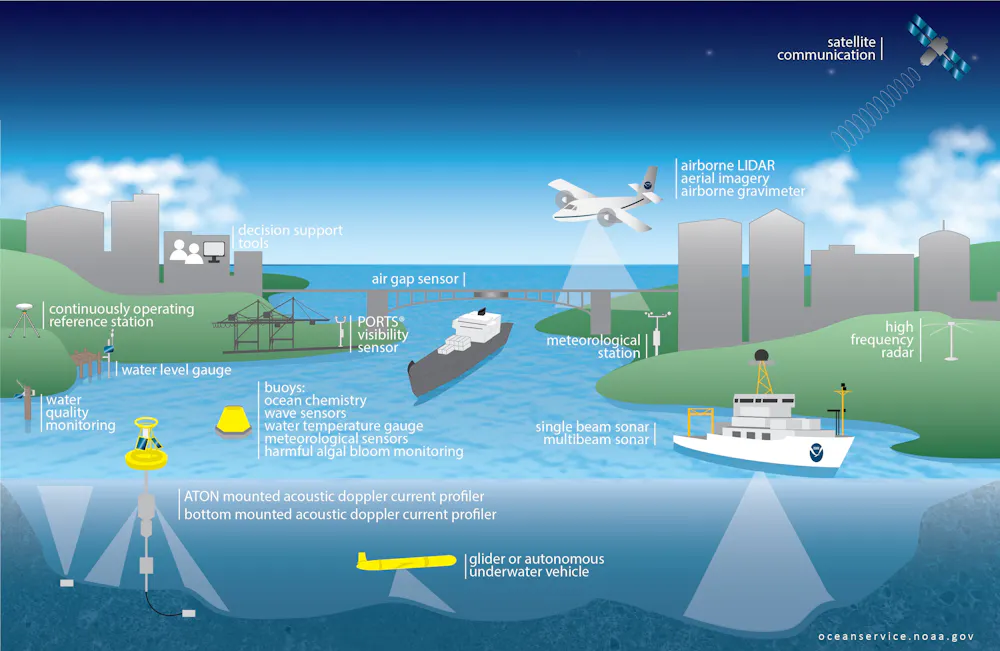
  • MIL-OSI Global: NOAA’s vast public weather data powers the local forecasts on your phone and TV – a private company alone couldn’t match it

    Source: The Conversation – USA – By Christine Wiedinmyer, Associate Director for Science at CIRES, University of Colorado Boulder

    A forecaster monitors incoming data for Hurricane Irma in 2017 at the National Hurricane Center, part of the NOAA. Matt McClain/The Washington Post via Getty Images

    When a hurricane or tornado starts to form, your local weather forecasters can quickly pull up maps tracking its movement and showing where it’s headed. But have you ever wondered where they get all that information?

    The forecasts can seem effortless, but behind the scenes, a vast network of satellites, airplanes, radar, computer models and weather analysts are providing access to the latest data – and warnings when necessary. This data comes from analysts at the National Oceanic and Atmospheric Administration, known as NOAA, and its National Weather Service.

    Atmospheric scientists Christine Wiedinmyer and Kari Bowen, who is a former National Weather Service forecaster, explained NOAA’s central role in most U.S. weather forecasts.

    When people see a weather report on TV, what went on at NOAA to make that forecast possible?

    A lot of the weather information Americans rely on starts with real-time data collected by NOAA satellites, airplanes, weather balloons, radar and maritime buoys, as well as weather stations around the world.

    All of that information goes into the agency’s computers, which process the data to begin defining what’s going on in different parts of the atmosphere.

    NOAA forecasters use computer models that simulate physics and the behavior of the atmosphere, along with their own experience and local knowledge, to start to paint a picture of the weather – what’s coming in a few minutes or hours or days. They also use that data to project seasonal conditions out over weeks or months.

    NOAA’s data comes from many sources to provide a more complete picture of developing climate and weather conditions. Communities and economies rely on that constantly updated information.
    NOAA

    When severe weather is on the way, the agency issues the official alerts you’ll see in the news and on your phone.

    All of this analysis happens before the information reaches private weather apps and TV stations.

    No matter who you are, you can freely access that data and the analyses. In fact, a large number of private companies use NOAA data to create fancy maps and other weather products that they sell.

    It would be extremely difficult to do all of that without NOAA.

    The agency operates a fleet of 18 satellites that are packed with instruments dedicated to observing weather phenomena essential to predicting the weather, from how hot the land surface is to the water content of the atmosphere. Some are geostationary satellites which sit high above different parts of the U.S. measuring weather conditions 24/7. Others orbit the planet. Many of these are operated as part of partnerships with NASA or the Air Force.

    Some private companies are starting to invest in satellites, but it would take an enormous amount of money to replicate the range of instrumentation and coverage that NOAA has in place. Satellites only last so long and take time to build, so NOAA is continually planning for the future, and using its technical expertise to develop new instruments and computer algorithms to interpret the data.

    NOAA’s low earth orbiting satellites circle the planet from pole to pole and across the equator 14 times a day to provide a full picture of the year twice a day. The agency also has geostationary satellites that provide continuous coverage over the U.S.
    NOAA

    Maritime buoys are another measuring system that would be difficult to replicate. Over 1,300 buoys across oceans around the world measure water temperature, wind and wave height – all of which are essential for coastal warnings, as well as long-term forecasts.

    Weather observation has been around a long time. President Ulysses S. Grant created the first national weather service in the War Department in 1870. It became a civilian service in 1880 under the Department of Agriculture and is now in the Commerce Department. The information its scientists and technologists produce is essential for safety and also benefits people and industries in a lot of ways.

    Could a private company create forecasts on its own without NOAA data?

    It would be difficult for one company to provide comprehensive weather data in a reliable way that is also accessible to the entire public.

    Some companies might be able to launch their own satellite, but one satellite only gives you part of the picture. NOAA’s weather observation network has been around for a long time and collects data from points all over the U.S. and the oceans. Without that robust data, computer models and the broad network of forecasters and developers, forecasting also becomes less reliable.

    Analyzing that data is also complex. You’re not going to be able to take satellite data, run a model on a standard laptop and suddenly have a forecast.

    And there’s a question of whether a private company would want to take on the legal risk of being responsible for the nation’s forecasts and severe weather warnings.

    Neil Jacobs, nominated to oversee NOAA, explains why the agency is essential for accurate national weather forecasting, and why private companies might not want to take on the legal risk on their own.

    NOAA is taxpayer-funded, so it is a public good – its services provide safety and security for everyone, not just those who can pay for it.

    If weather data was only available at a price, one town might be able to afford the weather information necessary to protect its residents, while a smaller town or a rural area across the state might not. If you’re in a tornado-prone area or coastal zone, that information can be the difference between life or death.

    Is climate data and research into the changing climate important for forecasts?

    The Earth’s systems – its land, water and the atmosphere – are changing, and we have to be able to assess how those changes will impact weather tomorrow, in two weeks and far into the future.

    Rising global temperatures affect weather patterns. Dryness can fuel wildfires. Forecasts have to take the changing climate into account to be accurate, no matter who is creating the forecast.

    Drought is an example. The dryness of the Earth controls how much water gets exchanged with the atmosphere to form clouds and rainfall. To have an accurate weather prediction, we need to know how dry things are at the surface and how that has changed over time. That requires long-term climate information.

    NOAA doesn’t do all of this by itself – who else is involved?

    NOAA partners with private sector, academia, nonprofits and many others around the world to ensure that everyone has the best information to produce the most robust weather forecasts. Private weather companies and media also play important roles in getting those forecasts and alerts out more widely to the public.

    A lot of businesses rely on accuracy from NOAA’s weather data and forecasts: aviation, energy companies, insurance, even modern tractors’ precision farming equipment. The agency’s long-range forecasts are essential for managing state reservoirs to ensure enough water is saved and to avoid flooding.

    The government agency can be held accountable in a way private businesses are not because it answers to Congress. So, the data is trustworthy, accessible and developed with the goal to protect public safety and property for everyone. Could the same be said if only for-profit companies were producing that data?

    Christine Wiedinmyer is the CIRES Associate Director for Science. CIRES is a CU Boulder research institute that has a cooperative agreement (grant) with NOAA called the Cooperative Institute for Earth Systems Research and Data Science, CIESRDS. Wiedinmyer’s funding is primarily from NOAA, which supports more than 400 CIRES CU Boulder employees.

    Kari Bowen is the Science and Administration Manager. CIRES is a CU Boulder research institute with a cooperative agreement (grant) with NOAA called the Cooperative Institute for Earth Systems Research and Data Science, CIESRDS. Bowen’s funding is from NOAA, which supports more than 400 CIRES CU Boulder employees.

    ref. NOAA’s vast public weather data powers the local forecasts on your phone and TV – a private company alone couldn’t match it – https://theconversation.com/noaas-vast-public-weather-data-powers-the-local-forecasts-on-your-phone-and-tv-a-private-company-alone-couldnt-match-it-249451

    MIL OSI – Global Reports

  • MIL-OSI Global: The New Yorker turns 100 − how a poker game pipe dream became a publishing powerhouse

    Source: The Conversation – USA – By Christopher B. Daly, Professor Emeritus of Journalism, Boston University

    The New Yorker expanded the scope of journalism far beyond the standard categories of crime, courts, politics and sports. Design Uncensored

    Literate in tone, far-reaching in scope, and witty to its bones, The New Yorker brought a new – and much-needed – sophistication to American journalism when it launched 100 years ago this month.

    As I researched the history of U.S. journalism for my book “Covering America,” I became fascinated by the magazine’s origin story and the story of its founder, Harold Ross.

    In a business full of characters, Ross fit right in. He never graduated from high school. With a gap-toothed smile and bristle-brush hair, he was frequently divorced and plagued by ulcers.

    Ross devoted his adult life to one cause: The New Yorker magazine.

    For the literati, by the literati

    Born in 1892 in Aspen, Colorado, Ross worked out west as a reporter while still a teenager. When the U.S. entered World War I, Ross enlisted. He was sent to southern France, where he quickly deserted from his Army regiment and made his way to Paris, carrying his portable Corona typewriter. He joined up with the brand-new newspaper for soldiers, Stars and Stripes, which was so desperate for anybody with training that Ross was taken on with no questions asked, even though the paper was an official Army operation.

    Harold Ross and Jane Grant in 1926.
    University of Oregon Libraries

    In Paris, Ross met a number of writers, including Jane Grant, who had been the first woman to work as a news reporter at The New York Times. She eventually became the first of Ross’ three wives.

    After the armistice, Ross headed to New York City and never really left. There, he started meeting other writers, and he soon joined a clique of critics, dramatists and wits who gathered at the Round Table in the Algonquin Hotel on West 44th Street in Manhattan.

    Over long and liquid lunches, Ross rubbed shoulders and wisecracked with some of the brightest lights in New York’s literary chandelier. The Round Table also spawned a floating poker game that involved Ross and his eventual financial backer, Raoul Fleischmann, of the famous yeast-making family.

    In the mid-1920s, Ross decided to launch a weekly metropolitan magazine. He could see that the magazine business was booming, but he had no intention of copying anything that already existed. He wanted to publish a magazine that spoke directly to him and his friends – young city dwellers who’d spent time in Europe and were bored by the platitudes and predictable features found in most American periodicals.

    First, though, Ross had to come up with a business plan.

    The kind of smart-set readers Ross wanted were also desirable to Manhattan’s high-end retailers, so they got on board and expressed interest in buying ads. On that basis, Ross’ poker partner Fleischmann was willing to stake him US$25,000 to start – roughly $450,000 in today’s dollars.

    Ross goes all in

    In the fall of 1924, using an office owned by Fleischmann’s family at 25 West 45th St., Ross got to work on the prospectus for his magazine:

    “The New Yorker will be a reflection in word and picture of metropolitan life. It will be human. Its general tenor will be one of gaiety, wit and satire, but it will be more than a jester. It will not be what is commonly called radical or highbrow. It will be what is commonly called sophisticated, in that it will assume a reasonable degree of enlightenment on the part of its readers. It will hate bunk.”

    The magazine, he famously added, “is not edited for the old lady in Dubuque.”

    In other words, The New Yorker was not going to respond to the news cycle, and it was not going to pander to middle America.

    Ross’ only criterion would be whether a story was interesting – with Ross the arbiter of what counted as interesting. He was putting all his chips on the long-shot idea that there were enough people who shared his interests – or could discover that they did – to support a glossy, cheeky, witty weekly.

    Ross almost failed. The cover of the first issue of The New Yorker, dated Feb. 21, 1925, carried no portraits of potentates or tycoons, no headlines, no come-ons.

    Instead, it featured a watercolor by Ross’ artist friend Rea Irvin of a dandified figure staring intently through a monocle at – of all things! – a butterfly. That image, nicknamed Eustace Tilly, became the magazine’s unoffical emblem.

    A magazine finds its footing

    Inside that first edition, a reader would find a buffet of jokes and short poems. There was a profile, reviews of plays and books, lots of gossip, and a few ads.

    It was not terribly impressive, feeling quite patched together, and at first the magazine struggled. When The New Yorker was just a few months old, Ross almost even lost it entirely one night in a drunken poker game at the home of Pulitzer Prize winner and Round Table regular Herbert Bayard Swope. Ross didn’t make it home until noon the next day, and when he woke, his wife found IOUs in his pockets amounting to nearly $30,000.

    Fleischmann, who had been at the card game but left at a decent hour, was furious. Somehow, Ross persuaded Fleischmann to pay off some of his debt and let Ross work off the rest. Just in time, The New Yorker began gaining readers, and more advertisers soon followed. Ross eventually settled up with his financial angel.

    A big part of the magazine’s success was Ross’ genius for spotting talent and encouraging them to develop their own voices. One of the founding editor’s key early finds was Katharine S. Angell, who became the magazine’s first fiction editor and a reliable reservoir of good sense. In 1926, Ross brought James Thurber and E.B. White aboard, and they performed a variety of chores: writing “casuals,” which were short satirical essays, cartooning, creating captions for others’ drawings, reporting Talk of the Town pieces and offering commentary.

    E.B. White in his office at The New Yorker.
    Bettmann/Getty Images

    As The New Yorker found its footing, the writers and editors began perfecting some of its trademark features: the deep profile, ideally written about someone who was not strictly in the news but who deserved to be better known; long, deeply reported, nonfiction narratives; short stories and poetry; and, of course, the single-panel cartoons and the humor sketches.

    Intensely curious and obsessively correct in matters grammatical, Ross would go to any length to ensure accuracy. Writers got their drafts back from Ross covered in penciled queries demanding dates, sources and endless fact-checking. One trademark Ross query was “Who he?”

    During the 1930s, while the country was suffering through a relentless economic depression, The New Yorker was sometimes faulted for blithely ignoring the seriousness of the nation’s problems. In the pages of The New Yorker, life was almost always amusing, attractive and fun.

    The New Yorker really came into its own, both financially and editorially, during World War II. It finally found its voice, one that was curious, international, searching and, ultimately, quite serious.

    Ross also discovered still more writers, such as A.J. Liebling, Mollie Panter-Downes and John Hersey, who was raided from Henry Luce’s Time magazine. Together, they produced some of the best writing of the war, most notably Hersey’s landmark reporting on the use of the first atomic bomb in warfare.

    A crown jewel of journalism

    Over the past century, The New Yorker had a profound impact on American journalism.

    For one thing, Ross created conditions for distinctive voices to be heard. For another, The New Yorker provided encouragement and an outlet for nonacademic authority to flourish; it was a place where all those serious amateurs could write about the Dead Sea Scrolls or geology or medicine or nuclear war with no credentials other than their own ability to observe closely, think clearly and put together a good sentence.

    Finally, Ross must be credited with expanding the scope of journalism far beyond standard categories of crime and courts, politics and sports. In the pages of The New Yorker, readers almost never found the same content that they’d come across in other newspapers and magazines.

    Instead, readers of The New Yorker might find just about anything else.

    Christopher B. Daly does not work for, consult, own shares in or receive funding from any company or organization that would benefit from this article, and has disclosed no relevant affiliations beyond their academic appointment.

    ref. The New Yorker turns 100 − how a poker game pipe dream became a publishing powerhouse – https://theconversation.com/the-new-yorker-turns-100-how-a-poker-game-pipe-dream-became-a-publishing-powerhouse-246774

    MIL OSI – Global Reports

  • MIL-OSI Global: Whether Christians should prioritize care for migrants as much as for fellow citizens has been debated for centuries

    Source: The Conversation – USA – By Laura E. Alexander, Associate Professor of Religious Studies, University of Nebraska Omaha

    Vice President JD Vance has criticized the U.S. Catholic bishops condemning agents of Immigration and Customs Enforcement entering churches and schools. Kayla Bartkowski/Getty Images

    Vice President JD Vance and several bishops of the U.S. Roman Catholic Church are having a war of words over the Trump administration’s flurry of executive orders and highly publicized immigration raids. The bishops argue that these policies tend to empower gangs and traffickers while harming vulnerable families; Vance has criticized the bishops’ stance and argued that crackdowns are a matter of public safety.

    In the wake of President Donald Trump’s executive orders, both Archbishop Timothy P. Broglio, president of the U.S. Conference of Catholic Bishops, and Bishop Mark Seitz, chairman of the USCCB’s Committee on Migration, publicly objected to the tone and the humanitarian impacts of the orders.

    Seitz critiqued generalizations that denigrate and describe migrants without legal status as “criminals” or “invaders,” saying this “is an affront to God, who has created each of us in his own image.” Instead, he urged humane policies and bipartisan immigration reform for an “effective, orderly immigration system.”

    Interviewed on “Face the Nation,” Vance argued that the USCCB should “look in the mirror … and recognize that when they receive over US$100 million to help resettle illegal immigrants, are they worried about humanitarian concerns? Or are they actually worried about their bottom line?”

    To be clear, this line of attack appears to be false. USCCB contracts with the U.S. State Department to resettle refugees and has received over $100 million in recent years to do so, but refugee resettlement is a legal immigration program. The Catholic Church, rather than making money on this program, provides funding from its own budget to supplement its humanitarian work with refugees. For example, according to the USCCB’s audited financial statements, in 2023, the most recent year reported, the USCCB spent over $134.2 million on resettlement services. Federal grants provided over $129.6 million for these services, with the USCCB covering the rest.

    As a scholar of religion and migration, I see in this debate long-standing tensions among Catholic – and other Christian – thinkers and practitioners about moral obligations to people with whom we have closer versus more distant relationships.

    This tension is magnified in the case of migrants without legal status, since most of these migrants do have close relationships with U.S. communities and citizens, but they are not legally authorized by the U.S. government.

    2 perspectives on moral responsibility

    In international relations, different stances on how to treat people who are not citizens of one’s own state are described as “cosmopolitan” and “communitarian,” respectively.

    Some Christian thinkers have adopted these terms as a helpful way to understand Christian ethical debates over how to prioritize caring for people who are more closely connected or less connected to us. Those who take a cosmopolitan stance argue that Christians should care equally about all people of the world and should not show preference to family members or those within their near orbit, even if, for practical reasons, they do assist those close to them more often.

    Meanwhile, thinkers who take a communitarian stance argue that Christians certainly should care about the well-being of all but have a moral obligation to prefer helping people they have a closer relationship with, such as family members, those who are close geographically and possibly fellow citizens.

    Christian theologies of neighborly love

    Many Christian thinkers have developed perspectives on how to prioritize care for different neighbors by interpreting the words and actions of Jesus, as well as the teachings and practices of the early Christian church. Over time, Christian thinkers have also considered institutional statements and traditional teachings of different church bodies.

    Early theologians, including Clement of Rome, the first-century bishop of Rome, and John Chrysostom, archbishop of Constantinople in the fourth and fifth centuries, demonstrated cosmopolitan tendencies.

    Biblical passages encourage believers to welcome strangers.
    ‘Sermon on the Mount’ by Henrik Olrik via Wikimedia Commons

    These early church leaders consider biblical passages, including commandments in the Hebrew Bible, to welcome strangers. In the Gospels of the New Testament, Jesus’ parable of the Good Samaritan upholds a person of different ethnicity and religion from Jesus and his followers as an ideal “neighbor.” It also praises acts of kindness across ethnic and religious boundaries.

    In another passage, Jesus heals the daughter of a woman who was both non-Jewish and of foreign ethnicity, accepting her chastisement for his initial reluctance to assist a non-Jew.

    Later in the New Testament, the apostle Paul used expansive language for the Christian community, particularly in Galatians, the ninth book of the New Testament: “There is no longer Jew or Greek; there is no longer slave or free; there is no longer male and female, for all of you are one in Christ Jesus.”

    The contemporary Roman Catholic Church has often taken a cosmopolitan perspective on social issues. Pope Francis, in his message for the 2024 World Day of Migrants and Refugees, highlights the biblical passage that “our citizenship is in heaven” and states that “the encounter with the migrant … ‘is also an encounter with Christ.’”

    Catholic service organizations draw on this thinking when they help migrants in concrete ways. In addition to refugee resettlement services, many Catholic organizations provide humanitarian assistance such as food and shelter to migrants, no matter where they are from.

    Christian communitarian thought

    From a communitarian perspective, some thinkers argue that Christians’ concrete obligations to members of their communities can differ from their obligations to others, even though they view all people as of equal moral worth.

    New Testament writings describe how members of early Christian groups provided food and care for those in their communities – even as they also gave charity to the poor in the wider society.

    St. Thomas Aquinas, whose writings have also become part of the current debate after Vance referenced them online, argues that Christians should assist people in need, even to the point of depriving themselves of luxuries or social standing. He consistently urges Christians to love all people as commanded by God. Yet he also writes that, all other things being equal, Christians can properly meet the needs of people close to them before they give to those outside their own family or close circles, and that in political matters there can be some justification for preferring fellow citizens.

    Some contemporary Christian thinkers apply similar ideas to relationships between citizens and noncitizens in modern states. Ethicist Mark Amstutz argues that American Christian churches should incorporate a stronger focus on citizens’ needs and solidarity within state communities into their statements on immigration. German Catholic thinker Manfred Spieker has advocated that Christian social teachings permit preferences for people one is close to, as well as requirements of cultural integration by immigrants.

    These proponents of Christian communitarian perspectives continue to stress that all neighbors should be treated well even if some are prioritized over others. In this way, Vance’s remarks are not the best example of Christian communitarian thought, since migrants without legal status still should not be demonized nor falsely accused of criminal behavior, both of which Vance himself has done in the past few months.

    Immigrants in communities and the command to love

    Christian thinkers do agree that Christians are commanded by God to show love for all people – those who are like them, those who are not like them and even enemies.

    But it’s possible that love could take different shapes in different relationships. Immigration poses a unique test case because immigrants are not citizens, but they are “close” neighbors to U.S. citizens.

    Immigrants, including undocumented immigrants, are integral parts of the communities where they live. They work in vital jobs; in 2020-22, 42% of hired farmworkers were migrants without legal status. Immigrants, both with legal status and without, have brought new workers and young families to small towns whose populations have declined in recent decades.

    This further nuances debates about cosmopolitan and communitarian moral perspectives, since immigrants arrive from places outside the U.S. but have close relationships with U.S. citizens, whether as family members or as neighbors with whom they work, shop and worship.

    At the moment, public debate over immigration reflects trends in U.S. politics as much or more than it does Christian ethics. Yet Christian communities do continue to wrestle with cosmopolitan and communitarian ways of thinking, as they try to understand and apply Christian scriptural and moral commands to care for all people.

    Laura E. Alexander receives funding from the Mellon Foundation and has previously received funding from the Public Religion Research Institute. As a private individual, she is a member of the Nebraska Alliance for Thriving Communities, a statewide network of businesses, institutions, and individuals seeking immigration reform solutions.

    ref. Whether Christians should prioritize care for migrants as much as for fellow citizens has been debated for centuries – https://theconversation.com/whether-christians-should-prioritize-care-for-migrants-as-much-as-for-fellow-citizens-has-been-debated-for-centuries-248640

    MIL OSI – Global Reports

  • MIL-OSI Global: Rural Americans don’t live as long as those in cities − new research

    Source: The Conversation – USA – By Elizabeth Currid-Halkett, James Irvine Chair in Urban and Regional Planning and Professor of Public Policy, University of Southern California

    Part of the problem is that people living in rural areas don’t always have easy access to health care. cstar55/iStock via Getty Images

    Rural Americans – particularly men – are expected to live significantly shorter, less healthy lives than their urban counterparts, according to our research, recently published in the Journal of Rural Health.

    We found that a 60-year-old man living in a rural area is expected on average to live two fewer years than an urban man. For women, the rural-urban gap is six months.

    A key reason is worse rates among rural people for smoking, obesity and chronic conditions such as high blood pressure and heart disease. These conditions are condemning millions to disability and shortened lives.

    What’s more, these same people live in areas where medical care is evaporating. Living in rural areas, with their relatively sparse populations, often means a shortage of doctors, longer travel distances for medical care and inadequate investments in public health, driven partly by declines in economic opportunities.

    Our team arrived at these findings by using a simulation called the Future Elderly Model. With that, we were able to simulate the future life course of Americans currently age 60 living in either an urban or rural area.

    The model is based on relationships observed in 20 years of data from the Health and Retirement Study, an ongoing survey that follows people from age 51 through the rest of their lives. Specifically, the model showed how long these Americans might live, the expected quality of their future years, and how certain changes in lifestyle would affect the results.

    We describe the conditions that drive our results as “diseases of despair,” building off the landmark work of pioneering researchers who coined the now widely used term “deaths of despair.” They documented rising mortality among Americans without a college degree and related these deaths to declines in social and economic prospects.

    The main causes of deaths of despair – drug overdoses, liver disease and suicide – have also been called “diseases of despair.” But the conditions we study, such as heart disease, could similarly be influenced by social and economic prospects. And they can profoundly reduce quality of life.

    We also found that if rural education levels were as high as in urban areas, this would eliminate almost half of the rural-urban life-expectancy gap. Our data shows 65% of urban 60-year-olds were educated beyond high school, compared with 53% of rural residents the same age.

    One possible reason for the difference is that getting a bachelor’s degree may make a person more able or willing to follow scientific recommendations – and more likely to work out for 150 minutes a week or eat their veggies as their doctor advises them to.

    Rural communities are increasingly hampered by their lack of access to health care.

    Why it matters

    The gap between urban and rural health outcomes has widened over recent decades. Yet the problem goes beyond disparities between urban and rural health: It also splits down some of the party lines and social divides that separate U.S. citizens, such as education and lifestyle.

    Scholarship on the decline of rural America suggests that people living outside larger cities are resentful of the economic forces that may have eroded their economic power. The interplay between these forces and the health conditions we study are less appreciated.

    Economic circumstances can contribute to health outcomes. For example, increased stress and sedentary lifestyle due to joblessness can contribute to chronic health issues such as cardiovascular disease. Declines in economic prospects due to automation and trade liberalization are linked to increases in mortality.

    But health can also have a strong influence on economic outcomes. Hospitalizations cause high medical costs, loss of work and earnings, and increases in bankruptcy. The onset of chronic disease and disability can lead to long-lasting declines in income. Even health events experienced early in childhood can have economic consequences decades later.

    In tandem, these health and economic trends might reinforce each other and help fuel inequality between rural and urban areas that produces a profoundly different quality of life.

    What still isn’t known

    It should be noted that our results, like many studies, are describing outcomes on average; the rural population is not a monolith. In fact, some of the most physically active and healthy people we know live in rural areas.

    Just how much your location affects your health is an ongoing area of research. But as researchers begin to understand more, we can come up with strategies to promote health among all Americans, regardless of where they live.

    The Research Brief is a short take on interesting academic work.

    Elizabeth Currid-Halkett was the Kluge Chair in Modern Culture at the Library of Congress while conducting some of this research.

    Currid-Halkett is on the Scholars’ Council for the nonprofit Braver Angels.

    Bryan Tysinger receives funding from NIA.

    Jack Chapel does not work for, consult, own shares in or receive funding from any company or organization that would benefit from this article, and has disclosed no relevant affiliations beyond their academic appointment.

    ref. Rural Americans don’t live as long as those in cities − new research – https://theconversation.com/rural-americans-dont-live-as-long-as-those-in-cities-new-research-242261

    MIL OSI – Global Reports

  • MIL-OSI Global: How opioid deaths tripled in Philly over a decade − and what may be behind a recent downturn

    Source: The Conversation – USA – By Ben Cocchiaro, Assistant Clinical Professor of Family Medicine and Community Health, Drexel University

    Fatal overdose deaths in Philadelphia dropped 7% in 2023. The city is expected to release 2024 data in the spring. Spencer Platt via Getty Images

    After nearly a decade of almost year-over-year increases in overdose deaths, the tide may finally be turning in Philadelphia.

    The Centers for Disease Control and Prevention announced in May 2024 an estimated 3% decrease in overdose deaths in the U.S. in 2023 compared with 2022. Shortly after, data from the Philadelphia Department of Public Health showed a similar trend: Fatal overdoses across the city decreased 7% in 2023, from 1,207 to 1,122. The city is expected to release its 2024 data in the spring of 2025.

    While these declines are notable, the city’s 2023 fatal overdose numbers are three times higher than they were in 2013.

    Still, if 2024 numbers confirm the downward trend, it allows a little hope into an otherwise bleak epidemic that is killing more Philadelphians than homicides, car accidents and diabetes combined.

    Something may finally be working. But what?

    If over a decade spent treating and researching substance use disorders has taught me anything, it’s that the overdose epidemic is what researchers and policymakers refer to as a wicked problem. Wicked problems are constantly changing, complex, interconnected knots of other problems with no clear solution.

    But let’s look at what we do know about how overdose deaths in Philadelphia spiked in the first place – and why they may finally be decreasing.

    Why overdose deaths spiked

    The first wave of the overdose epidemic began in the late 1990s and is attributed to overprescription of opioid pain medicines. But the largest acceleration in deaths didn’t occur until after the government and health insurers implemented prescribing controls in the early 2010s. These controls led many people who were no longer able to get prescribed opioids to turn to illicit heroin.

    In a phenomenon known as the “iron law of prohibition,” stricter drug law enforcement led drug-trafficking organizations to shift from heroin toward more powerful synthetic opioids that are easier to produce, conceal and distribute. Gram for gram, pure fentanyl is over 50 times stronger than pure heroin.

    But street-obtained fentanyl has proven to be anything but pure.

    Local drug-testing efforts found as much as a fiftyfold difference in potency between bags of fentanyl that appear identical.

    This unpredictable potency is considered to be the chief contributor to the deadliness of street fentanyl. It’s like cracking a beer and not knowing whether drinking it will get you mildly buzzed or send you to the graveyard.

    Research suggests drug busts, though touted as improving public safety, can lead to more inconsistency and unpredictability in the potency of illicit opioids. An analysis of 14 studies conducted in the U.S. demonstrated a marked increase in fatal overdoses following the supply disruptions that result from drug seizures.

    There’s also some evidence that the heightened economic insecurity and despair caused by the COVID-19 pandemic may have intensified the fatal overdose epidemic.

    Andres Freire of Prevention Point stands on the ‘bupe bus,’ a mobile service that offers medication treatment such as buprenorphine to people with opioid use disorder in Philadelphia.
    Jeff Fusco for The Conversation U.S., CC BY-NC-ND

    Potential reasons for decline

    Just as economic insecurity was associated with rising deaths, the subsequent economic recovery as the U.S. emerged from the pandemic may have contributed to the 2023 drop in overdose fatalities nationwide.

    However, the unequal distribution of that recovery seems to track with worsening racial disparities in overdose rates in the late 2010s to early 2020s.

    Another possible explanation for the reduction in overdose deaths is the increasing availability of buprenorphine.

    Buprenorphine, an FDA-approved medication for opioid use disorder, reduces withdrawal and cravings for fentanyl. What’s more, it decreases overdose risk by more than 50%.

    However, efforts to increase access to this medication have stagnated. National prescribing rates for buprenorphine were relatively stable from 2019 to 2023, and the CDC estimates that only a quarter of those who need treatment are getting it. Efforts to make buprenorphine available without a prescription have not yet gained traction.

    Access to and education around naloxone, a lifesaving drug used to reverse opioid overdoses, has also increased, and the drug is increasingly being administered by bystanders. Over 1.3 million doses were distributed in Pennsylvania since 2017. National research suggests these distribution efforts, often spearheaded by local harm-reduction organizations, have led to quicker administration of naloxone. This saves lives while also decreasing reliance on emergency medical services.

    Finally, the consequences of a seemingly minor characteristic of fentanyl’s pharmacology might also be reducing the overdose death rate in Philadelphia.

    Fentanyl’s effects last only a third as long as heroin. This shorter duration led drug traffickers to add the animal tranquilizer xylazine – also called “tranq” – and the veterinary anesthetic medetomidine into Philadelphia’s street drug supply. In 2019, two-thirds of heroin or fentanyl sampled in Philadelphia had xylazine in it. By 2021 all of it did.

    These additives lengthen the duration of the effect, mitigate withdrawal symptoms and possibly reduce the amount of fentanyl needed per dose. Some evidence from animal studies shows that xylazine reduces fentanyl intake by suppressing fentanyl withdrawal, thereby lengthening the time before a person uses again.

    What’s more, the skin wounds and sedative effects that are associated with xylazine may be motivating some people to avoid using street fentanyl.

    Over 1.3 million doses of naloxone have been distributed for free in Pennsylvania since 2017.
    Jeff Fusco for The Conversation U.S., CC BY-NC-ND

    What’s next for Philadelphia

    The opioid settlement, a multibillion-dollar payment from the pharmaceutical industry to resolve legal actions against them, has led to increased funding in Philadelphia for naloxone and medications such as buprenorphine to treat opioid use disorder.

    However, in the past year the city eliminated funding for needle exchanges and implemented compulsory treatment strategies, which research suggests often do not reduce drug use or criminal recidividism.

    Meanwhile, at the federal level, Republican members of Congress have proposed cuts to Medicaid, the health insurance program for low-income Americans.

    Whether new data, when it’s released, will show overdose deaths in Philly have continued to decline or are back on the rise is anybody’s guess. But I do know that harm-reduction advocates, medical providers and communities of people who use drugs will continue to fight this epidemic as if their lives depend on it. For many, it does.

    Ben Cocchiaro is affiliated with Prevention Point Philadelphia but his opinions are his own. He served on the Data Analysis and Sharing Subcommittee of the Philadelphia Mayor’s Task Force to Combat the Opiate Epidemic from 2016-2017.

    ref. How opioid deaths tripled in Philly over a decade − and what may be behind a recent downturn – https://theconversation.com/how-opioid-deaths-tripled-in-philly-over-a-decade-and-what-may-be-behind-a-recent-downturn-247768

    MIL OSI – Global Reports

  • MIL-OSI Global: Decluttering can be stressful − a clinical psychologist explains how personal values can make it easier

    Source: The Conversation – USA – By Mary E. Dozier, Assistant Professor of Psychology, Mississippi State University

    Asking how discarding an item fits with a person’s goals can help them decide whether to keep it. MoMo Productions via Getty Images

    I recently helped my mom sort through boxes she inherited when my grandparents passed away. One box was labeled – either ironically or genuinely – “toothpick holders and other treasures.” Inside were many keepsakes from moments now lost to history – although we found no toothpick holders.

    My favorite of the items we sorted through was a solitary puzzle piece, an artifact reflecting my late grandmother’s penchant for hiding the final piece to a jigsaw puzzle just to swoop in at the last moment and finish it.

    After several hours of reminiscing, my mom and I threw away 90% of what we had sorted.

    “Why did I keep this?” is a question I hear frequently, both from my family and friends and from patients. I am a licensed clinical psychologist whose research focuses on the characterization, assessment and treatment of hoarding disorder, particularly for adults 60 years of age or older. As such, I spend a great deal of my time thinking about this question.

    What drives the need to keep stuff?

    Hoarding disorder is a psychiatric condition defined by urges to save items and difficulty discarding current possessions. For adults with “clinically severe” hoarding disorder, this leads to a level of household clutter that impairs daily functioning and can even create a fire hazard. In my professional experience, however, many adults struggle with clutter even if they do not meet the clinical criteria for hoarding disorder.

    Holding on to things that have sentimental value or could be useful in the future is a natural part of growing older. For some people, though, this tendency to hold on to objects grows over time, to the point that they eventually do meet criteria for hoarding disorder. Age-related changes in executive function may help explain the increase in prevalence of hoarding disorder as we get older; increasing difficulty with decision-making in general also affects decisions around household clutter.

    The traditional model behind hoarding disorder suggests that difficulty with discarding comes from distress during decision-making. However, my research shows that this may be less true of older adults.

    Time to declutter.
    Kurt Whitman/Education Images via Getty Images

    When I was a graduate student, I conducted a study in which we asked adults with hoarding disorder to spend 15 minutes making decisions about whether to keep or discard various items brought from their home. Participants could sort whatever items they wanted. Most chose to sort paper items such as old mail, cards or notes.

    We found that age was associated with lower levels of distress during the task, such that participants who were older tended to feel less stressed when making the decision about what to keep and what to discard. We also found that many participants, particularly those who were older, actually reported positive emotions while sorting their items.

    In new research publishing soon, my current team replicated this finding using a home-based version of the task. This suggests that fear of making the wrong decision isn’t a universal driver of our urge to save items.

    In fact, a study my team published in August 2024 with adults over 50 with hoarding disorder suggests that altruism, a personality trait of wanting to help others, may explain why some people keep items that others might discard. My colleagues and I compared our participants’ personality profiles with that of adults in the general population of the same gender and age group. Compared with the general population, participants with hoarding disorder scored almost universally high on altruism.

    Altruism also comes up frequently in my clinical work with older adults who struggle with clutter. People in our studies often tell me that they have held onto something out of a sense of responsibility, either for the item itself or to the environment.

    “I need it to go to a good home” and “my grandmother gave this to me” are sentiments we commonly hear. Thus, people may keep things not out of fear of losing them but because saving them is consistent with their values.

    Your values can help guide which possessions should stay in your life and which ones should go.

    Leaning into values

    In a 2024 study, my team demonstrated that taking a values-based approach to decluttering helps older adults to decrease household clutter and increases their positive affect, a state of mind characterized by feelings such as joy and contentment. Clinicians visited the homes of older adults with hoarding disorder for one hour per week for six weeks. At each visit, the clinicians used a technique called motivational interviewing to help participants talk through their decisions while they sorted household clutter.

    We found that having participants start with identifying their values allowed them to maintain focus on their long-term goals. Too often, people focus on the immediate ability of an object to “spark joy” and forget to consider whether an object has greater meaning and purpose. Values are the abstract beliefs that we humans use to create our goals. Values are whatever drives us and can include family, faith or frivolity.

    Because values are subjective, what people identify as important to keep is also subjective. For example, the dress I wore to my sister’s wedding reminded me of a wonderful day. However, when it no longer fit I gave it away because doing so was more consistent with my values of utility and helpfulness: I wanted the dress to go to someone who needed it and would use it. Someone who more strongly valued family and beauty might have prioritized keeping the dress because of the aesthetics and its link to a family event.

    Additionally, we found that instead of challenging the reasons a person might have for keeping an item, it is helpful to instead focus on eliciting their reasons for discarding it and the goals they have for their home and their life.

    Tips for sweeping away the old

    My research on using motivational interviewing for decluttering and my observations from a current clinical trial on the approach point to some practical steps people can take to declutter their home. Although my work has been primarily with older adults, these tips should be helpful for people of all ages.

    Start with writing out your values. Every object in your home should feel value-consistent for you. For example, if tradition and faith are important values for you, you might be more inclined to hold onto a cookbook that was made by the elders at your church and more able to let go of a cookbook you picked up on a whim at a bookstore.

    If, instead, health and creativity are your core values, it might be more important to hold onto a cookbook of novel ways to sneak more vegetables into your diet.

    Defining value-consistent goals for using your space can help to maintain motivation as you declutter. Are you clearing off your desk so you can work more efficiently? Making space on kitchen counters to bake cookies with your grandchildren?

    Remember that sometimes your values will conflict. At those moments, it may help to reflect on whether keeping or discarding an object will bring you closer to your goals for the space.

    Similarly, remember that values are subjective. If you are helping a loved one declutter, maintain a curious, nonjudgmental attitude. Where you might see a box filled with junk, your grandmother might see something filled with “toothpick holders and other treasures.”

    For additional resources and information on hoarding disorder, visit the International OCD Foundation website.

    Mary E. Dozier has received funding from the American Psychological Foundation and the National Institute of Mental Health.

    ref. Decluttering can be stressful − a clinical psychologist explains how personal values can make it easier – https://theconversation.com/decluttering-can-be-stressful-a-clinical-psychologist-explains-how-personal-values-can-make-it-easier-247171

    MIL OSI – Global Reports

  • MIL-OSI Global: Legal fight against AI-generated child pornography is complicated – a legal scholar explains why, and how the law could catch up

    Source: The Conversation – USA – By Wayne Unger, Assistant Professor of Law, Quinnipiac University

    Child pornography laws may be clear, but AI makes enforcement more difficult. AP Photo/J. Scott Applewhite

    The city of Lancaster, Pennsylvania, was shaken by revelations in December 2023 that two local teenage boys shared hundreds of nude images of girls in their community over a private chat on the social chat platform Discord. Witnesses said the photos easily could have been mistaken for real ones, but they were fake. The boys had used an artificial intelligence tool to superimpose real photos of girls’ faces onto sexually explicit images.

    With troves of real photos available on social media platforms, and AI tools becoming more accessible across the web, similar incidents have played out across the country, from California to Texas and Wisconsin. A recent survey by the Center for Democracy and Technology, a Washington D.C.-based nonprofit, found that 15% of students and 11% of teachers knew of at least one deepfake that depicted someone associated with their school in a sexually explicit or intimate manner.

    The Supreme Court has implicitly concluded that computer-generated pornographic images that are based on images of real children are illegal. The use of generative AI technologies to make deepfake pornographic images of minors almost certainly falls under the scope of that ruling. As a legal scholar who studies the intersection of constitutional law and emerging technologies, I see an emerging challenge to the status quo: AI-generated images that are fully fake but indistinguishable from real photos.

    Policing child sexual abuse material

    While the internet’s architecture has always made it difficult to control what is shared online, there are a few kinds of content that most regulatory authorities across the globe agree should be censored. Child pornography is at the top of that list.

    For decades, law enforcement agencies have worked with major tech companies to identify and remove this kind of material from the web, and to prosecute those who create or circulate it. But the advent of generative artificial intelligence and easy-to-access tools like the ones used in the Pennsylvania case present a vexing new challenge for such efforts.

    In the legal field, child pornography is generally referred to as child sexual abuse material, or CSAM, because the term better reflects the abuse that is depicted in the images and videos and the resulting trauma to the children involved. In 1982, the Supreme Court ruled that child pornography is not protected under the First Amendment because safeguarding the physical and psychological well-being of a minor is a compelling government interest that justifies laws that prohibit child sexual abuse material.

    That case, New York v. Ferber, effectively allowed the federal government and all 50 states to criminalize traditional child sexual abuse material. But a subsequent case, Ashcroft v. Free Speech Coalition from 2002, might complicate efforts to criminalize AI-generated child sexual abuse material. In that case, the court struck down a law that prohibited computer-generated child pornography, effectively rendering it legal.

    The government’s interest in protecting the physical and psychological well-being of children, the court found, was not implicated when such obscene material is computer generated. “Virtual child pornography is not ‘intrinsically related’ to the sexual abuse of children,” the court wrote.

    States move to criminalize AI-generated CSAM

    According to the child advocacy organization Enough Abuse, 37 states have criminalized AI-generated or AI-modified CSAM, either by amending existing child sexual abuse material laws or enacting new ones. More than half of those 37 states enacted new laws or amended their existing ones within the past year.

    California, for example, enacted Assembly Bill 1831 on Sept. 29, 2024, which amended its penal code to prohibit the creation, sale, possession and distribution of any “digitally altered or artificial-intelligence-generated matter” that depicts a person under 18 engaging in or simulating sexual conduct.

    Deepfake child pornography is a growing problem.

    While some of these state laws target the use of photos of real people to generate these deep fakes, others go further, defining child sexual abuse material as “any image of a person who appears to be a minor under 18 involved in sexual activity,” according to Enough Abuse. Laws like these that encompass images produced without depictions of real minors might run counter to the Supreme Court’s Ashcroft v. Free Speech Coalition ruling.

    Real vs. fake, and telling the difference

    Perhaps the most important part of the Ashcroft decision for emerging issues around AI-generated child sexual abuse material was part of the statute that the Supreme Court did not strike down. That provision of the law prohibited “more common and lower tech means of creating virtual (child sexual abuse material), known as computer morphing,” which involves taking pictures of real minors and morphing them into sexually explicit depictions.

    The court’s decision stated that these digitally altered sexually explicit depictions of minors “implicate the interests of real children and are in that sense closer to the images in Ferber.” The decision referenced the 1982 case, New York v. Ferber, in which the Supreme Court upheld a New York criminal statute that prohibited persons from knowingly promoting sexual performances by children under the age of 16.

    The court’s decisions in Ferber and Ashcroft could be used to argue that any AI-generated sexually explicit image of real minors should not be protected as free speech given the psychological harms inflicted on the real minors. But that argument has yet to be made before the court. The court’s ruling in Ashcroft may permit AI-generated sexually explicit images of fake minors.

    But Justice Clarence Thomas, who concurred in Ashcroft, cautioned that “if technological advances thwart prosecution of ‘unlawful speech,’ the Government may well have a compelling interest in barring or otherwise regulating some narrow category of ‘lawful speech’ in order to enforce effectively laws against pornography made through the abuse of real children.”

    With the recent significant advances in AI, it can be difficult if not impossible for law enforcement officials to distinguish between images of real and fake children. It’s possible that we’ve reached the point where computer-generated child sexual abuse material will need to be banned so that federal and state governments can effectively enforce laws aimed at protecting real children – the point that Thomas warned about over 20 years ago.

    If so, easy access to generative AI tools is likely to force the courts to grapple with the issue.

    Wayne Unger does not work for, consult, own shares in or receive funding from any company or organization that would benefit from this article, and has disclosed no relevant affiliations beyond their academic appointment.

    ref. Legal fight against AI-generated child pornography is complicated – a legal scholar explains why, and how the law could catch up – https://theconversation.com/legal-fight-against-ai-generated-child-pornography-is-complicated-a-legal-scholar-explains-why-and-how-the-law-could-catch-up-247980

    MIL OSI – Global Reports

  • MIL-OSI Global: Mirror life is a scientific fantasy leading to a dangerous reality − a synthetic biologist explains how mirror bacteria could conquer life on Earth

    Source: The Conversation – USA – By Kate Adamala, Assistant Professor of Genetics, Cell Biology and Development, University of Minnesota

    Synthetic biology offers many tantalizing possibilities, but scientists consider some projects too risky to pursue. DBenitostock/Moment via Getty Images

    Most major biological molecules, including all proteins, DNA and RNA, point in one direction or another. In other words, they are chiral, or handed. Like how your left glove fits only your left hand and your right glove your right hand, chiral molecules can interact only with other molecules of compatible handedness.

    Two chiralities are possible: left and right, formally called L for the Latin laevus and D for dexter. All life on Earth uses L proteins and D sugars. Even Archaea, a large group of microorganisms with unusual chemical compositions, stick to the program on the handedness of the main molecules they use.

    For a long time, scientists have been speculating about making biopolymers that would mirror compounds in nature but in the opposite orientation – namely, compounds made of D proteins and L sugars. Recent years have seen some promising advancements, including enzymes that can make mirror RNAs and mirror DNAs.

    Chirality refers to something that is not superimposable on its mirror image – like your hands.
    NASA

    When scientists observed that these mirror molecules behave just like their natural equivalents they considered that it would be possible to make a whole living cell from them. Mirror bacteria in particular had the potential to be a useful basic research tool – possibly allowing scientists to study a new tree of life for the first time and solve many problems in bioengineering and biomedicine.

    This so-called mirror life – living cells made from building blocks with an opposite chirality to those that make up natural life – could have very similar properties to natural living cells. They could live in the same environment, compete for resources and behave like you would expect of any living organism. They would be able to evade infection from other predators and immune systems because these opponents wouldn’t be able to recognize them.

    These features are why researchers like me were so attracted to mirror life in the first place. But these qualities are also huge bugs of this technology that make it a problem.

    I am a synthetic biologist who studies using chemistry to create living cells. I am also a bioengineer who develops tools for the bioeconomy. As a chemist by training, engineering mirror life initially seemed like a fascinating way to answer foundational questions about biology and practically apply those findings to industry and medicine. As I learned more about the immunology and ecology of mirror life, however, I became aware of the potential environmental and health consequences of this technology.

    Real concerns about hypothetical mirror life

    It’s important to note that researchers are likely at least 10 to 30 years away from creating mirror bacteria. On the timescale of a fast-moving field like synthetic biology, a decade is a very long time. Creating synthetic cells is difficult on its own. Creating mirrored ones would require several technical breakthroughs.

    However, it would come with a risk. If mirror cells were released into the environment, they would likely be able to quickly proliferate without much restriction. The natural mechanisms that keep ecosystems in balance, including infection and predation, would not work on mirror life.

    Bacteria, like most life forms, are susceptible to viral infections. These bacterial viruses, or bacteriophages, enter bacteria by binding to their surface receptors and then use their cellular machinery to replicate. But just as a left glove doesn’t fit a right hand, natural bacteriophages wouldn’t recognize mirror cell receptors or be able to use its machinery. Mirror life would likely be resistant to viruses.

    Mirror bacteria may be able to evade the bacteriophages that would otherwise help keep them in check. Here, multiple bacteriophages are attached to a bacterial cell wall.
    Professor Graham Beards/Wikimedia Commons, CC BY-SA

    Microorganisms foraging in the environment also keep bacterial populations in check. They differentiate food from nonfood by using chemical “taste” receptors. Anything those receptors bind to, such as bacteria and organic debris, are considered edible, while things that cannot bind to those receptors, such as rocks, are classified as inedible. Think about how a dog foraging on the kitchen floor will eat a bread roll but only sniff a spoon and move on. Mirror life would be, to the bacterial predators, more like a spoon than bread – predators would “sniff” it with their receptors and move on because these cells can’t bind.

    Safety from being eaten would be great news for mirror bacteria, because it would allow it to replicate freely. It would be much worse news to the rest of the ecosystem, because mirror bacteria might hog all the nutrients and spread uncontrollably. Even if mirror bacteria don’t actively attack other organisms, they would still consume food sources other organisms need. And since mirror cells would have much lower death rates than regular organisms due to a lack of predation, they would slowly but surely take over the environment.

    Even if mirror cells grow more slowly than normal cells, they would be able to grow without anything stopping them.

    Insufficient immunity

    Another biological control mechanism that wouldn’t be able to “sniff” out mirror cells is the immune system.

    Your immune cells constantly check everything they find in your blood. The decision tree of an immune cell is fairly simple. First, decide whether something is alive or not, then compare it with its database of “self” – your own cells. If it is alive but is not a part of you, then it needs to be killed. Mirror cells likely wouldn’t pass the first step of that screen: it would not induce an immune response because the immune system would not be able to recognize or bind to mirror cell antigens. This means mirror cells could infect an unprecedentedly wide variety of hosts.

    You might think an infection from mirror bacteria could be treated with antibiotics of the same handedness. It would probably work, and may even be easier on your gut than regular antibiotic therapy. Because antibiotics are also handed, mirror versions of these drugs would not affect your gut microbiome, just like how regular antibioics would not affect mirror cells.

    But humans are a relatively small part of the ecosystem. All other animals and plants may also be susceptible to infection from mirror pathogens. While it is possible to imagine developing mirror antibiotics to treat human infections, it is physically impossible to treat the entire plant and animal world. If all organisms are susceptible to even a slow-moving infection by mirror bacteria, there is no good treatment that could be deployed across the entire ecosystem.

    Better safe than sorry

    Mirror life is an exciting research subject and a potential tool with some practical applications in medicine and biotechnology. But for many scientists, including me, none of those benefits outweigh the serious consequences to human health and the environment that mirror life poses.

    I and a group of researchers in immunology, ecology, biosafety and security – including some who used to actively work on mirror life – conducted a thorough analysis of possible concerns regarding the creation of mirror life. No matter how we looked at it, straight up or in the mirror, the conclusions were clear: The potential benefits of engineering mirror life are not worth the risk.

    Mirror life is scientifically tantalizing but ethically unwise.

    There is no way to make anything completely foolproof, and that includes any safeguards built into a mirror cell that could prevent the risk of accidental or deliberate release into the environment. Researchers working in this space, including us, may find this disappointing. But not making mirror cells can ensure the safety and security of the planet. More discussion among the global scientific community about what kinds of research on mirror biomolecules and related technologies are safe – as well as how to regulate this research – can help safeguard against potential harms.

    Keeping mirror cells inside the mirror, rather than making them a physical reality, is the clearest path to staying safe.

    Kate Adamala does not work for, consult, own shares in or receive funding from any company or organization that would benefit from this article, and has disclosed no relevant affiliations beyond their academic appointment.

    ref. Mirror life is a scientific fantasy leading to a dangerous reality − a synthetic biologist explains how mirror bacteria could conquer life on Earth – https://theconversation.com/mirror-life-is-a-scientific-fantasy-leading-to-a-dangerous-reality-a-synthetic-biologist-explains-how-mirror-bacteria-could-conquer-life-on-earth-245842

    MIL OSI – Global Reports

  • MIL-OSI Global: Art and science illuminate the same subtle proportions in tree branches

    Source: The Conversation – USA – By Mitchell Newberry, Research Assistant Professor of Biology, University of Michigan

    Tree branches in art throughout history follow geometric rules related to fractal geometry. ‘Almond blossom’ by Vincent van Gogh. Van Gogh Museum, Amsterdam.

    Do artists and scientists see the same thing in the shape of trees? As a scientist who studies branching patterns in living things, I’m starting to think so.

    Piet Mondrian was an early 20th-century abstract artist and art theorist obsessed with simplicity and essence of form. Even people who have never heard of Mondrian will likely recognize his iconic irregular grids of rectangles.

    When I saw Mondrian’s 1911 “Gray Tree,” I immediately recognized something about trees that I had struggled to describe. By removing all but the most essential elements in an abstract painting, Mondrian demonstrated something I was attempting to explain using physics and fractal geometry.

    My field of research is mathematical biology. My colleagues and I try to explain how treelike structures such as veins and arteries, lungs and leaves fine-tune their physical form to efficiently deliver blood, air, water and nutrients.

    Fundamental research in the biology of branching helps cure cardiovascular diseases and cancer, design materials that can heal themselves and predict how trees will respond to a changing climate. Branching also shows up in ant foraging patterns, slime molds and cities.

    The treeless tree

    From 1890 to 1912, Mondrian painted dozens of trees. He started with full-color, realistic trees in context: trees in a farmyard or a dappled lane. Gradually he removed leaves, depth, color and eventually even branching from his tree paintings. “Gray Tree” uses only curved lines of various thickness superimposed on top of one another at seemingly random angles. Yet the image is unmistakably a tree.

    How did Mondrian convey the sense of a tree with so little? The science of trees may offer some clues.

    The science of branching

    One goal of mathematical biology is to synthesize what scientists know about the vast diversity of living systems – where there seems to be an exception to every rule – into clear, general principles, ideally with few exceptions. One such general principle is that evolution fine-tunes treelike structures in living things to make metabolism and respiration as efficient as possible.

    The body carefully controls the thickness of vessels as they branch, because deviation from the most efficient diameter wastes energy and causes disease, such as atherosclerosis.

    In many cases, such as human blood vessels, the body exerts much tighter control over diameter than length. So while veins and arteries might take circuitous routes to accommodate the vagaries of organs and anatomy, their diameter usually stays within 10% of the optimum. The same principle appears in tree branches as well.

    The precise calibration of branch diameter leads to a hallmark of fractal shapes called scale invariance. A scale invariance is a property that holds true regardless of the size of an object or part of an object you’re looking at. Scale invariance occurs in trees because trunks, limbs and twigs all branch in similar ways and for similar reasons.

    The scale invariance in branch diameter dictates how much smaller a limb should be as it branches and how much investment a tree makes in a few thick branches versus many thin ones. Trees have evolved scale invariance to transport water, reach light and resist gravity and wind load as efficiently as possible given physical limits.

    This science of trees inspired my colleague and me to measure the scaling of tree branch diameter in art.

    The art of trees

    Among my favorite images is a carving of a tree from a late-medieval mosque in India. Its exaltation of trees reminds me of Tolkien’s Tree of Gondor and the human capacity to appreciate the simple beauty of living things.

    But I also find mathematical inspiration in the Islamic Golden Age, a time when art, architecture, math and physics thrived. Medieval Islamic architects even decorated buildings with infinitely nonrepeating tiling patterns that were not understood by Western mathematics until the 20th century.

    The stylized tree carvings of the Sidi Saiyyed mosque also follow the precise system of proportions dictated by the scale invariance of real trees. This level of precision of branch diameter takes an attentive eye and a careful plan – much better than I could freehand.

    Indeed, wherever our team looked at trees in great artwork, such as Klimt’s “Tree of Life” or Matsumura Goshun’s “Cherry Blossoms,” we also found precise scale invariance in the diameter of branches.

    “Grey Tree” also realistically captures the natural variation in branch diameters, even when the painting gives the viewer little else to go on. Without realistic scaling, would this painting even be a tree?

    As if to prove the point, Mondrian made a subsequent painting the following year, also with a gray background, curved lines and the same overall composition and dimensions. Even the position of some of the lines are the same.

    But, in “Blooming Apple Tree” (1912), all the lines are the same thickness. The scaling is gone, and with it, the tree. Before reading the title, most viewers would not guess that this is a painting of a tree. Yet Mondrian’s sketches reveal that “Blooming Apple Tree” and “Gray Tree” are the very same tree.

    The two paintings contain few elements that might signal a tree – a concentration of lines near the center, lines that could be branches or a central trunk and lines that could indicate the ground or a horizon.

    Yet only “Gray Tree” has scale-invariant branch diameters. When Mondrian removes the scale invariance in “Blooming Apple Tree,” viewers just as easily see fish, scales, dancers, water or simply nonrepresentational shapes, whereas the tree in “Gray Tree” is unmistakable.

    Photo synthesis

    Mondrian’s tree paintings and scientific theory highlight the importance of the thickness of tree branches. Consilience is when different lines of evidence and reasoning reach the same conclusions. Art and math both explore abstract descriptions of the world, and so seeing great art and science pick out the same essential features of trees is satisfying beyond what art or science could accomplish alone.

    Just as great literature such as “The Overstory” and “The Botany of Desire” show us how trees influence our lives in ways we often don’t notice, the art and science of trees show how humans are finely attuned to what’s important to trees. I think this resonance is one reason people find fractals and natural landscapes so pleasing and reassuring.

    All these lines of thinking give us new ways to appreciate trees.

    Mitchell Newberry has published research on tree branching supported by University of Michigan and University of New Mexico. He volunteers with Cool It Burque, a tree-planting group in Albuquerque, NM.

    ref. Art and science illuminate the same subtle proportions in tree branches – https://theconversation.com/art-and-science-illuminate-the-same-subtle-proportions-in-tree-branches-247967

    MIL OSI – Global Reports

  • MIL-OSI Global: A music expert’s tips on making an unforgettable mixtape (or playlist) for your Valentine

    Source: The Conversation – UK – By Glenn Fosbraey, Associate Dean of Humanities and Social Sciences, University of Winchester

    There’s something about tangible music that the digital world simply can’t touch. Whether that’s putting a new record on the turntable, popping a shiny CD out of its jewel case or clicking a tape into place on a cassette deck.

    I still remember a time when cassette was king – when the ultimate Christmas present was a pack of blank tapes, and recording your favourite songs from the radio without the interference of the DJ’s voice was a skill to be proud of.

    Then, of course, there was the mixtape. Lovingly compiled over weeks, dubbed from CDs, other cassettes, the radio or LPs, the track listings would be written on the back in your neatest handwriting. When the time was right, you passed it on to that special someone.

    The process wasn’t without risk, of course. Critic Christopher Partridge has noted that, for many of us, popular music is central to the construction of our identities and sense of self. That means that creating something so personal often felt like giving up a section of our diaries.

    A practical guide to making a physical mixtape.

    Handing it over to the wrong person and having your taste ridiculed was a surefire way to spend the next few days wallowing in self-pity, eating multipacks of crisps and listening to The Smiths. Handing it over to the right person, though, and seeing them share your love for those most precious of songs was a certain way to take a relationship to the next level.

    Cassette tapes and players are having a second lease on life. They can be bought online for as little as £30, or even cheaper if you get lucky in a charity shop.

    So, this Valentine’s Day, why not do something that really shows how much you care, and go old school instead of just sending over another Spotify link? Here are five top tips from a seasoned mixtape maker.


    Looking for love this Valentine’s Day? Whether you want to improve your relationship with others or with yourself, The Quarter Life Glow-up can help.

    This six-week newsletter course from The Conversation will bring you research-backed advice and tools to help improve your relationships, your career, your free time and your mental health – no supplements or skincare required. Sign up here to start your glow-up at any time.


    1. Be honest

    Romantic mixtapes are supposed to be an opportunity for you to share the tracks that you love; a chance to say “this is a piece of me – what do you think?” If you’re choosing tracks simply because you think they’ll make you look current, deep or edgy, therefore, you’re not being true to the process. Pick the songs that mean something to you and don’t overthink how they may look to someone else.

    2. Be considerate

    Writing on your CD or cassette can add an extra personal touch.
    Isabela Donô Peixoto/Dupe

    If you know the recipient of your mixtape quite well, chances are you might also know a little something about their music tastes.

    Tip one still applies in such an instance, but that’s not to say you should force-feed them Metallica, for example, if they’ve previously said they hate heavy metal. Doing so would either show you to be someone who doesn’t listen (bad), or someone who listens, but doesn’t care (worse).

    So, be considerate, but don’t spend the whole time thinking “Oh God: will they hate this?” They might do, of course, but if they haven’t given you a clue either way, it’s a risk you’ll have to take.

    3. Don’t be cringey

    Mixtapes, especially Valentine’s mixtapes, are not about vicariously displaying your feelings for someone through the voice and lyrics of others. Instead, they are about showing that you trust someone enough to share the songs that are important to you.

    If you own vinyl records, try playing them while recording with a blank cassette.
    Cora Pursley/Dupe

    To that end, please, no Let’s Get It On or J’taime… Moi Non Plus. Not least because it may make the object of your affection cringe, which (hopefully) won’t be your desired reaction.

    Also, try to avoid cringey behaviours when presenting the mixtape, whether that’s saying, “oh, you’re going to LOVE this,” followed by winks and elbow nudges, or, on the flipside, being almost apologetic: “You’re probably going to hate it … but here it is anyway.”

    Instead, just go with something like, “I made you this,” hand it over, and let the music do the rest of the talking.

    4. Sequencing

    When it comes to deciding the running order of your mixtape, it can be looked upon like the sequencing of an album.

    Joy Division and New Order’s Peter Hook says that a tracklist should “build up … slow down” and then have a “big finish”. Taylor Swift says she never likes to put two happy songs in a row or two of the same kind of sadness in a row. Adele swears by leaving the biggest and boldest track to the end. And Elbow’s Guy Garvey likes to include a short post-script of song after the record sounds like it’s ended, which feels like extra kisses at the bottom of a letter.

    Unfortunately, our modern attention spans may also need to be taken into consideration. Radio expert Kelli Fannon admits that she can only get through the first three or four songs of an album (or mixtape) before the phone rings, someone asks a question, or she has a meeting to run to. And she’s not alone.

    So, if there are a few songs you really want your lover to hear, ignore the sequencing advice of the stars, and make sure you put those tracks first.


    Looking for something good? Cut through the noise with a carefully curated selection of the latest releases, live events and exhibitions, straight to your inbox every fortnight, on Fridays. Sign up here.


    5. Variety is the spice of life

    I’ll never forget my wife’s face when she came to the end of Satan Rejected My Soul by Morrissey, which I’d inexplicably and inadvisably put on the mixtape I’d made for her a few weeks after we’d met.

    Sure, I sulked for a bit (how could she not like it?) but we moved past it, and 20 years on I just know not to play Morrissey within her earshot. It’s unlikely the recipient of your tape is going to love every track and, so long as they let you down respectfully, all is well.

    With hindsight, I can’t think of an instance where Satan Rejected My Soul should ever be on a mixtape. So do yourself (and your love interest) a favour and leave that one off.

    Glenn Fosbraey does not work for, consult, own shares in or receive funding from any company or organisation that would benefit from this article, and has disclosed no relevant affiliations beyond their academic appointment.

    ref. A music expert’s tips on making an unforgettable mixtape (or playlist) for your Valentine – https://theconversation.com/a-music-experts-tips-on-making-an-unforgettable-mixtape-or-playlist-for-your-valentine-249240

    MIL OSI – Global Reports

  • MIL-OSI Global: Camp Hill virus explained: what are the risks of a henipavirus outbreak in America?

    Source: The Conversation – UK – By Shirin Ashraf, Postdoctoral Researcher, MRC-Centre for Virus Research, University of Glasgow

    A new pathogen, called Camp Hill virus, was recently discovered in Alabama, drawing attention to a group of viruses known as henipaviruses. This is a big deal because other viruses in this group are linked to serious, often fatal, disease, and this is the first time one of them has been found in North America.

    Camp Hill virus was discovered by looking at tissue samples from short-tailed shrews that were collected in 2021. It’s a new species of virus that’s related to other dangerous viruses such as Nipah and Hendra, which have caused serious outbreaks in other parts of the world. It’s also distantly related to the measles virus.

    The first known henipavirus, Hendra virus, was identified in Australia in 1994. There have been just seven cases of humans getting infected – four of them were fatal.

    Nipah virus, discovered in Malaysia in 1998, is much more deadly. It has caused 30 outbreaks in south-east Asia, infecting over 600 people, with death rates as high as 100% in some cases.

    These viruses usually cause fever and other serious symptoms, such as brain swelling and difficulty breathing. They are thought to be carried by bats and can spread to humans through their saliva or urine. Horses are also thought to be carriers.

    Thanks to new technology that allows scientists to study the genetics of viruses, they’ve now found nearly 20 species of henipaviruses around the world. These viruses have been found on every continent except Antarctica, including places like Ghana, China, Australia and Brazil. This shows that henipaviruses are probably common in nature, and new ones could pop up almost anywhere.

    For example, in China, a virus called Mojang virus was linked to the deaths of three workers who were exposed to it in a mine. Another virus, Langya, spread by shrews, caused an outbreak in which 35 people got sick – although they all recovered.

    So far, other henipaviruses haven’t caused human infections, but the potential is there.

    The rapid growth in our understanding of these viruses comes from improvements in technology and global efforts to study diseases. But it also reminds us that viruses can suddenly jump from animals to humans in unpredictable ways.

    Whether a virus can harm humans depends on how well it can infect human cells, and how badly it affects the body. Some viruses cause mild symptoms, while others can lead to life-threatening diseases. Studying these viruses requires scientists to look closely at their genetic code and run laboratory tests to understand how they work.

    Henipaviruses can infect many animals, including bats, horses, monkeys, dogs, cats and even rodents. This means they are more adaptable and have a higher chance of jumping from animals to humans in different ways. In comparison, a virus like measles can only infect humans, which makes it less likely to spread to other species.

    No drugs or vaccines … yet

    There is no cure for henipavirus infections, but researchers are working on a vaccine for Nipah virus. Some new treatments, such as monoclonal antibodies, are also being developed but aren’t ready for use yet. This makes Nipah and Hendra viruses major public health concerns. The World Health Organization has called for more research to help fight them.

    While there’s no evidence that Camp Hill virus has infected any humans yet – and the chances of it doing so are low – its discovery in North America is a reminder that viruses can emerge anywhere. Even though shrews usually live in forests and don’t come into much contact with people, the potential for the virus to spread remains a worry.

    The more we learn about these viruses, the better we’ll be at creating vaccines that can protect us from both known and new threats. Keeping up with research and staying prepared is crucial to protecting global health from future outbreaks.

    Shirin Ashraf does not work for, consult, own shares in or receive funding from any company or organisation that would benefit from this article, and has disclosed no relevant affiliations beyond their academic appointment.

    ref. Camp Hill virus explained: what are the risks of a henipavirus outbreak in America? – https://theconversation.com/camp-hill-virus-explained-what-are-the-risks-of-a-henipavirus-outbreak-in-america-249183

    MIL OSI – Global Reports

  • MIL-OSI Global: Five ways that illustrations can tell climate justice stories

    Source: The Conversation – UK – By Andi Misbahul Pratiwi, PhD Candidate, School of Geography, University of Leeds

    Climate change is often communicated through scientific reports, statistics and policy discussions. However, these technical approaches can be inaccessible to the public, failing to capture the experiences of those most affected.

    Climate narratives structured as stories that involve emotional engagement and personal anecdotes are more effective at mobilising communities, influencing policy and promoting pro-environmental actions across diverse audiences. By blending art with storytelling, illustrations can make complex environmental issues, such as climate justice, much more accessible to the general public.

    Illustrations are not just artistic expressions. They can amplify the voices of affected communities and help make the case for climate justice. In an era where climate action is urgent, harnessing the power of illustration can be transformative. It can challenge dominant narratives while creating more inclusive and participatory ways of understanding climate action.

    I have been collaborating with Puspita Bahari, an Indonesian fisherwomen’s movement to develop ways to communicate the effects of tidal floods and the importance of feminist solidarity. For my PhD research, I spent seven months carrying out fieldwork in three coastal villages in Demak, Central Java, Indonesia. This involved interviews, observations and creative workshops with the community.

    By drawing on 38 women’s firsthand experiences, we have published an illustrated book: Tidal Floods: Women, Fisheries, and Climate Crisis in Indonesia (2024). This story about Indonesia’s fisherwomen explores the intersections of gender, environmental change, activism and the future of the country’s coastal regions. Here are five ways that collaborative illustrations can be used to tell female-led climate justice stories:

    1. Intersectional narration

    The effects of tidal flooding on Indonesian women vary depending on location, livelihood, age and disability status. Along the coastline, women in Indonesia are involved in selling fish, processing seafood and fishing at sea, alongside domestic work.

    This book does not depict women as having a single, monolithic identity. Instead, the images portray their varied realities. These shape how they experience climate injustice and how pre-existing inequalities reproduce new climate injustices.

    Intersectional narration is storytelling that captures how different aspects of identity overlap to shape people’s experiences in complex ways. Using this, various issues such as economic hardship, domestic violence, sexual reproductive health, physical and mental health can be better represented.

    The image below illustrates these challenges. A woman with a disability is unable to use her wheelchair because the village is sinking. A pregnant woman struggles to access healthcare facilities. Fisherwomen face declining incomes due to environmental and economic pressures.

    2. Body maps

    To understand the complexity of climate impacts, I worked with women to draw body maps. As they annotated each picture, fisherwomen shared their embodied experiences of living with tidal floods as an everyday disaster.

    Body mapping is an intimate cartographic process that involves tracing the body and visually exploring one’s lived experience. This method goes beyond textual and oral narratives. It helps women recall and record body memories that might otherwise remain unspoken.

    Their body maps are not just research artefacts. They have been translated into powerful visuals so their personal stories can be shared in this book. The picture above illustrates one fisherwoman’s daily struggles, physical and physiological burdens – so the image reveals the complex, gendered, and intersectional effects of tidal floods.

    3. Historical context

    Certain pictures show how the coastal landscapes are rapidly changing and how villages are sinking at an alarming rate. This historical context is not only drawn from women’s oral narratives but also from past photo albums shared by the community.

    The picture below illustrates the landscape change over 20 years, from rice fields to tidal floodwaters.

    4. Movement and agency

    Beyond documenting vulnerabilities and the social, ecological and economic effects of climate change on women, this book shows how these women have agency. This manifests in various ways, from small acts of resilience to broader feminist solidarity.

    When they work together as a community, women can adapt through collective action. This includes planting crops, building cooperatives and holding demonstrations. Stories can play a role in moving beyond positioning women not just as victims but as people with valuable knowledge and the ability to assert their agency and drive sustainable climate action.

    5. Reflection and collective ownership

    In an era defined by uncertainty and rapid change, the ability to pause and reflect on climate justice is more valuable than ever. Certain images actively encourage readers to reflect on more tech-driven and infrastructure-focused responses to the climate crisis.

    The final pages include questions that prompt critical thinking about the links between gender, climate justice and activism. For example, “what do you think will happen if we do not address the climate crisis?”

    Rather than extracting knowledge from women, especially those in Global South countries, this book is co-created. Fisherwomen’s voices and narratives are central to the storytelling process. By reclaiming conversations about climate change that are often dominated by international forums, we can hear and learn from the people who are most affected. And hopefully inspire more climate advocacy and grassroots action.


    Don’t have time to read about climate change as much as you’d like?

    Get a weekly roundup in your inbox instead. Every Wednesday, The Conversation’s environment editor writes Imagine, a short email that goes a little deeper into just one climate issue. Join the 40,000+ readers who’ve subscribed so far.


    The creation of this book was funded by the GENERATE Project as part of a United Kingdom Research and Innovation (UKRI) Future Leaders Fellowship at the University of Leeds: www.generateproject.org.

    ref. Five ways that illustrations can tell climate justice stories – https://theconversation.com/five-ways-that-illustrations-can-tell-climate-justice-stories-249104

    MIL OSI – Global Reports

  • MIL-OSI Global: Podcasts are a great tool for political persuasion – just ask this 18th century thinker

    Source: The Conversation – UK – By Katie East, Senior Lecturer in the History of Radical Ideas, Newcastle University

    Podcasts have been around for more than two decades, but the last few years – and particularly their influence in the 2024 US election – have solidified their role in the media landscape.

    Some of the most popular podcasts in the US and UK (such as The Joe Rogan Experience and The Rest is Politics) have a conversational format. They typically include two or more people discussing topics in an unstructured, uncensored way. The hosts and guests are unencumbered by word counts or TV timeslots. Such podcasts are a viable medium for political persuasion.

    There is some debate as to whether podcasts are simply an extension of the echo chambers formed in other media. But as a researcher of intellectual history and political discourse, I believe that conversational podcasts offer a uniquely valuable way to unpick political questions – and change the listener’s point of view.

    To understand the value of conversation as a means of communication, I suggest looking to writing from 18th-century Britain. This period saw a shift away from monarchy towards parliamentary government, along with the explosion of print culture. Popular engagement with political issues grew, and discussion of politics became a notable pastime.

    The rapidly expanding public sphere produced countless works on the art of conversation. Traditionally, they have been interpreted as indicative of the Georgian fascination with civility and politeness, instructing the reader in the proper behaviour for civilised discussion.

    However, the work of the Independent minister Isaac Watts (1674-1748) reveals a different view. Watts achieved prominence as a writer on education and as a philosopher. He engaged with key Enlightenment debates concerning reason, dogmatism and freedom of thought.


    Want more politics coverage from academic experts? Every week, we bring you informed analysis of developments in government and fact check the claims being made.

    Sign up for our weekly politics newsletter, delivered every Friday.


    In 1741, Watts published The Improvement of the Mind, which outlined the most effective ways of acquiring and creating useful knowledge. Among these was conversation.

    Watts viewed conversation as a tool for persuasion. This was not in the sense of compelling someone to your view – he explicitly warned against approaching conversation with a dogmatic mindset – but rather as a collective endeavour to reach the truth of a matter. Ultimately, this is a much more enduring form of persuasion.

    The appeal of conversation

    There is a logic to the appeal of conversational podcasts in a world of increasing isolation and division. Even the supposed great connector – social media – offers only a facade of conversation. While social media connects people more than ever before, the natural flow and deep engagement of a conversation is difficult to replicate online. Exchanges are rarely immediate, numerous voices are vying for position and tone of voice or expression is obscured behind faceless avatars.

    Conversation, Watts argued, offers a greater clarity of understanding of an opposing position than a one-way interaction like reading (or scrolling). A person can explain their meaning in different terms if it is not initially clear. If questions arise, the speakers can unpack the nuances before becoming hostile.

    Moreover, Watts argued, encountering a different perspective can draw the conversation closer to “evidence and truth” in unexpected ways.

    This supports the idea that conversation is the best forum for better understanding a different stance from your own. Such a view paves the way for the kind of “agreeable disagreement” celebrated by The Rest is Politics.

    Even listening to an conversation can help you understand a stance different from your own.
    Yuri A/Shutterstock

    It was not only that the nature of conversation facilitated better mutual understanding, in Watts’ view, but also that it offered unique creative possibilities in the pursuit of truth. The act of conversation demanded more active engagement of the mind and the “secret chambers of the soul,” drawing forth ideas which might otherwise have remained lodged deep in the recesses of the mind. Not only could hidden thoughts be revealed, but entirely new ones could be created through the process of conversing.

    Watts likened two people in conversation to flints being struck together: in motion working together they could produce fire, but stationary and solitary nothing could be created. In solitude “our souls may be serene,” Watts wrote, “but not sparkling”.

    Conversation and disagreement

    Watts recognised that caution was needed to avoid the most likely pitfalls of conversation: the echo chamber and the risk of hostility.

    He was emphatic that conversation with those whose opinions differed from your own was necessary. If knowledge and truth were to be discovered, then new ideas had to be considered. As noted, he also warned against dogma, advising patience regarding a firm and unalterable proposition until you have grounds for it.

    Most interestingly, he warned against bothsidesism, or arguing a question pro and con for the sake of it. This, he argued, would embed confrontation in the conversation and prevent the mind from being in the proper position to uncover the truth.

    Today, the polarisation resulting from avoiding views different from our own, and from deliberately seeking out binary positions for the sake of confrontation is all too apparent.

    Yet the popularity of conversational political podcasts indicates the appetite for a different approach to political discussion. Though they didn’t have podcasts in the 18th century, conversation was a public endeavour, performed at coffee houses and replicated in print so the audience could also learn good practice and understand – so listen on.

    Katie East does not work for, consult, own shares in or receive funding from any company or organisation that would benefit from this article, and has disclosed no relevant affiliations beyond their academic appointment.

    ref. Podcasts are a great tool for political persuasion – just ask this 18th century thinker – https://theconversation.com/podcasts-are-a-great-tool-for-political-persuasion-just-ask-this-18th-century-thinker-245213

    MIL OSI – Global Reports

  • MIL-OSI Global: Struggling with money? Here are 5 tips for growing your income from a financial expert

    Source: The Conversation – Canada – By Lisa Kramer, Professor of Finance, University of Toronto

    Whether you are just starting or looking to advance your financial skills, there are steps you can take to improve your financial situation. (Shutterstock)

    Personal finance can often feel overwhelming, with many Millennial and Gen Z individuals struggling with student loans, the high cost of living, housing market challenges and a general sense of financial anxiety. But just as any challenge can be overcome through skill development and persistence, so can your finances.

    Whether you are just starting or looking to advance your financial skills, there are steps you can take to improve your financial situation. From basic recommendations to more advanced strategies, here are some ways to get yourself on the path to financial stability.


    Ready to make a change? The Quarter Life Glow-up is a new, six-week newsletter course from The Conversation’s UK and Canada editions.

    Every week, we’ll bring you research-backed advice and tools to help improve your relationships, your career, your free time and your mental health – no supplements or skincare required. Sign up here to start your glow-up at any time.


    1. Create a budget

    The first step to mastering your finances is working out where your money is going. You may discover, as my now-husband realized when he was a graduate student, that you’re spending a third of your food expenditures on coffee.

    Once you determine where your money is going, you can reign in some of your expenses and ensure some money is left over each month to devote to debt repayment or savings. Creating a budget is essential for doing this.

    The Government of Canada has an online budget planner tool available, as does the United States Federal Trade Commission and the United Kingdom government’s Money and Pensions Service.

    Once your budget is made, you can focus on reducing discretionary costs and redirect those savings toward your financial goals.

    Create a realistic budget that aligns with your financial goals.
    (Shutterstock)

    2. Boosting your income

    It can be difficult to reduce expenses in an inflationary environment — especially when the cost of basic needs like food and shelter are becoming increasingly expensive in Canada, the United States and elsewhere.

    But you can still find ways to boost your income without necessarily getting a second or third job.


    Read more:
    Maths that will help you as an adult: from baking a cake to asking for a pay rise


    It can be daunting to ask your employer for a raise, but you’re much more likely to get one if you ask. Arm yourself with quantifiable evidence about your productivity and work ethic. Then, rehearse your request with a mentor who is further along on your career path.

    If you don’t succeed on your first try, use the experience to understand how to secure a raise in the future. Another way to get a raise? While still employed — and on your own time, not company time — look for a new job, get an offer and use it as leverage to politely negotiate a raise. If you’re still unsuccessful, it may be time to move on to that new job.

    3. Build your pension

    Older generations are more likely to have worked in jobs that came with defined-benefit pensions, a type of pension plan that provides someone with a stream of income after they retire.

    These days, jobs are less likely to come with such perks. A recent World Bank report found about half of gig workers worldwide have no retirement plan; in some countries, that figure is as high as 75 per cent.

    It’s important to check if your current employer offers a defined contribution pension plan, which involves you and your employer contributing to a saving account that grows over time.

    Even if you don’t have access to such a plan, consider using a robo-advisor to replicate one of its key features by setting up an automatic monthly contribution to an investment account. Then, you can increase the amount you contribute every time you get a raise.

    You should also consider allocating that investment to a well-diversified stock index, or to a blend of stocks and bonds if you are relatively risk averse. An exchange-traded fund, also known as an ETF, is a low-cost way to do this compared to buying mutual funds. While the value of your investment may go up and down over the short term, it is likely to perform well over the long term.

    Talking to a financial advisor is always a good idea if you feel stuck.
    (Shutterstock)

    4. Steady does it

    Once you have set up automatic contributions and established a routine of increasing them over time, you will see your investment account balance start to grow. Even if you can put away only small amounts each month in the beginning, you’ll develop good financial habits.

    Your next task should be avoiding the temptation of timing the ups and downs of financial markets by actively trading. To dodge this common pitfall, avoid examining the balance of your investment account on a month-to-month basis and keep contributing, regardless of whatever may be happening in financial markets.


    Read more:
    If you have money anxiety, knowing your financial attachment style can help


    Ironically, overconfident investors often underperform the market when they try — and fail — to outperform by frequently trading their investment holdings. Successful investors understand the most reliable path to wealth accumulation is paved with a buy-and-hold mentality, meaning you should purchase investments with the intention of keeping them long-term rather than frequently buying and selling.

    5. Imagine the future

    When you’re young, it can be hard to identify with an abstract future version of yourself in retirement. Your golden years may be decades in the future, and it can seem like you have ages to prepare for whatever life will bring you at that stage in life.

    However, research shows that the clearer you can mentally picture your future self, the more motivated you will be to make sensible saving and retirement planning decisions for your future self.

    Try imagining what your life will be like when you’re retired, or what you will look like. Will you have grey hair or wrinkles? How will you spend your time? Picture your future self in retirement and the kind of life you would like to have.

    Meet the challenge head-on

    If you still find yourself overwhelmed by these tips and don’t know where to begin, consider contacting a fee-only financial advisor to analyze your situation and provide you with personalized advice.

    Remember, no matter what financial challenge you may face, it’s simply a new opportunity to overcome. With the right strategies and support, you’ll be able to tackle any financial hurdles and work toward a more secure future for yourself.

    Achieving financial stability is a journey that requires ongoing effort and dedication. Each milestone you reach brings you closer to your ultimate goal.

    Lisa Kramer has received funding from the Social Sciences and Humanities Research Council of Canada and the Canadian Securities Institute Research Foundation.

    ref. Struggling with money? Here are 5 tips for growing your income from a financial expert – https://theconversation.com/struggling-with-money-here-are-5-tips-for-growing-your-income-from-a-financial-expert-234623

    MIL OSI – Global Reports

  • MIL-Evening Report: Trump’s ‘Riviera’ plan for Gaza heralds an age of naked fascism

    COMMENTARY: By Sawsan Madina

    I watched US President Donald Trump’s joint press conference with Israeli Prime Minister Benjamin Netanyahu last week in utter disbelief. Not that the idea, or indeed the practice, of ethnic cleansing of Palestine is new.

    But at that press conference the mask has fallen. Recently, fascism has been on the march everywhere, but that press conference seemed to herald an age of naked fascism.

    So the Palestinians have just been “unlucky” for decades.

    “Their lives have been made hell.” Thank God for grammar’s indirect speech. Their lives have been made hell. We do not know who made their lives hell. Nothing to see here.

    Trump says of Gaza: “We’ll own it and be responsible for dismantling all of the dangerous unexploded bombs and other weapons on the site, level the site, and get rid of the destroyed buildings — level it out and create an economic development that will supply unlimited numbers of jobs and housing for the people of the area . . . ”

    I wonder who are those lucky “people of the area” he has in mind, once those “unlucky” Palestinians have been “transferred” out of their homeland.

    Trump speaks of transforming Gaza into a magnificent “Riviera of the Middle East”. Obviously, the starved amputees of Gaza do not fit his image of the classy people he wants to see in the Riviera he wants to build, on stolen Palestinian land.

    No ethnic cleansing questions
    After the press conference, I did not hear a single question about ethnic cleansing, genocide, occupation or international law.

    Under the new fascist leaders, just like under the old ones, those words have become old-fashioned and are to be expunged from the lexicon.

    The difference has never been more striking between the meek who officially hold the title “journalist” and the brave who actually work to hold the powerful to account.

    Now, more than ever, independent journalists are a threatened species. We should treasure them, support them and protest every attempt to silence them.

    Gaza is now the prototype. We can forget international laws and international organisations. We have the bombs. You do as we wish or you will be obliterated.

    Who now dares say that the forced transfer of a population by an occupying power is a war crime under the Geneva Convention? But then again, Trump and Netanyahu are not really talking about “forced transfer”. They are talking about “voluntary transfer”.

    Once the remaining Israeli hostages have been freed, and water and food have been cut off again, those unlucky Palestinians will climb voluntarily onto the buses waiting to transport them to happiness and prosperity in Egypt and Jordan.

    Or to whatever other client state Trump manages to threaten or bribe.

    Can the International Criminal Court (ICC) command a shred of respect when Netanyahu is sharing the podium with Trump? Or indeed when Trump is at the podium?

    Dismantling the international order
    Recently, fascist leaders have been dismantling the international order by accusing its organisations and officials of being “antisemitic” or “working with terrorists”. Tomorrow they will defund and delegitimise these organisations without the need for an excuse.

    I listen to Trump speak of combatting antisemitism and deporting Hamas sympathisers and I hear, “We will combat anti-Israel views and we will deport those who protest Israel’s crimes.

    “And we will continue to conflate antisemitism and anti-Israel’s views in order to silence pro-Palestinian voices.”

    I watch Trump and Netanyahu, the former reading the thoughts of a real estate developer turned into a president’s speech and the latter grinning like a Cheshire cat — and I am gripped by fear. Not just for the Palestinians, but for all humanity.

    If we think fascism is only coming for people on a distant shore, we ought to think again.

    I watch Netanyahu repeating lies that investigative journalists have spent months debunking. Why would he care? The truth about his lies will not make it to mainstream media and the consciousness of the majority of people.

    Lies taking hold, enduring
    And the more he repeats those lies, the more they take hold and endure.

    I wonder how our political leaders will spin our allies’ new, illegal and immoral plans. For years, they have clung to the mantra of the two-state solution while Israel continued to make every effort to render this solution unfeasible.

    What will they say now? With what weasel words will they stay on the same page as our friends in the US and Israel?

    Netanyhu praises Trump for thinking outside the box. Here is an idea that Israel has spent billions on arms and propaganda to persuade people that it is dangerously outside the box.

    Instead of asking Egypt and Jordan to take the Palestinians, why not make Israel end the occupation and give Palestinians equal rights in their own homeland?

    Sawsan Madina is former head of Australia’s SBS Television. This article was first published by John Menadue’s public policy journal Pearls and Irritations and is republished with permission.

    MIL OSI AnalysisEveningReport.nz

  • MIL-OSI Global: How to make a change in your life – and stick to it

    Source: The Conversation – UK – By Abigail Parrish, Lecturer in Languages Education, University of Sheffield

    PeopleImages.com – Yuri A/Shutterstock

    Is there a change you’d like to make in your life? Perhaps you’d finally like to write the novel you’ve been thinking about for years. Perhaps you think you should start saving for a holiday or a deposit on a house or flat. Maybe you would like to improve your fitness.

    That’s great. But we all know it can be hard to stick to these kinds of changes. Gym membership figures suggest half of new members quit within six months, and many of us have the evidence of once-loved hobbies scattered around our homes.

    To write that book, for instance, you’re going to have to find time to do it, and stick with it when the going gets tough and initial enthusiasm has worn off.


    Ready to make a change? The Quarter Life Glow-up is a new, six-week newsletter course from The Conversation’s UK and Canada editions.

    Every week, we’ll bring you research-backed advice and tools to help improve your relationships, your career, your free time and your mental health – no supplements or skincare required. Sign up here to start your glow-up at any time.


    First, you should ask yourself why you’re doing it.

    My research looks at the psychology of making changes through the lens of what is known as self-determination theory, which proposes that there are different forms of motivation. These range from, for instance, being motivated to do something because someone is making you do it, to being motivated because you think it’s fun.

    Looked at like this, big changes, such as training for a new career, and smaller ones, like joining a weekly fitness class, are all the same. What matters is the reason you have for doing it.

    Find the right reason

    You might have more than one reason for making a change. Perhaps you want to start something because it’s a TikTok trend and everyone else seems to be doing it, or maybe the suggestion is coming from someone in your life. These are external reasons to do something, and this type of motivation is less likely to lead to success.

    Focus on the ones that are “internalised” – that come from within yourself. If you can find a reason why the change is important to you and you have your own motivation to make it, you’re much more likely to stick with it. It needs to be something that is aligned with your values – something you believe in.

    So what you’re doing doesn’t even have to be something you enjoy, as long as it’s something you feel is important to you.

    Think of deciding to save money, for example. This isn’t an activity that is inherently fun for most people, but the act of saving might be important because of what it represents or leads to – the holiday at the end of it, or the house you could buy with the money you put away. When you start to waver in your goal, thinking of that personal reason will help you keep going.

    You don’t necessarily have to enjoy something to be motivated to keep doing it.
    New Africa/Shutterstock

    There are two other important concepts from self-determination theory mixed up in the idea of an action being aligned with personal values. When you do something that comes from your values, you should be acting with autonomy – doing something you want to do, not something other people have made you do.

    That’s a key construct in the theory, but it can be hard to align with things like work or study. Perhaps your goal is to apply yourself at work or to get a good grade in your studies. But most people have a boss, or a supervisor, and their role is to instruct you on what to do.

    If you’re a teacher, you have to work to the school’s timetable, whether you like it or not. But in the jobs where you are most motivated, you will be able to make some choices for yourself. Teaching is an interesting example of when this doesn’t work, because in England this very structured job has become even more so in recent years, coinciding with a recruitment and retention problem in the profession.

    Teacher autonomy is widely studied and considered important even outside of self-determination theory, and a perceived lack of autonomy is likely to be one of the reasons people might want to quit their job.

    Eyes on the goal

    The other really important thing is your goal in making the change. The best kind of goal is an autonomous one, relating to something that is intrinsically important to you. This might be competing at a high level in your sport, because it will give you joy and satisfaction to be the best you can be. This means you will put up with hardships and challenges, and you will keep going even after a bad day.

    By contrast, if your goal is an external one, you might find things more difficult. This includes if you’re doing something for a reward, rather than because something is personally important to you. So if you want to write a bestselling novel to become famous or rich, you may find that as the going gets tough, your motivation slips and work grinds to a halt.

    If you are doing something because other people want you to, even other people who care about you, you will struggle. This may mean that some changes are just not meant to be – or it might mean changing your mindset and how you look at the goals you are aiming for.

    Try to get the support of people who care about you and who you care about, whether this be family and friends, or a new community at your sports club, for example. And finally, keep an eye on your goals. Any change which you are engaging in for yourself because you value it and can see the benefits, is likely to be a lasting one.

    Abigail Parrish does not work for, consult, own shares in or receive funding from any company or organisation that would benefit from this article, and has disclosed no relevant affiliations beyond their academic appointment.

    ref. How to make a change in your life – and stick to it – https://theconversation.com/how-to-make-a-change-in-your-life-and-stick-to-it-237248

    MIL OSI – Global Reports

  • MIL-Evening Report: Israeli police cite children’s ‘colouring book’ for Palestinian bookshop raid

    Pacific Media Watch

    Israeli police have confiscated hundreds of books with Palestinian titles or flags without understanding their contents in a draconian raid on a Palestinian educational bookshop in occupied East Jerusalem, say eyewitnesses.

    More details have emerged on the Israeli police raid on a popular bookstore in occupied East Jerusalem.

    The owners were arrested but police reportedly dropped charges of incitement while still detaining them for “disturbing the public order”.

    The bookstore’s owners, Ahmed and Mahmoud Muna, were detained, and hundreds of titles related to the Palestinian-Israeli conflict confiscated, before police ordered the store’s closure, according to May Muna, Mahmoud’s wife, reports Al Jazeera.

    She said the soldiers picked out books with Palestinian titles or flags, “without knowing what any of them meant”.

    She said they used Google Translate on some of the Arabic titles to see what they meant before carting them away in plastic bags.

    Another police bookshop raid
    Police raided another Palestinian-owned bookstore in the Old City in East Jerusalem last week. In a statement, the police said the two owners were arrested on suspicion of “selling books containing incitement and support for terrorism”.

    As an example, the police referred to an English-language children’s colouring book titled From the River to the Sea — a reference to the territory between the Jordan River and the Mediterranean Sea that today includes Israel, the occupied West Bank and the Gaza Strip.

    The bookshop raids have been widely condemned as a “war on knowledge and literature”.

    MIL OSI AnalysisEveningReport.nz

  • MIL-OSI Global: As Trump abandons the old world order, NZ must find its place in a new ‘Pax Autocratica’

    Source: The Conversation – Global Perspectives – By Chris Ogden, Associate Professor in Global Studies, University of Auckland, Waipapa Taumata Rau

    Donald Trump is moving rapidly to change the contours of contemporary international affairs, with the old US-dominated world order breaking down into a multipolar one with many centres of power.

    The shift already includes the US leaving the World Health Organization and the Paris Climate Accords, questioning the value of the United Nations, and radical cuts to the US Agency for International Development (USAID).

    Such a new geopolitical age also involves an assertion of raw power, with Trump using the threat of tariffs to assert global authority and negotiating positions.

    While the US is not significantly less powerful, this new era may see it wield that power in more openly self-interested and isolationist ways. As new US Secretary of State Marco Rubio put it in January, “the post-war global order is not just obsolete – it is now a weapon being used against us”.

    With global democracy in retreat, the emerging international order looks to be moving in an authoritarian direction. As it does, the position of New Zealand’s vibrant democracy will come under mounting pressure.

    But world orders have come and gone for millennia, reflecting the ebb and flow of global economic, political and military power. Looking back to previous eras, and how countries and cultures responded to shifting geopolitical realities, can help us understand what is happening more clearly.

    An evolving world order

    Previous orders have often focused on specific centres – or “poles” – of power. These include the Concert of Europe from 1814 to 1914, the bipolar world of the Cold War between the US and the Soviet Union, and the unipolar world of American dominance after the end of the Cold War and since the September 11 attacks in 2001.

    Periods of single-power dominance (or hegemony) are referred to as a “pax”, from the Latin for “peace”. We have seen the Pax Romana of the Roman Empire (27 BCE to 180 AD), multiple Pax Sinicas around China (most recently the Qing Dynasty 1644 to 1912), Pax Mongolica (the Mongol Empire from 1271 to 1368) and Pax Britannica (the British Empire from 1815 to 1924).

    It is the Pax Americana of the US, from 1945 to the present, that Trump seems bent on dismantling. We now live in an international order that is visibly in flux. With autocracy on the rise and the US at its vanguard, a “Pax Autocratica” is emerging.

    This is accentuated by the rapid rise of Asia as the main sphere of economic and military growth, particularly China and India. The world’s two most populous countries had the world’s largest and third largest economies respectively in 2023, and the second and fourth highest levels of military spending.

    The simultaneous rise of multiple power centres was already challenging the Pax Americana. Now, a new international order appears to be a certainty, with Trump openly adapting to multipolarity. Several major powers now compete for global influence, rather than any one country dominating.

    China’s preference for a multipolar international order is shared by India and Russia. Without one dominant entity, it will be the political and social basis of this order, as determined by its major actors, that matters most – not who leads it.

    Pax Democratica

    The current (now waning) international order has been underpinned by specific social, political and economic values stemming from the national identity and historical experience of the US.

    According to US political expert G. John Ikenberry, former president Woodrow Wilson’s agenda for peace after the first world war sought to “reflect distinctive American ideas and ideals”.

    Woodrow imagined an order based on collective security and shared sovereignty, liberal principles of democracy and universal human rights, free trade and international law.

    As its dominance and military strength increased in the 20th century, the US also provided security to other countries. Such power enabled Washington to create open global trade markets, as well as build core global institutions like the World Bank, International Monetary Fund, World Trade Organization, United Nations and NATO.

    For Ikenberry, this Pax Americana (we might call it a Pax Democratica) rested on consent to the US’s “provision of security, wealth creation, and social advancement”. This was aided by the its more than 800 military bases in over 80 countries.

    The democratic deficit

    Trump undercuts the central tenets of this liberal world order and accelerates a slide towards authoritarianism. Like Russia, India and China, the US is also actively constraining human rights, attacking minorities and weakening its electoral system.

    This democratic retreat leaves a country such as New Zealand in a global minority. If Trump targets the region or country with economic tariffs, that precariousness might increase.

    On the other hand, previous world orders have not been truly hegemonic. Pax Britannica did not encompass the entire world. Nor did Pax Americana, which didn’t include China, India, the former Soviet bloc, much of the Islamic world and many developing countries.

    This suggests pockets of democracy can survive within a Pax Autocratica, especially in a multipolar world which is more tolerant of political independence.

    The Economist Intelligence Unit’s 2023 Democracy Index ranked New Zealand, the Nordic countries, Switzerland, Iceland and Ireland highest because their citizens

    choose their political leaders in free and fair elections, enjoy civil liberties, prefer democracy over other political systems, can and do participate in politics, and have a functioning government that acts on their behalf.

    It is these countries that can be at the vanguard of democratic resilience.

    Chris Ogden is a Senior Research Fellow with The Foreign Policy Centre, London.

    ref. As Trump abandons the old world order, NZ must find its place in a new ‘Pax Autocratica’ – https://theconversation.com/as-trump-abandons-the-old-world-order-nz-must-find-its-place-in-a-new-pax-autocratica-249358

    MIL OSI – Global Reports