Category: Health

  • MIL-OSI: TORRAS Personal Cooling with Coolify Series: A Tech-Driven Solution for Comfort, Wellness, and Women’s Health

    Source: GlobeNewswire (MIL-OSI)

    LOS ANGELES, June 01, 2025 (GLOBE NEWSWIRE) — As global temperatures continue to rise and daily comfort becomes a growing concern, TORRAS is making waves with its innovative Coolify series—a wearable air conditioner engineered to deliver rapid, personal cooling through cutting-edge semiconductor technology. But beyond its impressive specs and sleek aesthetics, Coolify is also gaining recognition for another powerful role: providing much-needed relief to women experiencing hot flashes and hormonal imbalances, especially during menopause.

    TORRAS, a technology brand known for blending innovation with lifestyle-driven solutions, believes that technology should serve real human needs, and Coolify is a perfect reflection of that mission.

    A Breakthrough in Personal Cooling Technology

    Coolify isn’t just another neck fan—it’s a wearable air conditioning system designed for next-generation, body-centered comfort. At its core lies an advanced semiconductor cooling plate embedded within the collar, capable of dropping the skin temperature on the neck by up to 18°F (10°C) within just 3 seconds. Unlike traditional fans that simply circulate ambient air, Coolify creates a genuine cooling effect that users can feel immediately.

    Engineered with ergonomics in mind, Coolify fits snugly around the neck and targets the sides and back of the neck—areas rich in arteries that play a crucial role in regulating core body temperature. By focusing cooling power on these critical zones, the device ensures rapid and efficient heat relief without compromising comfort.

    Additional features include:

    Three-speed smart temperature controls for customizable comfort
    8-hour battery life for all-day usability
    Ultra-quiet operation for discreet use in workspaces, social settings, or while sleeping
    Lightweight and travel-friendly design with a stylish, minimalist look that complements any outfit

    With its combination of advanced engineering and sleek design, Coolify has quickly become a favorite among tech-savvy consumers and outdoor enthusiasts alike. But some of its most impactful use cases come from a group that isn’t always the center of tech innovation: women in midlife.

    Supporting Women’s Health: A Lifesaver for Hot Flashes and Hormonal Spikes

    For women going through menopause, hot flashes are among the most common and disruptive symptoms. Sudden spikes in body temperature, facial flushing, sweating, and anxiety can make everyday life—whether at home, work, or out in public—uncomfortable and overwhelming. Traditional solutions like hormone therapy or cooling gels are either invasive or short-lived.

    This is where Coolify is quietly changing lives.

    Through direct customer feedback, TORRAS has discovered that a significant portion of Coolify users are women managing menopause-related symptoms. One user shared: “I was waking up drenched and exhausted every night. Coolify changed that. I wear it before bed, and I finally sleep through the night.”

    Another wrote: “It’s discreet and stylish—I can wear it in the office or on walks without drawing attention. Most importantly, I feel like I have control over my body again.”

    Because the neck houses multiple arteries that influence body temperature, cooling this area directly helps reduce hot flash intensity and duration. Unlike fans or ice packs, Coolify is hands-free, consistent, and wearable throughout the day or night.

    By offering a non-invasive, drug-free, and dignified solution for a problem that affects millions of women, TORRAS is proud to be supporting a demographic often overlooked in the tech innovation space.

    Everyday Comfort, Anywhere and Everywhere

    While its impact on women’s wellness is significant, Coolify was also designed for a wide range of everyday scenarios, making it a multi-purpose companion for the modern lifestyle.

    1. Daily Commutes & Urban Life Subways, buses, traffic-filled streets—urban environments can feel stifling in the summer. Coolify ensures personal climate control with a simple press of a button, making rush hour more bearable and sweat-free.
    2. Travel & Theme Parks From family vacations to amusement parks like Disney, Coolify has been praised as the ultimate travel essential. A recent user blog even hailed it as the “best neck fan for Disney,” helping visitors beat the heat while enjoying outdoor attractions.
    3. Outdoor Adventures Whether hiking, biking, or camping, Coolify is a powerful yet compact cooling device for those who love the outdoors. With no external fans to hold and no cords to manage, it allows full freedom of movement while keeping body temperature in check.
    4. Office & Remote Work Environments In offices where thermostats can’t be adjusted or in shared workspaces, Coolify provides personalized cooling without disturbing colleagues. Its low-noise operation makes it perfect for Zoom calls, deep focus sessions, and quiet rooms.
    5. Nighttime Use & Sleep Quality Some users incorporate Coolify into their nighttime routine, using it before sleep or even throughout the night to prevent heat spikes, leading to better rest and reduced sleep disturbances.

    Tech with Purpose: TORRAS’s Vision for Human-Centered Innovation

    More than a cooling gadget, Coolify represents a new frontier of wearable wellness tech. By marrying scientific design with empathy for daily challenges—like menopausal discomfort, urban heat stress, and the need for discreet comfort—TORRAS has crafted a product that is both technically advanced and emotionally intelligent.

    “We didn’t just want to create a product that cools the skin,” says a spokesperson for TORRAS. “We wanted to create a product that elevates how people feel, improves their day-to-day lives, and empowers them to move freely, comfortably, and confidently—no matter the temperature or stage of life.”

    As TORRAS continues to expand its innovation pipeline, the company remains committed to addressing real human needs with high-performance, beautifully designed solutions. Whether you’re managing hormonal transitions, chasing your kids through a summer park, or just trying to stay cool on the subway, Coolify is here to offer a smarter, kinder, cooler experience.

    About TORRAS TORRAS is a global lifestyle technology brand dedicated to enhancing everyday life through smart, human-centric design. From award-winning smartphone accessories to cutting-edge wearable devices, TORRAS blends function and form to create thoughtful solutions for modern living.

    For more information, visit: https://coolify.torraslife.com

    Media Contact

    TORRAS Marketing: marketing@torraslife.com
    TORRAS PR Manager: Ray@torras-global.com
    The MIL Network

  • MIL-OSI NGOs: Dozens of Palestinians killed at US-Israel backed food distribution sites News Jun 01, 2025

    Source: Doctors Without Borders –

    Dozens of Palestinians were killed and hundreds more injured today as they waited for food at the newly created Gaza Humanitarian Foundation distribution centers in Rafah and close to the Netzarim Corridor, according to the Ministry of Health.

    Doctors Without Borders/Médecins Sans Frontières (MSF) teams joined the mass casualty response in Nasser Hospital in Khan Younis. Patients told MSF they were shot at from all sides by drones, helicopters, boats, tanks, and Israeli soldiers on the ground.

    “Today’s events have shown once again that this new system of aid delivery is dehumanizing, dangerous, and severely ineffective,” said Claire Manera, MSF emergency coordinator. “It has resulted in preventable deaths and injuries of civilians. Humanitarian aid must be provided only by humanitarian organizations who have the competence and determination to do it safely and effectively.”

    The hospital corridors were filled with patients, but unlike what I have witnessed before, where most of the patients were women and children, today it was mainly men … They looked shattered and distraught after trying to secure food for their children, returning instead injured and empty handed.

    Nour Alsaqqa, MSF communications officer

    MSF teams at Nasser Hospital treated patients with serious injuries today. Some patients in critical condition are still undergoing surgery. With the blood banks almost empty, medical staff themselves have had to donate blood.

    “The hospital corridors were filled with patients, but unlike what I have witnessed before, where most of the patients were women and children, today it was mainly men,” said Nour Alsaqqa, MSF communications officer. “They lay in their beds in the hallways because the rooms are already packed with injured people. They had visible gunshot wounds in their limbs, and their clothes were soaked with blood. They looked shattered and distraught after trying to secure food for their children, returning instead injured and empty handed. Outside, there was shouting, sirens, a constant rush of new arrivals to the emergency room.”

    “Amid the chaos, we received confirmation that a colleague’s brother had been killed while attempting to collect aid from the distribution centre,” she said.

    The plan to militarize aid in Gaza is dehumanizing and ineffective

    Read more

    Mansour Sami Abdi, a father of four, described the chaos: “People fought over five pallets. They told us to take food—then they fired from every direction. I ran 200 meters before realizing I’d been shot. This isn’t aid. It’s a lie. Are we supposed to go get food for our kids and die?”

    “I was shot at 3:10 a.m.,”  says Mohammad Daghmeh, 24, a displaced person in Al-Qarara, Khan Younis. “As we were trapped, I bled constantly until 5:00 a.m. There were many other men with me. One of them tried to get me out. He was shot in the head and died on my chest. We had gone there for nothing but food—just to survive, like everyone else.”

    This is the second time this new system of aid distribution has led to bloodshed. On May 27, during the first afternoon of distribution in Rafah, Israeli forces shot dozens of people as wholly insufficient amounts of basic lifesaving supplies were distributed amid chaos.

    People fought over five pallets. They told us to take food—then they fired from every direction. I ran 200 meters before realizing I’d been shot. This isn’t aid. It’s a lie. Are we supposed to go get food for our kids and die?

    Mansour Sami Abdi, father of four

    As a result of the total siege that was imposed by the Israeli authorities on March 2, 100 percent of Gaza is now at risk of famine, according to the United Nations. Since May 19, the few hundred food trucks brought in—an insufficient fraction of what is needed—have spread despair among the 2 million plus people who have been largely deprived of food, water, and medication for three months now. Totally or partially blocking humanitarian aid from entering Gaza has aggravated the situation of all Gazans.

    MSF reinforces that, along with displacement orders and bombing campaigns that kill civilians, weaponizing aid in this manner may constitute crimes against humanity. Only a lasting ceasefire and the immediate opening of Gaza’s borders for humanitarian aid—including food, medical supplies, fuel and equipment—can ease this man-made catastrophe.

    MIL OSI NGO

  • MIL-OSI United Kingdom: expert reaction to a conference abstract looking at the effect of nanoplastic consumption on metabolism and liver function in mice

    Source: United Kingdom – Executive Government & Departments

    A conference abstract presented at NUTRITION 2025 looks at the effect of nanoplastic consumption on metabolism and liver function in mice. 

    Prof Oliver Jones, Professor of Chemistry, RMIT University, said:

    “While we only have the press release and abstract to go on, the keywords are ‘in mice’. Mice are not mini-humans; we can’t assume the result would automatically translate to humans.

    “The methods are not clear, but it seems the mice were given 60 mg/kg per day of a solution that was 10% polystyrene (so 6 mg/kg of plastic per kg of body weight per day). It is equivalent to an 80 kg human eating half a gram of plastic per day. This is just not a realistic dose [see 1]. A recent independent review suggests that we ingest only 0.0000006 g of plastic per day [2]. Even then, they likely pass straight out again as the gut wall is relatively thick and well-regulated in humans.

    “The mice were also force-fed this diet directly into the stomach for 6-7 weeks before the biochemical analysis was performed. If I were force-fed almost 0.5 grams of plastic a day for 6-7 weeks, I expect I would have some sort of metabolic response, but that would not necessarily be bad in itself, and in any case, this just isn’t what happens in real life.  

    “The researchers only used one plastic, polystyrene, which is far from the most common plastic found in the environment. However, it is readily available and is often used in such studies, even if it is not the best plastic to use.

    “Another issue is that the type of mouse (C57/B6J) used may have problems with glucose metabolism under normal circumstances anyway [3]. Metabolic analyses also only give you an idea of what was happening at the single point in time the sample was taken. We don’t know if the metabolic changes were permanent or went back to normal later.

    “The World Health Organisation (WHO) says there is no clear evidence that microplastics pose a threat to human health. Now, this is not the same as saying they are safe, it simply means they feel there is no proof they pose a risk, despite the numerous papers published on microplastics each year. 

    “I don’t think this study is helpful for human risk assessment. It uses unrealistically high amounts of a plastic, which is not the major type found in the environment, fed to a type of mouse prone to glucose issues, in an unrealistic manner.”

    References:

    1. Green, H. (2022) Are You Eating a Credit Card Every Week? https://www.youtube.com/watch?v=2Ntp6BqhSng accessed 29/05/25
    2. Mohamed Nor N.H., Kooi M., Diepens N.J. & Koelmans A.A. (2021) Lifetime Accumulation of Microplastic in Children and Adults. Environmental Science & Technology 55, 5084-96. https://pubs.acs.org/doi/10.1021/acs.est.0c07384
    3. Freeman H.C., Hugill A., Dear N.T., Ashcroft F.M. & Cox R.D. (2006) Deletion of nicotinamide nucleotide transhydrogenase: a new quantitive trait locus accounting for glucose intolerance in C57BL/6J mice. Diabetes 55, 2153-6.https://diabetesjournals.org/diabetes/article/55/7/2153/14138/Deletion-of-Nicotinamide-Nucleotide”

    Adverse Effects of Nanoplastics Administration on the Metabolic Profile and Glucose Control in Mice’ is a conference abstract which was presented by Amy Parkhurst at NUTRITION 2025. The embargo lifted at 21:45 UK Time, Sunday 1st June 2025.

    Declared interests

    Prof Oliver Jones: “I am a professor of chemistry at RMIT University in Melbourne. I don’t have any conflicts of interest to declare. However, I do conduct research into environmental pollution, such as microplastics. Sixteen years ago, I worked on a toxicology project funded by the UK Food Standards Agency.”

    MIL OSI United Kingdom

  • MIL-OSI New Zealand: King’s Birthday Honours recognise significant contributions of Māori

    Source: New Zealand Government

    Māori Development Minister Tama Potaka today recognises the significant achievements of the Māori recipients in the King’s Birthday 2025 Honours List, for their dedicated mahi and outstanding contributions across various important areas.

    “The impressive mahi of Māori recipients this year are too numerous to mention. They have been honoured for achievements across many fields, coming from Iwi right across New Zealand – it is my privilege to recognise all of them today and to highlight just some examples,” Mr Potaka says.

    “The King’s Birthday Honours recognise the commitment and the passion that the recipients have shown, along with what has come from their dedication to their work and their causes.

    “Among those recognised are, Mrs Deborah (Debbie) Davis, who has done extensive work to bring so much good, including through He Iwi Kotahi Tātou Trust, the grassroots organisation transforming the community of Moerewa in Northland, along with her husband, Mr Ngahau Davis (Ngāpuhi, Ngāti Manu, Kohatutaka)

    “Mrs Davis (Ngāti Pāhauwera, Ngāti Kahungunu) has worked, through the Trust since 1987, to address challenges including housing, food security within the community, and youth engagement. Her and her husband’s work helped to provide insulation and heating solutions to more than 12,000 Northland homes since 2008. 

    “They have developed food rescue programmes and have introduced cultural and sports programmes that blend physical activity with the preservation of Māori traditions. They have expanded whānau support services to offer counselling, school programmes, and drug and alcohol programmes. Over the past 15 years, they have been involved in the establishment of a rehabilitative-focused sentencing in Kaikohe, Matariki Court.

    “Hon Dover Samuels is recognised for services as a Member of Parliament and his achievements and what he progressed in that time, including as Minister of Māori Affairs.

    “Mr Samuels (Ngāpuhi, Ngāti Kura, Ngāti Rēhia) was a Labour MP and MP for Te Tai Tokerau, working across various portfolios, including not least Māori Affairs, where his care and ability made considerable gains that continue to benefit Māori today. He also helped establish Rawene Health Hub for a rural Māori community and led the Rainbow Warrior project to sink the wreckage of the vessel and erect a memorial on Matauri Hill. He is kaumatua of several organisations. 

    “Mrs Elizabeth (Liz) Graham, who has dedicated more than 40 years to her community and to Māori education.

    “Mrs Graham (Ngāti Kahungunu, Ngāi Toroiwahi), has contributed to her community in many ways – that includes through the education of our tamariki and to the education sector through many roles across her career, work she continues today as a teacher at Te Aute College. She helped guide her community through the Treaty Settlement process, and her knowledge of traditions, values, and customs, has helped the marae in hosting funerals, weddings, gatherings, and other events for over 20 years.

    “The Honourable Sir Mark Cooper KC, High Court Judge, Court of Appeal Judge and President of the Court of Appeal, who was Chairperson of the Royal Commission of Inquiry into Building Failure caused by the Canterbury Earthquakes. 

    Sir Mark (Ngāti Mahanga, Waikato-Tainui) chaired 33 public hearings to deliver four reports, all of these under intense time pressure and public scrutiny. The detailed findings and recommendations of those reports helped avoid delay to the Canterbury rebuild and helped provide a resolution to the community.

    Amongst some of his other work has been his leadership in resource management and local government law, and his work that helped integrate various councils into one North Shore-based Council.

    I want to thank all of today’s recipients, those mentioned here and all others who I trust will be celebrated by their people and their communities, and all the people who have worked with them along the way.

    “Ko te amorangi ki mua, ko te hāpai ō ki muri.”

    MIL OSI New Zealand News

  • MIL-OSI USA: Rep. McCollum to Host Town Hall: Medicaid Matters to Minnesota Families

    Source: United States House of Representatives – Congresswoman Betty McCollum (DFL-Minn)

    SAINT PAUL, Minn. — Congresswoman Betty McCollum will host a Medicaid Town Hall on Saturday, May 31st at 11am. She will be joined by a panel of special guests to discuss the importance of Medicaid for Minnesota seniors, children, and working parents. 

    WHAT: Medicaid Matters to Minnesota Families Town Hall 

    WHEN: Saturday, May 31st, 2025 at 11am

    WHO: Congresswoman Betty McCollum, Dean of the Minnesota Congressional Delegation; John Connolly, Minnesota Department of Human Services, Deputy Commissioner, State Medicaid Director; Barbara Joers, President and CEO Gillette Children’s Hospital; Ryan Hilmoe, Minnesota Nurses Association; Kate Weeks, Assistant Commissioner, Economic Opportunity and Youth Services, Minnesota Department of Children, Youth, and Families; Sumukha Terakanambi, Disability and Healthcare Advocate, Minnesota Governor’s Council on Developmental Disabilities; Jessica Francis, Executive Director, Open Cupboard.

    WHERE: Stillwater; Credentialed media will receive location upon RSVP. Editors and Reporters may RSVP by emailing mccollumpress@mail.house.gov with the subject line “Town Hall.”

    RSVP: Residents of Minnesota’s Fourth Congressional District can RSVP here.

    MIL OSI USA News

  • MIL-Evening Report: Police aren’t properly trained for mental health crises – but they’re often the first responders. Here’s what works better

    Source: The Conversation (Au and NZ) – By Panos Karanikolas, Research officer, Melbourne Social Equity Institute, The University of Melbourne

    Rosie Marinelli/Shutterstock

    In an emergency, police are often the first called to the scene. But they are rarely equipped to deal with complex mental health crises.

    Following recent parliamentary inquiries and royal commissions there has been a push – led by researchers, advocates and some senior police officials – for a shift to a health-led and paramedic-first response.

    South Australia is one of a number of states trialling a program based on a “co-responder” model. This means trained specialists accompany police to some mental health call-outs in the community.

    So, how do co-responder programs work? And are they effective? Here’s what the evidence says.

    The current situation

    Mental health legislation in all states and territories gives police the power to use “reasonable force” to transport people who “appear to have a mental illness” to hospital to prevent harm.

    In most cases, this involves police taking people experiencing mental health crises to hospital emergency departments, without help from mental health clinicians or paramedics.

    Overburdened emergency departments have long wait times for mental health and are often inadequate at responding to people experiencing distress.

    Those who need mental health support may not need a hospital stay.

    One study found only one in five (23%) of those taken to emergency by police – usually after expressing intention to self-harm – were admitted.

    The strain on police resources is also significant. For example, in New South Wales, police now respond to triple zero calls about mental health crises in the community every nine minutes (in Victoria it’s every ten).

    Criminalising mental health

    The mere presence of police alone can escalate already heightened emotional situations.

    Police frequently lack training in mental health, with combative police culture and the militarisation of police training presenting significant problems.

    Police often acknowledge they are ill-equipped to intervene in a mental health crisis.

    Yet, about one in ten people who access mental health services have previously interacted with police.

    These encounters can be risky and even deadly.

    People who experience mental health issues are over-represented in incidents of police use of force and fatal shootings.

    Police involvement can also lead to the criminalisation of people with mental health issues and disability, as they are more likely to be issued with charges and fines or be arrested.

    Yet the main reason police take people to hospital is for self-harm or suicidal distress, and most are not deemed to be of risk to others.

    What do people with mental health issues want instead?

    In our research, conducted in 2021–2022, we interviewed 20 people across Australia who’d had police intervene when they had a mental health crisis.

    Those we spoke to often had multiple experiences of police call-outs over their lifetime.

    They told us excessive use of force by police had traumatising and long-term effects. Many were subject to pepper spray, tasers, police dogs, batons, handcuffs and restraints, despite not being accused of committing criminal offences.

    For example, Alex*, said:

    I was having an anxiety attack, and they pepper sprayed me. I had bruises all over my hands from the handcuffs they put on really roughly, even though I wasn’t under arrest. Then they took me to hospital.

    In our study, people with mental health issues said they would prefer an ambulance-led response wherever possible, without police attending at all.

    They also wanted to be linked to therapeutic and community-based services, including mental health peer support, housing, disability support and family violence services.

    What are co-responder programs?

    Co-responder programs aim to de-escalate mental health incidents, reduce the number of emergency department presentations and link people experiencing mental health crises with services.

    These programs, such as the one being trialled in South Australia, mean mental health clinicians (for example, social workers, counsellors or psychologists) attend some mental health incidents alongside police.

    Peer-reviewed research shows these kinds of responses can be effective when compared to traditional police-led interventions.

    An evaluation of a co-response program in Victoria found the mental health response was quicker and higher quality than when police attended alone.

    The success of programs in the United States and Canada shows many mental health crises can safely managed without police involvement, for example by addressing issues such as homelessness and addiction with health workers, and reducing the number of arrests.

    Limited by a lack of resources

    While the evidence shows co-responder schemes are valued by people with lived experience, they are often limited by under-resourcing.

    Co-responder programs are not universally available. Often, they do not operate after usual business hours or across regions.

    There is also a lack of long-term evaluations of these programs. This means what we understand about their implementation, design and effectiveness over time can be mixed.

    More broadly, the mental health sector is facing significant and ongoing labour shortages across Australia, posing another resourcing challenge.

    How can responses to mental health crises be improved?

    Last year, the final report from the Royal Commission into Victoria’s Mental Health System recommended paramedics should act as first responders in mental health crises wherever possible, instead of police, diverting triple zero calls to Ambulance Victoria.

    However that reform has been delayed, with no indication of when it may be implemented.

    A 2023 NSW parliamentary inquiry also remarked on the need to explore reducing police involvement.

    Co-responder and ambluance-first models offer an improvement.

    But our research suggests people with lived experience of mental health issues want more than ambulances replacing the police as crisis responders.

    They need a mental health system that supports them and provides what they needed, when they need it: compassionate, timely and non-coercive responses.

    *Name has been changed.

    If this article has raised issues for you, or if you’re concerned about someone you know, call Lifeline on 13 11 14.

    Panos Karanikolas is a member of the Victorian Mental Illness Awareness Council (VMIAC). He received funding for this research from the National Disability Research Partnership as part of a partnership with VMIAC.

    Chris Maylea receives funding from the Australian Research Council, National Health and Medical Research Council, and national and state legal aid commissions.

    Hamilton Kennedy does not work for, consult, own shares in or receive funding from any company or organisation that would benefit from this article, and has disclosed no relevant affiliations beyond their academic appointment.

    ref. Police aren’t properly trained for mental health crises – but they’re often the first responders. Here’s what works better – https://theconversation.com/police-arent-properly-trained-for-mental-health-crises-but-theyre-often-the-first-responders-heres-what-works-better-257641

    MIL OSI AnalysisEveningReport.nz

  • MIL-OSI USA: Governor Newsom and Acting Governor Kounalakis honor fallen Baldwin Park Police Officer

    Source: US State of California Governor

    Jun 1, 2025

    SACRAMENTO – Governor Gavin Newsom and Acting Governor Eleni Kounalakis issued the following statement regarding the death of Baldwin Park Police Department Officer Samuel Riveros:

    “We mourn the tragic loss of one of California’s brave law enforcement officers, who was killed in the line of duty while selflessly protecting the community. Our deepest condolences go out to Officer Riveros’ family, loved ones, and colleagues. We share in their grief and honor his sacrifice made in service to the public’s safety.”

    On May 31, 2025, Officer Riveros was among the officers who were immediately met with gunfire after answering a call at a residence, resulting in fatal injuries to Officer Riveros.

    Officer Riveros, 35, began his career with the Baldwin Park Police Department in 2016.

    He is survived by his mother and sister.

    In honor of Officer Riveros, flags at the State Capitol and Capitol Annex Swing Space will be flown at half-staff.

    Press releases, Public safety

    Recent news

    News Sacramento, California – Governor Gavin Newsom today issued a proclamation declaring May 2025, as “Mental Health Awareness Month.”The text of the proclamation and a copy can be found below: PROCLAMATIONDuring Mental Health Awareness Month, we recognize the…

    News SACRAMENTO – Governor Gavin Newsom today announced the following appointments:Connie Nakano, of Elk Grove, has been appointed Assistant Director of the Office of Strategic Initiatives and Equity at the Department of Aging. Nakano has been Assistant Director of…

    News Sacramento, California – Governor Gavin Newsom today issued a proclamation declaring May 2025, as “Foster Care Month.”The text of the proclamation and a copy can be found below: PROCLAMATIONDuring Foster Care Month, we reaffirm to the more than 35,000 foster…

    MIL OSI USA News

  • MIL-OSI United Kingdom: expert reaction to randomised trial on physical exercise and reduced risk of recurrence of colon cancer

    Source: United Kingdom – Executive Government & Departments

    A randomised trial published in The New England Journal of Medicine and a conference abstract presented at the American Society of Clinical Oncology meeting 2025 (ASCO) looks at physical exercise and colon cancer recurrence. 

    Dr Marco Gerlinger, Professor of Gastrointestinal Cancer Medicine and Consultant Medical Oncologist, Barts Cancer Institute, Queen Mary University of London, said:

    “This is a really important study. It’s the first randomised trial showing that physical exercise can reduce the risk of recurrences, new cancer diagnoses and death in patients who had surgery followed by chemotherapy for an early-stage colon cancer. Major confounders such as baseline physical activity, tumour stage, comorbidities or age did not differ between the groups in this randomised trial. I could not find information on the exact N stage of patients in the two groups which is a slight limitation. The paper shows that the same proportion of patients in the two groups had stage 3 disease which tumours where local lymph nodes were involved. But it does not show if the proportion of patients with N1 (up to 3 nodes positive), N2a (4-6) and N2b (7 and more) was similar. The recurrence risk of N2 is quite a bit higher than N1, and imbalance may hence lead to a difference. Maybe this data is somewhere in the supplements but that was not available to me. All patients had chemotherapy after their surgery and an exercise program that added activities such as jogging for 30 minutes three times a week or brisk walking for an hour three times per week led to a 30% further reduction in the risk of cancer recurrence and death. This indicates that exercise has a similarly strong effect as previously shown for chemotherapy, which is really quite impressive. One of the commonest questions from patients is what they can do to reduce the risk that their cancer comes back. Oncologists can now make a very clear evidence based recommendation for patients who just completed their chemotherapy for bowel cancer and are fit enough for such an exercise program. I think that support from their doctor and a physiotherapist or trainer will almost certainly be necessary to make this effective for the majority of patients.”


    Professor Amy Berrington, Team Leader in Clinical Cancer Epidemiology at The Institute of Cancer Research, London, said:

    “There have been several observational studies that suggested that exercise after colorectal diagnosis could reduce the risk of colorectal cancer mortality by about 25 per cent for 10 MET/hours per week.

    “The findings from this large well-conducted trial are quite consistent with those previous observational studies – the trial found a 28 per cent reduction in disease-free survival with an exercise programme designed to increase exercise by 10 MET/hours per week.

    “The two treatment groups were well balanced with respect to potential confounders through the randomisation. The programme was quite intensive, and adherence decreased over the three years, but the amount of exercise remained higher in the structured exercise programme group.

    “It would be important to know how expensive these types of behaviour support programs are to evaluate the cost-effectiveness.  Also, the recruitment was very slow, suggesting that it was difficult to find patients willing to commit to this long programme, but hopefully these very positive results will help convince more patients to try what looks like a very promising safe and effective ‘treatment’.”      

    The abstract ‘A randomized phase III trial of the impact of a structured exercise program on disease–free survival (DFS) in stage 3 or high-risk stage 2 colon cancer: Canadian Cancer Trials Group (CCTG) CO.21 (CHALLENGE)’ was presented at the American Society of Clinical Oncology meeting 2025, and the paper ‘Structured Exercise after Adjuvant Chemotherapy for Colon Cancer’ by Kerry S. Courneya et al. was published in The New England Journal of Medicine at 13:00 UK time Sunday 1 June 2025. 

    DOI: 10.1056/NEJMoa2502760

    Declared interests

    No reply to our request for DOIs was received.

    MIL OSI United Kingdom

  • MIL-OSI United Kingdom: Scottish Greens welcome UK-wide vape ban

    Source: Scottish Greens

    Millions of disposable vapes are thrown away every week in the UK.

    A UK-wide vape ban is a ‘positive step forward’ for people and planet, says Scottish Greens co-leader Lorna Slater.

    The ban will come into effect today, making it illegal for businesses to sell or supply disposable vapes. A ban on the single-use products should lead to less environmental damage and reduce the harm to young people that is caused by vaping.

    The Scottish Greens have campaigned for years to ban disposable vapes in Scotland, with party spokesperson for Health, Gillian Mackay MSP spear-heading the cause.

    Ms Slater said:

    “This is a brilliant day for everyone who has campaigned so hard for this ban. My Scottish Greens colleague Gillian Mackay has worked tirelessly with campaigners to help reduce harm to young people’s health and our environment.

    “We saw changes being made to cigarettes and other tobacco products in the UK to try and discourage young people in particular from taking up smoking. At the very same time flavoured, colourful disposable vapes became popular and readily available to buy, with many people who had never even smoked to begin with starting to vape.

    “It is a testament to the campaigners and health experts that we are seeing positive steps forward to get rid of these devices. I’m delighted with the results and certain that this is the right thing to do.

    “Disposable vapes are not only harmful to health, but many of them end up littering our streets, beaches and green spaces. We will now have to keep a close eye on what vape manufacturers are doing and ensure any ban isn’t undermined by them.”

    MIL OSI United Kingdom

  • MIL-OSI United Kingdom: UK-Morocco Joint Communiqué: Strategic Dialogue 2025

    Source: United Kingdom – Executive Government & Departments

    Press release

    UK-Morocco Joint Communiqué: Strategic Dialogue 2025

    The Kingdom of Morocco and the United Kingdom enter an Enhanced Strategic Partnership and sign a series of agreements driving mutual growth and security.

    The Minister of Foreign Affairs, African Cooperation and Moroccan Expatriates, Mr. Nasser Bourita received the Secretary of State for Foreign, Commonwealth and Development Affairs of the United Kingdom of Great Britain and Northern Ireland, The Rt Hon David Lammy MP, in Rabat on 1st June 2025. Mr. Bourita and The Rt Hon David Lammy co-chaired, on this occasion, the 5th session of the Morocco-UK Strategic Dialogue. Following productive talks between the two Ministers, the Kingdom of Morocco and the United Kingdom of Great Britain and Northern Ireland have secured a historic agreement to enhance their bilateral relationship.

    A historic partnership between two Kingdoms rooted in shared values

    1. The Kingdom of Morocco and the United Kingdom of Great Britain and Northern Ireland are bound by one of the world’s oldest diplomatic relationships, dating back over 800 years. From the first recorded contact between both Crowns, in the early 13th century, to present day exchanges, the longstanding and enduring ties between Moroccan and British Sovereigns have formed the bedrock of this unique alliance.

    2. Their Majesties King Mohammed VI and King Charles III continue to anchor Moroccan-United Kingdom ties. Their leadership has continuously fostered the stability and high-level commitment necessary to develop an ambitious, forward-looking strategic partnership.

    3. The privileged ties between both Kingdoms rest on a solid foundation of shared values and converging interests. From the Treaty of Peace and Commerce, signed over 300 years ago, to the UK-Morocco Association Agreement, which passed into effect in 2021, trade and economic cooperation continue to grow from strength to strength. People-to-people connections and flourishing cross-cultural exchanges nurture the bonds of friendship and mutual respect that ensure the resilience and growth of this relationship.

    4. Both countries reaffirmed the paramount importance of a rules-based international order and the fundamental principles of the Charter of the United Nations, and their constant position on respect for the territorial integrity and sovereignty of countries, the non-use of force for the settlement of conflicts and their support for the principle of respect for self-determination.

    Securing a Historic Agreement: Ushering in a New Era of Bilateral Relations

    1. Building upon this exceptional shared history and its many bilateral achievements, the Kingdom of Morocco and the United Kingdom of Great Britain and Northern Ireland seek to usher in a new era of comprehensive and genuine strategic partnership. To this effect, both Ministers reaffirmed their mutual commitment to deepening collaboration across all dimensions: political, diplomatic, security, economic, cultural and people-to-people exchanges.

    2. Marking a significant step towards a pioneering partnership fit for the future, the Kingdom of Morocco and the United Kingdom of Great Britain and Northern Ireland reaffirm their shared objectives in the realms of security, conflict resolution, green growth and socio-economic development, for the mutual benefit of their peoples.

    3. The Kingdom of Morocco and the United Kingdom of Great Britain and Northern Ireland pledge to act as partners to jointly address regional and global challenges, and to uphold the principles ​​of peace, security, tolerance, and human rights. In this spirit, the two countries intend to optimize existing bilateral frameworks and adopt an ambitious, enduring roadmap across issues of common interest.

    Western Sahara: Supporting Morocco’s Autonomy Plan

    1. The UK recognises the importance of the question of Western Sahara for the Kingdom of Morocco and follows closely the current positive dynamic on this issue under the leadership of His Majesty King Mohammed VI.

    2. As a Permanent Member of the UN Security Council, the United Kingdom agrees with Morocco on the urgent need to find a resolution to this long-held dispute, which would be in the interest of the parties. The stalled nature of the political process and ongoing conflict prevents the region from realising its full social and economic potential and hampers regional integration, security and development. The time for a resolution and to move this issue forwards is long-overdue, and would strengthen the stability of North Africa and the relaunch of the bilateral dynamic and regional integration.

    3. Both countries support, and consider vital, the central role of the UN-led process to bring the parties together and move the issue forward to achieve a just, lasting and mutually acceptable political solution and reaffirm their full support for the efforts of the UN Secretary-General’s Personal Envoy, Mr. Staffan de Mistura. To this end the UK is ready, willing and committed to lend its active support and engagement to the Personal Envoy and the parties to reach such a solution to this dispute.

    4. In that context the UK, in encouraging the relevant parties to engage, urgently and positively, with the UN-led political process, considers Morocco’s autonomy proposal, submitted in 2007 as the most credible, viable and pragmatic basis for a lasting resolution of the dispute.

    5. The UK and the Kingdom of Morocco expressed their shared conviction that renewed efforts were urgently needed to support the PESG in the search for a solution, underlying that the only viable and durable solution will be one that is mutually acceptable to the relevant parties, and is arrived at through compromise. They committed themselves to this goal, in the belief that, with goodwill on all sides, a solution could be found very soon. To that end, the UK will continue to act bilaterally, including economically, regionally and internationally in line with this position to support resolution of the conflict.

    6. The two Ministers discussed how to move the question forward, and, in that context, the UK welcomed Morocco’s willingness to engage in good faith with all relevant parties, to expand on details of what autonomy within the Moroccan State could entail for the region, with a view to restarting serious negotiations on terms acceptable to the parties.

    Enhancing bilateral cooperation: strengthening collective security, advancing green growth and deepening people-to-people bonds

    1. The Kingdom of Morocco and the UK agree to strengthen their bilateral cooperation mechanisms, including the Strategic Dialogue, the Association Council, the Security Dialogue and the informal Human Rights Dialogue.

    2. In the field of security, the Kingdom of Morocco and the UK commit to enhanced efforts to address national security concerns. Both parties committed to increased collaboration on counter-terrorism and its root causes, including the return and rehabilitation of foreign terrorist fighters, tackling online radicalisation, counter-unmanned aerial systems (drones), cybersecurity and risks posed by Artificial Intelligence and emerging technologies in particular their potential malicious use, security of critical infrastructure and major international events. Ministers agree that strengthened security cooperation in counterterrorism, illegal migration and serious organised crime will enhance mutual resilience from these threats and that this will be underpinned by an agreed information and intelligence exchange. In this regard, the UK welcomes Morocco’s election as Interpol Vice-President for Africa, reinforcing its role as a key player in both regional and international security efforts.

    3. In the field of Defence, the Kingdom of Morocco and the United Kingdom of Great Britain and Northern Ireland will continue to work together to strengthen their defence cooperation, built upon the foundations of a dynamic programme of activity, agreed at the annual Joint Military Commission.  With both the Kingdom of Morocco and the UK being Atlantic maritime nations, the two countries agreed to look for opportunities to strengthen maritime collaboration. Both sides agreed to deepen Defence industry cooperation and partnership, including investments in industrial projects, leveraging UK Defence industry expertise and resources to deliver cutting-edge capabilities.

    4. On bilateral trade, the Ministers applauded the expansion of economic ties, which reached £4.2 billion in 2024, doubling since the entry into force of the UK-Morocco Association Agreement in 2021. Building on this positive momentum, both parties expect this new partnership to drive further trade growth, create quality jobs and reduce costs for consumers.

    5. The Parties reaffirmed their shared commitment to maintaining and expanding economic ties, paving the way for deeper collaboration and continuity of trade. The UK especially welcomes the support to strengthen public procurement co-operation between the parties.

    6. They acknowledged the importance of intellectual property to the UK’s export economy, and expressed support of efforts to safeguard the Moroccan market from counterfeit and low-quality imitation goods.  In this regard, the two sides agreed to examine the registration of a list of UK geographical indications in Morocco, ensuring the protection of emblematic quality products.

    7. Both parties welcomed the efforts to reach a decision on rules of origin and the progress made on the agricultural review, aimed at improving market access and enhancing trade. Their finalization will mark a major step in strengthening the UK-Morocco Agreement and deepening a fair and mutually beneficial partnership.

    8. Both Ministers recognise the untapped investment potential between the Kingdom of Morocco and the United Kingdom of Great Britain and Northern Ireland, and agree to work together to unlock new investment opportunities. In this context, they commit to establishing a Morocco Business Alliance, driven by the private sector.

    9. Morocco also welcomes UK Export Finance’s £5bn commitment to support new business across the country. The UK and Morocco discussed the coverage of UK Export Finance. The UK can consider supporting projects in Western Sahara subject to meeting UKEF’s due diligence requirements. The UK recognises Morocco as a key gateway to Africa’s socio-economic development and reaffirms its commitment to deepening engagement with Morocco as a partner for growth across the continent.

    10. Regarding the 2030 FIFA World Cup, the UK reiterates its congratulations to Morocco on its successful bid to co-host the tournament. Morocco welcomes the UK Government’s technical support and efforts to promote associated commercial opportunities for UK businesses across the value chain. Both Ministers expressed their commitment to collaborate on priority infrastructure projects ahead of the tournament, including by utilising support from the UK Government, where relevant and jointly agreed, as well as expertise from the UK supply chain.

    11. In the field of water, climate and energy transition, both parties will enhance efforts to unlock green growth projects, remove barriers to clean energy deployment and connectivity, and mobilise climate and sustainable finance, including through the Energy Transition Council, the Breakthrough Agenda, and the Powering Past Coal Alliance. The United Kingdom of Great Britain and Northern Ireland recognises Morocco’s pioneering leadership in renewable energy and sustainable development, and its strategic efforts to become a regional energy and sustainable mining and fuels hub. Both sides commit to work closely on sustainable water management, building on Morocco’s national strategy for water resilience, and jointly encourage broader international financing and political backing for water security and climate action ahead of COP30. The UK welcomes Morocco’s support for, and participation in, the UK-led Clean Power Alliance. Both countries welcome the new collaboration of the UK Met office and Morocco’s Direction Generale de la Meteorologie as a positive example of collaboration on climate and related environmental services.

    12. In the healthcare sector, the Ministers discussed Morocco’s ambitious plans to expand its national capacity and to achieve universal health insurance. Morocco welcomes the UK’s support in advancing this goal, noting agreements between public and private bodies to strengthen partnership across hospital  building, medical equipment supply, and teaching links.

    13. Both parties commit to further deepening their cooperation in education, scientific research, and innovation, including through the promotion of mobility for students, researchers, and faculty, the establishment of co-financing mechanisms for joint research, and the expansion of British university campuses in Morocco. The UK welcomed Morocco’s announcement of automatic recognition of UK higher education qualifications for Moroccan students studying in the UK, as well as its intention to facilitate the establishment of UK higher education institutions and recognise UK degrees delivered in Morocco. Morocco recognises the UK as a partner of choice in its efforts to expand English language education and will match-fund the UK’s current annual investment in British Council pre-service training programmes for English language secondary school teachers and inspectors.

    14. They welcomed the Agreements and Memoranda of Understanding (MOUs) which will give new impetus to the bilateral partnership and deepen collaboration in several areas of common interest including healthcare, water, energy, transport, defence and procurement.

    15. The United Kingdom of Great Britain and Northern Ireland welcomes and is supporting the major reforms undertaken by Morocco, under the leadership of His Majesty King Mohammed VI, for a more open and dynamic society and economy. Both countries note the constructive cooperation between the Bank of England and Bank Al-Maghrib in areas such as cyber security, regulatory alignment, and Central Bank Digital Currency. Both parties will continue to collaborate – alongside relevant multilateral institutions – by sharing expertise and advancing cooperation in financial policy reforms, climate risk, financial stability, and economic diplomacy.

    16. Furthermore, the UK commends the progress achieved by Morocco in the field of human rights under the leadership of His Majesty King Mohammed VI, both at the national level and on the international stage. The UK congratulated Morocco on its successful presidency of the United Nation’s Human Rights Council in 2024, and both Ministers welcomed Morocco’s participation at the UK’s Wilton Park Conference on Women’s Political Empowerment in January 2025. They also welcomed the second UK-Morocco Informal Dialogue on Human Rights, held in Rabat on 30 April 2024, during which the two countries discussed areas of mutual interest, including freedom of expression, empowerment of women, media freedom, and judicial reforms. Both parties reaffirmed their commitment to empowering women and girls across all areas of bilateral cooperation and confirmed their intention to hold a third session of the dialogue before the end of 2025 in London.

    17. Both parties welcome the burgeoning cultural and sport exchange, and the people-to-people ties that underpin this partnership. Both nations will support emerging cultural spaces and festivals, youth and community engagement, and friendly matches between their national football teams.

    18. The two Ministers celebrated the increase in people-to-people contacts between the two kingdoms. Given the record number of Moroccan and British visitors in both directions, and in line with the strengthening of bilateral relations, they agreed to build on existing visa processes and to make meaningful improvement for visitors from both countries.

    Fostering cooperation on regional and international issues of common interest

    1. The UK regards Morocco as a credible and trusted partner, playing a key role in promoting stability and development at both the regional and international levels.

    2. The UK welcomed Morocco’s efforts through initiatives launched by His Majesty King Mohammed VI to progress peace, stability and socio-economic development in Africa, notably, notably, “the Initiative of the Atlantic African  States Process”; and the “International Royal Initiative to facilitate access for Sahel countries to the Atlantic ocean”. Both parties expressed their concern about security threats in the Sahel region, the proliferation of non-state actors, and reports of multiple human rights violations. Both parties consider that the fight against violent extremist organisations in the Sahel requires a holistic response that includes development, trade and investment and the protection of the civilian population alongside security. Both parties agreed to explore cooperation on these issues in this regard.

    3. With regard to the Middle East, the UK commends the key role played by His Majesty King Mohammed VI as Chairman of the Al-Quds Committee. Both countries reaffirm their shared commitment to advance a comprehensive peace in the region, including by building on our close cooperation to support regional stability. Both sides reiterate their support for a two-State solution, leading to a safe and secure Israel living alongside a sovereign and viable Palestinian state, based on 1967 borders, with Jerusalem as a shared capital.

    In the context of the UK Foreign Secretary’s visit to Morocco, and following the Strategic Dialogue with His Excellency Nasser Bourita, several agreements have been signed to deepen ties between the two kingdoms, driving mutual growth and security.

    The following have been agreed:

    1. 2030 World Cup Government to Government Partnership Agreement, signed between the UK Department of Business and Trade, and Morocco’s Minister Delegate of Budget, to progress UK-Morocco collaboration on critical infrastructure projects ahead of tournament.

    2. Memorandum of Understanding signed between the UK Department for Business and Trade and Morocco’s Ministry of Equipment and Water to strengthen bilateral cooperation on water and ports infrastructure, promoting UK expertise in sustainable water management, smart logistics, and green port technologies.

    3. Agreement between the UK Department for Business and Trade and Morocco’s Ministry of Interior to advance sustainable infrastructure and partnerships between the UK and Moroccan local authorities across several priority sectors, including water management, sustainable waste management, and urban mobility.

    4. Noting the ongoing strength of the UK Morocco Association Agreement, driving record bilateral trade volumes, a Memorandum of Understanding was signed between the UK Department of Business and Trade and Morocco’s Ministry of Industry and Trade to promote procurement co-operation.

    5. A Memorandum of Understanding between the UK and Morocco covering higher education, scientific research, and innovation.

    6. Memorandum of Understanding signed between the UK Department for Business and Trade and Morocco’s Ministry of Health to enable UK private sector engagement to support Morocco’s healthcare transformation programme. confirming comms lines

    7. UK Export Finance Memorandum of Understanding with SGTM to explore opportunities of partnership in Morocco and wider Africa

    8. UK Export Finance, and TAQA Morocco have signed a memorandum of understanding to support TAQA Morocco’s transition to a low-carbon power generation portfolio in line with the sustainable roadmap of the Kingdom of Morocco. This will contribute to give additional access to competitive, innovative and accelerated financial conditions to enhance the Kingdom of Morocco’s competitiveness.

    9. A Memorandum of Understanding on climate collaboration and related environmental services between the UK Met Office and Morocco Meteorological Office

    10. A intent to collaborate with Vicenne to introduce UK digital health solutions to the Moroccan market and support innovation in partnership with the Ministry of Health.

    11. A intent to collaborate with the Mohammed VI Foundation of Health and Science aims to promote UK expertise in medical equipment, hospital design, and academic partnership to support healthcare development in Morocco.

    12. An invitation to the Moroccan Airports Authority to visit the UK and explore partnership opportunities amidst Morocco’s airport transformation plans.

    The following agreements will be agreed and signed in the coming days:

    • A Memorandum of Understanding between UK defence and security trade association ADS Group and the Moroccan Agency of Investment and Export Development to strengthen links between UK and Morocco defence industries.

    • A Memorandum of Understanding between BAE Systems and the National Defence Administration of Morocco and the Moroccan Agency of Investment and Export Development on investment and capability across the defence sector.

    Updates to this page

    Published 1 June 2025

    MIL OSI United Kingdom

  • Mediterranean diet may help relieve IBS symptoms: study

    Source: Government of India

    Source: Government of India (4)

    A team of US researchers has found that the Mediterranean diet may offer symptom relief for individuals suffering from irritable bowel syndrome (IBS), offering a less restrictive alternative to traditional dietary approaches.

    IBS affects an estimated 4–11 per cent of the global population, and many patients prefer managing symptoms through dietary changes rather than medication.

    While the low FODMAP diet is widely recommended and shown to improve symptoms in over half of IBS patients, it is known to be restrictive, costly, and difficult to follow. To address these challenges, researchers at Michigan Medicine have been exploring simpler and more accessible dietary strategies.

    In a new study published in the journal Neurogastroenterology & Motility, participants were randomly assigned to either a Mediterranean diet group or a low FODMAP diet group.

    According to the findings, 73 per cent of those on the Mediterranean diet reported symptom improvement, compared to 81.8 per cent of those on the low FODMAP diet.

    “Restrictive diets like the low FODMAP plan can be hard for patients to adopt due to concerns about nutritional deficiencies, disordered eating, and the time and cost involved,” said Dr. Prashant Singh, gastroenterologist at Michigan Medicine and lead author of the study. “The Mediterranean diet is not an elimination diet and may overcome several of these challenges.”

    Although both diets led to symptom relief, the low FODMAP group reported slightly better outcomes in terms of abdominal pain and overall symptom severity.

    Still, researchers said the Mediterranean diet shows promise as a more sustainable option. “This study adds to a growing body of evidence suggesting that the Mediterranean diet could be a valuable, evidence-based option for managing IBS,” said Dr. William Chey, Chief of Gastroenterology at the University of Michigan.

    Already well-regarded for its cardiovascular, cognitive, and general health benefits, the Mediterranean diet may now hold new potential for IBS patients seeking relief through more balanced and less restrictive eating plans.

    —IANS

  • MIL-OSI NGOs: Dozens of Palestinians massacred at US-Israel backed food distribution sites

    Source: Médecins Sans Frontières –

    Jerusalem – Dozens of Palestinians were killed and hundreds more injured today, 1 June, as they waited for food at the newly created Gaza Humanitarian Foundation distribution centres in Rafah and close to the Netzarim Corridor, according to the Ministry of Health. Médecins Sans Frontières/Doctors Without Borders (MSF) teams joined the mass casualty response in Nasser hospital, Khan Younis. Patients told MSF they were shot from all sides by drones, helicopters, boats, tanks and Israeli soldiers on the ground. 

    “Today’s events have shown once again that this new system of aid delivery is dehumanising, dangerous and severely ineffective. It has resulted in deaths and injuries of civilians that could have been prevented. Humanitarian aid must be provided only by humanitarian organisations who have the competence and determination to do it safely and effectively,” states Claire Manera, MSF emergency coordinator.

    MSF teams at Nasser hospital treated patients with serious injuries today. Some patients in critical condition are still undergoing surgery. But with the blood banks almost empty, medical staff themselves have had to donate blood.

    “The hospital corridors were filled with patients, but unlike what I have witnessed before, where most of the patients were women and children, today it was mainly men. They lay in their beds in the hallways because the rooms are already packed with injured people. They had visible gunshot wounds in their limbs, and their clothes were soaked with blood,” says Nour Alsaqa, MSF communications officer. “They looked shattered and distraught after trying to secure food for their children, returning instead injured and empty handed. Outside, there was shouting, sirens, a constant rush of new arrivals to the emergency room. Amid the chaos, we received confirmation that a colleague’s brother had been killed while attempting to collect aid from the distribution centre,” she adds. 

    Mansour Sami Abdi, a father of four, described the chaos: “People fought over five pallets. They told us to take food—then they fired from every direction. I ran 200 metres before realising I’d been shot. This isn’t aid. It’s a lie. Are we supposed to go get food for our kids and die?”

    This is the second time this new system of aid distribution has led to bloodshed. On 27 May, the first afternoon of distribution in Rafah, Israeli forces shot dozens of people as wholly insufficient amounts of basic lifesaving supplies were distributed amid chaos.

    As a result of the total siege that was imposed by the Israeli authorities on 2 March, 100 per cent of Gaza is now at risk of famine, according to the United Nations. Since 19 May, the few hundred food trucks brought in – an insufficient fraction of what is needed – have spread despair among the 2 million plus people who have been largely deprived of food, water, and medication for three months now. Totally or partially blocking humanitarian aid to enter Gaza has aggravated the situation of all Gazans. 

    MSF reinforces that, along with displacement orders and bombing campaigns that kill civilians, weaponising aid in this manner may constitute crimes against humanity. Only a lasting ceasefire and the immediate opening of Gaza’s borders for humanitarian aid – including food, medical supplies, fuel and equipment – can ease this man-made catastrophe.

    MIL OSI NGO

  • MIL-OSI USA: Senator Reverend Warnock on MTP: “This Big Ugly Bill is Going to Strip People of their Health Care”

    US Senate News:

    Source: United States Senator Reverend Raphael Warnock – Georgia

    Senator Reverend Warnock on MTP: “This Big Ugly Bill is Going to Strip People of their Health Care”

    Today, Senator Reverend Warnock joined Kristen Welker on Meet the Press to outline the consequences for Georgians if the Senate passes the GOP billionaire tax giveaway bill
    The Senator laid out a vision for a tax code that uplifts ordinary people: “Here’s a proposal. How about [allowing] the tax cuts to expire for people making over $500,000 a year? If they did that, they wouldn’t have to have these draconian SNAP cuts and cuts on health care”
    Watch the full interview HERE
    Washington, D.C. – Today, U.S. Senator Reverend Raphael Warnock (D-GA) joined Kristen Welker on Meet the Press to outline the consequences for Georgians if the Senate passes the GOP billionaire tax giveaway bill. The GOP tax bill is expected to kick as many as 13.7 million people off their health care and risk up to 42,000 good-paying Georgia jobs, all to pay for a tax cut for the ultra-wealthy. Senator Warnock is a member of the Finance Committee, which oversees taxes and revenue. The full interview is available HERE.
    “The Republicans are trying to push forward this Big Ugly Bill that’s going to literally cut as many as 7 million Americans [on Medicaid] off of their health care. It is a drag, not only on their health care, it is a drag on the American economy. They want to cut some $290 billion out of SNAP,” said Senator Reverend Warnock. “This is an unfunded mandate at a time when Donald Trump’s tariff tax is literally raising the cost of groceries, and so I’ve got my sleeves rolled up, and in front of me is the American people, the people of Georgia, and doing everything I can to save them from Trump’s Big Ugly Bill.”
    “Here’s a proposal. How about [allowing] the tax cuts to expire for people making over $500,000 a year? If they did that, they wouldn’t have to have these draconian SNAP cuts and cuts on health care,” continued Senator Reverend Warnock.
    Key excerpts of the interview are available below:
    Senator Warnock on work reporting requirements:
    “Listen, I am a big advocate for work. I have a fierce work ethic. It was something passed on to me by my late father, who was a preacher and a junk man… I believe in work and I recently released a study in Georgia that shows that this work reporting requirement, because that’s what we’re talking about, not work requirements, work reporting requirements, are very good at kicking [working] people off of their health care. It’s not good at incentivizing work at all… The data clearly shows that if you want to get people to work, the way to do that is to provide them just basic health care so that they don’t get sick. And what they’re trying to do now is take this terrible experiment in Georgia, force it on the whole nation, and what we will see as a result of that is a workforce that is sicker and poorer and an economy that’s weaker.”
    Senator Warnock on consequences of the GOP tax bill:
    “We are headed into a very critical week. The Republicans are trying to push forward this Big Ugly Bill that’s going to literally cut as many as 7 million Americans [on Medicaid] off of their health care. It is a drag, not only on their health care, it is a drag on the American economy. They want to cut some $290 billion out of SNAP. This is an unfunded mandate at a time when Donald Trump’s tariff tax is literally raising the cost of groceries. And so I’ve got my sleeves rolled up, and in front of me is the American people, the people of Georgia, and doing everything I can to save them from Trump’s Big Ugly Bill.”
    “I’m laser-focused on doing everything I can for the people of my state, particularly children. You’re looking at somebody who grew up in public housing, the 11th of 12 children, but through good government programs, Pell grants and low-interest student loans, because of Head Start, which the Republicans want to cut. You are you looking at someone who is the first college graduate in his family, the 11th out of 12 children, who is now a United States Senator. I’ll tell you what keeps me up at night. It would be harder for me to do right now what I did as that 17-year-old kid all those years ago. That is an indictment on this moment. That’s an indictment on our leadership. And what the Republicans want to do this week will take us further back in the wrong direction. Which is why I’m going to do everything I can, not only to save us from this awful bill, but to put forward programs like workforce development programs so that our children can find their wings for their dreams. I want to do everything that I can for working-class people.”
    Senator Warnock on his vision of a tax code that uplifts ordinary people:
    “Here’s a proposal. How about [allowing] the tax cuts to expire for people making over $500,000 a year? If they did that, they wouldn’t have to have these draconian SNAP cuts and cuts on health care.”

    MIL OSI USA News

  • MIL-OSI New Zealand: Commissioner congratulates Honours recipient

    Source: New Zealand Police

    A police officer who has dedicated her career to supporting her community has been recognised in the King’s Birthday Honours.

    Senior Constable Terri Middleton, a School Community Officer based in Greymouth on the West Coast, has been made a Member of the New Zealand Order of Merit (MNZM) for Services to New Zealand Police and the community.

    In 34 years in Police, Terri’s work has included work with young people in and out of school, victims of child abuse and family harm, in drug education, Blue Light and inside the Gloriavale community (citation below).

    Today Commissioner Richard Chambers led the congratulations.

    “I congratulate Terri on this fantastically well-deserved honour,” he says.

    “I’m absolutely delighted to see her awesome work in her community recognised at the highest level.  

    “It is impossible to count the lives Terri has changed for the better, or quantify the harm prevented by her engagement with some of the most vulnerable people in our society.

    “I’m proud of the great work our people do every day to support their communities and, as a former Tasman District Commander, especially proud to see this honour go to a Tasman colleague who exemplifies the very best of community policing.”

    Terri says she is humbled and deeply honoured.

    “It is a privilege to be involved in so many people’s life experiences,” she says.

    “I am passionate about helping people and trying to make a difference and for this to happen you need to be well supported by others.”

    She thanks her Police Leadership Team, her colleagues and her family.

    “I very much want to thank them as I know it isn’t easy for any family to have a police officer in the mix – there are definitely some challenges. I very much appreciate their love and support as I couldn’t do my job without them.”

    CITATION

    Member of the New Zealand Order of Merit
    For Services to New Zealand Police and the community.

    Senior Constable Terri Middleton

    Terri Middleton joined New Zealand Police in 1991 in Greymouth, spending nine years as an interviewer and investigating child abuse, and as the West Coast School Community Officer since 2002.

    Ms Middleton has been instrumental in delivering education and prevention initiatives into all West Coast schools, as well as volunteering thousands of hours to local organisations, sporting clubs and charity events.

    She has introduced numerous initiatives over and above her School Community Officer role including Youth Boot Camps, life skills programmes and others, intensive programmes requiring considerable coordination.

    More recently, she has been a driving force for a Prevention First Drug Education across the region, both within schools and the broader community. She has chaired the West Coast Blue Light branch since 2010 and is the West Coast Health and Safety Area Representative for the Police Association and Welfare Officer.

    She developed Te Wa Maaku in 2021, a community approach to help women exposed to family harm through fitness and wellbeing.

    In 2015, Ms Middleton initiated engagement with the school principal of Gloriavale Christian Community that led to a multi-agency response of active engagement with Gloriavale, enabling her to build trust and co-deliver a range of initiatives that would otherwise have not been introduced to the young people of the community.

    ENDS

    MIL OSI New Zealand News

  • MIL-OSI Russia: At least 31 killed in Israeli shelling near aid center in southern Gaza – health directorate

    Translation. Region: Russian Federal

    Source: People’s Republic of China in Russian – People’s Republic of China in Russian –

    Source: People’s Republic of China – State Council News

    GAZA, June 1 (Xinhua) — At least 31 Palestinians were killed Sunday in Israeli shelling near a humanitarian aid center in the southern Gaza Strip, Palestinian sources said.

    At least 31 people were killed and dozens of others were seriously wounded this morning when Israeli troops opened fire near a humanitarian aid distribution point in Rafah in the southern Gaza Strip where residents had gathered to receive aid, the Gaza Health Authority said in a statement.

    Most of the wounds were to the upper body and the death toll could rise due to the severity of the injuries, said Mohammed Abu Afash, director of the Gaza Medical Aid Organization, adding that ambulances were having difficulty reaching the scene due to ongoing Israeli military action.

    Eyewitnesses told Xinhua that thousands of people arrived at the aid center in the early morning hours when gunfire and explosions began.

    Calling the incident part of a “series of repeated attacks” by Israel on aid distribution points, the Hamas-controlled Gaza government’s press office said in a press statement that the work in the area was carried out in coordination with a US-Israeli company and under the supervision of the Israeli military.

    Also on Sunday, the Israel Defense Forces (IDF) said in a statement that it was not aware of any casualties in the attack on the aid distribution site and that the matter was still under review.

    Israeli media, citing military sources, claim that the target of Israeli military operations in the area were “terrorist elements.”

    Israel closed border crossings and reduced humanitarian aid into Gaza on March 2. Limited access has been allowed since May 22. –0–

    MIL OSI Russia News

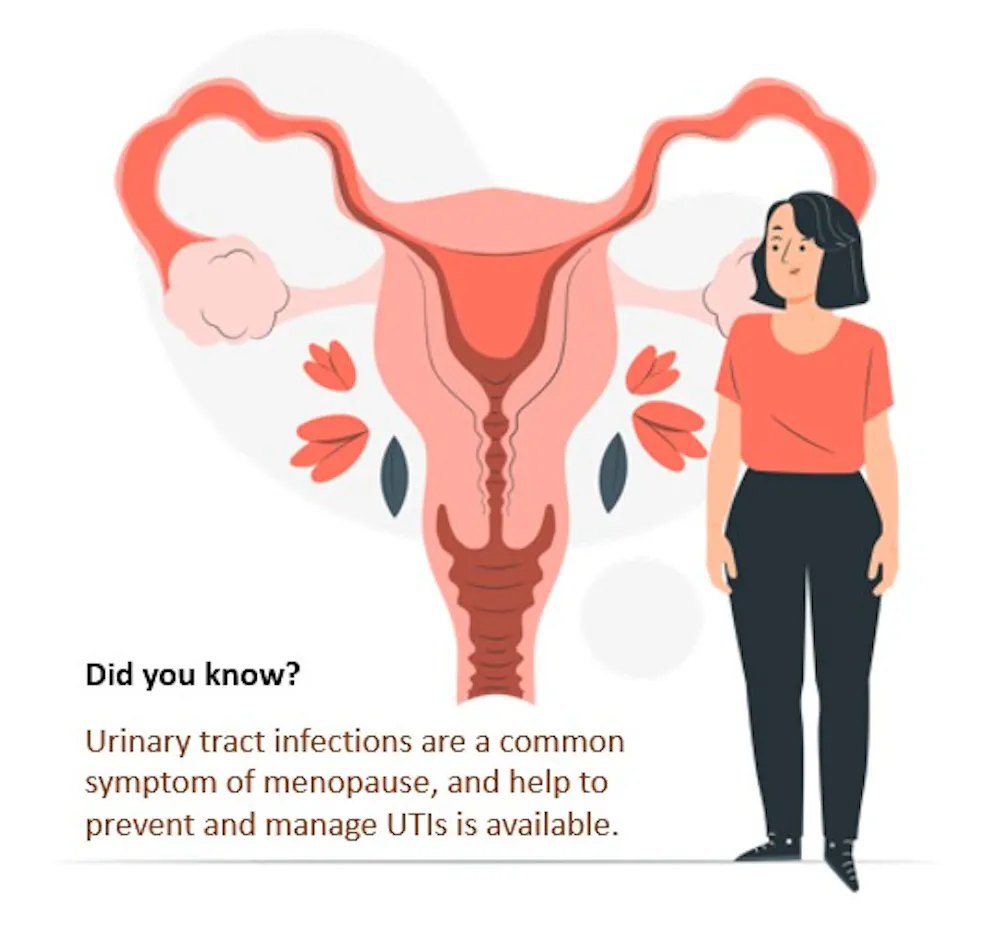
  • MIL-OSI Global: Preventing urinary tract infections after menopause: What every woman should know

    Source: The Conversation – Canada – By Erin A. Brennand, Gynecologist & Associate Professor, Cumming School of Medicine, University of Calgary

    There is more information available about urinary tract infections today than ever before. (Shutterstock)

    After menopause, urinary tract infections (UTIs) can be more frequent, yet most Canadian women (82 per cent in a recent survey) don’t realize the two are associated.

    At the Sex, Gender and Women’s Health Research Hub, our team’s advocacy aims to increase awareness and highlight proven strategies to help prevent UTIs for women later in life.

    Why are UTIs more common after menopause?

    The main culprit for increased UTIs in menopausal women is the drop in estrogen levels. Estrogen plays a crucial role in maintaining urinary tract tissue health.

    As estrogen declines, the lining of the urethra — the tube through which urine flows out of the body — becomes thinner and more fragile. Also, there are fewer infection-fighting blood cells in the urinary tract, and mucosal immunity — the specialized immune defences present at the mucosal surfaces lining the urinary tract that include physical and chemical barriers, cellular receptors and antibodies — is reduced.

    This weakens the local immune response, making it easier for bacteria to cause infections. Additionally, changes in vaginal flora — the bacteria that naturally protect against infections — results in the urinary tract being vulnerable.

    Knowledge is power during menopause.
    Servier Medical Art, CC BY

    Other factors can contribute to UTI risk at this stage of life, too. Women whose bladder muscles have weakened with age, or who have developed pelvic organ prolapse, can experience incomplete bladder emptying. This leads to urine retention and an increased chance of bacterial growth.


    Read more:
    Women having surgery to treat pelvic organ prolapse don’t always need a hysterectomy


    Similarly, if women experience urinary incontinence, the leakage and moisture on incontinence pads or underwear can create an environment where bacteria thrive. And while sexual activity itself does not directly cause UTIs, it can introduce bacteria into the urinary tract, increasing the risk of infection.

    Signs of a UTI

    Bacteria in the urine without symptoms is called asymptomatic bacteriuria. It is not a UTI and should not be treated; a UTI is only diagnosed when bacteria and symptoms are both present. The most obvious symptoms include:

    • A new, strong, persistent urge to urinate;
    • A burning sensation while urinating;
    • Frequent urination in small amounts;
    • Pelvic discomfort or pressure.

    In severe cases, UTIs can lead to kidney infections, so when symptoms include fever, chills and back pain, it is essential to seek immediate medical attention.

    For women in their 80s or older, or sometimes younger women who are living with medical conditions such as dementia, urinary tract infections can manifest as behavioural changes such as confusion, withdrawal or reduced appetite. However, new onset delirium should always be investigated by a medical team rather than assumed to be a UTI.

    Evidence-based strategies to prevent UTIs

    Several medical and lifestyle interventions can make a significant difference:

    1. Vaginal estrogen therapy

    One of the most effective ways to prevent recurrent UTIs in postmenopausal women is vaginal estrogen therapy, which delivers small doses of estrogen directly to the vaginal tissues through creams, tablets or rings. Studies have shown that vaginal estrogen can restore the natural protective barrier of the urinary tract, reducing UTI risk significantly. It can be used by breast cancer survivors as it does not have the same risks associated with menopause hormone therapy (MHT).

    2. Non-antibiotic prevention

    Methenamine hippurate (one gram orally, twice-a-day) is effective in reducing UTIs by creating an environment that prevents bacterial growth. In Canada, women need to obtain this medication from a compounding pharmacy.

    3. Low-dose antibiotic
    Doctors may prescribe low-dose antibiotics – about half the standard dose – for several months. If sexual activity is a trigger for UTIs, antibiotics can be used episodically after sex. However, antibiotics can cause side-effects and create antibiotic-resistant bacteria.
    4. Diet supplements
    Scientific evidence on consuming cranberry-based products to prevent UTIs is mixed. Some studies suggest that certain compounds in cranberries (proanthocyanidins, or PACs) prevent bacteria from adhering to the bladder lining, while others show no benefit. If trying these products, women should choose brands with high concentrations of PACs, the active ingredient.

    Similarly, probiotics, especially those containing Lactobacillus strains, may help maintain a healthy vaginal microbiome, which in turn can lower UTI risk. However, research is still evolving.

    5. Hygiene and lifestyle habits
    Though there is limited evidence, simple everyday habits may help in preventing UTIs:

    • Staying hydrated – Drinking water helps to flush bacteria from the urinary tract. For women who drink a low volume of fluids each day (less than 1.5 litres), increasing water intake may help.
    • Urinating regularly – Avoid holding urine for long periods and aim to void every three to four hours during the day.
    • Urinating after sex – This helps clear bacteria introduced during intercourse.
    • Choosing breathable underwear – Cotton underwear and loose-fitting clothes reduce build up of moisture, which in turn reduces bacterial growth.

    More innovations on the horizon

    Vaccines are one of the most promising developments for preventing recurrent UTIs. In one early trial, overall recurrences decreased by 75 per cent for women given an oral vaccine, with no major side-effects reported.

    Trials are currently under way in Canada, and researchers hope vaccines will provide a more effective and long-term solution.

    Treatment and support for UTIs.
    People illustrations by Storyset, CC BY

    When to see a doctor

    Any woman who is experiencing frequent UTIs — defined as two infections in six months or three in a year — in menopause should talk to their doctor or primary care provider. Together, they can determine the best preventive targeted strategies.

    Knowledge is power, and there is more information available today than ever before. UTIs are not an inevitable part of aging. With the right combination of medical treatments and lifestyle changes, women can reduce postmenopausal risk.

    Erin A. Brennand receives funding from the Canadian Institutes of Health Research, Social Sciences and Humanities Research Council, the Calgary Health Foundation, and the MSI Foundation (all paid to institution).

    Jayna Holroyd-Leduc has received funding from CIHR and Alberta Innovates. She holds the BSF Chair in Geriatric Medicine at the University of Calgary.

    Pauline McDonagh Hull does not work for, consult, own shares in or receive funding from any company or organisation that would benefit from this article, and has disclosed no relevant affiliations beyond their academic appointment.

    ref. Preventing urinary tract infections after menopause: What every woman should know – https://theconversation.com/preventing-urinary-tract-infections-after-menopause-what-every-woman-should-know-255762

    MIL OSI – Global Reports

  • MIL-OSI Russia: Israeli army confirms killing of Hamas leader and two commanders in Gaza

    Translation. Region: Russian Federal

    Source: People’s Republic of China in Russian – People’s Republic of China in Russian –

    Source: People’s Republic of China – State Council News

    JERUSALEM, June 1 (Xinhua) — The Israeli military on Saturday confirmed the death of Mohammed Sinwar, a senior Hamas commander and head of the group’s military wing in Gaza, in an airstrike earlier this month.

    A joint statement from the Israel Defense Forces (IDF) and the country’s Shin Bet security service said Sinwar was killed on May 13 in a targeted attack on an underground command center located beneath the European Hospital in the southern Gaza Strip. The Israeli military accused Hamas of using the hospital as a cover, putting civilians at risk.

    According to the IDF, M. Sinwar, 49, is one of Hamas’s most senior and longest-serving military leaders, and played a key role in planning the October 7, 2023 attack on Israel that led to the current conflict.

    Israeli Prime Minister Benjamin Netanyahu announced Sinwar’s death earlier this week in a speech to the Israeli parliament.

    The strike also killed two other senior Hamas commanders: Muhammad Shabana, who led the Rafah Brigade, and Mahdi Quara, commander of the Khan Younis Battalion. The IDF said both men were involved in the October 7, 2023, attack and later led attacks on Israeli troops, including hostage-taking and rocket fire.

    Earlier, Gaza health authorities said the Israeli strike had killed at least six people and wounded 40. Hamas has not issued an official statement confirming Sinwar’s death.

    M. Sinwar was the younger brother of Yahya Sinwar, the former leader of the Hamas movement in the Gaza Strip, who was killed in a clash with the IDF in October 2024. –0–

    MIL OSI Russia News

  • MIL-OSI Russia: K. Idris sworn in as new Sudan Prime Minister

    Translation. Region: Russian Federal

    Source: People’s Republic of China in Russian – People’s Republic of China in Russian –

    Source: People’s Republic of China – State Council News

    KHARTOUM, June 1 (Xinhua) — Kamil Idris was sworn in as Sudan’s new prime minister on Saturday before Abdel Fattah al-Burhan, head of the country’s ruling Transitional Sovereign Council, the council said in a statement.

    Following the ceremony, A.F. al-Burhan and other council members met with K. Idris to discuss the government’s priorities, including stabilizing the economy, protecting the livelihoods of civilians and restoring order in all states of the country, the statement said.

    The appointment of K. Idris was formally approved on May 19 by a constitutional decree of A.F. Al-Burhan, who is also the Commander-in-Chief of the Sudanese Armed Forces. The decision was welcomed by the UN, the African Union Commission and the Intergovernmental Authority on Development (IGAD).

    Sudan’s prime ministership has been vacant since Abdallah Hamdok resigned in January 2022 following a military coup led by A.F. al-Burhan in October 2021. Hamdok and other civilian leaders were briefly detained and then reinstated under a short-term power-sharing agreement. He resigned weeks later, warning that Sudan was at a “dangerous crossroads” as mass protests against military rule erupted across the country.

    K. Idris holds a Doctorate in International Law and previously served as Director General of the World Intellectual Property Organization and Secretary General of the International Union for the Protection of New Varieties of Plants.

    Sudan remains engulfed in conflict between the country’s armed forces and the paramilitary Rapid Intervention Forces, which erupted in April 2023. The fighting has killed tens of thousands of people and displaced millions more both inside and outside the country, deepening Sudan’s humanitarian crisis. –0–

    MIL OSI Russia News

  • MIL-OSI Global: Sexism in science: 7 women whose trailblazing work shattered stereotypes

    Source: The Conversation – Africa – By Christa Kuljian, Research Associate, WiSER, University of the Witwatersrand

    Seven women were part of a trailblazing network of feminist scientists in the 1970s, 1980s, and 1990s in the Boston area in the US. Christa Kuljian is a science writer and historian of science who focuses much of her research on issues of science and society, gender and race. She is the author of two previous books of narrative nonfiction – Sanctuary and Darwin’s Hunch. In her new book Our Science, Ourselves she focuses on the life stories of the seven women. We asked her about her book.

    How did you choose the scientists you focused on in the book?

    I grew up in the Boston area in the 1970s, and in high school, my parents gave me a copy of the revolutionary guide to women’s health, Our Bodies, Ourselves, which was published by the Boston Women’s Health Book Collective. In the early 1980s, I studied the history of science at Harvard and took a course with Ruth Hubbard called Bio 109: Biology and Women’s Issues.

    Hubbard, in 1974, was the first woman to achieve tenure in biology at Harvard, and she features in the book. Her course taught about how scientists, including Charles Darwin, promoted stereotypes and myths about women’s biology. The idea for Our Science, Ourselves grew from that formative experience in Hubbard’s course.

    But it also had roots in another, more recent experience. In 2016, I published Darwin’s Hunch: Science, Race and the Search for Human Origins, about the history of palaeoanthropology in South Africa. The book explores questions that some of my history of science professors might have asked. What influence did the social and political context of colonialism and apartheid have on the search for human origins?

    After it was published, I was struck by several stories that brought science and sexism into the popular media. In July 2017, James Damore at Google wrote that “the gender gap in tech” likely existed because of biological differences between men and women, and he received support from popular psychologist Jordan Peterson.

    In September 2018, an Italian physicist, Alessandro Strumia, said that the low number of women in physics was proof that women were innately less capable than men. He suggested that male scientists were being discriminated against to give opportunities to women.

    These statements reminded me of what former Harvard president Larry Summers had said back in 2005. Drawing on the work of psychologist and popular writer Steven Pinker, Summers spoke of women having a “different availability of aptitude” in science and math.

    Why were these myths about women’s biology still having an impact in the 21st century? I decided to go back to my class notes and look more closely at Hubbard’s research. Who had she worked with at the time? What were other scientists with a feminist awareness saying in the 1970s and 1980s?

    As a result of many interviews, and research in the archives, I discovered a fascinating network of women, all of whom contributed to feminist critiques of science, and ultimately to the field of feminist science studies.

    Our Science, Ourselves follows the lives of Ruth Hubbard, Rita Arditti, Evelyn Fox Keller, Evelynn Hammonds, Anne Fausto-Sterling, Banu Subramaniam and Nancy Hopkins.

    None of these women scientists were born in Boston, but they all moved there to study, take a job, conduct research, or network with other scientists. Part of what made Boston interesting to me was the critical mass of colleges, universities and scientists, but also the presence of social movements that influenced these women, including Science for the People, the Combahee River Collective and others.

    Could you tell us about one or two of these women’s stories?

    One of them is Rita Arditti. An Argentinian geneticist at Harvard Medical School, she led a protest in December 1969 at the annual conference of the American Association for the Advancement of Science in Boston. Along with 12 colleagues carrying posters and pamphlets, she arrived unannounced at a special luncheon for women scientists, calling for an end to discrimination against women in science. Most of the women ignored Arditti, but Hubbard was in the audience and paid attention. The protest did have a ripple effect on the association.

    Over time, Arditti and Hubbard became friends, became active in a new organisation called Science for the People, and began to write not only about discrimination against women scientists, but also about how science portrayed women’s biology in stereotypical ways.

    Another is Evelynn Hammonds, who studied physics at Spelman College, a historically Black women’s college in Atlanta. In 1976, she read an important report, The Double Bind: The Price of Being a Minority Woman in Science, co-authored by Shirley Malcom and published by the American Association for the Advancement of Science.

    With Malcom’s encouragement, Hammonds applied to and was accepted at MIT in the Boston area. Over time, she joined a growing network of women who were critiquing their science. She became a teaching assistant for Hubbard and rented an apartment from Arditti, and became a foundational influence in gender, race and the history of science.

    Hammonds emphasised that when speaking out against scientific sexism it was important to speak out against scientific racism as well, and that it was critical to address both.

    How do the current US administration policies on science and diversity relate to your book?

    Sudip Parikh, the CEO of the American Association for the Advancement of Science, said in testimony before the US Senate appropriations committee on 30 April 2025:

    The scientific community is in paralysis right now.

    The current attack on science has had a major impact, ending funding for important scientific research. Young scientists and science students are concerned for their future. The US administration’s policy of cutting funds to any programmes related to diversity or equity is an onslaught on decades of progress in this area, and will have a grave impact on the scientific research agenda.

    There is a growing list of words that have been scrubbed from US government websites and documents, including “women”, “race”, “racism”, “feminism”, “activist” and “bias”. The use of any of these words in scientific research proposals can result in federal funding being cut. For example, the US Food and Drug Administration published an announcement in mid-2024 that discussed the importance of diversity in clinical trials. That document is no longer available on the website.

    The women in Our Science, Ourselves made important contributions by highlighting how scientific institutions historically have been exclusionary. They also shone a light on how scientific research questions and analysis can be biased (rather than always neutral or objective), thereby affecting the knowledge they produce.

    The tools that feminist science studies has developed are critical to the sciences because they ask new questions, and develop new methodologies that help science account for gender and racial bias. Who is doing science? Who decides on the research questions? Who offers analysis and who benefits?

    The US administration’s actions are a major setback for science and scientific research, as well as gender, race and sexuality studies, which have made vital contributions to science, medicine and technology. The history of these fields and the life stories of some of the dynamic women in them, can offer readers inspiration for the present moment.

    Our Science, Ourselves is available from University of Massachusetts Press and Amazon in the US, on Kindle, and from Love Books in Johannesburg, South Africa.

    Christa Kuljian received research funding from Harvard University’s Schlesinger Library on the History of Women in America and from the Consortium for History of Science, Technology and Medicine (CHSTM) in Philadelphia. She is a member of the History of Science Society.

    ref. Sexism in science: 7 women whose trailblazing work shattered stereotypes – https://theconversation.com/sexism-in-science-7-women-whose-trailblazing-work-shattered-stereotypes-257265

    MIL OSI – Global Reports

  • MIL-OSI Russia: In China, Children Aim for a Healthier Future

    Translation. Region: Russian Federal

    Source: People’s Republic of China in Russian – People’s Republic of China in Russian –

    Source: People’s Republic of China – State Council News

    BEIJING, June 1 (Xinhua) — On a warm weekend in early summer, thousands of muddy, out of breath but determined children ran, crawled and climbed during the Spartan Kids obstacle race in Beijing.

    The race, which was held on May 24-25 at the Universal Beijing Resort theme park, namely the Universal CityWalk, involved children aged 4 to 14, who covered distances of 3 to 5 km with 18 to 26 obstacles. The children jumped over walls, climbed nets and clung to bars, while their parents applauded wildly from the sidelines.

    “There are definitely times when my kids feel exhausted and want to give up, but that’s part of growing up,” six-time Olympic champion Ma Long said after jogging alongside his sons.

    The growing popularity of events like the Spartan Kids obstacle race reflects a growing interest in children’s fitness in China, as well as a national push to get more children physically active, especially at a time when childhood obesity is becoming a major public health issue.

    Nearly 19 percent of children in China aged 6 to 17 are overweight or obese, according to the National Health Commission (NHC). Research suggests that the overweight and obesity rate among Chinese children could reach 31.8 percent by 2030.

    In response, China is stepping up efforts to reverse this trend. Notably, a three-year national weight-loss campaign was launched in 2024, while the government is also calling for stricter weight control measures among infants, children and adolescents.

    In April 2025, the NHC issued a notice calling on relevant hospitals, including children’s hospitals and traditional Chinese medicine hospitals, to establish specialized weight loss clinics.

    The country is also placing greater emphasis on physical education in schools. In Beijing, new guidelines call for more intensive physical education classes designed to make students “work up a sweat.”

    Liang Jiaqi, a 12-year-old fifth-grader in Beijing, is one of many students embracing the breaks. His school now offers daily physical education classes, as well as regular long breaks that provide plenty of time for active recreation.

    He said running is his favourite way to stay active, and he has also recently taken up table tennis, playing the sport daily with his younger brother and his neighbouring friends.

    “Sports makes me feel relaxed and happy,” he said. “I have made new friends and I eat better after training.”

    On International Children’s Day this year, Liang Jiaqi is putting her passion into practice by competing in orienteering. “It sounds fun and creative! I hope I can do it!” -0-

    MIL OSI Russia News

  • MIL-OSI Africa: Sexism in science: 7 women whose trailblazing work shattered stereotypes

    Source: The Conversation – Africa – By Christa Kuljian, Research Associate, WiSER, University of the Witwatersrand

    Seven women were part of a trailblazing network of feminist scientists in the 1970s, 1980s, and 1990s in the Boston area in the US. Christa Kuljian is a science writer and historian of science who focuses much of her research on issues of science and society, gender and race. She is the author of two previous books of narrative nonfiction – Sanctuary and Darwin’s Hunch. In her new book Our Science, Ourselves she focuses on the life stories of the seven women. We asked her about her book.

    How did you choose the scientists you focused on in the book?

    I grew up in the Boston area in the 1970s, and in high school, my parents gave me a copy of the revolutionary guide to women’s health, Our Bodies, Ourselves, which was published by the Boston Women’s Health Book Collective. In the early 1980s, I studied the history of science at Harvard and took a course with Ruth Hubbard called Bio 109: Biology and Women’s Issues.

    Hubbard, in 1974, was the first woman to achieve tenure in biology at Harvard, and she features in the book. Her course taught about how scientists, including Charles Darwin, promoted stereotypes and myths about women’s biology. The idea for Our Science, Ourselves grew from that formative experience in Hubbard’s course.

    But it also had roots in another, more recent experience. In 2016, I published Darwin’s Hunch: Science, Race and the Search for Human Origins, about the history of palaeoanthropology in South Africa. The book explores questions that some of my history of science professors might have asked. What influence did the social and political context of colonialism and apartheid have on the search for human origins?

    After it was published, I was struck by several stories that brought science and sexism into the popular media. In July 2017, James Damore at Google wrote that “the gender gap in tech” likely existed because of biological differences between men and women, and he received support from popular psychologist Jordan Peterson.

    In September 2018, an Italian physicist, Alessandro Strumia, said that the low number of women in physics was proof that women were innately less capable than men. He suggested that male scientists were being discriminated against to give opportunities to women.

    These statements reminded me of what former Harvard president Larry Summers had said back in 2005. Drawing on the work of psychologist and popular writer Steven Pinker, Summers spoke of women having a “different availability of aptitude” in science and math.

    Why were these myths about women’s biology still having an impact in the 21st century? I decided to go back to my class notes and look more closely at Hubbard’s research. Who had she worked with at the time? What were other scientists with a feminist awareness saying in the 1970s and 1980s?

    As a result of many interviews, and research in the archives, I discovered a fascinating network of women, all of whom contributed to feminist critiques of science, and ultimately to the field of feminist science studies.

    Our Science, Ourselves follows the lives of Ruth Hubbard, Rita Arditti, Evelyn Fox Keller, Evelynn Hammonds, Anne Fausto-Sterling, Banu Subramaniam and Nancy Hopkins.

    None of these women scientists were born in Boston, but they all moved there to study, take a job, conduct research, or network with other scientists. Part of what made Boston interesting to me was the critical mass of colleges, universities and scientists, but also the presence of social movements that influenced these women, including Science for the People, the Combahee River Collective and others.

    Could you tell us about one or two of these women’s stories?

    One of them is Rita Arditti. An Argentinian geneticist at Harvard Medical School, she led a protest in December 1969 at the annual conference of the American Association for the Advancement of Science in Boston. Along with 12 colleagues carrying posters and pamphlets, she arrived unannounced at a special luncheon for women scientists, calling for an end to discrimination against women in science. Most of the women ignored Arditti, but Hubbard was in the audience and paid attention. The protest did have a ripple effect on the association.

    Rita Arditti in the lab circa late 1960s. Courtesy Federicho Muchnik.

    Over time, Arditti and Hubbard became friends, became active in a new organisation called Science for the People, and began to write not only about discrimination against women scientists, but also about how science portrayed women’s biology in stereotypical ways.

    Ruth Hubbard and student Kathy Kleeman in the lab, circa early 1970s. Photography by Starr Ockenga, courtesy Schlesinger Library, Harvard University.

    Another is Evelynn Hammonds, who studied physics at Spelman College, a historically Black women’s college in Atlanta. In 1976, she read an important report, The Double Bind: The Price of Being a Minority Woman in Science, co-authored by Shirley Malcom and published by the American Association for the Advancement of Science.

    Evelynn Hammonds at the podium, 1994. Courtesy MIT Museum.

    With Malcom’s encouragement, Hammonds applied to and was accepted at MIT in the Boston area. Over time, she joined a growing network of women who were critiquing their science. She became a teaching assistant for Hubbard and rented an apartment from Arditti, and became a foundational influence in gender, race and the history of science.

    Hammonds emphasised that when speaking out against scientific sexism it was important to speak out against scientific racism as well, and that it was critical to address both.

    How do the current US administration policies on science and diversity relate to your book?

    Sudip Parikh, the CEO of the American Association for the Advancement of Science, said in testimony before the US Senate appropriations committee on 30 April 2025:

    The scientific community is in paralysis right now.

    The current attack on science has had a major impact, ending funding for important scientific research. Young scientists and science students are concerned for their future. The US administration’s policy of cutting funds to any programmes related to diversity or equity is an onslaught on decades of progress in this area, and will have a grave impact on the scientific research agenda.

    There is a growing list of words that have been scrubbed from US government websites and documents, including “women”, “race”, “racism”, “feminism”, “activist” and “bias”. The use of any of these words in scientific research proposals can result in federal funding being cut. For example, the US Food and Drug Administration published an announcement in mid-2024 that discussed the importance of diversity in clinical trials. That document is no longer available on the website.

    The women in Our Science, Ourselves made important contributions by highlighting how scientific institutions historically have been exclusionary. They also shone a light on how scientific research questions and analysis can be biased (rather than always neutral or objective), thereby affecting the knowledge they produce.

    The tools that feminist science studies has developed are critical to the sciences because they ask new questions, and develop new methodologies that help science account for gender and racial bias. Who is doing science? Who decides on the research questions? Who offers analysis and who benefits?

    The US administration’s actions are a major setback for science and scientific research, as well as gender, race and sexuality studies, which have made vital contributions to science, medicine and technology. The history of these fields and the life stories of some of the dynamic women in them, can offer readers inspiration for the present moment.

    Our Science, Ourselves is available from University of Massachusetts Press and Amazon in the US, on Kindle, and from Love Books in Johannesburg, South Africa.

    – Sexism in science: 7 women whose trailblazing work shattered stereotypes
    – https://theconversation.com/sexism-in-science-7-women-whose-trailblazing-work-shattered-stereotypes-257265

    MIL OSI Africa

  • MIL-OSI China: Kids race toward healthier futures in China

    Source: People’s Republic of China – State Council News

    Children students celebrate after participating in a tennis summer camp at a tennis club in Beijing, China, Aug. 14, 2024. (Xinhua/Cai Yang)

    On a warm weekend in early summer, thousands of muddy, panting and determined children sprinted, crawled and climbed their way through the obstacle-packed Spartan Kids race in Beijing.

    The race, held May 24-25 at Beijing’s Universal CityWalk, drew children aged 4 to 14 to tackle 3-to-5-kilometer courses featuring 18 to 26 obstacles. Kids vaulted over walls, scaled nets and grappled with monkey bars, while parents cheered wildly from the sidelines.

    “There are definitely moments when my children feel exhausted and want to give up, but that’s how they grow,” said six-time Olympic gold medalist Ma Long, after running alongside his sons.

    The rising popularity of events like the Spartan Kids race reflects a growing interest in children’s fitness in China, alongside a national push to get more kids moving — especially at a time when childhood obesity is becoming a serious public health concern.

    According to the National Health Commission (NHC), nearly 19 percent of Chinese children aged 6 to 17 are classified as overweight or obese. Research predicts that overweight and obesity rates among Chinese children could reach 31.8 percent by 2030.

    In response, China is stepping up efforts to alter this trend. Notably, a three-year national weight management campaign was launched in 2024, while the government is also calling for stronger weight control measures among infants, children and adolescents.

    In April 2025, the NHC issued a notice encouraging eligible hospitals, including children’s hospitals and traditional Chinese medicine hospitals, to establish specialized weight management clinics.

    The country is also placing greater emphasis on physical education (PE) in schools. In Beijing, new guidelines call for more intense PE classes, designed to make students “work up a sweat.”

    George Liang, aged 12 and a fifth grader in Beijing, is one of many students embracing the change. His school now has a PE class every day, along with regular long recess sessions that ensure plenty of time for outdoor activities.

    Liang revealed that running is his favorite way to stay active, while more recently he has also developed a love for table tennis, playing this sport daily with his younger brother and neighborhood friends.

    “Sports make me feel relaxed and happy,” he said. “I’ve made new friends, and I eat better after exercising.”

    This Children’s Day, Liang is putting his passion into action by competing in an orienteering race. “It sounds fun and creative! I hope I can do a great job!”

    Meanwhile, Hunan Province in central China has invited local sports clubs to co-teach school lessons, including swimming classes led by professional coaches. Shenzhen, located in south China’s Guangdong Province, began requiring one PE class per day at schools in early 2024, a decision which has seen the percentage of students earning “good” or “excellent” marks in national fitness tests increasing by over six percent in this city.

    Many families have shown enthusiasm for this shift in their own ways. In the case of Keke, who traveled from nearby Tianjin Municipality in north China to compete in Beijing, the Spartan race has become more than a sporting event for her family — instead becoming a way of life.

    “This is our sixth Spartan race,” said Keke’s mother. “We join whenever there’s a race in the Beijing-Tianjin-Hebei region, if we are free. This time, we also visited Universal Studios in Beijing. It has become our family tradition — fitness, travel and quality time all rolled into one.”

    At the finish line of the Spartan Kids race in the Chinese capital, kids could be seen sharing high-fives in celebration while parents snapped muddy selfies, prompting multiple Olympic champion Ma to exclaim: “I just hope they keep loving sports. And to all the parents out there — keep cheering and keep believing, your kids will go further than we ever did.”

    MIL OSI China News

  • PM Modi extends birthday wishes to Mansukh Mandaviya, lauds youth and sports efforts

    Source: Government of India

    Source: Government of India (4)

    Prime Minister Narendra Modi on Sunday extended warm birthday greetings to Union Minister of Youth Affairs and Sports, Mansukh Mandaviya, lauding his energetic efforts in promoting fitness, youth empowerment, and making India a sporting powerhouse.

    In a post on X, the Prime Minister wrote, “Best wishes to Shri Mansukh Mandaviya Ji on his birthday. He is energetically working towards making India a sporting powerhouse and empowering our youth. Equally commendable are his efforts towards the welfare of our workers, who play a key role in building a self-reliant India. May he lead a long and healthy life.”

    On the occasion of his birthday, Minister Mandaviya led the 25th edition of the nationwide ‘Fit India Sundays on Cycle’ initiative in Delhi. This edition was dedicated to the soldiers involved in Operation Sindoor.

    “Today’s edition is a tribute to our bravehearts who were part of Operation Sindoor. It is heartening to see citizens across the country pedal together for fitness and for our nation’s heroes,” he said.

    The ‘Fit Sunday’ movement witnessed enthusiastic participation across over 5,000 locations, continuing the momentum of 24 consecutive Sundays of public cycling events under the Fit India Movement. The initiative has evolved into a nationwide fitness campaign encouraging citizens to prioritize health and wellness.

    Union Minister Nitin Gadkari also greeted Mandaviya, saying, “My colleague in the Union Cabinet, Shri @mansukhmandviya ji, I wish you a very happy birthday. I pray to God for your good health, long life and happy life.”

    Born in Bhavnagar, Gujarat, in 1972, Mandaviya began his political career early, becoming the youngest MLA in Gujarat at the age of 28 in 2002.

    He was first inducted into the Union Cabinet in 2016 and held various portfolios, including Shipping, Road Transport, and Chemicals and Fertilisers. In 2021, he was elevated to Cabinet rank and appointed as Minister of Health and Family Welfare. In 2024, under the third Modi government, he took charge as Minister of Labour & Employment and Youth Affairs & Sports.

    (IANS)

  • MIL-OSI China: UNICEF launches campaign to empower children as climate leaders

    Source: People’s Republic of China – State Council News

    The “Step Up for Climate” campaign is launched in Beijing, May 30, 2025. [Photo provided to China.org.cn]

    UNICEF launched a six-month climate awareness campaign in Beijing on Friday aimed at encouraging Chinese children and adolescents to adopt low-carbon lifestyles and take active roles in addressing climate change.

    “Children are least responsible for climate change and the most affected by its impacts. But the right support is available. And children have the power to lead change,” said Amakobe Sande, UNICEF representative to China, during the launch ceremony of the “Step Up for Climate” campaign.

    The initiative, jointly organized by UNICEF China, the National Center for Climate Change Strategy and International Cooperation (NCSC), the Center for Environmental Education and Communications of the Ministry of Ecology and Environment (CEEC), and the Chinese Meteorological Society, will focus on empowering youth to become climate leaders at home, in schools and throughout their communities.

    Sande emphasized the increasing impact of extreme weather events on children’s health and well-being, as well as the growing risks for pregnant women. She highlighted UNICEF’s global and local initiatives to address these challenges, including efforts to reduce carbon emissions and prepare children to adapt to a changing climate.

    “UNICEF is working with China’s Ministry of Education to integrate green skills into technical and vocational education,” she noted. “We are also collaborating with the Ministry of Ecology and Environment to advocate for the incorporation of a child focus in the China National Climate Change Health Adaptation Action Plan (2024-2030).”

    Ding Ding, deputy director of the NCSC, spoke about the critical role young people play in tackling climate change.

    “Young people possess a keen awareness of global issues and a strong sense of responsibility,” she said, adding that rather than passively experiencing the impacts of climate change, they should actively shape solutions with their creativity, vitality and unique perspectives.

    Yan Shidong, director of the CEEC, noted that the initiative supports both China’s carbon peaking and carbon neutrality goals and serves as an essential platform for youth participation in global climate governance.

    “In recent years, university environmental groups in China have consistently developed innovative climate solutions,” Yan said. “At COP29 in Azerbaijan, Chinese youth delegates shared the story of China’s ecological civilization, presenting solutions inspired by Chinese wisdom.”

    During the launch event, young climate advocates showcased their projects. Student Ye Lisiqi introduced a school-based carbon market that rewards students with carbon credits for sustainable actions. The program includes competitions both within and between schools and has already cut carbon emissions by 880 kilograms.

    The “Step Up for Climate” campaign will run for six months, continuing through COP30, the 30th session of the Conference of the Parties to the United Nations Framework Convention on Climate Change.

    MIL OSI China News

  • MIL-OSI China: Chinese medical team, peacekeepers donate essentials to orphans in South Sudan

    Source: People’s Republic of China – State Council News

    The 12th batch of the Chinese medical team, in partnership with the 11th Chinese peacekeeping infantry battalion in South Sudan, on Friday donated essential goods to orphaned children at the Confident Children out of Conflict (CCC) Orphanage.

    The group donated milk powder, mosquito nets, maize flour, washing powder, books, school bags, soap, flip-flops, tables, and chairs, among other items.

    Robert Bida Samson, executive director of the CCC, a charity organization, said support from the Chinese medical teams over the past years has helped ease the burden of taking care of these children.

    “The Chinese medical teams have stood with the CCC, making sure that all the children receive medical services, screening them both here at the center and also in Juba Teaching Hospital when the sickness is too serious,” Bida said during the donation ceremony in Juba, the capital of South Sudan.

    The ceremony, held under the theme “One Sky One Dream,” coincided with the celebration of the 100th visit of the Chinese medical team to orphanages in South Sudan.

    Established in 2007, the center is home to orphans, abandoned children, and survivors of revenge attacks and gender-based violence.

    Bida commended the regular visits by the Chinese medical team, noting that these are critical to their longstanding partnership, which has empowered many vulnerable children at the center.

    “Some of these children are soon finishing school. I urge that through your empowerment, some of them could get employed at Juba Teaching Hospital to share responsibility with you,” he said.

    Gift Gibson Natana, deputy director general at Juba Teaching Hospital, commended the Chinese medical team for their dedication to providing medical services to orphans and communities in remote areas.

    “These programs benefit tens of thousands of vulnerable people,” Natana said.

    The 12th batch of the Chinese medical team, prior to visiting the CCC, also visited Juba Orphanage and Rock City Orphanage.

    Liu Hongyong, commander of the Chinese peacekeeping infantry battalion to the United Nations Mission in South Sudan (UNMISS), expressed hope that the support provided to the children would empower them to realize their future dreams.

    “We wish the children of the orphanage a joyful International Children’s Day. May this contribution add color to their lives and wings to their dreams. May they grow up healthy and strong,” Liu said.

    Huo Ying, deputy chief of mission at the Chinese Embassy in South Sudan, expressed her gratitude to the Chinese medical team and the Chinese peacekeeping force for their contribution toward peace and development in South Sudan.

    “These contributions made by the Chinese medical team have been a valuable legacy in bilateral friendship,” Huo said.

    She noted that the Chinese peacekeeping forces are participating in the UN peacekeeping operations in South Sudan, while the Chinese medical team is protecting the public health security of the South Sudanese.

    Huo also commended the contributions of Chinese companies toward the development of South Sudan, stressing that the Chinese people will always be the friends of the South Sudanese people.

    MIL OSI China News

  • MIL-OSI USA: Rep. Mike Levin Honors Rohen Vargo as May 2025 Constituent of the Month

    Source: United States House of Representatives – Representative Mike Levin (CA-49)

    May 31, 2025

    San Clemente, CA – Today, Rep. Mike Levin (CA-49) announced Rohen Vargo as his May 2025 Constituent of the Month for launching “Health in Your Hands,” a public health initiative that provides free blood pressure clinics in low-income neighborhoods in South Orange County.

    Rohen Vargo

    See below for Rep. Levin’s statement recognizing Rohen Vargo in the Congressional Record:

    “M. Speaker, I am proud to recognize Rohen Vargo as my May 2025 Constituent of the Month.

    “As Rohen grew up, he often took the blood pressure of his grandfather, who has Parkinson’s Disease. After learning about healthcare disparities in Orange County, Rohen felt called to action and launched ‘Health in Your Hands,’ a student-run blood pressure screening clinic that operates in low-income neighborhoods in South Orange County.

    “Health in Your Hands screens for hypertension and distributes free blood pressure cuffs and educational pamphlets. To date, they have screened over 90 adults and distributed over 400 free blood pressure cuffs.

    “Rohen’s dedication to helping others has made the community a healthier place, and I am proud to honor him as my Constituent of the Month.”

    ABOUT THE CONSTITUENT OF THE MONTH PROGRAM:

    Rep. Levin’s Constituent of the Month program recognizes outstanding North County San Diego and South Orange County residents who have gone above and beyond to help their neighbors, give back to their community, and represent the best of our country. Rep Levin’s April 2025 Constituent of the Month was Amanda Reuther, an advocate for children with disabilities, and his March 2025 Constituent of the Month was Michelle Gonzalez, President and CEO of TrueCare.

    ###

    MIL OSI USA News

  • MIL-OSI Europe: AFRICA/SUDAN – Humanitarian situation worsens as conflict intensifies

    Source: Agenzia Fides – MIL OSI

    Khartoum (Agenzia Fides) – The humanitarian crisis in Sudan is worsening as the war intensifies. According to the UN Secretary-General’s spokesperson, Stéphane Dujarric de la Rivière, the situation remains particularly dire in the town of El Fasher and the Abu Shouk refugee camp. Both locations are besieged by the Rapid Support Forces (RSF), which are constantly shelling them.The situation is also critical in South Kordofan and West Kordofan. According to the International Organization for Migration, around 2,800 people, mostly women and children, fled the renewed fighting in the town of Dibebad last week in South Kordofan. In West Kordofan, members of the Arab Misseriya tribal group, previously allied with the RSF paramilitary forces, are divided over whether to continue supporting the rebels or reach an agreement with the armed forces in Khartoum in the face of the advance of the regular army (Sudan Armed Forces, SAF).It is no coincidence that clashes have intensified in key strongholds, particularly in Darfur and Kordofan, where the RSF is pursuing plans to form a parallel government. Both sides are also conducting drone strikes on their respective political-military command centers: Nyala, the capital of South Darfur and a strategic center of the RSF, and Port Sudan, the current seat of the SAF-allied administration.Meanwhile, according to the United Nations, the cholera epidemic in Khartoum State (which includes the capital) has worsened, with the number of suspected cases increasing by 80% to over 8,500 in the last two weeks. Although the World Health Organization has delivered some medical supplies to Khartoum hospitals, “much more is needed to contain the epidemic,” Dujarric said. (LM.) (Agenzia Fides, 31/5/2025)
    Share:

    MIL OSI Europe News

  • MIL-OSI Russia: CPPCC National Committee Vice Chairperson Shen Yueyue Visits Tajikistan

    Translation. Region: Russian Federal

    Source: People’s Republic of China in Russian –

    Source: People’s Republic of China – State Council News

    DUSHANBE, May 31 (Xinhua) — Shen Yueyue, vice-chairwoman of the National Committee of the Chinese People’s Political Consultative Conference (CPPCC) and chairwoman of the Shanghai Cooperation Organization Committee on Good-Neighborliness, Friendship and Cooperation, visited Tajikistan from May 30 to 31. During the visit, she met with President Emomali Rahmon.

    Shen Yueyue conveyed warm greetings from Chinese President Xi Jinping to E. Rahmon and noted that under the strategic guidance of the two heads of state, the China-Tajikistan comprehensive strategic cooperative partnership in the new era has maintained good momentum of development. China is willing to work with Tajikistan to implement the important consensus reached by the heads of state and promote in-depth and practical cooperation to build a community with a shared future for China and Tajikistan. China is an activist and participant in global environmental governance and glacier protection, and is willing to work with all parties to fulfill common but differentiated responsibilities and build a clean and beautiful world.

    E. Rahmon asked Shen Yueyue to convey his sincere greetings to President Xi Jinping and reaffirmed that Tajikistan will actively participate in the high-quality joint construction of the Belt and Road, firmly support the three major global initiatives proposed by President Xi Jinping, and jointly build the China-Central Asia mechanism. Tajikistan is willing to deepen cooperation with China in various fields and international cooperation on issues such as combating climate change.

    Shen Yueyue attended and delivered a speech at the First International High-Level Conference on Glacier Protection, met with the Chairman of the Majlisi Namoyandagon Majlisi Oli (lower house of parliament) of the Republic of Tajikistan Faizali Idizoda, and also participated in the opening ceremony of the Center for China-Tajik Cooperation on the Prevention of Blindness within the framework of the “Health Express”. –0–

    MIL OSI Russia News

  • MIL-OSI USA: Safeguarding Long Island’s Public Hospital

    Source: US State of New York

    overnor Kathy Hochul today announced four appointments to the newly restructured Board of Directors for the Nassau Health Care Corporation (NHCC), which oversees the Nassau University Medical Center (NUMC), Nassau County’s only public hospital. The appointments coincide with the implementation of a new state law, taking effect June 1, 2025, that significantly reforms NHCC governance, enhances state oversight and sets a path forward for strengthening NUMC’s financial and operational stability. Governor Hochul also designated Stuart Rabinowitz, Esq., former President of Hofstra University and a longtime leader in higher education and public policy, as Chair of the Board.

    “NUMC is a vital lifeline for so many on Long Island, and today we are taking long-overdue steps to ensure it has the leadership and oversight it needs to thrive,” Governor Hochul said. “These new appointments, and the new authority granted to the state and NIFA, will help ensure accountability, responsible fiscal management and high-quality care for the communities NUMC serves. Stuart Rabinowitz is a respected and visionary leader, and I can’t think of a better person to help lead this next chapter for NUMC.”

    Nassau University Medical Center Board Chair Stuart Rabinowitz said, “NUMC is a critical safety-net institution that has suffered from years of dysfunction and mismanagement. I’m grateful to Governor Hochul for the trust she’s placed in me, and I’m eager to get to work with my fellow board members to restore public confidence, implement long-overdue reforms and put this hospital back on a path to stability and excellence.”

    About the Governance Reforms Taking Effect June 1:

    • The NHCC Board of 11 members will include six appointed by the Governor (one each upon recommendation of the Assembly Speaker and Senate Temporary President), two by the Nassau County Executive, two by the majority of the Nassau County Legislature, and one by the minority.
    • The Governor will designate the Board Chair.
    • The Nassau County Executive will no longer have approval authority over the NHCC CEO.
    • The Nassau Interim Finance Authority (NIFA) will have enhanced oversight, including the power to approve NHCC contracts exceeding $1 million and, under specific conditions, the authority to declare a control period over NHCC.
    • NHCC is required to conduct and submit a study by December 1, 2026, exploring options to strengthen NUMC.

    Governor Hochul’s two remaining appointments, one each recommended by the Speaker of the Assembly and the Temporary President of the Senate, will be announced in coordination with legislative leaders. Once the appointments take effect on June 1, the new board is expected to call a special meeting to set NHCC on a path toward stability.

    Governor Hochul’s Appointees to the NHCC Board:

    Stuart Rabinowitz, Esq. (Chair)

    Stuart Rabinowitz is Senior Counsel at Meltzer, Lippe, Goldstein & Breitstone, LLP, where he focuses on state and federal litigation, constitutional law, civil rights, and education law. He served for over 20 years as President of Hofstra University, where he significantly expanded the institution’s academic footprint, including the creation of a medical school, and raised its national profile by hosting three U.S. presidential debates. A former constitutional law professor and nationally recognized policy leader, he holds a J.D., magna cum laude, from Columbia Law School and is a member of Phi Beta Kappa. His decades of experience leading large public-serving institutions make him uniquely qualified to help guide NUMC’s revitalization.

    Amy Flores

    Amy Flores is an experienced executive with more than 15 years in financial services, public administration, and economic development. She currently serves as Community Manager at JPMorgan Chase, where she leads initiatives focused entirely on collaborating with local leaders across sectors to understand and address community challenges. She previously served as Executive Director of the Nassau County Office of Hispanic Affairs and has held senior roles in banking. Amy serves on the boards of CARECEN and Círculo de la Hispanidad and has been recognized by City & State and Long Island Business News as one of Long Island’s most influential civic leaders. Amy holds a Bachelor of Business Administration (BBA) degree from Hofstra University and Certificate of Completion with Honors from Hofstra University’s ABA Accredited Paralegal Studies Program.

    Dean Mihaltses, RPh, BPS, MPA

    Dean Mihaltses is a veteran health care executive and licensed pharmacist with over 40 years of experience in hospital operations, public health policy, and clinical pharmacy services. He most recently served as Interim CEO and COO at NYC Health + Hospitals/Queens, where he managed hospital operations, emergency preparedness and strategic initiatives in one of the city’s busiest public hospitals. Earlier roles included Director of Pharmacy Services at Jacobi & Elmhurst hospitals and health care consultant for skilled nursing and developmental disability facilities. He is a Fellow of several national professional associations and continues to mentor future health professionals.

    Lisa Warren

    Lisa Warren is President of Placid, LLC, a Long Island-based real estate investment and management firm, and a civic leader with a dedicated record of leadership and engagement, including as a Commissioner on the Nassau County Planning Commission. With over 30 years of experience in business and philanthropy, she supports youth development, education and the arts across Nassau County. She is especially active in expanding access to youth sports and serves on the boards of the Long Island Children’s Museum and Ice Hockey in Harlem. She holds degrees from Hofstra and Duke Universities and a diploma from the French Culinary Institute.

    MIL OSI USA News

  • MIL-OSI Economics: RBI: Stability, Trust, Growth –

    Source: Reserve Bank of India

    A strong and resilient financial system is the bedrock on which the edifice of economic prosperity of a nation is built. Reserve Bank of India is the custodian of our financial system. It completed 90 years of its journey yesterday. The theme for our 90th year was ‘Stability, Trust and Growth’.

    It embodies all that RBI stands for. It is apt we introspect on the past and how we can better discharge our mandate of ensuring monetary and financial stability; enhancing trust in the financial system; and supporting economic growth and improving the well-being of our people.

    Price stability

    Stability refers to stability of prices. This is important as inflation erodes the value of money. It hurts people; it hurts the poor even more. However, not all inflation is bad. Experts believe that a moderate level of inflation is healthy for economic growth. If inflation is too low, the economy faces stagnation risks. If it is too high, prices become unpredictable, making it difficult for consumers and businesses to plan and invest. We have chosen a target of 4% with a band of 2% for CPI inflation.

    CPI inflation has mostly stayed aligned with the target. The flexible inflation targeting is due for review. We will collaborate with govt to not only improve the framework but also to obtain, through appropriate monetary and fiscal policies, ‘Goldilocks conditions’ for inflation and growth.

    Financial stability

    Stability also refers to financial stability, which complements price stability in meeting growth and other developmental objectives. We have had a stable financial system – a system that has smoothly supported real sector economic activities even during periods of stress. Financial institutions have performed well. Banks and NBFCs are stronger and well capitalised to carry out financial intermediation effectively.

    External stability

    Stability includes stable foreign exchange rates, important for not only importers, exporters and investors but also the general public. India’s forex market has the required depth and liquidity to weather pressures, such as those seen in the last few months.

    Healthy levels of forex reserves and a manageable current account balance are also reassuring. Reserve Bank shall continue to be supportive, to manage excessive volatility without targeting any particular level or band of exchange rate.

    Trust

    Trust is important for multiple reasons to a central bank. Currency will serve its purpose only if the public trusts it to be safe to use. The public relies on trust when they deposit their hard-earned money in banks. Monetary policy requires trust to keep inflation expectations anchored. Trust is important for financial stability. It is integral to the integrity of financial markets and payments and settlement systems. We’ll continue to strengthen the trust the public has reposed in us. Ensuring quality customer service and experience is vital to retaining people’s trust. We’ll partner with financial institutions to improve services and reduce grievances.

    Independence of a central bank is important to generate trust. However, independence demands transparency. Independence doesn’t preclude consultation, whether with the general public, regulated entities, other financial regulators or govt. In fact, it becomes even more imperative. Independence also requires higher accountability. We have been deeply conscious of this and will endeavour to further improve transparency, enhance consultation, coordination and collaboration and raise accountability through various measures.

    Growth

    PM has envisioned a Viksit Bharat by 2047. This entails inclusive and accelerated economic growth. Policymaking has to be both pragmatic and visionary for India’s growth to leapfrog. RBI has a track record of introducing innovative policy measures while ensuring stability. Its response to the pandemic is a case in point.

    We’ll continue to be proactive, agile and flexible in our attempt to support economic growth. While we have come a long way in improving financial inclusion, we’ll work with financial institutions to expand access, especially to the bottom of the pyramid. We’ll encourage banks and NBFCs to leverage data and advanced tech to enhance their capacity for lending. This has the potential to accelerate supply of credit in the economy, without compromising on financial stability, to drive investment and economic growth.

    Moreover, as we grow and further integrate into the global economy in our journey of becoming a developed economy, our payment systems and currency have to be widely recognized worldwide. We’ve already taken some steps in this regard. We’ll continue to take initiatives to internationalise the rupee and globalise India’s payment systems.

    Tech

    Rapid advances in tech have facilitated RBI to fulfil its mandate of stability, trust and growth. Digitalisation of various banking services, UPI, and Account Aggregator are a few examples in this regard. It is imperative we harness tech and support innovation to further deepen and widen financial inclusion; improve monetary policy, banking, and currency management including central bank digital currency; universalise payment systems; expand credit including through Unified Lending Interface; and enhance customer experience.

    On this occasion, I would like to reassure all that we’ll continue to maintain the highest standards of professionalism and uphold the values of public service – integrity, impartiality, industriousness, objectivity, accountability, decisiveness, and transparency. We shall continue to foster a safe, secure and stable financial system to meet the aspirations of our country and its citizens. The aspirational goals Reserve Bank has set for itself to become a leading central bank are undeniably demanding, yet rewarding and inevitable.

    As Mahatma Gandhi had said, “The future depends on what we do in the present.” RBI rededicates itself in the service of the nation.

    (Published as a column in Times of India, on April 01, 2025)

    MIL OSI Economics