Category: Health

  • MIL-OSI United Kingdom: Digital mental health technologies guidance launched to help manufacturers and safeguard users

    Source: United Kingdom – Executive Government & Departments

    New guidance helps manufacturers navigate medical device regulations and protect users of digital mental health technologies.

    The Medicines and Healthcare products Regulatory Agency (MHRA) has today issued new guidance to help manufacturers meet UK medical devices regulations and ensure digital mental health technologies are effective, reliable and acceptably safe.

    From mental health apps, AI-powered assessments, and virtual reality therapy, digital mental health technologies are increasingly used by individuals and the NHS to support mental health.

    Digital mental health technologies that diagnose, prevent, or treat conditions using complex software must meet medical device standards to ensure they are effective and acceptably safe, just like any other medical device. Manufacturers may be unsure how medical devices regulations apply to software, which products are regulated, how they are assessed, and what evidence is required.

    This new guidance explains:

    • How to define and communicate the intended purpose of a digital mental health technology
    • When a digital mental health technology is considered a medical device under UK law.
    • How risk classification is determined, ensuring proportionate regulation for different types of technologies.

    For people using mental health apps, this means greater confidence in the tools they rely on.

    Rob Reid, Deputy Director of Innovative Devices at the MHRA, said:

    Effective and acceptably safe digital tools have huge potential to improve mental health support, making help more accessible than ever. This new guidance aims to support safe access to these important tools by clarifying when a product needs regulatory approval and the steps developers must take. Maintaining clear and proportionate regulatory standards will ensure that the public can trust these technologies and benefit from the safe, effective mental health support they can provide.

    The guidance is one of the outputs from a three-year Wellcome-funded project, launched in 2023, to explore the regulation of digital mental health products. Developed by the MHRA, with input from the National Institute for Health and Care Excellence (NICE), NHS experts, researchers, healthcare professionals, and people with lived experience, it aims to meet both clinical and real-world needs, to address the growing mental health crisis in the UK.

    Mark Chapman, Director of HealthTech at NICE, said:

    Providing more detailed guidance to the developers of digital mental health technologies helps us to ensure that technologies being considered for NICE assessments have received an appropriate level of regulatory scrutiny to assure their safety. There are many types of technologies available, and it is important people can understand how regulations apply to different products. This guidance will help inform our evaluations and ensure that NICE is able to publish useful, usable, and timely guidance that allows people with mental health conditions to access safe and effective innovations faster.

    Professor Miranda Wolpert, Director of Mental Health at Wellcome, which funded the project, said:

    With millions of people around the world held back by mental health problems, digital mental health therapies have huge potential to be scalable and accessible.

    It is not easy to navigate between over and under regulation in this area. In a fast-moving and continuously evolving digital space, these thoughtful guidelines appear well positioned to strike a pragmatic balance between making digital mental health technologies accessible to those with a range of mental health needs whilst also ensuring they are safe, effective and as transparent as possible.

    Manufacturers of digital mental health technologies should review the guidance to ensure compliance before bringing their products to market.

    The full guidance is available on the MHRA website: Digital mental health technology: qualification and classification

    Notes to editors

    1. Digital mental health technologies (DMHT) are software and digital products that support mental health and wellbeing. They can be websites, internet-based platforms or applications (apps) to be used with non-medical technology, such as computers, mobile phones, fitness wearables, and virtual reality (VR) headsets, or medical technology, such as transcranial direct current stimulation (tDCS) headsets. They can be available as direct-to-consumer products intended for patients and the public or used with a referral or supervision from healthcare or educational professionals, as part of the blended delivery of mental health care. Some DMHT qualify as medical devices and therefore need to be regulated as such to ensure effectiveness, reliability and acceptable safety. The new guidance provides clarity on three key areas. First, it explains how to define the intended purpose and functionality of a digital mental health technology (DMHT). Second, it sets out which types of DMHT qualify as Software as a Medical Device (SaMD) and therefore require regulation. Finally, it outlines how these technologies are classified based on risk, with Class I devices being low-risk and self-certified, while higher-risk devices (Class IIa, IIb, or III) require assessment by an Approved or Notified Body to obtain regulatory certification.

    2. The Medicines and Healthcare products Regulatory Agency (MHRA) is responsible for regulating all medicines and medical devices in the UK by ensuring they work and are acceptably safe. All our work is underpinned by robust and fact-based judgements to ensure that the benefits justify any risks.

    3. The MHRA is an executive agency of the Department of Health and Social Care.

    4. For media enquiries, please contact the newscentre@mhra.gov.uk, or call on 020 3080 7651. 

    Updates to this page

    Published 3 February 2025

    MIL OSI United Kingdom

  • MIL-OSI Canada: Losses of Public Money for 2024-25 Third Quarter

    Source: Government of Canada regional news

    Released on February 3, 2025

    The report on losses of public money within Saskatchewan health organizations has been tabled with the Standing Committee on Public Accounts.

    The Ministry of Health reports losses by the Saskatchewan Health Authority (SHA), Athabasca Health Authority (AHA), Saskatchewan Cancer Agency (SCA), Health Shared Services Saskatchewan (3sHealth), Health Quality Council (HQC) and Saskatchewan Association of Health Organizations (SAHO) in keeping with similar reporting of losses within ministries and Crown agencies.

    One reportable loss was reported by the SHA to the Ministry of Health in the third quarter of the 2024-25 fiscal year (from October 1 to December 31, 2024):

    Various medical supplies were reported missing and presumed stolen from a SHA site, resulting in a loss of $3,000 over a period of six months in 2024. 

    See the attached report or visit: www.saskatchewan.ca/government/government-structure/ministries/health/other-reports/public-losses. 

    -30-

    For more information, contact:

    MIL OSI Canada News

  • MIL-OSI: Lendmark Financial Services Expands California Presence with Fresno Branch, Marking its 44th Location in the State

    Source: GlobeNewswire (MIL-OSI)

    FRESNO, Calif., Feb. 03, 2025 (GLOBE NEWSWIRE) — Lendmark Financial Services (Lendmark), a leading provider of household credit and consumer loan solutions, continues to expand its California footprint, opening a new branch in Fresno.

    The branch is located at 8076 N. Cedar Ave. and is expected to serve hundreds of customers in its first year. Patricia Schamp, who serves as the branch manager, will be responsible for the administration of all daily operations. These include building personal relationships with customers and integrating into the community to ensure area residents receive a superior level of individualized loan services that meet their unique financial needs.

    “Planned and unplanned life events still happen, causing many consumers to look for financial resources to meet these needs,” said Linda Lopes, Vice President of Branch Operations at Lendmark. “Our team will be laser focused on serving the Fresno community, delivering personalized and convenient household credit solutions that meet their respective financial needs.”

    In addition to serving consumers directly, Lendmark provides financing solutions for thousands of retailers and independent auto dealerships, allowing these businesses’ customers to obtain Lendmark financing. Local businesses that are interested in partnering with Lendmark to provide financing solutions for their customers should visit the branch or call 559-550-0457.

    Lendmark’s ‘Climb to Cure’ is its signature cause-related initiative. The company has committed to raising $10 million by 2025 to mark its 10-year anniversary partnering with CURE Childhood Cancer. So far, Lendmark’s employees, partners and customers have raised $8.83 million to support CURE, an Atlanta-based nonprofit dedicated to funding targeted pediatric cancer research that is utilized nationwide.

    Lendmark customers can participate by donating $1 when closing their loan. Lendmark matches the donation.

    About Lendmark Financial Services
    Lendmark Financial Services (Lendmark) provides personal and household credit and loan solutions to consumers. Founded in 1996, Lendmark strives to be the lender, employer, and partner of choice by protecting household wealth, offering stability and helping consumers meet both planned and unplanned life events through affordable loan offerings. Today, Lendmark operates more than 510 branches in 22 states across the country, providing personalized services to customers and retail business partners with every transaction. Lendmark is headquartered in Lawrenceville, Ga. For more information, visit www.lendmarkfinancial.com.

    Media Contact
    Jeff Hamilton
    Senior Manager, Corporate Communications
    jhamilton@lendmarkfinancial.com
    678-625-3128

    The MIL Network

  • MIL-OSI Australia: $6 million for new key health worker accommodation in Armidale

    Source: New South Wales Ministerial News

    Published: 3 February 2025

    Released by: Minister for Regional Health


    The Armidale community is set to benefit from new Key Worker Accommodation which will help attract, recruit and retain more healthcare workers to the region.

    The Minns Labor Government will invest $6 million in health worker housing in Armidale as part of the Key Health Worker Accommodation Program.

    The $200.1 million Program supports more than 20 projects across rural, regional and remote NSW.

    The funding will secure approximately 120 dwellings across regional NSW, which includes the building of new accommodation, refurbishment of existing living quarters and the purchase of suitable properties such as residential units.

    The four-year Program will support the recruitment and retention of more than 500 health workers and their families by providing a range of accommodation options.

    The Program is one of a number of investments the Minns Labor Government is making to strengthen the regional, rural and remote health workforce and builds on the success of the NSW Government’s $73.2 million investment in key health worker accommodation across five regional local health districts (Far West, Murrumbidgee, Southern NSW, Hunter New England and Western NSW).

    Quotes attributable to Minister for Regional Health, Ryan Park:

    “The Minns Labor Government is committed to investing in modern, sustainable accommodation options for key health workers who are the backbone of our regional, rural and remote communities.

    “Strengthening our regional health workforce is a key priority for our government and this $6 million investment in accommodation will support attraction of key healthcare workers to Armidale.

    “The Key Health Worker Accommodation Program will support Hunter New England Local Health District in continuing to provide high-quality health services to the community.”

    Quote attributable to Northern Tablelands, Peter Primrose MLC:

    “Our Government’s investment is set to significantly benefit the Armidale community.

    “The success of the initiative in other areas shows that provision of quality housing is effective in attracting and retaining essential healthcare professionals to regional and rural areas.

    “It not only addresses the housing shortage but will strengthen our local healthcare services, enhancing the well-being of residents in Armidale and surrounding communities.”

    MIL OSI News

  • MIL-OSI: Lendmark Financial Services Expands Louisiana Presence with Denham Springs Branch, Marking its 17th Location in the State

    Source: GlobeNewswire (MIL-OSI)

    DENHAM SPRINGS, La., Feb. 03, 2025 (GLOBE NEWSWIRE) — Lendmark Financial Services (Lendmark), a leading provider of household credit and consumer loan solutions, continues to expand its Louisiana footprint, opening a new branch in Denham Springs.

    The branch is located at 240 Range 12 Blvd, Suite 104, and is expected to serve hundreds of customers in its first year. Desstina King, who serves as the branch manager, will be responsible for the administration of all daily operations. These include building personal relationships with customers and integrating into the community to ensure area residents receive a superior level of individualized loan services that meet their unique financial needs.

    “As we grow our footprint in Louisiana, we will continue to focus on delivering the tailored loan solutions our customers need to meet planned and unplanned life events,” said Patrick Jones, Vice President of Branch Operations at Lendmark. “Our Louisiana branch openings and overall branch growth demonstrate an ongoing need for diverse household financial options for consumers here and throughout the country.”

    In addition to serving consumers directly, Lendmark provides financing solutions for thousands of retailers and independent auto dealerships, allowing these businesses’ customers to obtain Lendmark financing. Local businesses that are interested in partnering with Lendmark to provide financing solutions for their customers should visit the branch or call 225-453-0987.

    Lendmark’s ‘Climb to Cure’ is its signature cause-related initiative. The company has committed to raising $10 million by 2025 to mark its 10-year anniversary partnering with CURE Childhood Cancer. So far, Lendmark’s employees, partners and customers have raised $8.83 million to support CURE, an Atlanta-based nonprofit dedicated to funding targeted pediatric cancer research that is utilized nationwide.

    About Lendmark Financial Services
    Lendmark Financial Services (Lendmark) provides personal and household credit and loan solutions to consumers. Founded in 1996, Lendmark strives to be the lender, employer, and partner of choice by protecting household wealth, offering stability and helping consumers meet both planned and unplanned life events through affordable loan offerings. Today, Lendmark operates more than 510 branches in 22 states across the country, providing personalized services to customers and retail business partners with every transaction. Lendmark is headquartered in Lawrenceville, Ga. For more information, visit www.lendmarkfinancial.com.

    Media Contact
    Jeff Hamilton
    Senior Manager, Corporate Communications
    jhamilton@lendmarkfinancial.com
    678-625-3128

    The MIL Network

  • MIL-OSI: Solum Global Inc. Announces Blockchain-Based Electronic Health Wallet (EHW) Solution for U.S. Healthcare Industry

    Source: GlobeNewswire (MIL-OSI)

    WEST PALM BEACH, FL, Feb. 03, 2025 (GLOBE NEWSWIRE) — Solum Global Inc. (“Solum Global, Solum or the Company”) is a transparent digital network with a fully decentralized, permissionless blockchain protocol and stablecoin (sgUSD) for storing, trading, and transferring digital and real-world assets enabling immediate settlement between individuals, businesses, and governments, announced today its entrance into the U.S. healthcare industry with the anticipated second quarter 2025 release of its electronic health wallet, a blockchain-powered solution designed to streamline transactions, reduce fraud, and enhance data protection.  

    Solum Global is transforming U.S. healthcare by integrating artificial intelligence (AI), smart contracts, and its stablecoin (sgUSD) with a proprietary electronic health wallet (EHW). EHW is a blockchain-based web3 platform that streamlines revenue cycle management (RCM), replacing fragmented legacy web2 systems with a unified, secure, and automated solution. Leveraging blockchain’s key attributes—programmability, security, immutability, and smart contract billing—Solum enables instant payments through its EHW using sgUSD, a U.S. dollar-backed stablecoin. AI-driven analysis of historical medical records helps detect financial inefficiencies, including billing errors, waste, abuse, and fraud, while predicting and optimizing future medical expenditures for providers, hospitals, and insurers.

    “Healthcare professionals, hospitals, senior care providers, and insurance companies all recognize the inefficiencies in the U.S. healthcare system, but stakeholders underestimate their true scale. By exposing the full extent of these losses and providing a solution, Solum improves profitability for its clients and contributes to a more secure, efficient, and sustainable healthcare system, benefiting providers, patients, and payers,” stated Geary Stonesifer, CEO of Solum Global, Inc.

    The U.S. healthcare system is plagued by inefficiencies, rising costs, and security vulnerabilities, making innovation more critical than ever. In 2023, the amount spent within the U.S. healthcare industry was a staggering $4.9 trillion, which was $14,570 per person and 17.6% of the nation’s Gross Domestic Product (GDP), equivalent to one out of every six dollars spent on the U.S. economy. The Journal of Managed Care and Specialty Pharmacy reports an estimated $262 billion in claims are denied annually by payers in the United States. The National Health Care Anti-Fraud Association estimates the annual cost of healthcare accounts for an estimated 3% to 10% of all expenditures, or $147 – $490 billion annually. Data breaches among healthcare and medical insurance companies that expose sensitive personal information for millions of Americans occur routinely. The Department of Health and Human Services (HHS) Office for Civil Rights (OCR) published that 725 breaches compromised over 133 million records across healthcare and insurance companies. The Solum Global electronic health wallet addresses these challenges by providing a secure, blockchain-powered solution that streamlines transactions, reduces fraud, and enhances data protection. By providing individuals with greater control over their health information, Solum Global is setting a new standard for security and efficiency in healthcare.

    About Solum Global Inc.
    Solum Global is a transparent digital network with a fully decentralized, permissionless blockchain protocol for storing, trading, and transferring digital and real-world assets, enabling immediate settlement between individuals, businesses, and governments. Utilizing cutting-edge blockchain technology, Artificial Intelligence (AI), smart contracts, the Company’s stablecoin (sgUSD), and a proprietary electronic health wallet (EHW), Solum Global provides a seamless solution that addresses the significant challenges inherent in the U.S. healthcare industry. For more information, visit  www.solum.global.

    Forward-Looking Statements 
    Certain statements in this press release constitute “forward-looking statements” within the meaning of the federal securities laws.  Words such as “may,” “might,” “should,” “believe,” “expect,” “anticipate,” “estimate,” “continue,” “predict,” “forecast,” “project,” “plan,” “intend” or similar expressions, or statements regarding intent, belief, or current expectations, are forward-looking statements.  These forward-looking statements are based upon current estimates and assumptions. While the Company believes these forward-looking statements are reasonable, undue reliance should not be placed on any such forward-looking statements, which are based on information available to us on the date of this release. These forward-looking statements are subject to various risks and uncertainties, including without limitation those set forth in the Company’s filings with the Securities and Exchange Commission. Thus, actual results could be materially different. The Company expressly disclaims any obligation to update or alter statements whether as a result of new information, future events or otherwise, except as required by law.

    Contacts:

    Investor Relations
    Hanover International
    ka@hanoverintlinc.com

    Media Contact
    media@solum.global

    The MIL Network

  • MIL-OSI USA: Senator Murray Calls on Trump to Rescind Executive Orders Still Blocking Billions for Communities Across America

    US Senate News:

    Source: United States Senator for Washington State Patty Murray

    After rescinding disastrous OMB memo directing a blanket federal funding freeze, Murray demands Trump revoke orders blocking billions of dollars for critical infrastructure projects across America, key national security initiatives, and more

    Murray: “Yesterday, because the American people spoke up loud and clear, Donald Trump retreated from his devastating blanket funding freeze. But make no mistake: there is still far too much chaos on the ground and Trump is still blocking billions of dollars for communities across the country through his Executive Orders.”

    ***VIDEO HERE***

    Washington, D.C. – Today, U.S. Senator Patty Murray (D-WA), Vice Chair of the Senate Appropriations Committee, called on President Trump to swiftly rescind the directives included in a variety of executive orders he signed on his first day in office that are still in effect and still blocking billions of dollars in resources for communities across America—even after Trump rescinded his administration’s disastrous OMB memo in the face of public outcry, which created a blanket federal funding freeze.

    Speaking on the Senate floor, Senator Murray said:

    “Over the last few days, the American people have felt the painful consequences of Trump’s disastrous funding freeze.

    • Seniors who count on Meals on Wheels have wondered whether they’d have dinner this week.
    • Head Start teachers in red states and blue states panicked over whether they’d have the funds needed to keep their doors open and take care of kids.
    • Disaster relief for people who have endured the unimaginable and been knocked off their feet was thrown into jeopardy.
    • Grant programs to help firefighters do their jobs, combat the fentanyl crisis, get families health care, and so much more were, in an instant, at risk of evaporating into thin air.
    • I heard from a Tribe in my state concerned they’d have to lay off hundreds of staff providing essential services for the Tribe—that could mean putting everything from providing health care to housing in jeopardy—because of the President’s freeze.
    • A shelter for homeless youth in my state still can’t access its HUD funding and is staring down a $3 million deficit—forcing them to hold an emergency board meeting to figure out what, if anything, they can now do.
    • Hospitals in my state are worried that programs which are appropriately focused on someone’s gender or race are in jeopardy—like how pulse oximeters don’t work as well on dark skin, so they need other pathways to be found.

    “The chaos and confusion—the needless stress and distraction—are the result of having a president who is more focused on the billionaires who now fill his administration, than the plight of regular people all across the country.

    “Yesterday, because the American people spoke up loud and clear, Donald Trump retreated from his devastating blanket funding freeze.

    “But make no mistake: there is still far too much chaos on the ground and Trump is still blocking billions of dollars for communities across the country through his Executive Orders.

    • We’re talking about critical funding to rebuild roads and bridges, resources that are already creating thousands of good-paying new clean energy jobs in every state in the country, and critical global investments that help keep America safe.
    • That is completely unacceptable.

    “So, today, I am calling on President Trump to take four simple, commonsense steps:

    1. He needs to ensure every last dollar—down to the last penny—that was caught up by his disastrous blanket funding freeze gets out the door.
    2. He needs to rescind his executive orders that are still, at this very moment, ripping funding away from American families and communities.
    3. He needs to withdraw Russ Vought’s nomination to oversee our nation’s budget. It is clear the person who masterminded so much of this chaos doesn’t belong anywhere near the Office of Management and Budget.
    4. And finally, President Trump needs to abandon, once and for all, his illegal scheme to skirt around our laws and block funding that American workers and families are counting on.

    “I am not asking a lot here: ensure every dollar held up by the illegal freeze is restored, stop the ongoing effort to block funding, withdraw the mastermind of this chaos, and simply follow the law.

    “The American people deserve better than the catastrophe we have witnessed this week, and they deserve to know that the investments Trump is currently holding up—to rebuild the highway they drive to work on or lower their energy costs, and so much more—will make it out the door.

    If the President is so intent on opposing funding for infrastructure projects and good-paying American jobs, he needs to sit down at the negotiating table and make his case to Congress. I will not let the President rip up the Constitution or rip money away from our communities.”

    ____________________________________________________

    LAST WEEK: within his first hours in office, President Trump signed a number of executive orders that illegally block funding that was signed into law to rebuild America’s infrastructure, lower families’ energy costs, create new, good-paying jobs, strengthen our national security, and more.

    ON MONDAY NIGHT: Trump expanded his funding freeze dramatically when the Office of Management and Budget (OMB) issued a sweeping, illegal memo directing a near-blanket freeze on virtually all federal funding, with carveouts for Social Security, Medicare, and “assistance provided directly to individuals.” Senator Murray immediately wrote a letter to OMB alongside House Appropriations Ranking Member Rosa DeLauro (D-CT-03) raising alarms about the sweeping directive and calling the acting director to restore funding, as the law requires.

    ON TUESDAY: Senator Murray joined millions of Americans in decrying the chaos and pain President Trump’s freeze caused—as reports poured in from across the country about how it risked shuttering Head Start programs, cutting off disaster relief, jeopardizing cancer research, and much more. The White House, in trying to clarify the scope of the memo, instead created more chaos, confusion, and headaches for the American people.

    ON WEDNESDAY: Senator Murray again slammed Trump’s devastating freeze cutting off funding families count on—noting that even programs the administration said were back online were, in fact, still shuttered, and she called on Trump to stop withholding funding. Then, facing nationwide backlash, President Trump had his OMB revoke its memo. But President Trump vowed to keep his freeze of hundreds of billions of dollars in funding tied up by his executive orders in place—and his aides continued their vows to block more funding signed into law.

    RIGHT NOW: President Trump continues to hold up vast swaths of funding implicated by his illegal executive orders—and chaos and confusion pervade over whether funding implicated by his now-rescinded OMB memo has been fully restored.

    His executive orders direct agencies to, among other things, halt disbursement of funding from the Bipartisan Infrastructure Law and the Inflation Reduction Act, foreign development assistance, and virtually any funding his administration deems “woke.”

    President Trump’s ongoing freeze is holding up funding Congress delivered—often on a bipartisan basis—to:

    • Rebuild America’s roads and bridges.
    • Connect families to high-speed internet access.
    • Upgrade transit and transportation infrastructure.
    • Lower Americans’ energy costs.
    • Create new, good-paying clean energy jobs.
    • Strengthen America’s national security.
    • Much more.

    President Trump must rescind his executive orders—and stop blocking funding the American people are counting on. His failure to do so will:

    • Kill good-paying American jobs.
    • Delay—or altogether scrap—infrastructure projects all across the county.
    • Raise American families’ energy costs.
    • Create more chaos, confusion, and uncertainty that hurt families, businesses, small businesses, and local organizations and governments.
    • Gut efforts to tackle the climate crisis and ensure every American has clean air and water.
    • Halt work cleaning up Superfund sites contaminated with hazardous waste and substances.
    • Undermine our national security and credibility on the world stage.
    • Much more.

    MIL OSI USA News

  • MIL-OSI Economics: Parkinson’s disease market across 7MM to grow at 8.9% CAGR during 2023-33, forecasts GlobalData

    Source: GlobalData

    Parkinson’s disease market across 7MM to grow at 8.9% CAGR during 2023-33, forecasts GlobalData

    Posted in Pharma

    The Parkinson’s disease (PD) market across the seven major markets (7MM*) is projected to grow at a compound annual growth rate (CAGR) of 8.9% from $3.4 billion in 2023 to $7.9 billion in 2033, driven by the introduction of 10 pipeline products, the increased adoption of novel levodopa delivery methods, and the rising prevalence of PD due to the aging population across the 7MM, according to GlobalData, a leading data and analytics company.

    GlobalData’s latest report, “Parkinson’s Disease: Seven-Market Drug Forecast and Market Analysis,”  anticipates an increase in sales across most currently marketed PD drug classes. Specifically, levodopa therapies, catechol-o-methyltransferase (COMT) inhibitors, dopamine agonists, monoamine oxidase B (MOA-B) inhibitors, other antiparkinsonian agents, and PD dementia agents.

    Among the pre-existing drug-classes, the agents targeting PD dementia are expected to see the greatest growth with a CAGR of 24.5% during the forecast period. Additionally, the launch of 10 late-stage pipeline therapies—including two disease-modifying therapies (DMT) and several symptomatic treatments targeting diverse PD needs—will collectively drive an estimated $3.5 billion in sales by 2033.

    Lorraine Palmer, Pharma Analyst at GlobalData, comments: “The treatment of PD dementia is consistently rated one of the highest unmet needs by key opinion leaders (KOLs) and high-prescribers. Currently, there is only one agent, rivastigmine, indicated for the treatment of PD dementia within the 7MM. However, it is anticipated that two agents—Anavex’s blarcamesine and Irlab Therapeutics’s pirepemat—targeting PD dementia will launch by 2033.”

    The expansion of the levodopa delivery system AbbVie’s Produodopa/Vyalev across the 7MM (following its launch in Japan in 2023, expansion into the 5EU in 2024, and anticipated launch in the US in 2025) is expected to drive it into the highest-grossing PD treatment by 2033, with projected sales of $1.2 billion by 2033. This also reflects strong enthusiasm from KOLs regarding its broader availability.

    Palmer adds: “The anticipated launch of Roche/Prothena’s prasinezumab and Annovis Bio’s buntanetap as the first DMTs for PD will reshape the treatment space. These treatments aim to address the underlying biology of the disease by targeting α-synuclein aggregation, a key factor in disease progression. While KOL opinions are divided on their efficacy, the introduction of these DMTs will be an important step towards addressing the field’s most pressing unmet need. Therefore, it is expected that these two therapies alone will make up a large portion of the market come 2033. GlobalData forecasts sales of $1.5 billion by 2033.”

    GlobalData’s analysis also highlights the growing prevalence of PD, with diagnosed cases expected to increase from 2.6 million in 2023 to 3.1 million by 2033 across the 7MM. The number of treated cases is forecasted to rise in parallel, from 1.9 million in 2023 to 2.3 million in 2033, reflecting the aging population within the 7MM.

    However, the patent expiry of key therapies including Nuplazid (pimavanserin), Rytary (carbidopa/levodopa), Ongentys (opicapone), and Xadago (safinamide mesylate) is expected to curtail the market growth. Collectively, the therapies anticipated to lose their patent protection within the forecast period accounted for $1.1 billion in 2023 sales across the 7MM but are forecasted to decline to $202.8 million by 2033.

    Palmer concludes: “The PD market is extremely dynamic. However, the next decade is promising transformative growth. With the expansion and launch of groundbreaking therapies, particularly DMTs and novel mechanisms of action to address PD dementia and motor complications. The late-stage pipeline is well positioned to meet the needs of a growing patient population.”

    *7MM = The US, France, Germany, Italy, Spain, the UK, and Japan.

    MIL OSI Economics

  • MIL-OSI NGOs: Freezing US foreign aid will result in humanitarian disaster News Feb 02, 2025

    Source: Doctors Without Borders –

    We are talking about countless refugees and other displaced persons, children threatened by malaria, and people who need HIV and tuberculosis treatment, whose care risks being stopped. Already we are hearing from local organizations who have closed their doors and are unsure when or if they will be able to reopen.

    The latest reports follow two weeks of partners trying to grapple with sweeping changes that imperil the delivery of humanitarian and health assistance to those who need it most around the world. The existing humanitarian waiver is insufficient and needs to be expanded to cover all necessary health and humanitarian programs. 

    We urge the US government to immediately resume funding of critical humanitarian and health aid, either through rescinding relevant orders freezing funding or expanding the current narrow humanitarian waiver to cover all necessary health and humanitarian programs.

    The broad halt in foreign assistance, coupled with limitations to and a lack of clarity around humanitarian waivers, has already resulted in the loss of lifesaving medical humanitarian aid and harmful impacts on patient communities. In the last week, MSF’s medical teams have witnessed confusion as clinics and other critical services previously supported by USAID were shut down without warning.

    MSF does not accept US government funding and our programs will not be directly affected. However, the massive role that the United States government plays in funding international aid cannot be rapidly filled by others.

    We urge the US government to halt the ad hoc waiver system and allow for all critical humanitarian and medical assistance to continue as the administration reviews its foreign assistance priorities.

    MIL OSI NGO

  • MIL-OSI: Lendmark Financial Services Expands Kentucky Presence with Henderson Branch, Marking its Third Branch Opening for 2025

    Source: GlobeNewswire (MIL-OSI)

    HENDERSON, Ky., Feb. 03, 2025 (GLOBE NEWSWIRE) — Lendmark Financial Services (Lendmark), a leading provider of household credit and consumer loan solutions, continues to expand its Kentucky footprint, opening a new branch in Henderson and its 23rd in the state.

    The branch is located at 1111 Barrett Blvd, Suite D and is expected to serve hundreds of customers in its first year. Kelly Franey, who serves as the branch manager, will be responsible for the administration of all daily operations. These include building personal relationships with customers and integrating into the community to ensure area residents receive a superior level of individualized loan services that meet their unique financial needs.

    “As we grow our footprint in Kentucky, we will continue to focus on delivering the tailored loan solutions our customers need to meet planned and unplanned life events,” said Michael R. McIntire, Vice President of Branch Operations at Lendmark. “Our Kentucky branch openings and overall branch growth demonstrate an ongoing need for diverse household financial options for consumers here and throughout the country.”

    In addition to serving consumers directly, Lendmark provides financing solutions for thousands of retailers and independent auto dealerships, allowing these businesses’ customers to obtain Lendmark financing. Local businesses that are interested in partnering with Lendmark to provide financing solutions for their customers should visit the branch or call 270-212-5700.

    Lendmark’s ‘Climb to Cure’ is its signature cause-related initiative. The company has committed to raising $10 million by 2025 to mark its 10-year anniversary partnering with CURE Childhood Cancer. So far, Lendmark’s employees, partners and customers have raised $8.83 million to support CURE, an Atlanta-based nonprofit dedicated to funding targeted pediatric cancer research that is utilized nationwide.

    Lendmark customers can participate by donating $1 when closing their loan. Lendmark matches the donation.

    About Lendmark Financial Services
    Lendmark Financial Services (Lendmark) provides personal and household credit and loan solutions to consumers. Founded in 1996, Lendmark strives to be the lender, employer, and partner of choice by protecting household wealth, offering stability and helping consumers meet both planned and unplanned life events through affordable loan offerings. Today, Lendmark operates more than 515 branches in 22 states across the country, providing personalized services to customers and retail business partners with every transaction. Lendmark is headquartered in Lawrenceville, Ga. For more information, visit www.lendmarkfinancial.com.

    Media Contact
    Jeff Hamilton
    Senior Manager, Corporate Communications
    jhamilton@lendmarkfinancial.com
    678-625-3128

    The MIL Network

  • MIL-OSI Global: 3 ways the Trump administration could reinvest in rural America’s future, starting with health care

    Source: The Conversation – USA – By Randolph Hubach, Professor of Public Health, Purdue University

    Rural America can be idyllic, but many communities still need support. Mint Images via Getty Images

    Rural America faces many challenges that Congress and the federal government could help alleviate under the new Trump administration.

    Rural hospitals and their obstetrics wards have been closing at a rapid pace, leaving rural residents traveling farther for health care. Affordable housing is increasingly hard to find in rural communities, where pay is often lower and poverty higher than average. Land ownership is changing, leaving more communities with outsiders wielding influence over their local resources.

    As experts in rural health and policy at the Center for Rural and Migrant Health at Purdue University, we work with people across the United States to build resilient rural communities.

    Here are some ways we believe the Trump administration could work with Congress to boost these communities’ health and economies.

    1. Rural health care access

    One of the greatest challenges to rural health care is its vulnerability to shifts in policy and funding cuts because of rural areas’ high rates of Medicare and Medicaid beneficiaries.

    About 25% of rural residents rely on Medicaid, a federal program that provides health insurance for low-income residents. A disproportionate share of Medicare beneficiaries – people over 65 who receive federal health coverage – also live in rural areas. At the same time, the average health of rural residents lags the nation as a whole.

    Rural clinics and hospitals

    Funding from those federal programs affects rural hospitals, and rural hospitals are struggling.

    Nearly half of rural hospitals operate in the red today, and over 170 rural hospitals have closed since 2010. The low population density of rural areas can make it difficult for hospitals to cover operating costs when their patient volume is low. These hospital closures have left rural residents traveling an extra 20 miles (32 km) on average to receive inpatient health care services and an extra 40 miles (64 km) for specialty care services.

    The government has created programs to try to help keep hospitals operating, but they all require funding that is at risk. For example:

    • The Low-volume Hospital Adjustment Act, first implemented in 2005, has helped numerous rural hospitals by boosting their Medicare payments per patient, but it faces regular threats of funding cuts. It and several other programs to support Medicare-dependent hospitals are set to expire on March 31, 2025, when the next federal budget is due.

    • The rural emergency hospital model, created in 2020, helps qualifying rural facilities to maintain access to essential emergency and outpatient hospital services, also by providing higher Medicare payments. Thus far, only 30 rural hospitals have transitioned to this model, in part because they would have to eliminate inpatient care services, which also limits outpatient surgery and other medical services that could require overnight care in the event of an emergency.

    Rural emergency hospitals can get extra funding, but there’s a catch: They have no inpatient beds, so people in need of longer care must go farther.
    AP Photo/Rogelio V. Solis

    Services for pregnant women have also gotten harder to find in rural areas.

    Between 2011 and 2021, 267 rural hospitals discontinued obstetric services, representing 25% of the United States’ rural obstetrics units. In response, the federal government has implemented various initiatives to enhance access to care, such as the Rural Hospital Stabilization Pilot Program and the Rural Maternal and Obstetric Management Strategies Program. However, these programs also require funding.

    Expanding telehealth

    Before the COVID-19 pandemic, telehealth – the ability to meet with your doctor over video – wasn’t widely used. It could be difficult for doctors to ensure reimbursement, and the logistics of meeting federal requirements and privacy rules could be challenging.

    The pandemic changed that. Improving technology allowed telehealth to quickly expand, reducing people’s contact with sick patients, and the government issued waivers for Medicare and Medicaid to pay for telehealth treatment. That opened up new opportunities for rural patients to get health care and opportunities for providers to reach more patients.

    However, the Medicare and Medicaid waivers for most telehealth services were only temporary. Only payments for mental and behavioral health teleheath services continued, and those are set to expire with the federal budget in March 2025, unless they are renewed.

    One way to expand rural health care would be to make those waivers permanent.

    Increasing access to telehealth could also support people struggling with opioid addiction and other substance use disorders, which have been on the rise in rural areas.

    2. Affordable housing is a rural problem too

    Like their urban peers, rural communities face a shortage of affordable housing.

    Unemployment in rural areas today exceeds levels before the COVID-19 pandemic. Job growth and median incomes lag behind urban areas, and rural poverty rates are higher.

    Rural housing prices have been exacerbated by continued population growth over the past four years, lower incomes compared with their urban peers, limited employment opportunities and few high-quality homes available for rent or sale. Rural communities often have aging homes built upon outdated or inadequate infrastructure, such as deteriorating sewer and water lines.

    Rental homes in older towns can become run down. Community maintenance of pipes and other services also requires funding.
    LawrenceSawyer/E+ via Getty Images

    One proposal to help people looking for affordable rural housing is the bipartisan Neighborhood Homes Investment Act, which calls for creating a new federal tax credit to spur the development and renovation of family housing in distressed urban, suburban and rural neighborhoods.

    Similarly, the Section 502 Direct Loan Program through the U.S. Department of Agriculture, which subsidizes mortgages for low-income applicants to obtain safe housing, could be expanded with additional funding to enable more people to receive subsidized mortgages.

    3. Locally owned land benefits communities

    Seniors age 65 and older own 40% of the agricultural land in the U.S., according to the American Farmland Trust. That means that more than 360 million acres of farmland could be transferred to new owners in the next few decades. If their heirs aren’t interested in farming, that land could be sold to large operations or real estate developers.

    That affects rural communities because locally owned rural businesses tend to invest in their communities, and they are more likely to make decisions that benefit the community’s well-being.

    A farmer carries organic squash during harvest. Young farmers often struggle to find land to expand their operations.
    Thomas Barwick/Stone via Getty Images

    Congress can take some steps to help communities keep more farmland locally owned.

    The proposed Farm Transitions Act, for example, would establish a commission on farm transitions to study issues that affect locally owned farms and provide recommendations to help transition agricultural operations to the next generation of farmers and ranchers.

    About 30% of farmers have been in business for less than 10 years, and many of them rent the land they farm. Programs such as USDA’s farm loan programs and the Beginning Farmer and Rancher Development Program help support local land purchases and could be improved to identify and eliminate barriers that communities face.

    We believe that by addressing these issues, Congress and the new administration can help some of the country’s most vulnerable citizens. Efforts to build resilient and strong rural communities will benefit everyone.

    Randolph Hubach receives funding from the National Institutes of Health and the Health Resources and Services Administration.

    Cody Mullen receives funding from the Health Resources and Services Administration. He is affiliated with the National Rural Health Association.

    ref. 3 ways the Trump administration could reinvest in rural America’s future, starting with health care – https://theconversation.com/3-ways-the-trump-administration-could-reinvest-in-rural-americas-future-starting-with-health-care-245451

    MIL OSI – Global Reports

  • MIL-OSI Global: Your environment affects how well your medications work − identifying exactly how could make medicine better

    Source: The Conversation – USA – By Gary W. Miller, Professor of Environmental Health Sciences, Columbia University Mailman School of Public Health

    Even the air you breathe may influence how effective a drug may be for you. Jorg Greuel/Photodisc via Getty Images

    Your genes play a major role in determining your height, hair and eye color, and skin tone, but they don’t tell the entire story of who you are. Your environment is incredibly important in shaping your personality, your likes and dislikes, and your health. In fact, your diet, social interactions, exposure to pollution, physical activity and education often exceed the influence of genetics on many of the features that define you.

    Figuring out how your genes and environment increase your likelihood of developing asthma, heart disease, cancer, dementia and other conditions can have life-changing consequences. The field of genomics has made it relatively straightforward to test both in the hospital and at home for a wide range of genetic variations linked to disease risk.

    And in recent years, science has been making progress on tracking down the environmental culprits that drive risk for several diseases – and on identifying ways to optimize treatments based on your personal environmental exposures.

    Prescribing the most effective treatment from the get-go can reduce harmful drug reactions.
    Willie B. Thomas/DigitalVision via Getty Images

    My work as a pharmacologist and toxicologist has led me to the emerging science of exposomics – the study of all of the physical, chemical, biological and social factors that affect your biology. While your genome comprises all of the genes that encode your biology, your exposome is a concept that comprises all your environmental exposures. Like how researchers use DNA sequencers to study genomics, scientists in exposomics use chemistry and high-tech sensors to measure the effects of thousands of environmental factors on health.

    Medications don’t always work

    For many people, standard drug therapies to treat certain conditions simply don’t work. Controlling blood pressure often requires months of trial and error. It can take months or even years to identify an adequate treatment plan for depression.

    Adverse events caused by medications account for more than 1 million visits to emergency departments each year in the U.S. What drives these differences in drug effects between patients? Is it their genes? Are they not taking their medication as prescribed due to side effects? Or something else?

    As it turns out, your environment can have a major effect on how well specific treatments work for you. Think about the warning labels advising you not to drink grapefruit juice while taking a specific drug, for example. This is because a natural chemical in grapefruit inhibits the enzymes that break down those medications. Some common statins used to control high cholesterol can build up to toxic levels because the chemical in grapefruit juice blocks its normal processing.

    Grapefruit isn’t the only environmental factor affecting how you respond to your medications. Over 8,600 chemicals are used in commerce in the U.S., and you are exposed to thousands of these chemicals on a daily basis. It is more likely than not that many of these chemicals can interact with the drugs you take.

    Your exposome encompasses a wide range of factors.
    Nathalie Ruaux/Wikimedia Commons, CC BY-SA

    Some of the chemicals we use to keep fleas and ticks off pets can actually increase the levels of the same enzyme blocked by grapefruit juice, meaning a statin may be broken down so fast that it doesn’t control elevated cholesterol.

    Byproducts from the combustion of organic matter, such as engine exhaust and burning wood, can also interfere with drug-metabolizing enzymes. Some of these chemicals, called polyaromatic hydrocarbons, can inactivate medications used to treat asthma. The environmental factor triggering your asthma could prevent the drugs used to treat it from working.

    A chemical solution?

    Advances in chemistry are helping researchers figure out what chemicals are getting in the way of treatment.

    Your hospital laboratory can already measure dozens of molecules in your blood. Measuring your salt levels can tell doctors how your kidneys are working, cholesterol levels indicate your risk of heart disease, and specific enzymes reveal your liver’s health. These common tests are routine and useful for nearly every patient.

    There are many additional tests that can help determine how a specific condition is progressing or responding to therapy. Hemoglobin A1c levels help determine how well glucose levels are being controlled in those with prediabetes or diabetes. And thousands of other human diseases have their own corresponding biomarkers.

    In research laboratories, scientists can detect the presence of thousands of molecules at once using instruments called mass spectrometers. Each chemical in a sample has a unique mass, and these devices measure these masses for scientists to categorize. Thus, scientists can identify all of the pesticides, plasticizers, plastics, pollution and other chemicals present in a given sample. They can also measure your own internal biology, such as the compounds involved in processing the food you eat and the hormones influencing how you behave.

    Moreover, mass spectrometers can measure drug metabolites. When you take a drug, it is typically broken down or metabolized to several different compounds. Some of these compounds contribute to the drug’s effects, while others are inactive. Analyzing what metabolites are present in your body provides information about how you process drugs and whether the drugs you’re taking will interact with each other.

    Taking all these factors together, scientists can study how your environment may be interfering with the effectiveness of your medications.

    A better prescription – for you

    Together with dozens of scientists across many institutions, my colleagues and I are developing methods to measure all of the chemicals in your body. The project, dubbed IndiPHARM – short for individualized pharmacology – is designing tools to measure a wide range of drugs, drug metabolites and environmental chemicals at the same time.

    By combining environmental data with genetic information, we hope to improve how drugs work in people by figuring out whether chemicals in their environment or diet are altering how they process a given drug. This includes whether the administered drugs are at therapeutic levels, how the drugs and chemicals are interacting with each other, and determining whether other variables are affecting intended drug effects. This could lead to changing the amount of drug prescribed, switching to a different medication or even redesigning the medicines themselves.

    Our team is starting with identifying the environmental and biological factors associated with metabolic diseases, including obesity and diabetes, along with common co-occurring conditions such as hypertension, high cholesterol and depression. For example, there are significant differences in how well people respond to anti-obesity or anti-diabetes drugs, and we hope to figure out why that is so all patients can benefit through tailored treatment.

    Getting the right drug to the right person at the right time requires a better understanding of the environmental factors that influence how they work. We envision a future where a doctor can use your genetic and environmental history to figure out the best drug treatment that would work for you from the start, reducing the need for trial and error.

    Gary W. Miller receives funding from the National Institutes of Health, the Advanced Research Project Agency for Health, the Department of Defense, Cancer Research UK, and the European Commission. He is co-founder of Exposome Therapeutics.

    ref. Your environment affects how well your medications work − identifying exactly how could make medicine better – https://theconversation.com/your-environment-affects-how-well-your-medications-work-identifying-exactly-how-could-make-medicine-better-246476

    MIL OSI – Global Reports

  • MIL-OSI Russia: School of Synthetic Biology and Industrial Pharmacy Opens at NSU

    Translartion. Region: Russians Fedetion –

    Source: Novosibirsk State University – Novosibirsk State University –

    From February 3 to February 7, 2025, the Novosibirsk State University is hosting the February School of Synthetic Biology and Industrial Pharmacy, organized by NSU Advanced Engineering School, Institute of Medicine and Medical Technologies of NSU with the support of JSC Generium and SUNC NSU.

    More than 200 students from more than 40 universities across the country applied to participate in the school. 42 participants from Moscow, St. Petersburg, Novosibirsk, Krasnoyarsk and Altai Krais, as well as other regions of the Ural, Volga, Southern, Central and Northwestern Federal Districts were selected to participate in the School. The leading universities by the number of participants were: NSU — 15 people, SFU — 7 people, SSMU — 4 people, Altai State University — 3 people.

    The school participants will master competencies in the field of technologies for managing the properties of biological objects, bioinformatics, and will become familiar with modern approaches to the development of drugs. The work will take place in the laboratories of the new educational building of the NSU SUNC, which is one of the first-stage facilities. modern campus of NSU, being built within the framework of the national project “Youth and Children”.

    At the opening of the intensive course, Dmitry Kudlai, Director of Innovative Development Programs at NSU and Vice President of Generium JSC, gave a welcoming speech.

    — Biotechnology is a trend worldwide, as well as a fundamental component of the life of Novosibirsk State University. NSU is actively developing the construction of a world-class campus. The educational building of the NSU SUNC, where the participants will work, is the first stage of this campus, the second is the building of the flow classrooms, the research center and the educational and scientific center of the Institute of Medicine and Medical Technologies of NSU. Perhaps, some of the participants of the School will be able to study in the premises of the flow classrooms building as early as September. To conduct the School, we attracted specialists from the Engineering School of Moscow State University, a team from the Faculty of Bioengineering and Bioinformatics will come. The Deputy Director of the State Institute of Medicines and Good Practices will also take part. I can say for sure that it will not be boring. It is wonderful that students participate in such events, laying the foundation for a confident future, — noted Dmitry Kudlai.

    Director of the Advanced Engineering School Sergey Golovin also welcomed the participants and spoke about the career and educational opportunities that participation in the intensive course opens up:

    — One of the areas that was initially developed at the Advanced Engineering School of NSU is biotechnology. Novosibirsk really has the widest range for development. Our task is to make you as competitive as possible and provide you with subject tools, as well as a set of personal qualities. I hope that your stay at the school for a week will be useful. So that you can not only decide on further education in master’s programs, but also take the first serious big step into the world of biotechnology.

    On the first day of the event, the participants got acquainted with the program of the event and also listened to a lecture on “Development of laboratory diagnostic systems” by Eduard Agletdinov, Deputy General Director for Scientific Work at Vector-Best JSC.

    During the week of intensive work, leading specialists from pharmaceutical companies, experts from universities and scientific organizations will give plenary lectures. An important element of the event will be the educational program, where talented students will be able to get acquainted with the best modern practices in the field of drug development and current technological and regulatory trends.

    Please note: This information is raw content directly from the source of the information. It is exactly what the source states and does not reflect the position of MIL-OSI or its clients.

    MIL OSI Russia News

  • MIL-OSI Asia-Pac: Public urged to get flu jabs early

    Source: Hong Kong Information Services

    The community should heighten its vigilance and enhance protection measures against influenza, including receiving the seasonal influenza vaccination (SIV), and those who plan to travel should stay alert to the situation of infectious diseases at their destination.

    The Centre for Health Protection (CHP) made the plea today as the seasonal influenza activity in Hong Kong and many other countries and regions in the northern hemisphere remains at a high level.

    Noting that Hong Kong entered the influenza season in early January, the CHP said it recorded 199 adult cases of intensive care unit admissions or deaths due to influenza in the first four weeks, as compared with 127 cases in the same period in the previous influenza season.

    Among them, there were 122 deaths and over 70% of these severe or death cases did not receive the SIV. For the deaths, nearly 90% involved people aged 65 or above, and nine cases of severe paediatric influenza-associated complications were recorded for children with seven of them unvaccinated.

    ​CHP Controller Edwin Tsui said that with the influenza activity in many parts of the northern hemisphere including the Mainland, Japan, Korea as well as Europe and North America staying at a high level, those planning to travel should monitor the flu situation at their destination before departure and take personal protective measures.

    These measures include receiving the SIV as soon as possible and wearing a surgical mask while in crowded places. Whether in Hong Kong or abroad, people who develop respiratory symptoms, even mild ones, should wear surgical masks and seek medical advice, he added.

    With reference to previous surveillance data, virus activity will continue to increase for a period of time after the start of the flu season before peaking. Currently, available data indicates that the influenza activity level is still on the rise.

    In view of the high levels of flu activity locally and in the northern hemisphere in the coming weeks, Dr Tsui urged people aged six months and above, particularly seniors and children with higher risk of getting infected and developing complications, to act immediately to minimise the risk of serious complications and death after infection.

    As of yesterday, about 1,932,000 vaccine doses were administered under the various vaccination programmes, about a 6.4% increase over the same period last year and an all time high, surpassing the 1,873,000 doses administered in 2023-24.

    The number of schools participating in the SIV School Outreach has also increased significantly this year. However, the SIV coverage rate for children aged six months to under two years remained relatively low.

    The Government has opened the Department of Health’s Maternal & Child Health Centres for children of that age range to receive the jab. Parents can book an appointment for them online.

    Visit the CHP’s seasonal influenza and COVID-19 & Flu Express webpages for the relevant information.

    MIL OSI Asia Pacific News

  • MIL-OSI Global: How to set healthy boundaries

    Source: The Conversation – Canada – By Gio Dolcecore, Assistant Professor, Social Work, Mount Royal University

    Boundaries are about what you do when something triggers an emotional response from you, and how you communicate to others what you are feeling. (Shutterstock)

    Setting our boundaries can sometimes be tough. Maybe you’re living with someone who’s always in your space. Or you’ve got that friend who feels a little too comfortable trauma-dumping on you. Maybe you feel your spouse isn’t respecting your choices.

    Whatever the reason, telling others how you feel isn’t always easy. And it can be difficult to figure out where to draw your lines and how to communicate them to others.

    There’s also a lot of misunderstanding about what boundaries are and what they aren’t. The prevalence of “therapy-speak” can make figuring that out even harder.

    Setting boundaries can often seem complicated and feel uncomfortable. That’s because it can take a lot of courage to stick up for yourself. It also takes a lot of emotional regulation and self-awareness.

    However, setting boundaries doesn’t have to be a daunting prospect. Taking time to figure out how to communicate them effectively can lead to healthier relationships with the people in your life.


    Ready to make a change? The Quarter Life Glow-up is a new, six-week newsletter course from The Conversation’s UK and Canada editions.

    Every week, we’ll bring you research-backed advice and tools to help improve your relationships, your career, your free time and your mental health – no supplements or skincare required. Sign up here to start your glow-up at any time.


    Setting healthy boundaries

    Think of boundaries as promises you make to yourself about how you will respond to others when their actions or words conflict with your self-worth, communication style and relationship expectations. Things that influence our beliefs towards boundaries can include our cultural, religious and political identities.

    Boundaries are about what you do when something triggers an emotional response from you, and how you communicate to others what you are feeling. Boundaries are not about telling others what to do or how to feel.

    People in different places approach them in different ways. American authors like Brené Brown see boundaries as a way of loving ourselves by saying no, even if that means we let someone else down.

    Looking at cultures around the world can also help us learn more about the intricate relationship between boundaries, communication style and relationship expectations. For example, in Iran the term gheirat refers to a moral-emotional experience. It is a concept referring to an experience when there is a violation involving people, such as romantic partners, family dynamics and politics.

    A healthy boundary can be invitational, meaning you are inviting others to participate in the problem-solving process. In relationships we have to balance our feelings, their feelings and what is needed for the relationship to blossom. This tricky balance means inviting others in, while indicating what is needed for you to safely participate.

    For example saying “let’s finish this conversation when neither of us is raising our voices” is a healthy way of setting a boundary compared to “leave me alone right now” or “don’t speak to me like that.”

    Telling someone not to speak to you during a hard conversation can sound dismissive of their feelings, especially if they’re feeling unheard. The boundary is not about the conversation ending, it’s about what is needed for the conversation to continue in a respectful way.

    You don’t always owe others your time to communicate and explain what you need. Sometimes, it’s about walking away from a situation that you know isn’t serving you.
    (Shutterstock)

    Communication is key

    Healthy boundaries can be a way to mutually emotionally regulate. For example, saying “it makes me uncomfortable when you tell your friends personal details about our relationship” is offering others two opportunities. The first, awareness of how their actions are making you feel. And second, the opportunity to problem-solve with you.

    Most people will respond by explaining why they are doing what they are doing. With that information, you can decide how you want to respond. Maybe they’re choosing to disclose information to their friends because they rely on external processing to help make decisions. Or maybe they’re looking for external validation. You get to choose how to respond now that you have their rationale.

    As a therapist, I often tell clients you have options when it comes to setting and maintaining boundaries. The next time you have to set a boundary, think of the following tips.

    Do:

    • Express how you’re feeling in response to someone’s actions or inaction.

    • Identify your priorities and know your limits. Provide an opportunity for repair.

    • If someone tells you why they did what they did, remind them it’s important for you they recognize how you’re feeling versus rationalizing their behaviour.

    Don’t:

    • Tell someone how to act or feel.

    • Expect others to know what you need or what you’re thinking.

    • Rely on others to uphold your boundaries.

    You don’t always owe others your time to communicate and explain what you need. Sometimes, it’s about walking away from a situation that you know isn’t serving you. Based on how you observe people living their life, how they talk about social or political issues, conduct themselves when you express your feelings, you can choose not to give people access to your life.

    Sometimes walking away is about preserving your self-worth, especially after you’ve tried communicating and problem solving. This is where boundaries become hard to maintain, because we have to determine whether someone’s actions are enough to protect ourselves and uphold our self worth.

    However you choose to set your boundaries, communicating them honestly and calmly is key to getting others to understand and respect them.

    Gio Dolcecore does not work for, consult, own shares in or receive funding from any company or organisation that would benefit from this article, and has disclosed no relevant affiliations beyond their academic appointment.

    ref. How to set healthy boundaries – https://theconversation.com/how-to-set-healthy-boundaries-237745

    MIL OSI – Global Reports

  • MIL-OSI Security: USNMRTC Sigonella Expands Trauma Readiness with ATLS Certification

    Source: United States Navy (Medical)

    USNMRTC Sigonella Expands Trauma Readiness with ATLS Certification

    By: CDR Radhames E. Lizardo
    January 29, 2025

    Sigonella, Italy – In a major step toward enhancing medical readiness, U.S. Naval Medicine Readiness and Training Command (USNMRTC) Sigonella partnered with Landstuhl Regional Medical Center (LRMC) to bring the Advanced Trauma Life Support (ATLS) course to its medical personnel. This milestone marks a significant achievement for the small overseas command, equipping its healthcare professionals with critical trauma management skills.

    Over two intensive 12-hour days, nine students completed rigorous academic and practical training in ATLS. The course covered life-saving techniques, including chest tube placement, cricothyrotomy procedures, Focused Assessment with Sonography in Trauma (FAST) exams, and pelvic binder application. The training culminated in the certification of all nine participants and the development of a new ATLS instructor, further strengthening the command’s ability to sustain and expand this vital program.

    “This training is a game-changer for our medical team,” said Lieutenant Kristen Shafer [ER Physician & ATLS Instructor]. “By enhancing our trauma management capabilities, we are not only improving our confidence but also ensuring that we are prepared to respond effectively in high-pressure situations.”

    The introduction of ATLS at USNMRTC Sigonella aligns with the command’s commitment to support the U.S. Navy Surgeon General’s Line of Effort 3 to “Provide Quality Healthcare and Patient Safety Programs Across the Naval Force.” Looking ahead, the command aims to continue offering this program, fostering a culture of excellence and preparedness in trauma care.

    As a forward-deployed medical facility, USNMRTC Sigonella plays a crucial role in supporting service members and their families in the region. By integrating ATLS training into its readiness efforts, the command reaffirms its dedication to providing high-quality, immediate care when it matters most.

    USNMRTC Sigonella is one of The Defense Health Agency’s Overseas Military Treatment Facilities (MTF). The staff are comprised of active duty service members, General Service (GS), contractors, and Local Nationals. It ensures maximum readiness by providing high-quality, safe patient and family-centered care to maximize force health protection for all beneficiaries, to included NATO and transient DoD forces in the U.S. Fifth Fleet and U.S. Sixth Fleet areas of operation.

    MIL Security OSI

  • MIL-OSI USA: Plant Power: A New Method to Model How Plants Move Water Globally

    Source: US State of Connecticut

    Earth systems models are an important tool for studying complex processes occurring around the planet, such as those in and between the atmosphere and biosphere, and they help researchers and policymakers better understand phenomena like climate change. Incorporating more data into these simulations can improve modeling accuracy; however, sometimes, this requires the arduous task of gathering millions of data points.

    Researchers, including UConn Department of Natural Resources and the Environment Assistant Professor James Knighton, Pablo Sanchez-Martinez from the University of Edinburgh, and Leander Anderegg from the University of California Santa Barbara, have developed a method to bypass the need for gathering data for over 55,000 tree species to better account for how plants influence the flow of water around the planet. Their findings are published in Nature Scientific Data.

    Plants play essential roles in Earth’s processes, from capturing carbon and making oxygen available for other life forms like humans. Plants are also responsible for the movement of water, says Knighton, where an estimated 60% of all rain is returned to the atmosphere through transpiration. This huge global-scale movement of water through plants is complex and currently represented by Earth system models (ESMs) in a simplified way says Knighton, where all plants in a region may be considered as a single entity (i.e., a plant functional type),

    “Plant Functional Types (PFTs) are used because we don’t know a lot about the details of individual plant species,” says Knighton, a faculty member in the College of Agriculture, Health and Natural Sciences. “It would be harder to take a detailed map of vegetation over a continent and put in all the right values for each individual species so it’s easier just to consider one generic PFT.”

    The problem with PFTs is that different plant species vary in their hydrologic traits – or how water moves through plants — and this oversimplification of such systemically influential traits could limit the effectiveness of available models to predict the future. Scientists have moved towards accounting for these differences by creating databases, like the TRY Plant Trait Database, where this information is collected. However, Knighton points out that only about 5,000 to 15,000 plant species have had their traits well-cataloged after several centuries of plant science.

    “There are around 60,000 to 70,000 tree species on Earth, meaning that after 200 years, we know maybe 5 to 10% of what’s happening,” he says. “If that were the way we would do things, it would take us another 2,000 years or so to learn about all the plants that we needed to, and at that point, climate change has set in, and it’s too late. We can’t do that. We can’t just wait for field researchers to go out and do their studies and populate this global database. It’s still incredibly useful to conduct field studies, but those alone will not get us where we need to be fast enough.”

    Knighton and his colleagues decided to address this problem and expedite the process by looking at the data for traits that are available, information like how tall a tree grows, how deep the roots descend, or how fast water flows within the plant. They then compared the history of that species and its relatedness to other species in what is called a phylogenetic test for those traits.

    “We looked to see how similar trait values are between closely related species, and the idea behind that is, if these traits are critical for their survival, evolution will have preserved the trait values, they won’t be randomly dispersed,” Knighton says. “For example, if growing deep roots was critical for a certain type of plant to survive, the species that branch off from that one will probably also have deep roots, and everything that’s in that family or that genus will have a similar root structure.”

    Graduate students Caroline Stanton (left) and Kevin Li (right) collecting samples from trees in the UConn Forest. (Contributed photo)

    The researchers performed the test for all the traits, and Knighton says they found high levels of conservation across the phylogenetic tree, which means closely related species tend to have closer trait values.

    “Then we took the phylogeny where you can take all of the plant species on Earth and map them onto each other, and show exactly how closely related each plant is to every other plant,” he says.

    Knighton says they can impute the trait data if they have the information for closely related species, meaning that this data can be inferred without having to take millions of field measurements.

    “We used different numerical machine learning techniques, and in doing that, we were able to come up with a database of these very critical tree values for 55,000 tree species on Earth,” he says. “If you want to do global modeling that includes more detail in the vegetation, which is important, you now have a starting point. You don’t have to use this generic, one plant species per continent approach, you could, in theory, try something more detailed, but putting in all the different species and seeing what happens.”

    Knighton says they consider this work to be a low-order approximation, but it is an important starting point. As more data is collected from field researchers, the data can be used to update and refine the interpolated data to improve the accuracy of this approach.

    This work is the next step in a larger project, the first step of which was a proof-of-concept experiment at a smaller, more local level. That project established this method of imputing hydrologic traits as a viable approach, and Knighton says the next step is to compare the imputed data with observational data that they are collecting in UConn Forest and from other sites around the United States.

    Knighton explains there are 10 sites across the U.S. where ample data is collected, which will serve as test cases. Knighton says master’s student Caroline Stanton ’26 is currently building ecosystem models of each site, and they are calibrating high-resolution models to estimate the traits which they will compare with data that scientists have collected over the last 20 years. Then, they will compare the estimated plant trait results with the observational data collected from the site to see how the quality of the model is impacted by each approach.

    Eventually, the researchers hope to apply the method to forested sites across the globe to study aspects of what drives traits to vary. Understanding the variation in traits across different plant species has the potential to strengthen the accuracy of models, but these data can also give insights into what drives the different traits to vary.

    Knighton says he and his colleagues hope climate modelers will find this information helpful, but they also hope it can improve our understanding of the Earth system overall, and more about the vital roles plants play,

    “Plants control our environment to an incredible degree.”

    This work is supported by the National Science Foundation (Grant numbers 2243263, 2003205, 20230833 and 2216855), Renewable Energy, Natural Resources, and Environment: Agroecosystem Management (GRANT13398847 from the USDA National Institute of Food and Agriculture.)

    MIL OSI USA News

  • MIL-OSI USA: Warren, Wyden Press RFK Jr. to Resolve Conflicts of Interest Ahead of Committee Vote

    US Senate News:

    Source: United States Senator for Massachusetts – Elizabeth Warren

    February 03, 2025

    As HHS Secretary, RFK Jr. would have authority to influence anti-vaccine lawsuits in which he or his immediate family have an interest

    RFK Jr.’s updated ethics agreement states that he will pass personal stake in WisnerBaum lawsuits to adult son

    “Your involvement and financial interests in vaccine litigation are broad and extensive…You cannot credibly serve as Secretary without clearly and fully addressing these conflicts.”

    Text of Letter (PDF)

    Washington, D.C. – U.S. Senators Elizabeth Warren (D-Mass.), a member of the Senate Finance Committee, and Ron Wyden (D-Ore.), Ranking Member on the Senate Finance Committee, wrote to Robert F. Kennedy (RFK) Jr., Trump’s nominee for Health and Human Services (HHS) Secretary, pressing him to urgently resolve his serious conflicts of interest before the committee vote Wednesday morning.

    “What is clear is that your involvement and financial interests in vaccine litigation are broad and extensive. It seems possible that many different types of vaccine-related decisions and communications—which you would be empowered to make and influence as Secretary—could result in significant financial compensation for your family,” wrote the lawmakers. “You cannot credibly serve as Secretary without clearly and fully addressing these conflicts.”

    Senators Warren and Wyden demanded that RFK Jr. commit to recusing himself from all vaccine-related communications and decisions and from all matters related to HHS-regulated entities involved in litigation that he or his family have an interest in. The lawmakers also asked him to commit to not litigate vaccine-related cases, represent parties in VICP-related cases, or have a financial interest in such litigation for at least 4 years after leaving office. The lawmakers also requested additional information regarding cases in which RFK Jr. served as an attorney of record.

    In RFK Jr.’s original ethics agreement, submitted on January 21st, he disclosed to the Senate Finance Committee that he maintains an agreement with the law firm WisnerBaum in which he refers cases to the firm and receives 10% of the funds awarded in successful cases — earning him roughly $2.5 million in just the past three years. Some cases he has referred have involved anti-vaccine claims, including an ongoing case against the HPV vaccine Gardasil. In his original ethics agreement, RFK Jr. confirmed that he would maintain this arrangement while serving as HHS Secretary.

    “As Secretary, you would have the power to strengthen plaintiffs’ hand in the litigation to increase their chances of winning. By using your authority and bully pulpit as Secretary to sway the outcome of the litigation and secure a big judgment or settlement, you would increase the chances of a large payout for yourself,” wrote the lawmakers.

    During RFK Jr.’s Senate Finance Committee hearing on January 29th, Sen. Warren pressed him on his conflicts of interest, specifically pushing him to commit to not take any compensation from any lawsuits against drug companies — such as the Gardasil case — while serving as Secretary and for four years afterwards. While RFK Jr. refused to commit during the hearing, he agreed to amend his flawed ethics agreement following further pressure from Senate Democrats, recognizing that his personal stake in WisnerBaum cases posed a serious conflict of interest.

    “Our concerns have only grown since your initial disclosures to the Finance Committee,” wrote the lawmakers. As Sens. Warren and Wyden note in their letter, recent developments have raised further questions since RFK Jr. submitted his initial ethics agreement, including:

    • In RFK Jr.’s amended ethics agreement, he revealed that he would divest his interest in the cases he refers to WisnerBaum to his “non-dependent, adult son” — who appears to be Connor Kennedy, a current employee of WisnerBaum.
    •  The Finance Committee identified at least five additional cases related to Gardasil litigation in which RFK Jr. appears to be an attorney of record, which were not disclosed. When asked, he did not directly acknowledge the omission or provide clarity — and did not further clarify in his updated ethics agreement.
    • In his initial ethics agreement, RFK Jr. described his arrangement with WisnerBaum, stating that he receives 10% of fees awarded in contingency fee cases referred to the firm where he is not an attorney of record. In written responses to the Finance Committee, RFK Jr. revealed that he referred “hundreds of cases” to WisnerBaum to which the 10% referral fee agreement applies — without providing any clarity about which cases and which vaccines may be involved.
    • In response to additional questions from the Finance Committee, RFK Jr. refused to commit to recusing himself from numerous HHS, FDA, and CDC decisions and communications related to Gardasil that could potentially influence the outcome of vaccine litigation in which he has an ongoing financial stake.

    “The arrangement outlined in your Ethics Agreement Amendment is plainly inadequate, as it would appear to allow an immediate family member to benefit financially from your position as Secretary,” wrote the lawmakers. “We cannot trust that your disclosures to the Finance Committee are accurate and complete based on the apparent omissions and lack of transparency surrounding how many cases you have referred to WisnerBaum and which specific vaccines are involved.”

    Senator Warren led the charge in exposing and highlighting RFK Jr.’s dangerous conflicts of interest, first raising the issuein his January 29th Senate Finance Committee confirmation hearing and continuing to pressure him for further clarity. The Wall Street Journal Editorial Board agreed with Senator Warren, writing: “Robert F. Kennedy Jr. pledged during his confirmation hearing on Wednesday to root out corruption between industry and government. Yet the man who wants to be the nation’s Secretary of Health and Human Services refused to rule out personally making money from lawsuits against drug makers. This ought to be disqualifying.”

    MIL OSI USA News

  • MIL-OSI United Kingdom: Get free advice and support at Help at the Hub day in Lanesfield

    Source: City of Wolverhampton

    Help at the Hub will see a wide variety of city organisations offer advice and information. The event will take place on Tuesday 11 February between 11am and 2pm at Top Hall, Lanesfield Methodist Church, Laburnum Road, WV4 6PG.

    The event has been organised by officers at the council’s Public Protection Scams Team who will be handing out free scams awareness and prevention packs.

    Residents with concerns can speak with advisors from ACCI, Act on Energy, Alzheimer’s Society, Barclays, Carer Support, Cost of Living, Healthwatch, Neighbourhood Safety Co-ordinator, NHS Talking Therapies, Public Protection, Revenue & Benefits, SUIT, The Haven, The Sanctuary Hub, Welfare Rights, West Midlands Police, Wolves Foundation and Wolverhampton Homes.

    Residents are welcome to drop in and speak to any number of the organisations for free help and assistance.

    Councillor Bhupinder Gakhal, City of Wolverhampton Council’s cabinet member for resident services, said: “Incredibly, this is our 17th Help at the Hub event, and they have proven to be a real lifeline for residents.

    “By taking free advice and support out into our communities, we have been able to help people who may otherwise have found it trickier to speak to people in a face to face environment.

    “We know that these past few years have been difficult time for many residents and worries can build up. Please don’t struggle alone, join us on 11 February for a chat about your concerns.”

    Residents do not have to book an appointment but are asked to please be prepared to wait if the event is busy.

    MIL OSI United Kingdom

  • MIL-OSI: CampDoc and Tessitura Announce Partnership and Integration for Arts and Culture Organizations

    Source: GlobeNewswire (MIL-OSI)

    ANN ARBOR, Mich., Feb. 03, 2025 (GLOBE NEWSWIRE) — CampDoc, the leading electronic health record (EHR) system for camps and youth programs, and Tessitura, a nonprofit technology company serving arts and culture organizations, are excited to announce a new partnership and integration designed to streamline operations while improving health and safety.

    This strategic collaboration connects the CampDoc EHR with Tessitura’s powerful CRM and ticketing platform, creating a unified solution. The integration enables seamless data syncing, reducing administrative burdens for performing arts organizations, aquariums, museums, zoos and other cultural organizations that offer youth programs.

    “We’re proud to partner with Tessitura to empower their organizations with tools that make health and safety more accessible,” said Dr. Michael Ambrose, Founder and CEO of CampDoc. “This integration brings peace of mind to families and enables staff to focus on delivering unforgettable experiences, knowing that critical health information is readily available when it’s needed most.”

    Tessitura’s comprehensive CRM platform supports ticketing, fundraising, memberships and more for 800 arts and culture organizations in 10 countries worldwide. CampDoc is a SOC 2 Type 2 and HIPAA-compliant solution already used by many Tessitura organizations. This new integration ensures a seamless experience for teams that employ both solutions.

    “Our collaboration with CampDoc reflects a commitment to connecting our members with leading partner resources that simplify their operations and enhance their customer experience,” said Rebecca Herberson, Vice President of Solutions and Strategic Partnerships at Tessitura. “Together, we’re equipping organizations with the tools needed to deliver both outstanding cultural programs and exceptional care for participants and their families.”

    The CampDoc and Tessitura integration addresses the increasing need for streamlined, secure and user-friendly solutions. Organizations interested in learning more about the integration between CampDoc and Tessitura can visit www.campdoc.com or www.tessitura.com.

    About DocNetwork
    CampDoc and SchoolDoc offer the most comprehensive Electronic Health Record (EHR) solution to help ensure the health and safety of children while they are away from home. DocNetwork is trusted by over 1,250 programs across all 50 states and internationally, including traditional day and residential camps, aquariums, museums, zoos, YMCAs, JCCs, Girl Scouts, Boy Scouts, parks and recreation facilities, colleges and universities, and K-12 public, private, and charter schools. For more information about DocNetwork and web-based health management, please visit www.campdoc.com, www.schooldoc.com, or call 734-619-8300.

    About Tessitura
    Tessitura is a nonprofit technology company dedicated to helping arts and culture organizations thrive. CRM lies at the heart of Tessitura’s mission and secure technology platform. Ticketing and admissions work hand-in-hand with fundraising, membership, marketing, education and front of house. Intuitive reporting and forecasting tools help reduce uncertainty and turn data into insights. And features such as frictionless payments, digital ticketing and integrated e-commerce help build a sustainable and accessible future. Tessitura works with more than 800 organizations in 10 countries. For more information, visit www.tessitura.com.

    Contact:

    For DocNetwork:
    Michael Ambrose, M.D.
    DocNetwork
    734-619-8300
    michael@docnetwork.org

    For Tessitura:
    communications@tessituranetwork.com

    The MIL Network

  • MIL-OSI United Kingdom: Eight new members appointed to the Council for Science and Technology

    Source: United Kingdom – Executive Government & Departments

    Eight new members have been appointed to the Council that advises the Prime Minister and Cabinet on science and technology.

    Images of the eight new Council members.

    Eight new members have been appointed to the Council for Science and Technology (CST). The Council advises the Prime Minister and the Cabinet on strategic science and technology policy issues that cut across the responsibilities of individual government departments. 

    Professor Dame Angela McLean, the Government Chief Scientific Adviser and Co-Chair of  CST,  said: 

    The eight new members bring extraordinary breadth and depth of experience: from AI and data to chemical engineering and venture capital. I am confident that new members will further invigorate the Council and its ability to provide robust advice on the government’s high-level priorities for science and technology. I look forward to collaborating across a wide range of topics to further embed specialist knowledge of the UK’s strength in science and technology into the heart of government decision-making.

    New members: 

    • Mark Enzer OBE is a Strategic Advisor at Mott MacDonald. He is a Visiting Professor at the University of Cambridge and Imperial College London. 

    • Professor Dame Lynn Gladden DBE is Shell Professor of Chemical Engineering at the University of Cambridge, and former Executive-Chair of the Engineering and Physical Sciences Research Council. 

    • Priya Lakhani OBE is Founder CEO of CENTURY Tech. She co-founded the Institute for Ethical AI in education. 

    • Avid Larizadeh Duggan OBE is a Senior Managing Director, Ontario Teachers’ Pension Plan, Teachers’ Venture Growth. She is a Non-Executive Director on the board of Barclays Bank UK.

    • Professor (Emeritus) Nick McKeown is Senior Fellow at Intel Corporation, Professor (Emeritus) of Electrical Engineering and Computer Science at Stanford University and Visiting Professor of Engineering and Senior Research Fellow at Oxford University. 

    • Professor Sir Nigel Richard Shadbolt is Professor of Computer Science at the University of Oxford and Principal of Jesus College, Oxford. He is Co-Founder and Chair of the Open Data Institute. 

    • Richard Slater is Chief R&D Officer for Unilever. He was previously Senior Vice President R&D, GSK Consumer Healthcare. He is a Non-Executive Director at Future Origins. 

    • Paul Taylor CBE is Director of Morgan Stanley International, Chair of Interrupt Labs Ltd and Chair of Beyond Blue. He is a Non-Executive Director on the Defence Technology and Innovation Board at the Ministry of Defence.  

    See more details on CST and its members.

    Updates to this page

    Published 3 February 2025

    MIL OSI United Kingdom

  • MIL-OSI Video: Democratic Republic of the Congo, Gaza & other topics – Daily Press Briefing (31 January 2025)

    Source: United Nations (Video News)

    Noon Briefing by Stéphane Dujarric, Spokesperson for the Secretary-General.

    Highlights:
    Briefing Monday
    Democratic Republic of the Congo
    Democratic Republic of the Congo/Human Rights
    Occupied Palestinian Territory
    Haiti
    Interfaith Harmony Week
    Honour Roll

    BRIEFING MONDAY
    On Monday, at 12:30 p.m., there will be a briefing by Ambassador Fu Cong, the Permanent Representative of China and President of the Security Council for the month of February. He will discuss the Council’s programme for the upcoming month.

    DEMOCRATIC REPUBLIC OF THE CONGO
    On the Democratic Republic of the Congo, the Office for the Coordination of Humanitarian Affairs (OCHA) is saying that humanitarian organizations in Goma continue to assess the impact of the crisis, including the widespread looting of warehouses and the offices of aid organizations.
    The World Health Organization and partners conducted an assessment with the Government between January 26th and yesterday and report that 700 people have been killed and 2,800 injured people are receiving treatment in health facilities. These numbers are expected to rise as more information becomes available.
    Today, OCHA and its humanitarian partners visited sites for internally displaced people in the areas of Bulengo and Lushagala – which is on the outskirts of Goma.
    They found that water and healthcare services are still operational, but conditions remain dire.
    In Goma, access to safe drinking water remains cut off, forcing people to rely on untreated water from Lake Kivu. Without urgent action, OCHA cautions that the risk of waterborne disease outbreaks will continue to increase.
    For its part, the International Organization for Migration (IOM) said today that several displacement sites, including on the outskirts of Goma – where over 300,000 displaced persons had sought refuge – have been partially or completely emptied.

    Full Highlights: https://www.un.org/sg/en/content/noon-briefing-highlight?date%5Bvalue%5D%5Bdate%5D=31%20January%202025

    https://www.youtube.com/watch?v=HPkknX1lTIs

    MIL OSI Video

  • MIL-OSI United Kingdom: MHRA asks for views on proposed guidance to support the safe regulation of new personalised cancer therapies  

    Source: United Kingdom – Executive Government & Departments

    The draft MHRA guidance aims to clarify and streamline pathways for bringing these therapies through to patients, without compromising on robust safety principles

    The Medicines and Healthcare products Regulatory Agency (MHRA) has today launched a consultation on regulatory guidance for individualised mRNA cancer immunotherapies (colloquially referred to as cancer vaccines). This is an important step in bringing these promising therapies closer to clinical practice.

    The eight-week consultation was launched today and will run until 31 March 2025. The MHRA is asking all stakeholders, including developers of these medicines, to provide comments, after which the guidance will be updated. The UK regulator also welcomes comments from members of the public including people affected by cancer. 

    The guidance aims to streamline pathways for bringing these therapies through to patients, without compromising on robust safety principles.

    Julian Beach, MHRA Executive Director of Healthcare Quality and Access said:

    “Individualised cancer immunotherapies, while still being tested in clinical trials, are a very exciting development in our hunt to find new and better ways to treat cancer, which is a leading cause of death worldwide.

    “Because these treatments are tailored to an individual’s tumour, they pose unique scientific questions on how they should be regulated.”

    June Raine, MHRA Chief Executive said:

    “As an enabling regulator, we do not wish to keep patients waiting unnecessarily for important new medicines such as personalised immunotherapies.

    “We are asking all stakeholders to comment on draft guidance that addresses the questions this new regulatory pathway raises.”

    Minister for Public Health, Andrew Gwynne, said:

    “More people than ever are being diagnosed with cancer so it’s vital that we push the boundaries of science to develop the treatments of the future.

    “Personalised immunotherapies could revolutionise our approach by helping patients fight cancer cells in their bodies.

    “As government ramps up the use of groundbreaking technologies and medicines across the board, this guidance will be fundamental to achieving our goal of moving from sickness to prevention. And it is yet another example of Britain leading the way on cancer research, transforming cancer care to save lives and support the NHS.”

    Individualised mRNA cancer immunotherapies are a new type of cancer treatment that use mRNA technology.  mRNA acts as a messenger in the body and tells cells how to make a specific protein. When used in medicines, specific mRNA molecules can teach the body how to fight diseases.  

    Unlike conventional cancer therapies, for these medicines each patient receives a version of the mRNA therapy that has been matched to their unique tumour fingerprint using artificial intelligence (AI). In this way, the therapy aims to teach the patient’s immune system to target and destroy their specific tumour cells. 

    These highly innovative therapies are currently in clinical trials. They pose unique questions on how they should be safely regulated.  With this guidance, the MHRA aims to facilitate patient access to these novel individualised cancer therapies by outlining a clear and streamlined regulatory pathway to approval.

    The guidance covers product design and manufacture, evidence needed show safety and effectiveness, and post-approval safety monitoring. The MHRA aims to expand the guidance in due course to cover other types of highly personalised therapies, including for rare diseases. 

    This guidance has been developed with independent scientific advice from the Highly Personalised Medicines Expert Working Group of the Commission on Human Medicines, including patient experts.

    Notes to editors

    1. The Medicines and Healthcare products Regulatory Agency (MHRA) is responsible for regulating all medicines and medical devices in the UK by ensuring they work and are acceptably safe.  All our work is underpinned by robust and fact-based judgements to ensure that the benefits justify any risks. 
    2. The MHRA is an executive agency of the Department of Health and Social Care. 
    3. For media enquiries, please contact the newscentre@mhra.gov.uk, or call on 020 3080 7651.

    Updates to this page

    Published 3 February 2025
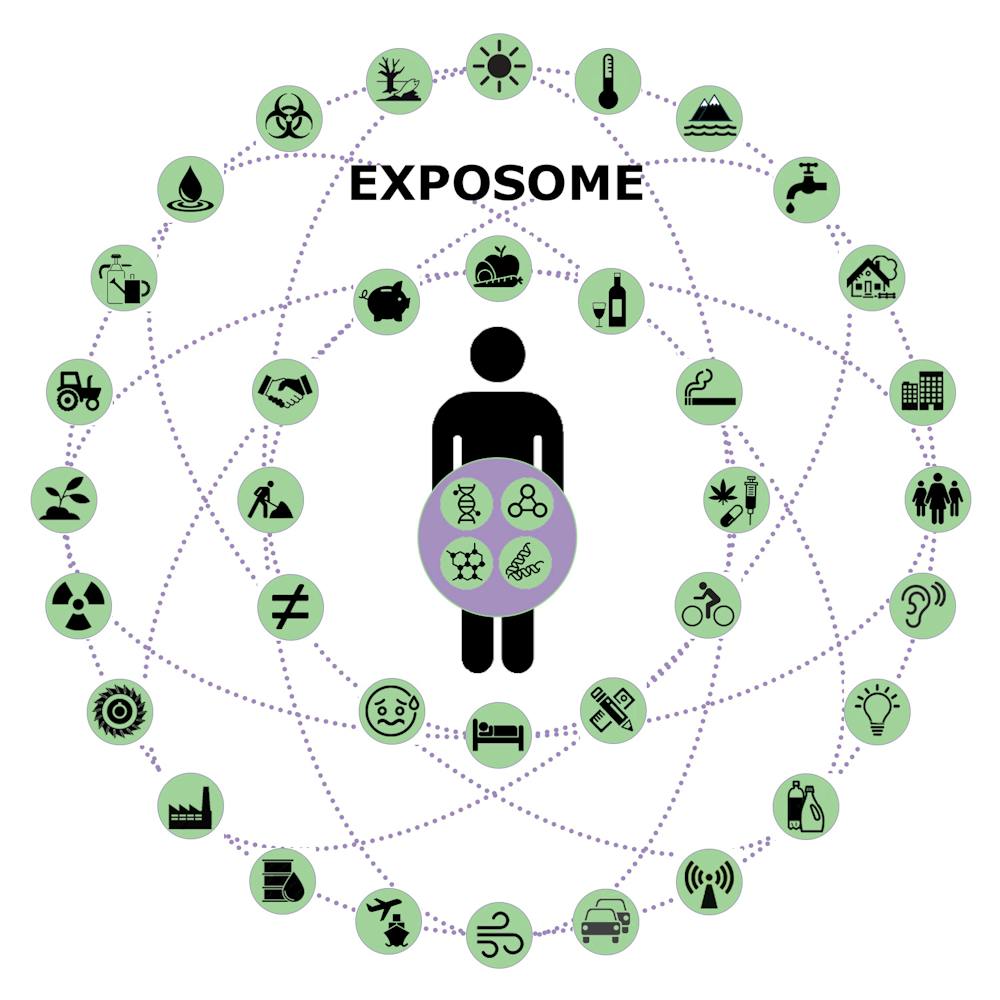
    MIL OSI United Kingdom

  • MIL-OSI Canada: Governments of Canada and Nova Scotia to announce community mental health funding

    Source: Government of Canada News

    The Honourable Ya’ara Saks, Federal Minister of Mental Health and Addictions and Associate Minister of Health, and the Honourable Brian Comer, Nova Scotia’s Minister of Addictions and Mental Health, will make an announcement to improve community mental health supports in Nova Scotia.

    MIL OSI Canada News

  • MIL-OSI Europe: Written question – Legal basis for identification and registration of all dogs and cats – P-000282/2025

    Source: European Parliament

    Priority question for written answer  P-000282/2025
    to the Commission
    Rule 144
    Michal Wiezik (Renew), Dario Nardella (S&D), Tilly Metz (Verts/ALE)

    Parliament has previously called for the identification and registration of all cats and dogs, most recently in its resolution of 12 February 2020 on protecting the EU’s internal market and consumer rights against the negative implications of the illegal trade in companion animals[1].

    Considering that there is substantial trade in such animals, making it foreseeable that any individual animal may at any point be sold or transferred within Member States and across borders, this measure is also necessary to eliminate existing and future barriers to trade and attain harmonisation of the internal market.

    Article 118(2)(c) of the Animal Health Law[2] already provides a legal basis for the mandatory identification and registration of all dogs and cats. The proposal for a regulation on the welfare of dogs and cats and their traceability[3] is, like the Animal Health Law, based on Articles 43 and 114 (but unlike the Animal Health Law, not on Article 168) of the Treaty on the Functioning of the European Union (TFEU).

    Can the Commission clarify whether Article 114 TFEU provides a legal basis for the mandatory EU-wide identification and registration of all dogs and cats?

    Submitted: 22.1.2025

    • [1] OJ C 294, 23.7.2021, p. 40.
    • [2] Regulation (EU) 2016/429 of the European Parliament and of the Council of 9 March 2016 on transmissible animal diseases and amending and repealing certain acts in the area of animal health (‘Animal Health Law’) (OJ L 84, 31.3.2016, p. 1, ELI: http://data.europa.eu/eli/reg/2016/429/oj).
    • [3] Commission proposal of 7 December 2023 for a regulation of the European Parliament and of the Council on the welfare of dogs and cats and their traceability (COM(2023)0769).
    Last updated: 3 February 2025

    MIL OSI Europe News

  • MIL-OSI Economics: Trump presidency quickly impacting several areas of healthcare, says GlobalData

    Source: GlobalData

    Trump presidency quickly impacting several areas of healthcare, says GlobalData

    Posted in Medical Devices

    US President Donald Trump has recently enacted several significant changes to the country’s healthcare policy, focusing on withdrawing from the World Health Organization (WHO), implementing anti-abortion measures, and initiating a freeze on federal grant funding. These actions have far-reaching implications for various aspects of the healthcare system, including Medicaid, according to GlobalData, a leading data and analytics company.

    On January 20, 2025, Trump signed an executive order, directing the US to withdraw from the WHO. This decision marks the second attempt by the US to exit the WHO, following a similar move in 2020 that was later reversed by the subsequent administration.

    The executive order criticizes the WHO’s handling of the COVID-19 pandemic and alleges political interference by member states. It mandates the cessation of US funding and support to the WHO, the recall of US government personnel working with the organization, and a review of alternative partners for global health initiatives. The withdrawal has prompted concerns from global health experts about potential disruptions in international health collaboration and the management of global health crises.

    Alexandra Murdoch, Senior Medical Analyst at GlobalData, comments: “The US exit from the WHO is perplexing, and will not only leave a gap in WHO funding and health leadership, but will impact Americans health and safety too. The WHO funds a number of programs to treat and prevent many diseases in many countries, including the US.”

    Exiting the WHO is not the only change to healthcare President Trump has made since his inauguration. On January 24, he issued an executive order titled “Enforcing the Hyde Amendment,” which reinforces the prohibition of federal funding for elective abortions. This order revokes previous directives from the Biden administration that had expanded access to reproductive healthcare services, including abortion.

    By reinstating the Hyde Amendment’s restrictions, the order directs federal agencies to ensure compliance, effectively reducing federal support for abortion services. This move has significant implications for Medicaid, as it limits the use of federal funds for abortion services, potentially affecting low-income individuals who rely on Medicaid for healthcare coverage.

    As a result of policies like this, many states could see an increased demand for contraceptive devices to reduce the likelihood of unwanted pregnancies. According to GlobalData, the volume of reversible contraceptive devices is expected to increase at a 2.53% CAGR in the US from 2023-33. Reversible contraceptive devices in this case refer to diaphragms, hormonal implants, and intrauterine devices (IUDs).

    Murdoch continues: “Similarly, the Office of Management and Budget (OMB) issued a memorandum ordering a freeze on federal grants and financial assistance programs. This freeze has created uncertainty among organizations that depend on federal funding, including those providing healthcare services through Medicaid.”

    A federal judge in the District of Columbia has temporarily blocked the order to freeze funding, but the order had already disrupted Medicaid for many. Medicaid reimbursement portals were down across the country, and if the freeze is reinstated, it could lead to reduced resources for programs that support low-income populations, potentially compromising the quality and availability of care provided through Medicaid.

    Murdoch concludes: “President Trump’s recent actions represent a significant shift in US healthcare policy, emphasizing a departure from international health collaboration, reinforcing anti-abortion measures, and reevaluating funding priorities. These changes are likely to have substantial effects on healthcare in the US.”

    MIL OSI Economics

  • MIL-Evening Report: Sir Collin Tukuitonga criticises RFK Jr’s measles claims, slams health misinformation

    By Susana Suisuiki, RNZ Pacific Waves presenter/producer

    The chair of a World Health Organisation (WHO) advisory group is urging world leaders to denounce misinformation around health.

    Sir Collin Tukuitonga is reacting to comments made by US Senator Robert F Kennedy, who claimed that measles was not the cause of 83 deaths in Samoa during a measles outbreak there in 2019.

    Samoa’s Head of Health Dr Alec Ekeroma rejected Kennedy’s claim, calling it a “complete lie”.

    Speaking to RNZ Pacific Waves, Sir Collin said leaders had a duty to protect people from inaccurate public health statements.

    He said he was “absolutely horrified” that the person who “is the most influential individual in the US health system” could “tell lies and keep a straight face”.

    “But [I am] not surprised because Kennedy has a history of subscribing to fringe, incorrect knowledge, conspiracy theories, and odd things of that type.”

    He said Dr Ekeroma was very clear and direct in his condemnation of the lies from Kennedy and the group.

    ‘Call it for what it is’
    “I encourage all of our people who are in a position to call these people for what it is.”

    Sir Collin is the chair of the WHO’s Strategic and Technical Advisory Group on the Prevention and Control of Noncommunicable Diseases.

    He said Kennedy’s comments and attitude toward vaccination will feed the anti-vaxxers and and discourage parents who might be uncertain about vaccines.

    “So, [it is] potentially going to have a negative impact on immunisation programmes the world over. The United States has a significant influence on global health policy.

    “These kinds of proclamations and attitudes and ideologies will have disastrous consequences.”

    He believes that the scientific community should speak up, adding that political and business leaders in the region should also condemn such behaviour.

    Sir Collin Tukuitonga . . . “horrified” that the “most influential individual in the US health system” could “tell lies and keep a straight face”. Image: Ryan Anderson/Stuff/RNZ

    Withdrawal of US from WHO
    Sir Collin described President Donald Trump’s decision to pull the US out of the WHO as “dangerous”.

    He said Washington is a major contributor to the money needed by WHO, which works to protect world health, especially vulnerable communities in developing countries.

    “I understand they contribute about a fifth of the WHO budget,” he said.

    “The United States is a world leader in the technical, scientific expertise in a number of areas, that may not be as available to the rest of the world.

    “Research and development of new medicines and new treatments, a large chunk of which originates in the United States.

    “The United States falling out of the chain of surveillance and reporting of global outbreaks, like Covid-19, puts the whole world at risk.”

    He added there were ‘a good number of reasons” why the move by the US was “shameful and irresponsible”.

    This article is republished under a community partnership agreement with RNZ.

    MIL OSI AnalysisEveningReport.nz

  • MIL-OSI USA: NH Delegation, Community Organizations, and Granite Staters Speak Out About Devastating Impact of Trump’s Cut to Federal Grants and Loans

    Source: United States House of Representatives – Congressman Chris Pappas (D-NH)

    The New Hampshire delegation joined Manchester School District Superintendent Jennifer Chmiel, Strafford County Community Action Partnership CEO Betsey Andrews Parker, Amoskeag Health CEO Kris McCracken, Professional Firefighters of NH and other New Hampshire organizations for a virtual event to outline the ways that President Trump’s halt of nearly all federal grants and loans is impacting New Hampshire families and communities. 

    You can watch the full press conference here.

    “The actions taken by the Trump Administration to freeze federal funds will have a devastating impact on communities across New Hampshire and will significantly hurt our state’s ability to address housing concerns, fight addiction, preserve public safety, and make sure that Granite Staters have what they need. These federal funds are more than just lines on a spreadsheet in Washington D.C. This is about people here in New Hampshire and the ability of our communities to come together to help those in need and build a stronger future for us all. This fight is not over, and my message to Granite Staters is that we will do all that we can to protect these resources and ensure that our communities remain healthy, strong, and safe,” said Congressman Pappas. 

    “We’ve got millions of people across the country, and thousands in New Hampshire, who have no idea if they’re going to be able to get the services that they’re depending on because the White House has been so confused about what they’ve done and they haven’t been able to issue any clear answers,” said Senator Shaheen. “We need to see the President repeal these executive orders because what he has done is not going to help people lower their food prices, pay their rents, get the child care that they need or the health care that they need for their families.” 

    “President Trump’s illegal cut of federal funds includes grants for police officers, firefighters, our efforts to crackdown on fentanyl, special education programs, small business loans, community health centers, homeless shelters for veterans…virtually every aspect of American life. The White House keeps sowing chaos and confusion about the status of this funding. But make no mistake. People’s safety, their jobs, their health, our fire and police departments…shouldn’t hang in the balance subject to the confused wordings and impulsive whims of the next tweet or memo,” said Senator Maggie Hassan.

    “This week I’ve traveled across the Second District — from the North Country to Nashua and from Keene to Concord. I’ve talked to our workers, teachers, police officers, firefighters, health care providers, small businesses, mayors, and town managers. The through line of every conversation has been an intense concern about the wide-ranging and devastating impacts that losing the federal funding promised to New Hampshire will have on our way of life,” said Representative Maggie Goodlander. “Real people right here in New Hampshire are paying the price for President Trump’s lawless, chaotic efforts to cut off federal funding. That is unacceptable. I will never stop fighting with every possible tool to deliver for New Hampshire.” 

    “Our priorities have not changed.  We will continue to provide services to our clients and support our team until we are directed otherwise.  We will adapt to the changing landscape so clients that depend on our agency for services such as childcare, fuel assistance, transportation, and food can continue to access these resources. We greatly appreciate the support of the New Hampshire delegation during this challenging time.” said Betsey Andrews Parker, CEO Community Action Partnership of Strafford County. 

    “The Portsmouth Police Department depends on federal grants to fund programs impacting local, seacoast, and statewide communities. Locally, federal grant funds are utilized for bulletproof vests for officers and enforcement patrols on our roadways, which include speed, distracted driving, DUI, and pedestrian/bike enforcement. With the help of federal dollars, we offer victim witness advocate services, staff training, and law enforcement equipment such as body-worn cameras and investigative equipment… the loss of these funds would reduce staff, significantly impact investigations into internet-based sexual crimes against children that have skyrocketed and continue to climb, and impact services for victims of crime, roadway safety, and the safety of our officers,” said Mark Newport, Chief of Police, Portsmouth Police Department in a letter. 

    “Uncertainty makes development difficult. While we work in a field rife with uncertainty, we know we can rely on our funding sources to be steady, when we have the funding we can move forward. It upsets our ability to commit to community projects when we cannot know whether or not the funding we have been awarded to build housing will actually be available to us when the time comes to call on those funds. In a relatively high-risk development environment, in a critical need area for our communities, we need the federal funds to be stable. Being left without promised funds on a project could easily mean the financial collapse of the project, a loss of years worth of time and effort. Depending on the projects size, it could have a major impact on our ability to operate,” said Harrison Kanzler, Executive Director, AHEAD Inc. 

    “As NH’s only center for independent living, serving thousands of individuals living with a disability, the consequences of EO-M-25-13, would have caused thousands of Granite Staters living with a disability to be left without critical services.  These services are in place to provide and assist with daily needs, including transportation, personal care, education, and workforce training.  The very services provided by GSIL and funded by federal grants, such as benefits counseling, workforce readiness, and transition services are an integral part in the promotion of living independently,” said Deborah Ritcey, MPA/HA, President & Chief Executive Officer, Granite State Independent Living (GSIL).

    “As a private non-profit community development corporation that is focused on providing affordable housing for granite staters, we have worked with numerous federal programs over the past thirty years, and the one thing we need to keep doing our work is consistency and reliability.  So when we are faced with distractions that cause chaos and confusion throughout our sector, it makes the difficult work of building affordable housing even that much more challenging,” said Robert Tourigny, Executive Director, NeighborWorks Southern New Hampshire.

     “While we were relieved that the Administration intended to exclude rental assistance from the spending freeze, funding that we rely on to provide self-sufficiency services to working families, build new affordable housing, and reduce our energy costs were all targeted. On behalf of the nearly 930 senior, disabled and working families we serve, we are grateful to all of the individuals, organizations and elected officials across the country for their advocacy,” said Joshua Meehan, Executive Director, Keene Housing.

    “Federal funding is a lifeline for Community Health Centers, which deliver comprehensive primary care, mental and behavioral health, dental, and other essential primary care services to over 330,000 patients across New Hampshire and Vermont. With the uncertainty around the status of health centers’ federal grant funding, we are extremely concerned about the ability of their patients to access the services they need,” said Tess Kuenning, President & CEO of Bi-State Primary Care Association.

    “Ammonoosuc Community Health Services is a federally qualified health center that integrated primary preventive services in the rural White Mountains of Northern New Hampshire to nearly 10,000 patients a year, across five strategically located care delivery sites. In fact, we serve 1 out of every 3 residents within our service area.  Our patients receive care that is nationally recognized.  Our outcomes for patient with depression or diabetes exceeds national healthy people goals since 2009, top two FQHC for colorectal cancer screening (2018), top 16 FQHC in overall cancer screening (2023).  All accomplished in a financially responsible manner where our annual financial audit has always been free of any concerns and 95% of our patients recommend us to friends, family and neighbors who need care. All in all we govern ACHS in a responsible and predictable manner.  As an FQHC we provide services to everyone, regardless of social and economic status. The President’s unprecedented and unannounced freeze on nearly all federal funding meant an immediate freeze on nearly $180,000 in monthly drawdown payments and catapulted my staff into 24 hours of uncertainty and chaos while we tried to get clarification from the administration. Clarification that never came. This type of governing is categorically not a responsible way to govern, has real world impacts, and wasteful in diverting critical resources away from our core mission of providing outstanding health care services to those in our community who need it most. As the CEO and steward of ACHS, The People’s Health Center, I take responsible governance seriously and I expect those elected by the people to take their responsibility seriously as well,” said Ed Shanshala, CEO, ACHS.

    On Monday, the Trump administration’s Office of Management and Budget (OMB) announced a sweeping executive order pausing almost all forms of federal assistance to states, nonprofits, non-governmental organizations and more. The full list that agencies were directed to review encompasses over 2,600 assistance programs, including Supplemental Nutrition Assistance (SNAP), Women, Infants and Children (WIC), community health centers, the Community Development Block Grant (CDBG), transportation and highway funding, energy assistance programs, water infrastructure funding, State Opioid Targeted Response grants, GI Bill, veteran compensation for service connected disabilities, Section 8 housing vouchers, school breakfast and lunch, Title I education grants, Temporary Assistance for Needy Families (TANF) and Head Start.

    MIL OSI USA News

  • MIL-OSI USA: Congressman Danny K. Davis, Westside Black Elected Officials, and Community Leaders Denounce Donald Trump’s Economic Policies That Harm Black Communities

    Source: United States House of Representatives – Congressman Danny K Davis (7th District of Illinois)

    Chicago, IL – [Date] – Congressman Danny K. Davis (IL-07), joined by Westside Black Elected Officials and community leaders, held a press conference today to condemn Donald Trump’s economic policies and financial decisions, which have disproportionately harmed African Americans and working-class families. The speakers emphasized the devastating impact of Trump’s administration, which prioritized corporate interests over everyday people, cutting vital programs and services that communities rely on.

    “Donald Trump’s financial policies have gutted funding for minority-owned businesses, weakened housing protections, cut safety net programs, and widened the racial wealth gap,” said Congressman Danny K. Davis. “We are here today to say loud and clear: We will not stand by while our communities are under attack. We are not going back!”

    Trump’s administration has proposed and implemented policies that:

    • Eliminate funding for minority-owned businesses, limiting opportunities for Black entrepreneurs to create jobs and build wealth.
    • Community Health Centers: Critical federal funding supporting over 30 million low-income patients is frozen, creating chaos for those relying on essential healthcare services.
    • Rollback housing protections, leading to increased evictions and foreclosures in Black communities.
    • Slash social safety net programs, including food assistance and healthcare subsidies, putting a heavier burden on low-income families.
    • Push tax policies that favor the wealthy, further widening the racial wealth gap.

    Speakers at the press conference included Ald. Emma Mitts, Chairperson of Westside Black Elected Officials, who decried the attacks on diversity, equity, and inclusion:

    “As Chairperson of the Contracts Oversight and Equity Committee for the City of Chicago, I hear firsthand how diversity, equity, and inclusion programs are being erased. These policies have helped ensure economic opportunity for Black communities. Now, we are being told to go backward. Well, we refuse.”

    State Rep. La Shawn K. Ford underscored the impact on education and public institutions:

    “Trump’s cuts to Pell Grants and affirmative action programs will devastate public universities. Black and minority students will struggle to access higher education, and diversity programs will be dismantled. This will impact not just Black students, but all students.”

    Cook County Commissioner Tara Stamps emphasized the privatization of essential services:

    “This is about oligarchy—the wealthy few taking from the many. Public hospitals, public education, and social services are being privatized, making access to healthcare and education harder for those who need it most.”

    President of the Metropolitan Water Reclamation District Kari Steele linked these economic cuts to climate change and infrastructure:

    “Infrastructure funding is critical, but under Trump’s leadership, we saw key environmental and infrastructure investments neglected. We are moving forward, not backward, and we need leaders who prioritize clean water, climate resilience, and public health.”

    Community Leader Jackie Reed called out Trump’s divisive leadership:

    “A nation divided cannot stand. And that’s exactly what Trump has done—divided families, communities, and the nation. We cannot allow his policies to strip our communities of resources and dignity.”

    Community Leader Donald Dew echoed the urgency of action:

    “Martin Luther King Jr. spoke of the fierce urgency of now. That urgency is here. Trump’s policies are a direct threat to the most vulnerable—people with disabilities, mental health needs, veterans, and children. If we do not act now, our communities will suffer.”

    Dr. Elizabeth Lockhart focused on the attack on veterans:

    “Trump’s policies have hurt veterans—those who put their lives on the line for this country. Their healthcare, benefits, and resources are being stripped away. How can we call ourselves a great nation if we abandon those who served?”

    Community Leader Stephen Robinson issued a stark warning:

    “Donald Trump has put everyone on the menu. If you think you are exempt, you are wrong. Black, brown, white—his policies hurt all working people. We must unite to fight back.”

    Former Senator Rickey Hendon closed with a call for accountability:

    “We must stand up and demand leadership that works for the people. The facts are clear—Trump’s policies favor the rich and leave the rest of us struggling. We will not go back.”

    Congressman Davis and community leaders urged immediate action to ensure economic justice and accountability.

    “Elections have consequences,” Congressman Davis concluded. “If we want an economy that works for everyone—not just billionaires—we must organize, mobilize, and vote.”

    MIL OSI USA News

  • MIL-OSI USA: DelBene, LaHood, Dunn, And Schrier Introduce Legislation to Preserve Patient Access to Accountable Care

    Source: United States House of Representatives – Congresswoman Suzan DelBene (1st District of Washington)

    Today, Representatives Suzan DelBene (WA-01), Darin LaHood (IL-16), Neal Dunn (FL-02), and Kim Schrier (WA-08) introduced the Preserving Patient Access to Accountable Care Act. This bipartisan legislation would continue incentives that enable Medicare providers to participate in value-based health programs, which are designed to improve the quality of care for seniors while lowering costs.

    Specifically, this bill would extend incentive payments for qualifying participants (QPs) in advanced alternative payment models (APMs) at 3.53% through payment year 2027 and freeze the scheduled increase in qualifying thresholds.

    “Our health care system needs to move from volume to value to deliver better care at a better price. Health care providers and hospitals participating in Alternative Payment Models are leading this change, but the federal government needs to keep in place the right incentives to continue this shift,” said DelBene. “The Preserving Patient Access to Accountable Care Act will help pay providers and health systems for the quality of care they deliver instead of the amount.”

    “Alternative Payment Model incentive payments are essential to ensuring that Americans have the highest quality of care possible,” said LaHood. “I am proud to champion and be joined by my colleagues in introducing the Preserving Access to Accountable Care Act to ensure that physicians and other healthcare providers are able to deliver high-quality, well-coordinated, and cost-effective comprehensive care. By continuing the incentives and maintaining the current qualifying thresholds, this will help sustain and grow participation in value-based payment models.”

    “Alternative Payment Models ensure that patients receive the best possible care while rewarding providers for delivering high quality care at an affordable price,” said Dunn. “Congress must encourage this commonsense approach to healthcare, which will keep costs low while improving patient outcomes.”

    “Alternative Payment Model incentive payments are an effort to make our health care system more efficient by rewarding providers for transitioning to value-based care models that don’t compensate based on numbers of visits or procedures, but based on patient outcomes,” said Schrier, M.D. “Value-based care is one way to ensure high quality, efficient care for seniors. I’m proud to join my colleagues in introducing this bipartisan legislation, which will extend APM incentive payments and thereby offer a range of practices to improve care for Medicare recipients.”

    “Advanced APM incentives have enabled clinicians to reinvest in patient care and better manage the health of their populations,” said National Association of ACOs Incoming CEO Emily Brower. “This progress is evident in the continued growth of APMs, with over 50% of traditional Medicare beneficiaries now receiving care through an accountable care organization. This legislation plays a vital role in driving the ongoing shift toward value-based care”

    “Passage of the Preserving Patient Access to Accountable Care Act is critical for AMGA members to continue providing a high level of care to their patients,” said AMGA President and CEO Jerry Penso, MD, MBA. “This legislation ensures that AMGA members can continue to participate in value-based care and get rewarded for providing outstanding care to their patients. AMGA members support this legislation and thank Rep. LaHood for introducing this important bill.”

    “The advanced alternative payment model incentive has increased adoption of accountable care across the country,” said Accountable for Health CEO Mara McDermott. “We appreciate the bipartisan commitment to this policy that accelerates the transformation of health care delivery to improve care for patients and lower costs.”

    A copy of the bill can be found here. 

    MIL OSI USA News