Source: United States Senator for Rhode Island Jack Reed
WASHINGTON, DC – In an effort to help some of the nation’s most vulnerable households pay their home energy bills, the Biden-Harris Administration today released $3.71 billion for the Low-Income Home Energy Assistance Program (LIHEAP), including $24,063,792 for Rhode Island. Even as the U.S. has become the largest oil producer in the world, colder winters in the Northeast mean the demand for LIHEAP is high. The federally funded program is a crucial lifeline that helps low-income households and seniors on fixed incomes afford their energy bills, including those who use natural gas, propane, electricity, and home heating oil.
U.S. Senator Jack Reed, a leading member of the Senate Appropriations Committee and a Congressional champion for LIHEAP, cheered the release of funds and says it will allow states to provide funds to support income eligible households with utility costs.
Earlier this month, Reed joined Senators Susan Collins (R-ME), Lisa Murkowski (R-AK) in leading a bipartisan call for the U.S. Department of Health and Human Services (HHS) to release LIHEAP funds as swiftly and at the highest level possible.
“This federal funding will help keep vulnerable Rhode Islanders safe and healthy through targeted initiatives that lower utility bills. It will ease the energy cost burden for low-income residents, who pay a higher proportion of household income to heat their homes when cold winter weather hits. Nobody should have to choose between affording needed medication or having their heat turned off. LIHEAP is a real lifeline that has proven to make a real positive difference for so many Rhode Islanders,” said Senator Reed, who helped provide a total of $4.1 billion for LIHEAP in fiscal year 2024, with $4 billion through appropriations and $100 million in Bipartisan Infrastructure Law funds.
Under the short-term “continuing resolution” funding package that President Biden signed into law in September, HHS is able to advance states’ funding equal to 90 percent of their FY24 allocation.
Rhode Islanders wishing to apply for LIHEAP may go to the Rhode Island Department of Human Services website to get more information and links to an online application. Or, Rhode Islanders may contact their local Community Action Agency. Eligibility for LIHEAP is based on several factors, including income, household size, and the availability of resources.
Nationwide, an estimated 5.1 million households received assistance with heating and cooling costs through LIHEAP in the last fiscal year.
Older Americans on fixed incomes and those receiving Social Security Disability or SSI benefits are encouraged to apply as early as possible, but applications will be open to everyone through spring of 2025 — or until the funding is exhausted.
Source: United States Senator for Rhode Island Jack Reed
PROVIDENCE, RI – U.S. Senators Jack Reed and Sheldon Whitehouse and Congressman Gabe Amo joined with Mayor Brett Smiley and SAMHSA Assistant Secretary for Mental Health and Substance Use Miriam Delphin-Rittmon to highlight a new $2.3 million federal First Responders – Comprehensive Addiction and Recovery Act (FR-CARA) grant to support the City’s comprehensive strategy to improve first responders’ ability to save lives. Whitehouse authored CARA, which is the primary law guiding the federal response to the opioid epidemic.
“To effectively combat the opioid crisis we must invest in coordinated strategies that ensure people can easily access help and support services. Senator Whitehouse has been a tremendous leader on this issue in Congress and I’m proud to work alongside him and our colleagues in the delegation to deliver this federal funding for Providence. This $2.3 million investment will help Providence’s first responders save lives and assist residents who are struggling with addiction,” said Reed.
“Rhode Islanders had a big hand in helping draft my CARA law, so it’s great to see this federal funding from CARA providing a big boost for Providence’s first responders, who are on the front lines every day responding to Rhode Island’s opioid epidemic,” said Whitehouse. “I applaud Mayor Smiley’s efforts to combat the epidemic in our Capital City and help connect Rhode Islanders with the support they need to get on the noble road to recovery. There is hopeful news that our efforts to save lives are working.”
“The opioid epidemic has touched the lives of families in Rhode Island and across the country, and we need to ensure first responders are equipped with the resources they need to save lives and support those in recovery,” said Magaziner. “This federal funding will help reduce overdoses, expand access to lifesaving services and treatments, and build a safer, healthier Rhode Island.”
“Thanks to champions like Senator Sheldon Whitehouse, overdose deaths in Rhode Island have been decreasing by twice the national average in recent years,” said Amo. “This federal grant for the Providence Overdose Prevention Project will support these efforts by uplifting the first responders and community members who play a vital role in the prevention, treatment, and recovery of opioid use disorder.”
The City of Providence will use the federal funding from the Substance Abuse and Mental Health Services Administration (SAMHSA) to advance the Providence Overdose Prevention Project, a comprehensive strategy to improve first responders’ ability to save lives. The program increases the capacity of Emergency Medical Services staff and community members to use evidence-based practices to reduce overdoses and connect individuals with necessary supports. The City will also work to reduce fatal overdoses through education and prevention programs and increase naloxone distribution within the community to help lower nonfatal overdose rates.
“We’re thankful for the leadership and advocacy of our federal delegation in securing this vital funding through the Comprehensive Addiction and Recovery Act,” said Smiley. “This grant will strengthen Providence’s efforts to combat the opioid crisis by expanding life-saving resources for our first responders and connecting those in crisis to the support they need. By working together, we’re building a healthier, safer city for all.”
“We commend the first responders who are committed to saving lives day and day out,” said Miriam E. Delphin-Rittmon, Ph.D., HHS Assistant Secretary for Mental Health and Substance Use and the leader of SAMHSA. “This funding will help Providence EMS connect those at highest risk of overdose to lifesaving services, including treatment, harm reduction services, and recovery supports.”
Deaths from accidental overdoses decreased by 7.3 percent last year in Rhode Island, the first time in four years that the number had gone down, according to the Governor’s Overdose Task Force. Rhode Island’s decrease in overdose deaths, from 436 in 2022 to 404 in 2023, was over twice the national average, with America experiencing a 3 percent decrease in 2023. According to preliminary data from the Rhode Island Department of Health, 178 individuals died from accidental overdoses in the first nine months of this year, a significant decrease from the same point in 2023.
Source: United States Senator John Hickenlooper – Colorado
Four Colorado projects awarded funding under the Consolidated Rail Infrastructure & Safety Improvements (CRISI) Grant Program
WASHINGTON – Today, U.S. Senators John Hickenlooper and Michael Bennet, U.S. Representatives Joe Neguse and Brittany Pettersen and Governor Jared Polis announced four Colorado rail projects will receive a total of $129.5 million in federal funds. The Colorado Department of Transportation (CDOT), Colorado State University Pueblo, San Luis Central Railroad Co., and OmniTRAX will all receive funding as part of the Consolidated Rail Infrastructure & Safety Improvements (CRISI) Grant Program. Earlier this year Hickenlooper, Bennet, Neguse and Pettersen urged the U.S. Department of Transportation to fund CDOT’s project along the Front Range. Hickenlooper also urged the department to fund the CSU Pueblo and OmniTRAX projects.
“From freight in the San Luis Valley to passengers on the Front Range and beyond with CSU Pueblo’s research, rail isn’t just a part of our past, it’s a big part of our future, too,” said Hickenlooper. “That’s the case we made to Secretary Buttigieg for this funding and this is just the start.”
“Colorado’s railways are vital to connect our communities and get resources to markets across the country. That’s why I ensured the U.S. Department of Transportation understood how critical this funding is for our state’s transportation infrastructure,” said Senator Michael Bennet. “I’m glad to have helped secure these investments in our railways’ safety, efficiency, and reliability across the state. ”
“After years of working to secure federal support for the Front Range Passenger Rail Project, I am excited to see the Department of Transportation heed our calls and commit to modernizing Colorado’s passenger rail system—not just for communities along the Front Range but for residents throughout the entire state. This is a once-in-a-generation investment in our passenger rail infrastructure, creating countless new opportunities for communities to connect, grow, and thrive—and we will continue to work together to ensure this momentum leads to lasting benefits for all Coloradans,” said U.S. House Assistant Minority Leader Joe Neguse.
“Today, I am incredibly grateful to see this federal funding coming to Colorado to strengthen our railway systems, enhance safety, and modernize our infrastructure,” said Representative Brittany Pettersen. “After a train derailment in Boulder injured workers and put our communities at risk, I supported funding to reinforce public safety and restore trust in Colorado’s rail infrastructure. I’m pleased to see these federal dollars coming to our state to help ensure we have safe, reliable infrastructure for generations to come.”
“Today’s grant will make freight rail traffic in some of our busiest growing communities safer quickly while providing critical building blocks for Passenger Rail. This major funding will help achieve important priorities like complying with longstanding federal standards and improving the safety of rail crossings, which can be the sites of dangerous incidents. With more than $66 million in federal support from the Biden-Harris administration, the future of Colorado’s rail network is a clear priority for the federal government, as it should be. We thank Senators Hickenlooper and Bennet, Congressman Neguse and Congresswoman Pettersen, and our communities for their support of this important project,” said Governor Jared Polis.
“Thanks to a unified effort with Governor Polis’ leadership, Colorado can speed ahead with important safety and operational upgrades that will make passenger rail possible along the Front Range. Our partners in the Congressional delegation and in communities across the state have been constantly supportive of this work, and I want to especially thank the technical team at CDOT that has made so much progress behind the scenes to get Colorado ready for this opportunity. The Biden Administration has recognized Colorado’s seriousness and the quality of our work to develop passenger rail, and I want to add my appreciation to their support with this grant and the resources it brings to our work,” said CDOT Executive Director Shoshana Lew.
CRISI invests in railroad infrastructure projects that improve safety, support economic vitality, including through small businesses, create good-paying jobs with the free and fair choice to join a union, increase capacity and supply chain resilience, apply innovative technology, and explicitly address climate change, gender equity, and racial equity. For more information on CRISI, click HERE.
Full details on the projects receiving funding are below:
Recipient
Project Title
Project Description
Amount Awarded
Colorado Department of Transportation
Modernizing Rail on the Front Range: PTC Installation, Siding, & Grade Crossing Safety and Operational Improvements
This project will design, install, and test positive train control with a complementary siding on a portion of the Front Range Subdivision, along with several railroad crossings that could benefit from operational and safety improvements.
$66,400,000
OmniTRAX Holdings Combined, Inc.
Transportation Investments for Employment and Safety, Phase 2
The proposed project involves final design and construction activities to replace railroad ties on four OmniTRAX-owned short lines across four states – Alabama, Colorado, Georgia, and Washington.
$50,570,400
Colorado State University Pueblo
Safety Assessment, Testing and Workforce Development for Hydrogen/Natural Gas Motive Power
The proposed project involves research and development for studying green hydrogen and renewable natural gas-powered rail vehicles. The project aims to conduct safety experiments on the use of CH2/CNG-powered rail cars at the TTC facility.
$11,671,781
The San Luis Central Railroad Co.
The San Luis Central Railroad Reconstruction Project: Ansel North
The SLC corridor was built in 1913 with untreated wooden ties. The project will replace 6,000 deteriorated cross and 126 switch ties between mile posts 10.1 and 15.2.
$1,077,000
“Southern Colorado often represents a hard-working spirit leveraging the opportunity of innovation. This Department of Transportation CRISI grant emboldens that spirit, enabling CSU Pueblo, in partnership with the Southern Colorado Transportation Technology Center (SCITT), to contribute to the future of rail transportation through critical safety research in hydrogen and natural gas technologies. I am particularly proud of how this project will partner with our Engineering program at CSU Pueblo, utilizing the expertise here to create new pathways for our students and local workforce. This grant is more than research – it’s a valuable investment into Southern Colorado,” said CSU Pueblo President Armando Valdez.
“TIES2 will be transformative for the communities served by Great Western Railway of Colorado and the regions served by OmniTRAX railroads in Georgia, Alabama, and Washington state,” said David Arganbright, OmniTRAX Senior Vice President. “OmniTRAX is proud to call Colorado home, and we are tremendously appreciative of all the work that Sen. Hickenlooper has done in Congress to champion Colorado’s railways and deliver the critical infrastructure investments that make strengthen our nation’s supply chains.”
“The team at CXSL is very excited for this great news and look forward to getting to work on the improvements as soon as possible. The grant will assist in providing the much needed improvements to improve rail service to our customers and greatly reduce our risk for incidents due to track conditions,” said Timothy Bivens, General Manager of Colorado Pacific San Luis Railroad.
San Francisco, Oct. 31, 2024 (GLOBE NEWSWIRE) — Power Factors, the leading renewable energy management suite (REMS) provider, has been recognized as one of the top three energy management system (EMS) vendors in the utility-scale energy storage industry by Guidehouse Insights in its latest Guidehouse Insights Leaderboard: Energy Storage Software report. The report identifies Power Factors as the only vendor-agnostic EMS provider among the market leaders, standing out for its extensive global reach and expansive product portfolio of hardware and open software solutions.
Guidehouse Insights’ recognition highlights Power Factors’ ability to deliver sophisticated, vendor-agnostic EMS software solutions that go beyond what vertical system integrators typically offer. Power Factors is “succeeding within a highly competitive and constantly evolving market,” said Michael Kelly, associate director with Guidehouse Insights. Kelly also noted that “the combination of enhanced control platforms and complementary analytics enables asset owners to achieve greater bankability, reliability, and performance from their front-of-the-meter storage assets.”
The report emphasized how Power Factors’ acquisition-led approach has contributed to its success, noting that Inaccess, which it acquired in 2022, “has historically been an industry leader and contributes to Power Factor’s broadening portfolio and value proposition.” Power Factors also was acknowledged for its expansive geographic reach, which includes more than 300 GW of wind, solar, and battery storage assets across 70 countries, with 15 GW of contracted and installed energy storage capacity across multiple sites.
“We’re proud to be recognized as the only vendor-agnostic leader in energy management systems,” said Julieann Esper Rainville, CEO at Power Factors. “Our interoperable EMS applications help renewable asset owners and system integrators reduce costs, streamline operations, and future-proof their investments, while our commitment to flexibility ensures seamless integration with existing systems and hardware.”
“Vendor-agnostic, interoperable EMSs featuring standardized interfaces and low-cost integrations are key features of future-proofed solutions,” according to the report. Power Factors’ ability to integrate with diverse hardware systems makes it a top choice for organizations looking to reduce the complexities and costs associated with third-party integrations.
While vertical system integrators represent rising competition, currently “third-party EMS providers can offer more sophisticated software solutions than system integrators.” Power Factors exemplifies this approach with its integrated, vendor-agnostic Unity renewable energy management suite (REMS), which brings together trusted hardware and software solutions for monitoring and control, asset performance, operations and maintenance (O&M), and commercial asset management into a unified platform.
As investment in utility-scale solar and storage continues to grow, Power Factors remains dedicated to delivering robust, future-proofed energy management software that streamlines renewable energy deployment and operations globally. Guidehouse Insights’ recognition of Power Factors as a top EMS provider further cements Power Factors’ leadership in driving the energy transition forward. With its Unity suite, Power Factors empowers renewable energy stakeholders to maximize performance, reduce costs, and simplify integration across a diverse range of systems.
About Power Factors Power Factors is a software and solutions provider leading the next generation of clean energy with Unity, one of the most extensive and widely deployed renewable energy management suites (REMS) in the market. With over 300 GW of wind, solar, and energy storage assets managed worldwide across more than 600 customers and 18,000 sites, Power Factors manages 25% of the world’s renewable energy data.*
Power Factors’ Unity REMS supports the entire energy value chain, from monitoring and controls to analytics. The company’s suite of open, data-driven applications empowers renewable energy stakeholders to collaborate, automate critical workflows, and make more informed decisions to maximize asset returns. Energy stakeholders receive end-to-end support, including solutions for SCADA & PPC, centralized monitoring, performance management, commercial asset management, and field service management.
With deep domain expertise, AI-powered insights are delivered at scale so businesses can optimize assets, unlock growth, and make smarter decisions as the world rapidly transitions to clean energy. Power Factors fights climate change with code.
Labour’s first budget in 14 years appears to have avoided the Halloween nightmares that many predicted. Yes, the overall tax burden is at its highest level since 1948, but this budget’s tax and spend distribution is such that it spreads both the pain and the benefit. Most of the pain has been focused on the well off, sparing others from increased taxation.
This was, as is so often the case, a budget that was more about politics than economics.
The political emphasis is naturally very different from the previous Conservative administration. Like the 1990s governments of Tony Blair, Labour is now focusing on improving the public sector rather than cutting taxes.
The government claims there will be no return to austerity. Instead, Reeves’s budget is based not only on investment and growth, but education – which gets a 19% real-terms funding uplift. An extra £22 billion is also available for the NHS. Perhaps more importantly, there is an attempt to shift away from hospital-based provision to preventative approaches and community care.
This is a budget centred on redistribution. Taxes are increasing for employers (through increased national insurance) and on inheritance tax and capital gains. Second home owners, non-doms and parents sending their children to private school will also be taxed more. Beneficiaries include those on a minimum wage, pensions and carers.
Want more politics coverage from academic experts? Every week, we bring you informed analysis of developments in government and fact check the claims being made.
It is, then, very much a Labour budget. It focuses on taking money from what may be called the upper middle class and the very well off, and spending it on the public sector, the lower paid and the worse off in society. Even the hinted-at increases on taxes around pensions and pension pots were not fulfilled for fear of alienating Labour supporting, public sector workers.
Delivering a vision
From this perspective, the budget can be regarded as a political success. It has done what Keir Starmer’s government has hitherto failed to do: set out a new, distinct agenda. Revising the existing fiscal rules to include both new stability and investment rules highlights Labour’s commitment to longer-term growth, which it hopes will secure the investment for renewed public services.
This strategy harks back to the traditional social democracy that runs from Tony Crosland – one of the foremost Labour thinkers on a reformed social democracy – and the Labour governments of the 1960s to New Labour. Economic growth, rather than the radical redistribution of wealth associated with Labour leaders such as Michael Foot and Jeremy Corbyn, is Labour’s mechanism for enhancing public services and improving the position of the worst off in society.
But therein lies the rub. The initial market reaction was good. Much of Reeves and Starmer’s pre-budget spin was about making sure the markets remained calm. There was no repeat of the Liz Truss and Kwasi Kwarteng mini-budget debacle, where unfunded tax cuts led to the unstable economic conditions and ultimately Truss’s downfall.
The whole of the Labour government strategy is based on modest but consistent economic growth between a high of 2% and a low of 1.5% between now and 2030. But, of course, economic growth is very difficult to predict and dependent on conditions that the government does not control.
Just this week, Israel’s decision not to target Iranian oilfields led to a 20% drop in oil prices. But any intensification of war in the Middle East could see that situation rapidly reversed.
So while Labour’s promise to increase capital spending and greater investment in science, research and development is important for growing the economy, it is only one factor and others may thwart Labour’s growth plan.
There is though one important lesson from history. All – and that really is all – Labour governments have ended their time in office amidst a financial crisis. Often, it is not directly of their own making, but the plight of the economy has subsequently undermined their original spending plans.
Reeves’s first budget has seen clear benefits for particular sectors. The adaptation of the fiscal rules creates new opportunities for growth through borrowing, capital spending and investment. Yet whether it can trigger the scale of economic takeoff needed to overcome the backlog of investment in public services is to be seen. This may well prove to be the key factor in determining both the longevity and legacy of this Labour government.
Martin Smith receives funding from Leverhulme Major Research Fellowship and Nuffield Foundation.
Source: The White House
Every child deserves to know the unconditional love of a permanent home. During National Adoption Month, we honor all the wonderful families that grow through adoption, we remind our foster youth and adoptees that we are right by their side, and we rededicate ourselves to ensuring that every child has the opportunity to reach their full potential.
More than 100,000 children are in our Nation’s foster care system awaiting the adoption that could offer them familial love, a lasting home, and a stable foundation for them to grow. That is why I have called on the Congress to make the adoption tax credit fully refundable, lowering the cost of adoption and giving families and legal guardians some breathing room. I have also called on the Congress to provide housing vouchers to all 20,000 youth exiting foster care annually — a key step in helping them secure stable housing during this difficult transition. To further support kinship caregivers, the Department of Health and Human Services issued a final rule last year that requires States to provide them with the same level of financial support that other foster parents receive. My Administration is also working to eliminate barriers LGBTQI+ families face in the adoption process and ensure LGBTQI+ foster youth grow up in safe and loving environments. And through the expanded Military Parental Leave Program, we are giving service members more time to spend with their families after a child is born, adopted, or placed in their homes for long-term foster care.
My Administration also remains committed to supporting youth who are aging out of foster care. Since the beginning of my Administration, the Department of Housing and Urban Development has awarded over $60 million to provide over 4,000 vouchers to foster youth, helping them secure housing as they leave the foster care system. And my Administration is working to ensure these youth can keep their SNAP benefits without work reporting requirements, easing a difficult transition period. We have also been working to help foster youth stay in school and graduate, make the successful transition to postsecondary education, train for jobs, pay their bills, and get their lives off to a solid start.
During National Adoption Month, we celebrate the love shared by adoptive families and professionals across our country. And we honor the millions of adoptive and kinship families who have welcomed new family members into their loving homes.
NOW, THEREFORE, I, JOSEPH R. BIDEN JR., President of the United States of America, by virtue of the authority vested in me by the Constitution and the laws of the United States, do hereby proclaim November 2024 as National Adoption Month. I encourage all Americans to honor this month by helping the children and youth in their communities secure their forever homes and find the love and connection that they need to thrive.
IN WITNESS WHEREOF, I have hereunto set my hand this thirty-first day of October, in the year of our Lord two thousand twenty-four, and of the Independence of the United States of America the two hundred and forty-ninth.
JOSEPH R. BIDEN JR.
Remarks by the Deputy Prime Minister on protecting reproductive freedom and covering essential health care costs
October 29, 2024 – Ottawa, Ontario
Check against delivery
Good afternoon.
I am going to start by talking about the Canadian economy. I will then discuss measures our government is taking to protect women’s reproductive freedom. And finally, I will provide an update on the Canada Health Transfer.
Minister Ien will then speak in more detail about how we are protecting women’s reproductive freedom.
Minister Holland will provide an update on dental care and pharmacare.
Finally, Minister Duclos will go into greater detail about what today’s announcements mean for Canadians.
So, let me start by talking just for a minute about the good economic news we have been receiving.
Inflation was down to 1.6 per cent in September. That is a three-and-a-half year low. It means that for nine months in a row, inflation in Canada has been within the Bank of Canada’s target range.
Thanks to that good news on inflation, we’ve now seen the Bank of Canada lowering rates four times in a row. The Bank of Canada is now the first central bank in the G7 to cut interest rates four times. I emphasize this because this is really important relief for Canadians and Canadian businesses—it means more money for your household, more money in your pocket, and it means real relief for Canadians who are looking ahead to renewing their mortgage.
Wages have now outpaced inflation for 20 months in a row and in September, we had good jobs numbers, with 47,000 jobs created.
Today, 1.4 million more people are working in Canada compared to before the pandemic. That is a 7.1 per cent increase in employment, which is the largest increase of any G7 country. And, in September, unemployment did actually move down to 6.5 per cent.
The International Monetary Fund (IMF) published its World Economic Outlook last week. That Outlook showed Canada to have lower inflation than the U.S. since 2021 and across other advanced economies since 2022. The World Economic Outlook also projects Canada to have lower inflation than many peer economies going forward.
There is a lot more to do, but we are seeing solid progress.
We know that now is not the time to pull back on support for Canadians. Now is not the time for cuts and austerity. Our government knows that we need to make investments in Canadians so that everyone in our great country has the tools they need to succeed.
And that brings me to our first announcement.
Every woman—every Canadian woman—must be free to make her own decisions about her own body. Every woman in Canada must have access to the health care she needs.
Today, however, there are some anti-choice organizations that use misleading tactics to make it hard for women to make informed choices and to have access to the full range of reproductive care. That undermines a woman’s fundamental right to make her own reproductive decisions.
What makes this particularly inappropriate is that many of these groups are benefiting from Canada’s tax incentives for charitable donations, which are among the most generous in the world.
That’s wrong. And that’s why, today, Minister Ien has tabled a Notice of Ways and Means Motion in Parliament to fix this. Minister Ien will speak about her motion and why it matters in a few minutes.
We are introducing this legislation to ensure that women who are seeking information about their health care options are not misled.
And we are doing this to ensure that those who mislead Canadian women are not rewarded with subsidies from Canadian taxpayers.
This announcement builds on other measures our government has taken to improve health care for Canadians, like the Canada Health Transfer.
This month, our government transferred $4.34 billion for health care to provinces and territories.
This year alone, provinces and territories are receiving $52.1 billion from the federal government through the Canada Health Transfer.
That’s the equivalent of $1 billion a week, every week.
This amount is going to provincial and territorial governments to support them in delivering health care to Canadians, no matter where they live.
The $52.1 billion for 2024-25 is 62 per cent higher than in 2014-15, when our government was elected.
This is part of our historic $200 billion,10-year plan to clear backlogs, improve primary care, cut wait times, and deliver the health care that people need and deserve.
A fair and strong health care system is essential to ensuring fairness for every generation. That’s why the federal government is proud to be doing its part. No matter your age, your income, or your circumstances, every Canadian deserves to know that they will get the care and support they need.
Source: United States House of Representatives – Congressman Sander Levin (9th District of Michigan)
October 30, 2024
Del Mar, CA – Today, Rep. Mike Levin (CA-49) announced former Del Mar City Councilmember and Mayor Dwight Worden as his October 2024 Constituent of the Month for his legislative and environmental work in the community.
Dwight provided nearly ten years of service on the Del Mar City Council, including two terms as Mayor, before retiring from the City Council this past September.
Dwight Worden (center) with Democratic Leader Hakeem Jeffries (left) and Rep. Mike Levin (right)
See below for Rep. Levin’s statement recognizing Dwight Worden in the Congressional Record:
“M. Speaker, it is my great honor to recognize Dwight Worden as my Constituent of the Month for October 2024.
“Dwight Worden served for nearly ten years on Del Mar’s City Council, along with two terms as Mayor, and has been a driving force behind many of Del Mar’s most significant legislative and environmental accomplishments. During his career on the Del Mar City Council, he played a pivotal role in shaping policies related to coastal preservation, affordable housing, and environmental protection. Dwight, as a dedicated community leader, consistently prioritized sustainable growth and protecting Del Mar’s natural resources.
“Beyond his work on the City Council, Dwight’s contributions to Del Mar include regional issues such as bluff stabilization and climate change adaptation. His expertise as an environmental attorney was critical in promoting responsible land use and ensuring that Del Mar’s unique coastal character is preserved for future generations.
“Dwight has had a great impact on our entire region, our climate, and our environment, and I am proud to call him a friend. It is my honor to recognize Dwight as my October 2024 Constituent of the Month. I know his legacy will last long beyond his service to Del Mar.”
ABOUT THE CONSTITUENT OF THE MONTH PROGRAM:
Rep. Levin’s Constituent of the Month program recognizes outstanding North County San Diego and South Orange County residents who have gone above and beyond to help their neighbors, give back to their community, and represent the best of our country. Rep Levin honored Miriam Zuniga as his September 2024 Constituent of the Month, and his August 2024 Constituents of the Month were North County Students.
Source: United States House of Representatives – Congressman Morgan Griffith (R-VA)
U.S. Department of Agriculture (USDA) Rural Development has awarded Citizens Telephone Cooperative a $5 million grant. The funding will support the deployment of a fiber-to-the-premises network benefiting residents and businesses in Carroll County. U.S. Congressman Morgan Griffith (R-VA) issued the following statement:
“Carroll County stands to benefit from increased access to broadband services.
“This USDA Rural Development grant for $5 million helps Citizens Telephone Cooperative institute a fiber-to-the-premises network for individuals and businesses in Carroll County.”
BACKGROUND
The funding is made available through the USDA Rural Development Community Connect Program, which directs grant funds to eligible applicants that will provide broadband service in rural, economically-challenged communities where service does not exist.
Citizens Telephone Cooperative serves 12 counties and three cities in Southwest Virginia. Their recent 2024 annual meeting marked a milestone, as the Cooperative completed 6.5 years of a construction project to bring fiber-to-the-home to 100% of residents in Floyd County.
Congressman Griffith has advocated for greater access to broadband in the Ninth District, recently speaking in a Communications & Technology Subcommittee hearing with an official from the National Telecommunications and Information Administration (NTIA) as well as monitoring and encouraging approval of Virginia’s Broadband Equity, Access and Deployment (BEAD) program submitted by Governor Youngkin.
Source: United States Bureau of Alcohol Tobacco Firearms and Explosives (ATF)
RICHMOND, Va. – A Richmond man pled guilty today to being a felon in possession of a firearm.
According to court documents, on Feb. 28, 2024, Israel Maleek Mangram, 23, failed to maintain his lane while driving on Interstate 95. A Trooper with Virginia State Police ran the information on the vehicle and learned that the owner had a suspended driver’s license. The Trooper could not see the driver, so he initiated a traffic stop to investigate. Mangram pulled the vehicle onto the right shoulder of the interstate but did not stop. Mangram returned to the travel lanes of the interstate and increased his speed to over 100 mph. After a high-speed chase, Mangram lost control of his vehicle and crashed into a single-family home.
Mangram tried to climb out of the passenger-side window. The Trooper approached Mangram, who was lying next to the passenger-side of the SUV and ordered Mangram to show his hands. Lying next to Mangram was a handgun. Mangram was convicted of robbery on Aug. 5, 2020. As a previously convicted felon, Mangram cannot legally possess a firearm or ammunition.
Mangram is scheduled to be sentenced on March 6, 2025, and faces up to 15 years in prison. Actual sentences for federal crimes are typically less than the maximum penalties. A federal district court judge will determine any sentence after considering the U.S. Sentencing Guidelines and other statutory factors.
Jessica D. Aber, U.S. Attorney for the Eastern District of Virginia; James VanVliet, Acting Special Agent in Charge of the Bureau of Alcohol, Tobacco, Firearms and Explosives Washington Field Division; Colonel Gary T. Settle, Virginia State Police Superintendent; and Colette Wallace McEachin, Commonwealth’s Attorney for the City of Richmond, made the announcement after Senior U.S. District Judge John A. Gibney Jr. accepted the plea.
Special Assistant U.S. Attorney Katherine E. Groover, an Assistant Commonwealth’s Attorney with the Richmond Commonwealth’s Attorney Office, and Assistant U.S. Attorney Erik S. Siebert are prosecuting the case.
A copy of this press release is located on the website of the U.S. Attorney’s Office for the Eastern District of Virginia. Related court documents and information are located on the website of the District Court for the Eastern District of Virginia or on PACER by searching for Case No. 3:24-cr-109.
Source: The Conversation – USA – By Sarah Elizabeth Scales, Post-Doctoral Researcher, Department of Environmental, Occupational, and Agricultural Health, University of Nebraska Medical Center
The ongoing war in Sudan has often been overlooked amid higher-profile conflicts raging across multiple continents. Yet the lack of media and geopolitical attention to this 18-month-long conflict has not made its devastation in terms of human lives any less stark.
Since fighting broke out in April 2023 between the Sudanese Armed Forces and the paramilitary Rapid Support Forces, both of which had been part of a power-sharing military government, the country has seen the displacement of more than 14 million people and the carving up of the country by geography and ideology.
And while we may never know the exact death toll, the conflict in Sudan is certainly among the deadliest in the world today.
As scholars of public health, conflict and human rights and Sudanese-American health workers, we are keenly aware of how fraught it can be to estimate mortality in war for a slew of practical and political reasons. But such estimates are of critical importance: They allow us to understand and compare conflicts, target humanitarian aid for those still at risk, trigger investigations of war crimes, bear witness to conflict and compel states and armed groups to intervene or change.
Considering a death toll in such a conflict includes counting not only those who are killed as a direct result of violence – itself a difficult thing to determine in real time – but also those who have died by conflict-exacerbated factors, such as the absence of emergency care, the breakdown of vaccination programs and a lack of essential food and medicine. Estimating this latter death toll, called indirect mortality, presents its own challenge, as the definition itself varies among researchers.
In congressional testimony, U.S. special envoy to Sudan Tom Perriello recognized the estimation challenges when noting there had been anywhere between 15,000 and 150,000 deaths in Sudan – an exceedingly wide range that was attributable, in part, to the complexity of determining indirect mortality.
Armed Conflict Location and Event Data (ACLED), a nonprofit specializing in conflict-related data collection, has recorded an average of more than 1,200 direct conflict deaths per month in Sudan, with nearly 19,000 deaths in the first 15 months of the conflict. This figure is similar to the 20,000 deaths estimated by the Sudan Doctors Union and the 19,000 figure used by the Sudan Protection Cluster, a centralized group of U.N. agencies and NGOs that used World Health Organization data.
ACLED sources its estimates of deaths from traditional media, reports from international NGOs and local observers, supplemented by new media such as verified Telegram and WhatsApp accounts. The Sudan Doctors Union, on the other hand, gives on-the-ground estimates of conflict deaths.
When available, distinct data sources such as surveys, civil registers and official body counts can make an estimation more accurate. However, this data is often available only in retrospect, after the cessation of conflict. It is therefore critical to use both the available data and precedents from previous conflicts to capture a reasonable estimate of the human costs of an ongoing conflict.
A 2010 article in The Lancet estimated that there are 2.3 indirect deaths for every direct conflict death, based on data from 24 small-scale surveys conducted in Darfur from 2003 to 2005. As such, using ACLED’s data of 18,916 direct deaths, we estimate that in the current Sudan conflict, there are an additional 43,507 indirect deaths – or more than 62,000 total deaths.
We believe our estimate is very conservative. When estimating mortality in the ongoing conflict in Gaza, a different group of scholars, also writing in The Lancet, used a multiplier of four indirect deaths for every direct death to estimate the overall mortality there.
Using that latter multiplier, the number of indirect deaths in Sudan would jump to nearly 110,000 – meaning the total deaths in the region amount to 130,000 – double our estimate.
This range is wide, but it acknowledges how difficult it can be to estimate indirect deaths and how they can vary significantly with the shape of a conflict.
The Sudanese conflict in context
For all the tremendous loss of life these numbers reflect, they surely underestimate the true human costs of the conflict.
Much of the violence is ethnically targeted, and the Darfur region – where a full-scale famine has been declared – has suffered disproportionately.
The destruction of civilian infrastructure and interrupted aid mechanisms are preventing medicine, food, clean water and vaccinations from getting to in-need populations.
Health care workers and facilities, not only in at-risk Darfur but also throughout the country, have been the target of attacks. Nearly 80% of medical facilities have been rendered inoperable. And at least 58 physicians have been killed, in addition to the many that were targeted in previous crises.
Given the persistent targeting of health care systems and restricted access to humanitarian corridors, indirect deaths in Sudan are likely to grow as hospitals shut down, even in the capital Khartoum, due to bombardments, ground attacks and a lack of critical supplies.
The costs for Sudanese children are especially alarming. Thirteen children die per day in Zamzam camp in North Darfur, according to Doctors Without Borders, mostly due to undernutrition and food scarcity.
And nearly 800,000 Sudanese children will face severe, acute malnutrition through 2024, a condition that requires intensive care and supplemental nutrition merely to prevent death. Even before the conflict, children were severely threatened by a lack of access to care, including basic preventive care such as early immunization.
Finally, the transmission of communicable diseases thrives in conflicts like the one in Sudan, where there has been widespread population displacement, malnutrition, limited water and sanitation, and lack of appropriate sheltering. In August, a cholera outbreak led to a spiking death rate of more than 31 deaths per 1,000 cholera cases. And instances of such disease effects are likely underestimates in a country lacking health care penetration and monitoring.
The limitations of estimations
The massive internal displacement of more than 14 million people in Sudan complicates the estimation of death tolls, as shifting populations make establishing baselines nearly impossible.
Even then, estimates will require assumptions about direct deaths, indirect-to-direct death ratio and the quality of existing data.
But as scholars working at the intersection of public health and human rights, we believe such work, however imperfect, is necessary for the documentation of conflict – and its future prevention. And while there are many current global conflicts that require our urgent attention, the conflict in Sudan must not be lost in the mix.
Blake Erhardt-Ohren, Debarati Guha Sapir, Khidir Dalouk, and Sarah Elizabeth Scales do not work for, consult, own shares in or receive funding from any company or organization that would benefit from this article, and have disclosed no relevant affiliations beyond their academic appointment.
Every tenants deserves a safe, secure and affordable place to call home.
More in Housing
The SNP will be betraying tenants across Scotland if it goes ahead with plans to water down rent controls and impose above inflation rent hikes, say the Scottish Greens.
The comments from the party’s social justice spokesperson, Maggie Chapman, follow a Ministerial Statement by the Housing Minister, Paul Mclennan, which announced proposals that would allow rents to be increased above inflation and by up to 6%, even in rent control areas.
The bill was originally published by then Scottish Green Minister Patrick Harvie and followed an emergency rent freeze. The announcement comes just five months after MSPs declared a Housing Emergency.
Ms Chapman said:
“This is a shameful betrayal of tenants. It will impose above inflation rent hikes on households all over Scotland.
“Stabilising rents at unaffordable levels is no use to anyone, apart from profiteering landlords. If the SNP goes ahead with these disastrous plans they will be selling-out renters and entrenching a broken and unfair system.
“Everyone should have a warm, secure and affordable place to call home, but what the Minister is proposing flies in the face of that aspiration. These proposals do not tackle unaffordability and would not give tenants in the private rented sector the security or stability they’ve been promised.
“The landlord lobby has had a disproportionate voice in the corridors of power for far too long. This has created a desperate situation where tenants across our country are living with fear and anxiety because they don’t know if they can continue to afford their homes.
“This is yet another example of an SNP government that is shedding its progressive credentials. I urge them to rethink their proposals and work with us to deliver a Housing Bill that transforms housing in Scotland and gives tenants the security, stability and peace of mind that everyone deserves.
“Homes should be for living in, not for profiteering.”
Headline: FEMA Offers Free Rebuilding Tips in Atkinson County
FEMA Offers Free Rebuilding Tips in Atkinson County
ATLANTA – If you are making repairs to your home after Tropical Storm Debby or Hurricane Helene, you can get tips from FEMA to make your home safer and stronger. FEMA Mitigation Specialists will be available to answer questions and offer home improvement tips along with proven methods to prevent or reduce damage from future disasters. They will also offer tips and techniques on rebuilding hazard-resistant homes. Mitigation is an effort to reduce the loss of life and property damage by lessening the impact of a disaster. The FEMA specialists will be available during the dates and times listed at:LocationPeoples Bank Extension Office24 Fleetwood AvenueWillacoochee GA 31650 Dates and TimesFriday, Nov. 1 from 8 a.m. – 5 p.m. Monday, Nov. 4 to Friday, Nov. 8 from 8 a.m. – 5 p.m.For the latest information about Georgia’s recovery, visit fema.gov/helene/georgia and fema.gov/disaster/4821. Follow FEMA on X at x.com/femaregion4 or follow FEMA on social media at: FEMA Blog on fema.gov, @FEMA or @FEMAEspanol on X, FEMA or FEMA Espanol on Facebook, @FEMA on Instagram, and via FEMA YouTube channel. Also, follow Administrator Deanne Criswell on X @FEMA_Deanne. larissa.hale Thu, 10/31/2024 – 18:07
With the clock ticking down to November 5 and what just about everyone agrees is the most consequential US presidential election in living memory, various of the Biden administration’s top brass have jetted out to the Middle East for one last try to get a deal over the line.
The most likely area where progress could be made is the conflict in Lebanon between Israel and Hezbollah. The militant group announced the appointment of a new general secretary on October 29. Naim Qassem is, as the BBC puts it, “one of the few senior Hezbollah leaders who remains alive after Israel killed most of the group’s leadership in a series of attacks”. He is reportedly making noises about possible change in Hezbollah policy that would separate any negotiations over the conflict in Lebanon with any talks over Gaza.
If true, it’s a major shift from the policy of recently assassinated leader Hassan Nasrallah, which previously indelibly linked a ceasefire in Gaza with the cessation of Lebanon’s rocket attacks on northern Israel. Full details of the deal remain under wraps, but a draft was leaked to Israel’s state broadcaster Kan.
Post on X by Kann reporter, Suleiman Maswadeh, with details of a proposed Middle East peace deal. X
For Israel’s part, Prime Minister Benjamin Netanyahu has said the initial phase of Israel’s operation inside Lebanon is drawing to a close. As for what comes next, the New York Times reported on October 28 that Netanyahu is “waiting to see who will succeed President Biden before committing to a diplomatic trajectory”.
The diplomatic trajectory has been made more complicated of late by a big spat between Israel and the UN. The two have had a fractious relationship since the very start. But under the Netanyahu government, things have steadily deteriorated to the stage that Israel actually barred UN secretary general António Guterres from entering the country at the beginning of October.
This week Israel’s parliament, the Knesset, passed a new law banning the UN relief and works agency (Unrwa) from operating on any territory it controls. Unrwa was set up after the war of 1948 to help displaced Arabs and has since morphed into what an independent review this year said was an “indispensable lifeline” for civilians in Gaza and the West Bank.
The trouble is that the reason the independent review was reporting at all was that Israel was alleging Unrwa staff had taken part in the October 7 massacres alongside Hamas. Unwra subsequently fired nine staff members. But Israel’s contention that Unrwa is a “rotten tree entirely infected with terrorist operatives” remains unproved.
Lisa Strömbom of Sweden’s Lund University, who has been following the conflict for many years, has traced the deterioration of relations between Israel and Unrwa over several decades. She now believes that Israel’s ban will make it nigh on impossible for Unrwa to fulfil its mission in Gaza. This can only make things worse for a civilian population in Gaza which is already trying to survive in the most difficult circumstances possible.
The Netanyahu government’s decision to ban Unrwa has been roundly condemned on all sides. Some voices have even called for Israel’s membership of the UN to be suspended. That’s a complicated issue, writes Aidan Hehir, who has published widely on conflict resolution and treaty making.
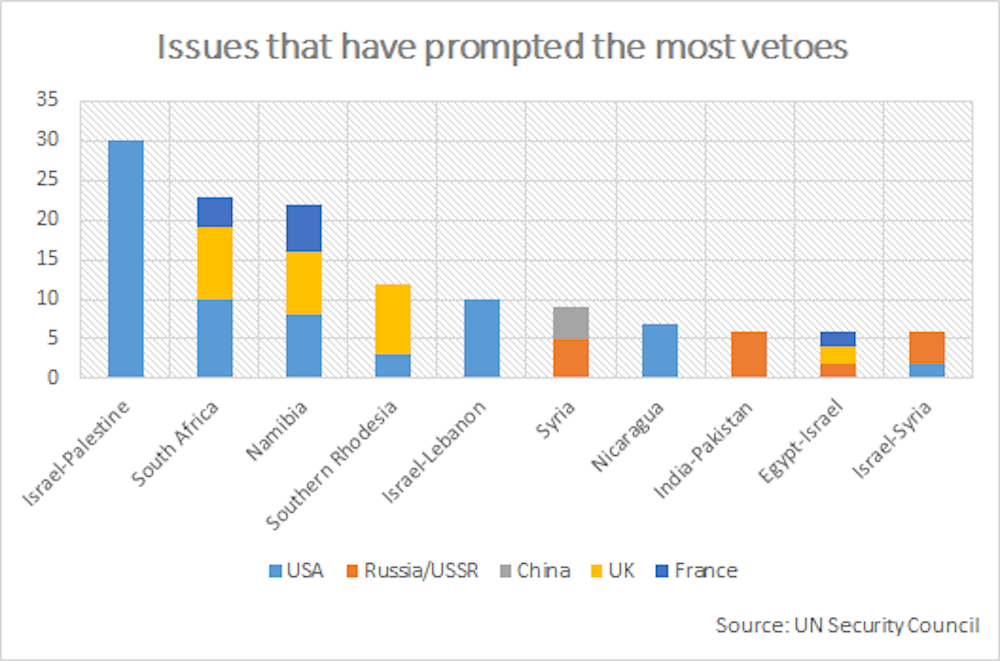
For a start, it would need to get past the UN security council which means being subject to a veto from any one of the five permanent members (P5). We published an article on this issue some years ago with the help of UN expert Emma McClean, which looked at the issues which had prompted members of the P5 to wield their vetos. It found that Israel-Palestine was hands-down the most common issue that led to a veto – and all those vetoes had been instigated by the US.
So suspending Israel from the UN would appear to be a non-starter. But Hehir tells the story of the way the UN managed to circumvent the P5 and suspend South Africa in 1974 over apartheid. Having failed to get the suspension past the security council after the UK and France vetoed the move, the credentials committee of the general assembly simply refused to renew South Africa’s credentials. It remained suspended for two decades until the end of apartheid in 1994.
Meanwhile Israel’s assault on Gaza continues and the death toll continues to mount. Israeli Defense Forces (IDF), supported by airstrikes, continue to bombard what the IDF says are Hamas positions in the towns of Beit Lahia and Jabalia but which the Gaza health ministry say are residential buildings sheltering hundreds of civilians. On October 29, the health ministry said at least 93 people, including 25 children, were killed by an Israeli airstrike.
Now, more than ever, it’s vital to be informed about the important issues affecting global stability. Sign up to receive our weekly World Update newsletter. Every Thursday we’ll you expert analysis of the big stories making international headlines.
Much of the population of the north of Gaza has been evacuated south of what is known as the Netzarim corridor. Israel’s Haaretz newspaper claims that it’s part of an operation known as the “generals’ plan”, which calls for the north to be cleared of civilian residents and locked down as a military zone. This is presented as a national security measure, but Leonie Fleischmann reports that there are those who believe the military operation will be followed by an influx of Israeli settlers.
Fleischmann points to a conference held on the Israeli side of the border with north Gaza, attended by members of Netanyahu’s Likud party as well as by several government ministers, which actively promoted the idea of settling north Gaza. Memories and historical legend mingle with ideology that holds Gaza had a Jewish population from biblical times through to 1929, when an Arab revolt killed 133 Jewish people living there and drove the rest out.
The prospect of a land grab is clearly exercising minds at the UK foreign office. UK ambassador to the United Nations, Barbara Woodward said on October 29: “We reiterate that northern Gaza must not be cut off from the south. Palestinian civilians, including those evacuated from northern Gaza must be permitted to return. There must be no forcible transfer of Gazans from or within Gaza, nor any reduction in the territory of the Gaza Strip.”
It’s highly unlikely that we’ll know by this time next week who has prevailed in the US presidential election. But the Middle East will be one of the first big ticket items on the Resolute desk.
The issue has already proved to be a tricky one for Kamala Harris. Her support base is deeply divided on the issue, with large numbers of Democrats – particularly young people, as well as Muslims and black voters – unsettled by her perceived part in the Biden administration’s “steadfast” support for Israel over the past four years.
It’s hard to tell whether these voters consider that the people of Gaza would fare any better under a Trump White House. But Natasha Lindstaedt and Faten Ghosn believe that Netanyahu’s continuing aggression in Gaza may well play out in the Republican contender’s favour.
Meanwhile, to guide us through how the two candidates are likely to approach the big foreign policy issues, we can turn to Garret Martin of the Transatlantic Policy Center at the American University in Washington.
Noon Briefing by Stéphane Dujarric, Spokesperson for the Secretary-General.
Highlights:
-Democratic People’s Republic of Korea
-UNIFIL
-Lebanon/Humanitarian
-Occupied Palestinian Territory
-Ukraine
-Security Council
-Deputy Secretary-General
-Cuba
-South Sudan
-West and Central Africa
-World Cities Day
-Guest briefing
-Briefings tomorrow
Democratic People’s Republic of Korea
The Secretary-General strongly condemns the launch today of a long-range ballistic missile by the Democratic People’s Republic of Korea (DPRK).
The DPRK’s continued launches of missiles using ballistic missile technology are clear violations of relevant Security Council resolutions.
The Secretary-General remains concerned about the situation on the Korean Peninsula. He has consistently called for de-escalation and the full implementation of all relevant Security Council resolutions, as well as for an environment that is conducive to dialogue, and the resumption of talks.
Diplomatic engagement remains the only pathway to sustainable peace and the complete and verifiable denuclearization of the Korean Peninsula.
UNIFIL
In Lebanon, Blue Helmets – who remain at their positions and continue their essential work to monitor and report to us and the international community what is actually happening on the ground, tell us that intense clashes between Hizbullah and the Israel Defence Forces have been reported in the Khiam area in UNIFIL’s Sector East.
The Israeli Defence Forces have continued to strike areas across Lebanon, including in the south, Baalbek and near Beirut, with multiple casualties reported. Hizbullah’s rocket fire has reportedly killed five people today near Metula in northern Israel.
Yesterday, a UNIFIL position near the Blue Line, south of the Shab’a village (Sector East) sustained minor damage to its barracks and a vehicle due to a nearby explosion.
We once again remind all involved in this conflict of the inviolability of UN premises, and those premises must be respected, as well as our peacekeepers, both uniformed and civilians.
The intensifying hostilities are, of course, extremely concerning. We urge all actors to stop the violence immediately and avail themselves of the diplomatic initiatives to end this conflict. We continue to support efforts towards de-escalation and a diplomatic solution.
The UN peacekeeping mission also remains focused on helping local communities. This week, they delivered essential humanitarian aid to the Municipality of Tyre amid a challenging situation in south Lebanon. The aid included medical devices as well as medicines.
Lebanon/Humanitarian
On the humanitarian front, as in many conflicts, children and woman bear the brunt of the ongoing hostilities.
In a statement today, UNICEF’s Executive Director, Catherine Russell, said that 166 children have been killed in Lebanon since October 2023, that is what Lebanese authorities are telling UNICEF, while thousands of others have been injured.
UNICEF is on the ground providing emergency psychological support to thousands of children and their caregivers.
For its part, the UN Population Fund says the conflict is also impacting more than 10,000 pregnant women including 1,300 who are expecting to give birth soon amid significant damage to infrastructure and a health system that is extremely strained.
The displacement crisis remains a key issue. Our humanitarian colleagues are telling us that today, the Israeli army issued new orders for people to leave their homes in several villages as well as in the Rashiedeh Palestinian refugee camp, which is located in the south. This is the first time the Israeli army has called for the evacuation of a Palestinian refugee camp in Lebanon.
OCHA says that yesterday’s displacement orders and strikes in Baalbek and surrounding areas have forced thousands of people to flee their homes. Many of them spent the night in their vehicles.
And yesterday, the Humanitarian Coordinator for Lebanon, Imran Riza, visited Akkar in Tripoli, which currently hosts around 70,000 people who have been forced to flee, and are in conditions that you can only imagine.
Full Highlights: https://www.un.org/sg/en/content/noon-briefing-highlight?date%5Bvalue%5D%5Bdate%5D=31%20October%202024
This fall in Lviv, Ukraine for three days over 250 Ukrainian health care professionals gathered together for a medical conference to take a master class in radiology and participate in hands-on training workshops.
The conference held Sept. 25-27 was co-chaired by UConn School of Medicine professor and chair of Diagnostic Imaging & Therapeutics Dr. Leo Wolansky who also delivered several lectures.
Dr. Leo Wolansky.
“I am so impressed with the spirit of the Ukrainian people. They insist on keeping their lives normal. Hopefully, our resuming our in-person conference series, now in its twenty-eighth year, contributed a little bit to that normalcy,” says Wolansky.
The three-day conference was also co-chaired by Dr. Tetyana Yalynska. It was organized by Friends Of Radiology in Ukraine (FORUkraine), the Ukrainian Medical Association of North America (UMANA), and the Association of Radiologists of Ukraine (ARU), and was hosted by the First Territorial Medical Association of Lviv. Additional sponsorship came from Rotary, St. Paraskeva’s, Azaris, Ulrich, and Guerbet.
This year’s event carries forward the FORUkraine conference series founded by Wolansky in 1996 at the Lviv Medical University (the Lviv Medical Institute). Since its inception, the conference series has been innovative using state-of-the-art education as a tool to promote the Ukrainian language. The purpose of the program is to teach Ukrainian-language based, state-of-the-art Diagnostic Imaging (Radiology).
The long-standing in-person conference was interrupted for the last five years due to the COVID-19 crisis and followed by the war in Ukraine. Starting in 1998, Dr. Yuriy Ivaniv, head of post-graduate imaging education for the Lviv Oblast co-chaired the conferences with Wolansky and renamed it “Practical Questions in Contemporary Clinical Imaging.” The conference series continued every one or two years from then till 2019 when the program joined forces with the ARU and the American Society of Neuroradiology and held a combined conference with the Ukrainian Congress of Radiology, with ARU President Yalynska co-chairing with Wolansky. This took place in Kyiv and Irpin, the only time the program deviated from its home in Lviv.
Despite the war, several international imaging experts attended the event in-person in Ukraine to lecture. One of these was Dr. John (Ivan) Kachura, an Interventional Radiologist and professor of Medical Imaging at University of Toronto, who stated that he was impressed by the knowledge of Ukraine’s radiologists, but especially by their tremendous interest in the presented material. Also onsite was Dr. Andrew Dobrotwir, consultant radiologist from Melbourne, Australia, who lectured and also ran a hands-on workshop on Point Of Care Ultrasound (POCUS). Dobrotwir was accompanied by his sister-in-law, Teresa Lachowicz, who spoke at the conference about humanitarian work that she and Dobrotwir were carrying out including donations of POCUS equipment.
Several international lecturers also virtually presented for the conference including Laura Oleaga, Amy Juliano, Diana Kaya, Andrew Loginsky, and Ivan Wolansky. In addition, virtual presentations came from UConn’s Jill Wruble, Sarah LaPierre, and Racquel Helsing. Several Ukrainian physicians also presented at the conference, including Nataliya Deresh, Igor Ivaniv, and others.
Nataliya Motrynets, medical director of the host institution, presented about the hospital’s accomplishments, and also gave the faculty a tour of the facilities where many soldiers who have lost limbs in the war are being rehabilitated with cutting-edge prostheses.
For Wolansky, a semiprofessional musician, a highlight of his trip to Ukraine was when he and his wife, Maria, met Dudaryk, Lviv’s internationally renowned boys choir, at Mass on the last day of the trip. The children’s choir had performed the refrain for Wolansky’s recent music video, helping draw attention to the plight of Ukraine’s children.
Wolansky added, “Despite air alerts driving conference participants into the bomb shelter on two occasions, these brave Ukrainians insist that normal life must go on!”
Headline: Governor Cooper Highlights Tourism Industry in Western North Carolina at Grandfather Mountain, Surveys Storm Damage in Avery County
Governor Cooper Highlights Tourism Industry in Western North Carolina at Grandfather Mountain, Surveys Storm Damage in Avery County bconroy
Today, Governor Roy Cooper traveled to Grandfather Mountain State Park in Avery County to highlight the importance of supporting Western North Carolina’s tourism industry in the wake of Hurricane Helene. Afterward, the Governor assessed damaged areas and spoke with people impacted by the storm in Banner Elk, where he was joined by Western North Carolina native and Grammy-nominated country musician Eric Church.
“Today I visited beautiful Grandfather Mountain State Park in Avery County and traveled to Banner Elk to see areas that were damaged during Helene,” said Governor Cooper. “Tourism is a critical part of Western North Carolina’s economy, and there are still many wonderful spots in the region open and accepting visitors. I’m grateful for the work of our federal, state and local responders as well as partners like Eric Church who have given time and effort to help communities in need.”
This week, Governor Cooper signed a Memorandum of Understanding with Western North Carolina native and country musician Eric Church confirming his commitment that publishing royalties from Church’s recent song, “Darkest Hour,” will help fund response and recovery efforts in the aftermath of Hurricane Helene.
Unaccounted For People
The DPS Task Force to locate unaccounted for people has 7 people remaining on this list. The Task Force has handed over remaining work on this to local law enforcement.
Travel to Western North Carolina
Some roads are closed because they are too damaged and dangerous to travel. Other roads still need to be reserved for essential traffic like utility vehicles, construction equipment and supply trucks. However, some parts of the area are open and ready to welcome visitors which is critical for the revival of Western North Carolina’s economy. If you are considering a visit to the area, consult DriveNC.gov for open roads and reach out to the community and businesses you want to visit to see if they are welcoming visitors back yet.
North Carolina National Guard Response
More than 1,700 Soldiers and Airmen are working in Western North Carolina. Joint Task Force- North Carolina, the task force led by the North Carolina National Guard continues to help with commodity distribution and critical debris removal alongside local government workers, volunteers and numerous civilian entities to get much-needed help to people in Western North Carolina.
The U.S. Army Corps of Engineers is helping to assess water and wastewater plants and dams. Residents can track the status of the public water supply in their area through this website.
FEMA Assistance
Approximately $195 million in FEMA Individual Assistance funds have been paid so far to Western North Carolina disaster survivors and approximately 239,000 people have registered for Individual Assistance. Over 8,600 people are being helped through FEMA’s Transitional Sheltering Assistance. Nearly 6,200 registrations for Small Business Administration Loans have been filed.
Nearly 1,800 FEMA staff are in the state to help with the Western North Carolina relief effort. In addition to search and rescue and providing commodities, they are meeting with disaster survivors in shelters and neighborhoods to provide rapid access to relief resources. They can be identified by their FEMA logo apparel and federal government identification.
North Carolinians can apply for Individual Assistance by calling 1-800-621-3362 from 7am to 11pm daily or by visiting www.disasterassistance.gov, or by downloading the FEMA app. FEMA may be able to help with serious needs, displacement, temporary lodging, basic home repair costs, personal property loss or other disaster-caused needs.
Help from Other States
More than 1,750 responders from 39 state and local agencies have performed 153 missions supporting the response and recovery efforts through the Emergency Management Assistance Compact (EMAC). This includes public health nurses, emergency management teams supporting local governments, veterinarians, teams with search dogs and more.
Beware of Misinformation
North Carolina Emergency Management and local officials are cautioning the public about false Helene reports and misinformation being shared on social media. NCEM has launched a fact versus rumor response webpage to provide factual information in the wake of this storm. FEMA also has a rumor response webpage.
Efforts continue to provide food, water and basic necessities to residents in affected communities, using both ground resources and air drops from the NC National Guard. Food, water and commodity points of distribution are open throughout Western North Carolina. For information on these sites in your community, visit your local emergency management and local government social media and websites or visit ncdps.gov/Helene.
Storm Damage Cleanup
If your home has damages and you need assistance with clean up, please call Crisis Cleanup for access to volunteer organizations that can assist you at 844-965-1386.
Power Outages
Across Western North Carolina, approximately 2,200 customers remain without power, down from a peak of more than 1 million. Overall power outage numbers will fluctuate up and down as power crews temporarily take circuits or substations offline to make repairs and restore additional customers.
Road Closures
Some roads are closed because they are too damaged and dangerous to travel. Other roads still need to be reserved for essential traffic like utility vehicles, construction equipment and supply trucks. However, some parts of the area are open and ready to welcome visitors which is critical for the revival of Western North Carolina’s economy. If you are considering a visit to the area, consult DriveNC.gov for open roads and reach out to the community and businesses you want to visit to see if they are welcoming visitors back yet.
NCDOT currently has more than 2,000 employees and more than 900 pieces of equipment working on damaged road sites.
Fatalities
101 storm-related deaths have been confirmed in North Carolina by the Office of Chief Medical Examiner. This number is expected to rise over the coming days. The North Carolina Office of the Chief Medical Examiner will continue to confirm numbers twice daily. If you have an emergency or believe that someone is in danger, please call 911.
Volunteers and Donations
If you would like to donate to the North Carolina Disaster Relief Fund, visit nc.gov/donate. Donations will help to support local nonprofits working on the ground.
For information on volunteer opportunities, please visit nc.gov/volunteernc.
Additional Assistance
There is no right or wrong way to feel in response to the trauma of a hurricane. If you have been impacted by the storm and need someone to talk to, call or text the Disaster Distress Helpline at 1-800-985-5990. Help is also available to anyone, anytime in English or Spanish through a call, text or chat to 988. Learn more at 988Lifeline.org.
If you are seeking a representative from the North Carolina Joint Information Center, please email ncempio@ncdps.gov or call 919-825-2599.
For general information, access to resources, or answers to frequently asked questions, please visit ncdps.gov/helene.
If you are seeking information on resources for recovery help for a resident impacted from the storm, please email IArecovery@ncdps.gov.
Public trust in the auditing profession is under intense pressure. A series of high-profile scandals, both in Australia and overseas, has severely damaged its reputation.
This week, Australia’s corporate watchdog – the Australian Securities and Investments Commission (ASIC) – put the entire sector on notice.
In a letter to auditors on Wednesday, ASIC announced it would soon commence a new data-driven surveillance of auditor independence and conflicts of interest. Put simply, any practices that could compromise the integrity of auditing work.
The move comes amid longstanding calls for stronger regulation. Some have gone as far as to call for auditors – particularly the “big four” – to be banned from offering consulting services to their audit customers. Why? Fears it helps companies unethically game the system.
But our recent research, which specifically examines chief executive pay, offers an alternative perspective and suggests we should tread carefully.
The “big four” – PricewaterhouseCoopers (PwC), Ernst & Young (EY), KPMG and Deloitte – are the world’s largest professional services firms. They offer services in auditing, consulting, tax and advisory services.
Known for their extensive resources and global reach, these firms serve major clients, including many publicly listed companies and governments.
However, some have raised concerns about potential conflicts of interest that may arise when these firms provide both consulting and auditing to the same client.
Auditing is the process of examining a company’s financial statements and processes to ensure both accuracy and compliance with accounting standards.
Conducted by external auditors, it’s meant to give investors, regulators, and the public confidence that a company’s financial picture is accurate and trustworthy.
The key worry is that offering both services risks compromising an auditor’s objectivity and independence.
Auditors may be incentivised to shy away from scrutinising their clients too closely, if it helps preserve lucrative consulting contracts.
How much money should the boss make?
Professional services firms, including the big four, are often engaged as external consultants to help decide on “executive compensation” – how much a company’s chief executive should be paid.
Chief executive pay is highly contentious. They can earn staggering amounts of money, which can sometimes appear disconnected from how well a company is actually performing and what’s in its shareholders’ best interests.
Large companies often outsource decisions about how much to pay chief executives. GaudiLab/Shutterstock
Compensation consultants are hired to help structure these pay packages, ideally by setting up performance targets that align chief executives’ incentives with shareholder value.
The idea is that if you don’t meet a certain goal as the boss, you should miss out on being paid for it.
But these consultants can also be a part of the problem. As chief executives can influence whether a particular consultant is hired or retained, consultants might design favourable contracts to increase their chances of getting hired again.
How? By setting up targets that are easy to hit, or vague enough to avoid true accountability.
Such accountability in executive compensation is extremely important. How much those at the top get paid should reflect the quality of their decisions.
Without proper oversight, pay structures risk incentivising quick wins instead of long-term growth, which could potentially harm investors, employees and the company’s future.
To solve this problem, you need transparent performance metrics. This makes it easier for shareholders to see whether chief executives are truly earning their pay.
When executive compensation consultants do their job well, such transparency gets built in. So how does the big four score?
What we found
Our study, published in the Australian Journal of Management, analysed chief executives’ compensation structures in a sample drawn from the 500 largest companies listed on the Australian Securities Exchange (ASX), between 2005 and 2019.
We found that the big four, when engaged as compensation consultants, appeared to uphold more rigorous standards than their smaller counterparts.
For example, big four firms were more likely to recommend including performance measures like “relative total shareholder return”, which takes the performance of a company’s competitors into account.
This can reduce the likelihood of “pay for luck” – paying a chief executive extra when a company performs well simply due to market-wide factors, such as movements in commodity prices or currency exchange rates.
Non-big four consultants, on the other hand, showed a tendency towards less clearly defined targets, which can open the door to less accountability.
Compensation consultants should set targets for chief executives that genuinely reflect good performance. Owlie Productions/Shutterstock
What’s behind this effect?
One possible explanation for our findings is that the big four’s multi-service approach gives them less reliance on securing repeat business from any single client.
With consulting, tax, audit and advisory services across various industries, these firms aren’t as dependent on individual clients, which can give them greater freedom to recommend compensation packages that may not always align with a chief executive’s preferences.
It has been argued, including by former chairman of the Australian Competition and Consumer Commission Graeme Samuel, that the big four’s consulting services pose potential conflicts that could compromise their audit duties.
The same could be said for other advisory services provided by these firms.
However, our findings offer evidence that when it comes to executive compensation, the big four’s reputation and expertise may actually discourage practices that obscure performance metrics or result in excessive chief executive pay.
Any reforms should tread carefully
The auditing sector will be watching the outcomes of ASIC’s forthcoming “crackdown” closely. The case for stricter oversight is strong.
But we should be careful not to lose the nuance of this issue. In some cases, the big four’s multi-service approach may actually elevate governance standards rather than erode them.
In a market dominated by these firms, the consequences of their exit from consulting services could extend beyond audit independence.
Ironically, forcing these firms out of consulting could make auditing their primary revenue source from many clients, creating the very dependence regulators aim to avoid.
Are we ready to face the unintended effects of limiting these firms’ roles? If our research is any indication, the answer is not so clear-cut.
As an undergraduate student, Helen Spiropoulos did two internships at Deloitte in the areas of Audit and then Consulting (Strategy and Operations).
Rebecca L. Bachmann does not work for, consult, own shares in or receive funding from any company or organisation that would benefit from this article, and has disclosed no relevant affiliations beyond their academic appointment.
Student behaviour is one of the biggest issues facing Australian schools. A survey of Queensland teachers earlier this year found “managing student behaviour” was the main thing taking their time away from teaching.
Along with students talking out of turn, using their phones or not paying attention, there are regular reports of students being violent and abusive towards teachers. Australian classrooms are rated among the “least favourable” for discipline in the OECD.
Amid a push to include more classroom management training for teachers, what other approaches could we look at to improve behaviour?
What happens in Norway?
For several decades Norwegian school children have been assessed twice a year on their sense of personal order (being punctual, well-prepared and following up on homework) and social behaviour (showing care and respect for others).
Until Year 8, students receive comments and then they also get a grade (good, quite good or not so good).
Teachers in all subjects report to the child’s home base teacher who calculates an average, noting any poor examples of poor personal order and social behaviour. The overall report is shared with the student and parents receive a copy.
The goal, as specified in Norway’s Education Act, is to ensure a good and safe school environment and “social learning”. This means learning to behave around others through observing, modelling and imitating the behaviours of others.
This is on top of learning knowledge and skills.
Norwegian students can be graded on whether they follow rules about snowball throwing. Maria Sbytova/Shutterstock
Research on teachers and students describe it as a valued tool for dealing with students who disrupt the learning environment in the classroom.
Even when young adults apply for jobs after university or vocational study, employers can be interested in the grade received for order and behaviour at school. Students and their teachers are aware it can indicate trustworthiness and employability.
A not uncommon story repeated by Norwegian parents to their teenage children is “if you have a record of behaving poorly or arriving late at school it doesn’t bode well whether you want to work on a construction site, in an office or on a hospital ward”.
There are Norwegian critics of this approach. Some researchers argue behaviour grades can sometimes say more about who are the “teachers’ favourites”.
But despite some limited trials to refine Norway’s behaviour grading, there are currently no plans to remove it.
What about Australia?
There is some precedence for reporting on behaviour in Australia.
For example, Queensland public schools report about effort and behaviour against a five-point scale: excellent, very good, satisfactory, needs attention and unacceptable.
But assessment criteria and evidence for the reporting of student effort and behaviour seems to be a more subjective appraisal than reporting against other standards in the curriculum.
Schools can teach students more than academic knowledge or vocational skills.
And while addressing behaviour in schools is complex (and will not be solved by any single thing), reporting on behaviour could provide a regular opportunity for Australian teachers, schools and parents to reflect on how a students is progressing.
Grading students could make students more accountable for how they interact with their peers and their teachers.
It could also help build their understanding of what is acceptable, not just in the classroom but in the community more broadly. For example, if there are specific rules about how you speak to others, whether you are safe in the playground and respectful in the classroom.
This type of social learning is important, because it can help teach students to be inclusive and responsible towards others. It can also help to create a safer school environment for all students and staff.
At the moment, there is a general requirement in the Australian Curriculum to teach students social and emotional skills across all subjects.
But it is up to state and territory education authorities to work out if and how students are assessed about this. This includes any reasonable adjustments for students with disability or other special needs.
The authors do not work for, consult, own shares in or receive funding from any company or organisation that would benefit from this article, and have disclosed no relevant affiliations beyond their academic appointment.
Source: The Conversation (Au and NZ) – By Matthew Griffith, Associate Professor and ARC Future Fellow and Director, UniSA Microscopy and Microanalysis Facilities, University of South Australia
This is the next article in our ‘Light and health’ series, where we look at how light affects our physical and mental health in sometimes surprising ways. Read other articles in the series.
You’re not feeling well. You’ve had a pounding headache all week, dizzy spells and have vomited up your past few meals.
You visit your GP to get some answers and sit while they shine a light in your eyes, order a blood test and request some medical imaging.
Everything your GP just did relies on light. These are just some of the optical technologies that have had an enormous impact in how we diagnose disease.
1. On-the-spot tests
Point-of-care diagnostics allow doctors to test patients on the spot and get answers in minutes, rather than sending samples to a lab for analysis.
The “flashlight” your GP uses to view the inside of your eye (known as an ophthalmoscope) is a great example. This allows doctors to detect abnormal blood flow in the eye, deformations of the cornea (the outermost clear layer of the eye), or swollen optical discs (a round section at the back of the eye where the nerve link to the brain begins). Swollen discs are a sign of elevated pressure inside your head (or in the worst case, a brain tumour) that could be causing your headaches.
The invention of lasers and LEDs has enabled many other miniaturised technologies to be provided at the bedside or clinic rather than in the lab.
Pulse oximetry is a famous example, where a clip attached to your finger reports how well your blood is oxygenated. It does this by measuring the different responses of oxygenated and de-oxygenated blood to different colours of light.
Pulse oximetry is used at hospitals (and sometimes at home) to monitor your respiratory and heart health. In hospitals, it is also a valuable tool for detecting heart defects in babies.
See that clip on the patient’s finger? That’s a pulse oximeter, which relies on light to monitor respiratory and heart health. CGN089/Shutterstock
2. Looking at molecules
Now, back to that blood test. Analysing a small amount of your blood can diagnose many different diseases.
A machine called an automated “full blood count analyser” tests for general markers of your health. This machine directs focused beams of light through blood samples held in small glass tubes. It counts the number of blood cells, determines their specific type, and reports the level of haemoglobin (the protein in red blood cells that distributes oxygen around your body). In minutes, this machine can provide a snapshot of your overall health.
For more specific disease markers, blood serum is separated from the heavier cells by spinning in a rotating instrument called a centrifuge. The serum is then exposed to special chemical stains and enzyme assays that change colour depending on whether specific molecules, which may be the sign of a disease, are present.
These colour changes can’t be detected with the naked eye. However, a light beam from an instrument called a spectrometer can detect tiny amounts of these substances in the blood and determine if the biomarkers for diseases are present, and at what levels.
Light shines through the blood sample and tells us whether biomarkers for disease are present. angellodeco/Shutterstock
3. Medical imaging
Let’s re-visit those medical images your GP ordered. The development of fibre-optic technology, made famous for transforming high-speed digital communications (such as the NBN), allows light to get inside the body. The result? High-resolution optical imaging.
A common example is an endoscope, where fibres with a tiny camera on the end are inserted into the body’s natural openings (such as your mouth or anus) to examine your gut or respiratory tracts.
Surgeons can insert the same technology through tiny cuts to view the inside of the body on a video screen during laparoscopic surgery (also known as keyhole surgery) to diagnose and treat disease.
Doctors can insert this flexible fibre-optic tube with a camera on the end into your body. Eduard Valentinov/Shutterstock
How about the future?
Progress in nanotechnology and a better understanding of the interactions of light with our tissues are leading to new light-based tools to help diagnose disease. These include:
nanomaterials (materials on an extremely small scale, many thousands of times smaller than the width of a human hair). These are being used in next-generation sensors and new diagnostic tests
wearable optical biosensors the size of your fingernail can be included in devices such as watches, contact lenses or finger wraps. These devices allow non-invasive measurements of sweat, tears and saliva, in real time
AI tools to analyse how blood serum scatters infrared light. This has allowed researchers to build a comprehensive database of scatter patterns to detect any cancer
a type of non-invasive imaging called optical coherence tomography for more detailed imaging of the eye, heart and skin
fibre optic technology to deliver a tiny microscope into the body on the tip of a needle.
So the next time you’re at the GP and they perform (or order) some tests, chances are that at least one of those tests depend on light to help diagnose disease.
Matthew Griffith receives funding from the National Health and Medical Research Council and the Australian Research council.
For a fleeting moment in early October, it looked like the US presidential electoral system might become an issue in this year’s election. The Democratic vice presidential candidate, Tim Walz, told two audiences that the Electoral College should be abolished and replaced by a direct national popular vote.
Walz was shut down quickly by Kamala Harris’ campaign with a brief statement that abolishing the Electoral College is not its official position. Walz duly walked back his comments and the story had a shelf-life of fewer than 24 hours.
But the Electoral College issue may well come back to haunt the Harris campaign should this year’s election produce yet another “runner-up” president – when the loser of the popular vote wins the electoral vote and therefore the election.
If the race is as close as most polls are indicating, this is a possible outcome. And Republican former President Donald Trump is more likely than Harris to be the beneficiary of this archaic, undemocratic voting system.
How the Electoral College works
There is a two-stage, indirect election for the president under the Electoral College system.
First, there is the popular vote in each of 50 states and District of Columbia on November 5 to choose “electors”, who formally cast the “electoral vote” on December 17 in what is known as the “Electoral College”.
It is the electoral vote that determines the president, not the popular vote.
To make things even more complicated, each state is awarded electoral votes based not on its population, but on its representation in the US Congress.
Each state has at least one member of the House of Representatives and two members of the Senate, meaning every state has at least three electoral votes regardless of its population size.
There are 538 votes in the Electoral College, and an absolute majority of those – 270 or more – is needed to win. The Constitution also contains a complex and highly undemocratic contingency procedure should no candidate win an Electoral College majority. The choice of president would then be decided by the House of Representatives with each state delegation having just one vote.
Sample presidential ballot from Arlington County in the state of Virginia showing that voters will be selecting electors, not the candidate directly. Arlington County Electoral Board
The origins of the Electoral College
It is not surprising the Electoral College is an undemocratic institution – it was deliberately designed to be. The method of electing the president was an expression of a very conservative philosophy of government embodied by most of the framers of the Constitution when they met in Philadelphia in 1787.
The framers had strong views the presidency should be an office above politics. They also felt the choice should be made by those with knowledge, experience and understanding of government and statecraft.
As such, the framers objected to a popular vote for the president, because they feared it would lead to what one of the founding fathers, Alexander Hamilton, called “tumult and disorder”. The framers were vehemently opposed to direct democracy, preferring instead what they called a “republic”.
Their solution was to allow the state legislatures to determine how the electors from each state should be chosen. In the beginning, most states’ legislatures chose the electors to decide who was president – not the people.
The Electoral College structure – and its philosophical underpinnings – were then locked into the Constitution and purposely designed to exclude the people from the process.
It has also been argued that race and slavery were integral to its design. By piggy-backing on the already-agreed compromise over representation in Congress and the counting of slaves as “three-fifths of all other persons”, the framers of the Constitution handed the major slave-holding states far more clout not only in Congress, but in the selection of the president, as well.
In the longer term, the framers weren’t entirely successful in their efforts because two major political developments in the early 19th century forced some adaptation to the model.
As the American frontier expanded and political parties were developed, people began demanding a greater role in American democracy. This put pressure on state legislatures to cede their power to select electors and allow popular voting for the Electoral College instead.
By the mid-19th century, the Electoral College was operating in much the same way as it does today.
Surprisingly, this required no constitutional amendment because the wording of the Constitution gave the states the flexibility to respond to the demand for popular voting:
Each State shall appoint, in such manner as the legislature thereof may direct, a number of Electors…
But that didn’t change the fact that it was the “electors” who would still choose the president, not the people directly.
How the Electoral College distorts the popular vote
The electoral vote always distorts the popular vote by exaggerating the winner’s margin of victory. In very close contests, it can also go against the popular vote, as it has done on four occasions – 1876, 1888, 2000 and 2016.
Two mechanisms are responsible for this.
First, the populations of small states are over-represented in the Electoral College compared to the larger states because of the guaranteed minimum three electoral votes.
For example, Alaska, with three electoral votes, has one electoral vote for every 244,463 inhabitants (based on 2020 US census data). In contrast, New York, with 28 electoral votes, has one electoral vote for every 721,473 inhabitants. So, an electoral vote in Alaska is worth almost three time as much as an electoral vote in New York.
Second, and far more significant, is the “winner-takes-all” arrangement. In every state, except Maine and Nebraska, the winner of the popular vote takes 100% of the electoral votes, no matter how close the contest is.
Even in Maine and Nebraska, it’s winner-takes-all, except those states award two electoral votes to the statewide winner of the popular vote and one electoral vote to the popular vote winner in each of its congressional districts.
Few Americans would be conscious of how the winner-takes-all system works, either.
Put simply, when voters cast a ballot, they are, in effect, voting multiple times – once for each elector in the state supporting the presidential candidate of their choice. They do this by marking just one box alongside their preferred candidate’s name.
For example, if Harris defeats Trump by 51-49% of the popular vote in Pennsylvania, every one of the 19 electors on Harris’ slate will defeat every one of Trump’s 19 electors by the same margin. The popular vote may have been close, but in the electoral vote, it’s 19-0 for Harris.
When that is repeated across all 50 states, the Electoral College vote will always exaggerate the margin of victory compared to the popular vote.
In the 1992 presidential election, for example, Bill Clinton defeated George H.W. Bush by a landslide in the electoral college, 370-168. However, Clinton only edged Bush by 5.5 percentage points in the popular vote (43% to 37.45%). Independent candidate Ross Perot, meanwhile, earned nearly 19% of the popular vote, but because he didn’t carry any states, he got zero electoral votes.
And when the loser of the popular vote wins the electoral vote, such as Trump’s victory over Hillary Clinton in 2016, it shows the total number of popular votes won by a candidate is less important than where those votes are located.
To win in the Electoral College, a candidate needs to have their vote distributed economically between the states. In a majoritarian democracy (based on the principle of majority rule), this ought not to be a feature of the electoral system. But the US presidential election process was never designed to operate this way.
Lastly, the Electoral College also heavily determines the nature of the election campaign. Most states in the US are “safe” wins for one party or the other.
As such, the efforts of the candidates are concentrated in the handful of states that are competitive – the so-called “battleground” states. The rest of the country tends to be ignored.
The future of the Electoral College
That the Electoral College survives into the 21st century is partly due to the adaptability of the Constitution to deal with the earlier challenge in the 1800s over the selection of electors in the states, as well as the immense difficulty of amending the Constitution.
This is despite the fact a clear majority of Americans support abolishing the Electoral College in favour of a national, direct popular vote for the presidency.
What happens in this election is anyone’s guess. With the polls showing such narrow margins in the popular vote in the battleground states, the outcome is not only unpredictable, it may even be random. And that’s a terrible comment on the state of American democracy.
John Hart does not work for, consult, own shares in or receive funding from any company or organisation that would benefit from this article, and has disclosed no relevant affiliations beyond their academic appointment.
It’s a sunny morning in Nur Shams refugee camp, in Tulkarem, West Bank, Palestine. Over 20 women are filing into a room set up by Médecins Sans Frontières (MSF) staff, sitting in a circle and chatting over Arabic coffee. In the middle of the room, there is a table with gauze, tourniquet devices and charts explaining blood flow in the human body. This is MSF’s ‘stop the bleeding’ training.
Most women gathered in this room have little to no medical training, but trauma wounds and severe bleeding are not new to them. They are here to learn how to care for wounds, apply tourniquets, and provide basic first aid to family members and neighbours until they can reach medical care during frequent military incursions by Israeli forces.
“We experience raids, bombings, and injuries from shootings,” says Saeda Ahmad, a participant in the training. “We often have an injured person right in front of us. In such situations, it’s important for us to have the knowledge and background to properly administer first aid.”
“During raids, it’s extremely difficult for ambulances to reach the scene,” continues Ahmad. “That’s why everyone in the camp needs to have some knowledge of first aid. So that we ourselves can help the injured person.”
Here, military raids by Israeli forces are becoming increasingly frequent, and blockages of access to healthcare are part of the modus operandi. Roads are blocked, ambulances cannot move, healthcare workers are harassed and targeted or otherwise hindered, and wounded people often cannot reach hospitals.
Incursions from Israeli forces are also increasing in violence and intensity; on 3 October, 18 people were killed in an airstrike on Tulkarem refugee camp. The use of drone strikes, air strikes and other bombardments by Israeli forces, in often densely-populated areas and refugee camps, has become increasingly common. Incursions are also increasing in length, and not only here; last August, in Jenin, north of Tulkarem, Israeli forces launched a large-scale military incursion that lasted nine days.
In this context of constant violence and insecurity, people in the camps have spoken with MSF mental health staff of the deep psychological impacts of these raids. Military incursions by Israeli forces reshape the lives of people, stripping them of normalcy and any sense of safety.
People are always in the aftermath from the last incursion, rebuilding torn up streets and destroyed houses, while holding their breath until the next military raid. Our teams are also providing psychological first aid to residents in the camp, to address the significant mental health issues stemming from the impact of these incursions, which affect all residents, but particularly children.
“The situation is very difficult. The children in the camps are afraid to go to school, as they fear a raid might happen while they are there,” says an MSF community health educator for MSF in Tulkarem. “In their home life, stability has vanished. People remain on edge.”
“Children have stopped playing in the alleys. They spend most of the time at home and are not able to go out,” says our health educator. “They can’t even go out to buy what they need because their parents won’t let them, out of fear that a raid or incident might occur while they’re outside. There are children whose entire playtime has become centred around the violence they have experienced.”
In a context of fear and insecurity, it becomes impossible for people to live a normal life or plan for the future. Training like ‘stop the bleeding’ can provide some sense of control over the situation, by giving residents the tools to act in a medical emergency during an incursion. But their very existence highlights the direness of the situation in the West Bank.
In this room, as participants practice wrapping gauze around each other’s arms, emotional wounds also reveal themselves. Participants share stories of the violence they have experienced, in conversations, stories, and photos of killed family members on a phone’s lock screen.
The psychological wounds, also, are deep. And mending them takes more time than applying pressure or tightening a tourniquet.
You could also be interested in
Gaza-Israel war
Protection must be guaranteed for MSF doctor and medical staff detained by Israeli forces
Statement31 Oct 2024
Gaza-Israel war
Israeli UNRWA ban will deepen Palestinian humanitarian catastrophe
Press Release29 Oct 2024
Gaza-Israel war
MSF outraged by killing of our colleague in south Gaza
From the energy that powers our homes to the networks that connect us and the systems that protect our health and safety, our critical infrastructure keeps our economy thriving and our communities secure. This Critical Infrastructure Security and Resilience Month, we recommit to strengthening our country’s critical infrastructure and building an America that is safe and secure for generations to come.
This year, I signed a National Security Memorandum to secure and enhance the resilience of United States critical infrastructure — updating the policy for the first time in a decade. This represents the launch of a new era in protecting our infrastructure against all threats and hazards by safeguarding our strong and innovative economy and enhancing our collective resilience to disasters before they happen. But there is more to do. Climate change is making natural disasters more frequent, ferocious, and costly — endangering our supply chains, creating more instability for our communities, and straining the critical infrastructure Americans depend on for their livelihoods. And we need to stay vigilant against adversaries that seek to maliciously target our critical infrastructure, including through cyberattacks.
To meet this moment, my Administration made a once-in-a-generation investment in our Nation’s infrastructure — creating an opportunity to build in resilience to all hazards upfront and by design. Through my American Rescue Plan, Bipartisan Infrastructure Law, Inflation Reduction Act, and CHIPS and Science Act, we are investing billions of dollars to secure and bolster our infrastructure. That includes improving our electric grid so that people can maintain power in any situation, elevating roads and bridges over possible flood zones, funding community resilience programs, and more. These investments have not only helped to protect Americans — they have benefited our economy, creating jobs and new possibilities for our communities. At the NATO summit this year, I announced an arrangement with Canada and Finland to collaborate on the production of polar icebreakers. The partnership will advance United States economic and national security interests by strengthening our shipbuilding and industrial capacity while simultaneously opening up new trade routes and pushing back against foreign aggression and bolstering our international alliances. This year, I also announced a United States Port Security Initiative to reverse our dependence on foreign manufactured port equipment.
Ensuring our Nation is resilient in the face of threats also means working with other nations around the globe to build better, stronger, and more sustainable infrastructure. At the G7 Summit in June, I was proud to announce the historic progress we have made with our Partnership for Global Infrastructure and Investment. This initiative will strengthen United States national and economic security for Americans at home and enable sustainable economic growth for partner countries. To date, we have mobilized $60 billion to create high-quality global infrastructure. That comes on top of our work with the European Union and African heads of state to develop the Lobito Corridor as well as our work with the Democratic Republic of the Congo and Zambia to expand regional and global trade markets through the Port of Lobito in Angola. We continue to pursue opportunities to expand our investments across Africa and around the world, including the Indo-Pacific, Central Asia, the Middle East, and the Western Hemisphere. Investments like these create more shared opportunities, prosperity, and security for everyone.
Across the Nation, America is writing the greatest comeback story we have ever known — people are putting shovels in the ground, founding new businesses, and creating hope for entire communities. It is more important now than ever before that we remain vigilant against any threats that seek to undermine our collective security and prosperity.
During Critical Infrastructure Security and Resilience Month, we recommit to safeguarding and strengthening our Nation’s critical infrastructure to save lives and allow our Nation to continue doing what it does best: creating new possibilities.
NOW, THEREFORE, I, JOSEPH R. BIDEN JR., President of the United States of America, by virtue of the authority vested in me by the Constitution and the laws of the United States, do hereby proclaim November 2024 as Critical Infrastructure Security and Resilience Month. I call upon the people of the United States to recognize the importance of protecting our Nation’s infrastructure and to observe this month with appropriate measures to enhance our national security and resilience.
IN WITNESS WHEREOF, I have hereunto set my hand this thirty-first day of October, in the year of our Lord two thousand twenty-four, and of the Independence of the United States of America the two hundred and forty-ninth.
ARS Hosts 30th Anniversary Ceremony for USDA George E. Brown, Jr. Salinity Laboratory
Contact: Amaani Lyle Email: Amaani.Lyle@usda.gov
RIVERSIDE, Calif., Oct. 31, 2024 — The U.S. Department of Agriculture’s (USDA) Agricultural Research Service (ARS) hosted the 30th anniversary ceremony of the U.S. Department of Agriculture George E. Brown, Jr., Salinity Laboratory on the University of California, Riverside campus today.
The event celebrated decades of research at the laboratory, where ARS teams have pioneered irrigation practices to optimize crop production, leverage conservation through recycled water, and minimize land degradation caused by the omnipresence of natural and man-made salinization, the overabundance of salt.
Salinization is the buildup of salts and other trace elements in irrigated soils that reduces the productivity of croplands, constituting a long-standing threat to farming in the semi-arid regions of the American West, parts of the Midwest, and throughout the world.
The Salinity Laboratory’s innovation and leadership in understanding salt-affected soil-plant-water systems for the conservation and protection of our land and water resources and the maintenance of a viable, permanent irrigated agriculture has garnered acclaim from both USDA leadership and UC Riverside collaborators.
“This milestone anniversary of the U.S. Department of Agriculture George E. Brown, Jr., Salinity Laboratory marks a storied history of our mission to overcome water quality and water scarcity constraints on agriculture and human health,” said Dr. Simon Liu, ARS Administrator. “Our researchers’ work has yielded palpable solutions to address climate change, drought, and competition for resources — factors that reduce the availability of irrigation water and compound risks posed by salinization.”
ARS Research Leader Todd Skaggs echoed the importance of appropriate salinity control.
“To meet increasing demands for food amid limited soil and water resources, the nation and much of the world community will continue to look to the USDA Salinity Laboratory for salinity expertise, water quality research, and applications to solve these problems,” Skaggs said. “Protection of soil resources will become even more vital as water conservation, efficiency and quality assurance continue to increase.”
According to Skaggs, current research focus areas have earned the lab a vanguard position in addressing and eradicating per- and poly-fluoroalkyl substances (PFAS), chemicals of concern whose presence in recycled water may lead to the introduction of these harmful compounds into the human food chain if such waters are used for agricultural crop irrigation.
“Even low levels of PFAS may accumulate in soils over time and be absorbed by crop roots,” Skaggs explained. “Our team is therefore developing a low-cost, low-energy, environmentally-friendly treatment system for the removal of PFAS from recycled water, and it’s being optimized for application at the greenhouse scale, potentially allowing for production of PFAS-free crops for human consumption.”
Skaggs also recounted research inflection points in the 1960s and 1970s when ARS scientists quantified the salinity response of a wide variety of agricultural crops and demonstrated that soil salinity could be managed with significantly less water than used in conventional irrigation practices, setting the stage for substantial water conservation.
“This research enabled the selection of suitable crops for a given irrigation water quality and the data remain the most comprehensive information available on relative crop salt tolerances,” he said.
By the 1990s, the Salinity Laboratory developed benchmark methods for mapping and monitoring soil salinity across swaths of U.S. farms and agricultural regions, irrigated lands that produce 30% of the nation’s food and fiber and practically all of the nation’s fruits and vegetables.
The 30th anniversary ceremony highlighted but a fraction of the lab’s deep roots.
In 1937, the United States Regional Salinity Laboratory was established at the base of Mount Rubidoux in the city of Riverside before adopting a new moniker, United States Salinity Laboratory, in 1951.
In 1986, Congressmen George Brown, Jerry Lewis, and Al McCandless of California introduced legislation to replace the aging U.S. Salinity Laboratory with a modern facility on the UCR campus, which supported the project by leasing to the federal government a 7.5-acre site for 50 years at $1 per year. Groundbreaking occurred in 1992 before the facility officially opened in 1995.
In 2000, the laboratory name would change once more to George E. Brown, Jr., Salinity Laboratory in memory of Congressman George E. Brown, Jr.
The laboratory has the distinction of being the only facility in the country specifically devoted to agricultural and environmental issue analysis through basic research on saline and alkali soils, including related reclamation, irrigation, drainage and soil management.
Following the ceremony was an open house highlighting current research including breeding of salt-tolerant alfalfa, precision agriculture, and greenhouse-scale treatment systems for removing PFAS from irrigation water.
ARS and UC Riverside researchers have maintained collaborative relationships, sharing vital resources to achieve common research objectives through cooperative research programs.
Leaders who spoke at the ceremony included:
Dr. Simon Liu, Administrator, USDA-ARS
Dr. Tara McHugh, Director, Pacific West Area, USDA-ARS
Dr. Marlen Eve, Deputy Administrator, USDA-ARS National Program Staff, Natural Resources and Sustainable Agricultural Systems
Peter Atkinson, Interim Dean, UC Riverside College of Natural and Agricultural Sciences
Rien van Genuchten, Recipient of the 2023 Wolf Prize in Agriculture
The Agricultural Research Service is the U.S. Department of Agriculture’s chief scientific in-house research agency. Daily, ARS focuses on solutions to agricultural problems affecting America. Each dollar invested in U.S. agricultural research results in $20 of economic impact.
DEPUTY ADMINISTRATOR ISOBEL COLEMAN: Thank you, President [Akinwumi] Adesina, for that introduction, and thank you, President [Samia Suluhu] Hassan and President [Julius Maada] Bio, for your thoughtful reflections. It is an honor to join you today, representing the U.S. Agency for International Development.
As we’ve heard, the level of need remains great in Africa. It is one of the few regions of the world where hunger and undernourishment have continued to rise in recent years. However, Africa is also home to 12 of the 20 fastest growing economies on the planet, and the continent is poised to become the world’s second fastest-growing economic region.
This is a moment of great opportunity. With smart policy reforms, and increased investment and trade, we can realize the potential of this dynamic region while seriously tackling poverty, hunger and malnutrition.
The U.S. government’s global hunger initiative, Feed the Future, prioritizes investments in Africa – providing more than $400 million each year to drive inclusive and sustainable agriculture-led growth, improve nutrition outcomes, and build resilience. Feed the Future’s locally-led model has yielded remarkable success over its first decade. In areas where Feed the Future has worked, poverty, hunger, and child stunting all declined by 20 to 25 percent.
But, we know there is much more work to be done.
As global needs continue to far outpace available resources, USAID is focused on investing our dollars in the most impactful, cost-effective ways to maximize our impact. Under Feed the Future, we are making an effort to concentrate our work in countries and regions where we see both significant need and opportunity to drive long-term sustainable progress.
Through rigorous data analysis, we have identified three countries in sub-Saharan Africa – Malawi, Tanzania, and Zambia – as ripe for the kind of agricultural transformation that can lift hundreds of thousands of people out of poverty and help expand the food supply across the region and beyond. So, through an initiative we are calling Feed the Future Accelerator, we are doubling down on our investments in these three countries. We believe these countries have the potential to become regional breadbaskets helping to feed the world.
In partnership with the African Union, the Accelerator will allow us to support an African-led approach to tap into that potential. The governments in these countries – by implementing the smart policies and economic reforms needed to catalyze inclusive growth – are laying the groundwork to form a regional agricultural powerhouse.
We are committed to capitalizing on this game-changing opportunity in the region. So, last month, we announced over $80 million in USAID commitments to Feed the Future Accelerator, which complements an ongoing portfolio of nearly $500 million in investments from across the U.S. government in these three countries. And, over the course of this week, we’ve seen that number grow.
For example, on Tuesday, the Millennium Challenge Corporation announced a new $491 million compact with Zambia, with MCC providing $458 million and the Government of Zambia contributing $33 million to boost agricultural productivity and investment. And, as we ramp up our investments in these priority countries, the U.S. and other donors are also investing in the hard infrastructure that farmers need to access affordable agricultural inputs and then to transport what they grow to markets across the region.
Under the umbrella of the Partnership for Global Infrastructure and Investment, or PGI, we are investing in the Lobito Corridor – an ambitious infrastructure project stretching from the port of Lobito on Angola’s Atlantic coast, through the Democratic Republic of the Congo to Zambia, and on to Tanzania. These investments will directly benefit smallholder farmers and agricultural small and medium-sized enterprises by enabling them to scale up operations, create linkages to agro-processing and storage, create jobs, and drive growth. Our ambition is that this economic corridor, enhanced by our investments in the Accelerator, will raise incomes among small- and medium-sized farm holders, especially women farmers, while also contributing to regional trade and market linkages – catalyzing the kind of agricultural growth needed to enable countries not just to provide for their own people but to become major food exporters.
And, we know that these investments in infrastructure and food security are also building greater climate resilience in a region battling the impacts of climate change. USAID has announced over $38 million in new research investments with a host of U.S. universities that will focus on developing climate-smart innovations to build resilience and support smallholder farmers in Accelerator countries specifically and across Africa more broadly.
But, we know that the United States government cannot do this alone, which is why we are excited that the private sector is joining us in this effort, with major companies such as Bayer and ofi, one of the largest coffee suppliers in the world, investing over $150 million in Malawi, Tanzania, and Zambia. And, earlier this week, you may have heard from Bayer and ofi about the investments they are making. Bayer will invest $35 million in building a new seed production facility in Zambia, which is expected to open in March 2025. The hybrid seeds Bayer will produce will be sold across the region, contributing to a more integrated regional seed market that benefits smallholder farmers in neighboring countries. ofi, one of the largest coffee producers and exporters in Tanzania and Zambia, will invest $80 million over the next four years in Zambia and Tanzania coffee value chains. These investments will boost local economies and generate additional income for farming communities.
This kind of partnership – with the private sector, with local African leaders, with other donors, and beyond – will be vital to our efforts. Together, we will create an engine that can help feed hungry people, not just in these three countries, but across the African continent.
What you need to know: California is announcing a new state program using $16 million in federal funds to help improve public safety and reduce recidivism by creating long-term supportive housing and support for people exiting incarceration.
SACRAMENTO — Governor Newsom today launched a first-of-its-kind program to improve public safety — with new federally funded investments to create long-term supportive housing and comprehensive wrap-around services for individuals exiting incarceration. The funding opportunity is collaboratively administered by the California Department of Housing and Community Development (HCD) and the California Department of Corrections Rehabilitation (CDCR).
The agencies are now accepting proposals for efforts aimed at reducing the risk of homelessness and recidivism for people who were formerly incarcerated and are reentering society, for the mutual benefit and safety of the individuals being housed and the communities to which they return.
“Ensuring that those exiting our prison system have the resources and housing they need makes us all safer. We are grateful for this federal funding to help us reduce homelessness and support those looking for a clean start.”
Governor Gavin Newsom
Formerly incarcerated individuals are nearly 10 times more likely than the general public to experience homelessness. However, formerly incarcerated individuals are often excluded from participating in public and affordable housing programs. Studies also indicate reductions in recidivism may occur when formerly incarcerated individuals can secure housing.
“CDCR knows firsthand how homelessness impacts California communities and is committed to enhancing public safety and promoting successful community reintegration,” said CDCR Secretary Jeff Macomber. “Housing stability is an important aspect to successful reentry, and this groundbreaking effort in partnership with HCD will provide a valuable opportunity to address these challenges.”
In a concerted effort to lower barriers to housing for people exiting correctional institutions or programs in California, HCD and CDCR will partner to implement the federally funded HOME American Rescue Plan (HOME-ARP) Reentry Housing Pilot Project (RHPP), backed with $16 million from the U.S. Department of Housing and Urban Development. The aim is to lower the rate of homelessness among formerly incarcerated and justice-involved populations, while increasing success in securing employment, furthering education, and helping establish links to health care—all of which lower rates of recidivism.
“The Reentry Housing Pilot Project will provide safe and stable homes, along with permanent supportive services to people exiting the justice system,” said Business, Consumer Services and Housing Agency Secretary Tomiquia Moss. “Stable housing is a crucial foundation for everyone, including those who were formerly incarcerated. The pilot program will enable them to secure employment, receive necessary health care and reunite with their families. These opportunities and tools serve to benefit both individuals and our communities so we can all succeed.”
CDCR offers numerous wraparound resources to facilitate successful community reintegration. Research shows that education and employment opportunities for formerly incarcerated individuals have a positive impact on recidivism rates and help them avoid reoffending. Resources for housing, substance use disorder, and other needs such as life skills, jobs, and education are all important in attaining long-term sustainable change.
Building on those efforts, the Governor is directing HCD and CDCR to work together to add a final step for reentry services, which will provide permanent supportive housing linked to comprehensive, evidence-based programs and services that support successful outcomes and long-term stability.
“Too often, people leaving prison face a life sentence of housing instability,” said HCD Director Gustavo Velasquez. “Our communities and society are all better for it when we choose to lay the foundation for successful reentry, and housing is the first most critical cornerstone for a more hopeful future.”
The grants are competitively funded and will be available only to organizations with extensive experience in developing and operating transitional housing and permanent supportive housing for the reentry population.
Applications for the program are being accepted now and are due by December 31, 2024. Initial HOME-ARP Reentry Housing Pilot Project awards are anticipated in early summer of 2025. Learn more about the program and eligibility requirements here.
More housing. More accountability.
Since taking office, Governor Newsom has invested $40 billion in housing production. The state has also invested more than $27 billion to help communities address homelessness.
Governor Newsom championed the creation of the Housing Accountability Unit at HCD to ensure cities and counties fulfill their legal responsibilities to plan and permit their fair share of housing. This focus on accountability has, in part, led to a 15-year high in housing starts in California. Since its establishment, the Housing Accountability Unit has supported the development of 7,513 housing units, including 2,765 affordable units, through enforcement actions and by working with local jurisdictions to ensure compliance with housing law.
Addressing the homeless crisis
This also follows the Governor’s recent executive order urging local government to quickly address encampments and provide individuals experiencing homelessness with the care, compassion, and support they need. Earlier this month, the Governor announced $130.7 million in new funding for local communities to help people experiencing homelessness in dangerous encampments, paired with robust accountability measures.
California recently announced 37 new grant awards totaling more than $827 million to help more than 100 local communities and organizations create long-term solutions to address homelessness, with strong accountability and transparency measures and clear expectations to ensure that local strategies to address homelessness are measurable and effective.
The agencies are now accepting proposals for efforts aimed at reducing the risk of homelessness and recidivism for people who were formerly incarcerated and are reentering society, for the mutual benefit and safety of the individuals being housed and the communities to which they return.
Recent news
Oct 30, 2024
News Lo que necesita saber: A fines del 2023, California distribuyó más de $267 millones a las agencias policiales locales y a los fiscales en todo el Estado para combatir los delitos organizados contra la propiedad y el comercio minorista. En los primeros nueve…
Oct 30, 2024
News Lo que necesita saber: El gobernador Newsom anunció 37 nuevas subvenciones por un total de más de $827 millones para ayudar a más de 100 comunidades y organizaciones locales a crear soluciones a largo plazo para abordar el problema de las personas sin hogar. Los…
Oct 30, 2024
News What you need to know: The federal court of appeals today denied Huntington Beach’s NIMBY attempt to sue the state for enforcing state law that requires the city to build its fair share of housing. California will continue to hold the city accountable and ensure…
Question for written answer E-001980/2024/rev.1 to the Commission Rule 144 Gabriela Firea (S&D)
As we approach the cold season, the issue of homelessness and the pinpointing of potential solutions to improve their situation are back on the agenda. Official statistics showed in 2022 that almost one in ten people in the EU spent over 40 % of their income on housing. The groups most at risk of homelessness due to a lack of access to housing are families with children and single-parent households. On top of this, overcrowding, mould, damp, exposure to pollution and poor sanitary conditions are an increasing cause for concern when assessing housing conditions themselves.
What strategy does the Commission have for working in cooperation with the Member States to improve the gathering of statistics on the number of homeless people – especially in big cities, where they are concentrated – so as to facilitate the pinpointing of viable solutions?
The Commission fully respects the responsibility of Member States for the content of teaching and the organisation of education and training systems, in line with Articles 165[1] and 166[2] of the Treaty on the Functioning of the European Union .
It is also for Member States to decide, within the limits of EU law, and in particular with respect to principles of proportionality and non-discrimination, if and how to regulate professions on their territory.
As a result of this, the regulation of the profession of optometrist may differ across the EU. Directive 2005/36/EC[3] requires the recognition of qualifications obtained in another Member State even if the level of qualification between the host and home Member State are different[4]. For the profession of optometrists, it is the so-called general system of recognition under Directive 2005/36/EC that applies[5].
The European classification of skills and occupation framework is a non-binding classification system, and Member States remain competent to define occupational profiles that are relevant at national level.
The classification of optometrists as health professionals is in line with the classification of optometrist at the international level in the International Standard Classification of Occupations classification.
[3] Directive 2005/36/EC of the European Parliament and of the Council of 7 September 2005 on the recognition of professional qualifications. The directive applies when a professional wishes to pursue a profession which is regulated in a host Member State. The directive does not apply in relation to professions which are not regulated in a host Member State.
[4] In Article 11, the directive prescribes different levels of qualifications. Access to a regulated profession in a host Member State may only be refused when qualifications of a professional are classified in the lowest level of qualification, when the host Member State requires the highest level of qualification.
[5] See Chapter I of Title III of Directive 2005/36/EC.
The Commission is set to continue its work focusing on measures to bring down prices and costs for households and business by developing an Action Plan for Affordable Energy Prices[1].
It will inter alia aim to support industries and companies through the transition, while unlocking decarbonisation pathways for industry and companies.
Furthermore, the Commission will continue to prioritise investments in clean energy infrastructure, in particular with a planned clean energy investment strategy for Europe, including clean infrastructure and storage.
This Action Plan for Affordable Energy Prices will build on the implementation of the adopted Electricity Market Design reform[2] and will include additional initiatives to enable lower energy costs for end-users while accelerating decarbonisation, to develop an overall cost-efficient system and ensure adequate investments in infrastructure.
The Commission will also continue to actively monitor the energy markets in Europe with a view to preserving competition on those markets and ensuring the supply of secure and clean energy at affordable prices to businesses and consumers.
In accordance with Article 11 (1) of Directive (EU) 2003/87/EC[1], Member States submitted their National Implementation Measures by 30 September 2024. The Commission is currently assessing the data received and at the end of that exercise the benchmark values will be revised.
Once the Commission Implementing Regulation determining revised benchmark values for free allocation of emission allowances for the period from 2026 to 2030 is adopted, the Member States will determine and notify the preliminary annual amounts per installation of free allowances, using the revised benchmark values.
The Commission will thereafter determine any factor established pursuant to Article 10a(5) of the directive by comparing the sum of the preliminary annual amounts of free allowances to installations in each year over the relevant allocation period with the annual amount of allowances that is calculated in accordance with Article 10a(5) and (5a) of the directive 2003/87/EC and relevant provisions in Commission Implementing Regulation (EU) 2019/331[2].
The determination of the uniform cross-sectoral correction factor for the adjustment of free allocation of emission allowances for the period 2026 to 2030 is scheduled for the second quarter of 2026.
[1] Directive 2003/87/EC of the European Parliament and of the Council of 13 October 2003 establishing a scheme for greenhouse gas emission allowance trading within the Community and amending Council Directive 96/61/EC (OJ L 275, 25.10.2003, p. 32).
[2] Commission Delegated Regulation (EU) 2019/331 of 19 December 2018 determining transitional Union-wide rules for harmonised free allocation of emission allowances pursuant to Article 10a of Directive 2003/87/EC of the European Parliament and of the Council.