Category: housing

  • MIL-OSI USA: Recruiting Talented Federal Workers

    Source: US State of New York

    overnor Kathy Hochul today updated New Yorkers on the “You’re Hired” campaign to hire federal workers that have been fired by the Trump Administration’s so-called Department of Government Efficiency (DOGE). Governor Hochul held a roundtable on March 3 with impacted federal workers and launched “New York Wants You” Billboards in Washington, D.C.’s Union Station and New York’s Moynihan Station. In three weeks, state agencies have received over 1,300 applications, hired 28 former federal workers and interviewed over 100 individuals. So far, over 250 individuals have signed up to attend a career webinar or receive career resources by completing the survey on ny.gov/wewantyou. Additionally, since the launch of the campaign, the State’s Jobs website has been viewed over 4 million times and has had approximately 1.2 million active users, 1 million of which had not previously used the site.

    “As the clueless cadre of career killers in Washington signal yet another round of layoffs, it’s clearer than ever that they know nothing about how government works and the tireless employees who keep it running,” Governor Hochul said. “New York values public servants — and that’s why we’ll continue to ensure that talented, experienced federal workers know about our state workforce opportunities and all the resources available to federal workers impacted by layoffs.”

    New York State Department of Labor Commissioner Roberta Reardon said, “Here in New York, we value civil servants. Under Governor Hochul’s leadership, our Department is working hard to connect former federal workers with stable, well-paying civil service careers in New York State. We are proud to offer free services including resume assistance, interview tips, virtual career counseling and more, to all New Yorkers, including former federal workers with a continued interest in public service.”

    New York State Department of Civil Service Commissioner Timothy R. Hogues said, “Under Governor Hochul’s leadership, we’ve been searching for the best and brightest in public service, and these numbers prove that there is a wealth of talent interested in becoming servant-leaders for the New York State team. If these displaced workers are not re-employed to perform those important services at the federal level, we will continue to welcome them with open arms, where their skills and abilities will always be appreciated and respected.”

    State Senator Robert Jackson said, “When injustice tries to erase dedication, New York responds with opportunity. As Chair of Civil Service & Pensions, I am proud to join Governor Hochul and the Department of Labor in declaring: we do not discard those who served — we uplift them. The ‘You’re Hired’ campaign is more than a hiring effort — it is a commitment to justice, a rallying cry for talent cast aside by a broken system. Experience will not be wasted. Integrity will not be punished. Public service will always have a home in New York. To those dismissed by cruelty disguised as efficiency — we see you, we value you and we welcome you. This is what government looks like when it remembers its duty to the people.”

    Assemblymember Stacey Pheffer Amato said, “‘You’re Hired’ is an amazing opportunity for those who want to continue their work in public service — New York will never turn its back on people who want to work in public service. Governor Hochul has opened the door and this initiative is taking the right steps to ensure former federal employees can work in New York State! A career in public service is an amazing opportunity, and through this type of leadership we are filling our vacancies and keeping New York strong!”

    The “You’re Hired” Initiative
    Governor Hochul announced the “You’re Hired” initiative as an ongoing effort to recruit experienced individuals and attract them to New York State service. The State currently has more than 7,000 job openings that span every part of public service including transportation, health care, technology and a wide variety of other fields. Positions like attorneys, engineers, nurses and IT specialists are among those in demand.

    To support impacted federal workers, the State Department of Labor (NYSDOL) is offering free weekly career development webinars with information on support services for workers who have been terminated or expect they will be terminated by the federal government. So far, over 250 individuals have signed up for career services or to attend a webinar.

    NYSDOL staff are contacting every person who signs up for career services through ny.gov/wewantyou to offer assistance and information. NYSDOL provides a comprehensive array of no-cost resources for all New Yorkers, including Job search and networking tips, resume assistance and career resources through the Virtual Career Center.

    Unemployment insurance may be available for those who reside in New York State. Unemployment Insurance is temporary income for eligible workers who become unemployed through no fault of their own. Those who qualify can receive a weekly benefit payment for a maximum of 26 full weeks during a one-year period. NYSDOL has received nearly 1,000 unemployment claim applications from federal employees since January 25, 2025.

    Additionally, the New York State Department of Civil Service (DCS) offers various resources for job seekers including the NY Hiring for Emergency Limited Placement Statewide (NY HELPS) program, the Veterans Temporary Hiring Program, and the Governor’s Program to Hire Individuals and Veterans with Disabilities.

    MIL OSI USA News

  • MIL-OSI USA: Fighting For a More Affordable New York

    Source: US State of New York

    strong>B-ROLL: B-Roll is available to stream on YouTube here and TV quality video is available here (h.264, mp4).

    VIDEO: The event is available to stream on YouTube here and TV quality video is available here (h.264, mp4).

    AUDIO: The Governor’s remarks are available in audio form here.

    PHOTOS: The Governor’s Flickr page has photos of the event here.

    Earlier today, Governor Kathy Hochul visited Watervliet Elementary School to speak with students and parents about her 2025 State of the State Affordability Agenda.

    “I made a promise to New Yorkers: their family would be my fight,” Governor Hochul said. “ With rising costs making it harder for families to make ends meet, my Affordability Agenda promises to put more money back in their pockets–up to $5,000 more for many New York families. That’s what I am fighting for and that’s what this year’s Budget is all about.”

    To make New York more affordable for families, Governor Hochul’s Affordability Agenda would:

    • Provide universal free school meals for New York’s 2.7 million school children
    • Reduce middle class taxes to their lowest level in 70 years
    • Return up to $500 to families in a first-of-its-kind Inflation Refund Check
    • Increase the Child Tax Credit to $1,000 for children ages 0-3 and $500 for children ages 4-16
    • Put New York on the path to universal child care and invest $110 million in child care capital funding
    • Distribute free diapers and other supplies for 100,000 Babies
    • Advance a nation-leading legislative proposal to improve maternal and infant health through the provision of a birth allowance — the New York State BABY Benefit

    The Governor’s Affordability Agenda builds on her strong record of advancing policies that aim to make New York a place where all families can thrive. That record includes a historic $25 billion investment to increase the supply of affordable housing in the state, launching the country’s first-ever statewide paid prenatal leave policy to support working mothers, fighting to prevent utility rate hikes in the state and more.

    MIL OSI USA News

  • MIL-OSI: 2025 BC Cleantech Awards Winners: Meet the Leaders Driving the Future Economy

    Source: GlobeNewswire (MIL-OSI)

    VANCOUVER, British Columbia, March 27, 2025 (GLOBE NEWSWIRE) — Foresight Canada revealed the winners of the fifth annual British Columbia Cleantech Awards at last night’s sold-out ceremony in Vancouver. The awards recognize the innovators, funders, adopters, and supporters working together to catalyze clean technology adoption and net zero progress across the province.

    As global environmental and economic challenges grow, BC’s leadership in cleantech demonstrates how innovation delivers real solutions—advancing a sustainable global economy while simultaneously supporting and growing businesses and industries at home. Recognizing these leaders strengthens BC’s cleantech ecosystem, inspiring innovation and driving meaningful change toward a more resilient and sustainable future economy.

    Meet the winners:

    Adopter of the Year: City of Vancouver

    The City of Vancouver recently expanded its Neighbourhood Energy Utility, tripling sewage heat recovery capacity to supply low-carbon thermal energy to key communities. This project demonstrates cutting-edge filtration and heat pump technologies while serving as a model for urban decarbonization.

    Funder of the Year: Active Impact Investments

    As Canada’s largest climate tech seed fund, Active Impact Investments has fueled early-stage cleantech innovation, catalyzing sustainable growth. In 2024, they launched their third fund and supported startups that collectively mitigated over 1M tonnes of CO2e.

    Cleantech Supporter of the Year: Zero Emissions Innovation Centre

    Led by Melina Scholefield, ZEIC accelerates climate solutions through programs like Building to Electrification, ZEBx, and BC Retrofit Accelerator. ZEIC is driving market transformation, advancing sustainable building practices, and supporting BC’s net zero economy.

    Startup Venture of the Year: Green Manganese Technologies

    Green Manganese Ltd. has developed a revolutionary, eco-friendly method for extracting battery-grade manganese. Their closed-loop process eliminates harmful by-products, remediates mine waste, and sets new sustainability standards for EV battery production.

    Scaleup Venture of the Year: pH7 Technologies Inc.

    pH7 Technologies is transforming metal extraction with a sustainable, near-zero-emissions process. Partnering with industry leaders, pH7 has scaled its operations to recover critical metals from mining waste and recycled materials, supporting the global energy transition.

    Learn more about all our 2025 Canada Cleantech Awards finalists and winners.

    Quotes

    “It’s truly an honour to receive this recognition, and we’re very grateful for the support. This award is a big milestone for our company, which is still young but deeply committed to making a real impact in cleantech. Our journey has been full of learning and growth. As we continue to develop and scale, this recognition reinforces our mission and motivates us to push forward.” — Alexey Demykin, Co-Founder, Green Manganese

    “The 2025 BC Cleantech Award winners are a testament to BC’s unwavering leadership in the cleantech sector, and it fills me with immense pride to recognize their achievements. The winners’ efforts prove that we are not just talking about a sustainable future—we are building it, while also supporting a resilient provincial economy, setting an example for Canada and the world to follow.” — Jeanette Jackson, CEO, Foresight Canada

    About Foresight Canada

    ​​Foresight Canada helps the world do more with less, sustainably. As Canada’s largest cleantech innovation and adoption accelerator, they connect public and private sectors to the world’s best clean technologies, de-risking and simplifying the adoption of innovative solutions that improve productivity, profitability, and economic competitiveness, all while addressing today’s most urgent climate challenges.

    Contact:
    Heather Kingdon
    Manager, Communications
    hkingdon@foresightcac.com

    A photo accompanying this announcement is available at https://www.globenewswire.com/NewsRoom/AttachmentNg/d437486b-001c-4506-924a-5a3b5c488443

    The MIL Network

  • MIL-OSI: Intchains Group Limited’s Goldshell launches its innovative product today: Goldshell Byte enables dual mining with swappable cards

    Source: GlobeNewswire (MIL-OSI)

    SINGAPORE, March 27, 2025 (GLOBE NEWSWIRE) — Intchains Group Limited (Nasdaq: ICG), a leading innovator in integrated solutions consisting of efficient mining products for altcoins, is proud to announce its launch of the Goldshell Byte under its Goldshell brand on 27 March 2025.

    Goldshell Byte is an innovative home miner with a standard dual-slot mining base and hot-swappable mining hash boards, enabling miners to simultaneously apply two different algorithms and easily switch mining cards based on market conditions.

    Currently, Goldshell has released two companion cards for the Byte product: the AE Card and DG Card. The default hash rate of the AE Card is 4.5 MH/s ±5%, while the DG Card operates at 65 MH/s ±5%.

    Mr Ding Qiang, CEO of ICG, said: “The Goldshell Byte enables quick switching mining algorithms without replacing the entire rig. While reducing miners’ exposure to market volatility, it also enables them to capitalize on early-market opportunities more easily. The company has successfully developed mining rigs for more than ten different projects to date. The launch of the Goldshell Byte product not only further solidifies our market position in the home mining sector but also enhances the standardization of our product lineup.”

    Product Innovation and Key Advantages

    • Market-Responsive Mining: While traditional miners are limited to specific cryptocurrencies, Byte is a long-term solution that dynamically adapts to market conditions through swappable mining cards, enabling seamless capture of emerging opportunities.
    • Dual Mining Capability: Mine two cryptocurrencies simultaneously with Goldshell Byte’s dual-mining architecture.
    • Home-Friendly Design: Noise-free operation, simple setup and ideal for household environment.
    • Wireless& Cloud control: monitor and control Byte using WiFi and the Goldshell Hub App.

    Availability

    The Goldshell Byte is available from today (27 March 2025) on Goldshell’s official website.

    For more information about ICG, please visit https://intchains.com/ and follow ICG on LinkedIn and X.

    About Intchains Group

    Intchains Group Limited (ICG) is a company that engages in the provision of altcoin mining products, the strategic acquisition and holding of Ethereum-based cryptocurrencies, and the active development of innovative Web3 applications.

    Contacts:

    Intchains Group Limited

    Investor relations
    Email: ir@intchains.com

    Redhill Communications

    Belinda Chan
    Tel: +852-9379-3045
    Email: belinda.chan@creativegp.com

    The MIL Network

  • MIL-OSI USA: Ranking Member Coons, Democratic Ranking Members call on Inspectors General to investigate mishandling of classified information by Trump administration officials

    US Senate News:

    Source: United States Senator for Delaware Christopher Coons

    WASHINGTON – U.S. Senator Chris Coons (D-Del.), Ranking Member of the Senate Appropriations Subcommittee on Defense, led a letter to the Acting Inspectors General of the Department of Defense, the Intelligence Community, the National Archives and Records Administration, and the Department of State calling for an investigation into senior Trump administration officials for mishandling attack plans and other sensitive information through an unsecure messaging group chat, thereby putting U.S. servicemembers and intelligence officers at risk. The letter comes in response to a series of articles in The Atlantic by Jeffrey Goldberg detailing conversations by high-ranking Trump administration officials about military strikes conducted in Yemen in a Signal group chat in which Goldberg was included.

    The letter details concerns that multiple cabinet officials potentially violated laws and regulations related to the handling of national security information and the retention of federal records, including the precise timing of missile strikes and information about intelligence gathering.

    In the letter to the inspectors general, the senators expressed grave concern “over potential violations of the Presidential Records Act and the Federal Records Act, as the article outlines policy debates between the Vice President, the Secretary of Defense, and senior White House officials—discussions that should be preserved as official government records… the use of a messaging application with auto-delete functions raises further questions about whether these records were improperly destroyed.”

    The senators also highlighted how a report to the Department of Justice has been yet to be filed regarding this breach, despite the legal requirement to address leaks of classified material.

    “We note that classified information is designated as such because its release would significantly damage U.S. national security and put at risk our national security personnel,” the senators wrote. “As such, this information can only be shared in a sensitive compartmented facility and such operational information is classified at least the SECRET level or higher based on the Department of Defense’s own guidance. Disclosing classified information on an unsecured messaging group chat, which contained an uncleared individual, could be a violation of 18 U.S. Code § 798. We are unaware of any report to the Department of Justice associated with this event, which is a standard practice when classified information is leaked to the media.”

    “This report, if accurate, indicates multiple violations of law and policy by a host of elected and confirmed officials responsible for national security issues,” the senators added. “Given that this was an accidental disclosure, it also raises the potential that the officials involved in this chat may be conducting other potentially classified and unlawful conversations on this messaging application.”

    In addition to Senator Coons, the letter is signed by U.S. Senators Gary Peters, Ranking Member of the Senate Homeland Security Committee; Jeanne Shaheen, Ranking Member of the Senate Foreign Relations Committee; Brian Schatz, Ranking Member of the Senate Appropriations Subcommittee on State and Foreign Operations (SFOPS); and Patty Murray, Senate Appropriations Committee Vice Chair.

    You can read the full text of the letter here.

    MIL OSI USA News

  • MIL-OSI Canada: Protecting homes and businesses from drought and floods

    In recent years, drought and flooding have been felt across the province, and building the critical infrastructure needed to protect Albertans can be costly for many municipalities. That’s why Alberta’s government is investing more than $19 million in 10 different projects through the Drought and Flood Protection Program to protect homes, safeguard businesses and, ultimately, save lives.

    These 10 projects will help protect critical infrastructure from floods, while increasing water storage to reduce the impacts of drought and build other necessary projects across the province.

    “Albertans have seen first-hand the impacts that floods and drought can have on our communities and livelihoods. This funding is helping communities build the next generation of drought and flood mitigation projects. While we can’t change the weather, we can help protect families, businesses and communities for years to come.”

    Rebecca Schulz, Minister of Environment and Protected Areas

    This funding will help eight municipalities and two First Nations build projects designed to keep homes and businesses dry, ensure critical infrastructure remains operational during emergencies and maintain reliable access to water. This includes community upgrades such as:

    • Building a retaining wall to protect the Slave Lake Airport and Helitack Base during floods.
    • Constructing a berm to safeguard Siksika Nation’s newly constructed Washington Sewage Lagoon and other local infrastructure.
    • Building 300 metres of shoreline protection along the South Saskatchewan River to protect the Medicine Hat Wastewater Treatment Plant.
    • Stopping erosion along Carrot Creek to help protect infrastructure in St. Albert.
    • Creating a naturalized stormwater management pond in St. Paul to reduce drought risks and improve water quality.
    • Improving flood protections in the Calgary area by replacing the Landon Ditch with a system to manage stormwater and guard infrastructure.

    “By investing in preventative erosion measures now, we will be minimizing the impacts of large storm events for St. Albertans and our municipal neighbors in the future. It is through partnerships with the Government of Alberta such as these that we can efficiently build resilient communities across the province.”

    Cathy Heron, mayor, St. Albert

    “Lake Elizabeth and its surrounding natural space are a treasured part of our city. Rising water levels over the past decade have eroded the shoreline, flooded natural areas, and threatened both private property and city infrastructure. The Drought and Flood Protection grant is critical to stabilizing the water levels and restoring these valuable natural spaces, ensuring that Lake Elizabeth remains a community asset for generations to come.”

    Grant Creasey, mayor, City of Lacombe

    “This is good news for the county, as we work to manage surface storm water issues for the benefit of all residents.”

    Bart Guyon, reeve, Brazeau County

    “The investment confirmed by the Government of Alberta will help the City of Medicine Hat’s plans to reduce the risk of flood damage to the Wastewater Treatment Plant. Combining this funding, along with the city’s contributions, will aid in providing shoreline protection, flood risk management, environmental protection, operational safety and sustainability.”

    Pat Bohan, managing director of development and infrastructure, City of Medicine Hat

    Alberta’s government is investing $125 million over five years into the Drought and Flood Protection Program, which is already showing results. Last year, the government delivered millions to counties, towns, cities and Indigenous partners for infrastructure projects, which are now underway. In total, more than $50 million has now been invested in 28 projects through the program.

    The next round of funding applications will open in October, with another $25 million available to protect businesses, families and communities.

    Budget 2025 is meeting the challenge faced by Alberta with continued investments in education and health, environmental protection, lower taxes for families and a focus on the economy.

    Quick facts

    • Funding for all projects approved in this round will be paid out in 2025-26.
    • Of the 10 projects receiving funding, seven are focused on primarily responding to floods, one focused on responding to the impacts of drought and two are focused on mitigating impacts from both drought and floods.
    • Of the 18 projects receiving funding in round one, 10 were focused on responding to the impacts of drought.
    • In round one of funding, $5,727,119 was deferred to 2025-26, with $5 million going to the Fort Mckay Water Supply Infrastructure Rehabilitation and $727,119 going to the Glenmore Trail Stormwater Diversion Project.

    Related information

    • Drought and Flood Protection Program
    • Approved projects

    MIL OSI Canada News

  • MIL-OSI Global: The anti-Andrew Tate: how youth workers can counteract the impact of masculinity influencers

    Source: The Conversation – UK – By Amanda Dylina Morse, Research Fellow, Queen’s University Belfast

    defotoberg/Shutterstock

    Andrew Tate – online content creator, podcaster, former kickboxer, and subject of ongoing human trafficking investigations – has gained widespread influence with millions of men and boys. Tate promotes financial independence, being “mentally and physically strong,” and being successful with women, interspersed with (sometimes violent) misogyny.

    For my PhD research, I worked with 30 boys and young men aged between 16 and 19 from working-class backgrounds in Belfast, researching on the role of social connection to protect mental health. In the interviews I carried out, Tate’s name came up constantly.

    I found that almost all the participants had positive or mixed feelings about him. Even those less certain of him appreciated his financial advice or advocacy for men’s mental health. While other masculinity influencers were also mentioned, none achieved the same level of importance.

    But I also found that youth workers emerged as powerful counters, acting as “anti-Andrew Tate” figures and providing a positive example of manhood. This shows that, while the influence of online figures may seem unstoppable, we already have role models in our communities who can demonstrate an alternative version of what a man can be and how he should act with others.

    Looking for connection

    In their interviews, the young men spoke passionately about their enthusiasm for Andrew Tate and valued his advocacy for “traditional” manhood, including the classical ideal of a “strong mind in a strong body”. While none of the boys and young men endorsed Tate’s misogyny, they struggled to balance their discomfort with calling women property against his perceived valuable messages.

    I agree with some of the stuff he says, but not everything he says. So, with some of the stuff he says about men’s mental health, if you go to the gym, it can help, and eat well, that… all the stuff around men’s mental health, I believe in. But just some of the stuff he says about women being property and stuff like that, I don’t really properly agree with.

    The boys and young men drew a parallel between Tate’s childhood poverty and their own. They sometimes assigned Tate unexpectedly altruistic intentions in his targeting of young men desperate to attain financial security.

    All the controversial things that he says, I think he only said that to get himself a platform, so people would tune into him… More and more people listen to him. And he’s making more and more money. And he’s like, putting that money into his university, trying to help more people and then he promotes mental health and all. I think it’s brilliant like.

    Most of the people in my research had histories of substance use and violence at the boundaries between Catholic and Protestant neighbourhoods from a young age. For them, these challenging experiences were their entry into the youth work organisations which mentored them to build skills in emotional literacy, forecast the consequences of unsafe or unhealthy behaviour, and build community cohesion through acts of service.

    Relatable and non-judgmental

    For the boys and young men I worked with, their youth workers were like them – working-class men from their own communities with shared experiences of socioeconomic deprivation, exposure to paramilitary violence, and early substance use. Those parallels made them trustworthy and relatable.

    Youth workers can provide a non-judgmental listening ear.
    ingkaninant/Shutterstock

    The youth workers offered a confidential, nonjudgmental ear for their mentees, without the same risk of consequences for bad behaviour. For instance, telling a youth worker about having used drugs at the weekend wouldn’t lead to the lecture or loss of privileges that telling a parent or teacher might.

    I just think that, you know, at a young age, it’s important, em, young men get to know that there is that supportive people that can turn to even if they haven’t got, you know, a lot of friends or any friends. But I just think that, you know, like, I’ve got the opportunity of the youth club and the youth groups.

    In contrast to the version of masculine success Tate presents, youth workers usually had a home in the neighbourhood, played sports recreationally, and were establishing their families through marriage and having children. My study participants admired the stability their youth workers demonstrated in this more attainable – but still aspirational – version of adult manhood.

    When asked what kind of man they wanted to be as an adult, most of them described the sort of success their youth workers had achieved, rather than a version closer to Tate’s.

    The boys and young men I worked with said that youth service organisations were supportive spaces. They credited them with both improvements to their mental health and with giving them strategies to avoid engagement in sectarian violence. Some participants were so moved by their engagement with youth workers that they were themselves training in the profession.

    Despite strong evidence for their value, youth services are consistently underfunded. But they represent an opportunity to invest in the health of both young men and their communities.

    Amanda Dylina Morse does not work for, consult, own shares in or receive funding from any company or organisation that would benefit from this article, and has disclosed no relevant affiliations beyond their academic appointment.

    ref. The anti-Andrew Tate: how youth workers can counteract the impact of masculinity influencers – https://theconversation.com/the-anti-andrew-tate-how-youth-workers-can-counteract-the-impact-of-masculinity-influencers-252786

    MIL OSI – Global Reports

  • MIL-OSI Global: With 23andMe filing for bankruptcy, what happens to consumers’ genetic data?

    Source: The Conversation – Canada – By Julia Creet, Professor of English, York University, Canada

    23andMe has filed for bankruptcy, raising questions about future ownership of the genetic data of its 15 million customers. (Shutterstock)

    The announcement that 23andMe is filing for bankruptcy and has put its genetic genealogy database up for sale has sent its customers into a bit of a privacy tizzy. On March 21, California Attorney General Bob Bonta issued a consumer alert with detailed instructions about how to delete one’s data.

    23andMe and its databases are located in California; regardless of where customers live, privacy is then governed by California law and some weak U.S. federal laws. Canadian privacy laws have no sway in this case.

    CBC’s The National provides information to customers looking to delete their genetic data from the 23andMe databases.

    Rise of consumer genetic testing

    It’s worth backing up a bit to see how 23andMe built its brand, what makes the database valuable and who might be in the market to buy the database if Anne Wojcicki, its founder, is unsuccessful in her bid to buy back the company herself.

    I have been studying the development of the industry of family history for the last 20 years. Genetic genealogy rose to prominence in the early 2000s, with the development of the science and early databases by committed genealogists and the market demand for locating ancestors.


    Read more:
    The mythical quest for our ancestors is big business


    23andMe’s innovation was to use this burgeoning lust for ancestors as a way to build a new kind of direct-to-consumer database, one that looked at inherited markers for diseases afforded by the potent combination of genetic and genealogical information.

    They weren’t the first to hit on this idea. deCODE Genetics in Iceland had already built a national database of braided genealogical and genetic information for the same purpose. Within 10 years, it too went bankrupt and sold its database.

    Ahead of government

    23andMe was the first to market the idea in North America when Wojcicki founded the company in 2006.

    Wojcicki claimed a high mission: to liberate health information from the hands of the medical industry and put it directly into the hands of consumers. Her business model made it clear that the direct-to-consumer genetics industry was always in the business of doing an end run around government and university databases that were governed by much stricter privacy laws.

    23andMe ran into trouble with the FDA in 2013 for providing medical information without any medical supervision, a wrinkle that took two years for the company to iron out. But the more lucrative end of the business was always the sale of the accumulated data to the pharmaceutical industry.

    23andMe pitched its research arm as the greater good, and 80 per cent of its consumers opted in to share their information for research purposes. The database has always been monetized for secondary uses. In its profile of 23andMe in 2017, Nature quoted cardiologist Euan Ashley at Stanford University, California: “They have quietly become the largest genetic study the world has ever known.”

    A rapid unravelling

    Five years ago, the company and the genetic genealogy industry as a whole started to unravel almost as quickly and precipitously as it had risen. Sales of direct-to-consumer genetic genealogy kits plummeted, given a combination of privacy concerns and market saturation.

    The advent of law enforcement incursions into genetic genealogy databases gave consumers a fright, and woke them up to the possible unanticipated third-party uses of commercial databases.

    Almost a decade later, governments are still trying to figure out how to set up guardrails on the use of genealogy databases for law enforcement, a practice that has become widespread across the U.S. and Canada.

    Currently, the Information and Privacy Office of Ontario is actively working to develop regulations that are acceptable to all stakeholders since, once again, the greater good argument of catching cold-case killers holds considerable sway over the right to privacy of consumers.

    Nonetheless, the issue of third-party uses has had a marked effect on the popularity of what seemed like a benign pastime, the search for ever-more-distant relations.

    Industry expansion

    Over the years, 23andMe expanded by buying health services and pharmaceutical holding companies. But in 2023, a massive data breach exposed the vulnerabilities of the company, particularly its genealogical information.


    Read more:
    23andMe’s struggles are a sign that direct-to-consumer DNA testing needs stronger oversight


    In addition to the 1.5 million users whose profiles were breached, hackers accessed the personal information of about 5.5 million people who opted in to 23andMe’s DNA Relatives feature.

    Stolen data included customers’ names, birth years, relationship labels, percentage of DNA shared with relatives, ancestry reports and self-reported locations.

    Fully a third of 23andMe’s users’ genealogical information had been scraped by the hackers. And here we see the real vulnerability in the entire industry: Anyone who has submitted a DNA sample and built family connections has exposed everyone in their family line.

    This seems to be a classic case of closing the barn door after the horses have already bolted.

    Like 23andMe, deCODE was a high flier in the genetics space having built a genealogical database that included almost all Icelanders, who invested heavily in the company. The company went bankrupt during the financial crisis of 2008, and it sold its database to American pharmaceutical company Amgen. Amgen in turn sold part of it to a Chinese company.

    Corporate dealings

    So who are the likely buyers for 23andMe?

    Wojcicki herself, if she can somehow raise the capital, which seems unlikely. Any big pharmaceutical company, including international buyers (in 2018, 23andMe signed a US$300 million deal with GlaxoSmithKline). Chinese biotechnology company BGI might well bid on the company, as China is seemingly on a mission to collect DNA from around the globe.

    Other potential buyers include: Google, who were early investors and thus already part owners; Ancestry.com, which, with its own genetic genealogy testing arm, would make it one of the of the largest privately held genetic genealogy databases in the world; and an outlier, Dutch life sciences firm Qiagen.

    Qiagen acquired California-based forensic genomics company Verogen in 2023. Verogen had previously acquired the geneaology database GEDmatch (one of the earliest grassroots ancestor DNA matching sites) for the purposes of creating a one-stop forensics genealogy shop for law enforcement.

    Changing privacy

    Each time a database is sold, privacy provisions are subject to change. Even though Wojcicki is promising to protect the privacy of costumers currently in the database, she might not have much control in the long run.

    So what should 23andMe’s customers do? Should they delete what data they can? Absolutely. Will it make much difference in the end? Probably not.

    What is now manifestly apparent is that the industry of direct-to-consumer genetics has far outpaced the ability of governments to regulate the information, so consumers are suddenly nervous.

    We should have paid attention at the very beginning of this dubious exercise in the privatization of personal data. Now we have to live with all that relatedness as a valuable commodity over which we have little say.

    Julia Creet receives funding from Social Sciences and Humanities Council of Canada and previously from the Office of the Privacy Commissioner of Canada.

    ref. With 23andMe filing for bankruptcy, what happens to consumers’ genetic data? – https://theconversation.com/with-23andme-filing-for-bankruptcy-what-happens-to-consumers-genetic-data-253071

    MIL OSI – Global Reports

  • MIL-OSI Global: Coffee enemas probably won’t detox your system – they’re more likely to cause you serious damage

    Source: The Conversation – UK – By Dipa Kamdar, Senior Lecturer in Pharmacy Practice, Kingston University

    AJR_photo/Shutterstock

    What do King Charles and Gwyneth Paltrow have in common? Give up? They’ve both at one point or another caused coffee colonic-related controversies.

    In a 2004 speech to the Royal College of Obstetricians and Gynaecologists on complementary therapies and cancer care, the then Prince of Wales’s comments on Gerson therapy – a health programme, marketed as an alternative treatment for cancer, that includes regular coffee enemas as a way to clear toxins from the body – seemed to endorse the unproven regimen. The prince’s opinion drew criticism from medical experts.

    Wellness influencer Gwyneth Paltrow, on the other hand, promoted a DIY coffee enema kit on Goop, her lifestyle website – again drawing criticism from specialists who urged Goop fans to “keep the coffee out of your rectum and in your cup”.


    Read more:
    Gwyneth Paltrow’s new Goop Lab is an infomercial for her pseudoscience business


    Despite the expert critique, coffee enemas continue to be a social media wellness trend offered in many alternative health clinics as a method to cleanse the colon and detoxify the body. More worryingly, coffee enemas are still recommended by some influencers as an alternative treatment for cancer and other serious illnesses.

    So, why does the popularity of this controversial trend persist despite the bad press? Do the benefits of a coffee enema outweigh the risks?

    An enema clears the bowel of faecal matter. Usually, the procedure involves inserting a nozzle attached to a pouch containing fluid into the rectum so the liquid can be squeezed in. In conventional medicine, enemas are used to clear the bowel before surgery, for severe cases of constipation or sometimes as part of a bowel management scheme – in people with inflammatory bowel diseases, for example.

    It’s claimed by some coffee enema advocates that, before the advent of modern painkillers, Florence Nightingale used coffee enemas as a form of pain management in soldiers during the Crimean War, and doctors used them in the second world war.

    Gerson therapy

    But despite the advances in medicine and technology since Nightingale was nursing injured soldiers, coffee enemas continue to be promoted as a health practice.

    Gerson therapy continues to be highly publicised as an alternative option to chemotherapy. Patients follow a strict organic vegetarian diet, which can include up to 13 glasses of fruit juice and up to five coffee enemas daily.


    Read more:
    Apple Cider Vinegar: how social media gave rise to fraudulent wellness influencers like Belle Gibson


    The Gerson Institute claims the enemas can increase gut movement which helps to empty bowels. Coffee enemas are believed to help the body expel toxins from the liver and gut, which is thought to relieve pain.

    Coffee contains compounds kahweol and cafestol, thought to boost an enzyme which helps remove harmful substances from the body. These substances are turned into bile salts and expelled from the body. The caffeine in coffee is thought to stimulate the liver and widen the bile ducts to increase the flow of bile and help remove toxins.

    Several studies show there is no evidence to prove this regime works to cure cancer and it is not supported by any reputable cancer organisations. But it’s possible the placebo effect might help some patients feel better. A review showed there were more reports about the side effects of coffee enemas than their efficacy. Some people, for instance, experienced proctocolitis – inflamed rectum and colon – and rectal burns.

    Self-cleaning

    Because of the amount of waste that is expelled from the gut, coffee enemas can remove potassium from the body. This can lead to electrolyte imbalance, dehydration, muscle weakness and nausea. In severe cases, it can cause irregular heartbeats and lung problems. Using any enemas regularly for a long time can cause the bowel muscle to weaken, which is linked to constipation and inflammation of the bowel. In some cases, enemas may damage the balance of good bacteria in the gut, which can cause cramping, diarrhoea and bloating and increase the risk of infection.

    There no need for DIY enemas of any kind: the gut is self-cleaning. Regular digestion and bowel movements means the body gets rid of waste naturally. A high-fibre diet, rich in fruits, vegetables, wholegrains and seeds should be enough for good digestive health and could even reduce the risk of cancer. Current advice suggests we consume at least 30g of fibre daily. Most adults, however, have an average of only 19g of fibre daily. Drinking plenty of water is also crucial to gut health. Research suggests that eating fermented foods, such as kimchi, kefir and kombucha, can help the good bacteria in the gut and aid with digestion.

    Drinking coffee is more likely to be beneficial for health than coffee enemas. Studies show that moderate coffee intake is linked to lower risk of heart disease, for example.

    Social media can be a useful way to learn about health but it’s important to check who is giving this information – do they have credentials to back up their claims? It’s always best to check with your doctor or specialist before embarking on any alternative or complementary therapies.

    Dipa Kamdar does not work for, consult, own shares in or receive funding from any company or organisation that would benefit from this article, and has disclosed no relevant affiliations beyond their academic appointment.

    ref. Coffee enemas probably won’t detox your system – they’re more likely to cause you serious damage – https://theconversation.com/coffee-enemas-probably-wont-detox-your-system-theyre-more-likely-to-cause-you-serious-damage-252412

    MIL OSI – Global Reports

  • MIL-OSI Global: The anti-Andrew Tate: how youth workers can counteract the influence of masculinity influencers

    Source: The Conversation – UK – By Amanda Dylina Morse, Research Fellow, Queen’s University Belfast

    defotoberg/Shutterstock

    Andrew Tate – online content creator, podcaster, former kickboxer, and subject of ongoing human trafficking investigations – has gained widespread influence with millions of men and boys. Tate promotes financial independence, being “mentally and physically strong,” and being successful with women, interspersed with (sometimes violent) misogyny.

    For my PhD research, I worked with 30 boys and young men aged between 16 and 19 from working-class backgrounds in Belfast, researching on the role of social connection to protect mental health. In the interviews I carried out, Tate’s name came up constantly.

    I found that almost all the participants had positive or mixed feelings about him. Even those less certain of him appreciated his financial advice or advocacy for men’s mental health. While other masculinity influencers were also mentioned, none achieved the same level of importance.

    But I also found that youth workers emerged as powerful counters, acting as “anti-Andrew Tate” figures and providing a positive example of manhood. This shows that, while the influence of online figures may seem unstoppable, we already have role models in our communities who can demonstrate an alternative version of what a man can be and how he should act with others.

    Looking for connection

    In their interviews, the young men spoke passionately about their enthusiasm for Andrew Tate and valued his advocacy for “traditional” manhood, including the classical ideal of a “strong mind in a strong body”. While none of the boys and young men endorsed Tate’s misogyny, they struggled to balance their discomfort with calling women property against his perceived valuable messages.

    I agree with some of the stuff he says, but not everything he says. So, with some of the stuff he says about men’s mental health, if you go to the gym, it can help, and eat well, that… all the stuff around men’s mental health, I believe in. But just some of the stuff he says about women being property and stuff like that, I don’t really properly agree with.

    The boys and young men drew a parallel between Tate’s childhood poverty and their own. They sometimes assigned Tate unexpectedly altruistic intentions in his targeting of young men desperate to attain financial security.

    All the controversial things that he says, I think he only said that to get himself a platform, so people would tune into him… More and more people listen to him. And he’s making more and more money. And he’s like, putting that money into his university, trying to help more people and then he promotes mental health and all. I think it’s brilliant like.

    Most of the people in my research had histories of substance use and violence at the boundaries between Catholic and Protestant neighbourhoods from a young age. For them, these challenging experiences were their entry into the youth work organisations which mentored them to build skills in emotional literacy, forecast the consequences of unsafe or unhealthy behaviour, and build community cohesion through acts of service.

    Relatable and non-judgmental

    For the boys and young men I worked with, their youth workers were like them – working-class men from their own communities with shared experiences of socioeconomic deprivation, exposure to paramilitary violence, and early substance use. Those parallels made them trustworthy and relatable.

    Youth workers can provide a non-judgmental listening ear.
    ingkaninant/Shutterstock

    The youth workers offered a confidential, nonjudgmental ear for their mentees, without the same risk of consequences for bad behaviour. For instance, telling a youth worker about having used drugs at the weekend wouldn’t lead to the lecture or loss of privileges that telling a parent or teacher might.

    I just think that, you know, at a young age, it’s important, em, young men get to know that there is that supportive people that can turn to even if they haven’t got, you know, a lot of friends or any friends. But I just think that, you know, like, I’ve got the opportunity of the youth club and the youth groups.

    In contrast to the version of masculine success Tate presents, youth workers usually had a home in the neighbourhood, played sports recreationally, and were establishing their families through marriage and having children. My study participants admired the stability their youth workers demonstrated in this more attainable – but still aspirational – version of adult manhood.

    When asked what kind of man they wanted to be as an adult, most of them described the sort of success their youth workers had achieved, rather than a version closer to Tate’s.

    The boys and young men I worked with said that youth service organisations were supportive spaces. They credited them with both improvements to their mental health and with giving them strategies to avoid engagement in sectarian violence. Some participants were so moved by their engagement with youth workers that they were themselves training in the profession.

    Despite strong evidence for their value, youth services are consistently underfunded. But they represent an opportunity to invest in the health of both young men and their communities.

    Amanda Dylina Morse does not work for, consult, own shares in or receive funding from any company or organisation that would benefit from this article, and has disclosed no relevant affiliations beyond their academic appointment.

    ref. The anti-Andrew Tate: how youth workers can counteract the influence of masculinity influencers – https://theconversation.com/the-anti-andrew-tate-how-youth-workers-can-counteract-the-influence-of-masculinity-influencers-252786

    MIL OSI – Global Reports

  • MIL-OSI Global: How corroding sea structures can provide vital habitats for marine life

    Source: The Conversation – UK – By Tamsin Dobson, Applied Marine Scientist and Biocorrosion Lead, Plymouth Marine Laboratory

    Wirestock Creators/Shutterstock

    Rust can be incredibly annoying if it appears on your new bicycle or car, but if you are a free-floating baby marine animal (larvae), it could be your dream home.

    When metal ends up in the sea, two things happen. The metal will rust (or corrode). Then it will become biofouled – that means it gets covered with marine slime, with seaweed and marine animals, such as barnacles and sea squirts, attaching onto the surfaces.

    Biofouling and corrosion are fundamentally linked. Corroded surfaces are more likely to be biofouled and biofouling worsens corrosion. That’s why rich and diverse ecosystems often develop around shipwrecks and offshore renewable energy structures, such as wind turbines.

    Corrosion happens when a metal structure’s chemical elements (usually in the form of charged “ions”) react with a chemical element in seawater. What we call rust is iron reacting with oxygen and the brown colour is iron oxide (a molecule containing iron and oxygen).

    Seawater corrosion of metal releases metal ions into the water. In high concentrations, some are potentially toxic to marine life. For example, copper can prevent juvenile barnacles from developing hard calcium-rich outer shells. Luckily, the potentially toxic components (such as heavy metals like mercury and lead) only appear in very low concentrations in most structural metals. In fact, the presence of the corroding structure will usually create an environmental benefit.

    Biofouling and corrosion on a welded sample of nickel aluminium bronze after it has been submerged for 18 months in seawater off the coast of Plymouth, UK.
    Tamsin Dobson, CC BY-NC-ND

    We are both marine scientists fascinated by how corroded structures affect larval dispersal and species distribution. While one of us (Tamsin Dobson) researches the effects of marine corrosion and biofouling on marine engineering applications, the other (Molly James) is a marine ecosystems modeller exploring both larval dispersal and pollutant pathways.

    Dobson’s research showed that biofouling organisms can worsen corrosion. Larger biofouling organisms (such as barnacles and sea squirts) will attach to the surface using special cement or glue that they secrete.

    Underneath the organism, the amount of oxygen starts to reduce as the organisms continue to respire (consuming food and oxygen to release energy and carbon dioxide). Because that oxygen cannot be replenished from the surrounding seawater, metal chlorides react with hydrogen in the water, producing hydrochloric acid. This acid is highly corrosive. There are also many biofouling bacteria that play a role in corroding metals.

    Marine life can more easily attach to the rough surfaces of corroded metal compared to new, smooth, polished metal. Think about climbing a cliff – it’s much easier when there are lots of craggy hand and foot holds to cling to. The crevices provided by corrosion also protect biofouling organisms from surrounding seawater currents. As corrosion develops further, the roughness provides bigger crevices for those organisms to grow in.

    When marine biofouling creatures attached to corroded marine structures reproduce or spawn, their tiny babies (larvae) are released into the seawater and carried by ocean currents. Eventually, they may settle on other marine structures, creating a web of connected habitats. The more corroded marine structures in an area, the more potential new homes for the marine larvae to attach to and grow on.

    Habitat hotspots

    James’s recent research used computer models to show how ocean currents and wind patterns act like highways, carrying larvae between the structures, helping to establish vibrant and interconnected marine communities. The existing structures in the North Sea have unintentionally created five distinct communities of marine life – larvae released from one of the North Sea structures will remain in the community that the structure is within.

    The same modelling demonstrates that marine larvae float on seawater currents and tides, spreading out in some areas and coming together in other areas known as “hotspots”. These hotspots are the perfect places for building artificial reefs or establishing protected zones where fishing practices or underwater developments are limited.

    By providing suitable habitats (like a patch of corroded metal) in hotspots, these areas could enhance the survival of marine biofouling organisms, giving them a safe place to settle and grow into adults. In turn, this provides more food for young marine animals that feed on the biofouling organisms and their larvae, therefore improving ocean health and building the resilience of the marine ecosystem.


    Don’t have time to read about climate change as much as you’d like?

    Get a weekly roundup in your inbox instead. Every Wednesday, The Conversation’s environment editor writes Imagine, a short email that goes a little deeper into just one climate issue. Join the 40,000+ readers who’ve subscribed so far.


    The authors do not work for, consult, own shares in or receive funding from any company or organisation that would benefit from this article, and have disclosed no relevant affiliations beyond their academic appointment.

    ref. How corroding sea structures can provide vital habitats for marine life – https://theconversation.com/how-corroding-sea-structures-can-provide-vital-habitats-for-marine-life-244446

    MIL OSI – Global Reports

  • MIL-OSI United Kingdom: Minister Feryal Clark speech at the Alan Turing Institute’s conference AI UK

    Source: United Kingdom – Executive Government & Departments

    Speech

    Minister Feryal Clark speech at the Alan Turing Institute’s conference AI UK

    Parliamentary Under-Secretary of State for AI and Digital Government, Feryal Clark, gave a speech at the Alan Turing Institute’s conference AI UK on 17 March 2025.

    In 2001, I learnt to code. 

    I was studying for my Master’s in Bioinformatics at Exeter. 

    That meant analysing massive datasets, and picking up coding languages. 

    And using that analysis to help us sequence genomes, create medicines tailored to your DNA, or predict the effects of new drugs. 

    This was 24 years ago, and tech looked a bit different back then. 

    I was rocking the Nokia 6310.

    Apple introduced the iPod, promising “10,000 songs in your pocket”. (If you were anything like me, you were using it to listen to U2 or Faithless.)

    Steven Spielberg released “A.I., Artificial Intelligence”, a futuristic fantasy about a humanoid robot trying to be a real boy.  

    And in a computer lab in Devon, for this stressed-out Master’s student, the reality of coding was a nightmare. 

    Any time something went wrong, you’d have to scour line upon line of code to try to find your mistake. 

    The misplaced curly bracket in the binary haystack.  

    One error could set your research back by days.

    I don’t need to tell you how different a picture we have before us now:

    • When my phone is my personal assistant, my concierge, my navigator.
    • When 90% of the world’s data was created in the last two years.

    • When AI is no longer the stuff of film directors’ dreams, but a practical tool changing our lives day to day – scanning for diseases in hospitals, or helping teachers plan lessons.

    • And when governments are seizing the opportunity to change how we operate, too.

    Last month, I went to see the Government Digital Service in Whitechapel.

    They’re using AI and other emerging tech to make interacting with the state as easy as banking on the go, or online shopping.

    A lot of that work is powered by AI

    When I watched the team at work, I saw how every time there was a tiny mistake in the code, it would flash up in colour on their screens.

    Instant detection. Instant fix.  

    No more hours hunting for that curly bracket, or days of research lost. 

    Globally, change is inevitable. 

    But what’s not inevitable is the UK’s place in all of that. 

    Do we stand and watch change happen? 

    Or do we take a leading role? 

    I know that, for all of us in this room, there’s only one choice here. 

    The UK’s legacy is one of leadership: 

    • The 3rd biggest market for AI in the world.

    • Driven by research from 4 of the world’s 10 best universities.

    • And we’re home to some of the brightest luminaries in Artificial Intelligence – with two British Nobel prize winners for AI just last year.

    That talent stands on the shoulders of Ada Lovelace, Charles Babbage and the man whose extraordinary contribution brings us all here today.

    But we are not content to let this legacy remain just that – a legacy. 

    A history that we look back on fondly while, in the present day, other countries outpace us. And British people miss out on the benefits that AI can bring to their day to day lives. 

    To reap the rewards, academia, industry and the public sector must continue to work together in forums like this to solve our most pressing challenges. 

    And the government must give you the tools to make change possible.

    That’s why, in January, the Prime Minister launched the AI Opportunities Action Plan

    It sets out how we’ll unlock the economic growth that AI promises – up to 47 billion pounds every year for the next decade.

    We’ll give firms and researchers access to the power and information you need to get your ideas off the ground – with 20 times more computing power by 2030.

    Early access to the AI Research Resource for academics and SMEs is now live, as we open up our supercomputers Dawn and Isambard. 

    We’ll unlock the public datasets you need to make new discoveries. 

    And we’ll also plug the skills gap – by building up skills at school, and nurturing research talent both homegrown and attracted from overseas. 

    As part of this, we’re expanding the brilliant Turing AI Fellowships, to give leading academics from multiple disciplines the tools they need to use AI in their work. 

    And we’ll keep supporting collaboration between academia, public sector and industry – working with the Alan Turing Institute and UKRI to drive progress at the cutting edge.

    I started by looking back, to a time when texts had character limits, and coding mistakes caused me sleepless nights. 

    It feels right to end by looking forward. 

    If we get this right – if academia and public and private sectors all play the roles we do best – what could the future look like? 

    Here’s what we could say about this country:  

    • Like most new technologies before it, AI has created a raft of new, exciting jobs – adding more jobs than it replaces. Our children’s children are doing jobs we don’t have names for yet.

    • No longer weighed down by admin, businesses are infinitely more productive. People can focus on the parts of their jobs that impact the bottom line, but also genuinely bring them joy.

    • The strain on our health service has eased, as AI saves us months on each new drug discovery; and earlier diagnosis gives patients back years with their families.

    • And with access to the world’s knowledge at ordinary people’s fingertips, life in the UK becomes more equal.

    We know this future doesn’t just happen if we press ‘play’ and let time pass. 

    It needs a supply of power and talent. Careful handling on safety and ethics. And a deliberate effort to make AI work for all in this country, not just the lucky few.  

    Progress is only possible with partnership. 

    So thank you for having me today. 

    I hope the UK’s AI community continues to tell the government what you need, and to work with us to make our AI future as storied as our past. 

    This is a chapter we can only write together.

    Updates to this page

    Published 27 March 2025

    MIL OSI United Kingdom

  • MIL-OSI Global: The battle for Khartoum: tracking Sudan’s war over two years

    Source: The Conversation – Africa – By Kagure Gacheche, Commissioning Editor, East Africa

    Sudan has been engulfed in brutal conflict since 15 April 2023, when tensions between the country’s two most powerful military factions erupted into civil war.

    The conflict stems from a long-standing power struggle over military control and integration. Fighting between the Sudanese Armed Forces and the paramilitary Rapid Support Forces began in the capital, Khartoum, and quickly spread across the country. International efforts to broker peace since have largely failed.

    The conflict, which has been going on for two years now, has created one of the world’s worst humanitarian emergencies.

    An estimated 30 million Sudanese civilians are in need of aid. Brutal attacks, looting and destruction of infrastructure have become commonplace. Millions of people lack access to essential medical care. Food shortages and economic collapse have worsened the suffering.

    The war has also triggered a massive displacement crisis, with more than 14 million people forced to flee their homes. Many have sought refuge in neighbouring countries, while others remain trapped in dangerous conditions within Sudan.

    As the conflict drags on, the toll on Sudan’s people continues to grow. Estimates of those killed vary widely, from 20,000 to 62,000, but the actual figure could be much larger.

    With no clear resolution in sight, Sudan’s crisis is one of the most urgent and devastating conflicts in the world. At The Conversation Africa, we have worked with academics who have tracked the conflict since 2023.

    Weapons flow

    Early on, it was clear that both the Sudanese army and the paramilitary force had a sufficient supply of weapons to sustain a protracted conflict. The country was already awash with firearms. It is ranked second – after Egypt – among its regional neighbours in total firearms estimates. Khristopher Carlson, part of a research project tracking small arms and armed violence in Sudan, noted that the two Sudanese forces might have different fighting methods but were adequately equipped to trade fire. The army’s superiority was its air force and heavy arsenal on the ground. The paramilitary force relied on nimble mobile units equipped primarily with small and light weapons.


    Read more:
    Sudan is awash with weapons: how the two forces compare and what that means for the war


    External interference

    This proliferation of weapons has been compounded by financial and military support from external states. Various foreign players – Chad, Egypt, Iran, Libya, Qatar and Russia – have picked a side to support. However, the influence of Saudi Arabia and the United Arab Emirates has been particularly problematic. Political scientist Federico Donelli explained that the two nations viewed Sudan as a key nation because of its location. Following President Omar al-Bashir’s ouster in 2019, the two monarchies bet on different factions within Sudan’s security apparatus. This external support exacerbated internal competition. Riyadh maintained close ties with army leader Abdel Fattah al-Burhan. Abu Dhabi aligned itself with the head of the Rapid Support Forces, Mohamed Dagalo, or Hemedti.


    Read more:
    Middle Eastern monarchies in Sudan’s war: what’s driving their interests


    Regional dynamics

    The support from international players in Sudan’s war has had a damaging effect on regional dynamics. The Sudanese army recently accused the United Arab Emirates of supplying the Rapid Support Forces with weapons through Chad. At a ceremony for an officer killed in a drone strike carried out by paramilitary forces, a senior army official said Chad’s airports would be “legitimate targets” should retaliatory action become necessary. This heightened the risk of a spillover of the Sudanese conflict. Sudan shares borders with seven countries in an unstable region, including Chad, South Sudan, Eritrea and Ethiopia. Economics professor and legal expert John Mukum Mbaku warned that a spillover of the fighting could devastate the region economically, socially and politically.


    Read more:
    Sudan’s conflict will have a ripple effect in an unstable region – and across the world


    Protecting civilians

    The conflict has put millions of civilians in Sudan in the crossfire. A UN report in September 2024 called for an independent force to protect civilians; Sudan’s officials rejected the proposal. However, peace talks have yet to achieve a lasting ceasefire. Sudan had a peacekeeping force between 2007 and 2020, followed by a UN-led political mission that exited in February 2024. Since then, there has been no security presence in Sudan responsible for protecting civilians. Peacekeeping researcher Jenna Russo noted the need for a regional or international peace force that could create “green zones”. This would help protect areas where displaced persons were sheltering and facilitate humanitarian aid.


    Read more:
    Sudan’s civilians urgently need protection: the options for international peacekeeping


    What’s been missing?

    High-level peace talks brokered by the African Union and the UN to negotiate a ceasefire have largely been unsuccessful, putting civilians at constant risk. Talks held in Switzerland and Jeddah have had little impact. Philipp Kastner, a peace scholar, highlighted that the countries hosting or supporting these talks were pursuing competing interests in Sudan, which affected their impartiality. Progress to negotiate an end to the war would be unlikely if external military support to the warring parties continued unabated. Civilians would continue to pay the price.


    Read more:
    Sudan at war: the art of peace talks and why they often fail


    ref. The battle for Khartoum: tracking Sudan’s war over two years – https://theconversation.com/the-battle-for-khartoum-tracking-sudans-war-over-two-years-253242

    MIL OSI – Global Reports

  • MIL-OSI Global: US stands on the brink of a constitutional crisis as Donald Trump takes on America’s legal system

    Source: The Conversation – UK – By Anne Richardson Oakes, Associate Professor and Director: Centre for American Legal Studies, Birmingham City University

    As the 19th-century French political philosopher, Alexis de Tocqueville, memorably observed, Americans have a tendency to fight their political battles in court. Barely two months into his presidency, Donald Trump is demonstrating increasing frustration as trade unions, civil rights organisations and states attorneys general challenge the implementation of his policies with lawsuits alleging presidential overreach that undermines the constitutional separation of powers.

    More than 130 lawsuits are now pending. As a result, federal courts have put on hold key policies of the Trump administration and Trump lawyers have lodged emergency petitions invoking Supreme Court intervention.

    First to face court check was the federal funding freeze order. This was swiftly followed by court rulings against the birthright citizenship order. This controversial measure would withdraw citizenship for children born in the United States to undocumented or non-citizen parents who are in the country legally but temporarily.


    Sign up to receive our weekly World Affairs Briefing newsletter from The Conversation UK. Every Thursday we’ll bring you expert analysis of the big stories in international relations.


    Another court ruling has overturned the Pentagon’s ban on transgender people enlisting in the US armed forces. Yet another has blocked the Department of Government Efficiency’s (Doge’s) access to treasury department records containing the personal financial details of millions of Americans.

    This was blocked for the very fundamental grounds that this has not been authorised by Congress and is not within the scope of the presidential power. Whether Doge can even exist without Congressional authority is also in contention.

    The president’s increasing anger with the courts erupted on March 18. The US president launched an astonishing personal attack on a US federal judge who ruled against the summary deportation of alleged members of the Venezuelan Tren de Aragua gang and ordered the administration to turn around the plane carrying them that had already taken off.

    The US president calls for a judge to be impeached.
    TruthSocial.

    Trump’s call for Judge James Boasberg to be impeached prompted a rare intervention from Supreme Court chief justice John Roberts. Roberts condemned the impeachment call in a statement that did not name the president but was clearly intended as a rebuke and a reminder of the constitutional boundaries that guarantee the role of the judiciary as the equal third branch of government.

    Unrepentant, Trump doubled down the next day on TruthSocial calling Judge Boasberg a “Radical Left Lunatic Judge” who wanted “to assume the role of president”. His charge was then echoed by White House press secretary Karoline Leavitt who accused the judiciary generally of attempting to paralyse the administration’s programme, usurp the power of the president and undermine the will of the American people.

    White House press secretary Karoline Leavitt on Judge James Boasberg.

    Despite Judge Boasberg’s order, the plane carrying the Venezuelans did not turn back. The administration has denied wrongdoing and Judge Boasberg has yet to impose any penalty.

    This was not the first occasion that the administration has appeared to openly defy court orders. The previous week Dr Raiza Alawieh, a Brown University professor with an American visa was deported despite an order from a federal judge in Boston requiring that the court be given advance notice before the government attempted to remove her.

    All eyes on the Supreme Court

    All these cases are likely to go to the US Supreme Court. As its name suggests, this is the highest level of the judiciary in the US. It has the final say on what the US constitution means and authorises. At issue will be the scope of the presidential power – and the outcome is uncertain.

    It’s important to bear in mind that the court now has a six-to-three majority of conservative justices – three of whom were Trump nominees. We also need to be aware that this court, in a previous ruling, considerably extended the scope of presidential immunity to cover all official “core acts” so that, whatever the outcome, the president himself is unlikely to attract personal liability.

    But we do know that the Supreme Court’s ruling on a constitutional issue is final – and that all government officials at federal and state level will be required to respect it. The fear now is that the administration may go ahead regardless in which case we will find ourselves in unknown constitutional territory.


    Read more:
    US Supreme Court immunity ruling ideal for a president who doesn’t care about democracy


    To find parallels we could go back to the desegregation era of the middle of the 20th century and specifically to Little Rock in Arkansas where the then governor, Orval Faubus, called out the national guard to prevent the court-ordered desegregation of the local high school.

    The ensuing crisis ended when the then president, Dwight D. Eisenhower, sent in federal troops to enforce the court order. The US Supreme Court unanimously declared that its interpretations of what the constitution required were the supreme law of the land, which bound the governor and the state legislature.

    The chief justice of that era, Earl Warren, later regarded this ruling (Cooper v Aaron) as the most important of his time on the Supreme Court – more important even than the actual desegregation decision itself (Brown v Board of Education).

    It is clear that the judicial branch depends upon the executive to put its orders into effect and demonstrate respect for the rule of law and the separation of powers. But we now see a president who demonstrates open hostility to judges whom he considers have opposed him. His administration has also begun to vindictively target with punitive blocking orders the big law firms who assisted in the prosecutions brought against him before he took office.

    Does a constitutional crisis loom? How all this plays out remains to be seen.

    Anne Richardson Oakes does not work for, consult, own shares in or receive funding from any company or organisation that would benefit from this article, and has disclosed no relevant affiliations beyond their academic appointment.

    ref. US stands on the brink of a constitutional crisis as Donald Trump takes on America’s legal system – https://theconversation.com/us-stands-on-the-brink-of-a-constitutional-crisis-as-donald-trump-takes-on-americas-legal-system-249320

    MIL OSI – Global Reports

  • MIL-OSI Africa: Sudan army takes back Khartoum: tracking the war over two years

    Source: The Conversation – Africa – By Kagure Gacheche, Commissioning Editor, East Africa

    Sudan has been engulfed in brutal conflict since 15 April 2023, when tensions between the country’s two most powerful military factions erupted into civil war.

    The conflict stems from a long-standing power struggle over military control and integration. Fighting between the Sudanese Armed Forces and the paramilitary Rapid Support Forces began in the capital, Khartoum, and quickly spread across the country. International efforts to broker peace since have largely failed.

    The conflict, which has been going on for two years now, has created one of the world’s worst humanitarian emergencies.

    An estimated 30 million Sudanese civilians are in need of aid. Brutal attacks, looting and destruction of infrastructure have become commonplace. Millions of people lack access to essential medical care. Food shortages and economic collapse have worsened the suffering.

    The war has also triggered a massive displacement crisis, with more than 14 million people forced to flee their homes. Many have sought refuge in neighbouring countries, while others remain trapped in dangerous conditions within Sudan.

    As the conflict drags on, the toll on Sudan’s people continues to grow. Estimates of those killed vary widely, from 20,000 to 62,000, but the actual figure could be much larger.

    With no clear resolution in sight, Sudan’s crisis is one of the most urgent and devastating conflicts in the world. At The Conversation Africa, we have worked with academics who have tracked the conflict since 2023.

    Weapons flow

    Early on, it was clear that both the Sudanese army and the paramilitary force had a sufficient supply of weapons to sustain a protracted conflict. The country was already awash with firearms. It is ranked second – after Egypt – among its regional neighbours in total firearms estimates. Khristopher Carlson, part of a research project tracking small arms and armed violence in Sudan, noted that the two Sudanese forces might have different fighting methods but were adequately equipped to trade fire. The army’s superiority was its air force and heavy arsenal on the ground. The paramilitary force relied on nimble mobile units equipped primarily with small and light weapons.


    Read more: Sudan is awash with weapons: how the two forces compare and what that means for the war


    External interference

    This proliferation of weapons has been compounded by financial and military support from external states. Various foreign players – Chad, Egypt, Iran, Libya, Qatar and Russia – have picked a side to support. However, the influence of Saudi Arabia and the United Arab Emirates has been particularly problematic. Political scientist Federico Donelli explained that the two nations viewed Sudan as a key nation because of its location. Following President Omar al-Bashir’s ouster in 2019, the two monarchies bet on different factions within Sudan’s security apparatus. This external support exacerbated internal competition. Riyadh maintained close ties with army leader Abdel Fattah al-Burhan. Abu Dhabi aligned itself with the head of the Rapid Support Forces, Mohamed Dagalo, or Hemedti.


    Read more: Middle Eastern monarchies in Sudan’s war: what’s driving their interests


    Regional dynamics

    The support from international players in Sudan’s war has had a damaging effect on regional dynamics. The Sudanese army recently accused the United Arab Emirates of supplying the Rapid Support Forces with weapons through Chad. At a ceremony for an officer killed in a drone strike carried out by paramilitary forces, a senior army official said Chad’s airports would be “legitimate targets” should retaliatory action become necessary. This heightened the risk of a spillover of the Sudanese conflict. Sudan shares borders with seven countries in an unstable region, including Chad, South Sudan, Eritrea and Ethiopia. Economics professor and legal expert John Mukum Mbaku warned that a spillover of the fighting could devastate the region economically, socially and politically.


    Read more: Sudan’s conflict will have a ripple effect in an unstable region – and across the world


    Protecting civilians

    The conflict has put millions of civilians in Sudan in the crossfire. A UN report in September 2024 called for an independent force to protect civilians; Sudan’s officials rejected the proposal. However, peace talks have yet to achieve a lasting ceasefire. Sudan had a peacekeeping force between 2007 and 2020, followed by a UN-led political mission that exited in February 2024. Since then, there has been no security presence in Sudan responsible for protecting civilians. Peacekeeping researcher Jenna Russo noted the need for a regional or international peace force that could create “green zones”. This would help protect areas where displaced persons were sheltering and facilitate humanitarian aid.


    Read more: Sudan’s civilians urgently need protection: the options for international peacekeeping


    What’s been missing?

    High-level peace talks brokered by the African Union and the UN to negotiate a ceasefire have largely been unsuccessful, putting civilians at constant risk. Talks held in Switzerland and Jeddah have had little impact. Philipp Kastner, a peace scholar, highlighted that the countries hosting or supporting these talks were pursuing competing interests in Sudan, which affected their impartiality. Progress to negotiate an end to the war would be unlikely if external military support to the warring parties continued unabated. Civilians would continue to pay the price.


    Read more: Sudan at war: the art of peace talks and why they often fail


    – Sudan army takes back Khartoum: tracking the war over two years
    – https://theconversation.com/sudan-army-takes-back-khartoum-tracking-the-war-over-two-years-253242

    MIL OSI Africa

  • MIL-OSI United Kingdom: PM remarks following the Coalition of the Willing meeting in Paris: 27 March 2025

    Source: United Kingdom – Executive Government & Departments

    Speech

    PM remarks following the Coalition of the Willing meeting in Paris: 27 March 2025

    The Prime Minister gave remarks following a meeting of the Coalition of the Willing meeting in Paris this afternoon.

    It is now over two weeks since Ukraine agreed to an immediate 30-day ceasefire. 

    That offer is still unanswered. It is over a week since Putin agreed to an energy and infrastructure ceasefire. 

    Since then, Russia has hit energy infrastructure in cities across Ukraine. 

    They’ve increased their bombardment. 

    Firing over 1,000 long range drones at the country. 

    Hitting homes, schools and hospitals, with widespread civilian casualties.

    One drone killed a mother, father and their daughter – an innocent family. 

    Then, this week we saw the agreement on a ceasefire in the Black Sea. 

    I welcomed this as a vital first step forward. 

    But within a few minutes of the announcement, 

    Russia set out new conditions and delays. 

    Now President Trump has rightly called them out for dragging their feet. 

    And we agreed here in Paris today that it’s clear the Russians are filibustering. 

    They are playing games and playing for time.

    It is a classic from the Putin playbook.

    But we can’t let them drag this out while they continue prosecuting their illegal invasion. 

    Instead, we should be setting a deadline of delivering real progress.

    And we should hold them to that deadline.   

    So here in Paris we agreed that we must go further now to support the peace process. Support Ukraine and increase the pressure on Russia to get serious.

    That means – first – stepping up the military pressure.

    So the Defence Secretary will chair the next Ukraine Defence Contact Group on 11 April, to marshal more military aid and keep Ukraine in the fight.  

    Because peace comes through strength. 

    That was one of the main messages reasserted today and emphasised today all-round the table. 

    Second, it means increasing the economic pressure on Russia – accelerating new, tougher sanctions, bearing down on Russia’s energy revenues – and working together to make this pressure count. 

    We also discussed how we can support the implementation of a full or partial ceasefire, when it is in place, and how we can build efforts towards negotiations on a just and lasting peace. 

    That remains our shared goal. And that is what the Coalition of the Willing is designed to support. 

    The political will from partners here today was clear. 

    And this week in London we hosted over 200 military planners from 30 countries. Coming forward with contributions on everything from logistics and command and control, to deployments on land, air and sea. 

    That work continues at pace. 

    We will be ready to operationalise a peace deal whatever its precise shape turns out to be. 

    And we will work together to ensure Ukraine’s security so it can defend and deter against future attacks.  

    This is Europe mobilising together behind the peace process on a scale we haven’t seen for decades. 

    Backed by partners from around the world, we are determined to deliver a just and lasting peace. 

    Because we know it is vital for Ukraine and Europe as a whole and I am clear that it is vital for Britain.

    Updates to this page

    Published 27 March 2025

    MIL OSI United Kingdom

  • MIL-OSI: UPDATE – CalAmp Announces Headquarters Relocation to Carlsbad, CA to Streamline Operations and Strengthen Technical Hub

    Source: GlobeNewswire (MIL-OSI)

    CARLSBAD, Calif., March 27, 2025 (GLOBE NEWSWIRE) — CalAmp, a global technology solutions innovator, today announced the relocation of its corporate headquarters from Irvine, CA, to Carlsbad, CA. This strategic move is designed to streamline operations and further align the company’s focus on its core technical hub, where much of its engineering, product development, and hardware expertise reside.

    “Our move to Carlsbad is a natural evolution in our journey to optimize efficiency and reinforce our commitment to innovation,” said Chris Adams, President and CEO of CalAmp. “Carlsbad has long been home to our talented engineering and product teams, making it the ideal location to centralize our operations and drive technological advancements that improve our customers’ lives.”

    CalAmp’s new headquarters will be housed in its existing Carlsbad office, a well-established center for the company’s research and development initiatives. The relocation underscores CalAmp’s commitment to fostering innovation and enhancing collaboration among its technical teams.

    While the headquarters moves to Carlsbad, CalAmp will maintain its additional offices worldwide, including locations in Eden Prairie, MN; Brooklyn, NY; London, UK; Milan, Italy; Paris, France; Madrid, Spain; and Mexico City, Mexico. These offices will continue to support CalAmp’s global customers and partners with the high-quality service and solutions they expect.

    “This transition allows us to better leverage our strengths and position ourselves for future growth,” Adams added. “By consolidating our leadership and technical expertise in Carlsbad, we are creating an environment where innovation thrives and where we can better serve our customers.”

    For more information about CalAmp and its technology-driven solutions, visit www.calamp.com.

    About CalAmp

    CalAmp provides flexible solutions to help organizations worldwide monitor, track, and protect their vital assets. Our unique device-enabled software and cloud platform enables commercial and government organizations worldwide to improve efficiency, safety, visibility, and compliance while accommodating the unique ways they do business. With over 10 million active edge devices and 220+ approved or pending patents, CalAmp is the telematics leader organizations turn to for innovation and dependability. For more information, visit calamp.com, or LinkedInTwitterYouTube or CalAmp Blog.

    CalAmp, LoJack, TRACKER, Here Comes The Bus, Bus Guardian, CalAmp Vision, CrashBoxx and associated logos are among the trademarks of CalAmp and/or its affiliates in the United States, certain other countries and/or the EU. Spireon acquired the LoJack® U.S. Stolen Vehicle Recovery (SVR) business from CalAmp and holds an exclusive license to the LoJack mark in the United States and Canada. Any other trademarks or trade names mentioned are the property of their respective owners.

    CalAmp Investor  Contact: CalAmp Media Contact:
    Jikun Kim Mark Gaydos
    SVP & CFO Chief Marketing Officer
    ir@calamp.com Mgaydos@calamp.com

    The MIL Network

  • MIL-OSI United Kingdom: Sir Chris Bryant speech at Connected Futures Festival

    Source: United Kingdom – Executive Government & Departments

    Speech

    Sir Chris Bryant speech at Connected Futures Festival

    Minister for Data Protection and Telecoms, Sir Chris Bryant, gave a speech at the Connected Futures Festival on 26 March 2025.

    Hello. My name is Chris Bryant and I’m the telecoms minister. I’m really sorry I can’t be with you. Well, I’m here with you virtually, which I suppose is particularly important for the kind of connectivity that we’re talking about. But I’m afraid that, as you’re meeting, I will be in Parliament for the spring statement, when the Chancellor of the Exchequer will be talking about economic growth and how we get the economy to really springboard into the future.

    I suppose that’s the key part of what I want to say today, which is that connectivity is a vital part of making sure that the UK economy grows, that everybody gets a chance to participate in our economic future, and that we embrace the technological changes that can make so many differences to people’s lives, whether in the delivery of public services or in the delivery of all the services that we rely on, whether it’s ordering a pizza, parking your car, or engaging with our local GP and seeing our latest test results.

    I know that the geopolitical picture looks uncertain at the moment, and many parts of our lives, of course, are uncertain. Sometimes, trying to predict the future is difficult. That’s one of the reasons that, whereas we’ve always talked about “future telecoms” in the past, we’re changing the terminology to something which I think suits much better the situation that we face today. And that’s why instead of referring to “future telecoms”, we’re now going to be referring to “advanced connectivity technologies”, because advanced optics and satellite communications aren’t the ghosts of telecoms futures anymore, but actually telecoms present – let’s face it! Last year, Aston University transmitted data 4.5 million times faster than the average home broadband connection. We have started to send data through visible light. And Vodafone made the first video call via space last year. I’m an MP for a constituency in South Wales in The Valleys, and so I was very happy to see that that call took place from a remote Welsh mountain. The death of “notspots” may just about be in sight for us all!

    The breakthroughs we are seeing mean that the UK could once again be a leader in connectivity over the next ten years, and I’m absolutely determined that we take forward those opportunities.

    But before I take you into the future, let’s just pause briefly in the present. As we shape the next generation of connectivity, we must remember that some people in this country haven’t yet got this generation of technological connectivity. There’s 1.6 million people in the UK who live largely offline. We have to factor them into our future, and our ambition is to have gigabit-capable broadband in every home and in every business, and higher quality 5G to all populated areas by 2030. Through the Digital Inclusion Action Plan, which we’ve recently launched, we’ll make sure people also have the devices and skills to be part of a digital future. We want to tackle digital exclusion so that we can take the whole of our country with us. So, deploying the best technology we have today and taking a leading role in shaping the technologies of tomorrow is vital to our economic success.

    We will shape them, obviously, with global allies – but we will be guided by three central ideas. First of all, do they bring connectivity to everyone, everywhere, whatever your circumstances? Secondly, do they have security and resilience built in from the start? And thirdly, are they built sustainably, so that better connectivity gets us closer to net zero and not further away? These are all equally important, fundamental principles and ideas behind what we’re trying to achieve in this area.

    The UK has the potential to be at the forefront as we develop these technologies. For a start, we build on research from some of the best universities in the world, and the JOINER research and innovation platform gives them a unique test network to prepare for 6G. British firms are getting connectivity to places it hasn’t gone before, like trains, offshore wind farms and space. BT, who nearly two centuries ago set up the world’s first nationwide communications network, are now leading the way with Toshiba in trials of quantum secure comms. And global companies like Ericsson, Nokia and Samsung have all chosen to do R&D work here in this country, in the United Kingdom.

    We will shape them, obviously, with global allies – but we will be guided by three central ideas. First of all, do they bring connectivity to everyone, everywhere, whatever your circumstances? Secondly, do they have security and resilience built in from the start? And thirdly, are they built sustainably, so better connectivity gets us closer to net zero and not further away? These are all equally important, fundamental principles and ideas behind what we’re trying to achieve in this area.

    The UK has the potential to be at the forefront as we develop these technologies. For a start, we build on research from some of the best universities in the world, and the JOINER research and innovation platform gives them a unique test network to prepare for 6G. British firms are getting connectivity to places it hasn’t gone before, like trains, offshore wind farms and space. BT, who nearly two centuries ago set up the world’s first nationwide communications network, are now leading the way with Toshiba in trials of quantum secure comms. And global companies like Ericsson, Nokia and Samsung have all chosen to do R&D work here in this country, in the United Kingdom.

    We can and should go further, though, making the UK a global leader in advanced connectivity. And that’s where the government and industry really must work hand-in-hand. We will strengthen our supply chains – that’s really important. Today we will publish the government’s response to the report from the Telecoms Supply Chain Diversification Advisory Council, outlining how we will support a thriving ecosystem of suppliers for our networks. I’m immensely grateful to all those who took part in the Council’s work.

    We will back your growth in this sector. Advanced connectivity will be one of the growth markets in our Industrial Strategy within the digital and technology sector. That means the backing across Whitehall to help you succeed. As a sign of that commitment, today I can announce that we will invest nearly £60 million over the next year, 2025 to 2026, to support UK leadership in R&D so that more of the technology providing the world’s critical connectivity is developed here in the UK.

    If we get this right, then ten years down the line we will be able to say that this technology has made people’s daily lives better, put more money in people’s pockets and helps to keep the UK and our allies safe in a turbulent world. That’s a connected future we can only build together.

    Thank you and I hope you have a good conference today.

    Updates to this page

    Published 27 March 2025

    MIL OSI United Kingdom

  • MIL-OSI Russia: A key event in the world of sociology: the XV International Grushin Conference has started at the State University of Management

    Translartion. Region: Russians Fedetion –

    Source: State University of Management – Official website of the State –

    On March 27, the State University of Management hosted the opening of the XV International Grushin Sociological Conference, held by the All-Russian Public Opinion Research Center (VTsIOM).

    The main theme of the anniversary conference is “Human-centredness vs. socio-centredness: individualization and interaction in the modern world.”

    The event is attended by representatives of leading research organizations, universities, government bodies and business structures. In total, more than 1,500 people have registered for the three days of the event.

    The meeting was opened by the General Director of VTsIOM, Valery Fedorov.

    “Our conference has been held regularly since 2010, even the pandemic did not stop us from meeting, albeit online. This year, more than 1,500 people will participate both in person and remotely – this is the core of our community. The Grushin Conference is one of the key events in the field of sociology, we are supported by many opinion leaders and universities. This year, we are at the GUU for the first time and we sincerely thank the university team for the excellent organization,” said Valery Fedorov.

    The rector of the State University of Management, Vladimir Stroev, gave a welcoming speech.

    “It is a great honor for our university to host the anniversary sociological conference. We train young specialists in various fields, including sociologists, and attach great importance to this science. The State University of Management has its own sociological center, where employees and students conduct various studies related to internal and external processes. Also, the Center for Sociological Research “14-35″ operates on the basis of our university. By the way, our active participation in sociological research began with the suggestion of VTsIOM, when we began working on a joint study of student life, interests and moods of young people. Since then, we have been closely interacting in the field of sociology,” Vladimir Vitalyevich noted.

    Also taking part in the plenary session were futurologist, transhumanist, representative of the Russian transhumanist movement, the NeuroCode project Danila Medvedev, expert in creative industries, designer of the social environment, strategist-urbanist of the Artemy Lebedev Studio Oleg Pitetsky, director of the School of Anthropology of the Future of the Presidential Academy of RANEPA, scientific director of the Academy for the Development of Human Potential of SberUniversity Alexander Asmolov, first vice-rector of the National Research University Higher School of Economics Vadim Radaev, scientific director of the ZIRCON Research Group Igor Zadorin and head of the department of the Presidential Administration of the Russian Federation for monitoring and analysis of social processes Andrei Demin.

    The experts discussed the development of approaches to the role of man in society, the formation of social design, the historical influence of different eras on the attitude towards man and development priorities, as well as the adoption of human-centrism as a standard of behavior for business and the state.

    After the plenary session, the work continued in thematic sections, which examined a wide range of topics, from integration processes among young people and training personnel for the research industry to the impact of neural networks on all spheres of life and the possibilities of using artificial intelligence.

    The conference’s general information partner TASS held a section, the participants of which discussed the directions of media development in the modern world and whether the media will be able to once again unite society, form a cultural code and the civil identity of Russians.

    Let us recall that the XV International Grushinskaya Sociological Conference is being held from March 27 to 28 on the territory of the State University of Management, and on March 29 the event will continue online. You can register for the third day of the conference and find out more about the program on its official website.

    Subscribe to the TG channel “Our GUU” Date of publication: 03/27/2025

    Please note: This information is raw content directly from the source of the information. It is exactly what the source states and does not reflect the position of MIL-OSI or its clients.

    MIL OSI Russia News

  • MIL-OSI United Nations: UNECE to accelerate decarbonization of road transport by developing harmonized provisions for electric vehicle and hydrogen fuel cell retrofit systems

    Source: United Nations Economic Commission for Europe

    As the world shifts towards cleaner and more sustainable mobility, the transport industry plays a crucial role in reducing carbon emissions. To achieve climate goals and reduce air pollution, public authorities (primarily in Europe but also in Asia) are accelerating projects to restrict the number of vehicles with internal combustion engine (ICE) in circulation and replace them with zero-emission ones.  

    According to OICA, there are 1.9 billion vehicles in use globally. Since it is not possible and economically viable for all of them to be replaced by new electric cars, retrofitting is emerging as a cost-effective solution (esp. retrofitting of heavy-duty vehicles) that could accelerate the energy transition and reduce our carbon footprint. Retrofitting is a mechanical operation where the petrol/diesel engine and fuel tank are removed and replaced with an electric motor and battery, or a hydrogen fuel cell. 

    In recent years, multiple startups and innovative companies have emerged, offering tailored solutions to retrofit existing buses, trucks, and vans. According to North American firm Precedence Research, the global automotive retrofit electric vehicle powertrain market size accounted for USD 65.94 billion in 2024, and is predicted to surpass around USD 144.61 billion by 2034

    Substituting a traditional powertrain running on fossil energy with a powertrain with no tailpipe emissions provides immediate benefits in terms of air quality, and long-term benefit for the environment and climate. It extends the service life of the existing fleet, reducing both waste and carbon emissions from the manufacturing of new vehicles. 

    In France, where the national energy and environment agency ADEME estimated that electric retrofitting would reduce greenhouse gas emissions by between 61 and 87% compared with diesel, the government launched a national action plan in aid of retrofitting, providing  approximately 100 million euros to decarbonize transport.  

    Furthermore, retrofitting is mentioned in the European Commission’s industry action plan for the automotive sector and it will be particularly relevant for low- and middle-income countries that are importing ever growing amounts of used ICE vehicles and that need to accelerate the decarbonization of their vehicle fleets. 

    While hydrogen-powered vehicles are still in the early stages of deployment compared to those powered by electric batteries, their future could be promising if green hydrogen (H2) prices decline as projected. A price of 5 to 7 euros per kg of H2 is considered a critical threshold

    Against this background, the UNECE World Forum for Harmonization of Vehicle Regulations (WP.29) and its Working Party on Pollution and Energy (GRPE) has launched a new informal working group to develop globally harmonized provisions for electric vehicle and hydrogen fuel cell retrofit systems. Such harmonized regulatory framework would ensure minimum requirements for retrofit systems, provide robust performance requirements for converted vehicles and support the deployment of retrofit systems that could be installed on many vehicles in the countries that adopt the developed requirements.  

    Activities undertaken by the new informal working group will focus on all vehicle categories, from two- and three-wheelers to heavy duty vehicles, with initial emphasis on technological readiness and economic viability. This work is led by France and Spain, with support from Sweden, Germany, UK, Japan and the European Commission. 

    The new UNECE informal working group is expected to deliver on harmonized requirements for targeted vehicle categories and powertrain types by 2027. 

    MIL OSI United Nations News

  • MIL-OSI United Kingdom: Home Secretary speech at the Community Security Trust

    Source: United Kingdom – Executive Government & Departments

    Speech

    Home Secretary speech at the Community Security Trust

    Home Secretary, Yvette Cooper gave a speech at the Community Security Trust where she announced new measures to protect places of worship from intimidation.

    Thank you, Sir Lloyd for those kind words, good evening everyone. 

    And let me start by thanking everyone involved in CST for the remarkable, tireless and crucial work you have done not just this year, but day-in, day-out for the past 3 decades to keep our Jewish communities safe and secure. The work CST does makes the difference every single day between confidence and fear, between safety and danger, between life and death, and we owe you all a huge debt of thanks. 

    For the research and analysis they undertake to expose the scourge of antisemitism. The critical security they provide for hundreds of Jewish communal buildings and events every year. The fact that every week, thousands of British Jews go to school, or to synagogue, more confident in the knowledge that CST are providing protection and support.  

    And I particularly want to thank all the volunteers keeping us safe here tonight. 

    It is a real honour for me to be here as Home Secretary and I want to talk tonight about why CST plays such a remarkable and important role not just in the security of Jewish families and communities across Britain, but also in the security of our entire nation. And why defending our national security – the first and foremost task of any government – means defending the security and safety of Britain’s Jews. 

    But there is no way to pay tribute to this extraordinary organisation, without first paying tribute to its extraordinary founder and chairman, Sir Gerald Ronson. Gerald you have been the most formidable champion for CST and for the wider Jewish community, but also whose philanthropic work on causes from protecting children to older care has had such a profoundly positive impact on society. 

    Since I came to Parliament in 1997, I have watched Gerald build CST into the pioneering and world-leading organisation that it is today. So Gerald thank you for being such an astonishing advocate – because without your determination and dedication, CST would not be what it is today.  

    And on a personal note, Gerald and Gail, let me thank you for being such good friends to Ed and I over these last 25 years. 

    Ed and I have come many times to CST dinners through the years in different roles. I think the first time we came was before 2010 government ministers, as shadow ministers. More recently for me as Home Affairs Select Committee Chair and for Ed as co-chair of the Holocaust Memorial Foundation. But we come not because of our jobs but because of what tonight is about – strongly supporting Britain’s Jewish communities and strongly supporting the remarkable work of CST. 

    Many of you have asked where Ed is tonight. He does send his apologies tonight – and this is a sentence I never thought I would hear myself say, certainly not 10 years ago – he is in Hong Kong with George Osborne recording a special edition of their podcast. Such is the life of the former politician turned dancer turned glamorous media star.  

    Although I did have a moment at a recent reception like this, when I introduced myself to a table of guests and started talking about my husband co-chairing the work on the memorial. Only for one of the older guests to nod wisely and tell her friends: “I knew I recognised her from somewhere – she’s married to Eric Pickles!”.

    But I do want to commend the work that the Holocaust Memorial Foundation is doing – chaired by Ed and Eric and backed by so many of you – to ensure that the Memorial and Learning Centre are built according to plan, next to the Palace of Westminster and the seat of our democracy, to ensure that future generations of young people in our country will learn about the evil of antisemitism and the horror of where it leads. 

    This government will continue the work of our predecessors ensuring that the Holocaust Memorial is built for future generations. Just as we will continue our steadfast support for the CST and for the security of Jewish communities across the UK. 

    And just as the Prime Minister was unrelenting in his mission to root out the stain of antisemitism from the Labour Party after that truly shameful period in our party’s history. Now in government, we will be equally unrelenting in our crackdown on those who spread the poison of antisemitism on our streets or online.  

    We may have disagreed with the previous government on many things. And we may have inherited difficult decisions on the economy and spending. But when it comes to our support for CST and keeping our communities safe, there will be absolute continuity and certainty.  

    I have spoken to 2 of my predecessors here tonight, Grant Schapps and James Cleverly here tonight and we have committed to maintaining the multi-year funding for CST that Rishi Sunak announced here last year. And why we will always seek to build the broadest cross-party consensus on public protection, so that no matter who has the keys to number 10 Downing Street, our Jewish communities know that the government is on their side. 

    And I know that for the community this has been another extremely difficult year. In the short months I have been in the Home Office, I and other ministers in my department have met with many of you – just as we did many times when we were on the opposition benches.  

    With the CST, the Board of Deputies, the Jewish Leadership Council, the Union of Jewish Students and many more. We’ve talked about the 3,500 incidents of anti-Jewish hate that were recorded by CST last year. 

    The second highest total ever reported in a single calendar year. Threats to kill sent to synagogues. Individuals spat on or assaulted in the street. Graffiti daubed on religious sites. Antisemitic bullying in schools.  

    And we’ve talked not just about the disgraceful crimes and the action needed, but about the real impact they have – for you and your families. 

    I have heard some of your personal experiences of what recent years have felt like. Holding your child’s hand that bit more tightly on the way to school, the extra worry about your teenagers away at university. And the sickening jolt in the stomach from the antisemitic hatred posted online, waved on placards, worn on t-shirts, or shouted openly in the streets. 

    It is those painful, personal experiences that lie behind the figures.  

    And make no mistake – these horrific incidents are a stain on our society that simply will not be tolerated. Not now and not ever. Because there is no place for antisemitism in Britain.  

    We all know that fear has grown since the barbaric terrorist attack by Hamas on October 7, 2023. The single deadliest day for Jewish people since the Holocaust. And the past 16 months have seen intense anguish. The living nightmare of hostages and their families. The appalling devastation and destruction we have seen in Gaza.  

    The ceasefire deal agreed in January provided a glimmer of hope. I know the joy every one of us in this room will have felt seeing Emily Damari reunited with her mother Mandy, and the relief of so many hostage families, as well as the desperately needed aid flowed back into Gaza. 

    But the breakdown of the ceasefire and resumption of airstrikes has devastating consequences – both for the remaining hostage families and for innocent civilians in Gaza, as this cycle of suffering continues.  

    That’s why the Foreign Secretary has been clear that all parties must re-engage with negotiations, because diplomacy, not more bloodshed, is how we will achieve security for Israelis and for Palestinians. And that’s why the UK government will continue to strive for a return to a path of peace and the goal of a two-state solution. 

    But as Home Secretary, I am clear that we must never allow conflict happening elsewhere to lead to greater tension or hatred here on our streets, and we will never allow antisemites to use this or any conflict as an opportunity or as an excuse to spread poisonous hatred against our Jewish community here at home. 

    But let me be clear what zero tolerance means, because I know how wary you are of warm words that mean nothing in practice. Zero tolerance means that we cannot and will not accept people being abused, attacked or threatened because of who they are or what they believe.  

    It means where antisemitic hate crimes are committed – whether in a local community, on a national protest or on the internet – we will back the police in the action they need to take. Arrests, charges and convictions. Whenever and wherever it takes place. But zero-tolerance also means ensuring that Jewish people in this country can take part in communal life free from intimidation and fear.  

    Just as all communities are entitled to that right, but particularly when they attend their place of worship. Whether it’s going to synagogue for a Shabbat service; for a bar or bat mitzvah; for a wedding; to celebrate a festival or for any other community event. We know how sacred and special those moments are in the week, in the month and in the year for the family.  

    And there is no shying away from the fact that over the last 18 months – for congregants of Central Synagogue, Western Marble Arch and Westminster – those sacred and special moments have been hugely disrupted by protest activity.  

    On too many occasions, Shabbat services have been cancelled and people have stayed at home – worried to travel and attend shul as they normally would. We always say, and I say it again, so nobody is in any doubt. Protest and freedom of expression are cornerstones of our democracy, and of course that must always be protected. 

    People have made use of that right to peaceful protest through generations, and they will do so for many more to come. But the right to protest is not the right to intimidate.  

    And the right to protest must always be balanced against the freedom for everybody else to go about their daily lives. The police already have powers to place conditions on protests. And just as we supported officers last summer taking every possible action to defend mosques from appalling attacks violent disorder on Britain’s streets. 

    I have strongly supported action taken by the Metropolitan Police in recent weeks and months to divert protest routes away from synagogues on Saturday mornings. But I know how hard the community has had to fight for those conditions – each and every time. And I have listened to your calls for change.  

    So tonight I can announce that we will legislate in the Crime and Policing Bill currently going through Parliament to strengthen the law. And to give the police an explicit new power to prevent intimidating protests outside places of worship. To give the police total clarity – that where a protest has an intimidating effect, such that it prevents people from accessing or attending their place of worship – the full range of public order conditions will be available for the police to use. 

    Because the right to protest must not undermine a person’s right to worship. And everybody has a right to live in freedom from fear.  

    We will also never stand for the desecration of memorials and gravestones, or the vandalism and graffiti inflicted on synagogues, schools, shops and community centres. These are not minor acts of criminal damage, they are hateful acts of antisemitism and they will continue to be punished as such. 

    And we will make a further amendment to the Crime and Policing Bill. 

    We have carried over from the previous government an important new proposal to make it a criminal offence to climb the most significant memorials in our country, such as the Cenotaph, with a maximum penalty of 3 months’ imprisonment and a £1,000 fine. So I can tell you tonight that I plan to extend the proposed list of protected memorials to include the new Holocaust Memorial in Westminster, to demonstrate our commitment to ensure it is valued as a place of reflection and respect. 

    And I don’t need to tell this audience why that matters so much. This year marks the 80th anniversary of the liberation of Auschwitz-Birkenau. 

    And I had the enormous privilege of attending the special service at the Guildhall on Holocaust Memorial Day, to hear first-hand from those who witnessed those unimaginable horrors and still tell their stories. 

    When you hear the testimony of survivors – they so often start with a description of a happy childhood. Going to the park, enjoying school, playing with friends. The joy of being children – free from worry and from fear.  

    And they describe how quickly things changed. How almost overnight – peace became war; communities became ghettos; life became death.  

    There are only a couple of generations separating those brave survivors from our children today. So when students feel compelled to remove their kippahs or their star of David necklaces, when organisations like CST say their workload has doubled, I understand why – for this community – freedom feels so fragile and safety does not feel guaranteed. 

    But that is why understanding the history of antisemitism and where it can lead is so important. Not just for us to talk about tonight, but right across government and public services, and right across society. 

    And certainly, for us in the Home Office where our core responsibility is to keep the country and communities safe.  

    So I have agreed with the Permanent Secretary at the Home Office, that we will roll out antisemitism awareness training across the Home Office, and when Home Office staff seek to visit Auschwitz or other concentration camps with the Holocaust Educational Trust, March of the Living, and other organisations, that will not count towards their annual leave, because we will treat that experience as a crucial part and asset for their employment. 

    I want to thank the Holocaust Educational Trust, the Holocaust Memorial Day Trust, the Anne Frank Trust and other brilliant organisations for the work they do to educate new generations about the horrors of the past, just as we thank the CST for its work to challenge antisemitism and keep our communities safe today. 

    But there must be no doubt. CST’s work and the work of the police and the government is not just about public safety, it is about our national security. 

    Because in the last few years we have seen the threats to UK national security change and become more complex. 

    Not just here, but across the world, we face a series of rapidly evolving and overlapping threats, from terrorism to malign state actors. 

    Just as we are updating our counter terrorism response to deal with the greatest threat from Islamist extremism, followed by far right extremism, including reforming Prevent and our counter terror laws. 

    And we are also upgrading our response to state threats here on our shores. As our Security Minister, Dan Jarvis set out in the House of Commons earlier this month, it is no secret that there is a long-standing pattern of the Iranian intelligence services targeting Jewish and Israeli people across the world. 

    And we are not prepared to stand for the increasingly brazen Iranian activity on British shores in recent years, with our security services thwarting an increasing number of direct plots.  

    This month we have announced that the whole of the Iranian State – including Iran’s intelligence services, like the IRGC – will be placed on to the enhanced tier of our new Foreign Influence Registration Scheme. This is a critical disruptive tool that will mean those who are being directed by Iran to conduct activities in the UK must register that activity, whatever it is, or face 5 years in prison. 

    And we will not hesitate to go further when we need to – to protect our communities and protect our communities and democracy from the malign influence of the Iranian state. 

    And this government will continue to work in lockstep with the police, the security services, our partners overseas, we work too with partners in this country. And I speak on behalf of both the government and law enforcement when I say how important a partner CST is in that work.  

    Be it the response to different extremist ideologies or the interaction with state threats, CST’s work identifies how antisemitism is the poison that pollutes so many of our wider national security challenges.  

    And no one should be in any doubt about the unparalleled professionalism and extraordinary expertise with which Mark Gardner and all the teams and volunteers carry it out. The information and intelligence-sharing with police forces and government, which has contributed to the arrests and convictions of the removal of so many individuals intent on causing harm.  

    And the SAFE programme, through which CST shares expertise with other minority groups who want to keep their communities safe and secure – building the bonds and bridges across different faiths that help to keep our society as a whole cohesive and strong.  

    Through all of this work, CST play a pivotal role not just in securing the safety of the Jewish community but our country as a whole.  

    And for that, again, to Sir Gerald, to Mark, to Sir Lloyd and everyone at CST, I want to say a heartfelt and enduring thank you. In a few short weeks, I know many people here will be gathering with family and friends to mark Passover. Gathering around the Seder (say-der) table to recount the story of the Jews’ liberation from Egypt.  

    A story of hardship, of resilience and ultimately one of freedom. These are undoubtedly difficult and unstable times, we keep sight of the light in the darkness. And the light of the Jewish community continues to shine so brightly in our country. 

    Just look at the thousands of volunteers who work with CST every day.  

    The synagogues who, throughout the winter, have hosted homeless shelters or drop-in centres for refugees. 

    The life-saving humanitarian work of World Jewish Relief in Ukraine and across the world.  The brilliance of Mitzvah Day, inspiring thousands of people to contribute to their communities. The fantastic and essential work of Jewish Women’s Aid, who support survivors of domestic abuse.  

    And all of the other countless ways that our Jewish communities enrich and enhance communal life here in Britain.  

    As Home Secretary, I know that security and safety are the bedrock on which all of these other opportunities in our lives are built.  

    A Jewish community that feels secure means a Jewish community that can flourish. And a successful, vibrant, confident Jewish community means a better future for Britain. 

    Thank you very much.
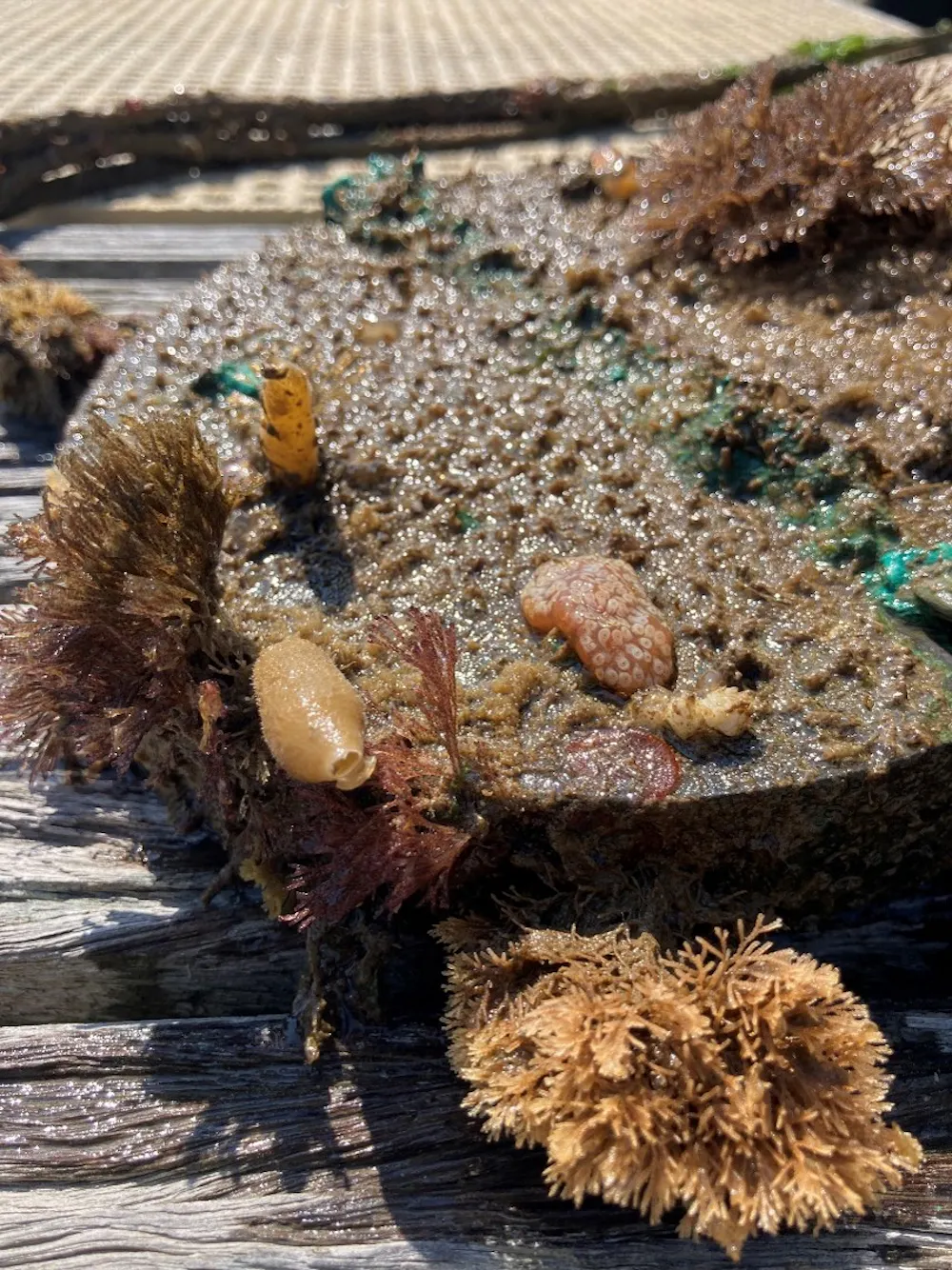
    Updates to this page

    Published 27 March 2025

    MIL OSI United Kingdom

  • MIL-OSI Security: Evansburg — Evansburg RCMP lay charges on male after reported kidnapping

    Source: Royal Canadian Mounted Police

    On Feb. 2, 2025, Evansburg RCMP responded to a third-party report where it was believed an adult victim had been kidnapped at gunpoint in the area of Highway 16A and Range Road 81 in Evansburg.

    Acting on this reported information, RCMP deployed significant resources, including dozens of members from Evansburg RCMP, Edson RCMP Traffic Unit, Edson RCMP, Whitecourt RCMP, Mayerthorpe RCMP, Parkland RCMP, Drayton Valley RCMP, Hinton RCMP, Barrhead RCMP, Saddle Lake RCMP, Real Time Operation Centre, RCMP Air Services, Alberta’s Remotely Piloted Aircraft Systems (RPAS), Major Crimes Unit, Emergency Response Team, and the Federal Serious & Organized Crime Unit.

    RCMP located the vehicle and attempted a traffic stop, but the driver fled at an extremely high rate of speed, especially considering the road conditions; due to the perceived danger of the to the victim, a pursuit was initiated. RCMP were able to make contact with the vehicle, resulting in the driver fleeing on foot; the victim was secured safely with RCMP members.

    RPAS and members began attempts at locating the suspect in a rural residential area, north of Range Road 150. The suspect was located running behind a shed, and the suspect attempted to break into a residence but was confronted by the homeowner, containment was initiated and shortly after, the suspect came out of the forest in surrender.

    A 50-year-old individual, a resident of Onoway, Alta., was charged with flight from police, dangerous operation of a motor vehicle, resist/obstruct a police officer, mischief under $5000, break and enter to a residence and forcible confinement.

    The 50-year-old individual was brought before a justice of the peace, where he was remanded with a court date of Feb. 5, 2025, at the Alberta Court of Justice in Stony Plain, Alta.

    This investigation is still ongoing, and the RCMP would like to extend gratitude to community members for their assistance thus far.

    The Evansburg RCMP is seeking the public’s assistance with any information regarding the incident and any dashcam footage if available. Anyone with information in relation this incident is asked to please contact the Evansburg RCMP at 780-727-4446 or your local police. If you wish to remain anonymous, you can contact Crime Stoppers at 1-800-222-8377 (TIPS), online at www.P3Tips.com or by using the “P3 Tips” app available through the Apple App or Google Play Store.

    Background:

    Feb. 2, 2025

    Evansburg RCMP issuing shelter in place for rural area east of Edson – Update

    Evansburg RCMP have lifted the shelter place for the area east of Edson on Range Road 150.

    A suspect has been taken into custody and police are not searching for any others.

    A release with additional details is anticipated. RCMP thank the public for their cooperation.

    Background:

    Feb. 2, 2025

    Evansburg RCMP issuing shelter in place for rural area east of Edson

    Evansburg RCMP is advising residents in the area east of Edson to shelter in place and not to open their doors to unknown persons.

    RCMP are responding to an unfolding event north of the Yellowhead Highway, on Range Road 150 and south of Township Road 532D.

    Residents of the area are asked to remain indoors, lock their residences and stay away from windows while officers respond.

    There are a significant number of resources focused on responding to this unfolding event. Please refrain from posting photos of responding officers on social media or those stationary in this vicinity.

    An update will be provided when further information is available.

    MIL Security OSI

  • MIL-OSI: WISeSat Prepares for June Launch of Its Second-Generation Satellite and Expands Global Footprint

    Source: GlobeNewswire (MIL-OSI)

    WISeSat Prepares for June Launch of Its Second-Generation Satellite and Expands Global Footprint

    WISeSAT.space will be attending the 40thSpace Symposium in Colorado Springs from April 6-10, 2025 (booth #808 located in the South Hall)

    Geneva, Switzerland – March 27, 2025 – WISeKey International Holding (“WISeKey” or the “Company”) (NASDAQ: WKEY; SIX: WIHN), a leading global cybersecurity, AI, and IoT company, alongside its subsidiary WISeSat.Space (“WISeSat”) today announces that the launch of its second-generation satellite is scheduled for June 2025. This follows the successful deployment of WISeSat’s first NDR-generation satellite in January 2025 aboard a SpaceX Falcon 9 rocket from Vandenberg Spaceport in California. The satellite launched in January is currently in orbit and its location can be tracked via https://wisesat.wisekey.com/?tags=WISeSat.

    This second-generation launch marks an important milestone in WISeSat’s vision to build a European constellation of Low Earth Orbit (LEO) satellites, designed to provide secure communications for the Internet of Things (IoT), 5G (in progress), RSSI, SIGINT, SEALCOIN for transactional IoT (tIoT) and post-quantum cybersecurity capabilities across the globe.

    The 2025 satellite launches build on the earlier success of WISeSat in collaboration with FOSSA Systems, which saw the launch of 17 picosatellites to test the resilience and performance of its core technologies. These tests laid the foundations for the current generation of satellites, which as of June will be equipped with more robust security protocols and a post-quantum cryptographic infrastructure developed by SEALSQ Corp (NASDAQ: LAES) (“SEALSQ”), a WISeKey subsidiary.

    WISeSat also announced a new strategic partnership with Skyroot Aerospace in India. This collaboration will diversify launch operations by enabling satellites to be deployed on alternative orbital trajectories, optimizing constellation coverage and efficiency. The partnership also includes the possibility of manufacturing satellites on Indian soil, to Indian specifications, thereby strengthening WISeSat’s global production and launch capabilities.

    By the end of 2025, WISeSat satellites will be able to carry out transactions in SEALCOIN tokens with each other and with connected objects on Earth, forming a secure, autonomous mesh for machine-to-machine (M2M) transactions. This innovation will create a financial and data exchange infrastructure in space, where connected machines will be digitally certified via a “Know Your Object” (KYO) protocol. The KYO process integrates Wecan’s technology and WISeID’s WISeKey platform, guaranteeing reliable identity and accountability throughout the ecosystem.

    Each WISeSat satellite is built with:

    • Post-quantum cryptographic chips from SEALSQ.
    • WISeKey root of trust and WISeID digital identity infrastructure.
    • Hedera’s Distributed Ledger Technology (DLT) for decentralized, forgery-proof data integrity.

    This technological foundation positions WISeSat as a global leader in secure satellite-based IoT infrastructure.

    “Our vision is to become the first low-orbit satellite constellation enabling secure Internet of Things connectivity and trusted communications anywhere in the world,” said Carlos Moreira, founder and CEO of WISeKey. “With upcoming launches, new international partnerships and post-quantum capabilities, we offer the next frontier in decentralized and secure space infrastructure.”

    About WISeSat.Space
    WISeSat.Space AG is pioneering a transformative approach to IoT connectivity and climate change monitoring through its innovative satellite constellation. By providing cost-effective, secure, and global IoT connectivity, WISeSat is enabling a wide range of applications that support environmental monitoring, disaster management, and sustainable practices. The integration of satellite data with advanced climate models holds great promise for enhancing our understanding of climate change and developing effective strategies to combat its impacts. As the world continues to grapple with the challenges of climate change, initiatives like WISeSat’s IoT satellite constellation are essential for creating a more resilient and sustainable future.

    About WISeKey

    WISeKey International Holding Ltd (“WISeKey”, SIX: WIHN; Nasdaq: WKEY) is a global leader in cybersecurity, digital identity, and IoT solutions platform. It operates as a Swiss-based holding company through several operational subsidiaries, each dedicated to specific aspects of its technology portfolio. The subsidiaries include (i) SEALSQ Corp (Nasdaq: LAES), which focuses on semiconductors, PKI, and post-quantum technology products, (ii) WISeKey SA which specializes in RoT and PKI solutions for secure authentication and identification in IoT, Blockchain, and AI, (iii) WISeSat AG which focuses on space technology for secure satellite communication, specifically for IoT applications, (iv) WISe.ART Corp which focuses on trusted blockchain NFTs and operates the WISe.ART marketplace for secure NFT transactions, and (v) SEALCOIN AG which focuses on decentralized physical internet with DePIN technology and house the development of the SEALCOIN platform.

    Each subsidiary contributes to WISeKey’s mission of securing the internet while focusing on their respective areas of research and expertise. Their technologies seamlessly integrate into the comprehensive WISeKey platform. WISeKey secures digital identity ecosystems for individuals and objects using Blockchain, AI, and IoT technologies. With over 1.6 billion microchips deployed across various IoT sectors, WISeKey plays a vital role in securing the Internet of Everything. The company’s semiconductors generate valuable Big Data that, when analyzed with AI, enable predictive equipment failure prevention. Trusted by the OISTE/WISeKey cryptographic Root of Trust, WISeKey provides secure authentication and identification for IoT, Blockchain, and AI applications. The WISeKey Root of Trust ensures the integrity of online transactions between objects and people. For more information on WISeKey’s strategic direction and its subsidiary companies, please visit www.wisekey.com.

    Disclaimer
    This communication expressly or implicitly contains certain forward-looking statements concerning WISeKey International Holding Ltd and its business. Such statements involve certain known and unknown risks, uncertainties and other factors, which could cause the actual results, financial condition, performance or achievements of WISeKey International Holding Ltd to be materially different from any future results, performance or achievements expressed or implied by such forward-looking statements. WISeKey International Holding Ltd is providing this communication as of this date and does not undertake to update any forward-looking statements contained herein as a result of new information, future events or otherwise.

    This press release does not constitute an offer to sell, or a solicitation of an offer to buy, any securities, and it does not constitute an offering prospectus within the meaning of the Swiss Financial Services Act (“FinSA”), the FinSa’s predecessor legislation or advertising within the meaning of the FinSA. Investors must rely on their own evaluation of WISeKey and its securities, including the merits and risks involved. Nothing contained herein is, or shall be relied on as, a promise or representation as to the future performance of WISeKey.

    Press and Investor Contacts

    WISeKey International Holding Ltd
    Company Contact: Carlos Moreira
    Chairman & CEO
    Tel: +41 22 594 3000
    info@wisekey.com
    media@wisekey.com
    WISeKey Investor Relations (US) 
    The Equity Group Inc.
    Lena Cati
    Tel: +1 212 836-9611
    lcati@equityny.com

    The MIL Network

  • MIL-OSI Global: Ecological disruptions are a risk to national security

    Source: The Conversation – USA – By Bradley J. Cardinale, Professor, Ecosystem Science and Management, Penn State

    Illegal deforestation is one way terrorist groups fund their activities. Amaury Falt-Brown/AFP via Getty Images

    When the natural environment is stretched beyond its ability to meet basic human needs for food, clean air, drinkable water and shelter, it is not just a humanitarian concern for the world community. Research shows that these crises are a matter of national security for the U.S. and other countries.

    The Pentagon and the U.S. intelligence community have long paid close attention to the influence of climate change on national security. Although recent intelligence reports of the Trump administration have omitted any mention of climate change, prior intelligence reports have shown how climate change can generate flash points for global conflict, affect how troops and equipment work, and influence which defense locations are vulnerable.

    The effects of ecological disruptions on national security get less attention. But they, too, can cause social and political instability, economic strife and strained international relations. Ecological disruptions occur when ecosystems that provide natural resources are compromised and can no longer meet basic human needs. Examples include overfishing, human disease and environmental crime.

    Protecting access to fish

    Some 3.2 billion people worldwide rely on fisheries as a major source of protein. Overexploitation of ocean fisheries is a common root of international conflict.

    From the 1950s to the 1970s, intermittent conflict broke out between British and Icelandic fishermen over the Icelandic cod fisheries, which had been depleted by overfishing. The Icelandic government sought to ban British trawlers from a broader area around the country’s coast, but the British continued to fish. The result was standoffs between fishing boats and Icelandic gunboats, and even the intervention of the British Royal Navy.

    These “Cod Wars” broke diplomatic relations between Iceland and the United Kingdom for a time. Iceland even threatened to withdraw from the North Atlantic Treaty Organization and close a U.S. military base in Iceland. The U.K. ultimately agreed to abide by a 200-mile territorial limit on fishing around Iceland. Decades later, in 2012, the British government issued an apology and offered £1,000 each in compensation to 2,500 British fishermen for the loss of jobs and livelihoods that resulted from abiding by the 200-mile limit.

    More recently, China’s rampant overfishing of its own coastal waters has meant expanding fishing in the South China Sea and using fishing fleets to assert new territorial claims. Indonesia has responded by blowing up more than 40 Chinese vessels accused of fishing illegally in its waters and stealing more than US$4 billion per year in Indonesian profits.

    The United States, Australia, New Zealand and Britain have stepped up naval patrols against illegal fishing in the waters of Pacific island nations. Conflicts have arisen with Chinese coast guard vessels that routinely escort fishing fleets entering other countries’ waters without permission.

    China’s fishing fleets have also expanded their activities off the coasts of Africa and South America, depleting fish stocks and creating political instability in those regions, too. In 2024, the U.S. Coast Guard and Argentine navy began joint exercises to combat illegal Chinese fishing in the Atlantic Ocean.

    Public health crises

    The best-known examples of ecologically related public health crises that jeopardize national security involve what are called zoonotic diseases, which spread from animals to humans as a result of close contact between people and wildlife. More than 70% of the world’s emerging infectious diseases – uncommon or newly identified infectious diseases – stem from contact with wild animals.

    The risks of animal-to-human disease transmission are especially high for those who handle or eat wild meat.

    A recent example is the SARS-CoV-2 coronavirus responsible for the COVID-19 global pandemic. Epidemiological and genetic studies suggest that SARS-CoV-2 first spilled over to humans from wild animals sold in the Huanan live animal market in Wuhan, China. Although the specific animal that served as the original host is still under investigation, bats and other mammals are considered likely natural reservoirs of SARS-CoV-2 because they harbor other coronaviruses with closely related genomes.

    Following the zoonotic spillover event, the pathogen spread rapidly across the globe, killing more than 7 million people and causing acute disruptions not only to global markets and supply chains but also to social cohesion and political stability. Countries with high COVID-19 mortality rates had elevated levels of civil disorder and fatalities caused by political violence as the trust of citizens in the ability of governments to protect them eroded.

    Many other zoonotic diseases caused by human-wildlife contact, such as Zika, Ebola, SARS and West Nile virus, have similarly generated international political and economic crises that have activated security measures within the U.S. government.

    Environmental crime

    International Anti-Poaching Foundation rangers, seen here demonstrating a patrol in Zimbabwe, seek to protect natural resources from criminals.
    Gianluigi Guercia/AFP via Getty Images

    Illegal poaching and trade of wildlife and forest products is valued at $91 billion to $258 billion per year. That makes environmental crime one of the world’s largest crime sectors, comparable with drug trafficking, at $344 billion, and human trafficking, at $157 billion.

    Exorbitant black market prices for rare wildlife specimens and body parts provide funding for terrorist groups, drug cartels and criminal organizations.

    Illegal logging helps finance terrorist groups such as Al-Shabaab in Somalia, where trade in charcoal has become a critical revenue source. Money from illegally cut trees turned into charcoal and sold to markets in the Middle East has funded al-Shabab-linked suicide bombings in Mogadishu, the 2013 Westgate mall attack in Nairobi that killed 67 Kenyan and non-Kenyan nationals, and the 2015 massacre of 147 university students in Garissa, Kenya.

    Those and other terrorist activities funded through environmental crime have contributed to the destabilization of countries throughout the Horn of Africa.

    These examples make clear how ecological disruptions to nature increase national security risks.

    National security is not just a matter of military strength. It also depends on the ability of a nation to maintain productive and stable ecosystems, resilient biological communities and sustainable access to natural resources. Sovereign nations already develop and protect physical infrastructure that is essential to security, such as roads, communication networks and power grids. The natural world plays an equally vital role in social and political stability and, we believe, deserves more attention in planning for national security.

    Bradley J. Cardinale has received funding from the US National Science Foundation, US Department of Energy, US National Oceanic and Atmospheric Administration, and US Department of Agriculture.

    Emmett Duffy has received funding from the US National Science Foundation, US Environmental Protection Agency, and the Lenfest Ocean Program.

    Rod Schoonover does not work for, consult, own shares in or receive funding from any company or organization that would benefit from this article, and has disclosed no relevant affiliations beyond their academic appointment.

    ref. Ecological disruptions are a risk to national security – https://theconversation.com/ecological-disruptions-are-a-risk-to-national-security-248754

    MIL OSI – Global Reports

  • MIL-OSI Global: What ‘The White Lotus’ gets wrong about the meaning and goals of common Buddhist practices

    Source: The Conversation – USA – By Brooke Schedneck, Associate Professor of Religious Studies, Rhodes College

    Thai men can be ordained from a few days to the rest of their lives. Pakin Songmor/Moment via Getty Images

    The new season of “The White Lotus” is set on a luxury resort on the Thai island of Koh Samui. This comedy-drama series, which critiques wealthy tourists, focuses one plotline on foreigners who arrive in Thailand with an interest in engaging with its Buddhist traditions.

    It depicts a young American woman who is interested in joining a yearlong meditation program at a Buddhist temple, even though Thai temples do not offer such programs. It also portrays a temple environment with many foreigners staying there long term, not dressed in typical clothing for residents of a temple – unusual in Thailand – and inaccurately describes the Buddhist view of the afterlife.

    I have studied Buddhism in Thailand for over a decade, including the diverse ways in which Thai Buddhists practice their religion. While the Thai Buddhism depicted in The White Lotus is not completely realistic, there are several authentic ways to engage deeply with Buddhism, ranging from offering donations to short meditation retreats to ordination as a monastic.

    Generosity and Buddhist laity

    Without donations, Buddhist temples and monastic institutions could not exist.

    The lay community provides for monks and temples, in exchange for the spiritual currency of merit, which is believed to turn into good karma. This good karma is believed to produce favorable conditions in this life and the next life, such as attaining wealth or being reborn into a privileged family.

    Some laypeople might give food to monks as they walk on their alms rounds every morning, while others may visit the temple only on most Buddhist holidays. The main intention behind interacting with a monk or visiting a temple is to make merit. Each temple has donation boxes for specific funds it needs, such as paying the electricity bill, completing renovation projects, providing education for young monks and funding the monastic community’s health care.

    People can take home blessed objects such as a lucky candle or small amulet in exchange for a small donation. In some temples, a monk’s duty is to sit inside one of the main halls and wait until the laity comes to receive offerings and give blessings.

    Meditation retreats

    Temples with meditation centers generally offer meditation retreats for a short period of time. Many offer 10-day retreats; participants can also sign up for a 21-day program in the north of Thailand, where they will aim to spend their days in 10-15 hours of meditation and minimize any other activity, including sleep.

    Participants in the 21-day program aim to reach the first of the four stages of enlightenment within Thai Theravada Buddhism. Buddhists believe that those who attain the first stage have “entered the stream” of enlightenment and are guaranteed to attain it within seven lifetimes.

    Contrary to popular Western beliefs about Buddhist meditation, it is not viewed as a secular practice. Thai Buddhists believe that meditation is a meritorious activity, helping them not only to ultimately leave the cycle of rebirth but also to accumulate merit and good karma along the way – in this life and future ones.

    At a meditation center, every moment is spent in mindfulness of every action, along with periods of formal walking or sitting meditation. All meditation centers have a structured program and schedule that practitioners, typically dressed in white pants and top, must follow individually or in group periods of meditation.

    Ordination of men and women

    Ordination is an important part of the Buddhist life course. Thai Buddhists often enter a monastery for a short period of time, temporarily being ordained as a monk or nun. Even for those who intended to enter for life but choose to leave the monastic life, the process is simple; it usually carries no shame or disappointment. However, if a monk was well known for his teaching, his followers would likely feel upset.

    In Theravada Buddhism, the kind of Buddhism practiced in Thailand, there are two levels of ordination: novice and full “bhikkhu” – the term for a fully ordained male. Males under the age of 20 may pursue only novice ordination, while those over 20 can become fully ordained monks.

    It is often considered a rite of passage, or at least a sign of discipline and maturity, for a male to have been ordained at some point in his life. Temporary ordination is seen as a way for men to make merit for their parents, especially their mothers, who sacrificed so much for their existence.

    Women are generally not allowed to be ordained in Thai Buddhism, but some have received ordination in Sri Lanka, where they are allowed to be monks, and set up communities in Thailand, which are gaining in popularity. These female monastic practice centers have initiated temporary ordination programs for female monks, or “bhikkhuni.”

    These centers host special programs once or twice a year, where up to 100 women, including international visitors, can ordain as novice female monks for a short period. During this time, they learn what it is like to wear the robes, receive offerings and study the Buddhist texts.

    Many women find this opportunity meaningful because they can offer merit to their parents, which was previously only available to a male.

    Thai women fighting to be ordained.

    Women can also ordain temporarily or long term as a “mae chi” in Thailand, or a precept nun. They usually follow Eight Precepts, including celibacy, wearing white robes and shaving their head. Although more accepted today in Thailand as a role for Buddhist women than bhikkhuni, this category of ordination was not initiated by the Buddha. Precept nuns are believed to have existed for centuries, but without a clear origin.

    These are some common ways in which Thai Buddhists practice Buddhism, often with the goal of achieving prosperity in this life and a better rebirth. Such practices, Buddhists believe, may also get them closer to the ultimate aspiration of enlightenment.

    Brooke Schedneck does not work for, consult, own shares in or receive funding from any company or organization that would benefit from this article, and has disclosed no relevant affiliations beyond their academic appointment.

    ref. What ‘The White Lotus’ gets wrong about the meaning and goals of common Buddhist practices – https://theconversation.com/what-the-white-lotus-gets-wrong-about-the-meaning-and-goals-of-common-buddhist-practices-251769

    MIL OSI – Global Reports

  • MIL-OSI Africa: Guinea-Bissau’s political crisis: a nation on the brink of authoritarianism

    Source: The Conversation – Africa – By Carlos Eduardo Machado Sangreman Proença, enseignant-chercheur, Universidade de Aveiro (Portugal)

    Guinea-Bissau faces a deep political crisis. For several years, the small west African nation has endured growing tensions between political institutions and there’s now a strong climate of uncertainty.

    Guinea-Bissau’s general elections had been scheduled for November 2024, but President Umaro Sissoco Embaló postponed them citing political instability, logistical challenges and disputes over presidential term limits. He has since announced 30 November 2025 as the new date for elections.

    Embaló has been president of Guinea Bissau since 27 February 2020. The opposition and the Supreme Court argue that his presidency should have ended on 27 February 2025. Embaló however insists his mandate should end on 4 September 2025. The dispute over Embaló’s five-year term stems from different interpretations of his inauguration date. He argues his official term began later, in November 2020 – when legal challenges to his election were resolved.

    The opposition now regard Embaló as an illegitimate president. Economic Community of West African States (Ecowas) representatives were also recently threatened with expulsion from the country when they came to assess the political situation.

    These developments highlight an unprecedented crisis. They raise concerns about Guinea-Bissau’s democratic future, given the political uncertainty.

    I’m an expert on Guinea-Bissau’s politics and have carried out research on the state of the country’s democracy. In this article, I examine the country’s current political crisis.

    Weakening institutions

    Nearly 50 years after independence, Guinea-Bissau is a fragile state, struggling to meet its people’s needs. Weak institutions, a self-serving political and economic elite, and a lack of basic public services have fuelled instability.

    The army, led by veterans, has staged three coups, and the country’s 1998-1999 civil war caused significant destruction.

    Despite this, civil society remains vibrant. It fills gaps left by the state. It plays a vital role in education, human rights, women’s rights, and environmental protection. It also supports vulnerable groups, including child beggars (talibés).

    Since taking office, Embaló has been weakening democratic institutions and consolidating power.

    His recent dissolution of parliament in December 2023, without scheduling timely elections, violated constitutional norms. He also directly appoints and dismisses governments, while the Supreme Court lacks the quorum needed to function. As a result, the legislative, executive and judicial branches all fall under the president’s direct control.

    The parliament’s permanent commission, made up of elected members, is the only institution still operating within constitutional limits. However, the president’s dissolution of parliament has blocked legislative sessions.

    This broader trend of power consolidation started with João Mário Vaz, who led the country between 23 June 2014 and 27 February 2020. Guinea Bissau has, for the past decade, been slipping into authoritarianism under different leaders.

    Growing authoritarianism

    Since Embaló won the 2019 presidential election, political, economic and social instability has persisted. This has severely affected human rights in the country.

    One of the major drivers of the current crisis was Embaló’s dissolution of the National Assembly in 2023.

    The assembly was being controlled by the opposition. This followed 2023 legislative elections in which a coalition led by the African Party for the Independence of Guinea-Bissau and Cape Verde (PAIGC) won. Its leader, Domingos Simões Pereira, became speaker of parliament. A government appointed by the winning coalition was then sworn in.

    In December 2023, a brief clash between two paramilitary groups – the national guard and the presidential battalion – became a pretext to dissolve the National Assembly. The president then appointed a prime minister and formed a government himself.

    Losing external support

    Embaló has taken every step to stay in power. He will eventually hold a presidential election but, I believe, only when the opposition is too weak to unite behind a candidate. He is also distancing himself from Ecowas, which urges elections within constitutional deadlines.

    Embaló is, however, not alone in his efforts for control. His 2020 provisional inauguration in a hotel in the capital in 2020 was attended by politicians and business figures. He continues to receive backing, as shown by ongoing consultations and public statements from political and civil actors.

    Still, his domestic support appears to be shrinking. He may consolidate his authoritarian rule as long as the military stays in its barracks and elections are delayed.

    Guinea-Bissau faces two possible paths. It could transition into a liberal democracy if presidential and legislative elections restore functioning institutions. Alternatively, it could slip into dictatorship marked by unchecked presidential power, repression of opposition, and lawlessness, including armed groups and drug trafficking.

    In a region already struggling with Islamist insurgencies and instability, Guinea-Bissau’s trajectory matters. The international community, particularly in Africa, must not ignore this crisis. Pressure on Embaló to allow a democratic transition is crucial for the country’s stability.

    – Guinea-Bissau’s political crisis: a nation on the brink of authoritarianism
    – https://theconversation.com/guinea-bissaus-political-crisis-a-nation-on-the-brink-of-authoritarianism-252317

    MIL OSI Africa

  • MIL-OSI: Maris-Tech Secures a $4 Million Line of Credit from a Leading Israeli Commercial Bank

    Source: GlobeNewswire (MIL-OSI)

    The line of credit will allow the Company flexibility in taking advantage of strategic opportunities

    Rehovot, Israel, March 27, 2025 (GLOBE NEWSWIRE) — Maris-Tech Ltd. (Nasdaq: MTEK, MTEKW) (“Maris-Tech” or the “Company”), a global leader in video and artificial intelligence (“AI”) based edge computing technology, today announced that it has secured a $4 million line of credit from a leading Israeli commercial bank for a period of 12 months from the date of the agreement. 

    The line of credit is on accepted commercial terms for similarly-sized companies and includes fixed and floating liens on the Company’s assets, customary economic and restrictive covenants by the Company, its U.S. subsidiary and agreement by two shareholders of the Company to certain subordination restrictions concerning loans they have provided to the Company.

    The line of credit will allow the Company the ability to take advantage of strategic opportunities and increase its commercial activity, without diluting the Company’s shareholders.

    The Company believes that the entry into the line of credit agreement indicates the trust of a leading Israeli commercial bank towards the Company.

    “We are proud that a leading Israeli commercial bank has chosen to support the Company’s growth. This line of credit will give us the flexibility to achieve our growth potential, without relying on market conditions or sales of our equity. We will continue to do everything to justify the trust given to us,” said Israel Bar, Chief Executive Officer of Maris-Tech. 

    About Maris-Tech Ltd.

    Maris-Tech is a global leader in video and AI-based edge computing technology, pioneering intelligent video transmission solutions that conquer complex encoding-decoding challenges. Our miniature, lightweight, and low-power products deliver high-performance capabilities, including raw data processing, seamless transfer, advanced image processing, and AI-driven analytics. Founded by Israeli technology sector veterans, Maris-Tech serves leading manufacturers worldwide in defense, aerospace, Intelligence gathering, homeland security (HLS), and communication industries. We’re pushing the boundaries of video transmission and edge computing, driving innovation in mission-critical applications across commercial and defense sectors.

    For more information, visit https://www.maris-tech.com/

    Forward-Looking Statement Disclaimer

    This press release contains “forward-looking statements” within the meaning of Section 27A of the Securities Act of 1933, as amended, and Section 21E of the Securities Exchange Act of 1934, as amended, that are intended to be covered by the “safe harbor” created by those sections. Forward-looking statements, which are based on certain assumptions and describe the Company’s future plans, strategies and expectations, can generally be identified by the use of forward-looking terms such as “believe,” “expect”,” “may”, “should,” “could,” “seek,” “intend,” “plan,” “goal,” “estimate,” “anticipate” or other comparable terms. For example, the Company is using forward-looking statements when it is discussing: that the line of credit will allow the Company the ability to take advantage of strategic opportunities and to increase its business activity and will give the Company the flexibility to achieve its growth potential, without relying on market conditions or sales of the Company’s equity; the Company’s belief that the entry into the line of credit agreement indicates the trust of a leading Israeli commercial bank towards the Company and that the signing of the line of credit agreement indicates the trust of a leading Israeli commercial bank towards the Company. Because forward-looking statements relate to the future, they are subject to inherent uncertainties, risks and changes in circumstances that are difficult to predict and many of which are outside of the Company’s control. The Company’s actual results and financial condition may differ materially from those indicated in the forward-looking statements. Therefore, you should not rely on any of these forward-looking statements. Important factors that could cause the Company’s actual results and financial condition to differ materially from those indicated in the forward-looking statements include, among others, the following: its ability to successfully market its products and services, including in the United States; the acceptance of its products and services by customers; its continued ability to pay operating costs and ability to meet demand for its products and services; the amount and nature of competition from other security and telecom products and services; the effects of changes in the cybersecurity and telecom markets; its ability to successfully develop new products and services; its success establishing and maintaining collaborative, strategic alliance agreements, licensing and supplier arrangements; its ability to comply with applicable regulations; and the other risks and uncertainties described in the Annual Report on Form 20-F for the year ended December 31, 2023, filed with the SEC on March 21, 2024, and its other filings with the SEC. We undertake no obligation to publicly update any forward-looking statement, whether written or oral, that may be made from time to time, whether as a result of new information, future developments or otherwise.

    Investor Relations:

    Nir Bussy, CFO
    Tel: +972-72-2424022
    Nir@maris-tech.com

    The MIL Network

  • MIL-OSI United Kingdom: Christina McKelvie, 1968-2025

    Source: Scottish National Party

    Christina McKelvie’s partner, Keith Brown, along with her sons, Lewis and Jack, are deeply saddened to announce her passing this morning at Glasgow Royal Infirmary.

    Christina’s sons Lewis and Jack and I are heartbroken to announce the death of Christina at Glasgow Royal Infirmary this morning.

    Christina was an MSP from 2007, serving her constituents in Hamilton, Larkhall and Stonehouse, from 2011. She convened two committees before becoming a Minister in 2018. She loved her job, and she loved her party and was always a champion for the people of Scotland and an advocate for social justice and for Scotland to be an independent nation in Europe.

    To us, she was our beloved mum, partner and gran to Maeve and Leo. She was always hard working and enthusiastic and lit up every room she was in with her positivity and bright smile. She was always proud of her working class roots in Easterhouse and often said she could not have dreamt of becoming a government minister for the Scottish Government.

    We are immensely proud of all Christina achieved. She was passionate about many issues, including advocating for people living with MND and sponsoring the first Wear It Pink at the Scottish Parliament in support of Breast Cancer Now many years before her own diagnosis with breast cancer, after which she used every opportunity to encourage women to check themselves and go to screening appointments.

    As a Parliamentarian, she was proud of her work as convener of two Committees – European and External Relations and then the Equalities Committee which added Human Rights to its title and remit under her convenership. She also championed policy and legislation through promoting ‘Clare’s Law’ – to allow the disclosure of previous violent and abusive behaviour to those at risk. As a Minister, she launched the world’s first strategy to tackle social isolation and loneliness as a health issue, tackled the stigma surrounding menopause, and introduced legislation banning FGM.

    As a constituency MSP, Christina worked hard to support her constituents and many local groups and absolutely loved every part of Hamilton, Larkhall and Stonehouse. Christina was also a committed trade unionist and long-standing member of Unison from her time working in social work services in Glasgow.

    Today, we have lost our much loved Christina and know she will be very much missed by all our family and also her many, many friends, staff and constituents.

    Christina was born on 4 March 1968. She became an MSP in 2007, latterly representing Hamilton, Larkhall and Stonehouse from 2011. She was Minister for Equalities from 2008 to 2023, when she became Minister for Culture, Europe and International Development, and was Minister for Drugs and Alcohol Policy from February 2024. As an MSP, she was Convener of the European and External Relations Committee and a member of the Congress of Local and Regional Authorities of the Council of Europe between 2016 and 2018, and then Convener of the Equalities and Human Rights Committee from September 2016 till she became a Minister in 2018.

    Christina took medical leave last August to undergo treatment for secondary breast cancer.

    MIL OSI United Kingdom

  • MIL-OSI China: Vice premier calls for safeguarding free trade at Boao annual conference

    Source: People’s Republic of China – State Council News

    BOAO, Hainan, March 27 — The Boao Forum for Asia (BFA) Annual Conference 2025 opened on Thursday in Boao, south China’s Hainan Province.

    Chinese Vice Premier Ding Xuexiang, also a member of the Standing Committee of the Political Bureau of the Communist Party of China Central Committee, attended the opening ceremony, calling for strengthening mutual trust, enhancing win-win cooperation, promoting economic globalization and safeguarding the free trade system.

    Founded in 2001, the BFA is a non-governmental and non-profit international organization committed to promoting regional economic integration and bringing Asian countries closer to their development goals. Running from March 25 to 28, this year’s conference is themed “Asia in the Changing World: Towards a Shared Future.”

    Addressing the opening ceremony, Ding said that significant progress has been made in building an Asian community with a shared future over the past decade.

    “China and ASEAN have established a comprehensive strategic partnership, and the Regional Comprehensive Economic Partnership has entered into effect,” the vice premier said.

    He added that regional economic integration has been strengthened, and Asia’s share in the global economy is steadily rising.

    “Our world is experiencing far greater instability and uncertainty,” Ding noted, calling for joint efforts to address global challenges, build a shared Asian home and usher in a brighter future for Asia and beyond.

    It is necessary to strengthen solidarity and cooperation through greater mutual trust, Ding said. Efforts should be made to champion the Asian values built around peace, cooperation, inclusiveness and integration, and respect each other’s core interests and major concerns, he added.

    Ding stressed the importance of promoting economic globalization through openness and integration, urging efforts to jointly safeguard the free trade system, uphold open regionalism, and firmly oppose trade and investment protectionism.

    To promote prosperity and development through mutual benefit and win-win cooperation, it is imperative to deliver on the Global Development Initiative and actively improve people’s livelihood, Ding noted.

    He underscored the need of safeguarding tranquility and stability through peaceful coexistence. The vision of common, comprehensive, cooperative, and sustainable security in Asia should be upheld, while efforts should be made to ensure that Asia continues to be a land of peace and stability, Ding said.

    On the Chinese economy, Ding said economic performance in the country has been running steadily with a stronger outlook.

    The country will do its best to fulfill this year’s goals and tasks for economic and social development, he said. “China is confident of realizing these goals and will contribute to development in Asia and the world.”

    China’s innovation-driven growth has gathered stronger momentum, presenting opportunities not only for the country itself but also for Asia and the world, Ding said.

    Describing opening up as a distinct hallmark of Chinese modernization, the vice premier pledged that China will open wider to the world no matter how the external environment changes.

    “We warmly welcome businesses from all countries to invest and operate in China, join in the process of Chinese modernization, and share in China’s development opportunities,” he said.

    Thursday’s opening ceremony was attended by more than 1,500 representatives from over 60 countries and regions, including officials, business leaders and scholars.

    MIL OSI China News

  • MIL-OSI USA: Robert Bird: Legal Strategy is an Untapped Competitive Advantage for Companies

    Source: US State of Connecticut

    CEOs and corporations should integrate legal strategy – an often-overlooked competitive advantage – into the core of their business plans, says Business law professor Robert Bird.

    “Legal knowledge is the last great source of untapped competitive advantage in organizations, and the corporations that recognize this can unlock a storehouse of value creation that their rivals might miss,’’ Bird says.

    Bird lays out the case for the competitive advantage of legal strategy in a new book, Legal Knowledge in Organizations: A Source of Strategic and Competitive Advantage’’ (Cambridge University Press), which is out today.

    “When applied strategically, legal expertise can reveal opportunities for innovation, improve risk management, foster better decision-making, and support a culture of integrity,’’ he says.

    Legal Strategy Offers Much More than Compliance Mandates

    Take, for example, a company that establishes a strong policy against sexual harassment, Bird says. Instead of ignoring or minimizing sexual harassment concerns, the company prides itself on having zero tolerance and makes support and respect for women a core value of the organization.

    “Legal requirements related to sexual harassment and other workplace rules are more than just mandates. They have the potential to transform organizational culture and support women at all levels of the company,” Bird says. “Ultimately, that becomes a tremendous advantage in recruiting and retaining top talent.’’

    Legal knowledge holds many other strategic advantages as well, Bird says. A pro-active legal team can minimize risk; create contracts with intrinsic value that build relationships, loyalty, and trust; and merge intellectual prowess with corporate integrity.

    Bird says it took about two years to complete the book, but it reflects over 20 years of thought, research, and experience.

    “I’ve had an enduring curiosity about how lawyers and other legal experts can make companies more competitive and also more ethical,’’ he says. “A variety of businesses can profit from this guidance, but pharmaceutical, financial services, health care, and other highly regulated industries can particularly benefit.”

    The new book also offers a step-by-step guide to implementing legal strategy into a company.

    “I think the information in this book can bridge the gap between legal knowledge and business goals,’’ Bird says. “This content is meant to serve the broad business community, from lawyers to aspiring managers to business executives.’’

    Legal Expertise No Longer on the Periphery

    Bird says he believes this strategy has been overlooked by businesses because of the different perspectives that lawyers and businesspeople have.

    “Lawyers tend to be more conservative, and business people are more willing to take risks,’’ he says. “That can be a source of disagreement, but if both sides collaborate with one another there is the potential for a significant value creation.”

    Leveraging legal knowledge into competitive value requires a different way of thinking about how the organization works.

    “To be effective, leadership needs two things, an understanding of the law and an innovative mindset on how to use it in new ways that capture value,’’ he says. “We need to shed the thinking of the legal team as a static, punitive force, and embrace it as something dynamic, a value generator, and part of a fundamental strategy, that is no less valuable than other business disciplines.’’

    Bird emphasizes that legal knowledge must be deployed ethically and in a socially responsible manner.

    “Legal strategy is not a license to circumvent legal obligations, but a valuable opportunity to grow an organization that generates superior value for both business and society,” he says.

    Bird has been a professor of business law at UConn for 21 years and he also serves as the Eversource Energy Chair in Business Ethics. He earned his JD and MBA from Boston University. A prolific writer, he has authored more than 80 articles in the Journal of Law and Economics, American Business Law Journal, the Harvard Journal of Law and Public Policy and the MIT Sloan Management Review and has received numerous research and teaching awards.

    MIL OSI USA News