NewzIntel.com

    • Checkout Page
    • Contact Us
    • Default Redirect Page
    • Frontpage
    • Home-2
    • Home-3
    • Lost Password
    • Member Login
    • Member LogOut
    • Member TOS Page
    • My Account
    • NewzIntel Alert Control-Panel
    • NewzIntel Latest Reports
    • Post Views Counter
    • Privacy Policy
    • Public Individual Page
    • Register
    • Subscription Plan
    • Thank You Page

Category: India

  • MIL-OSI Analysis: How poetry can help to fight polarisation and misinformation

    Source: The Conversation – UK – By Alex Hubbard, Associate lecturer in English Literature and Creative Writing, Aberystwyth University

    Drazen Zigic/Shutterstock

    People are becoming more divided and ill informed. In January 2024, a report by the World Economic Forum identified misinformation and disinformation as “the most severe global risk anticipated over the next two years”.

    As a result, it predicted “perceptions of reality are likely to also become polarised” – and that unrest resulting from unreliable information may cause “violent protests … hate crimes … civil confrontation and terrorism”. Many people would agree that something is needed to bridge the ever-widening gaps between ourselves.

    In my view, this is not just a problem of alternative sets of facts, but a failure to perceive and empathise with that which is outside of our own experiences.

    While the smartphone, with its capacity to provide users with sources from across the world, can provide endless opportunity to learn about other perspectives and experiences, research suggests social media increasingly cocoons users within their own interests.

    This algorithmically encouraged self-importance means we are stuck in a feedback loop – the echo chamber – where our own experiences, values and desires are seen as the norm.

    In contrast, by encouraging people to imagine beyond their own experience, reading poetry can serve as an exercise in seeing things from a different perspective.


    Looking for something good? Cut through the noise with a carefully curated selection of the latest releases, live events and exhibitions, straight to your inbox every fortnight, on Fridays. Sign up here.


    Poetry has always been political. The writer and civil-rights activist Audre Lorde argued it produces “a revelatory distillation of experience”. In other words, by distilling aspects of an experience, poetry can reveal powerful truths about reality.

    Lorde’s poem Afterimages (1981) records her memory of turning 21 in the same year that 14-year-old Emmett Till was lynched in Mississippi. The poem’s revelation is a simple one. For black Americans, coming of age means coming to terms with the constant threat of extreme racial violence.

    Poetry’s success often relies upon showing people aspects of the world which they might otherwise have ignored, repressed or simply missed.

    Some poetry experiments with form itself to produce this revelatory effect. Estate Fragments (2014) is a long poem written by Gavin Goodwin, exploring the Bettws council estate in Newport. It juxtaposes quotations from academic writing alongside interviews with residents – a practice referred to as “found poetry”.

    Goodwin attempts to consider the effect that seemingly abstract political decision-making and discussions have on a particular place and community. Take this stanza:

    Increased inequality

    ups the stakes

    ‘People that were younger than you

    were more dangerous.’

    The first two lines quote Common Culture by Paul Willis (1990), a sociological study in the cultures of young people. The latter are from an interview with a resident of the Bettws estate. Together, they tell a story: national economic inequality causes people in a working-class community to fear each other.

    Looking closer and looking deeper

    More conventional lyric poetry can still reveal sociopolitical realities. Canadian Métis Nation writer katherena vermette’s collection North End Love Songs (2012) explores the North End in Winnipeg, Canada. In a CBC interview, vermette discussed how the local community are:

    The people that get picked on [and] blamed … but what I’m trying to do in my work is to go into looking closer and looking deeper … and seeing that they’re not what they seem.

    Misinformation and polarisation cause social tension, as particular groups are generalised and blamed. Vermette’s poem indians explicitly explores the devastation caused by preconceptions of peoples and places.

    Red River in Winnipeg.
    Teng Guan/Shutterstock

    The poem recalls vermette’s brother going missing, before being found in the Red River, a powerful body of water that moves through Winnipeg. It focuses on the apathy of Winnipeg’s police service, who tell the family that there is “no sense looking”, as the man will return when “he gets bored/or broke”. The authorities come to this conclusion not through investigation, but by reducing the speaker’s brother to racist stereotypes.

    This is then contrasted with what the family “finds out”. Not only has the brother drowned, but the “land floods/with dead indians”. The speaker discovers the fate of her brother is also the fate of many other Métis people in Winnipeg. This personal experience of loss comes to speak for many other loses:

    indians get drunk

    don’t we know it?

    do stupid things

    like being young

    like going home alone

    like walking across a frozen river

    not quite frozen

    Vermette links grief to struggles against systematic apathy and oppression. The poem’s sense of politics, people and place are a central part of its poetics.

    Audre Lorde in 1980.
    Wiki Commons, CC BY

    Such explicitness means the poem meaningfully connects to important political issues – drawing attention to the startlingly high number of missing people found and suspected to be in the Red River. As such, it can also link to important grassroots initiatives like Drag the Red, which aims to “find answers about missing loved ones” which might lie in the river.

    While North End Love Songs was published two years before Drag the Red’s formation, the poem and initiative are clearly formed by the same kind of traumatic, sociopolitical events.

    Newsfeeds increasingly silo us into comfortable ways of thinking and perceiving. Forty years on, Lorde’s declaration that poetry “is not a luxury” takes on a whole new meaning. Now, it might be a political necessity.


    Get your news from actual experts, straight to your inbox. Sign up to our daily newsletter to receive all The Conversation UK’s latest coverage of news and research, from politics and business to the arts and sciences.

    Alex Hubbard is formerly affiliated with the Labour Party, and Aber Food Surplus, a community hub.

    – ref. How poetry can help to fight polarisation and misinformation – https://theconversation.com/how-poetry-can-help-to-fight-polarisation-and-misinformation-255567

    MIL OSI Analysis –

    July 26, 2025
  • MIL-OSI Security: Illinois Man Sentenced to 41 Months in Prison

    Source: US FBI

    HAMMOND – Yesterday, Kareim J. Coverson, 37 years old, of Calumet City, Illinois, was sentenced by United States District Court Judge Phillip P. Simon after pleading guilty to conspiracy to commit bank fraud, announced Acting United States Attorney M. Scott Proctor.

    Coverson was sentenced to 41 months in prison, 2 years of supervised release, and ordered to pay $614,597.50 in restitution to the victims of the offense.

    According to documents in the case, between approximately May 2019 and June 2020, Coverson participated in a scheme to fraudulently obtain over $3.3 million from the proceeds of large business checks stolen out of the mail.  Coverson and his co-conspirators registered fictitious corporations with the Indiana and Illinois Secretaries of State, opened fraudulent corporate bank accounts, and deposited the stolen checks into the fraudulent accounts.  The actions of Coverson and his associates resulted in an unrecovered loss of over $1 million to the affected businesses and financial institutions.

    Coverson is the last of 10 defendants to be convicted and sentenced in this case and a related prosecution arising from the same scheme.   In April 2024, Coverson’s brother, Oliver Coverson, was sentenced to 96 months in prison for his role as the organizer of the scheme.  Earlier this year, Defendant Scott Vue received a prison sentence of 51 months for his role in the offense, which included opening fraudulent bank accounts, depositing stolen checks, and recruiting additional participants to the conspiracy.

    “The Coverson brothers and their associates assembled a large criminal conspiracy that caused millions of dollars of harm to businesses and banks throughout the United States.  These defendants stole from small and large businesses alike, disrupting the flow of commerce, and compromising the mail and financial systems on which everyday Americans rely to conduct their business,” said Proctor.  “As the court’s sentences in this case demonstrate, such conduct is not tolerated in the Northern District of Indiana and will be met with serious consequences.”   

    This case was investigated by the United States Postal Inspection Service, with assistance from the Federal Bureau of Investigation, Federal Deposit Insurance Corporation – Office of Inspector General, and the Lake County Sheriff’s Office.  The case was prosecuted by Assistant United States Attorney Zachary D. Heater.

    MIL Security OSI –

    July 26, 2025
  • MIL-OSI USA: Senator Ricketts Introduces the THINK TWICE Act to Combat Chinese Arms Sales

    US Senate News:

    Source: United States Senator Pete Ricketts (Nebraska)
    WASHINGTON, D.C. – This week, U.S. Senator Pete Ricketts (R-NE) introduced the Tracking Hostile Industry Networks and Kit while Thwarting Weapons Imports from Chinese Entities (THINK TWICE) Act of 2025.  The THINK TWICE Act would require an assessment of arms sales by Communist China and a strategy to dissuade countries from buying Chinese weapons systems and defense equipment.  The legislation was also sponsored by Senator Michael Bennet (D-CO).
    “Communist China has emerged as a major weapons supplier. This is particularly true in Africa, the Middle East, and Asia,” said Ricketts.  “This development has major implications for American defense companies, our military operations, and our global security partnerships.  The recent Pakistan-India clash saw significant use of Chinese-made weapons. This should be a major wake-up call that we must do more to combat these arms sales.  That’s why I’ve introduced the THINK TWICE Act. This act requires a coordinated strategy to dissuade new purchases of Chinese-made weapons. It will also ensure our defense industrial base is better equipped to provide alternatives to prospective buyers.”
    “As China wields arms sales to reshape the international system in Beijing’s image, the United States must reassert its role as a security partner of choice,” said Bennet.  “This legislation is an essential step toward countering China’s expanding military footprint and geopolitical influence.”
    The THINK TWICE Act would:
    Requires the Secretary of Defense, in coordination with the Secretary of State, to report on arms sales facilitated by entities of the People’s Republic of China (PRC).  The report requires inclusion of:
    The specific weapons systems, technical aspects, and capabilities of those weapons;
    The countries mostly likely to procure weapons systems; 
    The weapons that present the greatest security risks regarding the potential to collect intelligence on or compromise U.S. platforms;
    The factors that incentivize countries to procure Chinese weapons; 
    And the PRC’s strategy regarding arms sales.

    Requires the Secretary of State, in coordination with the Secretary of Defense, to develop a strategy to dissuade purchases of new weapons systems and defense equipment from the PRC.  The strategy would include:
    An information campaign to warn countries interested in procuring weapons systems and defense equipment originating from China about risks; 
    A description of actions the U.S. can take, including FMS reforms, commercial sales, and foreign military financing; 
    An analysis of whether sanctions or economic restrictions targeting potential buyers could be used as an effective deterrent; 
    A plan to ensure sufficient representation of defense firms of the U.S. or trusted allies at defense trade shows; 
    And a plan to combat Chinese disinformation campaigns targeting the performance of Western weapons.

    BACKGROUND:
    Communist China is now the fourth largest arms exporter behind the U.S., Russia, and France.  In recent years, Chinese-made drones, missiles, and fighter jets have been exported to 44 countries.  All around the world, Communist China uses arms sales to promote strategic interests, improve its military’s image and reputation, acquire performance data of Chinese-made weapons in contested environments, exacerbate tensions between the U.S. and traditional security partners, and gain a foothold for further defense and security cooperation.  With Russia unable to facilitate arms sales given its war of aggression in Ukraine, an opportunity has arisen for Communist China to fill the void.
    Bill text can be found here.

    MIL OSI USA News –

    July 26, 2025
  • 6 MoUs signed, ₹4,850 crore credit announced in PM Modi and President Muizzu bilateral talks

    Source: Government of India

    Source: Government of India (4)

    Prime Minister Narendra Modi met Maldivian President Mohamed Muizzu at the President’s Office in Male on Friday, marking a diplomatic milestone during his visit to commemorate the 60th anniversary of Maldives’ independence and six decades of diplomatic relations between the two countries.

    Reflecting on the partnership, the two leaders reviewed progress on the India-Maldives Joint Vision for a ‘Comprehensive Economic and Maritime Security Partnership’ that was adopted during President Muizzu’s state visit to India in October 2024. Modi reiterated India’s commitment to deepening engagement with Maldives in line with the “Neighbourhood First” and “Vision MAHASAGAR” doctrines.

    President Muizzu, in turn, acknowledged India’s consistent support as the “first responder” in times of crisis, and both leaders discussed avenues for enhanced cooperation across infrastructure development, capacity building, health, climate action, and disaster preparedness. They also reviewed maritime security collaboration under the Colombo Security Conclave framework.

    On the economic front, Prime Minister Modi emphasised the importance of concluding a proposed Free Trade Agreement and a Bilateral Investment Treaty to unlock new trade and investment opportunities. He also welcomed recent steps toward digital integration, including agreements for the use of India’s Unified Payments Interface (UPI), RuPay card acceptance, and local currency trade mechanisms, with a view to boosting tourism and digital commerce.

    Six Memoranda of Understanding (MoUs) were exchanged across key areas such as fisheries, aquaculture, meteorology, digital public infrastructure, pharmacopoeia, and a concessional Line of Credit. A new Line of Credit, amounting to approximately ₹4,850 crore (about USD 550 million), was announced for infrastructure and other developmental activities in Maldives. An amended agreement on existing lines of credit was also signed, bringing down Maldives’s annual debt repayment by 40%, from USD 51 million to USD 29 million.

    The leaders jointly inaugurated a roads and drainage project in Addu City and six High Impact Community Development Projects across various cities. Modi also handed over 3,300 social housing units and 72 vehicles intended for the Maldives National Defence Force and immigration authorities.

    In a gesture of medical diplomacy, India gifted two units of Aarogya Maitri Health Cubes (BHISHM) to the Maldives. These mobile health units, equipped with modern medical devices, can support 200 casualties and sustain six personnel for up to 72 hours.

    Further underlining shared environmental goals, Modi and Muizzu planted mango saplings, symbolising India’s “Ek Pedh Maa Ke Naam” campaign and the Maldives’ “Pledge of 5 Million Trees” initiative.

    Prime Minister Modi also thanked President Muizzu for his condemnation of the recent terrorist attack in Pahalgam and for expressing solidarity with India’s fight against terrorism.

    July 26, 2025
  • MIL-OSI United Nations: Activities of Secretary-General in Brazil, 5-9 July

    Source: United Nations General Assembly and Security Council

    The United Nations Secretary-General, António Guterres, arrived in Rio de Janeiro, Brazil, on Saturday evening, 5 July, to attend the Seventeenth Summit of the BRICS [Brazil, Russian Federation, India and China] countries.

    On Sunday afternoon, 6 July, after being welcomed by Luiz Inacio Lula da Silva, the President of Brazil, the Secretary-General addressed an outreach session on “Strengthening multilateralism, economic-financial affairs and artificial intelligence”.  He highlighted that artificial intelligence (AI) is reshaping economies and societies, and that the fundamental test is how wisely we guide this transformation.

    The Secretary-General also emphasized that AI cannot be a club of the few, but must benefit all, and in particular developing countries, which must have a real voice in the governance of artificial intelligence.

    In the evening, the Secretary-General attended an official cocktail on the occasion of the BRICS Leader’s Summit, hosted by the President of Brazil, Luiz Inacio Lula da Silva and Janja Lula da Silva.

    On Monday morning, 7 July, soon after his arrival at the 17th Summit of the BRICS venue, the Secretary-General took part in the family photo. He then addressed an outreach session on “Environment, COP30 [Thirtieth Session of the Conference of the Parties to the United Nations Framework Convention on Climate Change] and global health”, warning that our environment is being attacked on all fronts.  Mr. Guterres pointed out that across the world, lives and livelihoods are being ripped apart, and sustainable development gains left in tatters as disasters accelerate.

    The Secretary-General noted that the most vulnerable and the poorer pay the highest price and stressed that we need to tackle the point where climate and health meet.  He also emphasized that we need Governments to build on the progress of last year’s biodiversity COP, particularly reaching an ambitious agreement on finance, adding that we need to make COP30 a success.

    In the afternoon, in a bilateral meeting on the margins of the BRICS Summit, the Secretary-General and the Minister for Foreign Affairs of Iran, Seyed Abbas Araghchi, discussed the situation in the Middle East.  The Secretary-General noted the importance of the consolidation of the ceasefire to lay the groundwork for the resumption of negotiations.

    Immediately after, the Secretary-General held a bilateral meeting with the Minister for Foreign Affairs of the Republic of Türkiye, Hakan Fidan.  The Secretary-General and the Minister discussed the strong partnership between the United Nations and Türkiye.  They also exchanged views on the war in Ukraine, the situation in the Middle East and the next round of meetings on Cyprus.

    Also in the afternoon, the Secretary-General met Sergio Diaz-Granados, the Executive President of the Development Bank of Latin America and the Caribbean.

    On Tuesday morning, 8 July, the Secretary-General met with the Premier of the State Council of China, Li Qiang.  They discussed cooperation between the United Nations and China, sustainable development, climate change and financing.

    The Secretary-General commended China for its commitment to multilateralism and thanked China for its valuable contribution to the United Nations and its activities.

    The Secretary-General departed Rio de Janeiro in the afternoon of Tuesday, 8 July.

    MIL OSI United Nations News –

    July 26, 2025
  • MIL-OSI USA: Villa Named Interim Director of North Carolina Zoo

    Source: US State of North Carolina

    Headline: Villa Named Interim Director of North Carolina Zoo

    Villa Named Interim Director of North Carolina Zoo
    jejohnson6
    Fri, 07/25/2025 – 10:37

    Diane Villa, deputy director and chief communications officer for the North Carolina Zoo, has been named interim director of the Zoo following the passing of Director and CEO Pat Simmons. The Zoo is part of the N.C. Department of Natural and Cultural Resources. Villa will lead the N.C. Zoo during a national search for a new director.

    “Diane’s many years of experience at the Zoo and her role as a member of the senior leadership team make her uniquely qualified to lead the North Carolina Zoo through this transition period,” said DNCR Secretary Pamela B. Cashwell. “I am grateful for her willingness to take on this important role at one of North Carolina’s most beloved institutions.”

    During her 31 years working at the North Carolina Zoo, Villa has served as the Zoo’s director of communications and marketing, curator of design, and art director. In her current role of deputy director and chief communications officer, she leads the Zoo’s communications section, which includes marketing, public relations, social media, graphic design, guest services, special events, and park security/emergency operations. She is also involved in the community, serving on the Randolph County Tourism Development Authority Board of Directors.

    “I am honored and grateful for the opportunity to lead the North Carolina Zoo in this interim period,” Villa said. “Under Pat’s leadership, the Zoo built a thoughtful and creative community that I will continue to nourish as we move forward to opening Asia in 2026.”

    Villa holds a Bachelor of Fine Arts degree from East Carolina University and served for five years with the United States Air Force prior to working at the North Carolina Zoo.

    About the North Carolina Department of Natural and Cultural Resources
    The N.C. Department of Natural and Cultural Resources (DNCR) manages, promotes, and enhances the things that people love about North Carolina – its diverse arts and culture, rich history, and spectacular natural areas. Through its programs, the department enhances education, stimulates economic development, improves public health, expands accessibility, and strengthens community resiliency.

    The department manages over 100 locations across the state, including 27 historic sites, seven history museums, two art museums, five science museums, four aquariums, 35 state parks, four recreation areas, dozens of state trails and natural areas, the North Carolina Zoo, the State Library, the State Archives, the N.C. Arts Council, the African American Heritage Commission, the American Indian Heritage Commission, the State Historic Preservation Office, the Office of State Archaeology, the Highway Historical Markers program, the N.C. Land and Water Fund, and the Natural Heritage Program. For more information, please visit www.dncr.nc.gov.
    Jul 25, 2025

    MIL OSI USA News –

    July 26, 2025
  • MIL-OSI USA: July 25th, 2025 Heinrich Announces Committee Passage of Over $69 Million for New Mexico

    US Senate News:

    Source: United States Senator for New Mexico Martin Heinrich

    Investments Heinrich championed support homeownership & homebuilding, rental & homelessness assistance, Tribal health & education, Southwest Border Regional Commission, & more

    WASHINGTON — U.S. Senator Martin Heinrich (D-N.M.) announced the bipartisan Senate Appropriations Committee passage of the Fiscal Year 2026 (FY26) Interior, Environment and Related Agencies; and Transportation, Housing, and Urban Development, and Related Agencies (THUD) Appropriations Bills. With Committee approval of these bills, Heinrich secured support for over $65 million for New Mexico, including $52 million in Congressionally Directed Spending for 39 local projects between these bills and their House-companions.

    “While these Appropriations bills aren’t perfect, they include resources and investments I negotiated for New Mexico that will fund Tribal health care and education, help Tribal law enforcement officers solve and reduce violent crime, and continue funding for the Institute of American Indian Arts for the 2026-2027 school year,” said Heinrich, a member of the Senate Appropriations Committee. “This legislation will help over 11,000 families in New Mexico afford rent, build new housing, and invest in border communities through the Southwest Border Regional Commission. Additionally, the bill protects the Amtrak Southwest Chief train service in New Mexico, restores waterfowl habitat, and builds on my work to clean up abandoned hardrock mines. As a member of the Senate Appropriations Committee, I will always fight for investments that put New Mexico first.”

    Additionally, Heinrich offered an amendment to require the U.S. Department of the Interior and the U.S. Forest Service to hire and maintain a minimum number of Full Time Employees in order to manage wildfire preparedness, suppression, and other mission-critical support, in the FY26 Interior, Environment and Related Agencies Appropriations Bill. Heinrich’s amendment would have also required the National Park Service to hire and maintain a minimum number of Full Time Employees for the operation of national park units, including administrative services. Despite Heinrich’s attempt to include the amendment in the Appropriations bill, the amendment was rejected by Republicans on the Committee.

    Heinrich is a member of the Senate Appropriations Committee and the Subcommittee on Interior, Environment, and Related Agencies.

    Next, the two bills passed out of the Appropriations Committee will be considered by the full United States Senate.

    Interior, Environment and Related Agencies Key Points and Highlights

    Congressionally Directed Spending

    Heinrich successfully included $7.1 million in investments for the following ten local projects in the bill:

    • $1,075,000 for the City of Truth or Consequences to replace aged and damaged waterlines.
    • $1,000,000 for Zuni Pueblo to make improvements to their drinking water system.
    • $1,000,000 for Pueblo of Tesuque to remove Siberian elm trees to restore the Rio Tesuque bosque to its natural vegetation.
    • $1,000,000 for the Village of Questa to construct a well house to prevent contamination of their municipal well.
    • $1,000,000 for Albuquerque Bernalillo County Water Utility Authority to conduct wastewater system improvements in Carnuel.
    • $700,000 for the Mescalero Apache Tribe to restore coniferous forest and promote aspen stand growth along the Rio Ruidoso to prepare for the reintroduction of beavers, a culturally significant species.
    • $525,000 for Taos Pueblo to purchase wildfire preparedness equipment.
    • $500,000 for Eight Northern Indian Pueblos Council for a Caja del Rio Ethnographic Study.
    • $150,000 for the Desert Tortoise Council to work on Bolson tortoise recovery efforts.
    • $150,000 for the Bureau of Land Management to work with existing partners to replace barbed-wire fences with wildlife-friendly fences on the Rio Grande del Norte National Monument.

    Heinrich and U.S. Senator Ben Ray Luján (D-N.M.) successfully included $3.39 million for the following three projects:

    • $2,090,000 for the City of Rio Rancho to expand their aquifer reinjection system.
    • $800,000 for the Enchanted Forest Mutual Domestic Water Consumers Association to develop a new water source pump house and appurtenances and to replace distribution lines.
    • $500,000 for the New Mexico Department of Cultural Affairs to make water system improvements at the Fort Selden Historic Site.

    Heinrich also successfully worked with his colleagues in the N.M. Delegation to include $2.18 million for the following two projects in the House-companion bill:

    • $1,092,000 for the Town of Bernalillo will rehabilitate their current wastewater facilities.
    • $1,092,000 for the City of Belen to rehabilitate their wastewater treatment plant.

    Heinrich also successfully included three amendments into the Manager’s Package. These include:

    1. An amendment for a U.S. Government Accountability Office (GAO) study comparing the per-patient funding levels for health care services provided by the Department of Veterans Affairs (VA) and the Indian Health Service (IHS). Additionally, the study would analyze potential recruitment and retainment strategies utilized by the VA that could be extended to IHS.
    2. An amendment ensuring that the Bureau of Indian Education (BIE) is included in reference to the reauthorization of the Legacy Restoration Fund to address deferred maintenance.
    3. An amendment for a Fish and Wildlife Service report on staffing levels and positions at National Wildlife Refuge System units and complexes.

    Safeguard Tribal Objects of Patrimony (STOP) Act Implementation: Heinrich successfully included $500,000 to implement the Safeguard Tribal Objects of Patrimony (STOP) Act, a bipartisan law that Heinrich championed and passed in 2022 to prohibit the exporting of sacred Native American items and increase penalties for stealing and illegally trafficking Tribal cultural patrimony. Representing the first dedicated funding for this program, it would be used to halt the trade of culturally significant items and repatriate stolen pieces to the Tribal communities where they belong. Heinrich first introduced the STOP Act in 2016 after he helped halt the auction of a shield, stolen from the Pueblo of Acoma. Heinrich played a role in the effort to bring the shield home to Acoma by working with Governors Kurt Riley and Brian Vallo to call for its return.

    Tribal Programs: Heinrich fought for and successfully included $13,482,000 to the Institute of American Indian and Alaska Native Culture and Arts Development (IAIA). After the administration threatened to withhold IAIA’s funding earlier this year, Heinrich secured the release of FY 2025 funds earlier this month. This bill will ensure continued investment for IAIA through FY26, supporting its mission to advance Indigenous arts, culture, and education for future generations.

    Heinrich also successfully included funding to protect several Tribal programs, including $23,750,000 for Tribal Historic Preservation Offices, $2,658,289,000 for Indian Health Services (IHS) Hospitals and Health Clinics, and funding for IHS Facilities and Construction. He also protected funding for Bureau of Indian Affairs Tribal Law Enforcement and included report language to ensure the continuation of the Tribal law enforcement training program in New Mexico.

    Abandoned Hardrock Mine Reclamation Program: Heinrich successfully included continued funding for the Abandoned Hardrock Mine Reclamation Program, after championing the creation of the program in the Infrastructure Law. Hardrock mines and mining features are related to the extraction of metals like copper, gold, silver, and uranium. When not reclaimed, many hardrock mines pose a hazard to public health and the environment. This funding will be used to clean up federal, state, Tribal, and private land and water resources affected by abandoned hardrock mines.

    Southwest Ecological Research Institutes: Heinrich fought for and successfully maintained funding for the Southwest Ecological Research Institutes (SWERIs). Last month Heinrich pressed the U.S. Forest Chief on the Administration’s plan entirely to cut funding for the program in FY26. SWERIs offer unique opportunities for dedicated research in forest science and watershed health and represent the future of science in forest management. New Mexico Highlands University houses one center along with Colorado State University and Northern Arizona University. This funding would ensure the continuation of valuable research in southwestern forest and fire management.

    Conservation: Heinrich successfully protected funding for the North American Wetlands Conservation Fund, which leverages private dollars to restore waterfowl habitat across the country. Senator Heinrich led the reauthorization of this fund last congress. He also protected core wildlife management and science capabilities at the Fish and Wildlife Service and the U.S. Geological Survey from the steep cuts proposed by the Trump administration.

    Transportation, Housing, and Urban Development, and Related Agencies (THUD) Key Points and Highlights

    Congressionally Directed Spending

    Heinrich successfully included $17.1 million in investments for the following 11 local projects in the bill:

    • $4,000,000 for Homewise to help moderate-income, first-time homebuyers purchase entry-level homes.
    • $2,300,000 for the City of Socorro to replace aged and damaged waterlines.
    • $2,073,000 for the City of Raton to upgrade its municipal airport infrastructure.
    • $1,500,000 for the Boys & Girls Club of San Juan County to renovate a community center.
    • $1,500,000 for DreamTree Project to complete the final phase of renovations to the Navigating Emergency Support Together (NEST) building and purchase land for on-site permanent supportive housing.
    • $1,000,000 Serenity Mesa Youth Recovery Center to expand their facilities to support increased substance use crisis stabilization, treatment, and housing for adolescents and young adults.
    • $850,000 for the Albuquerque Housing Authority will invest in necessary upgrades at public housing properties.
    • $692,000 for the Northern Rio Grande National Heritage Area to conduct an affordable housing pilot project.
    • $440,000 for Deming Silver Linings to provide emergency temporary housing for unhoused individuals.
    • $200,000 for Mesilla Valley Community of Hope to support individuals and families experiencing poverty and homelessness by providing affordable housing and wraparound services.

    Heinrich and U.S. Senator Ben Ray Luján (D-N.M.) successfully included $16.3 million for the following nine projects:

    • $3,000,000 for Youth Development, Inc. for an early childhood development center.
    • $3,000,000 for the Agri-Cultura Cooperative Network and La Cosecha Community Supported Agriculture to create a Food Hub at the Sacred Roots farm site to create economic development opportunity in the local food system, provide education to students and community members, and increase access to healthy foods.
    • $2,500,000 for Santa Fe County to develop a Permanent Supportive Housing project designed to meet the urgent needs of the region’s unhoused population.
    • $1,800,000 for the Town of Mountainair to rebuild, repave, and upgrade approximately two miles of downtown Mountainair’s roadways.
    • $1,600,000 for the City of Raton to conduct an interchange alignment study as part of the Ports-to-Plains Corridor Interstate Planning process.
    • $1,500,000 for Tierra Del Sol Housing Corporation to complete the first phase of construction for an affordable housing project in Vado, New Mexico.
    • $1,210,000 for the City of Bloomfield to plan, design, and construct the expansion of East Blanco Boulevard in Bloomfield.
    • $1,000,000 for the Pueblo of Acoma to construct new single-family homes for low-to-moderate income families on the Housing Authority’s waiting list.
    • $700,000 for Cuidando Los Niños of Albuquerque to expand its facility to house early childhood education and family wraparound services.

    Heinrich also successfully worked with his colleagues in the N.M. Delegation to include $8.4 million for the following four projects in the House-companion bill:

    • $2,900,000 for the Pueblo of Acoma to repair housing for senior community members and provide ADA accommodations.
    • $2,000,000 for the City of Albuquerque Health, Housing and Homelessness Department to improve security and accessibility at the city’s largest homeless shelter.
    • $2,000,000 for the City of Albuquerque to establish a modular Shelter Stability site for seniors.
    • $1,512,000 for Jemez Pueblo to demolish hazardous buildings within the Pueblo.

    Rental Assistance: Heinrich successfully secured increased funding for the Tenant-Based Rental Assistance (Housing Choice Vouchers) and Project-Based Rental Assistance, despite the administration’s attempts to completely defund both programs. The Housing Choice Voucher (HCV) Program helps over 11,000 families in New Mexico afford rent. Heinrich also secured language urging HUD to expand resources to train public housing staff on how to use housing choice vouchers to make homeownership an attainable goal for residents of public housing.

    Tribal Programs: Heinrich successfully included a $25 million investment for Tribal Transportation Program High Priority Projects, a set-aside that provides funds to Tribes or a governmental subdivision of a Tribe whose annual allocation of funding received under the Tribal Transportation Program is insufficient to complete the highest priority project of the Tribe. Heinrich secured an increase in funding for Tribal housing programs. Heinrich also secured a legislative proposal that would make certain home loans on Tribal lands easier to keep if homeowners are delinquent on payments.

    Southwest Border Regional Commission: Heinrich successfully included a $5 million investment in the Southwest Border Regional Commission (SBRC) for transportation infrastructure planning to support supply chain connectivity and economic development in southern New Mexico and along the southern border.

    Homelessness Assistance: Heinrich successfully secured an increase in funding for grant programs that address homelessness through emergency shelter, transitional and supportive housing, rapid re-housing, rental assistance and prevention, and supportive services. Heinrich successfully pushed back against the Trump administration’s attempts to curtail homelessness assistance funding by making grant match requirements overly burdensome for New Mexican service providers.

    Homebuilding and Homeownership: Heinrich secured funding for the HOME Investment Partnership Program (HOME), a critical program that helps New Mexicans purchase or rehabilitate homes. The Trump administration also sought to cut all funding for this program. In New Mexico, HOME also provides gap funding for Low-Income Housing Tax Credit projects, which increases the supply of affordable rental units.

    Amtrak Southwest Chief: Heinrich secured language that protects existing Amtrak Southwest Chief train service in New Mexico from cuts and closure.

    MIL OSI USA News –

    July 26, 2025
  • India proud to be most trusted friend of Maldives: PM Modi

    Source: Government of India

    Source: Government of India (4)

    India takes great pride in being the Maldives’ “most trusted friend,” Prime Minister Narendra Modi said on Friday, reaffirming New Delhi’s deep-rooted partnership with the Indian Ocean nation. Speaking alongside Maldivian President Mohamed Muizzu during a joint press statement in Male, PM Modi emphasised the Maldives’ central role in India’s Neighbourhood First policy and its MAHASAGAR vision for maritime cooperation.

    The remarks came as PM Modi visited the Maldives as the Guest of Honour for the country’s 60th Independence Day celebrations. Congratulating the people of Maldives on the historic milestone, he thanked President Muizzu for the warm invitation and recalled the long-standing ties between the two nations.

    “This year, India and Maldives are also celebrating 60 years of their diplomatic relations. But, the roots of our relations are older than history and as deep as the sea,” PM Modi said. He highlighted the release of commemorative stamps featuring traditional boats of both countries as a symbolic reflection of shared heritage and neighbourly ties.

    PM Modi underscored India’s unwavering support to the Maldives in times of crisis. “Be it a natural disaster or a pandemic, India has always stood with Maldives as a first responder. From providing essential commodities to supporting economic recovery post-COVID, our relationship is built on friendship first,” he said.

    Stressing on mutual trust in the defence and security partnership, PM Modi noted the inauguration of the Maldives Defence Ministry building as a concrete symbol of that trust. A giant portrait of PM Modi displayed on the building marked the occasion.

    To bolster economic ties, PM Modi announced a new Line of Credit of USD 565 million to the Maldives. He said both nations are now seeing results from the vision shared in October last year during President Muizzu’s visit to India, including significant progress in infrastructure and housing projects.

    He cited key projects such as 4,000 social housing units built with Indian assistance, the Greater Male Connectivity Project, Addu Road Development Project, and the redevelopment of Hanimaadhoo International Airport as transformative initiatives that would boost connectivity and economic growth across the archipelago.

    “With the ferry system soon in place, island connectivity will become faster and easier. We’ll measure distances by ferry time, not GPS coordinates,” PM Modi said.

    In the economic sphere, the Prime Minister said efforts are underway to finalise a Bilateral Investment Treaty and to explore a Free Trade Agreement. He added that direct Rupee-Rufiyaa trade through a local currency settlement system will strengthen bilateral trade, while the growing popularity of UPI in Maldives will support tourism and retail sectors.

    On regional and global issues, PM Modi reaffirmed India’s commitment to maritime security through the Colombo Security Conclave and highlighted climate change as a shared concern. “We will promote renewable energy and share India’s expertise with the Maldives,” he said.

    PM Modi’s visit, his third to the Maldives, also marks the first by any head of state or government since President Muizzu took office.

    -IANS

    July 26, 2025
  • MIL-OSI: Bitget Wallet Joins Malaysia Blockchain Week as Web3 Gains Ground in the Multicultural Market

    Source: GlobeNewswire (MIL-OSI)

    SAN SALVADOR, El Salvador, July 25, 2025 (GLOBE NEWSWIRE) — Bitget Wallet, the leading non-custodial crypto wallet, joined founders, builders, and investors at Malaysia Blockchain Week to explore the country’s growing role in shaping Southeast Asia’s Web3 future. With over 3,300 participants from 20 countries gathering in Kuala Lumpur, the event marked a high point in Malaysia’s ongoing effort to position itself as a nexus of blockchain innovation and financial inclusion.

    Bitget Wallet’s Head of Growth, Will Wu, spoke at two panels during the week, including a main stage discussion on community-building and the Web3 Infra Day, where he was joined by representatives from Aptos, Polkadot, and Manta Network. The conversation focused on simplifying fragmented blockchain experiences, improving interoperability, and designing tools that lower barriers to entry for everyday users. “In Malaysia, you see communities where crypto is not just investment — it’s part of how people save, send, and increasingly, spend,” Wu said. “The momentum here is being driven not just by capital, but by local builders creating products that reflect how people actually live and transact.”

    While Singapore often dominates the regional narrative, Malaysia is quietly building a complementary path — one rooted in grassroots adoption, multicultural participation, and a younger, mobile-first demographic. The country’s multi-ethnic population, spanning Malay, Chinese, Indian, and indigenous communities, offers a uniquely diverse testing ground for Web3 use cases that range from retail payments to creative economy tools.

    Bitget Wallet also joined Blockchain & AI Summit hosted by Pushpendra Singh as a supporting partner during the week. The summit drew over 300 builders for focused discussions on real-world adoption, decentralized identity, and the convergence of AI and Web3. Bitget Wallet’s involvement reflected its ongoing engagement with Southeast Asia’s grassroots developer and creator communities. In a setting that prioritized pragmatic use cases, the event reinforced a key theme of the week: Malaysia’s strength lies in its culturally rooted, multilingual builder ecosystem — one ready to localize blockchain for everyday use.

    Bitget Wallet’s participation underscored this shift from speculation to infrastructure. The wallet has leaned into utility-focused tools — from stablecoin payments to token discovery — that resonate with local behaviors. As Malaysia continues to carve out its place on the global Web3 map, its value may lie less in being the next crypto capital, and more in showing how diverse communities can make decentralized technology part of ordinary life.

    For more information, visit the Bitget Wallet official channels.

    About Bitget Wallet
    Bitget Wallet is a non-custodial crypto wallet designed to make crypto simple and secure for everyone. With over 80 million users, it brings together a full suite of crypto services, including swaps, market insights, staking, rewards, DApp exploration, and payment solutions. Supporting 130+ blockchains and millions of tokens, Bitget Wallet enables seamless multi-chain trading across hundreds of DEXs and cross-chain bridges. Backed by a $300+ million user protection fund, it ensures the highest level of security for users’ assets. Its vision is Crypto for Everyone — to make crypto simpler, safer, and part of everyday life for a billion people.

    For more information, visit: X | Telegram | Instagram | YouTube | LinkedIn | TikTok | Discord | Facebook

    For media inquiries, contact media.web3@bitget.com

    A photo accompanying this announcement is available at https://www.globenewswire.com/NewsRoom/AttachmentNg/7bbbc4fe-79ed-4819-bedd-8919feaff3df

    The MIL Network –

    July 26, 2025
  • MIL-OSI: Bitget Wallet Joins Malaysia Blockchain Week as Web3 Gains Ground in the Multicultural Market

    Source: GlobeNewswire (MIL-OSI)

    SAN SALVADOR, El Salvador, July 25, 2025 (GLOBE NEWSWIRE) — Bitget Wallet, the leading non-custodial crypto wallet, joined founders, builders, and investors at Malaysia Blockchain Week to explore the country’s growing role in shaping Southeast Asia’s Web3 future. With over 3,300 participants from 20 countries gathering in Kuala Lumpur, the event marked a high point in Malaysia’s ongoing effort to position itself as a nexus of blockchain innovation and financial inclusion.

    Bitget Wallet’s Head of Growth, Will Wu, spoke at two panels during the week, including a main stage discussion on community-building and the Web3 Infra Day, where he was joined by representatives from Aptos, Polkadot, and Manta Network. The conversation focused on simplifying fragmented blockchain experiences, improving interoperability, and designing tools that lower barriers to entry for everyday users. “In Malaysia, you see communities where crypto is not just investment — it’s part of how people save, send, and increasingly, spend,” Wu said. “The momentum here is being driven not just by capital, but by local builders creating products that reflect how people actually live and transact.”

    While Singapore often dominates the regional narrative, Malaysia is quietly building a complementary path — one rooted in grassroots adoption, multicultural participation, and a younger, mobile-first demographic. The country’s multi-ethnic population, spanning Malay, Chinese, Indian, and indigenous communities, offers a uniquely diverse testing ground for Web3 use cases that range from retail payments to creative economy tools.

    Bitget Wallet also joined Blockchain & AI Summit hosted by Pushpendra Singh as a supporting partner during the week. The summit drew over 300 builders for focused discussions on real-world adoption, decentralized identity, and the convergence of AI and Web3. Bitget Wallet’s involvement reflected its ongoing engagement with Southeast Asia’s grassroots developer and creator communities. In a setting that prioritized pragmatic use cases, the event reinforced a key theme of the week: Malaysia’s strength lies in its culturally rooted, multilingual builder ecosystem — one ready to localize blockchain for everyday use.

    Bitget Wallet’s participation underscored this shift from speculation to infrastructure. The wallet has leaned into utility-focused tools — from stablecoin payments to token discovery — that resonate with local behaviors. As Malaysia continues to carve out its place on the global Web3 map, its value may lie less in being the next crypto capital, and more in showing how diverse communities can make decentralized technology part of ordinary life.

    For more information, visit the Bitget Wallet official channels.

    About Bitget Wallet
    Bitget Wallet is a non-custodial crypto wallet designed to make crypto simple and secure for everyone. With over 80 million users, it brings together a full suite of crypto services, including swaps, market insights, staking, rewards, DApp exploration, and payment solutions. Supporting 130+ blockchains and millions of tokens, Bitget Wallet enables seamless multi-chain trading across hundreds of DEXs and cross-chain bridges. Backed by a $300+ million user protection fund, it ensures the highest level of security for users’ assets. Its vision is Crypto for Everyone — to make crypto simpler, safer, and part of everyday life for a billion people.

    For more information, visit: X | Telegram | Instagram | YouTube | LinkedIn | TikTok | Discord | Facebook

    For media inquiries, contact media.web3@bitget.com

    A photo accompanying this announcement is available at https://www.globenewswire.com/NewsRoom/AttachmentNg/7bbbc4fe-79ed-4819-bedd-8919feaff3df

    The MIL Network –

    July 26, 2025
  • MIL-OSI USA: Press Release: FDIC Publishes Enforcement Orders for June 2025

    Source: US Federal Deposit Insurance Corporation FDIC

    CategoriesBusiness, Commerce, MIL-OSI, United States Federal Government, United States Government, United States of America, US Commerce, US Federal Deposit Insurance Corporation FDIC, US Federal Government, US Insurance Sector, USA

    Post navigation

    WASHINGTON – The Federal Deposit Insurance Corporation (FDIC) today published a list of orders of administrative enforcement actions taken against banks and individuals in June 2025. There are no administrative hearings scheduled for August 2025.

    Order Terminating Consent Order:

    • Citizens State Bank, Ganado, Texas

    Order Terminating Order to Pay Civil Money Penalty:

    • CNB Bank, Carlsbad, New Mexico

    Orders to Pay Civil Money Penalties:

    • Royal Bank, Elroy, Washington
    • Tioga-Franklin Savings Bank, Philadelphia, Pennsylvania

    Orders of Prohibition from Further Participation:

    • One American Bank, Centerville, South Dakoka
    • Watermark Bank, Oklahoma City, Oklahoma

    Orders of Termination of Insurance:

    • Community Bank, Joseph, Oregon
    • First Financial Northwest Bank, Renton, Washington
    • Mid-Southern Savings Bank, FSB, Salem, Indiana
    • Republic Bank of Arizona, Phoenix, Arizona
    • Security State Bank, Centralia, Washington

    Orders Terminating Orders Relating to Section 19 of the FDI Act (Section 19):

    • Six Orders Terminating Orders Issued Pursuant to Section 19 

    Notices of Charges:

    • Truist Bank, Charlotte, NC

    # # #

    MEDIA CONTACT: 
    LaJuan Williams-Young
    lwilliams-young@FDIC.gov

    The FDIC does not send unsolicited email. If this publication has reached you in error, or if you no longer wish to receive this service, please unsubscribe.

    MIL OSI USA News –

    July 26, 2025
  • Over 7.23 crore Bihar electors participated in SIR process, 99.8% coverage achieved: ECI

    Source: Government of India

    Source: Government of India (4)

    Bihar has achieved a major milestone in the State Intensive Revision (SIR) of electoral rolls, with 7.23 crore electors already covered in the process. This figure accounts for 99.8% of the state’s total electorate, indicating widespread participation and confidence in the electoral system.

    The forms submitted by these electors have been digitised and their names will be included in the Draft Electoral Roll set to be published on August 1, 2025. The digitisation of forms and the BLO reports for the remaining electors is also underway and is expected to be completed before the publication deadline.

    As part of the exercise, the Chief Electoral Officer (CEO) of Bihar shared lists with all 12 recognised political parties in the state on July 20. These lists include details of electors who are deceased, have migrated permanently, or have not submitted their forms. The purpose is to ensure transparency and allow political parties to verify and rectify any discrepancies before the draft is published.

    Since the launch of the SIR process on June 24, 2025, Booth Level Officers (BLOs) and Booth Level Agents (BLAs) have provided crucial updates. They reported the names of approximately 22 lakh deceased electors, around 7 lakh electors registered at multiple locations, and nearly 35 lakh electors who have either migrated permanently or could not be traced. Enumeration forms for about 1.2 lakh electors are still pending collection.

    The successful execution of the first phase of SIR has been credited to the coordinated efforts of the state’s electoral machinery. This includes the CEO of Bihar, 38 District Election Officers (DEOs), 243 Electoral Registration Officers (EROs), nearly 3,000 Assistant EROs (AEROs), BLOs deployed across 77,895 polling booths, and the support of all 12 political parties. The contribution of their 38 district presidents and 1.60 lakh nominated BLAs has also been instrumental in the process.

    According to the SIR guidelines, the next phase will begin on August 1 and continue until September 1, 2025. During this period, electors or political parties may file claims and objections with the EROs. This includes the inclusion of eligible electors left out of the draft roll or the removal of any ineligible entries.

    July 26, 2025
  • MIL-OSI Security: South Bend Man Sentenced to 100 Months in Prison

    Source: United States Bureau of Alcohol Tobacco Firearms and Explosives (ATF)

    SOUTH BEND – Terrence Dockery, 33 years old, of South Bend, Indiana, was sentenced by United States District Court Judge Cristal C. Brisco after pleading guilty to being a convicted felon in possession of a firearm, announced Acting United States Attorney M. Scott Proctor.

    Dockery was sentenced to 100 months in prison followed by 1 year of supervised release.

    According to documents in the case, police conducted a traffic stop as Dockery was riding his moped on a late summer night in South Bend. Police found Dockery in possession of two guns and about 30 grams of methamphetamine. Dockery has multiple prior felony convictions, including convictions for dealing methamphetamine and arson, and as such, he is prohibited from possessing the firearm in this case.

    This case was investigated by the Bureau of Alcohol, Tobacco, Firearms and Explosives with assistance from the South Bend Police Department. The case was prosecuted by Assistant United States Attorney Joel Gabrielse.

    This case is part of Project Safe Neighborhoods (PSN), a program bringing together all levels of law enforcement and the communities they serve to reduce violent crime and gun violence, and to make our neighborhoods safer for everyone. On May 26, 2021, the Department launched a violent crime reduction strategy strengthening PSN based on these core principles: fostering trust and legitimacy in our communities, supporting community-based organizations that help prevent violence from occurring in the first place, setting focused and strategic enforcement priorities, and measuring the results.

    MIL Security OSI –

    July 26, 2025
  • MIL-OSI Banking: Ms. Anuradha Thakur, Secretary, Department of Economic Affairs, nominated on RBI Central Board

    Source: Reserve Bank of India

    The Central Government has nominated Ms. Anuradha Thakur, Secretary, Department of Economic Affairs, Ministry of Finance, Government of India as a Director on the Central Board of Reserve Bank of India vice Shri Ajay Seth. The nomination of Ms. Anuradha Thakur is effective from July 24, 2025 and until further orders.

    (Puneet Pancholy)  
    Chief General Manager

    Press Release: 2025-2026/789

    MIL OSI Global Banks –

    July 26, 2025
  • Why is France recognising Palestinian statehood and who else has?

    Source: Government of India

    Source: Government of India (4)

    French President Emmanuel Macron has announced he will recognise Palestinian statehood, drawing angry rebukes from Israel and the United States and opening the door for other major nations to potentially like Britain and Canada to perhaps follow suit.

    Below are some details about Macron’s announcement, driven by a rising global outcry over starvation and devastation in Gaza amid Israel’s war against Hamas militants, as well as other nations’ position on having Palestinian statehood recognised.

    WHAT DID MACRON SAY?

    Macron published a letter sent to Palestinian Authority President Mahmoud Abbas confirming France’s intention to press ahead with recognition and work to convince other partners to do the same. He said he would make a formal announcement at the United Nations General Assembly next month.

    France is now the first major Western country to shift its diplomatic stance on a Palestinian state, after Spain, Ireland and Norway officially recognised one last year.

    WHY IS THIS SIGNIFICANT?

    The decision to recognise Palestinian statehood is mostly symbolic, with Israel occupying the territories where the Palestinians have long aimed to establish that state in the West Bank and the Gaza Strip with East Jerusalem as its capital.

    But the move by France, which is home to Europe’s largest Jewish and Muslim communities, could fuel a movement so far dominated by smaller nations generally more critical of Israel.

    It also makes Israel appear more isolated on the international stage over the war in Gaza, which is suffering from a wave of hunger that the World Health Organization’s chief said this week amounts to man-made mass starvation.

    Israel says it is committed to allowing aid into Gaza but must control it to prevent it being diverted by militants. It says it has let enough food into Gaza during the war and blames Hamas for the suffering of Gaza’s 2.2 million people.

    WHY DID MACRON DO THIS?

    Macron had been leaning towards the move for months as part of a bid to keep the idea of a two-state solution alive, despite the pressure not to do so. He decided to do it ahead of a U.N. conference co-hosted by France and Saudi Arabia on the matter next week to try to sway other countries considering that step, or those that are wavering.

    WHAT IMPACT COULD IT HAVE ON FRENCH TIES WITH ISRAEL

    Ahead of Macron’s announcement, Israeli officials had spent months lobbying to prevent what some had called “a nuclear bomb” for bilateral relations.

    Sources familiar with the matter say Israel’s warnings to France had ranged from scaling back intelligence-sharing to complicating Paris’ regional initiatives – even hinting at possible annexation of parts of the West Bank.

    WHO COULD BE NEXT?

    France’s decision may put pressure on major countries like Britain, Germany, Australia, Canada and Japan to take the same path. In the immediate term, Malta and Belgium could be the next countries within the European Union to do so.

    A British cabinet minister said on Friday that Britain supports eventual recognition of a Palestinian state, but the immediate priority should be alleviating the suffering in Gaza and securing a ceasefire between Israel and Hamas.

    Germany said on Friday it was not planning to recognise Palestinian statehood in the short term, rather its priority waas to make “long-overdue progress” towards a two-state solution – Israel and a Palestinian state co-existing in peace.

    WHO ELSE HAS RECOGNISED PALESTINIAN STATEHOOD?

    Last year, Ireland, Norway and Spain recognised a Palestinian state with its borders to be demarcated as they were prior to the 1967 Middle East war, when Israel captured the West Bank, Gaza and East Jerusalem.

    However, they also recognised that those borders may change in any eventual talks to reach a final settlement, and that their decisions did not diminish their belief in Israel’s fundamental right to exist in peace and security.

    About 144 of the 193 member states of the United Nations recognise Palestine as a state, including most of the global south as well as Russia, China and India. But only a handful of the 27 European Union members do so, mostly former Communist countries as well as Sweden and Cyprus.

    The U.N. General Assembly approved the de facto recognition of the sovereign state of Palestine in November 2012 by upgrading its observer status at the world body to “non-member state” from “entity.”

    HOW DID THE UNITED STATES, ISRAEL, AND PALESTINIANS REACT?

    Israeli Prime Minister Benjamin Netanyahu condemned the decision by France, one of Israel’s closest allies and a G7 member, saying such a move “rewards terror and risks creating another Iranian proxy”.

    Israeli Defence Minister Israel Katz described it as “a disgrace and a surrender to terrorism”. He added that Israel would not allow the establishment of a “Palestinian entity that would harm our security, endanger our existence”.

    U.S. Secretary of State Marco Rubio said the United States “strongly rejects (Macron’s) plan to recognise a Palestinian state at the U.N. General Assembly.”

    “This reckless decision only serves Hamas propaganda and sets back peace,” Rubio posted on X. “It is a slap in the face to the victims of October 7th” – a reference to Hamas’ 2023 cross-border attack on Israel that set off the Gaza war.

    Thanking France, the Palestinian Authority’s Vice President Hussein Al Sheikh said Macron’s decision reflected “France’s commitment to international law and its support for the Palestinian people’s rights to self-determination and the establishment of our independent state”.

    The Palestine Liberation Organization recognised Israel’s right to exist in peace at the start of the U.S.-backed peace process in 1993 that set up the Palestinian Authority in what Palestinians hoped would be a stepping stone towards statehood.

    But Hamas and other Palestinian Islamist militants who have long dominated Gaza and frequently clash with Israeli forces in the West Bank reject recognition of Israel.

    (Reuters)

    July 26, 2025
  • MIL-OSI Africa: Development Minister sets out new United Kingdom (UK) approach to development at G20 meeting in South Africa

    Source: APO – Report:

    .

    • Development Minister Baroness Chapman will reset the UK’s approach to international development at the G20 Development Meeting in South Africa today (Friday, 25 July).
    • Economic development underpins the UK’s new approach, as the Minister visits a South African food producer supported by the FCDO’s development arm BII.
    • The UK is supporting countries to transition from traditional aid to innovative financing for development, as the Minister visits a centre for survivors of gender-based violence funded by both the UK and the private sector.

    The UK is resetting its relationship with countries in the Global South and helping countries exit the need for aid, as Baroness Chapman attends the G20 Development Ministerial Meeting in South Africa today (Friday 25 July 2025).

    This follows the publication of ODA allocations earlier this week (Tuesday 22 July 2025), which indicate how the UK is going to spend its aid budget for the next year.

    The UK will move from being a donor to a genuine partner and investor, ensuring every pound spent on aid delivers for the UK taxpayer and the people we support.

    Economic development underpins the UK’s new approach, to help countries grow fairer, more resilient economies and ultimately exit the need for aid, in support of the government’s Plan for Change.

    The Minister saw this in action yesterday (Thursday 24 July 2025) as she visited an Agristar farm which produces macadamia nuts in Mbombela, eastern South Africa. British International Investment (BII), the UK’s development finance institution, is supporting Agristar to expand – supporting jobs and growth and helping to stock British supermarket shelves. 

    The Minister also visited a UK supported care centre for survivors of gender-based violence in Mbombela, alongside South African Minister for Women, Youth and Persons with Disability, Sindisiwe Lydia Chikunga. The centre is supported by a multi-donor fund which has seen increased backing from South African and international private investors. The innovative funding approach has supported over 200 community-based organisations in South Africa working to prevent violence in schools and communities and provide response services for survivors of gender-based violence. This demonstrates the UK and South Africa’s shared commitment to gender equality and women’s empowerment.

    By mobilising private finance and empowering partners to take charge of their own development, the UK is moving away from a paternalistic approach to aid.

    Minister for Development, Baroness Chapman said:

    We want to help countries move beyond aid. In South Africa, I’ve seen the impact we can have with genuine partnerships, rather than paternalism. Our work is supporting jobs and generating global economic growth – and bringing high quality South African produce to UK shops. 

    At the G20 in South Africa, I have one simple message: the world has changed and so must we. The UK is taking a new approach to development, responding to the needs of our partners and delivering real impact and value for money for UK taxpayers.

    At the G20, the Minister is due to discuss the UK’s new approach to international development with counterparts from Egypt, India and Germany.

    The Agristar farm in Mbombela, which the Minister visited yesterday, has benefitted from UK investment as part of the Just Energy Transition Partnership (JETP). BII support has enabled the macadamia nut producer to expand its operations across Africa, invest in measures to mitigate climate risks, and support nearly 400 jobs. BII is also supporting Agristar’s expansion into Malawi.

    BII, which aims to make a return on its investments, has so far supported 92 companies in South Africa and over 35,000 jobs.   

    Its success highlights how the UK’s investment in international development is driving green growth and jobs, boosting global prosperity and stability to help create the conditions to deliver the government’s Plan for Change at home.   

    The Minister will also announce today a new £2 million commitment to support local agribusiness projects by partnering with South African investment funds to drive more private finance for the farming sector.

    In G20 talks on tackling illicit financial flows, the Minister will highlight how money and assets siphoned away as part of criminal activity deprive lower-income countries of vital resources which could otherwise support growth and development. The Foreign Secretary is leading a campaign against illicit finance, mobilising the best UK expertise and international partnerships, so dirty money has nowhere to hide. This is also vital to deterring threats to the safety and security of Britain, as part of the government’s Plan for Change.

    – on behalf of United Kingdom Foreign, Commonwealth and Development Office.

    MIL OSI Africa –

    July 26, 2025
  • MIL-OSI Banking: Inclusion of “Deogiri Nagari Sahakari Bank Ltd., Chhatrapati Sambhajinagar” in the Second Schedule of the Reserve Bank of India Act, 1934

    Source: Reserve Bank of India

    RBI/2025-26/70
    DoR.RET.REC.42/12.07.160/2025-26

    July 25, 2025

    All Banks,

    Madam / Sir,

    Inclusion of “Deogiri Nagari Sahakari Bank Ltd., Chhatrapati Sambhajinagar” in the Second Schedule of the Reserve Bank of India Act, 1934

    It is advised that “Deogiri Nagari Sahakari Bank Ltd., Chhatrapati Sambhajinagar” has been included in the Second Schedule of the Reserve Bank of India Act, 1934 vide Notification CO.DOR.RAUG.No.S2018/08.02.636/2025-2026 dated June 12, 2025 and published in the Gazette of India (Part III – Section 4) dated July 8, 2025.

    Yours faithfully,

    (Manoranjan Padhy)
    Chief General Manager

    MIL OSI Global Banks –

    July 25, 2025
  • MIL-OSI Banking: Inclusion of “Ahmednagar Merchant’s Co-op. Bank Ltd., Ahmednagar” in the Second Schedule of the Reserve Bank of India Act, 1934

    Source: Reserve Bank of India

    RBI/2025-26/69
    DoR.RET.REC.41/12.07.160/2025-26

    July 25, 2025

    All Banks,

    Madam / Sir,

    Inclusion of “Ahmednagar Merchant’s Co-op. Bank Ltd., Ahmednagar” in the Second Schedule of the Reserve Bank of India Act, 1934

    It is advised that “Ahmednagar Merchant’s Co-op. Bank Ltd., Ahmednagar” has been included in the Second Schedule of the Reserve Bank of India Act, 1934 vide Notification CO.DOR.RAUG.No.S2017/08.02.001/2025-26 dated June 12, 2025 and published in the Gazette of India (Part III – Section 4) dated July 8, 2025.

    Yours faithfully,

    (Manoranjan Padhy)
    Chief General Manager

    MIL OSI Global Banks –

    July 25, 2025
  • MIL-OSI: Lakeland Financial Reports Record Second Quarter Performance; Net Income Grows by 20% to $27.0 Million, as Net Interest Income Expands by 14%

    Source: GlobeNewswire (MIL-OSI)

    WARSAW, Ind., July 25, 2025 (GLOBE NEWSWIRE) — Lakeland Financial Corporation (Nasdaq Global Select/LKFN), parent company of Lake City Bank, today reported record second quarter net income of $27.0 million for the three months ended June 30, 2025, which represents an increase of $4.4 million, or 20%, compared with net income of $22.5 million for the three months ended June 30, 2024. Diluted earnings per share were $1.04 for the second quarter of 2025 and increased $0.17, or 20%, compared to $0.87 for the second quarter of 2024. On a linked quarter basis, net income increased $6.9 million, or 34%, from $20.1 million. Diluted earnings per share increased $0.26, or 33%, from $0.78 on a linked quarter basis.

    Pretax pre-provision earnings, which is a non-GAAP measure, were $35.9 million for the three months ended June 30, 2025, an increase of $528,000, or 1%, compared to $35.4 million for the three months ended June 30, 2024. Adjusted core operational profitability, a non-GAAP measure that excludes the impact of certain non-routine operating events that occurred during 2024, improved by $7.8 million, or 41%, from $19.2 million to $27.0 million for the three months ended June 30, 2024 and 2025, respectively.

    The company further reported net income of $47.1 million for the six months ended June 30, 2025, versus $46.0 million for the comparable period of 2024, an increase of $1.1 million, or 2%. Diluted earnings per share also increased 2% to $1.82 for the six months ended June 30, 2025, versus $1.78 for the comparable period of 2024. Pretax pre-provision earnings were $67.0 million for the six months ended June 30, 2025, an increase of $2.2 million, or 3%, compared to $64.7 million for the six months ended June 30, 2024. Adjusted core operational profitability improved by $5.2 million, or 12%, from $41.8 million to $47.1 million for the six months ended June 30, 2024 and 2025, respectively.

    “We are pleased to report strong earnings momentum for the second quarter of 2025, which has benefited from double digit growth of net interest income and contributed to good overall performance in the first half of 2025,” observed David M. Findlay, Chairman and CEO. “Importantly, our Lake City Bank Team continues to generate healthy loan and deposit growth. It’s been a rewarding first six months of 2025 with this strong financial performance, healthy balance sheet growth and continued success on the business development front for all of our revenue producing teams.”

    Quarterly Financial Performance

    Second Quarter 2025 versus Second Quarter 2024 highlights:

    • Return on average equity of 15.52%, compared to 14.19%
    • Return on average assets of 1.57%, compared to 1.37%
    • Tangible book value per share grew by $2.14, or 8%, to $27.48
    • Average loans grew by $194.8 million, or 4%, to $5.23 billion
    • Core deposits grew by $423.9 million, or 8%, to $6.03 billion
    • Net interest margin improved 25 basis points to 3.42% versus 3.17%
    • Net interest income increased by $6.6 million, or 14%
    • Provision expense of $3.0 million, compared to $8.5 million
    • Watch list loans as a percentage of total loans improved to 3.67% from 5.31%
    • Nonaccrual loans declined 46% to $30.6 million compared to $57.1 million
    • Common equity tier 1 capital ratio improved to 14.73%, compared to 14.28%
    • Total risk-based capital ratio improved to 15.86%, compared to 15.53%
    • Tangible capital ratio improved to 10.15%, compared to 9.91%
    • Average equity increased by $58.0 million, or 9%

    Second Quarter 2025 versus First Quarter 2025 highlights:

    • Return on average equity of 15.52%, compared to 11.70%
    • Return on average assets of 1.57%, compared to 1.20%
    • Average loans grew by $43.7 million, or 1%, to $5.23 billion
    • Core deposits grew by $191.6 million, or 3%, to $6.03 billion
    • Net interest margin improved 2 basis points to 3.42% versus 3.40%
    • Net interest income increased by $2.0 million, or 4%
    • Pretax, pre-provision earnings increased $4.9 million, or 16%
    • Provision expense of $3.0 million, compared to $6.8 million
    • Nonaccrual loans declined 47% to $30.6 million compared to $57.4 million
    • Watch list loans as a percentage of total loans improved to 3.67% from 4.13%
    • Common equity tier 1 capital ratio of 14.73%, compared to 14.51%
    • Total risk-based capital ratio of 15.86%, compared to 15.77%
    • Tangible capital ratio of 10.15%, compared to 10.09%

    Capital Strength

    The company’s total capital as a percentage of risk-weighted assets improved to 15.86% at June 30, 2025, compared to 15.53% at June 30, 2024 and 15.77% at March 31, 2025. These capital levels significantly exceeded the 10.00% regulatory threshold required to be characterized as “well capitalized” and reflect the company’s robust capital base.

    The company’s tangible common equity to tangible assets ratio, which is a non-GAAP financial measure, improved to 10.15% at June 30, 2025, compared to 9.91% at June 30, 2024 and 10.09% at March 31, 2025. Unrealized losses from available-for-sale investment securities were $185.3 million at June 30, 2025, compared to $194.9 million at June 30, 2024 and $188.3 million at March 31, 2025. Excluding the impact of accumulated other comprehensive income (loss) on tangible common equity and tangible assets, the company’s ratio of adjusted tangible common equity to adjusted tangible assets, a non-GAAP financial measure, was 12.17% at June 30, 2025, compared to 12.18% at June 30, 2024, and 12.19% at March 31, 2025.

    As announced on July 8, 2025, the board of directors approved a cash dividend for the second quarter of $0.50 per share, payable on August 5, 2025, to shareholders of record as of July 25, 2025. The second quarter dividend per share represents a 4% increase from the $0.48 dividend per share paid for the second quarter of 2024.

    The company utilized its share repurchase program during the second quarter of 2025 and repurchased 30,300 shares of its common stock for $1.7 million at a weighted average price per share of $55.94. The company has $28.3 million of remaining availability under the board-approved share repurchase program.

    “Our capital position is strong and provides capacity for continued organic growth of our balance sheet as well as continued growth of our common stock dividend to shareholders,” stated Kristin L. Pruitt, President. “While we did utilize our share repurchase program during the second quarter, our priority for capital is to continue capital retention to support loan growth in our Indiana markets and provide for continued balance sheet growth opportunities.”

    Loan Portfolio

    Average total loans of $5.23 billion in the second quarter of 2025 increased $194.8 million, or 4%, from $5.03 billion for the second quarter of 2024 and increased $43.7 million, or 1%, from $5.19 billion for the first quarter of 2025. Average total loans for the six months ended June 30, 2025 were $5.21 billion, an increase of $205.0 million, or 4%, from $5.00 billion for the six months ended June 30, 2024.

    Total loans, excluding deferred fees and costs, increased by $173.8 million, or 3%, from $5.06 billion as of June 30, 2024, to $5.23 billion as of June 30, 2025. The increase in loans occurred across much of the portfolio, with our commercial real estate and multi-family residential loan portfolio growing by $177.0 million, or 7%, our consumer 1-4 family mortgage loan portfolio growing by $46.2 million, or 10%, and our other consumer loan portfolio growing by $6.0 million, or 6%. These increases were offset by contractions to our commercial and industrial loan portfolio of $32.5 million, or 2%, and our agri-business and agricultural loan portfolio of $21.6 million, or 6%. On a linked quarter basis, total loans, excluding deferred fees and costs, increased by $3.4 million, or less than 1%, from $5.23 billion at March 31, 2025. The linked quarter increase was primarily a result of growth in total commercial real estate and multi-family residential loans of $59.6 million, or 2%, and growth in total consumer loans of $17.5 million, or 3%. This growth was offset by contractions in total agri-business and agricultural loans of $44.3 million, or 12%, and total commercial and industrial loans of $29.8 million, or 2%.

    Commercial loan originations for the second quarter included approximately $390.0 million in loan originations, offset by approximately $404.0 million in commercial loan pay downs. Line of credit usage increased to 44% as of June 30, 2025, compared to 41% at June 30, 2024 and 43% as of March 31, 2025. Total available lines of credit contracted by $48.0 million, or 1%, as compared to a year ago, and line usage increased by $100.0 million, or 5%, over that period. The company has limited exposure to commercial office space borrowers, all of which are in the bank’s Indiana markets. Loans totaling $106.9 million for this sector represented 2% of total loans at June 30, 2025, an increase of $6.4 million, or 6%, from March 31, 2025. Commercial real estate loans secured by multi-family residential properties and secured by non-farm non-residential properties were approximately 221% of total risk-based capital at June 30, 2025.

    “We are pleased that commercial line utilization continues to improve with a utilization rate of 44% at the end of the second quarter 2025,” added Findlay. “This marks the highest line utilization rate since 2020, and we are encouraged that borrower demand for working lines of capital has increased. During the second quarter, construction loans migrated as planned to the CRE multi-family segment. In addition, loan payoffs received during the second quarter impacted the owner occupied CRE and Agriculture segments.”

    Diversified Deposit Base

    The bank’s diversified deposit base has grown on a year-over-year basis and on a linked quarter basis.

    (in thousands) June 30, 2025   March 31, 2025   June 30, 2024
    Retail $ 1,755,750   28.4 %   $ 1,787,992   30.0 %   $ 1,724,777   29.9 %
    Commercial   2,256,620   36.6       2,336,910   39.2       2,150,127   37.3  
    Public funds   2,014,047   32.6       1,709,883   28.7       1,727,593   30.0  
    Core deposits   6,026,417   97.6       5,834,785   97.9       5,602,497   97.2  
    Brokered deposits   150,416   2.4       125,409   2.1       161,040   2.8  
    Total $ 6,176,833   100.0 %   $ 5,960,194   100.0 %   $ 5,763,537   100.0 %
     

    Total deposits increased $413.3 million, or 7%, from $5.76 billion as of June 30, 2024, to $6.18 billion as of June 30, 2025. The increase in total deposits was driven by an increase in core deposits (which excludes brokered deposits) of $423.9 million, or 8%. Total core deposits at June 30, 2025 were $6.03 billion and represented 98% of total deposits, as compared to $5.60 billion and 97% of total deposits at June 30, 2024.

    The increase in core deposits since June 30, 2024, reflects growth in all three core deposit segments. Public funds deposits grew annually by $286.5 million, or 17%, to $2.01 billion. Public funds deposits as a percentage of total deposits were 33%, up from 30% a year ago. Growth in public funds was positively impacted by the addition of new public funds customers in the Lake City Bank footprint, including their operating accounts. Commercial deposits grew annually by $106.5 million, or 5%, to $2.26 billion and remained at 37% as a percentage of total deposits. Retail deposits grew by $31.0 million, or 2%, to $1.76 billion. Retail deposits as a percentage of total deposits was 28% of total deposits, down from 30% a year ago.

    On a linked quarter basis, total deposits increased $216.6 million, or 4%, from $5.96 billion at March 31, 2025, to $6.18 billion at June 30, 2025. Core deposits increased by $191.6 million, or 3%, while brokered deposits increased by $25.0 million, or 20%. The linked quarter growth in core deposits, was positively impacted by the addition of new public funds customers. Offsetting this increase was a decrease in commercial deposits of $80.3 million, or 3%, and a decrease in retail deposits of $32.2 million, or 2%.

    Average total deposits were $6.10 billion for the second quarter of 2025, an increase of $276.5 million, or 5%, from $5.82 billion for the second quarter of 2024. Average interest-bearing deposits drove the increase in average total deposits and increased by $263.4 million, or 6%. Contributing to the overall growth of interest-bearing deposits was an increase to average interest-bearing checking accounts of $492.4 million, or 15%. Offsetting this increase was a reduction in average time deposits of $225.9 million, or 22%, and a decrease to average savings deposits of $3.2 million, or 1%. Average noninterest-bearing demand deposits increased by $13.2 million, or 1% to $1.2 billion.

    On a linked quarter basis, average total deposits increased by $221.8 million, or 4%, from $5.87 billion for the first quarter of 2025 to $6.10 billion for the second quarter of 2025. Average interest bearing deposits drove the increase to total average deposits, which increased by $236.1 million, or 5%. Average interest bearing checking accounts were responsible for the increase, growing by $281.5 million, or 8%. Offsetting this increase were decreases to total average time deposits of $47.4 million, or 6%, and average noninterest bearing demand deposits decreased by $14.3 million, or 1%.

    Checking account trends as of June 30, 2025 compared to June 30, 2024 include growth of $352.1 million, or 23%, in aggregate public fund checking account balances, growth of $93.4 million, or 5%, in aggregate commercial checking account balances, and growth of $52.2 million, or 6%, in aggregate retail checking account balances. The number of accounts has also grown for all three segments, with growth of 9% for public funds accounts, 2% for commercial accounts and 1% for retail accounts during the prior twelve months.

    “Deposit growth is strong in many measurable ways. All deposit segments have grown on a year over year basis, and the bank continues to add new public fund customers and their operating accounts,” commented Lisa M. O’Neill, Executive Vice-President and Chief Financial Officer.

    Deposits not covered by FDIC deposit insurance as a percentage of total deposits were 59% as of June 30, 2025, compared to 57% at March 31, 2025, and 58% at June 30, 2024, reflecting growth in public fund deposits over those periods. Deposits not covered by FDIC deposit insurance or the Indiana Public Deposit Insurance Fund, which insures public funds deposits in Indiana, were 27% of total deposits at June 30, 2025, compared to 29% at March 31, 2025, and 29% at June 30, 2024. At June 30, 2025, 98% of deposit accounts had deposit balances less than $250,000.

    Net Interest Margin

    Net interest margin was 3.42% for the second quarter of 2025, representing a 25 basis point increase from 3.17% for the second quarter of 2024. This improvement was driven by a reduction in the company’s funding costs, with interest expense as a percentage of average earning assets falling by 49 basis points from 2.90% for the second quarter of 2024 to 2.41% for the second quarter of 2025. Offsetting the decrease in funding costs was a decrease to earning asset yields of 24 basis points from 6.07% for the second quarter of 2024 to 5.83% for the second quarter of 2025. During the second quarter of 2025, the company recorded a prepayment fee of $541,000 from the early payment of a fixed rate commercial loan, which was recorded as part of interest income. The prepayment fee benefited net interest margin by 3 basis points for the second quarter. Excluding the impact of the prepayment penalty, net interest margin improved by 22 basis points. The easing of monetary policy by the Federal Reserve Bank, which began in September of 2024, drove the reduction in funding costs that provided for the net interest margin expansion through deposit repricing as compared to the prior year quarter.

    Net interest margin expanded by 2 basis points to 3.42% for the second quarter of 2025, compared to 3.40% for the linked first quarter of 2025. Average earning asset yields increased by 6 basis points from 5.77% to 5.83% on a linked quarter basis and interest expense as a percentage of average earning assets increased 4 basis points from 2.37% to 2.41%. Excluding the impact of the prepayment penalty, net interest margin contracted by 1 basis point compared to the linked first quarter.

    The cumulative loan beta for the current rate-easing cycle that began in September 2024 is 29% compared to the deposit beta of 50% and has resulted in net interest margin expansion which has benefited net interest income. Net interest income was $54.9 million for the second quarter of 2025, representing an increase of $6.6 million, or 14%, as compared to $48.3 million for the second quarter of 2024. On a linked quarter basis, net interest income increased $2.0 million, or 4%, from $52.9 million for the first quarter of 2025. Net interest income increased by $12.0 million, or 13%, from $95.7 million for the six months ended June 30, 2024, to $107.8 million for the six months ended June 30, 2025.

    O’Neill noted, “We are pleased to report healthy net interest margin expansion of 25 basis points as compared to a year ago. In this higher-for-longer interest rate environment, we continue to benefit from fixed rate loan repricing and new loan origination activity. In addition, we are pleased that our core deposits represent 98% of our total funding needs compared to 97% a year ago. Core deposit growth has outpaced our loan growth in 2025, which has strengthened our liquidity position. We have begun to reinvest some maturing investment securities into higher yielding investment securities with short duration, which is also benefiting net interest margin.”

    Asset Quality

    The company recorded a provision for credit losses of $3.0 million in the second quarter of 2025, a decrease of $5.5 million as compared to $8.5 million in the second quarter of 2024. On a linked quarter basis, the provision expense decreased by $3.8 million, from $6.8 million for the first quarter of 2025. Provision expense for the second quarter and for the six months ended June 30, 2025, was primarily driven by an increase in the specific allocation for a previously disclosed $43.3 million nonperforming credit for an industrial company in Northern Indiana as well as loan growth. During the second quarter of 2025, the non-performing borrower reached an agreement to sell and liquidate the business to two unrelated entities. The transactions are expected to close in the third quarter of 2025. As a result of the pending sale and liquidation, the company recognized a charge off of $28.6 million during the second quarter, which was fully allocated at the time of the charge off. The company expects to collect the remainder of the outstanding principal balance from sale and liquidation proceeds and proceeds from the personal guarantee from the borrower.

    The ratio of allowance for credit losses to total loans was 1.27% at June 30, 2025, down from 1.60% at June 30, 2024, and 1.77% at March 31, 2025. The decrease in the allowance coverage was due to a significant reduction of 46%, or $26.5 million, in nonaccrual loans, which were $30.6 million at June 30, 2025 versus $57.1 million at June 30, 2024. Net charge offs in the second quarter of 2025 were $28.9 million, compared to $949,000 in the second quarter of 2024 and $327,000 during the linked first quarter of 2025. Annualized net charge offs to average loans were 2.22% for the second quarter of 2025, compared to 0.08% for the second quarter of 2024 and 0.03% for the linked first quarter of 2025. Annualized net charge offs to average loans were 1.13% for the six months ended June 30, 2025 compared to 0.05% for the six months ended June 30, 2024.

    Nonperforming assets decreased $26.5 million, or 46%, to $31.1 million as of June 30, 2025, versus $57.6 million as of June 30, 2024. On a linked quarter basis, nonperforming assets decreased $26.8 million, or 46%, compared to $57.9 million as of March 31, 2025. The ratio of nonperforming assets to total assets at June 30, 2025 decreased to 0.45% from 0.88% at June 30, 2024, and decreased from 0.84% at March 31, 2025.

    Total individually analyzed and watch list loans decreased by $76.6 million, or 29%, to $191.6 million as of June 30, 2025, versus $268.3 million as of June 30, 2024. On a linked quarter basis, total individually analyzed and watch list loans decreased by $23.9 million, or 11%, from $215.6 million at March 31, 2025. Watch list loans as a percentage of total loans were 3.67% at June 30, 2025, a decrease of 164 basis points compared to 5.31% at June 30, 2024, and 46 basis points from 4.13% at March 31, 2025.

    “We are pleased to have reached a resolution on the nonperforming loan that we have been working through for the past several quarters,” stated Findlay. “Importantly, our semi-annual loan portfolio reviews with all loan officers of the bank affirmed that asset quality is stable and that economic conditions in our footprint are contributing to new business development opportunities. We continue to monitor the impact of tariffs on our borrowers. It is too early to quantify the impact of U.S. trade policy on our borrowers’ businesses, although there appears to be less concern on the impact of tariffs that we heard from borrowing clients previously.”

    Investment Portfolio Overview

    Total investment securities were $1.13 billion at June 30, 2025, reflecting an increase of $5.5 million, or less than 1%, as compared to $1.12 billion at June 30, 2024. Investment securities represented 16% of total assets on June 30, 2025, as compared to 17% and June 30, 2024 and March 31, 2025. The company anticipates receiving principal and interest cash flows of approximately $54.5 million during the remainder of 2025 from the investment securities portfolio and plans to use that liquidity to fund loan growth as well as to fund reinvestments to the investment securities portfolio. Tax equivalent adjusted effective duration for the investment portfolio was 5.9 years at June 30, 2025, compared to 6.5 years at June 30, 2024 and unchanged from 5.9 years at March 31, 2025.

    Noninterest Income

    The company’s noninterest income decreased $9.0 million, or 44%, to $11.5 million for the second quarter of 2025, compared to $20.4 million for the second quarter of 2024. Noninterest income was elevated during the second quarter of 2024 as compared to the second quarter of 2025 as a result of the net gain on Visa shares of $9.0 million that was recorded in the second quarter of 2024. Adjusted core noninterest income, a non-GAAP financial measure that excludes the effect of the net gain on Visa shares and an insurance recovery, increased $58,000, or less than 1%, from $11.4 million during the second quarter of 2024. Bank owned life insurance income increased $150,000, or 17%, primarily as a result of increased general account bank owned life insurance income from the purchase of insurance policies during the second quarter of 2025. Mortgage banking income increased $101,000 due to growth in the company’s mortgage pipeline, which favorably impacted secondary market loan sale gains and mortgage rate lock income. Wealth advisory fees increased $70,000, or 3%, driven by continued growth in customers and assets under management. Investment brokerage fees increased $72,000, or 15%, due to increased volume and product mix. Offsetting these increases was a decrease to other income of $296,000, or 43%, primarily driven by reduced limited partnership investment income.

    Noninterest income for the second quarter of 2025 increased by $558,000, or 5%, on a linked quarter basis from $10.9 million during the first quarter of 2025. Bank owned life insurance income increased $718,000, or 223%, primarily as a result of improved market performance of the bank’s variable owned life insurance policies and increased general account bank owned life insurance income from the purchase of insurance policies during the second quarter of 2025. Loan and service fee income increased $122,000, or 4%, from increased interchange fee income. Mortgage banking income increased $175,000, as a result of income derived from secondary mortgage sales and pipeline growth. Investment brokerage fees income increased $98,000, or 22%. Offsetting these increases was a decrease to other income of $460,000, or 54%, primarily a result of reduced limited partnership investment income. Wealth advisory fees, which benefited in the linked first quarter of 2025 from significant estate settlement fee income decreased $200,000, or 7%.

    “The linked quarter improvement of noninterest income of 5% is encouraging as we continue to focus on growing our fee-based businesses,” noted Findlay. “We are particularly pleased with the continued growth of our Wealth Advisory Management area, which has recently added revenue generating employees in our footprint with a focus in Indianapolis. Assets under management in this area have reached nearly $3.0 billion at quarter end.”

    Noninterest income decreased by $10.6 million, or 32%, to $22.4 million for the six months ended June 30, 2025, compared to $33.1 million for the prior year six-month period. Noninterest income was elevated during the first six months of 2024 as compared to the comparable period of 2025 primarily because of the net gain on Visa shares of $9.0 million and a $1.0 million insurance recovery. Adjusted core noninterest income, a non-GAAP financial measure that excludes the impact of these non-routine events, declined $626,000, or 3%, from $23.0 million for the six months ended June 30, 2024. Other income decreased $1.6 million, or 56%, as other income during the first six months of 2024 benefited from the $1.0 million insurance recovery. Reduced limited partnership investment income further contributed to the decline between the periods. Bank owned life insurance income decreased $564,000, or 29%, primarily as a result of reduced market performance from the bank’s variable bank owned life insurance policies, which correlate to returns in the equities markets. Offsetting these decreases were increases to wealth advisory fees of $482,000, or 10%, and service charges on deposit accounts of $104,000, or 2%. The increase in wealth advisory fees was primarily driven by continued growth in customers and assets under management.

    Noninterest Expense

    Noninterest expense decreased $2.9 million, or 9%, to $30.4 million for the second quarter of 2025, compared to $33.3 million during the second quarter of 2024. Noninterest expense was elevated during the second quarter of 2024 as compared to 2025 due to a $4.5 million accrual that was recorded from the resolution of a legal matter. Adjusted core noninterest expense, which excludes the impact of the legal accrual, increased $1.6 million, or 6%, from $28.8 million for the second quarter of 2024. Salaries and benefits expense increased by $938,000, or 6%. The primary drivers for the increase to salaries and benefits expense were increased salaries expense of $756,000 and increased health insurance expense of $127,000. Additionally, data processing fees and supplies expense increased $340,000, or 9%, from continued investment in customer-facing and operational technology solutions. Offsetting these increases were decreases to other expense of $3.8 million, or 62%, professional fees of $417,000, or 20%, and corporate and business development expense of $105,000, or 8%. The decrease to other expense was driven by the legal accrual recorded during the second quarter of 2024. The decrease to professional fees was primarily driven by reduced technology implementation consulting fees and swap collateral fees. Corporate and business development expense decreased primarily as a result of lower advertising expense.

    On a linked quarter basis, noninterest expense decreased by $2.3 million, or 7%, from $32.8 million during the first quarter of 2025. The primary drivers for the decrease to noninterest expense was a decrease to salaries and employee benefits of $806,000, or 5%, due to a reduction in HSA contributions expense of $441,000, resulting from the timing of the annual employer contribution to employee accounts, and a reduction in performance-based compensation accruals. Professional fees decreased $674,000, or 28%, and were primarily driven by reduced technology implementation consulting fees and swap collateral interest expense. Other expense decreased $353,000, or 13%, as other expense was elevated in the linked first quarter of 2025 from the timing of semiannual director share awards. Corporate and business development expense decreased by $246,000, or 18%, due to reduced advertising expense, primarily driven by the timing of when advertisement television spots were purchased and utilized. Net occupancy expense decreased $233,000, or 12%, due to reductions in seasonal expenses. Data processing fees and supplies expense decreased $113,000, or 3%.

    Noninterest expense decreased by $843,000, or 1%, for the six months ended June 30, 2025 to $63.2 million compared to $64.0 million for the six months ended June 30, 2024. Adjusted core noninterest expense, which excludes the impact of the $4.5 million legal accrual, increased $3.7 million, or 6%, from $59.5 million for the six months ended June 30, 2024. Salaries and benefits expense increased by $2.0 million, or 6%. Data processing fees and supplies and expense increased $766,000, or 10%. Net occupancy expense increased $289,000, or 8%, as a result of increased occupancy expense from the continued expansion of the company’s branch network and improvements to existing facilities. Offsetting these increases were decreases to other expense of $3.4 million, or 41%, and professional fees of $500,000, or 11%.

    The company’s efficiency ratio was 45.9% for the second quarter of 2025, compared to 48.5% for the second quarter of 2024 and 51.4% for the linked first quarter of 2025. The company’s adjusted core efficiency ratio, a non-GAAP financial measure, was 48.2% for the second quarter of 2024.

    The company’s efficiency ratio was 48.6% for the six months ended June 30, 2025, compared to 49.7% for the comparable period in 2024. The company’s adjusted core efficiency ratio was 50.1% for the six months ended June 30, 2024.

    Findlay added, “We are pleased with the improvement in our efficiency ratio, which has benefited from strong core revenue growth of 10% on a year-over-year basis. Our growth in noninterest expense is focused on continued investments in human capital, technology solutions and organic expansion of our banking footprint, particularly in Indianapolis.”

    Information regarding Lakeland Financial Corporation may be accessed on the home page of its subsidiary, Lake City Bank, at lakecitybank.com. The company’s common stock is traded on the Nasdaq Global Select Market under “LKFN.” Lake City Bank, a $7.0 billion bank headquartered in Warsaw, Indiana, was founded in 1872 and serves Central and Northern Indiana communities with 54 branch offices and a robust digital banking platform. Lake City Bank’s community banking model prioritizes building in-market long-term customer relationships while delivering technology-forward solutions for retail and commercial clients.

    This document contains, and future oral and written statements of the company and its management may contain, forward-looking statements within the meaning of the Private Securities Litigation Reform Act of 1995 with respect to the financial condition, results of operations, plans, objectives, future performance and business of the company. Forward-looking statements, which may be based upon beliefs, expectations and assumptions of the company’s management and on information currently available to management, are generally identifiable by the use of words such as “believe,” “expect,” “anticipate,” “continue,” “plan,” “intend,” “estimate,” “may,” “will,” “would,” “could,” “should” or other similar expressions. The company’s ability to predict results or the actual effect of future plans or strategies is inherently uncertain and, accordingly, the reader is cautioned not to place undue reliance on any forward-looking statements made by the company. Additionally, all statements in this document, including forward-looking statements, speak only as of the date they are made, and the company undertakes no obligation to update any statement in light of new information or future events. Numerous factors could cause the company’s actual results to differ from those reflected in forward-looking statements, including the effects of economic, business and market conditions and changes, particularly in our Indiana market area, including prevailing interest rates and the rate of inflation; governmental trade, monetary and fiscal policies; the risks of changes in interest rates on the levels, composition and costs of deposits, loan demand and the values and liquidity of loan collateral, securities and other interest sensitive assets and liabilities; and changes in borrowers’ credit risks and payment behaviors, as well as those identified in the company’s filings with the Securities and Exchange Commission, including the company’s Annual Report on Form 10-K and Quarterly Reports on Form 10-Q.


    LAKELAND FINANCIAL CORPORATION
    SECOND QUARTER 2025 FINANCIAL HIGHLIGHTS
     
      Three Months Ended   Six Months Ended
    (Unaudited – Dollars in thousands, except per share data) June 30,   March 31,   June 30,   June 30,   June 30,
    END OF PERIOD BALANCES   2025       2025       2024       2025       2024  
    Assets $ 6,964,301     $ 6,851,178     $ 6,568,807     $ 6,964,301     $ 6,568,807  
    Investments   1,129,346       1,132,854       1,123,803       1,129,346       1,123,803  
    Loans   5,226,827       5,223,221       5,052,341       5,226,827       5,052,341  
    Allowance for Credit Losses   66,552       92,433       80,711       66,552       80,711  
    Deposits   6,176,833       5,960,194       5,763,537       6,176,833       5,763,537  
    Brokered Deposits   150,416       125,409       161,040       150,416       161,040  
    Core Deposits (1)   6,026,417       5,834,785       5,602,497       6,026,417       5,602,497  
    Total Equity   709,987       694,509       654,590       709,987       654,590  
    Goodwill Net of Deferred Tax Assets   3,803       3,803       3,803       3,803       3,803  
    Tangible Common Equity (2)   706,184       690,706       650,787       706,184       650,787  
    Adjusted Tangible Common
    Equity (2)
      866,758       854,585       820,534       866,758       820,534  
    AVERAGE BALANCES                  
    Total Assets $ 6,904,681     $ 6,762,970     $ 6,642,954     $ 6,834,217     $ 6,598,711  
    Earning Assets   6,570,607       6,430,804       6,295,281       6,501,092       6,256,105  
    Investments   1,125,597       1,136,404       1,118,776       1,130,970       1,138,639  
    Loans   5,229,646       5,185,918       5,034,851       5,207,903       5,002,935  
    Total Deposits   6,096,504       5,874,725       5,819,962       5,986,227       5,725,196  
    Interest Bearing Deposits   4,852,446       4,616,381       4,589,059       4,735,066       4,472,693  
    Interest Bearing Liabilities   4,886,943       4,716,465       4,666,136       4,802,175       4,599,136  
    Total Equity   696,976       696,053       638,999       696,517       642,003  
    INCOME STATEMENT DATA                  
    Net Interest Income $ 54,876     $ 52,875     $ 48,296     $ 107,751     $ 95,712  
    Net Interest Income-Fully Tax Equivalent   55,986       53,983       49,493       109,970       98,176  
    Provision for Credit Losses   3,000       6,800       8,480       9,800       10,000  
    Noninterest Income   11,486       10,928       20,439       22,414       33,051  
    Noninterest Expense   30,432       32,763       33,333       63,195       64,038  
    Net Income   26,966       20,085       22,549       47,051       45,950  
    Pretax Pre-Provision Earnings (2)   35,930       31,040       35,402       66,970       64,725  
    PER SHARE DATA                  
    Basic Net Income Per Common Share $ 1.05     $ 0.78     $ 0.88     $ 1.83     $ 1.79  
    Diluted Net Income Per
    Common Share
      1.04       0.78       0.87       1.82       1.78  
    Cash Dividends Declared Per Common Share   0.50       0.50       0.48       1.00       0.96  
    Dividend Payout   48.08 %     64.10 %     55.17 %     54.95 %     53.93 %
    Book Value Per Common Share (equity per share issued) $ 27.63     $ 26.99     $ 25.49     $ 27.63     $ 25.49  
    Tangible Book Value Per Common Share (2)   27.48       26.85       25.34       27.48       25.34  
    Market Value – High $ 62.39     $ 71.77     $ 66.62     $ 71.77     $ 73.22  
    Market Value – Low   50.00       58.24       57.59       50.00       57.59  
                       
      Three Months Ended   Six Months Ended
    (Unaudited – Dollars in thousands, except per share data) June 30,   March 31,   June 30,   June 30,   June 30,
    KEY RATIOS   2025       2025       2024       2025       2024  
    Basic Weighted Average Common Shares Outstanding   25,707,233       25,714,818       25,678,231       25,711,004       25,667,647  
    Diluted Weighted Average Common Shares Outstanding   25,776,205       25,802,865       25,742,871       25,782,817       25,746,773  
    Return on Average Assets   1.57 %     1.20 %     1.37 %     1.39 %     1.40 %
    Return on Average Total Equity   15.52       11.70       14.19       13.62       14.39  
    Average Equity to Average Assets   10.09       10.29       9.62       10.19       9.73  
    Net Interest Margin   3.42       3.40       3.17       3.41       3.16  
    Efficiency (Noninterest Expense/Net Interest Income
    plus Noninterest Income)
      45.86       51.35       48.49       48.55       49.73  
    Loans to Deposits   84.62       87.64       87.66       84.62       87.66  
    Investment Securities to Total Assets   16.22       16.54       17.11       16.22       17.11  
    Tier 1 Leverage (3)   12.21       12.30       11.98       12.21       11.98  
    Tier 1 Risk-Based Capital (3)   14.73       14.51       14.28       14.73       14.28  
    Common Equity Tier 1 (CET1) (3)   14.73       14.51       14.28       14.73       14.28  
    Total Capital (3)   15.86       15.77       15.53       15.86       15.53  
    Tangible Capital (2)   10.15       10.09       9.91       10.15       9.91  
    Adjusted Tangible Capital (2)   12.17       12.19       12.18       12.17       12.18  
    ASSET QUALITY                  
    Loans Past Due 30 – 89 Days $ 1,648     $ 4,288     $ 1,615     $ 1,648     $ 1,615  
    Loans Past Due 90 Days or More   7       7       26       7       26  
    Nonaccrual Loans   30,627       57,392       57,124       30,627       57,124  
    Nonperforming Loans   30,634       57,399       57,150       30,634       57,150  
    Other Real Estate Owned   284       284       384       284       384  
    Other Nonperforming Assets   183       193       90       183       90  
    Total Nonperforming Assets   31,101       57,876       57,624       31,101       57,624  
    Individually Analyzed Loans   52,069       81,346       78,533       52,069       78,533  
    Non-Individually Analyzed Watch List Loans   139,548       134,218       189,726       139,548       189,726  
    Total Individually Analyzed and Watch List Loans   191,617       215,564       268,259       191,617       268,259  
    Gross Charge Offs   29,111       508       1,076       29,619       1,580  
    Recoveries   230       181       127       411       319  
    Net Charge Offs/(Recoveries)   28,881       327       949       29,208       1,261  
    Net Charge Offs/(Recoveries) to Average Loans   2.22 %     0.03 %     0.08 %     1.13 %     0.05 %
    Credit Loss Reserve to Loans   1.27       1.77       1.60       1.27       1.60  
    Credit Loss Reserve to Nonperforming Loans   217.25       161.04       141.23       217.25       141.23  
    Nonperforming Loans to Loans   0.59       1.10       1.13       0.59       1.13  
    Nonperforming Assets to Assets   0.45       0.84       0.88       0.45       0.88  
    Total Individually Analyzed and Watch List Loans to Total Loans   3.67 %     4.13 %     5.31 %     3.67 %     5.31 %
                       
                       
      Three Months Ended   Six Months Ended
    (Unaudited – Dollars in thousands, except per share data) June 30,   March 31,   June 30,   June 30,   June 30
    KEY RATIOS   2025       2025       2024       2025       2024,  
    OTHER DATA                  
    Full Time Equivalent Employees   675       647       653       675       653  
    Offices   54       54       53       54       53  
    (1 ) Core deposits equals deposits less brokered deposits.
    (2 ) Non-GAAP financial measure – see “Reconciliation of Non-GAAP Financial Measures”.
    (3 ) Capital ratios for June 30, 2025 are preliminary until the Call Report is filed.
       
    CONSOLIDATED BALANCE SHEETS (in thousands, except share data)      
    ​ June 30,
    2025
      December 31,
    2024
    ​ (Unaudited)   ​
    ASSETS      
    Cash and due from banks $ 97,413     $ 71,733  
    Short-term investments   212,767       96,472  
    Total cash and cash equivalents   310,180       168,205  
    Securities available-for-sale, at fair value   996,957       991,426  
    Securities held-to-maturity, at amortized cost (fair value of $107,979 and $113,107, respectively)   132,389       131,568  
    Real estate mortgage loans held-for-sale   1,637       1,700  
    Loans, net of allowance for credit losses of $66,552 and $85,960   5,160,275       5,031,988  
    Land, premises and equipment, net   61,449       60,489  
    Bank owned life insurance   127,399       113,320  
    Federal Reserve and Federal Home Loan Bank stock   21,420       21,420  
    Accrued interest receivable   29,109       28,446  
    Goodwill   4,970       4,970  
    Other assets   118,516       124,842  
    Total assets $ 6,964,301     $ 6,678,374  
    ​      
    LIABILITIES      
    Noninterest bearing deposits $ 1,261,740     $ 1,297,456  
    Interest bearing deposits   4,915,093       4,603,510  
    Total deposits   6,176,833       5,900,966  
           
    Borrowings      
    Federal Home Loan Bank advance   1,200       0  
    Other borrowings   5,000     0  
    Total borrowings   6,200       0  
           
    Accrued interest payable   9,996       15,117  
    Other liabilities   61,285       78,380  
    Total liabilities   6,254,314       5,994,463  
    ​      
    STOCKHOLDERS’ EQUITY      
    Common stock: 90,000,000 shares authorized, no par value      
    26,016,494 shares issued and 25,525,105 outstanding as of June 30, 2025      
    25,978,831 shares issued and 25,509,592 outstanding as of December 31, 2024   130,664       129,664  
    Retained earnings   757,739       736,412  
    Accumulated other comprehensive income (loss)   (161,121 )     (166,500 )
    Treasury stock, at cost (491,389 shares and 469,239 shares as of June 30, 2025 and December 31, 2024, respectively)   (17,384 )     (15,754 )
    Total stockholders’ equity   709,898       683,822  
    Noncontrolling interest   89       89  
    Total equity   709,987       683,911  
    Total liabilities and equity $ 6,964,301     $ 6,678,374  
     
    CONSOLIDATED STATEMENTS OF INCOME (unaudited – in thousands, except share and per share data)
    ​ Three Months Ended June 30,   Six Months Ended June 30,  
    ​   2025     2024     2025     2024    
    NET INTEREST INCOME                
    Interest and fees on loans                
    Taxable $ 84,418   $ 84,226   $ 166,158   $ 166,268    
    Tax exempt   291     632     583     1,532    
    Interest and dividends on securities                
    Taxable   3,457     3,104     6,846     6,143    
    Tax exempt   3,917     3,932     7,827     7,879    
    Other interest income   2,302     1,842     3,426     2,948    
    Total interest income   94,385     93,736     184,840     184,770    
    ​ ​   ​   ​   ​  
    Interest on deposits   39,111     44,363     75,569     85,527    
    Interest on short-term borrowings   398     1,077     1,520     3,531    
    Total interest expense   39,509     45,440     77,089     89,058    
    ​ ​   ​   ​   ​  
    NET INTEREST INCOME   54,876     48,296     107,751     95,712    
    ​ ​   ​   ​   ​  
    Provision for credit losses   3,000     8,480     9,800     10,000    
    ​ ​   ​   ​   ​  
    NET INTEREST INCOME AFTER PROVISION FOR CREDIT LOSSES   51,876     39,816     97,951     85,712    
    ​ ​   ​   ​   ​  
    NONINTEREST INCOME                
    Wealth advisory fees   2,667     2,597     5,534     5,052    
    Investment brokerage fees   550     478     1,002     1,000    
    Service charges on deposit accounts   2,827     2,806     5,601     5,497    
    Loan and service fees   3,006     3,048     5,890     5,900    
    Merchant and interchange fee income   854     892     1,676     1,755    
    Bank owned life insurance income   1,040     890     1,362     1,926    
    Interest rate swap fee income   20     0     20     0    
    Mortgage banking income (loss)   124     23     73     75    
    Net securities gains (losses)   0     0     0     (46 )  
    Net gain on Visa shares   0     9,011     0     9,011    
    Other income   398     694     1,256     2,881    
    Total noninterest income   11,486     20,439     22,414     33,051    
    ​ ​   ​   ​   ​  
    NONINTEREST EXPENSE                
    Salaries and employee benefits   17,096     16,158     34,998     32,991    
    Net occupancy expense   1,747     1,698     3,727     3,438    
    Equipment costs   1,437     1,343     2,819     2,755    
    Data processing fees and supplies   4,152     3,812     8,417     7,651    
    Corporate and business development   1,160     1,265     2,566     2,646    
    FDIC insurance and other regulatory fees   839     816     1,639     1,605    
    Professional fees   1,706     2,123     4,086     4,586    
    Other expense   2,295     6,118     4,943     8,366    
    Total noninterest expense   30,432     33,333     63,195     64,038    
    ​ ​   ​   ​   ​  
    INCOME BEFORE INCOME TAX EXPENSE   32,930     26,922     57,170     54,725    
    Income tax expense   5,964     4,373     10,119     8,775    
    NET INCOME $ 26,966   $ 22,549   $ 47,051   $ 45,950    
    ​ ​   ​   ​   ​  
    BASIC WEIGHTED AVERAGE COMMON SHARES   25,707,233     25,678,231     25,711,004     25,667,647    
    ​ ​   ​   ​   ​  
    BASIC EARNINGS PER COMMON SHARE $ 1.05   $ 0.88   $ 1.83   $ 1.79    
    ​                
    DILUTED WEIGHTED AVERAGE COMMON SHARES   25,776,205     25,742,871     25,782,817     25,746,773    
    ​                
    DILUTED EARNINGS PER COMMON SHARE $ 1.04   $ 0.87   $ 1.82   $ 1.78    


    LAKELAND FINANCIAL CORPORATION
    LOAN DETAIL
    (unaudited, in thousands)
     
      June 30,
    2025
      March 31,
    2025
      June 30,
    2024
    Commercial and industrial loans:                      
    Working capital lines of credit loans $ 717,484     13.7 %   $ 716,522     13.7 %   $ 697,754     13.8 %
    Non-working capital loans   776,278     14.9       807,048     15.5       828,523     16.4  
    Total commercial and industrial loans   1,493,762     28.6       1,523,570     29.2       1,526,277     30.2  
              ​            
    Commercial real estate and multi-family residential loans:                      
    Construction and land development loans   552,998     10.6       623,905     12.0       658,345     13.0  
    Owner occupied loans   780,285     14.9       804,933     15.4       830,018     16.4  
    Nonowner occupied loans   869,196     16.6       852,033     16.3       762,365     15.1  
    Multifamily loans   477,910     9.1       339,946     6.5       252,652     5.0  
    Total commercial real estate and multi-family residential loans   2,680,389     51.2       2,620,817     50.2       2,503,380     49.5  
              ​            
    Agri-business and agricultural loans:                      
    Loans secured by farmland   150,934     2.9       156,112     3.0       161,410     3.2  
    Loans for agricultural production   188,501     3.6       227,659     4.3       199,654     4.0  
    Total agri-business and agricultural loans   339,435     6.5       383,771     7.3       361,064     7.2  
              ​            
    Other commercial loans   95,442     1.8       94,927     1.8       96,703     1.9  
    Total commercial loans   4,609,028     88.1       4,623,085     88.5       4,487,424     88.8  
              ​            
    Consumer 1-4 family mortgage loans:                      
    Closed end first mortgage loans   273,287     5.2       265,855     5.1       259,094     5.1  
    Open end and junior lien loans   226,114     4.4       217,981     4.2       197,861     3.9  
    Residential construction and land development loans   16,667     0.3       16,359     0.3       12,952     0.3  
    Total consumer 1-4 family mortgage loans   516,068     9.9       500,195     9.6       469,907     9.3  
      ​       ​            
    Other consumer loans   103,880     2.0       102,254     1.9       97,895     1.9  
    Total consumer loans   619,948     11.9       602,449     11.5       567,802     11.2  
    Subtotal   5,228,976     100.0 %     5,225,534     100.0 %     5,055,226     100.0 %
    Less:  Allowance for credit losses   (66,552 )         (92,433 )   ​     (80,711 )   ​
    Net deferred loan fees   (2,149 )         (2,313 )   ​     (2,885 )   ​
    Loans, net $ 5,160,275         $ 5,130,788     ​   $ 4,971,630     ​


    LAKELAND FINANCIAL CORPORATION
    DEPOSITS AND BORROWINGS
    (unaudited, in thousands)
     
      June 30,
    2025
      March 31,
    2025
      June 30,
    2024
    Noninterest bearing demand deposits $ 1,261,740   $ 1,296,907   $ 1,212,989
    Savings and transaction accounts:          
    Savings deposits   283,976     293,768     283,809
    Interest bearing demand deposits   3,841,703     3,554,310     3,274,179
    Time deposits:          
    Deposits of $100,000 or more   584,165     602,577     776,314
    Other time deposits   205,249     212,632     216,246
    Total deposits $ 6,176,833   $ 5,960,194   $ 5,763,537
    FHLB advances and other borrowings   6,200     108,200     55,000
    Total funding sources $ 6,183,033   $ 6,068,394   $ 5,818,537


    LAKELAND FINANCIAL CORPORATION
    AVERAGE BALANCE SHEET AND NET INTEREST ANALYSIS
    (UNAUDITED)
     
        Three Months Ended June 30, 2025   Three Months Ended March 31, 2025   Three Months Ended June 30, 2024
    (fully tax equivalent basis, dollars in thousands)   Average Balance   Interest Income   Yield (1)/
    Rate
      Average Balance   Interest Income   Yield (1)/
    Rate
      Average Balance   Interest Income   Yield (1)/
    Rate
    Earning Assets                                    
    Loans:                                    
    Taxable (2)(3)   $ 5,204,006     $ 84,418   6.51 %   $ 5,160,031     $ 81,740   6.42 %   $ 4,993,270     $ 84,226   6.78 %
    Tax exempt (1)     25,640       359   5.62       25,887       361   5.66       41,581       783   7.57  
    Investments: (1)                                    
    Securities     1,125,597       8,416   3.00       1,136,404       8,338   2.98       1,118,776       8,082   2.91  
    Short-term investments     2,832       28   3.97       2,964       28   3.83       2,836       35   4.96  
    Interest bearing deposits     212,532       2,274   4.29       105,518       1,096   4.21       138,818       1,807   5.24  
    Total earning assets   $ 6,570,607     $ 95,495   5.83 %   $ 6,430,804     $ 91,563   5.77 %   $ 6,295,281     $ 94,933   6.07 %
    Less:  Allowance for credit losses     (93,644 )             (87,477 )             (74,166 )        
    Nonearning Assets                                    
    Cash and due from banks     66,713               71,004               64,518          
    Premises and equipment     61,280               60,523               58,702          
    Other nonearning assets     299,725               288,116               298,619          
    Total assets   $ 6,904,681             $ 6,762,970             $ 6,642,954          
                                         
    Interest Bearing Liabilities                                    
    Savings deposits   $ 285,944     $ 43   0.06 %   $ 283,888     $ 42   0.06 %   $ 289,107     $ 48   0.07 %
    Interest bearing checking accounts     3,767,903       31,499   3.35       3,486,447       28,075   3.27       3,275,502       33,323   4.09  
    Time deposits:                                    
    In denominations under $100,000     208,770       1,745   3.35       212,934       1,832   3.49       217,146       1,871   3.47  
    In denominations over $100,000     589,829       5,824   3.96       633,112       6,509   4.17       807,304       9,121   4.54  
    Other short-term borrowings     33,297       398   4.79       99,830       1,122   4.56       77,077       1,077   5.62  
    Long-term borrowings     1,200       0   0.00       254       0   0.00       0       0   0.00  
    Total interest bearing liabilities   $ 4,886,943     $ 39,509   3.24 %   $ 4,716,465     $ 37,580   3.23 %   $ 4,666,136     $ 45,440   3.92 %
    Noninterest Bearing Liabilities                                    
    Demand deposits     1,244,058               1,258,344               1,230,903          
    Other liabilities     76,704               92,108               106,916          
    Stockholders’ Equity     696,976               696,053               638,999          
    Total liabilities and stockholders’ equity   $ 6,904,681             $ 6,762,970             $ 6,642,954          
    Interest Margin Recap                                    
    Interest income/average earning assets         95,495   5.83 %         91,563   5.77 %         94,933   6.07 %
    Interest expense/average earning assets         39,509   2.41           37,580   2.37           45,440   2.90  
    Net interest income and margin       $ 55,986   3.42 %       $ 53,983   3.40 %       $ 49,493   3.17 %
    (1 ) Tax exempt income was converted to a fully taxable equivalent basis at a 21 percent tax rate. The tax equivalent rate for tax exempt loans and tax-exempt securities acquired after January 1, 1983, included the Tax Equity and Fiscal Responsibility Act of 1982 (“TEFRA”) adjustment applicable to nondeductible interest expenses. Taxable equivalent basis adjustments were $1.11 million, $1.11 million and $1.20 million in the three-month periods ended June 30, 2025, March 31, 2025, and June 30, 2024, respectively.
    (2 ) Loan fees, which are immaterial in relation to total taxable loan interest income for the three-month periods ended June 30, 2025, March 31, 2025, and June 30, 2024, are included as taxable loan interest income.
    (3 ) Nonaccrual loans are included in the average balance of taxable loans.
       

    Reconciliation of Non-GAAP Financial Measures

    Tangible common equity, adjusted tangible common equity, tangible assets, adjusted tangible assets, tangible book value per common share, tangible common equity to tangible assets, adjusted tangible common equity to adjusted tangible assets, and pretax pre-provision earnings are non-GAAP financial measures calculated based on GAAP amounts. Tangible common equity is calculated by excluding the balance of goodwill and other intangible assets from the calculation of equity, net of deferred tax. Tangible assets are calculated by excluding the balance of goodwill and other intangible assets from the calculation of total assets, net of deferred tax. Adjusted tangible assets and adjusted tangible common equity remove the fair market value adjustment impact of the available-for-sale investment securities portfolio in accumulated other comprehensive income (loss) (“AOCI”). Tangible book value per common share is calculated by dividing tangible common equity by the number of shares outstanding less true treasury stock. Pretax pre-provision earnings is calculated by adding net interest income to noninterest income and subtracting noninterest expense. Because not all companies use the same calculation of tangible common equity and tangible assets, this presentation may not be comparable to other similarly titled measures calculated by other companies. However, management considers these measures of the company’s value meaningful to understanding of the company’s financial information and performance.

    A reconciliation of these non-GAAP financial measures is provided below (dollars in thousands, except per share data).

      Three Months Ended   Six Months Ended
      Jun. 30, 2025   Mar. 31, 2025   Jun. 30, 2024   Jun. 30, 2025   Jun. 30, 2024
    Total Equity $ 709,987     $ 694,509     $ 654,590     $ 709,987     $ 654,590  
    Less: Goodwill   (4,970 )     (4,970 )     (4,970 )     (4,970 )     (4,970 )
    Plus: DTA Related to Goodwill   1,167       1,167       1,167       1,167       1,167  
    Tangible Common Equity   706,184       690,706       650,787       706,184       650,787  
    Market Value Adjustment in AOCI   160,574       163,879       169,747       160,574       169,747  
    Adjusted Tangible Common Equity   866,758       854,585       820,534       866,758       820,534  
                       
    Assets $ 6,964,301     $ 6,851,178     $ 6,568,807     $ 6,964,301     $ 6,568,807  
    Less: Goodwill   (4,970 )     (4,970 )     (4,970 )     (4,970 )     (4,970 )
    Plus: DTA Related to Goodwill   1,167       1,167       1,167       1,167       1,167  
    Tangible Assets   6,960,498       6,847,375       6,565,004       6,960,498       6,565,004  
    Market Value Adjustment in AOCI   160,574       163,879       169,747       160,574       169,747  
    Adjusted Tangible Assets   7,121,072       7,011,254       6,734,751       7,121,072       6,734,751  
                       
    Ending Common Shares Issued   25,697,093       25,727,393       25,679,066       25,697,093       25,679,066  
                       
    Tangible Book Value Per Common Share $ 27.48     $ 26.85     $ 25.34     $ 27.48     $ 25.34  
                       
    Tangible Common Equity/Tangible Assets   10.15 %     10.09 %     9.91 %     10.15 %     9.91 %
    Adjusted Tangible Common Equity/Adjusted Tangible Assets   12.17 %     12.19 %     12.18 %     12.17 %     12.18 %
                       
    Net Interest Income $ 54,876     $ 52,875     $ 48,296     $ 107,751     $ 95,712  
    Plus:  Noninterest Income   11,486       10,928       20,439       22,414       33,051  
    Minus:  Noninterest Expense   (30,432 )     (32,763 )     (33,333 )     (63,195 )     (64,038 )
    Pretax Pre-Provision Earnings $ 35,930     $ 31,040     $ 35,402     $ 66,970     $ 64,725  
     

    Adjusted core noninterest income, adjusted core noninterest expense, adjusted earnings before income taxes, core operational profitability, core operational diluted earnings per common share and adjusted core efficiency ratio are non-GAAP financial measures calculated based on GAAP amounts. These adjusted amounts are calculated by excluding the impact of the net gain on Visa shares, legal accrual and 2023 wire fraud loss insurance recoveries for the periods presented below. Management considers these measures of financial performance to be meaningful to understanding the company’s core business performance for these periods.

    A reconciliation of these non-GAAP financial measures is provided below (dollars in thousands, except per share data).

      Three Months Ended   Six Months Ended
      Jun. 30, 2025   Mar. 31, 2025   Jun. 30, 2024   Jun. 30, 2025   Jun. 30, 2024
    Noninterest Income $ 11,486     $ 10,928     $ 20,439     $ 22,414     $ 33,051  
    Less: Net Gain on Visa Shares   0       0       (9,011 )     0       (9,011 )
    Less: Insurance Recovery   0       0       0       0       (1,000 )
    Adjusted Core Noninterest Income $ 11,486     $ 10,928     $ 11,428     $ 22,414     $ 23,040  
                       
    Noninterest Expense $ 30,432     $ 32,763     $ 33,333     $ 63,195     $ 64,038  
    Less: Legal Accrual   0       0       (4,537 )     0       (4,537 )
    Adjusted Core Noninterest Expense $ 30,432     $ 32,763     $ 28,796     $ 63,195     $ 59,501  
                       
    Earnings Before Income Taxes $ 32,930     $ 24,240     $ 26,922     $ 57,170     $ 54,725  
    Adjusted Core Impact:                  
    Noninterest Income   0       0       (9,011 )     0       (10,011 )
    Noninterest Expense   0       0       4,537       0       4,537  
    Total Adjusted Core Impact   0       0       (4,474 )     0       (5,474 )
    Adjusted Earnings Before Income Taxes   32,930       24,240       22,448       57,170       49,251  
    Tax Effect   (5,964 )     (4,155 )     (3,261 )     (10,119 )     (7,414 )
    Core Operational Profitability (1) $ 26,966     $ 20,085     $ 19,187     $ 47,051     $ 41,837  
                       
    Diluted Earnings Per Common Share $ 1.04     $ 0.78     $ 0.87     $ 1.82     $ 1.78  
    Impact of Adjusted Core Items   0.00       0.00       (0.13 )     0.00       (0.16 )
    Core Operational Diluted Earnings Per Common Share $ 1.04     $ 0.78     $ 0.74     $ 1.82     $ 1.62  
                       
    Adjusted Core Efficiency Ratio   45.86 %     51.35 %     48.22 %     48.55 %     50.11 %
    (1 ) Core operational profitability was $3.4 million lower than reported net income for the three months ended June 30, 2024 and $4.1 million lower for the six months ended June 30, 2024.


    Contact
    Lisa M. O’Neill
    Executive Vice President and Chief Financial Officer
    (574) 267-9125
    lisa.oneill@lakecitybank.com

    The MIL Network –
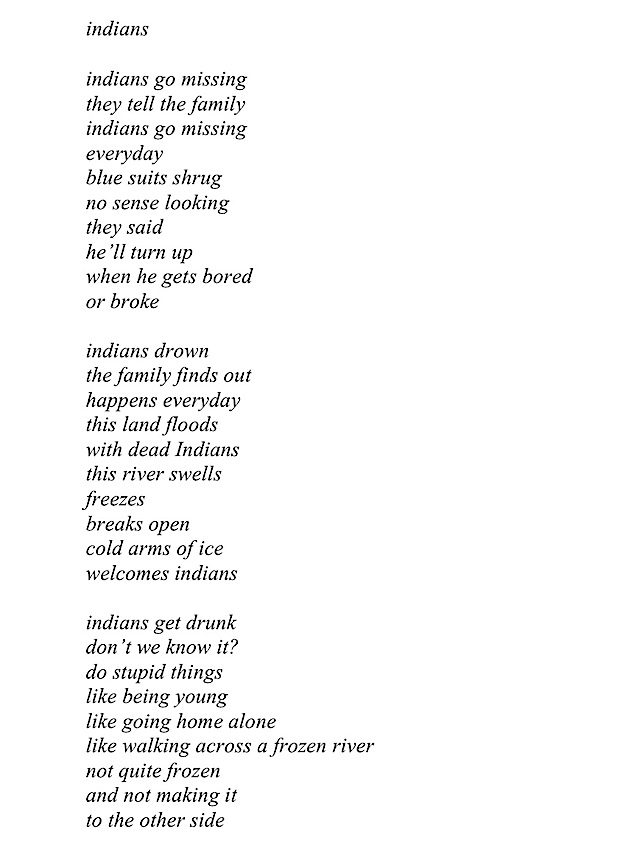
    July 25, 2025
  • MIL-OSI United Kingdom: IMF supports growth agenda and fiscal framework

    Source: United Kingdom – Government Statements

    News story

    IMF supports growth agenda and fiscal framework

    IMF endorses Plan for Change growth mission and fiscal reforms.

    • The IMF’s Article IV surveillance report has stated that economic recovery in the UK is underway, with growth projected at 1.2% in 2025 before gaining momentum next year.   
    • The IMF also endorsed the government’s fiscal plans which it says strike a balance between supporting growth and safeguarding fiscal sustainability, and the Growth Mission covers the right areas to lift productivity.  

    Since the election the government has been clear on the need to kickstart economic growth, built on stability and investment to deliver on the Plan for Change. The publication of the IMF’s first Article IV surveillance report on the UK economy since last year’s election reveals that the UK’s economic recovery is underway, and will see the third fastest economic growth in the G7 and the fastest growth among European G7 countries.   

    The IMF have also endorsed the government’s fiscal framework as growth-friendly, as well as appropriately accommodating spending pressures and investment needs, while safeguarding fiscal sustainability.    

    Structural reform and government strategy 

    Through the Growth Mission, the government is restoring stability, increasing investment, and reforming the economy to drive up prosperity and living standards across every region of the UK. 

    The IMF recognised the bold reforms that we have launched since taking office in July 2024. We have been clear that planning reform is central to unlocking private investment. The IMF has stated that the UK’s new industrial strategy has real potential to unlock private investment and boost UK productivity in key sectors.  

    Trade, global integration, and external environment 

    Given the high level of uncertainty emanating from the external environment, the IMF has stated that the government should continue advocating for a stable global trading system and welcomes recent efforts to strike trade agreements with key partners, including the EU, India, and the US, demonstrating a commitment to finding common ground and establishing a more predictable environment for UK exporters.

    Share this page

    The following links open in a new tab

    • Share on Facebook (opens in new tab)
    • Share on Twitter (opens in new tab)

    Updates to this page

    Published 25 July 2025

    MIL OSI United Kingdom –

    July 25, 2025
  • MIL-OSI United Nations: Narrative analysis: Case studies in heat resilience

    Source: UNISDR Disaster Risk Reduction

    This narrative analysis highlights how twelve countries are confronting the realities of extreme heat through diverse governance models, partnerships, and innovations. The case studies span multiple regions and development contexts-Argentina, Australia, Bangladesh, Canada, Ecuador, Egypt, France, India, Senegal, South Korea, the United Kingdom, and the United States-offering a cross-cutting view of what’s working, where gaps remain, and how national strategies are evolving in the face of escalating climate threats.

    Some of the common lessons from the case studies include:

    • Successful implementation of heat action plans requires active engagement and participation of local communities.
    • Addressing extreme heat requires coordinated involvement from sectors including health, urban planning, agriculture, and disaster management.
    • Robust early warning systems are essential for prompt and effective dissemination of heat alerts and advisories
    • Investing in heatresilient infrastructure, such as green spaces, cool roofs, and energy-efficient buildings, helps mitigate the impacts of extreme heat
    • Enhancing the capacity of healthcare systems to manage heat-related illnesses through training, resource allocation, and infrastructure improvements is critical for reducing heatrelated morbidity and mortality.

    Download

    Links last checked: 25 July 2025

    MIL OSI United Nations News –

    July 25, 2025
  • MIL-OSI United Nations: An assessment of heat action plans: Global standards, good practices and partnerships

    Source: UNISDR Disaster Risk Reduction

    This synthesis report identifies best practices and persistent challenges to provide a structured framework for improving heat resilience based on evaluations of heat action plans from six countries-Australia, Canada, France, India, the United Kingdom, and the United States. It advocates for an adaptable governance framework, proposing that national guidance related to HAPs incorporate adaptable core elements, such as standardized heat risk definitions, clear agency roles, multi-sector coordination, and early warning systems

    Key takeaways for future action

    • Harmonizing Short-Term Response with Long-Term Planning – While immediate interventions like cooling centres and health advisories effectively mitigate acute health risks, incorporating durable infrastructure and climate-resilient urban planning into HAPs will better prepare communities for evolving climate realities
    • Advancing Sectoral Integration for Comprehensive Heat Management – A multi-sectoral approach, encompassing health, urban infrastructure, emergency response, and social services, is essential for addressing heat impacts holistically.
    • Aligning National HAPs with International Standards – Global standards, such as WHO’s health guidelines, UNDRR’s resilience frameworks, and the Sendai Framework for Disaster Risk Reduction, provide valuable benchmarks for HAP design and evaluation.
    • Opportunities for Strategic Public-Private Engagement Public-private partnerships (PPPs) are instrumental in addressing specific needs within HAPs, from deploying cooling solutions to advancing predictive technologies for early warning systems.

    Download

    Links last checked: 25 July 2025

    MIL OSI United Nations News –

    July 25, 2025
  • UPI payments need to be made financially sustainable for long-term viability: RBI Governor

    Source: Government of India

    Source: Government of India (4)

    The era of completely free digital transactions via the Unified Payments Interface (UPI) may not last forever, RBI Governor Sanjay Malhotra said on Friday, adding that the UPI framework should be made financially sustainable going forward.

    Speaking at an event in Mumbai, Malhotra said the current model—where users pay no fees and the government subsidises banks and other stakeholders—may not be viable in the long run.

    “Costs will have to be paid. Someone will have to bear the cost,” he said, adding that while UPI is currently a zero-charge platform, it comes with operational expenses.

    “Payments and money are a lifeline. We need a universally efficient system. As of now, there are no charges. The government is subsidising various players such as banks and other stakeholders in the UPI payments system. Obviously, some costs have to be paid,” the RBI Governor said.

    “Any important infrastructure must bear fruits,” he added. “For any service to be sustainable, its cost should be paid—whether collectively or by the user.”

    Malhotra’s remarks come at a time when UPI has reached unprecedented scale, with the backend infrastructure—largely maintained by banks, payment service providers, and the National Payments Corporation of India (NPCI)—under increasing pressure.

    Since the government mandated zero Merchant Discount Rate (MDR) for RuPay debit cards and BHIM-UPI transactions in December 2019, there has been no revenue stream for service providers. The MDR, typically ranging from 1–3% of the transaction value, was earlier borne by merchants.

    Industry players have flagged the financial unsustainability of the model and have urged the reintroduction of MDR or an alternative cost-sharing mechanism. It remains unclear whether the government plans to revise the current policy or pass on some of the burden to users.

    UPI processed over ₹24.03 lakh crore through 18.39 billion transactions in June, surpassing global payment giants like Visa. The platform now accounts for nearly 85% of India’s digital transactions and about 50% of all real-time digital payments globally.

    -IANS

    July 25, 2025
  • India tests first hydrogen train coach, boosts green rail push

    Source: Government of India

    Source: Government of India (4)

    Indian Railways has achieved a major milestone by successfully testing the nation’s first hydrogen-powered coach at the Integral Coach Factory (ICF) in Chennai, Union Railway Minister Ashwini Vaishnaw announced on Friday.

    “First hydrogen-powered coach (Driving Power Car) successfully tested at ICF, Chennai. India is developing a 1,200 HP hydrogen train. This will place India among the leaders in hydrogen-powered train technology,” Vaishnaw shared in a post on X.

    The test marks a major milestone in India’s efforts to transition towards clean and green transportation alternatives. The hydrogen coach is part of a broader vision by Indian Railways to deploy 35 hydrogen-powered trains under the “Hydrogen for Heritage” initiative. These trains are intended to operate on heritage and hill routes across the country, with an estimated cost of ₹80 crore per train and an additional ₹70 crore for supporting ground infrastructure per route.

    Indian Railways has also initiated a pilot project to retrofit an existing Diesel Electric Multiple Unit (DEMU) with a hydrogen fuel cell. The project, including the installation of ground infrastructure, is being implemented at a cost of ₹111.83 crore and is planned to run on the Jind–Sonipat section of Northern Railway.

    While the running cost of hydrogen-based trains is yet to be firmly established in the Indian context, initial estimates suggest higher operational costs that are expected to decrease as the number of hydrogen trains increases. Beyond economic considerations, hydrogen fuel is widely recognized for its environmental benefits, including zero carbon emissions, making it a key component of India’s clean energy transition strategy.

    India’s push toward hydrogen mobility extends beyond the railway sector. In 2024, Union Minister of Petroleum & Natural Gas, Hardeep Singh Puri, showcased the country’s progress in green hydrogen energy push by presenting a hydrogen-fuelled bus, developed by Indian Oil, to the visiting Prime Minister of Bhutan, Tshering Tobgay, during his official visit.

    (With ANI inputs)

    July 25, 2025
  • Centre to roll out employment incentive scheme from Aug 1, targets 3.5 crore jobs in two years

    Source: Government of India

    Source: Government of India (4)

    The Government’s Employment Linked Incentive Scheme, recently approved by the Union Cabinet, will come into effect from August 1.

    With a significant outlay of ₹99,446 crore, PM Viksit Bharat Rozgar Yojana (PM-VBRY) is expected to generate over 3.5 crore jobs across sectors in the next two years. Out of these, 1.92 crore beneficiaries are projected to be first-time entrants into the formal workforce. The scheme will be applicable to all eligible jobs created between August 1, 2025, and July 31, 2027.

    The PM-VBRY is structured in two parts. Part A focuses on first-time employees registered with the Employees’ Provident Fund Organisation (EPFO). These individuals, earning up to ₹1 lakh per month, will receive EPF-linked incentives up to ₹15,000 in two installments – after six and twelve months of continuous service. The second installment will be released only after successful completion of a financial literacy programme. To promote saving habits, part of the benefit will be locked in a fixed deposit or savings instrument, to be withdrawn later.

    Part B of the scheme targets employers across sectors, especially manufacturing, by offering incentives for creating new jobs. Employers registered with EPFO will be eligible for financial support of up to ₹3,000 per new employee per month for a period of two years, with an extended benefit up to four years for those in manufacturing. To qualify, establishments with fewer than 50 employees must hire at least two new workers, while those with 50 or more employees must hire at least five, with sustained employment for a minimum of six months.

    The incentive amount will vary based on the employee’s EPF wage slab – ranging from ₹1,000 to ₹3,000 per month. Direct Benefit Transfer (DBT) via the Aadhaar Bridge Payment System will be used for transferring funds to employees, while employers will receive payments directly into their PAN-linked accounts.

    July 25, 2025
  • India showcases global leadership in wetlands conservation at Ramsar COP15 in Zimbabwe

    Source: Government of India

    Source: Government of India (4)

    Union Minister for Environment, Forest and Climate Change, Bhupender Yadav on Thursday reaffirmed India’s global leadership in wetlands conservation at the 15th Meeting of the Conference of the Parties (COP15) to the Ramsar Convention on Wetlands. Addressing the High-Level Ministerial Segment in Victoria Falls, Zimbabwe, the Minister highlighted India’s message of “Oneness with Nature” and the country’s integrated approach to sustainable lifestyles in wetland management.

    India currently hosts 91 Ramsar Sites covering 1.36 million hectares—forming Asia’s largest, and the world’s third-largest, network of protected wetlands. Over the past decade, this network has expanded by 250 percent. Yadav proudly noted that for the first time, two Indian cities—Indore and Udaipur—have been internationally recognised as Wetland Cities, underscoring the nation’s commitment to conserving urban wetlands.

    The Minister credited Prime Minister Narendra Modi’s visionary leadership, referencing key environmental campaigns such as Mission LiFE (Lifestyle for Environment) and Ek Ped Maa Ke Naam. He urged the global community to embrace nature-friendly living and symbolic actions like tree plantation in honor of one’s mother.

    India’s citizen-led initiatives, including Mission Sahbhagita and the Save Wetlands Campaign, have mobilised over two million people. These efforts have resulted in the mapping and boundary demarcation of over 170,000 wetlands across the country, contributing significantly to informed conservation strategies.

    Yadav emphasized that India’s wetlands conservation efforts are firmly grounded in constitutional mandates, legal instruments, and policy frameworks. Wetlands are an integral part of national plans such as the National Biodiversity Strategy and Action Plan and the National Wildlife Action Plan. He also highlighted India’s support for the UNEA Resolution 6/8 on promoting sustainable lifestyles, reiterating the importance of integrating such values into conservation policies.

    On the sidelines of the summit, the Minister held bilateral meetings with representatives of key global environmental conventions, including the Ramsar Secretariat, CITES, and the Convention on Migratory Species (CMS). He also met with Zimbabwe’s Minister of Environment, Climate and Wildlife, Dr. Evelyn Ndlovu, to discuss enhanced cooperation in wetland restoration and knowledge exchange.

    Highlighting India’s broader global environmental initiatives, Yadav urged international participation in platforms such as the International Big Cat Alliance (IBCA), the Coalition for Disaster Resilient Infrastructure (CDRI), the International Solar Alliance (ISA), and global movements for sustainable living.

    COP15 of the Ramsar Convention has brought together 172 contracting parties, international organisations, scientists, and civil society representatives to chart out the wetland conservation agenda for the next triennium.

    July 25, 2025
  • Parliament’s Monsoon session: Both houses adjourned till July 28 amid protests by opposition

    Source: Government of India

    Source: Government of India (4)

    Both Houses of Parliament were adjourned on Friday till July 28 amid continued protests by opposition MPs demanding a discussion on the Special Intensive Revision (SIR) of voter rolls in Bihar. The Lok Sabha was adjourned twice – first at 11 a.m. and then for the day at 2 p.m. following relentless sloganeering in the well of the House. The Rajya Sabha was also adjourned at 2 p.m. and will now reconvene on Monday.

    Lok Sabha Chairperson Jagdambika Pal, presiding in the absence of Speaker Om Birla, appealed to opposition members to maintain decorum and allow the introduction of private members’ bills. He highlighted that over 200 MPs were scheduled to present their proposals, calling Friday an important day for legislative discussion. However, protests continued, leading to a complete halt in proceedings.

    Earlier in the day, Speaker Om Birla convened an all-party meeting to resolve the stalemate and emphasized the need for cooperation to allow the House to function. He also urged MPs to let the scheduled 16-hour debate on “Operation Sindoor” take place on July 28.

    In the Rajya Sabha, Union Agriculture Minister Shivraj Singh Chouhan’s remarks were interrupted by opposition MPs demanding a discussion under Rule 267 on the Bihar SIR. Deputy Chairman Harivansh Narayan Singh rejected the notices, calling out members for breaches of decorum.

    Meanwhile, actor-politician Kamal Haasan took oath as a Rajya Sabha MP in Tamil, along with other newly elected members from the DMK.

    Congress leaders, including Rahul Gandhi, Priyanka Gandhi, and Mallikarjun Kharge, staged protests outside the Parliament.

    Parliament has seen repeated disruptions since the Monsoon Session began on July 21, with little legislative business conducted so far.

    July 25, 2025
  • India–UK FTA will boost Indian manufacturing, services: RBI Governor

    Source: Government of India

    Source: Government of India (4)

    Reserve Bank of India (RBI) Governor Sanjay Malhotra on Friday said the India–UK Free Trade Agreement (FTA) is expected to provide a boost to multiple sectors of the Indian economy, including manufacturing and services.

    Speaking at an event in Mumbai, Malhotra said that with multilateralism losing momentum globally, such bilateral agreements are becoming increasingly important for India’s trade strategy.

    “The UK FTA is the way forward, because unfortunately, multilateralism appears to have taken a back seat,” Malhotra said, adding that trade negotiations with the United States are also at an advanced stage.

    Malhotra also noted that India is actively pursuing several other trade agreements, many of which are currently under negotiation.

    The RBI Governor’s remarks came a day after Union Commerce and Industry Minister Piyush Goyal said India is expanding its trade relations across geographies, following the signing of the landmark FTA with the UK.

    “Very good talks are going on with New Zealand, Oman, Chile, Peru, and the European Union. And on the bilateral trade agreement (BTA), good discussions are also underway with the United States,” Goyal told IANS in London. “I firmly believe that all these negotiations will lead to positive outcomes.”

    India and the US recently concluded the fifth round of BTA negotiations in Washington, DC.

    The Trade and Economic Partnership Agreement (TEPA) between India and the European Free Trade Association (EFTA) is set to come into effect on October 1. The agreement is projected to generate around one million direct jobs in India.

    The India–UK FTA, now officially termed the Comprehensive Economic and Trade Agreement (CETA), is being viewed as a key milestone in India’s global trade policy, with the potential to unlock billions of dollars in trade and investment.

    —IANS

    July 25, 2025
  • MIL-OSI Analysis: Beijing’s ‘plausible deniability’ on arms supply is quickly becoming implausible – and could soon extend to Iran

    Source: The Conversation – Global Perspectives – By Linggong Kong, Ph.D. Candidate in Political Science, Auburn University

    Could longtime allies have a closer relationship than meets the eye? Thomas Peter/Pool Photo via AP

    China has long maintained that it does not supply arms to any party at war – a central tenet of its “noninterference” foreign policy. But in recent years, Beijing has repeatedly faced accusations of doing the opposite: providing direct military assistance to nations engaged in conflict, while publicly denying doing so and even adopting a position of diplomatic neutrality.

    That has seemingly been the case for two of China’s closest allies: Russia in its war against Ukraine and Pakistan during its recent armed standoff with India in May.

    Now, Beijing is facing scrutiny over alleged military links to Iran – a country engaged in a long-running shadow conflict with Israel that recently tipped into a short-lived hot war.

    After the ceasefire that followed the 12-day war in the Middle East, China reportedly supplied batteries for surface-to-air missiles to Iran in exchange for oil. Such parts are a critical military need for Tehran after its air defense network was severely damaged by Israeli missiles.

    The Chinese Embassy in Israel denied the reports, stating that China firmly opposes the proliferation of weapons of mass destruction and does not export arms to countries at war. But China’s Ministry of Foreign Affairs has yet to issue an official statement on the alleged transfer.

    As an expert specializing in China’s grand strategy, I think it is highly possible that China would offer Iran military support while denying it publicly. Such plausible deniability would allow Beijing to assert military influence and showcase some of its hardware, while deflecting international criticism and preserving diplomatic flexibility.

    But the tactic works only so far. As indirect evidence accumulates, as many suggest it is, such covert action may gradually develop into an open secret – leading to what scholars term “implausible deniability,” where denial is no longer credible even if it is still officially maintained.

    An air-to-air missile on display at the 15th China International Aviation and Aerospace Exhibition in November 2024.
    Shen Ling/VCG via Getty Images

    China’s support for Russia’s war

    Although Beijing has consistently said it is neutral in the Russia-Ukraine war that broke out in 2022, China has, in practice, quietly supported Russia. In part, that is because China shares the same strategic goal of challenging the Western-led international order.

    Recently, Chinese Foreign Minister Wang Yi reportedly told European Union foreign policy chief Kaja Kallas that Beijing cannot afford to see Russia lose the war in Ukraine. He was said to have warned that a Russian defeat would likely bring the full force of U.S. strategic pressure to bear on China.

    From Beijing’s perspective, Moscow plays a vital role in keeping the West preoccupied, offering China valuable strategic breathing room by diverting American attention and resources away from the Asia-Pacific region.

    Beyond deepening trade relations that have become a lifeline for Moscow’s economy under Western sanctions, China has reportedly supplied Russia with large quantities of dual-use goods – goods that can be used for civilian and military purposes – to enhance both Moscow’s offensive and defensive capabilities, as well as to boost China’s military-industrial production. Beijing has also allegedly provided satellite imagery to assist Russia on the battlefield.

    While the U.S. and Europe have repeatedly tried to call out China for aiding Russia militarily, Beijing has consistently denied such claims.

    Most recently, on April 18, 2025, Ukraine formally accused China of directly supporting Russia and slapped sanctions on three Chinese-based firms that Kyiv said was involved in weapons production for the Russian war effort.

    In what has become a common refrain, China’s Foreign Ministry rejected the Ukrainian accusation, reaffirming that China has never provided lethal weapons to any party in the conflict and reiterating its official stance of promoting a ceasefire and peace negotiations.

    A Chinese Foreign Ministry spokesperson gestures for questions during a daily briefing in Beijing in 2020.
    AP Photo/Ng Han Guan

    China’s quiet backing of Pakistan

    Beijing has long presented itself as a neutral party in the India-Pakistan conflict, too, and has called for restraint on both sides and urged peaceful dialogue.

    But in practice, China is allied with Pakistan. And the direct military support it has provided to Lahore appears driven by China’s desire to curb India’s regional influence, counterbalance the growing U.S.–India strategic partnership and protect the China–Pakistan Economic Corridor, a massive bilateral infrastructure project.

    In the latest flare-up between India and Pakistan in May, Pakistan deployed Chinese-made J-10C fighter jets in combat for the first time, reportedly downing five Indian aircraft.

    Pakistan’s air defense relied heavily on Chinese equipment during the short conflict, deploying Chinese-made surface-to-air missile systems, air-to-air missiles, advanced radar systems and drones for reconnaissance and strike operations. Overall, more than 80% of Pakistan’s military imports have come from China in the past five years.

    In what would be a far more stark example of military support if proven true, the deputy chief of India’s army alleged that China had provided Pakistan with real-time intelligence on Indian troop movements during the conflict.

    When asked to respond, a spokesperson for China’s Ministry of Foreign Affairs said they had no knowledge of the matter. They reaffirmed that China’s ties with Pakistan are not directed against any third party and reiterated Beijing’s long-standing position in favor of a peaceful resolution to any India–Pakistan dispute.

    Extending ‘deniability’ to Iran?

    Like with Russia and Pakistan, Iran has increasingly been seen as a partner to China.

    In 2021, China and Iran signed a 25-year, US$400 billion comprehensive cooperation agreement that covered trade, energy and security, signaling the depth of their strategic relationship.

    The accord was indicative of the strategic value Beijing places on Iran. From Beijing’s perspective, Tehran presents a counterbalance to the influence of the U.S. and its allies – especially Israel and Saudi Arabia – in the region and helps divert Western resources and attention away from China.

    But recently, Tehran’s position in the region has become far weaker. Not only has its air defense infrastructure suffered badly in the confrontations with Israel, but its regional proxies and allies – Hamas, Hezbollah and the Assad regime in Syria – have either been devastated by Israel or collapsed altogether.

    Smoke rises over Tehran, Iran, following an Israeli strike on June 23, 2025.
    Nikan/Middle East Images/AFP via Getty Images

    Under these circumstances, it is strategically compelling for Beijing to provide support to Tehran in order to maintain regime stability.

    Indeed, Beijing has frequently circumvented sanctions on Iranian energy, with an estimated 90% of Iran’s oil exports still going to China.

    Although Beijing did not extend any substantive support to Iran during the 12-day war, reports have abounded since that Iran is looking to China as an alternative supplier of its defense needs. The thinking here is that Russia, Tehran’s traditional military partner, is no longer able to provide sufficient, quality defense equipment to Iran. Some influential social media posters in China have gone as far as advocating for direct military sales by Beijing.

    If China does do this, I believe it is likely to follow the same playbook it has used elsewhere by denying involvement publicly while covertly providing assistance.

    Doing so allows China to maintain diplomatic ties with Iran’s regional rivals, such as Israel and Saudi Arabia, while simultaneously benefiting from a turbulent Middle East that distracts Washington and grants Beijing strategic breathing room.

    China’s use of plausible deniability reflects a broader strategic ambition. Namely, it wants to assert influence in key regional conflicts without triggering open backlash. By quietly supporting partners while maintaining a facade of neutrality, Beijing aims to undermine Western dominance, stretch U.S. strategic focus and secure its own interests – and all while avoiding the risks and responsibilities of open military alignment.

    Linggong Kong does not work for, consult, own shares in or receive funding from any company or organization that would benefit from this article, and has disclosed no relevant affiliations beyond their academic appointment.

    – ref. Beijing’s ‘plausible deniability’ on arms supply is quickly becoming implausible – and could soon extend to Iran – https://theconversation.com/beijings-plausible-deniability-on-arms-supply-is-quickly-becoming-implausible-and-could-soon-extend-to-iran-261148

    MIL OSI Analysis –

    July 25, 2025
  • MIL-OSI United Kingdom: Health chiefs issue measles warning to holidaymakers as cases rise globally

    Source: City of Leeds

    Parents travelling during school holidays are being advised to check children are protected against measles amid a global rise in cases. 

    With the start of the school holidays, parents and carers in Leeds are being urged to ensure their children have an up-to-date Measles Mumps and Rubella (MMR) vaccine, as measles cases rise nationally and internationally.

    The uptake of routine childhood vaccinations has been decreasing over the last ten years, with similar trends observed in West Yorkshire.

    Health chiefs are concerned that low MMR vaccination rates could lead to further cases emerging, particularly given the high numbers of people mixing and travelling during the holidays.  

    Measles is a serious disease which can spread easily among unvaccinated people. Babies, children, pregnant women and people with weakened immune systems are at highest risk.

    The disease can lead to hospitalisation and in rare cases, death. Symptoms typically begin with cold-like signs, such as a high temperature, a runny or blocked nose, sneezing, coughing, and red, sore, watery eyes.

    A few days later, small white spots may appear inside the cheeks and on the back of the lips. This is followed by a rash that usually starts on the face and behind the ears before spreading to the rest of the body.

    Victoria Eaton, Leeds City Council’s director of public health, said: “As we enter the summer holidays, we want everyone to enjoy the season safely and in good health.

    “This year outbreaks have been seen in several European countries, including France, Italy, Spain and Germany and the World Health Organisation recently reported that Pakistan, India, Thailand, Indonesia and Nigeria currently have among the highest number of measles cases worldwide.

    “These are places where people may be going on holiday or travelling to visit family and friends.

    “Checking your family’s MMR vaccination status is a simple but important step in protecting your loved ones and the wider community.

    “If you’re unsure whether you or your child are fully vaccinated, please contact your GP to check your records and arrange vaccination, especially if you’re planning to travel over the summer break.”

    The MMR vaccine, which is usually given to children around their first birthday and again at 3 years 4 months offers the best protection against measles. Two doses provide long-lasting immunity.

    Councillor Fiona Venner, Leeds City Council’s executive member for equalities, health and wellbeing, said:  “We want everyone to enjoy their holidays but checking your child is fully vaccinated against measles before you go will ensure you and your child are protected and safe.

    “It’s never too late to get the vaccine, even if you have missed a first, or second dose. A non-porcine version of the MMR vaccine is also available – however, you may need to request this from your GP practice ahead of vaccination.

    “If you think you or your child has measles, phone your GP or NHS 111 for advice. To reduce the risk of spreading it to others, please avoid contact with other people. Call ahead first before attending any healthcare settings.”

    For more information on measles, and the MMR vaccine, visit the NHS website: https://www.nhs.uk/conditions/measles/. 

    Watch a video of Dr Naveed from the UKHSA providing measles travel advice.   

    ENDS

    For media enquiries please contact:

    Leeds City Council communications and marketing,

    Email: communicationsteam@leeds.gov.uk

    Tel: 0113 378 6007

    MIL OSI United Kingdom –

    July 25, 2025
←Previous Page
1 … 7 8 9 10 11 … 488
Next Page→
NewzIntel.com

NewzIntel.com

MIL Open Source Intelligence

  • Blog
  • About
  • FAQs
  • Authors
  • Events
  • Shop
  • Patterns
  • Themes

Twenty Twenty-Five

Designed with WordPress