NewzIntel.com

    • Checkout Page
    • Contact Us
    • Default Redirect Page
    • Frontpage
    • Home-2
    • Home-3
    • Lost Password
    • Member Login
    • Member LogOut
    • Member TOS Page
    • My Account
    • NewzIntel Alert Control-Panel
    • NewzIntel Latest Reports
    • Post Views Counter
    • Privacy Policy
    • Public Individual Page
    • Register
    • Subscription Plan
    • Thank You Page

Category: Science

  • MIL-OSI Global: If we don’t teach youth about sexual assault and consent, popular media will

    Source: The Conversation – Canada – By Shannon D. M. Moore, Assistant professor of social studies education, Department of Curriculum Teaching and Learning, Faculty of Education, University of Manitoba

    The sexual assault trial of five former World Juniors hockey players has spotlighted issues around sexual assault and consent.

    Sexual assault, intimate partner violence and other forms of gender-based violence aren’t inevitable. Kindergarten to Grade 12 public schools have an ethical obligation to enact sexuality education that is responsive to current contexts, respects human diversity, empowers young people and is rooted in human rights.

    We argue for harnessing popular media to advance sexuality education. Children and youth learn about a great deal about gender, relationships, sexuality and consent from popular media.

    Although there is strong theoretical rationale for using popular media to confront sexual assault, many teachers identify and experience barriers to putting this into practice in their classrooms.

    Let’s (not) talk about sex?

    Many factors shape the reality that comprehensive sex education remains wholly absent or inadequate in schools.

    Talking about sex in society and in schools is often taboo. Discussions of healthy relationships and consent are often highly controlled, minimized or relegated to a sexual education curriculum that is not universally taught. This is due to parental opt-outs/ins in many provinces.

    Some opponents of sexual education curriculum say parents should have full authority over the subject. Others exploit misunderstandings of age appropriateness and the presumed innocence of children and youth. Among the public at large, there is a lack of knowledge (or belief) about the high rates of sexual assault and other forms of gender-based violence experienced by youth within and beyond schools

    Not surprisingly, neglecting comprehensive sexuality education has many adverse consequences. Students learn that eliminating sexual violence is not a societal priority. Those who have experienced assault and other forms of violence learn that they are not important, as their stories are often silenced, ignored or distrusted.

    As a result, rape culture and gender-based violence remains unchallenged in schools, while it is normalized, legitimized and endorsed in popular media.


    Read more:
    ‘Adolescence’ on Netflix: A painful wake-up call about unregulated internet use for teens


    Meet your child’s other teacher

    In the absence or confines of comprehensive sex education in schools, youth identify popular media as their main source of information about sex and relationships.

    As professor of criminal justice, Nickie D. Phillips, writes, popular media is one of the “primary sites through which rape culture [is] understood, negotiated and contested.”

    What youth watch, play, listen to or create on social media has a significant role in teaching dominant understandings that normalize sexual violence, misogyny and the patriarchy.

    Critical media scholars Michael Hoechsmann and Stuart Poyntz emphasize that popular media “plays a central role in the socialization, acculturation and intellectual formation of young people. It is a … force to be reckoned with, and we ignore it at our peril.”

    As teacher educators and educational researchers, the teachers we have worked with across grades and subject areas recognize how popular media is always and already present in classrooms, and many embrace the opportunities it affords for necessary conversations that are relevant to students.

    Challenges with using popular media

    The teacher participants in our study revealed that classroom culture wars have had a chilling impact on their practice, making them feel more wary about tackling particular topics.

    We found that despite research-informed rationale for using popular media to ground sexuality education, teachers encounter several barriers and complications in doing so.

    Teachers’ discomfort was exacerbated when school leaders did not support their efforts to advance these lessons, even though they were anchored to the provincial curriculum. Teacher participants also spoke of a lack of professional development or preparation to talk about healthy relationships and consent in teacher education contexts.

    Finally, they also raised concerns about teaching with and through violent, sexually suggestive or explicit popular media in classrooms. This is the case even though young people are learning about sex through limitless access to digital pornography and R-rated popular media outside of classrooms.

    Influencing healthy relationships

    There is limited research about how popular media content could be used to teach about sexual violence prevention. Through our ongoing research, we have identified several starting points for using popular media content to ground conversations about healthy relationships, boundaries and consent.

    1. Start with media constructions of gender: As popular media contributes to societal expectations of gender, students should begin by interrogating how masculinities and femininities are constructed and mobilized in popular media.

    This can include examining how male, female and non-binary characters are constructed and presented to audiences, their position within the broader storyline and their level of dialogue and how varied intersections of identity impact these depictions.

    Discussions of gender based violence must begin with intersectional discussions of gender, as these constructions contribute to the issue (for example, the hypersexualization and subordination of females, the exoticization and dehumanization of racialized women or the portrayal of males as powerful, aggressive and preoccupied with sex).

    2. Begin with unfamiliar content: Students can initially become defensive when they are asked to critically engage with media content that deeply connect with their identity and give them a sense of joy.

    While the goal is to move to the interrogation of students’ own media diets, it can positively generate student participation when educators begin analytical and critical discussions about media with unfamiliar, or at least not cherished, material (like popular songs, video or social media).

    This means students learn how to analyze content before connecting this analysis with themes related to gender-based violence, like: how popular media normalizes sexual violence against women and promotes unhealthy representations of romance and relationships; how popular media contributes to victim blaming or siding with perpetrators and promotes “himpathy” for males who commit sexual assault.

    3. Offer a feminist lens: As teacher educators, we recognize that there is no single method or approach that tends to every aspect of sexual assault and other forms of gender-based violence. Yet, we also know that educators seek resources to engage more meaningfully with students.

    Cards to foster conversation

    We constructed a deck of educational playing cards that educators can use to foster conversations about media portrayals of gender, healthy relationships and consent (or lack thereof).

    These cards employ a feminist lens, based on Sarah Ahmed’s Living a Feminist Life. We advocate for teachers to have time in professional learning spaces to try out the cards with other educators before they facilitate complex conversations related to gender-based violence with students.

    If as a society we want to see fewer instances of gender-based violence, teachers need provincial curriculum documents that align with the research on comprehensive sex education. They also need school leaders who will support their work and model consent in the broader school culture, and more professional development and preparation in teacher education.

    Shannon D. M. Moore receives funding from the Social Sciences and Humanities Research Council

    Jennifer Watt receives funding from the Social Sciences and Humanities Research Council .

    – ref. If we don’t teach youth about sexual assault and consent, popular media will – https://theconversation.com/if-we-dont-teach-youth-about-sexual-assault-and-consent-popular-media-will-256741

    MIL OSI – Global Reports –

    June 23, 2025
  • MIL-OSI Global: AI applications are producing cleaner cities, smarter homes and more efficient transit

    Source: The Conversation – Canada – By Mohammadamin Ahmadfard, Postdoctoral Fellow, Mechanical & Industrial Engineering, Toronto Metropolitan University

    Artificial intelligence (AI) is quietly transforming how cities generate, store and distribute energy, acting as the invisible conductor that orchestrates cleaner, smarter and more resilient cities.

    By integrating renewables — from solar panels and wind turbines to geothermal grids, hydrogen plants, electric vehicles and batteries — AI can enable cities to manage diverse energy sources as a single, intelligent system.

    One striking example is the Oya Hybrid Power Station in South Africa. Here, AI-driven controls seamlessly co-ordinate solar, wind and battery storage to deliver reliable power to up to 320,000 households. Using AI makes this kind of integration not only possible, but dramatically more efficient.

    Recent research shows AI can also optimize how batteries, solar and the grid interact in buildings. A 2023 study found that deep learning and real-time data helped a boarding school in Turin, Italy increase low-cost energy purchases and cut its electricity bill by more than half.

    Cleaner, smarter energy grids

    AI models are increasingly able to predict weather with greater precision. These predictions allow electric grid operators to plan hours ahead, storing excess energy in batteries or adjusting supply to meet demand before a storm or heatwave hits.

    Using AI to respond strategically to weather is a game-changer. In Cambridge, England, a system called Aardvark uses satellite and sensor data to generate rapid, accurate forecasts of sun and wind patterns.

    Unlike traditional supercomputer-driven weather models, Aardvark’s AI can deliver precise local forecasts in minutes on an ordinary computer. This makes advanced weather prediction more accessible and affordable for cities, utilities and even smaller organizations — potentially transforming how communities everywhere plan for and respond to changing weather.

    AI models are increasingly able to predict weather with greater precision, allowing electric grid operators to plan ahead, storing excess energy in batteries or adjusting supply to meet demand before a storm or heat wave hits.
    (Shutterstock)

    AI for smarter district heating and cooling

    In Munich, Germany, AI is improving geothermal district heating by using underground sensors to monitor temperature and moisture levels in the ground.

    The collected data feeds into a digital simulation model that helps optimize network operations. In more advanced versions, during winter cold snaps, such systems can suggest lowering flow to underused spaces like half-empty offices and boosting heat where demand is higher, such as in crowded apartments.

    This intelligent, self-optimizing approach extends the life of equipment and delivers more warmth with the same energy input.

    This is a breakthrough with enormous potential for cities in cold climates with established geothermal networks, such as Winnipeg in Canada and Iceland’s Reykjavik.

    Although these cities have not yet adopted AI-driven monitoring systems, they could benefit from AI’s real-time improvements in efficiency, comfort and energy savings during harsh winters — a principle that holds true wherever geothermal district heating and cooling exists.

    Inside the home, AI-managed smart climate systems can factor in how many people are in each room, which appliances are in use, how much natural sunlight each space receives.
    (Shutterstock)

    Smart buildings

    Inside the home, AI-managed smart climate systems can factor in how many people are in each room, which appliances are in use, how much natural sunlight each space receives and how much electricity or heat a home’s solar panels generate throughout the day.

    Based on this, AI determines how to heat or cool rooms efficiently, and can transfer energy from one space to another, balancing comfort with minimal energy use.

    Coastal cities and those in wind-heavy regions are using AI in other creative ways. In Orkney, Scotland, excess wind and tidal energy are converted into green hydrogen. Instead of letting that surplus power go to waste, an AI system called HyAI controls when to generate hydrogen based on wind forecasts, electricity prices and how full the hydrogen storage tanks are.

    When winds are strong at night and electricity is cheap, the AI can divert surplus power to produce hydrogen and store it for later use. On calmer days, that stored hydrogen can power fuel cells or buses.

    Energy storage

    AI is transforming energy storage into a smart, revenue-generating force. In Finland, a startup called Capalo AI has developed Zeus VPP, an AI-powered virtual power plant that aggregates distributed batteries from homes, businesses and other sites.

    Zeus VPP uses advanced forecasting and AI algorithms to decide when batteries should charge or discharge, factoring in energy prices, local consumption and weather forecasts. This enables battery owners to earn revenue by participating in electricity markets, while also supporting grid stability and making better use of renewable energy.

    Utility companies are also using AI to monitor everything from high-voltage transmission lines to neighbourhood transformers, dramatically increasing reliability.

    AI-powered dynamic line rating adjusts how much electricity a line can carry in real time, boosting capacity by 15 to 30 per cent when conditions allow. This helps utilities maximize the use of existing infrastructure instead of relying on costly upgrades.

    At the local level, AI analyzes smart metre data to predict which transformers are overheating due to rising EV and heat pump use.

    By forecasting these stress points, utilities can proactively upgrade equipment before failures happen — a shift from reactive to predictive maintenance that makes the grid stronger and cities more resilient.

    AI-powered public transit and mobility

    Transportation innovation is becoming part of the energy solution, with AI at the centre of this transformation. In New York City, energy company Con Edison has installed major battery storage systems to help manage peak electricity demand and reduce reliance on polluting peaker plants, which supply energy only during high-demand periods.

    More broadly, Con Edison is deploying advanced AI-powered analytics software across its electric grid — optimizing voltage, enhancing reliability and enabling predictive maintenance. Together, these efforts show how combining energy storage and AI-driven analytics can make even the world’s busiest cities more resilient and efficient.

    AI is also powering “vehicle-to-grid” innovations in California, where an AI-driven platform manages electric school buses that can supply stored energy back to the grid during periods of high demand.

    By carefully managing when buses charge and discharge, these systems help keep the grid reliable and ensure vehicles are ready for their daily routes. As this technology expands, parked electric vehicles could serve as valuable backup resources for the electricity system.

    Transportation innovation is becoming part of the energy solution.
    (Shutterstock)

    AI for clean energy initiatives

    AI is rapidly transforming cities by revolutionizing how energy is used and managed. Google, for example, has slashed cooling energy at its data centres by up to 40 per cent using AI that fine-tunes fans, pumps and windows more efficiently than any human operator.

    Organizations like the Electric Power Research Institute (EPRI), in collaboration with NVIDIA, Microsoft and others, have launched the Open Power AI Consortium, which is creating open-source AI tools for utilities worldwide.

    These tools will enable even the most resource-constrained cities to deploy advanced AI capabilities, without having to start from scratch, helping to level the playing field and accelerate the global energy transition.

    The result is not just cleaner air and lower energy bills, but a path to fewer blackouts and more resilient homes.

    Mohammadamin Ahmadfard receives funding from the Natural Sciences and Engineering Research Council of Canada (NSERC) and Mitacs Inc. for his postdoctoral research at Toronto Metropolitan University.

    – ref. AI applications are producing cleaner cities, smarter homes and more efficient transit – https://theconversation.com/ai-applications-are-producing-cleaner-cities-smarter-homes-and-more-efficient-transit-256291

    MIL OSI – Global Reports –

    June 23, 2025
  • MIL-OSI Global: 4 reasons to be concerned about Bill C-4’s threats to Canadian privacy and sovereignty

    Source: The Conversation – Canada – By Sara Bannerman, Professor and Canada Research Chair in Communication Policy and Governance, McMaster University

    In Canada, federal political parties are not governed by basic standards of federal privacy law. If passed, Bill C-4, also known as the Making Life More Affordable for Canadians Act, would also make provincial and territorial privacy laws inapplicable to federal political parties, with no adequate federal law in place.

    Federal legislation in the form of the Privacy Act and the Personal Information Protection and Electronic Documents Act sets out privacy standards for government and business, based on the fair information principles that provide for the collection, use and disclosure of Canadians’ personal information.

    At the moment, these laws don’t apply to political parties. Some provinces — especially British Columbia — have implemented laws that do. In May 2024, the B.C. Supreme Court upheld the provincial Information Commissioner’s ruling that B.C.’s privacy legislation applies to federal political parties. That decision is currently under appeal.

    Bill C-4 would undermine those B.C. rights. It would make inapplicable to federal parties the standard privacy rights that apply in other business and government contexts— such as the right to consent to the collection, use and disclosure of personal information — and to access and correct personal information held by organizations.

    Why should we be concerned about Bill C-4’s erasure of these privacy protections for Canadians? There are four reasons:

    1. Threats to Canada’s sovereignty

    In light of threats to Canadian sovereignty by United States President Donald Trump, the Canadian government and Canadian politicians must rethink their approach to digital sovereignty.

    Until now, Canadian parties and governments have been content to use American platforms, data companies and datified campaign tactics. Bill C-4 would leave federal parties free to do more of the same. This is the opposite of what’s needed.

    The politics that resulted in Trump being elected twice to the Oval Office was spurred in part by the datafied campaigning of Cambridge Analytica in 2016 and Elon Musk in 2024. These politics are driven by micro-targeted and arguably manipulative political campaigns.

    Do Canadians want Canada to go in the same direction?


    Read more:
    How political party data collection may turn off voters


    Are political parties spying and experimenting on Canadians via personal data collection?
    (Unsplash/Arthur Mazi), FAL

    2. Threats to Canada’s future

    Bill C-4 would undermine one of the mechanisms that makes Canada a society: collective political decisions.

    Datified campaigning and the collection of personal information by political parties change the nature of democracy. Rather than appealing to political values or visions of what voters may want in the future or as a society — critically important at this historical and troubling moment in history — datified campaigning operates by experimenting on unwitting individual citizens who are alone on their phones and computers. It operates by testing their isolated opinions and unvarnished behaviours.

    For example, a political campaign might do what’s known as A/B testing of ads, which explores whether ad A or ad B is more successful by issuing two different versions of an ad to determine which one gets more clicks, shares, petition signatures, donations or other measurable behaviour. With this knowledge, a campaign or party can manipulate the ads through multiple versions to get the desired behaviour and result. They also learn about ad audiences for future targeting.


    Read more:
    A/B testing: how offline businesses are learning from Google to improve profits


    In other words, political parties engaging in this tactic aren’t engaging with Canadians — they’re experimenting on them to see what type of messages, or even what colour schemes or visuals, appeal most. This can be used to shape the campaign or just the determine the style of follow-up messaging to particular users.

    University researchers, to name just one example, are bound by strict ethical protocols and approvals, including the principle that participants should consent to the collection of personal information, and to participation in experiments and studies. Political parties have no such standards, despite the high stakes — the very future of democracy and society.

    Most citizens think of elections as being about deliberation and collectively deciding what kind of society they want to live in and what kind of future they want to have together as they decide how to cast their ballots.

    But with datified campaigning, citizens may not be aware of the political significance of their online actions. Their data trail might cause them to be included, or excluded, from a party’s future campaigning and door-knocking, for example. The process isn’t deliberative, thoughtful or collective.

    3. Secret personal data collection

    Political parties collect highly personal data about Canadians without their knowledge or consent. Most Canadians are not aware of the extent of the collection by political parties and the range of data they collect, which can include political views, ethnicity, income, religion or online activities, social media IDs, observations of door-knockers and more.

    If asked, most Canadians would not consent to the range of data collection by parties.

    4. Data can be dangerous in the wrong hands

    Some governments can and do use data to punish individuals politically and criminally, sometimes without the protection of the rule of law.

    Breaches and misuses of data, cybersecurity experts say, are no longer a question of “if,” but “when.”

    Worse, what would happen if the wall between political parties and politicians or government broke down and the personal information collected by parties became available to governments? What if the data were used for political purposes, such as for vetting people for political appointments or government benefits? What if it were used against civil servants?

    What if it were to be used at the border, or passed to other governments? What if it were passed to and used by authoritarian governments to harass and punish citizens?

    What if it was passed to tech companies and further to data brokers?

    OpenMedia recently revealed that Canadians’ data is being passed to the many different data companies political parties use. That data is not necessarily housed in Canada or by Canadian companies.

    If provincial law is undermined, there are few protections against any of these problems.

    Strengthening democracy

    Bill C-4 would erase the possibility of provincial and territorial privacy laws being applied to federal political parties, with virtually nothing remaining. Privacy protection promotes confidence and engagement with democratic processes — particularly online. Erasing privacy protections threatens this confidence and engagement.

    The current approach of federal political parties in terms of datified campaigning and privacy law is entirely wrong for this political moment, dangerous to Canadians and dangerous to democracy. Reforms should instead ensure federal political parties must adhere to the same standards as businesses and all levels of government.

    Data privacy is important everywhere, but particularly so for political parties, campaigns and democratic engagement. It is important at all times — particularly now.

    Sara Bannerman receives funding from the Canada Research Chairs program, the Social Sciences and Humanities Research Council, and McMaster University. She has previously received funding from the Office of the Privacy Commissioner’s Contributions Program and the Digital Ecosystem Research Challenge.

    – ref. 4 reasons to be concerned about Bill C-4’s threats to Canadian privacy and sovereignty – https://theconversation.com/4-reasons-to-be-concerned-about-bill-c-4s-threats-to-canadian-privacy-and-sovereignty-259331

    MIL OSI – Global Reports –

    June 23, 2025
  • MIL-OSI Russia: Xi’an City Becoming an Attractive Entrepreneurial Destination for Central Asian Youth

    Translation. Region: Russian Federal

    Source: People’s Republic of China in Russian – People’s Republic of China in Russian –

    Source: People’s Republic of China – State Council News

    XI’AN, June 22 (Xinhua) — “How is business going in Kazakhstan? Are there any difficulties in establishing contacts?” Begench Sakhedov, a Turkmen national, asked his business partner Wang Yi from Shaanxi Province, who was in Almaty at the time, via video link from Xi’an, northwest China’s Shaanxi Province. “Everything is going well. There are no problems in communication, even though I do not speak English or Russian, because many Kazakhs speak Chinese,” Wang Yi replied.

    As transnational partners, Wang Yi and B. Sahedov jointly run a company in Xi’an that provides cultural exchange services. As trade, economic and cultural exchanges between China and Central Asian countries expand, their company, registered in September 2023, has seen good growth.

    “After the successful holding of the first China-Central Asia Summit, we clearly felt that students from the five Central Asian countries have increased their desire to study in China because coming to China means more opportunities and no difficulties with employment,” the company’s business director, Turkmen Yagshi Aizhanov, told Xinhua. “In 2024, we helped more than 800 people come to study in China, most of them from the five Central Asian countries.”

    As mutual visa-free travel agreements between China and Central Asian countries come into effect, travel has also become more convenient. “We are currently cooperating with more than 100 universities in China,” B. Sakhedov noted.

    Xi’an, where a large number of universities and scientific and educational resources are concentrated, has become one of the popular cities for students from Central Asia who come to study in China. In recent years, many young people from Central Asia, such as B. Sakhedov, who came to China to receive higher education, choose Xi’an after graduating to start their entrepreneurial journey here.

    The Qinchuanyuan Science and Technology Big Market in Xi’an New Area, Shaanxi Province, hosted an exchange of views on entrepreneurship among foreign youth. Amina Gusarova from Kyrgyzstan told Xinhua that she registered a consulting company in Xi’an late last year. “We have already signed our first order. A Chinese enterprise that needs to expand its business is going to Kyrgyzstan for a study tour, and we provide them with comprehensive services, from consulting to translation.”

    “We have been implementing a pilot project on entrepreneurship among foreign specialists since May 2023. To date, 18 expat startup projects have already been attracted, most of the entrepreneurs are from five Central Asian countries,” said Han Ping, deputy head of the Department of Scientific and Technological Innovation and New Economy of Xi’an New Area in Shaanxi Province. “They have a very strong desire to work and live in China, and at the same time, they often invite business partners from Central Asia to Xi’an to seek cooperation opportunities.”

    Doniyor Matmusayev from Uzbekistan is one such entrepreneur. After graduating from Northwestern Polytechnical University in 2023, he registered a trading company in Xi’an that supplies Chinese goods to Central Asian countries and Russia. “We sell Chinese construction equipment to Uzbekistan, and some Chinese brands of equipment are doing very well there; we mainly sell auto parts to Kazakhstan, but Chinese electric cars are also very popular there; and we mainly supply electronics to Russia, such as switches, servers, etc.,” he said.

    Over the past two years, D. Matmusaev has worked in the provinces of Guangdong (South China), Jiangsu (East China), Zhejiang (East China), Shandong (East China) and other places. “The opening of a direct flight from Xi’an to Uzbekistan has significantly reduced the logistics shoulder. Now our electronics are delivered by air in three hours and cleared through customs on the same day,” said D. Matmusaev. “We transport large-sized equipment by road or by international freight railway routes from China to Europe. Road transportation takes 15 days, and the convenience of China-Europe express trains is not even worth mentioning.”

    According to statistics from the Shaanxi Provincial Commerce Department, the province’s foreign trade turnover with the five Central Asian countries has been growing every year. In 2024, it reached 8.575 billion yuan (about 1.18 billion US dollars), which is 48.1 percent more than the previous year. Thanks to such development dynamics, Chinese ice cream has now appeared in the product range. To make the partners more confident, in early April, D. Matmusaev accompanied a client from Uzbekistan on a trip to a Chinese ice cream factory.

    “Ice cream is a new project. We started working on it in March. These are types and flavors specially adapted for Uzbekistan from the supplier. From the beginning of April to the present, we have already sent 7 trucks of products, and they are very popular,” said D. Matmusayev.

    Today, the total volume of trade of his company with the countries of Central Asia and Russia has exceeded 2 million US dollars. “My dream is to do global business. We are ready to expand the sphere of trade and plan to start cooperation with the regions of the Middle East, Europe and America, because Chinese products are popular in an increasing number of countries, and this is an excellent business opportunity,” shared D. Matmusaev. -0-

    MIL OSI Russia News –

    June 23, 2025
  • MIL-OSI Global: US joins Israel in attack on Iran and ushers in a new era of impunity

    Source: The Conversation – UK – By Simon Mabon, Professor of International Relations, Lancaster University

    When US B-2 bombers hit Iran’s nuclear facilities at Fordow, Natanz and Isfahan, Donald Trump declared the strikes a success and urged the Islamic Republic to make peace or face even more devastating strikes. The US president proclaimed the might of the US military, operating in full coordination with Israel, before taking to truth social.

    Trump and the Israeli prime minister, Benjamin Netanyahu, will hope that the strikes will end Iran’s nuclear programme once and for all. It may, it may not. More certain is that the operation will sound the death knell for the post-second world war global order.

    After the horrors of the that war and the cold war that followed, a global order emerged seemingly predicated on a set of largely liberal rules and norms that sought to prevent a retreat into global conflict. Predicated on non-intervention, diplomacy and a respect for the rule of law, this global order was idealistic and – ultimately – aspirational.

    But in recent years, this vision of global politics has come crashing down. Now America joining Israel in its attacks on Iran will rightly provoke serious questions about the future of global order and what comes next.


    Get your news from actual experts, straight to your inbox. Sign up to our daily newsletter to receive all The Conversation UK’s latest coverage of news and research, from politics and business to the arts and sciences.


    Trump’s decision to use US air power to land heavy blows against Iran’s nuclear programme is the latest event on a continuum which arguably reaches back to the Hamas terror attack of October 7.

    Israel’s destruction of Gaza, its decapitation of Hamas and disabling of Hezbollah’s military capacity and its strikes against the Houthi rebels have consolidated Israel’s position of strength in the region, to generally positive acclaim from global audiences. Yet the spectre of Iran continued to loom large, even as its proxies were defeated

    Iran has long been framed as an nefarious puppet master controlling a complex web of “proxy actors” across the Middle East each accused of doing the bidding of Tehran. The reality is rather different. While the Islamic Republic undeniably wields influence over such groups, it is not the perfidious mastermind that some would suggest, nor is it the source of all ills in the region.

    Instead, Iran is in a perilous position. The Islamic Republic faces serious social and economic pressures, with the “women life freedom movement” galvanising popular opposition, while unrest across Iran’s peripheral provinces which are home to ethnic and religious minorities continues to ferment.

    In recent years, diplomacy has shown it can work, ameliorating longstanding and deep-seated animosities. This was bearing fruits as seen in the gradual rapprochement between Iran and Saudi Arabia from 2023, which had been preceded by the signing of the Abraham accords in 2020.

    Seen by many as a key achievement of Trump’s first presidency, this was a series of agreements between Israel and Bahrain, the United Arab Emirates, Morocco and Sudan in which the Arab countries recognised Israel and all sides signed a declaration of principles focused on mutual understanding, respect for human dignity, and cooperation.

    While many in Israel and the US hoped that Saudi Arabia would officially recognise Israel, the events of October 7 and the destruction of Gaza that followed ended those hopes. Now the possibility of all-out conflict between Iran and Israel and the US risks blowing a major regional conflict with global implications.

    Serious questions must be asked as to the longer-term strategy here. While Israeli officials have articulated a need for strikes on Iran’s nuclear facilities to prevent the Islamic Republic from getting a nuclear weapons capability, Iran is a signatory of the nuclear non-proliferation treaty (although it has threatened recently to quit) and key officials have regularly declared that nuclear weapons have no place in Iran’s strategic portfolio.

    Israel is not a signatory to the treaty. In fact, it is thought to possess between 75 and 400 nuclear warheads. It’s hard to tell, as the country has maintained a steadfast policy of nuclear opacity, never actually admitting the extent of its nuclear capability.

    New impunity?

    Is this the start of a new order of impunity across the region, backed by western powers? And if so, what does this mean for the war in Ukraine and the potential for an aggressive Russia engaging in further dangerous adventurism? What does it mean for the possibility of China taking advantage in this breakdown to perhaps fulfil its generations-old ambition to unite with Taiwan, by force, if necessary? Are we seeing the shift to a world in which Donald Trump’s threats to annex Greenland – even perhaps Canada – must be taken seriously?

    The contours of global politics are changing before our eyes. Gone are the norms that have served as the bedrock of the so-called liberal international order. The risk is that while this period has itself featured tragedy and suffering on an almost unimaginable scale, tearing up the rule book will be far worse.

    Simon Mabon receives funding from Carnegie Corporation of New York and the Henry Luce Foundation. He is a Senior Research Fellow with the Foreign Policy Centre.

    – ref. US joins Israel in attack on Iran and ushers in a new era of impunity – https://theconversation.com/us-joins-israel-in-attack-on-iran-and-ushers-in-a-new-era-of-impunity-259511

    MIL OSI – Global Reports –

    June 22, 2025
  • MIL-OSI Africa: SA supports the inclusion of more voices at SPIEF 

    Source: South Africa News Agency

    With the St. Pietersburg International Economic Forum (SPIEF) remaining as one of the foremost platforms for global dialogue on economic cooperation and inclusive growth, South Africa supports the increasing inclusion of voices from the Global South at the forum.

    “The St. Petersburg International Economic Forum has evolved over the years from a primarily Russian and Eurasian platform into a global meeting point for policymakers, economists, CEOs, innovators, and thought leaders. SPIEF provides a space for emerging economies to shape global economic discourse, influence trade rules, and negotiate developmental priorities.

    “In this regard, South Africa supports the increasing inclusion of voices from the Global South at SPIEF. We support the growing participation of delegations from Africa, Latin America, and Asia,” said Deputy President Paul Mashatile.

    In his address to the plenary session of the forum on Friday, the Deputy President said that it is essential that the platform “not only reflects but actively amplifies the aspirations and strategic interests of developing economies.”

    The Deputy President’s participation in the SPIEF formed part of his working visit aimed at strengthening economic and trade ties between South Africa and Russia.

    He said that SPIEF’s value lies in its unique capacity to bridge geopolitical divides and promote dialogue beyond the dominant narratives adding that it enables countries with diverse histories, economies, and political systems to find common ground in promoting trade, innovation, and sustainable development. 

    “In an era of growing polarisation, SPIEF is a vital pillar of pragmatic cooperation. South Africa is prepared to contribute to the promotion of cooperation and collaboration among nations in order to benefit all. We believe that a more equitable, prosperous, and tranquil world can be achieved through collaboration,” he said.

    G20

    With South Africa presiding over the G20 this year, the country has prioritised issues like debt sustainability, global financial reform, access to technology, and inclusive economic recovery.

    “We are championing the representation of Africa in global decision-making structures, including the full integration of the African Union into the G20 framework.

    We are also working to ensure that global economic policy aligns with the goals of Africa’s Agenda 2063, the African Union’s blueprint for inclusive growth and sustainable development. It promotes industrialisation, connectivity, regional integration, and the African Continental Free Trade Area. We offer a compelling value proposition to global investors and partners,” said the Deputy President.

    He said that South Africa is the gateway to Africa, rooted in democratic governance, a robust financial system, and world-class infrastructure. The country also boosts strong institutions and aims to be a centre of innovation, inclusive industrialisation, and green growth.

    “Moreover, South Africa brings to the table decades of multilateral experience, a commitment to peacebuilding and development cooperation, and a bridge-building role between advanced and emerging economies. We do not merely seek partnerships—we offer solutions, grounded in African realities and global aspirations.

    “In doing so, South Africa hopes to cement G20 priorities in African reality, ensuring that the recovery from global crises does not exacerbate inequality but rather creates opportunities for inclusive transformation. We are pushing for a new international development funding agreement that resolves historical inequalities while also preparing the Global South to respond to future shocks with resilience.”

    Multilateralism

    The Deputy President also spoke of the need to reinvigorate multilateralism.

    “The multilateral order is under pressure, and economic nationalism is on the rise. At the same time, we face collective challenges that require urgent cooperation: climate change, energy transitions, food insecurity, global health disparities, and digital inequality.

    “It is in this context that we must reaffirm the principles of mutual respect, sovereignty, equality, and solidarity. We must resist the return to protectionism and instead build a global trading system that is transparent, rules-based, and inclusive.”

    He added that developing economies must have greater representation in global standard-setting institutions. In addition, the reform of the World Trade Organisation, the International Monetary Fund, and other Bretton Woods institutions must be accelerated to reflect contemporary global realities.

    “Through the strengthening of multipolarity, we are able to harness the collective power of our nations to construct a future that is more sustainable for future generations. South Africa is prepared to do its share in promoting international cooperation and collaboration for the future of all nations. 

    “The future is not being written in boardrooms in the Global North alone. It is being written in the towns of East Africa, in the innovation corridors of Southeast Asia, in the mines and digital labs of Latin America, and the energy, agriculture, and science sectors of Eurasia. SPIEF is one of the few remaining global platforms where this future can be shaped in dialogue.”

    Deputy President Mashatile called for investment in partnerships that are equitable and mutually beneficial. –SAnews.gov.za

    MIL OSI Africa –

    June 22, 2025
  • MIL-OSI Russia: Report “Development of the “Central Asia-China Spirit”: achievements, opportunities and prospects for regional cooperation” /1/

    Translation. Region: Russian Federal

    Source: People’s Republic of China in Russian – People’s Republic of China in Russian –

    Source: People’s Republic of China – State Council News

    ASTANA, June 22 (Xinhua) — The Xinhua Research Institute on Sunday released a report in the Kazakh capital Astana titled “Development of the Central Asia-China Spirit: Achievements, Possibilities, and Prospects of Regional Cooperation.” The full text of the report is given below.

    Development of the “Central Asia-China Spirit”:

    achievements, opportunities and prospects of regional cooperation

    Xinhua News Agency Research Institute

    Table of contents

    Preface

    Chapter 1. Results of cooperation between China and Central Asia

    1.1 Strengthening trade and economic ties

    1.2 Infrastructure development and deepening interconnectivity

    1.3 Accelerated development of cooperation along the entire production chain in the energy industry

    1.4 Innovative cooperation towards a green transition

    1.5 Promoting the formation of internal development potential in the countries of Central Asia

    1.6 Dialogue of civilizations as a solid spiritual basis for cooperation

    1.7 Peace, security and stability as a basis for sustainable development

    Chapter 2. Opportunities and Challenges in China-Central Asia Cooperation

    2.1 New Opportunities as a Result of China’s Opening Up

    2. Potential for cooperation in the field of green economy and digital technologies

    2.3 Regional cooperation as a factor of geo-economic expansion

    2.4 Risks and challenges in the field of development and security

    Chapter 3. Looking to the Future: Strengthening the Regional Community of Shared Destiny

    3.1 Mutual support as the basis of a regional community of common destiny

    3.2 Joint development for the sake of regional prosperity

    3.3 Formation of a common security barrier for stability of the entire region

    3.4 Friendship of peoples in the spirit of the times as a guarantee of mutual understanding

    Conclusion

    Explanatory note and thanks

    Preface

    Central Asia is the heart of Eurasia, closely linked to China by a common nature and destiny, like two banks of a single river: different, but inseparable. This region is a crossroads of ancient civilizations, where different peoples and customs meet and merge. The region serves as a hub of interregional connections and a real “melting pot” of human culture.

    Looking back, we can see how China, together with the peoples of Central Asia, contributed to the establishment and prosperity of the great Silk Road, leaving behind vivid evidence of cooperation over the centuries: “Caravans stretched to the horizon, and overseas merchants flocked to the border outposts day after day.”

    In the new era, China and the Central Asian countries have become good neighbors, reliable friends, partners and brothers bound by a common destiny. Together, they are opening a new page of “friendly, safe and prosperous neighborhood” in the Eurasian space, developing and shaping the “Central Asia-China Spirit” characterized by mutual respect, mutual trust, mutual benefit, mutual assistance and promoting joint modernization through high-quality development.

    They are creating a model example of regional cooperation for the entire world.

    Since Chinese President Xi Jinping put forward the Belt and Road Initiative in 2013, China and Central Asian countries have been working together to promote the comprehensive revival of the Silk Road and build a close partnership for the future. Bilateral relations have entered a new era and reached an unprecedented level. President Xi Jinping has paid nine visits to Central Asia, visiting all five countries and eight cities, and established strong friendship with the leaders of the region. The video summit to mark the 30th anniversary of the establishment of diplomatic relations and the first China-Central Asia Summit have become important milestones in the history of bilateral ties. Based on the interests of their peoples and striving for a brighter future, China and the Central Asian countries have made a historic choice to build a closer community of shared destiny, which once again underscores their determination to develop cooperation at a higher level, with higher standards and on a qualitatively new basis.

    The recently concluded second China-Central Asia Summit marked a new start in the development of cooperation between China and the countries of the region. At this historic moment, this report offers a comprehensive overview of the key achievements, existing opportunities and challenges of the China-Central Asia partnership in the new era, as well as forecasts and analytical assessments of the prospects for further cooperation.

    The report notes that since the beginning of the new era, cooperation between China and Central Asian countries has borne rich fruit in seven major areas: trade and economic cooperation, infrastructure development, energy cooperation, new areas of partnership, enhancing development potential, mutual cultural enrichment, and joint promotion of peace and stability. China’s high-quality development, high level of its openness, as well as a new round of scientific and technological revolution and industrial transformation create unique opportunities for expanding China-Central Asian cooperation. At the same time, the partnership faces a number of challenges, including unilateral actions, rising protectionism, geopolitical risks, and threats in the field of non-traditional security.

    Looking to the future, the report stressed that cooperation between China and Central Asian countries should be based on the concept of building a community with a shared future for mankind and follow the three global initiatives. Mutual support, common development, common security and friendship passed down from generation to generation should remain the fundamental principles, aiming to strengthen the regional community with a shared future, jointly create a new chapter of regional prosperity, build a common security shield and deepen the cordial affinity between the peoples.

    We believe that in the new era, cooperation between China and Central Asia will bring sustainable development and more benefits to the peoples of the region, bring stability and positive energy to the troubled world, and become an important example of regional partnership in building a community with a shared future for mankind.

    Chapter 1. Results of cooperation between China and Central Asia

    Our cooperation is rooted in more than two thousand years of friendly relations, is reinforced by solidarity and mutual trust that has been established for 30 years since the establishment of diplomatic relations, and is significantly moving forward thanks to mutually beneficial cooperation in the new era. Many years of experience and practice have enabled us to develop and shape the “Central Asia-China Spirit”, characterized by mutual respect, mutual trust, mutual benefit, mutual assistance and the promotion of joint modernization through high-quality development.

    — Chairman of the People’s Republic of China Xi Jinping

    1.1 Strengthening trade and economic ties

    In recent years, trade and economic cooperation between China and the Central Asian countries has been steadily developing in both quantitative and qualitative terms. China has become the largest trading partner and the main source of investment for the countries in the region. After the first China-Central Asia Summit was held in 2023, the Chinese side took additional measures to promote trade, ensuring the stable flow of goods and expanding the supply of products from the Central Asian countries. As a result, bilateral trade is becoming increasingly diversified, the potential for economic cooperation continues to be actively realized, and the scale of trade is reaching new levels. The total volume of trade between China and the Central Asian countries reached 94.8 billion US dollars in 2024, an increase of 5.4 billion compared with the previous year, representing an increase of 7.2%. Compared with the initial period of establishing diplomatic relations, when this figure was only 460 million dollars, it has increased more than a hundredfold.

    Strategic alignment of the parties. An important feature of cooperation between China and the Central Asian countries is the strategic alignment of key plans and initiatives in the field of economic development. The parties strive for in-depth coordination and alignment of the Belt and Road initiative with the national development programs of the countries of the region: the New Economic Policy of Kazakhstan, the National Development Program of Kyrgyzstan until 2026, the National Development Strategy of Tajikistan for the period up to 2030, the Revival of the Silk Road strategy of Turkmenistan and the Development Strategy of the new Uzbekistan for 2022-2026. Such alignment strengthens practical cooperation in various fields and contributes to the formation of a new model of complementary and mutually beneficial partnership. During the second China-Central Asia Summit, China and the five Central Asian countries signed a treaty on eternal good-neighborliness, friendship and cooperation, which enshrined the principle of friendship between generations in legal form and became a new milestone in the history of relations between the six countries.

    Practical cooperation enters the “highway”. As China-Central Asia cooperation deepens, practical cooperation enters the “highway”. The two sides improve trade policies and work hard to ensure a stable, fair, transparent and sustainable investment climate, making trade, investment and business environment even more attractive. As of December 2024, China’s accumulated direct investment in Central Asian countries exceeded US$17 billion, and the total volume of completed contract work amounted to more than US$60 billion. Cooperation covers such areas as oil and gas production, interconnected infrastructure, manufacturing and the digital economy.

    In the Xinjiang-Uygursky Autonomous Region of China, bordering the countries of Central Asia, optimizing the work of border crossings with Kazakhstan, Kyrgyzstan and Tajikistan, passes are more quickly and more efficient. The first cross -border cooperation zone of Horgos, jointly created by China and Kazakhstan, has been operating in the innovative model of “inside the country – outside the customs territory (or“ within the country, but outside customs borders ”). This International Center has become a flagship project of bilateral economic cooperation as part of the“ One Belt, One Way. ”The starting point of the ancient shalk track. – Shensi’s province forms the center of trade in widespread consumption, such as grain, fruits and vegetables, together with the countries of the region, China develops international logistics nodes and logistics parks The Center in the north-west of the Ciano International Port, introduced the RFID radio frequency technology, which allowed to reduce the assembly time of new energy cars and increase the efficiency of organizing trains on the route China-Europe.

    Chinese -made products, including everyday goods, machine -building equipment and electronic products, are in sustainable demand among consumers in Central Asia. Products from the category of “new three types” became the basis of Chinese exports to the region. At the same time, energy resources and agricultural products from Central Asia countries are expanding the Chinese market, expanding the choice for consumers. China discovered eight “green corridors” for accelerated customs clearance of agricultural products, completely covering all car border crossings. The trade in agricultural products between the parties is rapidly developing. Export to China of high -quality agricultural goods from Central Asia, such as lemons from Tajikistan and cherries from Uzbekistan, is growing rapidly. At the same time, fresh peaches from Hebei province and Yanan apples first entered the tables of consumers in Central Asia. The Kerekhovaya and oil and fat industrial group “Aiju Grain and Oil Group), effectively using complementarity in agrarian cooperation between China and the countries of Central Asia, built and commissioned the logistics and agro-industrial park with a capacity of 1 million tons in the North Kazakhstan region. Chinese standards in the field of equipment, technology, management and service have brought real benefits to the local population. Such interaction contributes to mutually beneficial cooperation in the field of food security. Thanks to the joint efforts of China and the countries of Central Asia, the stability and effectiveness of regional production and logistics chains are ensured.

    1.2 Infrastructure development and deepening interconnectivity

    Connectivity development is a priority area of cooperation between China and Central Asian countries. The two sides make full use of the region’s geographical advantages to build “fast corridors” for the free movement of people and improve “green corridors” for the efficient movement of goods. These measures help transform Central Asian countries from “landlocked” to “land-connected,” strengthening their position as an important transportation hub on the Eurasian continent. Such infrastructure development improves people’s living conditions and stimulates the unleashing of the potential of higher-level connectivity, including the Internet of Things and other areas of digital integration between China and Central Asia.

    China and Central Asian countries have been pioneers in jointly implementing the Belt and Road Initiative, accelerating the construction of the China-Central Asia Transport Corridor and forming a multi-layered and diversified system of regional connectivity. This has resulted in the implementation of many mutually beneficial infrastructure projects. China’s construction of the Kamchik Pass Tunnel of the Angren-Pap Railway, the longest in Central Asia, has eliminated the need to bypass third countries when transporting through Uzbekistan, radically changing the mode of transportation for tens of millions of people. The China-Kyrgyzstan-Uzbekistan Highway, which crosses the Tien Shan Mountains, and the China-Tajikistan-Uzbekistan Highway, which passes through the Pamir Plateau, form a dense network of routes for freight transportation between China and Central Asian countries, significantly improving logistics and bringing tangible benefits to the people of the region.

    On December 27, 2024, the construction of the China-Kyrgyzstan-Uzbekistan railway officially began. The route of the new line starts in Kashgar, passes through the territory of Kyrgyzstan and enters Uzbekistan, with the prospect of further construction in the direction of West and South Asia. Once completed, the railway will become an important part of the southern route of the New Eurasian Continental Bridge. It will provide a convenient transport corridor connecting East and Southeast Asia with Central, West Asia, North Africa and Southern Europe. This will significantly reduce the costs of international trade for the participating countries and increase their level of integration into the world economy.

    China has signed intergovernmental air transport agreements with all five Central Asian countries, and the opening up of the aviation market continues to progress. Air traffic between Xi’an and the countries in the region has evolved from no routes at all to covering seven cities in all five countries. Currently, eight passenger flights are operating regularly, connecting China with seven cities in Central Asia. These airlines provide a strong link between the economic zones of China and Central Asia, promoting the effective integration of industrial and social supply chains.

    The China-Europe and China-Central Asia trains, which operate non-stop day and night, effectively ensure the stability and continuity of international logistics chains. On April 23, a China-Europe freight train with 55 containers of consumer goods and electronic components departed from the Khorgos border station in Xinjiang to the Polish city of Malaszewicze. This trip was a landmark one, as the number of trains passing through the Khorgos railway checkpoint exceeded 3,000, and this figure was reached 27 days earlier than last year. This was a new historical record, exceeding the figure of last year by 28.7%. According to statistics, 19 thousand China-Europe trains were sent in 2024, which is 10% more than in the previous year, and the volume of transportation amounted to 2.07 million TEU (conventional containers), which is 9% higher than the same indicator last year. 12 thousand trains were sent on the China-Central Asia route (an increase of 10%), 880 thousand TEU were transported (an increase of 12%). Currently, the China State Railway Corporation has approved 44 regular routes in the direction of Central Asia, thereby forming new international transport corridors in the Eurasian space.

    The Trans-Caspian International Transport Corridor starts in China, passes through Kazakhstan, the Caspian coast, Azerbaijan and Georgia, and then stretches to Turkey and European countries. In July 2024, Chinese President Xi Jinping and Kazakh President Kassym-Jomart Tokayev jointly attended the launch ceremony of the China-Europe direct express route via video link. For the first time, Chinese vehicles reached a Caspian port via a direct road route, which marked the official formation of a multi-level and multi-vector interconnected system combining road, rail, air and pipeline transport.

    The China-Europe train consolidation centers are developing at an accelerated pace, forming a more efficient and convenient transportation system. In February 2024, the Kazakhstan terminal in Xi’an, built in cooperation between Xi’an Free Trade Port Construction and Operation Co., Ltd. and KTZ Express JSC, began operating. In just one year, the terminal handled over 150 thousand tons of cargo, which contributes to the accelerated consolidation and distribution of Kazakhstani goods undergoing import and export operations through Xi’an. In addition, the terminal has become the embodiment of Kazakhstan’s initiative to accelerate the creation of a trade and logistics center in China. With the commissioning of the China-Kazakhstan logistics hub in Almaty on June 10 this year, the hub-to-hub transport corridor has moved to a new level.

    1.3 Accelerated development of cooperation along the entire production chain in the energy industry

    Central Asian countries are important oil and gas producers, and have a high degree of complementarity with China in such aspects as natural resource conditions and industrial structure. In recent years, China and Central Asian countries, through a mutually beneficial cooperation model, have been jointly building multi-vector, safe and efficient energy corridors, consistently expanding cooperation in such basic areas as energy and mining.

    Chinese enterprises attach great importance to the development of energy cooperation with the Central Asian countries, building long-term and strong partnerships with relevant government agencies and energy companies in the region. Back in 1997, the China National Petroleum Corporation (CNPC) successfully won a tender for the development of the Akzhuba oil field in Kazakhstan, which marked the beginning of cooperation between China and Kazakhstan in the oil and gas sector. Over the past years, Akzhubin has grown from an enterprise with an annual oil production volume of just over 2 million tons into a large oil and gas company with an annual production of over 10 million tons of oil and gas. On its basis, a full chain of the industry cycle was formed, including oil and gas exploration and production, pipeline construction and operation, oil refining and petroleum product trading, engineering and construction services, oil and gas equipment production and transportation, information technology and logistics support. The project also contributed to the creation of over 20 thousand jobs for the local population.

    In Tajikistan, Chinese energy equipment manufacturing companies built and commissioned the Thermal Power Plant No. 2 in Dushanbe, which made it possible to permanently resolve the problem of electricity shortages in the capital in winter. In Kyrgyzstan, with the support of the Chinese side, the modernization of the Bishkek Thermal Power Plant was completed, as a result of which its annual electricity generation increased from the previous 262 million kilowatt-hours to 1.74 billion, and the volume of heat supply almost doubled. In Turkmenistan, as part of the project to develop natural gas fields in the Amu Darya basin, implemented with the participation of the China National Petroleum Corporation, a production level equal to tens of millions of tons of oil equivalent per year has already been achieved, and the annual capacity of natural gas supplies exceeds 10 billion cubic meters. The implementation of a number of such large-scale projects contributes to the steady expansion of oil and gas trade between China and the countries of Central Asia, as well as to the deepening of cooperation along the entire production chain of the energy industry.

    Thanks to many years of practical cooperation between China and Central Asian countries, the network of pipeline infrastructure construction and operation is gradually improving. Lines A, B and C of the China-Central Asia gas pipeline, running through endless deserts, have been successfully put into operation and connected to the II and III stages of China’s West-East mainline. The construction of Line D is proceeding at an accelerated pace, bringing real benefits to the people of the countries along the route. In addition, the Kazakhstan-China oil pipeline has become the first international energy corridor directly connecting Kazakhstan with foreign end markets. Its implementation has made a significant contribution to the diversification of Kazakhstan’s energy exports.

    With the steady advancement of the Belt and Road Initiative, energy cooperation between China and Central Asian countries continues to deepen. It not only helps improve the region’s energy infrastructure and inject new impetus into the socio-economic development of both sides, but also makes a significant contribution to optimizing the region’s energy structure and ensuring sustainable ecological development.

    1.4 Innovative cooperation towards a green transition

    Fossil fuels currently account for about 95% of the energy supply in the five Central Asian countries. Against the backdrop of increasing climate change and the global energy transition, the region’s countries are showing growing interest in cooperation in the areas of renewable energy and green economy. However, due to limited financial resources, a shortage of specialists, and an insufficient level of technological development, the implementation of a green transition faces certain difficulties.

    During the first China-Central Asia Summit, China and the five countries in the region reached a number of agreements, including launching a joint initiative on green and low-carbon development, as well as deepening cooperation on sustainable development and combating climate change. In support of the Central Asian countries’ course towards ecological transformation, China, using its governance and production advantages in the field of new energy, is actively promoting the region’s significant potential in the field of renewable energy resources.

    In early April 2025, the Bash and Dzhankeldy wind energy projects, implemented with the investment and operational participation of China Southern Power Grid, were officially commissioned in Uzbekistan. These facilities have become the largest completed wind farms in Central Asia. Their annual output is expected to be about 3 billion kilowatt-hours of clean electricity, which will reduce carbon dioxide emissions by 1.6 million tons annually.

    More and more Chinese companies are investing in the construction of enterprises and the development of green energy in Central Asian countries, actively expanding cooperation in the field of renewable energy sources. In Uzbekistan, a 100-megawatt solar power plant was commissioned in Navoi, in Kazakhstan – a wind farm in Zhanatas, a hydroelectric power station in Turgu-Sun and a solar power plant in Almaty. The Chinese energy corporation China Huadian Group has begun construction of a gas turbine power plant in Aktau and a solar power plant in Sheli. These projects not only provide Central Asian countries with stable and sustainable green electricity, but also contribute to the modernization of local industries and create a significant number of jobs.

    China is actively developing international cooperation with Central Asian countries in combating desertification. The practical experience and scientific approaches developed in the framework of ecological recovery of the “Three Norths”, including Ningxia Hui Autonomous Region, Inner Mongolia and other regions, as well as the experience of developing the Taklamakan Desert have become a reference point for Central Asian countries that are facing similar problems of land degradation. Such cooperation not only offers real solutions in the field of sustainable development, but also opens up broad prospects for promoting the green direction within the framework of the “One Belt, One Road” initiative.

    The Aral Sea, located on the border of Uzbekistan and Kazakhstan, was previously considered the fourth largest lake in the world. But due to half a century of large-scale development of land and water resources, its area has shrunk from about 67,000 square kilometers in 1960 to about 6,000 square kilometers in 2020. This has caused serious environmental consequences: desertification, soil salinization, loss of biodiversity, and other problems. In the face of the environmental crisis, China and Central Asian countries have joined forces to implement comprehensive measures to restore the ecosystem of the Aral region. The Institute of Ecology and Geography of the Xinjiang Branch of the Chinese Academy of Sciences signed a cooperation agreement with the government of Uzbekistan and specialized organizations aimed at the ecological rehabilitation of the Aral Sea. In 2023, a pilot site was organized in the city of Nukus in western Uzbekistan, where drip irrigation technology under a film with the simultaneous supply of water and fertilizers for growing cotton was tested. Already in the first year, the yield reached a record level for this region. Currently, the institute’s specialists continue to work in the city of Muynak, located on the shallow coast. Here, salt- and drought-resistant plant species are being selected, which will become the basis for the future “greening” of the dried-up seabed and the restoration of the region’s ecosystems.

    1.5 Promoting the formation of internal development potential in the countries of Central Asia

    “China’s experience in overcoming poverty clearly shows that with persistence, step-by-step implementation of a unified plan, and persistence like a drop breaking through a rock, the problem of poverty in developing countries can be solved. Even the weakest bird can fly first – and fly high. If China can do it, other developing countries can too.” These are the words with which Chinese President Xi Jinping shared China’s experience in combating poverty with the world community at the G20 Leaders’ Summit in Rio de Janeiro in November 2024.

    Poverty is a long-standing problem of human society and a common challenge facing the entire world. China’s experience in combating poverty has attracted the attention of the international community and has become an important source of inspiration for Central Asian countries. China’s cooperation with the countries of the region has gradually shifted from the traditional one-sided “donor aid” to a model of mutual development based on technology transfer, industrial modernization, personnel training and other forms of assistance. This contributes to the joint formation of internal potential for sustainable growth and social stability.

    Implementation of targeted projects on poverty reduction with an emphasis on technology localization in accordance with the needs of Central Asian countries. China and the Central Asian countries are actively developing specialized cooperation in the field of scientific and technological support for poverty alleviation. Taking into account regional characteristics and industry constraints, the parties are accelerating the transfer of technologies to upgrade production in areas such as agricultural modernization, energy transition and infrastructure development. Within the framework of the first China-Central Asia summit, China and Uzbekistan agreed to establish a subcommittee on cooperation in the field of poverty reduction under the Intergovernmental Cooperation Committee. This is the first such subcommittee established by China in the format of interstate cooperation. Since the launch of the China-Uzbekistan cooperation mechanism on poverty reduction, the parties have achieved significant results in the areas of institutional development, personnel training and exchange of practical experience. These efforts not only contribute to the socio-economic development of Uzbekistan, but also significantly expand the content of the bilateral partnership. According to a joint study conducted by the National Statistics Committee of the Republic of Uzbekistan and the World Bank, in 2024, 719 thousand people overcame the poverty line, and the overall poverty level in the country decreased to 8.9%.

    In recent years, Northwest University of Agricultural and Forestry Science and Technology of China, based on its strong scientific areas (crop breeding, plant protection from diseases and pests, water-saving irrigation, veterinary medicine and animal husbandry, development of saline lands and food processing), has established eight overseas agricultural research and demonstration parks in Central Asian countries. One of them, a demonstration park for the technology of breeding elite varieties of fruit trees, was founded in Kyrgyzstan in 2023 in cooperation with local universities and enterprises. Taking into account the hot and dry climate of the region, which is unfavorable for growing apple trees, Chinese agricultural experts developed and selected variety-rootstock combinations. These combinations showed higher efficiency of moisture use and better survival rate compared to traditional seedlings, which made it possible to significantly increase yields and contribute to an increase in the income of local gardeners.

    Implementation of technical skills development programs as a basis for building domestic development potential. The Lu Ban Workshops, named after the legendary Chinese craftsman Lu Ban, have become a new platform for international cooperation in vocational education. In Central Asian countries, these workshops develop technical training programs based on the actual needs of local development, providing sustainable support for industrialization and poverty reduction in the region.

    Kazakhstan has become the first country in Central Asia to introduce electric vehicles on new energy sources on a large scale. However, despite the rapid growth of this sector, the country is experiencing a serious shortage of qualified specialists capable of servicing such vehicles. In December 2023, the first “Lu Ban Workshop” began operating in Kazakhstan. The first educational program was “Vehicles and Technologies”. Four training and production zones were created for practical training: on vehicle maintenance, traditional (fuel) transport systems, vehicles on new energy sources, and intelligent network transport systems. In response to the needs of the local labor market, in 2024 the workshop developed a number of new courses, including “Transmission and Intelligent Vehicle Control Technologies”, “Driver Assistance Systems (ADAS)”, and others. In addition, a new educational program “Smart Transport and Artificial Intelligence” was launched. Graduates of the Lu Ban Workshop are in high demand, and are actively invited to work by the largest automakers, as well as enterprises in the metallurgical and mining industries of Kazakhstan. In July 2024, China decided to open a second Lu Ban Workshop in the country, which will focus on training personnel for the rapidly developing artificial intelligence industry.

    At the same time, Lu Ban Workshops is implementing a “dual education” model – a combination of Chinese language training and professional skills development, which helps integrate the education system with the real needs of industry. In the context of the implementation of the “One Belt, One Road” initiative, Chinese enterprises are actively being created in Central Asian countries, which opens up broad employment opportunities for local people. The “Chinese language professional skills” model effectively improves the skills of local people through short-term courses, extra-academic and formal vocational training programs. This not only helps partially solve the problem of shortage of qualified personnel for enterprises with Chinese participation, but also promotes job creation, and thus contributes to socio-economic development and improving the standard of living in the region.

    1.6 Dialogue of civilizations as a solid spiritual basis for cooperation

    More than two thousand years ago, the civilization of central China and the cultures of Central Asia entered an era of deep integration thanks to the ancient Silk Road. This historical process laid the foundation for mutually beneficial cultural exchange and coexistence, becoming a solid foundation for modern inter-civilizational dialogue and cultural solidarity. Today, civilizational interaction between China and the Central Asian countries continues at a new level. It not only preserves and develops the cultural genes of the Silk Road era, but also serves as a powerful spiritual resource for promoting the idea of a community with a common destiny for humanity in the context of global transformation.

    A thousand-year-old friendship with the aroma of medicine remains forever. Since the emergence of the Silk Road, traditional Chinese medicine began to spread to the countries of Central Asia along with trade caravans, gradually integrating with local medical practices and contributing to their development. The Xi’an Declaration of the first China-Central Asia Summit particularly emphasized the need to “promote the establishment of traditional Chinese medicine centers, develop cooperation in the field of growing and processing medicinal herbs, and jointly pave the “Healthy Silk Road”.” In recent years, China’s cooperation with the Central Asian countries in the field of traditional medicine has been actively expanding on the basis of a number of specific joint projects. A multi-layered partnership network is being formed, covering healthcare, education and scientific research. Traditional Chinese medicine is becoming an important link, strengthening humanitarian ties and mutual understanding between the peoples of China and Central Asia.

    In March 2023, the Fourth Clinical Hospital of Xinjiang Medical University (regional hospital of traditional Chinese medicine), together with the Institute of Physical and Chemical Technology of the Xinjiang Branch of the Chinese Academy of Sciences, founded the first Center for Treatment and Training of Specialists in Traditional Chinese Medicine in Central Asia in Tashkent. As part of the project, 14 Chinese therapy methods, including acupuncture and Tuina massage, were successfully integrated into the regional healthcare system. In September of the same year, the above-mentioned hospital won a tender for the implementation of a national project to establish a China-Uzbekistan Center for Traditional Chinese Medicine. And in October, a course in Chinese medicine became a mandatory discipline in the bachelor’s degree program in traditional medicine at Tashkent State Medical University. This became the first full-fledged introduction of Chinese medicine into the higher education system of Central Asia, opening the way for the systematic training of specialized personnel locally.

    Culture as a bridge to bring hearts together.

    The Year of Tourism, the Year of Culture and the Central Asian Art Festival have been very popular with the Chinese people, and Chinese TV series such as “Minning City” and “My Altai” have resonated with Central Asian viewers. In order to implement key high-level agreements, China and Turkmenistan organized mutual Years of Culture in 2023-2024, thereby demonstrating their desire to strengthen humanitarian cooperation. Both countries have rich cultural heritage and centuries-old history. Through dance, vocal and theatrical arts, the parties presented their national identity and artistic originality, which contributed to deep cultural integration and rapprochement of peoples.

    The Nauryz holiday is an ancient tradition of the peoples of Central Asia. In March 2025, an art group from the Samarkand region of Uzbekistan presented a vibrant festive program at the Silk Road Happy World Cultural Park in the Chinese city of Xi’an. Through songs and dances, the artists conveyed the atmosphere of spring renewal, and the treat of national dishes turned the performance into a real gastronomic holiday. In April, the Consulate General of the Republic of Kazakhstan in Xi’an organized festive events in honor of Nauryz. The program included a friendly mini-football match, traditional national games, a talent contest, as well as performances of Kazakh folk music and dance. The goal of the holiday was to promote ethnocultural traditions, deepen people’s diplomacy and expand platforms for multilateral humanitarian exchange.

    Cultural and tourist exchange on the Silk Road is a movement towards each other. Tourism is becoming one of the most dynamically developing areas of cooperation between China and the Central Asian countries. The basis for this is not only favorable natural conditions and geographical proximity, but also a common historical and cultural heritage, as well as the complementary needs of the tourism markets of both sides. Deepening political trust, coordinated use of tourism resources and active market interaction make it possible to form a balanced and mutually respectful model of tourism as a form of humanitarian partnership. This gives new energy to the construction of a regional community of a common destiny and strengthens the cultural relationship between peoples.

    Central Asia is one of the fastest growing and most promising regions for inbound tourism to China. At the same time, China remains a key source of tourist flow for the countries of the region. All five Central Asian states are already fully included in the list of priority destinations for outbound tourism for Chinese citizens. In order to expand cross-border tourism, the Central Asian countries are consistently implementing measures to liberalize the visa regime. Since 2021, Uzbekistan has become the first country in the region to grant Chinese citizens the right to a visa-free stay for up to 10 days; to enter, it is enough to have a valid passport and confirmation of the travel itinerary. In November 2023, China and Kazakhstan signed an agreement on a full mutual visa-free regime, providing for the possibility of staying in the partner’s territory for up to 30 days without the need for a visa. Kyrgyzstan and Tajikistan have introduced electronic visa systems, significantly simplifying the entry procedure. On June 1, 2025, the “Agreement between the Government of the People’s Republic of China and the Government of the Republic of Uzbekistan on the mutual abolition of visas” came into force, which became another step towards strengthening humanitarian ties and facilitating mutual travel between the two countries.

    By holding tourism presentations, thematic exhibitions and other promotional activities, both sides consistently increase the recognition of tourism brands, which contributes to the growth of the attractiveness of cross-border tourism. 2024 was declared the Year of Kazakhstan Tourism in China. Thanks to the introduction of a mutual visa-free regime, there was a sharp increase in tourist flow in both directions, the number of Kazakhstani tourists visiting China increased by 31%, and the number of Chinese citizens visiting Kazakhstan increased by more than 50%. On May 29, 2025, the first cultural and tourist train “China – Central Asia” was launched, opening a new route for humanitarian interaction in the Eurasian space. This project not only strengthened the transport interconnectivity between the regions, but also gave new content to the humanitarian dimension of Chinese-Central Asian cooperation.

    1.7 Peace, security and stability as a basis for sustainable development

    At the first China-Central Asia Summit held on May 19, 2023, Chinese President Xi Jinping emphasized that the sovereignty, security, independence and territorial integrity of Central Asian countries must be reliably protected. The development path freely chosen by the peoples of the region should be respected. Central Asia’s efforts to ensure peace, good-neighborliness and stability deserve full and comprehensive support.

    In the Xi’an Declaration of the First China-Central Asia Summit, all parties unanimously noted the exceptional importance of ensuring national security, political stability and constitutional order. Any interference in the internal affairs of other states, regardless of form and pretext, including attempts to undermine the legitimate state power and organize so-called “color revolutions”, was strongly condemned. The parties also expressed firm rejection of all forms of terrorism, separatism and extremism, and confirmed their readiness to jointly combat the “three evil forces”, as well as drug trafficking, transnational organized crime, cybercrime and other types of threats. At the same time, the summit participants declared their intention to strengthen the exchange of experience on ensuring the security of key facilities and large-scale events, as well as jointly promote the safe and sustainable implementation of strategically significant projects.

    In recent years, China and the Central Asian countries have been developing comprehensive and multi-level cooperation in maintaining regional peace and stability in order to build a security community. The parties are actively increasing cooperation in the fight against terrorism, developing effective formats for multilateral interaction, and seeking new, innovative solutions in the field of security. Cooperation has been consistently expanding in key areas such as border control, countering terrorism in cyberspace, and conducting joint operations. These efforts contribute to the formation of a reliable regional security network and give a powerful impetus to ensuring long-term stability.

    In September 2024, the mechanism of the first meeting of the ministers of public security and internal affairs of China and Central Asian countries was officially launched in Lianyungang. The parties reached a number of agreements on countering transnational crime, extremism and cybercrime, and agreed to establish a permanent mechanism for exchanging information and conducting joint operations. In the same month, a meeting of the chief justices of the Supreme Courts of China and Central Asian countries was held in Urumqi, during which the parties agreed to intensify international judicial cooperation and joint efforts to combat violent extremism and terrorism. Representatives of Uzbekistan, Kazakhstan and other countries shared their experiences in the field of anti-terrorism legislation and its enforcement, which gave impetus to the formation of a new format for regional coordination in the fight against terrorism. In April 2025, at the sixth meeting of China-Central Asia foreign ministers, the participants expressed support for the establishment of the SCO Anti-Drug Center in Dushanbe. The center will operate in conjunction with the Central Asian Regional Information and Coordination Center for Combating Illicit Drug Trafficking, which will strengthen measures to identify drug trafficking and combat transnational crime.

    At the same time, China and the Central Asian countries are making efforts to deepen the institutionalization of cooperation in law enforcement and security. Multilateral and bilateral joint exercises and border patrols are held on a regular basis, which significantly reduces the space for the so-called “three evil forces”. This set of measures effectively promotes the protection of common interests in the field of security and makes a significant contribution to maintaining peace and stability in the region.

    The Xinjiang Uygur Autonomous Region of China borders on Central Asian countries. Since the first China-Central Asia Summit, China has consistently promoted security cooperation between Xinjiang and neighboring countries, strengthening cross-border cooperation mechanisms and jointly building a reliable border security line aimed at protecting peace and stability in the region. Given the complex geographical conditions and special challenges in border control in the border areas between China and Kazakhstan, Kyrgyzstan and Tajikistan, local authorities and relevant departments of both sides have been implementing innovative cooperation models.

    In November 2024, the first meeting of the Chinese-Kazakh mechanism of coordination of the activities of local authorities on the International Center for Border Cooperation “Horgos” was held in Sinjiang in the city of Horgos. The parties discussed the joint promotion of the high-quality development of the Center, as well as the strengthening of the interregional interaction between the Xinjiang-Uyghur Autonomous Region and the Zhetysu region of Kazakhstan. During the meeting, the participants exchanged views on a number of key areas of cooperation, including infrastructure development, organizing cross -border tourism, normalizing the border market environment, expanding interaction in the field of phytosanitary and veterinary control, as well as joint measures to combat crime. According to the results of the meeting, “Protocol of the first meeting of the mechanism for coordination of the activities of local authorities” and “Memorandum on the creation of a zone of cooperation in the field of cross -border tourism“ Horgos ”” were signed. In January 2025, the first meeting of the joint Sino-Kazakh commission on state border issues took place in Beijing. The parties officially announced the creation of the commission, approved its charter and highly appreciated the current state of bilateral relations, as well as the progress in the implementation of the “agreement between China and Kazakhstan on the regime of managing the state border”. It was noted that between the two countries, clearly certain boundaries were established, the border areas retain the atmosphere of stability, peace and good neighborliness. Both parties expressed their readiness to use the creation of a commission as an important impulse to further deepen cooperation in the field of border control, thereby making a contribution to the sustainable development of a comprehensive strategic partnership between China and Kazakhstan.

    Today, a stable, united and peaceful region is rapidly emerging in Central Asia, making a significant contribution to peace and stability, thereby creating a solid foundation for building a closer community with a shared future “China-Central Asia”. In March 2025, Kyrgyzstan, Tajikistan and Uzbekistan signed a border alignment agreement, finally settling border issues, which became a model for strengthening peace, stability and prosperity in the region. /follows/
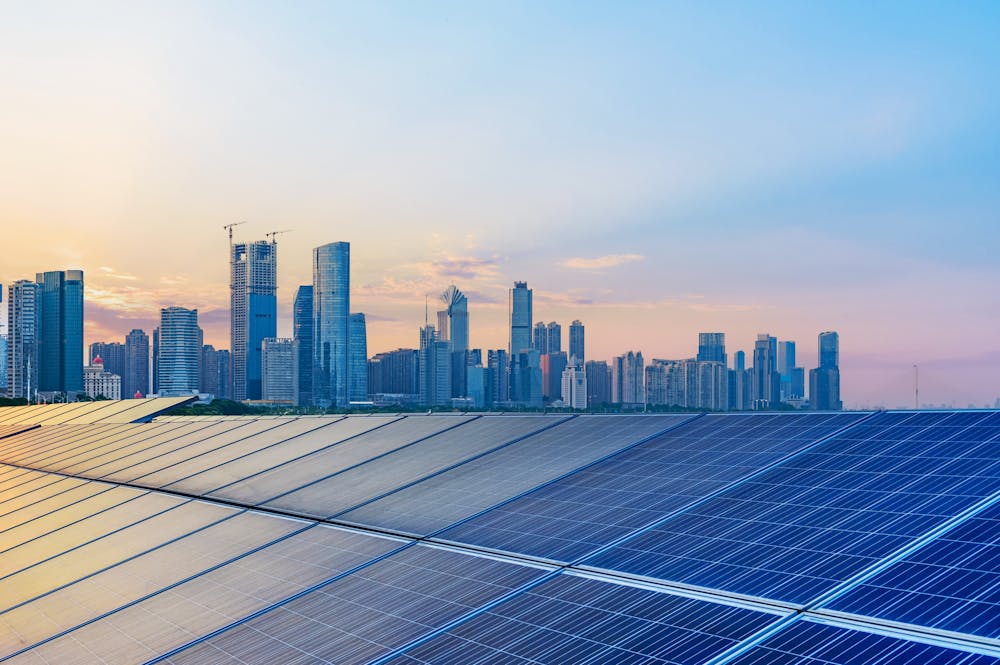

    MIL OSI Russia News –

    June 22, 2025
  • MIL-OSI Russia: Report “Development of the “Central Asia-China Spirit”: achievements, opportunities and prospects for regional cooperation” /2/

    Translation. Region: Russian Federal

    Source: People’s Republic of China in Russian – People’s Republic of China in Russian –

    Source: People’s Republic of China – State Council News

    Chapter 2. Opportunities and Challenges in China-Central Asia Cooperation

    At present, China is comprehensively promoting the building of a strong country and the great cause of national rejuvenation through Chinese-style modernization. Regardless of the changes in the international situation, China will unswervingly adhere to the policy of opening up to the outside world.

    — Chairman of the People’s Republic of China Xi Jinping

    2.1 New Opportunities as a Result of China’s Opening Up

    With global economic growth slowing, especially since the beginning of this year, the international situation is characterized by growing instability and mounting contradictions. The strengthening of unilateral actions and trade protectionism, as well as the destruction of international production and logistics chains, are seriously undermining the stability of world trade and calling into question the prospects for further global economic cooperation.

    In the face of a complex and tense external environment, China is relentlessly focused on its own development and firmly promotes a high level of openness to the outside world. In this process, China has always regarded the Central Asian region as an important area of its good-neighborly diplomacy, striving to expand mutually beneficial cooperation with countries in the region. This not only brings stability to the Central Asian economy, but also serves as a model of peaceful coexistence and mutually beneficial cooperation for the world.

    China is a major developing country that has made a major contribution to global economic growth for many years. China’s gross domestic product exceeded RMB 130 trillion in 2024, and its contribution to global economic growth remained at around 30%, the highest among the world’s major economies. As the world’s second-largest economy and one of the largest sources of investment, China has enormous market potential. In steadily advancing the Chinese model of modernization, China not only shares the fruits of its development with countries in the region and around the world to boost the global economy, but also provides new theoretical guidelines and practical models for the modernization of developing and emerging economies.

    China’s modernization model emphasizes high-quality growth based on innovation, green transition, and balanced development. China has steadily increased investment in scientific research and technological innovation, demonstrating impressive results that open up new opportunities for Central Asia. For example, the Chinese company Huawei has established a digital hub in Kazakhstan, introducing advanced ICT infrastructure. This has laid a solid foundation for the development of new forms of business such as e-commerce and mobile payments. China’s experience in renewable energy, combating desertification, reclaiming saline and degraded lands, and water-saving irrigation is no less valuable for the countries of the region. Following the principle of “teaching how to fish, not just giving it to”, China is ready to continue to facilitate the construction of large solar and wind power plants in Central Asia, thereby contributing to the optimization of the energy structure, ecological restoration, and sustainable green development of the region.

    Against the backdrop of increasing global protectionism, China has firmly maintained its high-level opening-up policy, serving as a “stabilizing anchor” and “driving force” of the global economy. The negative list for foreign investment has been reduced from the original 190 items to 29 at the national level and 27 in pilot free trade zones. In the manufacturing sector, restrictions have been completely lifted, creating favorable conditions for multinational companies investing in China. Enterprises from Central Asian countries are actively taking advantage of these opportunities. They are opening production facilities in China or entering into trade cooperation, gaining access to the huge Chinese market and developing economies of scale. The China International Import Expo, China Export and Import Fair (Canton Fair), International Silk Road Expo and other major events provide companies from Central Asian countries with high-quality platforms to showcase their products and enter new markets. For example, through these platforms, Uzbek hand-woven carpets, nuts and dried fruits from Kyrgyzstan and other Central Asian products can be offered directly to global buyers, which will help increase the recognition of these products and expand their share in international markets. In addition, this strengthens the integration of Central Asian countries into international production and logistics chains.

    The Chinese economy maintains a solid foundation, has many competitive advantages, is highly resilient, and has significant domestic potential. The trend toward long-term sustainable growth remains unchanged. China has all the industries included in the United Nations classification, and its production system is complete, flexible, and developed. This allows it to meet a wide range of production and cooperation needs. In addition, the economic structures of China and Central Asian countries are largely complementary, which creates broad opportunities for coordination in industry, logistics, and the development of supply chains between the two sides.

    In the energy sector, Central Asian countries are important suppliers of resources, and China has significant advantages in the exploration and development of deposits, the production of energy equipment and the processing of energy resources. The parties have all the necessary conditions for deepening cooperation at all stages of the energy cycle: from the exploration and production of oil and gas to the construction and operation of pipelines, the processing of raw materials and the production of petrochemical products. Such a comprehensive partnership will make it possible to form a complete and efficient energy chain.

    2.2 Potential for cooperation in the field of green economy and digital technologies

    Against the backdrop of the accelerating new scientific and technological revolution, industrial transformation and deepening regional interaction mechanisms, China and the Central Asian countries are actively developing cooperation in new promising areas.

    Green cooperation as a key to sustainable development. China and the five Central Asian countries have similar approaches and share common goals in the field of green development. In recent years, stable political ties, active economic interaction and a strong partnership in the traditional energy sector have created a solid foundation for in-depth cooperation in the field of ecological transition. Central Asia is rich in water resources, which are mainly concentrated in Tajikistan, Kyrgyzstan and Kazakhstan. In Tajikistan alone, the technical hydropower potential is estimated at about 55 gigawatts, which is more than half of the total potential of all of Central Asia. Significant wind energy resources are concentrated in Kazakhstan, but their development is still at an early stage, with an installed capacity of only about 1.2 GW. This indicates enormous potential for further development of the sector. In addition, the region has extensive reserves of strategically important minerals: cobalt, lithium, silicon, tungsten and other elements necessary for the production of clean energy. These resources have significant potential and can form a solid foundation for the formation of new green value chains.

    Against the background of the growing support of the green transition from the countries of Central Asia, the increasing demand for electricity and the growth of the need for the so -called “transitional minerals”, China is ready to provide the region with the necessary investments, technologies and infrastructure solutions. For many years, China has retained leading positions in the world in the established capacities in the field of renewable energy – in hydropower, solar and wind generation. At the same time, the country is actively promoting the modernization of the economy, based on high environmental standards. The China Energy International Group Corporation in 2024 commissioned a solar power plant with a capacity of 1 GW in Uzbekistan, the project was completely connected to energy networks. In Kazakhstan, China implements projects in the field of hydraulic and wind energy with a total installed capacity of more than 1000 MW. China has not only rich practical experience in the field of renewable energy, but also advanced technologies, competitive equipment, as well as a full -functional industry chain in the field of clean generation. This enables the Chinese side to provide the Central Asian countries with comprehensive technical and engineering solutions. Both sides can expand cooperation at all stages of the energy chain: from design and supply to the construction and operation of facilities. It is also important to develop new forms of partnership, combining investment and industrial interaction. This will contribute to the modernization and intellectualization of the “green” infrastructure of Central Asian countries, and will also bring Sino-Central Asian cooperation in the environmental sphere to a deeper, stable level.

    In the area of humanitarian ties, the number of sister city pairs between China and the five Central Asian countries has exceeded 100. Thanks to the simplification of the visa regime and the increase in the number of direct flights between China and the Central Asian countries, new opportunities are opening up for deepening ties between peoples. China and the countries of the region have a rich historical heritage and unique cultural environment, and their tourism resources complement each other. This creates the preconditions for expanding the joint tourism market. With the deepening and practical development of cooperation in the field of education, students from Central Asia are getting more and more opportunities to study at Chinese universities. In accordance with the current development needs of the countries of the region and the areas of bilateral cooperation, new “Lu Ban Workshops” will be opened in Central Asia – sites specializing in the training of technical specialists. Such cooperation in the field of vocational education will help bring bilateral relations to a new level, deepen cultural exchanges and strengthen mutual understanding between peoples.

    Digital cooperation as a driver of economic development in Central Asia. In recent years, the Central Asian countries have been consistently promoting digital development strategies, focusing on expanding the coverage of mobile payments, actively developing e-commerce and digital finance, as well as comprehensive economic diversification. Against the backdrop of steady growth in GDP per capita and a high proportion of youth (over 60%) in the Central Asian countries, consumer demand is growing rapidly. The regional market is confidently moving from satisfying basic needs to focusing on higher-quality consumption. The digital economy is demonstrating rapid growth. In particular, the Kazakhstani platform Kaspi has about 13.5 million active users per month, covering up to 70% of the country’s population. In Uzbekistan, the penetration of mobile payments has increased from 12% to 58% in three years. These dynamics confirm the accelerated digital transformation. It is estimated that over the next five years, the e-commerce market in Central Asia will exceed US$30 billion, with an average annual growth rate of about 28%, which clearly demonstrates the high potential of the region’s digital sector.

    Against the background of digital modernization of the China -Europe route, expanding foreign warehouse capacities and logistics networks, as well as as part of the joint initiative of the “digital silk road of the 21st century”, the “China -Central Asia” mechanism and the Shanghai organization of cooperation are actively developing the joint activities of China and Central Asia in the field of cross -border electronic commerce and digital economy. Today, almost 300 companies from Central Asia have already entered Chinese electronic trade platforms, and Chinese enterprises are actively entering regional platforms, including Kaspi in Kazakhstan. On the rise, a new form of business activity is the “Electronic commerce + cross-border Livestream” model, the volume of annual transactions of which has already exceeded 1 billion yuan. According to data for 2022, the volume of cross -border electronic trade between China and Central Asian countries increased by 95%. Both sides accelerated the exit of high -quality goods into each other’s markets. However, despite the rapidly growing demand for digital services, the regions of Central Asia are faced with a number of restrictions, including the uneven level of digitalization, insufficient development of digital infrastructure and logistics, and a lag in the regulation of digital technologies and finance. Under these conditions, China and Central Asia countries have broad prospects for cooperation in the following key areas: coordination of the standards of cross-border data exchange, improving the digital business environment, joint construction of regional calculation and payment networks, optimizing payment processes, accelerating the creation of digital infrastructure and international logistics components. The complex promotion of these initiatives will contribute to the rapid growth of cross -border electronic trade and the long -term development of the digital economy in the region.

    Agricultural cooperation: a path to mutual benefit. Agriculture is a key industry for both China and the Central Asian countries. It also occupies an important place in the structure of the China-Central Asia partnership. At a video summit dedicated to the 30th anniversary of the establishment of diplomatic relations between China and the five Central Asian countries, Chinese President Xi Jinping said: “China is ready to open its super-large market to Central Asian countries, increase the import of high-quality goods and agricultural products from the region, continue to hold the China-Central Asia Economic and Trade Cooperation Forum, and strive to ensure that bilateral trade turnover reaches 70 billion US dollars by 2030.” There is a high degree of complementarity between China and the countries of the region in the structure of agricultural production and broad prospects for market interaction. Thus, the volume of agricultural trade between China and the five Central Asian countries grew from $69 million in 2001 to $2.875 billion in 2023, an increase of more than 40 times.

    Against the backdrop of the change of economic drivers and the new wave of the scientific and technical revolution, China and Central Asian countries, based on a strong base of previous interaction, are actively exploring ways to build a new model of agrarian partnership and seek to reveal its new development potential. The development of green agricultural production on technology opens up broad prospects. China and the countries of the region have already created a number of key cooperation platforms, including the agricultural base of the Shanghai Cooperation Organization and the Central Asian Center for Agrarian Research of the Chinese Academy of Agricultural Sciences. These initiatives are the basis for deepening scientific and technological cooperation in the field of agriculture. China has a developed agrarian scientific base and obvious technological advantages in dry agriculture, modern methods of soil processing, sphere of water -saving irrigation systems, landfilling of salt marshes, protecting plants from diseases and pests. All these technologies can significantly increase the productivity and stability of the agricultural sector in Central Asia, as well as contribute to the energy transition in agriculture. In addition, with accelerating penetration of digital solutions in the region, new horizons are opened for “smart” agriculture. According to forecasts, by 2025, more than 2 million devices of the Internet of things will be used in the agricultural sector of Central Asia, and the digital agricultural market will reach 3 billion US dollars. The development of cross -border electronic trade in agricultural products, as well as the use of large data technologies, cloud computing and other digital tools for building digital agrarian trade and relevant applications, opens up new opportunities for regional agricultural food chains, creating added cost and agricultural trade. This will increase the stability of food supplies in the region and significantly increase income from the agricultural sector. In the future, further strengthening of agricultural cooperation between China and Central Asian countries will not only become an effective tool for increasing the level of agricultural technologies, transition from traditional to modern agriculture and ensure national food security, but also a key step towards activating transboundary exchange of scientific and technical resources and achieving sustainable development goals.

    The potential of the cultural and tourist industry requires further implementation. Humanitarian exchanges have always been an integral part of cooperation between China and the countries of Central Asia. They serve as a strong social basis for the development of bilateral relations. Currently, interaction in the field of tourism enters into a new stage, a set of favorable factors opens up additional opportunities for expanding partnerships in the cultural and tourist sphere. Political incentives are gradually bringing results, China and five countries of Central Asia in stages are in stages visa -free regime, which significantly reduces barriers for mutual trips. Kazakhstan, Uzbekistan and other states of the region also activate efforts to simplify tourism procedures and increase investments in the tourism infrastructure, increasing the attractiveness of their directions. The mechanisms of cross -border cooperation are becoming more mature. At the first summit “China -Central Asia”, initiative to strengthen the institutional basis of tourist interaction, to jointly develop cross -border routes and create an “Alliance on tourist cooperation between Xinjiang and Central Asia” to integrate regional resources and combine efforts. In parallel, both “soft” and “tough” interconnectedness are strengthened. Chinese airlines are actively developing a route network in the direction of Central Asia, flights from Urumchi, Beijing, Sian and Cunde are already connecting large Chinese cities with the capitals of the countries of the region. The launch of humanitarian and tourist railway routes focused on traveling to Central Asia is also being promoted. Tourist cooperation between China and Central Asia is distinguished by pronounced specificity and a high degree of complementarity. The parties together contribute to the revival and prosperity of the silk path, relying on deep historical ties and cultural kinship. Rich nature and a unique cultural landscape are made by China and Central Asia countries with mutually attractive tourist destinations. The growth of market demand and innovation in cultural and tourist products also contribute to strengthening interaction. Electronic trading floors and social networks become key channels for promoting tourism services and cultural initiatives, more and more involving the young generation in participation in international music festivals, gastronomic forums and cross-border shopping and entertainment centers, thereby contributing to the expansion of humanitarian ties and folk diplomacy.

    2.3 Regional cooperation as a factor of geo-economic expansion

    Central Asia is located at the strategic center of the Eurasian continent and has historically served as a hub of the Silk Road, connecting trade and cultural flows between the East and West. In the new era, regional cooperation between China and Central Asian countries has continued to deepen through the China-Central Asia mechanism, the Belt and Road Initiative and the Shanghai Cooperation Organization. This has greatly enhanced the geo-economic advantages of Central Asian countries and, through improved connectivity, industrial coordination and multilateral cooperation, has impacted regions such as the Caspian Sea, the Black Sea, the Middle East, South Asia and the Balkans, forming a vast economic network connecting the Eurasian continent. This spatial extension effect is transforming the economic geography of the region and providing Central Asian countries with a strategic opportunity to integrate into the global economy, bringing a new driving force to the prosperity of Eurasia.

    Expanding the Geography of Interconnectivity. Cooperation between China and Central Asian countries through infrastructure development and the modernization of logistics networks has significantly strengthened Central Asia’s position as a key transportation hub on the Eurasian continent, extending this advantage to the wider region. The launch of the direct multimodal China-Europe express route across the Caspian Sea marked the transition of China-Central Asian cooperation from a traditional bilateral trade corridor to a multi-format transportation network covering the Caspian and Black Seas, as well as the Balkans. This turns Central Asia into an important transit hub for Chinese goods to reach the markets of Europe and the Middle East. The start of construction of the China-Kyrgyzstan-Uzbekistan railway, connecting Kashgar, Kyrgyzstan and Uzbekistan, helps reduce logistics costs for Central Asian countries and opens up the prospect of integration with the logistics networks of the Middle East and South Asia, forming a transportation corridor linking West Asia, South Asia and Central Asia.

    Interregional coordination within the framework of industry networks. The cooperation between China and the countries of Central Asia in the format of industry coordination is gradually building a large -scale economic network covering the entire Eurasian continent. This interaction brings to the states of the region significant geo -economic dividends, strengthening their positions in the global economy. In the energy sector, key projects were the construction of the China -Central Asia gas pipeline and the China -Kazakhstan oil pipeline. These infrastructure initiatives not only contribute to the diversification of export routes for the countries of Central Asia, but thanks to the transfer of technologies and expanding the production and logistics chains, they also bring benefits to the Caspian region and the Middle East. An indicative example is the modernization of the oil refinery in Shymkent, which made it possible to establish the production of high -octane fuel. This product not only covers internal needs, but is also exported through the Transkaspian transport corridor to the countries of the Black Sea region and to the Balkans. The expansion of the energy chain increases the export potential of Central Asia and allows it to strengthen her position in the global energy market. The increasing importance of the digital economy and cross -border electronic commerce also helps to expand the geography of industry interaction. Such formats open up new sales channels, including the release of high -quality agricultural products from Central Asia into the markets of South Asia and the Middle East using Chinese electronic trading platforms.

    Global Significance of the Region’s Geoeconomic Transformation. China-Central Asia cooperation, which spans the entire Eurasian space, gives the Central Asian countries a new, more significant global geoeconomic significance. First of all, this partnership brings qualitative changes to the economic geography of central Eurasia. Thanks to deepening interaction, the countries of the region are gradually transforming from a traditional geopolitical “buffer zone” into a strategic hub of global production and logistics chains. Central Asia has the potential to become a key logistics hub connecting China, Europe, the Middle East and South Asia, as well as gain broad opportunities for industrial modernization and the development of new industries oriented towards foreign markets.

    Secondly, this cooperation will significantly strengthen the economic resilience and international influence of the Central Asian countries. Thanks to diversified development in the energy, agriculture and digital economy sectors, the countries of the region will be able to expand their presence in various sectors of foreign trade, reduce dependence on individual markets or raw material exports and thereby increase resilience to foreign economic risks.

    Third, this cooperation opens up new opportunities for the broader involvement of the countries of the Global South in geo-economic processes. In particular, the development of the Trans-Caspian Transport Corridor creates favorable conditions for states such as Turkey and Azerbaijan, allowing them to integrate more closely into the Chinese-Central Asian economic space. At the same time, Pakistan and Afghanistan can take advantage of the expanding logistics network formed within the framework of the China-Kyrgyzstan-Uzbekistan railway project to gain access to Central Asian markets. The geo-economic spread effect of such initiatives not only strengthens the positions of the Central Asian countries, but also gives new impetus to the development of interconnectedness and common prosperity of the entire Eurasian space. Thus, the global significance of the formation of a community of common destiny of China and Central Asia is realized.

    2.4 Risks and challenges in the areas of development and security

    Despite notable achievements in cooperation between China and Central Asian countries, this process faces a number of serious risks and challenges. In the development sphere, these are primarily external threats associated with the strengthening of unilateral actions and trade protectionism. In the security sphere, non-traditional threats are of particular concern.

    2.4.1 Growing risks of unilateral actions and protectionism amid weak global economic recovery

    The rise of unilateralism and trade protectionism poses serious challenges to the economic stability of Central Asian countries and the sustainability of the China-Central Asian partnership. The introduction of higher customs duties, the creation of trade barriers and the use of technological sanctions by individual states undermine the stability of the global economy and disrupt the normal functioning of international production and supply chains. Although the volume of direct trade between the five Central Asian countries and leading Western economies remains relatively low, the impact of global economic fluctuations on the region is difficult to overestimate. According to Thanos Arvanitis, Deputy Director of the Middle East and Central Asia Department at the International Monetary Fund, a further escalation of international trade tensions could lead to a slowdown in the GDP growth rates of the Central Asian countries.

    Fluctuations in international markets have a direct impact on the export-oriented economies of Central Asian countries, especially in the energy, mining and agriculture sectors. In the context of the global economic downturn and declining demand for raw materials, the countries of the region may face a significant reduction in export revenues, especially from oil and cotton supplies. This, in turn, will limit the opportunities for reinvestment of export earnings in national production chains and limit the potential for domestic economic reproduction.

    Trade wars and unilateral sanctions pose a serious threat to the investment climate of Central Asian countries. Some states resort to the practice of secondary sanctions, seeking to limit normal mechanisms of economic and trade interaction between countries and their partners. At the same time, the volatility of global financial markets puts pressure on the exchange rates of the countries in the region. The devaluation of national currencies leads to higher import prices, a decrease in solvency and, as a result, limits opportunities for foreign economic cooperation in such priority areas as infrastructure and energy.

    The restructuring of global supply chains caused by unilateral actions has a negative impact on the logistics and trade network of Central Asian countries. Connectivity projects such as the China-Europe Railway Express and the Trans-Caspian International Transport Corridor have contributed to the transformation of Central Asia into a key logistics hub in Eurasia. However, some countries, by introducing barriers in the form of technical standards and restrictions in logistics, seek to weaken this advantage, increasing the logistics costs of China-Central Asia cooperation. Such economic risks threaten the export potential and investment climate of Central Asian countries and pose challenges to the stable operation of joint projects between China and Central Asia.

    2.4.2 Increase in non-traditional threats

    Central Asia has long been vulnerable to a wide range of non-traditional security threats, including terrorism and extremism, drug trafficking and transnational crime, cyber risks, and environmental challenges related to climate change. In the context of growing interdependence and regional connectivity, China and Central Asian countries should step up joint efforts to develop coordinated responses to effectively address emerging threats and enhance security and stability in the region.

    Combating the threats of terrorism and extremism. Central Asia borders Afghanistan, where the terrorist groups Islamic State, Al-Qaeda and the East Turkestan Movement are currently actively operating in close cooperation with each other. Individual terrorists have infiltrated or “returned” to Central Asian countries, posing a serious threat to regional peace and security. At the sixth China-Central Asian Foreign Ministers’ Meeting held in April 2025, the two sides jointly reaffirmed their determination to strengthen regional and international security and jointly combat the “three evil forces”. China expressed support for the Central Asian countries’ aspiration to deepen cooperation with Afghanistan, jointly counter terrorist threats, and promote Afghanistan’s integration into the regional economic space in order to eliminate the conditions conducive to terrorism.

    Combating drug trafficking, transnational crime and ensuring cybersecurity. Central Asia remains an important transit hub for transnational drug smuggling. In recent years, large consignments of illegally transported narcotics have been repeatedly detected in the region. Within the framework of the mechanisms of meetings of the ministers of foreign affairs, internal affairs and public security, China and the Central Asian countries have repeatedly confirmed their firm position and readiness to cooperate in the fight against drugs. The establishment of the Regional Center for Combating Drugs of the Shanghai Cooperation Organization in Dushanbe was an important step towards deepening joint efforts to counter this threat and significantly strengthened multilateral cooperation. In the field of cybersecurity, against the backdrop of the rapid development of the digital economy, the region has seen an increase in cybercrime. In Kazakhstan and other countries, there are cases of data leaks from electronic trading platforms and phishing attacks, which indicates the need to further strengthen the cybersecurity infrastructure and improve digital regulation mechanisms.

    Combating climate change and environmental threats. The Central Asian countries face protracted and complex environmental challenges. The Aral Sea environmental crisis has led to large-scale land degradation, which has imposed a double constraint on agriculture in Uzbekistan and Kazakhstan in the form of progressive desertification and soil salinization. Climate change is increasing the frequency and intensity of extreme weather events. Mudflows and floods are increasingly common in the mountainous regions of Tajikistan and Kyrgyzstan, and recurrent droughts are observed in the transboundary Ili River basin. These circumstances require greater investment by the countries of the region in climate regulation, environmental protection, and the transfer and implementation of appropriate technologies. At the same time, active work is needed to create both physical and institutional infrastructure for the efficient allocation of transboundary water resources, which will increase the resilience of the region to climate and environmental risks. /follows/

    MIL OSI Russia News –

    June 22, 2025
  • MIL-OSI Asia-Pac: Paul Chan to visit Tianjin, Beijing

    Source: Hong Kong Information Services

    Financial Secretary Paul Chan will depart tomorrow for visits to Tianjin and Beijing, and return to Hong Kong on Thursday.

    Mr Chan will lead a delegation from the innovation and technology sector to attend the World Economic Forum Annual Meeting of the New Champions 2025 in Tianjin. He will participate in several thematic sessions to deliver speeches and engage in discussions.

    The delegation includes senior executives from the Science & Technology Parks Corporation, Cyberport and the Hong Kong Investment Corporation as well as leaders of startups under their umbrella specialising in artificial intelligence, biomedicine technologies, green and new energy technologies and aerospace technologies.

    The Annual Meeting of the New Champions gathers leaders from governments, businesses, think tanks, academia and representatives from international organisations. Around 1,700 participants from over 90 countries and regions will discuss how entrepreneurship and innovation can drive economic growth in rapidly changing geopolitical and economic landscapes.

    Mr Chan will also meet officials from relevant central authorities, leaders of Tianjin as well as political and business leaders from other regions to brief them on Hong Kong’s latest developments and its new advantages and opportunities.

    In Beijing, the Financial Secretary will attend the 10th annual meeting of the Board of Governors of the Asian Infrastructure Investment Bank (AIIB) and meet other governors in addition to officials from relevant central authorities.

    Meanwhile, Secretary for Financial Services & the Treasury Christopher Hui will depart for Beijing today. He will attend some activities of the AIIB’s Board of Governors annual meeting.

    During Mr Chan and Mr Hui’s absence, Deputy Financial Secretary Michael Wong and Under Secretary for Financial Services & the Treasury Joseph Chan will be acting secretaries respectively.

    MIL OSI Asia Pacific News –

    June 22, 2025
  • MIL-OSI Global: What is a ‘bunker buster’? An expert explains what the US dropped on Iran

    Source: The Conversation – Global Perspectives – By James Dwyer, Lecturer, School of Social Sciences, University of Tasmania

    The jagged silhouette of a B2 stealth bomber seen during a 2015 flyover in the US. Jonathan Daniel / Getty Images

    Late on Saturday night, local time, the United States carried out strikes against Iranian nuclear enrichment sites at Fordow, Natanz and Isfahan, marking its open participation in the conflict between Iran and Israel.

    The US says it fired 30 submarine-launched missiles at the sites in Natanz and Isfahan, as well as dropping more than a dozen “bunker buster” bombs at Fordow and Natanz.

    The kind of bomb in question is the extremely destructive GBU-57 Massive Ordance Penetrator, or MOP, which weighs around 13.5 tonnes.

    The attacks raise a lot of questions. What are these enormous bombs? Why did the US feel it had to get involved in the conflict? And, going forward, what does it mean for Iran’s nuclear ambitions?

    What are ‘bunker busters’, and why are they used?

    Bunker busters are weapons designed to destroy heavily protected facilities such as bunkers deep underground, beyond the reach of normal bombs.

    Bunker busters are designed to bury themselves into the ground before detonating. This allows more of the explosive force to penetrate into the ground, rather than travelling through the air or across the surface.

    Iran’s nuclear enrichment sites at Fordow, Natanz and Isfahan are built deep underground. Estimates suggest that Fordow for example could be 80m beneath the surface, and capped with layers of reinforced concrete and soil.

    What is the MOP?

    The bunker buster used in this particular operation is the largest in the US arsenal. Leaving aside nuclear weapons, the MOP is the largest known buster buster in the world.

    Weighing some 13.5 tonnes, the MOP is believed to be able to penetrate up to 60 metres below ground in the right conditions. It is not known how many the US possesses, but the numbers are thought to be small (perhaps 20 or so in total).

    We also don’t know exactly how many were used in Iran, though some reports say it was 14. However, it is likely to be a significant portion of the US MOP arsenal.

    Why does only the US possess this capability?

    The US is not the only state with bunker-busting weaponry. However, the size of MOP means it requires very specialised bombers to carry and drop it.

    Only the B2 stealth bomber is currently able to deploy the MOP. Each B2 can carry at most two MOPs at a time. Around seven of America’s 19 operational B2s were used in the Iran operation.

    There has been some consideration whether large transport aircraft such as the C-130 Hercules could be modified to carry and drop the MOP from its rear cargo doors. While this would allow other countries (including Israel) to deploy the MOP, it is for now purely hypothetical.

    Why has the US (apparently) used them in Iran

    The Trump administration claims Iran may be only a few weeks from possessing a nuclear weapon, and that it needed to act now to destroy Iranian nuclear enrichment sites. This claim is notably at odds with published assessments from the US intelligence community.

    However, Israel lacks bunker busting weaponry sufficient to damage the deeply buried and fortified enrichment sites at Fordow, Natanz and Isfahan.

    An F-15E Strike Eagle releases a GBU-28 ‘bunker buster’ laser-guided bomb, a smaller equivalewnt of the 13,600 kg GBU-57 ‘Massive Ordnance Penetrator’ believed to have been used in Iran.
    Michael Ammons / US Air Force

    Only the MOP could do the job (short of using nuclear weapons). Even then, multiple MOPs would have been required to ensure sufficient damage to the underground facilities.

    The US has claimed that these sites have been utterly destroyed. We cannot conclusively say whether this is true.

    Iran may also have other, undeclared nuclear sites elsewhere in the country.

    Iran’s reaction

    The US has reportedly reached out to Iran via diplomatic channels to emphasise that this attack was a one-off, not part of a larger project of regime change. It is hard to say what will happen in the next few weeks.

    Iran may retaliate with large strikes against Israel or against US forces in the region. It could also interrupt shipping in the Strait of Hormuz, which would affect a large portion of global oil shipments, with profound economic implications.

    Alternatively, Iran could capitulate and take steps to demonstrate it is ending its nuclear program. However, capitulation would not necessarily mean the end of Iran’s nuclear ambitions.

    The value of nuclear weapons

    Perhaps a greater concern is that the attack will reinforce Iran’s desire to go nuclear. Without nuclear weapons, Iran was unable to threaten the US enough to deter today’s attack.

    Iran may take lessons from the fate of other states. Ukraine (in)famously surrendered its stockpile of former Soviet nuclear weapons in the early 1990s. Russia has since felt emboldened to annex Crimea in 2014 and launch an ongoing invasion in 2022. Other potential nuclear states, such as Iraq and Gadaffi’s regime in Libya, also suffered from military intervention.

    By contrast, North Korea successfully tested its first nuclear weapon in 2006. Since then there has been no serious consideration of military intervention in North Korea.

    Iran may yet have the ability to produce useful amounts of weapons-grade uranium. It may now aim to buy itself time to assemble a relatively small nuclear device, similar in scale to the bombs used in Hiroshima and Nagasaki.

    Depending on what facilities and resources have survive the US strikes, the attack has likely reinforced that the only way the Iranian regime can guarantee its survival is to possess nuclear weapons.

    James Dwyer does not work for, consult, own shares in or receive funding from any company or organisation that would benefit from this article, and has disclosed no relevant affiliations beyond their academic appointment.

    – ref. What is a ‘bunker buster’? An expert explains what the US dropped on Iran – https://theconversation.com/what-is-a-bunker-buster-an-expert-explains-what-the-us-dropped-on-iran-259508

    MIL OSI – Global Reports –

    June 22, 2025
  • MIL-OSI United Kingdom: UK Launches Global Talent Drive to Attract World-Leading Researchers and Innovators

    Source: United Kingdom – Executive Government & Departments

    Press release

    UK Launches Global Talent Drive to Attract World-Leading Researchers and Innovators

    New taskforce and £54m fund will attract world-class researchers and their teams to the UK and comes ahead of the launch of government’s modern Industrial Strategy

    • Global talent taskforce launched to attract world’s exceptional talent to relocate to the UK, supporting the success of our Industrial Strategy sectors.
    • New Industrial Strategy coordinated taskforce will hunt for top talent to relocate to grow UK economy and boost public services as part of Plan for Change.
    • £54 million talent scheme to attract world-class researchers to the UK confirmed, on top of recent £25m backing to attract top AI talent.

    The brightest minds in the world will be welcomed to bring their talents the UK, the Government has announced today [Sunday 22 June], supported by £54 million in fresh backing to bring the world’s top science and tech talent here.     

    As the UK competes for the highest skilled individuals in priority industries, the launch of the government’s Global Talent Taskforce signals a greater focus on targeting and attracting the brightest and best talent to supercharge growth, delivering on the government’s Plan for Change.   

    The Global Talent Taskforce will support researchers, entrepreneurs, investors, top tier managerial and engineering talent and high-calibre creatives to relocate and work closely with the UK’s international presence to network and build a pipeline of talent who want to come to Britain. 

    The move comes ahead of the launch of government’s modern Industrial Strategy tomorrow, and intends to bolster homegrown talent with cutting edge, highly skilled expertise from around the world to work in the key sectors identified in the Strategy.   

    It will also build on commitments in the recent Immigration White Paper to expand eligible institutions for the High Potential Individual visa and fast-track the brightest and best talent into UK high growth and strategic industries, such as in the science and technology sectors.

    The launch of the Taskforce and £54m Global Talent Fund, which will attract world-class researchers and their teams to the UK, covering relocation and research costs over five years starting this year, sends a clear signal to exceptional talent and businesses that the UK seeks to continue its global leadership in growth-driving sectors.

    The Global Talent Fund will be allocated over the coming weeks, via UKRI, to leading universities and other research organisations. These organisations will use their expertise to select and target the researchers, aligned to the overarching objectives of the scheme and in support of our industrial strategy priorities.

    These initiatives will support the Government’s Plan for Change to deliver increased investment and more secure, skilled jobs for working people across the country, alongside an immigration system which restores control of the UK’s borders.   

    Business and Trade Secretary Jonathan Reynolds said:    

    “A key part of our Plan for Change is making sure Britain is the best place in the world to do business – we are a strong, connected market and have a lot to offer the best and the most inventive minds.

    “Competition for elite global talent is high, and by establishing this Taskforce we are solidifying our position as the first choice for the world’s brightest sparks, as well as turbocharging innovation in medicines and inventions of the future, boosting British business and putting money in working people’s pockets.” 

    Science and Technology Secretary Peter Kyle said:  

    “Genius is not bound by geography. But the UK is one of the few places blessed with the infrastructure, skills base, world-class institutions and international ties needed to fertilise brilliant ideas, and turn them into new medicines that save lives, new products that make our lives easier, and even entirely new jobs and industries. These endeavours are the Plan for Change writ large.   

    “My message to those who are advancing new ideas, wherever they are, is simple. We want to work with you, to support you, and to give you a home where you can make your ideas a reality we all benefit from.”    

    Reporting directly to the Prime Minister and Chancellor, the Global Talent Taskforce will: 

    • Facilitate support researchers, entrepreneurs, investors, top tier managerial and engineering talent and high-calibre creatives to relocate. 
    • Work to identify and approach top talent to move to the UK.  
    • Work closely with the UK’s international presence to network and build a pipeline of talent who want to come to Britain. 

    Alongside this Government-backed work, two new fast-track research grant routes have been announced by the National Academies – including £30m from the Royal Society for a Faraday Discovery Fellowship accelerated international route, part-funded by their £250 million DSIT endowment. The Royal Academy of Engineering has announced a similar fast track international route, as part of its £150 million Green Future Fellowships endowment from DSIT – this funding will ensure the UK competes for the best global talent in science and research.

    This announcement also comes hot on the heels of the launch of two sets of fellowships directed towards attracting top talent to the UK:

    • Turing AI ‘Global’ Fellowships, which will provide £25m of funding for world-leading academics to build a team and conduct groundbreaking AI research at a UK organisation.
    • Implementing a UK-based expansion of the Encode: AI for Science Fellowship – which embeds world-class AI researchers into cutting-edge scientific labs, accelerating the pathway to industry, and enabling talent to spend one year immersed in intensive exploration, feedback, and development cycles. New talent are expected to arrive in the UK on this scheme by Autum 2025.

    Taken together, this means over £115m of funding dedicated to attracting top talent to the UK. 

    Editors Notes

    • This announcement will have no impact on net migration.
    • The new Taskforce will showcase the UK’s strong business environment offer, including our R&D base, business ecosystem, political stability, standard of living, and diversity to ensure the most talented individuals choose the UK to live, work and create wealth.  The Global Talent Taskforce will be located in DBT with support from other departments.
    • The £25 million Turing AI Global Fellowships will be delivered by UKRI and are an expansion of their prestigious Turing AI Fellowship programme. Fellows can receive up to £5 million in fellowship funding over five years. 
    • The £54 million Global Talent Fund comes over five years, starting in 2025/26. The fund, administered by UKRI and delivered by research organisations, will cover 100% of eligible costs, including both relocation and research expenses, with no requirement for match funding from research organisations. The initiative also includes full visa costs for researchers and their dependants, removing significant financial and administrative barriers to relocation. 
    • The UK’s association to Horizon Europe has opened more opportunities for British scientists and researchers, providing access to extensive funding streams. The government welcomes the EU’s recent announcement of a €500 million package of new funding to attract the world’s top talent and the news that researchers will be able to apply via the Choose Europe grants to come and work in the UK.  

    Supportive Stakeholder Quotes:

    Vivienne Stern MBE, Universities UK Chief Executive, said:

    “The government’s Global Talent Taskforce and Fund will play a vital role in supporting the delivery of the industrial strategy. These initiatives will attract the best and brightest from around the world to accelerate growth across the UK’s key sectors, which are underpinned by our great universities.

    “UK universities are already pivotal players in attracting global talent and the creation of the Taskforce and Fund will further leverage their role in building our future technologies and driving long-term growth.

    “Attracting global talent is a goal that ultimately benefits communities across the country, making us all better off. We look forward to working closely with government to deliver these important initiatives and to help realise the full ambition of the UK’s industrial strategy.”

    Sir Adrian Smith, President of the Royal Society, said:

    “These are positive steps to position the UK as an open and attractive destination for research and innovation talent.

    “Together, the funding schemes announced today offer a bridge for some of the world’s most exciting researchers to come to the UK, develop their work and build close collaborations that benefit the whole country.

    “The new combined Global Talent Taskforce is another welcome sign that Government is looking seriously at the barriers faced by skilled scientists and researchers seeking to relocate. The Society has long called for a coordinated approach across Whitehall for attracting and retaining international talent. Addressing the sky-high upfront costs of the visa system should be the top priority.”

    Dr Andrew Clark, Executive Director, Product, at the Royal Academy of Engineering, said:

    “The Academy’s role is to create and lead a community of outstanding experts and innovators to engineer better lives. The first round of our Green Future Fellowships attracted enormous interest from engineers, scientists, innovators and entrepreneurs around the world, all seeking to develop and scale long-term solutions to the climate crisis. Adding a fast-track route for international applicants will ensure that the Green Future Fellowships programme is always open to the best global talent. We are pleased to be part of a growing, joined-up effort to attract such talent to the UK.”

    Share this page

    The following links open in a new tab

    • Share on Facebook (opens in new tab)
    • Share on Twitter (opens in new tab)

    Updates to this page

    Published 22 June 2025

    MIL OSI United Kingdom –

    June 22, 2025
  • MIL-OSI China: ChinaSat-9C to strengthen satellite broadcasting services

    Source: People’s Republic of China – State Council News

    The newly launched ChinaSat-9C satellite will further bolster satellite broadcasting services and support the public cultural service system for radio and television, according to China Satcom, a subsidiary of the China Aerospace Science and Technology Corporation.

    China sent the ChinaSat-9C satellite into space on Friday from the Xichang Satellite Launch Center in its southwestern Sichuan Province, using a Long March-3B carrier rocket. After completing in-orbit testing, the satellite will be handed over to China Satcom for operation and management.

    Experts from China Satcom explained that as a dedicated broadcasting satellite, ChinaSat-9C features significant performance improvements, particularly in regional coverage capabilities.

    “Whether in a nomadic tent on the plateau or a fishing boat’s cabin at sea, a single satellite antenna enables information access across vast distances,” said a China Satcom representative, highlighting how China’s independently developed satellite communication network supports this capability.

    The development of China’s broadcasting satellites traces back to 1984 with the successful launch of Dongfanghong-2, the country’s first geostationary broadcasting satellite that conducted pioneering TV and radio transmission experiments.

    In 2017, China Satcom initiated a comprehensive upgrade program using the enhanced Dongfanghong-4 platform. This modernization effort saw ChinaSat-9B replace ChinaSat-9A in 2021, ChinaSat-6D succeed ChinaSat-6A in 2022, and ChinaSat-6E take over from the imported ChinaSat-6B in 2023. The newly launched ChinaSat-9C will completely replace the imported ChinaSat-9 satellite.

    “Through continuous innovation, we’ve achieved domestic production of critical components including onboard batteries, momentum wheels and power distribution units,” the representative noted.

    China’s domestically-produced broadcasting satellites have reached world-class levels in terms of both performance and service life, the representative added.

    Currently, China Satcom’s satellite fleet supports the transmission of over 200 standard-definition TV channels, nearly 100 high-definition channels, three ultra-high-definition channels and about 400 radio programs.

    MIL OSI China News –

    June 22, 2025
  • MIL-Evening Report: What is a ‘bunker buster’? An expert explains what the US dropped on Iran

    Source: The Conversation (Au and NZ) – By James Dwyer, Lecturer, School of Social Sciences, University of Tasmania

    The jagged silhouette of a B2 stealth bomber seen during a 2015 flyover in the US. Jonathan Daniel / Getty Images

    Late on Saturday night, local time, the United States carried out strikes against Iranian nuclear enrichment sites at Fordow, Natanz and Isfahan, marking its open participation in the conflict between Iran and Israel.

    The US says it fired 30 submarine-launched missiles at the sites in Natanz and Isfahan, as well as dropping more than a dozen “bunker buster” bombs at Fordow and Natanz.

    The kind of bomb in question is the extremely destructive GBU-57 Massive Ordance Penetrator, or MOP, which weighs around 13.5 tonnes.

    The attacks raise a lot of questions. What are these enormous bombs? Why did the US feel it had to get involved in the conflict? And, going forward, what does it mean for Iran’s nuclear ambitions?

    What are ‘bunker busters’, and why are they used?

    Bunker busters are weapons designed to destroy heavily protected facilities such as bunkers deep underground, beyond the reach of normal bombs.

    Bunker busters are designed to bury themselves into the ground before detonating. This allows more of the explosive force to penetrate into the ground, rather than travelling through the air or across the surface.

    Iran’s nuclear enrichment sites at Fordow, Natanz and Isfahan are built deep underground. Estimates suggest that Fordow for example could be 80m beneath the surface, and capped with layers of reinforced concrete and soil.

    What is the MOP?

    The bunker buster used in this particular operation is the largest in the US arsenal. Leaving aside nuclear weapons, the MOP is the largest known buster buster in the world.

    Weighing some 13.5 tonnes, the MOP is believed to be able to penetrate up to 60 metres below ground in the right conditions. It is not known how many the US possesses, but the numbers are thought to be small (perhaps 20 or so in total).

    We also don’t know exactly how many were used in Iran, though some reports say it was 14. However, it is likely to be a significant portion of the US MOP arsenal.

    Why does only the US possess this capability?

    The US is not the only state with bunker-busting weaponry. However, the size of MOP means it requires very specialised bombers to carry and drop it.

    Only the B2 stealth bomber is currently able to deploy the MOP. Each B2 can carry at most two MOPs at a time. Around seven of America’s 19 operational B2s were used in the Iran operation.

    There has been some consideration whether large transport aircraft such as the C-130 Hercules could be modified to carry and drop the MOP from its rear cargo doors. While this would allow other countries (including Israel) to deploy the MOP, it is for now purely hypothetical.

    Why has the US (apparently) used them in Iran

    The Trump administration claims Iran may be only a few weeks from possessing a nuclear weapon, and that it needed to act now to destroy Iranian nuclear enrichment sites. This claim is notably at odds with published assessments from the US intelligence community.

    However, Israel lacks bunker busting weaponry sufficient to damage the deeply buried and fortified enrichment sites at Fordow, Natanz and Isfahan.

    An F-15E Strike Eagle releases a GBU-28 ‘bunker buster’ laser-guided bomb, a smaller equivalewnt of the 13,600 kg GBU-57 ‘Massive Ordnance Penetrator’ believed to have been used in Iran.
    Michael Ammons / US Air Force

    Only the MOP could do the job (short of using nuclear weapons). Even then, multiple MOPs would have been required to ensure sufficient damage to the underground facilities.

    The US has claimed that these sites have been utterly destroyed. We cannot conclusively say whether this is true.

    Iran may also have other, undeclared nuclear sites elsewhere in the country.

    Iran’s reaction

    The US has reportedly reached out to Iran via diplomatic channels to emphasise that this attack was a one-off, not part of a larger project of regime change. It is hard to say what will happen in the next few weeks.

    Iran may retaliate with large strikes against Israel or against US forces in the region. It could also interrupt shipping in the Strait of Hormuz, which would affect a large portion of global oil shipments, with profound economic implications.

    Alternatively, Iran could capitulate and take steps to demonstrate it is ending its nuclear program. However, capitulation would not necessarily mean the end of Iran’s nuclear ambitions.

    The value of nuclear weapons

    Perhaps a greater concern is that the attack will reinforce Iran’s desire to go nuclear. Without nuclear weapons, Iran was unable to threaten the US enough to deter today’s attack.

    Iran may take lessons from the fate of other states. Ukraine (in)famously surrendered its stockpile of former Soviet nuclear weapons in the early 1990s. Russia has since felt emboldened to annex Crimea in 2014 and launch an ongoing invasion in 2022. Other potential nuclear states, such as Iraq and Gadaffi’s regime in Libya, also suffered from military intervention.

    By contrast, North Korea successfully tested its first nuclear weapon in 2006. Since then there has been no serious consideration of military intervention in North Korea.

    Iran may yet have the ability to produce useful amounts of weapons-grade uranium. It may now aim to buy itself time to assemble a relatively small nuclear device, similar in scale to the bombs used in Hiroshima and Nagasaki.

    Depending on what facilities and resources have survive the US strikes, the attack has likely reinforced that the only way the Iranian regime can guarantee its survival is to possess nuclear weapons.

    James Dwyer does not work for, consult, own shares in or receive funding from any company or organisation that would benefit from this article, and has disclosed no relevant affiliations beyond their academic appointment.

    – ref. What is a ‘bunker buster’? An expert explains what the US dropped on Iran – https://theconversation.com/what-is-a-bunker-buster-an-expert-explains-what-the-us-dropped-on-iran-259508

    MIL OSI Analysis – EveningReport.nz –

    June 22, 2025
  • MIL-OSI Russia: IAEA Launches New Series of Webinars on Nuclear Law

    Translation. Region: Russian Federal

    Source: International Atomic Energy Agency –

    IAEA launches third series of webinars on nuclear law to meet the growing demand for legislative assistance, in particular from countries embarking on the introduction of nuclear power. Starting on 24 April 2025, a new series of webinars will cover key issues and recent developments in the IAEA Legislative Assistance Programme to help policymakers, decision makers and stakeholders around the world develop robust national nuclear law frameworks.

    The new series builds on the success of the 2021–2022 Nuclear Law Webinar Series. “In an ever-changing world, nuclear law remains key to ensuring that everyone can benefit from the peaceful uses of nuclear science and technology while respecting nuclear safety and security,” said Peri Lynn Johnson, Assistant Director General and Legal Counsel in the Bureau of Legal Affairs. “The new webinar series is designed to enhance participants’ knowledge and awareness, and to acquaint them with the role and importance of nuclear law in light of today’s challenges and opportunities.”

    The 2021–2022 webinar series brought together nearly 1,000 government officials from nearly 100 countries, experts in policy, law, regulation and technology. Held from October 2021 to August 2022, the webinar series consisted of eight sessions that covered, among other topics, the following: developments in nuclear law; the role of national nuclear law in establishing the regulatory framework; decommissioning and radioactive waste and spent fuel management issues from a nuclear law perspective; radioactive sources and liability for damage; new elements in the 2005 amendment to the Convention on the Physical Protection of Nuclear Material; small modular reactors (SMRs), the legal basis for managing transboundary nuclear risks, as well as openness and transparency in international and national nuclear law.

    The new series includes five webinars on the following topics:

    The relationship between safety and security in nuclear law; Steps towards an international nuclear liability regime; The IAEA’s tailored approach to nuclear law; The legal basis for SMRs and sea-based civil nuclear applications; Experience of the IAEA University Partnership Programme in Nuclear Law.

    The expert-led sessions will provide background information on each topic and then provide an interactive question and answer session, facilitating engagement with participants and allowing experts to further share their expertise in these areas.

    This webinar series is part of the IAEA Legislative Assistance Programme, which aims to raise awareness of the importance of becoming party to relevant international legal instruments and developing comprehensive national nuclear legislation. The programme also provides bilateral legislative assistance to Member States and conducts workshops and refresher courses on nuclear law.

    The webinar series is open to government officials and legal and policy stakeholders. The webinars will also be of particular benefit to Member States that have limited or no participation in the relevant international legal instruments adopted under the auspices of the IAEA, as well as Member States that are in the process of updating their national nuclear legal frameworks.

    The webinar schedule is provided below. Additional information about the new webinar series is available here Here.

    Please note: This information is raw content directly from the source of the information. It is exactly what the source states and does not reflect the position of MIL-OSI or its clients.

    MIL OSI Russia News –

    June 22, 2025
  • MIL-OSI Russia: IAEA laboratories open for online tours from around the world

    Translation. Region: Russian Federal

    Source: International Atomic Energy Agency –

    Visitors from all over the world can walk through a greenhouse where coffee beans more resilient to climate change are grown, immerse themselves in a tropical forest ecosphere where fruit flies fly, or see some of the equipment used to test the peaceful uses of nuclear materials – all from their laptop, tablet or phone. To this end, our website has launched 14 Virtual Tours of IAEA Laboratories.

    Laboratories, some of which were created back in 1958, can now be visited virtually by anyone interested in learning about nuclear science and technology for development, how the IAEA helps countries use it, and what tools are used to verify that nuclear material continues to be used for peaceful purposes – the so-called safeguards.

    Visitors can tour the various laboratory areas where researchers and technicians work in the fields of food and agriculture, human health, environmental and radiation monitoring, and safeguards equipment.

    Please note: This information is raw content directly from the source of the information. It is exactly what the source states and does not reflect the position of MIL-OSI or its clients.

    MIL OSI Russia News –

    June 22, 2025
  • MIL-OSI Russia: Lu Ban’s Workshop Officially Opens at MTUCI

    Translation. Region: Russian Federal

    Source: People’s Republic of China in Russian – People’s Republic of China in Russian –

    Source: People’s Republic of China – State Council News

    TIANJIN, June 22 (Xinhua) — The Lu Ban Workshop was officially opened at the Moscow Technical University of Communications and Informatics (MTUCI) recently.

    This workshop was created through joint efforts of MTUCI and Tianjin Vocational College of Electronics and Information Science and will become an important bridge for Chinese-Russian cooperation in the field of digital technologies.

    The workshop has more than 800 square meters of modern training space. Chinese communications enterprises actively participate in training at Lu Ban Workshop and, together with the Russian side, train specialists in 5G technologies.

    The workshop is named after the ancient Chinese carpenter and builder Lu Ban, who is a representative of the Chinese architectural tradition. Lu Ban Workshop is a world-famous brand of professional education promoted and implemented by China. -0-

    MIL OSI Russia News –

    June 22, 2025
  • MIL-OSI Russia: The Director General briefed the Council on developments in Iran, Syria, Ukraine and other countries

    Translation. Region: Russian Federal

    Source: International Atomic Energy Agency –

    The Council was presented with the IAEA Annual Report and Technical Cooperation Report for 2024, which reflect the Agency’s work in the fields of science, international cooperation and innovation.

    In his speech, Mr. Grossi outlined the IAEA’s flagship initiatives:“Rays of Hope: Cancer Treatment for All“,Atoms4foodAnd“NUTEK plastics”.

    The 2025 Spotlight Forum will be held in Ethiopia in late June, providing an opportunity to take stock of the work done over the past three years, strengthen collaboration mechanisms, and continue to mobilize resources. Spotlight aims to increase access to affordable cancer care where it is needed most, supporting countries to deliver life-saving radiotherapy and build the capacity of radiation medicine professionals. More than 90 countries have applied for support from the initiative.

    The IAEA will also continue to work with partners through Atoms4Food, its joint initiative with the Food and Agriculture Organization of the United Nations to fight hunger worldwide, Mr Grossi said. Joint FAO/IAEA Centre for Nuclear Techniques in Food and Agriculture, which is one element of this initiative, promotes the use of nuclear technologies to strengthen global food security and sustainable agricultural development.

    Speaking about NUTEC Plastics, the IAEA initiative to combat plastic pollution, Mr Grossi said: “At the UN Ocean Conference this week, we are demonstrating what we are doing concretely to combat plastic pollution using new technologies.”

    IAEA uses opportunities nuclear technologies, which involve using radiation to improve waste recycling methods and create bioplastics, which are a sustainable alternative to conventional oil-based plastics.

    With support from the NUTEC Plastics Initiative, 104 Member States are now using nuclear technology to monitor microplastics and 52 are collaborating with the IAEA on their recycling.

    Please note: This information is raw content directly from the source of the information. It is exactly what the source states and does not reflect the position of MIL-OSI or its clients.

    MIL OSI Russia News –

    June 22, 2025
  • MIL-OSI Russia: How could nuclear technology revolutionise plastic recycling?

    Translation. Region: Russian Federal

    Source: International Atomic Energy Agency –

    How could nuclear technology revolutionise plastic recycling?

    Today, plastic is used to make everything from water bottles and medical devices to building materials and clothing. The material is an integral part of our daily lives. However, only about 9 percent plastic, and 91 percent ends up in landfills and pollutes the seas, oceans, soil and even the air we breathe.

    Last year alone, the world was formed 400 million tons plastic waste. Many plastic items are not designed to be reused or recycled, and some can only be recycled once or twice. In addition, plastic does not decompose naturally. Instead, discarded plastic breaks down into tiny fragments called microplastics, which can be toxic to humans and the environment.

    One innovative solution to this problem is based on advances in nuclear science. The IAEA is using nuclear technology to understand and address plastic pollution and the crisis it is causing. Through the initiative “NUTEK plastics”, which was launched in 2021, the Agency helps countries study microplastics already in the marine environment and use nuclear techniques to improve recycling technologies, ultimately reducing the amount of plastic waste ending up in the ocean.

    In honor of World Environment Day, we interviewed Selina Horak, an IAEA expert on the use of radiation to recycle plastic.

    How can we use nuclear science to prevent the negative impacts of plastic waste on our oceans and our lives?

    Nuclear science offers the opportunity to find innovative solutions to the problem of plastic pollution throughout its entire life cycle. To tackle this problem, we need to understand its root causes. According to research, about 80 percent of plastic in the sea comes from land (the remaining 20 percent comes from ocean sources such as fishing nets, etc.), so measures taken on land are especially important.

    The IAEA applies cutting-edge technology in two ways: first, we use radiation to create bioplastics, a sustainable alternative to conventional oil-based plastics. In simple terms, we are working to develop new materials that are both biodegradable and easily recyclable. This approach can not only reduce dependence on fossil fuels, but also support a circular economy by turning organic waste into a valuable resource.

    Second, we use radiation technologies to create more durable, strong, and valuable products from plastic waste. For example, radiation technologies can improve the properties of concrete by partially replacing cement with recycled plastic. Nuclear methods can more effectively sort and separate polymers in mixed plastic waste streams. In addition, we are exploring the use of pyrolysis to transform plastics under the influence of radiation into different types of plastic material, fuels, and other valuable chemical additives.

    Will new products made from irradiated plastic be dangerous?

    Not at all — quite the opposite. Radiation is considered a form of “green chemistry” because it does not require toxic chemicals or extreme conditions like heat or pressure. When we use radiation to create new types of biopolymer-based plastics or recycle plastic waste, it is a safe, efficient, and environmentally friendly process.

    The radiation itself does not make the material radioactive. As with dental X-rays, the radiation passes through tissues but does not remain in the body. The same principle applies here: after processing, the materials do not become radioactive and are absolutely safe to use.

    You mentioned using nuclear technology to improve plastic recycling methods. Is this work already underway?

    Of the 52 countries collaborating with the IAEA on the NUTEC Plastics initiative to recycle plastics, nine have already opened their first plants – and are turning promising ideas into reality. These countries are rapidly advancing through the Technology Readiness Levels (TRLs) – an internationally recognised nine-step system that tracks the maturity of technologies from conceptual design to commercial deployment.

    We are already getting impressive, tangible results.

    Indonesia and the Philippines are developing wood-plastic composites for sustainable construction. In Malaysia, plastic waste is being turned into fuel. In Argentina, durable railroad ties made from recycled plastic are showing promise in early testing.

    These pilot projects are not just experiments, but proof of progress. We expect that some of these technologies will reach the final level of technological readiness and we will begin preparing for their full-scale implementation as early as next year.

    Why did you, as a scientist, decide to study this particular issue?

    I have always believed that science should be a catalyst for meaningful and lasting change. This belief has led me to focus on plastic recycling and finding alternatives to petroleum-based materials – areas where the environmental challenges we face today can be directly addressed through innovation.

    With over 30 years of experience working in the field of ionizing radiation, I have seen first-hand the untapped potential of ionizing radiation to transform waste into valuable resources. This work is more than just research: it is an effort to create a circular economy that will preserve ecosystems, reduce humanity’s carbon footprint, protect nature, and improve the sustainability of our planet – for future generations.

    Please note: This information is raw content directly from the source of the information. It is exactly what the source states and does not reflect the position of MIL-OSI or its clients.

    MIL OSI Russia News –

    June 22, 2025
  • MIL-OSI Russia: Uranium reserves are sufficient, but investment is needed to maintain high growth rates of nuclear energy

    Translation. Region: Russian Federal

    Source: International Atomic Energy Agency –

    Until 2050 and beyond, uranium reserves will be sufficient for both the continued use of nuclear energy and for significant growth. However, to ensure that uranium is available on the market when needed, timely investment in new exploration, mining, and processing technologies will be needed.

    These are some of the main findings of the latest publication of 2024. “Uranium: Resources, Production and Demand”, commonly known as the Red Book, is a major global reference publication prepared every two years jointly by the OECD Nuclear Energy Agency (NEA) and the International Atomic Energy Agency (IAEA).

    The Red Book 2024 provides the latest comprehensive overview of the main characteristics of the uranium market based on official national data, as well as detailed statistics on the global uranium industry. The publication covers the calendar years 2021 and 2022 and contains data on uranium exploration, reserves and production. In addition, the report includes 62 country profiles that provide detailed information on mine development plans, environmental and social aspects of uranium mining, as well as national regulations and policies.

    According to the Red Book, as of 1 January 2023, the world’s indicated recoverable uranium resources were 7,934,500 tonnes. This includes all reasonably proven and inferred uranium resources that could be extracted at market prices between US$40 and US$260 per kilogram of uranium (equivalent to US$15–100 per pound of U3O8). Compared with the 2022 edition, this represents an increase of less than 0.5%. However, the uranium resource base could be replenished from undiscovered or unconventional sources, driven by the sharp rise in uranium spot prices since mid-2021 and the commitment to triple nuclear power generation capacity by 2050, first announced at COP28 and now signed by 31 countries.

    After a period of decline caused by unfavourable market conditions and the COVID-19 pandemic, global exploration and development spending has increased sharply. In 2022, annual spending reached US$800 million, and preliminary data for 2023 allow us to forecast a further increase to US$840 million.

    The Red Book also provides projections of installed nuclear capacity and uranium demand to 2050, describing low-growth and high-growth scenarios and assessing the adequacy of uranium supply and demand under each scenario. According to these projections, the uranium resource base is sufficient to meet rapidly growing nuclear energy needs to 2050 and beyond. However, significant investment in new exploration, improved processing technologies, and new mining centers will be needed to replenish reserves.

    Production increased by 4% between 2020 and 2022, and the report says this growth is likely to continue in the coming years. The establishment of new mining centres is expected to take a significant amount of time due to the current risk-averse investment climate and complex and lengthy regulatory processes in many uranium mining jurisdictions. Geopolitical concerns and the technical challenges associated with establishing new uranium mining and processing facilities could further complicate the situation. Therefore, action is needed now to ensure adequate uranium supply in the medium term.

    Help for editors

    The Nuclear Energy Agency (NEA) is an intergovernmental agency within the Organisation for Economic Co-operation and Development (OECD). It promotes cooperation among countries with advanced nuclear technology infrastructure to achieve advances in nuclear safety, technology, science, related environmental and economic issues, and law.

    The International Atomic Energy Agency (IAEA) is the world’s leading intergovernmental forum for nuclear scientific and technical cooperation. It promotes the safe, secure and peaceful use of nuclear science and technology, contributing to international peace and security and the achievement of the United Nations Sustainable Development Goals.

    The Joint NEA/IAEA Uranium Group contributes to each edition of Uranium: Resources, Production and Demand. The Group also coordinates the preparation of periodic assessments of world natural uranium supply, examines the relationship of supply to projected demand, and recommends actions that can be taken to ensure adequate long-term supplies of uranium for the development of nuclear energy.

    Please note: This information is raw content directly from the source of the information. It is exactly what the source states and does not reflect the position of MIL-OSI or its clients.

    MIL OSI Russia News –

    June 22, 2025
  • MIL-OSI United Nations: IAEA and FAO Conduct First Atoms4Food Assessment Mission to Burkina Faso

    Source: International Atomic Energy Agency (IAEA)

    The joint IAEA and FAO Assessment Mission team examine new rice varieties during the first Atoms4Food Initiative Assessment Mission in Burkina Faso. (Photo: Victor Owino/IAEA)

    In a critical step toward addressing food insecurity in West Africa, the International Atomic Energy Agency (IAEA) and the Food and Agriculture Organization (FAO) of the United Nations have launched their first joint Atoms4Food Initiative Assessment Mission in Burkina Faso. 

    This mission aims to identify key gaps and opportunities for delivering targeted technical support to Burkina Faso for food and agriculture in a country where an estimated 3.5 million people—nearly 20% of the population—are facing food insecurity. By leveraging nuclear science and technology, Atoms4Food seeks to bolster agricultural resilience and agrifood systems in one of the region’s most vulnerable nations.

    The mission, conducted from 26 May to 1 June, assessed how nuclear and related technologies are being used in Burkina Faso to address challenges in enhancing crop production, improving soil quality and in animal production and health, as well as human nutrition.

    The Atoms4Food Initiative was launched jointly by IAEA and FAO in 2023 to help boost food security and tackle growing hunger around the world. Atoms4Food will support countries to use innovative nuclear techniques such as sterile insect technique and plant mutation breeding to enhance agricultural productivity, ensure food safety, improve nutrition and adapt agrifood systems to the challenges of climate change. Almost €9 million has been pledged by IAEA donor countries and private companies to the initiative so far.

    As part of the Atoms4Food initiative, Assessment Missions are used to evaluate the specific needs and priorities of participating countries and identify critical gaps and opportunities where nuclear science and technology can offer impactful solutions. Based on the findings, tailored and country-specific solutions will be offered.

    Burkina Faso is one of 29 countries who have so far requested to receive support under Atoms4Food, with more expected this year. Alongside Benin, Pakistan, Peru and Türkiye, Burkina Faso was among the first countries to request an Atoms4Food Assessment Mission in 2025.

    A large proportion of Burkina Faso’s population still live in poverty and inequality.  Food insecurity has been compounded by rapid population growth, gender inequality and low levels of educational attainment. In addition, currently, 50% of rice consumed in Burkina Faso is imported. The government aims to achieve food sovereignty by producing sufficient rice domestically to reduce reliance on imports.

    “Hunger and malnutrition are on the rise globally, and Burkina Faso is particularly vulnerable to this growing challenge,” said IAEA Director General Rafael Mariano Grossi. “This first Atoms4Food assessment mission marks a significant milestone in our collective efforts to harness the power of nuclear science to enhance food security. As the Atoms4Food Initiative expands worldwide, we are committed to delivering tangible, sustainable solutions to reduce hunger and malnutrition.”

    The mission was conducted by a team of ten international experts in the areas of crop production, soil and water management, animal production and health and human nutrition. During the mission, the team held high-level meetings with the Burkina Faso Ministries of Agriculture, Health and Environment and conducted site visits to laboratories including the animal health laboratory and crop breeding facility at the Institute of Environment and Agricultural Research, the crop genetics and nutrition laboratories at the University Joseph Ki-Zerbo, and the bull station of the Ministry of Agriculture in Loumbila.

    “The Government of Burkina Faso is striving to achieve food security and sovereignty, to supply the country’s population with sufficient, affordable, nutritious and safe food, while strengthening the sustainability of the agrifood systems value-chain,” said Dongxin Feng, Director of the Joint FAO/IAEA Centre for Nuclear Techniques in Food and Agriculture and head of the mission to Burkina Faso. “Though much needs to be done, our mission found strong dedication and commitment from the Government in developing climate-resilient strategies for crops, such as rice, potato, sorghum and mango, strengthening sustainable livestock production of cattle, small ruminants and local poultry, as well as reducing malnutrition among infants and children, while considering the linkages with food safety.”

    The Assessment Mission will deliver an integrated Assessment Report with concrete recommendations on areas for intervention under the Atoms4Food Initiative. This will help develop a National Action Plan in order to scale up the joint efforts made by the two organizations in the past decades, which will include expanding partnership and resource mobilization. “Our priority now is to deliver a concrete mission report with actionable recommendations that will support the development of the National Action Plan aimed at improving the country’s long term food security,” Feng added.

    MIL OSI United Nations News –

    June 22, 2025
  • MIL-OSI United Nations: Press Arrangements for IAEA Board of Governors Meeting 9-13 September 2024

    Source: International Atomic Energy Agency (IAEA)

    The IAEA Board of Governors will convene its regular September meeting at the Agency’s headquarters starting at 10:30 CEST on Monday, 9 September, in Board Room C, Building C, 4th floor, in the Vienna International Centre (VIC).

    Board discussions are expected to include, among others: nuclear and radiation safety; nuclear security; strengthening the Agency’s activities related to nuclear science, technology and applications; verification and monitoring in the Islamic Republic of Iran in light of United Nations Security Council resolution 2231 (2015); application of safeguards in the Democratic People’s Republic of Korea; implementation of the NPT safeguards agreement in the Syrian Arab Republic; NPT Safeguards Agreement with the Islamic Republic of Iran; nuclear safety, security and safeguards in Ukraine; transfer of the nuclear materials in the context of AUKUS and its safeguards in all aspects under the NPT; application of IAEA safeguards in the Middle East; and the restoration of sovereign equality of Member States in the IAEA.

    The Board of Governors meeting is closed to the press.

    Director General Rafael Mariano Grossi will open the meeting with an introductory statement which will be released to journalists after delivery and posted on the IAEA website. The IAEA will provide video footage here and will make photos available on Flickr. 

    Press Conference:

    Director General Grossi is expected to hold a press conference at 13:00 CEST on Monday, 9 September, in the Press Room of the M building.

    A live video stream of the press conference will be available. The IAEA will provide video footage here and will make photos available on Flickr. 

    Photo Opportunity:

    There will be a photo opportunity with the IAEA Director General and the Chair of the Board, Ambassador Holger Federico Martinsen of Argentina, before the start of the Board meeting, on 9 September at 10:30 CEST in Board Room C, in the C building in the VIC.

    Press Working Area:

    The Press Room on the M-Building’s ground floor will be available as a press working area starting from 9:00 CEST on 9 September.

    Accreditation:

    All journalists interested in covering the meeting in person must register with the Press Office by 16:00 CEST on Thursday, 5 September. Please email press@iaea.org.  We encourage those journalists who do not yet have permanent accreditation to request it at UNIS Vienna.

    Please plan your arrival to allow sufficient time to pass through the VIC security check.

    MIL OSI United Nations News –

    June 22, 2025
  • MIL-OSI United Nations: Press Arrangements for Next Week’s IAEA General Conference, Including Media Briefing on New Nuclear Energy Projections

    Source: International Atomic Energy Agency (IAEA)

    The 68th Annual Regular Session of the International Atomic Energy Agency (IAEA) General Conference, #IAEAGC, will convene from 16 to 20 September at the Vienna International Centre (VIC) in Vienna, Austria. The opening session takes place on Monday, 16 September, at 10:00 CEST. 

    High-ranking officials and representatives from IAEA Member States will consider and make decisions on a range of issues pertaining to the work and the budget of the Agency.

    The main conference events will take place in the M-Building of the VIC.

    All plenary sessions of the General Conference will be livestreamed on the IAEA website (no login required) in Arabic, Chinese, English, French, Russian and Spanish.

    The opening session of the GC will also be streamed live on the lAEA YouTube channel in high definition, and a download link will be made available afterwards.

    Details of the General Conference, including the provisional agenda, are available on the IAEA website and social media (Facebook, Instagram, LinkedIn, X, Weibo). Photos of the General Conference will be available on Flickr.

    The Press Room on the M-building’s ground floor will be available as a press working area from 08:30 CEST on 16 September.

    Media Briefing on Nuclear Energy Projections

    The IAEA’s latest nuclear power projections will be released on 16 September, in the 44th edition of Energy, Electricity and Nuclear Power Estimates for the Period up to 2050. The report provides detailed global trends in nuclear power by region.

    The IAEA will host a briefing for media on the new projections. IAEA experts, including Henri Paillere, Head of Planning and Economic Studies at the IAEA, will provide the briefing on Monday, 16 September at 09:30 CEST in the Press Room.

    Please note: All information presented during the briefing are under embargo until after the Director General’s opening statement on Monday, 16 September.

    Please inform the IAEA Press Office if you plan to attend the briefing.

    Scientific Forum

    This year’s Scientific Forum, organized on the sidelines of the General Conference on 17 and 18 September, is entitled Atoms4Food – Better Agriculture for Better Life. It will focus on how nuclear science, technology and innovation can enhance sustainable agrifood systems, improve food security and address climate change. 

    The Scientific Forum will cover crop improvement, animal genetics and reproduction, crop and animal disease and pest management, food safety and nutrition, and sustainable management of natural resources, including soil and water. The two-day event will facilitate best practice exchanges, discuss sustainable adoption and scaling up of R&D results, and explore innovative financing and partnerships.

    IAEA Director General Rafael Mariano Grossi will open the Scientific Forum with high-level speakers on Tuesday, 17 September, at 09:30 CEST.

    The Forum will take place in Boardroom D of the C-Building. All sessions will be livestreamed.

    Accreditation

    All journalists – including those with permanent accreditation – are requested to inform the IAEA Press Office of their plans to attend the General Conference. Journalists without permanent accreditation must send copies of their passport and press ID to the IAEA Press Office by 14:00 CEST on Friday, 13 September.

    We encourage those journalists who do not yet have permanent accreditation to request it at UNIS Vienna.

    Access to the plenary sessions of the General Conference and the Scientific Forum for photographers and video camera operators must be requested in advance.

    MIL OSI United Nations News –

    June 22, 2025
  • MIL-OSI United Nations: IAEA Scientific Forum “Atoms4Food” Highlights Role of Nuclear Science in Agriculture

    Source: International Atomic Energy Agency (IAEA)

    Scientists and experts from around the world will meet at the IAEA Scientific Forum this week to discuss how nuclear science and technology innovations under the framework of Atoms4Food can contribute to enhancing sustainable agrifood systems, improving food security and addressing climate challenges.

    IAEA Director General Rafael Mariano Grossi will open the forum on Tuesday alongside HE Musalia Mudavadi, Prime Cabinet Secretary of Kenya, Mr Abdulhamid Alkhalifa, President of the OPEC Fund, Mr Liu Jing, Vice Chairman, China Atomic Energy Authority, China, HE Mr Sidi Tiémoko Touré, Minister of Animal and Fisheries Resources, Cote d’Ivoire, HE Ms Leila Benali, Minister of Energy Transition and Sustainable Development, Kingdom of Morocco, HE Mr Fernando Mattos, Minister of Livestock, Uruguay, and Mr Giorgio Silli, Undersecretary of Foreign Affairs and International Cooperation, Italy. Director General Grossi will conclude the Forum on Wednesday alongside HE Mr Anxious Jongwe Masuka, Minister of Lands, Agriculture, Fisheries, Water and Rural Development from Zimbabwe, HE Mr Amadou Dicko, Deputy Minister, Ministry of Agriculture, Animal Resources and Fisheries, Burkina Faso and other distinguished representatives from Member States and International Organizations.

    The event under the title Atoms4Food – Better Agriculture for Better Life, takes place from Tuesday, 17 September, 9:30 CEST to Wednesday, 18 September 2024, 13:00 CEST in Board Room D on the 4th floor of the C-Building of the Vienna International Centre (VIC). Open to the media and streamed live, the event will showcase how nuclear science can drive agricultural advancements and support global efforts to combat food insecurity.

    The forum will feature three technical sessions, where international experts will explore the critical role of nuclear science and technology in advancing sustainable agriculture, food production and nutrition. Speakers will discuss innovations using nuclear and isotopic techniques in agriculture and food production, the interconnectedness of agricultural practices with environmental conservation and socioeconomic equity, and the importance of partnering with stakeholders to scale up results and ensure sustainability. More details about the Scientific Forum can be found on the IAEA website and social media (Facebook, Instagram, LinkedIn, X, Weibo). Photos of the Forum will also be available on Flickr.

    The detailed programme and full list of speakers can be found here. For those interested in interviewing speakers, please contact the IAEA Press Office, and we will assist with interview arrangements.

    Accreditation

    Journalists with permanent credentials to the VIC or journalists who have already obtained accreditation for the IAEA’s General Conference need no additional credentials. We encourage those journalists who do not yet have permanent accreditation to request it at UNIS Vienna.

    Others should contact the IAEA Press Office for accreditation.

    MIL OSI United Nations News –

    June 22, 2025
  • MIL-OSI Global: Kwame Akoto-Bamfo: the Ghanaian artist using work about slavery to find justice and healing

    Source: The Conversation – Africa – By Rachel Ama Asaa Engmann, Associate Professor and Director of Christiansborg Archaeological Heritage Project, Associate Graduate Faculty, Rutgers University

    Thousands of sculpted heads – captive African men, women, and children – meticulously created by the artist Kwame Akoto-Bamfo, emerge from the soil at the Nkyinkyim Museum, as a sacred gathering of ancestors. Together, they form a powerful monument to the horror, violence, and resistance to enslavement, as well as the ongoing work of remembrance and healing.

    Kwame Akoto-Bamfo is a Ghanaian multidisciplinary artist who engages with the histories and legacies of the transatlantic slave trade and colonialism at home and, increasingly, internationally, on both sides of the Atlantic.

    As an archaeologist who works in the field of critical heritage studies, Akoto-Bamfo’s work is important for its powerful engagement with memory, material culture and restorative justice. I feature it in a chapter of a new book that I co-edited called Architectures of Slavery: Ruins and Reconstructions.

    Who is Kwame Akoto-Bamfo?

    Akoto-Bamfo studied at the Kwame Nkrumah University of Science and Technology in Kumasi. He obtained his bachelor’s and master of fine arts degrees, both in sculpture. After graduating, the artist worked as a school teacher and a university lecturer.

    In 2015, Akoto-Bamfo rose to international fame through a series of large-scale installations. He called it ‘Nkyinkyim’ (“twisting” in the Ghanaian Twi language, as in the proverb, “Life’s journey is twisted”).


    Read more:
    Book review: how Africa was central to the making of the modern world


    Four years later, he established the ‘Nkyinkyim Museum’, a non-profit organisation known as the ‘Ancestor Project’. This open-air museum is located in Nuhalenya-Ada, a two-hour drive from Accra. It has become a space for people of African descent to engage in restorative healing through art and education.

    Nkyinkyim Museum

    At the site’s entrance, three twenty-five-foot monuments are displayed. They are made of stone, concrete and wood. The first is inspired by North and Eastern Africa, and the second by Sudano-Sahelian architecture. The third is inspired by the Forest regions in Central and West Africa.

    The collection includes multiple installations in collaboration with the local community. They illustrate “the diversity in our narratives surrounding history, philosophy, and religious beliefs”. The artist himself, demonstrates a mastery of multimedia art forms, working in cement, terracotta, brass, copper, and wood, noting “one can reach different heights with different technologies.”

    Today, the museum features a sacred healing space with a compelling display of thousands of unique concrete life size heads and 7,000 terracotta miniature sculpted heads. They include captive Africans abducted, sold and forcibly trafficked during the transatlantic slave trade.

    His sculptures capture captives’ shock, horror, anger, distress and fear—emotions. This is communicated through their facial expressions in an installation that is disturbingly evocative and profoundly haunting. It is inspired by ‘nsodie’, an Akan funerary sculpture tradition, that dates back to approximately the twelfth century. Akoto-Bamfo explains during our conversations relating to the research for book:

    I wanted to draw upon Akan belief in commemoration and remembrance after death in order to honour the young, old, men and women, who originated from various ethnic groups and who died in the Atlantic Ocean during the Middle Passage and did not get that chance.

    Each year, the annual ‘Ancestor Veneration’ ceremony takes place under the guidance of chiefs, priests, and priestess from various ethnic groups.

    Visitors are invited to participate in certain Akan rites and ceremonies – free from photography and selfies that undermine or commercialise sacred funerary art practices. Says Akoto-Bamfo:

    I am Akan, so initially I began with Akan traditional rites, but now our ceremonies welcome other African ethnic groups including the Ga-Dangme, Ewe, and Yoruba, from Ghana and Nigeria, as well as African descendant people in the African diaspora.

    In contrast, the ‘Freedom Parade Festival’ allows participants to creatively express and contribute to an evolving heritage tradition, without the specified observances. For example, painted bodily adornment applied directly onto the skin, yet without the necessary spiritual rites.

    A protest monument

    Akoto-Bamfo’s sculptures have also gained recognition beyond Ghana’s borders. For instance, the permanent installation at the Legacy Museum and National Museum for Peace and Justice in Montgomery, Alabama in the US.

    More recently, in 2021, his Blank Slate Project Monument toured throughout the United States. This included stops at Times Square in New York and the King Center in Atlanta. It depicts an enslaved ancestor, bent forward with his hands behind his back, head turned sideways, face on the ground, with a booted foot on his head.

    Akoto-Bamfo describes this work as “a noisy one — a protest piece that speaks against racist Civil War monuments.” The work was completed prior to the police killing of George Floyd that led to widespread protests in the US in 2020. It was first unveiled in a private viewing in Ghana, prior to its shipment to the United States.

    He says:

    We had a lot of discussions among those involved in the project: some feared it might incite violence, others said that it was a prediction.

    The work is interactive. It holds a removable placard that invites viewers to inscribe their reactions to the statue, which are then exhibited. Akoto-Bamfo emphasises:

    I wanted ordinary people, both individuals and communities, to relate, and to contribute to, not only towards my artwork but also to the wider ongoing discussions. As an artist, I believe that I do not have the sole right to speak. I wanted ordinary Americans to add their voices because I am already contributing.

    In Europe too, his work is featured at the 169 Museum in Germany.

    In Ghana, Akoto-Bamfo’s work was initially seen as too controversial. The artist shares:

    At first, I had to be extremely resilient because my work was concerned with the slave trade, slavery, colonialism, racism, and human rights. I embraced uncomfortable dialogue. Yet these were difficult topics for galleries and the art world at that time in Ghana.

    He adds:

    Today, however, some even view me as a spiritual leader… but I have always had an innate antipathy towards injustice. My work is not only about the past but what is unfolding now.

    Akoto-Bamfo offers a closing reflection on why this kind of memory work matters:

    I just want to use the little knowledge that I have to contribute towards the work of restorative and transformative justice.

    Rachel Ama Asaa Engmann does not work for, consult, own shares in or receive funding from any company or organisation that would benefit from this article, and has disclosed no relevant affiliations beyond their academic appointment.

    – ref. Kwame Akoto-Bamfo: the Ghanaian artist using work about slavery to find justice and healing – https://theconversation.com/kwame-akoto-bamfo-the-ghanaian-artist-using-work-about-slavery-to-find-justice-and-healing-259184

    MIL OSI – Global Reports –

    June 22, 2025
  • MIL-OSI Global: Kwame Akoto-Bamfo: the Ghanaian artist using work about slavery to find justice and healing

    Source: The Conversation – Africa – By Rachel Ama Asaa Engmann, Associate Professor and Director of Christiansborg Archaeological Heritage Project, Associate Graduate Faculty, Rutgers University

    Thousands of sculpted heads – captive African men, women, and children – meticulously created by the artist Kwame Akoto-Bamfo, emerge from the soil at the Nkyinkyim Museum, as a sacred gathering of ancestors. Together, they form a powerful monument to the horror, violence, and resistance to enslavement, as well as the ongoing work of remembrance and healing.

    Kwame Akoto-Bamfo is a Ghanaian multidisciplinary artist who engages with the histories and legacies of the transatlantic slave trade and colonialism at home and, increasingly, internationally, on both sides of the Atlantic.

    As an archaeologist who works in the field of critical heritage studies, Akoto-Bamfo’s work is important for its powerful engagement with memory, material culture and restorative justice. I feature it in a chapter of a new book that I co-edited called Architectures of Slavery: Ruins and Reconstructions.

    Who is Kwame Akoto-Bamfo?

    Akoto-Bamfo studied at the Kwame Nkrumah University of Science and Technology in Kumasi. He obtained his bachelor’s and master of fine arts degrees, both in sculpture. After graduating, the artist worked as a school teacher and a university lecturer.

    In 2015, Akoto-Bamfo rose to international fame through a series of large-scale installations. He called it ‘Nkyinkyim’ (“twisting” in the Ghanaian Twi language, as in the proverb, “Life’s journey is twisted”).


    Read more:
    Book review: how Africa was central to the making of the modern world


    Four years later, he established the ‘Nkyinkyim Museum’, a non-profit organisation known as the ‘Ancestor Project’. This open-air museum is located in Nuhalenya-Ada, a two-hour drive from Accra. It has become a space for people of African descent to engage in restorative healing through art and education.

    Nkyinkyim Museum

    At the site’s entrance, three twenty-five-foot monuments are displayed. They are made of stone, concrete and wood. The first is inspired by North and Eastern Africa, and the second by Sudano-Sahelian architecture. The third is inspired by the Forest regions in Central and West Africa.

    The collection includes multiple installations in collaboration with the local community. They illustrate “the diversity in our narratives surrounding history, philosophy, and religious beliefs”. The artist himself, demonstrates a mastery of multimedia art forms, working in cement, terracotta, brass, copper, and wood, noting “one can reach different heights with different technologies.”

    Today, the museum features a sacred healing space with a compelling display of thousands of unique concrete life size heads and 7,000 terracotta miniature sculpted heads. They include captive Africans abducted, sold and forcibly trafficked during the transatlantic slave trade.

    His sculptures capture captives’ shock, horror, anger, distress and fear—emotions. This is communicated through their facial expressions in an installation that is disturbingly evocative and profoundly haunting. It is inspired by ‘nsodie’, an Akan funerary sculpture tradition, that dates back to approximately the twelfth century. Akoto-Bamfo explains during our conversations relating to the research for book:

    I wanted to draw upon Akan belief in commemoration and remembrance after death in order to honour the young, old, men and women, who originated from various ethnic groups and who died in the Atlantic Ocean during the Middle Passage and did not get that chance.

    Each year, the annual ‘Ancestor Veneration’ ceremony takes place under the guidance of chiefs, priests, and priestess from various ethnic groups.

    Visitors are invited to participate in certain Akan rites and ceremonies – free from photography and selfies that undermine or commercialise sacred funerary art practices. Says Akoto-Bamfo:

    I am Akan, so initially I began with Akan traditional rites, but now our ceremonies welcome other African ethnic groups including the Ga-Dangme, Ewe, and Yoruba, from Ghana and Nigeria, as well as African descendant people in the African diaspora.

    In contrast, the ‘Freedom Parade Festival’ allows participants to creatively express and contribute to an evolving heritage tradition, without the specified observances. For example, painted bodily adornment applied directly onto the skin, yet without the necessary spiritual rites.

    A protest monument

    Akoto-Bamfo’s sculptures have also gained recognition beyond Ghana’s borders. For instance, the permanent installation at the Legacy Museum and National Museum for Peace and Justice in Montgomery, Alabama in the US.

    More recently, in 2021, his Blank Slate Project Monument toured throughout the United States. This included stops at Times Square in New York and the King Center in Atlanta. It depicts an enslaved ancestor, bent forward with his hands behind his back, head turned sideways, face on the ground, with a booted foot on his head.

    Akoto-Bamfo describes this work as “a noisy one — a protest piece that speaks against racist Civil War monuments.” The work was completed prior to the police killing of George Floyd that led to widespread protests in the US in 2020. It was first unveiled in a private viewing in Ghana, prior to its shipment to the United States.

    He says:

    We had a lot of discussions among those involved in the project: some feared it might incite violence, others said that it was a prediction.

    The work is interactive. It holds a removable placard that invites viewers to inscribe their reactions to the statue, which are then exhibited. Akoto-Bamfo emphasises:

    I wanted ordinary people, both individuals and communities, to relate, and to contribute to, not only towards my artwork but also to the wider ongoing discussions. As an artist, I believe that I do not have the sole right to speak. I wanted ordinary Americans to add their voices because I am already contributing.

    In Europe too, his work is featured at the 169 Museum in Germany.

    In Ghana, Akoto-Bamfo’s work was initially seen as too controversial. The artist shares:

    At first, I had to be extremely resilient because my work was concerned with the slave trade, slavery, colonialism, racism, and human rights. I embraced uncomfortable dialogue. Yet these were difficult topics for galleries and the art world at that time in Ghana.

    He adds:

    Today, however, some even view me as a spiritual leader… but I have always had an innate antipathy towards injustice. My work is not only about the past but what is unfolding now.

    Akoto-Bamfo offers a closing reflection on why this kind of memory work matters:

    I just want to use the little knowledge that I have to contribute towards the work of restorative and transformative justice.

    Rachel Ama Asaa Engmann does not work for, consult, own shares in or receive funding from any company or organisation that would benefit from this article, and has disclosed no relevant affiliations beyond their academic appointment.

    – ref. Kwame Akoto-Bamfo: the Ghanaian artist using work about slavery to find justice and healing – https://theconversation.com/kwame-akoto-bamfo-the-ghanaian-artist-using-work-about-slavery-to-find-justice-and-healing-259184

    MIL OSI – Global Reports –

    June 22, 2025
  • MIL-OSI United Nations: Nuclear Techniques Make Waves at UN Ocean Conference

    Source: International Atomic Energy Agency (IAEA)

    IAEA Director General Rafael Grossi during the high-level event on combatting marine pollution at the United Nations Conference in Nice, France  (Photo: E. McDonald/IAEA)

    The IAEA highlighted the role of nuclear science in protecting our oceans at the 2025 United Nations Ocean Conference held last week in Nice, France.

    Co-hosted by France and Costa Rica, the conference convened over 10,000 participants, including scientists, diplomats and politicians, to address the triple planetary crisis of climate change, biodiversity loss and pollution. It aimed to accelerate progress towards SDG14, Life Below Water, through innovative technologies and action. The IAEA took center stage at the event to share how nuclear technology is boosting ocean health and tackling critical threats such as marine plastic pollution.

    The IAEA organized and participated in more than a dozen events at the conference, and on research vessels in the Port of Nice. Experts from the IAEA’s Marine Environment Laboratories in Monaco highlighted how isotopic tools can help monitor and reduce plastic pollution in the ocean.

    Plastic waste is not only infiltrating our oceans, but also the human body in the form of microplastics. Without urgent action, the amount of plastic entering the ocean each year could reach 37 million metric tons by 2040, according to UN estimates, becoming a threat to marine and human life.

    Plastic pollution featured prominently throughout the conference, with a focus on the ongoing negotiations for the development of an internationally legally binding instrument to end plastic pollution, including in the marine environment. The negotiations for the United Nations Environment Programme (UNEP)-led treaty are expected to conclude later this year in Geneva, following five previous sessions.

    At the conference, IAEA Director General Rafael Grossi spoke about the IAEA’s work to combat plastic pollution and emphasized the need to share data data between scientists, policymakers and environmental agencies.

    “Four years ago, at the last UN Ocean Conference, I announced NUTEC Plastics, an initiative that gives countries the tools they need to address the issue of marine microplastic pollution. Today, I am delighted to report that we have made significant progress with 99 countries involved, and we have been equipping more than 100 Member State laboratories all over the world. We are building the capacity that countries need to translate data into policies and action.” 

    NUTEC Plastics is an IAEA flagship initiative that supports countries in researching microplastics and using nuclear techniques to improve recycling techniques.

    Director of the IAEA Marine Environment Laboratories Florence Descroix-Comanducci (left), highlighted IAEA’s work to support sustainable ocean management and monitor marine microplastic pollution at the 2025 UN Ocean Conference in France (Photo: E.McDonald/IAEA)

    “Nuclear and isotopic techniques add incredible value to boost ocean health,” said Florence Descroix-Comanducci, Director of the IAEA Marine Environment Laboratories. “Our laboratories in Monaco support Member States in the implementation and use of these techniques, and to develop harmonized methods to generate globally comparable data, especially in light of the forthcoming plastics treaty.”

    At events organized by the IAEA, panelists highlighted the need to address the top of the plastic life cycle to prevent further pollution, employing a “source to sea approach” to reduce marine litter and, by extension, marine plastic pollution. “While many indicators on oceans are moving in the wrong direction, there are also positive points. Our metrics on marine litter are moving in the right direction,” said Martin Adams, Head of the Environment Department at the European Environment Agency. “Timely and relevant data are essential to inform good decision-making, but we don’t need to know everything. We just need to know enough to act.” Other events organized by the IAEA focused on ocean-based carbon dioxide removal, ocean acidification, IAEA support for Small Island Developing States (SIDS), and nuclear energy and ocean health.

    The IAEA’s unique expertise in nuclear applications is contributing to both mitigations, by using radiation technology for waste recycling, and monitoring, by using isotopic techniques to monitor and assess impacts of microplastic pollution. Through the NUTEC Plastics initiative, and with the support of the IAEA’s technical cooperation programme, 99 countries are participating in marine monitoring of microplastics, and 52 around the world are developing innovative recycling technology.

    The International High Level Forum on NUTEC Plastic, organized by the IAEA on 25–26 November 2025, in Manila, Philippines, will highlight the progress achieved to date, address current challenges, and chart course to strengthen regional and international cooperation in the sustainable management of plastic waste through innovative nuclear technologies.

    MIL OSI United Nations News –

    June 22, 2025
  • MIL-OSI United Nations: IAEA at COP29: Time to Deliver Nuclear Solutions

    Source: International Atomic Energy Agency (IAEA)

    Momentum for nuclear energy as a key driver toward net-zero is stronger than ever. Now is the time to turn last year’s historic consensus in Dubai into action, advancing nuclear solutions to ensure energy security, achieve climate targets and promote sustainable development.

    International Atomic Energy Agency (IAEA) Director General Rafael Mariano Grossi is bringing this message to the 29th United Nations Climate Change Conference (COP29).

    This year’s COP has climate finance at the top of the agenda. Building on the back of the historic inclusion of nuclear in the COP28 Global Stocktake and the first ever Nuclear Energy Summit in Brussels, Director General Grossi will attend COP29 with a call to increase climate finance for nuclear. At the Financing Low Carbon Technology, Including Nuclear Energy event on 13 November at 16:00, Director General Grossi, as well as the COP29 presidency, ministers, heads of international organizations, multilateral development banks and the private sector will discuss scaling up the financing necessary to expand all low carbon energy technologies, including nuclear power.

    In recently published projections, the IAEA increased its forecast for nuclear power generation for the fourth consecutive year. In its high-case scenario, global nuclear capacity by 2050 could reach two and a half times today’s levels, with small modular reactors (SMRs) contributing a quarter of this expansion. The United States Senior Advisor to the President for International Climate Policy, John Podesta, and Director General Grossi will host an event on Accelerating Early Deployment of Small Modular Reactors at 12:45 on 13 November.

    Throughout the two-week conference, which runs from 11 to 22 November, the IAEA will also promote the use of nuclear science and technologies for climate change adaptation and monitoring to achieve sustainable water management, protect coastal and marine ecosystems and provide food security.

    On 12 November, Director General Grossi will join leaders from UNIDO, FAO, WTO and other key sectors for a flagship event on Decarbonizing and Adapting the Cotton-to-Clothing Value Chain through Multisectoral Partnerships. The event will showcase how innovative policies, technologies and partnerships can drive decarbonization in the cotton sector and strengthen climate resilience.

    Millions worldwide still face hunger, and transforming agrifood systems through science and technology is essential to address this challenge amid changing climate conditions. An event on the joint IAEA/FAO Atoms4Food initiative will take place at the China Pavilion on 12 November to present achievements in agriculture and food security in the context of national climate adaptation efforts. 

    The Atoms4Climate pavilion will be hosted by the IAEA in the Blue Zone at COP and will showcase nuclear power, science and technology solutions for climate change mitigation, adaptation and monitoring.

    The IAEA will host and participate in more than 50 events focusing on four thematic areas: energy, food, the ocean and water.

    See the IAEA COP29 page for the complete list of IAEA and partner events. Check the individual event pages for updates on livestreaming opportunities.

    Nuclear security measures

    For the third time, the IAEA is supporting the COP host country to implement nuclear security measures during the two-week conference. In October, the Agency trained more than 100 national first responders and staff from security enforcement bodies, including through hands-on equipment training conducted at the Baku Stadium, the venue for the COP. The Agency has also supplied over 100 radiation detection devices to support the nuclear security measures throughout COP, which is expected to draw around 40 000 participants. Similar assistance was provided by the IAEA at COP27 in Sharm el-Sheikh, Egypt, and COP28 in Dubai, UAE, as part of the IAEA’s two decades worth of support offered to countries, upon their request, for nuclear security at major public events.  

    IAEA media team contacts

    IAEA experts in climate change mitigation, adaptation and monitoring will be available for interviews at COP29.

    For interview requests and other media-related questions, please contact Fredrik Dahl, IAEA Spokesperson, at Fredrik.Dahl@iaea.org and copy press@iaea.org.

    The IAEA video team will be present at COP29. B-roll footage is available here. For additional requests of B-roll of the Director General, the IAEA pavilion or specific events, please contact multimedia.contact-point@iaea.org and copy press@iaea.org.

    Registration

    To attend IAEA events in person, you must register for COP29. For media accreditation and all other details concerning the attendance of COP29, please refer to the UNFCCCC online registration page. The IAEA cannot assist with accreditation to COP29.

    Media kit

    The COP29 media kit provides information on the four key areas highlighted at the #Atoms4Climate pavilion — energy, food, the ocean and water — along with recent reports and further background information.

    The media kit also contains B-roll video footage on nuclear power and applications to tackle climate change, videos on the IAEA and climate change and high-resolution images in the IAEA Flickr account. The IAEA will take photographs at COP29 and post them on Flickr.

    This material is free to use under the copyright provisions of the IAEA Terms of Use. If you have further questions, please contact us.

    The IAEA’s explainer articles, podcasts and other resources on climate change are available on the IAEA website.

    Follow the IAEA and #Atoms4Climate on Facebook, Instagram, LinkedIn, X and Weibo for updates throughout COP29.

    MIL OSI United Nations News –

    June 22, 2025
  • MIL-OSI United Nations: IAEA Ministerial Conference to Spotlight Nuclear Science, Technology and Technical Cooperation Programme to Address Global Challenges

    Source: International Atomic Energy Agency (IAEA)

    Ministers and senior officials of governments and international organizations will convene at the International Atomic Energy Agency (IAEA) next week to discuss the role of nuclear science and technology in tackling some of the world’s most pressing challenges. The IAEA Ministerial Conference on Nuclear Science, Technology and Applications and the Technical Cooperation Programme will take place in Vienna, Austria, from 26 to 28 November 2024.

    IAEA Director General Rafael Mariano Grossi will open the conference on Tuesday, 26 November, at 09:30 CET, alongside Co-chair of the Conference Kai Mykkänen, Minister of Climate and the Environment, Finland; Co-chair of the Conference Kwaku Afriyie, Minister for Environment, Science, Technology and Innovation, Ghana; Dongyu Qu, Director General, Food and Agriculture Organization of the United Nations (FAO); Ailan Li, Assistant Director-General, Universal Health Coverage/Healthier Populations, World Health Organization (WHO); Shaimaa Al-Sheiby, Vice President for Public Sector and Strategy, the OPEC Fund for International Development; Demetrios Papathanasiou, Global Director, Energy and Extractives Global Practice, the World Bank; and Tom McCulley, Chief Executive Officer, Anglo American Crop Nutrients. This is the second Ministerial Conference of its kind.

    A ministerial declaration is expected to be adopted on 26 November, recognizing the role of nuclear science and technology and the Technical Cooperation Programme in addressing global challenges, advancing the 2030 Agenda and fostering international collaboration for peaceful purposes, with a focus on capacity building and equitable access for all Member States.

    The conference will take place in Boardroom B/M1, M Building, Vienna International Centre (VIC). The conference, including the ministerial segments, technical sessions and panels, is open to media and will be livestreamed. The provisional programme is available here.

    Nuclear applications are an integral part of the technological solution to address development challenges the world is facing today, including climate change, health, food safety and security, and water resource management. Since the first Ministerial Conference in 2018, the IAEA launched the Zoonotic Disease Integrated Action (ZODIAC), NUclear TEChnology for Controlling Plastic Pollution (NUTEC Plastics), Rays of Hope, Atoms4NetZero and, together with the FAO, the Atoms4Food initiative. Through these initiatives, the IAEA can support its Member States and mobilize resources to realize the full potential of nuclear solutions towards global goals.

    Among 1400 participants, more than 50 high-level officials, including ministers, are expected to deliver national statements. The scientific and technical programme comprises panel discussions among ministers, scientists and experts on the latest developments in nuclear science, technology and applications. Member State’s representatives will also share experiences on how the IAEA Technical Cooperation Programme has contributed to their national development.

    Accreditation

    All journalists interested in covering the meeting in person – including those with permanent accreditation – are requested to inform the IAEA Press Office of their plans. Journalists without permanent accreditation must send copies of their passport and press ID to the IAEA Press Office by 14:00 CET on Monday, 25 November. 

    We encourage those journalists who do not yet have permanent accreditation to request it at UNIS Vienna. 

    Please plan your arrival to allow sufficient time to pass through the VIC security check. 

    MIL OSI United Nations News –

    June 22, 2025
  • MIL-OSI United Nations: Statement by IAEA Director General Rafael Mariano Grossi on the Occasion of the International Conference on Nuclear Security 2024

    Source: International Atomic Energy Agency (IAEA)

    When we met the last time, at ICONS 2020, many of us could not have imagined the momentous change we would experience between then and today, change that would affect billions of people, international peace and security, and nuclear security. A global pandemic was in the making and a war – in Ukraine – for first time soon would be fought among the facilities of one of Europe’s biggest nuclear power programmes.

    Meanwhile, profound technological advances have been made. Assessing their impact on nuclear security is a crucial task. Artificial Intelligence, and unmanned vehicles pose both a threat to nuclear security and offer new tools with which to enhance it. In the nuclear field itself, Small Modular Reactors promise new opportunities for applications such as desalination and power brought to remote communities via barge, but also require us to consider new security elements.

    The use of nuclear science and technology, often facilitated by the IAEA, has come on in leaps and bounds. Climate change and the drive for energy security are fuelling a desire for nuclear power. At this past Conference of the Parties to the UN Framework Convention on Climate Change, COP28, world leaders – those whose states use nuclear power and those whose do not – for the first time in nearly 30 years of COP meetings agreed nuclear power must be part of the transition to net zero. More than 20 countries have signed a pledge towards tripling nuclear power capacity and at the IAEA’s Nuclear Energy Summit in March heads of state agreed on the urgent need for conducive financial conditions. 

    Nuclear security is relevant throughout all the steps of the nuclear fuel cycle and is part of the social contract that underpins the existence and growth of nuclear power. Nuclear power programmes require national nuclear security threat assessments and “security by design”. Nurturing relevant research and a strong security culture are key, not only in countries with NPPs.

    The use of life-saving and life-affirming applications of nuclear science and technology is growing, from cancer patients gaining access to radiotherapy to farmers benefiting from new crop varieties developed with the help of irradiation. IAEA initiative such as Rays of Hope: Cancer care for all; Nutec Plastics; Zoonotic Disease Integrated Action (ZODIAC); and Atoms4Food are key vehicles facilitating wider access.

    All these opportunities to use nuclear and radioactive material depend on a strong and adaptive global nuclear security regime. For countries new to using nuclear and radioactive material, this means building up legal infrastructure, practices and culture that bolster nuclear security.  Nationally and across borders, collaboration and laser-focused vigilance are key to preventing groups with malicious intent from using nuclear and radioactive material to cause panic and harm.

    The threats to nuclear and other radioactive material and associated facilities are real and varied. The international nuclear security threat landscape keeps evolving. Today, anyone can type a few words into a computer and generative AI can create images of nuclear Armageddon, meaning it is now possible to spread panic about radiation fallout without a nuclear device. Risk scenarios include theft of nuclear and other radioactive material for use in improvised devices and sabotage at nuclear installations or during transport of nuclear and radioactive material. The risk of cyber-attacks requires the implementation of computer security programmes by those who use nuclear power and those who don’t. Risks come from outsiders and from those within the fold who are disgruntled or have been corrupted.

    Nuclear security is the national responsibility of individual states, but it also benefits enormously from close collaboration and the enabling role of the IAEA.  ICONS, which started in 2013, has been the place for ministers, policymakers, senior officials, and experts to gather to assesses current priorities, prepare for new challenges, and engage in scenario-based policy discussions. ICONS 2024, presided over by the co-presidents, HE Tim Watts, Assistant Minister for Foreign Affairs of Australia and HE Sungat Yessimkhanov, Vice-Minister of Energy of the Republic of Kazakhstan, covers the themes of policy, law and regulation; technology and infrastructure for prevention, detection and response; capacity building; and cross-cutting areas, such as the interface between nuclear security and nuclear safety. ICONS is the most important high-level international meeting on nuclear security. At this time of heightened tensions, it is imperative that there remains a unity of purpose and that nuclear security does not become a political football.

    This year marks the 10-year anniversary of the IAEA’s Division of Nuclear Security. The IAEA is at the forefront of adapting nuclear security to new challenges, including war. The seven indispensable pillars for ensuring nuclear safety and security have broad international support. They have brought crucial clarity at a time of war and are testament to the adaptiveness of the IAEA and the security regime.

    Those seven pillars are backed up by an enormous ongoing effort by the IAEA to support Ukraine, including through the continuous presence of IAEA experts at all of Ukraine’s nuclear power plants, including Zaporizhzhya NPP on the front lines of the war. When there were allegations of nuclear security breaches, the IAEA was there to investigate with impartiality and science. We set the facts straight that no nuclear material had been diverted, cutting through the fog of war, and diffusing a tense situation.   

    Not all our efforts require quite as much courage as our experts have shown in Ukraine, nor do they make international headlines. But every day, the IAEA – the Secretariat and the Member States – work together fastidiously to underpin nuclear security, never resting, always learning.

    Radioactive sources are extensively used in many domains, including medicine, industry, agriculture and research. An incident in one State can have far-reaching consequences for others, so security for one is security for all. That means supporting States with no, or less developed nuclear security infrastructure makes everyone safer. That support, which often comes via the IAEA, includes making lawmakers aware of their responsibilities.

    Nuclear Security requires the implementation of appropriate and robust legislative regulatory frameworks. In 2022, the first Conference of the Parties to the Amendment to the Convention on the Physical Protection of Nuclear Material (A/CPPNM) was held under the auspices of the IAEA. Reflecting the global importance of the legal framework and of nuclear security, parties managed to agree an outcome document and for the IAEA convene a subsequent conference. Since 2020, 14 new parties have joined the A/CPPNM bringing the total to 136. Five new Parties joined the CPPNM, bringing that total to 164. In addition to the A/CPPNM, political commitment to legally non-binding instruments, like the Code of Conduct on the Safety and Security of Radioactive Sources and its supplementary guidance, is a strong indication of radiation safety and nuclear security culture.

    But legal frameworks are just the beginning. They must be implemented. The IAEA plays a central role in assisting its Members States so they are able to do that. Last year we inaugurated the most visible symbol of our collaboration: the Nuclear Security Training and Demonstration Centre (NSTDC). This first-of-its-kind space, made possible by 15 donors, is a cornerstone for capacity building amid the growing need for sophisticated hands-on nuclear security training using advanced, specialized equipment. The NSTDC is part of a wide range of services offered by the IAEA, including peer reviews, such as the International Physical Protection Advisory Service (IPPAS), of which there have now been more than 100, and Advisory Missions on Regulatory Infrastructure for Radiation Safety and Nuclear Security (RISS), a service we launched in 2022. Our Incident and Trafficking Database (ITDB) now has 145 members and has enabled the reporting of more than 600 incidents in which nuclear or radioactive material went out of regulatory control.  Almost 8,000 people have benefited from our training in nuclear security, and we continue to work very hard to remove barriers that prevent talent from entering the field.  In March 2021, we launched the Women in Nuclear Security Initiative (WINSI) to support the achievement of gender equality in nuclear security. Meanwhile, the IAEA’s Marie Sklodowska Curie Fellowship Programme financially supports women pursuing a master’s degree in nuclear subjects and offers them internships, while our Lise Meitner offers women in the early and middle part of their career enriching opportunities within the field.   

    As the use of nuclear and other radioactive material around the world increases, more and more States are needing to increase their level of nuclear security. Nuclear security is as important as nuclear safety – we must put it on equal footing in terms of reliability of funding and the robustness of implementation.

    At ICONS 2024 we are – as the name of the conference indicates – “shaping the future”, not only of nuclear security, but of the world our children will inherit. That is because nuclear security is about more than preventing nuclear terrorism. It is an enabler to providing, through nuclear science and technology, the clean energy; cutting-edge medicine; nutritious food and hope for a better tomorrow.

    MIL OSI United Nations News –

    June 22, 2025
  • MIL-OSI United Nations: IAEA Director General’s Speech at the Nobel Peace Prize Forum

    Source: International Atomic Energy Agency (IAEA)

    Nobel’s spotlight on our perilous path and how we change course

    I want to start by congratulating Nihon Hidankyō and the hibakusha for their Nobel Peace Prize.

    As a young diplomat almost 40 years ago, I was fortunate to be part of a UN disarmament fellowship programme and to visit Hiroshima. There, fellows had an opportunity to meet the hibakusha and I had a conversation with an ailing victim. I have carried to every meeting, to every negotiation, and to every posting, the memory this woman’s silent testimony. When I asked her about that morning in 1945, she struggled to express the horror in words. She tried to articulate some words but stayed silent. Looking at me, right into my eyes. The look in her eyes has stayed with me ever since, like a powerful reminder, a secret mandate, to work so that her suffering is never repeated.

    For decades after the Second World War, the international community has been dealing with this unique dilemma: we built robust norms and passed nonproliferation and disarmament treaties. Instead of dozens of countries armed with nuclear weapons, as was the concern in the 1960s, there are less than ten. Stockpiles of nuclear weapons have shrunk from tens of thousands to thousands.

    But on its journey through the perils of the atomic age, the world has come to a crucial crossroads. Our deep psychological connection caused by collectively seeing the horror of the consequences of nuclear war seems to be evaporating, taking with it our joint resolve to do everything possible to prevent a repetition.

    Like a giant spotlight, this year’s Nobel Peace Prize has lit up our path ahead. It has done it, by reminding us of the past, and of the consequences of ignoring the perils of nuclear weapons use.

    Context of conflicts

    To understand the important challenges we face, we must look at the global context, at what is happening around the world.  

    War has returned to Europe, and it directly involves a nuclear weapon state. The conflict in Ukraine is also an indirect confrontation between the world’s biggest nuclear weapon states, the first since the end of the Cold War. But nuclear exercises and open references to the use of nuclear weapons in the theatre of this war are increasing the risks and can not be ignored.

    In the Middle East, the conflict of the past year has ignited smoldering tensions between Israel and Iran and led to the unprecedented step of direct exchanges and attacks between the two. Here there is also a nuclear weapons dimension. On one side, the assumed presence of nuclear weapons looms in the background. On the other, the very real potential of nuclear proliferation is raising the stakes.

    We find ourselves in a harmful loop: the erosion of the restraints around nuclear weapons is making these conflicts more dangerous. Meanwhile, these conflicts are contributing to the erosion of the restraints. The vicious circle dynamic is in motion.

    An unfortunate change of direction

    Doctrines regarding the use of nuclear weapons are being revised or reinterpreted. The quantity and quality of nuclear weapon stockpiles are being increased. 

    And in some non-nuclear weapon states – states that are important in their region – leaders are asking “why not us?”. And they are asking this openly!

    At the start of the nuclear arms race, J Robert Oppenheimer described the USSR and the US as “two scorpions in a bottle” each capable of killing the other, but only by risking their own life.

    Oppenheimer’s blunt statement would later be developed and elaborated under the roof of deterrence and the more sophisticated concept of “Mutual Assured Destruction,” or MAD.

    Today, independent of the vantage point of the observer, there is widespread concern that the risk of mutual destruction through nuclear war is higher than it has been for more than a generation.

    Lessons from history

    But it does not have to be this way. We can do better. History has shown that effective dialogue among superpowers has, more often than not, led to confidence and, as a result, also to arms limitation and even disarmament. At certain moments in history, world leaders took the right decisions, to tone down, or, to use today’s parlance, to de-escalate. Let’s see:

    The end of the Cuban Missile Crisis happened thanks to the direct engagement of Soviet leader Nikita Khrushchev and US President John F Kennedy. Decades later, at the Geneva Summit of 1985, Mikhail Gorbachev and President Ronald Reagan agreed a crucial axiom: “Nuclear war cannot be won and should never be fought.” They met again the next year in Reykjavik and significant reductions in nuclear arsenals followed. Nuclear weapon reductions and the elimination of a whole category of weapon, through the Intermediate-Range Nuclear Forces, or INF, Treaty, were agreed. These steps towards rapprochement took leadership and courage. They often happened despite skepticism and voices against them.

    Diplomacy and dialogue (and the duty of nuclear weapon states)

    A return to diplomacy and dialogue is urgently needed, and this, not only in things nuclear. Shutting the other side out has never solved a problem and almost certainly aggravates it. Top leadership involvement is simply indispensable when nuclear weapons are involved. President Trump took the initiative and talked to Kim Jong Un. More of this is needed. Some have said these talks were ill prepared. I say, this is important. Nuclear weapon policy and limitations does not work bottom up. It is of course the other way around.

    We must be proactive in building the trust and protections that lower the risk of close calls and of brinkmanship, especially during today’s tensions. Not taking active steps means we rely on luck – or the assumption that the other side will show restraint – to save us from nuclear war. The longer you rely on luck, the more likely it is to run out.

    Conflict and tensions compel nations to arm themselves. Diplomacy and compromise create conditions in which they can disarm.

    The road to a nuclear weapon-free world is long and winding. The disarmament landscape is complex, and it’s worth acknowledging that. This does not diminish the responsibility nuclear weapons states have to make progress. After all, they committed themselves to this goal back in 1968, through the Non-Proliferation Treaty.

    Steps can be taken to decrease the reliance on nuclear weapons, both in their production and the scenarios for their use.

    Nuclear weapon states, through their actions at home and on the world stage, have a responsibility to avoid a scenario in which more countries seek nuclear weapons. Pushing ahead with increases in arsenals leads to despair, cynicism, and a growing skepticism about the value of past commitments. Disengagement and unilateralism fuel sentiments of vulnerability in other countries, and with that, the notion nuclear weapons could be the ultimate protection against outside threats.

    Engagement among the five permanent members of the Security Council is indispensable. Such engagement can take many different shapes, starting with direct contact among themselves, bilaterally or as a group. This dialogue, which still exists, has been reduced to a very low level, virtually without real impact. Perhaps its revival could be assisted by an international organization, or facilitated with the support of a respected, impartial leader. Therefore, it’s essential that the United Nations, other international organizations, and their leaders work effectively to ensure their continued relevance amid the changing needs of their stakeholders.

    Do not make things worse (by falling for the siren call of proliferation)

    The IAEA has played its indispensable technical role during past attempts of nuclear proliferation, particularly in the Middle East. As the difficult experiences in Iraq, Libya and Syria remind us, the draw of nuclear weapons is real and so is the geopolitical and military response.

    Today’s tensions are prompting even leaders of important counties that, so far, are in good standing with the NPT to ask: “Why shouldn’t we have a nuclear weapon too?”

    To this, I would say, “Do not make things worse.” Acquiring a nuclear weapon will not increase national security, it will do the opposite. Other countries will follow. And this will contribute to the unravelling of a nonproliferation regime that has had its ups and downs – and it still has its limitations – but none-the-less it has served humanity extraordinarily well. The problem and challenge to the NPT regime may come from those nuclear armed but also those who, while not having nuclear weapons, may feel the NPT has failed as a catalyst to disarmament.

    Weakening the non-proliferation treaty under the argument that progress on nuclear disarmament has been slow and more drastic approaches are required, would be totally misguided and may make us throw away existing international measures committing nuclear weapon states and non-nuclear weapon states in this field.

    I come from a non-nuclear weapon state. I understand the frustration that some people feel about the “haves” and “have-nots” of nuclear weapons. But I have also seen the legacy of peace and prosperity left by leaders who resisted that siren call. In the 1980s, vision, resolve and dialogue meant Brazil and Argentina changed course and did not go down the path to nuclear arms. Today, Latin America is a nuclear weapon free zone.

    Multilateral leaders: step up by stepping in

    Many wonder whether there’s still a role for multilateralism in guiding us through this maze of conflicting interests. Yes, there is. During difficult times in the past, international organizations have had a big impact on peace and security. But it only happens when leaders of these organizations get off the side lines and use their mandate and their own good offices effectively.

    We prove our relevance in extraordinary times.   

    Each organization has different tools, a different mandate, a different membership, and each of their leaders will determine how to act. I can speak for the IAEA.  We have nuclear science at our core, and we are the world’s nuclear weapons watchdog. Let me give you an example:

    For almost three years, Ukraine, the world and the IAEA have been confronted with a completely unprecedented situation – never before has a military conflict involved the seizure of a nuclear power plant and been fought among the facilities of a major nuclear power programme.

    At the beginning of the war, Ukraine’s biggest nuclear power plant – the biggest nuclear power plant in Europe, with nearly 6 gigawatts of installed capacity – was taken by Russia. This established a hotspot in the middle of a combat zone. The chance of an incident – or accident – causing terrible radiological consequences became real.

    Observing this from the outside was never, in my mind, an option. Staying on the sidelines and later reflecting on “lessons learned” may have been the more traditional – or expected – path for an international organization. But to me this would have been a dereliction of duty. So, we leaned into our core mission, crossed the front lines of war, and established a permanent presence of IAEA experts at all Ukraine’s nuclear power plants. That makes us the only international organization operating independently in occupied territory. We are informing the world of what’s going on and reducing the chance that a radiological incident enflames the conflict and causes even more devastation.

    We did the same by going to Kursk when a Russian nuclear reactor was at risk of coming into the line of fire. I am in constant communication with both sides.

    I have been meeting with President Zelenskyy, and President Putin regularly. Nuclear safety and security during this conflict must have the buy-in and continued involvement of both leaders. Talking to only one of them would not achieve this important goal. At the same time, I am keeping an open dialogue with leaders on all continents and briefing the UN Security Council. When it comes to nuclear safety in Ukraine it has been possible to build a level of agreement that is rare during the divisions of this conflict. Where there is agreement, there is hope for more agreement.

    Ukraine is not our only hotspot.

    In Iran, the IAEA’s job is to verify the exclusively peaceful nature of a growing nuclear programme. Iran has now enriched uranium to a level that is hard to justify. It has not yet answered the IAEA’s questions completely and it has made our work more difficult by taking away some of our cameras and blocking some of our most experienced safeguards inspectors from going into the country. This has caused concern and led to a pattern of mistrust and recriminations. In diplomacy, progress often requires prompting, catalyzing, and suggesting ways forward. This presents a role for an impartial, honest and effective broker. It is a role I, in my capacity as the IAEA’s Director General, have been playing. In fact, I returned from my latest visit to Tehran just a few weeks ago where I presented alternatives and ideas to reduce the growing tensions, and hopefully to retain Iran within the NPT and the non-proliferation norms.

    The danger of playing it safe

    When it comes to working on behalf of peace and security, playing it safe is dangerous.

    Silence and indifference can be deadly.

    Dag Hammerskjold, the second Secretary General of the United Nations, said: “It is when we all play safe that we create a world of utmost insecurity.”

    A new path

    This week, the Norwegian Nobel Committee looked beyond today’s conflicts. In its own way, it did not play it safe. Instead, it shined a light on the horrors of nuclear war and the people who have been warning us about them for many decades.

    In doing that, the Nobel Committee, Nihon Hidankyō and the hibakusha have illuminated the danger of the path we are now on.

    We have to make a new path.

    First, the leaders of the nuclear weapon states must recognize the need for a responsible management of their nuclear arsenals. Experiences from the past confirm that even at times of crisis and conflict it has been possible to recognize the unique terminal power of these weapons and the responsibility that comes with it. What Kennedy, Khrushchev, Reagan, Gorbachev, or Trump did by reaching out to a nuclear-armed adversary, sets a precedent, a useful one. Such contacts, either bilateral or at the P5 level could possibly be facilitated by a competent broker. These are the first steps to bringing down the tone so that nuclear sabre rattling recedes and the commitments to the unequivocal undertakings to move towards a nuclear free world can be fulfilled.

    Secondly, an iron-clad resolve to observe and strengthen the global non-proliferation regime needs to be adopted. Nuclear weapon and nuclear non-weapon states must work together to ensure the non-proliferation of nuclear weapons.

    Ladies and gentlemen,

    We need to walk through perilous times by recognizing limitations and keeping our eyes on our common objectives.

    Nuclear disarmament cannot be imposed on the nuclear armed.

    Realism is not defeatism. Diplomacy is not weakness.

    Difficult times call for enlightened leadership, at the national level, and at the international level as well.

    Putting the international system back on track is within our reach. World leaders, including those at the top of the multilateral system, have a duty and an irrevocable responsibility to work towards this.  

    Personally, I am convinced. Perhaps, because the secret mandate I received that day in Hiroshima from a hibakusha burns in me, stronger than ever. Thank you.

    MIL OSI United Nations News –

    June 22, 2025
←Previous Page
1 … 111 112 113 114 115 … 542
Next Page→
NewzIntel.com

NewzIntel.com

MIL Open Source Intelligence

  • Blog
  • About
  • FAQs
  • Authors
  • Events
  • Shop
  • Patterns
  • Themes

Twenty Twenty-Five

Designed with WordPress