Category: Universities

  • MIL-OSI United Kingdom: Goods Yard hits targets to boost local economy weeks ahead of opening

    Source: City of Stoke-on-Trent

    A flagship regeneration project in Stoke-on-Trent is already having a major impact on the local economy with job opportunities secured for almost 200 people.

    Social impact developers Capital&Centric are working in partnership with Stoke-on-Trent City Council to develop Goods Yard.

    The former train station site, which was neglected for many years, is being transformed into a vibrant canalside neighbourhood boasting 174 brand new homes for rent and 30,000 sq ft of commercial space which will be used for leisure, retail and workspace.

    Already, the development – which is on track for completion in spring 2025 – has added £63 million to the local economy and created job opportunities for 190 workers from the area – 107 of which are local to Stoke-on-Trent.

    Down the line there will be even more opportunities created at Goods Yard with approximately 237 local jobs set to be created in leisure and hospitality and an estimated annual employment impact of £5.4 million.

    It is all part of a joint mission by Capital&Centric and the council to deliver positive social value from the regeneration project.

    Since starting on site contractors Bowmer + Kirkland have engaged with nearly 3,000 students from schools and colleges across Stoke-on-Trent, highlighting a range of careers in the construction industry.

    Ajmal Muhammed from Stoke-on-Trent College successfully completed a placement with B+K and has since been accepted onto a degree apprenticeship programme as a trainee quantity surveyor.

    Ajmal was given the opportunity to work at Goods Yard after attending Capital&Centric’s Regeneration Brainery event, a pioneering initiative which aims to get more diverse young people into property careers.

    Ajmal, who lives in Tunstall, said: “I was offered an apprenticeship with B+K after smashing my interview and getting the results I needed from college, I got a distinction star and two distinctions.

    “I’ve been here a few months now and my favourite part of the site is The Vaults, I’ve just never seen anything like it before it’s really interesting.

    “I will be helping to finish the Goods Yard which is really exciting, then once it’s complete I’ll be moving onto another B+K project. I have just started at Salford University too where I am working towards becoming a Chartered Surveyor.”

    Councillor Finlay Gordon-McCusker, cabinet member for transport, infrastructure and regeneration at Stoke-on-Trent City Council, said: “Ajmal is really enthusiastic about being able to work on this landmark development, and it is great that he has been given the opportunity to hone his skills on a major regeneration project in his home city.

    “Goods Yard is a first-of-its-kind scheme for Stoke-on-Trent but it’s far greater than bricks and mortar. It’s great to see the social benefits coming to fruition with a number of successful apprenticeships and local people employed during construction.

    “We’re very pleased to be working with Capital&Centric and B+K who both prioritise local impact. We’ll also see many more jobs and opportunities once Goods Yard is complete next year, making a real difference to people and the local economy.”

    Tom Wilmot, joint managing director at Capital&Centric, said: “Regeneration is not just about creating new spaces for people to live, work and hang out. Making sure the benefits are felt locally is just as important and takes time and effort.

    “From the apprentices on site to the work we’ve done with young people through Regeneration Brainery we’ve made sure social value sits at the heart of the development.”

    Mona Baig, social value co-ordinator at Bowmer + Kirkland said: “We are pleased to have achieved our social value targets on the Goods Yard project. Engaging positively within the community is of utmost importance to us.

    “Stoke-on-Trent offers a wide range of diverse talents for which we have been happy to provide and facilitate opportunities for on this major local project.

    “We hope our continued engagement with job seekers, young people and local charities within the Stoke-on-Trent and Staffordshire area will create a long-term positive impact to the local community. With thanks to our supply chain partners, we look forward to continuing our support within the local area.”

    MIL OSI United Kingdom

  • MIL-OSI United Kingdom: Winners announced at this year’s Open exhibition

    Source: City of Leicester

    MORE than 20 artists from across the East Midlands are celebrating their success at Leicester’s Open exhibition.

    The annual exhibition recognises the talent of local artists of all ages, with prizes awarded to the paintings, sculptures, textiles, prints and photographs that have been selected by a panel of judges, with the awards generously supported by local sponsors.

    Amongst the winners was Susan Isaac (pictured), who wins this year’s Attenborough Prize.

    Landscape artist Susan won the prestigious prize for her work Balance and Counterbalance (mixed media on canvas).

    It’s the second time that Newark-based Susan has won The Attenborough Prize, having previously won it in 2022.

    “I was astonished and absolutely delighted to be presented with the Attenborough Prize,” she said.

    “I am so grateful to the selectors and judges and everyone involved in putting on this wonderful annual exhibition – one that I’ve been pleased to be involved with since first applying in 2015.

    Balance and Counterbalance emerged from a recent visit to Blaenavon Ironworks, now part of a World Heritage Site and close to my late father’s coal-mining family home in nearby Llanbradach.

    “The painting depicts a tower for a water balanced lift, used to convey raw materials and pig iron between the different levels of the site. I am always mindful, when visiting such sites, of a strong sense of the wounds inflicted on the land as well as on the iron workers and the miners who inhabited the communities here, both above and below ground, and of the power of the natural world to restore some kind of equilibrium.”

    Jewellery designer Christine Pearson – who’s based in Leicester – won the Leicester Museums & Galleries’ Development Trust Prize (adult category) for Shell Collection – a wooden box containing10 kiln-fired enamel on copper brooches.

    Describing the work, Christine said it depicted “fantasmagorical (sic) creatures from the little-known oceans surrounding the ancient seaport of Leicester.”

    Writing on Facebook, she added: “I’m so thrilled to have won the Leicester Museums and Galleries Trust Prize at the Leicester Open exhibition!

    “My box of enamelled shells was inspired from years of looking at Victorian collections in museums and old houses, and childhood memories of my Grandad’s shell collection, which he kept in a home-made cardboard box.”

    The other winners in the adult category were as follows:

    Art House award: Carol Pairaudeau for Type/Write

    CVAN East Midlands award: Sarah Mason for A Labradoodle’s Lazy Afternoon

    LCB Depot awards: Moya Acton for Nocturn, Katie Richards for Bernadette, Emma Peers for What’s Your Thread Length?

    Leicester Gallery (De Montfort University) award: Emma Peers for What’s Your Thread Length?

    Leicester Print Workshop award: Katerina Luchkova for Reflections of the City

    Phoenix award: Klara Simandi for Textile Flowers


    In the young people’s category, the Attenborough awards were presented to Hattie Weller (aged 18) for The Brutality of Life – a collection of clay pieces; Mahi Ghait (aged 15) for Meadow (acrylic painted paper on canvas); Lewis Holmes (aged 9), for Look Closer (acrylic paint on canvas, which comes with its own magnifying glass).

    Other winners in the young people’s category were:

    Arch Creative award: Tom Hudson for Waiting

    Art House award: Toby Cross for Phonebox

    Curve award: Elina Roman for Plastic Island

    De Montfort Hall award: Nada Rhimin for Dance Dance Dance

    Leicester Lo-Fi Photography award: Anfisa Denysenko for Architectural Composition

    Leicester Print Workshop award: Henry Dampney for Black and White

    Phoenix awards: Oriel Birks for A Little Owl Looks; Ayah Riyaazi for Self Portrait

    Soft Touch Arts award: Lina Rehab for Afternoon Repose

    Leicester Museums & Galleries Development Trust awards: Tom Hudson for Waiting (16-18 category); Oriel Birks for A Little Owl Looks (11-15 category); Vincent Parker for Arc de Triomphe (5-10 category).

    Open: The People’s Exhibition features works by more than 200 local artists and makers – from complete beginners to seasoned professionals.

    All the paintings, sculptures, textiles, prints and photographs on display have been created by artists aged 19 and over who live or study in Leicester, Leicestershire, Rutland, Derbyshire, Lincolnshire, Nottinghamshire or Northamptonshire.

    Work by young artists aged five to 18 is also on display, with a number of schools in the region also participating.

    The Open exhibition at Leicester Museum & Art Gallery runs until Friday 31 January 2025.

    Admission is free of charge.

    All the artworks on display are available to buy, with prices starting at £50, and purchased pieces can be collected from the museum from Saturday 1 February.

    MIL OSI United Kingdom

  • MIL-OSI Russia: Head of the Department of Urban Development Yulia Yankovskaya took part in a discussion on the preservation of architectural monuments in St. Petersburg

    Translation. Region: Russian Federation –

    Source: Saint Petersburg State University of Architecture and Civil Engineering – Saint Petersburg State University of Architecture and Civil Engineering – Yulia Yankovskaya, TV presenter Lidiya Vielba and Alexey Mikhailov

    Head of the Department of Urban Development at SPbGASU Yulia Yankovskaya took part in the program “Petersburg – City of Solutions” on the TV channel “Saint Petersburg”. The program was dedicated to the preservation of the historical center and architectural monuments of the Northern capital.

    Together with Yulia Sergeevna, Alexey Mikhailov, Chairman of the Committee for State Control, Use and Protection of Historical and Cultural Monuments of St. Petersburg, spoke live on air. He spoke about amendments to the law on cultural heritage protection zones. According to this document, all pre-revolutionary buildings in the historical center of the city are currently under protection, and in other areas – buildings older than 1957.

    Yulia Yankovskaya explained why these dates were chosen. In her opinion, this is due to the fact that the pre-revolutionary building characterizes the center of our city, and in 1957 there was a transition to mass “Khrushchev” construction. But this does not mean that if the building was built later, it cannot be recognized as a monument.

    Alexey Mikhailov noted that sorting by date of construction throws valuable buildings of the Soviet period out of the protection zone. In addition, a large number of errors related to determining the dates of construction have accumulated. Thanks to the amendments, two new categories of buildings will appear – environmental and ordinary. At the same time, the category of historical buildings will also remain – it will include buildings that require study and are not included in either of the two lists.

    Who and by what criteria will form the lists, why the boundaries of protected zones do not coincide with the boundaries of districts, how many Soviet-era buildings will receive protected status – answers to these and other questions can be found in the TV program with the participation of a teacher from our university.

    Link to the program

    Please note: This information is raw content directly from the source of the information. It is exactly what the source states and does not reflect the position of MIL-OSI or its clients.

    MIL OSI Russia News

  • MIL-OSI Russia: Hockey Santa Claus: HC GUU held a festive training session for the pupils of the children’s club Fortuna

    Translation. Region: Russian Federation –

    Source: State University of Management – Official website of the State –

    Last Sunday, in the Arktika Ice Palace, the hockey team of the State University of Management together with the hockey team of the Gubkin Russian State University of Oil and Gas held a New Year’s training session for the Fortuna hockey club under the mentoring program within the framework of the Good Hockey project with the support of the Moscow Hockey League.

    “Before the training, everyone was nervous and didn’t understand what was required of us. But as soon as we went out on the ice, all the guys immediately got to work and gave their all. Such events are necessary not only for the children, but also for us. We helped them, told them and taught them everything that we know ourselves. The children absorbed all the information that was conveyed to them very well, and each of the hockey players saw the motivation of the kids to play hockey. We were pleased to be part of such a training session!” – noted the captain of the HC GUU Andrey Larin.

    The program was created for children with visual impairments or complete lack of vision involved in adaptive hockey and is designed to provide young hockey players with quality support and assistance in mastering this sport.

    “Mentoring” brings together players from the Moscow Student Hockey League with children who need an individual approach to learning and developing hockey skills.

    The special feature of adaptive hockey in this school is the special “ringing” iron equipment. This is due to the fact that children, when playing, primarily rely on hearing, namely the sound of the stick and the ringing of the puck.

    “Despite the early rise, the emotions are only positive. It’s great that the league continues this tradition and holds master classes for children. We have been at such a training session with the guys for the second time. It was very nice to realize that the guys have “grown up” in every sense of the word over 2 years and that perhaps we are partly to blame for this growth. After talking to the players, you are once again convinced of their strength of spirit and love for hockey. Since the training session was before the New Year, we could not come empty-handed and not share the New Year’s mood. I am sure that we succeeded!” said Mikhail Gubin, assistant captain of the HC GUU.

    At the end of the training session, Father Frost visited, played by the assistant of the HC GUU Mikhail Gubin, and our hockey players gave New Year’s gifts to the young hockey players!

    The hockey team “Fortuna” is the first team in Russia of a unique direction: adaptive hockey “Blind Hockey”, which is focused on the socialization and rehabilitation of children with visual impairments.

    Subscribe to the TG channel “Our GUU” Date of publication: 23.12.2024

    Please note: This information is raw content directly from the source of the information. It is exactly what the source states and does not reflect the position of MIL-OSI or its clients.

    MIL OSI Russia News

  • MIL-OSI Security: Death of General Thomas R. Morgan, 21st Assistant Commandant of the Marine Corps

    Source: United States Marine Corps

    The Marine Corps announces the passing of the 21st Assistant Commandant of the Marine Corps, General Thomas R. Morgan on December 6, 2024.

    General Morgan passed away peacefully in Fairfax Station, Virginia, after a distinguished career in the Marine Corps and a life dedicated to service.

    “General Morgan was a steadfast leader and a true embodiment of the Marine Corps ethos,” said Gen. Eric Smith, the 39th Commandant of the Marine Corps. “His legacy will live on through his impact on our Corps. We offer our condolences to his loved ones and will be forever appreciative of his service to our nation.”

    General Morgan was born on January 6, 1930, in Allentown, Pennsylvania. After graduating from Colgate University in 1952, he was commissioned a second lieutenant in the Marine Corps and embarked on a distinguished military career that spanned over 36 years. General Morgan served in various key leadership positions, culminating in his role as the Assistant Commandant of the Marine Corps from June 1986 until his retirement on July 1, 1988.

    Throughout his career, General Morgan made lasting contributions to the Marine Corps, including his leadership in multiple overseas assignments, his influence on aviation operations, and his strategic foresight in military planning. His service took him to locations around the world, including the Western Pacific, Vietnam, Europe, and Korea, and he was integral in shaping Marine Corps operations and doctrine.

    Upon retirement, General Morgan remained deeply involved with the military community and his family, with a strong commitment to supporting veterans and military organizations. His personal decorations include the Defense Superior Service Medal, Legion of Merit, and Bronze Star Medal, among others.

    His full biography is located here: Gen. Thomas R. Morgan. His full obituary can be found at Dignity Memorial.

    Media seeking additional information should contact the U.S. Marine Corps Communication Directorate at OnTheRecord@usmc.mil.

    -30-

    MIL Security OSI

  • MIL-OSI Global: Octopuses and their relatives are a new animal welfare frontier − here’s what scientists know about consciousness in these unique creatures

    Source: The Conversation – USA – By Rachel Blaser, Professor of Neuroscience, Cognition and Behavior, University of San Diego

    A common octopus (Octopus vulgaris) off Croatia in the Mediterranean Sea. Reinhard Dirscherl/ullstein bild via Getty Images

    We named him Squirt – not because he was the smallest of the 16 cuttlefish in the pool, but because anyone with the audacity to scoop him into a separate tank to study him was likely to get soaked. Squirt had notoriously accurate aim.

    As a comparative psychologist, I’m used to assaults from my experimental subjects. I’ve been stung by bees, pinched by crayfish and battered by indignant pigeons. But, somehow, with Squirt it felt different. As he eyed us with his W-shaped pupils, he seemed clearly to be plotting against us.

    A common cuttlefish (Sepia officinalis) in Portugal’s Arrábida Natural Park.
    Diego Delso/Wikipedia, CC BY-SA

    Of course, I’m being anthropomorphic. Science does not yet have the tools to confirm whether cuttlefish have emotional states, or whether they are capable of conscious experience, much less sinister plots. But there’s undeniably something special about cephalopods – the class of ocean-dwelling invertebrates that includes cuttlefish, squid and octopus.

    As researchers learn more about cehpalopods’ cognitive skills, there are calls to treat them in ways better aligned with their level of intelligence. California and Washington state both approved bans on octopus farming in 2024. Hawaii is considering similar action, and a ban on farming octopus or importing farmed octopus meat has been introduced in Congress. A planned octopus farm in Spain’s Canary Islands is attracting opposition from scientists and animal welfare advocates.

    Critics offer many arguments against raising octopuses for food, including possible releases of waste, antibiotics or pathogens from aquaculture facilities. But as a psychologist, I see intelligence as the most intriguing part of the equation. Just how smart are cephalopods, really? After all, it’s legal to farm chickens and cows. Is an octopus smarter than, say, a turkey?

    A deepwater octopus investigates the port manipulator arm of the ALVIN submersible research vessel.
    NOAA, CC BY

    A big, diverse group

    Cephalopods are a broad class of mollusks that includes the coleoids – cuttlefish, octopus and squid – as well as the chambered nautilus. Coleoids range in size from adult squid only a few millimeters long (Idiosepius) to the largest living invertebrates, the giant squid (Architeuthis) and colossal squid (Mesonychoteuthis) which can grow to over 40 feet in length and weigh over 1,000 pounds.

    Some of these species live alone in the nearly featureless darkness of the deep ocean; others live socially on active, sunny coral reefs. Many are skilled hunters, but some feed passively on floating debris. Because of this enormous diversity, the size and complexity of cephalopod brains and behaviors also varies tremendously.

    Almost everything that’s known about cephalopod cognition comes from intensive study of just a few species. When considering the welfare of a designated species of captive octopus, it’s important to be careful about using data collected from a distant evolutionary relative.

    Marine biologist Roger Hanlon explains the distributed structure of cephalopod brains and how they use that neural power.

    Can we even measure alien intelligence?

    Intelligence is fiendishly hard to define and measure, even in humans. The challenge grows exponentially in studying animals with sensory, motivational and problem-solving skills that differ profoundly from ours.

    Historically, researchers have tended to focus on whether animals think like humans, ignoring the abilities that animals may have that humans lack. To avoid this problem, scientists have tried to find more objective measures of cognitive abilities.

    One option is a relative measure of brain to body size. The best-studied species of octopus, Octopus vulgaris, has about 500 million neurons; that’s relatively large for its small body size and similar to a starling, rabbit or turkey.

    More accurate measures may include the size, neuron count or surface area of specific brain structures thought to be important for learning. While this is useful in mammals, the nervous system of an octopus is built completely differently.

    Over half of the neurons in Octopus vulgaris, about 300 million, are not in the brain at all, but distributed in “mini-brains,” or ganglia, in the arms. Within the central brain, most of the remaining neurons are dedicated to visual processing, leaving less than a quarter of its neurons for other processes such as learning and memory.

    In other species of octopus, the general structure is similar, but complexity varies. Wrinkles and folds in the brain increase its surface area and may enhance neural connections and communication. Some species of octopus, notably those living in reef habitats, have more wrinkled brains than those living in the deep sea, suggesting that these species may possess a higher degree of intelligence.

    Holding out for a better snack

    Because brain structure is not a foolproof measure of intelligence, behavioral tests may provide better evidence. One of the highly complex behaviors that many cephalopods show is visual camouflage. They can open and close tiny sacs just below their skin that contain colored pigments and reflectors, revealing specific colors. Octopus vulgaris has up to 150,000 chromatophores, or pigment sacs, in a single square inch of skin.

    Like many cephalopods, the common cuttlefish (Sepia officinalis) is thought to be colorblind. But it can use its excellent vision to produce a dizzying array of patterns across its body as camouflage. The Australian giant cuttlefish, Sepia apama, uses its chromatophores to communicate, creating patterns that attract mates and warn off aggressors. This ability can also come in handy for hunting; many cephalopods are ambush predators that blend into the background or even lure their prey.

    The hallmark of intelligent behavior, however, is learning and memory – and there is plenty of evidence that some octopuses and cuttlefish learn in a way that is comparable to learning in vertebrates. The common cuttlefish (Sepia officinalis), as well as the common octopus (Octopus vulgaris) and the day octopus (Octopus cyanea), can all form simple associations, such as learning which image on a screen predicts that food will appear.

    Some cephalopods may be capable of more complicated forms of learning, such as reversal learning – learning to flexibly adjust behavior when different stimuli signal reward. They may also be able to inhibit impulsive responses. In a 2021 study that gave common cuttlefish a choice between a less desirable but immediate snack of crab and a preferred treat of live shrimp after a delay, many of the cuttlefish chose to wait for the shrimp.

    Cuttlefish perform in an experiment adapted from the Stanford “marshmallow test,” which was designed to see whether children could practice delayed gratification.

    A new frontier for animal welfare

    Considering what’s known about their brain structures, sensory systems and learning capacity, it appears that cephalopods as a group may be similar in intelligence to vertebrates as a group. Since many societies have animal welfare standards for mice, rats, chickens and other vertebrates, logic would suggest that there’s an equal case for regulations enforcing humane treatment of cephalopods.

    Such rules generally specify that when a species is held in captivity, its housing conditions should support the animal’s welfare and natural behavior. This view has led some U.S. states to outlaw confined cages for egg-laying hens and crates too narrow for pregnant sows to turn around.

    Animal welfare regulations say little about invertebrates, but guidelines for the care and use of captive cephalopods have started to appear over the past decade. In 2010, the European Union required considering ethical issues when using cephalopods for research. And in 2015, AAALAC International, an international accreditation organization for ethical animal research, and the Federation of European Laboratory Animal Science Associations promoted guidelines for the care and use of cephalopods in research. The U.S. National Institutes of Health is currently considering similar guidelines.

    The “alien” minds of octopuses and their relatives are fascinating, not the least because they provide a mirror through which we can reflect on more familiar forms of intelligence. Deciding which species deserve moral consideration requires selecting criteria, such as neuron count or learning capacity, to inform those choices.

    Once these criteria are set, it may be well to also consider how they apply to the rodents, birds and fish that occupy more familiar roles in our lives.

    Rachel Blaser does not work for, consult, own shares in or receive funding from any company or organization that would benefit from this article, and has disclosed no relevant affiliations beyond their academic appointment.

    ref. Octopuses and their relatives are a new animal welfare frontier − here’s what scientists know about consciousness in these unique creatures – https://theconversation.com/octopuses-and-their-relatives-are-a-new-animal-welfare-frontier-heres-what-scientists-know-about-consciousness-in-these-unique-creatures-241978

    MIL OSI – Global Reports

  • MIL-OSI Europe: Student Experience: Attending the Africa Financial Summit 2024 in Casablanca

    Source: Universities – Science Po in English

    Students in front of the entrance at 1 St-Thomas (credits: Pierre Morel)

    Virtual Undergraduate Open House day 2025

    Come meet our teams and students at our campuses.

    Sign-up

    Virtual Graduate Open House day 2025

    Meet faculty members, students and representatives and learn more about our 30 Master’s programmes.

    Sign-up

    MIL OSI Europe News

  • MIL-OSI Global: Could trusting each other more unlock economic growth?

    Source: The Conversation – UK – By Paul Whiteley, Professor, Department of Government, University of Essex

    Shutterstock/GoodStudio

    Trust in Britain’s institutions is in bad shape, according to recent data from the European Social Survey.

    Trust is important because a good deal of governing involves trying to persuade people to do things or convince them that things will get better in the future. This is increasingly difficult to do if trust is in decline. Trust in political institutions is particularly important when governments have to make unpopular decisions, such as raising taxes.

    Data covering a 20-year period shows a marked decline in trust in parliaments, political parties and politicians. The following question is asked in the European Social Surveys over time:

    Please tell me on a score of 0-10 how much you personally trust each of the following institutions. 0 means you do not trust an institution at all, and 10 means you have complete trust in it.

    The decline in trust began around the time of the 2016 survey, when the lowest level of trust in politicians and political parties was recorded in 20 years of doing the survey. Parliament has done a bit better, but decline in trust for it is still quite marked. It is no coincidence that this decline started in 2016 – the year of Brexit.

    Average trust scores for British institutions, 2002-2022

    Trust on the slide.
    P Whiteley, CC BY-ND

    But the European Social Survey carries another important measure of trust – our trust in fellow citizens. A question in the surveys asks how trusting respondents felt about other people on an 11-point scale, with a high score indicating that people are trusting.

    Average trust scores in other people in Britain, 2002-2022

    Trust in other people.
    P Whiteley, CC BY-ND

    After a shaky start at the beginning of the millennium, trust in other people increased significantly in Britain in 2006, to over 5.35 on the 11-point scale. It then dropped in 2008, the year of the financial crisis. The recovery from this decline was in place by 2010. It is noticeable that the trust scores fell again in 2018, when the political consequences of Brexit were making themselves felt. Trust revived again in 2020 during the pandemic.

    So, our trust in each other is in healthier shape than our trust in institutions. This is important because trust in others is a key measure of social capital – the willingness of people to work together to solve social and economic problems in society. The importance of social capital in creating prosperity in the US was highlighted by the American political scientist Bob Putnam in his best-selling book, Bowling Alone.

    Trust is lacking in British politicians.
    Flickr/UK Parliament, CC BY-NC-ND

    There is now a large literature on social capital and trust, some of it focusing specifically on Britain. The findings are that trust promotes prosperity for a number of reasons. If people trust each other, they are more likely to volunteer. This free labour helps to provide a social safety net, which increases prosperity for all – even if it is not fully recognised in the national income statistics.

    High-trust countries like Denmark and Sweden also have low levels of corruption – and corruption is a blocker to growth. In a high-trust environment, the costs of doing business are lower because there is less need for elaborate contracts, expensive lawyers and lots of litigation to make other people behave properly. This is, in part, why high-trust countries are richer than low-trust countries.

    It’s well established that economic growth is driven by investment in innovation, skills and transport, extra manufacturing capacity and greater workplace productivity. However, it is also the case that social capital helps to create economic growth. In researching this across a variety of countries, I found that trust was very important in stimulating economic growth alongside these other factors.

    Government has limited direct influence on social capital, but it can encourage it by investing in voluntary organisations and increasing transparency in its dealings with the public.

    Britain has suffered from a lack of investment in capital spending and infrastructure, and has neglected investment in education over the past 15 years. Social capital seems to be in much better shape, and faced with the significant challenge of restoring growth, the UK government needs to pull every lever at its disposal. It can repair trust in politics with its own actions, and this is likely to help with sustaining social capital, which is part of the solution to restoring economic growth.

    Paul Whiteley has received funding from the British Academy and the ESRC.

    ref. Could trusting each other more unlock economic growth? – https://theconversation.com/could-trusting-each-other-more-unlock-economic-growth-246302

    MIL OSI – Global Reports

  • MIL-OSI USA: New development of ‘impossible’ polymer capable of increasing both stiffness and flexibility

    Source: US Government research organizations

    An NSF-funded research team solves a centuries-long dilemma in the world of polymers

    Scientists have developed something long thought impossible: a polymer that’s both stiff and stretchable, without one quality compromising the other. Materials research has shown that the stiffer a polymer, the less flexible it will be — but no longer. 

    The findings are published in the journal Science Advances and supported by the U.S. National Science Foundation. The University of Virginia research team behind these findings shows that strength and “stretchability” don’t necessarily have to be opposites when it comes to polymers.  

    Liheng Cai, assistant professor of materials research and principal investigator of an NSF Faculty Early Career Development award, says, “We are addressing a fundamental challenge that has been thought to be impossible to solve since the invention of vulcanized rubber in 1839.” The research was led by doctoral student Baiqiang Huang.  

    Credit: Matt Cosner, University of Virginia School of Engineering and Applied Science

    University of Virginia assistant professor Liheng Cai (right), Ph.D. graduate student Baiqiang Huang (left) and UVA alumnus and former postdoc Shifeng Nian (not pictured) have solved a dilemma that has flummoxed polymer engineers since Charles Goodyear invented vulcanized rubber: How to make polymer networks that stretch as needed without sacrificing stiffness.

    Says Huang, “This limitation has held back the development of materials that need to be both stretchable and stiff, forcing engineers to choose one property at the expense of the other.”   

    He adds, “Imagine, for example, a heart implant that bends and flexes with each heartbeat but still lasts for years.” 

    Cai and team discovered that polymer qualities of stiffness and flexibility have the same molecular basis. What they have in common: They’re both based on cross-linked polymer strands.  

    The more cross-links are added the stiffer the material becomes. But it also grows more fragile, and less supple or “stretchable,” the more cross-links are added in the process. That is only when they are added in a linear fashion.  

    Instead of linear cross-links, Cai and colleagues tried for a “bottlebrush” structure. This nonlinear network of material is made up of “core” cross-link strands branching out into polymer “side chains.”  

    On a molecular level, these allow the material to have a foldable or accordion-like structure when it moves — imbuing the polymer with qualities of firmness and flexibility simultaneously and independently of each other.  

    Andrew Lovinger, program director in the NSF Division of Materials Research, says, “This very clever polymer architecture by Professor Cai opens the door to materials with unprecedented combinations of properties and exemplifies the very rich design potential offered by polymers.”  

    Materials with this capability show promise for medical, health care and robotics innovations, such as implants, prosthetics, electromechanical devices and more.  

    MIL OSI USA News

  • MIL-OSI USA: Electronic components can self-assemble using new technique

    Source: US Government research organizations

    A recent proof-of-concept experiment demonstrates a potential way to manufacture electronic devices with less energy and waste

    A new technique for creating simple electronic device components proved effective in recent tests. The results show that self-assembly for more complicated electronics, like 3D computer chips, could be possible. 

    The findings are published in Materials Horizons and supported by the U.S. National Science Foundation Center for Complex Particle Systems. The technique exhibits a relatively “passive” creation process compared to current industry methods, eliminating the need for high-cost robotic or manual labor.  

    The method explores arrays of transistors and diodes for now but could be used to fabricate more complex structures, such as 3D chips, in the future. 

    Martin Thuo is a professor of materials science and engineering at North Carolina State University and an author of the study. Says Thuo, “Existing chip manufacturing techniques involve many steps and rely on extremely complex technologies, making the process costly and time-consuming. Our self-assembling approach is significantly faster and less expensive.” 

    Credit: Julia Chang

    These microscopic objects were self-assembled using the new technique which the researchers refer to as a directed metal-ligand reaction or D-Met. So far, the technique can be used to create diodes, transistors and other simple electronic components.

    “What’s more, current manufacturing techniques have low yield, meaning they produce a relatively large number of faulty chips that can’t be used,” adds Thuo. “Our approach is high yield — meaning you get more consistent production of arrays and less waste.” 

    Using this approach, the experiment runs a solution of carbon and oxygen “ligands” pulled through liquid metal particles. These flow into a preset mold — think of it like nanotech “Jell-O mixture” or “cupcake batter” setting into molds to be “baked.” Only, in their case, they become end-products like diodes and transistors.  

    Before heating this solution, the ligands capture ions from the liquid metal before flowing into the mold. These grow into intricate 3D structures or arrays, while any liquid matter naturally evaporates away during this process.  

    Finally, the array is heated and transformed into all-new structures. These consist of mixed-metal oxides and carbon atoms, self-arranged to become new diodes, transistors or other electronic parts. 

    MIL OSI USA News

  • MIL-OSI: Canadian Nuclear Laboratories and Karlsruhe Institute of Technology to Collaborate on Fusion, Materials and Hydrogen Science & Technology

    Source: GlobeNewswire (MIL-OSI)

    CHALK RIVER, Ontario, Dec. 20, 2024 (GLOBE NEWSWIRE) — Canadian Nuclear Laboratories (CNL), Canada’s premier nuclear science and technology organization, is pleased to announce that it has signed an agreement with the Karlsruhe Institute of Technology (KIT), Germany’s premier research institution, to pursue collaborative research related to fusion, materials characterization and hydrogen science and technology. With shared scientific missions to address national priorities in clean energy and environmental sciences, the agreement serves as a framework through which the national research organizations can collaborate in areas of mutual interest, leveraging their individual resources, facilities, and expertise.

    According to terms of the agreement, the organizations will explore collaborative research projects in fields that include tritium analytics, tritium barriers and surface analysis, tritium fuel cycle optimization, characterization and metallurgy of irradiated materials, and hydrogen safety. Working together, the organizations hope to realize important progress in the advancement of these fields of research and others, which are priorities to both country’s domestic clean energy research programs.

    “CNL is a world leader in nuclear science and technology, including hydrogen. We are now working to re-establish ourselves in fusion, which is yielding some very exciting commercial opportunities, and drawing the attention of other leading research organizations who share our goals in clean energy,” commented Dr. Stephen Bushby, CNL’s Vice-President of Science and Technology. “With the signing of this agreement with the Karlsruhe Institute of Technology, a leading German research institution that has complementary capabilities, CNL continues to expand its network and pursue even more ambitious collaborative research. By working together, I think we can help to accelerate these promising fields of study and contribute to much-needed progress in clean energy.”

    “With fusion taking momentum all around the world, Germany investing substantial amounts to promote the cooperation between National Labs and private actors in the field, and KIT being at the centre of fusion technologies and materials development in Germany and in Europe, it is quite straightforward for us to engage in an international cooperation that offers plenty of opportunities for world-leading developments, e.g., in the fusion fuel cycle, hydrogen, and materials areas,” said Dr. Klaus Hesch, Head of KIT´s Fusion Programme. “CNL´s tritium expertise derived from decades of scientifically-technically accompanying and enabling the operation of the CANDU reactors perfectly complements the experience we have acquired in our Tritium Laboratory Karlsruhe with regard to tritium handling and processing for fusion. There is interest to extend the cooperation both towards other fusion companies as well as to the European Fusion Programme.”

    CNL has decades of experience and expertise in materials characterization, hydrogen production, safety and storage, and tritium research, among other related fields of research. The Chalk River campus is also home to a state-of-the-art Tritium Facility and a Hydrogen Isotopes Technology Laboratory, as well as a rapidly growing fusion energy program. Not only did CNL recently announce the expansion of two of its flagship clean energy programs to include fusion – its advanced reactor siting program and the Canadian Nuclear Research Initiative (CNRI) – but CNL also invested $10 million into General Fusion, an international leader in commercial fusion energy. This is in addition to the launch of a new joint venture with Kyoto Fusioneering known as Fusion Fuel Cycles Inc. (FFC), which is moving forward with a globally unique test facility available to industry to test and refine their unique processes.

    All of these projects, programs and resources are complemented by those at KIT, which serves as one of the largest science institutions in Europe, with over 5,000 people conducting research on a broad range of disciplines, from natural sciences to engineering. KIT is also home to research centers that focus on problems of fundamental importance to the existence and further development of society, and on key issues resulting from the striving for knowledge, which includes climate and environment, energy, materials in technical and life sciences, and elementary particle and astroparticle physics, among others. With the agreement now serving as a framework to facilitate collaborative research activities, both organizations believe that it could also act as a first step towards a broader relationship that expands into other fields of research.

    If you’d like to learn more about CNL or its projects in clean energy and environmental sciences, please visit www.cnl.ca. For more information on KIT and its programs of work, please visit www.kit.edu.

    About CNL

    As Canada’s premier nuclear science and technology laboratory and working under the direction of Atomic Energy of Canada Limited (AECL), CNL is a world leader in the development of innovative nuclear science and technology products and services. Guided by an ambitious corporate strategy known as Vision 2030, CNL fulfills three strategic priorities of national importance – restoring and protecting the environment, advancing clean energy technologies, and contributing to the health of Canadians.

    By leveraging the assets owned by AECL, CNL also serves as the nexus between government, the nuclear industry, the broader private sector and the academic community. CNL works in collaboration with these sectors to advance innovative Canadian products and services towards real-world use, including carbon-free energy, cancer treatments and other therapies, non-proliferation technologies and waste management solutions.

    To learn more about CNL, please visit www.cnl.ca.

    About KIT

    Being “The Research University in the Helmholtz Association”, KIT creates and imparts knowledge for the society and the environment. It is the objective to make significant contributions to the global challenges in the fields of energy, mobility, and information. For this, about 10,000 employees cooperate in a broad range of disciplines in natural sciences, engineering sciences, economics, and the humanities and social sciences. KIT prepares its 22,800 students for responsible tasks in society, industry, and science by offering research-based study programs. Innovation efforts at KIT build a bridge between important scientific findings and their application for the benefit of society, economic prosperity, and the preservation of our natural basis of life. KIT is one of the German universities of excellence.

    To learn more about KIT, please visit www.kit.edu.

    CNL Contact:
    Philip Kompass
    Director, Corporate Communications
    1-866-886-2325
    media@cnl.ca

    A photo accompanying this announcement is available at https://www.globenewswire.com/NewsRoom/AttachmentNg/2147c02c-0c21-421c-8a37-e6f279aeb3ea

    The MIL Network

  • MIL-OSI Global: Prince Andrew and the British establishment’s ‘target-rich environment’ for spies

    Source: The Conversation – UK – By Philip Murphy, Director of History & Policy at the Institute of Historical Research and Professor of British and Commonwealth History, School of Advanced Study, University of London

    A ruling by the UK’s Special Immigration Appeals Commission has revealed that a Chinese businessman with links to King Charles’ younger brother, Prince Andrew, has been banned from Britain. The commission was upholding a decision originally taken in 2023 by the then home secretary, Suella Braverman, to exclude a man subsequently named as Yang Tengbo.

    Britain’s Security Service, MI5, had advised the commission that Yang posed “a risk to UK national security”. Reports have noted Yang’s visits to royal events at the request of the prince and his communications with one of Andrew’s senior advisers, Dominic Hampshire.

    That Andrew might have been cultivated by an agent of the Chinese government will come as no surprise to anyone who has studied the work of intelligence agencies. Their ideal target will not necessarily be someone who sympathises with the regime they serve. Indeed with the collapse of the ideological certainties of the cold war, this has become increasingly unlikely.

    Rather, a target will probably be someone who has particular weaknesses that can be exploited, often revolving around money or sex. They are seldom at the very pinnacle of power. But that, in itself, can leave them resentful and hungry for affirmation.

    An exaggerated sense of self-importance can render them even more pliable. This can make for a complex relationship between intelligence predator and their prey.

    In Andrew’s case, there are indications that members of his circle actually talked up the prince’s importance as a political contact. The commission’s ruling quoted a message from Hampshire to Yang in March 2020 after the latter had been invited to attend the Prince’s 60th birthday party.

    Hampshire told Yang: “I also hope that it is clear to you where you sit with my principal and indeed his family. You should never underestimate the strength of that relationship. …outside of his closest internal confidants, you sit at the very top of a tree that many, many people would like to be on.”

    Those more familiar with the workings of the British government might be sceptical about the height of the branches Yang had reached. King Charles is, after all, a constitutional monarch with few formal powers. And Andrew has become an increasingly marginalised figure within the royal family.

    A steady stream of revelations about his relationship with sex-trafficker and paedophile Jeffrey Epstein has left him increasingly out in the cold. He was stripped of his role as UK trade envoy in 2011 and was then forced to step down from public duties in 2019. So why bother trying to court him?

    Clues are provided in an important survey of the links between the royal family and the intelligence community published by international history specialists Richard Aldrich and Rory Cormac in 2021. As they note, before 2011, Andrew had enjoyed a long career in the royal navy and then as a British trade envoy, becoming closely involved in the sensitive and secretive world of UK arms sales.

    In 2010, the Wikileaks revelations suggested Andrew had been fiercely critical of the Serious Fraud Office for almost derailing a deal with Saudi Arabia and that his inside knowledge might have extended to some dark corners of the arms trade and its methods. There were also reports that the UK’s foreign intelligence service, MI6, was concerned that a former US deputy police chief close to the investigation into the Epstein affair might have leaked details to Russia, leaving Andrew open to blackmail.

    So Andrew probably was a tempting target, combining personal vulnerability with knowledge that could, at the very least, be embarrassing to the UK. But then, to borrow former US defense secretary Donald Rumsfeld’s vivid phrase about Iraq, the British establishment has long provided foreign intelligence agencies with “a target-rich environment”. And the waters tend to be muddied by the ease with which legitimate contacts based on cultural and trade diplomacy can morph into something more sinister.

    Broader concerns

    The ruling of the Special Immigration Appeals Commission quoted from a statement by the director-general of MI5 from July 2022 which distinguished between legitimate diplomacy and “what we call interference activity – influencing that is clandestine, coercive or corruptive”. Yet, in practice, the distinction is often opaque.

    When darker forces are at work, it often only becomes apparent as a result of prolonged surveillance of those involved. And that, in turn, assumes Britain’s spies are actually doing their job. Various bodies have questioned whether they are.

    In a July 2020 report, the parliamentary intelligence and security committee criticised the intelligence community for not being more curious about certain aspects of Russian activity. The possibility of Kremlin interference in the 2016 Brexit referendum was a significant concern.

    The implication – that intelligence officials had been nervous about getting involved in such a sensitive political issue – was rather borne out by the fate of the committee’s report itself. It was delivered to then prime minister Boris Johnson in October 2019 but was not released to the public until well after his pro-Brexit government had won the general election of December that year.

    Nor is the Labour party without questions to answer. At the same time as the Prince Andrew scandal was unfolding, Christine Lee, who donated £584,177 to the office of the Labour MP Barry Gardiner, lost a claim against MI5 which had accused her of engaging in political interference on behalf of China. Gardiner has said in response that none of the donations “according to MI5, came from an illegal source” and that he has “ceased all contact” with Lee following the MI5 warning.

    Prince Andrew’s behaviour is part of a wider picture and speaks to the general need for higher standards in British public life. Stricter rules on political donations to prevent foreign interference in British politics are long overdue. And people of political influence, including members of both houses of parliament, should be far more closely scrutinised over their relationships with foreign officials and business people. National security, as the term implies, very much begins at home.

    Philip Murphy has received funding from the AHRC. He is a member of the European Movement UK.

    ref. Prince Andrew and the British establishment’s ‘target-rich environment’ for spies – https://theconversation.com/prince-andrew-and-the-british-establishments-target-rich-environment-for-spies-246383

    MIL OSI – Global Reports

  • MIL-OSI Europe: ASIA/THAILAND – Appointment of the new Director of the Pontifical Mission Societies in Thailand

    Source: Agenzia Fides – MIL OSI

    Friday, 20 December 2024

    Vatican City (Agenzia Fides) – On December 6, 2024, Cardinal Luis Antonio G. Tagle, Pro-Prefect of the Dicastery for Evangelization (Section for the first Evangelization and New Particular Churches), appointed, Father Peter Piyachart Makornkhanp, of the Archdiocese of Bangkok, national director of the Pontifical Mission Societies (PMS) of Thailand for five years.The new director of the Thai PMS is 63 years old and was ordained a priest in 1990. He attended the St. Joseph Seminary in Sempran (1979-1982) and subsequently that of the Holy Family. He obtained a degree in philosophy and religious studies at the Saengtham Institute at the Sampran Campus and a master’s degree from the Pontifical Lateran University in Rome. From 1990 to date he has carried out various ministries, covering the role of parish priest and pastoral assistant in various communities of his Archdiocese, of which he was Vicar General from 2020 to April 2024. Since April 2024 he has worked in the office for the missionary pastoral care of the Archdiocese of Bangkok and is parish priest of the Holy Rosary Church. (EG) (Agenzia Fides, 20/12/2024)
    Share:

    MIL OSI Europe News

  • MIL-OSI USA: UConn Nursing Graduates its Largest BS/CEIN Nursing Class

    Source: US State of Connecticut

    Jorgensen Center for the Performing Arts was packed with family, friends, and supporters of this year’s largest BS/Certificate of Entry into Nursing (CEIN) graduating class on Tuesday, Dec. 17. 

    CEIN students go from having a bachelor’s degree in another field to becoming a licensed Registered Nurse (RN) in Connecticut in just one year. It is a rigorous accelerated program, (the longest-running one of its kind in the state), that provides a pathway for students of all ages and backgrounds to join the nursing profession. 

    Achieving this feat in such a compact time frame requires an enormous level of dedication, especially for students who are returning to higher education after a gap period, caretaking, or working – sometimes all three. 

    The program is offered in Storrs as well as at three of UConn’s regional campuses – Stamford, Waterbury, and Avery Point – and runs from January to December. 

    Class of 2024 BS/CEIN graduates enjoying some sun before heading onto stage

    This cohort was the 22nd accelerated nursing class to graduate from the School of Nursing. In keeping with tradition, the ceremony began with a greeting from Del Siegle, Ph.D., MS, BS, University Marshal who serves as the Lynn and Ray Neag Endowed Chair for Talent Development. 

    The School of Nursing’s Dean Victoria Vaughan Dickson, Ph.D., RN, FAHA, FAAN led the processional welcome and introduced this year’s commencement speaker Lucinda Canty, Ph.D., CNM, FACNM, FAAN, FADLN, recipient of the Excellence in Nursing Leadership Award.  

    We chose to be nurses. We chose to be the ones in scrubs, the ones at the bedside, the ones who care deeply and serve selflessly. – David Broughton, ’24 (NUR), CEIN Class President

    This year’s Pellegrina (Peggy) Lacovella Stolfi Clinical Teaching Awards went to Melissa Rembish, MSN, RN-BC, (Health Assessment Instructor); Sherene Fagon, RN, MSN, C-EFM, (Population-based Course Instructor); and Lori-Anne Lowry, MSN, RN-CVBC, CNL, (Adult Care/Community Health Instructor). 

    CEIN’s class president, David Broughton, delivered a speech of encouragement and hope to his fellow graduates. “We’re ready not only because we’ve gained the knowledge and skills, but because we have the resilience, the heart, and the support of each other,” Broughton said. “Yet, in a world filled with choices, we all found our way to the same path. We chose to be nurses. We chose to be the ones in scrubs, the ones at the bedside, the ones who care deeply and serve selflessly. 

    Students from all four campuses lined up to enter the stage and receive their pins – some from family members, friends, and spouses. Elizabeth Mayerson, DNP, FNP-BC, CNE, president of the Sigma Theta Tau Mu Chapter, presented the candidates; over 80 CEIN students (more than half) were inducted into this international honor society in November, which has more than 10,000 active members worldwide. 


    Nine students received acknowledgement for their veteran or active-duty service, and students with a 4.0 GPA, (who are automatic members of the American Holistic Nurses Association), were recognized for their excellence in academic achievement. The Sigma student award was received by Stamford student Morgan Moltzau. 

    As you transition from nursing student to professional nurse, always remember that you are UConn nurses, our best and our brightest, and that we will always be proud of you. – Dean Victoria Vaughan Dickson

    After each student crossed the stage, the UConn Nursing PRAXIS pledge was led by president of the School of Nursing alumni board, Diana Filipek-Oberg, BSN. Vice provost for health sciences, Amy Gorin, Ph.D., followed with the time-honored Conferral of Degrees before closing remarks by Dean Dickson. 

    Dean Dickson imparted a message of pride and inspiration as these students enter the next chapter in their nursing journey. “As UConn nurses, you are essential to the future of nursing and of health care,” she said. “You are well-prepared to care for individuals, families, and communities from diverse backgrounds to optimize well-being. As you transition from nursing student to professional nurse, always remember that you are UConn nurses, our best and our brightest, and that we will always be proud of you.” 

    She went on to say, “Graduates – I charge you now to fully assume the responsibilities of your new status … to build upon the foundation of knowledge through a commitment to lifelong learning and to seek out opportunities through practice and service to exemplify the vision of UConn Nursing: innovative, evidence-based, and caring nurses transforming health care and promoting health equity for all.”

    In response, the words of class president David Broughton ring true. “We are the UConn Husky Nurses, today, tomorrow, and forever, and we carry that pride with us as we step forward into our futures.” 

    To learn more about UConn’s second bachelor’s degree in nursing program, visit Home | Certificate Entry into Nursing (CEIN) Program. 

    MIL OSI USA News

  • MIL-OSI Europe: Gift a Book: The Sciences Po Library Selection

    Source: Universities – Science Po in English

    Students in front of the entrance at 1 St-Thomas (credits: Pierre Morel)

    Virtual Undergraduate Open House day 2025

    Come meet our teams and students at our campuses.

    Sign-up

    Virtual Graduate Open House day 2025

    Meet faculty members, students and representatives and learn more about our 30 Master’s programmes.

    Sign-up

    MIL OSI Europe News

  • MIL-OSI Global: Christmas can be stressful for many people – here’s what can help you get through the festive season

    Source: The Conversation – UK – By Jolel Miah, Senior Lecturer, Health Psychology, University of Westminster

    Stress during the holidays doesn’t have to be inevitable. Kaspars Grinvalds/ Shutterstock

    Christmas is a season of joy and togetherness. But for many, it’s also one of the most stressful times of the year.

    Stress arises from an imbalance between the demands placed on us and our ability to cope with those demands. Psychologically, stress is linked to how we cope in situations – and whether we view them as challenging, threatening or manageable. The more challenging or threatening we see a situation to be, the more likely we are to feel stressed out.

    It makes sense, then, that Christmas is such as stressful time of year for many.

    The pressure to make the holidays “perfect”, spending more money than we perhaps should to fulfil expectations, the struggle to balance work and study commitments with holiday shopping, decorating and socialising can leave us feeling overwhelmed and exhausted.

    For others, Christmas highlights feelings of loneliness, grief or estrangement from loved ones. The season can be a painful reminder of lost relationships, financial hardships, or unmet life goals – and this can amplify feelings of inadequacy or sadness.

    Family visits can also bring tension as we’re forced to interact with relatives whose views or habits may clash – leading to conflicts or rehashing unresolved disputes.

    But while some stress during the holidays is inevitable, there are many things you can do to cope – and even prevent this stress in the first place.

    Plan ahead

    When our brains know what to expect, they require less energy to find solutions. This makes it easier to navigate any challenges we may face. And by planning or thinking ahead, it allows us to take control of our thoughts and minimise potential stressors.

    Before the holidays roll around, try spending time thinking about things which tend to be sources of stress to you – and make a plan for how you prevent this stress.

    For instance, if cooking Christmas dinner is a source of stress for you, perhaps making a list of specific tasks you can delegate to certain family members will help take some of the pressure off of you.

    Set boundaries

    It’s important to learn to say “no”, rather than agreeing to everything that might be asked of you. Understanding and respecting your own boundaries will help you allocate your time and resources more effectively – reducing stress.

    This skill takes time to develop but can significantly benefit your long-term wellbeing. The more confident we become in our abilities to manage the challenges we face, the better we become at setting boundaries – ultimately becoming better at managing stress.

    Some boundaries you might set at Christmas could include setting a budget limit for presents so you aren’t stressed about over-spending or limiting the number of social engagements you attend so you don’t get burnt out.

    Manage expectations

    It’s important to recognise that not everything is within your control. While there are many things you can plan and prepare for at Christmas, there are just as many things that are out of your hands. For example, you can’t control the way other people may behave at your Christmas dinner, or the way someone may react to a present you’ve bought them.

    Setting realistic expectations for the holidays and accepting there are things you just can’t control is key in managing stress levels.

    Take time to reflect

    Another helpful way to manage holiday stress is to pause and connect with your feelings.

    Writing down your thoughts may help alleviate stress.
    Ground Picture/ Shutterstock

    Write down your thoughts on a piece of paper. Then pause and really think about how your feel. Giving your brain a moment to process what’s happening can help you moderate your feelings. Keeping a journal can help improve your thoughts and mood, offering a constructive outlet for emotions.

    If you’re finding it difficult to get on with friends and family during the holidays, pause before reacting or saying something you might not mean. This will help you get your emotions under control and may help to reduce your stress.

    Coping after the holidays

    Some people may experience low mood after the holidays – often termed the “post-festive blues” or “post-holiday blues”.


    Read more:
    Why do we feel so ‘blah’ after Christmas?


    The holiday season often brings a mix of joy and stress, creating emotional highs that leave our bodies feeling drained and exhausted once it’s over. It’s important to recognise that these feelings are a natural response to the demands of the festive period – not a reflection of personal inadequacy. Taking the time to acknowledge and accept that our bodies and minds are simply recovering is a crucial step toward moving forward positively.

    There are many strategies you can use to manage these post-holiday blues. Activities such as regular exercise, setting realistic and achievable goals, and reconnecting with others can significantly improve our mood and boost “happy hormones” such as endorphins.

    By consciously planning ways to re-energise and stay connected, we can shift our focus from any lows we may have experienced over the holidays to a more balanced perspective as we step into the new year.

    Jolel Miah does not work for, consult, own shares in or receive funding from any company or organisation that would benefit from this article, and has disclosed no relevant affiliations beyond their academic appointment.

    ref. Christmas can be stressful for many people – here’s what can help you get through the festive season – https://theconversation.com/christmas-can-be-stressful-for-many-people-heres-what-can-help-you-get-through-the-festive-season-246097

    MIL OSI – Global Reports

  • MIL-OSI Global: Nurses need care too – how curbing self-sacrifice can prevent burnouts

    Source: The Conversation – UK – By Ester Ellen Trees Bolt, Post-doctoral Researcher, University of Leeds

    PeopleImages.com – Yuri A/Shutterstock

    Reflecting on my mother’s decade-long nursing career, I often wonder why so many nurses leave the profession after just a few years.

    In the UK, the shortage of nurses has reached alarming levels. Fewer students are enrolling in nursing programmes, and nearly half of newly registered nurses leave within five to ten years.

    Meanwhile, the demand for healthcare continues to grow, as outlined in England’s NHS Long-Term Workforce Plan, which sets out how the NHS will ensure there are enough nurses and doctors to support patients.

    The problem is not confined to the UK: nursing faces a global crisis. The high turnover of skilled professionals has serious implications for healthcare systems worldwide.

    The Netherlands is also experiencing troubling trends, with predictions of a significant healthcare staffing shortfall in the coming decades.

    Burnout is one of the most pressing reasons behind this exodus of nurses from the profession.

    Culture of self-sacrifice

    I interviewed nurses in the Netherlands about their workplace experiences including burnout for my research.

    And I found that one of the main reasons nurses leave is because of the profession’s culture of self-sacrifice. While empathy, compassion, and dedication are hallmarks of nursing, these qualities can lead to them working too hard. Nurses often push themselves so hard to meet their patients’ needs that they neglect their own health. Nursing often reinforces the culture of self-sacrifice, with an unspoken expectation that nurses should prioritise patients’ needs.

    My research shows that nurses are actively seeking employment to avoid burnout, but this often involves changing employers – a decision that is personally and organisationally intense and costly. I argue that, to ensure they remain in the workforce long term, nurses should be trained in setting boundaries and prioritising self-care.

    Nurses, particularly in long-term care, frequently form strong emotional bonds with their patients, which makes it challenging to draw boundaries between professional responsibilities and personal attachment. Interviews with nurses highlight the emotional toll of this. Several nurses mentioned feeling guilt when calling in sick, knowing their patients and colleagues depend on them. Some described how increased workloads, due to colleagues’ absences, eventually left them too overworked to continue. Others reported being constantly contacted to work extra shifts, even on their days off, due to staffing shortages caused by absenteeism and turnover.

    These stories reflect the relentless pressure nurses face. For many, the instinct to help others is both a source of pride and a path to burnout. When nurses don’t to set boundaries, their bodies often force them to stop – through illness and exhaustion.

    How to change

    Although nurses are the backbone of healthcare systems, the profession is undervalued and often viewed as less professional compared to other medical roles. This perception disrespects the complexity of nursing and discourages young people from entering the field.

    To address these issues, nurses need more support from employers and colleagues, including doctors and HR teams. Public campaigns must celebrate nursing as a highly skilled and indispensable profession, challenging outdated stereotypes.

    Burnout prevention also requires systemic changes. Nursing education must teach self-care and boundary setting as essential skills. Research indicates that nurses often report improved mental health and job satisfaction after switching employers, suggesting that organisational culture is pivotal in retaining staff – and that some workplaces are already leading the way.

    Self-sacrifice culture is a double-edged sword. While it reflects the compassion and dedication that define nursing, it poses a serious threat to the sustainability of the profession. To retain nurses, they need to be viewed as true professionals and be acknowledged for the value they deliver to the overall care processes. By fostering a culture that values personal boundaries, supports wellbeing, and elevates the professional identity of nursing, we can ensure that nurses are cared for just as much as they care for others.

    Failure to act will have far reaching consequences not just for nurses but for patients and healthcare systems around the world.

    Ester Ellen Trees Bolt does not work for, consult, own shares in or receive funding from any company or organisation that would benefit from this article, and has disclosed no relevant affiliations beyond their academic appointment.

    ref. Nurses need care too – how curbing self-sacrifice can prevent burnouts – https://theconversation.com/nurses-need-care-too-how-curbing-self-sacrifice-can-prevent-burnouts-244312

    MIL OSI – Global Reports

  • MIL-OSI Global: Saudi Arabia is a controversial choice to host the World Cup, but the spotlight and scrutiny might spark change

    Source: The Conversation – UK – By Wasim Ahmed, Senior Lecturer in Marketing, University of Hull

    The official announcement that Saudi Arabia would host the 2024 Fifa men’s World Cup came as a surprise to nobody. Hosting rights have been on the country’s geopolitical agenda for many years, and football’s international governing body was more than happy to oblige.

    Both parties have come in for heavy criticism as a result.

    A joint statement from 21 campaign groups, including Amnesty International, accused Fifa of making “empty human rights commitments”. The apparent lack of a competitive bidding process was ridiculed, and concerns were raised about the the potential environmental impact.

    So what was Fifa thinking?

    After all the controversy over the 2022 tournament in Qatar (and Russia in 2018) has it simply doubled down on being impervious to global criticism? Or is it genuinely trying to perform a balancing act which fairly distributes the geopolitical and economic power of football?

    Whatever the underlying reason, Fifa has become well practised at defending itself. It said that for the 2034 tournament, a “comprehensive consultation process” had taken place. Fifa president Gianni Infantino added that he expects Saudi Arabia to deliver “social improvements [and] positive human rights impacts” as “one of the responsibilities of hosting a World Cup”.

    And there is some evidence which actually backs up this stance. It has been suggested for example, that after the intense scrutiny around its hosting of the 2022 World Cup, Qatar’s approach to human rights and the treatment of migrant workers improved.

    It could also be argued that Fifa is opening up the sport to new regions, away from the traditional power bases of football. After all, since the 1930s, Europe has hosted 11 Word Cup tournaments, with five in Latin America. It took until 2002 for Asia to have a turn (in Japan and South Korea), while Africa did not have a host nation until 2010 (South Africa).

    Fifa also likes to position itself as a promoter of global peace and international unity. The appointment of former Arsenal manager Arsene Wenger as chief of global football development was a positive move in this direction. Under his leadership, Fifa has established more consultation processes with fans and national confederations to shape the future of football. It still has a way to go though.

    The world is watching

    Fifa would probably argue that it is accountable and open. After all, it went to the trouble of publishing a bid evaluation report. This endorsed Saudi Arabia’s bid for being “innovative” and “forward looking”, showing strong financial and organisational capacity.

    You can understand the “innovative” element. One of the planned stadiums situated on top of a cliff, promises to be a modern marvel. Another will be built 350m above the ground, at the heart of a newly built city.

    The “forward looking” part may be a stretch for a country where the royal family remains omnipotent, the security services are powerful, and questioning the ruling elite is simply not tolerated.

    Yet sport could also provide an opportunity for Saudi Arabia to change. In recent years, the country has lifted a ban on women drivers, opened up job opportunities, and appointed women to some of the top jobs in government. Women attend football matches, there has been a surge in popularity of female-only gyms, and the country’s gay scene is becoming more visible.

    All of this does not match Saudi Arabia to the standards many in the west are used to, but at least it’s a start.

    Fifa certainly appears to see it this way. Justifying the country’s successful bid, it said: “This is about making decisions based on evidence of how effectively bidders intend to address human rights risks connected with a tournament. It is not about peremptorily excluding countries based on their general human rights context.”

    A league apart?

    And it’s perhaps worth noting that few potential host countries would get a completely clean bill of political or societal health. In 2018, when the US, Canada and Mexico were given joint hosting duties for the 2026 tournament, the first Trump presidency had banned travellers from some Muslim countries from entering the country and was sparking huge concerns over the treatment of migrant families at the Mexican border.

    Similarly, Canada continues to grapple with its long-term mistreatment of the country’s indigenous population.

    In 2024 (so far) across the US and Mexico, there have been more than 45,000 deaths linked to gun violence. That includes dozens of politicians in Mexico, where 163 journalists have been killed since 2000.

    The US, Mexico and Canada are also among the biggest oil and gas producing nations in the world. The US has the second biggest carbon footprint of any country, which will be exacerbated by the 78 matches due to be played there during the 2026 tournament.

    Few questioned the decision to award the three countries hosting rights. So perhaps the inconvenient truth for purists is that no nation is perfectly suited for this role.

    Competing to host major events has become something of a geopolitical tournament in itself, where the prizes on offer include power, prestige and the chance to try and change global perceptions. At the same time, football continues to seek ways to satisfy its hunger for commercial development and revenue growth.

    Amid all of this, the hope must be that the world’s favourite sport manages to be a force for social good – wherever it is played.

    The authors do not work for, consult, own shares in or receive funding from any company or organisation that would benefit from this article, and have disclosed no relevant affiliations beyond their academic appointment.

    ref. Saudi Arabia is a controversial choice to host the World Cup, but the spotlight and scrutiny might spark change – https://theconversation.com/saudi-arabia-is-a-controversial-choice-to-host-the-world-cup-but-the-spotlight-and-scrutiny-might-spark-change-246366

    MIL OSI – Global Reports

  • MIL-OSI Global: ‘Yes, I am a human’: bot detection is no longer working – and just wait until AI agents come along

    Source: The Conversation – UK – By Irfan Mehmood, Associate Professor in Business Analytics and AI, University of Bradford

    ‘Let’s try for a third time.’ Gago Design

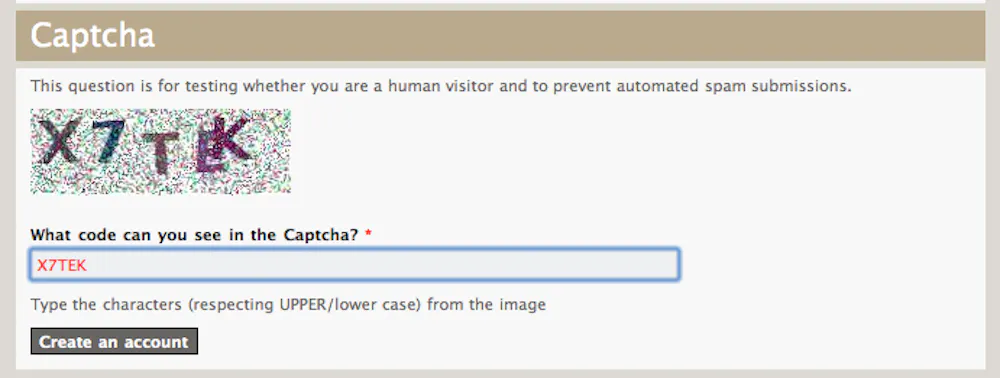
    You’re running late at the airport and need to urgently access your account, only to be greeted by one of those frustrating tests — “Select all images with traffic lights” or “Type the letters you see in this box”. You squint, you guess, but somehow you’re wrong. You complete another test but still the site isn’t satisfied.

    “Your flight is boarding now,” the tannoy announces as the website gives you yet another puzzle. You swear at the screen, close your laptop and rush towards the gate.

    Now, here’s a thought to cheer you up: bots are now solving these puzzles in milliseconds using artificial intelligence (AI). How ironic. The tools designed to prove we’re human are now obstructing us more than the machines they’re supposed to be keeping at bay.

    Welcome to the strange battle between bot detection and AI, which is set to get even more complicated in the coming years as technology continues to improve. So what does the future look like?

    Captcha, which stands for Completely Automated Public Turing test to tell Computers and Humans Apart, was invented in the early 2000s by a team of computer scientists at Carnegie Mellon University in Pittsburgh. It was a simple idea: get internet users to prove their humanity via tasks they can easily complete, but which machines find difficult.

    Machines were already causing havoc online. Websites were flooded with bots doing things like setting up fake accounts to buy up concert tickets, or posting automated comments to market fake Viagra or to entice users to take part in scams. Companies needed a way to stop this pernicious activity without losing legitimate users.

    The early versions of Captcha were basic but effective. You’d see wavy, distorted letters and type them into a box. Bots couldn’t “read” the text the way humans could, so websites stayed protected.


    Chris Messina, CC BY

    This went through several iterations in the years ahead: ReCaptcha was created in 2007 to add a second element in which you had to also key in a distorted word from an old book.

    Then in 2014 – by now acquired by Google – came reCaptcha v2. This is the one that asks users to tick the “I am not a robot” box and often choose from a selection of pictures containing cats or bicycle parts, or whatever. Still the most popular today, Google gets paid by companies who use the service on their website.

    Damn those bicycles.
    Lilgrapher

    How AI has outgrown the system

    Today’s AI systems can solve the challenges these Captchas rely on. They can “read” distorted text, so that the wavy or squished letters from the original Captcha tests are easy for them. Thanks to natural language processing and machine learning, AI can decode even the messiest of words.

    Similarly, AI tools such as Google Vision and OpenAI’s Clip can recognise hundreds of objects faster and more accurately than most humans. If a Captcha asks an AI to click all the buses in a picture selection, they can solve it in fractions of a second, whereas it might take a human ten to 15 seconds.

    This isn’t just a theoretical problem. Consider driving tests: waiting lists for tests in England are many months long, though you can get a much faster test by paying a higher fee to a black-market tout. The Guardian reported in July that touts commonly used automated software to book out all the test slots, while swapping candidates in and out to fit their ever-changing schedules.

    In an echo of the situation 20 years ago, there are similar issues with tickets for things such as football matches. The moment tickets become available, bots overwhelm the system – bypassing Captchas, purchasing tickets in bulk and reselling them at inflated prices. Genuine users often miss out because they can’t operate as quickly.

    Similarly, bots attack social media platforms, e-commerce websites and online forums. Fake accounts spread misinformation, post spam or grab limited items during sales. In many cases, Captcha is no longer able to stop these abuses.

    What’s happening now?

    Developers are continually coming up with new ways to verify humans. Some systems, like Google’s ReCaptcha v3 (introduced in 2018), don’t ask you to solve puzzles anymore. Instead, they watch how you interact with a website. Do you move your cursor naturally? Do you type like a person? Humans have subtle, imperfect behaviours that bots still struggle to mimic.

    Not everyone likes ReCaptcha v3 because it raises privacy issues – plus the web company needs to assess user scores to determine who is a bot, and the bots can beat the system anyway. There are alternatives that use similar logic, such as “slider” puzzles that ask users to move jigsaw pieces around, but these too can be overcome.

    Slider Captcha:


    GitHub

    Some websites are now turning to biometrics to verify humans, such as fingerprint scans or voice recognition, while face ID is also a possibility. Biometrics are harder for bots to fake, but they come with their own problems – privacy concerns, expensive tech and limited access for some users, say because they can’t afford the relevant smartphone or can’t speak because of a disability.

    The imminent arrival of AI agents will add another layer of complexity. It will mean we increasingly want bots to visit sites and do things on our behalf, so web companies will need to start distinguishing between “good” bots and “bad” bots. This area still needs a lot more consideration, but digital authentication certificates are proposed as one possible solution.

    In sum, Captcha is no longer the simple, reliable tool it once was. AI has forced us to rethink how we verify people online, and it’s only going to get more challenging as these systems get smarter. Whatever becomes the next technological standard, it’s going to have to be easy to use for humans, but one step ahead of the bad actors.

    So the next time you find yourself clicking on blurry traffic lights and getting infuriated, remember you’re part of a bigger fight. The future of proving humanity is still being written, and the bots won’t be giving up any time soon.

    The authors do not work for, consult, own shares in or receive funding from any company or organisation that would benefit from this article, and have disclosed no relevant affiliations beyond their academic appointment.

    ref. ‘Yes, I am a human’: bot detection is no longer working – and just wait until AI agents come along – https://theconversation.com/yes-i-am-a-human-bot-detection-is-no-longer-working-and-just-wait-until-ai-agents-come-along-246427

    MIL OSI – Global Reports

  • MIL-OSI Global: How to detect more antimicrobial resistant bacteria in our waterways

    Source: The Conversation – UK – By Zina Alfahl, Lecturer in Bacteriology, University of Galway

    Antimicrobial resistant superbugs have been found in rivers, lakes and streams worldwide. Freebird7977/Shutterstock

    Antimicrobial resistance (AMR) in waterways presents a critical threat. If commonly used antibiotics are deemed useless, decades of progress in human medicine and agriculture could be undermined.

    By 2050, AMR could cause 10 million deaths annually, according to the UN Environment Programme. But AMR is not just a human health issue. It also contributes to a decline in water quality and is exacerbated by water pollution, particularly from sources such as sewage and agricultural runoff. So, it’s a significant environmental concern with far-reaching implications.

    Addressing AMR in water is challenging because water systems are complex and can carry many different types of resistant bacteria. The lack of efficient, scalable and globally accessible methods to monitor AMR in water makes it difficult to mitigate this growing threat.

    I recently published a review in the Sustainable Microbiology journal that identifies key trends in AMR detection methods and highlights significant gaps.

    Rivers, lakes and wastewater systems around the world act as reservoirs and pathways for resistant superbugs and their genes, allowing AMR to spread across ecosystems, affecting wildlife, agriculture and human populations. River water is the most studied source of water samples, making up 42% of AMR-related research studies. Other water sources, including lakes and wastewater, may also play a key role in spreading resistant genes but, without detailed analysis, will remain misunderstood.

    Most AMR research comes from three countries: the US (17%), China (10%) and Brazil (9%). This shows where the focus is, but many other regions, especially low-income countries, are not well studied. This is concerning because AMR may be even more serious in these areas, yet data is lacking.

    New detection methods are more accurate but more expensive.
    Khomson Satchasataporn/Shutterstock

    To detect AMR, scientists primarily use two advanced molecular methods: polymerase chain reaction (PCR) (used in 57% of studies) and metagenomics (27%), alongside traditional culture-based methods that involve growing bacteria in a lab.

    Culture-based methods are simpler and cheaper than molecular methods but cannot be used onsite. They also can’t detect dead bacteria or hidden resistance genes.

    PCR amplifies specific DNA sequences for detection and can be used to identify specific bacteria. Metagenomics is a technique that analyses all of the genetic material from entire microbial communities within a sample, offering a broader perspective.

    These advanced methods are better at detecting AMR in rivers, lakes and oceans. They can find both known and new types of resistance, making them more useful for thorough monitoring.

    In Brazil, scientists used metagenomics to search for all of the different resistance genes present in waterways in different cities. This technique can detect patterns of resistance that regular tests can’t.

    While these methods are time-consuming and complicated (because they need specialised equipment and trained staff) and can be expensive, costing thousands of euros, they could be used more widely if funding is available. This would help track antibiotic resistance around the world, making it easier to find and fight.

    One Europe-wide study shows that culture methods failed to find all the resistance genes in contaminated river systems in ten countries, while advanced metagenomic techniques were able to identify them. So, molecular tools are crucial for understanding the true extent of AMR.

    My review shows a shift towards molecular techniques as the gold standard for AMR detection. It highlights the inadequacies of traditional culture-based methods and the need for integrated approaches that combine molecular techniques such as PCR (for detecting specific resistance genes) with metagenomics (for broader microbial community analysis).

    For example, wastewater monitoring programs could use PCR to quickly identify key resistance genes in hotspots while employing metagenomics to map the diversity of resistant organisms. This would offer a more balanced approach that optimises cost, efficiency, and accessibility.

    A hybrid approach

    By mapping global research efforts, I identified underrepresented regions such as sub-Saharan Africa and southeast Asia. I also found that certain water sources were underrepresented, particularly rivers in low-income countries. Without more equitable and comprehensive AMR surveillance, those will not be accounted for.

    To make accurate AMR detection more accessible to all, hybrid approaches that combine the comprehensive detection capabilities of molecular methods with the affordability of culture-based methods will be essential.

    Governments around the world must prioritise investments in technologies that are not only scientifically robust but also economically viable, particularly for low- and middle-income countries.

    New methods such as PCR and metagenomics can help us fight the spread of drug resistance. If we can make these methods cheaper and easier to use it could help us manage wastewater better, improve global tracking of drug resistance and make decisions that protect both people and the environment from superbugs.


    Don’t have time to read about climate change as much as you’d like?

    Get a weekly roundup in your inbox instead. Every Wednesday, The Conversation’s environment editor writes Imagine, a short email that goes a little deeper into just one climate issue. Join the 40,000+ readers who’ve subscribed so far.


    Zina Alfahl does not work for, consult, own shares in or receive funding from any company or organisation that would benefit from this article, and has disclosed no relevant affiliations beyond their academic appointment.

    ref. How to detect more antimicrobial resistant bacteria in our waterways – https://theconversation.com/how-to-detect-more-antimicrobial-resistant-bacteria-in-our-waterways-246062

    MIL OSI – Global Reports

  • MIL-OSI Global: Climate, migration and conflict mix to create ‘deadly’ intense tropical storms like Chido

    Source: The Conversation – UK – By Liz Stephens, Professor of Climate Risks and Resilience, University of Reading

    Cyclone Chido was an “intense tropical cyclone”, equivalent to a category 4 hurricane in the Atlantic. It made landfall in Mayotte, a small island lying to the north-west of Madagascar on December 14, generating wind gusts approaching 155mph (250km/hr). Later on, it hit Mozambique, East Africa with the same ferocity.

    This storm skirted north of Madagascar and affected the Comoros archipelago before making landfall in Mozambique. It is well within the range of what is expected for this part of the Indian Ocean. But this region has experienced an increase in the most intense tropical cyclones in recent years. This, alongside its occurrence so early in the season, can be linked to increases in ocean temperatures as a result of climate change.

    News of the effects of tropical cyclone Chido in Mayotte, Mozambique and Malawi continues to emerge. Current estimates suggest 70% of Mayotte’s population have been affected, with over 50,000 homes in Mozambique partially or completely destroyed.

    Ongoing conflict in Mozambique and undocumented migration to Mayotte will have played a key role in the number of deaths and the infrastructure damage.

    Assessing how these cyclones characteristics are changing across southern Africa is part of the research we are involved in. Our team also studies how to build resilience to cyclones where conflict, displacement and migration magnify their effects.

    A human-made disaster?

    The risk that tropical cyclones pose to human life is exacerbated by socioeconomic issues. Migrants on Mayotte, many of whom made perilous journeys to escape conflict in countries such as the Democratic Republic of Congo, now make up more than half of the island’s population.

    Precarious housing and the undocumented status of many residents reportedly made the disaster more deadly, as people feared evacuation would lead them to the police. On islands with poor infrastructure such as Mayotte, there is often simply nowhere safe to go. It takes many days for the power network and drinking water supply to be restored.

    The situation is particularly complex in Mozambique. The ongoing conflict and terrorist violence, coupled with cyclones, including Kenneth in 2019, has caused repeated evacuations and worsening living conditions. Cabo Delgado and Nampula in the far north of Mozambique, the provinces most affected by both Chido and the conflict, rank among the poorest and most densely populated in the country due to limited education, scarce livelihood options and an influx of people displaced by violence.

    As of June 2024, more than half a million people remained without permanent homes in the region, many living in displacement camps. That number is likely to rise significantly after Chido.

    Compounding the crisis, Chido’s landfall so early in the cyclone season meant that the usual technical and financial preparations were not yet fully ramped up, with low stock levels delaying the timely delivery of aid. Unrest following elections in November hampered preparations further, cutting the flow of resources and personnel needed for anticipatory action and early response.

    Tropical cyclones in a warmer world

    Warmer sea surface temperatures not only provide more fuel for stronger storms, but may also expand the regions at risk of tropical cyclones.

    The Indian Ocean is warming faster than the global average, and is experiencing a staggering increase in the proportion of storms reaching the intensity of Chido.

    Climate simulations predict that storms will continue getting stronger as we further warm our world, and could even lead to an unprecedented landfall as far south as the Mozambican capital, Maputo.

    Scientists carry out attribution studies to determine how climate change contributed to specific events. Scientists undertaking rapid attribution studies of Chido have found that the ocean surface temperatures along the path of the storm were 1.1°C warmer than they would have been without climate change. So, temperatures this warm were made more than 50 times more likely by climate change. Another study focusing on Chido itself concluded that the cyclone’s winds were 5% faster due to global heating caused by burning fossil fuels, enough to bump it from a category 3 to a category 4 storm.

    Intense winds are not the only hazard. Scientists are confident that tropical cyclones will dump more rain as a result of climate change. A trend towards slower-moving storms has been observed, causing more of that rain to accumulate in a single location, resulting in floods.

    Cyclone Freddy delivered a year’s worth of rain to southern Malawi in just four days in March 2023. Storm surges, exacerbated by sea level rise, also raise the scale of flooding, as in the devastating Cyclone Idai in March 2019. An increase in the number of storms that rapidly intensify, as Chido did before landfall in Mayotte has also been linked to climate change, which makes it harder to provide early warnings.

    To improve resilience to future cyclones, conflict, migration and social dynamics must be considered alongside climate change, without this, displaced and migrant communities will continue to be the most affected by the risks that climate change poses.


    Don’t have time to read about climate change as much as you’d like?

    Get a weekly roundup in your inbox instead. Every Wednesday, The Conversation’s environment editor writes Imagine, a short email that goes a little deeper into just one climate issue. Join the 40,000+ readers who’ve subscribed so far.


    Liz Stephens also works for the Red Cross Red Crescent Climate Centre, where she works as the Science Lead. She receives funding from the Foreign, Commonwealth & Development Office (FCDO) and the International Development Research Centre in Canada, as part of the CLARE (CLimate Adaptation and REsilience) research programme. Liz holds advisory positions within the Red Cross Red Crescent Movement, for the European Commission’s Global Flood Awareness System, the Anticipation Hub and the African Risk Capacity

    I work for a university which has interest on publications around disasters and climate change. I am part of a research consortium (REPRESA) funded by IDRC to research cyclones in Southern Africa region

    Dan Green does not work for, consult, own shares in or receive funding from any company or organisation that would benefit from this article, and has disclosed no relevant affiliations beyond their academic appointment.

    ref. Climate, migration and conflict mix to create ‘deadly’ intense tropical storms like Chido – https://theconversation.com/climate-migration-and-conflict-mix-to-create-deadly-intense-tropical-storms-like-chido-246219

    MIL OSI – Global Reports

  • MIL-OSI Global: What the colour of your snot says about your immune health

    Source: The Conversation – UK – By Samuel J. White, Associate Professor & Head of Projects, York St John University

    Clear snot is usually the baseline. Dmitrii Pridannikov/ Shutterstock

    Ever wondered why the colour of your snot is different when you’re sick? You’re probably not the first person to ask this question.

    There are actually many reasons why your snot’s changes colour when you’re unwell. And the colour and consistency of nasal mucus can reveal intriguing details about your immune system, and how your body responds to illnesses.

    Mucus is produced by the tissues lining our nasal passages. Often perceived as a mere nuisance, mucus serves a very important role. It acts as a protective barrier, trapping dust, bacteria, viruses and other irritants – preventing them from reaching the respiratory system’s deeper parts.

    Enzymes such as lysozyme and lactoferrin that inhabit our nasal mucus also have antimicrobial properties. They break down bacterial cell walls and help to limit bacterial growth. This protective role makes mucus a critical line of defence – even when we’re not unwell.

    The continuous process of mucus production by the tissues lining our nasal passages exemplifies the body’s natural defence mechanisms in action. When we get sick, mucus changes – becoming thicker, more abundant and sometimes colourful. These changes highlight your immune system’s response.

    Here’s what the many colours of your snot says about your health:

    Clear

    This is the baseline for a healthy nose. It’s mostly water, combined with proteins, salts and cells that keep the nasal passages moist and trap particles.

    Allergies and the very early stages of a viral infection can cause an overproduction of clear mucus. This can also happen when your body reacts to irritants or pathogens.

    White

    White mucus is often a sign of congestion.

    Inflammation in the nasal tissues slows mucus flow, causing it to thicken. This typically signals the beginning of an infection, such as a cold, as your immune system starts mobilising against invaders.

    Yellow

    Yellow mucus indicates your immune system is actively fighting off an infection.

    Don’t be surprised by yellow snot when you’re battling an illness.
    Soloviova Liudmyla/ Shutterstock

    White blood cells sent to attack the infection die and release enzymes that give mucus its yellowish colour. This is a hallmark of the body’s response to many viral infections – including the common cold, influenza and respiratory syncytial virus (RSV).

    Green

    Green mucus results from an intensified immune response. The green tint comes from an enzyme called myeloperoxidase, which is produced by neutrophils (a type of white blood cell). This enzyme generates a specific molecule that destroys pathogens.

    While green mucus often indicates a bacterial infection, it can also occur when your body mounts a robust immune response to aggressive viral pathogens.

    Red or pink

    A pink or reddish tint in mucus means there’s blood present. This often happens when the nasal tissues are irritated, dry or damaged – such as after excessive nose blowing or exposure to dry air. Small amounts of blood are usually not a cause for concern.

    Brown or orange

    Brown or orange mucus may result from dried blood mixing with mucus, or from inhaling environmental debris – such as smoke or dust. While typically harmless, it may suggest irritation or prolonged inflammation.

    Black

    Black mucus is rare and may indicate serious issues – such as a fungal infection (particularly in immunocompromised people) or heavy exposure to pollutants such as soot or cigarette smoke. This warrants medical attention.

    The immune system in action

    Mucus is an indispensable part of your immune system, actively protecting your body by trapping and neutralising harmful pathogens. Changes in its colour and consistency provide a glimpse into your health – helping differentiate between viral bacterial infections. It also provides insight into the complex processes occurring as your body works to keep you healthy.

    Next time you reach for a tissue, remember that mucus isn’t merely a symptom of illness — it’s your immune system in action. Its colours and textures tell a story of resilience, reflecting the intricate defences that keep your body healthy and safe.

    The authors do not work for, consult, own shares in or receive funding from any company or organisation that would benefit from this article, and have disclosed no relevant affiliations beyond their academic appointment.

    ref. What the colour of your snot says about your immune health – https://theconversation.com/what-the-colour-of-your-snot-says-about-your-immune-health-245876

    MIL OSI – Global Reports

  • MIL-OSI Global: What next for Syria? The danger of violence in post-war transitions

    Source: The Conversation – UK – By Chelsea Johnson, Lecturer in International Relations, University of Liverpool

    Images emerging from Syria over the past week have shown jubilation on the streets, as millions celebrate the end of 24 years of repression under Bashar al-Assad.

    It is rare for rebels to manage to tip the scales in their favour and win a war outright after such a long and protracted stalemate. But the obvious next question is: what comes next? Looking to the handful of similar examples, history suggests that new forms of violence could continue to threaten Syria’s political future.

    In Libya, an umbrella coalition of rebel forces known as the National Transition Council defeated Muammar Gaddafi’s government in 2011. Meanwhile, in South Sudan, victory against Omar al-Bashir came in the form of a successful referendum on independence that same year.

    Looking further back, in Idi Amin’s Uganda, an alliance was brokered by neighbouring Tanzania between two rival rebellions in 1979. Their joint military campaign ended in Amin’s defeat soon after.

    The immediate aftermath of rebel victory in each of these cases points to one common lesson. Where a fragmented coalition of armed groups finds itself in a political vacuum, more violence – not less – is probably on the horizon.

    Fragile and shifting coalitions

    The injustices of repressive regimes often motivate rebellion. They can also provide a common enemy that, especially when sensing a window of opportunity, makes it possible for rival armed groups to put aside their differences and work together towards a common cause.

    Subsequently, however, transition periods generate uncertainty over political futures. This can make it difficult for former allies to remain united.

    Many Libyan militias allied behind the National Transition Council during its uprising against Muammar Gaddafi. But they soon became violent rivals in competition over political influence in the transitional government being formed in Tripoli.

    In a vacuum of authority, these new forms of violence may look like local turf wars. But they are often attempts by faction leaders to position themselves advantageously as political spoils are up for grabs at the national level.

    Meanwhile, where dominant factions vie for national power in the presence of many smaller and more localised militias, these weaker factions may be prone to changing allegiances so as to end up on the winning side.

    Fighting in Libya throughout 2017 exhibited this kind of opportunistic flip-flopping. Local militias such as the Kiniyat Brigade changed their allegiances between the faction of former prime minister, Khalifa al-Ghawil, and a rival faction based in Tripoli claiming to represent the legitimate government of Libya.

    The conflict in South Sudan has long been described as ethnic in nature. The main rival leaders, Salva Kiir and Riek Machar, belonged to the country’s two largest ethnic groups, Dinka and Nuer. But this obscures a more complex and strategic constellation of alliances. Many of the groups that have fought against Kiir have also been ethnic Dinkas and vice versa, with loyalties shifting over time as either leader gains an advantage. Some of the most recent violence has been between forces loyal to Machar and a co-ethnic splinter faction known as Kitgwang, which opposes his leadership.

    Numerous reports from international observers and mediators have attested to the difficulty of brokering and maintaining a stable agreement on the terms of transition in these countries due to fluid and shifting coalitions.

    Armed groups in Syria have already shown such tendencies. The Military Operations Command, the coalition of Syrian opposition groups that brought down Assad’s regime, exists in name only. The dominant group, Hayat Tahrir al-Sham (HTS), is itself an amalgam of at least four separate militias, while previous coalitions backed by Turkey and the US have coalesced and fragmented over time.

    HTS leader Ahmed al-Sharaa has pledged that all rebel factions will “be disbanded and the fighters trained to join the ranks of the defence ministry”. But history suggests that a rival is likely to emerge from one of these blocs to challenge the legitimacy of HTS’s claim to lead the transition. This will introduce a new element of uncertainty for the smaller factions forced to choose a side.

    Looking ahead to elections

    Even where a stable transitional coalition can be upheld, peace may eventually be threatened by the outcome of a winner-takes-all election.

    Violence was avoided in post-Amin Uganda for as long as the two faction leaders who overthrew him held top positions in a transitional power-sharing government. But when elections produced a clear win for Milton Obote in 1980, his rival, Yoweri Museveni, relaunched his rebellion. Uganda’s so-called bush war would continue until 1986, when Museveni’s forces took the capital, Kampala, by force.

    Ethiopia’s post-war transition fared slightly better after victory for an allied rebel assault on the authoritarian Derg regime in 1991. Most of Ethiopia’s rebel factions had clear and distinct ethno-territorial bases and, as a result, the new constitution emerging from an inclusive national conference devolved power to ethnic regions in a federal system.

    This attempt to create a political stake for former rebels not wholly dependent on national election results may have succeeded had local or regional elections been held first. Ultimately, however, at least two rebellions returned to low-level violence throughout the 1990s, accusing the new government of marginalisation and attempts to undermine their electoral competitiveness.

    In any case, devolution appears unlikely in Syria. Aside from Kurdish separatists in the north-east, the country’s many militias have less clear linkages to specific demographic groups and often overlap in their areas of influence. And with HTS now calling for a unified state with no federal regions, the national-level political game will remain high stakes and prone to violent forms of contention.

    Chelsea Johnson receives funding from the British Academy.

    ref. What next for Syria? The danger of violence in post-war transitions – https://theconversation.com/what-next-for-syria-the-danger-of-violence-in-post-war-transitions-246073

    MIL OSI – Global Reports

  • MIL-OSI Global: Who chooses to work, and who is forced to, after retirement?

    Source: The Conversation – UK – By Takao Maruyama, Assistant Professor in Business Analytics, University of Bradford

    fizkes/Shutterstock

    The state pension age in the UK is currently 66. Yet 9.5% of people aged 66 and older (1.12 million people) were still working, according to the most recent data from the UK’s Annual Population Survey (July 2023 to June 2024). This figure has been rising over the past decade, increasing from 8.70% (880,000 people) in July 2013 to June 2014.

    We think of retirement as a time to pursue hobbies, relax and enjoy the fruits of our labour. So why then, are so many people still working beyond retirement age, and who are they? This is what we sought to find out in a recent study.

    We investigated who is more likely to “choose to work” and who is “forced to work”, using data from the UK’s annual population survey.

    Older workers are not a homogeneous population. They differ in terms of age, ethnicity, socioeconomic class, financial situation, health conditions and more. Likewise, the reasons for working beyond retirement age vary widely. Some may work because they want to, while others may have no option and feel they have to work in order to make ends meet.

    The below chart shows the breakdown of these retirement-age workers by key demographic and socioeconomic characteristics from the most recent data.

    Three in five retirement-age workers were men, and almost all (94.4%) older workers were white. Just over half (51.5%) of older workers continued to work despite having long-term illnesses.

    Characteristics of workers aged 66 and older:

    Workers aged 66 years and older by demographic and socioeconomic characteristics.
    Author provided, data from Annual Population Survey July 2023 to June 2024, CC BY

    The majority (71.2%) of older workers were married, in a civil partnership or cohabiting. Nearly 40% of older workers were employed in higher managerial, administrative and professional occupations, followed by intermediate occupations such as sales or some service roles (32.1%), and routine manual occupations (25.6%).

    More than 85% of retirement-age workers lived in the south (52.8%) and the north (33.1%) of England, and 70% are homeowners.

    Who is ‘forced’ to work?

    In our study, we calculated the likelihood of pension-age workers (66 years and older) with varying demographic and socioeconomic characteristics being forced to work.

    The Annual Population Survey identifies six main reasons why older workers continue working beyond retirement age. These are:

    A. To pay for desirable items (such as holidays),
    B. Not ready to stop work,
    C. Employer needs your experience or you are needed in the family business,
    D. Due to opportunities to work more flexible hours,
    E. To pay for essential items (such as bills), and
    F. To boost pension pot.

    In our study, we classed reasons (A) to (D) as “choose to work”, and (E) and (F) as “forced to work”. Our analysis, based on the most recent dataset (April 2022 to March 2023) at the time of the study, revealed that women are 25% more likely to be forced to work compared to men, and Asian workers are 120% more likely to be forced to work than white workers (with 34% and 17% more likely for older workers from black and other ethnic backgrounds, respectively).

    Workers without long-term illness are 33% less likely to be forced to work than those with long-term illness, and non-married or single workers are 56% more likely to be forced to work compared to seniors who are married, in a civil partnership or cohabiting.

    Workers in intermediate and routine manual occupations are 37% and 67% more likely to be forced to work, respectively, compared to those in higher managerial occupations. Older workers from the south of England are more likely to be be forced to work compared to seniors from any other parts of the UK, and retirement-age workers with mortgages or renting were 117% more likely to be forced to work compared to those who owned their properties.

    Who is more likely to be ‘forced to work’?:

    % comparison of likelihood of being ‘forced to work’.
    Author provided, data from Annual Population Survey April 2022 to March 2023., CC BY

    Ageing populations

    This matters because of the changing nature of work, the rising cost of living and the UK’s ageing population. Retirement-age workers will be increasingly pressured to work longer due to the rising state pension age (due to increase to 67 in 2026-27).

    Understanding who works by choice and who by necessity into retirement age is important, because these groups will need different kinds of support and resources.

    For example, the higher likelihood of being forced to work among older female workers can be partly attributed to career breaks they took to serve as primary caregivers for their children, which often prevented them from accumulating sufficient pensions.

    As the state pension age is expected to continue rising, it is crucial for policymakers and employers to design support systems for diverse demographic and socioeconomic groups of older workers, addressing their unique needs. This starts with understanding why people are working into old age.

    The authors do not work for, consult, own shares in or receive funding from any company or organisation that would benefit from this article, and have disclosed no relevant affiliations beyond their academic appointment.

    ref. Who chooses to work, and who is forced to, after retirement? – https://theconversation.com/who-chooses-to-work-and-who-is-forced-to-after-retirement-246214

    MIL OSI – Global Reports

  • MIL-OSI Global: A short history of palm reading in the UK – and a guide to how it’s supposed to work

    Source: The Conversation – UK – By Martha McGill, Historian of Supernatural Beliefs, University of Warwick

    Wikimedia , CC BY

    In August 1676, a court in Hertford heard a case of fraud against Joseph Haynes, James Domingo and Domingo’s “pretended wife” Sarah. The three had been travelling between local towns telling fortunes.

    Apparently, Domingo had promised one woman that she would marry a “pretty tall merry-speaking” farmer’s son with a mole on his chin and a respectable £80 to his name. Haynes, meanwhile, boasted that his divinatory efforts had won him £5, three maidenheads and a broken shin.

    The court’s decision is not recorded, but the case encapsulates the divided opinion of divination in the 17th century. Although commonly condemned by the authorities, fortune-telling was a popular and potentially profitable art.

    We do not know how exactly the three miscreants practised, but most travelling fortune-tellers studied facial features (physiognomy) or read palms (palmistry or chiromancy). The idea that there was occult meaning etched in the body’s marks, lines, features and moles stretches back to antiquity.

    The body’s outer form supposedly reflected the state of the soul. Also, it was believed that the body was intimately entwined with the wider cosmos.


    Looking for something good? Cut through the noise with a carefully curated selection of the latest releases, live events and exhibitions, straight to your inbox every fortnight, on Fridays. Sign up here.


    In a popular work from the early 16th century, the German physician Heinrich Cornelius Agrippa explained that the body’s appearance and behaviour invited particular “celestial gifts”. Palmistry was the art of interpreting this “harmonical correspondency”.

    However, Christian authorities were largely unimpressed. Theologians dismissed palmistry as superstitious, or argued that it was presumptuous to pry into God’s plan. The Catholic church officially condemned divinatory arts in a papal bull of 1586. The English Protestant minister William Perkins (1558–1602) wrote that palmistry was an “abomination” that was “detested of God, and ought also to be detestable in the eyes of Gods [sic] people”.

    Official mistrust of palmistry was spurred by its association with “Egyptian” fortune-tellers (often shortened to “gypsies”). This label was used for travellers of diverse origins, but especially the Romani diaspora from India.

    Romani travellers first reached central and western Europe in the 15th century and many claimed to have come from Egypt. Ancient Egyptians were famed for their occult wisdom and the association probably helped Romani groups to win credit as fortune-tellers. Nevertheless, they met with widespread persecution.

    A fortune teller reading the palm of a soldier.
    Wellcome Collection, CC BY-NC

    In England, a 1530 parliamentary act officially banished the “outlandish” people “calling themselves Egyptians” who allegedly travelled about the country, swindling people by pretending divinatory prowess.

    All the same, magical practitioners at various social levels continued to offer palm-reading services. And from the 17th century, pamphlets offered guides to interpreting your own hands.

    An anonymous work published in London in 1700 claimed to fully resolve all questions about human life through “the Rules of Art used by the Ancient and Famous Egyptian Magi, or Wise Men and Philosophers”.

    Here I offer some guidance on how you’re supposed to read your palm based on that work. It may contradict itself hopelessly. It may promise you a grisly death. But if the stars are kind, you too could rise by your good deeds and find a spouse lauded for their virtue – or, at least, a merry man with £80 and a nice mole.

    How to read a palm

    Always consult the left hand.

    1: Life line

    Look for the semi-curved line that starts between the thumb and index finger and runs down toward the wrist.

    If this line is long and clear, not broken with little cross-lines, you will be healthy and live to an old age. However, if the uppermost part of the line is forked or jagged, you will often be sick.

    If there are three stars intersecting with the line, you may suffer “great losses and calamities”. If the line intertwines with the table line, you will gain “honour and riches”.

    2: Table line

    Look for a horizontal line on your upper palm that starts near the index or middle finger and runs to beneath the little finger.

    If this line is broad and vivid in colour, you will be healthy and contented. However, if the line is forked at the end, you will gain riches by trickery and soon lose them again. If it branches towards the index or middle finger, you will rise to a prestigious position.

    3: Middle line

    Look for a horizontal line across the middle part of the palm.

    If there are lots of small lines in between this and the table line, you will be sick when you are young but make a recovery. If there is a halfmoon in this line, you will suffer from “cold and watery diseases”, but a sun or a star promises prosperity.

    4: Line of Venus

    Look for an arching line that runs near the base of your middle, ring and little fingers.

    If this line forks near the index finger, you may be ruined by keeping bad company. If there are crosses on this line near the index and little fingers, you are “inclined to a virtuous and modest course of life”. The author claims that wise men employ this method to choose suitable wives.

    5: Liver line

    Look for a vertical line that starts beneath the ring or little finger and runs to the base of the palm.

    If this line is straight, you are of sound judgement. If it is crooked you are deceitful. If this line and the middle line begin near one other, it means foolishness in men and foretells injury by overwork for women.

    6: Plain of Mars

    Plains are flat areas of the palm that can be associated with difference parts of life. The plain of Mars is the centre of your palm.

    If the lines in this plain are crooked, you will fall by your enemies. If you have lines beginning at the middle of your wrist and reaching into the plain of Mars, you will get into lots of fights. If there are large crosses in the plain, you will, if a man, rise by good deeds or, if a woman, have many husbands and children.

    Martha McGill does not work for, consult, own shares in or receive funding from any company or organisation that would benefit from this article, and has disclosed no relevant affiliations beyond their academic appointment.

    ref. A short history of palm reading in the UK – and a guide to how it’s supposed to work – https://theconversation.com/a-short-history-of-palm-reading-in-the-uk-and-a-guide-to-how-its-supposed-to-work-246276

    MIL OSI – Global Reports

  • MIL-OSI Global: Times journalists deemed ‘legitimate military targets’ – how Russia muzzles criticism at home and abroad

    Source: The Conversation – UK – By Precious Chatterje-Doody, Senior Lecturer in Politics and International Studies, The Open University

    Russia’s former president and current deputy head of its security council, Dmitry Medvedev, has declared that the editors of the Times newspaper in the UK are now “legitimate military targets”.

    Medvedev, who is one of Vladimir Putin’s closest allies, was responding to the newspaper’s coverage of the recent assassination of Russia’s chemical weapons chief, Igor Kirillov, in Moscow on December 17. The paper’s leading article referred to his killing by an explosive device hidden in a scooter as a “legitimate act of defence by a threatened nation”.

    Medvedev took to Telegram to denounce the article, writing: “Those who carry out crimes against Russia … always have accomplices. They too are now legitimate military targets. This category could also include the miserable jackals from the Times who cowardly hid behind their editorial. That means the entire leadership of the publication.”

    The assassination of Kirillov, who was in charge of Russia’s chemical, biological and nuclear defence forces, came a day after he had been charged by Ukraine in absentia with war crimes over Russia’s use of chemical weapons in the ongoing war.

    Once seen as a liberal reformer when he temporarily took over Russia’s presidency between 2008 and 2012, Medvedev has since reinvented himself as a pro-war hawk who regularly makes outlandish or extreme statements on social media.

    In May 2023, following a drone attack on the Kremlin, Medvedev posted a message on Telegram saying there were “no options left other than the physical elimination of [the Ukrainian president] Zelenskyy and his clique”. The post prompted Ukraine’s foreign minister, Dmytro Kuleba, to respond in an interview that “Medvedev should drink less vodka before going on Telegram”.

    In his most recent outburst, Medvedev mirrored the rhetoric used in the Times editorial, claiming that by the same logic, all of Kyiv’s “accomplices” – whether decision-makers in Nato or journalists justifying Ukraine’s actions – are active participants in a war against Russia. This makes them “legitimate military targets” who need to “be careful” even in London, where “anything goes”.

    Part of a pattern

    Medvedev’s comments, while extreme, fall within a broader pattern of Russian officials using humour or courting controversy to justify their positions or ensure international press coverage. But they are also part of an escalation in Russian attacks on freedom of expression and the press.

    Prior to the full-scale invasion of Ukraine, Russia’s media environment was restricted. Opposition viewpoints could, however, still be accessed relatively easily from a range of sources, including the regional press, online outlets and the political blogosphere. But the Kremlin has gradually chipped away at these possibilities by increasing restrictions on independent media and social media users alike.

    These restrictions were ramped up even further following Russia’s invasion of Ukraine in February 2022. Criticism of the armed forces and spreading what the Kremlin deems “false information” about the so-called “special military operation” were criminalised.

    Anti-war activists now routinely face conviction for justifying terrorism, and well-respected news outlets such as Ekho Moskvy have been forced to close. Journalists from Russia and abroad have been tried, convicted and incarcerated for allegedly violating these laws. They are often held in harsh conditions, in isolation and without access to adequate medical care.

    But it is not just journalists and activists within Russia who have come under threat from this increasingly authoritarian regime. As well as its military incursions into Georgia in 2008 and eastern Ukraine since 2014, Russian intelligence organisations have been blamed for a number of targeted provocations abroad in recent years. In the case of the 2018 Salisbury poisonings, these resulted in fatalities on British soil.

    Russian involvement is, of course, always denied. Kremlin propaganda uses a range of disinformation tactics to hide Russia’s culpability. With the Salisbury poisonings, this included an outlandish television interview on Russia’s RT network, where the main suspects claimed to be visiting health supplements salesmen. My research at the time showed that online audiences universally rejected their story, but incredulity over the interview overtook public anger.

    Contrasting values

    As my research has shown, extreme statements and conspiracy theories circulate rapidly and widely in today’s international media environment. With this in mind, it is common for the Kremlin and its proxies to mirror accusations back towards other parties and accuse them of hypocrisy.

    Taking questions from a US journalist in his end-of-year press conference and phone-in on December 19, Putin was asked about the “failure” of the special military operation in Ukraine. The reporter went on to describe Putin’s position as “weaker” than that of the incoming US president, Donald Trump.

    Putin insinuated that the very fact this US journalist was included in the event showed a better treatment by Russia of “esteemed” international journalists than Russian journalists receive from the US.

    This is patently untrue. Wall Street Journal reporter Evan Gershkovich was imprisoned in Russia for 16 months on trumped-up espionage charges, after being detained in March 2023 while covering the effect of western sanctions on the Russian economy.

    Russia’s crackdown on freedom of speech and freedom of the press is precisely because authoritarian regimes recognise they are incredibly vulnerable to the free and open-ended enquiry that my co-authors and I have argued is so crucial to defend.

    As a spokesperson for the UK prime minister, Keir Starmer, noted in response to Medvedev’s latest comments: “A free press is a cornerstone of our democracy.”

    Precious Chatterje-Doody does not work for, consult, own shares in or receive funding from any company or organisation that would benefit from this article, and has disclosed no relevant affiliations beyond their academic appointment.

    ref. Times journalists deemed ‘legitimate military targets’ – how Russia muzzles criticism at home and abroad – https://theconversation.com/times-journalists-deemed-legitimate-military-targets-how-russia-muzzles-criticism-at-home-and-abroad-246361

    MIL OSI – Global Reports

  • MIL-OSI Global: Whales can live way longer than scientists had thought, with potential lifespans as much as double previous estimates

    Source: The Conversation – USA – By Greg Breed, Associate Professor of Quantitative Ecology, University of Alaska Fairbanks

    Animals with long lifespans tend to reproduce extremely slowly. Els Vermeulen

    Southern right whales have lifespans that reach well past 100 years, and 10% may live past 130 years, according to our new research published in the journal Science Advances. Some of these whales may live to 150. This lifespan is almost double the 70-80 years they are conventionally believed to live.

    North Atlantic right whales were also thought to have a maximum lifespan of about 70 years. We found, however, that this critically endangered species’ current average lifespan is only 22 years, and they rarely live past 50.

    These two species are very closely related – only 25 years ago they were considered to be one species – so we’d expect them to have similarly long lifespans. We attribute the stark difference in longevity in North Atlantic right whales to human-caused mortality, mostly from entanglements in fishing gear and ship strikes.

    Survivorship curves show female right whales can live to very old ages, but humans are causing North Atlantic right whales to die well short of their potential. Plotted for comparison is the U.S. survivorship curve for women as estimated by the Social Security Adminstration.
    Greg Breed

    We made these new age estimates using photo identification of individual female whales over several decades. Individual whales can be recognized year after year from photographs. When they die, they stop being photographically “resighted” and disappear. Using these photos, we developed what scientists call “survivorship curves” by estimating the probability whales would disappear from the photographic record as they aged. From these survivorship curves, we could estimate maximum potential lifespans.

    Twenty-five years ago, scientists working with Indigenous whale hunters in the Arctic showed that bowhead whales could live up to and even over 200 years. Their evidence included finding stone harpoon points that hadn’t been used since the mid-1800s embedded in the blubber of whales recently killed by traditional whalers. Analysis of proteins from the eyes of hunted whales provided further evidence of their long lifespan. Like right whales, before that analysis, researchers thought bowhead whales lived to about 80 years, and that humans were the mammals that lived the longest.

    In the years following that report, scientists tried to figure out what was unique about bowhead whales that allowed them to live so long. But our new analysis of the longevity of two close relatives of bowheads shows that other whale species also have potentially extremely long lives.

    Why it matters

    Understanding how long wild animals live has major implications for how to best protect them. Animals that have very long lifespans usually reproduce extremely slowly and can go many years between births. Baleen whales’ life history – particularly the age when females start breeding and the interval between calves – is strongly influenced by their potential lifespan. Conservation and management strategies that do not plan accordingly will have a higher chance of failure. This is especially important given the expected impacts of climate disruption.

    What still isn’t known

    There are many other large whales, including blue, fin, sei, humpback, gray and sperm whales. Like bowhead and right whales, these were also almost wiped out by whaling. Scientists currently assume they live about 80 or 90 years, but that’s what we believed about bowhead and right whales until data proved they can live much longer.

    How long can these other whale species live? Industrial whaling, which ended only in the 1960s, removed old whales from the world’s whale populations. Though many whale populations are recovering in number, there hasn’t been enough time for whales born after the end of industrial whaling to become old.

    It’s possible, even likely, that many other whale species will also prove to have long lifespans.

    Sixty years after the end of industrial whaling, today’s whale populations may still be missing their elders.
    Maxi Jonas/picture alliance via Getty Images

    What other research is being done

    Other research finds the loss of older individuals from populations is a phenomenon occurring across most large animal species. It diminishes the reproductive potential of many species. Researchers also argue this represents a real loss of culture and wisdom in animals that degrades their potential for survival in the face of changing conditions.

    What’s next

    We want to better understand how whaling affected the number of old individuals in current whale populations and predict when the number of old individuals will recover to prewhaling levels. Preliminary results suggest it may be another 100 years before whale populations truly recover, even for species whose populations now number as many as there were before whaling.

    For North Atlantic right whales, our research shows that even when the population was increasing, the management actions taken were insufficient to prevent these whales from dying far too young.

    The Research Brief is a short take on interesting academic work.

    Greg Breed received funding from The Royal Society

    Peter Corkeron headed the National Oceanic and Atmospheric Administration’s large whale research program for the northeastern US from 2011 to 2019, then led the New England Aquarium’s right whale research program through 2022.

    ref. Whales can live way longer than scientists had thought, with potential lifespans as much as double previous estimates – https://theconversation.com/whales-can-live-way-longer-than-scientists-had-thought-with-potential-lifespans-as-much-as-double-previous-estimates-245826

    MIL OSI – Global Reports

  • MIL-OSI Russia: 23rd meeting of the Intergovernmental Commission on Economic Cooperation between the Russian Federation and the Republic of Armenia

    Translation. Region: Russian Federation –

    Source: Government of the Russian Federation – An important disclaimer is at the bottom of this article.

    The meeting was held under the joint chairmanship of Deputy Prime Minister of the Russian Federation Alexey Overchuk and Deputy Prime Minister of the Republic of Armenia Mher Grigoryan.

    Previous news Next news

    23rd meeting of the Intergovernmental Commission on Economic Cooperation between the Russian Federation and the Republic of Armenia

    The 23rd regular meeting of the Intergovernmental Commission on Economic Cooperation between the Russian Federation and the Republic of Armenia was held in Moscow under the joint chairmanship of Deputy Prime Minister of the Russian Federation Alexey Overchuk and Deputy Prime Minister of the Republic of Armenia Mher Grigoryan.

    The parties summed up the results of bilateral cooperation in trade and economic spheres, energy, industry, transport, agriculture, finance, healthcare, culture, science, interregional cooperation, education and tourism.

    “Our trade and economic relations continue to be on the rise. Mutual trade between Russia and Armenia, according to data for 10 months of 2024, amounted to 10.2 billion dollars. This is more than twice as much as the same indicator last year,” noted Alexey Overchuk, emphasizing that in order to implement trade and economic relations, the countries have almost completely switched to settlements in national currencies – the share of the Russian ruble in mutual settlements has reached 96.3%.

    The Russian Federation is one of the main investors in the Armenian economy. Investments in industrial projects in the Republic of Armenia have reached $3.4 billion. More than 40 large Russian companies operate in Armenia, some of them are the largest taxpayers in the state budget.

    “In addition to direct investments, Eurasian development institutions are also actively working,” said the Deputy Prime Minister. “Active work is underway here, including in support of the “Crossroads of the World” initiative, which was put forward by the Prime Minister of the Republic of Armenia Nikol Vovaevich Pashinyan.”

    The Chairman of the Russian part of the commission also noted that in July 2024, with the assistance of Russian Railways, the railway between Armenia and Georgia, damaged by flooding, was restored in the shortest possible time – the only railway connecting Armenia with the outside world, which is an important channel for delivering vital goods to Armenia.

    “All these investments and projects are being implemented with the aim of strengthening connectivity in the Eurasian region and the South Caucasus, in particular, integrating Armenia into the new value chains emerging in Eurasia and realizing the transport and logistics potential that the Republic of Armenia has, with unwavering respect for its sovereignty and jurisdiction,” Alexey Overchuk said in his speech.

    In the context of the work of Eurasian development institutions, the Deputy Prime Minister also noted the implementation of the irrigation systems modernization project: mechanical irrigation has been replaced by gravity irrigation, which provides annual energy savings. 5 main and 22 inter-farm canals have been restored. Work on the restoration and construction of intra-farm irrigation systems in 105 settlements of the Republic of Armenia has been completed.

    “Two weeks ago, our specialists agreed to assess the technical condition of eight bridges damaged by the floods in Lori and Tavush. All work will be completed as soon as possible, and we expect that by the end of the year, their results will be submitted to the Ministry of Territorial Administration and Infrastructure of the Republic of Armenia,” the Deputy Prime Minister said.

    During the meeting, the active development of cooperation in the humanitarian sphere was emphasized.

    “Today we are signing an intergovernmental Agreement on the conditions of operation of the Russian-Armenian University in the Republic of Armenia. This is one of the leading universities in Armenia, where more than 5 thousand students study, mastering 123 educational programs, 80 of which are taught according to Russian educational standards,” the Deputy Prime Minister emphasized.

    The university’s research and teaching staff includes 82 doctors and 332 candidates of science. The university’s structure includes 9 institutes, 31 departments and 12 laboratories.

    The University cooperates with the Joint Institute for Nuclear Research, the Institute for System Programming of the Russian Academy of Sciences, the St. Petersburg Polytechnic University and other Russian scientific centers. Research projects are implemented in such areas as bioinformatics, genomic research, quantum nanophotonics, biochemistry and biotechnology.

    Work continues to provide opportunities to receive education according to Russian standards in the educational and sports complex, which includes a school for 700 students, built in Yerevan as part of the Gazprom for Children social program.

    The countries pay great attention to cooperation in the field of culture. Since 2023, a program to support Russian theaters abroad has been implemented, within the framework of which the Yerevan State Russian Drama Theater named after Stanislavsky was provided with financial assistance for the acquisition of stage equipment and the creation of new productions based on works of Russian classics. The Moscow Parajanov Theater, with the support of the Ministry of Culture of Russia and the Cultural Center of the Armenian Embassy in Russia, held a large-scale festival “Parajanov Fest”.

    Bilateral cooperation in the field of creative education is developing. Within the framework of the International Student Festival of VGIK, 38 films participating in the festival were screened at the Russian-Armenian University.

    In pursuance of the agreements reached at the meeting of the intergovernmental commission, the second Russian-Armenian Forum of Education in the Sphere of Culture was held in Moscow in December 2024.

    Cooperation in the healthcare sector is being strengthened, including within the framework of annual Russian-Armenian forums on healthcare. The ninth Russian-Armenian forum on healthcare, dedicated to issues of maternal and child health, was held on December 16, 2024 in Yerevan. During the forum, the system of extended perinatal screening developed and successfully applied in Russia was presented.

    Russia and Armenia are developing mutual tourism. In January-September 2024, the number of trips of Russian tourists to Armenia amounted to 715.8 thousand, and Armenian tourists to Russia – 266 thousand.

    Speaking about cooperation in multilateral formats, primarily through the Eurasian Economic Union, the Deputy Prime Minister noted that the union has become a real guarantor of Armenia’s energy and food security, as well as its technological development.

    “The Union countries are the key sales market and the key supplier to the Armenian market. The EAEU accounts for 56% of Armenia’s food exports, 80% of machinery and equipment exports, 67% of chemical exports, and 56% of textile exports. The EAEU also provides 72% of energy imports, 49% of precious metal imports, 38% of food imports, and 34% of timber imports. During its membership in the Union, the export of industrial goods from Armenia has grown 15-fold, and food exports from Armenia have grown 4-fold. Since joining the EAEU in 2015, Armenia’s per capita GDP has grown almost 2.4-fold. This was made possible by the benefits of a common goods market, low prices for agricultural raw materials and energy, a convenient migration regime, and a common services market,” said Alexey Overchuk.

    Following the meeting, the protocol of the 23rd meeting of the Intergovernmental Commission on Economic Cooperation between the Russian Federation and the Republic of Armenia was signed.

    The parties also signed an Agreement between the Government of the Russian Federation and the Government of the Republic of Armenia on the conditions for the operation of the Russian-Armenian University in the Republic of Armenia, a State Purchase Agreement for a polyvalent, cultured, sorbed, inactivated foot-and-mouth disease vaccine, an Agreement between the Government of the Russian Federation and the Government of the Republic of Armenia on the conditions for the operation of the Educational and Sports Complex of Gazprom Armenia CJSC in Yerevan, and a work plan for the Russian-Armenian Business Council for 2025.

    Please note: This information is raw content directly from the source of the information. It is exactly what the source states and does not reflect the position of MIL-OSI or its clients.

    MIL OSI Russia News

  • MIL-OSI Security: First Assistant United States Attorney Zachary T. Lee to Serve as Acting United States Attorney for the Western District of Virginia

    Source: Office of United States Attorneys

    ABINGDON, Va. – First Assistant United States Attorney Zachery T. Lee will serve as the Acting United States Attorney for the Western District of Virginia, effective December 21, 2024, at 12:00 a.m. He is assuming the office under the Federal Vacancies Reform Act, 5 U.S.C § 3345, upon the departure of United States Attorney Christopher R. Kavanaugh, who announced his resignation earlier this year.

    “For two decades, Zach Lee has served the Western District of Virginia with honor, distinction, and dedication as an Assistant United States Attorney, Criminal Chief, and most recently as First Assistant United States Attorney,” United States Attorney Kavanaugh said today. “There is nobody more qualified to serve in this role, and I look forward to watching the United States Attorney’s Office continue to thrive and serve the citizens of the Western District of Virginia under his leadership.”

    “In my role as the First Assistant United States Attorney, I’ve had the privilege to work side-by-side with Chris Kavanaugh on our district’s most pressing matters,” Mr. Lee said today. “We are sad to see Chris leave the Western District after more than a decade of service, but I promise to keep the men and women who work here focused on the priorities he’s put in place: Keeping our District safe, ensuring civil rights, reducing gun violence, and leading complex white collar investigations and prosecutions.”

    Mr. Lee, 48, has served the Department of Justice since joining the United States Attorney’s Office for the Western District of Virginia in 2005 as a Special Assistant United States Attorney, transitioning to an Assistant United States Attorney in 2007. During his tenure, Mr. Lee has prosecuted complex narcotics, public corruption, firearms, and other criminal matters. He also served in the district’s leadership team as Criminal Chief and First Assistant United States Attorney.

    Prior to his employment with the Department of Justice, Mr. Lee served as an Assistant Commonwealth’s Attorney for the City of Bristol, Virginia, and as a law clerk to the Honorable James P. Jones, United States District Judge for the Western District of Virginia.

    He earned his Juris Doctor from the University of Wyoming College of Law, Laramie, Wyoming, and a Bachelor of Arts from Washington and Lee University, Lexington, Virginia. 

    MIL Security OSI

  • MIL-OSI Canada: Provincial Court Judges Appointed in Regina and Prince Albert

    Source: Government of Canada regional news

    Released on December 20, 2024

    The Government of Saskatchewan is announcing today the appointment of three new judges to the Provincial Court of Saskatchewan.

    Cynthia Alexander is appointed to the Provincial Court in Regina. Lori O’Connor and Buffy Rodgers are appointed to the Provincial Court in Prince Albert.

    “It is a privilege to announce the appointment of these three new judges to the Provincial Court of Saskatchewan,” Justice Minister and Attorney General Tim McLeod said. “Saskatchewan prides itself on its record of appointing highly skilled legal professionals to our judiciary, and I am confident these new appointees to the Provincial Court will carry on this tradition in their communities.” 

    Judge Alexander received her Bachelor of Laws from the University of Saskatchewan College of Law in 1996 and was called to the Bar in 1997. She completed her articles with Woloshyn & Company (now W Law) in Regina, where she remained as an Associate Lawyer until 2000. Judge Alexander then took a position as a Crown Prosecutor with Public Prosecutions in Prince Albert, and became a Senior Crown Prosecutor there in 2008. In 2022, she moved to the Head Office of Public Prosecutions in Regina as the Director of Professional Development.

    Judge Alexander has spent the majority of her career prosecuting criminal matters in Provincial Court and the Court of King’s Bench. She has developed expertise in criminal procedure, trial advocacy and rules of evidence. She has mentored prosecutors, articling students, and summer students within the Ministry of Justice and Attorney General and has also lectured at the University of Regina, the Saskatchewan Police College and Saskatchewan Polytechnic. 

    Outside of work, Judge Alexander and her husband have raised two sons. She enjoys music and travelling, and has volunteered with the Prince Albert Music Festival and the Saskatchewan Jazz Festival. 

    Judge O’Connor received her Bachelor of Laws from Dalhousie University in 2008 and was called to the Bar in 2009. She completed her articles with Legal Aid in Thompson, Manitoba, where she continued as a Staff Lawyer until 2010. In 2010, Judge O’Connor joined Saskatchewan Public Prosecutions as a Crown Prosecutor. She became a Regional Crown Prosecutor in Melfort in 2019. 

    Judge O’Connor has extensive experience in criminal law gained from her career as a Crown Prosecutor. She has taken an active role in mentoring law students through Dalhousie Law School’s Weldon Mentor Matching Program, and has provided court and testimony training to nurse examiners, victims services volunteers and peace officers. She also regularly contributes book reviews to the Canadian Law Library Review that appear on CanLii.

    Outside of her professional life, Judge O’Connor bakes banana bread for the Melfort Food Bank and enjoys walking her dog.   

    Judge Rodgers received her Bachelor of Laws from the University of Saskatchewan College of Law in 1998 and was called to the Bar in 1999. She completed her articles with Wardell Worme & Missens in 1999, and remained there as a Junior Lawyer until 2001. Judge Rodgers held a variety of roles from 2001 to 2006, including acting as legal counsel at Legal Aid Saskatchewan and Partner at Wardell Driedger Cotton & Rodgers, later Wardell Gillis Tangjerd Rodgers & Cotton. She joined the Saskatchewan Ministry of Justice and Attorney General as Crown Counsel in 2006 and became a Senior Crown Prosecutor with Saskatchewan Public Prosecutions in 2007. She has held the position of Senior Crown Prosecutor – OH&S since 2015.

    Over her legal career, Judge Rodgers has developed expertise in a wide variety of legal areas including criminal defense, child protection, civil law, small claims and legal aid. As a Crown Prosecutor she has spent a significant portion of her career in docket and trial court, and in the Court of King’s Bench practicing both criminal and regulatory law, with a specialty in OH&S files. 

    Judge Rodgers is a past Secretary of the Saskatchewan Crown Attorneys Association, and is a recipient of the Premier’s Award for Excellence in the Public Service for her work on the Serious Violent Offender Response Team. 

    -30-

    For more information, contact:

    MIL OSI Canada News