Category: Vehicles

  • MIL-OSI United Kingdom: Parking charges at Leeds parks set to fund better parks facilities

    Source: City of Leeds

    Parking charges at five Leeds parks will be introduced on 10 February, to fund necessary maintenance and better facilities at the parks.

    The five parks are Golden Acre Park, Otley Chevin, Roundhay Park (including Mansion Lane), Temple Newsam and Middleton Park (where charges will apply at the Urban Bike Park only).

    Like councils across the UK, Leeds City Council is facing unprecedented budget challenges, needing to find over £100million in savings over the next financial year. Simultaneously, significant investment is needed to ensure that Leeds’s much-loved parks continue to be safe and welcoming spaces for residents and visitors.

    The decision was therefore made to introduce a small parking charge at the five sites, set at £4 for a full day. There will also be the option to purchase a year’s season ticket for £80, equating to just over £1.50 per week, which can be used across all Leeds City Council’s parks.

    Blue badge holders will continue to park for free.

    All the investments required to introduce the parking charges will be funded by the income generated through the charges themselves, including the new ticket machines. It is anticipated that the costs will be recouped from the income generated by the charges within six months.

    The money raised will also fund car park surface improvements, bay marking, signage, safe access for pedestrians and ongoing maintenance. This is to make the sites more welcoming, accessible, safer and easier to navigate and park in.

    Cycle parking will be added at the car parks as part of the scheme and electric vehicle charging infrastructure will be considered and implemented where possible.

    Councillor Mohammed Rafique, Leeds City Council’s executive member for climate, energy, environment and green space, said: “Leeds City Council looks after over 4,000 hectares of parks and green spaces. Sadly, without a sustainable funding stream, the much-loved spaces will deteriorate, resulting in health and safety risks. This is why we have taken the decision to introduce parking charges at these five parks in Leeds, starting 10 February.

    “We are keeping the charges nominal, equivalent to or less than a return ticket on the bus, and parking will remain free for blue badge holders.

    “I’d also like to reiterate that the funding required to introduce these charges, such as new ticket machines, will all be paid for by the charges themselves.

    “By maintaining our wonderful parks and green spaces, we are providing spaces for communities in the city to be active and to play and helping to improve mental and physical health across all ages.”

    Parking payments will be accepted at the machines using a contactless bank card or via the PayByPhone parking app. Season tickets will be available to purchase online (at https://bit.ly/ParkingLCC) or using cash or card in some community hubs and libraries and in some of the council’s retail units and cafés within the parks.

    The charges will be:

    • £1 up to 2 hours.
    • £2.50 for half a day
    • £4 for a full day
    • Season ticket: £10 per month or £80 per annum
    • Free for blue badge holders

    The charges will apply seven days a week between 8am – 8pm.

    ENDS

    MIL OSI United Kingdom

  • MIL-OSI Security: White Butte — White Butte RCMP asks members of the public to report sightings of wanted male

    Source: Royal Canadian Mounted Police

    White Butte RCMP determined two additional crimes were connected to the theft of the truck (see below for background). On January 21, a vehicle was broken into in the community of St. Joseph’s and bank and gift cards were stolen. Also on January 21, a vehicle was damaged in St. Joseph’s.

    As a result of continued investigation, 20-year-old Cynan Fink-Rostad from Regina is charged with:

    – one count, theft of truck, Section 333.1(1), Criminal Code;

    – one count, possession of property obtained by crime under $5,000, Section 354(1)(a), Criminal Code;

    – one count, dangerous operation of a motor vehicle, Section 320.13(1), Criminal Code;

    – three counts, trespass by night, Section 177, Criminal Code;

    – one count, mischief under $5,000 – damage to vehicle; and

    – three counts, theft under $5,000, Section 334(b), Criminal Code.

    A warrant has been issued for Cynan Fink-Rostad’s arrest and White Butte RCMP are working to locate him. They ask members of the public to report all sightings of him and information on his whereabouts.

    Cynan Fink-Rostad is described as approximately 6’3″ and 170 lbs. He has brown hair and brown eyes. He has a tattoo of a rose on his left wrist, numbers on his left hand and a small tattoo under his left eye.

    If you see him, call your local police of jurisdiction. Dial 310-RCMP to reach your local RCMP detachment. Information can also be submitted anonymously by contacting Saskatchewan Crime Stoppers at 1-800-222-TIPS (8477) or www.saskcrimestoppers.com.

    The investigation into these incidents continues.

    MIL Security OSI

  • MIL-OSI Russia: Lectures, business games and master classes: SPbGASU held Russian Science Day for students of Lyceum No. 126

    Translartion. Region: Russians Fedetion –

    Source: Saint Petersburg State University of Architecture and Civil Engineering – Saint Petersburg State University of Architecture and Civil Engineering – Business game “Interview”

    On January 31, SPbGASU held a large-scale event for students of grades 8–11 of St. Petersburg Lyceum No. 126. The students celebrated Russian Science Day at our university. They visited departments, museums, laboratories, the exhibition hall of the architectural faculty and the scientific and technical library, listened to lectures, took part in business games and master classes.

    On behalf of the university’s management and staff, Marina Malyutina, Vice-Rector for Youth Policy, welcomed the guests: “SPbGASU was founded in 1832 under Emperor Nicholas I as the School of Civil Engineers. Throughout our history, we have had different names, but the meaning has remained the same – our university has always been the center of engineering thought and construction science.”

    “Macaroni Builder”, “First-Year Grant” and other reasons to study at SPbGASU

    Alevtina Ragimova and Marina Malyutina

    Marina Viktorovna informed that more than 12 thousand students study at the university. Every year more than 2 thousand graduates leave its walls. All of them are at the cutting edge of new technologies and knowledge and are in demand by the industry: more than 70 percent of graduates find employment in their specialty.

    The university closely cooperates with industry partners – the largest developers of St. Petersburg, Leningrad Oblast and other regions. More than 500 teachers are involved in the educational process, 70 percent of whom have academic titles and degrees, many of whom are members of various state and public academies, including the Russian Academy of Architecture and Construction Sciences.

    You can study at SPbGASU throughout your life – full-time, part-time, part-time, improving your qualifications, undergoing retraining. Students have the opportunity to study in additional educational programs, master a second qualification. The university provides scope for research in more than 10 scientific areas. Scientists report the results of their scientific activities at conferences and symposiums.

    SPbGASU organizes intra-university and all-Russian TIM championships, participates in the International Engineering Championship CASE-IN, and holds the international competition “Macaroni Builder”. An active student life is in full swing here: the Student Leisure and Creativity Center “Kirpich”, the Center for Physical Culture and Sports operate, and student projects are supported. One of such projects is “Adapters”, within the framework of which senior students help first-year students for six months. Curators – teachers who help first-year students study, communicate, and solve everyday problems – also work with the first-year students.

    “Our university is especially proud of the SPbGASU personal scholarship, the so-called “First-Year Grant”. We support the guys who have shown themselves in school and in secondary vocational education – in public life, research, studies, and pay them an additional scholarship on a competitive basis. In general, we have 17 scholarships that our students can receive upon fulfilling certain requirements,” said Marina Malyutina.

    At the end of her speech, the vice-rector presented the lyceum with a book about the architects of St. Petersburg. Alevtina Ragimova, the director of Lyceum No. 126, in her response expressed confidence that many graduates will become students of SPbGASU.

    Students from the Kirpich Student Leisure and Creativity Center performed a concert program that drew thunderous applause. In addition, the winners of the Olympiads that the university holds for future applicants were awarded. Then the lyceum students were treated to a tour of the university and numerous events that immersed them in the world of science.

    What were university lectures about?

    Lecture by Ekaterina Voznyak “Architects of St. Petersburg and Architectural Education”

    Ekaterina Voznyak, Dean of the Faculty of Architecture, spoke about the architects of St. Petersburg and architectural education in her lecture. The Dean said that she does not encourage the audience to become architects, since an architect is a calling that either exists or does not. The students will be able to decide on this issue not now, but at the age of 18-19, however, according to the Dean, it is useful for everyone to know about the architecture and architects of St. Petersburg. Ekaterina Ryurikovna emphasized that in the Northern capital they love and know their architects, who, being different people, create an ensemble, build a single city. This is what distinguishes St. Petersburg architects.

    The lecture by Dmitry Ulrich, Dean of the Faculty of Environmental Engineering and Urban Management, was called “Excursion into the World of Science.” He spoke about the prerequisites for the development of science, the classification of sciences, and scientific discoveries that changed the world. Students learned about the role of chemistry, physics, and mathematics in construction, heat supply, land management, and their importance for engineering education.

    Galina Tokunova, Dean of the Faculty of Economics and Management, offered to look into the future of the construction industry. The speaker’s focus was on TIM design, 3D printing, the Internet of Things and smart sensors, robots and drones. The audience learned why artificial intelligence will not replace specialists in economics and management, what specialists in business informatics and economic security do, what is happening in the Laboratory of Digital Information Models in Construction at SPbGASU and much more.

    What was taught in the master classes

    You could feel like an artist at the master class “City Landscape”. Before it began, Konstantin Tarasov, senior teacher of the drawing department, explained that the children would first make an air space “on the wet”, and then introduce into it the silhouette of St. Petersburg – the Peter and Paul Fortress, the Kazan Cathedral. The lesson helped the lyceum students to reveal their creative abilities.

    The model workshop hosted a master class called “Architectural Fantasies”. The children were divided into five teams and created a model of a skyscraper. Olga Belousova, associate professor of the architectural design department, said: “As a starting point, the teams received handouts – photos, pictures, discussed the concept and began to assemble a fantasy model. Forty-five minutes later, the captains presented their work. In this case, they were required not only to write a short story about their skyscraper, but also to come up with a motto for it.”

    Due to the expansion of its activities, the organization calculated its personnel needs. The calculation showed that there were not enough workers in certain areas… This is how the business game “Interview” began, in which the participants learned to present themselves to the employer.

    The guys were divided into two groups: the HR department and job seekers. Olga Bochkareva, Deputy Dean for Academic Affairs of the Faculty of Economics and Management, Associate Professor of the Construction Management Department, and Marina Egorova, Deputy Dean for Educational Work, Senior Lecturer of the same department, suggested choosing professional skills that correspond to the professions: economic security specialist, marketer, construction economist, HR department employee. The HR department developed a list of interview questions. Job seekers prepared resumes and talked about themselves. As in real life, only the best got the job.

    At the master classes of the Faculty of Forensic Expertise and Law in Construction and Transport, it was possible to acquire practical skills of legal literacy in relations with unscrupulous employers, take psychological training “How to negotiate with any person”, learn about the criminal liability of minors and receive a lot of other useful information.

    The Automobile and Road Faculty prepared an interesting program. The students learned about the operation of vehicles and transport infrastructure in Arctic conditions, about digital twins of the roads of the future, and reverse engineering. The Automobile and Road Faculty is confident that today the road industry is developing at an incredible speed, and the task of teachers is to prepare specialists who will not only follow modern trends, but also create them.

    “Students of SPbGASU master advanced technologies, participate in research on the introduction of sustainable materials in road construction and the design of safe transport interchanges. SPbGASU is a leader in training personnel for the transport complex, actively cooperates with leading enterprises in the industry and provides students with the opportunity to undergo practical training at the largest construction and transport sites,” commented Andrey Zazykin, Dean of the ADF.

    “Our graduates are in demand – they are invited to work even at the training stage, because employers know that at SPbGASU they receive not only a theoretical base, but also valuable practical experience,” added Igor Chernyaev, head of the department of technical operation of vehicles.

    “SPbGASU is an interesting option”

    We asked ninth-grade students what they remember about Russian Science Day at SPbGASU and where they plan to study next.

    “We are still searching, but this is an interesting option. I will consider it. My father studied here,” shared Timur Bukhtiyarov.

    “I liked the business game the most. It was very fun, interesting, and exciting,” said Zlata Khudyakova.

    Galina Avdeeva, deputy director of Lyceum No. 126 for educational work, said that the Lyceum is very happy with such invitations – not only students, but also teachers learn a lot of new things here.

    The Admissions Committee, which organized the celebration for the lyceum students, thanks the university teachers for their participation, as well as students from the Kirpich Center for Social and Cultural Development, the student media center, and the SPbGASU Volunteer Club.

    Please note: This information is raw content directly from the source of the information. It is exactly what the source states and does not reflect the position of MIL-OSI or its clients.

    MIL OSI Russia News

  • MIL-OSI Economics: New Orleans students showcase their creativity with iPad and Mac

    Source: Apple

    Headline: New Orleans students showcase their creativity with iPad and Mac

    February 3, 2025

    UPDATE

    New Orleans students showcase their creativity with iPad and Mac

    With all eyes on New Orleans, Apple community partners Ellis Marsalis Center for Music and Arts New Orleans put the city’s aspiring young artists in the spotlight

    On a drizzly, overcast afternoon, all is quiet at the intersection of Bartholomew and Prieur streets in New Orleans’ historic Ninth Ward. The quiet neighborhood around the Ellis Marsalis Center for Music (EMCM) feel worlds away from the historic French Quarter packed with jazz clubs, bars, restaurants, and markets.

    At 3 p.m., the tempo begins to shift — slowly at first, as youth ranging in age from 8 to 18 file through the blue building’s front gate, instruments in tow. The hallways grow steadily louder with the sounds of laughter, footsteps, stray musical notes, and teachers greeting their students. The fledgling musicians begin cycling through their four classes for the day: piano, homework help, an instrument of their choosing, and coding — a required course that stems from the center’s ongoing partnership with Apple.

    Launched in 2019, the collaboration with Apple has allowed EMCM to expand its curriculum, adding a suite of tech-focused courses that complement the world-class music education the center provides to students.

    “I know some people wonder, ‘Why is a music institution teaching coding?’ For us, it’s all connected — it’s part of a digital tapestry,” says Lisa Dabney, the center’s executive director. “It’s about closing the digital divide by giving students access to technology and introducing them to different types of diverse, long-term career opportunities, including pathways in music technology and beyond. In a community where many homes lack access to iPads and computers, this partnership with Apple helps us put the power of technology directly in our students’ hands, opening doors to creative and professional futures they might have never imagined.”

    Apple’s support for EMCM is part of the company’s broader long-standing commitment to uplift and amplify youth creativity in New Orleans through technology. As budding musicians at EMCM learn to code and mix new tracks with Logic Pro and GarageBand, students at Delgado Community College are producing their own podcast about local cultural icons, and young artists at Arts New Orleans have used iPad to design a new mural fans will see on their way to the Superdome this weekend.

    “We love to see technology and creativity supporting one another, and it’s such a joy to see that in action here in my hometown of New Orleans,” said Lisa Jackson, Apple’s vice president of Environment, Policy, and Social Initiatives. “Creativity, art, and music are in our DNA. Our teams are really excited to keep working with our amazing community partners and the talented young people who light up this city.”

    EMCM’s holistic and ever-evolving programming stems directly from its namesake, who wanted to ensure that the next generation had the chance to carry on the city’s vibrant cultural legacy. This work felt especially important in the Ninth Ward — a neighborhood renowned for being home to many iconic musicians, civil rights activists, and educators — that had been disproportionately impacted by Hurricane Katrina in 2005.

    “At the heart of the center’s curriculum is our founder’s belief that truly understanding music begins with learning to hear it,” explains Dabney. “Piano plays a key role in this process by helping students develop critical listening skills, connect deeply with music, and build a strong foundation in music theory. For this reason, piano has been a required class for all students, in addition to their primary instrument.”

    That same foundational approach to learning now extends to coding and audio engineering courses. In the center’s Mac lab, students use the latest hardware and software to learn coding basics with Apple’s Everyone Can Code and Swift Playgrounds frameworks. And in the on-site music studio, they learn how to engineer their own tracks with apps like GarageBand and Logic Pro. Students also get access to their own iPad every semester, allowing them to take what they’ve learned in their classes and build on those skills at home.

    The audio engineering courses — made possible through Apple’s support — are among the center’s newer offerings for high school-aged students.

    “Here in New Orleans, we have hotels, we have clubs, we have conventions, and we have probably more festivals than anybody in the world. And all of them need audio,” explains Dr. Daryl Dickerson, the center’s longtime director of music education. “This is a job you can learn now, and for the rest of your life, you can do it. If you learn how to capture and edit audio at a young age, you can evolve that into a career.”

    For Jacob Jones Jr., a high school senior who plays the saxophone, trumpet, and piano, Dr. Dickerson’s Saturday afternoon audio engineering class has created a whole new framework for thinking about music.

    “You can make a sound on an instrument, and that’s great,” says Jones. “But then when you play that sound back through the computer, you can expound on it, and play around and make something totally brand-new that no one has ever heard before.”

    Outside of his classes, Jones often finds himself using the skills he’s learned in Logic and GarageBand on his iPhone whenever — and wherever — inspiration strikes. “GarageBand is really essential to me, because I’ll hear something and be like, ‘Wow, I just got to get it out.’ I’ll go on my iPhone, open GarageBand, be able to play out that melody, record it, and even make a whole song out of it,” he explains.

    This same spirit of creative experimentation is fostered in the school’s coding courses, where students like Donte Allen, 14, are encouraged to merge their passion for music and the arts with the foundational technological skills they’re acquiring in class.

    Allen has had a passion for music since he was in diapers. “My dad has a picture of me from when I was 6 months old with the trumpet in my carseat,” he notes with a smile.

    But learning how to code has opened up new creative interests.

    “Swift teaches you the fundamentals, and you can go on from there,” he explains of his newfound affinity for coding. “You can build your own apps, make your own games, and make your own stories… Music and Swift both help with my creativity.”

    This type of exposure — across a wide range of creative and technological mediums, often with surprising points of intersection in between — is what it’s all about for the center’s faculty.

    “These students want this type of education,” says Dr. Dickerson, whose next endeavor will be bringing podcasting classes into the center. “But if it’s not presented to them, they never get it. And it’s the same thing with music and everything else we do around here. So we’re always trying to present them with something new.”

    Beyond the football fervor already enveloping the Superdome, students from Arts New Orleans are putting the finishing touches on a project of their own. Their garden-themed mural, which will cover an exterior wall of the Orleans Justice Center along Interstate 10, highlights stories of previously incarcerated locals while also imparting a message of hope to the community.

    The 6,600-square-foot piece was designed by participants in the Young Artist Movement (YAM), Arts New Orleans’ arts education and workforce development program, which works primarily with students ages 14 to 22. Through YAM, founded in 2016, local youth learn the mural-making process from guest artists and are then given the opportunity to create their own across the city. The participants will also complete the installation of the mural.

    The design process for this particular mural began in the Procreate app on iPad. Using Apple Pencil, the 19 students designed the digital images that appear on the mural’s panels. Lead artists Journey Allen, Gabrielle Tolliver, and Jade Meyers then organized the final designs, and sent them to a mural cloth company to have them ghost-printed on large swaths of mural cloth. From there, the pieces are painted and will then be installed along the wall using a specific gel medium.

    Allen, a visual artist and arts educator who serves as Arts New Orleans’ director of youth education, has enjoyed watching the students blossom. “I love to see the ones who are intimidated at first by the materials,” she shares. “But then when you connect with them and they begin to open up, the artwork becomes a source of transparency, a source of trust, where they share with you a little bit of who they are. Some of them never even really drew or painted before, and here they are creating this huge mural. They ask, ‘When are we going to do the next one?’”

    For some of the young artists, the project holds an added layer of meaning — they came to YAM through its arts diversion program, an alternative to prosecution and incarceration for youth facing low-level, nonviolent offenses. Founded in 2021, it draws on the healing and restorative qualities of artistic expression, with the goal of students having their charges dismissed upon completion.

    Arts New Orleans is also piloting a standalone arts diversion program this spring to help meet participants’ unique needs. “There are many things that they need to engage in, conversations that need to be had, that we can’t have amongst the main YAM group, which are kids who have not been impacted in the same way by the criminal justice system,” Allen explains. “Giving them their own program gives them a true opportunity to expand and move beyond whatever it is they are facing.”

    The idea for YAM and its arts diversion program was sparked by now-retired Judge Arthur Hunter and Xavier University professor Ron Bechet, who is also an artist. Through his career as a police officer, a lawyer, and finally as a judge in his native New Orleans, Hunter had a firsthand look at the factors that lead to young people getting swept into the city’s criminal justice system and saw the potential for art to provide an alternate path.

    “It’s not just the art — it’s an economic opportunity as well, where they should be able to make a living using their talent,” explains Hunter, a board member at Arts New Orleans. “That’s just as much a part of it as seeing that beautiful picture on a canvas.”

    For Hunter, the timing of the mural’s unveiling couldn’t feel more fitting. “This project will be not just a culmination, but also I see it as the beginning of more art throughout the city, letting people know in the city, in the region, in the state, around the country, and around the world what kids can do in the city of New Orleans when it comes to art,” he says.

    Press Contacts

    Rachel Wolf Tulley

    Apple

    rachel_tulley@apple.com

    Apple Media Helpline

    media.help@apple.com

    MIL OSI Economics

  • MIL-OSI Global: Kinshasa’s traffic cops run an extortion scheme generating five times more revenue than fines

    Source: The Conversation – Africa – By Raúl Sanchez de la Sierra, Assistant Professor, University of Chicago

    Commuting in Kinshasa, the capital of the Democratic Republic of Congo, presents challenges for its 17 million residents. Massive traffic jams and unsafe driving cause chaos on the roads, leading to long delays.

    The chaos has become a pressing concern for residents. Reaching Gombe, Kinshasa’s central business district, for instance, can take up to five hours from surrounding neighbourhoods.

    When he came to power in January 2019, President Felix Tshisekedi promised to combat Kinshasa’s traffic chaos by targeting road infrastructure. This included constructing an interchange and flyover. One-way traffic was introduced on certain streets. These have had little effect. Kinshasa’s traffic issues persist.

    While congestion in the capital is usually blamed on poor infrastructure, there are some harder-to-see causes. As social science researchers, we set out to understand what institutional factors might be behind the city’s gridlock.

    In a recent paper, we analysed an illegal revenue-generating scheme inside Kinshasa’s traffic police agency involving a coalition of traffic police agents, their managers and judicial officers. We studied the role this scheme plays in the city’s traffic conditions.

    Under the scheme, known as the quota system, station managers (police commanders) assign street agents a daily quota of drivers to escort to the station, often based on fabricated allegations.

    Our findings and analysis provide insights into how the quota system causes traffic jams and accidents, undermining the police agency’s mandate of traffic regulation. We also detail how corruption operates as a coordinated system rather than as isolated acts of individual misconduct.

    The problem

    Like many traffic police agencies worldwide, Kinshasa’s traffic police are tasked with managing key intersections and enforcing traffic rules.

    Similar to many other civil servants in the Democratic Republic of Congo, police officers earn meagre salaries – around US$70 monthly. Anecdotal observation suggests that the police service lacks funds for basic necessities such as fuel or communication costs. Low resources have contributed to police officers extracting funds from drivers, partly for personal profit, partly to cover the costs for their police work.

    A major way in which this is done is through a specific scheme involving traffic police agents. We found that station managers assign different street agents a daily quota of drivers to bring to the station.

    To meet this quota, agents often use brute force and have the discretion to invent infractions that they report at the police station. The dilapidated state of most cars in Kinshasa helps police officers with this task.

    At the station, agents pass the allegations to judicial officers, who have the power to issue charges – or demand bribes so drivers avoid formal penalties. Many drivers try to avoid this extortion by developing relationships with influential protectors. These are people who can intervene on a driver’s behalf and are often high-placed security officers or politicians.

    Our research

    After three years of qualitative fieldwork, we built trust with a large number of individuals inside and around the traffic police agency. This enabled us to design data collection systems in 2015 to study the traffic police agency’s practices.

    We relied on the cooperation of 160 individuals and generated the following data:

    • direct observations of over 13,000 interactions between officers and drivers at intersections

    • station records of 1,255 escorted vehicles, including bribe negotiations and outcomes

    • traffic flow and accident data from 6,399 hourly observations.

    To quantify the cost of this scheme on public service, we added an experiment: we collaborated with police commanders to reduce the daily quotas for some teams and days.

    We encouraged commanders to temporarily cut their teams’ quotas in half. Reducing quotas could be expected to lower corruption demands on agents, reducing corruption overall. It would also enable agents to focus more of their time on managing traffic – an outcome later confirmed by our findings.

    To ensure this approach worked, we compensated commanders for the private income losses they would experience due to the quota reduction, which we carefully estimated before implementing the study. This compensation is not unlike traditional anti-corruption incentives routinely used across the world, except that rather than it being targeted at street-level agents, it targeted the node of this particular scheme: the police commanders.

    What we found

    1. The scheme generates large illicit revenue. The traffic police agency’s real revenue is five times larger than its official income from fines. We found that 68% of the illicit revenue generated through the quota scheme came from bribes paid by drivers after they’d been escorted to the station. The rest of the illicit revenue comes from street-level bribes outside of this quota scheme.

    2. The revenue raised relies on extortion at police stations. Judicial police officers had the power to threaten to issue arbitrary charges. We found that, first, 82% of the allegations were unverifiable by third parties. Second, the amount raised in station bribes was strongly linked to whether a driver was able to call a powerful “protector”.

    3. Extortion in police stations relies on the street agents’ power to arbitrarily escort drivers. These agents use their discretion to fabricate allegations and/or physical force to bring drivers to the station. When a driver was not seen making an infraction, force was more likely to be used.

    Overall, this means that the scheme hinged on a coalition of managers, agents and judicial officers.

    Through the reduction in the quota scheme levels, our scheme also revealed some social costs of this scheme. We found two important results.

    Worse traffic: the quota scheme was accountable for a significant share of traffic jams and accidents observed at street intersections from where the agents operate. Partly through their induced absence and partly through their behaviour, the police officers also create numerous traffic jams and accidents. While this is suggestive rather than conclusive, our estimates suggest that 40% of traffic jams at the main intersections of the city are due to the scheme.

    Diluted incentives to respect the law: the scheme made it less likely that drivers would respect the law. They could be escorted to a police station regardless of whether they complied with the traffic code.

    Why the findings matter

    Our study, which provides rare, detailed evidence of how corruption operates, has three policy implications.

    1. Target officials’ managers, rather than the officials themselves. Visible corruption is only the tip of the iceberg, and hinges on relationships of power and coalitions inside the state.

    2. Limit the discretion of judicial officers to charge the public, or that of agents to escort drivers to police stations arbitrarily.

    3. Incentivise “good” corruption. Encouraging station officials to take a significant share of fines for genuine infractions could give agents an incentive to escort drivers who actually break traffic rules. However, the trade-offs between traffic flow, safety and compliance must be carefully weighed, as quotas tied to fines could worsen congestion.

    Raúl Sanchez de la Sierra is a co-founder of Marakuja Kivu Research, a data collection organization specialized in data collection in war-torn zones especially eastern Democratic Republic of the Congo.

    Kristof Titeca is an associate Senior Research Fellow at the Egmont Institute in Belgium.

    Albert Malukisa Nkuku and Haoyang (Stan) Xie do not work for, consult, own shares in or receive funding from any company or organisation that would benefit from this article, and have disclosed no relevant affiliations beyond their academic appointment.

    ref. Kinshasa’s traffic cops run an extortion scheme generating five times more revenue than fines – https://theconversation.com/kinshasas-traffic-cops-run-an-extortion-scheme-generating-five-times-more-revenue-than-fines-246786

    MIL OSI – Global Reports

  • MIL-OSI Africa: Kinshasa’s traffic cops run an extortion scheme generating five times more revenue than fines

    Source: The Conversation – Africa – By Raúl Sanchez de la Sierra, Assistant Professor, University of Chicago

    Commuting in Kinshasa, the capital of the Democratic Republic of Congo, presents challenges for its 17 million residents. Massive traffic jams and unsafe driving cause chaos on the roads, leading to long delays.

    The chaos has become a pressing concern for residents. Reaching Gombe, Kinshasa’s central business district, for instance, can take up to five hours from surrounding neighbourhoods.

    When he came to power in January 2019, President Felix Tshisekedi promised to combat Kinshasa’s traffic chaos by targeting road infrastructure. This included constructing an interchange and flyover. One-way traffic was introduced on certain streets. These have had little effect. Kinshasa’s traffic issues persist.

    While congestion in the capital is usually blamed on poor infrastructure, there are some harder-to-see causes. As social science researchers, we set out to understand what institutional factors might be behind the city’s gridlock.

    In a recent paper, we analysed an illegal revenue-generating scheme inside Kinshasa’s traffic police agency involving a coalition of traffic police agents, their managers and judicial officers. We studied the role this scheme plays in the city’s traffic conditions.

    Under the scheme, known as the quota system, station managers (police commanders) assign street agents a daily quota of drivers to escort to the station, often based on fabricated allegations.

    Our findings and analysis provide insights into how the quota system causes traffic jams and accidents, undermining the police agency’s mandate of traffic regulation. We also detail how corruption operates as a coordinated system rather than as isolated acts of individual misconduct.

    The problem

    Like many traffic police agencies worldwide, Kinshasa’s traffic police are tasked with managing key intersections and enforcing traffic rules.

    Similar to many other civil servants in the Democratic Republic of Congo, police officers earn meagre salaries – around US$70 monthly. Anecdotal observation suggests that the police service lacks funds for basic necessities such as fuel or communication costs. Low resources have contributed to police officers extracting funds from drivers, partly for personal profit, partly to cover the costs for their police work.

    A major way in which this is done is through a specific scheme involving traffic police agents. We found that station managers assign different street agents a daily quota of drivers to bring to the station.

    To meet this quota, agents often use brute force and have the discretion to invent infractions that they report at the police station. The dilapidated state of most cars in Kinshasa helps police officers with this task.

    At the station, agents pass the allegations to judicial officers, who have the power to issue charges – or demand bribes so drivers avoid formal penalties. Many drivers try to avoid this extortion by developing relationships with influential protectors. These are people who can intervene on a driver’s behalf and are often high-placed security officers or politicians.

    Our research

    After three years of qualitative fieldwork, we built trust with a large number of individuals inside and around the traffic police agency. This enabled us to design data collection systems in 2015 to study the traffic police agency’s practices.

    We relied on the cooperation of 160 individuals and generated the following data:

    • direct observations of over 13,000 interactions between officers and drivers at intersections

    • station records of 1,255 escorted vehicles, including bribe negotiations and outcomes

    • traffic flow and accident data from 6,399 hourly observations.

    To quantify the cost of this scheme on public service, we added an experiment: we collaborated with police commanders to reduce the daily quotas for some teams and days.

    We encouraged commanders to temporarily cut their teams’ quotas in half. Reducing quotas could be expected to lower corruption demands on agents, reducing corruption overall. It would also enable agents to focus more of their time on managing traffic – an outcome later confirmed by our findings.

    To ensure this approach worked, we compensated commanders for the private income losses they would experience due to the quota reduction, which we carefully estimated before implementing the study. This compensation is not unlike traditional anti-corruption incentives routinely used across the world, except that rather than it being targeted at street-level agents, it targeted the node of this particular scheme: the police commanders.

    What we found

    1. The scheme generates large illicit revenue. The traffic police agency’s real revenue is five times larger than its official income from fines. We found that 68% of the illicit revenue generated through the quota scheme came from bribes paid by drivers after they’d been escorted to the station. The rest of the illicit revenue comes from street-level bribes outside of this quota scheme.

    2. The revenue raised relies on extortion at police stations. Judicial police officers had the power to threaten to issue arbitrary charges. We found that, first, 82% of the allegations were unverifiable by third parties. Second, the amount raised in station bribes was strongly linked to whether a driver was able to call a powerful “protector”.

    3. Extortion in police stations relies on the street agents’ power to arbitrarily escort drivers. These agents use their discretion to fabricate allegations and/or physical force to bring drivers to the station. When a driver was not seen making an infraction, force was more likely to be used.

    Overall, this means that the scheme hinged on a coalition of managers, agents and judicial officers.

    Through the reduction in the quota scheme levels, our scheme also revealed some social costs of this scheme. We found two important results.

    Worse traffic: the quota scheme was accountable for a significant share of traffic jams and accidents observed at street intersections from where the agents operate. Partly through their induced absence and partly through their behaviour, the police officers also create numerous traffic jams and accidents. While this is suggestive rather than conclusive, our estimates suggest that 40% of traffic jams at the main intersections of the city are due to the scheme.

    Diluted incentives to respect the law: the scheme made it less likely that drivers would respect the law. They could be escorted to a police station regardless of whether they complied with the traffic code.

    Why the findings matter

    Our study, which provides rare, detailed evidence of how corruption operates, has three policy implications.

    1. Target officials’ managers, rather than the officials themselves. Visible corruption is only the tip of the iceberg, and hinges on relationships of power and coalitions inside the state.

    2. Limit the discretion of judicial officers to charge the public, or that of agents to escort drivers to police stations arbitrarily.

    3. Incentivise “good” corruption. Encouraging station officials to take a significant share of fines for genuine infractions could give agents an incentive to escort drivers who actually break traffic rules. However, the trade-offs between traffic flow, safety and compliance must be carefully weighed, as quotas tied to fines could worsen congestion.

    – Kinshasa’s traffic cops run an extortion scheme generating five times more revenue than fines
    – https://theconversation.com/kinshasas-traffic-cops-run-an-extortion-scheme-generating-five-times-more-revenue-than-fines-246786

    MIL OSI Africa

  • MIL-OSI Australia: From 1 July 2024 to 30 June 2025

    Source: Australian Department of Revenue

    Fuel tax credit rates

    You need to use the rate that applies on the date you acquired the fuel.

    Use the fuel tax credit calculator to easily work out the amount to report on your business activity statement (BAS).

    The following tables contain the fuel tax credit rates for businesses from:

    Table 1: Rates for fuel acquired from 3 February 2025 to 30 June 2025

    Eligible fuel type

    Used in heavy vehicles for travelling on public roads (see note 1)

    All other business uses (including to power auxiliary equipment of a heavy vehicle) (see note 2)

    Liquid fuels – for example, diesel or petrol
    Unit: cents per litre

    20.3 (see note 3)

    50.8

    Blended fuels: B5, B20, E10
    Unit: cents per litre

    20.3 (see note 3)

    50.8

    Blended fuel: E85
    Unit: cents per litre

    0 (see note 3)

    21.73

    Liquefied petroleum gas (LPG) (duty paid)
    Unit: cents per litre

    0 (see note 3)

    16.6

    Liquefied natural gas (LNG) or compressed natural gas (CNG) (duty paid)
    Unit: cents per kilogram

    0 (see note 4)

    34.8

    B100
    Unit: cents per litre

    0 (see note 3)

    15.2

    Table 2: Rates for fuel acquired from 5 August 2024 to 2 February 2025

    Eligible fuel type

    Used in heavy vehicles for travelling on public roads (see note 1)

    All other business uses (including to power auxiliary equipment of a heavy vehicle) (see note 2)

    Liquid fuels – for example, diesel or petrol
    Unit: cents per litre

    20.1 (see note 3)

    50.6

    Blended fuels: B5, B20, E10
    Unit: cents per litre

    20.1 (see note 3)

    50.6

    Blended fuel: E85
    Unit: cents per litre

    0 (see note 3)

    21.7

    Liquefied petroleum gas (LPG) (duty paid)
    Unit: cents per litre

    0 (see note 3)

    16.5

    Liquefied natural gas (LNG) or compressed natural gas (CNG) (duty paid)
    Unit: cents per kilogram

    0 (see note 4)

    34.7

    B100
    Unit: cents per litre

    0 (see note 3)

    15.2

    Table 3: Rates for fuel acquired from 1 July 2024 to 4 August 2024

    Eligible fuel type

    Used in heavy vehicles for travelling on public roads (see note 1)

    All other business uses (including to power auxiliary equipment of a heavy vehicle) (see note 2)

    Liquid fuels – for example, diesel or petrol
    Unit: cents per litre

    19.1 (see note 3)

    49.6

    Blended fuels: B5, B20, E10
    Unit: cents per litre

    19.1 (see note 3)

    49.6

    Blended fuel: E85
    Unit: cents per litre

    0 (see note 3)

    21.295

    Liquefied petroleum gas (LPG) (duty paid)
    Unit: cents per litre

    0 (see note 3)

    16.2

    Liquefied natural gas (LNG) or compressed natural gas (CNG) (duty paid)
    Unit: cents per kilogram

    0 (see note 4)

    34.0

    B100
    Unit: cents per litre

    0 (see note 3)

    14.9

    Note 1: From 1 November 2019, this rate includes fuel used to power passenger air-conditioning of buses and coaches.

    Note 2: Claims for packaging or supplying fuel can use the ‘all other business uses’ rate for the appropriate eligible fuel type.

    Note 3: Fuel tax credit rates change for liquid fuels used in a heavy vehicle for travelling on a public road due to changes in the road user charge, which increases by 6% each year over 3 years, from:

    • 28.8 cents per litre in 2023–24, to
    • 30.5 cents per litre in 2024–25, and to
    • 32.4 cents per litre in 2025–26.

    Fuel tax credits are reduced to nil where the road user charge exceeds the fuel tax credit rate.

    Note 4: Fuel tax credit rates change for gaseous fuels due to changes in the road user charge, which increases by 6% each year over 3 years, from:

    • 38.5 cents per kilogram in 2023–24, to
    • 40.8 cents per kilogram in 2024–25, and to
    • 43.2 cents per kilogram in 2025–26.

    Currently, the road user charge reduces fuel tax credits for gaseous fuels to nil.

    MIL OSI News

  • MIL-OSI Global: Trump’s tariff threats fit a growing global phenomenon: hardball migration diplomacy

    Source: The Conversation – USA – By Nicholas R. Micinski, Assistant Professor of Political Science and International Affairs, University of Maine

    View at the entrance of the United States Embassy taken in Bogota, Colombia Pablo Vera/AFP via Getty Images

    As diplomatic spats go, it was short-lived.

    On Jan 26, 2025, Colombian President Gustavo Petro turned away American military planes carrying people being deported from the United States. In response, U.S. President Donald Trump threatened 25% tariffs and travel bans on Colombian government officials. Despite insisting that “the U.S. cannot treat Colombian migrants as criminals” and needed to “establish a protocol for the dignified treatment of migrants before we receive them,” Petro’s government backed down and resumed cooperation with U.S. immigration officials.

    All this took place in the span of just a few hours. But “migration diplomacy” – the use of diplomatic tools and threats to control the number and flow of migrants – isn’t new. Indeed, it was a feature of Trump’s first administration. And it is not unique to Trump; it has been in the foreign policy playbook of previous U.S. presidents as well as the European Union and governments around the world.

    As an expert on migration policy and international affairs, I have observed the evolution of this global trend, in which nations leverage migration policies for geopolitical ends.

    Richer countries with increasingly populist, nationalist bases are putting in place anti-migrant policies. But these same nations depend on poorer countries to accept deportations and host the majority of the world’s refugees – governments can’t unilaterally “dump” deported immigrants back into the home country, or in a third country.

    And while migration diplomacy can be cooperative, there’s always the possibility a disagreement will spiral into diplomatic spats or outright conflict.

    Threats to control migration

    Migration diplomacy is a relatively recent academic term. But the practice of using foreign policy tools to control migration is centuries old. Common tools of migrant diplomacy fall between the “carrots” of bilateral treaties, development aid and infrastructure investment, and the “sticks” of tariffs, travel bans and sanctions.

    Trump, during his first term, focused more on the sticks, frequently threatening tariffs or cuts in aid to push through deals on migration. For example, in 2018, Trump posted on Twitter that if Honduras and other Central American governments did not stop migrant caravans to the U.S., he would cut all aid: “no more money or aid will be given … effective immediately!”

    A few months later, Trump followed through with the threat, suspending US$400 million in aid to Guatemala, Honduras and El Salvador.

    Trump then upped the ante, posting: “Now we are looking at the ‘BAN,’ … Tariffs, Remittance Fees, or all of the above. Guatemala has not been good.”

    Within three days, Guatemala signed a deal with the U.S. to cooperate on asylum and deportations. Honduras and El Salvador followed suit two months later.

    Similarly, in 2019, Trump threatened Mexico that the U.S. would impose a 5% tariff on goods “until such time as illegal migrants coming through Mexico, and into our Country, STOP.”

    Within 11 days, Mexico signed the Migrant Protection Protocols, known as the “Remain in Mexico” policy, institutionalizing what human rights groups called “illegal pushbacks” that put people at risk of torture, sexual violence and death.

    Imposing visa restrictions

    Under the Immigration and Nationality Act, the U.S. government can stop granting visas to any country that “denies or unreasonably delays accepting an alien who is a citizen.”

    And during his first term, Trump imposed visa restrictions on people from Cambodia, Eritrea, Ghana, Guinea, Laos, Myanmar, Pakistan and Sierra Leone because those countries were deemed to be not cooperating with deportations.

    Such visa restrictions worked with Guinea and Ghana, which both began accepting deportations of their citizens from the U.S.

    Migration as diplomatic weapon

    Nations also use migration policy as tools to push other foreign policy goals not necessarily related to migration. As political scientist Kelly Greenhill explored in her book “Weapons of Mass Migration,” governments are using coercive engineered migration to create pressure against other rival nations. This was seen in 2021 when Belarus bused asylum seekers to the Polish border in an apparent effort to overwhelm the EU’s asylum system.

    Migrants at the Belarusian-Polish border in 2021.
    Leonid Shcheglov/BELTA/AFP via Getty Images

    Similarly, Trump used migration policies to bully other nations into cooperating with the United States. The “Muslim ban” of his first administration – rebranded in later iterations as travel bans – banned entry of citizens from Chad, Iran, Iraq, Libya, Somalia, Sudan, Syria and Yemen. While the first executive order pertaining to the ban was immediately criticized as Islamophobic, the administration changed legal reasoning in front of the Supreme Court, arguing that the ban stemmed from nations not sharing information about potential terrorists and due to their passports being vulnerable to fraud.

    The travel bans were an attempt to coerce nations into sharing information with the U.S. and enforcing U.S. standards of identity documents. Indeed, Chad was later removed from the ban when it adopted these standards.

    The use of migration diplomacy by the U.S. government predates Trump. Tit-for-tat restrictions on travel were common throughout the Cold War. In 2001, President George W. Bush applied visa sanctions to Guyana when its government refused to cooperate on deportations. In 2016, President Barack Obama also applied retaliatory visa restrictions on Gambia for failing to accept U.S. deportation flights.

    Conditional aid from EU

    The European Union tends to use carrots rather than sticks to encourage cooperation on deportations. For example, a 2016 EU-Turkey deal provided 6 billion euros (US$6.25 million) in aid for refugees in Turkey in exchange for accepting the deportation of what the EU describes as “irregular migrants.” In 2023, the EU also struck a 105 million euro ($109 million) deal with Tunisia in return for the North African country’s cooperation on preventing irregular migration.

    But like Trump, the EU is not opposed to punishing states for refusing to cooperate on deportations. In April 2024, the EU tightened rules on visas for Ethiopians because their government refused to accept the return of citizens who had asylum claims denied. Earlier, the EU suspended 15 million euros ($15.6 million) in development aid to Ethiopia on similar grounds.

    Migration interdependence

    Trump’s threats and EU migration deals reveal a type of migration interdependence: Rich states in the Global North don’t want to host large numbers of migrants and refugees and need willing partners in the Global South to accept deportations, enforce emigration restrictions and continue hosting the majority of the world’s refugees.

    This interdependence is typically balanced by rich countries footing the bill and poor countries accepting deportations. But migration diplomacy is also used by less powerful nations aware of the opportunity of exacting concessions out of countries, blocs or international bodies. For example, the Kenyan government repeatedly threatened to close the Dadaab refugee camp and expel all Somali refugees unless it received more international aid. Similarly, Pakistan threatened to deport Afghan refugees unless the international community did more, but backed down after significant increases in aid.

    Rwanda extracted around $310 million from the British government without resettling a single person after a 2022 plan aimed at deterring asylum seekers to the U.K. by deporting them to Rwanda – where their cases would be reviewed and eventually settled – was blocked by the European Court of Human Rights and the U.K.’s Supreme Court.

    Similarly, the small South Pacific island nation of Nauru was paid more than $118 million with the aim of hosting all asylum seekers to Australia. The policy broke down after reports of abysmal conditions in Nauru’s detention facilities.

    While migration diplomacy does work both ways, richer countries by and large have the upper hand. And Trump’s threats against Colombia – and others – are just one example of this hardball migration diplomacy.

    Nicholas R. Micinski does not work for, consult, own shares in or receive funding from any company or organization that would benefit from this article, and has disclosed no relevant affiliations beyond their academic appointment.

    ref. Trump’s tariff threats fit a growing global phenomenon: hardball migration diplomacy – https://theconversation.com/trumps-tariff-threats-fit-a-growing-global-phenomenon-hardball-migration-diplomacy-248380

    MIL OSI – Global Reports

  • MIL-OSI Global: Trump’s Project 2025 agenda caps decades-long resistance to 20th century progressive reform

    Source: The Conversation – USA – By Colin Gordon, Professor of History, University of Iowa

    There has long been a tug-of-war over White House plans to make government more liberal or more conservative. Douglas Rissing/iStock / Getty Images Plus

    For much of the 20th century, efforts to remake government were driven by a progressive desire to make the government work for regular Americans, including the New Deal and the Great Society reforms.

    But they also met a conservative backlash seeking to rein back government as a source of security for working Americans and realign it with the interests of private business. That backlash is the central thread of the Heritage Foundation’s “Project 2025” blueprint for a second Trump Administration.

    Alternatively disavowed and embraced by President Donald Trump during his 2024 campaign, Project 2025 is a collection of conservative policy proposals – many written by veterans of his first administration. It echoes similar projects, both liberal and conservative, setting out a bold agenda for a new administration.

    But Project 2025 does so with particular detail and urgency, hoping to galvanize dramatic change before the midterm elections in 2026. As its foreword warns: “Conservatives have just two years and one shot to get this right.”

    The standard for a transformational “100 days” – a much-used reference point for evaluating an administration – belongs to the first administration of Franklin D. Roosevelt.

    President Franklin D. Roosevelt signs the Social Security Bill in Washington on Aug. 14, 1935.
    AP Photo, file

    Social reforms and FDR

    In 1933, in the depths of the Great Depression, Roosevelt faced a nation in which business activity had stalled, nearly a third of the workforce was unemployed, and economic misery and unrest were widespread.

    But Roosevelt’s so-called “New Deal” unfolded less as a grand plan to combat the Depression than as a scramble of policy experimentation.

    Roosevelt did not campaign on what would become the New Deal’s singular achievements, which included expansive relief programs, subsidies for farmers, financial reforms, the Social Security system, the minimum wage and federal protection of workers’ rights.

    Those achievements came haltingly after two years of frustrated or ineffective policymaking. And those achievements rested less on Roosevelt’s political vision than on the political mobilization and demands made by American workers.

    A generation later, another wave of social reforms unfolded in similar fashion. This time it was not general economic misery that spurred actions, but the persistence of inequality – especially racial inequality – in an otherwise prosperous time.

    LBJ’s Great Society

    President Lyndon B. Johnson’s Great Society programs declared a war on poverty and, toward that end, introduced a raft of new federal initiatives in urban, education and civil rights.

    These included the provision of medical care for the poor and older people via Medicaid and Medicare, a dramatic expansion of federal aid for K-12 education, and landmark voting rights and civil rights legislation.

    As with the New Deal, the substance of these policies rested less with national policy designs than with the aspirations and mobilization of the era’s social movements.

    Resistance to policy change

    Since the 1930s, conservative policy agendas have largely taken the form of reactions to the New Deal and the Great Society.

    The central message has routinely been that “big government” has overstepped its bounds and trampled individual rights, and that the architects of those reforms are not just misguided but treasonous. Project 2025, in this respect, promises not just a political right turn but to “defeat the anti-American left.”

    After the 1946 midterm elections, congressional Republicans struck back at the New Deal. Drawing on business opposition to the New Deal, popular discontent with postwar inflation, and common cause with Southern Democrats, they stemmed efforts to expand the New Deal, gutting a full employment proposal and defeating national health insurance.

    They struck back at organized labor with the 1947 Taft-Hartley Act, which undercut federal law by allowing states to pass anti-union “right to work” laws. And they launched an infamous anti-communist purge of the civil service, which forced nearly 15,000 people out of government jobs.

    In 1971, the U.S. Chamber of Commerce commissioned Lewis Powell – who would be appointed by Republican President Richard Nixon to the Supreme Court the next year – to assess the political landscape. Powell’s memorandum characterized the political climate at the dawn of the 1970s – including both Great Society programs and the anti-war and Civil Rights movements of the 1960s – as nothing less than an “attack on the free enterprise system.”

    In a preview of current U.S. politics, Powell’s memorandum devoted special attention to a disquieting “chorus of criticism” coming from “the perfectly respectable elements of society: from the college campus, the pulpit, the media, the intellectual and literary journals, the arts and sciences, and from politicians.”

    Powell characterized the social policies of the New Deal and Great Society as “socialism or some sort of statism” and advocated the elevation of business interests and business priorities to the center of American political life.

    A copy of Project 2025 is held during the Democratic National Convention on Aug. 21, 2024, in Chicago.
    AP Photo/J. Scott Applewhite

    Building a conservative infrastructure

    Powell captured the conservative zeitgeist at the onset of what would become a long and decisive right turn in American politics. More importantly, it helped galvanize the creation of a conservative infrastructure – in the courts, in the policy world, in universities and in the media – to push back against that “chorus of criticism.”

    This political shift would yield an array of organizations and initiatives, including the political mobilization of business, best represented by the emergence of the Koch brothers and the powerful libertarian conservative political advocacy group they founded, known as Americans for Prosperity. It also yielded a new wave of conservative voices on radio and television and a raft of right-wing policy shops and think tanks – including the Heritage Foundation, creator of Project 2025.

    In national politics, the conservative resurgence achieved full expression in President Ronald Reagan’s 1980 campaign. The “Reagan Revolution” united economic and social conservatives around the central goal of dismantling what was left of the New Deal and Great Society.

    Powell’s triumph was evident across the policy landscape. Reagan gutted social programs, declared war on organized labor, pared back economic and social regulations – or declined to enforce them – and slashed taxes on business and the wealthy.

    Publicly, the Reagan administration argued that tax cuts would pay for themselves, with the lower rates offset by economic growth. Privately, it didn’t matter: Either growth would sustain revenues, or the resulting budgetary hole could be used to “starve the beast” and justify further program cuts.

    Reagan’s vision, and its shaky fiscal logic, were reasserted in the “Contract with America” proposed by congressional Republicans after their gains in the 1994 midterm elections.

    This declaration of principles proposed deep cuts to social programs alongside tax breaks for business. It was perhaps most notable for encouraging the Clinton administration to pass the Personal Responsibility and Work Opportunity Act of 1996, “ending welfare as we know it,” as Clinton promised.

    Aiming at the ‘deep state’

    Project 2025, the latest in this series of blueprints for dramatic change, draws most deeply on two of those plans.

    As in the congressional purges of 1940s, it takes aim not just at policy but at the civil servants – Trump’s “deep state” – who administer it.

    In the wake of World War II, the charge was that feckless bureaucrats served Soviet masters. Today, Project 2025 aims to “bring the Administrative State to heel, and in the process defang and defund the woke culture warriors who have infiltrated every last institution in America.”

    As in the 1971 Powell memorandum, Project 2025 promises to mobilize business power; to “champion the dynamic genius of free enterprise against the grim miseries of elite-directed socialism.”

    Whatever their source – party platforms, congressional bomb-throwers, think tanks, private interests – the success or failure of these blueprints rested not on their vision or popular appeal but on the political power that accompanied them. The New Deal and Great Society gained momentum and meaning from the social movements that shaped their agendas and held them to account.

    The lineage of conservative responses has been largely an assertion of business power. Whatever populist trappings the second Trump administration may possess, the bottom line of the conservative cultural and political agenda in 2025 is to dismantle what is left of the New Deal or the Great Society, and to defend unfettered “free enterprise” against critics and alternatives.

    Colin Gordon receives funding from the National Endowment for the Humanities, the Mellon Foundation, and the Russell Sage Foundation.

    ref. Trump’s Project 2025 agenda caps decades-long resistance to 20th century progressive reform – https://theconversation.com/trumps-project-2025-agenda-caps-decades-long-resistance-to-20th-century-progressive-reform-247176

    MIL OSI – Global Reports

  • MIL-OSI USA: SBA Offers Relief to Mississippi Businesses, Nonprofits and Residents Hit by December Storms

    Source: United States Small Business Administration

    WASHINGTON – The U.S. Small Business Administration (SBA) announced that low interest federal disaster loans are now available to Mississippi businesses, nonprofit organizations, and residents who sustained physical damages and economic losses from the severe storms and tornadoes that occurred Dec. 28 – 29, 2024. The SBA issued a disaster declaration in response to a request received from Gov. Tate Reeves on Jan. 24.  

    The disaster declaration covers the counties of Choctaw, Clarke, Clay, Greene, Jasper, Jones, Lowndes, Noxubee Oktibbeha, Perry, Wayne and Webster, as well as the counties of Choctaw and Washington in Alabama.

    Businesses and nonprofits are eligible to apply for business physical disaster loans and may borrow up to $2 million to repair or replace disaster-damaged or destroyed real estate, machinery and equipment, inventory, and other business assets.  

    Homeowners and renters are eligible to apply for home and personal property loans and may borrow up to $100,000 to replace or repair personal property, such as clothing, furniture, cars, and appliances. Homeowners may apply for up to $500,000 to replace or repair their primary residence.  

    Applicants may be eligible for a loan increase of up to 20% of their physical damages, as verified by the SBA, for mitigation purposes. Eligible mitigation improvements include strengthening structures to protect against high wind damage, upgrading to wind rated garage doors, and installing a safe room or storm shelter to help protect property and occupants from future damage.

    “SBA disaster loans do more than repair damage, — they may also mitigate against future disasters,” said Randle Logan, acting associate administrator for the SBA’s Office of Disaster Recovery and Resilience. “Expanded funding is available to make pro-active property and building upgrades that protect homes and businesses from future storms.”

    The SBA also offers Economic Injury Disaster Loans (EIDLs) to help meet working capital needs, such as ongoing operating expenses for small businesses and private nonprofit (PNP) organizations.  EIDL assistance is available regardless of whether the organization suffered any physical property damage.    

    Interest rates are as low as 4% for businesses, 3.625% for nonprofits, and 2.563% for homeowners and renters, with terms up to 30 years. Interest does not begin to accrue, and payments are not due, until 12 months from the date of the first loan disbursement. The SBA sets loan amounts and terms, based on each applicant’s financial condition.

    Beginning Thursday, Jan. 30, SBA customer service representatives will be on hand at two Disaster Loan Outreach Centers (DLOC) to answer questions about SBA’s disaster loan program, explain the application process and help individuals complete their application.  

    At the DLOCs, individuals can connect directly with SBA specialists to apply for disaster loans and learn about the full range of programs available to rebuild and move forward in their recovery journey. Walk-ins are accepted, but you can schedule an in-person appointment in advance at appointment.sba.gov. The DLOCs hour of operations are listed below.

    Disaster Loan Outreach Center

    Oktibbeha County

    Oktibbeha County Community Safe Room

    985 Lynn Lane

    Starkville, MS 39759

    Opening: Thursday, Jan. 30, 2025, at 11 a.m.

    Hours: Monday – Friday, 9 a.m. to 6 p.m.

    Saturday, 10 a.m. to 2 p.m.

    Closed: Sunday

    Permanently Closes: Thursday, Feb. 13, 2025, at 4 p.m.  

    Disaster Loan Outreach Center

    Wayne County

    City 2 Voting Precinct

    500 Mississippi Drive

    Waynesboro, MS 39367

    Opening: Thursday, Jan. 30, 2025, at 11 a.m.

    Hours: Monday – Friday, 9 a.m. to 6 p.m.

    Saturday, 10 a.m. to 2 p.m.

    Closed: Sunday

    Permanently Closes: Thursday, Feb. 13, 2025, at 4 p.m.  

    The SBA encourages applicants to submit their loan applications promptly. Applications will be prioritized in the order they are received, and the SBA remains committed to processing them as efficiently as possible.  

    For more information and to apply online visit SBA.gov/disaster. Applicants may also call SBA’s Customer Service Center at (800) 659-2955 or email disastercustomerservice@sba.gov for information on SBA disaster assistance. For people who are deaf, hard of hearing, or have a speech disability, please dial 7-1-1 to access telecommunications relay services.  

    The filing deadline to return applications for physical property damage is March 28, 2025. The deadline to return economic injury applications is Oct. 27, 2025.  

    ###

    About the U.S. Small Business Administration

    The U.S. Small Business Administration helps power the American dream of business ownership. As the only go-to resource and voice for small businesses backed by the strength of the federal government, the SBA empowers entrepreneurs and small business owners with the resources and support they need to start, grow or expand their businesses, or recover from a declared disaster. It delivers services through an extensive network of SBA field offices and partnerships with public and private organizations. To learn more, visit www.sba.gov. 

    MIL OSI USA News

  • MIL-OSI: Invesco Ltd: Form 8.3 – Aviva PLC; Public dealing disclosure

    Source: GlobeNewswire (MIL-OSI)

    FORM 8.3

    PUBLIC DEALING DISCLOSURE BY
    A PERSON WITH INTERESTS IN RELEVANT SECURITIES REPRESENTING 1% OR MORE
    Rule 8.3 of the Takeover Code (the “Code”)

    1. KEY INFORMATION  
       
    (a) Full name of discloser: Invesco Ltd.  
    (b) Owner or controller of interests and short positions disclosed, if different from 1(a):
    The naming of nominee or vehicle companies is insufficient. For a trust, the trustee(s), settlor and beneficiaries must be named.
       
    (c) Name of offeror/offeree in relation to whose relevant securities this form relates:
    Use a separate form for each offeror/offeree
    Aviva PLC  
    (d) If an exempt fund manager connected with an offeror/offeree, state this and specify identity of offeror/offeree:    
    (e) Date position held/dealing undertaken:
    For an opening position disclosure, state the latest practicable date prior to the disclosure
    31.01.2025  
    (f) In addition to the company in 1(c) above, is the discloser making disclosures in respect of any other party to the offer?
    If it is a cash offer or possible cash offer, state “N/A”
    Yes, Direct Line Insurance Group PLC  
       
    2. POSITIONS OF THE PERSON MAKING THE DISCLOSURE  
       
    If there are positions or rights to subscribe to disclose in more than one class of relevant securities of the offeror or offeree named in 1(c), copy table 2(a) or (b) (as appropriate) for each additional class of relevant security.  
    (a) Interests and short positions in the relevant securities of the offeror or offeree to which the disclosure relates following the dealing (if any)  
       
    Class of relevant security: 32 17/19p ordinary GB00BPQY8M80 & ADR US05382A3023  
      Interests Short Positions  
      Number % Number %  
    (1) Relevant securities owned and/or controlled: 45,415,510* 1.69      
    (2) Cash-settled derivatives:          
    (3) Stock-settled derivatives (including options) and agreements to purchase/sell:          
      Total 45,415,510* 1.69      
    *The change in the holding of 2,340 shares since the last disclosure on 31.01.2025 is due to the transfer out of a discretionary holding at 5.14 GBP.  
       
    All interests and all short positions should be disclosed.

    Details of any open stock-settled derivative positions (including traded options), or agreements to purchase or sell relevant securities, should be given on a Supplemental Form 8 (Open Positions).


    (b) Rights to subscribe for new securities (including directors’ and other employee options)  
       
    Class of relevant security in relation to which subscription right exists:    
    Details, including nature of the rights concerned and relevant percentages:    
       
    3. DEALINGS (IF ANY) BY THE PERSON MAKING THE DISCLOSURE  
       
    Where there have been dealings in more than one class of relevant securities of the offeror or offeree named in 1(c), copy table 3(a), (b), (c) or (d) (as appropriate) for each additional class of relevant security dealt in.

    The currency of all prices and other monetary amounts should be stated.

     
    (a) Purchases and sales  
       
    Class of relevant security Purchase/sale Number of securities Price per unit  
    32 17/19p ordinary GB00BPQY8M80 Purchase 1,418 5.14 GBP  
       
    (b) Cash-settled derivative transactions  
       
    Class of relevant security Product description e.g. CFD Nature of dealing e.g. opening/closing a long/short position, increasing/reducing a long/short position Number of reference securities Price per unit  
               
       
    (c) Stock-settled derivative transactions (including options)
     
    (i) Writing, selling, purchasing or varying
     
    Class of relevant security Product description e.g. call option Writing, purchasing, selling, varying etc. Number of securities to which option relates Exercise price per unit Type e.g. American, European etc. Expiry date Option money paid/ received per unit
                   
       
    (ii) Exercise  
       
    Class of relevant security Product description e.g. call option Exercising/ exercised against Number of securities Exercise price per unit  
               
       
    (d) Other dealings (including subscribing for new securities)  
                 
    Class of relevant security Nature of dealing e.g. subscription, conversion Details Price per unit (if applicable)  
             
       
    4. OTHER INFORMATION  
       
    (a) Indemnity and other dealing arrangements  
       
    Details of any indemnity or option arrangement, or any agreement or understanding, formal or informal, relating to relevant securities which may be an inducement to deal or refrain from dealing entered into by the person making the disclosure and any party to the offer or any person acting in concert with a party to the offer:
    Irrevocable commitments and letters of intent should not be included. If there are no such agreements, arrangements or understandings, state “none”
     
    None  
       
    (b) Agreements, arrangements, or understandings relating to options or derivatives  
       
    Details of any agreement, arrangement or understanding, formal or informal, between the person making the disclosure and any other person relating to:
    (i) the voting rights of any relevant securities under any option; or
    (ii) the voting rights or future acquisition or disposal of any relevant securities to which any derivative is referenced:
    If there are no such agreements, arrangements or understandings, state “none”
     
    None  
       
       
    Is a Supplemental Form 8 (Open Positions) attached? NO  
       
    Date of disclosure 03.02.2025  
    Contact name Philippa Holmes  
    Telephone number +441491417447  
       

    Public disclosures under Rule 8 of the Code must be made to a Regulatory Information Service.

    The Panel’s Market Surveillance Unit is available for consultation in relation to the Code’s disclosure requirements on +44 (0)20 7638 0129.

    The Code can be viewed on the Panel’s website at www.thetakeoverpanel.org.uk.

    The MIL Network

  • MIL-OSI: Invesco Ltd: Form 8.3 – Direct Line Insurance Group PLC; Public dealing disclosure

    Source: GlobeNewswire (MIL-OSI)

    FORM 8.3

    PUBLIC DEALING DISCLOSURE BY
    A PERSON WITH INTERESTS IN RELEVANT SECURITIES REPRESENTING 1% OR MORE
    Rule 8.3 of the Takeover Code (the “Code”)

    1. KEY INFORMATION  
       
    (a) Full name of discloser: Invesco Ltd.  
    (b) Owner or controller of interests and short positions disclosed, if different from 1(a):
    The naming of nominee or vehicle companies is insufficient. For a trust, the trustee(s), settlor and beneficiaries must be named.
       
    (c) Name of offeror/offeree in relation to whose relevant securities this form relates:
    Use a separate form for each offeror/offeree
    Direct Line Insurance Group PLC  
    (d) If an exempt fund manager connected with an offeror/offeree, state this and specify identity of offeror/offeree:    
    (e) Date position held/dealing undertaken:
    For an opening position disclosure, state the latest practicable date prior to the disclosure
    31.01.2025  
    (f) In addition to the company in 1(c) above, is the discloser making disclosures in respect of any other party to the offer?
    If it is a cash offer or possible cash offer, state “N/A”
    Yes, Aviva PLC  
       
    2. POSITIONS OF THE PERSON MAKING THE DISCLOSURE  
       
    If there are positions or rights to subscribe to disclose in more than one class of relevant securities of the offeror or offeree named in 1(c), copy table 2(a) or (b) (as appropriate) for each additional class of relevant security.  
    (a) Interests and short positions in the relevant securities of the offeror or offeree to which the disclosure relates following the dealing (if any)  
       
    Class of relevant security: 10 10/11p ordinary GB00BY9D0Y18  
      Interests Short Positions  
      Number % Number %  
    (1) Relevant securities owned and/or controlled: 6,658,827 0.50      
    (2) Cash-settled derivatives:          
    (3) Stock-settled derivatives (including options) and agreements to purchase/sell:          
      Total 6,658,827 0.50      
       
       
    All interests and all short positions should be disclosed.

    Details of any open stock-settled derivative positions (including traded options), or agreements to purchase or sell relevant securities, should be given on a Supplemental Form 8 (Open Positions).


    (b) Rights to subscribe for new securities (including directors’ and other employee options)  
       
    Class of relevant security in relation to which subscription right exists:    
    Details, including nature of the rights concerned and relevant percentages:    
       
    3. DEALINGS (IF ANY) BY THE PERSON MAKING THE DISCLOSURE  
       
    Where there have been dealings in more than one class of relevant securities of the offeror or offeree named in 1(c), copy table 3(a), (b), (c) or (d) (as appropriate) for each additional class of relevant security dealt in.

    The currency of all prices and other monetary amounts should be stated.

     
    (a) Purchases and sales  
       
    Class of relevant security Purchase/sale Number of securities Price per unit  
    10 10/11p ordinary GB00BY9D0Y18 Purchase 215

    2.68 GBP


    (b) Cash-settled derivative transactions  
       
    Class of relevant security Product description e.g. CFD Nature of dealing e.g. opening/closing a long/short position, increasing/reducing a long/short position Number of reference securities Price per unit  
               
       
    (c) Stock-settled derivative transactions (including options)
     
    (i) Writing, selling, purchasing or varying
     
    Class of relevant security Product description e.g. call option Writing, purchasing, selling, varying etc. Number of securities to which option relates Exercise price per unit Type e.g. American, European etc. Expiry date Option money paid/ received per unit
                   
       
    (ii) Exercise  
       
    Class of relevant security Product description e.g. call option Exercising/ exercised against Number of securities Exercise price per unit  
               
       
    (d) Other dealings (including subscribing for new securities)  
                 
    Class of relevant security Nature of dealing e.g. subscription, conversion Details Price per unit (if applicable)  
             
       
    4. OTHER INFORMATION  
       
    (a) Indemnity and other dealing arrangements  
       
    Details of any indemnity or option arrangement, or any agreement or understanding, formal or informal, relating to relevant securities which may be an inducement to deal or refrain from dealing entered into by the person making the disclosure and any party to the offer or any person acting in concert with a party to the offer:
    Irrevocable commitments and letters of intent should not be included. If there are no such agreements, arrangements or understandings, state “none”
     
    None  
       
    (b) Agreements, arrangements, or understandings relating to options or derivatives  
       
    Details of any agreement, arrangement or understanding, formal or informal, between the person making the disclosure and any other person relating to:
    (i) the voting rights of any relevant securities under any option; or
    (ii) the voting rights or future acquisition or disposal of any relevant securities to which any derivative is referenced:
    If there are no such agreements, arrangements or understandings, state “none”
     
    None  
       
       
    Is a Supplemental Form 8 (Open Positions) attached? NO  
       
    Date of disclosure 03.02.2025  
    Contact name Philippa Holmes  
    Telephone number +441491417447  
       

    Public disclosures under Rule 8 of the Code must be made to a Regulatory Information Service.

    The Panel’s Market Surveillance Unit is available for consultation in relation to the Code’s disclosure requirements on +44 (0)20 7638 0129.

    The Code can be viewed on the Panel’s website at www.thetakeoverpanel.org.uk.

    The MIL Network

  • MIL-OSI: Latest CarGurus Brand Campaign Celebrates Life’s Big Deal Moments, Like Buying or Selling a Car

    Source: GlobeNewswire (MIL-OSI)

    The “Big Deal” campaign pays tribute to the momentous experience of car shopping, along with the trusted digital tools from CarGurus that help consumers find the best deal on their big deal

    BOSTON, Feb. 03, 2025 (GLOBE NEWSWIRE) — CarGurus, Inc. (Nasdaq: CARG), the No. 1 visited site for shopping, buying, and selling new and used cars1, today announced the launch of its latest national brand campaign, “Big Deal”, recognizing the important role cars play in people’s lives and the significance of making the right decision during a purchase or sale. The new spots empathize with the big decisions drivers make along the buy/sell journey to reach their ideal outcome, underscoring CarGurus’ role in helping consumers find the best deal on their big deal.

    “CarGurus has joined drivers along this important journey for nearly two decades, developing the best tools and information to help consumers feel confident in their decisions as a growing share prefer to do more online before going to the dealership,” noted Dafna Sarnoff, CarGurus Chief Marketing Officer. “As a result, CarGurus has earned the trust of tens of millions of monthly users who turn to our site to make sure they find the best deal for their needs.”

    CarGurus is the No. 1 most visited car-shopping site1, connecting buyers to the best deals by providing complete vehicle history and unbiased deal ratings on the largest selection of new and used vehicles in the U.S.2 Added tools like price drop alerts and the ability to finance in advance enable confident decision-making in one of the biggest purchases of a person’s life. The platform also supports sellers with car pricing tools and the ability to instantly receive multiple offers to sell their car either completely online or through a local dealer in select markets, empowering them to choose the best deal.

    “Although CarGurus makes the process easy with all the tools and information you need to get the best deal, we don’t want to lessen the gravity of the purchase and its significant impact on people’s lives. Buying or selling a car is a huge decision, an emotional experience that we wanted to reflect in this campaign,” said Carter Collins, Partner and Managing Director of Bindery. “Beyond the excitement of working with the No. 1 most visited car shopping site1, partnering with the CarGurus team has been one of our most rewarding and close-knit experiences to date.”

    The “Big Deal” campaign will run across TV networks and connected TV providers. The spots will be supplemented with digital and social executions, including influencer programs throughout the year. View the full campaign video library here: https://cargur.us/19jlLY.

    Creative Credits:

    CarGurus

    • Dafna Sarnoff, Chief Marketing Officer
    • Evan Jones, Creative Director
    • Allison Conroy, Brand Marketing Director
    • Carli Riibner, Sr Brand Marketing Specialist
    • Maggie Meluzio, Director of Public Relations

    Creative and Production – Bindery

    • Carter Collins, Partner, Managing Director
    • Kim Devall, Executive Creative Director
    • Laura Hockstad, Producer
    • Chris Hilk, Editor

    Production – Ruffian

    • Bubble & Squeak, Director
    • Robert Herman, Founder, EP
    • Leslie Vaughn, Line Producer
    • Paul Meyers, Director of Photography
    • Craig Pinckes, 1st Assistant Director

    Production Services – Habitant

    • Arturo Arroyo, Managing Director
    • Montserrat Becerril, Chief of Staff
    • Elizabeth Tapia, Head of Production
    • Ivan Perez, Executive Producer
    • Andrea Fumero, Line Producer
    • Rodrigo Sánchez, Production Manager

    Color + VFX – Trafik

    • Daniel de Vue, Senior Colorist
    • Ali Soofi, Assistant Colorist
    • Geoff Linville, Color Producer
    • Greer Bratschie, Head of Production
    • Karena Ajamian, Executive Producer
Ciaran Birks, VFX Producer
    • Jaime Aguirre, Flame Lead
    • Ben Fall, Flame Assist

    Animation and Text Graphics – Buff Motion

    Sound – Antfood

    • Wilson Brown, Partner, Executive Creative Director
    • Sue Lee, Executive Producer
    • Joshua Heath, Creative Lead
    • Dalton Harts, Composer, Mix Engineer
    • Linton Smith, Mix Engineer
    • Trevor Haimes, Senior Producer
    • Charlie Blasberg, Music Supervisor
    • Katie Hansen, Production Coordinator

    About CarGurus, Inc.

    CarGurus (Nasdaq: CARG) is a multinational, online automotive platform for buying and selling vehicles that is building upon its industry-leading listings marketplace with both digital retail solutions and the CarOffer online wholesale platform. The CarGurus platform gives consumers the confidence to purchase and/or sell a vehicle either online or in-person, and it gives dealerships the power to accurately price, effectively market, instantly acquire, and quickly sell vehicles, all with a nationwide reach. The company uses proprietary technology, search algorithms and data analytics to bring trust, transparency, and competitive pricing to the automotive shopping experience. CarGurus is the most visited automotive shopping site in the U.S.1

    CarGurus also operates online marketplaces under the CarGurus brand in Canada and the United Kingdom. In the United States and the United Kingdom, CarGurus also operates the Autolist and PistonHeads online marketplaces, respectively, as independent brands.

    To learn more about CarGurus, visit www.cargurus.com, and for more information about CarOffer, visit www.caroffer.com.

    CarGurus® is a registered trademark of CarGurus, Inc., and CarOffer® is a registered trademark of CarOffer, LLC. All other product names, trademarks and registered trademarks are the property of their respective owners.

    ¹ Similarweb: Traffic Report [Cars.com, Autotrader, TrueCar, CARFAX Listings (defined as CARFAX Total visits minus Vehicle History Reports traffic)], Q3 2024, U.S.
    ² Compared to Autotrader.com, Cars.com, TrueCar.com (YipitData as of September 30, 2024), and CarFax (Joreca as of September 30, 2024)

    Media Contact:
    Maggie Meluzio
    Director, Public Relations & External Communications
    pr@cargurus.com

    Investor Contact:
    Kirndeep Singh
    Vice President, Investor Relations
    investors@cargurus.com

    A photo accompanying this announcement is available at https://www.globenewswire.com/NewsRoom/AttachmentNg/f1267674-ed08-44a3-a107-cde3ff19ccdb

    The MIL Network

  • MIL-OSI: Invesco Ltd: Form 8.3 – International Paper Co; Public dealing disclosure

    Source: GlobeNewswire (MIL-OSI)

    FORM 8.3

    PUBLIC DEALING DISCLOSURE BY
    A PERSON WITH INTERESTS IN RELEVANT SECURITIES REPRESENTING 1% OR MORE
    Rule 8.3 of the Takeover Code (the “Code”)

    1. KEY INFORMATION  
       
    (a) Full name of discloser: Invesco Ltd.  
    (b) Owner or controller of interests and short positions disclosed, if different from 1(a):
    The naming of nominee or vehicle companies is insufficient. For a trust, the trustee(s), settlor and beneficiaries must be named.
       
    (c) Name of offeror/offeree in relation to whose relevant securities this form relates:
    Use a separate form for each offeror/offeree
    International Paper Company  
    (d) If an exempt fund manager connected with an offeror/offeree, state this and specify identity of offeror/offeree:    
    (e) Date position held/dealing undertaken:
    For an opening position disclosure, state the latest practicable date prior to the disclosure
    31.01.2025  
    (f) In addition to the company in 1(c) above, is the discloser making disclosures in respect of any other party to the offer?
    If it is a cash offer or possible cash offer, state “N/A”
    Yes, Smith (DS) PLC  
       
    2. POSITIONS OF THE PERSON MAKING THE DISCLOSURE  
       
    If there are positions or rights to subscribe to disclose in more than one class of relevant securities of the offeror or offeree named in 1(c), copy table 2(a) or (b) (as appropriate) for each additional class of relevant security.  
    (a) Interests and short positions in the relevant securities of the offeror or offeree to which the disclosure relates following the dealing (if any)  
       
    Class of relevant security: Common stock US4601461035  
      Interests Short Positions  
      Number % Number %  
    (1) Relevant securities owned and/or controlled: 7,857,564* 2.26 454 0.00  
    (2) Cash-settled derivatives:          
    (3) Stock-settled derivatives (including options) and agreements to purchase/sell:          
      Total 7,857,564* 2.26 454 0.00  
    *The change in the holding of 756 shares since the last disclosure on 31.01.2025 is due to the transfer in of a discretionary holding at 55.63 USD.  
       
    All interests and all short positions should be disclosed.

    Details of any open stock-settled derivative positions (including traded options), or agreements to purchase or sell relevant securities, should be given on a Supplemental Form 8 (Open Positions).


    (b) Rights to subscribe for new securities (including directors’ and other employee options)  
       
    Class of relevant security in relation to which subscription right exists:    
    Details, including nature of the rights concerned and relevant percentages:    
       
    3. DEALINGS (IF ANY) BY THE PERSON MAKING THE DISCLOSURE  
       
    Where there have been dealings in more than one class of relevant securities of the offeror or offeree named in 1(c), copy table 3(a), (b), (c) or (d) (as appropriate) for each additional class of relevant security dealt in.

    The currency of all prices and other monetary amounts should be stated.

     
    (a) Purchases and sales  
       
    Class of relevant security Purchase/sale Number of securities Price per unit  
    Common stock US4601461035 Sale 104,260 55.63 USD  
    Common stock US4601461035 Purchase 184,054 55.63 USD  
    Common stock US4601461035 Sale 308,945 57.05 USD  
    Common stock US4601461035 Purchase 46 56.51 USD  
       
    (b) Cash-settled derivative transactions  
       
    Class of relevant security Product description e.g. CFD Nature of dealing e.g. opening/closing a long/short position, increasing/reducing a long/short position Number of reference securities Price per unit  
               
       
    (c) Stock-settled derivative transactions (including options)
     
    (i) Writing, selling, purchasing or varying
     
    Class of relevant security Product description e.g. call option Writing, purchasing, selling, varying etc. Number of securities to which option relates Exercise price per unit Type e.g. American, European etc. Expiry date Option money paid/ received per unit
                   
       
    (ii) Exercise  
       
    Class of relevant security Product description e.g. call option Exercising/ exercised against Number of securities Exercise price per unit  
               
       
    (d) Other dealings (including subscribing for new securities)  
                 
    Class of relevant security Nature of dealing e.g. subscription, conversion Details Price per unit (if applicable)  
             
       
    4. OTHER INFORMATION  
       
    (a) Indemnity and other dealing arrangements  
       
    Details of any indemnity or option arrangement, or any agreement or understanding, formal or informal, relating to relevant securities which may be an inducement to deal or refrain from dealing entered into by the person making the disclosure and any party to the offer or any person acting in concert with a party to the offer:
    Irrevocable commitments and letters of intent should not be included. If there are no such agreements, arrangements or understandings, state “none”
     
    None  
       
    (b) Agreements, arrangements, or understandings relating to options or derivatives  
       
    Details of any agreement, arrangement or understanding, formal or informal, between the person making the disclosure and any other person relating to:
    (i) the voting rights of any relevant securities under any option; or
    (ii) the voting rights or future acquisition or disposal of any relevant securities to which any derivative is referenced:
    If there are no such agreements, arrangements or understandings, state “none”
     
    None  
       
       
    Is a Supplemental Form 8 (Open Positions) attached? NO  
       
    Date of disclosure 03.02.2025  
    Contact name Philippa Holmes  
    Telephone number +441491417447  
       

    Public disclosures under Rule 8 of the Code must be made to a Regulatory Information Service.

    The Panel’s Market Surveillance Unit is available for consultation in relation to the Code’s disclosure requirements on +44 (0)20 7638 0129.

    The Code can be viewed on the Panel’s website at www.thetakeoverpanel.org.uk.

    The MIL Network

  • MIL-OSI Russia: Rosneft expands contactless fuel payment in Siberia via Yandex Zapravki service

    Translartion. Region: Russians Fedetion –

    Source: Rosneft – Rosneft – An important disclaimer is at the bottom of this article.

    Rosneft continues to develop cooperation with the Yandex Zapravki service and expands the geography of remote payment for fuel. The service has become available to customers at all 70 of the Company’s gas stations in the Altai Territory and the Altai Republic. Today, Rosneft is the largest retail network in Russia with the possibility of contactless payment at almost 2,700 gas stations.

    Yandex Gas Stations are integrated into Yandex Go, Maps and Navigator, and are also available in a separate application. The service informs users about the types and cost of fuel at each gas station. Motorists can select the pump number, fuel brand, volume and pay for refueling remotely via a mobile phone.

    At Rosneft filling stations in the Altai Territory and the Altai Republic, a special offer will be available to all motorists who fill up their cars before March 1, 2025, using the digital service. Participants in the Family Team loyalty program will also be able to add their card details to Yandex Gas Stations to earn points, and motorists with an active Yandex subscription will be able to accumulate and spend Plus points when filling up at the network’s filling stations.

    Developing convenient customer services to increase the speed and improve the quality of customer service is one of the priority goals of Rosneft’s retail business. The Company’s petrol stations provide motorists with the opportunity to use various methods to pay for fuel and related products: by bank card, in cash, by QR code through the Fast Payment System, using the Yandex Zapravki service, as well as accumulated points upon presentation of the Family Team card.

    Reference:

    Rosneft has one of the largest retail sales networks in Russia, including about 3,000 petrol stations/gas stations. The geography of the Company’s retail business covers 61 regions of Russia. In Altai, the Company’s retail business is the most extensive network in the region. It covers all major highways in the directions from Novosibirsk Region to the Altai Republic, as well as to Kazakhstan and Mongolia. The petrol station network provides wide coverage of the territory and has high social significance.

    Department of Information and Advertising of PJSC NK Rosneft February 3, 2025

    Please note: This information is raw content directly from the source of the information. It is exactly what the source states and does not reflect the position of MIL-OSI or its clients.

    MIL OSI Russia News

  • MIL-OSI: Invesco Ltd: Form 8.3 – American Axle & Manufacturing Holdings Inc; Public dealing disclosure

    Source: GlobeNewswire (MIL-OSI)

    FORM 8.3

    PUBLIC DEALING DISCLOSURE BY
    A PERSON WITH INTERESTS IN RELEVANT SECURITIES REPRESENTING 1% OR MORE
    Rule 8.3 of the Takeover Code (the “Code”)

    1. KEY INFORMATION  
       
    (a) Full name of discloser: Invesco Ltd.  
    (b) Owner or controller of interests and short positions disclosed, if different from 1(a):
    The naming of nominee or vehicle companies is insufficient. For a trust, the trustee(s), settlor and beneficiaries must be named.
       
    (c) Name of offeror/offeree in relation to whose relevant securities this form relates:
    Use a separate form for each offeror/offeree
    American Axle & Manufacturing Holdings, Inc.  
    (d) If an exempt fund manager connected with an offeror/offeree, state this and specify identity of offeror/offeree:    
    (e) Date position held/dealing undertaken:
    For an opening position disclosure, state the latest practicable date prior to the disclosure
    31.01.2025  
    (f) In addition to the company in 1(c) above, is the discloser making disclosures in respect of any other party to the offer?
    If it is a cash offer or possible cash offer, state “N/A”
    Yes, Dowlais Group plc  
       
    2. POSITIONS OF THE PERSON MAKING THE DISCLOSURE  
       
    If there are positions or rights to subscribe to disclose in more than one class of relevant securities of the offeror or offeree named in 1(c), copy table 2(a) or (b) (as appropriate) for each additional class of relevant security.  
    (a) Interests and short positions in the relevant securities of the offeror or offeree to which the disclosure relates following the dealing (if any)  
       
    Class of relevant security: USD 0.01 common US0240611030  
      Interests Short Positions  
      Number % Number %  
    (1) Relevant securities owned and/or controlled: 1,892,987* 1.60      
    (2) Cash-settled derivatives:          
    (3) Stock-settled derivatives (including options) and agreements to purchase/sell:          
      Total 1,892,987* 1.60      
    *The change in the holding of 2,955 shares since the last disclosure on 30.01.2025 is due to the transfer in of a discretionary holding at 5.23 USD.  
       
    All interests and all short positions should be disclosed.

    Details of any open stock-settled derivative positions (including traded options), or agreements to purchase or sell relevant securities, should be given on a Supplemental Form 8 (Open Positions).


    (b) Rights to subscribe for new securities (including directors’ and other employee options)  
       
    Class of relevant security in relation to which subscription right exists:    
    Details, including nature of the rights concerned and relevant percentages:    
       
    3. DEALINGS (IF ANY) BY THE PERSON MAKING THE DISCLOSURE  
       
    Where there have been dealings in more than one class of relevant securities of the offeror or offeree named in 1(c), copy table 3(a), (b), (c) or (d) (as appropriate) for each additional class of relevant security dealt in.

    The currency of all prices and other monetary amounts should be stated.

     
    (a) Purchases and sales  
       
    Class of relevant security Purchase/sale Number of securities Price per unit  
    USD 0.01 common US0240611030 Purchase 110 5.23 USD  
       
    (b) Cash-settled derivative transactions  
       
    Class of relevant security Product description e.g. CFD Nature of dealing e.g. opening/closing a long/short position, increasing/reducing a long/short position Number of reference securities Price per unit  
               
       
    (c) Stock-settled derivative transactions (including options)
     
    (i) Writing, selling, purchasing or varying
     
    Class of relevant security Product description e.g. call option Writing, purchasing, selling, varying etc. Number of securities to which option relates Exercise price per unit Type e.g. American, European etc. Expiry date Option money paid/ received per unit
                   
       
    (ii) Exercise  
       
    Class of relevant security Product description e.g. call option Exercising/ exercised against Number of securities Exercise price per unit  
               
       
    (d) Other dealings (including subscribing for new securities)  
                 
    Class of relevant security Nature of dealing e.g. subscription, conversion Details Price per unit (if applicable)  
             
       
    4. OTHER INFORMATION  
       
    (a) Indemnity and other dealing arrangements  
       
    Details of any indemnity or option arrangement, or any agreement or understanding, formal or informal, relating to relevant securities which may be an inducement to deal or refrain from dealing entered into by the person making the disclosure and any party to the offer or any person acting in concert with a party to the offer:
    Irrevocable commitments and letters of intent should not be included. If there are no such agreements, arrangements or understandings, state “none”
     
    None  
       
    (b) Agreements, arrangements, or understandings relating to options or derivatives  
       
    Details of any agreement, arrangement or understanding, formal or informal, between the person making the disclosure and any other person relating to:
    (i) the voting rights of any relevant securities under any option; or
    (ii) the voting rights or future acquisition or disposal of any relevant securities to which any derivative is referenced:
    If there are no such agreements, arrangements or understandings, state “none”
     
    None  
       
       
    Is a Supplemental Form 8 (Open Positions) attached? NO  
       
    Date of disclosure 03.02.2025  
    Contact name Philippa Holmes  
    Telephone number +441491417447  
       

    Public disclosures under Rule 8 of the Code must be made to a Regulatory Information Service.

    The Panel’s Market Surveillance Unit is available for consultation in relation to the Code’s disclosure requirements on +44 (0)20 7638 0129.

    The Code can be viewed on the Panel’s website at www.thetakeoverpanel.org.uk.

    The MIL Network

  • MIL-OSI: Form 8.3 – Renewi Plc

    Source: GlobeNewswire (MIL-OSI)

    8.3

    PUBLIC OPENING POSITION DISCLOSURE/DEALING DISCLOSURE BY
    A PERSON WITH INTERESTS IN RELEVANT SECURITIES REPRESENTING 1% OR MORE
    Rule 8.3 of the Takeover Code (the “Code”)

    1.        KEY INFORMATION

    (a)   Full name of discloser: Rathbones Group Plc
    (b)   Owner or controller of interests and short positions disclosed, if different from 1(a):
            The naming of nominee or vehicle companies is insufficient. For a trust, the trustee(s), settlor and beneficiaries must be named.
     
    (c)   Name of offeror/offeree in relation to whose relevant securities this form relates:
            Use a separate form for each offeror/offeree
    Renewi Plc
    (d)   If an exempt fund manager connected with an offeror/offeree, state this and specify identity of offeror/offeree:  
    (e)   Date position held/dealing undertaken:
            For an opening position disclosure, state the latest practicable date prior to the disclosure
    31/01/2025
    (f)   In addition to the company in 1(c) above, is the discloser making disclosures in respect of any other party to the offer?
            If it is a cash offer or possible cash offer, state “N/A”
    No

    2.        POSITIONS OF THE PERSON MAKING THE DISCLOSURE

    If there are positions or rights to subscribe to disclose in more than one class of relevant securities of the offeror or offeree named in 1(c), copy table 2(a) or (b) (as appropriate) for each additional class of relevant security.

    (a)      Interests and short positions in the relevant securities of the offeror or offeree to which the disclosure relates following the dealing (if any)

    Class of relevant security: £1 Ordinary Shares
      Interests Short positions
      Number % Number %
    (1)   Relevant securities owned and/or controlled: 1,374,666 1.70%    
    (2)   Cash-settled derivatives:        
    (3)   Stock-settled derivatives (including options) and agreements to purchase/sell:        

            TOTAL:

    1,374,666 1.70%    

    All interests and all short positions should be disclosed.

    Details of any open stock-settled derivative positions (including traded options), or agreements to purchase or sell relevant securities, should be given on a Supplemental Form 8 (Open Positions).

    (b)      Rights to subscribe for new securities (including directors’ and other employee options)

    Class of relevant security in relation to which subscription right exists:  
    Details, including nature of the rights concerned and relevant percentages:  

    3.        DEALINGS (IF ANY) BY THE PERSON MAKING THE DISCLOSURE

    Where there have been dealings in more than one class of relevant securities of the offeror or offeree named in 1(c), copy table 3(a), (b), (c) or (d) (as appropriate) for each additional class of relevant security dealt in.

    The currency of all prices and other monetary amounts should be stated.

    (a)        Purchases and sales

    Class of relevant security Purchase/sale Number of securities Price per unit
    £1 Ordinary Shares Sale 3,333 802.2835p

    (b)        Cash-settled derivative transactions

    Class of relevant security Product description
    e.g. CFD
    Nature of dealing
    e.g. opening/closing a long/short position, increasing/reducing a long/short position
    Number of reference securities Price per unit
             

    (c)        Stock-settled derivative transactions (including options)

    (i)        Writing, selling, purchasing or varying

    Class of relevant security Product description e.g. call option Writing, purchasing, selling, varying etc. Number of securities to which option relates Exercise price per unit Type
    e.g. American, European etc.
    Expiry date Option money paid/ received per unit
                   

    (ii)        Exercise

    Class of relevant security Product description
    e.g. call option
    Exercising/ exercised against Number of securities Exercise price per unit
             

    (d)        Other dealings (including subscribing for new securities)

    Class of relevant security Nature of dealing
    e.g. subscription, conversion
    Details Price per unit (if applicable)
           

    4.        OTHER INFORMATION

    (a)        Indemnity and other dealing arrangements

    Details of any indemnity or option arrangement, or any agreement or understanding, formal or informal, relating to relevant securities which may be an inducement to deal or refrain from dealing entered into by the person making the disclosure and any party to the offer or any person acting in concert with a party to the offer:
    Irrevocable commitments and letters of intent should not be included. If there are no such agreements, arrangements or understandings, state “none”
    None

    (b)        Agreements, arrangements or understandings relating to options or derivatives

    Details of any agreement, arrangement or understanding, formal or informal, between the person making the disclosure and any other person relating to:
    (i)   the voting rights of any relevant securities under any option; or
    (ii)   the voting rights or future acquisition or disposal of any relevant securities to which any derivative is referenced:
    If there are no such agreements, arrangements or understandings, state “none”
    None

    (c)        Attachments

    Is a Supplemental Form 8 (Open Positions) attached? No
    Date of disclosure: 03/02/2025
    Contact name: Chinwe Enyi – Compliance Department
    Telephone number: 0151 243 7053

    Public disclosures under Rule 8 of the Code must be made to a Regulatory Information Service.

    The Panel’s Market Surveillance Unit is available for consultation in relation to the Code’s disclosure requirements on +44 (0)20 7638 0129.

    The Code can be viewed on the Panel’s website at.

    The MIL Network

  • MIL-OSI: Form 8.3 – Warpaint London Plc

    Source: GlobeNewswire (MIL-OSI)

    8.3

    PUBLIC OPENING POSITION DISCLOSURE/DEALING DISCLOSURE BY
    A PERSON WITH INTERESTS IN RELEVANT SECURITIES REPRESENTING 1% OR MORE
    Rule 8.3 of the Takeover Code (the “Code”)

    1.        KEY INFORMATION

    (a)   Full name of discloser: Rathbones Group Plc
    (b)   Owner or controller of interests and short positions disclosed, if different from 1(a):
            The naming of nominee or vehicle companies is insufficient. For a trust, the trustee(s), settlor and beneficiaries must be named.
     
    (c)   Name of offeror/offeree in relation to whose relevant securities this form relates:
            Use a separate form for each offeror/offeree
    Warpaint London Plc
    (d)   If an exempt fund manager connected with an offeror/offeree, state this and specify identity of offeror/offeree:  
    (e)   Date position held/dealing undertaken:
            For an opening position disclosure, state the latest practicable date prior to the disclosure
    31/01/2025
    (f)   In addition to the company in 1(c) above, is the discloser making disclosures in respect of any other party to the offer?
            If it is a cash offer or possible cash offer, state “N/A”
    No

    2.        POSITIONS OF THE PERSON MAKING THE DISCLOSURE

    If there are positions or rights to subscribe to disclose in more than one class of relevant securities of the offeror or offeree named in 1(c), copy table 2(a) or (b) (as appropriate) for each additional class of relevant security.

    (a)      Interests and short positions in the relevant securities of the offeror or offeree to which the disclosure relates following the dealing (if any)

    Class of relevant security: 25p Ordinary Shares
      Interests Short positions
      Number % Number %
    (1)   Relevant securities owned and/or controlled: 3,078,793 3.81%    
    (2)   Cash-settled derivatives:        
    (3)   Stock-settled derivatives (including options) and agreements to purchase/sell:        

            TOTAL:

    3,078,793 3.81%    

    All interests and all short positions should be disclosed.

    Details of any open stock-settled derivative positions (including traded options), or agreements to purchase or sell relevant securities, should be given on a Supplemental Form 8 (Open Positions).

    (b)      Rights to subscribe for new securities (including directors’ and other employee options)

    Class of relevant security in relation to which subscription right exists:  
    Details, including nature of the rights concerned and relevant percentages:  

    3.        DEALINGS (IF ANY) BY THE PERSON MAKING THE DISCLOSURE

    Where there have been dealings in more than one class of relevant securities of the offeror or offeree named in 1(c), copy table 3(a), (b), (c) or (d) (as appropriate) for each additional class of relevant security dealt in.

    The currency of all prices and other monetary amounts should be stated.

    (a)        Purchases and sales

    Class of relevant security Purchase/sale Number of securities Price per unit
    25p Ordinary Shares Sale 215 511.5001p
    25p Ordinary Shares Sale 90 515p
    25p Ordinary Shares Purchase 505 517p
    25p Ordinary Shares Purchase 800 516.065p
    25p Ordinary Shares Purchase 7,500 515p

    (b)        Cash-settled derivative transactions

    Class of relevant security Product description
    e.g. CFD
    Nature of dealing
    e.g. opening/closing a long/short position, increasing/reducing a long/short position
    Number of reference securities Price per unit
             

    (c)        Stock-settled derivative transactions (including options)

    (i)        Writing, selling, purchasing or varying

    Class of relevant security Product description e.g. call option Writing, purchasing, selling, varying etc. Number of securities to which option relates Exercise price per unit Type
    e.g. American, European etc.
    Expiry date Option money paid/ received per unit
                   

    (ii)        Exercise

    Class of relevant security Product description
    e.g. call option
    Exercising/ exercised against Number of securities Exercise price per unit
             

    (d)        Other dealings (including subscribing for new securities)

    Class of relevant security Nature of dealing
    e.g. subscription, conversion
    Details Price per unit (if applicable)
           

    4.        OTHER INFORMATION

    (a)        Indemnity and other dealing arrangements

    Details of any indemnity or option arrangement, or any agreement or understanding, formal or informal, relating to relevant securities which may be an inducement to deal or refrain from dealing entered into by the person making the disclosure and any party to the offer or any person acting in concert with a party to the offer:
    Irrevocable commitments and letters of intent should not be included. If there are no such agreements, arrangements or understandings, state “none”
    None

    (b)        Agreements, arrangements or understandings relating to options or derivatives

    Details of any agreement, arrangement or understanding, formal or informal, between the person making the disclosure and any other person relating to:
    (i)   the voting rights of any relevant securities under any option; or
    (ii)   the voting rights or future acquisition or disposal of any relevant securities to which any derivative is referenced:
    If there are no such agreements, arrangements or understandings, state “none”
    None

    (c)        Attachments

    Is a Supplemental Form 8 (Open Positions) attached? No
    Date of disclosure: 03/02/2025
    Contact name: Chinwe Enyi – Compliance Department
    Telephone number: 0151 243 7053

    Public disclosures under Rule 8 of the Code must be made to a Regulatory Information Service.

    The Panel’s Market Surveillance Unit is available for consultation in relation to the Code’s disclosure requirements on +44 (0)20 7638 0129.

    The Code can be viewed on the Panel’s website at.

    The MIL Network

  • MIL-OSI: LeddarTech Announces First OEM Design Win for LeddarVision ADAS Solution

    Source: GlobeNewswire (MIL-OSI)

    QUEBEC CITY, Canada, Feb. 03, 2025 (GLOBE NEWSWIRE) — LeddarTech® Holdings Inc. (“LeddarTech”) (Nasdaq: LDTC), an automotive software company that provides patented disruptive AI-based low-level sensor fusion and perception software technology, LeddarVision™, today announced a major milestone: one of the world’s leading commercial vehicle OEMs (original equipment manufacturers) has selected LeddarTech as the fusion and perception software supplier for their advanced driver assistance system (ADAS) program for 2028 model year vehicles.

    LeddarVision was selected for this mainstream commercial vehicle platform after a comprehensive evaluation by the customer of the leading solutions available in the market today. LeddarVision stood out for its superior performance and efficiency in a multi-modal sensor system with both cameras and radars, and the ability to scale to various models and sensor configurations. LeddarTech revenue from this design win is expected to begin in 2025 for engineering services, with per-vehicle royalty revenue anticipated in late 2027. While project work is to commence immediately, the arrangement remains subject to the parties entering into definitive agreements.

    “This award comes on the heels of the recently announced Texas Instruments collaboration and license agreement with close to US$ 10 million in pre-paid royalties. These developments evidence the industry’s pivot towards low-level fusion―an approach pioneered by LeddarTech―that enables cost-effective deployment of L2/L2+ ADAS for commercial and passenger vehicles and our leadership position in multi-modal, low-level fusion and perception software,” said Frantz Saintellemy, president and CEO of LeddarTech. “These wins also reflect the momentum that is building with our business.”

    LeddarTech’s LeddarVision platform delivers an environmental model that enhances driver safety and enables greater autonomy. By leveraging cutting-edge AI and sensor fusion technology, LeddarTech enables automotive OEMs to meet increasingly challenging industry safety standards while addressing consumer demands for more advanced ADAS features.

    About LeddarTech

    A global software company founded in 2007 and headquartered in Quebec City with additional R&D centers in Montreal and Tel Aviv, Israel, LeddarTech develops and provides comprehensive AI-based low-level sensor fusion and perception software solutions that enable the deployment of ADAS, autonomous driving (AD) and parking applications. LeddarTech’s automotive-grade software applies advanced AI and computer vision algorithms to generate accurate 3D models of the environment to achieve better decision making and safer navigation. This high-performance, scalable, cost-effective technology is available to OEMs and Tier 1-2 suppliers to efficiently implement automotive and off-road vehicle ADAS solutions.

    LeddarTech is responsible for several remote-sensing innovations, with over 170 patent applications (87 granted) that enhance ADAS, AD and parking capabilities. Better awareness around the vehicle is critical in making global mobility safer, more efficient, sustainable and affordable: this is what drives LeddarTech to seek to become the most widely adopted sensor fusion and perception software solution.

    Additional information about LeddarTech is accessible at www.leddartech.com and on LinkedIn, Twitter (X), Facebook and YouTube.

    Forward-Looking Statements

    Certain statements contained in this Press Release may be considered forward-looking statements within the meaning of the U.S. Private Securities Litigation Reform Act of 1995, Section 27A of the Securities Act of 1933, as amended, and Section 21E of the Securities Exchange Act of 1934, as amended (which forward-looking statements also include forward-looking statements and forward-looking information within the meaning of applicable Canadian securities laws), including, but not limited to, statements relating to LeddarTech’s selection by the OEM referred to above, anticipated strategy, future operations, prospects, objectives and financial projections and other financial metrics. Forward-looking statements generally include statements that are predictive in nature and depend upon or refer to future events or conditions, and include words such as “may,” “will,” “should,” “would,” “expect,” “anticipate,” “plan,” “likely,” “believe,” “estimate,” “project,” “intend” and other similar expressions among others. Statements that are not historical facts are forward-looking statements. Forward-looking statements are based on current beliefs and assumptions that are subject to risks and uncertainties and are not guarantees of future performance. Actual results could differ materially from those contained in any forward-looking statement as a result of various factors, including, without limitation: (i) the risk that LeddarTech and the OEM referred to above are unable to agree to final terms in definitive agreements; (ii) the volume of future orders (if any) from this OEM, actual revenue derived from expected orders, and timing of revenue, if any; (iii) the possibility that anticipated benefits of LeddarTech’s recent business combination will not be realized; (iv) the risk that shareholder litigation in connection with the business combination or other settlements or investigations may result in significant costs of defense, indemnification and liability; (v) changes in general economic and/or industry-specific conditions; (vi) possible disruptions from the business combination that could harm LeddarTech’s business; (vii) the ability of LeddarTech to retain, attract and hire key personnel; (viii) potential adverse reactions or changes to relationships with customers, employees, suppliers or other parties; (ix) potential business uncertainty, including changes to existing business relationships following the business combination that could affect LeddarTech’s financial performance; (x) legislative, regulatory and economic developments; (xi) unpredictability and severity of catastrophic events, including, but not limited to, acts of terrorism, outbreak or escalation of war or hostilities and any epidemic, pandemic or disease outbreak (including COVID‑19), as well as management’s response to any of the aforementioned factors; (xii) access to capital and financing and LeddarTech’s ability to maintain compliance with debt covenants; (xiii) LeddarTech’s ability to execute its business model, achieve design wins and generate meaningful revenue; and (xiv) other risk factors as detailed from time to time in LeddarTech’s reports filed with the U.S. Securities and Exchange Commission (the “SEC”), including the risk factors contained in LeddarTech’s Annual Report on Form 20-F for the fiscal year ended September 30, 2024. The foregoing list of important factors is not exhaustive. Except as required by applicable law, LeddarTech does not undertake any obligation to revise or update any forward-looking statement, or to make any other forward-looking statements, whether as a result of new information, future events or otherwise.

    Contact:
    Chris Stewart, Chief Financial Officer, LeddarTech Holdings Inc.
    Tel.: + 1-514-427-0858, chris.stewart@leddartech.com

    Leddar, LeddarTech, LeddarVision, LeddarSP, VAYADrive, VayaVision and related logos are trademarks or registered trademarks of LeddarTech Holdings Inc. and its subsidiaries. All other brands, product names and marks are or may be trademarks or registered trademarks used to identify products or services of their respective owners.

    LeddarTech Holdings Inc. is a public company listed on the Nasdaq under the ticker symbol “LDTC.”

    The MIL Network

  • MIL-OSI: LeddarTech Enters Into Amendments to Credit Facility and Bridge Financing Offer

    Source: GlobeNewswire (MIL-OSI)

    QUEBEC CITY, Canada, Feb. 03, 2025 (GLOBE NEWSWIRE) — LeddarTech® Holdings Inc. (“LeddarTech”) (Nasdaq: LDTC), an automotive software company that provides patented disruptive AI-based low-level sensor fusion and perception software technology, LeddarVision™, today announced that it has entered into:

    • a fifteenth amending agreement (the “Fifteenth Amending Agreement”) with Fédération des caisses Desjardins du Québec (“Desjardins”) with respect to the amended and restated financing offer dated as of April 5, 2023 (the “Desjardins Credit Facility”), pursuant to which Desjardins has agreed to, among other things, (i) temporarily postpone payment of interest for the months of July through December 2024 until the earlier of (x) the date of the final disbursement of one or several equity investments in the borrower for minimum gross proceeds amount of US$35,000,000 in the aggregate (the “Short-Term Outside Date”), and (y) February 28, 2025; and (ii) temporarily reduce the minimum cash covenant under the Desjardins Credit Facility to C$1,000,000 until the earlier of (x) the Short-Term Outside Date, and (y) February 28, 2025, and a minimum cash balance of C$5,000,000 at all times after such date;
    • a third amending agreement (the “Third Amending Agreement”) with the initial bridge lenders and certain members of management and the board of directors (collectively, the “Bridge Lenders”) with respect to the bridge financing offer dated as of August 16, 2024 (the “Bridge Financing Offer”) pursuant to which the Bridge Lenders have agreed to, among other things, extend the maturity of the bridge loan to the earlier of (x) February 28, 2025 and (y) the business day following the Short-Term Outside Date.

    The Fifteenth Amending Agreement to the Desjardins Credit Facility also provides for a monthly payment by LeddarTech to Desjardins of C$125,000, which monthly fee is earned and payable on the first day of each month, until the Short-Term Outside Date, which must occur on or prior to February 28, 2025. The payment of the monthly fees applicable for the month of August 2024 and for the months up until (and including) January 2025 is postponed to the earlier of (x) the Short-Term Outside Date, and (y) February 28, 2025.

    The foregoing descriptions of the Fifteenth Amending Agreement to the Desjardins Credit Facility and the Third Amending Agreement to the Bridge Financing Offer do not purport to be complete and are qualified in their entirety by reference to such amendments, copies of which will be filed under LeddarTech’s SEDAR+ and EDGAR profiles at www.sedarplus.ca and www.sec.gov, respectively.

    About LeddarTech

    A global software company founded in 2007 and headquartered in Quebec City with additional R&D centers in Montreal and Tel Aviv, Israel, LeddarTech develops and provides comprehensive AI-based low-level sensor fusion and perception software solutions that enable the deployment of ADAS, autonomous driving (AD) and parking applications. LeddarTech’s automotive-grade software applies advanced AI and computer vision algorithms to generate accurate 3D models of the environment to achieve better decision making and safer navigation. This high-performance, scalable, cost-effective technology is available to OEMs and Tier 1-2 suppliers to efficiently implement automotive and off-road vehicle ADAS solutions.

    LeddarTech is responsible for several remote-sensing innovations, with over 170 patent applications (87 granted) that enhance ADAS, AD and parking capabilities. Better awareness around the vehicle is critical in making global mobility safer, more efficient, sustainable and affordable: this is what drives LeddarTech to seek to become the most widely adopted sensor fusion and perception software solution.

    Additional information about LeddarTech is accessible at www.leddartech.com and on LinkedIn, Twitter (X), Facebook and YouTube.

    Forward-Looking Statements

    Certain statements contained in this Press Release may be considered forward-looking statements within the meaning of the U.S. Private Securities Litigation Reform Act of 1995, Section 27A of the Securities Act of 1933, as amended, and Section 21E of the Securities Exchange Act of 1934, as amended (which forward-looking statements also include forward-looking statements and forward-looking information within the meaning of applicable Canadian securities laws), including, but not limited to, statements relating to LeddarTech’s anticipated strategy, future operations, prospects, objectives and financial projections and other financial metrics. Forward-looking statements generally include statements that are predictive in nature and depend upon or refer to future events or conditions, and include words such as “may,” “will,” “should,” “would,” “expect,” “anticipate,” “plan,” “likely,” “believe,” “estimate,” “project,” “intend” and other similar expressions among others. Statements that are not historical facts are forward-looking statements. Forward-looking statements are based on current beliefs and assumptions that are subject to risks and uncertainties and are not guarantees of future performance. Actual results could differ materially from those contained in any forward-looking statement as a result of various factors, including, without limitation: (i) our ability to timely access sufficient capital and financing on favorable terms or at all; (ii) our ability to maintain compliance with our debt covenants, including our ability to enter into any forbearance agreements, waivers or amendments with, or obtain other relief from, our lenders as needed; (iii) our ability to execute on our business model, achieve design wins and generate meaningful revenue; (iv) our ability to successfully commercialize our product offering at scale, whether through the collaboration agreement with Texas Instruments, a collaboration with a Tier 2 supplier or otherwise; (v) changes in our strategy, future operations, financial position, estimated revenues and losses, projected costs, projects, prospects and plans; (vi) changes in general economic and/or industry-specific conditions; (vii) our ability to retain, attract and hire key personnel; (viii) potential adverse changes to relationships with our customers, employees, suppliers or other parties; (ix) legislative, regulatory and economic developments; (x) the outcome of any known and unknown litigation and regulatory proceedings; (xi) unpredictability and severity of catastrophic events, including, but not limited to, acts of terrorism, outbreak of war or hostilities and any epidemic, pandemic or disease outbreak, as well as management’s response to any of the aforementioned factors; and (xii) other risk factors as detailed from time to time in LeddarTech’s reports filed with the U.S. Securities and Exchange Commission (the “SEC”), including the risk factors contained in LeddarTech’s Form 20-F filed with the SEC. The foregoing list of important factors is not exhaustive. Except as required by applicable law, LeddarTech does not undertake any obligation to revise or update any forward-looking statement, or to make any other forward-looking statements, whether as a result of new information, future events or otherwise.

    Contact:
    Maram Fityani, Media and Public Relations, LeddarTech Holdings Inc.
    Tel.: + 1-418-653-9000 ext. 623, maram.fityani@leddartech.com

    Leddar, LeddarTech, LeddarVision, LeddarSP, VAYADrive, VayaVision and related logos are trademarks or registered trademarks of LeddarTech Holdings Inc. and its subsidiaries. All other brands, product names and marks are or may be trademarks or registered trademarks used to identify products or services of their respective owners.

    LeddarTech Holdings Inc. is a public company listed on the Nasdaq under the ticker symbol “LDTC.”

    The MIL Network

  • MIL-OSI: Brookfield Completes Acquisition of Chemelex

    Source: GlobeNewswire (MIL-OSI)

    NEW YORK, Feb. 03, 2025 (GLOBE NEWSWIRE) — Brookfield Asset Management (NYSE: BAM, TSX: BAM) through one of its private equity funds, together with its listed affiliate Brookfield Business Partners (NYSE: BBU, BBUC; TSX: BBU.UN, BBUC), today announced that it has completed the acquisition of Chemelex (“the business”) from nVent Electric Plc for a purchase price of $1.7 billion.

    Chemelex is a global leader in the design and manufacturing of electric heat trace systems, the specialized wiring systems that regulate the temperature of pipes in industrial plants and commercial buildings. With high barriers to entry and strong brand recognition as the inventor of electric heat tracing in 1972, the business sells its products into the industrial, commercial and residential, traditional and clean energy, and infrastructure markets.

    Dave Gregory, a Managing Partner in Brookfield’s Private Equity Group, said “Chemelex is a global market leader providing an essential product and service with extensive connectivity to the Brookfield ecosystem through its end markets. We’re excited to draw on our deep expertise in industrials and corporate carve-outs as we partner with the team to enhance operations and unlock its full potential as an independent business.”

    Brookfield brings deep global expertise of investing in and driving operational transformation in industrials and manufacturing businesses. Previous investments include Clarios, the global leader in advanced low-voltage batteries, Westinghouse, a leader in providing mission-critical technologies, products and service to the nuclear power industry and GrafTech, a global manufacturer of graphite electrodes.

    Funding

    Brookfield’s investment was funded with approximately $830 million of equity, of which Brookfield Business Partners invested approximately $210 million for a 25% interest. The balance was funded by institutional partners.

    Brookfield Asset Management (NYSE: BAM, TSX: BAM) is a leading global alternative asset manager, headquartered in New York, with over $1 trillion of assets under management. We invest client capital for the long-term with a focus on real assets and essential service businesses that form the backbone of the global economy. We offer a range of alternative investment products to investors around the world — including public and private pension plans, endowments and foundations, sovereign wealth funds, financial institutions, insurance companies and private wealth investors.

    Brookfield’s private equity business, which manages over $140 billion of assets under management, focuses on driving operational transformation in businesses providing essential products and services.

    Brookfield Business Partners is the flagship listed vehicle of Brookfield’s private equity group. It is a global business services and industrials company focused on owning and operating high-quality businesses that provide essential products and services and benefit from a strong competitive position.

    Investors have flexibility to invest in Brookfield Business Partners either through Brookfield Business Partners L.P. (NYSE: BBU; TSX: BBU.UN), a limited partnership or Brookfield Business Corporation (NYSE, TSX: BBUC), a corporation. For more information, please visit https://bbu.brookfield.com.

    For more information, please contact:

    The MIL Network

  • MIL-OSI United Kingdom: Essential work to improve Lendal starts Monday 3 February

    Source: City of York

    Published Friday, 31 January 2025

    Two urgent improvement works are due to begin on Lendal. To ensure the safety of public and workers on site, Lendal will have daily and temporary closures to vehicles.

    Northern Gas Networks will carry out essential work to the roadway on weekdays from Monday 3 February until Friday 14 February 2025. The road will be open for deliveries and access before 10.30am and will be closed to vehicles from 10:30am until 5.00pm, Monday to Saturday.

    Outside those times, metal plates will be laid over the workings, so vehicles can drive along Lendal. Pedestrian access will remain open throughout to ensure access to businesses.

    City of York Council will resurface and improve footways from Monday 24 February for three months until late May 2025, weather permitting. The road will be open before 10.30am and closed to vehicles from 10.30am until 4.00pm each weekday.

    Outside those times, works will be barriered off but access will be maintained. Pedestrian access will remain open throughout. Pathways and cyclist routes will be maintained, where possible, to allow access to any properties and businesses safely. Emergency services will be permitted through the works at all times.

    Work will pause during the busy Easter holiday period from the end of Friday 4 April 2025 and start again on the morning of Tuesday 22 April 2025. Access will be open during that period and the Blake Street barriers will be staffed as usual.

    Blue Badge parking will be suspended on Blake Street, Lendal and St Helen’s Square during the closure periods.

    During these two closures, access for Blue Badge holders will be via Goodramgate, which is used by the vast majority of Blue Badge holders. Blue Badge holders will be able to access and park along Goodramgate, Church Street and Colliergate as usual.

    Councillor Kate Ravilious, Executive Member for Transport at City of York Council, said:

    The decision to pause Blue Badge vehicle access along the Lendal loop has not been taken lightly, but the forthcoming roadworks are essential and the footway repairs will improve accessibility for everyone.

    “We have checked to see if these two periods of work could run alongside each other to minimise disruption. Unfortunately, the access needed for staff and vehicles couldn’t be safely operated.

    “We’re notifying Blue Badge holders, taxi drivers and affected businesses ahead of these temporary closures.”

    MIL OSI United Kingdom

  • MIL-OSI United Kingdom: New partnerships with financial sector to unlock growth in UK and overseas

    Source: United Kingdom – Government Statements

    UK Minister for Development announces funding and partnerships to deliver Sustainable Development Goals and domestic growth, in speech at London Stock Exchange.

    • Government to partner with UK financial sector to deliver on the Plan for Change by tackling climate change and driving growth at home.
    • Minister for Development Anneliese Dodds pays tribute to the UK financial services sector, which “powers jobs and growth across the UK”.
    • New funding and partnerships will unlock investment opportunities, as part of a new development approach supporting sustainable economic growth overseas.

    Efforts to address the climate crisis and boost growth in the Global South and at home will be enhanced under a partnership approach between the government and the UK financial sector, the UK’s Minister for Development Anneliese Dodds announced today (Monday 3 February).

    Speaking at the London Stock Exchange, Minister Dodds praised the “expertise, experience and dynamism” of the UK’s financial services sector, and pledged to put this expertise “at the heart of how we meet the opportunities and challenges of our time”, including accelerating delivery of the UN’s Sustainable Development Goals (SDGs). These seek to address global challenges, including poverty, inequality, and climate change, to achieve a better and more sustainable future for all, by 2030.

    Minister Dodds set out how investment in the Global South is an opportunity for UK financial services “to marry investment in the economies and technologies of the future, with the experience and expertise of the City of London”, adding that the government will hold up its end of the bargain by working internationally to reform the global financial system to provide greater opportunity and stability.

    Minister for Development Anneliese Dodds said:

    With businesses and the government working hand in hand to drive investment in the Global South, we can unlock growth, jobs, trade, investment, and pride in our economy overseas and here at home.

    This government is enabling the financial services sector to flourish and use its expertise and depth of capital to invest in the markets and technologies of the future.

    Through partnerships like this, we will deliver on the Plan for Change, drive domestic growth, and create a world free from poverty on a liveable planet.

    The Minister announced up to £100 million for the UK’s flagship public markets programme MOBILIST. This programme will provide businesses focused on delivering the SDGs with the anchor funding and expert advice they need to list on stock exchanges around the world, including in London, allowing them to attract significant sums of additional private investment. 

    This is expected to generate between £400 million and £600 million of new investments in businesses across emerging markets in Asia, Africa, and Latin America. These investments will support economic growth, sustainable development, and climate action in local markets.

    She also celebrated the issuance of the first Climate Investment Fund (CIF) Capital Markets Mechanism (CCMM) bond last month, which raised $500 million (approximately £400 million) for energy and clean technology projects in low- and middle-income countries. The CCMM, launched by the Prime Minister at COP29, is a new financial mechanism to leverage future loan repayments by issuing bonds on capital markets.

    As today’s announcements demonstrate, this government’s modern approach to development focuses on harnessing the power of the private sector in mobilising the finance emerging markets need to grow. This will create future export markets for the UK and new overseas investment opportunities, supporting domestic growth and delivering on the government’s Plan for Change. It will also make the UK safer and more stable by tackling the drivers of conflict, climate crises and economic decline in partner countries.

    UK Climate Minister Kerry McCarthy said: 

    This is a historic moment for tackling the climate crisis, with the first bond raising $500 million to accelerate the global clean energy transition and support the flow of climate finance to developing countries.

    Public finance alone cannot tackle the scale of this challenge, and this mechanism will help leverage the private finance needed to support those on the frontline of a changing climate.

    Its listing in the UK positions London as a green finance capital. By working with partners such as the World Bank the UK can drive the action needed to grow the economy and reap the rewards of net zero.

    Minister Dodds made the announcements during a speech to the UK financial sector, including pension funds, insurers, banks, and development finance organisations, after joining a market opening ceremony at the London Stock Exchange.

    Julia Hoggett, CEO of the London Stock Exchange, added:

    Flows of investment are vital to generating sustainable growth both in the UK and around the world. London’s capital markets have long played a leading role in driving flows of capital to where they need to go, and we welcome the focus on fuelling growth and supporting the just transition to net zero.

    As part of these efforts, we are proud to celebrate the listing of the Climate Investment Funds’ Capital Markets Mechanism on the London Stock Exchange. This pioneering bond issuance programme not only brings a new financing tool to our market but is facilitating critical investment in sustainable and clean assets.

    As part of the speech, the Minister also welcomed a first-of-its-kind report from UK institutional investors, co-led by Mercer, Aviva Investors and the Private Infrastructure Development Group (PIDG) and supported by the Institutional Investors Group on Climate Change (IIGCC), on scaling private capital for climate action in emerging markets, and announced a new taskforce to take its recommendations forward.

    The speech comes a week after British International Investment (BII), which is funded by the FCDO, launched a call for institutional investors to work with them to develop solutions that will boost the flow of private capital into emerging markets, which are often considered too risky by global investors, but can offer attractive investment opportunities for growth, diversification and impact for the climate transition. 

    Tariye Gbadegesin, Chief Executive Officer, Climate Investment Funds, said:

    The UK has long recognized that to transform our energy systems at the scale and speed required, we must deploy public money smartly. That means putting climate finance to work where it’s most needed: investing in promising new technologies and enabling new clean energy markets, to spur private sector interest at scale.

    As a founding member of the Climate Investment Funds and a proud partner in the launch of our next-generation CIF Capital Markets Mechanism today, the UK is demonstrating its commitment to bold new models of public-private partnership for both people and planet.

    Benoit Hudon, Mercer’s UK President and CEO said:

    UK institutional investors, as part of the wider financial and professional services ecosystem are uniquely placed to help finance development projects in emerging markets and developing economies, which will also support UK growth. The report published today, co-led by Mercer, sets out a range of measures the UK Government and finance industry can take to secure the UK’s position as the world’s leading destination for transition finance.

    Background

    The Minister’s full speech will be made available on gov.uk following the event: Search – GOV.UK

    Photos to be available on FCDO Flickr later today.

    About MOBILIST 

    A flagship UK government programme, MOBILIST (Mobilising Institutional Capital Through Listed Product Structures) identifies and invests in scalable, replicable transactions on public markets that help deliver the climate transition and the Sustainable Development Goals. MOBILIST invests capital on commercial terms, delivers technical assistance, conducts research, and builds partnerships to catalyse investment in newly listed products. Since its inception, MOBILIST has invested £87 million in equity and equity commitments, directly mobilising £247.5 million in private capital.

    Examples of initiatives supported by MOBILIST include:

    • Citicore Renewable Energy Company: in June 2024, MOBILIST supported the Philippines in its transition to renewable energy through a £9.9 million local currency investment in the initial public offering (IPO) of Citicore Renewable Energy Corporation (CREC) on the Philippines Stock Exchange, Inc. (PSE), helping to decarbonise the Philippines power generation fleet by rapidly rolling out wind and solar, adding 2.3GW by the end of 2025 and 5GW by 2028. MOBILIST’s investment supported £63.7 million of private investment, a mobilisation ratio of 6.25.
    • Bayfront Infrastructure Capital IV: MOBILIST’s £4 million equity investment in September 2023 into a $410 million securitisation vehicle that listed on the Singapore Stock Exchange and enabled the greening of bank balance sheets in Southeast Asia and attracted international investors into developing countries’ infrastructure. MOBILIST’s investment supported £90.5 million in private investment, a mobilisation ratio of 22.9.

    About the CIF & CCMM

    The Climate Investment Funds (CIF) were launched in 2008 to invest in Emerging Markets and Developing Economies (EMDEs) climate projects. To date, the CIF has leveraged over $64bn from $12.3bn of donor contributions, supporting over 400 projects in over 80 countries. The UK (led by DESNZ) is a leading donor and chairs its Joint Trust Fund Committee.

    The CIF Capital Markets Mechanism (CCMM) was launched by the Prime Minister at COP29, and the bonds were issued on the London Stock Exchange in January 2025. It is a new financial mechanism to leverage future loan repayments (reflows) from previous investments made under the CIF’s Clean Technology Fund (CTF), by issuing bonds on capital markets. 

    Examples of investments made by the CTF include:

    • In South Africa, CTF invested $430.9 million (with co-financing of $2.28 billion). Key achievements include supporting Sub-Saharan Africa’s first large-scale battery storage project and increasing clean energy share in the power grid. This has led to a reduction of 1 million tons of CO2 annually. Notable projects include the KaXu, Xina, and Khi solar plants and the 2023 launch of Africa’s largest battery energy storage system.
    • In Thailand, CTF invested $85.7 million (with co-financing of $1.1 billion). This funding supported over 480MW of solar and wind capacity, reducing 160,000 tons of CO2 annually. Over eight years, wind capacity increased seven-fold, and solar capacity more than doubled. CTF also helped finance the Theppana Wind Power Project and kickstarted the Solar Power Company Group to develop solar farms across northeastern Thailand.

    Media enquiries

    Email newsdesk@fcdo.gov.uk

    Telephone 020 7008 3100

    Contact the FCDO Communication Team via email (monitored 24 hours a day) in the first instance, and we will respond as soon as possible.

    Updates to this page

    Published 3 February 2025

    MIL OSI United Kingdom

  • MIL-OSI United Kingdom: Report 03/2025: Derailment of a passenger train at Roudham Heath

    Source: United Kingdom – Executive Government & Departments

    RAIB has today released its report into the derailment of a passenger train at Roudham Heath, Norfolk, 6 February 2024.

    The train involved in the accident after it had been rerailed.

    R032025_250203_Roudham Heath

    Request an accessible format.
    If you use assistive technology (such as a screen reader) and need a version of this document in a more accessible format, please email enquiries@raib.gov.uk. Please tell us what format you need. It will help us if you say what assistive technology you use.

    Summary

    At around 20:53 on 6 February 2024, a passenger train travelling at 83 mph (134 km/h) through Roudham Heath, Norfolk, struck two trees which had fallen onto the track. As a result, the train derailed and travelled for around 680 metres before coming to a stop.

    One of the 31 passengers on board suffered a minor injury. There were no other injuries to the passengers or staff on the train. The train and infrastructure both suffered damage, and the line was closed for a day while repairs took place.

    The two trees were part of a forest adjacent to the railway that is owned and managed by Forestry England. One of the trees, a twin-stemmed pine tree, fell first, landing on and felling an adjacent oak tree. The pine tree suffered from a loss of root anchorage, primarily because it was standing in highly saturated, sandy soil. Because of the way the pine tree had grown and its proximity to the railway, it was more likely to land over the tracks in the event of it falling. Inspections of the trees by Network Rail and Forestry England had not identified any cause for concern, and so no action had been taken to reduce the likelihood of the tree falling.

    RAIB’s investigation identified that the risk imposed by trees standing in saturated soil was not being effectively managed by either Forestry England or Network Rail. This was an underlying factor to this accident.

    There was no significant deformation of the train’s cab structure following the collision, and an axle-mounted brake disc on the train engaged with one of the rails which helped to contain the train’s path during the derailment.

    Recommendations

    RAIB has made two recommendations, one addressed to Forestry England and one to Network Rail. Both recommendations ask the respective organisations to review their processes for inspecting and managing trees that are within falling distance of the railway, to consider the effects of high soil saturation levels on the risk of trees falling, and to make any appropriate changes.

    Notes to editors

    1. The sole purpose of RAIB investigations is to prevent future accidents and incidents and improve railway safety. RAIB does not establish blame, liability or carry out prosecutions.

    2. RAIB operates, as far as possible, in an open and transparent manner. While our investigations are completely independent of the railway industry, we do maintain close liaison with railway companies and if we discover matters that may affect the safety of the railway, we make sure that information about them is circulated to the right people as soon as possible, and certainly long before publication of our final report.

    3. For media enquiries, please call 01932 440015.

    Newsdate: 3 February 2025

    Updates to this page

    Published 3 February 2025

    MIL OSI United Kingdom

  • MIL-OSI Asia-Pac: Retail sales down 9.7% in December

    Source: Hong Kong Information Services

    The value of total retail sales for December, provisionally estimated at $32.8 billion, was 9.7% less than in the same month a year earlier, the Census & Statistics Department announced today.

    After netting out the effects of price changes over the same period, the provisional estimate represents an 11.5% year-on-year decrease.

    The value of total retail sales for 2024 as a whole was provisionally estimated at $376.8 billion, down 7.3% in value and 9% in volume against 2023.

    Online sales accounted for 7.2% of December’s total retail sales value. Provisionally estimated at $2.4 billion, the value of this segment fell 17.2% from the same month a year earlier.

    The value of sales of jewellery, watches, clocks and valuable gifts dropped by 13.8%.

    Meanwhile, decreases were likewise seen in sales of “consumer goods not elsewhere classified” (down 2.9%); commodities in supermarkets (down 3.1%); clothing (down 11.1%); food, alcoholic drinks and tobacco (down 0.6%); commodities in department stores (down 8.9%); and medicines and cosmetics (down 2.2%).

    Sales also declined in the following categories: electrical goods and other consumer durable goods not elsewhere classified (down 20.2%); motor vehicles and parts (down 36.3%); fuels (down 11.2%); footwear, allied products and other clothing accessories (down 4.9%); Chinese drugs and herbs (down 2.2%); furniture and fixtures (down 22%); books, newspapers, stationery and gifts (down 9.6%); and optical items (down 7.5%).

    The Government commented that the decline in the value of total retail sales in December from a year earlier partly reflected an increase in outbound trips by residents during the holidays.

    Looking ahead, it said the retail sector’s near-term performance will continue to be affected by changes in the consumption patterns of visitors and residents.

    However, it added that increasing earnings from employment, and the introduction of various measures by the central government to boost the Mainland’s economy and benefit Hong Kong, together with proactive efforts by the Hong Kong Special Administrative Region Government to promote tourism and boost market sentiment, will benefit the sector.

    MIL OSI Asia Pacific News

  • MIL-OSI USA: State secures L.A. firestorm areas ahead of rain, crews lay 60 miles of specialized protective materials

    Source: US State of California 2

    Feb 2, 2025

    What you need to know: At Governor Gavin Newsom’s directive, crews have been working around the clock to install nearly 60 miles of emergency protective materials in the recent Los Angeles-area burn scars.

    Los Angeles, CaliforniaAs another storm system is expected to reach California this week, work continues in Southern California to ensure communities impacted by the recent firestorms in Los Angeles are protected.

    At Governor Gavin Newsom’s directive, crews have been working around the clock to install nearly 60 miles of emergency protective materials in the recent Los Angeles-area burn scars. Through the California Governor’s Office of Emergency Services (Cal OES), the California Department of Water Resources, California Conservation Corps, CAL FIRE, Caltrans, and the California Department of Conservation have coordinated and conducted comprehensive watershed and debris flow mitigation efforts to safeguard public health and protect the environment in affected communities.

    Our top priority is to protect people and the environment from the cascading effects of wildfire damage. Through coordinated collaborative efforts, we are reducing the risk of debris flows and maintaining the integrity of our natural resources.

    Governor Gavin Newsom

    To date, the state has conducted mitigation efforts on 5,795 affected parcels with the use of protective barriers, laying over 310,150 linear feet of materials – equivalent to more than 58 miles.

    On the Palisades Fire, task force members have installed 7,350 linear feet of straw wattle, 157,675 linear feet of compost sock, and 6,500 linear feet of silt fence for watershed protection efforts. On the Eaton Fire, task force members have installed 8,275 feet of straw wattles, and 130,350 linear feet of compost sock

    According to the National Weather Service, a storm system will bring widespread rain to the area Tuesday into early Friday, along with gusty southerly winds. While moderate rainfall across the area is the most likely scenario, there is a 10-20 percent chance of moderate debris flows if heavier rain moves over one of the recent burn scars.

    Wildfires significantly alter the landscape and burned debris leave behind contaminants, leaving areas vulnerable to erosion, flooding, and debris flows, particularly during subsequent rain events. These hazards can compromise drinking water sources, damage infrastructure, and pose serious risks to both human health and wildlife habitats.

    Residents in affected areas are urged to stay informed about potential debris flow risks, especially during storms, and to follow guidance from local emergency officials. For resources and information specific to the Los Angeles firestorms, visit CA.gov/LAfires.

    Preparing the state for storms 

    Governor Newsom has deployed resources and thousands of personnel to communities throughout California in anticipation of the storm system

    Newly deployed resources include swift water rescue crews and fire engines in at least 12 counties: Butte, El Dorado, Glenn, Lake, Marin, Monterey, Napa, Nevada, Plumas, Sacramento, San Joaquin, and Tuolumne. More resources will be deployed to further help protect communities.

    Previously, Governor Newsom directed the Cal OES to coordinate state and local partners to deploy emergency resources to support impacted communities. State officials are urging people to take precautions now before the storm arrives, and to stay informed. 

    Go to ready.ca.gov for tips to prepare for the incoming storm.

    Speeding recovery 

    This is part of the state’s ongoing work to help Los Angeles families recover from the January firestorms, including reopening Pacific Palisades to residents, surging CHP patrols along the Pacific Coast Highway, supporting impacted workers and businesses, and launching a unified recovery initiative to support rebuilding efforts, among other efforts. 

    Additional actions to aid in the rebuilding and recovery efforts include:

    • Providing tax relief to those impacted by the fires. California postponed the individual tax filing deadline to October 15 for Los Angeles County taxpayers. Additionally, the state extended the January 31, 2025, sales and use tax filing deadline for Los Angeles County taxpayers until April 30 — providing critical tax relief for businesses. Governor Newsom suspended penalties and interest on late property tax payments for a year, effectively extending the state property tax deadline.
    • Fast-tracking temporary housing and protecting tenants and homeowners. To help provide necessary shelter for those immediately impacted by the firestorms, the Governor issued an executive order to make it easier to streamline the construction of accessory dwelling units, allow for more temporary trailers and other housing, and suspend fees for mobile home parks. Governor Newsom also issued an executive order that prohibits landlords in Los Angeles County from evicting tenants for sharing their rental with survivors displaced by the Los Angeles-area firestorms. For homeowners, California has worked with five major lenders, as well as 270 financial institutions, to provide mortgage relief to their customers.
    • Mobilizing debris removal and cleanup. With an eye toward recovery, the Governor directed fast action on debris removal work and mitigating the potential for mudslides and flooding in areas burned. He also signed an executive order to allow expert federal hazmat crews to start cleaning up properties as a key step in getting people back to their properties safely. The Governor also issued an executive order to help mitigate the risk of mudslides and flooding and protect communities by hastening efforts to remove debris, bolster flood defenses, and stabilize hillsides in affected areas. 
    • Safeguarding survivors from price gouging. Governor Newsom expanded restrictions to protect survivors from illegal price hikes on rent, hotel and motel costs, and building materials or construction. Report violations to the Office of the Attorney General here.
    • Directing immediate state relief. The Governor signed legislation providing over $2.5 billion to immediately support ongoing emergency response efforts and to jumpstart recovery efforts for Los Angeles. California quickly launched CA.gov/LAfires as a single hub of information and resources to support those impacted and bolsters in-person Disaster Recovery Centers.  
    • Getting kids back in the classroom. Governor Newsom signed an executive order to quickly assist displaced students in the Los Angeles area and bolster schools affected by the firestorms.
    • Protecting victims from real estate speculators. The Governor issued an executive order to protect firestorm victims from predatory land speculators making aggressive and unsolicited cash offers to purchase their property.

    Get help today

    For those Californians impacted by the firestorms in Los Angeles, there are resources available. Californians can go to CA.gov/LAfires – a hub for information and resources from state, local and federal government.  

    Individuals and business owners who sustained losses from wildfires in Los Angeles County can apply for disaster assistance:

    If you use a relay service, such as video relay service (VRS), captioned telephone service or others, give FEMA the number for that service.

    Recent news

    News LOS ANGELES — As recovery efforts continue in the wake of the early January firestorm, Governor Gavin Newsom today announced the deployment of additional state law enforcement resources to help Los Angeles maintain checkpoints and keep the Pacific Palisades…

    News What you need to know: At the direction of Governor Newsom, the state is augmenting flood fighting and swift water resources across Northern and Central California to protect communities from the significant wet weather event expected through the upcoming days….

    News What you need to know: Governor Newsom’s executive orders to extend price gouging prohibitions protect Los Angeles firestorm survivors. Los Angeles, California – Protecting Los Angeles firestorm survivors from nefarious actors, Governor Gavin Newsom’s executive…

    MIL OSI USA News

  • MIL-OSI NGOs: Whether Biden Or Trump, US’ Latin American Policy Will Be Contemptible

    Source: Council on Hemispheric Affairs –

    By John Perry and Roger D. Harris

    Migration, Drugs, and Tariffs.

    With Donald Trump as the new US president, pundits are speculating about how US policy towards Latin America might change.

    In this article, we look at some of the speculation, then address three specific instances of how the US’s policy priorities may be viewed from a progressive, Latin American perspective. This leads us to a wider argument: that the way these issues are dealt with is symptomatic of Washington’s paramount objective of sustaining the US’s hegemonic position. In this overriding preoccupation, its policy towards Latin America is only one element, of course, but always of significance because the US hegemon still treats the region as its “backyard.”

    First, some examples of what the pundits are saying. In Foreign Affairs, Brian Winter argues that Trump’s return signals a shift away from Biden’s neglect of the region. “The reason is straightforward,” he says. “Trump’s top domestic priorities of cracking down on unauthorized immigration, stopping the smuggling of fentanyl and other illicit drugs, and reducing the influx of Chinese goods into the United States all depend heavily on policy toward Latin America.”

    Ryan Berg, who is with the thinktank, Center for Strategic and International Studies, funded by the US defense industry, is also hopeful. Trump will “focus U.S. policy more intently on the Western Hemisphere,” he argues, “and in so doing, also shore up its own security and prosperity at home.”

    According to blogger James Bosworth, Biden’s “benign neglect” could be replaced by an “aggressive Monroe Doctrine – deportations, tariff wars, militaristic security policies, demands of fealty towards the US, and a rejection of China.” However, notwithstanding the attention of Trump’s Secretary of State, Marco Rubio, Bosworth thinks there is still a good chance of policy lapsing into benign neglect as the new administration focuses elsewhere.

    The wrong end of the telescope

    What these and similar analyses share is a concern with problems of importance to the US, including domestic ones, and how they might be tackled by shifts in policy towards Latin America. They view the region from the end of a US-mounted telescope.

    Trump’s approach may be the more brazen “America first!,” but the basic stance is much the same as these pundits. The different scenarios will be worked out in Washington, with Latin America’s future seen as shaped by how it handles US policy changes over which it has little influence. Analyses by these supposed experts are constrained by their adopting the same one-dimensional perspective as Washington’s, instead of questioning it.

    Here’s one example. The word “neglect” is superficial because it hides the immense involvement of the US in Latin America even when it is “neglecting” it: from deep commercial ties to a massive military presence. It is also superficial because, in a real sense, the US constantly neglects the problems that concern most Latin Americans: low wages, inequality, being safe in the streets, the damaging effects of climate change, and many more. “Neglect” would be seen very differently on the streets of a Latin American city than it is inside the Washington beltway.

    Who has the “drug problem”?

    The vacuum in US thinking is nowhere more apparent than in responses to the drug problem. Trump threatens to declare Mexican drug cartels to be terrorist organizations and to invade Mexico to attack them.

    But, as academic Carlos Pérez-Ricart told El Pais: “This is a problem that does not originate in Mexico. The source, the demand, and the vectors are not Mexican. It is them.” Mexican President Claudia Sheinbaum also points out that it is consumption in the US that drives drug production and trafficking in Mexico.

    Trump could easily make the same mistake as his predecessor Clinton did two decades ago. Back then, billions were poured into “Plan Colombia” but still failed to solve the “drug problem,” while vastly augmenting violence and human rights violations in the target country.

    A foretaste of what might happen, if Trump carries out his threat, occurred last July, when Biden’s administration captured Ismael “El Mayo” Zambada. That caused an all-out war between cartels in the Mexican state of Sinaloa.

    Sheinbaum rightly turns questions about drug production and consumption back onto the US. Rhetorically, she asks: “Do you believe that fentanyl is not manufactured in the United States?…. Where are the drug cartels in the United States that distribute fentanyl in US cities? Where does the money from the sale of that fentanyl go in the United States?”

    If Trump launches a war on cartels, he will not be the first US president to the treat drug consumption as a foreign issue rather than a concomitantly domestic one.

    Where does the “migration problem” originate?

    Trump is also not the first president to be obsessed by migration. Like drugs, it is seen as a problem to be solved by the countries where the migrants originate, while both the “push” and “pull” factors under US control receive less attention.

    Exploitation of migrant labor, complex asylum procedures, and schemes such as “humanitarian parole” to encourage migration are downplayed as reasons. Biden intensified US sanctions on various Latin American countries, which have been shown conclusively to provoke massive emigration. Meanwhile Trump threatens to do the same.

    Many Latin American countries have been made unsafe by crime linked to drugs or other problems in which the US is implicated. About 392,000 Mexicans were displaced as a result of conflict in 2023 alone, their problem aggravated by the massive, often illegal, export of firearms from the US to Mexico.

    Costa Rica, historically a safe country, had a record 880 homicides in 2023, many of which were related to drug trafficking. In Brazil and other countries, US-trained security forces contribute directly to the violence, rather than reducing it.

    Mass deportations from the US, promised by Trump, could worsen these problems, as happened in El Salvador in the late 1990s. They would also affect remittances sent home by migrant workers, exacerbating regional poverty. The threatened use of tariffs on exports to the US could also have serious consequences if Latin America does not stand up to Trump’s threats. Economist Michael Hudson argues that countries will have to jointly retaliate by refusing to pay dollar-based debts to bond holders if export earnings from the US are summarily cut.

    China in the US “backyard”

    Trump also joins the Washington consensus in its preoccupation with China’s influence in Latin America. Monica de Bolle is with the Peterson Institute for International Economics, a thinktank partly funded by Pentagon contractors. She told the BBC: “You have got the backyard of America engaging directly with China. That’s going to be problematic.”

    Recently retired US Southern Command general, Laura Richardson, was probably the most senior frequent visitor on Washington’s behalf to Latin American capitals, during the Biden administration. She accused China of “playing the ‘long game’ with its development of dual-use sites and facilities throughout the region, “adding that those sites could serve as “points of future multi-domain access for the PLA [People’s Liberation Army] and strategic naval chokepoints.”

    As Foreign Affairs points out, Latin America’s trade with China has “exploded” from $18 billion in 2002 to $480 billion in 2023. China is also investing in huge infrastructure projects, and seemingly its only political condition is a preference for a country to recognize China diplomatically (not Taiwan). Even here, China is not absolute as with Guatemala, Haiti, and Paraguay, which still recognize Taiwan. China still has direct investments in those holdouts, though relatively more modest than with regional countries that fully embrace its one-China policy.

    Peru, currently a close US ally, has a new, Chinese-funded megaport at Chancay, opened in November by President Xi Jinping himself. Even right-wing Argentinian president Milei said of China, “They do not demand anything [in return].”

    What does the US offer instead? While Antony Blinken proudly displayed old railcars that were gifted to Peru, the reality is that most US “aid” to Latin America is either aimed at “promoting democracy” (i.e. Washington’s political agenda) or is conditional or exploitative in other ways.

    The BBC cites “seasoned observers” who believe that Washington is paying the price for “years of indifference” towards the region’s needs. Where the US sees a loss of strategic influence to China and to a lesser extent to Russia, Iran, and others, Latin American countries see opportunities for development and economic progress.

    Remember the Monroe Doctrine

    Those calling for a more “benign” policy are forgetting that, in the two centuries since President James Monroe announced the “doctrine,” later given his name, US policy towards Latin America has been aggressively self-interested.

    Its troops have intervened thousands of times in the region and have occupied its countries on numerous occasions. Just since World War II, there have been around 50 significant interventions or coup attempts, beginning with Guatemala in 1954. The US has 76 military bases across the region, while other major powers like China and Russia have none.

    The doctrine is very much alive. In Foreign Affairs, Brian Winter warns: “Many Republicans perceive these linkages [with China], and the growing Chinese presence in Latin America more broadly, as unacceptable violations of the Monroe Doctrine, the 201-year-old edict that the Western Hemisphere should be free of interference from outside powers.”

    Bosworth adds that Trump wants Latin America to decisively choose a side in the US vs China scrimmage, not merely underplay the role of China in the hemisphere. Any country courting Trump, he suggests, “needs to show some anti-China vibes.”

    Will Freeman is with the Council on Foreign Relations, whose major sponsors are also Pentagon contractors. He thinks that a new Monroe Doctrine and what he calls Trump’s “hardball” diplomacy may partially work, but only with northern Latin America countries, which are more dependent on US trade and other links.

    Trump has two imperatives: while one is stifling China’s influence (e.g. by taking possession of the Panama Canal), another is gaining control of mineral resources (a reason for his wanting to acquire Greenland). The desire for mineral resources is not new, either. General Richardson gave an interview in 2023 to another defense-industry-funded thinktank in which she strongly insinuated that Latin American minerals rightly belong to the US.

    Maintaining hegemonic power against the threat of multipolarity

    Neoconservative Charles Krauthammer, writing 20 years ago for yet another thinktank funded by the  defense industry, openly endorsed the US’s status as the dominant hegemonic power and decried multilateralism, at least when not in US interests. “Multipolarity, yes, when there is no alternative,” he said. “But not when there is. Not when we have the unique imbalance of power that we enjoy today.”

    Norwegian commentator Glen Diesen, writing in 2024, contends that the US is still fighting a battle – although perhaps now a losing one – against multipolarity and to retain its predominant status. Trump’s “America first!” is merely a more blatant expression of sentiments held by his other presidential predecessors for clinging on to Washington’s contested hegemony.

    The irony of Biden’s presidency was that his pursuit of the Ukraine war has led to warmer relations between his two rivals, Russia and China. In this context, the growth of BRICS has been fostered – an explicitly multipolar, non-hegemonic partnership. As Glen Diesen says, “The war intensified the global decoupling from the West.”

    Other steps to maintain US hegemony – its support for Israel’s genocide in Gaza, the regime-change operation in Syria and the breakdown of order in Haiti – suggest that, in Washington’s view, according to Diesen, “chaos is the only alternative to US global dominance.” Time and again, Yankee “beneficence” has meant ruination, not development.

    These have further strengthened desires in the global south for alternatives to US dominance, not least in Latin America. Many of its countries (especially those vulnerable to tightening US sanctions) now want to follow the alternative of BRICS.

    Unsurprisingly, Trump has been highly critical of this perceived erosion of hegemonic power on Biden’s watch. Thomas Fazi argues in UnHerd that this is realism on Trump’s part; he knows the Ukraine war cannot be conclusively won, and that China’s power is difficult to contain. Accordingly, this is leading to a “recalibrating of US priorities toward a more manageable ‘continental’ strategy — a new Monroe Doctrine — aimed at reasserting full hegemony over what it deems to be its natural sphere of influence, the Americas and the northern Atlantic,” stretching from Greenland and the Arctic to Tierra del Fuego and Antarctica.

    The pundits may not agree on quite what Trump’s approach towards Latin America will be, but they concur with Winter’s judgment that the region “is about to become a priority for US foreign policy.” His appointment of Marco Rubio is a signal of this. The new secretary of state is a hawk, just like Blinken, but one with a dangerous focus on Latin America.

    However, the mere fact that such pundits hark back to the Monroe Doctrine indicates that this is only, so to speak, old wine in new bottles. Even in the recent past, an aggressive application of the 201-year-old Monroe Doctrine has never seen a hiatus.

    Recall US-backed coups that deposed Honduran President Manuel Zelaya (2009) and Bolivian Evo Morales (2019), plus the failed coup against Daniel Ortega in Nicaragua (2018), along with the parliamentary coup that ousted Paraguayan Fernando Lugo (2012). To these, US-backed regime change by “lawfare” included Dilma Rousseff in Brazil (2016) and Pedro Castillo in Peru (2023). Currently presidential elections have simply been suspended in Haiti and Peru with US backing.

    Even if Trump is more blatant than his predecessors in making clear that his policymaking is based entirely on what he perceives to be US interests, rather than those of Latin Americans, this is not new.

    As commentator Caitlin Johnstone points out, the main difference between Trump and his predecessors is that he “makes the US empire much more transparent and unhidden.” From the other end of the political spectrum, a former John McCain adviser echoes the same assessment: “there will likely be far more continuity between the two administrations than meets the eye.”

    Regardless, Latin America will continue to struggle to set its own destiny, patchily and with setbacks, and this will likely draw it away from the hegemon, whatever the US does.

    Nicaragua-based John Perry is with the Nicaragua Solidarity Coalition and writes for the London Review of Books, FAIR, and CovertAction.

    Roger D. Harris is with the Task Force on the Americas, the US Peace Council, and the Venezuela Solidarity Network

    Featured image courtesy of Cornell University/Wikimedia Commons

    First published by Popular Resistance: https://popularresistance.org/whether-biden-or-trump-us-latin-american-policy-will-still-be-contemptible/

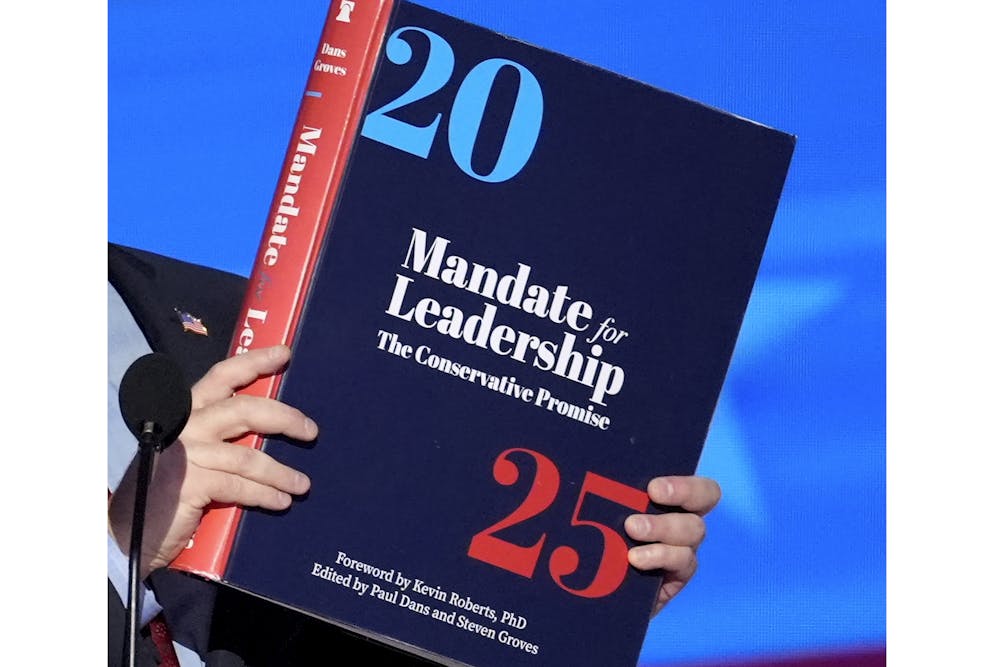
    MIL OSI NGO

  • MIL-OSI Asia-Pac: Provisional statistics of retail sales for December 2024 and whole year of 2024

    Source: Hong Kong Government special administrative region

         The Census and Statistics Department (C&SD) released the latest figures on retail sales today (February 3).

         The value of total retail sales in December 2024, provisionally estimated at $32.8 billion, decreased by 9.7% compared with the same month in 2023. The revised estimate of the value of total retail sales in November 2024 decreased by 7.3% compared with a year earlier.

         Of the total retail sales value in December 2024, online sales accounted for 7.2%. The value of online retail sales in that month, provisionally estimated at $2.4 billion, decreased by 17.2% compared with the same month in 2023. The revised estimate of online retail sales in November 2024 decreased by 7.2% compared with a year earlier.

         After netting out the effect of price changes over the same period, the provisional estimate of the volume of total retail sales in December 2024 decreased by 11.5% compared with a year earlier. The revised estimate of the volume of total retail sales in November 2024 decreased by 8.4% compared with a year earlier.

         Analysed by broad type of retail outlet in descending order of the provisional estimate of the value of sales and comparing December 2024 with December 2023, the value of sales of jewellery, watches and clocks, and valuable gifts decreased by 13.8%. This was followed by sales of other consumer goods not elsewhere classified (-2.9% in value); commodities in supermarkets (-3.1%); wearing apparel (-11.1%); food, alcoholic drinks and tobacco (-0.6%); commodities in department stores (-8.9%); medicines and cosmetics (-2.2%); electrical goods and other consumer durable goods not elsewhere classified (-20.2%); motor vehicles and parts (-36.3%); fuels (-11.2%); footwear, allied products and other clothing accessories (-4.9%); Chinese drugs and herbs (-2.2%); furniture and fixtures (-22.0%); books, newspapers, stationery and gifts (-9.6%); and optical shops (-7.5%).

         Based on the seasonally adjusted series, the provisional estimate of the value of total retail sales decreased by 0.1% in the fourth quarter of 2024 compared with the preceding quarter, while the provisional estimate of the volume of total retail sales decreased by 0.2%.

         For 2024 as a whole, the value of total retail sales was provisionally estimated at $376.8 billion, decreased by 7.3% in value and 9.0% in volume compared with 2023. The value of online retail sales was provisionally estimated at $31.7 billion, decreased by 2.6% over 2023.
     
         Analysed by broad type of retail outlet in descending order of the provisional estimate of the value of sales and comparing the whole year of 2024 with the whole year of 2023, the value of sales of jewellery, watches and clocks, and valuable gifts decreased by 14.5%. This was followed by sales of commodities in supermarkets (-1.5% in value); wearing apparel (-10.6%); food, alcoholic drinks and tobacco (-3.2%); electrical goods and other consumer durable goods not elsewhere classified (-11.3%); commodities in department stores (-13.9%); motor vehicles and parts (-17.2%); fuels (-11.4%); footwear, allied products and other clothing accessories (-7.5%); furniture and fixtures (-14.4%); Chinese drugs and herbs (-14.8%); and optical shops (-13.6%).

         On the other hand, the value of sales of other consumer goods not elsewhere classified increased by 0.4% in 2024 compared with 2023. This was followed by sales of medicines and cosmetics (+4.4% in value); and books, newspapers, stationery and gifts (+4.7%).

    Commentary

         A government spokesman said that the value of total retail sales declined further in December from a year earlier, partly reflecting the impact of residents’ increased outbound trips during the holidays. For the fourth quarter as a whole, the value of total retail sales fell by 6.7% year-on-year, narrower than the 9.6% decrease in the preceding quarter.

         Looking ahead, the spokesman said that the near-term performance of the retail sector would continue to be affected by the change in consumption patterns of visitors and residents. Nevertheless, the introduction of various measures by the Central Government to boost the Mainland economy and benefit Hong Kong, together with the SAR Government’s proactive efforts to promote tourism development and boost market sentiment, as well as increasing employment earnings, would benefit the retail sector.

    Further information

         Table 1 presents the revised figures on value index and value of retail sales for all retail outlets and by broad type of retail outlet for November 2024 as well as the provisional figures for December 2024. The provisional figures on the value of retail sales for all retail outlets and by broad type of retail outlet as well as the corresponding year-on-year changes for the whole year of 2024 are also shown.

         Table 2 presents the revised figures on value of online retail sales for November 2024 as well as the provisional figures for December 2024. The provisional figures on year-on-year changes for the whole year of 2024 are also shown.
     
         Table 3 presents the revised figures on volume index of retail sales for all retail outlets and by broad type of retail outlet for November 2024 as well as the provisional figures for December 2024. The provisional figures on year-on-year changes for the whole year of 2024 are also shown.

         Table 4 shows the movements of the value and volume of total retail sales in terms of the year-on-year rate of change for a month compared with the same month in the preceding year based on the original series, and in terms of the rate of change for a three-month period compared with the preceding three-month period based on the seasonally adjusted series.

         The classification of retail establishments follows the Hong Kong Standard Industrial Classification (HSIC) Version 2.0, which is used in various economic surveys for classifying economic units into different industry classes.

         These retail sales statistics measure the sales receipts in respect of goods sold by local retail establishments and are primarily intended for gauging the short-term business performance of the local retail sector. Data on retail sales are collected from local retail establishments through the Monthly Survey of Retail Sales (MRS). Local retail establishments with and without physical shops are covered in MRS and their sales, both through conventional shops and online channels, are included in the retail sales statistics.

         The retail sales statistics cover consumer spending on goods but not on services (such as those on housing, catering, medical care and health services, transport and communication, financial services, education and entertainment) which account for over 50% of the overall consumer spending. Moreover, they include spending on goods in Hong Kong by visitors but exclude spending outside Hong Kong by Hong Kong residents. Hence they should not be regarded as indicators for measuring overall consumer spending.

         Users interested in the trend of overall consumer spending should refer to the data series of private consumption expenditure (PCE), which is a major component of the Gross Domestic Product published at quarterly intervals. Compiled from a wide range of data sources, PCE covers consumer spending on both goods (including goods purchased from all channels) and services by Hong Kong residents whether locally or abroad. Please refer to the C&SD publication “Gross Domestic Product by Expenditure Component” for more details.

         More detailed statistics are given in the “Report on Monthly Survey of Retail Sales”. Users can browse and download this publication at the website of the C&SD (www.censtatd.gov.hk/en/EIndexbySubject.html?pcode=B1080003&scode=530).

         Users who have enquiries about the survey results may contact the Distribution Services Statistics Section of C&SD (Tel: 3903 7400; email : mrs@censtatd.gov.hk).

    MIL OSI Asia Pacific News

  • MIL-OSI Asia-Pac: Special traffic and transport arrangements for Hong Kong Marathon 2025

    Source: Hong Kong Government special administrative region

    Special traffic and transport arrangements for Hong Kong Marathon 2025
    Special traffic and transport arrangements for Hong Kong Marathon 2025
    **********************************************************************

         The Transport Department (TD) today (February 3) reminded members of the public that, to facilitate the holding of the Hong Kong Marathon 2025 this Sunday (February 9), temporary road closures will be implemented at various locations in phases from Saturday (February 8) at 11.30pm and will be reopened subject to the progress of the race. It is anticipated all closed roads will be reopened by about 2pm on Sunday.      This year, the full and half marathon races will start at Nathan Road in Tsim Sha Tsui. The full marathon race will route through major road sections including Nathan Road (from Granville Road to Argyle Street), Argyle Street, Lin Cheung Road, West Kowloon Highway, Stonecutters Bridge, Nam Wan Tunnel, Ting Kau Bridge, Cheung Tsing Tunnel, Tsing Kwai Highway, the Western Harbour Crossing (WHC), Connaught Road West flyover, Lung Wo Road, Expo Drive, Hung Hing Road, Lockhart Road, Percival Street, Hennessy Road, Yee Wo Street and Sugar Street, and finish at Victoria Park. The half marathon race route will follow that of the full marathon race from the starting point at Nathan Road to Lin Cheung Road with the turning point at Tsing Kwai Highway and then rejoin the full marathon race route at West Kowloon Highway.      As for other races, the starting point will be set at different locations on Hong Kong Island while all the finishing points will be set at Victoria Park. The 10-kilometre race will start at the Island Eastern Corridor (IEC) near the exit/entrance of Central-Wan Chai Bypass Tunnel (CWBT) and run along the IEC eastwards to the turning point near Oi Tak Street and then return to the finishing point. The 10-kilometre wheelchair race will start at Wan Chai Sports Ground and route through Hung Hing Road, Expo Drive, Lung Wo Road and Central Ferry Piers area and then return to run along Lung Wo Road, Hung Hing Road, Marsh Road, Lockhart Road and Hennessey Road heading for the finishing point. The Wheelchair Trial and Leaders Cup will also start at Wan Chai Sports Ground and route through Hung Hing Road and Marsh Road and then rejoin the 10-km wheelchair race route heading for the finishing point.      According to the arrangements for the full and half marathon race routes, temporary closures of major road sections and their vicinities in Yau Tsim Mong area will be implemented extensively, including (i) the whole section of Nathan Road (in both directions) between Salisbury Road and Gascoigne Road, (ii) the northbound carriageway of Nathan Road between Gascoigne Road and Argyle Street, and (iii) the westbound carriageway of Argyle Street between Nathan Road and Tong Mi Road. The above road sections will be reopened at or before about 10.30am in phases, subject to the progress of the races. At the same time, public transport services in this area will also be subject to extensive adjustments. Members of the public heading to this area are advised to use railway services.      Moreover, since the full marathon will use the Kowloon-bound carriageways of Cheung Tsing Highway, Cheung Tsing Tunnel and Nam Wan Tunnel as the race route, vehicles on Lantau Link (Tsing Ma Bridge) heading to Kowloon will be diverted to use North West Tsing Yi Interchange, Tsing Yi North Coastal Road, Tsing Tsuen Road, Tsuen Wan Road, Kwai Chung Road, Cheung Sha Wan Road and Lai Chi Kok Road. It is anticipated that traffic congestion along North Lantau Highway, Tsing Ma Bridge and the vicinity of North West Tsing Yi Interchange may occur.      The above road closures will not affect vehicles from Hong Kong Island/Kowloon/New Territories East heading for Hong Kong International Airport and Lantau Island. Vehicles from the New Territories West to the airport and Lantau Island could travel via Tuen Mun-Chek Lap Kok Tunnel. Due to the closure of the Kowloon-bound carriageway of Ting Kau Bridge, vehicles travelling via Tuen Mun Road or Tai Lam Tunnel to the airport and Lantau Island will be diverted to use Tsuen Wan Road, Tsuen Tsing Interchange, Tsing Tsuen Road, Tsing Tsuen Bridge and Tsing Yi North Coastal Road to enter Tsing Ma Bridge.      During the races, the Kowloon-bound tube of the WHC will remain opened, while the Hong Kong-bound tube of the WHC will be temporarily closed from 0.45am on Sunday till about 1.15pm, subject to the progress of the races. Motorists in Kowloon West heading for Hong Kong Island are advised to use the Cross-Harbour Tunnel or Eastern Harbour Crossing (EHC). For the race routes in Causeway Bay, Yee Wo Street eastbound will be temporarily closed to serve as a race route. Most of the public transport services operating along Yee Wo Street (in the direction of North Point) will be diverted to use Percival Street, Leighton Road and Pennington Street during the closure period.      According to the arrangements for the 10-km race, both bound carriageways of the IEC between Victoria Park Road and Shau Kei Wan, and the CWBT linking to and from the IEC will be closed from 1.15am on Sunday in phases, and traffic will be diverted via appropriate alternative routes such as Connaught Road Central, Gloucester Road, King’s Road, Shau Kei Wan Road, etc. Traffic to and from the EHC will be diverted to the Sai Wan Ho or Kornhill exit/entrance. Depending on the progress of the races, different sections of the CWBT will be reopened in phases to minimise the impact on traffic. Upon the anticipated reopening of the IEC before noon, the section of the CWBT between Central and North Point will be reopened while the Wan Chai North exit from and entrance to the CWBT will be closed for most of the race time.      In connection with the road closure arrangements, starting from 11.15pm on Saturday until the reopening of the roads, 211 daytime bus routes and 33 daytime green minibus (GMB) routes will be subject to suspension, truncation or diversion, and the stopping points concerned of the affected bus and GMB services will be relocated accordingly in phases. Also, 49 overnight bus routes and six overnight green minibus routes to be affected by the road closures will be subject to the associated service adjustments. These affected bus routes include the cross-harbour routes and bus services operating in the following areas:     Hong Kong Island – bus routes operating along the IEC, the CWBT, in Central and Western District, Wan Chai and Causeway Bay areas;     Kowloon – bus routes operating along Nathan Road, Argyle Street, Shanghai Street, Jordan Road and Yau Tsim Mong areas; and New Territories – bus routes operating along Ting Kau Bridge, Cheung Tsing Highway, Cheung Tsing Tunnel and Nam Wan Tunnel.     The following bus termini and public transport interchanges on Hong Kong Island and in Kowloon will be suspended: Hong Kong Island – Tin Hau Station Public Transport Interchange, Expo Drive East Bus Terminus, Central Ferry Piers Bus Terminus and Whitfield Road Bus Terminus; and      Kowloon – China Ferry Terminal Public Transport Interchange and Star Ferry Bus Terminus.     To enable participants of the full/half marathon and 10-km races that start in the early morning to go to Tsim Sha Tsui or Causeway Bay, the first departures of eight rail lines of MTR services will be advanced suitably on Sunday, with the first departures on the Tuen Ma Line and East Rail Line to be operated at 3.25am. In addition, 28 special bus routes will also be operated to serve participants going to Tsim Sha Tsui and Causeway Bay on Sunday.      During the road closure period, bus stops, taxi stands, taxi pick-up/drop-off points, public light bus/GMB stands, roadside parking spaces and private car parks within the closed roads and their vicinities may be suspended subject to the situation.      The commencement time of the pedestrian precinct on Lockhart Road, East Point Road and Great George Street in Causeway Bay will be postponed to 3pm on Sunday subject to the road reopening situation in the vicinity of Causeway Bay.     Members of the public and tourists heading for Hong Kong-Macau Ferry Terminal, Hong Kong Station and Kowloon Station of the Airport Express Line, Hong Kong West Kowloon Station of the Guangzhou-Shenzhen-Hong Kong Express Rail Link, China Ferry Terminal (China Hong Kong City) or Ocean Terminal are advised to plan their journeys early to avoid any delays caused by road closures and traffic diversions.      The TD anticipates that the traffic at various locations on Hong Kong Island and in Kowloon and the New Territories will be more significantly congested when compared with normal Sundays, including:     Hong Kong Island – King’s Road, Shau Kei Wan Road, Victoria Park Road, Leighton Road, Hennessy Road, Gloucester Road, Queensway, Connaught Road Central, Aberdeen Tunnel (Wan Chai bound) and Central Ferry Piers areas;     Kowloon – Nathan Road and its vicinity, Argyle Street, Wylie Road, Gascoigne Road flyover, West Kowloon Corridor and Cross-Harbour Tunnel (both bounds), with a higher chance of long traffic queues along Gascoigne Road flyover and West Kowloon Corridor; and     New Territories – Lantau Link (Kowloon bound) and North West Tsing Yi Interchange.     Motorists should avoid driving to the above affected areas. In case of traffic congestion, they should exercise patience and drive with care, and follow the instructions of the Police on-site.      Members of the public should plan their journeys early and use alternative routes to avoid unexpected delays, and take railway services as far as possible. Public transport users are advised to pay attention to the arrangements of route diversions and changes of stop locations.      Other ad-hoc traffic and public transport measures, including adjusting the extent of road closures, traffic diversions, alterations and suspensions of public transport services, may be implemented by the Police on-site at short notice depending on the actual traffic and crowd conditions. The TD and the Police will closely monitor the traffic situation and implement appropriate measures whenever necessary. Members of the public are advised to stay alert to the latest traffic news through the media.      For information about the above special traffic and transport adjustments, members of the public may browse the TD’s website at www.td.gov.hk or the “HKeMobility” mobile application.

     
    Ends/Monday, February 3, 2025Issued at HKT 15:45

    NNNN

    MIL OSI Asia Pacific News

  • MIL-OSI NGOs: Sudan malnutrition crisis: MSF renews call for immediate action to prevent death and starvation

    Source: Médecins Sans Frontières –

    • International donors, the UN, Sudan’s warring parties and their allies must do everything in their power to prevent more death from malnutrition in Sudan.
    • MSF has shared staggering data from malnutrition screenings in areas across Sudan, and the situation is expected to worsen during the upcoming rainy season.
    • It is possible to avoid further catastrophe if action is taken now.

    International donors, the UN, Sudan’s warring parties and their allies must act now to prevent even more avoidable deaths from malnutrition in Sudan, as the already catastrophic situation is expected to worsen this year, according to Médecins Sans Frontières (MSF).

    Half of Sudan’s population faces high levels of acute food insecurity (24.6 million people), among whom 8.5 million people face an emergency or famine-like situation according to the latest Integrated Food Security Phase Classification (IPC) report.

    “Despite this new wake-up call, robust humanitarian and diplomatic mobilisation to act on aid deliveries has fallen far short of the needs. To provide only those in the most extreme situation with monthly food rations, 2,500 aid trucks per month would be required, whereas only about 1,150 crossed into Darfur between August and December,” says Stephane Doyon, MSF operations manager.

    MSF has released data showing horrific rates of malnutrition in multiple locations, both at the height of Sudan’s lean season last year and as recently as December 2024. The conflict-driven malnutrition crisis has been exacerbated by the continued obstruction of aid by both of Sudan’s warring parties and by the neglectful inertia of the UN and aid system in Darfur. With the seasonal hunger gap coming in May, decisive action must be taken now.

    “Parts of Sudan are difficult to work in. But it is certainly possible, and this is what humanitarian organisations and the UN are supposed to do,” says Marcella Kraay, MSF emergency coordinator, speaking from Nyala, South Darfur state.

    “In places that are easier to access, as well as in the hardest to reach areas like North Darfur, options like air routes remain unexplored. The failure to act is a choice, and it’s killing people,”  says Kraay.

    The malnutrition crisis has been acknowledged for some time, with the UN in October warning that “never in history have so many people faced starvation and famine as in Sudan today.”

    Moving supplies will become an even more difficult task during the upcoming rainy and lean season, when flooded dirt roads become impossible to navigate. A wide-scale humanitarian response must be launched now, including by drastically increasing available funding and logistical capacities, securing food pipelines and prepositioning food stocks in Chad and neighbouring countries.

    MSF is calling for UN agencies, international organisations, donor countries, and governments with leverage to pursue all options, including air routes, to complement and even replace road access where necessary.

    Halima and her two month old baby see a doctor at the Kalma camp health centre, run by MSF. Sudan, December 2024.
    Abdoalsalam Abdallah

    Bureaucratic requirements from the warring parties have long been an obstacle to international organisations’ ability to reach and provide services to people. Rather than reacting to critical needs in a timely manner, permissions to respond are either delayed or denied altogether by the warring parties. This is impeding MSF ‘s work in South Darfur with aid trucks stuck in Chad waiting for permissions to move from the Rapid Support Forces (RSF) and their offices. A food distribution in South Darfur was also recently postponed as MSF was refused the necessary travel permits.

    Warring parties must grant unhindered access for humanitarian organisations. Access must be defined by lifesaving aid reaching people who need it, not by announcements celebrating piecemeal measures that fall far short. MSF calls for the warring parties, their allies, and influential states to use their leverage to ease the obstacles that are causing deaths and suffering.  
    MSF has provided data from different locations to demonstrate the depth of the malnutrition crisis. In North Darfur, where an RSF siege on its capital El Fasher is starving people and depriving them from lifesaving assistance, MSF teams screened over 9,500 children under five years old while conducting a therapeutic food distribution in Tawila locality in December 2024. They found a staggering global acute malnutrition estimate of 35.5 %, with 7% of the screened children suffering from severe acute malnutrition.

    Last September, 34% of the 29,300 children screened by MSF during a vaccination campaign in Zamzam camp were found to be suffering from acute malnutrition. Since the beginning of December, repeated shelling has made it impossible for our team to carry out further assessments in the camp and has most likely exacerbated the levels of malnutrition.

    Zahra Abdullah, living in Al Salam camp outside Nyala city This is not the first war I have experienced, but it is definitely the most devastating to my life. The living conditions here are harsh, and everything is a daily struggle.

    Zahra Abdullah, 25 years old, inside her kitchen after receiving their food basket. Sudan, January 2025.
    © Abdoalsalam Abdallah

    MSF teams also see concerning rates of malnutrition outside of Darfur, in areas where displaced people have sought shelter, or in areas closer to the conflict. In Omdurman, Khartoum state, a conflict zone under control of the Sudanese Armed Forces, MSF carried out a nutritional screening while assisting with a vaccination campaign for children in October 2024, finding 7.1% of children screened were severely acutely malnourished.

    MSF data also reveals that malnutrition is not only an issue for people close to frontlines, but also in more stable cities like Nyala, the capital of South Darfur. In October 2024, 23% of children under five screened at MSF-supported facilities in Nyala, South Darfur’s capital, and nearby locations were suffering from severe acute malnutrition. In two MSF-supported facilities, 26% of the pregnant and breastfeeding women seeking care were acutely malnourished. With WFP food distributions lacking, MSF launched a targeted food distribution in South Darfur in December 2024, providing two months’ food to about 30,000 people.

    Zahra Abdullah, 25 years old, received food for her and her son, they live together in the Al Salam displacement camp outside of Nyala city.

    “This is not the first war I have experienced, but it is definitely the most devastating to my life. The living conditions here are harsh, and everything is a daily struggle. The aid we receive has somewhat improved our situation. At least now, we finally have a meal in the morning,” says Zahra.

    “But even so, the suffering never ends. It starts with finding clean water to drink, continues with trying to provide enough food, and ends with finding a place to sleep. Sometimes I sit alone and think: is this the life I will live forever?” she says.

    For millions of people like Zahra, the time is now to act to prevent the situation from becoming ever more dire. MSF will continue to do what it can, but the scale is well beyond the organisation’s capacity to respond. We need to see a massive response now to prevent more death and starvation; timeliness is a matter of survival, not political expediency.

    MIL OSI NGO