NewzIntel.com

    • Checkout Page
    • Contact Us
    • Default Redirect Page
    • Frontpage
    • Home-2
    • Home-3
    • Lost Password
    • Member Login
    • Member LogOut
    • Member TOS Page
    • My Account
    • NewzIntel Alert Control-Panel
    • NewzIntel Latest Reports
    • Post Views Counter
    • Privacy Policy
    • Public Individual Page
    • Register
    • Subscription Plan
    • Thank You Page

Category: Canada

  • MIL-OSI Canada: Flying Dust First Nation and Canada reach settlement agreement

    Source: Government of Canada News (2)

    July 25, 2025 — Flying Dust First Nation, Treaty 6 Territory, Saskatchewan — Crown-Indigenous Relations and Northern Affairs Canada and Flying Dust First Nation

    Today, Chief Tyson Bear of Flying Dust First Nation and the Honourable Rebecca Alty, Minister of Crown-Indigenous Relations, announced a settlement agreement to resolve a land-related claim between Canada and the First Nation.

    Canada will provide more than $55 million in compensation to the Flying Dust First Nation for the improper transfer of 214.81 acres of treaty land in 1932 to the Canadian Pacific Railway which denied the First Nation its use for generations.

    Since then, about 200.8 acres have been returned, including two pieces of land held by Canada for a Royal Canadian Mounted Police (RCMP) detachment. The RCMP and the First Nation signed a lease, and on November 7, 2024, the land was formally transferred back to reserve status. The remaining land, once owned by the railway company, was remediated through cooperation between Canada, the Canadian National Railway (successor to the Canadian Pacific Railway) and the community.

    As part of the agreement, the First Nation may also add nearly 14 acres to its reserve through Canada’s Additions to Reserve process.

    The Flying Dust First Nation has always recognized the Railway lands as reserve land. The story of how it it was expropriated in the early 1930s is part of the oral history of leadership. The story of the land has been passed down the years to ensure the people didn’t forget. From Chief to Chief, from Council to Council, the Flying Dust First Nation always committed to have the railway lands returned home.

    A plan was made in 1992 when Chief Richard Gladue placed a caveat on the lands and launched the lawsuit. In the 30 years that followed, every Chief and Council joined the team and pushed the file forward. The most recent leadership team, Chief Tyson Bear, Council Calvin Bear, Marie Gladue, Nick Derocher, Charmaine Mirasty, were the ones who got to see the claim to its fruition.

    The vision of reacquiring the Railway Lands has always been seen as a certainty. As such, plans for development of the property has been ongoing for almost 20 years.  Flying Dust has always had a vision of what the land could be and what it would mean for the people of Flying Dust, Meadow Lake and the surrounding communities.

    Settlements like this provide funding that First Nations can use to buy land and create new opportunities for their communities and economies. Settling specific claims is one way Canada is working to rebuild trust and strengthen its relationships with First Nations. By providing fair compensation when promises haven’t been kept, Canada is taking responsibility for the past and working toward a more respectful future. These efforts are guided by the United Nations Declaration on the Rights of Indigenous Peoples Act.

    MIL OSI Canada News –

    July 26, 2025
  • MIL-OSI Canada: B.C., Canada strengthen support for farmers dealing with unexpected losses

    Source: Government of Canada regional news

    The governments of B.C. and Canada are making changes to the AgriStability program to provide more financial support to B.C. farmers, following a virtual meeting of the federal, provincial and territorial ministers of agriculture.

    “Now is the time for unity, and we’re working together to deliver for producers right across the country to make sure our programs work for them,” said Heath MacDonald, federal Minister of Agriculture and Agri-Food. “That’s why, at our meeting last week, we agreed to make changes to AgriStability so that producers facing trade uncertainty and dry conditions have more protection.”

    Effective Friday, July 25, 2025, there are several enhancements for the 2025 AgriStability program year, including:

    • increasing the compensation rate from 80% to 90%, meaning producers will receive 90 cents for every dollar of eligible income decline;
    • doubling the compensation cap from $3 million to $6 million to offer more equitable protection for larger farms and ranches; and
    • advancing interest-free payments to farmers for up to 75% of their anticipated final claim.

    B.C. farmers have until Thursday, July 31, 2025, to enrol in AgriStability for the 2025 program year. Application details are available here: https://www2.gov.bc.ca/gov/content/industry/agriculture-seafood/programs/agriculture-insurance-and-income-protection-programs/agristability

    “We raised concerns we have been hearing from farmers here in B.C. at a national level, and our advocacy is resulting in improvements to AgriStability so B.C. farmers can continue to produce high-quality local food,” said Lana Popham, B.C. Minister of Agriculture and Food. “B.C. led the way on this initiative, making these very same changes to our program last year. It’s great to have the federal government partner with us this year to continue to support farmers.”

    These changes respond to international trade concerns and will help many B.C. farmers who are enrolled in the AgriStability program and have suffered income losses from occurences such as extreme weather damage.  

    “B.C. Agriculture Council welcomes these enhancements to the AgriStability program, which plays a critical role in supporting agricultural producers navigate uncertainty,” said Jennifer Woike, president, B.C. Agriculture Council (BCAC). “The improvements take into account the practical considerations that producers must apply to their operations as they respond to market and environmental challenges. BCAC remains committed to working with all levels of government on important program enhancements that support food security and sustainable practices to ensure the economic viability of farms.”

    AgriStability is part of the Sustainable Canadian Agricultural Partnership and helps protect farmers from large drops in income due to factors such as poor yields, rising costs or market changes.

    Quick Facts:

    • AgriStability offers personalized coverage for each farm based on income tax and production information.
    • AgriStability is a whole-farm, low-cost business risk-management program that helps farm operations manage large declines in net farming income.
    • Almost 2,500 farmers are enrolled in B.C.’s AgriStability program.
    • Program costs are shared 60% by Canada, 40% by British Columbia.

    MIL OSI Canada News –

    July 26, 2025
  • MIL-OSI Russia: 170 companies from all over the world participated in all eight CIIEs

    Translation. Region: Russian Federal

    Source: People’s Republic of China in Russian – People’s Republic of China in Russian –

    An important disclaimer is at the bottom of this article.

    Source: People’s Republic of China – State Council News

    SHANGHAI, July 25 (Xinhua) — A total of 170 overseas companies and 27 institutions have joined the eight China International Import Expos (CIIE), the organizer of the expo announced at a press conference on Friday.

    According to the organizer, more than 50 countries and international organizations have confirmed their participation in the national comprehensive exhibition, which will be held within the framework of the upcoming 8th CIIE this year. Sweden, the UAE and other countries will act as honorary guest countries, and Kyrgyzstan will participate for the first time.

    This year, the volume of reserved exhibition space for the CIIE commercial exposition has exceeded 330,000 square meters, the organizer added.

    As CIIE Deputy Bureau Director Wu Zhengping noted, companies from Canada, Malaysia, New Zealand, Norway, Peru and other countries set a record in participation, which clearly demonstrates their confidence in the Chinese economy and enthusiasm for the CIIE.

    This year, CIIE will for the first time include a special zone for products from participating least developed countries. The expo will also expand and upgrade the existing African products zone and launch a “cross-border e-commerce product selection platform” to help overseas SMEs successfully enter the Chinese market. –0–

    Please note: This information is raw content obtained directly from the source of the information. It is an accurate report of what the source claims and does not necessarily reflect the position of MIL-OSI or its clients.

    .

    MIL OSI Russia News –

    July 26, 2025
  • MIL-OSI Canada: Full closures of Alexandra Bridge

    Source: Government of Canada News

    For immediate release

    Gatineau, Quebec, July 25, 2025 – Public Services and Procurement Canada (PSPC) wishes to advise the public that on July 30 and August 2, 6, 9, 13 and 16, the Alexandra Bridge will be closed and patrolled for safety measures during the event Les Grands Feux du Casino Lac-Leamy, as per the following schedule:

    • closed to vehicles: from 7:30 pm to 10:30 pm
    • completely closed: from 8:30 pm to 10 pm
    • reopening:
      • to pedestrians and cyclists at 10 pm
      • to vehicles at 10:30 pm

    Pedestrians and cyclists will be able to use the centre lane between 7:30 and 8:30 pm.

    Road signage will be in place, and flag persons will direct traffic.

    PSPC encourages users to exercise caution when travelling on the bridge and thanks them for their patience.

    MIL OSI Canada News –

    July 26, 2025
  • MIL-OSI Canada: Governments of Canada and British Columbia to make important announcement about high-speed Internet and mobile connectivity in the province

    Source: Government of Canada News

    July 25, 2025 – Armstrong, British Columbia

    The Honourable Buckley Belanger, Secretary of State (Rural Development), together with the Honourable Diana Gibson, British Columbia’s Minister of Citizens’ Services, will make an announcement about improving high-speed Internet access and mobile connectivity in rural British Columbia.

    A media availability will follow.

    Date: Monday, July 28, 2025

    Time: 10:30 am (PT)

    Location:
    Caravan Farm Theatre
    4886 Salmon River Road
    Armstrong, British Columbia

    Members of the media are asked to contact ISED Media Relations at media@ised-isde.gc.ca to confirm their attendance.

    MIL OSI Canada News –

    July 26, 2025
  • MIL-OSI Canada: Government of Canada announces over $850,000 in funding to support innovative and sustainable economic development in Northern Ontario

    Source: Government of Canada News

    FedNor funds are supporting and attracting businesses to the region and promoting sustainable development in the agri-food sector

    July 25, 2025 – Temiskaming Shores, ON – Federal Economic Development Agency for Northern Ontario – FedNor

    Today, Pauline Rochefort, Parliamentary Secretary to the Secretary of State (Rural Development), and Member of Parliament for Nipissing-Timiskaming, announced $863,023 in funding to support local and regional innovation and economic development across Northern Ontario. This announcement was made on behalf of the Honourable Patty Hajdu, Minister of Jobs and Families and Minister responsible for FedNor.

    Of the funding announced today, $702,713 will support the Northern Ontario Farm Innovation Alliance (NOFIA) in strengthening the region’s agri-food sector.The initiative will improve local value chains, advance technology adoption, and promote sustainable practices. NOFIA will also assess key production and procurement challenges, and explore infrastructure investments to support aggregation, storage, and distribution. The project aims to expand market opportunities and increase demand for Northern Ontario–produced foods.

    The project is expected to help expand and modernize 120 businesses, create 60 new jobs in the agricultural sector over three yearsm, supporting the development of nearly 2,000 acres of farmland. This will help to attract over $1 million in industry investment and economic benefits for the region.

    Also announced was $160,310 in funding for the Federation of Northern Ontario Municipalities (FONOM). The funding will allow FONOM to produce and distribute 12 bilingual videos to highlight business opportunities and promote the strengths and talents of Northern Ontario’s workforce, the availability and price of residential and industrial lands, and the benefits of the Northern Ontarian lifestyle.

    MIL OSI Canada News –

    July 26, 2025
  • MIL-OSI Canada: Waterski championships make waves in Calgary

    Source: Government of Canada regional news (2)

    MIL OSI Canada News –

    July 26, 2025
  • MIL-OSI Canada: Investor Alert: Impersonation Scam Uses Prime Minister Mark Carney’s Image and Fake Social Media Posts to Target Saskatchewan People

    Source: Government of Canada regional news

    Released on July 25, 2025

    The Financial and Consumer Affairs Authority of Saskatchewan (FCAA) is warning Saskatchewan people of an impersonation scam on social media claiming that Prime Minister Mark Carney is endorsing an online investment platform called QuilCapital.

    “Always check the registration status of an entity at aretheyregistered.ca before you invest, and do not deal with any unregistered entities,” FCAA Securities Division Executive Director Dean Murrison said. “Scammers often create fake social media posts claiming a notable figure is endorsing an investment.” 

    QuilCapital claims to offer Saskatchewan residents trading opportunities, including stocks, cryptocurrencies, forex, indices and commodities. 

    There may be other businesses with the same or a similar name to “QuilCapital”. This alert does not apply to any such businesses. This alert applies to the online entity using the website “quilcapital com” (this URL has been manually altered so as not to be interactive).

    QuilCapital is not registered with the FCAA to trade or sell securities or derivatives in Saskatchewan. The FCAA cautions investors and consumers not to send money to companies that are not registered in Saskatchewan, as they may not be legitimate businesses. 

    If you have invested with QuilCapital, or anyone claiming to be acting on their behalf, contact the FCAA’s Securities Division at 306-787-5936.

    In Saskatchewan, individuals or companies need to be registered with the FCAA to trade or sell securities or derivatives. The registration provisions of The Securities Act, 1988, and accompanying regulations are intended to ensure that only honest and knowledgeable people are registered to sell securities and derivatives and that their businesses are financially stable.

    Tips to protect yourself:

    • Always verify that the person or company is registered in Saskatchewan to sell or advise about securities or derivatives. To check registration, visit The Canadian Securities Administrators’ National Registration Search at aretheyregistered.ca.
    • Know exactly what you are investing in. Make sure you understand how the investment, product, or service works.
    • Get a second opinion and seek professional advice about the investment.
    • Do not allow unknown or unverified individuals to remotely access your computer.
    • Never make an investment decision based solely on a public figure endorsement. Scammers often create fake social media posts or news articles claiming an investment is endorsed by a notable figure.

    -30-

    For more information, contact:

    MIL OSI Canada News –

    July 26, 2025
  • MIL-OSI Canada: Minister’s Statement on Meeting with Federal Fisheries Minister

    Source: Government of Canada regional news

    NOTE: The following is a statement from Kent Smith, Minister of Fisheries and Aquaculture.

    East Coast fisheries and aquaculture ministers met yesterday with new federal Fisheries Minister Joanne Thompson, and I continued to press the federal government to address illegal fishing and protect the interests and safety of our coastal communities.

    Seafood is Nova Scotia’s largest industry and number one export. It’s an important economic driver, especially for rural coastal communities.

    Nova Scotia’s seafood industries have suffered from illegal fishing and management decisions related to conservation issues and the closure of the 2024 elver fishery. The East Coast fisheries and aquaculture industries are also facing significant challenges with the threat of tariffs from the United States and existing tariffs imposed by China.

    We need the federal minister to support our fisheries through these challenges.

    At the meeting we also discussed the renewal of the Atlantic Fisheries Fund (AFF) and a complementary program to support product and market diversification opportunities.

    The AFF is essential to help our seafood businesses grow and adapt. I requested that the federal government prioritize the renewal of the fund as soon as possible, as committed in its election campaign.

    I am cautiously optimistic that the new Minister understands the impacts that her decisions and the actions of her Department have on our economy and am hopeful that she will support Nova Scotia’s seafood industries by addressing illegal fishing and looking to new opportunities for product and market diversification.

    Our government will continue to stand up for Nova Scotians and the seafood industry.

    MIL OSI Canada News –

    July 26, 2025
  • MIL-OSI Canada: Filipino community calls for cultural centre

    Source: Government of Canada regional news

    A recently released What We Heard report highlights that B.C.’s Filipino community shares a vision for a provincial cultural centre dedicated to community spirit, recognition and representation, and programming that supports people in British Columbia to learn about Filipino culture and heritage. 

    The contributions of the Filipino Canadian community in B.C. are an important part of the province’s history, culture and success. That’s why government launched a public engagement survey on May 31, 2024, that invited people in British Columbia, especially those of Filipino heritage, to share their vision for a provincial Filipino cultural centre. The 10-question survey was open until Dec. 31, 2024, and received more than 1,200 survey responses.

    “We are proud to recognize Filipino Canadians’ heritage and their vital contributions to B.C.’s success,” said Anne Kang, Minister of Tourism, Arts, Culture and Sport. “We’re grateful to the many people who completed the survey and the communities who contributed to the roundtable discussions. We’re heartened to know that our work going forward will be community informed and community-led.”

    As part of the engagement and to ensure meaningful collaboration, the Province hosted roundtable discussions with key representatives from Filipino community organizations in August 2023, September 2023 and February 2024. These roundtables provided an open forum for community leaders to discuss government’s commitment, the engagement process and the steps needed to advance the development of a cultural centre.

    “This survey and report help ensure that we recognize Filipino Canadians’ impactful contributions to B.C. in a way that honours their needs and desires,” said Amna Shah, parliamentary secretary for anti-racism initiatives, mental health and addictions. “We look forward to continuing to work alongside the community to realize their vision and move forward in our collective goal of building a province that is more inclusive and representative.”

    The Province did this work in collaboration with Mabuhay House Society, which helped in community engagement planning and raising awareness. The society formed partnerships with more than 30 community organizations and engaged in more than 30 events for this engagement.

    With the community’s vision for a cultural centre reflected in the What We Heard report, government will continue to work with local Filipino Canadian organizations and communities to advance this project.

    Quotes:

    Mable Elmore, MLA for Vancouver-Kensington –

    “The What We Heard report clearly shows the Filipino community’s dedication to the spirit of ‘kapwa,’ to embrace our shared identity, as participants expressed their need for a cultural centre that fosters connection and feels like home. I’m so proud of the Filipino community for how many people contributed to this engagement, and I’m looking forward to watching this project advance with the voices of the Filipino community leading the way.”

    Lester de Guzman, chair, Mabuhay House Society –

    “This report represents more than data; it reflects our dreams, our pride and our shared identity as Filipino Canadians. We commend the Province for its commitment to listening to our voices and making space for our stories. Through the incredible work and support of our volunteers, community members and organization, this report is a testament to a strong Filipino value of Bayanihan spirit, a spirit of communal unity and co-operation.”

    Quick Facts:

    • Filipino Canadians are the fourth largest visible minority in B.C. and are expected to more than double by 2041.
    • The majority of B.C.’s Filipino population live and work in the Lower Mainland.
    • Metro Vancouver has the second largest Filipino population in Canada, with significant communities in Surrey, Vancouver, Richmond and Burnaby.
    • Filipinos have the highest labour force participation amongst all Canadians, with four out of five individuals above the age of 15 employed.

    Learn More:

    To read the What We Heard report, visit: https://engage.gov.bc.ca/app/uploads/sites/121/2025/07/Provincial-Filipino-Cultural-Centre-What-We-Heard-Report-July-2025.pdf

    MIL OSI Canada News –

    July 26, 2025
  • MIL-OSI Canada: $1 Million Investment Helps Regional Parks Expand in Saskatchewan

    Source: Government of Canada regional news

    Released on July 25, 2025

    Saskatchewan’s Regional Parks can now access funding to create new seasonal campsites through a $1 million investment from the provincial government. 

    “Regional parks are wonderful gathering places for families and communities,” Parks, Culture and Sport Minister Alana Ross said. “They attract visitors, generate tourism dollars and promote healthy outdoor activities. This investment will help our parks grow and better serve the needs of residents and tourists alike.”

    The Saskatchewan Regional Parks Association (SRPA) will run the new program and distribute the grants to successful projects. Up to $5,000 per campsite is available. Applications for up to 200 qualifying campsites will be accepted in 2025. 

    Almost 80 accredited regional parks are eligible for funding. The initiative is expected to support dozens of local construction and maintenance jobs, while also helping communities capitalize on Saskatchewan’s thriving tourism economy.

    The SPRA welcomes the announcement, noting that regional parks hosted around 250,000 visitors last year. 

    “The Saskatchewan Regional Parks Seasonal Site Program is more than just expanding campsites,” Saskatchewan Regional Parks Association Executive Director Madison Giesbrecht said. “It is about expanding opportunities for families, friends, and communities to reconnect with nature and with each other.”

    Regional parks can apply for funding beginning July 25, 2025. Full program details are available at saskregionalparks.ca/new-seasonal-sites.

    -30-

    For more information, contact:

    MIL OSI Canada News –

    July 26, 2025
  • MIL-OSI Canada: Investigation into Grande Prairie RCMP shooting continues

    Source: Government of Canada regional news (2)

    MIL OSI Canada News –

    July 26, 2025
  • MIL-OSI: Stack Capital Group Inc. Announces Upsize to Its Previously Announced Best Efforts Private Placement Now Combined With the Non-Brokered Private Placement for Gross Proceeds of Up to $35,000,000

    Source: GlobeNewswire (MIL-OSI)

    NOT FOR DISTRIBUTION TO THE UNITED STATES NEWS WIRE SERVICES OR FOR DISSEMINATION IN THE UNITED STATES

    TORONTO, July 25, 2025 (GLOBE NEWSWIRE) — Stack Capital Group Inc., (the “Company”) (TSX:STCK & TSX:STCK.WT.A) is pleased to announce that, as a result of strong investor demand, the Company has doubled the size of its previously announced “best efforts” private placement to up to 1,454,545 units of the Company (the “Units”) and up to $20,000,000 in gross proceeds (the “LIFE Offering”). After giving effect to the upsize of the LIFE Offering, the Company now expects to raise up to $35,000,000 in total gross proceeds under the combined LIFE Offering and Concurrent Private Placement (as defined herein).

    Each Unit will be issued at a price of $13.75 per Unit (the “Offering Price”) and will be comprised of one common share (a “Common Share” and the Common Shares comprising the Units being the “Unit Shares”) and one-quarter of one Common Share purchase warrant of the Company (each whole warrant, a “Warrant”). Each Warrant shall be exercisable by the holder thereof to acquire one Common Share (a “Warrant Share”) for a period of 24 months following the Closing Date (as hereinafter defined) at an exercise price of $17.00 per Warrant Share, subject to adjustment in certain events.

    In connection with the upsize of the LIFE Offering, the Company has entered into an amended agreement with Canaccord Genuity Corp., Raymond James Ltd., RBC Capital Markets and TD Securities Inc., to act as co-lead agents and joint bookrunners (collectively, the “Joint Bookrunners”), for and on behalf of a syndicate of agents (together with the Joint Bookrunners, the “Agents”).

    As previously announced, the Company also intends to complete a concurrent non-brokered private placement of up to 1,090,909 Units at the Offering Price to certain investors that have been identified to the Joint Bookrunners, for gross proceeds of up to $15,000,000, or such higher number as determined by the Company in its discretion (the “Concurrent Private Placement” and, together with the LIFE Offering, the “Offering”). The terms of the Concurrent Private Placement remain the same and the closing of the LIFE Offering is not conditional upon the closing of the Concurrent Private Placement.

    In addition, the Company has applied to the Toronto Stock Exchange (the “TSX”) for the listing of the Unit Shares, Warrants and Warrant Shares under the Offering.

    The LIFE Offering is being made to purchasers resident in all provinces of Canada, except Québec, pursuant to the listed issuer financing exemption from the prospectus requirement available under Part 5A of National Instrument 45-106 – Prospectus Exemptions and Coordinated Blanket Order 45-935 Exemptions from Certain Conditions of the Listed Issuer Financing Exemption of the Canadian Securities Administrators (collectively, the “LIFE Exemption”). Subject to compliance with the terms of the LIFE Exemption, the Unit Shares and Warrants offered under the LIFE Exemption will not be subject to resale restrictions pursuant to applicable Canadian securities laws. In addition, the Agents may offer the Units for sale on a private placement basis pursuant to available exemptions from the registration or prospectus requirements to investors resident in the United States and certain other jurisdictions outside of Canada and the United States, in each case, as agreed to by the Company and the Joint Bookrunners; provided it is understood that the Company will not be required to register or make any filings (other than reports on sales of securities in the United States and Canada) in such jurisdictions.

    In connection with the upsize of the LIFE Offering, there is an amended and restated offering document related to this LIFE Offering that can be accessed under the Company’s profile at www.sedarplus.com and on the Company’s website at www.stackcapitalgroup.com. Prospective investors should read this amended and restated offering document before making an investment decision.

    All Units issued under the Concurrent Private Placement will be issued in accordance with applicable securities laws pursuant to available exemptions from the prospectus requirements. It is anticipated that all Units issued to investors outside of Canada under the Concurrent Private Placement will be issued pursuant to Ontario Securities Commission Rule 72-503 – Distributions Outside Canada and will therefore not be subject to resale restrictions pursuant to applicable Canadian securities laws.

    The net proceeds of the Offering will be used for investments in accordance with the Company’s investment principles and general corporate and working capital purposes.

    The Offering is expected to close on or about August 8, 2025, or such other date or dates as may be agreed to by the Company and the Joint Bookrunners (each such date, a “Closing Date”) and is subject to certain conditions including, but not limited to, the receipt of all necessary approvals, including the approval of the TSX.

    At the closing of the Offering, the Company will pay to the Agents a cash fee equal to 5.0% of the gross proceeds raised in connection with the Offering.

    The Company anticipates certain insiders of the Company will participate in the Offering. Any participation in the Offering by insiders constitutes a “related party transaction” as defined under Multilateral Instrument 61-101 Protection of Minority Security Holders in Special Transactions (“MI 61-101”). However, the Company expects to rely on exemptions from the formal valuation and minority shareholder approval requirements of MI 61-101 based on the fact neither the fair market value of the Units subscribed for by the insiders, nor the consideration for the Units paid by such insiders, is expected to exceed 25% of the Company’s market capitalization as at the date of this news release.

    No securities regulatory authority has either approved or disapproved of the contents of this news release. This news release is for information purposes only and does not constitute an offer to sell or a solicitation of an offer to buy any of the securities of the Company in the United States of America. The Units, Unit Shares, Warrants and Warrant Shares have not been and will not be registered under the United States Securities Act of 1933, as amended (the “1933 Act”) or any state securities laws and may not be offered, sold or delivered, directly or indirectly, within the United States, its possessions and other areas subject to its jurisdiction or for the account or for the benefit of U.S. Persons (as defined under applicable securities laws) or persons in the United States unless registered under the 1933 Act and applicable state securities laws, or an exemption from such registration is available.

    About Stack Capital Group Inc.

    The Company is an investment holding company and its business objective is to invest in equity, debt and/or other securities of growth-to-late-stage private businesses. Through the Company, shareholders have the opportunity to gain exposure to the diversified private investment portfolio; participate in the private market; and have liquidity due to the listing of the Common Shares on the TSX. At the same time, the public structure also allows the Company to focus its efforts on maximizing long-term performance through a portfolio of high growth businesses, which are not widely available to most Canadian investors. SC Partners Ltd. has taken the initiative in creating the Company and acts as the Company’s administrator and is responsible to source and advise with respect to all investments for the Company.

    Forward looking and other cautionary statements

    Certain information in this news release constitutes forward-looking statements under applicable securities law. Any statements that are contained in this news release that are not statements of historical fact may be deemed to be forward-looking statements. Forward-looking statements are often identified by terms such as “may”, “should”, “anticipate”, “expect”, “intend” and similar expressions. Forward-looking information contained or referred to in this news release includes, but may not be limited to, the details of the Offering, the completion of the Offering, the receipt of all necessary approvals, including the approval of the TSX, the business of the Company and the proposed use of proceeds of the Company.

    Forward-looking statements are based on assumptions and are subject to a number of risks and uncertainties, many of which are beyond our control, which could cause actual results to differ materially from those that are disclosed in or implied by such forward-looking statements. The material assumptions supporting these forward-looking statements include, among others, that the Company will receive the necessary approval for the Offering from the TSX, will satisfy the terms of the LIFE Exemption and any other applicable securities exemptions or safe harbours and will satisfy the commercial closing conditions of the Offering. Additional risk factors that may impact the Company or cause actual results and performance to differ from the forward looking statements contained herein are set forth in the Company’s most recent annual information form under the heading “Risk Factors” (a copy of which can be obtained under the Company’s profile on www.sedarplus.com).

    Readers are cautioned that the foregoing list is not exhaustive. Readers are further cautioned not to place undue reliance on forward-looking statements as there can be no assurance that the plans, intentions or expectations upon which they are placed will occur. Such information, although considered reasonable by management at the time of preparation, may prove to be incorrect and actual results may differ materially from those anticipated. Forward-looking statements contained in this news release are expressly qualified by this cautionary statement. Except as required by applicable law, the Company undertakes no obligation to publicly update or revise any forward-looking statement, whether as a result of new information, future events or otherwise.

    For more information, please visit our website at www.stackcapitalgroup.com or contact:
    Brian Viveiros
    VP, Corporate Development, and Investor Relations
    647.280.3307
    brian@stackcapitalgroup.com

    The MIL Network –

    July 26, 2025
  • MIL-OSI Analysis: How poetry can help to fight polarisation and misinformation

    Source: The Conversation – UK – By Alex Hubbard, Associate lecturer in English Literature and Creative Writing, Aberystwyth University

    Drazen Zigic/Shutterstock

    People are becoming more divided and ill informed. In January 2024, a report by the World Economic Forum identified misinformation and disinformation as “the most severe global risk anticipated over the next two years”.

    As a result, it predicted “perceptions of reality are likely to also become polarised” – and that unrest resulting from unreliable information may cause “violent protests … hate crimes … civil confrontation and terrorism”. Many people would agree that something is needed to bridge the ever-widening gaps between ourselves.

    In my view, this is not just a problem of alternative sets of facts, but a failure to perceive and empathise with that which is outside of our own experiences.

    While the smartphone, with its capacity to provide users with sources from across the world, can provide endless opportunity to learn about other perspectives and experiences, research suggests social media increasingly cocoons users within their own interests.

    This algorithmically encouraged self-importance means we are stuck in a feedback loop – the echo chamber – where our own experiences, values and desires are seen as the norm.

    In contrast, by encouraging people to imagine beyond their own experience, reading poetry can serve as an exercise in seeing things from a different perspective.


    Looking for something good? Cut through the noise with a carefully curated selection of the latest releases, live events and exhibitions, straight to your inbox every fortnight, on Fridays. Sign up here.


    Poetry has always been political. The writer and civil-rights activist Audre Lorde argued it produces “a revelatory distillation of experience”. In other words, by distilling aspects of an experience, poetry can reveal powerful truths about reality.

    Lorde’s poem Afterimages (1981) records her memory of turning 21 in the same year that 14-year-old Emmett Till was lynched in Mississippi. The poem’s revelation is a simple one. For black Americans, coming of age means coming to terms with the constant threat of extreme racial violence.

    Poetry’s success often relies upon showing people aspects of the world which they might otherwise have ignored, repressed or simply missed.

    Some poetry experiments with form itself to produce this revelatory effect. Estate Fragments (2014) is a long poem written by Gavin Goodwin, exploring the Bettws council estate in Newport. It juxtaposes quotations from academic writing alongside interviews with residents – a practice referred to as “found poetry”.

    Goodwin attempts to consider the effect that seemingly abstract political decision-making and discussions have on a particular place and community. Take this stanza:

    Increased inequality

    ups the stakes

    ‘People that were younger than you

    were more dangerous.’

    The first two lines quote Common Culture by Paul Willis (1990), a sociological study in the cultures of young people. The latter are from an interview with a resident of the Bettws estate. Together, they tell a story: national economic inequality causes people in a working-class community to fear each other.

    Looking closer and looking deeper

    More conventional lyric poetry can still reveal sociopolitical realities. Canadian Métis Nation writer katherena vermette’s collection North End Love Songs (2012) explores the North End in Winnipeg, Canada. In a CBC interview, vermette discussed how the local community are:

    The people that get picked on [and] blamed … but what I’m trying to do in my work is to go into looking closer and looking deeper … and seeing that they’re not what they seem.

    Misinformation and polarisation cause social tension, as particular groups are generalised and blamed. Vermette’s poem indians explicitly explores the devastation caused by preconceptions of peoples and places.

    Red River in Winnipeg.
    Teng Guan/Shutterstock

    The poem recalls vermette’s brother going missing, before being found in the Red River, a powerful body of water that moves through Winnipeg. It focuses on the apathy of Winnipeg’s police service, who tell the family that there is “no sense looking”, as the man will return when “he gets bored/or broke”. The authorities come to this conclusion not through investigation, but by reducing the speaker’s brother to racist stereotypes.

    This is then contrasted with what the family “finds out”. Not only has the brother drowned, but the “land floods/with dead indians”. The speaker discovers the fate of her brother is also the fate of many other Métis people in Winnipeg. This personal experience of loss comes to speak for many other loses:

    indians get drunk

    don’t we know it?

    do stupid things

    like being young

    like going home alone

    like walking across a frozen river

    not quite frozen

    Vermette links grief to struggles against systematic apathy and oppression. The poem’s sense of politics, people and place are a central part of its poetics.

    Audre Lorde in 1980.
    Wiki Commons, CC BY

    Such explicitness means the poem meaningfully connects to important political issues – drawing attention to the startlingly high number of missing people found and suspected to be in the Red River. As such, it can also link to important grassroots initiatives like Drag the Red, which aims to “find answers about missing loved ones” which might lie in the river.

    While North End Love Songs was published two years before Drag the Red’s formation, the poem and initiative are clearly formed by the same kind of traumatic, sociopolitical events.

    Newsfeeds increasingly silo us into comfortable ways of thinking and perceiving. Forty years on, Lorde’s declaration that poetry “is not a luxury” takes on a whole new meaning. Now, it might be a political necessity.


    Get your news from actual experts, straight to your inbox. Sign up to our daily newsletter to receive all The Conversation UK’s latest coverage of news and research, from politics and business to the arts and sciences.

    Alex Hubbard is formerly affiliated with the Labour Party, and Aber Food Surplus, a community hub.

    – ref. How poetry can help to fight polarisation and misinformation – https://theconversation.com/how-poetry-can-help-to-fight-polarisation-and-misinformation-255567

    MIL OSI Analysis –

    July 26, 2025
  • MIL-OSI Security: Illegal Possession of Stolen Firearms, Including Sawed-Off Shotgun, Lands Mustang Felon in Federal Prison for More Than Seven Years

    Source: United States Bureau of Alcohol Tobacco Firearms and Explosives (ATF)

    OKLAHOMA CITY – MICHAEL LOWELL BONJOUR, 39, of Mustang, has been sentenced to serve 87 months in federal prison for illegal possession of firearms after previous felony conviction, possession of stolen firearms, and possession of an unregistered firearm, announced U.S. Attorney Robert J. Troester.

    According to public record, Bonjour was arrested on state charges by officers with the El Reno Police Department in March 2024 when he was discovered to be in possession of a stolen firearm. Six months later, in September 2024, officers with the Oklahoma City Police Department arrested him after he was stopped driving a stolen vehicle and found to be in possession of three stolen firearms – including a sawed-off shotgun. 

    Prior to these arrests, Bonjour had been convicted of multiple felonies, including convictions in Canadian County District Court for bringing contraband into a jail/penal institution in case number CF-2023-232; possession of a stolen vehicle in case number CF-2023-298; and stalking in case number CF-2023-325, as well as a total of four misdemeanor convictions for violations of a protective order.

    On November 6, 2024, a federal grand jury charged Bonjour with being a felon in possession of a firearm, possession of stolen firearms, and possession of an unregistered firearm.  On February 28, 2025, Bonjour pleaded guilty and admitted he knowingly possessed stolen firearms despite his previous felony convictions, and further admitted that one of the firearms was not properly registered to him despite its modified barrel.

    At a sentencing hearing on July 18, 2025, U.S. District Judge Scott L. Palk sentenced Bonjour to serve 87 months in federal prison, followed by three years of supervised release. In announcing the sentence, the Court noted the need to deter additional criminal conduct and to protect the public.

    This case is the result of an investigation by the Bureau of Alcohol, Tobacco, Firearms and Explosives, the Edmond Police Department, the Oklahoma City Police Department, and the El Reno Police Department. Assistant U.S. Attorney Danielle M. Connolly prosecuted the case.

    This case is part of Project Safe Neighborhoods (PSN), a Department of Justice program to reduce violent crime. This case is also part of “Operation 922,” the Western District of Oklahoma’s implementation of PSN, which prioritizes prosecution of federal crimes connected to domestic violence. For more information about PSN, please visit https://justice.gov/psn and https://justice.gov/usao-wdok.

    Reference is made to public filings for additional information. 

    MIL Security OSI –

    July 26, 2025
  • Why is France recognising Palestinian statehood and who else has?

    Source: Government of India

    Source: Government of India (4)

    French President Emmanuel Macron has announced he will recognise Palestinian statehood, drawing angry rebukes from Israel and the United States and opening the door for other major nations to potentially like Britain and Canada to perhaps follow suit.

    Below are some details about Macron’s announcement, driven by a rising global outcry over starvation and devastation in Gaza amid Israel’s war against Hamas militants, as well as other nations’ position on having Palestinian statehood recognised.

    WHAT DID MACRON SAY?

    Macron published a letter sent to Palestinian Authority President Mahmoud Abbas confirming France’s intention to press ahead with recognition and work to convince other partners to do the same. He said he would make a formal announcement at the United Nations General Assembly next month.

    France is now the first major Western country to shift its diplomatic stance on a Palestinian state, after Spain, Ireland and Norway officially recognised one last year.

    WHY IS THIS SIGNIFICANT?

    The decision to recognise Palestinian statehood is mostly symbolic, with Israel occupying the territories where the Palestinians have long aimed to establish that state in the West Bank and the Gaza Strip with East Jerusalem as its capital.

    But the move by France, which is home to Europe’s largest Jewish and Muslim communities, could fuel a movement so far dominated by smaller nations generally more critical of Israel.

    It also makes Israel appear more isolated on the international stage over the war in Gaza, which is suffering from a wave of hunger that the World Health Organization’s chief said this week amounts to man-made mass starvation.

    Israel says it is committed to allowing aid into Gaza but must control it to prevent it being diverted by militants. It says it has let enough food into Gaza during the war and blames Hamas for the suffering of Gaza’s 2.2 million people.

    WHY DID MACRON DO THIS?

    Macron had been leaning towards the move for months as part of a bid to keep the idea of a two-state solution alive, despite the pressure not to do so. He decided to do it ahead of a U.N. conference co-hosted by France and Saudi Arabia on the matter next week to try to sway other countries considering that step, or those that are wavering.

    WHAT IMPACT COULD IT HAVE ON FRENCH TIES WITH ISRAEL

    Ahead of Macron’s announcement, Israeli officials had spent months lobbying to prevent what some had called “a nuclear bomb” for bilateral relations.

    Sources familiar with the matter say Israel’s warnings to France had ranged from scaling back intelligence-sharing to complicating Paris’ regional initiatives – even hinting at possible annexation of parts of the West Bank.

    WHO COULD BE NEXT?

    France’s decision may put pressure on major countries like Britain, Germany, Australia, Canada and Japan to take the same path. In the immediate term, Malta and Belgium could be the next countries within the European Union to do so.

    A British cabinet minister said on Friday that Britain supports eventual recognition of a Palestinian state, but the immediate priority should be alleviating the suffering in Gaza and securing a ceasefire between Israel and Hamas.

    Germany said on Friday it was not planning to recognise Palestinian statehood in the short term, rather its priority waas to make “long-overdue progress” towards a two-state solution – Israel and a Palestinian state co-existing in peace.

    WHO ELSE HAS RECOGNISED PALESTINIAN STATEHOOD?

    Last year, Ireland, Norway and Spain recognised a Palestinian state with its borders to be demarcated as they were prior to the 1967 Middle East war, when Israel captured the West Bank, Gaza and East Jerusalem.

    However, they also recognised that those borders may change in any eventual talks to reach a final settlement, and that their decisions did not diminish their belief in Israel’s fundamental right to exist in peace and security.

    About 144 of the 193 member states of the United Nations recognise Palestine as a state, including most of the global south as well as Russia, China and India. But only a handful of the 27 European Union members do so, mostly former Communist countries as well as Sweden and Cyprus.

    The U.N. General Assembly approved the de facto recognition of the sovereign state of Palestine in November 2012 by upgrading its observer status at the world body to “non-member state” from “entity.”

    HOW DID THE UNITED STATES, ISRAEL, AND PALESTINIANS REACT?

    Israeli Prime Minister Benjamin Netanyahu condemned the decision by France, one of Israel’s closest allies and a G7 member, saying such a move “rewards terror and risks creating another Iranian proxy”.

    Israeli Defence Minister Israel Katz described it as “a disgrace and a surrender to terrorism”. He added that Israel would not allow the establishment of a “Palestinian entity that would harm our security, endanger our existence”.

    U.S. Secretary of State Marco Rubio said the United States “strongly rejects (Macron’s) plan to recognise a Palestinian state at the U.N. General Assembly.”

    “This reckless decision only serves Hamas propaganda and sets back peace,” Rubio posted on X. “It is a slap in the face to the victims of October 7th” – a reference to Hamas’ 2023 cross-border attack on Israel that set off the Gaza war.

    Thanking France, the Palestinian Authority’s Vice President Hussein Al Sheikh said Macron’s decision reflected “France’s commitment to international law and its support for the Palestinian people’s rights to self-determination and the establishment of our independent state”.

    The Palestine Liberation Organization recognised Israel’s right to exist in peace at the start of the U.S.-backed peace process in 1993 that set up the Palestinian Authority in what Palestinians hoped would be a stepping stone towards statehood.

    But Hamas and other Palestinian Islamist militants who have long dominated Gaza and frequently clash with Israeli forces in the West Bank reject recognition of Israel.

    (Reuters)

    July 26, 2025
  • MIL-OSI Submissions: Fears that falling birth rates in US could lead to population collapse are based on faulty assumptions

    Source: The Conversation – USA (3) – By Leslie Root, Assistant Professor of Research, Institute of Behavioral Science, University of Colorado Boulder

    Unfortunately for demographers, birth rates are hard to predict far into the future. gremlin/E+ via Getty Images

    Pronatalism – the belief that low birth rates are a problem that must be reversed – is having a moment in the U.S.

    As birth rates decline in the U.S. and throughout the world, voices from Silicon Valley to the White House are raising concerns about what they say could be the calamitous effects of steep population decline on the economy. The Trump administration has said it is seeking ideas on how to encourage Americans to have more children as the U.S. experiences its lowest total fertility rate in history, down about 25% since 2007.

    As demographers who study fertility, family behaviors and childbearing intentions, we can say with certainty that population decline is not imminent, inevitable or necessarily catastrophic.

    The population collapse narrative hinges on three key misunderstandings. First, it misrepresents what standard fertility measures tell us about childbearing and makes unrealistic assumptions that fertility rates will follow predictable patterns far into the future. Second, it overstates the impact of low birth rates on future population growth and size. Third, it ignores the role of economic policies and labor market shifts in assessing the impacts of low birth rates.

    Fertility fluctuations

    Demographers generally gauge births in a population with a measure called the total fertility rate. The total fertility rate for a given year is an estimate of the average number of children that women would have in their lifetime if they experienced current birth rates throughout their childbearing years.

    Fertility rates are not fixed – in fact, they have changed considerably over the past century. In the U.S., the total fertility rate rose from about 2 births per woman in the 1930s to a high of 3.7 births per woman around 1960. The rate then dipped below 2 births per woman in the late 1970s and 1980s before returning to 2 births in the 1990s and early 2000s.

    Since the Great Recession that lasted from late 2007 until mid-2009, the U.S. total fertility rate has declined almost every year, with the exception of very small post-COVID-19 pandemic increases in 2021 and 2022. In 2024, it hit a record low, falling to 1.6. This drop is primarily driven by declines in births to people in their teens and early 20s – births that are often unintended.

    But while the total fertility rate offers a snapshot of the fertility landscape, it is not a perfect indicator of how many children a woman will eventually have if fertility patterns are in flux – for example, if people are delaying having children.

    Picture a 20-year-old woman today, in 2025. The total fertility rate assumes she will have the same birth rate as today’s 40-year-olds when she reaches 40. That’s not likely to be the case, because birth rates 20 years from now for 40-year-olds will almost certainly be higher than they are today, as more births occur at older ages and more people are able to overcome infertility through medically assisted reproduction.

    A more nuanced picture of childbearing

    These problems with the total fertility rate are why demographers also measure how many total births women have had by the end of their reproductive years. In contrast to the total fertility rate, the average number of children ever born to women ages 40 to 44 has remained fairly stable over time, hovering around two.

    Americans continue to express favorable views toward childbearing. Ideal family size remains at two or more children, and 9 in 10 adults either have, or would like to have, children. However, many Americans are unable to reach their childbearing goals. This seems to be related to the high cost of raising children and growing uncertainty about the future.

    In other words, it doesn’t seem to be the case that birth rates are low because people are uninterested in having children; rather, it’s because they don’t feel it’s feasible for them to become parents or to have as many children as they would like.

    The challenge of predicting future population size

    Standard demographic projections do not support the idea that population size is set to shrink dramatically.

    One billion people lived on Earth 250 years ago. Today there are over 8 billion, and by 2100 the United Nations predicts there will be over 10 billion. That’s 2 billion more, not fewer, people in the foreseeable future. Admittedly, that projection is plus or minus 4 billion. But this range highlights another key point: Population projections get more uncertain the further into the future they extend.

    Predicting the population level five years from now is far more reliable than 50 years from now – and beyond 100 years, forget about it. Most population scientists avoid making such long-term projections, for the simple reason that they are usually wrong. That’s because fertility and mortality rates change over time in unpredictable ways.

    The U.S. population size is also not declining. Currently, despite fertility below the replacement level of 2.1 children per woman, there are still more births than deaths. The U.S. population is expected to grow by 22.6 million by 2050 and by 27.5 million by 2100, with immigration playing an important role.

    Despite a drop in fertility rates, there are still more births than deaths in the U.S.
    andresr/E+ via Getty Images

    Will low fertility cause an economic crisis?

    A common rationale for concern about low fertility is that it leads to a host of economic and labor market problems. Specifically, pronatalists argue that there will be too few workers to sustain the economy and too many older people for those workers to support. However, that is not necessarily true – and even if it were, increasing birth rates wouldn’t fix the problem.

    As fertility rates fall, the age structure of the population shifts. But a higher proportion of older adults does not necessarily mean the proportion of workers to nonworkers falls.

    For one thing, the proportion of children under age 18 in the population also declines, so the number of working-age adults – usually defined as ages 18 to 64 – often changes relatively little. And as older adults stay healthier and more active, a growing number of them are contributing to the economy. Labor force participation among Americans ages 65 to 74 increased from 21.4% in 2003 to 26.9% in 2023 — and is expected to increase to 30.4% by 2033. Modest changes in the average age of retirement or in how Social Security is funded would further reduce strains on support programs for older adults.

    What’s more, pronatalists’ core argument that a higher birth rate would increase the size of the labor force overlooks some short-term consequences. More babies means more dependents, at least until those children become old enough to enter the labor force. Children not only require expensive services such as education, but also reduce labor force participation, particularly for women. As fertility rates have fallen, women’s labor force participation rates have risen dramatically – from 34% in 1950 to 58% in 2024. Pronatalist policies that discourage women’s employment are at odds with concerns about a diminishing number of workers.

    Research shows that economic policies and labor market conditions, not demographic age structures, play the most important role in determining economic growth in advanced economies. And with rapidly changing technologies like automation and artificial intelligence, it is unclear what demand there will be for workers in the future. Moreover, immigration is a powerful – and immediate – tool for addressing labor market needs and concerns over the proportion of workers.

    Overall, there’s no evidence for Elon Musk’s assertion that “humanity is dying.” While the changes in population structure that accompany low birth rates are real, in our view the impact of these changes has been dramatically overstated. Strong investments in education and sensible economic policies can help countries successfully adapt to a new demographic reality.

    Leslie Root receives funding from the Eunice Kennedy Shriver National Institute of Child Health and Development (NICHD) for work on fertility rates.

    Karen Benjamin Guzzo has received funding from the Eunice Kennedy Shriver National Institute of Child Health and Human Development in the United States.

    Shelley Clark receives funding from the Social Sciences and Humanities Research Council of Canada.

    – ref. Fears that falling birth rates in US could lead to population collapse are based on faulty assumptions – https://theconversation.com/fears-that-falling-birth-rates-in-us-could-lead-to-population-collapse-are-based-on-faulty-assumptions-261031

    MIL OSI –

    July 26, 2025
  • MIL-OSI United Nations: Narrative analysis: Case studies in heat resilience

    Source: UNISDR Disaster Risk Reduction

    This narrative analysis highlights how twelve countries are confronting the realities of extreme heat through diverse governance models, partnerships, and innovations. The case studies span multiple regions and development contexts-Argentina, Australia, Bangladesh, Canada, Ecuador, Egypt, France, India, Senegal, South Korea, the United Kingdom, and the United States-offering a cross-cutting view of what’s working, where gaps remain, and how national strategies are evolving in the face of escalating climate threats.

    Some of the common lessons from the case studies include:

    • Successful implementation of heat action plans requires active engagement and participation of local communities.
    • Addressing extreme heat requires coordinated involvement from sectors including health, urban planning, agriculture, and disaster management.
    • Robust early warning systems are essential for prompt and effective dissemination of heat alerts and advisories
    • Investing in heatresilient infrastructure, such as green spaces, cool roofs, and energy-efficient buildings, helps mitigate the impacts of extreme heat
    • Enhancing the capacity of healthcare systems to manage heat-related illnesses through training, resource allocation, and infrastructure improvements is critical for reducing heatrelated morbidity and mortality.

    Download

    Links last checked: 25 July 2025

    MIL OSI United Nations News –

    July 25, 2025
  • MIL-OSI United Nations: An assessment of heat action plans: Global standards, good practices and partnerships

    Source: UNISDR Disaster Risk Reduction

    This synthesis report identifies best practices and persistent challenges to provide a structured framework for improving heat resilience based on evaluations of heat action plans from six countries-Australia, Canada, France, India, the United Kingdom, and the United States. It advocates for an adaptable governance framework, proposing that national guidance related to HAPs incorporate adaptable core elements, such as standardized heat risk definitions, clear agency roles, multi-sector coordination, and early warning systems

    Key takeaways for future action

    • Harmonizing Short-Term Response with Long-Term Planning – While immediate interventions like cooling centres and health advisories effectively mitigate acute health risks, incorporating durable infrastructure and climate-resilient urban planning into HAPs will better prepare communities for evolving climate realities
    • Advancing Sectoral Integration for Comprehensive Heat Management – A multi-sectoral approach, encompassing health, urban infrastructure, emergency response, and social services, is essential for addressing heat impacts holistically.
    • Aligning National HAPs with International Standards – Global standards, such as WHO’s health guidelines, UNDRR’s resilience frameworks, and the Sendai Framework for Disaster Risk Reduction, provide valuable benchmarks for HAP design and evaluation.
    • Opportunities for Strategic Public-Private Engagement Public-private partnerships (PPPs) are instrumental in addressing specific needs within HAPs, from deploying cooling solutions to advancing predictive technologies for early warning systems.

    Download

    Links last checked: 25 July 2025

    MIL OSI United Nations News –

    July 25, 2025
  • MIL-OSI United Kingdom: Statement on Australia-UK Ministerial Consultations (AUKMIN) July 2025

    Source: United Kingdom – Executive Government & Departments

    Press release

    Statement on Australia-UK Ministerial Consultations (AUKMIN) July 2025

    Joint statement from UK and Australia on the Australia-UK Ministerial Consultations (AUKMIN) July 2025

    1 . On 25 July 2025, the Minister for Foreign Affairs Senator the Hon Penny Wong and the Deputy Prime Minister and Minister for Defence the Hon Richard Marles MP hosted the Secretary of State for Foreign, Commonwealth and Development Affairs the Rt Hon David Lammy MP and the Secretary of State for Defence the Rt Hon John Healey MP for the Australia-UK Ministerial Consultations (AUKMIN) in Sydney.

    2 . Ministers noted the global security environment had become more dangerous and unpredictable since they last met in December 2024. They recognised the elevated importance of the enduring Australia-UK relationship in responding together to address these challenges.

    3 . Ministers agreed to significantly increase their cooperation to bolster Australia and the UK’s defence and national security, enhance economic security and mitigate and address the impacts of climate change. Ministers agreed on the enduring importance of the UK-Australia relationship in delivering economic growth to our peoples and globally.

    4 . Ministers underscored the role Australia and the UK play in upholding the rules, norms and institutions, including respect for universal human rights, that underpin global prosperity and security, and noted their deep, clear and longstanding commitment to the multilateral system. They committed to consider joint initiatives and advocacy on multilateral reform, including on the UN Secretary-General’s UN80 Initiative, to ensure the multilateral system is able to continue to deliver on critical core functions and mandates.

    Closer cooperation in the Indo-Pacific

    5 . Ministers reaffirmed that the security, resilience and prosperity of the Indo-Pacific and Euro-Atlantic regions are interconnected. They committed to continue to expand efforts to safeguard internationally agreed rules and norms and respect for sovereignty. Ministers agreed on the need to shape a world characterised by adherence to rules and norms, rather than power or coercion.

    6 . Ministers committed to further strengthen cooperation, bilaterally and with regional partners, to ensure a peaceful, stable and prosperous Indo-Pacific. Ministers agreed the UK and Australia’s enduring engagement in the Indo-Pacific was important to shaping a favourable strategic balance in the region.

    7 . Recognising the deteriorating geostrategic environment, Ministers emphasised the need for all countries to manage strategic competition responsibly, and the importance of dialogue and practical measures to reduce the risks of miscalculation, escalation and conflict.

    8 . Ministers reiterated their strong opposition to coercive or destabilising activities by China’s Coast Guard, naval vessels and maritime militia in the South China Sea, including sideswiping, water cannoning and close manoeuvres that have resulted in injuries, endangered lives and created risks of miscalculation and escalation. Ministers agreed to continue cooperating to support freedom of navigation and overflight in the region, including through participation in joint activities. They also reiterated their concern about the situation in the East China Sea.

    9 . Ministers emphasised the obligation of all states to adhere to international law, particularly the United Nations Convention on the Law of the Sea (UNCLOS), which provides the comprehensive legal framework for all activities in the ocean and seas. They agreed that maritime disputes must be resolved peacefully and in accordance with international law. Ministers reaffirmed that the 2016 South China Sea Arbitral Tribunal decision is final and binding on the parties. They emphasised any South China Sea Code of Conduct must be consistent with UNCLOS and not undermine the rights of States under international law.

    10 . Ministers agreed on the critical importance of peace and stability across the Taiwan Strait. They called for the peaceful resolution of cross-Strait issues through dialogue and not through the threat or use of force or coercion, and reaffirmed their opposition to unilateral changes to the status quo. They expressed concern at China’s destabilising military exercises around Taiwan. Ministers recognised that the international community benefits from the expertise of the people of Taiwan and committed to support Taiwan’s meaningful participation in international organisations where statehood is not a pre-requisite or as an observer or guest where it is. They reiterated their will to continue to deepen relations with Taiwan in the economic, trade, scientific, technological, and cultural fields.

    11 . Ministers strongly condemned the DPRK’s ongoing nuclear and ballistic missile programs and called for the complete, verifiable and irreversible denuclearisation of the DPRK. Ministers also expressed grave concern over the DPRK’s malicious cyber activity, including cryptocurrency theft and use of workers abroad to fund the DPRK’s unlawful weapons of mass destruction and ballistic missile programs.

    12 . Ministers emphasised their commitment to ASEAN centrality and recognised the critical role of ASEAN-led architecture in promoting peace, stability and prosperity in the region. They reaffirmed their ongoing commitment to support the practical implementation of the ASEAN Outlook on the Indo-Pacific.

    13 . Ministers underscored their commitment to deepen engagement on trade and investment diversification in Southeast Asia, including through Invested: Australia’s Southeast Asia Economic Strategy to 2040, Australia’s AUD 2 billion Southeast Asian Investment Financing Facility and dedicated Southeast Asia Investment Deal Teams, and the UK’s enhanced economic engagement. Ministers agreed to continue to strengthen coordination on clean energy transition in Southeast Asia and cooperation to bolster the region’s economic resilience through the mobilisation of private finance for climate objectives and green infrastructure, exploring collaboration on financing of low-carbon energy projects, and coordination of support to the ASEAN Power Grid.

    14 . Ministers reaffirmed their commitment to combat people smuggling, human trafficking and modern slavery in South and Southeast Asia, recognising that women and girls were most impacted, with a focus on trafficking into scam centres.

    15 . Ministers reiterated their commitment to the Indian Ocean Rim Association (IORA) as the premier ministerial-level forum in the Indian Ocean region. They agreed to continue collaboration on shared priorities in the Indian Ocean, including maritime security.

    16 . Ministers reiterated their serious concern at the deepening humanitarian crisis and escalating violence in Myanmar, compounded by the devastating earthquake in March. They strongly condemned the Myanmar regime’s violent oppression of its people, including the continued bombardment of civilian infrastructure. They called for all parties to prioritise the protection of civilians. They called on the regime to immediately cease violence, release those arbitrarily detained, allow safe and unimpeded humanitarian access, and return Myanmar to the path of inclusive democracy. Ministers reiterated their support for ASEAN’s efforts to resolve the crisis, including through the Five Point Consensus and the work of the ASEAN Special Envoy and UN Special Envoy. They welcomed ASEAN leaders’ recent call for an extended and expanded ceasefire, and inclusive national dialogue.

    17 . Ministers highlighted their commitment to continue to work with Pacific island countries through existing regional architecture, recognising the centrality of the Pacific Islands Forum. They agreed on the importance of pursuing Pacific priorities as set out in the 2050 Strategy for the Blue Pacific Continent. Ministers joined Pacific partner calls for increased access to climate finance, including further support to Pacific-owned and led mechanisms such as the Pacific Resilience Facility. Ministers welcomed ongoing reform of multilateral climate funds, including the Green Climate Fund (GCF), to provide better outcomes for Pacific island countries, noting encouraging progress made regarding the accreditation of Direct Access Entities and GCF regional presence. Ministers welcomed the UK’s continued contributions to Pacific security through their assistance in the removal of explosive remnants of war via their participation in the Australian-led Operation Render Safe. Ministers agreed to continue to work together to advance transparent and high-quality development in line with the Pacific Quality Infrastructure Principles (PQIPs), including through the Pacific Business Club. Ministers committed to work collaboratively on respective approaches to the Multilateral Development Banks (MDBs) to encourage reform consistent with the PQIPs. Ministers underscored our shared commitment to cyber coordination and capacity-building in the Pacific including through support to the inaugural Pacific Cyber Week in August 2025, a concept endorsed by the Pacific Islands Forum. Ministers emphasised the importance of sharing expertise and strengthening people-to-people links for a more cyber-resilient Pacific.

    Ambitious partners, facing global challenges together

    18 . Ministers unequivocally condemned Russia’s full-scale invasion of Ukraine and called on Russia to immediately withdraw its troops from Ukraine’s internationally recognised territory, and adhere fully to its obligations under international law, including in relation to the protection of civilians and treatment of prisoners of war. They reiterated their commitment to making sure that Ukraine gets the military and financial support it needs to defend itself in the fight now and agreed to step up action against Russia’s war machine. They emphasised the importance of taking further action against Russia’s shadow fleet, acknowledging the sanctions both countries had imposed in this regard. They also called on Russia to immediately cease their illegal deportation of Ukrainian children and reunify those already displaced with their families and guardians in Ukraine.

    19 . Ministers reiterated their deep concerns about the role of third countries in supporting Russia’s illegal war in Ukraine and the associated impact for the security of the Indo-Pacific. They called on China to prevent its companies from supplying dual-use components to Russia’s war effort, and exercise its influence with Russia to stop Moscow’s military aggression and enter negotiations to end the war in good faith. Ministers strongly condemned the DPRK’s support for Russia through the supply of munitions and deployment of DPRK personnel to enable Russia’s war efforts. Ministers called on Iran to cease all support for Russia’s illegal war against Ukraine and halt the transfer of ballistic missiles, UAVs and related technology.

    20 . Ministers agreed deepening military cooperation between Russia and the DPRK was a dangerous expansion of Russia’s war that has significant implications for security in the Indo-Pacific region. They expressed deep concerns about any political, military or economic support Russia may be providing to the DPRK’s nuclear and ballistic missile programs. Ministers affirmed their commitment to cooperating with international partners to strengthen efforts to hold the DPRK to account for violations and evasions of UN Council Resolutions (UNSCRs) including as founding members of the Multilateral Sanctions Monitoring Team (MSMT). Ministers acknowledged the release of the MSMT’s first report, which shines a light on unlawful DPRK-Russia military cooperation including arms transfers and Russia’s training of DPRK troops. Ministers urged all UN Member States to abide by their international obligations under the UNSCRs to implement sanctions, including the prohibition on the transfer or procurement of arms and related material to or from the DPRK.

    21 . Ministers called on Iran and Israel to adhere to the ceasefire and urged Iran to resume negotiations with the US. Ministers stated their determination that Iran must never develop a nuclear weapon. It is essential that Iran act promptly to return to full compliance with its safeguards obligations, cooperate fully with the International Atomic Energy Agency, and refrain from actions that would compromise efforts to address the security situation in the Middle East. Ministers condemned Iran’s unjust detention of foreign nationals and raised ongoing concerns over the human rights situation in Iran, particularly the escalation of the use of the death penalty as a political tool during the 12-day conflict, and the ongoing repression of women, girls and human rights defenders.

    22 . Ministers reiterated their support for Israel’s security and condemnation of Hamas’ horrific attacks on 7 October 2023, and underlined that Israeli actions must abide by international law. They called for an immediate ceasefire in Gaza, an end to Israeli blocks on aid, and the urgent and unconditional release of all hostages.

    23 . Ministers reaffirmed their conviction that an immediate and sustained ceasefire, alongside urgent steps towards a credible and irreversible pathway to a two-state solution are the only ways to deliver lasting peace, security and stability for Israelis, Palestinians and the wider region.

    24 . Ministers expressed grave concerns at the horrific and intolerable situation in Gaza. They continue to be appalled by the immense suffering of civilians, including Israel’s blocking of essential aid. They reiterated their call for Israel to immediately enable full, safe and unhindered access for UN agencies and humanitarian organisations to work independently and impartially to save lives, end the suffering and deliver dignity. Ministers also condemned settler violence in the West Bank, which has led to deaths of Palestinian civilians and the displacement of whole communities, and expressed opposition to any attempt to expand Israel’s illegal settlements.

    25 . Ministers expressed their deep concern for the safety and security of humanitarian personnel working in conflict settings around the world. They reaffirmed their commitment to finalise a Declaration for the Protection of Humanitarian Personnel and implement practical actions to ensure greater respect for and protection of humanitarian personnel. Ministers also called on all countries to endorse the Declaration once launched and to reaffirm their responsibility to uphold humanitarian principles and ensure respect for international humanitarian law. Ministers discussed the essential role of the humanitarian system which is critical to saving lives and livelihoods and avoiding mass displacement. Ministers noted that the core work of the UN, the Red Cross and Red Crescent Movement, and international, national and local humanitarian organisations, must be preserved. Ministers also reiterated support for the Emergency Relief Coordinator’s humanitarian reset.

    26 . Ministers committed to continue close collaboration on protecting and promoting gender equality internationally and countering rollback of rights, including through Australia-UK Strategic Dialogues on Gender Equality and progressing subsequent agreed commitments, such as the UK-Australia Gender Based Violence MoU.

    27 . Ministers reaffirmed their commitment to the full implementation of the Women Peace and Security (WPS) agenda. They acknowledged the 25th anniversary of UN Security Council Resolution 1325 and agreed to continue working together on implementing the WPS agenda, promoting the full, equal, meaningful and safe participation and leadership of women in conflict prevention, mediation and resolution, and working together on preventing conflict-related sexual violence and ending impunity.

    28 . Ministers reiterated their serious shared concerns about human rights violations in China, including the persecution and arbitrary detention of Uyghurs and Tibetans and the erosion of their religious, cultural, education and linguistic rights and freedoms. They expressed their deep concern with the transfer of a cohort of 40 Uyghurs to China against their will in February this year. Ministers shared grave concerns about the ongoing systemic erosion of Hong Kong’s autonomy, freedom, rights and democratic processes, including through the imposition of national security legislation and the prosecution of individuals such as British national Jimmy Lai and Australian citizen Gordon Ng. They shared their deep concern over the actions of Hong Kong authorities in targeting pro-democracy activists both within Hong Kong and overseas, including in Australia and the UK.

    29 . Ministers expressed growing concern over foreign information manipulation and interference (FIMI) and attempts to undermine security and democratic institutions and processes. They committed to working closely to analyse and respond to FIMI in order to raise the costs for malign actors, and build collective responses to FIMI, including in multilateral fora, and to promote resilient, healthy, open and fact-based environments.

    30 . Ministers acknowledged the unprecedented opportunities presented by critical and emerging technologies, including artificial intelligence, and the need to mitigate harms to build trust and confidence. They committed to collaborate on reciprocal information sharing on advanced AI capabilities and research, including between Australian agencies and the UK AI Security Institute, and working together to capture the opportunities of AI through the bilateral Cyber and Critical Technology Partnership.

    31 . Australia welcomed the UK’s new Laboratory for AI Security Research (LASR) and looked forward to exploring the opportunities for cooperation between our nations. The lab will pull together our world-class industry, academia and government agencies to ensure we reap the benefits of AI, while detecting, disrupting and deterring adversaries who would use it to undermine our national security and economic prosperity.

    32 . Ministers expressed shared concern over the persistent threat of malicious cyber activities impacting our societies and economies and agreed to continue to work closely on leveraging all tools of deterrence, including the use of attributions and sanctions to impose reputational, financial costs and travel bans on these actors. Our respective statements calling out the egregious activity of Russia’s GRU on Friday 18 July is a good example of such cooperation.

    33 . The UK is pleased to welcome Australia as a partner to the Common Good Cyber Fund, designed to strengthen cybersecurity for individuals most at risk from digital transnational repression. The Fund was first launched by the Prime Ministers of the UK and Canada under the G7 Rapid Response Mechanism. This participation underscores the growing commitment among G7 partners and like-minded nations to counter this threat and to deliver support to those who may be targeted.

    34 . Ministers reiterated their commitment to the Commonwealth as a unique platform for cross-regional dialogue and cooperation. They noted the importance of the Commonwealth in elevating the voices of small developing states on issues of global importance. Ministers took note of the important role of the Commonwealth Small States Offices in New York and Geneva, and committed to looking into options for expansion of this offer.

    Building shared defence capability

    35 . Ministers welcomed the continued growth in the bilateral defence relationship including the deployment of a British Carrier Strike Group to Australia for Exercise Talisman Sabre 2025 as part of an Indo-Pacific deployment. HMS Prince of Wales is the first UK aircraft carrier to visit Australia since 1997 and the deployment demonstrates the UK’s ongoing commitment to increase interoperability with Australia in the Indo-Pacific following significant contributions to Exercises Pitch Black and Predator’s Run in 2024. Ministers look forward to future opportunities in Australia and the wider region, including leveraging the Royal Navy’s (RN) offshore patrol vessels persistently deployed in the Indo-Pacific.

    36 . Ministers also welcomed the success of the inaugural Australia-UK Staff Level Meeting, with the second meeting set to take place in Australia later this year. This forum will continue to progress joint strategic and operational objectives, supporting the evolution of the bilateral relationship.

    37 . Ministers reaffirmed their enduring commitment to the generational AUKUS partnership, which is supporting security and stability in the Indo-Pacific and beyond, enhancing our collective deterrence against shared threats. This capability and technology sharing partnership will deliver military advantage to deter adversaries and promote regional security. The partnership also provides new pathways for innovation, boosting interoperability between partners and strengthening our combined defence industrial base.

    38 . Ministers announced their intent to sign a bilateral AUKUS treaty between the UK and Australia on Saturday, 26 July. The Treaty is a landmark agreement, which will underpin the next 50 years of UK-Australian bilateral cooperation under AUKUS Pillar I.

    39 . The Treaty will enable comprehensive cooperation on the design, build, operation, sustainment, and disposal of our SSN-AUKUS submarines; support the development of the personnel, workforce, infrastructure and regulatory systems required for Australia’s nuclear-powered submarine program; and realise increased port visits and the rotational presence of a UK Astute Class submarine at HMAS Stirling under Submarine Rotational Force – West.

    40 . The Treaty will enable our two countries to deliver a cutting-edge undersea capability through the SSN-AUKUS, in conjunction with our partner the US. Through working together we are supporting stability and security in the Indo-Pacific and beyond for decades to come, creating thousands of jobs, strengthening our economies and supply chains, building our respective submarine industrial bases and providing new opportunities for industry partners.

    41 . Ministers welcomed the significant progress made towards delivering Pillar I, including the entry into force of the AUKUS Naval Nuclear Propulsion Agreement between Australia, the UK and US on 17 January 2025 and the progress in design of the SSN-AUKUS submarines that will be operated by the RN and the Royal Australian Navy (RAN).

    42 . Ministers welcomed the UK’s June commitment, in its Strategic Defence Review, to build up to 12 SSN-A submarines, and continuous submarine production through investments in Barrow and Raynesway that will allow the UK to produce a submarine every 18 months, and recognised the UK’s additional investment to transform the UK’s submarine industrial base.

    43 . Ministers reaffirmed Australia and the UK’s strong and ongoing commitment to the delivery of the AUKUS Optimal Pathway. Reflecting the UK’s enduring dedication to this partnership, and long-standing engagement in the Indo-Pacific, Ministers welcomed the planned deployment of a RN submarine to undertake a port visit to Australia in 2026, delivering a varied programme of operational and engagement activities. The visit will support preparations for the establishment of the Submarine Rotational Force – West from as early as 2027, and represents another step forward on the shared path towards the delivery of SSN-AUKUS – ensuring our navies are ready, integrated, and capable of operating together to promote security and stability in the region.

    44 . Ministers underscored the importance of ensuring Australia’s acquisition of a conventionally-armed, nuclear-powered submarine capability sets the highest non-proliferation standard, and endorsed continued close engagement with the International Atomic Energy Agency.

    45 . Ministers affirmed their commitment under AUKUS Pillar II to continue to deliver tangible advanced capabilities to our defence forces and welcomed progress to date. By leveraging advanced technologies, our forces become more than the sum of their parts. They underlined the importance of Pillar II in streamlining capability acquisition and strengthening our defence innovation and industry sectors.

    46 . As part of Talisman Sabre 25, AUKUS partners participated in Maritime Big Play activities as well as groundbreaking AI and undersea warfare trials. The partners tested the remote operation of the UK’s Extra Large Unmanned Underwater Vehicle, Excalibur, controlled from Australia while operating in UK waters. The exercise once again accelerated interoperability between our forces and the accelerated integration of remote and autonomous systems.

    47 . Ministers noted the successful UK E-7A Seedcorn training program in Australia. The program, which is set to conclude in December 2025, was established to preserve a core of Airborne Early Warning and Control expertise within the Royal Air Force (RAF) and to lay a strong foundation for the introduction of the UK’s own Wedgetail aircraft. Thanks to the exceptional support of the Royal Australian Air Force (RAAF), since its inception in 2018, 30 RAF personnel – including pilots, mission crew, engineer officers, aircraft technicians, and operations specialists – have benefited from world-class training and exposure to the Wedgetail capability.

    48 . Ministers welcomed the upcoming deployment of a RAAF E-7A Wedgetail to Europe in August under Operation Kudu to help protect vital supply lines for humanitarian aid and military assistance into Ukraine. Delivering upon the vision for true interchangeability detailed in the Wedgetail Trilateral Joint Vision Statement in 2023, this deployment will see the Wedgetail jointly crewed by Australian and British service members in a live operational setting.  Ministers also welcomed Australia’s decision to extend support for training Ukrainian personnel under Operation Interflex, through Operation Kudu, to the end of 2026. Australia and the UK will also continue to work closely together to share insights and observations from the conflict.

    49 . Ministers reiterated their nations’ continued investment in the Five Power Defence Arrangements (FPDA) as a unique multilateral arrangement that plays a constructive role in building habits of cooperation and enhancing the warfighting capabilities of its members. They look forward to Exercise Bersama Lima 2025 which will feature high-end warfighting serials and next-generation assets such as Australia’s F-35s and the UK’s Carrier Strike Group.

    50 . Ministers affirmed their shared ambition to conduct a bilateral defence industry dialogue at both the Senior Official and Ministerial levels, providing a forum to deepen defence industry collaboration, enhance joint capability development, and cooperate on procurement reform to ensure improved efficiency in capability acquisition and sustainment.

    51 . Ministers agreed to deepen cooperation on using Active Electronically Scanned Array (AESA) radar technology in both nations. This includes exploring the potential of using Australian AESA radar technologies for UK integrated air and missile defence applications. They agreed to undertake a series of targeted risk reduction activities in the near future to inform future decisions.”

    52 . Ministers agreed to progress personnel exchanges that support the future combat effectiveness of the Australian Hunter Class and British Type 26 Frigates. To support the introduction of these platforms into service, the RAN and RN will undertake a series of maritime platform familiarisation activities that enable our people to gain experience in critical capabilities, including underwater and above water weapon systems, primary acoustical intelligence analysis, and overall signature management.

    53 . Ministers agreed to strengthen their sovereign defence industries through closer collaboration between the UK’s Complex Weapons Pipeline and Australia’s Guided Weapons and Explosive Ordnance Enterprise. As a first step the Ministers announced a collaborative effort to develop modular, low cost components for next-generation weapon systems.

    54 . Ministers acknowledged the shared legacy and the contribution of veterans to the bilateral relationship. They reaffirmed their commitment to identify avenues for closer collaboration on improving veterans’ health and transition services.

    Partnering on trade, climate and energy

    55 . Ministers agreed to work closely to safeguard and strengthen the role that free and fair trade and the rules-based multilateral trading system plays in economic prosperity and building resilience against economic shocks.

    56 . Ministers reaffirmed the importance of the rules-based multilateral trading system, with the World Trade Organization (WTO) at its core, to economic security and prosperity. Ministers agreed to deepen cooperation to reform and reposition the Organization, and the broader global trading system, to meet the trade challenges of the new economic and geopolitical environment. Ministers agreed to continue working together to overcome blockages in multilateral rulemaking, including by working in smaller and more agile plurilateral groupings to address contemporary challenges, such as non-market policies and practices, which could complement ongoing multilateral efforts. They welcomed cooperation on plurilateral rulemaking, including efforts to have the E-Commerce Agreement incorporated into WTO architecture and brought into force as soon as possible. They reaffirmed the importance of restoring a fully-functioning dispute settlement system as soon as possible, welcoming the UK’s decision to join the Multi-Party Interim Appeal Arbitration Arrangement (MPIA) while our countries work to fix the system.

    57 . Ministers welcomed the entry into force of the UK’s accession to the Comprehensive and Progressive Agreement for Trans-Pacific Partnership (CPTPP) in December 2024 and welcomed Australia as 2025 Chair. Ministers affirmed the need to work cooperatively together to ensure the CPTPP remains high standard and fit-for-purpose in addressing evolving challenges through continued progress on the CPTPP General Review and expansion of the membership. They looked forward to planned CPTPP trade and investment dialogues with the EU and with ASEAN.

    58 . Ministers welcomed the second meeting of the Australia-United Kingdom Free Trade Agreement (A-UKFTA) Joint Committee on 3 June which celebrated the strong and growing trade and investment relationship between the UK and Australia and the strong uptake of the agreement’s benefits.

    59 . Ministers welcomed close engagement on economic security under the annual United Kingdom-Australia Economic Security Dialogue, noting that its establishment by AUKMIN in 2023 was timely in preparing for future needs. They reflected on the closer integration of our analysis capabilities and committed to a joint-funded track 1.5 to generate practical insights and informal policy dialogue that will inform our joint economic security efforts.

    60 . As both countries continue to develop their bilateral partnership through the UK-Australia FTA, the Economic Security Dialogue, and other fora, Ministers committed to deepening cooperation in key sectors of mutual interest. Ministers view this as an opportunity to explore new areas of collaboration and share best practices in the interests of boosting bilateral trade and investment, facilitating innovation and research, and supporting our mutual economic security and resilience. This year, officials in relevant departments will compare approaches with the aim to identify areas of common interest or complementary strength and discuss further opportunities for related cooperation. This may include initiatives to advance supply chain resilience, frontier research, investment promotion, public finance cooperation, and effective regulation.

    61 . Ministers affirmed the calls in the Global Stocktake under the Paris Agreement for countries to come forward in their next NDCs with ambitious emissions reduction targets aligned with keeping 1.5 degrees within reach. In that context, Ministers recognised the immense economic opportunities in ambitious climate action and a rapid transition to renewable energy. Ministers welcomed the UK’s ambitious NDC and looked forward to Australia’s NDC and Net-Zero Plan. Ministers further welcomed the report released by the UN Secretary General titled ‘Seizing the Moment of Opportunity: Supercharging the new energy era of renewables, efficiency, and electrification’ that highlighted the compelling economic case for the rapidly declining cost of renewable energy, and the rapidly growing role of the clean energy economy in powering jobs and economic growth. Ministers affirmed their determination to fulfil multilateral climate commitments and reiterated the importance of reforming the finance system and improving access to climate finance for developing countries. Ministers recommitted to building nature-positive economies to support a central theme of Brazil’s COP Presidency. The UK reiterated its support for Australia’s bid to host COP31 in partnership with the Pacific and expressed the hope that a decision would soon be reached. Ministers welcomed UK sharing its hosting experience and agreed to explore secondments to support COP31 planning. The UK and Australia welcome the close collaboration between our countries in the Intergovernmental Negotiating Committee (INC) negotiations for an international legally binding instrument on plastic pollution, including through our shared membership of the High Ambition Coalition to End Plastic Pollution. At this critical juncture ahead of INC-5.2, the final opportunity to secure an agreement, we call upon all members of the INC to recommit to working constructively to achieve an effective comprehensive agreement that addresses the full lifecycle of plastic. We recognise that Commonwealth countries are particularly affected by plastic pollution and in that regard we renew our commitment to collaborating through the Commonwealth Clean Ocean Alliance, to tackle plastic pollution in the commonwealth. Ministers pledged to deepen collaboration through the UK-Australia Climate and Clean Energy Partnership.

    62 . Ministers welcomed close cooperation to support the development of resilient critical mineral supply chains governed by market principles. This includes developing a roadmap to promote a standards-based market to reflect the real costs of responsible production, processing and trade of critical minerals as agreed at the recent G7 meeting on 17 June. Ministers agreed upon the importance of the sustainable and responsible extraction and processing of critical minerals for the energy transition, and committed to working together on solutions. These include the new Critical Minerals Supply Finance developed by UK Export Finance (UKEF) which can provide finance support to overseas critical minerals projects that supply the UK’s high-growth sectors. UKEF has up to £5bn in finance support available for projects in Australia and will work closely with Export Finance Australia. Ministers also undertook to ensure the UK is consulted on the design and implementation of Australia’s Critical Minerals Strategic Reserve.

    63 . Ministers discussed the leading roles being played by Australia and the UK in the full and effective implementation of the Biodiversity Beyond National Jurisdiction (BBNJ) Agreement welcoming in particular Australia’s role as Co-Chair of the Preparatory Commission. Ministers were encouraged by each country’s progress towards ratification of the treaty, which is a landmark agreement for protection of the world’s ocean.

    64 . Ministers discussed the increasing geostrategic, climatic, and resource pressures on the Antarctic and Southern Ocean region and reaffirmed their shared and long-standing commitment to the Antarctic Treaty System (ATS). Ministers committed to upholding together the ATS rules and norms of peaceful use, scientific research, international cooperation and environmental protection, and to deepen understanding of the impact of climate change on the oceans and the world through Antarctic research including in the context of the International Polar Year of 2032/33. Ministers welcomed the United Kingdom’s chairing of CCAMLR for 2024-5 and 2025-6.

    65 . Ministers agreed on the importance of ensuring all children have the right to grow up in a safe and nurturing family environment. Ministers recognised the transformative impact on children’s health, capacity to learn and economic prospects that growing up in a family-based environment can have. Ministers acknowledged the UK’s Global Campaign on Children’s Care Reform and agreed to work together to drive international awareness and demonstrate their commitment to children’s care reform.

    66 . Ministers reiterated their commitment to upholding shared values and continuing to invest in sustainable development, gender equality, disability equity and social inclusion, which underpin global prosperity. To support sustainable development, Ministers agreed to deepen cooperation with emerging donors of development assistance, to diversify funding, enhance development effectiveness, share lessons and build trust and transparency with partners. Ministers committed to work together to deliver sustainable solutions for Small Island Developing States (SIDS), recognising their unique vulnerabilities and to ensure meaningful engagement in international processes, including ODA graduation.
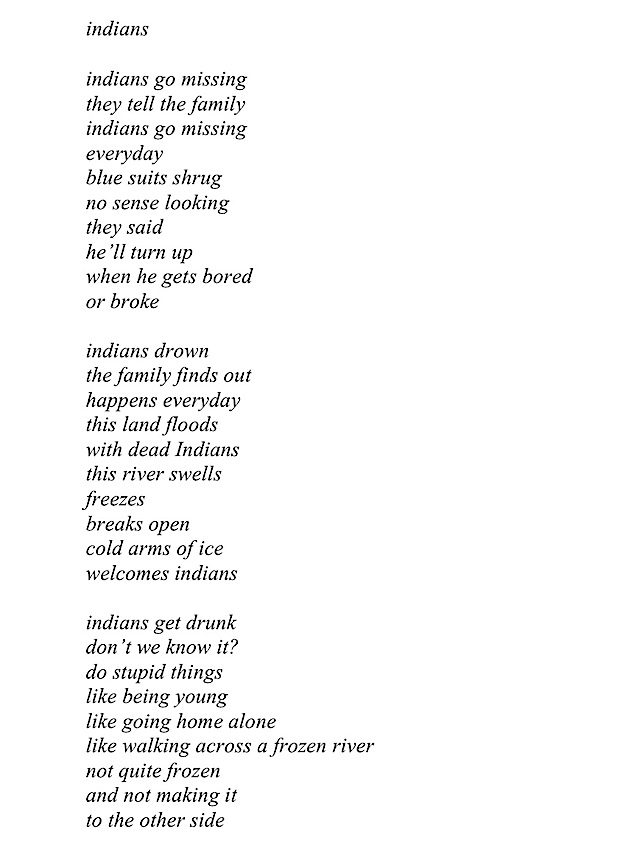
    Media enquiries

    Email newsdesk@fcdo.gov.uk

    Telephone 020 7008 3100

    Email the FCDO Newsdesk (monitored 24 hours a day) in the first instance, and we will respond as soon as possible.

    Share this page

    The following links open in a new tab

    • Share on Facebook (opens in new tab)
    • Share on Twitter (opens in new tab)

    Updates to this page

    Published 25 July 2025

    MIL OSI United Kingdom –

    July 25, 2025
  • MIL-Evening Report: Leaked document reveals proposed law revisions in NZ, as Western defence of Zionist genocide threatens Pacific

    SPECIAL REPORT: By Mick Hall

    A leaked document has revealed secretive plans to revise terror laws in New Zealand so that people can be charged over statements deemed to constitute material support for a proscribed organisation.

    It shows the government also wants to widen the criteria for proscribing organisations to include groups that are judged to “facilitate” or “promote and encourage” terrorist acts.

    The changes would see the South Pacific nation falling in line with increasingly repressive Western countries like the UK, where scores of independent journalists and anti-genocide protesters have been arrested and charged under terrorism laws in recent months.

    The consultation document, handed over to the New Zealand Council for Civil Liberties (NZCCL), reveals the government has been in contact with a small number of unnamed groups this year over plans to legally redefine what material support involves, so that public statements or gestures involving insignia like flags can lead to charges if construed as support for proscribed groups.

    As part of a proposal to revise the Terrorism Suppression Act, the document suggests the process for designating organisations as terror groups should be changed by “expanding the threshold to enable more modern types of entities to be designated, such as those that ‘facilitate’ or ‘promote and encourage’ terrorist acts”.

    The Ministry of Justice has been contacted in an attempt to ascertain which groups it has been consulting with and why it believed the changes were necessary.

    NZCCL chairman Thomas Beagle told Mick Hall In Context his group was concerned the proposed changes were a further attempt to limit the rights of New Zealanders to engage in political protest.

    ‘What’s going on?’
    “When you look at the proposal to expand the Terrorism Suppression Act, alongside the Police and IPCA conspiring to propose a law change to ban political protest without government permission, you really have to wonder what’s going on,” he said.

    A report by the Independent Police Conduct Authority (IPCA) in February proposed to give police the right to ban protests if they believed there was a high chance of public disorder and threats to public safety.

    That would potentially mean bans on Palestinian solidarity protests if far right counter protestErs posed a threat of violent confrontation.

    The stand-alone legislation would put New Zealand in line with other Five Eyes and NATO-aligned security jurisdictions such as Australia, the United Kingdom, and Canada.

    Beagle points out proposed changes to terror laws would suppress freedom of speech and further undermine freedom of assembly and the right to protest.

    “We’ve seen what’s happening with the state’s abuse of terrorism suppression laws in the UK and are horrified that they have sunk so far and so quickly,” he said.

    More than 100 people were arrested across the UK on suspicion of supporting Palestine Action, a non-violent protest group proscribed as a terrorist organisation by the British government earlier this month.

    Arrests in social media clips
    Social media clips showed pensioners aggressively arrested while attending rallies in Liverpool, London, Manchester, Edinburgh, Bristol and Truro over the weekend.

    Independent journalists and academics have also faced state repression under the UK’s Terrorism Act.

    Among those targeted was Electronic Intifada journalist Asa Winstanley, who had his home raided and devices seized in October last year as part of the opaque counter-terror drive “Operation Incessantness”.

    Independent journalist Asa Winstanley . . . his home was raided and devices seized in October last year as part of “Operation Incessantness”. Image: R Witts Photography/mickhall.substack.com

    In May, the country’s Central Criminal Court ruled the raid was unlawful.

    Journalist Richard Medhurst has had a terror investigation hanging over his head since being detained at Heathrow Airport in August last year and charged under section 8 of the Terrorism Act. Activist and independent journalist Sarah Wilkinson had her house raided in the same month.

    Others have faced similar intimidation and threats of jail. In November 2024, Jewish academic Haim Bresheeth was charged after police alleged he had expressed support for a “proscribed organisation” during a speech outside the London residence of the Israeli ambassador to the UK.

    Meanwhile, dozens of members of Palestine Action are in jail facing terror charges. The vast majority are being held on remand where they may wait two years before going to trial — a common state tactic to take activists off the street and incarcerate them, knowing the chances of conviction are slim when they eventually go to court.

    ‘Targeted amendments’
    The document says the New Zealand government wants to progress “targeted amendments” to the Act, creating or amending offences “to capture contemporary behaviours and activities of concern” like “public expressions of support for a terrorist act or designated entities, for example by showing insignia or distributing propaganda or instructional material.”

    Protesters highlight the proscription of Palestine Action outside the British Embassy at The Hague on July 20. No arrests were made following 80 arrests by Dutch police the week before. Image: Defend Our Juries/mickhall.substack.com

    It suggests that the existing process for proscribing an organisation is slow and cumbersome, noting that: “Specific provisions need to be followed to designate entities not on a UN list, but the decision-making process is lengthy and the designation period is short. This impacts timely decision-making and the usefulness of designation as a tool to prevent terrorism.”

    It proposes to improve “the timeliness of the process, by considering changes to who the decision-maker is” and extending the renewal period from three to five years.

    The document suggests consulting the Attorney-General over designation-related decisions to ensure legal requirements are met may not be required and questions whether the designation process requiring the Prime Minister to review decisions twice is necessary. It asks whether others, like the Foreign Minister, should be involved in the decision-making process.

    Beagle believes the secretive proposals pose a threat to New Zealand’s liberal democracy.

    “Political protest is an important part of New Zealand’s history,” he said.

    “Whether it’s the environment, worker’s rights, feminism, Māori issues, homosexual law reform or any number of other issues, political protest has had a big part in forming what Aotearoa New Zealand is today.

    Protected under Bill of Rights
    “It’s a right protected by New Zealand’s Bill of Rights and is a critical part of being a functioning democracy.”

    The terror laws revision forms part of a wider trend of legislating to close down dissent over New Zealand’s foreign policy, now closely aligned with NATO and US interests.

    The government is also widening the definition of foreign interference in a way that could see people who “should have known” that they were being used by a foreign state to undermine New Zealand’s interests prosecuted.

    The Crimes (Countering Foreign Interference) Amendment Bill, which passed its first reading in Parliament on November 19, would criminalise the act of foreign interference, while also increasing powers of unwarranted searches by authorities.

    The Bill is effectively a reintroduction of the country’s old colonial sedition laws inherited from Britain, the broadness of the law having allowed it to be used against communists, trade unionists and indigenous rights activists.

    Republished from Mick Hall in Context on Substack with permisson.

    MIL OSI Analysis – EveningReport.nz –

    July 25, 2025
  • MIL-Evening Report: Leaked document reveals proposed law revisions in NZ, as Western defence of Zionist genocide threatens Pacific

    SPECIAL REPORT: By Mick Hall

    A leaked document has revealed secretive plans to revise terror laws in New Zealand so that people can be charged over statements deemed to constitute material support for a proscribed organisation.

    It shows the government also wants to widen the criteria for proscribing organisations to include groups that are judged to “facilitate” or “promote and encourage” terrorist acts.

    The changes would see the South Pacific nation falling in line with increasingly repressive Western countries like the UK, where scores of independent journalists and anti-genocide protesters have been arrested and charged under terrorism laws in recent months.

    The consultation document, handed over to the New Zealand Council for Civil Liberties (NZCCL), reveals the government has been in contact with a small number of unnamed groups this year over plans to legally redefine what material support involves, so that public statements or gestures involving insignia like flags can lead to charges if construed as support for proscribed groups.

    As part of a proposal to revise the Terrorism Suppression Act, the document suggests the process for designating organisations as terror groups should be changed by “expanding the threshold to enable more modern types of entities to be designated, such as those that ‘facilitate’ or ‘promote and encourage’ terrorist acts”.

    The Ministry of Justice has been contacted in an attempt to ascertain which groups it has been consulting with and why it believed the changes were necessary.

    NZCCL chairman Thomas Beagle told Mick Hall In Context his group was concerned the proposed changes were a further attempt to limit the rights of New Zealanders to engage in political protest.

    ‘What’s going on?’
    “When you look at the proposal to expand the Terrorism Suppression Act, alongside the Police and IPCA conspiring to propose a law change to ban political protest without government permission, you really have to wonder what’s going on,” he said.

    A report by the Independent Police Conduct Authority (IPCA) in February proposed to give police the right to ban protests if they believed there was a high chance of public disorder and threats to public safety.

    That would potentially mean bans on Palestinian solidarity protests if far right counter protestErs posed a threat of violent confrontation.

    The stand-alone legislation would put New Zealand in line with other Five Eyes and NATO-aligned security jurisdictions such as Australia, the United Kingdom, and Canada.

    Beagle points out proposed changes to terror laws would suppress freedom of speech and further undermine freedom of assembly and the right to protest.

    “We’ve seen what’s happening with the state’s abuse of terrorism suppression laws in the UK and are horrified that they have sunk so far and so quickly,” he said.

    More than 100 people were arrested across the UK on suspicion of supporting Palestine Action, a non-violent protest group proscribed as a terrorist organisation by the British government earlier this month.

    Arrests in social media clips
    Social media clips showed pensioners aggressively arrested while attending rallies in Liverpool, London, Manchester, Edinburgh, Bristol and Truro over the weekend.

    Independent journalists and academics have also faced state repression under the UK’s Terrorism Act.

    Among those targeted was Electronic Intifada journalist Asa Winstanley, who had his home raided and devices seized in October last year as part of the opaque counter-terror drive “Operation Incessantness”.

    Independent journalist Asa Winstanley . . . his home was raided and devices seized in October last year as part of “Operation Incessantness”. Image: R Witts Photography/mickhall.substack.com

    In May, the country’s Central Criminal Court ruled the raid was unlawful.

    Journalist Richard Medhurst has had a terror investigation hanging over his head since being detained at Heathrow Airport in August last year and charged under section 8 of the Terrorism Act. Activist and independent journalist Sarah Wilkinson had her house raided in the same month.

    Others have faced similar intimidation and threats of jail. In November 2024, Jewish academic Haim Bresheeth was charged after police alleged he had expressed support for a “proscribed organisation” during a speech outside the London residence of the Israeli ambassador to the UK.

    Meanwhile, dozens of members of Palestine Action are in jail facing terror charges. The vast majority are being held on remand where they may wait two years before going to trial — a common state tactic to take activists off the street and incarcerate them, knowing the chances of conviction are slim when they eventually go to court.

    ‘Targeted amendments’
    The document says the New Zealand government wants to progress “targeted amendments” to the Act, creating or amending offences “to capture contemporary behaviours and activities of concern” like “public expressions of support for a terrorist act or designated entities, for example by showing insignia or distributing propaganda or instructional material.”

    Protesters highlight the proscription of Palestine Action outside the British Embassy at The Hague on July 20. No arrests were made following 80 arrests by Dutch police the week before. Image: Defend Our Juries/mickhall.substack.com

    It suggests that the existing process for proscribing an organisation is slow and cumbersome, noting that: “Specific provisions need to be followed to designate entities not on a UN list, but the decision-making process is lengthy and the designation period is short. This impacts timely decision-making and the usefulness of designation as a tool to prevent terrorism.”

    It proposes to improve “the timeliness of the process, by considering changes to who the decision-maker is” and extending the renewal period from three to five years.

    The document suggests consulting the Attorney-General over designation-related decisions to ensure legal requirements are met may not be required and questions whether the designation process requiring the Prime Minister to review decisions twice is necessary. It asks whether others, like the Foreign Minister, should be involved in the decision-making process.

    Beagle believes the secretive proposals pose a threat to New Zealand’s liberal democracy.

    “Political protest is an important part of New Zealand’s history,” he said.

    “Whether it’s the environment, worker’s rights, feminism, Māori issues, homosexual law reform or any number of other issues, political protest has had a big part in forming what Aotearoa New Zealand is today.

    Protected under Bill of Rights
    “It’s a right protected by New Zealand’s Bill of Rights and is a critical part of being a functioning democracy.”

    The terror laws revision forms part of a wider trend of legislating to close down dissent over New Zealand’s foreign policy, now closely aligned with NATO and US interests.

    The government is also widening the definition of foreign interference in a way that could see people who “should have known” that they were being used by a foreign state to undermine New Zealand’s interests prosecuted.

    The Crimes (Countering Foreign Interference) Amendment Bill, which passed its first reading in Parliament on November 19, would criminalise the act of foreign interference, while also increasing powers of unwarranted searches by authorities.

    The Bill is effectively a reintroduction of the country’s old colonial sedition laws inherited from Britain, the broadness of the law having allowed it to be used against communists, trade unionists and indigenous rights activists.

    Republished from Mick Hall in Context on Substack with permisson.

    MIL OSI Analysis – EveningReport.nz –

    July 25, 2025
  • MIL-Evening Report: Leaked document reveals proposed law revisions in NZ, as Western defence of Zionist genocide threatens Pacific

    SPECIAL REPORT: By Mick Hall

    A leaked document has revealed secretive plans to revise terror laws in New Zealand so that people can be charged over statements deemed to constitute material support for a proscribed organisation.

    It shows the government also wants to widen the criteria for proscribing organisations to include groups that are judged to “facilitate” or “promote and encourage” terrorist acts.

    The changes would see the South Pacific nation falling in line with increasingly repressive Western countries like the UK, where scores of independent journalists and anti-genocide protesters have been arrested and charged under terrorism laws in recent months.

    The consultation document, handed over to the New Zealand Council for Civil Liberties (NZCCL), reveals the government has been in contact with a small number of unnamed groups this year over plans to legally redefine what material support involves, so that public statements or gestures involving insignia like flags can lead to charges if construed as support for proscribed groups.

    As part of a proposal to revise the Terrorism Suppression Act, the document suggests the process for designating organisations as terror groups should be changed by “expanding the threshold to enable more modern types of entities to be designated, such as those that ‘facilitate’ or ‘promote and encourage’ terrorist acts”.

    The Ministry of Justice has been contacted in an attempt to ascertain which groups it has been consulting with and why it believed the changes were necessary.

    NZCCL chairman Thomas Beagle told Mick Hall In Context his group was concerned the proposed changes were a further attempt to limit the rights of New Zealanders to engage in political protest.

    ‘What’s going on?’
    “When you look at the proposal to expand the Terrorism Suppression Act, alongside the Police and IPCA conspiring to propose a law change to ban political protest without government permission, you really have to wonder what’s going on,” he said.

    A report by the Independent Police Conduct Authority (IPCA) in February proposed to give police the right to ban protests if they believed there was a high chance of public disorder and threats to public safety.

    That would potentially mean bans on Palestinian solidarity protests if far right counter protestErs posed a threat of violent confrontation.

    The stand-alone legislation would put New Zealand in line with other Five Eyes and NATO-aligned security jurisdictions such as Australia, the United Kingdom, and Canada.

    Beagle points out proposed changes to terror laws would suppress freedom of speech and further undermine freedom of assembly and the right to protest.

    “We’ve seen what’s happening with the state’s abuse of terrorism suppression laws in the UK and are horrified that they have sunk so far and so quickly,” he said.

    More than 100 people were arrested across the UK on suspicion of supporting Palestine Action, a non-violent protest group proscribed as a terrorist organisation by the British government earlier this month.

    Arrests in social media clips
    Social media clips showed pensioners aggressively arrested while attending rallies in Liverpool, London, Manchester, Edinburgh, Bristol and Truro over the weekend.

    Independent journalists and academics have also faced state repression under the UK’s Terrorism Act.

    Among those targeted was Electronic Intifada journalist Asa Winstanley, who had his home raided and devices seized in October last year as part of the opaque counter-terror drive “Operation Incessantness”.

    Independent journalist Asa Winstanley . . . his home was raided and devices seized in October last year as part of “Operation Incessantness”. Image: R Witts Photography/mickhall.substack.com

    In May, the country’s Central Criminal Court ruled the raid was unlawful.

    Journalist Richard Medhurst has had a terror investigation hanging over his head since being detained at Heathrow Airport in August last year and charged under section 8 of the Terrorism Act. Activist and independent journalist Sarah Wilkinson had her house raided in the same month.

    Others have faced similar intimidation and threats of jail. In November 2024, Jewish academic Haim Bresheeth was charged after police alleged he had expressed support for a “proscribed organisation” during a speech outside the London residence of the Israeli ambassador to the UK.

    Meanwhile, dozens of members of Palestine Action are in jail facing terror charges. The vast majority are being held on remand where they may wait two years before going to trial — a common state tactic to take activists off the street and incarcerate them, knowing the chances of conviction are slim when they eventually go to court.

    ‘Targeted amendments’
    The document says the New Zealand government wants to progress “targeted amendments” to the Act, creating or amending offences “to capture contemporary behaviours and activities of concern” like “public expressions of support for a terrorist act or designated entities, for example by showing insignia or distributing propaganda or instructional material.”

    Protesters highlight the proscription of Palestine Action outside the British Embassy at The Hague on July 20. No arrests were made following 80 arrests by Dutch police the week before. Image: Defend Our Juries/mickhall.substack.com

    It suggests that the existing process for proscribing an organisation is slow and cumbersome, noting that: “Specific provisions need to be followed to designate entities not on a UN list, but the decision-making process is lengthy and the designation period is short. This impacts timely decision-making and the usefulness of designation as a tool to prevent terrorism.”

    It proposes to improve “the timeliness of the process, by considering changes to who the decision-maker is” and extending the renewal period from three to five years.

    The document suggests consulting the Attorney-General over designation-related decisions to ensure legal requirements are met may not be required and questions whether the designation process requiring the Prime Minister to review decisions twice is necessary. It asks whether others, like the Foreign Minister, should be involved in the decision-making process.

    Beagle believes the secretive proposals pose a threat to New Zealand’s liberal democracy.

    “Political protest is an important part of New Zealand’s history,” he said.

    “Whether it’s the environment, worker’s rights, feminism, Māori issues, homosexual law reform or any number of other issues, political protest has had a big part in forming what Aotearoa New Zealand is today.

    Protected under Bill of Rights
    “It’s a right protected by New Zealand’s Bill of Rights and is a critical part of being a functioning democracy.”

    The terror laws revision forms part of a wider trend of legislating to close down dissent over New Zealand’s foreign policy, now closely aligned with NATO and US interests.

    The government is also widening the definition of foreign interference in a way that could see people who “should have known” that they were being used by a foreign state to undermine New Zealand’s interests prosecuted.

    The Crimes (Countering Foreign Interference) Amendment Bill, which passed its first reading in Parliament on November 19, would criminalise the act of foreign interference, while also increasing powers of unwarranted searches by authorities.

    The Bill is effectively a reintroduction of the country’s old colonial sedition laws inherited from Britain, the broadness of the law having allowed it to be used against communists, trade unionists and indigenous rights activists.

    Republished from Mick Hall in Context on Substack with permisson.

    MIL OSI Analysis – EveningReport.nz –

    July 25, 2025
  • MIL-OSI Submissions: Australia Judiciary – Threats to judges a threat to justice

    Source: Australian Judicial Officers Association

    From Justice Steven Moore, President of the Australian Judicial Officers Association – 25 July 2025

    Threats against judicial officers are increasing, new data revealed on the inaugural United Nations International Day for Judicial Wellbeing show.

    Between 2023 and 2024, the number of Victorian judicial officers who sought support to manage a threat more than doubled, with the largest number coming from Magistrates.

    Based on 2025 reports to date, the overall number of reported threats is expected to increase a further 70 per cent.

    The figures reflect New South Wales research from July 2022 which found 61 per cent of surveyed judges had experienced some form of threat, with 41 per cent threats of harm. The sitting and retired judges surveyed reported threats were most commonly experienced in person in the courtroom or court precinct followed by on social media.

    The Australian Judicial Officers Association (AJOA) called on the Attorneys-General of the Commonwealth, the States and the Territories to formulate and implement consistent policies and measures to address the increasing threats.

    “The increasing prevalence of threats to the safety and security of Australian judicial officers is alarming and unacceptable,” AJOA President Justice Steven Moore said.

    “It demands urgent action to ensure judicial officers and court staff may go about their work without unnecessary risks to their psychological and physical health and safety, and to ensure that they may properly discharge their oaths of office.”

    Justice Moore said while judicial decisions were often significant for those involved or widely discussed in the community, personal threats should never be tolerated as ‘part of the job’.

    “Legitimate scrutiny of decision making is a cornerstone of the law. If someone disagrees with the basis for a decision or believes a legal error has occurred there are avenues of appeal for that to be properly considered,” he said.

    “Judicial officers perform an essential social role. It means putting personal opinion aside and applying laws enacted by parliament and legal precedents. Threats of personal harm for performing this role are unwarranted and should alarm the community.”

    “It is particularly sobering to consider the deteriorating situation in relation to safety and security of judges in the United States, where judges have been murdered as recently as 2023,” he said.

    “Although the experience in the US shouldn’t be assumed to automatically flow to Australia, there is clearly an erosion of respect for, and understanding of, the role of judicial officers, that left unabated has the potential to undermine our system of justice.”

    The United Nations chose July 25 for the International Day for Judicial Wellbeing to coincide with the anniversary of the Nauru Declaration of Judicial Wellbeing.

    The 2024 declaration, which was endorsed by the Chief Justices and senior judicial figures of countries including Australia, Canada, England, Jamaica and numerous Pacific Island Nations, states that the court environment and culture must demonstrate zero tolerance for corruption, discrimination, harassment, bullying and other negative behaviours.

    Read the full paper on Judicial Safety and Security: https://www.ajoa.asn.au/wp-content/uploads/2025/07/P105_02-250723-Judicial-safety-and-security-paper-25-July-2025.pdf

    The Australian Judicial Officers Association is the professional association of judges and magistrates in Australia.

    MIL OSI – Submitted News –

    July 25, 2025
  • MIL-OSI Analysis: 3 reasons young people are more likely to believe conspiracy theories – and how we can help them discover the truth

    Source: The Conversation – Global Perspectives – By Jean-Nicolas Bordeleau, Research Fellow, Jeff Bleich Centre for Democracy and Disruptive Technologies, Flinders University

    Conspiracy theories are a widespread occurrence in today’s hyper connected and polarised world.

    Events such as Brexit, the 2016 and 2020 United States presidential elections, and the COVID pandemic serve as potent reminders of how easily these narratives can infiltrate public discourse.

    The consequences for society are significant, given a devotion to conspiracy theories can undermine key democratic norms and weaken citizens’ trust in critical institutions. As we know from the January 6 riot at the US Capitol, it can also motivate political violence.

    But who is most likely to believe these conspiracies?

    My new study with Daniel Stockemer of the University of Ottawa provides a clear and perhaps surprising answer. Published in Political Psychology, our research shows age is one of the most significant predictors of conspiracy beliefs, but not in the way many might assume.

    People under 35 are consistently more likely to endorse conspiratorial ideas.

    This conclusion is built on a solid foundation of evidence. First, we conducted a meta analysis, a “study of studies”, which synthesised the results of 191 peer-reviewed articles published between 2014 and 2024.

    This massive dataset, which included over 374,000 participants, revealed a robust association between young age and belief in conspiracies.

    To confirm this, we ran our own original multinational survey of more than 6,000 people across six diverse countries: Australia, Brazil, Canada, Germany, the US and South Africa.

    The results were the same. In fact, age proved to be a more powerful predictor of conspiracy beliefs than any other demographic factor we measured, including a person’s gender, income, or level of education.

    Why are young people more conspiratorial?

    Having established conspiracy beliefs are more prevalent among younger people, we set out to understand why.

    Our project tested several potential factors and found three key reasons why younger generations are more susceptible to conspiracy theories.

    1. Political alienation

    One of the most powerful drivers we identified is a deep sense of political disaffection among young people.

    A majority of young people feel alienated from political systems run by politicians who are two or three generations older than them.

    This under representation can lead to frustration and the feeling democracy isn’t working for them. In this context, conspiracy theories provide a simple, compelling explanation for this disconnect: the system isn’t just failing, it’s being secretly controlled and manipulated by nefarious actors.

    2. Activist style of participation

    The way young people choose to take part in politics also plays a significant role.

    While they may be less likely to engage in traditional practices such as voting, they are often highly engaged in unconventional forms of participation, such as protests, boycotts and online campaigns.

    These activist environments, particularly online, can become fertile ground for conspiracy theories to germinate and spread. They often rely on similar “us versus them” narratives that pit a “righteous” in-group against a “corrupt” establishment.

    3. Low self-esteem

    Finally, our research confirmed a crucial psychological link to self-esteem.

    For individuals with lower perceptions of self worth, believing in a conspiracy theory – blaming external, hidden forces for their problems – can be a way of coping with feelings of powerlessness.

    This is particularly relevant for young people. Research has long shown self esteem tends to be lower in youth, before steadily increasing with age.

    What can be done?

    Understanding these root causes is essential because it shows simply debunking false claims is not a sufficient solution.

    To truly address the rise of conspiracy theories and limit their consequences, we must tackle the underlying issues that make these narratives so appealing in the first place.

    Given the role played by political alienation, a critical step forward is to make our democracies more representative. This is best illustrated by the recent election of Labor Senator Charlotte Walker, who is barely 21.

    By actively working to increase the presence of young people in our political institutions, we can help give them faith that the system can work for them, reducing the appeal of theories which claim it is hopelessly corrupt.

    More inclusive democracy

    This does not mean discouraging the passion of youth activism. Rather, it is about empowering young people with the tools to navigate today’s complex information landscape.

    Promoting robust media and digital literacy education could help individuals critically evaluate the information they encounter in all circles, including online activist spaces.

    The link to self-esteem also points to a broader societal responsibility.

    By investing in the mental health and wellbeing of young people, we can help boost the psychological resilience and sense of agency that makes them less vulnerable to the simplistic blame games offered by conspiracy theories.

    Ultimately, building a society that is resistant to misinformation is not about finding fault with a particular generation.

    It is about creating a stronger, more inclusive democracy where all citizens, especially the young, feel represented, empowered, and secure.

    Jean-Nicolas Bordeleau receives funding from Social Sciences and Humanities Research Council of Canada.

    – ref. 3 reasons young people are more likely to believe conspiracy theories – and how we can help them discover the truth – https://theconversation.com/3-reasons-young-people-are-more-likely-to-believe-conspiracy-theories-and-how-we-can-help-them-discover-the-truth-261074

    MIL OSI Analysis –

    July 25, 2025
  • French plan to recognise Palestinian state draws fire from Israel, US

    Source: Government of India

    Source: Government of India (4)

    France intends to recognise a Palestinian state in September at the United Nations General Assembly, President Emmanuel Macron said on Thursday in hopes of bringing peace to the region, but the plan drew angry rebukes from Israel and the United States.

    Macron, who unveiled the decision on X, published a letter sent to Palestinian Authority President Mahmoud Abbas confirming France’s intention to press ahead with Palestinian recognition and work to convincing other partners to follow suit.

    “True to its historic commitment to a just and lasting peace in the Middle East, I have decided that France will recognise the state of Palestine,” Macron said.

    “I will make this solemn announcement at the United Nations General Assembly next September.”

    Home to Europe’s largest Jewish and Muslim communities, France will become the first major Western country to recognise a Palestinian state, potentially fuelling a movement so far dominated by smaller nations generally more critical of Israel.

    The news sparked anger in Israel and Washington.

    Israeli Prime Minister Benjamin Netanyahu condemned the decision by one of Israel’s closest allies and a G7 member, saying such a move “rewards terror and risks creating another Iranian proxy.”

    In a post on X, he added, “A Palestinian state in these conditions would be a launch pad to annihilate Israel — not to live in peace beside it.

    “Let’s be clear: the Palestinians do not seek a state alongside Israel; they seek a state instead of Israel.”

    Israeli Defence Minister Israel Katz described the move as “a disgrace and a surrender to terrorism,” adding that Israel would not allow the establishment of a “Palestinian entity that would harm our security, endanger our existence.”

    In response, U.S. Secretary of State Marco Rubio said the United States “strongly rejects (Macron’s) plan to recognize a Palestinian state at the UN general assembly.”

    In a post on X, he said, “This reckless decision only serves Hamas propaganda and sets back peace. It is a slap in the face to the victims of October 7th.”

    Earlier, Canada also pressed Israel to seek peace, with Prime Minister Mark Carney condemning its “failure to prevent the rapidly deteriorating humanitarian disaster in Gaza” and reiterating support for a two-state solution.

    Carney also accused Israel of violating international law over the blocking of Canadian-funded aid to civilians in the war-torn Palestinian enclave.

    “Canada calls on all sides to negotiate an immediate ceasefire in good faith,” he added.

    “We reiterate our calls for Hamas to immediately release all the hostages, and for the Israeli government to respect the territorial integrity of the West Bank and Gaza.”

    In a diplomatic cable in June, the United States said it opposed steps to unilaterally recognise a Palestinian state, even saying it could go against U.S. foreign policy interests and draw consequences.

    In June, Washington’s ambassador to Israel, Mike Huckabee, said he did not think an independent Palestinian state remained a U.S. foreign policy goal.

    President Donald Trump has himself expressed doubts about a two-state solution, proposing a U.S. takeover of Gaza in February, that was condemned by rights groups, Arab states, Palestinians and the U.N. as a proposal of “ethnic cleansing”.

    Macron had been leaning towards recognising a Palestinian state for months as part of a bid to keep the idea of a two-state solution alive, despite the pressure not to do so.

    French officials initially weighed up the move ahead of a United Nations conference, which France and Saudi Arabia had planned to co-host in June to lay out parameters for a roadmap to a Palestinian state, while ensuring Israel’s security.

    The conference was postponed under U.S. pressure and after the 12-day Israel-Iran air war began, during which the closure of regional airspace made it hard for representatives of some Arab states to attend.

    It was rescheduled and downgraded to a ministerial event on July 28 and July 29, with a second event taking place with heads of state and government on the sidelines of the United Nations General Assembly in September.

    CREATING MOMENTUM

    The decision to make the announcement ahead of next week’s conference aimed to give the French team at the United Nations a framework to work with other countries that are also considering recognising a Palestinian state or have misgivings in doing so.

    Diplomats say Macron has faced resistance from allies such as Britain and Canada over his push for the recognition of a Palestinian state. About 40 foreign ministers will be in New York next week.

    Israeli officials have spent months lobbying to prevent what some have called “a nuclear bomb” for bilateral ties.

    Sources familiar with the matter say Israel’s warnings to France have ranged from scaling back intelligence sharing to complicating Paris’ regional initiatives – even hinting at possible annexation of parts of the West Bank.

    Israel has been waging a devastating war in Gaza since the Palestinian militant group Hamas’ deadly attack on Israel in October 2023 and says recognising a Palestinian state now would be equivalent to rewarding Hamas.

    Thanking France, the Palestinian Authority’s Vice President Hussein Al Sheikh said on X that Macron’s decision reflected “France’s commitment to international law and its support for the Palestinian people’s rights to self-determination and the establishment of our independent state.”

    (Reuters)

    July 25, 2025
  • MIL-OSI Australia: Does artificial intelligence help uni students learn smarter or just faster?

    Source:

    25 July 2025

    New research from the University of South Australia has revealed that tertiary students’ learning habits are deeply connected to how they engage with generative artificial intelligence tools.

    Surveying 435 students from Australia and Canada, the study investigated how confidence, motivation, and effort regulation influence perceptions of AI-powered tools such as ChatGPT.

    Researchers found that self-regulated learning skills play a significant role in whether students adopt AI as a meaningful learning aid or merely a quick solution for academic tasks.

    The findings show that university students who use AI for academic purposes benefit more than those using it for work or personal tasks. They also show that student who feel confident in their abilities are more likely to use Ai to benefit their learning.

    Lead researcher, UniSA’s Associate Professor Negin Mirriahi, says that the way students approach AI tools reflects their broader learning strategies.

    “Some students see AI as a shortcut, using it to finish assignments more quickly, but our research suggests that those with strong self-regulation skills actually harness it for deeper learning,” Assoc Prof Negin Mirriahi says.

    “It’s not just about speed; it’s about how students engage with knowledge.

    “When students feel confident in their capabilities, they are more likely to engage with and effectively use technological tools.”

    The study highlights a distinction between students who use AI for university studies and those who engage with it for non-academic purposes such as work or entertainment.

    Those using AI for learning were more likely to find it useful, reinforcing the connection between structured self-regulation and effective AI adoption.

    Assoc Prof Mirriahi says the findings should inform how universities integrate AI into education.

    “Artificial intelligence is reshaping higher education, and our study shows that students who are motivated and confident in their learning benefit the most from AI tools,” she says.

    “The challenge for universities is to ensure AI fosters independent thinking rather than becoming a crutch for students who lack self-regulation.

    “We need to help students develop the skills to critically engage with AI, not just rely on it for convenience.”

    The researchers say that universities should model AI use in classrooms, demonstrating ways that students can engage with the technology to strengthen their critical thinking and independent learning.

    “We need to see more engagement with AI in university environments, so that teachers can demonstrate how AI can benefit student learning,” Assoc Prof Mirriahi says.

    “This might include showcasing how AI can generate ideas, explain complex concepts, or even critique their work.

    “Importantly, through direct and guided engagement, students will learn how they can confidently and responsibly engage with AI to enhance their learning experiences, without cheating.”

    Study co-author, UniSA’s Associate Professor Vitomir Kovanović, says that while AI adoption is increasing, there is a risk that some students may rely on it superficially, rather than using it to refine study skills and deepen understanding.

    “The concern isn’t just whether students use AI, it’s about how they use it,” Assoc Prof Kovanović says.
    “If they approach AI critically and actively evaluate its responses, they can enhance their learning.

    “But if AI simply becomes a shortcut to completing tasks, we may see gaps in how students develop their problem-solving skills.”

    Assoc Prof Kovanović says that universities should focus on fostering self-efficacy and effort regulation in students.

    “Students who have confidence in their learning abilities and persist through challenges tend to find AI genuinely useful,” he says.

    “Universities must equip students with strategies to use AI effectively so that it enhances their critical thinking, rather than replacing it.

    “AI is already embedded in education, and it’s only going to become more prevalent. Our responsibility is to ensure students are equipped with the right strategies to navigate it effectively.”

    ………………………………………………………………………………………………………………………….

    The full paper is available here: Mirriahi, N., Marrone, R., Barthakur, A., Gabriel, F., Colton, J., Yeung, T. N., Arthur, P., & Kovanovic, V. (2025). The relationship between students’ self-regulated learning skills and technology acceptance of GenAI. Australasian Journal of Educational Technology.

    ………………………………………………………………………………………………………………………

    Contacts for interview:  Associate Professor Negin Mirriahi E: Negin.Mirriahi@unisa.edu.au
    Associate Professor Vitomir Kovanović E: Vitomir.Kovanovic@unisa.edu.au
    Media contact: Annabel Mansfield M: +61 479 182 489 E: Annabel.Mansfield@unisa.edu.au

    MIL OSI News –

    July 25, 2025
  • MIL-OSI China: Xu Huiyan shines at Aquatics Worlds, eyes Olympic future

    Source: People’s Republic of China – State Council News

    At just 19 years old, Xu Huiyan has already emerged as one of China’s brightest stars in artistic swimming.

    At the 2025 World Aquatics Championships in Singapore, she delivered a standout performance, earning three gold medals and one silver – including China’s first-ever world title in the women’s solo technical event.

    Ahead of the championships, Xu’s momentum had sparked speculation from World Aquatics about how many golds she might claim in Singapore. The answer, so far, is remarkable.

    Xu Huiyan in action during the women’s solo technical preliminary at the 2025 World Aquatic Championships. (Xinhua/Then Chih Wey)

    Xu has competed in nine events over seven days, including preliminary rounds – a grueling schedule by any standard. Despite the demanding timeline, she continued to contribute to her team while excelling individually.

    She helped China capture two gold medals in team events and also added a silver in the women’s solo free. On Thursday morning, she competed in the team acrobatic preliminaries, helping China secure the top spot heading into the final.

    Reflecting on her solo technical gold, Xu said: “It feels pretty emotional, because something I hoped for but hadn’t dared to think about before is now a reality before me.”

    Still, she sees room to improve. “In the solo free event, there are still things I can improve on, whether it’s in terms of completion or connectivity.”

    Xu said competing in team events actually enhances her solo performances.

    “Doing the team event helped me feel freer, move more freely,” she explained. “The depth of the field in the team event isn’t that much different from the solo event, so doing that did help.”

    However, head coach Zhang Xiaohuan noted that some compromises were made to prioritize team success.

    “In fact, the preparation and training for the solo events were geared toward supporting the team events,” Zhang said. “Sacrifices were made in the solo competitions. Coach Tu Jun and Xu worked very well together, utilizing their spare time for solo training.”

    Even on days with back-to-back finals, Xu delivered high-caliber performances. Zhang praised her leadership and dedication.

    “She takes the initiative on everything – from the music selection to the choreography and artistic impression… she does all of that,” Zhang said. “I’m very glad we’ve found an excellent swimmer to help the Chinese team.”

    Xu’s rise has been rapid. She debuted at the 2024 World Aquatics Championships in Doha, earning bronze in the solo technical and placing fourth in the solo free. Two months later, she claimed three golds at the Artistic Swimming World Cup in Beijing, sweeping both solo events and the team technical.

    Her success continued at the World Aquatics Artistic Swimming Junior Championships in Peru last August, where she won gold in the solo technical, team free, and team technical events.

    In 2025, her winning streak showed no signs of slowing. She secured individual titles at the World Cup in Canada in May, and then at the Super Final in Xi’an in June, she took home five gold medals from six events.

    “The past year has been a grueling one in training for me. It’s been a lot of growth,” Xu said.

    “I needed to work on my artistic impression – that was something I was lacking last year. My growth is completely linked to my team and my coaches. I get a lot of support from so many people who work behind the scenes.”

    “Competing in more events also means I got more opportunities to test myself,” she added.

    Coach Zhang highlighted the magnitude of her progress.

    “As a young athlete, Xu went from a bronze and a fourth place in Doha to the achievements she’s already had here in Singapore – all within just a year,” Zhang said. “She is only 19 years old and has already achieved a breakthrough here, doing something we’ve never achieved before. She’s already made one of our dreams come true.”

    Looking ahead, Zhang sees even greater potential.

    “As one of China’s top artistic swimmers, Xu can still elevate her performance – particularly in achieving more fluid extensions and refining the delicate precision of her leg movements. She has the potential to be even better.”

    For Xu, there’s still much to strive for. This is only her second World Championships, and she has her sights set on the Olympic Games.

    “I still need to work harder on my path of growth,” she said.

    Xu will compete in her 10th and final event of the competition – the team acrobatic final – on Friday.

    MIL OSI China News –

    July 25, 2025
  • MIL-OSI United Kingdom: GLP1 weight loss injections may reduce asthma symptoms GLP1 agonist drugs, commonly known by brand names such as Ozempic and Mounjaro, reduce asthma symptoms in obese people according to a new study from the University of Aberdeen and The Observational and Pragmatic Research Institute (OPRI), Singapore.

    Source: University of Aberdeen

    GLP1 agonist drugs, commonly known by brand names such as Ozempic and Mounjaro, reduce asthma symptoms in obese people according to a new study from the University of Aberdeen and The Observational and Pragmatic Research Institute (OPRI), Singapore.
    This is the latest reported benefit of GLP1s, originally prescribed for diabetes management and now prescribed widely for obesity.
    An international team of scientists led by University of Aberdeen Chair in Primary Care Respiratory Medicine, Professor David Price, analysed the medical records of more than 60,000 patients. Using the OPCRD database – a primary care patient database containing over 28 million patients, they compared measures of asthma severity between those who had been prescribed GLP1s and those who hadn’t over an entire year.
    They found that as well as the expected weight loss in people who were taking GLP1s, the asthma measures such as steroid and medication prescriptions, were also reduced.
    GLP1s, mimic the naturally occurring hormone GLP1 and help regulate blood sugar, insulin and control appetite. The drug is also known to reduce inflammatory cells through multiple signalling pathways, and it is this mechanism that may be instigating this beneficial effect on the airway disease.
    The author suggests that their findings mean that GLP1s should be considered as a potential treatment for respiratory diseases.
    Professor David Price explains: “People with obesity and asthma are unique in that they are often resistant to steroid treatments.

    We found compelling evidence that GLP1s, as well as increasing weight loss, also improved asthma symptoms.” Professor David Price

    “We know that GLP1s work on inflammatory responses in the airways in a different way to traditionally used steroids.
    “We found compelling evidence that GLP1s, as well as increasing weight loss, also improved asthma symptoms.
    “In addition, it is important to note that the benefits to asthma symptoms occurred despite fairly modest weight loss of around 0.9kg over the course of the year.
    “Our findings suggest that GLP1s may have beneficial effects on asthma control for people with obesity and this should be explored further.”
    Professor Alan Kaplan, Chairperson of the Family Physician Airways Group of Canada and the Observational and Pragmatic Research Institute, added: “Our findings suggest that GLP1-RAs have benefits on asthma control in people with obesity, and this information should contribute to the discussions around the decision to use these drugs.”
    The full paper is published in Advances in Therapy

    Related Content

    MIL OSI United Kingdom –

    July 25, 2025
  • MIL-OSI Canada: Prime Minister Carney and Inuit leadership meet as the Inuit-Crown Partnership Committee

    Source: Government of Canada – Prime Minister

    Today, the Prime Minister, Mark Carney, the President of Inuit Tapiriit Kanatami, Natan Obed, federal Cabinet ministers, and elected Inuit leadership from the Inuvialuit Regional Corporation, Nunavut Tunngavik Incorporated, Makivvik, and the Nunatsiavut Government gathered for a meeting of the Inuit-Crown Partnership Committee (ICPC) in Inuvik, Northwest Territories.

    Since the signing of the Inuit Nunangat Declaration in 2017, the Government of Canada and Inuit leaders have continued to meet three times annually and work together through the ICPC to advance shared priorities, strengthen the Inuit-Crown partnership, and create a more prosperous Inuit Nunangat.

    During today’s meeting, the leaders discussed the Building Canada Act and how to implement it effectively and consistently with Inuit Modern Treaties and in partnership with Inuit.

    In addition to the Building Canada Act, federal and Inuit leaders discussed the infrastructure needs in Inuit Nunangat, Canada’s Arctic Foreign Policy, and the need to further protect the security and sovereignty of the Arctic and Inuit Nunangat. They also addressed other urgent priorities, including health care and social issues such as housing in Inuit Nunangat. The leaders underscored opportunities to build together to address these challenges and deliver meaningful economic prosperity.

    In Inuvik, the Prime Minister announced the appointment of Virginia Mearns as Canada’s Arctic Ambassador, effective September 15, 2025. The Ambassador’s mandate will focus on reinforcing Canada’s Arctic engagement with like-minded partners and multilateral forums, bolstering Arctic sovereignty, and advancing opportunities for security and growth.

    Inuit leaders and the federal government reaffirmed their shared commitment to working together on priorities through the ICPC.

    Quotes

    “Today’s Inuit-Crown Partnership Committee meeting was about building our shared future and Inuit Nunangat’s full economic potential. In partnership, Inuit and the federal government will build major projects that connect and transform our economy, create greater prosperity and opportunities, and build a stronger Canada.”

    “Now in its ninth year, the Inuit-Crown Partnership Committee remains an essential tool for advancing shared priorities. This includes increasing investment in Inuit Nunangat through implementation of the Building Canada Act in a way that is consistent with Inuit treaties and in partnership with Inuit. We welcome the opportunity to continue this important work with Mark Carney, to strengthen our partnership and build lasting prosperity for Inuit in Inuit Nunangat and across Canada. We also celebrate today’s announcement of Virginia Mearns as Canada’s Arctic Ambassador, a position that was developed through the ICPC.”

    “In order to build stronger, healthier communities and a thriving economy, we must work together. For that reason, projects that move forward in Inuit Nunangat will do so in partnership with Inuit. We’re committed to engaging, listening, and working with local communities and Inuit leadership to ensure their priorities and perspectives are reflected in the work ahead. Today’s meeting is an important step forward in making sure the Building Canada Act supports a better future for Inuit across Inuit Nunangat.”

    “Canada will build major projects in true partnership with Inuit, and we’ll be guided by equity, inclusion, and shared prosperity. Through consultation and collaboration, Inuit voices are shaping the future of infrastructure, sovereignty, and economic opportunity across Inuit Nunangat.”

    “Canada is an Arctic nation, and we are at a critical moment, when it is imperative that we safeguard our sovereignty and defend our Arctic interests. Serving as Canada’s senior Arctic official, Ambassador Mearns will advance Canada’s polar interests in multilateral forums, engage with counterparts in Arctic and non-Arctic states, and serve as a representative in our diplomatic corps.”

    Quick facts

    • Inuit Nunangat is the Inuit homeland in Canada. It encompasses the land, water, and ice of four treaty regions represented by the Inuvialuit Settlement Region of the Northwest Territories, Nunavut, Nunavik in Northern Québec, and Nunatsiavut in Northern Labrador.
    • The Building Canada Act ensures consultation with Inuit and other Indigenous Peoples is built into the implementation process for determining whether a project is in the national interest and for the development of the conditions for permits and authorizations.
    • The Building Canada Act ensures respect for treaty rights, including modern treaties with Inuit Treaty Organizations. It does not alter processes established under modern treaties or the Government of Canada’s modern treaty obligations. It also respects treaty-based environmental assessment processes.
    • Canada’s new Arctic Ambassador, Virginia Mearns, is a respected Inuit leader with a long-standing commitment to advancing Inuit self-determination and community well-being in Nunavut. She currently serves as Senior Director of Inuit Relations at the Qikiqtani Inuit Association and has held senior roles in the Government of Nunavut and with Nunavut Tunngavik Inc. An active member of her community, she was awarded the King Charles III Coronation Medal for her exceptional contributions.
    • Since the signing of the Inuit Nunangat Declaration in 2017, Inuit leadership and the Government of Canada have continued to work together through the ICPC toward a renewed Inuit-Crown relationship based on the recognition of rights, respect, and co-operation.
    • The Inuit Nunangat Policy promotes Inuit self-determination and supports community and individual well-being throughout Inuit Nunangat, with the goal of achieving socio-economic equity between Inuit and all other people living in Canada. It provides a minimum standard for what can be expected from the relationship between Inuit and all federal departments and agencies, and includes guidance to federal departments and agencies on how to deliver programs, policies, and services in Inuit Nunangat.

    Biographical note

    MIL OSI Canada News –

    July 25, 2025
←Previous Page
1 … 6 7 8 9 10 … 410
Next Page→
NewzIntel.com

NewzIntel.com

MIL Open Source Intelligence

  • Blog
  • About
  • FAQs
  • Authors
  • Events
  • Shop
  • Patterns
  • Themes

Twenty Twenty-Five

Designed with WordPress