Category: Climate Change

  • MIL-OSI Asia-Pac: Hong Kong Observatory Open Day “Working Together for a Better Climate” to be held

    Source: Hong Kong Government special administrative region

         The Hong Kong Observatory (HKO) will hold the HKO Open Day on November 30 and December 1 (Saturday and Sunday), with the theme “Working Together for a Better Climate”.

         This year marks the 75th anniversary of the founding of the People’s Republic of China. The Open Day activities will not only showcase the various services of the HKO and enhance public understanding and awareness of climate change and extreme weather, but they will also provide a brief overview of the long-standing collaboration between the HKO and meteorological authorities in Mainland China and around the world over the years.

         Online pre-registration is required for the Open Day activities. Each applicant may request a maximum of four tickets free of charge. If there is an oversubscription, selection will be made by computer balloting. The online registration system will accept applications from today (October 17) to noon on November 1. Successful applicants will receive tickets with a QR code by email on or before November 16.

         Open Day details:

    Venue: Hong Kong Observatory Headquarters (134A Nathan Road, Kowloon)
    Date: November 30 and December 1 (Saturday and Sunday)
    Time: 9.30am to 5pm
    Remarks: The duration of each session is around one hour

         For more information on the Open Day activities, please visit the HKO website: http://www.hkoopenday.gov.hk/en/registration.
     

    MIL OSI Asia Pacific News

  • MIL-OSI Economics: Media Release: Net zero goals a step closer with Moomba CCS project milestone – Australian Energy Producers

    Source: Australian Petroleum Production & Exploration Association

    Headline: Media Release: Net zero goals a step closer with Moomba CCS project milestone – Australian Energy Producers

    First injection and full ramp up at the Moomba carbon capture and storage (CCS) project marks a major milestone for Australia’s rollout of this crucial net zero technology.

    Australian Energy Producers Chief Executive Samantha McCulloch said the Santos and Beach Energy Moomba joint venture demonstrates the Australian oil and gas sector is driving progress to net zero, deploying proven technologies to cut emissions today.

    “At Moomba, Santos has proven what the industry has long known – that CCS is real and it works. It’s a first for onshore in Australia,” she said.

    “Australia is now host to two of the largest CO2 storage projects in the world, with Moomba and Chevron’s Gorgon project storing emissions equivalent to taking one million cars off the road each year.”

    Around the world, there are more than 50 large-scale CCS projects in operation, with a further 550 under development.

    “This global momentum for CCS is essential for achieving climate goals, with the International Energy Agency, the Intergovernmental Panel on Climate Change and CSIRO all clear that there is no pathway to net zero without CCS,” Ms McCulloch said.

    “CCS is particularly important for manufacturing, because without it industries like fertiliser and chemical production, iron and steel, and cement, will find it harder and more expensive to reach net zero.”

    In Australia, between two and 20 Moomba-scale CCS projects need to be built each year between now and 2050 to reach net zero, according to the Net Zero Australia study. 

    “Australia has a comparative advantage in CCS, with world class geology, industry experience, and strong links with regional trading partners looking to collaborate on CCS,” Ms McCulloch said.

    “Scaling up CCS is an opportunity not just to reduce emissions but to create new jobs and attract new investment.”

    However, CCS continues to be kept on the sidelines of energy and climate policies in Australia.

    “Australia is increasingly out of step with the rest of the world in failing to provide meaningful policy support for this critical technology,” Ms McCulloch said.

    “If Australia is going to reach net zero, while managing cost of living pressures for Australian households and businesses, we need to take a technology-neutral, least-cost approach to emissions reductions, and this includes CCS.”

    MIL OSI Economics

  • MIL-Evening Report: Severe thunderstorms are sweeping through southern Australia. But what makes a thunderstorm ‘severe’?

    Source: The Conversation (Au and NZ) – By Andrew Brown, Research Fellow in Climate Science, The University of Melbourne

    Jamestorm/Shutterstock

    Clusters of severe thunderstorms are expected to strike Australia’s southern regions over Thursday and Friday.

    The Bureau of Meteorology has issued severe weather warnings and forecasts related to these unusually widespread stormy conditions as they move through South Australia today and into Victoria.

    As of October 17th, there’s a risk of severe thunderstorms for parts of central and southern Australia.

    Some areas have already experienced golf ball-sized hail and intense winds.

    While we might not always think of thunderstorms as a threat, severe storms can be surprisingly damaging. The enormous Sydney thunderstorm of 1999 dropped an estimated 500,000 tonnes of hail, causing widespread damage to cars and roofs. At the time, it was the most expensive natural disaster on record, overtaken only by the unprecedented 2022 floods across eastern Australia – which were themselves partly caused by severe thunderstorms in addition to other weather systems.

    When severe thunderstorms bring torrential rain, they can often trigger flash flooding. This is because extreme rain from thunderstorms usually falls over a relatively short time – less than an hour or two in many cases. Lightning can also pose a threat.

    In recent years, severe thunderstorms have also shown they can damage the power grid. In 2016, huge rotating supercell storms brought intense winds and at least seven tornadoes to South Australia, toppling transmission towers and causing a statewide blackout. Smaller thunderstorms caused major outages in Victoria in February this year after taking down six towers.

    But what makes a thunderstorm “severe”?

    The ingredients for a storm

    What triggers thunderstorms? Climate scientists and meteorologists often talk about the ingredients necessary for thunderstorms.

    To make a normal thunderstorm, you need to have a lot of moisture in the air. Then you need vertical instability in the atmosphere, meaning relatively warm moist air near the surface and very cold air above. You also need a mechanism to lift warmer surface air up to a level where the atmospheric instability can be released.

    For a severe thunderstorm, you need all those ingredients and usually one more: vertical wind shear. This means that wind speeds and direction differ with height. For example, you might have strong northerly winds down low, and strong southerly winds up higher.

    Vertical wind shear can make a run-of-the-mill thunderstorm much more intense, in a range of ways. For instance, wind shear can help warm updrafts stay separate from cold downdrafts and rainfall, which can help make the storm last longer.

    If a thunderstorm has large hail, damaging wind gusts or could trigger a tornado or flash flooding, this makes it a severe thunderstorm, according to Bureau of Meteorology classification.

    You might have also heard of supercell storms. These are convective thunderstorms, characterised by strong, rotating updrafts that last for a long time.

    Forecasters can predict the potential for severe thunderstorms several days out by looking for moisture-laden air and winds. But predicting exactly where and when they might pop up is extremely challenging.

    Severe storms can bring lightning, hail, intense winds and rain. Pictured: a previous thunderstorm over Perth’s northern suburbs.
    cephotoclub/Shutterstock

    What’s unusual about these storms?

    The storms this week are unusually widespread, with thunderstorms possible from Kalbarri in central Western Australia down through Esperance, across into South Australia, into Victoria and up through New South Wales and southern Queensland.

    These conditions are due to a large-scale low pressure system moving west to east.

    As this large low pressure system moves east, it brings thunderstorms. This map shows the low pressure system on October 16th.
    Bureau of Meteorology, CC BY-NC-ND

    Ahead of the arrival of this low pressure system, winds from the north are bringing down moisture and instability and priming the system for thunderstorms. When air near the low pressure system begins to rise, energy from the warm, moisture-laden and unstable air can be released. This includes energy release due to condensation of water vapour. These rising air currents can travel several kilometres up into the atmosphere, even reaching the top of the troposphere, 10–15km up.

    Severe thunderstorms in southern Australia are more likely in spring and summer. That’s because there’s plenty of moisture available from the tropics and the warm oceans around Australia, while low pressure systems and cold fronts can still emerge from the cold oceans to our south.

    Thunderstorms, tornadoes and fire

    Severe thunderstorms can also pack a hidden punch. They can trigger tornadoes in extreme cases.

    In August, severe thunderstorms hit northern Victoria and triggered a tornado, a destructive whirling column of air that damaged houses and farms in the high country.

    This surprised many people. It’s generally known that Australia has tropical cyclones in the north, intense tropical storms coming in off the sea, but not as well known to have tornadoes.

    In fact, Australia does get tornadoes – an estimated 30–80 each year. In 2013, a total of 69 known tornadoes caused almost 150 injuries. Many of these tornadoes spin out of supercells.

    In Australia’s hotter months, many fires burn around the country. Thunderstorms can make fires worse by bringing strong, warm northerly winds, often with rapid variations in speed and direction that can increase the rate of spread of a fire.

    Firefighters and first responders dread these conditions. Australia’s most deadly bushfire was Black Saturday in 2009, which killed 173 people. One reason it was so dangerous was its suddenness. Intense northerly winds brought down powerlines and started fires, which were quickly whipped into intense firestorms, including thunderstorms generated in the fire plumes.

    Will climate change bring more severe storms?

    As the world heats up, more water is evaporating off warm sea surfaces and hanging in the air as water vapour. This means there’s more of this ingredient necessary to fuel severe thunderstorms and more intense rain from thunderstorms.

    What we don’t know for certain yet is how prevailing air currents over Australia are changing. This could shift moisture to different regions, or affect other thunderstorm ingredients like vertical wind shear, instability, and lifting mechanisms. If circulation patterns do change, we could see severe storms develop in new areas, or different times of the year.


    Read more:
    We can’t say yet if grid-breaking thunderstorms are getting worse – but we shouldn’t wait to find out


    Andrew Brown receives funding from the ARC Centre of Excellence for 21st Century Weather.

    Andrew Dowdy receives funding from University of Melbourne, including through the Centre of Excellence for Climate Extremes and the Melbourne Energy Institute.

    ref. Severe thunderstorms are sweeping through southern Australia. But what makes a thunderstorm ‘severe’? – https://theconversation.com/severe-thunderstorms-are-sweeping-through-southern-australia-but-what-makes-a-thunderstorm-severe-241555

    MIL OSI AnalysisEveningReport.nz

  • MIL-OSI Economics: Panasonic HD secures SBTi verification for 2050 Net-Zero Emissions Target

    Source: Panasonic

    Headline: Panasonic HD secures SBTi verification for 2050 Net-Zero Emissions Target

    Osaka, Japan, October 17, 2024 – Panasonic Holdings Corporation (Panasonic HD) announced today that the Science Based Targets initiative(*1), a global body driving ambitious corporate climate action, has verified the company’s greenhouse gas (GHG) 2050 reduction target as a “Net-Zero Science-Based Target.”
    The SBTi promotes science-based GHG reduction targets for companies, aiming to limit global temperature rise to 1.5°C above pre-industrial levels. Its certification standards for short-term (2030) so-called “1.5°C Targets” and long-term (2050) “Net-Zero Targets” have become the global benchmark for corporate climate goals aligned with the Paris Agreement.
    In May 2023, Panasonic HD received SBTi approval for its 1.5°C Target. Now, the company has secured verification from the body for its Net-Zero Target after submitting detailed plans to achieve net-zero emissions by 2050, in line with SBTi guidelines.
    Panasonic HD’s Net-Zero Target commits to reducing GHG emissions across the company’s entire value chain. This includes scope 1 emissions from the company’s own activities, as well as scopes 2 and 3 emissions, from indirect activities, by at least 90% by FY2050 compared to FY2019 levels. The company pledges to neutralize the remaining 10% through proprietary carbon removal technologies.
    SBTi verification validates that a company’s GHG reduction targets are appropriately set, enhancing stakeholder trust in its climate action efforts. Globally, 1,138 companies have received Net-Zero Target certification, including 52 in Japan(*2).
    Panasonic HD remains committed to achieving net-zero emissions across its value chain and contributing to GHG reductions in society, driving impact toward achieving a decarbonized world.

    MIL OSI Economics

  • MIL-OSI United Kingdom: UK and Solomon Islands Environment Ministry support waste management education initiatives

    Source: United Kingdom – Executive Government & Departments

    The UK government’s Ocean Country Partnership Programme and the Solomon Islands government through its Ministry of Environment provide education packs to schools.

    Group photo with students at St Nicholas Anglican College displaying the education packs.

    The Kukum Seventh Day Adventist School, Florence Young Christian School and Saint Nicholas Anglican College in Honiara are the first beneficiaries of primary and secondary education packs to help students understand how to better manage waste and why this is so important for our oceans.

    These education packs are being provided to schools alongside recycling bins, as the Solomon Islands and UK look to tackle marine pollution.

    These have been possible through the UK Government’s Ocean Country Partnership Programme (OCPP) and the Solomon Islands Government through its Ministry of Environment, Climate Change, Disaster Management and Meteorology (MECDM).

    At the handing over of the education packs to each school on Tuesday 15 October, British High Commissioner to Solomon Islands and Nauru, His Excellency Thomas Coward said:

    Children are our country’s future and educating them about marine biodiversity, marine pollution and sustainable seafood is important. We are pleased to present these education packs to the students and teachers, and we are hopeful they will learn to protect marine pollution.

    The Literacy Association of Solomon Islands (LASI) was engaged by the Centre for Environment Fisheries and Aquaculture Science (Cefas) to translate the education packs into Solomon Islands pijin making them simple for both teachers and students at the schools.

    Senior Research Scientist at Cefas, Freya Goodsir said:

    Through the Ocean Country Partnership Programme, we are delighted to collaborate with the Solomon Islands and support initiatives to tackle marine pollution. These education packs and recycling bins will make a real difference to the school communities and inspire the next generation to be leaders in protecting their incredible marine environment.

    Chief Environment Officer, Environment and Conservation Division at the Solomon Islands Ministry of Environment, Climate Change, Disaster Management and Meteorology, Wendy Beti said:

    The ministry is thankful to the British High Commission through its OCPP for publishing the primary and secondary education packs we are giving you. The ministry is actively supporting this programme through various initiatives including the provision of recycling bins with some schools having received them and other schools that will be delivered later. OCPP also supports the ministry through coastal water quality monitoring, awareness campaigns and billboards and provincial workshops. We look forward to collaborating with schools and important stakeholders of the programme.

    The school leaders of Kukum SDA School, Florence Young School and St Nicholas School expressed their gratitude for the education packs saying children are at the core of such initiatives as they are the country’s future.

    Construction of eight recycling bins is progressing, and the three schools are expected to receive theirs this month.

    OCPP is funded by the UK Government International Development and delivered by the Centre for Environment, Fisheries and Aquaculture Science (Cefas), the Joint Nature Conservancy Committee (JNCC) and the Marine Management Organisation (MMO) on behalf of the UK Department for Environment, Food and Rural Affairs (Defra).

    Updates to this page

    Published 17 October 2024

    MIL OSI United Kingdom

  • MIL-OSI New Zealand: Defence News – Containers to be removed from reef after HMNZS Manawanui sinking

    Source: New Zealand Defence Force
     
    Three shipping containers that came off the sunken Royal New Zealand Navy ship HMNZS Manawanui will be removed from the reef, with work starting on Friday.
     
    The New Zealand Defence Force (NZDF) is working with a local contractor, ARK Marine, to remove the three shipping containers from the reef off the south-west coast of Upolu.
     
    The three 10ft containers will be floated and then towed to shore. Weather permitting, it is expected to take at least three days to remove all three containers. Preparation by the contractor is underway including getting rigging gear ready for the removal.
     
    Two of the three containers are empty. The third container is carrying 3000kg of food.
     
    The containers are not watertight and have sustained some structural damage, and are being moved by tides and swell.
     
    Samoan Government officials have been involved throughout the process and have approved the removal plan.
     
    NZDF Senior National Representative Commodore Andrew Brown says this is still a complex operation.
     
    “We have carefully considered a number of options for removing the containers. Especially, we are working hard to minimise the impact on the marine environment,” he says.
     
    “Other considerations include the prevailing weather, weight of the containers, and potential biosecurity risks.
     
    “While it is expected it will take three days for the removal of the containers, it may be that weather and sea conditions, or other considerations, mean that the timetable is not met. However, we are hopeful that the conditions will be such that all containers will be removed from the reef over coming days.”

    MIL OSI New Zealand News

  • MIL-OSI Russia: A basic department of “Agrophysical engineering” opened at SPbPU

    MILES AXLE Translation. Region: Russian Federation –

    Source: Peter the Great St Petersburg Polytechnic University – Peter the Great St Petersburg Polytechnic University –

    On October 16, a ceremonial signing of the agreement on the establishment of the basic department of “Agrophysical Engineering” in the Civil Engineering Institute on the basis of the Federal State Budgetary Scientific Institution “Agrophysical Research Institute” (AFI) took place. The event was attended by the rector of SPbPU Andrey Rudskoy and the director of the Civil Engineering Institute Marina Petrochenko. AFI was represented by the director Yury Chesnokov and the leading researcher Tatyana Danilova.

    The purpose of creating the basic department is the integration of educational and research activities in priority areas of science and technology: “Rational Nature Management”, “Technologies for Monitoring and Forecasting the State of the Environment, Prevention and Elimination of Pollution”, “Technologies for the Prevention and Elimination of Natural and Man-Made Emergencies”. Including in-depth training of students in the following areas of training: “Construction”, “Technosphere Safety”, “Urban Planning”, “Geoecology”. The development of the main research areas of activity are defined by the “Doctrine of Food Security of the Russian Federation”, “Climate Doctrine of the Russian Federation”, “Ecological Doctrine of the Russian Federation”, as well as the provisions of the “Doctrine of the Development of Russian Science”.

    In the near future, the main areas of activity of the basic department of “Agrophysical Engineering” will be the following scientific and educational projects:

    development and launch of an open online course “Engineering Land Reclamation” within the framework of the “National Open Education Platform” project; implementation of additional professional education programs in the field of agrophysical engineering and hydromelioration; development of methods for cleaning, restoration and restoration of the functionality of tubular subsurface drainage; use of unmanned aerial vehicles to restore drainage systems; assessment of the quality of drainage systems using remote methods; use of digital technologies in mathematical modeling and computer calculations in land reclamation in hydromelioration; improvement of the quality and fertility of agricultural lands through hydromelioration measures.

    Please note: This information is raw content directly from the source of the information. It is exactly what the source states and does not reflect the position of MIL-OSI or its clients.

    Please note; This information is raw content directly from the information source. It is accurate to what the source is stating and does not reflect the position of MIL-OSI or its clients.

    https://vvv.spbstu.ru/media/nevs/education/a basic-department-of-agrophysical-engineering was opened in-spbpo/

    MIL OSI Russia News

  • MIL-OSI Submissions: WHO – Despite health gains, urgent action needed to meet health-related Sustainable Development Goals in the Western Pacific Region

    SOURCE: World Health Organization (WHO)

    Manila, Philippines, 17 October 2024 – According to a new report released today, countries in the World Health Organization (WHO) Western Pacific Region experienced the smallest decline in life expectancy during the COVID-19 pandemic compared to other WHO regions. Life expectancy in the Western Pacific fell by only 0.07 years during 2020-21, a minimal drop compared to the global average decline of 1.7 years. The Western Pacific now has the highest life expectancy among WHO’s six regions, rising from 72.0 years in 2000 to 77.4 years in 2021.

    However, despite this progress, the Region – comprising 37 countries and areas across Asia and the Pacific – is still grappling with critical challenges and is off-track in achieving the health-related Sustainable Development Goals (SDGs). The SDGs are the global goals adopted by world leaders to end poverty and inequality, protect the planet and ensure that all people enjoy health, justice and prosperity by 2030. The new WHO report, Health statistics in the Western Pacific Region 2023: Monitoring health for the SDGs, highlights advancements made across the Region while also emphasizing the urgent need for action. The report shows that while the COVID-19 pandemic may have done less damage to life expectancy in the Western Pacific than other regions, it nevertheless exacerbated health inequalities and disrupted progress in other areas.

    Noncommunicable diseases on the rise

    While infectious diseases and injuries were previously major causes of illness and death in the Western Pacific, the Region is undergoing a significant epidemiological shift. Noncommunicable diseases (NCDs) like heart disease, stroke, diabetes and cancer now account for nearly nine in 10 deaths. While the probability of premature death from NCDs has declined in the Region by over 25% since 2000, major challenges remain. Moreover, the Region is experiencing rapid population ageing. There are now more than 245 million people aged 65 and older in the Region – a number that is projected to double by 2050. And many older people are living with NCDs.

    A major risk factor for NCDs is alcohol and tobacco use. Consumption of alcohol in the Region has risen by 40% since 2000. Despite a decline from 7.2 litres per capita per year in 2015 to 6.1 litres in 2019, the overall increase highlights an ongoing concern for public health. Similarly, although tobacco use declined from 28.0% of adults smoking in 2000 to 22.5% in 2022, this was still above the global average of 20.9%.

    Mental health issues are also taking their toll on the population, with alarmingly high suicide rates in some countries of the Western Pacific Region, influenced by factors such as stigma, limited access to mental health services and socioeconomic challenges.

    Climate- and environment-related health concerns are yet another major challenge. While air pollution in urban areas of the Region was found to have decreased from 2010 to 2019, air quality levels are still much worse than the WHO-recommended levels. Populations living in urban areas are therefore continuing to breathe unhealthy air.

    Mixed progress towards universal health coverage

    Universal health coverage (UHC) is another important SDG target for which the Western Pacific Region has had mixed progress. The UHC service coverage index measures access to essential health services such as reproductive, maternal, newborn and child care, and prevention and treatment services for both NCDs and infectious diseases. Over the past 20 years, the overall UHC service coverage index in the Western Pacific increased impressively, from 49 to 79 points out of 100 between 2000 and 2021. However, people’s ability to access health-care services varies greatly across the Region. In some countries, the UHC service coverage index score is as low as 30, meaning many people struggle to access basic health care, while in others, it exceeds 80, indicating a much higher level of service availability and coverage. Despite these advancements, progress has slowed and stagnated since the adoption of the SDGs in 2015, and particularly since 2019.

    Despite the growing burden of noncommunicable diseases, access to essential health services for NCDs did not improve significantly, increasing only slightly from 52 points in 2000 to 58 points in 2010. Even more troubling, there has been no further progress since 2010, and access to services remains low, particularly in Pacific island countries and areas.

    In contrast, access to services for infectious diseases improved significantly, rising from just 18 points in 2000 to 82 points in 2021. Immunization coverage for the WHO-recommended three doses against diphtheria, tetanus and pertussis, or DTP3, showed mixed results from 2000 to 2023: coverage increased in 15 countries, while four countries experienced no change and eight saw a decrease.

    In the Western Pacific Region, average health spending has increased substantially, tripling from around US$ 383 per person in 2000 to US$ 1336 in 2021. On average, health spending accounted for 6.6% of gross domestic product (GDP) at country level in 2000, and rose to 8.2% by 2021. However, despite efforts to increase public spending for health, the proportion of people in the Western Pacific experiencing catastrophic health expenditure − defined as spending more than 10% of their income on health-care − has nevertheless doubled, rising from 9.9% in 2000 to 19.8% in 2019.

    Critical action needed to achieve SDGs

    “While we celebrate the significant health gains that the Western Pacific Region has achieved, we must also acknowledge urgent challenges in sustaining progress,” said Dr Saia Ma’u Piukala, WHO Regional Director for the Western Pacific. “We are living longer than ever, and more than any other region of the world, but this isn’t enough. We’re off-track to meet many of the SDG targets, and the COVID-19 pandemic exacerbated health disparities. Now is the time for concerted action to address these issues. We look forward to working with health leaders from across the Region next week to finalize our new vision to weave health for families, communities and societies.”

    New vision for health in the Region

    Ministers of health and other senior officials are preparing for discussions at the seventy-fifth session of the WHO Regional Committee for the Western Pacific in Manila on 21−25 October 2024. The meeting will focus on the most pressing health needs in the Region and chart a course to address them.

    Weaving health for families, communities and societies in the Western Pacific Region (2025-2029): Working together to improve health, well-being and save lives is the proposed new vision for the Region. The vision centres on the analogy of weaving a mat – a traditional activity across Asia and the Pacific – symbolizing the collaborative efforts required by WHO, governments and partners to improve population health and well-being. The vision centres on five vertical strands of action led by governments interwoven with three horizontal strands of action by WHO.

    The five vertical strands of action led by governments, working with WHO and other stakeholders include:

    Transformative primary health care for UHC
    Climate-resilient health systems
    Resilient communities, societies and systems for health security
    Healthier people throughout the life course
    Technology and innovation for future health equity.

    The three horizontal strands of action by WHO are:

    Country offices equipped with skills for scaling up and innovation
    Nimble support teams in the Regional Office
    Effective communication for public health.

    These strands reflect the reality that the Western Pacific Region faces complex health challenges that cannot be addressed by the health sector alone. Achieving the goals of SDG 3 − Good health and well-being – will require a concerted effort from multiple sectors. Social determinants of health, including education, housing, employment, social protection, gender equality and the environment, significantly impact health outcomes. Therefore, collaboration between the health, education, urban planning, agriculture and environmental sectors, to name but a few, is crucial. Collaboration can create synergies and co-benefits for all these sectors while accelerating progress towards achieving SDG 3.

    “The commitment of governments, WHO and partners to achieving the Sustainable Development Goals by 2030 is a commitment to health and well-being for all,” added Dr Piukala. “We must work together to ensure that no one is left behind as we weave a healthier future.”

    In addition to the vision, the Regional Committee will also consider new regional action frameworks on digital health and on health financing to achieve UHC and sustainable development. There will be panel discussions on climate-resilient health-care facilities, transformative primary health care and oral health, as well as a special event on the Investment Round to resource WHO’s work for 2025–2028.

    Notes:

    The seventy-fifth session of the Western Pacific Regional Committee will run from Monday, 21 October through Friday, 25 October, at the WHO Regional Office for the Western Pacific in Manila, Philippines. The Agenda and timetable are available online. A livestream of proceedings, all other official documents, as well as fact sheets and videos on the issues to be addressed can be accessed here. For real-time updates, follow @WHOWPRO on Facebook, X, Instagram and YouTube and the hashtag #RCM75.

    Working with 194 Member States across six regions, WHO is the United Nations specialized agency responsible for public health. Each WHO region has its regional committee – a governing body composed of ministers of health and senior officials from Member States. Each regional committee meets annually to agree on health actions and to chart priorities for WHO’s work.

    The WHO Western Pacific Region is home to more than 1.9 billion people across 37 countries and areas: American Samoa (United States of America), Australia, Brunei Darussalam, Cambodia, China, Cook Islands, Fiji, French Polynesia (France), Guam (United States of America), Hong Kong SAR (China), Japan, Kiribati, the Lao People’s Democratic Republic, Macao SAR (China), Malaysia, the Marshall Islands, the Federated States of Micronesia, Mongolia, Nauru, New Caledonia (France), New Zealand, Niue, the Commonwealth of the Northern Mariana Islands (United States of America), Palau, Papua New Guinea, the Philippines, Pitcairn Islands (United Kingdom of Great Britain and Northern Ireland), the Republic of Korea, Samoa, Singapore, Solomon Islands, Tokelau, Tonga, Tuvalu, Vanuatu and Viet Nam, Wallis and Futuna (France).

    Related links:

    Health statistics in the Western Pacific Region 2023: Monitoring health for the SDGs
    Draft vision Weaving health for families, communities and societies in the Western Pacific Region (2025−2029): Working together to improve health and well-being and save lives
    WHO data on progress towards universal health coverage (UHC)
    Other WHO data which can be searched by country.

    MIL OSI – Submitted News

  • MIL-OSI NGOs: Up to $41 billion in World Bank climate finance unaccounted for, Oxfam finds

    Source: Oxfam –

    Up to $41 billion in World Bank climate finance —nearly 40 percent of all climate funds disbursed by the Bank over the past seven years— is unaccounted for due to poor record-keeping practices, reveals a new Oxfam report published today ahead of the World Bank and IMF Annual Meetings in Washington D.C.

    An Oxfam audit of the World Bank’s 2017-2023 climate finance portfolio found that between $21 billion and $41 billion in climate finance went unaccounted for between the time projects were approved and when they closed.

    There is no clear public record showing where this money went or how it was used, which makes any assessment of its impacts impossible. It also remains unclear whether these funds were even spent on climate-related initiatives intended to help low- and middle-income countries protect people from the impacts of the climate crisis and invest in clean energy.

    “The Bank is quick to brag about its climate finance billions —but these numbers are based on what it plans to spend, not on what it actually spends once a project gets rolling,” said Kate Donald, Head of Oxfam International’s Washington D.C. Office. “This is like asking your doctor to assess your diet only by looking at your grocery list, without ever checking what actually ends up in your fridge.”

    The Bank is the largest multilateral provider of climate finance, accounting for 52 percent of the total flow from all multilateral development banks combined.

    The issue of climate finance will take center stage at this year’s COP in Azerbaijan, where countries are set to negotiate a new global climate finance goal, the New Collective Quantified Goal (NCQG). Climate activists are demanding the Global North provide at least $5 trillion a year in public finance to the Global South to pay for climate adaptation, the loss and damage caused by the impacts of climate breakdown, and a just transition away from fossil fuels to renewable energy. Oxfam warns that the lack of traceable spending could undermine trust in global climate finance efforts at this critical juncture.

    “Climate finance is scarce, and yes, we know it’s hard to deliver. But not tracking how or where the money actually gets spent? That’s not just some bureaucratic oversight —it’s a fundamental breach of trust that risks derailing the progress we need to make at COP this year. The Bank needs to act like our future depends on tackling the climate crisis, because it does,” said Donald.

    Oxfam’s investigation revealed that obtaining even basic information on how the World Bank is using climate finance was painstaking and difficult.

    “We had to sift through layers of complex and incomplete reports, and even then, the data was full of gaps and inconsistencies. The fact that this information is so hard to access and understand is alarming —it shouldn’t take a team of professional researchers to figure out how billions of dollars meant for climate action are being spent. This should be transparent and accessible to everyone, most importantly communities who are meant to benefit from climate finance,” said Donald.
     

    MIL OSI NGO

  • MIL-OSI United Kingdom: Passengers to enjoy cleaner travel between UK and Europe  

    Source: United Kingdom – Executive Government & Departments

    New green corridors could boost use of sustainable fuels, secure green jobs of the future and advance environmentally friendly travel within Europe.

    • world’s first ‘green shipping corridors’ to be created between the UK and Europe, accessing prime destinations like Amsterdam, Oslo, Copenhagen and Dublin  
    • up to £9 million investment to decarbonise shipping and turbocharge green jobs of the future  
    • 30 projects across the country will also receive a share of funding to make smarter, cleaner shipping a reality 

    Passengers could reap the rewards of greener travel by sea thanks to the development of new shipping routes only accessible to zero emission vessels. 

    Maritime Minister Mike Kane today (17 October 2024) announced the new projects which will receive funds to develop these future routes, including the Port of Tyne to the Port of Ijmuiden (Netherlands) and the Port of Holyhead to the Port of Dublin.   

    The Department for Transport (DfT) is also funding the development of green shipping routes from the UK to Norway and Demark – the organisations that will lead these are soon to be announced.   

    Green corridors are zero emission maritime routes between 2 or more ports. The UK led the development of green corridors through the launch of the Clydebank Declaration at COP26.

    Once developed, should the world’s biggest shipping companies operate along these greener routes, it could transform the ‘fast shopping’ industry, making the global shipment of goods more environmentally friendly.

    Maritime Minister, Mike Kane, said:   

    Shipping is a big contributor to global greenhouse gas emissions, so these new green corridors could be a real game changer for industry.   

    This is exactly the direction we need to be going in to achieve our mission of becoming a clean energy superpower.   

    These new corridors could turbocharge the use of sustainable fuels, secure the green jobs of the future and advance environmentally friendly travel to major European capitals like Amsterdam and Dublin.

    The funding comes from the  fifth round of the government’s Clean Maritime Demonstration Competition (CMDC5), which focuses on driving innovative solutions and new technologies to decarbonise the industry and grow the economy.    

    Matt Beeton, CEO of the Port of Tyne, said:

    Today’s funding announcement will support the development of port infrastructure for electrification and the refuelling of state-of-the-art clean powered vessels. This important green infrastructure will ensure that the Port of Tyne and the Port of Ijmuiden are supporting decarbonised routes between the North East of England and Europe with the aim of saving up to 850,000 tonnes of CO2 annually.

    Bolstered by the Maritime Innovation Hub, the Port of Tyne continues to drive sustainable innovation and act as a focal point for a growing European decarbonised distribution network for green trade and passenger journeys.

    The River Tyne fuelled the industrial revolution and now it’s at the forefront of greening international logistics.

    Visiting the Port of Tyne, the Maritime Minister also announced separate funding to help make sea travel cleaner and smarter.   

    Up to £8 million of match funding will be given to 30 projects across the UK to accelerate plans to develop smart technologies, such as autonomous systems, AI, robotics and sensors.   

    These technologies will help position the UK as a world leader in maritime decarbonisation and will support economic growth and coastal communities by delivering local jobs and boosting local businesses.  

    Mike Biddle, Executive Director for Net Zero at Innovate UK, said:

    Like so many industries, the maritime sector is under immense pressure to decarbonise its transport and process methods. Innovate UK is proud to be a key delivery partner for DfT’s UK SHORE programme, which provides a unique platform for innovators and collaborators to demonstrate real-world solutions to some of the sector’s most pressing challenges.

    With this year’s round of competitions delivering a host of exciting prospective technologies, from smart shipping drones to methanol-fuelled vessels, UK SHORE looks to accelerate the adoption of these sustainable solutions and help the UK drive towards its net zero targets.

    This latest round of funding comes from the £206 million UK SHORE programme which is focused on decarbonising the UK maritime sector through tech innovation.

    Maritime media enquiries

    Media enquiries 0300 7777 878

    Switchboard 0300 330 3000

    Updates to this page

    Published 17 October 2024

    MIL OSI United Kingdom

  • MIL-OSI Global: Victor Ambros on the team effort behind his Nobel-prize winning discovery of microRNA – podcast

    Source: The Conversation – UK – By Gemma Ware, Host, The Conversation Weekly Podcast, The Conversation

    Victor Ambros and Gary Ruvkun were awarded the 2024 Nobel prize in physiology or medicine for their discovery of microRNA, tiny biological molecules that tell the cells in our body what kind of cell to be by turning on and off certain genes.

    In this episode of The Conversation Weekly podcast, we speak to Ambros about the discovery that led to his Nobel prize and find out what he’s researching now. And we hear about how a deeper understanding of microRNA is opening up new avenues for potential treatment of cancers and other diseases.

    Today, Ambros is a professor of molecular medicine and the Silverman Chair in Natural Sciences at the University of Massachusetts Chan Medical School in the US. But the research that won him a Nobel prize was published more than 30 years ago in 1993, when he had just established his own research lab at Harvard University.

    Ambros was trying to understand the way cells get the right instructions from DNA during their development. To do this, he was studying mutations in an experimental organism: a small worm called C. elegans.

    We were studying some mutations and that affected C. elegans’ development in interesting ways – but we were not looking for the involvement of any sort of unexpected kind of molecular mechanisms.

    Ambros’s wife, Rosalind Lee, and another member of the lab team, Rhonda Feinbaum, had spent a couple of years trying to understand the genetic process behind the mutation in a labour-intensive search. What they eventually discovered was a microRNA, a new dimension to gene regulation – the process through which genes are turned on and off in certain cells. As Ambros put it:

    You can say they’re really the heroes behind this, and our job – mine and Gary’s – is to stand in as representatives of the whole enterprise of science, which is so dependent upon teams, collaborations, brainstorming among multiple people, communications of ideas and crucial data … All this is part of the process that underlies successful science like this.

    MicroRNA’s role in cancer

    Thanks to the discoveries of Ambros and Ruvkun back in the 1990s, medical researchers all over the world are looking at how microRNA affects the development of human diseases. One such researcher is Justin Stebbing, a professor of biomedical sciences at Anglia Ruskin University in Cambridge, UK. He explained:

    MicroRNAs, like many processes, can go wrong and they’ve been implicated in diseases as diverse as Alzheimer’s and Parkinson’s to cancer and kidney failure.

    Stebbing said that in cancer, microRNA has been found to turn off tumour suppressor genes, effectively allowing cancers to spread. But microRNA can also be useful in understanding cancer, and in potential treatments:

    We can work out the right treatments for people based on what we call a microRNA signature. We can understand prognosis, which means how severe people’s cancers are, but we can also try and harness them for treatments to make people better.

    To find out more about the discovery of microRNA and what research is being done on it today, listen to the full episode of The Conversation Weekly podcast, which includes an introduction from Vivian Lam, associate health and biomedicine editor at The Conversation in the US.


    This episode of The Conversation Weekly was produced by Katie Flood, Gemma Ware and Mend Mariwany. Sound design was by Michelle Macklem, and our theme music is by Neeta Sarl.

    You can find us on Instagram at theconversationdotcom or via email. You can also subscribe to The Conversation’s free daily email here.

    Listen to The Conversation Weekly via any of the apps listed above, download it directly via our RSS feed or find out how else to listen here.

    Victor Ambros’s laboratory’s research has been funded (since 1985) and is currently funded by the US National Institutes of Heath. Justin Stebbing does not work for, consult, own shares in or receive funding from any company or organisation that would benefit from this article, and has disclosed no relevant affiliations beyond their academic appointment.

    ref. Victor Ambros on the team effort behind his Nobel-prize winning discovery of microRNA – podcast – https://theconversation.com/victor-ambros-on-the-team-effort-behind-his-nobel-prize-winning-discovery-of-microrna-podcast-241407

    MIL OSI – Global Reports

  • MIL-OSI Video: FEMA Administrator Deanne Criswell Daily Press Briefing – October 16th, 2024

    Source: United States of America – Federal Government Departments (video statements)

    FEMA Administrator Deanne Criswell hosts a press briefing to provide an update on the ongoing federal and local response and recovery efforts from Hurricane Helene and Hurricane Milton.

    *Disclaimer: Audio does drop out at some moments*

    https://www.youtube.com/watch?v=llQAQgba3S0

    MIL OSI Video

  • MIL-OSI Economics: Development Asia: Enhancing Statistical Capabilities for Climate Action

    Source: Asia Development Bank

    Improving statistical capacity in various areas of climate change relies on collaboration among governments, international development and research organizations, academia, and the private sector to foster innovation and the exchange of knowledge.

    By pooling resources and expertise, new capacity building initiatives can drive the development of best practices in the compilation of climate change data and statistics, ensuring national statistics offices have the latest and most powerful statistical tools and methodologies at their disposal. Through these collaborative efforts, national statistics offices will be better positioned to contribute effectively to global climate action, bolstering efforts to mitigate and adapt to the impacts of a changing climate.

    ADB’s survey on the compilation of climate change statistics in Asia and the Pacific suggests that such collaboration is already underway among national statistics offices in member economies. Eighteen national statistics offices reported collaborating with other government agencies, sectors, or international organizations to address data gaps in statistics related to climate change. Other actions commonly taken by national statistics offices included use of administrative and big data and improvements to data infrastructure.

    Figure 4. Measures Taken by National Statistics Offices to Address Data Gaps on Climate Change

    NSO = national statistics office.
    Source: Asian Development Bank analysis using data from the bank’s 2024 Climate Change Data Granularity and Statistical Capacity Building Survey.

    Support provided by more advanced national statistics offices to their peers with fewer resources can also help build capacity and promote the exchange of best practices, ultimately contributing to the development of robust climate change statistics programs across Asia and the Pacific.

    The survey showed that six of the 29 national statistics offices respondents in Asia and the Pacific indicated that they had provided support related to climate change statistics to other economies, either directly (three of six) or through associated organizations (four of six). Feedback from the six economies that provided support states that the most common types of assistance were for capacity building and project proposals. Other types of support included short-term assistance, provision of experts, and support on acquisition of technological and/or digital infrastructure and equipment.

    MIL OSI Economics

  • MIL-OSI Europe: Press release – European Parliament Press Kit for the European Council of 17 and 18 October 2024

    Source: European Parliament

    European Parliament President Roberta Metsola will represent the European Parliament at the summit, where she will address the heads of state or government at 10.00 and hold a press conference after her speech.

    When: Press conference at around 11.00 on 17 October

    Where: European Council press room and via Parliament’s webstreaming or EbS.

    At their meeting in Brussels, heads of state or government will discuss how the EU can continue supporting Kyiv against Russian aggression, and the EU’s response to the latest events in the Middle East, where Israeli forces continue their attacks on Gaza and in Lebanon, while Iran has launched missiles against Israel. EU leaders will also focus on making the European economy more competitive, following the publication of Mario Draghi’s report, which calls for a boost in public investment and wide-ranging economic reforms. They will also discuss ways to manage migration flows and ensure border protection, climate change and biodiversity, and the situation in Georgia, Moldova, Venezuela and Sudan.

    Hamas terrorist attacks against Israel / Escalating violence in the Middle East

    President Metsola marked the one-year anniversary of terrorist attacks in Israel at the opening of the 7-10 October plenary session in Strasbourg. Recalling the horror of that day “that will live in infamy”, President Metsola said nothing could ever justify the indiscriminate mass murder, rape, kidnapping and torture that occurred one year ago. Since then, too few have been able to make it back to their loved ones – “this house will continue to do what we can to help bring them all home”, she said.

    The 7 October attacks triggered a cycle of war, death and devastation that has seen thousands killed in Gaza, and instability across the region, President Metsola stated. In remembering all those lost and taken, the President added that “Parliament’s calls for the immediate release of the remaining hostages will remain steadfast, our calls for ceasefire will remain resolute, and our efforts towards de-escalation will remain strong.” The work for real, dignified, long-term and sustainable peace will remain unwavering, she concluded. MEPs held a minute of silence in memory of all the innocent lives lost.

    In a resolution adopted on 25 April, MEPs strongly condemn the Iranian drone and missile attack on Israel and call for further sanctions against Iran. Parliament voices serious concern over the escalation and threat to regional security. MEPs reiterate their full support for the security of the State of Israel and its citizens and condemn the simultaneous rocket launches carried out by Iran’s proxies Hezbollah in Lebanon and Houthi rebels in Yemen against the Golan Heights and Israeli territory before and during the Iranian attack.

    At the same time, they deplore the attack on the Iranian consulate in the Syrian capital Damascus on 1 April, which is widely attributed to Israel. The resolution recalls the importance of the principle of the inviolability of diplomatic and consular premises, which must be respected in all cases under international law.

    Further reading

    Parliament marks one year from the October 7th attacks in Israel

    Parliament condemns Iran’s attack on Israel and calls for de-escalation

    Parliament calls on Israel to open all crossings to Gaza for humanitarian aid

    Israel-Hamas war: MEPs call for a permanent ceasefire under two conditions


    MEPs condemn Hamas attack on Israel and call for a humanitarian pause

    Resolution: The despicable terrorist attacks by Hamas against Israel, Israel’s right to defend itself in line with humanitarian and international law and the humanitarian situation in Gaza

    President Metsola at the European Council: EU must remain coherent and united

    Leading MEPs condemn attack by Hamas terrorists against Israel

    MEPs to contact

    David McALLISTER, (EPP, DE), Chair of the Committee on Foreign Affairs

    Marie-Agnes STRACK-ZIMMERMANN (Renew, DE), Chair of the Subcommittee on Security and Defence

    Russia’s war against Ukraine

    On 14 October, MEPs on the Trade Committee endorsed the Commission’s proposal to support Ukraine with an exceptional Macro-Financial Assistance (MFA) loan of up to €35 billion. This is the EU’s contribution under the G7’s initiative to support Ukraine with up to $50 billion (approximately €45 billion) to address Ukraine’s urgent financing needs in the face of Russia’s brutal war of aggression. The repayment of this exceptional MFA loan and of the loans from other G7 countries will come from the extraordinary revenues made from immobilised Russian Central Bank assets, and enabled by the Ukraine Loan Cooperation Mechanism, newly established under the Commission’s proposal. The plenary vote is scheduled during next week’s session in Strasbourg.

    In a resolution adopted on 19 September, MEPs want EU countries to lift current restrictions hindering Ukraine from using Western weapons systems against legitimate military targets in Russia. The text states that if current restrictions are not lifted, Ukraine cannot fully exercise its right to self-defence and remains exposed to attacks on its population and infrastructure. Parliament underlines that insufficient deliveries of ammunition and restrictions on their use risks offsetting the impact of efforts made to date, and deplores that EU countries are offering less bilateral military aid to Ukraine. MEPs reiterate their call for member states to fulfil their March 2023 commitment to deliver one million rounds of ammunition to Ukraine, and to accelerate the delivery of weapons, air defence systems and ammunition, including TAURUS missiles. They also restate their position that all EU countries and NATO allies should collectively and individually commit to annual military support for Ukraine of no less than 0.25% of their GDP.

    While calling on the EU and its member states to actively work towards achieving the broadest possible international support for Ukraine and identifying a peaceful solution to the war, MEPs say that any resolution must be based on full respect for Ukraine’s independence, sovereignty and territorial integrity. They also view holding Russia accountable for war crimes and reparations, and other payments by Moscow, as essential aspects of any solution. To this end, MEPs want the EU and like-minded partners to establish a sound legal regime to confiscate Russian state-owned assets frozen by the EU as part of efforts to compensate Ukraine for the massive damage it has suffered.

    With Russia’s war against Ukraine raging on, Parliament reconfirmed on 17 July its view that the EU must continue to support Kyiv for as long as it takes until victory. The resolution, which sets out the newly-elected European Parliament’s first official position on Russia’s war of aggression against Ukraine, restates MEPs’ continued support for Ukraine’s independence, sovereignty, and territorial integrity within its internationally recognised borders. It calls on the EU to maintain and extend its sanctions policy against Russia and Belarus, monitor and review its effectiveness and impact, and systematically tackle the issue of EU-based companies, third parties, and third countries that circumvent sanctions.

    Further reading

    Ukraine: Trade Committee endorses financial support backed by Russian assets

    MEPs: Ukraine must be able to strike legitimate military targets in Russia

    Newly elected Parliament reaffirms its strong support for Ukraine

    MEPs approve trade support measures for Ukraine with protection for EU farmers

    Joint Statement by the Presidents of the European Union Institutions on the occasion of the 2 year anniversary of the Russian invasion of Ukraine

    Parliament calls on the EU to give Ukraine whatever it needs to defeat Russia

    EU sanctions: new rules to crack down on violations

    MEPs: EU must actively support Russia’s democratic opposition

    Yulia Navalnaya: “If you want to defeat Putin, fight his criminal gang”

    Debate 12 March 2024: Preparation of the European Council meeting of 21 and 22 March 2024

    Debate 13 March 2024: Need to address the urgent concerns surrounding Ukrainian children forcibly deported to Russia

    Parliament wants tougher enforcement of EU sanctions against Russia

    A long-term solution for Ukraine’s funding needs

    How the EU is supporting Ukraine

    EU stands with Ukraine

    MEPs to contact

    David McALLISTER, (EPP, DE) Chair of the Committee on Foreign Affairs

    Marie-Agnes STRACK-ZIMMERMANN (Renew, DE), Chair of the Subcommittee on Security and Defence

    Karin KARLSBRO (Renew, SE), rapporteur on macro-financial assistance to Ukraine

    Competitiveness

    On 17 September, Mario Draghi outlined his blueprint for making Europe more competitive through closer cooperation in core areas and massive investment in shared objectives.

    Mr Draghi said that the EU needed to focus on three crucial issues: closing the innovation gap with the US and China; developing a joint plan to link the goal of decarbonisation with increased competitiveness; and boosting Europe’s security and reducing its dependence on foreign economic powers. A fit-for-purpose competitiveness agenda would require annual funding of between EUR 750 – EUR 800 billion for projects whose objectives were already agreed upon by the EU. Some of this money could come from private sources, but some would also need to be secured through public investment, including by new common debt issued specifically to fund key joint projects, Mr Draghi said.

    In a debate following Mr Draghi’s address, many MEPs agreed with his analysis that the EU economy must urgently change course. The EU should focus, they argued, on competition and innovation in key industries, along with more public and private investments in social, green and digital transformations. Some MEPs called for greater sovereignty and freer markets, and stressed that fighting climate change sabotages the EU economy. Others observed that growth is compatible with clean innovative technologies and social investment, to help citizens to learn new skills.

    Further reading

    Draghi to MEPs: “Europe faces a choice between exit, paralysis, or integration”

    MEPs adopt plans to boost Europe’s Net-Zero technology production

    New EU fiscal rules approved by MEPs

    MEPs to contact

    Borys Budka (EPP, PL), Chair Committee on Industry, Research and Energy

    Migration

    During a press point with the Estonian Prime Minister on 16 October, EP President Roberta Metsola stressed that it is “important that we implement the migration pact. We need to be fair with those eligible for protection, firm with those who are not, and harsh with smugglers and malign states like Belarus or Russia who seek to exploit those most vulnerable. Only a coordinated European approach can ensure the integrity of our borderless Schengen area.”

    On 9 October, Parliament debated how to strengthen the security of Europe’s external borders and the need for a comprehensive approach and enhanced Frontex support. You can watch the debate here. On 7 October, MEPs discussed the reintroduction of internal border controls in a number of member states and its impact on the Schengen Area. Watch the debate here.

    On 10 April, MEPs approved the new Migration and Asylum Pact. The package consists of ten legislative texts to reform the European migration and asylum policy and was agreed with EU member states. You can find the adopted texts here and watch the plenary debate here.

    Further reading

    MEPs approve the new Migration and Asylum Pact

    MEP to contact

    Javier ZARZALEJOS (EPP, ES), Chair of the Committee on Civil Liberties, Justice and Home Affairs

    Foreign affairs: Georgia, Moldova, Venezuela, Sudan

    In a resolution adopted on 9 October, MEPs say current democratic backsliding in Georgia effectively puts the country’s integration with the EU on hold. The text highlights how the ruling Georgian Dream party has pushed an increasingly authoritarian agenda, including on media freedom and LGBTQ+ rights. Coupled with changes to the country’s electoral legislation and growing anti-EU rhetoric, MEPs say these laws violate the freedom of expression, censor media, impose restrictions on critical voices in civil society and the NGO sector and discriminate against vulnerable people. They also make clear that unless the legislation is rescinded, progress cannot be made in Georgia’s relations with the EU.

    Against the backdrop of the continuing decline of Georgia’s democracy, Parliament demands that all EU funding provided to the Georgian government be frozen until the undemocratic laws are repealed. Any future funding of the Georgian government can only be disbursed under strict conditions, MEPs argue.

    On 9 October, MEPs adopted a resolution issuing a strong warning against continued Russian attempts to derail Moldova’s pro-European trajectory. The text vehemently condemns Russia’s escalating malicious activities, interference and hybrid operations ahead of Moldovans going to the polls to vote in the country’s presidential election and constitutional referendum on EU integration on 20 October. MEPs highlight the role played by a plethora of malicious actors, including pro-Russian Moldovan oligarchs and Russia’s state-funded RT network, in carrying out voter fraud schemes as well as cyber operations and information warfare. They also call on the EU and its member states to ensure that all necessary assistance is provided to Moldova to strengthen its institutional mechanisms and ability to respond to hybrid threats.

    The European Parliament reaffirms its support for Moldova’s path towards EU accession, calling on the European Commission to include the country in the Instrument for Pre-Accession Assistance (IPA III) and to prioritise funding for EU candidate countries in the next Multiannual Financial Framework (MFF) for 2028-2034. With EU accession talks with Moldova already having begun, MEPs call for a faster screening process and the timely organisation of the subsequent intergovernmental conferences.

    In a resolution adopted on 19 September, Parliament says the EU should do its utmost to ensure that Edmundo González Urrutia, the legitimate and democratically elected President of Venezuela, can take office on 10 January 2025. MEPs “strongly condemn and fully reject the electoral fraud orchestrated by the regime-controlled National Electoral Council, which refused to make public the official result.” They recognise Edmundo González Urrutia as the country’s legitimate and democratically elected president, and María Corina Machado as the leader of the democratic forces in Venezuela. They also strongly condemn the Venezuelan Government’s issuance of an arrest warrant for Mr González.

    On 8 October, MEPs held a plenary debate on the situation in Sudan. You can watch the debate here.

    Further reading

    Parliament says Georgia’s democracy is at risk

    Resolution: The democratic backsliding and threats to political pluralism in Georgia

    Parliament condemns Russia’s interference in Moldova

    Resolution: Strengthening Moldova’s resilience against Russian interference ahead of the upcoming presidential elections and a constitutional referendum on EU integration

    Venezuela: MEPs recognise Edmundo González as President

    Resolution: Situation in Venezuela

    MEPs to contact

    David McALLISTER, (EPP, DE) Chair of the Committee on Foreign Affairs

    Nils UŠAKOVS (S&D, LV), Chair of the Delegation to the EU-Armenia Parliamentary Partnership Committee, the EU-Azerbaijan Parliamentary Cooperation Committee and the EU-Georgia Parliamentary Association Committee

    Climate change and biodiversity

    A Parliament delegation will attend the UN Climate Change Conference (COP29) in Baku, Azerbaijan between 18 and 22 November 2024. MEPs will also adopt a resolution during the 13-14 November plenary session, which will constitute the delegation’s mandate for talks with international partners.

    Parliament will also send a delegation to the UN Biodiversity Conference (COP16) in Cali, Colombia, between 28 and 31 October 2024.

    MEPs to contact

    Lídia PEREIRA (EPP, PT), Chair of the delegation to the COP29 UN Climate Change Conference, Baku, Azerbaijan

    Antonio DECARO (S&D, IT), Chair of the Committee on the Environment, Public Health and Food Safety

    MIL OSI Europe News

  • MIL-OSI Asia-Pac: TONGA’S REAFFIRM ITS COMMITMENT AND UNWAVERING FAITH ON RENEWABLE ENERGY

    Source: Tonga Government

    Figure 1: Guest of Honours; Crown Prince Tupouto’a (fourth from left), Crown Princess Sinaitakala Tuku’aho (third from left), Princess Halaevalu (front row), Development Partners and the rest of the delegation during the Commissioning the Solar Powered Mini-grid

    Niuafo’ou, Tonga 11th October, 2024 – Crown Prince Tupouto’a ‘Ulukalala, Crown Princess Sinaitakala Tuku’aho and Princess Halaevalu commissioned the Solar Mini-grid system of Niuafo’ou. Minister of MEIDECC, Hon Fekita ‘Utoikamanu, HE Brek Batley, senior delegations from ADB, Tonga Power Limited, MEIDECC and the Prime Minister’s Office accompanied the guests of honor at the commissioning.

    Enthusiasm in the eyes of individuals who are granted the opportunity to enhance their access to electricity from limited hours each day to 24 hours per day, seven days a week was a was a significant milestone observed during the Commissioning of the solar mini-grid. The people of Niuafo’ou now have access to 24/7 electricity service generated from Renewable Energy.

    “I wish to reaffirm the Government’s commitment and Tonga’s unwavering faith on renewable energy as a key to addressing the single greatest threat to small island developing states – climate change”, said the Honourable Minister during the Commissioning.

    This is one of the Government’s ongoing efforts to improve quality and reliability of electricity supply that is generated from renewable energy. It is not just a technical shift from fossil fuels to renewable sources; it is a transformation that touches upon every aspect of Tongan lives especially in such remote communities like Niuafo’ou.

    The solar mini-grid was funded under the Tonga Renewable Energy Project (TREP) which was made possible through the kind assistance of the Green Climate Fund (GCF), Asian Development Bank (ADB), Australian Aid, and the Government of Tonga with the support of Tonga Power Limited  and the extraordinary efforts of the Principal Contractor, Infratec NZ and its sub-contractors during the installation stage.

    Tungua and Moungaone are in progress for the Haapai Islands and the 4 islands in Vavau (Hunga, Otea, Falevai, and Ofu) under the same project.

    MIL OSI Asia Pacific News

  • MIL-OSI USA: Disaster Recovery Center in Christiansburg, Va. Will Open Oct. 18

    Source: US Federal Emergency Management Agency

    Headline: Disaster Recovery Center in Christiansburg, Va. Will Open Oct. 18

    Disaster Recovery Center in Christiansburg, Va. Will Open Oct. 18

    BRISTOL, Va.– A Disaster Recovery Center (DRC) will be opening in Montgomery County at the Montgomery County Government Center at 755 Roanoke Street in Christiansburg on Friday, Oct. 18, 2024, at 8 a.m. Disaster survivors can visit any DRC to receive assistance. Additional centers will be opening in the coming weeks throughout southwest Virginia.

    The center is located at: 

    Montgomery County  

    Montgomery County Government Center

    755 Roanoke Street

    Christiansburg, Va. 24073

    Hours of operation:

    Monday – Saturday, 8 a.m. to 6 p.m.

    Closed Sundays

    Survivors do not have to visit a DRC to register with FEMA. You can call 800-621-FEMA (3362). The toll-free telephone line operates seven days a week. If you use a relay service, such as video relay service (VRS), captioned telephone service or others, give FEMA the number for that service. You can also register online at DisasterAssistance.gov or through the FEMA App on your phone.

    The deadline to apply for FEMA disaster assistance is Dec. 2, 2024.

    If you have received a letter from FEMA about your application status, visit a DRC to learn more about next steps. DRC staff can help you submit additional information or supporting documentation for FEMA to continue to process your application and answer any questions you may have.

    Sign outside of the Disaster Recovery Center in Washington County, Va. (Photo: Phil Maramba / FEMA)

    FEMA has set up a rumor response webpage to clarify our role in the Helene response. Visit Hurricane Helene: Rumor Response.

    For more information on Virginia’s disaster recovery, visit vaemergency.gov, the Virginia Department of Emergency Management Facebook page , fema.gov/disaster/4831 and facebook.com/FEMA.  

    ###

    FEMA’s mission is helping people before, during and after disasters. FEMA Region 3’s jurisdiction includes Delaware, the District of Columbia, Maryland, Pennsylvania, Virginia and West Virginia. Follow us on X at x.com/FEMAregion3 and on LinkedIn at linkedin.com/company/femaregion3.

    To apply for FEMA assistance, please call the FEMA Helpline at 1-800-621-3362, visit https://www.disasterassistance.gov/, or download and apply on the FEMA App. If you use a relay service, such as video relay service (VRS), captioned telephone service or others, give FEMA the number for that service. Multilingual operators are available (press 2 for Spanish and 3 for other languages). Disaster recovery assistance is available without regard to race, color, religion, nationality, sex, age, disability, English proficiency, or economic status.

    erika.osullivan

    MIL OSI USA News

  • MIL-OSI USA: Disaster Recovery Center Open in Dixie County

    Source: US Federal Emergency Management Agency

    Headline: Disaster Recovery Center Open in Dixie County

    Disaster Recovery Center Open in Dixie County

    TALLAHASSEE, Fla. – FEMA has opened a Disaster Recovery Center in Dixie County to provide one-on-one help to Floridians affected by Hurricane Debby and Hurricane Helene. Survivors of any of the storms can visit any center. 

    Survivors do not need to visit a center to apply for assistance. Survivors are encouraged to apply online at DisasterAssistance.gov or by downloading the FEMA App. FEMA does not distribute cash at Disaster Recovery Centers. 

    Center location:

    Dixie County
    Old Town Education Center
    841 SE Hwy 349
    Old Town, FL 32680
    Hours: 9 a.m.–7 p.m. Monday-Sunday

    To find other center locations go to fema.gov/drc or text “DRC” and a Zip Code to 43362. All centers are accessible to people with disabilities or access and functional needs and are equipped with assistive technology. 

    Homeowners and renters are encouraged to apply online at DisasterAssistance.gov or by using the FEMA App. You may also apply by phone at 800-621-3362. If you choose to apply by phone, please understand wait times may be longer because of increased volume for multiple recent disasters. Lines are open every day and help is available in most languages. If you use a relay service, captioned telephone or other service, give FEMA your number for that service. For an accessible video on how to apply for assistance go to FEMA Accessible: Applying for Individual Assistance – YouTube.

    If you applied to FEMA after Hurricane Debby and have additional damage from Hurricane Helene, you will need to apply separately for Helene and provide the dates of your most recent damage.

    For the latest information about Hurricane Helene recovery, visit fema.gov/disaster/4828. For Hurricane Debby recovery information, visit fema.gov/disaster/4806 . Follow FEMA on X at x.com/femaregion4 or on Facebook at facebook.com/fema.

    kirsten.chambers

    MIL OSI USA News

  • MIL-OSI Global: How images of knives intended to stop youth knife crime may actually be making things worse

    Source: The Conversation – UK – By Charlotte Coleman, Deputy Head of the Sheffield Institute of Social Sciences, Sheffield Hallam University

    Nicole Kwiatkowski/Shutterstock

    You’d be forgiven for thinking that young people are behind most knife crime in the UK. Media coverage often focuses on youth involvement, and the government’s plan to halve knife crime focuses specifically on young people and vulnerable teenagers.

    Evidence shows that most knife-involved crime is committed in the home, between adults, in the form of intimate partner violence. Only around 18% of knife offences are carried out by 10- to 17-year-olds. These usually involve other young people.

    Although young people’s share of knife crime is low, their involvement is a significant concern and has risen starkly in the last decade.

    Choosing to carry a knife out of the home, into the streets, or into school is a rare choice that most children never make. Estimates show that between one and four in 100 young people carry knives.

    For those few who do, it is important to understand the complex factors behind why. This is what we, and many other academics, have been studying in our research.

    Both researchers and young people themselves cite protection as a factor in knife carrying. Many young people are fearful of being victims of knife crime, and knife carrying may offer a sense of security and defence from potential threats.

    This fear is not necessarily correlated to reality. Young people tend to overestimate the prevalence of weapon carrying among their peers. What’s more, those carrying knives for defence often end up having their own knife used against them.

    Seeing images of knives

    One reason that young people may have a fear of knife crime is because of how the threat is presented to them through images.

    Media reports and anti-knife campaign material often features images of shocking weapons, such as zombie knives. Depictions of piles of seized weapons and vicious blades all paint a picture of a risky landscape.

    You probably noticed that the photos illustrating this article do not include a picture of a knife. This is a deliberate choice. Our research has found that such knife imagery can evoke fear or excitement for some young people.

    Their heightened emotional responses suggest that these young people are the most likely to be vulnerable to future knife carrying. Those who feel most unsafe in their communities are the most likely to respond negatively to graphic imagery.

    Interestingly, the young people who participated in our research self-reported knife imagery as having little impact on them. But our study investigated their unconscious emotional response through an implicit association test. This approach is key in a research area vulnerable to self-presentation bias, where young people might attempt to hide their true feelings.

    The test we used assessed response speeds to determine associations between images of knives and words relating to fear and excitement. Overall, response times were faster (showed more association) for fear-related words.

    Other evidence suggests that anti-knife crime imagery and messaging can create exaggerated belief about the prevalence of knife carrying. This may increase, rather than reduce, the fear of victimisation, and further encourage people to carry knives.

    Some young people say they carry knives because they feel a need to protect themselves.
    No Knives, Better Lives, © Open Aye, CC BY-NC

    Floods of knife images in a young person’s social and educational environment may normalise knife carrying. Nearly two-thirds of young people report experiencing secondary traumatic stress when viewing knife crime news on social media.

    When knife imagery is used in intervention materials presented by someone in a position of authority (a teacher or police officer, for example), it can validate the fears even more.

    In other words, the more we talk about knife crime, the scarier it can seem, and the more young people feel the need to protect themselves by carrying a weapon.

    Labour’s plan to cut knife crime – including a ban on zombie knives that has just come into effect – should go a long way to reducing the availability of “status” weapons. It may also mean that images of these knives are less prevalent in the media, which, given our research findings, would likely have a positive effect.

    But, as noted earlier, most young people are not at risk, and have had no exposure to knife crime. Knife carrying is not normal behaviour for most young people. Anti-knife messaging would serve young people better by avoiding the use of knife imagery, and instead focus on discussing how to keep safe by avoiding risky behaviour, and how to get help if a dangerous situation arises.

    Dr Charlotte Coleman receives funding from N8 Policing Research Partnership.
    Dr Charlotte Coleman is a member of the Youth Justice Board Academic Liaison Network
    Dr Charlotte Coleman is an executive member of the Society for Evidence Based Policing.

    Jess Scott-Lewis does not work for, consult, own shares in or receive funding from any company or organisation that would benefit from this article, and has disclosed no relevant affiliations beyond their academic appointment.

    ref. How images of knives intended to stop youth knife crime may actually be making things worse – https://theconversation.com/how-images-of-knives-intended-to-stop-youth-knife-crime-may-actually-be-making-things-worse-239153

    MIL OSI – Global Reports

  • MIL-OSI Canada: Joint Statement on Arctic Security and Defence 

    Source: Government of Canada News

    Under the auspice of the Northern Defence Dialogue meeting held on the margins of the NATO Defence Ministers’ Meeting on 17 October 2024…

    October 17, 2024 – Brussels, Belgium – National Defence / Canadian Armed Forces

    Under the auspice of the Northern Defence Dialogue meeting held on the margins of the NATO Defence Ministers’ Meeting on 17 October 2024, the defence ministers of Canada, Denmark together with the Foreign Minister of the Faroe Islands and a representative from Greenland, Finland, Norway, and Sweden, and representatives from Iceland and the United States reaffirm their shared commitment to enhanced collaboration on security and defence in the Arctic.

    In a rapidly changing geopolitical landscape marked by new challenges, the region has become a growing global point of focus. Climate change is having profound effects on the strategic and operational environment and growing access to the Arctic’s resource potential is enticing new non-Arctic actors to the region. Potential adversaries are rapidly developing their militaries’ ability to operate both in the High North and the circumpolar Arctic region. Among its many negative consequences, Russia’s illegal and unprovoked further invasion of Ukraine has caused grave impediments to international cooperation and degraded the Euro-Atlantic security environment.

    These unprecedented challenges underline the need to foster deepened collaboration among the like-minded Arctic states. The accession of Sweden and Finland to NATO significantly strengthens NATO’s collective defence posture and capabilities in the region. As all like-minded Arctic states now belong to the Alliance, we affirm our leading role in NATO’s work relating to the region and stress the importance of maintaining a credible deterrence and defence in the entire Euro-Atlantic area—including our northern regions—as well as cooperation with our other NATO Allies to this end.

    At this Northern Defence Dialogue meeting, building on the work of and aiming to also strengthen NATO, we discussed:

    • Our situational awareness of the threat environment in the Arctic, and opportunities to enhance information and intelligence sharing in order to establish a common operating picture;
    • Emerging threats, risks, and geopolitical challenges from potential adversaries at both the national and international level;
    • Our capabilities to deter and, if necessary, defend against threats posed by our potential adversaries in the region, and our commitment to mutual participation in joint operations and exercises to enhance interoperability; and,
    • Ways to increase collaboration to address common threats and challenges posed to the region.

    Our countries’ common ambition to maintain low tension in the region has served as the foundation of our multilateral Arctic relations and will continue to guide our cooperation in the future. Guided by the core principles of multilateral cooperation, territorial integrity, and maintaining the rules-based international order, we are committed to strengthening our collaboration to address complex global challenges and maintain the Arctic as a stable, peaceful, and prosperous region.

    MIL OSI Canada News

  • MIL-OSI United Kingdom: Minister for Development speech at Chatham House

    Source: United Kingdom – Executive Government & Departments

    UK Minister for Development outlines a new “modern approach to development” in first major speech at Chatham House today

    It is an immense honour and privilege to be here today for the first time as Minister for Development and for Women and Equalities.

    Chatham House of course has a long history of being at the cutting edge of foreign policy and development thinking. It is the perfect place to share my vision for a modern approach to international development. I am delighted to see so many of you here, including so many of our partners – from Gates, to Gavi, to the Global Fund.

    I am proud to be able to say to you all – Britain is back on the world stage, with a minister at the top table, advocating for projects and assistance to advance that goal just mentioned of a world free from poverty on a liveable planet.

    [political content redacted]

    Today is the ‘International Day for the Eradication of Poverty’. Between the late 1990s and the early2020s, the world did make headway in lifting hundreds of millions of people out of poverty. Lives saved and lives changed.

    Many of these gains can never be undone. But as was mentioned the geopolitical challenges now are stark – and progress against the Sustainable Development Goals is stalling.

    We do live in a multipolar world with intense competition. We need to adapt and respond to to that world. The world is different – first – because over the last four years, the number of people in humanitarian need has doubled. A vicious cycle of an unprecedented profusion of conflicts and the climate crisis, which is now compounding the suffering of some of the most vulnerable people in the world. And many women, girls, and marginalised people are experiencing a devastating roll-back of hard-won rights, services, and democratic freedoms.

    I saw this first-hand during my recent trip to South Sudan. In the horrendous conditions of the camp in Bentiu for internally displaced people, I heard heart-breaking accounts from those who were forced to flee the brutal civil war in Sudan, as well as meeting people suffering from South Sudan’s own humanitarian emergency, caused by the legacy of civil war and the climate crisis.

    The conflict in Sudan has now forced more people from their homes than any other conflict – some ten million people. It has pushed nearly nine million people into emergency or famine levels of food insecurity, and as I raised at the UN last month – there is a real risk that without global action to prevent it, the worst famine in several generations could happen on the world’s watch.

    Around the globe, millions of people, who long to return home are beginning to despair that they ever will – including the Syrian refugees I met in Jordan, still there over a decade after they fled the conflict, and so many communities enduring such suffering – from the DRC, to Yemen, Ukraine, and Myanmar, to Gaza and the wider Middle East.

    In all this, political efforts have been vital to get aid in – including our reinstatement of £21m of UK funding to UNRWA, as the only Agency able to deliver at scale in Gaza, and the further £10-million of wider humanitarian support for Lebanon we announced earlier this month.

    By the end of this decade, unless more action is taken, some two-thirds of those living in extreme poverty will be living in fragile and conflict-affected states. At the same time courageous humanitarian aid workers on the front lines of getting help to them around the globe are under attack.

    We have a moral imperative to help turn things around. People everywhere – including the British people – understand instinctively that this is the right thing to do, Compassion, fairness, and refusing to look the other way when someone is in need are all British values. And action is in all our interests as well.

    The new government’s commitment to tackle irregular migration at source is important for those who would otherwise be forced to leave their homes, and important for people in the UK too. That is why, during the European Political Community meeting, the Prime Minister announced up to £84 million for projects across Africa and the Middle East – to address the factors that end up pushing people into small boats.

    The world is also changing because we see new leadership from the likes of President Lula of Brazil, and Prime Minister Mia Mottley of Barbados, on everything from reforming the global financial system, to tackling hunger and poverty around the world – through the emerging G20 Global Alliance for which I was so proud to announce UK support in Brazil.

    I have seen leadership among the women forest rangers who I met in Sulawesi in September. Visiting them gave me an inspiring reminder of the difference we can make to our planet and to peoples’ lives, when we work together as genuine partners – where action to preserve forests also promotes sustainable livelihoods, and where economic development goes hand in hand with combatting climate disaster.

    Today’s world is very different. But as our Foreign Secretary set out, our progressive, realistic approach draws on the same spirit that Ernest Bevin and Robin Cook animated and energised. For our country to once again lead on development, we will need a new, modern approach, based on genuine partnership, trust, and respect.

    It will mean recognising that for our partners, tackling the climate and nature crises is not separate from promoting economic growth and meeting humanitarian need, but intrinsic to both. And it will mean making good on our word, not leaving our partners high and dry and making the most of British talent and expertise to improve peoples’ lives, now and in the future.

    [political content redacted]

    We have to turn the page, if we are genuinely to work in partnership again. Consider that asylum costs, which have spiralled in recent years, at present account for almost 30% of our development spending while the backlog has soared, with people waiting years to receive a decision – which the Home Secretary is now taking action to rectify.

    Consider too that so much of our country’s current international climate finance commitment was backloaded into these final two years – but we are now committed to make good on the promise that the UK will get help to those who need it.

    [political content redacted]

    While we do not underestimate the significance or the complexity of these challenges in the shorter term. Neither should we underestimate our ability to respond under pressure in the long term. The UK has been ambitious on international development before. I am determined it will be again. Of course, that starts with boosting the effectiveness of our efforts.

    I want to thank everyone from the sector who fed into the White Paper, and the civil servants who worked so hard – and I want to reassure you that I value it, as a diagnosis of the problems we face and how UK development can help meet them.

    But I must be clear that we must now prioritise, and provide the strategy and the plan that has been lacking – and that is what I am now building. A core element of this is increasing our capability and capacity.

    The Development Review, led by Baroness Minouche Shafik, is about building on the breadth and depth of development experience, expertise, and innovation represented here today. In addition, we will work closely with the Independent Commission for Aid Impact – making sure our official development assistance reaches those who need it most, and where and when it is most effective.

    [political content redacted]

    Yet we must go further still if we are to shift our approach, quite determinedly – so it is truly modern. First and foremost – that means genuine partnership. Britain is back. Back in business. Back on the world stage.

    And back pursuing our mission of a world free from poverty, on a liveable planet. And my message is that we will work with others, in good faith, to build genuine partnership, underpinned by our respect for other governments, organisations, communities, and individuals.

    That means building shared plans for the future – not imposing our own, and – to quote the Prime Minister – listening a lot more, speaking a bit less.

    This is exactly the approach the Foreign Secretary is taking – as he recently set out so movingly in his speech at Kew Gardens, to friends from across the Commonwealth, and at the United Nations in New York.

    Currently, we are seeing those nations which were unable to industrialise bearing the brunt of the climate crisis – with a terrible cycle of floods, droughts, and hurricanes. Because climate and development are interlinked and interdependent, we will put tackling the climate and nature crisis at the heart of everything we do. Domestically, this government has an ambitious climate policy.

    The drive for cheaper, cleaner power, being led by Ed Miliband, will not only bring down bills here, help us achieve energy security, and meet our goals to decarbonise – it also gives us credibility and expertise abroad, as we lead the response to the climate and nature crisis both bilaterally and through multilateral organisations.

    Secondly – we will champion reform for a global, multilateral system that includes everyone, works for everyone, and is fit for the future.

    [political content redacted]

    That means not just listening to our partners, as a priority – but making sure we take action together. When it comes to the humanitarian and development system that is so stretched, we look forward to seeing Tom Fletcher making the most of his new role as UN Relief Chief, and to working with our partners to take a less siloed, more joined up approach – across everything from climate, to the needs of women and girls, to humanitarian relief.

    And when it comes to finance, time and again, we have heard from small islands and other vulnerable states, how difficult it is to access what they need to pursue their ambitions and priorities, escape the trap of unsustainable debt, and get on a sustainable footing.

    That is why, in his speech to the UN General Assembly, the Prime Minister set out the case for accelerating reform of the multilateral development banks, including shouldering more risk so they can unlock hundreds of billions of dollars so they can do more to unlock hundreds of billions of dollars and do more to build a more sustainable economy and help the poorest.

    Next week I will go to the World Bank Annual Meetings in Washington so they to press them to shoulder more risk so they can unlock the money that is so desperately needed. We will work with our partners – including fragile and climate vulnerable states to help them access more, better-quality, well-targeted, multiannual finance, including for adaptation, through a global financial system that is reformed and ready for the future, and through wider global forums where they have greater representation in the bodies that help shape our shared future – including the International Monetary Fund and the World Bank.

    We will champion financial innovation – from the insurance and guarantees our partners are seeking, to the Climate Resilient Debt Clauses promoted by the UK, that we are calling on all creditors to offer in their current and future lending.

    Both within government and working with the financial services industry, we will make sure there is more to come – including helping countries tackle the barriers to investment that choke off the flow of private finance.

    On so many fronts, from trade to taxation – globally, momentum is now building for the sort of change we need to see, and we are committed to making the most of every opportunity to urge it ahead.

    That is why at the UN, the Prime Minister called on all donors to make the most of the International Development Association replenishment, as a critical milestone in the fight against poverty.

    It can be bigger, better, and help more people, especially those in fragile states and conflict zones. So, on that basis, under this new government, the UK will be ambitious too – increasing our pledge, and encouraging others to play their part. And as the Prime Minister highlighted at the UN in recent weeks, there are measures that we can crack on with right now, to unlock further resources for sustainability, resilience, and renewal – like a new levy on global shipping that takes account of the true cost of emissions, and puts the proceeds cutting them even further, and helping communities cope with their impacts.

    Third – we will make sure the UK’s expertise and ideas are at the heart of reliable development partnerships. When we work together across development and diplomacy, we maximise our impact – in everything from helping countries harness the opportunities of renewable energy, to reversing the vicious cycle of conflict, to empowering women and girls. This government will be proactive about all that the UK has to offer the world. Our country is brimming with talent and brilliance.

    We are home to research and innovation on everything from nutritious and resilient crops, to new medicines and vaccines, cleaner mining, and emerging technologies. We have world-class universities, finance institutions, and expertise in leveraging private capital into low-income emerging countries – including through BII.

    Both within government and in the City of London, we will make sure there is more to come, Including helping countries tackle the barriers that choke off the flow of private finance.

    We also of course harbour top-tier businesses ready to share their insights and innovation with peers around the world. And we harbour dedicated volunteers in everything from health to education, to search and rescue, to the protection of nature – and so much more.

    We are determined to put this talent and commitment to work, making sure we can connect British expertise and British solutions with international partners, in the spirit of collaboration and partnership.

    And as the Member of Parliament representing a large part of Oxford, a city full of people who have dedicated their entire working lives to serving others in need, this is personal priority for me.

    Fourthly – in doing all of this, the new government will be confident in publicly championing the power of international development – so we all feel the benefits of working together to make headway.

    At a time when the Prime Minister and Chancellor have set us all a challenge to grow our economy and bring opportunity to people across our country, we know our partners around the world share these goals for their countries and their people as well – from clean energy, to protecting and restoring nature – land and sea – and from trade, to tackling illicit finance.

    So that means no more apologising for making progress where we can, and more recognition that putting our best foot forward, in all we do at home and around the world, is in everyone’s best interests.

    Finally – I want to emphasise how much I look forward to working with all of you in the months and years ahead. In the last fourteen weeks, I have seen what development can achieve. From promoting green growth in Indonesia to helping keeping Syrian girls in school in Jordan, to promoting a literal life-line in South Sudan.

    I have seen how the UK can promote modern partnerships – at big global meetings from Rio to New York to Hamburg. And time and again, I have been reminded that as Mandela said, our human compassion binds us to one another, not in pity or paternalism, but in pursuit of our common purpose – of relieving suffering, and reinvigorating hope for our shared future by working towards it together.

    Mandela also said that together, as you all know, we could make poverty history. Well, much has changed since that time, twenty years ago, under a Labour government – for good and for bad.

    But it remains the case that the only way we can tackle shared challenges – from getting help to those in need, to preventing global health crises –i s by working towards it together.

    That is the only way we can make the most of shared opportunities – from reforming the global financial system, to healing the natural world. And that is the only way we can make good on the promises we have made at home as well – from the first duty of government to keep our nation safe, to our mission to grow our economy, so we bring opportunity to all.

    Sadly, there are forces hell-bent on setting the Global North in opposition to the Global South. Yet partnership is part and parcel of how we overcome them, and make sure that those of us who care about our shared future are able to work towards it together – ministers and civil servants, everyone here today, medics, firefighters, teachers volunteering their services, brave journalists, and people up and down our country – including our proud diasporas doing so much for our communities here and their families overseas.

    The British people understand this deeply, and it is extraordinary that even in such challenging times, people find a way to help – I have no doubt that the compassion of the British people will shine through once again now.

    Today, I am delighted to announce that the government will match public donations to a new Disaster Emergency Committee appeal, to help charities do more to get life-saving help to civilians caught up in the conflict in the Middle East, across Gaza, Lebanon and the West Bank, people who find themselves in desperate need of humanitarian relief. This support builds on the humanitarian aid this government has announced for Gaza, Lebanon, and Syria, since July. We will match public donations to the new appeal up to £10 million – and together, we will make a difference.
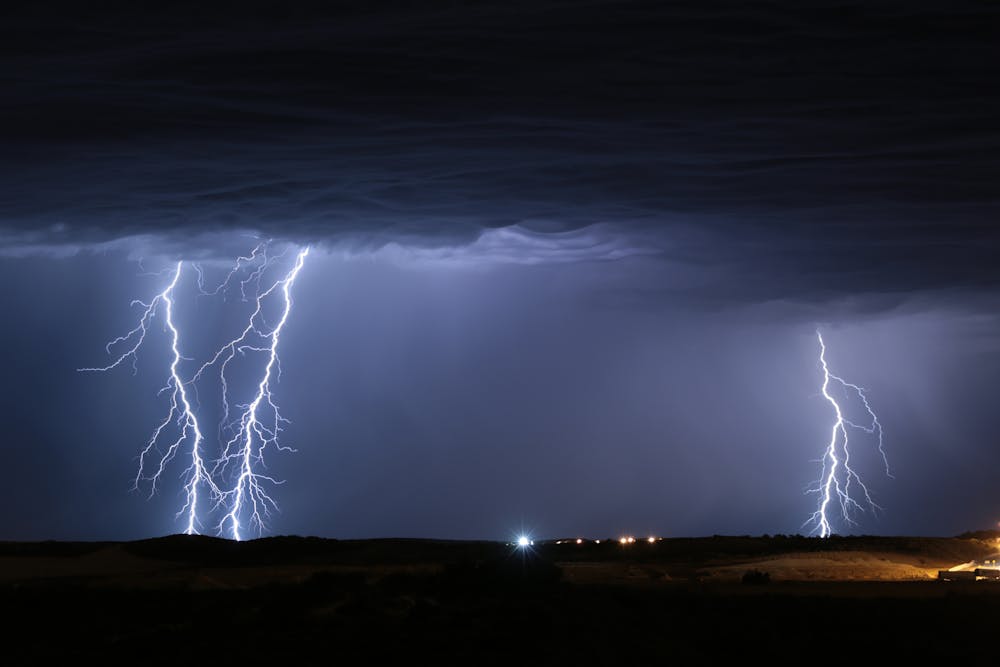
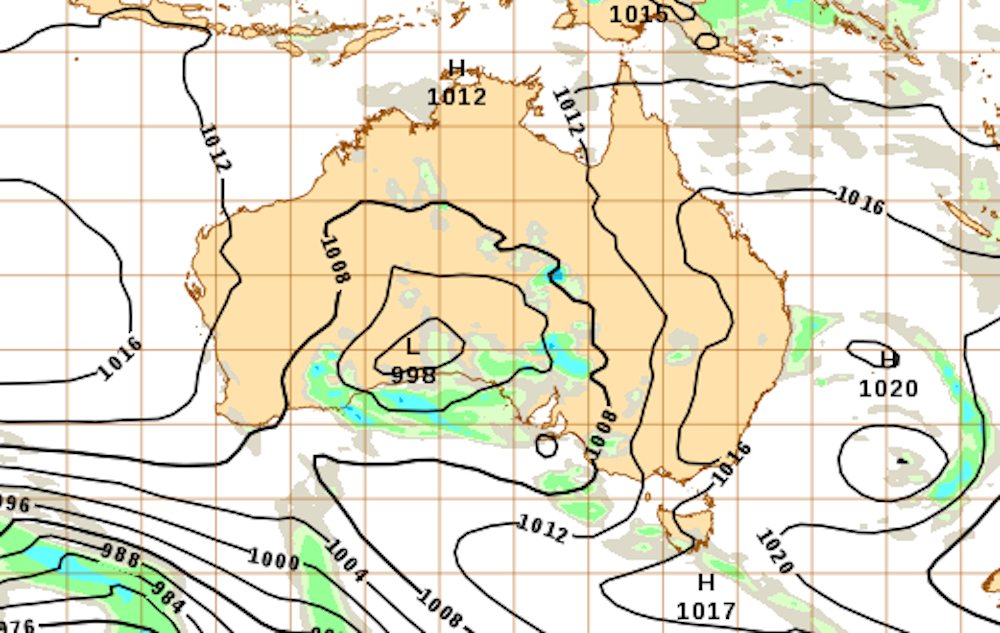
    Updates to this page

    Published 17 October 2024

    MIL OSI United Kingdom

  • MIL-OSI Canada: HMCS Ottawa departs for the Indo-Pacific region on Operations HORIZON and NEON

    Source: Government of Canada News

    News release

    October 16, 2024 – Esquimalt, B.C. – National Defence / Canadian Armed Forces

    Today, the crew of His Majesty’s Canadian Ship (HMCS) Ottawa bid farewell to their families and loved ones at a departure ceremony held at His Majesty’s Canadian Dockyard Esquimalt, British Columbia.

    HMCS Ottawa will sail across the Pacific Ocean while deployed on Operations HORIZON and NEON. Operation HORIZON is Canada’s forward-presence mission to the Indo-Pacific region to promote peace, stability, and the rules-based international order. Operation NEON is Canada’s contribution to a coordinated multinational effort to support the implementation of United Nations sanctions imposed against North Korea.

    During this deployment HMCS Ottawa will maintain Canada’s naval presence in the Indo-Pacific, demonstrating the nation’s contribution to regional peace and stability, and commitment to international security. The crew of HMCS Ottawa will showcase the Royal Canadian Navy’s (RCN) operational capabilities while working alongside international allies and partner navies during military training exercises; highlighting Canada’s commitment to international collaboration and fostering military and diplomatic partnerships.

    Quotes

    “The departure of His Majesty’s Canadian Ship (HMCS) Ottawa, the second ship from the West Coast to deploy on Operation HORIZON this year, represents the culmination of thousands of hours of collective effort and dedication from the ship’s company and supporting staff ashore. This deployment to the Indo-Pacific region will see the ship and its crew sail with our allies and partners in the region and take on critical tasks and missions. I know that they are up to the challenge. Fair winds and following seas to HMCS Ottawa, I wish you all a safe and successful mission.”

    Rear-Admiral Christopher Robinson, Commander Maritime Forces Pacific

    “For those serving onboard, today’s departure is months in the making. Ottawa’s crew has worked hard to get our ship ready for Operations HORIZON and NEON where we will represent Canada and the Royal Canadian Navy well throughout our mission across the Indo-Pacific. This deployment would not be possible without the incredible support of our families, who serve with us, and without them we would not have been able to get to this moment.”

    Commander Adriano Lozer, Commanding Officer HMCS Ottawa

    Quick facts

    • As part of the Indo-Pacific Strategy, the RCN is committed to working alongside regional allies and partners to promote a stable, secure, and prosperous Indo-Pacific.

    • The series of UN sanctions, adopted between 2006 and 2017, aim to pressure North Korea to abandon its weapons of mass destruction programs and respond to North Korean nuclear weapon tests and ballistic missile launches.

    • HMCS Ottawa, a Halifax-class Canadian Patrol Frigate, has a crew of approximately 240 members comprised of RCN sailors and Royal Canadian Air Force aviators.

    • One CH-148 Cyclone helicopter detachment is embarked onboard HMCS Ottawa. This helicopter detachment specializes in anti-submarine warfare, maritime surveillance, and search and rescue operations.

    Associated links

    Contacts

    Maritime Forces Pacific Public Affairs
    Phone: 250-363-5789 or 250-888-6775
    Email: ESQPACIFICNAVYPUBLICAFFAIRS@forces.gc.ca

    MIL OSI Canada News

  • MIL-OSI Security: Defense News: Readout of Navy Leadership’s Meeting with the Governor of Guam (Oct. 16, 2024)

    Source: United States Navy

    Mancinelli and the Governor talked about the importance of the Indo-Pacific region and reaffirmed their commitment to working together on shared goals.

    The Navy Under Secretary thanked the Governor for her strong and consistent support of the U.S. military presence on Guam.

    Governor Guerrero spoke about the need for increased federal investment on Guam, and her desire for additional support on infrastructure, healthcare, and Typhoon Mawar recovery efforts.

    Mancinelli emphasized the importance of continued dialogue with Guam’s local stakeholders and other government agencies. He also discussed the ways in which the Department of Defense will continue to work together with the Governor’s office to understand how the military build-up on Guam can be done in partnership with the on-island community.

    This was the first in-person meeting with the Governor since Mancinelli assumed the position of Acting Under Secretary of the Navy, August 20.

    As the Department of Defense’s Senior Defense Official for Guam, Acting Under Secretary Mancinelli looks forward to working with the Governor of Guam to secure the U.S. homeland, improve the resiliency of Guam, and maintain a free and open Indo-Pacific.

    MIL Security OSI

  • MIL-OSI Europe: Answer to a written question – Overall outcome of climate policy action over two decades – E-001582/2024(ASW)

    Source: European Parliament

    Analyses on the effectiveness of climate mitigation policies are welcomed and can contribute towards the EUs climate-neutrality objectives.

    The Commission routinely follows methodological developments in policy analysis, including those exploiting artificial intelligence, striving to incorporate new techniques in its work, including for the preparation of climate action proposals.

    The Commission notes the conclusion on the potential for synergies with the implementation of coherent policy packages. This re-affirms the EU’s approach under the fit for 55 package, implementing a broad range of measures to tackle climate change. Combining pricing and non-pricing measures, such as standards and mandates, can maximise synergistic effects.

    The study underlines the effectiveness of carbon pricing, such as the EU Emissions Trading System (EU ETS[1]), in lowering emissions, particularly in electricity generation and industry.

    The Commission also notes the finding that the impact of a specific policy tool may be heterogenous across sectors and countries, calling for caution against overgeneralising estimated effects.

    Furthermore, the employed methodology is not fine-tuned to detect smaller emissions reductions, meaning many effective measures with a smaller scope or a more gradual impact on emissions have not been highlighted.

    The headline figure identifying only 63 cases of effective interventions is therefore very likely underestimated, with elements of efficient EU climate action most probably being overlooked.

    • [1] https://eur-lex.europa.eu/EN/legal-content/summary/eu-emissions-trading-system.html
    Last updated: 16 October 2024

    MIL OSI Europe News

  • MIL-OSI Europe: Answer to a written question – Review of the Bathing Water Directive – E-001540/2024(ASW)

    Source: European Parliament

    1. The Bathing Water Directive (BWD)[1] is part of the EU acquis to protect and manage Europe’s waters. Its evaluation is a comprehensive exercise, which is taking into account the ongoing evaluation of the Marine Strategy Framework Directive[2], the recent revisions of the Urban Waste Water Treatment Directive[3], currently finalised by the co-legislators through the corrigendum procedure, and of the Industrial Emissions Directive[4], the Commission proposal[5] on the lists of pollutants regulated under the Water Framework Directive[6] via the Environment Quality Standards Directive[7], and the Groundwater Directive[8]. The timeline announced during the preparation of the evaluation was indicative. The Commission is in the process of finalising the evaluation.

    2. As per the BWD review roadmap[9] the ongoing evaluation of the BWD is assessing the achieved level of health protection and whether additional pollution parameters (including chemicals) may help provide a better picture of the actual state of the water in bathing areas. The findings of this analysis will be as appropriate presented in the Commission evaluation report.

    • [1] Directive 2006/7/EC of the European Parliament and of the Council of 15 February 2006 concerning the management of bathing water quality and repealing Directive 76/160/EEC, OJ L 64, 4.3.2006, p. 37-51.
    • [2] Directive 2008/56/EC of the European Parliament and of the Council of 17 June 2008 establishing a framework for community action in the field of marine environmental policy, OJ L 164, 25.6.2008, p. 19-40: https://ec.europa.eu/info/law/better-regulation/have-your-say/initiatives/12898-Protecting-the-marine-environment-review-of-EU-rules_en
    • [3] https://environment.ec.europa.eu/publications/proposal-revised-urban-wastewater-treatment-directive_en
    • [4] Directive (EU) 2024/1785 of the European Parliament and of the Council of 24 April 2024 amending Directive 2010/75/EU of the European Parliament and of the Council on industrial emissions (integrated pollution prevention and control) and Council Directive 1999/31/EC on the landfill of waste, OJ L, 2024/1785, 15.7.2024.
    • [5] https://environment.ec.europa.eu/publications/proposal-amending-water-directives_en
    • [6] Directive 2000/60/EC of the European Parliament and of the Council of 23 October 2000 establishing a framework for Community action in the field of water policy, OJ L 327, 22.12.2000, p. 1-73, as amended by Commission Directive 2014/101/EU of 30 October 2014, OJ L 311, 31.10.2014, p. 32-35.
    • [7] Directive 2013/39/EU of the European Parliament and of the Council of 12 August 2013 amending Directives 2000/60/EC and 2008/105/EC as regards priority substances in the field of water policy, OJ L 226, 24.8.2013, p. 1-17.
    • [8] Directive 2006/118/EC of the European Parliament and of the Council of 12 December 2006 on the protection of groundwater against pollution and deterioration, OJ L 372, 27.12.2006, p. 19-31.
    • [9] Combined evaluation roadmap/Inception impact assessment: https://ec.europa.eu/info/law/better-regulation/have-your-say/initiatives/12658-Bathing-water-quality-review-of-EU-rules_en
    Last updated: 16 October 2024

    MIL OSI Europe News

  • MIL-OSI Asia-Pac: Leaders from 120 Member Countries to attend the Seventh Session of the International Solar Alliance Assembly in New Delhi

    Source: Government of India (2)

    Leaders from 120 Member Countries to attend the Seventh Session of the International Solar Alliance Assembly in New Delhi  

    ISA has evolved into a key platform for global solar cooperation, now encompassing 120 Member & Signatory Countries : Union Minister Pralhad Joshi

    Seventh Session of ISA will held in New Delhi from from 3rd to 6th November 2024

    Posted On: 16 OCT 2024 7:01PM by PIB Delhi

    The curtain raiser for the Seventh Session of the International Solar Alliance (ISA) Assembly was hosted today in New Delhi. Representatives from 60 countries participated in the event. 

    The assembly will be presided over by Shri Pralhad Joshi, Union Minister of New and Renewable Energy. The Seventh Session of the ISA Assembly is set to be a truly global event. Ministers, missions, and delegates from 120 Member and Signatory Countries, along with partner organisations and stakeholders, will come together to focus on initiatives to improve energy access, security, and transition.

    Shri Pralhad Joshi, Union Minister of New and Renewable Energy & President of the ISA Assembly, addressed the august gathering, stating, “ISA has evolved into a key platform for global solar cooperation, now encompassing 120 Member & Signatory Countries. This growing commitment demonstrates solar energy’s significant role in addressing our shared energy access challenges and the adverse effects of climate change. The progress made by ISA’s Member Countries in adopting solar energy is remarkable. Solar energy, available year-round and in abundance in some of our Member Countries, holds the potential to be the game-changer in the theatre of global climate action. Its attributes of being clean, reliable, free and easily accessible to all make it central to achieving universal energy access. Our efforts through the ISA focus on expanding solar infrastructure, creating green jobs, supporting livelihoods, and mitigating climate impacts.”


    Under the presidency of the Republic of India and co-presidency of the Republic of France, the seventh session of the International Solar Alliance Assembly will be held at Bharat Mandapam, New Delhi, India, from 03 November to 06 November 2024. Ministers, mission heads, and senior government officials from 120 Member and Signatory Countries, prospective countries, partner organisations, the private sector, and key stakeholders will participate.


    Shri Ajay Yadav, Joint Secretary, MNRE, Government of India, in his opening remarks, noted, “Global solar deployment presents its challenges: investments, infrastructure, and indigenisation. Countering these challenges demands targeted efforts to support the sector’s expansion. Further highlighting ISA’s role and substantial contributions, he said, “To address these challenges through various programmes, initiatives, and collaborations with governments, private enterprises, and international organisations and by working with its Member Countries, ISA creates opportunities to diversify global supply chains and boost solar energy demand, contributing to manufacturing capacity growth.” Elaborating on the focused efforts, he added, We proudly count 120 among our Member & Signatory Countries, with 102 ratifying the ISA Framework Agreement, showcasing our growing global influence. With the firm support of Member Countries, ISA has successfully launched initiatives to accelerate solar adoption, foster innovation, and enhance capacity-building efforts.”

    Dr Ajay Mathur, Director General of the International Solar Alliance, said, “The International Solar Alliance stands at the forefront of global efforts to achieve the Sustainable Development Goals, particularly SDGs 7 & 13 on affordable and clean energy and climate action respectively. The International Solar Alliance is a force for change. It harmonises and aggregates demand for solar finance, technologies, innovation, research and development, and capacity building. This initiative is more than just a coalition; it is a revolutionary movement reshaping our energy landscape and our planet’s future. Adding further, he said, “As we approach the mark to last five years to realise the goals defined by the 2030 Agenda, this session of the ISA Assembly is an important nudge to accelerate our actions and raise our ambitions. All stakeholders must make this decade count in favour of climate action. Our work at the ISA directly supports the implementation of the Paris Agreement and contributes to the broader UN framework for sustainable development. ISA is working with Member Countries to help shape conducive policies to bring in investments in solar energy, a sustainable pipeline of solar-powered projects, and help build skills to sustain solar projects in the long term.”

    At this assembly, the fulcrum of the discussions will be the means and modes that will be adopted to accelerate solar deployment across Member Countries, especially in regions with limited energy access.  Additionally, updates on the following ISA’s flagship initiatives for entrepreneurs, skill enhancement and capacity building, mobilising finance, and advocacy for solar as energy as a choice will be presented:

    • SolarX Startup Challenge, launched by ISA in collaboration with Invest India in 2022, at COP27 in Egypt, the challenge aims to foster entrepreneurship by supporting scalable and replicable solar energy business models in ISA’s Member Countries.
    • The STAR-C initiative, launched in 2022 by ISA, UNIDO, and the Ministry of Europe and Foreign Affairs, France, aims to build capacity and align skills with national training needs. It enhances quality infrastructure and standards for photovoltaic and solar thermal products to drive economic growth and job creation.
    • Global Solar Facility: launched in 2022, enhances solar investments in underserved regions, particularly Africa, using tools like the Solar Payment Guarantee Fund and Solar Insurance Fund.
    • The First International Solar Festival, launched in September 2024, brought together corporates, academia, youth, community leaders, and other stakeholders to exchange ideas, promoting creativity and international cooperation for a future driven by solar energy.


    The Assembly’s seventh session will be followed by a day-long series of sessions styled as a ‘High-Level Conference on New Technologies for Clean Energy Transition’ on 5 November 2024 hosted in collaboration with the Ministry of New & Renewable Energy, the Government of India, the Asian Development Bank, and the International Solar Energy Society. The conference’s third edition will be attended by the ministerial delegations of the ISA Member Countries, policymakers, subject matter experts, and industry leaders. Through its deliberations, the Conference aims to inspire real-world change and make significant strides toward achieving global climate goals by fostering collaboration, sparking innovation, and sharing knowledge by focusing on promoting solar energy to cut carbon emissions, find ways to expand energy access and boost economic growth. The Conference will also witness the release of the third edition of ISA’s World Solar Reports on Technology, Finance, and Markets.

    The Assembly proceedings will conclude on 6 November 2024 with a visit to a farm site on the outskirts of New Delhi showcasing the practical implementation of agrivoltaic systems. The site in Najafgarh is maintained by the India Agrivoltaics Alliance, an initiative of the National Solar Energy Federation of India (NSEFI), along with like-minded organisations dedicated to advancing the concept of agrivoltaics in India, which involves the simultaneous use of land for both agriculture and solar energy generation.

    ABOUT THE ISA ASSEMBLY

    The Assembly is the apex decision-making body of ISA, representing each Member Country. This body makes decisions concerning the implementation of the ISA’s Framework Agreement and coordinated actions to be taken to achieve its objective. The Assembly meets annually at the ministerial level at the ISA’s seat. It assesses the aggregate effect of the programmes and other activities in terms of deployment of solar energy, performance, reliability, cost and scale of finance. 120 countries are signatories to the ISA Framework Agreement, of which 102 countries have submitted the necessary instruments of ratification to become full members of the ISA. The Republic of India holds the office of the President of the ISA Assembly, with the Government of the French Republic as the co-president.

    The Seventh Session of the ISA Assembly will deliberate on initiatives of ISA that impact energy access, security, and transitions with a focus on:

    • Empowering Member Countries to adopt solar energy as the energy source of choice
    • Make energy access universal by supporting solar entrepreneurs to scale up local solutions
    • Mobilise finance to speed up solar deployment

    ABOUT THE INTERNATIONAL SOLAR ALLIANCE

    The International Solar Alliance is an international organisation with 120 Member & Signatory Countries. It works with governments to improve energy access and security worldwide and promote solar power as a sustainable way to transition to a carbon-neutral future.

    ISA’s mission is to unlock US$ 1 trillion of investments in solar by 2030 while reducing the cost of the technology and its financing. It promotes the use of solar energy in the agriculture, health, transport and power generation sectors. ISA Member Countries are driving change by enacting policies and regulations, sharing best practices, agreeing on common standards, and mobilising investments. Through this work, ISA has identified and designed and tested new business models for solar projects; supported governments to make their energy legislation and policies solar-friendly through Ease of Doing Solar analytics and advisory; pooled demand for solar technology from different countries, and drove down costs; improved access to finance by reducing the risks and making the sector more attractive to private investment; increased access to solar training, data and insights for solar engineers and energy policymakers.

    ISA was formed at the 21st Conference of Parties (COP21) to the United Nations Framework Convention on Climate Change (UNFCCC) held in Paris in 2015 and is partnering with multilateral development banks (MDBs), development financial institutions (DFIs), private and public sector organisations, civil society, and other international institutions to deploy cost-effective and transformational energy solutions powered by the sun, especially in the least Developed Countries (LDCs) and the Small Island Developing States (SIDS).

    ********

    Navin Sreejith


    (Release ID: 2065532) Visitor Counter : 30

    MIL OSI Asia Pacific News

  • MIL-Evening Report: Why do I have hay fever? I didn’t have it as a child

    Source: The Conversation (Au and NZ) – By Janet Davies, Respiratory Allergy Stream Co-chair, National Allergy Centre of Excellence; Professor and Head, Allergy Research Group, Queensland University of Technology

    Dragana Gordic/Shutterstock

    Hay fever (or allergic rhinitis) is a long-term inflammatory condition that’s incredibly common. It affects about one-quarter of Australians.

    Symptoms vary but can include sneezing, itchy eyes and a runny or blocked nose. Hay fever can also contribute to sinus and ear infections, snoring, poor sleep and asthma, as well as lower performance at school or work.

    But many people didn’t have hay fever as a child, and only develop symptoms as a teenager or adult.

    Here’s how a combination of genetics, hormones and the environment can lead to people developing hay fever later in life.

    Remind me, what is hay fever?

    Hay fever is caused by the nose, eyes and throat coming into contact with a substance to which a person is allergic, known as an allergen.

    Common sources of outside allergens include airborne grass, weed or tree pollen, and mould spores. Pollen allergens can be carried indoors on clothes, and through open windows and doors.

    Depending on where you live, you may be exposed to a range of pollen types across the pollen season, but grass pollen is the most common trigger of hay fever. In some regions the grass pollen season can extend from spring well into summer and autumn.

    How does hay fever start?

    Hay fever symptoms most commonly start in adolescence or young adulthood. One study found 7% of children aged six had hay fever, but that grew to 44% of adults aged 24.

    Before anyone has hay fever symptoms, their immune system has already been “sensitised” to specific allergens, often allergens of grass pollen. Exposure to these allergens means their immune system has made a particular type of antibody (known as IgE) against them.

    During repeated or prolonged exposure to an allergen source such as pollen, a person’s immune system may start to respond to another part of the same allergen, or another allergen within the pollen. Over time, these new allergic sensitisations can lead to development of hay fever and possibly other conditions, such as allergic asthma.

    Grass pollen is the most common trigger of hay fever.
    winyuu/Shutterstock

    Why do some people only develop hay fever as an adult?

    1. Environmental factors

    Some people develop hay fever as an adult simply because they’ve had more time to become sensitised to specific allergens.

    Migration or moving to a new location can also change someone’s risk of developing hay fever. This may be due to exposure to different pollens, climate and weather, green space and/or air quality factors.

    A number of studies show people who have migrated from low- and middle-income countries to higher-income countries may be at a higher risk of developing hay fever. This may due to local environmental conditions influencing expression of genes that regulate the immune system.

    2. Hormonal factors

    Hormonal changes at puberty may also help drive the onset of hay fever. This may relate to sex hormones, such as oestrogen and progesterone, affecting histamine levels, immune regulation, and the response of cells in the lining of the nose and lower airways.

    3. Genetic factors

    Our genes underpin our risk of hay fever, and whether this and other related allergic disease persists.

    For instance, babies with the skin condition eczema (known as atopic dermatitis) have a three times greater risk of developing hay fever (and asthma) later in life.

    Having a food allergy in childhood is also a risk factor for developing hay fever later in life. In the case of a peanut allergy, that risk is more than 2.5 times greater.

    What are the best options for treatment?

    Depending on where you live, avoiding allergen exposures can be difficult. But pollen count forecasts, if available, can be useful. These can help you decide whether it’s best to stay inside to reduce your pollen exposure, or to take preventative medications.

    You may also find alerts on thunderstorm asthma, where pollens combine with specific weather conditions to trigger breathing difficulties.

    If you have mild, occasional hay fever symptoms, you can take non-drowsy antihistamines, which you can buy at the pharmacy.

    However, for more severe or persistent symptoms, intranasal steroid sprays, or an intranasal spray containing a steroid with antihistamine, are the most effective treatments. However, it is important to use these regularly and correctly.

    Allergen immunotherapy, also known as desensitisation, is an effective treatment for people with severe hay fever symptoms that can reduce the need for medication and avoiding allergens.

    However, it involves a longer treatment course (about three years), usually with the supervision of an allergy or immunology specialist.

    When should people see their doctor?

    It is important to treat hay fever, because symptoms can significantly affect a person’s quality of life. A GP can:

    • recommend treatments for hay fever and can guide you to use them correctly

    • organise blood tests to confirm which allergen sensitisations (if any) are present, and whether these correlate with your symptoms

    • screen for asthma, which commonly exists with hay fever, and may require other treatments

    • arrange referrals to allergy or immunology specialists, if needed, for other tests, such as allergen skin prick testing, or to consider allergen immunotherapy if symptoms are severe.


    More information about hay fever is available from the Australasian Society of Clinical Immunology and Allergy and Allergy & Anaphylaxis Australia.

    Janet Davies receives funding from the ARC, NHMRC, Department of Health and Ageing, and MRFF. She has conducted research on diagnostics in collaboration with Abionic SA, Switzerland, supported by the National Foundation for Medical Research Innovation with co-contribution from Abionic. Her research has been supported by in-kind services or materials from Sullivan Nicolaides Pathology (Queensland), Abacus Dx (Australia), Stallergenes (France), Stallergenes Greer (Australia), Swisens (Switzerland), Kenelec (Australia), and ThermoFisher (Sweden), as well as cash or in-kind contributions from Partner Organisations for the NHMRC AusPollen Partnership Project GNT1116107, Australasian Society Clinical Immunology Allergy, Asthma Australia; Stallergenes Australia; Bureau Meteorology, Commonwealth Scientific Industrial Research Organisation, Federal Office of Climate and Meteorology Switzerland. QUT owns patents relevant to grass pollen allergy diagnosis (US PTO 14/311944 issued, AU2008/316301 issued) for which Janet Davies is an inventor. She is the Executive Lead, Repository and Discovery Pillar, and Co-Chair Respiratory Allergy Stream for the National Allergy Centre of Excellence.

    Unrelated to this article, Joy Lee has received funding from the Centre of Research Excellence in Treatable Traits in Asthma, Sanofi, Fondazione Menarini and GSK. This funding support was solely used for presenting at educational meetings in asthma and travel grants to attend international meetings and conferences in asthma and allergic diseases. She has been on advisory boards for Tezepelumab (Astra Zeneca). She is affiliated with the National Allergy Centre of Excellence as the co-chair of the Respiratory Allergy Leadership Group.

    ref. Why do I have hay fever? I didn’t have it as a child – https://theconversation.com/why-do-i-have-hay-fever-i-didnt-have-it-as-a-child-239409

    MIL OSI AnalysisEveningReport.nz

  • MIL-Evening Report: Ocean eddy currents funnel extreme heat and cold to the life-filled depths

    Source: The Conversation (Au and NZ) – By Ming Feng, Senior Principal Research Scientist, CSIRO

    Letowa/Shutterstock

    On land, we’re familiar with heatwaves and cold snaps. But the deep sea also experiences prolonged periods of hot and cold.

    Marine heatwaves and cold spells can severely damage ocean ecosystems and habitats such as coral reefs. These extremes can also force species to move or die and cause sudden losses for fisheries.

    In research published today in Nature, we show almost half of the heatwaves and cold snaps reaching the ocean’s twilight zone – between 200 and 1,000 metres – are driven by large eddy currents, swirling currents which transport warm or cold water.

    As the oceans heat up, heatwaves linked to eddy currents are getting more intense – and so are cold snaps. These pose potential threats to the vast amount of life in the twilight zone, home to the world’s most abundant vertebrate and the largest migration on the planet.

    Monitoring the deep sea is hard

    About 90% of heat trapped by greenhouse gases has gone into the oceans. As a result, marine heatwaves are arriving more frequently – especially off Australia’s east coast, Tasmania, the northeast Pacific coast in the United States and in the North Atlantic.

    Researchers have long relied on satellite measurements of temperatures at the ocean surface to detect these extreme ocean temperature events. Surface temperatures are directly influenced by the atmosphere. But it’s different at depth.

    Satellites can’t measure temperatures under the surface, making the deep sea much harder to monitor.

    Instead, we have a handful of long-term moorings – measurement buoys suspended at depth – across the world’s oceans. These are hugely valuable, as they continuously record temperatures and make it possible to detect extremes temperature changes.

    In recent decades, there have been welcome advances in the form of Argo floats – robotic divers which dive 2,000 metres deep and resurface, sampling temperature and salinity as they go.

    Data from these two sources coupled with traditional measurements from vessels made our research possible.

    Heatwaves inside eddy currents

    The data gave us two million high quality temperature readings or “profiles” across the world’s oceans, spanning three decades. We used this rich data to uncover the role of eddy currents.

    Ocean eddies are huge loops of swirling current, sometimes hundreds of kilometres across and reaching down over 1,000 metres. They’re so large you can see them on satellite images.

    These powerful currents can push warm surface water down deeper or lift deep cold water up, causing rapid temperature changes. Eddies can travel a long distance before dissipating, carrying bodies of colder or warmer water with them.

    We discovered their role in triggering deep heatwaves and cold snaps by examining each temperature profile and cross-matching this with eddies present at the same time and location.

    This showed eddies played a major role in triggering marine heatwaves and cold spells in waters deeper than 100 metres – especially in the mid-latitude oceans north and south of the tropics.

    The East Australian Current takes warm water southward down the east coast, triggering many eddies. More than 70% of deeper marine heatwaves in this area actually took place inside ocean eddies.

    When eddies in this current spin anticlockwise, they tend to bring marine heatwaves, transporting warm water to the depths. But when they spin clockwise, they bring cold deep water up higher, bringing cold spells.

    We found deep extreme temperature events linked to eddies are seen more often in major ocean boundary currents, such as the East Australian and Kuroshio currents in the Pacific and the Gulf Stream in the Atlantic. Deep marine heatwaves also occur in the Leeuwin Current off Western Australia. The stronger the eddy currents, the more likely they are to trigger extreme temperatures deeper down.

    Eddy currents are the main driver for nearly half of all deep ocean heatwaves and cold spells. Other drivers include ocean temperature fronts from strong ocean currents and large-scale ocean waves.

    When eddy currents spin one way, they can send heat to the depths. When they spin another, they can bring cold water towards the surface.
    olrat/Shutterstock

    What does this mean for ocean life?

    Day in, day out, heat trapped by greenhouse gases makes its way to the oceans.

    You would expect marine heatwaves to increase, which they are. But cold snaps haven’t gone away. In fact, extremes of both heat and cold are getting more intense in the deeper ocean as the climate changes.

    Our research suggests eddy currents are acting to magnify the warming rates of marine heatwaves and the cooling rate of the cold spells. Warmer oceans overall are leading to stronger eddy currents, which in turn are able to trigger large temperature change over a greater vertical distance.

    Because we can detect ocean eddies with satellites, we can use this research to predict when deeper marine heatwaves and cold spells are likely. This will help find which ecosystems are likely to be hit by extreme heat or cold and assess what damage they do.

    The ocean layer these extremes affect is called the twilight zone – between 200 and 1,000 metres deep. These depths are home to many important fish species and plankton. In fact, this zone has more fish biomass than the rest of the ocean combined. One small fish, the bristlemouth, is likely the most abundant vertebrate on earth, potentially numbering in the quadrillions – thousands of trillions.

    The mesopelagic Twilight Zone is rich in life. Clockwise from top: mesopelagic jellyfish, viperfish, lanternfish, larvacean, copepod and squid.
    Wikimedia/Drazen et al, CC BY-NC-ND

    When night falls, vast numbers of fish, crustaceans and other creatures migrate towards the surface to feed in the largest animal migration on Earth. During the day, many open ocean fish head to the twilight to avoid sharks, whales and other surface predators.

    Heat and cold brought by eddies aren’t the only threat to the twilight zone. Marine heatwaves can lead to low oxygen levels in the water and reduced nutrients. We will need to find out what threat these combined changes pose to life in the twilight.

    Ming Feng receives funding from CSIRO, the Integrated Marine Observing System (IMOS), Western Australia State Government, and Fisheries Research and Development Corporation

    ref. Ocean eddy currents funnel extreme heat and cold to the life-filled depths – https://theconversation.com/ocean-eddy-currents-funnel-extreme-heat-and-cold-to-the-life-filled-depths-241363

    MIL OSI AnalysisEveningReport.nz

  • MIL-OSI USA: 2024 North Carolina Award Winners, State’s Highest Honor, Announced

    Source: US State of North Carolina

    Headline: 2024 North Carolina Award Winners, State’s Highest Honor, Announced

    2024 North Carolina Award Winners, State’s Highest Honor, Announced
    jejohnson6

    The state’s highest civilian honor, the North Carolina Award, will be presented to eight distinguished North Carolinians Thursday, Nov. 14, at the Raleigh Marriott City Center. Governor Roy Cooper will present the awards at a 7 p.m. banquet and ceremony.

    All proceeds from ticket sales for the awards ceremony will go to the North Carolina Disaster Relief Fund to help communities recover from Hurricane Helene.

    The award was created by the General Assembly in 1961 to recognize significant contributions to the state and nation in the fields of fine arts, literature, public service and science. The awards have been presented annually since 1964 and this year marks the 60th anniversary of the awards ceremony.

    The 2024 honorees are The Avett Brothers (Scott Avett, Seth Avett and Bob Crawford) for Fine Arts, Frank A. Bruni Jr. for Literature, William Henry Curry for Fine Arts, Thomas W. Earnhardt for Science, Christina Koch for Science, and Dr. Harold L. Martin Sr. for Public Service.

    “Over the past six decades, the North Carolina Award has been given to many remarkable North Carolinians,” said Reid Wilson, secretary of the N.C. Department of Natural and Cultural Resources. “This year’s awardees join an illustrious list of people who have benefitted North Carolina through their impressive accomplishments in public service, literature, science, and the arts. This year’s event will benefit our neighbors in Western North Carolina who were harmed by the devastating storm.”

    Since the award’s inception, more than 300 notable men and women have been honored by the state of North Carolina. Past recipients include William Friday, James Taylor, Etta Baker, Charles Kuralt, Maya Angelou, Lee Smith, Eric Church, Selma Burke, and Branford Marsalis.

    2024 Award Recipients:

    Fine Arts: The Avett Brothers

    Brothers Scott and Seth Avett and their longtime friend Bob Crawford lead the folk rock band The Avett Brothers. From Concord, N.C., Scott and Seth Avett have played music together since childhood. Their partnership began when the two brothers merged Seth Avett’s high school band, Margo, and Scott Avett’s college band, Nemo, and released three albums as Nemo. After the group disbanded Scott and Seth continued to write acoustic music together. In 2001 stand-up bassist Bob Crawford joined the Avetts, and the band released its first full-length album, Country Was in 2002. The band has been nominated for three Grammy awards and been nominated for and won several awards from the Americana Music Association, including Duo/Group of the Year and New/Emerging Artist of the Year awards in 2007. As cultural ambassadors for North Carolina, The Avett Brothers play a vital role in promoting the state’s rich musical heritage, inspiring future generations of artists while remaining deeply rooted in their origins.

    Literature: Frank A. Bruni Jr.

    Frank Bruni has been a prominent journalist for more than three decades, principally at The New York Times, where his various roles have included op-ed columnist, White House correspondent, Rome bureau chief and chief restaurant critic. As the Times’s first openly gay op-ed columnist, in 2016 Bruni was honored by the National Lesbian and Gay Journalists Association with the Randy Shilts Award for his lifetime contribution to LGBTQ equality. He is a graduate of the University of North Carolina at Chapel Hill, where he was a Morehead Scholar and wrote for the student paper, the Daily Tar Heel. Bruni is the author of five bestselling books including the most recent, “The Age of Grievance,” an examination of America’s political dysfunction and culture wars. In 2021, he became a full professor at Duke University, teaching media-oriented classes in the Sanford School of Public Policy. Now living in North Carolina, he continues to write his popular weekly newsletter for the New York Times and to produce occasional essays as a contributing opinion writer for the newspaper.

    Fine Arts: William Henry Curry

    William Henry Curry, a significant figure in contemporary American music, has made remarkable contributions as both a conductor and composer. His dedication to championing American composers, his trailblazing role as an African American in classical music, and his wide-ranging work in both concert and opera have established him as a pioneering force. Curry currently serves as the music director and conductor of the Durham Symphony Orchestra. From 1998 to 2016, he was the resident conductor and Summerfest artistic director of the North Carolina Symphony. During his career, he has conducted some of the world’s greatest orchestras, including the Chicago Symphony, the Cleveland Orchestra, the Los Angeles Philharmonic, and the major opera companies of New York, Chicago, and Houston. Maestro Curry is also a composer, and his works have been played by many of America’s finest orchestras. He has been a mentor for young musicians at the Peabody Conservatory, the Baltimore School of Arts, and many music schools in North Carolina.

    Science: Thomas W. Earnhardt

    Tom Earnhardt has dedicated his life to preserving and promoting North Carolina’s rich natural and cultural heritage. Earnhardt extensive career of service includes time as an assistant attorney general at the N.C. Department of Justice, assistant secretary of the N.C. Department of Administration, and as a professor at North Carolina Central University School of Law. In 1971 Earnhardt was one of the first attorneys hired at the N.C. Department of Justice in the “new arena” of environmental law. Later, while working with Governor Jim Holshouser he played a key role in helping to preserve critical natural areas, including the New River in northwestern North Carolina and the southernmost Outer Banks, today’s Cape Lookout National Seashore. Beyond his legal work, Earnhardt has long been passionate about conservation and environmental education. He served on the boards of numerous natural resource organizations, including The Nature Conservancy, the North Carolina Museum of Natural Sciences, and the North Carolina Botanical Garden. He is best known, however, through his work as the writer, host, and co-producer of the long-running PBS series “Exploring North Carolina,” which highlights the importance of our natural heritage in the life of every North Carolinian.

    Science: Christina Koch

    Christina Koch has blazed a trail for women in space exploration. Selected to be a NASA astronaut in 2013, Koch has set the record for the longest single spaceflight by a woman with 328 days in space, participated in the first all-female spacewalk, and was a flight engineer on the International Space Station for Expeditions 59 through 61. Koch is a graduate of the N.C. School of Science and Mathematics and North Carolina State University. Before becoming an astronaut, she worked at NASA’s Goddard Space Flight Center as an electrical engineer, contributing to instruments for various NASA space science missions. Koch is a passionate advocate for STEM education, actively encouraging young people, especially girls, to pursue careers in science and technology. Throughout her career, she has engaged in educational outreach, technical instruction, and volunteer tutoring, demonstrating her dedication to inspiring the next generation of scientists and engineers. As part of the Artemis II mission scheduled for 2025, Koch will become the first woman to participate in a lunar mission.

    Public Service: Dr. Harold L. Martin Sr.

    Dr. Harold Lee Martin, Sr., has dedicated his life to higher education and public service. Serving as the 12th chancellor of North Carolina Agricultural and Technical State University from 2009-2024, Martin became the first alumnus to lead the institution. His extensive experience in education, spanning over 40 years, made him a key figure in N.C. A&T’s growth to become the largest of the nation’s historically Black colleges and universities (HBCUs) and one of the country’s top public research institutions. Before becoming N.C. A&T’s chancellor, Martin served as senior vice president for Academic Affairs for the University of North Carolina System, where he helped shape policies benefiting institutions across North Carolina, and held leadership roles at Winston-Salem State University, where he served as the 11th chief administrator and seventh chancellor.

    The 2024 North Carolina Awards will be presented Thursday, Nov. 14 at the Raleigh Marriott City Center. This event is sponsored by Wells Fargo, Martin Marietta, RTI, Wolfspeed, Lenovo, Duke Energy, ECU Health, CBC/WRAL Community Fund of the Triangle Community Foundation, Friends of the North Carolina Museum of Natural Sciences, North Carolina Agricultural and Technical State University, PBS North Carolina, NCSU College of Engineering, N.C. School of Science and Mathematics, NC Opera, Dr. Myron S. Cohen and Dr. Gail Henderson, Honorable G K Butterfield, Justice W. Earl Britt, and Michael Alan McFee.

    About the North Carolina Department of Natural and Cultural Resources
    The N.C. Department of Natural and Cultural Resources (DNCR) manages, promotes, and enhances the things that people love about North Carolina – its diverse arts and culture, rich history, and spectacular natural areas. Through its programs, the department enhances education, stimulates economic development, improves public health, expands accessibility, and strengthens community resiliency.
    The department manages over 100 locations across the state, including 27 historic sites, seven history museums, two art museums, five science museums, four aquariums, 35 state parks, four recreation areas, dozens of state trails and natural areas, the North Carolina Zoo, the State Library, the State Archives, the N.C. Arts Council, the African American Heritage Commission, the American Indian Heritage Commission, the State Historic Preservation Office, the Office of State Archaeology, the Highway Historical Markers program, the N.C. Land and Water Fund, and the Natural Heritage Program. For more information, please visit www.dncr.nc.gov.
    Oct 16, 2024

    MIL OSI USA News

  • MIL-OSI USA: Rep. Cartwright Announces Route 611 Scheduled to Open Monday, November 4th

    Source: United States House of Representatives – Congressman Matt Cartwright (17th District of Pennsylvania)

    Today, U.S. Rep. Matt Cartwright (PA-08), announced that the project to reopen Route 611 is nearing completion, with Pennsylvania Department of Transportation (PennDOT) officials reporting the highway will be open to traffic on November 4th.

    “The long-awaited reopening of Route 611 is a perfect example of local, state and federal agencies and elected officials working together for the good of the community,” Cartwright said. “This was a group effort, and I want to thank Senator Rosemary Brown and Representative Tarah Probst along with officials from PennDOT, the National Park Service, the Federal Highway Administration, and the many elected and community officials who showed up for every meeting to advocate on behalf of their constituents.”

    During Rep. Cartwright’s meeting with project stakeholders on Wednesday, PennDOT officials gave the following construction updates:

    ·  Concrete moment slab is complete

    ·  Electrical trenching is complete

    ·  The barrier is installed and anchored

    ·  Traffic signal foundations are complete

    ·  Electrical work is being finalized, with transformer and power supply being hooked up this week

    PennDOT’s contractor will attach the rock fence to the barrier on Monday, with final repaving of Route 611 from Waring Drive to Arrow Island Overlook scheduled for October 28th with the road set to open to traffic on Monday, Nov. 4th,  pending any adverse weather conditions.

    Route 611 in the Delaware Water Gap area has remained closed after heavy rains led to a rockslide along Mount Minsi in December of 2022. When re-opening the road hit an impasse due to statuary limitations faced by the National Park Service and PennDOT, Rep. Cartwright convened the multi-level meetings between the agencies and elected officials in the affected region.

    In July, Cartwright announced that PennDOT and NPS had reached a compromise for reopening Route 611, bringing much-needed relief to local businesses, residents and communities affected by the extended road closure.  

    The agreed-upon plans include the installation of a temporary, free-standing rockfall barrier and traffic signal that will accommodate a single lane of traffic along the now-closed route. This compromise will allow traffic to flow while PennDOT and NPS continue working behind-the-scenes on a more permanent solution.

    Elected officials and their staff members who participated in the meetings lead by Rep. Cartwright include U.S. Senator Robert Casey; U.S. Senator John Fetterman; U.S. Congresswoman Susan Wild (PA-07); Pennsylvania State Senator Lisa Boscola (18); Pennsylvania State Senator Rosemary M. Brown (40); Pennsylvania State Representative Ann Flood (138); Pennsylvania State Representative Tarah Probst (189); Monroe County Commissioner President John Christy; Northampton County Executive Lamont McClure Mayor Larry Freshcorn, Delaware Water Gap Borough; Mayor Heather Fischer, Portland Borough; Supervisor Ed Cramer, Stroud Township; and Tara Mezzanotte, Upper Mount Bethel and Smithfield Townships PennDOT liaison.

    Rep. Cartwright’s office will provide another Route 611 public update the week of October 28th.

    MIL OSI USA News

  • MIL-OSI Asia-Pac: Union Minister of State Sh. Kirti Vardhan Singh and Colombian Vice Minister Mr. Jorge Enrique Rojas Rodriguez Discuss Climate Change, Strengthen Environmental Cooperation

    Source: Government of India (2)

    Union Minister of State Sh. Kirti Vardhan Singh and Colombian Vice Minister Mr. Jorge Enrique Rojas Rodriguez Discuss Climate Change, Strengthen Environmental Cooperation

    India and Colombia Deepen Ties on Biodiversity and Sustainability Initiatives During High-Level Meeting

    Posted On: 16 OCT 2024 6:03PM by PIB Delhi

    Union Minister of State for Environment, Forest and Climate Change, Sh. Kirti Vardhan Singh, held a courtesy meeting with Mr. Jorge Enrique Rojas Rodriguez, Vice Minister of Foreign Affairs of the Republic of Colombia today. The meeting focused on key global issues such as climate change and biodiversity.

    During their discussions, MoS Sh. Singh extended his best wishes to Colombia for the upcoming United Nations Biodiversity Conference, set to be held in Cali, Columbia. Highlighting India’s commitment to environmental sustainability, he shared details of Prime Minister Narendra Modi’s ‘Ek Ped Maa Ke Naam’ campaign—a unique initiative aimed at promoting environmental responsibility while honoring the respect and devotion toward mothers. The Colombian Vice Minister expressed his appreciation for this innovative campaign.

    In addition, Minister Singh introduced Vice Minister Rojas Rodriguez to the renowned Madhubani paintings displayed in the Ministry’s gallery, which reflect the rich interplay of ‘Nature’ and ‘Culture,’ further underscoring the importance of preserving both biodiversity and heritage.

    This meeting underscores the strengthening of bilateral ties between India and Colombia, particularly in areas of environmental cooperation and global sustainability efforts.

    *****

    VM/GS

    (Release ID: 2065477) Visitor Counter : 41

    Read this release in: Hindi

    MIL OSI Asia Pacific News