Category: Europe

  • MIL-OSI Europe: Written question – The principle of technological neutrality following the publication of the second mission letter for the Commissioner for Energy and Housing – P-000453/2025

    Source: European Parliament

    Priority question for written answer  P-000453/2025
    to the Commission
    Rule 144
    Pierre-Romain Thionnet (PfE), Pascale Piera (PfE), Julie Rechagneux (PfE), Aleksandar Nikolic (PfE)

    On 1 December 2024, the Commission published a second version of the mission letter for the European Commissioner for Energy and Housing, Mr Jørgensen. In deviation from the first version of the letter, published prior to the hearing and appointment of the Commissioner, a ‘2040 renewable energy target’ was added[1].

    However, a target of 42.5 % has already been set 2030 and a higher percentage for 2040 would run counter to the principle of technological neutrality. Indeed, an overly renewables-based decarbonisation will inevitably lead to a reduction in the share of nuclear energy in the energy mix. This reduction will increase the volatility and intermittency of European energy, thus penalising consumers and the competitiveness of our industries.

    While the advantages of deploying small modular reactors are recognised in this letter, can the Commission say whether it intends to:

    • 1.reaffirm that investment in renewable energies must not be at the expense of the nuclear sector and existing power stations, something that an additional target of 2040 is liable to entail?
    • 2.reiterate the commitment to the principle of technological neutrality and thus include all carbon-free energy, not just renewable energy, in the decarbonisation targets for 2040?

    Submitted: 3.2.2025

    • [1] https://commission.europa.eu/document/download/35154547-48c1-4671-8d34-13e098859a57_en?filename=mission-letter-jorgensen.pdf
    Last updated: 6 February 2025

    MIL OSI Europe News

  • MIL-OSI Europe: Written question – The need for an urgent action plan to combat criminal networks and prevent children and young people from being recruited into organised crime – P-000506/2025

    Source: European Parliament

    Priority question for written answer  P-000506/2025
    to the Commission
    Rule 144
    Evin Incir (S&D)

    Almost 70 % of the criminal networks operating in the EU are active in more than three countries and they are increasingly recruiting children and young people on digital platforms.

    These criminals use influencer language, emotional manipulation and grooming techniques and present crimes as ‘challenges’ or ‘missions’. This ‘gamification’ is used to encourage children and young people to commit crimes including murder, transporting narcotics or planting bombs for money.

    In Sweden alone, over 32 bomb attacks have been carried out since the beginning of this year, many of them by children and young people.

    Preventing the recruitment of children and young people into organised crime is not only vital for dismantling criminal networks but also fundamental to safeguarding the future and well-being of children.

    • 1.What specific measures is the Commission implementing to prevent the recruitment of children and young people into organised crime? Is there any action plan on the agenda?
    • 2.Will the Commission ensure that digital platforms are obliged to take action against the recruitment of children and young people on their platforms?
    • 3.Will the Commission hold digital platforms accountable if they fail to comply with such obligations? If so, how?

    Submitted: 5.2.2025

    Last updated: 6 February 2025

    MIL OSI Europe News

  • MIL-OSI Europe: Answer to a written question – Recovery and Resilience Facility and the DANA in Spain – E-002571/2024(ASW)

    Source: European Parliament

    With regards to the preparation and implementation of the recovery and resilience plans, the Commission encourages Member States to engage in a timely and meaningful way with local and regional authorities — which is of course of particular importance in Spain given the high level of administrative and political decentralisation, as well as in this particular instance given the regional dimension of the intended future addendum — , social partners, civil society organisations, youth organisations and other relevant stakeholders with regard to the amendment of recovery and resilience plans.

    The outcome of this consultation and how the input received from the stakeholders is reflected has to be explained in the amended plan.

    The Spanish authorities have communicated their intention to amend their plan in order to include measures to support the recovery of the regions affected by the DANA (Depresión Aislada en Niveles Altos — isolated depression at high levels).

    Article 21 of Regulation (EU) 2021/241 of the European Parliament and of the Council establishing the Recovery and Resilience Facility[1] provides that Member States may require an amendment of their recovery and resilience plans in light of objective circumstances making a measure no longer achievable.

    It has to be noted that only milestones and targets that have not been assessed by the Commission can be amended. The Commission is already actively engaging with the Spanish authorities to support the preparation and eventual official submission of such request in order to ensure that such request and the amended recovery and resilience plan remain in line with the requirements of the Recovery and Resilience Facility Regulation.

    The Commission takes this occasion to reiterate its solidarity with the people and businesses affected by these catastrophic floods, and to reiterate its sincere condolences for the loss of lives.

    • [1] https://eur-lex.europa.eu/legal-content/EN/TXT/?uri=CELEX%3A32021R0241
    Last updated: 6 February 2025

    MIL OSI Europe News

  • MIL-OSI Europe: Answer to a written question – Drought in Greece – E-002211/2024(ASW)

    Source: European Parliament

    The Common Agricultural Policy (CAP) Strategic Plan Regulation[1] already includes a number of interventions that may help farmers to perform preventive actions, especially to prevent crises and build on medium and long-term resilience.

    For mitigating short-term impacts, the available tools include direct payments to support farmers’ incomes, risk management tools helping farmers managing production risks due to adverse events, including severe drought, sectoral interventions supporting replanting or restocking, and investments in the restoration of production potential.

    Under the CAP Strategic Plan 2023-2027[2], Greece envisages also support for investments to restore agricultural and forestry potential following natural disasters, adverse climatic or catastrophic events.

    On 19 December 2024[3], the co-legislators adopted the Commission proposal to amend Regulation (EU) 2020/2220[4] to allow Member States to support with liquidity beneficiaries who were affected by a destruction of at least 30% of the relevant production potential.

    It is up to the Member States to decide if they will use this possibility. If justified, the Commission can also use resources from the agricultural reserve to provide some support.

    Greek authorities may also support farmers affected by adverse climatic conditions in line with EU State aid rules (without the need for prior notification to the Commission if based on provisions of the Agricultural Block Exemption Regulation[5] or, with prior notification, under the Agricultural Guidelines[6]).

    Limited support can also be granted under the Agricultural de minimis aid Regulation[7].

    • [1] https://eur-lex.europa.eu/legal-content/EN/TXT/?toc=OJ%3AL%3A2021%3A435%3ATOC&uri=uriserv%3AOJ.L_.2021.435.01.0001.01.ENG
    • [2] https://www.agrotikianaptixi.gr/category/sskap-2023-2027/sskap-egkrisi-tropopoiiseis/
    • [3] https://eur-lex.europa.eu/legal-content/en/TXT/?uri=CELEX%3A32024R3242
    • [4]  OJ L, 2020/2220, 28.12.2020.
    • [5]  OJ L 327, 21.12.2022, p. 1-81: https://eur-lex.europa.eu/legal-content/EN/TXT/?uri=CELEX%3A02022R2472-20231213
    • [6]  OJ C 485, 21.12.2022, p. 1-90: https://eur-lex.europa.eu/legal-content/EN/ALL/?uri=CELEX:02022XC1221(01)-20240305
    • [7] Regulation 1408/2013. OJ L 352, 24.12.2013, p. 9-17 (https://eur-lex.europa.eu/legal-content/EN/TXT/?uri=CELEX%3A32013R1408) amended by Regulation 2024/3118. OJ L, 2024/3118, 13.12.2024 (https://eur-lex.europa.eu/legal-content/EN/TXT/?uri=OJ:L_202403118).
    Last updated: 6 February 2025

    MIL OSI Europe News

  • MIL-OSI Europe: Written question – Future of fishing quotas and access to UK waters after June 2026 – P-000518/2025

    Source: European Parliament

    Priority question for written answer  P-000518/2025
    to the Commission
    Rule 144
    Ton Diepeveen (PfE)

    After June 2026, the EU will automatically lose access to UK waters unless new agreements are concluded. That not only directly impacts European fishers’ access to those waters, but also weakens the EU’s negotiating position in the annual quota negotiations with the UK. It precludes provisional fishing arrangements pending allocation of quotas, undermining the stability of the fisheries sector.

    In addition, a worrying trend can be observed in the trilateral negotiations between the EU, the UK and Norway. The EU’s negotiating position appears to be weaker, structurally, which is detrimental to our fishers and the distribution of shared fish stocks.

    In view of these developments:

    • 1.What specific steps is the Commission taking to make sure that EU fishers keep access to, and sufficient quotas in, UK waters after June 2026?
    • 2.What strategies will the Commission employ to prevent EU fishers from suffering as a result of a weakened negotiating position in the annual quota negotiations after 2026?

    Submitted: 5.2.2025

    Last updated: 6 February 2025

    MIL OSI Europe News

  • MIL-OSI Europe: Final draft agenda – Tuesday, 11 February 2025 – Strasbourg

    Source: European Parliament

    Final draft agenda
    Strasbourg
    Monday, 10 February 2025 – Thursday, 13 February 2025  
    Tuesday, 11 February 2025   Version: Thursday, 6 February 2025, 13:39

    09:00 – 11:50   Debates     
    Council (including replies) 20′
    Commission (including replies) 20′
    “Catch the eye”   (2×5′) 10′
    Members 104′
    13:00 – 22:00   Debates (or at the end of the votes)     
    Council (including replies) 50′
    Commission (including replies) 65′
    Author (committee) 5′
    “Catch the eye”   (7×5′) 35′
    Members 239′

    32 Continuing the unwavering EU support for Ukraine, after three years of Russia’s war of aggression
    17 European Central Bank – annual report 2024
    Anouk Van Brug (A10-0003/2025
        Amendments Wednesday, 5 February 2025, 13:00
    50 Escalation of violence in the eastern Democratic Republic of the Congo
        Motion for a resolution Monday, 10 February 2025, 19:00
        Amendments to motions for resolutions; joint motions for resolutions Tuesday, 11 February 2025, 19:00
        Amendments to joint motions for resolutions Tuesday, 11 February 2025, 20:00
        Requests for “separate”, “split” and “roll-call” votes Wednesday, 12 February 2025, 16:00
    Separate votes – Split votes – Roll-call votes
    Texts put to the vote on Tuesday Friday, 7 February 2025, 12:00
    Texts put to the vote on Wednesday Monday, 10 February 2025, 19:00
    Texts put to the vote on Thursday Tuesday, 11 February 2025, 19:00
    Motions for resolutions concerning debates on cases of breaches of human rights, democracy and the rule of law (Rule 150) Wednesday, 12 February 2025, 19:00

    MIL OSI Europe News

  • MIL-OSI Europe: Final draft agenda – Wednesday, 12 February 2025 – Strasbourg

    Source: European Parliament

    29 Objection pursuant to Rule 115(2) and (3): Genetically modified maize DP910521     – Amendments Wednesday, 5 February 2025, 13:00 28 Objection pursuant to Rule 115(2) and (3): Genetically modified maize MON 95275     – Amendments Wednesday, 5 February 2025, 13:00 42 Recent dismissals and arrests of mayors in Türkiye     – Motions for resolutions (Rule 150) Monday, 10 February 2025, 20:00     – Amendments to motions for resolutions; joint motions for resolutions (Rule 150) Wednesday, 12 February 2025, 13:00     – Amendments to joint motions for resolutions (Rule 150) Wednesday, 12 February 2025, 14:00 44 Repression by the Ortega-Murillo regime in Nicaragua, targeting human rights defenders, political opponents and religious communities in particular     – Motions for resolutions (Rule 150) Monday, 10 February 2025, 20:00     – Amendments to motions for resolutions; joint motions for resolutions (Rule 150) Wednesday, 12 February 2025, 13:00     – Amendments to joint motions for resolutions (Rule 150) Wednesday, 12 February 2025, 14:00 45 Continuing detention and risk of the death penalty for individuals in Nigeria charged with blasphemy, notably the case of Yahaya Sharif-Aminu     – Motions for resolutions (Rule 150) Monday, 10 February 2025, 20:00     – Amendments to motions for resolutions; joint motions for resolutions (Rule 150) Wednesday, 12 February 2025, 13:00     – Amendments to joint motions for resolutions (Rule 150) Wednesday, 12 February 2025, 14:00 Separate votes – Split votes – Roll-call votes Texts put to the vote on Tuesday Friday, 7 February 2025, 12:00 Texts put to the vote on Wednesday Monday, 10 February 2025, 19:00 Texts put to the vote on Thursday Tuesday, 11 February 2025, 19:00 Motions for resolutions concerning debates on cases of breaches of human rights, democracy and the rule of law (Rule 150) Wednesday, 12 February 2025, 19:00

    MIL OSI Europe News

  • MIL-OSI Europe: Final draft agenda – Monday, 10 February 2025 – Strasbourg

    Source: European Parliament

    17 European Central Bank – annual report 2024
    Anouk Van Brug (A10-0003/2025
        – Amendments Wednesday, 5 February 2025, 13:00
    Texts put to the vote on Tuesday Friday, 7 February 2025, 12:00
    Texts put to the vote on Wednesday Monday, 10 February 2025, 19:00
    Texts put to the vote on Thursday Tuesday, 11 February 2025, 19:00
    Motions for resolutions concerning debates on cases of breaches of human rights, democracy and the rule of law (Rule 150) Wednesday, 12 February 2025, 19:00

    MIL OSI Europe News

  • MIL-OSI Europe: Final draft agenda – Thursday, 13 February 2025 – Strasbourg

    Source: European Parliament

    42 Recent dismissals and arrests of mayors in Türkiye     – Motions for resolutions (Rule 150) Monday, 10 February 2025, 20:00     – Amendments to motions for resolutions; joint motions for resolutions (Rule 150) Wednesday, 12 February 2025, 13:00     – Amendments to joint motions for resolutions (Rule 150) Wednesday, 12 February 2025, 14:00 44 Repression by the Ortega-Murillo regime in Nicaragua, targeting human rights defenders, political opponents and religious communities in particular     – Motions for resolutions (Rule 150) Monday, 10 February 2025, 20:00     – Amendments to motions for resolutions; joint motions for resolutions (Rule 150) Wednesday, 12 February 2025, 13:00     – Amendments to joint motions for resolutions (Rule 150) Wednesday, 12 February 2025, 14:00 45 Continuing detention and risk of the death penalty for individuals in Nigeria charged with blasphemy, notably the case of Yahaya Sharif-Aminu     – Motions for resolutions (Rule 150) Monday, 10 February 2025, 20:00     – Amendments to motions for resolutions; joint motions for resolutions (Rule 150) Wednesday, 12 February 2025, 13:00     – Amendments to joint motions for resolutions (Rule 150) Wednesday, 12 February 2025, 14:00 27 Further deterioration of the political situation in Georgia     – Motions for resolutions Monday, 10 February 2025, 19:00     – Amendments to motions for resolutions; joint motions for resolutions Wednesday, 12 February 2025, 11:00     – Amendments to joint motions for resolutions Wednesday, 12 February 2025, 12:00     – Requests for “separate”, “split” and “roll-call” votes Wednesday, 12 February 2025, 19:00 50 Escalation of violence in the eastern Democratic Republic of the Congo     – Motion for a resolution Monday, 10 February 2025, 19:00     – Amendments to motions for resolutions; joint motions for resolutions Tuesday, 11 February 2025, 19:00     – Amendments to joint motions for resolutions Tuesday, 11 February 2025, 20:00     – Requests for “separate”, “split” and “roll-call” votes Wednesday, 12 February 2025, 16:00 Separate votes – Split votes – Roll-call votes Texts put to the vote on Tuesday Friday, 7 February 2025, 12:00 Texts put to the vote on Wednesday Monday, 10 February 2025, 19:00 Texts put to the vote on Thursday Tuesday, 11 February 2025, 19:00 Motions for resolutions concerning debates on cases of breaches of human rights, democracy and the rule of law (Rule 150) Wednesday, 12 February 2025, 19:00

    MIL OSI Europe News

  • MIL-OSI Europe: Answer to a written question – Combating fraudulent practices by online platforms selling toys or clothing – E-002429/2024(ASW)

    Source: European Parliament

    The Commission is acting to address the challenges of e-commerce platforms to ensure safety and security, EU sustainable standards and a level playing field within the Single Market .

    In May 2023, it published the Customs Reform package[1] that contains three separate legal proposals: the main regulation that replaces the current Union Customs Code, and establishes the EU Customs Authority, a regulation that removes the 150 duty exemption, and introducing a simplified tariff treatment for low-value consignments and a directive as regards value added tax rules relating to a special scheme for distance sales of goods imported from third countries.

    The proposal is currently under discussion in the Council while the European Parliament adopted its first reading position in March 2024.

    Moreover, the Commission opened two formal proceedings (against AliExpress in March 2024[2] and Temu in October 2024[3]), following the suspicion that the providers of these very large online platforms (VLOPs) may have breached the Digital Services Act (DSA)[4], notably in areas linked to the management and mitigation of the systemic risks of dissemination of illegal content .

    Depending on the findings and the investigations’ outcome, the Commission will take the appropriate actions. If it definitely establishes a breach of the DSA, the Commission may adopt a decision imposing fines up to 6% of the global turnover of the VLOP provider concerned and order the provider to take measures to address the breach by a certain deadline.

    Furthermore, the Commission is working with the Member States’ authorities to support EU law enforcement and better target controls on e-commerce transactions, encouraging cooperation between the different national enforcement authorities.

    • [1] Proposal for a regulation of the European Parliament and of the Council establishing the Union Customs Code and the European Union Customs Authority, and repealing Regulation (EU) No 952/2013.
    • [2] See the Commission decision initiating proceedings and https://ec.europa.eu/commission/presscorner/detail/en/ip_24_1485
    • [3] https://digital-strategy.ec.europa.eu/en/news/commission-opens-formal-proceedings-against-temu-under-digital-services-act
    • [4] Regulation (EU) 2022/2065 of the European Parliament and of the Council of 19 October 2022 on a Single Market For Digital Services and amending Directive 2000/31/EC (Digital Services Act).
    Last updated: 6 February 2025

    MIL OSI Europe News

  • MIL-OSI Global: Trump’s push to shut down USAID shows how international development is all about strategic interests

    Source: The Conversation – Canada – By Nelson Duenas, Assistant Professor of Accounting, L’Université d’Ottawa/University of Ottawa

    The U.S. Agency for International Development (USAID) is on the verge of being shut down by United States President Donald Trump’s administration.

    On Feb. 4, U.S. Secretary of State Marco Rubio announced the agency would be taken over by the State Department. He stated that “all USAID direct hire personnel will be placed on administrative leave globally.”

    This move comes after Trump and his officials have heavily criticized the role and ineffectiveness of the agency. Trump said USAID had “been run by a bunch of radical lunatics, and we’re getting them out,” while Tesla CEO and special government employee Elon Musk said it was “time for it to die.”

    The closure of USAID will have significant consequences for many countries in the Global South. USAID is one of the largest development agencies in the world and funds programs that benefit millions of people, from supporting peace agreements in Colombia to fighting the spread of HIV in Uganda.

    Around US$40 billion is allocated annually from the U.S. federal budget for humanitarian and development aid. If USAID is dismantled, it raises questions about how these funds will be redirected and the long-term impacts it will have on global development efforts.

    A geopolitical fallout?

    The potential dismantling of USAID has raised concerns among international development experts about a potential geopolitical fallout that could create unintended consequences for the U.S. itself.

    Global issues, such as human security and climate change, are expected to be heavily affected. The U.S. also risks losing influence in the fight for soft power since dismantling USAID could leave behind a power vacuum. Other countries like Russia or China may occupy the space left by what was the largest international aid program in the world.


    Read more:
    USAid shutdown isn’t just a humanitarian issue – it’s a threat to American interests


    This shift could result in the U.S. losing its influence in regions like Africa, South America and Asia, where the country distributed aid to a number of non-governmental organizations, aid agencies and non-profits.

    While the future of U.S. foreign assistance remains uncertain, other world powers have a role to play. European donors, despite some limitations in resources, remain committed to the 2030 Sustainable Development agenda.

    Beyond humanitarianism

    If the agency is shut down, it may be widely condemned on moral and humanitarian grounds. However, its closure would respond to a logic of strategic and ideological interests that has long shaped the international development system. This a key finding from my longstanding field research with organizations that receive funding, not only from USAID, but also from Canadian and European donors.

    International development largely unfolded in the aftermath of the Second World War when global powers competed to establish a new world order. This led to the creation of international agreements and multilateral institutions, with major industrialized nations emerging as the primary donors of foreign aid.

    While many international initiatives, like the Millennium Development Goals and the 2030 Agenda for Sustainable Development, have guided development as we know it, the governments of main donor countries have their own interests in mind when providing aid.

    In my research, I have interviewed many people involved in the foreign aid chain, including directors and offices of international non-governmental organizations and governmental co-operation agencies. Many said development relationships are shaped by both the interests of donors and those of recipient populations and organizations.

    While these relationships may be based on humanitarian objectives, such as disaster relief or human rights advocacy, they can also be influenced by ideological, geopolitical, economic and social agendas.

    In this context, the American move to eliminate USAID could be seen as one that prioritizes national security and economic goals over traditional global humanitarian concerns. Governments steer the wheel of international development according to their political ideologies and interests, regardless of the shock this may generate among citizens.

    Canada’s role in all this

    The U.S. is not the only country re-evaluating its international development policy. Sweden, another major country in the foreign aid sphere, is also changing its co-operation strategy following changes in its government and criticism of the NGOs that deploy their development assistance.

    Canada’s role in this unfolding situation remains uncertain. With the resignation of Prime Minister Justin Trudeau as head of the Liberal Party and the upcoming federal election, it’s unclear what will happen to Canada’s international development strategy going forward.

    Under Stephen Harper, the country’s international development strategy was closely tied to expanding trade with developing countries based on maximizing the value of extractive economies and a strong defence policy. This approach aimed to bring value not only to the recipient country of aid, but to Canada as well.

    When Trudeau took office, Canada’s development strategy turned to a more progressive agenda centred on peace keeping, feminist approaches and humanitarian programs.

    Will Canada continue to champion human rights, human security and progressive agendas? Or will Canada reduce funds for foreign assistance, which seems to be the wish of many of its citizens?

    The answer to these questions will depend on the direction that our political leaders decide to take, and the sentiments of citizens. Still, Canada’s approach to development aid will probably remain in a trade-off between moral imperatives of humanitarianism and strategic national interests.

    Nelson Duenas receives funding from the Social Sciences and Humanities Research Council (SSHRC)
    Nelson Duenas is a researcher associated to l’Observatoire canadien sur les crises et l’action humanitaires

    ref. Trump’s push to shut down USAID shows how international development is all about strategic interests – https://theconversation.com/trumps-push-to-shut-down-usaid-shows-how-international-development-is-all-about-strategic-interests-249118

    MIL OSI – Global Reports

  • MIL-OSI United Kingdom: PM meeting with Prime Minister Schoof of the Netherlands: 6 February 2025

    Source: United Kingdom – Government Statements

    The Prime Minister met Dutch Prime Minister Dick Schoof in Downing Street today.

    The Prime Minister met Dutch Prime Minister Dick Schoof in Downing Street today.

    The leaders reflected on the UK and Netherlands’ strong friendship and shared approach to global challenges. They talked about the successes of existing cooperation on tackling organised crime, including the people smuggling gangs driving illegal migration. The Prime Minister set out the UK’s approach to disrupting these criminals, and agreed further cooperation with the Netherlands on this issue. 

    The Prime Minister then reflected on his attendance at the Informal European Council meeting in Brussels on Monday, and his ambition to strengthen cooperation with the EU for mutual benefit through the UK-EU reset. 

    Discussing Putin’s illegal war in Ukraine, the Prime Minister reiterated the UK’s iron-clad support and the leaders underscored their commitment to working together so that Ukraine is in the strongest possible position.  They agreed to work towards a new bilateral security partnership led by their Foreign Ministers. 

    Turning to technology and innovation, the leaders agreed on the importance of moving at pace to seize on the opportunities offered by new and emerging technologies, such as artificial intelligence, quantum and semiconductors, and agreed to pursue a new innovation partnership to accelerate growth in key technologies. 

    On the subject of energy, the Prime Minister shared details on his plans to make it easier to build nuclear infrastructure in the UK. The leaders agreed to work towards a new agreement on sustainable energy, including nuclear, and both agreed on the importance of energy security. 

    The leaders looked forward to the fact direct Eurostar services between London and the Netherlands are set to restart on Monday, and hoped to speak again soon.

    Updates to this page

    Published 6 February 2025

    MIL OSI United Kingdom

  • MIL-OSI Global: Gaza: we analysed a year of satellite images to map the scale of agricultural destruction

    Source: The Conversation – UK – By Lina Eklund, Associate Senior Lecturer, Lund University

    Part of North Gaza in November 2023, and again in July 2024.

    SkySat imagery © 2025/Planet Labs PBC

    The ceasefire agreed between Israel and Hamas makes provisions for the passage of food and humanitarian aid into Gaza. This support is much needed given that Gaza’s agricultural system has been severely damaged over the course of the war.

    Over the past 17 months we have analysed satellite images across the Gaza Strip to quantify the scale of agricultural destruction across the region. Our newly published research reveals not only the widespread extent of this destruction but also the potentially unprecedented pace at which it occurred. Our work covers the period until September 2024 but further data through to January 2025 is also available.

    Before the war, tomatoes, peppers, cucumbers and strawberries were grown in open fields and greenhouses, and olive and citrus trees lined rows across the Gazan landscape. The trees in particular are an important cultural heritage in the region, and agriculture was a vital part of Gaza’s economy. About half of the food eaten there was produced in the territory itself, and food made up a similar portion of its exports.

    By December 2023, only two months into the war, there were official warnings that the entire population of Gaza, more than 2 million people, was facing high levels of acute food insecurity. While that assessment was based on interviews and survey data, the level of agricultural damage across the whole landscape remained out of view.

    Most olive and citrus trees are gone

    To address this problem, we mapped the damage to tree crops – mostly olive and citrus trees – in Gaza each month over the course of the war up until September 2024. Together with our colleagues Dimah Habash and Mazin Qumsiyeh, we did this using very high-resolution satellite imagery, detailed enough to focus on individual trees.

    We first visually identified tree crops with and without damage to “train” our computer program, or model, so it knew what to look for. We then ran the model on all the satellite data. We also looked over a sample of results ourselves to confirm it was accurate.

    Our results showed that between 64% and 70% of all tree crop fields in Gaza had been damaged. That can either mean a few trees being destroyed, the whole field of trees completely removed, or anything in between. Most damage took place during the first few months of the war in autumn 2023. Exactly who destroyed these trees and why is beyond the scope of our research or expertise.

    In some areas, every greenhouse is gone

    As greenhouses look very different in satellite images, we used a separate method to map damage to them. We found over 4,000 had been damaged by September 2024, which is more than half of the total we had identified before the start of the war.

    Greenhouses and the date of initial damage between October 2023 and September 2024.
    Yin et al (2025)

    In the south of the territory, where most greenhouses were found, the destruction was fairly steady from December 2023 onwards.

    But in north Gaza and Gaza City, the two most northerly of the territory’s five governorates, most of the damage had already taken place by November and December 2023. By the end of our study period, all 578 greenhouses there had been destroyed.

    North Gaza and Gaza City have also seen the most damage to tree crop fields. By September 2024, over 90% of all tree crops in Gaza City had been destroyed, and 73% had been lost in north Gaza. In the three southern governorates, Khan Younis, Deir al-Balah and Rafah, around 50% of all tree crops had been destroyed.

    Agricultural damage is common in armed conflict, and has been documented with satellite analysis in Ukraine since the 2022 Russian invasion, in Syria and Iraq during the ISIS occupation in 2015, and in the Caucasus during the Chechen wars in the 1990s and 2000s.

    The exact impact can differ from conflict to conflict. War may directly damage lands, as we have seen in Gaza, or it may lead to more fallow areas as infrastructure is damaged and farmers are forced to flee. A conflict also increases the need for local agricultural production, especially when food imports are restricted.

    Our assessment shows a very high rate of direct and extensive damage to Gaza’s agricultural system, both compared to previous conflict escalations there in 2014 and 2021, and in other conflict settings. For example, during the July-August war in 2014, around 1,200 greenhouses were damaged in Gaza. This time round at least three times as many have been damaged.

    Agricultural attacks are unlawful

    Attacks on agricultural lands are prohibited under international law. The Rome Statute of the International Criminal Court from 1998 defines the intentional use of starvation of civilians through “depriving them of objects indispensable to their survival” as a war crime. The Geneva conventions further define such indispensable objects as “foodstuffs, agricultural areas for the production offoodstuffs, crops, livestock, drinking water installations and supplies and irrigation works”.

    Our study provides transparent statistics on the extent and timing of damage to Gaza’s agricultural system. As well as documenting the impacts of the war, we hope it can help the massive rebuilding efforts that will be required.

    Restoring Gaza’s agricultural system goes beyond clearing debris and rubble, and rebuilding greenhouses. The soils need to be cleaned from possible contamination. Sewage and irrigation infrastructure need to be rebuilt.

    Such efforts may take a generation or more to complete. After all, olive and citrus trees can take five or more years to become productive, and 15 years to reach full maturity. After previous attacks on Gaza the trees were mostly replanted, and perhaps the same will happen again this time. But it’s for good reason they say that only people with hope for the future plant trees.

    Lina Eklund receives funding from the Swedish National Space Agency and the Strategic Research Area: The Middle East in the Contemporary World (MECW) at the Centre for Advanced Middle Eastern Studies, Lund University, Sweden.

    He Yin receives funding from NASA.

    Jamon Van Den Hoek receives funding from NASA.

    ref. Gaza: we analysed a year of satellite images to map the scale of agricultural destruction – https://theconversation.com/gaza-we-analysed-a-year-of-satellite-images-to-map-the-scale-of-agricultural-destruction-248796

    MIL OSI – Global Reports

  • MIL-OSI Global: Trump’s Gaza and Ukraine plans come under the spotlight

    Source: The Conversation – UK – By Jonathan Este, Senior International Affairs Editor, Associate Editor

    Steve Bannon may no longer be in Donald Trump’s inner circle, but the newly reinstated US president appears to be adhering to a dictum the conservative disrupter-in-chief outlined back in 2018 as he reflected on his role in getting Trump elected the first time. “The Democrats don’t matter. The real opposition is the media. And the way to deal with them is to flood the zone with shit.”

    It’s fair to say that for the first two weeks of Trump’s second presidency the Democrats haven’t really mattered. But Trump and his advisers have got news organisations struggling to work out which way to look.

    In any normal news cycle, the appointment of vaccine-sceptic RFK Jnr. as health secretary would dominate the headlines, as would the successful installation of any of the more bizarre Trump cabinet picks. But at the same time the media has had to deal with a steady stream of other attention-grabbing announcements: the idea that the US could one way or the other acquire Greenland from Denmark, for instance, or the threats to use force to take control of the Panama Canal. We’ve had conflicting statements about how to end the war in Ukraine (more of which later) and the now you see them, now you don’t tariff threats against Mexico and Canada, not to mention the idea that the latter could be incorporated as the 51st state of the USA.

    The zone has been well and truly flooded. Meanwhile, the administration’s plan to take complete control of the civil service (which appears to be straight out of the Project 2025 playbook) has proceeded apace with career public servants being dismissed in their droves to make way for true Maga (Make America Great Again) believers in key roles. This, needless to say, has struggled for attention in light of all the eye-catching news stories.


    Sign up to receive our weekly World Affairs Briefing newsletter from The Conversation UK. Every Thursday we’ll bring you expert analysis of the big stories in international relations.


    This week’s big idea has to do with his vision for a post-conflict Gaza. Trump foreshadowed this plan last week when he announced he was talking with the leaders of Egypt and Jordan about resettling Gazans there – whether permanently or just for a period of reconstruction of Gaza was not clear, his statement was short on detail. But this week, hosting the Israeli prime minister in Washington (significantly the first foreign leader to visit since his inauguration), Trump expanded on his vision while Benjamin Netanyahu looked on approvingly.

    Initially, it appeared that Trump’s plan was for the permanent relocation of all 2.2 million Gazans to other countries while the Trump administration and its allies considered the considerable real estate investment opportunities presented by turning the 360km² Gaza Strip, with its 40km Mediterranean coastline into the “Middle East Riviera”. But as Simon Mabon notes here, administration officials were later quick to insist that the relocation would only last for as long as it takes to rebuild the stricken enclave.

    Mabon, professor of international relations at the University of Lancaster who specialises in Middle East politics, also notes that the proposal did what few other issues seem able to do: united the Arab nations in opposition. He also believes that while both Egypt and Jordan have signed peace deals with Israel, the relationship is often fractious and this latest announcement won’t have helped.

    Most importantly, perhaps, will be the reaction of Saudi Arabia. Israel (with Washington’s encouragement) has been pursuing normalisation of relations with Riyadh for some years. But the Saudi ruler, Crown Prince Mohammed bin Salman, has explicitly rejected “any attempts to displace the Palestinians from their land as well as affirming that relations with Israel would depend on the establishment of a Palestinian state.


    Read more:
    What Trump’s proposal to ‘take over’ Gaza could mean for Arab-Israeli relations


    It’s not the first time, by any means, that the idea of clearing Gaza of Palestinians has been mooted. It’s not even the first time that the real estate investment potential of such a plan has been discussed by a senior Trump official. Back in March last year, Jared Kushner, Trump’s son-in-law and former senior adviser who was the architect of Trump’s 2020 peace plan, talked up the idea of resettling Gazans in the Negev desert while noting that “Gaza’s waterfront property could be very valuable”.

    Israel’s far-right settler movement, meanwhile, has long yearned to empty out the strip. In December 2023 the leader of the Nachala Israeli settlement movement, Daniella Weiss, declared that Gaza City had always been “one of the cities of Israel. We’re just going back. There was a historical mistake and now we are fixing it.”

    The relocation of Palestinians outside Palestine was actually part of the founding mission of UN agency Unrwa – which, incidentally was banned by Israel last week and has been defunded by the US since allegations surfaced last year that a number of Unrwa employees had taken part in the Hamas attacks on October 2023.

    Anne Irfan of University College London, a specialist in refugees and displacement, and Jo Kelcey of the Lebanese American University, whose core research area covers the politics of education in marginalised communities such as Gaza, recount here that Unrwa was set up in 1949 following the Nakba (catastrophe) when more than 700,000 Palestinians were displaced in fighting before and after the foundation of the State of Israel.

    Unrwa was set up with the aim of resettling the displaced people and sponsoring projects that would create jobs and promote economic development in their new host countries: the “works” in the agency’s title.

    As Irfan and Kelcey note, the staunchest opponents of this plan were Palestinians themselves. They could read between the lines of this mission, that their exile was intended to be permanent. It was a non-starter and within five years of Unrwa’s establishment the resettlement policy was shelved in favour of a focus on education, which remains to this day.

    Not that Trump would be keen to associate any plan of his with Unrwa. In 2018 he fully defunded the agency, the first time a US president has done this. He has also more recently extended Joe Biden’s suspension of Unrwa funding after the allegations of Hamas infiltration and has made it clear he supports Netanyahu’s ban on the agency operating in Israel.


    Read more:
    Trump plans to ‘permanently resettle’ Palestinians outside Gaza – the very reason Unrwa was originally created


    Meanwhile, how would the Gaza plan sit in terms of Trump’s “America First” strategy? Mark Shanahan, of the University of Surrey, believes this is all part of what he refers to here as “Trumperialism”. It’s not so much America as the light on the hill, trying to find a way to fix global problems and seek peaceful solutions to dangerous and distressing conflicts. Rather, in this case at least, it sees Gaza as “an opportunity for American business to build wealth – the classic US economic hegemony of the populist America First political theory”.

    Rather than emulating the Marshall plan of what feels now like a more enlightened era, Trump’s plan for Gaza, at least as he laid it out after his meeting with Netanyahu, is more akin to the plan for the rebuilding of Iraq after the 2003 invasion, writes Shanahan. That is: US private funding for beachside condos and luxury developments while the countries to whom the displaced Palestinians are relocated would be expected to pay for the privilege.

    But Trump also hinted this might mean US boots on the ground in the Middle East, cautions Shanahan, adding that “delivering Mar-a-Lago on the Med may mean thousands of American combat troops deployed to Gaza for years at daily risk of death. How do main-street Americans benefit from that?”


    Read more:
    How Trump’s Gaza plan does – and doesn’t – fit in with his pledge to put America first


    And if you wondered whether – like so many of Trump’s big plans and executive orders issued since his second inauguration – the Gaza Riviera scheme might fall foul of the law, it would. As Tamer Morris –
    an expert in international law at the University of Sydney – explains, the US would require the consent of the Palestinian people to take control of Gaza. And this is not going to happen.

    Forced relocation is forbidden under the Geneva Conventions as is helping another state forcibly relocate people. It could also be interpreted as ethnic cleansing, as defined by the Commission of Experts report on the former state of Yugoslavia to the UN Security Council in 1994.


    Read more:
    Trump wants the US to ‘take over’ Gaza and relocate the people. Is this legal?


    Meanwhile in Ukraine

    Meanwhile, the US president has also been making noises about his ideas for bringing peace to Ukraine. The latest, aired this week, involved linking continuing US support with favourable concessions on Ukraine’s supply of rare earths and other strategic resources. Stefan Wolff, of the University of Birmingham, has been watching the diplomatic manoeuvrings around Trump, Putin, Xi and Ukraine since the war began nearly three years ago. In the past fortnight, he’s been looking at the prospect of a peace deal brokered by the US.

    Wolff thinks it unlikely that anything will be resolved in the foreseeable future beyond a ceasefire and freezing of the battle lines. And that’s not even much more than a distant possibility given that neither Kyiv nor the Kremlin seem to want this for reasons of their own.


    Read more:
    Trump’s vision of a peace deal for Ukraine is limited to a ceasefire – and it’s not even clear if Kyiv or Moscow are going to play ball


    The possibility of Europe bearing the burden of maintaining support to Ukraine without the US bearing the lion’s share of the burden also looks remote. Domestic politics in many EU member states is threatening the bloc’s unity – and, in any case, the ability of Europe to make up the shortfall caused by a possible US withdrawal of aid to Ukraine is distinctly doubtful. And unlikely improve any time soon.


    Read more:
    Ukraine: prospects for peace are slim unless Europe grips the reality of Trump’s world


    It appears, meanwhile, that Putin’s ally Kim Jong-un is poised to send another wave of North Koreans to help. Jennifer Mathers, of Aberystwyth University, takes a detailed look at what we know about how these troops have fared thus far. She concludes that, given the terribly heavy losses the North Korean units are reported to be suffering, it’s possible that their leader may be trading the high casualty rate for much-needed combat experience in case his army might want to fight in a conflict nearer to home.


    Read more:
    North Korea: Kim Jong-un is sending a second wave of soldiers to Ukraine – here’s why


    World Affairs Briefing from The Conversation UK is available as a weekly email newsletter. Click here to get our updates directly in your inbox.


    ref. Trump’s Gaza and Ukraine plans come under the spotlight – https://theconversation.com/trumps-gaza-and-ukraine-plans-come-under-the-spotlight-249311

    MIL OSI – Global Reports

  • MIL-OSI Global: Reading Whistler’s Nocturne in Blue and Gold – Old Battersea Bridge as a piece of music

    Source: The Conversation – UK – By Frances Fowle, Personal Chair of Nineteenth-Century Art, History of Art, University of Edinburgh

    Nocturne in Blue and Gold – Old Battersea Bridge by James Abbott McNeill Whistler (1872-5). Tate/Canva, CC BY-SA

    In 1877 the American artist James McNeill Whistler (1834-1903) achieved notoriety when he exhibited his recent views of the river Thames at the Grosvenor Gallery in London. He gave his paintings musical titles: Nocturne in Black and Gold – The Falling Rocket (1875) and Nocturne in Blue and Gold – Old Battersea Bridge (circa 1872-5).

    The view of Battersea Bridge includes Chelsea Church and the then newly constructed Albert Bridge. The lights of Cremorne Pleasure Gardens twinkle in the distance, while fireworks explode in the pale sky above.

    The painting is remarkable for its intense, light blue tonality suggestive of evening, the time of day sometimes known as “the blue hour”. Painting from memory, Whistler thinned his paint with copal (a tree resin), turpentine and linseed oil. This created what he called a “sauce”, which he applied in thin, transparent layers, wiping it away until he was satisfied. He left areas of the dark preparatory layer unpainted to create the illusion of the bridge. Inspired by Japanese woodblock prints, he exaggerated its height.


    This article is part of Rethinking the Classics. The stories in this series offer insightful new ways to think about and interpret classic books, films and artworks. This is the canon – with a twist.


    All this was lost on the critics, however. The author Oscar Wilde reviewed the exhibition and wrote that the Battersea Bridge Nocturne was “worth looking at for about as long as one looks at a real rocket, that is, for somewhat less than a quarter of a minute”.

    A few years earlier Whistler had exhibited another view of the Thames, Nocturne: Blue and Silver – Chelsea (1871), at the Dudley Gallery in London. The critic for The Times summed up Whistler’s intention, observing that the painting was:

    So closely akin to music that the colours of the one may and should be used, like the ordered sounds of the other; that painting should not aim at expressing dramatic emotions, depicting incidents of history or recording facts of nature, but should be content with moulding our moods and stirring our imaginations, by subtle combinations of colour.

    Arrangement in Gray: Portrait of the Painter by Whistler (1872).
    Detroit Institute of Arts

    Whistler’s paintings were first compared to music as early as 1863 when the French critic Paul Manz described his haunting portrait, The White Girl (1872), as a “symphony in white”. Whistler adopted the title retrospectively, creating a series of three aesthetic mood paintings or “symphonies”, featuring young women in flowing white dresses.

    Press and public alike were puzzled by the artist’s insistence that his paintings lacked any specific narrative or moral message.

    When he witnessed the abstraction of Whistler’s latest Nocturnes at the Grosvenor Gallery, the leading English art critic John Ruskin published a venomous review. “I have seen, and heard much of Cockney impudence before now,” he wrote, “but never expected to hear a coxcomb ask 200 guineas for flinging a pot of paint in the public’s face.”

    Whistler’s retort

    Whistler sued Ruskin for libel and used the ensuing two-day trial to defend his views on art. He referred to his paintings throughout proceedings in musical terms, as “arrangements”, “symphonies” or “nocturnes”. When asked what the Battersea Bridge painting was intended to represent, he replied:

    I did not intend it to be a ‘correct’ portrait of the bridge. It is only a moonlight scene … As to what the picture represents, that depends upon who looks at it. To some persons it may represent all that is intended; to others it may represent nothing.

    Whistler won the court case, but was awarded only a farthing in damages, resulting in his bankruptcy. Undaunted, the following year (1878) he published The Red Rag, in which he articulated his aesthetic theory:

    Art should be independent of all clap-trap – should stand alone, and appeal to the artistic sense of eye or ear, without confounding this with emotions entirely foreign to it, as devotion, pity, love, patriotism, and the like. All these have no kind of concern with it, and that is why I insist on calling my works “arrangements” and “harmonies”.


    Looking for something good? Cut through the noise with a carefully curated selection of the latest releases, live events and exhibitions, straight to your inbox every fortnight, on Fridays. Sign up here.


    In 1885 he delivered his, now famous, 10 o’clock Lecture. In it reiterated his aesthetic theory. “Nature,” he wrote, “contains the elements, in colour and form, of all pictures, as the keyboard contains the notes of all music”. He urged artists not to copy nature slavishly, as Ruskin had recommended, but to approach it more like a musician, waiting for that moment when:

    The evening mist clothes the riverside with poetry, as with a veil, and the poor buildings lose themselves in the dim sky, and the tall chimneys become campanili and the warehouses are palaces in the night, and the whole city hangs in the heavens, and fairy-land is before us.

    It is then, he argued, that nature “sings her exquisite song to the artist alone”.

    Beyond the canon

    As part of the Rethinking the Classics series, we’re asking our experts to recommend a book or artwork that tackles similar themes to the canonical work in question, but isn’t (yet) considered a classic itself. Here is Frances Fowles’ suggestion:

    Whistler was not the only artist of this period to view his art as the equivalent of music. His work anticipated symbolism, a literary and artistic movement that rejected naturalistic representation in favour of more abstract concerns, such as the connections between words, colours and musical notes.

    Mikalojus Čiurlionis and his 1908 painting, Stellar Sonata.
    Wiki Commons

    The relationship between colour, rhythm and sound was central to the work of French artist Paul Signac (1863-1935), who worked in a pointillist technique (applying dots of colour), and assigned his paintings opus numbers and tempos. The Lithuanian painter and composer Mikalojus Čiurlionis (1875-1911), too, fused music and colour and gave his artworks musical titles.

    Frances Fowle does not work for, consult, own shares in or receive funding from any company or organisation that would benefit from this article, and has disclosed no relevant affiliations beyond their academic appointment.

    ref. Reading Whistler’s Nocturne in Blue and Gold – Old Battersea Bridge as a piece of music – https://theconversation.com/reading-whistlers-nocturne-in-blue-and-gold-old-battersea-bridge-as-a-piece-of-music-241075

    MIL OSI – Global Reports

  • MIL-OSI USA: Jeweler sentenced to 30 months for multimillion-dollar international trade fraud scheme following a multi-agency investigation

    Source: US Immigration and Customs Enforcement

    NEWARK, N.J. — Homeland Security Investigations (HSI) Newark led an investigation with law enforcement partners spanning from India to New York and New Jersey, resulting in the discovery of a jeweler running a multimillion-dollar international trade fraud scheme and unlicensed money transmitting.

    Monishkumar Kirankumar Doshi Shah, a/k/a “Monish Doshi Shah” (Shah), 40, of Mumbai, India and Jersey City, New Jersey, who operated jewelry companies in New York City’s Diamond District was sentenced to 30 months for spearheading a scheme to illegally evade customs duties for more than $13.5 million of jewelry imports into the United States and for illegally processing more than $10.3 million through an unlicensed money transmitting business. He previously pleaded guilty at the U.S. District Court for the District of New Jersey to a two-count Information charging him with conspiracy to commit wire fraud and operating and aiding and abetting the operation of an unlicensed money transmitting business.

    “Monishkumar Kirankumar Doshi Shah disregarded our nation’s trade laws and defrauded the U.S. government of millions of dollars in customs duties through his brazen international financial fraud scheme,” said HSI Newark acting Special Agent in Charge Sprios Karabinas. “Through HSI’s investigation, we were able to uncover the mislabeled tracks of jewelry shipments and illegal transactions Shah hoped to conceal. We are thankful for the collaboration with partners across the globe who helped us bring this case to successful prosecution.”

    According to the investigation, from approximately December 2019 to approximately April 2022, Shah engaged in a scheme to evade duties for shipments of jewelry from Turkey and India to the United States. Shah would ship and/or instruct his co-conspirators to ship goods from Turkey or India — which would have been subject to an approximately 5.5% duty if shipped directly to the United States — to one of Shah’s companies in South Korea. Shah’s co-conspirators in South Korea would change the labels on the jewelry to state that they were from South Korea instead of Turkey or India, and then ship them to Shah or his customers in the United States, thereby unlawfully evading the duty. Shah would also make and instruct his customers to make fake invoices and packing lists to make it look like Shah’s South Korean companies were actually ordering jewelry from Turkey or India. Shah also instructed a third-party shipping company to provide false information to U.S. Customs and Border Protection concerning the origin of the jewelry. During the scheme, Shah shipped approximately $13.5 million of jewelry from South Korea to the United States without paying the appropriate duty.

    In addition, from approximately July 2020 through approximately November 2021, Shah owned and/or operated numerous jewelry companies in New York City’s Diamond District, including MKore LLC, MKore USA Inc, and Vruman Corp. Shah used these entities to conduct more than $10.3 million in illegal financial transactions for customers — including converting cash to checks or wire transfers. Shah would also collect cash from customers and use other individuals’ jewelry companies to convert the cash into wires or checks. At times, Shah and other members of the money transmitting business moved hundreds of thousands of dollars in a single day. In exchange for their services, certain members of the money transmitting business charged a fee. None of Shah’s or his associates’ companies were registered as money transmitting businesses with New York, New Jersey, or the Financial Crimes Enforcement Network.

    In addition to the prison term, Judge Salas ordered restitution in the amount of $742,500 for the wire fraud scheme and forfeiture in the amount of $11,126,982.33 for the wire fraud and unlicensed money transmitting schemes. In addition, the Court imposed a two-year term of supervised release.

    HSI Newark partnered with HSI New York, the Internal Revenue Service – Criminal Investigation in Newark, the U.S. Customs and Border Protection in the investigation leading to the sentence. International partners included the HSI attaché office in Seoul, and the Korea Customs Service, the Seoul Customs Special Investigation Office in South Korea. The DEA, the Parsippany -Troy Hills Police Department, the Morristown Police Department, the Federal Deposit Insurance Corporation – Office of Inspector General and the Justice Department’s Money Laundering and Asset Recovery Section assisted in the investigation.

    Follow us on X, formerly known as Twitter, at @HSINewark to learn more about HSI’s global missions and operations.

    MIL OSI USA News

  • MIL-OSI USA: Former Bosnian prison camp supervisor sentenced to over 5 years in prison for concealing participation in wartime persecution

    Source: US Immigration and Customs Enforcement

    BOSTON — A Swampscott man was sentenced Jan. 22 in federal court in Boston after Homeland Security Investigations (HSI) uncovered a 25-year scheme to conceal his persecution of ethnic Serbs during the Bosnian War as well as making false claims to come to the United States and ultimately become a United States citizen.

    Kemal Mrndzic, 52, was sentenced by U.S. District Court Judge Denise J. Casper to 65 months in prison to be followed by three years of supervised release. In October 2024, Mrndzic was convicted by a federal jury of engaging in a scheme to conceal his involvement in the persecution of Serb prisoners at the notorious Celebici prison camp in Bosnia in 1992; making a false statement to federal agents about his role at the camp; possessing a fraudulently obtained naturalization certificate and Social Security card; and using a fraudulently obtained passport and certificate of naturalization.

    “Through the brave testimony of the survivors of the Celebici prison camp, the persecution Mrndzic attempted to conceal was finally brought to light after over 30 years. Though we can never undo what the survivors endured, I hope this sentence brings some measure of justice, no matter how long delayed,” said HSI New England Special Agent in Charge Michael J. Krol. “HSI remains tireless in our effort to pursue war criminals and human rights violators who attempt to evade justice.”

    “For over two decades, Mr. Mrndzic evaded accountability for his participation in the persecution and torture of countless victims at the camp. By holding him accountable for his lies and fraudulent conduct, this sentence reinforces our resolve to ensure that those responsible for war crimes and human rights abuses are identified, exposed, and prosecuted. This case underscores that we will not allow our nation to be a refuge for those who seek to escape justice,” said United States Attorney Leah B. Foley. “The government will be working to ensure that his fraudulently obtained U.S. citizenship is revoked.”

    Mrndzic served as a supervisor of the guards at the notorious Celebici prison camp in Bosnia and Herzegovina during the sectarian war which fractured the country in the 1990s. Twenty-one former detainees described Mrndzic as one of the most notable guards at the camp, who was widely known for his particularly vicious treatment of prisoners and his close association with the camp deputy commander. Mrndzic participated in the systematic and pervasive brutal torture and deprivation of basic human needs of hundreds of captive victims — some of whom were elderly — at the Celebici prison camp. For seven months, victims were forcibly detained with starvation rations, at times forced into lightless, airless manholes that were sealed for hours at a time. Victims also endured daily and nightly beatings that were administered by the guards at the camp — with baseball bats, wooden poles and rifle butts.

    Camp survivors who testified at trial in October 2024 recounted murders, the burning of one detainee’s tongue with a heated knife blade, the wrapping of another detainee with a long explosive fuse cord and then lighting it on fire, sexual abuse and other harrowing acts committed over a period of many months. One survivor recounted the beating death of a 70-year-old detainee whom guards pinned a political party badge to his forehead while he was still dying. Survivors also testified about being starved and deprived of the most basic needs, including sleeping on the concrete floor of a sheet metal hangar for months on end while being fed only a slice of bread a day.

    A United Nations tribunal investigated the crimes committed at Celebici and in 1998 convicted the two top commanders of the camp and one particularly sadistic guard on numerous crimes including murder and torture. While Mrndzic was interviewed by investigators in connection with that case in 1996, he was not charged by international authorities. Mrndzic subsequently concocted a scheme to leave Bosnia by crossing the border into Croatia and applying to immigrate to the United States using a fabricated story. In his immigration application and interview, he falsely claimed to U.S. immigration authorities that he fled his home after he was captured, interrogated and abused by Serb forces, and could not return home for fear of future persecution. As the government argued at trial, Mrndzic used his own experience as a persecutor to press a false narrative that he had been persecuted. He was admitted to the U.S. in 1999, and ultimately became a naturalized U.S. citizen in 2009.

    Many Celebici survivors became refugees during and after the Bosnian War. Some came to the United States and have since become U.S. citizens. The survivors living in the United States played a central role in the investigation and prosecution of this case. They provided critical trial testimony and submitted moving victim impact statements.

    The investigation was led by HSI New England’s Document and Benefit Fraud Task Force and HSI’s Human Rights Violators & War Crimes Center (HRVWCC) with assistance from the Social Security Administration Office of Inspector General’s Boston Field Office; the U.S. Department of State’s Diplomatic Security Service, Boston Field Office; and U.S. Customs and Border Protection, Boston Field Office. Additional support was provided by the Justice Department’s Office of International Affairs, U.S. Citizen and Immigration Services, DOJ’s Criminal Division’s Human Rights and Special Prosecutions Section and the U.S. Embassies in Sarajevo, Belgrade and Helsinki. The United Nations International Residual Mechanism for Criminal Tribunals (IRMCT) in The Hague, Netherlands, the Australian Federal Police, Bosnian and Herzegovinian Ministry of Justice, Serbian Ministry of Justice, law enforcement authorities in Finland and the Royal Canadian Mounted Police all provided valuable assistance as did the Cook County Sheriff’s Office in Illinois and the Swampscott Police Department in Massachusetts.

    The HRVWCC is led by HSI and leverages the expertise of criminal investigators, attorneys, historians, intelligence analysts and federal partners to provide a whole of government approach to prevent the United States from becoming a safe haven for individuals who commit war crimes, genocide, torture and other human rights abuses around the globe. Currently, HSI has more than 180 active investigations into suspected human rights violators and is pursuing more than 1,945 leads and removals cases involving suspected human rights violators from 95 different countries. Since 2003, the HRVWCC has issued more than 79,000 lookouts for potential perpetrators of human rights abuses, and stopped over 390 human rights violators and war crimes suspects from entering the U.S.

    MIL OSI USA News

  • MIL-OSI Security: Out of state man pleads guilty to laundering email scam proceeds

    Source: Office of United States Attorneys

    HOUSTON – A California man has admitted to operating an illegal money transmitting business, announced U.S. Attorney Nicholas J. Ganjei.

    Victor Rubio Jr. admitted that from 2021 to 2022, he operated an unlicensed money transmitting business that received and transmitted funds from a business email compromise (BEC) scheme. Rubio ran the unlicensed money transmitting business by using shell companies that existed only on paper. 

    As part of the plea, Rubio acknowledged opening and maintaining bank accounts to collect money from at least two victims in a BEC scheme, including a healthcare liability insurance company headquartered in Georgia and a township in New Jersey. Then, for a fee, he transmitted the fraud proceeds to co-conspirators.

    In response to fraudulent wire instructions from spoofed email accounts, victims sent interstate wire transfers for payment to Rubio instead of to the true creditors to whom the victims owed money.

    More than 45 people in multiple states, including Rubio and seven others in the Southern District of Texas, have been charged in separate business email compromise schemes that affected numerous victims.

    U.S. District Judge George Hanks will impose sentencing April 22. At that time, Rubio faces up to five years in federal prison and a $250,000 maximum possible fine.  

    He was permitted to remain on bond pending that hearing.

    The FBI – Bryan Resident Agency and IRS Criminal Investigation conducted the investigation. Assistant U.S. Attorneys Belinda Beek and Thomas Carter are prosecuting the case.

    MIL Security OSI

  • MIL-OSI USA: HSI Los Angeles, Cherry Hill, and Honolulu special agents arrest members of online neo-Nazi group on child exploitation enterprise charges

    Source: US Immigration and Customs Enforcement

    LOS ANGELES — On Jan. 30, Homeland Security Investigations (HSI) special agents, in coordinated operations in New Jersey and Hawaii, arrested two individuals on federal charges of participating in a neo-Nazi child exploitation enterprise that groomed and then coerced minors to produce child sexual abuse material and images of self-harm. The group allegedly victimized at least 16 minors around the world, including two in Southern California.

    Colin John Thomas Walker, 23, of Bridgeton, New Jersey, and Clint Jordan Lopaka Nahooikaika Borge, 41, of Pahoa, Hawaii, were arrested pursuant to a grand jury indictment charging them with one count of engaging in a child exploitation enterprise. They are expected to make initial court appearances later today in New Jersey and Hawaii. Two additional defendants, Rohan Sandeep Rane, 28, of Antibes, France, and Kaleb Christopher Merritt, 24, of Spring, Texas, were also charged in the indictment.

    “Sextortion and other forms of online child sexual abuse have tragically altered the trajectory of too many young lives and this group preyed upon the vulnerable to fulfill their sick and twisted desires,” said HSI Los Angeles Special Agent in Charge Eddy Wang. “HSI and our partners will work tirelessly to protect children from victimization in communities across the United States and around the globe.”

    From at least 2019 to 2022, Rane, Walker, Merritt and Borge were members of CVLT, an online group that espoused neo-Nazism, nihilism and pedophilia as its core principles. Members of the international enterprise engaged in online child sexual exploitation offenses and trafficked child sexual abuse material (CSAM). Rane, Walker, and Merritt acted as leaders and administrators in the CVLT enterprise, hosting and running CVLT online servers and controlling membership for the group.

    CVLT members worked collectively to entice and coerce children in the U.S. and around the world to self-produce CSAM on an online platform run by CVLT members where they groomed children for the eventual production of CSAM through various means of degradation, including exposing the victims to extremist and violent content. CVLT specifically targeted vulnerable victims, including ones suffering from mental health challenges or a history of sexual abuse.

    Victims were encouraged to engage in increasingly dehumanizing acts, including cutting and eating their own hair, drinking their urine, punching themselves, calling themselves racial slurs, and using razor blades to carve CVLT members’ names into their skin. CVLT members’ coercion escalated to pressuring victims to kill themselves on a video livestream.

    When victims hesitated, resisted or threatened to tell parents or authorities, CVLT members would threaten to distribute already-obtained compromising photos and videos of the victims to their family and friends. For victims who stopped participating in the CSAM, CVLT would sometimes carry through on their threats.

    Rane previously was charged with several child exploitation and related offenses in France and has been in French custody since 2022. Merritt is currently in Virginia state custody, serving a 50-year sentence for child sex abuse crimes committed in 2020 and 2021.

    If convicted, the defendants would face a 20-year mandatory minimum sentence and a statutory maximum sentence of life in prison.

    HSI Los Angeles, HSI Honolulu, and HSI Cherry Hill are conducting this investigation collaboratively with the Los Angeles Police Department, San Bernardino County Sheriff’s Office, Henry County Sheriff’s Office (Virginia), Iowa State University Police, Police Nationale (France), the National Crime Agency (United Kingdom), the New Zealand Department of Internal Affairs, and EUROPOL.

    HSI is a global leader in the fight against child exploitation and is committed to protecting children from exploitation by predators involved in the production, distribution, and possession of child sexual abuse material and travel in foreign commerce to engage in illicit sexual conduct with minors.

    Report suspected child exploitation to the HSI Tip Line at 877-4-HSI-TIP or through the CyberTipline on the National Center for Missing & Exploited Children’s website.

    Learn more about HSI’s mission to protect children in your community on X, formerly known as Twitter, at @HSILosAngeles. To learn how you can prevent online child sexual exploitation and abuse, visit https://www.Know2Protect.gov.

    MIL OSI USA News

  • MIL-OSI Security: Canadian Businessman Sentenced for Obstruction of Justice for Hiding and Laundering Millions After His 2020 Money Laundering Conviction

    Source: Office of United States Attorneys

               WASHINGTON – Firoz Patel, 50, of Montreal, Canada, was sentenced to 41 months in federal prison today in connection with his efforts to conceal and launder 450 Bitcoin, currently valued at over $43 million, that he hid from the U.S. District Court handling his 2020 conviction and sentencing for conspiring to operate an unlicensed money transmitting business and to commit money laundering. 

               The sentence was announced by U.S. Attorney Edward R. Martin, Jr., HSI Acting Special Agent in Charge Kai Wah Chan of Homeland Security Investigation’s Washington, D.C., Field Office.

               Patel plead guilty on September 17, 2024, to one count of obstruction of an official proceeding. In addition to the prison term, U.S. District Court Judge Dabney L. Friedrich ordered  three years of supervised release, a forfeiture money judgment in the amount of $24,020,699.83, and forfeiture of 450 Bitcoin plus interest currently restrained at a virtual currency exchange in the United Kingdom. 

               In 2020, Patel was convicted and sentenced to 36 months for operating Payza, an illegal financial payments platform that processed cryptocurrency payments.

               According to court documents, in 2004 Patel began operating his payment processing company AlertPay, which evolved into Payza. The Montreal company offered its services to customers across the United States, even though the business lacked a license to operate in any state or the District of Columbia. 

                Throughout Payza’s existence, the company partnered with various money services businesses, such as OboPay in 2012, another online money services business. At Patel’s direction, merchants were not removed from Payza’s platform for being involved in high-risk activities such as Ponzi schemes, money laundering activities, multilevel-marketing (MLM) scams, money-cycler scams, pyramid schemes, and steroid distributors. Payza did not have a Bank Secrecy Act Officer, it did not conduct legally required Bank Secrecy Act/anti-money-laundering audits, and it operated in the United States at various times without registering with the U.S. Department of Treasury Financial Crimes Enforcement Network (FinCEN) or state authorities.

               On July 16, 2020, Patel pled guilty to one count of conspiracy to operate an unlicensed money-transmitting business and to launder monetary instruments, based on his operation of Payza. As a condition of his plea, he was required to identify and forfeit any property involved in the offense to which he pleaded guilty. Although Patel had control over more than 450 Bitcoin in Payza’s illicit proceeds—valued at approximately $24,000,000 at the time—he provided false information to the U.S. Probation Office and the Court in an attempt to hide his illicit Bitcoin wealth, including by claiming his only assets were $30,000 in a retirement savings account. 

                 On November 10, 2020, then-District Judge Ketanji Brown Jackson sentenced the defendant to 36 months in prison and two years of supervised release and entered an agreed-upon order requiring Patel to forfeit any property involved in his offense, as well as any property traceable to such property.  Rather than comply, shortly after his sentencing but before reporting to prison, Patel began consolidating Payza’s illicit cryptocurrency proceeds and attempted to deposit them with Binance, a virtual currency exchange. On April 22, 2021, Binance informed Patel that his account was being closed for violating Binance’s terms of service and being flagged by a third-party compliance tool. Forced to withdraw 450 Bitcoin, Patel opened an offshore virtual currency account in his father’s name, listed an address in Belize linked to Payza’s operations, and transferred the same 450 Bitcoin in illicit proceeds into the account shortly before he reported to the Bureau of Prisons. This second virtual currency exchange also deemed the deposit suspicious and froze the funds. 

                Patel contacted the exchange in June 2021 stating “[i]f this is about me, then realize that I am not beholden to any actions by the USA or any other government authorities. I have paid my dues and I owe nothing to anybody.” Patel tasked a Payza business associate to work on providing false Know Your Customer (KYC) information to the virtual currency exchange in an effort to unfreeze the illicit funds. Had the scheme succeeded, Patel would have successfully hid and laundered the funds and been released from prison with 450 BTC in criminal proceeds awaiting him.  The Department of Justice restrained Patel’s Bitcoin through a Mutual Legal Assistance Treaty request to the United Kingdom during the course of the investigation.

                 According to the Government’s sentencing memo, Patel became aware of the investigation while serving his 36-month sentence for the 2020 conviction. As Patel neared his release date, he enlisted the assistance of C.A. to impersonate an attorney and engage in sham negotiations with the U.S. Attorney’s Office. C.A. and Patel planned to string along the assigned Assistant United States Attorney (AUSA) long enough for Patel to be released on his 2020 conviction and flee the United States to Canada to avoid prosecution. The AUSA and investigators discovered the false impersonation in advance of Patel’s release date and returned an Indictment of Patel in May 2023. He has been in Bureau of Prisons custody or detained pre-trial since June 2021. 

               This case was investigated by the Homeland Security Investigations (HSI) Washington, D.C. Field Office. The case is being prosecuted by Assistant United States Attorney Kevin L. Rosenberg and Special Assistant United States Attorney Christopher B. Brown of the U.S. Attorney’s Office for the District of Columbia, and Trial Attorney Jonas Lerman of the Criminal Division’s Computer Crime and Intellectual Property Section, National Cryptocurrency Enforcement Team. Valuable assistance was also provided by Scott Meisler and Josh Handell of the Criminal Division’s Appellate Section, and by Trial Attorney Erin Mikita and former Trial Attorney Roberto Iraola of the Criminal Division’s Office of International Affairs. The case was originally investigated by former Assistant United States Attorney Arvind K. Lal.

    23cr166

    MIL Security OSI

  • MIL-OSI United Kingdom: UK project will improve livelihoods and climate resilience of communities in Alta Verapaz and the dry corridor

    Source: United Kingdom – Executive Government & Departments

    A three-year project will provide tools for families in climate sensitive areas to better plan the management of their landscapes and improve well-being of indigenous and ladino communities.

    Edwin Castellanos, Viceministro de Recursos Naturales y Cambio Climático; Juliana Correa, Embajadora del Reino Unido; Jeremy Haggar, Universidad de Greenwich

    The British Ambassador to Guatemala, Juliana Correa, and the Vice Minister of Environment and Climate Change, Edwin Castellanos, attended on 6 February in Chiquimula the launch of workshop for the project “Nature-based solutions for climate resilience of indigenous and local communities in Guatemala”, a UK Official Development Assistance (ODA) programme funded through the Global Centre on Biodiversity for Climate (GCBC) by the Department for Environment, Food and Rural Affairs (Defra) in the United Kingdom.

    The project has a duration of three years and will invest more than US$1million (£847,784) in communities in the Departments of Alta Verapaz and Chiquimula.  Activities on the ground will be implemented by the University of Greenwich, the Tropical Agricultural Research and Higher Education Centre (CATIE), the University of Valle of Guatemala (UVG), and the Federation of Cooperatives of the Verapaces R.L. (FEDECOVERA).

    The project aims to facilitate the integration of traditional and scientific knowledge about nature to plan a more climate-resilient landscape through the implementation of nature-based solutions. It will assess the effectiveness of different reforestation systems and their contribution to climate resilience; support indigenous and local communities to document their understanding of nature’s contribution to their livelihoods; and develop guidelines and tools for the co-design of nature-based solutions for climate resilience and justice at a multi-stakeholder level.

    In Alta Verapaz activities will focus on a high rainfall montane region populated by Q’eqchi’ communities whose main income sources come from cardamom, coffee and timber production. FEDECOVERA represents some 40,000 Q’eqchi’ families supporting their access to Fairtrade, Organic, and Forest Stewardship Council certified markets.

    Interventions in Chiquimula will cover the “dry corridor” populated with Maya Chorti and ladino communities near the border with Honduras and El Salvador. The project will identify with local communities how to improve environmental resilience to flooding and drought that affects traditional and commercial cropping systems. 

    The evidence collected will contribute to building capacity in local and national environmental planning processes, and environmental regulations and incentives adapted to the needs of local communities in Guatemala. Lessons from the application of these processes will be shared to inform climate change planning processes in the country and Central America.

    Juliana Correa, British Ambassador to Guatemala, said:

    A top priority of our Foreign Secretary is to support indigenous peoples’ rights and their role in protecting forests. The UK is committed to provide funding for nature, forests, and forest communities, particularly their livelihoods and their rights to protect that nature.  I’m looking forward to seeing the wider impact of this project in Guatemala.

    Updates to this page

    Published 6 February 2025

    MIL OSI United Kingdom

  • MIL-OSI Economics: Development Asia: Strengthening Digital Safety Systems for Children in Nepal

    Source: Asia Development Bank

    This participative research was initiated under the Safety for Children and their Rights OnLine (SCROL) project in Nepal led by Terre des Hommes Netherlands in partnership with the Center for Legal Research and Resource Development (CeLRRD), Child Workers in Nepal (CWIN), and Women Youth in Social Service Human Rights (WYESHR).

    The research was conducted in the Gandaki and Bagmati provinces in 2024 by 162 children through voluntary participation and a simple random sampling method. A total of 443 children and 213 parents responded to a questionnaire designed by children.

    The following findings, based on children’s insights, highlight critical trends in online experiences that have the potential to shape effective solutions.

    Social media usage patterns: According to the survey results, Facebook emerged as the dominant social media platform, with 42% of respondents indicating it as their primary choice for online engagement. YouTube is the second most popular platform, capturing 26% of user preferences, while Instagram maintains a significant presence, with 14% of users favoring it as their main social platform.

    Response to online negativity: The data reveals essential insights into youth coping mechanisms when encountering harmful online content. A plurality of young users (31.6%) prioritize peer support by confiding in friends, while a slightly smaller proportion (27.5%) choose to discuss these issues with their parents. Notably, a concerning 20% of respondents internalize these experiences by keeping them private. This isolation can increase the risk of revictimization and lead to mental health issues among children, highlighting potential areas for intervention.

    Digital safety practices: Most users (78.6%) demonstrate awareness of basic online safety measures by consistently declining friendship requests from unknown individuals on Facebook, indicating a strong foundation of protective behaviors.

    Social media perception: The survey reveals a notable division in attitudes toward social media engagement. Nearly half (49.2%) of respondents express caution by discouraging peers from joining social platforms, while 40.2% maintain a positive outlook and actively encourage participation.

    Mental health impact: The research identifies that approximately one in six respondents (17%) acknowledge experiencing psychological distress related to their online activities, highlighting the importance of mental health support in digital spaces.

    Digital account security: Most users (90.7%) demonstrate strong ethical digital practices by maintaining strict account security, specifically avoiding trading or sharing their online and gaming accounts.

    Parental oversight acceptance: The data shows that slightly more than half of young users (53%) have a positive attitude toward parental monitoring and established online boundaries, suggesting a balanced approach to digital supervision.

    “Monitoring and setting boundaries are good—they protect us from OCSE. However, they [parents] shouldn’t interfere with our studies, privacy, or personal life.” – Rima (name changed)

    Parental control approaches: Regarding social media access, most parents (61%) opt for an open approach with unrestricted usage, while approximately one-quarter (26.5%) implement complete restrictions, revealing diverse parenting strategies in digital supervision.

    Parent-child digital dynamics: The survey indicates that approximately half of the children (50.7%) feel comfortable using their devices in their parents’ presence, suggesting a relatively balanced level of trust and openness in digital behavior.

    Child protection awareness: A significant finding reveals that more than half of parents (55%) lack knowledge about available reporting mechanisms for Online Child Sexual Exploitation (OCSE), indicating a crucial gap in child safety awareness.

    Parental acceptance of children’s display of alternative gender and sexual identity online: Parental acceptance of their children’s alternative gender and sexual identity, such as LGBTQ+, discovered through social media use varies across Nepal’s regions. The Bagmati region shows higher acceptance (53.91%) than Gandaki (24.10%), with combined acceptance at 42.18%. Resistance is higher in Gandaki (45.78%) than in Bagmati (29.69%), showing more progressive thinking in Bagmati. The remaining parents are uncertain (21.33%) or would seek specialist help (0.47%).

    MIL OSI Economics

  • MIL-OSI United Kingdom: Home Secretary hosts summit on mobile phone theft

    Source: United Kingdom – Government Statements

    The Home Secretary brought together law enforcement and leading tech companies to drive new action to tackle mobile phone thefts.

    Yvette Cooper and Diana Johnson host phone theft summit.

    Today the Home Secretary brought together policing leaders, the National Crime Agency, the Mayor of London and leading tech companies to drive new action to tackle mobile phone thefts and secure a collective effort to grip this criminality.    

    The summit comes as street crime has soared by 43% nationwide, driven by a significant rise in snatch theft, including of mobile phones.   

    For too long crimes like these have been neglected, which is why as part of the Government’s Plan for Change, the Home Secretary says she will legislate where necessary to ensure police have the powers they need to treat this with the seriousness it warrants, and police are expected to agree to step up enforcement activity nationwide.     

    This will include better use of intelligence to drive more hotspot policing and targeted operations, particularly around high-risk periods such as Christmas and when a new phone is released.     

    The Home Secretary urged companies including Apple, Google and Samsung, and law enforcement to join forces to build on existing anti-theft security measures and help design out and disincentivise phone theft, by making phones effectively worthless to criminals.    

    She called for a much deeper dive on all available sources of data and intelligence to build a much more comprehensive diagnosis of the problems and scale of the criminal market, to drive joint solutions.  

    All in attendance agreed to greater collaboration between police and tech by significantly boosting intelligence sharing, on both sides, and to reconvene in 3 months’ time. 

    It follows the government kickstarting the recruitment of 13,000 neighbourhood police officers, police community support officers and specials with £200 million investment so that every community will have a named, contactable officer who knows their patch.    

    Home Secretary Yvette Cooper said:    

    Over the last few years, mobile phone thefts have shot up – often driven by organised crime – leaving our streets feeling less safe. That has to change.   

    I brought together tech companies and law enforcement today to pursue stronger action against organised criminality and to prevent phone theft on our streets. It was a significant step forward in addressing the need to come together as partners to disrupt, design-out and disincentivise these damaging crimes.   

    At the same time, this government is doubling new investment into neighbourhood policing to tackle theft on high streets and in our communities, to keep our streets safe.  

    The commitment follows the Met Police’s significant recent intensification operation, which led to 1,000 phones seized and 230 arrests.  

    The Mayor of London, Sadiq Khan, said:  

    I’m really pleased to have joined today’s roundtable discussion with mobile phone firms, the Home Secretary, Met Police and National Crime Agency to discuss our ongoing partnership-led approach to tackle mobile phone crime. 

    The Met’s hard-working officers have stepped up their work in London to prevent and tackle mobile phone theft – with patrols and plain-clothed operations in hotspot areas and are increasingly using phone-tracking data and intelligence. This work is being backed up with record funding from City Hall which is boosting neighbourhood policing in our communities. 

    But we know that we can’t arrest our way out of mobile phone crime – which has become a national and international issue and needs innovative solutions. I welcome recent security updates by leading mobile phone companies that we supported and we spoke today about how we can build on those and work together to ‘design out’ the scourge of mobile phone crime to build a safer London for all.

    Aleyne Johnson, Director of Government and External Relations, Samsung UK, said: 

    Samsung is deeply committed to working closely with the Home Office, Mayor’s Office, the Met Police and authorities in London on the issue of mobile phone theft and related crimes and are encouraged by collaborative discussions held at the Mobile Phone Theft Summit today, to look at existing and potential new solutions to help combat this complex issue and improve the safety of mobile phone users.  

    We encourage all of our customers to protect their devices by setting up existing Android security and privacy features, like Theft Detection Lock, Offline Device Lock and Remote Lock and our recent One UI 7 update has built further on those protections with new anti-theft features such as identity check, biometric authentication and security delay, all featured in our latest Galaxy S25 series. 

    Alex Rawle, Safety and Security Lead, Google UK said: 

    Android devices offer added protection for millions around the UK. We encourage users to make use of existing security and privacy features, like Theft Detection Lock, Offline Device Lock and Remote Lock, to improve the safety of their devices and data.  

    We welcome today’s summit and are committed to continue working with our partners to support efforts against mobile phone theft.

    Gary Davis, Senior Director, Regulatory Legal, Apple, said: 

    Apple works closely with law enforcement bodies in the UK and globally to fight phone theft, and we welcome the opportunity to further collaborate at today’s event.  

    Apple has industry leading features that help users keep their devices and data safe. These include Activation Lock, a feature that is enabled automatically when Find My is activated and works in the background to make it more difficult for someone to use or sell your iPhone or iPad if it’s ever lost or stolen.  

    Stolen Device Protection adds additional security if a device is away from familiar locations. These are complemented by tools such as Recovery Key, a method to regain control if you lose access to your account and Find My, a tool that you can use to locate the device and protect your personal information.

    Updates to this page

    Published 6 February 2025

    MIL OSI United Kingdom

  • MIL-OSI Russia: IMF Staff Concludes Visit to Lithuania

    Source: IMF – News in Russian

    February 6, 2025

    End-of-Mission press releases include statements of IMF staff teams that convey preliminary findings after a visit to a country. The views expressed in this statement are those of the IMF staff and do not necessarily represent the views of the IMF’s Executive Board. This mission will not result in a Board discussion.

    Washington, DC: An International Monetary Fund (IMF) mission, led by Ms. Kazuko Shirono, visited Vilnius during January 27–31, 2025, to meet with the Lithuanian authorities and other stakeholders to discuss recent economic developments, the outlook, and policy priorities. At the end of the visit, the mission issued the following statement:

    “The Lithuanian economy has shown notable resilience against a series of unprecedented shocks in recent years. Following subdued growth in 2023, the economy gained momentum in 2024 and is expected to expand further in 2025. The economic recovery so far has been primarily driven by private consumption—supported by strong growth of real income reflecting high wage growth and low inflation—helping to offset weak private investment. Despite persistent uncertainty on foreign markets, the external sector also positively contributed to growth, with robust services exports in particular. Looking forward, the positive growth momentum will be supported by easing monetary conditions, the recovery of corporate profits, and the healthy financial position of households. However, weaker than expected external demand—especially in key eurozone trade partners—and policy uncertainty in major economies could weight on domestic sentiment and exports performance, posing downside risks to the growth outlook.”

    “After further disinflation in 2024 inflation will rise in 2025, in part due to higher indirect taxes, before stabilizing above 2 percent in the medium term. Headline inflation declined to a low of 0.1 percent in October 2024, reflecting persistent negative base effects from energy and food prices and tighter monetary policy since mid-2022; it gained some pace afterwards reaching 1.9 percent by the end of the year. Core inflation remained historically high on the back of strong price growth in services, supported by high wage growth, despite the moderation of processed food and non-energy industrial prices. While Lithuania’s inflation has dropped below that in the rest of the eurozone during 2024, high rates of inflation and wage growth in the previous years leave price and wage levels elevated, reinforcing the need to restore productivity growth to preserve competitiveness.”

    “The fiscal position in 2024 appears to have been significantly better than expected due to accounting factors and higher revenue performance. In 2025, however, fiscal performance is projected to worsen largely because of defense and social expenditures that will result in a wider budget deficit and an increase in government debt as a share of GDP. The new coalition government is preparing its post-election policy priorities and action plan, including a significant further increase in defense expenditures. Furthermore, there are additional long-term spending pressures—emanating from adverse demographic shifts and the green transition. Momentous challenges in the social security system also create the need to continue to incentivize the public to save more for retirement. Altogether, Lithuania faces a pressing need to mobilize additional sources of revenue on a permanent basis and attain greater efficiency in the public sector. Importantly, any spending realignments will entail critical policy tradeoffs including vis-à-vis education, healthcare, and pensions, and revenue-generating tax measures will be key to safeguarding hard-earned policy credibility and fiscal sustainability.”  

    “Lithuania’s banking system continues to be well capitalized with ample liquidity buffers. Profitability remains at a record high, despite lower interest rates and the temporary levy on banks introduced in 2023 and extended through 2025. Balance sheet risks are contained given large capital buffers, increasing deposits and high profitability allowing to absorb potential losses, while the ratio of NPLs remains at low levels. Private credit is recovering supported by easing financial conditions. Residential real estate activity and prices are picking up since the second half of 2024 while commercial real estate activity remains subdued.”

    “The mission would like to thank the authorities and other counterparts in Lithuania for the candid discussions and useful exchange of views.”

    IMF Communications Department
    MEDIA RELATIONS

    PRESS OFFICER: Boris Balabanov

    Phone: +1 202 623-7100Email: MEDIA@IMF.org

    https://www.imf.org/en/News/Articles/2025/02/03/pr25025-lithuania-imf-staff-concludes-visit

    MIL OSI

    MIL OSI Russia News

  • MIL-OSI Europe: UN – International Day of Zero Tolerance for Female Genital Mutilation (6 Feb. 2025)

    Source: Republic of France in English
    The Republic of France has issued the following statement:

    On this International Day of Zero Tolerance for Female Genital Mutilation, France demands an end to this intolerable form of violence without further delay. It is an unacceptable attack on the physical integrity and fundamental rights of women and girls. That makes it a human rights violation, which France condemns in the strongest possible terms.

    Throughout the world, France defends the right to have control over one’s own body. It is an inalienable right that is fundamental to women’s freedom, life and health, and the full realization of gender equality.

    To advocate for the rights of women and girls and gender equality, France is strongly committed to pursuing an ambitious feminist foreign policy. On September 25, 2024, Minister for Europe and Foreign Affairs Jean-Noël Barrot reminded the UN General Assembly of France’s commitment to the protection of sexual and reproductive rights and health at a meeting he co-chaired with other countries that have adopted a feminist diplomacy and foreign policy.

    France stands with civil society stakeholders and the UN in their fight against female genital mutilation. Since 2019, we have supported the Joint UN Population Fund (UNFPA) and UNICEF Accelerate the Change initiatives. Since 2020, the Support Fund for Feminist Organizations (FSOF) has also provided backing for a number of projects aimed at eradicating this harmful practice in several countries. A new program will soon be launched to support a large-scale effort to prevent these mutilations.

    MIL OSI Europe News

  • MIL-OSI United Kingdom: £1.3million investment could see improvements to parks, splash pools and sports facilities across Portsmouth

    Source: City of Portsmouth

    Portsmouth City Council’s administration has included a number of initiatives within its budget proposals, which it believes will enhance the quality of life for residents and visitors alike.

    Parks and open spaces are the green lungs of the city. Funding has been allocated to improve them, including a biological dredging project to remove sediment and improve water quality at Baffins Pond, a project many residents are keen to see. A two-year project to improve irrigation and biodiversity at Southsea Common, ensuring it remains a vibrant space for public events, will also get the go-ahead.

    Playing outdoors allows children to develop self-confidence, independence, fitness and self-esteem. If adopted, the proposals will enable the Council to continue the planned programme of renewal of play equipment across Portsmouth, in both parks and adventure playgrounds. In addition, the splash pools at Canoe Lake and Clarence Esplanade will be fully refurbished, and splash pools at four other sites will undergo relining.

    There is match funding for the Playzones project bid, which could see new multi-use games areas created at five sites across the city if the bid is successful. The £300k investment from the Council would then unlock £1.3m of funding from the Football Foundation towards the scheme. There is also money for enhancements to the city’s green infrastructure, which will help promote environmental sustainability.

    The city’s heritage is also recognised, with funding proposed for essential treatments to preserve key bronze statues, including the Grade II-listed Nelson statue, Queen Victoria, and Charles Dickens. The plans also include the installation of memorial plaques to honour the historic contributions and sacrifices made during World War II, as part of plans to commemorate the 80th anniversaries of VE Day and VJ Day.

    Cllr Steve Pitt, Leader of Portsmouth City Council, said:

    “Because of our prudent approach to the Council’s finances, we can make these commitments despite the funding issues affecting local authorities across the country. These investments reflect our commitment to maintaining and improving Portsmouth’s public spaces for future generations.

    “From playgrounds to historic statues, these projects will provide residents with enhanced recreational opportunities and will ensure the city continues to be a welcoming, vibrant, and inclusive place to live, work, and visit.”

    These proposals are in addition to the £20m invested into sports facilities across the city since 2017. There are future investments planned, including £22m towards creating a new hub in Bransbury Park, which will bring sports, swimming, and healthcare together, including a learner pool that can be utilised by many nearby schools.

    The council is also leading the renovation of Hilsea Lido, which is funded by the UK government and will open this year, 90 years since it first opened in 1935.

    These proposals are part of the Council’s capital budget, which can be used for major one-off projects and statutory improvements. The capital funding can’t be used for funding the ongoing delivery of council services such as pressures arising from temporary accommodation and social care.

    The budget proposals will be considered at the council’s Cabinet meeting on 11 February and if accepted will then go to the Full Council meeting on 25 February for approval.

    • The proposed locations for the Playzones project are Beacon View School, Stamshaw Park, Baffins Pond, Mayfield School and the Charles Dickens Centre.
    • The splash pools that would be relined are in Stamshaw, Buckland, Portsea and Paulsgrove.
    • The playgrounds that would receive new play equipment include Victoria Park, College Park, Southsea Common & Drayton Park.
    • The adventure playgrounds that would receive new play equipment are Landport, Somerstown, Portsea, Paulsgrove, Stamshaw and Buckland.
    • The budget papers are available here, and the appendices with a full breakdown can be found here.

    MIL OSI United Kingdom

  • MIL-OSI Security: Defense News: Truman Strike Group Units Arrive in Greece for Port Visit

    Source: United States Navy

    While the strike group’s material readiness is the top priority of the visit, ensuring maintenance and upkeep across the ships and aircraft, Sailors will have the opportunity to enjoy liberty and experience Crete’s rich history and culture. 

    “I’m incredibly proud of the dedication and service of this team and their tireless work around the clock,” said Capt. Dave Snowden, commanding officer of USS Harry S. Truman (CVN 75). “Their efforts keep our ship operating at peak performance and aircraft ready to support combat operations.” 

    After entering the U.S. Central Command (CENTCOM) area of responsibility on Dec. 14, the Harry S. Truman Carrier Strike Group (HSTCSG) supported multiple self-defense strikes against targets across Iran-backed Houthi-controlled areas of Yemen. The strikes directly contributed to CENTCOM’s campaign to degrade the Houthis attempts to threaten regional partners and the free flow of commerce in the region. On Feb. 1, HSTCSG conducted airstrikes against ISIS-Somalia in support of U.S. Africa Command and in coordination with the Federal Government of Somalia. 

    “The Harry S. Truman Carrier Strike Group remains the most adaptable and lethal presence in theater,” said Rear Adm. Sean Bailey, commander, HSTCSG. “This port visit provides the opportunity to reset and focus on maintenance for maximum readiness ahead of future operations.” 

    The visit is HSTCSG’s third port visit of deployment, following stops in Oslo, Norway, and Marseille, France. NSA Souda Bay is a remote forward operating installation that enables power projection and warfighting capabilities from the Eastern Mediterranean.

    “Team Souda is happy to welcome HSTCSG to Crete,” from Capt. Stephen Steacy, commanding officer, NSA Souda Bay. “As the crossroads of the 6th Fleet, we are strategically located in the Eastern Mediterranean to support our forward-deployed forces. The hospitality of the local community is unmatched, giving Sailors the opportunity for a much-needed break.”

    The Dwight D. Eisenhower Carrier Strike Group (IKECSG) visited NSA Souda Bay for a similar port visit in April 2024. The IKECSG and HSTCSG have operated in the most intense period of sustained combat activity for the U.S. Navy since World War II.

    The carrier strike group includes the flagship USS Harry S. Truman (CVN 75); Carrier Air Wing (CVW) 1, with eight embarked aviation squadrons; staffs from CSG-8, CVW-1, and Destroyer Squadron (DESRON) 28; the Ticonderoga-class guided-missile cruiser USS Gettysburg (CG 64); and two Arleigh Burke-class guided-missile destroyers, USS Stout (DDG 55) and USS Jason Dunham (DDG 109). 

    HSTCSG’s mission is to conduct prompt and sustained combat operations at sea and maintain a forward presence through sea control and power projection capabilities. For more information, visit DVIDS at https://www.dvidshub.net/unit/CVN75. 
     

    MIL Security OSI

  • MIL-OSI United Kingdom: Tariffs on non-folding e-bikes from China revoked

    Source: United Kingdom – Executive Government & Departments

    Government accepts TRA recommendation to revoke anti-dumping and countervailing measures on imports of Chinese non-folding e-bikes to the UK.

    The Secretary of State for Business and Trade has today (Thursday 6 February) accepted a recommendation provided by the TRA to revoke anti-dumping and countervailing measures on imports of Chinese non-folding e-bikes to the UK. Non-folding e-bikes make up around 95% of the UK’s total e-bikes market.

    Anti-dumping and countervailing measures on e-bikes imported from China, both folding and non-folding, were transitioned when the UK left the EU. The current anti-dumping measure is an ad valorem tariff of 10.3% to 70.1%, while the current countervailing measure is an ad valorem tariff of 3.9% to 17.2%.

    The TRA found that revoking the measures on non-folding e-bikes could mean that consumers, on average, could save around £200 each as a result of being able to purchase cheaper e-bikes.

    Alternative option accepted

    In its transition reviews, the TRA found that keeping the measures on all imports of Chinese e-bikes would not be in the economic interest of the UK.

    Under the UK’s reformed trade remedies regime, if the TRA finds that a measure is not in the economic interest of the UK, it offers the Secretary of State for Business and Trade alternative options to revoking the measures.

    These alternative options included only maintaining the measures on folding e-bikes as UK producers are more heavily concentrated in this market. It is this option that the Secretary of State has today accepted.

    The measure only applying to folding e-bikes will come into force from 7 February 2025.

    Notes to Editors

    • The goods investigated were classified as cycles, with pedal assistance, with an auxiliary electric motor.
    • The averages used here are estimates representing the average impacts across scenarios modelled.
    • The investigations covered the period from 1 April 2022 to 31 March 2023. In order to assess injury, the TRA examined the period from April 2019 to March 2023. 
    • The TRA is the UK body that investigates whether trade remedy measures are needed to counter unfair import practices and unforeseen surges of imports. 
    • Trade remedy investigations were carried out by the EU Commission on the UK’s behalf until the UK left the EU. A number of EU trade remedy measures of interest to UK producers were carried across into UK law when the UK left the EU and the TRA is currently reviewing each one to assess whether it is suitable for UK needs.

    Updates to this page

    Published 6 February 2025

    MIL OSI United Kingdom

  • MIL-OSI United Kingdom: Flu and COVID-19 surveillance reports bulletin 2025

    Source: United Kingdom – Executive Government & Departments

    This bulletin (formally Weekly Winter Briefing) brings together the latest surveillance data, along with the latest public health advice for flu, COVID-19, RSV and other viruses common in winter.

    Latest update

    Thursday 6 February 2025

    In week 5:

    • influenza (flu) activity overall decreased across most indicators and was at medium activity levels – there continues to be an increase in influenza B across some indicators
    • COVID-19 activity remained stable across most indicators and was at baseline activity levels
    • respiratory syncytial virus (RSV) activity decreased across most indicators and was circulating at low levels overall

    For more information see the flu, COVID-19 and RSV surveillance report and norovirus surveillance report.

    Flu surveillance data

    In week 5:

    • flu activity overall decreased across most indicators and was at medium activity levels – there continues to be an increase in influenza B across some indicators
    • flu positivity decreased with a weekly mean positivity rate of 14%, compared to 15.6% in the previous week, this is based on a percentage of people who test positive among those with symptoms tested
    • overall, flu hospitalisations decreased slightly to 6.40 per 100,000 population, compared with 7.00 per 100,000 in the previous week
    • in week 5, the weekly influenza-like illnesses (ILI) General Practice (GP) consultation rate decreased to 13.9 per 100,000 compared with 15.4 per 100,000 in the previous week
    • reporting of the weekly influenza vaccine uptake for the 2024 to 2025 season concluded last week
    • up to the end of week 4 (week ending 26 January 2025), vaccine uptake was 39.7% for those under 65 years in a clinical risk group, 34.8% in all pregnant women and 74.6% for all those aged 65 years and over
    • uptake was 41.4% for children aged 2 years of age and 43.2% for children aged 3 years of age

    COVID-19 surveillance data

    In week 5:

    • COVID-19 activity remained stable across most indicators and was at baseline activity levels
    • COVID-19 positivity in hospital settings remained stable with a weekly mean positivity rate of 2.5% compared with 2.4% in the previous week
    • COVID-19 hospitalisations remained stable at 1.15 per 100,000 compared to 1.12 per 100,000 in the previous week
    • COVID-19 ICU admissions remained stable at 0.03 per 100,000 compared with 0.03 per 100,000 in the previous week
    • there were 9 COVID-19 acute respiratory incidents reported in week 4
    • the highest hospital admission rate was in the North-West, which increased to 1.79 per 100,00 compared with 1.36 per 100,000 in the previous week
    • those aged 85 years and over had the highest hospital admission rate, which increased to 13.84 per 100,000 compared with 11.78 per 100,000 in the previous week  
    • up to the end of week 5 (week ending 2 February 2025), 23.6% of those under 65 years in a clinical risk group and 59.3% of all people aged over 65 years old, who are living and resident in England had been vaccinated

    Respiratory syncytial virus (RSV) surveillance data

    In week 5:

    • respiratory syncytial virus (RSV) activity decreased across most indicators and was circulating at low levels overall
    • emergency department attendances for acute bronchiolitis remained stable
    • RSV positivity decreased to 2.5% compared with 3.9% in the previous week
    • overall, hospital admissions decreased to 1.06 per 100,000 compared with 1.42 per 100,000 in the previous week

    UKHSA monitors Human metapneumovirus (hMPV) detections in patients seen in GP practices or tested by hospital laboratories and reports on this in the weekly surveillance report.

    hMPV is a common respiratory infection in winter and current levels are expected at this time of year. Infections are usually mild, causing symptoms of a common cold. Most people have had hMPV by the time they are five years old and catch it again throughout their lives. In week 5, hMPV laboratory test positivity increased slightly to 4.2% from 3.8% in the previous week.

    Dr Alexander Allen, Consultant Epidemiologist at UKHSA, said: 

    We’re pleased to see that the downward trend in flu activity has continued into this week.

    If you have already had your flu vaccine this season, you can be reassured that the vaccine offers the best defence and protects against multiple strains. The predominant circulating flu strain continues to be A H1N1 clade 5a.2a. and the flu vaccine is well matched.

    If you’re eligible and haven’t yet had your flu vaccine, it’s important that you take this offer up if available through local services. This includes anyone recently pregnant or newly diagnosed as in an eligible clinical risk group.

    If you have symptoms of flu or COVID-19 such as a high temperature, cough and feeling tired and achy, try to limit your contact with others, especially those who are vulnerable. If you have symptoms and need to leave the house, our advice remains that you should consider wearing a face covering. Washing hands regularly and using and disposing tissues in bins can reduce the spread of respiratory illnesses, as can ensuring that indoor areas are well ventilated.

    Norovirus surveillance data

    In week 4:

    • norovirus reports in the 2-week period between 13 January 2025 to 26 January 2025 were 15% higher than the previous 2-week period
    • the total number of reports was 114.5% higher than the 5-season average for the same 2-week period – reporting remained highest in adults aged 65 years and over
    • rotavirus reporting increased in recent weeks but was within expected levels during the 2-week period of weeks 3 and 4 of 2025
    • the number of norovirus outbreaks reported to the Hospital Norovirus Outbreak Reporting System (HNORS) since the start of the 2024/2025 season is 15.8% higher than the 5-season average
    • while some of the increased reporting may be attributable to the increased use of PCR multiplex technology (capable of detecting multiple gastrointestinal pathogens in one test), it is likely that the emergence of an unusual norovirus genotype, GII.17, as well as changes in the epidemiology following the COVID-19 pandemic and other factors are contributing to the observed rise
    • during the 2024/2025 season to date, the majority (90.7%) of samples characterised were norovirus genogroup 2 (GII), of which the most frequently identified genotype was GII.17 (55.4%), an increase of this genotype has also been observed in other counties during 2024 and is being closely monitored – at present there is no indication it leads to more severe illness (note: it isn’t accurate to refer to GII.17 as ‘Kawasaki’ and this term is causing confusion with Kawasaki Disease, which is an unrelated disease)
    • laboratory reports represent just a small proportion of total norovirus cases and it has been estimated that for every case of norovirus reported to national surveillance in the UK there are about 288 in the community that go unreported, representing an annual burden of around 3 million cases
    • norovirus symptoms include nausea, vomiting and diarrhoea but can also include a high temperature, abdominal pain and aching limbs
    • norovirus infections can cause dehydration, especially in vulnerable groups such as young children and older or immunocompromised people, so if you do get ill it is important to drink plenty of fluids during that time

    Amy Douglas, Epidemiologist at UKHSA said:

    Norovirus cases are way above what we would usually see at this time of year and outbreaks in hospitals continue to rise. Just because you’ve had norovirus doesn’t mean you won’t get it again.

    It’s really important that if you have diarrhoea and vomiting, you take steps to avoid passing the infection on, including not  visiting people in hospitals and care homes.

    Do not return to work, school or nursery until 48 hours after your symptoms have stopped and don’t prepare food for others in that time either. This is because you can still pass on the virus in the days after you stop being sick.

    Washing your hands with soap and warm water and using bleach-based products to clean surfaces will also help stop infections from spreading. Alcohol gels do not kill norovirus so don’t rely on these alone.
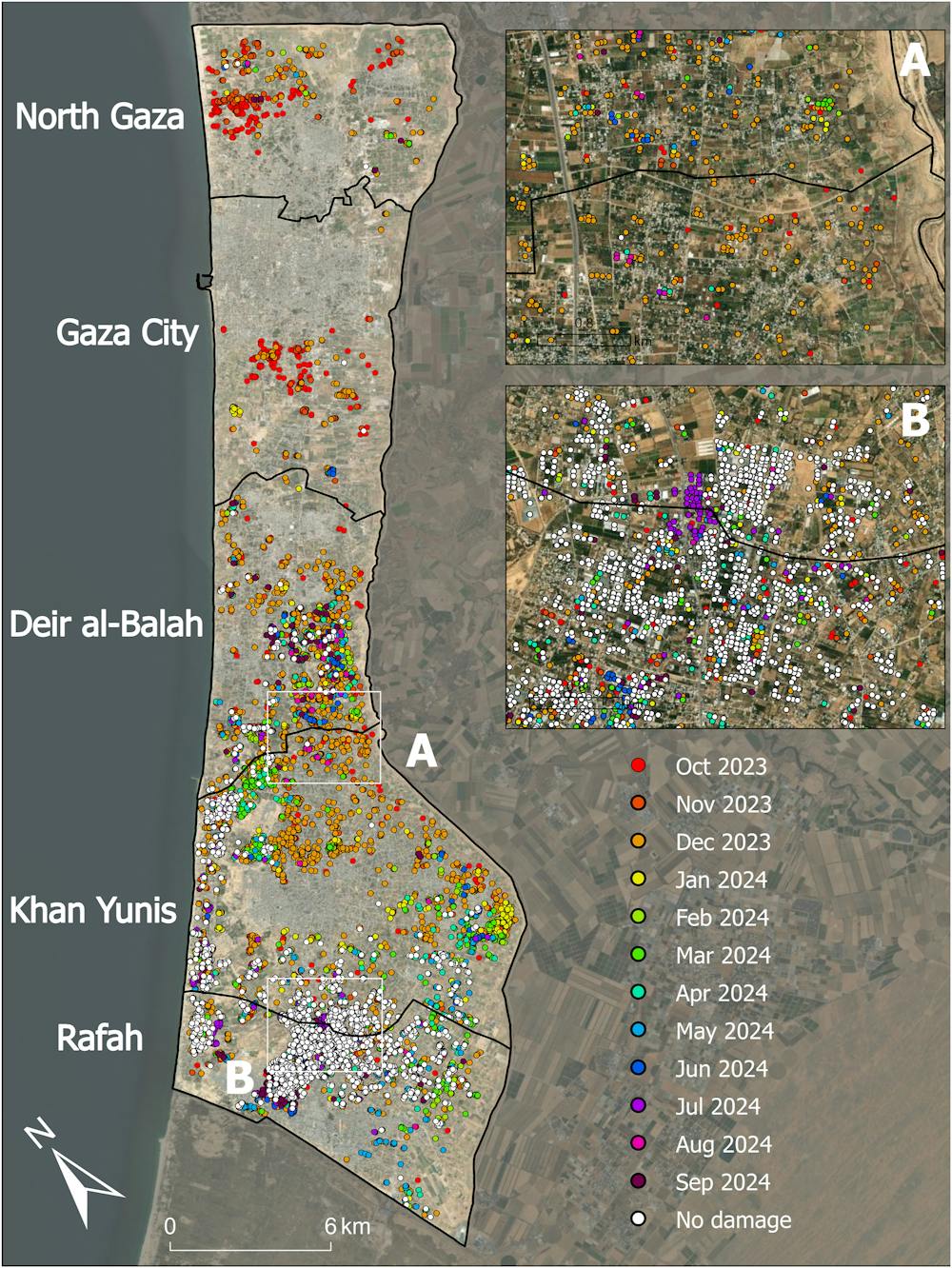
    Norovirus infections can cause dehydration, especially in vulnerable groups such as young children and older or immunocompromised people, so if you do get ill it is important to drink plenty of fluids during that time.

    Washing your hands with soap and warm water and using bleach-based products to clean surfaces will also help stop infections from spreading. Alcohol gels do not kill norovirus so don’t rely on these alone.

    Previous

    Thursday 30 January 2025

    This bulletin (formally Weekly Winter Briefing) brings together the latest surveillance data, along with the latest public health advice for flu, COVID-19, RSV and other viruses common in winter.

    In week 4:

    • influenza activity overall decreased across most indicators and was at medium activity levels – there continues to be an increase in influenza B across some indicators
    • COVID-19 activity remained stable across most indicators and was at baseline activity levels
    • respiratory syncytial virus (RSV) activity showed a mixed picture and was circulating at low levels overall

    For more information see the flu, COVID-19 and RSV surveillance report and norovirus surveillance report.

    Flu surveillance data for week 4

    • Flu activity overall decreased across most indicators and was at medium activity levels. There continues to be an increase in influenza B across some indicators.
    • Flu positivity decreased with a weekly mean positivity rate of 15.6%, compared to 27.4% in the previous week. This is based on a percentage of people who test positive among those with symptoms tested.
    • Overall, flu hospitalisations decreased to 7.13 per 100,000 population, compared with 8.51 per 100,000 in the previous week.
    • For primary care surveillance, due to a technical issue in processing the data, the influenza-like-illness (ILI) consultations indicator has not been updated this week. In week 3, the weekly ILI General Practice (GP) consultation rate decreased to 17 per 100,000 compared with 23.1 per 100,000 in the previous week.
    • Up to the end of week 4 (week ending 26 January 2025), vaccine uptake was 39.7% for those under 65 years in a clinical risk group, 34.8% in all pregnant women and 74.6% for all those aged 65 years and over. Uptake was 41.4% for children aged 2 years of age and 43.2% for children aged 3 years of age.

    COVID-19 surveillance data for week 4

    • COVID-19 activity remained stable across most indicators and was at baseline activity levels.
    • COVID-19 positivity in hospital settings remained stable with a weekly mean positivity rate of 2.4% compared with 2.4% in the previous week.
    • COVID-19 hospitalisations decreased to 1.13 per 100,000 compared to 1.33 per 100,000 in the previous week.
    • COVID-19 ICU admissions remained stable at 0.03 per 100,000 compared with 0.05 per 100,000 in the previous week.
    • There were 11 COVID-19 acute respiratory incidents reported in week 4.
    • The highest hospital admission rate was in the North-East, which decreased to 2.37 per 100,00 compared with 2.74 per 100,000 in the previous week. 
    • Those aged 85 years and over had the highest hospital admission rate, which decreased to 11.86 per 100,000 compared with 15.14 per 100,000 in the previous week.  
    • Up to the end of week 4 (week ending 26 January 2025), 23.6% of those under 65 years in a clinical risk group and 59.3% of all people aged over 65 years old, who are living and resident in England had been vaccinated.

    Respiratory syncytial virus (RSV) surveillance data for week 4

    • Respiratory syncytial virus (RSV) activity showed a mixed picture and was circulating at low levels overall.
    • Emergency department attendances for acute bronchiolitis remained stable.
    • RSV positivity decreased slightly to 3.8% compared with 4.2% in the previous week.
    • Overall, hospital admissions increased to 1.42 per 100,000 compared with 1.20 per 100,000 in the previous week.
    • UKHSA monitors Human metapneumovirus (hMPV) detections in patients seen in GP practices or tested by hospital laboratories and reports on this in the weekly surveillance report. hMPV is a common respiratory infection in winter and current levels are expected at this time of year. Infections are usually mild, causing symptoms of a common cold and most people have had hMPV by the time they are five years old and catch it again throughout their lives. In week 4, hMPV laboratory test positivity decreased to 3.9% from 4.5% in the previous week.

    Dr Alexander Allen, Consultant Epidemiologist at UKHSA, said: 

    We’re continuing to see flu activity decrease, which is really promising at this stage in the season. People are still reminded to take protective measures to ensure we keep cases down as we have seen a recent increase in cases of influenza B amongst children, although this is to be expected at this time of year.

    The vaccine offers the best defence against flu and protects against multiple flu strains, including B strains. The predominant circulating flu strain continues to be A H1N1 clade 5a.2a. Analysis by UKHSA laboratory scientists shows that the H1N1 component of the flu vaccine is well matched.

    If you’re eligible and have not yet had your flu vaccine, it’s important that you take this offer up if available through local services. This includes anyone recently pregnant or newly diagnosed as in an eligible clinical risk group.

    If you have symptoms of flu or COVID-19 such as a high temperature, cough and feeling tired and achy, try to limit your contact with others, especially those who are vulnerable. If you have symptoms and need to leave the house, our advice remains that you should consider wearing a face covering. Washing hands regularly and using and disposing tissues in bins can reduce the spread of respiratory illnesses, as can ensuring that indoor areas are well ventilated.

    Norovirus surveillance data for week 3

    • Norovirus reports in the 2-week period between 6 January 2025 to 19 January 2025 were 18.3% higher than the previous 2-week period. The total number of reports was 113.3% higher than the 5-season average for the same 2-week period. Reporting remained highest in adults aged 65 years and over.
    • Rotavirus reporting has started to increase again in recent weeks but was within expected levels during the 2-week period of weeks 2 and 3 of 2025.
    • The number of norovirus outbreaks reported to the Hospital Norovirus Outbreak Reporting System (HNORS) since the start of the 2024/2025 season is 14.3% higher than the 5-season average.
    • While some of the increased reporting may be attributable to the increased use of PCR multiplex technology (capable of detecting multiple gastrointestinal pathogens in one test), it is likely that the emergence of an unusual norovirus genotype, GII.17, as well as changes in the epidemiology following the COVID-19 pandemic and other factors are contributing to the observed rise.
    • During the 2024/2025 season to date, the majority (90.4%) of samples characterised were norovirus genogroup 2 (GII), of which the most frequently identified genotype was GII.17 (56.3%), an increase of this genotype has also been observed in other counties during 2024 and is being closely monitored — at present there is no indication it leads to more severe illness (note: it is not accurate to refer to GII.17 as ‘Kawasaki’ and this term is causing confusion with Kawasaki Disease, which is an unrelated disease)
    • Laboratory reports represent just a small proportion of total norovirus cases and it has been estimated that for every case of norovirus reported to national surveillance in the UK there are about 288 in the community that go unreported, representing an annual burden of around 3 million cases.
    • Norovirus symptoms include nausea, vomiting and diarrhoea but can also include a high temperature, abdominal pain and aching limbs. Norovirus infections can cause dehydration, especially in vulnerable groups such as young children and older or immunocompromised people, so if you do get ill it is important to drink plenty of fluids during that time.

    Amy Douglas, Epidemiologist at UKHSA said:

    Norovirus cases are over double what we would usually see at this time of year. This isn’t just unpleasant for those affected – it’s having a big impact on hospitals and care homes.

    It’s really important that if you have diarrhoea and vomiting, you take steps to avoid passing the infection on. Please avoid visiting people in hospitals and care homes to prevent passing on the infection in these settings.

    Do not return to work, school or nursery until 48 hours after your symptoms have stopped and don’t prepare food for others in that time either. This is because you can still pass on the virus in the days after you stop being sick.

    Washing your hands with soap and warm water and using bleach-based products to clean surfaces will also help stop infections from spreading. Alcohol gels do not kill norovirus so do not rely on these alone.

    Previous

    Thursday 23 January 2025

    This bulletin (formally Weekly Winter Briefing) brings together the latest surveillance data, along with the latest public health advice for flu, COVID-19, RSV and other viruses common in winter.

    In week 3:

    • influenza activity overall decreased across most indicators and was at medium activity levels; however, laboratory surveillance indicated an increase in influenza B
    • COVID-19 activity remained stable across most indicators and was at baseline activity levels
    • respiratory syncytial virus (RSV) activity decreased across most indicators and was circulating at low levels of activity

    For more information see the flu, COVID-19 and RSV surveillance report and norovirus surveillance report.

    Flu surveillance data for week 3

    • Flu activity overall decreased across most indicators and was at medium activity levels. However, laboratory surveillance indicated an increase in influenza B.
    • Flu positivity decreased with a weekly mean positivity rate of 17.5%, compared to 21.1% in the previous week. This is based on a percentage of people who test positive among those with symptoms tested.
    • Overall, flu hospitalisations decreased to 8.41 per 100,000 population, compared with 9.92 per 100,000 in the previous week.
    • The weekly influenza-like illnesses (ILI) general practice (GP) consultation rate decreased to 17 per 100,000 compared with 23.1 per 100,000 in the previous week.
    • Up to the end of week 3 (week ending 19 January 2025), vaccine uptake was 39.5% for those aged under 65 years in a clinical risk group, 34.5% in all pregnant women and 74.4% for all those aged 65 years and over. Uptake was 41.2% for children aged 2 years of age and 43% for children aged 3 years of age.
    • Some indicators suggested an increase in flu activity in children over the last week, this is in line with an expected increase in respiratory virus activity in children following the post Christmas return to school.

    COVID-19 surveillance data for week 3

    • COVID-19 activity remained stable across most indicators and was at baseline activity levels.
    • COVID-19 positivity in hospital settings increased slightly with a weekly mean positivity rate of 2.4%, compared to 2.2% in the previous week. 
    • COVID-19 hospitalisations remained stable at 1.32 per 100,000 compared to 1.35 per 100,000 in the previous week.
    • COVID-19 ICU admissions remained stable at 0.04 per 100,000 compared with 0.04 per 100,000 in the previous week.
    • There were 10 COVID-19 acute respiratory incidents reported in week 3.
    • The highest hospital admission rate was in the North-East, which remained stable at 2.74 per 100,000, compared with 2.78 per 100,000 in the previous week.
    • Those aged 85 years and over had the highest hospital admission rate, which decreased slightly to 14.65 per 100,000 compared with 15.45 per 100,000 in the previous week.  
    • Up to the end of week 3 (week ending 19 January 2025), 23.6% of those under 65 years in a clinical risk group and 59.3% of all people aged over 65 years old, who are living and resident in England had been vaccinated.

    Respiratory syncytial virus (RSV) surveillance data for week 3

    • Respiratory syncytial virus (RSV) activity decreased across most indicators and was circulating at low levels overall.
    • Emergency department attendances for acute bronchiolitis increased.
    • RSV positivity decreased slightly to 4.2% compared with 4.7% in the previous week.
    • Overall, hospital admissions decreased to 1.21 per 100,000 compared with 1.57 per 100,000 in the previous week.
    • UKHSA monitors Human metapneumovirus (hMPV) detections in patients seen in GP practices or tested by hospital laboratories and reports on this in the weekly surveillance report. Most people have had hMPV by the time they are 5 years old and catch it again throughout their lives. In week 3, Human metapneumovirus (hMPV) laboratory test positivity increased to 4.9% from 3.5% in the previous week.

    Dr Jamie Lopez Bernal, Consultant Epidemiologist at UKHSA, said: 

    It’s encouraging that flu activity is continuing to decrease this week and is currently circulating at medium levels. Flu positivity has decreased by 3.6% this week, but we should remember that flu season is not over yet and people should continue to take protective measures to keep us on this downward trend.

    We’re monitoring a slight increase in Influenza B positivity this week, which is to be expected towards the end of winter and the vaccine protects against multiple flu strains, including B. The predominant circulating flu strain continues to be A H1N1 clade 5a.2a. Analysis by UKHSA laboratory scientists shows that the H1N1 component of the flu vaccine is well matched.

    If you’re eligible and have not yet had your flu vaccine, it’s important that you take this offer up if available through local services. This includes anyone recently pregnant or newly diagnosed as in an eligible clinical risk group.

    If you have symptoms of flu or COVID-19 such as a high temperature, cough and feeling tired and achy, try to limit your contact with others, especially those who are vulnerable. If you have symptoms and need to leave the house, our advice remains that you should consider wearing a face covering. Washing hands regularly and using and disposing tissues in bins can reduce the spread of respiratory illnesses.

    Norovirus surveillance data for week 2

    • Norovirus reports in the 2-week period between 30 December 2024 to 12 January 2025 were 12% higher than the previous 2-week period. The total number of reports was 89.8% higher than the 5-season average for the same 2-week period.
    • Rotavirus reporting has started to increase again in recent weeks but was within expected levels during the 2-week period of weeks 1 and 2 of 2025.
    • The number of norovirus outbreaks reported to the Hospital Norovirus Outbreak Reporting System (HNORS) since the start of the 2024/2025 season is 7.2% higher than the 5-season average.
    • During weeks 1 and 2 of 2025, reporting remained highest in adults aged 65 years and over.
    • While some of the increased reporting may be attributable to the increased use of PCR multiplex technology (capable of detecting multiple gastrointestinal pathogens in one test), it is likely that the emergence of an unusual norovirus genotype, GII.17, as well as changes in the epidemiology following the COVID-19 pandemic and other factors are contributing to the observed rise.
    • During the 2024/2025 season to date, the majority (90.5%) of samples characterised were norovirus genogroup 2 (GII), of which the most frequently identified genotype was GII.17 (58%), an increase of this genotype has also been observed in other counties during 2024 and is being closely monitored — at present there is no indication it leads to more severe illness (note: it isn’t accurate to refer to GII.17 as ‘Kawasaki’ and this term is causing confusion with Kawasaki Disease, which is an unrelated disease).
    • Laboratory reports represent just a small proportion of total norovirus cases and it has been estimated that for every case of norovirus reported to national surveillance in the UK there are about 288 in the community that go unreported, representing an annual burden of around 3 million cases.
    • Norovirus symptoms include nausea, vomiting and diarrhoea but can also include a high temperature, abdominal pain and aching limbs. Norovirus infections can cause dehydration, especially in vulnerable groups such as young children and older or immunocompromised people, so if you do get ill it is important to drink plenty of fluids during that time.

    Amy Douglas, Epidemiologist at UKHSA said:

    Norovirus activity has remained high in recent weeks and has started to increase again, as we expected following the post-Christmas return to school and work.

    If you have diarrhoea and vomiting, you can take steps to avoid passing the infection on. Do not return to work, school or nursery until 48 hours after your symptoms have stopped and do not prepare food for others in that time either. If you are unwell, avoid visiting people in hospitals and care homes to prevent passing on the infection in these settings. Washing your hands with soap and warm water and using bleach-based products to clean surfaces will also help stop infections from spreading. Alcohol gels do not kill norovirus so do not rely on these alone.

    Previous

    Thursday 16 January 2025

    This bulletin (formally Weekly Winter Briefing) brings together the latest surveillance data, along with the latest public health advice for flu, COVID-19, RSV and other viruses common in winter.

    In week 2:

    • influenza (flu) activity showed a mixed picture with some recent decline, and was circulating at medium levels
    • COVID-19 activity remained stable across most indicators and was at baseline activity levels
    • Respiratory syncytial virus (RSV) activity decreased across most indicators and was circulating at low levels of activity

    For more information, see the flu, COVID-19 and RSV surveillance report and norovirus surveillance report.

    Flu surveillance data for week 2

    • Flu activity showed a mixed picture with some indicators suggesting that activity may have reached a peak, and declined in recent weeks to medium levels
    • Flu positivity decreased with a weekly mean positivity rate of 20.9%, compared to 28.4% in the previous week (this is based on a percentage of people who test positive among those with symptoms tested)
    • Overall, flu hospitalisations decreased to medium levels of 9.47 per 100,000 population, compared with 13.43 per 100,000 in the previous week.
    • The weekly influenza-like illnesses (ILI) General Practice (GP) consultation rate increased to 23.1 per 100,000 compared with 20.6 per 100,000 in the previous week. Note that this is not considered to indicate rising activity as it follows two weeks with bank holidays, in which the number of GP appointments available was reduced
    • Up to the end of week 2 (week ending 12 January 2025), vaccine uptake stood at 39.1% of those under 65 years in a clinical risk group, 34.2% in all pregnant women and 74.1% in all those aged 65 years and over, 41.1% of children aged 2 years of age and 42.7% of children aged 3 years of age have been vaccinated

    COVID-19 surveillance data for week 2

    • COVID-19 activity remained stable across most indicators and was circulating at baseline levels
    • COVID-19 positivity in hospital settings decreased slightly with a weekly mean positivity rate of 2.1%, compared to 2.3% in the previous week
    • COVID-19 hospitalisations remained stable at 1.34 per 100,000 compared to 1.39 per 100,000 in the previous week
    • COVID-19 ICU admissions remained stable at 0.04 per 100,000 compared with 0.06 per 100,000 in the previous week
    • There were 8 COVID-19 acute respiratory incidents reported in week 2
    • The highest hospital admission rate was in the North-East, which remained stable at 2.74 per 100,000, compared with 2.78 per 100,000 in the previous week
    • Those aged 85 years and over had the highest hospital admission rate, which remained stable at  15.47 per 100,000 compared with 15.13 per 100,000 in the previous week  
    • Up to the end of week 2 (week ending 12 January 2025), 23.6% of those under 65 years in a clinical risk group and 59.2% of all people aged over 65 years old, who are living and resident in England had been vaccinated

    Respiratory Syncytial Virus (RSV) surveillance data for week 2

    • Respiratory syncytial virus (RSV) activity decreased across most indicators and was circulating at low levels overall
    • Emergency department attendances for acute bronchiolitis decreased
    • RSV positivity decreased to 4.7% compared with 6.2% in the previous week
    • Overall, hospital admissions decreased to 1.52 per 100,000 compared with 2.10 per 100,000 in the previous week

    • UKHSA monitors Human metapneumovirus (hMPV) detections in patients seen in GP practices or tested by hospital laboratories and reports on this in the weekly surveillance report. Most people have had hMPV by the time they are five years old and catch it again throughout their lives. In week 2, Human metapneumovirus (hMPV) laboratory test positivity decreased to 3.5% from 4.6% in the previous week

    Dr Conall Watson, Consultant Epidemiologist at UKHSA, said: 

    Flu activity is currently heading in the right direction, falling from high to medium levels overall this week. One of our key indicators is the percentage of positive flu tests, and this has come down from 28% to 21%. This is promising but we are nowhere near out of flu season yet. Mixing increases in January as people return to workplaces and schools which increases the chances for flu viruses to spread. 

    We urge everyone to do their bit to keep us on this downward trend.  If you have symptoms of flu or COVID-19 such as a high temperature, cough and feeling tired and achy, try to limit your contact with others, especially those who are vulnerable. If you have symptoms and need to leave the house, our advice remains that you should consider wearing a face covering. Washing hands regularly and using and disposing tissues in bins can reduce the spread of respiratory illnesses.

    If you’re eligible and haven’t yet had your flu vaccine, it’s important that you take this offer up if available through local services. This includes anyone recently pregnant or newly diagnosed as in an eligible clinical risk group.

    The vaccine protects against multiple flu strains and we are monitoring influenza type B activity closely as this can rise towards the end of winter. The predominant circulating flu strain continues to be A H1N1 clade 5a.2a. Analysis by UKHSA laboratory scientists shows that the H1N1 component of the flu vaccine is well matched.

    Norovirus surveillance data for week 1

    • Norovirus reports in the 2-week period between 23 December to 05 January 2024 were 6.7% lower than the previous 2-week period, although have increased in week 1 of 2025.
    • The decrease over the festive period has also been seen in previous years should be interpreted with caution as likely reflects changes in patterns of healthcare use, social mixing and lagged reporting due to the Christmas holidays, as well as the impact of school holidays. However, the total number of reports was 70.1% higher than the 5-season average for the same 2-week period.
    • Rotavirus reporting has decreased in recent weeks and was within expected levels during the 2-week period of weeks 52 of 2024 and 1 of 2025.
    • The number of norovirus outbreaks reported to the Hospital Norovirus Outbreak Reporting System (HNORS) since the start of the 2024/2025 season is 8.7% higher than the 5-season average.
    • Norovirus reporting remained high across all regions of England and all age groups, with the highest number of reports in adults aged 65 years and over.
    • While some of the increased reporting may be attributable to the increased use of PCR multiplex technology (capable of detecting multiple gastrointestinal pathogens in one test), it is likely that the emergence of an unusual norovirus genotype, GII.17, as well as changes in the epidemiology following the COVID-19 pandemic and other factors are contributing to the observed rise.
    • During the 2024/2025 season to date, the majority (90.4%) of samples characterised were norovirus genogroup 2 (GII), of which the most frequently identified genotype was GII.17 (58.1%), an increase of this genotype has also been observed in other counties during 2024 and is being closely monitored — at present there is no indication it leads to more severe illness (note: it isn’t accurate to refer to GII.17 as ‘Kawasaki’ and this term is causing confusion with Kawasaki Disease, which is an unrelated disease)
    • Laboratory reports represent just a small proportion of total norovirus cases and it has been estimated that for every case of norovirus reported to national surveillance in the UK there are about 288 in the community that go unreported, representing an annual burden of around 3 million cases.
    • Norovirus symptoms include nausea, vomiting and diarrhoea but can also include a high temperature, abdominal pain and aching limbs. Norovirus infections can cause dehydration, especially in vulnerable groups such as young children and older or immunocompromised people, so if you do get ill it is important to drink plenty of fluids during that time.

    Amy Douglas, Epidemiologist at UKHSA said:

    Norovirus activity remains high.

    If you have diarrhoea and vomiting, you can take steps to avoid passing the infection on. Do not return to work, school or nursery until 48 hours after your symptoms have stopped and don’t prepare food for others in that time either. If you are unwell, avoid visiting people in hospitals and care homes to prevent passing on the infection in these settings.  > Washing your hands with soap and warm water and using bleach-based products to clean surfaces will also help stop infections from spreading. Alcohol gels do not kill norovirus so don’t rely on these alone.

    Previous

    Thursday 09 January 2025

    This bulletin (formally Weekly Winter Briefing) brings together the latest surveillance data, along with the latest public health advice for flu, COVID-19, RSV and other viruses common in winter.

    In week 1:

    • COVID-19 activity remained stable across most indicators and was at baseline activity levels
    • influenza (flu) activity showed a mixed picture with some indicators suggesting that activity may have reached a peak, though activity remains at high levels
    • Respiratory syncytial virus (RSV) activity decreased across most indicators and was circulating at low levels

    For more information, see the flu, COVID-19 and RSV surveillance report and norovirus surveillance report.

    Flu surveillance data for week 1

    • Flu activity showed a mixed picture with some indicators suggesting that activity may have reached a peak, though activity remains at high levels
    • flu positivity decreased slightly with a weekly mean positivity rate of 28.1%, compared to 29.7% in the previous week. This is based on a percentage of people who test positive among those with symptoms tested at sentinel “spotter” laboratories, reported through the Respiratory DataMart surveillance system
    • overall, flu hospitalisations remained stable at 13.41 per 100,000, compared with 13.90 per 100,000 in the previous week
    • the weekly influenza-like illnesses (ILI) General Practice (GP) consultation rate increased to 20.6 per 100,000 compared with 13.9 per 100,000 in the previous week
    • up to the end of week 1, vaccine uptake stood at 38.6% of those under 65 years in a clinical risk group, 33.8% in all pregnant women and 73.8% in all those aged 65 years and over. 40.9% of children aged 2 years of age and 42.5% of children aged 3 years of age have been vaccinated

    COVID-19 surveillance data for week 1

    • COVID-19 activity remained stable across most indicators and was circulating at baseline levels
    • COVID-19 positivity in hospital settings decreased with a weekly mean positivity rate of 2.2%, compared to 2.5% in the previous week
    • COVID-19 hospitalisations remained stable at 1.39 per 100,000 compared to 1.32 per 100,000 in the previous week
    • COVID-19 ICU admissions remained stable at 0.06 per 100,000 compared with 0.04 per 100,000 in the previous week
    • there were 12 COVID-19 acute respiratory incidents reported in week 1
    • the highest hospital admission rate was in the North-East at 2.78 per 100,000, increasing from 1.68 per 100,000 in the previous week
    • those aged 85 years and over had the highest hospital admission rate, which increased to 15.36 per 100,000 compared with 12.64 per 100,000 in the previous week
    • up to the end of week 1, 23.5% of those under 65 years in a clinical risk group and 59.1% of all people aged over 65 years old, who are living and resident in England had been vaccinated

    Respiratory syncytial virus (RSV) surveillance data for week 1

    • Respiratory syncytial virus (RSV) activity decreased across most indicators and was circulating at low levels overall
    • emergency department attendances for acute bronchiolitis decreased
    • RSV positivity decreased slightly to 6.2% compared with 7.2% in the previous week
    • overall, hospital admissions decreased to 2.14 per 100,000 compared with 2.48 per 100,000 in the previous week

    Dr Conall Watson, Consultant Epidemiologist at UKHSA, said: 

    We are continuing to see high levels of flu this week and ongoing admissions to hospitals and intensive care.  Although activity has remained stable coming into the new year, influenza activity can be unpredictable as people return to work and school and opportunities for the virus to spread can increase. 

    The predominant circulating flu strain continues to be A H1N1 clade 5a.2a, and the World Health Organization has so far concluded that the H1 component of the flu vaccine is well matched. If you’re still offered a vaccine through local services, it’s important that you take this up, including if you are pregnant or a health and social care worker.

    If you have symptoms of flu or COVID-19 such as a high temperature, cough and feeling tired and achy, try to limit your contact with others, especially those who are vulnerable. If you have symptoms and need to leave the house, our advice remains that you should consider wearing a face covering. Washing hands regularly and using and disposing tissues in bins can reduce the spread of respiratory illnesses.

    Norovirus surveillance data for week 52

    • Norovirus activity has decreased in recent weeks, with reports in the 2-week period between 16 to 29 December 2024 12.1% lower than the previous 2-week period. The decrease over the festive period has also been seen in previous years and should be interpreted with caution as it likely reflects changes in patterns of healthcare use, social mixing and lagged reporting due to the Christmas holidays, as well as the impact of school holidays. However, the total number of reports was 63.6% higher than the 5-season average for the same 2-week period.
    • Rotavirus reporting has decreased in recent weeks and was within expected levels during the 2-week period of weeks 51 and 52.
    • The number of norovirus outbreaks reported to the Hospital Norovirus Outbreak Reporting System (HNORS) since the start of the 2024/2025 season is 11.7% higher than the 5-season average.
    • Norovirus reporting remained high across all regions of England and all age groups, with the highest number of reports in adults aged 65 years and over.
    • While some of the increased reporting may be attributable to the increased use of PCR multiplex technology (capable of detecting multiple gastrointestinal pathogens in one test), it is likely that the emergence of an unusual norovirus genotype, GII.17, as well as changes in the epidemiology following the COVID-19 pandemic and other factors are contributing to the observed high levels.
    • During the 2024/2025 season to date, the majority (89.5%) of samples characterised were norovirus genogroup 2 (GII), of which the most frequently identified genotype was GII.17 (59.7%), an increase of this genotype has also been observed in other counties during 2024 and is being closely monitored — at present there is no indication it leads to more severe illness (note: it isn’t accurate to refer to GII.17 as ‘Kawasaki’ and this term is causing confusion with Kawasaki Disease, which is an unrelated disease)
    • Laboratory reports represent just a small proportion of total norovirus cases and it has been estimated that for every case of norovirus reported to national surveillance in the UK there are about 288 in the community that go unreported, representing an annual burden of around 3 million cases.
    • Norovirus symptoms include nausea, vomiting and diarrhoea but can also include a high temperature, abdominal pain and aching limbs. Norovirus infections can cause dehydration, especially in vulnerable groups such as young children and older or immunocompromised people, so if you do get ill it is important to drink plenty of fluids during that time.

    Amy Douglas, Epidemiologist at UKHSA, said:

    Although there was a decrease in reports of norovirus over the festive period, cases still remain high and we expect levels to rise further with the return to school.

    If you have diarrhoea and vomiting, you can take steps to avoid passing the infection on. Do not return to work, school or nursery until 48 hours after your symptoms have stopped and don’t prepare food for others in that time either. If you are unwell, avoid visiting people in hospitals and care homes to prevent passing on the infection in these settings.

    Washing your hands with soap and warm water and using bleach-based products to clean surfaces will also help stop infections from spreading. Alcohol gels do not kill norovirus so don’t rely on these alone.

    Updates to this page

    Published 6 February 2025

    MIL OSI United Kingdom

  • MIL-OSI United Kingdom: Three men arrested in connection with Hoads Wood illegal waste dumping

    Source: United Kingdom – Executive Government & Departments

    Three men were arrested on 5 February as part of an investigation into the large-scale, illegal tipping of waste at the Hoads Wood SSSI in Ashford, Kent

    Three men were arrested yesterday (Wednesday 5 February) as part of an investigation into the large-scale, illegal tipping of waste at the Hoads Wood Site of Special Scientific Interest (SSSI) in Ashford, Kent. 

    Environment Agency Enforcement Officers, Kent Police and the Joint Unit for Waste Crime worked closely together to secure the arrests and custody of the suspects.

    Two of the individuals – aged 44 and 62 – are from the Isle of Sheppey, while the third, aged 41, resides near Sittingbourne. All three have been interviewed, and evidence obtained during the arrests will support the next stages of the investigation.

    The Environment Agency began a criminal investigation in 2023 after 30,000 tonnes of household and construction waste, piled 15 feet high in places, was discovered to have been dumped throughout Hoads Wood, near Ashford.  

    We subsequently secured a court order, banning unauthorised access to the woodland and to successfully stop more waste being dumped, and have since appointed a specialist company to remove the waste and help return the site to its former state.

    Our investigation seeks to establish those responsible for co-ordinating the offending and bring them to court. These arrests mark an important next step in delivering justice for the local community.

    The Environment Agency’s Director of Operations for East and South East England, Simon Hawkins, said:

    The dumping of thousands of tonnes of waste at Hoads Wood in 2023 was a flagrant act of vandalism – with horrendous consequences for the local community and environment.

    The Environment Agency and Kent Police have been working tirelessly to uncover the identity of those responsible and bring them to justice, and to take the fight to organised criminal networks. The arrest of three individuals yesterday is a major step forward for our investigation and should bring some comfort to residents whose lives have been upended by this crime.

    Sergeant Darren Walshaw of Kent Police’s Rural Task Force said:

    Fly-tipping and environmental crime is a blight on Kent’s beautiful landscape and we are committed to supporting the Environment Agency in its ongoing efforts to bring those responsible to justice.

    We do this by making arrests, gathering evidence and carrying out preventative activities including spot checks of vehicles seen in areas where such offences are common.

    People who thoughtlessly dump large volumes of waste are often linked to other forms of criminal activity and their illegal acts must not be tolerated.

    The Environment Agency continues to monitor the site for any effect on air or water quality, and will ensure all necessary environmental authorisations are in place while the waste is cleared.

    Waste crime pollutes our environment, undercuts legitimate business and significantly affects our farmers and rural communities – which is why we’re committed to tackling it.

    In 2023/24, we successfully shut down 63 illegal waste sites, bringing the total number in operation to 344 – the lowest total figure on record. Enforcement officers also prevented nearly 34,000 tonnes of waste from being illegally exported by waste criminals. 

    If you have any information that may assist with this investigation, please call our 24-hour hotline on 0800 807060. Or report anonymously via Crimestoppers on 0800 555111 or the Crimestoppers website.

    Updates to this page

    Published 6 February 2025

    MIL OSI United Kingdom