Category: Health

  • MIL-OSI Canada: Government of Canada to host wreath-laying ceremony at the Sunnybrook Health Sciences Centre Cenotaph to mark the 80th anniversary of the Liberation of the Netherlands and Victory in Europe

    Source: Government of Canada News

    Toronto, ON –Veterans Affairs Canada will host a wreath-laying ceremony at the Sunnybrook Health Sciences Centre Cenotaph. Christine McDowell, Associate Deputy Minister, Veterans Affairs Canada will be joined by Veterans of the Second World War, residents of Sunnybrook, Dr. Andy Smith, CEO Sunnybrook Veterans Centre, Harman Idema, Consul-General of the Netherlands, and other dignitaries.

    There will be a photo op and interview opportunities with Veterans and other dignitaries following the ceremony.

    Location:   Sunnybrook Health Sciences Centre Cenotaph
                        
    2075 Bayview Avenue
                         Toronto, ON  M4N 1J7

    Date:           Tuesday, 6 May 2025

    Time:          10:30 EDT

    Notes for media:

    Media who wish to participate must register by 08:30 EDT on Tuesday, 6 May 2025 by contacting media@veterans.gc.ca with their name and media outlet. Media members are asked to arrive no later than 10:00 EDT.

    Please let us know if you have any accessibility needs and we will work with you to enable your participation.

    MIL OSI Canada News

  • MIL-OSI USA: Washington joins states suing to stop dismantling federal Health and Human Services

    Source: Washington State News

    SEATTLE — Attorney General Nick Brown today joined 18 attorneys general in filing a lawsuit against Secretary Robert F. Kennedy Jr., the U.S. Department of Health and Human Services (HHS), and other Trump administration officials to stop the dismantling of HHS.

    Since taking office, Kennedy and the Trump administration have fired thousands of federal health workers, shuttered vital programs, and abandoned states to face mounting health crises without federal support. The attorneys general argue that Secretary Kennedy and the Trump administration have robbed HHS of the resources necessary to effectively serve the American people.

    “These actions are both plainly illegal and a moral failing. More Americans will suffer from illness, injury, and death without these commonsense programs,” Brown said. “A robust public health system that serves communities with the most barriers to appropriate medical care is vital.”

    The administration has wreaked havoc across the entire health system through their reckless and illegal cuts. Among the examples are

    • Miners suffering from black lung disease have been left unprotected as congressionally mandated surveillance programs were abruptly shut down.
    • Workers have lost reliable access N95 masks following the closure of the nation’s only federal mask approval laboratory.
    • Key Centers for Disease Control and Prevention (CDC) infectious disease laboratories have been shuttered, including those responsible for testing and tracking measles, effectively halting the federal government’s ability to monitor the disease nationwide.
    • Hundreds of employees working on mental health and addiction treatment, including half of the entire workforce at the Substance Abuse and Mental Health Services Administration (SAMHSA), have lost their jobs, and all SAMHSA regional offices are now closed.
    • Pregnant women and newborns are now at risk after the firing of the entire CDC maternal health team and Head Start centers could face closures after many regional employees at the Office of Head Start were let go.
    • The World Trade Center Health Program (WTCHP), which provides life-saving care to more than 137,000 9/11 first responders and survivors, has lost the doctors needed to certify new cancer diagnoses, leaving American heroes without access to the health care they deserve.

    These sweeping actions are in clear violation of hundreds of federal statutes and regulations. The administration is disregarding the constitutional separation of powers and undermining the laws and budgets enacted by Congress to protect public health.

    The coalition is urging the court to halt the mass firings, reverse the illegal reorganization, and restore the critical health services that millions of Americans depend on.

    In April, Brown joined a coalition of 23 attorneys general in filing a lawsuit against Secretary Kennedy and the Trump administration for abruptly and unlawfully slashing billions of dollars in vital state health funding. Days later, a federal judge issued a temporary restraining order against the Administration, temporarily reinstating the funding.

    Joining Washington in this lawsuit – led by Brown, New York Attorney General Letitia James, and Rhode Island Attorney General Peter Neronha – are the attorneys general of Arizona, California, Connecticut, Delaware, Hawai’i, Illinois, Maine, Michigan, Maryland, Minnesota, New Jersey, New Mexico, Oregon, Vermont, and Wisconsin.

    A copy of the complaint is available here.

    -30-

    Washington’s Attorney General serves the people and the state of Washington. As the state’s largest law firm, the Attorney General’s Office provides legal representation to every state agency, board, and commission in Washington. Additionally, the Office serves the people directly by enforcing consumer protection, civil rights, and environmental protection laws. The Office also prosecutes elder abuse, Medicaid fraud, and handles sexually violent predator cases in 38 of Washington’s 39 counties.

    Visit www.atg.wa.gov to learn more.

    Media Contact:

    Email: press@atg.wa.gov

    Phone: (360) 753-2727

    General contacts: Click here

    Media Resource Guide & Attorney General’s Office FAQ

    MIL OSI USA News

  • MIL-OSI USA: Attorney General Bonta Sues Trump Administration over Unlawful Mass Firings and Dismantling at HHS

    Source: US State of California

    17th lawsuit against Trump Administration asks court to block implementation of “Make America Healthy Again” Directive

    OAKLAND — California Attorney General Rob Bonta today joined a coalition of 20 attorneys general in filing a lawsuit against the Trump Administration challenging the unlawful mass firing of roughly 10,000 full-time U.S. Department of Health and Human Services (HHS) employees, the consolidation of 28 HHS divisions into 15 divisions, and the closing of half of HHS’s ten regional offices — including one in San Francisco. Announced on March 27, these actions were part of HHS Secretary Robert F. Kennedy, Jr.’s Directive to “Make America Healthy Again” (MAHA Directive). In their lawsuit, the attorneys general argue that the MAHA Directive is arbitrary and capricious and contrary to law in violation of the Administrative Procedure Act (APA), is beyond the scope of presidential power, and violates the Appropriations Clause and Separation of Powers doctrine of the U.S. Constitution. Accordingly, they ask the U.S. District Court for the District of Rhode Island to declare the MAHA Directive unconstitutional and illegal, and to block its implementation in order to undo the mass firings, reverse the illegal reorganization, and restore the critical health services that millions of Americans depend on.  

    “The Trump Administration does not have the power to incapacitate a department that Congress created, nor can it decline to spend funds that were appropriated by Congress for that department. That’s why my fellow attorneys general and I are taking the Trump Administration to court — HHS is under attack, and we won’t stand for it,” said Attorney General Bonta. “Our States, and our people, are facing real harms as a result of the MAHA Directive. We look forward to making our case in court.”   

    Congress has passed dozens of laws for HHS to enforce and authorized HHS to spend about $1.8 trillion in 2024 alone because, in Congress’s judgment, the work of the Department is that critical. The MAHA Directive has had devastating consequences on HHS’s core mission to protect the health and well-being of all Americans. Following the MAHA Directive, work across several agencies within HHS came to a halt overnight. Further, the MAHA Directive layoffs compounded staff departures through a series of so-called “buy-out” offers, meaning that all told, in the last three months, HHS has lost roughly 20,000 of the 82,000 employees who were working at the agency as of January 2025. In addition, workers across the country can no longer reliably access N95 masks following the closure of the nation’s only federal mask approval laboratory. Key Centers for Disease Control and Prevention (CDC) infectious disease laboratories have also been shuttered, including those responsible for testing and tracking measles, effectively halting the federal government’s ability to monitor the disease nationwide.

    In their lawsuit, the attorneys general argue that: 

    • Long before he was nominated by President Trump to lead HHS, Secretary Kennedy had a history of spinning conspiracy theories about the Department and advocating for the evisceration of the Department’s statutorily mandated work promoting public health.
    • The MAHA Directive has caused substantial harm to their States. Among other things, the regional staff who were fired helped to provide critical support to early childhood programs within the Administration for Children and Families like Head Start. If Head Start programs in their States are forced to pause operations or close, hundreds of thousands of children (and their families) would be left without child care, early education, and health supports, which would inevitably impact and strain their States’ social support programs.
    • The MAHA Directive has disabled HHS from performing its regulatory and enforcement functions. For example, the Office of Compliance and Enforcement within the Center for Tobacco Products — a subagency within HHS — typically filed more than 100 complaints a week seeking civil monetary penalties against retailers that repeatedly sold tobacco to customers under 21, in violation of federal law. The MAHA Directive wiped out the Office of Compliance and Enforcement, straining the ability of remaining staff to seek penalties. 

    In filing today’s lawsuit, Attorney General Bonta joins the attorneys general of Arizona, Colorado, Connecticut, Delaware, Hawai’i, Illinois, Maine, Michigan, Maryland, Minnesota, New Jersey, New Mexico, New York, Oregon, Rhode Island, Vermont, Washington, Wisconsin, and the District of Columbia. 

    A copy of the complaint can be found here.

    MIL OSI USA News

  • MIL-OSI USA: Kathleen Adams named 2025 School of Pharmacy Teacher of the Year

    Source: US State of Connecticut

    Appreciating her time as an undergraduate student and graduating from the UConn School of Pharmacy in 2015, Adams rejoined Husky Nation as a faculty member in the fall of 2019. While working at Rhode Island Hospital, the Academic Medical Center for Brown University after graduation, Adams found her time working with learners, whether students or residents, to be most valuable. Through mentoring these learners and helping them reach their goals, Adams became driven to move this passion into a University setting as a professor. Wanting to give back to the School where she first found her love for pharmacy, Adams chose UConn – this time, as a professor.  

    “There is so much reward in seeing that lightbulb moment where students understand a hard concept or feel comfortable talking to a doctor.”

    Headshot of Kathleen Adams (UConn Photo)

    As a professor dedicated to her students, Adams looks forward to working each year to continuously improve lectures, curriculum, and experiences for her students. By valuing student feedback and watching her students implement in-class learning in clinical experiences, Adams strives to create more impactful and meaningful educational activities beyond the classroom.  

    The biggest challenge for Adams came during the transition back to in-person lectures and instruction after the pandemic. In pivoting out of this challenging time, Adams had to continuously adapt and rely on feedback from students.  

    Adams’s proudest accomplishment is the product of a collaboration with UConn’s Cassie Doyno and Lisa Holle as well as educators and software developers from Monash University in Australia. In collaborating, Adams and her colleagues developed the inpatient hospital version of a program called MyDispense. Described by Adams to be almost like a video game, MyDispense allows students to practice looking at patient charts, reviewing different medications, and deciding which medications are safe through interactive online simulations. In committing to inclusivity, MyDispense is a free, fully accessible software platform that any university can use. 

    In looking toward the future, Adams will strive to provide the best academic and professional foundations for students through the School’s new curriculum refresh. Likewise, as a believer in keeping students engaged, Adams plans to incorporate more active learning and immersive experiences in her classroom. 

    “Seeing the process of, over time, improving a course through feedback, practice, and experience has been remarkable.”

    Adams will receive her award during commencement weekend in May.  

    MIL OSI USA News

  • MIL-OSI Africa: Midwives in South Sudan provide a lifeline in times of calm and crisis

    Source: Africa Press Organisation – English (2) – Report:

    BRAZZAVILLE, Congo (Republic of the), May 5, 2025/APO Group/ —

    Midwives play a critical role in South Sudan, facilitating antenatal care, skilled birth attendance, and postnatal care for mothers and newborns to prevent death and promote a healthy future for both mothers and children.

    This is especially important as the country reports one of the highest maternal mortality rates globally, with 692 maternal deaths for every 100 000 live births. For newborns, the burden is equally severe, with about 40 deaths per 1000 live births. Many factors play a role, including a volatile context of humanitarian crises and climate-related health emergencies.

    While midwives are in short supply and almost 60% of births take place without a skilled birth attendant, there is remarkable commitment among midwives to change people’s perceptions and increase health facility deliveries, despite infrastructure challenges, human resource deficits and heavy workloads.

    Mary Mania

    Sixty-five-year-old Mary Mania has worked for 25 years as a midwife, most recently serving as matron at Torit State Hospital in South Sudan’s Eastern Equatoria State. Despite her administrative responsibilities, Mania still maintains an active role in maternity care. Losing family members to childbirth motivated her to pursue a career in midwifery, first through general nursing and then with specialized training.

    Mania recalls working during years of political instability and poor health infrastructure in Darfur, Sudan, and then in Torit hospital. She has trained and collaborated with traditional birth attendants, sharing with them life-saving practices despite the absence of formal education. Her passion for midwifery has remained intact, in the face of frequent shortages of medical supplies, equipment and even electricity. She often uses torches in delivery rooms or contributes from her own pocket when mothers cannot afford supplies.

    Under Mania’s watch, maternal mortality at the hospital has dropped from over 13 deaths in late 2023 to just one or two a year currently. She is well known in the community, greeted in the market and remembered by countless women and their families.

    “Even when a village is inhabited by very few people, a midwife must be there,” she says. “Midwives are critical wherever life begins.”

    Kulang Jasenta 

    For Kulang Jasenta, a 42-year-old mother of five children, the work of midwives at Torit Hospital has been a positive and life-affirming experience. She delivered all her children at the hospital and has experienced first-hand the care, respect and kindness of the midwives. “They assist you through labour, speak gently and stand by your side,” she says.

    Jasenta now serves as an informal ambassador for maternal health in her community. She advises women to attend antenatal care early and to avoid home deliveries. “When they see someone deliver safely at the hospital, they are encouraged,” she says.

    Rose Keji

    Twenty-eight-year-old Rose Keji has been a midwife in Torit State Hospital for nine years. She has witnessed women give birth at home and in makeshift health facilities in refugee camps, without access to quality health care. These experiences inspired her to join the profession and make a difference.

    Keji’s motivation is deeply rooted in serving her people. “Most services were once delivered by foreigners,” she says. “As a South Sudanese woman, I want to care for my people.” Despite challenges including political insecurity, community resistance, low pay, and a heavy workload, she remains committed. She and her team sometimes use mobile phone lights during power outages and fundraise among themselves when patients cannot afford medication.

    Her efforts are paying off. Keji has noticed a reduction in maternal deaths, an increase in hospital deliveries and greater awareness of antenatal care in the community. “When I walk through the market, someone calls my name or offers me a keepsake and I feel proud knowing I made a difference,” she says.

    MIL OSI Africa

  • MIL-OSI Africa: World Health Organization (WHO) Ghana Welcomes New Country Representative, Dr Fiona Braka

    Source: Africa Press Organisation – English (2) – Report:

    Download logo

    The World Health Organization (WHO) Ghana has welcomed Dr Fiona Braka as its new Country Representative, following official endorsement by the Government of Ghana.

    A seasoned public health expert from Uganda, Dr Braka brings to her new role over two decades of extensive experience in disease prevention and control, public health emergency management, and strategic leadership. She will lead WHO Ghana’s technical and operational work, collaborating with the Ministry of Health, key stakeholders and partners to strengthen health systems, improve health outcomes, and accelerate progress towards Universal Health Coverage and the health-related Sustainable Development Goals (SDGs).

    Before her appointment to Ghana, Dr Braka held several senior positions within WHO across Nigeria, Ethiopia, and Uganda. In these roles, she spearheaded initiatives to advance primary health care and public health security, while leading diverse teams in complex settings. Most recently, she served as Coordinator of Emergency Response Operations at WHO’s Regional Office for Africa in Brazzaville, Congo. In this capacity, she directed WHO’s response to major disease outbreaks and humanitarian crises across 47 countries and oversaw efforts to bolster national capacities for health emergency preparedness and response.

    Dr Braka played a pivotal role in the eradication of wild poliovirus in Nigeria, contributing to the African region’s certification as wild polio-free in 2020. As an immunization team lead in various countries, she supported the expansion of national vaccination programmes, helping to bring essential health services closer to underserved communities.

    As a dedicated contributor to global public health knowledge, Dr Braka has authored numerous publications in peer-reviewed journals. She holds a Medical Degree from Makerere University in Kampala, Uganda, and a Master of Public Health from the Johns Hopkins Bloomberg School of Public Health in the United States of America.

    Her appointment marks a new chapter in WHO Ghana’s continued support to the country’s health sector.

    Distributed by APO Group on behalf of World Health Organization (WHO), Ghana.

    MIL OSI Africa

  • MIL-OSI Economics: K-Pop’s Biggest Bands Perform in Los Angeles at SMTOWN LIVE 2025, Exclusively on Samsung TV Plus

    Source: Samsung

     
    Samsung TV Plus, the ultimate destination for K-Content, is teaming up with SM Entertainment to bring K-Pop’s biggest performances to the big screen in celebration of its 30th anniversary. As part of this exclusive, Samsung TV Plus will debut a new, dedicated SMTOWN channel–enhancing its commitment to deliver the best-in-class content to K-fans around the world.
     
    The partnership will kick off its first live event from the Los Angeles Dignity Health Sports Park on May 11th starting at 6 PM PT, with a star studded concert to remember.
     
    The lineup includes:
     
    TVXQ!
    SUPER JUNIOR
    KEY, MINHO of SHINee
    SUHO, CHANYEOL, KAI of EXO
    Red Velvet (IRENE, SEULGI, JOY)
    NCT127
    NCT DREAM
    WayV
    aespa
    RIIZE
    NCT WISH
    Hearts2Hearts
    SMTR25
     
    Now K-Pop fans from around the globe can experience live performances across 18 countries, with concert replays, music videos, and playlists with additional K-Content added to the channel following the SMTOWN LIVE 2025 concert.
     
    Samsung TV Plus’ expansion continues to solidify its position as one of the largest providers of K-Content. From premium titles across a variety of genres like K-Dramas, K-Crime, K-Thrillers, K-Romance, and now K-Pop, its expansive offering showcases the unique crossovers and cultural tie-ins that have made K-Content a global phenomenon.
     
    For more information on Samsung TV Plus, please visit samsungtvplus.com.

    MIL OSI Economics

  • MIL-OSI USA: Wild about wildlife: leveraging park visitor support to fund conservation

    Source: US Geological Survey

    Healthy wildlife populations require the conservation of habitat in and around protected areas, which can be costly. One potential way to fund such conservation would be through increasing visitor fees at national parks. The problem is, increases in visitor fees are expected to decrease visitation, especially for low-income visitors. Meanwhile, however, the failure to maintain the quality of visitors’ experiences (for example, by failing to conserve wildlife species that visitors love to see in the wild) could also reduce visitation in the long run. Park managers thus face the difficult task of balancing visitors’ want to view wildlife with their readiness to pay for it. 

    In a new study, researchers surveyed 991 visitors to Yellowstone and Grand Teton National Parks to explore park visitors’ wildlife-viewing behavior and interests. The survey included questions on the number of trips visitors take, how important they find wildlife viewing, and which animals they most want to see, along with questions asking visitors how they would expect changes in wildlife populations to affect their future park visitation. The researchers estimated what visitors currently spend on trips to the two national parks and gauged visitor support for three conservation fundraising mechanisms within parks: a mandatory fee, a voluntary donation fund, and a tax on goods and services sold within parks.

    Wildlife viewing generates significant recreational value

    The researchers estimated that the net economic value generated from trips to the two national parks is $753 million per year. About 77% of participants stated that viewing wildlife was a primary reason for their national park trip, meaning that of the total net economic value, $581 million can be attributed to wildlife viewing. Large carnivores, particularly grizzly bears, were especially important to some groups of wildlife viewers, who were willing to pay almost 50% more to visit parks.

    Crowds gather to view a grizzly bear in Hayden Valley, Yellowstone National Park (NPS).

    Wildlife declines could have a large effect on park visitation

    Almost half of all respondents reported that they would take fewer trips to the national parks if there were fewer wildlife to view, potentially reducing total park visitation by 16%. One fewer trip per year for half of all wildlife-viewing visitors could mean 1.1 million fewer annual visitors and a potential loss of $3.9 million over three years for the two parks. 

    Visitors support conservation fees

    Most surveyed visitors supported conservation fundraising through a mandatory fee, voluntary fund, or wildlife conservation fee on park goods and services, regardless of their income levels. The researchers estimated that the implementation of a small fee would have little effect on park revenue and overall visitation, while raising considerable funds for conservation. For example, a $5 conservation fee could raise almost $3 million dollars for wildlife conservation, while only reducing visitation by about 1% per year.

    This research highlights an opportunity to balance the quality of national park visitor experiences with sustainable funding for landscape-scale conservation. Conservation beneficiaries—park visitors—are willing to contribute toward biodiversity protection at ecologically meaningful scales. Implementing even modest conservation fees could generate substantial funding that would benefit visitor experiences and wildlife populations, all while having minimal effects on visitation rates and park revenues.

    Research economists at the U.S. Geological Survey specialize in estimating the economic benefits generated by public lands, including national parks. In related work, researchers quantified the economic value generated by bear sightings in Yellowstone National Park. They provide estimates both for the value per individual bear sighting and the aggregate value from all bear sightings over the course of a year. They also calculated how much a single bear contributes to viewing value every season. Learn more through the links below.

    MIL OSI USA News

  • MIL-OSI Canada: Mental Health Week: Minister Williams

    Source: Government of Canada regional news (2)

    MIL OSI Canada News

  • MIL-OSI Canada: Ministers Anandasangaree, Hajdu and Guilbeault issue statement on Red Dress Day 2025

    Source: Government of Canada News

    Taking care

    The Missing and Murdered Indigenous Women and Girls Crisis Line is a national, toll-free, 24/7 crisis call line that provides support for anyone who requires emotional assistance related to the crisis of missing and murdered Indigenous women, girls, Two-Spirit and gender-diverse people. For assistance, call 1-844-413-6649.

    Trauma-informed support is also available to all those impacted by the ongoing crisis of missing and murdered Indigenous women, girls, Two-Spirit and gender-diverse people through the Missing and Murdered Indigenous Women and Girls Health and Cultural Support Program. The program funds access to cultural support (e.g., Elders, Knowledge Holders, and Traditional Healers), emotional support (e.g., community-based health workers, peer supports), and registered mental health counsellors (e.g., psychologists and social workers).

    Ottawa, Ontario (May 5, 2025) — Traditional unceded Algonquin territory

    Today, the Honourable Gary Anandasangaree, Minister of Justice and Attorney General of Canada and Minister of Crown-Indigenous Relations and Northern Affairs, the Honourable Patty Hajdu, Minister of Indigenous Services, and the Honourable Steven Guilbeault, Minister of Canadian Culture and Identity and Minister responsible for WAGE, issued the following statement:

    “On Red Dress Day, we honour every First Nations, Inuit, and Métis woman, girl, and 2SLGBTQI+ person who has gone missing or been murdered in Canada. We recognize the strength and courage of families, survivors, and communities who continue to advocate for the dignity and justice of their loved ones.

    Also known as the National Day of Awareness for Missing and Murdered Indigenous Women, Girls and 2SLGBTQI+ People, Red Dress Day was first commemorated in 2010 and was inspired by Métis artist Jaime Black-Morsette’s REDress Project—an art installation featuring red dresses hung in public spaces as a visual reminder of the number of Indigenous women, girls, Two-Spirit and 2SLGBTQI+ people who are missing or have been murdered in Canada.

    Violence continues to disproportionately impact Indigenous women, girls and 2SLGBTQI+ people. This day raises awareness of this national crisis and offers us the opportunity to reflect on the efforts made—and the work still left to be done to address the deep-rooted, systemic issues and help build a safer and more equitable society. The Government of Canada’s efforts to tackle root causes are guided by the National Action Plan, the Federal Pathway to Address Missing and Murdered Indigenous Women, Girls, and 2SLGBTQQIA+ People, which is reported on annually, and the National Inquiry’s Calls for Justice.

    Examples of these efforts over the past year include initiatives like the third annual National Indigenous-Federal-Provincial-Territorial Meeting on Missing and Murdered Indigenous Women, Girls and 2SLGBTIQ+ People, the first-ever Red Dress Alert pilot in Manitoba and projects such as the Inuvialuit Family Wellness Centre and the Indigenous Victim and Family Liaison Program. By partnering with Indigenous survivors, families, leaders, and organizations, as well as with provinces and territories, we are addressing the long-standing and emerging issues related to this national crisis.

    Today we honour the lives lost, recognize the strength of families and communities, and recommit to building a future where all Indigenous women, girls and 2SLGBTQI+ people can live in safety and security, free from fear.”

    MIL OSI Canada News

  • MIL-OSI USA: Junior Named Key Into Public Service Scholar

    Source: US State of Connecticut

    Andy Zhang ’26 (CLAS, CAHNR) has been selected as a Key into Public Service Scholar by the Phi Beta Kappa Society, the nation’s oldest academic honor society and a leading national advocate for the value of liberal arts and sciences education.

    The program annually recognizes 20 exceptional arts and sciences students with a demonstrated interest in pursuing careers in local, state, and federal government. This year, over 800 students applied for the honor.

    Zhang, an economics and environmental sciences major, will receive a $5,000 scholarship and will participate in a Washington, D.C., conference providing training, mentorship, and opportunities for reflection on pathways to active citizenship.

    “This award perfectly aligns with a lot of my interests given that it has a strong focus on liberal arts, public service, and natural sciences,” says Zhang. “It is a wonderful opportunity as I look towards my future.”

    Zhang is president of UConn’s Undergraduate Student Government and is involved in a number of environmental groups on campus. He is president and founder of the UConn chapter of Plant Futures, an organization focused on addressing the climate crisis through a plant-centric future.

    He is a student ambassador for the College of Agriculture, Health and Natural Resources and a sustainability intern for the Office of Sustainability.

    Zhang served as a food policy intern for Friends of the Earth and was a Forge Fellow for the Roosevelt Network, where he engaged in weekly economic policy programming and collaborated with other fellows to deliver a policy critique on energy democracy.

    “What really sets Andy apart is his combination of originality and high energy,” says economics professor Richard Langlois. “His energy and enthusiasm help explain his success as an organizer and booster of environmental causes on campus. It is contagious energy, and other students want to be swept along.”

    Zhang was a sustainability intern for Akin Gump Strauss Hauer & Feld LLP, a fellow for the Paragon Policy Fellowship, and a Different Maker Mentor for the UConn Natural Resources Conservation Academy.

    This summer, he will work at the New York State Attorney General’s Environmental Protection Bureau, where he will continue to contribute to meaningful statewide climate action.

    Following graduation, he plans to pursue a law and public policy degree with the goal of shaping equitable food and climate policy at the federal level. Zhang hopes to do that either working in the federal government or at a nonprofit organization.

    Zhang grew up in Sandy Hook and was a third grader at Sandy Hook Elementary School on the day of the mass shooting in December 2012.

    “It wasn’t until college that I began to fully understand how that experience shaped me,” says Zhang. “What has stayed with me most is the power of community — the way people came together in the aftermath, supported one another, and built something stronger. That sense of collective care and resilience is what drives me now, whether I’m advocating for climate justice, building coalitions, or serving in student government. I believe public service is ultimately about showing up for others, especially in times of crisis.”

    MIL OSI USA News

  • MIL-OSI USA: Boozman, Bennet Lead Bipartisan Bill to Reduce Premature Births

    US Senate News:

    Source: United States Senator for Arkansas – John Boozman

    WASHINGTON—U.S. Senators John Boozman (R-AR) and Michael Bennet (D-CO) introduced legislation to improve pregnancy outcomes and infant health by continuing research and education programs aimed at preventing preterm births.

    The Prematurity Research Expansion and Education for Mothers who deliver Infants Early (PREEMIE) Reauthorization Act would reauthorize critical federal research, education and intervention activities to reduce preterm birth and infant mortality. The legislation also calls for a study to better understand the factors that lead to preterm birth and identify effective prevention and treatment options.

    In 2023, there were 4,259 preterm births in Arkansas, representing 12.1 percent of live births. Premature birth can lead to significant developmental delays and chronic health problems for infants. While preterm delivery can happen in any pregnancy, the rate of preterm birth for Black mothers is disproportionately high.

    “Arkansas families and providers face the consequences of preterm birth too often with one of the highest rates in the country. Although important progress has been made through awareness initiatives and investments in research, intervention and education to promote better outcomes for infants and mothers, there is more work to be done,” said Boozman. “Our bipartisan legislation is a strong step in the right direction to reduce preterm births and infant mortality so more moms and babies lead strong, healthy lives.”

    “We need more research to understand the causes of preterm births and ensure more moms have access to the care they need, especially in underserved communities where preterm birth rates are disproportionately high,” said Bennet. “Our bipartisan bill will renew lifesaving research to prevent premature delivery and give mothers and babies a healthy start in life.”

    The PREEMIE Act reauthorizes the Centers for Disease Control and Prevention’s research and data collection on infants born prematurely and programs at the Health Resources and Services Administration aimed at improving the treatment and outcome of infants born prematurely. This includes grants to help doctors and the public understand the potential risk factors for having a preterm baby, such as smoking, as well as screening and treating pregnant women for depression and substance use disorders including opioid addiction. These programs have not been reauthorized since 2023.

    “Every family deserves the healthiest possible start, but for far too many in the U.S., that’s not the reality,” said March of Dimes Senior Vice President for Public Policy and Government Affairs Stacey Y. Brayboy. “The March of Dimes Report Card shows a preterm birth rate of 10.4 percent—more than 370,000 babies born too soon and too sick. That’s unacceptable. Preterm birth with low birthweight is the second leading cause of infant death, behind birth defects. Improving access to quality health care before, during, and after pregnancy is essential to changing these outcomes. The PREEMIE Reauthorization Act is the only federal law focused on preventing and treating preterm birth. Renewing this legislation is a vital step toward reversing this alarming trend and giving every mom and baby the best possible start.” 

    Companion legislation was introduced in the House of Representatives by Robin Kelly (D-IL-02), Mariannette Miller-Meeks (R-IA-01), Lizzie Fletcher (D-TX-07), Buddy Carter (R-GA-01), Shontel Brown (D-OH-11) and Jen Kiggans (R-VA-02).

    The bill text is available here.  

    MIL OSI USA News

  • MIL-OSI USA: GAO Makes MACPAC Appointments

    Source: US Government Accountability Office

    WASHINGTON (May 5, 2025)—Gene L. Dodaro, Comptroller General of the United States and head of the U.S. Government Accountability Office (GAO), today announced the appointment of two new members to the Medicaid and CHIP Payment and Access Commission (MACPAC). Four members were also reappointed.

    “I am honored to appoint our two newest members to this important commission and to welcome back our reappointed members,” Dodaro said. “Their valuable expertise and commitment to public service will enhance MACPAC’s role in providing Congress with thoughtful, evidence-based guidance on Medicaid and the Children’s Health Insurance Program (CHIP).”

    The newly appointed members are April Hartman and Anne Karl. Their terms will expire in April 2028. In addition, current members Sonja Bjork, Jennifer Gerstorff, Angelo Giardino, and Dennis Heaphy were reappointed to new terms, which will also expire in April 2028.

    The Children’s Health Insurance Program (CHIP) Reauthorization Act of 2009 established MACPAC to review Medicaid and CHIP access and payment policies and to advise Congress on issues affecting Medicaid and CHIP. The Act directs the Comptroller General to appoint MACPAC’s members. Brief biographies of the new commission members follow.

    April Hartman, MD, FAAP is a board-certified general pediatrician with over 25 years of clinical experience in both rural and urban settings. She serves as Professor and Division Chief of General Pediatric and Adolescent Medicine at the Medical College of Georgia at Augusta University. She currently chairs the Medicaid Task Force for the Georgia Chapter of the American Academy of Pediatrics; serves as President of the Board of Directors for Child Enrichment, Inc.; and is the Medical Liaison for Resilient Communities of East Georgia. Dr. Hartman earned her medical degree from Meharry Medical College in Nashville, Tennessee.

    Anne Karl, JD, is a partner at Manatt Health with 15 years of experience in health care. She advises states and providers across the country on a wide range of Medicaid and CHIP issues. Ms. Karl has expertise with complex Medicaid payment and financing issues. She also leads teams that support states as they develop, negotiate, and implement Medicaid 1115 waivers. Ms. Karl received her law degree from Yale Law School.

    For more information about MACPAC, contact Kate Massey, MACPAC’s executive director, at (202) 350-2000. Other questions should be directed to Sarah Kaczmarek, Managing Director of GAO Public Affairs at media@gao.gov.

    #####

    The Government Accountability Office, known as the investigative arm of Congress, is an independent, nonpartisan agency that exists to support Congress in meeting its constitutional responsibilities. GAO also works to improve the performance of the federal government and ensure its accountability to the American people. The agency examines the use of public funds; evaluates federal programs and policies; and provides analyses, recommendations, and other assistance to help Congress make informed oversight, policy, and funding decisions. GAO provides Congress with timely information that is objective, fact-based, nonideological, fair, and balanced. GAO’s commitment to good government is reflected in its core values of accountability, integrity, and reliability. 

    MIL OSI USA News

  • MIL-OSI Canada: Don’t get measles. Get immunized.

    [. Alberta’s government is taking the current measles outbreaks seriously and is actively working to improve vaccination access and share information Albertans need to protect themselves.

    As cases increase, additional immunization appointments are being added daily to improve access to vaccines with an expansion of immunization clinic access across the central and south zones starting May 5. Clinics in the central zone will now have walk-in availability, including some with evening measles-specific clinics and additional Saturday availability. In the south zone, both evening and weekend appointments are being added.

    Alberta Health Services (AHS) has planned for and is ready to ramp up additional measles clinics across the province including extending hours at existing measles-specific clinics and opening additional clinic space, based on demand.

    Alberta’s government and AHS have also introduced a new early dose of measles-containing vaccines, now available for infants six to 11 months of age in the north, central, and south zones of the province. This is on top of the routine immunization schedule, which is two doses of measles-containing vaccine at 12 and 18 months of age.

    “Getting immunized against measles is the single most important thing you can do to protect yourself, your loved ones and your community. By expanding access to vaccines and reaching more Albertans with this advertising campaign, we hope more Albertans will protect themselves.”

    Adriana LaGrange, Minister of Health

    Public health officials are collaborating with AHS to manage the outbreak response. They are also working with local leadership in areas with the highest case numbers to support affected communities and increase vaccination efforts. Most cases remain traceable, and officials continue to monitor the situation closely.

    “We are looking at one of the largest outbreaks in nearly 40 years. When fewer people are protected, measles spreads—and the risks go up. Immunization is the best way to protect yourself and loved ones from measles. Get immunized against measles now and help prevent the spread. Help protect your communities.”

    Dr. Sunil Sookram, interim Chief Medical Officer of Health

    Starting Monday, May 5, HealthLink 811 is introducing a dedicated measles hotline. Albertans seeking information about measles can fast track their call through HealthLink by calling 1-844-944-3434. The measles hotline will speed up access to a professional who will:

    • Assist with accessing your immunization records or general information
    • Provide advice for those experiencing measles symptoms and are feeling unwell.
    • Assist with booking measles immunization appointments or locating a public health clinic offering immunization in your area.

    “Primary Care Alberta encourages all Albertans to check their vaccination records, and those of their children, to ensure that they are protected from the highly contagious measles virus. Our dedicated team is ready to help you confirm your vaccination status, or to assist you and your family if you suspect that you’ve been exposed to measles.”

    Kim Simmonds, CEO, Primary Care Alberta

    Alberta’s government is committed to providing the information needed to protect Albertans, with a dedicated measles webpage on alberta.ca. Albertans can visit the page, updated every weekday, for information related to the disease, including local exposure notifications issued by AHS to warn people of known exposure locations.

    Expanded advertising campaign launching next week

    Since late March, Alberta’s government has been running a social media campaign encouraging Albertans to check their immunization records to ensure they are protected against measles.

    To further raise awareness, an expanded provincewide Don’t get measles. Get Immunized awareness campaign is launching in mid-May across radio, print, digital, and social media. A toolkit is also being developed to share with daycare providers to further ensure parents have the information they need to protect their children.

    This campaign will also be translated into over 14 languages to help reach Albertans whose first language is not English. The additional languages in online ads will be French, Chinese, Punjabi, Spanish, Ukrainian, Urdu, and Tagalog. The additional languages in radio will be Arabic, French, Hindi, Korean, Farsi, Chinese (traditional and simplified), Somali, Spanish, Tagalog, Ukrainian, Urdu, and Vietnamese.

    Quick facts

    • Currently, appointments in the central zone are available within one day, while in the south zone appointments are available usually within one to two days.
    • Following increased efforts to educate Albertans on measles and the importance of immunization, there has been a significant rise in immunizations across the province. Since March 16, there has been a 67% increase in comparison to last year.
    • Data on measles, including total confirmed cases, is updated Monday to Friday on the government website.
    • Weekly updates on immunization rates are done every Thursday.
    • Albertans uncertain of their immunization history, or their child’s immunization history, can text “vaccine record” to 88111, call Health Link at 811 or their local public health office.
    • Albertans can also text “measles” to 88111 to get measles health information texted to their mobile device.
    • Symptoms of measles include:
      • fever of 38.3° C or higher
      • cough, runny nose and/or red eyes
      • a red, blotchy rash appears three to seven days after fever starts. It typically beginning behind the ears and on the face and spreads down the body and to the arms and legs

    Related information

    • MyHealth Alberta
    • Measles – Alberta.ca
    • Measles Exposures in Alberta – AHS

    Related news

    • Update on measles situations in Alberta (April 11, 2025)
    • Stay informed about measles in Alberta (March 14, 2025)

    Multimedia

    • Watch the news conference

    MIL OSI Canada News

  • MIL-OSI Canada: Recognizing May 5-10 For Safety and Health Week

    Source: Government of Canada regional news

    Released on May 5, 2025

    The Government of Saskatchewan is recognizing May 5-10 as Safety and Health Week in Saskatchewan. 

    “This week is a time to focus on the role each of us can play in creating safe, healthy workplaces and communities,” Labour Relations and Workplace Safety Minister Jim Reiter said. “There is always more work to be done in building a safer Saskatchewan.”

    Safety and Health Week, formerly known as North American Occupational Safety and Health Week, began in 1997 and is observed annually in Canada, the United States and Mexico. The purpose of the day is to focus employers, employees, partners and the public on the importance of preventing injury and illness in the workplace, at home and in the community.

    Visit the Canadian Centre for Occupational Health and Safety’s website for more information and tools and resources for safety and health in the workplace.

    The Ministry of Labour Relations and Workplace Safety fosters safe, healthy and productive workplaces for Saskatchewan through education, intervention and enforcement.

                                                                                                                             -30-

    For more information, contact:

    Shane Seilman
    Labour Relations and Workplace Safety
    Regina
    Phone: 306-520-2705
    Email: shane.seilman2@gov.sk.ca

    MIL OSI Canada News

  • MIL-OSI Global: City police in South Africa’s capital have a bad image – how to fix it

    Source: The Conversation – Africa – By Azwihangwisi Judith Mphidi, Post Doctoral Research Fellow, Tshwane University of Technology

    Corruption in South Africa’s public institutions has been a pressing issue for the past two decades. From national government offices to local municipalities, stories of officials enriching themselves at the expense of the public have become all too familiar.

    The Tshwane Metropolitan Police Department – responsible for traffic policing, crime prevention, and by-law enforcement in South Africa’s capital city – has not escaped this crisis.

    With over four million residents spread across 6,298 square kilometres, Tshwane plays a vital role in the country’s political and economic landscape. Yet its municipal police department, one of the largest in South Africa, with an average of 4,000 operational staff, is increasingly associated with allegations of bribery, abuse of power and unethical behaviour.

    I am a postdoctoral researcher with a focus on criminal justice, and an active social justice advocate. In a recent research paper, I explored how corruption in the Tshwane Metropolitan Police Department is damaging public trust and compromising law enforcement and crime prevention.

    I was able to observe the culture and environment of the Tshwane Metropolitan Police Department as a motorist and as an employee under the city’s Community and Social Development Department.

    My research drew on texts and context rather than analysis of numbers, since the study was written after I left the City of Tshwane. I relied on my first hand experience, and already published and documented evidence. I did not need special permissions to do this but cited sources consulted.

    The study found that motorists view the Tshwane Metropolitan Police Department as predators rather than protectors. Corruption in the traffic police is more than a betrayal of public trust. When officers take bribes instead of enforcing traffic laws, road safety suffers.

    Inside the Tshwane Metropolitan Police Department

    In recent years, the Tshwane Metropolitan Police Department has been accused of recruiting members with criminal records and cases of corruption.

    My key findings were about:

    Hiring practices: Individuals with criminal records have been recruited into the department. Vetting is conducted, but the reports come later when they are already employed, then they are expelled.

    Bribery: Motorists frequently report officers soliciting bribes during routine traffic stops or other bribery related incidences. Some of these reports are made to the mayoral committee member for community safety.

    Lack of accountability: Officers implicated in corruption are not always dismissed, or may face minimal consequences.

    Public complaints: Over 200 officers have been under investigation for various misconduct allegations in recent years.

    Political interference and leadership instability

    In the course of the research, I found that another key factor undermining the effectiveness of the Tshwane Metropolitan Police Department is political interference in operational matters and leadership appointments as a result of the structure of the municipalities across the country. All mayoral committee executives and council members are politicians.

    Frequent reshuffling of senior leaders based on politics rather than merit weakens strategic direction and fosters corruption. Politically connected individuals often secure positions without proper vetting, either due to delays in completing reports or human resources not waiting for the report before proceeding with appointments.

    The combination of weak vetting processes, inadequate oversight, and political interference has created an environment where corruption is not only possible but, in some cases, normalised.

    Damage to the capital city’s global reputation and tourism

    The corruption within the Tshwane Metropolitan Police Department not only affects local residents but also tarnishes Pretoria’s reputation as South Africa’s administrative capital, home to embassies from around the world.

    As the city hosts more than 130 foreign diplomatic missions — the second-largest concentration of embassies in the world after Washington DC — the behaviour of municipal police officers directly influences the capital city’s global image.

    When officers solicit bribes or abuse their power during routine traffic stops, they might not distinguish between local residents, foreign diplomats or tourists. This indiscriminate targeting is likely to create an unsafe environment for international visitors and damage the trust of foreign nations engaging with South Africa.

    What needs to be done

    Addressing corruption in the Tshwane Metropolitan Police Department will require urgent reforms. Based on the research, I argue that the following actions are essential:

    Stricter recruitment processes: Background checks should be mandatory for all officers. Individuals found to have criminal records should be disqualified from serving.

    Body cameras and digital monitoring: Equipping officers with body cameras would provide an objective record of interactions with the public.

    Independent oversight: An external body should be established to investigate complaints and ensure accountability. Currently, municipal policing is governed by the South African Police Service Act 68 of 1995, and the Independent Police Investigative Directorate investigates some complaints. But it appears to have limited resources.

    Ethics training: All officers should get regular training to reinforce the importance of integrity and professionalism. They are currently trained at the Police Academy and get support from academic institutions, including the University of Pretoria.

    Community engagement: Building partnerships between the Tshwane Metropolitan Police Department and the communities it serves can help restore trust and improve transparency.

    Municipal policing law

    Restoring public confidence requires more than piecemeal reforms — it demands a new legal framework.

    A South African Municipal Policing Act could create a unified standard for municipal policing across the country, addressing many of the root causes of corruption. This legislation could introduce:

    National municipal police officers register: A centralised database that records applications, criminal background checks, disciplinary history, and performance assessments of all municipal officers.

    Uniform ethical standards: Clear ethical guidelines that apply to all municipal police officers, regardless of location.

    Independent oversight: An investigative body focused solely on municipal policing.

    Mandatory pre-vetting process: All applicants would undergo fingerprint-based criminal record checks.

    Cross-municipal blacklisting: Officers dismissed or suspended from one municipality would be automatically barred from working in another.

    Digital recording systems: All municipal police vehicles and personnel would be equipped with body cameras and GPS tracking systems to improve accountability.

    A framework like this would close loopholes that allow corrupt officers to move between municipalities undetected. It would also prevent the recycling of officers with criminal records.

    Azwihangwisi Judith Mphidi does not work for, consult, own shares in or receive funding from any company or organisation that would benefit from this article, and has disclosed no relevant affiliations beyond their academic appointment.

    ref. City police in South Africa’s capital have a bad image – how to fix it – https://theconversation.com/city-police-in-south-africas-capital-have-a-bad-image-how-to-fix-it-251505

    MIL OSI – Global Reports

  • MIL-OSI Global: Menopause symptoms may be critical to understanding Alzheimer’s disease risk in women

    Source: The Conversation – Canada – By Jasper Crockford, Medical Science Master’s Student, University of Calgary

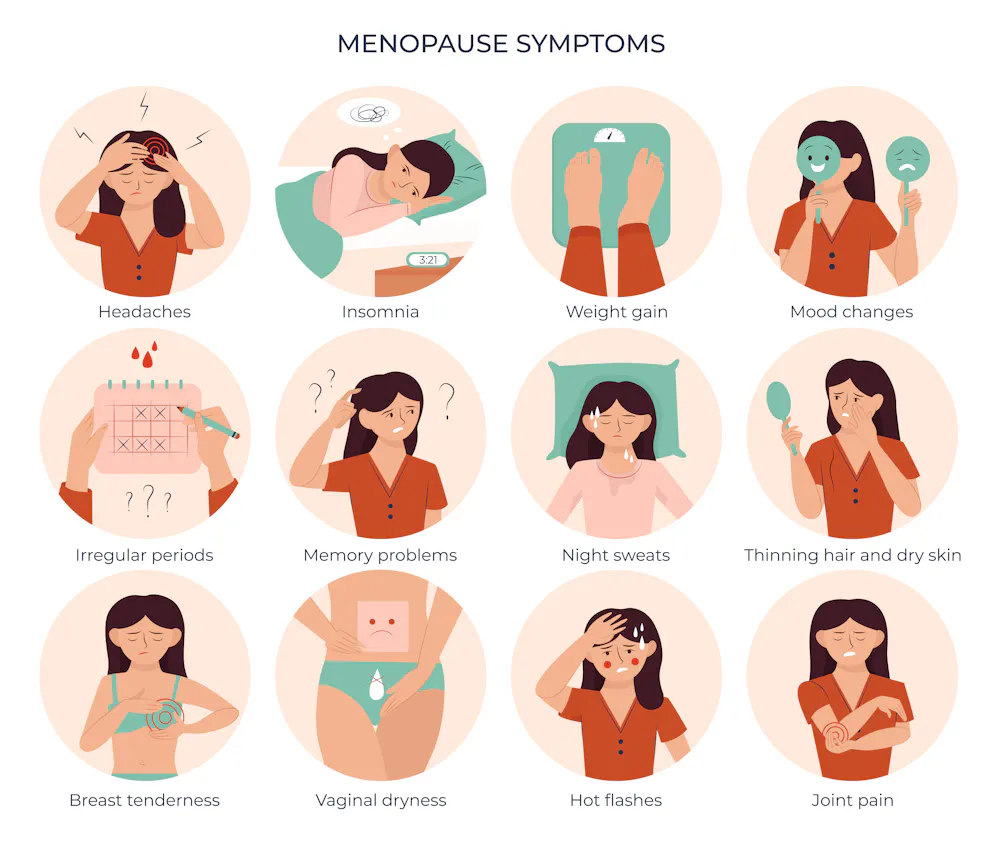
    Hot flashes, night sweats, vaginal dryness, urinary tract infections, irregular periods, low libido, trouble sleeping, brain fog, mood swings — and in rare cases, even a burning tongue sensation. What might all these symptoms have in common? They can all be signs of menopause.

    But could these symptoms hint at a greater story? New research suggests that menopause symptoms are not just immediate hurdles to overcome; they might also hold clues about a person’s future health, including their risk for conditions like dementia. However, to understand this connection, we must first understand what menopause is and how it affects the brain and body.

    Symptoms may emerge during the hormonal changes of menopause.
    (FreePik)

    What is menopause?

    Menopause marks the natural end of a woman’s menstrual periods, typically occurring in their late 40s or early 50s. Officially, menopause describes the specific day when someone has gone a full year without a period.

    However, menopause doesn’t happen overnight. It often starts years earlier with a phase called perimenopause. During this time, the body prepares for menopause, and hormone levels — especially estrogen — fluctuate. This transition can last several years, often bringing symptoms like irregular periods, hot flashes, mood swings and more.

    Once periods stop completely, a woman enters postmenopause. Unfortunately, symptoms don’t always end here; some may persist for years, and new symptoms may appear.

    These stages — perimenopause, menopause and postmenopause — are all part of the same journey, though each person’s experience is unique.

    An all too similar patient’s journey

    While menopause is a natural process, its symptoms can feel anything but. Some people may experience mild or no symptoms, while others struggle with numerous and severe symptoms that disrupt daily life.

    Symptoms like anxiety can make socializing difficult, sleep problems can lead to exhaustion and brain fog can make even simple tasks feel daunting. Together, these challenges can affect thoughts, feelings and social lives — key aspects to overall health.

    Symptoms like anxiety can make socializing difficult, sleep problems can lead to exhaustion and brain fog can make even simple tasks feel daunting.
    (FreePik)

    Why menopause matters beyond the present

    Understanding menopause and its symptoms is just the beginning. Beyond being a transitional phase, the challenges of menopause may offer a unique window into future brain health.

    Take Alzheimer’s disease, the most common cause of dementia, marked by progressive memory loss, emotional and personality changes, and eventually, a loss of independence. Women are twice as likely as men to develop Alzheimer’s disease. In the past, research thought this difference was because women live longer than men, but new research suggests that menopause-related hormone changes may also play a critical role.

    Estrogen helps protect memory, strengthen neural connections, regulate mood and remove harmful proteins from the brain. When estrogen levels fall, these health benefits may weaken.
    (FreePik)

    The role of hormones in brain health

    During menopause, the ovaries stop producing eggs, triggering significant hormonal changes. One major change is the drop in estrogen, a hormone not only essential for reproduction, but also brain health.

    Estrogen helps protect memory, strengthen neural connections, regulate mood and remove harmful proteins from the brain. When estrogen levels fall, these health benefits may weaken, possibly leaving the brain and body more vulnerable to harmful changes.

    During these hormonal changes, menopause symptoms may also emerge. While symptoms were once thought to be temporary, albeit uncomfortable, side-effects of menopause, these symptoms may also signal underlying brain changes linked to dementia risk.

    Future cognitive and behavioural health

    While past research has examined how individual menopausal symptoms may relate to dementia risk, our research team (led by Dr. Zahinoor Ismail, a physician-scientist) asked: could the number of symptoms experienced also indicate early warning signs of dementia?

    We explored this by analyzing changes in:

    1. Cognition (for example, memory, thinking, and problem-solving) and

    2. Behaviour (for example, emotions, personality, and social interactions).

    While cognitive changes are often top of mind when thinking about dementia, behavioural changes are equally important but frequently overlooked, and might also be early warning signs.

    We examined data from 896 postmenopausal participants in the CAN-PROTECT study, an online Canadian project on aging and brain health. Participants recalled the type and number of symptoms they experienced during perimenopause and completed tests assessing their current cognition and behaviour.

    Among the participants, 74.3 per cent experienced perimenopausal symptoms — an average four symptoms per person — with hot flashes (88 per cent) and night sweats (70 per cent) being most common.

    Menopause symptoms may signal underlying brain changes linked to dementia risk.
    (Shutterstock)

    Our findings revealed that experiencing more symptoms during perimenopause was associated with greater cognitive and behavioural changes later in life, suggesting the burden of perimenopausal symptoms not only affected immediate well-being, but could also signal long-term brain health risks.

    While the underlying mechanisms remain unclear, these findings highlight the importance of recognizing menopausal symptoms as potential early indicators of future brain health.

    Interestingly, participants who used estrogen-based hormone therapies for perimenopausal symptoms showed fewer behavioural changes than non-users, suggesting a possible role for estrogen in dementia risk reduction. However, further research is critical to clarify the timing and long-term effects of hormone therapy.

    It’s important to understand that these findings show a relationship between symptom burden and later brain health, but do not prove that one causes the other. We still need more research to understand why a connection exists and how it works.

    Menopause is more than a life transition; it may offer critical insights into long-term brain health.
    (FreePik)

    Why this research matters

    Our research highlights a crucial link: experiencing multiple perimenopausal symptoms may be related to cognitive and behavioural changes, which are early risk markers of dementia. Recognizing these symptoms as potential warning signs could help health care providers identify risks sooner and explore ways to protect brain health over time.

    Menopause is more than a life transition; it may offer critical insights into long-term brain health. Supporting research like CAN-PROTECT, which is still recruiting participants, can help us uncover how menopause experiences shape dementia risk, paving the way for earlier interventions and better outcomes.

    Zahinoor Ismail receives funding from Canadian Institutes of Health Research.

    Jasper Crockford and Maryam Ghahremani do not work for, consult, own shares in or receive funding from any company or organisation that would benefit from this article, and have disclosed no relevant affiliations beyond their academic appointment.

    ref. Menopause symptoms may be critical to understanding Alzheimer’s disease risk in women – https://theconversation.com/menopause-symptoms-may-be-critical-to-understanding-alzheimers-disease-risk-in-women-253216

    MIL OSI – Global Reports

  • MIL-OSI Africa: City police in South Africa’s capital have a bad image – how to fix it

    Source: The Conversation – Africa – By Azwihangwisi Judith Mphidi, Post Doctoral Research Fellow, Tshwane University of Technology

    Corruption in South Africa’s public institutions has been a pressing issue for the past two decades. From national government offices to local municipalities, stories of officials enriching themselves at the expense of the public have become all too familiar.

    The Tshwane Metropolitan Police Department – responsible for traffic policing, crime prevention, and by-law enforcement in South Africa’s capital city – has not escaped this crisis.

    With over four million residents spread across 6,298 square kilometres, Tshwane plays a vital role in the country’s political and economic landscape. Yet its municipal police department, one of the largest in South Africa, with an average of 4,000 operational staff, is increasingly associated with allegations of bribery, abuse of power and unethical behaviour.

    I am a postdoctoral researcher with a focus on criminal justice, and an active social justice advocate. In a recent research paper, I explored how corruption in the Tshwane Metropolitan Police Department is damaging public trust and compromising law enforcement and crime prevention.

    I was able to observe the culture and environment of the Tshwane Metropolitan Police Department as a motorist and as an employee under the city’s Community and Social Development Department.

    My research drew on texts and context rather than analysis of numbers, since the study was written after I left the City of Tshwane. I relied on my first hand experience, and already published and documented evidence. I did not need special permissions to do this but cited sources consulted.

    The study found that motorists view the Tshwane Metropolitan Police Department as predators rather than protectors. Corruption in the traffic police is more than a betrayal of public trust. When officers take bribes instead of enforcing traffic laws, road safety suffers.

    Inside the Tshwane Metropolitan Police Department

    In recent years, the Tshwane Metropolitan Police Department has been accused of recruiting members with criminal records and cases of corruption.

    My key findings were about:

    Hiring practices: Individuals with criminal records have been recruited into the department. Vetting is conducted, but the reports come later when they are already employed, then they are expelled.

    Bribery: Motorists frequently report officers soliciting bribes during routine traffic stops or other bribery related incidences. Some of these reports are made to the mayoral committee member for community safety.

    Lack of accountability: Officers implicated in corruption are not always dismissed, or may face minimal consequences.

    Public complaints: Over 200 officers have been under investigation for various misconduct allegations in recent years.

    Political interference and leadership instability

    In the course of the research, I found that another key factor undermining the effectiveness of the Tshwane Metropolitan Police Department is political interference in operational matters and leadership appointments as a result of the structure of the municipalities across the country. All mayoral committee executives and council members are politicians.

    Frequent reshuffling of senior leaders based on politics rather than merit weakens strategic direction and fosters corruption. Politically connected individuals often secure positions without proper vetting, either due to delays in completing reports or human resources not waiting for the report before proceeding with appointments.

    The combination of weak vetting processes, inadequate oversight, and political interference has created an environment where corruption is not only possible but, in some cases, normalised.

    Damage to the capital city’s global reputation and tourism

    The corruption within the Tshwane Metropolitan Police Department not only affects local residents but also tarnishes Pretoria’s reputation as South Africa’s administrative capital, home to embassies from around the world.

    As the city hosts more than 130 foreign diplomatic missions — the second-largest concentration of embassies in the world after Washington DC — the behaviour of municipal police officers directly influences the capital city’s global image.

    When officers solicit bribes or abuse their power during routine traffic stops, they might not distinguish between local residents, foreign diplomats or tourists. This indiscriminate targeting is likely to create an unsafe environment for international visitors and damage the trust of foreign nations engaging with South Africa.

    What needs to be done

    Addressing corruption in the Tshwane Metropolitan Police Department will require urgent reforms. Based on the research, I argue that the following actions are essential:

    Stricter recruitment processes: Background checks should be mandatory for all officers. Individuals found to have criminal records should be disqualified from serving.

    Body cameras and digital monitoring: Equipping officers with body cameras would provide an objective record of interactions with the public.

    Independent oversight: An external body should be established to investigate complaints and ensure accountability. Currently, municipal policing is governed by the South African Police Service Act 68 of 1995, and the Independent Police Investigative Directorate investigates some complaints. But it appears to have limited resources.

    Ethics training: All officers should get regular training to reinforce the importance of integrity and professionalism. They are currently trained at the Police Academy and get support from academic institutions, including the University of Pretoria.

    Community engagement: Building partnerships between the Tshwane Metropolitan Police Department and the communities it serves can help restore trust and improve transparency.

    Municipal policing law

    Restoring public confidence requires more than piecemeal reforms — it demands a new legal framework.

    A South African Municipal Policing Act could create a unified standard for municipal policing across the country, addressing many of the root causes of corruption. This legislation could introduce:

    National municipal police officers register: A centralised database that records applications, criminal background checks, disciplinary history, and performance assessments of all municipal officers.

    Uniform ethical standards: Clear ethical guidelines that apply to all municipal police officers, regardless of location.

    Independent oversight: An investigative body focused solely on municipal policing.

    Mandatory pre-vetting process: All applicants would undergo fingerprint-based criminal record checks.

    Cross-municipal blacklisting: Officers dismissed or suspended from one municipality would be automatically barred from working in another.

    Digital recording systems: All municipal police vehicles and personnel would be equipped with body cameras and GPS tracking systems to improve accountability.

    A framework like this would close loopholes that allow corrupt officers to move between municipalities undetected. It would also prevent the recycling of officers with criminal records.

    – City police in South Africa’s capital have a bad image – how to fix it
    – https://theconversation.com/city-police-in-south-africas-capital-have-a-bad-image-how-to-fix-it-251505

    MIL OSI Africa

  • MIL-OSI USA: UConn’s Dr. Cato T. Laurencin Mentors Students at University of Maryland School of Medicine

    Source: US State of Connecticut

    Dr. Cato T. Laurencin’s talk, “Regenerative Engineering, The Future is Here,” delivered this Spring, was sponsored by the University of Maryland Medical Scientist Training Program (MSTP).

    The endowed biennial lectureship was established to honor the memory of Stephen R. Max, Ph.D., a great scientist, and the former and founding MD-Ph.D. Program Director. The lectureship invites an outstanding physician scientist to visit the scientific community, interact with and mentor MSTP students there, and deliver a major scientific lecture.

    Laurencin earned a B.S.E. in Chemical Engineering from Princeton University. He completed the Harvard Medical School Medical Scientist Training Program, earning his MD from the Harvard Medical School, Magna Cum Laude, and his Ph.D. in biochemical engineering/biotechnology from the Massachusetts Institute of Technology.

    Laurencin is the University Professor at UConn and the Albert and Wilda Van Dusen Distinguished Endowed Professor of Orthopaedic Surgery at the UConn School of Medicine, professor of Chemical Engineering, professor of Materials Science and Engineering, and professor of Biomedical Engineering at the University of Connecticut. He is chief executive officer of The Cato T. Laurencin Institute for Regenerative Engineering, a cross-university institute named in his honor at UConn.

    In his talk, he encouraged students to pursue excellence in all they do. He discussed his autobiography entitled, Success is What You Leave Behind, published by Elsevier. He encouraged students to give back throughout their careers. Laurencin’s work in mentorship is well known. He has created and established numerous programs in his career including the UConn Young Innovative Investigator Program, the UConn M-1 Program, the UConn Pre-K Program, the UConn NSF EFRI Regenerative Engineering REM and REU Programs, and the UConn NIH T32 Regenerative Engineering at the University of Connecticut alone. The UConn Foundation established the Cato T. Laurencin Scholars Award given to undergraduate students, while nationally, the Society for Biomaterials created the Cato T. Laurencin, MD, Ph.D. Travel Award given to undergraduate students in Biomaterials Science. He is the first to receive the three principal national awards for mentoring: the American Association for the Advancement of Science (AAAS) Mentor Award, the Beckman Award for Mentoring, and the Presidential Award for Excellence in Science, Math, and Engineering Mentoring given to him by President Barack Obama in ceremonies at the White House.

    The pioneer of the field of Regenerative Engineering, Laurencin is the first surgeon elected to the National Academy of Medicine, the National Academy of Engineering, the National Academy of Sciences and the National Academy of Inventors. As an orthopaedic surgeon physician-scientist he is the first individual to receive the Nicolas Andry Award (highest honor of the Association of Bone and Joint Surgeons), the Kappa Delta Award (highest research honor of the American Academy of Orthopaedic Surgeons), the Marshal Urist Award (highest honor in regeneration of the Orthopaedic Research Society), and the American Orthopaedic Association’s (AOA) Distinguished Contributions to Orthopaedic Surgery with induction into the AOA Awards Hall of Fame.

    MIL OSI USA News

  • MIL-OSI USA: Having Traveled Over 7,000 Miles to Continue Her Education, This First-Year UConn Nursing Ph.D. Student Is Making a Name for Herself

    Source: US State of Connecticut

    Netsayi Chimenya ’27 (NURS), RNM-MSN, knows first-hand the difficulties of working as a nurse in an environment that is understaffed and under-resourced. Having worked and trained in Malawi, Africa as a children’s nurse she is a witness to many challenges surrounding infant care.

    With a shortage of healthcare workers and a high burden of patients, Malawi is faced with a high infant mortality rate. Chimenya says at times they could be working in units where there are three nurses to 60 or 70 babies.

    While they try their best to provide care, they are simply not able to give everything to everyone. This leads to some tasks being left up to the mother.

    “When everyone comes to do research in Malawi, they’re usually talking about empowering healthcare workers,” Chimenya says. “But we also have moms who are a huge part of doing those tasks that nurses are supposed to do.”

    One of those tasks is nasogastric (NG) or orogastric (OG) tube feeding: a thin and soft tube that is inserted through the nose or mouth to deliver food to the pre-term infant’s stomach. The motion of feeding is very complicated for a pre-term infant which makes the NG/OG tube feeding a crucial part in the baby’s growth and nutrition.

    Chimenya says they have moms who are not taught what tube feeding is and how to monitor complications. At the same time, they expect that they should be providing specialized care for their sick babies.

    When complications do arise, they don’t have a solid reason as to why the problem occurred because the tasks were left to the mothers who are not properly trained. She says some of those problems – respiratory, stomach irritation, or cardiac arrest – can be caused by the NG/OG tube being inserted incorrectly.

    “So, I thought maybe we should target these moms and have an education program so that we empower them to do this task as we want them to do because we rely hugely on moms,” Chimenya says.

    Since Malawi doesn’t have a direct neonatal nursing pathway, Chimenya started looking at schools in the UK and the US that would best fit her research.

    “When I was applying to UConn, I saw that Dr. Casavant has done a lot of research with pre-term babies,” she says. “I felt like she was a good fit for my interests, and she’s been supportive with my topics.”

    Sharon Casavant, Ph.D., RN. (Contributed Photo)

    “She essentially sent me what could be a very rough draft of a dissertation proposal before she had even applied for the program,” says Sharon Casavant, Ph.D., RN, assistant professor.

    “What I love about Netsayi is that she’s always hungry. If I see something that I think she could apply for and she would be eligible for, I just kind of toss it her way and she goes for it.”

    Already, Chimenya was accepted to the New York Academy of Medicine’s (NYAM) Forum on Intercollegiate Regional Events (FIRE) for Social and Academic Discourse and the UConn Graduate Student Research Symposium.

    FIRE is a planning group showcasing doctoral student work and is comprised of nursing doctoral program directors and students from ten tri-state area schools in NY, CT, and NJ.

    The event was on April 29, 2025, where Chimenya got to present her research. “I got good feedback, networked, and established connections with professors and students from other universities,” she said.

    “It’s a really big deal to have an abstract accepted to the National Academics of Science in New York,” says Casavant. “She’s just amazing and she’s so committed to her babies and to Malawi. It’s beautiful. She’s a very hard worker and very, very, bright.”

    The UConn Graduate Student Research Symposium is a poster competition that took place on April 23, 2025.

    Any UConn graduate student is eligible to apply and present their research. Chimenya was one of hundreds to be selected to attend. Even though she didn’t win, she received praise from the judges on her work.

    “To make matters more exciting, when we went to the pre-workshop, it was only two first-years and I think I was the only nurse,” says Chimenya.

    “It has really motivated me to work on my own topic because other people are accepting it,” Chimenya says.

    With an already accomplished start, Chimenya doesn’t plan on slowing down anytime soon.

    “I’m really excited to be working with Sharon and the other experts who are doing infant nutrition at UConn, and I feel like this is the right place for me to augment my science and I’m here to update my skills,” she says.

    She intends to bring the knowledge and research she has acquired here back to Malawi to help “the healthcare workers, the mothers, and the children.”

    When recounting her experiences at UConn so far, she emphasizes that she has already been taught so much.

    “We are used to being under pressure and under-resourced and we are used to improvising,” she says. “Coming to a country where they have the resources, and they do things in an ideal way has taught me a lot.”

    Chimenya wants to impart the knowledge she has learned here when she returns home. She aims to bridge the gap between Malawi and the U.S. with the connections and relationships that she has made here.

    She’s expecting that when she goes back to Malawi to establish a research unit, “it will have a huge impact on infant health that is going to benefit a lot of children in Malawi.”

    MIL OSI USA News

  • MIL-OSI USA: SUN Bucks Food Program is Back for Second Summer in North Carolina

    Source: US State of North Carolina

    Headline: SUN Bucks Food Program is Back for Second Summer in North Carolina

    SUN Bucks Food Program is Back for Second Summer in North Carolina
    stonizzo

    The SUN Bucks food program is back for 2025 and is expected to provide benefits to more than one million school children in North Carolina this summer. The North Carolina Department of Health and Human Services and the North Carolina Department of Public Instruction are partnering again to administer the U.S. Department of Agriculture’s Summer Electronic Benefits Transfer program known as “SUN Bucks.”

    SUN Bucks provides a one-time payment of $120 per eligible child on a debit-like card that can be used to buy nutritious food at retailers and farmers markets that accept EBT, including most major grocery stores in North Carolina. SUN Bucks is one of three NC Summer Nutrition (SUN) Programs for Kids  that keep children fueled during the summer while schools are out.

     “Many students rely on their public school to provide them with healthy meals during the school year as nearly one in six children in North Carolina face food insecurity,” said NC Health and Human Services Secretary Dev Sangvai. “The SUN Bucks program helps them receive nutritious food while school is not in session, so they may continue to thrive.”

    Notifications from NCDHHS have been sent to eligible families in recent weeks alerting them that their child is automatically certified to receive SUN Bucks benefits. If you received a call, email, or text from NCDHHS, please do not disregard. 

    Families with questions can visit the website at ncdhhs.gov/sunbucks or call the NC SUN Bucks Call Center at 1-866-719-0141, select a language, then select option 2 to speak with a SUN Bucks representative.

    Most eligible children will automatically qualify for the program and were auto enrolled by May 2, 2025. Children automatically qualify if they are eligible for any of the following programs: 

    • Free and reduced-price (FRP) meals at schools by approved FRP application
    • Food and Nutrition Services (also called FNS or food stamps)
    • Temporary Assistance for Needy Families (TANF)
    • Cherokee Tribal Food Distribution Program (CTFDP)
    • Child is in Foster Care
    • Child is enrolled in the McKinney-Vento program (experiencing homelessness or runaway)
    • OR if they receive NC Medicaid benefits and have a household income below 185% of the federal poverty level

    Families with children who qualify will receive a new 2025 SUN Bucks card in the mail.  

    If your child goes to a school that participates in the National School Lunch Program (NSLP) or Community Eligibility Provision (CEP) but doesn’t fit into any of the categories above, you’ll have to apply. SUN Bucks is an income-based food assistance program and is only open for students enrolled in a NSLP or CEP school during the 2024-2025 school year.

    The SUN Bucks program had a major impact in North Carolina in its first year of operation in 2024:  

    • Close to 1.1 million of the 1.5 million children in North Carolina’s public schools received benefits to increase healthy food choices during the summer months.
    • Almost $130 million in SUN Bucks food assistance benefits was issued in our state. These dollars were invested in local grocery stores, farmers markets and supermarkets across the state.

    SUN Bucks complements existing USDA Summer Nutrition Programs for Kids, which are available at no cost to families for ages 18 and younger. Through SUN Meals, kids and teens can eat meals and snacks and engage in fun fitness and educational activities during the summer at schools, parks, and other neighborhood locations. In rural areas where it may be difficult to access and participate in SUN Meals, SUN Meals To-Go may be available for pick up or delivery. Families can locate nearby summer meals for youth and more information at SummerMeals4NCKids.org.

    The SUN Bucks program also works with other available nutrition programs, such as Food and Nutrition Services (FNS) and the Special Supplemental Nutrition Program for Women, Infants, and Children (WIC) to provide consistent access to nutrition to children and families. Families who may be eligible for nutrition programs like FNS, WIC and others can learn more at ncdhhs.gov/fns.

    NCDHHS and NCDPI prioritize nutrition security for children and families across the state and support access to healthy food during the summer months.

    El programa de alimentos SUN Bucks regresa para 2025 y se espera que brinde beneficios a más de un millón de niños en edad escolar en Carolina del Norte este verano. El Departamento de Salud y Servicios Humanos de Carolina del Norte (NCDHHS, por sus siglas en inglés) y el Departamento de Instrucción Pública de Carolina del Norte (NCDPI, por sus siglas en inglés) se asocian nuevamente para administrar el Programa de Transferencia Electrónica de Beneficios (EBT) de Verano del Departamento de Agricultura conocido como “SUN Bucks”. 

    SUN Bucks proporciona un pago único de $120 por niño elegible en una tarjeta de débito que se puede usar para comprar alimentos nutritivos en minoristas y mercados de agricultores que aceptan transferencia electrónica bancaria (EBT), incluyendo la mayoría de las principales tiendas de comestibles en Carolina del Norte. SUN Bucks es uno de los tres programas de nutrición de verano para niños (SUN, por sus siglas en inglés) de NC que mantienen a los niños alimentados durante el verano mientras las escuelas están fuera de clases.

    “Muchos estudiantes confían en que su escuela pública les brinde comidas saludables durante el año escolar, ya que casi uno de cada seis niños en Carolina del Norte enfrenta inseguridad alimentaria”, dijo el secretario de Salud y Servicios Humanos de Carolina del Norte, Dev Sangvai. “El programa SUN Bucks les ayuda a recibir alimentos nutritivos mientras la escuela no está en sesión, para que puedan seguir prosperando”.

    Las notificaciones de NCDHHS se han enviado a las familias elegibles en las últimas semanas avisando que su niño está certificado automáticamente para recibir los beneficios de SUN Bucks. Si recibió una llamada, correo electrónico o mensaje de texto de NCDHHS, no lo ignore. 

    Las familias con preguntas pueden visitar el sitio web: ncdhhs.gov/sunbucks o llamar al Centro de llamadas de NC SUN Bucks al 1-866-719-0141, seleccionar un idioma y luego oprima la opción 2 para hablar con un representante de SUN Bucks.

    La mayoría de los niños elegibles calificarán automáticamente para el programa y fueron inscritos automáticamente antes del 2 de mayo de 2025. Los niños califican automáticamente si son elegibles para cualquiera de los siguientes programas:

    • Comidas gratuitas y a precio reducido (FRP) en las escuelas por solicitud de FRP aprobada
    • Servicios de alimentación y nutrición (también llamados FNS o cupones de alimentos)
    • Asistencia Temporal para Familias Necesitadas (TANF)
    • Programa de Distribución de Alimentos Tribales Cherokee (CTFDP)
    • Niños en hogares de crianza temporal
    • El niño está inscrito en el programa McKinney-Vento (sin hogar o fugitivo)
    • O si reciben beneficios de Medicaid de Carolina del Norte y tienen un ingreso familiar inferior al 185% del nivel federal de pobreza

    Las familias con niños que califiquen recibirán una nueva tarjeta SUN Bucks 2025 por correo.

    Si su niño va a una escuela que participa en el Programa Nacional de Almuerzos Escolares (NSLP) o en la Disposición de Elegibilidad Comunitaria (CEP) pero no pertenece a ninguna de las categorías anteriores, tendrá que presentar una solicitud. SUN Bucks es un programa de asistencia alimentaria basado en los ingresos y solo está abierto para los alumnos matriculados en una escuela NSLP o CEP durante el año escolar 2024 a 2025.

    El programa SUN Bucks tuvo un gran impacto en Carolina del Norte en su primer año de funcionamiento en 2024:

    • Cerca de 1.1 millones de los 1.5 millones de niños en las escuelas públicas de Carolina del Norte recibieron beneficios para aumentar las opciones de alimentos saludables durante los meses de verano.
    • En nuestro estado se emitieron casi $130 millones en beneficios de asistencia alimentaria de SUN Bucks. Estos dólares se invirtieron en tiendas de comestibles locales, mercados de agricultores y supermercados en todo el estado.

    SUN Bucks complementa los actuales programas para niños de nutrición de verano del Departamento de Agricultura de EE. UU. (USDA, por sus siglas en inglés), que están disponibles sin costo para las familias con hijos de 18 años o menos. A través de SUN Meals, los niños y adolescentes pueden comer y tener bocadillos cuando participan en actividades divertidas de acondicionamiento físico y educativas durante el verano en escuelas, parques y otros lugares del vecindario. En las zonas rurales donde puede ser difícil acceder y participar en SUN Meals, puede estar disponible SUN Meals To-Go para recogida o entregada. Las familias pueden encontrar comidas de verano cercanas para los jóvenes y más información en SummerMeals4NCKids.org

    El programa SUN Bucks también funciona con otros programas de nutrición disponibles, como Servicios de alimentación y nutrición(FNS) y el Programa de nutrición suplementaria para mujeres, bebés y niños (WIC) para proporcionar acceso constante a la nutrición para niños y familias. Las familias que pueden ser elegibles para programas de nutrición como FNS, WIC y otros pueden obtener más información en ncdhhs.gov/fns.

    El NCDHHS y el NCDPI priorizan la seguridad nutricional para los niños y las familias en todo el estado y apoyan el acceso a alimentos saludables durante los meses de verano.

    May 2, 2025

    MIL OSI USA News

  • MIL-OSI: Calian Responds to Rising Need for Mental Health Support for Canada’s Frontline

    Source: GlobeNewswire (MIL-OSI)

    OTTAWA, Ontario, May 05, 2025 (GLOBE NEWSWIRE) — Calian Group Ltd. (TSX: CGY), a trusted provider of mission-critical solutions for defence, space and healthcare, is responding to rising national demand for psychological services for Canada’s public safety agencies across the country. Following a 25% year-over-year growth in fiscal year 2024, Calian’s psychological services team is already projecting another record-breaking year. The demand for services, ranging from pre-employment psychological services to tailored mental health and wellness programs, has resulted in the addition of 17 new and renewed contracts in the first six months of FY25 including the addition of its first fire department.

    “We know the landscape of public safety in Canada is evolving and with it we’re seeing a growing need for psychological services,” said Derek Clark, President, Health. “Our public safety agencies are increasing recruitment efforts to respond to growing demands being placed on them through evolving crime patterns, increased community engagement and public safety requests as a whole. Each require frontline workers that can mentally and emotionally handle the strain of day-to-day work so they can continue to perform their duties and serve. That’s where our team of experts can help.”

    As one of Canada’s largest providers of pre-employment psychological assessments, Calian is helping to build resilient public safety workforces through evidence-based evaluations, fitness-for-duty assessments and customized wellness programs. With over 20 years of experience in the sector, Calian now conducts nearly 7,000 psychological assessments annually, and growing, enabling organizations to make informed, responsible hiring and return-to-work decisions.

    “Public safety professionals are inevitably exposed to high-stress and unpredictable situations as an inherent part of their job. When combined with organizational and external stressors, they are at a significant increased risk of mental health challenges,” said Dr. Nina Fusco, Chief Psychologist, Calian. “We are proud to support those who dedicate their lives to protecting and serving others with the aim to help build healthier, more resilient teams in public safety and high-risk occupations.”

    According to the Canadian Institute for Public Safety Research and Treatment (CIPSRT), public safety personnel—including police, firefighters, correctional officers and paramedics—are more likely to experience mental health disorders due to the nature of their work. A recent CIPSRT study found approximately 44.5% of Canadian public safety personnel screen positive for one or more mental health disorders. Early intervention and ongoing mental health support are proven to reduce burnout, absenteeism, and turnover, while improving team performance and community safety. Calian’s mental health services are designed to strengthen the psychological resilience of these professionals and foster healthier, more sustainable careers in public safety.

    Calian’s services are tailored to meet public safety agencies’ operational and cultural realities. This includes law enforcement departments at the federal, provincial, and municipal levels, correctional institutions, paramedic services, and fire departments. Whether evaluating new recruits or supporting veteran personnel, Calian’s approach ensures accuracy, trust and compassion at every stage.

    For more information about Calian’s psychological services and wellness programs, visit:
    https://www.calian.com/health/psychological-services

    About Calian

    www.calian.com

    We keep the world moving forward. Calian® helps people communicate, innovate, learn and lead safe and healthy lives. Every day, our employees live our values of customer commitment, integrity, innovation, respect and teamwork to engineer reliable solutions that solve complex challenges. That’s Confidence. Engineered. A stable and growing 40-year company, we are headquartered in Ottawa with offices and projects spanning North American, European and international markets. Visit calian.com to learn about innovative healthcare, communications, learning and cybersecurity solutions.

    Product or service names mentioned herein may be the trademarks of their respective owners.

    Media inquiries:

    media@calian.com

    613-599-8600

    Investor Relations inquiries:

    ir@calian.com

    DISCLAIMER

    Certain information included in this press release is forward-looking and is subject to important risks and uncertainties. The results or events predicted in these statements may differ materially from actual results or events. Such statements are generally accompanied by words such as “intend”, “anticipate”, “believe”, “estimate”, “expect” or similar statements. Factors which could cause results or events to differ from current expectations include, among other things: the impact of price competition; scarce number of qualified professionals; the impact of rapid technological and market change; loss of business or credit risk with major customers; technical risks on fixed price projects; general industry and market conditions and growth rates; international growth and global economic conditions, and including currency exchange rate fluctuations; and the impact of consolidations in the business services industry. For additional information with respect to certain of these and other factors, please see the Company’s most recent annual report and other reports filed by Calian with the Ontario Securities Commission. Calian disclaims any intention or obligation to update or revise any forward-looking statements, whether as a result of new information, future events or otherwise. No assurance can be given that actual results, performance or achievement expressed in, or implied by, forward-looking statements within this disclosure will occur, or if they do, that any benefits may be derived from them.

    Calian · Head Office · 770 Palladium Drive · Ottawa · Ontario · Canada · K2V 1C8
    Tel: 613.599.8600 · Fax: 613-592-3664 · General info email: info@calian.com

    The MIL Network

  • MIL-OSI: Suzy Founder & CEO Matt Britton Launches Generation AI

    Source: GlobeNewswire (MIL-OSI)

    NEW YORK, May 05, 2025 (GLOBE NEWSWIRE) — Suzy, the leading end‑to‑end consumer insights platform, today announced that its Founder and CEO, Matt Britton, will release his highly anticipated second book published by Wiley, Generation AI: Why Generation Alpha and The Age of AI Will Change Everything, on May 6, 2025.

    Building on the breakout success of his debut bestseller, YouthNation, Britton, entrepreneur, futurist, and renowned consumer trend authority, delivers a clear, actionable playbook for parents and professionals navigating the seismic shifts unleashed by artificial intelligence.

    “Artificial intelligence isn’t just another technology cycle – it’s the new operating system for humanity,” said Matt Britton. “With Generation AI, I want to equip leaders, parents, and anyone curious about the future with a practical blueprint to embrace AI’s boundless opportunities while ensuring we steer its impact toward a more equitable world.”

    What’s Inside Generation AI

    • Consumer Behavior – Hyper‑personalized shopping and the rise of the creator economy
    • Education – Reinventing learning from memory‑based curricula to creativity and problem‑solving
    • Work & Career – The new AI‑powered skill sets professionals need to stay indispensable
    • Mental Health & Relationships – How AI can both connect and isolate us—plus strategies for balance
    • Ethics & Privacy – Why strong governance is essential to protect equity and fairness

    Packed with data, real‑world case studies, and forward‑looking advice, Generation AI is an indispensable guide for Millennial parents raising the first AI‑native generation, as well as business leaders, educators, and anyone eager to future‑proof their careers.

    Book Launch & Availability

    Generation AI will be available everywhere books are sold starting May 6, 2025. Early readers can learn more and sign up for launch updates at GenerationAI.bot.

    About the Author

    Matt Britton is one of the world’s leading voices on the changing landscape of consumer behavior. As the Founder & CEO of Suzy, he helps Fortune 1000 brands harness real‑time insights to drive growth. His first book, YouthNation, reframed how marketers think about youth culture and remains a staple for brands seeking to connect with the new consumer. Britton’s expertise has been featured in The Wall Street Journal, Forbes, and CNBC.

    About Suzy
    Founded in 2018, Suzy is changing the way research gets done by integrating quantitative analysis, qualitative analysis, conversational research and high quality audiences into a single connected platform. Suzy enables teams to conduct iterative, efficient research with agency-quality rigor at a fraction of the cost of traditional market research. Suzy has been recognized on Forbes’ list of America’s Best Startup Employers in 2022, Inc. Magazine’s list of Best Workplaces of 2022 & 2023, Inc. Magazine’s Top 5000 list in 2024, GRIT’s Top 50 Most Innovative Suppliers in Market Research and a Top 25 Innovator in 2024 by the Insights Association. Suzy has raised over $100 million in venture capital funding from investors that include Bertelsmann Digital Media Investments, Foundry Group, H.I.G. Capital, Rho Ventures, North Atlantic Capital, Tribeca Venture Partners, Triangle Peak Partners, and Kevin Durant’s 35 Ventures. Learn more at www.suzy.com.

    Contact Info:
    Melissa Dunn
    EVP, Marketing & Communications
    Suzy, Inc.
    917-969-8200
    melissa.dunn@suzy.com

    A photo accompanying this announcement is available at https://www.globenewswire.com/NewsRoom/AttachmentNg/6268f633-7091-4214-b7ff-eae8796f2b0f

    The MIL Network

  • MIL-OSI: Top Animal Health Experts Address H5N1 Bird Flu in Trupanion Webinar

    Source: GlobeNewswire (MIL-OSI)

    SEATTLE, May 05, 2025 (GLOBE NEWSWIRE) — Trupanion (Nasdaq: TRUP), the leading provider of medical insurance for dogs and cats, will host an upcoming webinar focused on the evolving state of bird flu (H5N1) and its impact on pets, pet parents, and the veterinary community.

    The complimentary one-hour RACE®-Approved CE webinar “Bird Flu: What We Know Now” will be available on-demand on petpublichealth.org/h5n1-update/ on Thursday, May 8th, at 11:00 AM PT / 2:00 PM ET.

    Hosted by Trupanion’s Chief Veterinary/Product Officer, Dr. Steve Weinrauch, BVMS, MRCVS, the webinar features a panel of leading animal health experts, including:

    • Gail Golab, PhD, DVM, MANZCVS (Animal Welfare), DACAW: Associate Executive Vice President & Chief Veterinary Officer, American Veterinary Medical Association (AVMA)
    • Professor Scott Weese, DVM, DVSc, DACVIM: Veterinary Internist, Fellow (Canadian Academy of Health Sciences), Chief of Infection Control (Ontario Veterinary College), Director (University of Guelph Centre of Public Health & Zoonoses)
    • Professor Michael Lappin, DVM, PhD, DACVIM: Veterinary Internist, PhD (Parasitology), Director (Center for Companion Animal Studies, Colorado State University), Advisor (World Small Animal Veterinary Association One Health Committee)
    • Carrie Jurney, DVM, DACVIM (Neurology): Veterinary Neurologist, Owner (Remedy Veterinary Specialists), Founding President (Not One More Vet – NOMV)

    Presented as part of Trupanion’s Pet & Public Health Early Warning & Detection System, the webinar aims to equip veterinary professionals and pet parents with the latest information and practical guidance on avian flu in pets. 

    Panelists will delve into various topics, including:

    • Which pet populations may be at highest risk for avian flu.
    • How the virus can potentially spread to cats and dogs.
    • Current knowledge of clinical signs observed in pets.
    • Preventative steps veterinary teams can implement.
    • Data insights from North America and their potential implications for emerging cases.
    • Educational resources for both veterinary professionals and pet parents.

    Dr. Weinrauch commented, “The veterinary profession serves as a first line of defense for protecting both pets and public health. Empowering those entrusted with the care of our family pets is vital. Using real-time illness data, the Early Warning & Detection System concept aims to rapidly detect patterns and signs of illness in dogs and cats anywhere, any breed, any age, any sex, at any time.”

    To learn more and to stream the webinar, visit petpublichealth.org/h5n1-update/.

    About Trupanion’s Pet & Public Health Early Warning Detection System

    Trupanion’s Pet & Public Health Early Warning Detection System utilizes real-time pet health data from over 11,000 veterinary hospitals to rapidly identify illness and disease trends impacting companion animals. By collaborating with the Centers for Disease Control and Prevention, Boehringer Ingelheim, Mars Science & Diagnostics, the American Veterinary Medicine Association, and other leading pet and public health authorities, Trupanion aims to proactively detect and respond to potential pet and public health threats. For more information, please visit petpublichealth.org.

    About Trupanion

    Trupanion is the leader in medical insurance for cats and dogs throughout the United States, Canada, Europe, and Australia with over 1,000,000 pets enrolled. For over two decades, Trupanion has given pet parents peace of mind so they can focus on their pet’s recovery, not financial stress. Trupanion is committed to providing pet parents with the highest value in pet medical insurance with unlimited payouts for the life of their pets. With its patented process, Trupanion is the only North American provider with the technology to pay veterinarians directly in seconds at the time of checkout. Trupanion is listed on NASDAQ under the symbol “TRUP”. The company was founded in 2000 and is headquartered in Seattle, WA. Trupanion policies are issued, in the United States, by its wholly owned insurance entity American Pet Insurance Company and, in Canada, by Accelerant Insurance Company of Canada or GPIC Insurance Company. Trupanion Australia is a partnership between Trupanion and Hollard Insurance Company. Policies are sold and administered in Canada by Canada Pet Health Insurance Services, Inc. dba Trupanion 309-1277 Lynn Valley Road, North Vancouver, BC V7J 0A2 and in the United States by Trupanion Managers USA, Inc. (CA license No. 0G22803, NPN 9588590). Canada Pet Health Insurance Services, Inc. is a registered damage insurance agency and claims adjuster in Quebec #603927. Trupanion Australia is a partnership between Trupanion and Hollard Insurance Company. For more information, please visit trupanion.com

    Contact: 

    Laura Bainbridge, Senior Vice President, Corporate Communications
    Gil Melchior, Director, Investor Relations
    Investor.Relations@trupanion.com

    The MIL Network

  • MIL-OSI USA: IAM Union Adopts Updated Branding in Nod to Proud Past, Bright Future Ahead

    Source: US GOIAM Union

    WASHINGTON, May 5, 2025 – IAM Union, formally known as the International Association of Machinists and Aerospace Workers, is responding to member feedback by updating its branding in an effort to further meet the needs of a diverse membership.

    The rebrand comes after IAM’s Committee on the Future (COTF) held 45 listening sessions in 29 cities across North America, as well as 12 additional online listening sessions, allowing thousands of members to express their views on the future of the union. Among other findings, the COTF recommended that IAM update its name, terminology and brand to reflect the diversity of its membership.

    Additionally, in September 2024, delegates to IAM’s 41st International Convention passed a resolution to rebrand the union in a way that honors its 136-year past while becoming more relatable for current and future members from a growing array of backgrounds.

    The 600,000-member IAM Union is amongst the most diverse unions in North America. Founded as a railroad union in 1888, the union has continuously grown and adapted to represent workers in the airline, aerospace, defense, manufacturing, automotive and transportation sectors. Today, thanks to large-scale organizing efforts, IAM also represents workers in the healthcare, non-profit, wood, pulp and paper, government, emerging technologies, and other industries.

    “IAM Union has always adapted with the times. Our past is a story of continuous change that has led us to become one of the most powerful forces for working people in history,” said IAM International President Brian Bryant. “Now, after hearing from our membership, we are proud to begin our next great chapter under a unified and inclusive umbrella – IAM Union.”

    IAM Union’s primary branding changes include:

    • While retaining its formal name, the International Association of Machinists and Aerospace Workers, the union will primarily now go by “IAM Union,” or simply, “IAM.” IAM has been a common abbreviation used by members and the public for generations. This is seen now in sectors within IAM, such as IAM Healthcare and IAM Automotive, and will continue to expand.
    • IAM Union’s logo, sometimes referred to as a gear, is being adapted, as it has in the past, to welcome members of today and tomorrow, while also honoring the union’s proud history. The updated logo retains its original elements of a flywheel, a friction joint caliper and machinist’s square with the initials of the organization. The union is also adding a wordmark, in its historic primary color of royal blue, that simply and powerfully stakes its claim as “IAM Union” or “IAM.”
    • Terminology has been updated within the organization. To further welcome members and for clarity, the highest level of the union is now known simply as the “International.” This change is also reflected in updated staff titles. The three primary levels of the organization will be known simply as “Local,” “District” and “International.”

    IAM Union is gradually implementing its branding changes across the organization, and branding guidance is being disseminated to stakeholders. 

    IAM Union is one of North America’s largest and most diverse labor unions, representing approximately 600,000 active and retired members in the aerospace, defense, airlines, railroad, transit, healthcare, automotive, and other industries. 

    iamunion.com | @MachinistsUnion

    Share and Follow:

    MIL OSI USA News

  • MIL-OSI Africa: World Health Organization (WHO) Egypt and the United Kingdom (UK) strengthen collaboration to support Palestinian patients in Egypt

    Source: Africa Press Organisation – English (2) – Report:

    Download logo

    WHO Egypt has signed a new £1 million funding agreement with the UK Government to help provide high-quality medical care for patients who have been evacuated from Gaza to receive treatment in Egypt. The project aims to support around 4000 individuals, including trauma patients and those with chronic conditions.

    The new funding complements an initial £1 million grant provided a few months ago, bringing the total UK contribution to £2 million.

    Earlier this year, a high-level delegation from WHO Egypt and the British Embassy in Cairo visited El Arish General Hospital, a key referral hospital receiving patients from Gaza. During the visit, the delegation spoke with Palestinian patients receiving treatment, met with hospital staff and representatives from Egypt’s Ministry of Health and Population, and assessed the hospital’s medical needs.

    WHO Representative in Egypt Dr Nima Abid said: “Egypt has received the highest number of medical evacuees from Gaza and continues to provide them with specialized health care on par with Egyptian citizens across 170 hospitals in 24 governorates. We deeply value our longstanding partnership with the United Kingdom and welcome this additional £1 million in funding which will help us continue supporting the Ministry of Health and Population to ensure patients and the injured from Gaza receive the lifesaving care they need. Ultimately, peace is the best medicine. WHO reiterates its call for the protection of health in Gaza, the lifting of the aid blockade, and –above all – an immediate and permanent ceasefire.”

    British Ambassador to Egypt Gareth Bayley said: “Egypt has played a crucial role in helping those most in need from Gaza, and the UK is proud to stand alongside our Egyptian partners and WHO in this lifesaving work. Whether it’s funding medical care in Egypt or supporting treatment for patients who have now arrived in the UK, our shared commitment is clear: to ensure the wounded and vulnerable get the care they urgently need.”

    Since November 2023 Egypt has received and treated thousands of patients and wounded people from Gaza. Since the beginning of the crisis, WHO has worked closely with Egypt’s Ministry of Health and Population and other partners to strengthen the country’s preparedness and response capacity. This support has included over US$ 8 million worth of medical supplies delivered to Egyptian hospitals and the training of nearly 3000 health workers across multiple governorates in emergency care and mental health and psychosocial support.

    Distributed by APO Group on behalf of World Health Organization – Regional Office for the Eastern Mediterranean.

    MIL OSI Africa

  • MIL-OSI Economics: K-Pop’s Biggest Bands Perform in Los Angeles at SMTOWN LIVE 2025 in L.A., Exclusively on Samsung TV Plus

    Source: Samsung

    Samsung TV Plus, the ultimate destination for K-Content, is teaming up with SM Entertainment to bring K-Pop’s biggest performances to the big screen in celebration of its 30th anniversary. As part of this exclusive, Samsung TV Plus will debut a new, dedicated SMTOWN channel–enhancing its commitment to deliver the best-in-class content to K-fans around the world.
    The partnership will kick off its first live event from the Los Angeles Dignity Health Sports Park on May 11th starting at 6 PM PT, with a star studded concert to remember.
    The lineup includes:
    TVXQ!
    SUPER JUNIOR
    KEY, MINHO of SHINee
    SUHO, CHANYEOL, KAI of EXO
    Red Velvet (IRENE, SEULGI, JOY)
    NCT127
    NCT DREAM
    WayV
    aespa
    RIIZE
    NCT WISH
    Hearts2Hearts
    SMTR25
    Now K-Pop fans from around the globe can experience live performances across 18 countries, with concert replays, music videos, and playlists with additional K-Content added to the channel following the SMTOWN LIVE 2025 in L.A. concert.
    “Our partnership with SM Entertainment reflects our continued commitment to leading the K-Content space through bold investments and exclusive experiences,” said Salek Brodsky, Senior Vice President and Global Head of Samsung TV Plus. “By bringing this milestone event to audiences around the globe, we’re not only celebrating K-Pop’s growing popularity, but further expanding the depth of the Samsung TV Plus K-Content offering, which remains amongst the largest in the world.”
    Samsung TV Plus‘ expansion continues to solidify its position as one of the largest providers of K-Content. From premium titles across a variety of genres like K-Dramas, K-Crime, K-Thrillers, K-Romance, and now K-Pop, its expansive offering showcases the unique crossovers and cultural tie-ins that have made K-Content a global phenomenon.
    For more information on Samsung TV Plus, please visit samsungtvplus.com.
    About Samsung TV Plus
    Samsung TV Plus is a premium global entertainment service and is the most used streaming app on Samsung Smart TVs. As a leader in FAST, Samsung TV Plus offers hundreds of channels and thousands of shows and movies on-demand in the U.S. Globally, the streaming service carries over 3,500 ad-supported linear channels in 30 countries and is accessible on over 630M active devices. Samsung TV Plus is the exclusive home of Conan O’Brien TV, Letterman TV, and hundreds of additional exclusive channels available worldwide. Samsung TV Plus is available on Samsung TVs, Galaxy devices, Samsung Smart Monitor, and Family Hub. To learn more, visit samsungtvplus.com. Follow us on LinkedIn.

    MIL OSI Economics

  • MIL-OSI Security: U.S. Attorney Announces $202 Million Settlement with Gilead Sciences for Using Speaker Programs to Pay Kickbacks to Doctors to Induce Them to Prescribe Gilead’s Drugs

    Source: Federal Bureau of Investigation (FBI) State Crime Alerts (c)

    Gilead Admits to Paying Hundreds of Thousands of Dollars to High Prescribers of Gilead’s HIV Drugs to Serve as Speakers at Programs and to Holding Programs at Luxury Restaurants

    Jay Clayton, the United States Attorney for the Southern District of New York; Naomi Gruchacz, the Special Agent in Charge of the New York Regional Office of the U.S. Department of Health and Human Services, Office of Inspector General (“HHS-OIG”); Christopher M. Silvestro, the Acting Special Agent in Charge of the Northeast Field Office of the Defense Criminal Investigative Service (“DCIS”), the law enforcement arm of the Department of Defense’s Office of Inspector General (“DOD-OIG”); and Christopher G. Raia, the Assistant Director in Charge of the New York Field Office of the Federal Bureau of Investigation (“FBI”), announced today that the U.S. has settled a civil fraud lawsuit against GILEAD SCIENCES, INC (“GILEAD”), a large pharmaceutical manufacturer, that, among other things, develops, manufactures, and sells drugs for the treatment of infectious diseases, including HIV/AIDS. The settlement resolves claims that GILEAD offered and paid kickbacks in the form of honoraria payments, meals, and travel expenses to healthcare practitioners who spoke at or attended Gilead speaker events to induce them to prescribe Stribild®, Genvoya®, Complera®, Odefsey®, Descovy®, and Biktarvy® (the “Gilead HIV Drugs”) in violation of the Anti-Kickback Statute (“AKS”) and thereby caused false claims for the Gilead HIV Drugs to be submitted to and paid by federal healthcare programs in violation of the False Claims Act.

    Under the settlement, which was approved yesterday by U.S. District Judge Paul A. Engelmayer, GILEAD agreed to pay a total sum of $202 million, of which $176,927,889.28 will be paid to the U.S. and the remainder will be paid to various states.  As part of the settlement, GILEAD also made extensive factual admissions regarding its conduct.

    U.S. Attorney Jay Clayton said: “For years, Gilead unlawfully sought to increase sales of its HIV drugs, by using its speaker programs to funnel kickbacks to doctors.  As alleged, Gilead spent tens of millions of dollars on these programs, including over $20 million in speaking fees and millions more in exorbitant meals, alcohol and travel, all in an effort to induce doctors to prescribe Gilead’s HIV drugs and drive up sales.  With this settlement, Gilead has taken responsibility for its conduct and agreed to pay a significant financial penalty.  The message is clear, companies that illegally drain taxpayer dollars from federal healthcare programs will be held accountable.”

    HHS-OIG Special Agent in Charge Naomi Gruchacz said: “This impactful settlement is the result of collaborative work by law enforcement partners, revealing Gilead’s unlawful practice of providing kickbacks to physicians under the guise of its HIV educational speaker programs.  Violations of the Anti-Kickback Statute, which in this case involved expensive HIV medications, can inappropriately influence physicians’ decision-making and divert the monies of taxpayer-funded federal healthcare programs.”

    DCIS Acting Special Agent in Charge Christopher M. Silvestro: “This settlement is the result of the partnership among law enforcement and the Department of Justice to aggressively investigate and hold accountable companies and their employees who value greed over healthcare.  Protecting TRICARE, the healthcare system for Service members and their families, and investigating kickback schemes are priorities for DCIS.”

    FBI Assistant Director in Charge Christopher G. Raia said: “This settlement ensures Gilead is held accountable for their illicit use of perks and kickbacks to entice doctors to prescribe the company’s medicine.  These types of schemes are not victimless – illegal kickbacks directly affect taxpayer funded healthcare programs.  The FBI will continue to investigate and stop healthcare companies attempting to benefit from deceitful and illegal practices.”

    As alleged in the Complaint filed in Manhattan federal court:

    The Gilead HIV Drugs are antiretroviral drugs (i.e., drugs that act against retroviruses such as HIV) used for the treatment of HIV.  These drugs are very expensive—Medicare typically paid well in excess of a thousand dollars for a one-month supply of Complera®, and significantly more for many of the other Gilead HIV Drugs.

    As part of its marketing efforts and to increase sales, Gilead conducted events known as “HIV Speaker Programs” at which a healthcare provider involved in the treatment of HIV was engaged to present a slide deck (prepared by Gilead) and facilitate discussion about one of the drugs or a topic concerning HIV (an “HIV Disease State Topic”) to other healthcare providers involved in the treatment of HIV (“Attendees”).  Gilead’s HIV Speaker Programs were often held in the evening at restaurants (“HIV Dinner Programs”).

    From January 2011 to November 2017 (the “Relevant Time Period”), Gilead conducted HIV Speaker Programs in order to promote and increase the sales of the Gilead HIV Drugs.  The HIV Speaker Programs were supposed to be educational in nature and the cost of any meals provided was supposed to be modest.  But in practice, during the Relevant Time Period, Gilead’s HIV Speaker Programs provided kickbacks to healthcare providers by: holding HIV Dinner Programs at high-end restaurants that were wholly inappropriate for educational events; allowing Attendees to attend HIV Dinner Programs on the exact same topic again and again and, thereby, obtain free lavish meals for events that held minimal educational value for them; and paying for HIV Speakers to travel to speak at desirable destinations—at times at the HIV Speaker’s request.  Further, Gilead’s compliance program failed to prevent these improper practices, even though Gilead knew that it had to comply with the AKS and the company’s own data should have put Gilead on notice of many of these abuses. 

    Many healthcare providers who received these improper kickbacks then prescribed the Gilead HIV Drugs.  As a result, federal healthcare programs paid millions of dollars in reimbursements for tainted prescriptions.

    As part of the settlement, GILEAD admitted and accepted responsibility for certain conduct alleged by the U.S., including the following:

    • Gilead paid many high-volume prescribers of HIV drugs tens or hundreds of thousands of dollars in honoraria to prepare and present as HIV Speakers.  For instance, one HIV Speaker, who received over $300,000 in total honorarium payments, wrote prescriptions for Gilead HIV Drugs that resulted in over $6 million in Medicare, Medicaid, and TRICARE payments.
    • On many occasions, Gilead covered the travel costs of HIV Speakers who traveled long distances to speak at HIV Speaker Programs at desirable travel destinations, such as Hawaii, Miami, and New Orleans.  This was sometimes in response to an HIV Speaker’s request to be booked for an HIV Speaker Program in that city.
    • Sales representatives in Gilead’s HIV therapeutic area (“Sales Representatives”) organized HIV Speaker Programs at high-end restaurants across the country.  For instance, a significant percentage of the HIV Speaker Programs held in New York City were held at expensive restaurants, such as the James Beard House, Del Posto, Asiate, Palma, Vaucluse, Ilili, and Limani.  In particular, Gilead held 157 HIV Speaker Programs at the James Beard House, making it one of Gilead’s most used venues for HIV Speaker Programs.  A dinner at the James Beard House typically included approximately six courses with alcoholic beverage pairings.
    • Sales Representatives repeatedly invited numerous doctors and other healthcare providers to attend the same HIV program over and over.  Many repeatedly attended HIV Speaker Programs covering the exact same topic, often within a short period of time.
    • Over 250 prescribers of the Gilead HIV Drugs attended HIV Dinner Programs on the same topic three times or more within a six-month period.  And over 80 of them attended five or more HIV Dinner Programs on the same topic within a six-month period.
    • Further, many healthcare providers who were paid to be HIV Speakers on a particular topic also attended HIV Dinner Programs on exactly the same topic, often within less than six months after speaking.
    • In certain instances, the same group of doctors repeatedly attended the same HIV Speaker Programs together at various restaurants.  In many instances, they attended a HIV Dinner Program less than two weeks after speaking on the same topic.
    • During the Relevant Time Period, Gilead’s policies and procedures failed to prevent Sales Representatives and Regional Directors in its HIV therapeutic area from improperly providing honoraria payments, meals, and travel expenses to healthcare providers who spoke at or attended HIV Speaker Programs to induce them to prescribe the Gilead HIV Drugs. 

    In connection with the filing of the lawsuit and settlement, the Government joined a private whistleblower lawsuit that had been filed under seal pursuant to the False Claims Act.

    *                *                *

    Mr. Clayton thanked the New York Medicaid Fraud Control Unit for their extensive collaboration in the investigation and resolution of this case, and also praised the outstanding investigative work of the FBI, HHS-OIG and DCIS.

    The case is being handled by the Office’s Civil Frauds Unit.  Assistant U.S. Attorneys Jacob M. Bergman, Allison M. Rovner, Rebecca S. Tinio, and Lucas Issacharoff are in charge of the case.

    MIL Security OSI

  • MIL-OSI Global: Teachers and librarians are among those least likely to die by suicide − public health researchers offer insights on what this means for other professions

    Source: The Conversation – USA – By Jordan Batchelor, Research Analyst at the Center for Violence Prevention and Community Safety, Arizona State University

    One reason teachers have a low suicide rate may be that they find meaning in their jobs. Digital Vision/Getty Images

    Where you work affects your risk of dying by suicide. For example, loggers, musicians and workers in the oil and gas industries have much higher rates of suicide than the rest of the population.

    But on the flip side, some professions have very low rates of suicide. One of them is education. National and state data shows that educators in the U.S., including teachers, professors and librarians, are among the least likely to die by suicide.

    We’re a team of researchers at the Center for Violence Prevention and Community Safety at Arizona State University. We manage Arizona’s Violent Death Reporting System, part of a surveillance system sponsored by the Centers for Disease Control and Prevention with counterparts in all 50 U.S. states, Washington D.C., and Puerto Rico. We collect data on violent deaths, including suicide, thanks to agreements with local medical examiners and law enforcement.

    When public health researchers like us look at suicide data, we often focus on high-risk populations to learn where intervention and prevention are most needed. But we can learn from low-risk populations such as educators too.

    Why some professions have higher suicide rates

    Over the past 25 years, the suicide rate in the U.S. has increased significantly.

    The age-adjusted rate in 2022 was 14.2 suicides per 100,000 people, up from 10.9 a little over two decades earlier, according to the National Center for Health Statistics. Epidemiologists often adjust data for age to allow for a fairer comparison of incidence rates across populations with different age distributions.

    But not all populations are affected equally. For example, military veterans die by suicide at higher rates than civilians, as do men, older adults and American Indian and Alaska Natives, to name a few demographics. In 2022 the suicide rate for men, for instance, was 23 suicides per 100,000, versus 5.9 for women.

    The rate of suicide among the working-age population is also growing. Over the past two decades it has increased by 33%, reaching a rate of 32 suicides per 100,000 for men and eight for women in 2021. And workers in certain occupations are at higher risk of dying by suicide than others.

    The reasons why are complex and diverse. Workers in construction, an industry with some of the highest suicide rates, may face greater stigma getting help for mental health issues, while people in other fields such as law enforcement may be more exposed to traumatic experiences, which can harm their mental health.

    In short, some explanations are directly tied to one’s work, such as having low job security, little autonomy or agency, and an imbalance of work efforts and rewards. Other factors are more indirect, such as an occupation’s demographic makeup or the type of personality that chooses a profession. Together, factors like these help explain the rate of suicide across occupations.

    Teachers, professors and librarians

    Educators, on the other hand, have relatively little suicide risk.

    By educators, we mean workers classified by the Bureau of Labor Statistics as “educational instruction and library,” which includes teachers, tutors, professors, librarians and similar occupations.

    Nationally, about 11 in 100,000 male educators died by suicide in 2021, with the figure for women being about half that, according to the Centers for Disease Control and Prevention. By contrast, the rate for male workers in arts, design, entertainment, sports and media was 44.5 suicides per 100,000, and the rate for male workers in construction and extraction was 65.6.

    Data from our state of Arizona follows the same pattern. From 2016 through 2023, a total of 117 educators died by suicide, mostly primary and secondary school teachers. This works out to be an incidence rate of 7.3 suicides per 100,000 educators − one-third the rate for all Arizona workers and the lowest among all occupations in the state.

    Why educators have a low suicide rate

    So why are educators at such a low risk of suicide? After all, educational professions certainly present their own challenges. For example, many teachers experience high amounts of burnout, which can cause physical and mental health problems such as headaches, fatigue, anxiety and depression.

    A good place to begin is the profession’s demographic composition. A disproportionately high share of educators are women or are marriedtraits associated with lower suicide rates. Educators also tend to have high educational attainment, which may indirectly protect against suicide by increasing socioeconomic status and employability.

    Another factor is workplace environment. Workplaces that offer increased access to lethal means such as firearms and medications are associated with higher suicide rates. This helps explain why workers in law enforcement, medical professions and the military tend to show high rates. The comparatively low availability of lethal means in schools may help keep educators’ rates low.

    In addition, educators’ workplaces, typically schools and campuses, offer rich opportunities to form strong social relationships, which improve one’s overall health and help workers cope with job stress. The unique, meaningful bonds many educators form with their students, administrators and fellow educators may offer support that enhances their mental health.

    Finally, based on more contextual information in our Arizona database, we found that a lower proportion of educators who died by suicide had an alcohol or drug abuse problem. Alcohol or substance abuse problems can increase suicidal ideation and other work-related risk factors such as job insecurity and work-related injury. In short, educators may live a healthier lifestyle compared with some other workers.

    Improving worker health

    So, what can workers and employers in other professions learn from this, and how can we improve worker health?

    One lesson is to develop skills to cope with job stress. All professions are capable of producing stress, which can negatively affect a person’s mental and physical health. Identifying the root cause of job stress and applying coping skills, such as positive thinking, meditation and goal-setting, can have beneficial effects.

    Developing a social network at the workplace is also key. High-quality social relationships can improve health to a degree on par with quitting smoking. Social relationships provide tangible and intangible support and help establish one’s sense of purpose and identity. This applies outside the workplace, too. So promoting work-life balance is one way organizations can help their employees.

    Organizations can also strive to foster a positive workplace culture. One aspect of such a culture is establishing a sense of meaning or purpose in the work. For educators, this feature may help offset some of the profession’s challenges. Other aspects include appreciating employees for their hard work, identifying and magnifying employee strengths, and not creating a toxic workplace.

    It is worth noting that continued research on occupational health is important. In the context of educators, more research is needed to understand how risk differs between and within specific groups. Despite their overall low risk, no person or demographic is immune to suicide, and every suicide is preventable.

    If you or someone you know is experiencing signs of crisis, the free and confidential 988 Suicide and Crisis Lifeline is available to call, text or chat.

    This research was made possible by the Centers for Disease Control and Prevention’s (CDC) Division of Violence Prevention, who sponsor the Arizona Violent Death Reporting System data. The findings and conclusions of this research are those of the authors alone and do not necessarily represent the views of the CDC.

    Charles Max Katz is affiliated with Arizona State University.This research was made possible by the Centers for Disease Control and Prevention’s (CDC) Division of Violence Prevention, who sponsor the Arizona Violent Death Reporting System data. The findings and conclusions of this research are those of the authors alone and do not necessarily represent the views of the CDC.

    ref. Teachers and librarians are among those least likely to die by suicide − public health researchers offer insights on what this means for other professions – https://theconversation.com/teachers-and-librarians-are-among-those-least-likely-to-die-by-suicide-public-health-researchers-offer-insights-on-what-this-means-for-other-professions-252795

    MIL OSI – Global Reports

  • MIL-OSI Russia: Projects of the Future: The Final of the PROproject Competition Was Held at the State University of Management

    Translation. Region: Russian Federal

    Source: State University of Management – Official website of the State –

    The final of the All-Russian competition of school projects “PROproject” was held at the State University of Management.

    In total, over 200 projects were submitted for participation, and 72 students from 37 general and vocational educational organizations, as well as institutions of additional education from 22 cities of the Russian Federation reached the final of the competition: Moscow, Obninsk, Ramenskoye, St. Petersburg, Orel, Lugansk, the village of Shira (Republic of Khakassia), Samara, Nizhny Novgorod, Ufa, Vsevolozhsk, Serpukhov, Perm, Borisoglebsk, Krasnoperekopsk, Novosibirsk, Yekaterinburg, Magnitogorsk, the urban-type settlement of Mostovskoy (Krasnodar Territory), Sergiev Posad, Nalchik, Rostov-on-Don.

    This year, the competition was held in areas that correspond to the national development goals of the Russian Federation, in accordance with the Decree of the President of the Russian Federation dated May 7, 2024 No. 309: long and active life; family; youth and children; personnel; infrastructure for life; efficient transport system; environmental well-being; efficient and competitive economy; international cooperation and export; data economy and digital transformation of the state.

    Due to the large number of participants from different cities, the final was held over several days from April 26 to 28, 2025 in person at the Boiling Point of the State University of Management and the Kuzminki School, as well as on April 29, 30 and May 3, 2025 in an online format.

    The experts and jury members noted the high level of development of the projects: detailed business models, a prototype of the proposed technological solution and the results of laboratory experiments were presented. The high level of presentations and speeches was also pleasing.

    In particular, the following projects were presented in the final:

    Patriotic education of preschoolers through participation in the events of the All-Russian public movement “VOLUNTEERS OF VICTORY”; Potential of Sosnowsky’s hogweed as a source of furanocoumarins; Interactive educational quest “Ecotoxicants”; Solar tracker; Organic glue for painting restoration; Use of hydroponic systems in everyday life; Rubber paint; Moscow cultural lottery; 3D models of photographs; National kaleidoscope; Anti-icing reagents and the environment; Design project “TAKE OFF” for the Center for Children’s Initiatives; Healthy nutrition at school; Ways to improve memory; and others.

    Let us recall that the PROproject competition has been held annually since 2018 by the Project Management Department at the State University of Management with the participation of partner organizations: MIR Moscow State Television and Radio Broadcasting Company, the SOVNET Project Management Association, and the Young Crew SOVNET Youth Project Management Association.

    Subscribe to the TG channel “Our GUU” Date of publication: 05.05.2025

    PROproject”.

    In total, over 200 projects were submitted for participation,…

    ” data-yashareImage=”https://guu.ru/wp-content/uploads/1746392349944-scaled.jpg” data-yashareLink=”https://guu.ru/%d0%bf%d1%80%d0%be%d0%b5%d0%ba%d1%82%d1%8b-%d0%b1%d1%83%d0%b4%d1%83%d1%89%d0%b5%d0%b3%d0%be-%d0%b2-%d0%b3%d1%83%d1%83-%d0%bf%d1%80%d0%be%d1%88%d0%b5%d0%bb-%d1%84%d0%b8%d0%bd%d0%b0%d0%bb-%d0%ba%d0%be/”>

    Please note: This information is raw content directly from the source of the information. It is exactly what the source states and does not reflect the position of MIL-OSI or its clients.

    MIL OSI Russia News