Category: Health

  • MIL-OSI Asia-Pac: ‘India 2047: Building a Climate Resilient Future’ Conference to be organized by MoEFCC in collaboration with the Harvard University USA, in New Delhi from 19th – 22nd March 2025

    Source: Government of India (2)

    ‘India 2047: Building a Climate Resilient Future’ Conference to be organized by MoEFCC in collaboration with the Harvard University USA, in New Delhi from 19th – 22nd March 2025

    Four days Conference to focus on Adaptation and Resilience to Climate Change 

    Posted On: 17 MAR 2025 6:06PM by PIB Delhi

    Union Ministry of Environment, Forest and Climate Change (MoEFCC), in collaboration with the Harvard University, USA, is organizing a Conference on ‘India 2047: Building a Climate-Resilient Future’, from 19th – 22nd March 2025, at Bharat Mandapam in New Delhi. This event will serve to identify the key challenges in adaptation and fine tune India’s response in terms of policies, programmes and action at the field level geared towards a climate-resilient India@2047. The Lakshmi Mittal and Family South Asia Institute and the Salata Institute For Climate and Sustainability at the Harvard University, USA are the organising partners for the event.

    Shri Suman Bery, Vice Chairperson, NITI Aayog and Union Minister of State for Environment, Forest and Climate Change, Shri Kirti Vardhan Singh will grace the inaugural session of this conference. The event would also be addressed by distinguished speakers from Government of India, academia, research institutions, private sector and the Harvard University. Notable amongst these are Prof. Tarun Khanna, Director, The Lakshmi Mittal and Family South Asia Institute and Jorge Paulo Lemann Professor at the Harvard Business School; Prof. Jim Stock, Vice Provost for Climate and Sustainability at Harvard University, Prof. Daniel P. Schrag, Professor of Environmental Science and Engineering at Harvard University, amongst others.

    The Conference will be organized over a period of four days, where multiple breakout sessions with several technical sessions focusing on adaptation and resilience under the following themes: (i) Climate Science and its implications on Water & Agriculture, (ii) Health, (iii) Work, and (iv) Built Environment.

    1. The theme on Climate Science and its implications on Agriculture and Water will explore the scientific, policy, and practical dimensions of adapting to heatwaves, changing monsoon patterns, and water distribution issues.
    2. The theme on Health convenes leading health professionals and health system experts, from India and the world to address essential questions on the impact of heat.
    3. The theme on Work will focus on impact of climate change on labour productivity.
    4. The theme on Built Environment seeks to examine how built environment should be prepared for rising temperatures over the coming decades.

    There will be several crosscutting issues across these themes, such as governance, traditional knowledge, livelihood and skilling, gender, and financing. The workshops aim to generate tangible outputs such as research papers, technical documents, and policy briefs, as agreed upon by participants to contribute scientific evidence to global initiatives. This event will be a special opportunity to discuss adaptation and resilience to climate change amongst a receptive and influential audience in a location where this issue is an immediate concern.

    This Conference will bring together government, academia, civil society, private sector, and other relevant stakeholders to foster interdisciplinary dialogue and collaboration to address the pressing challenges posed by climate change. It will enable stakeholders to develop strategies for a sustainable and climate-resilient future for India, which will require multipronged interdisciplinary planning.

    With a focus on policy integration, scientific advancements, and localized adaptation strategies, the Conference aims to bridge critical knowledge gaps that hinder effective climate planning. This is not just another Conference —it is a crucial opportunity to engage with influential stakeholders in the region where climate adaptation is an urgent priority. The insights gathered here will directly contribute to shaping India’s upcoming National Adaptation Plan, ensuring that it is evidence-based, inclusive, and aligned with India’s broader development goals.

    As India approaches its centenary of independence in 2047, this upcoming Conference will be a significant step toward ensuring a climate-resilient future, backed by innovation, collaboration, and actionable policy insights.

    About The Lakshmi Mittal and Family South Asia Institute

    The Lakshmi Mittal and Family South Asia Institute is a university-wide research institute at Harvard that engages in interdisciplinary research to advance and deepen the understanding of critical issues in South Asia and its relationship with the world.

    About The Salata Institute For Climate and Sustainability

    Established in 2022, The Salata Institute for Climate and Sustainability is an interdisciplinary hub dedicated to accelerating climate research, education, and action. Since 2023, the Salata Institute has supported the South Asia Adaptation Research Cluster, which comprises leading climate scientists, epidemiologists, planners, and experts. The cluster is dedicated to advancing climate adaptation research in the Indian subcontinent, focusing on the impacts of extreme heat and changing weather patterns. It aims to identify at-risk populations and inform targeted intervention strategies. The cluster collaborates with regional and international partners to ensure that adaptation strategies are both scientifically robust and aligned with local needs.

    *****

    VM

    (Release ID: 2111922) Visitor Counter : 33

    MIL OSI Asia Pacific News

  • MIL-OSI Asia-Pac: Rashtriya Ayurveda Vidyapeeth Organizes 28th Convocation & Shishyopanayaniya Samskara

    Source: Government of India (2)

    Rashtriya Ayurveda Vidyapeeth Organizes 28th Convocation & Shishyopanayaniya Samskara

    Integrate Technology and Research to Further Strengthen Ayurveda: Shri Pratap Rao Jadhav

    LifeTime Achievements Award conferred to Prof. Banwari Lal Gaur, Prof. Kulwant Singh, Vaidya Mohan Narayan Tambe, and Dr.Bidhubhusan Nanda

    More than 100 CRAV Gurus and 120 Shishyas from across the country felicitated

    Posted On: 17 MAR 2025 8:06PM by PIB Delhi

    Rashtriya Ayurveda Vidyapeeth (RAV), under the Ministry of Ayush, Government of India, hosted its 28th Convocation & Shishyopanayaniya Samskara in New Delhi today. To enhance quality education and globalize Ayurveda, RAV also accredited one international and 6 National institutions for upholding high standards in Ayurveda education and practice. For doing exemplary work in the field of Ayurveda, RAV also conferred LifeTime Achievements Awards to Prof. Banwari Lal Gaur, Jaipur (Rajasthan), Prof. Kulwant Singh (Jammu and Kashmir), Vaidya Mohan Narayan Tambe, Satara (Maharashtra) and Dr. Bidhubhusan Nanda, Dhenkanal (Odisha). 

    Addressing the august gathering, Union Minister of State (Independent Charge), Ministry of Ayush, and Union Minister of State for Ministry of Health and Family Welfare, Shri Prataprao Jadhav praised RAV’s contributions in recognizing the invaluable work of Ayurvedic practitioners through the Lifetime Achievement Award & Fellow of RAV Award. He emphasized upon “Desh Ka Prakriti Parikshan” achievement, a national initiative aimed at mapping the natural health profiles of the population. He highlighted how Ayurveda’s role in preventive healthcare is becoming more prominent and urged practitioners to integrate technology and research to further strengthen the field.

    Shri Jadhav praised RAV’s contributions in recognizing the invaluable work of Ayurvedic Vaidyas through the Lifetime Achievement Award, acknowledging their lifelong dedication to Ayurveda. He commended RAV’s unique approach in training students through the CRAV course under the Guru-Shishya Parampara, ensuring that authentic Ayurvedic knowledge is passed in its purest form.

    Vaidya Rajesh Kotecha, Secretary, Ministry of Ayush, addressed the guests and announced the launch of the Diplomate of National Board Ayurveda (DNB) program, a major milestone in advancing Ayurvedic education. He also emphasized upon the initiative of the Ministry of Ayush to introduce a 7.5-year Gurukul Schooling Program, reinforcing the Guru-Shishya Parampara and providing a more immersive learning experience for students.

    More than 100 CRAV Gurus and 120 Shishyas from across the country were felicitated during the event, marking their dedication to the Guru-Shishya Parampara. Shri Jadhav commended RAV’s efforts in imparting knowledge through the CRAV course, ensuring that students receive authentic and practical Ayurvedic education directly from experienced Gurus.

    A significant highlight of the event was RAV’s accreditation of 1 international and 6 national institutions for upholding high standards in Ayurveda education and practice. This initiative reinforces RAV’s commitment to enhancing quality education and globalizing Ayurveda.

    During the event, Vaidya Rajeev Bhardwaj, Member of Parliament from Kangra (Himachal Pradesh), Vaidya Meeta Kotecha from Jaipur (Rajasthan), Prof Sanjeev Sharma from Jaipur, Prof Arun Kumar Tripathi from Uttarakhand, Dr G Prabhakar Rao from New Delhi, Prof Lakshman Singh from Varanasi, Vaidya Ashutosh Gupta, Vaidya Urmila A Pitkar and Vaidya Nitin M Kamat from Maharashtra, Vaidya Shailja Uppinakuduru from Karnataka, Vaidya Vinod Kumar Vairagi from Madhya Pradesh, Vaidya Tuhin Kanti from West Bengal, Vaidya Tapan Kumar from Gujarat were given Fellow of RAV (FRAV) Award,  and felicitated by Minister of Ayush.

    ****

    MV/AKS

    (Release ID: 2112005) Visitor Counter : 12

    MIL OSI Asia Pacific News

  • MIL-OSI Asia-Pac: Smt. Nirmala Sitharaman launches PM Internship Scheme App in presence of MoS, Corporate Affairs Shri Harsh Malhotra

    Source: Government of India (2)

     Smt. Nirmala Sitharaman  launches PM Internship Scheme App  in presence of MoS, Corporate Affairs  Shri Harsh Malhotra

    PM Internship Scheme has the potential to bridge the gap between classroom learning and industry expectations- Finance Minister

    Posted On: 17 MAR 2025 8:18PM by PIB Delhi

    The Minister of Finance and Corporate Affairs, Smt. Nirmala Sitharaman, in the presence of MoS Corporate Affairs,  and MoS Road and Transport  Shri Harsh Malhotra launched  a dedicated mobile app for the Prime Minister’s Internship Scheme on 17th March, at Samanvay Hall No. 5, at Parliament, New Delhi.

    The App has the following features:

    • Intuitive interface with a clean design and effortless navigation
    • Easy registration through Aadhaar face authentication
    • Effortless navigation – Eligible candidates can sift through opportunities by location etc.
    • Personalized dashboard
    • Access to a dedicated support team
    • Real time alerts to keep candidates abreast of new updates


    Smt. Nirmala Sitharaman commended the Prime Minister’s vision in introducing a package of five schemes to promote employment, skilling, and opportunities. She emphasized that the PM Internship Scheme has the potential to bridge the gap between classroom learning and industry expectations, thereby enhancing youth employability. She further urged the industry to actively participate in the scheme, highlighting that their involvement would contribute to nation-building while fostering a skilled workforce in the country.

    The Minister of State, Shri Harsh Malhotra observed that the launch of the PMIS App will significantly enhance accessibility to internship opportunities for the youth.

    With the PMIS application, the users can also explore the referral program recently announced by Ministry of Corporate Affair (MCA). The referral program would enable the registered youth to refer other eligible candidates for the scheme and win rewards. The registered youth on the PM Internship portal (web browser) can also participate in this referral program.

    The Prime Minister’s Internship Scheme (PMIS Scheme) announced in the Budget 2024-25, aims to provide internship opportunities to one crore youth in top 500 companies in five years. As an initiation to this Scheme, the Pilot Project targeted at providing 1.25 lakh internship opportunities to the youth was launched on 03.10.2024 for the Financial Year 2024-25. Salient features of the Scheme are:

    • 12-month paid internships in top companies of India.
    • This scheme provides an opportunity to the youth to get training, and gain experience and skills within the real-life environment (at least six months) of the businesses or organizations that help in bridging the gap between academic learning and industry requirements, in turn, assisting enhancement of her/his employability.
    • The scheme targets individuals aged 21 to 24 who are currently not enrolled in any full-time academic program or not in full-time employment, offering them a unique chance to kick-start their careers.
    • Each intern will be supported with monthly financial assistance of ₹5,000, supplemented by one-time financial assistance of ₹6,000.

    In the round I of the pilot project (October – December 2024), over 1.27 lakh opportunities in about 745 districts were posted by around 280 companies across 25 sectors. Over 82,000 offers were made to the candidates.

    The round II of the Pilot Project commenced in January 2025 and about 327 companies have posted more than 1.18 lakh opportunities (both new and edited unfilled opportunities of the previous round) across the country.  Of these, around 37,000 opportunities are for graduates, 23,000 for ITI holders, 18,000 for diploma holders, 15,000 for 12th-grade and 25,000 are available for candidates with 10th qualifications. Opportunities spanning across various sectors such as Automobile, Travel & Hospitality, Banking & Finance etc. and varied job roles, such as sales and marketing, technical roles for ITI passouts, HR internships, and more, have been provided. These opportunities are spread across 735 districts in all states and union territories of the country.

    In Round II of the Pilot Project, initiatives have been undertaken to enhance access to and spread awareness about the PM Internship Scheme. The dashboard of the PMIS Portal has been simplified, made more user-friendly, and greater details of the opportunities and roles offered have been provided. Officials from the MCA, state governments, and industry partners interacted with the youth at more than 80 outreach events held at various educational institutes, such as colleges and Rozgar Melas.

    A framework for assessment of the implementation of the Pilot Project, and to acknowledge and reward the efforts of the State and UTs in the implementation of the PMIS, has been introduced in round II of PMIS.

    The internship application window for round II is open up till 31ST March, 2025. 

    Eligible youth can apply through the new mobile app or through the Portal accessible at https://pminternship.mca.gov.in/.

    ****

    NB/AD

    (Release ID: 2112011) Visitor Counter : 16

    MIL OSI Asia Pacific News

  • MIL-OSI USA: YORK COUNTY – Shapiro Administration to Highlight Proposed Multimillion Dollar Investments to Improve Care for Pennsylvanians in Long-Term Care Facilities

    Source: US State of Pennsylvania

    March 18, 2025York, PA

    ADVISORY – YORK COUNTY – Shapiro Administration to Highlight Proposed Multimillion Dollar Investments to Improve Care for Pennsylvanians in Long-Term Care Facilities

    Pennsylvania Department of Health (DOH) Secretary Dr. Debra Bogen and Department of Aging (PDA) representatives will visit Country Meadows of York-West to highlight Governor Josh Shapiro’s investments in the 2025-26 proposed budget that help improve care for Pennsylvania’s older adults.

    To curb the rise in nursing facility closures in communities where these older adults live, Governor Shapiro’s 2025-2026 budget proposal includes $7.5 million to continue support for these long-term care facilities by increasing investments that help solve staffing challenges. The budget also proposes a $21 million investment to increase wages for direct care workers who provide services to adults with disabilities and older adults.

    More than 80,000 Pennsylvanians reside in over 700 nursing homes throughout the state. Over the past two years, investments disbursed through DOH’s Long-Term Care Transformation Office (LTCTO) helped meet the needs of the Commonwealth’s growing older adult population through major quality improvements in long-term care facilities. Country Meadows used the funding it received to help optimize its workforce and strengthen resident safety with the implementation of anti-fall software.

    WHO:
    Department of Health Secretary Dr. Debra Bogen
    Special Advisor to the Secretary of Aging Gabrielle Szymanski
    Country Meadows Senior Vice President of Operations Amy Wagaman

    WHEN:
    Tuesday, March 18, 2025, at 1:30 PM

    WHERE:
    Country Meadows of York-West
    1920 Trolley Road
    York, PA 17408
    (Independent Living Dining Room)

    PARKING: Follow signs onsite to direct attendees to available parking.

    MEDIA RSVP: Media interested in attending must RSVP with the name of the reporter and photojournalist to ra-dhpressoffice@pa.gov.

    MIL OSI USA News

  • MIL-OSI USA: Baldwin Votes to Strengthen Penalties, Step Up Enforcement Around Deadly Fentanyl

    US Senate News:

    Source: United States Senator for Wisconsin Tammy Baldwin
    WASHINGTON, D.C. – U.S. Senator Tammy Baldwin (D-WI) released the following statement after voting to pass the bipartisan Halt All Lethal Trafficking (HALT) Fentanyl Act to permanently classify fentanyl-related substances as Schedule I drugs under the Controlled Substances Act, putting the drug on par with the deadliest and most dangerous substances.
    “When it comes to confronting the opioid epidemic, to me and so many families in every corner of our state, it’s personal. With fentanyl, one pill can kill, and we need to be giving our law enforcement the tools they need to crack down on suppliers who traffic fentanyl into our communities,” said Senator Baldwin. “As I have always said, I will work with anyone to do right by Wisconsin and this bipartisan bill will help save lives and save more families from the heartache of losing a loved one too soon from fentanyl poisoning.”
    The HALT Fentanyl Act would permanently classify street versions of fentanyl as Schedule I substances, ensuring clear and enforceable penalties under the Drug Enforcement Administration (DEA). It also streamlines the registration process for studying Schedule I substances, allowing researchers to better understand and address the fentanyl crisis, while bolstering efforts to research fentanyl equivalents. Fentanyl-related substances are currently considered a Schedule I substance on a temporary basis until March 31; however, this legislation would make that qualification permanent. The HALT Fentanyl Act ensures that street versions of fentanyl produced by transnational criminal organizations are subject to criminal penalties and enables law enforcement, including U.S. Customs and Border Protection, to have the authority to seize these illicit substances and keep our communities safe.
    In Wisconsin, synthetic opioids, primarily fentanyl, were identified in 91 percent of opioid overdose deaths and 73 percent of all drug overdose deaths, according to the Department of Health Services. Provisional data shows the number of fentanyl overdose deaths in Wisconsin grew by 97 percent from 2019 (651) to 2021 (1,280).

    MIL OSI USA News

  • MIL-OSI Global: Why Americans care so much about eggs prices – and how this issue got so political

    Source: The Conversation – UK – By Clodagh Harrington, Lecturer in American Politics, University College Cork

    The price of eggs has risen dramatically in recent years across the US. A dozen eggs cost US$1.20 (92p) in June 2019, but the price is now around US$4.90 (with a peak of US$8.17 in early March).

    Some restaurants have imposed surcharges on egg-based dishes, bringing even more attention to escalating costs. And there are also shortages on supermarket shelves.

    In the coming months, the US plans to import up to 100 million of this consumer staple. Government officials are approaching countries from Turkey to Brazil with enquiries about eggs for export.

    Agriculture secretary Brooke Rollins, who previously said that one option to the crisis was for people to get a chicken for their backyard, suggested in the Wall Street Journal that prices are unlikely to stabilise for some months. And Donald Trump recently shared an article on Truth Social calling on the public to “shut up about egg prices”.

    The main cause of the problem is an outbreak of avian flu that has resulted in over 166 million birds in the US being slaughtered. Around 98% of the nation’s chickens are produced on factory farms, which are ripe for contagion.

    According to the Centers for Disease Control, the flu has already spread to several hundred dairy cattle and to one human. The USDA recently announced a US$1 billion plan to counter the problem, with funding for improved bio-security, vaccine research and compensation to farmers.

    In January 2025, Donald Trump’s White House press secretary, Karoline Leavitt, blamed the previous administration for high egg prices. It is true that birds were slaughtered on President Joe Biden’s watch, but this was and remains standard practice at times of bird flu outbreaks and had also been the case during the Obama and first Trump administrations.

    However, this points to the way the rising price of eggs has become a political touchstone. It was referred to regularly in campaign speeches and press briefings as a sign of things going wrong and a symbol of the US economy faced. Donald Trump promised to fix the price of eggs swiftly if elected, but so far the issue shows no sign of going away.

    Prices are still trending up. Even when prices suddenly drop, as they have this week, the public know how much cheaper they used to be until recently, and do not tend to feel better.

    There are a number of reasons why egg prices have become an important to US politicians. First, almost everyone buys eggs. So the shortage and subsequent price rise is newsworthy and affects consumers in all income brackets.

    Secondly, they are a measure of broader economic vulnerabilities, so egg-related problems tend to be part of a larger story about how weak the economy is. And thirdly, egg prices are political because of Trump’s promise to bring them down.


    Read more:
    US inflation has increased since Trump took office – why prices are unlikely to come down soon


    Polls showed that the economy and inflation were key factors in voter choice on election day 2024. In February 2025, Donald Trump did an interview with NBC News in which he said he won the election on the border and groceries.

    On immigration, voters often base their opinions on what they perceive to be true. For example, tough rhetoric on building a wall may equate with a sense of feeling that the president is taking strong action, whether anything tangible actually materialises or not.

    With groceries, reality trumps perception. The price of eggs is printed on the box and the cost is paid directly by voters.

    Donald Trump on what he’s doing on egg prices and the economy.

    Then there are the egg producers. US farmers tended to overwhelmingly support Trump on election day, so it is prudent for him to feel their pain, or at least appear to. Farming areas voted for him increasingly in his three election efforts, even increasing their support for him in 2020 after trade wars and price increases which would have negatively impacted them.

    Another factor that may push up egg prices is that an estimated 70% of the factory farm workforce is immigrant labour, and as many as 40% are undocumented. Should the administration’s plans for high tariffs and mass deportations come to fruition, the industry would struggle to function.

    Further food price increases will be inevitable, with potential exacerbation via the funding freezes for some USDA programmes that Trump has enacted. As of March 2025, US$1 billion in cuts has been announced, the consequences of which are already being felt by farmers. The “pain now for gain later” message is a tricky political sell.

    Even in the current era of international turbulence, elections are largely won on more pedestrian matters. Specifically, “kitchen-table” economics is relatable to every voter, regardless of how grand, or not, their table is.

    Americans will be aware that in neighbouring Canada, egg prices have not risen dramatically and there have not been shortages. But prices in Canada have been traditionally higher than the US, this is in part at least because farming standards differ.

    The US does not have high welfare standards for agricultural workers or animals, and this shortcoming needs to be addressed in order to help reduce future risk of flu, but this is likely to also raise prices.

    Blaming the previous incumbent is not a durable stance for Donald Trump. As former president Harry Truman might remind him: “The buck stops here.” Right at his desk.

    Clodagh Harrington does not work for, consult, own shares in or receive funding from any company or organisation that would benefit from this article, and has disclosed no relevant affiliations beyond their academic appointment.

    ref. Why Americans care so much about eggs prices – and how this issue got so political – https://theconversation.com/why-americans-care-so-much-about-eggs-prices-and-how-this-issue-got-so-political-251752

    MIL OSI – Global Reports

  • MIL-OSI USA: PHOTOS: Capito Visits Boone Memorial Hospital

    US Senate News:

    Source: United States Senator for West Virginia Shelley Moore Capito

    MADISON, W.Va. – Today, U.S. Senator Shelley Moore Capito (R-W.Va.), chairman of the Senate Appropriations Subcommittee on Labor, Health and Human Services, Education, and Related Agencies (Labor-HHS), visited Boone Memorial Hospital to meet with the hospital’s leadership team and tour the facility to view new equipment and hospital upgrades.

    Over the years, Senator Capito has supported Congressionally Directed Spending (CDS) projects that benefit patients at the hospital. In September 2023, Senator Capito announced she secured $3,000,000 in CDS funding for Boone Memorial to renovate the rural health center, adding a drive-through clinic, pharmacy and other community needs. The project aims to provide specialty and primary care, as well as to reduce preventable hospital stays. In August 2024, Senator Capito announced she secured $2,202,000 in CDS funding to support Boone Memorial’s installation of state-of-the-art robotic surgery equipment. During today’s visit, Senator Capito had the chance to receive an update on these projects.

    “I have made it a priority to improve West Virginians’ access to quality health care, and I have been proud to support Boone Memorial Hospital’s efforts to expand and better its services,” Senator Capito said. “It was great to visit the hospital again today where I had the chance to meet with the hospital’s leadership, tour the facility, and see firsthand how investments through the Congressionally Directed Spending Process are making a real difference. These upgrades will help Boone Memorial continue providing critical care to the community, and I look forward to supporting their mission in the future.”

    “The $2.2 million secured through Senator Capito’s efforts has allowed us to become only the second hospital in West Virginia to offer Intuitive’s latest and most advanced robotic-assisted surgical technology—the Da Vinci 5,” Boone Memorial Hospital President and Chief Executive Officer Virgil Underwood. “This innovative equipment can allow patients to experience less pain, shorter hospital stays, quicker recovery times, and improved surgical outcomes, all without having to travel far from home. We genuinely appreciate Senator Capito’s unwavering support, which helps us deliver world-class care to our patients right here in Southern West Virginia.”

    Photos from today’s visit are below:

    U.S. Senator Shelley Moore Capito (R-W.Va.) visits Boone Memorial Hospital in Madison, W.Va. on Monday, March 17, 2025.


    U.S. Senator Shelley Moore Capito (R-W.Va.) visits Boone Memorial Hospital in Madison, W.Va. on Monday, March 17, 2025.

    MIL OSI USA News

  • MIL-OSI Security: Miami Inspector Pleads Guilty in a Scheme to Obstruct the U.S. Department of Health and Human Services’ Oversight of the Medicare Program

    Source: Federal Bureau of Investigation (FBI) State Crime Alerts (b)

    MIAMI – Manuel Delgado, 64, has pleaded guilty to accepting cash bribes and self-dealing as part of a conspiracy to impede and obstruct the lawful functions of the U.S. Department of Health and Human Services (“HHS”) and the Center for Medicare and Medicaid Services (“CMS”) in their administration and oversight of the Medicare program. 

    According to court documents, Manuel Delgado was a contractor for the Board of Certification/Accreditation, International (“BOC”), who performed inspections of durable medical equipment (“DME”) companies to determine if they complied with CMS quality standards.  BOC accreditation was required before CMS would approve a company to bill Medicare for supplying durable medical equipment to Medicare patients.

    Delgado accepted cash bribes from numerous owners of DME companies to facilitate and expedite the accreditation process so those companies could be enrolled with and bill Medicare.  Delgado also formed DME companies in the names of family members in order to conceal his own personal interest in the companies.  Delgado himself inspected these companies and obtained BOC accreditation and CMS approval for the companies. Delgado then sold the companies to others, having made them valuable as Medicare-enrolled suppliers of durable medical equipment.  The estimated value of the fraudulently accredited DME companies that Delgado inspected was over $1.4 million.  

    Delgado entered his guilty plea during a hearing before U.S. Magistrate Judge Ellen D’ Angelo, who will prepare a report and recommendation pursuant to a referral and instructions from U.S. District Judge K. Michael Moore.      

    Delgado faces up to five years in prison. Any further proceedings will be set by the court.

    U.S. Attorney Hayden P. O’Byrne for the Southern District of Florida; Supervisory Official Antoinette T. Bacon of the Justice Department’s Criminal Division; Acting Special Agent in Charge Ryan P. Lynch of the Department of Health and Human Services Office of Inspector General (HHS-OIG) Miami Regional Office; and Acting Special Agent in Charge Brett Skiles of the FBI Miami Field Office made the announcement.

    FBI Miami and HHS-OIG investigated the case. 

    Assistant U.S. Attorney Aimee C. Jimenez and Trial Attorney Jacqueline DerOvanesian of the Criminal Division’s Fraud Section are prosecuting the case.  Assistant U.S. Attorney Daren Grove is handling the asset forfeiture.

    You may find a copy of this press release (and any updates) on the website of the United States Attorney’s Office for the Southern District of Florida at www.justice.gov/usao-sdfl.

    Related court documents and information may be found on the website of the District Court for the Southern District of Florida at www.flsd.uscourts.gov or at http://pacer.flsd.uscourts.gov, under case number 25-cr-20006.

    ###

    MIL Security OSI

  • MIL-Evening Report: I’m avoiding a hearing test because I don’t want chunky hearing aids. What are my options?

    Source: The Conversation (Au and NZ) – By Katie Ekberg, Senior Lecturer, College of Nursing and Health Sciences, Flinders University

    Ksenia Shestakova/Shutterstock

    One in six Australians have hearing loss and, for most adults, hearing starts to decline from middle age onwards.

    Many of us, however, hesitate to seek help or testing for our hearing. Perhaps you’re afraid you’ll be told to wear hearing aids, and envision the large and bulky hearing aids you might have seen on your grandparents decades ago.

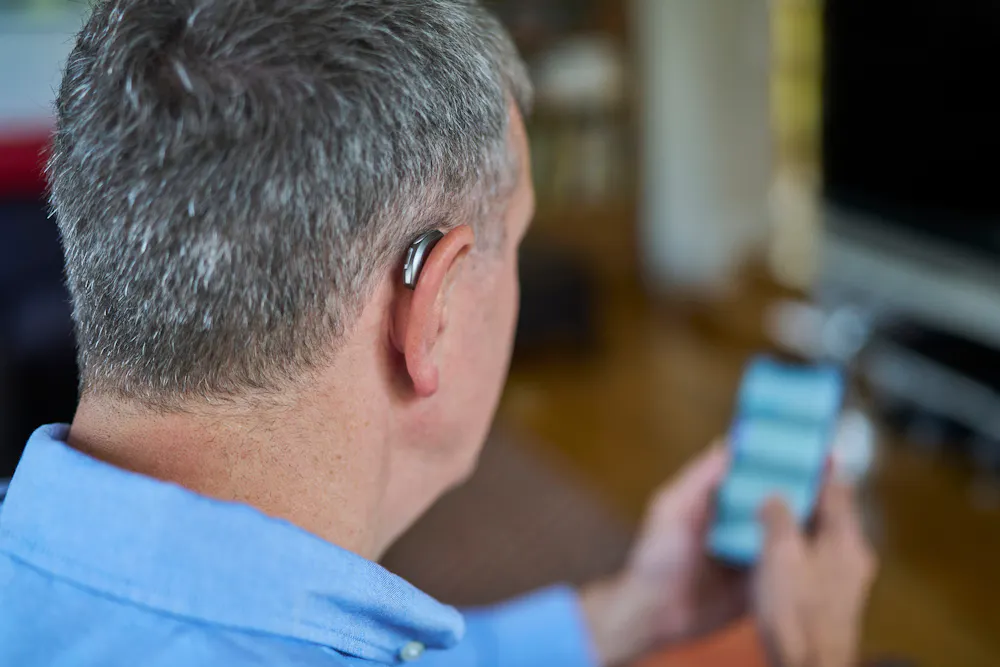
    In fact, hearing aids have changed a lot since then. They’re often now very small; some are barely noticeable. And hearing aids aren’t the only option available for people experiencing hearing loss.

    The earlier you do something about your hearing, the greater the likelihood that you can prevent further hearing decline.
    PeopleImages.com – Yuri A/Shutterstock

    Why you shouldn’t ignore hearing loss

    Acquired hearing loss can have a serious impact on our life. It is associated with or can contribute to:

    • social isolation
    • loneliness
    • not being able to work as much, or at all
    • memory problems
    • trouble thinking clearly
    • conditions such as dementia.

    Hearing loss has also been associated with depression, anxiety and stress. A systematic review and meta-analysis found adults with hearing loss are 1.5 times more likely to experience depression than those without hearing loss.

    A large population study in the US found self-reported hearing loss was associated with:

    • higher levels of psychological distress
    • increased use of antidepressant and anti-anxiety medications, and
    • greater utilisation of mental health services.

    The good news is that doing something about your hearing loss can help you live a happier and longer life.

    So why don’t people get their hearing checked?

    Research has found adults with hearing loss typically wait ten years to seek help for their hearing.

    Less than a quarter of those who need hearing aids actually go ahead with them.

    Hearing declines slowly, so people may perceive their hearing difficulties aren’t concerning. They may feel they’re now used to not being able to hear properly, without fully appreciating the impact it’s having on their life.

    Some people harbour negative attitudes to hearing aids or don’t think they’ll actually help.

    Others may have overheard their partner, family or friends say negative things or make jokes about hearing aids, which can put people off getting their hearing checked.

    Stigma can play a big part.

    People often associate hearing loss with negative stereotypes such as ageing, weakness and “being different”.

    Our recent research found that around one in four people never tell anyone about their hearing loss because of experiences of stigma.

    Adults with hearing loss who experience stigma and choose not to disclose their hearing loss were also likely not to go ahead with hearing aids, we found.

    Modern hearing aids may be a lot smaller than you realise.
    Daisy Daisy/Shutterstock

    What are my options for helping my hearing?

    The first step in helping your hearing is to have a hearing check with a hearing care professional such as an an audiologist. You can also speak to your GP.

    If you’ve got hearing loss, hearing aids aren’t the only option.

    Others include:

    • other assistive listening devices (such as amplified phones, personal amplifiers and TV headphones)
    • doing a short course or program (such as the Active Communication Education program developed via University of Queensland researchers) aimed at giving you strategies to manage your hearing, for instance, in noisy environments
    • monitoring your hearing with regular checkups
    • strategies for protecting your hearing in future (such as wearing earplugs or earmuffs in loud environments, and not having headphone speakers too loud)
    • a cochlear implant (if hearing loss is severe)

    Hearing care professionals should take a holistic approach to hearing rehabilitation.

    That means coming up with individualised solutions based on your preferences and circumstances.

    What are modern hearing aids like?

    If you do need hearing aids, it’s worth knowing there are several different types. All modern hearing aids are extremely small and discrete.

    Some sit behind your ear, while others sit within your ear. Some look the same as air pods.

    Some are even completely invisible. These hearing aids are custom fitted to sit deep within your ear canal and contain no external tubes and wires.

    Some types of hearing aids are more expensive than others, but even the basic styles are discrete.

    In Australia, children and many adults are eligible for free or subsidised hearing services and many health funds offer hearing aid rebates as part of their extras cover.

    Despite being small, modern hearing aids have advanced technology including the ability to:

    • reduce background noise
    • direct microphones to where sound is coming from (directional microphones)
    • use Bluetooth so you can hear audio from your phone, TV and other devices directly in your hearing aids.

    When used with a smartphone, some hearing aids can even track your health, detect if you have fallen, and translate languages in real time.

    Modern hearing aids use Bluetooth so you can hear audio from your phone.
    Daisy Daisy/Shutterstock

    What should I do next?

    If you think you might be having hearing difficulties or are curious about the status of your hearing, then it’s a good idea to get a hearing check.

    The earlier you do something about your hearing, the greater the likelihood that you can prevent further hearing decline and reduce other health risks.

    And rest assured, there’s a suitable option for everyone.

    Katie Ekberg has previously received funding from the Hearing Industry Research Consortium, which funded research into stigma associated with hearing loss and hearing aids.

    Barbra Timmer is a part-time employee of Sonova AG, a global hearing care company. She was a Chief Investigator on a Hearing Industry Research Consortium grant that investigated the experiences of stigma for adults with hearing loss. She is the president of Audiology Australia.

    ref. I’m avoiding a hearing test because I don’t want chunky hearing aids. What are my options? – https://theconversation.com/im-avoiding-a-hearing-test-because-i-dont-want-chunky-hearing-aids-what-are-my-options-250925

    MIL OSI AnalysisEveningReport.nz

  • MIL-Evening Report: Scientific misconduct is on the rise. But what exactly is it?

    Source: The Conversation (Au and NZ) – By Nham Tran, Associate Professor, School of Biomedical Engineering, University of Technology Sydney

    PowerUp/Shutterstock

    German anaesthesiologist Joachim Boldt has an unfortunate claim to fame. According to Retraction Watch, a public database of research retractions, he is the most retracted scientist of all time. To date, 220 of his roughly 400 published research papers have been retracted by academic journals.

    Boldt may be a world leader, but he has plenty of competition. In 2023, more than 10,000 research papers were retracted globally – more than any previous year on record. According to a recent investigation by Nature, a disproportionate number of retracted papers over the past ten years have been written by authors affiliated with several hospitals, universities and research institutes in Asia.

    Academic journals retract papers when they are concerned that the published data is faked, altered, or not “reproducible” (meaning it would yield the same results if analysed again).

    Some errors are honest mistakes. However, the majority of retractions are associated with scientific misconduct.

    But what exactly is scientific misconduct? And what can be done about it?

    From fabrication to plagiarism

    The National Health and Medical Research Council is Australia’s primary government agency for medical funding. It defines misconduct as breaches of the Code for the Responsible Conduct of Research.

    In Australia, there are broadly eight recognised types of breaches. Research misconduct is the most severe.

    These breaches may include failure to obtain ethics approval, plagiarism, data fabrication, falsification and misrepresentation.

    This is what was behind many of Boldt’s retractions. He made up data for a large number of studies, which ultimately led to his dismissal from the Klinikum Ludwigshafen, a teaching hospital in Germany, in 2010.

    In another case, China’s He Jiankui was sentenced to three years in prison in 2019 for creating the world’s first genetically edited babies using the gene-editing technology known as CRISPR. His crime was that he falsified documents to recruit couples for his research.

    The “publish or perish” culture within academia fuels scientific misconduct. It puts pressure on academics to meet publication quotas. It also rewards them for greater research output, in the form of promotions, funding and recognition. And this can mean research quality is sacrificed for quantity.

    Honest mistakes

    But not all research misconduct is premeditated. Some is the result of honest mistakes made by scientists.

    For example, Sergio Gonzalez, a young scientist at the Institute for Neurosciences of Montpellier in France, mistakenly uploaded several wrong images to an academic paper and its supplementary material. This didn’t have any effect on the findings of the paper, which were based on the correct images.

    But it still represented a case of image duplication and misrepresentation of data. This lead to the journal retracting the paper and launching an investigation. The investigation concluded the breach was unintentional and resulted from the pressures of academic research.

    Fewer than 20% of all retractions are due to honest mistakes. Researchers usually contact the publisher to correct errors when they are detected, with no major consequences.

    The need for a national oversight body

    In many countries, an independent national body oversees research integrity.

    In the United Kingdom, this body is known as the Committee on Research Integrity. It is responsible for improving research integrity and addressing misconduct cases. Similarly, in the United States, the Office of Research Integrity handles allegations of research misconduct.

    In contrast, Australia lacks an independent body directly tasked with investigating research misconduct. There is a body known as the Australian Research Integrity Committee. But it only reviews the institutional procedures and governance of investigations to ensure they are conducted fairly and transparently – and with limited effectiveness. For example, last year it received 13 complaints, only five of which were investigated.

    Instead Australia relies on a self-regulation model. This means each university and research institute aligns its own policy with the Code for the Responsible Conduct of Research. Although this code originated in medical research, its principles apply across all disciplines.

    For example, in archaeology, falsifying an image or deliberately reporting inaccurate carbon dating results constitutes data fabrication. Another common breach is plagiarism, which can also be applied to all fields.

    But self-governance on integrity matters is fraught with problems.

    Investigations often lack transparency and are carried out internally, creating a conflict of interest. Often the investigative teams are under immense pressure to safeguard their institution’s reputation rather than uphold accountability.

    A 2023 report by the Australia Institute called for the urgent establishment of an independent, government-funded research integrity watchdog.

    The report recommended the watchdog have direct investigatory powers and that academic institutions be bound by its findings.

    The report also recommended the watchdog should release its findings publicly, create whistleblower protections, establish a proper appeals process and allow people to directly raise complaints with it.

    Research credibility is on the line

    The consequences of inadequate oversight are already evident.

    One of the biggest research integrity scandals in Australian history involved Ali Nazari, an engineer from Swinburne University. In 2022 an anonymous whistleblower alleged Nazari was part of an international research fraud cartel involving multiple teams.

    Investigations cast doubt on the validity of the 287 papers Nazari and the other researchers had collectively published. The investigations uncovered numerous violations, including 71 instances of falsified results, plagiarism and duplication, and 208 instances of self-plagiarism.

    Similarly, Mark Smyth, formerly of the Queensland Institute of Medical Research, fabricated research data to support grant applications and clinical trials. An independent inquiry concluded he used his reputation, status and authority to bully and intimidate junior colleagues.

    If Australia had a independent research integrity body, there would be a clear governance structure and an established and transparent pathway for reporting breaches at a much earlier stage.

    Timely intervention would help reduce further breaches through swift investigation and corrective action. Importantly, consistent governance across Australian institutions would help ensure fairness. It would also reduce bias and uphold the same standards across all misconduct cases.

    The call for an independent research integrity watchdog is long overdue.

    Only through impartial oversight can we uphold the values of scientific excellence, protect public trust, and foster a culture of accountability that strengthens the integrity of research for all Australians.

    Nham Tran has received funding from Australian Research Council.

    ref. Scientific misconduct is on the rise. But what exactly is it? – https://theconversation.com/scientific-misconduct-is-on-the-rise-but-what-exactly-is-it-247352

    MIL OSI AnalysisEveningReport.nz

  • MIL-OSI Security: Gander — Gander RCMP investigates fatal ATV crash, one youth deceased

    Source: Royal Canadian Mounted Police

    Gander RCMP is investigating an off-road vehicle crash that occurred on the Newfoundland T’Railway on March 10, 2025. A youth is deceased.

    At approximately 5:30 p.m. on Monday, police received the report of the crash involving two youth under the age of 16. A side-by-side all-terrain vehicle (ATV) was traveling on the trail near Joe Batts Pond, approximately 15 kilometers west of Gander. The ATV lost control, departed the trail and came to rest on its side. The operator died at the scene and a second youth was transported to the James Paton Memorial Regional Health Centre in Gander for treatment of non-life-threatening injuries.

    The Office of the Chief Medical Examiner was engaged. The investigation is continuing.

    MIL Security OSI

  • MIL-Evening Report: Rwanda has moved people into model ‘green’ villages: is life better there?

    Source: The Conversation (Au and NZ) – By Lisa Allyn Dale, Director of the MA in Climate and Society program at the Columbia Climate School, Columbia University

    After the devastating 1994 genocide, Rwandans returning from the violence established homes and began farming where they could find land.

    Since then, the Rwandan government has aimed to bring people scattered across rural parts of the country into grouped settlements which they have called “model villages”. These are intended to provide extra support for highly vulnerable residents, such as the homeless and those who are living in “high risk zones” – areas prone to floods, drought and mudslides, and which are likely to be affected by climate change in the future.

    Rwanda has a population of 14.5 million. An estimated 62,000 rural families have been resettled into 14,815 villages, of which 253 are considered “model villages”. Some of them are considered “green”, because they use solar power and biofuels as energy sources. Rainwater harvesting, tree planting, and terraced vegetable plots are other features of the green, environmentally friendly model villages.

    We conducted a study to understand the impact of relocating rural communities from high risk zones where they face threats from a changing climate, such as erratic rainfall, drought, floods and landslides. We looked at two lake island communities who were experiencing floods. They also suffered a lack of health and education services and security problems from being too close to an unguarded border.

    We used the Rweru Model Green Village as a case study. Based on our interviews with families who were moved there, we found that relocating people can be double-edged. On the positive side, resettlement increased access to modern facilities and social services. On the downside, people found it hard to earn a living. They lacked access to natural and financial capital and had to adapt to a different climate.

    The resettlement programme overall is now understood to be part of the government of Rwanda’s approach to climate change adaptation. However, our findings suggest that this should be done with care, considering factors like community expectations and government development plans.

    Why people were moved

    The Rweru Model Green Village was set up in 2016 to house residents from two nearby islands on Lake Rweru, Sharita and Mazane. Located along the southern border with Burundi, these islands were home to generations of Rwandans. But they lived in relative isolation without access to services like education, healthcare or markets.

    We interviewed and surveyed people from 64 households in the Rweru village. At the time of our research, 1,777 people had been moved in, all from Sharita and Mazane islands.


    Read more:
    Rising risks of climate disasters mean some communities will need to move – we need a national conversation about relocation now


    Participants said fishing had been a way of life on the islands, providing them with a consistent source of protein. Beans, potatoes, cassava and sorghum grew successfully. Even relatively impoverished households said they had enough food to live on: 55% said the productivity of the land was high.

    However, 84% of respondents also described an isolated life without services. As one put it:

    we were cut off from the rest of the world.

    Many mentioned the lack of drinking water, roads and electricity as a major drawback to living on the islands. While primary school was available, older children could only get to a secondary school by a two hour boat ride. Some dropped out of school.

    Healthcare was absent, and respondents described harrowing journeys to find medical attention. As one woman said:

    When we were still there in Sharita, a woman could want to deliver a baby but getting a boat it takes a long time, a woman can even lose her life waiting.

    The boat rides were dangerous because of hippos in the lake, malaria-carrying mosquitoes, and the risk of drowning.

    Others said that people from Burundi could access the islands easily and sometimes assaulted or killed the island residents. About 76% of the people we interviewed described their lives before relocation as dangerous. Residents had been asking to be resettled for some time because of these problems.

    One of the driving forces for organising rural life into model villages is to enhance the capacity of residents to adapt to changes, including climate impacts such as the increased risks of flooding, drought or landslides. In that way, the model green village programme is also understood to have climate change adaptation elements.

    The pros and cons after resettlement

    After resettlement, most respondents described improvements in their overall quality of life. They were less exposed to floods, which they’d experienced on the islands. They had improved access to healthcare, social services and quality housing.

    Many (66%) described the housing they received as the most important advantage of their new lives:

    Above all, the nicest thing I was given was the house.

    They also described clean water (26%), markets (50%), healthcare (55%), schools (50%) and electricity (24%) as benefits of living in the new model village. It was the first time they’d been able to manage livestock, having only had chickens on the islands. Their children were benefiting from having milk.


    Read more:
    Climate change will force up to 113m people to relocate within Africa by 2050


    Some residents appreciated having a mattress for the first time; 50% indicated furniture and kitchen equipment as advantages. About 34% of respondents were pleased that they no longer needed to travel by boat.

    They also felt safer. But despite these positive outcomes, they said they were poorer and had less food. Unlike the islands, the micro-climate inland was very hot, with little rain and increasing drought.

    Most people we interviewed (55%) said their new, smaller plots of land were “infertile”, “unproductive” or “barren”. They couldn’t fish or grow enough fruit or vegetables. One person said many of the elderly people who were moved only ate one meal a day in the village “and others are starving completely”.

    Increased hunger caused children to miss school:

    Sometimes I cannot put food on the table, my son sleeps with an empty stomach and he cannot go to school the next day.

    The future of model green villages

    The Rwandan government plans to continue setting up model villages, and wants these to be sustainable for many years.

    More research is needed to determine whether living in a model village provides young people with a better quality of life. The government will also need to address the economic challenges, food insecurity and welfare needs of residents in the new villages.

    The authors do not work for, consult, own shares in or receive funding from any company or organisation that would benefit from this article, and have disclosed no relevant affiliations beyond their academic appointment.

    ref. Rwanda has moved people into model ‘green’ villages: is life better there? – https://theconversation.com/rwanda-has-moved-people-into-model-green-villages-is-life-better-there-250975

    MIL OSI AnalysisEveningReport.nz

  • MIL-Evening Report: Bug drugs: bacteria-based cancer therapies are finally overcoming barriers

    Source: The Conversation (Au and NZ) – By Justin Stebbing, Professor of Biomedical Sciences, Anglia Ruskin University

    Lightspring/Shutterstock

    Imagine a world where bacteria, typically feared for causing disease, are turned into powerful weapons against cancer. That’s exactly what some scientists are working on. And they are beginning to unravel the mechanisms for doing so, using genetically engineered bacteria to target and destroy cancer cells.

    Using bacteria to fight cancer dates back to the 1860s when William B. Coley, often called the father of immunotherapy, injected bacteria called streptococci into a young patient with inoperable bone cancer. Surprisingly, this unconventional approach led to the tumour shrinking, marking one of the first examples of immunotherapy.

    William Coley (centre), a pioneer of bug drugs.
    Wikimedia Commons

    Over the next few decades, as head of the Bone Tumour Service at Memorial Hospital in New York, Coley injected over 1,000 cancer patients with bacteria or bacterial products. These products became known as Coley’s toxins.

    Despite this early promise, progress in bacteria-based cancer therapies has been slow. The development of radiation therapy and chemotherapy overshadowed Coley’s work, and his approach faced scepticism from the medical community.

    However, modern immunology has vindicated many of Coley’s principles, showing that some cancers are indeed very sensitive to an enhanced immune system, an approach we can often capture to treat patients.

    How bacteria-based cancer therapies work

    These therapies take advantage of the unique ability of certain bacteria to proliferate inside tumours. The low oxygen, acidic and dead tissue in the area around the cancer – the tumour “microenvironment” (an area I am especially interested in) – create an ideal niche for some bacteria to thrive. Once there, bacteria can, in theory, directly kill tumour cells or activate the body’s immune responses against the cancer. However, several difficulties have hindered the widespread adoption of this approach.

    Safety concerns are paramount because introducing live bacteria into a patient’s body can cause harm. Researchers have had to carefully attenuate (weaken) bacterial strains to ensure they don’t damage healthy tissue. Additionally, controlling the bacteria’s behaviour within the tumour and preventing them from spreading to other parts of the body has been difficult.

    Bacteria live inside us, known as the microbiome, and treatments, disease and, of course, new bacteria that are introduced can interfere with this natural environment. Another significant hurdle has been our incomplete understanding of how bacteria interact with the complex tumour microenvironment and the immune system.

    Questions remain about how to optimise bacterial strains for maximum anti-tumour effects while minimising side-effects. We’re also not sure of the dose – and some approaches give one bacteria and others entire colonies and multiple bug species together.

    Recent advances

    Despite these challenges, recent advances in scientific fields, such as synthetic biology and genetic engineering, have breathed new life into the field. Scientists can now program bacteria with sophisticated functions, such as producing and delivering specific anti-cancer agents directly within tumours.

    This targeted approach could overcome some limitations of traditional cancer treatments, including side-effects and the inability to reach deeper tumour tissues.

    Emerging research suggests that bacteria-based therapies could be particularly promising for certain types of cancer. Solid tumours, especially those that have a poor blood supply and are resistant to conventional therapies, might benefit most from this approach.

    Colon cancer, ovarian cancer and metastatic breast cancer are among the high-mortality cancers that researchers are targeting with these innovative therapies.
    One area we have the best evidence for is that “bug drugs” may help the body fight cancer by interacting with routinely used immunotherapy drugs.

    Recent studies have shown encouraging results. For instance, researchers have engineered strains of E coli bacteria to deliver small tumour protein fragments to immune cells, effectively training them to recognise and attack cancer cells. In lab animals, this approach has led to tumour shrinkage and, sometimes, complete elimination.

    E coli have been used to deliver cancer tumour fragments to immune cells.
    Kateryna Kon/Shutterstock

    By exploiting these mechanisms, bacterial therapies can selectively colonise tumours while largely sparing healthy tissues, potentially overcoming limitations of conventional cancer treatments.

    Ultimately, we need human trials to give us the answer about whether this works, by controlling or eradicating cancer and, of course, if there are side-effects, its toxicity.

    In one study I worked on, we showed that part of a bacterial cell wall, when injected into patients, could safely help control melanoma – the most deadly form of skin cancer.

    While we’re still in the early stages, the potential of bacteria-based cancer therapies is becoming increasingly clear. As our understanding of tumour biology and bacterial engineering improves, we may be on the cusp of a new era in cancer treatment.

    Bacterial-based cancer therapies take advantage of several unique mechanisms to specifically target tumour cells. As a result, these therapies could offer a powerful new tool in our arsenal against cancer, working in synergy with existing treatments like immunotherapy and chemotherapy. And, as we look to the future, bacteria-based cancer therapies represent a fascinating convergence of historical insight and groundbreaking science.

    While challenges remain, the progress in this field offers hope for more effective, targeted treatments that could significantly improve outcomes for cancer patients.

    Justin Stebbing does not work for, consult, own shares in or receive funding from any company or organisation that would benefit from this article, and has disclosed no relevant affiliations beyond their academic appointment.

    ref. Bug drugs: bacteria-based cancer therapies are finally overcoming barriers – https://theconversation.com/bug-drugs-bacteria-based-cancer-therapies-are-finally-overcoming-barriers-251278

    MIL OSI AnalysisEveningReport.nz

  • MIL-OSI Russia: Tatyana Golikova: 12 million senior citizens participate in active longevity programs

    Translartion. Region: Russians Fedetion –

    Source: Government of the Russian Federation – An important disclaimer is at the bottom of this article.

    March 17, 2025

    Tatyana Golikova at the presentation of the results and awarding of the winners of the fifth All-Russian selection of the best practices of active longevity.

    The presentation of the results and the awarding of the winners of the fifth all-Russian selection of the best practices of active longevity took place at the site of the Government Coordination Center. The event was attended by Deputy Prime Minister Tatyana Golikova, Minister of Labor and Social Protection Anton Kotyakov, General Director of the ANO “National Priorities” Sofia Malyavina and experts. 2684 applications from 89 regions of Russia were submitted to the fifth all-Russian selection of the best practices of active longevity.

    The experts recognized 10 practices from Lipetsk, Ryazan, Samara, Sverdlovsk, Tyumen, Ulyanovsk regions, the Republic of Tatarstan, the Chuvash Republic and St. Petersburg as the best. The winners received cash prizes of 500 thousand rubles for the development of their projects. Three practices were awarded in the special nomination “Comprehensive Infrastructure Solutions” – from Krasnoyarsk Krai, Khanty-Mansiysk Autonomous Okrug – Yugra and Chelyabinsk Region.

    Tatyana Golikova noted that over the past five years, competitive selection has become an integral part of state policy in relation to the elderly.

    “These are not just citizens of the third age, these are our beloved grandparents, for whom we do everything possible to ensure that their lives go on, so that this generation, with its unique experience, passes on the best traditions to the younger generation and so that it always feels absolutely in demand. The year 2024 marked the end of one of the national projects that was announced by the President – this is the national project “Demography”, where events on the topic of active longevity occupied a strong place. The new national projects that started on January 1, 2025, on the instructions of the head of state, incorporate all the best that we managed to achieve over the previous period. And today this is no longer just one national project “Family”, but also events of the national project “Personnel”, events of the national project “Long and Active Life”, a number of other events in other national projects that we will implement in order to create a comfortable environment for our older citizens. The best practices that we have developed, including within the framework of our competition, are becoming an integral part of the Strategy of Actions in the Interests of Senior Citizens until 2030, developed by the Government and planned for adoption in the near future,” said the Deputy Prime Minister.

    According to Tatyana Golikova, 12 million senior citizens participate in active longevity programs. Of these, 8.5 million are actively involved in sports, 2 million in social tourism, a million in third-age universities, and more than 200,000 are active “silver” volunteers.

    “We will continue this work – both within the framework of the strategy and within the framework of national projects. And, of course, we want more senior citizens to be shoulder to shoulder with us. Our fifth all-Russian selection of the best practices of active longevity involved all 89 subjects of the Russian Federation in 2024. More than 2,600 projects, including 110 best ones that became finalists. I hope that we will continue to work together, promoting all the events that we have planned for our respected senior citizens,” Tatyana Golikova emphasized.

    The winners in the nomination “Medical and social care, public care and prevention” were the following practices: “Circle of Good” (St. Petersburg), ANO “Good Sergievo”; “Rapid Response Service” (Sverdlovsk Region), Interregional Charitable Public Foundation “Yekaterinburg Jewish Cultural Center “Menorah”.

    The following projects received awards in the category “Active Life: Culture, Tourism, Volunteering”: “Kindness Nearby 2.0” (Tyumen Oblast), Tyumen Regional Charity Fund “Older Generation”; “Good Friend: Joint Work of a Nursing Home with Volunteers and NGOs” (Samara Oblast, Zhigulevsk), Solnechnopolyansky Nursing Home.

    Winners in the Education and Employment category: a program to maintain the professional longevity of social workers aged 50 from small villages (Samara Oblast), ANO Center for Social Services for the Population of the Northern District; a project to improve legal literacy, Legal Odyssey: A Journey to Knowledge (Ulyanovsk Oblast), and the Silver Dawn boarding house for senior citizens named after Z.A. Kudinova in the village of Yazykovo.

    In the nomination “Healthy Lifestyle” the best were: the health training project “Manage Your Health” (Ryazan Region), Ryazan State Medical University named after Academician I.P. Pavlov; the Spartakiad “Longevity Games. Life-lover” (Republic of Tatarstan), the administration of the city of Kazan and the Spartakiad project committee.

    In the nomination “Practice for Men 60” the awards were received by the authors of the practices: Fishing Sport Festival “Fishing without Borders” (Lipetsk Region), Department of Social Policy of Lipetsk Region; “Express-grandfathers” (Chuvash Republic), Shemurshinsky Center for Social Services to the Population.

    In the special nomination “Integrated Infrastructure Solutions”, the following practices received gratitude: the “Veteran” house (Chelyabinsk Region), PAO “Magnitogorsk Iron and Steel Works”; “Social Apartments” – an ecosystem for the active life of senior citizens (Khanty-Mansi Autonomous Okrug – Yugra), Department of Social Development of the Khanty-Mansi Autonomous Okrug – Yugra; “We Know That the Impossible is Possible!” (Krasnoyarsk Region), Krasnoyarsk nursing home for senior citizens and disabled people “Botanichesky”.

    “The competition is gaining popularity year after year. Today, 12 million people and all subjects of the Russian Federation are actively participating in the program. “Active Longevity” has started working. It really gives everyone who has the desire and opportunity to prove themselves. To prove themselves in sports, to prove themselves in creativity. And to lead a truly active lifestyle. Therefore, I want to say a huge thank you to everyone, it is you who fill the active longevity programs with the content that today gives a lot of positive emotions to our older generation. Thank you!” – the head of the Ministry of Labor Anton Kotyakov addressed the winners of the selection.

    A total of 110 participants were included in the finalists of the fifth all-Russian selection of the best practices of active longevity. All projects will be published in the collection “Active Longevity – 2024”, and will also receive expert support and access to replication through the platform of the Agency for Strategic Initiatives “Smarteka“.

    “Every year, the number of applications and regions grew. 2024 gave us a 2.5-fold increase compared to last year and a 10-fold increase compared to 2020, when we were just starting. All the winning projects were divided into the following nominations: 10 were submitted in the Education and Employment nomination, 15 in the Healthy Lifestyle nomination, 23 projects in the Medical and Social Care nomination, 49 projects in the Active Life nomination, and 13 in the Practices for Men 60 nomination. These practices vary in scale. We have 88 practices on a regional scale, six on a federal scale, four on a city scale, and 12 on a rural scale,” said Sofia Malyavina, General Director of the National Priorities ANO.

    She also noted that over five seasons, the all-Russian selection covered not only all regions, but also all possible types of practices for the older generation. Therefore, it now makes sense to shift the focus from finding the best solutions to their systematization and inclusion in comprehensive regional programs.

    “We have already started discussions with the Ministry of Labor and would like to discuss with you [experts and selection participants] how we should further transform the assessment of practices and the competition itself. Perhaps now we should assess the comprehensiveness of regional programs, and then we should approach the development of a methodology that takes into account the contribution of leading organizations of a particular region to the comprehensive program of active longevity,” said Sofia Malyavina.

    In the near future, experts and partners of the all-Russian selection of the best practices of active longevity will formulate proposals for the launch of the new season.

    The All-Russian selection of the best practices of active longevity is held annually by the ANO “National Priorities” with the support of the Ministry of Labor of Russia on the platform of the Agency for Strategic Initiatives “Smarteka”. The partners are the National Research University Higher School of Economics, the Public Chamber, the Silver Age Alliance, the Russian Gerontological Scientific and Clinical Center, the Agency for Social Information, the All-Russian Organization of War and Labor Veterans, the Pochet charitable foundation and the Odnoklassniki social network.

    The national project “Family” was launched in Russia in 2025 by decision of President Vladimir Putin. The main goal of the project is to support families with children, large families, care for reproductive health and strengthen family values. The national project also provides for the development of initiatives for active longevity, ensuring high-quality care for older people and the formation of a family-oriented cultural infrastructure.

    Please note: This information is raw content directly from the source of the information. It is exactly what the source states and does not reflect the position of MIL-OSI or its clients.

    MIL OSI Russia News

  • MIL-OSI United Nations: FAO warns of ‘unprecedented’ avian flu spread, in call for global action

    Source: United Nations MIL OSI

    Health

    The rapid spread of the highly infectious avian flu virus H5N1 has reached an “unprecedented” scale, wiping out hundreds of millions of birds worldwide and increasingly spilling over into mammals, the UN Food and Agriculture Organization (FAO) warned on Monday.

    Briefing Member States in Rome, FAO officials called for urgent action to strengthen biosecurity, surveillance and rapid-response mechanisms to curb the outbreak.

    FAO Deputy Director-General Godfrey Magwenzi stressed that the crisis threatens to have “serious impacts on food security and food supply in countries, including loss of valuable nutrition, rural jobs and income, shocks to local economies, and of course increasing costs to consumers.”

    With millions relying on poultry for meat and eggs, the challenge is not only to contain the virus but also to protect food production systems.

    The economic impact is also being felt worldwide. For example, egg prices reached a record high in the United States during February according to the US Consumer Price Index, with farmers forced to slaughter over 166 million birds so far in total as avian flu has spread – mostly egg-laying chickens.

    So far this year more than 30 million birds in the US have been killed, according to news reports.

    Coordinated response needed

    FAO Deputy Director-General Beth Bechdol underlined the need for a global, coordinated response, calling H5N1 a “transboundary” threat that no country can tackle alone.

    To address the crisis, FAO and the World Organisation for Animal Health (WOAH) have launched a ten-year Global Strategy for the Prevention and Control of High Pathogenicity Avian Influenza.

    “A chain is only as strong as its weakest link. By working together, we can reduce the impact of avian influenza and protect both animal and human health – locally and globally,” Ms. Bechdol said.

    Over the past four years, H5N1 has expanded to new regions, causing massive losses in domestic birds, disrupting food supplies and pushing poultry prices higher.

    At least 300 new wild bird species have been affected since 2021, posing a serious threat to biodiversity.

    Collective action and innovation

    FAO reaffirmed its commitment to global monitoring, data sharing and technical guidance to help countries contain the virus.

    Ms. Bechdol also stressed the importance of private sector engagement, particularly in developing vaccines, diagnostics and high-quality animal health services.

    The briefing also included a third call for funding proposals under the Pandemic Fund, hosted by the World Bank.

    Over the past two years, FAO has co-led dozens of Pandemic Fund projects aimed at strengthening disease surveillance, early warning systems and health infrastructure to prevent future outbreaks.

    MIL OSI United Nations News

  • MIL-OSI Global: Europe had worst measles outbreak since 1997 – new data

    Source: The Conversation – UK – By Michael Head, Senior Research Fellow in Global Health, University of Southampton

    SamaraHeisz5/Shutterstock

    Europe has had the highest number of measles cases since 1997, according to a new report from the World Health Organization (WHO). There were 127,350 cases in 2024 – about double the number from 2023.

    “Measles is back, and it’s a wake-up call,” says Dr Hans Henri P. Kluge, WHO regional director for Europe. “Without high vaccination rates, there is no health security.” Last year, there were 38 deaths from measles.

    Transmission is similar to COVID, with respiratory droplets and aerosols (airborne transmission) spreading the virus between people. The infection produces a rash and fever in mild cases, and encephalitis (brain swelling), pneumonia and blindness in severe cases.

    Hospitalisation and deaths are overwhelmingly in unvaccinated people, with mortality rates in developed countries around one in 1,000 to one in 5,000 measles cases.

    Each person infected with measles will, on average, spread the virus to between 12 and 18 other people. This is more infectious than COVID. For example, someone with the omicron variant would spread the virus to around eight others.

    In 2022 the WHO had described measles as an “imminent threat in every region of the world”. The widespread impact of COVID made it harder for people to access healthcare, reducing the ability of regular health services, like vaccinations, to function properly.

    These new stark figures from WHO Europe are an inevitable consequence of lower vaccination rates. Measles is almost entirely vaccine-preventable, with two doses providing greater than 99% protection against infection. The vaccine has an excellent safety record, with severe harm being extremely rare.

    The proportion of the population that needs to be vaccinated to keep local transmission low and prevent outbreaks (so-called “herd immunity”) is around 95%.

    WHO Europe highlighted some examples of where there are clear gaps in vaccine coverage. In Bosnia and Herzegovina, Montenegro, North Macedonia and Romania, fewer than 80% of eligible children were vaccinated in 2023, with rates below 50% for the past five or more years. Romania had the highest number of measles cases in Europe in 2024 – an estimated 30,692 cases.

    Misinformation is the driver

    Misinformation is an important factor that reduces vaccine uptake. For example, in the UK, former physician Andrew Wakefield presented falsified data in 2002 claiming the MMR (measles, mumps and rubella) vaccine caused autism. He somehow got these claims published in The Lancet – although the paper was later retracted.

    This fake scare received sustained media coverage, which resulted in lower uptake in young children at the time and was then a key factor a large measles outbreak among teenagers in England in 2012.

    The claims have spread internationally. In 2020, a US population survey found that “18% of our respondents mistakenly state that it is very or somewhat accurate to say that vaccines cause autism”.

    Sadly, misinformation about health can even be found at the highest levels of government. US President Donald Trump repeatedly made false claims during the COVID pandemic, including the suggestion that injecting disinfectant might cure COVID. In 2025, he appointed Robert F. Kennedy as the Secretary of Health and Human Services. Kennedy has long espoused anti-vaccine viewpoints, including being required to apologise in 2015 for comparing vaccination programmes to the Holocaust.

    RFK Jr. was made to apologise for comparing vaccination programmes with the Holocaust.
    Maxim Elramsisy/Shutterstock

    In a recent interview with Fox’s Sean Hannity, Kennedy said of the MMR vaccine: “It does cause deaths every year. It causes — it causes all the illnesses that measles itself causes, encephalitis and blindness, et cetera.”

    This is untrue. The Infectious Disease Society of America points out that there have been “no deaths related to the measles, mumps and rubella vaccine in healthy individuals”. This is amid two measles deaths in unvaccinated people in the US, the first such deaths since 2003. There are estimates that the measles vaccine prevented 94 million deaths globally between 1974 to 2024.

    The US National Institute for Health, one of the world’s biggest funders of health research, announced on March 10 2025 that it was axing research that aimed to understand and address vaccine hesitancy.

    This goes alongside the US Centers for Disease Control and Prevention (CDC) apparently planning a large study into potential associations between vaccines and autism, despite dozens of studies indicating there being no such link.

    This volatility coming from the US and elsewhere matters for Europe. Trump and the US have political supporters in Europe, so their messaging carries weight and could do harm. Anti-vaccine sentiment promoted on Facebook from within the US resulted in comments on the posts from multiple countries. The use of social media has been observed to spread misinformation internationally, for example, within Europe. Russian trolls are also involved in creating arguments about vaccines.

    There is an urgent need for outbreaks to be brought back under control and for accurate information about vaccines to be the key message in public discussions. As Dr Kluge highlights: “The measles virus never rests – and neither can we.”

    Michael Head has previously received funding from the Bill & Melinda Gates Foundation, Research England and the UK Department for International Development, and currently receives funding from the UK Medical Research Foundation.

    ref. Europe had worst measles outbreak since 1997 – new data – https://theconversation.com/europe-had-worst-measles-outbreak-since-1997-new-data-252327

    MIL OSI – Global Reports

  • MIL-OSI Global: Bug drugs: bacteria-based cancer therapies are finally overcoming barriers

    Source: The Conversation – UK – By Justin Stebbing, Professor of Biomedical Sciences, Anglia Ruskin University

    Lightspring/Shutterstock

    Imagine a world where bacteria, typically feared for causing disease, are turned into powerful weapons against cancer. That’s exactly what some scientists are working on. And they are beginning to unravel the mechanisms for doing so, using genetically engineered bacteria to target and destroy cancer cells.

    Using bacteria to fight cancer dates back to the 1860s when William B. Coley, often called the father of immunotherapy, injected bacteria called streptococci into a young patient with inoperable bone cancer. Surprisingly, this unconventional approach led to the tumour shrinking, marking one of the first examples of immunotherapy.

    William Coley (centre), a pioneer of bug drugs.
    Wikimedia Commons

    Over the next few decades, as head of the Bone Tumour Service at Memorial Hospital in New York, Coley injected over 1,000 cancer patients with bacteria or bacterial products. These products became known as Coley’s toxins.

    Despite this early promise, progress in bacteria-based cancer therapies has been slow. The development of radiation therapy and chemotherapy overshadowed Coley’s work, and his approach faced scepticism from the medical community.

    However, modern immunology has vindicated many of Coley’s principles, showing that some cancers are indeed very sensitive to an enhanced immune system, an approach we can often capture to treat patients.

    How bacteria-based cancer therapies work

    These therapies take advantage of the unique ability of certain bacteria to proliferate inside tumours. The low oxygen, acidic and dead tissue in the area around the cancer – the tumour “microenvironment” (an area I am especially interested in) – create an ideal niche for some bacteria to thrive. Once there, bacteria can, in theory, directly kill tumour cells or activate the body’s immune responses against the cancer. However, several difficulties have hindered the widespread adoption of this approach.

    Safety concerns are paramount because introducing live bacteria into a patient’s body can cause harm. Researchers have had to carefully attenuate (weaken) bacterial strains to ensure they don’t damage healthy tissue. Additionally, controlling the bacteria’s behaviour within the tumour and preventing them from spreading to other parts of the body has been difficult.

    Bacteria live inside us, known as the microbiome, and treatments, disease and, of course, new bacteria that are introduced can interfere with this natural environment. Another significant hurdle has been our incomplete understanding of how bacteria interact with the complex tumour microenvironment and the immune system.

    Questions remain about how to optimise bacterial strains for maximum anti-tumour effects while minimising side-effects. We’re also not sure of the dose – and some approaches give one bacteria and others entire colonies and multiple bug species together.

    Recent advances

    Despite these challenges, recent advances in scientific fields, such as synthetic biology and genetic engineering, have breathed new life into the field. Scientists can now program bacteria with sophisticated functions, such as producing and delivering specific anti-cancer agents directly within tumours.

    This targeted approach could overcome some limitations of traditional cancer treatments, including side-effects and the inability to reach deeper tumour tissues.

    Emerging research suggests that bacteria-based therapies could be particularly promising for certain types of cancer. Solid tumours, especially those that have a poor blood supply and are resistant to conventional therapies, might benefit most from this approach.

    Colon cancer, ovarian cancer and metastatic breast cancer are among the high-mortality cancers that researchers are targeting with these innovative therapies.
    One area we have the best evidence for is that “bug drugs” may help the body fight cancer by interacting with routinely used immunotherapy drugs.

    Recent studies have shown encouraging results. For instance, researchers have engineered strains of E coli bacteria to deliver small tumour protein fragments to immune cells, effectively training them to recognise and attack cancer cells. In lab animals, this approach has led to tumour shrinkage and, sometimes, complete elimination.

    E coli have been used to deliver cancer tumour fragments to immune cells.
    Kateryna Kon/Shutterstock

    By exploiting these mechanisms, bacterial therapies can selectively colonise tumours while largely sparing healthy tissues, potentially overcoming limitations of conventional cancer treatments.

    Ultimately, we need human trials to give us the answer about whether this works, by controlling or eradicating cancer and, of course, if there are side-effects, its toxicity.

    In one study I worked on, we showed that part of a bacterial cell wall, when injected into patients, could safely help control melanoma – the most deadly form of skin cancer.

    While we’re still in the early stages, the potential of bacteria-based cancer therapies is becoming increasingly clear. As our understanding of tumour biology and bacterial engineering improves, we may be on the cusp of a new era in cancer treatment.

    Bacterial-based cancer therapies take advantage of several unique mechanisms to specifically target tumour cells. As a result, these therapies could offer a powerful new tool in our arsenal against cancer, working in synergy with existing treatments like immunotherapy and chemotherapy. And, as we look to the future, bacteria-based cancer therapies represent a fascinating convergence of historical insight and groundbreaking science.

    While challenges remain, the progress in this field offers hope for more effective, targeted treatments that could significantly improve outcomes for cancer patients.

    Justin Stebbing does not work for, consult, own shares in or receive funding from any company or organisation that would benefit from this article, and has disclosed no relevant affiliations beyond their academic appointment.

    ref. Bug drugs: bacteria-based cancer therapies are finally overcoming barriers – https://theconversation.com/bug-drugs-bacteria-based-cancer-therapies-are-finally-overcoming-barriers-251278

    MIL OSI – Global Reports

  • MIL-OSI Global: Changes to speech and language can help detect Alzheimer’s early – here are five things to look out for

    Source: The Conversation – UK – By Sarah Curtis, Doctoral Candidate, Language use in Down Syndrome and Alzheimer’s Disease, School of Arts and Humanities, Nottingham Trent University

    More people than ever are being diagnosed with Alzheimer’s Disease New Africa/Shutterstock

    Ten million people are diagnosed with dementia worldwide each year – that’s more than ever. According to the Alzheimer’s Society approximately one million people in the UK are currently living with the disease. Studies predict this figure will rise to 1.6 million people by 2050.

    Alzheimer’s disease is the most common cause of dementia and leads to a decline in memory and thinking skills. This is a physical illness that causes the brain to stop working properly and gets worse over time. Identifying the onset of Alzheimer’s early can help patients and caregivers find the right support and medical care.

    One way to detect Alzheimer’s early is by spotting changes to people’s use of language. This is because new speech problems are one of the first signs of a mental decline that could indicate the onset of this disease.

    Here are five early, speech-related signs of Alzheimer’s disease to look out for:

    1. Pauses, hesitations and vagueness

    One of the most recognisable symptoms of Alzheimer’s disease is trouble remembering specific words, which can often lead to frequent or long pauses and hesitations. When a person with Alzheimer’s is struggling to remember a word, they may talk vaguely such as saying “thing”, or describing and talking around a word. For example, if someone is having trouble remembering the word dog, they may say something like “people have them as pets … they bark … I used to have one when I was a child”.

    2. Using words with the wrong meaning

    Trouble remembering the right word can be an early feature of Alzheimer’s. People with Alzheimer’s might replace a word they are trying to say with something related to it. For example, instead of saying “dog”, they might use an animal from the same category, saying “cat” for instance. In the early stages of Alzheimer’s disease, however, these changes are more likely to be related to a broader or more general category such as saying “animal” instead of “cat”.

    3. Talking about a task rather than doing it

    Someone with Alzheimer’s may struggle with completing tasks. Instead of performing a task, they may talk about their feelings toward the task, express doubts, or mention past abilities. They might say, “I’m not sure I can do this” or “I used to be good at this”, rather than discussing the task directly.

    4. Less word variety

    A more subtle indicator of Alzheimer’s disease is the tendency to use simpler language, relying on common words. People with Alzheimer’s often repeat the same verbs, nouns and adjectives instead of using a broader vocabulary. They can also use “the”, “and” or “but” frequently to connect sentences.

    5. Difficulty finding the right words

    People with Alzheimer’s can have trouble thinking of words, objects or things that belong in a group. This is sometimes used as a cognitive test for the disease. For example, those with Alzheimer’s may struggle to name things in a specific category, such as different foods, different parts of the body or words that start with the same letter. This gets harder as the disease progresses, making these tasks increasingly challenging.

    Age is the biggest risk factor for developing Alzheimer’s – the chance of developing the disease doubles every five years after the age of 65. However, one in 20 people diagnosed with Alzheimer’s disease are under the age of 65. This is referred to as younger – or early-onset Alzheimer’s disease.

    While forgetting words now and then is normal, persistent and worsening problems remembering words, speaking fluently, or using a variety of words could be an early sign of Alzheimer’s disease. Identifying these signs early can be particularly important for people at higher risk of developing Alzheimer’s disease as they age, such as people with Down Syndrome.

    Sarah Curtis does not work for, consult, own shares in or receive funding from any company or organisation that would benefit from this article, and has disclosed no relevant affiliations beyond their academic appointment.

    ref. Changes to speech and language can help detect Alzheimer’s early – here are five things to look out for – https://theconversation.com/changes-to-speech-and-language-can-help-detect-alzheimers-early-here-are-five-things-to-look-out-for-252251

    MIL OSI – Global Reports

  • MIL-OSI Global: Europe faces worst measles outbreak since 1997 – new data

    Source: The Conversation – UK – By Michael Head, Senior Research Fellow in Global Health, University of Southampton

    SamaraHeisz5/Shutterstock

    Europe has had the highest number of measles cases since 1997, according to a new report from the World Health Organization (WHO). There were 127,350 cases in 2024 – about double the number from 2023.

    “Measles is back, and it’s a wake-up call,” says Dr Hans Henri P. Kluge, WHO regional director for Europe. “Without high vaccination rates, there is no health security.” Last year, there were 38 deaths from measles.

    Transmission is similar to COVID, with respiratory droplets and aerosols (airborne transmission) spreading the virus between people. The infection produces a rash and fever in mild cases, and encephalitis (brain swelling), pneumonia and blindness in severe cases.

    Hospitalisation and deaths are overwhelmingly in unvaccinated people, with mortality rates in developed countries around one in 1,000 to one in 5,000 measles cases.

    Each person infected with measles will, on average, spread the virus to between 12 and 18 other people. This is more infectious than COVID. For example, someone with the omicron variant would spread the virus to around eight others.

    In 2022 the WHO had described measles as an “imminent threat in every region of the world”. The widespread impact of COVID made it harder for people to access healthcare, reducing the ability of regular health services, like vaccinations, to function properly.

    These new stark figures from WHO Europe are an inevitable consequence of lower vaccination rates. Measles is almost entirely vaccine-preventable, with two doses providing greater than 99% protection against infection. The vaccine has an excellent safety record, with severe harm being extremely rare.

    The proportion of the population that needs to be vaccinated to keep local transmission low and prevent outbreaks (so-called “herd immunity”) is around 95%.

    WHO Europe highlighted some examples of where there are clear gaps in vaccine coverage. In Bosnia and Herzegovina, Montenegro, North Macedonia and Romania, fewer than 80% of eligible children were vaccinated in 2023, with rates below 50% for the past five or more years. Romania had the highest number of measles cases in Europe in 2024 – an estimated 30,692 cases.

    Misinformation is the driver

    Misinformation is an important factor that reduces vaccine uptake. For example, in the UK, former physician Andrew Wakefield presented falsified data in 2002 claiming the MMR (measles, mumps and rubella) vaccine caused autism. He somehow got these claims published in The Lancet – although the paper was later retracted.

    This fake scare received sustained media coverage, which resulted in lower uptake in young children at the time and was then a key factor a large measles outbreak among teenagers in England in 2012.

    The claims have spread internationally. In 2020, a US population survey found that “18% of our respondents mistakenly state that it is very or somewhat accurate to say that vaccines cause autism”.

    Sadly, misinformation about health can even be found at the highest levels of government. US President Donald Trump repeatedly made false claims during the COVID pandemic, including the suggestion that injecting disinfectant might cure COVID. In 2025, he appointed Robert F. Kennedy as the Secretary of Health and Human Services. Kennedy has long espoused anti-vaccine viewpoints, including being required to apologise in 2015 for comparing vaccination programmes to the Holocaust.

    RFK Jr. was made to apologise for comparing vaccination programmes with the Holocaust.
    Maxim Elramsisy/Shutterstock

    In a recent interview with Fox’s Sean Hannity, Kennedy said of the MMR vaccine: “It does cause deaths every year. It causes — it causes all the illnesses that measles itself causes, encephalitis and blindness, et cetera.”

    This is untrue. The Infectious Disease Society of America points out that there have been “no deaths related to the measles, mumps and rubella vaccine in healthy individuals”. This is amid two measles deaths in unvaccinated people in the US, the first such deaths since 2003. There are estimates that the measles vaccine prevented 94 million deaths globally between 1974 to 2024.

    The US National Institute for Health, one of the world’s biggest funders of health research, announced on March 10 2025 that it was axing research that aimed to understand and address vaccine hesitancy.

    This goes alongside the US Centers for Disease Control and Prevention (CDC) apparently planning a large study into potential associations between vaccines and autism, despite dozens of studies indicating there being no such link.

    This volatility coming from the US and elsewhere matters for Europe. Trump and the US have political supporters in Europe, so their messaging carries weight and could do harm. Anti-vaccine sentiment promoted on Facebook from within the US resulted in comments on the posts from multiple countries. The use of social media has been observed to spread misinformation internationally, for example, within Europe. Russian trolls are also involved in creating arguments about vaccines.

    There is an urgent need for outbreaks to be brought back under control and for accurate information about vaccines to be the key message in public discussions. As Dr Kluge highlights: “The measles virus never rests – and neither can we.”

    Michael Head has previously received funding from the Bill & Melinda Gates Foundation, Research England and the UK Department for International Development, and currently receives funding from the UK Medical Research Foundation.

    ref. Europe faces worst measles outbreak since 1997 – new data – https://theconversation.com/europe-faces-worst-measles-outbreak-since-1997-new-data-252327

    MIL OSI – Global Reports

  • MIL-OSI Global: Fungi are among the planet’s most important organisms — yet they continue to be overlooked in conservation strategies

    Source: The Conversation – Canada – By Jonathan Cazabonne, Doctorant en mycologie et écologie des vieilles forêts, Université du Québec en Abitibi-Témiscamingue (UQAT)

    Fungi are among the most important organisms on Earth. Even though most of the world’s described 157,000 fungal species are only visible with a microscope, these organisms are essential to our ecosystems, our societies and economies.

    They break down organic matter and interact with all groups of organisms — including other fungi. They’re key actors in forest carbon storage, nutrient cycling, as well as plant growth and resistance to environmental stress.

    Fungi are also important to human cultures — including as a source of food, medicine and art. Economically, fungi also support a growing economy centred around mycotourism — with a growing number of travellers visiting Canada and Spain each year to forage for wild mushrooms.


    Read more:
    Rural communities in Québec are embracing ‘mushroom tourism’ to boost local economies


    All the benefits fungi provide to humans are estimated to be worth the equivalent of US$54.57 trillion. This is why it’s an understatement to say that the world’s ecosystems and human societies are shaped by fungi.

    And yet fungi continue to be an important but overlooked element of conservation strategies.

    Why fungi are forgotten

    Conservation efforts have long focused on protecting well-studied animals and plants. This is reflected in the number of species that have been assigned a conservation status by the International Union for the Conservation of Nature (IUCN).

    Around 84 per cent of known species of vertebrates have received an IUCN conservation status. But just 0.5 per cent of all described fungi — 818 fungal species — are currently present on the IUCN Red List of Threatened Species. Considering scientists estimate that there could be around 2.5 million fungal species in the world — of which we currently only know about six per cent of them — this means just 0.03 per cent of all fungi have been assigned a conservation status.

    Several factors explain this alarming reality.

    Fungi are difficult to study in both nature and under experimental conditions. This is because of many species’ microscopic size, their short lifespan and the hidden habitats they call home — such as soils, the tissues of other organisms and dung deposits.

    Many species of fungi are difficult to study because of their microscopic size.
    (Shutterstock)

    Fungi are also considered “uncharismatic” — meaning they don’t have the level of human appeal that some other species have. Much of their diversity is cryptic, as well. This means that while many fungi were once considered to be a single species, in reality they’re made up of multiple species that may look similar but are genetically distinct from one another. Because of this, conservation projects for fungi are poorly funded and do not easily capture public interest.

    Protecting the unknown

    In recent years, there’s been momentum within the scientific community to recognise fungi as a distinct kingdom within conservation strategies — one that’s on equal footing with animals and plants.

    A significant milestone in this movement has been the adoption of the term “funga,” which mirrors “fauna” and “flora”. This designates the fungal diversity within a given environment or habitat.

    Another important advancement was the recent pledge for fungal conservation that was presented at the 2024 Conference of Parties (COP16) in Colombia. This pledge urged parties to make fungal conservation a priority given fungi are central to achieving the biodiversity targets set out by the Kunming-Montréal Global Biodiversity Framework.

    More local initiatives are also emerging. In Québec, over 70 mycologists and biologists signed an opinion letter encouraging the government to integrate fungi into its legislative framework.

    Such progress is not trivial and may help correct misconceptions about fungi that continue to be present among the public, economic sectors and policymakers. For example, the misconception that fungi are plants is something that still persists to this day. Allowing this misconception to continue being perpetuated is harmful to the field of mycology, and may be preventing it from becoming a standalone discipline that deserves dedicated funding and specialists.

    Still, there’s much we don’t know about these unique, important organisms. And in order for us to be able to protect and preserve the planet’s fungi, we need to begin by formally identifying areas where knowledge is lacking and close these gaps.

    Last year, researchers used Laboulbeniomycetes — a class of poorly understood microfungi — as a case study to understand what biodiversity and conservation shortfalls continue to affect funga. This group of fungi includes species that rely on arthropods to disperse their spores or act as hosts for them. Many of these fungi live as minute parasites on the surface of insects such as cockroaches and ladybirds.

    The case study uncovered four major biodiversity shortfalls that are undermining the conservation of funga. These include knowledge gaps in species diversity, distribution, conservation assessments and species persistence.

    Part of conservation

    Failing to protect fungi means, by extension, failing to protect the roles they play in our ecosystems and daily lives.

    This is especially timely, as fungi, like animals and plants, are also facing numerous threats. Habitat degradation, pollution, invasive species and climate change may all increase their risks of extinction.

    And, as recently exemplified in vertebrates, many undescribed species of fungi may be even more at peril than we might know. This is because they’re most likely to be found in remote geographical regions — such as tropical rainforests — and thus heavily susceptible to human-induced changes.

    A key priority to better integrate fungi into conservation biology is to accumulate data on species diversity. But in order to accumulate data and understand how we can better protect fungal species worldwide, we need to fund research on fungi and make mycology a more attractive field for young scientists.

    One thing remains certain: the more we explore, the more we realise just how little we know.

    Jonathan Cazabonne is financially supported by a B2X doctoral research fellowship from the Fonds de Recherche du Québec – Nature et technologies (FRQNT).

    Danny Haelewaters receives funding from the Czech Academy of Sciences (Lumina Quaeruntur Fellowship LQ200962501).

    ref. Fungi are among the planet’s most important organisms — yet they continue to be overlooked in conservation strategies – https://theconversation.com/fungi-are-among-the-planets-most-important-organisms-yet-they-continue-to-be-overlooked-in-conservation-strategies-250483

    MIL OSI – Global Reports

  • MIL-OSI United Nations: Afghanistan: Security Council renews UN mission as WHO warns of health catastrophe

    Source: United Nations 2

    By Vibhu Mishra

    Peace and Security

    The Security Council on Monday extended the mandate of the UN Assistance Mission in Afghanistan (UNAMA) for another year, as UN agencies reported sharp declines in resources for lifesaving aid.

    Unanimously adopting resolution 2777 (2025), the 15-member council stressed the “critical importance” of a continued presence of UNAMA and other UN agencies across Afghanistan.

    The council also expressed appreciation for the UN’s long-term commitment to the country and its people, reiterating its full support for UNAMA and the Special Representative of the Secretary-General who leads the mission.

    Ambassadors also expressed “serious concern” over the continued presence of terrorist groups in Afghanistan, and highlighted the need to combat the production, trade and trafficking of illicit drugs and chemicals used to manufacture narcotics.

    They stressed the need to improve disaster risk reduction, as disasters worsen the humanitarian and socio-economic crisis.

    Cuts could shut down 80 per cent of WHO programmes

    Meanwhile, the UN World Health Organization (WHO) in Afghanistan warned on Monday that funding shortages could force the closure of 80 per cent of the agency’s health services there, leaving millions without access to critical medical care.

    As of 4 March, 167 health facilities in 25 provinces had to shut down due to lack of money. A further 220 facilities could close by June, affecting the most vulnerable populations – women, children, the elderly and the displaced and returnees.

    “These closures are not just numbers on a report, they represent mothers unable to give birth safely, children missing lifesaving vaccinations, entire communities left without protection from deadly disease outbreaks,” said Edwin Ceniza Salvador, WHO’s top official in Afghanistan.

    The consequences will be measured in lives lost,” he warned.

    © WHO

    Eighty percent of WHO-supported facilities in Afghanistan risk shutdown by June.

    Dire health crisis

    Even before the funding cuts, Afghanistan had been battling multiple health emergencies, including outbreaks of measles, malaria, dengue, polio and Crimean-Congo haemorrhagic fever.

    Over 16,000 suspected measles cases, including 111 deaths, were reported in January and February 2025. Children are most at risk of illness and death, given “critically low” vaccination rates – only 51 per cent for first dose and 37 per cent for the second.

    While some donors continue to support Afghanistan’s health sector, funding has been significantly reduced as development aid priorities have shifted in recent months.

    Resources for broader humanitarian efforts in the country remain uncertain. With the first quarter coming to an end, the UN-coordinated $2.4 billion Afghanistan Humanitarian Needs and Response Plan for 2025 is only about 13 per cent funded.

    This is not just about funding,” said Dr. Salvador.

    Afghanistan HNRP

    Resource requirements for health programmes under the Afghanistan Humanitarian Needs and Response Plan 2025

    Click here for the Plan (pdf)

    “It is a humanitarian emergency that threatens to undo years of progress in strengthening Afghanistan’s health system … every day that passes without our collective support brings more suffering, more preventable deaths and lasting damage to the country’s health care infrastructure.

    UNAMA in Afghanistan

    Established in 2002, UNAMA is a political mission which facilitates dialogue between political leaders in Afghanistan, regional stakeholders and the international community, to promote inclusive governance and conflict prevention.

    The deputy chief of the mission is also in charge of coordinating the UN’s extensive aid operation in cooperation with the de facto Taliban authorities since they returned to power in 2021.

    It is also mandated by the Security Council to monitor and report on the human rights situation, with a focus on women’s rights, minorities and vulnerable groups.

    UNAMA also supports regional cooperation, encouraging engagement between Afghanistan and neighbouring countries on issues related to security, stability and economic development.

    MIL OSI United Nations News

  • MIL-OSI USA: 2025 Vermont Barn Preservation Grants Fund 23 Projects

    Source: US State of Vermont

    Montpelier, Vt. – Governor Phil Scott, the Vermont Division for Historic Preservation (DHP) and the Vermont Advisory Council on Historic Preservation today announced the 2025 Barn Preservation Grant awardees. The program is awarding $373,026 in matching grants to 23 preservation projects across eleven Vermont counties. This year’s awardees will be celebrated next week at the Statehouse.

    “These grants will help to preserve barns across Vermont, which are an important part of our agricultural heritage,” said Governor Phil Scott. “This funding will put Vermonters to work so future generations can continue to enjoy these iconic landmarks.”

    “We applaud this year’s grant recipients for their commitment. The barns and farms of Vermont are important agricultural landmarks,” stated State Historic Preservation Officer Laura V. Trieschmann. “The Barn Preservation Grant Program is a great tool to support their restoration and rehabilitation, ensuring long-term stewardship of our cultural resources and landscapes.”

    Grants awarded this year include projects from Arlington to Troy. Grants will support roofing repairs at the historic Phelps Farm (now Health Hero Farm) in South Hero, and a full roof replacement at Sunday Bell Farm, a dairy and diversified livestock farm in Danville. Framing repairs and drainage work will be completed with grant funds at Bagley Farm/Clearfield Farm in Granville, an organic vegetable farm. Other projects funded[MM1]  include cupola and slate roof repairs of the Remington-Williamson Farm in Huntington, repair of a Hay Barn, Horse Barn and Cown Barn[MM2]  at the Valley Ridge Farm in Orwell, and replacement of a section of failing concrete foundation with traditional stonework at Bread and Puppet’s main barn on their farm in Glover.

    Established in 1992, the state-funded Barn Preservation Grant Program awards matching grants for improvement projects that promote Vermont’s architectural and agricultural heritage. To qualify, buildings and structures must be at least 50 years old, and listed or eligible to be listed in the National Register of Historic Places.

    Recipients of 2025 Barn Preservation Grants and 2025 Historic Preservation Grants (announced in February) are invited to a celebration in the Cedar Creek Room at the Statehouse on March 18 at 11:30am. Refreshments will be served.

    Visit DHP’s website to learn more about grant and tax credit opportunities including Barn Preservation Grants and Historic Preservation Grants.

    ###


     [MM1]It might read better if ‘funded’ goes before ‘projects’.

     [MM2]Should these be lowercase?

    MIL OSI USA News

  • MIL-OSI Africa: African Development Bank, African Water Facility, Association of European Development Finance Institutions to hold Investment Event for Water and Sanitation in Africa

    Source: Africa Press Organisation – English (2) – Report:

    ABIDJAN, Ivory Coast, March 17, 2025/APO Group/ —

    The African Development Bank Group (www.AfDB.org), African Water Facility (www.AfricanWaterFacility.org), and the Association of European Development Finance Institutions (https://EDFI.eu/) will host a high-level event to generate investment for water and sanitation services in Africa. Taking place on 18 March 2025 in Brussels, the event will bring together development finance institutions, private sector investors, and philanthropic organizations.

    During the event, the African Development Bank and African Water Facility will showcase investment-ready projects and those in their pipeline, offering opportunities for investors and development financiers to support high-impact water and sanitation projects, including homegrown solutions that will drive economic growth, social stability, and public health improvements across Africa.

    Why This Matters

    Africa faces significant water and sanitation challenges, amplified by increasing pressure on strained water resources by the continent’s growing population, which is expected to double by 2050. Currently, 411 million people lack access to safe drinking water, 779 million are without essential sanitation services, and 839 million do not have access to basic hygiene services, according to a 2020 report by UNICEF and the World Health Organization (WHO).

    This lack of access contributes to severe public health challenges, including the spread of waterborne diseases such as cholera and diarrhea, which have caused over 400,000 deaths annually on the continent, according to the WHO.

    The economic cost of inadequate access to water and sanitation is also high. Inadequate sanitation alone results in losses of up to $5.5 billion per year in sub-Saharan Africa due to healthcare costs and lost productivity. However, investing in climate-resilient water and sanitation services could yield at least $7 in economic returns for every $1 spent.

    “Water and sanitation infrastructure is fundamental to economic growth. Investing in it is not only a necessity, but good business sense. By securing funding for high-impact projects, we can create jobs, improve public health, and grow local economies,” said Mtchera Chirwa, Director for Water Development and Sanitation at the African Development Bank and Coordinator of African Water Facility.

    Beyond funding, the event will facilitate discussions on public-private partnerships, blended finance models, and innovative financing mechanisms to accelerate progress in achieving United Nations Sustainable Development Goal 6 – universal access to clean water and sanitation by 2030.

    Association of European Development Finance Institutions (https://EDFI.eu/) CEO David Kuijper said. “As stakeholders in development, together, we have the resources to make transformative change happen. The Association of European Development Finance Institutions (https://EDFI.eu/) values the partnership with the African Development Bank and African Water Facility to convene this event to find financial and technical resources for solutions through projects already on the market in Africa.”

    MIL OSI Africa

  • MIL-OSI USA: NIH-funded study identifies potential new stroke treatment

    Source: US Department of Health and Human Services – 2

    Media Advisory
    Monday, March 17, 2025

    Preclinical study in rodents suggests that uric acid is ready for human clinical testing.
    What
    In a preclinical study, rodents treated with uric acid showed improved long-term outcomes after acute ischemic stroke. The findings suggest that the treatment may work as an add-on therapy to standard stroke treatments in humans. The study was funded by the National Institutes of Health (NIH) and published in Stroke.
    Led by Enrique Leira, M.D., and Anil Chauhan, Ph.D., at the University of Iowa, Iowa City, researchers used a well-established rodent model of stroke that closely simulates stroke in humans. They administered intravenous uric acid or saline control and monitored animals’ recovery over one month. Behavioral and neurological assessments, including MRI scans, were used to evaluate the treatment’s effects.
    Mice treated with uric acid had better sensorimotor function—the primary outcome measure—30 days after stroke. More animals in the uric acid group also survived their stroke compared to control animals. However, some secondary outcome measures, such as brain damage, were not reduced.
    The research teams used equal numbers of male and female animals and studied older, young, and obese mice, as well as rats with hypertension. Uric acid was efficacious across all groups, suggesting that the treatment could potentially perform well in human trials, including in people with stroke comorbidities.
    Ischemic stroke, a leading cause of disability and death in the United States, occurs when a blood clot or other blockage in an artery cuts off blood supply to the brain. Strokes are treated with medications or surgery aimed to break up clots and restore blood flow to affected brain areas. These therapies are highly effective, but not all people fully recover. Using additional treatments that protect brain tissue from damage, either immediately before or during clot removal, could boost the effects of standard treatments and greatly improve recovery in patients.
    The study was part of the NIH’s Stroke Preclinical Assessment Network (SPAN), a rigorous, transparent approach to preclinical research that mimics clinical trials. SPAN applies standard clinical practices, like randomization and blinded analysis, to animal studies, with the goal of finding agents that are likely to succeed in clinical trials. Recently, the network tested six promising stroke treatments and found one, uric acid, that showed efficacy. The current study described the results of this trial.
    The study was supported by the National Institute of Neurological Disorders and Stroke (NINDS) (U01NS113388, U24NS113452) and the National Heart Lung and Blood Institute (R35HL139926).
    Who
    Walter Koroshetz, M.D., director, NINDS; and Francesca Bosetti, Ph.D. program director, NINDS, are available for interviews. To arrange an interview, please contact: NINDSpressteam@ninds.nih.gov.
    Article
    Patel, R.B., and Kumskova, M., et al. “Uric acid stroke cerebroprotection transcended sex, age, and comorbidities in a multicenter preclinical trial.” Stroke. March 17, 2025. DOI: 10.1161/STROKEAHA.124.048748.
    About the National Institute of Neurological Disorders and Stroke (NINDS): NINDS is the nation’s leading funder of research on the brain and nervous system. The mission of NINDS is to seek fundamental knowledge about the brain and nervous system and to use that knowledge to reduce the burden of neurological disease.

    About the National Institutes of Health (NIH): NIH, the nation’s medical research agency, includes 27 Institutes and Centers and is a component of the U.S. Department of Health and Human Services. NIH is the primary federal agency conducting and supporting basic, clinical, and translational medical research, and is investigating the causes, treatments, and cures for both common and rare diseases. For more information about NIH and its programs, visit www.nih.gov.
    NIH…Turning Discovery Into Health®
    ###

    MIL OSI USA News

  • MIL-OSI Canada: Saskatchewan Recognizes Pharmacy Appreciation Month

    Source: Government of Canada regional news

    Released on March 17, 2025

    The Government of Saskatchewan has proclaimed March as Pharmacy Appreciation Month to celebrate the many contributions of pharmacists across the province. 

    “This is an opportunity for us to recognize the important work pharmacists do every day – and the role pharmacy technicians and assistants play – in helping care for the people of Saskatchewan,” Health Minister Jeremy Cockrill said. “We recognize that pharmacists are highly trained and trusted professionals and in many communities, the pharmacy is the first point of contact to access health care.”

    The province has collaborated with pharmacists on initiatives in recent years to improve patient care in the province, including the expansion of pharmacists’ ability to prescribe for certain conditions.

    Pharmacists were first granted the authority to prescribe for three minor ailments in 2012. Currently, Saskatchewan pharmacists can prescribe for 34 conditions such as, cold sores, sinus infections, nausea and vomiting in pregnancy, bladder infections and shingles. The full list of conditions is available at the Government of Saskatchewan website.

    Regulated pharmacy technicians and pharmacy assistants support pharmacists by performing a variety of technical and dispensary functions, which allow pharmacists to focus on working to their highest scope of practice. Expanding pharmacists’ scope of practice optimizes their skills, builds capacity within the health care system and brings care closer to home, allowing patients to have greater access to health services. 

    There are more than 2,200 practising pharmacists and pharmacy technicians in more than 430 licensed community pharmacies, hospitals and clinics across Saskatchewan.

    -30-

    For more information, contact:

    MIL OSI Canada News

  • MIL-OSI Canada: Saskatchewan Supports Farm Safety During Agricultural Safety Week

    Source: Government of Canada regional news

    Released on March 17, 2025

    Agricultural Safety Week Proclaimed in Saskatchewan

    To reinforce its commitment to farm safety, the Government of Saskatchewan has proclaimed March 16 – 22, 2025, as Agricultural Safety Week, with a focus on protecting agricultural workers and strengthening safety practices across the province.

    As a leader in the Canadian agricultural sector, Saskatchewan recognizes that farm safety is essential for the wellbeing of workers and families and the long-term success of the industry. The province is proud to support Canadian Agricultural Safety Week (CASW), a national initiative led by the Canadian Agricultural Safety Association (CASA) in partnership with the Canadian Centre for Rural and Agricultural Health (CCRAH). Held every March, this initiative reminds producers to make safety a daily priority, as reflected in the week’s hashtag, #FarmSafetyEveryday.

    “Farm safety goes beyond everyday routines,” Agriculture Minister Daryl Harrison said. “It is also about being ready for the unexpected. This week is a great opportunity for producers to review their emergency plans and make sure their workers and families know how to respond to a crisis.”

    This year’s Agricultural Safety Week focuses on the key themes of health hazards on the farm, emergency preparedness, grain safety, mental health, road and rail safety and women in agriculture. These themes stress the importance of proactive safety measures, proper training, safety resources and an inclusive workplace culture that recognizes the critical role women play in advancing farm safety.

    Farming comes with unique risks, from working with heavy machinery to handling hazardous materials. Keeping farms safe requires ongoing education and access to essential safety tools to prevent accidents before they happen. To support this, the Government of Saskatchewan continues to invest in farm safety, offering training programs, and educational resources and tools like the Farm Safety Guide to help reduce workplace injuries and create a culture of safety across the sector.

    “The Canadian Agricultural Safety Association is grateful for the Saskatchewan Ministry of Agriculture’s support in promoting the importance of safety on the farm during Canadian Agricultural Safety Week,” CASA Executive Director Sandy Miller said. “This commitment helps raise awareness, reduce risks and ensure safer farms, ranches and agricultural communities. We sincerely thank the ministry for their continued efforts in advancing agricultural safety and for their dedication to the wellbeing of those who grow our food.”

    Saskatchewan residents can show their support for farm safety by wearing an AgSafe ribbon, available at the ministry’s regional offices. A digital version can also be downloaded from CASA’s website.     
    For more information on farm safety resources, including the Farm Safety Guide, visit: saskatchewan.ca/farmsafety. To learn more about Canadian Agricultural Safety Week, visit: www.casa-asca.ca.
                                                                                    

    -30-

    For more information, contact:

    MIL OSI Canada News

  • MIL-OSI Canada: Government of Saskatchewan Extends 4R Nutrient Stewardship Agreement with Fertilizer Canada

    Source: Government of Canada regional news

    Released on March 17, 2025

    The Government of Saskatchewan has renewed its ongoing collaboration with Fertilizer Canada to support education, training and expansion regarding 4R Nutrient Stewardship in the province through the signing of a new three-year Memorandum of Cooperation (MOC).

    Extending the joint effort based on previous agreements, the Ministry of Agriculture will work with Fertilizer Canada to continue advancing the implementation of 4R Nutrient Stewardship in Saskatchewan. This approach to crop nutrient management and environmental stewardship follows the four “Rs” of fertilizer use: Right Source @ Right Rate, Right Time, Right Place.

    “Healthy soil means healthy crops, and that is part of the reason Saskatchewan enjoys a reputation as a major global producer of quality agri-food products,” Agriculture Minister Daryl Harrison said. “The 4R approach is fundamental to a responsible, sustainable agriculture industry driven by producers who set the bar for best practices, and we are very pleased to continue working with Fertilizer Canada to enhance 4R Nutrient Stewardship in our province.”

    “Saskatchewan is a cornerstone of Canadian agriculture, demonstrating industry leadership through its commitment to responsible nutrient management and science-based farming practices,” Fertilizer Canada Interim President and CEO Catherine King said. “With 40 per cent of Canada’s cropland, the province is a key driver of the national economy. The Government of Saskatchewan’s commitment to the 4R Nutrient Stewardship framework reflects its dedication to balancing environmental responsibility with economic growth in agriculture, strengthening Canada’s global competitiveness. Fertilizer Canada values this strong partnership and the province’s ongoing efforts to promote best practices on the farm, ensuring the long-term success of the agricultural sector.”

    Areas of collaboration between the Ministry of Agriculture and Fertilizer Canada outlined in the new agreement focus on progress toward achieving shared objectives, including data and information sharing and knowledge transfer activities. The ministry has promoted 4R practices to a broad audience of producers and industry through events such as the Crop Diagnostic School and the Agronomy Research Update, as well as publications, webinars and research and demonstration initiatives. The percentage of agricultural land in Saskatchewan under a 4R stewardship plan has experienced steady growth, increasing by over 20 per cent from 2022 to 2023.

    Pursuant to the agreement, the ministry and Fertilizer Canada have co-chair roles on the 4R Nutrient Stewardship Steering Committee, which includes representation from industry partners – the Canadian Association of Agri-Retailers, Canola Council of Canada, Ducks Unlimited Canada, the Prairie Certified Crop Adviser Board, and Agriculture-Applied Research Management (Agri-ARM) sites -and the University of Saskatchewan.

    More information on 4R Nutrient Stewardship and sustainable farming practices in Saskatchewan is available at https://fertilizercanada.ca/our-focus/stewardship/4rs-across-canada/saskatchewan/. 

    -30-

    For more information, contact:

    MIL OSI Canada News

  • MIL-OSI USA: NIH-sponsored trial of Lassa vaccine opens

    Source: US Department of Health and Human Services – 2

    News Release
    Monday, March 17, 2025

    Lassa fever is a viral hemorrhagic disease that can be fatal and that causes permanent hearing loss.

    A National Institutes of Health (NIH)-sponsored clinical trial of a candidate vaccine to prevent Lassa fever has begun enrolling participants at the University of Maryland School of Medicine, Baltimore. Lassa fever is a viral hemorrhagic disease that can be fatal and that causes permanent hearing loss in up to one-third of those who contract it. Lassa virus is spread by rodents, known as multimammate rats, that are native to many countries in West Africa. The virus can also be spread from person to person. Currently, there are no specific drug treatments or vaccines for Lassa fever. NIH’s National Institute of Allergy and Infectious Diseases (NIAID) is sponsoring the Phase 1 trial.
    “The candidate vaccine being tested in this trial was developed by an NIH-supported research team at Thomas Jefferson University in Philadelphia,” said NIAID Director Jeanne Marrazzo, M.D., M.P.H. “The progression of this candidate from the lab to a first-in-humans clinical trial is a promising step towards a vaccine to prevent Lassa fever.”  
    The trial will enroll up to 55 healthy adults between the ages of 18 and 50 years to test the safety and immunogenicity of three different concentrations of the vaccine candidate. Participants will receive two injections, delivered 28 days apart, of either the vaccine candidate or a Food and Drug Administration-licensed rabies vaccine (control).
    In research published in 2024, Matthias Schnell, Ph.D., and colleagues at Thomas Jefferson University tested the experimental vaccine, known as LASSARAB, in nonhuman primates. They found that two doses of the vaccine, delivered 28 days apart, protected all the immunized animals that were exposed to large and lethal amounts of Lassa virus six weeks after the second inoculation.
    LASSARAB is based on a weakened (attenuated) rabies vaccine that is subsequently inactivated to make the vaccine candidate. The experimental vaccine is then modified so that it expresses all the rabies proteins found in inactivated rabies vaccine along with a Lassa virus surface protein called the glycoprotein precursor complex (GPC). If LASSARAB is shown to be safe and elicits a good immune response to both the rabies proteins and the Lassa GPC, it could be used to prevent both diseases pending further testing in clinical trials and subsequent approval by the FDA.
    Additional information about the new clinical trial is available at clinicaltrials.gov using the identifier NCT06546709.
    NIAID conducts and supports research—at NIH, throughout the United States, and worldwide—to study the causes of infectious and immune-mediated diseases, and to develop better means of preventing, diagnosing and treating these illnesses. News releases, fact sheets and other NIAID-related materials are available on the NIAID website.
    About the National Institutes of Health (NIH): NIH, the nation’s medical research agency, includes 27 Institutes and Centers and is a component of the U.S. Department of Health and Human Services. NIH is the primary federal agency conducting and supporting basic, clinical, and translational medical research, and is investigating the causes, treatments, and cures for both common and rare diseases. For more information about NIH and its programs, visit www.nih.gov.
    NIH…Turning Discovery Into Health®
    ###

    MIL OSI USA News

  • MIL-OSI United Kingdom: Investigation with National Trading Standards find ‘nicotine free’ vapes are falsely advertised

    Source: City of Salford

    • A Department of Health and Social Care (DHSC) initiative tracked the sale of illicit vapes and underage sales, working with Salford City Council
    • Tests carried out on ‘nicotine free’ vapes find one in every eight products were found to contain nicotine 
    • Consumers exposed to nicotine in significant quantities, equal to the amount in a packet of 20 cigarettes

    Led by National Trading Standards (NTS), Salford City Council’s Trading Standards team alongside Heart of the South West Trading Standards Service and the Trading Standards team in Berkshire, have worked collaboratively to test ‘nicotine free’ vapes on sale to UK consumers and track the sale of illicit vapes and underage sales.

    As part of Operation Joseph, the DHSC government funded initiative was set up to tackle specific aspects of enforcement and compliance around the sale of vaping products. The project includes collating national data on enforcement, helping to support local authorities and increase enforcement activity as well as targeted testing and port seizure work. 

    According to data released from NTS at the end of 2024, the sale of illicit vapes and underage sales found:

    • 1.19 million illegal vapes seized by Trading Standards in 2023-24, a 59% increase
    • 299,224 vapes confiscated in Quarter 4 2023-24
    • 24% of 775 test purchases in Quarter 4 2023-24 resulted in illegal sales of vapes to under 18s

    Consumers who expect to buy nicotine free products have been warned, as a result of the investigation, that they are being unknowingly exposed to nicotine and its addictive effects in significant quantities.

    The key findings of 76 products sold and tested as nicotine free vapes showed that:

    • More than one in every eight (13.2%) of products tested contained nicotine in amounts ranging from 0.06 mg/ml to 27.02 mg/ml, the amount equivalent to a packet of 20 cigarettes
    • Of the products found to contain nicotine, they also exceeded the limit on the amount of e-liquid permitted in vapes
    • Consumers have unknowingly taken high levels of nicotine in significant quantities, with eight of ten samples failing at part of tests

    Councillor Barbara Bentham Lead, Member for Neighbourhoods, Environment and Community Safety at Salford City Council said: “As a key priority in our Corporate Plan, it’s pivotal that we make sure that everyone in Salford has the opportunity to live longer, healthier and happier lives. That means protecting the health of our residents and in particular, safeguarding children from the flood of dangerous, illegal products that are being sold in our city and across the UK.

    “As a growing national concern, we are committed to working with partners like National Trading Standards to remove illegal vapes from our communities and urge businesses to ensure that vaping products are not sold to children. Those who choose to ignore legal regulations will face thorough investigations to enforce compliance so that we continue to ensure the highest standards of safety are met.”

    Suspected cases can be reported to the Citizens Advice consumer service by calling 0808 223 1133.

    Share this


    Date published
    Monday 17 March 2025

    Press and media enquiries

    MIL OSI United Kingdom

  • MIL-OSI United Nations: 17 March 2025 News release Nearly 50 million people sign up call for clean air action for better health

    Source: World Health Organisation

    In an unprecedented show of unity, more than 47 million health professionals, patients, advocates, representatives from civil society organizations, and individuals worldwide have signed a resounding call for urgent action to reduce air pollution and to protect people’s health from its devastating impacts.

    Air pollution is one of the biggest environmental threats to human health and a major contributor to climate change. Around 7 million people die from air pollution each year, mainly from respiratory and cardiovascular diseases.

    This global call to action, spearheaded by the World Health Organization (WHO) and international health organizations will be presented at the Second Global Conference on Air Pollution and Health, set to take place in Cartagena, Colombia, on 25–27 March 2025.

    “Forty-seven million people from the health community have issued a clarion call for urgent, bold, science-driven action on air pollution, and their voices must be heard,” said Dr Tedros Adhanom Ghebreyesus, WHO Director-General. “Around the world, WHO is supporting countries to implement evidence-based tools to address air pollution and prevent the disease it causes. At the second WHO Conference on Air Pollution and Health in Cartagena, we hope to see concrete commitments from countries to implement those tools and save lives.”

    Hosted by WHO and the Government of Colombia, the conference will bring together political leaders, representatives from civil society organizations, UN agencies and academia to drive a global clean air agenda which promises benefits for public health, climate change response and sustainable development, both globally and locally.

    Recognizing the heavy toll of air pollution, the health community is calling on governments to take immediate and ambitious steps to reduce emissions, enforce stricter air quality standards, and transition to cleaner energy sources, unlocking multiple benefits for the health of people and planet. The topic will also be a focus ahead of the 2025 UN High-Level Meeting on noncommunicable diseases (NCDs), where world leaders will be called upon to take stronger action.

    Key facts:

    • Air pollution in both cities and rural areas generates fine particulate matter which results in NCDs such as stroke, heart disease, lung cancer, chronic respiratory diseases as well as acute conditions such as pneumonia.  
    • Around 2.1 billion people are exposed to dangerous levels of household air pollution, while using polluting open fires or stoves for cooking.
    • Noncommunicable diseases (NCDs), are among the leading causes of death, many are linked to air pollution exposure. The global NCD epidemic claims 41 million lives annually. Addressing air pollution is a key strategy in reducing the burden of NCDs and improving global health.
    • Sources of air pollution are varied and context-specific. The major pollution sources include polluting energy sources used in homes, energy production, industrial emissions, transport, agriculture, waste as well as natural sources such as desert and dust storms or wildfires.

    Improving air quality by implementing well-known and available solutions will prevent premature deaths, improve health, drive sustainable economic development, and mitigate climate change.

    At the conference, countries are expected to commit to concrete measures, including setting and enforcing stronger air quality standards aligned with the WHO Global Air Quality Guidelines. WHO, in collaboration with the Swiss Tropical and Public Health Institute (Swiss TPH), has unveiled the updated 2025 Air Quality Standards database last month, which now includes data from approximately 140 countries, showcasing their air pollution regulatory efforts aimed at protecting public health.

    “While the challenge is immense, progress is possible. Many cities and countries have significantly improved air quality by enforcing stricter pollution limits,” said Dr Maria Neira, WHO Director for Environment, Climate Change and Health. “Clean air is not a privilege; it is a human right as recognized by the UN General Assembly. We need to work together urgently to scale up transitioning from coal-fired power to renewable energy, expanding public and sustainable transport, establishing low-emission zones in cities and promoting clean energy for cooking and solar power in healthcare facilities.”

    The commitments made at the upcoming Second Global Conference on Air Pollution and Health and the UN High-Level Meeting on NCDs will play a crucial role in paving the way for a healthier, more sustainable future for all. Now is the time to take the call and step up efforts for cleaner air, everywhere.

    For interviews, please contact WHO Media Team.

    MIL OSI United Nations News