The State of Qatar and the Arab Republic of Egypt affirm the continuation of their intensive efforts in the mediation file of Gaza Strip, aiming to reach an agreement that brings an end to the war, alleviates the humanitarian suffering in the enclave, ensures the protection of civilians, and facilitates the exchange of detainees and prisoners.
The two countries indicate that some progress has been achieved during the most recent intensive round of negotiations, which lasted for three weeks. They affirm that the suspension of negotiations with a view to holding consultations before resuming dialogue once again is a normal procedure within the context of these complex negotiations.
The two states call for refraining from being swayed by leaks circulated by certain media outlets in attempts to undermine these efforts and influence the course of the negotiation process. They emphasize that such leaks do not reflect reality and originate from parties uninformed about the progress of the negotiations.
The two countries call on international media outlets to act responsibly and uphold the ethics of journalism, by highlighting the unprecedented suffering taking place in the Gaza Strip, rather than playing a role in undermining efforts aimed at ending the war on the Strip.
The two countries, in partnership with the United States of America, reaffirm their commitment to continuing efforts toward reaching a comprehensive agreement for a ceasefire in the Gaza Strip.
The two countries, in partnership with the United States of America, reiterate their commitment to continuing efforts toward reaching a comprehensive agreement for a ceasefire in the Gaza Strip.
In-video advertisements that aim to increase ad revenue involve AI to tap into a users’ preferences. This means lots of individual videos with minor differences requiring additional processing scaled to the user’s streaming resolution.
But while Spotify used to publish data on its environmental costs, its reports have been incomplete since 2021. As American author and scholar, Shoshanna Zuboff points out in her book The Age of Surveillance Capitalism, many tech companies lack environmental accountability.
The Carbon Trust, a consultancy that helps businesses reduce their carbon footprints, works to globally promote a sustainable future and has calculated the European average carbon footprint for video streaming as producing 55g of CO₂e per hour. This CO₂e or carbon dioxide equivalent is a comparable measure of the potential effect of different greenhouse gases on the climate: 55g of CO₂e is 50 times more than audio streaming and the equivalent of microwaving four bags of popcorn.
As a music technology and AI researcher, I’m aware of the shift in responsibility that comes with Spotify’s video innovations. While companies’ significant role in generating emissions should not be diminished, the shift of responsibility fromt he platform to users and content creators means that better informed choices about their streaming devices and streaming quality settings larger screens need to be made. Streaming at higher resolutions becomes significant factors in increasing video’s carbon footprint.
This increased responsibility means that end users needs to make better informed choices about their streaming devices and streaming quality settings.
While companies’ significant role in generating emissions should not be diminished, this shift of responsibility to the end user means that larger screens and streaming at higher resolutions become significant factors in increasing video’s carbon footprint.
Location also affects how carbon emissions are managed. Germany has the largest carbon footprint for video streaming at 76g CO₂e per hour of streaming, reflecting its continued reliance on coal and fossil fuels. In the UK, this figure is 48g CO₂e per hour, because its energy mix includes renewables and natural gas, increasingly with nuclear as central to the UK’s low-carbon future. France, with a reliance on nuclear is the lowest, at 10g CO₂e per hour.
There is an absolute burden of responsibility on tech and media companies to reduce their carbon emissions and to be transparent about their efforts to do so. In fact, net zero cannot be achieved without commitments from the major technology companies, many of which are based in the US whose government has not ratified the Kyoto protocol and withdrew from the Paris agreement in 2020 which are both significant global efforts to combat climate change.
Eco-conscious music streaming
A French thinktank called the Shift Project advocates for people and companies to adopt “digital sobriety” (the mindful use of digital tech) to ensure efficiency and sustainability. For example, research shows that the UK could reduce its carbon output by more 16,433 tonnes if each adult sent one less thank you email a day.
Certainly aimless streaming should be avoided because video decoding can account for 35-50% of playback energy on user devices. However, music video is more than mere music. As I have argued in my own work, video “provides a layer of meaning making not present in lyrics or audio alone”.
Video can bring marginalised music makers, cultures and ideas to the foreground by tackling difficult subjects. Like the work of Syrian-American rapper, poet, activist and chaplain Mona Haydar’s Wrap My Hijab or UK grime rapper Drillminister and his critique of neo-liberalism and trickle-down economics Nouveau Riche.
To minimise the environmental footprint of your own music streaming, use Wi-Fi rather than 4G or 5G. If you listen to a song repeatedly, purchase a download to play. Use localised storage rather than cloud-based systems for all of your music and video files. Reduce auto-play, aimless background streaming or using streaming as a sleep aid by changing the default settings on your device including reducing streaming resolution. And turn your camera off for video calls, as carbon emissions are 25 times more than for audio only.
Don’t have time to read about climate change as much as you’d like?
Hussein Boon does not work for, consult, own shares in or receive funding from any company or organisation that would benefit from this article, and has disclosed no relevant affiliations beyond their academic appointment.
Source: The Conversation – UK – By Anna Matveeva, Visiting Senior Research Fellow, King’s Russia Institute, King’s College London
At a time when Vladimir Putin needs friends in his neighbourhood, he appears instead to be losing them in the South Caucasus. After two centuries of Russian involvement in the region, balancing the historical rivalry and at times acting as mediator between Armenia and Azerbaijan, there is growing speculation that the two countries are preparing a major reset in relations.
When Armenia’s prime minister, Nikol Pashinyan, met the Azerbaijani president, Ilham Aliyev, in Abu Dhabi on July 10, they reportedly came close to agreeing a peace treaty. The big question is whether, if these two countries can iron out mistrust and violence born of the territorial conflict, there will still be a role for Russia in the South Caucasus.
To understand the complex geopolitics of the region, you need to go back to the early 19th century, when Azerbaijan and what is now the Republic of Armenia) were ceded to Russia following the Russo-Persian wars. After the Russian revolution, the two countries achieved brief independence between 1918 and 1920 (though not in their present borders) before being incorporated into the Soviet Union.
During the Soviet era, the union republics of Armenia and Azerbaijan both felt that Moscow favoured the other. Armenia was unhappy that the Soviet leadership allocated Nagorno-Karabakh, a majority-Armenian exclave surrounded by Azeri-populated lands, to Azerbaijan. Azerbaijan was dissatisfied that its borders denied it a land connection to its population in Nakhchivan, an exclave of ethnic Azeris that could only be reached via southern Armenia.
In the final years of the Soviet Union, as Armenian nationalism began to assert itself during the period of perestroika (restructuring), Nagorno-Karabakh’s legislature passed a law declaring its intention to join Armenia. This move eventually led to armed clashes in the region.
The first Karabakh war, which raged between 1988 and 1994, began before the Soviet break-up but continued after the two countries gained their independence. In 1994, after more than 30,000 casualties, Russia brokered a ceasefire. The settlement favoured Armenia, leaving it in control of Nagorno-Karabakh and another six surrounding Azerbaijani districts.
Things began to change when Putin took power in Russia in 2000. Russia’s relations with Azerbaijan improved, partly due to his personal rapport with the then-president, Heydar Aliyev, and his son Ilham, who would succeed him in 2003. After 9/11, when combating international terrorism became a global priority, Azerbaijan put measures in place to prevent transfer of fighters and weapons through its territory to the war in Chechnya, which further improved relations with Moscow.
At this stage, Azerbaijan was pursuing what it described as a “multi-vector” foreign policy. This allowed it to develop ties with a variety of countries, including the US, Russia and others to whom it sold oil. While remaining in the Commonwealth of Independent States, it did not sign up to the Russia-led Collective Security Treaty Organisation (CSTO).
Nagorno-Karabakh
Armenia, by contrast, was a fully participating member of the CSTO. Having signed an Eternal Friendship Treaty with Russia in 1997, this was a clear strategic choice for Armenia – partly motivated by historical ties.
Russia had traditionally been seen as a defender of Christianity in the days of the Ottomon empire. Many people had fled massacres in Western Armenia (modern-day Turkey) in 1915 to come under the protection of the Russian Tsar. But Armenia also saw Moscow as a vital security guarantor against an increasingly militarised Azerbaijan, which was determined to recover control of Nagorno-Karabakh and other areas occupied by Armenia.
Map showing the concept of the ‘Zanzegur corridor’, which would cut across southernmost Armenia to connect Azerbaijan with Nakhchivan. Mapeh/Wikimedia Commons, CC BY-NC
Indeed, it was Nagorno-Karabakh which really soured relations between Armenia and Moscow. In 2020, when – aided by Turkey – Azerbaijan launched its offensive to retake the territory, Russia failed to come to the aid of its CSTO ally. This was expected, given that relations had begun to deteriorate in 2018 when Pashinyan came to power in Armenia.
In hindsight, most commentators believe Russia had become tired of Armenia’s intransigence over the plan, agreed in Madrid in 2007, for it to cede back the six districts surrounding Nagorno-Karabakh to Azerbaijan.
Instead, Moscow brokered a ceasefire agreement and deployed 2,000 peacekeepers along the Lachin corridor, a strip of land connecting Armenia and Nagorno-Karabakh. But these troops also failed to intervene when an Azeri offensive retook the whole of Nagorno-Karabakh in September 2023, forcing the population of about 100,000 ethnic Armenians to flee.
Relations between Russia and Azerbaijan, meanwhile, have gone downhill rapidly. In December 2024, an Azeri civilian airliner was shot down in Russian airspace. Putin apologised, but Azerbaijan insisted on Moscow disclosing the results of the investigation and paying compensation to the victims.
Things got worse at the end of June, when Russian authorities arrested a group of ethnic Azerbaijanis as part of a decades-old murder case. Two of the men died while being detained. Azerbaijan retaliated by raiding the Baku offices of Russia’s Sputnik news agency and detaining the staff as well as a group of Russian IT workers. When they appeared in court, some of the men appeared to have been beaten in custody.
Azerbaijan also denounced Russia in state media and Russia House, the state-funded Russian cultural agency in Baku, was closed down, with several cultural events cancelled. Security agencies began to enforce documentation checks on all Russian nationals in the country.
At the same time, Azerbaijan and Armenia were already talking about concluding a peace treaty independently, without intermediaries. All this has prompted speculation of a serious loss of influence in the region for Moscow.
However, a complete shutout of Russia in the South Caucasus is unlikely. Both Armenia and Azerbaijan depend on remittance income from their nationals in Russia. Both countries also remain close trading partners with Russia. While Armenia suspended its membership in CSTO, it has not quit the organisation altogether.
Far more likely is that the two countries, mindful of the growing influence of Turkey in the region and the shifts created by Donald Trump in world affairs, are manoeuvring while weighing their options. Geography matters, as Georgia’s example demonstrates – efforts to cut ties with Russia by its former president, Mikheil Saakashvili, have been partially reversed by the current government, which increasingly leans towards Moscow.
In the cases of Armenia and Azerbaijan, economic ties, transport links and human connections still favour a relationship with Russia. So, a temporary breakdown in political relations can be mended – if all three leaders demonstrate enough statesmanship to sail through the troubled waters.
Get your news from actual experts, straight to your inbox.Sign up to our daily newsletter to receive all The Conversation UK’s latest coverage of news and research, from politics and business to the arts and sciences.
Anna Matveeva does not work for, consult, own shares in or receive funding from any company or organisation that would benefit from this article, and has disclosed no relevant affiliations beyond their academic appointment.
Source: The Conversation – UK – By Anna Matveeva, Visiting Senior Research Fellow, King’s Russia Institute, King’s College London
At a time when Vladimir Putin needs friends in his neighbourhood, he appears instead to be losing them in the South Caucasus. After two centuries of Russian involvement in the region, balancing the historical rivalry and at times acting as mediator between Armenia and Azerbaijan, there is growing speculation that the two countries are preparing a major reset in relations.
When Armenia’s prime minister, Nikol Pashinyan, met the Azerbaijani president, Ilham Aliyev, in Abu Dhabi on July 10, they reportedly came close to agreeing a peace treaty. The big question is whether, if these two countries can iron out mistrust and violence born of the territorial conflict, there will still be a role for Russia in the South Caucasus.
To understand the complex geopolitics of the region, you need to go back to the early 19th century, when Azerbaijan and what is now the Republic of Armenia) were ceded to Russia following the Russo-Persian wars. After the Russian revolution, the two countries achieved brief independence between 1918 and 1920 (though not in their present borders) before being incorporated into the Soviet Union.
During the Soviet era, the union republics of Armenia and Azerbaijan both felt that Moscow favoured the other. Armenia was unhappy that the Soviet leadership allocated Nagorno-Karabakh, a majority-Armenian exclave surrounded by Azeri-populated lands, to Azerbaijan. Azerbaijan was dissatisfied that its borders denied it a land connection to its population in Nakhchivan, an exclave of ethnic Azeris that could only be reached via southern Armenia.
In the final years of the Soviet Union, as Armenian nationalism began to assert itself during the period of perestroika (restructuring), Nagorno-Karabakh’s legislature passed a law declaring its intention to join Armenia. This move eventually led to armed clashes in the region.
The first Karabakh war, which raged between 1988 and 1994, began before the Soviet break-up but continued after the two countries gained their independence. In 1994, after more than 30,000 casualties, Russia brokered a ceasefire. The settlement favoured Armenia, leaving it in control of Nagorno-Karabakh and another six surrounding Azerbaijani districts.
Things began to change when Putin took power in Russia in 2000. Russia’s relations with Azerbaijan improved, partly due to his personal rapport with the then-president, Heydar Aliyev, and his son Ilham, who would succeed him in 2003. After 9/11, when combating international terrorism became a global priority, Azerbaijan put measures in place to prevent transfer of fighters and weapons through its territory to the war in Chechnya, which further improved relations with Moscow.
At this stage, Azerbaijan was pursuing what it described as a “multi-vector” foreign policy. This allowed it to develop ties with a variety of countries, including the US, Russia and others to whom it sold oil. While remaining in the Commonwealth of Independent States, it did not sign up to the Russia-led Collective Security Treaty Organisation (CSTO).
Nagorno-Karabakh
Armenia, by contrast, was a fully participating member of the CSTO. Having signed an Eternal Friendship Treaty with Russia in 1997, this was a clear strategic choice for Armenia – partly motivated by historical ties.
Russia had traditionally been seen as a defender of Christianity in the days of the Ottomon empire. Many people had fled massacres in Western Armenia (modern-day Turkey) in 1915 to come under the protection of the Russian Tsar. But Armenia also saw Moscow as a vital security guarantor against an increasingly militarised Azerbaijan, which was determined to recover control of Nagorno-Karabakh and other areas occupied by Armenia.
Map showing the concept of the ‘Zanzegur corridor’, which would cut across southernmost Armenia to connect Azerbaijan with Nakhchivan. Mapeh/Wikimedia Commons, CC BY-NC
Indeed, it was Nagorno-Karabakh which really soured relations between Armenia and Moscow. In 2020, when – aided by Turkey – Azerbaijan launched its offensive to retake the territory, Russia failed to come to the aid of its CSTO ally. This was expected, given that relations had begun to deteriorate in 2018 when Pashinyan came to power in Armenia.
In hindsight, most commentators believe Russia had become tired of Armenia’s intransigence over the plan, agreed in Madrid in 2007, for it to cede back the six districts surrounding Nagorno-Karabakh to Azerbaijan.
Instead, Moscow brokered a ceasefire agreement and deployed 2,000 peacekeepers along the Lachin corridor, a strip of land connecting Armenia and Nagorno-Karabakh. But these troops also failed to intervene when an Azeri offensive retook the whole of Nagorno-Karabakh in September 2023, forcing the population of about 100,000 ethnic Armenians to flee.
Relations between Russia and Azerbaijan, meanwhile, have gone downhill rapidly. In December 2024, an Azeri civilian airliner was shot down in Russian airspace. Putin apologised, but Azerbaijan insisted on Moscow disclosing the results of the investigation and paying compensation to the victims.
Things got worse at the end of June, when Russian authorities arrested a group of ethnic Azerbaijanis as part of a decades-old murder case. Two of the men died while being detained. Azerbaijan retaliated by raiding the Baku offices of Russia’s Sputnik news agency and detaining the staff as well as a group of Russian IT workers. When they appeared in court, some of the men appeared to have been beaten in custody.
Azerbaijan also denounced Russia in state media and Russia House, the state-funded Russian cultural agency in Baku, was closed down, with several cultural events cancelled. Security agencies began to enforce documentation checks on all Russian nationals in the country.
At the same time, Azerbaijan and Armenia were already talking about concluding a peace treaty independently, without intermediaries. All this has prompted speculation of a serious loss of influence in the region for Moscow.
However, a complete shutout of Russia in the South Caucasus is unlikely. Both Armenia and Azerbaijan depend on remittance income from their nationals in Russia. Both countries also remain close trading partners with Russia. While Armenia suspended its membership in CSTO, it has not quit the organisation altogether.
Far more likely is that the two countries, mindful of the growing influence of Turkey in the region and the shifts created by Donald Trump in world affairs, are manoeuvring while weighing their options. Geography matters, as Georgia’s example demonstrates – efforts to cut ties with Russia by its former president, Mikheil Saakashvili, have been partially reversed by the current government, which increasingly leans towards Moscow.
In the cases of Armenia and Azerbaijan, economic ties, transport links and human connections still favour a relationship with Russia. So, a temporary breakdown in political relations can be mended – if all three leaders demonstrate enough statesmanship to sail through the troubled waters.
Get your news from actual experts, straight to your inbox.Sign up to our daily newsletter to receive all The Conversation UK’s latest coverage of news and research, from politics and business to the arts and sciences.
Anna Matveeva does not work for, consult, own shares in or receive funding from any company or organisation that would benefit from this article, and has disclosed no relevant affiliations beyond their academic appointment.
Source: United Kingdom – Executive Government & Departments
Press release
Prime Minister Keir Starmer’s statement on Gaza: 25 July 2025
Prime Minister Keir Starmer’s statement on the situation in Gaza.
The appalling scenes in Gaza are unrelenting. The continued captivity of hostages, the starvation and denial of humanitarian aid to the Palestinian people, the increasing violence from extremist settler groups, and Israel’s disproportionate military escalation in Gaza are all indefensible.
Alongside our closest allies, I am working on a pathway to peace in the region, focused on the practical solutions that will make a real difference to the lives of those that are suffering in this war.
That pathway will set out the concrete steps needed to turn the ceasefire so desperately needed, into a lasting peace.
Recognition of a Palestinian state has to be one of those steps. I am unequivocal about that. But it must be part of a wider plan which ultimately results in a two-state solution and lasting security for Palestinians and Israelis. This is the way to ensure it is a tool of maximum utility to improve the lives of those who are suffering – which of course, will always be our ultimate goal.
Source: United Kingdom – Executive Government & Departments
Press release
E3 Leaders’ Statement on the Situation in Gaza and the West Bank: 25 July 2025
E3 Leaders’ Statement on the Situation in Gaza and the West Bank.
The time has come to end the war in Gaza. We urge all parties to bring an end to the conflict by reaching an immediate ceasefire. We call for the immediate and unconditional release of all hostages who have been held captive by Hamas since October 7, 2023. A negotiated ceasefire is the best chance to bring the hostages home, end the anguish of their families and finally bring relief to the civilian population in Gaza. The disarmament of Hamas is imperative, and Hamas must have no role in the future of Gaza. We reaffirm our commitment to supporting the diplomatic efforts of the United States, Qatar, and Egypt.
The humanitarian catastrophe that we are witnessing in Gaza must end now. The most basic needs of the civilian population, including access to water and food, must be met without any further delay. Withholding essential humanitarian assistance to the civilian population is unacceptable. We call on the Israeli Government to immediately lift restrictions on the flow of aid and urgently allow the UN and humanitarian NGOs to carry out their work in order to take action against starvation. Israel must uphold its obligations under international humanitarian law.
We firmly oppose all efforts to impose Israeli sovereignty over the Occupied Palestinian Territories. Threats of annexation, settlements and acts of settler violence against Palestinians undermine the prospects for a negotiated two-state solution.
We are committed to working together with our international partners including at the United Nations to develop a specific and credible plan for the next phase in Gaza that will put in place transitional governance and security arrangements, and ensure the delivery of humanitarian aid at scale. This must be accompanied by the withdrawal of Israeli forces and the removal of Hamas leadership, as key steps towards a negotiated two-state solution.
We stand ready to take further action to support an immediate ceasefire and a political process that leads to lasting security and peace for Israelis, Palestinians and the entire region.
On Sunday afternoon, 6 July, after being welcomed by Luiz Inacio Lula da Silva, the President of Brazil, the Secretary-General addressed an outreach session on “Strengthening multilateralism, economic-financial affairs and artificial intelligence”. He highlighted that artificial intelligence (AI) is reshaping economies and societies, and that the fundamental test is how wisely we guide this transformation.
The Secretary-General also emphasized that AI cannot be a club of the few, but must benefit all, and in particular developing countries, which must have a real voice in the governance of artificial intelligence.
In the evening, the Secretary-General attended an official cocktail on the occasion of the BRICS Leader’s Summit, hosted by the President of Brazil, Luiz Inacio Lula da Silva and Janja Lula da Silva.
On Monday morning, 7 July, soon after his arrival at the 17th Summit of the BRICS venue, the Secretary-General took part in the family photo. He then addressed an outreach session on “Environment, COP30 [Thirtieth Session of the Conference of the Parties to the United Nations Framework Convention on Climate Change] and global health”, warning that our environment is being attacked on all fronts. Mr. Guterres pointed out that across the world, lives and livelihoods are being ripped apart, and sustainable development gains left in tatters as disasters accelerate.
The Secretary-General noted that the most vulnerable and the poorer pay the highest price and stressed that we need to tackle the point where climate and health meet. He also emphasized that we need Governments to build on the progress of last year’s biodiversity COP, particularly reaching an ambitious agreement on finance, adding that we need to make COP30 a success.
In the afternoon, in a bilateral meeting on the margins of the BRICS Summit, the Secretary-General and the Minister for Foreign Affairs of Iran, Seyed Abbas Araghchi, discussed the situation in the Middle East. The Secretary-General noted the importance of the consolidation of the ceasefire to lay the groundwork for the resumption of negotiations.
Immediately after, the Secretary-General held a bilateral meeting with the Minister for Foreign Affairs of the Republic of Türkiye, Hakan Fidan. The Secretary-General and the Minister discussed the strong partnership between the United Nations and Türkiye. They also exchanged views on the war in Ukraine, the situation in the Middle East and the next round of meetings on Cyprus.
Also in the afternoon, the Secretary-General met Sergio Diaz-Granados, the Executive President of the Development Bank of Latin America and the Caribbean.
On Tuesday morning, 8 July, the Secretary-General met with the Premier of the State Council of China, Li Qiang. They discussed cooperation between the United Nations and China, sustainable development, climate change and financing.
The Secretary-General commended China for its commitment to multilateralism and thanked China for its valuable contribution to the United Nations and its activities.
The Secretary-General departed Rio de Janeiro in the afternoon of Tuesday, 8 July.
Source: People’s Republic of China – State Council News
Russia successfully launched 20 satellites into space on Friday, including an Iranian telecommunications satellite, the Russian state space corporation Roscosmos announced.
A Soyuz-2.1b carrier rocket lifted off from the Vostochny Cosmodrome in Russia’s Far East at 8:54 Moscow time (0554 GMT), Roscosmos said on its website.
The primary payload of the mission was the Ionosfera-M satellites No. 3 and No. 4, designed to study physical processes in the Earth’s ionosphere caused by both natural and human-induced factors. These include changes in the ionosphere’s spatial and temporal structure, electromagnetic field disturbances, the composition of the upper atmosphere, and ozone distribution. The satellites will also help monitor the radiation environment.
The launch also carried 18 small satellites. Among them were nine developed by the Russian company Geoscan, which will conduct Earth imaging, track air and sea traffic, and study near-Earth space physics.
Some of the satellites are intended for educational purposes, including projects aimed at exploring satellite-to-Earth communication links and testing small satellite control technologies in low Earth orbit.
According to TASS news agency, the payload also included the Iranian-made Nahid-2 telecommunications satellite.
Early this morning in al-Bab, Aleppo Governate, Syria, CENTCOM Forces conducted a raid resulting in the death of senior ISIS Leader, Dhiya’ Zawba Muslih al-Hardani, and his two adult ISIS-affiliated sons, Abdallah Dhiya al-Hardani and Abd al-Rahman Dhiya Zawba al-Hardani.
Source: People’s Republic of China in Russian – People’s Republic of China in Russian –
An important disclaimer is at the bottom of this article.
Source: People’s Republic of China – State Council News
TEHRAN, July 25 (Xinhua) — Nuclear talks between Iran and the European “troika” of Germany, France and Britain began in the Turkish city of Istanbul on Friday morning, the semi-official Tasnim news agency reported.
The Iranian delegation is headed by Deputy Foreign Minister for Political Affairs Majid Takht-Ravanchi and Deputy Foreign Minister for Legal and International Affairs Kazem Gharibabadi.
Iranian Foreign Ministry spokesman Esmail Baghaei told the official IRNA news agency that the talks would be an opportunity for the three European countries to correct their attitude toward Iran and test their approach to the country’s nuclear program.
Speaking earlier at a weekly press conference, Baghaei said the talks would focus on lifting sanctions and issues related to Tehran’s peaceful nuclear program, noting that Iran would seriously present its demands at the upcoming meeting.
Since September last year, Iran and the EU three have held six rounds of talks on a range of issues, including Tehran’s nuclear program and the lifting of sanctions. The latest round took place in Istanbul in mid-May. –0–
Please note: This information is raw content obtained directly from the source of the information. It is an accurate report of what the source claims and does not necessarily reflect the position of MIL-OSI or its clients.
Source: United States House of Representatives – Representative Jonathan Jackson – Illinois (1st District)
FOR IMMEDIATE RELEASE
CHICAGO, IL – Today, Congressman Jonathan Jackson (IL-01) issued the following statement in response to France’s announcement that it will formally recognize a Palestinian state in September:
“I commend President Emmanuel Macron and the French government for their courageous and principled decision to recognize Palestinian statehood. This historic step reaffirms France’s commitment to justice, diplomacy, and a peaceful resolution to the Israeli-Palestinian conflict.
“A two-state solution, with Israel and Palestine coexisting in security and mutual recognition, remains the only viable path to lasting peace. France’s leadership moves the world closer to that reality. The United States and the international community must follow this example by supporting dialogue, de-escalation, and a negotiated settlement that upholds the rights and dignity of all people in the region.
“Now is the time for bold action. Let us seize this moment to advance peace, stability, and hope for future generations. We must break this cycle of violence and work towards a lasting peace and prosperity. The work is not a singular act, but rather a commitment made to bring our world together. “
French President Emmanuel Macron has announced he will recognise Palestinian statehood, drawing angry rebukes from Israel and the United States and opening the door for other major nations to potentially like Britain and Canada to perhaps follow suit.
Below are some details about Macron’s announcement, driven by a rising global outcry over starvation and devastation in Gaza amid Israel’s war against Hamas militants, as well as other nations’ position on having Palestinian statehood recognised.
WHAT DID MACRON SAY?
Macron published a letter sent to Palestinian Authority President Mahmoud Abbas confirming France’s intention to press ahead with recognition and work to convince other partners to do the same. He said he would make a formal announcement at the United Nations General Assembly next month.
France is now the first major Western country to shift its diplomatic stance on a Palestinian state, after Spain, Ireland and Norway officially recognised one last year.
WHY IS THIS SIGNIFICANT?
The decision to recognise Palestinian statehood is mostly symbolic, with Israel occupying the territories where the Palestinians have long aimed to establish that state in the West Bank and the Gaza Strip with East Jerusalem as its capital.
But the move by France, which is home to Europe’s largest Jewish and Muslim communities, could fuel a movement so far dominated by smaller nations generally more critical of Israel.
It also makes Israel appear more isolated on the international stage over the war in Gaza, which is suffering from a wave of hunger that the World Health Organization’s chief said this week amounts to man-made mass starvation.
Israel says it is committed to allowing aid into Gaza but must control it to prevent it being diverted by militants. It says it has let enough food into Gaza during the war and blames Hamas for the suffering of Gaza’s 2.2 million people.
WHY DID MACRON DO THIS?
Macron had been leaning towards the move for months as part of a bid to keep the idea of a two-state solution alive, despite the pressure not to do so. He decided to do it ahead of a U.N. conference co-hosted by France and Saudi Arabia on the matter next week to try to sway other countries considering that step, or those that are wavering.
WHAT IMPACT COULD IT HAVE ON FRENCH TIES WITH ISRAEL
Ahead of Macron’s announcement, Israeli officials had spent months lobbying to prevent what some had called “a nuclear bomb” for bilateral relations.
Sources familiar with the matter say Israel’s warnings to France had ranged from scaling back intelligence-sharing to complicating Paris’ regional initiatives – even hinting at possible annexation of parts of the West Bank.
WHO COULD BE NEXT?
France’s decision may put pressure on major countries like Britain, Germany, Australia, Canada and Japan to take the same path. In the immediate term, Malta and Belgium could be the next countries within the European Union to do so.
A British cabinet minister said on Friday that Britain supports eventual recognition of a Palestinian state, but the immediate priority should be alleviating the suffering in Gaza and securing a ceasefire between Israel and Hamas.
Germany said on Friday it was not planning to recognise Palestinian statehood in the short term, rather its priority waas to make “long-overdue progress” towards a two-state solution – Israel and a Palestinian state co-existing in peace.
WHO ELSE HAS RECOGNISED PALESTINIAN STATEHOOD?
Last year, Ireland, Norway and Spain recognised a Palestinian state with its borders to be demarcated as they were prior to the 1967 Middle East war, when Israel captured the West Bank, Gaza and East Jerusalem.
However, they also recognised that those borders may change in any eventual talks to reach a final settlement, and that their decisions did not diminish their belief in Israel’s fundamental right to exist in peace and security.
About 144 of the 193 member states of the United Nations recognise Palestine as a state, including most of the global south as well as Russia, China and India. But only a handful of the 27 European Union members do so, mostly former Communist countries as well as Sweden and Cyprus.
The U.N. General Assembly approved the de facto recognition of the sovereign state of Palestine in November 2012 by upgrading its observer status at the world body to “non-member state” from “entity.”
HOW DID THE UNITED STATES, ISRAEL, AND PALESTINIANS REACT?
Israeli Prime Minister Benjamin Netanyahu condemned the decision by France, one of Israel’s closest allies and a G7 member, saying such a move “rewards terror and risks creating another Iranian proxy”.
Israeli Defence Minister Israel Katz described it as “a disgrace and a surrender to terrorism”. He added that Israel would not allow the establishment of a “Palestinian entity that would harm our security, endanger our existence”.
U.S. Secretary of State Marco Rubio said the United States “strongly rejects (Macron’s) plan to recognise a Palestinian state at the U.N. General Assembly.”
“This reckless decision only serves Hamas propaganda and sets back peace,” Rubio posted on X. “It is a slap in the face to the victims of October 7th” – a reference to Hamas’ 2023 cross-border attack on Israel that set off the Gaza war.
Thanking France, the Palestinian Authority’s Vice President Hussein Al Sheikh said Macron’s decision reflected “France’s commitment to international law and its support for the Palestinian people’s rights to self-determination and the establishment of our independent state”.
The Palestine Liberation Organization recognised Israel’s right to exist in peace at the start of the U.S.-backed peace process in 1993 that set up the Palestinian Authority in what Palestinians hoped would be a stepping stone towards statehood.
But Hamas and other Palestinian Islamist militants who have long dominated Gaza and frequently clash with Israeli forces in the West Bank reject recognition of Israel.
Development Minister Baroness Chapman will reset the UK’s approach to international development at the G20 Development Meeting in South Africa today (Friday, 25 July).
Economic development underpins the UK’s new approach, as the Minister visits a South African food producer supported by the FCDO’s development arm BII.
The UK is supporting countries to transition from traditional aid to innovative financing for development, as the Minister visits a centre for survivors of gender-based violence funded by both the UK and the private sector.
The UK is resetting its relationship with countries in the Global South and helping countries exit the need for aid, as Baroness Chapman attends the G20 Development Ministerial Meeting in South Africa today (Friday 25 July 2025).
This follows the publication of ODA allocations earlier this week (Tuesday 22 July 2025), which indicate how the UK is going to spend its aid budget for the next year.
The UK will move from being a donor to a genuine partner and investor, ensuring every pound spent on aid delivers for the UK taxpayer and the people we support.
Economic development underpins the UK’s new approach, to help countries grow fairer, more resilient economies and ultimately exit the need for aid, in support of the government’s Plan for Change.
The Minister saw this in action yesterday (Thursday 24 July 2025) as she visited an Agristar farm which produces macadamia nuts in Mbombela, eastern South Africa. British International Investment (BII), the UK’s development finance institution, is supporting Agristar to expand – supporting jobs and growth and helping to stock British supermarket shelves.
The Minister also visited a UK supported care centre for survivors of gender-based violence in Mbombela, alongside South African Minister for Women, Youth and Persons with Disability, Sindisiwe Lydia Chikunga. The centre is supported by a multi-donor fund which has seen increased backing from South African and international private investors. The innovative funding approach has supported over 200 community-based organisations in South Africa working to prevent violence in schools and communities and provide response services for survivors of gender-based violence. This demonstrates the UK and South Africa’s shared commitment to gender equality and women’s empowerment.
By mobilising private finance and empowering partners to take charge of their own development, the UK is moving away from a paternalistic approach to aid.
Minister for Development, Baroness Chapman said:
We want to help countries move beyond aid. In South Africa, I’ve seen the impact we can have with genuine partnerships, rather than paternalism. Our work is supporting jobs and generating global economic growth – and bringing high quality South African produce to UK shops.
At the G20 in South Africa, I have one simple message: the world has changed and so must we. The UK is taking a new approach to development, responding to the needs of our partners and delivering real impact and value for money for UK taxpayers.
At the G20, the Minister is due to discuss the UK’s new approach to international development with counterparts from Egypt, India and Germany.
The Agristar farm in Mbombela, which the Minister visited yesterday, has benefitted from UK investment as part of the Just Energy Transition Partnership (JETP). BII support has enabled the macadamia nut producer to expand its operations across Africa, invest in measures to mitigate climate risks, and support nearly 400 jobs. BII is also supporting Agristar’s expansion into Malawi.
BII, which aims to make a return on its investments, has so far supported 92 companies in South Africa and over 35,000 jobs.
Its success highlights how the UK’s investment in international development is driving green growth and jobs, boosting global prosperity and stability to help create the conditions to deliver the government’s Plan for Change at home.
The Minister will also announce today a new £2 million commitment to support local agribusiness projects by partnering with South African investment funds to drive more private finance for the farming sector.
In G20 talks on tackling illicit financial flows, the Minister will highlight how money and assets siphoned away as part of criminal activity deprive lower-income countries of vital resources which could otherwise support growth and development. The Foreign Secretary is leading a campaign against illicit finance, mobilising the best UK expertise and international partnerships, so dirty money has nowhere to hide. This is also vital to deterring threats to the safety and security of Britain, as part of the government’s Plan for Change.
– on behalf of United Kingdom Foreign, Commonwealth and Development Office.
KUALA LUMPUR, Malaysia, July 25, 2025 (GLOBE NEWSWIRE) — Sagtec Global Limited (NASDAQ: SAGT) (“Sagtec” or the “Company”), a provider of enterprise software solutions for high-growth verticals, today announced the successful delivery of the first phase of its previously disclosed US$10 million smart hospitality contract in the United Arab Emirates (UAE), in partnership with SMD Tech – FZCO. The Company has received the first milestone payment, validating both project execution and commercial delivery.
The deal, originally announced in July 2025, is structured with over 60% of total value as multi-year recurring revenue, covering software licensing, analytics, hosting, and long-term service. The project remains on schedule for full delivery in 2025, with corresponding revenue capture anticipated within the current fiscal year.
“This milestone represents more than operational progress—it reinforces our ability to monetize large-scale SaaS contracts, generate recurring cash flow, and expand strategically in a high-growth international market,” said Kevin Ng, Chairman, Executive Director & CEO of Sagtec Global. “It reflects our disciplined execution and strong regional partnerships.”
Momentum Across Vertical SaaS Offerings
In addition to progress in the UAE, Sagtec confirms that its Speed+ Smart Ordering System, which supports a US$30 million pipeline across Southeast Asia, has now been successfully deployed to commercial end-users. Speed+ is a cloud-based solution tailored for the F&B and hospitality industries, designed to improve service efficiency and increase revenue per transaction.
These dual deployments reinforce Sagtec’s strategy to scale vertically integrated SaaS platforms across multiple industries—hospitality, F&B, and smart infrastructure—with a strong focus on monetizable outcomes.
“We are executing on multiple fronts with clear revenue visibility,” added Ng. “These wins strengthen our position ahead of our next earnings cycle and demonstrate the scalability of our recurring revenue model.”
Well-Positioned in a US$30B+ Market
With the UAE hospitality sector forecasted to reach US$37.7 billion by 2033 (IMARC Group), Sagtec’s expansion into the Middle East positions the Company at the center of a regional transformation toward smart tourism and digital-first guest experiences.
Backed by a resilient balance sheet and growing recurring revenue base, Sagtec remains focused on margin-accretive growth, product innovation, and geographic expansion to drive long-term shareholder value.
About Sagtec Global Limited
Sagtec Global is a technology company delivering customizable software solutions to the hospitality, F&B, and enterprise sectors. The Company also operates digital infrastructure businesses, data hosting & analysis services through its Malaysian Subsidiary, CL Technologies.
Sagtec Global Limited Contact: Ng Chen Lok Chairman, Executive Director & Chief Executive Officer Telephone +6011-6217 3661 Email: info@sagtec-global.com
Source: The Conversation – USA (2) – By Wilfredo José Burgos Matos, Adjunct Assistant Professor of Latin American and Latino Studies, Lehman College, CUNY
What began as songs about heartbreak in the brothels and barrios of the Dominican Republic in the 1960s has become a worldwide sensation.
Even the Bee Gees have gotten a bachata spin. Prince Royce’s bilingual take on the 1977 hit “How Deep Is Your Love” has topped the Latin music charts this summer and proves bachata is no longer chasing the mainstream but reimagining the pop canon.
I’m a scholar of Dominican culture and the senior researcher for the History of Dominican Music in the U.S. project at the City University of New York’s Dominican Studies Institute. I see bachata as a revealing window into modern post-1960s Dominican history – and one that spotlights the emotional truths and everyday experiences of poor and Black Dominicans in particular.
Music from the margins
Bachata was born in the Dominican countryside and later developed in the shantytowns of Santo Domingo, the capital. In most Latin American dictionaries, the word “bachata” is loosely defined as “revelry” or “a spree.”
The distinctive sound is formed from guitars, bongos, bass and the güira – a percussion instrument also used in merengue music – and accompanied by typically romantic or bittersweet lyrics.
The genre’s first recording came in 1962, just over a year after Rafael Leónidas Trujillo, a brutal dictator who ruled the island for 31 years, was assassinated. Trujillo’s death marked the beginning of a new cultural and political era in the Dominican Republic, although democratic hopes were soon shattered by a military coup, civil war and a second U.S. intervention following an earlier one between 1916-1924.
Urban and middle-class Dominicans looked down on bachata as the music played in brothels and favored by poor, rural people who started to migrate to urban areas in large numbers in the 1960s. It was played almost exclusively on Radio Guarachita, a Santo Domingo station run by Radhamés Aracena, a key promoter of the genre.
Amid a country reeling from political upheaval, bachata emerged as a soundtrack to working-class survival. The guitar-based rhythms were shaped by Cuban bolero and son and Mexican ranchera music, while the lyrics chronicled daily struggles, grief and marginalization.
In most Latin American dictionaries, the word ‘bachata’ is loosely defined as ‘revelry’ or ‘a spree.’ This reflects its early development in informal social spaces where friends gathered to sing their hearts out, share drinks and escape daily hardships. CUNY Dominican Studies Institute Library, The Deborah Pacini Hernández Bachata Music Collection
Bachata’s shifting language
In the 1960s, bachata lyrics centered on heartache and were often directed at a romantic partner.
“Understand me, you know I love only you. Don’t deny me the hope of kissing you again,” Rafael Encarnación sang in Spanish in his 1964 song “Muero Contigo,” or “I Die With You.”
“I gave you everything you ever wanted, but it was all useless because you went looking for another man,” Blas Durán sang in 1985. “I was left like the orange vendor – peeling so someone else could suck the fruit.”
To reclaim respect for bachata, some artists, such as Luis Segura and Leonardo Paniagua, in the mid-1980s began calling their music música de amargue, or “music of romantic bitterness.”
What began as a genre label gradually transformed into a sensibility. “Amargue” came to name a feeling marked by longing, loss and quiet introspection – akin to “feeling the blues” in the U.S.
American blues similarly emerged from the hardships faced by Black Americans in the South and expressed themes of sorrow, resilience and reflection.
As acceptance of the genre grew, traditional bachateros in the Dominican Republic continued releasing bachata albums. However, Dominican pop, rock and other artists also began recording bachatas – such as 1990’s “Yo Quiero Andar” by Sonia Silvestre and 1998’s “Bufeo” by Luis “El Terror” Días.
Migration to the U.S. is a pivotal chapter in Dominican history after the 1960s. The U.S. Immigration Act of 1965 functioned as a de facto immigration policy and encouraged a large-scale exodus from the Dominican Republic.
By the mid-1990s, a strong and vibrant Dominican diaspora was firmly established in New York City. The Bronx became the birthplace of Grupo Aventura, a group that revolutionized bachata by blending its traditional rhythms with urban genres such as hip-hop.
“Obsesión,” released in 2002, was an international hit.
Their music reflected the bicultural diaspora, often torn between nostalgia for their homeland and everyday challenges of urban American life. Against the backdrop of city life, bachata found a new voice that mirrored the immigrant experience. The genre shifted from a shared feeling of loss and longing to a celebration of cultural community.
In 2002, the song “Obsesión” by Aventura and featuring Judy Santos topped music charts in France, Germany, Italy, the U.S. and elsewhere. The group Aventura and, later, lead singer Romeo Santos as a solo artist sold out Madison Square Garden and Yankee Stadium, respectively.
As they rose in fame, Aventura became global ambassadors for Dominican culture and made bachata mainstream.
Puerto Rican bachatero Toby Love performs during an event held by Democratic presidential candidate Hillary Clinton on April 9, 2016, in New York City. Andrew Renneisen via Getty Images
Global spin on bachata
Bachata’s popularity has also spread to other countries in Latin America, and especially among working-class and Afro-descendant communities in Central America that see their own realities reflected in the music.
At the same time, Dominican diasporic communities in countries such as Spain and Italy carried the genre with them, where it continued to evolve.
In Spain, for example, bachata experienced a creative transformation. By the mid-2000s, bachata sensual had emerged as a dance style influenced by zouk and tango, emphasizing smooth, body-led movements and close partner connection.
Around the same time, modern bachata also developed between Spain and New York City. This style is a departure from traditional bachata, which focuses on the box step and fast footwork, and incorporates more turns and other elements from salsa.
Today, bachata’s influence is truly global. International conferences dedicated to the genre attract dancers, musicians and scholars from around the world. Puerto Rican, Colombian and other artists from diverse cultural and racial backgrounds continue to nurture and reinvent bachata.
At the same time, more women, such as Andre Veloz, Judy Santos and Leslie Grace, are building careers as bachata performers and challenging a traditionally male-dominated genre.
Natti Natasha performs at an album release party for ‘En Amargue,’ her 2025 album produced by bachata icon and former Aventura singer Romeo Santos. John Parra/WireImage via Getty Images
Bachata holds a place not only on the world stage but in the hearts of Latino, Black, Asian and many other communities in the U.S. that recognize the genre’s power to tell stories of love, loss, migration and resilience.
Wilfredo José Burgos Matos does not work for, consult, own shares in or receive funding from any company or organization that would benefit from this article, and has disclosed no relevant affiliations beyond their academic appointment.
While conflict persists across much of Sudan, pockets of relative safety have emerged, and to date over 1 million internally displaced Sudanese have made their way home. A further 320,000 people have crossed back into Sudan since last year, mainly from Egypt and South Sudan, some to assess the current situation in the country before deciding to return.
People are mainly going back to Khartoum, Sennar and Al Jazirah States, where the impact of more than two years of war is immense.
Regional Directors from UNHCR and IOM recently visited Khartoum and witnessed widespread devastation and a chronic lack of services for its remaining inhabitants. These include thousands of internally displaced Sudanese, as well as refugees and asylum-seekers hosted in Sudan, many of whom had been completely cut off from assistance since the war began. The visits followed an earlier mission to Sudan in February by the UNDP Regional Director aimed at developing long-term solutions for internally displaced people and refugees to secure livelihoods and basic services.
With humanitarian operations massively underfunded both inside Sudan and across neighbouring countries hosting those who fled, an urgent increase in financial support is needed. Humanitarian partners stress that recovery efforts must begin in areas that are becoming accessible and relatively safer. At the same time, funds are desperately needed to improve conditions for refugees in host countries.
“More than evidence of people’s desire to return to their homeland, these returns are a desperate call for an end to the war so that people can come back and rebuild their lives,” said Mamadou Dian Balde, Regional Refugee Coordinator for the Sudan crisis, who has just returned from Khartoum and Wadi Halfa at the border with Egypt. “Not only do they mark a hopeful but fragile shift, they also indicate already stretched host countries under increasing strain. We urge stronger international solidarity with the Sudanese people uprooted by this horrifying war and with the countries that have opened their doors to them.”
While fighting has subsided in the areas to which people are returning, conditions remain perilous. Public infrastructure – power supply lines, roads and drainage systems – have been completely destroyed. Schools and hospitals have been ruined or turned into collective shelters hosting displaced families. Lost or destroyed civil documents and the inability to replace them means people cannot access existing services. In addition to the dangers posed by unexploded ordnances, sexual violence and child rights violations are widespread.
Speaking from Port Sudan immediately after his visit to Khartoum, IOM Regional Director Othman Belbeisi underlined the need to support returnees in their voluntary choice to return:
“Those heading home are not passive survivors, they are vital to Sudan’s recovery. Yes, the humanitarian situation is dire, but with the right support, returnees can revive local economies, restore community life, and foster hope where it’s needed most. But they cannot do it alone. We must work alongside local partners to ensure that people return not to shattered systems, but to the foundations of peace, dignity, and opportunity. The thousands of people seeking to return home are driven by hope, resilience, and an enduring connection to their country. However, it is essential to emphasize that return must remain a voluntary, informed, and dignified choice.”
“Anyone who’s been forced from home knows the overwhelming urge to return,” said UNDP Director of the Regional Bureau for Arab States, Abdallah Al Dardari. “But without urgent action, people will be coming back to cities that are in ruins. We are in a race against time to clear the rubble and provide water, power, and health care. We also need to offer longer-term support for jobs and businesses and to address the unseen damage of war, including with counselling and legal aid for women victims of violence.”
Despite these returns, hundreds continue to flee both within Sudan and across its borders daily, due to ongoing conflict particularly in the Darfur and Kordofan regions. More than two years in, the people of Sudan have suffered enough and deserve an end to the fighting. A political solution to the crisis in Sudan must be found for a lasting peace that will allow people to fully return and rebuild their lives.
– on behalf of United Nations High Commissioner for Refugees (UNHCR).
Amnesty’s briefing urges action to pressure Israel to end its ongoing genocide in Gaza, lift the humanitarian blockade, and dismantle its unlawful occupation and apartheid system over Palestinians
‘With the very survival of Palestinians at stake, there’s no time to waste with false promises or platitudes’ – Agnès Callamard
Amnesty International has called for next week’s high-level UN conference to discuss the peaceful settlement of the question of Palestine and the two-state solution to focus squarely on the immediate and effective enforcement of international law – including governments’ obligations to prevent and punish genocide and apartheid, and to end Israel’s unlawful occupation of Palestinian territory.
In a new briefing, Amnesty outlines a series of recommendations for governments to take meaningful action and exert the necessary pressure on Israel to end its ongoing genocide against the Palestinians in Gaza, lift the inhumane humanitarian blockade and dismantle its unlawful occupation of the Palestinian territory and its system of apartheid imposed on all Palestinians whose rights it controls.
Agnès Callamard, Amnesty International’s Secretary General, said:
“If the ministers gathering in New York next week are truly committed to forging just, comprehensive and lasting peace and security for both Israelis and Palestinians, the first priority must be to take concrete action to end Israel’s ongoing genocide against Palestinians in Gaza and its unlawful military occupation of Palestinian territory, which has fuelled mass violations against Palestinians and enabled and entrenched Israel’s cruel system of apartheid.
“The current catastrophic crisis created by Israel in Gaza is unbearable, and states must act with urgency and resolve. Statements, condemnation and limited government actions are failing to protect civilians and uphold international humanitarian law.
“Genuine and meaningful action by governments must begin, first and foremost, with the demand for an immediate and sustained ceasefire, as well as the lifting of Israel’s illegal blockade. Without these fundamental urgent steps, any process aimed ataddressing the future of Palestinians lacks credibility. How such process be considered meaningful when Palestinians are being slaughtered, starved and forcibly displaced into ever-shrinking pockets of land on a daily basis?
“Governments must be unequivocal: Israel is not above the law and accountability is a priority. They must seize the opportunity presented by this conference to end their active or tacit support for Israeli violations or their self-imposed inertia. The conference must lead to a clear commitment by all states to suspend all economic activity that contributes to or is directly linked to Israel’s illegal occupation, its system of apartheid or its genocide against the Palestinians in Gaza.
“With the very survival of Palestinians at stake, there’s no time to waste with false promises or platitudes. As people continue to take to the streets to demand global action and as more and more states are recognising Israel’s genocide for what it is, an empty, performative exercise would not be just tone-deaf, it would be unconscionable.
“For this conference to be anything more than a charade, governments must heed our calls. They must turn words into action that is firmly rooted in international law and protection of human rights.”
Among the recommendations, Amnesty is urgently calling on governments to:
Demand an immediate and lasting ceasefire in Gaza, ensure full, unimpeded access to all areas of Gaza and firmly reject Israel’s military-controlled, non-neutral aid distribution model. A principled, UN-led humanitarian response must be immediately restored, and funding for impartial humanitarian organisations must be maintained and expanded.
End any trade or transfers that contribute to or are linked to the genocide, apartheid or the unlawful occupation. This includes in the first place banning all weapons and surveillance equipment transfers and any military assistance to Israel. States must end preferential trade agreements and cooperation deals with Israel, including the EU-Israel Trade Agreement.
Adopt targeted sanctions against those Israeli officials most implicated in international crimes and cooperate with the International Criminal Court, including by implementing its arrest warrants.
Commit to the reconstruction of the Gaza Strip and the rehabilitation of its people while opposing any forced displacement of Palestinians within or outside of Gaza.
Establish mechanisms for reparations and rehabilitation of Palestinians, with Israel bearing the primary financial responsibility.
Amnesty is also urgently calling on corporations and civil society:
Corporations must refuse any involvement in, or direct linkage to Israel’s unlawful actions and ensure that they are not contributing to serious human rights violations themselves.
Civil society and the public at large must continue mobilising and campaigning to demand that governments abide by their legal obligations under international law and denounce companies, banks and other economic actors that contribute to or are directly linked to Israel’s violations of international law, and demand that they stop.
Co-chaired by France and Saudi Arabia, the High-level International Conference for the Peaceful Settlement of the Question of Palestine and the Implementation of the Two-State Solution will take place in New York from 28 to 29 July. Agnès Callamard and other Amnesty International spokespeople will be available for interviews.
Amnesty’s Briefing and Recommendations: July 2025 High-Level Conference on the Question of Palestine and the Two-State Solution available here.
This narrative analysis highlights how twelve countries are confronting the realities of extreme heat through diverse governance models, partnerships, and innovations. The case studies span multiple regions and development contexts-Argentina, Australia, Bangladesh, Canada, Ecuador, Egypt, France, India, Senegal, South Korea, the United Kingdom, and the United States-offering a cross-cutting view of what’s working, where gaps remain, and how national strategies are evolving in the face of escalating climate threats.
Some of the common lessons from the case studies include:
Successful implementation of heat action plans requires active engagement and participation of local communities.
Addressing extreme heat requires coordinated involvement from sectors including health, urban planning, agriculture, and disaster management.
Robust early warning systems are essential for prompt and effective dissemination of heat alerts and advisories
Investing in heatresilient infrastructure, such as green spaces, cool roofs, and energy-efficient buildings, helps mitigate the impacts of extreme heat
Enhancing the capacity of healthcare systems to manage heat-related illnesses through training, resource allocation, and infrastructure improvements is critical for reducing heatrelated morbidity and mortality.
The European Investment Bank is investing €20 million in Greek foodtech company STIQ to support innovation, artificial intelligence, and sustainable food delivery solutions.
The financing, backed by the InvestEU programme, will help STIQ scale up its technology platform, reduce food waste, and expand into new European markets.
The project promotes digital transformation and economic cohesion, by supporting a Greece-based start-up bringing cutting-edge innovation to the traditional food services sector.
The European Investment Bank (EIB) is investing €20 million in STIQ, a fast-growing Greek foodtech company pioneering AI-powered cloud kitchen technology. The financing, backed by the InvestEU programme, will support the company’s R&D, digital innovation and international expansion, helping transform the future of food delivery in Europe through smarter, more sustainable and scalable operations.
The investment is part of the EIB’s strategic focus on digital transformation, innovation and cohesion, and reflects its continued support for high-potential technology ventures in Southern and Eastern Europe. Structured as venture debt with quasi-equity features, the financing will enable STIQ to accelerate the development of its proprietary platform, deploy advanced AI features, and expand its operational footprint beyond Greece into new EU markets.
EIB Vice-President Yiannis Tsakiris, said: “This investment reflects the EIB’s firm commitment to supporting innovation, digital transformation and entrepreneurship across Europe. STIQ is reshaping the food delivery model through technology, and we are proud to support a Greek company that is building scalable, sustainable solutions with European reach.”
Strategic impact and EU policy alignment
The EIB financing is backed by the InvestEU programme under the “Future Technologies” window and addresses key market gaps in access to growth capital for early-stage European tech companies. It reflects the EU’s broader commitment to:
Accelerating the deployment of artificial intelligence and advanced digital services
Enhancing food system resilience through innovation and data
Reducing environmental impact in urban logistics and delivery networks
· Supporting economic cohesion by investing in regions with high growth potential but limited access to venture financing.
Scaling foodtech innovation from Greece to Europe
Founded in Athens in 2022, STIQ has quickly emerged as a trailblazer in the virtual restaurant (cloud kitchen) space. Its model integrates software, logistics and food operations into a single platform that allows multiple digital restaurant brands to be prepared and delivered efficiently from a network of culinary hubs.
Key features of the platform include:
AI-powered demand forecasting, dynamic menu engineering and inventory optimisation
Smart routing and grouped order delivery, reducing CO₂ emissions and delivery time
Data-driven operations that enhance consistency, food safety, and customer satisfaction.
With five live kitchen hubs in Athens, serving over 20 brands to a potential market of 3 million residents, STIQ currently employs 200 staff and plans to reach 30 hubs across Europe by 2029. The company is scaling rapidly while maintaining a strong focus on food quality, operational efficiency and environmental responsibility, including zero-waste targets and the adoption of electric delivery fleets.
Konstantinos Davaris, Founder & CEO of STIQ said: “We are thrilled to welcome the European Investment Bank as a strategic partner in our mission to redefine fast-casual dining. At StiQ, we’re leading a new era of healthy eating by blending cutting-edge technology and AI with culinary excellence. Through our diverse portfolio of brands, including Protein Garden, Dinas, Healthy Concept, and more, we deliver
delicious, nutritious, and affordable meals that make healthy dining accessible to everyone. With EIB’s support, we’re ready to scale our vision, fostering a more sustainable, health-conscious future for communities worldwide.”
Background information
EIB
The European Investment Bank (ElB) is the long-term lending institution of the European Union, owned by its Member States. Built around eight core priorities, we finance investments that contribute to EU policy objectives by bolstering climate action and the environment, digitalisation and technological innovation, security and defence, cohesion, agriculture and bioeconomy, social infrastructure, the capital markets union, and a stronger Europe in a more peaceful and prosperous world.
The EIB Group, which also includes the European Investment Fund (EIF), signed nearly €89 billion in new financing for over 900 high-impact projects in 2024, boosting Europe’s competitiveness and security.
All projects financed by the EIB Group are in line with the Paris Climate Agreement, as pledged in our Climate Bank Roadmap. Almost 60% of the EIB Group’s annual financing supports projects directly contributing to climate change mitigation, adaptation, and a healthier environment.
Fostering market integration and mobilising investment, the Group supported a record of over €100 billion in new investment for Europe’s energy security in 2024 and mobilised €110 billion in growth capital for startups, scale-ups and European pioneers.Approximately half of the EIB’s financing within the European Union is directed towards cohesion regions, where per capita income is lower than the EU average.
High-quality, up-to-date photos of our headquarters for media use are available here.
About InvestEU
The InvestEU programme brings together EU financial tools to support investment, innovation and job creation. Through an EU budget guarantee and cooperation with partners such as the EIB, it aims to mobilise more than €372 billion in investment during 2021–2027 across strategic sectors and regions.
About STIQ
STIQ is an AI-driven foodtech company operating a digital platform of cloud kitchens and virtual restaurant brands. Headquartered in Cyprus and founded in Athens, it combines technology, culinary expertise and logistics to deliver smarter, faster and more sustainable food services. The company has raised over €10 million to date and is now entering its European growth phase.
The European Investment Bank is investing €20 million in Greek foodtech company STIQ to support innovation, artificial intelligence, and sustainable food delivery solutions.
The financing, backed by the InvestEU programme, will help STIQ scale up its technology platform, reduce food waste, and expand into new European markets.
The project promotes digital transformation and economic cohesion, by supporting a Greece-based start-up bringing cutting-edge innovation to the traditional food services sector.
The European Investment Bank (EIB) is investing €20 million in STIQ, a fast-growing Greek foodtech company pioneering AI-powered cloud kitchen technology. The financing, backed by the InvestEU programme, will support the company’s R&D, digital innovation and international expansion, helping transform the future of food delivery in Europe through smarter, more sustainable and scalable operations.
The investment is part of the EIB’s strategic focus on digital transformation, innovation and cohesion, and reflects its continued support for high-potential technology ventures in Southern and Eastern Europe. Structured as venture debt with quasi-equity features, the financing will enable STIQ to accelerate the development of its proprietary platform, deploy advanced AI features, and expand its operational footprint beyond Greece into new EU markets.
EIB Vice-President Yiannis Tsakiris, said: “This investment reflects the EIB’s firm commitment to supporting innovation, digital transformation and entrepreneurship across Europe. STIQ is reshaping the food delivery model through technology, and we are proud to support a Greek company that is building scalable, sustainable solutions with European reach.”
Strategic impact and EU policy alignment
The EIB financing is backed by the InvestEU programme under the “Future Technologies” window and addresses key market gaps in access to growth capital for early-stage European tech companies. It reflects the EU’s broader commitment to:
Accelerating the deployment of artificial intelligence and advanced digital services
Enhancing food system resilience through innovation and data
Reducing environmental impact in urban logistics and delivery networks
· Supporting economic cohesion by investing in regions with high growth potential but limited access to venture financing.
Scaling foodtech innovation from Greece to Europe
Founded in Athens in 2022, STIQ has quickly emerged as a trailblazer in the virtual restaurant (cloud kitchen) space. Its model integrates software, logistics and food operations into a single platform that allows multiple digital restaurant brands to be prepared and delivered efficiently from a network of culinary hubs.
Key features of the platform include:
AI-powered demand forecasting, dynamic menu engineering and inventory optimisation
Smart routing and grouped order delivery, reducing CO₂ emissions and delivery time
Data-driven operations that enhance consistency, food safety, and customer satisfaction.
With five live kitchen hubs in Athens, serving over 20 brands to a potential market of 3 million residents, STIQ currently employs 200 staff and plans to reach 30 hubs across Europe by 2029. The company is scaling rapidly while maintaining a strong focus on food quality, operational efficiency and environmental responsibility, including zero-waste targets and the adoption of electric delivery fleets.
Konstantinos Davaris, Founder & CEO of STIQ said: “We are thrilled to welcome the European Investment Bank as a strategic partner in our mission to redefine fast-casual dining. At StiQ, we’re leading a new era of healthy eating by blending cutting-edge technology and AI with culinary excellence. Through our diverse portfolio of brands, including Protein Garden, Dinas, Healthy Concept, and more, we deliver
delicious, nutritious, and affordable meals that make healthy dining accessible to everyone. With EIB’s support, we’re ready to scale our vision, fostering a more sustainable, health-conscious future for communities worldwide.”
Background information
EIB
The European Investment Bank (ElB) is the long-term lending institution of the European Union, owned by its Member States. Built around eight core priorities, we finance investments that contribute to EU policy objectives by bolstering climate action and the environment, digitalisation and technological innovation, security and defence, cohesion, agriculture and bioeconomy, social infrastructure, the capital markets union, and a stronger Europe in a more peaceful and prosperous world.
The EIB Group, which also includes the European Investment Fund (EIF), signed nearly €89 billion in new financing for over 900 high-impact projects in 2024, boosting Europe’s competitiveness and security.
All projects financed by the EIB Group are in line with the Paris Climate Agreement, as pledged in our Climate Bank Roadmap. Almost 60% of the EIB Group’s annual financing supports projects directly contributing to climate change mitigation, adaptation, and a healthier environment.
Fostering market integration and mobilising investment, the Group supported a record of over €100 billion in new investment for Europe’s energy security in 2024 and mobilised €110 billion in growth capital for startups, scale-ups and European pioneers.Approximately half of the EIB’s financing within the European Union is directed towards cohesion regions, where per capita income is lower than the EU average.
High-quality, up-to-date photos of our headquarters for media use are available here.
About InvestEU
The InvestEU programme brings together EU financial tools to support investment, innovation and job creation. Through an EU budget guarantee and cooperation with partners such as the EIB, it aims to mobilise more than €372 billion in investment during 2021–2027 across strategic sectors and regions.
About STIQ
STIQ is an AI-driven foodtech company operating a digital platform of cloud kitchens and virtual restaurant brands. Headquartered in Cyprus and founded in Athens, it combines technology, culinary expertise and logistics to deliver smarter, faster and more sustainable food services. The company has raised over €10 million to date and is now entering its European growth phase.
Question for written answer E-002936/2025 to the Commission Rule 144 Brando Benifei (S&D), Mounir Satouri (Verts/ALE), Catarina Martins (The Left), Benedetta Scuderi (Verts/ALE), Laura Ballarín Cereza (S&D), Thomas Bajada (S&D), Alessandra Moretti (S&D), Cecilia Strada (S&D), Annalisa Corrado (S&D), Sandro Ruotolo (S&D), Rudi Kennes (The Left), Marco Tarquinio (S&D), Camilla Laureti (S&D), Leila Chaibi (The Left), Daniel Attard (S&D), Matjaž Nemec (S&D), Nacho Sánchez Amor (S&D), Ana Miranda Paz (Verts/ALE), Nela Riehl (Verts/ALE), Saskia Bricmont (Verts/ALE), Kim Van Sparrentak (Verts/ALE), Estelle Ceulemans (S&D), Aodhán Ó Ríordáin (S&D), Lucia Yar (Renew), Udo Bullmann (S&D), Rima Hassan (The Left), Alessandro Zan (S&D), Mimmo Lucano (The Left), Nikos Pappas (The Left), Estrella Galán (The Left), Marta Temido (S&D), Michael McNamara (Renew)
The UN Special Rapporteur on the occupied Palestinian territories, Francesca Albanese, an Italian citizen, has been targeted by coordinated smear campaigns and deceptive paid advertisements linked to the Israeli government[1][2]. This targeting of a European citizen engaged in vital human rights work undermines her safety, professional reputation and the EU’s duty to shield its citizens from harassment and disinformation online.
Since October 2023, Israeli government-affiliated actors have conducted extensive digital advertisement campaigns targeting EU users on platforms such as Google, YouTube and X. The campaigns feature graphic war imagery and emotionally charged, sometimes misleading claims, and they often lack clear ‘political’ labelling. Reports indicate possible misuse of advertising accounts, microtargeting of EU citizens and missing entries in transparency databases, with some advertisements impersonating trusted entities such as the UNRWA.
This pattern raises concerns about compliance with the Digital Services Act (DSA), particularly on advertisement transparency (Article 26), systemic risk mitigation (Articles 34 and 35) and crisis response (Article 36).
1.How is the Commission investigating potential DSA breaches by very large online platforms related to transparency, targeting and circumvention of political advertisment rules by Israeli state actors?
2.What steps is the Commission taking to ensure platforms address systemic risks, including disinformation, manipulative advertisement formats and exposure of minors to harmful content?
Submitted: 16.7.2025
[1] The Guardian, article entitled ‘UN expert on Palestine targeted by coordinated smear campaign, investigation finds’, 13 March 2024, https://www.theguardian.com/world/2024/mar/13/un-expert-palestine-coordinated-smear-campaign-francesca-albanese.
[2] Fanpage.it article entitled ‘Il governo israeliano sta comprando annunci su Google per screditare Francesca Albanese: l’indagine di Fanpage.it’, 9 July 2025, https://www.fanpage.it/innovazione/tecnologia/il-governo-israeliano-sta-comprando-annunci-su-google-per-screditare-francesca-albanese-lindagine-di-fanpage-it/.
Reserve Bank of India (RBI) Governor Sanjay Malhotra on Friday said the India–UK Free Trade Agreement (FTA) is expected to provide a boost to multiple sectors of the Indian economy, including manufacturing and services.
Speaking at an event in Mumbai, Malhotra said that with multilateralism losing momentum globally, such bilateral agreements are becoming increasingly important for India’s trade strategy.
“The UK FTA is the way forward, because unfortunately, multilateralism appears to have taken a back seat,” Malhotra said, adding that trade negotiations with the United States are also at an advanced stage.
Malhotra also noted that India is actively pursuing several other trade agreements, many of which are currently under negotiation.
The RBI Governor’s remarks came a day after Union Commerce and Industry Minister Piyush Goyal said India is expanding its trade relations across geographies, following the signing of the landmark FTA with the UK.
“Very good talks are going on with New Zealand, Oman, Chile, Peru, and the European Union. And on the bilateral trade agreement (BTA), good discussions are also underway with the United States,” Goyal told IANS in London. “I firmly believe that all these negotiations will lead to positive outcomes.”
India and the US recently concluded the fifth round of BTA negotiations in Washington, DC.
The Trade and Economic Partnership Agreement (TEPA) between India and the European Free Trade Association (EFTA) is set to come into effect on October 1. The agreement is projected to generate around one million direct jobs in India.
The India–UK FTA, now officially termed the Comprehensive Economic and Trade Agreement (CETA), is being viewed as a key milestone in India’s global trade policy, with the potential to unlock billions of dollars in trade and investment.
Source: People’s Republic of China in Russian – People’s Republic of China in Russian –
An important disclaimer is at the bottom of this article.
Source: People’s Republic of China – State Council News
DAMASCUS, July 25 (Xinhua) — U.S.-led coalition forces carried out a helicopter-backed raid in northern Syria early Thursday and captured a senior Islamic State (IS) commander along with several others, local media reported.
Three coalition helicopters were circling low over the town of al-Bab, in eastern Aleppo province, while special forces surrounded a neighborhood and stormed a residential building, private television channel Syria TV reported.
The identity of the detained ISIS commander has not yet been revealed. –0–
Please note: This information is raw content obtained directly from the source of the information. It is an accurate report of what the source claims and does not necessarily reflect the position of MIL-OSI or its clients.
China has long maintained that it does not supply arms to any party at war – a central tenet of its “noninterference” foreign policy. But in recent years, Beijing has repeatedly faced accusations of doing the opposite: providing direct military assistanceto nations engaged in conflict, while publicly denying doing so and even adopting a position of diplomatic neutrality.
That has seemingly been the case for two of China’s closest allies: Russia in its war against Ukraine and Pakistan during its recent armed standoff with India in May.
Now, Beijing is facing scrutiny over alleged military links to Iran – a country engaged in a long-running shadow conflict with Israel that recently tipped into a short-lived hot war.
After the ceasefire that followed the 12-day war in the Middle East, China reportedly supplied batteries for surface-to-air missiles to Iran in exchange for oil. Such parts are a critical military need for Tehran after its air defense network was severely damaged by Israeli missiles.
The Chinese Embassy in Israel denied the reports, stating that China firmly opposes the proliferation of weapons of mass destruction and does not export arms to countries at war. But China’s Ministry of Foreign Affairs has yet to issue an official statement on the alleged transfer.
As an expert specializing in China’s grand strategy, I think it is highly possible that China would offer Iran military support while denying it publicly. Such plausible deniability would allow Beijing to assert military influence and showcase some of its hardware, while deflecting international criticism and preserving diplomatic flexibility.
But the tactic works only so far. As indirect evidence accumulates, as many suggest it is, such covert action may gradually develop into an open secret – leading to what scholars term “implausible deniability,” where denial is no longer credible even if it is still officially maintained.
An air-to-air missile on display at the 15th China International Aviation and Aerospace Exhibition in November 2024. Shen Ling/VCG via Getty Images
China’s support for Russia’s war
Although Beijing has consistently said it is neutral in the Russia-Ukraine war that broke out in 2022, China has, in practice, quietly supported Russia. In part, that is because China shares the same strategic goal of challenging the Western-led international order.
Recently, Chinese Foreign Minister Wang Yi reportedly told European Union foreign policy chief Kaja Kallas that Beijing cannot afford to see Russia lose the war in Ukraine. He was said to have warned that a Russian defeat would likely bring the full force of U.S. strategic pressure to bear on China.
From Beijing’s perspective, Moscow plays a vital role in keeping the West preoccupied, offering China valuable strategic breathing room by diverting American attention and resources away from the Asia-Pacific region.
Beyond deepening trade relations that have become a lifeline for Moscow’s economy under Western sanctions, China has reportedly supplied Russia with large quantities of dual-use goods – goods that can be used for civilian and military purposes – to enhance both Moscow’s offensive and defensive capabilities, as well as to boost China’s military-industrial production. Beijing has also allegedly provided satellite imagery to assist Russia on the battlefield.
While the U.S. and Europe have repeatedly tried to call out China for aiding Russia militarily, Beijing has consistently denied such claims.
Most recently, on April 18, 2025, Ukraine formally accused China of directly supporting Russia and slapped sanctions on three Chinese-based firms that Kyiv said was involved in weapons production for the Russian war effort.
In what has become a common refrain, China’s Foreign Ministry rejected the Ukrainian accusation, reaffirming that China has never provided lethal weapons to any party in the conflict and reiterating its official stance of promoting a ceasefire and peace negotiations.
A Chinese Foreign Ministry spokesperson gestures for questions during a daily briefing in Beijing in 2020. AP Photo/Ng Han Guan
China’s quiet backing of Pakistan
Beijing has long presented itself as a neutral party in the India-Pakistan conflict, too, and has called for restraint on both sides and urged peaceful dialogue.
But in practice, China is allied with Pakistan. And the direct military support it has provided to Lahore appears driven by China’s desire to curb India’s regional influence, counterbalance the growing U.S.–India strategic partnership and protect the China–Pakistan Economic Corridor, a massive bilateral infrastructure project.
In the latest flare-up between India and Pakistan in May, Pakistan deployed Chinese-made J-10C fighter jets in combat for the first time, reportedly downing five Indian aircraft.
Pakistan’s air defense relied heavily on Chinese equipment during the short conflict, deploying Chinese-made surface-to-air missile systems, air-to-air missiles, advanced radar systems and drones for reconnaissance and strike operations. Overall, more than 80% of Pakistan’s military imports have come from China in the past five years.
In what would be a far more stark example of military support if proven true, the deputy chief of India’s army alleged that China had provided Pakistan with real-time intelligence on Indian troop movements during the conflict.
When asked to respond, a spokesperson for China’s Ministry of Foreign Affairs said they had no knowledge of the matter. They reaffirmed that China’s ties with Pakistan are not directed against any third party and reiterated Beijing’s long-standing position in favor of a peaceful resolution to any India–Pakistan dispute.
Extending ‘deniability’ to Iran?
Like with Russia and Pakistan, Iran has increasingly been seen as a partner to China.
In 2021, China and Iran signed a 25-year, US$400 billion comprehensive cooperation agreement that covered trade, energy and security, signaling the depth of their strategic relationship.
The accord was indicative of the strategic value Beijing places on Iran. From Beijing’s perspective, Tehran presents a counterbalance to the influence of the U.S. and its allies – especially Israel and Saudi Arabia – in the region and helps divert Western resources and attention away from China.
But recently, Tehran’s position in the region has become far weaker. Not only has its air defense infrastructure suffered badly in the confrontations with Israel, but its regional proxies and allies – Hamas, Hezbollah and the Assad regime in Syria – have either been devastated by Israel or collapsed altogether.
If China does do this, I believe it is likely to follow the same playbook it has used elsewhere by denying involvement publicly while covertly providing assistance.
Doing so allows China to maintain diplomatic ties with Iran’s regional rivals, such as Israel and Saudi Arabia, while simultaneously benefiting from a turbulent Middle East that distracts Washington and grants Beijing strategic breathing room.
China’s use of plausible deniability reflects a broader strategic ambition. Namely, it wants to assert influence in key regional conflicts without triggering open backlash. By quietly supporting partners while maintaining a facade of neutrality, Beijing aims to undermine Western dominance, stretch U.S. strategic focus and secure its own interests – and all while avoiding the risks and responsibilities of open military alignment.
Linggong Kong does not work for, consult, own shares in or receive funding from any company or organization that would benefit from this article, and has disclosed no relevant affiliations beyond their academic appointment.
Source: Hong Kong Government special administrative region – 4
As the first-term service agreements for the District Services and Community Care Teams are coming to an end between late September and mid-October 2025, after reviewing the Care Teams’ service outcomes and resource utilisation, the Home and Youth Affairs Bureau (HYAB) today (July 25) announced the arrangements for the services in the second term of the Care Teams.
Since the full launch in the third quarter of 2023, Care Teams have been providing caring services to residents in various sub-districts in accordance with their service agreements. As a key component of the Government’s efforts to enhance district governance, Care Teams, together with the District Councils and the “three district committees”, form a well-defined and synergistic “troika” governance structure. By consolidating community resources, Care Teams deliver diversified caring and support services to enhance people’s sense of well-being and fulfilment, while continuously strengthening the collaboration mechanism with the District Councils and the “three district committees” to comprehensively enhance service effectiveness through co-ordinated efforts.
The Secretary for Home and Youth Affairs (SHYA), Miss Alice Mak, said, “Care Teams in all sub-districts have nearly completed their services in accordance with the key performance indicators (KPIs). Some teams have even exceeded the requirements. In terms of resource utilisation, Care Teams adhere to the principle of making optimal use of community and government resources, consolidating community efforts to promote diverse caring services and activities. We are confident that all 452 Care Teams will meet or even surpass the KPIs by the end of the first-term service period.”
Miss Mak added, “Care Teams have established a solid service foundation in the community. The second-term services will be optimised in three key directions: seamless continuity, tailored to district needs, and deeper and broader services. To ensure uninterrupted services and leverage the established service networks from the first term, the Government will invite the current operating organisations to consider continuing their services in the sub-districts.”
Miss Mak continued, “The HYAB has assessed the service coverage and demographic changes in each sub-district and will make appropriate refinements to the service boundaries. Sha Ta (North District), due to its extensive coverage, will be split into two sub-districts to enhance service efficiency. Meanwhile, Sheung Shui Rural (North District) and Hang Hau West (Sai Kung District) will each add a new team in response to continued population growth. In addition, the boundaries of six sub-district clusters will be fine-tuned to better align services with local needs. With these adjustments, the total number of Care Teams will increase from 452 to 455.”
Miss Mak noted, “The Government expects Care Teams to fully utilise the additional resources to deepen and broaden their services. The Home Affairs Department will work closely with relevant government departments to provide training for Care Team members and volunteers, covering practical skills such as emergency response, communication skills and health support, enabling them to better equip themselves to serve and care for the community.”
District Offices will first invite existing operating organisations to submit proposed project plans for the second term. For the three new sub-districts and any individual teams unable to continue their services for various reasons, District Offices will invite the previously shortlisted organisations to submit proposals. All proposed project plans and related forms must reach the respective District Offices by August 15, 2025 (Friday).
The proposed project plans will be reviewed by the District Assessment and Coordinating Panels on Care Teams led by the District Officers. The results will then be submitted to the Territory-wide Assessment and Steering Group on Care Teams chaired by the SHYA for final approval. ​ As announced by the Chief Executive in the 2024 Policy Address, the Government will regularise Care Teams and increase funding by 50 per cent in the next term of service in support of their work. By the end of the second quarter of 2025, Care Teams have visited about 530 000 elderly households and other households in need, provided about 76 000 times of basic home or other support services, and organised about 38 000 district-level activities. The performance of Care Teams has been witnessed by the community. During emergencies and incidents (including the fire at New Lucky House in Jordan, the massive power cut in Wong Tai Sin, and the emergency water outage in Tung Chung), Care Teams have swiftly mobilised members and volunteers to attend to the needs of affected individuals and provide them with appropriate assistance. Care Teams have also achieved remarkable results in assisting in policy promotion, including collaboration with the Police to promote anti-fraud messages and supporting the Department of Health in disseminating messages about disease prevention.
Source: Hong Kong Government special administrative region – 4
The Government of the Hong Kong Special Administrative Region (HKSAR), the National Development and Reform Commission (NDRC) and relevant central ministries held the eighth Joint Conference on Advancing Hong Kong’s Full Participation in and Contribution to the Belt and Road Initiative (B&RI) in Beijing today (July 25).
Vice Chairman of the NDRC Mr Zhou Haibing attended the conference with Mainland officials led by him, including representatives from the NDRC, the Hong Kong and Macao Work Office of the Communist Party of China Central Committee, the Hong Kong and Macao Affairs Office of the State Council, the Supreme People’s Court, the Ministry of Foreign Affairs, the Ministry of Science and Technology, the Ministry of Justice, the Ministry of Commerce, the Ministry of Transport, the People’s Bank of China, the State-owned Assets Supervision and Administration Commission of the State Council, the National Financial Regulatory Administration, and the Liaison Office of the Central People’s Government in the HKSAR.
The Secretary for Justice, Mr Paul Lam, SC, in his capacity as chairperson of the Working Group on Belt and Road (B&R) Development under the Steering Group on Integration into National Development, led HKSAR Government officials to attend the conference. They included the Secretary for Commerce and Economic Development, Mr Algernon Yau, who was also the Hong Kong-side Convenor of the Joint Conference, and representatives from the Commerce and Economic Development Bureau (CEDB), the Department of Justice, the Financial Services and the Treasury Bureau, the Innovation, Technology and Industry Bureau, the Development Bureau, the Environment and Ecology Bureau, the Belt and Road Office of the CEDB, and the Office of the Government of the HKSAR in Beijing. The Chairman of the Hong Kong Trade Development Council, Professor Frederick Ma, and a representative from the Airport Authority Hong Kong also attended the meeting.
Mr Lam said that the HKSAR Government has been taking forward B&R co-operation to go deeper and deliver outcomes, thereby fully participating in and contributing to the B&RI under the continued guidance of the eight major steps the country has been taking to support high-quality B&R co-operation, with a view to facilitating Hong Kong’s active integration into overall national development. With the country’s support, Hong Kong will continue to deepen international exchanges and co-operation and will actively utilise its own advantages to exert a greater role in the country’s high-level opening up to the world.
He pointed out that over the past year, the HKSAR Government has actively served as a proponent for institutional openness through Hong Kong’s strengths as a platform for two-way opening up; a pioneer for co-operation in new fields through strengths in education, science and technology and talent; and a facilitator for people-to-people bonds through strengths as a melting pot of diversified cultures. The HKSAR Government has been exploring emerging markets such as the Middle East, the Association of Southeast Asian Nations and other B&R countries, while making full use of Hong Kong’s professional services aligned with international standards, thereby building Hong Kong as the gateway between the country and the world and highlighting Hong Kong’s role as the premier B&R functional platform. He expressed gratitude to the Central Government for the staunch support of hosting the International Organization for Mediation headquarters in Hong Kong, which will help strengthen Hong Kong’s roles as an international dispute resolution services centre and a capital for international mediation.
Mr Yau stated in the meeting that the HKSAR Government will fully capitalise on the 10th Belt and Road Summit to showcase Hong Kong’s important roles as an active participant and the premier B&R functional platform to the Mainland and overseas. He reported on Hong Kong’s progress in carrying out B&R work, including the CEDB’s ongoing pursuit of the early accession of Hong Kong to the Regional Comprehensive Economic Partnership, the pursuit of early conclusion of ongoing negotiations for free trade and investment agreements, and actively following up on the plan to establish Economic and Trade Offices in Kuala Lumpur, Malaysia and Riyadh, Saudi Arabia, to fully take forward the economic and trade relations between Hong Kong and B&R countries.
The meeting also focused its discussion on the seven work proposals on further promoting the B&RI that the HKSAR Government put forward for consideration by central ministries, covering capacity building, deepening exchanges and co-operations with B&R countries, legal and dispute resolution services, cross-boundary financing, and the expansion of international co-operation and ties in innovation and technology. Representatives of relevant Joint Conference Mainland ministries introduced their respective work in supporting Hong Kong’s participation in and contribution to the B&RI and provided feedback on the HKSAR Government’s work proposals. The HKSAR Government is grateful for the support expressed by relevant central ministries at the meeting on various work proposals and will actively follow up with them.
In addition, the meeting noted the HKSAR Government’s key areas and major work in its future participation and contribution to the B&RI, including leveraging Hong Kong’s role as a B&R functional platform to explore business opportunities and facilitating business matching and participation in B&R projects. The HKSAR Government will continue to consolidate Hong Kong’s unique advantage of connecting with the Mainland and the rest of the world under “one country, two systems”, seize the enormous opportunities brought about by national development, strengthen and deepen exchanges and co-operations with B&R countries, and give full play to its role as a “super connector” and “super value-adder”.
The Arrangement between the NDRC and the HKSAR Government for Advancing Hong Kong’s Full Participation in and Contribution to the B&RI, signed between the HKSAR Government and the NDRC in 2017, provides the direction and a blueprint for Hong Kong’s full participation in and contribution to the B&RI, as well as sets up the Joint Conference mechanism to discuss relevant matters, with meetings convened at least once a year.
Source: People’s Republic of China – Ministry of National Defense
Chinese President Xi Jinping delivers a speech after receiving the credentials of 16 new ambassadors to China at the Great Hall of the People in Beijing, capital of China, July 25, 2025. (Xinhua/Xie Huanchi)
BEIJING, July 25 (Xinhua) — Chinese President Xi Jinping received the credentials of 16 new ambassadors to China in Beijing on Friday.
The ambassadors are:
— Pham Thanh Binh from Vietnam
— Miguel Lecaro Barcenas from Panama
— Jose Julio Gomez Beato from Dominica
— Riza Poda from Albania
— Jonathan Edward Austin from New Zealand
— Thaddeus Kambanei from Papua New Guinea
— Dalva M. C. R. Allen from Angola
— Khaled Nazmy from Egypt
— Ramiro Jose Cruz Flores from Nicaragua
— Abdolreza Rahmani Fazli from Iran
— Pablo Arriaran from Chile
— Olexander Nechytaylo from Ukraine
— Franck E. W. Adjagba from Benin
— David Alfred Perdue Jr from the United States
— Eliav Belotsercovsky from Israel
— Morris Simon Batali from South Sudan
Xi also received Secretary-General of the Shanghai Cooperation Organization Nurlan Yermekbayev.
Welcoming the envoys to their new posts, Xi asked them to convey his best wishes to the leaders and the people of their respective countries, expressing hope that envoys will gain a full and in-depth understanding of China.
China cherishes its friendship with people across the globe, and stands ready to strengthen all-around cooperation and exchanges with other countries on the basis of mutual respect, equality, mutual benefit and win-win cooperation, Xi said.
Xi pointed out that, at present, China is advancing the great rejuvenation of the Chinese nation on all fronts through Chinese modernization, while its economy maintains a steadily improving momentum.
Amid accelerating global changes and a turbulent international landscape, there is a pressing need more than ever for countries around the world to enhance solidarity and cooperation, embrace a broad vision to rise above estrangement and conflict, and bear in mind the future of all humanity, Xi noted.
This year marks the 80th anniversary of the victory in the Chinese People’s War of Resistance against Japanese Aggression and the World Anti-Fascist War, as well as the 80th anniversary of the founding of the United Nations, Xi noted.
Xi said China stands ready to work with all countries to firmly safeguard the international system with the UN at its core and the international order underpinned by international law.
Chinese President Xi Jinping delivers a speech after receiving the credentials of 16 new ambassadors to China at the Great Hall of the People in Beijing, capital of China, July 25, 2025. (Xinhua/Li Xiang)
Source: Ministry of Economic Development (Russia) – Ministry of Economic Development (Russia) –
An important disclaimer is at the bottom of this article.
The competitive selection of participants in the Presidential Management Training Program has been completed. The training will begin in September 2025 and will help strengthen the human resources potential of the regions of Russia.
“The presidential program is aimed at training highly qualified personnel for the real sector of the economy in order to solve key problems of the country’s socio-economic development. During the competitive selection, about 2.5 thousand applications were received from 62 subjects of the Russian Federation. More than 1.7 thousand specialists will undergo the educational program,” noted Deputy Minister of Economic Development of Russia Tatyana Ilyushnikova.
The Presidential Program studies various aspects of enterprise development: financial management, strategic management, marketing, logistics. Participants apply the knowledge they gain when developing their own project, which they defend at the end of their studies.
This year, 78 leading educational organizations of the country are participating in the implementation of the program. The largest number of participants will be hosted by RANEPA, as well as the Southern Federal University, St. Petersburg State University of Economics, Penza State University and Siberian Federal University.
The program participants represent 21 sectors of the economy, among which the most widely represented are manufacturing, professional, scientific and technical activities, wholesale and retail trade, and construction.
Upon successful completion of their studies, graduates will have the opportunity to undergo internships in friendly countries, including China, Egypt, India, Belarus, Turkey, Kazakhstan and Uzbekistan.
Please note: This information is raw content obtained directly from the source of the information. It is an accurate report of what the source claims and does not necessarily reflect the position of MIL-OSI or its clients.
On the need to recognise the state of Palestine, Green Party Co-Leader, Carla Denyer MP, said,
“Recognising the state of Palestine is a bare minimum that governments across the world can do to help bring an end to the genocide being carried out by the Israeli government in Gaza – and yet the UK government is falling behind other nations in taking even this most basic step.
“The UK government must join France in recgonsing the state of Palestine – as well as enacting a full arms embargo, widespread sanctions, a ban on the import of settlement goods, and funding for evidence collection for prosecutions.
“Time and time again our leaders have called the situation ‘intolerable’ and yet continue to tolerate it – we must see real action to end the genocide.”
ORGANIZATION OF AN INTERNATIONAL CEREMONY FOR THE AWARDING OF FINANCIAL AND NON-FINANCIAL COMPLIANCE CERTIFICATES AT EURONEXT
On Tuesday, June 25,COFICERT, in partnership withIGSF, hosted an official ceremony to award financial and non-financial compliance certificates at theEuronextheadquarters, located at the Paris Stock Exchange.
Several delegations from institutions known for their dedication to compliance and responsible finance, representing almost fifteen nations, came together for this event. A number of organisations received compliance certificates in line with globally accepted standards, such as the AML 30001® Standard (AML/CFT 2025 version), which is focused on counter-terrorism financing and anti-money laundering, and the MSI 20000® Standard, which is focused on governance and financial quality. The ISO 37001® Standard, which focusses on anti-corruption, and the ESG 1000® Standard, which is dedicated to governance and quality of non-financial governance structures, were also emphasised during the event.
The ceremony was attended by Véronique de la Bachelerie, President of IGSF, Jérôme Gacoin, President of COFICERT, and Souheil Skander, CEO of COFICERT. It also gathered representatives from the European Commission, the World Bank, the OECD, and the EU Global Facility on AML/CFT, reflecting the growing importance attached to certification to these standards and international cooperation between Europe, Africa, and the Middle East in these areas. This convergence around a shared normative framework demonstrates a collective will to foster greater transparency and a standardized language, serving as a catalyst for universal compliance.
The companies certified during this ceremony belong to strategic sectors, placing them in a position to drive change within their respective countries or regions, thereby fostering the widespread adoption of best practices and contributing to enhanced integrity across the financial system. Notably, the companies that made the trip to Paris are among the leading financial and economic players on the African continent. West and Central Africa were represented by BSIC and NSIA Bank (Benin, Guinea, Togo, Senegal), as well as BGFIBank Group (Côte d’Ivoire, Gabon, Cameroon, DRC), all of which hold prominent regional positions. North Africa was well represented by Tunisia, Morocco, and Egypt, with leading institutions such as Bank of Tunisia, Tunisie Leasing & Factoring, Tunisie Valeurs, Hannibal Lease, BSB TOYOTA, Attawfiq Microfinance, and Alamana Microfinance. The diversity of these profiles illustrates the inclusive and structuring purpose of the MSI 20000® Standard, uniting key transformational actors at a regional level and compliance drivers at an international level.
The organization of this event, along with the presence of official delegations and international organizations, underscores the growing importance attributed to financial and non-financial compliance as a pillar of performance, responsibility, and ultimately, value creation.
Ms. Véronique de la Bachelerie, President of IGSF, emphasized: “The financial and non-financial certifications standardized by IGSF and ISO provide a guarantee of confidence in the financial sustainability of a company (MSI 20000), a guarantee of confidence in the quality of its governance and its risk management policies regarding financial crime through anti-money laundering and counter-terrorism financing (AML 30001), the fight against corruption (ISO 37001), and finally a guarantee of confidence in its ability to address all environmental and social challenges through the quality of its non-financial governance. More broadly, this contributes to the company’s sustainability – that is the value proposition of ESG 1000, in support of sustainable finance.”
Mr. Jérôme Gacoin, President of COFICERT, stated: “We have just experienced a moment that is both symbolic and foundational. Symbolic, because the adoption of these standards reflects the commitment of companies and institutions to comply with demanding, internationally recognized standards. Foundational, because it contributes to a dynamic of trust, transparency, and responsibility at both the European and global levels. Furthermore, the Paris Stock Exchange, a crossroads of markets and investments, perfectly embodies COFICERT’s mission: to raise standards, secure economic relationships, and recognize the value of committed organizations.”
Mr. Souheil Skander, CEO of COFICERT, added: “The companies certified to the MSI 20000, ISO 37001, and AML 30001 standards have successfully turned what was once a constraint into an opportunity and a powerful lever of attractiveness and value creation. Certifications today serve as true benchmarks – they are closely observed and highly valued. They offer undeniable competitive and differentiation advantages, effectively acting as a qualitative filter. These certifications have become tools of assurance, opportunity, and synergy for business development.”
IGSF (International Group for Sustainability Finance) is a non-profit NGO based in Luxembourg, whose activities aim to channel and organise international efforts in financial and extra-financial standard-setting. As a standard-setting body, IGSF operates along two main axes: first, the technical organization of standards related to financial and extra-financial governance; and second, the dissemination of standards and best practices. The issues addressed by IGSF include financial governance, the fight against financial crime and the social responsibility of companies and organisations of all types.
COFICERT is a French certification body specializing in financial and non-financial certifications, operating in nearly 50 countries across 3 continents. COFICERT is recognized for its expertise in governance, anti-financial crime, and sustainable finance. It certifies organizations in areas related to sound financial governance (MSI 20000), extra-financial governance (ESG 1000), anti-money laundering and counter-terrorism financing (AML 30001), and anti-corruption (ISO 37001).

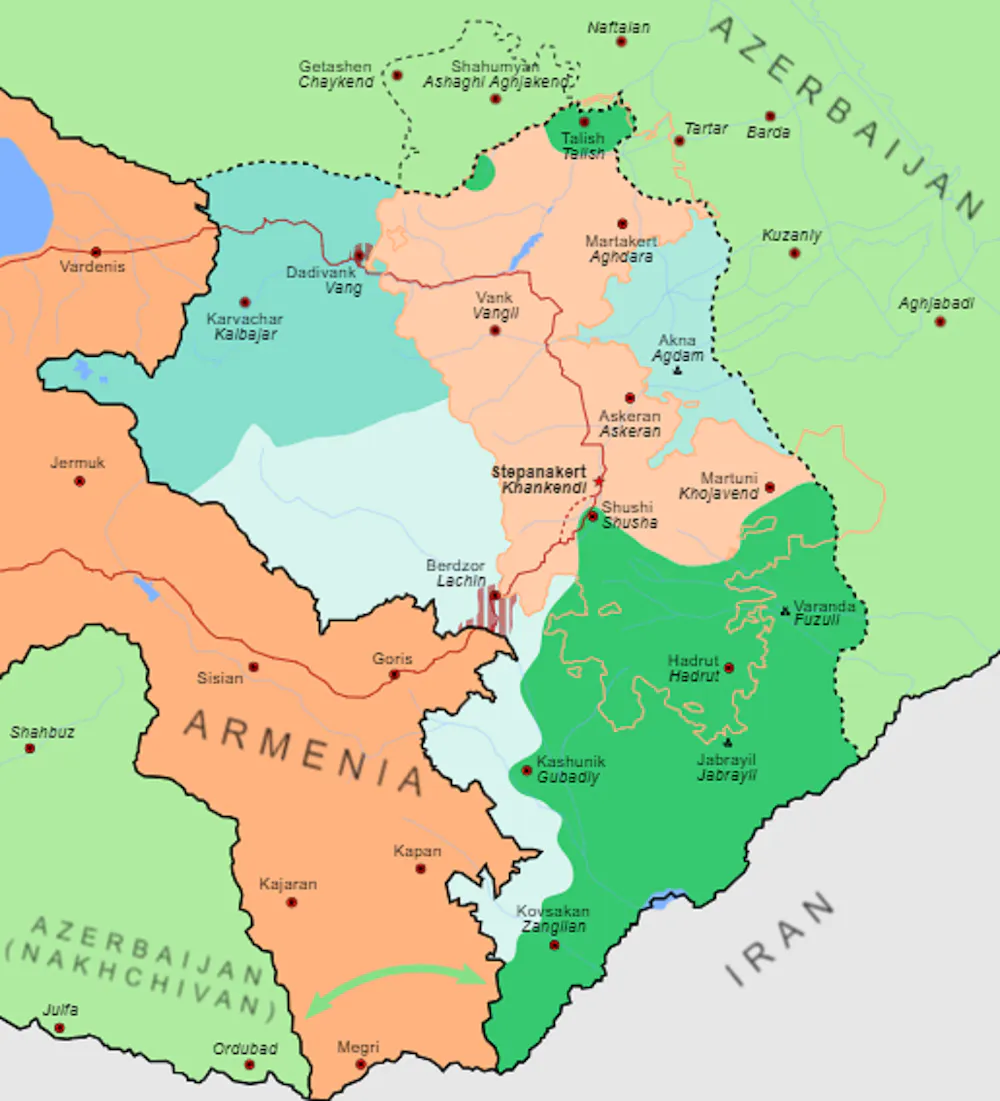

![Seventeenth Summit of the BRICS [Brazil, Russian Federation, India and China] countries](https://dam.media.un.org/Assets/V2/ChFVTjdTNTAwMDAwMDAwMDAwMxIPVFIxX1dBVEVSTUFSS0VEGjVcVFIxX1dBVEVSTUFSS0VEXDg5XGExXDdlXGVjXDlmXHYxX1VON1xVTjcxMTA5Mjk3LmpwZyIECAEQD0ABYgpVTjcxMTA5Mjk3~/2AM9LO7L348T/MlerQ6DmkFqCQwz7/UN71109297.jpg)
