NewzIntel.com

    • Checkout Page
    • Contact Us
    • Default Redirect Page
    • Frontpage
    • Home-2
    • Home-3
    • Lost Password
    • Member Login
    • Member LogOut
    • Member TOS Page
    • My Account
    • NewzIntel Alert Control-Panel
    • NewzIntel Latest Reports
    • Post Views Counter
    • Privacy Policy
    • Public Individual Page
    • Register
    • Subscription Plan
    • Thank You Page

Category: Climate Change

  • MIL-OSI United Nations: ‘Smart grid’ helps accelerate energy transition in Indonesia

    Source: United Nations 2-b

    With support from the United Nations, the electricity grid on the central islands of Java, Madura, and Bali – home to over 160 million people – is now being upgraded and modernized to accommodate fluctuating energy loads from solar and wind power.

    “As a result of our cooperation with the UN, we now have a blueprint for a smart grid and are working to enable it to seamlessly integrate electricity from renewables in line with national priorities,” said Evy Haryadi, Director of Transmission and System Planning at state-owned electricity company PT Perusahaan Listrik Negara (PLN). “This will represent a huge step forward in decarbonizing Indonesia’s energy system.”

    As emphasized during a recent visit to Jakarta by the UN Secretary-General’s Special Advisor on Climate Action and Just Transition, Selwin Hart, the smart grid initiative—supported by the United Nations Office for Project Services (UNOPS)—is an integral part of the broader UN assistance in Indonesia to ensure a just energy transition.

    UN Indonesia

    Solar power is widely used on the islands of Java, Madura, and Bali.

    This includes work by the United Nations Development Programme (UNDP) to bring renewable energy to remote islands not connected to the national grid, and by the International Labour Organization (ILO) to support the government in developing green skills.

    “The UN in Indonesia works in close partnership with the government to support its energy transition targets in line with the Sustainable Development Goals (SDGs),” said Gita Sabharwal, United Nations Resident Coordinator for Indonesia. “We provide fast response solutions and technical expertise to help accelerate progress toward government objectives in green energy.”

    The country’s 2025–2034 Electricity Supply Business Plan, launched in May, outlines a strategic shift toward a cleaner and investment-driven energy future. It targets 42.6 GW of new renewable power capacity and 10.3 GW of storage, while limiting new fossil fuel capacity to 16.6 GW. The plan is designed to align Indonesia’s climate commitments with the SDGs and enhance national energy resilience.

    The smart grid and, at its core, the control centre that manages electricity supply and demand, are crucial to this effort. The country expects a surge in renewable generation construction once the modernization of the JAMALI Control Center is completed.

    Historically, power grids were designed to receive electricity from sources with relatively constant output—such as coal, natural gas, or hydropower. However, some renewable sources function differently: solar plants generate electricity only when the sun is shining, and wind power only when the wind is blowing. In a so-called “smart grid,” the control centre must be able to adjust electricity intake from renewables and balance it with stable sources like coal, based on real-time weather conditions and consumption patterns. It will also utilize large-scale batteries to store excess electricity—for example, solar energy generated during particularly sunny periods.

    Established in the early 1980s, the JAMALI grid control center covers 79% of Indonesia’s generation capacity. The smart grid system design, delivered by UNOPS, enables the control centre to incorporate renewable energy forecasting capabilities and grid analysis tools to support stability and security, among other advanced features.

    The detailed engineering design for the JAMALI Main Control Center includes plans to consolidate five regional control centres into two to improve efficiency while maintaining redundancy. UNOPS also completed the tendering process and vendor selection for the design’s implementation and is building the capacity of PLN staff involved in control centre operations to manage the new technology effectively.

    From design to implementation

    Construction workers and engineers are now hard at work at PLN’s campus in Depok, just outside Jakarta, implementing the design provided by UNOPS. Completion of the control centre is expected by the end of 2025. During this phase, UNOPS is responsible for monitoring the selected vendors who are constructing, installing, configuring, and ultimately commissioning the new centre.

    UN Indonesia

    Indonesia is modernizing its electricity grid.

    “UNOPS has the project management expertise and know-how to continue supporting us and ensure the seamless and timely delivery of the project, in line with the original specifications,” said PLN’s Mr. Haryadi. “At the same time, we are building our internal capacity to eventually take over the task.”

    The work is progressing on schedule. The new buildings are largely completed, and installation of the industrial monitoring system—central to the control centre’s operation—is about 40 per cent complete. Based on the success of the initiative, discussions are underway to replicate the design for the four control centres that manage electricity supply on other islands across the country.

    UNOPS supports this modernization under the Southeast Asia Energy Transition Partnership (ETP), which provides technical expertise to partner countries in the region to help their national energy commitments in line with Paris Agreement and the SDGs. ETP is a multi-donor partnership, supported by the governments of Australia, Canada, France, Germany, the United Kingdom and philanthropic donors.  ETP operates in Indonesia, the Philippines and Viet Nam, as well as at the ASEAN regional level, and works collaboratively to mobilize and coordinate resources to facilitate a just energy transition in the region.

    “The control centre upgrade promises to be a game-changer for Indonesia’s energy mix,” Ms Sabharwal said. “Our support is an impactful example of the UN’s assistance in middle-income countries: working behind the scenes and providing core technical expertise, we support the government’s priority of energy security by fast-tracking the green transformation.” 

    MIL OSI United Nations News –

    July 5, 2025
  • MIL-OSI United Nations: World News in Brief: Global growth slows, deadly Ukraine attacks, Haiti hurricane hunger risk, legal migration for refugees

    Source: United Nations 4

    Growth is projected to weaken to 2.3 per cent, or nearly half a percentage point lower than expected at the start of the year, according to the Global Economic Prospects report.

    “The global outlook is predicated on tariff rates close to those of late May prevailing,” it said.

    “Accordingly, pauses to previously announced tariff hikes between the United States and its trading partners are assumed to persist.”

    Although a global recession is not expected, average global growth is on track to be the slowest of any decade since the 1960s.

    Poor countries suffer

    Growth forecasts are being slashed in nearly 70 per cent of all economies, with the poorest countries most affected.

    In most developing countries, nearly 60 per cent, growth should average 3.8 per cent in 2025 before reaching an average 3.9 per cent in the following two years – more than a percentage lower than the average in the 2010s.

    The slowdown will impact efforts by developing countries in areas such as job creation, poverty reduction and closing income gaps with richer economies.

    “The world economy today is once more running into turbulence. Without a swift course correction, the harm to living standards could be deep,” said Indermit Gill, Senior Vice President and Chief Economist.

    The report calls for rebuilding trade relations as “economic cooperation is better than any of the alternatives – for all parties,” he said.

    Countries are also urged to improve business climates and to promote employment by ensuring workers are equipped with necessary skills.

    At least three dead in new Russian drone assault on Ukrainian cities 

    A massive new wave of Russian drone attacks has killed at least three civilians and left Kyiv, Odesa and Zaporizhzhia engulfed in clouds of thick smoke, aid teams said on Tuesday. 

    The attack was reportedly one of the largest since Russia’s full-scale invasion more than three years ago.

    In an online update, the UN aid coordinating office, OCHA, said that a maternity ward in Odesa had come under fire, causing injuries and widespread damage to homes. 

    Another terrible night

    The UN Children’s Fund, UNICEF, underscored the impact of the violence on civilians, citing 16-year-old Sonya from Kyiv in an online post. “It was a terrible night,” she said. “The sounds were so frightening – a buzzing sound that was getting closer and explosions every five minutes.”

    Russia has intensified its airstrikes on Ukraine in recent days. 

    According to Moscow, it stepped up its bombing campaign in retaliation for Ukraine’s surprise drone attacks deep inside Russian territory last week codenamed operation spiderweb.

    Amid the ongoing conflict, UN humanitarian teams and partners continue to work to help civilians in cities across Ukraine.

    They provide first aid, protection services, food, construction materials and other support including counselling and legal advice.

    Haiti: Hurricane season is here, but there are no food supplies

    The World Food Programme (WFP) has reported that for the first time ever, it has no prepositioned food supplies in Haiti for the hurricane season, which lasts from June to November. 

    WFP also said staffers do not have the financial resources to respond quickly to an emergency weather event in the country. 

    Other UN agencies have prepositioned water and sanitation kits for 100,000 and health supplies for 20,000 people. However, these are not sufficient, especially in the absence of food, to meet needs during an emergency. 

    “The current lack of contingency stocks and operational funds leaves Haiti’s most at-risk communities dangerously unprotected at a time of heightened vulnerability,” Deputy Spokesperson Farhan Haq said in a briefing Tuesday. 

    Famine-like conditions

    Food insecurity and malnutrition are already rampant, with over half the population facing acute hunger. Haiti is one of five countries worldwide which is experiencing famine-like conditions. 

    Continuing armed violence by gangs in the capital and in other regions has displaced over one million people, compounding the hunger crisis and limiting access to other basic services such as clean water and health care. 

    UN agencies in the country estimate that they will need $908 million to continue providing life-saving resources in Haiti, but currently, they have only received $78 million in emergency support. 

    Refugees find hope through legal migration

    Nearly one million refugees from eight countries with high asylum recognition rates were granted entry permits to 38 destination countries between 2019 and 2023, according to a new report from UN refugee agency, UNHCR, and the Organisation for Economic Co-operation and Development (OECD), Safe Pathways for Refugees. 

    These permits were issued through existing systems for work, study, or family reunification.

    “Refugees are using the same legal channels that millions rely on every day,” said Ruven Menikdiwela, UNHCR’s Assistant High Commissioner for Protection. 

    “We don’t need new systems – just safer access to the ones already in place.”

    In 2023 alone, nearly 255,000 permits were issued, marking a 14 per cent increase from 2022 and the highest number recorded since tracking began in 2010. 

    Countries such as Germany, Canada, the United States, the United Kingdom and Sweden have played a leading role. 

    UNHCR is urging States to remove obstacles for refugees and integrate them into regular migration systems. It also calls for stronger partnerships to expand access to legal pathways amid growing displacement and strained asylum systems. 

    MIL OSI United Nations News –

    July 5, 2025
  • MIL-OSI United Nations: ‘No Ocean Declaration without small islands’: Delegates push for inclusion as UN summit nears end

    Source: United Nations 4

    With the conference, known as UNOC3, set to close Friday, the stakes couldn’t be higher.

    Li Junhua, the UN’s Under-Secretary-General for Economic and Social Affairs, told UN News on Thursday that the past four days have been marked by a rare sense of solidarity around Sustainable Development Goal 14 (SDG 14) – protection of life below water.

    “This is the true testament to the impact of this Conference on the future of our ocean,” he added.

    Draft outcome signals sense of urgency

    Under way since Monday on France’s sun-drenched Côte d’Azur, UNOC3 is set to conclude with the adoption of a consensus-backed package aimed at securing the future of the world’s oceans.

    Delegates are preparing to endorse a political declaration alongside a sweeping set of voluntary commitments from participating nations – collectively known as the Nice Ocean Action Plan.

    The declaration itself, titled ‘Our Ocean, Our Future: United for Urgent Action,’ has undergone four rounds of intense intergovernmental negotiations at UN Headquarters in New York since January, alongside informal consultations with key delegations and civil society groups.

    At the heart of the conference’s mission – mobilizing action to safeguard and sustainably manage marine ecosystems – the declaration, in draft form, signals a marked shift in tone, underscoring an unprecedented sense of urgency.

    It calls for immediate and transformative measures to protect oceans, reflecting growing concerns over climate change, biodiversity loss, and the depletion of marine resources.

    © Coral Reef Image Bank/Tom Vierus

    The people of Galoa Village and their ancestors have depended on the reef system for hundreds of years for sustenance and income.

    In addition, the draft declaration outlines measures to protect marine ecosystems and foster sustainable ocean-based economies. It also emphasizes accelerating action, highlighting that SDG 14 remains one of the least funded UN goals. 

    To drive global ocean initiatives forward, the draft declaration calls for significant, accessible financing and the fulfillment of existing commitments under international agreements.

    The draft highlights the ocean’s deep ties to climate and biodiversity, urging nations to fully implement the Convention on Biological Diversity. It also reaffirms commitment to an international, legally binding agreement on plastic pollution, emphasizing a comprehensive approach that addresses plastics across their entire life cycle.

    Final negotiations are under way, and tomorrow we’ll report on whether nations have reached a consensus to tackle the global ocean emergency, turning decades of pledges into meaningful marine protection.

    UN News/Heyi Zou

    H.E. Safiya Sawney, Special Envoy and Ambassador for Climate, Government of Grenada.

    Small island voices are vital to ocean policy

    Among all the stakeholders, small island nations have a key role in shaping the Declaration. As communities most vulnerable to rising seas and marine degradation, their firsthand experience and leadership are essential to crafting effective, inclusive ocean policy.

    Safiya Sawney, Special Envoy and Ambassador for Climate of Grenada, told UN News that she is pleased to see the reference in the draft outcome to the Antigua and Barbuda Agenda for Small Island Developing States, or ABAS, which was adopted during the fourth International Conference on Small Island Developing States in May 2024.

    Ms. Sawney said that including the Antigua and Barbuda Agenda in the UNOC3 political declaration signals growing unity among island nations. She emphasized that, despite numerous challenges, small islands are committed to implementing every obligation under ABAS, demonstrating their determination to turn commitments into action.

    “A big part of our heritage, of our culture, of our economy is derived from the ocean,” she said, “So for us, you cannot have an ocean declaration without SIDS.”

    ‘No compromise with nature’

    As for the negotiation process on the draft declaration, Ms. Sawney said that Grenada and other delegations in the Alliance of Small Island States (AOSIS) affirmed that they were leveraging strength and experience from past climate talks and bringing that to the ocean space.

    “Part of healthy multilateralism is knowing that you have to compromise,” she admitted, but also adding that “the one thing that we cannot compromise with, however, is nature”.

    To ensure that “we’re able to all be successful together in supporting this ocean agenda”, she suggested that “there are some countries that need to do more than others”. She added that small island developing States are asking those countries to show their leadership, not just through offsets or financing, but through “real action”.

    PROCARIBE+ project

    Representatives from 14 Caribbean countries sign the Declaration Of Actioning Blue: The Caribbean 30×30 Vision and Roadmap For Our Ocean at a high-level launch event at the 3rd United Nations Ocean Conference (UNOC3) in Nice, France.

    Caribbean governments acting together

    Calling themselves “large ocean nations” at UNOC3, small island developing States are aggregating their weight to not only participate in but shape the global ocean agenda, said Ms. Sawney. Among these efforts, Caribbean governments have been keen to demonstrate political unity and regional ambition throughout the run of the conference.

    On the opening day of UNOC3, the Actioning Blue: Caribbean 30×30 Vision for the Ocean was officially launched. It reflects an urgent call by political leaders of the Caribbean to advance collective regional advocacy aligned with the Kunming-Montreal Global Biodiversity Framework, as well as SDG14.

    “Coming into UNOC3, we endorsed 12 Caribbean governments, including independent states and territories, and we’ve had one additional signature and expression of interest from three different governments,” explained Ms. Sawney.

    Changing the tide of over-reliance

    Recalling the 2008 Caribbean Challenge Initiative that advanced the protection of roughly 49,000 km of marine protected areas in the region, Ms. Sawney said part of what the newly launched Vision does is remind the international community that “we will continue to work, we’ll continue to show up, and we really like their help”.

    Describing the Caribbean as “capacity-constrained”, she however pointed to the region’s over-reliance on external help, experts, and capacity.

    “We’re trying to change the tide,” she continued, by stressing the importance of letting donors know that the region is very invested in building its own capacity and owning its own implementation.

    Seeing UNOC3 as an important opportunity to get across this message, Ms. Sawney stated that Caribbean Islands are not just looking forward to the end of the Conference, but what happens afterwards.

    “The real work begins after all of this is over,” she concluded with hope.

    MIL OSI United Nations News –

    July 5, 2025
  • MIL-OSI United Nations: Climate emergency is a health crisis ‘that is already killing us,’ says WHO

    Source: United Nations MIL OSI b

    Europe is warming faster than any other WHO region, and the impact on people’s health is growing more severe. From rising death rates to increasing climate-related anxiety, nearly every health indicator linked to climate has worsened in recent years. 

    In response, WHO/Europe on Wednesday launched a new initiative – the Pan-European Commission on Climate and Health (PECCH) – to tackle the growing threat climate change poses to public health. 

    Chaired by former Icelandic Prime Minister Katrín Jakobsdóttir, the commission brings together 11 leading experts from across the region tasked with delivering recommendations for actionable solutions.

    Deadly heat

    With nearly half of humanity already living in areas highly susceptible to climate change, a third of the world’s heat-related deaths occur in the European Region.

    In the years 2022 and 2023 combined, more than 100,000 people across 35 countries in the European Region died due to heat.

    “The climate crisis is not only an environmental emergency, it is a growing public health challenge,” said Katrín Jakobsdóttir.

    “We must recognise that the interplay among rising temperatures, air pollution and changing ecosystems resulting from human-induced climate change is already affecting the health and well-being of communities around the European Region and the world,” she said.

    The commission is being tasked with providing recommendations to reduce emissions, invest in adaptation strategies that protect health, reduce inequality and build resilience.

    Escalating threat

    The climate crisis disproportionately affects the health of the most vulnerable.

    From the spread of infectious diseases to heat-related illness and food insecurity, “climate change poses a serious and escalating threat to human health,” said Andrew Haines, chief advisor to the WHO/Europe climate-health initiative. 

    MIL OSI United Nations News –

    July 5, 2025
  • MIL-OSI Submissions: Is Mark Carney turning his back on climate action?

    Source: The Conversation – Canada – By Deborah de Lange, Associate Professor, Global Management Studies, Toronto Metropolitan University

    The G7 summit in Alberta, hosted by Prime Minister Mark Carney, has ended with only passing mention of fighting climate change, including a statement on wildfires that is silent on the pressing need to reduce greenhouse gas emissions.

    This is puzzling. Canadians didn’t opt for Conservative Pierre Poilievre, considered by some to be an oil and gas industry mouthpiece, in the last federal election. Instead, voters gave Carney’s Liberals a minority government.

    Carney was the United Nations Special Envoy on Climate Action and Finance and was behind the UN-backed Net-Zero Banking Alliance, so some Canadians might have assumed he’d prioritize climate action if he won the election. Instead, Carney has described developing fossil fuel infrastructure as “pragmatic.”

    But it’s unclear how a country grappling with abysmal air quality due to wildfires fuelled by global warming will benefit from further global fossil fuel development and its related emissions.


    Read more:
    Wildfire smoke can harm your brain, not just your lungs


    Warming rapidly

    Canada is warming faster than most of the globe. Its leaders should be laser-focused on mitigating climate change by reducing fossil fuel use to the greatest extent possible, as soon as possible.

    This decades-long understanding of how to approach climate action has been repeatedly explained by experts and is well known to governments globally. Canada’s prime minister was once one of those experts.

    Carney now has a tremendous opportunity to lead by steering Canada in a clean direction.

    Canada is at the forefront of clean technology, with numerous business opportunities emerging, particularly in areas like circular economy international trade. These opportunities not only support Canada’s commitment to meeting its Paris Agreement targets but also help expand and diversify its global trade.

    Eco-industrial parks

    Canada already has exemplar eco-industrial parks — co-operative businesses located on a common property that focus on reducing environmental impact through resource efficiency, waste reduction and sharing resources. Such industrial communities are in Halifax and in Delta, B.C. They represent significant investment opportunities.

    Vacant urban land could be revitalized and existing industrial parks could boost their economic output and circular trade by building stronger partnerships to share resources, reduce waste and cut emissions.


    Read more:
    A sustainable, circular economy could counter Trump’s tariffs while strengthening international trade


    Canada would benefit economically and environmentally by building on existing expertise and expanding successful sustainability strategies to achieve economic, environmental and social goals.

    But by continuing to invest in fossil fuels, Canada misses out on opportunities to diversify trade and boost economic competitiveness.

    The secret to China’s success

    Real diversification makes Canada less vulnerable to economic shocks, like the ones caused by the tariffs imposed by United States President Donald Trump.

    Fossil fuel reliance increases exposure to global economic risks, but shifting to cleaner products and services reduces climate risks and expands Canada’s global trade options. China’s economic rise is partly a result of this strategy.


    Read more:
    While the U.S. threatens tariffs and builds walls around its economy, China opens up


    That’s seemingly why Trump is so fixated on China. China today is a serious competitor to the U.S. after making smart trade and economic decisions and forging its own path, disregarding American pressure to remain a mere follower.

    Investing in its huge Belt and Road Initiative, China also aligned itself with the United Nations Sustainable Development Goals. It’s building diplomatic bridges with many Belt and Road countries in southeast Asia as Trump’s America alienates its partners, pulling out of the Paris Agreement and cutting foreign aid.

    As another one of America’s mistreated partners, Canada was poised to forge its own path under Carney. Instead, Carney is supporting American oil and gas by encouraging Canadian pipeline projects.

    Clean innovation is the path forward

    Canadian oil and gas is a concentrated industry controlled by a wealthy few, primarily Americans. More pipelines would therefore mean more sales of fossil fuels to other countries, with the beneficiaries mostly American.

    Fossil fuel investments reduce Canada’s diversification because the resources used to further these projects could go elsewhere — toward clean diversification. With almost unlimited clean economy options across many sectors, clean diversification would broaden Canada’s economic and trade portfolios and reduce American control.


    Read more:
    Why Canada’s Strong Borders Act is as troublesome as Donald Trump’s travel bans


    This is International Business 101, and would make the Canadian economy more competitive through innovation, while reducing the country’s climate risk.

    California, often targeted by Trump for its policies, has been a leader in clean innovation, making its economy the envy of the world.


    Read more:
    California is planning floating wind farms offshore to boost its power supply – here’s how they work


    My recent research shows that clear, decisive choices like those made in California will be key to Canada’s future success. Canada must make choices aligned with goals — a core principle of strategic management.

    My research also suggests Canada must restructure its energy industry to focus on renewable energy innovation while reducing fossil fuel reliance. Increased renewable energy innovation, as seen in patent numbers, leads to higher GDP.

    Contrary to common beliefs, pollution taxes boost the economy in combination with clean innovation. But when the government supports both the fossil fuel industry and clean industries, it hinders Canada’s transition to a cleaner future.

    Trapped by the fossil fuel industry?

    Do Canadian taxpayers truly want to keep funding an outdated, polluting industry that benefits a wealthy few, or invest in clean industries that boost Canada’s economy, create better jobs and protect the environment? To differentiate Canada from the United States, it would make sense to choose the latter.

    Carney should consider refraining from pushing for the fast-tracking of polluting projects. If he doesn’t, Canada will become more uncompetitive and vulnerable, trapped by the fossil fuel industry.


    Read more:
    Mark Carney wants to make Canada an energy superpower — but what will be sacrificed for that goal?


    Carney’s support for pipelines may have stemmed from Alberta Premier Danielle Smith’s implicit support for Alberta sovereignty. She made veiled threats to Canada at a critical juncture, when Trump was making repeated assertions about annexing Canada.

    Missed opportunities

    Alberta didn’t vote for Carney. But Canadians who care about mitigating climate change did.

    Banks that felt pressure to at least recognize sustainable finance during the Joe Biden administration joined Carney’s Net-Zero Banking Alliance.

    But as soon as Trump came to power a second time and walked away from the Paris Agreement, many American banks abandoned the alliance. Canadian banks followed suit, and Carney remarkably missed another moment to show Canadian leadership by stopping their exit.

    In fact, Carney seems to have abandoned his own organization to appease Trump as the president made multiple 51st state threats. The prime minister had the chance to differentiate Canada and demonstrate his own leadership. Instead, he seems to have easily turned his back on his principles under pressure from Trump.

    Deborah de Lange receives funding from SSHRC and ESRC. She is affiliated with The Liberal Party of Canada and The Writers’ Union of Canada.

    – ref. Is Mark Carney turning his back on climate action? – https://theconversation.com/is-mark-carney-turning-his-back-on-climate-action-258737

    MIL OSI –

    July 5, 2025
  • MIL-OSI China: Chinese Embassy in Japan warns Chinese citizens to stay vigilant against natural disasters

    Source: People’s Republic of China – State Council News

    The Chinese Embassy in Japan on Friday issued a notice to remind Chinese citizens in the country to be vigilant against natural disasters as earthquakes have frequently jolted southwestern Japan.

    The Tokara island chain region in the southwestern prefecture of Kagoshima has been hit by over 1,000 felt earthquakes since June 21, with a strong quake measuring in the lower 6 on the Japanese seismic intensity scale of 7 logged on Thursday, according to a local meteorological observatory.

    Heightened seismic activities have prompted Japanese authorities to urge residents of Akusekijima, part of the Tokara island chain, to be prepared to evacuate at any time. On Friday, 13 residents evacuated the village of Toshima on Akusekijima and arrived at Kagoshima Port by ship, local media reported.

    The embassy also warns of Typhoon Mun, which is expected to move northward over the sea east of Japan, as well as scorching temperatures, which are expected to persist across Japan until September.

    The embassy reminds Chinese nationals residing in Japan and tourists visiting Japan to strengthen their awareness of natural disaster prevention, pay close attention to earthquake updates, weather warnings and disaster prevention information, and evacuate to safe areas as soon as possible when necessary. 

    MIL OSI China News –

    July 5, 2025
  • MIL-OSI Analysis: Alberta youth have the right to school library books that reflect their lives, including sexuality

    Source: The Conversation – Canada – By Jamie Anderson, PhD Candidate, Werklund School of Education, University of Calgary

    Alberta Premier Danielle Smith has expressed fondness for Florida Gov. Ron DeSantis, most recently wagering a a friendly public bet on the NHL hockey playoffs. In 2023, she said she wanted Albertans to enjoy some of the same freedoms available to citizens in certain American states, including Florida.

    Her government’s latest proposal aims to take more than a page from DeSantis’s playbook, setting its sights on how Florida has targeted school library books, effectively purging and banning many.

    Alberta Education Minister Demetrios Nicolaides recently announced the province will move ahead to develop provincial standards “to ensure the age-appropriateness of materials available to students in school libraries.” This followed a public engagement survey related to what he said were concerns about “sexually explicit” books in Edmonton and Calgary schools.

    The province says the survey results show “strong support” for a school library policy, even while the majority of respondents don’t want the government setting standards for school library books.

    This marks the Alberta government’s latest effort to restrict the rights of 2SLGBTQIA+ children and youth.

    New proposed school library standards

    Like Florida’s statute on K-12 instructional materials, Alberta’s proposal centres on age-appropriateness and increasing parental choice in learning materials.

    Despite claiming a need for new standards, Nicolaides has acknowledged there are already mechanisms in place in Alberta’s school jurisdictions for parents to challenge materials. Many school boards already have policies governing school library materials.

    Additionally, librarians are trained professionals who follow established practices around organizing materials that reflect developmental appropriateness.

    Florida school book purges

    Florida’s statute, framed by DeSantis as empowering parents to object to obscene material, has targeted 2,700 books. More than 700 were removed from libraries in 2023-24.


    Read more:
    Ron DeSantis shows how ‘ugly freedoms’ are being used to fuel authoritarianism


    Confusion and a climate of fear caused by the bill has led Florida teachers and librarians to self-censor. Florida’s Department of Education urged districts to “err on the side of caution” to avoid potential felony charges.

    Such fear and surveillance lead to unnecessary restrictions on students’ rights.

    Targeting 2SLGBTQIA+ books

    Nicolaides has emphasized that developing the new standards in Alberta is not a question of “banning certain books,” and has acknowledged he does not have that authority.

    However, as PEN Canada notes, the implications of the proposed policies raise alarm bells, with the government’s actions “paving the way to a new era of government-sponsored book banning.” Singling out books has the same effect as a ban, according to the CEO of the St. Albert Public Library.

    By labelling four books as inappropriate — three of which include 2SLGBTQIA+ authors and themes — Nicolaides suggests these books don’t belong in K-12 schools. One of the books, the graphic novel Flamer, has won several awards, including the Lambda Literary Award for LGBTQ Young Adult Literature in 2021.

    PEN America interview with Mike Curato, author of ‘Flamer.’

    The education minister refuted the idea that singling out the books is anti-queer or anti-trans, and did so in an inflammatory manner, characterizing concern as being about protecting children from seeing porn, child molestation and other sexual content.

    Nicolaides also said the proposed policy is focused on sexual content, so themes and depictions of graphic violence are “probably not” an issue.

    Rolling back trans, queer rights

    Alberta has already rolled back the rights of trans and non-binary children and youth to use different pronouns, access gender-affirming care and participate in sports.

    Queer and trans identities are also absent from all subjects in the K-12 program of studies, including recently updated K-6 curriculum. New sexual health resource guidelines prohibit the use of learning materials that primarily and explicitly address sexual orientation or gender identity unless they have been vetted and approved by Alberta Education (except for use in religion classes).

    Survey amplifies moral panic

    Through specific communication tactics, the minister’s public engagement works to exacerbate moral panics about sexuality as a threat to childhood innocence. This influences broader messages about 2SLGBTQIA+ inclusion.

    The government-created survey shared illustrations and text excerpts on their own, without context or consideration of their narrative purpose in each book. Although the excerpts flagged by the minister make up between 0.1 to two per cent of the total page count in each book, the books as a whole are labelled “extremely graphic.”

    In a media appearance, Nicolaides stated the books in question were available to “elementary-aged” students. This is misleading because K-9 schools include junior high students.

    In a social media post, the minister’s press secretary said “these problematic books were found in and around books like Goldilocks,” suggesting targeted books are alongside children’s storybooks. But the image he shared showed Flamer near the graphic novel Goldilocks: Wanted Dead or Alive, aimed at middle-grade readers aged nine to 12 years old.

    Survey respondents

    The survey reported 77,395 responses by demographics, including parents, teachers, school administrators, librarians and other interested Albertans.

    Forty-nine per cent of parents of school-aged children were not at all or not very supportive of the creation of government guidelines, compared to 44 per cent of the same demographic who were somewhat or very supportive (eight per cent were unsure). Across each other demographic, most respondents expressed that they didn’t support the creation of new government standards. But the ministry plans to move ahead anyway.

    Socially conservative lobby

    The Investigative Journalism Foundation reports two conservative activist groups have taken credit for giving the Alberta government names of books believed to be inappropriate.

    Parental rights groups and far-right activists have long asserted that 2SLGBTQIA+ inclusion in schools “indoctrinates” and sexualizes children.

    We’re concerned the Alberta government may be reinforcing this message to manufacture a greater public consensus in support of wider policies against 2SLGBTQIA+ rights.

    Since at least 2023, United Conservative Party (UCP) members have embraced socially conservative “parental rights” rhetoric and supported motions for purging school libraries and mandating parent approval of changes to kids’ names and pronouns.

    Traditionalist ‘parental rights’

    Far-right activist groups like Take Back Alberta have shaped the UCP government’s policies alongside special interest groups like Action4Canada and Parents for Choice in Education.

    A common thread among such groups is parental authority over one’s own children framed in traditionalist or hetero-normative terms. Significant mobilizing has happened against the inclusion of sexual orientations and gender identities in school curricula, trans-inclusive health care, drag shows, conversion therapy bans and more.


    Read more:
    Pride, pages and performance: Why drag story time matters more than ever


    Queer and trans identities are viewed as a social contagion threatening to change anyone exposed to them, and efforts for inclusion are labelled “gender ideology.”

    These misconceptions, combined with political and religious biases, frame queerness and transness as “adult topics” that will confuse or harm children. However, research confirms ignoring these topics is of far greater concern when children may already experience discrimination about their gender expression by the age of five.

    Earlier learning about diverse forms of gender expression and relationships can reduce victimization, and prevent young children from becoming perpetrators of, or bystanders to, anti-2SLGBTQIA+ harassment and violence.


    Read more:
    ‘Parental rights’ lobby puts trans and queer kids at risk


    The United Nations recognizes that governments need to resist political pressure “based on child protection arguments to block access to information on [2SLGBTQIA+] issues, or to provide negatively biased information.”

    Access to self-selected literature is important for all students, and can be a lifeline for 2SLGBTQIA+ students who don’t see themselves in the curriculum.

    If Alberta Education will not prepare students for the world they live in — where we queer and trans people exist, flourish and are loved — then students should be able to seek out stories that reflect that world. It’s a matter of protecting their freedom of expression.

    The Conversation

    Jamie Anderson has received funding from the Social Sciences and Humanities Research Council of Canada and the University of Calgary.

    Tonya D. Callaghan receives funding from the Social Sciences and Humanities Research Council of Canada and the Killam Trusts.

    Caitlin Campbell and Nicole Richard do not work for, consult, own shares in or receive funding from any company or organisation that would benefit from this article, and have disclosed no relevant affiliations beyond their academic appointment.

    – ref. Alberta youth have the right to school library books that reflect their lives, including sexuality – https://theconversation.com/alberta-youth-have-the-right-to-school-library-books-that-reflect-their-lives-including-sexuality-258265

    MIL OSI Analysis –

    July 5, 2025
  • MIL-OSI Analysis: ‘Canada is not for sale’ — but new Ontario law prioritizes profits over environmental and Indigenous rights

    Source: The Conversation – Canada – By Martina Jakubchik-Paloheimo, Postdoctoral Research Fellow, Environmental and Urban Change, York University, Canada

    Despite provincewide protests, Ontario’s Bill 5 officially became law on June 5. Critics warn of the loss of both environmental protections and Indigenous rights.

    The law empowers the province to create special economic zones where companies or projects don’t have to comply with provincial regulations or municipal bylaws.

    Bill 5, also known as the Protect Ontario by Unleashing our Economy Act, reduces the requirements for environmental assessment. By doing so, it weakens ecological protection laws that safeguard the rights of Indigenous Peoples and at-risk species.

    Indigenous rights and Indigenous knowledge are critical for planetary health. But the bill passed into law with no consultation with First Nations. Therefore, it undermines the duty to consult while seemingly favouring government-aligned industries.

    Indigenous Peoples have long stewarded the environment through sustainable practices that promote ecological and human health. Bill 5’s provisions to allow the bypassing of environmental regulations and shift from a consent-based model to one of consultation violate Aboriginal and Treaty rights. Métis lawyer Bruce McIvor has described the shift as a “policy of legalized lawlessness.”

    Compounding environmental threats

    Wildfires that are currently burning from British Columbia to northern Ontario are five times more likely to occur due to the effects of climate change caused by the burning of fossil fuels.

    On the federal level, Bill C-5, called the Building Canada Act, was introduced in the House of Commons on June 6 by Prime Minister Mark Carney. This bill further compounds the threat to environmental protections, species at risk and Indigenous rights across the country in favour of resource extraction projects.

    It removes the need for the assessment of the environmental impacts of projects considered to be of “national interest.”

    Ring of Fire — special economic zone?

    Ford and Carney want to fast-track the so-called Ring of Fire mineral deposit within Treaty 9 territory in northern Ontario by labelling it a “special economic zone” and of “national interest.” The proposed development is often described as a potential $90 billion opportunity.

    But scientists say there are no reliable estimates of the costs related to construction, extraction, benefit sharing and environmental impacts in the Ring of Fire.

    The mining development could devastate traditional First Nations livelihoods and rights. It could also worsen the effects of climate change in Ontario’s muskeg, the southernmost sea ice ecosystem in the world.

    Northern Ontario has the largest area of intact boreal forest in the world. Almost 90 per cent of the region’s 24,000 residents are Indigenous. The Mushkegowuk Anniwuk, the original people of the Hudson Bay lowlands, refer to this area as “the Breathing Lands” — Canada’s lungs. Cree nations have lived and stewarded these lands for thousands of years.

    Journalist Jessica Gamble of Canadian National Geographic says the James Bay Lowlands, part of the Hudson Bay Lowlands, are “traditional hunting grounds” and “the largest contiguous temperate wetland complex in the world.”

    This ecosystem is home to 200 different migratory bird species and plays a critical role in environmental health through carbon sequestration and water retention. The Wildlands League has described the area as “home to hundreds of plant, mammal and fish species, most in decline elsewhere.”

    Northern Ontario, meantime, is warming at four times the global average.

    Jeronimo Kataquapit is a filmmaker from Attawapiskat who is spearheading the “Here We Stand” campaign in opposition to Bill 5 with Attawapiskat residents and neighbouring Mushkegowuk Nations and Neskantaga First Nation. As the spokesperson for Here We Stand, he said: “Ontario’s Bill 5 and Canada’s proposed national interest legislation are going to destroy the land, pollute the water, stomp all over our treaty rights, our inherent rights, our laws and our ways of life.”

    Endangered species — polar bears

    An estimated 900 to 1,000 polar bears live in Ontario, mostly along the Hudson Bay and James Bay coasts.

    But there has been a 73 per cent decline in wildlife populations globally since the 1970s, according to the World Wildlife Fund. In Canada, species of global concern have declined by 42 per cent over the same time. Canada’s Arctic and boreal ecosystems, once symbols of the snow-capped “Great White North,” are now at risk.

    Polar bears, listed as threatened under the Ontario Endangered Species Act and of “special concern” nationally, are particularly sensitive to human activities and climate change. Polar bears and ringed seals are culturally significant and serve as ecological indicators for ecosystems.

    Melting sea ice has already altered their behaviour, forcing them to spend more time on land.

    Cree First Nations in Northern Ontario’s biodiverse Treaty 9 territory are collaborating with federal and provincial governments and conservationists to protect polar bears. Right now, there is recognition of the importance of Cree knowledge in planning and the management of polar bears.

    The new Ontario law removes safeguards protecting the province’s endangered species, such as the Endangered Species Act. It strips key protections for at-risk wildlife, such as habitat protections, environmental impact assessments and ecosystems conservation.

    Climate change and weaker environmental protections will lead to irreversible damage to our environment and biodiversity. The ecosystem services that each animal, insect and plant provides — like cleaning the air we breathe and water we drink — are essential for a healthy province.

    The impact of Bill 5 and C-5 on these species is likely to be severe.

    Short-term gains at the expense of long-term damage

    Ontario could benefit from improved infrastructure and economic growth, but development requires careful planning and collaboration. It should rely on innovative science-based solutions, especially Indigenous sciences. And it should never infringe on Indigenous rights, bypass environmental assessments or threaten endangered species.

    While Bill 5 commits to the duty to consult with First Nations, it falls short of the free, prior and informed consent required by the United Nations Declaration on the Rights of Indigenous Peoples (UNDRIP). Since becoming Canadian law in June 2021, the federal government has been obligated to align its laws with UNDRIP.

    With Bill 5 in place, some of Ontario’s major projects may be fast-tracked with minimal safeguards. Both Bill 5 and the proposed C-5 prioritize short-term economic gains that will cause irreversible environmental damage and violate legal obligations under UNDRIP.

    Lawrence Martin, Director of Lands and Resources at the Mushkegowuk Council, contributed to this article.

    The Conversation

    Martina Jakubchik-Paloheimo works in the Faculty of Environmental and Urban Change (EUC) at York University as a Postdoctoral Fellow, facilitating a collaborative project on human-polar bear coexistence in Hudson Bay and James Bay.

    – ref. ‘Canada is not for sale’ — but new Ontario law prioritizes profits over environmental and Indigenous rights – https://theconversation.com/canada-is-not-for-sale-but-new-ontario-law-prioritizes-profits-over-environmental-and-indigenous-rights-258553

    MIL OSI Analysis –

    July 5, 2025
  • MIL-OSI Analysis: Sea of opportunity: protecting mangroves and seagrass could boost Indonesia’s new climate targets

    Source: The Conversation – Indonesia – By Brurce Muhammad Mecca, Senior Analyst, Climateworks Centre

    Aerial view of Mangrove forest, Mandalika, Nusa Tenggara Barat, Indonesia. (Shutterstock)

    Indonesia has signalled it could include blue carbon ecosystems — carbon-rich coastal and marine areas, like mangroves and seagrass — in its new climate targets. This shift follows years of relying heavily on the forestry and land sectors as well as the energy sector.

    This could be a turning point, given Indonesia is one of the most important countries globally for ocean-based climate change mitigation. Indonesia’s blue carbon ecosystems are crucial, housing 22% of the world’s mangroves and 5% of seagrass meadows.

    However, the country is losing its mangroves and seagrass in recent years due to changes in land use. As of 2019, only 16% of mangroves and 45% of seagrass were inside protected areas. Damage to mangrove and seagrass ecosystems can release carbon into the atmosphere, exacerbating climate change.

    For that reason, it’s crucial that Indonesia considers establishing more protected areas for its mangrove and seagrass ecosystems as part of its new climate targets. This could shield them from harmful activities like industrial fishing, unsustainable aquaculture, massive infrastructure development and overtourism.

    Two kinds of protected areas

    A 2023 Climateworks Centre study highlighted how Indonesia could prevent up to 60 million tonnes of greenhouse gas emissions per year by 2030 – equal to Singapore’s 2030 emissions reduction target – by protecting 39,000 hectares per year of mangroves and 8,600 hectares per year of seagrasses. The combined area of these mangroves and seagrasses is almost three-quarters the size of Jakarta.

    One way to do this is by including both ecosystems inside two kinds of protected areas. The first is marine protected areas (MPAs), which are areas designated by the government to protect essential ecosystems. The other kind — known as other effective area-based conservation measures (OECM) – are just as crucial for ecosystem protection.

    Many activities are prohibited in marine protected areas, such as industrial fishing, mass tourism and mining. The government plans to increase Indonesia’s MPA cover from 8% to 10% by 2030, which is an opportunity to prioritise mangroves and seagrass.

    Meanwhile, OECMs can allow Indonesia to target, recognise, and support areas beyond marine protected areas. These other conservation measures can play an important role in protecting blue carbon ecosystems across the country.

    For example, the indigenous community of Rote Ndao in Eastern Indonesia’s traditional marine management system protects the local marine ecosystems – despite not being considered an marine protected area. Research shows that Indonesia has more than 390 potential marine OECMs. Many have conservation measures that have been implemented by local communities for centuries.

    Key places to protect

    While Indonesia still urgently requires broad investment in the collection of high-quality data for mapping blue ecosystems, our findings highlight some key priority locations for mangroves and seagrass to be included in the country’s ocean strategy.

    For mangrove ecosystems, we highlight Kalimantan and Papua as areas of particular importance. Between 2009 and 2019, approximately 19% of mangroves in Kalimantan (58,000 hectares) were deforested due to palm oil and aquaculture. By comparison, Papua has a large area of carbon-dense mangroves, and a low historic rate of deforestation.

    Meanwhile, protection of seagrass is quite tricky because an Indonesian seagrass map has not been completed.

    Before defining specific seagrass areas to be protected, the government can verify the data in provinces such as Maluku, North Maluku, Bangka Belitung Islands, South East Sulawesi, West Papua and South Sulawesi. These areas have the potential for seagrass ecosystems to be included in a protection plan.

    The government could also prioritise seagrass ecosystems in the Riau Islands and West Nusa Tenggara. These regions have extensive seagrass areas lacking marine protected area coverage.

    A new target for mangrove and seagrass protection

    Indonesia can set a clear and measurable area-based target to protect its mangrove and seagrass ecosystems in the upcoming climate targets. This could align the country’s climate actions on ocean and marine to its overall climate ambition. It will also lay the foundation for attracting climate financing, which Indonesia will need to achieve its targets.

    Local participation is also important. Indonesia can design and implement its mangrove and seagrass ecosystems protection target with the involvement and consent of local communities. This would align with Indonesia’s existing targets, such as its Blue Economy Roadmap, to ensure coordinated efforts across government agencies.

    As the world works towards net zero emissions, Indonesia has a huge opportunity to boost its climate leadership. Protecting and restoring more of the country’s carbon-rich mangroves and seagrass meadows can ensure the future thriving of marine ecosystems that so many Indonesians rely on.


    Editor’s Note : In 13 August, 11.57 AM WIB, we made a correction to a sentence in the article’s previous version:

    “By comparison, Papua has a large area of carbon-dense mangroves, and a low historic rate of deforestation, with no indication of this changing.”

    The previous sentence was inaccurate because while the historic rate was low, the implication was deforestation would continue, when in fact there are indications this could change in the future.

    We replaced the sentence with “By comparison, Papua has a large area of carbon-dense mangroves, and a low historic rate of deforestation.”

    The Conversation

    Para penulis tidak bekerja, menjadi konsultan, memiliki saham atau menerima dana dari perusahaan atau organisasi mana pun yang akan mengambil untung dari artikel ini, dan telah mengungkapkan bahwa ia tidak memiliki afiliasi di luar afiliasi akademis yang telah disebut di atas.

    – ref. Sea of opportunity: protecting mangroves and seagrass could boost Indonesia’s new climate targets – https://theconversation.com/sea-of-opportunity-protecting-mangroves-and-seagrass-could-boost-indonesias-new-climate-targets-229819

    MIL OSI Analysis –

    July 5, 2025
  • MIL-OSI Analysis: UK may be on verge of triggering a ‘positive tipping point’ for tackling climate change

    Source: The Conversation – UK – By Kai Greenlees, PhD Candidate, Sustainable Futures, University of Exeter

    Nrqemi/Shutterstock

    The UK is now more than halfway (50.4%) to achieving a net zero carbon economy, which means it has reduced its national emissions significantly compared to 1990.

    We should even celebrate that 0.4%. Why? Because every tonne of carbon saved from the atmosphere and every fraction of a degree celsius of warming avoided saves lives and leaves more life-sustaining ecosystems intact for our children and grandchildren.

    It also reduces the risk of triggering irreversible, devastating tipping points in the Earth system. We absolutely do not want to go there. Though, it may already be too late to save 90% of warm-water coral reefs, on which hundreds of millions of people depend for food and protection from storms.

    Luckily, tipping points can also work in our favour. Researchers like us call them positive tipping points, which kickstart irreversible, self-propelling change towards a more sustainable future.


    Get your news from actual experts, straight to your inbox. Sign up to our daily newsletter to receive all The Conversation UK’s latest coverage of news and research, from politics and business to the arts and sciences.


    Solar energy has already crossed a tipping point, having become the cheapest source of power in most of the world. Because it is quick to deploy widely and in a variety of formats and settings, solar is expanding exponentially, including to the roughly 700 million people who don’t have electricity.

    Electric vehicle sales have also crossed tipping points in China and several European markets, as evidenced by the abrupt acceleration of their shares in national vehicle fleets. The more people buy them, the cheaper and better they get, which makes even more people buy them – a self-propelling change towards a low-carbon road transport system.

    Recent findings from the Climate Change Committee, independent advisers to the UK government on climate policy, show that the UK too may be on the cusp of a positive tipping point for electric vehicles (EVs), but that further work is needed to reach a tipping point for heat pumps.

    EV sales are racing ahead

    According to the CCC, more than half of the UK’s success in decarbonising its economy since 2008 can be attributed to the energy sector. Here, the transition from electricity generated by coal to gas and, increasingly, renewable sources like solar and wind, has occurred “behind the scenes”, without much disruption to daily life.

    However, over 80% of the greenhouse gas emission cuts needed between now and 2030 (the UK aims to reduce emissions by 68% by 2030) need to come from other sectors that require the involvement and support of the public and businesses.

    The adoption of low-carbon technologies by households, including the buying of EVs and installing of heat pumps, is a critical next step to determining the success or failure of the UK’s ability to achieve net zero. Cars account for about 15% of the UK’s emissions and home heating a further 18%.

    Encouragingly, and despite concerted misinformation campaigns to discredit EVs, sales in the UK accounted for 19.6% of all new cars in 2024, which puts this sector close to the critical 20-25% range for triggering the phase of self-propelling adoption, according to positive tipping points theory.

    This rise in EV sales is happening for two main reasons. First, the UK has a rule that bans the sale of new petrol and diesel cars from 2035, which gives carmakers and buyers a clear deadline to switch.

    Second, they are becoming a better choice all round. They’re getting cheaper (some are expected to cost the same as petrol cars between 2026 and 2028), more appealing (with longer ranges and faster charging), and easier to use (thanks to more charging points and better infrastructure).

    If this positive trend continues, emissions saved by EV adoption will be sufficient to achieve the UK road transport sector’s 2030 emissions target.

    Where is the heat pump tipping point?

    Heat pumps have been slower on the uptake in the UK, leading the CCC to identify their deployment as one of the biggest risks to achieving the 2030 emissions target.

    Heat pumps use electricity to pump warmth from outside into a home (like a reverse refrigerator) and can be between three and five times more efficient than gas boilers, with approximate emissions savings of 70%.

    The UK government has set a target of installing 600,000 heat pumps a year by 2028. But despite 90% of British homes being suitable for a heat pump, only 1% have one.

    There are signs that installations are picking up pace, however. In 2024, 98,000 heat pumps were installed – an increase of 56% from 2023. Deployment will need to be increased more than six times its current rate over the next three years to reach the installation target. In other words, we urgently need to trigger a positive tipping point in this sector.

    The triggering of self-propelling change depends on the relative strength of feedbacks that either resist change (damping or negative feedback) or drive it forward (positive feedback).

    One important negative feedback highlighted by the CCC is the UK’s high electricity-to-gas price ratio, which increases the running costs of a heat pump on top of the high upfront cost of buying and installing one. Addressing this issue has been at the top of the CCC’s policy recommendations for the last two years.

    One positive feedback that needs to be strengthened is the perception among installers of household demand for heat pumps. When installers perceive demand, they are more likely to invest in the training and certifications needed to meet it.

    Two ways the CCC suggests the government could encourage installer confidence are to extend the boiler upgrade scheme (which provides grants to households to install heat pumps) and clean heat mechanism (which obliges manufacturers and installers to prioritise heat pumps) and to reinstate the 2035 phase-out rule for new fossil fuel boilers.

    An understanding of positive tipping points helps us identify key leverage points where intervention can be most effective in tackling the remaining half of the UK’s emissions. When implemented as part of a coherent national strategy, positive change can be accomplished at the pace and scale required. There is no time to lose.


    Don’t have time to read about climate change as much as you’d like?

    Get a weekly roundup in your inbox instead. Every Wednesday, The Conversation’s environment editor writes Imagine, a short email that goes a little deeper into just one climate issue. Join the 45,000+ readers who’ve subscribed so far.


    Kai Greenlees receives funding from the Economic Social Research Council, through the South West Doctoral Training Partnership.

    Steven R. Smith does not work for, consult, own shares in or receive funding from any company or organisation that would benefit from this article, and has disclosed no relevant affiliations beyond their academic appointment.

    – ref. UK may be on verge of triggering a ‘positive tipping point’ for tackling climate change – https://theconversation.com/uk-may-be-on-verge-of-triggering-a-positive-tipping-point-for-tackling-climate-change-260212

    MIL OSI Analysis –

    July 5, 2025
  • MIL-OSI Analysis: More and more tourists are flocking to Antarctica. Let’s stop it from being loved to death

    Source: The Conversation – Global Perspectives – By Darla Hatton MacDonald, Professor of Environmental Economics, University of Tasmania

    VCG via Getty Images

    The number of tourists heading to Antarctica has been skyrocketing. From fewer than 8,000 a year about three decades ago, nearly 125,000 tourists flocked to the icy continent in 2023–24. The trend is likely to continue in the long term.

    Unchecked tourism growth in Antarctica risks undermining the very environment that draws visitors. This would be bad for operators and tourists. It would also be bad for Antarctica – and the planet.

    Over the past two weeks, the nations that decide what human activities are permitted in Antarctica have convened in Italy. The meeting incorporates discussions by a special working group that aims to address tourism issues.

    It’s not easy to manage tourist visitors to a continent beyond any one country’s control. So, how do we stop Antarctica being loved to death? The answer may lie in economics.

    Future visitor trends

    We recently modelled future visitor trends in Antarctica. A conservative scenario shows by 2033–34, visitor numbers could reach around 285,000. Under the least conservative scenario, numbers could reach 450,000 – however, this figure incorporates pent-up demand from COVID shutdowns that will likely diminish.

    The vast majority of the Antarctic tourism industry comprises cruise-ship tourism in the Antarctic Peninsula. A small percentage of visitors travel to the Ross Sea region and parts of the continent’s interior.

    Antarctic tourism is managed by an international set of agreements together known as the Antarctic Treaty System, as well as the International Association of Antarctica Tour Operators (IAATO).

    The Treaty System is notoriously slow-moving and riven by geopolitics, and IAATO does not have the power to cap visitor numbers.

    Pressure on a fragile continent

    About two-thirds of Antarctic tourists land on the continent. The visitors can threaten fragile ecosystems by:

    • compacting soils
    • trampling fragile vegetation
    • introducing non-native microbes and plant species
    • disturbing breeding colonies of birds and seals.

    Even when cruise ships don’t dock, they can cause problems such as air, water and noise pollution – as well as anchoring that can damage the seabed.

    Then there’s carbon emissions. Each cruise ship traveller to Antarctica typically produces between 3.2 and 4.1 tonnes of carbon, not including travel to the port of departure. This is similar to the carbon emissions an average person produces in a year.

    Global warming caused by carbon emissions is damaging Antarctica. At the Peninsula region, glaciers and ice shelves are retreating and sea ice is shrinking, affecting wildlife and vegetation.

    Of course, Antarctic tourism represents only a tiny fraction of overall emissions. However, the industry has a moral obligation to protect the place that maintains it. And tourism in Antarctica can compound damage from climate change, tipping delicate ecosystems into decline.

    Some operators use hybrid ships and less polluting fuels, and offset emissions to offer carbon-neutral travel.

    IAATO has pledged to halve emissions by 2050 – a positive step, but far short of the net-zero targets set by the International Maritime Organization.

    Can economics protect Antarctica?

    Market-based tools – such as taxes, cap-and-trade schemes and certification – have been used in environmental management around the world. Research shows these tools could also prevent Antarctic tourist numbers from getting out of control.

    One option is requiring visitors to pay a tourism tax. This would help raise revenue to support environmental monitoring and enforcement in Antarctica, as well as fund research.

    Such a tax already exists in the small South Asian nation of Bhutan, where each tourist pays a tax of US$100 (A$152) a night. But while a tax might deter the budget-conscious, it probably wouldn’t deter high income, experience-driven tourists.

    Alternatively, a cap-and-trade system would create a limited number of Antarctica visitor permits for a fixed period. The initial distribution of permits could be among tourism operators or countries, via negotiation, auction or lottery. Unused permits could then be sold, making them quite valuable.

    Caps have been successful at managing tourism impacts elsewhere, such as Lord Howe Island, although there are no trades allowed in that system.

    Any cap on tourist numbers in Antarctica, and rules for trading, must be based on evidence about what the environment can handle. But there is a lack of precise data on Antarctica’s carrying capacity. And permit allocations amongst the operators and nations would need to be fair and inclusive.

    Alternatively, existing industry standards could be augmented with independent schemes certifying particular practices – for example, reducing carbon footprints. This could be backed by robust monitoring and enforcement to avoid greenwashing.

    Looking ahead

    Given the complexities of Antarctic governance, our research finds that the most workable solution is a combination of these market-based options, alongside other regulatory measures.

    So far, parties to the Antarctic treaty have made very few binding rules for the tourism industry. And some market-based levers will be more acceptable to the parties than others. But doing nothing is not a solution.


    The authors would like to acknowledge Valeria Senigaglia, Natalie Stoeckl and Jing Tian and the rest of the team for their contributions to the research upon which this article was based.

    Darla Hatton MacDonald receives funding from the Australian Research Council, the Australian Forest and Wood Innovations Centre, the Department of Climate Change, Energy, the Environment and Water, and the Soils CRC. She has received in-kind support from Antarctic tour operator HX.

    Elizabeth Leane receives funding from the Australian Research Council, the Dutch Research Council, and DFAT. She also receives in-kind support and occasional funding from Antarctic tourism operator HX and in-kind support from other tour operators.

    – ref. More and more tourists are flocking to Antarctica. Let’s stop it from being loved to death – https://theconversation.com/more-and-more-tourists-are-flocking-to-antarctica-lets-stop-it-from-being-loved-to-death-258294

    MIL OSI Analysis –

    July 5, 2025
  • MIL-OSI Analysis: How Europe dropped the ball on its own defence and was left fawning over Donald Trump – podcast

    Source: The Conversation – Global Perspectives – By Gemma Ware, Host, The Conversation Weekly Podcast, The Conversation

    The language from European leaders was fawning and obsequious. At one point, the head of Nato, Mark Rutte, even called Donald Trump “daddy”. But when the US president left the Nato summit in late June, there was a sigh of relief that he had not made any more angry criticism of the alliance.

    After months of American pressure, Nato members – with the exception of Spain – agreed to increase their spending on defence to 5% of GDP by 2035. Trump called it “very big news”, and even reconfirmed his commitment to Nato’s article 5, which means an attack on one Nato country is an attack on them all.

     How did Europe become so unable to defend itself that it was forced to resort to outright flattery of an American president?

    In this episode of The Conversation Weekly podcast, we report from the recent Siena Conference on the Europe of the Future in Italy about how the EU dropped the ball on its own defence and what its options are now.

     The European Commission, the executive branch of EU government, only appointed its first commissioner for defence in December 2024. There is no EU army, and no consensus as to whether democratic nations could ever allow one to be built.

    But in the period after the second world war, ambitions for a united European defence policy were much grander, as Ana Juncos Garcia, professor of European politics at the University of Bristol in the UK, explains:

    There was this idea to establish a European Defence Community which would pool competencies at the national level in defence to the European level, creating a supranational organisation with its own minister of defence, its own military committee.

    That failed in 1954 when the French national assembly rejected ratification of the treaty and progress on a pan-European defence strategy stalled. Nato, founded in 1949, became the core military alliance organising Europe’s defence, with the US as its main guarantor.

    Ever since, the EU has tried to balance the need for maintaining that transatlantic relationship, and figuring out a way to organise, and procure, its own defence capabilities in a joined up way.

    Listen to The Conversation Weekly podcast, which includes interviews with Francesco Grillo, academic fellow in political science at Bocconi University in Italy, and François Lafond, former assistant professor at  Sciences Po University in Paris and former advisor to the Western Balkans on European integration.

    This episode of The Conversation Weekly was written and produced by Gemma Ware with assistance from Katie Flood and Mend Mariwany. Mixing and sound design by Eloise Stevens and theme music by Neeta Sarl.

    Newsclips in this episode from National Defence, NBC News, CNBCtelevision, Forbes Breaking News, CBS News and Critical Past.

    Listen to The Conversation Weekly via any of the apps listed above, download it directly via our RSS feed or find out how else to listen here. A transcript of this episode is available on Apple Podcasts or Spotify.

    Ana Juncos Garcia has received UKRI funding for a MSCA Doctoral Network and funding from Horizon Europe, ESRC IAA and WUN. She is also a visiting professor at the College of Europe.

    Francesco Grillo is associated to VISION think tank.

    – ref. How Europe dropped the ball on its own defence and was left fawning over Donald Trump – podcast – https://theconversation.com/how-europe-dropped-the-ball-on-its-own-defence-and-was-left-fawning-over-donald-trump-podcast-260152

    MIL OSI Analysis –

    July 5, 2025
  • MIL-OSI Analysis: Mauna Loa Observatory captured the reality of climate change. The US plans to shut it down

    Source: The Conversation – Global Perspectives – By Alex Sen Gupta, Associate Professor in Climate Science, UNSW Sydney

    Izabela23/Shutterstock

    The greenhouse effect was discovered more than 150 years ago and the first scientific paper linking carbon dioxide levels in the atmosphere with climate change was published in 1896.

    But it wasn’t until the 1950s that scientists could definitively detect the effect of human activities on the Earth’s atmosphere.

    In 1956, United States scientist Charles Keeling chose Hawaii’s Mauna Loa volcano for the site of a new atmospheric measuring station. It was ideal, located in the middle of the Pacific Ocean and at high altitude away from the confounding influence of population centres.

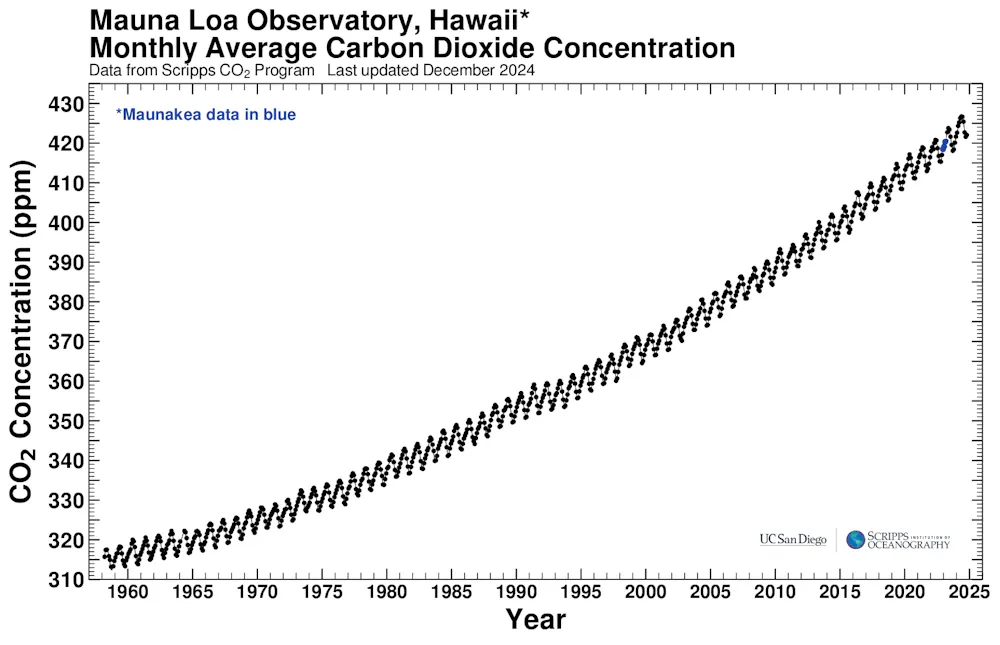
    Data collected by Mauna Loa from 1958 onward let us clearly see the evidence of climate change for the first time. The station samples the air and measures global CO₂ levels. Charles Keeling and his successors used this data to produce the famous Keeling curve – a graph showing carbon dioxide levels increasing year after year.

    But this precious record is in peril. US President Donald Trump has decided to defund the observatory recording the data, as well as the widespread US greenhouse gas monitoring network and other climate measuring sites.

    We can’t solve the existential problem of climate change if we can’t track the changes. Losing Mauna Loa would be a huge loss to climate science. If it shuts, other observatories such as Australia’s Kennaook/Cape Grim will become even more vital.

    The Keeling Curve tracking steadily rising carbon dioxide levels in the atmosphere came from data gathered at Mauna Loa.
    Scripps Institution of Oceanography at UC San Diego, CC BY-NC-ND

    What did Mauna Loa show us?

    The first year of measurements at Mauna Loa revealed something incredible. For the first time, the clear annual cycle in atmospheric CO₂ was visible. As plants grow in summer, they absorb CO₂ and draw it out of the atmosphere. As they die and decay in winter, the CO₂ returns to the atmosphere. It’s like Earth is breathing.

    Most land on Earth is in the Northern Hemisphere, which means this cycle is largely influenced by the northern summer and winter.

    The annual cycle of carbon dioxide is largely due to plant growth and decay in the northern hemisphere.

    It only took a few years of measurements before an even more profound pattern emerged.

    Year on year, CO₂ levels in the atmosphere were relentlessly rising. The natural in-out cycle continued, but against a steady increase.

    Scientists would later figure out that the ocean and land together were absorbing almost half of the CO₂ produced by humans. But the rest was building up in the atmosphere.

    Crucially, isotopic measurements meant scientists could be crystal clear about the origin of the extra carbon dioxide. It was coming from humans, largely through burning fossil fuels.

    Mauna Loa has now been collecting data for more than 65 years. The resulting Keeling curve graph is the most iconic demonstration of how human activities are collectively affecting the planet.

    When the last of the Baby Boomer generation were being born in the 1960s, CO₂ levels were around 320 parts per million. Now they’re over 420 ppm. That’s a level unseen for at least three million years. The rate of increase far exceeds any natural change in the past 50 million years.

    The reason carbon dioxide is so important is that this molecule has special properties. Its ability to trap heat alongside other greenhouse gases means Earth isn’t a frozen rock. If there were no greenhouse gases, Earth would have an average temperature of -18°C, rather than the balmy 14°C under which human civilisation emerged.

    The greenhouse effect is essential to life. But if there are too many gases, the planet becomes dangerously hot. That’s what’s happening now – a very sharp increase in gases exceptionally good at trapping heat even at low concentrations.

    Greenhouse gases are the reason Earth isn’t an icebox. But the rate humans are emitting them is leading to very rapid changes.
    Reid Wiseman/NASA, CC BY-NC-ND

    Keeping our eyes open

    It’s not enough to know CO₂ is climbing. Monitoring is essential. That’s because as the planet warms, both the ocean and the land are expected to take up less and less of humanity’s emissions, letting still more carbon accumulate in the air.

    Continuous, high-precision monitoring is the only way to spot if and when that happens.

    This monitoring provides the vital means to verify whether new climate policies are genuinely influencing the atmospheric CO₂ curve rather than just being touted as effective. Monitoring will also be vital to capture the moment many have been working towards when government policies and new technologies finally slow and eventually stop the increase in CO₂.

    The US administration’s plans to defund key climate monitoring systems and roll back green energy initiatives presents a global challenge.

    Without these systems, it will be harder to forecast the weather and give seasonal updates. It will also be harder to forecast dangerous extreme weather events.

    Scientists in the US and globally have sounded the alarm about what the closure would do to science. This is understandable. Stopping data climate collection is like breaking a thermometer because you don’t like knowing you’ve got a fever.

    If the US follows through, other countries will need to carefully reconsider their commitments to gathering and sharing climate data.

    Australia has a long record of direct atmospheric CO₂ measurement, which began in 1976 at the Kennaook/Cape Grim Baseline Air Pollution Station in north-west Tasmania. This and other climate observations will only become more valuable if Mauna Loa is lost.

    It remains to be seen how Australia’s leaders respond to the US retreat from climate monitoring. Ideally, Australia would not only maintain but strategically expand its monitoring systems of atmosphere, land and oceans.

    Alex Sen Gupta receives funding from the Australian Research Council.

    Katrin Meissner receives funding from the Minderoo Foundation and has received funding from the Australian Research Council in the past.

    Timothy Raupach receives funding from QBE Insurance, Guy Carpenter, and the Australian Research Council.

    – ref. Mauna Loa Observatory captured the reality of climate change. The US plans to shut it down – https://theconversation.com/mauna-loa-observatory-captured-the-reality-of-climate-change-the-us-plans-to-shut-it-down-260403

    MIL OSI Analysis –

    July 5, 2025
  • MIL-OSI Submissions: Mauna Loa Observatory captured the reality of climate change. The US plans to shut it down

    Source: The Conversation – Global Perspectives – By Alex Sen Gupta, Associate Professor in Climate Science, UNSW Sydney

    Izabela23/Shutterstock

    The greenhouse effect was discovered more than 150 years ago and the first scientific paper linking carbon dioxide levels in the atmosphere with climate change was published in 1896.

    But it wasn’t until the 1950s that scientists could definitively detect the effect of human activities on the Earth’s atmosphere.

    In 1956, United States scientist Charles Keeling chose Hawaii’s Mauna Loa volcano for the site of a new atmospheric measuring station. It was ideal, located in the middle of the Pacific Ocean and at high altitude away from the confounding influence of population centres.

    Data collected by Mauna Loa from 1958 onward let us clearly see the evidence of climate change for the first time. The station samples the air and measures global CO₂ levels. Charles Keeling and his successors used this data to produce the famous Keeling curve – a graph showing carbon dioxide levels increasing year after year.

    But this precious record is in peril. US President Donald Trump has decided to defund the observatory recording the data, as well as the widespread US greenhouse gas monitoring network and other climate measuring sites.

    We can’t solve the existential problem of climate change if we can’t track the changes. Losing Mauna Loa would be a huge loss to climate science. If it shuts, other observatories such as Australia’s Kennaook/Cape Grim will become even more vital.

    The Keeling Curve tracking steadily rising carbon dioxide levels in the atmosphere came from data gathered at Mauna Loa.
    Scripps Institution of Oceanography at UC San Diego, CC BY-NC-ND

    What did Mauna Loa show us?

    The first year of measurements at Mauna Loa revealed something incredible. For the first time, the clear annual cycle in atmospheric CO₂ was visible. As plants grow in summer, they absorb CO₂ and draw it out of the atmosphere. As they die and decay in winter, the CO₂ returns to the atmosphere. It’s like Earth is breathing.

    Most land on Earth is in the Northern Hemisphere, which means this cycle is largely influenced by the northern summer and winter.

    The annual cycle of carbon dioxide is largely due to plant growth and decay in the northern hemisphere.

    It only took a few years of measurements before an even more profound pattern emerged.

    Year on year, CO₂ levels in the atmosphere were relentlessly rising. The natural in-out cycle continued, but against a steady increase.

    Scientists would later figure out that the ocean and land together were absorbing almost half of the CO₂ produced by humans. But the rest was building up in the atmosphere.

    Crucially, isotopic measurements meant scientists could be crystal clear about the origin of the extra carbon dioxide. It was coming from humans, largely through burning fossil fuels.

    Mauna Loa has now been collecting data for more than 65 years. The resulting Keeling curve graph is the most iconic demonstration of how human activities are collectively affecting the planet.

    When the last of the Baby Boomer generation were being born in the 1960s, CO₂ levels were around 320 parts per million. Now they’re over 420 ppm. That’s a level unseen for at least three million years. The rate of increase far exceeds any natural change in the past 50 million years.

    The reason carbon dioxide is so important is that this molecule has special properties. Its ability to trap heat alongside other greenhouse gases means Earth isn’t a frozen rock. If there were no greenhouse gases, Earth would have an average temperature of -18°C, rather than the balmy 14°C under which human civilisation emerged.

    The greenhouse effect is essential to life. But if there are too many gases, the planet becomes dangerously hot. That’s what’s happening now – a very sharp increase in gases exceptionally good at trapping heat even at low concentrations.

    Greenhouse gases are the reason Earth isn’t an icebox. But the rate humans are emitting them is leading to very rapid changes.
    Reid Wiseman/NASA, CC BY-NC-ND

    Keeping our eyes open

    It’s not enough to know CO₂ is climbing. Monitoring is essential. That’s because as the planet warms, both the ocean and the land are expected to take up less and less of humanity’s emissions, letting still more carbon accumulate in the air.

    Continuous, high-precision monitoring is the only way to spot if and when that happens.

    This monitoring provides the vital means to verify whether new climate policies are genuinely influencing the atmospheric CO₂ curve rather than just being touted as effective. Monitoring will also be vital to capture the moment many have been working towards when government policies and new technologies finally slow and eventually stop the increase in CO₂.

    The US administration’s plans to defund key climate monitoring systems and roll back green energy initiatives presents a global challenge.

    Without these systems, it will be harder to forecast the weather and give seasonal updates. It will also be harder to forecast dangerous extreme weather events.

    Scientists in the US and globally have sounded the alarm about what the closure would do to science. This is understandable. Stopping data climate collection is like breaking a thermometer because you don’t like knowing you’ve got a fever.

    If the US follows through, other countries will need to carefully reconsider their commitments to gathering and sharing climate data.

    Australia has a long record of direct atmospheric CO₂ measurement, which began in 1976 at the Kennaook/Cape Grim Baseline Air Pollution Station in north-west Tasmania. This and other climate observations will only become more valuable if Mauna Loa is lost.

    It remains to be seen how Australia’s leaders respond to the US retreat from climate monitoring. Ideally, Australia would not only maintain but strategically expand its monitoring systems of atmosphere, land and oceans.

    Alex Sen Gupta receives funding from the Australian Research Council.

    Katrin Meissner receives funding from the Minderoo Foundation and has received funding from the Australian Research Council in the past.

    Timothy Raupach receives funding from QBE Insurance, Guy Carpenter, and the Australian Research Council.

    – ref. Mauna Loa Observatory captured the reality of climate change. The US plans to shut it down – https://theconversation.com/mauna-loa-observatory-captured-the-reality-of-climate-change-the-us-plans-to-shut-it-down-260403

    MIL OSI –

    July 5, 2025
  • MIL-OSI United Nations: In Dialogue with Haiti, Experts of the Human Rights Committee Welcome Efforts to Establish a New Constitution, Raise Questions on Measures to Combat Gang-Related Gender-Based Violence and Lynchings

    Source: United Nations – Geneva

    The Human Rights Committee today concluded its consideration of the second periodic report of Haiti on how it implements the provisions of the International Covenant on Civil and Political Rights . Committee Experts appreciated the referendum to establish a new national Constitution, while raising questions as to how the State was tackling the high level of violence against women and girls perpetuated by gang members and lynchings carried out by citizens, against a backdrop of distrust in the police.

    One Committee Expert said they saw the referendum to establish a new Constitution in a positive light, as an attempt to reestablish the institutionality of the country.

    Another Expert said that the scale of violence against women and girls was reportedly considerable, with sexual violence, including rape of children as young as five years old, gang rape, and forced prostitution, used as a weapon of control by gangs. According to reports, the judiciary were not sensitive to cases of gender-based violence and victims were hesitant to report cases. What measures were taken to encourage women to file complaints? Was there a fund to help survivors of violence? How were they supported by State services?

    Lynchings continued to be regular and numerous, another Expert said, citing reports of more than 500 cases in 2023. These were often the work of self-defence groups in or around Port-au-Prince, who did not trust the police, mainly due to corruption. Was this violence investigated, including when the police were accused of supporting or encouraging it? Had the perpetrators of lynchings, stonings and mutilations been prosecuted and punished proportionately? How could trust be restored between the police and the civilian population?

    Pedrica Saint Jean, Minister for the Status of Women and Women’s Rights and head of the delegation, introducing the report, said from 2020 to 2025, Haiti was confronted with repeated political crises, marked by lockdown operations and successive protests. The COVID-19 pandemic, frequent floods and the earthquake of 14 August 2021, which devastated part of the Great South region, were additional challenges faced by the country. This complex situation was further aggravated by the assassination of the Haitian President on 6 July 2021.

    Ms. Saint Jean said an agreement for a peaceful transition was reached on 3 April 2024, establishing a transition period with a nine-member Transitional Presidential Council and a Prime Minister, with the aim of restoring security, continuing constitutional reform, and organising democratic elections.

    The delegation said several strategies had been undertaken to combat gender-based violence, including a national strategy that spanned from 2017 to 2024. An assessment of the strategy was almost completed. A gender-based violence cell had been established to train police officers to take the needs of female victims of violence into account. The Office to Combat Gender-Based Violence streamlined services for victims, enabling them to receive legal, psychosocial and medical assistance in one place. In areas with armed gangs, women were typically the primary victims. Violence was used as a weapon of repression.

    The delegation also said the Government had always condemned lynchings, which were not part of the country’s culture. Incidents needed to be reported at a police station so perpetrators could be incarcerated and tried for their crimes. The community police were carrying out an awareness raising campaign to progressively build trust with the general population. Training sessions were being organised for police officers, with a view to protecting the population. When complaints were made against the police force, the national inspector for the police carried out investigations and measures were taken as necessary.

    In concluding remarks, Ms. Saint Jean thanked the Committee for the kindness it had shown to the Haitian delegation, and the Experts for their insights. Haiti had taken due note of all recommendations and was determined to take further steps to develop effective, concrete responses to the Committee’s concerns relating to the implementation of the Covenant. Everybody was working to see the day when Haiti could leave the crisis behind.

    Changrok Soh, Committee Chairperson, in concluding remarks, said the Committee acknowledged the profound political, economic and humanitarian challenges facing Haiti, which had hampered efforts to protect human rights. Haiti was encouraged to take this opportunity to advance necessary reforms to ensure that the rights enshrined in the Covenant were fully recognised for all Haitians.

    The delegation of Haiti was made up of representatives of the Ministry for the Status of Women and Women’s Rights; the Ministry of Justice and Public Security; the Ministry of Foreign Affairs; the Ministry of Social Affairs and Work; the Cabinet; the Government of Port-au-Prince; the Prime Minister’s Office; the Haitian National Police; the Anti-Violence Unit; and the Permanent Mission of Haiti to the United Nations Office at Geneva. Some members of the delegation were unable to attend the meeting in person due to travel restrictions.

    The Human Rights Committee’s one hundred and forty-fourth session is being held from 23 June to 17 July 2025. All the documents relating to the Committee’s work, including reports submitted by States parties, can be found on the session’s webpage . Meeting summary releases can be found here . The webcast of the Committee’s public meetings can be accessed via the UN Web TV webpage .

    The Committee will next meet in public at 3 p.m., Monday 7 July to begin its consideration of the fourth periodic report of Viet Nam (CCPR/C/VNM/4). 

    Report

    The Committee has before it the second periodic report of Haiti (CCPR/C/HTI/2).

    Presentation of Report

    PEDRICA SAINT JEAN, Minister for the Status of Women and Women’s Rights and head of the delegation , said between 2020 to 2025, Haiti had experienced both positive and negative developments. From a positive perspective, the Government had multiplied efforts in many areas to improve the rule of law and respect for human rights. However, the country had been plagued by unprecedent insecurity that required the intervention of a foreign force, through the deployment of the Multinational Security Support Mission on October 2, 2024. This force intervened in the context of an agreement signed between Haiti and Kenya on police and security cooperation in March 2024, following the adoption of the United Nations Security Council Resolution 2699.

    From 2020 to 2025, Haiti was confronted with repeated political crises, marked by lockdown operations and successive protests which accompanied them. The COVID-19 pandemic, frequent floods and the earthquake of 14 August 2021, which devastated part of the Great South region, were additional challenges faced by the country. This complex situation was further aggravated by the assassination of the Haitian President on 6 July 2021.

    An agreement for a peaceful transition was reached on 3 April 2024, establishing a transition period with a nine-member Transitional Presidential Council and a Prime Minister, with the aim of restoring security, continuing constitutional reform, and organising democratic presidential elections. The Council was also tasked with economic and judicial reforms and combating corruption. The agreement provided for the establishment of three key bodies, including the Body for the Control of Government Action, in charge of controlling the acts of the Executive, since Parliament was currently non-existent; the National Security Council, to respond to the various aspects of the country’s security crisis; and the National Conference, accompanied by a steering committee. The Government had already established the National Security Council and the National Conference and its steering committee. The referendum decree, resulting from the work of the National Conference and the steering committee, would allow Haiti to have a new Constitution. Currently, efforts were underway to strengthen the capacities of the Haitian National Police and the Armed Forces of Haiti, which had a budget increase of 11 per cent in 2024-2025. An agreement was concluded with Colombia to monitor the Haitian coast, to curb the illicit trafficking of firearms.

    The Government had attached great importance to the judicial reform already initiated by its predecessors. Six new Courts of First Instance and the corresponding Public Prosecutor’s Offices were created between September 2024 and April 2025. The law of 10 September 2018 created the National Council for Legal Assistance and established legal aid offices in 18 jurisdictions in Haiti, aiming to provide free legal assistance to those who were financially struggling. The Penal Code and the Code of Criminal Procedure had previously been criticised by civil society in 2020. Following the revision of the two texts by a special commission, they were adopted on 24 June 2025. This marked an important step in the fight against insecurity, corruption and impunity.

    Two other important decrees had been adopted in the context of judicial reform. The first, adopted on 16 April 2025, which created two specialised judicial poles: one for the repression of complex financial crimes and offences and the other for the repression of mass crimes and sexual violence. The second decree of 4 May 2023 sanctioned money laundering, terrorist financing and the financing of the proliferation of weapons of mass destruction in Haiti.

    Despite Government efforts, due to the deteriorating security situation, the majority of prisons in Port-au-Prince had been vandalised, leading to the uncontrolled release of a number of detainees. The Government had been forced to relocate several jurisdictions to allow the resumption of judicial activities in minimum security conditions and the normal application of appropriate sentences and sanctions.

    The Haitian State aimed to follow up on complaints against police officers for excessive use of force, and it organised human rights training sessions for police personnel. However, it was regrettable that, despite the Government’s efforts, some citizens, driven by anger at the atrocities committed by criminal groups, resorted to extreme methods, including the lynching of captured gang members, instead of handing them over to the authorities. The Government recognised the severity of these acts and strongly condemned all forms of mob justice.

    The crisis in the country led to an increase in gender-based violence, particularly for displaced persons in camps. The Haitian State was working to protect and facilitate access to justice for survivors of violence, including through the creation of the Office for Combatting Gender-Based Violence as well as the organization of training adapted to the needs of survivors for police officers and judges. Medical, legal and psychosocial assistance were also offered to women and girls at internal displacement camps.

    Article 262 of the Penal Code, adopted by decree on 23 June 2025, punished the perpetrators of acts of torture and barbarism, with sentences ranging from 15 to 20 years in prison. Prison overcrowding remained a major problem, especially with the destruction of the main prisons in March 2024. Instructions had been issued to the Public Prosecutor’s Offices and Courts of First Instance to carry out regular criminal hearings, with the aim of relieving overcrowding in the prisons in provincial cities.

    The Transitional Presidential Council was making every effort to organise general elections in 2025 and to install a President elected on 7 February 2026. Despite its efforts, the Haitian State was aware that the implementation of the provisions of the Covenant had not yet reached a satisfactory level. However, Haiti pledged to do everything in its power to implement the provisions on the Covenant.

    Questions by Committee Experts

    A Committee Expert acknowledged how difficult it was for the State party to participate in person in the dialogue and expressed gratitude to the delegation in Geneva. The Committee was aware of the grave humanitarian crisis suffered by Haiti for decades, compounded with the assassination of the President in 2021. In that context, the Committee noted an increase in widespread human rights violations and growing control of armed gangs in significant parts of Port-au-Prince, leaving the population more vulnerable to violence and human rights abuses, and leading to the displacement of more than one million people.

    Were courts in Haiti directly applying the Covenant? Could examples be provided? Were courses on international human rights law and the Covenant provided in training to judges? The Committee had been informed of situations where civil servants had opposed the execution of orders handed down by judges to free individuals. Could this be explained? What role did these civil servants play in the judicial system? Had steps been taken to ratify the Optional Protocol of the Covenant on individual communications? In May 2025, a bill of law was presented on the development of a new constitution, with a decree adopted to hold a referendum on the issue. Was this bill in line with the rights enshrined in the Covenant? Was it realistic to carry out a referendum in the context of violence? When was the state of emergency ordered? Was it still in force? Which articles of the Covenant were suspended?

    Did the current budget of the Office for Citizen Protection allow it to carry out its functions and extend its activities to the most remote parts of the country? Were there plans to expand the powers of the Office to allow it to consider human rights violations that had their origin in the acts of private entities?

    What steps had been taken to end discrimination against lesbian, gay, bisexual and transgender persons? Were there laws in place to punish acts of discrimination against these groups? Had the State taken actions been to allow these people to carry out public demonstrations and to protect them? Had it adopted measures to change discriminatory cultural attitudes in Haitian society, to end stigmatisation of lesbian, gay, bisexual and transgender persons? 

    Another Expert said despite the crisis in the country, Haiti remained bound by its international obligations. The dialogue would address problems such as insecurity, the deep humanitarian crisis that the population was experiencing, the endemic violence of gangs, the forced displacement of the population, the dysfunction of the justice system, chronic impunity and serious challenges to the rule of law. All these problems were linked to corruption. The report published in 2023 by the United Nations Expert on Human Rights in Haiti stated that corruption in Haiti was “public enemy number one” and found that more than 90 per cent of Haitian civil servants did not comply with the national anti-corruption law. The Anti-Corruption Unit and the Central Financial Intelligence Unit, which were suspected of lacking independence, had brought nearly 100 major cases of corruption to justice, but these had not led to any convictions.

    Did the State plan to set up a financial prosecutor’s office or judges specialised in the fight against corruption? Could more information be provided on the decree adopted on the creation of financial judicial units? What measures were being taken to support the work of the Anti-Corruption Unit and the Central Financial Intelligence Unit and to ensure that the cases referred were followed up independently?

    Haiti had expressed its commitment to ensuring accountability for the serious violations committed during Jean-Claude Duvalier’s presidency. However, a case assessing these violations had been in the courts of cassation since 2014, and there had not been any progress. What explained the delay? Could the delegation enlighten the Committee on the situation of Jean Gabriel Robert, who was convicted in absentia in the case of the “Raboteau massacre”?

    Information showed that the scale of violence against women and girls was considerable, with sexual violence, including rape, which was sometimes perpetrated against children as young as five years old; gang rape; and forced prostitution, used as a weapon of control by gangs. According to reports, the judiciary were not sensitive to cases of gender-based violence and victims were hesitant to report cases. What measures were taken to encourage women to file complaints? Was there a fund to help survivors of violence? How were they supported by State services?

    According to information received by the Committee, lynchings continued to be regular and numerous, with more than 500 in 2023. These were often the work of self-defence groups in or around Port-au-Prince, who did not trust the police, mainly due to corruption. In addition, the 2024 report of the United Nations Expert on Human Rights in Haiti noted that police were passive, and it appeared that some murders were encouraged, supported or facilitated by the police forces. Was this violence investigated, including when the police were accused of supporting or encouraging it? Had the perpetrators of lynchings, stonings and mutilations been prosecuted and punished proportionately? How could trust be restored between the police and the civilian population?

    Another Expert said specific steps had not been taken to combat impunity. What hope existed, looking forward to the immediate and long-term future, regarding a reversal of the situation? There were several cases in which there had been impunity for human rights violations. Attacks against the population in the La Saline suburb in 2018 had not been condemned by the Government and no steps had been taken to provide support to victims. What measures had been taken against the involvement of political agents in these cases? Why was the La Saline case withdrawn from the original judge?

    Data showed that 28 percent of civil servants in Haiti were women. In 2019 a strategy was presented to ensure equality for women by 2030. What progress had been made? How would the State party solve the problem of the low rate of political representation of women in Haiti?

    What actions were being taken to guaranteed women’s access to health care, in situations where criminal groups took control of health centres? How was access to medicines ensured?

    Another Expert asked what Haiti’s prospects were looking forward? What urgent measures were envisaged to protect women and girls in areas under gang control? What mechanisms had been established to guarantee security and safety for survivors of sexual violence, and to encourage the reporting of cases? Could Haiti provide updated information on the draft law preventing violence against women and girls? Was there a timeline for its adoption? What had been done to bolster the amount of medical, legal and psychosocial services for survivors, particularly in areas under gang control? What measures were envisaged to protect the right to life of those in extreme poverty? Was there an intersectional strategy to prevent avoidable deaths linked to poverty?

    What measures were taken to protect civilians living in areas under the control of armed gangs? What had been the result of the assistance from Kenya? Was it meeting the challenges? What guarantees existed when it came to the investigation of its own officers by the Haitian police? How was it ensured that the police did not carry out disproportionate use of force during protests? How was action being bolstered in areas under gang control?

    Was there a road map regarding ratification of the Covenant’s Second Optional Protocol concerning the death penalty? How did the State party intend to ensure that those who had served their sentence were properly released? Had the system for monitoring judicial cases been reactivated? What efforts were underway to improve detention conditions? Were construction projects for new prisons still planned? How many women had access to shelters in the last three years? What measures were envisaged to guarantee all police stations should have trained personnel, particularly in areas most affected by police insecurity?

    Responses by the Delegation

    PEDRICA SAINT JEAN, Minister for the Status of Women and Women’s Rights and head of the delegation , said the Government had priorities outlined in the April 2024 agreement on the peaceful transition, including combatting insecurity, conducting the referendum and bringing the country to elections to appoint a robust Government. To combat insecurity, the budget allocated to the police and armed forces had been increased, allowing them to better contain the problems they were confronting. The police, the Haitian armed forces, and the security mission needed to work together to combat insecurity to allow for the milestone referendum to be held. Nine electoral commissioners were currently out in the field assessing the requirements. Haiti was not waiting for the security issues to subside before moving to the referendum.

    Haiti was doing its utmost to implement its commitments under the Covenant through a raft of measures. Six new courtrooms had been established in the country, allowing proximity between those needing to access the justice system and the infrastructure in place. Bureaus had been established to work on specific criminal areas, including mass crimes which had remained unpunished. For some time, courts had not been operational because they were in the hands of gangs. Two bureaus would be responsible for crimes of sexual violence, and another was responsible for financial crimes. Some 34 new judges and prosecutors had been appointed to support the justice system.

    The method of choosing judges for the Anti-Corruption Unit had not hindered its independence. Cases were currently going ahead at the Court of First Instance. Three prisons had been built to international standards, with one dedicated to female inmates. Institutional measures had been put in place to freeze the funds of certain agencies which were found to be corrupt but had impunity from the Anti-Corruption Unit, and those responsible were being brought before the court.

    The Government of Haiti had always condemned lynchings, which were not part of the country’s culture. Incidents needed to be reported at a police station so perpetrators could be incarcerated and tried for their crimes.

    The delegation said several assessment missions had been established to gain an understanding of the situation of detention centres and propose tangible solutions. One of the main challenges was the provision of food, due to lack of access to main roads. To address this situation, the Justice Ministry sought to ensure that providers of food should be placed directly in situ. In the last few months, prisons had greater autonomy and managed their needs themselves, providing a better and tailored approach to local realities.

    Haiti had done a lot to combat gender-based violence. This phenomenon was topical in Haiti, particularly when it came to displaced women. Several strategies had been undertaken to combat gender-based violence, including a national strategy that spanned from 2017 to 2024. An assessment of the strategy was almost completed. A gender-based violence cell had been established within the police, to train police officers to take the needs of female victims of violence into account. The Office to Combat Gender-Based Violence streamlined services for victims, enabling them to receive legal, psychosocial and medical assistance in one place. Psychosocial support services had been set up for women victims in internal displacement camps. Several initiatives had been adopted to bolster protections for minors, including host families and prevention and readaptation programmes for children recruited by armed games. Training and awareness raising sessions were organised for judges.

    In areas with armed gangs, women were typically the primary victims. The number of victims was increasing, particularly against younger women, but violence by armed gangs was also affecting children and the elderly. Violence was used as a weapon of repression. There were still people in Haiti who did not want to report. During times of political turbulence, the phenomenon of violence against women was heightened. There was a need for awareness raising to eradicate the phenomenon. Women should not be used as an instrument to place pressure on the Government.

    Incest had never been part of Haitian culture, but it did not mean this phenomenon did not exist. When incest occurred, people usually preferred to solve the issue in the family. Attention needed to be paid to the phenomenon of incest involving displaced people. The State sanctioned based on the relevant 2006 decree and used case law when dealing with these offences. It was important to continue legislating to bring tangible solutions to this phenomenon.

    For 15 years, judges had been receiving training on the Covenant from the Government and the Haitian police.

    Lesbian, gay, bisexual, transgender and intersex persons had been looked down on in Haiti; they were formerly not given the right to complain. While progress was not significant, these people were now considered to be fully fledged citizens who needed to be protected by the State and to enjoy their full human rights.

    Quotas had been implemented calling for at least 30 per cent of decision-making posts to be held by women. This issue had been poorly addressed. In the new Constitution, the State was advocating for parity. Until there was a critical mass of women in decision-making posts, the problems they faced would persist. A series of consultations had been launched with officials to create incentive measures to promote equality regarding candidate lists.

    The law on the organization of the Ministry on the Status of Women had not properly been reformed, which was why the Ministry had difficulties in playing its primary role. The Ministry submitted a law on its reorganization to ensure it could achieve its goals. By the start of next year, the State would launch its first national action plan covering the participation of women in restoring peace and security in Haiti. Work was being done with survivors in internal displacement camps to transform them into fully-fledged actors. Women, including young girls and survivors of violence in these camps, had been appointed as peace ambassadors, to sensitise the message of peace throughout Haiti.

    Haiti was relying on the work of the Multinational Security Support Mission and the international community to help the police and armed forces overcome the corruption and security issues in the country.

    Follow-up Questions by Committee Experts

    A Committee Expert asked follow-up questions, including on the functions to be undertaken by the bureaus on mass crimes, sexual crimes and financial crimes. This was a fantastic idea, but the bureaus needed to have the resources to operate properly. Other questions were asked on measures planned to restore the trust between the police and the justice system; lynchings committed by the police force; steps to tackle the circulation of weapons; and the mandate of the Office for Citizens’ Protection.

    An Expert said they saw the referendum to establish a new Constitution in a positive light, as an attempt to reestablish the institutionality of the country. Who drafted this bill? Did it go through various sectors, with participation from civil society? What did the “green and red zones” mean? Were green zones under Government control? Did red zones mean there was no State control? What happened if there was a referendum in the red zones?

    More questions were asked on how the long tradition of impunity could be alleviated; alternative measures to detention; detention beyond the lengths of sentences; efforts to prevent discrimination against women; and access to voluntary interruption of pregnancy. What was the Government’s perception of the processes involving the participation of the international community that aimed to improve the situation for the population of Haiti?

    According to information received by the Committee, around 40 per cent of births enjoyed the proper medical support. How did midwives treat risky pregnancies? Did the State intend to include the ratification of the Second Optional Protocol in the planned reform of the draft Constitution?

    Responses by the Delegation

    The delegation said the death penalty was abolished in Haiti through a decree adopted in 1987.

    Regarding the red and green zones, there were currently zones under gang control, where the State was doing everything possible to convert them to green zones. Green zones were placed where the State could provide appropriate services to the population. The police were trying to gain access to the red zones to bring about peace and security. Progress had been made in penetrating many of the red zones; it was expected that there would be further progress in this area.

    The referendum was a compulsory, milestone measure to lay the groundwork for national elections and allow the population to get their new Constitution. All different sectors of society had been consulted in the drafting of the new Constitution.

    Haiti had implemented measures that aimed to provide a structure to prevent the free circulation of weapons, including weapons of mass destruction.

    The delegation said there was a legal bureau on mass crimes and sexual violence in Port-au-Prince and another on financial crimes. The bureaus were comprised of 10 judges who worked with the police and financial oversight and regulatory bodies. Their operations were ensured by donors from the international community and the State.

    The community police were carrying out an awareness raising campaign to progressively build trust with the general population. Training sessions were being organised for police officers, with a view to protecting the population. When complaints were made against the police force, the national inspector for the police carried out investigations and measures were taken as necessary.

    Haiti had a plan to set up scanners at customs to prevent the flow of illegal weapons into the country. Controls at the border with the Dominican Republic and checks of containers coming from the United Staes had been strengthened, and strict checks were being conducted on private vehicles, including motorbikes. Authorities had also suspended land imports from the Dominican Republic, ensuring seizures of illegal imports. Despite this, Haiti was facing increased criminal activity and corruption, with the need for increased international support to reduce the weapons flow into Haiti.

    Green zones were safe zones while red zones were ones where there was a heightened risk.

    A draft of the new Constitution had been shared across different sectors to receive their inputs, which had been sent to the Committee responsible for the drafting of the new Constitution.

    Haitian midwives played a key role in early detection of illnesses and in responding to complications during birth. They carried out post monitoring operatives in rural areas, while caesarean procedures were performed by obstetric doctors.

    Questions by Committee Experts

    A Committee Expert asked if there were obstacles preventing Haiti from ratifying the Covenant’s Second Optional Protocol? Murderous attacks by gangs against ambulances had been reported, and health staff had fled the country. Did the Government have any plans to confront these problems? Haiti had an astonishing overcrowding rate in its prisons, at allegedly over 300 per cent. There was a lack of access to the appellate procedure for all inmates and for persons with disabilities. How did Haiti plan to resolve this problem?

    Another Expert appreciated Haiti’s delegation comprised of high-level women. It was reported that police agents or persons acting with their complicity tortured inmates on a daily basis in prisons and police custody facilities. Why had the perpetrators of cases of torture not been prosecuted and brought to justice? Had there been capacity building of law enforcement in the area of torture? Why had the State not ratified the Convention against Torture?

    Reports received by the Committee stated that forced evictions had become widespread since the earthquake in 2010, but this was denied by the State. It was alleged that these evictions affected a wide number of families and were not addressed by the State. What information was available about three resident families who had not taken up possession of reconstructed homes? Which Government civil servants were responsible for these families’ forced evictions? How had the Government taken steps to prosecute those involved?

    Hurricane Matthew had affected more than 2.6 million people, including 600,000 children; what measures had been taken to protect them? Could information be provided on the distribution of financial aid and the resources used to reconstruct infrastructure following this natural disaster? During the imposed state of emergency, was it only economic rights which were affected? What solutions were available for those still awaiting assistance from the damage 10 years ago? What resources had been allocated to address housing issues?

    A Committee Expert asked about the implementation of the National Plan to Combat Child Labour, adopted in 2019; what was the duration of the plan? Was it still in force or had a new plan been adopted? Could data on the number of children exploited and those in situations of begging be provided? What work had been done specifically on the exploitation of children by the Committee to Combat Human Trafficking?

    Various reports had documented violence against children, who were recruited and used by the gangs and injured or killed as a result. An even more severe impact was felt by children with disabilities. The Secretary-General’s report had outlined 383 grave violations against children in 2024. In December 2024, the gangs had committed a high number of abductions, including of 17 girls and 10 boys. What measures had been taken by the State to combat these grave violations? To help minors, child soldiers and victims of armed groups, a Commission had been created to support the creation of a national network of shelters and rehabilitation centres. How did the State ensure that the Commission had the human and financial resources necessary to support its functions? What did its work consist of? Was the National Committee for Combatting Human Trafficking able to carry out its functions? What measures had been adopted along the Dominican-Haitian border to prevent trafficking of children who were then sold in the Dominican Republic?

    It was understood that a commission to implement criminal reform was created in July 2024. What were the main reforms being carried out? What measures had been adopted to deal with the firebomb attacks on judges? How was the safety and security of judges being ensured? What was the current situation of the National Council for Legal Assistance? Regarding the appointment of judges in the Cassation Council, how was it ensured that the involvement of the Senate did not affect the Council’s independence? What role did the Council play in combatting corruption in the judicial sphere?

    Another Committee Expert said people who were displaced often lost their identification documents. What was the State party doing to resolve this issue? Two journalists reporting on insecurity in Haiti had been executed in 2022. The Committee had also received information that five journalists were murdered in 2024, with no investigations carried out. Gang violence had also led to the closure and restriction of media, including the suspension of popular programmes on suspicion of serving as platforms for gangs. Journalists had also been threatened by gangs. How could elections take place if the State could not facilitate the free circulation of ideas? How did Haiti intend to combat impunity surrounding executions or ill-treatment of journalists? What was done to protect human rights defenders? How was it ensured that social media platforms were regulated?

    In March 2025, anti-Government protests were held to decry the security context and inaction by the State. What measures had been taken to establish the responsibility of police directly involved in the use of force in suppressing peaceful demonstrations? What had been done to guarantee the work of non-governmental organizations in full security and free from harassment?

    Responses by the Delegation

    The delegation said overcrowding in prisons remained a major issue for the Government which it was working to address. Instructions had been issued to the prosecution offices and tribunals of the Courts of First Instance to encourage the holding of more criminal sessions, including sessions in which a jury was not present, with a view to relieving overcrowding in provincial prisons. In 2023 and2024, this occurred in 14 jurisdictions, leading to 159 convictions. In 2024, the total number of people detained in the country was around 12,000. The State had managed to capture around 12 prisoners who had escaped. The drop in the number of detainees in 2025 was explained primarily due to the escapes that followed the armed attacks carried out against certain penitentiary infrastructure. Courts had been actively engaged to implement non-custodial measures when appropriate, as a means of alleviating prison overcrowding. The Government recognised the need to prevent arbitrary arrests. Men, women and children were placed in different prisons. Despite the State’s efforts, there was only one police officer per every 14 detainees.

    The Government remained committed to improving prison conditions, despite security constraints. The mortality rate had dropped between 2024 and 2025 thanks to coordinated action to provide medical care and humanitarian aid. Healthcare services had been established in several penitentiaries. In 2017, a Presidential Commission was established to shed light on deaths in the Port-au-Prince prison. It highlighted aggravating factors including severe overcrowding, insufficient hygiene and a lack of medical support, among others. Measures were implemented to improve nutrition, detention conditions and investigate causes of deaths.

    The internal regulations of the penitentiary administration outlawed all forms of torture and inhumane treatment. Finances had been provided to the National Anti-Trafficking Committee to support the implementation of its national action plan. A protocol had been signed to guarantee legal aid to victims of trafficking. Some 100 students from the University of Haiti had received training on the issue of human trafficking. Several human traffickers had been prosecuted, however following the mass escapes in March 2024, a number of these traffickers were unfortunately able to escape.

    The Constitution guaranteed that judges could not be dismissed. In the judicial hierarchy in Haiti, the Constitution had the highest ranking, followed by international conventions. In Haiti, the Constitution outlawed the death penalty in all areas, meaning there was no need to fear its reinstation. The ratification of the Second Optional Protocol could be discussed when the legislature was functional.

    Families who were forcibly evicted due to the development of road infrastructure or for airport security purposes had a right to fixed compensation, as well as the right to appeal decisions blocking their access to redress.

    A State project had been launched to combat domestic labour by children, in line with the Convention on the Rights of the Child. The project had been launched in 16 regions in the country and included a concrete list of jobs banned for children. Twenty-three surveys of young people had been conducted, allowing them to express themselves on themes including domestic labour, birth registration, violence against children, and education. A social protection project ensured monetary transfers for children under the age of five, pregnant women and persons with disabilities. The project was financed by the World Bank and allowed vulnerable families to provide care to their children. Around 25,000 homes received regular monetary transfers to the value of 40 United States dollars per month.

    A professional training programme had been launched in conjunction with the International Labour Organization, allowing for the training of more than 800 vulnerable teenagers in various technical and farming activities. Some 9,200 children had received support for school re-enrolment. Four thousand vulnerable homes at risk of family separation received monetary transfers to support income-generating activities, as well as financial education. A pilot programme had been launched in targeted communes with the United Nations Children’s Fund, which had developed a foster programme for children taken out of situations of domesticity to support their reintegration.

    Legal assistance officers had been established in 12 jurisdictions and the rollout was ongoing. A decision would be made on the draft Constitution based on a participatory process. A Commission had been established to follow up on gender-based violence cases in the country.

    Steps had been taken to prevent the phenomenon of forced evictions, but results were still limited. The Government had not been encouraging forced evictions and had taken new steps to support victims. Demolished homes had been rebuilt and several previous owners had already taken ownership of their new homes. Authorities ensured that no one living in camps or informal housing was evicted without a humane alternative provided.

    The Haitian State reiterated its commitment to freedom of the press and its respect for the work of human rights defenders. Efforts were made to ensure journalists could freely conduct their work, including by strengthening protection mechanisms. Haitian authorities reaffirmed their desire to shed light on the murders of several journalists, which were currently at being investigated by the Public Prosecutor.

    The courts did not all apply the Covenant in the same way, but it was often evoked in individual cases. Alternative measures to prison were allowed for in the new Criminal Code, which had been adopted in June 2025. Judges were equipped with armed vehicles and would have security details at their disposal for their personal safety. The police force was taking steps to bolster security in zones with a heightened level of insecurity and ensure that the referendum could take place. The Government was engaged in an intense campaign to fight the armed violence being perpetrated by gangs.

    Follow-up Questions by Committee Experts

    Committee Experts asked follow-up questions regarding identification papers, which more than 70 per cent of the population did not have, as well as the role of the Government Commissioners within the courts of justice.

    A Committee Expert expressed hope that the programme being laid out by the State for elections would bring about the enjoyment of rights by the population. It seemed impossible to bring this about given the current insecurity in Haiti. Was the State in a position to achieve peace given the current context? The context in Haiti required international, shared responsibility, with involvement from all States parties.

    Closing Statements

    PEDRICA SAINT JEAN, Minister for the Status of Women and Women’s Rights and head of the delegation , thanked the Committee for the kindness it had shown to the Haitian delegation, and the Experts for their insights. Haiti had taken due note of all recommendations and was determined to take further steps to develop effective, concrete responses to the Committee’s concerns relating to the implementation of the Covenant. One day, in the not-too-distant future, the country would exit the crisis. Everybody was working to see the day when Haiti could leave the crisis behind. Despite the efforts it had made, the Haitian State was aware that the implementation of the Covenant and progress in bolstering of the rule of law had not yet reached a satisfactory level. Haiti had a massive raft of problems to resolve, including travel restrictions, which had prevented some members of the delegation from traveling to Geneva. The State of Haiti was committed to doing its utmost to implement the provisions of the Covenant.

    CHANGROK SOH, Committee Chairperson, expressed sincere gratitude to all who had contributed to the dialogue. The Committee acknowledged the profound political, economic and humanitarian challenges facing Haiti, which had hampered efforts to protect human rights. The Committee underscored the importance of continued diligence and commitment to the rights enshrined in the Covenant, especially in times of crisis. During the dialogue, the Committee had raised serious issues regarding the right to life, gang violence, lynchings, protection of vulnerable populations, corruption, protection of journalists and the need to combat impunity, among other concerns. Despite these challenges, the Committee appreciated the State party’s willingness to engage in dialogue. Haiti was encouraged to take this opportunity to advance necessary reforms to ensure that the rights enshrined in the Covenant were fully recognised for all Haitians.

    ___________

    Produced by the United Nations Information Service in Geneva for use of the media; 
    not an official record. English and French versions of our releases are different as they are the product of two separate coverage teams that work independently. 

    CCPR25.015E

    MIL OSI United Nations News –

    July 5, 2025
  • MIL-OSI Russia: Azerbaijan hosted the 17th ECO summit

    Translation. Region: Russian Federal

    Source: People’s Republic of China in Russian – People’s Republic of China in Russian –

    Source: People’s Republic of China – State Council News

    Baku, July 4 (Xinhua) — Azerbaijan hosted the 17th summit of the Economic Cooperation Organization (ECO), which was held in the city of Khankendi on Friday under the chairmanship of President Ilham Aliyev, the organization’s secretariat said.

    The motto of the event is “A New Vision for a Sustainable and Climate-Resilient Future”.

    The summit was attended by representatives of all 10 ECO member states: Azerbaijan, Turkey, Iran, Pakistan, Kazakhstan, Uzbekistan, Tajikistan, Kyrgyzstan, Turkmenistan and Afghanistan.

    The summit agenda covered issues such as trade expansion, sustainable development, climate change, development of transport corridors and institutional strengthening. The summit participants reaffirmed their commitment to deepening cooperation in energy, science, education, tourism and inclusive growth.

    Participants welcomed the ceasefire between Iran and Israel as a step toward de-escalation and stressed the need for diplomatic solutions. There was a call for the expansion of nuclear-weapon-free zones.

    It was announced that the next ECO summit will be held in Iran in 2027. –0–

    MIL OSI Russia News –

    July 5, 2025
  • MIL-OSI Europe: Answer to a written question – European Oceans Pact and the emissions trading system covering buildings, road transport and additional sectors (ETS2). – E-002014/2025(ASW)

    Source: European Parliament

    All sectors, including waterborne activities, need to contribute to the EU climate neutrality goal by 2050.

    The Commission announced in the European Ocean Pact[1] that it will propose measures to decarbonise and modernise the fisheries fleet, supported by the Energy Transition Partnership for the fisheries and aquaculture sector.

    In addition, it recalled the importance of the recent extension of the EU Emissions Trading System (ETS) to maritime and the implementation of the FuelEU Maritime Regulation[2] to accelerate the decarbonisation of the EU maritime transport sector.

    Furthermore, the Commission is launching a study on greenhouse gas emission reduction costs and pathways for EU fisheries to achieve net zero by 2050[3].

    The ETS2 — which will be fully operational from 2027 onwards — will cover and address the CO2 emissions from fuel combustion in buildings, road transport and industry not covered by the existing EU ETS.

    While emissions from waterborne activities are not included in its scope, Member States can decide, on a voluntary basis, to opt-in additional emissions. Some Member States, including Austria, Finland, the Netherlands and Sweden, have already decided to include, within the scope of ETS2, emissions from some smaller vessels, inland navigation and/or fishing.

    In addition, the Commission will examine, no later than end of 2026, the feasibility and economic, environmental and social impacts of including ships below 5 000 gross tonnage within the scope of the ETS Directive[4].

    The Commission will notably build its analysis on its recent report[5] looking at the potential inclusion of small ships, including fishing vessels, in the scope of the EU regulation for the Monitoring, Reporting and Verification (MRV) of maritime emissions.

    • [1]  COM(2025) 281 final — https://eur-lex.europa.eu/legal-content/EN/ALL/?uri=comnat:COM_2025_0281_FIN.
    • [2] https://eur-lex.europa.eu/eli/reg/2023/1805/oj/eng.
    • [3] The study is expected to be published by the end of 2025 and will explore complementary scenarios, including the introduction of fisheries into the MRV and ETS systems.
    • [4] Directive 2003/87/EC of the European Parliament and of the Council of 13 October 2003 establishing a scheme for greenhouse gas emission allowance trading within the Community and amending Council Directive 96/61/EC (OJ L 275, 25.10.2003, p. 32).
    • [5]  COM(2025) 109 final — https://eur-lex.europa.eu/legal-content/EN/TXT/?uri=CELEX%3A52025DC0109&qid=1749048682099.

    MIL OSI Europe News –

    July 5, 2025
  • MIL-OSI Europe: EU invests €852 million in six innovative electric vehicle battery projects

    Source: EuroStat – European Statistics

    European Commission Press release Brussels, 04 Jul 2025 Today, the European Commission announced that six pioneering electric vehicle (EV) battery cell manufacturing projects will receive a total of €852 million in grants from the Innovation Fund, using revenues from the EU Emissions Trading System (EU ETS).

    MIL OSI Europe News –

    July 5, 2025
  • MIL-OSI Europe: Spain: EIB and Castilla y León regional government sign €74 million loan to finance projects related to agriculture, forestry, and climate change adaptation and mitigation in rural areas

    Source: European Investment Bank

    EIB

    • This is the first tranche of a total approved loan of €245 million to co-finance projects under the European Agricultural Fund for Rural Development.
    • The financing will enable the Castilla y León regional government to co-finance projects to modernise farms, recover forest land and facilitate climate change mitigation and adaptation in rural areas.
    • The agreement stands out for its contribution to climate action and environmental sustainability, support for agriculture and the bioeconomy, and promotion of cohesion, all of which are EIB Group strategic priorities.

    The European Investment Bank (EIB) has signed a €74 million loan with the government of the Spanish region of Castilla y León (Junta de Castilla y León) to co-finance rural and agricultural and forestry sector investment under the European Agricultural Fund for Rural Development (EAFRD) operational plan for 2023-2027. This is the first tranche of total approved EIB financing of €245 million.

    The EIB loan and Junta de Castilla y León co-financing will provide support for projects to modernise farms across the region, as well as for climate change adaptation and natural resource management. They will also make it easier to access financing for forest land planting and recovery projects and agroforestry land conversions. In addition, the loan will back climate change mitigation and adaptation investment in rural areas and the LEADER local development programme.

    The agreement highlights the commitment of the European Investment Bank Group (EIB Group) to climate action and environmental sustainability, economic, social and territorial cohesion, and support for agriculture and the bioeconomy, three of the eight priorities set out in the Group’s Strategic Roadmap for 2024-2027. All of the operations will take place within the Castilla y León region.

    This co-financing agreement under the European Agricultural Fund for Rural Development comes in addition to the agreement to support the dual green and digital transition, education and innovation in the region signed by the Junta de Castilla y León and the EIB in June 2024. The 2024 agreement was signed under the 2021-2027 operational plan of the European Regional Development Fund (ERDF) and other EU funds.

    Background information

    EIB

    The European Investment Bank (ElB) is the long-term lending institution of the European Union, owned by its Member States. Built around eight core priorities, we finance investments that contribute to EU policy objectives by bolstering climate action and the environment, digitalisation and technological innovation, security and defence, cohesion, agriculture and bioeconomy, social infrastructure, the capital markets union, and a stronger Europe in a more peaceful and prosperous world.

    The EIB Group, which also includes the European Investment Fund (EIF), signed nearly €89 billion in new financing for over 900 high-impact projects in 2024, boosting Europe’s competitiveness and security.

    All projects financed by the EIB Group are in line with the Paris Agreement, as pledged in its Climate Bank Roadmap. Almost 60% of the EIB Group’s annual financing supports projects directly contributing to climate change mitigation, adaptation, and a healthier environment.

    In Spain, the EIB Group signed €12.3 billion of new financing for more than 100 high-impact projects in 2024. This financing is contributing to the country’s green and digital transition, economic growth, competitiveness and improved services for residents.

    High-quality, up-to-date photos of the organisation’s headquarters for media use are available here.

    MIL OSI Europe News –

    July 5, 2025
  • MIL-OSI NGOs: BRICS: Greenpeace calls for strong global leadership in pushing climate action and nature protection

    Source: Greenpeace Statement –

    Rio de Janeiro, Brazil – Leaders at the BRICS Summit have a responsibility to reinforce multilateralism and deliver an urgent signal they are prepared to act on the global challenges of climate change and nature protection.

    Less than two weeks after the Bonn Climate Change Conference was marred by a lack of urgency and as G7 leaders tiptoed around the need for climate action, BRICS leaders have an obligation to move ahead with urgent climate action on the road to COP30 in Brazil – including accelerating the COP28 decision to transition away from fossil fuels to align their climate action plans with the 1.5°C goal. 

    Anna Carcamo, Climate Politics Specialist, Greenpeace Brazil said: “All eyes are on Brazil this year as the BRICS and COP30 host. This is a seismic opportunity to drive bold, collaborative Global South leadership. BRICS nations, several of which are among the most climate vulnerable, must seize this moment and take a decisive stand for people and the planet.

    “The BRICs can lead climate action with strong 2035 climate action plans and Brazil has a responsibility to steer them to higher ambition, ensuring an accelerated transition away from fossil fuels and pushing forward to end deforestation through a transformative forest outcome at COP30 in the Amazon.”

    Yao Zhe, Global Policy Adviser, Greenpeace East Asia said: “The BRICS agenda has always placed global development at its core. However, amid major economic and geopolitical challenges, ecological degradation is threatening the foundations of future prosperity and undermining development potential.

    “It is crucial therefore that the BRICS evolves into a positive force for strengthening global environmental and climate governance by offering joint leadership and innovative solutions. As a founding member of BRICS, China plays a particularly important role in this endeavour.”

    Koaile Monaheng, Pan African Political Strategist, Greenpeace Africa said: “In a year as the G20 host, South Africa also needs to live up to its global responsibilities and a good place to start is ratifying the global oceans treaty and pushing other BRICS members to do the same. But responsible leadership also starts at home and South Africa must push ahead with an ambitious 2035 climate action plan to set the scene for climate finance talks at COP30.”

    Rayhan Dudayev, Forest Solution Political Lead, Greenpeace Southeast Asia said: “The world is watching for Global South leadership that strengthens multilateralism, centres climate justice and puts community-based solutions at the heart of climate action and finance. Indigenous Peoples and Local Communities protect over one-third of the world’s forests, but receive only 1 % of global climate finance. The Brazilian-led Tropical Forests Forever Facility is an opportunity to strengthen forest protection and halt deforestation if it ensures robust monitoring and full participation of frontline communities.”

    Abigail Aguilar, Global Plastics Campaign Manager, Greenpeace USA said: “A strong Global Plastics Treaty that cuts plastic production and provides a pathway for sustainable development in the Global South could provide a defining signal that BRICS nations are listening to the most affected in the developing countries and are ready to step up where others have faltered.

    “With the Global Plastics Treaty negotiations on the horizon in Geneva, BRICS nations must commit to an ambitious agreement that will cut plastic production, secure finance and technology needed for a just transition and protect our people, climate and the planet.”

    Mariana Andrade, Ocean Campaigner, Greenpeace Brazil said: “The High Seas Treaty’s ratification is within touching distance and Global South leadership has helped drive forward this crucial agreement. But ahead of the next International Seabed Authority meeting, we are watching whether that leadership extends to defending the ocean from unilateral deep sea mining.

    “Reckless exploitation of the deep sea would betray the principles of multilateralism that BRICS countries must champion. This is a moment where they must commit to international law, science-based decision-making and the common heritage of humankind.”

    ENDS

    Contacts:

    Aaron Gray-Block, Climate Politics Communications Manager, Greenpeace International, [email protected]

    Lais Modelli, Media Coordinator, Greenpeace Brasil +55 14 981279058, [email protected]

    Greenpeace International Press Desk, +31 (0)20 718 2470 (available 24 hours), [email protected] 

    MIL OSI NGO –

    July 5, 2025
  • MIL-OSI NGOs: Sky-high protest: activists confront fossil gas in Croatia during heatwave emergency

    Source: Greenpeace Statement –

    Pula, Croatia – Greenpeace Central and Eastern Europe (CEE) activists from six countries have climbed 135 meters (the height of a skyscraper) up a towering fossil gas installation platform known as a Jackup rig, to stage a protest in Pula on the Croatian Adriatic Sea. They unfurled two banners saying “Stop Gas” and “Start Future”, illustrated with solar and wind energy. Greenpeace is calling for an immediate ban on all new fossil fuel projects in the European Union and a fossil gas phase-out by 2035 through a swift, fair transition to renewable energy.

    Photos and videos are available in the Greenpeace Media Library.

    As a record-breaking heatwave is sweeping across Croatia and much of Europe and North Africa, activists from Austria, Hungary, Croatia, Poland, Germany and Slovenia climbed up the platform at the port of Pula before unfurling their 45-metre long banners. This action comes just days after the first legal step in the groundbreaking anti-SLAPP case to protect freedom of expression and stop abusive lawsuits initiated by Greenpeace International in the EU, after US oil company Energy Transfer’s attempt to silence the organisation.

    Eszter Matyas,  Greenpeace CEE campaigner with the European Fossil-Free Future campaign said: “No matter how hard fossil fuel companies try to silence us, we will keep fighting their destructive business. Europe is the fastest-warming continent, and fossil gas is fuelling that crisis. Today, we’re taking a stand at a pivotal site: a facility used to explore and develop new gas drilling projects in the Adriatic. No matter where it comes from, fossil gas is driving us deeper into climate chaos. We have a message to EU leaders: stop greenlighting new fossil gas infrastructure. Phase out fossil gas by 2035.”

    Petra Andrić, Greenpeace Croatia climate campaigner, added: “Floods, heatwaves and wildfires are sweeping the globe as the oil and gas industry drives us deeper into the climate crisis. Croatia must stop funding outdated fossil fuel infrastructure and invest in solar, wind, energy storage and energy efficiency. Every delay tightens our dependence on dirty, dangerous fuel and makes the transition more difficult and expensive. We’re fighting for a greener, fairer future with clean, sustainable energy for all. That future starts now.”

    Greenpeace’s Fossil-Free Future campaign is currently on an expedition across Europe with the Greenpeace ship Arctic Sunrise to spark debate about Europe’s energy system and question its dependence on fossil gas. Campaigners are confronting the fossil fuel industry and promoting a fair phase-out of fossil gas, through a just transition to renewable energy that allows everyone to meet their energy needs at a decent price, without harming people, the planet or the environment.[1] In March, the Arctic Sunrise was in Belgium to denounce how Europe’s reliance on fossil gas fuels geopolitical instability, while leaving households burdened with skyrocketing energy costs. Last week in Italy as the latest European heatwave began, activists protested the toxic alliance on fossil gas between US President Trump and Italy Prime Minister Meloni.

    ENDS

    Photos and videos are available in the Greenpeace Media Library.

    Notes:

    [1] Greenpeace is gathering support for a ban on all new fossil gas -and fossil fuel- infrastructure projects in the EU. The Fossil-Free Future campaign’s Open Letter to the EU and national governments has already gathered 82.000 signatures.

    Contacts:

    Manon Laudy, Press Officer, Fossil-Free Future Campaign, Greenpeace Netherlands, +336 49 15 69 83, [email protected]

    Greenpeace International Press Desk, +31 (0)20 718 2470 (available 24 hours), [email protected]

    MIL OSI NGO –

    July 5, 2025
  • MIL-OSI Economics: IPAA Celebrates Win for American Energy with One Big Beautiful Bill

    Source: Independent Petroleum Association of America

    Headline: IPAA Celebrates Win for American Energy with One Big Beautiful Bill

    Jul 4, 2025 IPAA Celebrates Win for American Energy with One Big Beautiful Bill

    Posted at 13:08h in Press Releases by Jennifer Pett

    WASHINGTON – Independent Petroleum Association of America (IPAA) President & CEO Jeff Eshelman issued the following statement ahead of President Trump signing the One Big Beautiful Bill Act:

    “Today, on America’s birthday, IPAA congratulates President Trump and Congress on the success of the One Big Beautiful Bill.

    “In IPAA’s transition memo to the administration, we urged President Trump to take positive actions to support America’s small oil and natural gas producers and develop a robust energy policy that will unleash American entrepreneurs, expand our economy, and make the United States an energy superpower once again. This budget reconciliation bill does just that – making significant strides to Make American Energy Great Again.

    “IPAA is pleased that the legislation reinstates oil and natural gas lease sales for onshore and offshore federal lands and makes common sense reforms to the permitting and leasing process on federal lands. IPAA members, the small businesses of the oil patch, are grateful that industry tax treatments including intangible drilling costs and percentage depletion were protected, along with carried interest deductions being preserved.

    “While we are disappointed that the legislation does not include a full repeal of the Methane Emissions Reduction Program (MERP) including the methane tax, as we have consistently argued for and will continue to, the 10-year delay of the MERP provides time to for legislators to work with regulators and industry to craft an alternate pathway that makes sense for smaller producers.

    “America’s independent oil and natural gas producers play a critical role in our country’s domestic energy development, and we look forward to continued collaboration with the administration and Congress to find innovative solutions to address America’s energy challenges.”

    IPAA worked closely with national groups including the U.S. Chamber of Commerce and National Association of Manufacturers to advocate in support of the One Big Beautiful Bill Act, including the permanent extension of tax reforms in the 2017 Tax Cuts and Jobs Act (TCJA). IPAA CEO Eshelman is a member of the US Chamber of Commerce’s “Committee of 100” and the National Association of Manufacturers’ “Council of Manufacturing Associations.”

    ###

    MIL OSI Economics –

    July 5, 2025
  • MIL-OSI Economics: IPAA Celebrates Win for American Energy with One Big Beautiful Bill

    Source: Independent Petroleum Association of America

    Headline: IPAA Celebrates Win for American Energy with One Big Beautiful Bill

    Jul 4, 2025 IPAA Celebrates Win for American Energy with One Big Beautiful Bill

    Posted at 13:08h in Press Releases by Jennifer Pett

    WASHINGTON – Independent Petroleum Association of America (IPAA) President & CEO Jeff Eshelman issued the following statement ahead of President Trump signing the One Big Beautiful Bill Act:

    “Today, on America’s birthday, IPAA congratulates President Trump and Congress on the success of the One Big Beautiful Bill.

    “In IPAA’s transition memo to the administration, we urged President Trump to take positive actions to support America’s small oil and natural gas producers and develop a robust energy policy that will unleash American entrepreneurs, expand our economy, and make the United States an energy superpower once again. This budget reconciliation bill does just that – making significant strides to Make American Energy Great Again.

    “IPAA is pleased that the legislation reinstates oil and natural gas lease sales for onshore and offshore federal lands and makes common sense reforms to the permitting and leasing process on federal lands. IPAA members, the small businesses of the oil patch, are grateful that industry tax treatments including intangible drilling costs and percentage depletion were protected, along with carried interest deductions being preserved.

    “While we are disappointed that the legislation does not include a full repeal of the Methane Emissions Reduction Program (MERP) including the methane tax, as we have consistently argued for and will continue to, the 10-year delay of the MERP provides time to for legislators to work with regulators and industry to craft an alternate pathway that makes sense for smaller producers.

    “America’s independent oil and natural gas producers play a critical role in our country’s domestic energy development, and we look forward to continued collaboration with the administration and Congress to find innovative solutions to address America’s energy challenges.”

    IPAA worked closely with national groups including the U.S. Chamber of Commerce and National Association of Manufacturers to advocate in support of the One Big Beautiful Bill Act, including the permanent extension of tax reforms in the 2017 Tax Cuts and Jobs Act (TCJA). IPAA CEO Eshelman is a member of the US Chamber of Commerce’s “Committee of 100” and the National Association of Manufacturers’ “Council of Manufacturing Associations.”

    ###

    MIL OSI Economics –

    July 5, 2025
  • MIL-OSI NGOs: Greenpeace Africa calls for strong global leadership from BRICS in pushing climate action and nature protection

    Source: Greenpeace Statement –

    Johannesburg, South Africa – As BRICS leaders gather in Brazil, African civil society voices—led by Greenpeace Africa—are urging the bloc to move beyond symbolism and deliver bold, people-centered action for climate justice, ecological protection, and equitable development. In a world marked by growing inequality and climate instability, BRICS must become a genuine platform for Global South leadership that places African priorities and civil society demands at its core.

    Africa’s Urgent Call: from symbolism to action

    The summit comes in the wake of yet another disappointing outcome at the Bonn Climate Conference, where wealthy nations once again failed to meet the urgency of the moment. With COP30 on the horizon and climate impacts accelerating across the African continent, civil society is calling on BRICS to use this pivotal moment to help shift global power structures and address the systems that continue to marginalize African communities and ecosystems.

    Fred Njehu, Global Political Lead, Fair Share Campaign, Greenpeace Africa, said:

    “African civil society is not giving up on our demands for real change. We’re demanding that BRICS leaders step up and deliver real change for the planet and people. South Africa, as both a BRICS founding member and G20 host, has a moral and political obligation to push for equity and accountability. That starts with leading efforts on reforming the global financial architecture, tax rules and leading a pan African push for ambitious, people-first 2035 climate actions. We need action that puts African lives and livelihoods before billionaires’ greed and profits. Frontline communities across this continent are already paying the price for climate inaction. It’s time for BRICS to prioritize climate finance that reaches grassroots solutions, not just boardrooms.”

    Civil Society priorities for BRICS action

    African civil society is united in calling for:

    • A just energy transition that centers workers, youth, women, and communities—not fossil fuel interests. 
    • Climate finance justice, with transparent, accessible funding for community-led adaptation and resilience. 
    • Full ratification of the High Seas Treaty, to protect African marine ecosystems from exploitation. 
    • Protection of the Congo Basin forest and Indigenous people’s rights, including meaningful participation in global forest initiatives. 
    • A Global Plastics Treaty that cuts production at the source and stops the waste colonialism harming African communities.

    Koaile Monaheng, Pan-African Political Strategist, Greenpeace Africa, added:

    “In a year as the G20 host, South Africa also needs to live up to its global responsibilities and a good place to start is ratifying the global oceans treaty and pushing other BRICS members to do the same. But responsible leadership also starts at home and South Africa must push ahead with an ambitious 2035 climate action plan to set the scene for climate finance talks at COP30.”

    A moment to demonstrate Global South leadership

    The BRICS Summit offers a critical opportunity to demonstrate the rising influence of the Global South in shaping a more just and sustainable global order. With Brazil hosting COP30 next year, the bloc is uniquely positioned to send a clear and united message: BRICS nations are ready to lead with purpose on the most urgent environmental challenges of our time.

    From intensified droughts and flooding to threats to food and water security, climate impacts are already being felt deeply across the Global South. BRICS countries—many of them directly affected—can help craft practical, cooperative solutions that reflect both the urgency and diversity of local contexts.

    Climate Action, Forest Protection, and the Plastics Treaty

    As discussions progress, there is a clear opportunity for BRICS to advance bold 2035 climate action plans that support an inclusive energy transition. These plans must be anchored in national realities but also promote cross-regional solidarity and resilience.

    Initiatives like Brazil’s Tropical Forests Forever Facility could serve as important models—if they prioritize participation, transparency, and the rights of Indigenous Peoples and Local Communities who are already at the forefront of forest protection across the Amazon, Congo Basin, and Southeast Asia.

    On plastics, BRICS leaders have the opportunity to influence the upcoming Global Plastics Treaty negotiations in Geneva by pushing for a treaty that addresses production at the source, promotes a just transition for waste workers, and ensures Global South realities are embedded in the solutions.

    Protecting the Ocean Commons

    Momentum is also building around the High Seas Treaty, a landmark effort to protect ocean biodiversity beyond national jurisdiction. BRICS countries have contributed to its progress, and continued leadership will be vital to uphold multilateralism, science-based decision-making, and long-term ocean stewardship.

    Charting a path forward

    Greenpeace Africa believes that BRICS has a vital role to play in strengthening environmental and climate governance, both regionally and globally. Rooted in the shared principles of equity, development, and cooperation, the bloc has the potential to help reshape how the world responds to the intersecting crises of climate, nature, and inequality.

    The world is watching with anticipation. The decisions made in Rio can lay the foundation for a renewed collective ambition at COP30 and beyond—showing that a more inclusive, justice-centered form of leadership is not only necessary, but already within reach.

    Contacts:

    Aaron Gray-Block, Climate Politics Communications Manager, Greenpeace International, aaron.gray-block@admin

    Ibrahima Ka NDOYE, Greenpeace Africa, +221 77 843 71 72, [email protected] 

    Greenpeace International Press Desk, +31 (0)20 718 2470 (available 24 hours), [email protected]

    MIL OSI NGO –

    July 5, 2025
  • MIL-OSI Africa: Carbon Markets Africa Summit reveals packed programme featuring continent’s entire carbon markets value chain

    Source: APO

    The upcoming Carbon Markets Africa Summit (CMAS) programme features the continent’s entire carbon markets value chain in what is a compelling combination of successful early carbon market movers, climate-finance-ready projects, regulatory bodies as well as global institutional development organisations and investors. The event is taking place in Johannesburg from 22 to 23 October, with pre-conference sessions on 21 October.

    CMAS is dedicated to unlocking Africa’s carbon market potential, incorporating integrity, investment and impact. The United Nations Development Programme (UNDP) and the German Agency for International Cooperation (GIZ) are official supporters of the event.

    Shifting global landscape
    Day 1’s opening session will focus on the continent’s pivotal opportunity to define its own carbon trajectory, attract meaningful investment and align carbon market growth with the priorities of climate resilience, equity and sustainable development. Speakers already confirmed include:
    – Iain Banner, Chairman, South Africa
    – Fenella Aouane, Global Green Growth Institute, Luxembourg
    – Maxwell Gomera, UNDP
    – Javier Manzanares, Allen Manza, Panama
    – Caroline Tixier, EU Delegation to South Africa
    – Angela Churie Kallhauge, Impact, Environmental Defence Fund, USA

    Aligning strategy with global agendas
    The session on the “Road to COP30: Aligning Africa’s Carbon Strategy with Global Agendas” will look compare Africa’s carbon strategy with global frameworks such as Article 6. High-level representatives from the GMEX Group, AfDBm Verra and ACMI will be part of this panel discussion.

    Carbon market frameworks
    As African countries move from climate ambition to implementation, regulatory clarity is becoming the cornerstone of carbon market development. A session titled “Turning Policy into Action,” will explore how national frameworks are evolving post-COP29, what integration of Article 6 looks like on the ground and how public-private collaboration can drive effective execution. Strong representation from across the continent and value chain bodes for an enlightening discussion, including the UNDP, Government of Nigeria, the South African Department of Fisheries, Forestry and the Environment, Zambia’s Ministry of Green Economy and Environment and Uganda Climate Change Department.

    The challenges with regards to integrity that carbon markets have faced will be tackled head-on during CMAS. Promethium’s Principal Climate Change Advisor Olivia Tuchten will lead the panel discussion around standards, verification and market oversight with experts from Verra, Gold Standard and Anthesis.

    Financing Africa’s carbon pipeline
    Day 2 of the packed CMAS programme features investor roundtables in a more intimate setting, aimed at “Connecting Climate Capital with Scalable Carbon Solutions,” during which a select group of carbon market investors and financiers can present their funds, strategies and investment opportunities to both potential capital partners and carbon project developers.

    Keynote on investment
    Day 2’s keynote session on “Financing Africa’s Carbon Pipeline: Derisking, Scaling and Innovating” will address both sides of the investment equation with participants from Shell Nature Based Solutions, Standard Bank, MIGA, AfDB and South Pole.

    Jonathan First, Senior Advisor at Climate Policy Initiative will also unpack the question of how to mobilise private capital for Africa’s carbon markets with several financiers from TransEnergy Global, FSD Africa, the JSE and JP Morgan.

    Pre-conference day
    The CARBON 101 masterclass will provide investors, policymakers and developers with the necessary insights into the burgeoning business of carbon markets. The expert facilitators in this relatively new field will cover everything from international frameworks, African policy landscapes, credit integrity and investment fundamentals.

    “Trust plays a key role”
    As part of CMAS 2025’s mission to catalyse high-integrity, African-led carbon markets, Dominic Wilhelm, Executive Director of the Global Trust Project, will also lead a high-impact dialogue working session.

    “While the current value of carbon markets as of 2023 is about $950 billion, within the next 10 years, it’s going to be worth $16 trillion,” says Wilhelm. “However, the full value chain of carbon markets is very fragmented, and it’s not transparent. Therefore, the full value chain needs to rapidly come together in a high-level dialogue, in which trust plays a key role to solve some of these challenges.”

    VUKA Group 
    Carbon Markets Africa Summit
    is organised by VUKA Group, which has more than 20 years’ experience in serving the business community across Africa.

    Event dates and location:
    Dates:
    21 October: Pre-summit day
    22–23 October: Summit
    Location: Johannesburg, South Africa
     

    Distributed by APO Group on behalf of VUKA Group.

    Additional Information:
    Download the Carbon Markets Africa Summit Programme Brochure here:
    https://apo-opa.co/44xg9Dg

    Contact details for Carbon Markets Africa Summit:
    Tailor-made partnerships: Natalie Kruger
    Cell: +66 (0) 65 614 8605
    Email: natalie.kruger@wearevuka.com

    Project Lead: Emmanuelle Nicholls 
    Cell: +27 83 447 8410  
    Email: emmanuelle.nicholls@wearevuka.com  

    Event website: 
    www.CarbonMarketsAfrica.com

    Media files

    .

    MIL OSI Africa –

    July 5, 2025
  • MIL-OSI Economics: Transition of the financial industry: fact-based and cool-headed!

    Source: Bundesanstalt für Finanzdienstleistungsaufsicht – In English

    The financial sector is in a phase of transition. Transition is the term used to describe a major shift that needs to be managed, involving significant changes taking place within a relatively short period of time.

    For several years now, there have been calls for financial institutions to place a stronger focus on physical and transition ESG1– risks. The institutions have been integrating these risks more and more into risk models, credit pricing, portfolio management and the development of the products and services they offer, as well as into the ongoing training of their employees. This has taken an enormous amount of hard work.

    This transition has not primarily been brought about by new ideas from regulators in Berlin or Brussels, but by the drastic changes taking place in our environment. Climate change is no longer an abstract concept for the coming decades; its effects in the form of extreme weather events such as heavy rain, drought and flooding are being felt now, all over the world. The drastic consequences of global warming are destroying assets in one fell swoop, rather than gradually, as in the case of an economic downturn, for example.

    The financial industry has a two-fold role to play in this volatile environment. The first aspect of this role requires the industry to better assess the new climate, biodiversity and associated social risks and to price in these risks in order to secure the assets on its books now and for the future. To fulfil the second aspect of its role, the industry must, by providing investment opportunities and granting loans, support the real economy in its transformation towards a decarbonised circular economy – while respecting the earth’s restraints. This somewhat expands the industry’s role as purely a supplier of funds and an adjuster of risks, since companies expect to receive advisory support in their modernisation processes as well as financial incentives, e.g. reduced interest rates on loans for highly sustainable business models. (See Sustainable Transformation Monitor 2025).

    In addition to the role they play in the market in terms of retail and corporate customers, financial institutions themselves are increasingly being called on to make their sustainability performance measurable and to be transparent in their reporting. The EU regulations certainly still need to undergo a significant review and a cost-benefit analysis at this point to ensure that the same rules create a level playing field for all the parties involved. It must be possible to comply with the regulations by means of a reasonable amount of effort, and these regulations must have a major impact on risk measurement and transformation financing.

    The extremely turbulent geopolitical times we are currently experiencing are also impacting the issue of sustainability: an ESG backlash is spilling over from the US to Europe.

    These days, therefore, the financial institutions are perhaps the ones with the primary responsibility for pointing out – clearly and loudly, while remaining cool-headed and fact-based – the physical and transition risks of a world that is now 1.5 degrees warmer than in the pre-industrial age.

    For one thing is clear: if we fail to move forward with this transformation quickly, and if we fail to join forces with the financial and real economy in steering it, the consequences will lead to significantly greater social upheaval and economic costs than the ones we are already seeing today..

    ESG stands for “environmental, social and governance”.

    MIL OSI Economics –

    July 5, 2025
  • MIL-OSI Economics: Transition of the financial industry: fact-based and cool-headed!

    Source: Bundesanstalt für Finanzdienstleistungsaufsicht – In English

    The financial sector is in a phase of transition. Transition is the term used to describe a major shift that needs to be managed, involving significant changes taking place within a relatively short period of time.

    For several years now, there have been calls for financial institutions to place a stronger focus on physical and transition ESG1– risks. The institutions have been integrating these risks more and more into risk models, credit pricing, portfolio management and the development of the products and services they offer, as well as into the ongoing training of their employees. This has taken an enormous amount of hard work.

    This transition has not primarily been brought about by new ideas from regulators in Berlin or Brussels, but by the drastic changes taking place in our environment. Climate change is no longer an abstract concept for the coming decades; its effects in the form of extreme weather events such as heavy rain, drought and flooding are being felt now, all over the world. The drastic consequences of global warming are destroying assets in one fell swoop, rather than gradually, as in the case of an economic downturn, for example.

    The financial industry has a two-fold role to play in this volatile environment. The first aspect of this role requires the industry to better assess the new climate, biodiversity and associated social risks and to price in these risks in order to secure the assets on its books now and for the future. To fulfil the second aspect of its role, the industry must, by providing investment opportunities and granting loans, support the real economy in its transformation towards a decarbonised circular economy – while respecting the earth’s restraints. This somewhat expands the industry’s role as purely a supplier of funds and an adjuster of risks, since companies expect to receive advisory support in their modernisation processes as well as financial incentives, e.g. reduced interest rates on loans for highly sustainable business models. (See Sustainable Transformation Monitor 2025).

    In addition to the role they play in the market in terms of retail and corporate customers, financial institutions themselves are increasingly being called on to make their sustainability performance measurable and to be transparent in their reporting. The EU regulations certainly still need to undergo a significant review and a cost-benefit analysis at this point to ensure that the same rules create a level playing field for all the parties involved. It must be possible to comply with the regulations by means of a reasonable amount of effort, and these regulations must have a major impact on risk measurement and transformation financing.

    The extremely turbulent geopolitical times we are currently experiencing are also impacting the issue of sustainability: an ESG backlash is spilling over from the US to Europe.

    These days, therefore, the financial institutions are perhaps the ones with the primary responsibility for pointing out – clearly and loudly, while remaining cool-headed and fact-based – the physical and transition risks of a world that is now 1.5 degrees warmer than in the pre-industrial age.

    For one thing is clear: if we fail to move forward with this transformation quickly, and if we fail to join forces with the financial and real economy in steering it, the consequences will lead to significantly greater social upheaval and economic costs than the ones we are already seeing today..

    ESG stands for “environmental, social and governance”.

    MIL OSI Economics –

    July 5, 2025
  • MIL-OSI Canada: The Government of Canada invests in protecting Mahone Bay’s coastline

    Source: Government of Canada News (2)

    Mahone Bay, Nova Scotia, July 4, 2025 — The town of Mahone Bay will be better protected from the impacts of climate change after an investment of $928,000 from the federal government, $922,100 from Coastal Action, and $16,950 from the town of Mahone Bay.

    Jessica Fancy-Landry, Member of Parliament for South Shore–St. Margarets, on behalf of the Honourable Gregor Robertson, Minister of Housing and Infrastructure and Minister responsible for Pacific Economic Development Canada; Her Worship Suzanne Lohnes-Croft, Mayor of the Town of Mahone Bay; and Jordan Veinot, Climate Change Program Manager, Coastal Action gathered today to make this announcement.

    Mahone Bay is vulnerable to flooding, coastal erosion, and contaminated stormwater runoff entering the harbour due to sea level rise, storm surge, and increased precipitation. To protect the town, Coastal Action, a non-profit environmental organization based in Mahone Bay, is leading on a project that will reduce flooding and mitigate coastal erosion.

    The project will include the construction of a living shoreline, a nearshore breakwater, a tidal wetland, and a raised dyke along 100 metres of Edgewater Street in Mahone Bay. A living shoreline is a stabilized, vegetated bank that uses native plants and natural materials to prevent erosion while supporting habitat. A nearshore breakwater, in this case rock sills, is a separate, detached structure—typically made of hard materials and placed parallel to the shore—that reduces wave energy before it reaches the shoreline, offering additional protection to the area behind it. This project will build on the success of a 60 metre site that was installed in 2022 as a pilot project.

    Investments in natural infrastructure bring tangible benefits to communities by improving access to nature, providing cleaner air and water, protecting and preserving biodiversity and wildlife habitats. 

    MIL OSI Canada News –

    July 5, 2025
  • MIL-OSI United Kingdom: Work to stop road to Romsey from flooding starts soon

    Source: United Kingdom – Executive Government & Departments

    Press release

    Work to stop road to Romsey from flooding starts soon

    A road with a history of flooding between Romsey and Stockbridge is being upgraded thanks to the Environment Agency and Hampshire County Council.

    Upgrades to Stockbridge Road in Timsbury will help prevent it flooding

    Work will start on Stockbridge Road, Timsbury, on 28 July and will take up to five weeks, depending on weather conditions.  Several improvements will be made, including: 

    • Better kerb drainage systems with non-return valves 
    • Elevating the kerb and road surface up to 30cm 
    • Improving the road’s resilience to flooding for a 200-metre stretch between Bagre Canal Road bridge and the Main River Test Road bridge 

    The essential works by Hampshire County Council Highways mean the road must be closed during this time. Road users are advised to plan alternative routes but a clearly signposted diversion will be in place.  

    This latest work builds on the successful £9.5 million Romsey Flood Alleviation Scheme completed in 2022, which protects 127 properties from River Test and surface water flooding. 

    This section of road sits within a flood plain and experiences winter flooding, requiring temporary barriers and full road diversions that disrupt local travel and businesses. 

    Simon Moody, Environment Agency area director for Solent and South Downs, said:

    This targeted intervention will significantly reduce the risk of seasonal flooding on a key route into Romsey.  

    By raising the road level and improving drainage infrastructure, we’re creating a safer, more resilient transport link that can withstand extreme weather events, which are becoming more frequent due to climate change. 

    We thank the local community for its patience and cooperation during these essential works. 

    Temporary flood barriers, like the above, have been necessary in the past as the road sits in a flood plain.

    Councillor Nick Adams-King, Leader of Hampshire County Council, said:

    This closure will cause disruption, and I’m sorry that means a diversion for those using the road. 

    However, it’s good news the road closure is confined to the school holiday period and I welcome this further step towards the completion of Romsey’s much needed flood prevention scheme.  

    These improvements to the road layout will reduce the risk of flooding at a spot that has seen recurring issues. Whilst this essential work is taking place, do please allow more time for their journey.

    Background

    • Romsey has a history of flooding in the 1960s, 1995, 2000 and 2001. In the winter of 2013/2014, water overtopped Fishlake Stream and the Barge Canal, badly flooding 36 homes and 44 commercial properties with devastating consequences for families and businesses. 
    • The original Romsey Flood Alleviation Scheme was unveiled in July 2022 following completion in autumn 2021. That scheme included a tilting weir structure, earth embankments, and improvements to existing drainage systems. 
    • Residents can sign up for free flood warnings or calling Floodline on 0345 988 1188. 

    Share this page

    The following links open in a new tab

    • Share on Facebook (opens in new tab)
    • Share on Twitter (opens in new tab)

    Updates to this page

    Published 4 July 2025

    MIL OSI United Kingdom –

    July 5, 2025
  • MIL-OSI Russia: Water potential, climate adaptation and student mobility: HSE projects at the forum of strong ideas

    Translation. Region: Russian Federal

    Source: State University Higher School of Economics – State University Higher School of Economics –

    Photo: Igor Rodin / Roscongress Foundation

    The forum “Strong Ideas for a New Time” has concluded in Moscow. HSE researchers presented their projects in various fields. One of them, “Water Potential of Russia,” was among the top 10 and was presented by the head of the Scientific and educational laboratory of climate change economics HSE University Igor Makarov at a plenary session with the participation of President Vladimir Putin.

    The forum “Strong Ideas for a New Time” was organized by the Agency for Strategic Initiatives (ASI) and the Roscongress Foundation, co-organized by VEB.RF. This year, the forum received more than 35 thousand initiatives, including from employees of the Higher School of Economics. The authors of the best ideas, Russian President Vladimir Putin, ASI head Svetlana Chupsheva and VEB.RF chairman, chairman of the ASI expert council Igor Shuvalov took part in the plenary session on July 3 at the Russia National Center.

    At the plenary session, Igor Makarov, Head of the Scientific and Educational Laboratory of Climate Change Economics at the National Research University Higher School of Economics, spoke about his idea, which will allow Russia to become a water superpower.

    More than one billion people in the world live in areas that suffer from water shortages, and by the middle of the 21st century this will be two-thirds of the population, Igor Makarov noted in his speech. “Russia has 20% of the world’s reserves of this strategic asset and has every opportunity to become a water superpower of the 21st century,” he believes. But for this, according to the scientist, a comprehensive strategy for using competitive advantages associated with the availability of fresh water and its rational use is needed. The strategy may consist of four points. First, the development of a mechanism for assessing the real cost of water and the introduction of an assessment of the “water footprint” of products.

    “We must know how much water we spend on the production of a particular product,” says Igor Makarov. Secondly, creating incentives for rational water use, introducing water consumption standards. Thirdly, developing new developments and technologies in the field of water conservation and water purification. “Technologies are already appearing that not only use water without harming its quality, but even improve it: they return water to the reservoir cleaner than it was when it was taken,” explains Igor Makarov. The fourth point of the strategy could be the creation of mechanisms for joint investment in water management by the state, enterprises and citizens. “Such an approach could become the basis for water to become a new investment-attractive segment of the economy,” says Igor Makarov.

    Vladimir Putin supported the HSE project, noting that although, according to international experts, Russia is one of the countries that has more water than it consumes, it is necessary to approach its use rationally. According to the president, when implementing the programs that will arise on the basis of the proposals made by the scientist, it is necessary to take into account the balance of water consumption.

    “Because if we use this resource for industrial development, this is what we are talking about, then we must proceed from the fact that 50% of the total volume of water consumption goes specifically to industry. If we take these 50% as 100, 75% is energy. We just have to keep this in mind. For agriculture, let’s say, in my opinion, only 2%,” Vladimir Putin noted. He also emphasized that “we must be very careful when making any large-scale decisions.”

    “We have huge amounts of fresh water, and the coastal zone creates unique opportunities for development… Together with the agency and the expert council, we will try to formulate this topic so that it sounds like an economy around water. There is currently a great demand for such questions – these are completely new aspects that have not been considered before, especially in terms of supporting and developing family businesses, which is certainly important and in demand,” said Igor Shuvalov.

    Another HSE project, the creation of the National Climate Adaptation System, was included in the top 100 of the forum. The authors of the idea are employees Faculty of Geography and Geoinformation Technologies HSE University: Dean of the Faculty, Director Center for Digital Technologies for Natural and Climate Projects Nikolay Kurichev, who presented the idea at the forum, and Tatyana Aniskina, director Geodata Center.

    Geographers from the National Research University Higher School of Economics propose creating an integrated national system for managing adaptation to climate change based on microdata. It is possible to launch such a system on the basis of the multi-level digital platform “Natural and Climate Risks and Adaptation to Climate Change”. HSE.Glavnoe will tell more about this project in one of its next publications.

    The top 300 included the initiative of students of the GosVyshka platform, “A comprehensive program of academic and project-based student mobility for regional development.” “Today, it is sometimes easier for a student to go on an exchange to another country than to a Russian region,” says Maria Matveeva, head of the project “GosVyshka”, who presented the idea at the forum. “In Russia, there are formats for short-term student trips, such as expeditions and student tourism. But to get a full-fledged transformative experience, a student must stay in another region for at least 4-6 months, and, unfortunately, at the moment this is quite difficult.”

    In order to form a unified educational space in Russia, the authors of the idea proposed a program with four tracks: academic (a student from an average regional university goes to a highly selective university to gain knowledge), scientific (theoretical research due to the specifics of the host region, for example, studying volcanoes in Kamchatka), social (in combination with the service learning program, work on NPO projects), and managerial (work on the tasks of executive authorities and senior officials of the regions in the format of workshops based at the State Higher School of Economics).

    “We thank ASI for supporting our project and hope for further assistance in its implementation. In addition, we are looking for regional partners to receive project assignments for students within the framework of mobility programs,” said Maria Matveeva.

    Please note: This information is raw content directly from the source of the information. It is exactly what the source states and does not reflect the position of MIL-OSI or its clients.

    MIL OSI Russia News –

    July 5, 2025
←Previous Page
1 … 29 30 31 32 33 … 238
Next Page→
NewzIntel.com

NewzIntel.com

MIL Open Source Intelligence

  • Blog
  • About
  • FAQs
  • Authors
  • Events
  • Shop
  • Patterns
  • Themes

Twenty Twenty-Five

Designed with WordPress